



Intent: research
Executive summary (3 findings)
- Privacy constraints shape the UI: award displays often need opt-outs, redactions, and publishing rules.
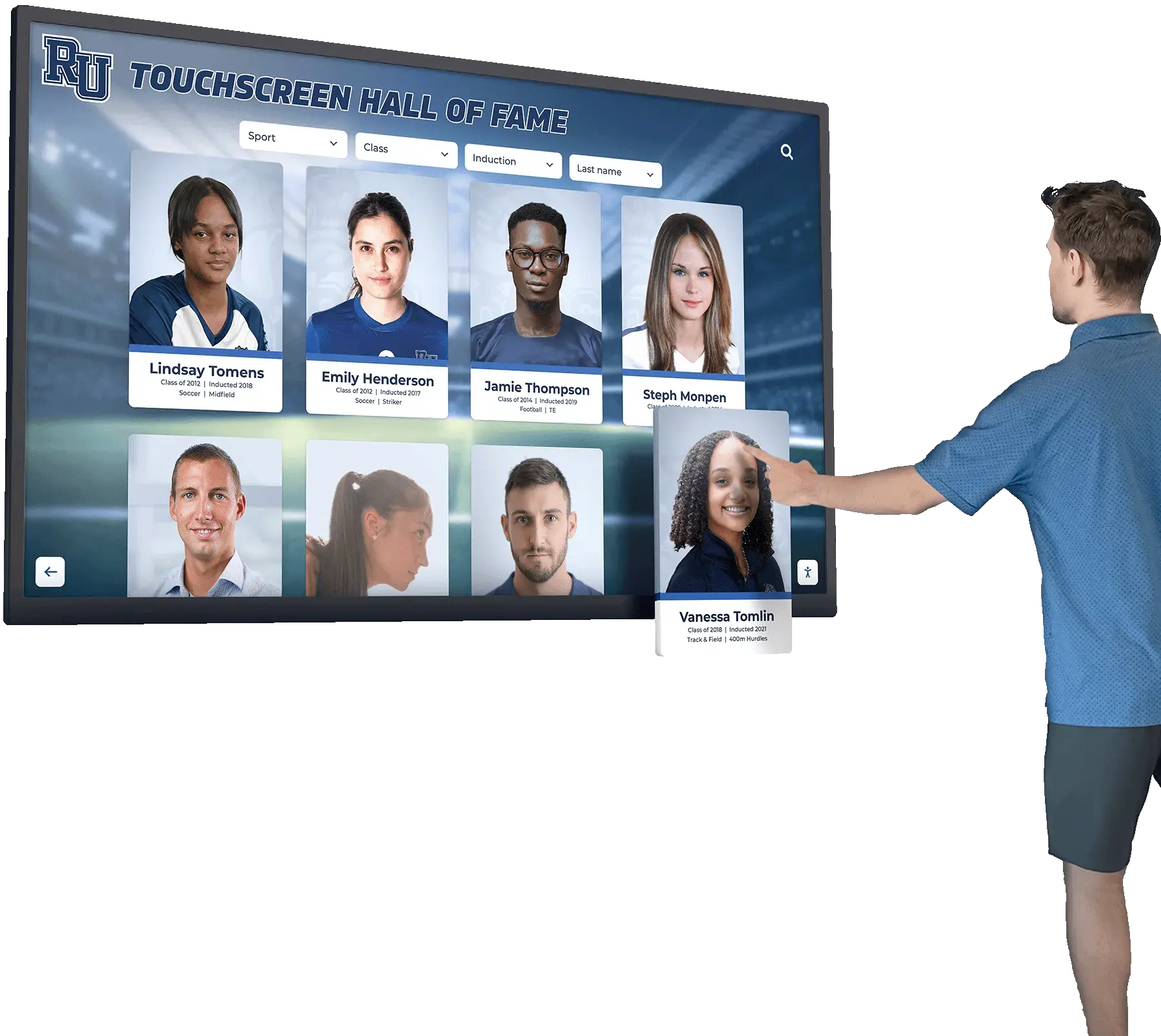
- Lists must become browsable: a “wall of names” is less engaging than filters (term, grade, award type).
- Update cadence is the real ROI: the value is sustained recognition across the year, not one assembly.
Methodology
This use-case brief synthesizes common honor-roll / academic recognition patterns, plus related HallOfFameWall guides:
- Honor roll digital recognition guide
- Honor roll touchscreen display
- End-of-semester honor roll digital display guide
Key findings
- Insight: Families look for “my student” first.
- Evidence: Search and class/grade filters are the fastest path to relevance.
- Implication: Put search and term filters above the fold.
- Insight: Awards aren’t a single list.
- Evidence: Honor roll, NHS, scholarships, perfect attendance, departmental awards all have different rules.
- Implication: Model “award type” explicitly, then render multiple views.
Data visualization: what to publish (decision table)
| Recognition type | Publish fields (default) | Sensitive fields to avoid | Typical cadence |
|---|---|---|---|
| Honor roll | Name, grade, term | GPA, rank (unless approved) | Each term |
| Scholarships | Name, award name, year | dollar amounts (often sensitive) | Annual |
| Academic awards | Name, category, year | discipline notes | Annual / term |
| Perfect attendance | Name, year | attendance details | Annual |
Content model (minimum viable)
| Field | Required? | Notes |
|---|---|---|
| Student name (display) | Yes | Decide formatting rules (first last, initials) |
| Grade/class year | Yes | Enables browsing and “current cohort” views |
| Term / year | Yes | Required for historical browsing |
| Recognition type | Yes | Honor roll vs scholarship vs award |
| Category (optional) | Optional | E.g., math, science, leadership |
| Photo | Optional | Use only with consent; ensure alt text |
Requirements checklist
- Publishing & privacy
- Opt-out process (and how it propagates)
- Data minimization defaults (publish less; add more only with policy)
- User experience
- Search, filters (term, grade, recognition type)
- Shareable views (QR code / mobile companion if allowed)
- Accessibility
- Strong contrast, large text, clear headings, predictable navigation
- Operations
- Bulk uploads each term
- “Term close” workflow: verify → approve → publish
What this means for schools
To make academic recognition feel like a showcase (not a spreadsheet):
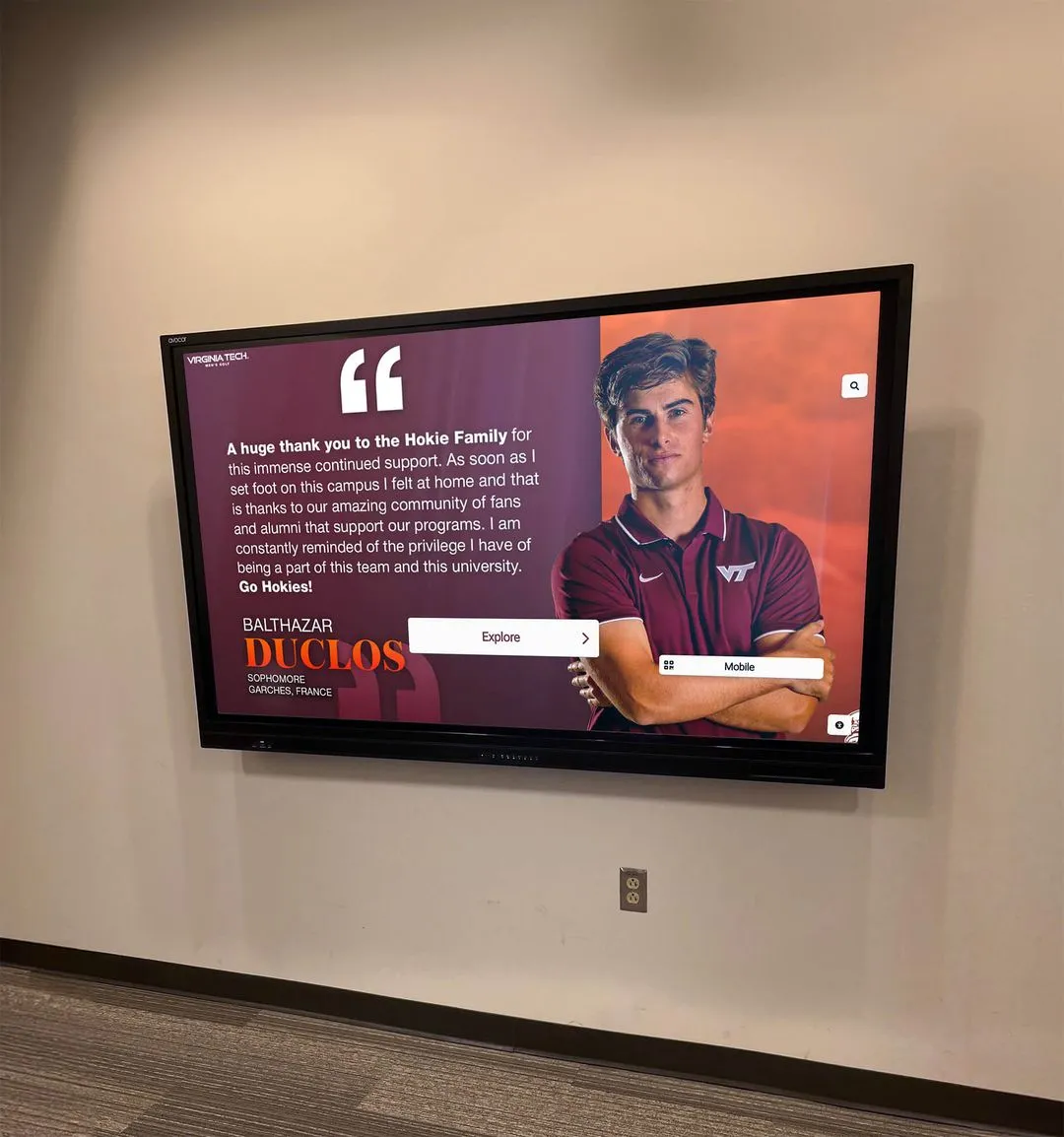
- Use “story tiles”: scholarships and departmental awards benefit from short context (criteria, impact).
- Keep a consistent archive: every term should live in the same navigation structure.
- Avoid overstating metrics: publish GPA/rank only when policy supports it.
Recommended next reads
- National Honor Society students highlighted: guide
- High school perfect attendance digital showcase wall
CTA
- Primary: Request a research briefing.
- Secondary: See the platform behind the data.
- Relevant Rocket PDP: Digital Hall of Fame platform overview