Retired Jersey Numbers: A Guide to How High Schools Honor Their All-Time Greats
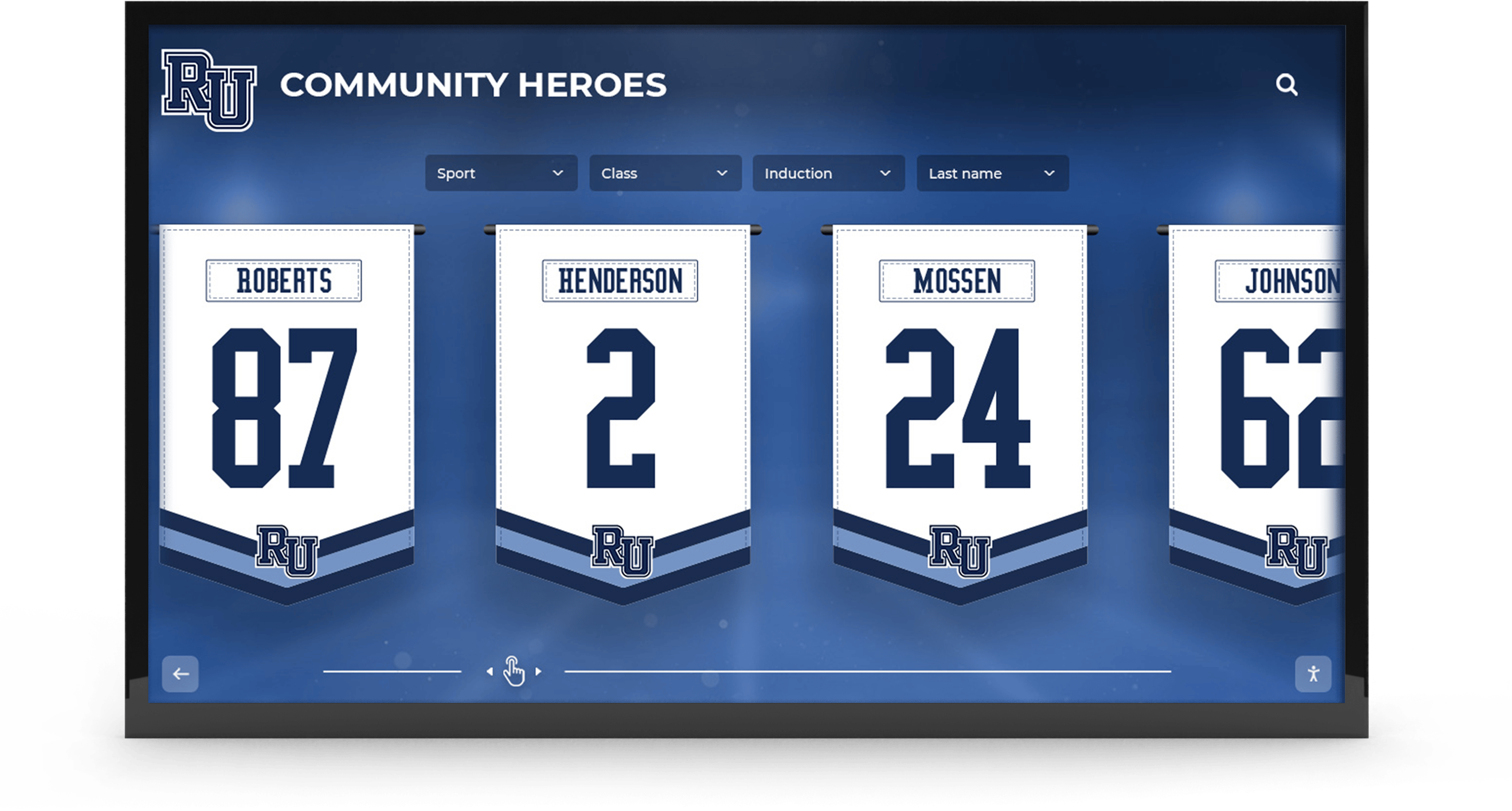
The number 23 no longer belongs to any player on the roster. It belongs to history. That is the message a high school sends when it retires a jersey number — this digit, worn by an extraordinary athlete, will never be reassigned. No future player pulls it from the equipment room, no coach issues it at preseason, no statistician records it in a new column. The number belongs permanently to the athlete who earned that honor, and to the legacy of the program that produced them.
Read More
Senior Athlete Banners: Ideas, Designs, and How to Display Them for Maximum Impact
Celebrating Athletic Achievement: Senior athlete banners represent one of the most visible and cherished traditions in high school athletics, transforming gymnasiums, hallways, and athletic facilities into galleries celebrating graduating athletes' contributions. These banners serve multiple purposes—honoring individual seniors for their dedication and achievements, building school spirit and program identity, creating visual legacies that inspire younger athletes, and strengthening community connections through visible celebration. Whether displayed during senior night ceremonies, hung permanently in athletic facilities, or integrated into broader recognition programs, well-designed senior athlete banners create lasting impressions that graduating athletes remember long after their final games. This comprehensive guide explores creative design ideas, effective display strategies, material considerations, and modern alternatives that help schools maximize the impact of senior athlete recognition. Senior athlete banners occupy unique positions in school athletic cultures. Unlike trophies stored in cases or awards handed out during private ceremonies, banners create public, prominent recognition visible to entire school communities. Each time students walk through hallways, attend games, or practice in facilities, these banners reinforce the message that athletic commitment matters, senior contributions are valued, and program traditions connect past and present.
Read More
Varsity Letter Jackets: History, Traditions, and What They Mean Today
Symbols of Achievement That Transcend Generations: Varsity letter jackets represent one of American education's most enduring recognition traditions, transforming athletic and academic achievement into visible symbols that students wear with pride throughout their high school years and treasure for decades afterward. These iconic wool-and-leather jackets create instant visual connections to school identity while marking wearers as individuals who demonstrated exceptional commitment, skill, and dedication in their chosen pursuits. Yet as schools modernize recognition programs and student participation patterns evolve, athletic directors, coaches, and administrators increasingly question how traditional letterman jacket programs fit within contemporary educational environments. This comprehensive guide explores the complete history of varsity letter jackets from their 1860s origins through modern adaptations, examines the traditions and requirements that give letters meaning, and investigates what these powerful symbols represent in today's schools—helping educational leaders preserve meaningful recognition traditions while adapting to changing student needs and expectations. The sight remains instantly recognizable across American schools: students walking hallways wearing distinctive wool jackets with leather sleeves, school letters prominently displayed on their chests, surrounded by patches commemorating championships, positions, and years of participation. Varsity letter jackets serve as wearable portfolios of achievement, visible declarations that their owners met demanding standards and earned recognition within their school communities.
Read More
What Is a Letterman Jacket? History, Traditions, and How Schools Honor Athletes
An American Icon of Achievement: The letterman jacket represents one of the most enduring symbols of athletic excellence in American secondary education. From its origins in 1865 at Harvard University to its current status as a cherished tradition across thousands of high schools, the letterman jacket communicates dedication, achievement, and school pride through distinctive chenille letters, commemorative patches, and colors representing institutional identity. This comprehensive guide explores the complete history of letterman jackets, the traditions surrounding varsity letter awards, and how modern schools continue honoring athletic achievement through both traditional recognition and contemporary digital solutions. Walk through the halls of almost any American high school during fall or winter, and you’ll encounter a distinctive sight: students wearing heavy wool jackets adorned with large chenille letters, colorful patches, and pins commemorating athletic achievements. These letterman jackets—also called varsity jackets or letter jackets—represent far more than warm outerwear. They’re visible declarations of athletic accomplishment, symbols of dedication recognized across generations, and tangible connections to school traditions spanning more than 150 years.
Read More
Homecoming Court Positions: A Complete Guide to the Royal Lineup
Homecoming court positions represent one of the most anticipated school traditions, celebrating students who embody school spirit, leadership, and community involvement. Each fall, students across the country participate in homecoming festivities that culminate in the coronation of a royal court—typically featuring princes, princesses, a king, and a queen. Understanding the structure, selection process, and significance of these positions helps schools create meaningful recognition programs that honor deserving students while strengthening school culture and tradition.
Read MoreBest Ways to Honor School History: Complete Guide to Preserving Legacy & Heritage
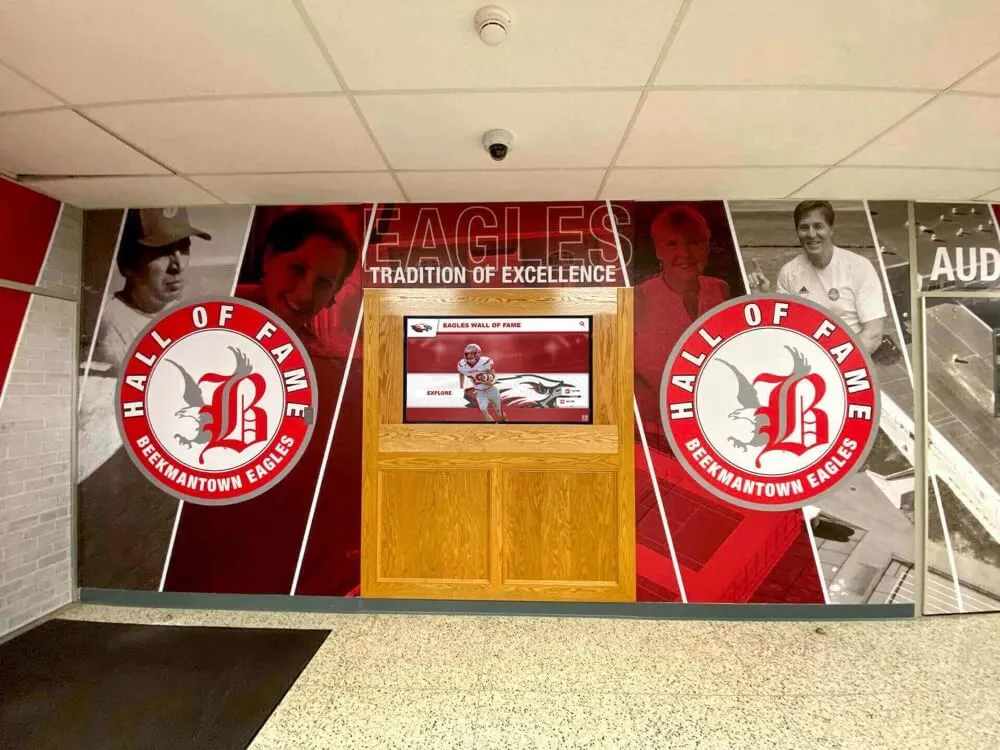
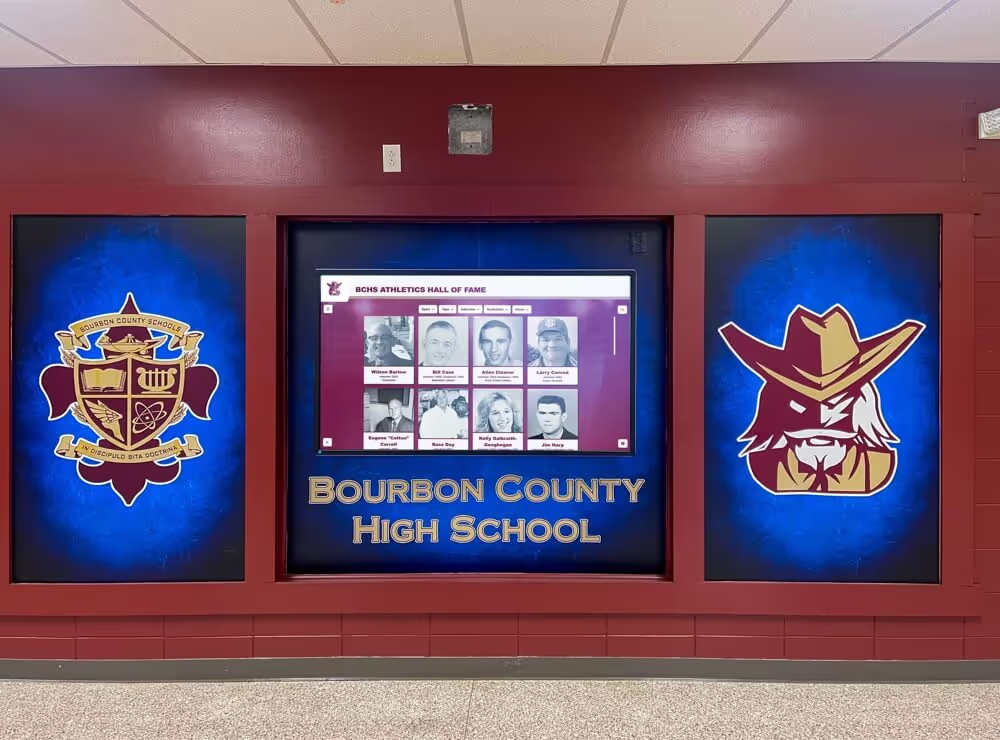
Every school has a story—a unique narrative woven from decades of achievements, traditions, challenges overcome, and lives transformed. Yet many educational institutions struggle to preserve and share this rich history effectively, allowing precious institutional memory to fade with each graduating class and retiring faculty member. The best ways to honor school history go far beyond simply storing old yearbooks in a dusty archive or hanging faded photographs in forgotten corridors.
Read More
Celebrating Multi-Generational Families Through Digital Alumni Recognition: Preserving Legacy and Building Connection
Schools hold a unique place in family histories. For many families, the same institution has educated parents, grandparents, children, and even great-grandchildren—creating threads of shared experience that span generations. These multi-generational connections represent some of the deepest bonds between families and their educational communities, yet many schools struggle to celebrate and leverage these powerful relationships effectively.
Read More
High School Football Season: Celebrating Players, Building Tradition, and Inspiring Future Champions
High school football season represents far more than Friday night games under stadium lights. These programs build character, unite communities, forge lifelong friendships, and create traditions that span generations. From the first practice in late summer heat through playoff runs in crisp autumn weather, football seasons become defining chapters in student-athlete development and school culture.
Read More
Homecoming Festivities: Complete Guide to Planning Memorable School Celebrations
Celebrating School Spirit and Tradition: Homecoming festivities represent one of the most beloved traditions in American schools, bringing together students, alumni, staff, and communities in celebration of school pride, shared heritage, and collective identity. From spirit week competitions and pep rallies to football games and formal dances, homecoming week creates memories that last a lifetime while strengthening bonds that connect generations of graduates. Modern schools are discovering that thoughtful planning, inclusive programming, and innovative recognition displays transform good homecoming celebrations into extraordinary experiences that inspire school pride and community engagement long after the festivities conclude. Homecoming season arrives each fall with anticipation and excitement that permeates school hallways, athletic facilities, and community gathering spaces. For students, homecoming offers opportunities to demonstrate school spirit, compete in friendly class rivalries, celebrate athletic achievements, and create social memories with friends and classmates. For alumni, homecoming provides reasons to return to campuses, reconnect with former classmates, relive cherished memories, and witness how their schools have evolved. For communities, these celebrations showcase school excellence, unite diverse populations around common pride, and create traditions that strengthen community identity across generations.
Read More
Homecoming King and Queen Recognition Display: Complete Guide to Celebrating School Royalty Through Digital Recognition
Celebrating School Tradition: Homecoming king and queen recognition represents one of the most cherished traditions in American schools and universities. Each year, students, alumni, families, and communities gather to celebrate school spirit through elaborate homecoming festivities that culminate in crowning homecoming royalty. Yet while the ceremony itself creates powerful memories, many schools struggle to preserve and honor these traditions beyond the immediate celebration. Traditional recognition methods—paper programs filed away, photos buried in yearbooks, or cramped trophy case plaques—fail to create the lasting, accessible displays that homecoming traditions deserve. Modern digital recognition solutions transform how schools celebrate homecoming royalty by creating permanent, engaging displays that honor decades of tradition while inspiring current students and connecting alumni to their shared institutional heritage. The homecoming tradition traces its roots to early 20th-century American colleges celebrating returning alumni with football games, parades, and campus festivities. The tradition of crowning homecoming royalty emerged later, with the University of Missouri crowning its first homecoming queen in 1932 and the University of Minnesota following suit that same year. The tradition of homecoming kings came later, with Minnesota crowning its first homecoming king in 1951. What began as university traditions quickly spread to high schools nationwide, becoming one of the most anticipated annual events celebrating school spirit, student leadership, and community connection.
Read MoreHow to Display Your School's History: Complete Guide to Preserving and Showcasing Institutional Heritage
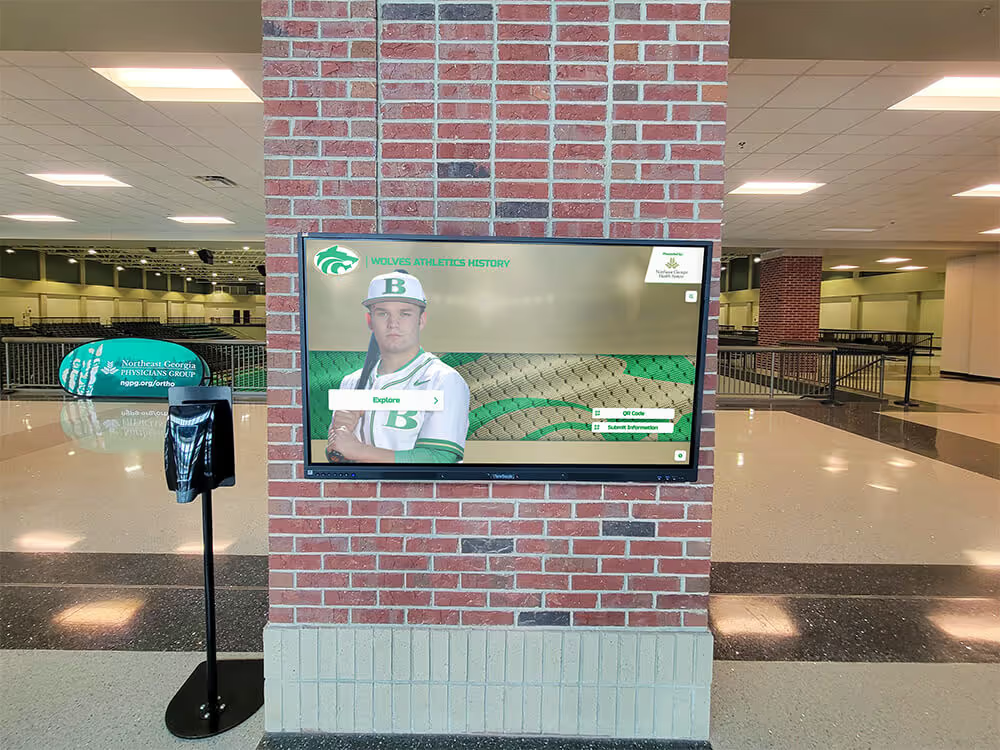
Every school has a rich tapestry of stories, achievements, traditions, and transformative moments that define its unique identity and inspire future generations. Yet many educational institutions struggle with effectively displaying and preserving this invaluable history, allowing decades of institutional memory to fade into obscurity, stored in dusty archives, or limited to outdated bulletin boards that fail to engage modern audiences.
Read MoreRetired Jersey Ceremonies: How Schools Honor Their Greatest Athletes
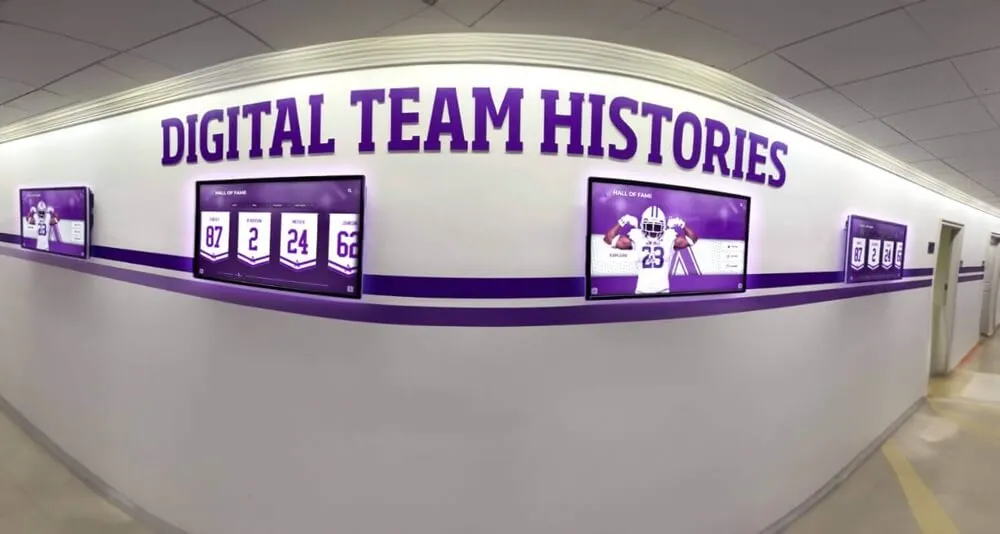
Few honors in athletics carry the weight and permanence of a retired jersey. When a school raises a jersey to the rafters or displays it in a place of honor, that decision transcends a simple award ceremony—it represents institutional recognition that this athlete's contributions were so exceptional, so historically significant, that their number will forever belong to them alone. This ultimate form of athletic recognition creates lasting legacies that inspire current athletes, engage alumni, and define program identity across generations.
Read More
School History Timeline: Complete Guide to Creating Interactive Heritage Displays
Every school has a story—a rich narrative spanning decades or even centuries of achievements, transformations, challenges overcome, and lives changed. Yet many educational institutions struggle to present this history in engaging, accessible formats that resonate with current students, reconnect alumni, and demonstrate institutional heritage to prospective families. A well-designed school history timeline transforms abstract dates and names into a compelling visual narrative that brings institutional legacy to life.
Read MoreSchool Rivalry History Digital Timeline: Complete Guide to Preserving and Celebrating Athletic Traditions
School rivalries represent some of the most cherished traditions in American athletics, creating generational connections that transcend individual games or seasons. The anticipation of facing a traditional rival, the intensity of competition, and the memories of legendary matchups form emotional bonds that alumni carry throughout their lives. From century-old high school football rivalries that define entire communities to newer athletic competitions building their own traditions, these rivalry histories deserve recognition systems that capture their significance and preserve their stories for future generations.
Read More
Senior Recognition Programs: Complete Guide to Honoring Graduating Seniors in 2026
Honoring the Class of Tomorrow: Every graduating senior class represents years of dedication, growth, achievement, and contribution to school communities. These students have invested countless hours in academics, athletics, arts, service, and leadership—building the foundations for their futures while strengthening the institutions they're about to leave behind. Yet many schools struggle to recognize graduating seniors in ways that truly honor their comprehensive contributions, often limiting celebration to a single graduation ceremony or brief senior day event that cannot possibly capture the depth and breadth of what seniors have accomplished throughout their educational journeys. When a high school senior spends four years excelling in academics, leading school clubs, competing in athletics, performing in theater productions, volunteering in the community, and mentoring younger students, that multifaceted excellence deserves recognition that reflects the full scope of contribution. A diploma acknowledges completion, but comprehensive senior recognition programs celebrate the individual journeys, unique achievements, and lasting legacies that distinguish each graduating class and its individual members.
Read More
Thanksgiving Day Football Rivalry Games: History, Tradition, and School Success Guide
America's Most Cherished High School Football Tradition: Every Thanksgiving morning, communities across America gather in crisp November air to witness one of the nation's most enduring traditions—high school football rivalry games that date back over a century. From Massachusetts to California, these Turkey Day matchups represent far more than athletic contests; they embody school pride, community identity, family traditions, and generational connections that span decades. With some rivalries dating back to the 1870s, these games bring together current students, proud alumni, and entire communities in celebrations of athletic excellence, fierce but friendly competition, and shared heritage that define what it means to belong to a school and community. For schools with successful Thanksgiving Day programs, preserving this history and celebrating these achievements creates lasting recognition that inspires current athletes while honoring past glory. Picture this scene repeated in hundreds of communities each Thanksgiving morning: Alumni who graduated fifty years ago stand alongside current students, wearing school colors and trading stories about legendary games from different eras. Three generations of the same family huddle together against the November cold, sharing hot chocolate while watching their school compete against its oldest rival. Former players who haven’t seen each other in decades embrace near the concession stand, their conversation inevitably turning to “that game in ‘95” or “the snow game of ‘08.” The marching band plays the school fight song, and thousands of voices—young and old—join together in a moment of pure school pride.
Read More