Middle School Basketball Practice Plan: Drills, Strategies, and Schedules for Youth Coaches
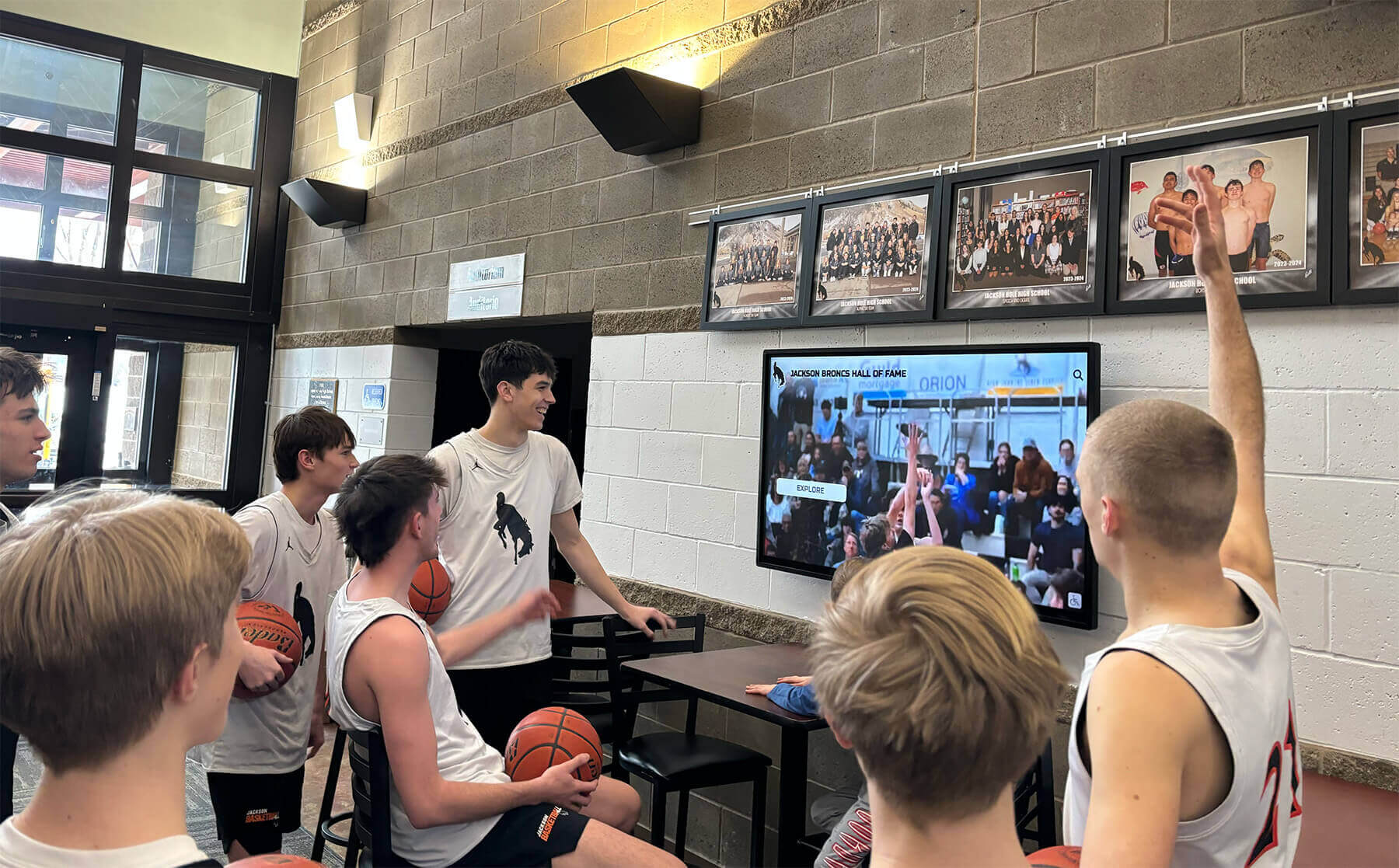
Building Championship Foundations: Middle school basketball represents a critical developmental window where young athletes transition from recreational play to competitive fundamentals, establishing habits and skills that shape their entire athletic careers. Effective practice planning during these formative years requires carefully structured sessions that balance skill development with engagement, challenge athletes appropriately without overwhelming them, and create positive experiences that build lifelong appreciation for the game. Yet many youth coaches struggle with designing practice plans that maximize limited gym time, address diverse skill levels within single rosters, and maintain energy throughout 90-minute sessions when attention spans waver. This comprehensive guide provides proven middle school basketball practice plan frameworks, essential drill progressions, time management strategies, and coaching techniques that develop fundamental excellence while fostering team culture and individual confidence that extends far beyond basketball courts. Middle school basketball coaching presents unique challenges fundamentally different from both elementary recreation leagues and high school varsity programs. Athletes in this 11-14 age range experience dramatic physical development variations—some players already approaching adult size while teammates remain significantly smaller and less physically mature. Skill levels similarly span enormous ranges, from players with years of club experience to complete beginners trying basketball for the first time. Attention spans, while improving from elementary years, still require intentional engagement strategies that keep practice moving and interesting.
Read MoreCoaching Philosophy: How to Define Your Approach and Inspire Student Athletes
Your Philosophy Shapes Everything: A well-defined coaching philosophy serves as the compass guiding every decision you make—from practice planning and player selection to communication strategies and competitive approaches. Research demonstrates that coaches with clearly articulated philosophies develop more consistent programs, build stronger team cultures, and achieve better long-term outcomes than those operating without defined principles. Yet many coaches struggle to articulate their core beliefs in ways that meaningfully inform daily coaching decisions, inspire athletes to buy into team values, and communicate effectively with parents, administrators, and communities. This comprehensive guide walks you through developing, articulating, and implementing a coaching philosophy that authentically reflects your values while providing practical guidance for building championship cultures and developing student athletes both on and off the field. Every coaching decision you make—whether selecting starting lineups, responding to poor sportsmanship, balancing playing time, or addressing conflict—reflects underlying beliefs about athletics, education, and human development. Coaches without clearly defined philosophies make inconsistent decisions that confuse athletes, undermine trust, and create cultural instability. Those who have thoughtfully developed their philosophies operate with clarity and consistency that athletes recognize and respect, even when disagreeing with specific decisions.
Read More
How to Plan a Sports Banquet: Complete Guide for Athletic Programs
The Culminating Celebration: Every athletic season represents months of dedication, countless hours of practice, victories celebrated, and challenges overcome. The sports banquet serves as the formal conclusion to this journey—a time to honor achievement, recognize effort, celebrate team culture, and inspire athletes as they reflect on the season's accomplishments. When planned thoughtfully, sports banquets create lasting memories that strengthen team bonds, validate hard work, and establish traditions that define athletic programs for generations. Athletic directors, coaches, and parent organizers face numerous decisions when planning sports banquets: selecting appropriate venues, establishing recognition criteria, managing budgets, coordinating logistics, and creating presentations that genuinely celebrate athlete contributions. The difference between a forgettable gathering and a memorable celebration often lies in detailed planning, clear communication, and understanding what makes recognition meaningful to student-athletes and their families.
Read More