Sports Team Alumni Page: What Schools Should Include for Former Athletes
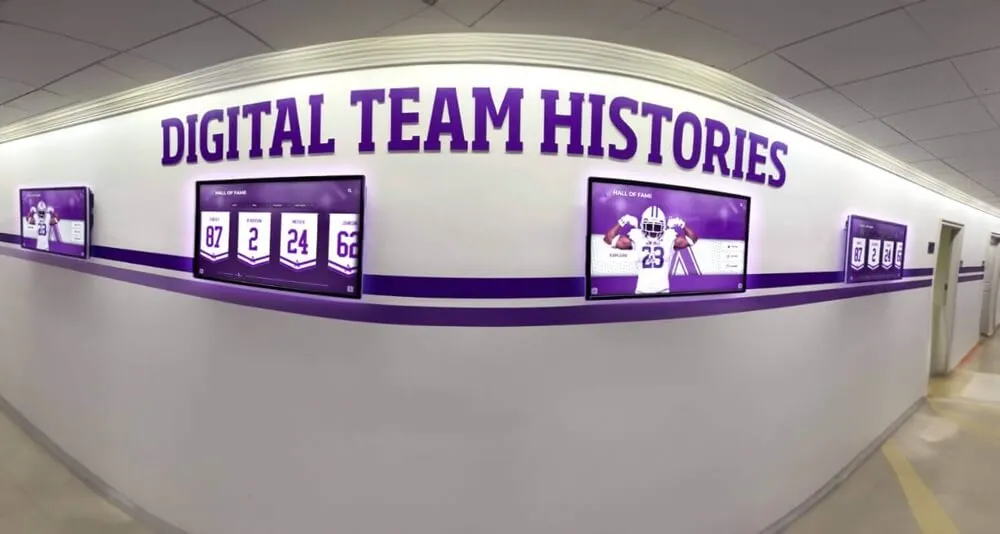
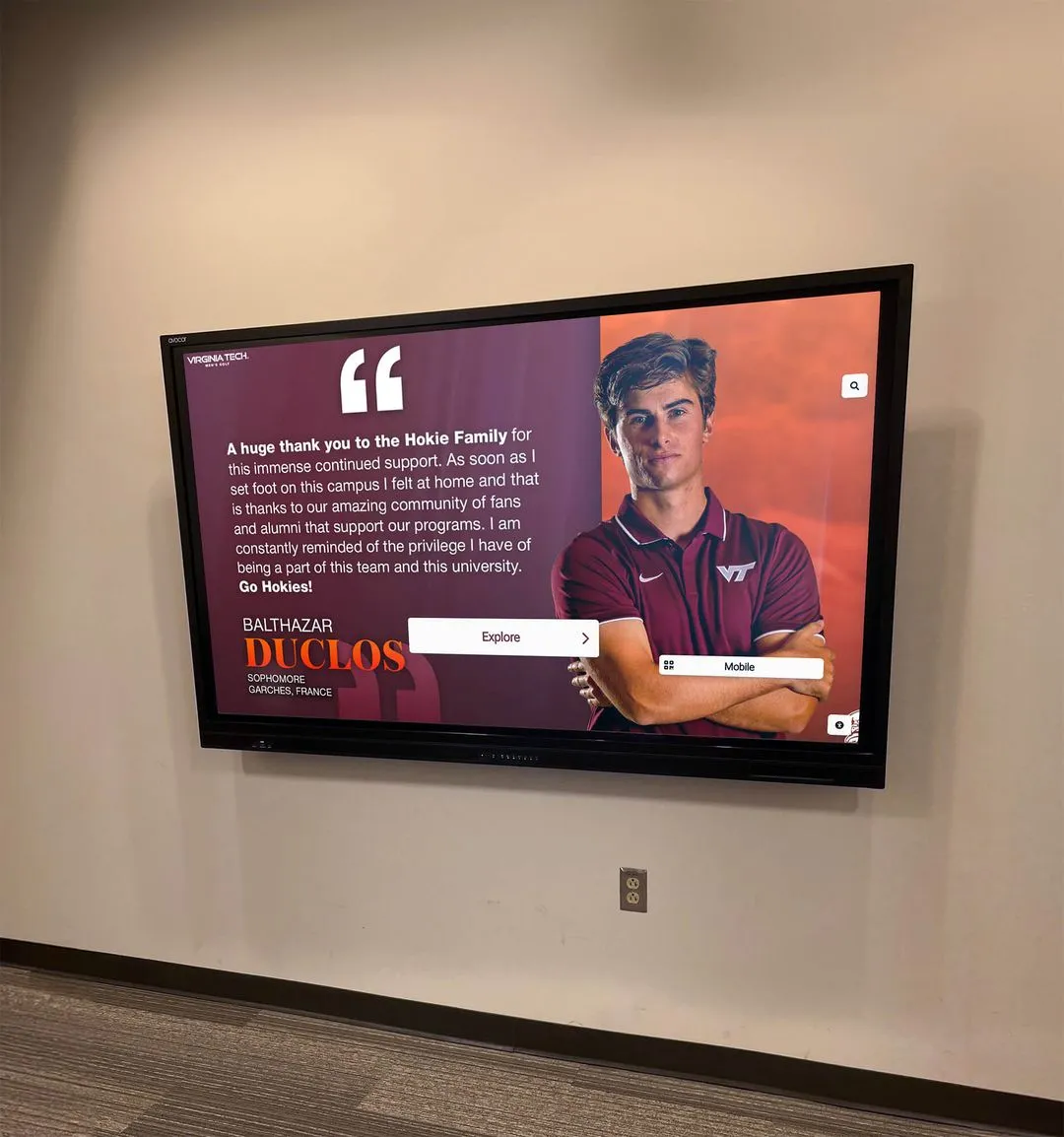
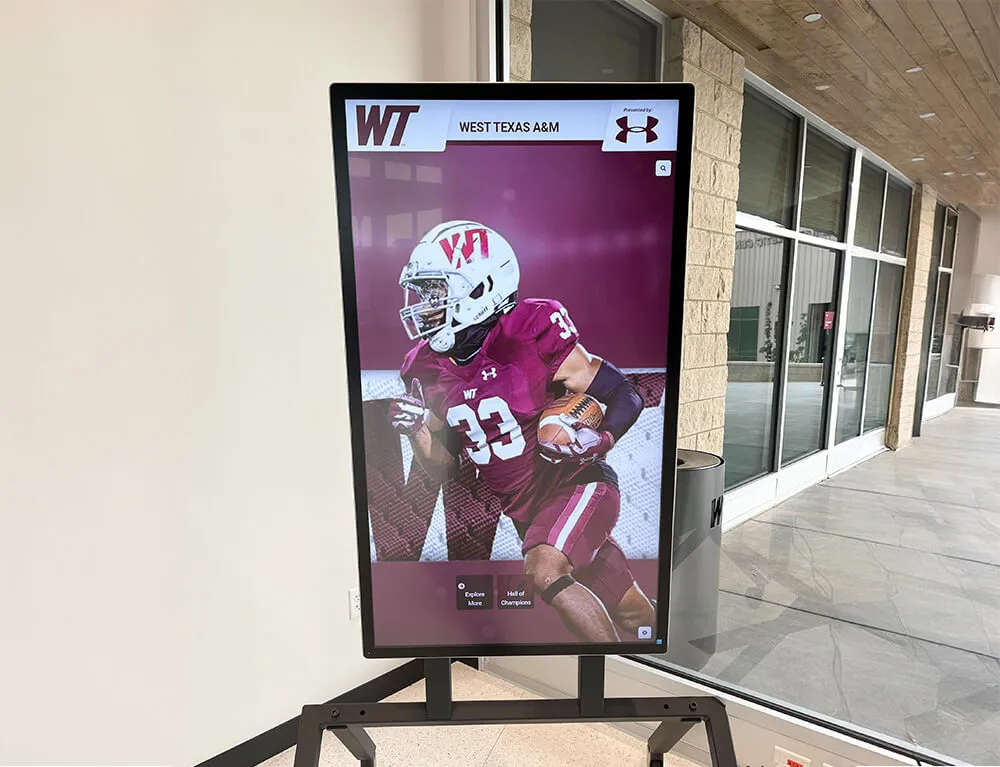
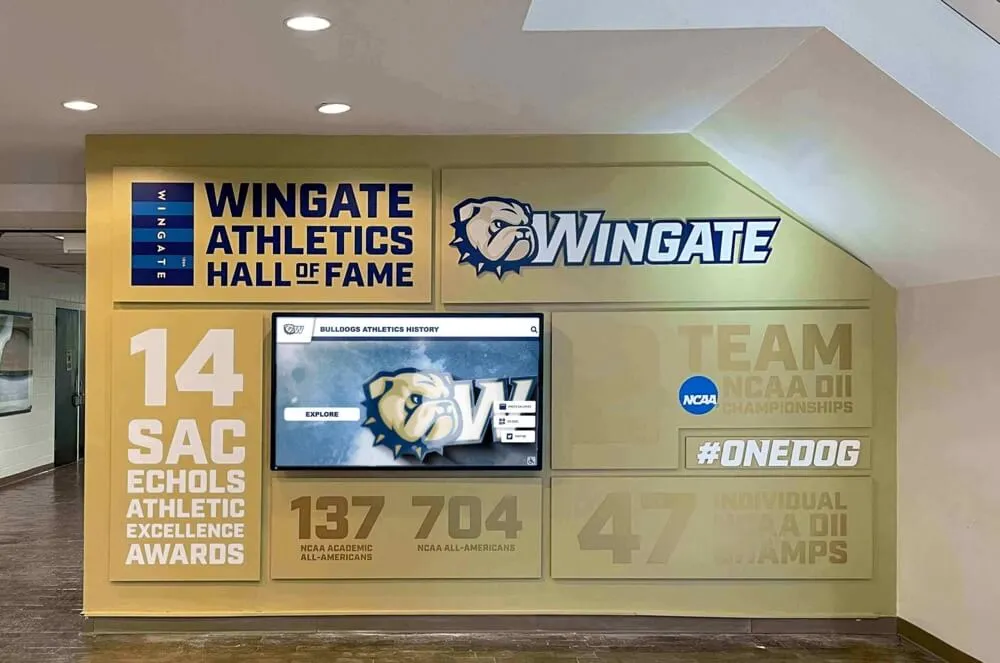
Every school’s athletic program is built on the shoulders of the athletes who came before. A well-crafted sports team alumni page honors those individuals by name, preserves the records they set, and keeps a living connection between past competitors and current teams. Yet many programs still rely on a static list of names buried on an athletic department website—missing the full picture of what a proper alumni page can accomplish.
Read More
Hall of Fame Photo Caption Guidelines: Names, Teams, Years, and Awards to Include
Every athletic director has been there: a box of old photos, a stack of plaques, and the nagging realization that nobody wrote down which year the state championship team graduated—or whether that jersey number belonged to the all-conference forward or the team manager. Inconsistent hall of fame photo captions are one of the most common and most fixable problems in school athletic recognition. Getting this right the first time, or cleaning it up systematically, transforms a collection of images into a searchable archive that serves athletes, families, donors, and future administrators for decades.
Read More
High School Hall of Fame Acceptance Speeches: Prompts, Bios, and Display Archive Tips
Quick answer: High school hall of fame acceptance speeches work best when inductees receive a short written prompt at least two weeks before the ceremony, a requested length of 2–4 minutes, and a guided bio template covering their years of participation, key achievements, and one personal reflection. After the ceremony, pairing the speech text or recording with the inductee's digital profile creates a permanent, searchable archive future students and alumni can explore for decades. Hall of fame induction nights are among the most meaningful events on a high school calendar. They reunite alumni, validate years of dedicated effort, and pass legacy stories to current student-athletes and scholars. Yet two elements that determine whether an induction ceremony becomes genuinely memorable—the acceptance speech and the inductee biography—are frequently planned at the last minute, if they are planned at all.
Read More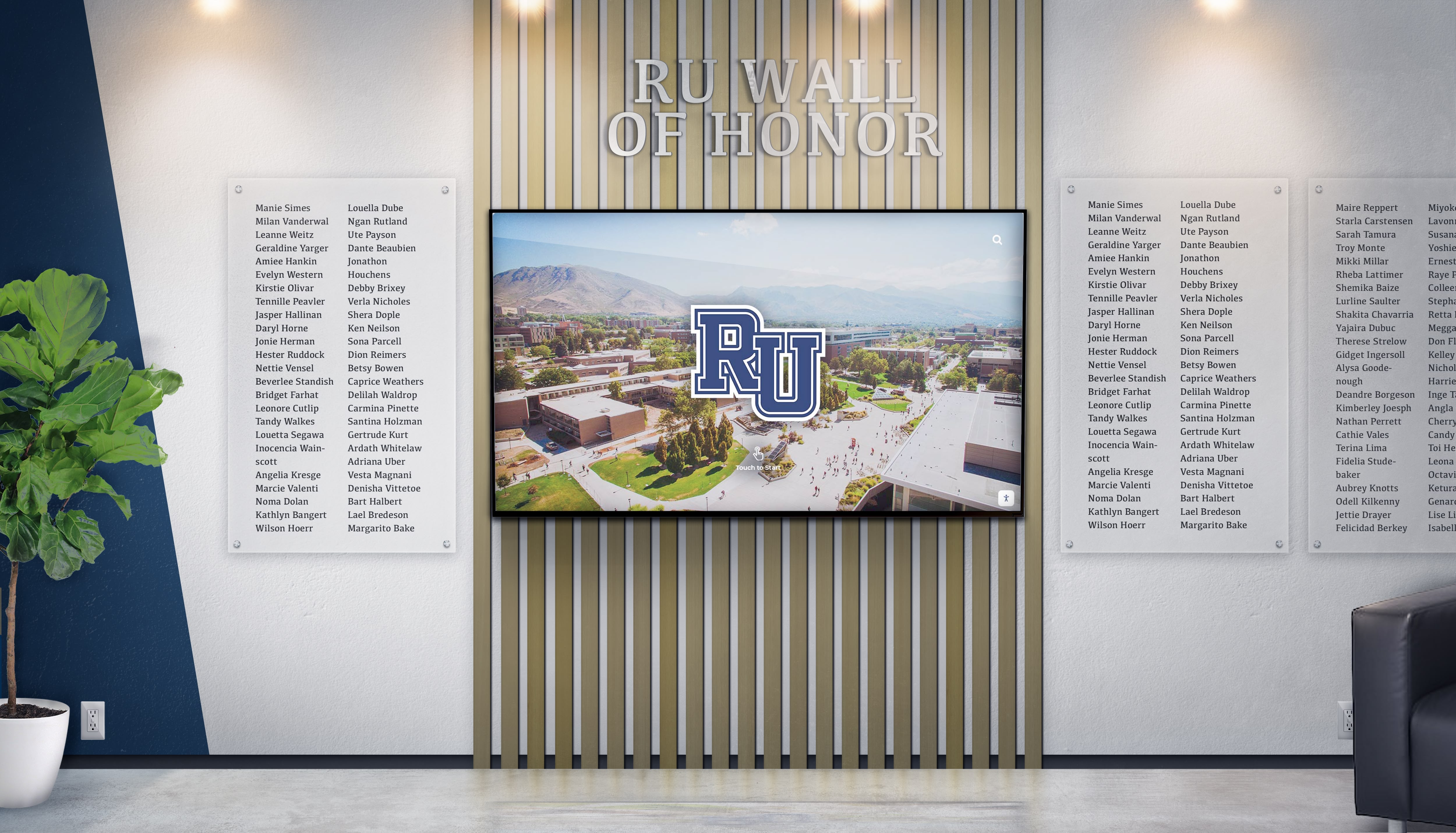
Hall of Fame Plaque Template: Wording, Fields, and Digital Profile Structure for Schools
Every school eventually faces the same moment: a new hall of fame inductee is announced, the committee looks at each other, and someone asks, “Wait—what exactly goes on the plaque?” Without a documented template, every induction season restarts a debate that should have been settled years ago. Inconsistent plaque layouts undermine the visual cohesion of a recognition wall, frustrate vendors, and send mixed signals to honorees about what the program values most.
Read More
Wrestling Hall of Fame: How Schools and Programs Honor Their Mat Legends
Wrestling programs build character unlike any other sport. On the mat, individual athletes face opponents alone—no teammates to rely on, no substitutions when fatigue sets in, and nowhere to hide from either triumph or defeat. This unique crucible forges extraordinary dedication, mental toughness, and competitive excellence that shapes young athletes long after their final match. Yet many wrestling programs struggle to adequately honor the champions, coaches, and contributors who built their traditions, often relegating decades of achievement to dusty trophy cases or faded photographs tucked away in basement hallways.
Read MoreIowa State Wrestling Tournament: History and How Schools Honor Champions
Wrestling in Iowa represents far more than a high school sport—it's a cultural institution that defines communities, builds character, and creates legacies spanning generations. The Iowa state wrestling tournament stands as one of the most prestigious high school sporting events in the nation, where athletes compete in front of packed arenas and entire communities unite behind their wrestlers. Schools with championship traditions face an important challenge: how to appropriately honor these achievements while inspiring future generations to pursue similar excellence. Every February, Iowa’s wrestling community converges on Wells Fargo Arena in Des Moines for the state wrestling tournament, a three-day spectacle that regularly draws crowds exceeding 100,000 fans throughout the event. The tournament’s intensity, tradition, and community significance create achievements worthy of lasting recognition—state champions, place winners, All-State selections, and coaching milestones that define program excellence.
Read MoreAthletic Hall of Fame: Complete Guide for School Administrators in 2026
School administrators face a critical challenge when establishing athletic halls of fame: how to create recognition systems that authentically celebrate athletic excellence while remaining sustainable, fair, and meaningful for decades. An athletic hall of fame represents far more than a display of achievements—it embodies institutional values, strengthens school culture, engages alumni, and demonstrates sustained commitment to athletic excellence across generations.
Read More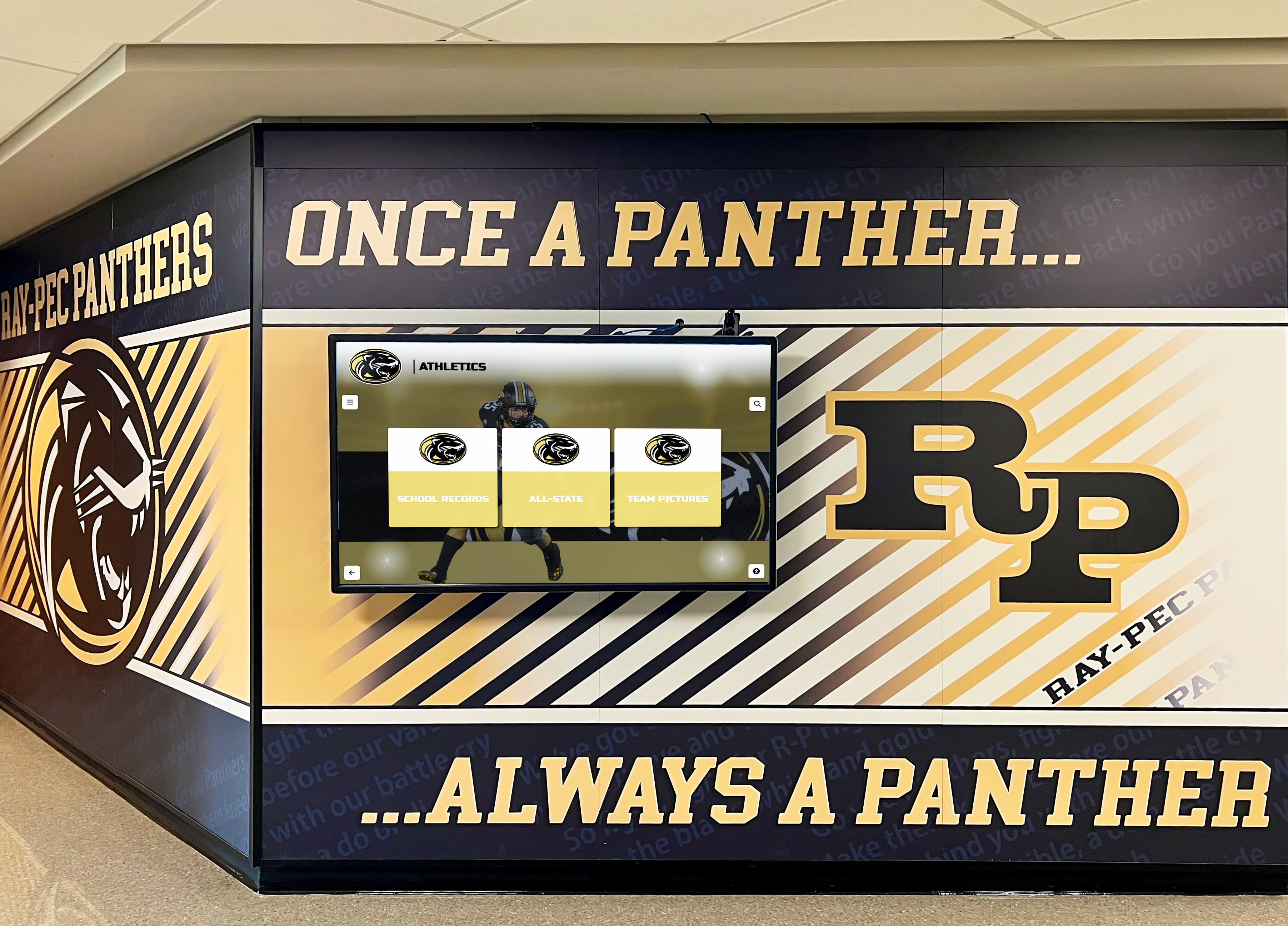
How to Tell Your Entire Story with a Digital Hall of Fame: Complete Guide to Recognition That Inspires
Every school has a story worth telling—decades of championships, distinguished alumni, academic excellence, community impact, and traditions that define institutional identity. Yet traditional recognition methods like plaques, banners, and trophy cases severely limit your ability to tell that complete story, forcing difficult choices about what to display and what to relegate to storage.
Read More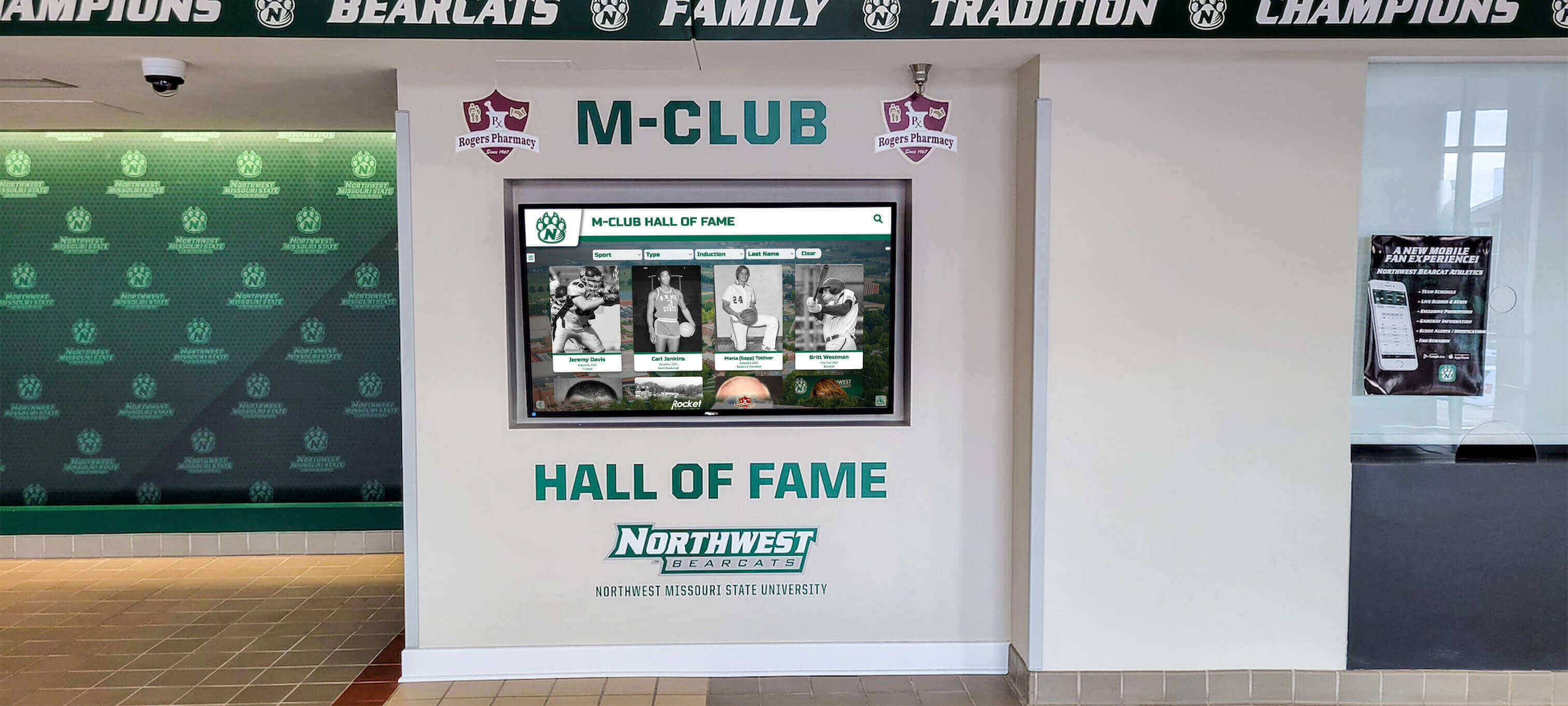
JuCo Athletics Digital Recognition Systems: Complete Guide to Honoring Junior College Athletes
Junior college athletics represent a vital pathway for over 70,000 student-athletes annually across more than 500 NJCAA member institutions. Yet many community colleges struggle to properly honor their athletic achievements due to limited space, budget constraints, and the challenge of maintaining physical recognition displays. Digital recognition systems offer junior colleges an affordable, scalable solution to celebrate athletic excellence while building program pride and supporting recruitment efforts across all sports. Junior college athletics programs face unique recognition challenges that distinguish them from four-year institutions. Student-athletes typically spend only two years at JuCo programs before transferring, yet their contributions deserve lasting acknowledgment. Athletic directors must honor current athletes, celebrate program history, support recruitment initiatives, and maintain recognition systems—all while working with community college budgets that average one-third of four-year institutions.
Read More
Statewide Hall of Fames: Comprehensive Guide to State-Level Recognition Programs and Digital Solutions
Statewide hall of fames represent the pinnacle of recognition within state communities, celebrating exceptional achievement across athletics, academics, public service, and cultural contributions. Unlike institution-specific programs, statewide halls of fame honor individuals whose excellence transcends individual schools or organizations to represent the best of what an entire state produces. From state athletic hall of fames recognizing championship coaches and legendary athletes to academic recognition programs celebrating educational pioneers, statewide recognition creates inspiring models of achievement while building community pride across diverse populations and geographic regions.
Read More