Youth Sports Leagues: How Communities Build Young Athletes Through Organized Recreation Programs
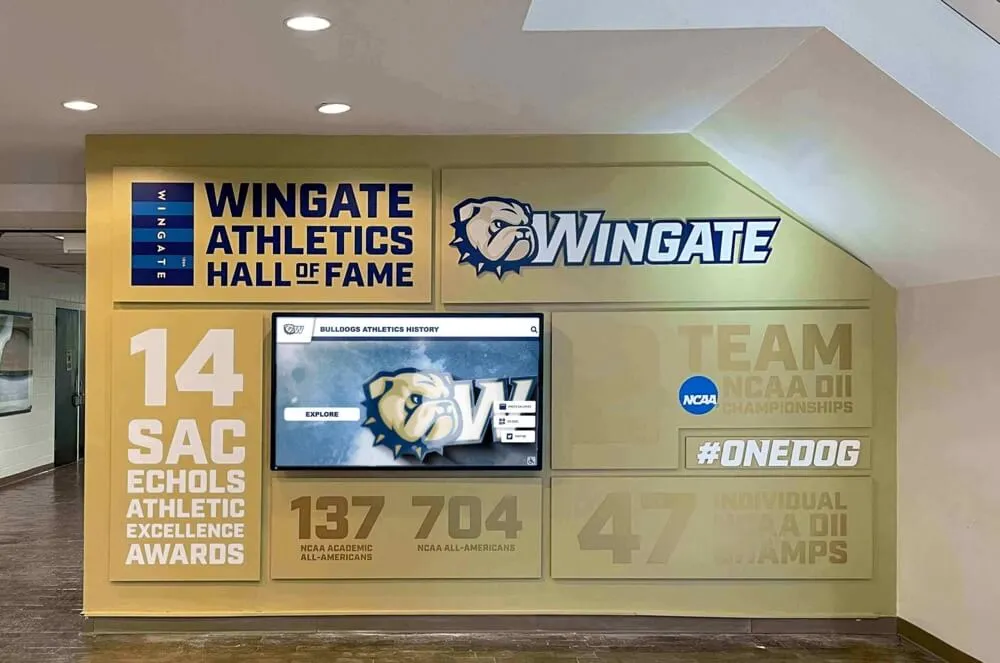
Building Tomorrow's Athletes Today: Youth sports leagues represent the foundation of athletic development in communities nationwide, serving more than 45 million young athletes annually across organized recreational and competitive programs. These leagues provide far more than game schedules and trophy opportunities—they create structured environments where children develop physical skills, learn teamwork and discipline, build confidence through achievement, and establish lifelong healthy habits. Yet successful youth sports leagues require careful organization, committed volunteer leadership, sustainable funding models, and recognition systems that motivate continued participation while celebrating diverse contribution types. This comprehensive guide explores how communities build effective youth sports programs that serve young athletes' developmental needs while creating inclusive environments where every participant can thrive. Youth sports leagues occupy unique positions in community life, serving as gathering places where families connect, volunteer opportunities where adults contribute meaningfully, and developmental environments where children learn lessons extending far beyond athletic fields. Research consistently demonstrates that youth sports participation correlates with numerous positive outcomes including improved physical health and fitness habits, enhanced academic performance and school engagement, stronger social skills and peer relationships, increased self-confidence and resilience, and reduced behavioral problems and substance abuse risk.
Read More
Russ Houk's Wrestling Camp History: Pioneering Olympic Training and Development
A Revolutionary Legacy: Long before summer wrestling camps became commonplace across America, one coach pioneered a revolutionary approach to wrestling development that would shape the sport for generations. Russ Houk's Wrestling Camp at Maple Lake, Pennsylvania, established in 1962, became one of the first comprehensive wrestling training programs in the United States and served as the official U.S. Olympic and Pan-American Games Training Camp from 1964 through 1973. This remarkable facility trained countless champions including Dan Gable, Chris Taylor, and numerous Olympic medalists who went on to define American wrestling excellence. Walk into any wrestling room across America today and you’ll find summer camp schedules posted on bulletin boards, technique clinics advertised on social media, and intensive training programs promising elite development. The modern wrestling camp industry—generating millions of dollars annually and serving tens of thousands of young wrestlers—traces its roots directly back to pioneering programs that first demonstrated how concentrated summer training could accelerate athlete development and build wrestling culture.
Read More