Youth Sports
- Home /
- Categories /
- Youth Sports
Football Referee Signals: The Complete Visual Guide to Penalty Calls and Field Gestures
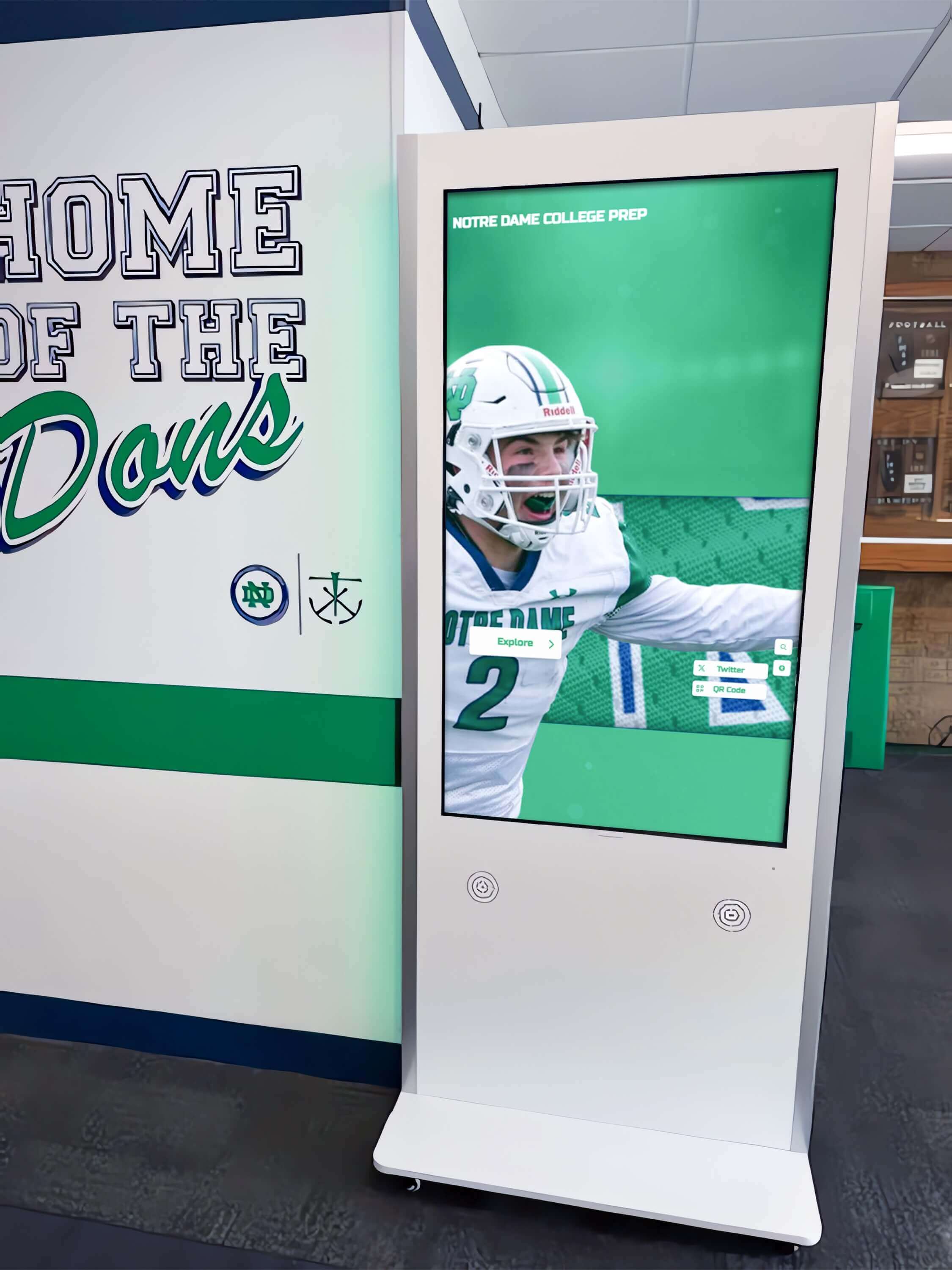
Understanding football referee signals transforms the viewing experience from confusing chaos into strategic chess match. Every flag thrown, whistle blown, and hand gesture made communicates specific information about what just happened on the field. Yet for parents watching their children play, casual fans at Friday night games, and even some players, these signals often remain mysterious—leading to frustration when penalties change game momentum without clear understanding of what occurred.
Read More
Youth Lacrosse Drills: Age-Appropriate Practice Ideas for Beginning Players
Building Lifelong Lacrosse Skills Through Play: Lacrosse ranks among America's fastest-growing youth sports, yet beginning players face unique challenges learning stick skills that feel awkward and unnatural at first. Effective youth lacrosse drills transform these initial frustrations into confidence by breaking complex skills into manageable progressions, emphasizing fun and engagement over competition, and celebrating small improvements that build momentum. This comprehensive guide presents age-appropriate lacrosse practice ideas specifically designed for beginning players—providing coaches and parents with structured activities that develop fundamental skills while fostering the positive experiences that keep young athletes engaged and eager to return to practice. Spring brings lacrosse season to communities nationwide, with thousands of young players picking up sticks for the first time. These beginners face distinctive challenges compared to sports like basketball or soccer where basic skills feel more intuitive. Catching and throwing with a stick, cradling while running, and scooping ground balls require coordination and technique that don’t develop naturally without systematic instruction and patient practice.
Read More
How to Plan the Perfect Cheer Camp: A Complete Guide for Coaches, Schools, and Booster Clubs
Building Championship Teams Through Purposeful Preparation: Cheer camps represent transformative experiences that elevate squad performance, strengthen team bonds, and establish technical foundations supporting entire competitive seasons. Whether organizing a single-day skills clinic for middle school beginners or a week-long intensive training for varsity competition squads, effective camp planning requires coordinating logistics spanning facility arrangements and safety protocols, designing curriculum balancing skill progression with team building, managing budgets through creative fundraising and cost controls, and creating recognition systems celebrating improvement and achievement. This comprehensive guide walks coaches, athletic directors, and booster club leaders through every planning dimension—from initial timeline development through post-camp evaluation—providing proven frameworks that transform ordinary practice sessions into memorable experiences building both athletic excellence and lasting team culture. Successful cheer camps don’t happen by accident. They result from months of thoughtful planning addressing dozens of interconnected details—instructor qualifications, progression sequencing, safety equipment, meal coordination, emergency protocols, parent communication, and recognition strategies. Teams that invest time in comprehensive planning create camp experiences delivering measurable skill improvements, stronger squad cohesion, increased athlete confidence, and positive momentum carrying through entire seasons.
Read More
Lacrosse Practice Drills: Building Skills for Youth and High School Players
Building Championship Skills Through Purposeful Practice: Lacrosse continues experiencing explosive growth at youth and high school levels nationwide, with participation increasing by over 40% in the past decade. Yet many coaches—particularly those new to the sport—struggle with designing practice sessions that efficiently develop fundamental skills while maintaining player engagement. Effective lacrosse practice drills systematically build stick skills, tactical awareness, and physical conditioning through structured progressions that challenge players appropriately for their development level. This comprehensive guide presents essential lacrosse practice drills organized by skill category, age-appropriateness, and competitive level—providing coaches with a framework for running productive practices that accelerate player development while building the team cohesion necessary for competitive success. Lacrosse presents unique coaching challenges compared to more established sports. The sport combines stick skills unfamiliar to most beginning players, continuous transition between offense and defense, specialized positional requirements, and physical demands requiring both finesse and toughness. Players must develop proficiency in catching, throwing, cradling, scooping ground balls, shooting, dodging, and defensive positioning—all while managing a stick that initially feels foreign and unwieldy.
Read MoreCoaching Philosophy: How to Define Your Approach and Inspire Student Athletes
Your Philosophy Shapes Everything: A well-defined coaching philosophy serves as the compass guiding every decision you make—from practice planning and player selection to communication strategies and competitive approaches. Research demonstrates that coaches with clearly articulated philosophies develop more consistent programs, build stronger team cultures, and achieve better long-term outcomes than those operating without defined principles. Yet many coaches struggle to articulate their core beliefs in ways that meaningfully inform daily coaching decisions, inspire athletes to buy into team values, and communicate effectively with parents, administrators, and communities. This comprehensive guide walks you through developing, articulating, and implementing a coaching philosophy that authentically reflects your values while providing practical guidance for building championship cultures and developing student athletes both on and off the field. Every coaching decision you make—whether selecting starting lineups, responding to poor sportsmanship, balancing playing time, or addressing conflict—reflects underlying beliefs about athletics, education, and human development. Coaches without clearly defined philosophies make inconsistent decisions that confuse athletes, undermine trust, and create cultural instability. Those who have thoughtfully developed their philosophies operate with clarity and consistency that athletes recognize and respect, even when disagreeing with specific decisions.
Read MoreYouth Sports Leagues: How Communities Build Young Athletes Through Organized Recreation Programs
Building Tomorrow's Athletes Today: Youth sports leagues represent the foundation of athletic development in communities nationwide, serving more than 45 million young athletes annually across organized recreational and competitive programs. These leagues provide far more than game schedules and trophy opportunities—they create structured environments where children develop physical skills, learn teamwork and discipline, build confidence through achievement, and establish lifelong healthy habits. Yet successful youth sports leagues require careful organization, committed volunteer leadership, sustainable funding models, and recognition systems that motivate continued participation while celebrating diverse contribution types. This comprehensive guide explores how communities build effective youth sports programs that serve young athletes' developmental needs while creating inclusive environments where every participant can thrive. Youth sports leagues occupy unique positions in community life, serving as gathering places where families connect, volunteer opportunities where adults contribute meaningfully, and developmental environments where children learn lessons extending far beyond athletic fields. Research consistently demonstrates that youth sports participation correlates with numerous positive outcomes including improved physical health and fitness habits, enhanced academic performance and school engagement, stronger social skills and peer relationships, increased self-confidence and resilience, and reduced behavioral problems and substance abuse risk.
Read More
100 Youth Sports Awards Ideas: Complete Recognition Guide for Every Player and Achievement
Recognition That Matters: End-of-season awards ceremonies create defining moments in youth sports programs, shaping memories that athletes carry for years. Research consistently shows that meaningful recognition increases athlete retention by 35-40% and strengthens team culture when implemented thoughtfully. However, many coaches struggle with designing award programs that celebrate diverse contributions while maintaining significance and avoiding the perception that "everyone gets a trophy." This comprehensive guide presents 100 youth sports awards ideas organized by category, age-appropriateness, and strategic purpose—helping programs create recognition systems where every athlete receives genuine acknowledgment while maintaining awards that honor exceptional achievement. Youth sports programs serve critical roles beyond teaching athletic skills. These programs build character, develop teamwork capabilities, foster resilience, and create lasting memories that shape young people’s development. End-of-season recognition ceremonies provide opportunities to celebrate not just victories and statistics but also growth, dedication, sportsmanship, and the countless ways young athletes contribute to team success.
Read More
PA AAU Teams Showcase: Complete Recognition Guide for Pennsylvania Youth Basketball Programs in 2026
Pennsylvania’s AAU basketball landscape represents one of the most competitive youth sports environments in the country, with hundreds of elite teams competing across programs like Team Pennsylvania, Basketball Stars of America, Eastern PA Elite, and Central PA Elite. These programs develop thousands of young athletes annually, with Team Pennsylvania alone reporting over 250 alumni playing college basketball. As these programs grow in prestige and impact, athletic directors, club administrators, and facility managers face an increasingly important challenge: how to effectively showcase team achievements, preserve program history, and recognize individual excellence in ways that inspire current athletes while honoring past accomplishments.
Read MoreSoccer Award Ideas: Creative Recognition for Your Team's End-of-Season Celebration
End-of-season soccer celebrations represent defining moments that shape young players' memories and motivation for years to come. As the fastest-growing youth sport in America, soccer attracts millions of dedicated players who invest countless hours developing skills, supporting teammates, and pursuing competitive excellence. Coaches and club administrators face the meaningful challenge of recognizing diverse contributions—from goal-scoring prowess and defensive tenacity to leadership qualities and dramatic improvement—through awards that authentically honor each player's unique impact.
Read More