Spring brings lacrosse season to communities nationwide, with thousands of young players picking up sticks for the first time. These beginners face distinctive challenges compared to sports like basketball or soccer where basic skills feel more intuitive. Catching and throwing with a stick, cradling while running, and scooping ground balls require coordination and technique that don’t develop naturally without systematic instruction and patient practice.
Many youth coaches—particularly parent volunteers without lacrosse backgrounds—struggle with designing practices that productively develop skills without overwhelming or boring young players. Drills that work for experienced high school athletes often frustrate beginners. Conversely, unstructured scrimmages without skill focus waste valuable development opportunities and allow poor habits to become entrenched.
This guide addresses these challenges by presenting youth lacrosse drills specifically tailored for beginning players at different developmental stages. Beyond simply listing drills, this resource provides practical implementation guidance, common coaching points, progression frameworks, and strategies for maintaining engagement with athletes whose attention spans and frustration tolerance remain limited. Whether coaching recreational six-year-olds or competitive ten-year-olds learning lacrosse fundamentals, you’ll find age-appropriate activities that develop skills systematically while creating the positive experiences that build lifelong love for the sport.
Understanding Developmental Stages for Youth Lacrosse Players
Effective youth lacrosse coaching requires understanding how different age groups learn, what challenges they face, and how to structure activities appropriately for their developmental stage.
Ages 5-7: Introduction and Play-Based Learning
Developmental Characteristics: Limited attention spans (5-10 minutes per activity), developing fine motor coordination, concrete thinking (struggle with abstract tactical concepts), highly variable skill levels within same age group, sensitive to criticism and failure experiences.
Primary Goals: Create positive associations with lacrosse, introduce stick as fun tool rather than frustrating obstacle, develop basic catching and throwing concepts, build comfort running with stick, and establish listening and following directions habits.
Practice Structure Approach: Short activity segments (5-8 minutes), high fun factor with games and creative elements, minimal standing in lines waiting for turns, constant positive reinforcement for effort and small improvements, and patience with wildly inconsistent skill execution.
Ages 8-10: Fundamental Skill Building
Developmental Characteristics: Longer attention spans (10-15 minutes per activity), improving coordination enabling more technical skill work, beginning to understand team concepts and simple strategies, starting to compare themselves to peers (can create confidence or discouragement), and developing work ethic and practice discipline.
Primary Goals: Establish solid fundamental stick skills in catching, throwing, cradling, and ground balls; introduce basic positional concepts; begin developing game awareness and decision-making; build teamwork and sportsmanship habits; and maintain enthusiasm for the sport through continued positive experiences.
Practice Structure Approach: Balanced mix of skill drills and games, still emphasize fun but can include more repetition and technical coaching, introduce friendly competition without high-stakes pressure, begin implementing structured drills with clear objectives, and provide individual feedback on technique.
Ages 11-13: Skill Refinement and Tactical Introduction
Developmental Characteristics: Adult-like attention spans and practice capacity, significant coordination improvements enabling complex skill work, capable of understanding tactical concepts and strategies, peer comparison and competitive attitudes more prominent, and physical maturation creating variable sizes and abilities within age groups.
Primary Goals: Refine fundamental skills with emphasis on consistency and technique, introduce intermediate skills like dodging and advanced shooting, develop tactical understanding of positions and team concepts, build competitive mindset and mental toughness, and prepare players for potential high school lacrosse participation.
Practice Structure Approach: More traditional practice structures with focused skill work, competitive elements and situational drills, position-specific training, longer drill sequences building work capacity, and balance between individual skill development and team tactical work.
Understanding these developmental stages prevents common coaching mistakes like expecting seven-year-olds to execute drills requiring fifteen-minute focus spans or boring thirteen-year-olds with activities designed for much younger players. Successful programs like those recognized through comprehensive athletic recognition systems understand that youth development requires age-appropriate approaches that respect where athletes are in their learning journey.
Beginning Stick Skills: Making the Stick Feel Natural
For beginning lacrosse players, the stick initially feels awkward and foreign. These foundational drills help young players develop basic competence and confidence in handling their equipment.
Cradling Development Progression
Cradling—the rhythmic rocking motion that keeps the ball in the stick pocket—represents the first hurdle for beginning players. Without comfortable cradling, players can’t move with the ball or focus on other game elements.
Stationary Cradling (Ages 5-7)
Players stand in place with ball in stick. Demonstrate proper cradling motion: stick near shoulder, elbow bent, gentle rocking motion using wrist and forearm, and keep head up (not staring at stick). Have players practice for 30-second intervals, then rest and repeat.
Coaching Tip: Use imagery young kids understand: “Rock the baby to sleep” or “Stir a big pot of soup.” Physical demonstrations work better than verbal explanations for this age group.
Walk and Cradle (Ages 7-10)
Once comfortable stationary cradling, progress to walking while cradling. Mark a path with cones creating a simple course. Players walk the path while maintaining cradle, focusing on keeping ball secure and head up. Gradually increase speed from walk to jog as comfort improves.
Make It Fun: Create “red light, green light” variations where players must stop and start while maintaining cradle. Add “yellow light” for walking slowly or “purple light” for switching hands.
Obstacle Course Cradling (Ages 8-12)
Set up courses with cones to weave through, spots to jump over, and areas requiring direction changes. Players navigate courses while cradling. This drill builds comfort controlling the stick while moving dynamically—essential for game situations.
Progression: Start with dominant hand only, then practice with non-dominant hand, then progress to switching hands at designated cone locations.
Catching Fundamentals for Beginners
Many beginning players fear the ball, resulting in turning away from passes or flinching during catches. These drills build catching confidence and proper technique.
Underhand Toss Catching (Ages 5-8)
Partners stand 5-6 feet apart. Partner without stick gently tosses ball underhand toward receiver’s stick. Receiver focuses on “giving with the catch” (pulling stick back slightly as ball arrives) and keeping stick steady. Complete 10 successful catches, then switch roles.
Key Coaching Points: Emphasize soft hands (absorbing the ball rather than rigid stick), watching ball all the way into stick, and keeping stick head up (not down near ground where balls bounce out). Celebrate successful catches enthusiastically—positive reinforcement proves essential for building confidence.
Partner Passing—Short Distance (Ages 7-10)
Progress to actual passing once underhand catching feels comfortable. Partners stand 8-10 feet apart with both having sticks. Execute very short passes using proper throwing motion but reduced power. Focus on accuracy (throwing to partner’s stick box near shoulder) and clean catching.
Common Mistakes: Throwing too hard (causing drops and fear), looking away before ball arrives in stick, and reaching for ball rather than moving feet to proper catching position. Provide gentle corrections while maintaining encouraging tone.
Reaction Catching Drill (Ages 10-13)
Partner or coach varies pass location (high, low, left, right) requiring receiver to adjust and react. This progression builds reaction skills and stick control necessary for game situations where passes aren’t perfect. Start with slower, predictable variations before progressing to quicker, more random deliveries.
Developing these fundamental stick skills early creates the foundation for everything else in lacrosse. Programs that celebrate this skill development alongside competitive achievements—often through modern recognition displays—reinforce that fundamental skill mastery matters just as much as scoring goals.

Throwing Accuracy Drills for Young Players
Accurate passing enables team play and offensive opportunities. These drills develop throwing mechanics while keeping young players engaged through targets and games.
Target Throwing Progression
Throw to the Wall (Ages 6-10)
The classic wall ball drill adapts perfectly for beginners. Players stand 8-10 feet from wall and throw, aiming to hit wall at shoulder height. After throwing, catch rebound and repeat. Start with 10 consecutive right-hand throws and catches, then 10 left-hand.
Modifications for Beginners: Use soft lacrosse balls or tennis balls if players struggle with hard ball fear. Allow dropped rebounds without penalty—just pick up and continue. Focus on throwing motion rather than catching initially. Mark target spots on wall with tape giving clear aiming points.
Bucket Target Game (Ages 7-11)
Place buckets, hula hoops, or marked circles at various distances (10, 15, 20 feet). Players throw balls trying to hit targets, earning points for accuracy. Closer targets worth fewer points; distant targets worth more points.
Engagement Factor: Keep score and create mini-competitions. Use team challenges rather than individual competitions to reduce pressure and build collaboration. “Can our team score 50 points in 5 minutes?” works better than identifying winners and losers.
Partner Passing Accuracy (Ages 8-13)
Partners stand 12-15 yards apart. Designate specific target areas: “throw to box” (stick pocket near shoulder), “high pass” (above head height), or “low pass” (waist height). Passer calls out target before throwing. Receiver provides feedback on accuracy.
Teaching Emphasis: Proper throwing mechanics—step with opposite foot, bring stick back past ear, throw over the shoulder (not sidearm), follow through toward target. Common beginner errors include throwing with wrong foot forward, inadequate follow-through, and dropping stick head before release (causing low throws).
Fun Throwing Games
Shark Attack (Ages 6-9)
Players spread across field with balls and sticks. Designate 1-2 players as “sharks” (no sticks). Other players must throw balls at sharks’ feet (ground balls). Sharks try to tag players who don’t have balls. If ball touches shark’s feet, shark freezes for 5 seconds. Switch sharks every 2-3 minutes.
Skills Developed: Throwing under pressure, moving while carrying stick, ground ball pickup, spatial awareness.
Knockout (Ages 9-13)
Players form circle around trash can or cone in center. Take turns shooting at target. Missing shot means you’re out. Continue until one player remains. Gradually increase distance to make it more challenging.
Adaptation: For beginners, give multiple “lives” rather than single-elimination to maintain engagement and provide more repetitions.
Just as programs celebrate various athletic achievements through platforms like those for sport end-of-year awards, youth lacrosse development celebrates progression in fundamental skills that build confidence and competence.
Ground Ball Drills That Build Confidence and Toughness
Ground balls—loose balls on the ground requiring pickup—occur constantly in lacrosse games. Players comfortable with ground balls gain significant advantages. These drills develop proper technique while building physical and mental toughness.
Individual Ground Ball Technique
Stationary Scoop and Cradle (Ages 6-9)
Place balls on ground. Players approach at walking speed, scoop ball using proper technique (stick parallel to ground, bottom hand slides down shaft creating length, scoop through ball rather than stabbing). After scooping, establish secure cradle and hold for 3 seconds demonstrating control. Repeat 10 times.
Critical Coaching Points: Common beginner mistakes include stopping before reaching ball (rather than accelerating through it), stick angle too vertical (causing balls to bounce out), and not securing ball after scoop (leaving it vulnerable). Demonstrate proper technique and provide individual corrections.
Roll and Chase (Ages 7-11)
Coach rolls ball away from player. Player sprints after ball, scoops using proper technique, immediately cradles securely, and sprints 10 yards upfield before passing to next player. This progression adds speed and urgency while reinforcing proper technique.
Progression: Increase roll distance and angle, requiring players to adjust pursuit angles and scoop on the run. Add direction changes after scooping, forcing players to maintain secure cradles while cutting.
Partner Ground Ball Competition (Ages 9-13)
Two players start 10 yards apart with ball on ground between them. On whistle, both sprint to ball. Winner scoops ball and immediately protects it with body positioning. Loser plays token defense (50% intensity for beginners) trying to dislodge ball without fouling.
Safety Emphasis: Teach proper physical contact—body positioning and boxing out rather than pushing, holding, or dangerous checks. Beginning players need clear boundaries about legal contact to prevent injuries and negative experiences.
Ground Ball Games
Ground Ball Tag (Ages 6-10)
Scatter 10-15 balls around playing area. Players spread out without balls. On whistle, all players sprint to scoop ground balls. Players with balls become “it” and try to tag players without balls. Tagged players do 5 jumping jacks, then rejoin game. Play 2-minute rounds.
Skills Developed: Quick ground ball pickup, spatial awareness, cradling while moving, and most importantly—making ground balls fun rather than intimidating.
Musical Ground Balls (Ages 6-9)
Place ground balls in circle (one fewer ball than number of players). Players jog around circle while music plays. When music stops, players rush to scoop balls. Player without ball performs fun activity (frog jumps across gym, bear crawl, etc.—not punishments but silly movements). Remove one ball each round.
Team Ground Ball Relay (Ages 8-13)
Divide into teams of 4-5 players. First player sprints to marked ball 20 yards away, scoops, sprints back, hands ball to next teammate who rolls ball out and sprints to scoop again. Continue until all players complete cycle. First team finished wins. Create multiple rounds with slight variations.
Successful youth programs understand that celebrating effort and improvement—not just competitive outcomes—builds the positive culture that retains young athletes. Many programs now showcase this developmental progress through interactive recognition displays that honor various achievement types including skill development milestones.
Shooting Drills for Beginning Lacrosse Players
Shooting represents the most exciting skill for young players. These drills develop basic shooting mechanics while maintaining the fun factor essential for youth engagement.
Basic Shooting Mechanics Development
Form Shooting—No Goalie (Ages 7-11)
Players line up 10-12 yards from goal (no goalie initially to build confidence). Focus entirely on mechanics: plant foot pointing at target, hands separated properly on stick, overhand motion (not sidearm), follow-through toward target. Each player takes 5 shots, then returns to line. Coach provides individual feedback on technique rather than just watching makes and misses.
Coaching Focus: Beginning players often throw sidearm (easier but less accurate and powerful) rather than overhand. Gently correct this habit early before it becomes entrenched. Also watch for inadequate follow-through—shots should finish with stick pointed at target.
Target Practice Shooting (Ages 8-13)
Set up visual targets in goal corners—hanging towels, ribbons, or marked areas. Players aim for specific targets rather than just shooting at open cage. This approach develops accuracy habits rather than just blasting balls randomly.
Scoring System: Award points for different target locations. Corners worth 3 points, middle areas worth 1 point. Track individual or team scores to maintain engagement. Gradually increase shooting distance as accuracy improves.
Partner Feed and Shoot (Ages 9-13)
Set up two lines—shooters and feeders. Feeder passes to shooter cutting toward goal. Shooter catches and shoots in motion (rather than stationary). This progression introduces shooting on the run—critical for game situations.
Progression: Start with stationary feeder and slow-moving shooter. Progress to feeder moving and passing on the run. Eventually add token defensive pressure (50% intensity) so shooters practice shooting with defenders present.
Shooting Games That Maintain Engagement
Sharks and Minnows—Shooting Version (Ages 6-10)
All players start at midfield with balls. “Shark” (coach or designated player) stands between players and goal. On whistle, players attempt to advance toward goal and shoot past the shark (goalie). Shark tries to stop balls. Each goal counts as 1 point. Play to 5 points per player.
Around the World (Ages 8-13)
Mark 6-8 shooting positions around the goal at various angles and distances. Players rotate through positions, taking one shot from each location. Track makes from each position. Can play individually or as teams combining scores.
Modification: Allow players to move closer after misses, maintaining engagement rather than forcing repeated failures from too-difficult distances.
Pressure Shooting Relay (Ages 10-13)
Divide into teams. First player sprints to cone 15 yards from goal, receives pass from coach/feeder, shoots, sprints back to tag next teammate. Continue for 2 minutes. Team with most goals wins. This drill combines conditioning, shooting under fatigue, and team competition.
Youth sports should emphasize skill development and effort over pure competitive outcomes, particularly for beginning players. Programs recognized for excellence—often showcased through spring sports awards celebrations—understand that early positive experiences determine whether young athletes continue participation.
Defensive Fundamentals for Young Players
Defense often receives less attention than offense in youth lacrosse, yet teaching basic defensive concepts helps players understand complete game dynamics while developing physical toughness and positioning skills.
Basic Defensive Positioning
Mirror Without Sticks (Ages 7-11)
Remove complexity of sticks initially. Partner players. Offensive player moves laterally, forward, and backward within marked area. Defensive player mirrors movements maintaining proper defensive stance (knees bent, weight on balls of feet, arms out maintaining distance).
Duration: 30-second rounds, then switch roles. This drill develops defensive footwork fundamentals separate from stick skills, allowing focus on movement efficiency and body positioning.
Approach Drill (Ages 9-13)
Offensive player stands stationary 15 yards from goal with ball. Defender starts at goal and must approach ball carrier using proper technique (controlled speed, don’t overrun, maintain stick position in passing lane, establish body position preventing direct path to goal).
Teaching Points: Beginning defenders often sprint full speed at ball carriers and get easily beaten. Emphasize controlled approach, breaking down (slowing and establishing balance) before reaching attacker, and maintaining position rather than reaching with stick wildly.
1v1 Contained Defense (Ages 10-13)
Create small playing area (15x15 yards). Offensive player tries to score in small goal or get past defender to marked line. Defender focuses on body positioning, staying between attacker and goal, and not getting beaten. No checking or stick contact—purely positional defense for beginners.
Progression: Start with no-stick version (just body positioning), add sticks with no checking, eventually introduce legal poke checks once players demonstrate control and safety awareness.
Defensive Games and Activities
Steal the Bacon—Lacrosse Style (Ages 6-10)
Two teams line up on opposite sides of playing area. Place ball in center. Call out a number. Players with that number sprint to ball, scoop it, and try to return to their line without being tagged by opponent. This game develops ground ball aggression, quick direction changes, and protecting stick while moving—all defensive-related skills.
Keep Away—Small Teams (Ages 8-13)
Create 3v3 or 4v4 in small area. Offensive team tries to maintain possession. Defensive team tries to cause turnover. Award 1 point for every 10 consecutive passes (offense) or 1 point for each caused turnover (defense).
Skills Developed: Defensive positioning, anticipation, closing speed, and team defensive communication (“I’ve got ball,” “help,” etc.).
Small-Sided Games and Scrimmage Activities
Small-sided games provide game experience with more touches, increased decision-making opportunities, and better skill development than full-field scrimmages with large teams.
Box Games (4v4 or 5v5)
Mark 40x40 yard playing areas. Play 4v4 or 5v5 with small goals (no goalies for beginners). Keep balls in play constantly—when ball goes out, immediately roll new ball in rather than stopping play. Play 4-minute games with score tracking to maintain competitive engagement without excessive pressure.
Benefits: Every player touches ball frequently (unlike full-field games where beginners hide), constant movement builds conditioning, numerous scoring attempts provide shooting practice, transition between offense and defense happens naturally, and games remain engaging even for lower-skilled players.
Rules Modifications: Consider no-checking rules for beginners, require minimum number of passes before shooting to encourage teamwork, and rotate teams frequently ensuring varied competition and reducing win/loss significance.
Transition Games
3v2 to 2v3 Continuous (Ages 10-13)
Start with three offensive players against two defenders in half-field area. Offense attempts to score. After shot or turnover, immediate transition—three different offensive players enter from opposite end while original three become defenders. Original two defenders exit. Continuous flow develops transition awareness.
King of the Hill (Ages 8-12)
Divide into teams of 3-4 players. One team plays defense in designated area. Offensive teams take turns attempting to score (2-minute possessions). Defensive team stays on field until scored upon, then rotates out and becomes offensive team. Team staying on defense longest wins.
Competitive Factor: Creates pride in defensive stands while giving all teams offensive opportunities. Faster-paced and more engaging than traditional full-field scrimmages for youth players.
Practice Planning for Beginning Youth Players
Effective practice structure proves critical for maintaining engagement, managing time efficiently, and developing skills systematically.
Sample Practice Plan—Ages 6-8 (60 minutes)
Warm-Up and Introduction (10 minutes)
- Fun running games with sticks (red light/green light, follow the leader)
- Basic stationary cradling—30 seconds right hand, 30 seconds left hand
Skill Station Rotation (25 minutes)
- Station 1: Underhand toss catching with partners (8 minutes)
- Station 2: Wall ball or bucket target throwing (8 minutes)
- Station 3: Stationary ground ball scoops (8 minutes)
- Rotate every 8 minutes with 1-minute transition
Small-Sided Game (20 minutes)
- 4v4 or 5v5 in small area
- No checking, simple rules, constant ball movement
- Coach actively referees and provides encouragement
Cool-Down and Closing (5 minutes)
- Light stretching while sitting in circle
- Ask players what they enjoyed about practice
- Preview next practice activities
Sample Practice Plan—Ages 9-11 (75 minutes)
Dynamic Warm-Up (12 minutes)
- Jogging with cradling
- Partner passing while moving
- Quick ground ball pickup relay
Fundamental Skills Focus (25 minutes)
- Throwing accuracy drills (10 minutes): Partner passing with target zones
- Ground ball competition (10 minutes): 1v1 and partner races
- Individual skill work (5 minutes): Cradling obstacle course
Position-Specific Introduction (15 minutes)
- Separate into attack, midfield, defense groups
- Basic positional concepts and responsibilities
- Position-relevant skill work
Team Concepts and Scrimmage (20 minutes)
- Simple offensive patterns (5 minutes)
- 6v6 controlled scrimmage (15 minutes)
Cool-Down and Review (3 minutes)
- Team huddle
- Highlight positive performances
- Communication about next practice or game
Sample Practice Plan—Ages 12-13 (90 minutes)
Warm-Up and Skill Maintenance (15 minutes)
- Dynamic stretching with sticks
- Partner passing progression (stationary → moving → quick stick)
- Ground ball fundamentals review
Advanced Skill Development (30 minutes)
- Shooting progression (12 minutes): Form shooting → on the run → with defense
- Dodging fundamentals (10 minutes): Split dodge, roll dodge
- Defensive footwork (8 minutes): Mirror drill, approach drill
Position-Specific Work (20 minutes)
- Separate groups working specialized skills
- Attack: feeding and cutting, Midfield: transition concepts, Defense: slides and communication
- Faceoff specialists if applicable
Team Tactics and Scrimmage (20 minutes)
- Offensive sets (5 minutes)
- Defensive schemes (5 minutes)
- Controlled scrimmage implementing concepts (10 minutes)
Cool-Down and Feedback (5 minutes)
- Static stretching
- Coach and player reflections
- Goals for next practice
Keep Practice Engaging
Variety: Rotate drill types preventing monotony. Mix individual skills, partner work, competitions, and games.
Pace: Keep players moving. Minimize standing in long lines. Use multiple stations simultaneously when possible.
Positive Reinforcement: Beginning players need constant encouragement. Celebrate small successes loudly. Provide constructive corrections gently.
Fun Factor: Particularly for younger ages, practice should feel more like play than work. Creative games teaching skills prove more effective than purely technical drills.
Individual Attention: Circulate constantly providing specific feedback to individuals rather than just general group instruction.
Successful programs understand that youth development requires patient, positive approaches that celebrate incremental progress. Organizations recognized for building strong programs—often showcased through recognition programs highlighting youth development—understand this foundational principle.
Common Mistakes to Avoid in Youth Lacrosse Coaching
Understanding frequent coaching errors helps programs implement more effective approaches that better serve beginning players.
Mistake 1: Treating Youth Practices Like High School Practices
The Problem: Running drills designed for experienced players with beginning youth athletes. Long explanations, complex concepts, extended drill sequences, and minimal fun factor overwhelm and bore young players.
The Solution: Age-appropriate activities with shorter segments, simpler concepts, more games and fun elements, and patient progression from simple to complex rather than expecting immediate mastery.
Mistake 2: Insufficient Fundamental Skill Development
The Problem: Rushing into team tactics and scrimmages before players develop basic stick competence. Players can’t execute team concepts when they drop every pass or can’t scoop ground balls.
The Solution: Dedicate appropriate time to fundamental skills—catching, throwing, cradling, ground balls. Boring for coaches perhaps, but essential for player development. Use creative variations maintaining engagement while building fundamental proficiency.
Mistake 3: Overemphasis on Winning
The Problem: Coaching youth lacrosse like professional sports—criticizing mistakes harshly, overvaluing wins, measuring success purely through competitive results rather than skill development and enjoyment.
The Solution: Emphasize effort, improvement, and learning over winning. Celebrate skill progression. Create positive practice environments. Remember that youth sports retention depends more on fun and feeling valued than on championship trophies.
Mistake 4: Neglecting Non-Dominant Hand Development
The Problem: Allowing beginning players to use dominant hand exclusively. This short-term convenience creates long-term limitations as competition increases.
The Solution: Require equal practice time for both hands from the beginning. Yes, non-dominant hand work frustrates players initially, but developing two-handed capability early proves far easier than correcting one-handed habits later.
Mistake 5: Inadequate Safety Emphasis and Equipment Checking
The Problem: Insufficient attention to proper equipment fitting, helmet safety, and teaching safe physical contact. Youth players need explicit instruction about legal contact and safety awareness.
The Solution: Check equipment regularly—properly fitted helmets, mouthguards worn correctly, gloves in good repair. Teach safe contact progressively. Never allow dangerous play or checking techniques inappropriate for age group. Better to be overly cautious than risk injuries that end participation.
Equipment Considerations for Beginning Youth Players
Proper equipment dramatically affects comfort, confidence, and safety for beginning players.
Essential Equipment Checklist
Youth-Sized Stick: Beginning players need sticks properly sized for their age and height. Full-sized adult sticks prove too long and heavy for most youth players under 12. Most sporting goods stores and online retailers offer youth-specific sticks with shorter shafts and appropriate pocket designs.
Properly Fitted Helmet: Most critical safety equipment. Should fit snugly without excessive movement, chin strap secured tightly, face mask not obstructing vision. Replace helmets showing damage or significant wear. Never allow practice or games without helmets properly worn.
Gloves: Protect hands from stick checks and provide grip. Youth-sized gloves with appropriate padding. Beginning players often benefit from gloves with more padding even if slightly bulkier.
Arm Pads and Shoulder Pads: Position-dependent—required for defenders and midfielders in boys lacrosse, optional for attack players. Girls lacrosse has different protective equipment requirements depending on league rules.
Mouthguard: Non-negotiable safety requirement. Should fit properly and be worn during all activities—practices and games. Keep extras available for players who forget or lose mouthguards.
Athletic Cup (Boys): Essential protection particularly as players mature and shooting power increases.
Cleats: Lacrosse-specific, soccer, or football cleats all work. Proper footwear prevents slipping and provides stability during cutting and direction changes.
Equipment Maintenance and Preparation
Pre-Season Equipment Check: Before season begins, inspect all equipment for damage, proper fit, and functionality. Coordinate with parents about equipment needs and replacements.
Regular Pocket Maintenance: Sticks require regular stringing maintenance. Pockets too loose allow balls to fall out; too tight prevent clean releases. Learn basic pocket adjustment or identify parent volunteers with stringing knowledge.
Create Equipment Spares: Maintain backup equipment—extra sticks, balls, mouthguards, goalkeeper equipment—for practices and games. Beginning players frequently forget equipment, and having backups maintains participation.
Building Positive Team Culture for Youth Programs
Beyond skill development, successful youth programs create positive team cultures that make players eager to participate and return season after season.
Establish Clear Values and Expectations
Define Program Values Early: Communicate what your program values—effort, sportsmanship, learning, teamwork, fun. Reinforce these values consistently through recognition and feedback. Programs recognized for excellence—often showcased through academic and athletic recognition systems—understand that clearly articulated values shape program culture.
Behavioral Expectations: Establish clear expectations about respect for coaches, teammates, opponents, and officials. Define consequences for inappropriate behavior. Consistency matters more than severity—always enforce established rules rather than arbitrary application.
Create Inclusive Environment
Equal Attention and Encouragement: Beginning players often vary dramatically in ability. Ensure all players receive coaching attention, playing time, and encouragement—not just natural athletes or coach’s kids.
Celebrate Diverse Contributions: Recognize hustle, improvement, positive attitude, and teamwork alongside goals and assists. This approach ensures all players feel valued regardless of current skill level.
Team-Building Activities: Incorporate activities building camaraderie beyond just lacrosse skills—team meals, fun competitions, community service. These experiences create bonds that increase enjoyment and commitment.
Communicate Effectively With Parents
Set Expectations Early: Communicate practice schedules, commitment expectations, playing time philosophies, and program values before season begins. Clear communication prevents most conflicts.
Regular Updates: Provide periodic updates on player development, team progress, and upcoming events. Many coaches use team apps or email for efficient communication.
Manage Playing Time Expectations: For youth recreational leagues, communicate equal playing time commitment. For competitive travel teams, clearly explain playing time decisions based on performance, position needs, and game situations. Transparency prevents resentment.
Recognize Achievement Appropriately
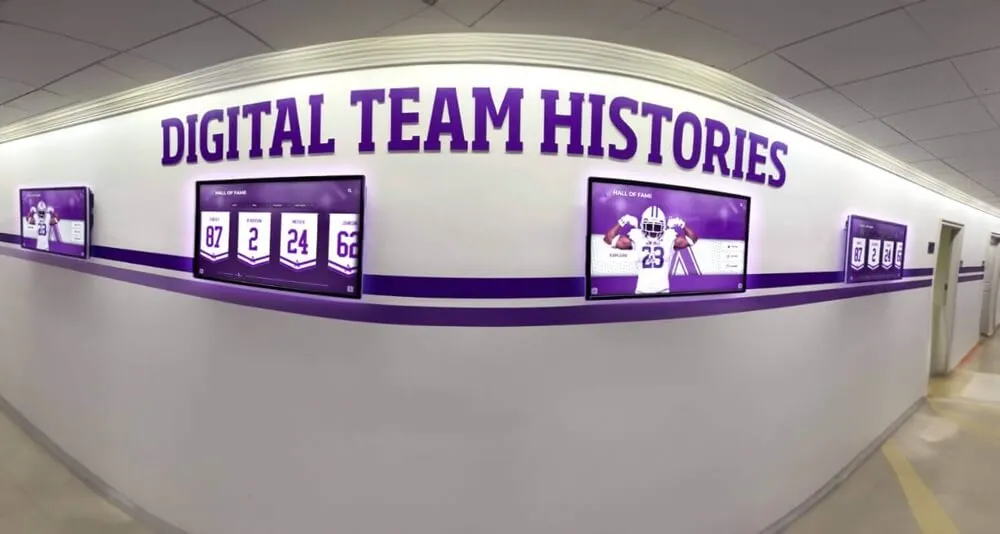
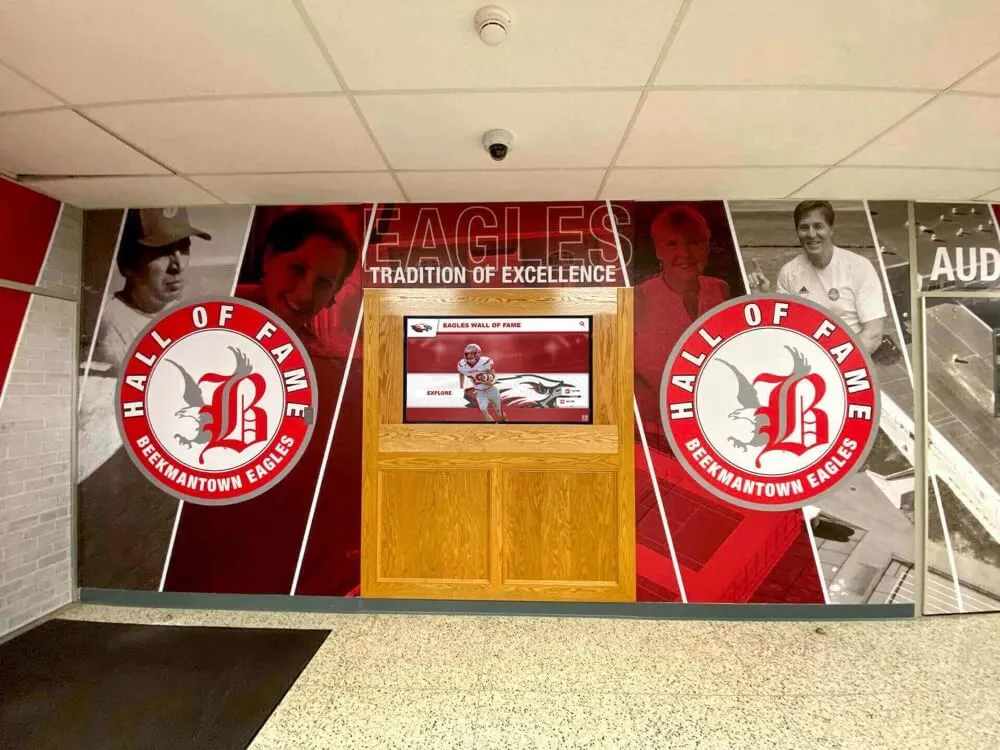
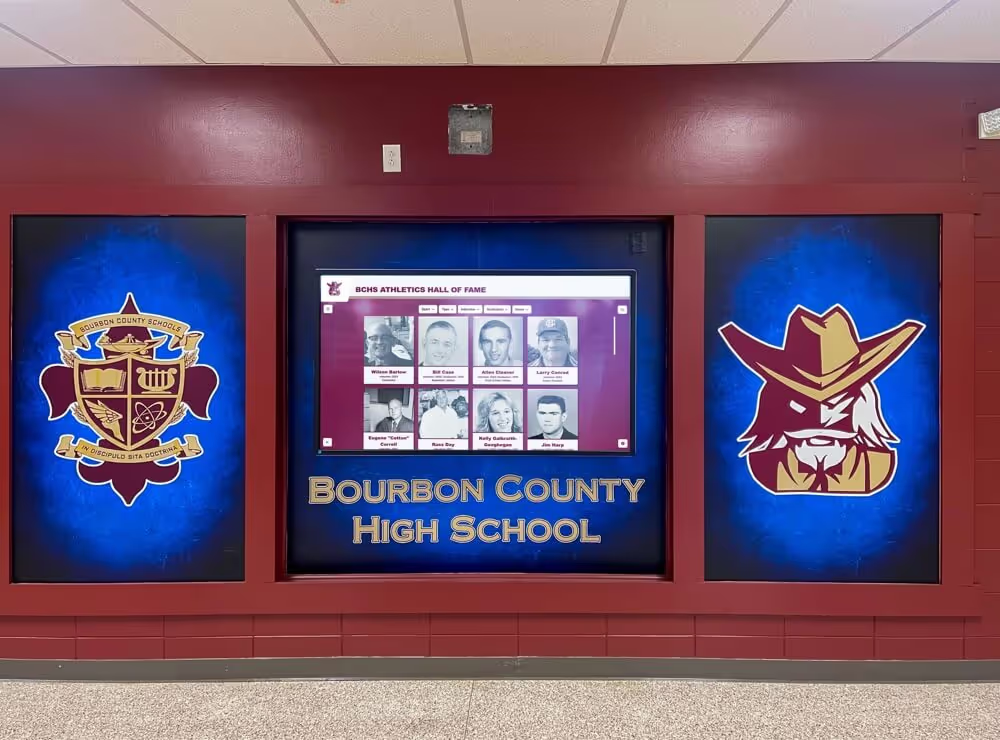
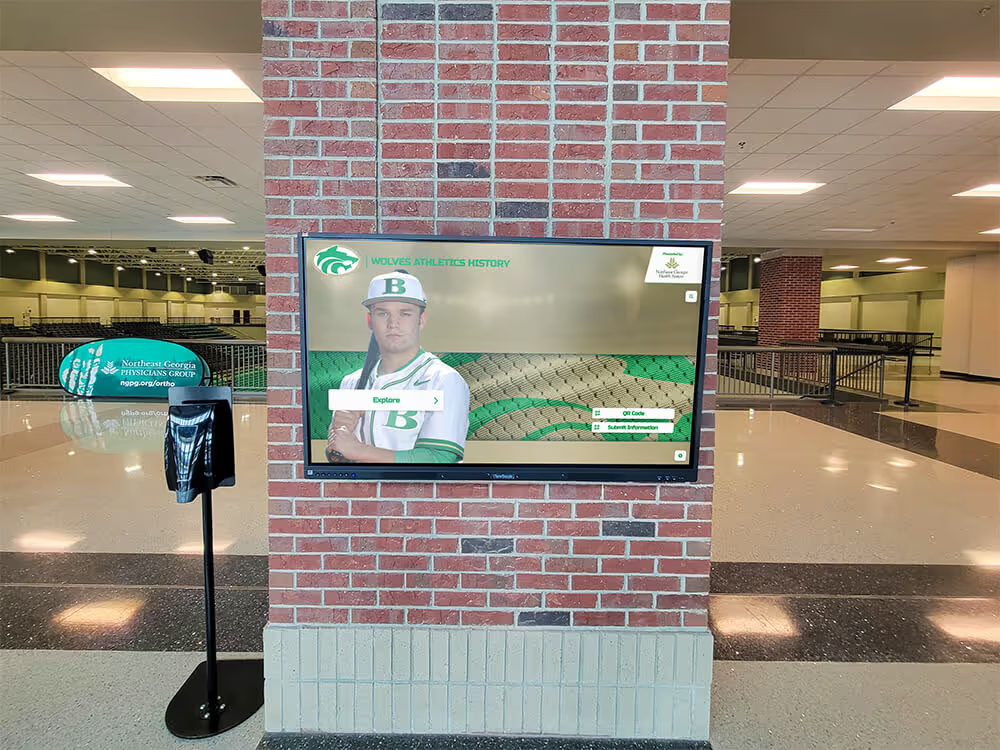
End-of-Season Recognition: Celebrate season accomplishments through awards ceremonies, team parties, or recognition events. Ensure all players receive acknowledgment—mix performance awards with character recognition ensuring everyone experiences appreciation. Many programs now extend this recognition through year-round digital displays that keep achievements visible and accessible.
In-Season Recognition: Don’t wait until season end. Provide regular positive feedback during practices and games. Create weekly or game-by-game recognition highlighting hustle plays, improvement, or exemplary sportsmanship.
Conclusion: Building Future Lacrosse Players Through Positive Early Experiences
Youth lacrosse continues growing rapidly, creating opportunities for thousands of children to experience this dynamic, exciting sport. Yet sustainable growth depends on positive initial experiences that create enthusiasm rather than frustration. Beginning players who receive appropriate instruction through engaging, age-appropriate drills develop fundamental competence and confidence. Conversely, players thrown into situations beyond their developmental readiness often quit after single disappointing seasons.
The youth lacrosse drills and practice approaches presented throughout this guide share common themes: break complex skills into manageable progressions that build systematically, emphasize fun and engagement alongside skill development, celebrate effort and improvement as much as outcomes, provide patient, positive instruction recognizing that beginning skills develop slowly, and create inclusive environments where all players feel valued and supported in their learning journey.
Keys to Successful Youth Lacrosse Development:
Match Activities to Developmental Stage: Six-year-olds require fundamentally different approaches than twelve-year-olds. Age-appropriate practices respect where players are in their physical, cognitive, and emotional development.
Prioritize Fundamental Stick Skills: Basic catching, throwing, cradling, and ground ball proficiency form the foundation for everything else. Dedicate adequate practice time to these fundamentals even when they seem boring or repetitive.
Make Practice Enjoyable: Youth players continue participation primarily because they enjoy it. Fun practices that incorporate games, creativity, and positive social experiences retain athletes while developing skills.
Maintain Positive Coaching Approach: Beginning players need encouragement and patience far more than harsh criticism. Celebrate small improvements, provide constructive corrections gently, and create supportive learning environments.
Develop Both Hands Equally: Require non-dominant hand practice from the beginning rather than allowing one-handed habits to become entrenched.
Build Team Culture Beyond Just Lacrosse: Programs creating positive team cultures through inclusive practices, clear values, and recognition of diverse contributions keep players engaged season after season.
Communicate Effectively: Keep parents informed about expectations, player development, and program philosophy. Clear communication prevents most conflicts and builds support for program goals.
Beginning youth lacrosse players picking up sticks for the first time embark on potentially lifelong journeys with this great sport. The experiences coaches provide during these formative seasons largely determine whether young athletes continue participation or abandon lacrosse after brief, frustrating introductions. By implementing age-appropriate drills, maintaining positive learning environments, and celebrating incremental progress, youth coaches give beginning players gifts that extend far beyond lacrosse fields—confidence, perseverance, teamwork capabilities, and positive memories of being valued members of something meaningful.
Ready to create recognition systems celebrating your youth lacrosse players’ development and achievements? Rocket Alumni Solutions provides comprehensive digital platforms designed specifically for youth sports recognition, offering intuitive content management, engaging interactive displays, and proven approaches that help programs build the positive culture where young athletes thrive. Your beginning players dedicate time and effort learning this challenging sport—comprehensive recognition ensures their achievements and progress receive the celebration that reinforces their commitment and builds lasting pride in their lacrosse journey.