Wrestling senior night represents one of the most emotional and meaningful traditions in high school athletics. Unlike team sports where athletes share the spotlight with numerous teammates, wrestling seniors step onto the mat one final time as individuals—each having battled their own weight class challenges, endured grueling conditioning, and faced opponents alone under pressure that forges character unlike any other sport. These athletes deserve recognition ceremonies that honor not just their competitive achievements, but the discipline, mental toughness, and personal sacrifice that define mat warriors.
Whether your program holds senior night before the final home dual meet, at season-end banquets, or during district tournaments, the ceremony’s success depends on thoughtful planning, meaningful personal touches, and execution that balances celebration with respect for competition. This guide explores every dimension of wrestling senior night planning—from initial timeline development through ceremony execution and post-event recognition—equipping programs to create experiences worthy of the athletes, families, and traditions they honor.
Understanding Wrestling Senior Night Significance
Before exploring logistics and planning details, understanding why wrestling senior nights matter—and how they differ from other sports’ recognition ceremonies—helps programs create events serving genuine needs rather than merely checking boxes.
The Unique Nature of Wrestling Recognition
Wrestling culture differs fundamentally from team sports in ways that shape recognition approaches. While football celebrates entire classes of seniors together and basketball teams honor multiple departing players simultaneously, wrestling recognition must acknowledge the intensely individual journey each wrestler experiences.
Every wrestler battles unique challenges within their specific weight class. The 106-pound wrestler facing growth and weight management pressure experiences completely different struggles than the heavyweight who must develop technique to compete with naturally larger opponents. The state qualifier who came heartbreakingly close to placing has a different story than the wrestler who battled through injury-plagued seasons. Effective wrestling senior nights recognize these individual narratives rather than treating all seniors as interchangeable.
This individual focus creates both opportunities and responsibilities. Programs must balance celebrating each senior’s unique achievements and character development while maintaining ceremony flow that respects audience attention spans and doesn’t delay competition unnecessarily. The most effective wrestling senior nights find this balance through thoughtful planning and personal touches that make each athlete feel individually valued within appropriate time constraints.
Wrestling’s Family Sacrifice and Involvement
Wrestling demands extraordinary family commitment that other sports rarely match. Parents wake at 5 AM to drive wrestlers to conditioning sessions. Families spend entire weekends at tournaments hours from home. Mothers manage complicated nutrition schedules during wrestling season. Fathers videotape matches for film study. Siblings attend countless dual meets throughout cold winter months.
Wrestling senior nights provide rare opportunities to acknowledge this family sacrifice publicly and meaningfully. Parents who sacrificed thousands of hours deserve more than brief stage walks and generic thank-you speeches. Thoughtful programs create ceremony moments specifically designed to honor families, recognize their contributions, and express genuine appreciation for their partnership in developing young athletes.
Building Program Culture Through Recognition
Beyond honoring individual seniors, recognition ceremonies actively shape program culture and institutional memory. Freshman wrestlers attending their first senior night ceremony learn what their program values, what behaviors earn lasting respect, and what commitment levels distinguish program legends from routine participants.
Senior night ceremonies demonstrate program priorities through who receives recognition, what achievements ceremonies emphasize, how coaches and speakers describe athletic excellence, and what qualities beyond wins and losses programs celebrate publicly. Programs that thoughtfully design these ceremonies use them as teaching moments, showcasing character traits, work ethic examples, and leadership qualities that define program identity and expectations for future wrestlers.
Creating Your Wrestling Senior Night Planning Timeline
Successful wrestling senior nights require systematic advance planning beginning weeks or months before the actual ceremony. Last-minute planning inevitably produces rushed, generic ceremonies lacking the personal touches that create meaningful experiences.
6-8 Weeks Before: Initial Planning and Communication
Begin planning approximately two months before your scheduled senior night date. This timeline provides sufficient preparation time without starting so early that details become forgotten or outdated.
Confirm Date and Format: Verify your senior night date with athletic administration, ensuring no scheduling conflicts with other school events, major exams, or competing athletic events. Determine whether senior night occurs before a regular season dual meet, during your season-ending home competition, or as part of a separate ceremony or banquet. Each format creates different planning considerations and time constraints.
Identify All Seniors: Create comprehensive lists of all seniors receiving recognition, including varsity wrestlers, team managers, student trainers, and other senior support personnel. Verify graduation years with school records rather than assuming—fifth-year seniors, early graduates, and transfer students can create confusion without careful verification. Missing even one senior creates lasting hurt feelings and reflects poorly on program organization.
Communicate with Families: Send initial communication to senior families explaining the event format, what participation will involve, what information you need from them, photography opportunities they should prepare for, and deadlines for providing requested information. Give families clear expectations and timelines rather than making assumptions about their availability or understanding of wrestling traditions.
Form Planning Committee: Assemble a small planning team including coaches, booster club representatives, team parents, and potentially senior athletes themselves. Distribute responsibilities clearly so no single person becomes overwhelmed while avoiding confused ownership where everyone assumes someone else is handling critical details.
4-6 Weeks Before: Gathering Information and Resources
With initial planning complete, shift focus to collecting the specific information and resources required for ceremony execution.
Collect Senior Information: Gather detailed information about each senior including complete legal name (verify spelling—ceremony mispronunciations create embarrassment), parent/guardian names who will participate in ceremony, memorable moments or achievements from their wrestling career, post-graduation plans (college, military, employment, etc.), and any special considerations (family dynamics, disabilities requiring accommodation, etc.).
Create standard information collection forms ensuring you gather consistent details about all seniors rather than having incomplete or varying information that makes some athletes’ introductions more detailed than others.
Secure Ceremony Gifts: Determine what gifts or recognition items seniors will receive, such as framed photographs from their wrestling career, personalized plaques recognizing their contributions, team gear or apparel commemorating their senior season, or scholarship awards if applicable. Many programs explore creative youth sports awards ideas that balance meaningful recognition with budget constraints while creating personalized touches athletes treasure.
Order these items with sufficient lead time for customization and delivery. Rush orders increase costs and risk shipping delays that leave you gift-less during ceremonies.
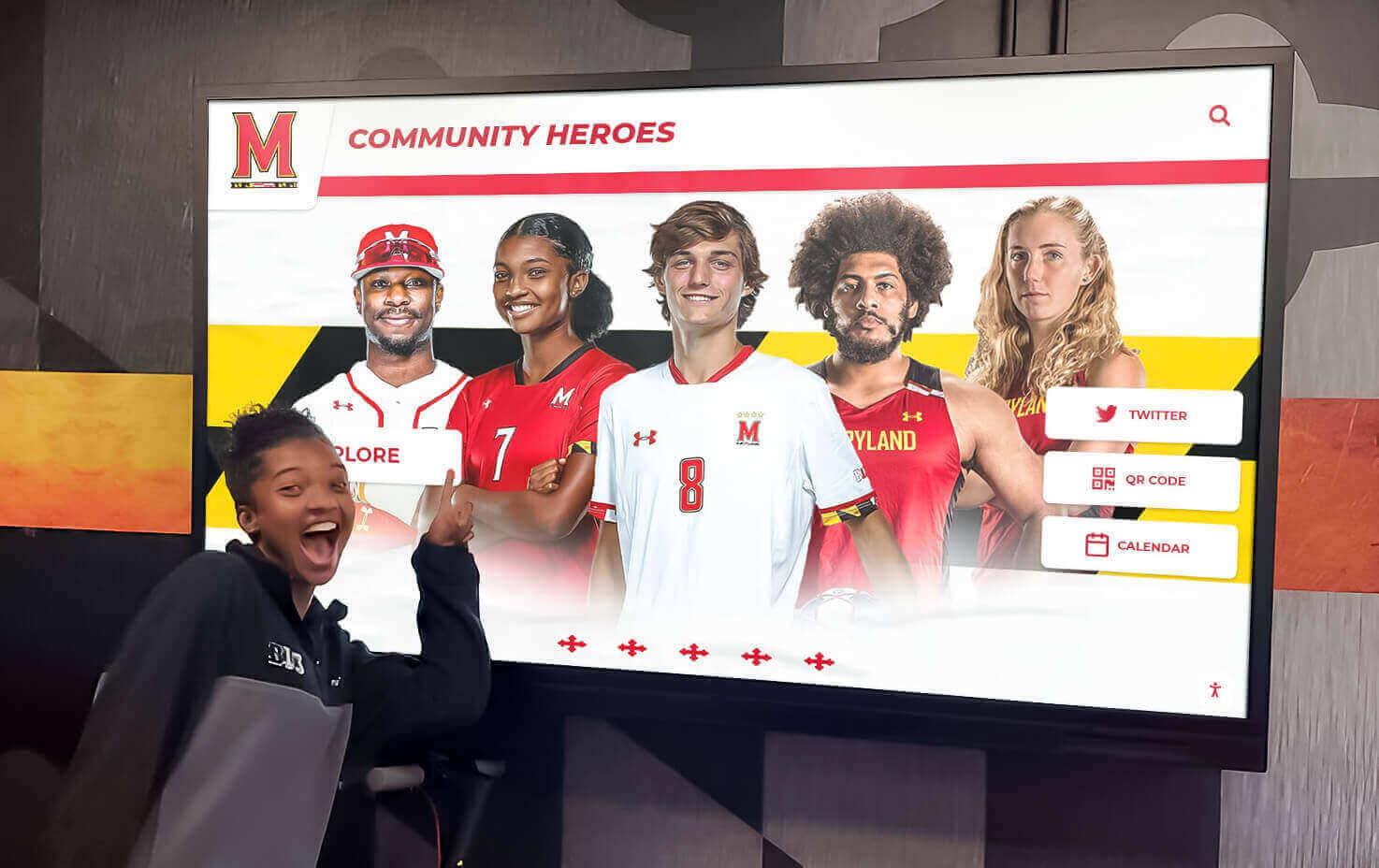
Plan Visual Elements: Coordinate photography, videography, and display elements including senior portrait collection for programs or slideshow displays, action photos from matches throughout their careers, and banners, posters, or other visual recognition. Programs implementing comprehensive end-of-season athletic awards recognition often enhance ceremonies with professional visual presentations that elevate the entire event atmosphere.
2-3 Weeks Before: Finalizing Details and Rehearsal Planning
As the event approaches, shift from collection to finalization, ensuring all elements come together cohesively.
Write Senior Introductions: Draft personalized introductions for each senior athlete, ideally 60-90 seconds per wrestler, highlighting their wrestling journey, memorable moments, character qualities beyond statistics, contributions to team culture, and future plans. Avoid generic templates—families instantly recognize whether introductions reflect genuine knowledge of their wrestler or consist of fill-in-the-blank platitudes.
Have head coaches review all introductions for accuracy, tone, and appropriate balance between humor and sincerity. Wrestling cultures vary—some programs embrace roasting and inside jokes while others maintain more formal tones. Match your program’s authentic culture rather than imitating ceremonies that might feel forced in your context.
Coordinate Ceremony Logistics: Confirm who will speak during ceremony (head coach, athletic director, senior athletes), what order seniors will be recognized, where parents will enter and exit the mat area, what music will play during presentations if applicable, and timing constraints to respect competition schedules. Walk through the entire ceremony sequence on paper, identifying potential bottlenecks, awkward transitions, or moments needing clarification.
Create Program or Handouts: Design and print ceremony programs including senior photographs and information, season highlights or achievements, acknowledgments of parent volunteers and supporters, and upcoming postseason schedule or information. Programs serve as keepsakes families treasure while providing audience members with context about each senior being recognized.
Week of Event: Final Confirmation and Setup
The final days before senior night focus on confirming details and preparing physical setup.
Confirm All Participants: Reach out to each senior family 2-3 days before the event, confirming their attendance, number of family members participating on the mat, any last-minute changes to information or plans, and arrival time for pre-ceremony photographs or coordination. Family emergencies, travel delays, or miscommunication can derail ceremonies—confirmation calls prevent surprises.
Prepare Gift Presentation: Organize all gifts, plaques, or presentation items in ceremony order so distribution flows smoothly without searching for items or creating awkward delays. Assign someone specifically responsible for gift organization and presentation logistics rather than assuming coaches will remember amidst ceremony emotion.
Conduct Brief Rehearsal: If possible, run through ceremony timing with speakers and anyone handling technical elements (music, microphones, etc.). A 15-minute rehearsal prevents major technical failures and helps everyone understand their roles, though avoid over-rehearsing until spontaneity and emotion become scripted performances.
Set Up Facility: Arrive early on event day to set up visual displays, test audio equipment, arrange senior recognition areas or photo backdrops, verify adequate seating for families, and ensure proper heating (wrestling season occurs during winter when gym temperatures can be uncomfortable for families dressed for photographs rather than athletic activity).
Designing Meaningful Ceremony Elements
While planning timelines provide organizational structure, the ceremony’s emotional impact emerges from thoughtful design of specific recognition elements that honor seniors authentically and meaningfully.
Senior and Parent Recognition Format
The core of most wrestling senior night ceremonies involves introducing each senior wrestler alongside their parents or family members, creating visible appreciation for family partnership in athletic development.
Traditional Mat Walk Format: The most common approach brings each senior and their parents onto the mat while an announcer reads a personalized introduction highlighting the wrestler’s career, achievements, and character. Parents often receive flowers or small gifts as appreciation tokens, photographs capture families together in wrestling singlet and formal attire contrast, and brief speeches from coaches or athletic directors offer closing remarks about the senior class collectively.
This format creates powerful emotional moments—senior athletes seeing parents honored publicly, families experiencing community appreciation for their sacrifices, and younger athletes witnessing what four years of dedication produces. However, it requires careful time management to prevent excessively long ceremonies that test audience patience, particularly when senior classes include numerous athletes.
Individual Achievement Highlight Variation: Some programs enhance basic introductions by showcasing specific accomplishments or character traits for each senior. This might include displaying career win-loss records and significant victories, highlighting specific matches that defined their career, showing brief video clips of memorable moments, or sharing quotes from the senior about their wrestling experience and what it taught them.
These additions create more personalized recognition while extending ceremony length. Programs must balance making each senior feel individually celebrated against maintaining reasonable total ceremony duration—45-60 minutes typically represents the upper limit before audience engagement declines noticeably.

Senior Speeches and Reflections
Allowing seniors to speak during recognition ceremonies creates authentic, unscripted moments that families and teammates particularly value, though it requires careful management to prevent rambling or inappropriate content.
Brief Individual Remarks: Consider giving each senior 60-90 seconds for brief remarks thanking coaches, parents, teammates, or sharing favorite memories. Provide general guidance about appropriate content and time limits without scripting speeches—authenticity matters more than polish. Some wrestlers will deliver eloquent, moving speeches while others will nervously stumble through brief thank-yous, and both have value.
Collective Senior Message: Alternatively, designate one or two senior captains to speak on behalf of their entire class, sharing collective reflections about their wrestling journey, lessons learned, appreciation for support, and messages for underclassmen continuing program traditions. This approach maintains ceremony flow while ensuring at least some senior voice during the event.
Written Reflections in Programs: For seniors uncomfortable with public speaking, include written reflections in ceremony programs or display them on posters, allowing them to share thoughts without performance pressure while still contributing personal perspective to the ceremony.
Recognition Beyond Varsity Athletes
Comprehensive wrestling senior nights acknowledge all seniors contributing to program success, not exclusively varsity wrestlers who competed regularly.
Manager and Support Staff Recognition: Team managers, student athletic trainers, and other support personnel dedicate comparable time and effort to varsity athletes while rarely receiving public recognition. Senior night provides perfect opportunity to honor these contributions meaningfully. Introduce them with similar ceremony structure as wrestlers, acknowledge their specific contributions and impact on team function, and present equivalent gifts or recognition items demonstrating their value to program success.
Practice Squad and Developmental Wrestlers: Seniors who practiced daily, contributed to room culture, and served as training partners while rarely seeing varsity competition deserve recognition for their commitment. Their dedication enabled varsity athletes to improve while demonstrating character that transcends competitive results. Programs that acknowledge these athletes send powerful messages about what they value beyond winning.
Incorporating Modern Recognition Technology
Traditional senior night ceremonies remain powerful, but many programs enhance events through modern recognition technology that extends appreciation beyond single evening ceremonies. Effective high school awards ceremony approaches increasingly incorporate digital elements that preserve achievements permanently while creating interactive engagement opportunities.
Digital Senior Tribute Displays: Many wrestling programs create digital slideshows or video tributes featuring senior photographs from throughout their careers, action shots from memorable matches, team bonding moments from camps or travel, and messages from coaches, teammates, or opponents. These visual elements create emotional ceremony moments while providing content families can keep permanently. Programs often explore creative sports banquet slideshow ideas that balance sentimentality with energy and humor.
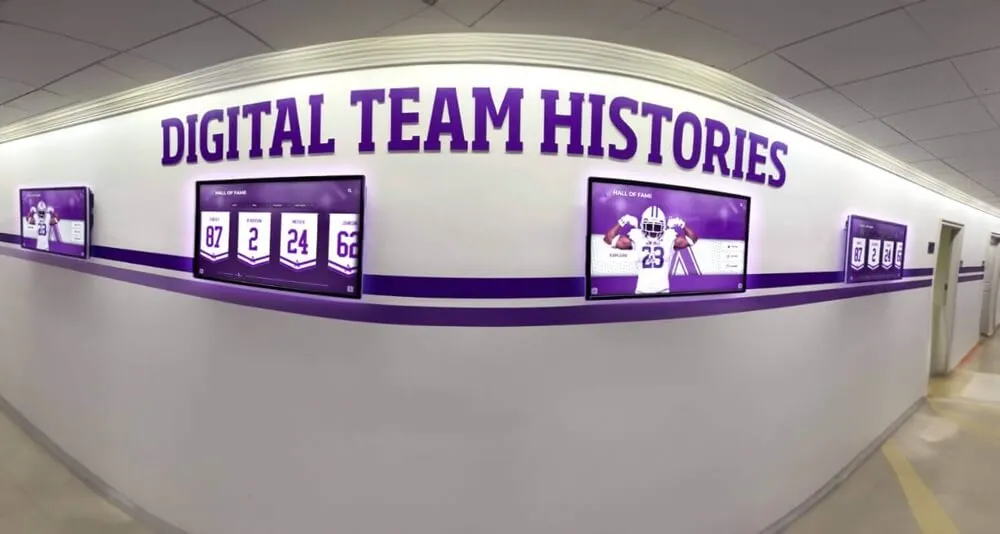
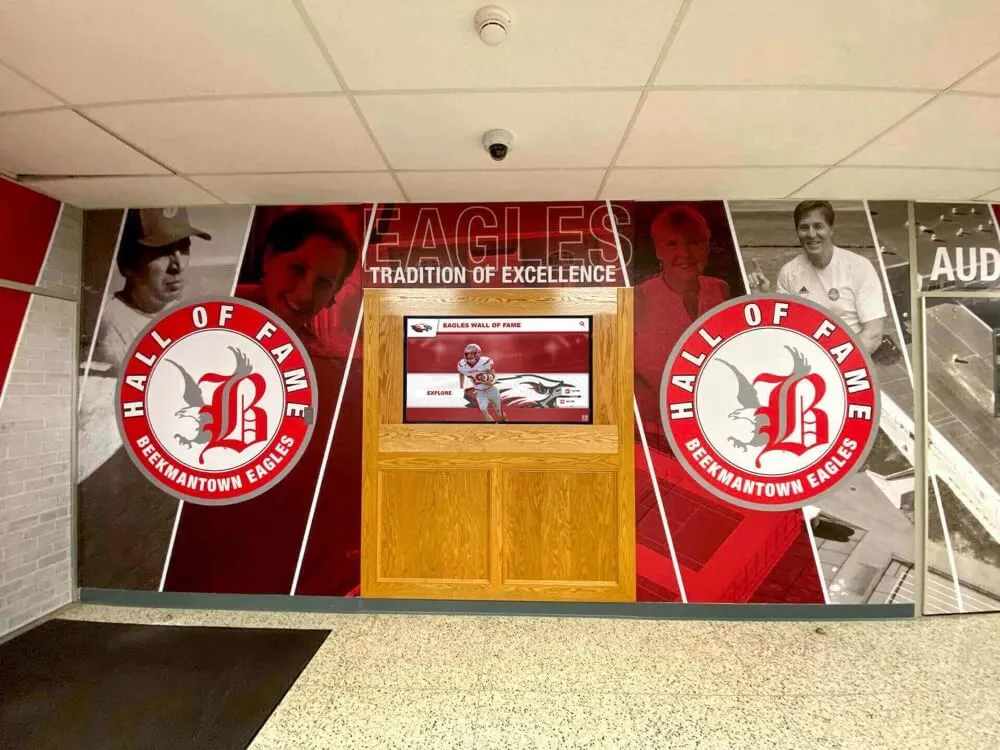
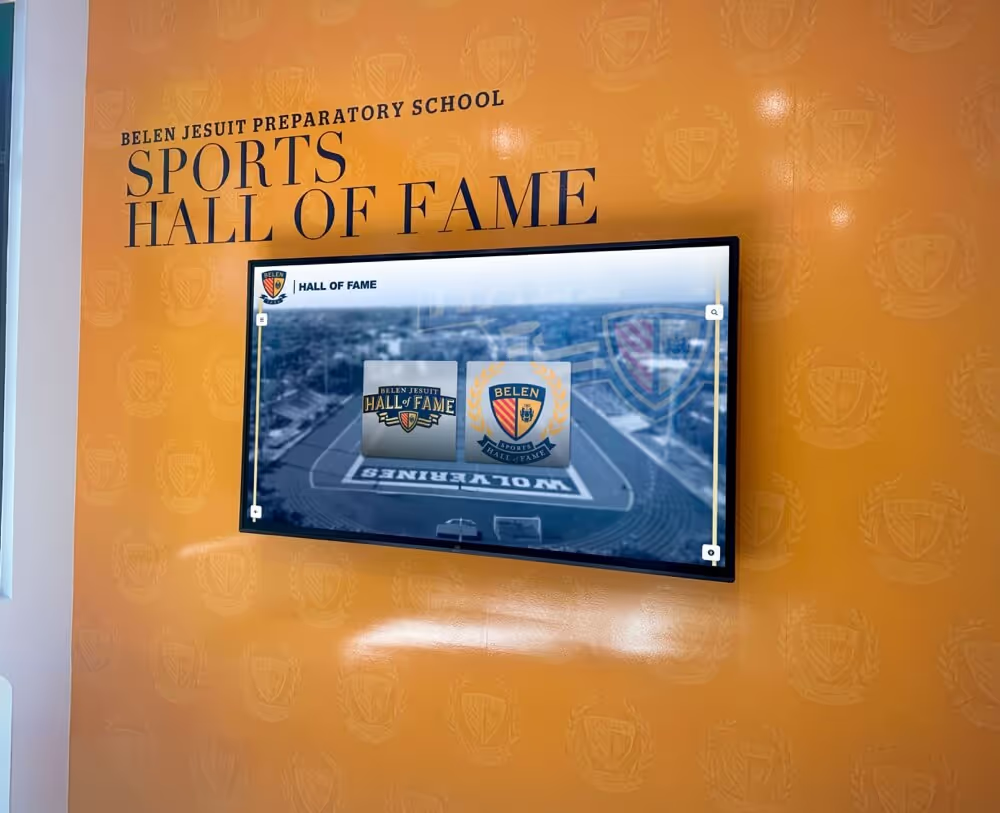
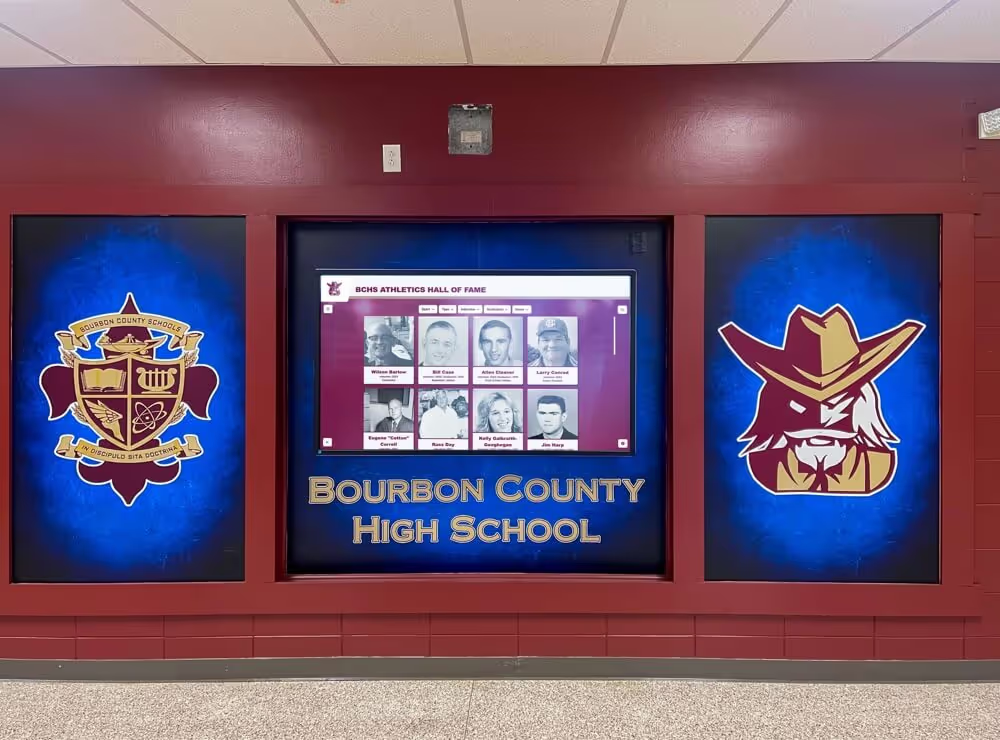
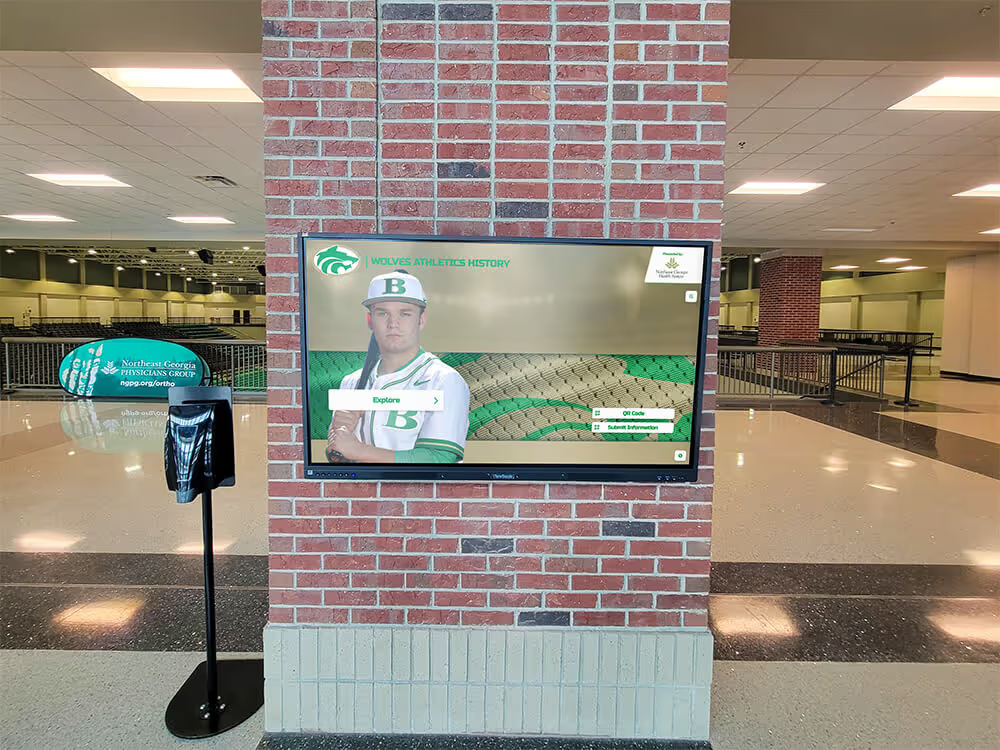
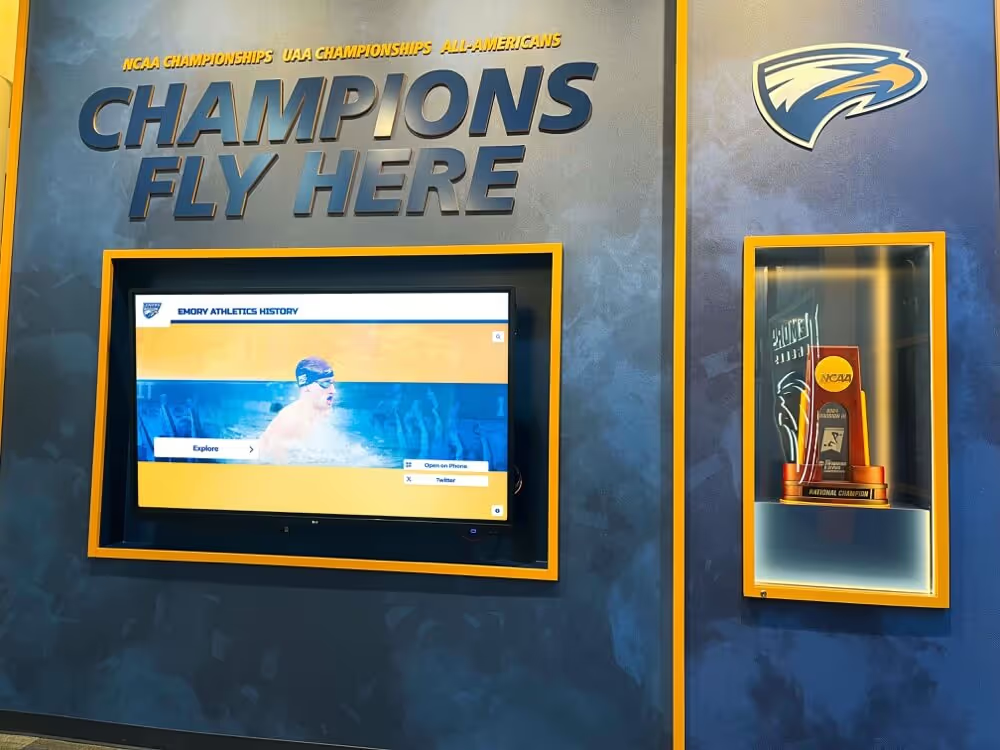
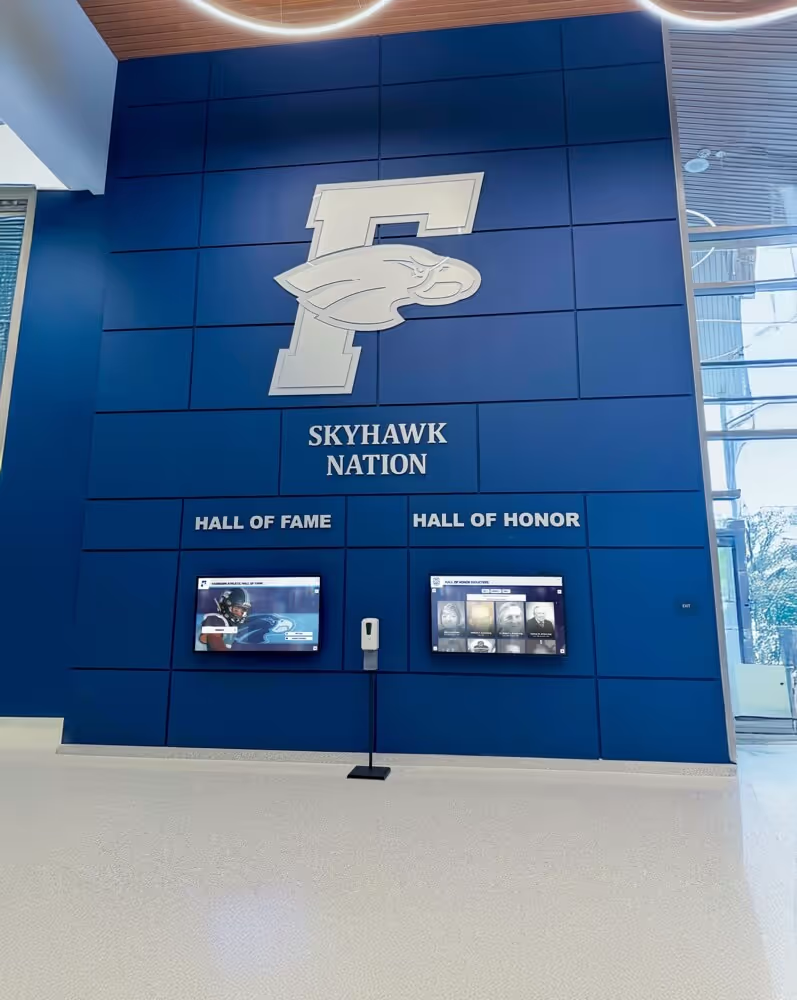
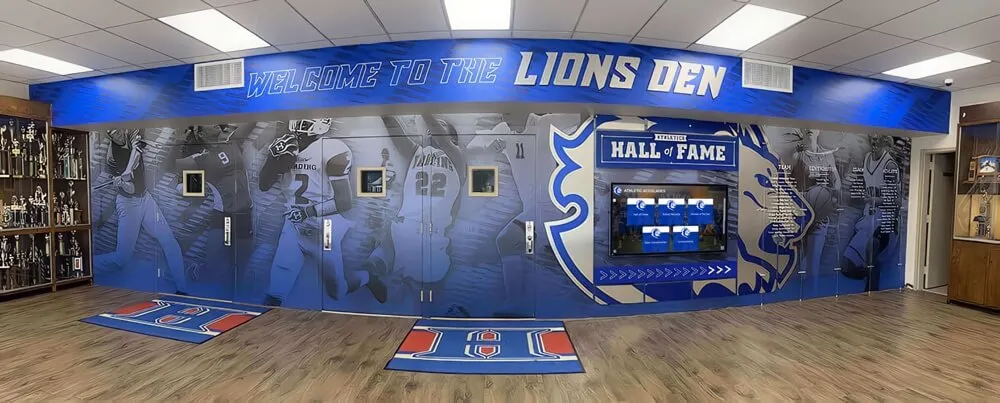
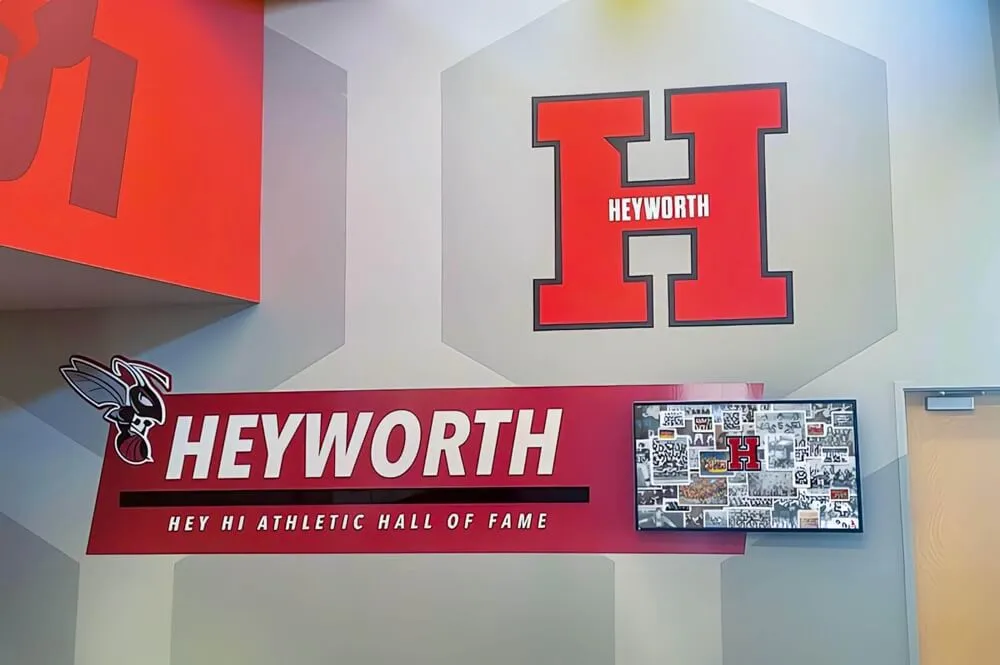
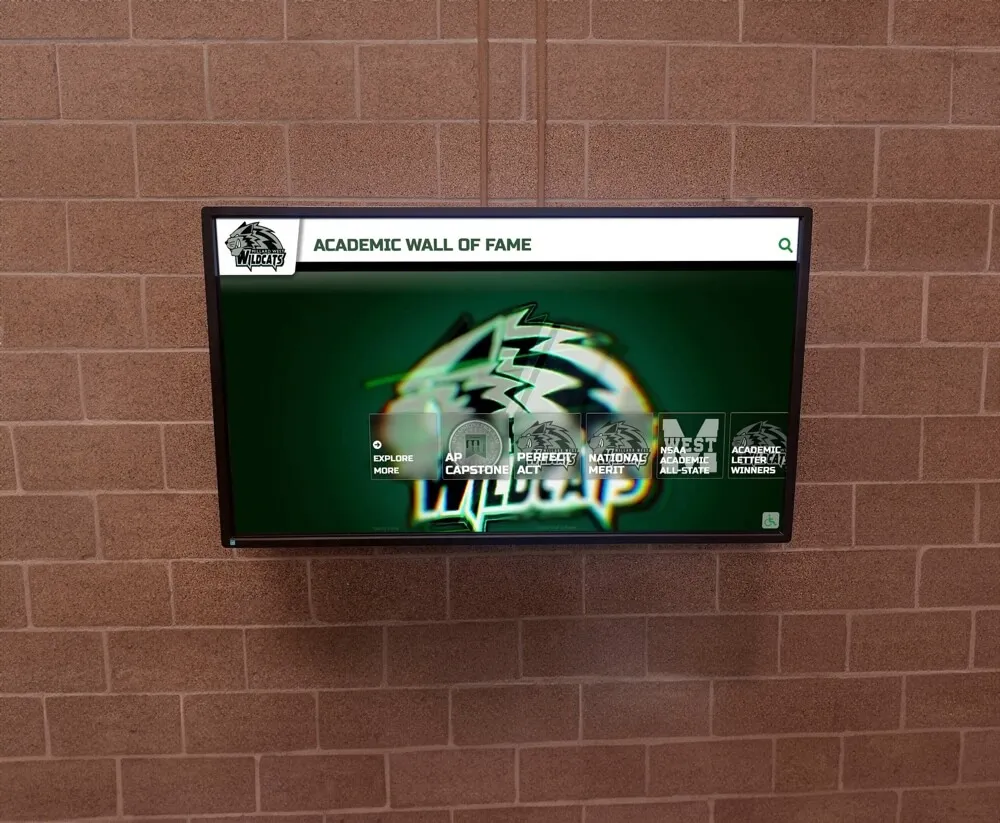
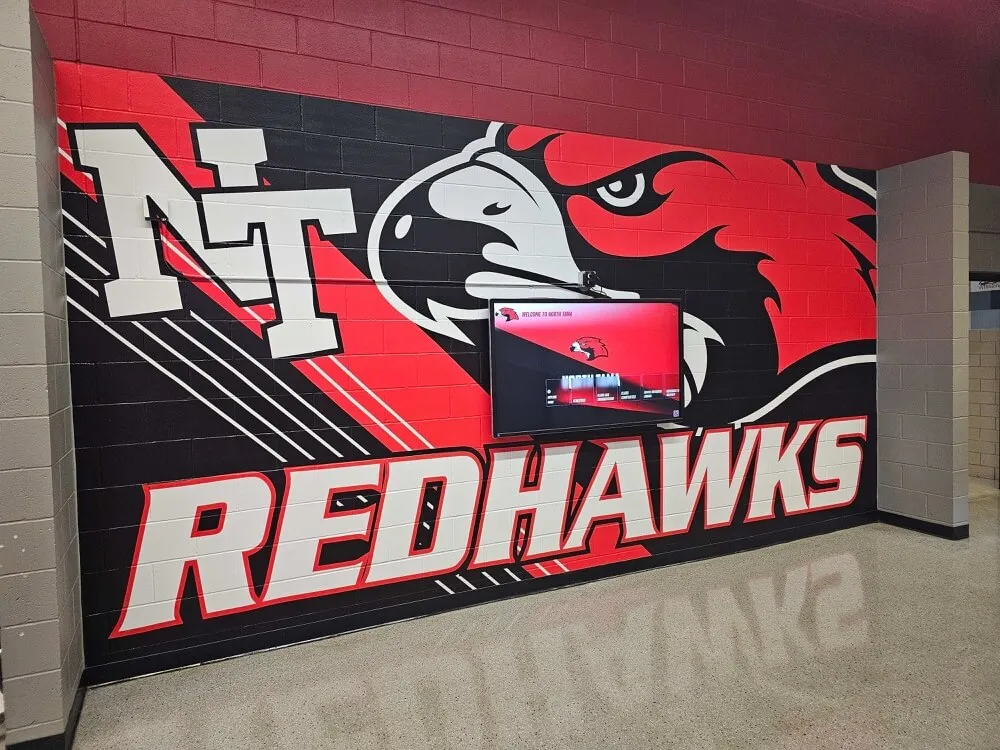
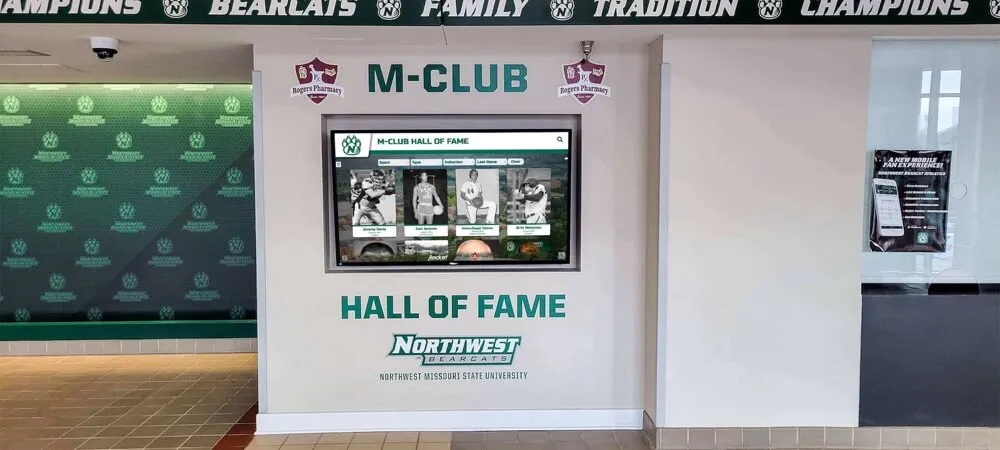
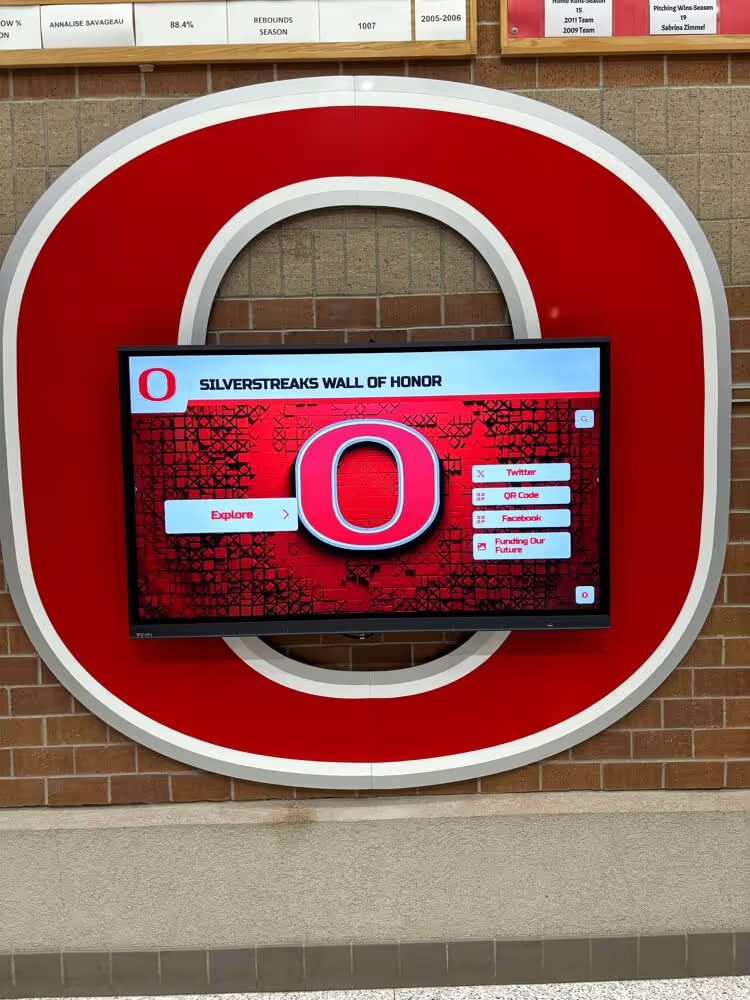
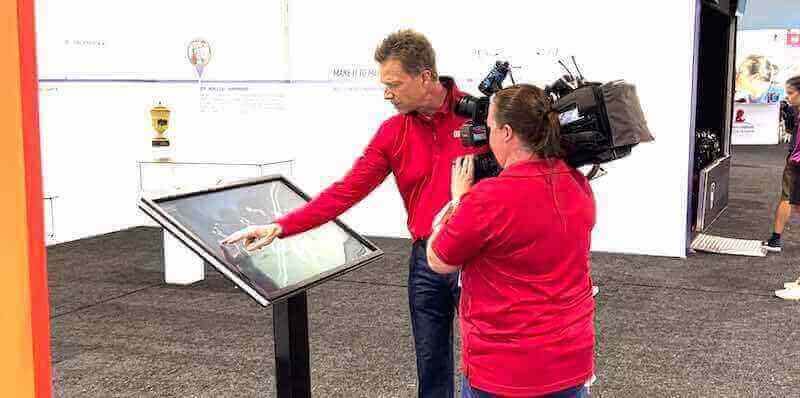
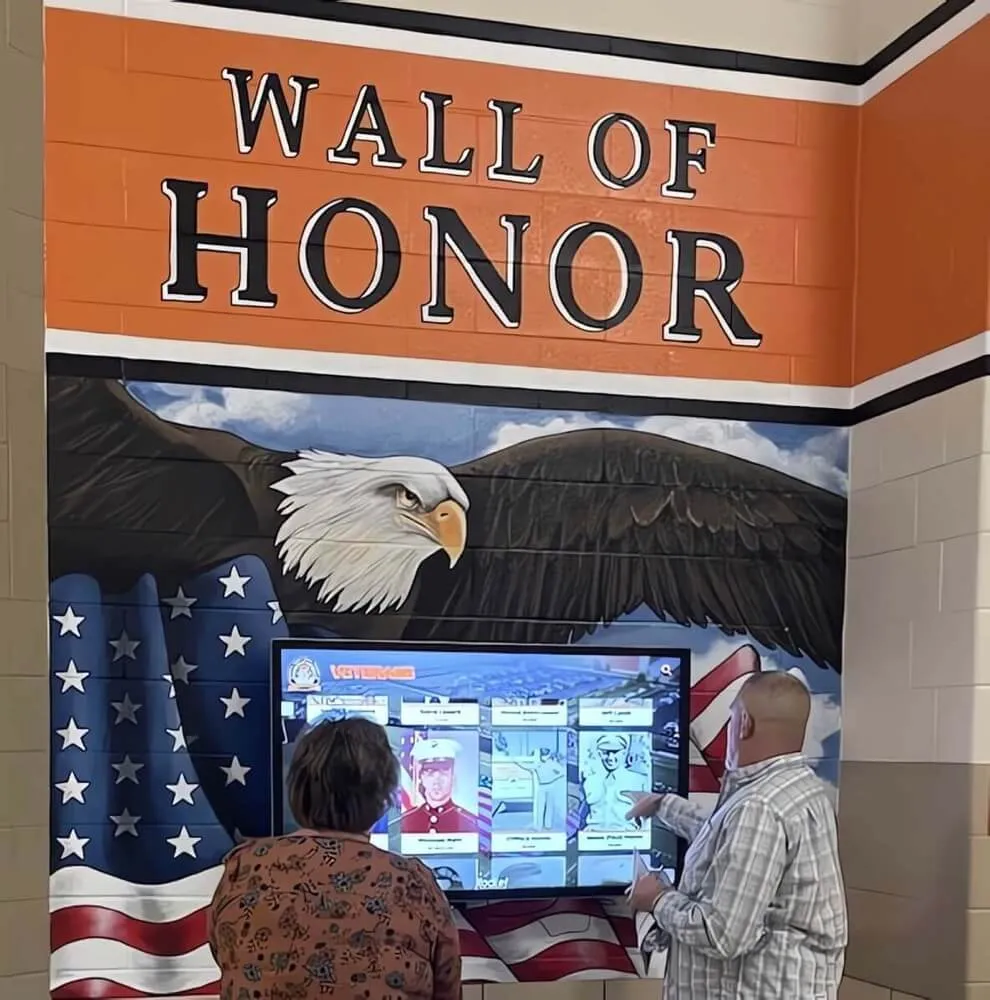
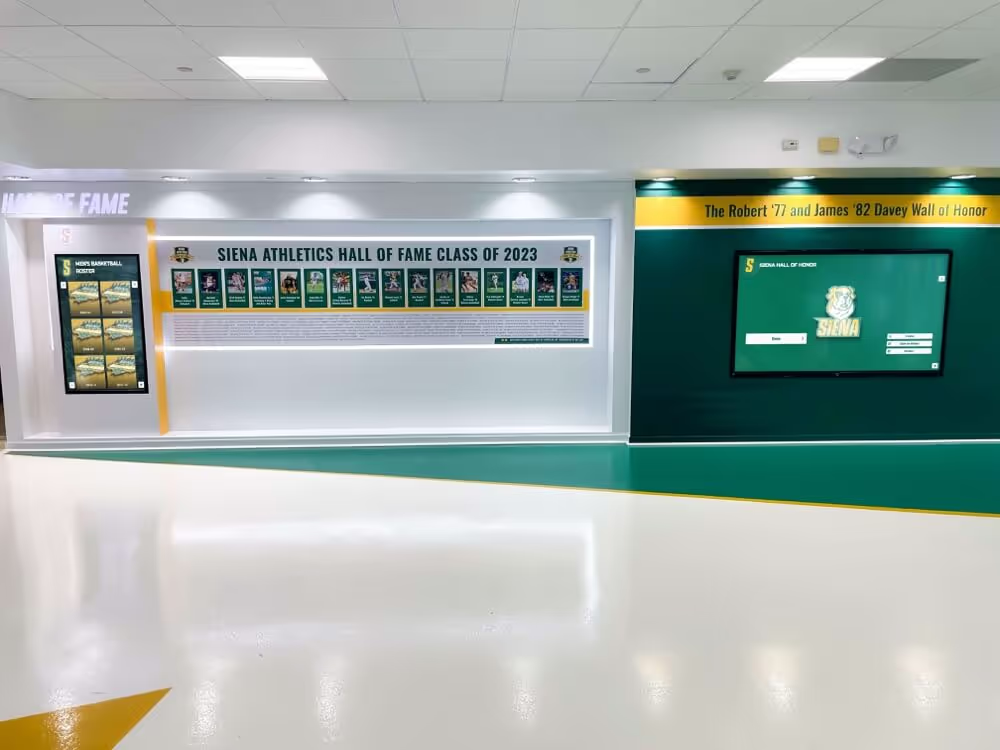
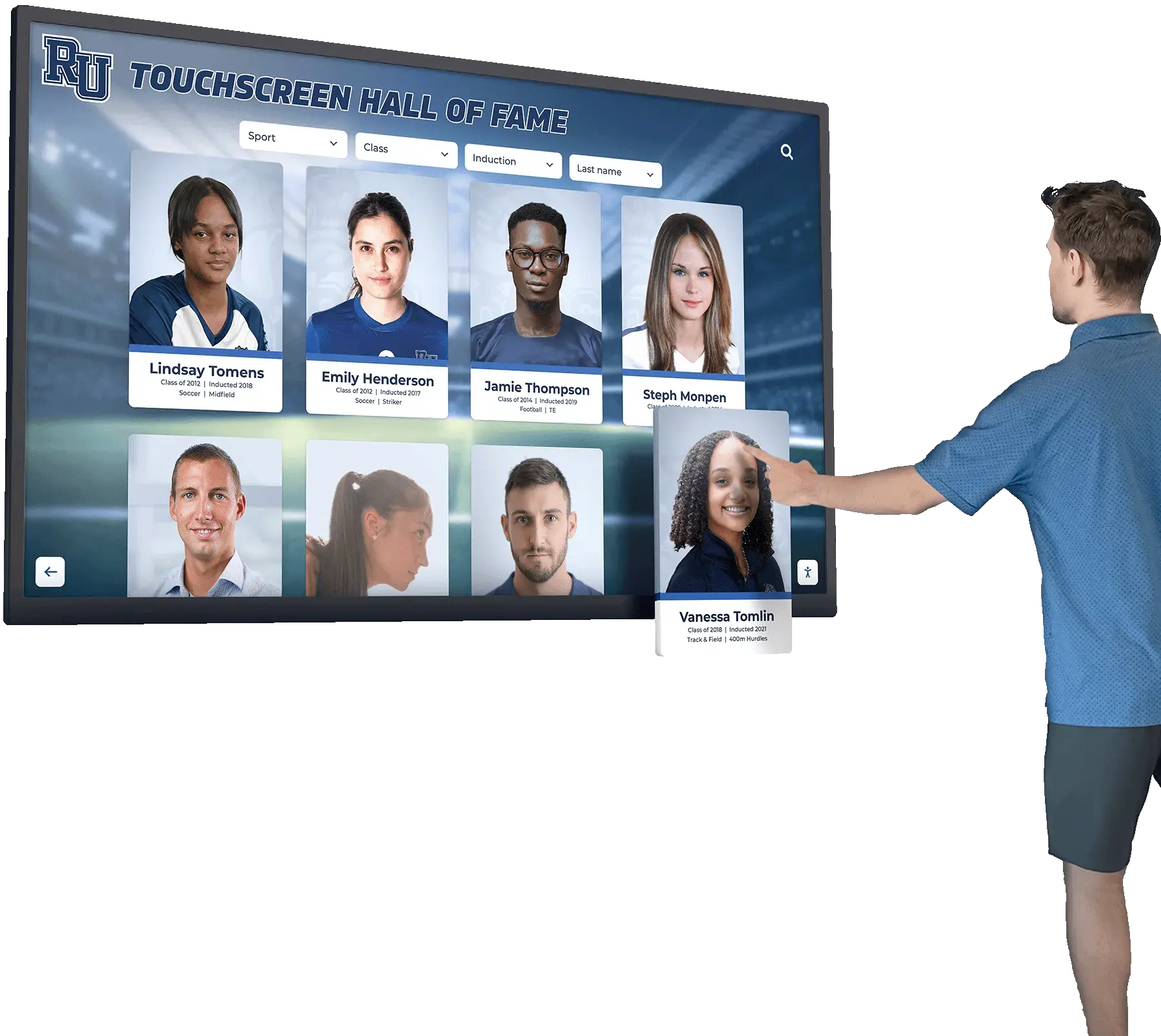
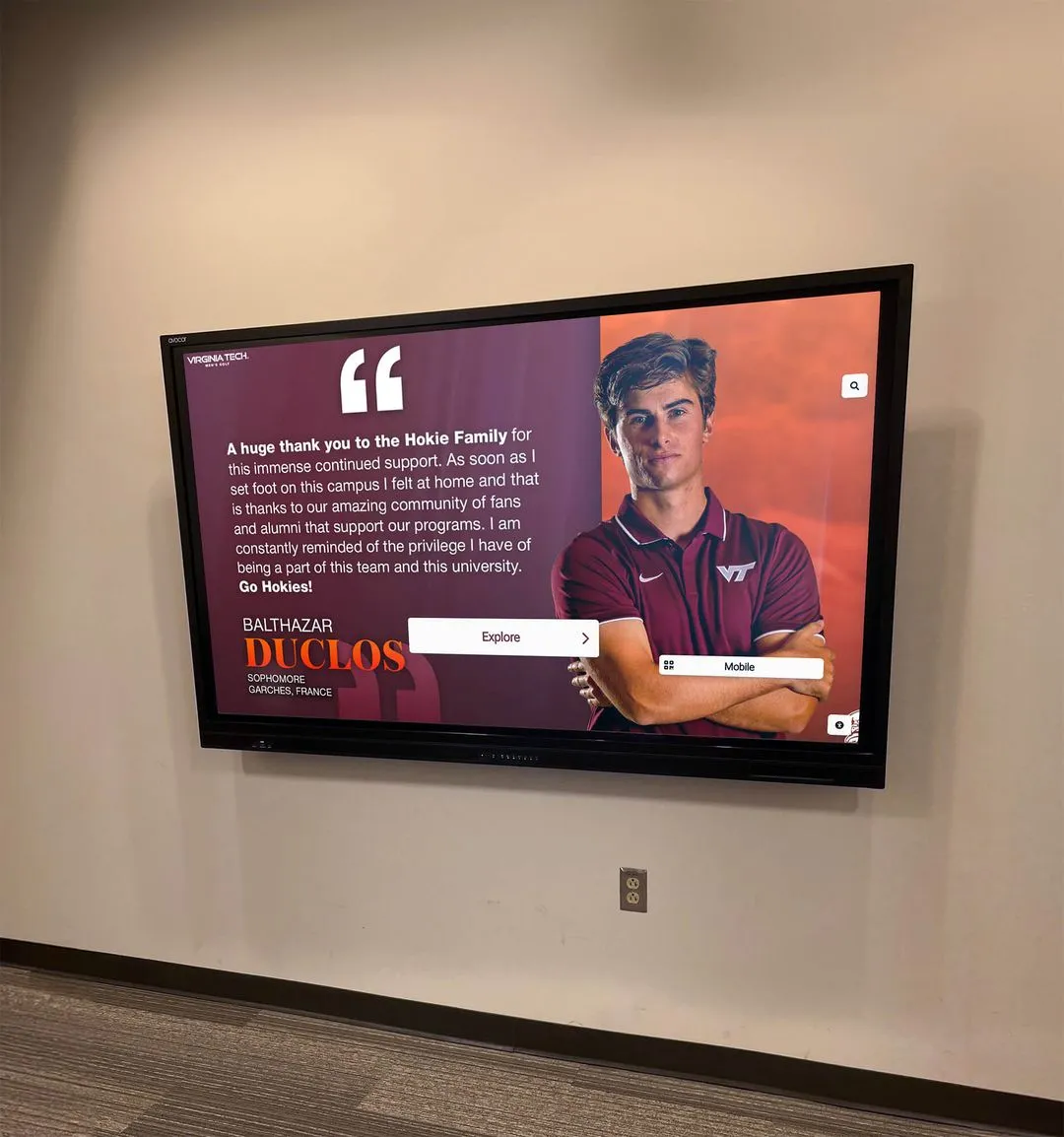
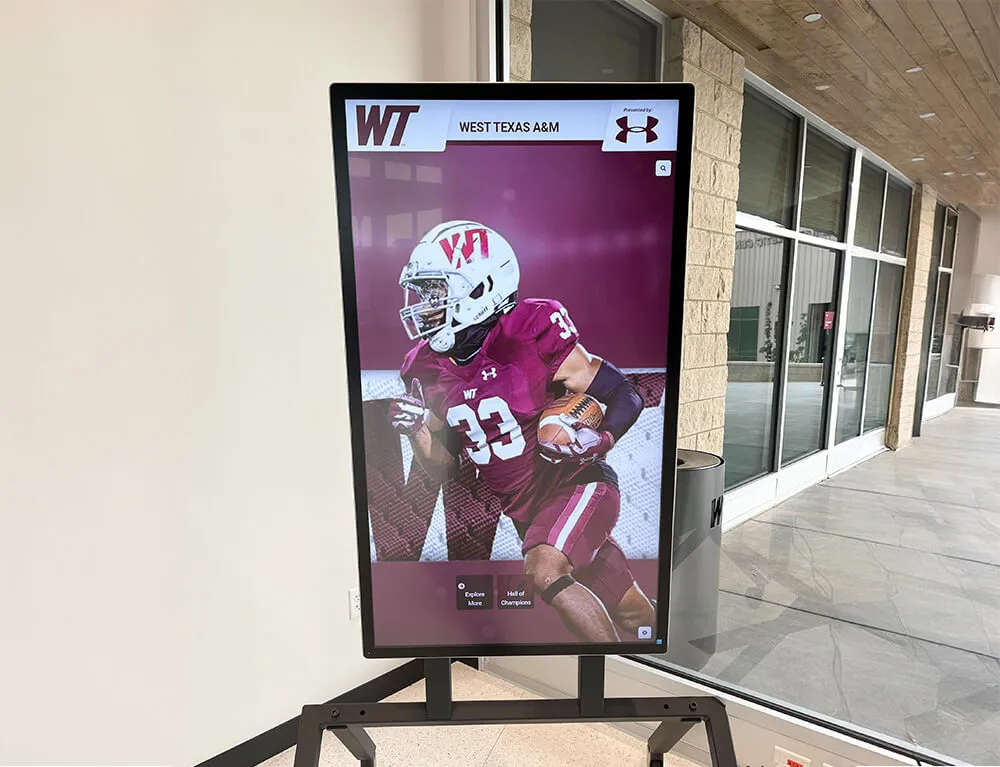
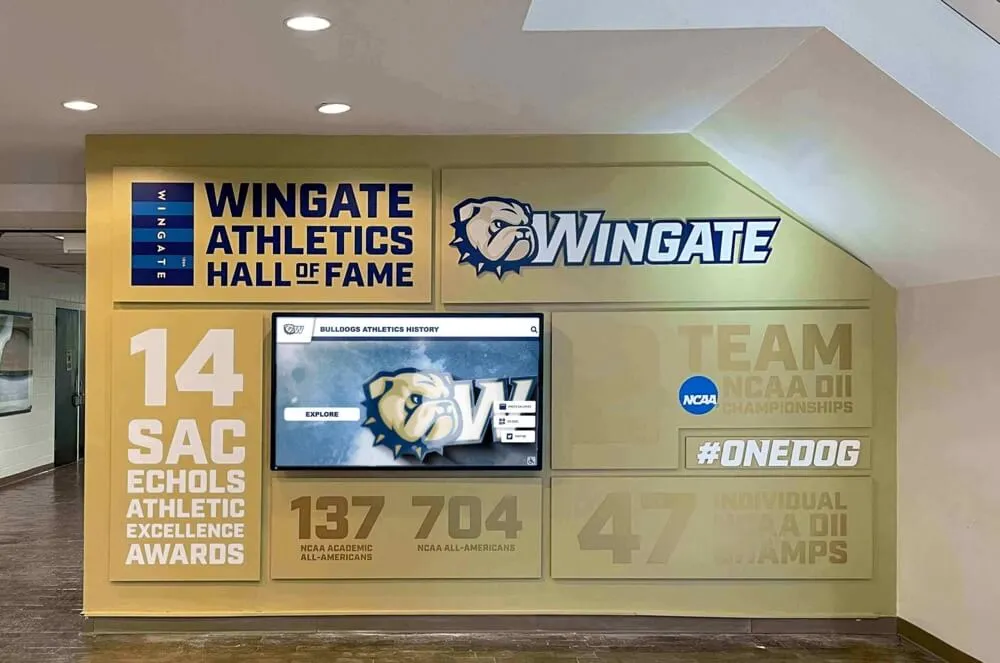
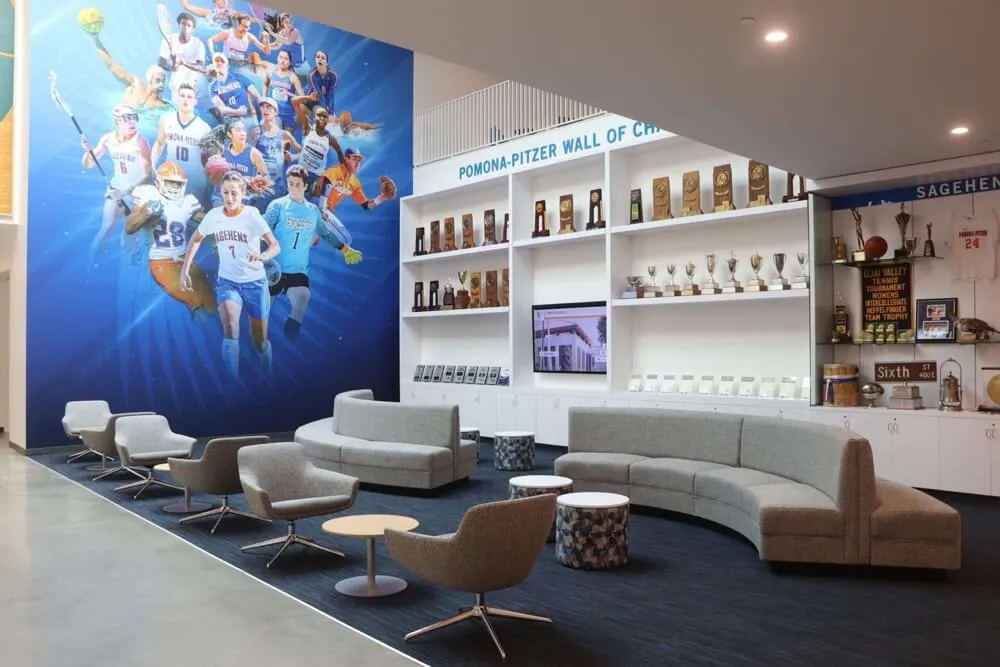
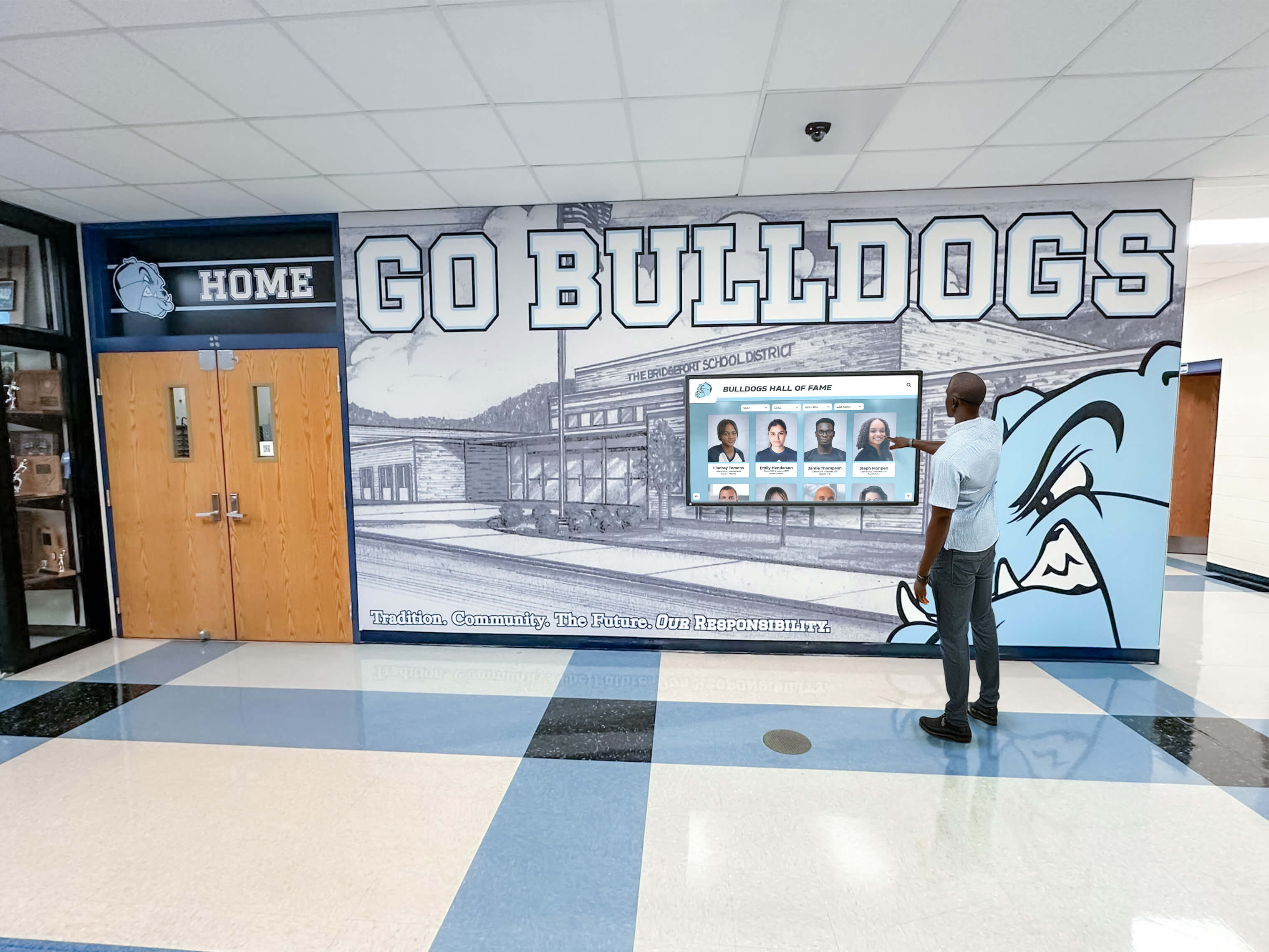

Permanent Digital Recognition: Beyond single-event tributes, forward-thinking programs implement permanent digital recognition systems showcasing senior achievements year after year. Interactive touchscreen displays installed in athletic lobbies, wrestling rooms, or high-traffic hallways allow current students, recruits, alumni, and visitors to explore wrestling history, view senior class photographs and statistics, read about program traditions and achievements, and understand how current wrestlers connect to program legacy.
These systems transform senior night recognition from momentary ceremony into lasting institutional memory, ensuring that seniors who graduate remain visible parts of program history rather than fading from awareness as new classes arrive. They also provide powerful recruiting tools, demonstrating to prospective wrestlers how programs honor and remember athlete contributions permanently.
Gift Selection and Presentation Ideas
The gifts seniors receive during recognition ceremonies serve as tangible appreciation tokens they keep for years, making thoughtful selection important for creating lasting positive impressions.
Traditional Wrestling Senior Gifts
Several gift categories represent common wrestling senior night presentations, each carrying different symbolic meaning and practical value.
Framed Photography: Professional photographs from wrestling careers represent popular senior gifts that families display prominently. Options include action shots from memorable matches captured by team photographers, senior portraits in wrestling singlets and team gear, composite images showing progression from freshman through senior year, or team photographs with signatures from coaches and teammates. Quality framing significantly impacts how these gifts are perceived—cheap frames diminish otherwise valuable photographs while quality presentation elevates relatively simple images.
Personalized Plaques and Awards: Recognition plaques acknowledging seniors’ contributions provide formal appreciation tokens. Effective plaques include wrestler’s name and years of participation, specific achievements or records if applicable, inspirational quotes about wrestling or perseverance, and program logos or imagery connecting to school identity. Avoid generic participation trophy aesthetics—quality materials and thoughtful design demonstrate genuine appreciation rather than obligatory gesture.
Team Apparel and Gear: Wrestling apparel personalized for seniors provides functional gifts athletes actually use while maintaining program connection. Options include letter jackets or varsity jackets if not provided earlier, personalized warm-up gear or team hoodies, practice gear with senior year or career statistics, or equipment bags customized with names and graduation year. These items extend program identity beyond high school while providing practical value during college recreation wrestling or fitness activities.
Creative and Personalized Recognition Ideas
Beyond traditional options, creative programs develop personalized recognition approaches reflecting individual wrestlers’ personalities, achievements, or future plans.
Career Statistics Artwork: Some programs create custom graphics or artwork featuring each wrestler’s complete career statistics, including total wins and losses, pin record, tournament placements, weight class progression, memorable opponent victories, and team contribution statistics. These data-driven tributes particularly resonate with statistically-minded wrestlers who appreciate quantitative documentation of their competitive journey.
Coach and Teammate Messages: Compile written messages from coaches and teammates into presentation-quality formats such as bound books collecting handwritten notes and reflections, framed collages of teammate messages and photographs, or video compilations of teammates sharing favorite memories. The personal investment these gifts require makes them especially meaningful—they can’t be purchased but must be created through genuine relationship and effort.
Achievement Shadow Boxes: For wrestlers with significant accomplishments, shadow boxes displaying career memorabilia create impressive recognition pieces including medals from tournament placements, championship brackets with their weight class highlighted, newspaper clippings featuring their victories, team patches or emblems from each season, and photographs documenting key career moments. These curated collections tell complete career stories in single display pieces.
Budget-Conscious Recognition Strategies
Programs operating with limited budgets can still create meaningful senior recognition without expensive gifts through creativity and personal investment.
Thoughtful programs focus resources on personalization rather than expensive items, create gifts through invested time rather than purchased products, involve teammates in gift creation demonstrating collective appreciation, and develop recognition traditions that accumulate meaning over years rather than depending on monetary value. Sometimes the most treasured senior gifts cost virtually nothing financially but represent significant personal investment and thought.
Programs seeking comprehensive approaches to season-ending recognition might explore established frameworks for team awards beyond traditional MVP categories that celebrate diverse contributions while remaining budget-conscious.
Managing Ceremony Logistics and Timing
Even perfectly planned ceremonies fail without effective execution addressing practical logistics that determine whether events flow smoothly or devolve into awkward, disorganized chaos.
Coordinating with Competition Requirements
Wrestling senior nights typically occur immediately before dual meets or tournament competition, creating unique timing pressures not present when other sports hold separate senior night events.
Pre-Match vs. Post-Match Timing: Most wrestling programs conduct senior night ceremonies before competition begins, allowing ceremonies to run slightly long if needed without impacting match schedules while ensuring full audience attendance including fans arriving for the meet and creating emotional energy leading into competition rather than anticlimactic post-match recognition. However, pre-match ceremonies create pressure on wrestlers who must rapidly transition from emotional senior night moments to competitive focus.
Alternative post-match ceremonies allow wrestlers to compete with full focus before recognition, ensure underclassmen don’t sit through long ceremonies before their matches, and provide celebration atmosphere after (hopefully) victorious senior night competition. The tradeoff involves smaller audiences as some fans leave after matches conclude and potential scheduling complications if matches run long.
Time Limit Management: Establish and communicate clear time limits for the entire ceremony, typically 30-45 minutes maximum for pre-match events. Assign someone as timekeeper who will signal if ceremonies approach time limits. Practice moving seniors through recognition smoothly without rushing them. Build slight buffer time into planning for unexpected emotional moments or technical difficulties.
Sound System and Technical Considerations
Technical failures create awkward disruptions that diminish ceremony atmosphere and reflect poorly on program organization.
Audio Equipment Testing: Test all microphones, speakers, and audio connections hours before the ceremony, not minutes. Ensure backup microphones are available if primary systems fail. Verify audio can be heard clearly throughout the venue including in bleachers and mat-side areas. Adjust speaker positioning to prevent feedback or echo issues. If playing music during senior walks, test volume levels and transitions before the event starts.
Visual Display Coordination: If incorporating video tributes, slideshows, or other visual elements, confirm all equipment functions properly including projector focus and brightness, screen positioning visible to entire audience, computer compatibility with venue systems, and backup files available on multiple devices in case of technical failures. Assign someone specifically responsible for technical execution rather than assuming coaches can manage technology while conducting ceremony.
Photography and Videography Planning
Senior night photographs provide lasting memories families treasure for decades, making quality capture essential.
Official Photographer Assignment: Designate an official photographer responsible for capturing key moments including each senior’s family mat walk, presentation of gifts and flowers, senior speeches or reactions, team photographs with all seniors together, and candid moments during ceremony. Communicate with this photographer about must-capture shots so nothing gets missed. Many programs hire professional photographers for senior night given its significance, though talented parent volunteers often provide comparable results.
Family Photo Opportunities: Create formal photo opportunity setups allowing each family to take quality photographs with good lighting, clean backgrounds without distracting arena elements, proper positioning of wrestlers in gear with parents, and sufficient time without feeling rushed. These photos often become family treasures displayed in homes for years—invest in creating quality opportunities rather than settling for hasty snapshots.
Video Recording: Record the entire ceremony for families who may have members unable to attend, seniors who want to revisit the experience later, program archives documenting traditions, or promotional materials showcasing program culture. Ensure video captures clear audio of speeches and introductions, not just visual imagery.
Involving Parents and Families Meaningfully
Wrestling senior nights specifically aim to honor family partnership in athletic development, making their involvement essential rather than peripheral.
Pre-Event Family Communication and Preparation
Clear, early communication with senior families prevents confusion while helping parents understand what participation will involve and how they can contribute to successful ceremonies.
Detailed Information Packets: Send comprehensive information to families 3-4 weeks before senior night including ceremony date, time, and estimated duration, what parents should wear for photographs, how many family members may participate on mat, what to expect during ceremony flow, photography opportunities and timing, and parking or facility access information. Anticipate questions and proactively provide answers rather than leaving families uncertain.
Information Collection: Request specific information from families including preferred parent/guardian names for announcer introduction (some families have step-parents, divorced parents, or other dynamics requiring clarification), particular achievements or moments they want highlighted, information about wrestler’s future plans they’re comfortable sharing publicly, and any special circumstances requiring accommodation.
Respect that not all families have traditional two-parent structures—some seniors may walk with single parents, grandparents, siblings, or other family members who raised them. Never make assumptions about family composition or create ceremony structures that embarrass athletes whose families don’t fit standard models.
Parent Recognition Elements
While senior night primarily honors athletes, thoughtful ceremonies specifically acknowledge parental sacrifice and contribution.
Flower or Gift Presentation: Many programs present flowers, small gifts, or appreciation tokens to parents during ceremony as tangible acknowledgment of their support. These simple gestures create emotional moments when parents realize they’re being honored, not just attending their wrestler’s recognition. Consider roses for mothers and boutonnieres for fathers, small gift baskets with appreciation notes and program memorabilia, or personalized appreciation certificates recognizing specific contributions.
Direct Acknowledgment in Speeches: Coaches should specifically address parents during ceremony remarks, acknowledging the early mornings, weekend travel, and emotional support they provided. Personal, specific recognition resonates more than generic “thanks to all parents” statements—mentioning specific examples of parent contributions (the mother who coordinated team meals, the father who filmed matches for years, etc.) demonstrates genuine appreciation.
Parent Testimonials: Some programs include brief parent remarks during ceremonies, allowing them to share reflections about their wrestler’s journey or thank coaches and program supporters. This element requires careful time management to prevent excessive length while providing parents valued opportunity to participate actively rather than serving as ceremony props.
Balancing Multiple Family Members and Blended Families
Modern family dynamics require flexible, respectful accommodation rather than rigid ceremony structures that create awkward situations.
Navigate blended families, divorced parents, and complex dynamics with sensitivity. Communicate privately with seniors and families about their preferences—some athletes want both biological parents plus step-parents involved while others prefer specific arrangements. Follow the student-athlete’s wishes rather than imposing institutional preferences. Allow flexibility in how many adults accompany each senior, within reason. Create ceremony flow accommodating various family sizes without requiring identical participation across all families.
Most importantly, handle these situations discreetly and professionally, never highlighting differences or creating situations where family dynamics become public spectacle. Some families navigate difficult relationships for their wrestler’s benefit—honor their efforts rather than complicating them.
Creating Lasting Program Traditions
The most memorable wrestling senior nights extend beyond individual ceremonies to become enduring program traditions that alumni remember and current athletes anticipate.
Annual Recognition Traditions
Establishing consistent traditions creates program identity while giving senior night ceremonies distinctive character reflecting your specific wrestling culture.
Signature Ceremony Elements: Develop unique elements that distinguish your program’s senior nights such as specific songs played during senior walks, traditional gifts all seniors receive (letter jackets, specific awards), alumni presentations where former wrestlers return to honor current seniors, or wall signing ceremonies where seniors sign permanent displays. These consistent elements create continuity across years while building anticipation—underclassmen watch senior nights knowing “someday that will be me.”
Senior Legacy Contributions: Some programs establish traditions where seniors contribute something permanent to program legacy including plaques added to wrestling room walls, donations to program funds or equipment, messages of advice recorded for future wrestlers, or maintenance of program history through yearbooks or record keeping. These legacy contributions ensure departing seniors remain connected to program even after graduation.
Permanent Recognition Beyond Senior Night
Senior night ceremonies create powerful emotional moments, but lasting recognition requires systems preserving achievements and memories beyond single events.
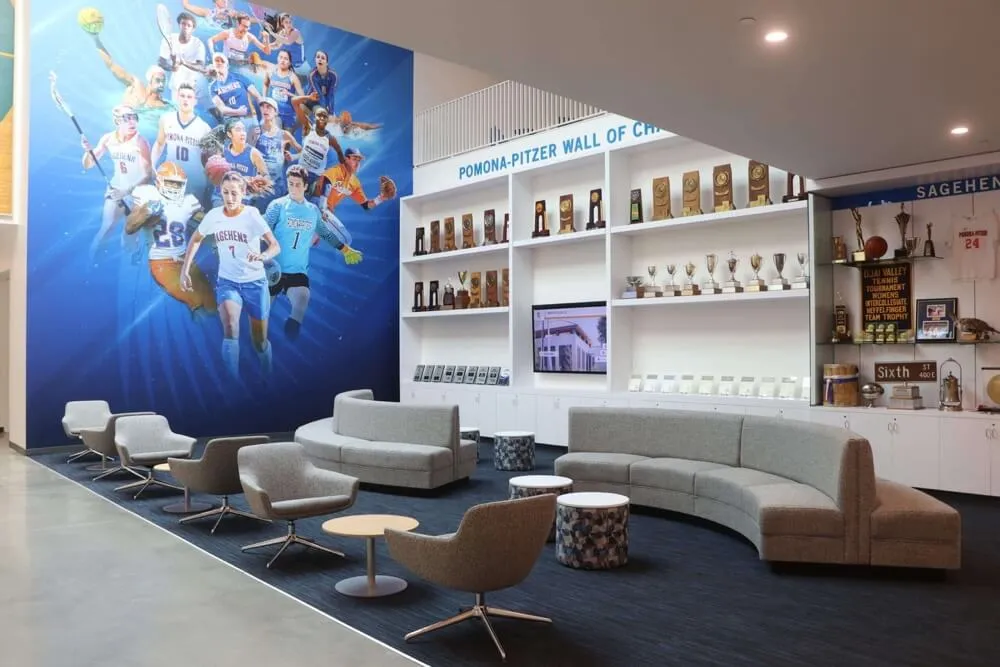
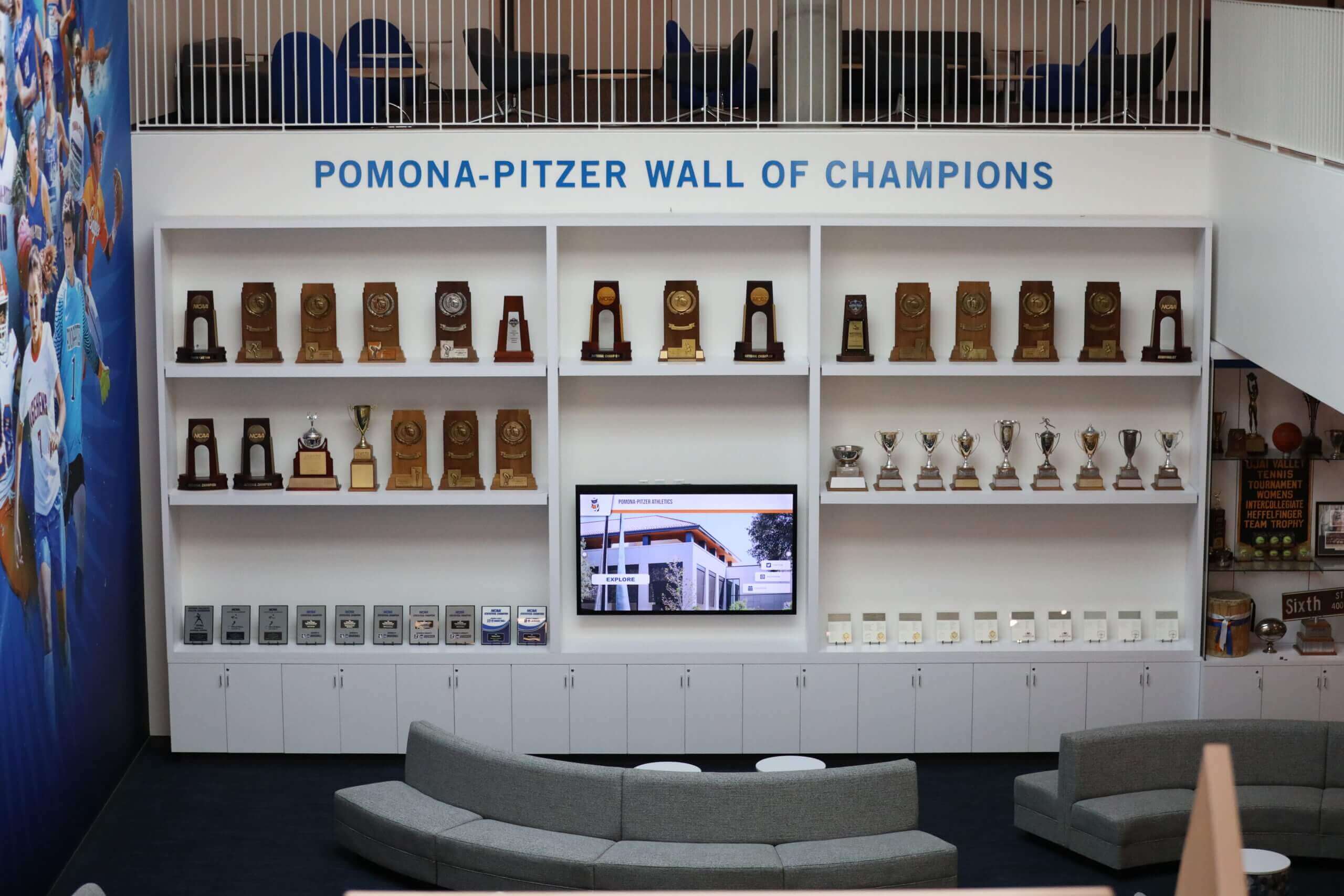
Modern programs increasingly implement permanent recognition displays documenting wrestling program history, senior achievements across decades, individual wrestler statistics and accomplishments, and coaching tenure and contributions. These systems transform senior night from momentary ceremony into initiation into permanent program legacy. Programs exploring comprehensive approaches to showcasing student achievement discover that multi-year recognition strategies strengthen program culture more effectively than isolated annual events.
Interactive digital recognition systems particularly enhance wrestling programs by allowing detailed individual wrestler profiles including career statistics, weight class progression, memorable matches, and photographs spanning four years; video highlights of significant competitive moments; coaching histories showing staff evolution across decades; and comparative statistics helping current wrestlers understand historical program context.
These permanent displays serve recruiting tools demonstrating program commitment to athlete recognition, alumni engagement platforms keeping former wrestlers connected to current programs, fundraising assets showing potential donors how contributions support recognition, and institutional memory preventing decades of achievement from fading into forgotten history.
Many programs also draw inspiration from band banquet planning strategies when creating comprehensive end-of-season recognition events that complement senior night ceremonies while celebrating entire team accomplishments.
Common Senior Night Challenges and Solutions
Even well-planned wrestling senior nights encounter predictable challenges. Anticipating and preparing for these obstacles prevents minor issues from becoming major disruptions.
Managing Emotional Moments Appropriately
Wrestling senior nights generate intense emotions—athletes reflecting on four-year journeys, parents seeing children honored, coaches recognizing students they’ve mentored since middle school. These emotions create ceremony power while potentially disrupting planned timing and flow.
Expecting and Allowing Emotion: Build buffer time into ceremony plans allowing for tears, pauses, and emotional moments without rushing people through experiences. Some seniors will cry during speeches. Parents may become overwhelmed seeing their wrestler honored. Coaches might struggle through emotional introductions. These moments create ceremony meaning—embrace them rather than treating them as inconvenient disruptions.
Supporting Emotional Athletes: Have tissues readily available on the mat. Assign assistant coaches or team captains to support seniors who become emotional. Allow athletes time to compose themselves rather than forcing them through ceremony steps before they’re ready. Some wrestlers will try to maintain stoic wrestling toughness while clearly emotional—give them space to experience feelings authentically rather than performing for audience expectations.
Handling Absent Parents or Family Circumstances
Not all seniors have traditional family support systems, creating potentially awkward situations during ceremonies designed around parent recognition.
Alternative Family Representatives: Work with seniors to identify appropriate family representatives if parents cannot or will not attend. Grandparents, aunts and uncles, older siblings, or other meaningful adults in wrestlers’ lives can participate in ceremonies. Some seniors may want to walk with coaches who served parental roles in their athletic development. What matters is honoring the people who actually supported the athlete’s journey, not conforming to traditional family templates.
Minimizing Attention on Absent Parents: When parents are absent for any reason, focus ceremony attention on the senior athlete themselves rather than highlighting missing family. Adjust introduction language emphasizing wrestler’s individual journey and achievements. Ensure ceremony gifts go to the wrestler directly. Brief teammates and underclassmen about treating all seniors with equal enthusiasm regardless of their family attendance.
Confidential Situation Management: Some family absences reflect difficult circumstances—incarcerated parents, estranged relationships, or tragic loss. Handle these situations with absolute confidentiality and sensitivity. Never discuss family situations publicly or allow circumstances to become gossip subjects. Work privately with affected seniors to ensure they feel valued and supported regardless of family circumstances.
Weather and Facility Issues
Winter wrestling season creates potential weather and facility complications affecting senior night plans.
Backup Plans for Weather: Winter storms may prevent family travel or create hazardous conditions. Develop contingency plans including clear communication protocols for informing families of postponements, alternative ceremony dates if weather forces cancellation, and modified formats if some families cannot attend due to weather. Communicate these backup plans to families before events so everyone understands how weather situations will be handled.
Facility Temperature Control: Many gymnasiums run cold during winter, which matters little for athletes in warm-up gear but significantly affects families dressed for photographs. Ensure adequate heating well before ceremony start. Warn families to bring layers or warmer clothing if facility temperature cannot be controlled effectively. Consider portable heaters for mat-side areas where families will stand during ceremonies.
Post-Senior Night Follow-Through
Senior night ceremonies represent beginnings of lasting recognition rather than final conclusions of athlete-program relationships.
Thank You Communications and Recognition
Systematic follow-through after ceremonies demonstrates ongoing appreciation while maintaining relationship quality established during senior night.
Thank You to Families: Send personalized thank you notes to senior families within a week of ceremony, acknowledging their attendance and support, expressing appreciation for their years of commitment to program, mentioning specific contributions or moments from the ceremony, and providing contact information for staying connected with program. Handwritten notes from coaches carry particular impact, showing personal investment beyond mass-produced appreciation.
Ceremony Photograph Distribution: Share professional ceremony photographs with families promptly, providing digital files families can print, save, or share and creating shared online galleries accessible to all attendees. Don’t make families wait months for photographs from events specifically designed to honor them—timely delivery demonstrates respect and organization.
Social Media and Program Recognition: Share appropriate ceremony highlights, photographs, and senior recognition through program social media channels and athletic department communications. Tag seniors and families (with permission) allowing them to share recognition through their networks. Balance celebration with privacy—some families appreciate public recognition while others prefer more discrete acknowledgment.
Maintaining Senior Connection Through Postseason
Senior night typically occurs before postseason tournaments and championships. Ensure recognition momentum continues rather than treating senior night as final program interaction.
Postseason Support and Communication: Keep seniors informed about postseason expectations, training schedules, and competition details. Include them in team meetings and preparation discussions. Celebrate postseason achievements through same channels used for regular season success. Make clear that senior night honored their careers to date, not concluded their competitive journey.
Final Season Wrap-Up: After competitive season ends, conduct exit interviews or final conversations with departing seniors including reflecting on their complete career experience, gathering feedback about program strengths and improvement opportunities, discussing their plans for maintaining fitness or competitive involvement, and expressing final appreciation for their contributions. These conversations provide closure while gathering valuable insights for program improvement.
Conclusion: Creating Recognition Worthy of Mat Warriors
Wrestling demands extraordinary physical, mental, and emotional commitment that forges character unlike any other high school sport. Athletes who dedicate four years to the mat—enduring brutal conditioning, managing weight with discipline that borders on obsessive, competing individually under immense pressure, and representing their schools with pride—deserve recognition ceremonies that honor the complete journey they’ve traveled, not just their competitive records.
Effective wrestling senior nights balance celebration with competition, humor with sincerity, individual recognition with efficient timing, and tradition with personal authenticity. They acknowledge that behind every wrestler stands a family who sacrificed weekends, invested financially, and supported emotionally through victories and devastating losses. They demonstrate to underclassmen what dedication produces and what program membership means beyond practice attendance and match participation.
Most importantly, thoughtful senior night planning creates memories that seniors and families treasure for decades—the moment when parents received flowers in appreciation, when coaches’ voices cracked while describing an athlete’s growth, when teammates erupted in applause for a practice squad wrestler rarely competing varsity, and when communities demonstrated that they noticed, they appreciated, and they would remember.
As your program plans its next wrestling senior night, remember that perfect execution matters less than genuine appreciation. Ceremonies may run long, wrestlers may cry through speeches, and technical elements might fail—but seniors who feel authentically valued and families who sense real gratitude will remember your recognition efforts with gratitude regardless of minor imperfections. Invest the time, planning, and personal attention required to create ceremonies worthy of the mat warriors you’ve had the privilege to coach, and you’ll build traditions that strengthen your program culture for generations of wrestlers yet to come.
Preserve Your Wrestling Legacy with Interactive Recognition
Transform senior night recognition into permanent program legacy with interactive digital displays that honor mat warriors year after year. Rocket Alumni Solutions creates customized touchscreen recognition systems showcasing wrestler achievements, program history, and coaching excellence in dynamic displays that inspire current athletes while keeping alumni connected to your program. Our wrestling-specific recognition platforms feature individual athlete profiles with career statistics and highlights, seasonal team achievements and championship history, coaching legacy documentation, and interactive timelines showing program evolution across decades—all accessible through engaging touchscreens that recruit families explore, alumni revisit, and current wrestlers aspire to join.
Explore Wrestling Recognition Solutions