Wrestling programs build character unlike any other sport. On the mat, individual athletes face opponents alone—no teammates to rely on, no substitutions when fatigue sets in, and nowhere to hide from either triumph or defeat. This unique crucible forges extraordinary dedication, mental toughness, and competitive excellence that shapes young athletes long after their final match. Yet many wrestling programs struggle to adequately honor the champions, coaches, and contributors who built their traditions, often relegating decades of achievement to dusty trophy cases or faded photographs tucked away in basement hallways.
This comprehensive guide explores how wrestling programs—from youth clubs to NCAA Division I universities—create meaningful halls of fame that authentically celebrate mat legends while inspiring future generations. Whether you’re establishing your program’s first formal recognition system or modernizing existing traditions, these strategies help create wrestling halls of fame worthy of the athletes, coaches, and communities they honor.
Understanding Wrestling Hall of Fame Significance
Before exploring implementation strategies, understanding why wrestling halls of fame matter helps programs create recognition systems serving genuine institutional needs rather than merely checking boxes.
The Unique Culture of Wrestling Recognition
Wrestling culture differs fundamentally from team sports in ways that shape recognition approaches. While football teams celebrate championships won collectively and basketball programs honor scoring leaders within team contexts, wrestling achievement emerges from intensely individual competition where athletes battle weight management, physical exhaustion, and mental pressure largely alone.
This individual nature creates both challenges and opportunities for recognition. Wrestling halls of fame must balance celebrating individual excellence—state champions, All-Americans, record holders—with honoring the team contexts, coaching relationships, and program traditions that enabled individual success. The most effective wrestling recognition systems acknowledge both dimensions, showcasing individual achievement while preserving stories of the coaches, training partners, and program cultures that developed champions.
Wrestling’s Rich Tradition and History
Wrestling represents one of humanity’s oldest competitive pursuits, with documented competition dating back thousands of years across diverse cultures. In American education, wrestling programs have produced generations of champions who learned discipline, work ethic, and mental toughness that served them throughout life—values often exceeding the importance of any particular match or championship.
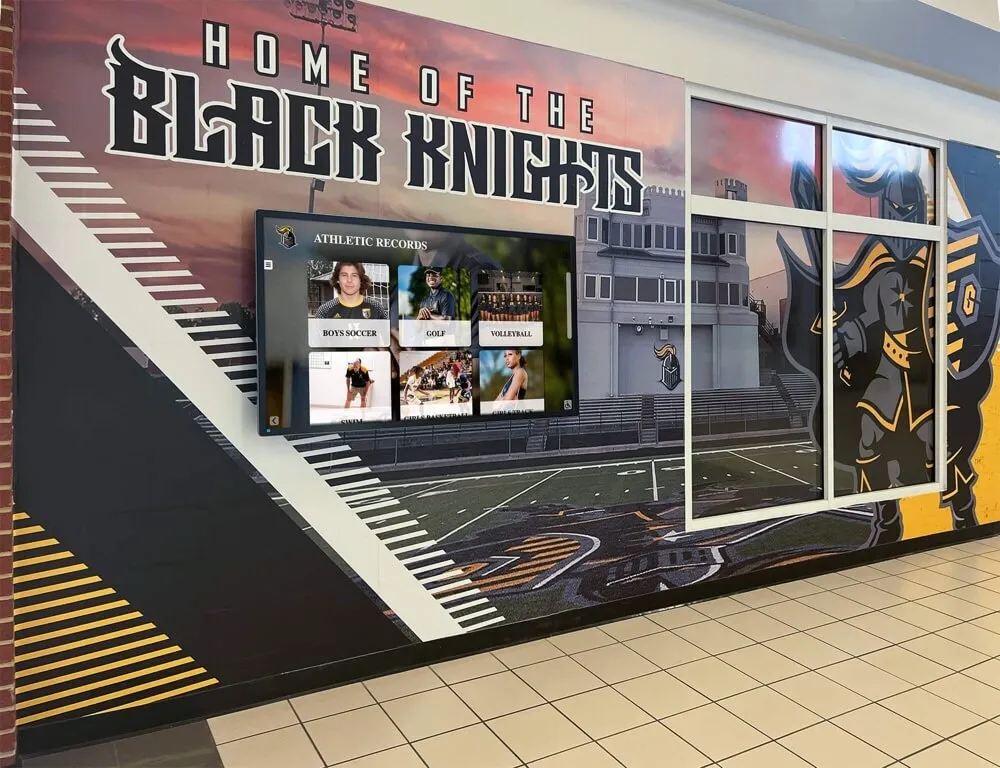
Wrestling halls of fame preserve this rich tradition by documenting not just who won championships, but how programs evolved, which coaches shaped culture, what training philosophies defined eras, and how today’s wrestlers connect to those who competed decades before. When programs lose this institutional memory—when current athletes don’t know their program’s history or recognize names of past champions—they lose powerful tools for building identity and inspiration.
Recognition’s Impact on Program Development
Beyond honoring the past, wrestling halls of fame actively influence program development through multiple mechanisms. Visible recognition of achievement creates aspirational standards, showing current wrestlers what excellence looks like within their specific program context. A freshman wrestler seeing wall displays featuring three-time state champions from years past understands immediately what distinguishes their program and what’s expected to earn lasting recognition.
Recognition systems also strengthen alumni engagement. Wrestling creates unusually strong bonds among participants—shared suffering through brutal conditioning, weight cutting challenges, and competitive pressure forges connections that endure for decades. Programs that maintain visible recognition of alumni achievements create touchpoints keeping former wrestlers engaged with current programs, which often translates into coaching support, financial contributions, and mentorship relationships benefiting current athletes.
Defining Wrestling Hall of Fame Induction Criteria
The foundation of any meaningful wrestling hall of fame lies in clear, defensible criteria determining who receives recognition and why. Vague or inconsistent standards undermine credibility while creating potential conflicts.
Individual Athletic Achievement Standards
Most wrestling halls of fame center on competitive excellence achieved by individual wrestlers. Common achievement thresholds include:
State Championship Recognition
State championships represent the pinnacle of high school wrestling achievement in most regions. Many programs automatically induct wrestlers who win individual state titles, with some creating tiered recognition based on multiple championships. A wrestler winning three or four state titles clearly demonstrates exceptional sustained excellence deserving permanent recognition.
Programs should determine whether all state champions receive automatic induction or whether selection committees retain discretion. Automatic induction creates clear expectations and prevents perceptions of favoritism, though it may result in large induction classes in programs with extensive championship histories.
All-American and National Recognition
At the collegiate level, All-American status—typically earned by placing in the top eight at NCAA championships—serves as a common induction standard. Some programs distinguish between different All-American achievements, recognizing that finishing third differs from finishing eighth, or that earning multiple All-American honors demonstrates sustained excellence beyond single-season success.
National championship recognition, whether at the high school or collegiate level, clearly warrants hall of fame inclusion. Programs competing in national tournaments or competitions should establish whether national placement thresholds exist for induction consideration.
Conference and Regional Excellence
Not all outstanding wrestlers achieve state or national recognition, particularly in programs located in highly competitive regions where exceptional athletes may fall short of championship standards despite remarkable careers. Programs should consider regional or conference achievements as supplementary criteria: multiple conference championships, career win milestones (100, 150 wins), exceptional season records, or pin records demonstrating sustained excellence even without ultimate championship success.
Coaching Excellence and Program Building
Wrestling coaches profoundly shape program culture, develop individual athletes, and build traditions extending across decades. Effective wrestling halls of fame recognize coaching contributions alongside athlete achievements.
Coaching Criteria Considerations
Coaching induction criteria might include longevity and sustained program leadership (minimum years coaching), championship achievement including state titles or conference championships, program development measured through participation growth or competitive improvement, and individual wrestler development reflected in state qualifiers, champions, or All-Americans produced.
Some programs create separate coaching categories recognizing head coaches differently from assistant coaches, given their different roles and responsibilities. Others maintain unified induction standards recognizing that exceptional assistant coaches contribute as significantly to wrestler development and program success as head coaches.
Many wrestling programs benefit tremendously from recognizing coaching excellence through thoughtful coach appreciation initiatives that honor the countless hours coaches invest in developing young athletes.
Contributor and Special Recognition Categories
Beyond athletes and coaches, wrestling programs depend on numerous contributors whose efforts enable program success: athletic trainers who keep wrestlers healthy, officials who ensure fair competition, boosters who fund program needs, administrators who support wrestling despite budget pressures, and families who sacrifice to support young wrestlers’ commitments.
Contributor categories recognize these essential supporters. Criteria should establish clear achievement thresholds preventing contributor recognition from becoming participation awards handed out indiscriminately. Minimum years of service, documented impact on program development, or exceptional contributions during critical program moments create meaningful standards distinguishing truly deserving contributors from routine program participants.
Eligibility Timing and Waiting Periods
Most wrestling halls of fame establish waiting periods before wrestlers become eligible for induction. Common approaches include:
Fixed Waiting Periods
Many programs require specific time intervals after graduation or final competition before induction eligibility: five years allows assessment of whether achievements remain significant after initial recency bias fades, ten years creates more exclusive recognition while ensuring inductees’ careers receive historical perspective, and immediate or one-year eligibility for truly exceptional achievements (undefeated state champions, national champions) in special circumstances.
Waiting periods prevent reactive inductions based on recent success that may not represent truly exceptional long-term achievement. They also allow programs to assess whether inductees’ post-wrestling conduct and character align with institutional values programs wish to celebrate.
Rolling Consideration Approaches
Some programs maintain ongoing eligibility, reviewing all qualified candidates annually regardless of when they competed. This approach ensures deserving wrestlers eventually receive recognition regardless of when selection committees prioritize their inductions, though it creates growing pools of eligible candidates making annual selection decisions increasingly complex.
Creating Effective Wrestling Hall of Fame Selection Processes
Even with clear criteria, selection processes significantly impact hall of fame credibility and community acceptance.
Selection Committee Composition
Selection committees should include diverse perspectives representing program stakeholders while maintaining expertise to evaluate wrestling achievement meaningfully.
Committee Member Roles
Effective committees often include current or recent head wrestling coaches who understand contemporary program context, former program coaches or athletes bringing historical perspective, athletic administrators ensuring alignment with institutional priorities, and community members or wrestling boosters representing broader program support.
Committee size should balance diverse representation against decision-making efficiency. Five to seven members typically provide sufficient perspective without creating unwieldy groups where consensus becomes difficult.
Term Limits and Rotation
Committee member term limits prevent entrenchment while ensuring fresh perspectives. Staggered terms maintain continuity while allowing periodic membership renewal. Three-year terms with rotation ensure institutional knowledge preservation while preventing permanent committee control by particular individuals or factions.
Nomination and Evaluation Procedures
Transparent nomination processes allow community participation while ensuring qualified candidates receive consideration.
Open Nomination Systems
Many successful programs accept nominations from anyone connected to the wrestling community: coaches, former wrestlers, family members, or community supporters. Nomination forms should request information supporting induction case: competitive achievements, statistical records, championships won, career highlights, post-wrestling accomplishments, and character/citizenship considerations.
Open nominations ensure deserving candidates don’t fall through cracks simply because current committee members lack awareness of achievements from decades past.
Evaluation Frameworks
Selection committees need systematic evaluation frameworks ensuring consistent assessment across candidates from different eras competing under different conditions. Evaluation criteria might weight competitive achievement most heavily while considering statistical accomplishments, program impact and leadership, post-wrestling conduct and achievement, and contribution to wrestling community beyond competitive career.
Documenting evaluation rationales helps committees explain decisions to disappointed candidates or community members questioning selections, while also establishing precedents guiding future committee decisions.
Managing Induction Class Size and Frequency
Programs must determine how many inductees they recognize annually and how frequently inductions occur.
Annual Class Size Considerations
Larger induction classes (8-12 inductees) allow programs to catch up on historical recognition backlogs and create substantial induction ceremonies, but potentially dilute individual recognition and create lengthy ceremonies testing attendee patience.
Smaller classes (2-4 inductees) maintain exclusivity and prestige while allowing deeper individual recognition during ceremonies, though they may create years-long waits for deserving candidates.
Many programs vary class sizes based on candidate quality, inducting more individuals when exceptional candidates merit recognition rather than forcing arbitrary limits.
Induction Timing and Ceremony Integration
Wrestling halls of fame typically schedule inductions during annual wrestling banquets or specific tournaments creating natural gathering points for wrestling communities. Some programs coordinate inductions with homecoming events or alumni weekends maximizing attendance by former wrestlers and community members.
Induction timing should allow sufficient planning for inductees to attend, family members to arrange schedules, and programs to prepare appropriate recognition materials and ceremony elements.
Physical and Digital Recognition Display Solutions
After determining who to honor, programs must decide how to showcase wrestling hall of fame inductees in ways that inspire current wrestlers and preserve program history.
Traditional Physical Recognition Approaches
Wrestling programs have long relied on physical displays creating permanent recognition in athletic facilities.
Plaque Walls and Individual Plaques
Individual plaques mounted on dedicated hall of fame walls remain the most traditional recognition format. Each inductee receives a permanent plaque typically including name and wrestling years, competitive achievements and championships, and sometimes photographs or brief biographical text.
Plaque walls create lasting visible recognition while allowing easy addition of new inductees through available wall space. However, they face significant limitations including finite space eventually constraining recognition capacity, difficulty updating information as additional achievements occur, limited storytelling beyond basic biographical facts, and ongoing costs for plaque production and installation.
Trophy and Medal Display Cases
Some programs supplement plaques with cases displaying physical artifacts: state championship medals, All-American certificates, tournament championship trophies, or wrestling gear from significant competitions.
Physical artifacts create tangible connections to achievements while adding visual interest beyond text plaques. Maintenance challenges include security concerns for valuable items, deterioration of fabrics and materials over time, space constraints limiting what artifacts receive display, and difficulty organizing coherent narratives across disparate physical objects.
Banner Recognition
Wrestling programs often hang championship banners or individual wrestler recognition banners from gymnasium or wrestling room ceilings and walls, creating highly visible reminders of program excellence.
Banners provide immediate visual impact while requiring minimal floor or wall space. They work particularly well for team championships or major individual achievements, though they become cluttered when programs attempt comprehensive individual recognition through banner systems.

Modern Digital Recognition Systems
Digital recognition platforms address the fundamental limitations of physical displays while offering capabilities impossible through traditional approaches.
Comprehensive Digital Hall of Fame Platforms
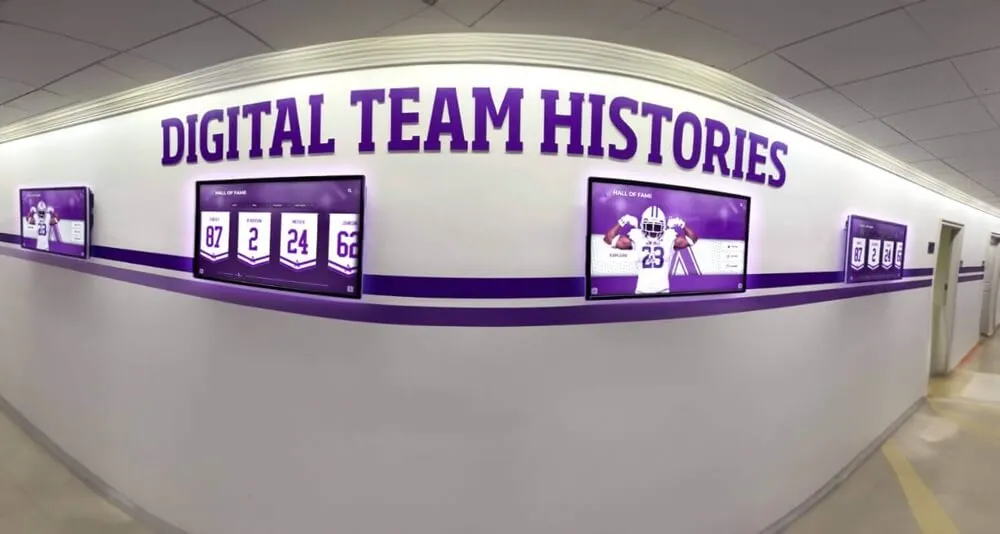
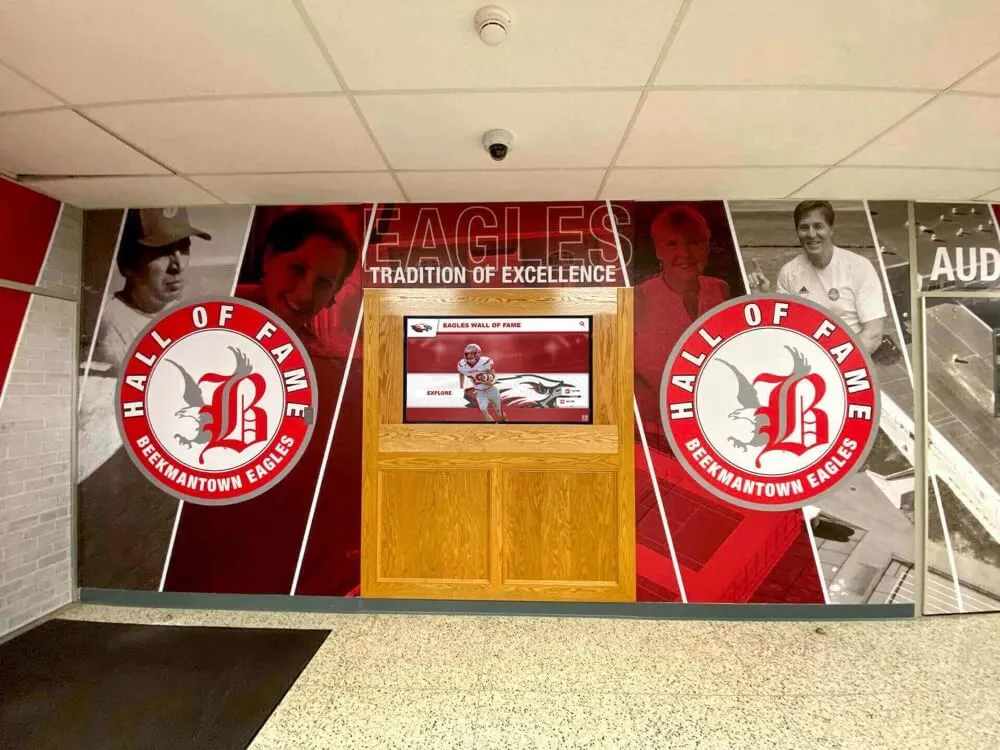
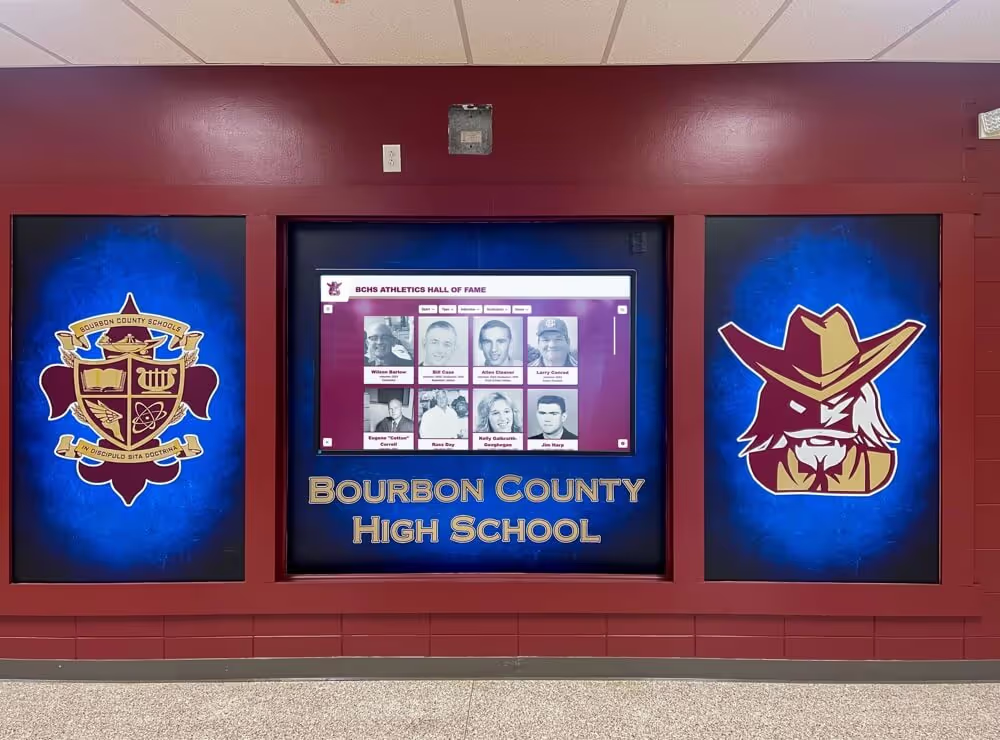
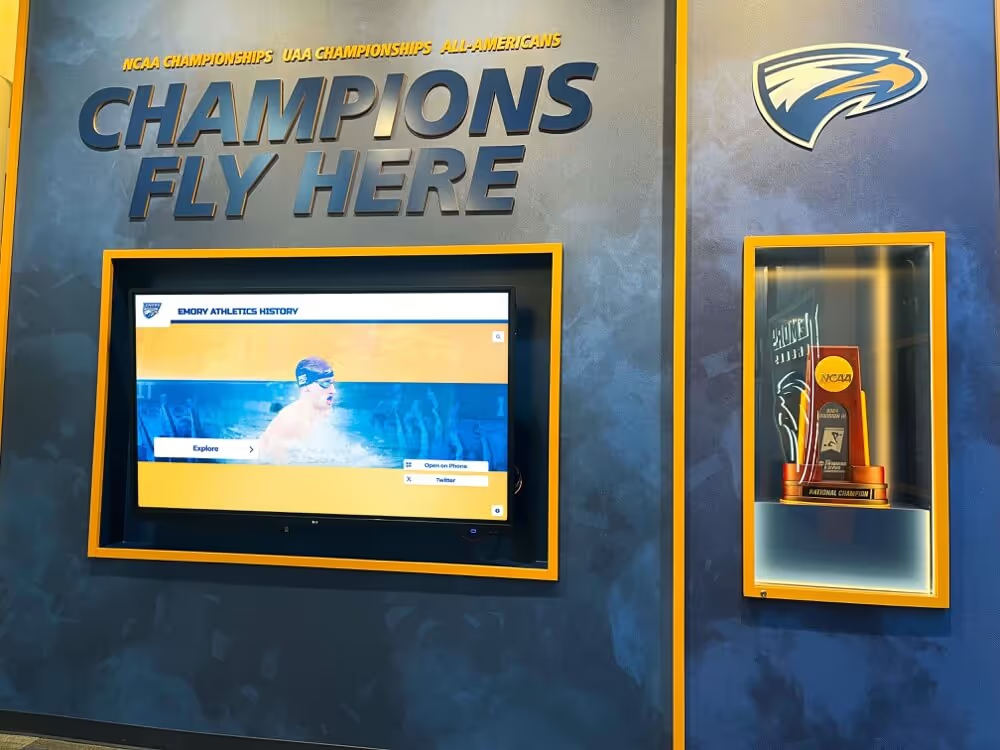
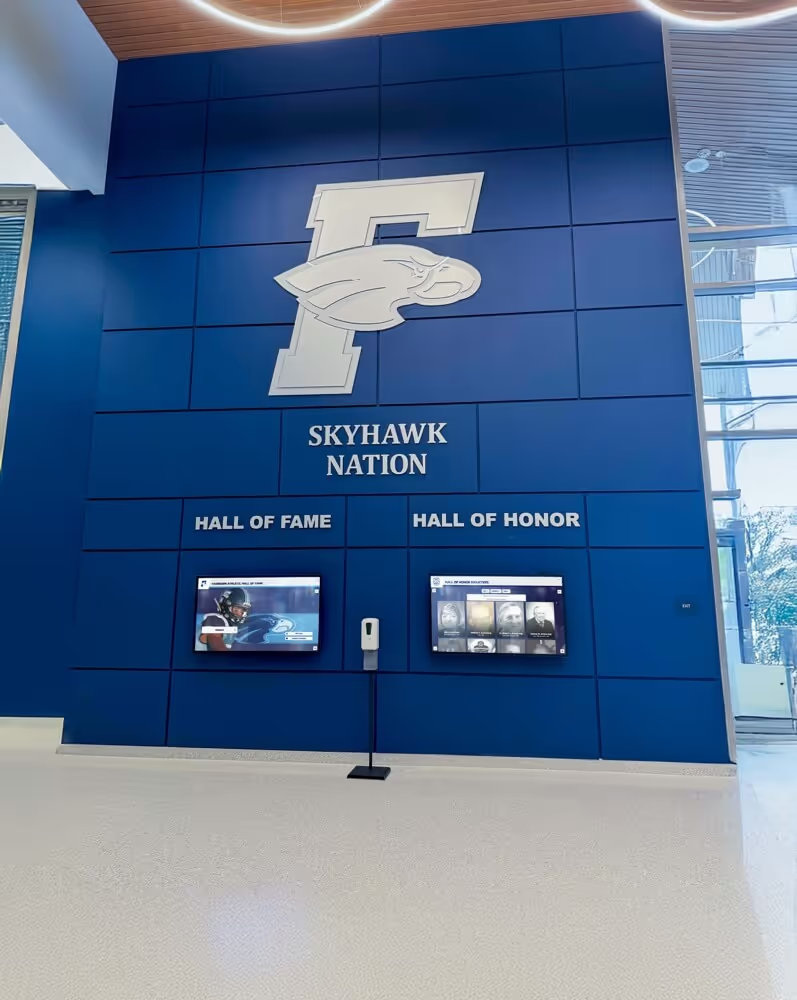
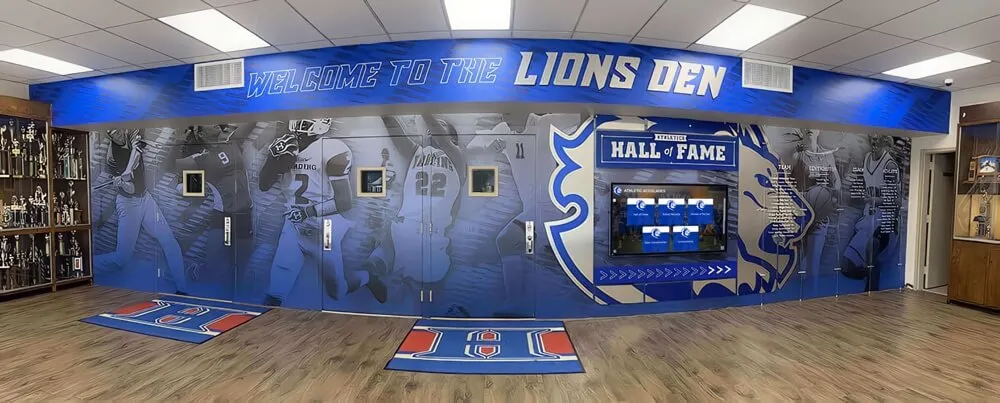
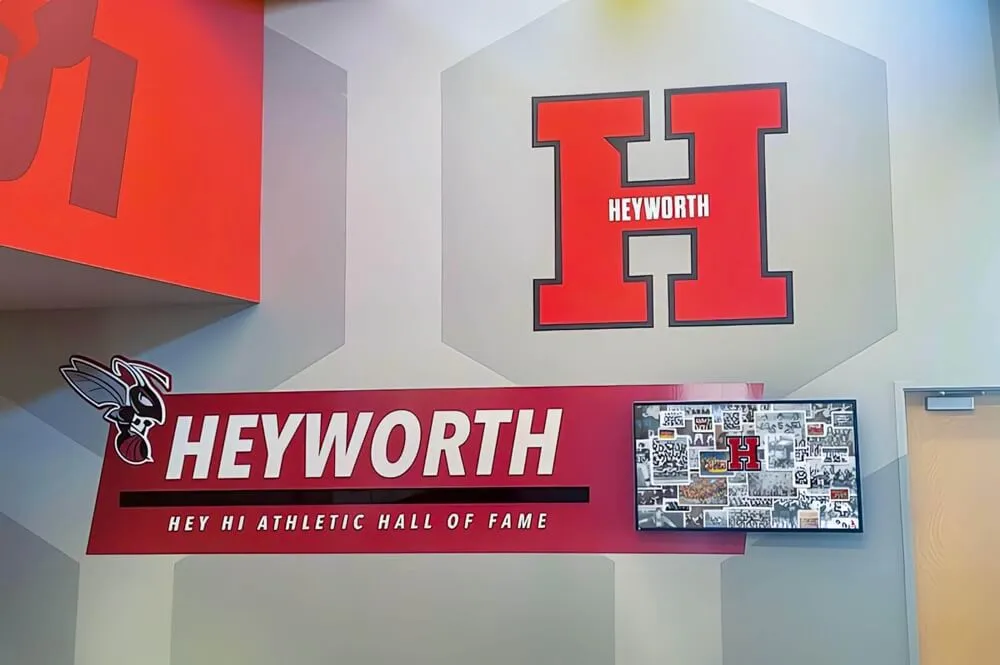
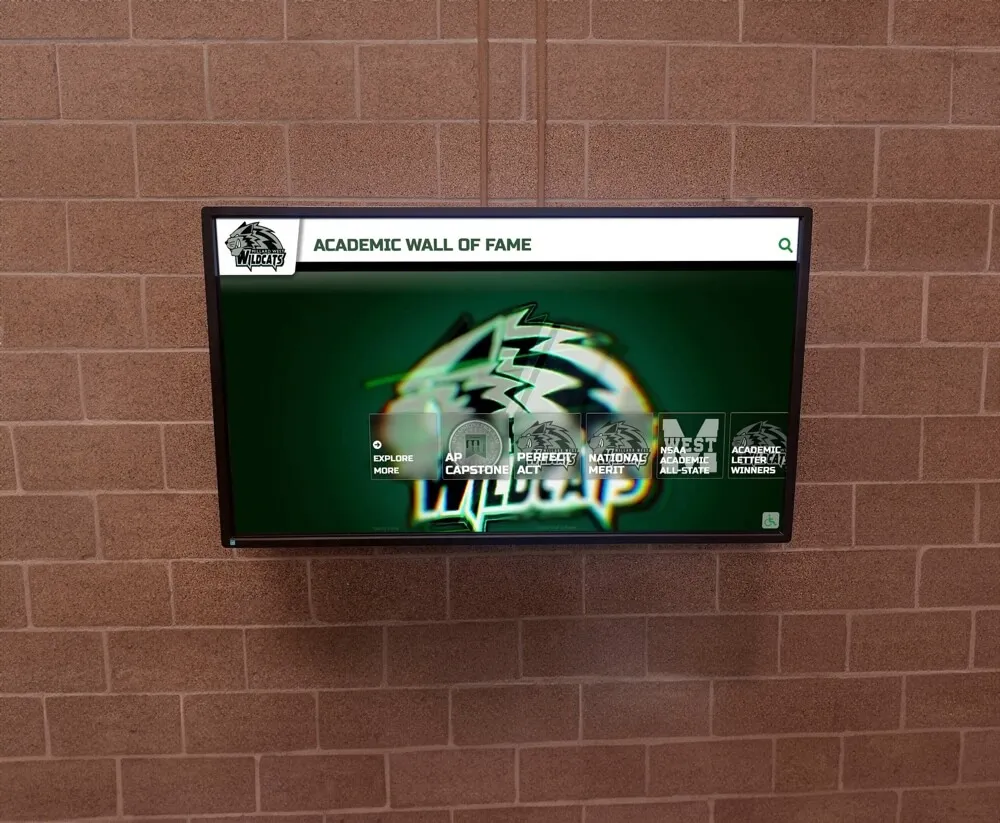
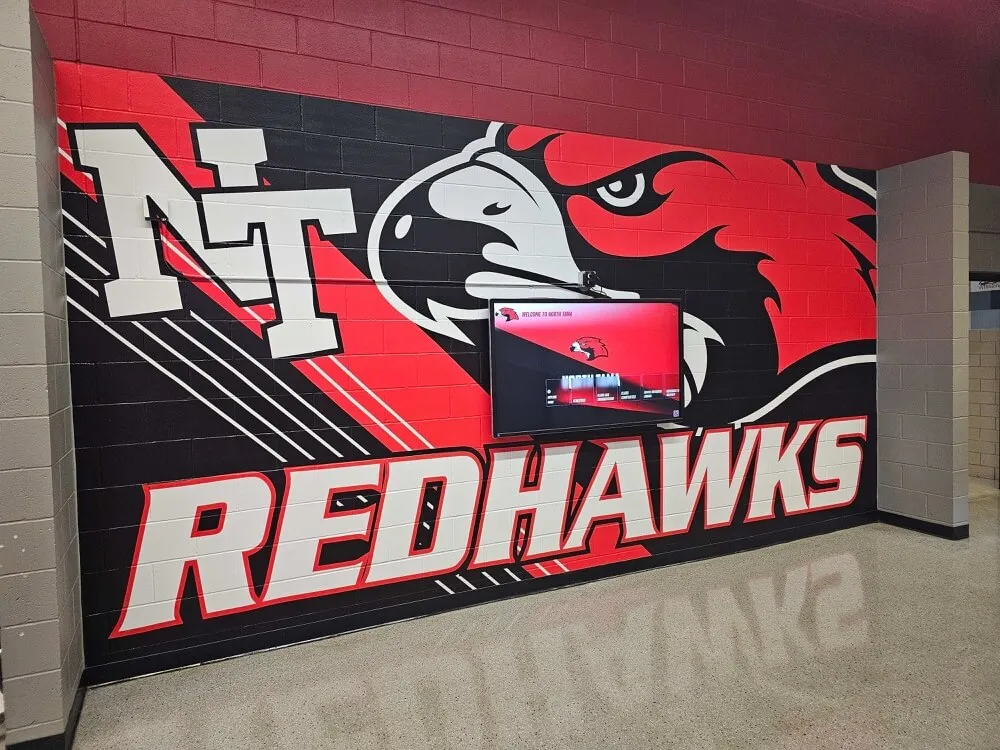
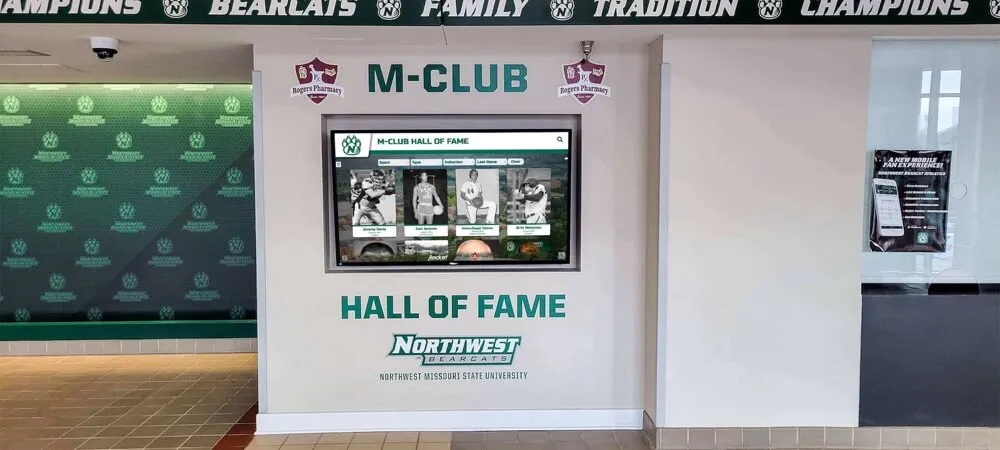
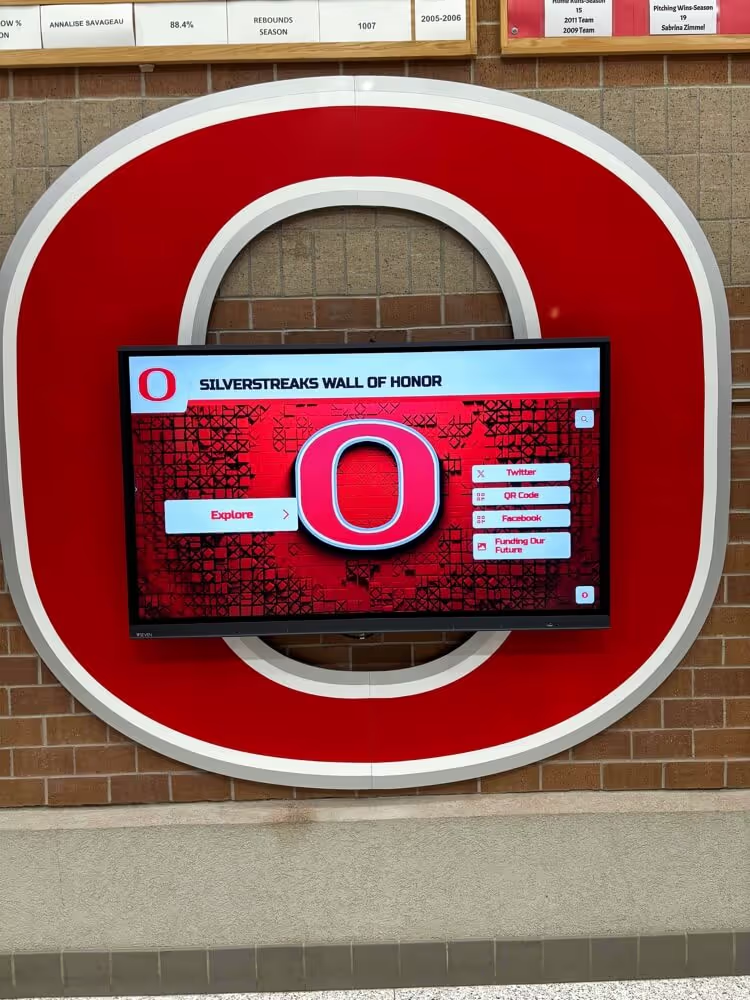
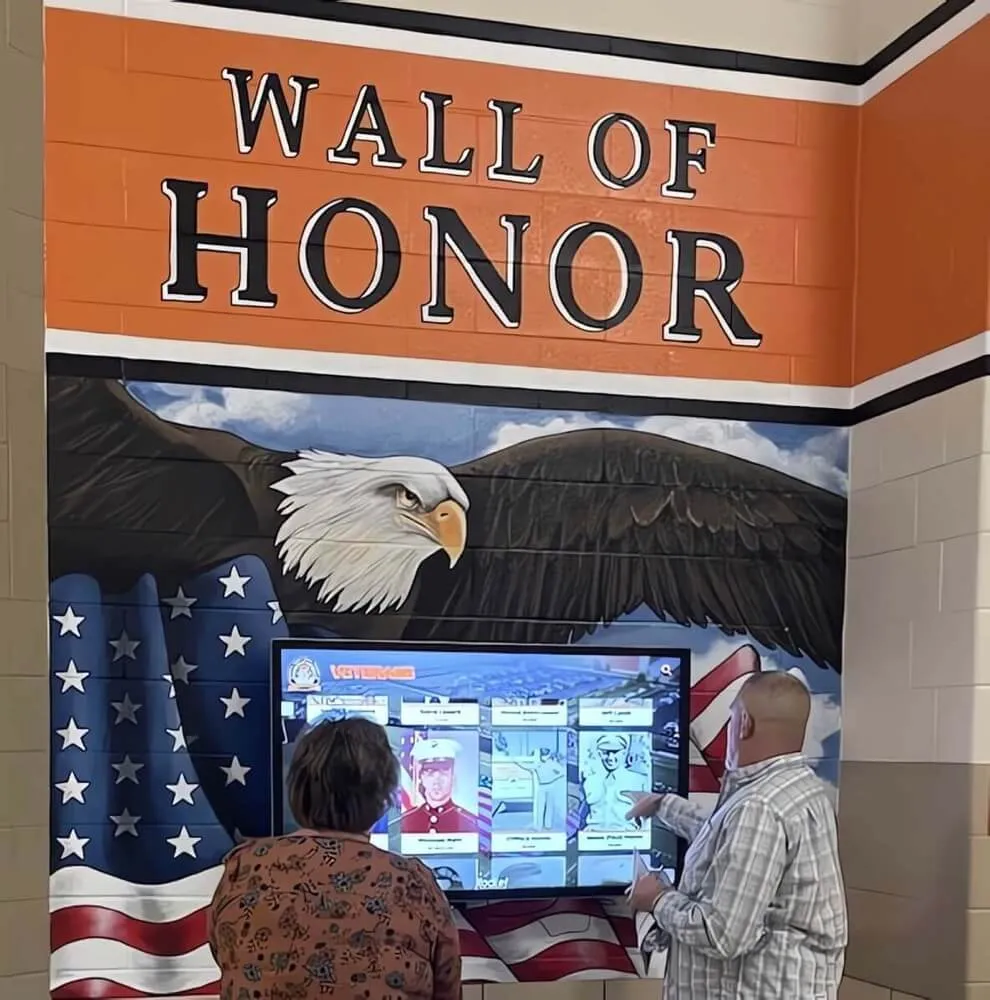
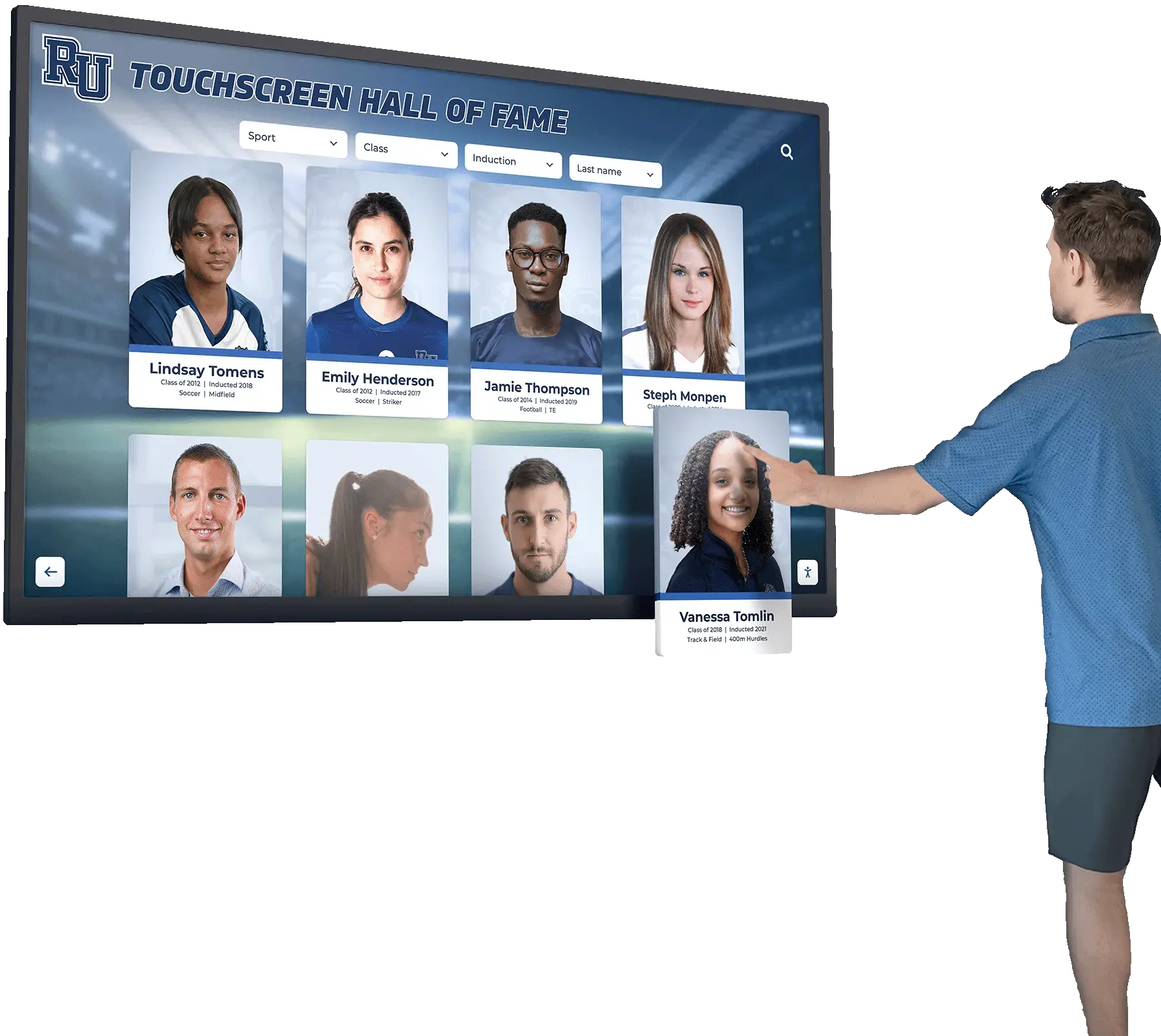
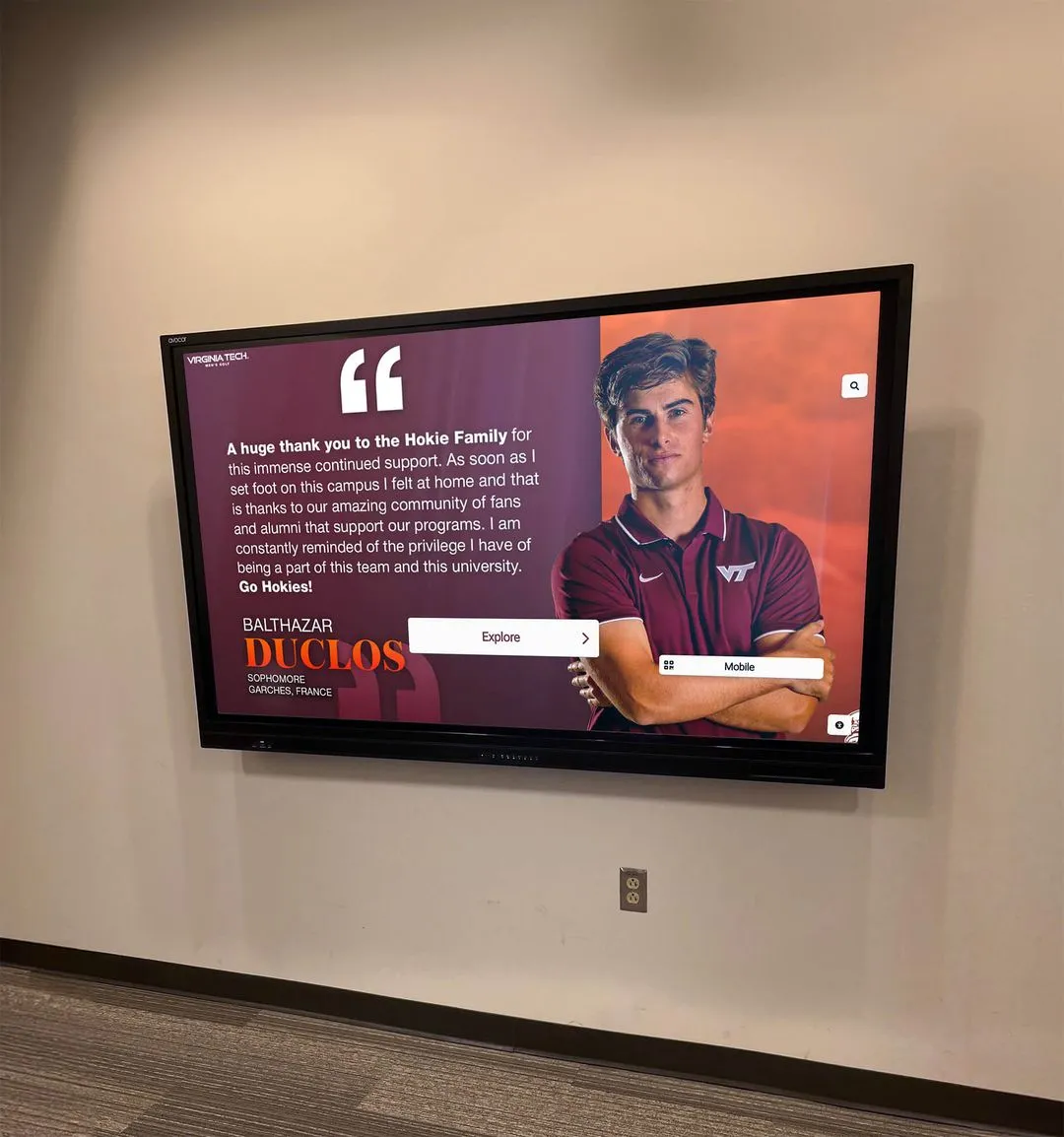
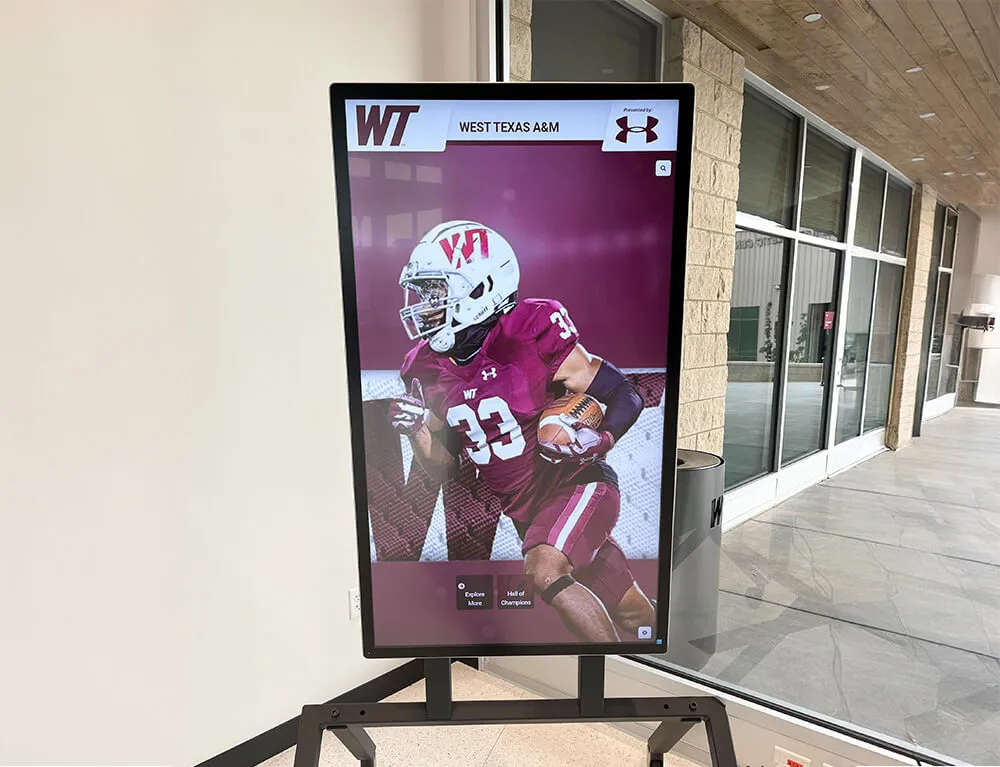
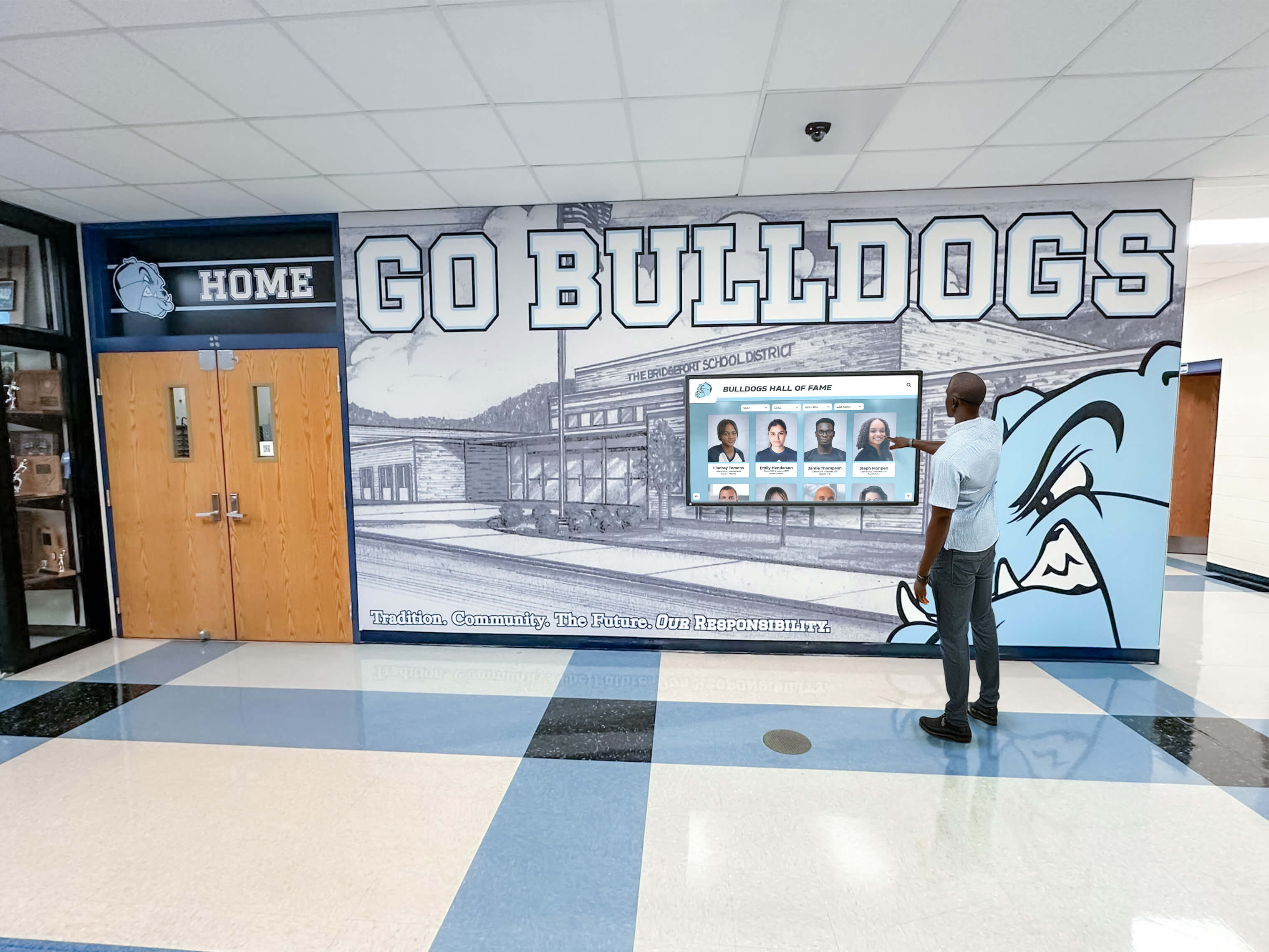
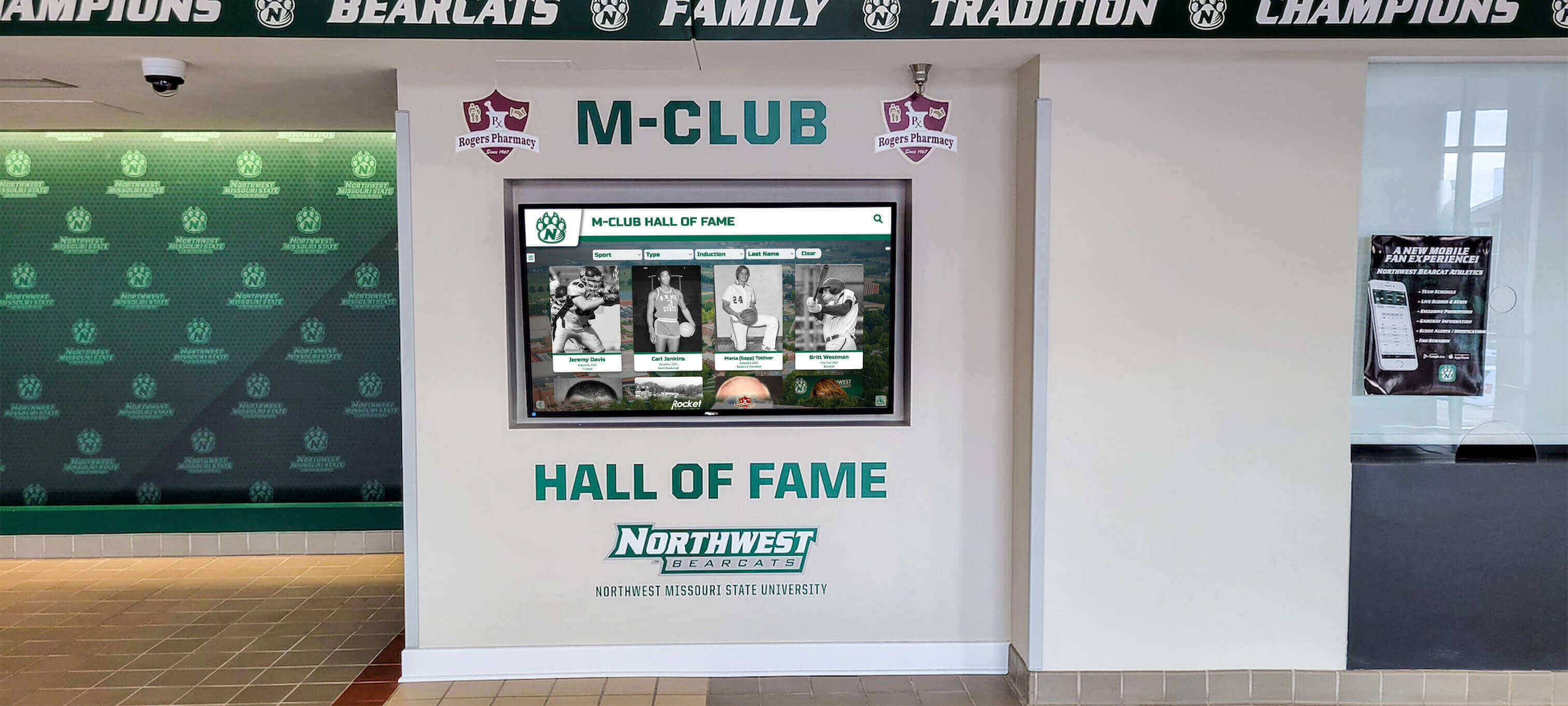
Solutions like those from Rocket Alumni Solutions transform wrestling program recognition through interactive touchscreen displays and online platforms that provide unlimited capacity to recognize all deserving wrestlers regardless of physical space constraints, rich multimedia presentations integrating photos, videos, match footage, statistics, and detailed biographical narratives, intuitive search and filtering allowing users to find specific wrestlers, weight classes, or championship years instantly, remote content management enabling easy updates as achievements occur without facility renovation costs, and integrated data presentation showcasing program records, championship histories, and statistical leaders across decades.
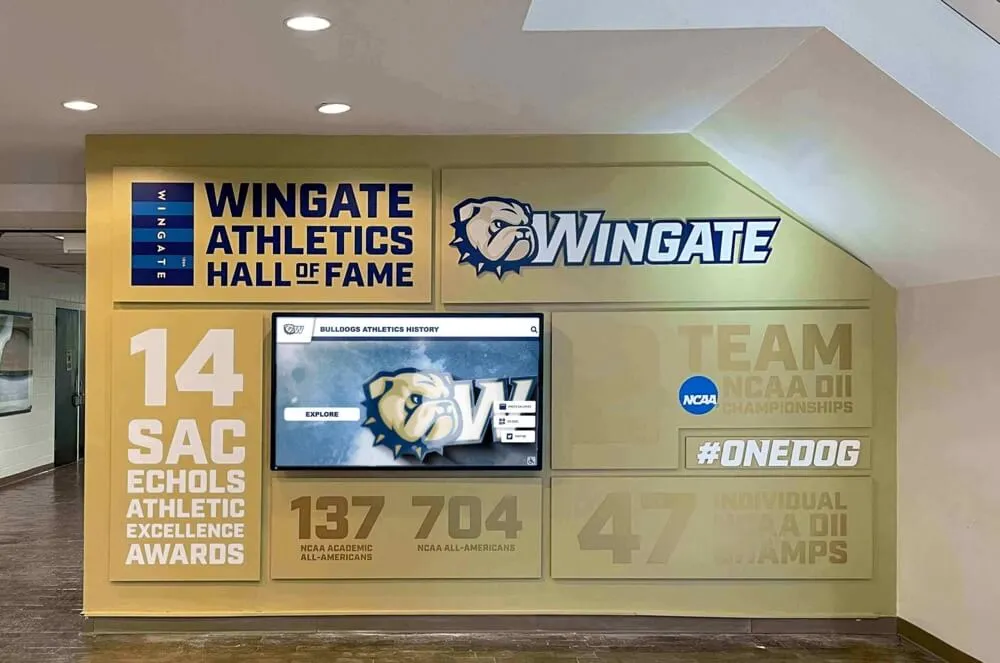
Digital hall of fame displays complement rather than replace physical recognition, allowing programs to maintain select championship banners or trophy cases while ensuring comprehensive historical documentation through digital systems.
Interactive Record Boards and Statistical Displays
Wrestling generates extensive statistical data perfect for digital presentation: career wins leaders, single-season win records, pin records and fastest falls, weight class records across program history, and tournament placement histories.
Digital record boards automatically update as current wrestlers achieve new milestones, creating ongoing recognition that static painted boards cannot match while inspiring current athletes through visible statistical targets and historical context.
Video Archive Integration
Wrestling matches create natural video content documenting athletic achievement. Digital platforms can integrate championship match footage, tournament highlights, and interview content creating rich historical archives impossible through traditional physical displays.
Many programs discover that preserving and presenting video documentation serves dual purposes: honoring past achievement while creating recruiting tools showcasing program tradition and competitive excellence to prospective student-athletes and their families.
Hybrid Recognition Strategies
The most effective wrestling halls of fame typically combine traditional and digital approaches, leveraging each format’s strengths while compensating for limitations.
Strategic Physical Display
Programs might maintain physical plaques or banners recognizing only the most exceptional achievements: state champions, national qualifiers, or hall of fame inductees, creating prestigious physical recognition without attempting comprehensive documentation.
Comprehensive Digital Documentation
Digital systems then provide complete historical recognition including letter winners, career achievement milestones, coaching histories, and detailed program records that physical space constraints would prevent displaying.
This hybrid approach maintains the gravitas and tradition of physical recognition while ensuring no deserving wrestler’s achievement goes undocumented simply because wall space ran out decades ago.
Showcasing Wrestling-Specific Achievements
Wrestling’s unique competitive structure and achievement categories create specific recognition opportunities differing from team sports.
Weight Class Excellence Recognition
Wrestling’s weight class system creates multiple achievement categories within single teams and seasons, offering rich recognition opportunities.
Weight Class Champions and Records
Programs should document historical excellence within each weight class: all-time wins leaders by weight class, fastest pins and most falls by weight class, and championship performance by weight class across program history.
Weight class recognition allows programs to celebrate specialized excellence while creating fair comparisons across athletes competing under different physical constraints. A dominant 126-pound wrestler deserves recognition equal to exceptional heavyweight performers, despite different competitive contexts.

Tournament and Championship Recognition
Wrestling’s tournament-based competition structure creates numerous recognition opportunities beyond simple win-loss records.
State Tournament Excellence
Many wrestling programs consider state tournament performance the ultimate measure of achievement. Recognition categories include individual state champions by year and weight class, state place-winners and medalists, team state championship recognition, and wrestlers qualifying for state tournaments across careers.
State tournament recognition documentation preserves competitive context showing which eras featured particularly strong or weak competition, how many wrestlers a program sent to state tournaments annually, and how program performance evolved across decades of competition.
Conference and Dual Meet Achievement
Beyond tournament success, dual meet excellence deserves recognition: career dual meet win records, consecutive dual meet win streaks, undefeated dual meet seasons, and conference championship recognition.
Dual meet achievement often demonstrates different qualities than tournament success—consistency across full seasons, clutch performance in team-critical matches, and reliability that coaches depend on when dual meet outcomes hang in balance.
All-American and National Recognition
At the collegiate level, All-American recognition represents the pinnacle of wrestling achievement. College wrestling halls of fame should prominently feature All-American honorees, national champions, and wrestlers who qualified for national championships even without placing, demonstrating program’s ability to develop elite-level competitors.
High school programs producing wrestlers who achieve collegiate All-American status often recognize these post-high school accomplishments, as they reflect directly on the foundational development provided during athletes’ high school careers.
Academic All-American and Scholar-Athlete Recognition
Wrestling’s intense demands create particular admiration for wrestlers who excel academically while maintaining competitive excellence. Academic All-American recognition celebrates wrestlers who demonstrate that wrestling’s discipline, time management, and work ethic translate directly into classroom success.
Many programs create separate scholar-athlete categories or criteria recognizing wrestlers who maintain high academic standards while competing at high levels, often requiring minimum GPA thresholds combined with competitive achievement standards.
Creating Meaningful Wrestling Hall of Fame Ceremonies
Induction ceremonies transform recognition from administrative processes into community celebrations honoring achievement while strengthening program culture.
Ceremony Timing and Format
Effective wrestling hall of fame ceremonies typically occur during natural wrestling community gatherings ensuring strong attendance by former wrestlers, current athletes, families, and supporters.
Annual Wrestling Banquet Integration
Many programs schedule hall of fame inductions during end-of-season awards banquets, creating comprehensive recognition events celebrating current season achievements while honoring historical excellence.
Banquet integration maximizes attendance efficiency since families already gather for season recognition, allows current wrestlers to hear directly from program legends, and creates natural connections between past and present generations.
Standalone Induction Events
Some programs with substantial wrestling traditions create standalone hall of fame induction ceremonies, often scheduled during significant tournaments, homecoming weekends, or alumni reunion events. Standalone events allow greater focus on inductees without competing for attention with current season awards, potentially attract larger attendance from community members and alumni, and create more formal recognition befitting exceptional achievement.
Ceremony Program Elements
Thoughtful ceremony programs balance honoring inductees with maintaining reasonable event lengths respecting attendee time.
Essential Ceremony Components
Effective induction ceremonies typically include opening remarks establishing ceremony significance and context, individual inductee presentations featuring achievement summaries and biographical highlights, inductee acceptance remarks allowing honorees to thank supporters and share reflections, recognition of family members who supported wrestlers’ achievements, and unveiling of physical or digital recognition displays where inductees will be permanently featured.
Video presentations showcasing match footage, photographs spanning wrestling careers, and interviews with teammates or coaches add emotional impact while varying presentation formats maintaining audience engagement.

Connecting Inductees with Current Wrestlers
The most impactful induction ceremonies create deliberate connections between hall of fame honorees and current program participants.
Mentorship and Engagement Opportunities
Programs might arrange informal meet-and-greet sessions before or after ceremonies where current wrestlers interact with inductees, panel discussions where inductees share training philosophies or competitive experiences, coaching or technique demonstrations during practice sessions, or ongoing mentorship relationships connecting veterans with young wrestlers.
These connections serve dual purposes: honoring inductees by demonstrating ongoing program relevance and value of their continued engagement while providing current wrestlers with role models, mentors, and tangible connections to program traditions.
Maintaining and Growing Wrestling Halls of Fame
Establishing a wrestling hall of fame represents just the beginning; maintaining relevance and impact requires ongoing attention and periodic evolution.
Annual Nomination and Selection Cycles
Successful programs establish predictable rhythms for nominations, selections, and inductions allowing community participation while ensuring consistent recognition.
Timeline Management
A typical annual cycle might include fall nomination period opening and promotion, winter selection committee evaluation and induction decisions, spring inductee notification and ceremony planning, and summer/early fall induction ceremonies during natural wrestling community gatherings.
Consistent timing creates community expectations while allowing adequate planning for all involved parties.
Content Updates and Historical Research
Wrestling halls of fame benefit from ongoing historical research enriching recognition beyond initial induction information.
Continuous Improvement Approaches
Programs should gather additional photographs and memorabilia from inductees and families, conduct oral history interviews documenting career memories and program evolution, research historical records and newspaper archives filling information gaps, and update inductee information as post-wrestling achievements occur.
Digital platforms particularly benefit from content enrichment since updates cost nothing beyond time required for research and data entry, unlike physical displays requiring renovation to incorporate new information.
Evolving Recognition Standards
Wrestling evolves continuously—rule changes, competitive structures, training methodologies, and program participation all shift across decades. Recognition systems should periodically evaluate whether criteria remain appropriate for current contexts.
Programs established in eras when state championships were rare may need to adjust standards as competitive opportunities expand. Conversely, programs experiencing declining participation might revisit standards ensuring continued meaningful recognition despite changing competitive landscapes.
Wrestling Hall of Fame Best Practices and Common Pitfalls
Learning from successful programs while avoiding common mistakes accelerates hall of fame development.
Best Practices for Wrestling Recognition Programs
Establish Clear, Defensible Criteria Before Beginning
Vague or inconsistent standards create inevitable conflicts and undermine credibility. Document specific achievement thresholds and selection processes before accepting nominations or making selections.
Balance Historical Recognition with Ongoing Excellence
Avoid exhausting all deserving historical candidates in initial induction classes, leaving future years without worthy inductees. Plan multi-year induction approaches ensuring sustained recognition.
Invest in Quality Presentation
Whether physical or digital, recognition displays reflect program values and respect for honorees. Cheap, poorly designed displays undermine recognition significance regardless of inductee achievements.
Create Sustainable Processes
Recognition systems requiring extraordinary volunteer effort or significant annual costs often fail as initial enthusiasm wanes. Design processes sustainable across leadership transitions and budget constraints.
Engage Alumni Throughout Development
Alumni whose achievements might earn recognition should participate in criteria development and selection processes, ensuring community buy-in while leveraging their program knowledge.
Common Pitfalls to Avoid
Inconsistent Standards and Favoritism Perceptions
Nothing undermines hall of fame credibility faster than perceptions that selections reflect personal relationships rather than merit. Transparent criteria and diverse selection committees prevent favoritism concerns.
Physical Space Constraints Limiting Recognition
Programs relying exclusively on physical displays inevitably face capacity constraints forcing impossible choices about which deserving athletes receive recognition. Digital solutions eliminate these limitations while preserving comprehensive historical documentation.
Neglecting Non-Athlete Contributors
Coaches, trainers, officials, boosters, and administrators enable program success. Exclusive focus on athlete achievement while ignoring essential contributors creates resentment and missed recognition opportunities.
Ceremony Length and Engagement
Induction ceremonies honoring large classes with lengthy individual presentations test attendee patience. Balance thorough recognition with reasonable event lengths maintaining engagement.
Inadequate Inductee Research
Superficial presentations suggesting programs don’t truly understand or value inductee achievements undermine recognition significance. Invest time researching careers, gathering materials, and crafting meaningful presentations.
Conclusion: Building Wrestling Halls of Fame That Inspire Generations
Wrestling halls of fame serve purposes extending far beyond displaying names on walls or preserving dusty trophies. When done well, they create living connections between past achievement and current aspiration, inspire young wrestlers through tangible examples of what discipline and dedication can achieve, engage alumni communities by honoring their contributions and maintaining program connections, preserve institutional memory documenting how programs evolved and who built traditions, and demonstrate program quality attracting prospective student-athletes seeking established wrestling excellence.
The wrestlers who earn hall of fame recognition sacrificed countless hours to weight room conditioning, endured brutal practices that tested physical and mental limits, managed weight with discipline most people cannot fathom, faced opponents alone on mats where individual character determined outcomes, and represented programs with excellence that built lasting traditions. They deserve recognition systems reflecting the significance of their achievements and the respect they’ve earned.
Whether your program is establishing its first formal hall of fame or modernizing recognition systems that no longer serve contemporary needs, the strategies outlined in this guide help create wrestling recognition worthy of the mat legends you honor. From establishing defensible selection criteria to implementing modern digital platforms showcasing achievement comprehensively, effective wrestling halls of fame balance honoring tradition with embracing solutions that inspire future champions.
Modern recognition technology has transformed what’s possible for wrestling programs of all sizes. Solutions like those from Rocket Alumni Solutions enable programs to create comprehensive digital wrestling halls of fame that preserve complete program histories, showcase achievements through rich multimedia presentations, inspire current wrestlers through interactive displays connecting them to program traditions, and engage alumni communities by honoring their contributions permanently. Discover how digital recognition systems can transform your wrestling program’s ability to honor mat legends while building the culture of excellence that develops future champions.