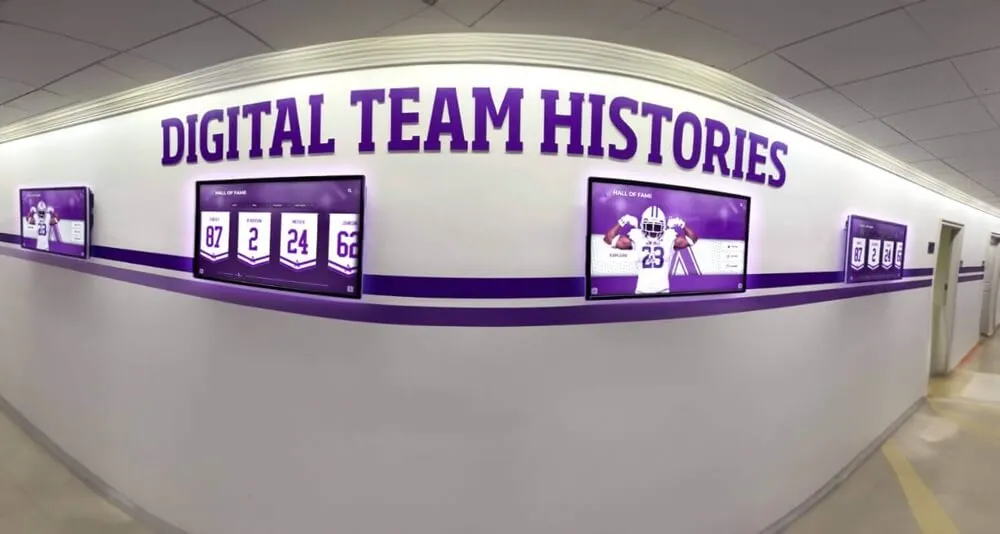
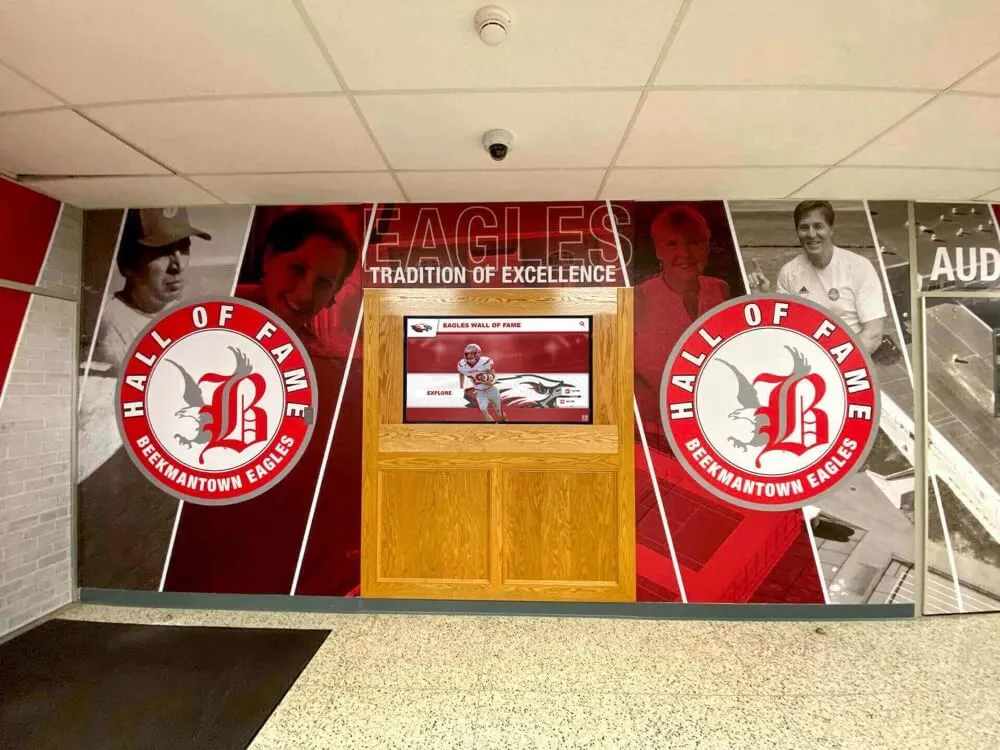
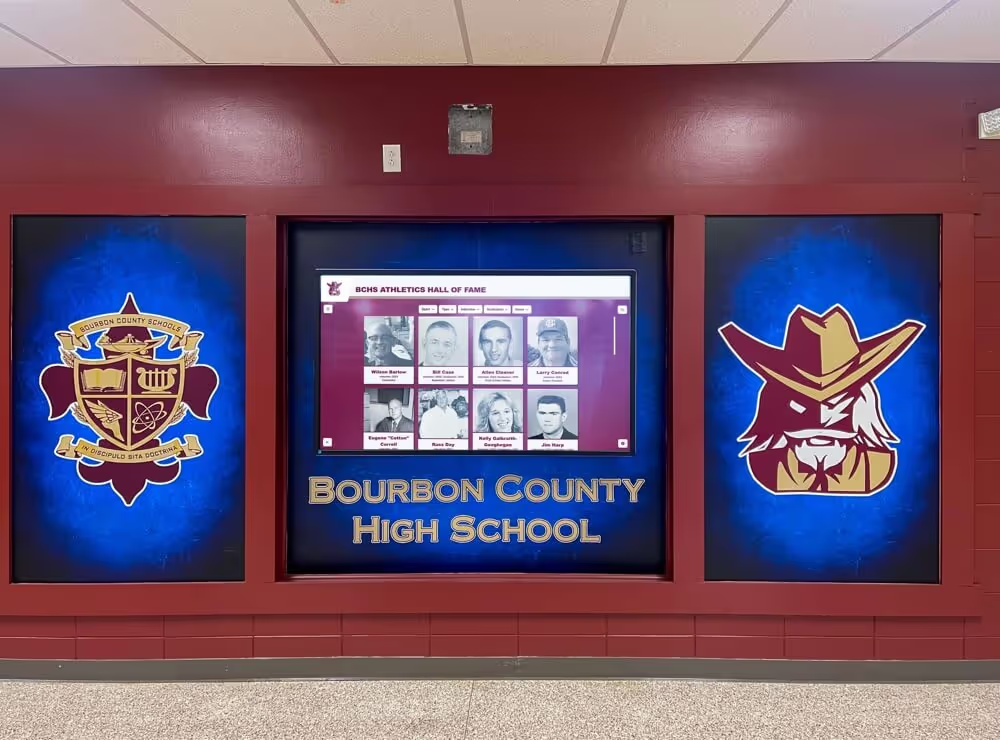
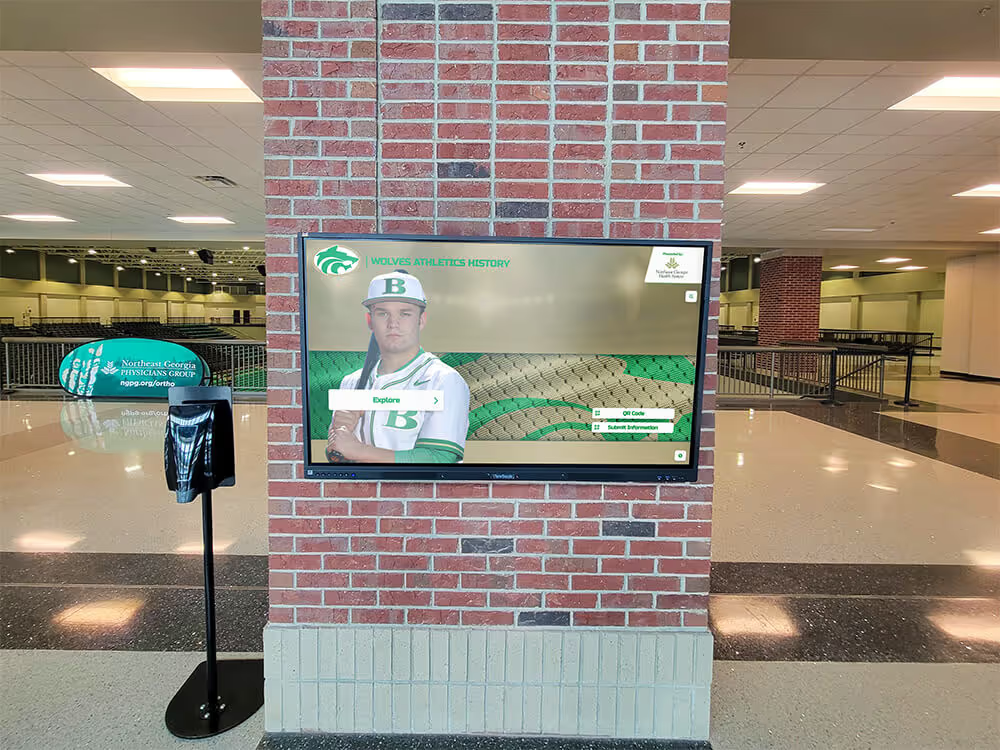
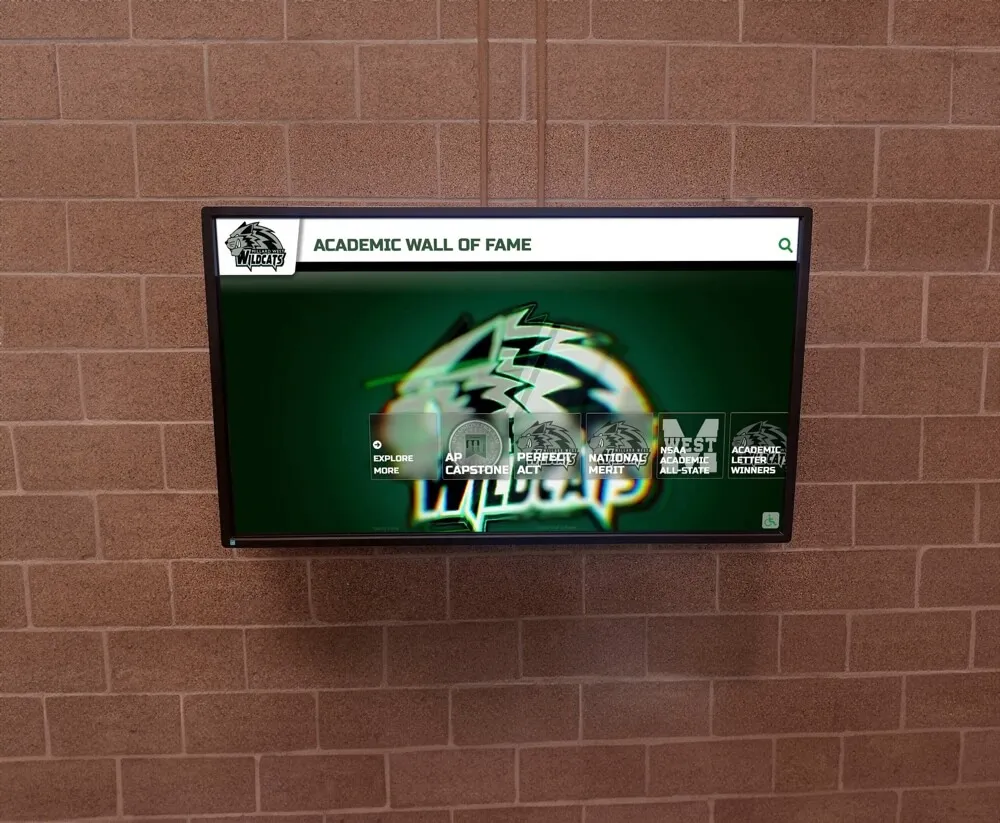
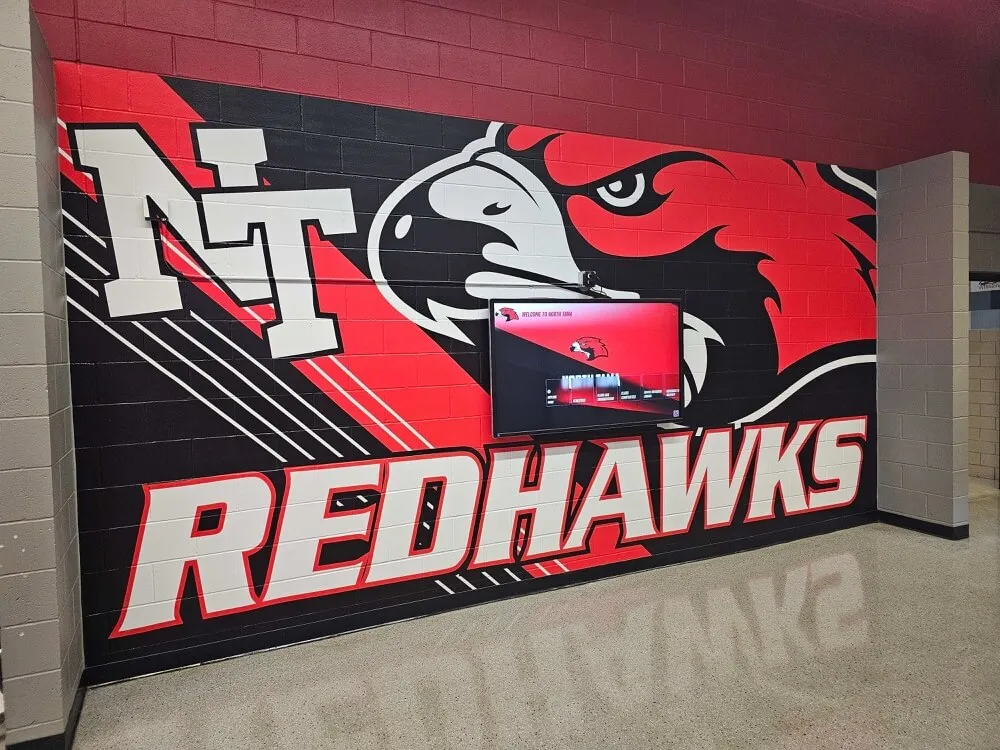
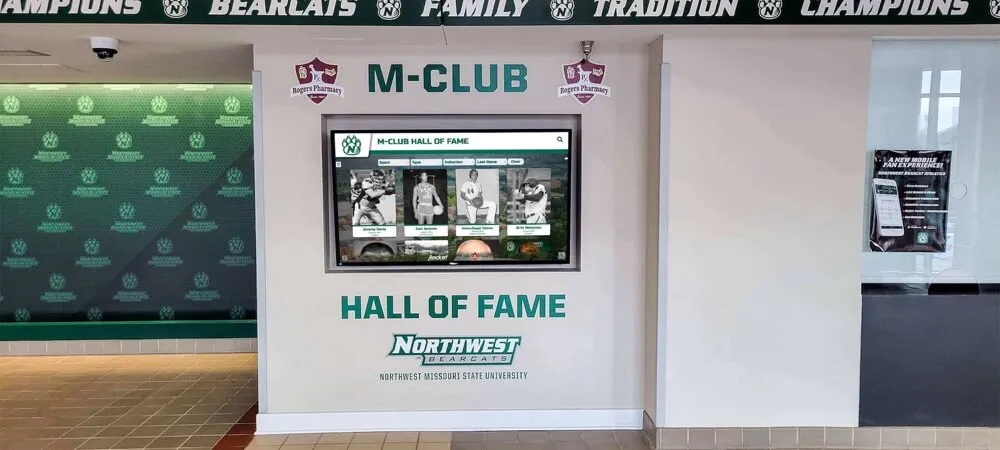
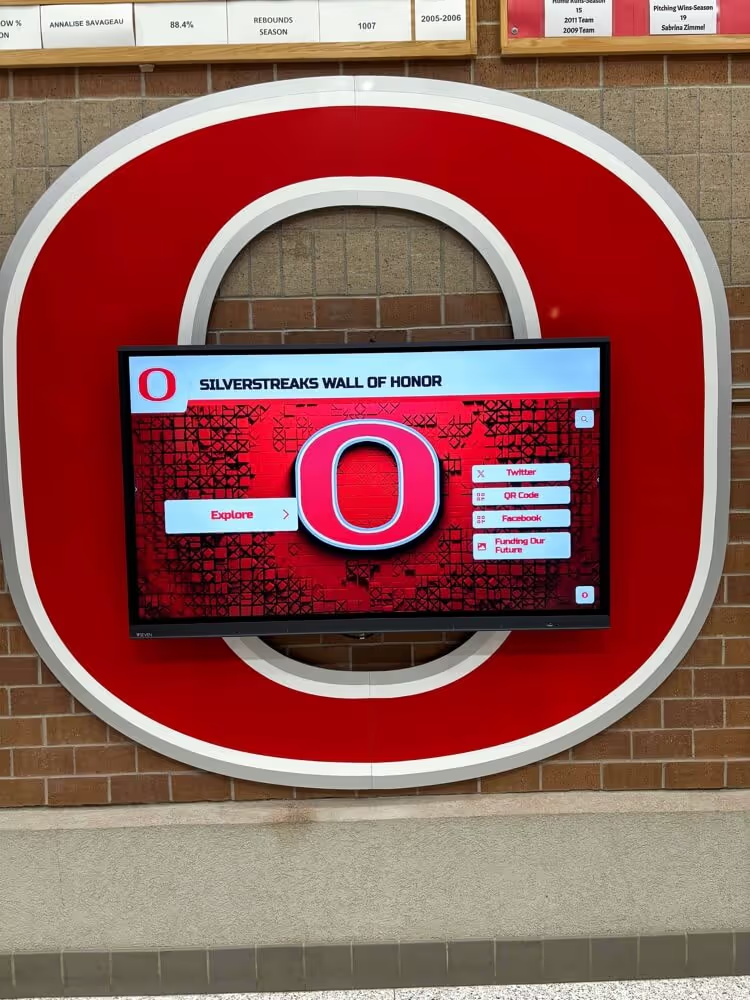
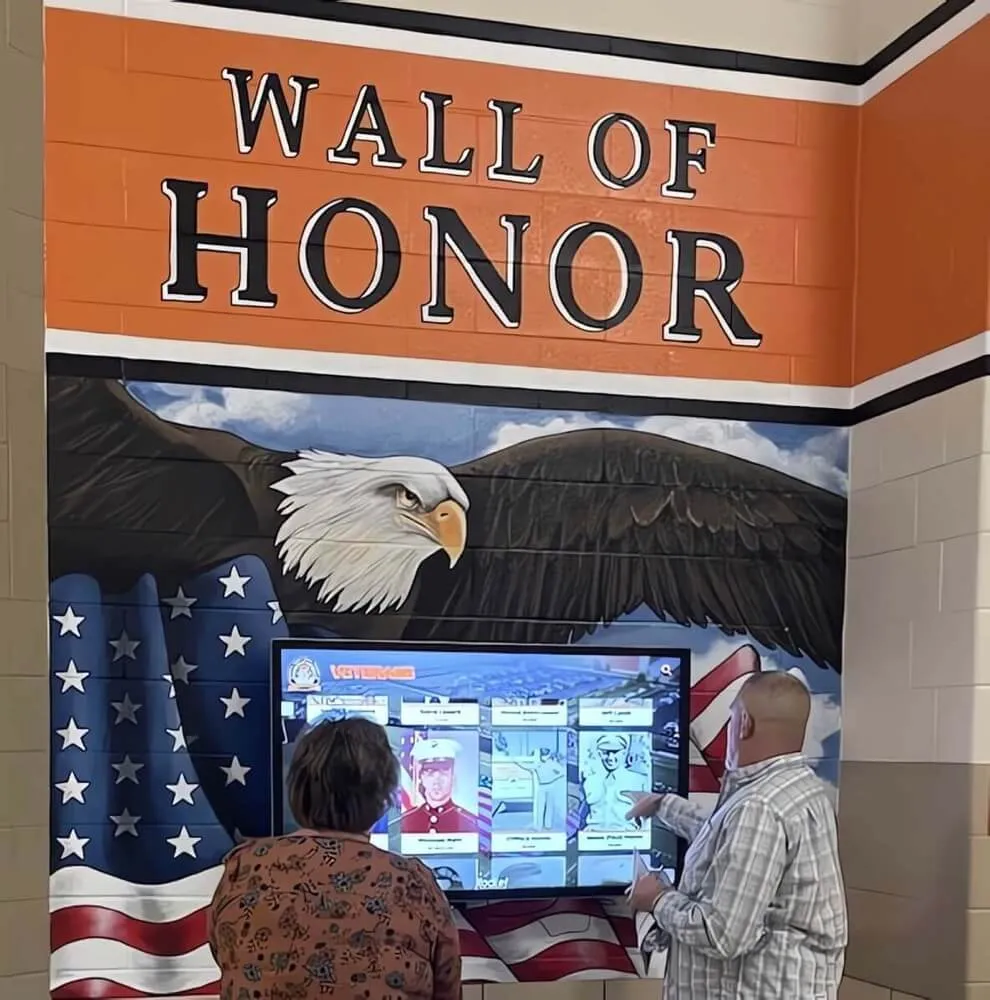
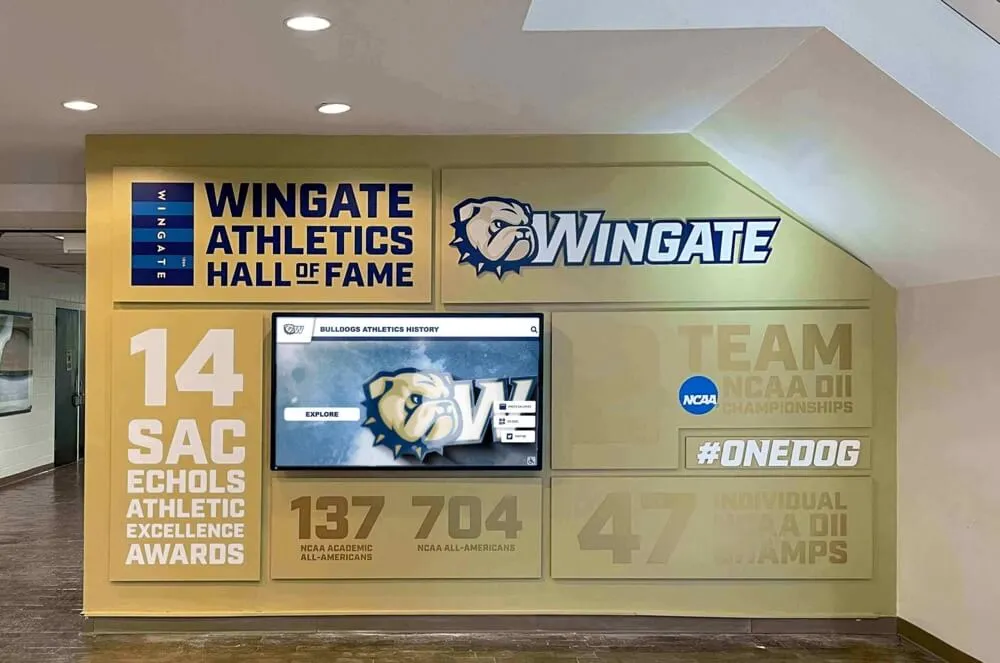
Small to medium public high schools occupy a unique position in American education. Too large to operate like intimate private academies where every student knows every other student, yet too small to benefit from the resources and economies of scale enjoyed by comprehensive high schools with 2,000+ students, these institutions serve between 200 and 1,200 students—representing the majority of public high schools nationwide.
These schools face distinct challenges when it comes to recognizing student achievement. Physical trophy cases fill quickly. Wall space for plaques runs out. Traditional recognition materials cost hundreds or thousands of dollars per sport or activity. Staff time for maintaining recognition systems competes with teaching, coaching, and administrative responsibilities. Meanwhile, students accomplish remarkable things deserving celebration—athletic championships, academic honors, artistic achievements, community service milestones, and college commitments that represent years of dedication.
Digital recognition platforms promise solutions to these challenges, but many options overwhelm small to medium schools with unnecessary complexity, enterprise pricing models designed for universities, or limited features that quickly prove inadequate. Rocket Alumni Solutions stands apart by specifically addressing the needs, constraints, and opportunities that define small to medium public high schools across the country.
Understanding Small to Medium Public High Schools
Before exploring why Rocket Alumni Solutions serves these schools particularly well, understanding their defining characteristics clarifies why specialized solutions matter.
The Sweet Spot: 200-1,200 Students
Small to medium public high schools typically enroll between 200 and 1,200 students across grades 9-12. This enrollment range creates specific dynamics:
Everyone Still Matters Individually: Unlike large comprehensive schools where students can disappear into crowds, small to medium schools maintain enough intimacy that individual achievements remain visible and meaningful to the broader school community. Recognition programs in these schools celebrate individuals whose names and faces most students recognize.
Multiple Program Participation: Students at small to medium schools often participate in multiple sports, activities, and academic programs. A single student might play two sports, participate in band, and serve in student government—meaning recognition systems must accommodate diverse achievement categories for the same individuals.
Manageable But Substantial Recognition Volume: These schools produce enough achievements annually to justify sophisticated recognition systems—dozens of athletic records, hundreds of honor roll students, multiple college signings, various competition awards—without overwhelming the capacity of well-designed platforms.
Strong Community Connections: Small to medium public schools typically serve defined geographic communities where multiple generations have attended the same institution. Recognition programs connect current students with alumni parents and grandparents, building continuity across decades.
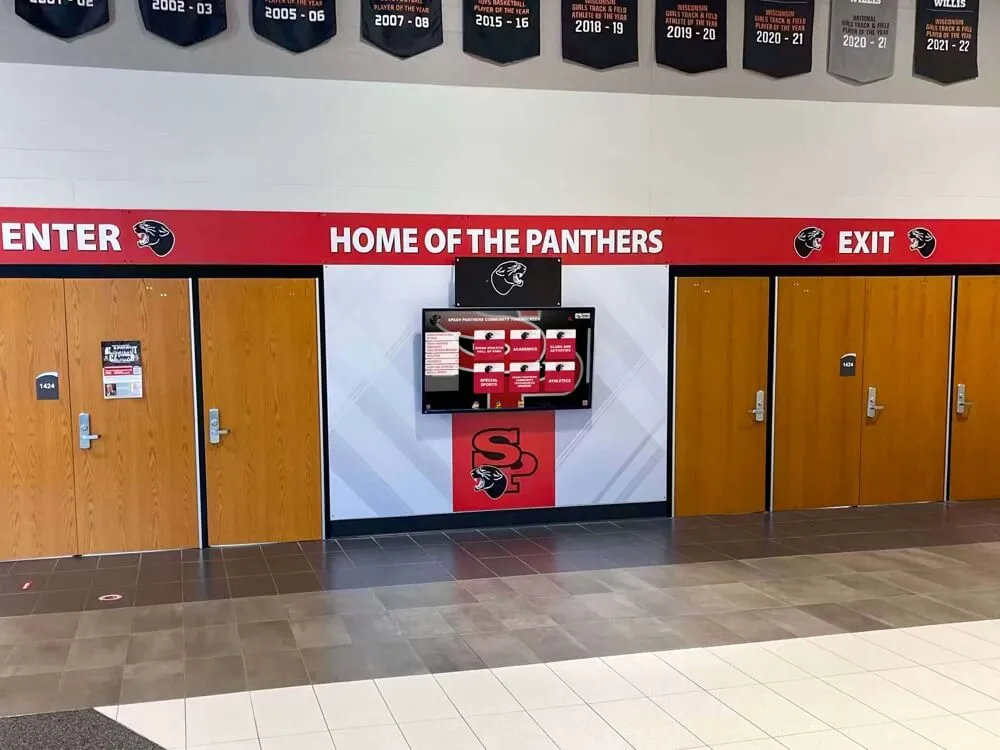
Budget Realities for Public Schools This Size
Financial constraints significantly shape what recognition solutions these schools can implement:
Limited Capital Budgets: Small to medium public schools typically allocate $15,000-$75,000 annually for all capital improvements and equipment purchases—not just recognition displays. A single recognition system might represent 10-50% of the entire annual capital budget.
No Dedicated Recognition Budget Lines: Unlike large schools with separate athletic, activities, and facilities budgets, these schools operate with integrated budgets where recognition spending competes directly with curriculum materials, technology infrastructure, and facility maintenance.
Grant Dependency for Special Projects: Major recognition initiatives often require grant funding from booster clubs, education foundations, or state improvement programs rather than coming from general operating budgets.
Justification Requirements: Every significant expenditure requires board approval and community explanation. Schools must demonstrate clear value for recognition investments competing with academic priorities.
Multi-Year Planning Cycles: Rather than implementing complete systems in single budget years, these schools often phase recognition projects across 2-4 years, spreading costs across multiple budget cycles.
Understanding these budget realities explains why recognition solutions must deliver clear value at price points small to medium schools can justify to boards, taxpayers, and communities focused on academic outcomes.
Staffing and Technical Capacity
Small to medium public schools operate with lean staffing that influences technology decisions:
No Dedicated IT Department: Most schools this size employ one technology coordinator serving the entire district, or share technology support across multiple buildings. Recognition systems requiring ongoing IT involvement prove unsustainable.
Part-Time or Volunteer Recognition Management: Unlike large schools with full-time athletic directors and activities coordinators, these schools often rely on teaching coaches, part-time staff, or volunteers to manage recognition programs alongside other responsibilities.
Limited Training Time: Professional development time focuses on curriculum and instruction. Staff managing recognition systems need solutions requiring minimal training and offering intuitive interfaces they can use confidently without extensive technical expertise.
Turnover Considerations: When the person who implemented a recognition system leaves, successors must be able to maintain it without extensive retraining or technical background. Sustainability requires simplicity and vendor support.
These staffing realities mean recognition solutions must work well with minimal ongoing technical support, prove easy for non-technical staff to manage, and offer vendor assistance when challenges arise.
Why Traditional Recognition Falls Short for These Schools
Before digital solutions emerged, small to medium public schools relied on traditional recognition approaches that increasingly prove inadequate:
Physical Trophy Cases and Display Limitations
Traditional glass trophy cases served schools well for decades but now create significant constraints:
Limited Capacity: Most small to medium schools have 2-6 trophy cases, each holding 15-25 trophies or plaques. Once filled, schools face difficult decisions about what to remove to make space for new achievements.
No Context or Stories: Physical trophies display championship team photos and dates but provide no space for context—player rosters, season highlights, record statistics, or stories that bring achievements to life.
Deterioration and Maintenance: Physical displays yellow, fade, and deteriorate over time. Plaques tarnish. Trophy tops break. Maintaining quality appearance requires regular cleaning, repair, and eventual replacement—ongoing costs that strain facilities budgets.
Accessibility Barriers: Trophy cases near gymnasiums or in upper-floor hallways prove difficult for visitors using wheelchairs or mobility aids. Contents remain inaccessible to visually impaired visitors.

Cost Barriers of Traditional Recognition Materials
Physical recognition materials carry substantial and recurring costs:
Individual Plaques: Custom plaques recognizing individual athletes, scholars, or achievement recipients cost $75-$200 each. A single year of recognition across multiple categories quickly reaches thousands of dollars.
Team Championship Recognition: Professional banners commemorating athletic championships cost $300-$800 each. Schools supporting 15-20 sports potentially need multiple banners annually.
Installation and Mounting: Beyond material costs, installing physical recognition requires hardware, mounting, and often professional installation—adding 20-30% to project costs.
No Reuse or Updates: Once manufactured, physical recognition materials cannot be edited or updated. Errors require complete replacement. Updating recognition with additional achievements requires purchasing entirely new materials.
For small to medium schools where $5,000-$10,000 recognition budgets must cover all achievement categories, traditional approaches quickly prove unaffordable for comprehensive programs.
Inequity Across Programs
Physical space constraints create recognition inequities that undermine school culture:
Prominent Sports vs. Other Activities: Limited space often goes to football, basketball, and other high-profile sports, leaving academic achievement, fine arts, and other activities underrepresented or absent from recognition displays.
Recent vs. Historical: When space fills, schools often remove older recognition to make room for recent achievements, effectively erasing history and diminishing the value of past accomplishments.
Team vs. Individual Achievement: Team trophies occupy display space while individual achievement—often more meaningful to students—receives minimal recognition or none at all.
These inequities send unintended messages about what the school values, potentially undermining participation in underrecognized programs and damaging school culture in ways administrators may not fully recognize.
Why Rocket Alumni Solutions Fits Small to Medium Schools Perfectly
Rocket Alumni Solutions addresses the specific needs, constraints, and opportunities defining small to medium public high schools through purpose-built features and approaches:
Right-Sized Pricing for School Budgets
Unlike enterprise platforms with pricing models designed for large universities, Rocket offers subscription tiers specifically structured for schools with 200-1,200 students:
Transparent Tiered Pricing: Rocket publishes clear pricing based on enrollment, with schools under 200 students starting around $3,588 annually, mid-sized schools (200-500 students) in the $4,000-$6,000 range, and schools up to 1,200 students typically under $8,000 annually. This transparency allows budget planning without requiring extensive sales negotiations.
Subscription Model Spreads Costs: Rather than $20,000-$40,000 upfront investments that consume entire annual capital budgets, annual subscriptions allow schools to implement sophisticated recognition from operating budgets across multiple years.
Unlimited Content Capacity: Subscription pricing includes unlimited recognition entries, users, and content updates. Schools pay consistent annual fees regardless of how many athletes, scholars, or achievements they recognize—eliminating per-entry charges that penalize comprehensive recognition.
Multi-Year Options for Budget Flexibility: Rocket offers multi-year subscription options allowing schools to lock in pricing and spread implementation costs strategically across budget cycles.
For small to medium schools where every budget dollar requires justification, Rocket’s pricing structure provides predictable costs at levels that fit within typical capital improvement and technology budgets.
Purpose-Built for School Recognition Needs
Generic digital signage platforms require extensive customization to function as recognition systems. Rocket provides purpose-built features specifically designed for school achievement celebration:
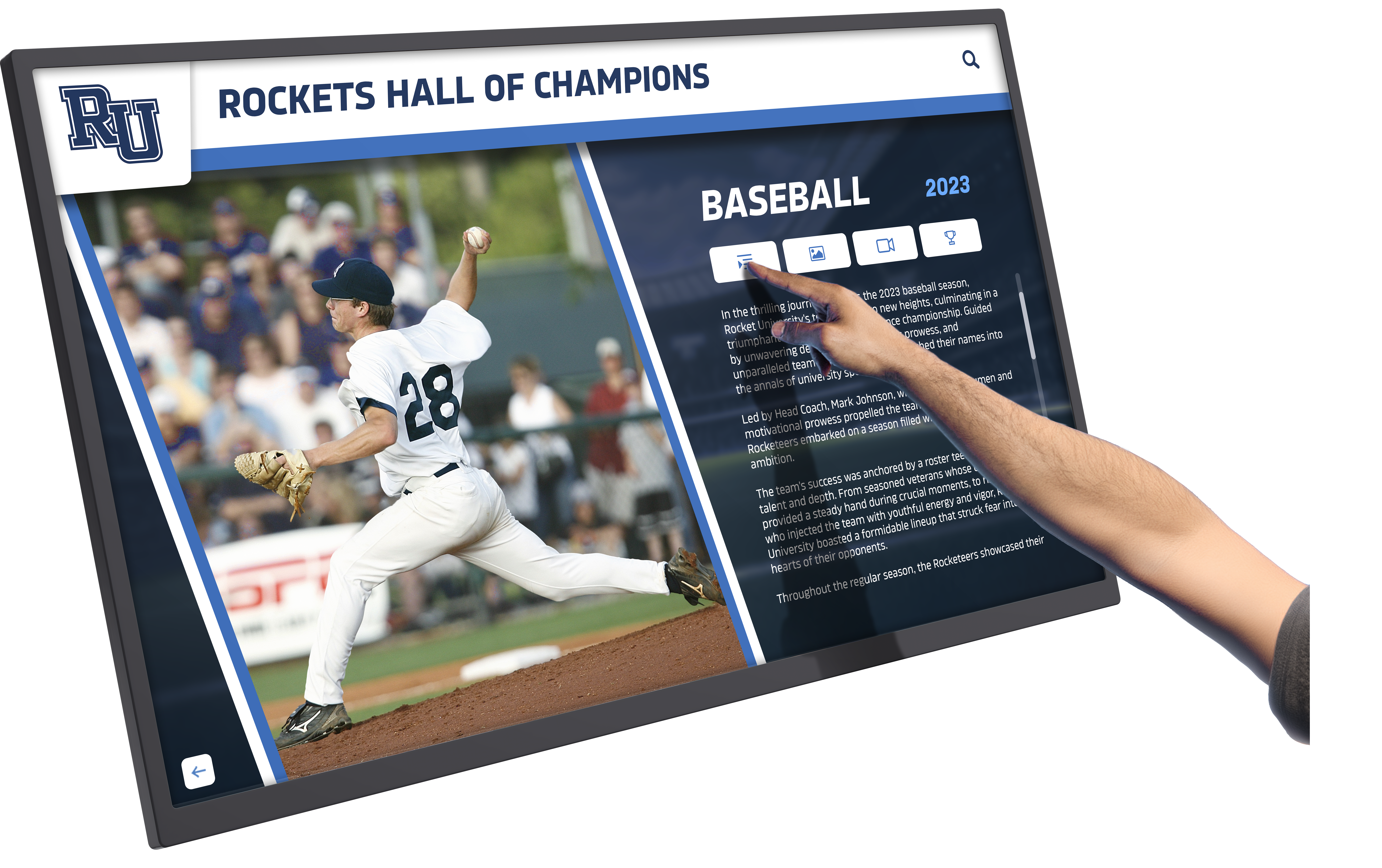
Pre-Built Recognition Templates: Rather than starting from blank screens requiring design expertise, Rocket includes hundreds of templates specifically created for common school recognition needs—athletic hall of fame displays, academic honor rolls, performing arts achievements, distinguished alumni profiles, and more. Schools customize these templates with their branding and content rather than building everything from scratch.
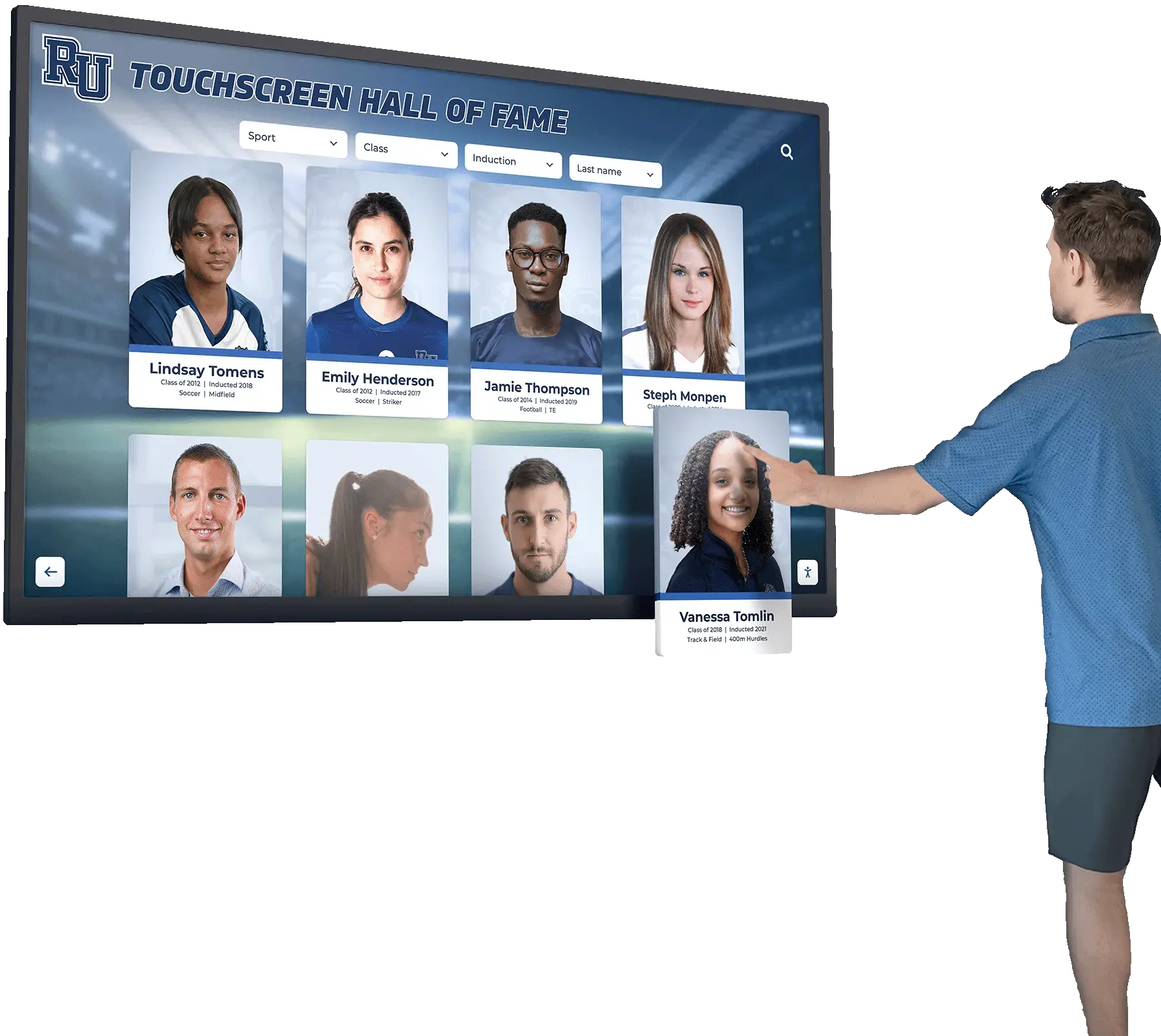
Student and Alumni Profile Systems: Dedicated profile structures allow schools to create comprehensive recognition for individuals that evolves over time. A student’s profile can grow from freshman academic achievement to sophomore athletic record to junior leadership recognition to senior college commitment—building a complete story of their high school journey.
Search and Navigation Built for Recognition: Visitors can search by name, year, sport, achievement type, or other criteria to find specific individuals or explore by category. This functionality proves essential as recognition libraries grow to include hundreds or thousands of entries.
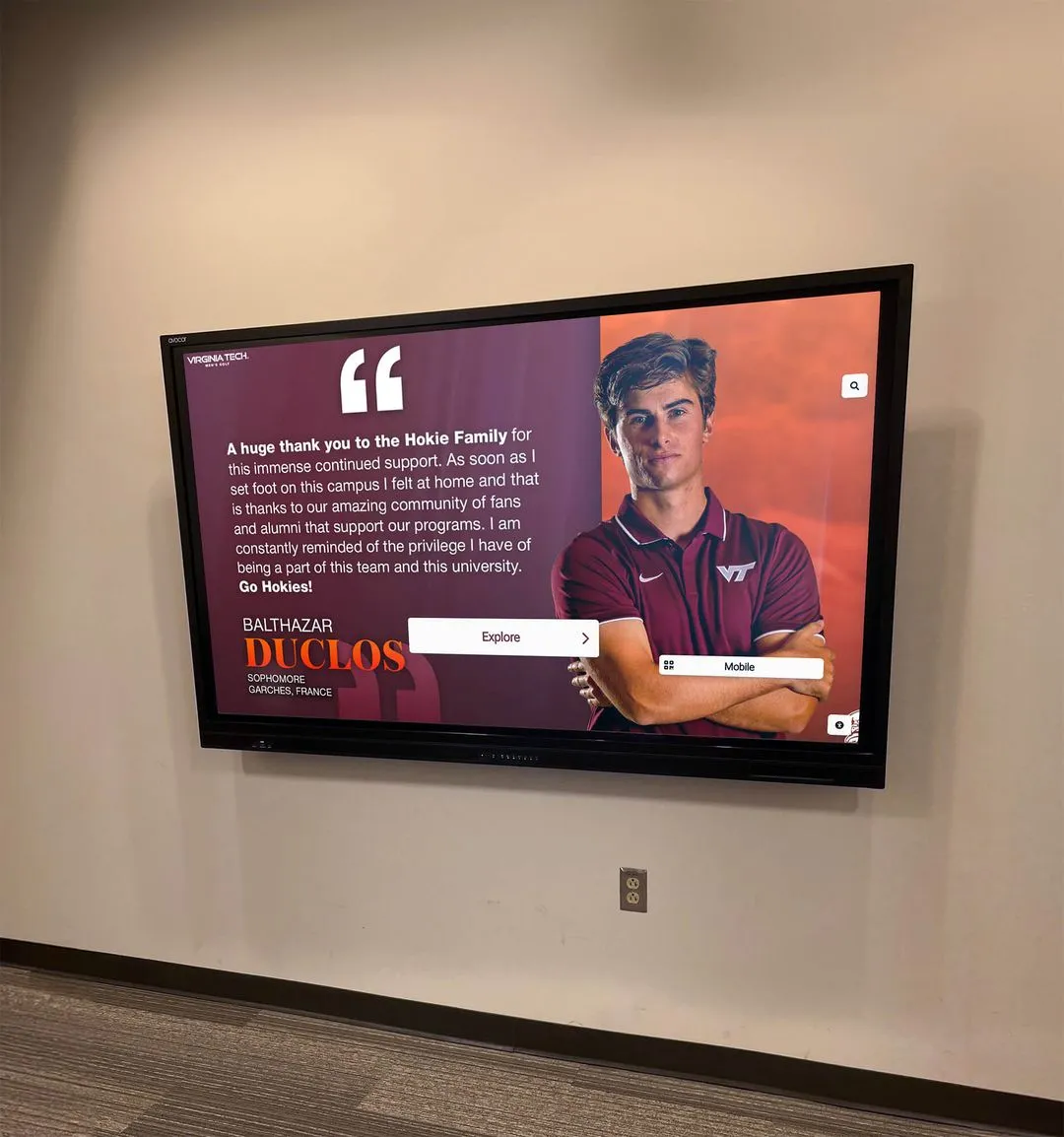
Multimedia Integration: Beyond text and photos, Rocket allows embedding videos, documents, audio clips, and other media. Schools can include game highlights, performance recordings, scholarship letters, or other materials that bring recognition to life.
These purpose-built features mean schools implement sophisticated recognition systems in weeks rather than months, without requiring technical expertise or custom development.
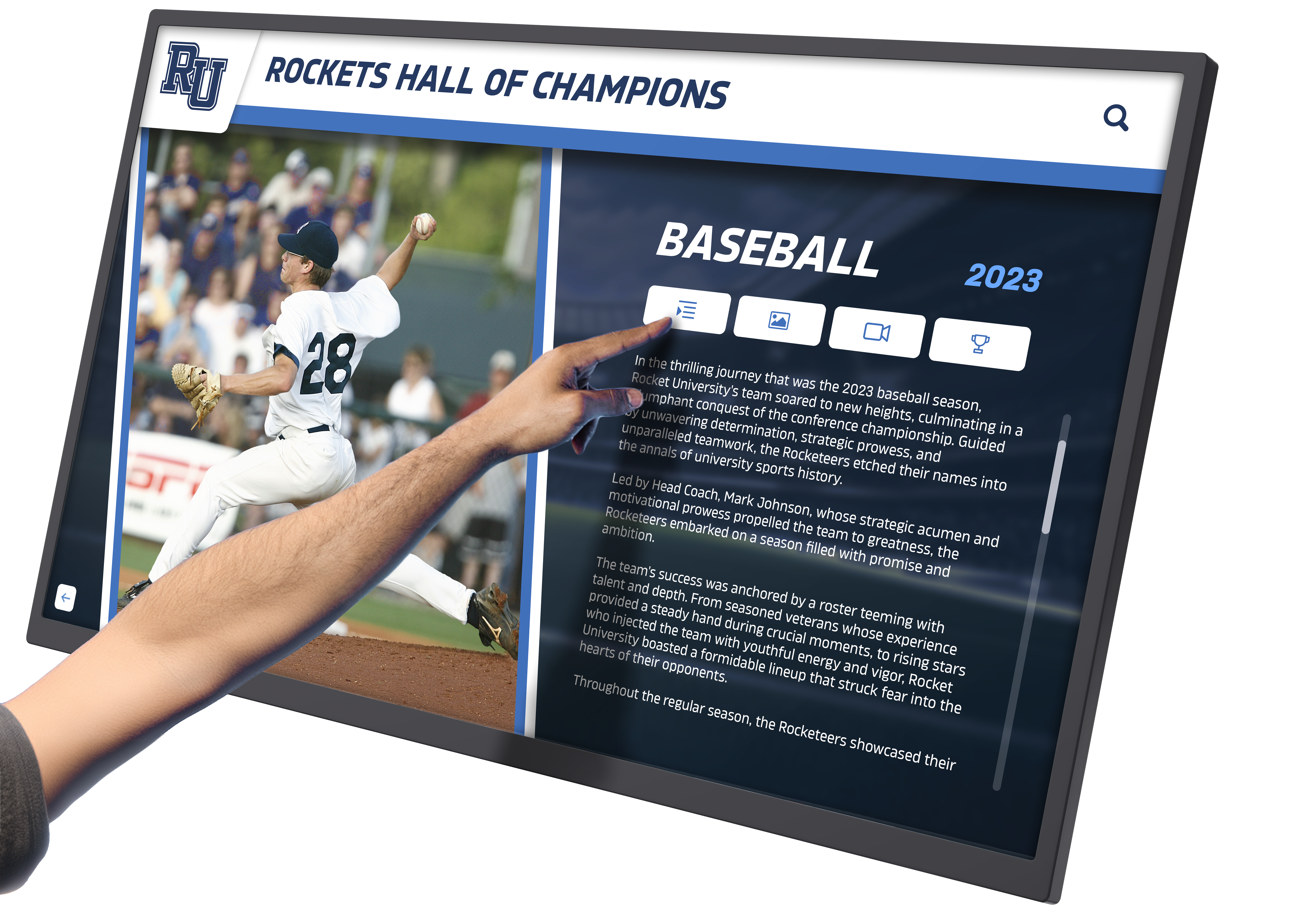
Ease of Management for Non-Technical Staff
Small to medium schools cannot dedicate IT resources to recognition system management. Rocket’s cloud-based platform operates without technical expertise:
Intuitive Visual Editor: The drag-and-drop content editor allows staff to create and update recognition content without understanding code, databases, or complex software. If someone can use Microsoft Word or Google Docs, they can manage Rocket content.
Cloud-Based Platform Requires No IT Infrastructure: Rocket operates entirely in the cloud, requiring no school servers, software installation, or IT department involvement for setup or maintenance. Updates, backups, and technical management happen automatically without school staff involvement.
Template-Based Content Creation: Rather than designing each recognition item from scratch, staff select templates appropriate for the recognition type and fill in information—names, photos, achievements, dates, and descriptions. Templates ensure consistent professional appearance without design expertise.
Mobile-Friendly Management Interface: Content managers can update recognition from any device with internet access—office computers, home laptops, tablets, or smartphones. This flexibility allows updates during evening events, from athletic fields, or anywhere convenient rather than requiring specific workstation access.
Comprehensive Support and Training: Rocket provides onboarding training, documentation, video tutorials, and responsive customer support. When questions or challenges arise, schools receive assistance from recognition technology experts rather than struggling independently.
For schools where the athletic director, activities coordinator, or volunteer booster manages recognition alongside teaching or other full-time responsibilities, this ease of management determines whether sophisticated digital recognition proves sustainable long-term.
Scalability That Grows With Schools
Recognition programs in successful schools grow over time. Rocket provides scalability that protects initial investments while accommodating expansion:
Start Small, Expand Strategically: Schools can begin by recognizing one or two categories—perhaps varsity athletics and academic honors—then progressively add content for additional sports, activities, historical achievements, and distinguished alumni as time and resources allow. The platform accommodates growth without performance degradation or requiring migration to different systems.
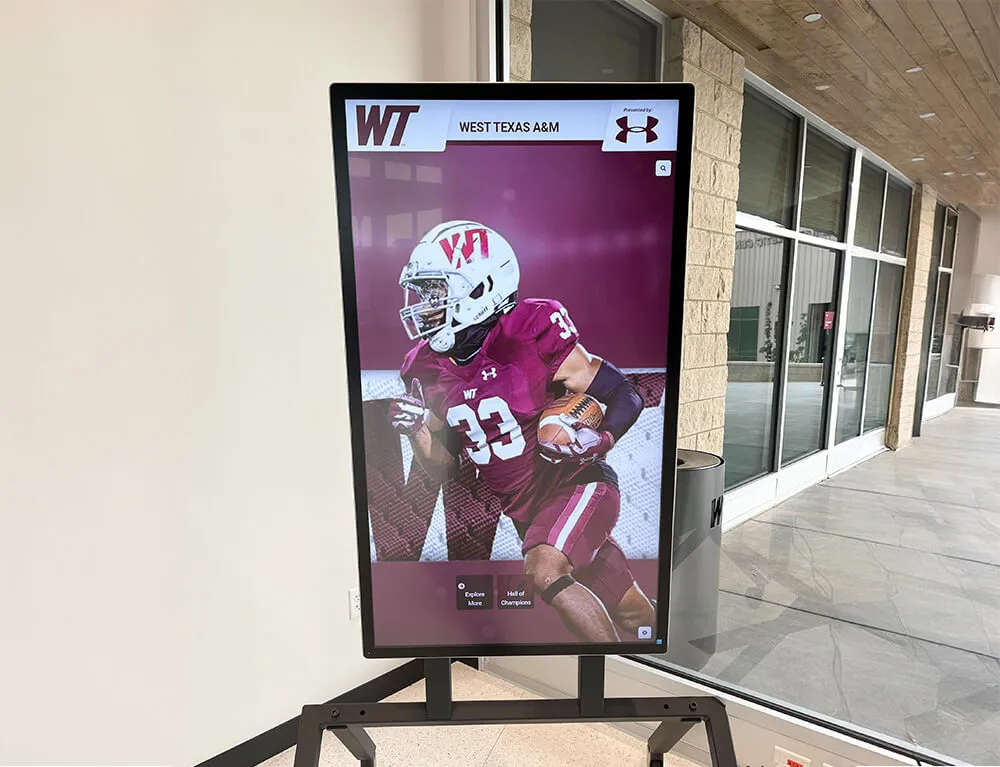
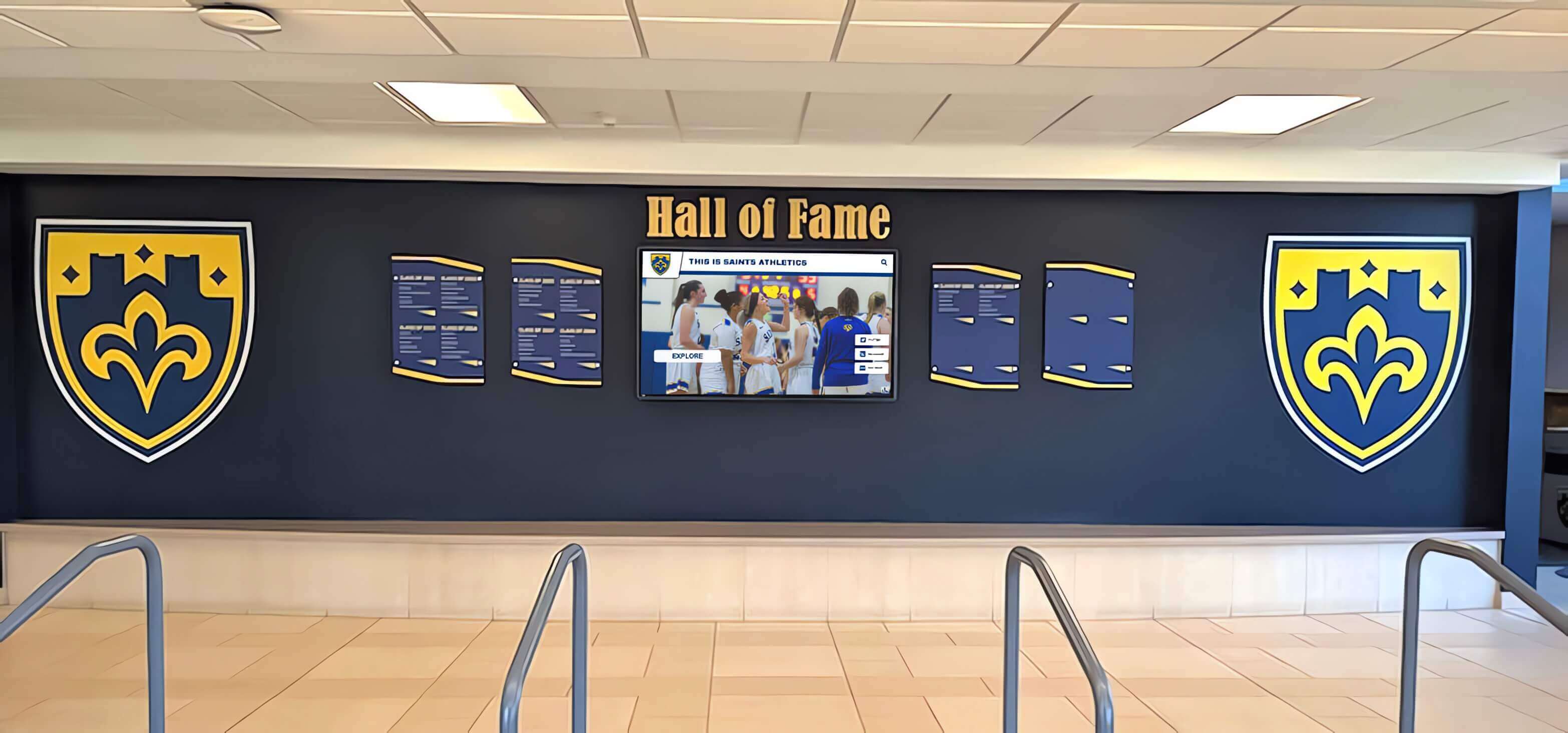
Multiple Display Support: Many schools eventually add recognition displays beyond initial installations—placing screens in athletic facilities, performing arts wings, main offices, or other locations. Rocket supports unlimited displays sharing a single content library, maximizing value from content development efforts. Solutions like digital signage services enable schools to manage multiple screens efficiently.
Web Integration Extends Reach: Beyond physical touchscreens, Rocket content publishes to web-accessible versions allowing alumni worldwide to explore their school’s hall of fame, families to show relatives their students’ recognition, and prospective families to discover school achievements during college research—multiplying recognition value without additional content development.
Additional Features Over Time: As schools become comfortable with basic recognition, Rocket offers advanced features including analytics showing engagement patterns, social media integration, mobile applications, and other capabilities schools can adopt when ready rather than overwhelming new users with complexity initially.
This scalability means schools invest once in a platform that serves evolving needs for years rather than outgrowing systems after 2-3 years and requiring expensive replacements.
Recognition Equity Across All Programs
Unlimited digital capacity enables comprehensive recognition that physical space constraints prevented:
Every Sport and Activity Represented: Rather than prioritizing football and basketball due to space limitations, digital recognition allows equal celebration of cross country, tennis, theatre, debate, band, and every other program. Schools can feature track and field records alongside mainstream sports.
Individual Achievement Highlighted: While physical recognition emphasizes team championships, digital platforms allow recognizing individual athletes, scholars, artists, and leaders. Students see their specific accomplishments celebrated rather than being one name on a team photo.
Academic Excellence Receives Equal Prominence: Honor roll programs, academic letter recipients, National Honor Society members, scholarship winners, and intellectual achievements receive recognition comparable to athletic accomplishments—communicating that schools value all forms of excellence.
Historical Preservation Alongside Current Achievements: Digital platforms accommodate both recent accomplishments and historical recognition without competition for limited space. Schools can progressively digitize decades of physical trophies, preserving institutional memory while celebrating current students.
This equity strengthens school culture by demonstrating that all contributions matter, encouraging participation across diverse programs, and building community pride in comprehensive institutional excellence rather than narrow athletic focus.
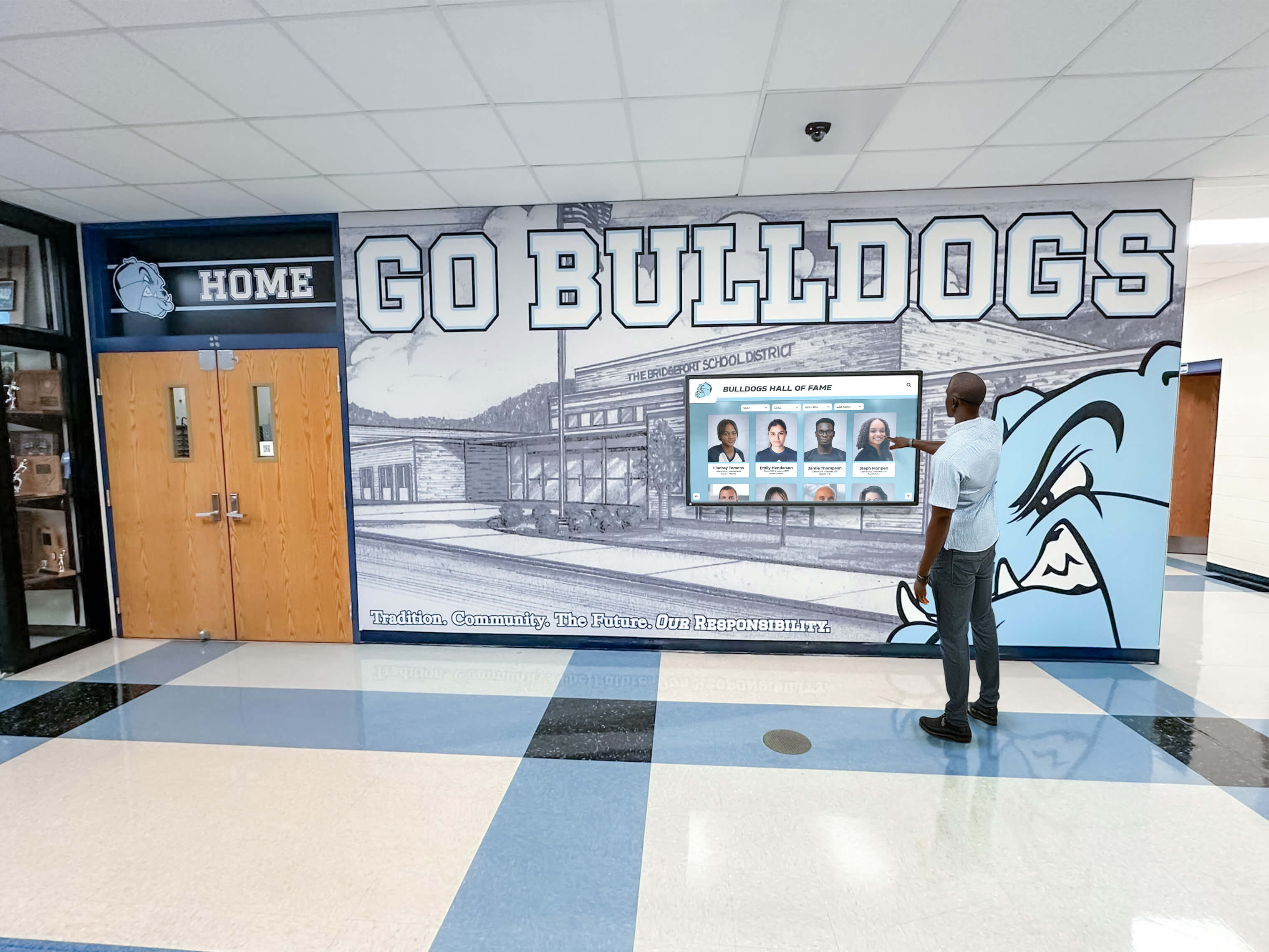
Key Features That Benefit Small to Medium Schools
Beyond general advantages, specific Rocket features prove particularly valuable for schools in this enrollment range:
Community Storytelling Capabilities
Small to medium schools serve close-knit communities where institutional stories matter deeply. Rocket enables rich storytelling that physical recognition cannot provide:
Championship Season Narratives: Rather than just displaying “2024 State Champions,” schools can create detailed sections featuring season highlights, player statistics, coach reflections, game summaries, and championship game details that capture what made the season special.
Individual Journey Documentation: Athlete or student profiles can document complete high school journeys—freshman promise, sophomore development, junior breakthrough, senior leadership—showing growth over time rather than isolated achievements.
Historical Context and Connections: Recognition content can include historical context connecting current achievements to past traditions, noting when records were set, identifying family connections where children follow parents’ footsteps, and building continuity across generations.
Multimedia Memory Preservation: Video clips from games, performances, competitions, or ceremonies preserve moments that photos alone cannot capture. Audio clips from interviews, speeches, or performances add dimensions impossible with traditional recognition.
These storytelling capabilities transform recognition from dry achievement lists into engaging narratives that strengthen community bonds and institutional identity.
Mobile and Web Accessibility
Recognition value multiplies when it extends beyond physical displays:
Alumni Access Worldwide: Graduates who moved away for college or careers can explore their school’s hall of fame remotely, staying connected to their alma mater and discovering how their programs have evolved since graduation.
Family Sharing: Parents and grandparents can show distant relatives their students’ recognition, sharing achievements with extended families unable to visit campus regularly.
Prospective Family Engagement: Families researching schools before enrollment decisions can explore recognition displays online, learning about school culture, achievement emphasis, and program quality from a distance.
Social Media Integration: Recognition content can be shared via social media, expanding awareness of school achievements throughout communities and attracting positive attention from local media and organizations.
For small to medium schools serving geographic communities where family connections and local identity matter significantly, this extended reach proves valuable beyond physical campus boundaries.
Budget-Friendly Hardware Flexibility
Rocket’s software-focused approach allows schools flexibility in hardware investments:
Work With Existing Displays: Schools that already own TVs, monitors, or basic touchscreens can often use existing equipment, paying only for software rather than requiring complete system replacement.
Progressive Hardware Upgrades: Schools can start with modest displays and upgrade to larger, higher-resolution, or touchscreen-enabled hardware over time as budget allows—the software works across various hardware configurations.
Rocket Hardware Packages Available: For schools preferring complete solutions, Rocket offers hardware packages with professional displays, mounting equipment, and installation—but unbundling remains possible for budget-conscious schools.
Mix and Match Display Types: Schools might install an interactive touchscreen in their main hallway while using non-interactive displays in other locations—all managed through the same Rocket platform. This flexibility allows optimizing investments for specific locations.
Hardware flexibility proves particularly valuable for small to medium schools with limited capital budgets that need to phase implementations strategically across multiple years.
Support for Non-Revenue Programs
While large schools might focus recognition primarily on high-profile sports generating community attention, small to medium schools benefit from celebrating achievements across all programs:
Fine Arts Recognition: Theatre programs, band, choir, visual arts, and other performing and creative arts receive equal platform for recognizing all-state musicians, competition winners, scholarship recipients, and distinguished alumni in these fields.
Academic Competition Success: Quiz bowl, robotics, Science Olympiad, debate, and academic decathlon teams can showcase achievements comparable to athletic teams, celebrating intellectual competitions with equal prominence.
Service and Leadership Recognition: Student government leaders, community service honorees, volunteer recognition, and leadership program participants receive visibility demonstrating that schools value character development and community contribution alongside performance achievements.
Career and Technical Education: CTE program accomplishments—industry certifications, competition victories, internship placements, and career readiness achievements—gain recognition traditionally reserved for academic and athletic success.
This comprehensive recognition approach strengthens programs throughout schools by communicating institutional value for diverse forms of excellence and encouraging student participation across the full range of available opportunities.
Implementation Process for Small to Medium Schools
Understanding how Rocket implementation works helps schools plan effectively:
Initial Planning and Decision Making
Successful implementations begin with clear planning:
Form a Small Committee: Assemble 3-5 stakeholders representing athletics, academics, administration, and potentially student or parent voices. Keep the group small enough for efficient decision-making while ensuring key perspectives.
Define Recognition Priorities: Determine what the school most wants to recognize first—current athletic achievements, academic honors, historical preservation, or comprehensive coverage across categories. Starting focused allows manageable initial implementation.
Establish Budget and Timeline: Confirm available funding, identify potential additional funding sources (grants, booster clubs, education foundations), and establish realistic timelines accounting for procurement processes and installation scheduling.
Assess Display Location Options: Evaluate potential locations considering traffic flow, visibility, accessibility, power and network access, and physical space for mounting equipment. Main entrances, commons areas, gymnasium lobbies, and main office areas often prove optimal.
This planning phase typically requires 4-8 weeks and establishes the foundation for smooth implementation.
Setup and Configuration
Rocket provides structured onboarding that guides schools through technical setup:
Account Creation and Platform Access: Rocket provides cloud platform access with administrative credentials. Schools receive orientation to the dashboard, content management interface, and key features.
Design Customization: Working with provided templates, schools customize visual designs with institutional branding—colors, logos, fonts, and visual elements that make displays feel distinctly connected to the school’s identity.
Content Structure Organization: Schools establish categories and navigation structures for their recognition content—how sports are organized, what academic categories exist, how historical content is structured—creating the framework for content development.
Initial Content Development: Schools begin populating the system with recognition content—either starting with recent achievements and building backward historically, or focusing on key categories like varsity athletics and honor roll before expanding to other programs.
Hardware Installation: Whether schools use existing displays or install new equipment, physical mounting, network connectivity, and display configuration happens during this phase. Rocket provides technical specifications and can recommend installation professionals when needed.
This setup phase typically requires 6-12 weeks depending on content development ambitions, hardware installation complexity, and staff availability for training and configuration work.
Content Development Strategies
Content development represents the most time-intensive aspect of implementation. Small to medium schools can approach this strategically:
Start Current and Build Backward: Rather than attempting to digitize decades of history immediately, focus on recognizing current students and recent graduates first. Historical content can be added progressively over months and years as time allows.
Leverage Existing Digital Assets: Mine yearbooks, athletic programs, school websites, social media, and other existing sources for photos and information rather than conducting entirely new data collection.
Crowdsource Information: Create simple forms allowing students, families, coaches, and teachers to submit recognition nominations including photos and achievement details. This distributed approach spreads the workload while building community engagement.
Prioritize High-Impact Recognition: Begin with achievements students care most about—recent championships, current honor roll, senior athletes, scholarship recipients—building momentum and community awareness before tackling less prominent categories.
Accept “Good Enough” Initially: Launch displays with substantial but incomplete content rather than delaying indefinitely while pursuing comprehensive perfection. Recognition programs grow over time as content libraries expand.
These strategic approaches allow schools to implement meaningful recognition within reasonable timeframes rather than becoming overwhelmed by aspirations for immediate comprehensive coverage.
Ongoing Management and Updates
After launch, sustainable operations require minimal ongoing effort:
Establish Regular Update Cycles: Rather than constant real-time updates, establish quarterly or trimester cycles where new recognition gets added systematically. This predictable rhythm proves more sustainable than attempting continuous updates.
Distribute Responsibility: Rather than single-person bottlenecks, empower multiple people to contribute—coaches submit athletic achievements, counselors provide academic honors, activities directors handle extracurricular recognition. Rocket’s cloud access allows multiple users to contribute without coordination complexity.
Create Submission Workflows: Develop simple processes where students, families, or staff submit recognition nominations through forms or email. A single coordinator reviews submissions and adds them to the system rather than independently tracking all achievements.
Celebrate Major Updates: When significant new recognition goes live—like adding a new championship season or launching historical content—promote it through announcements, social media, and school communications. This maintains community awareness and engagement with the recognition system.
Sustainable ongoing management typically requires 3-5 hours monthly—a commitment most small to medium schools can accommodate when distributed among multiple contributors.
Comparing Rocket to Alternatives for Small to Medium Schools
Understanding how Rocket compares to other options helps schools make informed decisions:
Generic Digital Signage Platforms
Many schools consider general-purpose digital signage software as recognition solutions:
Advantages: Lower initial cost ($20-$50 monthly), familiarity with slideshow-style content, flexibility for multiple non-recognition uses throughout schools.
Limitations: No recognition-specific features requiring schools to manually build everything from scratch, no database structures for organizing hundreds of entries, no search or interactive navigation, limited scalability as content volume grows, and no purpose-built templates for common recognition needs.
Best For: Schools wanting simple slideshow recognition for very limited achievement volume, those planning temporary solutions while building budgets for dedicated platforms, or institutions primarily needing digital signage for other purposes with basic recognition as secondary function.
DIY Website Solutions
Some schools attempt building recognition sections on school websites using platforms like WordPress or Squarespace:
Advantages: Potential for very low cost using existing website infrastructure, integration with school’s online presence, ability for web development-skilled staff to customize extensively.
Limitations: Requires substantial web development expertise or time investment, not designed for touchscreen interaction making physical displays awkward, limited recognition-specific features, difficult to maintain as content volume grows, and typically requires technical knowledge most small to medium schools lack.
Best For: Schools with web-savvy volunteers or staff willing to invest significant time, those prioritizing online recognition over physical displays, or institutions seeking extremely low-cost experimental recognition before committing to dedicated solutions.
Large Enterprise Recognition Platforms
Some platforms target universities and large institutions:
Advantages: Extensive feature sets including advanced analytics, complex integration capabilities, enterprise-grade support infrastructure, and sophisticated customization options.
Limitations: Pricing designed for large institution budgets often starting at $15,000-$30,000 annually, unnecessary complexity overwhelming small to medium schools, features designed for universities with thousands of students rather than hundreds, and lengthy implementation processes requiring dedicated project management.
Best For: Large comprehensive high schools approaching 2,000+ enrollment, schools consolidated into large campuses supporting multiple programs, or institutions where recognition represents strategic priorities with substantial dedicated budgets and staff resources.
Physical Recognition Materials
Traditional plaques, trophies, and banners remain options:
Advantages: Familiar approach comfortable for traditional stakeholders, no technology requirements or learning curves, tangible presence some communities prefer, and proven longevity when properly maintained.
Limitations: Severe space constraints limiting comprehensive recognition, high recurring costs for physical materials, no capacity for storytelling or context beyond basic facts, deterioration over time requiring replacement, and recognition inequity when space fills favoring prominent programs over others.
Best For: Schools augmenting digital recognition with selected physical elements, extremely technology-resistant communities where digital solutions face cultural opposition, or institutions with unlimited display space and substantial ongoing recognition budgets.
For most small to medium public high schools, Rocket Alumni Solutions provides the optimal balance—purpose-built features schools actually need, pricing fitting typical budgets, ease of management matching staff capabilities, and scalability protecting long-term investments.
Real Benefits for Small to Medium Schools
Schools implementing Rocket report meaningful improvements across multiple dimensions:
Student Engagement and Motivation
Visible, comprehensive recognition influences student behavior and attitudes:
Increased Participation: When students see achievements across all programs receive equal recognition, participation in diverse activities increases. Students join programs knowing their accomplishments will be celebrated publicly.
Academic Motivation: Prominent recognition for honor roll, National Honor Society, academic letters, and scholarly achievements communicates that academic excellence receives attention comparable to athletic success—motivating students to pursue academic goals with similar dedication.
Goal Setting and Aspiration: Students seeing detailed profiles of athletes, scholars, and leaders who came before them set aspirations for their own high school journeys. Recognition displays model possibilities and create concrete goals students work toward achieving.
Pride in Achievement: Students whose recognition appears on prominent displays experience tangible pride and validation. Family members visit displays repeatedly, photograph their students’ recognition, and share achievements throughout communities—amplifying the motivational impact.
Community and Alumni Connection
Recognition systems strengthen relationships extending beyond current students:
Alumni Engagement: Graduates discovering their achievements preserved digitally often reconnect with alma maters, leading to increased alumni participation in events, mentoring programs, and eventually development and giving opportunities.
Family Involvement: Parents and grandparents visiting schools to see their students’ recognition displays engage more deeply with school communities. Recognition becomes conversation starters strengthening family-school partnerships.
Community Pride: In small to medium towns where high schools serve as cultural centers, prominent achievement displays generate community pride extending beyond families with current students. Local businesses, governments, and organizations take pride in school success visible through comprehensive recognition.
Tradition Building: Digital recognition preserving decades of achievement builds visible connections between past and present, strengthening institutional traditions and identity. Current students see themselves as part of ongoing legacies rather than isolated individuals.
Recruitment and Retention Value
Recognition systems influence enrollment decisions and student retention:
Prospective Family Impressions: Families touring schools before enrollment decisions encounter impressive recognition displays demonstrating institutional commitment to celebrating student achievement. Professional recognition systems contribute to overall impressions of school quality and student investment.
Program Marketing: Athletic programs recruit competitors by showcasing achievements through recognition displays during campus visits. Prospective athletes see how the school celebrates success, helping programs attract talent despite competing with larger schools offering other advantages.
Student Retention: Students feeling recognized and valued prove less likely to transfer to other schools. Comprehensive recognition contributes to school climate factors influencing retention, particularly during challenging transitions between middle and high school.
Staff Recruitment: Quality recognition systems signal to prospective teachers and coaches that institutions value achievement and invest in celebrating success—contributing to overall impressions schools make during recruitment processes for quality faculty and staff.
Administrative and Operational Benefits
Recognition systems generate practical advantages for school operations:
Reduced Recognition Material Costs: After initial Rocket implementation, schools dramatically reduce spending on physical plaques, banners, and traditional recognition materials—saving thousands annually while actually expanding recognition capacity.
Time Efficiency for Updates: Updating digital recognition requires minutes rather than the hours or days necessary for procuring, manufacturing, and installing physical materials. Staff time savings accumulate significantly over academic years.
Centralized Recognition Management: Rather than scattered recognition across trophy cases, bulletin boards, plaques, and various locations throughout buildings, digital systems centralize recognition in prominent displays where entire school communities engage with comprehensive achievement celebration.
Data-Informed Decision Making: Rocket analytics show which achievements receive most engagement, helping administrators understand what recognition resonates with students and communities. This data informs recognition program priorities and resource allocation decisions.
Communication and Marketing Assets: Recognition content doubles as communication and marketing materials. Schools share recognition stories through social media, newsletters, and websites without creating separate content—maximizing value from single content development efforts.
Getting Started With Rocket Alumni Solutions
Small to medium public high schools interested in Rocket can take systematic steps toward implementation:
Initial Exploration and Education
Begin by understanding what Rocket offers:
Review Recognition Options: Explore Rocket’s website examining platform capabilities, reviewing customer schools’ public displays, and understanding feature sets most relevant to your institution’s needs.
Attend Demonstrations: Request live demonstrations where Rocket representatives walk through platform features, show content management processes, and answer specific questions about implementation in schools your size.
Talk With Reference Schools: Ask Rocket for references from schools similar to yours—comparable enrollment, similar communities, comparable budgets. Speak with athletic directors, principals, or technology coordinators about their implementation experiences and ongoing satisfaction.
Calculate Budget Requirements: Work with Rocket to understand total costs including software subscriptions, hardware if needed, installation, content development support if desired, and ongoing management. Ensure pricing fits within realistic budget projections.
This exploration phase allows informed decision-making grounded in complete understanding of what Rocket implementation entails for schools in your specific circumstances.
Building Internal Support
Successful implementation requires stakeholder buy-in:
Present to Leadership: Share Rocket information with principals, superintendents, and school boards. Explain benefits, demonstrate recognition program value, and address budget considerations. Use evidence from reference schools showing measurable community engagement and cost savings compared to traditional approaches.
Engage Athletic Directors and Activities Coordinators: Ensure staff managing recognition programs support the approach. Their enthusiasm and willingness to contribute content proves essential for sustainable long-term success.
Connect With Booster Organizations: Present Rocket to athletic boosters, parent organizations, and education foundations. These groups often fund recognition projects or contribute substantially toward implementation costs when they understand value propositions.
Survey Stakeholder Interest: Consider informal surveys or discussions gauging community interest in enhanced recognition. Demonstrating community support helps build administrative and board approval for budget allocations.
Building broad support before formal procurement processes ensures implementation proceeds smoothly with necessary resources and stakeholder commitment.
Securing Funding
Budget development strategies help schools afford implementation:
Capital Budget Allocation: Work with business managers and superintendents to allocate capital improvement funds toward recognition systems. Frame as facility improvements comparable to signage, display systems, or other infrastructure investments.
Multi-Year Budget Planning: If single-year budgets prove insufficient, plan implementations across 2-3 budget cycles—software subscription year one, hardware installation year two, expansion year three. This spreading makes substantial investments manageable within annual budget constraints.
Grant Applications: Research education foundation grants, state school improvement programs, and other funding opportunities supporting school climate, student engagement, or technology integration initiatives. Recognition systems often align well with grant priorities.
Booster Club Fundraising: Athletic boosters and parent organizations frequently raise substantial funds for program support. Recognition displays benefiting all students and programs often attract broad fundraising support beyond sport-specific initiatives.
Naming Rights and Sponsorships: Consider offering naming rights to recognition displays for major donors, local businesses, or distinguished alumni. This approach generates funding while providing meaningful recognition to community partners.
With strategic funding approaches, most small to medium schools successfully implement Rocket within 1-2 budget cycles without compromising other educational priorities.
Conclusion: Recognition That Matches School Scale and Community
Small to medium public high schools represent the heart of American education, serving communities where schools function as institutions of profound local significance. Students in these schools accomplish remarkable achievements deserving celebration comparable to what larger, wealthier institutions provide. Yet budget constraints, staffing limitations, and operational realities demand recognition solutions specifically designed for their scale and circumstances.
Rocket Alumni Solutions delivers exactly what these schools need—comprehensive recognition capacity without space constraints, professional presentation quality without requiring design expertise, easy management without technical staff dependency, and pricing that fits within typical public school budgets. Rather than attempting to adapt enterprise solutions designed for universities or settling for basic digital signage platforms lacking recognition-specific features, small to medium schools can implement purpose-built recognition systems that rival anything available while working within realistic budgets and operational capabilities.
The schools succeeding most with Rocket share common characteristics: commitment to celebrating all forms of student achievement, willingness to invest strategically in programs building school culture and community connection, and understanding that recognition systems deliver value extending far beyond simple displays—influencing student motivation, strengthening community bonds, supporting recruitment and retention, and building institutional traditions connecting generations.
Your students accomplish remarkable things. They break records, earn scholarships, win competitions, lead programs, serve communities, and represent your institution with distinction. They deserve recognition honoring those achievements appropriately, preserving their stories, and inspiring students who follow. Rocket Alumni Solutions provides the platform small to medium public high schools need to deliver exactly that recognition—comprehensive, professional, sustainable, and affordable.
Ready to explore how Rocket Alumni Solutions can transform recognition at your school? Talk to our team to discuss your specific needs, see demonstrations customized for schools your size, and understand exactly how implementation would work in your circumstances. Your students’ achievements deserve recognition matching their dedication—Rocket makes that possible regardless of your school’s size or budget constraints.