Choosing appropriate attire for your sports banquet can feel surprisingly stressful—you want to look polished and celebratory without overdressing compared to teammates, demonstrate respect for the recognition occasion without wearing something impractical or uncomfortable, and navigate unclear dress codes that often provide minimal guidance beyond vague terms like “semiformal” or “dressy casual.”
The confusion multiplies when different team members receive conflicting advice from parents, coaches suggest one thing while the invitation implies another, and social media shows previous banquets ranging from formal gowns to khakis and polos. Athletes worry about standing out inappropriately while parents struggle to help their children select outfits that balance celebration formality with teenage comfort and style preferences.
This comprehensive guide breaks down sports banquet dress codes for athletes and parents, providing specific outfit recommendations, addressing common dress code confusion, and offering practical advice that ensures everyone arrives confident and appropriately dressed for these important recognition events.
Understanding Sports Banquet Dress Codes
Most sports banquets fall into three general dress code categories, though terminology and expectations vary significantly by school, sport, region, and team culture.
Semiformal/Dressy Casual (Most Common)
The majority of high school and youth sports banquets specify “semiformal” or “dressy casual” attire—intentionally moderate dress codes that create celebratory atmosphere without requiring formal wear many families find expensive or impractical.
For Female Athletes: Semiformal typically means dresses that fall around knee length (though slightly shorter or longer both work), dress pants or dressy skirts with nice tops or blouses, modest necklines and appropriate hemlines, and dressy flats, wedges, or low heels. Popular sports banquet dresses include A-line dresses in solid colors or simple patterns, fit-and-flare styles that feel celebratory but comfortable, dressy jumpsuits (increasingly popular as alternatives to dresses), and midi-length dresses that work well for various body types.
Avoid overly casual fabrics like jersey knit that look like athletic wear, extremely short dresses or skirts that create discomfort when sitting, overly revealing necklines or cutouts inappropriate for school-sponsored events, and anything too tight or restrictive that prevents eating comfortably.
For Male Athletes: Semiformal means dress pants or chinos with button-down shirts, dress shirts with ties (optional depending on venue), blazers or sport coats (optional but elevate the look), and dress shoes or clean leather loafers. Most male athletes wear variations of business casual that lean slightly dressier—think what you’d wear to a nice restaurant or religious service rather than job interview formality.
Avoid jeans even if they’re clean and dark, athletic shoes or sneakers regardless of style, t-shirts including those with collars, and overly casual shorts or cargo pants.
Business Casual (Slightly Less Formal)
Some teams specify “business casual” which typically sits one step below semiformal, creating comfortable middle ground between formal recognition and relaxed celebration.
For Athletes and Parents: Business casual generally allows nice jeans or khakis paired with dressy tops, polo shirts or blouses paired with dress pants or skirts, sweaters or cardigans over collared shirts, and casual dress shoes or nice flats. This dress code works particularly well for daytime banquets or outdoor/casual venues where strict semiformal might feel excessive.
The key distinction between business casual and true casual is avoiding athletic wear, distressed clothing, or anything you’d wear to practice. Business casual should look intentional and polished while remaining practical and comfortable.
Formal/Black Tie Optional (Less Common)
A small percentage of sports banquets, particularly at private schools, competitive club programs, or championship celebration events, specify formal attire similar to prom or homecoming dress codes.
For Female Athletes: Formal events typically mean floor-length or cocktail-length formal dresses, dressier fabrics like satin, chiffon, or silk, and heels or dressy flats with evening style. Formal sports banquets differ from school dances in generally skewing slightly more conservative—think elegant evening wear rather than trendy club styles.
For Male Athletes: Formal typically means suits with ties, dress pants with blazers and dress shirts, polished dress shoes, and occasionally tuxedos if specifically requested (rare for most sports banquets).
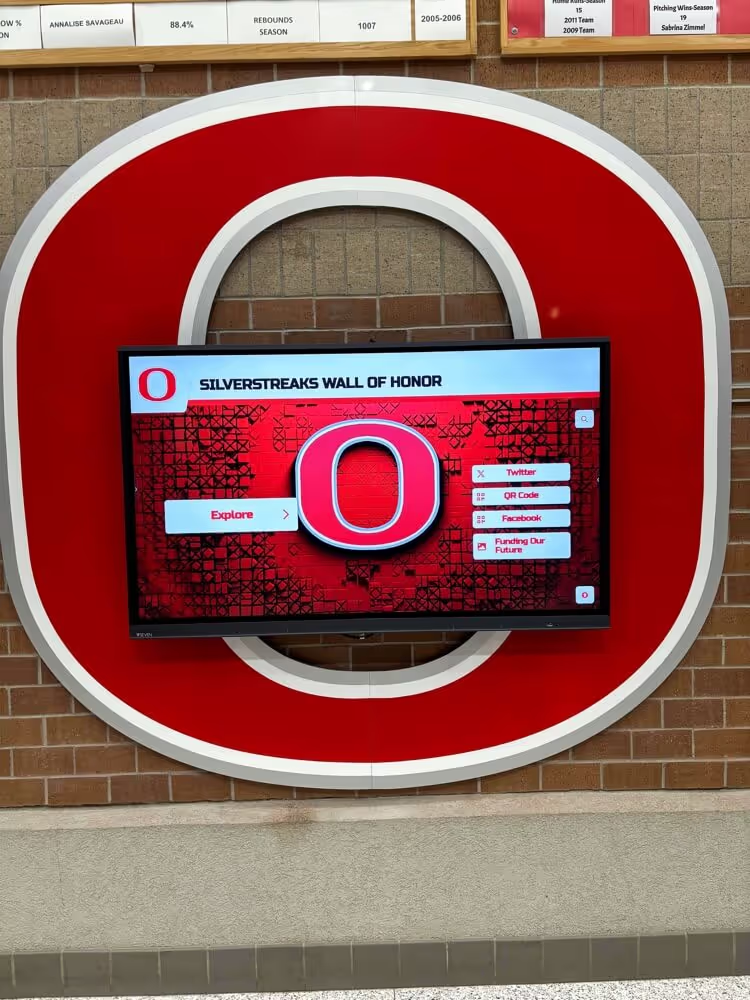
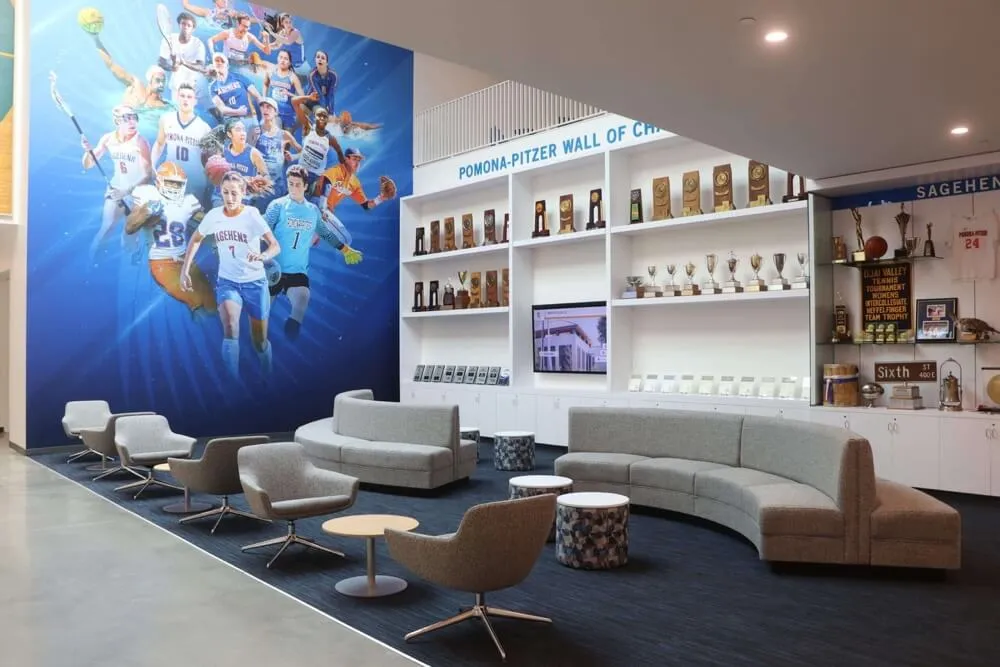
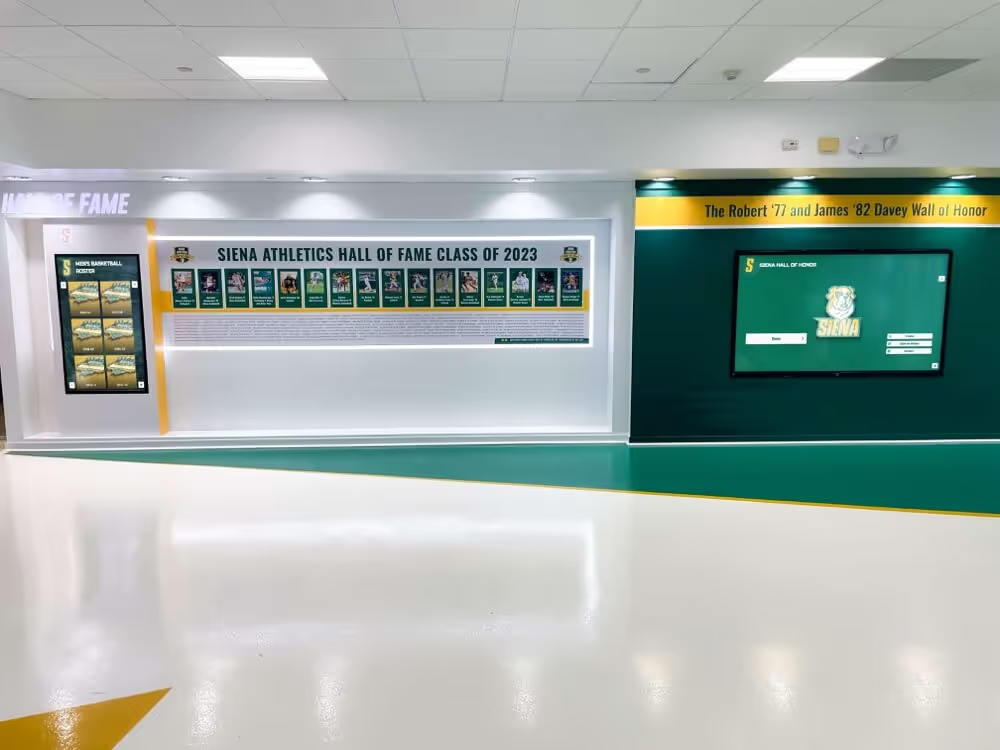
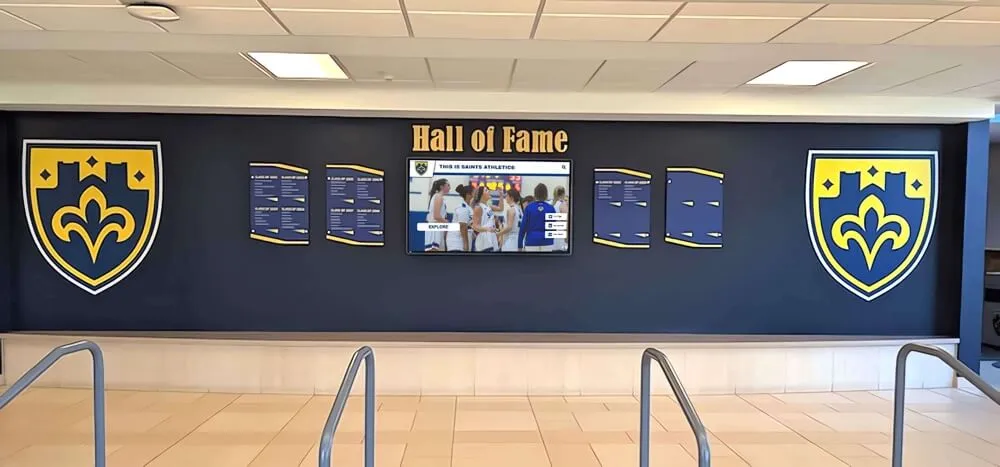
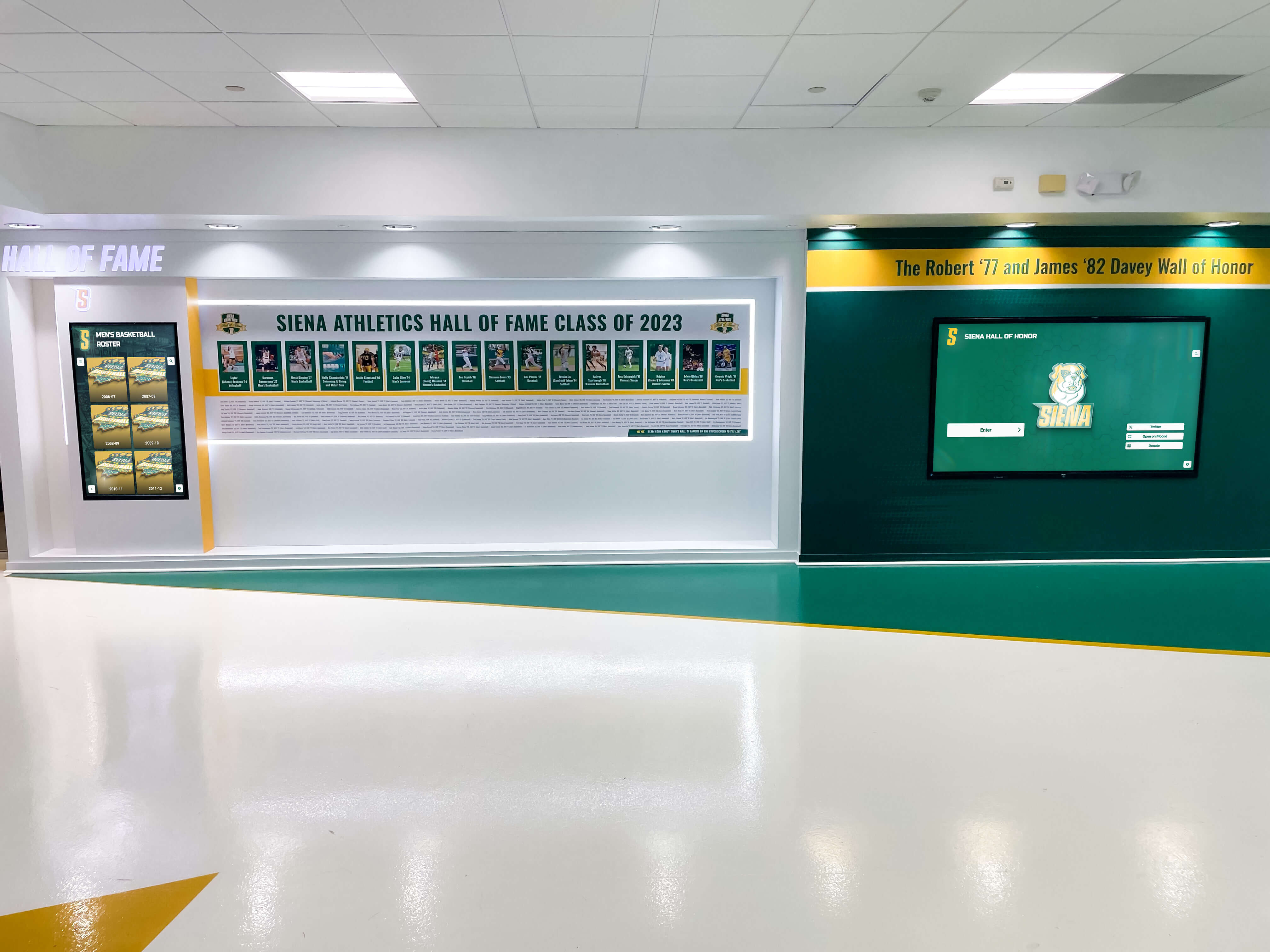
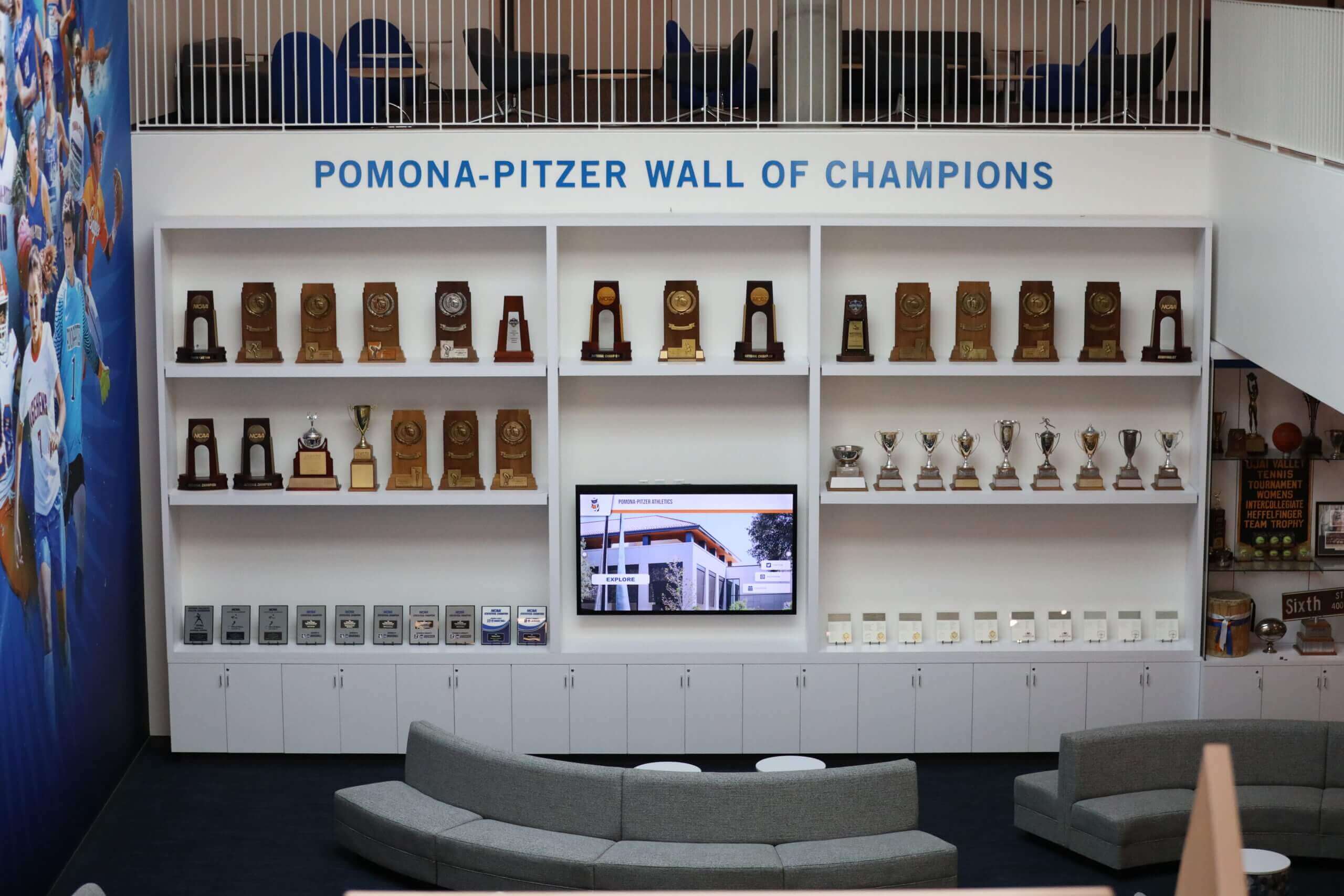
Many programs implementing recognition systems like permanent athletic hall of fame displays match their banquet formality to the significance they place on honoring achievement—creating consistency between year-round recognition and special event celebrations.
Sports Banquet Dresses: Specific Style Recommendations
Female athletes typically spend the most time selecting banquet outfits, with sports banquet dresses representing the most common attire choice. Understanding which styles work well helps narrow overwhelming options.
Best Dress Styles for Sports Banquets
A-Line and Fit-and-Flare Dresses: These universally flattering styles work exceptionally well for sports banquets because they’re comfortable for sitting through long ceremonies and eating dinner, appropriate across various body types and style preferences, available at all price points from budget to high-end, and easily dressed up or down with accessories and shoes. Look for dresses hitting around the knee or slightly above—this length feels celebratory while remaining comfortable and appropriate.
Midi-Length Dresses: Mid-calf length dresses have gained popularity for sports banquets particularly among older high school athletes and parents. These sophisticated styles offer excellent coverage for those preferring less skin showing, work well for various seasons and climates, pair beautifully with both heels and flats, and often feel slightly more formal than knee-length options without requiring floor-length commitment.
Sheath and Shift Dresses: Simpler, more streamlined dress styles work wonderfully when accessorized appropriately. These cleaner silhouettes suit athletes who prefer less fussy styles, easily transition between casual and dressy depending on shoes and accessories, accommodate various comfort preferences, and often cost less than more elaborate styles.
Dressy Jumpsuits: While less traditional, jumpsuits have become increasingly acceptable and popular for sports banquets, particularly among athletes who rarely wear dresses. Quality jumpsuits in dressy fabrics offer sophisticated alternatives that feel special without dress discomfort, work well for athletes with modesty preferences, and create distinctive looks without requiring heels.
Color and Pattern Considerations
Most sports banquet dresses work in any color, but certain choices create cohesive looks while avoiding potential issues:
Team Colors: Many athletes choose dresses incorporating their team’s colors as a subtle way to show program pride. This works beautifully but isn’t required—plenty of athletes select colors purely based on personal preference.
Solid Colors vs. Patterns: Both work perfectly well. Solid colors photograph slightly better and create timeless looks, while patterns add visual interest and help athletes feel less “uniform” when many teammates select similar styles. Avoid extremely bold prints or graphics that might photograph distractingly or feel overly casual.
Seasonal Appropriateness: Consider banquet timing when selecting colors and fabrics. Lighter colors and fabrics work well for spring/summer season-ending banquets, while deeper colors and heavier fabrics suit fall/winter celebration timing better.
Athletic programs increasingly recognize achievement through ongoing recognition programs that complement special event celebrations, ensuring consistent acknowledgment of athletic excellence.
What Parents Should Wear to Sports Banquets
Parents attending sports banquets to support their athletes often wonder about appropriate attire that balances showing respect for the event while not drawing attention away from the honorees.
General Guideline: Match or Slightly Underdress Athletes
A good rule of thumb: parents should dress at the same formality level as athletes or slightly less formal, never significantly more formal than the student honorees. When athletes wear semiformal attire, parents should aim for business casual to semiformal range, avoiding formal evening wear that might seem excessive.
Specific Parent Attire Recommendations
For Mothers: Dressy casual to business casual typically works perfectly—think nice pants or skirts with blouses or sweaters, casual dresses appropriate for daytime or evening depending on banquet timing, comfortable shoes since parents often help with setup or event logistics, and layers for varying venue temperatures.
Avoid evening gowns or cocktail attresses unless the banquet is explicitly formal, anything too casual like athletic wear or jeans (unless specifically permitted), and anything uncomfortable for sitting through potentially long ceremonies.
For Fathers: Business casual represents the sweet spot for most sports banquets—consider dress pants or khakis with button-down or polo shirts, optional blazers or sport coats if the venue is slightly dressier, dress shoes or clean leather shoes, and avoiding ties unless the dress code specifically requests them or the venue is particularly formal.
Skip suits unless the banquet is explicitly formal, jeans or extremely casual wear, and athletic shoes or overly casual footwear.

When Parents Help with Event Logistics
Parents volunteering with banquet setup, check-in, or other logistics face additional attire considerations. Wear comfortable, practical clothing that still meets dress code expectations, shoes you can stand and walk in comfortably for extended periods, clothes that won’t show stains if helping with food service, and layers you can adjust if working in kitchens or moving between spaces.
Many event volunteers start slightly more casually during setup, then add blazers or dressier layers once guests arrive to maintain appropriate appearance once the ceremony begins.
Navigating Unclear Dress Codes
Despite best efforts, many sports banquet invitations provide minimal dress code guidance, creating confusion about appropriate attire choices.
What to Do When Dress Codes Are Vague
Ask the Coach or Team Parent: Don’t hesitate to contact team leadership for clarification. Coaches and team parents would rather answer attire questions than have athletes or families feel uncomfortable on banquet night.
Check with Other Team Families: Reach out to teammates’ parents, particularly those with older children who’ve attended previous banquets. They can provide helpful context about typical attire expectations for your specific program.
Look at Previous Year Photos: Many teams post banquet photos on social media or team websites. Reviewing previous years’ pictures provides excellent guidance about typical attire ranges and helps calibrate expectations.
When in Doubt, Aim for the Middle: If you absolutely can’t get clarity, semiformal/dressy casual represents the safest choice. You’ll likely fit in perfectly, and this formality level prevents either extreme of being significantly over or underdressed.
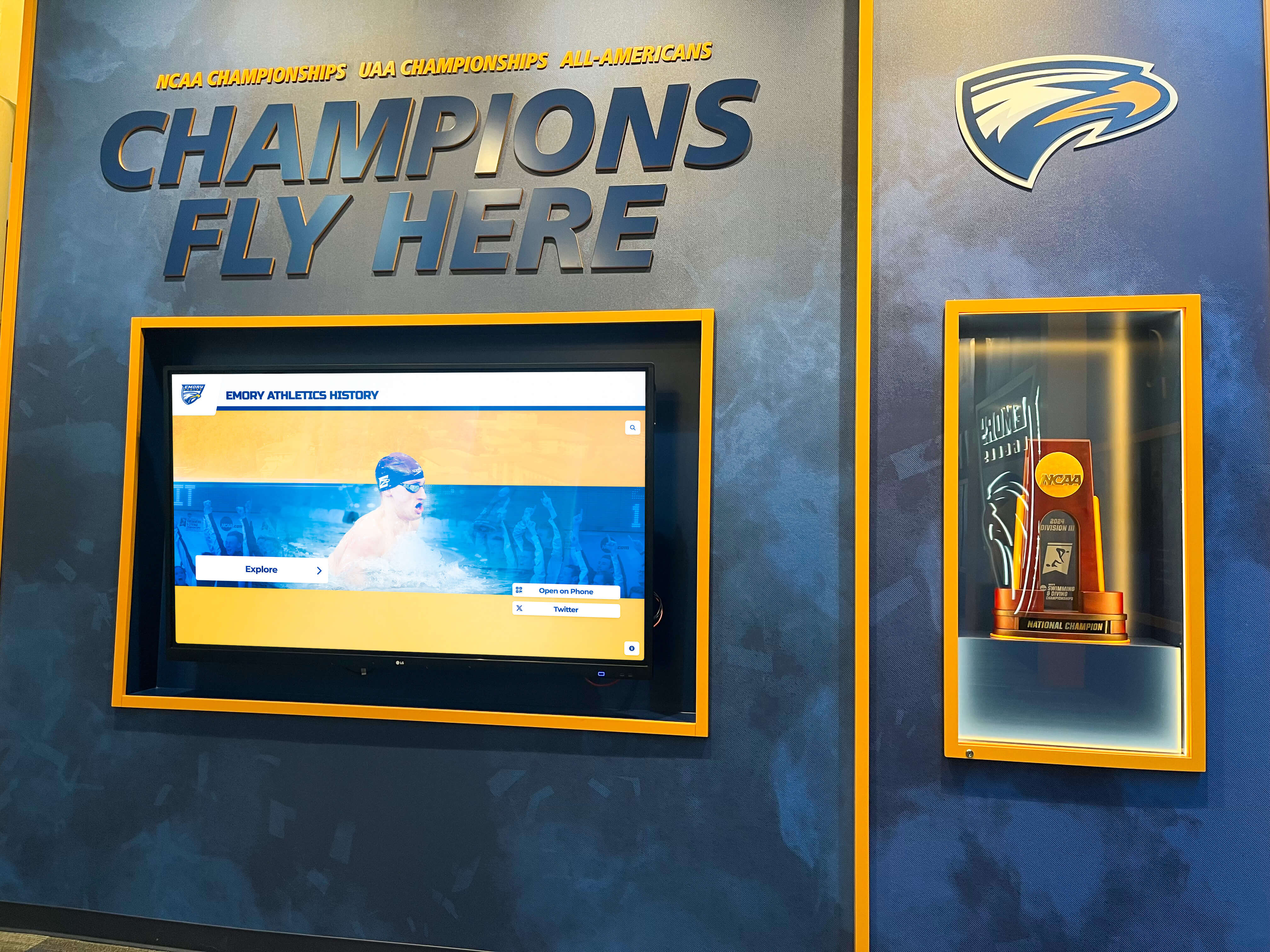
Programs that emphasize systematic recognition often develop clearer communication practices extending to event planning. Schools implementing comprehensive approaches like historical achievement displays typically provide clearer expectations for associated recognition events.
Practical Considerations Beyond Basic Dress Code
Getting the formality level right represents only part of successful sports banquet attire. Several practical factors deserve equal consideration.
Comfort for Long Events
Sports banquets typically last 2-4 hours including dinner and awards presentations. Attire comfort over extended periods matters tremendously:
Choose Breathable Fabrics: Banquet venues often run warm, especially when packed with people. Natural fabrics like cotton blends breathe better than synthetic materials that can feel uncomfortable in warm environments.
Test Sitting Comfort: Try sitting in your outfit before the event. Dresses or pants that feel fine when standing can become uncomfortable or reveal more than intended when sitting. Practice sitting, standing, and walking to ensure your outfit works well for all evening activities.
Consider Shoe Practicality: If you’re not accustomed to heels, sports banquets aren’t ideal occasions to experiment. Dressy flats, wedges, or low heels provide better options than high heels that create discomfort by evening’s end. Remember you’ll walk from parking to venue, potentially stand for photos, and sit with feet potentially on display under banquet tables.
Plan for Temperature Variations: Many venues have unpredictable climate control. Bring cardigans, blazers, or wraps you can add or remove as needed without disrupting your overall outfit appearance.
Modesty and Age-Appropriateness
School-sponsored events require modesty considerations that might differ from social occasions:
Neckline Guidelines: Aim for necklines that allow comfortable movement without constant adjusting or coverage concerns. If you spend the evening tugging at your neckline or worrying about revealing too much when leaning forward, your outfit isn’t working.
Hemline Standards: Most schools expect sports banquet attire to meet general school dress code standards. As a practical guideline, if you wouldn’t wear it to school (even on a relaxed dress code day), it’s likely not appropriate for a school banquet.
Consider Your Comfort Level: Modesty isn’t just about school rules—it’s about feeling confident and comfortable. If you feel self-conscious about any aspect of your outfit, that discomfort will show in photos and affect your ability to enjoy the celebration.
Photography Considerations
Sports banquets always include extensive photography, both professional and casual. Choosing photo-friendly attire helps ensure you love pictures commemorating the evening:
Avoid Busy Patterns: Small, intricate patterns can create visual chaos in photos. Solid colors or simple, larger-scale patterns typically photograph much better.
Consider Reflective Fabrics: Highly shiny or reflective fabrics can create unflattering highlights in flash photography. Matte or semi-matte fabrics generally photograph more naturally.
Coordinate with Team Photo Plans: If your team plans group photos, consider how individual outfits will look together. While matching isn’t necessary, considering overall color coordination helps create cohesive team pictures.
Accessorize Thoughtfully: Statement jewelry or accessories add personality to photos without overdoing it. Avoid excessive accessories that might distract or create visual clutter in pictures.
Recognition programs that showcase athlete achievements, like digital athletic displays, provide lasting visibility that complements the moment captured in banquet photographs.
Budget-Friendly Sports Banquet Attire
Quality sports banquet outfits don’t require expensive purchases. Smart shopping strategies help families find appropriate attire without excessive spending.
Shopping Smart for Sports Banquet Dresses
Start with Your Closet: Before purchasing anything, thoroughly review existing wardrobes. Many families already own appropriate options that can be refreshed with different accessories or shoes. That dress from last year’s awards ceremony or a cousin’s wedding might work perfectly.
Shop Off-Season: Formal and semiformal clothing goes on significant clearance at predictable times. Winter formal wear drops dramatically in price during late winter/early spring. Spring formal options clear out in late summer. Shopping opposite to your banquet season yields significantly better pricing.
Consider Department Store Sales: Major department stores run frequent sales on dressy casual and semiformal attire. Signing up for email notifications helps you catch major discount periods and coupon opportunities.
Try Consignment and Thrift Stores: Upscale consignment shops and thrift stores often carry gently-used formal and semiformal clothing at fraction of retail prices. Since these items are typically worn once or twice, condition generally remains excellent.
Coordinate with Teammates: Teams sometimes coordinate outfit purchases, either buying in bulk for modest discounts or sharing information about good deals and sales. Some families pass down banquet outfits between older and younger siblings or teammates.
Rental Options: For particularly formal banquets requiring attire your athlete won’t wear again, rental services provide high-end options at reduced costs. Several online platforms now offer formal and semiformal rentals with convenient home delivery and return.
Accessories That Transform Basic Outfits
Rather than purchasing entirely new outfits, strategic accessories can dramatically transform existing clothing into banquet-appropriate attire:
Statement Jewelry: Bold earrings, necklaces, or bracelets elevate simple dresses or tops into special-occasion outfits without requiring expensive clothing purchases.
Dressy Shoes: Swapping everyday shoes for dressier options instantly elevates overall appearance. Quality dressy shoes work for multiple occasions, making them worthwhile investments.
Blazers and Cardigans: Adding structured blazers or dressy cardigans transforms basic dresses or tops into more polished, banquet-appropriate ensembles while providing practical layering.
Belts and Scarves: Simple accessories like belts or scarves add visual interest and personalization to basic outfits without significant expense.
Programs implementing systematic athlete recognition often help families understand the value of celebrating achievement appropriately, similar to how institutional recognition programs honor both individual and collective excellence.
Special Considerations by Sport and Season
While general dress code guidelines apply universally, certain sports and season timings create specific considerations worth noting.
Fall Season Banquets (Football, Soccer, Cross Country, Volleyball)
Fall sport banquets typically occur in November or December, often coinciding with holiday party season. This timing creates several considerations:
Weather Factors: Late fall and winter banquets require considering outerwear. Plan coats or wraps that work with your outfit without requiring complete outfit concealment. Closed-toe shoes make more sense than summer sandals in many climates.
Holiday Overlap: With holiday parties occurring simultaneously, consider whether banquet attire could work for other upcoming events, maximizing value from purchases.
Indoor Venue Temperatures: Winter banquets in heated venues often run quite warm despite outdoor cold. Layer appropriately so you can adjust comfort without compromising appearance.
Winter Season Banquets (Basketball, Wrestling, Swimming, Hockey)
Winter sport celebrations typically occur in late winter or early spring, as seasons extend later than fall sports:
Transition Season Timing: Late winter/early spring banquets allow for transitional attire that bridges seasons. This flexibility opens more color and fabric options than strict winter or summer timing.
Indoor Sports Culture: Winter sports that compete entirely indoors sometimes develop slightly dressier banquet traditions compared to outdoor sports, though this varies significantly by program.
Spring Season Banquets (Baseball, Softball, Lacrosse, Track, Tennis)
Spring sports ending in May or early June typically hold banquets during warm weather, affecting appropriate attire choices:
Warm Weather Considerations: Late spring and early summer banquets allow lighter fabrics, colors, and styles. Sleeveless dresses and open-toe shoes work perfectly for this timing.
End-of-School Year Timing: Spring banquets often occur during busy end-of-school-year periods with graduations, proms, and other formal events. Versatile attire that works for multiple occasions provides practical value.
Outdoor Elements: Some spring banquets incorporate outdoor elements like patio receptions or outdoor photos. Consider shoe heel heights and dress practicality for potentially uneven surfaces.
Multi-Sport Athletes and Multiple Banquets
Athletes participating in multiple sports attend several banquets annually, raising questions about outfit repetition and variety:
Repeating Outfits Is Fine: Unless you strongly prefer variety, wearing the same appropriate outfit to multiple banquets throughout the year is perfectly acceptable. Most attendees won’t notice or care about outfit repetition.
Strategic Versatility: If purchasing new attire, choose versatile pieces that work for various banquets and other formal occasions rather than sport-specific selections you’ll wear once.
Mix and Match: Building a small collection of mix-and-match pieces—a few dress pants, skirts, or dresses with various tops and accessories—creates outfit variety without requiring extensive wardrobe investments.
Athletic recognition extends beyond single events to comprehensive programs, similar to how sport-specific recognition systems honor ongoing achievement throughout athlete careers.
Common Sports Banquet Attire Questions
Despite comprehensive guidance, several questions consistently arise around sports banquet dress codes.
Can Athletes Wear Jeans?
This depends entirely on specific dress codes. For events explicitly specifying “casual” or “come as you are,” jeans might be acceptable. However, for semiformal, dressy casual, or formal banquets, jeans typically don’t meet expectations even if they’re dark, clean, and paired with dressy tops. When in doubt, choose dress pants, khakis, or skirts instead.
Are Sneakers Okay If They’re Clean?
Generally no, even for business casual banquets. Athletic shoes read as casual regardless of cleanliness or style. Leather shoes, loafers, flats, or low heels represent better choices that still provide comfort while meeting dress code expectations.
What If Athletes Want to Wear Their Letterman Jackets?
Many athletes want to showcase their earned letterman jackets at banquets celebrating athletic achievement. This is generally fine if coordinated with dressy clothing underneath. Pairing letterman jackets with appropriate dress pants/skirts and dress shoes creates looks that honor athletic achievement while maintaining banquet formality. Some teams even coordinate letterman jacket photos as part of banquet activities.
Should Siblings or Younger Family Members Attending Dress Up?
Younger siblings attending to support family members should generally dress at similar formality levels as athletes, adjusted appropriately for age. This helps them feel included in the celebration while preventing situations where young children in uncomfortable formal wear become disruptive during long ceremonies.
What About Religious or Cultural Dress Requirements?
Athletes and families with religious or cultural dress requirements should absolutely honor those considerations. Schools and teams should accommodate modest dress preferences, head coverings, and other religious dress requirements. If questions arise about how to balance cultural requirements with stated dress codes, contact coaches or administrators to discuss appropriate solutions.
Can Parents Dress More Casually If Just Dropping Off?
Parents only dropping athletes off without attending the banquet can certainly dress more casually. However, many parents discover after arriving that they’d like to stay for at least part of the ceremony, or find themselves asked to help with last-minute logistics. Dressing at least at business casual level even for dropoff prevents potential discomfort if plans change.
Schools implementing comprehensive approaches to recognition, including permanent athletic achievement displays, often develop clearer communication practices extending to all program events.
Creating Positive Banquet Experiences Beyond Attire
While appropriate attire contributes to successful banquets, several additional factors help ensure positive experiences for everyone involved.
Setting Appropriate Expectations with Athletes
Parents and coaches should help young athletes understand banquet purposes and expectations beyond just dress codes:
Recognition Focus: Sports banquets primarily celebrate achievement and team community rather than serving as social events. Helping athletes understand this focus prevents disappointment when banquets feel more structured than casual social gatherings.
Length and Format: Preparing athletes for potentially long ceremonies with speeches, awards, and formal dinner service helps prevent frustration or boredom during the event.
Photography Anticipation: Discussing likelihood of extensive photography helps athletes prepare mentally and select attire they’ll feel confident wearing in pictures commemorating the season.
Behavior Expectations: Clarifying expectations around respectful behavior during speeches and awards, appropriate phone use, and social interaction helps prevent awkward situations during formal ceremonies.
Inclusive Dress Code Communication
Teams and coaches can improve banquet experiences by providing clearer, more inclusive dress code guidance:
Specific Examples: Rather than vague terms like “dressy casual,” providing specific outfit examples helps families understand expectations clearly.
Budget Acknowledgment: Acknowledging that families have varying budgets and suggesting budget-friendly options helps reduce financial stress while ensuring all athletes can participate comfortably.
Body Diversity Consideration: Recognizing that different body types have different needs helps ensure dress code guidance works for all athletes rather than assuming one-size-fits-all approaches.
Gender-Inclusive Language: Using language that doesn’t assume gender-specific clothing preferences (referring to “formal attire” rather than “dresses for girls, suits for boys”) creates more inclusive environments.
Comprehensive recognition systems extend beyond individual events to create consistent cultures of excellence, similar to how track and field award programs honor both individual achievement and team contributions.
Final Thoughts: Dressing for Celebration and Respect
Sports banquets represent important transitions in athletic journeys—celebrating concluded seasons, honoring achievement, recognizing growth, and building team community beyond competition. Appropriate attire contributes to these purposes by demonstrating respect for these occasions while helping everyone feel confident and comfortable celebrating together.
The “perfect” sports banquet outfit balances several sometimes-competing priorities: meeting dress code expectations while expressing personal style, looking polished and celebratory while remaining comfortable for long events, respecting the formal recognition occasion while maintaining age-appropriate choices, and working within family budgets while still feeling special.
When you arrive at your sports banquet dressed appropriately and feeling confident, you’re positioned to fully engage in celebrating athletic achievement without distraction or discomfort. The memories you create and recognition you receive matter far more than specific outfit details—but getting the attire basics right helps ensure those memories remain positive and that photos commemorating the evening show athletes and families at their confident best.
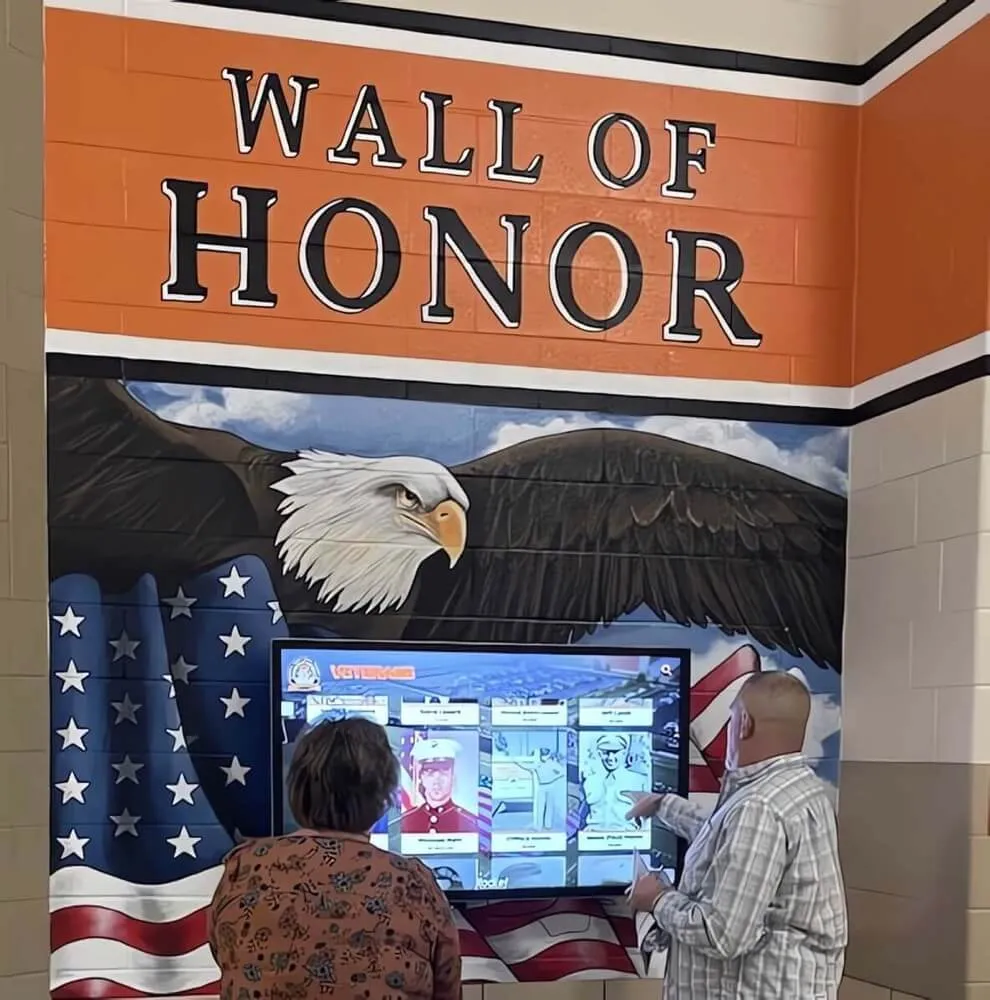
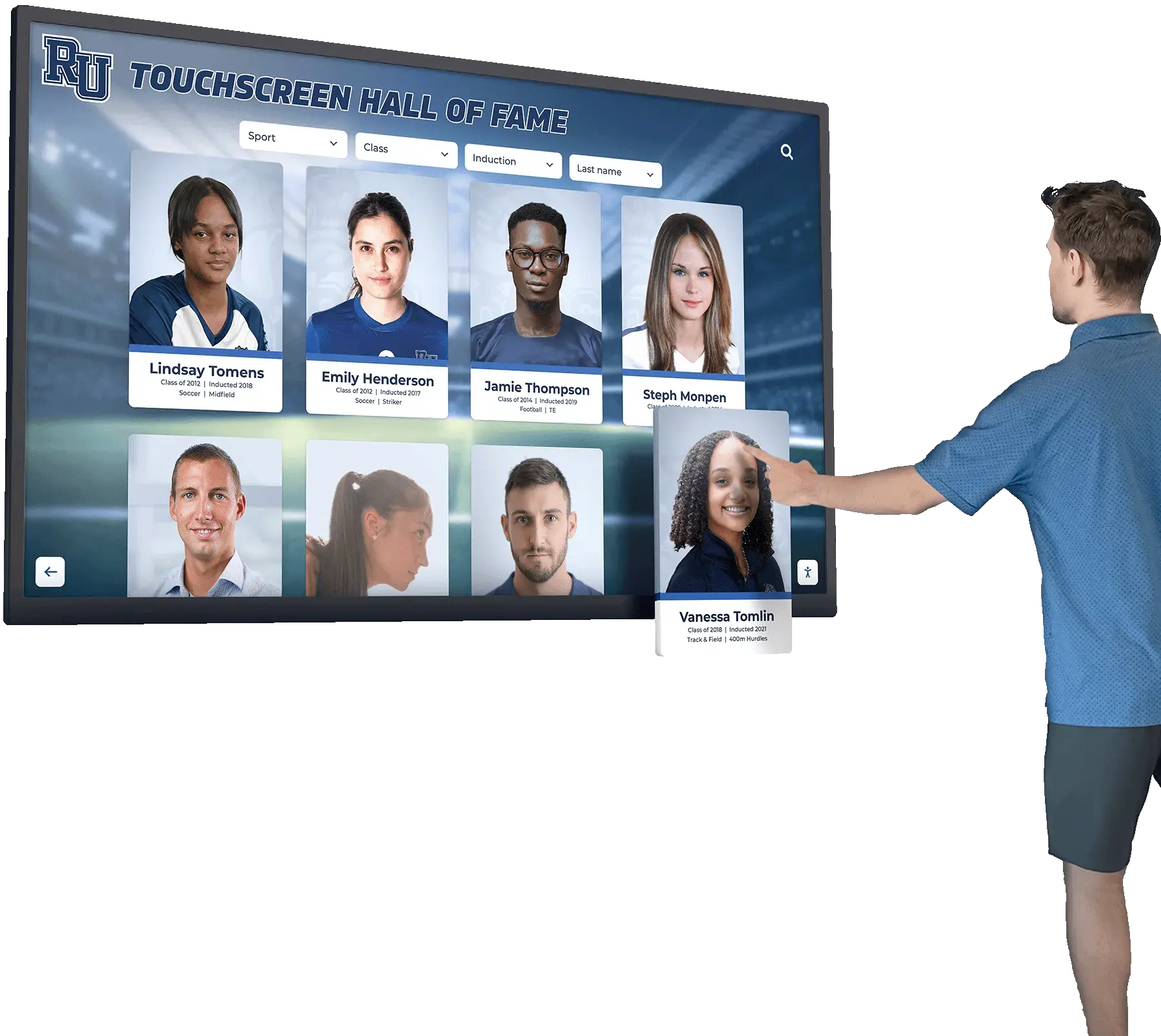
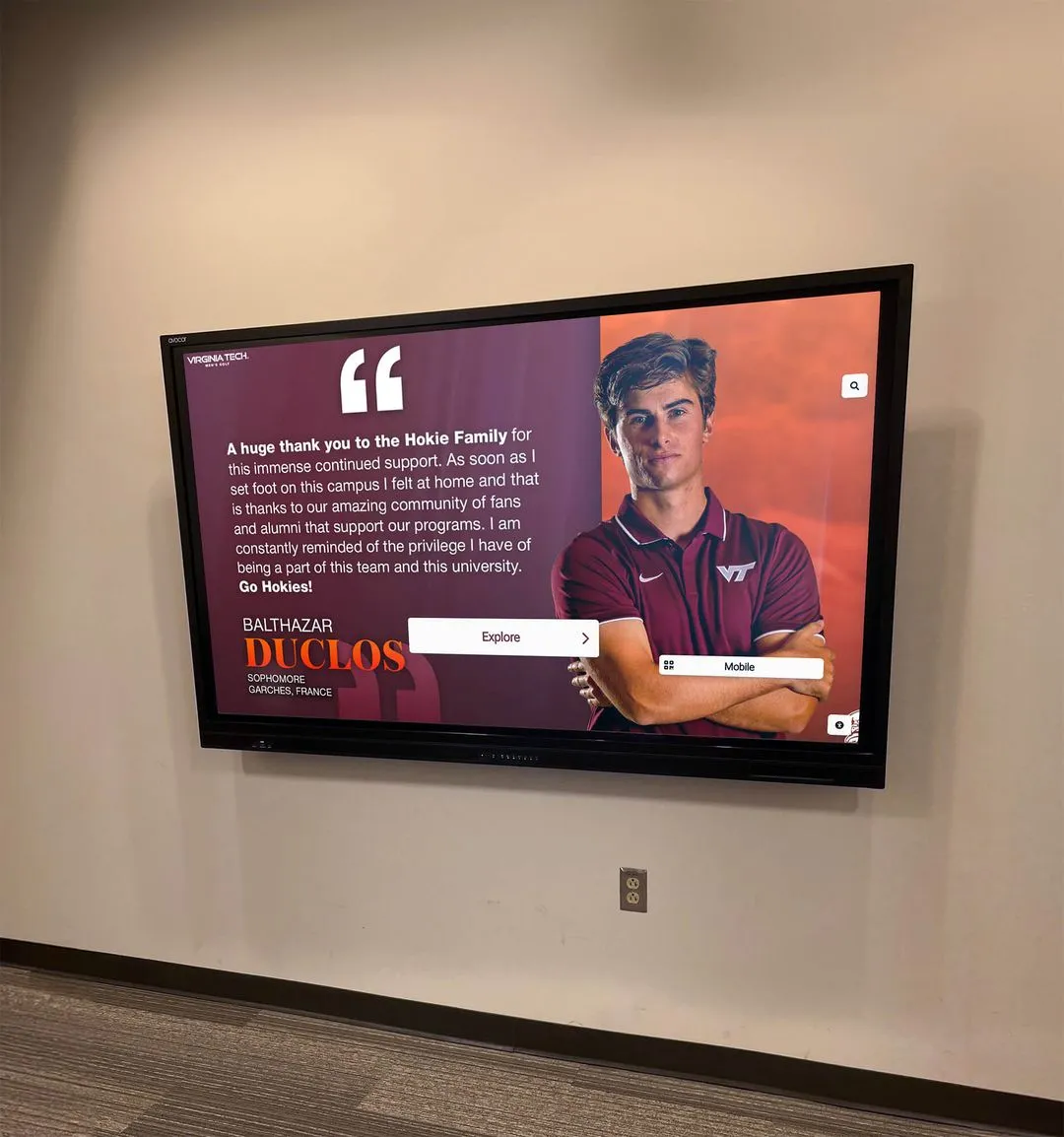
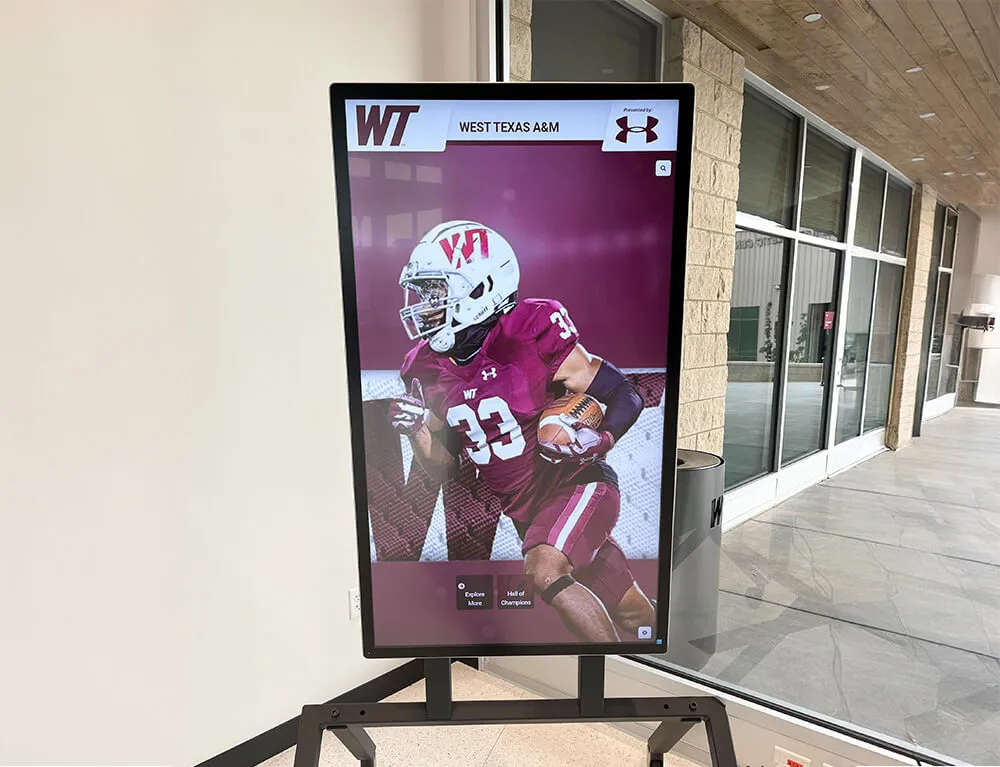
For athletic programs seeking to extend recognition beyond single-evening celebrations, Rocket Alumni Solutions provides digital recognition displays that showcase athletic excellence year-round. These touchscreen systems transform how schools honor achievement, creating permanent platforms where the accomplishments celebrated at sports banquets receive ongoing visibility that inspires current athletes while preserving program legacy. From individual athlete profiles to team championship records, digital recognition complements traditional banquets by ensuring athletic achievement receives the consistent, prominent celebration it deserves.