For over 150 years, varsity letters have served as tangible symbols of athletic accomplishment, creating recognition traditions that define high school sports culture. The iconic chenille letter—typically 5-7 inches tall in school colors—represents far more than simple participation; it celebrates athletes who meet rigorous standards for playing time, performance, team contribution, and sustained dedication across competitive seasons.
The letterman jacket adorned with varsity letters, sport patches, and year bars has become synonymous with high school athletic achievement, creating visible recognition that persists long after graduation. Athletes who earn varsity letters join proud traditions connecting them to decades of predecessors who wore the same school colors and competed for the same teams, building legacies that schools celebrate through trophy cases, hall of fame displays, and permanent recognition installations.
Yet many student athletes and families entering high school sports wonder specifically which sports award varsity letters, what requirements they must meet, and how the earning process works across different athletic programs. This comprehensive guide answers those questions while exploring how modern schools balance traditional letter recognition with contemporary digital solutions that showcase athletic achievement for current and future generations.
Understanding Varsity Letters: History and Tradition
Before exploring which specific sports award varsity letters, understanding the recognition tradition’s origins and evolution provides valuable context about why letters remain among the most valued forms of athletic achievement acknowledgment.
The Origin of Varsity Letters
Varsity letters originated at Harvard University in 1865, when the baseball team received “H” monogram letters sewn onto their uniforms to distinguish team members. This simple recognition concept proved remarkably enduring, spreading rapidly throughout American collegiate athletics before extending to high school sports programs by the early 20th century.
Evolution Through Decades:
The letter tradition evolved significantly across its history. Initially limited to elite university athletes, letters became standard high school recognition by the 1920s as organized interscholastic athletics expanded nationwide. The letterman jacket emerged during the 1930s as the premier display method, transforming from simple wool cardigans to the iconic leather-sleeved varsity jackets that remain cultural symbols of high school athletic achievement.
By the 1950s-1960s, varsity letter programs had become formalized across most American high schools, with established criteria, recognition ceremonies, and jacket traditions creating comprehensive systems that athletes and families understood and valued. The tradition persisted even as high school culture changed dramatically over subsequent decades, demonstrating enduring appeal that transcends generational shifts.
Why Varsity Letters Remain Prestigious
Despite changing youth culture and evolving recognition approaches, varsity letters maintain unique prestige among high school athletic honors for several reasons:
Tangible, Visible Recognition:
Unlike certificates filed in drawers or digital acknowledgments existing only on screens, varsity letters create physical symbols athletes can wear, display, and reference throughout their lives. The visibility of letterman jackets in school hallways creates powerful aspirational recognition that younger athletes work toward from their first days in high school sports programs.
Selective Achievement Standards:
Varsity letters recognize exceptional achievement beyond simple participation. Athletes must typically meet demanding playing time requirements, performance standards, team contribution expectations, and sustained dedication across full seasons. This selectivity ensures letters celebrate genuine accomplishment worthy of prestigious recognition, distinguishing committed athletes from casual participants.
Connection to School History:
Earning a varsity letter connects athletes to proud traditions spanning decades. When students receive letters during recognition ceremonies, they join lineages of predecessors who represented the same school and competed for the same teams. This historical connection creates meaningful recognition that athletes value deeply, understanding they’re contributing to legacies that transcend their individual seasons.
What Sports Award Varsity Letters? Comprehensive Overview
The straightforward answer is that virtually all organized high school varsity sports programs award varsity letters to qualifying athletes. However, understanding which sports typically offer letters and how requirements vary provides helpful context for student athletes planning their high school athletic careers.
Traditional Team Sports and Varsity Letters
Team sports represent the largest category of varsity letter opportunities, with established programs existing at most high schools across the country.
Fall Sports:
- Football: Typically the highest-profile varsity letter program at many schools, with criteria based on varsity playing time across regular season and playoff games, special teams participation, and full season commitment
- Soccer (Boys and Girls): Letters awarded for varsity match participation meeting minimum playing time thresholds, tournament contributions, and complete season dedication
- Volleyball (Primarily Girls, Growing Boys Programs): Recognition for set participation across regular season and tournament competitions
- Cross Country (Boys and Girls): Letters for varsity meet participation, placing in top team scoring positions, and consistent training commitment
- Field Hockey (Primarily Girls): Recognition for game participation and season-long dedication
Winter Sports:
- Basketball (Boys and Girls): Letters for varsity game participation meeting established playing time minimums across regular season and tournaments
- Wrestling: Recognition for varsity match participation, tournament competition, and weight class representation
- Swimming and Diving (Boys and Girls): Letters for varsity meet event participation and scoring contributions
- Ice Hockey (Varies by Region): Recognition for game participation in varsity competitions
- Indoor Track and Field: Letters for varsity meet participation and scoring positions
- Gymnastics (Primarily Girls): Recognition for meet competition and scoring contributions
Spring Sports:
- Baseball (Boys): Letters awarded for varsity game participation meeting innings or appearance thresholds
- Softball (Girls): Recognition for varsity game participation across regular season and tournaments
- Track and Field (Boys and Girls): Letters for varsity meet participation, scoring positions, and qualifying performances
- Lacrosse (Boys and Girls, Growing Nationally): Recognition for varsity game participation and season commitment
- Tennis (Boys and Girls): Letters for varsity match participation in singles or doubles competition
- Golf (Boys and Girls): Recognition for varsity tournament participation and team scoring contributions
Nearly all team sports programs established at varsity level award letters to qualifying athletes, though specific availability depends on which sports each school offers and maintains at varsity competitive levels.
Individual and Specialty Sports
Beyond traditional team sports, many individual and specialty sports also award varsity letters when schools maintain varsity-level programs.
Individual Athletic Competitions:
- Wrestling: Individual sport competed in team contexts, with letters for varsity match participation
- Swimming and Diving: Individual events within team scoring structures
- Track and Field: Individual events contributing to team scoring
- Cross Country: Individual races with team scoring based on top finishers
- Tennis: Singles and doubles competitions contributing to team match outcomes
- Golf: Individual tournament performances determining team results
Specialty and Emerging Sports:
- Competitive Cheer: Growing recognition as varsity sport at many schools, with letters for competition team participation
- Competitive Dance/Drill Team: Varsity letters where schools establish competitive dance as official sport
- Bowling: Letters awarded at schools with established varsity bowling programs
- Water Polo: Recognition at schools with established programs
- Rugby: Letters at schools with recognized varsity programs
- Ultimate Frisbee: Emerging sport with varsity recognition at progressive programs
The key factor determining whether specific sports award varsity letters is whether schools maintain officially recognized varsity programs in those activities. Sports existing only as clubs or recreational activities typically don’t offer varsity letters, while any activity elevated to official varsity status generally includes letter recognition for qualifying participants.
Sports That Typically Don’t Award Varsity Letters
Understanding which activities typically don’t offer varsity letters helps students distinguish between different participation levels and recognition opportunities.
Club Sports:
Activities organized as clubs rather than official school varsity teams generally don’t award varsity letters, even when competitive. Club soccer, club volleyball, or club lacrosse teams operating outside school sanctioning lack the authority to grant official school varsity recognition, though they may offer alternative team awards.
Intramural Programs:
Recreational sports conducted within school populations for enjoyment rather than interscholastic competition don’t typically offer varsity letters, as they lack the competitive standards and commitment requirements that letter recognition celebrates.
Junior Varsity and Freshman Teams:
While these teams compete against other schools, most programs reserve varsity letters exclusively for varsity-level participation. JV and freshman athletes typically receive participation certificates or junior letters rather than full varsity recognition, though some schools allow JV athletes who contribute significantly to varsity competitions to earn varsity letters.
Performance and Spirit Groups (With Exceptions):
Traditional marching band, pep band, cheerleading (non-competitive), and spirit organizations historically haven’t awarded varsity letters, though this is changing at many schools. Progressive programs increasingly recognize that these activities require commitment and dedication comparable to traditional sports, leading to expansion of letter eligibility beyond purely athletic competitions. Schools increasingly offer recognition programs for diverse activities alongside traditional athletic letters.
Varsity Letter Eligibility Requirements by Sport
Understanding that sports award varsity letters is only the first step. Athletes must meet specific criteria established by schools and athletic departments to earn letters, with requirements varying significantly across different sports.
Common Eligibility Criteria Across Sports
Most varsity letter programs share common foundational requirements regardless of specific sport:
Academic Standards:
Nearly all programs require athletes to maintain minimum academic standing to remain eligible for athletic participation and letter consideration. Typical requirements include minimum GPA thresholds (often 2.0-2.5 on 4.0 scale), passing grades in minimum course loads required by state athletic associations, and satisfactory academic progress toward graduation requirements.
Schools emphasize that “student” comes before “athlete,” making academic performance non-negotiable for varsity recognition. Athletes failing to meet academic standards lose participation eligibility and consequently cannot earn varsity letters regardless of athletic performance.
Attendance and Commitment:
Varsity letter programs universally require consistent attendance at practices, games, and team events throughout entire seasons. Athletes who quit mid-season, miss extensive practices without justification, or demonstrate inadequate commitment forfeit letter eligibility regardless of performance when present.
Common attendance requirements include participation in minimum percentage of all team practices (often 85-90%), attendance at all competitions unless excused for illness or emergency, and presence at required team events like camps, meetings, and recognition ceremonies.
Conduct and Sportsmanship:
Athletes must meet behavioral standards both during competitions and in broader school contexts. Code of conduct violations, disciplinary actions, or unsportsmanlike behavior can disqualify athletes from letter recognition even when performance and participation requirements are met. Schools increasingly emphasize character alongside athletic performance, recognizing that varsity letters should honor complete student-athletes who represent schools positively in all contexts.
Season-Long Participation:
Most programs require athletes to complete entire seasons from first practice through final competition. Athletes who join teams late or leave before season conclusions typically don’t qualify for varsity letters unless extenuating circumstances justify abbreviated participation.
Sport-Specific Playing Time and Performance Requirements
Beyond universal criteria, each sport establishes specific standards appropriate to its competitive structure and season format.
Football Letter Requirements:
Football programs typically require athletes to participate in minimum numbers of varsity quarters across regular season and playoff games. Common criteria include playing in at least 50% of total varsity quarters, participating in minimum number of games (often 6-8 games in typical seasons), or accumulating sufficient playing time even if distributed across special teams and different position roles.
Some programs establish separate criteria for different position groups, recognizing that playing time distribution varies significantly between starters, rotation players, and specialized contributors on large football rosters.
Basketball Letter Requirements:
Basketball programs commonly require athletes to play in minimum percentages of total quarters or halves across varsity competitions. Typical criteria include participating in at least 50% of all varsity quarters during regular season and tournaments, playing in minimum number of games (often 10-15 games depending on schedule length), or accumulating specific total minutes across the season.
Baseball and Softball Letter Requirements:
Diamond sports typically establish criteria based on innings played, at-bats accumulated, or games participated in. Common requirements include playing in minimum number of innings across varsity games (often equivalent to 50% of team’s total innings), appearing in minimum number of games (often 10-15 games), or accumulating specific pitching innings for pitchers and playing time for position players.
Track and Field, Cross Country Letter Requirements:
Running sports often base criteria on scoring contributions and participation rather than simple playing time (since all athletes compete when entered). Common requirements include scoring points in minimum number of varsity meets, achieving qualifying performance standards in events, consistent training and practice attendance, or representing the school in championship meets.
Soccer, Lacrosse, Hockey Letter Requirements:
Field and ice sports typically require participation in minimum numbers of halves, periods, or game segments. Common criteria include playing in at least 50% of total varsity game time across regular season and playoffs, participating in minimum number of games, or accumulating specific total minutes reflecting substantial season contribution.
Swimming, Tennis, Golf Letter Requirements:
Individual sports within team contexts often establish criteria based on varsity event participation, scoring contributions, or tournament representation. Common requirements include competing in minimum number of varsity meets or tournaments, scoring points contributing to team results, or achieving qualifying performance standards demonstrating competitive level appropriate to varsity recognition.
Special Circumstances and Alternative Qualifications
Most programs incorporate flexibility addressing special circumstances while maintaining letter prestige:
Injury Considerations:
Athletes suffering season-ending injuries after demonstrating substantial commitment and contribution may receive letters through medical exemption policies. These typically require that athletes participated satisfactorily before injury, remained engaged with teams throughout recovery, and demonstrated intention to complete seasons but for injury circumstances.
Manager, Trainer, and Support Staff Recognition:
Progressive programs extend letter eligibility to team managers, student athletic trainers, and other support personnel who demonstrate exceptional dedication across complete seasons. These individuals contribute substantially to team success through roles beyond competition participation, deserving recognition for commitment comparable to competing athletes. Learn more about comprehensive student achievement recognition programs that extend beyond traditional athletic participation.
Multi-Sport Athlete Accommodations:
Athletes participating in multiple sports during single seasons or transitioning between sports mid-year may receive special consideration in letter determinations. Policies vary significantly, with some schools counting combined participation across sports while others require separate qualification in each activity.
Varsity Call-Ups from JV:
Junior varsity athletes who spend significant portions of seasons competing at varsity level often qualify for varsity letters even if they began seasons on JV rosters. Criteria typically require minimum varsity participation percentages calculated from the time athletes joined varsity teams rather than entire season lengths.
The Physical Components of Varsity Letter Recognition
Understanding what athletes receive when earning varsity letters helps appreciate the comprehensive nature of this recognition tradition.
The Chenille Letter
The foundation of varsity letter recognition is the chenille letter itself—the thick, fuzzy monogram representing the school’s initial(s).
Letter Specifications:
Standard varsity letters are typically 5-7 inches tall, made from thick chenille material in primary school colors, featuring clean stitching and finished edges suitable for sewing onto letterman jackets, and designed for durability lasting throughout high school careers and beyond.
Some schools create distinctive letters for different achievement categories—slightly different designs for athletic vs. academic letters, varied color schemes indicating sport categories, or special touches distinguishing first letters from subsequent years.
When Athletes Receive Letters:
Most schools present letters during formal recognition ceremonies held at season conclusions or end-of-year athletic awards nights. These ceremonies create memorable experiences where athletes walk across stages to receive letters from administrators, coaches celebrate accomplishments, and families attend to share recognition moments.
Sport Patches, Pins, and Year Bars
Beyond the initial letter, athletes accumulate additional recognition elements building comprehensive displays on letterman jackets.
Sport-Specific Patches:
Athletes receive patches or pins indicating specific sports in which they earned letters. A three-sport athlete might display football, basketball, and baseball patches, creating visual documentation of diverse athletic participation.
Year Bars:
Athletes earning letters in the same sport across multiple seasons receive year bars or chevrons indicating each season of achievement. A four-year varsity football player might display bars showing participation from freshman through senior year, demonstrating sustained excellence and commitment.
Championship and Special Achievement Pins:
Additional recognition elements celebrate specific accomplishments including conference championships, district or regional titles, state tournament participation or championships, all-conference or all-state recognition, and team records or milestones. These accumulated elements create layered recognition systems distinguishing exceptional athletic careers from single-season achievements.
The Letterman Jacket Tradition
The letterman jacket represents the premier display method for varsity letters and accumulated athletic recognition.
Jacket Specifications:
Traditional letterman jackets feature wool bodies in primary school colors, leather sleeves in contrasting colors, snap-front closures with rib-knit collars and cuffs, interior pockets and comfortable fit for regular wear, and durable construction designed for years of use.
Jacket Policies and Costs:
Schools handle letterman jacket acquisition through various approaches. Some provide jackets to all letter-earning athletes as part of recognition programs, requiring student purchase after earning letters (typically $100-250 depending on quality), or offering subsidies or payment plans ensuring cost doesn’t prevent athletes from obtaining jackets.
Jacket Display Customs:
Traditional display conventions include positioning the school letter on the left chest (near the heart), arranging sport patches on sleeves and body, displaying year bars and championship pins strategically, and maintaining neat arrangements that honor accumulated achievements.
The letterman jacket creates visible recognition that extends far beyond school campuses and athletic seasons. Athletes wear jackets throughout high school, at college as alumni representatives, and sometimes preserve them for decades as cherished mementos of athletic accomplishments.
Modern Digital Recognition of Varsity Letter Recipients
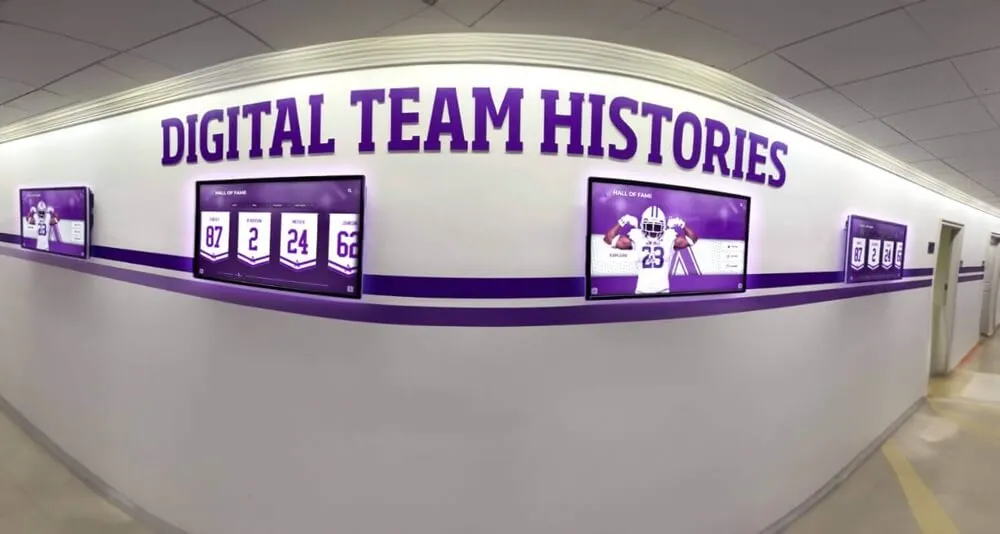
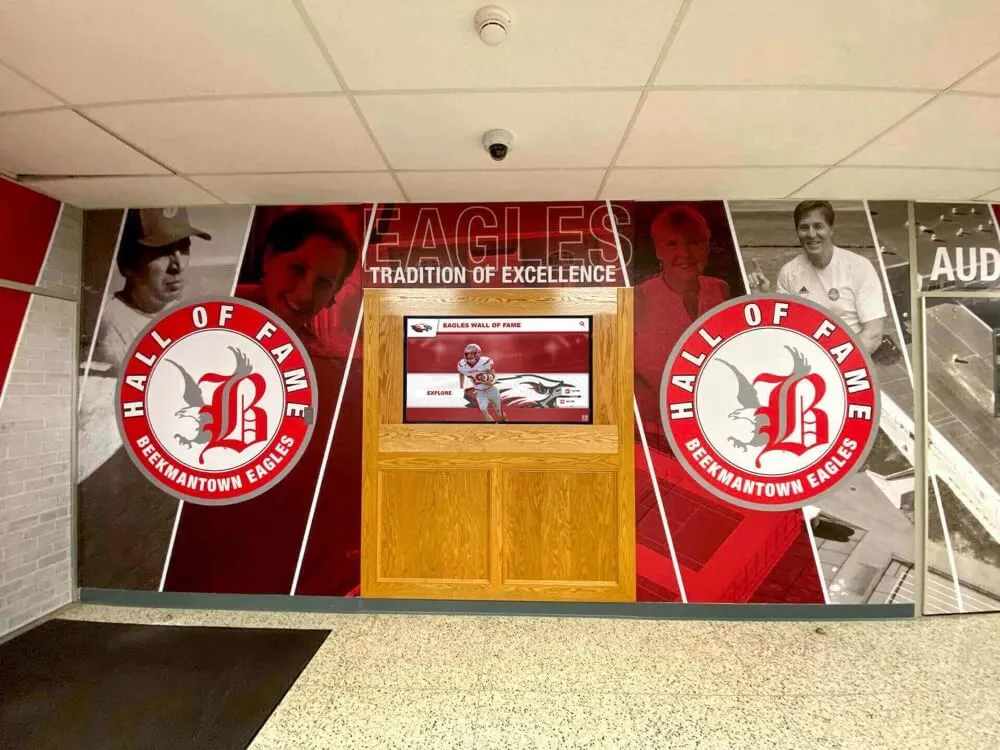
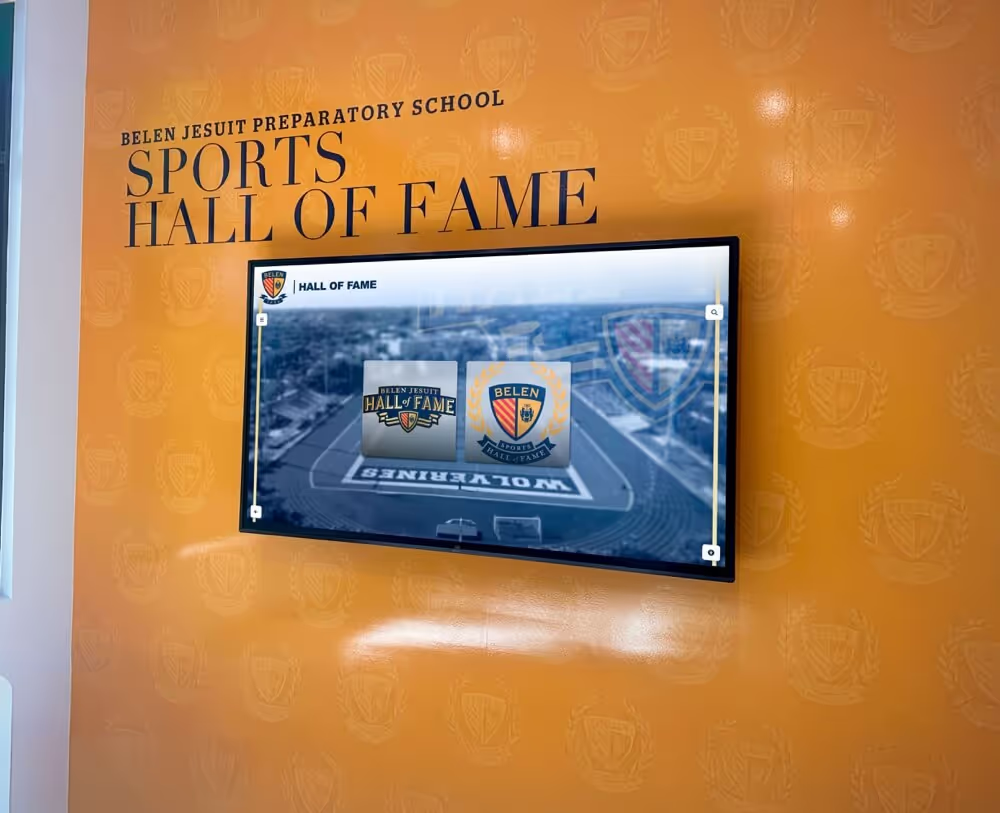
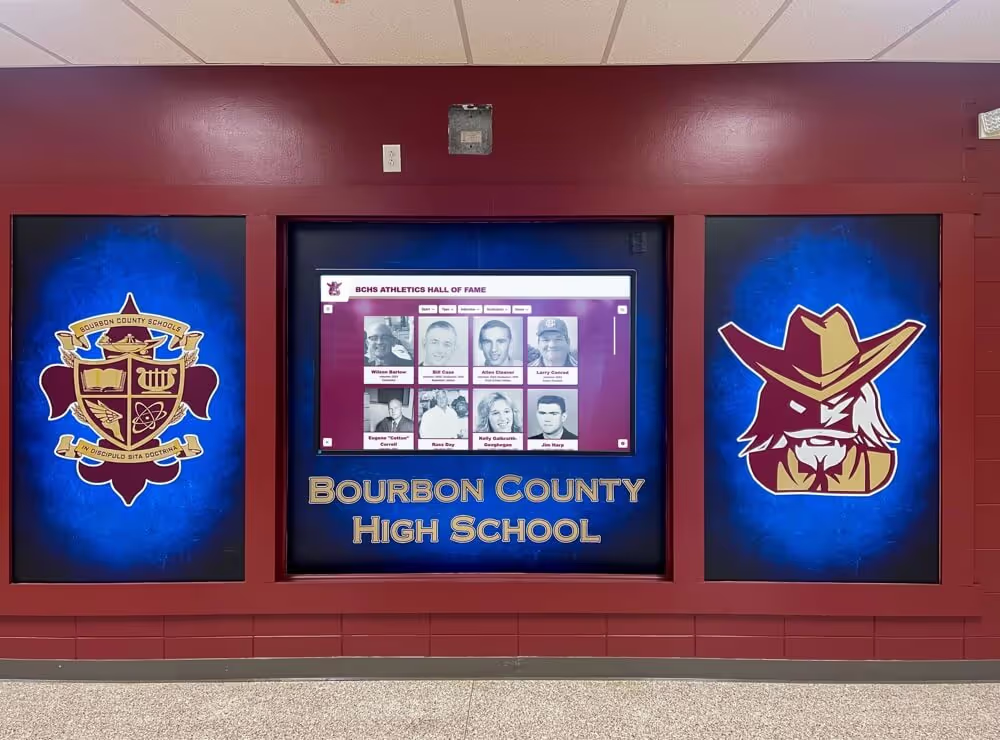
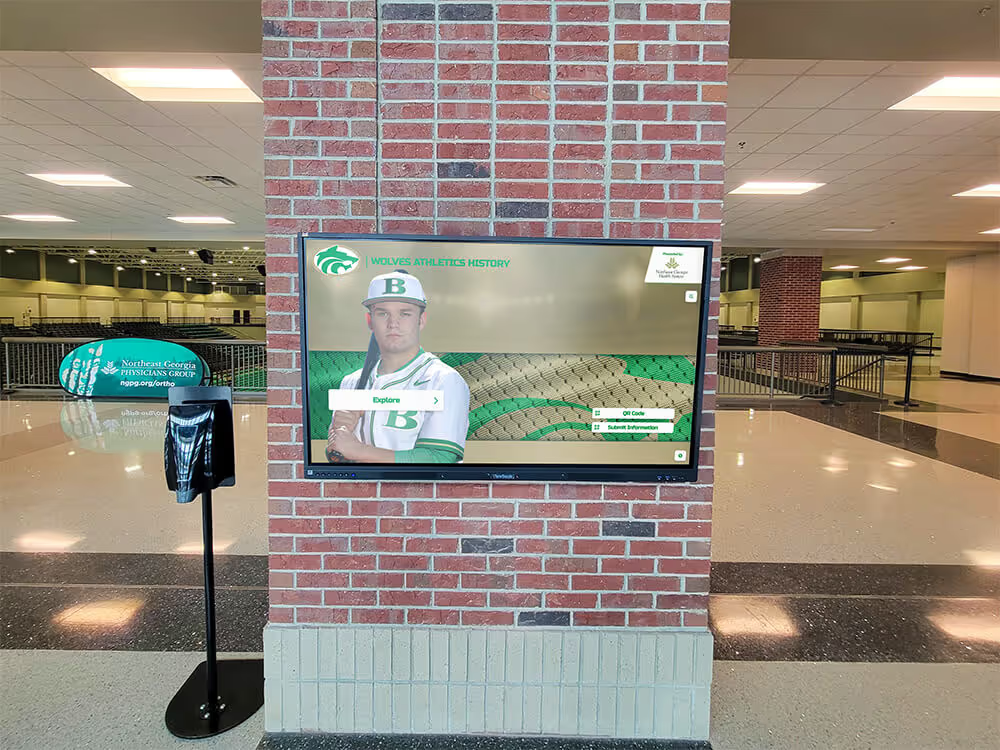
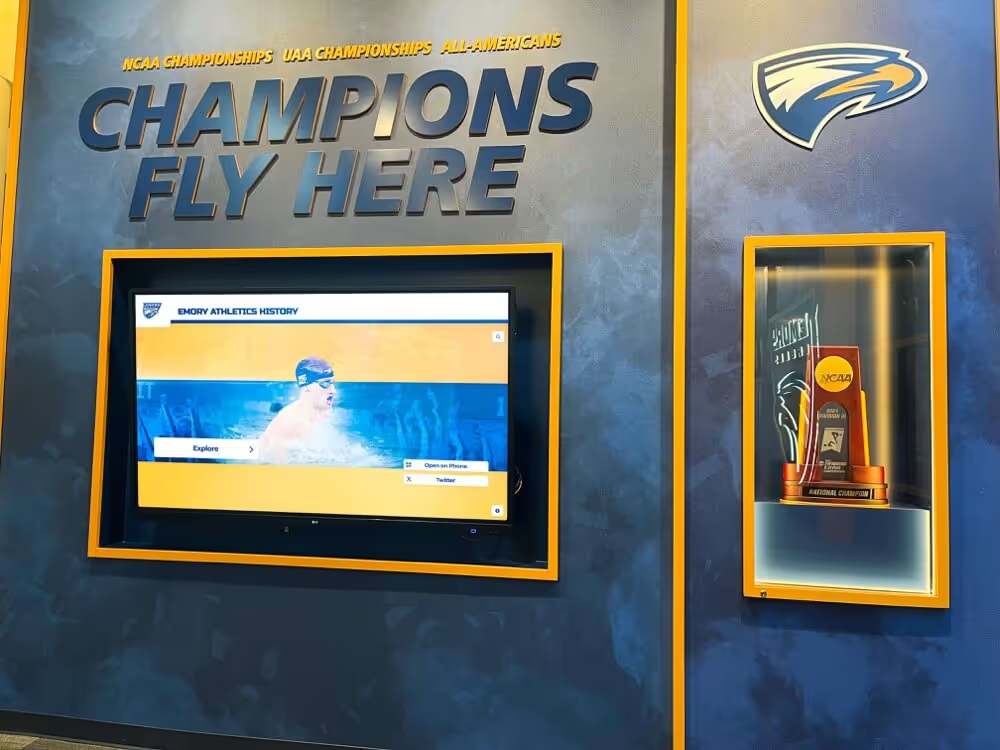
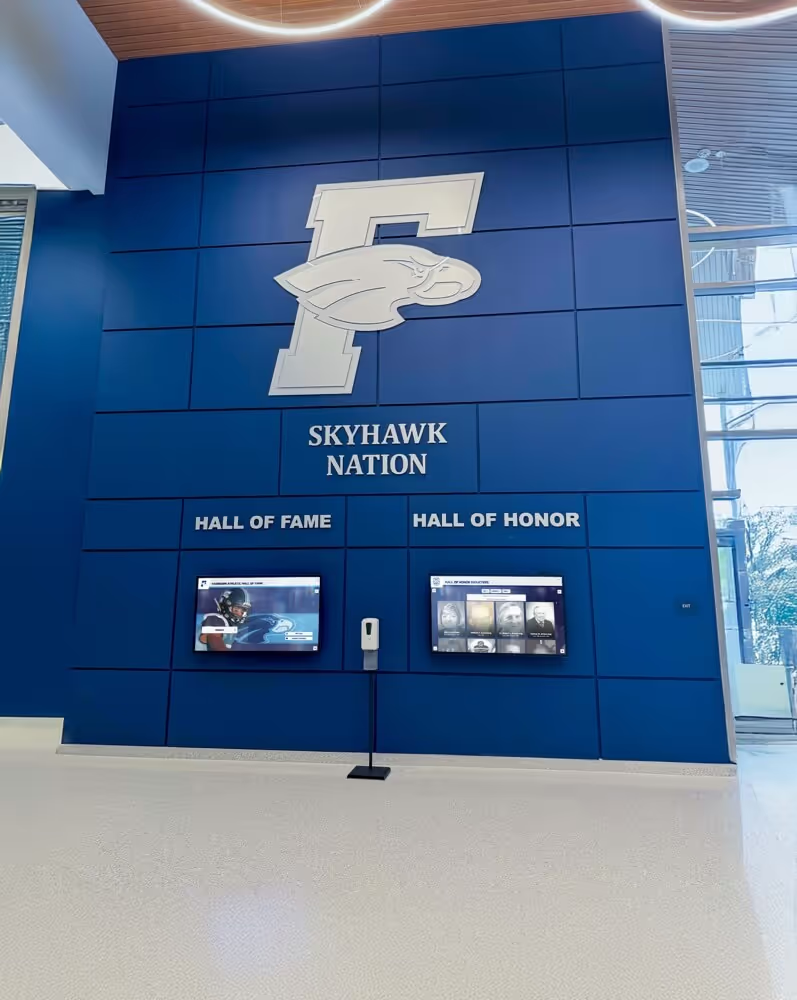
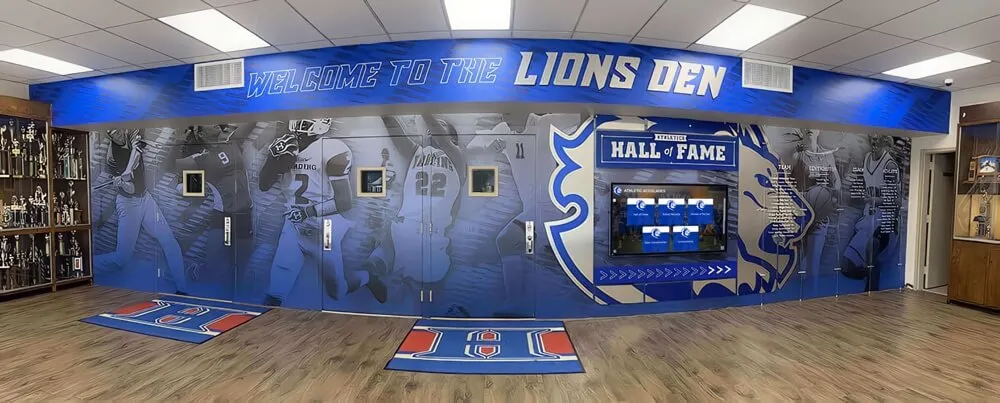
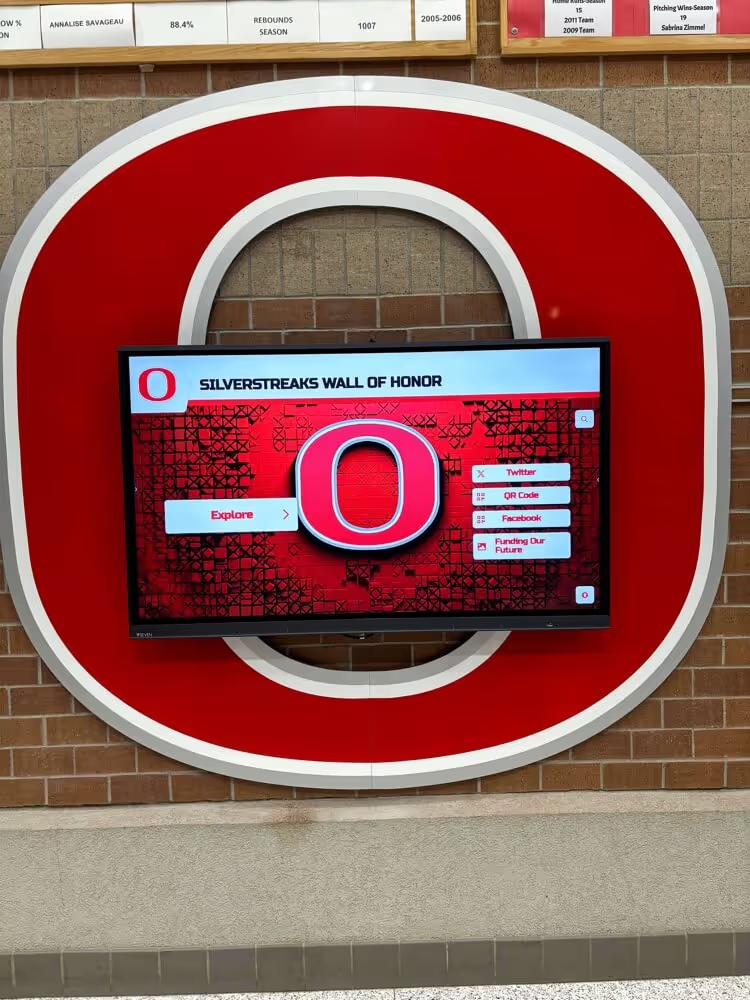
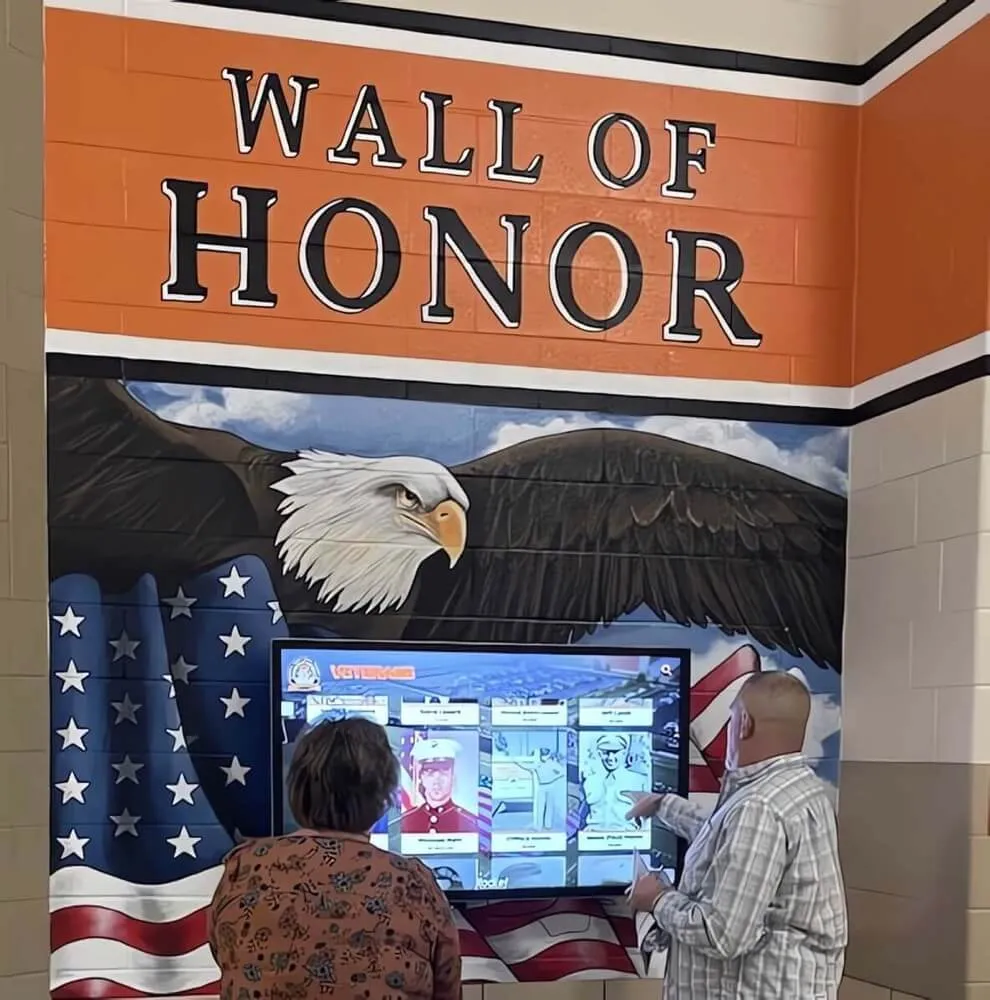
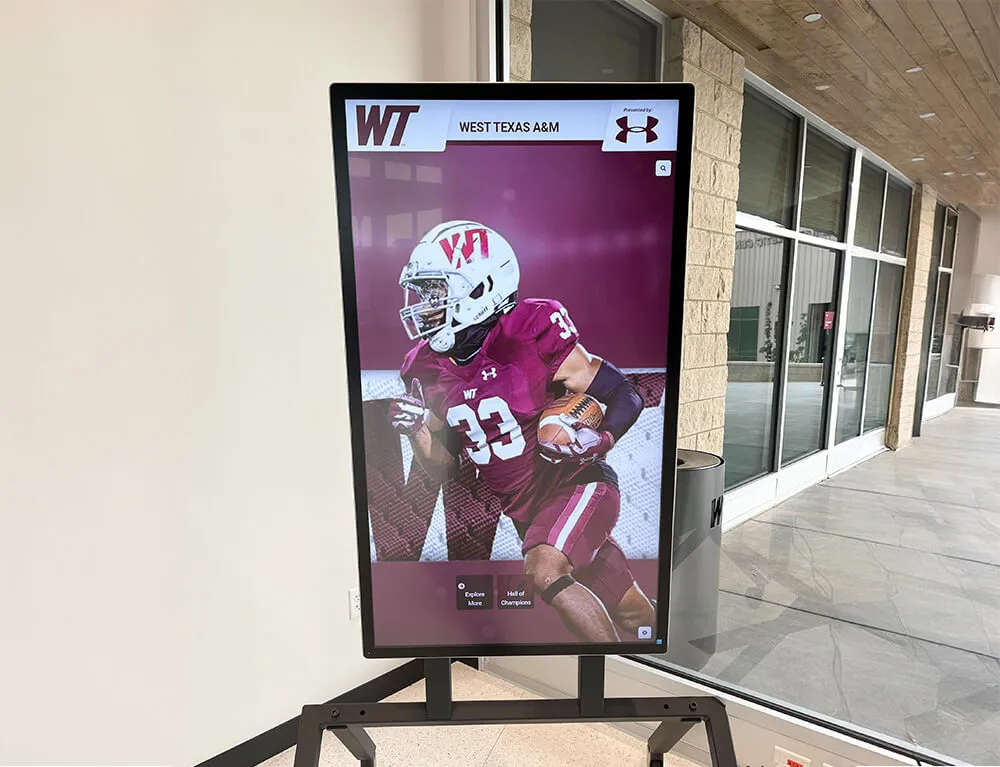
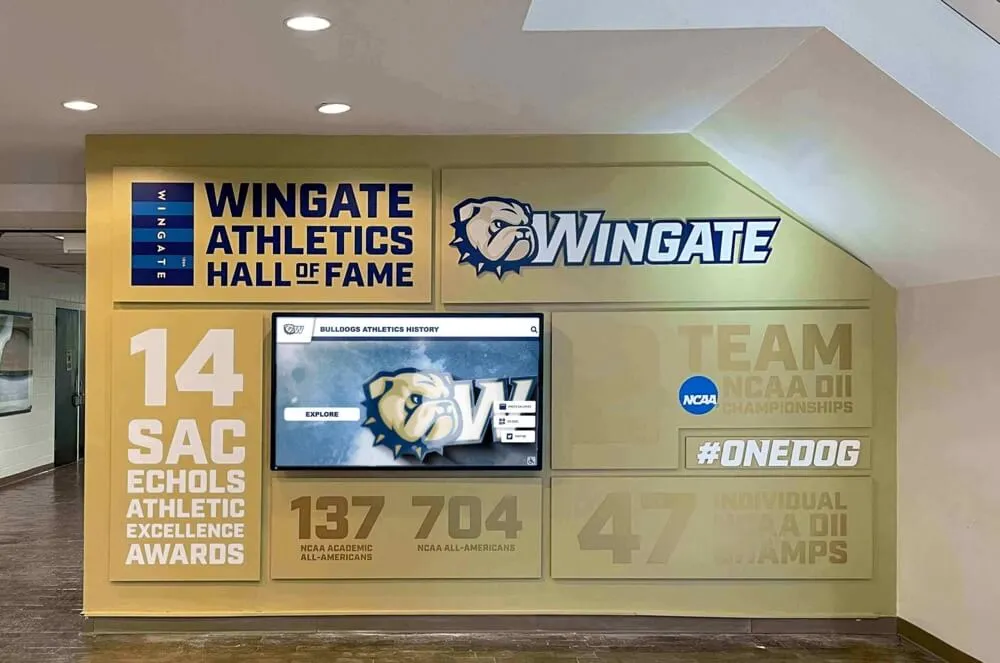
While physical letters and jackets remain central to varsity recognition traditions, modern schools increasingly complement these tangible awards with digital recognition platforms that extend visibility and impact.
Benefits of Digital Athletic Recognition Systems
Contemporary recognition solutions provide capabilities that traditional trophy cases and bulletin boards cannot match:
Unlimited Recognition Capacity:
Digital displays accommodate unlimited athlete profiles without physical space constraints. Schools never face difficult decisions about removing older recognition to create space for new letter recipients—every achievement receives permanent commemoration accessible to school communities.
Rich Multimedia Profiles:
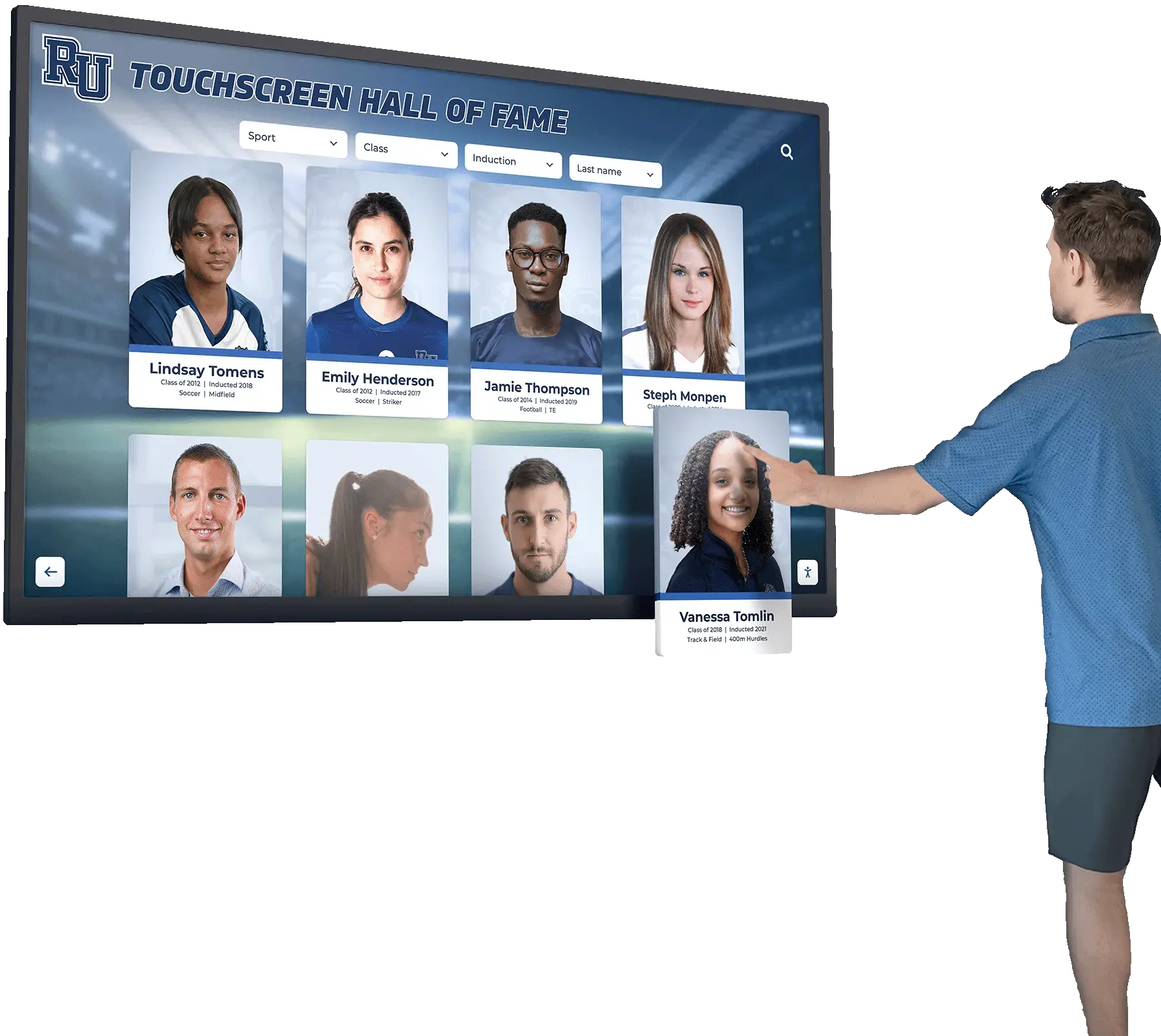
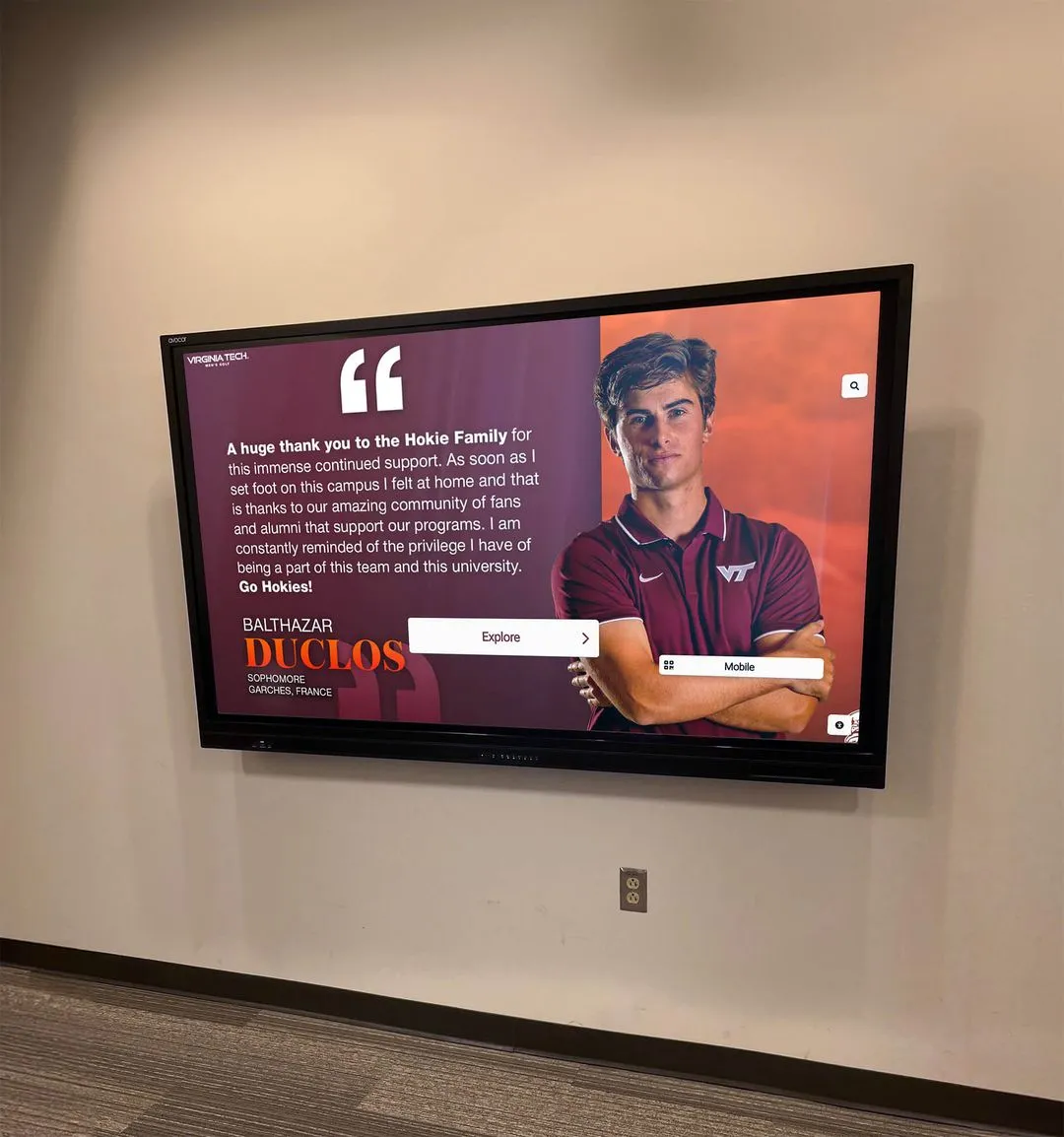
Digital platforms enable comprehensive recognition including professional athlete photographs, detailed accomplishment narratives listing all earned letters and sport-specific achievements, career statistics and highlights demonstrating athletic excellence, coach quotes celebrating athlete contributions and character, and college destination information showing how high school athletics connected to future opportunities.
This profile depth creates compelling recognition that static name plaques cannot approach, transforming basic acknowledgment into engaging stories that inspire current athletes while appropriately honoring letter recipients.
Interactive Exploration Features:
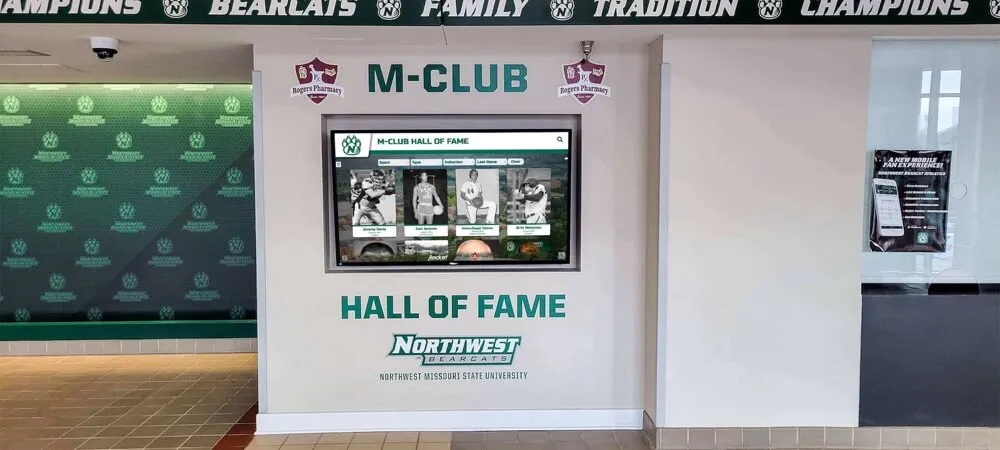
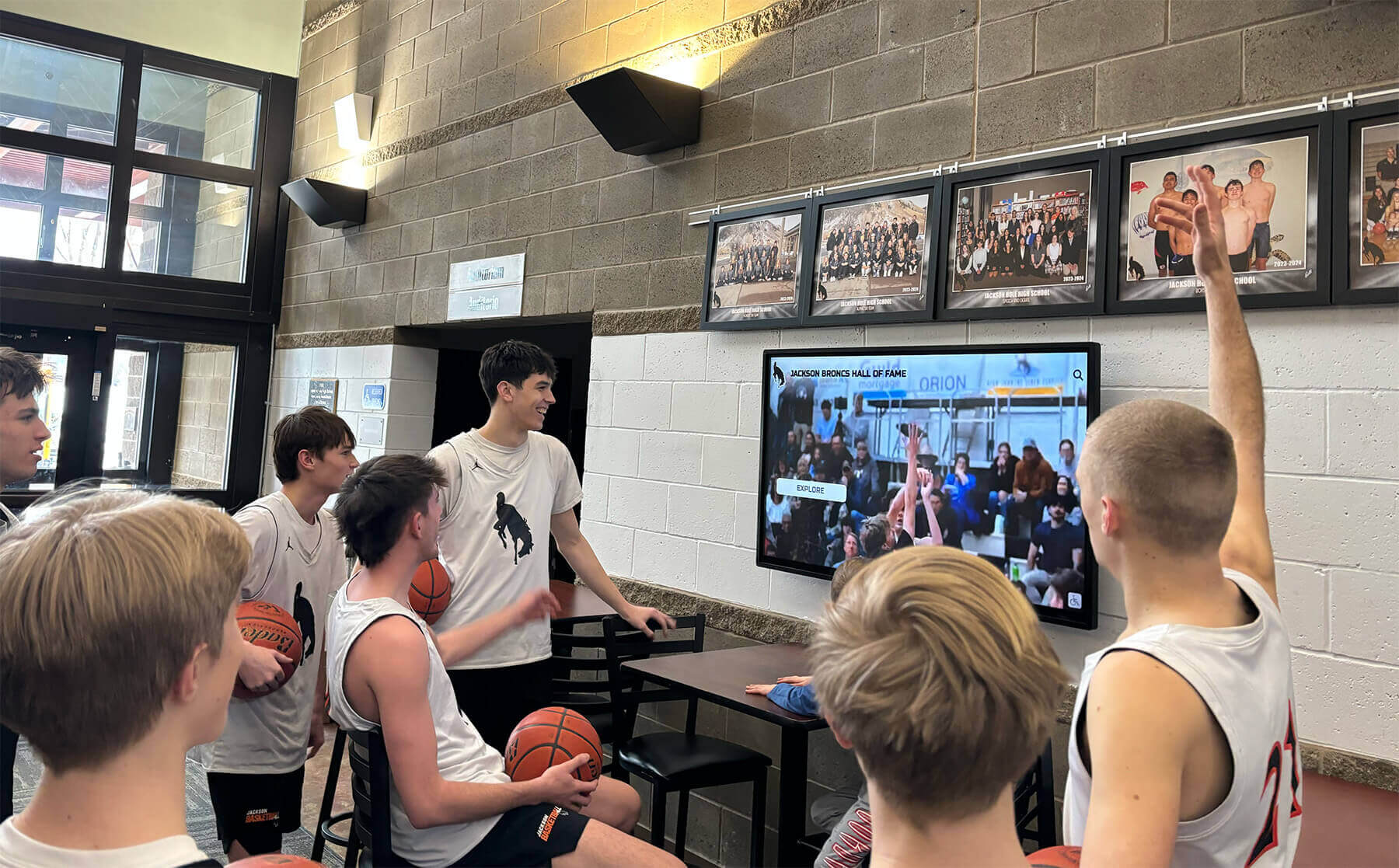

Touchscreen interfaces enable active engagement rather than passive viewing. Students can search for specific athletes by name to find older siblings or graduates they know, browse by sport discovering all letter recipients in programs they participate in, filter by graduating class exploring program history chronologically, and uncover connections between athletes, achievements, and team legacies.
This interactivity increases engagement dramatically. Students typically spend several minutes exploring well-designed digital recognition compared to brief glances at static trophy cases, creating deeper connections with content and stronger impacts on athletic aspirations.
Integrated Athletic and Academic Recognition:
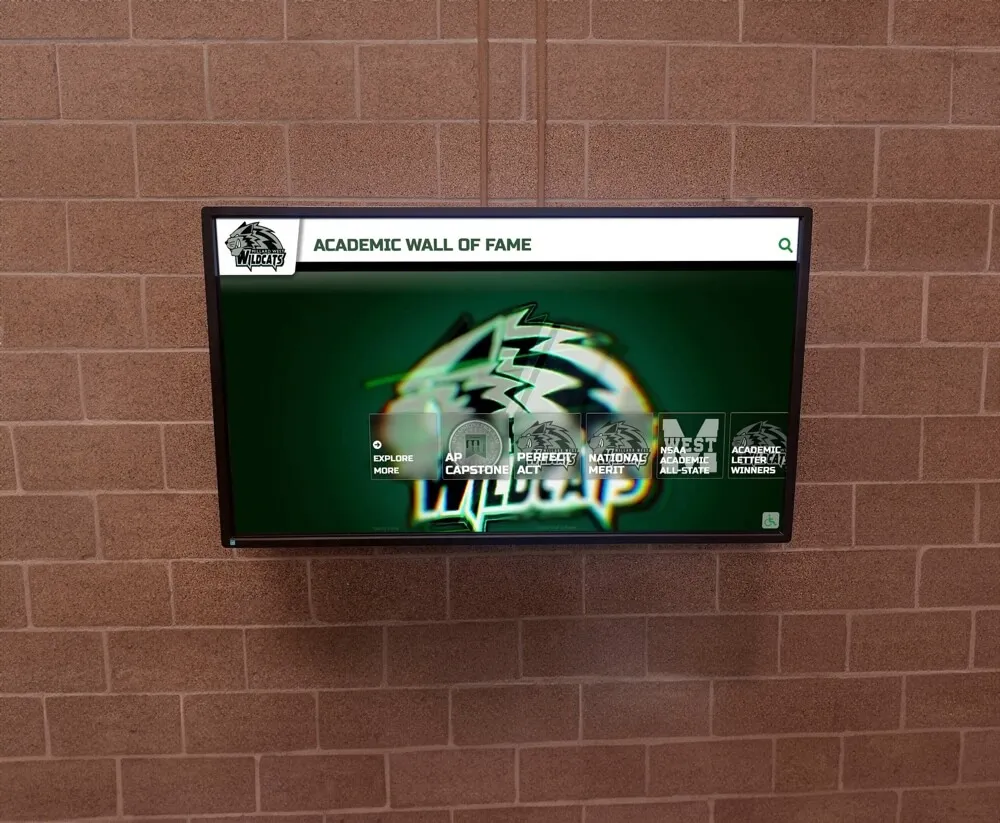
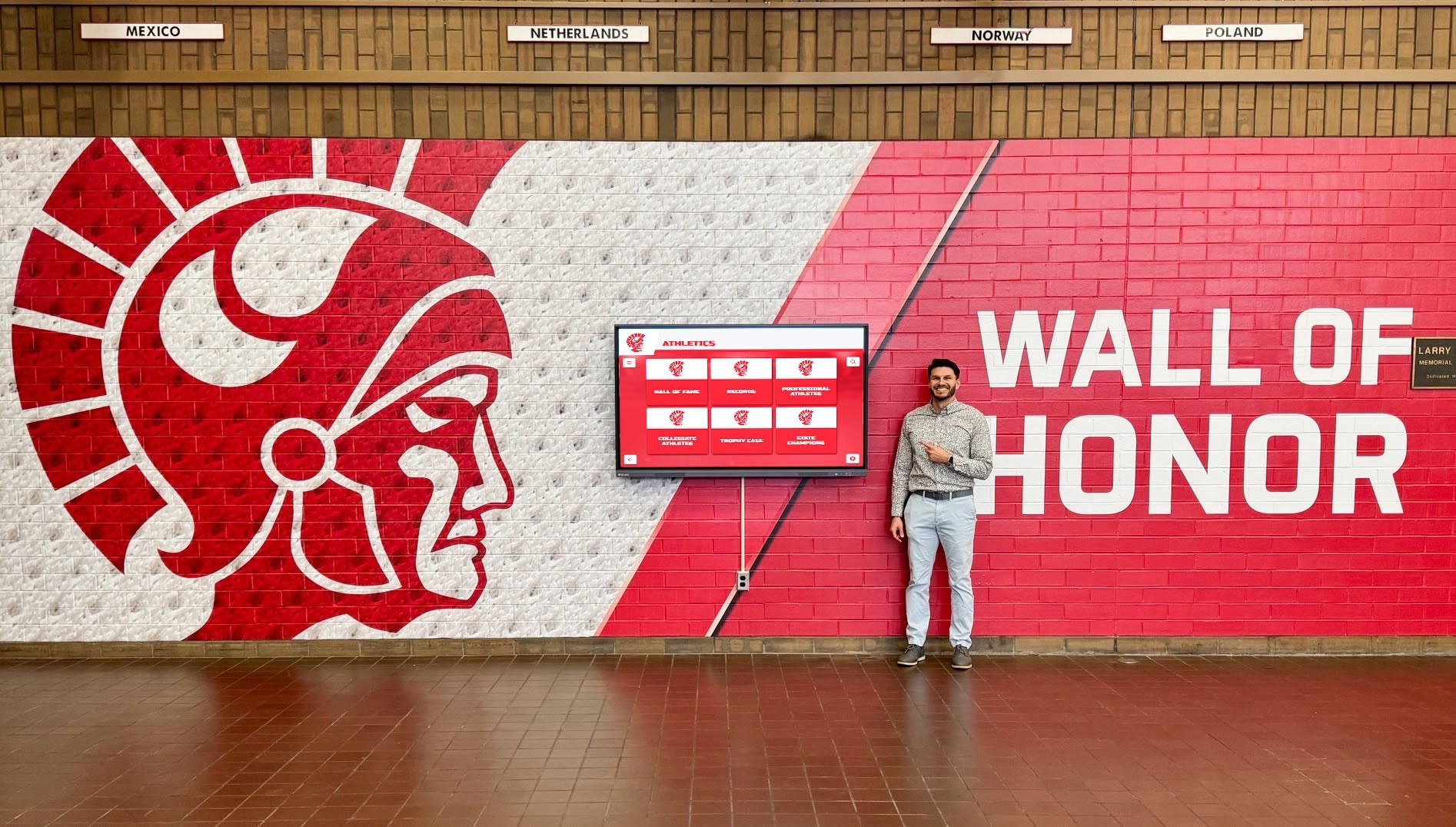
Purpose-built platforms designed for comprehensive student recognition allow schools to showcase varsity letter recipients alongside academic letter holders, honor roll achievers, fine arts recognition, and service awards. This integration creates balanced displays demonstrating that schools value multiple pathways to excellence rather than privileging only athletic achievement.
Implementing Digital Recognition for Varsity Athletes
Schools considering digital recognition solutions should address several key implementation factors:
Strategic Display Placement:
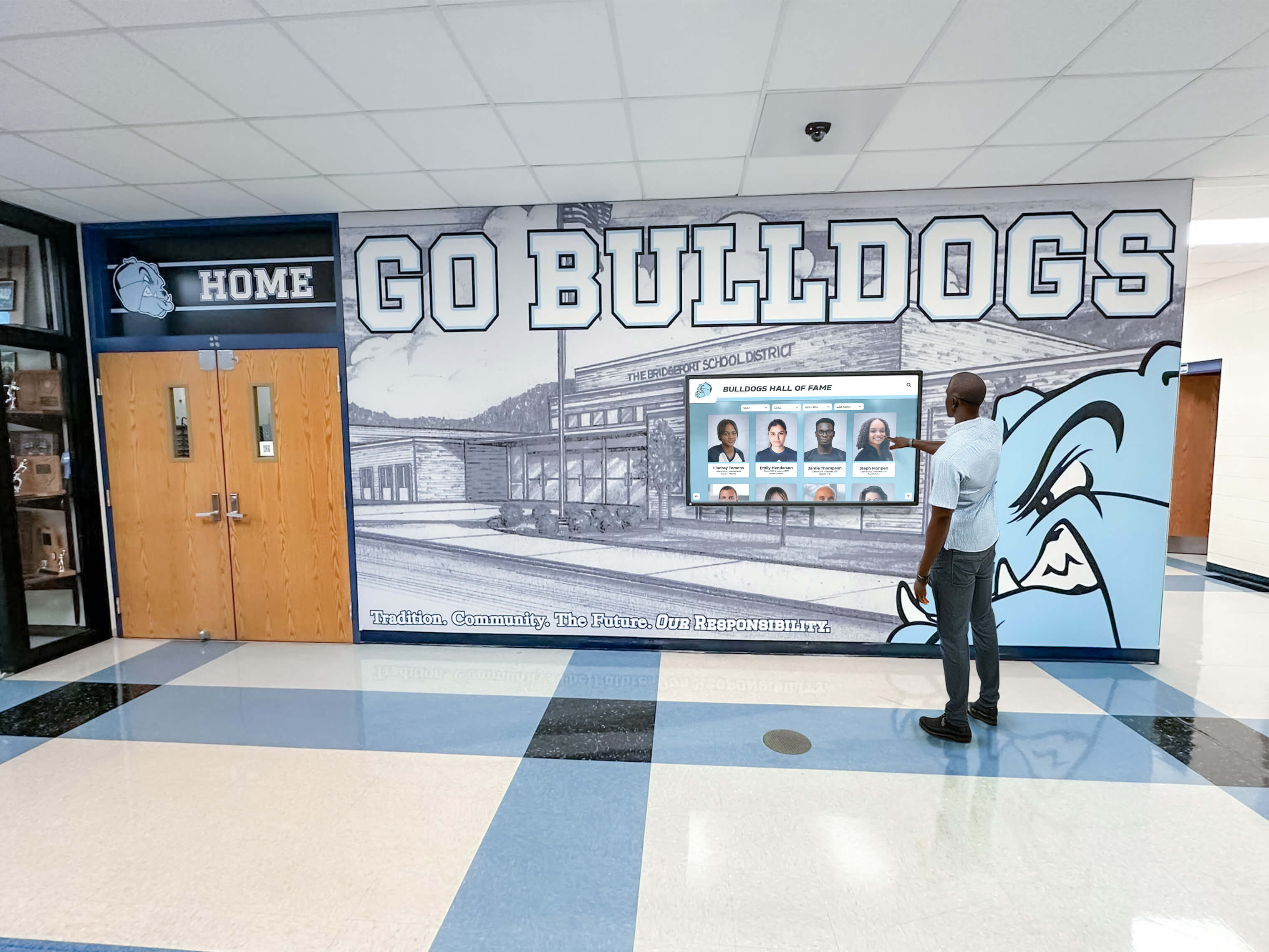
Position touchscreen displays in high-traffic locations where students, athletes, families, and visitors naturally congregate including main entrance lobbies creating first impressions about athletic culture, athletic facility entrances where teams and spectators pass regularly, cafeterias and student commons providing high-traffic gathering spaces, and guidance counseling areas where students discuss college opportunities and application portfolios.
Content Development and Management:
Effective digital recognition requires comprehensive initial content including professional-quality athlete photographs, detailed achievement narratives capturing career highlights, coach quotes providing personal recognition beyond statistics, and historical documentation building program legacy records.
Purpose-built platforms designed specifically for educational recognition provide intuitive content management requiring no technical expertise, flexible template systems optimized for athlete profiles, robust multimedia support for photos and videos, and ongoing updates remaining straightforward as new athletes earn letters each season.
Integration with Existing Recognition Systems:
Digital platforms work best when complementing rather than replacing traditional recognition. The most successful implementations maintain physical letter ceremonies, letterman jacket traditions, and trophy case displays while adding digital layers that extend recognition visibility, enable richer storytelling, and create engagement opportunities impossible with static approaches.
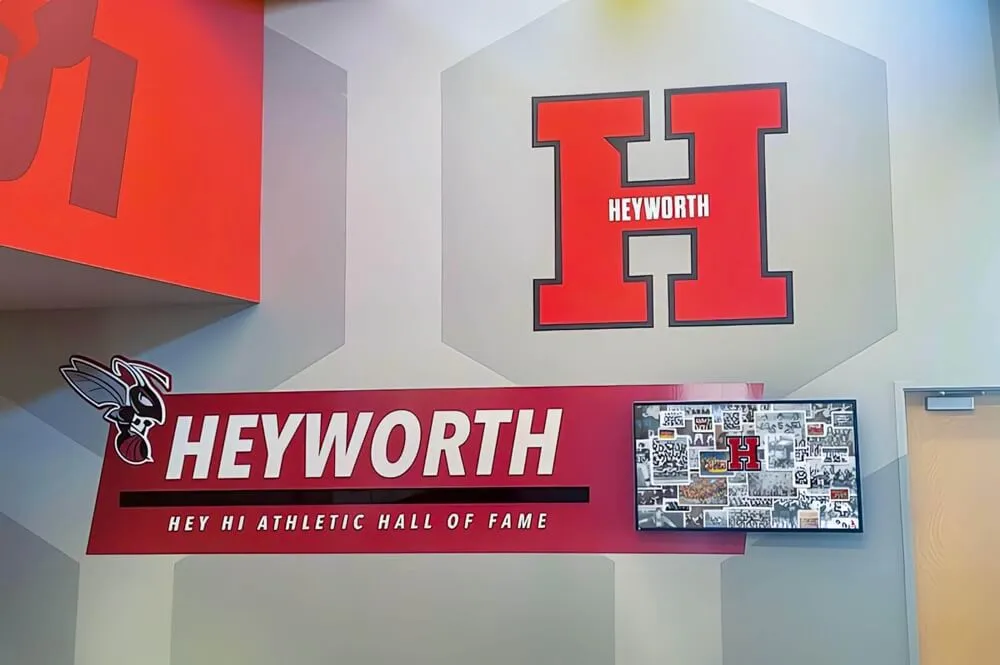
Solutions like Rocket Alumni Solutions provide comprehensive platforms specifically designed for educational athletic recognition, enabling schools to celebrate varsity letter recipients through professional displays that inspire current students while honoring athletic traditions spanning decades.
Multi-Sport Athletes and Letter Accumulation
Many of the most dedicated high school athletes participate in multiple sports across different seasons, creating unique recognition opportunities and considerations.
Benefits of Multi-Sport Participation
Athletic development research consistently demonstrates that multi-sport participation provides significant advantages over early specialization:
Diverse Skill Development:
Different sports develop varied athletic capabilities. Basketball builds agility and hand-eye coordination, football develops power and tactical awareness, track develops speed and conditioning, and baseball/softball develops throwing mechanics and reaction time. Athletes participating in multiple sports build comprehensive athletic foundations supporting excellence across all activities.
Reduced Overuse Injury Risk:
Single-sport specialization often leads to overuse injuries from repetitive movements stressing the same body parts continuously. Multi-sport athletes use different movement patterns and muscle groups across seasons, allowing recovery from sport-specific demands while maintaining high athletic activity levels.
Sustained Motivation and Engagement:
Year-round participation in single sports can lead to burnout, particularly during adolescence when diverse experiences support healthy development. Multi-sport athletes maintain fresh motivation through varied competitive environments, different coaching styles, and diverse teammate relationships across seasons.
Enhanced College Recruitment Appeal:
College coaches increasingly value multi-sport athletes, recognizing that diverse athletic backgrounds often predict greater coachability, broader skill sets, and sustained competitive drive. Athletes demonstrating excellence across multiple sports showcase athletic versatility that specialized single-sport competitors sometimes lack.
Letterman Jacket Displays for Multi-Sport Athletes
Athletes earning varsity letters in multiple sports face enjoyable challenges arranging comprehensive displays on letterman jackets:
Design Strategies:
Multi-sport athletes typically position their primary or first-earned letter prominently on the left chest, arrange sport-specific patches on sleeves with equal prominence, distribute championship pins and year bars strategically across front and back panels, and maintain balanced visual arrangements that honor all sports without overcrowding jacket surfaces.
Four-sport athletes accumulating extensive recognition across multiple years sometimes require two jackets or select highlights for display while preserving all earned recognition separately.
Recognition Program Considerations:
Schools should ensure letter programs equally value all sports rather than creating hierarchies where major sports letters receive greater recognition than so-called minor sports. Multi-sport athletes deserve celebration for comprehensive athletic commitment, often representing the most dedicated members of athletic programs regardless of which specific sports they pursue.
Progressive recognition systems highlight multi-sport excellence through special designation in digital displays, multi-sport athlete awards during recognition ceremonies, and featured profiles showcasing how athletes balanced multiple competitive commitments successfully.
Varsity Letters and College Athletic Recruitment
Understanding how varsity letters connect to college athletic opportunities helps student athletes and families appreciate recognition significance beyond high school contexts.
Letters as Indicators of Competitive Level
College coaches evaluating prospective recruits use varsity letters as preliminary indicators of competitive experience and achievement levels:
Competitive Experience Documentation:
Earning varsity letters demonstrates that athletes competed at their schools’ highest competitive levels, faced opposition from other schools’ top athletes, and met standards distinguishing them from recreational or junior varsity participants. This provides initial evidence of competitive capability relevant to college-level athletics.
Sustained Commitment Demonstration:
Multiple varsity letters across seasons or years demonstrate sustained athletic dedication rather than brief participation. College coaches value athletes with consistent competitive records showing they maintained commitment despite challenges, injuries, or changing circumstances.
Team Contribution Indicators:
Varsity letter achievement suggests athletes contributed meaningfully to team success rather than merely occupying roster positions. Coaches understand that schools award letters based on playing time and performance criteria indicating genuine value to team outcomes.
Letters Within Broader Recruitment Context
While varsity letters provide useful preliminary information, college recruitment depends primarily on factors beyond letter accumulation:
Performance Metrics:
College coaches focus primarily on objective performance measures including competition statistics and results, video documentation of athletic performance, rankings and ratings from recruiting services, performance at showcases, camps, and tournaments, and verifiable measurements of speed, strength, or sport-specific capabilities.
Varsity letters support but don’t replace these performance indicators. Athletes with multiple letters but limited statistical achievement face more difficult recruitment paths than athletes with fewer letters but exceptional measurable performance.
Academic Qualifications:
College recruitment increasingly emphasizes academic credentials alongside athletic capability. Student athletes must meet minimum GPA requirements for NCAA/NAIA eligibility, achieve qualifying standardized test scores when required, complete specified core coursework, and demonstrate academic capability suggesting college success likelihood. Many schools look for comprehensive student achievement beyond athletics.
Character and Coachability:
College programs prioritize character traits including work ethic and dedication, coachability and willingness to learn, leadership and positive team influence, and conduct both within athletics and broader school contexts. Coaches contact high school coaches inquiring about athlete character as much as athletic capability, understanding that talent matters less than complete student-athlete profiles.
Leveraging Varsity Recognition in Recruitment
Student athletes can maximize recruitment value from varsity letter achievement through strategic approaches:
Athletic Resume Documentation:
Comprehensive athletic resumes should prominently feature varsity letters earned across all sports and seasons, highlight sport-specific achievements and statistical accomplishments, document championship team participation and individual honors, and connect recognition to concrete performance metrics demonstrating competitive capability.
Digital Portfolio Development:
Modern recruitment increasingly occurs through digital platforms. Athletes benefit from maintaining current profiles on recruiting platforms with varsity recognition documentation, social media highlighting athletic achievements appropriately, highlight video incorporating context about competitive level, and personal websites showcasing comprehensive athletic and academic profiles.
Coach Communication:
When contacting college coaches expressing recruitment interest, athletes should clearly communicate varsity status and letter achievement as context for competitive experience, but emphasize measurable performance and capabilities rather than recognition alone, provide video and statistical documentation supporting interest, and demonstrate understanding of programs’ competitive levels and realistic self-assessment about fit.
Varsity Letter Programs and School Athletic Culture
Beyond individual athlete recognition, varsity letter programs significantly influence broader school athletic culture and institutional priorities.
Creating Aspirational Goals for Younger Athletes
Visible varsity letter recognition generates powerful motivation throughout athletic programs:
Visual Inspiration:
When underclassmen regularly encounter upperclassmen wearing letterman jackets adorned with letters, patches, and pins, abstract athletic goals become concrete and tangible. Freshmen and sophomores develop clear understanding that sustained athletic dedication leads to prestigious recognition they genuinely value, motivating commitment during challenging practices and difficult competitive moments.
Peer Role Models:
Letter-earning upperclassmen serve as accessible role models demonstrating that recognition achievements remain within reach through strategic effort and sustained commitment. Younger athletes who see peers they know and respect earning letters understand that success requires dedication rather than impossible natural advantages, making goals feel attainable rather than distant.
Progressive Recognition Pathways:
Well-designed programs create recognition pathways from freshman participation through varsity letter achievement, establishing clear progression markers including JV letters or certificates for underclassmen, recognition of athletes called up to varsity, acknowledgment of improvement and development even before letter qualification, and celebration when athletes finally achieve full varsity status and letter eligibility.
These pathways maintain motivation across multiple years even for athletes requiring time to develop capabilities warranting varsity participation and letter achievement.
Building Comprehensive Recognition Culture
Progressive schools extend recognition thinking beyond purely athletic contexts:
Academic Letter Programs:
Forward-thinking institutions implement academic letter programs parallel to athletic letters, recognizing students demonstrating exceptional dedication to scholarship, academic competition, and intellectual achievement. These programs communicate that schools value intellectual and physical excellence equally while providing academically dedicated students tangible recognition comparable to athletic letters.
Arts and Activities Recognition:
Comprehensive recognition cultures celebrate diverse paths to excellence including theater, music, and visual arts achievement, debate, forensics, and academic competition success, service learning and community contribution, and leadership in student government and organizations.
When schools create varied recognition pathways carrying genuine prestige, students pursuing different talents feel equally valued rather than believing institutions privilege only athletic achievement. Consider how interactive announcement feeds can celebrate diverse student accomplishments.
Digital Integration Supporting Balance:
Modern recognition platforms enable schools to showcase athletic letter recipients alongside academic achievers, fine arts recognition, and service awards within unified systems. This integration creates physically visible demonstrations of balanced institutional values rather than merely stating that schools appreciate diverse excellence.
Frequently Asked Questions
Do all high school sports give varsity letters?
What are the typical requirements to earn a varsity letter?
Can you earn a varsity letter as a freshman?
How much does a letterman jacket cost?
Can you earn varsity letters in multiple sports?
Do JV athletes get varsity letters?
Do varsity letters help with college admissions or scholarships?
Conclusion: Honoring Athletic Excellence Through Varsity Recognition
Varsity letters represent time-honored recognition celebrating athletic achievement, dedication, and school pride that connects generations of student athletes. While specific earning criteria vary across sports and schools, the fundamental principle remains constant—varsity letters honor exceptional athletes who compete at their schools’ highest levels, meet demanding performance and participation standards, and demonstrate sustained commitment across complete seasons.
Understanding which sports award varsity letters, what requirements athletes must meet, and how recognition traditions work empowers student athletes to set clear goals while helping families appreciate the significance of achievements that athletes carry throughout their lives. From traditional team sports to individual competitions and emerging athletic programs, nearly all varsity-level high school sports offer letter recognition to qualifying participants, creating comprehensive systems celebrating diverse athletic excellence.
Modern schools increasingly complement traditional physical letter recognition with digital platforms that extend visibility and engagement, creating permanent documentation of athletic achievement while inspiring current students through interactive exploration of program history and individual accomplishment stories. These integrated approaches honor recognition traditions while embracing contemporary capabilities that serve athletes, families, and school communities more effectively than static approaches alone.
Ready to transform how your school celebrates varsity letter recipients and athletic achievement? Rocket Alumni Solutions provides comprehensive platforms designed specifically for educational athletic recognition, offering intuitive content management, engaging interactive displays, unlimited recognition capacity, and proven approaches helping schools build recognition cultures their student athletes deserve. From freshman participants just beginning athletic journeys through senior letter recipients celebrating years of achievement, comprehensive recognition systems ensure all accomplishments receive the visibility and celebration that strengthens athletic culture for current and future generations.
Your student athletes invest countless hours developing skills, competing for school pride, and building character that serves them throughout entire lives. They deserve recognition systems that honor those achievements with the prestige, visibility, and permanence that varsity letters have represented for over 150 years—now enhanced through modern solutions that extend impact far beyond traditional trophy cases while maintaining the traditions that make high school athletics meaningful.