



The Girl Scout Gold Award stands as the highest achievement a Girl Scout can earn, representing years of dedication, leadership development, and sustained community impact. While many people recognize the iconic Girl Scout cookie program, fewer understand the profound significance of the Gold Award—a distinction that places recipients among an elite group of young women who have demonstrated exceptional leadership capacity, strategic planning abilities, and commitment to creating lasting positive change in their communities.
Earning the Gold Award requires Girl Scouts to invest a minimum of 80 hours in designing, developing, and implementing a sustainable community project that addresses a genuine need and creates measurable, lasting impact. This achievement represents far more than volunteer hours or community service—it demonstrates sophisticated project management capabilities, stakeholder engagement, fundraising aptitude, and the vision to create solutions that continue benefiting communities long after the Girl Scout completes her project.
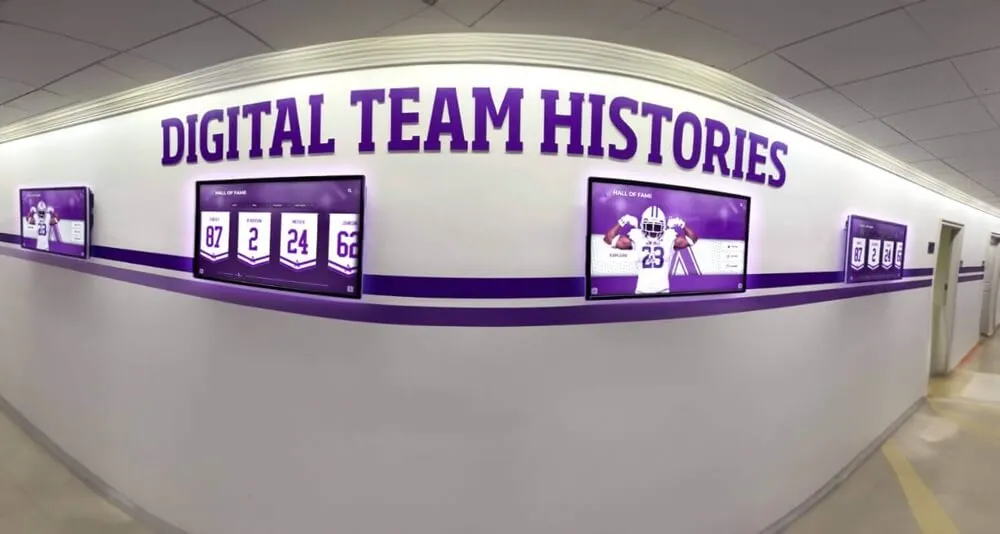
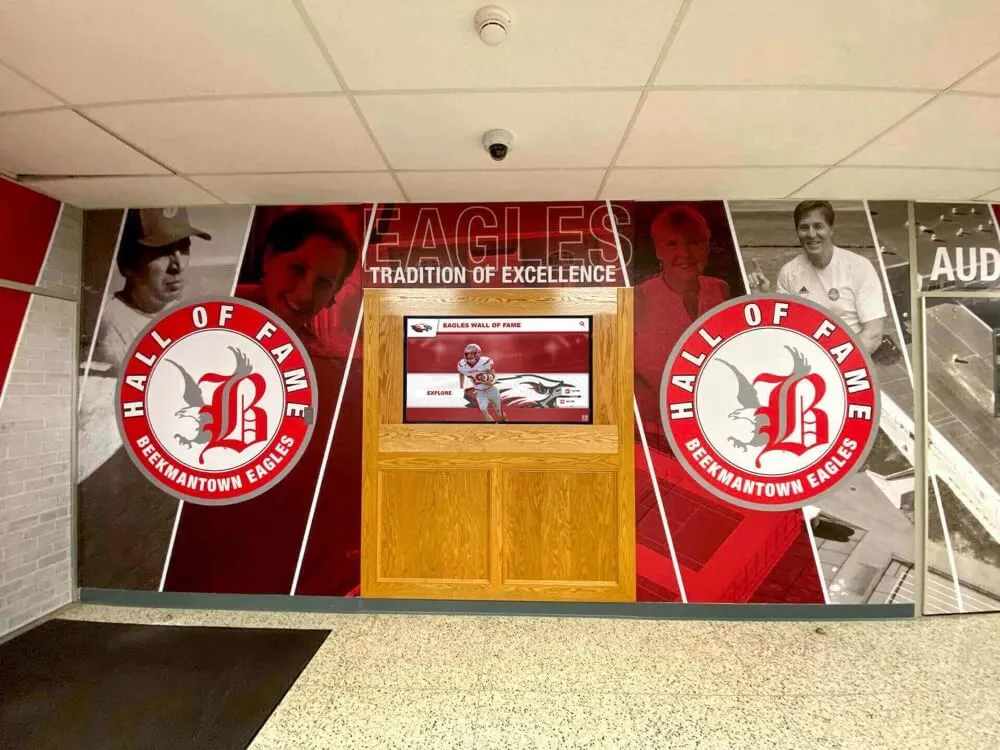
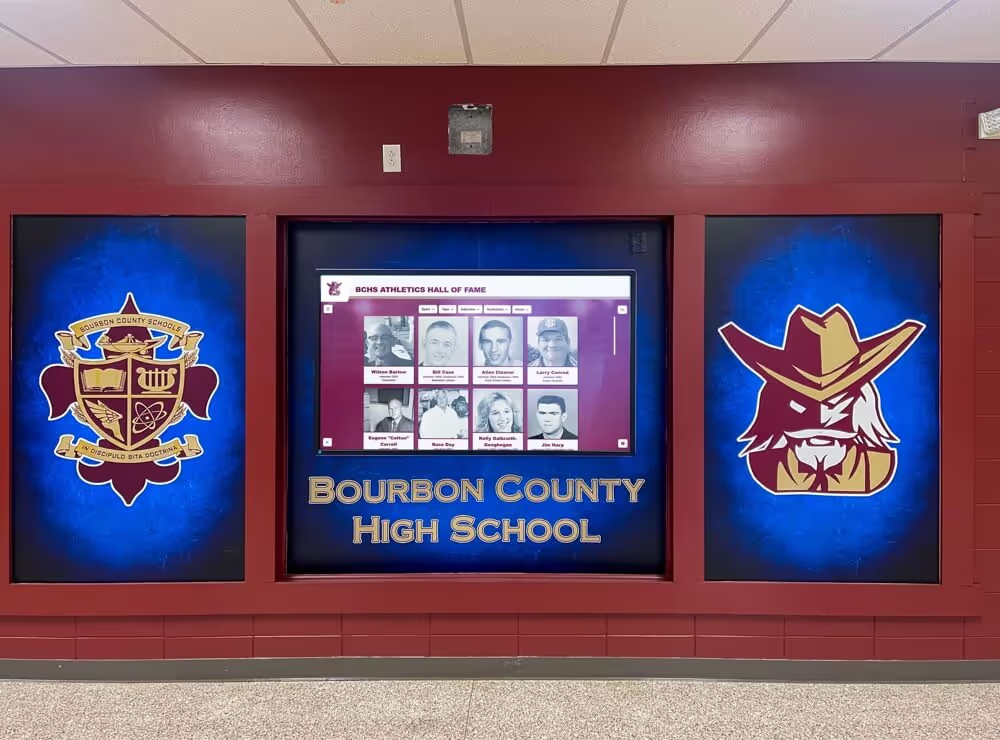
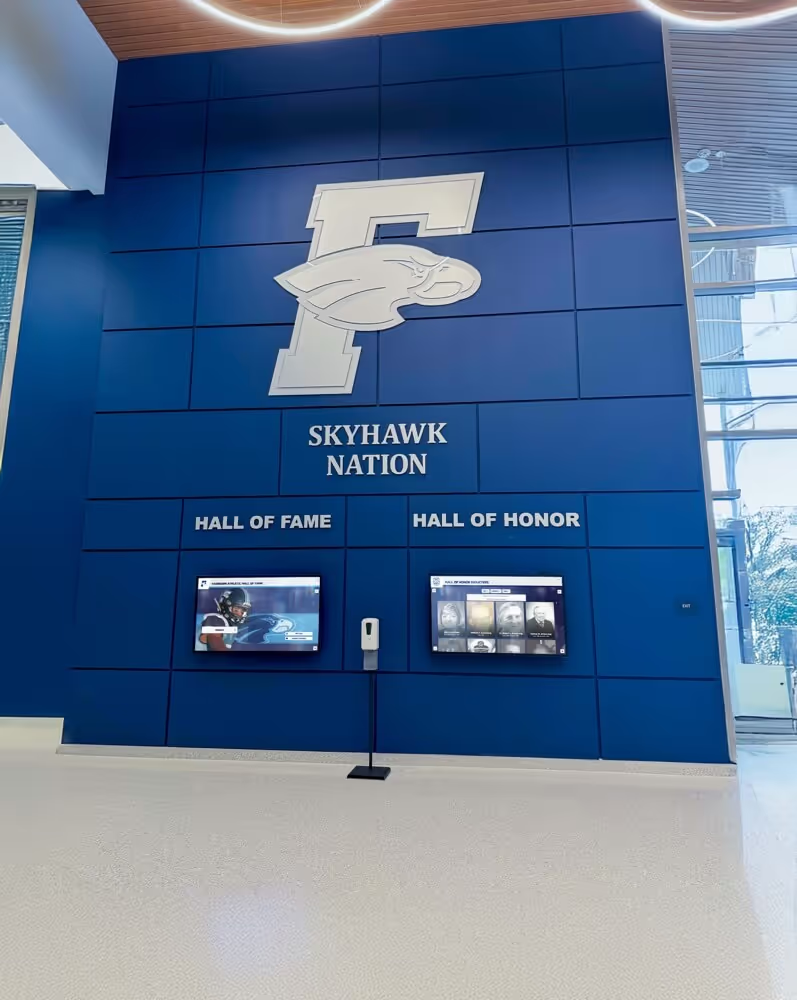
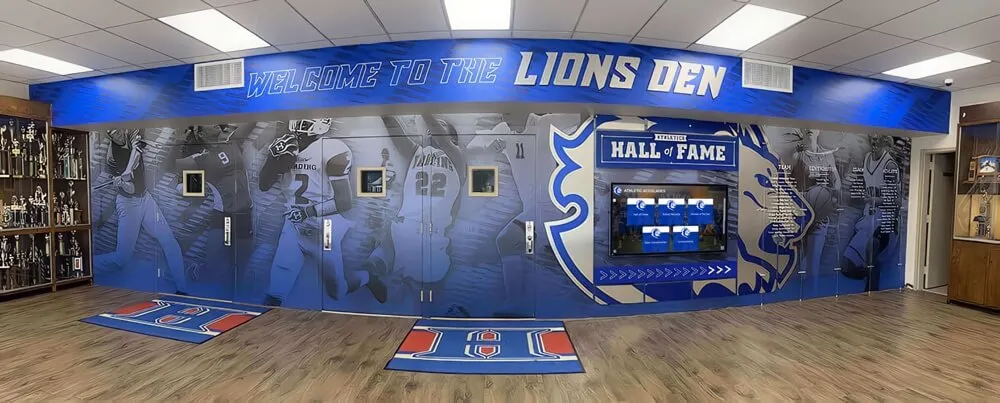
For schools, community organizations, youth centers, and civic institutions, recognizing Gold Award recipients creates opportunities to celebrate exceptional young leaders while inspiring younger community members. When organizations implement comprehensive recognition programs for Gold Award recipients—particularly through visible displays like digital recognition walls or interactive honor displays—they highlight the value of sustained effort, strategic thinking, and community-focused leadership that the Gold Award represents.
This comprehensive guide explores everything you need to know about the Gold Award: what it is, what it requires, why it matters, and how organizations can meaningfully recognize this exceptional achievement through modern recognition solutions that inspire future generations of leaders.
Understanding the Girl Scout Gold Award: History and Significance
The Gold Award traces its origins to the earliest days of Girl Scouting, evolving from the Golden Eaglet award first introduced in 1916. Over more than a century, the award has adapted to changing times while maintaining its core principle: recognizing Girl Scouts who demonstrate exceptional leadership through sustained community service projects creating lasting positive change.
The Gold Award’s Historical Evolution
Girl Scouts of the USA established the Golden Eaglet in 1916 as the organization’s highest honor for Girl Scouts. In 1980, the organization redesigned and renamed the award as the Girl Scout Gold Award, modernizing requirements while maintaining the emphasis on significant leadership projects benefiting communities. Throughout its evolution, the Gold Award has consistently represented the pinnacle of Girl Scout achievement, distinguishing recipients who go beyond participation to create meaningful, sustainable impact in their communities.
The award’s evolution reflects changing understandings of youth leadership development and community engagement. Early requirements focused primarily on skill acquisition and service hours, while contemporary Gold Award standards emphasize strategic project design, root cause analysis, sustainability planning, and measurable impact assessment—capabilities that align with modern project management, nonprofit leadership, and social entrepreneurship competencies.
Why the Gold Award Stands Apart
Several factors distinguish the Gold Award from other youth achievement recognitions. The award requires demonstrated leadership throughout the project lifecycle rather than just participation in service activities. Girl Scouts must identify genuine community needs through research and stakeholder engagement, design solutions addressing root causes rather than symptoms, secure resources through fundraising and community partnerships, and create sustainability plans ensuring projects continue benefiting communities after completion.
This combination of strategic planning, implementation excellence, and sustainability focus creates a leadership development experience more closely resembling professional project management than traditional youth volunteer service. Gold Award projects result in tangible community assets—whether physical infrastructure improvements, educational programs, policy changes, or sustainable service models—that continue providing value for years or even decades after Girl Scouts complete their projects.
Gold Award vs. Other Youth Achievement Awards
Understanding how the Gold Award compares to other prestigious youth achievements helps contextualize its significance and selectivity.
Eagle Scout Award Comparison
The Boy Scouts of America’s Eagle Scout Award represents the closest parallel to the Gold Award. Both require significant service projects demonstrating leadership, planning, and community benefit. However, important distinctions exist. The Eagle Scout project requires fundraising and community mobilization but typically involves fewer total project hours than the Gold Award’s minimum 80-hour requirement. Gold Award projects must demonstrate measurable, sustainable impact beyond the immediate project period, while Eagle Scout projects focus primarily on the completed deliverable.
According to publicly available statistics, approximately 6% of Boy Scouts earn the Eagle Scout Award, comparable to the 5.4% of eligible Girl Scouts who earn the Gold Award. Both achievements carry substantial weight with college admissions offices and scholarship committees as indicators of leadership capacity and sustained commitment.
Presidential Service Award Comparison
The President’s Volunteer Service Award recognizes Americans who have completed significant volunteer service hours. While this national recognition carries prestige, it fundamentally differs from the Gold Award. Presidential Service Awards recognize accumulated service hours across various activities, while the Gold Award requires designing and implementing a single comprehensive leadership project. The Gold Award emphasizes strategic planning, root cause analysis, sustainability, and measurable impact—dimensions not required for service hour-based awards.
AP Scholar and Academic Achievement Comparisons
Academic distinctions like AP Scholar with Distinction or National Merit Scholar recognition operate in different domains than the Gold Award, yet organizations often recognize all these achievements together in comprehensive academic recognition programs. While academic awards demonstrate intellectual capability and test performance, the Gold Award validates leadership, project management, community engagement, and sustained implementation capabilities—competencies that complement academic excellence in well-rounded achievement portfolios.

Gold Award Requirements: What It Takes to Earn Girl Scouting’s Highest Honor
The Gold Award represents a substantial investment of time, effort, planning, and leadership development. Understanding the specific requirements helps appreciate why this achievement carries such significance and why recognition matters.
Eligibility and Journey Prerequisites
Girl Scouts become eligible to pursue the Gold Award after completing specific preparatory Journey awards and meeting progression requirements. Specifically, Girl Scouts must be registered members in grades 9-12 (or equivalent age range for international Girl Scouts), must have completed two Senior or Ambassador Girl Scout Journeys OR have earned the Silver Award and one Senior or Ambassador Journey, and must work with a Girl Scout Volunteer Advisor or Troop Leader throughout their project.
These prerequisites ensure Girl Scouts pursuing the Gold Award have already developed foundational leadership skills, project planning capabilities, and community engagement experience through earlier Girl Scout programming. The Journey requirements, which focus on topics like social justice, leadership development, and systems thinking, provide conceptual frameworks that Girl Scouts apply when designing their Gold Award projects.
The 80-Hour Minimum Project Requirement
At the Gold Award’s core lies the requirement to complete a Take Action Project investing at least 80 hours over an extended time period. These 80 hours represent only the Girl Scout’s personal time directly planning, leading, and implementing the project—they do not include hours contributed by volunteers recruited by the Girl Scout, preparation time for prerequisite Journeys, or time spent on earlier leadership development activities.
The 80-hour minimum establishes a substantial commitment level that prevents superficial projects from qualifying while ensuring Girl Scouts invest sufficient time to create genuinely impactful, sustainable solutions. In practice, many Gold Award projects significantly exceed the 80-hour minimum, with Girl Scouts commonly investing 100-200+ hours when accounting for all planning, fundraising, implementation, and documentation phases.
Project Planning and Proposal Requirements
Before beginning implementation, Girl Scouts must develop comprehensive project proposals demonstrating strategic thinking and thorough planning. The proposal process requires Girl Scouts to identify a community issue through research and stakeholder engagement, conduct root cause analysis explaining why the problem exists rather than just describing symptoms, design a sustainable solution addressing the root cause, create detailed implementation plans including timelines and resource requirements, identify measurable success indicators demonstrating project impact, and develop sustainability plans ensuring the project continues benefiting the community after completion.
This proposal phase often requires multiple iterations and revisions as Girl Scouts refine their thinking based on feedback from Girl Scout councils, community stakeholders, and project mentors. The rigorous proposal process ensures Gold Award projects meet quality standards while developing Girl Scouts’ strategic planning and stakeholder communication capabilities.
Project Categories and Examples
Gold Award projects span virtually every issue area and community need imaginable. While specific projects vary widely, they typically fall into several broad categories that illustrate the scope and impact of Gold Award work.
Education and Literacy Projects
Many Girl Scouts design Gold Award projects addressing educational gaps and literacy challenges in their communities. Examples include creating lending libraries in underserved neighborhoods with sustainability plans involving community maintenance, developing comprehensive tutoring programs pairing trained high school volunteers with struggling elementary students, designing curriculum resources for teachers addressing specific educational needs like STEM education for girls or financial literacy, and establishing scholarship programs with fundraising strategies ensuring ongoing funding beyond the initial project period.
Education-focused Gold Award projects often create lasting infrastructure—whether physical libraries, documented curriculum resources, or established programs with training materials enabling continuation by future volunteers—ensuring sustained benefit long after the Girl Scout completes her project.
Environmental Conservation Projects
Environmental sustainability represents another popular Gold Award project category. Girl Scouts have created community gardens with education programs teaching sustainable agriculture practices, restored degraded natural habitats while training community volunteers to continue maintenance, implemented recycling or composting programs in schools or communities lacking such infrastructure, and designed conservation education campaigns changing community behaviors around water usage, energy consumption, or waste reduction.
These projects demonstrate particular attention to sustainability since environmental improvements require ongoing community engagement and behavioral change to maintain benefits over time.
Community Health and Wellness Projects
Health-focused Gold Award projects address both physical and mental wellness needs. Examples include designing awareness campaigns addressing teen mental health with resource directories and peer support training, creating fitness programs for underserved populations with partnerships ensuring program continuation, establishing community food pantries or nutrition education programs addressing food insecurity, and developing health education resources addressing specific community needs identified through research and stakeholder engagement.
These projects often involve complex stakeholder relationships with healthcare providers, schools, social service agencies, and community organizations, requiring Girl Scouts to develop sophisticated partnership and communication capabilities.
Social Justice and Advocacy Projects
Many Gold Award recipients tackle systemic issues requiring advocacy, policy change, or awareness campaigns. Projects have included advocacy campaigns changing school policies to better support specific student populations, awareness initiatives addressing bullying, discrimination, or social exclusion with measurable behavior change outcomes, community education programs challenging stereotypes and promoting inclusion across differences, and policy research and recommendation development influencing local government or institutional decisions.
These projects require particularly sophisticated strategic thinking since systemic change often involves multiple stakeholders, resistance to change, and long-term advocacy efforts. Girl Scouts must demonstrate not just project implementation but measurable progress toward systems-level impact.
The Leadership Development Value of the Gold Award
Beyond the immediate community benefit of Gold Award projects, the process of earning the award develops critical leadership competencies that benefit Girl Scouts throughout their academic, professional, and civic lives.
Project Management and Strategic Planning Skills
Gold Award projects function as real-world project management experiences requiring Girl Scouts to master capabilities that many adults struggle to develop. The award process builds skills in defining project scope and deliverables with measurable success criteria, creating realistic timelines and implementation schedules, identifying and securing necessary resources including funding, materials, and human capital, managing budgets and tracking expenses, anticipating and problem-solving around obstacles and unexpected challenges, and documenting project progress and outcomes.
These project management fundamentals directly translate to college success, particularly for students pursuing leadership roles in campus organizations, research projects requiring self-direction, or capstone projects requiring sustained independent work. Professionally, these capabilities provide foundational competencies for careers in nonprofit management, business, healthcare administration, education, and virtually any field requiring project coordination.
Stakeholder Engagement and Communication Abilities
Successful Gold Award projects require Girl Scouts to engage effectively with diverse stakeholders including community members benefiting from the project, organizational partners providing resources or implementation support, volunteers recruited to assist with project implementation, Girl Scout council representatives providing guidance and approval, and donors or funders supporting project costs.
These stakeholder relationships develop sophisticated communication capabilities including translating complex project visions into clear explanations for different audiences, building consensus among stakeholders with different priorities and perspectives, negotiating partnerships and securing commitments from organizations and individuals, presenting project proposals and results to community groups, boards, and decision-makers, and managing stakeholder expectations while maintaining project momentum.
The ability to navigate complex stakeholder environments represents a critical leadership competency that distinguishes exceptional leaders from those who struggle to build the coalitions necessary for significant change.
Measurable Impact and Evaluation Competencies
Unlike many youth service experiences that emphasize good intentions and effort, the Gold Award requires Girl Scouts to demonstrate measurable community impact through evidence-based evaluation. This develops capabilities in identifying meaningful indicators that actually measure project outcomes rather than just outputs or activities, designing data collection strategies appropriate to project scope and resources, analyzing qualitative and quantitative evidence of project impact, interpreting data to understand what worked, what didn’t, and why, and communicating results to stakeholders in compelling ways that illustrate project value.
These evaluation capabilities prove particularly valuable for students pursuing higher education in social sciences, public health, education, nonprofit management, or any field requiring research competency and evidence-based decision making. Professionally, the ability to define success metrics, collect relevant data, and demonstrate impact distinguishes effective practitioners from those who struggle to justify program value or secure ongoing funding.
Resilience and Problem-Solving Under Constraints
Gold Award projects inevitably encounter obstacles—funding challenges, stakeholder resistance, implementation setbacks, resource limitations, or unexpected external events disrupting plans. Working through these challenges builds resilience and creative problem-solving capabilities that serve Girl Scouts throughout their lives.
The experience of navigating real-world project challenges teaches Girl Scouts that significant accomplishments require persistence through difficulty, that initial plans almost always require adaptation based on implementation reality, that resource constraints often inspire creative solutions more effective than well-funded conventional approaches, and that setback and failure represent learning opportunities rather than permanent defeat.
This resilience mindset, combined with the confidence that comes from successfully completing a challenging long-term project, provides psychological resources that benefit Girl Scouts during college transitions, career challenges, and personal adversity throughout their lives.
How Organizations Recognize Gold Award Recipients
Schools, community organizations, youth centers, and civic institutions benefit from creating visible, meaningful recognition for Gold Award recipients that celebrates individual achievement while inspiring younger community members.
Traditional Recognition Approaches
Historically, organizations have recognized Gold Award recipients through various traditional methods including award ceremonies presenting certificates or medals to recipients, written announcements in newsletters, websites, or local media, inclusion in high school end-of-year awards programs or graduation recognitions, and physical plaques or trophy cases listing Gold Award recipients alongside other achievement honorees.
While these recognition methods acknowledge achievement, they often fail to communicate the significance of the Gold Award or provide the lasting visibility that inspires younger students. Certificates filed away in folders or names listed on plaques without context don’t convey the leadership development, community impact, and sustained commitment that Gold Award projects represent.
Limitations of Static Recognition
Traditional recognition approaches face several limitations when it comes to Gold Award honorees. Static plaques or trophy cases provide limited space, forcing difficult decisions about which achievements to feature and how much detail to include. Brief name listings don’t tell the story of what Gold Award recipients accomplished or how their projects benefited communities. Physical displays require expensive updates when adding new recipients, often resulting in outdated recognition that omits recent achievers.
Perhaps most significantly, traditional approaches struggle to inspire younger students who encounter these displays. A name on a plaque doesn’t answer questions like “What did this person actually do?” or “How did they accomplish this?” or “Could I do something like this?"—questions that comprehensive recognition should address.
Modern Digital Recognition Solutions
Organizations increasingly recognize that comprehensive Gold Award recognition requires more detailed storytelling, regular updates, and engaging presentations than traditional approaches provide. Digital recognition displays and interactive touchscreen solutions address these limitations while creating inspiring recognition experiences.
Interactive Touchscreen Displays for Youth Achievement Recognition
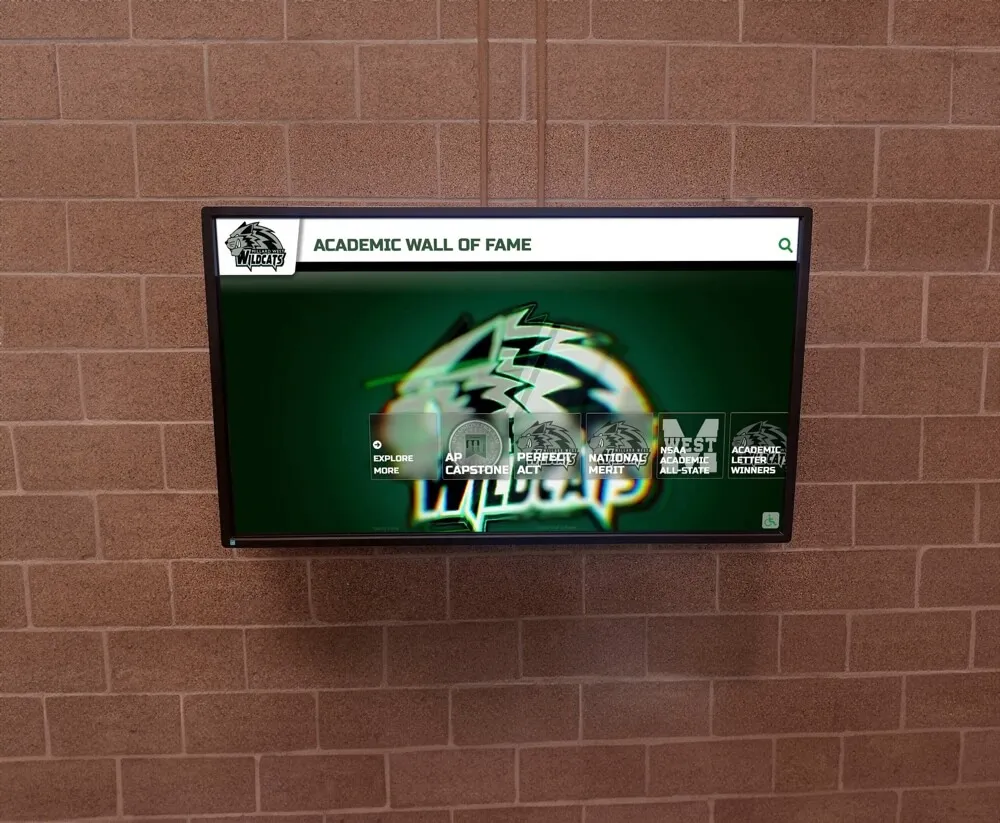
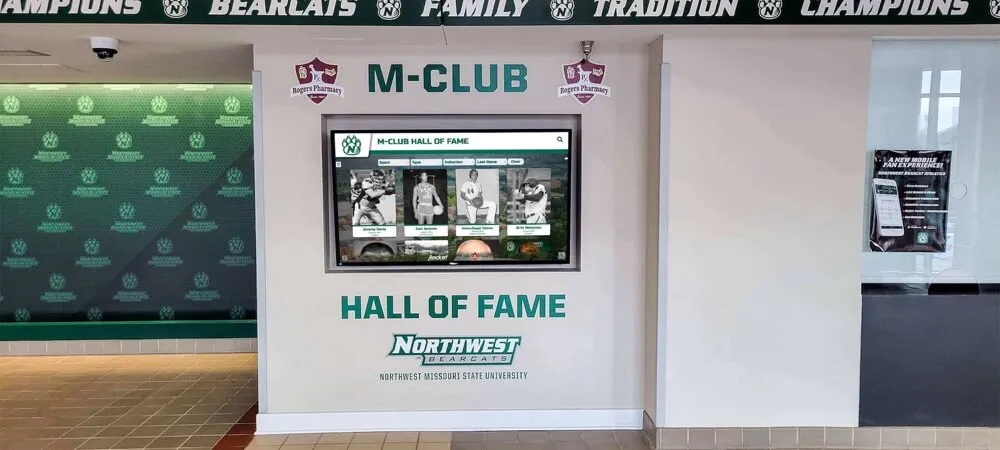
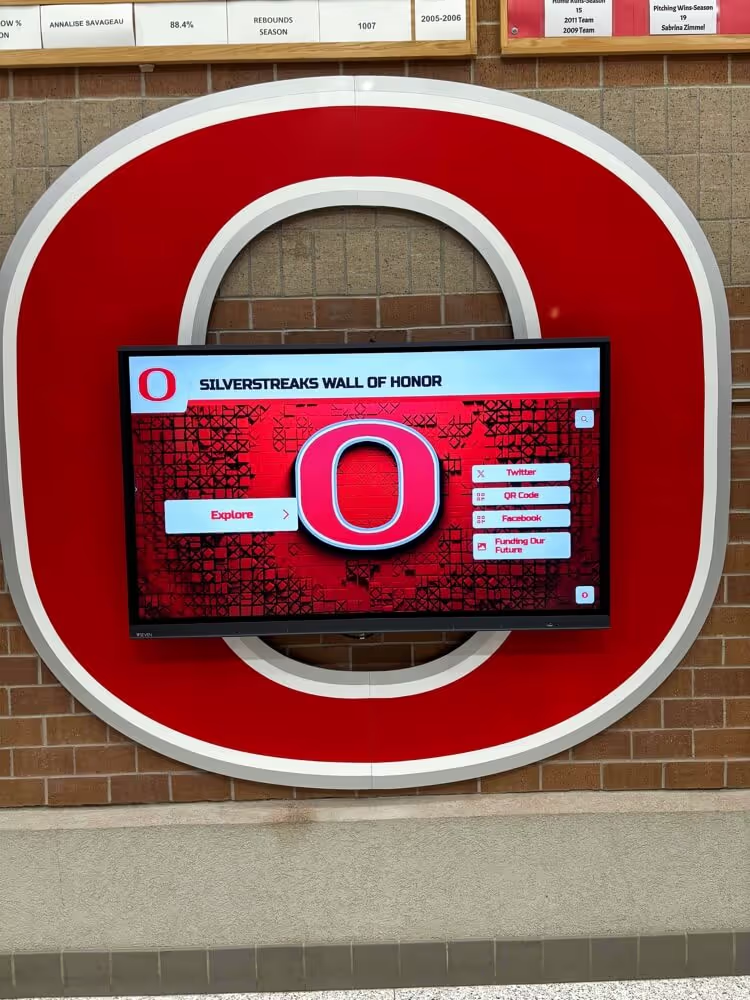
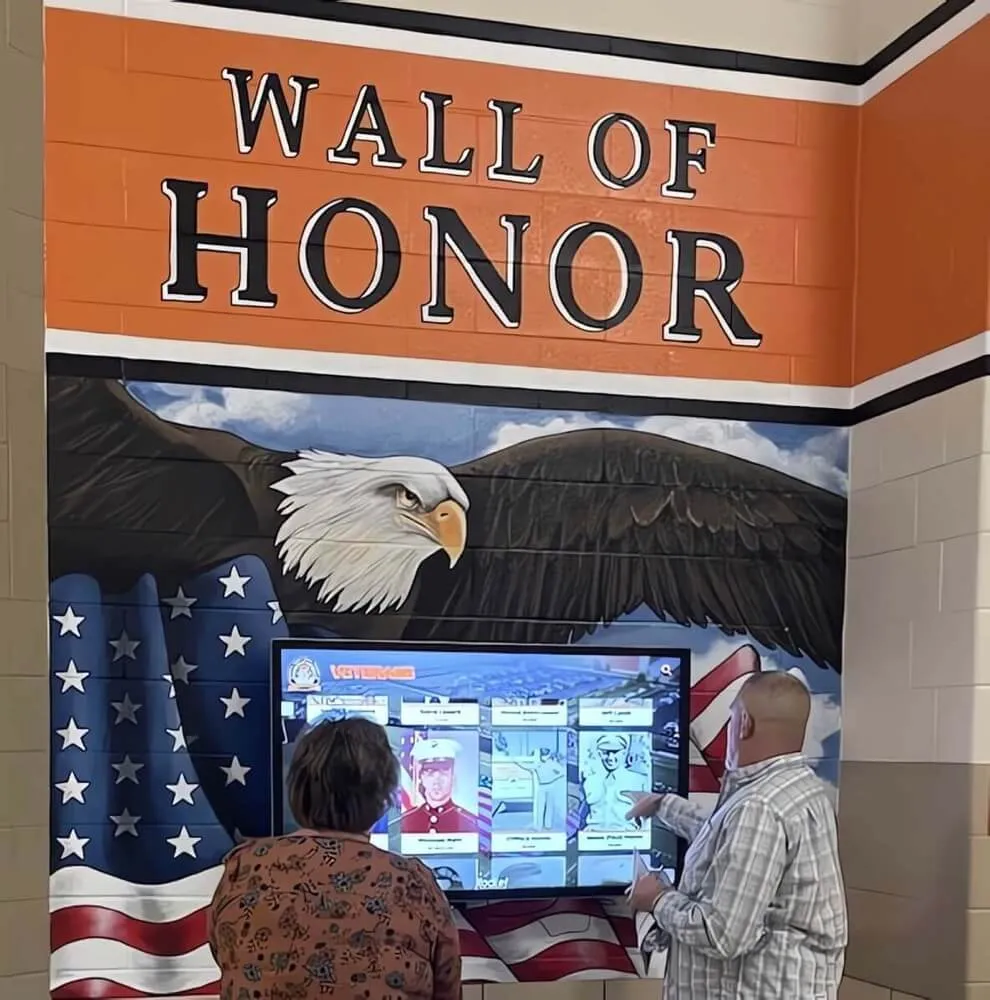
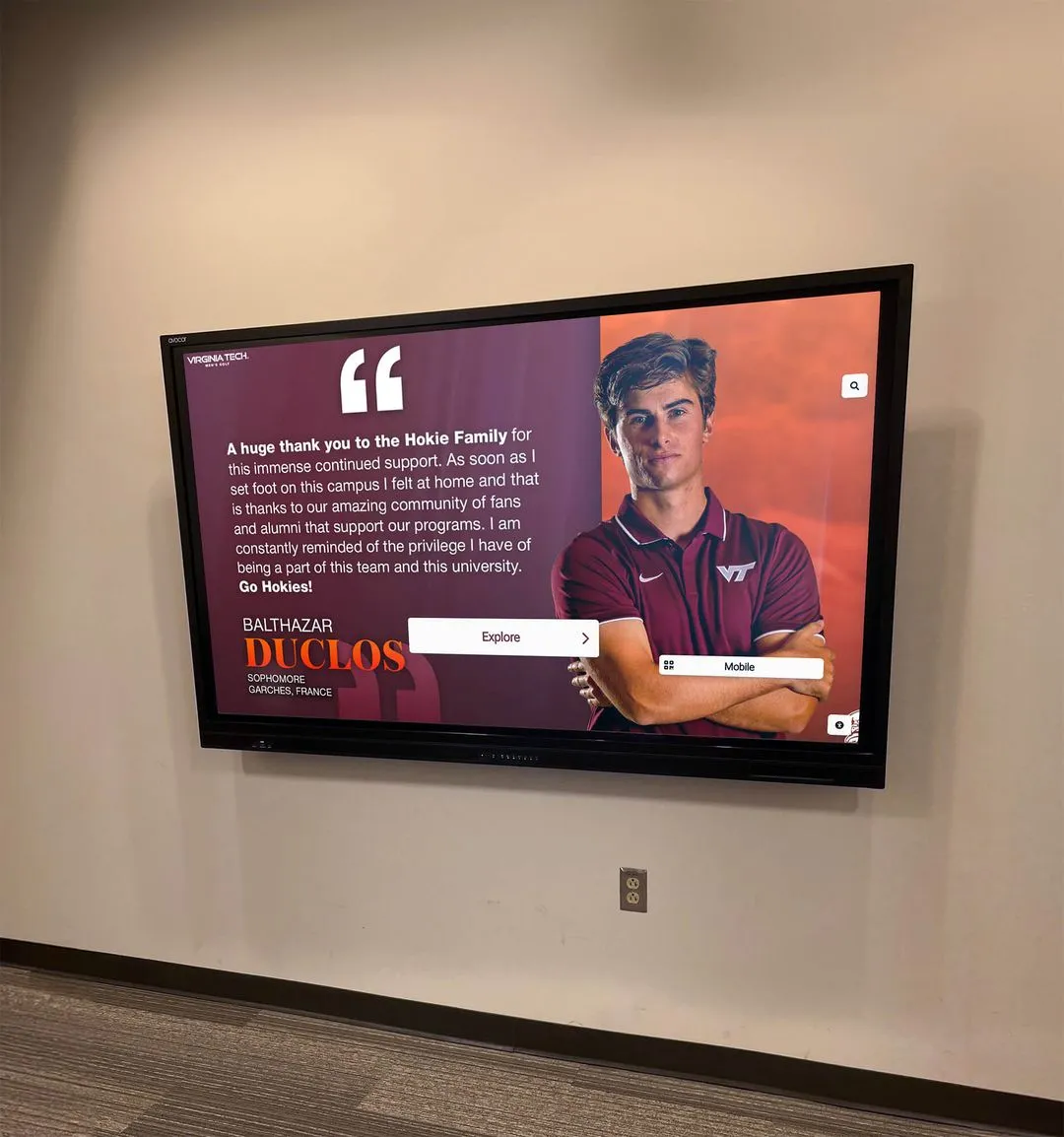
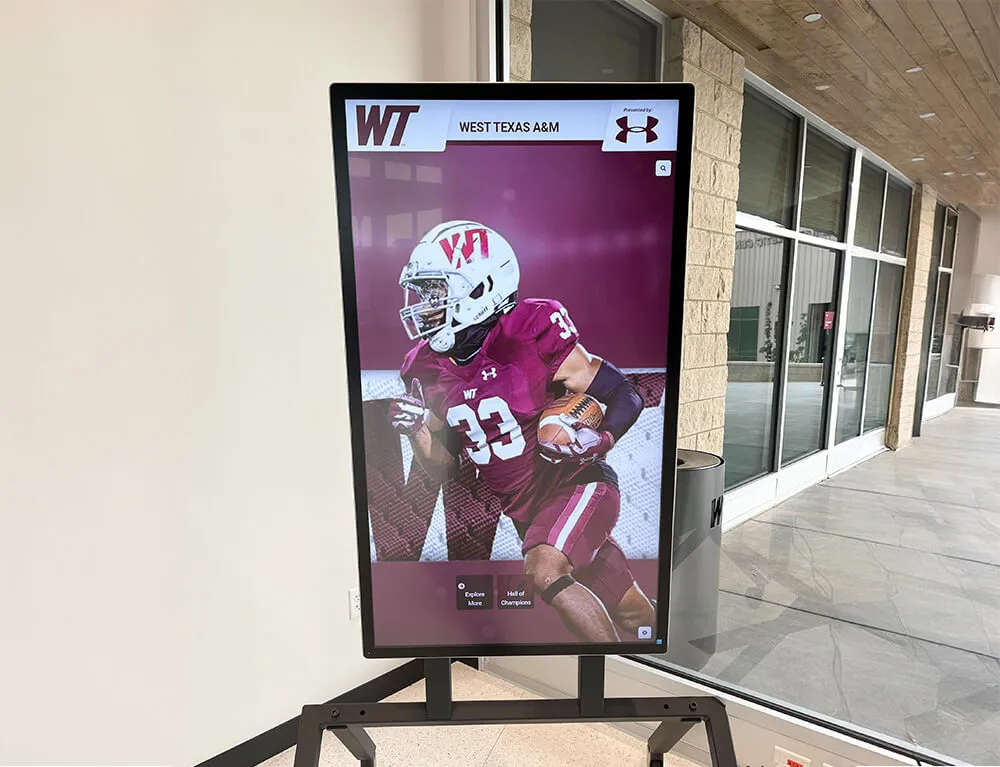
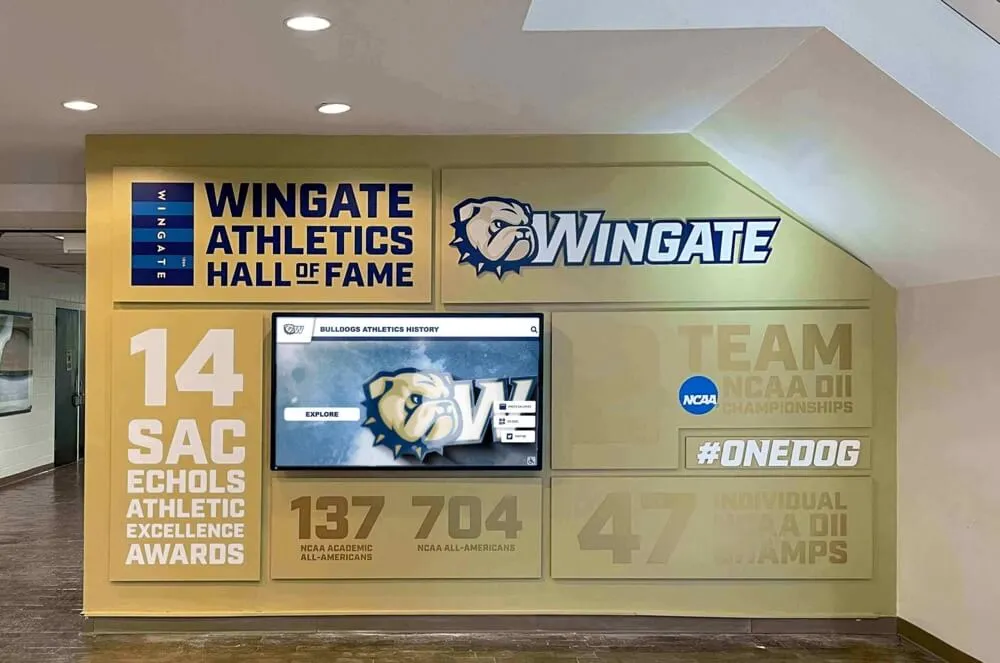
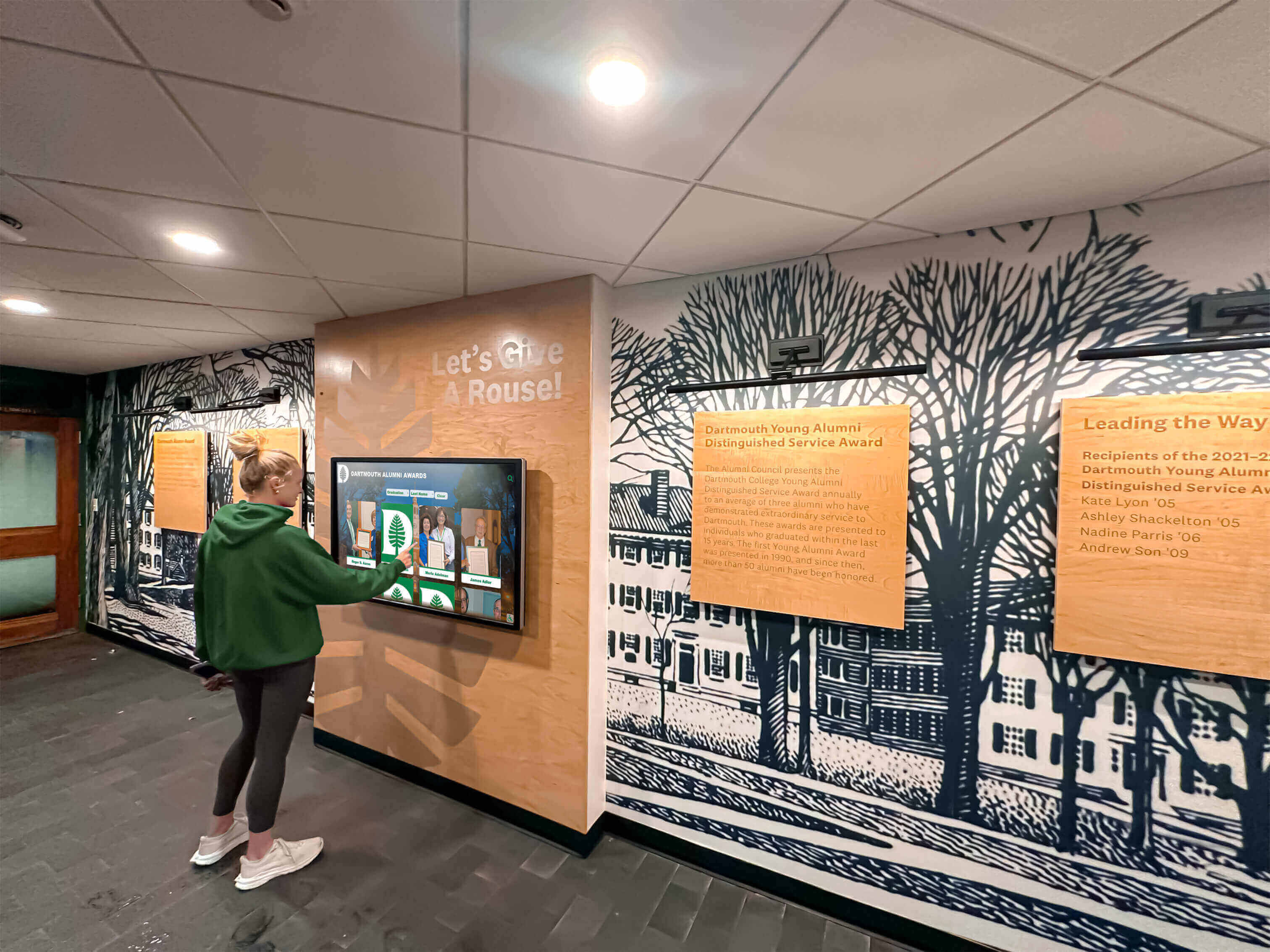
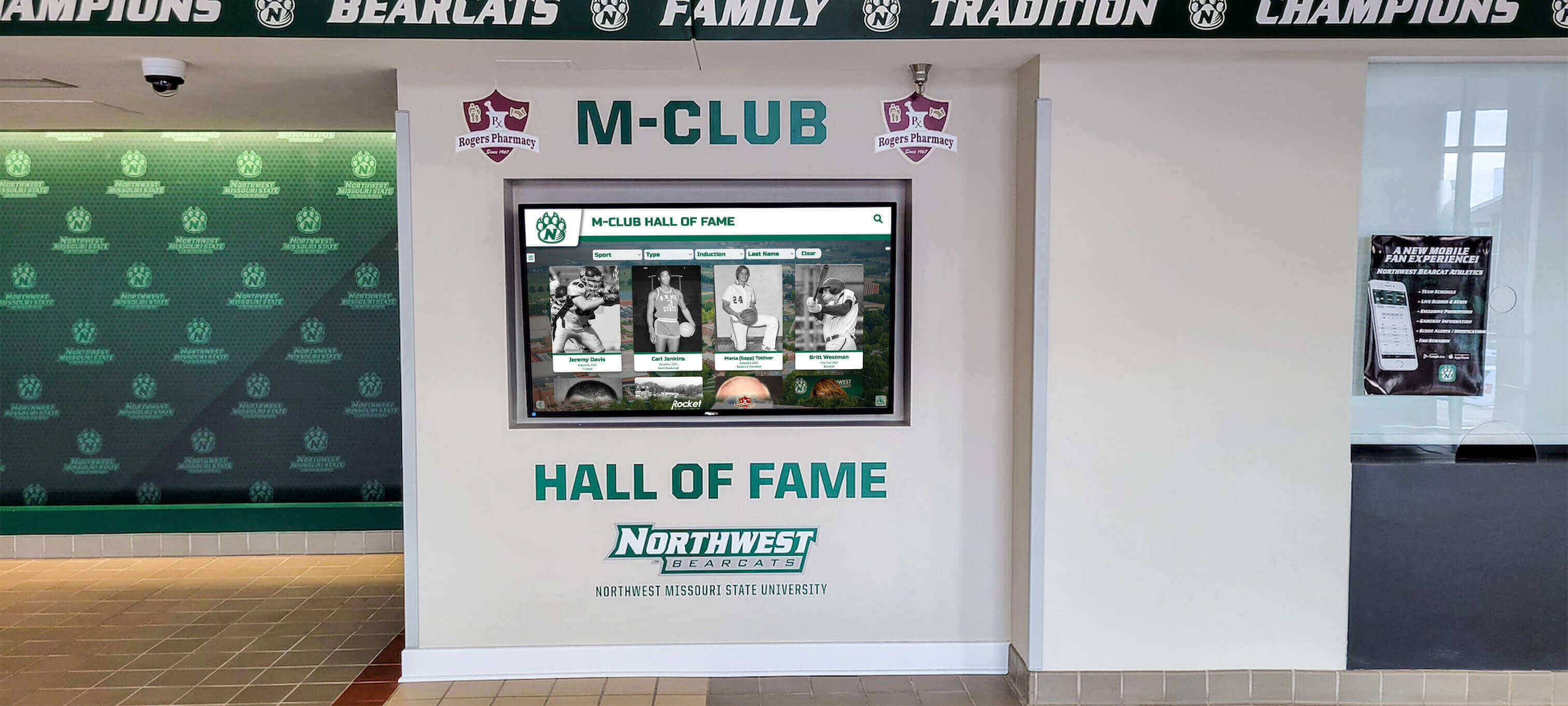
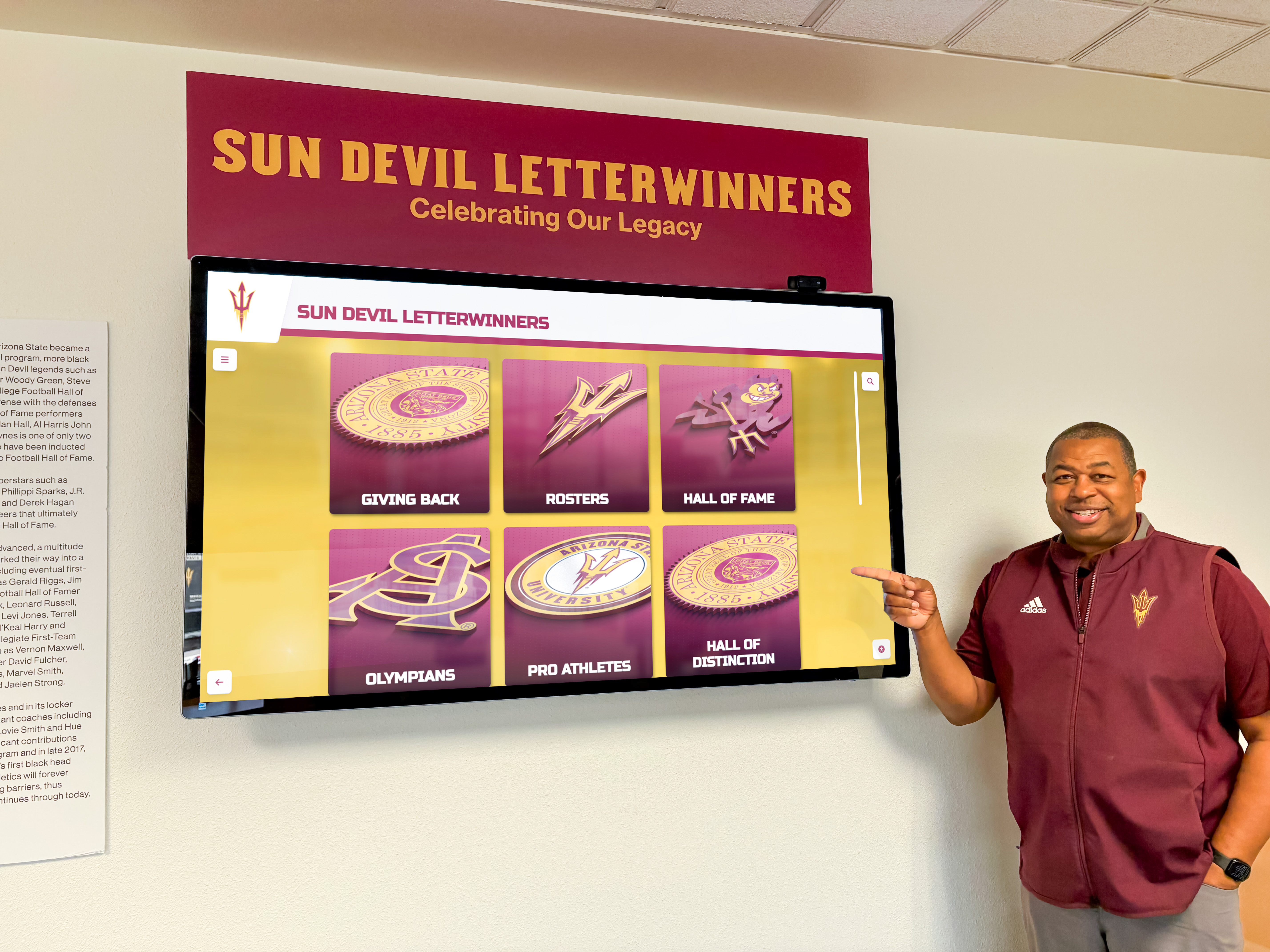
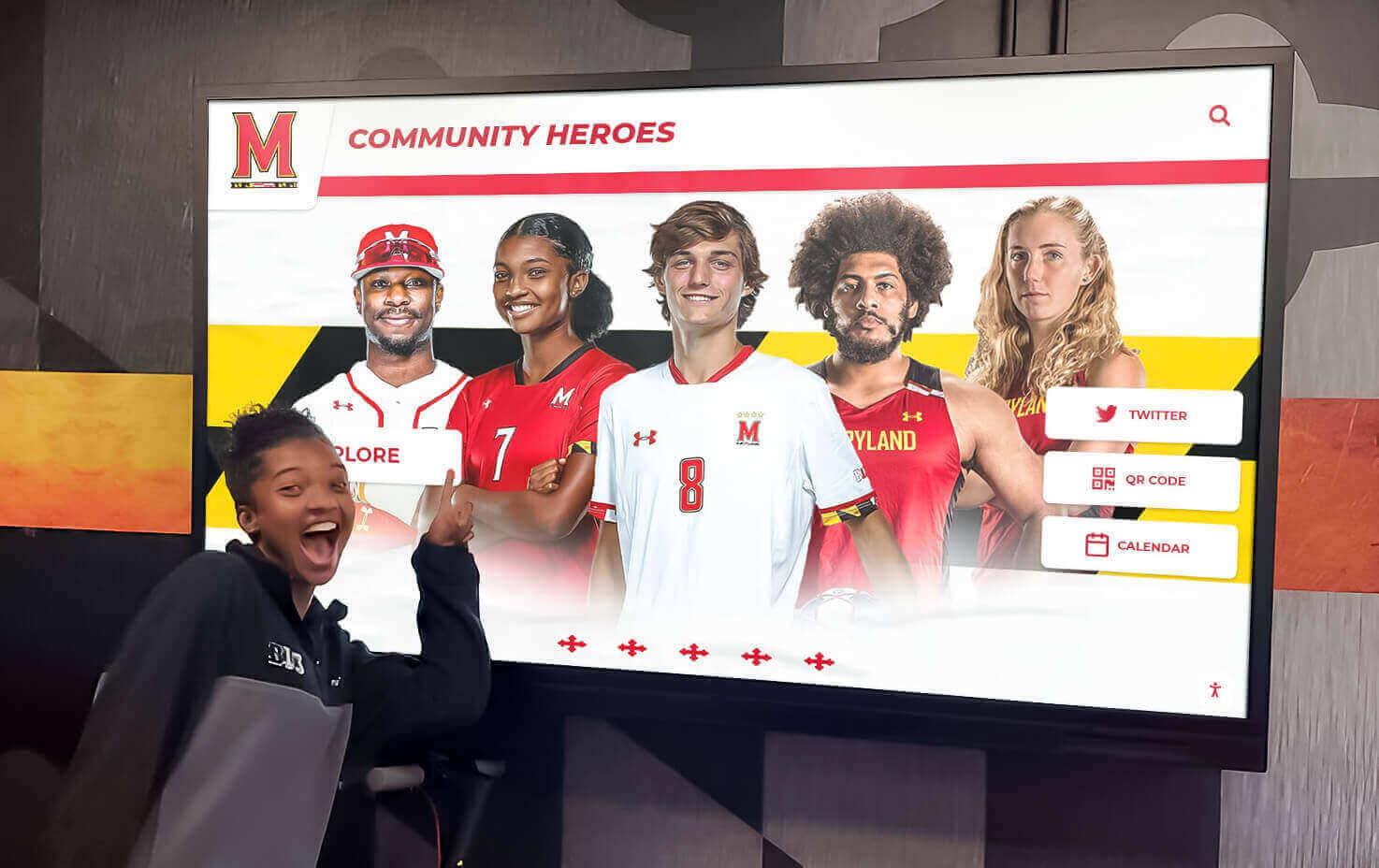
Interactive touchscreen displays enable organizations to create comprehensive recognition experiences that tell the full story of Gold Award achievement. Unlike static plaques limited to names and years, digital displays can feature detailed profiles of each Gold Award recipient including project descriptions explaining what they accomplished, photos and videos documenting project implementation and community impact, sustainability updates showing how projects continue benefiting communities years later, advice and reflections from recipients sharing lessons learned, and connections showing how Gold Award projects relate to recipients’ subsequent college and career paths.
These detailed profiles transform Gold Award recognition from simple acknowledgment into inspiring stories that help younger students understand what the Gold Award involves and imagine themselves pursuing similar achievements.
Modern interactive kiosk solutions make it easy for organizations to maintain current recognition without ongoing installation costs or physical space limitations. As new Girl Scouts earn Gold Awards, organizations simply update the digital content to include new recipients—a process taking minutes rather than requiring physical plaque updates costing hundreds or thousands of dollars.
Integrated Achievement Recognition Systems
The most effective recognition strategies integrate Gold Award achievement into comprehensive displays celebrating multiple forms of student excellence. Rather than creating isolated recognition for Gold Award recipients, organizations can implement unified digital systems recognizing various achievements including academic honors like National Honor Society induction, athletic accomplishments and team championships, artistic achievements and competition successes, leadership positions and student government service, community service recognitions beyond the Gold Award, and scholarship awards and college acceptances.
This integrated approach creates comprehensive student achievement displays that celebrate diverse forms of excellence while establishing organizational cultures that value sustained effort, leadership development, and community contribution—precisely the qualities the Gold Award represents.
Solutions like Rocket Alumni Solutions provide organizations with platforms specifically designed for comprehensive youth recognition. These systems enable unlimited profiles without per-recipient fees, support various media types including photos, videos, and documents, offer intuitive content management systems allowing non-technical staff to maintain current recognition, provide responsive designs working across touchscreens, desktop computers, and mobile devices, and include analytics showing which achievements community members most frequently view and explore.
Recognition Best Practices for Maximum Impact
Organizations implementing Gold Award recognition programs achieve the strongest results when following several key best practices that maximize visibility and inspirational impact.
Strategic Display Placement
Location dramatically influences recognition program effectiveness. Organizations should position Gold Award recognition displays in high-visibility locations where students and visitors naturally congregate, such as school lobbies and entrance areas where every visitor encounters the display, cafeterias or student centers where students spend social time, hallways connecting high-traffic areas like auditoriums or athletic facilities, and alumni gathering spaces during community events or reunions.
Visibility matters because recognition programs inspire future achievement only when current students regularly encounter them. A beautifully designed display hidden in an administrative office or rarely-visited hallway accomplishes little compared to prominent placement where students interact with it daily.
Comprehensive Storytelling Rather Than Simple Listing
The most inspiring Gold Award recognition goes beyond listing names to tell comprehensive stories about what recipients accomplished and why it mattered. Effective profiles include project problem statements explaining what community need the Girl Scout identified, solution descriptions detailing the approach the Girl Scout designed and implemented, implementation stories explaining challenges overcome and lessons learned, impact evidence documenting measurable community benefits the project created, sustainability updates showing how projects continue benefiting communities, and personal reflections from recipients sharing advice for younger students.
This storytelling approach transforms abstract achievement into concrete examples that younger students can understand and aspire to replicate. When a middle school student encounters a detailed Gold Award profile explaining how a recipient created a community tutoring program that’s still operating five years later, she sees a specific, achievable path forward rather than an intimidating undefined accomplishment.
Regular Content Updates and Current Recognition
Recognition programs lose effectiveness when they become outdated. Organizations should commit to updating Gold Award recognition displays within 30-60 days of when students earn the award, adding sustainability updates showing ongoing project impact when available, featuring special spotlights on notable Gold Award anniversaries or particularly impactful projects, and refreshing photos and videos periodically to maintain visual freshness and engagement.
Digital recognition solutions dramatically simplify these updates compared to physical plaques. When organizations use platforms designed for easy content management, updating recognition becomes a quick task that communications staff, advisors, or volunteers can complete without technical expertise or significant time investment.
The College Admissions and Scholarship Advantage of Gold Award Achievement
Beyond personal development and community impact, earning the Gold Award creates tangible advantages throughout college admissions processes and scholarship competitions that benefit recipients for years after project completion.
How Admissions Officers View the Gold Award
College admissions officers, particularly those evaluating applications to selective institutions, recognize the Gold Award as a significant distinguishing achievement indicating exceptional leadership capacity and sustained commitment. Several factors make Gold Award achievement particularly valuable during admissions review.
Validation of Leadership Beyond Participation
Many college applications include long lists of activities, clubs, and organizations. What often remains unclear is whether applicants simply participated in these activities or demonstrated genuine leadership initiative. The Gold Award provides objective external validation that a student didn’t just participate but initiated, planned, and led a substantial project creating measurable community impact.
This validation proves particularly valuable for students from high schools with varying academic reputations or grade inflation concerns. While GPAs and course rigor can be difficult to compare across different school contexts, the Gold Award’s nationally consistent standards provide an external measure of leadership capability that admissions officers can evaluate consistently across diverse applicant pools.
Evidence of Impact-Oriented Thinking
Selective colleges increasingly seek students who will contribute meaningfully to campus communities rather than simply performing well academically. The Gold Award demonstrates that recipients think beyond personal achievement to consider how they can create positive impact for others—a mindset that translates well to campus leadership, community engagement, and contribution to college diversity and culture.
Gold Award projects showing sophisticated understanding of root causes, strategic solution design, and sustainability planning particularly impress admissions officers because these capabilities indicate mature thinking that predicts college success in research, honors programs, and leadership opportunities.
Scholarship Opportunities for Gold Award Recipients
Gold Award achievement opens doors to numerous scholarship opportunities at local, regional, and national levels. These range from Girl Scout organization scholarships specifically for Gold Award recipients to broader leadership scholarships that weight Gold Award achievement heavily in selection criteria.
Girl Scouts USA National Scholarships
Girl Scouts of the USA and various Girl Scout councils offer scholarships specifically for Gold Award recipients pursuing higher education. These scholarships recognize exceptional leadership demonstrated through Gold Award projects while supporting recipients’ educational goals. Eligibility requirements and award amounts vary by specific scholarship program and geographic region.
Beyond GSUSA organizational scholarships, many local Girl Scout councils and regional associations offer additional scholarship opportunities for Gold Award recipients within their service areas. Students should connect with their local councils to identify available scholarship programs and application requirements.
External Scholarships Recognizing Youth Leadership
Numerous national scholarship programs place significant weight on leadership achievements like the Gold Award when evaluating applicants. Major scholarship competitions like the Coca-Cola Scholars Program, Horatio Alger Scholarship, and others specifically seek evidence of sustained leadership and community impact—precisely what Gold Award projects demonstrate.
When applying for competitive scholarships, Gold Award recipients benefit from having a comprehensive project they can describe in detail throughout application essays, supplementary materials, and interviews. Rather than vague claims about “leadership experience,” they can reference specific challenges they overcame, measurable impacts they created, and sophisticated planning processes they navigated—concrete examples that make applications more compelling than competitors’ more generic leadership claims.
Institutional Merit Scholarships
Beyond competitive national scholarships, many colleges and universities offer institutional merit scholarships based on academic achievement, leadership, and community service. Gold Award achievement often features prominently in these awards since it demonstrates precisely the qualities institutions seek: sustained commitment, leadership initiative, strategic thinking, and community engagement.
Students should highlight Gold Award achievement in scholarship essays and supplementary materials, providing specific details about projects, implementation challenges, measurable outcomes, and personal growth. The more concrete and detailed the Gold Award description, the more effectively it distinguishes applications from competitors who may claim leadership experience without comparable evidence.
Creating Comprehensive Gold Award Recognition Programs
Organizations committed to meaningfully recognizing Gold Award recipients benefit from developing comprehensive programs that integrate multiple recognition strategies creating sustained visibility and inspiration.
Planning Your Gold Award Recognition Strategy
Successful recognition programs begin with thoughtful planning that considers organizational context, available resources, and strategic objectives for recognition initiatives.
Assessing Current Recognition Practices
Organizations should start by evaluating existing recognition approaches including what achievements currently receive prominent recognition, how different achievement categories receive varying levels of visibility, whether current recognition inspires younger students or simply acknowledges past achievement, how easily organizations can maintain current recognition as new achievements occur, and whether physical space limitations restrict recognition comprehensiveness.
This assessment often reveals gaps where significant achievements like the Gold Award receive insufficient recognition compared to their importance, or where traditional approaches create maintenance challenges that result in outdated displays omitting recent achievers.
Defining Recognition Objectives
Clear objectives guide effective recognition program design. Organizations should consider whether they aim to celebrate individual achievers, inspire younger students to pursue similar achievements, showcase organizational excellence to visitors and prospective families, preserve institutional history documenting notable alumni and their accomplishments, or strengthen community connections by highlighting how students contribute to broader communities.
Different objectives suggest different recognition approaches. Programs primarily focused on inspiring current students benefit from detailed storytelling about how achievers accomplished their goals and what younger students can learn from their experiences. Recognition aimed at showcasing institutional excellence to visitors might emphasize aggregate statistics about how many Gold Award recipients the organization has produced alongside individual profiles.
Selecting Appropriate Recognition Technologies
Organizations implementing new recognition programs should evaluate various technology options considering display types including wall-mounted touchscreens, freestanding kiosks, digital signage displays, or web-based platforms accessible across devices, content management systems allowing easy updates by non-technical staff, integration capabilities with existing school information systems or websites, scalability supporting growth as more achievements are added over time, and budget considerations including initial investment and ongoing maintenance costs.
Modern recognition solutions vary dramatically in total ownership costs, ease of use, and long-term sustainability. Organizations should look beyond initial purchase prices to consider ongoing costs, update complexity, technical support availability, and whether solutions require specialized expertise for maintenance or can be managed by existing staff.
Implementing Digital Recognition Displays
Organizations that choose digital recognition solutions benefit from following structured implementation processes ensuring successful deployment and sustained program effectiveness.
Content Development Phase
Before launching recognition displays, organizations need to develop comprehensive content for initial honorees. For Gold Award recipients, this typically includes gathering recipient names, graduation years, and contact information, collecting project descriptions and impact summaries, obtaining photos from project implementation, requesting personal reflections and advice for younger students, and documenting sustainability outcomes showing ongoing project impact when available.
This content development process often involves reaching out to Gold Award recipients who graduated years or even decades earlier. Digital platforms designed for alumni engagement can facilitate this outreach by providing forms for recipients to submit their information and project details, enabling collaborative content development where recipients contribute directly to their profiles.
Hardware Installation and Configuration
Physical installation requires careful attention to location selection, mounting height, and technical considerations. Best practices include positioning displays at appropriate heights for comfortable viewing and interaction by students of various heights, ensuring adequate electrical and network connectivity, considering lighting conditions to avoid glare on touchscreens, providing adequate space for groups to gather without blocking traffic flow, and testing interactive functionality to ensure responsive, intuitive user experience.
Organizations implementing touchscreen kiosk solutions benefit from working with providers who offer installation support, hardware recommendations, and technical configuration assistance ensuring optimal performance from day one.
Launch and Promotion Strategy
Even excellent recognition displays require promotion to maximize impact. Organizations should announce new recognition programs through multiple channels including school assemblies or community meetings introducing the display and encouraging exploration, email communications to families explaining the new recognition program, social media posts featuring selected Gold Award recipient profiles, signage near displays inviting interaction and exploration, and integration with existing events like awards banquets or community celebrations.
This multi-channel promotion ensures broad awareness while establishing organizational culture that values and celebrates exceptional achievement like Gold Award recognition.
Sustaining Recognition Programs Over Time
Initial implementation represents only the beginning of successful recognition programs. Long-term effectiveness requires sustained commitment to content updates, program evaluation, and continuous improvement.
Establishing Update Workflows
Organizations should create clear processes for adding new Gold Award recipients to recognition displays including designating specific staff members responsible for content updates, creating checklists ensuring consistent information collection for all new recipients, establishing timelines for how quickly new achievements should be added to displays, developing quality assurance processes ensuring accuracy and appropriate content, and documenting procedures so recognition program maintenance continues across staff transitions.
Digital recognition platforms designed for ease of use dramatically simplify these maintenance workflows. When non-technical staff can add new recipients through intuitive content management interfaces, recognition programs remain current without requiring specialized technical expertise or substantial time investment.
Measuring Recognition Program Impact
Organizations benefit from periodically evaluating recognition program effectiveness through various metrics including interaction analytics showing how frequently community members engage with displays, surveys asking students whether recognition displays inspire them to pursue similar achievements, application data tracking whether Gold Award pursuit increases after implementing recognition programs, and qualitative feedback from recipients, families, and community members about recognition program value.
These evaluation efforts inform continuous improvement ensuring recognition programs deliver maximum value relative to resource investment.
Gold Award Recognition and the Broader Youth Leadership Ecosystem
Gold Award recognition rarely stands alone—it functions most effectively as part of comprehensive approaches to celebrating diverse forms of student achievement, leadership development, and community contribution.
Integrating Gold Award Recognition With Other Achievement Programs
Organizations implementing Gold Award recognition should consider how it integrates with recognition for other significant student accomplishments creating cohesive achievement culture.
Complementary Leadership Recognitions
Gold Award recognition naturally pairs with other leadership-focused achievements including Eagle Scout Award recognition celebrating parallel Boy Scout achievement, National Honor Society induction honoring academic excellence and service, student government leadership positions, AP Scholar designations and academic competition successes, athletic team captainships and championships, performing arts leadership roles and competition achievements, and community service awards recognizing sustained volunteer commitment.
By recognizing diverse achievement types together, organizations communicate that excellence takes many forms and that sustained commitment, leadership development, and community contribution matter regardless of specific domain.
Creating Unified Recognition Platforms
Rather than maintaining separate displays for different achievement categories, organizations benefit from implementing unified recognition systems that celebrate various accomplishments through shared platforms. Digital recognition solutions enable this integration by supporting unlimited profiles across achievement categories, filtering and navigation allowing visitors to explore specific achievement types, comparative analytics showing recognition breadth across categories, and unified design aesthetics creating cohesive recognition experiences.
This unified approach proves particularly valuable for smaller organizations with limited physical space for displays. Instead of choosing which achievements merit recognition based on available wall space, digital platforms enable comprehensive recognition of all significant student accomplishments without physical space constraints.
The Role of Recognition in Leadership Development
While recognition honors past achievement, its greatest value often lies in inspiring future leadership development by making excellence visible, accessible, and achievable for younger students.
Recognition as Inspiration
Comprehensive recognition programs serving younger students effectively communicate clear examples of what exceptional achievement looks like in practical terms, specific pathways showing how students can pursue similar achievements, evidence that students from their school or community have accomplished remarkable things, advice and lessons learned helping students avoid common pitfalls, and connections between sustained effort and meaningful accomplishment.
When middle school students regularly encounter detailed Gold Award profiles while walking through school lobbies, they begin understanding that this achievement represents a realistic possibility for them rather than an abstract accomplishment limited to exceptional others. This aspirational function justifies recognition program investments by driving future achievement.
Supporting Current Gold Award Candidates
Organizations can extend recognition programs to support students currently pursuing Gold Awards by highlighting work-in-progress projects showing community members what current candidates are accomplishing, creating mentorship connections linking current candidates with past Gold Award recipients, providing project showcase opportunities allowing candidates to present their work to school and community audiences, and documenting the Gold Award journey through photos and stories showing the process from project conception through completion.
This support function transforms recognition from solely backward-looking acknowledgment to forward-looking leadership development infrastructure that actively facilitates exceptional achievement.
Taking Action: Implementing Gold Award Recognition in Your Organization
For organizations ready to implement or enhance Gold Award recognition programs, several practical steps create momentum toward comprehensive, inspiring recognition solutions that celebrate leadership while inspiring future achievement.
Immediate Next Steps
Start by auditing current recognition practices to identify gaps where Gold Award achievement receives insufficient visibility. Gather information about Gold Award recipients from your organization including alumni who earned Gold Awards years or decades earlier. Research available recognition technologies and platforms suitable for your organizational context and budget. Engage stakeholders including current students, families, and staff to assess support for enhanced recognition programs.
These initial steps provide the foundation for informed decision-making about recognition program design, technology selection, and implementation planning.
Building Stakeholder Support
Successful recognition programs require buy-in from various stakeholders. Make the case for enhanced Gold Award recognition by highlighting the achievement’s selectivity and significance, demonstrating how recognition inspires younger students, showing examples of effective recognition programs from comparable organizations, documenting costs and long-term sustainability of different recognition approaches, and connecting recognition programs to broader organizational goals around leadership development and community building.
When stakeholders understand how recognition programs advance organizational missions while requiring reasonable resource investment, they typically support implementation.
Selecting Recognition Technology Partners
Organizations implementing digital recognition solutions benefit from working with providers who understand youth achievement recognition and educational contexts. Evaluate potential partners based on experience with educational institutions and youth-serving organizations, content management system ease-of-use for non-technical staff, hardware quality and reliability over multi-year deployments, technical support availability and responsiveness, pricing transparency including initial costs and ongoing fees, and customer references from organizations with similar needs and contexts.
The right technology partner transforms recognition program implementation from daunting technical project to straightforward process with clear steps, realistic timelines, and predictable outcomes.
Conclusion: Celebrating Leadership and Inspiring Future Excellence
The Girl Scout Gold Award represents exceptional leadership development, strategic thinking, and sustained commitment to community benefit—qualities that schools, community organizations, and civic institutions should celebrate prominently and meaningfully. When organizations implement comprehensive recognition programs that tell the full story of what Gold Award recipients accomplished and how their projects continue benefiting communities, they honor individual achievement while inspiring younger students to pursue similar leadership development.
Modern recognition solutions, particularly interactive digital displays and comprehensive achievement platforms, enable organizations to create inspiring recognition experiences that traditional approaches cannot match. By investing in recognition technologies that support detailed storytelling, easy content updates, and prominent visibility, organizations ensure that Gold Award achievement receives the celebration it deserves while creating sustainable recognition infrastructure serving communities for years to come.
The question facing organizations isn’t whether Gold Award achievement merits recognition—its significance and selectivity clearly warrant celebration. The question is whether your current recognition approaches adequately honor this exceptional achievement while effectively inspiring the next generation of community leaders. If honest assessment reveals gaps, the time to enhance your recognition programs is now.
Organizations ready to implement comprehensive youth achievement recognition programs that celebrate Gold Award recipients alongside other exceptional accomplishments should explore solutions designed specifically for educational and community contexts. Rocket Alumni Solutions provides interactive recognition platforms enabling schools and organizations to honor diverse achievements through engaging digital displays that inspire future excellence while celebrating past accomplishment.