



Every year, high school gymnasiums, football fields, and competition venues transform into emotional celebration spaces as communities gather to honor graduating athletes. Parents clutch tissues, underclassmen applaud their mentors, and seniors take final walks across their home fields wearing jerseys they’ll soon retire. This tradition—senior night—represents one of high school athletics’ most cherished rituals, yet many families approach their first senior night uncertain about what to expect, how to prepare, or why this tradition matters so profoundly.
Senior night serves multiple purposes beyond simple recognition. It formally acknowledges the dedication student-athletes invest throughout their high school careers, provides public appreciation for parents and families who supported these journeys, creates transition moments helping seniors process the approaching end of their athletic chapters, and strengthens team bonds as younger athletes witness the commitment they’re inheriting. This comprehensive guide explains what senior night means, how schools organize these celebrations, and how recognition continues beyond single-game ceremonies.
What You’ll Learn About Senior Night
This complete guide covers:
- Definition and purpose of senior night traditions across different sports
- Planning timelines and coordination steps for successful celebrations
- Recognition elements including ceremonies, gifts, and family involvement
- Sport-specific traditions from football and basketball to swimming and soccer
- Long-term recognition approaches that honor seniors beyond single nights
- Common challenges and practical solutions for athletic directors and coaches
What Is Senior Night in High School?
Senior night (also called senior recognition night, senior day, or senior celebration) designates a specific home competition during the final season where schools formally recognize graduating student-athletes, their families, and their contributions to athletic programs. The tradition occurs across virtually all high school sports, from football and basketball to swimming, cross country, wrestling, and tennis.
The Core Elements
While specific formats vary by school and sport, senior nights typically include:
- Pre-game or halftime ceremonies recognizing each senior athlete
- Public acknowledgment of achievements, leadership, and character
- Family participation with parents or guardians escorting seniors
- Gifts, flowers, or commemorative items presented to seniors
- Photos capturing seniors with families, coaches, and teammates
- Speeches or presentations from coaches highlighting senior contributions
- Underclassmen involvement demonstrating team continuity
The ceremony duration typically ranges from 10-30 minutes depending on senior class size and program traditions.

When Senior Night Occurs
Scheduling follows sport-specific considerations:
Fall Sports (Football, Soccer, Volleyball, Cross Country)
- Late October through early November
- Usually the final home regular-season competition
- Scheduled before tournament play begins
Winter Sports (Basketball, Wrestling, Swimming, Hockey)
- Late January through mid-February
- Often coincides with homecoming or rivalry games for maximum attendance
- Typically the last home regular-season event
Spring Sports (Baseball, Softball, Lacrosse, Tennis, Track)
- Late April through early May
- Sometimes multiple recognitions if seasons extend through May
- May coordinate with academic senior recognition events
Schools schedule senior nights strategically to maximize family attendance, avoid conflicts with other school events, ensure good weather for outdoor sports, and allow seniors to participate in remaining competitions without premature closure emotions.
The History and Significance of Senior Night
Senior night traditions evolved organically across American high schools throughout the mid-20th century, reflecting broader cultural emphasis on milestone recognition and community celebration of youth achievement.
Origins of the Tradition
Early forms appeared in the 1950s and 1960s, initially as informal gatherings where coaches acknowledged graduating athletes during final home games. As high school sports gained prominence in community identity, recognition formalized into structured ceremonies. By the 1980s, senior night had become standard practice across most competitive high school athletic programs.
The tradition grew alongside increasing investment in youth sports, rising academic and athletic scholarship opportunities, and community recognition of the dedication required for multi-year athletic participation at competitive levels.
Why Senior Night Matters
Beyond ceremonial recognition, senior nights serve important developmental and cultural functions:
Transition and Closure High school seniors face numerous significant transitions—academic completion, peer separation, identity evolution, and future planning uncertainty. Senior night provides structured closure for athletic identities that often defined their high school experiences. The public recognition and celebratory atmosphere help athletes process endings while celebrating accomplishments.
Family Acknowledgment Student-athlete success requires substantial family investment—transportation to practices and competitions, financial support for equipment and travel, schedule accommodations, and emotional encouragement through challenges. Senior night represents rare public acknowledgment of parental dedication, often the only athletic event specifically honoring family contributions.
Team Culture and Mentorship Visibility Younger athletes witness the respect accorded to seniors who invested years building program excellence. This visible appreciation reinforces commitment value and program culture while demonstrating leadership pathways. Underclassmen often report increased motivation after participating in senior night ceremonies.
Community Connection Athletic programs strengthen community bonds by providing shared experiences and pride sources. Senior nights create emotional moments connecting generations—alumni remember their own senior nights, parents reflect on childhood completion, and community members celebrate local youth achievement.
Planning a Successful Senior Night: Step-by-Step Guide
Athletic directors, coaches, and booster clubs coordinate senior nights through systematic planning addressing logistics, communication, and ceremonial elements.
Timeline and Coordination (6-8 Weeks Before)
Initial Planning Phase
Begin planning 6-8 weeks before the target date by:
- Identifying All Eligible Seniors: Compile complete lists of senior athletes including managers, trainers, and support roles
- Setting the Date: Confirm the home competition designated for senior night, considering schedule conflicts and weather backup plans
- Establishing Budget: Determine available resources for gifts, flowers, programs, photography, and ceremony elements
- Assigning Responsibilities: Designate point people for different aspects—ceremony coordination, communications, gift procurement, photography, facility preparation
Communication Launch (5-6 Weeks Before)
Notify senior families formally through letters, emails, or meetings explaining:
- Senior night date, time, and location
- Ceremony format and timeline expectations
- Family participation requirements and escort protocols
- Information needed (senior bios, stats, photos, future plans)
- RSVP deadlines for accurate planning
- Gift or recognition contribution opportunities
- Photography arrangements and commemoration options
Request specific information including correct name spellings and pronunciations, parent/guardian names for introductions, significant achievements and statistics, post-graduation plans (college, military, career), jersey numbers and positions, years of participation, and special recognitions or leadership roles.
Ceremony Format and Script Development
Standard Ceremony Structure
Most senior nights follow this general format:
- Introduction: Coach or athletic director explains senior night purpose and introduces the ceremony
- Individual Recognition: Each senior called individually with announcement of key information
- Family Escort: Parents or guardians walk with the senior (from sideline, baseline, or designated area to center position)
- Gift Presentation: Flowers, plaques, framed photos, or other commemorative items presented
- Photo Opportunity: Official photos taken with family and coaching staff
- Collective Acknowledgment: All seniors recognized together, often with group photos
- Closing Remarks: Coach speech thanking seniors and reflecting on contributions
Announcement Content
Prepare introduction scripts for each senior including name with phonetic guidance if needed, parents/guardians’ names, jersey number and position, years of participation, significant achievements or statistics, post-graduation plans, and personal anecdote or characteristic highlighting character or team contribution.
Keep individual recognitions to 30-60 seconds to maintain ceremony pace and audience engagement, particularly with large senior classes.
Gift and Recognition Elements
Traditional Senior Night Gifts
Common items include:
- Flowers or Bouquets: Given to seniors (and sometimes parents) during recognition
- Framed Photos: Action shots, team photos, or senior composites with matting and school branding
- Commemorative Plaques: Personalized with name, sport, years, and achievements
- Shadow Boxes: Displaying jerseys, awards, and memorabilia from their career
- Letter Jackets or Blankets: With school and sport embroidery
- Photo Boards: Senior year highlight photos arranged on decorative backgrounds
- Digital Presentations: Slideshows or video tributes shown before or during ceremonies
Budget typically ranges from $25-$100 per senior depending on gift selection and program resources. Many booster clubs or parent organizations coordinate gift procurement and costs.

Photography and Documentation
Professional or volunteer photographers should capture:
- Individual senior portraits in uniform
- Seniors with parents/guardians during escort
- Group photos of entire senior class
- Candid emotional moments
- Team photos including seniors and underclassmen
- Coach interactions and speech moments
Many programs now incorporate video elements including highlight reels from senior seasons, compilation videos set to music, messages from teammates and coaches, and senior speeches or reflections.
These visual materials serve immediate ceremony purposes while providing lasting documentation families treasure for years.
Sport-Specific Senior Night Traditions
While core elements remain consistent, different sports adapt senior night to their unique competition formats and traditions.
Football Senior Night
Football senior nights often represent the most elaborate celebrations due to large senior classes (including players and support staff), significant parent and community attendance, and strong program traditions.
Typical Format:
- Held before kickoff or at halftime
- Seniors walk from end zone to midfield with parents
- Public address announcer provides detailed introductions
- Often coordinates with homecoming or rivalry games
- May include recognition of senior cheerleaders, band members, and other fall program seniors
Special Elements:
- Senior captains often receive additional recognition
- Video board tributes for programs with stadium technology
- Senior speeches or farewell messages
- Running through team banners held by underclassmen
Sports banquet ideas often extend football senior recognition beyond game day ceremonies.
Basketball Senior Night
Basketball creates intimate atmosphere with fans surrounding court during recognition, allowing close interaction between seniors and crowd.
Typical Format:
- Pre-game ceremony with seniors introduced at center court
- Each senior announced with biographical information
- Walk from locker room area with family to center court
- Often both boys’ and girls’ teams coordinate ceremonies if schedules align
Special Elements:
- Senior starting lineup announcements given extra emphasis
- Underclassmen sometimes form honor corridor
- Framed jersey presentations common
- Parent involvement particularly visible given court proximity
Soccer, Lacrosse, and Field Sports
Outdoor field sports adapt ceremonies to weather and field configurations.
Format Adaptations:
- May occur post-game if inclement weather threatens
- Seniors line up along sideline with families
- Walk to midfield as announced
- Sometimes incorporate soccer balls or sport-specific props in photos
Swimming, Wrestling, and Other Sports
Sports with unique competition formats create adapted ceremonies.
Swimming/Diving:
- Pool deck ceremonies after final event or between sessions
- Recognition at water’s edge with teammates surrounding
- Often more intimate due to facility constraints
Wrestling:
- Mat-side recognition between weight class matches
- Senior wrestlers sometimes designated for specific opponent matchups
- Parents join on mat for photos
Track and Field:
- Recognition before meets begin given event duration
- Infield ceremonies allow stadium visibility
- Sometimes coordinate with specific events seniors compete in
Tennis and Individual Sports:
- Smaller, more intimate recognition
- Courts named temporarily for seniors
- Individual matches sometimes designated as senior tributes
Extending Recognition Beyond Senior Night
While senior night provides important milestone recognition, comprehensive programs extend appreciation throughout senior seasons and beyond graduation.
Season-Long Senior Recognition
Weekly Senior Spotlights Feature individual seniors each week through social media profiles, website features, program announcements, poster displays, and interview segments.
Team photo ideas help capture and display senior contributions throughout their final seasons.
Senior Game Day Roles Designate special responsibilities for seniors during home competitions including captaining coin tosses, leading warm-ups, introducing starting lineups, and recognizing visiting seniors.
Senior Week Activities Programs sometimes organize special senior-focused events including team dinners, practice dedications, community service projects, and informal celebrations.
Permanent Recognition Programs
Senior night represents a single moment, but comprehensive recognition extends beyond that ceremony.
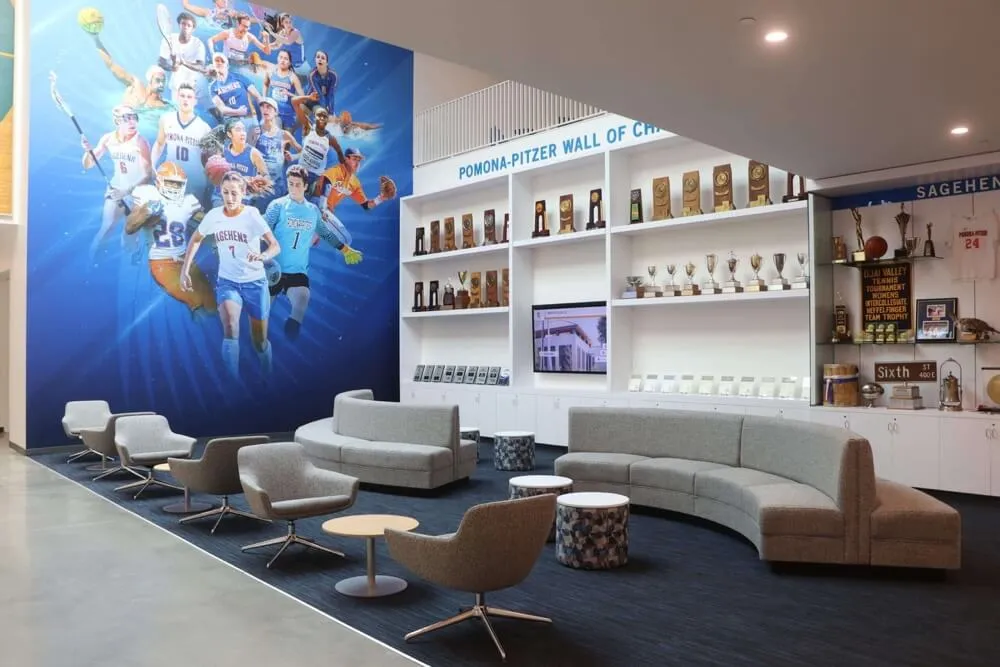
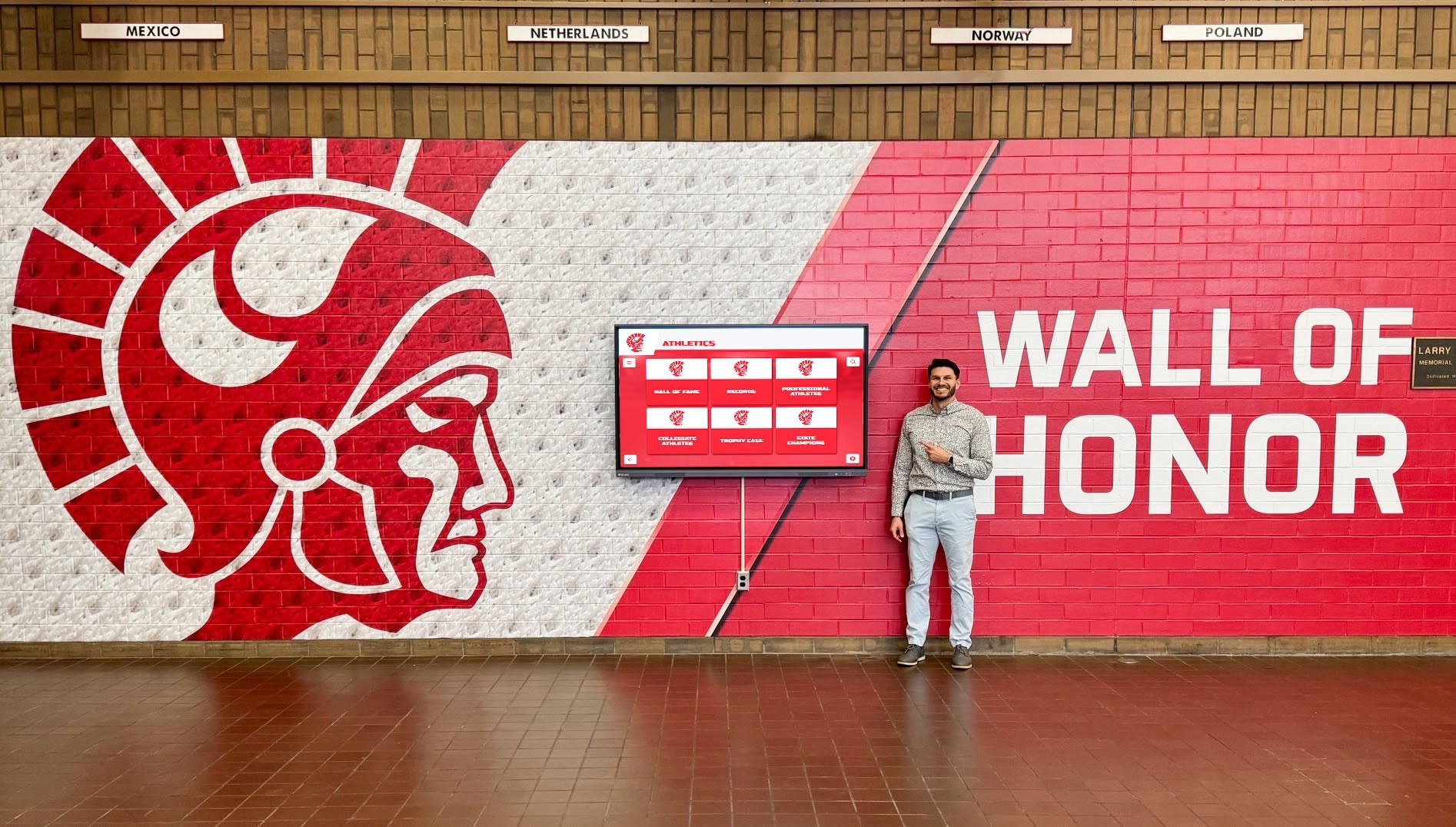
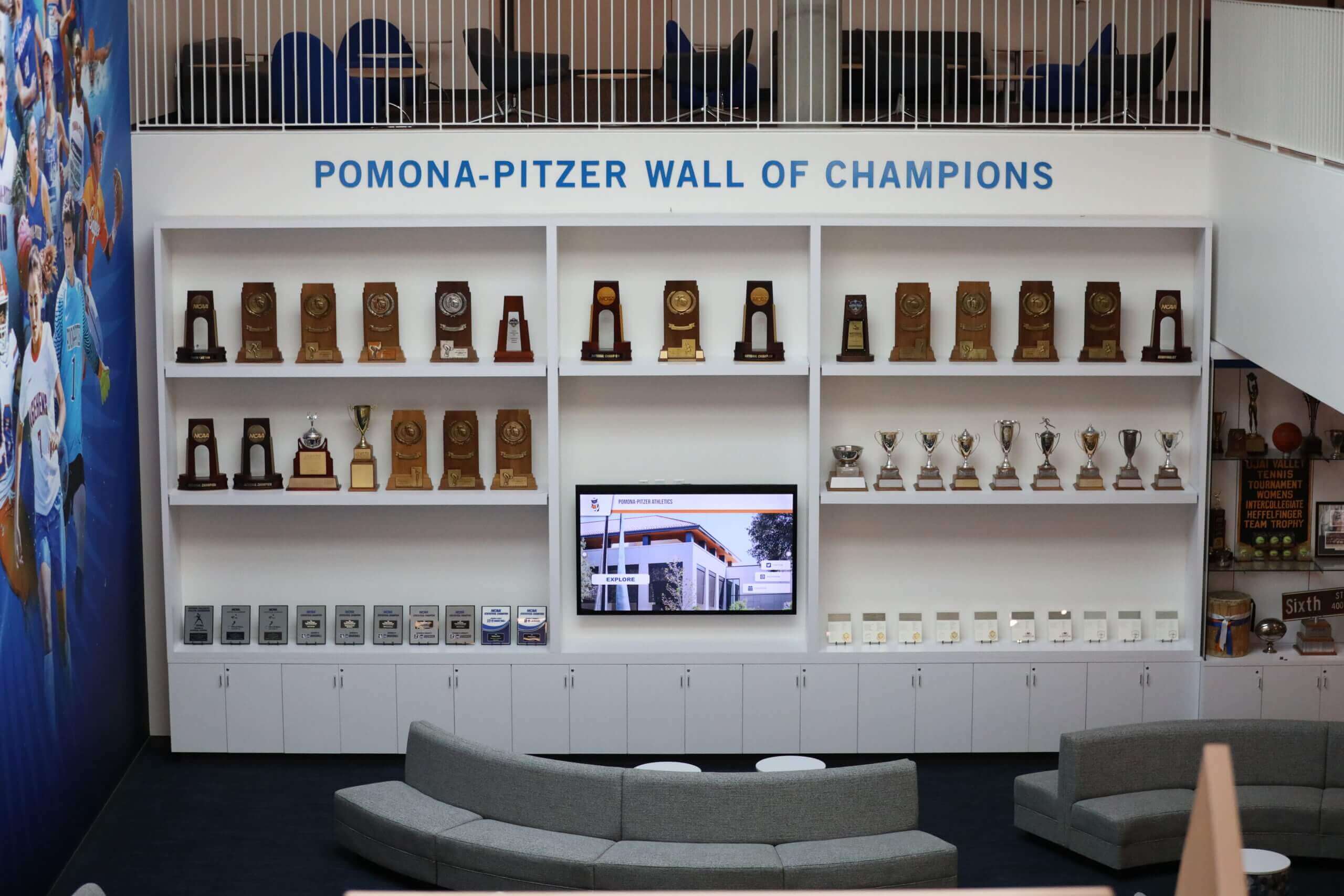
Hall of Fame Induction Opportunities Exceptional seniors may qualify for immediate hall of fame consideration or become eligible after graduation. Schools implementing high school sports banner programs often include senior year achievements.
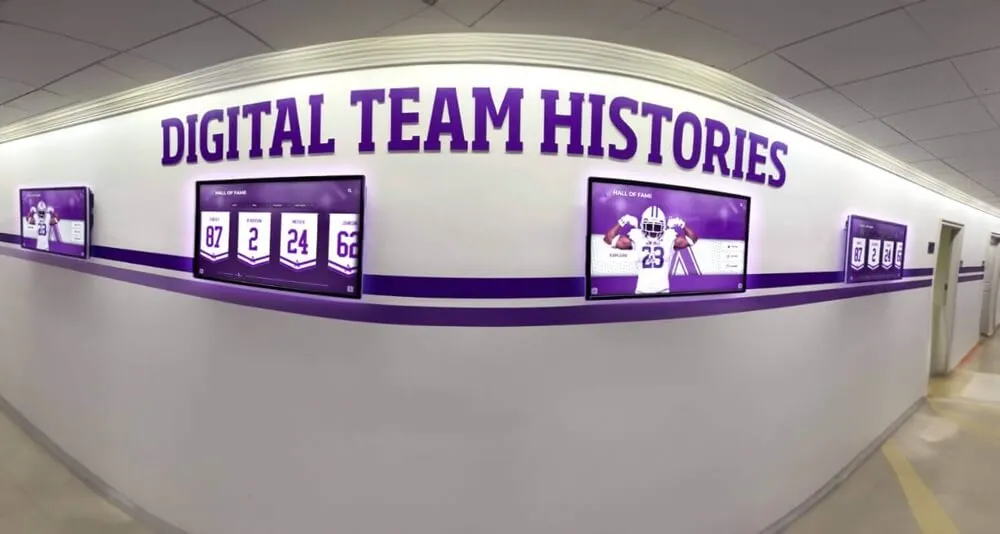
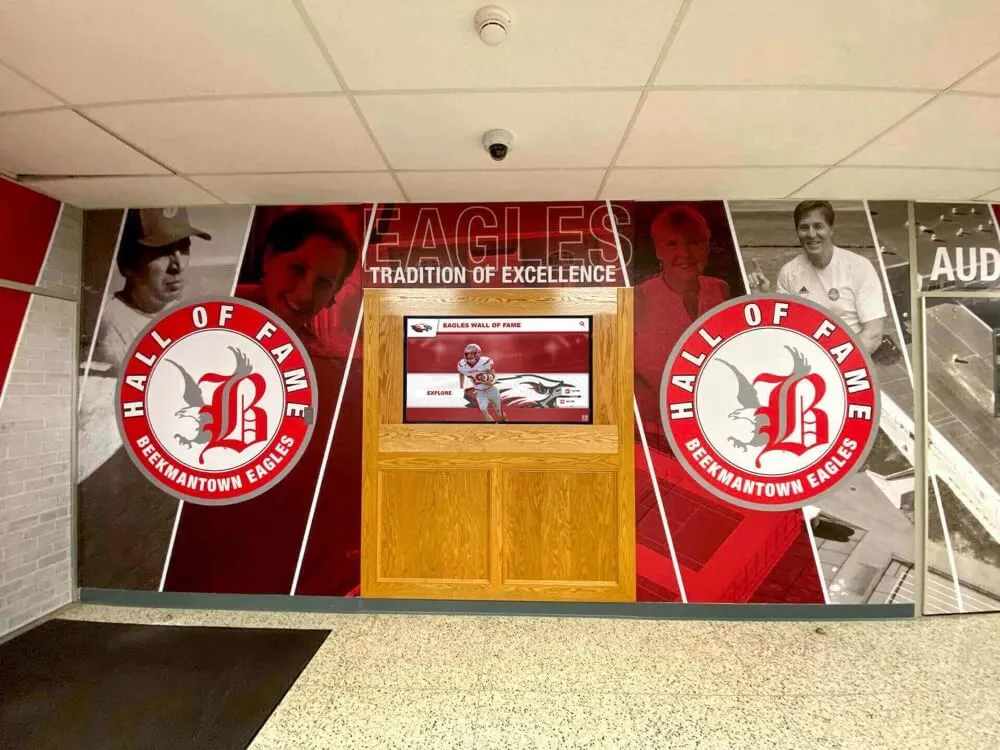
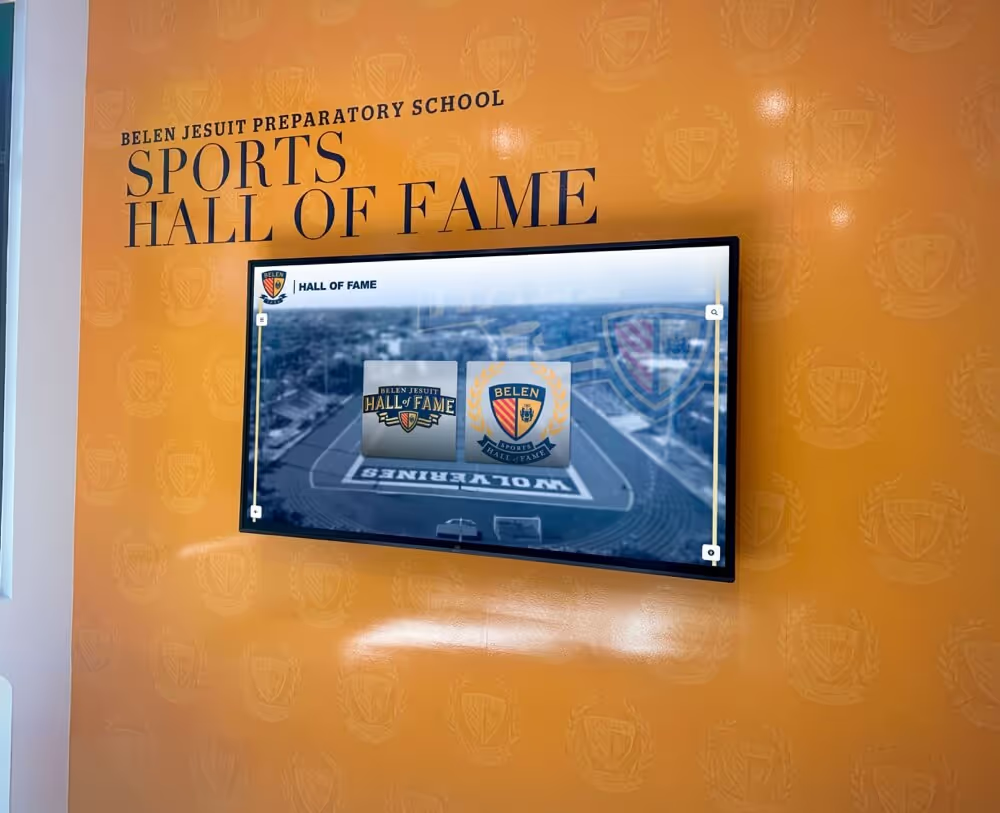
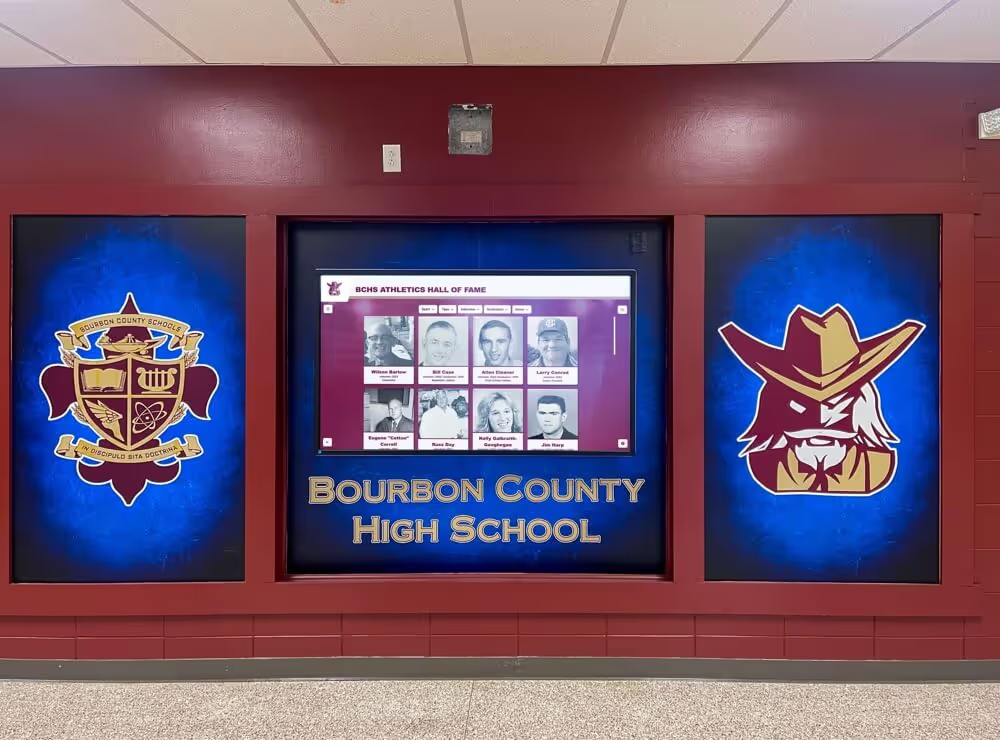
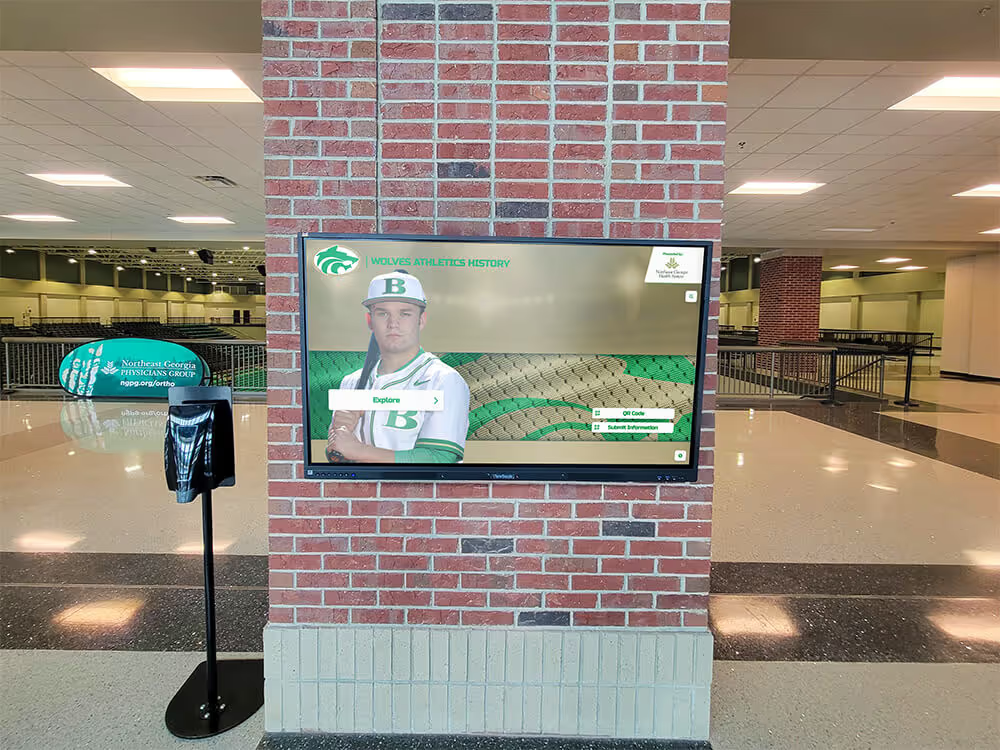
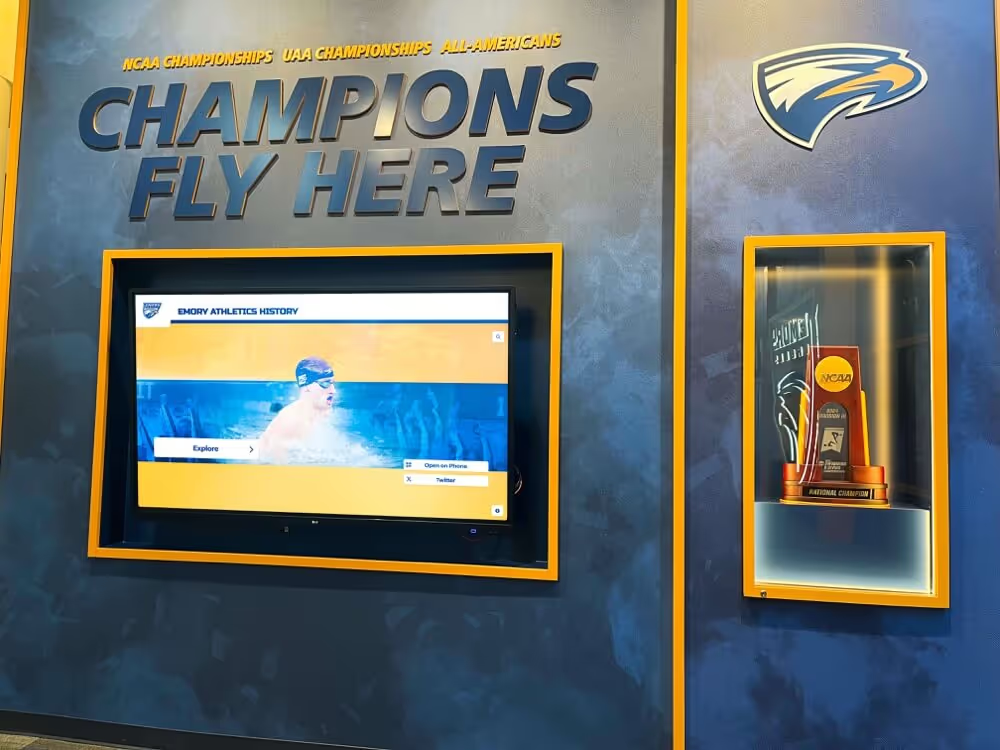
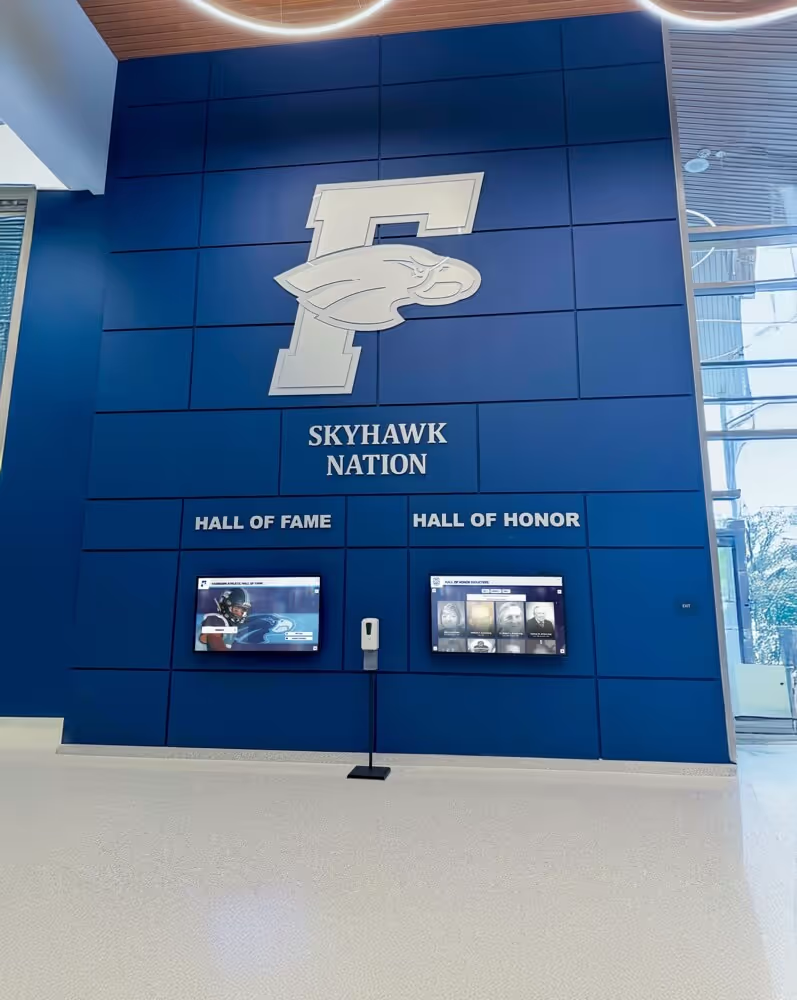
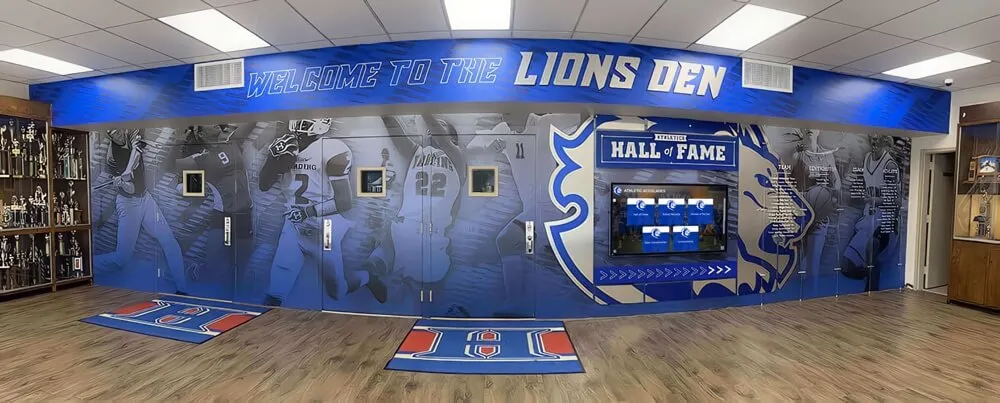
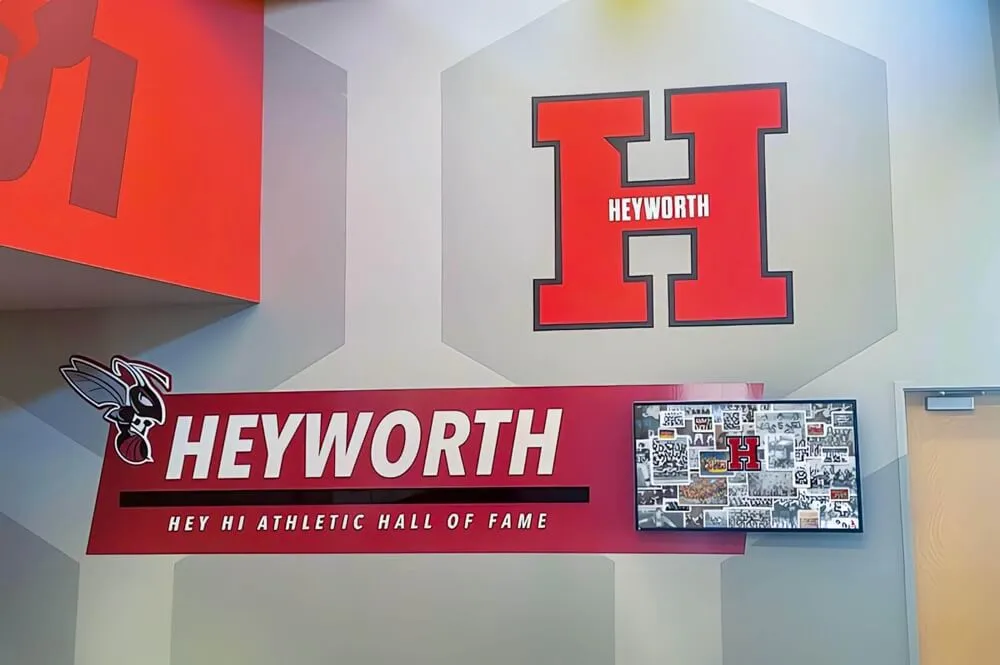
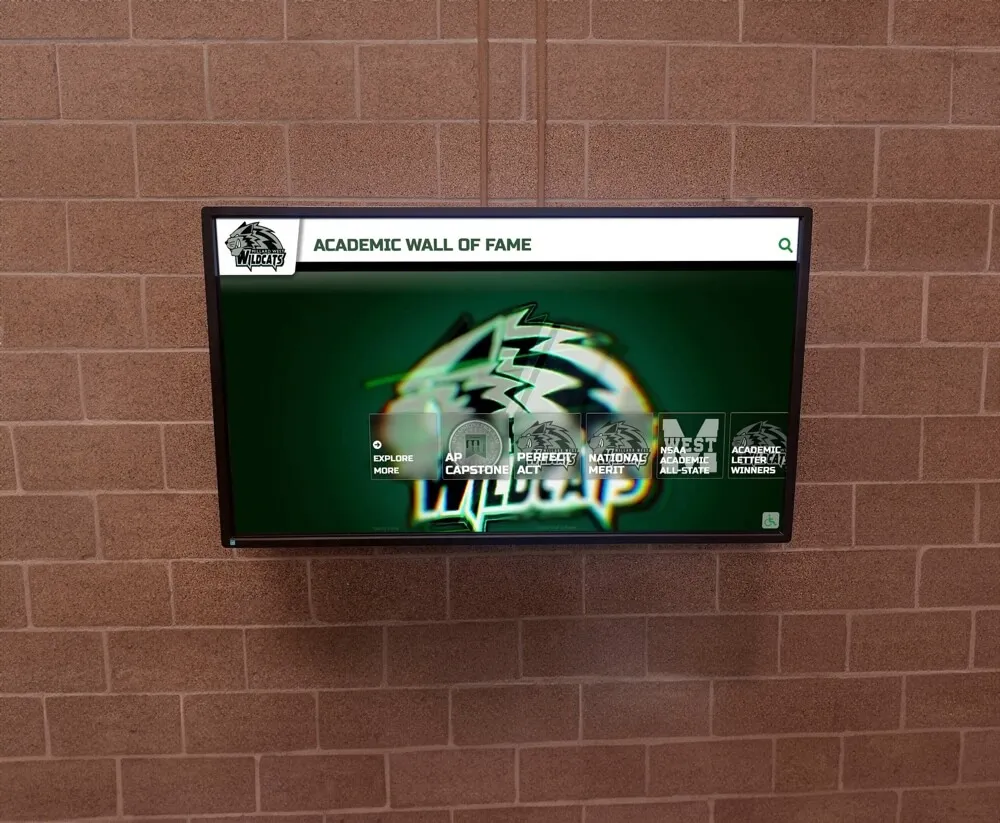
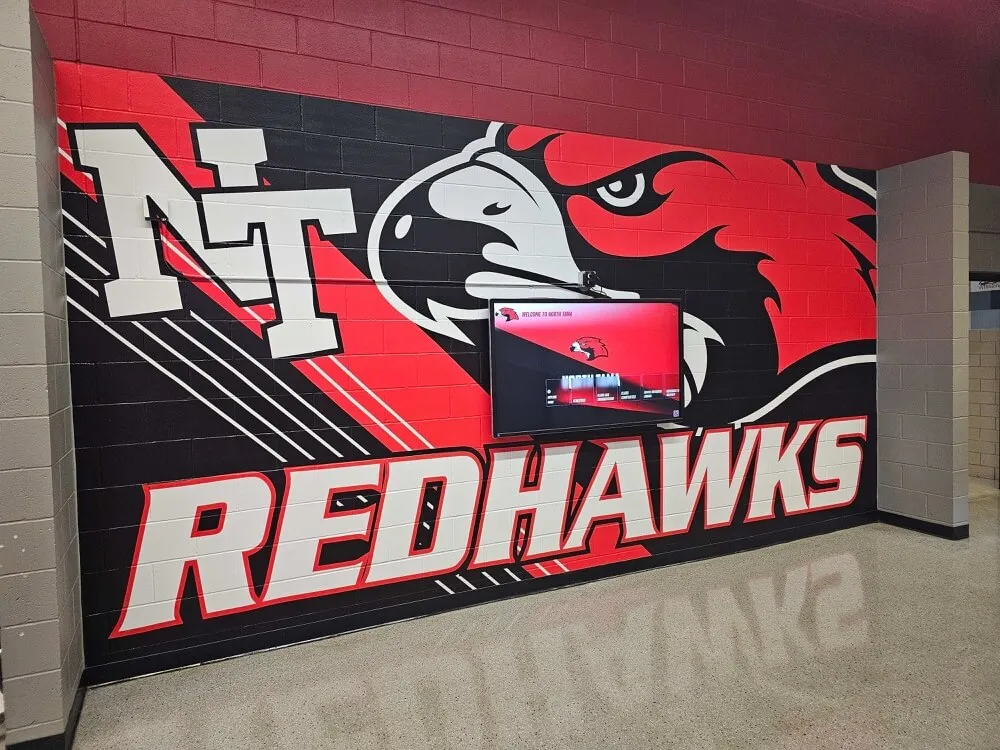
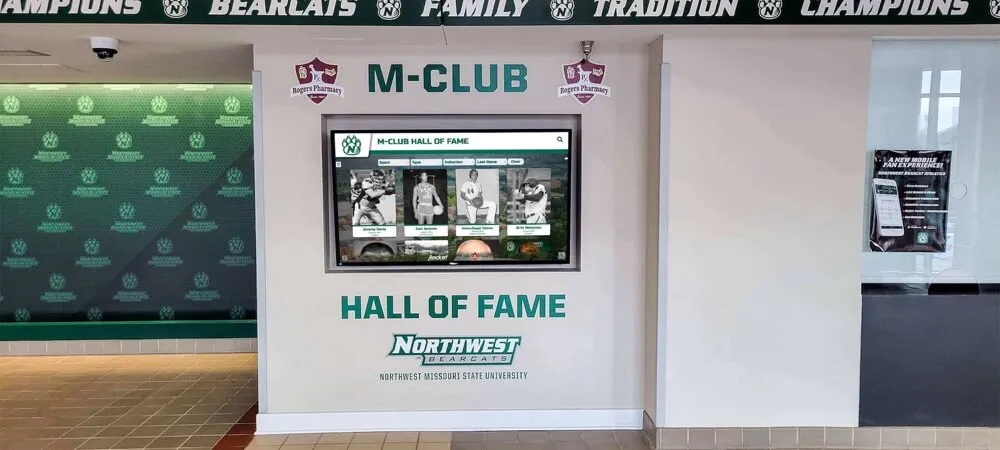
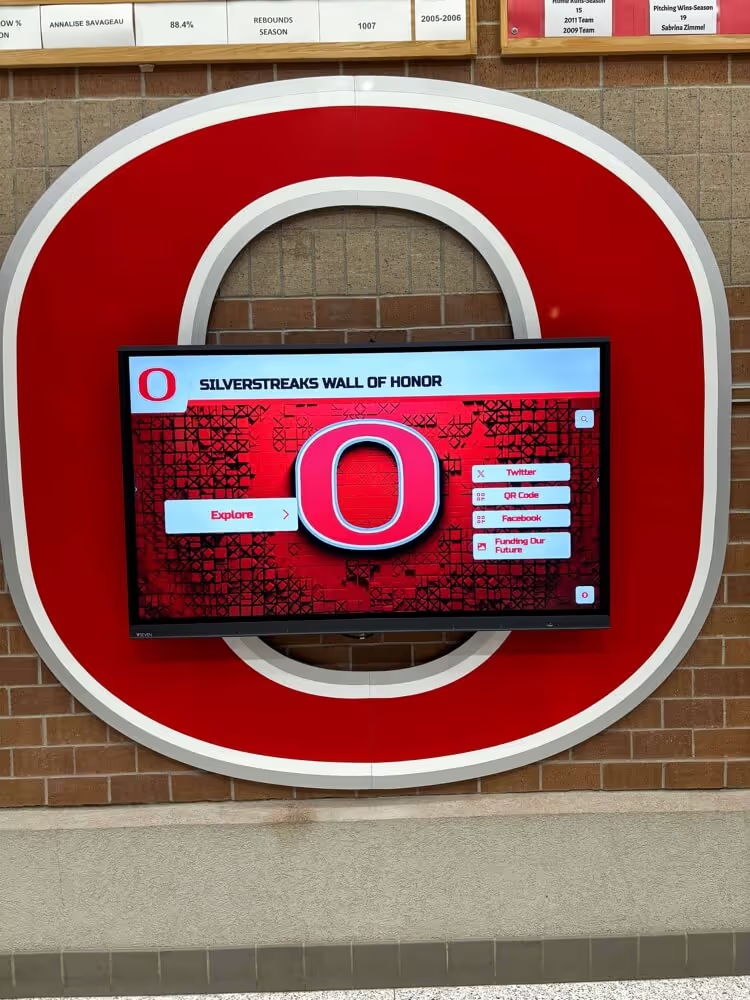
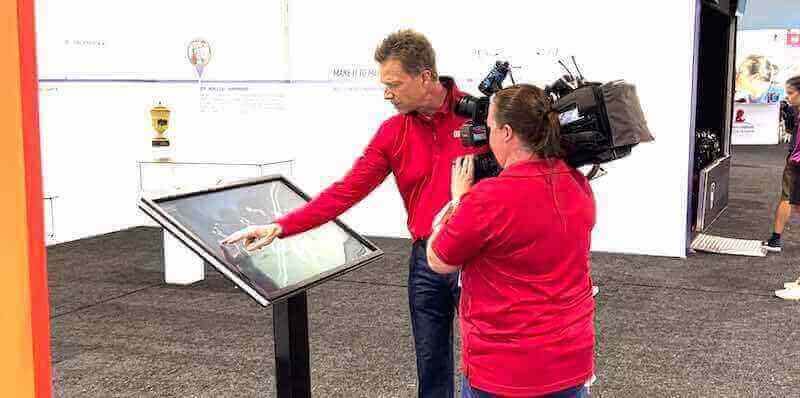
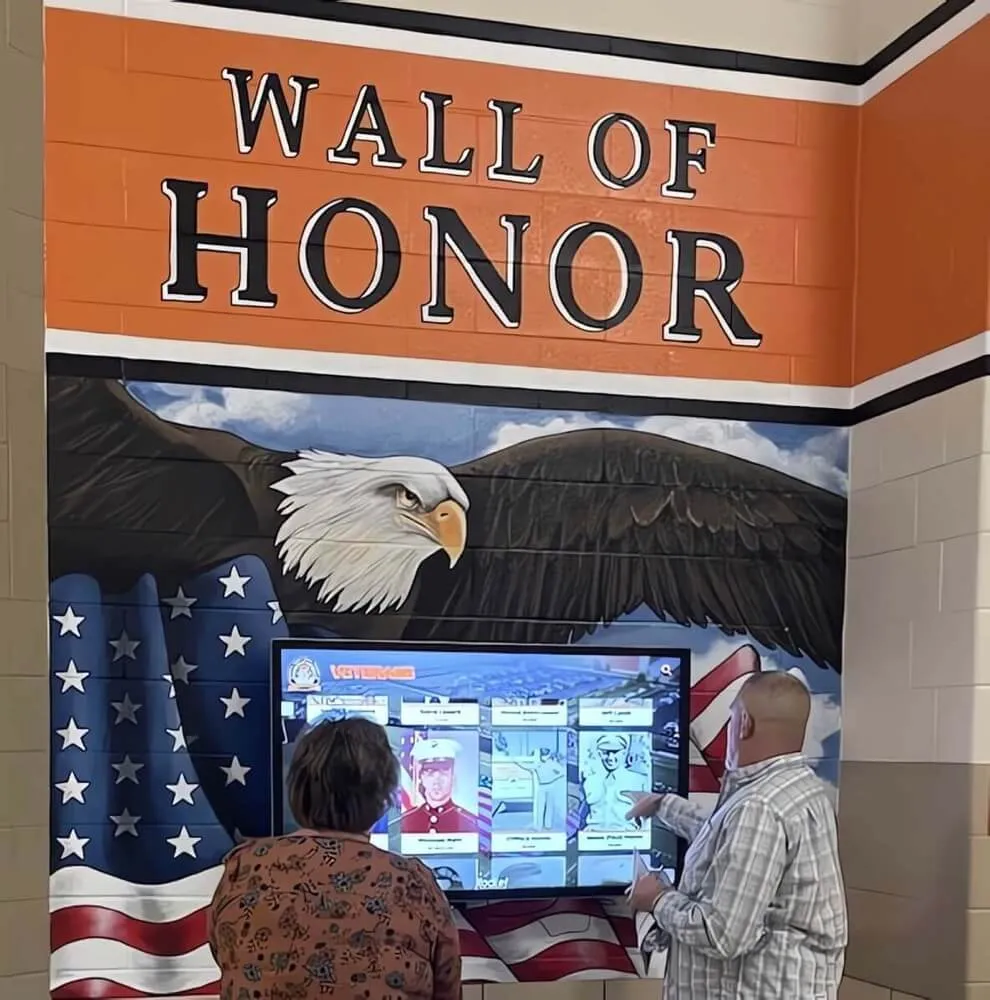
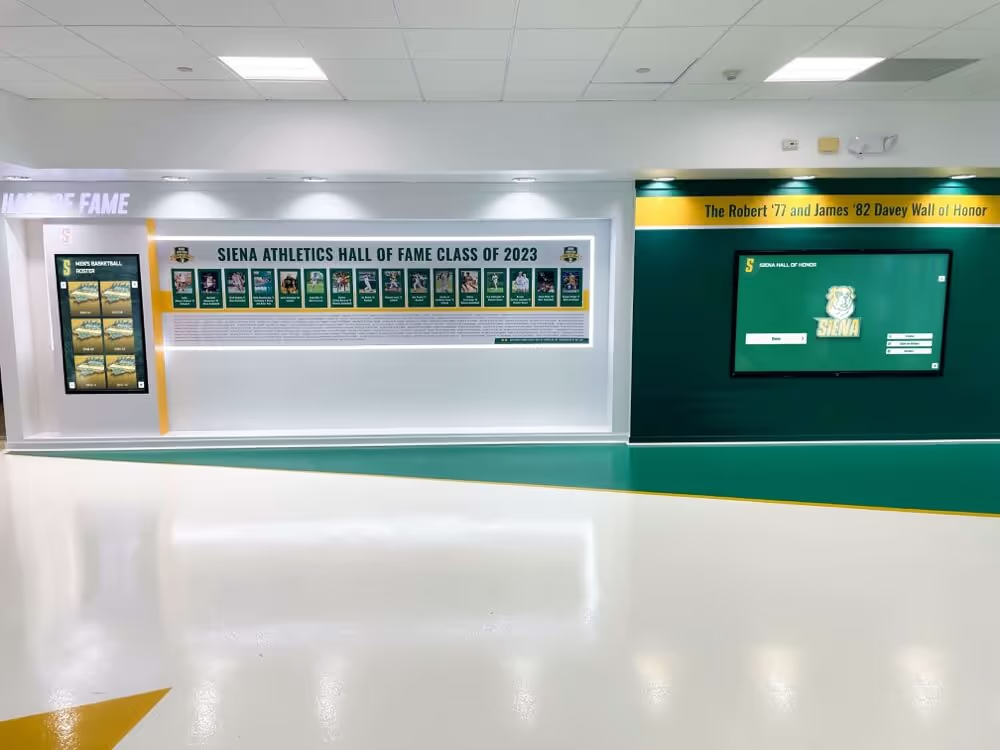
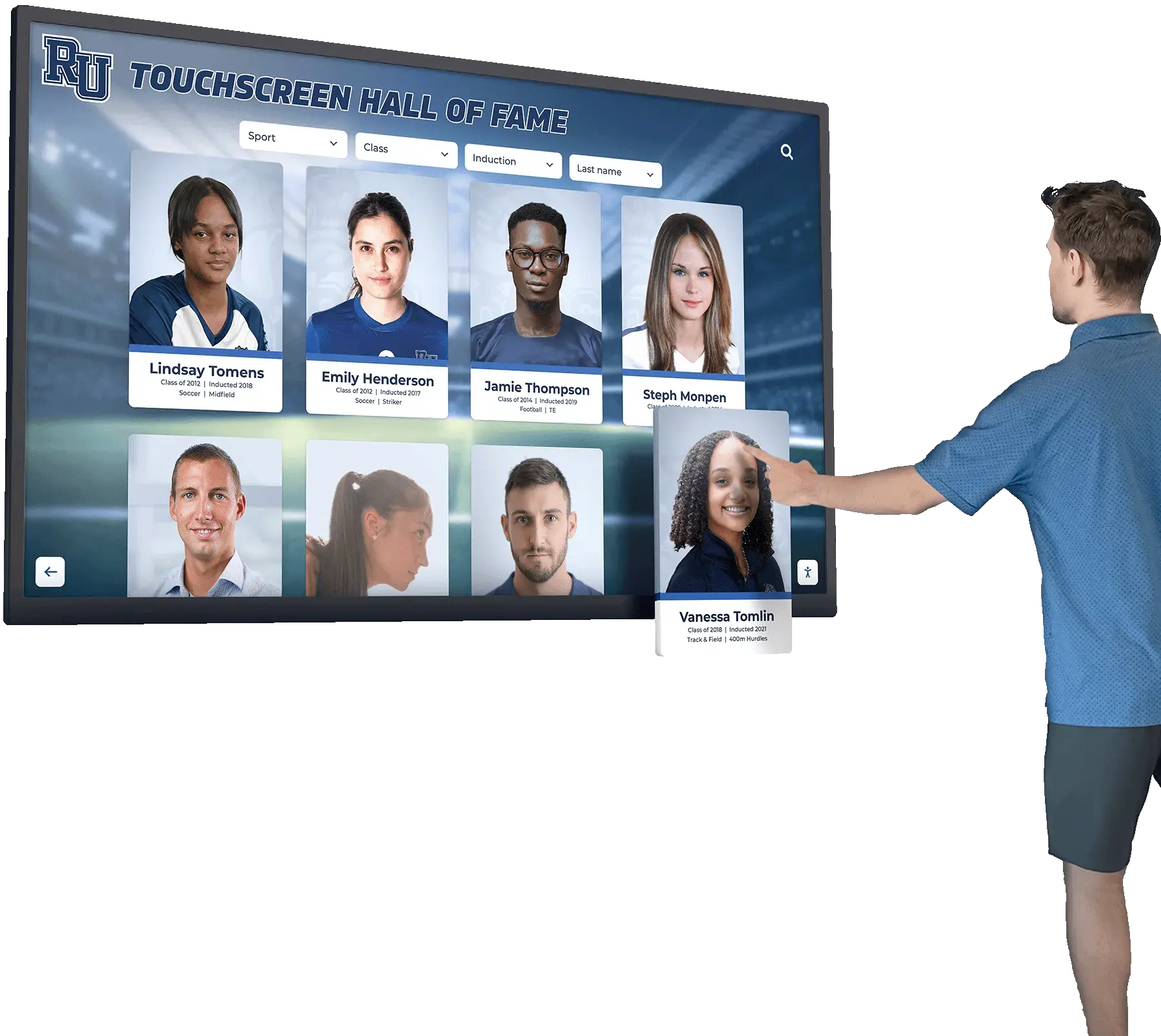
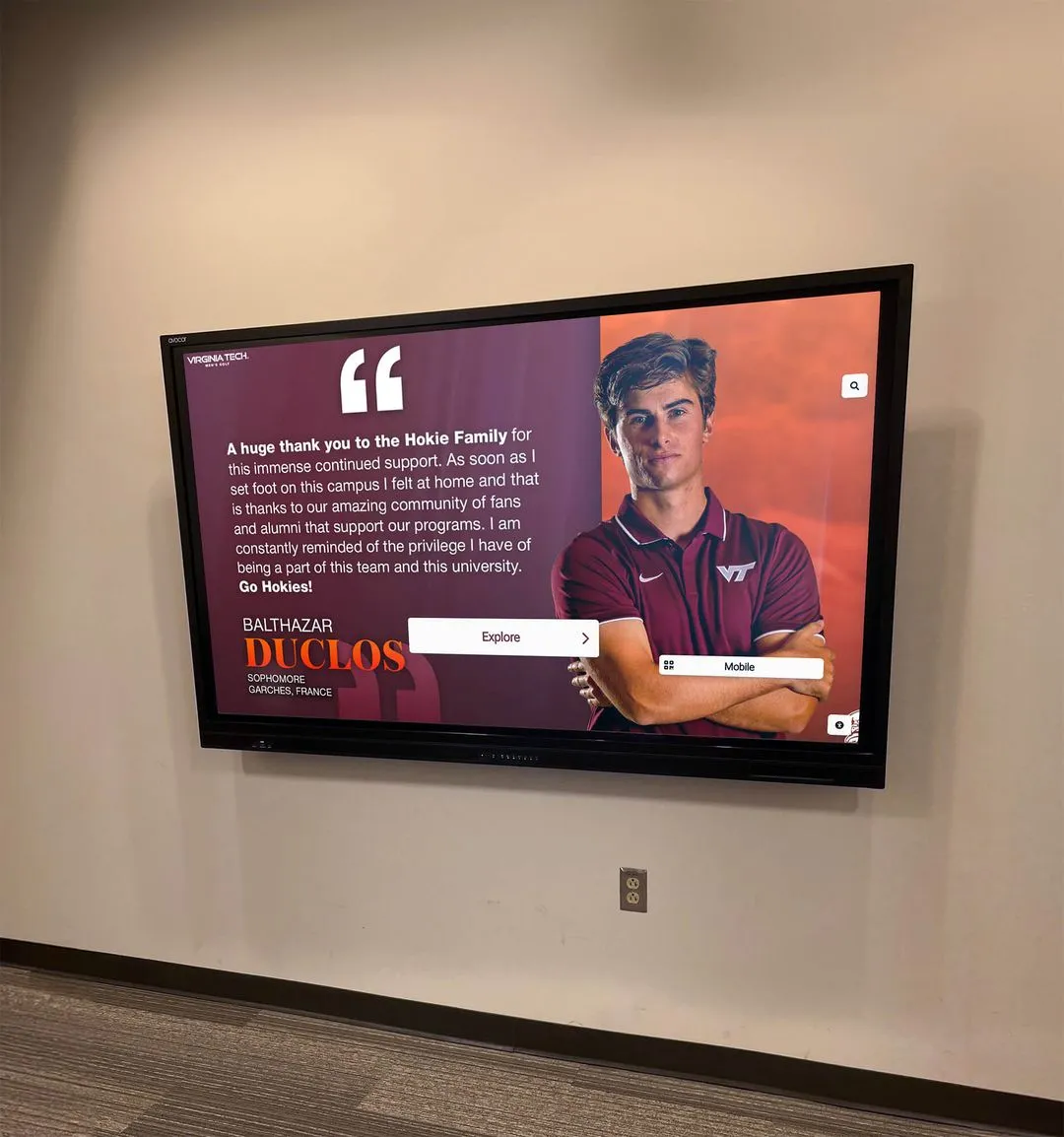
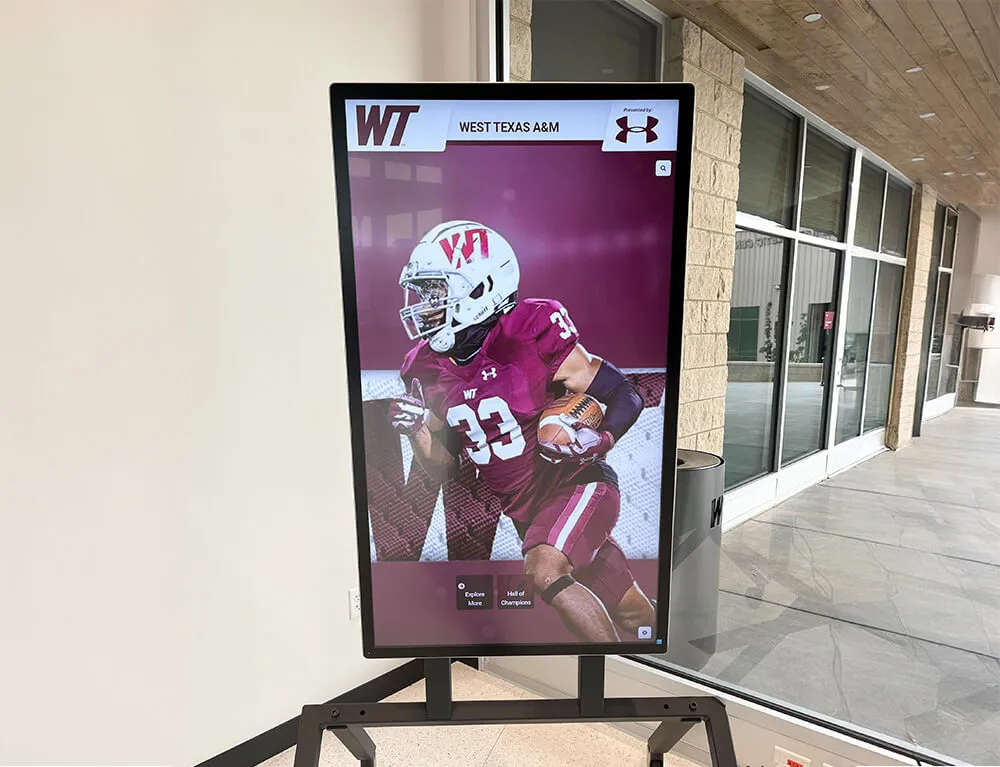
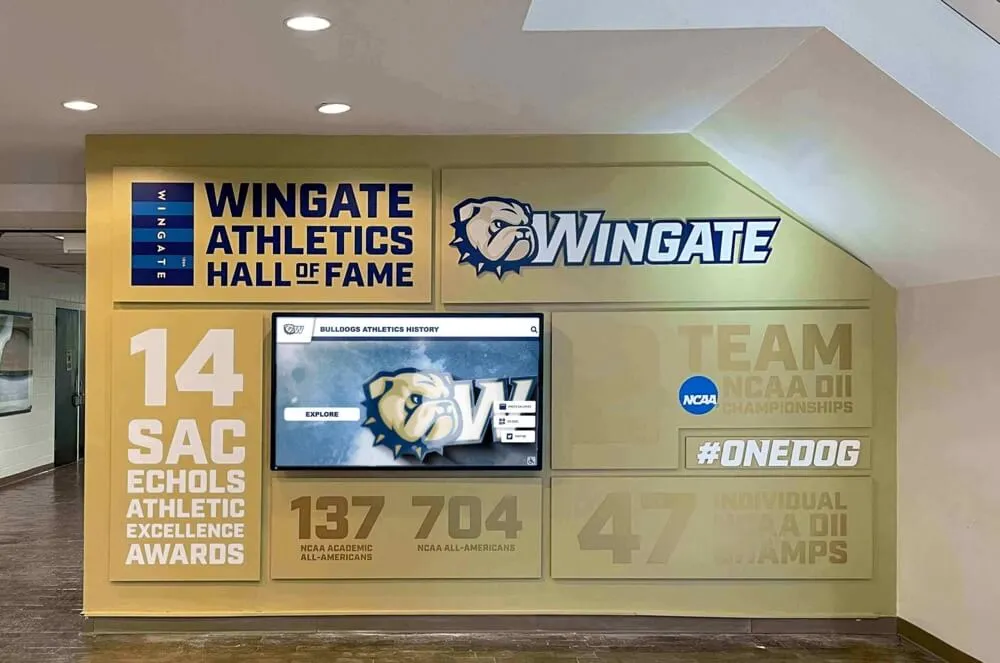
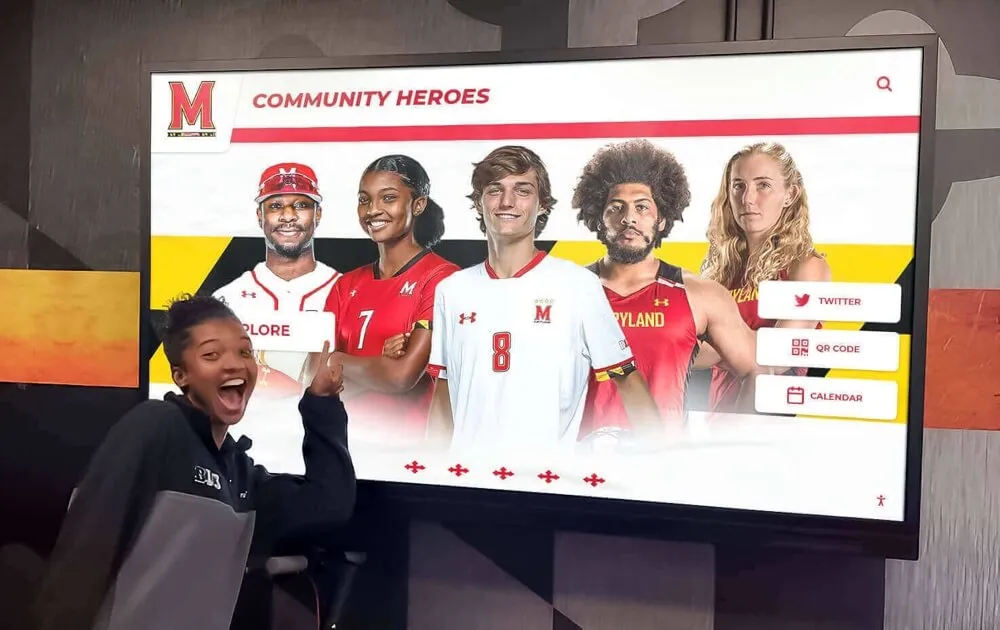
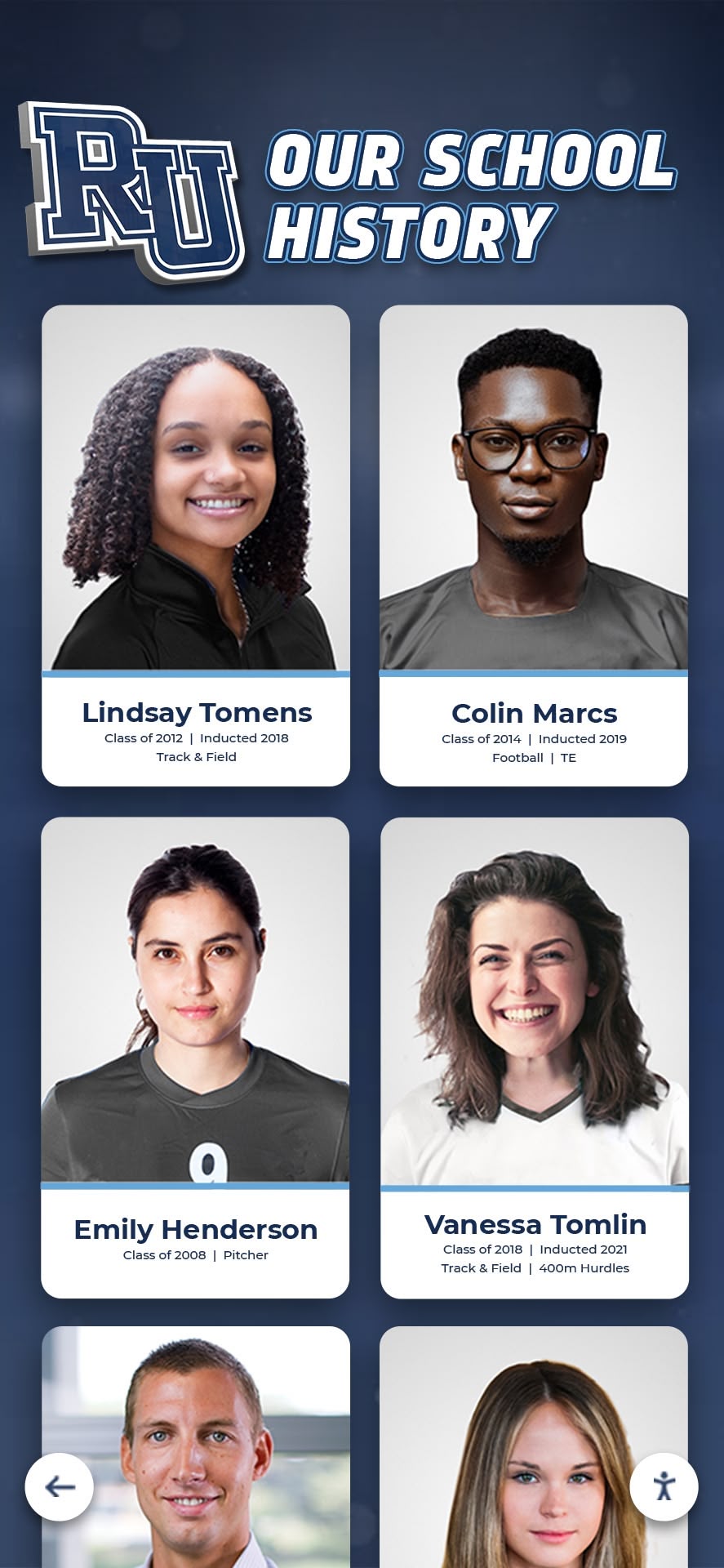
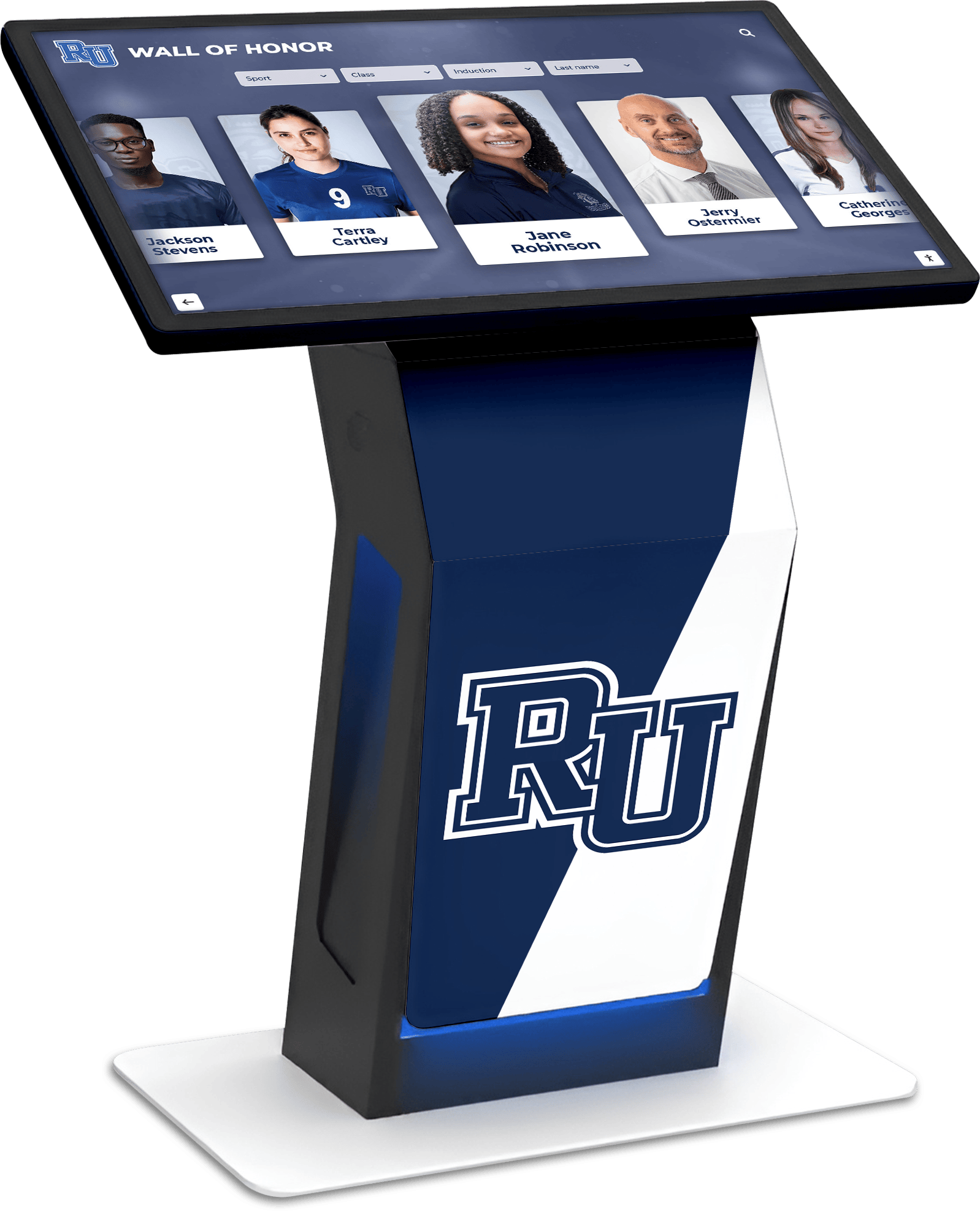
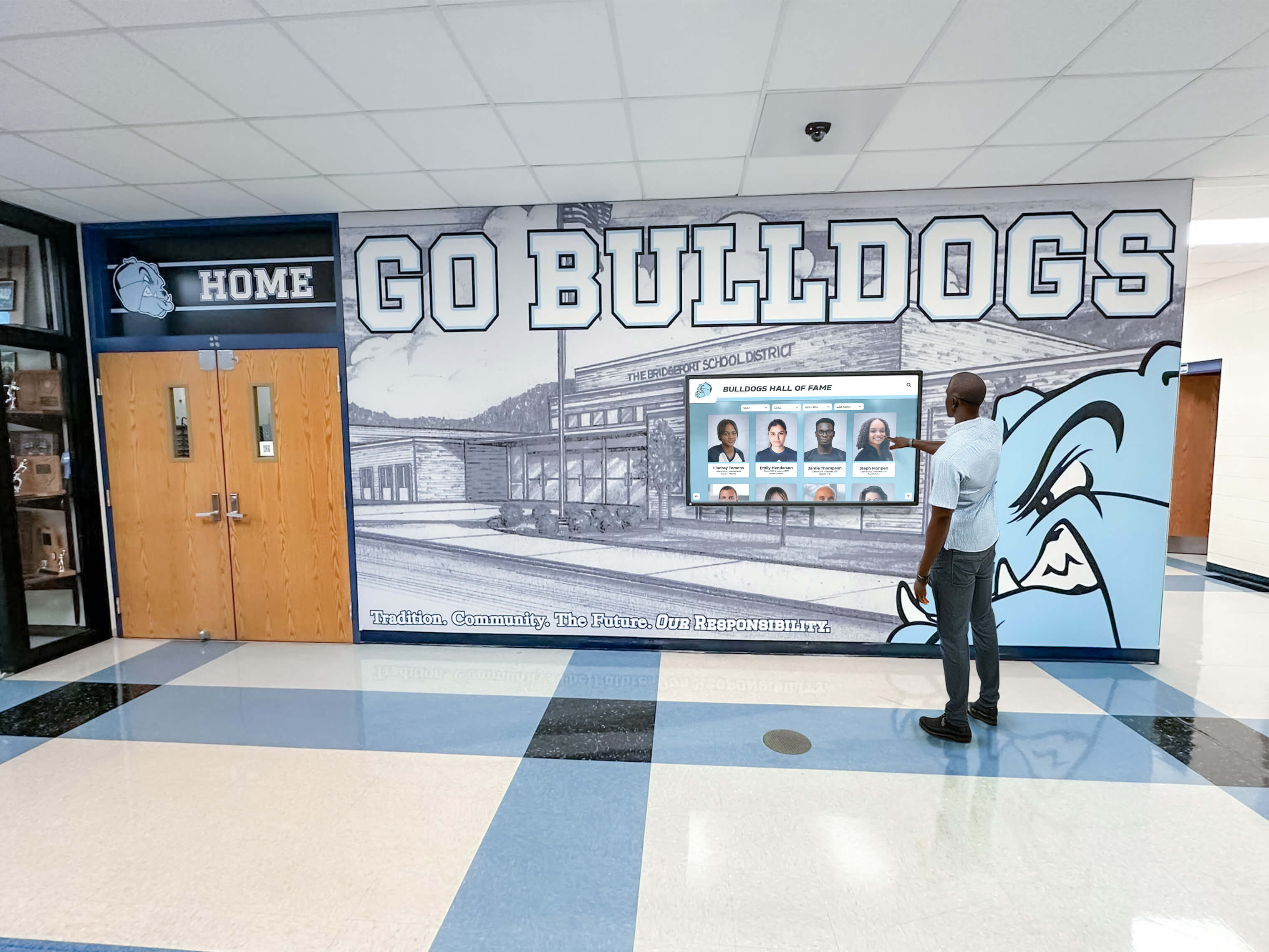
Digital Recognition Displays Modern schools increasingly utilize interactive touchscreen displays that provide permanent, searchable recognition for all seniors across years. Solutions like Rocket Alumni Solutions allow programs to document senior achievements with photos, statistics, biographical information, and post-graduation updates that remain accessible indefinitely.
Unlike physical plaques or banners with space limitations, digital recognition systems accommodate unlimited seniors while allowing content updates as graduates achieve post-high school success. Returning alumni can explore their profiles alongside current seniors, creating continuity across generations.
Senior Class Composites Annual senior athlete composites displayed prominently in athletic facilities create visible legacy documentation. These can be physical displays or digital presentations updated annually.
Record Boards and Achievement Recognition Seniors setting school records or achieving significant milestones receive permanent recognition through record board displays that preserve their accomplishments for future classes to pursue.
Post-Graduation Connection
Alumni Networks Maintain connections with graduated seniors through alumni athlete networks, reunion events, and mentorship programs connecting current athletes with program graduates.
Achievement Updates Track and celebrate post-graduation accomplishments including college athletic participation, academic achievements, military service, and professional success. Student achievement displays can feature graduates returning to share their journeys.
Common Senior Night Challenges and Solutions
Even well-planned senior nights encounter potential complications. Proactive problem-solving ensures successful celebrations.
Challenge: Emotional Management
The Issue: Senior nights generate intense emotions—seniors processing endings, parents reflecting on childhood completion, and younger athletes contemplating their own approaching graduations. These emotions, while natural and appropriate, can become overwhelming.
Solutions:
- Prepare seniors beforehand about expected emotions and that tears are normal
- Keep ceremonies moving at appropriate pace without rushing genuine moments
- Have tissues readily available for participants and spectators
- Build in appropriate pauses without excessive emotion dwelling
- Coach speeches that balance celebration with acknowledgment of emotions
- Allow underclassmen to support seniors while maintaining ceremony dignity
Challenge: Large Senior Classes
The Issue: Programs with 15, 20, or more seniors face timing challenges—lengthy ceremonies lose audience attention and cut into competition time.
Solutions:
- Streamline individual recognitions to 30-45 seconds each
- Use printed programs with detailed senior information so announcements can be briefer
- Consider grouping seniors by position or role for combined recognition
- Utilize video boards or digital displays showing senior information simultaneously with announcements
- Start ceremonies earlier to avoid rushing
- Focus verbal recognition on highlights while printed materials provide comprehensive details
Challenge: Family Circumstances
The Issue: Not all seniors have traditional family structures—divorced parents, deceased parents, guardians, or complicated family dynamics create potential awkwardness.
Solutions:
- Communicate early with families about escort preferences
- Accommodate multiple escorts when appropriate (both parents, step-parents, guardians)
- Allow seniors to choose escorts—siblings, grandparents, mentors, or coaches
- Never force participation or assume family structure
- Provide alternatives for seniors uncomfortable with public family involvement
- Respect privacy about family circumstances while ensuring all seniors receive equal recognition
Challenge: Weather and Scheduling
The Issue: Outdoor sports face weather uncertainty, while scheduling conflicts affect attendance.
Solutions:
- Build in weather backup plans and alternative dates
- Communicate clearly about weather decision timelines
- Consider abbreviated indoor ceremonies if weather compromises outdoor plans
- Schedule senior nights on dates maximizing family availability (avoiding holidays, major school events)
- Provide multiple notification channels for any changes
- Document ceremonies thoroughly since not all family members may attend
Challenge: Budget Constraints
The Issue: Limited athletic budgets challenge programs seeking meaningful recognition.
Solutions:
- Prioritize meaningful elements over expensive gifts—personal coach messages often mean more than costly items
- Leverage booster clubs and parent organizations for gift funding
- Seek local business sponsorships or donations
- Focus on experience quality rather than material value
- Consider team-funded gifts from underclassmen to seniors
- Utilize free resources like digital photos and social media recognition
Creating Lasting Senior Recognition
Senior night represents a single evening, but its impact extends throughout graduates’ lives as they reflect on high school athletic experiences. Schools creating comprehensive recognition systems ensure seniors feel appropriately honored while preserving their legacies for future student-athletes.
Building Recognition Systems That Last
Traditional senior night ceremonies provide important immediate recognition, but comprehensive programs extend appreciation through multiple channels:
- Season-long acknowledgment building to senior night rather than single-night recognition
- Permanent displays documenting senior contributions for future classes
- Digital archives allowing unlimited long-term recognition
- Alumni connection programs maintaining relationships beyond graduation
- Legacy programs connecting current athletes with program graduates
Modern digital recognition technology transforms how schools preserve senior achievements. Rather than limiting recognition to single ceremonies or static physical displays with space constraints, digital platforms provide unlimited capacity for honoring all seniors across decades.
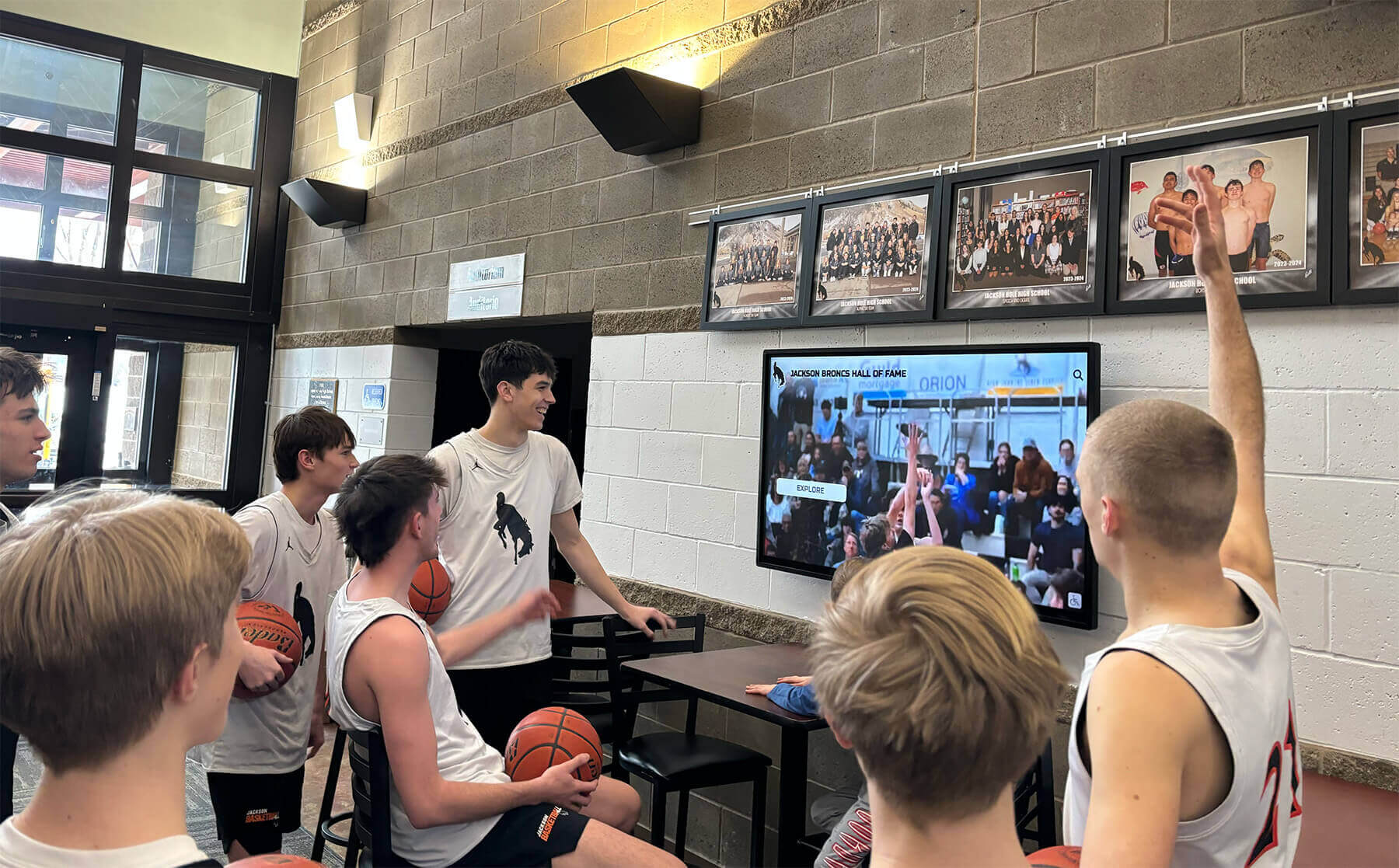
Interactive displays allow visitors to explore senior athlete profiles, view photos and statistics, learn about post-graduation achievements, and understand program history through the individuals who built it. This technology creates living recognition that grows with programs rather than fixed displays becoming outdated.
The Broader Impact of Recognition
When schools invest in meaningful senior recognition—both single-night ceremonies and long-term systems—they create multiple benefits:
- Current seniors receive acknowledgment validating their dedication and providing transition closure
- Underclassmen witness the respect accorded to commitment, increasing their own investment
- Parents experience public appreciation for their support and sacrifice
- Alumni maintain connections to programs through visible legacy documentation
- Communities strengthen bonds through shared celebration of youth achievement
- Future recruits observe program culture valuing individual contributions
Recognition systems become program recruiting advantages, demonstrating to prospective athletes and families that the school values participants beyond immediate competition utility.
Technology Solutions for Senior Recognition
While senior night ceremonies remain inherently personal and traditional, technology increasingly enhances both single-night celebrations and long-term recognition sustainability.
Digital Displays and Interactive Recognition
Schools implementing comprehensive digital recognition systems report several advantages over traditional plaques and banners:
Unlimited Capacity: Digital displays accommodate every senior across all sports and years without space limitations that force schools to be selective or rotate displays.
Rich Content Options: Beyond names and years, digital profiles include photos, biographical information, statistics, achievements, post-graduation updates, and multimedia content creating comprehensive recognition.
Searchability: Returning alumni can quickly locate their profiles and explore teammates, while families can find specific seniors among hundreds of profiles.
Update Capability: As seniors achieve post-high school success, profiles can be updated maintaining current, relevant recognition that grows with graduates.
Cost Effectiveness: After initial investment, digital systems eliminate ongoing costs for new plaques, banner replacement, and physical display updates required by traditional approaches.
Platforms like Rocket Alumni Solutions specifically designed for school recognition provide intuitive content management allowing coaches and administrators to add seniors efficiently, comprehensive templates ensuring consistent recognition quality, mobile-responsive displays accessible beyond physical installations, and integration with broader school recognition including academic and community achievements.
Athletic recognition programs increasingly incorporate digital elements alongside traditional ceremonies.
Video Tributes and Social Media
Technology also enhances senior night ceremonies themselves through video highlight compilations, senior interview segments, social media recognition campaigns, live streaming for distant family members, and digital photo sharing platforms.
These elements expand recognition reach beyond physical ceremony attendees while creating digital archives families preserve.
Senior Night Best Practices: What Successful Programs Do
Schools with highly regarded senior night traditions share common practices distinguishing their celebrations.
Start Planning Early Begin coordination 6-8 weeks before target dates, ensuring adequate time for communication, information gathering, and logistics arrangement.
Communicate Clearly and Frequently Provide families multiple notices about expectations, timelines, and participation requirements. Over-communication prevents confusion and missed deadlines.
Personalize Recognition Generic acknowledgment lacks impact—invest time learning specific achievements, characteristics, and contributions making each senior’s recognition unique and meaningful.
Involve Underclassmen Include younger athletes in ceremonies, gift preparation, and recognition planning. This builds program culture and provides leadership development while showing seniors they’re valued across the team.
Honor All Contributors Remember that teams include managers, trainers, statisticians, and support roles. Ensure all seniors who invested time receive appropriate recognition regardless of playing time or role.
Balance Formality and Authenticity Senior nights require appropriate ceremony dignity while remaining genuine. Overly scripted events feel hollow; completely informal recognition lacks appropriate gravitas. Find balance matching program culture.
Document Thoroughly Invest in quality photography and videography. These materials become treasured family possessions and program archives. Consider multiple photographers capturing different ceremony aspects.
Extend Recognition Beyond the Night View senior night as culmination of season-long appreciation rather than isolated recognition. Build anticipation through ongoing senior acknowledgment.
Plan for Emotions Accept that tears and emotional moments will occur. Prepare participants, allow appropriate pauses, and ensure ceremony continues gracefully through emotional peaks.
Create Inclusive Atmosphere Ensure all family structures, backgrounds, and circumstances receive respectful accommodation. Flexibility and sensitivity to diverse situations demonstrate program values.
Conclusion: The Enduring Value of Senior Night
Senior night endures as a beloved high school athletic tradition because it addresses fundamental human needs—belonging, acknowledgment, transition support, and community connection. In an era of specialization, professionalization, and increasingly transactional athletic relationships, senior night reminds participants that high school sports remain fundamentally about young people’s development within supportive communities.
For seniors, the ceremony provides public validation of their dedication and tangible closure on defining high school experiences. For families, it offers rare acknowledgment of their support and opportunity to share pride publicly. For programs, it reinforces culture and values while inspiring younger athletes. For communities, it creates shared moments celebrating youth achievement.
Schools investing in meaningful senior night celebrations—whether through thoughtful ceremony planning, comprehensive gift recognition, or long-term digital legacy preservation—demonstrate commitment to student-athletes as individuals rather than merely competitive assets. This investment pays dividends through strengthened program cultures, increased athlete dedication, and enhanced community connections.
As you plan your own senior night or prepare to participate as a family, remember that authenticity and genuine appreciation matter more than elaborate productions. The most memorable senior nights combine appropriate ceremony with heartfelt acknowledgment, creating moments that resonate throughout graduates’ lives as they reflect on formative high school experiences.
Ready to Create Lasting Senior Recognition?
While senior night provides important single-evening celebration, consider how your program can extend recognition beyond that ceremony. Modern digital recognition displays allow you to honor every senior across years with comprehensive profiles, photos, achievements, and post-graduation updates that create permanent legacy documentation.
Discover how Rocket Alumni Solutions helps schools create sustainable senior recognition programs that celebrate all student-athletes while building program culture and community connections that extend far beyond graduation.