Walk through the halls of almost any American high school during fall or winter, and you’ll encounter a distinctive sight: students wearing heavy wool jackets adorned with large chenille letters, colorful patches, and pins commemorating athletic achievements. These letterman jackets—also called varsity jackets or letter jackets—represent far more than warm outerwear. They’re visible declarations of athletic accomplishment, symbols of dedication recognized across generations, and tangible connections to school traditions spanning more than 150 years.
For student-athletes, earning a varsity letter and the right to wear a letterman jacket represents a defining high school milestone. The jacket becomes a wearable portfolio of achievements—each patch, pin, and bar telling stories of championships won, seasons completed, and excellence demonstrated. Parents photograph their children proudly wearing newly earned jackets. Alumni decades removed from graduation preserve their letterman jackets as treasured keepsakes representing formative years and youthful accomplishments.
Yet despite the letterman jacket’s iconic status in American culture, many people don’t fully understand its history, the criteria for earning varsity letters, or the rich traditions surrounding these recognition symbols. What exactly is a letterman jacket? How did this tradition begin? What do the various patches and symbols mean? And how are schools today balancing traditional recognition with modern approaches to honoring athletic achievement?
This comprehensive guide answers these questions while exploring the complete story of letterman jackets—from their Harvard baseball origins through their evolution into universal symbols of American high school athletics, and into contemporary recognition practices that complement traditional letters with engaging digital displays celebrating athletic excellence for current students and future generations.
Understanding the Letterman Jacket: Definition and Core Components
Before exploring history and traditions, it’s important to understand exactly what constitutes a letterman jacket and the specific elements that make these garments distinctive recognition symbols.
What Is a Letterman Jacket?
A letterman jacket is a specialized athletic jacket awarded to students who earn varsity letters through exceptional participation and achievement in school sports programs. Also known as varsity jackets, letter jackets, or baseball jackets (referencing their origins), these distinctive garments combine specific design elements that make them instantly recognizable as symbols of athletic accomplishment.
Standard Letterman Jacket Components:
The traditional letterman jacket features several distinctive elements that separate it from ordinary outerwear. The body is constructed from heavy wool melton fabric, typically in the school’s primary color, providing warmth and durability that allows jackets to last for decades. The sleeves are made from genuine or synthetic leather in contrasting colors—usually the school’s secondary color—creating the iconic two-tone appearance that makes letterman jackets immediately recognizable.
The most prominent feature is the large chenille varsity letter sewn onto the left chest area. This letter, typically 5-7 inches tall, represents the school’s initial and is constructed from thick chenille yarn creating distinctive texture and three-dimensional appearance. The letter’s color usually matches the sleeve leather, creating visual contrast against the wool body.
Additional features include snap-front closures with multiple buttons bearing school crests or athletic symbols, knit collar and cuffs in striped school colors providing signature athletic appearance, and side pockets for functionality. The jacket’s cut typically features a slightly loose athletic fit accommodating layering and movement during casual wear outside competition.
Customization and Personalization:
While base jacket components remain relatively standardized, letterman jackets become truly personal through accumulated customization. The right chest area often features the student’s graduation year embroidered in chenille numbers matching the varsity letter. The back may display the student’s name, additional letters for multiple sports, or large decorative patches representing specific athletic programs.
Most significantly, earned patches, pins, and year bars accumulate across the jacket throughout a student’s athletic career, creating unique visual records of individual achievement. No two letterman jackets are exactly alike once students complete their personalization, making each jacket a distinctive representation of its owner’s specific accomplishments and experiences.

The Chenille Varsity Letter: Core Recognition Symbol
The centerpiece of every letterman jacket is the chenille varsity letter—the actual achievement symbol that gives “letterman jacket” its name and represents the primary recognition students earn through athletic excellence.
Chenille Letter Construction and Appearance:
Varsity letters are constructed from chenille yarn—a distinctive fuzzy, textured yarn that creates three-dimensional, velvety appearance quite different from flat embroidery or screen printing. The chenille construction gives letters substantial physical presence, making them tactile recognition symbols that stand out visually and to touch. This distinctive texture has remained essentially unchanged since the late 1800s, connecting contemporary letters to more than a century of athletic tradition.
Letters typically measure 5-7 inches in height, large enough to be clearly visible across gymnasiums, classrooms, and hallways. The letter represents the school’s initial—“M” for Madison High School, “C” for Central, “W” for Washington, etc. Schools with longer names or multiple schools sharing initials sometimes use creative variations, but single-letter representation remains standard.
The letter’s color creates contrast with the jacket’s wool body. Most commonly, letters match the color of the leather sleeves—if the jacket has white leather sleeves on a blue wool body, the letter will be white. Some schools use additional colors or create letters with colored borders, but maintaining strong visual contrast remains the priority ensuring letters are clearly visible.
Attachment and Placement:
Varsity letters are permanently sewn onto letterman jackets, typically on the left chest area positioned prominently where they’re immediately visible when students wear jackets. The sewing process requires skill given the chenille’s thickness and texture, and most students have letters professionally attached to ensure secure mounting that withstands years of wear.
Students earning multiple varsity letters—for participating in multiple sports at varsity level—face decisions about placement. Some place additional letters on jacket backs or right chest areas. Others choose to wear only their primary sport’s letter on the jacket while displaying additional letters on letter jacket collections at home or in trophy cases. These decisions reflect personal preference and the relative importance students assign to different athletic experiences.
Patches, Pins, and Supplementary Recognition
Beyond the core varsity letter, letterman jackets become canvases for displaying accumulated athletic achievements through various patches, pins, and decorative elements added throughout students’ athletic careers.
Sport-Specific Patches:
Students earning varsity letters in particular sports typically receive chenille or embroidered patches indicating which specific sport earned their recognition. These patches—featuring basketballs, footballs, soccer balls, track spikes, swimming caps, or other sport symbols—attach to jacket sleeves, chest areas, or back spaces. They provide immediate context explaining which athletic programs students participated in at varsity level.
Sport patches vary considerably in design sophistication. Some schools use simple embroidered symbols, while others commission elaborate chenille patches matching the three-dimensional quality of the varsity letter itself. The patches create visual interest while communicating specific athletic accomplishments at a glance.
Year Bars and Participation Chevrons:
Students earning varsity letters across multiple seasons accumulate year bars—small horizontal bars or strips attached near the varsity letter indicating each year of varsity participation. A student lettering in football across three seasons would display three year bars, creating visual record of sustained excellence and commitment to the program.
Some schools use chevron systems where each varsity season earns a small chevron patch stacked together showing total varsity seasons completed. Whether bars or chevrons, these accumulated markers celebrate sustained dedication rather than only initial achievement, recognizing that athletic excellence requires years of commitment, not just single outstanding performances.
Championship and Achievement Pins:
Small pins attached to jacket areas commemorate specific achievements beyond basic varsity letter qualification. Championship pins mark conference titles, regional championships, or state tournament appearances and victories. All-conference, all-state, or all-region recognition earns distinctive pins. Team captain positions, most valuable player awards, and individual statistical achievements all might be recognized through specialized pins.
These pins accumulate throughout athletic careers, creating detailed records of specific accomplishments. Students graduating with jackets covered in numerous pins communicate extensive achievement across multiple dimensions—not just participation, but excellence, leadership, and championship-level success. The visual density of pins creates clear differentiation between students who earned basic varsity letters and those who achieved at the highest competitive levels.
Captain Bars and Leadership Recognition:
Team captain positions typically earn special recognition through captain bars—horizontal gold or silver metallic bars sewn beneath or above varsity letters. Multiple captain bars indicate leadership across multiple sports or seasons, marking students who teammates and coaches recognized as leaders worthy of representing programs in captain roles.
Some schools supplement physical captain bars with leadership awards that appear both on letterman jackets and in permanent recognition displays, connecting personal achievement symbols students wear with institutional recognition honoring the same accomplishments.

The History of Letterman Jackets: From 1865 Harvard to Modern Tradition
The letterman jacket tradition stretches back more than 150 years, evolving from simple uniform identification markers into one of American education’s most enduring recognition symbols.
Origins: The First Varsity Letter (1865)
The varsity letter tradition began in 1865 at Harvard University with the baseball team. During this era, Harvard’s baseball team needed a method to identify team members during games and distinguish varsity athletes from club players and casual participants. The solution was elegantly simple: sewn large “H” letters onto player uniforms, creating immediate visual identification of official team members.
The Innovation and Its Immediate Purpose:
The original “H” letters served purely functional purposes. They weren’t initially conceived as achievement awards or recognition symbols—they simply marked who belonged to the official varsity baseball squad versus students playing recreationally. The letters were sewn directly onto uniforms players wore during competition, making them part of the athletic gear itself rather than separate recognition items.
However, the letters quickly acquired secondary significance. Players who earned the right to wear the “H” took pride in their status as official team members. The letter communicated competitive legitimacy and connection to Harvard’s athletic reputation. What began as simple identification evolved almost immediately into a symbol of achievement and belonging that players valued beyond its practical function.
Spread Across Sports and Institutions:
Harvard’s simple innovation proved immediately appealing to other athletic programs seeking similar identification and recognition methods. Within years, other Ivy League institutions adopted similar letter systems—Yale with “Y,” Princeton with “P,” and so forth. The concept spread beyond baseball to football, crew, track, and other competitive sports as universities formalized athletic programs during the late 1800s.
By the 1890s, the varsity letter had become standard practice at most American colleges and universities with organized athletic programs. The letter marked formal team membership and recognized students who met participation and performance standards their institutions established. Students who earned letters displayed them with pride, creating early foundations for the recognition culture that would flourish throughout the 20th century.
Evolution to Letterman Jackets (Early 1900s)
While varsity letters originated in 1865, the letterman jacket as a distinct garment emerged gradually during the early decades of the 20th century as athletic programs, school spirit traditions, and student culture evolved.
From Uniform Letters to Wearable Recognition:
The transition from letters sewn on competitive uniforms to letters displayed on everyday clothing occurred organically as students sought ways to show their athletic accomplishments outside competition. Players began removing letters from old uniforms and sewing them onto sweaters or coats they wore regularly, creating personal displays of athletic achievement visible throughout campus.
By the 1910s and 1920s, students—particularly at cold-weather institutions—began sewing letters onto heavy wool cardigans or jackets specifically purchased or designed for displaying athletic recognition. These early letterman sweaters and jackets weren’t standardized—students used whatever suitable garments they could find or afford, creating considerable variation in appearance.
Standardization and Commercial Production:
As letterman sweaters and jackets grew popular, entrepreneurial companies recognized commercial opportunities. By the 1930s, specialized manufacturers were producing standardized letterman jackets designed specifically for displaying varsity letters and athletic recognition. These companies worked with schools to create consistent designs in official school colors, establishing the distinctive wool body/leather sleeve combination that became standard.
Commercial production made letterman jackets accessible to more students by providing affordable, high-quality options through school bookstores and athletic departments. Rather than each student creating unique personal displays, standardized jackets ensured consistency while allowing personalization through accumulated patches and pins. This standardization helped solidify letterman jackets as recognizable symbols of athletic achievement that transcended individual schools.
High School Adoption (1940s-1950s):
While letterman jackets originated at the collegiate level, their greatest cultural impact emerged as American high schools adopted the tradition during the mid-20th century. The post-World War II era saw dramatic expansion of high school athletic programs as communities invested in school facilities and competitive sports became central elements of American high school experience.
High schools embraced letterman jackets enthusiastically, viewing them as powerful tools for building school spirit, recognizing student achievement, and creating traditions connecting students across graduating classes. By the 1950s, letterman jackets had become firmly established in American high school culture, appearing in films, television shows, and popular media as instantly recognizable symbols of high school athletics and achievement.
The high school adoption cemented letterman jackets’ iconic status. While collegiate athletes also wore varsity letters, the high school letterman jacket became the culturally dominant image—the symbol that appeared in yearbooks, movies, and collective cultural memory representing American adolescence and high school athletics.
Cultural Significance Through the Decades
Throughout the second half of the 20th century, letterman jackets evolved from simple recognition symbols into complex cultural markers carrying meanings extending far beyond athletic achievement.
The 1950s-1960s: Peak Prestige and Social Status:
During the 1950s and 1960s, letterman jackets reached their peak cultural significance in American high schools. Wearing a letterman jacket communicated significant social status—athletes were cultural heroes, and visible displays of athletic achievement commanded respect and admiration. The letterman jacket became shorthand in films and television for popularity, masculinity, and high school social hierarchy.
This era also established many traditions still practiced today. The custom of athletes loaning letterman jackets to romantic partners became widespread, creating visible public declarations of relationships. The practice of decorating jackets extensively with patches commemorating every athletic moment created the maximalist aesthetic many associate with classic letterman jackets.
The 1970s-1990s: Diversification and Democratization:
As American schools expanded recognition programs beyond traditional sports and as women’s athletics grew following Title IX implementation, letterman jacket traditions diversified. More students across more activities earned varsity letters—not just in football and basketball, but in soccer, swimming, track, volleyball, tennis, and eventually activities beyond athletics including band, debate, and academic competition.
This diversification democratized letterman jacket culture. Rather than exclusive symbols worn by small athletic elite, letterman jackets became accessible to broader student populations demonstrating excellence across diverse domains. Some traditional athletics enthusiasts lamented this expansion, viewing it as dilution of athletic recognition. Others celebrated expanded recognition acknowledging diverse forms of achievement and dedication.
Modern Era (2000s-Present): Tradition Meets Contemporary Culture:
In contemporary high schools, letterman jackets occupy complex cultural positions. They remain valued traditions at many schools, particularly in communities where high school athletics maintain strong cultural significance. Students in these environments still eagerly anticipate earning letters and purchasing jackets to display accomplishments.
However, letterman jackets face contemporary challenges. They’re expensive, limiting accessibility for students from families unable to afford $200-400 purchases. They’re impractical in warm climates where heavy wool jackets see limited wear. And they compete with contemporary fashion preferences that sometimes view traditional varsity aesthetics as dated.
Despite these challenges, letterman jackets persist across thousands of American high schools. Their cultural longevity reflects deep connections to institutional traditions, family expectations, and the genuine pride students take in tangible recognition of athletic dedication. Schools increasingly supplement traditional letterman jackets with modern digital recognition ensuring all students receive meaningful acknowledgment regardless of whether they purchase physical jackets.
How Students Earn Varsity Letters: Criteria and Requirements
While letterman jackets are widely recognized symbols, the specific criteria for earning varsity letters vary considerably across schools and sports, reflecting different competitive contexts and institutional philosophies about recognition.
Common Varsity Letter Criteria Across Sports
Most schools establish varsity letter criteria balancing participation requirements with performance standards, ensuring letters recognize genuine achievement and sustained commitment rather than minimal involvement.
Participation and Playing Time Requirements:
The most universal criterion for varsity letters is meaningful participation across competitive seasons. Typical requirements include minimum percentages of varsity games or matches participated in—often 50-75% of contests, minimum playing time or quarters played for team sports measured across seasons, completion of entire competitive seasons for individual sports like track, swimming, or cross country, and attendance and participation at all team practices, competitions, and required events.
These participation standards ensure students earning letters made sustained commitments to their sports rather than token appearances. The specific thresholds vary by sport—team sports with limited roster spots might have stricter playing time requirements than individual sports where all participants compete in meets.
Performance and Achievement Standards:
Beyond basic participation, many schools incorporate performance elements into letter criteria. These might include making varsity rosters as opposed to junior varsity or developmental teams, meeting specific performance thresholds like achieving qualifying times, distances, or statistics, earning starting positions or regular playing time beyond occasional substitution, contributing to team success measured through win-loss records or championships, and receiving coach recommendations affirming that students met program standards.
Performance requirements acknowledge that varsity recognition should represent genuine excellence beyond simply showing up. However, schools must calibrate these standards carefully—overly stringent requirements might exclude dedicated athletes in highly competitive programs where roster spots are limited.
Sportsmanship and Character Requirements:
Most schools include character components in letter criteria, ensuring recognition honors students who represent programs positively. Common character requirements include maintaining academic eligibility throughout seasons, demonstrating positive sportsmanship during competition and practice, avoiding disciplinary problems or code-of-conduct violations, representing school values positively in athletic and non-athletic contexts, and exhibiting leadership and team-focused attitudes valued by coaches and teammates.
These character elements distinguish varsity letters from mere participation acknowledgment. Letters are meant to recognize exemplary student-athletes who demonstrate excellence on and off the field, not simply individuals who completed seasons. Schools implementing comprehensive athletic recognition programs emphasize that honored athletes must embody institutional values alongside competitive achievement.
Sport-Specific Variations in Letter Requirements
Different sports present unique competitive structures and participation patterns that necessitate sport-specific letter criteria rather than universal standards applied across all athletics.
Team Sports (Football, Basketball, Soccer, etc.):
Team sports typically base letter criteria on playing time and participation in varsity competitions. Football might require playing in 50% of quarters across the season or earning starting positions. Basketball programs might require playing in 60% of varsity games or averaging minimum minutes per contest. Soccer, volleyball, and similar sports establish comparable playing time or participation thresholds.
The challenge in team sports involves balancing recognition of starters who play extensively with acknowledgment of role players and backups who contribute to team success despite limited playing time. Some schools create tiered recognition—varsity letters for substantial playing time, certificates or junior varsity letters for meaningful contribution despite limited varsity minutes.
Individual Sports (Track, Swimming, Wrestling, Tennis):
Individual sports present different recognition challenges since participants compete individually even within team structures. Track and field, cross country, and swimming programs typically require completing seasons, achieving qualifying standards, scoring points at meets, or earning state meet qualification. Wrestling requires minimum match participation, win totals, or tournament advancement. Tennis and golf establish similar achievement or participation thresholds.
Individual sports can more easily recognize all committed participants since roster limitations don’t restrict opportunity—everyone who achieves standards earns recognition regardless of team size. This creates more inclusive recognition in some individual sports compared to team sports where roster limitations mean some dedicated athletes never earn substantial playing time.
First-Year vs. Multi-Year Athletes:
Schools must decide whether students can earn letters in ninth or tenth grade or whether recognition is reserved for upperclassmen who’ve demonstrated sustained commitment. Some programs allow freshman letters for exceptional achievement, while others reserve varsity recognition for juniors and seniors regardless of individual performance level. This decision reflects philosophical questions about whether letters should recognize immediate excellence or sustained multi-year commitment.
Multi-year athletes who letter across multiple seasons typically earn year bars or chevrons for each additional season beyond their initial letter. This accumulated recognition celebrates sustained dedication and distinguishes athletes who committed to programs across multiple years from those who achieved only single-season excellence.
Academic Eligibility and Grade Requirements
Nearly all varsity letter programs incorporate academic components ensuring recognition honors well-rounded student-athletes who succeed in classrooms alongside athletic venues.
Minimum GPA Standards:
Most schools establish minimum grade point average requirements for athletic participation and letter eligibility, typically ranging from 2.0 to 2.5 on 4.0 scales. Students falling below these thresholds become ineligible for athletic participation until grades improve, preventing them from earning letters regardless of athletic achievement.
Some schools establish higher GPA requirements specifically for letter awards compared to basic participation eligibility. Students might participate at 2.0 GPA but need 2.5 or higher to earn letters, incorporating academic excellence directly into recognition criteria. This approach emphasizes that varsity letters honor student-athletes who demonstrate commitment to academic and athletic excellence simultaneously.
Failing Grades and Eligibility:
Beyond overall GPA, many schools disqualify students from letter eligibility if they fail any courses during athletic seasons or academic years, regardless of overall grade point averages. This stricter standard prevents students from maintaining eligibility through high performance in some classes while completely neglecting others.
Academic eligibility rules serve multiple purposes. They ensure that athletics support rather than undermine academic priorities. They communicate to students, families, and communities that schools value academic achievement alongside athletic success. And they prevent situations where students earn recognition for athletic achievement while failing to meet basic academic standards expected of all students.
Understanding how schools balance academic and athletic recognition helps explain why many institutions implement comprehensive recognition systems celebrating both dimensions of student-athlete success rather than privileging one achievement domain over another.

The Tradition of Wearing and Displaying Letterman Jackets
Beyond earning varsity letters, elaborate traditions surround how students wear, personalize, and display letterman jackets, creating cultural practices as significant as the original achievements the jackets recognize.
Personalization and Decoration Traditions
Once students receive base letterman jackets with varsity letters sewn on, they typically spend months or years personalizing them through accumulated patches, pins, and decorative elements creating unique achievement portfolios.
Strategic Patch and Pin Placement:
Placement of supplementary recognition follows general conventions while allowing individual creativity. Sport-specific patches typically attach to sleeves, creating visible identification of which athletics earned letters. Championship pins and achievement markers usually appear on jacket fronts surrounding varsity letters. Year bars or chevrons attach immediately adjacent to letters, creating clear visual connection between core recognition and accumulated seasons.
Back panels offer largest customization areas where students add names, additional letters for multiple sports, large decorative patches representing specific teams or seasons, and sometimes elaborate artistic elements or quotes meaningful to athletic experiences. This back-panel customization creates the most distinctive personalization where individual athletic stories become uniquely visible.
Accumulation Over Time:
Letterman jacket decoration typically occurs gradually across athletic careers rather than all at once. Students add patches and pins as they earn them—new year bars after each additional varsity season, championship pins immediately following tournament successes, sport patches as they letter in additional athletics, and specialized recognition markers as they achieve all-conference selection or other honors.
This gradual accumulation creates living records of athletic progression. Freshman letterman jackets might display only basic varsity letters with single sport patches. By senior year, the same jackets become densely decorated achievement portfolios covering four years of competitive athletics, multiple sports participation, accumulated championships, and leadership positions.
Cultural Practices and Social Traditions
Letterman jackets participate in broader social traditions extending beyond simple achievement display into relationship rituals and cultural practices specific to high school social dynamics.
The “Jacket Loan” Tradition:
One of the most recognized letterman jacket traditions involves athletes loaning jackets to romantic partners as visible relationship declarations. This practice, popularized during the 1950s and persisting in many contemporary schools, creates public acknowledgment of relationships through distinctive athletic symbols.
The jacket loan functions as relationship marker visible to entire school communities. When students wear letterman jackets clearly too large for them bearing names and achievements of romantic partners, they communicate relationship status while participating in long-standing cultural traditions connecting them to previous student generations. The practice also demonstrates trust and commitment—letterman jackets are valuable possessions students share only with those they care about deeply.
While jacket loans remain common, they’ve become more gender-neutral than historical patterns where male athletes exclusively loaned jackets to female partners. Contemporary practices reflect more diverse relationship patterns and athletic participation across genders.
Senior Recognition and Final Ceremonies:
Many schools create special senior-year traditions honoring athletes completing athletic careers. Senior nights in various sports recognize graduating athletes through special introductions, parent accompaniment during recognition ceremonies, gifts commemorating careers, and final opportunities to wear letterman jackets during competitive events.
These senior recognitions acknowledge that most high school athletes are completing competitive athletics careers—college athletic participation remains relatively rare. The ceremonies celebrate complete high school athletic experiences, honor accumulated achievements, and provide formal conclusions to athletic identities that may have defined students throughout adolescence.
Schools implementing senior recognition programs often combine physical letterman jacket traditions with digital recognition ensuring accomplishments receive permanent commemoration extending beyond individual physical possessions.
Post-Graduation Preservation:
For many students, letterman jackets transition from actively worn garments into preserved keepsakes after graduation. Alumni store jackets carefully, recognizing their significance as tangible connections to formative experiences and youthful achievements. Jackets appear at class reunions, get photographed for social media nostalgia posts, and sometimes pass to children or get donated to school archives.
This preservation reflects letterman jackets’ emotional significance beyond their immediate practical value. The physical object becomes repository for memories, accomplishments, friendships, and experiences from crucial developmental years. Long after students stop wearing jackets regularly, the garments retain sentimental value as tangible evidence of dedication, achievement, and belonging during high school athletic careers.

Modern Approaches: Balancing Tradition with Contemporary Recognition
While letterman jackets remain valued traditions, schools increasingly recognize that exclusive reliance on physical jackets creates recognition gaps leaving some deserving students without meaningful acknowledgment of athletic achievement.
Challenges with Traditional Letterman Jacket Recognition
Despite cultural significance and enduring appeal, letterman jacket traditions face legitimate challenges in contemporary educational contexts that schools must address thoughtfully.
Economic Accessibility Concerns:
Quality letterman jackets typically cost $200-400, creating significant financial barriers for students from lower-income families. While schools award varsity letters for achievement, most expect students to purchase their own jackets if they wish to display letters on this traditional garment. This economic gatekeeping means students from families unable to afford jacket purchases may never wear visible symbols of athletic accomplishments their wealthier teammates display proudly.
Some schools address this through jacket subsidy programs, booster organization support, or payment plans making purchases more accessible. Others question whether recognition systems requiring students to purchase their own recognition items are fundamentally equitable, regardless of available financial assistance that may carry stigma preventing proud families from requesting help.
Climate and Practical Wear Limitations:
Heavy wool jackets with leather sleeves designed for cold northeastern winters prove impractical in warm-climate states where winter temperatures rarely drop below 50-60 degrees. Students in Texas, Florida, Southern California, and similar regions may earn varsity letters but have extremely limited practical opportunities to wear letterman jackets comfortably. The recognition symbol becomes essentially decorative rather than functional garment.
This climate mismatch means letterman jackets work well in some regions while providing little value in others. Schools in warm climates sometimes adapt by offering lighter-weight alternatives, but these lack the traditional aesthetic and cultural associations of classic letterman jackets.
Limited Scope of Traditional Physical Recognition:
Letterman jackets recognize individual students who purchase and wear them, but provide no permanent institutional recognition visible to broader school communities. Once students graduate and take jackets with them, no evidence remains that those athletes ever earned varsity letters or achieved athletic excellence at their schools. This individual-only recognition creates gaps in institutional memory and limits the motivational impact on younger students who may not regularly encounter upperclassmen wearing jackets.
Complementary Digital Recognition Solutions
Forward-thinking schools implement comprehensive recognition programs combining traditional letterman jacket traditions with modern digital solutions that address accessibility limitations while preserving physical tradition for students who value it.
Interactive Digital Displays in Athletic Facilities:
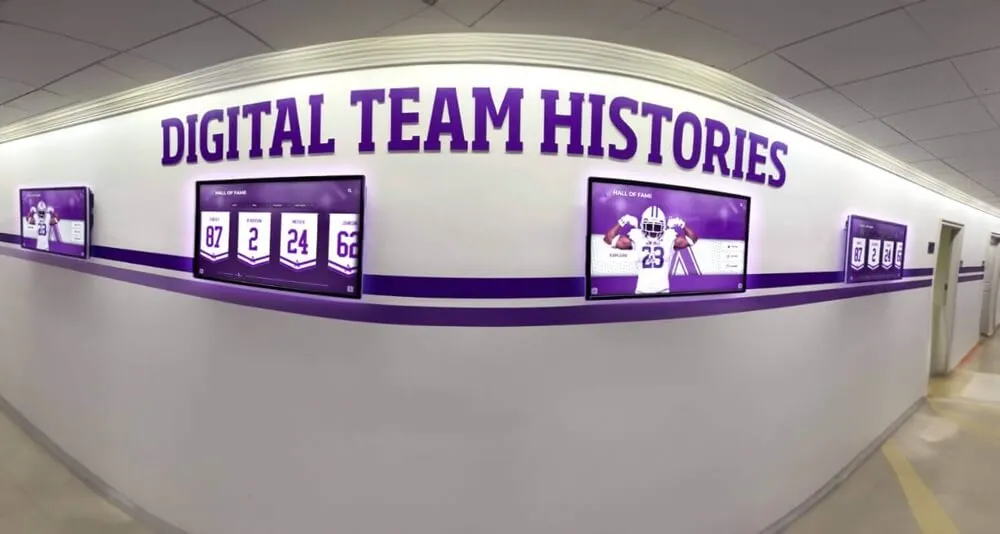
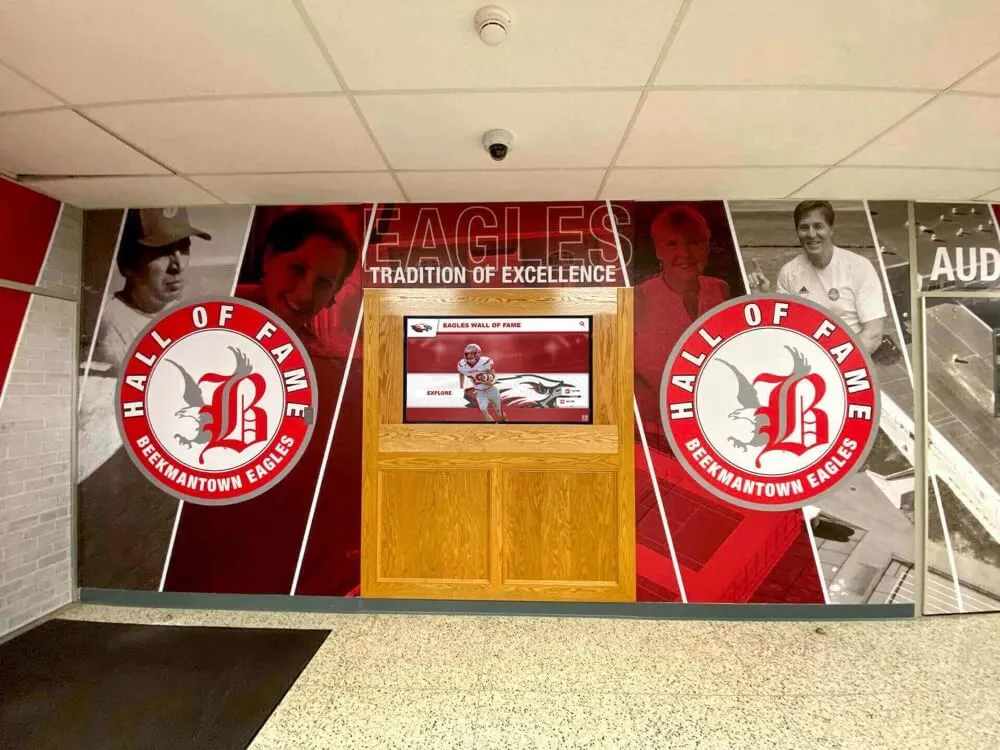
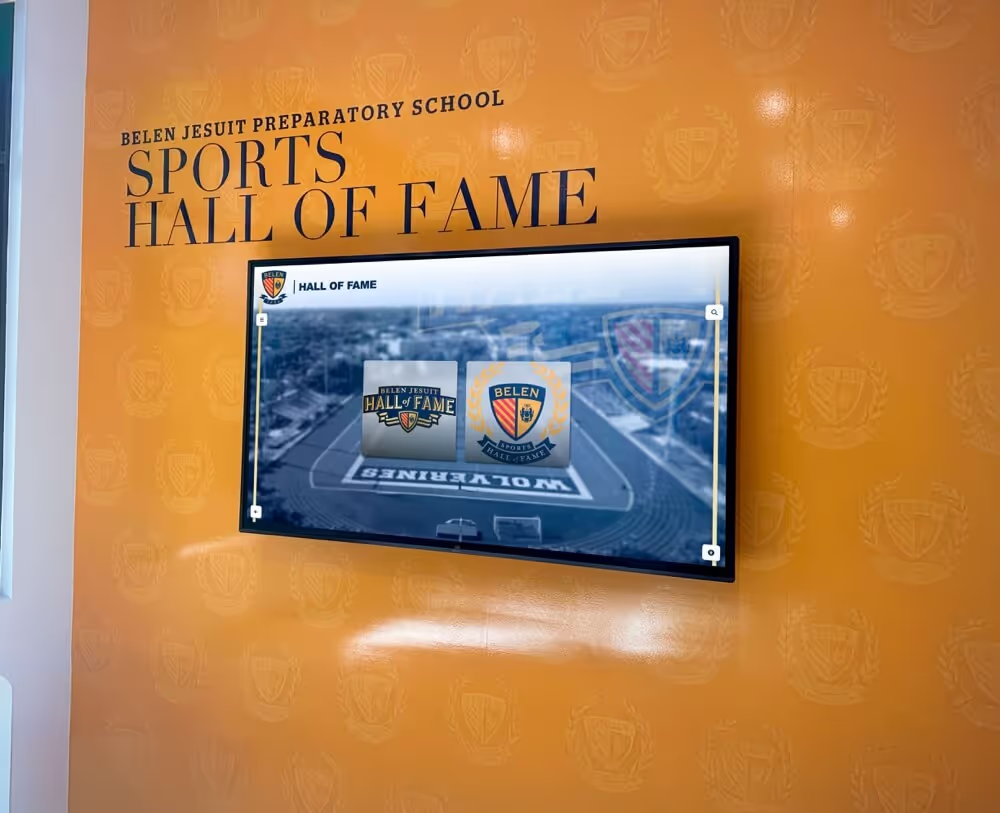
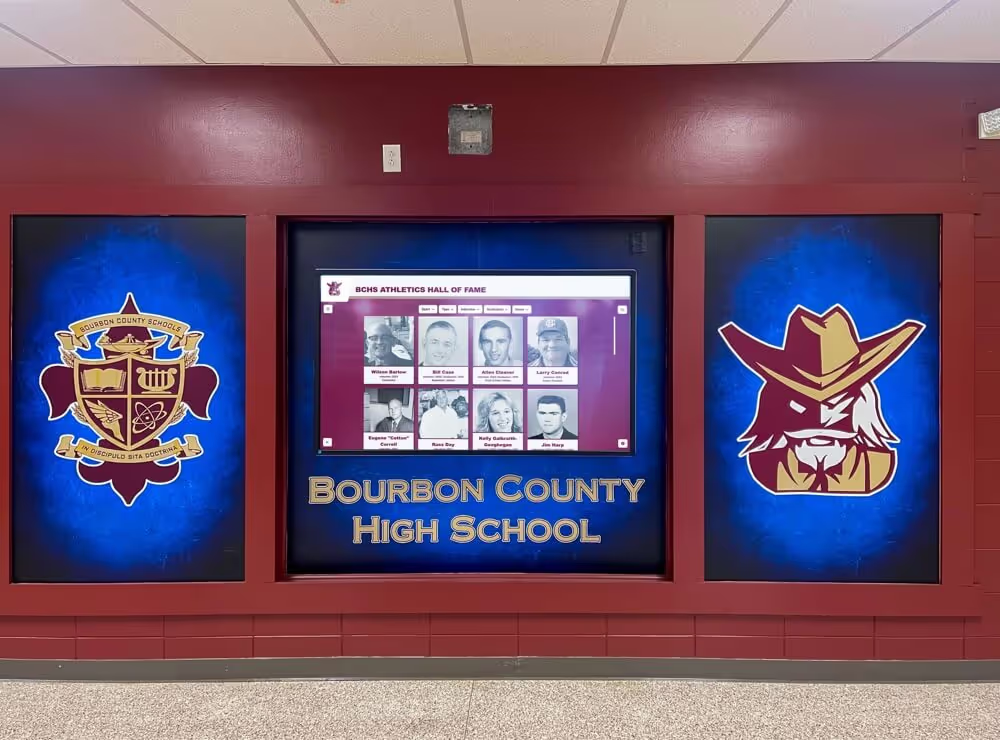
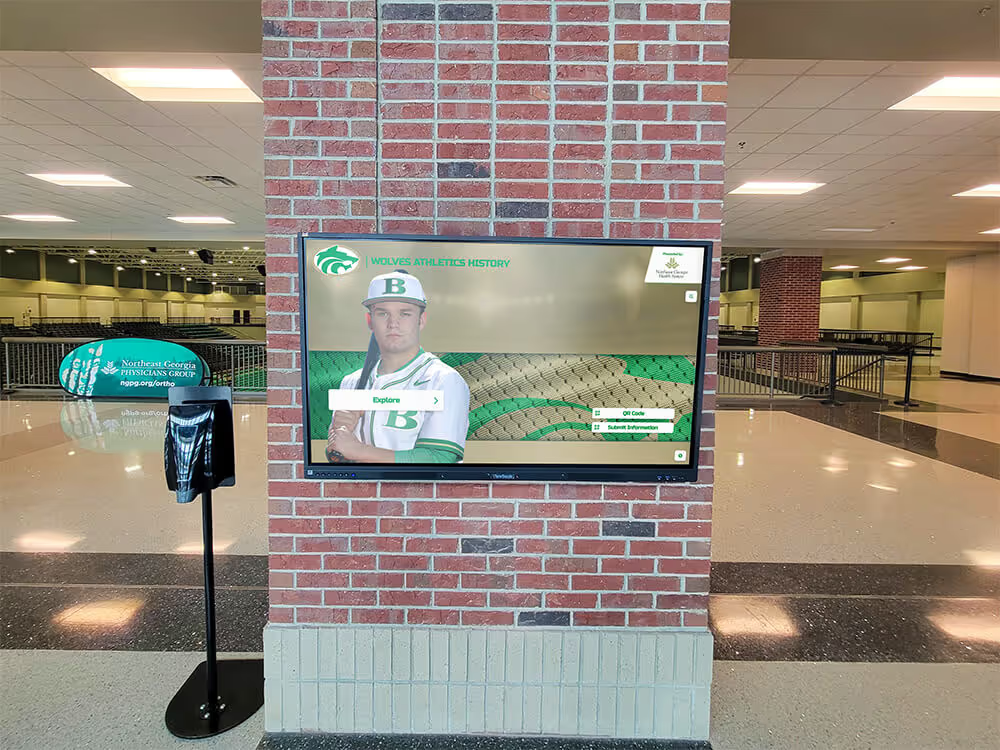
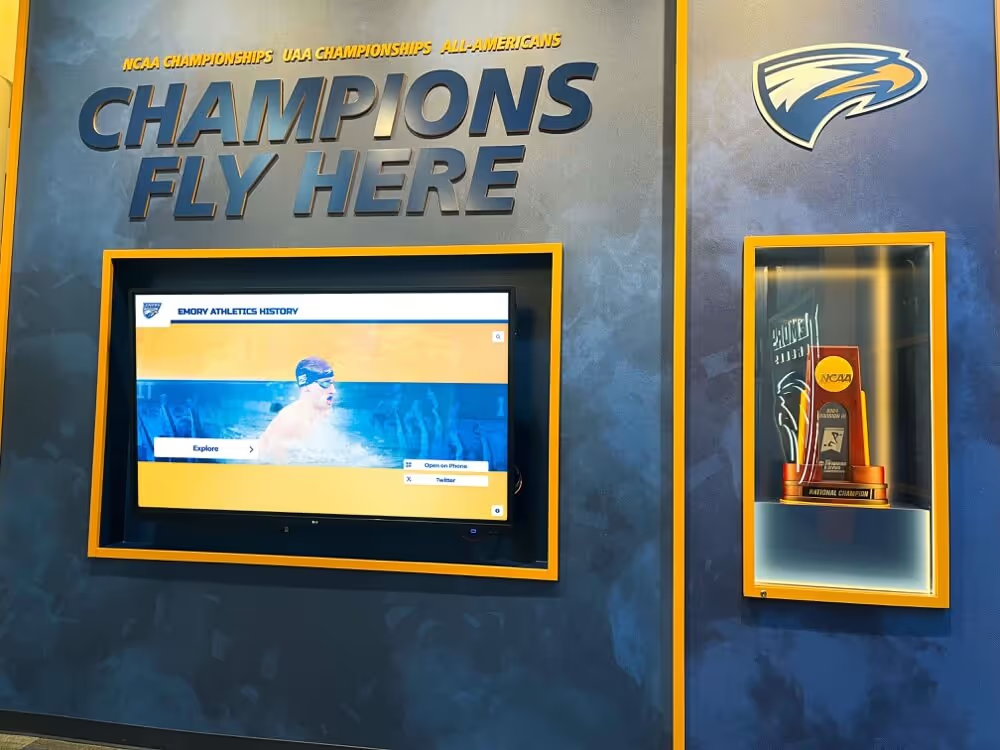
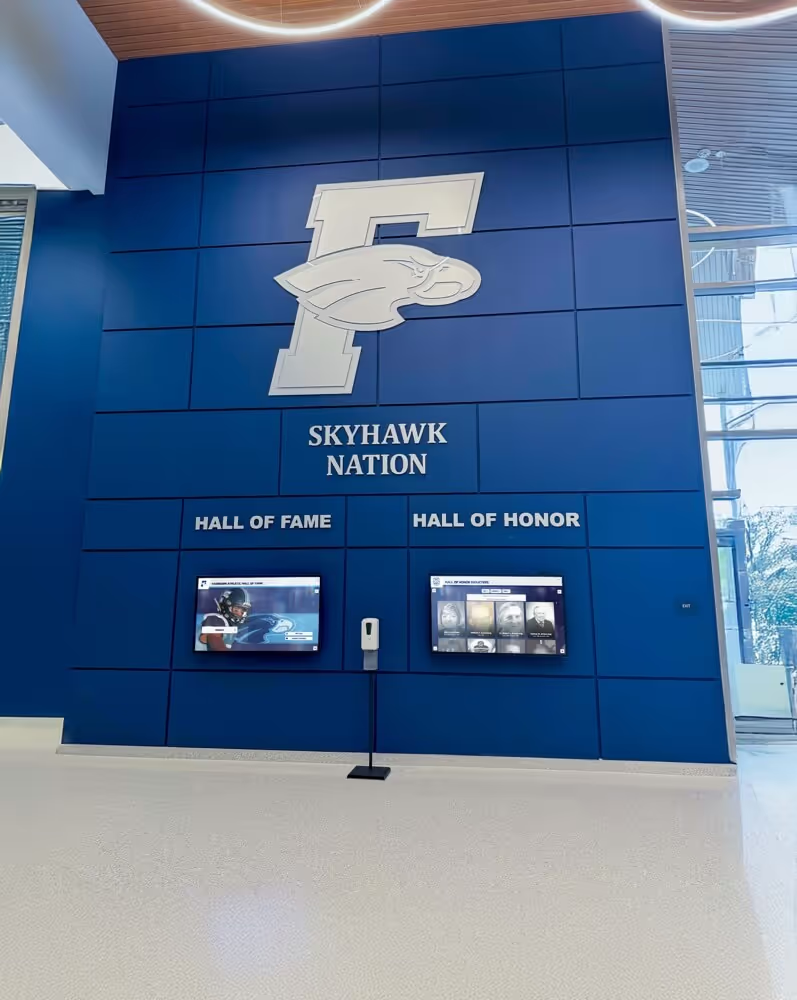
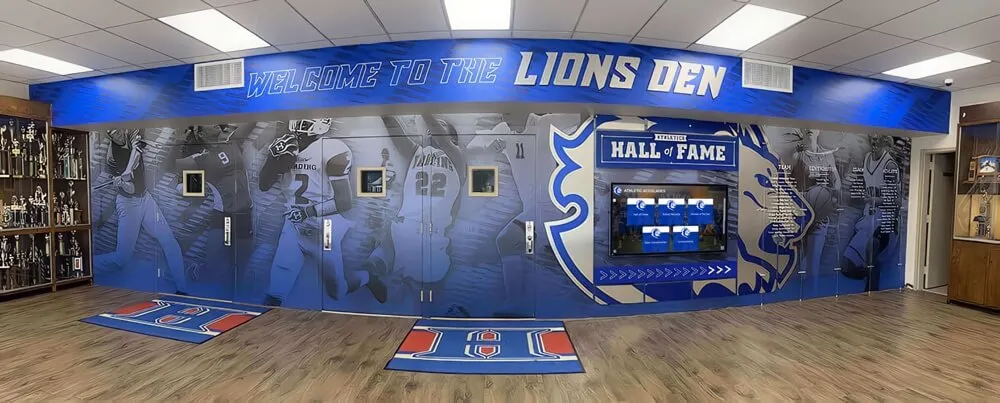
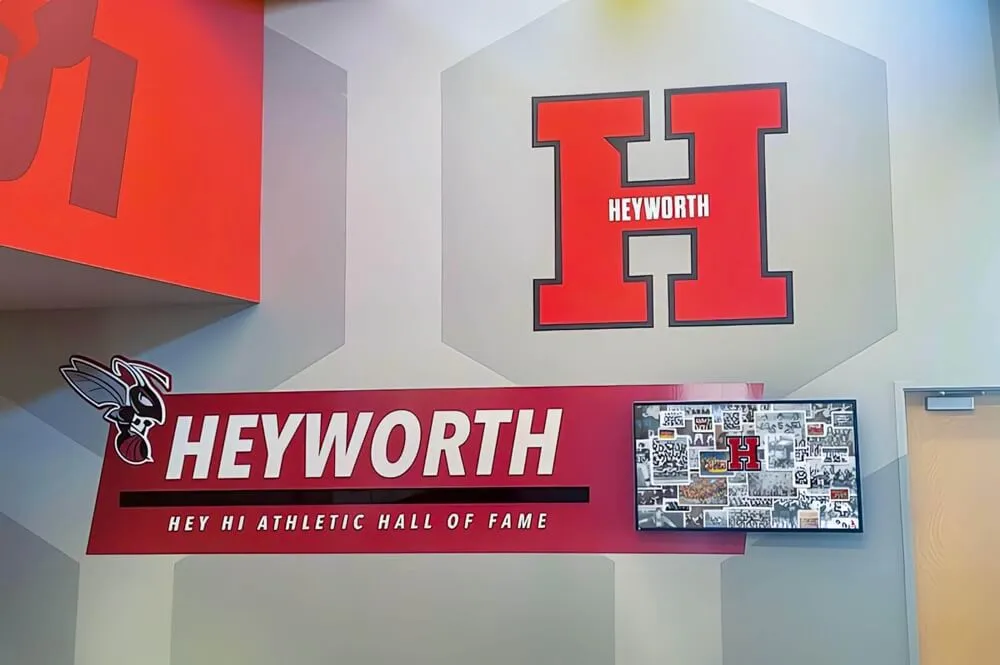
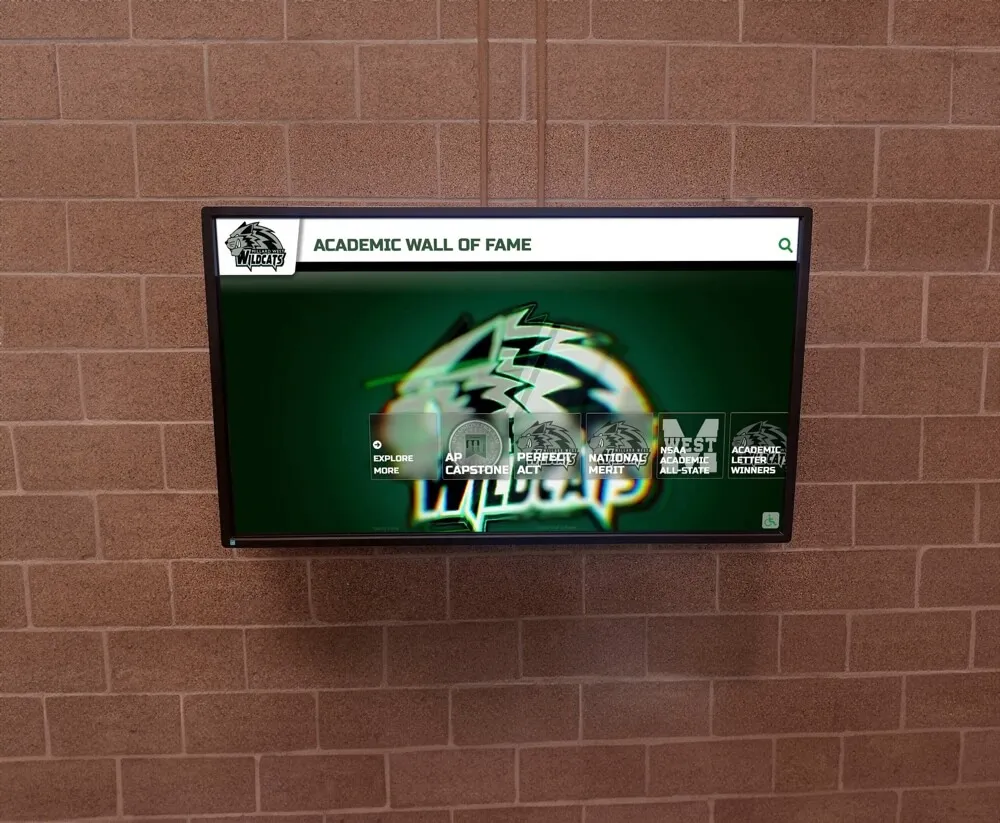
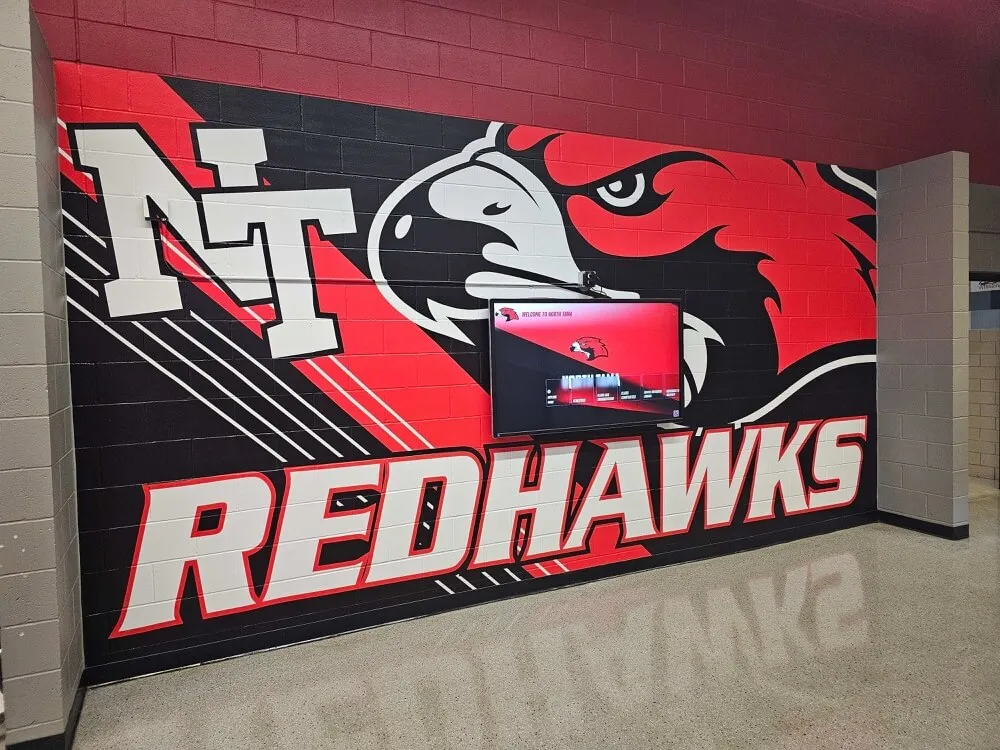
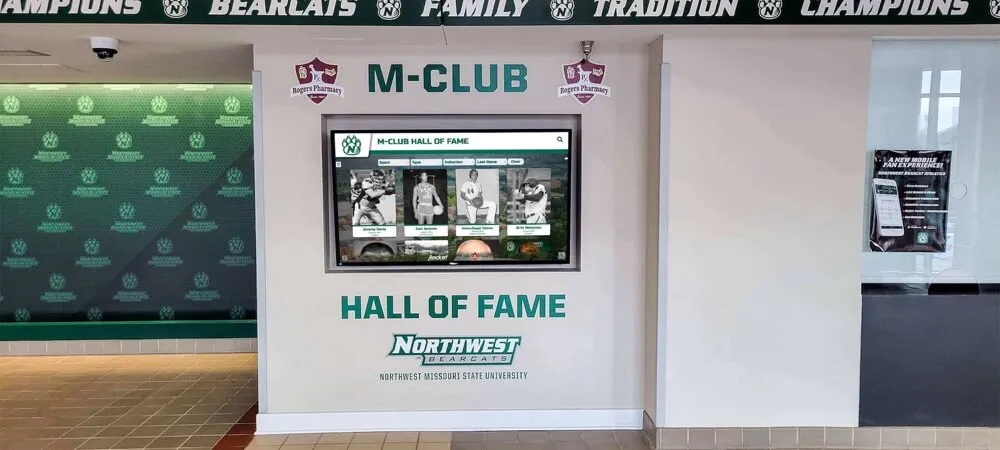
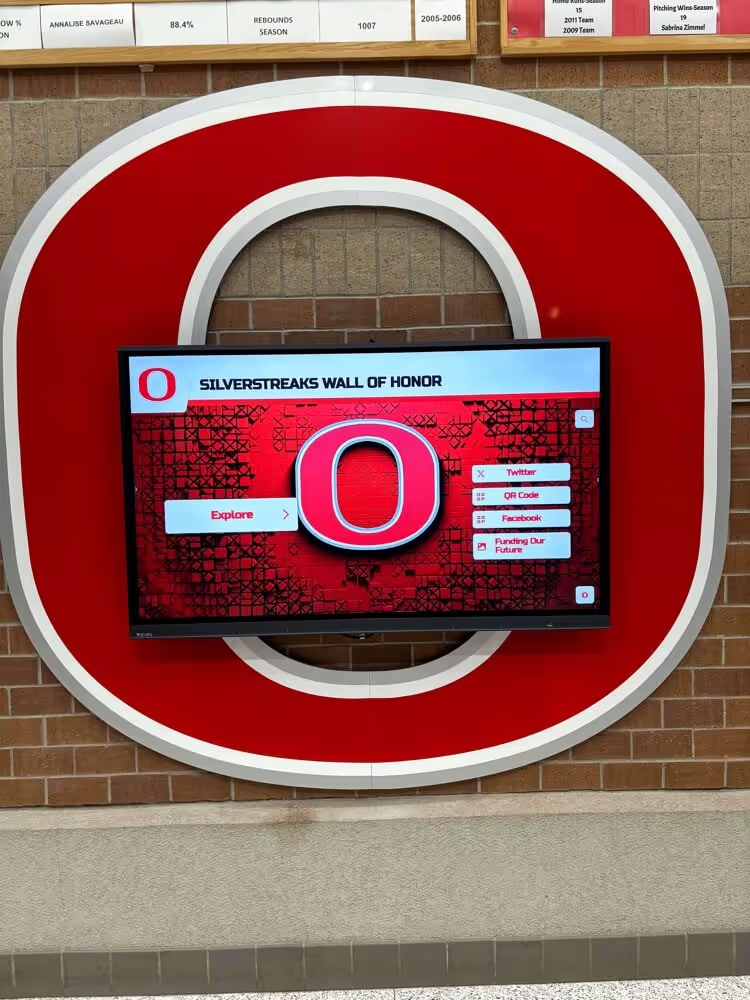
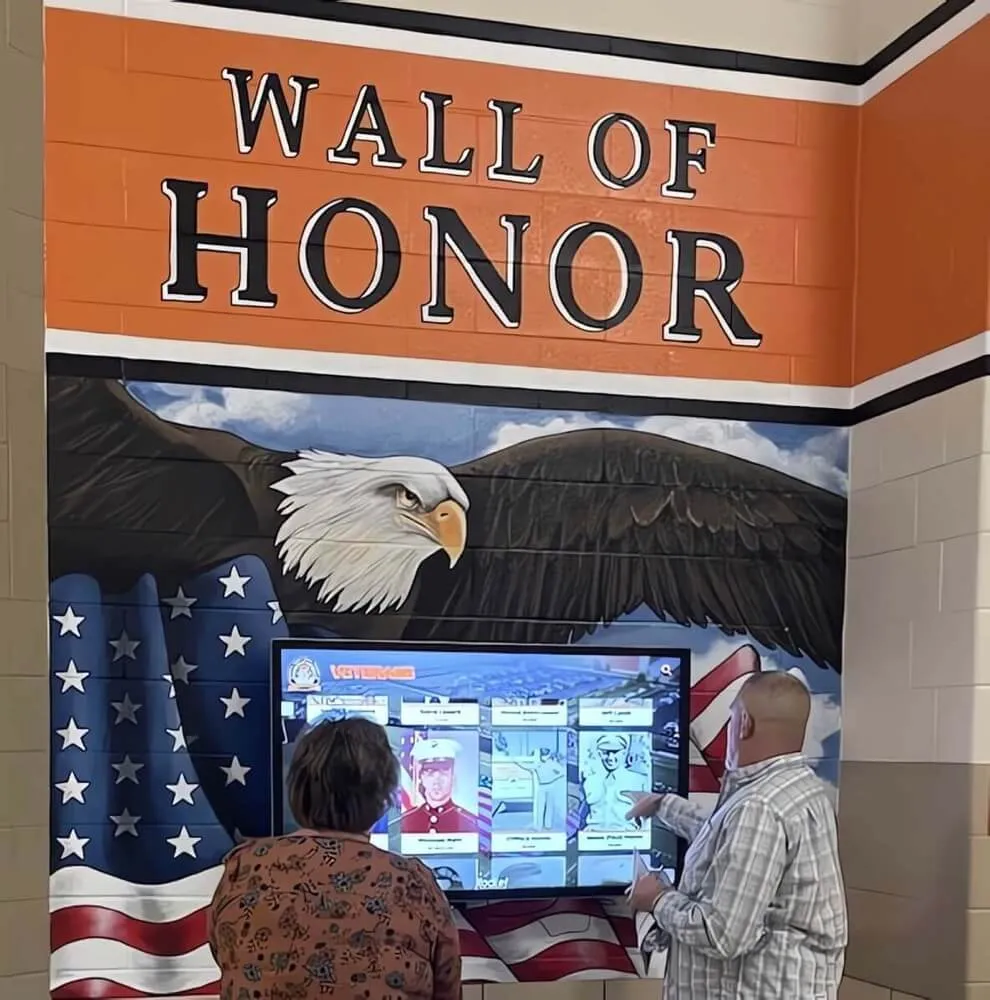
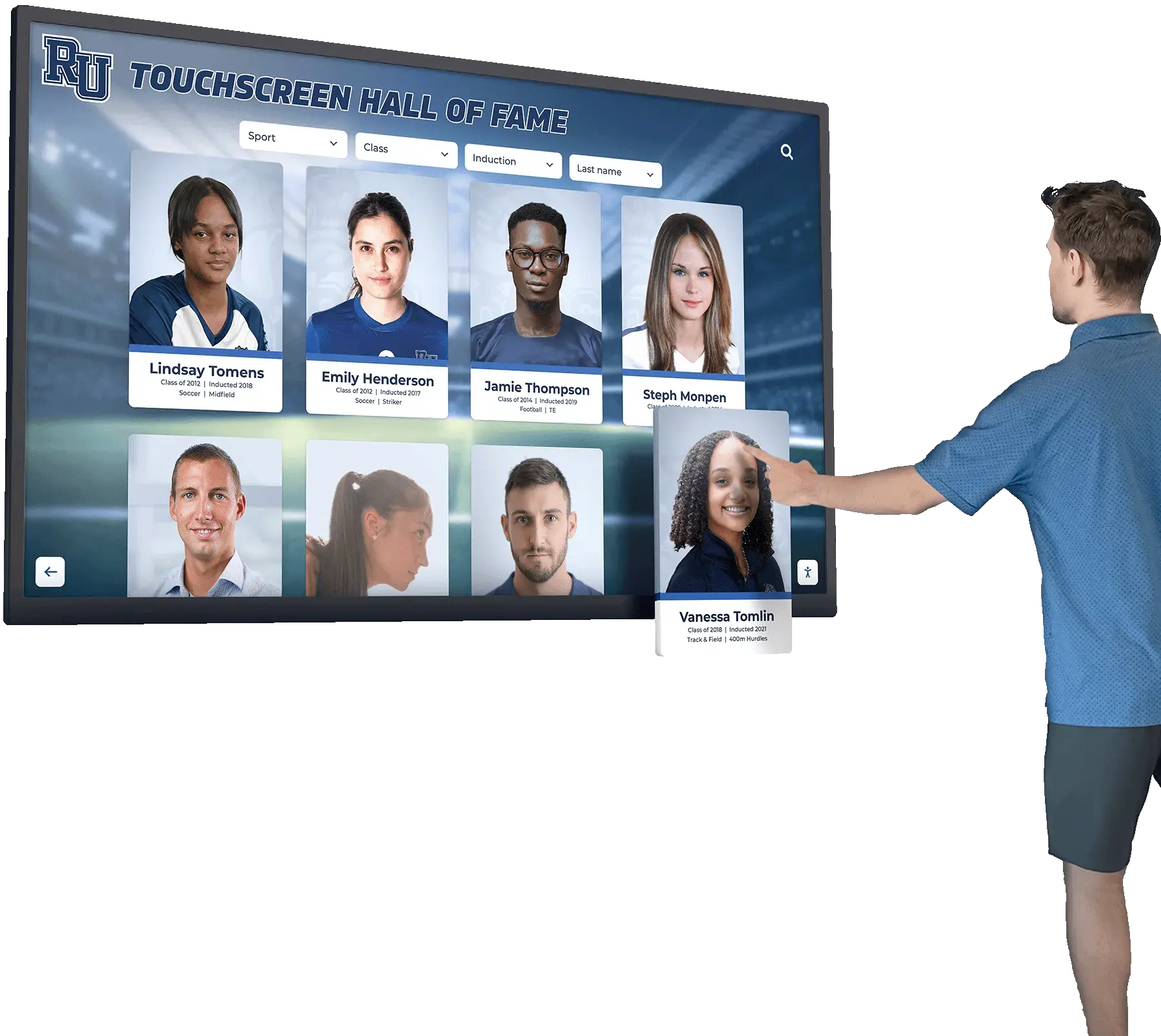
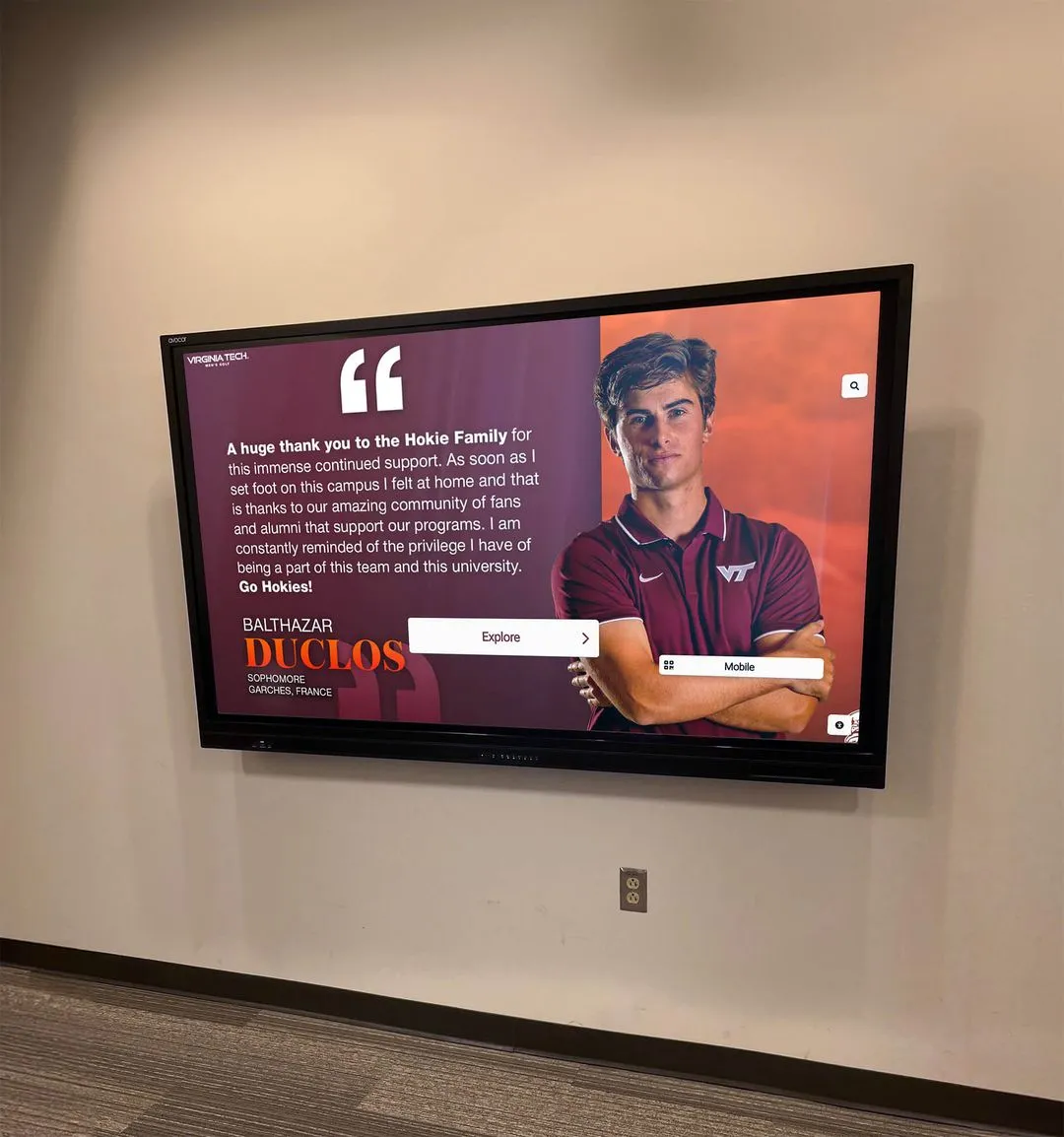
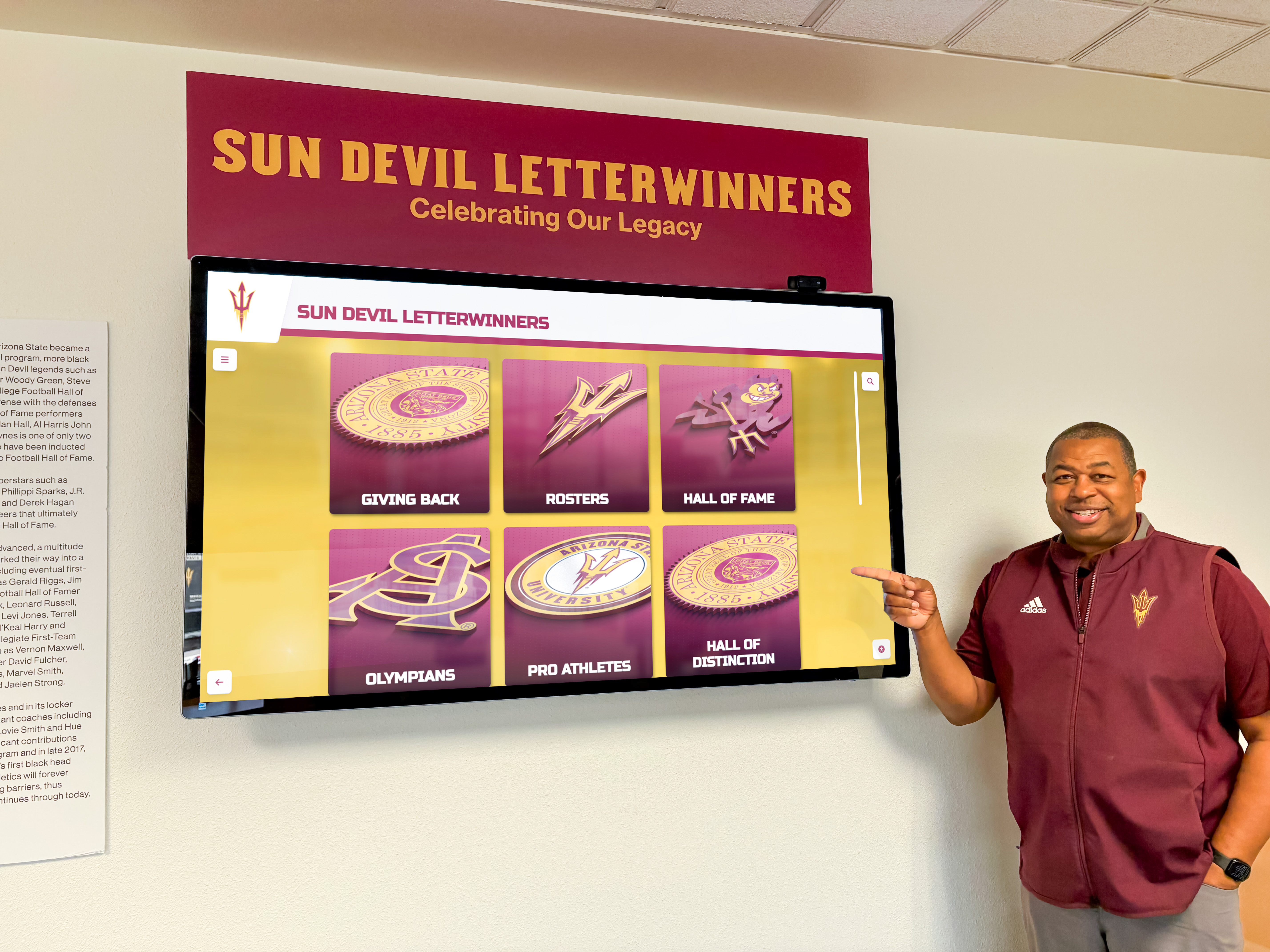
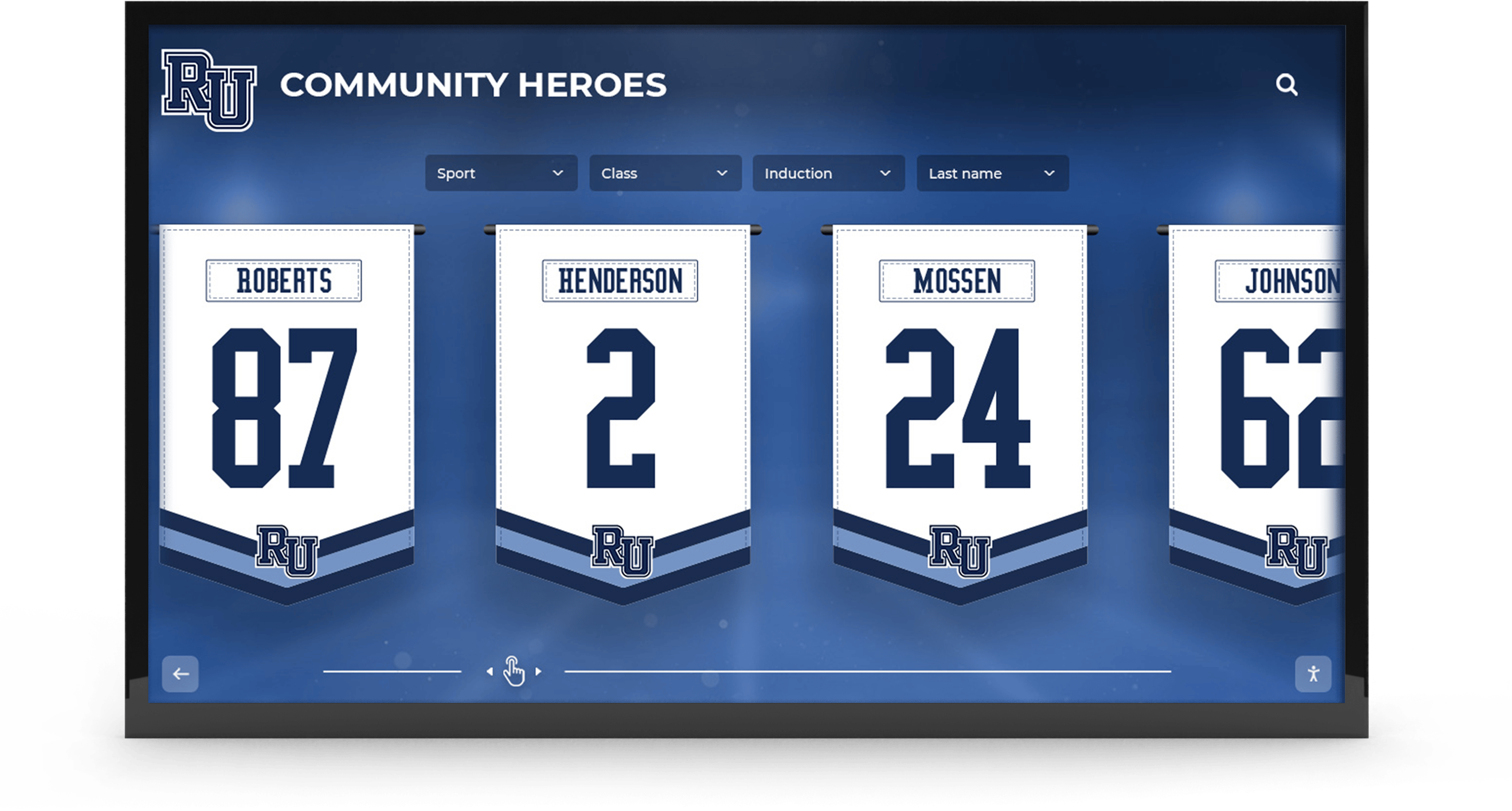
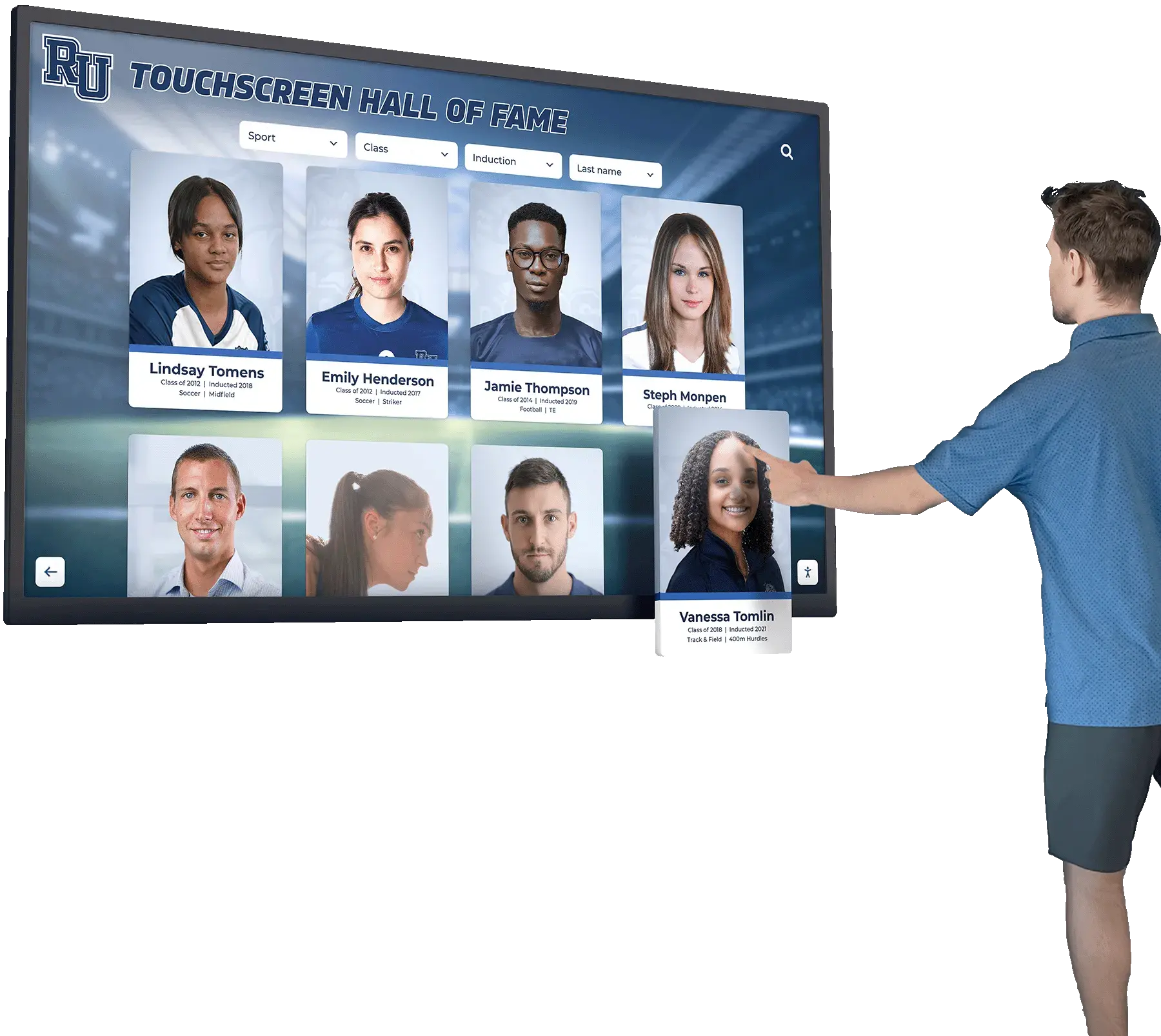
Purpose-built interactive touchscreen displays deployed in gymnasiums, athletic center lobbies, and high-traffic school areas create permanent recognition honoring all varsity letter recipients regardless of whether they purchase physical jackets. These digital platforms enable unlimited student profiles without space constraints, rich multimedia including photos and athletic achievement details, searchable databases allowing easy exploration by name, sport, or graduation year, and instant updates recognizing current-year letter recipients immediately after seasons conclude.
Digital recognition provides institutional acknowledgment complementing personal letterman jacket displays. Students benefit from both personal garments they can wear and display individually, and permanent school recognition ensuring their achievements become part of lasting institutional records accessible to future student generations.
Comprehensive Achievement Profiles:
Digital platforms enable detailed achievement documentation impossible with physical letterman jackets. Profiles can include complete statistical records, career highlights and memorable performances, championship participation and tournament achievements, team photos and action shots from competitive seasons, post-graduation athletic and academic outcomes, and personal reflections about athletic experiences and advice for younger athletes.
This comprehensive approach transforms basic name-and-sport recognition into engaging stories that inspire current student-athletes while appropriately honoring the dedication and commitment varsity letter recipients demonstrated throughout athletic careers.
Accessible Recognition Reaching All Students:
Digital recognition costs nothing for individual students to access and display—all varsity letter recipients receive equal recognition automatically once schools establish displays. This eliminates economic barriers ensuring students from all family income levels receive identical institutional acknowledgment of athletic achievements. Digital displays also remain accessible year-round to students, families, alumni, and visitors, extending recognition reach far beyond individuals who happen to wear letterman jackets on particular days.
Schools implementing digital recognition report increased engagement from students who might not have purchased letterman jackets but value seeing their achievements recognized permanently in institutional displays. The complementary approach ensures traditional physical recognition remains available for students who want it while providing universal institutional recognition for everyone earning varsity letters.
Integrated Recognition Programs: Best of Both Worlds
The most effective contemporary athletic recognition combines traditional and digital elements strategically, creating comprehensive programs honoring achievement through multiple modalities serving different purposes and audiences.
Physical Letterman Jackets for Personal Display:
Traditional letterman jackets remain available for students wanting tangible, wearable recognition they can display personally, share with family members, preserve as keepsakes, and continue high school traditions valued by alumni and communities. Schools support this personal recognition while acknowledging it represents individual choice rather than universal requirement.
Digital Displays for Institutional Recognition:
Permanent interactive displays in athletic facilities provide universal institutional recognition accessible to all students regardless of economic circumstances, creating permanent records surviving long after students graduate, enabling comprehensive achievement documentation beyond basic name listing, and inspiring current student-athletes through visible examples of excellence to emulate. This institutional recognition complements personal letterman jackets by ensuring all achievements receive appropriate permanent commemoration.
Ceremony Traditions Honoring Both Dimensions:
Annual varsity letter award ceremonies recognize all recipients formally through certificate presentations, varsity letter presentations, public acknowledgment from athletic directors and coaches, and addition of student profiles to digital recognition displays. These ceremonies honor achievement regardless of whether students subsequently purchase letterman jackets, ensuring recognition moments remain equitable and meaningful for all recipients.
Schools like those implementing Rocket Alumni Solutions digital recognition platforms create these integrated programs combining cherished traditions with modern solutions that ensure all students receive meaningful recognition. Rather than choosing between traditional and contemporary approaches, comprehensive programs strategically use both to honor achievement more effectively than either method alone.
The Broader Context: Athletic Recognition Programs and School Culture
Letterman jackets represent one component of broader athletic recognition programs that shape school culture, influence student motivation, and communicate institutional values about achievement, dedication, and excellence.
Recognition as Cultural Communication
How schools recognize athletic achievement sends powerful messages to students, families, and communities about what institutions genuinely value and which accomplishments deserve celebration.
Visible Priorities:
Students understand institutional priorities by observing what receives prominent recognition. When athletic achievements dominate recognition displays, receive elaborate ceremonies, and generate substantial community celebration, students correctly interpret that athletics matters significantly to their schools. This visible prioritization influences student decisions about activity participation and effort allocation across competing academic, athletic, artistic, and social pursuits.
Schools seeking balanced recognition cultures must ensure that athletic recognition, while important, doesn’t completely overshadow academic, artistic, service, and other non-athletic achievements deserving equivalent institutional celebration. Comprehensive recognition programs honor diverse paths to excellence rather than privileging single achievement domains.
Equity Across Sports and Genders:
Recognition equity within athletic programs communicates important institutional messages. When football and basketball receive disproportionate recognition compared to swimming, tennis, volleyball, or other sports, affected athletes and families notice. Similarly, visible discrepancies between recognition quality for men’s versus women’s sports communicate problematic priorities despite formal commitment to Title IX equity.
Digital recognition platforms help address these equity concerns by providing unlimited capacity ensuring all sports receive equivalent recognition space, standardized profile formats creating consistent recognition quality across programs, and easy filtering allowing visitors to explore specific sports without hierarchical navigation suggesting some sports matter more than others. Schools implementing equitable recognition approaches demonstrate genuine commitment to celebrating athletic excellence across all programs equitably.
Motivational Impact on Current Student-Athletes
Recognition programs influence current student motivation by creating visible achievement models demonstrating accomplishment possibilities and tangible rewards for dedication and excellence.
Aspirational Models:
When underclassmen regularly encounter upperclassmen wearing letterman jackets or explore digital displays featuring recent graduates’ achievements, they develop concrete understanding of what athletic success looks like and how to work toward similar accomplishments. These proximate role models prove more motivating than abstract encouragement because they demonstrate that students from their specific school and community achieved recognition through sustained effort rather than impossible natural talent.
Effective recognition tells achievement stories rather than simply listing accomplishments. When profiles explain the work behind success—years of training, overcoming setbacks, balancing athletics with academics—current athletes understand that excellence results from dedication they can emulate rather than inherent advantages they lack.
Building Program Pride and Culture:
Comprehensive recognition documenting program history across decades creates powerful cultural foundations for current teams. Athletes competing for programs with visible tradition understand they’re continuing legacies rather than simply playing for current seasons. This historical consciousness builds program pride, strengthens commitment, and creates cultural expectations that excellence represents normal program standards rather than exceptional circumstances.
Digital recognition platforms excel at this historical storytelling by making decades of achievement accessible through searchable databases, chronological browsing revealing program evolution, comparison features showing current athletes how their achievements compare to historical program standards, and connections between athletes across generations revealing coaching legacies and program traditions.
Long-Term Alumni Engagement
Athletic recognition influences not just current students but also alumni relationships with institutions that educated them decades earlier.
Maintaining Emotional Connections:
Alumni whose athletic achievements receive permanent institutional recognition maintain stronger emotional connections with schools compared to those whose accomplishments vanished from institutional memory once they graduated. This ongoing recognition communicates that schools value and remember their contributions long after immediate practical relevance concludes.
Digital recognition particularly strengthens alumni connections by enabling remote access to institutional displays, social sharing of personal achievement profiles, discovery of former teammates and competitors through searchable databases, and ongoing engagement as schools update displays with current achievements connecting past and present athletic traditions.
Supporting Development and Advancement:
Schools implementing comprehensive athletic recognition programs consistently report improved alumni engagement in institutional advancement efforts. Recognized alumni prove more likely to attend reunion events featuring recognition displays, contribute financially to athletic facility improvements and program support, participate in mentoring programs connecting them with current student-athletes, and promote schools within their communities and professional networks.
This advancement value justifies recognition investment from purely practical perspectives—comprehensive athletic recognition generates returns through strengthened alumni relationships that support institutional goals for decades following implementation. But the value extends beyond pragmatic benefits to honoring achievements that genuinely deserve celebration, creating ethical imperatives for recognition that transcend return-on-investment calculations.

Practical Guidance for Schools: Implementing Comprehensive Athletic Recognition
For school administrators and athletic directors seeking to establish or enhance athletic recognition programs that honor letterman jacket traditions while implementing modern complementary solutions, systematic planning creates foundations for long-term success.
Assessing Current Recognition Practices
Begin by honestly evaluating existing athletic recognition approaches, identifying strengths worth preserving and gaps requiring attention.
Inventory Existing Recognition:
Document current practices including letterman jacket programs and participation rates, physical displays in athletic facilities (trophy cases, banner programs, plaque walls), recognition ceremonies and their formats, digital presence through school websites and social media, and historical documentation quality for past athletic achievements. This inventory establishes baselines showing what recognition currently exists and reveals gaps where students might lack adequate acknowledgment of achievements.
Identify Equity Concerns:
Examine whether current recognition serves all student populations equitably by analyzing participation rates in letterman jacket programs across economic demographics, comparing recognition quality and prominence across different sports, assessing gender equity in recognition approaches and ceremonial attention, and reviewing whether recognition criteria create barriers for students with learning differences or other challenges. Equity assessment reveals whether current practices unintentionally privilege some students while underrecognizing others deserving equivalent institutional acknowledgment.
Gather Stakeholder Feedback:
Survey current student-athletes, coaches, alumni, and families about recognition satisfaction including what aspects of current recognition they value most, where they perceive gaps or inequities requiring attention, which traditions they consider important to preserve, and what improvements would make recognition more meaningful and impactful. Stakeholder input ensures changes align with community values while addressing genuine concerns rather than problems administrators might imagine without concrete evidence.
Designing Integrated Recognition Programs
Based on assessment findings, design comprehensive programs combining traditional elements worth preserving with modern solutions addressing identified gaps.
Maintain Valued Traditions:
Continue supporting traditional letterman jacket programs for students who want personal recognition garments by establishing clear criteria for earning varsity letters across all sports, maintaining quality jacket procurement through vetted suppliers, ensuring optional jacket subsidy programs supporting families unable to afford purchases, and preserving recognition ceremonies where varsity letters are presented formally to all recipients.
These traditional elements remain meaningful to many students and communities. Rather than eliminating them as outdated, integrate them into comprehensive programs ensuring they complement rather than constitute the entirety of athletic recognition.
Implement Digital Recognition Infrastructure:
Add purpose-built digital recognition solutions addressing physical recognition limitations through interactive touchscreen displays in high-traffic athletic facility locations, web-based platforms extending recognition access beyond physical campus, comprehensive achievement profiles for all varsity letter recipients across all sports and years, and intuitive content management enabling athletic administrators to update recognition easily without requiring technical expertise.
Digital recognition eliminates physical space constraints, provides instant updates recognizing current students immediately, creates searchable databases enabling easy exploration, and ensures universal recognition regardless of students’ ability to purchase physical letterman jackets.
Create Ceremony Integration:
Develop recognition ceremonies combining traditional elements with digital platform reveals including annual varsity letter presentation ceremonies where students receive physical letters and formal recognition, digital profile unveiling where newly recognized students see their achievements added to permanent institutional displays, opportunities for families and guests to explore digital recognition platforms during reception periods, and documentation through photos and video that integrate into digital profiles creating comprehensive records.
These integrated ceremonies honor both dimensions of recognition—personal achievement students can display individually, and institutional commemoration ensuring accomplishments become part of lasting school records.
Implementation Best Practices
Start with Core Elements:
Rather than attempting comprehensive implementation immediately, begin with foundational elements demonstrating value before expanding. Initial phases might include establishing single interactive display in main gymnasium or athletic center lobby, creating profiles for current and recent varsity letter recipients across past 3-5 years, conducting inaugural recognition ceremony combining traditional and digital elements, and documenting success through engagement metrics and stakeholder feedback.
This phased approach proves feasibility while building support for expansion without requiring complete upfront investment before demonstrating value.
Engage Student Athletes in Content Development:
Current students provide valuable perspectives on recognition content and features. Involve student-athletes in planning recognition displays and determining what information matters most in athlete profiles, collecting content including photos, achievement details, and personal reflections, beta testing digital platforms before formal launch providing usability feedback, and promoting completed recognition through peer networks and social media.
Student involvement creates recognition that resonates with target audiences while building ownership and pride in completed programs.
Plan for Sustainable Ongoing Management:
Recognition programs require sustained attention beyond initial implementation. Establish sustainable management processes including designated staff responsible for updating recognition displays annually, clear procedures for collecting content from coaches and athletes each season, scheduled maintenance for digital hardware ensuring reliable operation, and periodic content audits ensuring historical accuracy and appropriateness.
Schools working with partners like Rocket Alumni Solutions benefit from ongoing platform support and content management tools designed specifically for educational recognition needs, reducing technical burdens while ensuring programs remain current and engaging across leadership transitions.
Conclusion: Honoring Tradition While Embracing Comprehensive Recognition
The letterman jacket remains one of American high school athletics’ most enduring traditions—a tangible symbol of dedication, achievement, and school pride that has connected student-athletes across more than a century. From humble 1865 beginnings as simple baseball uniform markers, varsity letters and the letterman jackets displaying them have evolved into iconic recognition symbols appearing in yearbooks, films, social media, and collective cultural memory representing American adolescence and athletic excellence.
Understanding letterman jacket history, traditions, and cultural significance helps schools honor these meaningful traditions appropriately while recognizing contemporary realities requiring thoughtful adaptation. Traditional letterman jackets remain valuable personal recognition for students who purchase and wear them. But exclusive reliance on physical jackets creates recognition gaps affecting students who cannot afford purchases, live in climates where heavy jackets are impractical, or simply prefer not to display athletic achievements through clothing while still deserving institutional acknowledgment of genuine accomplishments.
The solution involves integrated recognition programs combining traditional and modern elements strategically. Letterman jackets remain available for students valuing personal wearable recognition connecting them to athletic traditions spanning generations. Simultaneously, comprehensive digital recognition platforms ensure all varsity letter recipients receive permanent institutional commemoration accessible to current students, alumni, families, and communities regardless of individual decisions about purchasing physical jackets.
These integrated approaches honor letterman jacket traditions while acknowledging that meaningful recognition requires more comprehensive solutions than any single approach provides independently. Students benefit from both personal recognition they can wear and display individually, and institutional acknowledgment ensuring their achievements become lasting parts of school records that inspire future athletic generations long after physical letterman jackets travel with graduates into alumni years.
For schools establishing or enhancing athletic recognition programs, systematic planning creates foundations for sustainable success. Begin by honestly assessing current recognition practices identifying strengths and gaps. Design integrated programs combining valued traditions with solutions addressing identified needs. Implement in phases demonstrating value before expanding comprehensively. And maintain commitment to ongoing management ensuring recognition remains current, accurate, and meaningful across leadership transitions.
Your student-athletes invest thousands of hours developing skills, supporting teammates, representing school values through competition, and achieving excellence worthy of celebration. Comprehensive recognition programs ensure those achievements receive acknowledgment matching the dedication students demonstrated throughout athletic careers. Whether through traditional letterman jackets students wear proudly, modern digital displays accessible to entire school communities, or integrated approaches combining the best of both recognition traditions, thoughtful athletic recognition strengthens school culture, inspires current students, engages alumni, and appropriately honors accomplishments that genuinely deserve lasting celebration.
Ready to complement your letterman jacket traditions with modern recognition solutions that ensure all student-athletes receive meaningful institutional acknowledgment? Explore how Rocket Alumni Solutions helps schools create comprehensive athletic recognition programs combining cherished physical traditions with engaging digital platforms that inspire current students, honor past achievements, and create sustainable recognition systems serving institutions for decades to come.
Frequently Asked Questions
What exactly is a letterman jacket and why is it called that?
How do students earn varsity letters for letterman jackets?
How much do letterman jackets typically cost?
What do the different patches and pins on letterman jackets mean?
Are letterman jackets only for athletes or can students earn letters in other activities?
Can students earn varsity letters in multiple sports?
How are schools modernizing letterman jacket traditions with digital recognition?
What happens to letterman jackets after students graduate?
Live Example: Rocket Alumni Solutions Touchscreen Display
Interact with a live example (16:9 scaled 1920x1080 display). All content is automatically responsive to all screen sizes and orientations.