When students work tirelessly to maintain exceptional grades, participate in meaningful service projects, and demonstrate strong character in their school communities, they deserve recognition that matches their dedication. Beta Club provides exactly this type of prestigious acknowledgment—an academic honor society with a nearly 90-year history of celebrating students who embody the ideals of scholarship, leadership, service, and character.
Unlike many student organizations focused primarily on single activities or interests, Beta Club represents comprehensive student excellence. Members must meet rigorous academic standards while actively contributing to their schools and communities through service initiatives. This combination creates a distinctive honor society that celebrates well-rounded students pursuing both intellectual achievement and meaningful community impact.
For schools, Beta Club chapters provide structured frameworks for recognizing academic excellence while fostering service-oriented leadership among high-achieving students. For students, Beta Club membership opens doors to scholarship opportunities, leadership development experiences, and a national network of achievement-focused peers. For families, Beta Club induction represents a milestone achievement signaling their student’s commitment to excellence across multiple dimensions of school life.
This comprehensive guide explores everything you need to know about Beta Club—from its founding history and membership requirements through chapter activities, national conventions, and modern approaches to recognizing Beta Club achievements through digital displays that give academic excellence the same visibility schools have traditionally reserved for athletic accomplishments.
Understanding Beta Club: History and Mission
Beta Club’s longevity and scale make it one of the most established student recognition organizations in American education, with a history spanning economic depression, world wars, social transformation, and technological revolution while maintaining consistent focus on celebrating student achievement.
The Founding of Beta Club in 1934
Dr. John W. Harris founded Beta Club in 1934 in Landrum, South Carolina, at Landrum High School during one of America’s most challenging periods—the Great Depression. While the nation struggled with economic hardship, Dr. Harris recognized the critical importance of celebrating academic achievement and providing structure that encouraged students to pursue excellence despite difficult circumstances.
The name “Beta” derives from the second letter of the Greek alphabet, intentionally chosen to represent the organization’s philosophy. Rather than claiming to create “alpha” or first-place students in every endeavor, Beta Club recognizes that true excellence comes from striving to improve—from being “better today than yesterday,” as the founding principles emphasized. This focus on growth and improvement rather than pure competition distinguished Beta Club from other honor societies that emphasized only absolute achievement levels.
Original Founding Principles:
Dr. Harris established Beta Club on four core pillars that remain central to the organization today:
- Achievement: Recognizing academic excellence and encouraging students to reach their intellectual potential
- Character: Honoring integrity, responsibility, and ethical behavior in all aspects of life
- Service: Promoting active contribution to school and community welfare through meaningful projects
- Leadership: Developing skills and experiences that prepare students for future leadership roles
These pillars created a comprehensive framework recognizing that outstanding students demonstrate excellence across multiple dimensions—not just grades, but also character, community engagement, and the ability to inspire and guide others.
Growth from Single Chapter to National Organization
From its modest beginning as a single high school chapter, Beta Club experienced remarkable growth driven by schools nationwide recognizing the value of structured academic recognition programs.
Expansion Timeline:
- 1934: Beta Club founded at Landrum High School with original chapter
- 1940s: Expansion throughout South Carolina and into neighboring Southern states
- 1950s-1960s: Rapid national growth as schools nationwide established chapters
- 1970s: Formalization of National Beta Club organizational structure and conventions
- 1980s: Introduction of Junior Beta Club for middle school students
- 1990s-2000s: Expansion to over 8,000 chapters with robust scholarship programs
- 2010s-Present: Continued growth to 9,000+ chapters with enhanced digital resources and national recognition
Today’s Beta Club serves students from fifth grade through twelfth grade across two divisions: Junior Beta Club for middle school students (typically grades 5-8) and Senior Beta Club for high school students (grades 9-12). This two-tier structure allows schools to recognize academic achievement throughout students’ formative educational years while providing age-appropriate expectations and activities for different developmental stages.
Beta Club’s Mission and Values in 2026
Nearly 90 years after its founding, Beta Club maintains Dr. Harris’s core vision while adapting to contemporary educational contexts and student needs.
Contemporary Mission Statement:
Beta Club’s mission centers on promoting academic achievement, character development, service engagement, and leadership skills among high-achieving students. The organization creates opportunities for members to develop their potential through recognition of academic excellence, participation in meaningful service projects, development of leadership capabilities, and connection with achievement-focused peers throughout the United States and abroad.
Core Organizational Values:
Modern Beta Club emphasizes several key values that guide chapter activities and member expectations:
- Academic excellence as a foundation for future opportunities and success
- Service to others as a fundamental responsibility of capable students
- Character development including integrity, responsibility, and ethical decision-making
- Leadership through action, example, and positive influence on school communities
- Lifelong learning extending beyond formal education into continuous personal growth
- Community engagement connecting student talents with real-world needs
These values create frameworks for academic recognition programs that celebrate comprehensive student excellence rather than narrow achievement in single domains.
Beta Club Membership Requirements and Eligibility
Beta Club maintains rigorous standards ensuring membership represents genuine achievement worthy of prestigious recognition. While specific requirements vary somewhat between chapters based on local school contexts, national guidelines establish baseline standards all chapters must meet.
Academic Requirements for Beta Club Membership
Academic performance forms the foundation of Beta Club eligibility, with GPA requirements ensuring members demonstrate sustained scholastic excellence rather than single-semester achievement.
Standard GPA Requirements:
Most Beta Club chapters require students to maintain a minimum cumulative grade point average, with typical thresholds including:
- Junior Beta Club (Middle School): Minimum 3.0 GPA on a 4.0 scale, though many chapters set higher standards (3.25-3.5) based on school achievement distributions
- Senior Beta Club (High School): Minimum 3.0 GPA on a 4.0 scale, with numerous chapters requiring 3.5 or higher for competitive admission
- Sustained Performance: Most chapters require maintained GPA standards across multiple grading periods (typically one to two semesters) rather than single-term achievement
GPA calculations typically include all academic subjects, with some chapters weighing honors and Advanced Placement coursework more heavily to encourage students to challenge themselves with rigorous course selections rather than pursuing easier classes for simple GPA maximization.
Class Rank Considerations:
Some Beta Club chapters supplement or replace absolute GPA requirements with class rank standards, particularly in schools where grade distributions make GPA thresholds less meaningful. Common rank-based requirements include eligibility for students in the top 20% or 25% of their graduating class, ensuring membership recognizes comparative achievement within specific school contexts.
Academic Probation and Removal:
Beta Club membership is not permanent upon induction—students must maintain academic standards throughout their tenure. Members whose GPAs fall below required thresholds typically receive probationary status with opportunities to restore good standing. Continued failure to meet academic standards results in membership removal, ensuring Beta Club maintains its identity as an honor society celebrating sustained excellence rather than past achievement.
Character and Citizenship Standards
Beyond grades, Beta Club explicitly evaluates character and citizenship, recognizing that academic capability without ethical grounding and responsible behavior creates incomplete student development.
Character Evaluation Criteria:
While more subjective than GPA calculations, Beta Club chapters assess character through multiple indicators:
- Disciplinary Record: Students with significant disciplinary infractions (suspensions, academic integrity violations, behavioral problems) typically face membership denial or removal
- Teacher Recommendations: Many chapters require teacher endorsements speaking to students’ character, work ethic, and citizenship
- Peer Relationships: Demonstrated respect for classmates, positive peer interactions, and inclusive behavior
- Academic Integrity: Consistent honest behavior in academic work without cheating or plagiarism
- Responsibility: Reliable completion of commitments, punctual attendance, and accountable behavior
These character standards distinguish Beta Club from simple honor roll recognition that acknowledges only academic performance. Beta Club membership signals that students demonstrate both intellectual achievement and the ethical foundations necessary for meaningful leadership and service.
Citizenship Components:
Good citizenship represents another membership pillar, with evaluation focusing on:
- Active participation in school community beyond minimum requirements
- Respectful treatment of school property and facilities
- Positive representation of school values and culture
- Constructive engagement in classroom and school activities
- Demonstration of school pride and commitment to institutional success
Schools implementing comprehensive student recognition programs increasingly recognize that citizenship and character matter as much as test scores in developing well-rounded future leaders.
Service Requirements and Expectations
Service to others represents a core Beta Club pillar, with most chapters requiring documented service hours as both an initial membership requirement and ongoing obligation.
Typical Service Hour Requirements:
Service expectations vary by chapter and grade level, with common requirements including:
- Initial Membership: 10-20 service hours completed before induction for high school chapters; 5-10 hours for middle school chapters
- Annual Maintenance: 15-30 service hours per academic year to maintain active membership status
- Service Documentation: Detailed records of service activities, hours contributed, and impact achieved
- Approved Service Categories: School service, community service, charitable organizations, civic engagement, and environmental initiatives
Service hours must typically meet specific criteria ensuring meaningful contribution rather than simple time accumulation. Most chapters require:
- Service benefiting others rather than personal enrichment activities
- Documentation and verification from supervising adults
- Diverse service experiences spanning multiple projects or organizations
- Reflection on service impact and personal learning
Chapter-Organized Service Projects:
Beyond individual service requirements, Beta Club chapters typically organize collective service initiatives allowing members to work together on community improvement projects. Common chapter service activities include:
- School beautification and improvement projects
- Food drives and collections for charitable organizations
- Tutoring programs for younger students or peers needing academic support
- Community cleanup and environmental conservation initiatives
- Partnership with local nonprofits on sustained service campaigns
- Fundraising for causes aligned with chapter values and interests
These collective projects build team cohesion while demonstrating Beta Club’s commitment to meaningful community impact—values that schools can highlight through digital recognition displays celebrating service achievements alongside academic honors.
Beta Club Membership Benefits and Opportunities
The value of Beta Club membership extends far beyond honor society recognition—members gain access to scholarship opportunities, leadership development experiences, and national networking platforms that can significantly impact educational and career trajectories.
Scholarship Opportunities for Beta Club Members
Beta Club administers one of the largest scholarship programs among student honor societies, with millions of dollars awarded annually to graduating seniors.
National Beta Club Scholarship Program:
The National Beta Club Foundation awards scholarships ranging from $1,000 to $15,000 to graduating high school seniors who have been active Beta Club members. Award criteria include:
- Length and quality of Beta Club membership and participation
- Academic achievement and standardized test scores
- Leadership roles within Beta Club chapters and broader school community
- Service contributions and documented community impact
- Essays and recommendations demonstrating character and achievement
Scholarship Application Requirements:
Students seeking Beta Club scholarships must typically:
- Maintain active Beta Club membership throughout high school
- Meet minimum GPA requirements (typically 3.0+)
- Document leadership positions and service contributions
- Secure recommendations from Beta Club sponsors or school administrators
- Complete detailed applications including essays on specified topics
- Submit applications by designated deadlines (typically early in senior year)
For many students from families without significant college savings, Beta Club scholarships provide critical financial support making higher education more accessible. The combination of scholarship opportunities and the impressive credential that Beta Club membership represents on college applications creates powerful incentives for academic excellence throughout middle and high school years.
State and Regional Scholarships:
Beyond national awards, many state Beta Club organizations administer additional scholarship programs funded through state conventions, sponsorships, and endowments. These state-level opportunities often provide more awards at smaller dollar amounts, increasing the number of students who benefit from Beta Club’s commitment to supporting higher education access.
National Beta Club Convention Experiences
Annual state and national Beta Club conventions provide members with experiences extending far beyond typical school activities—multi-day gatherings featuring competitions, leadership training, college and career exploration, and networking with thousands of achievement-focused students from across the country.
Convention Components and Activities:
Beta Club conventions typically include:
- Academic Competitions: Testing students’ knowledge across subjects including math, science, language arts, social studies, and fine arts
- Talent Competitions: Showcasing members’ abilities in performance, visual arts, and creative expression
- Leadership Development Sessions: Workshops on communication, project management, ethical decision-making, and civic engagement
- Service Project Participation: Collective service initiatives benefiting convention host communities
- Keynote Speakers: Presentations from accomplished individuals sharing insights on achievement, character, and leadership
- College and Career Exploration: Information sessions and exhibits from colleges, universities, and career programs
- Social Networking: Structured and informal opportunities to connect with Beta Club members from other schools and regions
Competition Categories:
Convention competitions span numerous categories allowing students with diverse talents to participate:
- Quiz bowl and academic team competitions
- Speech and debate events
- Visual arts and design challenges
- Performing arts showcases including music, theater, and dance
- Writing competitions across multiple genres
- STEM challenges and engineering projects
Success in convention competitions brings recognition not only to individual students but also to their chapters and schools, creating opportunities for schools to celebrate Beta Club achievements through digital display systems highlighting national convention awards alongside athletic championships and other honors.
Leadership Development and Networking
Beta Club provides structured leadership development unavailable through most standard school programming, with opportunities ranging from chapter officer positions through state and national leadership roles.
Chapter Officer Positions:
Local Beta Club chapters elect officers including president, vice president, secretary, and treasurer who gain practical leadership experience through:
- Planning and facilitating chapter meetings
- Organizing service projects and fundraising initiatives
- Coordinating communication between chapter members and sponsors
- Representing the chapter at school events and community functions
- Managing budgets and financial responsibilities
- Mentoring newer members and fostering inclusive chapter culture
These leadership roles provide authentic responsibility with real consequences—chapter success depends directly on officer effectiveness, creating meaningful accountability that prepares students for college and career leadership challenges.
State and National Leadership Opportunities:
High-achieving chapter officers can pursue state and national Beta Club leadership positions through competitive election processes. State officers represent their regions at national conventions, facilitate state convention programming, and gain exposure to organizational leadership at significant scale. National officers work directly with Beta Club staff on governance, policy, and strategic initiatives affecting the organization’s 500,000+ members.
Professional Networking and Mentorship:
Beta Club conventions and activities connect students with accomplished professionals, college representatives, and community leaders willing to mentor high-achieving young people. These connections often lead to:
- Internship and job shadowing opportunities
- College admissions insights and guidance
- Career exploration in fields of interest
- Letters of recommendation from influential mentors
- Professional references for future opportunities
For students from families without extensive professional networks, Beta Club provides access to accomplished individuals who can open doors otherwise unavailable—a benefit with lifelong impact extending well beyond high school graduation.
Beta Club Chapter Activities and Operations
While national Beta Club provides organizational structure and conventions, individual chapter activities form the core of most members’ Beta Club experiences—regular meetings, service projects, fundraisers, and social events that build community among achievement-focused students.
How Beta Club Chapters Function in Schools
Beta Club chapters operate under sponsor supervision with student officer leadership, creating authentic student-driven organizations supported by adult guidance.
Chapter Sponsor Roles and Responsibilities:
Every Beta Club chapter requires at least one faculty or staff sponsor—typically teachers, counselors, or administrators committed to academic recognition and student development. Sponsor responsibilities include:
- Recruiting eligible students and processing membership applications
- Advising chapter officers on meeting planning and activity organization
- Ensuring chapter compliance with school policies and Beta Club national standards
- Managing chapter finances, fundraising, and budgets
- Coordinating transportation and logistics for conventions and events
- Serving as primary liaison between chapter and school administration
- Maintaining membership records and documentation
- Providing mentorship and guidance to student leaders
Effective sponsors balance adult oversight with student autonomy—providing necessary structure and guidance while allowing student officers authentic leadership opportunities and decision-making responsibility.
Membership Meetings and Communication:
Most Beta Club chapters conduct regular meetings (monthly or bi-monthly) serving multiple functions:
- Planning service projects and chapter activities
- Discussing upcoming convention opportunities
- Coordinating fundraising initiatives
- Celebrating member achievements and milestones
- Providing updates on scholarship opportunities and deadlines
- Building community through social interaction and team activities
- Conducting business including budget decisions and policy discussions
Meeting formats vary from formal parliamentary procedure to casual planning sessions depending on chapter size, culture, and sponsor preferences. Many chapters supplement in-person meetings with digital communication through group messaging, email lists, or dedicated platforms coordinating activities and sharing information efficiently.
Common Chapter Service Projects and Initiatives
Service represents a Beta Club cornerstone, with chapters organizing diverse projects addressing school and community needs while providing members meaningful engagement opportunities.
School-Focused Service:
Many Beta Club chapters prioritize service benefiting their own schools:
- Peer tutoring programs helping struggling students improve academically
- School beautification projects including landscaping, painting, and facility improvements
- Mentoring programs connecting Beta Club members with younger students
- Academic assistance initiatives supporting academic competition teams
- Event volunteer support for school functions, open houses, and ceremonies
- School supply drives for students facing financial challenges
School-focused service creates visible impact in Beta Club members’ immediate communities while demonstrating to the broader student body that academic achievement includes responsibility to help others succeed.
Community Service Projects:
Beyond school boundaries, Beta Club chapters engage with wider community needs:
- Food and clothing drives for local charitable organizations and shelters
- Environmental conservation projects including park cleanups and tree planting
- Senior citizen engagement through assisted living facility visits and support programs
- Literacy initiatives including book drives and reading programs for young children
- Health and wellness campaigns promoting fitness, nutrition, and disease awareness
- Disaster relief fundraising and support for communities facing emergencies
- Partnership with nonprofits on sustained service campaigns addressing chronic community needs
These community-focused initiatives connect students’ academic capabilities with real-world problems, demonstrating that intellectual achievement carries responsibility to contribute to social welfare.
Service Impact Tracking and Recognition:
Progressive Beta Club chapters document service impact through:
- Total hours contributed by chapter members annually
- Number of individuals or families served through chapter initiatives
- Funds raised for charitable causes and community organizations
- Testimonials from service recipients and partner organizations
- Before/after documentation of community improvement projects
- Member reflections on service learning and personal growth
Schools can celebrate this documented service impact through digital recognition displays highlighting Beta Club contributions alongside academic and athletic achievements, creating comprehensive recognition of student excellence across all dimensions.
Fundraising Activities Supporting Chapter Operations
Beta Club chapters require funding for convention registration fees, travel expenses, service project materials, and operational costs. Most chapters generate needed resources through creative fundraising initiatives that themselves provide learning opportunities.
Common Beta Club Fundraising Activities:
Successful chapters employ diverse fundraising approaches:
- Product sales (cookie dough, gift wrap, discount cards, branded merchandise)
- School event concessions and refreshment sales
- Restaurant fundraising partnerships where portions of sales support the chapter
- Community event participation (car washes, yard work services, babysitting cooperatives)
- Talent shows and performances with ticket sales
- Auction events featuring donated items and student-created artwork or services
- Corporate and community sponsorships supporting convention participation
- Alumni donations from former Beta Club members appreciating the program’s impact
Financial Management and Transparency:
Chapter officers, particularly treasurers, gain practical financial management experience through:
- Budget development allocating resources across competing priorities
- Expense tracking and financial record maintenance
- Fundraising goal-setting and progress monitoring
- Financial reporting to chapter members and school administration
- Decision-making about resource allocation and spending priorities
This hands-on financial literacy development provides real-world skills students will use throughout their lives—competencies often absent from standard academic curricula but critical for adult success.
Beta Club Induction Ceremonies and Recognition
Beta Club induction represents a significant milestone in students’ academic journeys—a formal ceremony recognizing achievement and welcoming new members into a prestigious organization with high expectations and valuable opportunities.
Planning Meaningful Induction Ceremonies
Schools approach Beta Club inductions with varying levels of formality, from simple certificate presentations to elaborate ceremonies rivaling graduation in significance and production value.
Ceremony Components and Structure:
Comprehensive Beta Club induction ceremonies typically include:
- Opening Remarks: Welcome from school administrators emphasizing the significance of Beta Club membership and academic achievement
- Beta Club History and Mission: Presentation explaining the organization’s founding, values, and expectations
- Introduction of New Members: Public recognition of each inductee, often with individual acknowledgment and applause
- Oath or Pledge: New members reciting Beta Club pledges committing to uphold organization standards and values
- Presentation of Membership Certificates: Official documentation of membership presented to each new member
- Keynote Speaker: Address from accomplished alumnus, community leader, or educator on themes of achievement, service, and character
- Current Member Testimonials: Reflections from existing Beta Club members on their experiences and growth
- Candle Lighting or Symbolic Rituals: Visual elements reinforcing Beta Club’s four pillars of achievement, character, service, and leadership
- Closing Remarks: Charge to new members emphasizing the honor and responsibility Beta Club membership represents
Ceremony Timing and Scheduling:
Most schools conduct Beta Club inductions:
- During first semester (October-December) after fall grades confirm eligibility
- As evening events allowing family attendance and emphasizing ceremony significance
- In school auditoriums, gyms, or other spaces accommodating members, families, and guests
- With reception following the formal ceremony creating opportunities for celebration and community building
The ceremony’s formality and production value communicate institutional priorities—elaborate inductions signal that schools value academic achievement as highly as other recognitions receiving significant celebration and attention.
Recognizing Beta Club Achievements Year-Round
While induction ceremonies provide important milestone recognition, schools committed to comprehensive achievement celebration find ways to maintain Beta Club visibility throughout the year.
Traditional Recognition Approaches:
Schools have historically recognized Beta Club through:
- Dedicated trophy cases or display spaces for convention awards and achievements
- Beta Club member lists posted in school hallways or administrative offices
- Yearbook sections featuring Beta Club members and activities
- Announcement of Beta Club convention successes during school assemblies
- Beta Club cord or stole privileges for members at graduation ceremonies
- School newsletter and website features highlighting Beta Club service projects and achievements
While valuable, these traditional approaches often provide static, limited visibility that fails to communicate the ongoing nature of Beta Club excellence and the individual stories behind member achievements.
Modern Digital Recognition Solutions:
Progressive schools increasingly leverage digital platforms to create dynamic, engaging Beta Club recognition:
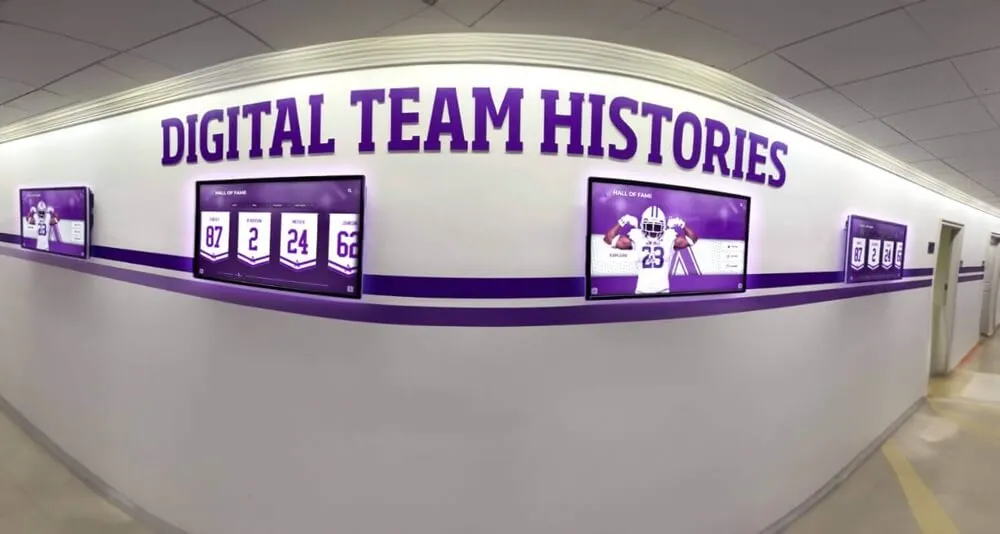
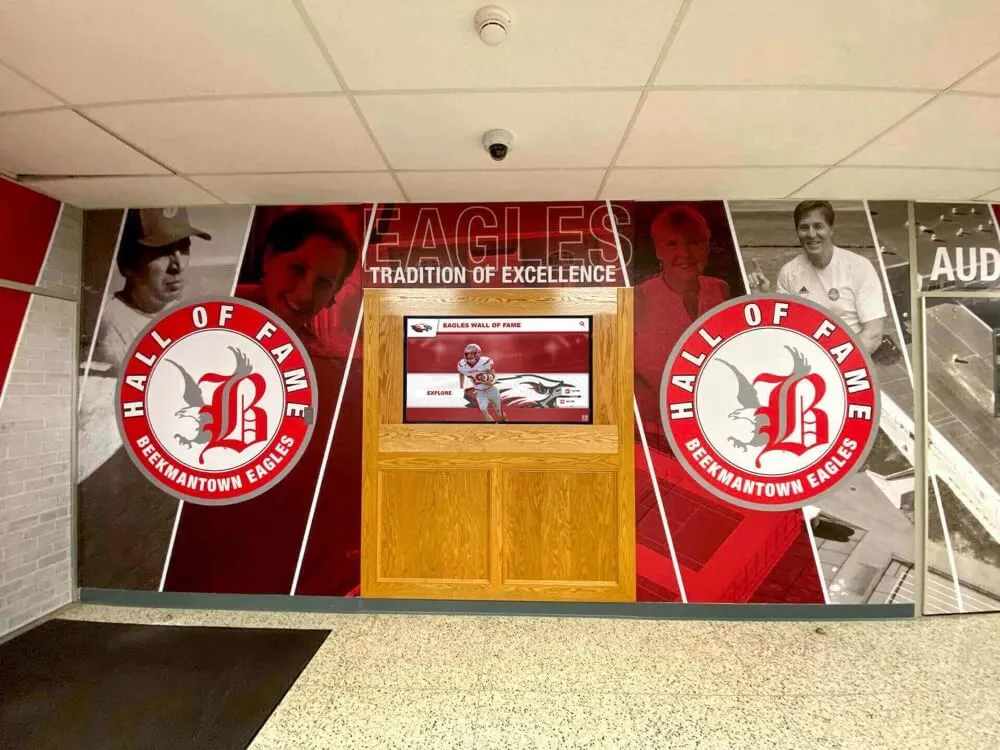
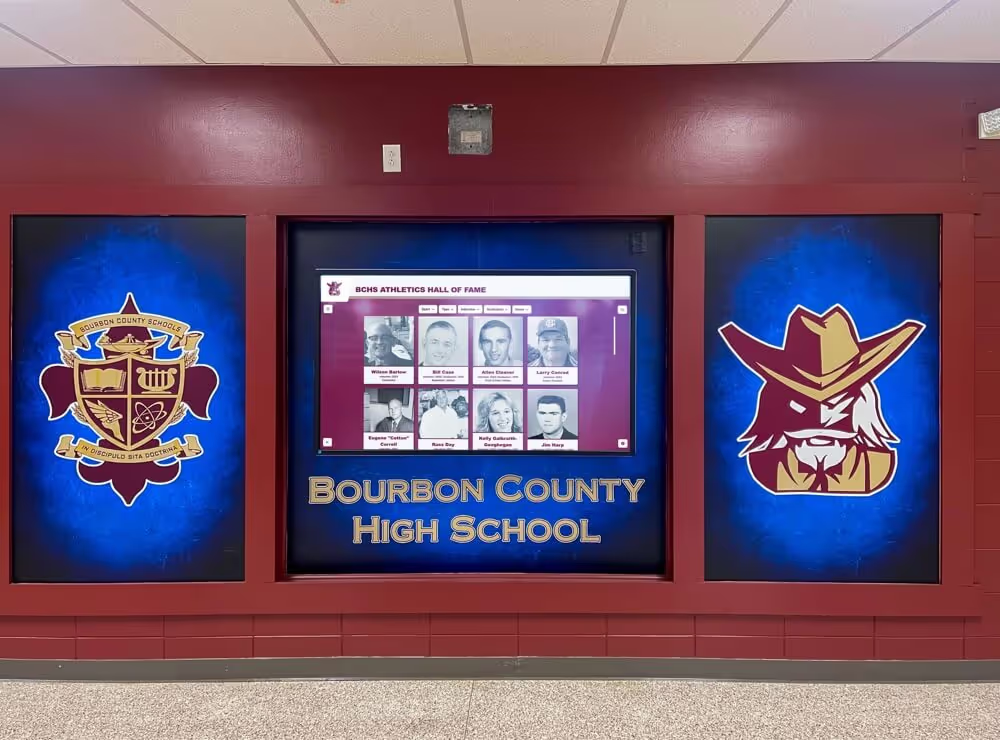
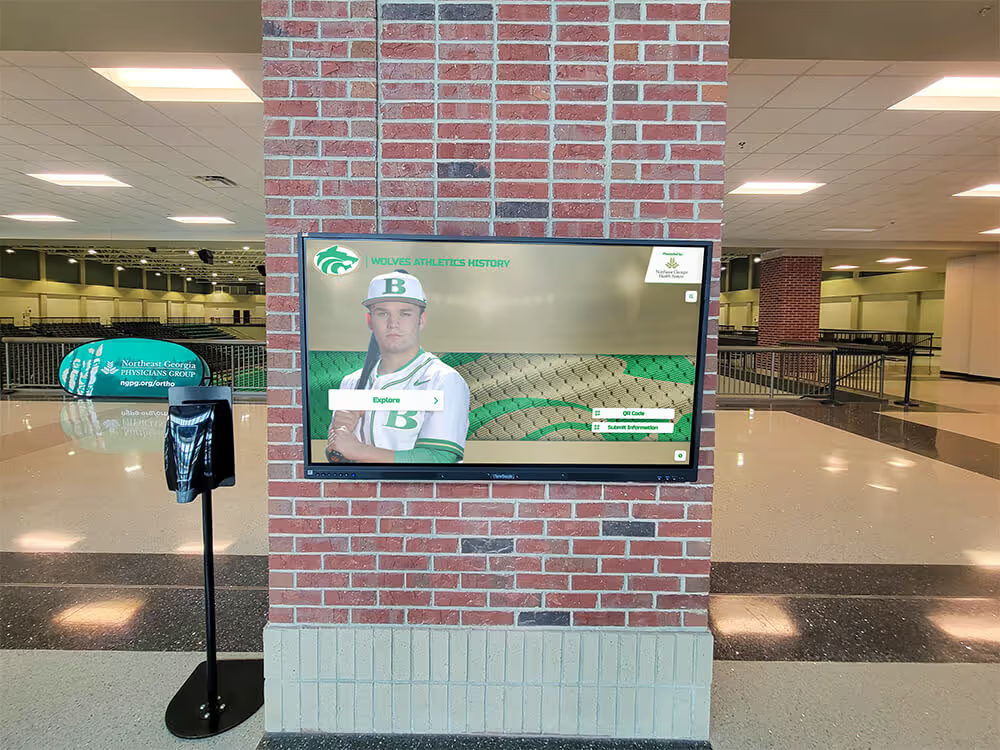
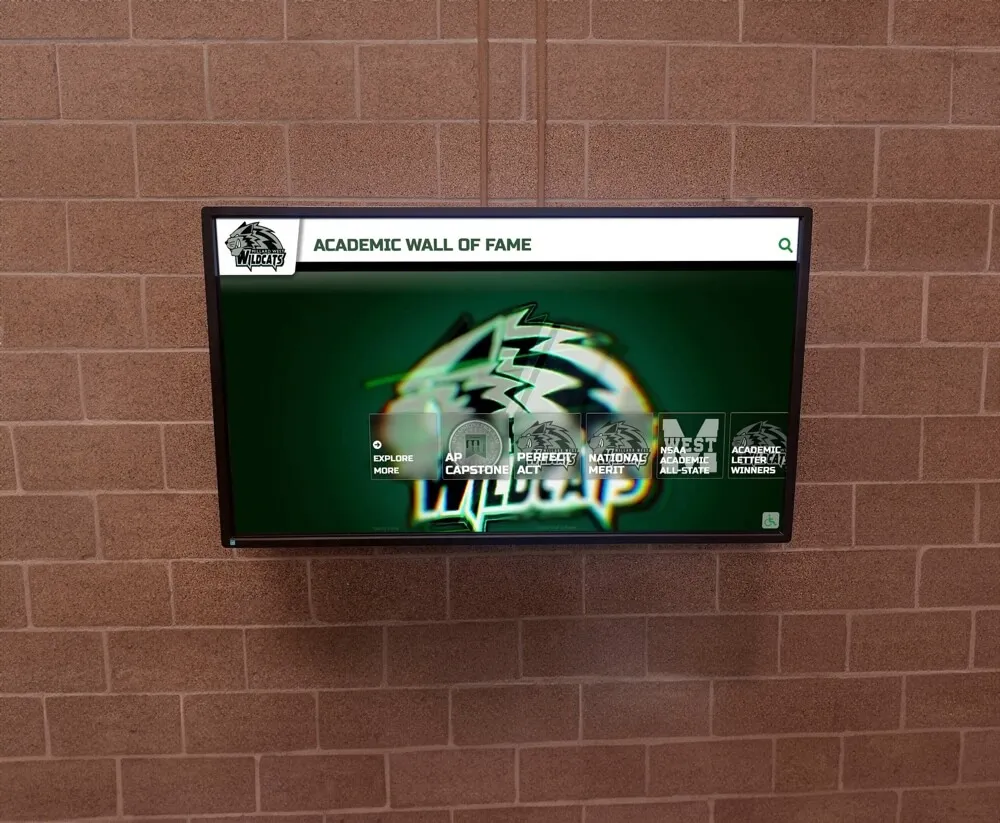
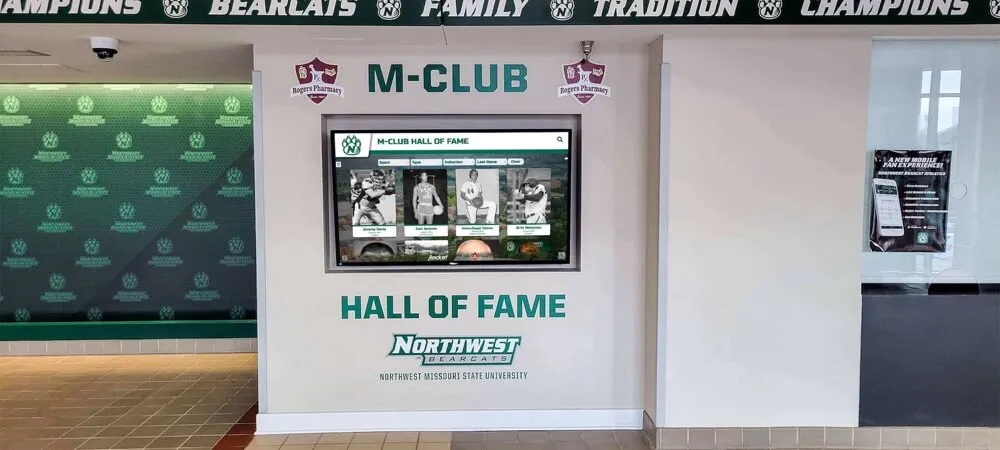
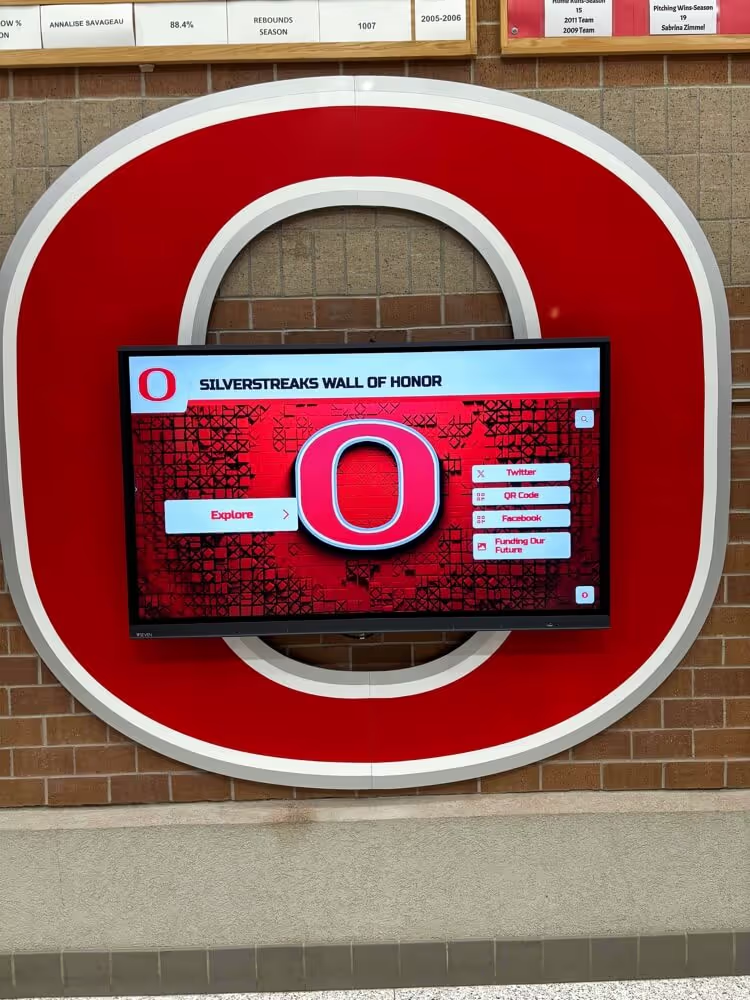
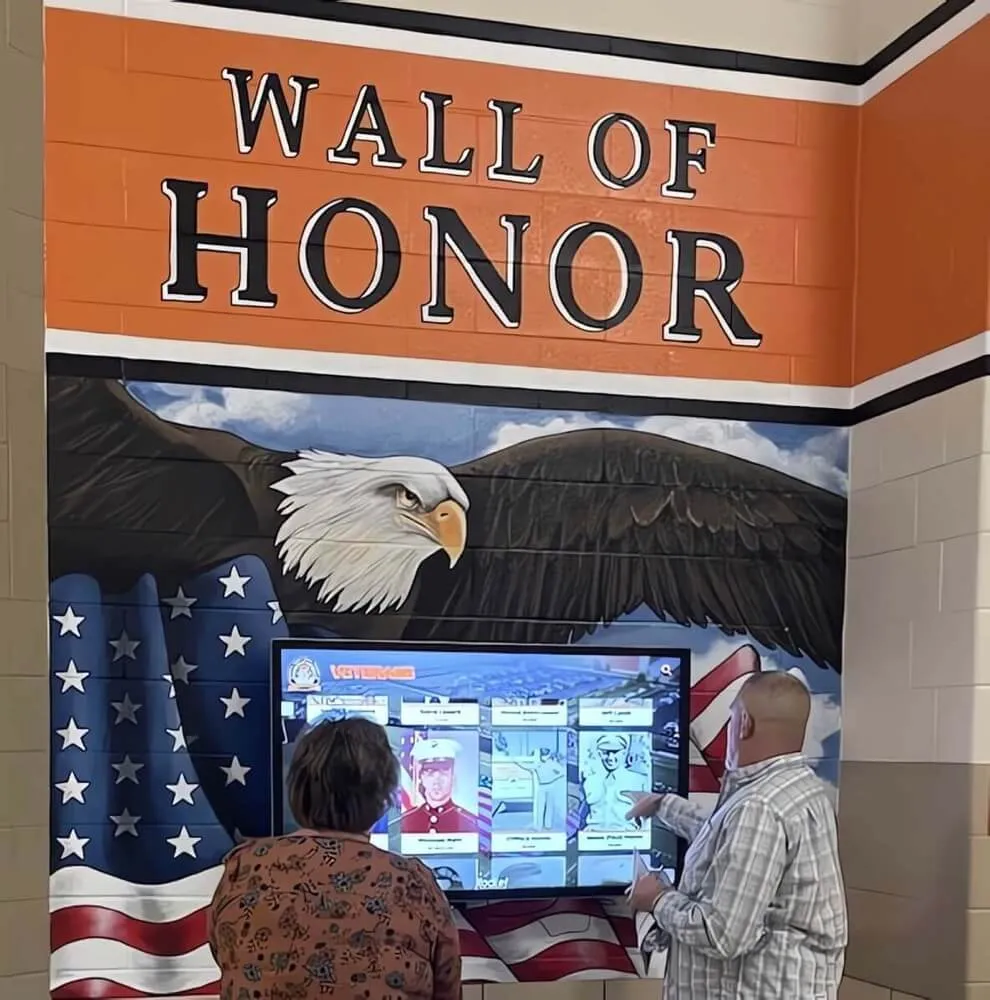
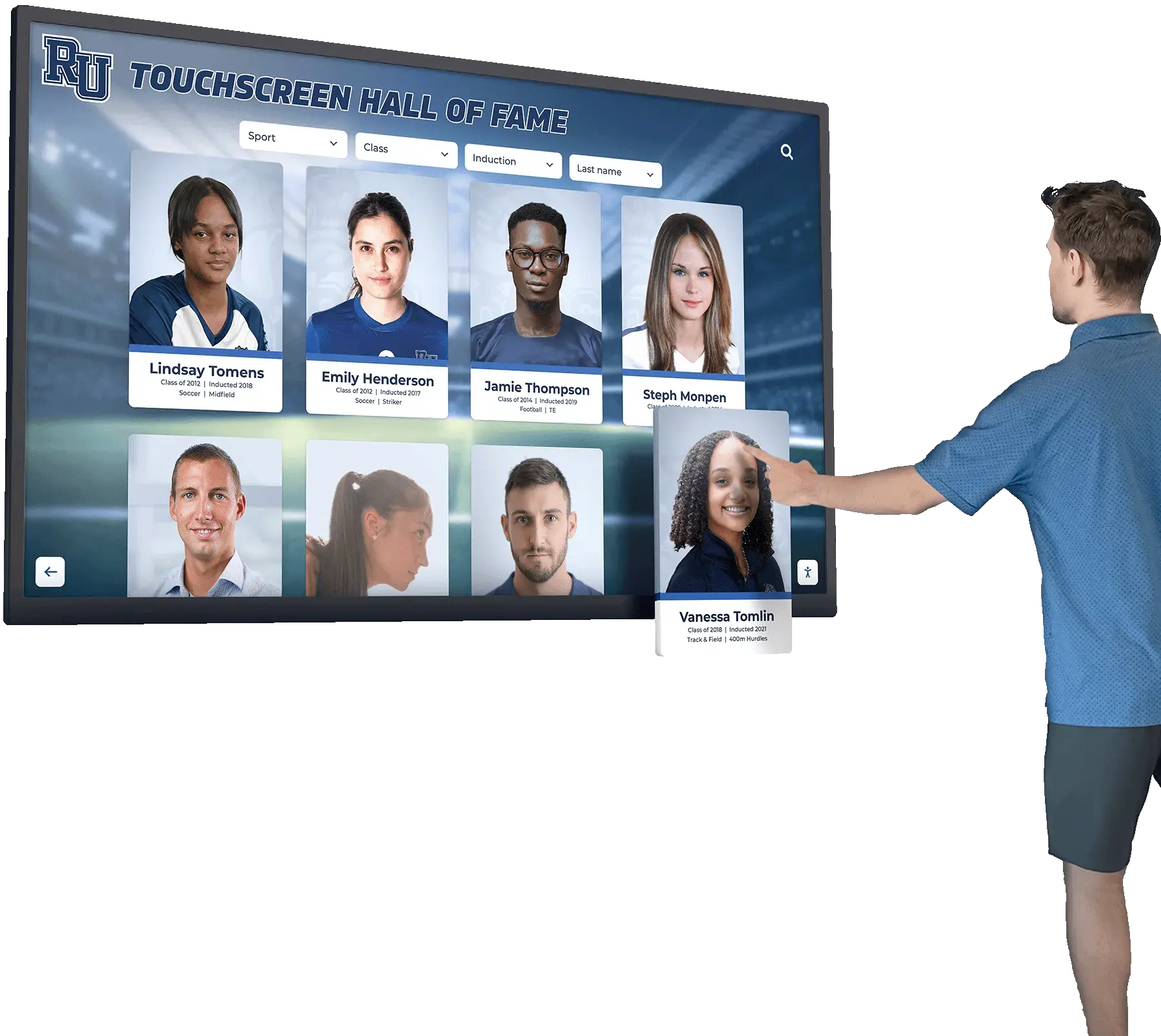
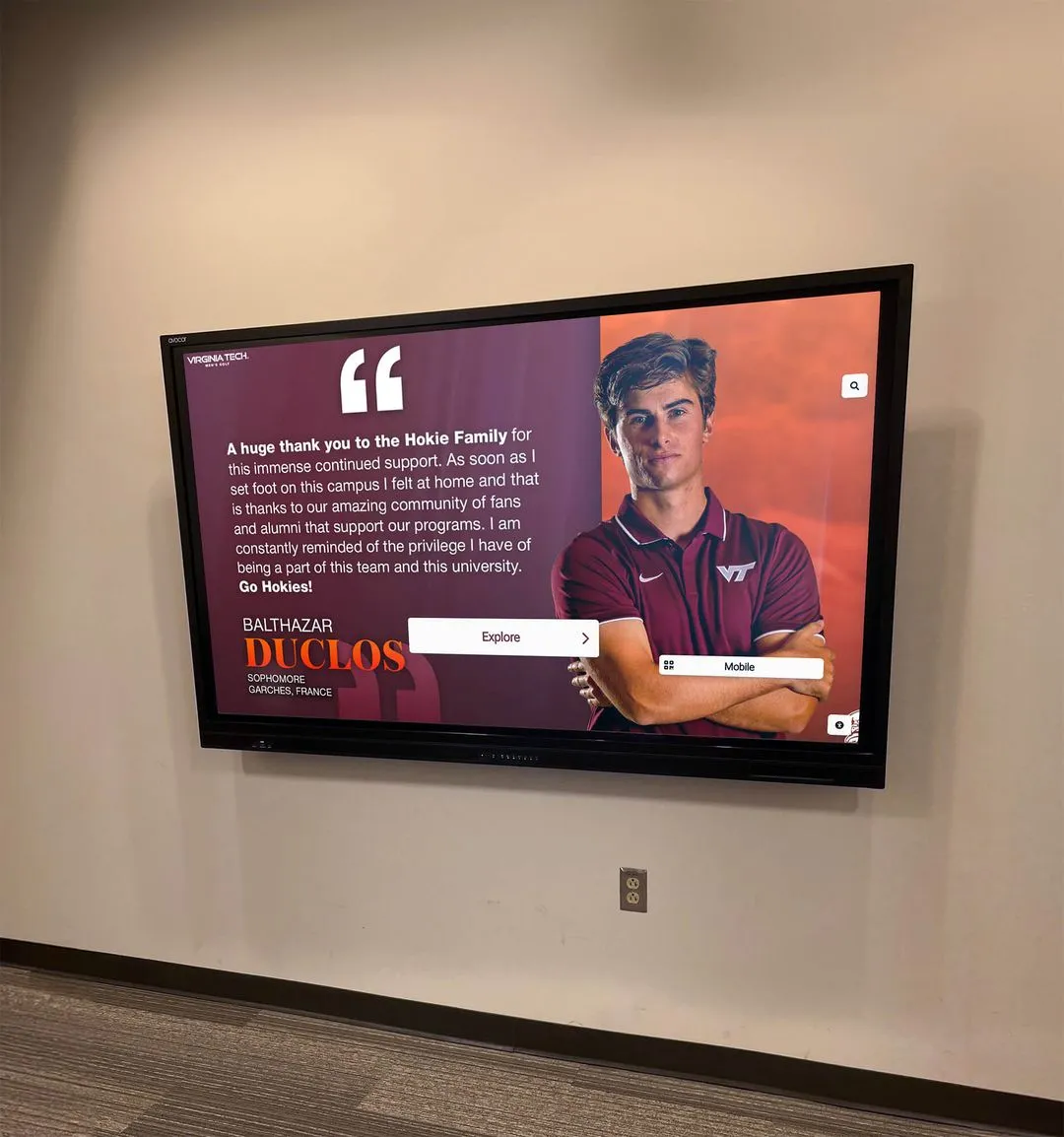
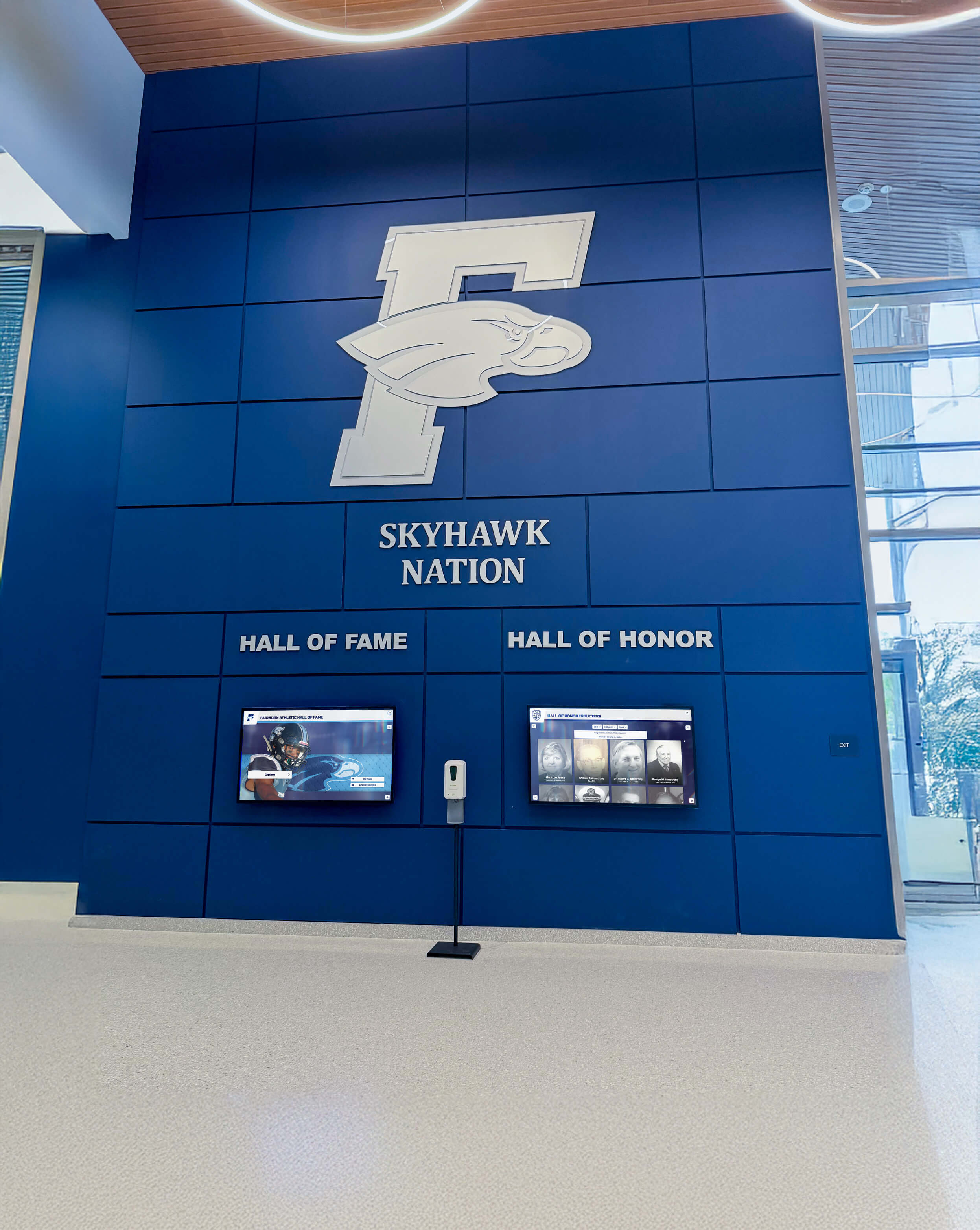
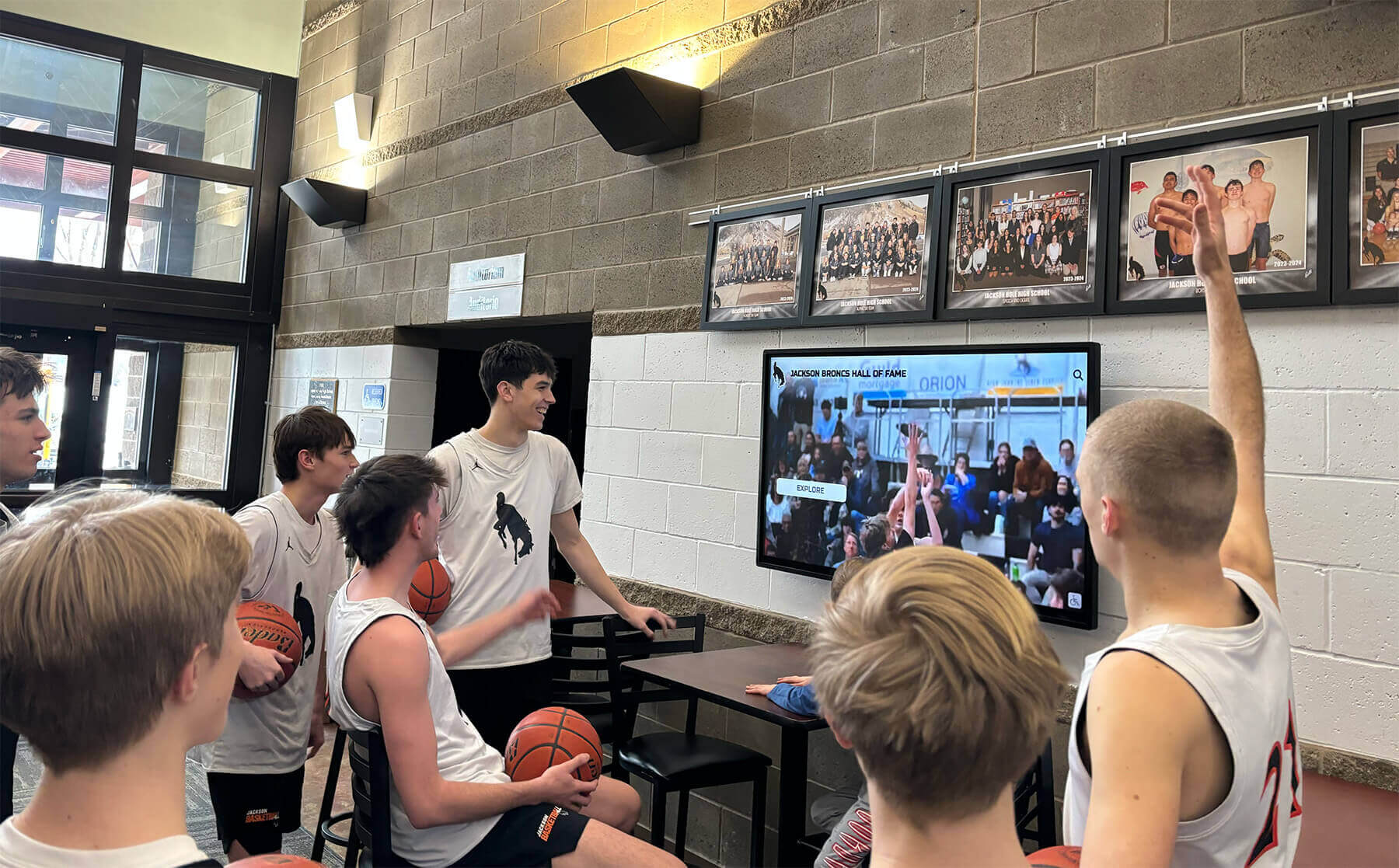
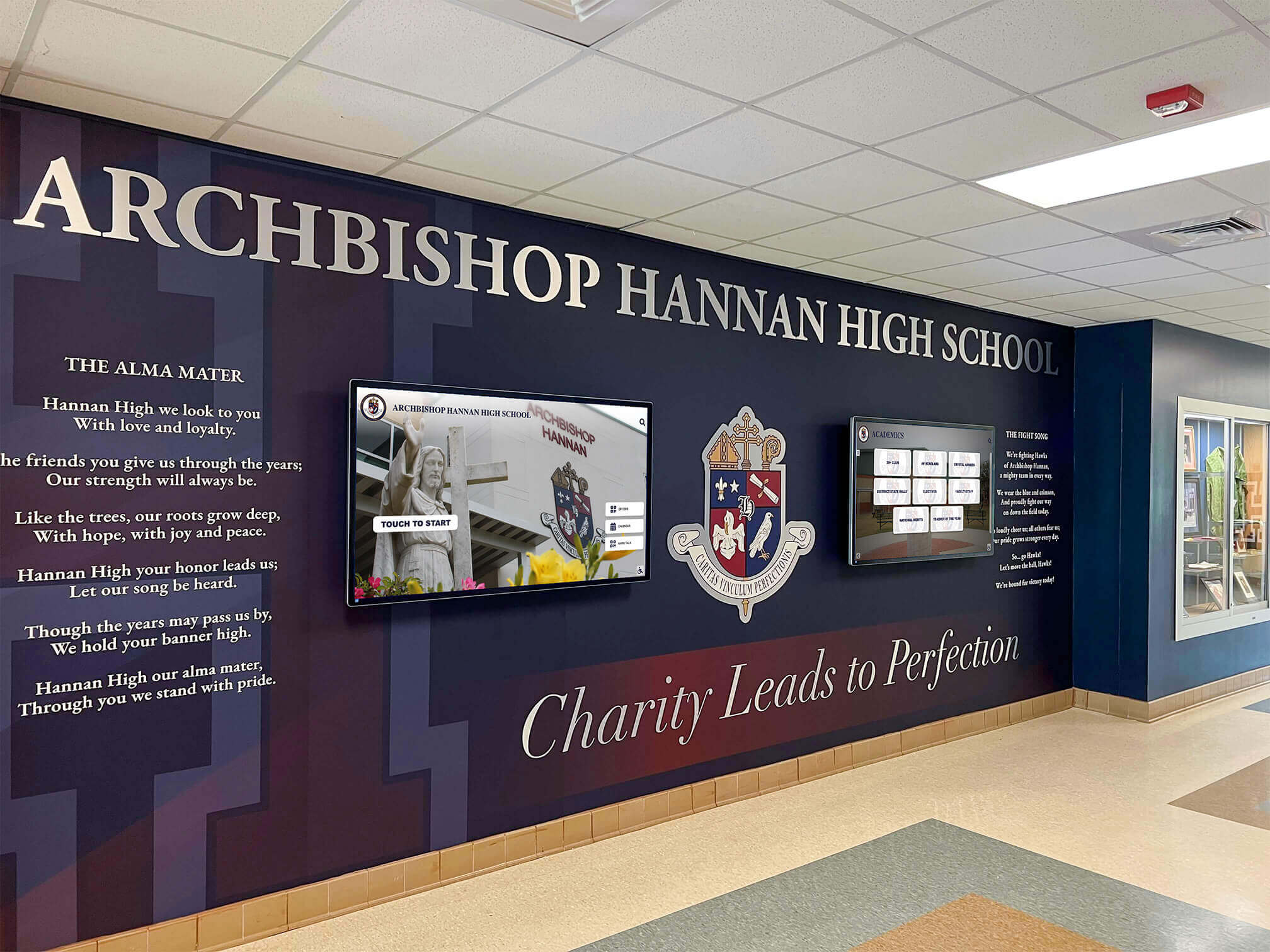
- Interactive touchscreen displays featuring searchable Beta Club member profiles with photos, achievements, service contributions, and leadership roles
- Digital slideshow integration showcasing Beta Club service project photos and impact documentation
- Online hall of fame websites allowing community members to explore Beta Club history and achievements from anywhere
- Video testimonials from Beta Club members discussing their experiences and growth
- Live-updating achievement displays showing current member service hours, convention participation, and scholarship awards
- Social media integration sharing Beta Club accomplishments with broader school communities
These digital approaches create recognition that’s discoverable, engaging, and updateable—maintaining Beta Club visibility throughout the year rather than limiting celebration to single induction ceremonies or static displays that quickly become outdated.
Integrating Beta Club Recognition with Broader Achievement Displays
Rather than isolating Beta Club recognition in dedicated spaces, leading schools integrate academic honor society achievements within comprehensive recognition systems celebrating excellence across all domains.
Comprehensive Recognition Philosophy:
Schools embracing balanced recognition cultures understand that students excel in different areas—athletics, academics, arts, service, leadership—and all achievements deserve comparable celebration. This philosophy manifests through:
- Lobby displays featuring Beta Club members alongside athletic all-stars, arts competition winners, and leadership award recipients
- Recognition walls providing equal visual prominence to academic and athletic achievements
- School website homepage features rotating between different types of student excellence
- Assembly programs celebrating Beta Club convention successes with the same enthusiasm as athletic championships
- Awards ceremonies honoring academic achievements alongside athletic, artistic, and service recognition
Digital Display Integration Advantages:
Modern digital recognition platforms excel at integrated achievement celebration:
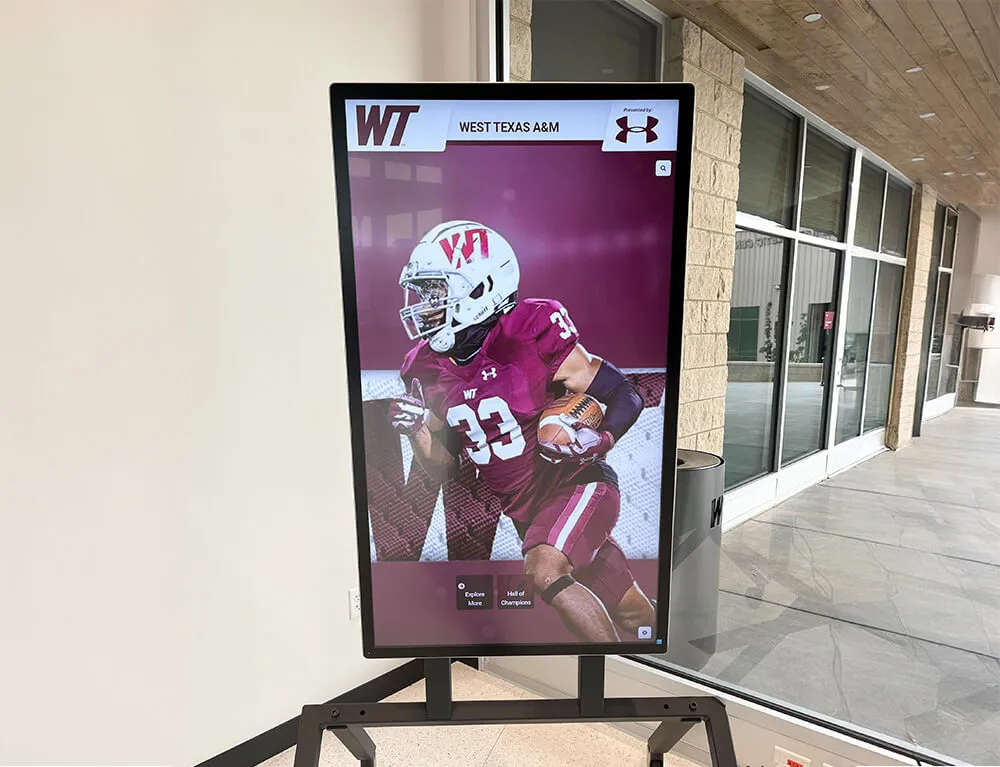
- Single touchscreen systems can showcase athletic hall of fame, Beta Club members, arts competition winners, and service award recipients through intuitive navigation
- Search and filter capabilities allow visitors to explore achievements by student name, year, achievement type, or other criteria
- Cross-referencing highlights students who excel across multiple domains (Beta Club members who also earned athletic honors, for example)
- Regular content updates ensure all current achievements receive timely recognition without physical display limitations
- Multimedia integration supports diverse content types from photos and statistics through videos and testimonials
Schools implementing comprehensive digital recognition solutions report increased student engagement with achievement displays and stronger institutional culture celebrating excellence across all domains rather than privileging single achievement types.
Beta Club vs. Other Honor Societies: Key Distinctions
Students and families often wonder how Beta Club compares to other academic honor societies, particularly the National Honor Society (NHS). While these organizations share some characteristics, meaningful differences distinguish their requirements, activities, and benefits.
Beta Club and National Honor Society: Understanding the Differences
Both Beta Club and NHS recognize academic excellence, but their structures, requirements, and emphases differ in important ways.
Organizational Structure:
- Beta Club: Single organization with unified standards, national conventions, and centralized scholarship programs. Founded in 1934, predates NHS.
- NHS: National organization with individual school chapters having more autonomy in setting standards and activities. Founded in 1921.
Grade Level Scope:
- Beta Club: Serves students from fifth grade through high school (Junior Beta for middle school, Senior Beta for high school)
- NHS: Primarily high school focused (10th-12th grade) with separate National Junior Honor Society for middle school
Membership Selection Process:
- Beta Club: Primarily quantitative with clear GPA requirements and service hour standards that students meet or don’t meet
- NHS: More holistic with faculty council review of candidates considering scholarship, service, leadership, and character through more subjective evaluation
Convention Opportunities:
- Beta Club: Robust state and national convention programs with academic competitions, talent showcases, and leadership development as central organizational features
- NHS: Limited national gathering opportunities; primarily chapter-level activities and service
Scholarship Programs:
- Beta Club: Extensive scholarship opportunities through National Beta Club Foundation with awards specifically for Beta Club members
- NHS: Fewer NHS-specific scholarships; members pursue general scholarship opportunities where NHS membership strengthens applications
Service Emphasis:
- Beta Club: Documented service hour requirements for initial membership and annual maintenance
- NHS: Service required but often with more flexible documentation and hour expectations
Neither organization is inherently “better”—they emphasize different aspects of student excellence and provide different opportunities. Many high-achieving students join both organizations, maximizing their access to scholarships, leadership development, and recognition opportunities.
Other Academic Honor Societies and Recognition Programs
Beyond Beta Club and NHS, numerous specialized honor societies recognize excellence in specific academic domains:
Subject-Specific Honor Societies:
- National English Honor Society
- Mu Alpha Theta (Mathematics)
- Science National Honor Society
- National Social Studies Honor Society
- National Art Honor Society
- Tri-M Music Honor Society
These specialized societies recognize excellence in particular subjects rather than comprehensive academic achievement, allowing students passionate about specific disciplines to connect with similarly focused peers.
Advanced Placement and International Baccalaureate Recognition:
Programs like AP Scholar awards and IB Diploma recognition celebrate students pursuing rigorous academic programming:
- AP Scholar awards for students earning qualifying scores on multiple AP exams
- IB Diploma recipients completing comprehensive IB curriculum requirements
- Academic excellence programs recognizing sustained high achievement
Institutional Honor Programs:
Many schools develop local recognition programs tailored to their specific communities:
- Headmaster’s List or Principal’s List for highest-achieving students
- Distinguished Scholar programs with unique institutional requirements
- Academic letter programs parallel to athletic letter traditions
- School-specific leadership and service recognition awards
Students benefit most when schools recognize achievement across all these programs through comprehensive displays celebrating diverse forms of excellence rather than privileging single recognition types.
Establishing and Maintaining Strong Beta Club Chapters
Schools interested in starting new Beta Club chapters or strengthening existing programs can take specific steps to build robust, sustainable organizations that meaningfully benefit members and school communities.
Starting a New Beta Club Chapter
The process of establishing Beta Club chapters involves both national affiliation logistics and local program development.
Official Chapter Formation Process:
Schools begin by contacting the National Beta Club to:
- Submit chapter application and affiliation paperwork
- Pay required affiliation fees and dues
- Identify faculty/staff sponsor(s) committed to chapter leadership
- Establish chapter bylaws aligned with national Beta Club standards while addressing local school contexts
- Develop membership selection criteria meeting national minimums (GPA, service, character)
- Create chapter officer structure and election processes
Recruiting Initial Members:
New chapters must build membership bases through:
- Identifying currently enrolled students meeting eligibility requirements
- Communicating Beta Club benefits and opportunities to eligible students and families
- Conducting interest meetings explaining membership requirements and expectations
- Processing initial membership applications and character evaluations
- Organizing inaugural induction ceremony celebrating founding members
Building Chapter Sustainability:
Beyond initial formation, chapters require sustainable structures:
- Multi-year sponsor commitment rather than single-year faculty involvement
- Officer succession planning ensuring smooth leadership transitions
- Financial sustainability through dues, fundraising, and possible school budget support
- Integration with school culture and administrative support
- Documented chapter procedures and institutional knowledge preservation
Best Practices for Successful Beta Club Chapters
Thriving chapters share common characteristics distinguishing them from struggling organizations operating minimally or facing declining membership.
Active Sponsor Engagement:
The single most important factor in chapter success is dedicated sponsor leadership providing:
- Consistent meeting scheduling and attendance
- Proactive communication with members, officers, and families
- Enthusiastic participation in chapter activities and conventions
- Advocacy for Beta Club within school administration and broader community
- Mentorship helping student officers develop leadership capabilities
- Recognition that sponsor time investment directly correlates with chapter vitality
Schools should recognize exceptional Beta Club sponsors through appreciation initiatives comparable to recognition for successful coaches and activity advisors.
Student Officer Empowerment:
While sponsor guidance remains essential, successful chapters empower student officers with authentic decision-making authority:
- Officers leading meeting planning and facilitation with sponsor support rather than sponsor-driven meetings
- Student-initiated service project proposals and planning
- Officer-led recruitment and member engagement initiatives
- Peer-to-peer communication and community building
- Real consequences (and learning opportunities) from officer decisions and actions
Meaningful Service Beyond Hour Accumulation:
Chapters focused purely on meeting minimum service hour requirements miss Beta Club’s deeper purpose. Strong chapters:
- Develop sustained partnerships with community organizations creating ongoing impact
- Encourage members to pursue service aligned with personal passions and interests
- Facilitate reflection on service experiences and lessons learned
- Celebrate service impact and community benefit beyond simple hour totals
- Connect service activities to character development and civic responsibility
Convention Participation and Preparation:
Chapters that actively participate in state and national conventions gain maximum Beta Club benefits:
- Budget planning ensuring convention attendance accessibility for all interested members
- Preparation for competition events through practice and coaching
- Integration of convention experiences into chapter culture through member sharing
- Recognition of convention achievements through school announcements, displays, and celebrations
- Use of conventions as leadership development opportunities and recruitment tools
Visible Recognition and Celebration:
Beta Club chapter vitality increases when schools make membership and achievements visible:
- Prominent display of Beta Club information and member profiles in high-traffic school areas
- Regular announcements of Beta Club activities and accomplishments
- Integration of Beta Club into school websites and social media
- Graduation recognition for Beta Club members through cords, stoles, or program acknowledgment
- Digital displays celebrating Beta Club alongside other school achievements
Modern Approaches to Beta Club Recognition and Celebration
While Beta Club’s core mission remains constant, schools increasingly leverage modern technology to enhance how they recognize member achievements and communicate Beta Club value to school communities.
Digital Recognition Platforms for Academic Achievement
Traditional Beta Club recognition relied on static trophy cases, printed certificates, and annual yearbook pages. Digital platforms dramatically expand recognition possibilities.
Interactive Touchscreen Display Benefits:
Modern schools install interactive displays in lobbies, libraries, and hallways providing:
- Searchable directories of current and historical Beta Club members
- Individual member profiles featuring photos, achievements, service contributions, and leadership roles
- Service project galleries showcasing chapter impact through photos and statistics
- Convention achievement highlights celebrating competitive successes and awards
- Video testimonials from Beta Club members and alumni
- Links to Beta Club resources, scholarship opportunities, and upcoming events
Unlike static displays requiring physical updates when membership changes, digital platforms allow instant content updates ensuring recognition remains current and accurate.
Comprehensive Achievement Integration:
Leading recognition platforms integrate Beta Club within broader achievement celebration:
- Students appear in multiple categories reflecting diverse accomplishments (Beta Club membership, athletic participation, arts competition success, leadership roles)
- Cross-referencing capabilities highlight well-rounded students excelling across domains
- Search and filter tools allow visitors to explore achievements by various criteria
- Balanced content allocation ensures academic achievements receive visibility comparable to athletic accomplishments
Accessibility and Reach:
Digital recognition extends beyond on-campus visibility:
- Mobile-responsive designs allow access from any device, anywhere
- Social sharing capabilities let students share their recognition with extended family and networks
- Alumni access connects former members with their achievements decades after graduation
- Recruitment and admissions integration showcases Beta Club as evidence of academic excellence culture
Schools seeking to enhance academic achievement recognition can explore how interactive touchscreen platforms create engaging, updateable recognition solutions celebrating excellence across all student achievement domains.
Showcasing Beta Club Service Impact
Service represents a Beta Club cornerstone, yet schools often struggle to communicate service impact beyond simple hour totals. Digital platforms enable richer service storytelling.
Service Project Documentation:
Comprehensive service recognition includes:
- Photo galleries showing members engaged in service activities
- Before/after imagery demonstrating community improvement project results
- Testimonials from service recipients and community partners
- Statistics quantifying impact (meals served, funds raised, students tutored, parks cleaned)
- Member reflections on service learning and personal growth
- Partnership highlights featuring community organizations supported by Beta Club
Ongoing Service Tracking:
Rather than annual service reports, digital platforms can provide live-updated service metrics:
- Current year service hour totals showing chapter progress toward goals
- Individual member service contributions (with privacy controls)
- Service category breakdowns (school service, community service, environmental initiatives)
- Historical service impact showing multi-year chapter contributions
- Comparison tools highlighting service growth and trends
This ongoing visibility reinforces that service represents continuous commitment rather than one-time projects, while creating healthy motivation through progress tracking toward chapter goals.
Celebrating Beta Club Legacy and Tradition
Beta Club’s nearly 90-year history provides rich material for legacy storytelling connecting current members with decades of achievement tradition.
Historical Beta Club Recognition:
Schools with long-standing Beta Club chapters can showcase:
- Founding chapter information and early member recognition
- Decade-by-decade Beta Club highlights showing program evolution
- Notable alumni who were Beta Club members and their subsequent achievements
- Convention achievement history tracking competitive successes over time
- Service project legacy showing sustained community impact across generations
Connecting Past and Present:
Digital platforms uniquely enable temporal connections:
- Parent-child or sibling Beta Club member linkages
- Alumni testimonials sharing how Beta Club influenced their lives and careers
- Historical photos alongside contemporary images showing program continuity
- Timeline features contextualizing Beta Club within broader school history
- “Where are they now?” features tracking Beta Club alumni success
These connections reinforce Beta Club as enduring institutional tradition rather than transient activity, increasing program prestige and member pride.
The Future of Beta Club and Academic Honor Societies
As education evolves, Beta Club adapts to maintain relevance while preserving core values that have sustained the organization for nearly nine decades.
Evolving Recognition in Changing Educational Landscapes
Modern educational contexts present both challenges and opportunities for academic honor societies:
Challenges Facing Academic Recognition:
- Grade inflation making GPA thresholds less meaningful distinctions
- Varying grading standards across schools complicating cross-institutional comparisons
- Increased focus on well-rounded students rather than purely academic achievement
- Growing recognition that standardized metrics miss important student capabilities and contributions
- Resource constraints limiting schools’ capacity for multiple recognition programs
Opportunities for Enhanced Academic Celebration:
- Digital platforms democratizing recognition access and reducing cost barriers
- Social media creating new visibility channels for achievement celebration
- Growing research on motivation and recognition informing more effective programs
- Increased institutional commitment to balanced recognition cultures celebrating diverse excellence
- Employer and college emphasis on service, leadership, and character alongside academics
Beta Club’s comprehensive focus on achievement, character, service, and leadership positions the organization well for these evolving contexts—the four pillars align with contemporary understanding of student development while maintaining clear standards and meaningful recognition.
Beta Club’s Role in Comprehensive Recognition Cultures
The most effective approach positions Beta Club within broader institutional commitment to celebrating all forms of student excellence.
Balanced Recognition Principles:
Schools committed to comprehensive recognition:
- Celebrate academic, athletic, artistic, service, and leadership achievements with comparable prominence and enthusiasm
- Invest in recognition infrastructure (ceremonies, displays, programs) proportional to achievement prevalence rather than privileging traditional favorites
- Create multiple pathways to recognition ensuring all students can identify areas where their efforts earn celebration
- Use comprehensive digital displays showcasing diverse achievements rather than separated trophy cases for different domains
- Communicate through words and actions that intellectual excellence matters as much as physical performance
Beta Club’s Strategic Position:
Within balanced recognition cultures, Beta Club provides:
- Structured framework for academic achievement celebration with national credibility
- Service emphasis connecting academic capability with community responsibility
- Leadership development opportunities extending beyond classroom achievement
- Scholarship access supporting college affordability for high-achieving students
- National network connecting students with achievement-focused peers
For schools seeking to strengthen academic recognition without building entirely new programs, establishing or revitalizing Beta Club chapters provides immediate access to established organizational resources, national conventions, scholarship programs, and recognition frameworks that would take years to develop independently.
Conclusion: Celebrating Academic Excellence Through Beta Club
Beta Club represents one of American education’s most enduring commitments to celebrating student achievement—a nearly 90-year tradition recognizing that academic excellence, strong character, meaningful service, and emerging leadership deserve prestigious acknowledgment comparable to other student accomplishments that schools have long celebrated with enthusiasm and pride.
For students, Beta Club membership opens doors to scholarship opportunities, leadership development experiences, and national recognition that can significantly impact educational trajectories and future success. The combination of rigorous academic standards, service requirements, and character expectations creates comprehensive excellence recognition that colleges and employers value highly.
For schools, Beta Club chapters provide structured frameworks for academic achievement celebration while fostering service-oriented leadership among high-achieving students. Strong Beta Club programs contribute to institutional cultures valuing intellectual accomplishment and demonstrating commitment to balanced recognition celebrating diverse forms of student excellence.
In 2026 and beyond, schools committed to comprehensive student recognition increasingly leverage modern digital platforms to give Beta Club achievements the visibility and celebration they deserve—interactive displays, searchable member directories, service impact showcases, and multimedia storytelling that make academic honor society recognition as prominent and engaging as the athletic accomplishments schools have traditionally celebrated most enthusiastically.
By investing in Beta Club recognition through both strong chapter programming and modern celebration platforms, schools communicate that they genuinely value what they claim to prioritize: academic achievement, ethical character, community service, and leadership development. This alignment between stated values and recognition practices creates authentic institutional cultures where all students can identify pathways to significance and find their excellence celebrated with meaningful enthusiasm.
Whether you’re a student considering Beta Club membership, a parent supporting your child’s academic journey, an educator building stronger recognition programs, or an administrator seeking to strengthen your school’s academic culture, Beta Club offers proven frameworks for celebrating student achievement in ways that inspire current students, honor member accomplishments, and reinforce that intellectual excellence remains among the most valuable contributions students can make to their schools and communities.