



Spring sports occupy a distinctive position in the athletic calendar, serving as the culminating season where seniors complete their high school or college careers, championship tournaments determine final standings, and schools celebrate athletic achievements before summer break disperses communities. Unlike fall sports that launch academic years with football excitement, or winter sports competing during harsh weather in indoor facilities, spring athletics benefit from improving weather conditions that energize outdoor competitions while facing unique scheduling challenges around academic testing periods, graduation preparations, and end-of-year commitments.
Understanding what spring sports are and how they function within broader athletic programs helps schools design recognition systems that appropriately celebrate these achievements, helps families navigate registration and commitment timelines, and helps athletic directors allocate resources effectively across all three competitive seasons. Whether you’re a student exploring athletic options, a parent supporting young athletes, or an administrator building comprehensive sports programs, this guide provides the foundational knowledge needed to understand spring athletics fully.
What Are Spring Sports? Definition and Overview
Spring sports encompass athletic competitions that occur during the spring season, typically running from late February or early March through May or early June depending on geographic location and specific sport schedules. These programs represent the third major competitive season in the academic athletic calendar alongside fall and winter athletics.
Core Characteristics of Spring Sports
Outdoor Competition Emphasis: The majority of spring sports occur outdoors, taking advantage of improving weather conditions after winter. Baseball and softball fields, track and field facilities, lacrosse and soccer pitches, tennis courts, and golf courses come alive with competition as temperatures moderate and daylight hours extend.
Weather-Dependent Scheduling: Unlike indoor winter sports with controlled environments, spring athletics face scheduling challenges related to rain, wind, and occasionally late-season cold snaps. Programs must build flexibility into schedules, maintain alternate practice facilities, and occasionally reschedule competitions postponed by weather conditions.
Academic Calendar Considerations: Spring sports navigate unique timing pressures including standardized testing periods that may restrict practice schedules, spring break vacations creating scheduling gaps, AP exams and final assessments competing for student attention, and graduation preparations that accelerate as seasons conclude.
Senior Conclusion: For high school seniors and college fourth-year athletes, spring sports represent final competitive opportunities—creating emotionally significant seasons where schools honor departing athletes while these individuals leave lasting legacies through final performances.
Spring vs. Fall and Winter Sports
Understanding how spring athletics differ from fall and winter seasons helps clarify their unique characteristics and challenges:
Fall Sports typically launch academic years with high-visibility programs like football and volleyball that benefit from optimal early-season weather, start when students are fresh and focused at year’s beginning, and conclude before winter weather challenges outdoor competition. However, fall seasons must compress schedules before cold weather arrives and compete with back-to-school transitions for attention.
Winter Sports operate primarily indoors in controlled environments, avoiding weather-related scheduling concerns. Basketball, wrestling, swimming, and indoor track enjoy consistent practice and competition conditions. However, winter programs face holiday break interruptions and typically generate lower spectator attendance due to indoor venue size limitations and weather-related travel concerns.
Spring Sports benefit from improving weather and extended daylight supporting outdoor practices and competitions. Athletes often arrive in peak physical condition after fall or winter seasons. However, spring programs must navigate end-of-year academic pressures, schedule around testing periods and spring breaks, and conclude before summer break disperses school communities.

Common High School Spring Sports
High school spring athletic programs vary by region, school size, and available facilities, but certain sports represent core offerings across most comprehensive athletic programs.
Baseball
High school baseball represents one of the most popular spring sports, with approximately 500,000 participants competing annually across 15,000+ programs nationwide. The spring season typically runs from early March through late May or early June, concluding with state championship tournaments.
Season Structure: Teams typically play 20-30 regular season games over 10-12 weeks, with conference or league standings determining playoff qualification. State association tournaments follow bracket formats with single-elimination or modified double-elimination structures advancing teams toward championship games.
Practice and Competition Balance: Baseball programs balance practice time developing pitching depth, defensive fundamentals, and offensive approaches with frequent game schedules—often playing 3-4 games weekly during peak season. This creates significant time commitments for participants and challenges for coaches managing pitch count restrictions and player development alongside competitive success.
Recognition Opportunities: Baseball programs commonly recognize achievements including all-conference and all-state selections, statistical leaders in batting average, home runs, RBIs, ERA, and strikeouts, milestone achievements like career hit totals or perfect games, and championship team honors that schools display prominently.
Softball
Softball mirrors baseball’s spring season structure with similar participation levels and competitive formats. Approximately 375,000 high school athletes compete in softball programs that emphasize both recreational participation and elite competitive development.
Fast-Pitch Format: High school softball primarily uses fast-pitch rules with smaller fields than baseball, seven-inning games, and pitching styles distinctly different from baseball. The compressed field dimensions and rapid pace create exciting competitions that reward defensive quickness and strategic base-running.
Tournament Culture: Softball programs often participate in early-season invitational tournaments beyond regular conference schedules, creating opportunities for teams to face varied competition levels and gain experience before league play begins. These tournaments have become cultural touchstones where programs build identity and traditions.
Track and Field
Track and field represents the largest participation spring sport, with more than 600,000 high school athletes competing across running, jumping, and throwing events. The sport’s inclusive structure allows athletes of varied ability levels and physical profiles to find events matching their strengths.
Individual and Team Competition: Track and field uniquely balances individual event performance with team scoring. Athletes compete for personal records and event medals while simultaneously earning points contributing to team championships—creating dual motivation structures.
Event Diversity: Programs organize around sprint events (100m, 200m, 400m), middle distance (800m, 1600m), distance running (3200m), hurdle events (110m/100m high hurdles, 300m/400m intermediate hurdles), relays (4x100m, 4x200m, 4x400m, 4x800m), field events including jumps (long jump, triple jump, high jump, pole vault), and throws (shot put, discus, javelin, hammer in some states).
Recognition Complexity: The diverse event structure creates recognition challenges as programs celebrate individual event champions, record setters, all-state selections, relay teams, and overall team performance. Successful programs implement comprehensive digital recognition systems that can display varied achievement types across multiple events.
Lacrosse
Lacrosse has experienced explosive growth over recent decades, expanding from primarily East Coast prep school tradition to nationwide spring sport with more than 125,000 high school participants. Both boys’ and girls’ lacrosse programs operate with distinct rule sets creating different game characteristics.
Boys’ Lacrosse: Features full contact with protective equipment, ten players per side, and physical play styles emphasizing speed, stick skills, and tactical positioning. The sport rewards both finesse and physicality.
Girls’ Lacrosse: Operates with limited contact rules, twelve players per side, and protective equipment requirements focusing primarily on eyewear. The game emphasizes ball movement, positional play, and stick handling skills with less physical contact than boys’ versions.
Regional Variations: Lacrosse participation remains concentrated in Mid-Atlantic, New England, and increasingly Midwest and West Coast regions. Schools in traditional lacrosse areas often field highly competitive programs with deep talent pools, while emerging regions build developmental programs establishing the sport in new communities.
Tennis
Tennis programs serve approximately 350,000 high school athletes through individual and team competition formats. Spring tennis seasons typically feature both singles and doubles competitions contributing to team scoring.
Individual Within Team Structure: Tennis uniquely structures team competitions around individual match results. Typical high school dual meets feature singles positions (often six singles matches) and doubles positions (typically three doubles teams), with match wins determining team scores.
Tournament Formats: Beyond dual meet conference schedules, tennis programs compete in individual and team tournaments. Players advance through singles and doubles brackets while simultaneously earning points toward team championships—creating parallel individual and collective goals.
Multi-Season Participation: Some states offer tennis in both fall and spring seasons, or split boys’ and girls’ tennis across different seasons. This allows dedicated tennis players multiple competitive opportunities annually while accommodating athletes participating in other primary sports.
Soccer (Regional Variations)
While many states classify soccer as a fall sport, numerous regions—particularly in warmer climates—operate spring soccer programs instead. Approximately 150,000 high school athletes participate in spring soccer where offered.
Boys’ and Girls’ Seasons: States operating spring soccer typically schedule boys’ and girls’ programs in different seasons to avoid facility conflicts, with common patterns placing girls’ soccer in fall and boys’ in spring, or vice versa depending on state association decisions.
Weather Advantages: Spring soccer benefits from moderate temperatures avoiding both early fall heat and late fall cold that challenge outdoor competition. However, spring programs must work around field conditions affected by spring rain and maintenance schedules.
Golf
High school golf engages approximately 175,000 participants through individual and team competitions on local courses. The sport offers lifelong participation opportunities and teaches etiquette and sportsmanship alongside athletic skills.
Format Variations: Golf competitions typically follow stroke play formats where individual scores determine results, or match play formats pairing competitors head-to-head. Team scoring usually combines top four or five individual scores from each school, creating team totals determining dual meet or tournament winners.
Facility Dependencies: Unlike sports played on school-owned facilities, golf programs depend on relationships with local courses willing to accommodate high school competitions. This creates unique logistical considerations around transportation, course availability, and cost management.
Other Spring Sports
Additional spring sports offerings vary by region and school resources:
Volleyball (Boys’ in Some States): While girls’ volleyball typically occurs in fall, some states offer boys’ volleyball in spring, providing male athletes access to the sport.
Rugby: Growing numbers of schools sponsor rugby programs, typically in spring seasons. The sport’s physical demands and tactical complexity attract athletes seeking alternatives to traditional offerings.
Water Polo: Schools with pool facilities sometimes offer spring water polo complementing fall or winter swimming programs.
Rowing/Crew: Schools near suitable water bodies may field rowing teams competing in spring seasons when weather conditions support outdoor water sports.
Ultimate Frisbee: Emerging as both club and varsity sport in progressive athletic programs seeking inclusive, lower-cost spring options.
College Spring Sports Programs
College spring athletics mirror high school offerings while adding sport-specific variations and elite competitive structures through NCAA, NAIA, and NJCAA governance.
NCAA Division I Spring Sports
Division I spring athletics represent the highest competitive level of college sports, featuring scholarship programs, national championships, and significant media attention for marquee sports.
Baseball: College baseball’s spring season extends from February through June, culminating in the College World Series in Omaha. Programs play 50+ game schedules with conference tournaments preceding NCAA regional and super regional play before the final championship. The sport serves as the primary amateur development path for professional baseball.
Softball: Women’s softball follows similar spring season structures with the Women’s College World Series determining national champions. The sport has experienced dramatic growth in popularity and competitive quality.
Track and Field: Both men’s and women’s programs compete in indoor championships (winter season) and outdoor championships (spring season). The spring outdoor season features conference championships preceding regional qualifying meets and NCAA championships held in late May or early June.
Lacrosse: Men’s and women’s lacrosse championships represent spring highlights with traditional powerhouse programs competing for national titles. The sport maintains strong regional concentration in Northeast and Mid-Atlantic conferences while expanding nationally.
Tennis: College tennis programs field individual players and team competitions through spring seasons concluding with NCAA individual and team championships.
Golf: Both men’s and women’s golf compete through spring seasons with multiple tournaments leading to conference championships and NCAA championship events.
Beach Volleyball: Emerging as distinct sport from indoor volleyball, beach volleyball has grown rapidly with NCAA championship status and spring season competition structures.
Division II and III Spring Athletics
Division II and III colleges operate spring sports programs with different competitive philosophies balancing athletics with academic priorities and broader student life engagement.
Regional Competition Models: Division II and III sports typically emphasize regional competition reducing travel demands and costs while maintaining competitive quality. These programs create natural rivalries and sustainable schedules.
Multi-Sport Athletes: Division II and III schools often field rosters including multi-sport athletes who compete in fall, winter, and spring seasons—increasingly rare at Division I levels where sport specialization dominates. This creates different team dynamics and recognition considerations as athletes balance multiple competitive commitments.
Championship Opportunities: Both divisions conduct national championship tournaments across spring sports, providing peak competitive experiences and recognition opportunities that schools celebrate prominently through digital athletic displays showcasing achievements.
NAIA and Junior College Spring Sports
NAIA institutions and junior colleges operate comprehensive spring sports programs serving crucial roles in competitive landscape and athlete development pathways.
NAIA Programs: National Association of Intercollegiate Athletics schools field competitive spring sports programs with national championship opportunities across baseball, softball, track and field, tennis, and golf. These programs often provide scholarship opportunities for athletes who may not fit Division I or II profiles but seek competitive college athletic experiences.
Junior College Athletics: Two-year colleges operate spring sports through NJCAA governance, creating important development pathways for athletes seeking to transfer to four-year institutions after building skills and academic records. Many successful four-year college and professional athletes began careers in junior college spring sports programs.
Spring Sports Scheduling and Season Structure
Understanding how spring sports seasons are organized helps participants, families, and administrators manage the unique timing challenges these programs face.
Season Timeline Variations
Southern and Warm Climate States: Programs in states like California, Texas, Florida, Arizona, and other warm-weather regions often begin spring sports in late January or early February, taking advantage of favorable weather conditions. This extended timeline allows longer seasons with more competitions before academic year conclusions.
Northern and Cold Climate States: Programs in Midwest, Northeast, and Mountain states typically start spring sports in mid-to-late March after weather moderates sufficiently for outdoor practice and competition. These compressed timelines create scheduling challenges fitting adequate preparation and competition into shorter windows.
Indoor Transition Periods: Many spring sports begin with indoor practice periods before facilities are ready for outdoor use. Track and field athletes may start training indoors, tennis players use indoor courts, and baseball/softball teams utilize indoor hitting facilities and gymnasiums before moving to outdoor fields.
Practice Structures
Spring sports practices typically begin 2-3 weeks before first competitions, with daily sessions ranging from 1.5 to 3 hours depending on sport demands and state association regulations limiting practice time.
Skill Development Focus: Early season practices emphasize fundamental skill development, conditioning athletes for sport-specific demands, teaching strategic concepts and team systems, and evaluating personnel for competitive positioning.
Weather Contingencies: Spring programs maintain backup practice plans for weather interruptions, utilizing gymnasiums, indoor facilities, or modified outdoor sessions when conditions allow partial but not full practices. This flexibility requires creative coaching and facility scheduling coordination.
Academic Balance: Coaches must balance athletic development with academic obligations, particularly during testing periods when state assessments or AP exams may require modified practice schedules or occasional cancellations prioritizing academic success.
Competition Schedules
Spring sports competition schedules vary significantly by sport, but most programs balance regular season conference or league games with non-conference competitions and conclude with postseason tournaments.
Conference/League Play: Schools compete within designated conferences or leagues, with standings determining regular season champions and often postseason seeding. These competitions create natural rivalries and scheduling frameworks.
Non-Conference Games: Teams schedule non-conference opponents to test themselves against different competition levels, fill scheduling gaps, maintain traditional rivalries outside conference realignment, and provide opponents for teams during bye weeks in conference schedules.
Invitational Tournaments: Track and field, golf, tennis, and sometimes baseball and softball programs participate in invitational tournaments featuring multiple schools competing simultaneously. These events create festival atmospheres and efficient scheduling concentrating multiple competitions into single days or weekends.
Postseason Tournaments
Spring sports seasons culminate in postseason tournaments determining league, sectional, regional, and state champions through bracket-style elimination competitions.
Qualification Systems: Schools qualify for postseason play through various methods including automatic conference champion qualifications, at-large selections based on overall records or power ratings, play-in games for final tournament positions, or open tournaments allowing all programs to participate.
Tournament Formats: State associations employ different tournament structures including single-elimination brackets advancing winners through multiple rounds, modified double-elimination formats giving teams second chances, pool play preceding elimination rounds, and multi-class tournaments dividing schools by enrollment for competitive balance.
Championship Recognition: Tournament success creates recognition opportunities that schools celebrate prominently. State championship teams, runner-up finishes, and individual tournament standouts receive honors that programs preserve through digital athletic recognition systems maintaining legacy achievement displays.
Benefits of Spring Sports Participation
Spring athletics provide numerous benefits extending beyond immediate competitive experiences, creating lasting value for participants across multiple dimensions.
Physical Health and Fitness
Spring sports participation promotes cardiovascular fitness through sustained aerobic activity, develops sport-specific strength and conditioning, teaches proper movement mechanics reducing injury risk, and establishes healthy activity patterns extending beyond competitive seasons.
Seasonal Activity Continuation: For multi-sport athletes, spring sports provide continued physical activity maintaining fitness levels developed through fall and winter seasons. For single-sport spring athletes, these programs deliver concentrated fitness development in targeted timeframes.
Outdoor Activity Benefits: Spring sports’ outdoor nature provides additional health benefits including increased vitamin D production from sun exposure, mental health benefits from time in natural environments, and varied training stimuli compared to indoor winter sports.
Social and Emotional Development
Team sports participation during spring seasons creates social connections and emotional growth opportunities particularly valuable for adolescents navigating identity development and peer relationship challenges.
Team Bonding During Critical Periods: Spring seasons create final team experiences for seniors completing high school careers, fostering deep relationships during emotionally significant transition periods. These connections often endure as lifelong friendships rooted in shared spring season experiences.
Leadership Development: Spring sports provide leadership opportunities particularly for upperclassmen serving final seasons in captain roles, mentoring younger athletes, and establishing program cultures that persist beyond individual careers.
Resilience Through Adversity: Athletic competition teaches resilience as athletes navigate losses, injuries, performance slumps, and other challenges. Spring seasons create these growth opportunities during developmentally important periods when adolescents build coping mechanisms influencing adult responses to difficulty.
College Athletic Opportunities
Spring sports participation can create pathways toward college athletic opportunities, scholarship possibilities, and continued competitive experiences beyond high school.
Recruitment Timelines: Spring sports align with critical recruitment periods for high school juniors seeking college opportunities. Strong spring performances can generate increased college interest, improve scholarship offers, or secure roster positions at target institutions.
Showcase Opportunities: Spring tournaments and championships provide stages where college coaches evaluate prospects. Athletes performing well in high-visibility competitions gain recruitment advantages over those with limited showcase experiences.
Multi-Sport Appeal: College coaches increasingly value multi-sport athletes who demonstrate versatility, varied athletic development, and ability to balance multiple commitments. Spring sport participation can enhance recruitment profiles even when athletes pursue college careers in different primary sports.
Academic Integration Benefits
Spring sports participation correlates with numerous academic benefits despite occurring during challenging end-of-year periods with significant testing and assignment demands.
Time Management Skills: Athletes balancing spring sports with academic obligations develop crucial time management capabilities, learning to complete assignments efficiently, prioritize competing demands, and maintain organizational systems preventing work from becoming overwhelming. These executive function skills support academic success throughout high school and college.
School Engagement: Athletic participation increases overall school engagement and connection to educational institutions. Athletes often demonstrate higher attendance rates, greater participation in non-athletic school activities, and stronger identification with school communities—all factors supporting academic achievement.
College Application Enhancement: Spring sports participation strengthens college applications by demonstrating commitment, teamwork capabilities, time management skills, and sustained multi-year involvement in meaningful activities. Admissions offices value athletic participation even when applicants don’t pursue college athletics.
Recognizing Spring Sports Achievements
Appropriately celebrating spring athletic achievements ensures these programs receive recognition proportional to fall and winter sports while honoring senior athletes completing careers.
Traditional Recognition Approaches
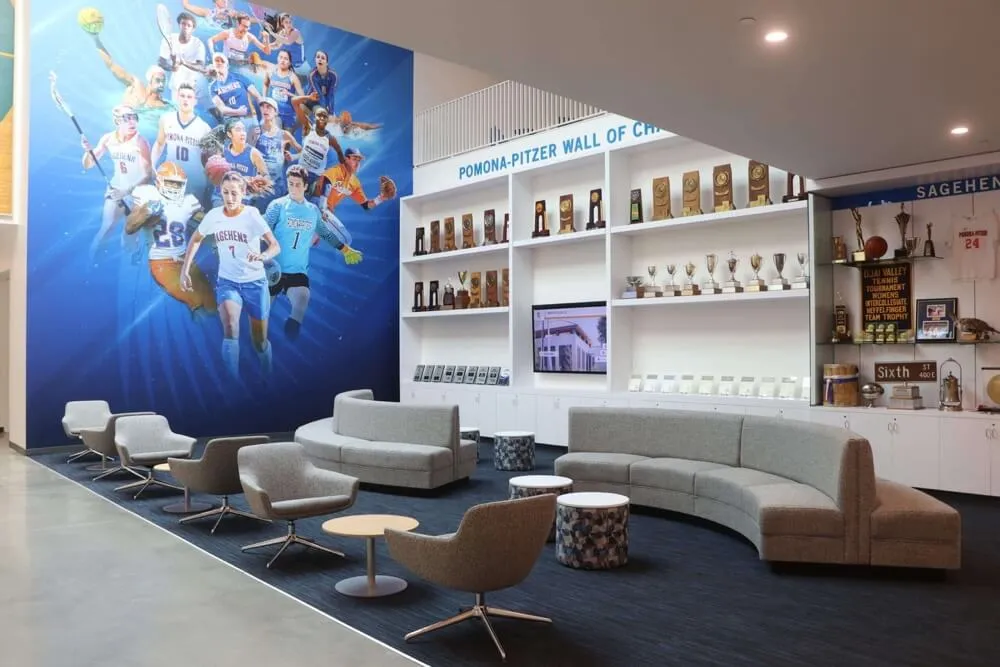
Schools have long celebrated spring sports through various traditional methods including trophy cases displaying championship hardware, gym or hallway banners commemorating state tournament appearances and championships, record boards listing statistical leaders and milestone achievements, and plaques honoring all-state athletes and award winners.
End-of-Year Award Ceremonies: Spring sports banquets typically occur in late May or early June, creating final recognition opportunities before summer break disperses school communities. These events honor season achievements, present individual awards, recognize seniors completing careers, and celebrate team accomplishments.
Senior Recognition: Spring seasons create particularly meaningful senior recognition opportunities as athletes complete final competitive experiences. Schools commonly host senior nights during final home competitions, create senior spotlight displays or programs, present commemorative items to departing athletes, and incorporate senior recognition into broader end-of-year celebrations.
Modern Digital Recognition Solutions
Contemporary schools increasingly implement digital recognition systems that solve traditional display limitations while creating dynamic, engaging ways to celebrate spring athletic achievements alongside fall and winter accomplishments.
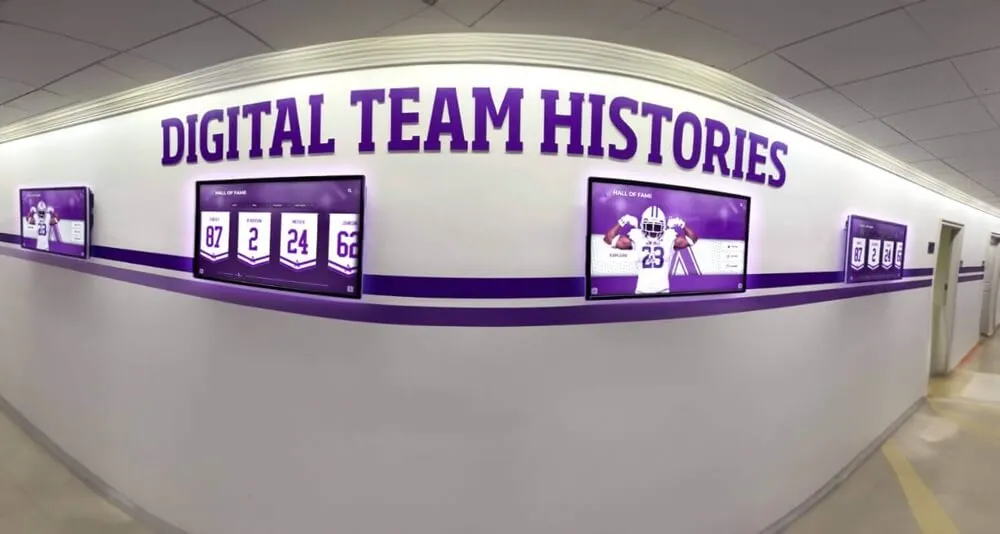
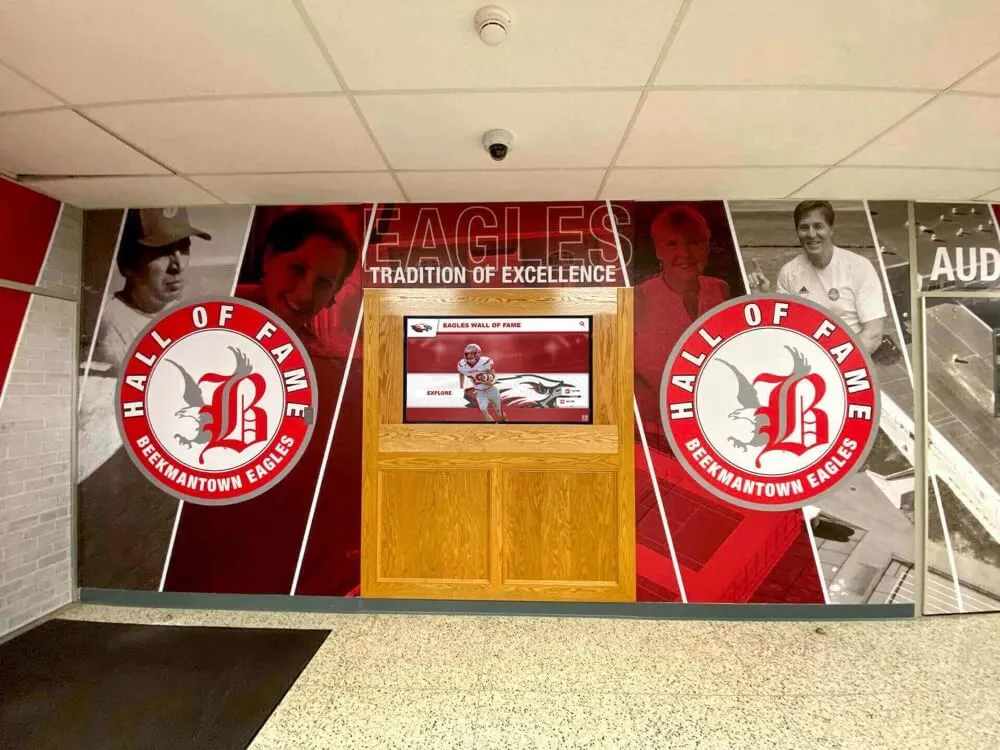
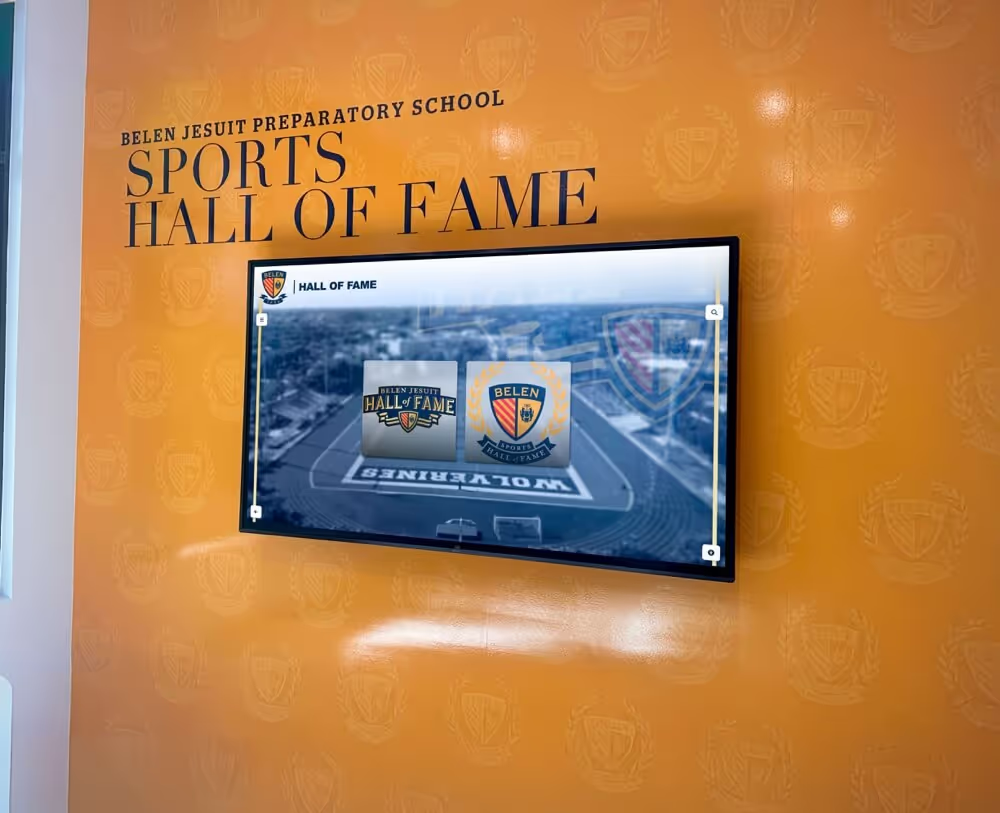
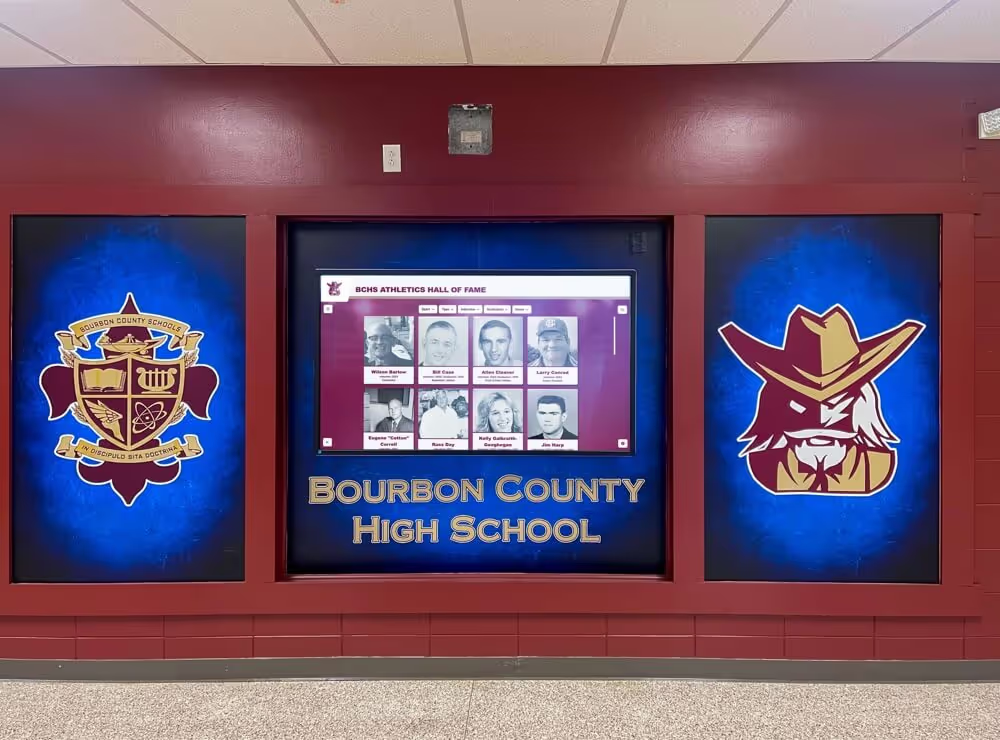
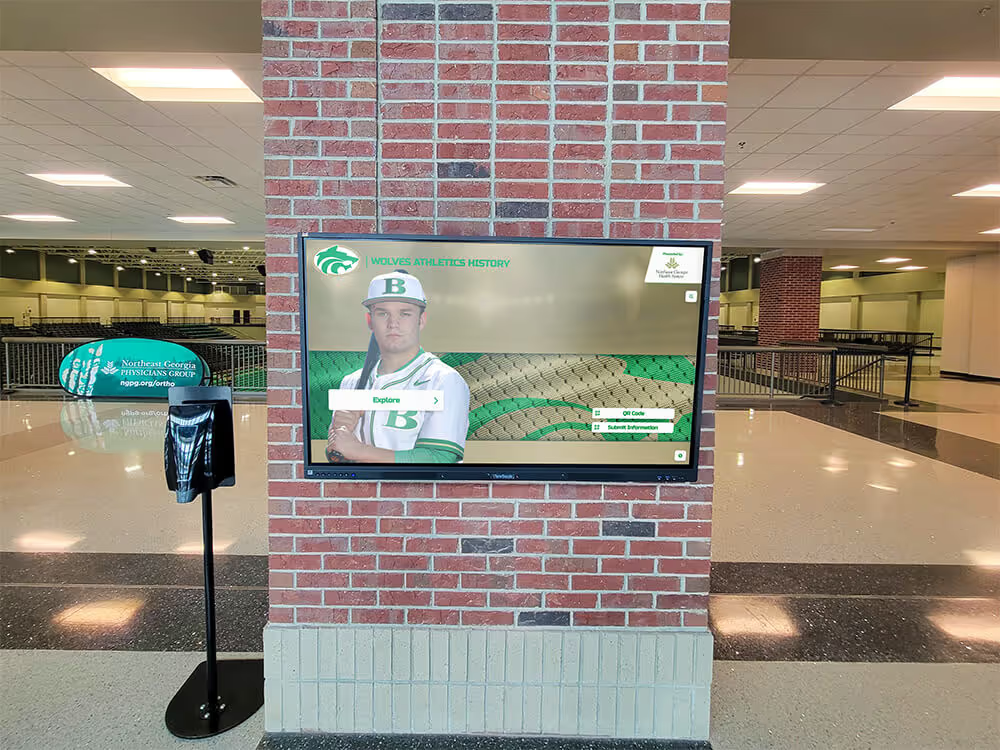
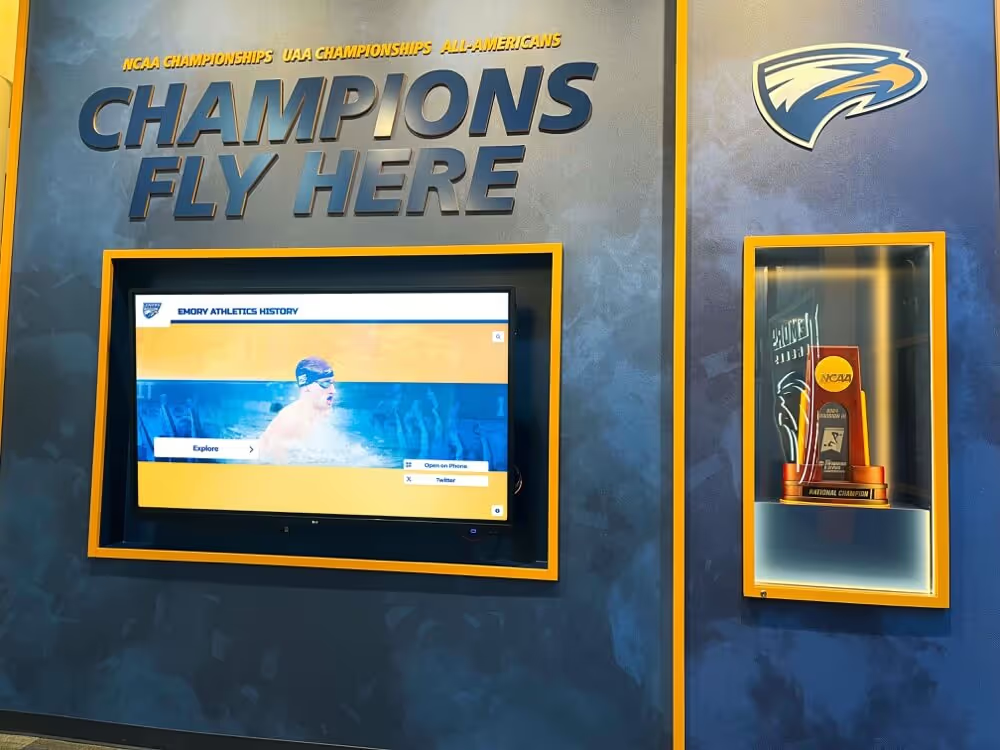
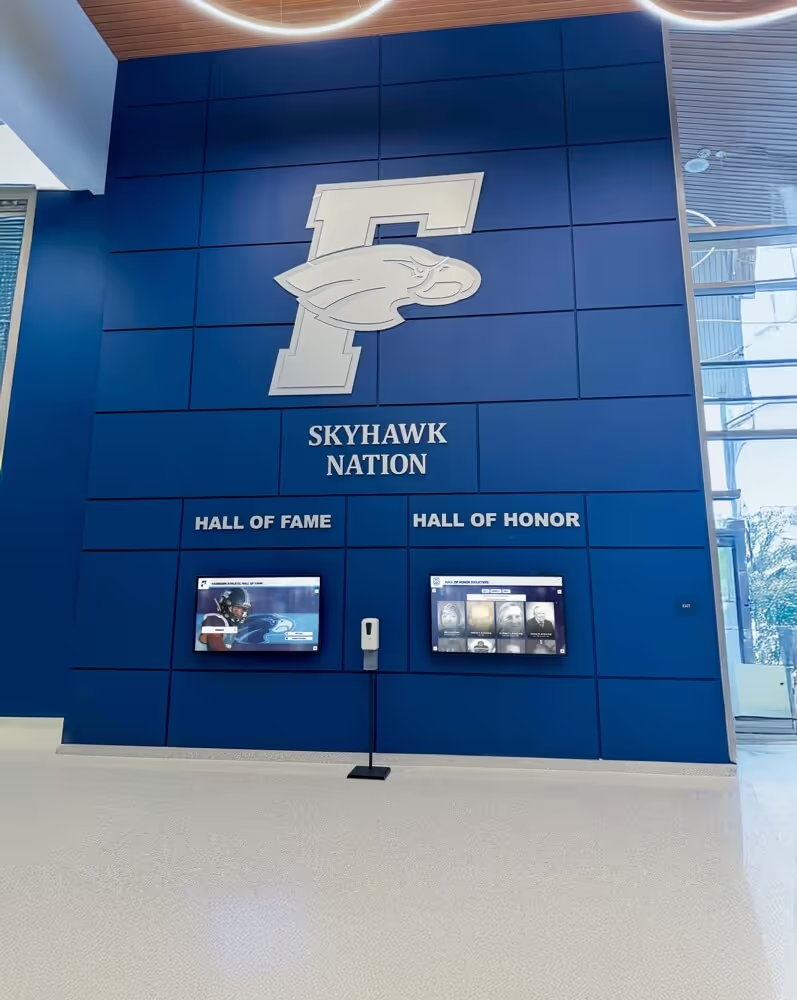
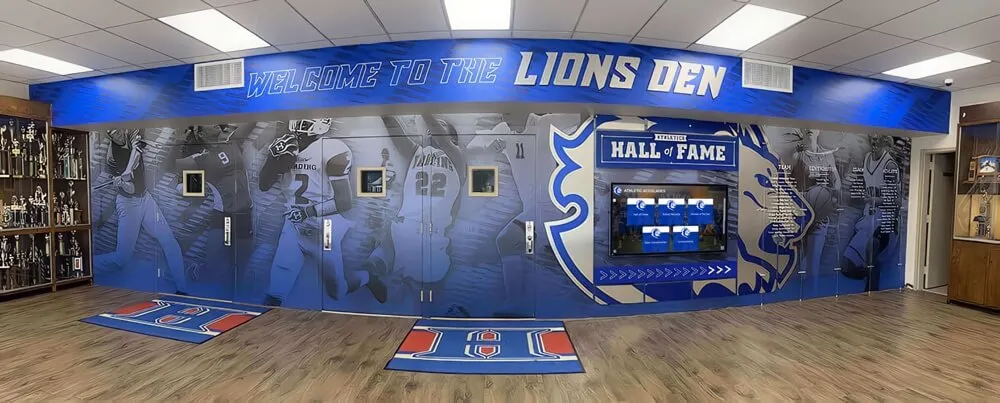
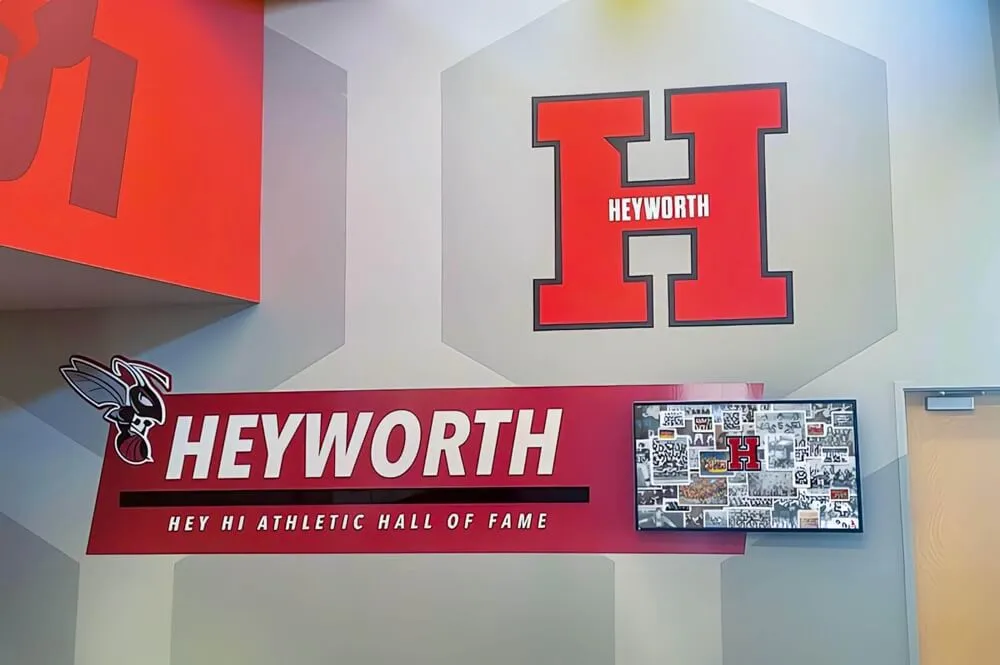
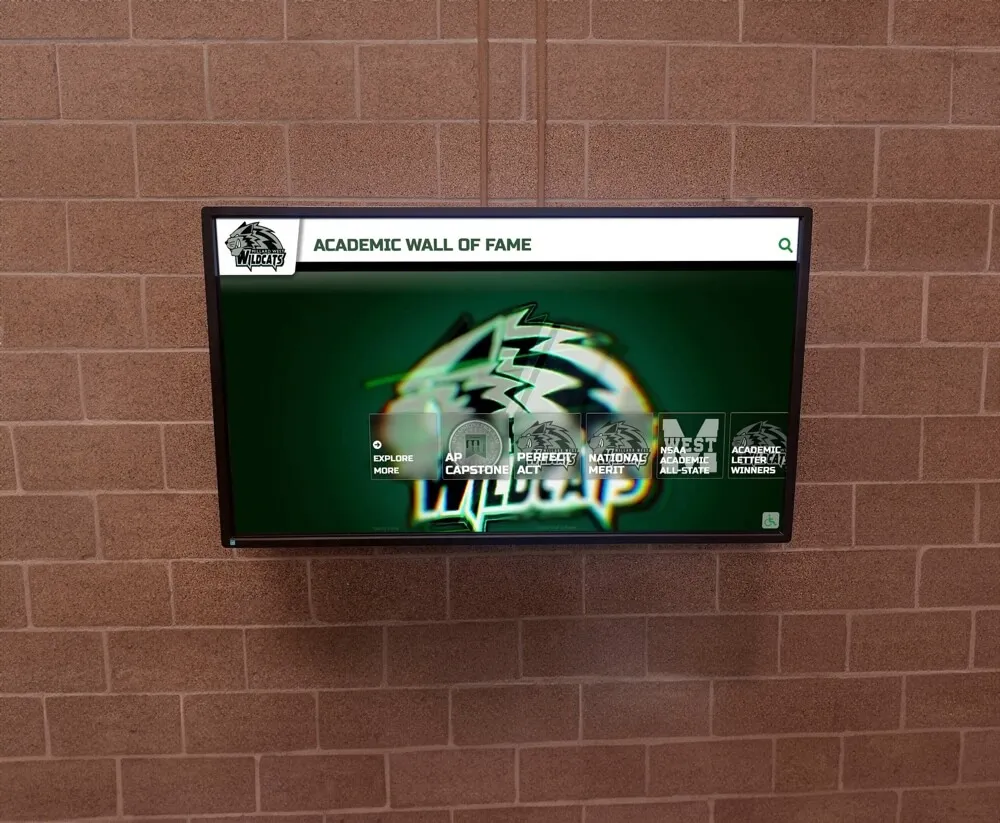
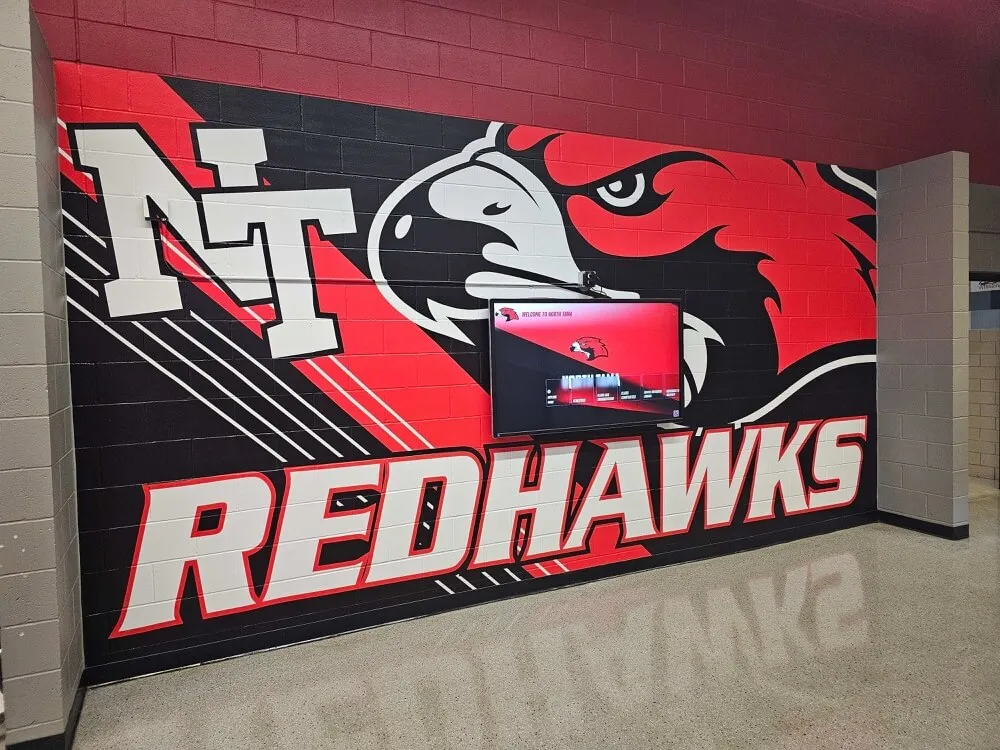
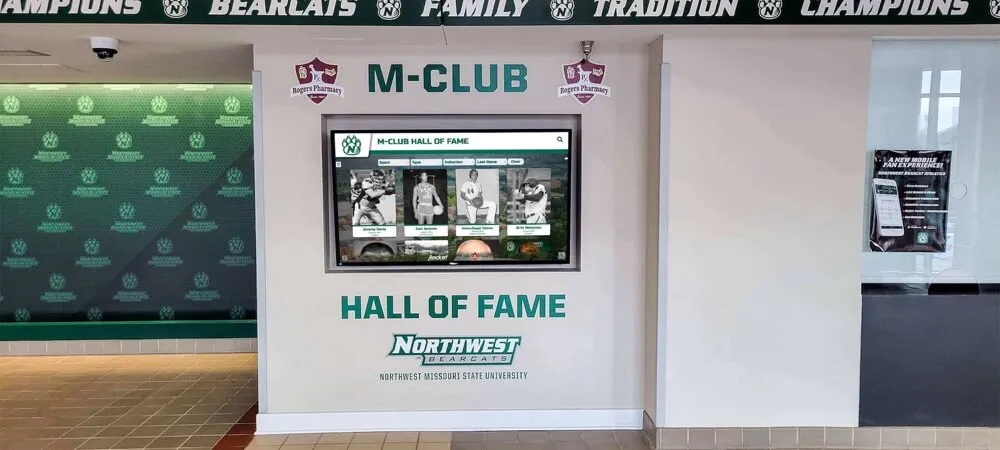
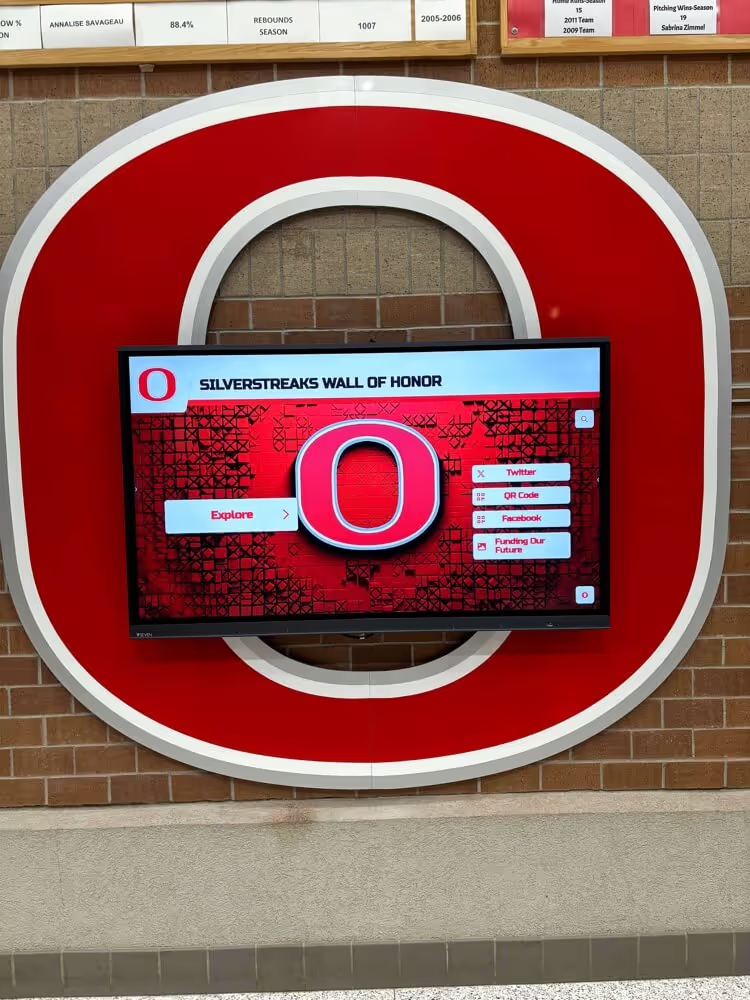
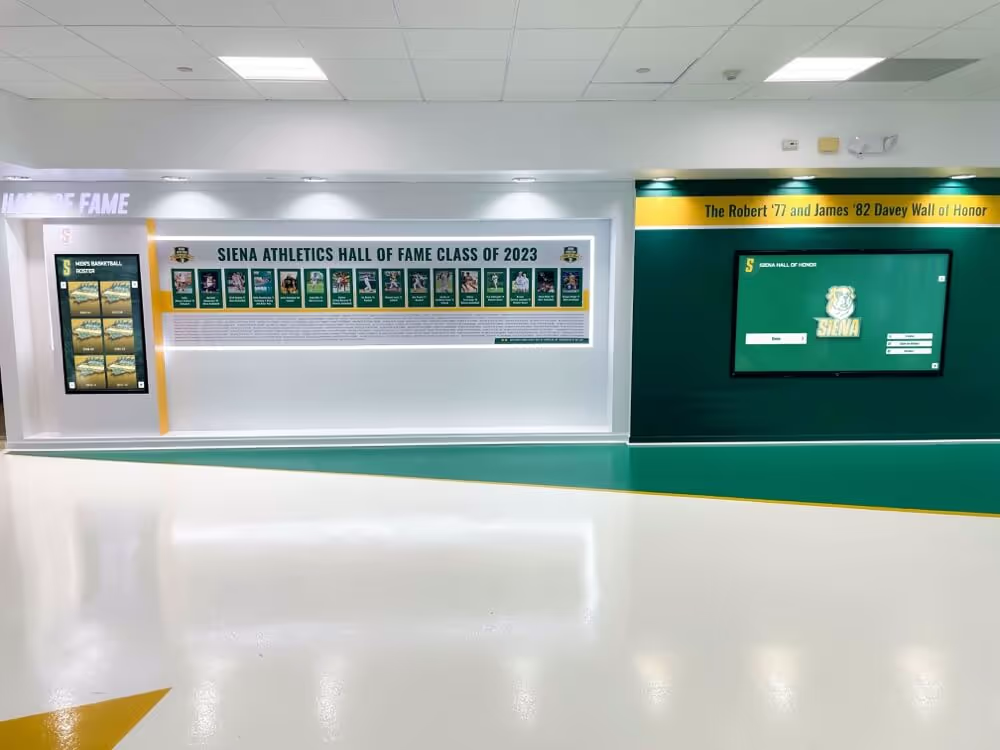
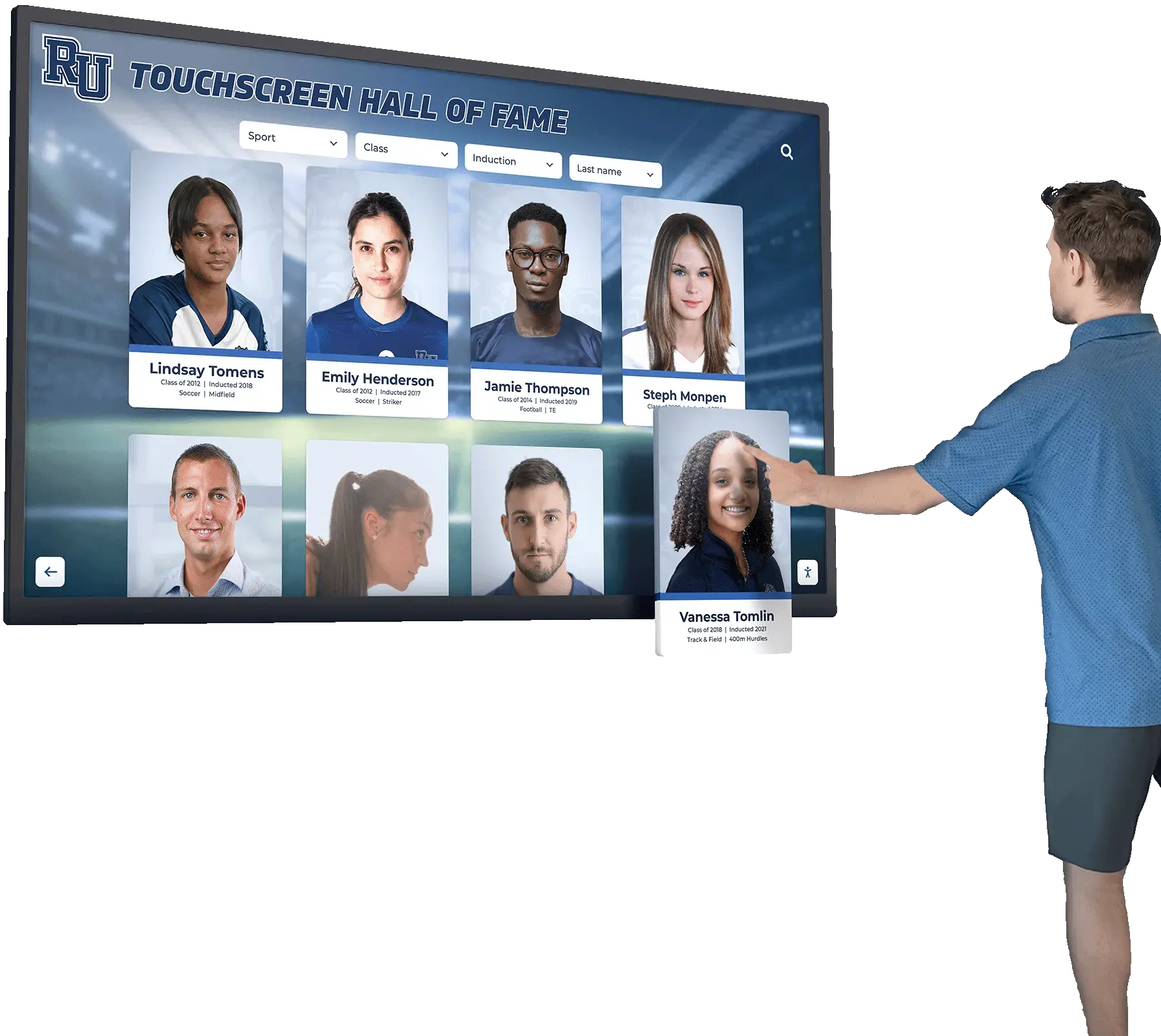
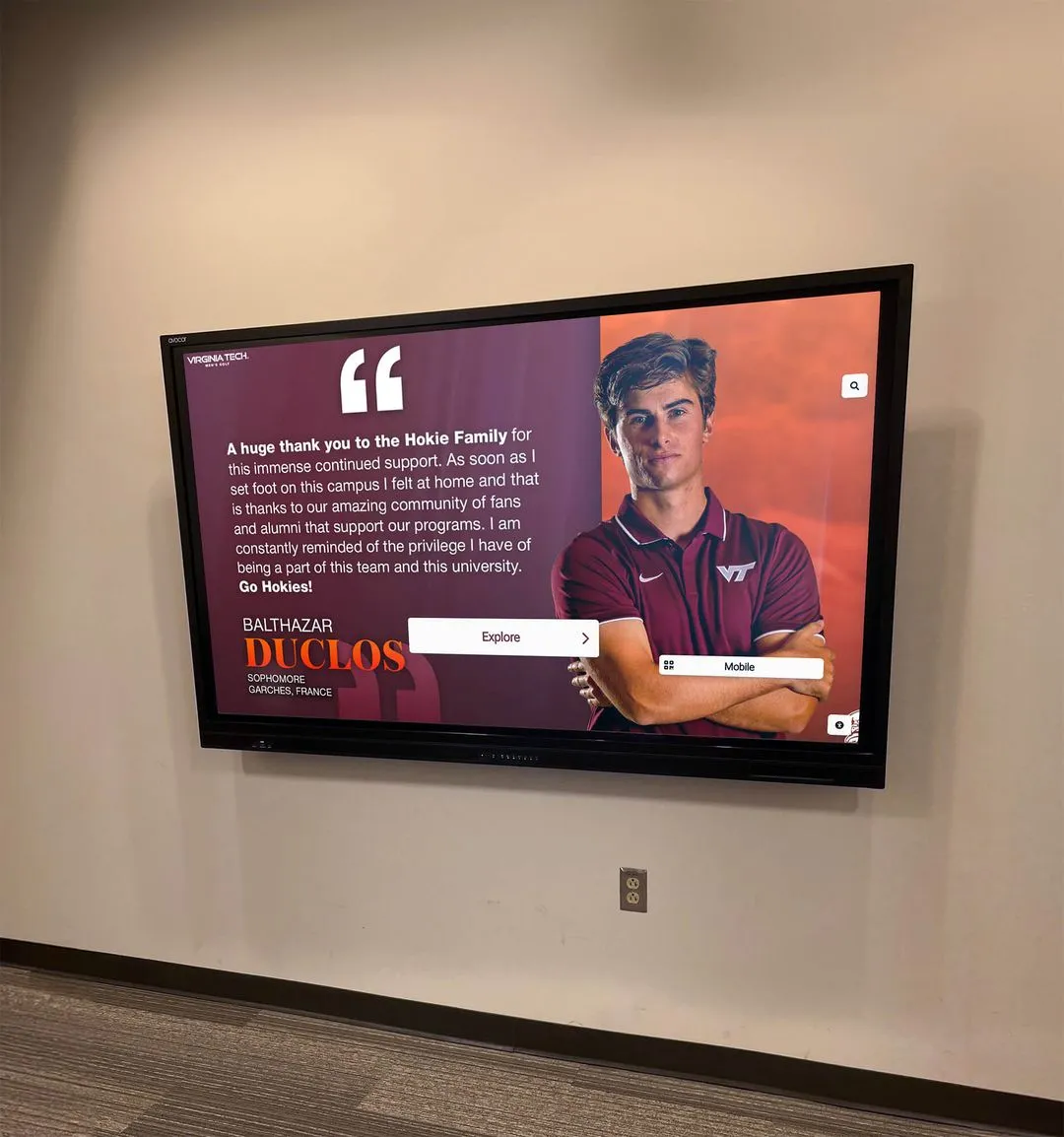
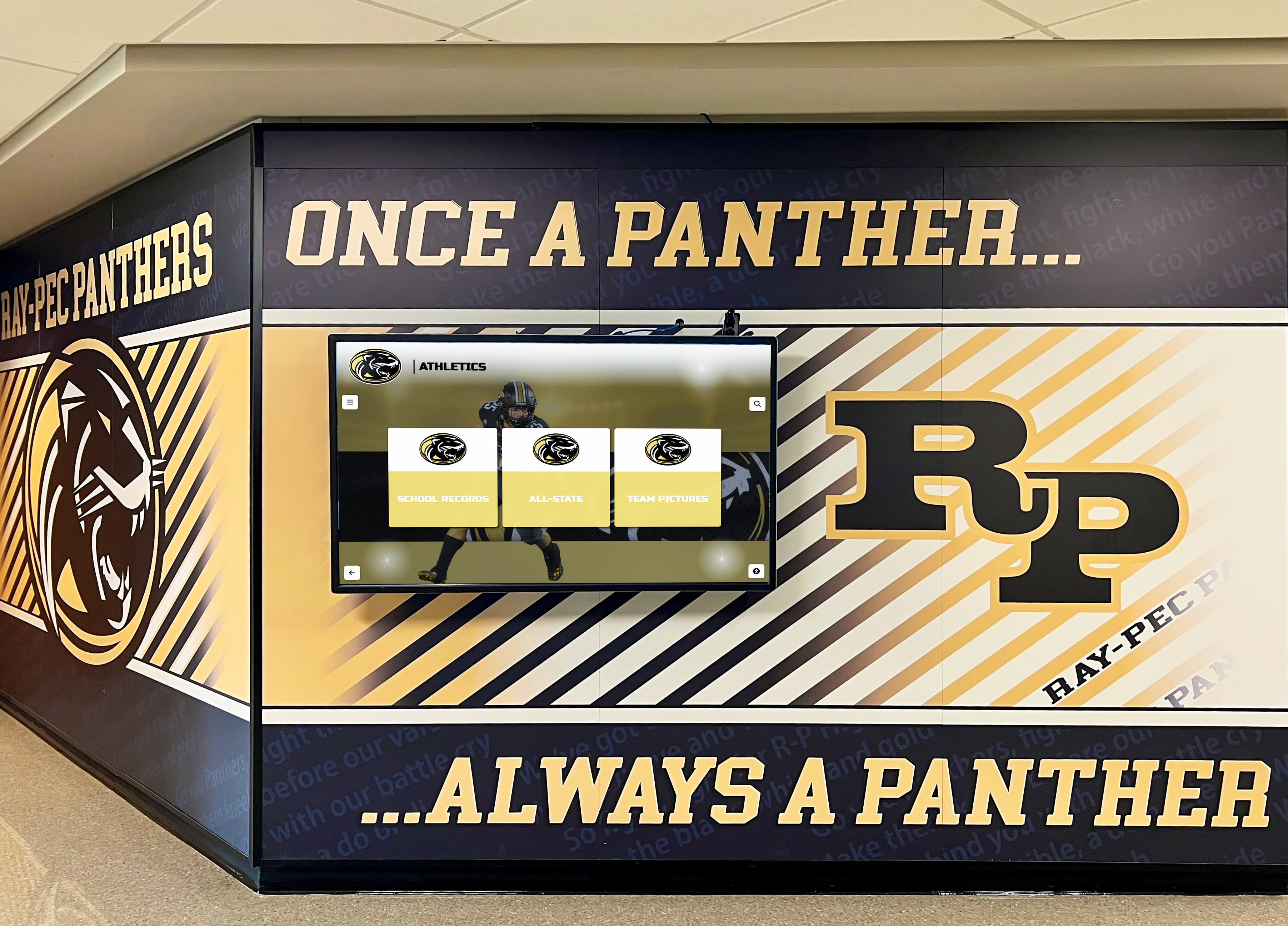
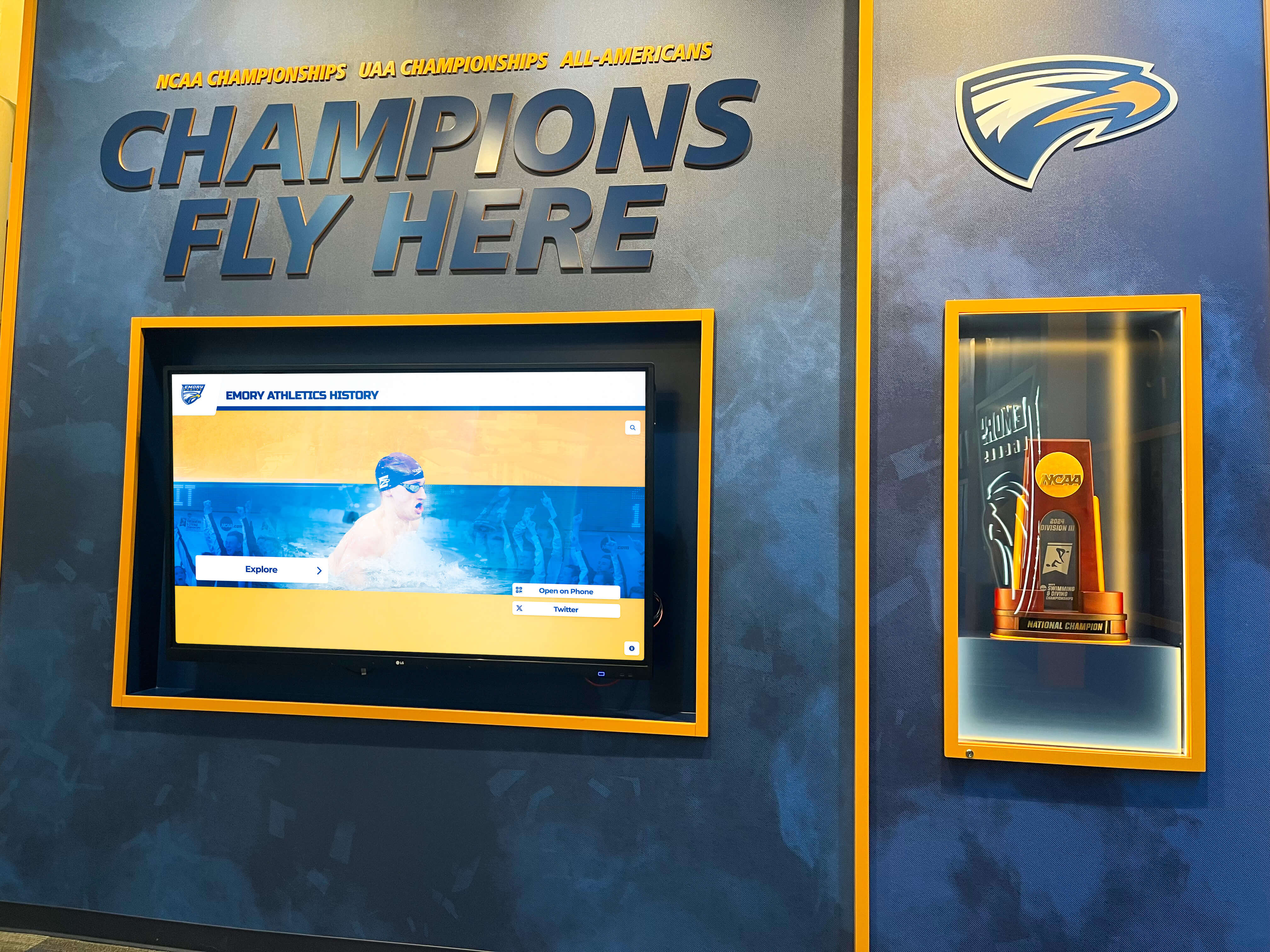
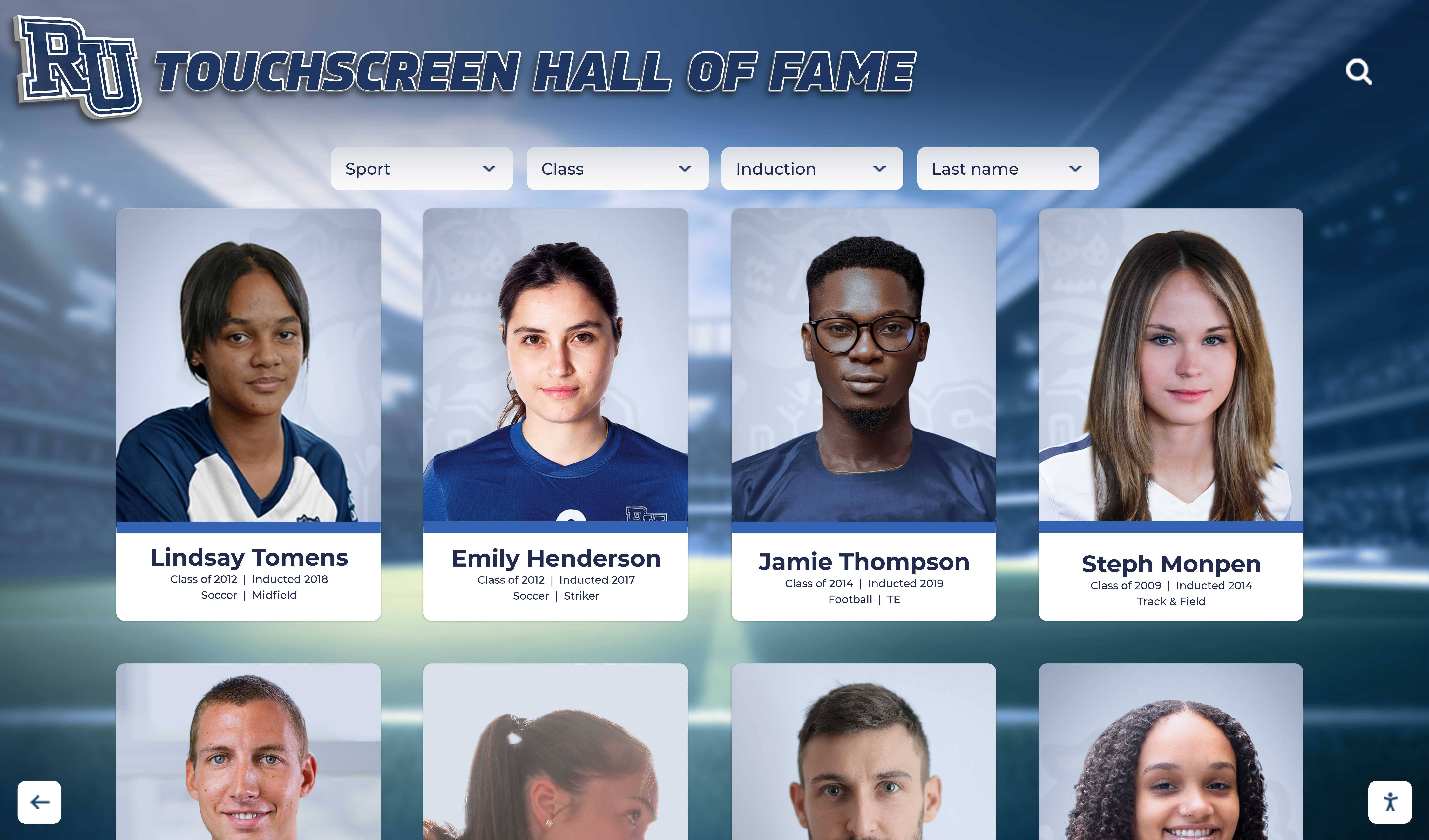
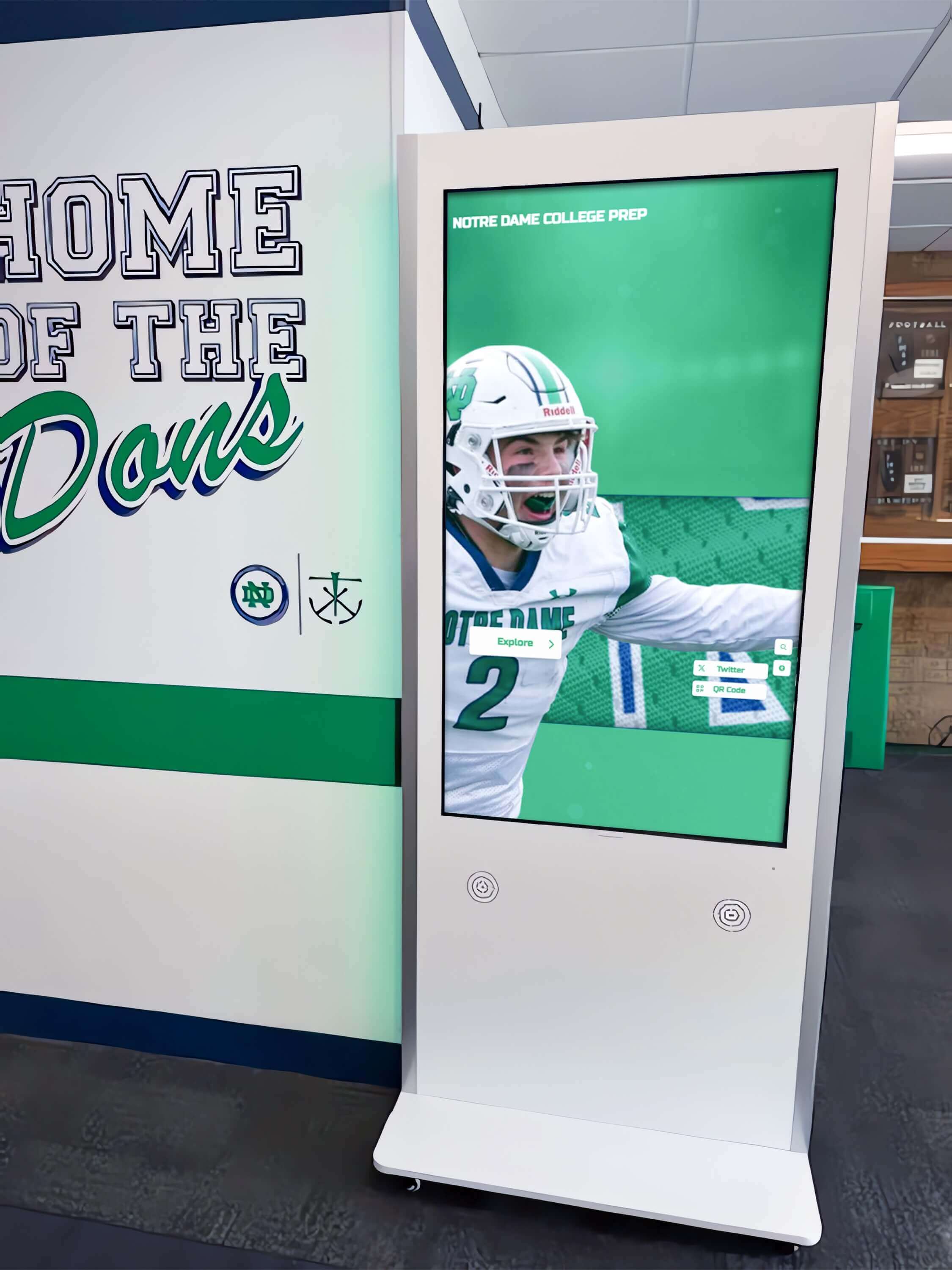
Comprehensive Digital Displays: Interactive touchscreen systems allow schools to showcase unlimited athletes across all seasons without space constraints limiting traditional plaques. These platforms display individual athlete profiles with photos, statistics, awards, and career highlights; team season records and championship achievements; historical program information spanning decades; and multimedia content including video highlights and photo galleries.
Equal Recognition Across Seasons: Digital systems ensure spring sports receive recognition equal to fall and winter programs by providing equivalent display space, visual prominence, and information depth. This addresses common complaints that spring athletics receive less recognition due to timing at year’s end when display creation competes with numerous other priorities.
Year-Round Updates: Unlike static displays created once and rarely updated, digital recognition systems allow athletic departments to update content throughout and between seasons, add new achievements immediately as they occur, refresh visual presentations maintaining contemporary appearances, and incorporate emerging athletes without physical space limitations.
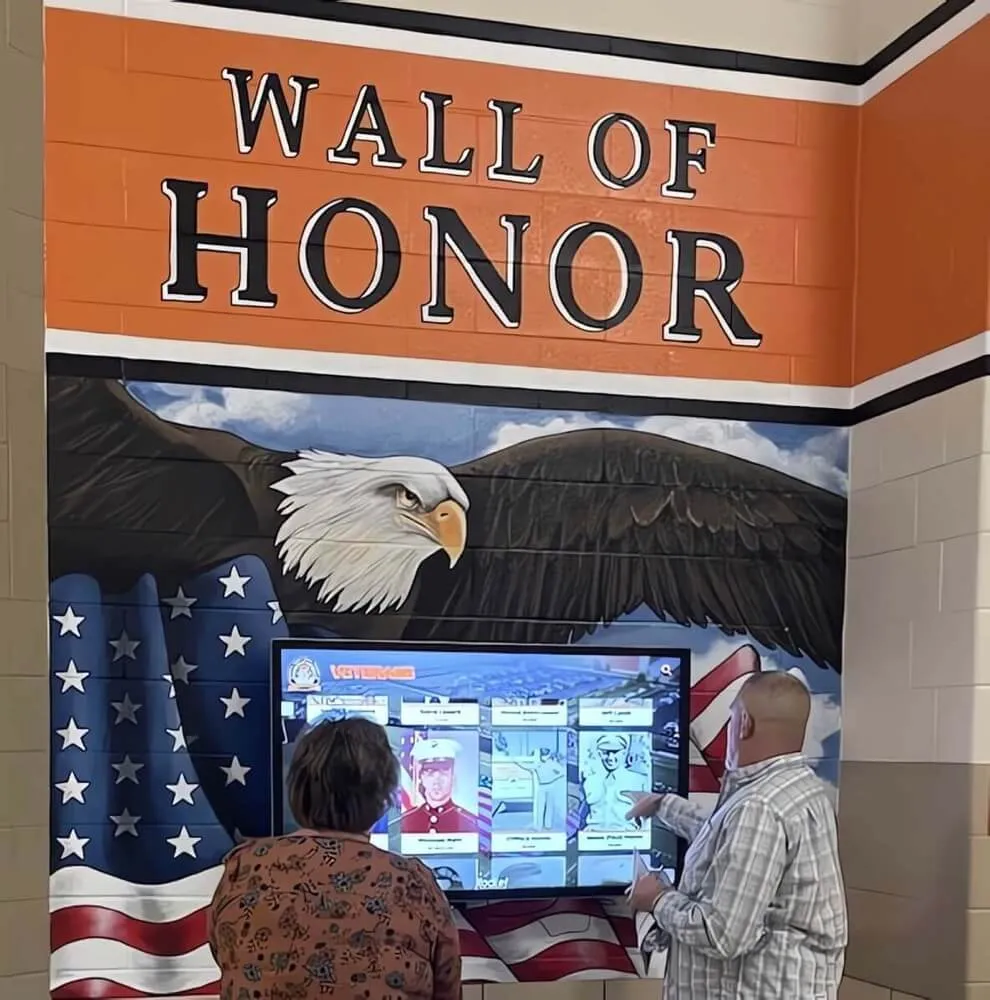
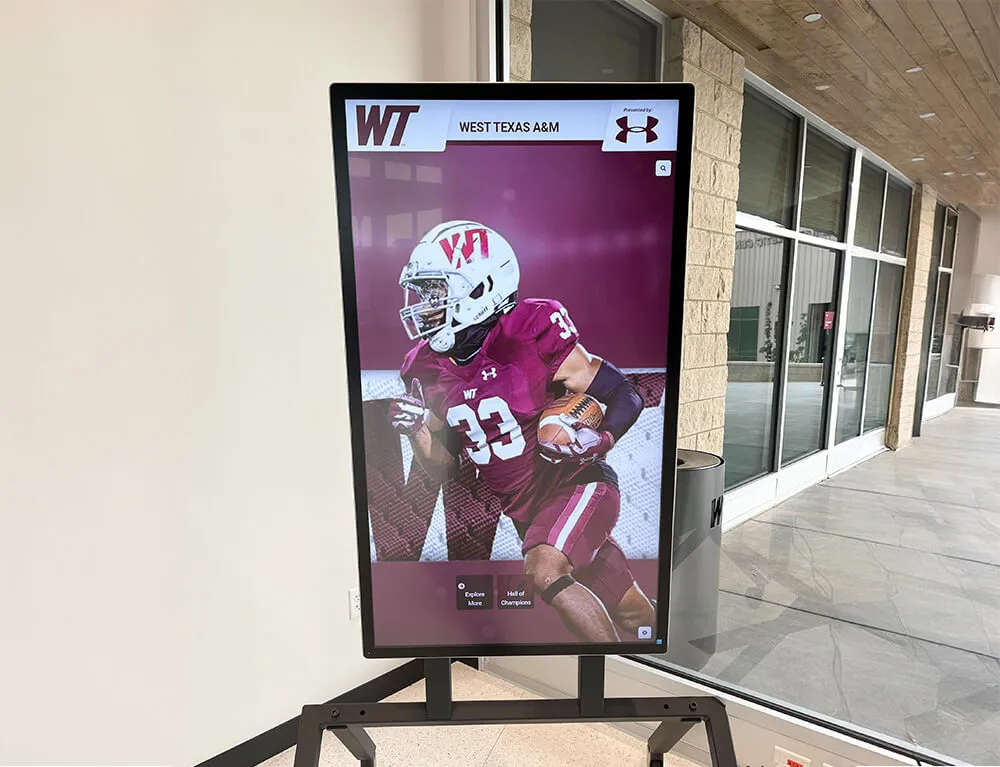
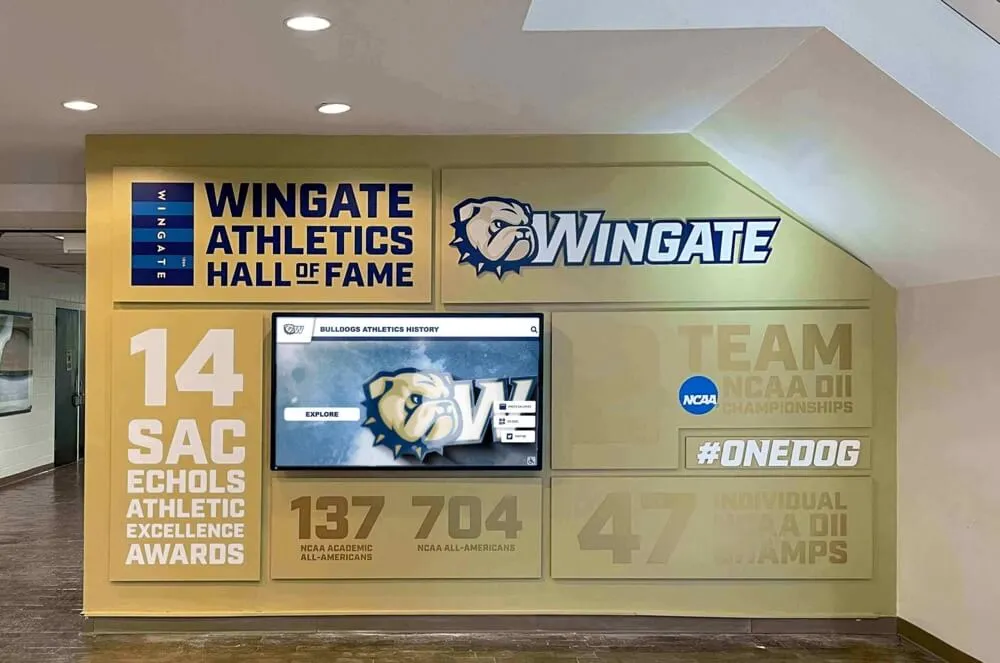
Visitor Engagement: Modern touchscreen displays create engaging experiences for school visitors, prospective families evaluating programs during tours, alumni returning to campus and exploring school history, and community members attending events and browsing athletic achievements. These systems transform passive observation into interactive exploration that builds deeper connections to athletic programs.
Creating Inclusive Spring Sports Recognition
Effective recognition programs balance celebrating exceptional achievement with acknowledging diverse contributions and ensuring all athletes feel valued for their participation and effort.
Multi-Tier Recognition: Comprehensive systems celebrate championship teams and individual state medalists at highest levels, all-conference and honorable mention selections at secondary levels, statistical leaders and award recipients, improvement awards and effort-based recognition, and participation acknowledgment ensuring all athletes receive some recognition.
Non-Senior Recognition: While seniors receive appropriate special recognition as departing athletes, effective programs also celebrate underclassmen whose achievements and contributions deserve acknowledgment. This creates continuity as younger athletes see their accomplishments recognized, motivating continued effort and establishing program cultures valuing all participants.
Statistical and Achievement Diversity: Track and field programs with dozens of events, baseball and softball teams with varied statistical categories, and team sports with diverse position responsibilities all create recognition challenges ensuring equitable celebration across different achievement types. Digital systems accommodate this diversity far better than physical displays with limited space.
Spring Sports Coaching and Administration
Successfully operating spring sports programs requires effective coaching, athletic department coordination, and administrative support navigating unique seasonal challenges.
Coaching Considerations
Spring sports coaches balance numerous responsibilities including skill instruction and tactical preparation, team culture and relationship building, individual athlete development, administrative duties around eligibility and compliance, parent communication, and often teaching academic courses alongside coaching duties.
Multi-Sport Athlete Management: Spring coaches frequently work with athletes who competed in fall or winter sports, arriving in peak physical condition but sometimes carrying accumulated fatigue or minor injuries from previous seasons. Effective coaches manage these athletes carefully, avoiding overuse while maximizing performance.
Senior Leadership: Spring seasons create final opportunities to develop senior leadership as these athletes complete high school careers. Coaches cultivate leadership by designating team captains with meaningful responsibilities, creating mentorship structures pairing seniors with underclassmen, involving senior input in team decisions and culture-setting, and publicly recognizing senior contributions both athletic and cultural.
Weather Management: Spring coaches must demonstrate flexibility around weather interruptions, maintaining athlete engagement and development despite schedule changes while managing logistics around postponements and rescheduling.
Athletic Director Coordination
Athletic directors ensure spring sports receive resources, support, and recognition equivalent to fall and winter programs while managing unique end-of-year timing challenges.
Budget Allocation: Fair resource distribution across all three athletic seasons ensures spring programs receive equipment, facility improvements, coaching compensation, and operational support proportional to fall and winter sports. Athletic directors monitor spending patterns preventing unconscious bias toward higher-profile fall programs.
Facility Scheduling: Spring sports facility needs must be coordinated with physical education classes, other spring sports sharing facilities, facility maintenance schedules, and community use agreements. This requires careful planning preventing conflicts and ensuring adequate access for all programs.
Recognition Planning: Athletic directors ensure spring achievements receive recognition equal to other seasons by scheduling end-of-year award ceremonies before summer break, coordinating display updates celebrating spring accomplishments, facilitating media coverage of spring championships and achievements, and incorporating spring highlights into broader annual athletic celebrations.
Schools seeking to enhance their spring sports recognition capabilities can explore modern digital solutions that transform how athletic achievements are celebrated and preserved.
Spring Sports Culture and Traditions
Spring athletics have developed unique cultural characteristics and traditions distinguishing these programs from fall and winter counterparts.
Senior Day Traditions
Spring sports senior recognition carries particular emotional weight as these events represent final high school athletic experiences. Programs have developed meaningful traditions including pre-game senior recognition ceremonies with family participation, senior speech opportunities addressing teammates and communities, commemorative gifts from teammates to departing seniors, and special uniform elements or decorations honoring final competitions.
Final Home Game Significance: For spring sport seniors, final home games carry profound meaning as last opportunities to compete on familiar fields and courts before home crowds. These occasions often feature standing ovations, special ceremonies, and heightened emotions creating memorable conclusions to athletic careers.
Championship Culture
Certain spring sports have developed distinctive championship traditions and culture:
Baseball/Softball State Tournaments: Many states host championship tournaments at neutral-site facilities creating special atmospheres. Teams travel together, stay in hotels, and experience unique competitive environments different from regular season games. These tournaments become cultural touchstones that athletes remember throughout lives.
Track and Field State Meets: State track meets bring together hundreds of athletes from across states for weekend-long competitions combining individual glory with team scoring drama. The environment creates unique camaraderie as athletes compete against and socialize with competitors from distant schools.
Spring Training Trips: Some spring sports programs, particularly baseball, softball, and lacrosse, conduct early-season training trips to warmer climates allowing extended practice time and competitive opportunities. These trips build team chemistry while providing skill development advantages.
Community Connections
Spring sports often develop strong community connections as improving weather encourages spectator attendance and outdoor competitions create accessible viewing opportunities.
Family Involvement: Parents and families often attend spring competitions in higher numbers than indoor winter sports with limited seating, creating supportive atmospheres and community-building opportunities. Baseball and softball especially foster family cultures around team support.
Youth Program Integration: Spring sports create natural connections between high school programs and youth leagues operating simultaneously. High school players often coach or assist with youth teams, creating mentorship opportunities and program continuity as young athletes see pathways toward high school participation.
Facility Sharing: Spring sports’ use of community fields, courts, and courses creates connections with broader communities beyond school populations. Local golf courses hosting high school competitions, municipal tennis facilities accommodating school teams, and community fields hosting baseball and softball games all build relationships between athletic programs and wider communities.
The Future of Spring Sports
Spring athletics continue evolving as programs adapt to changing participation patterns, competitive structures, and recognition expectations.
Emerging Spring Sports
New sports continue gaining traction as spring offerings including flag football as alternative to tackle football for students seeking less physical contact, beach volleyball expanding from college into high school programs, esports as schools add competitive video gaming to athletic offerings, and unified sports integrating students with and without disabilities in meaningful athletic experiences.
Participation Inclusivity: Many emerging sports emphasize inclusive participation over elite competition, creating opportunities for students who may not fit traditional athletic profiles but seek team experiences, physical activity, and competitive opportunities. This expansion helps athletic departments serve broader student populations.
Technology Integration
Spring sports increasingly incorporate technology enhancing training, performance analysis, and fan engagement:
Performance Analytics: Programs utilize video analysis software, timing systems providing detailed performance data, statistical tracking platforms, and wearable technology monitoring athlete workload and recovery. These tools enhance coaching effectiveness and athlete development.
Fan Engagement: Digital platforms and recognition systems create new ways for communities to engage with spring sports including live streaming competitions, social media highlights and updates, mobile apps providing schedules and results, and interactive displays showcasing achievements.
Historical Preservation: Modern technology enables schools to preserve spring sports history more comprehensively than previous generations through digital photo and video archives, statistical databases spanning decades, oral history projects with former athletes, and comprehensive digital recognition displays maintaining institutional memory across generations.
Participation Trends
Spring sports participation faces both challenges and opportunities in evolving athletic landscapes:
Sport Specialization Pressure: Increasing pressure toward year-round single-sport participation may reduce multi-sport athletes who traditionally participated in spring programs after fall or winter primary sports. This creates recruitment and roster management challenges for spring coaches.
Alternative Opportunities: Spring athletes increasingly face competition from club sports, private training programs, and other extracurricular activities. Schools must demonstrate value propositions differentiating spring sports programs from alternatives.
Accessibility Focus: Successful spring programs emphasize accessibility and inclusion, creating pathways for athletes of varied skill levels, minimizing cost barriers preventing participation, and fostering cultures where diverse students feel welcome regardless of prior experience.
Conclusion: The Value of Spring Sports in Educational Athletics
Spring sports represent essential components of comprehensive educational athletic programs, providing opportunities for hundreds of thousands of students to compete, develop, and contribute to school communities during the final season of academic years. From baseball diamonds to track ovals, from tennis courts to lacrosse fields, spring athletics create spaces where students learn teamwork, resilience, leadership, and discipline while building memories and friendships that endure throughout lives.
Understanding what spring sports are—their structures, benefits, challenges, and unique characteristics—helps schools design programs maximizing value for participants, helps families make informed decisions about athletic participation, and helps administrators allocate resources supporting comprehensive athletic offerings across all three competitive seasons.
As spring programs continue evolving with emerging sports, technological integration, and changing participation patterns, the fundamental value these athletics provide remains constant: meaningful competitive experiences, skill development opportunities, and community connections that enrich educational experiences. Schools investing in spring athletics—through adequate resources, effective coaching, and appropriate recognition—demonstrate commitment to comprehensive programs serving diverse student interests and creating multiple pathways toward athletic participation and achievement.
Whether through traditional recognition methods or modern digital athletic display solutions that preserve and celebrate spring achievements alongside fall and winter accomplishments, schools that honor spring athletics appropriately create inclusive cultures valuing all students who contribute to athletic program success—regardless of when their seasons occur.