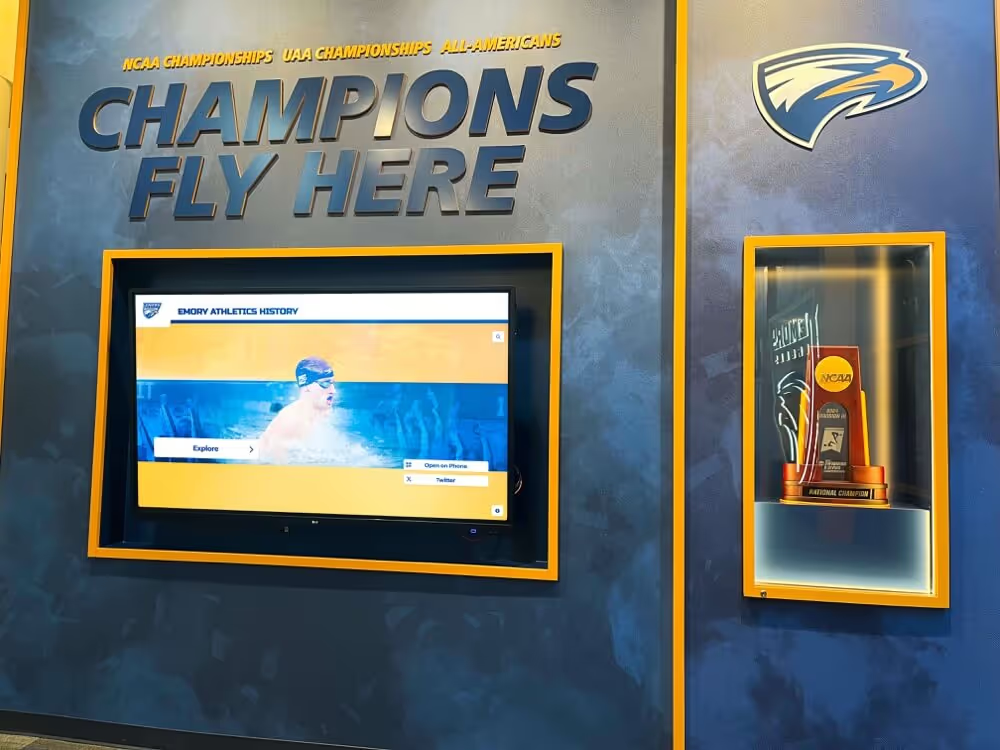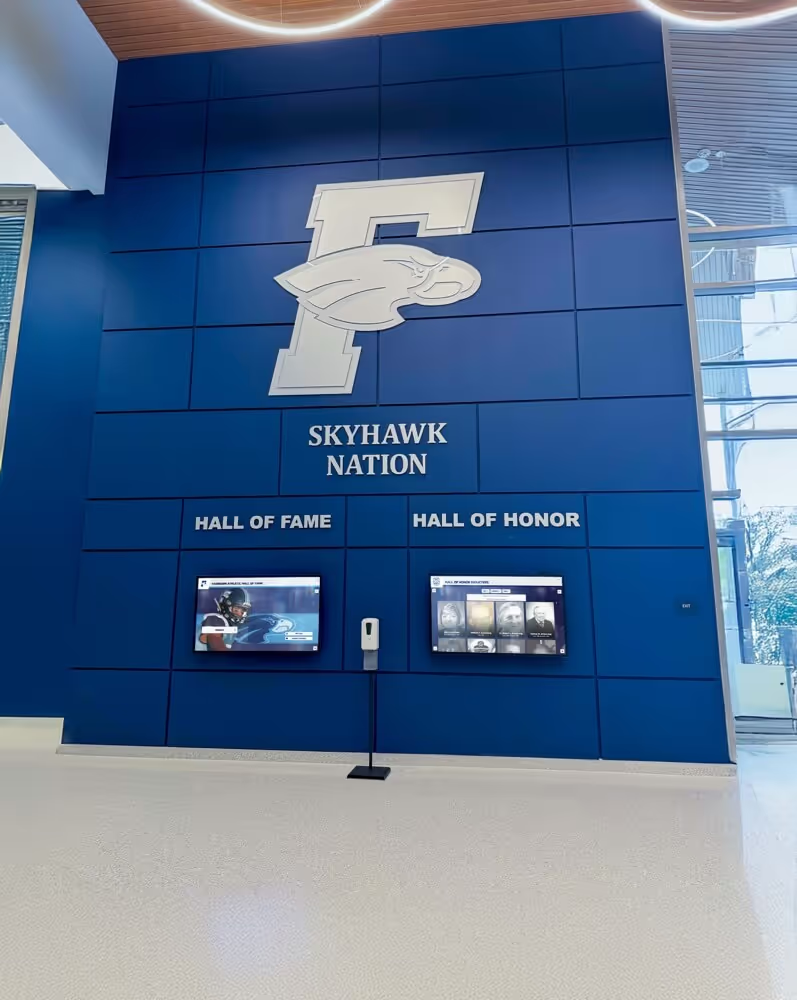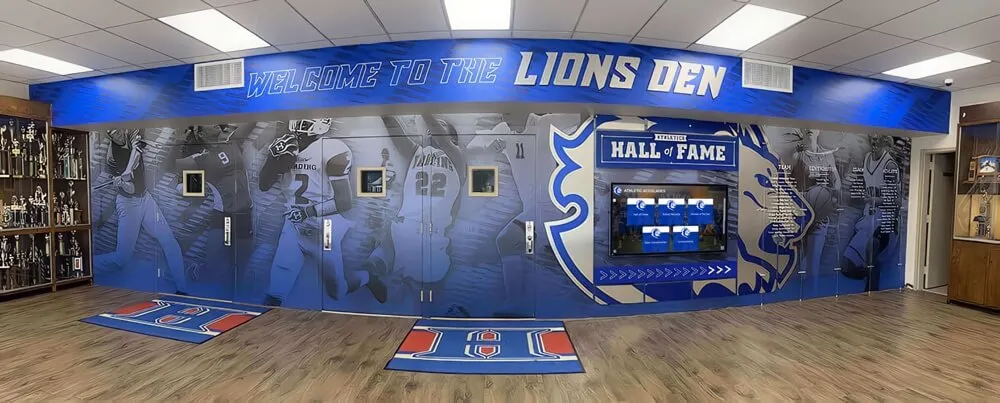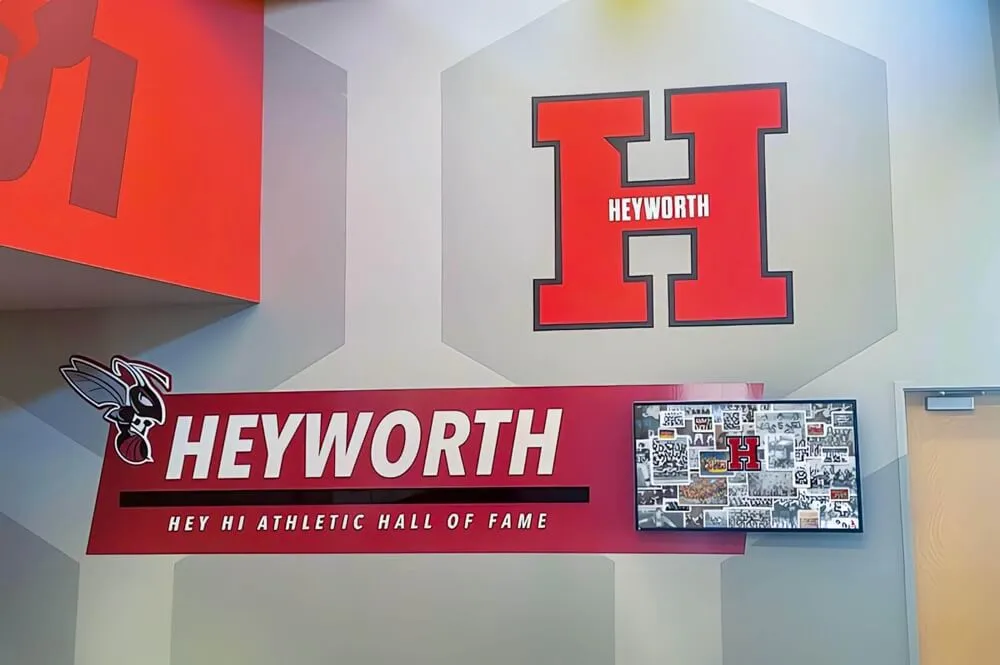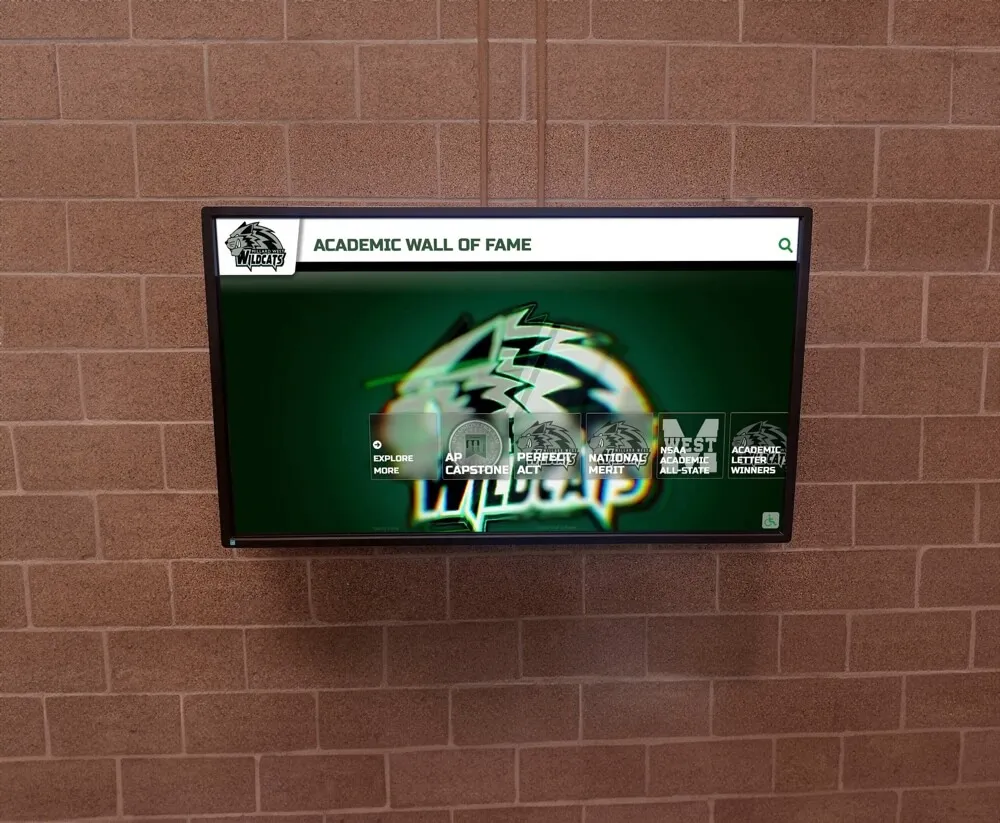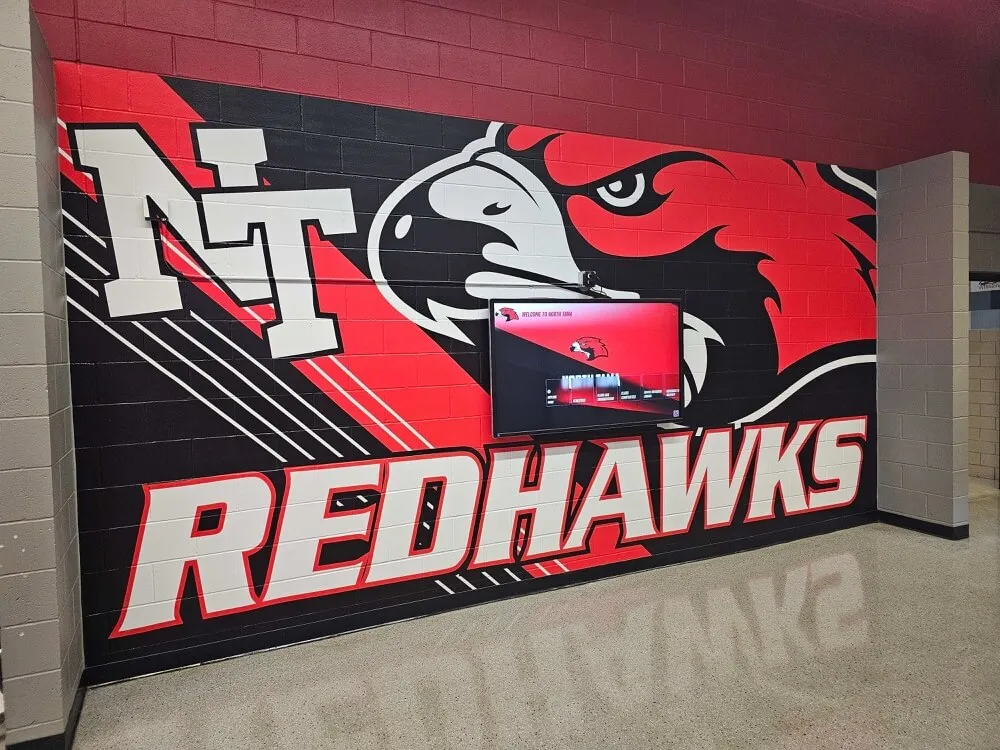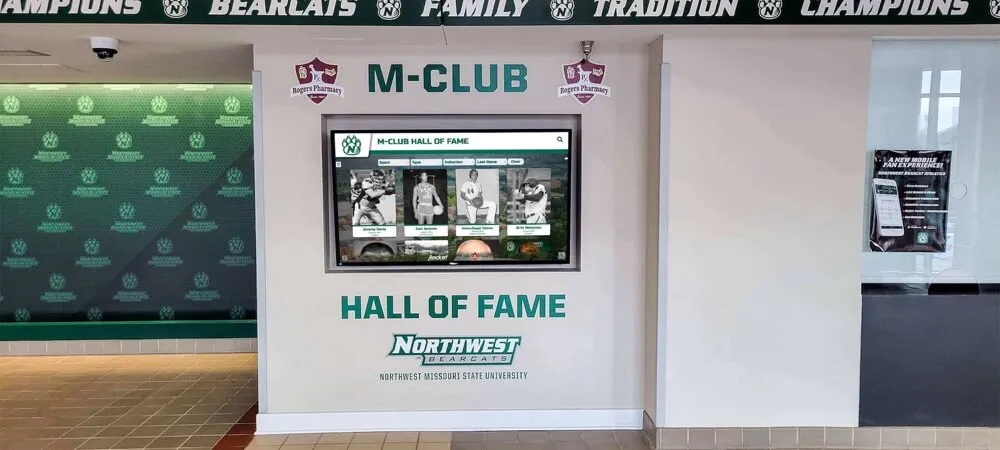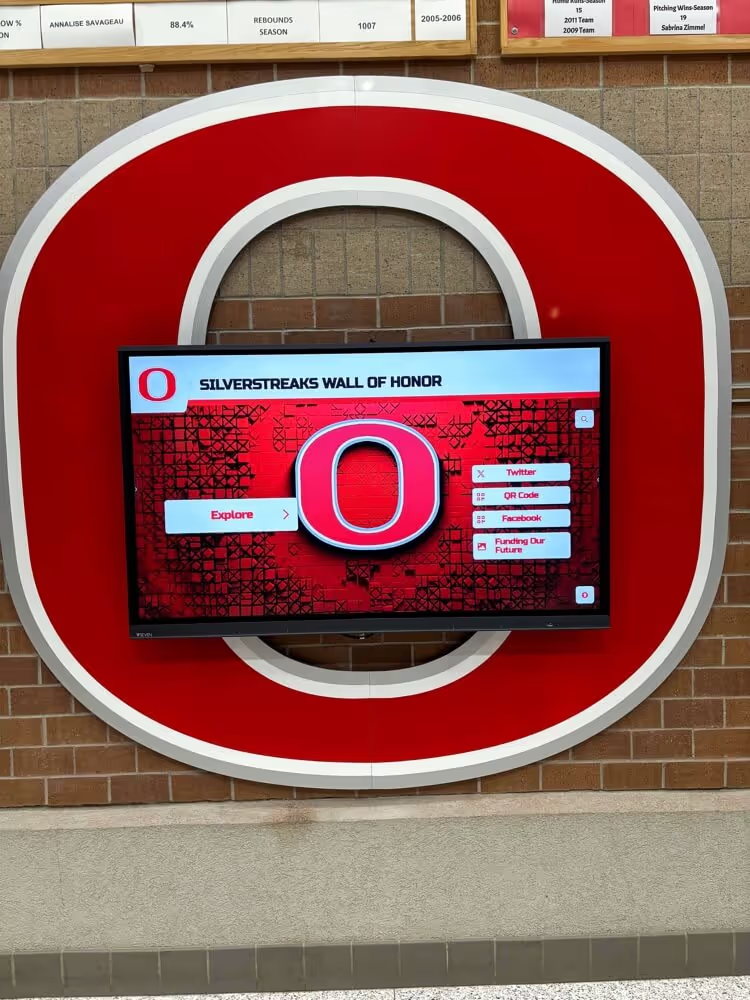




Every school athletic director faces the same challenge: how to honor decades of championship teams, record-setting athletes, and devoted coaches in limited hallway space. A cluttered wall covered with mismatched plaques tells stories poorly, while empty trophy cases suggest programs lack achievement worth celebrating. The difference between recognition displays that inspire future champions and those that become overlooked fixtures often comes down to thoughtful design—choosing layouts that showcase accomplishments clearly, organize information logically, and evolve gracefully as programs add new achievements each season.
This comprehensive guide explores practical wall of fame design templates specifically suited to school athletic programs. Whether you’re planning your first formal recognition display or reimagining existing installations that have outgrown their original purpose, these layout ideas and planning strategies help create athletic halls of fame worthy of the champions they celebrate.
Understanding Wall of Fame Design Fundamentals
Before exploring specific templates, understanding core design principles helps athletic directors make informed decisions aligned with their programs’ unique needs and constraints.
The Purpose Behind Athletic Recognition Design
Effective wall of fame designs serve multiple simultaneous purposes that extend beyond simple documentation of past achievements. Recognition displays create visible celebrations of excellence that establish standards for current athletes, demonstrating what distinguished performance looks like within specific program contexts. They build institutional pride by showcasing program tradition and competitive success to students, families, and community members. They strengthen alumni connections by maintaining visible acknowledgment of former athletes’ contributions, creating touchpoints that keep alumni engaged with current programs. And they communicate program quality to prospective student-athletes and their families during recruitment visits.
Design choices directly influence how effectively displays accomplish these purposes. A wall covered in dense text that visitors must approach closely to read fails to create immediate impact, while designs emphasizing visual hierarchy through photography, typography, and spatial organization communicate significance instantly. Understanding your primary purpose—whether emphasizing team championships, individual record-holders, coaching legacy, or comprehensive program history—shapes which design templates best serve your needs.
Key Design Elements in Athletic Recognition
Several fundamental elements appear across successful athletic wall of fame designs, though their specific implementation varies based on program needs and physical constraints.
Visual Hierarchy and Organization
Effective designs guide viewers’ attention deliberately through clear hierarchical structures. Primary achievements—state championships, national recognition, program records—receive prominent visual emphasis through larger scale, central positioning, or distinctive treatment. Secondary information—conference titles, individual season records, honorable mentions—appears in supporting roles with appropriate visual weight. This hierarchical approach prevents overwhelming viewers with undifferentiated information while ensuring the most significant achievements receive appropriate prominence.
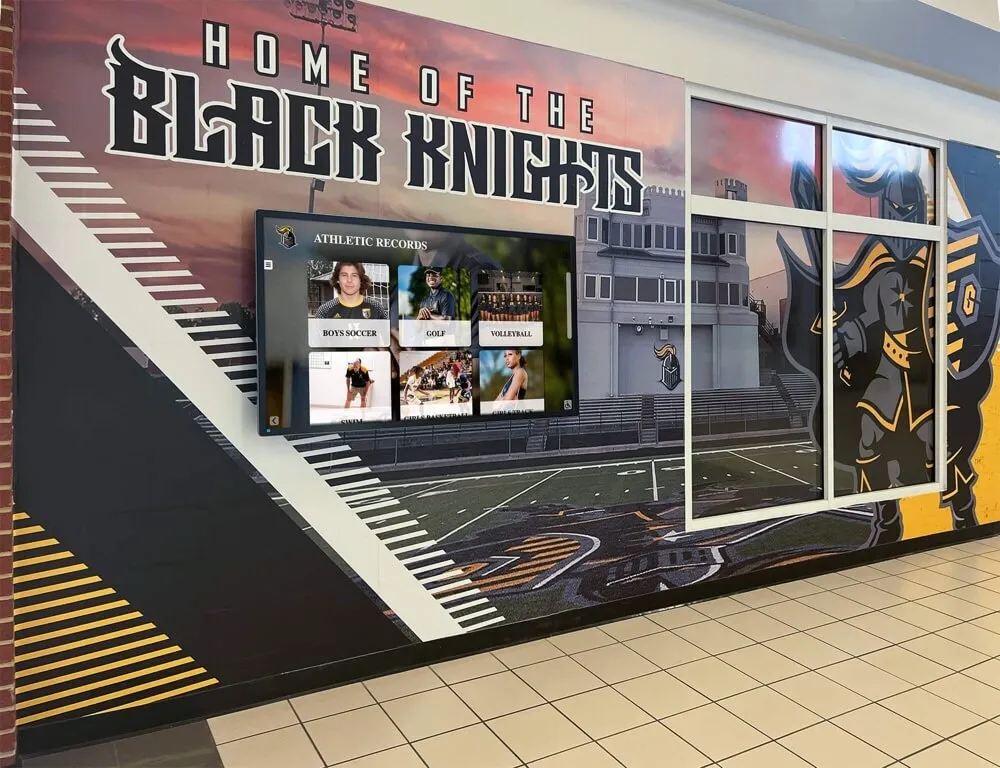
Schools implementing comprehensive recognition programs across academics and athletics often maintain consistent visual languages connecting different achievement types while distinguishing program-specific accomplishments.
Typography and Readability
Text appearing on recognition displays must remain legible from appropriate viewing distances. Large header text identifying the display purpose—“Hawks Athletic Hall of Fame,” “Championship History,” “Coaching Legends”—should be readable from 15-20 feet away, drawing visitors toward the display. Individual names, years, and achievements require legibility from 5-8 feet, allowing viewers to scan information without crowding the display. Detailed statistics or biographical information can use smaller text for those who approach closely to read comprehensive details.
Font selection influences both readability and aesthetic character. Clean sans-serif typefaces generally provide superior legibility for environmental graphics, while traditional serif fonts may better match institutional branding or create connections to academic tradition. Consistency in typographic treatment across an athletic department’s recognition displays creates visual coherence strengthening program identity.
Color Schemes and Branding Integration
Successful wall of fame designs typically integrate school colors, mascot imagery, and existing branding elements rather than introducing competing visual identities. This integration creates immediate recognition of displays as official school installations while reinforcing brand associations connecting athletic excellence to institutional identity.
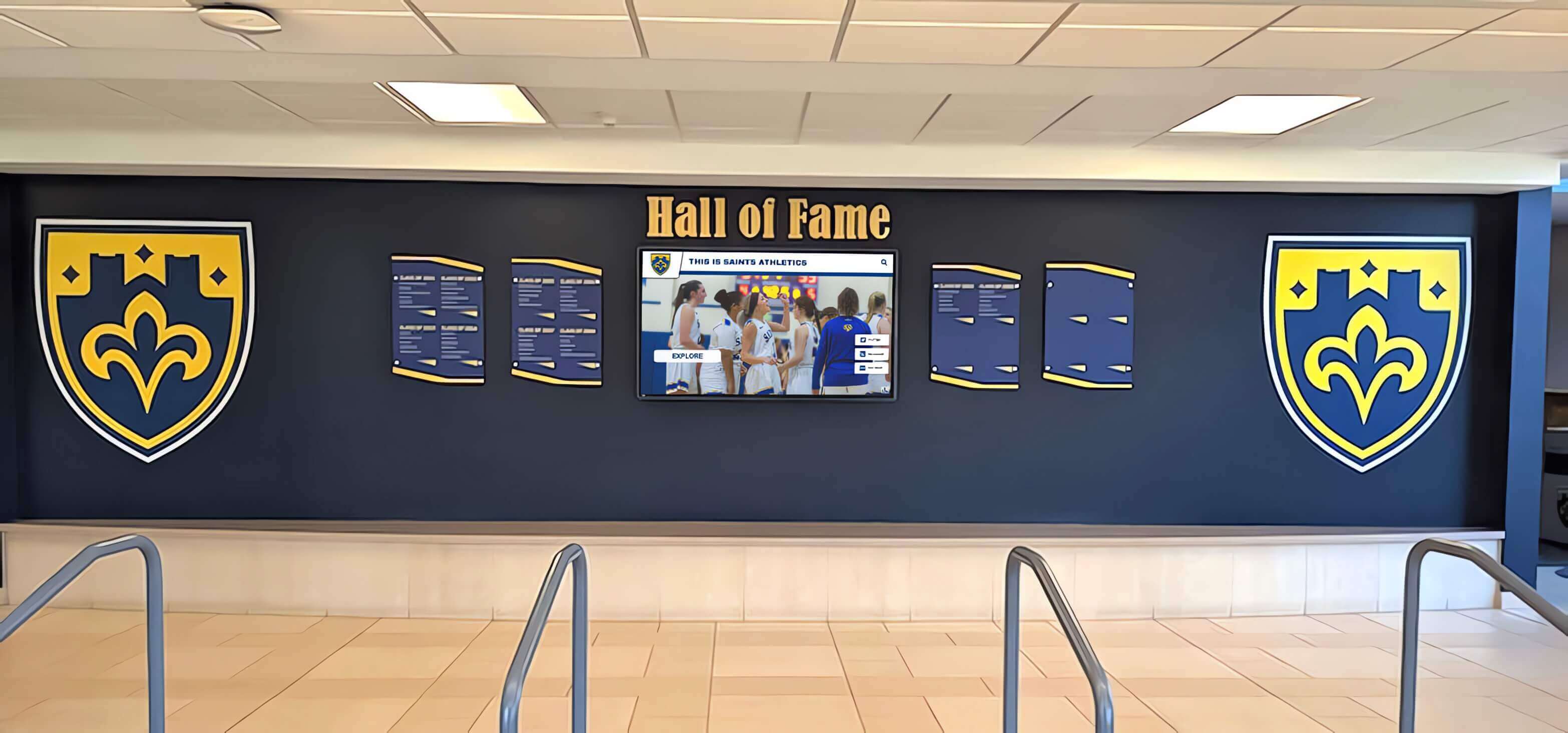
However, effective color use requires restraint. Designs overwhelming viewers with saturated school colors competing for attention can feel chaotic rather than celebratory. Strategic use of school colors for accent elements, headers, or background zones, balanced with neutral tones providing visual rest, generally creates more sophisticated results than monochromatic schemes using only team colors throughout entire designs.
Space Considerations and Site Assessment
Physical constraints significantly influence which design templates work effectively in specific locations. Before selecting layouts, athletic directors should carefully assess available spaces considering multiple dimensions.
Wall Dimensions and Viewing Distances
Long, continuous hallway walls accommodate chronological timeline layouts effectively, while shorter wall sections in lobbies or entryways may better suit focused displays highlighting specific achievement categories. Ceiling height influences vertical layout possibilities—spaces with 8-10 foot ceilings require different proportions than dramatic two-story atriums that can accommodate tall vertical displays.
Viewing distances shape design scale and detail levels. Displays in wide hallways where viewers pass 8-15 feet away require bolder graphics and larger text than displays in alcoves or dedicated rooms where viewers approach within a few feet. Understanding typical viewing angles and distances for specific locations ensures designs remain effective in actual use contexts rather than only on planning documents.
Traffic Patterns and Display Accessibility
Consider how people move through spaces containing recognition displays. High-traffic hallways between classes create brief viewing opportunities requiring instantly comprehensible designs, while lobby spaces where families gather before games allow for more detailed information that rewards extended viewing. Displays positioned where people naturally pause—near entrance doors, outside gymnasiums, adjacent to ticket windows—receive more attention than those in pass-through corridors where students rush between periods.
Accessibility requirements demand consideration during design planning. Recognition displays should remain visible and legible to visitors using wheelchairs or with vision limitations. Interactive campus storytelling elements that include digital components must comply with ADA standards ensuring equitable access to recognition information.
Classic Wall of Fame Design Templates
Several proven design templates appear repeatedly in successful school athletic recognition displays. Understanding these established patterns provides foundations that schools can adapt to their specific circumstances.
The Timeline Chronicle Layout
Timeline designs organize achievements chronologically along horizontal axes, creating visual narratives of program development over time. This template works particularly well for programs with long histories spanning multiple decades, as it naturally accommodates continuous growth through simple extension.
Basic Timeline Structure
The simplest timeline approach divides wall space into year-based or decade-based segments, with each section containing achievements from specific periods. A continuous horizontal line or graphic element runs along the display, with achievements marked at appropriate chronological points. Text, photographs, and decorative elements appear above and below this central timeline, creating visual interest while maintaining clear temporal organization.
Advantages: Timeline layouts inherently tell developmental stories, showing how programs evolved from founding through present day. They accommodate unlimited growth simply by continuing the timeline forward. They create natural browse patterns as viewers follow chronological sequences. And they help current athletes understand their places within longer program traditions.
Considerations: Timelines require continuous wall space without major interruptions from doors, windows, or intersecting hallways. Early program years may have limited achievements compared to recent decades, creating potential imbalance in information density across the timeline. And timelines may emphasize some sports with longer competitive histories while newer programs appear less established by comparison.

The Championship Grid Layout
Grid-based designs organize achievements into clearly defined rows and columns, creating structured frameworks that can accommodate diverse achievement types within unified visual systems. This template particularly suits programs recognizing multiple achievement categories across numerous sports.
Grid Organization Strategies
Grids might organize vertically by sport (football, basketball, volleyball, track, etc.) and horizontally by achievement type (state championships, conference titles, individual state champions, All-Americans), creating matrices where specific cells contain relevant accomplishments. Alternatively, grids might organize vertically by achievement type and horizontally by year or decade, showing patterns of success across time periods.
The structured nature of grids creates immediate visual clarity about where specific information appears. Once viewers understand the organizational logic, they can quickly locate desired information without reading entire displays sequentially. Grids also create inherent visual balance, as each cell receives equal spatial emphasis within the overall structure.
Implementation Approaches
Physical implementations might use uniform panels, plaques, or frames creating literal grid structures, or might use typographic and color treatments creating visual grid organization without physical segmentation. Digital displays can implement interactive grids where viewers select specific cells to access detailed information about achievements in particular categories and timeframes.
Schools establishing comprehensive athletic recognition often integrate grid layouts with parallel academic recognition structures that celebrate scholarly achievement using similar organizational frameworks.
The Hall of Champions Gallery Layout
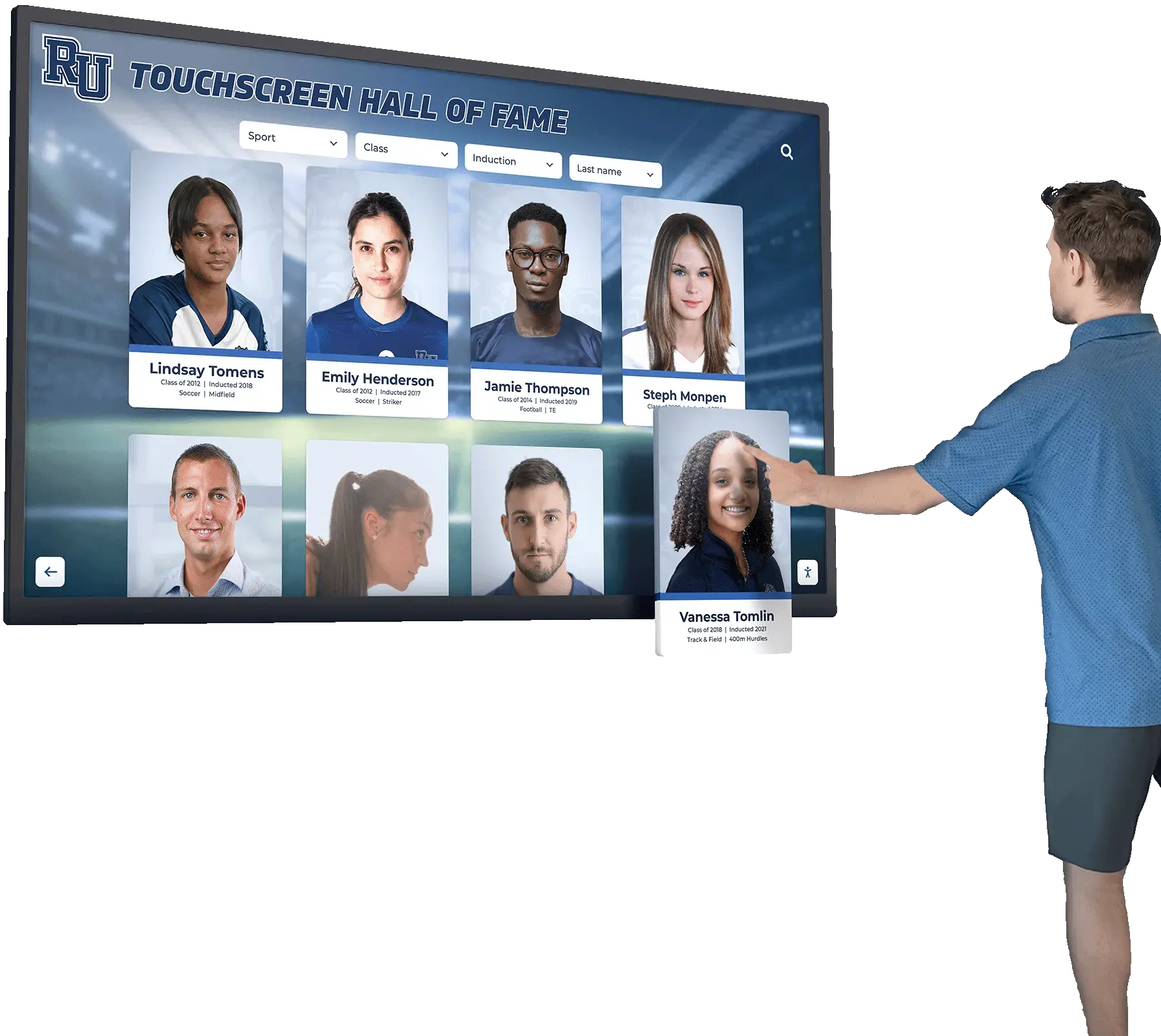
Gallery-style designs feature individual inductee profiles organized in consistent formats, similar to portrait galleries in museums or corporate headquarters. This template emphasizes individual athletes, coaches, and contributors over team achievements or statistical records.
Gallery Design Elements
Each inductee receives a standardized presentation format including a portrait photograph, name and years active, sport or role, key achievements or statistics, and optionally brief biographical information or quotes. These standardized elements appear in consistent layouts repeated across the entire gallery, creating visual unity despite featuring many different individuals.
Organizational Approaches
Galleries might organize inductees alphabetically by name, chronologically by induction year, or grouped by sport or era. Alphabetical organization facilitates finding specific individuals but obscures temporal relationships. Chronological arrangement by induction year tells stories about selection committee priorities across different eras. Sport-based groupings create natural clusters but may emphasize some athletic programs over others.
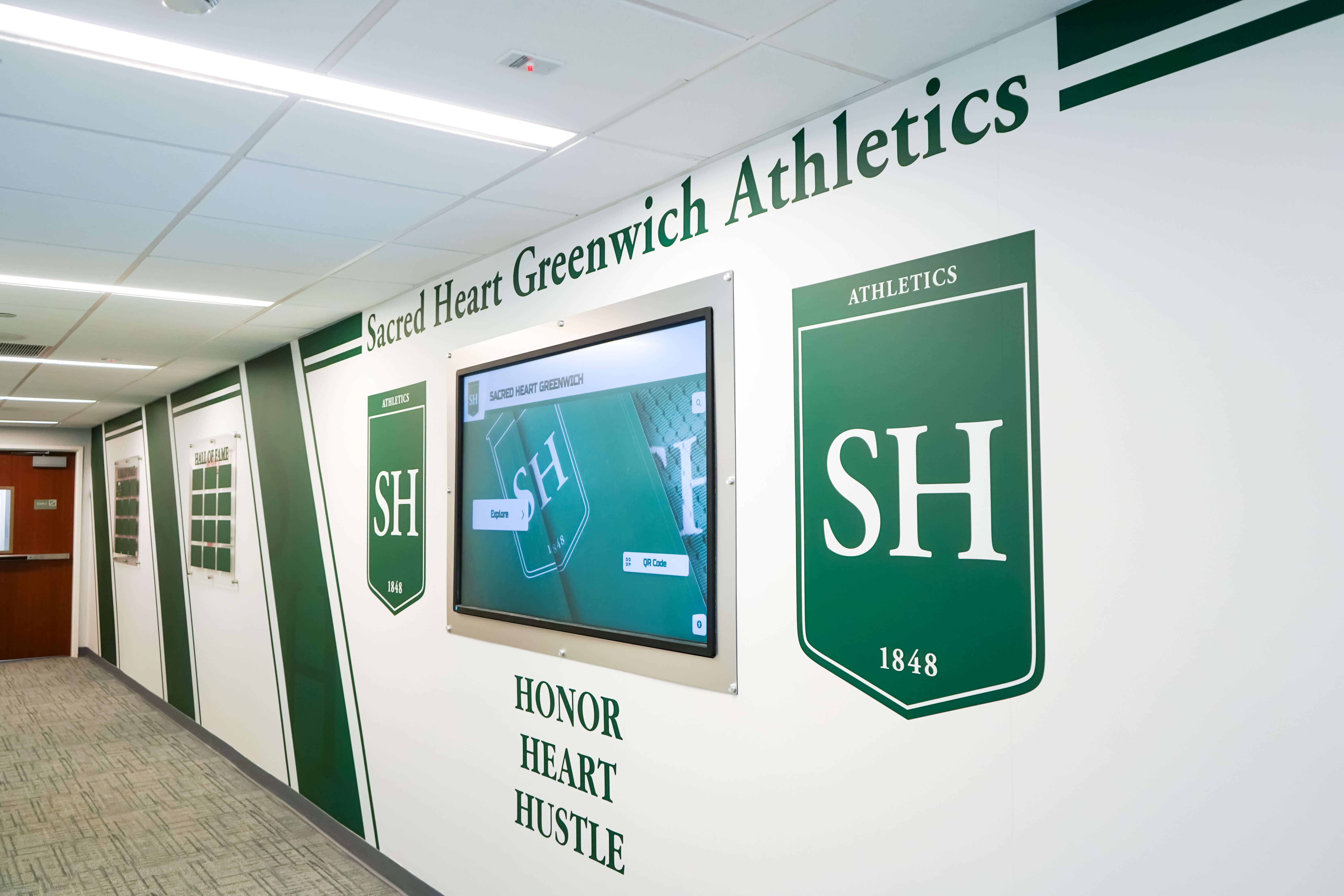
Gallery layouts work best in dedicated spaces where viewers can spend time engaging with individual stories rather than hallways requiring quick comprehension. They particularly suit programs emphasizing personal narratives and individual excellence over team championships or competitive statistics.
The Statistical Record Board Layout
Record board designs emphasize quantifiable achievements—career scoring leaders, single-season rushing records, championship counts, winning streaks—organizing information through performance metrics rather than chronological or individual frameworks.
Record Board Categories
Effective record boards typically separate team records from individual records, creating clear categories. Team achievements might include most wins in a season, longest winning streaks, state championship years, and conference title counts. Individual records might cover career statistics (points scored, goals, wins), single-season achievements (batting average, passing yards, shutouts), and single-game performances (points, strikeouts, saves).
Visual Treatments
Record boards often use ranked list formats showing top performers in specific categories: “Career Rushing Leaders” lists top ten rushers with yards and years, “Single-Season Home Runs” ranks individual seasons by home run totals, “State Championship Teams” chronologically lists all teams winning state titles. This ranked approach creates natural aspiration for current athletes who can see exactly what performances earn recognition.
Many programs now implement digital hall of fame solutions that allow record boards to update automatically as current athletes achieve new milestones, maintaining currency without requiring physical plaque replacement.
Modern Design Approaches and Hybrid Solutions
While classic templates provide proven foundations, contemporary athletic recognition increasingly integrates innovative approaches addressing traditional limitations while leveraging new technologies.
Digital-Physical Hybrid Displays
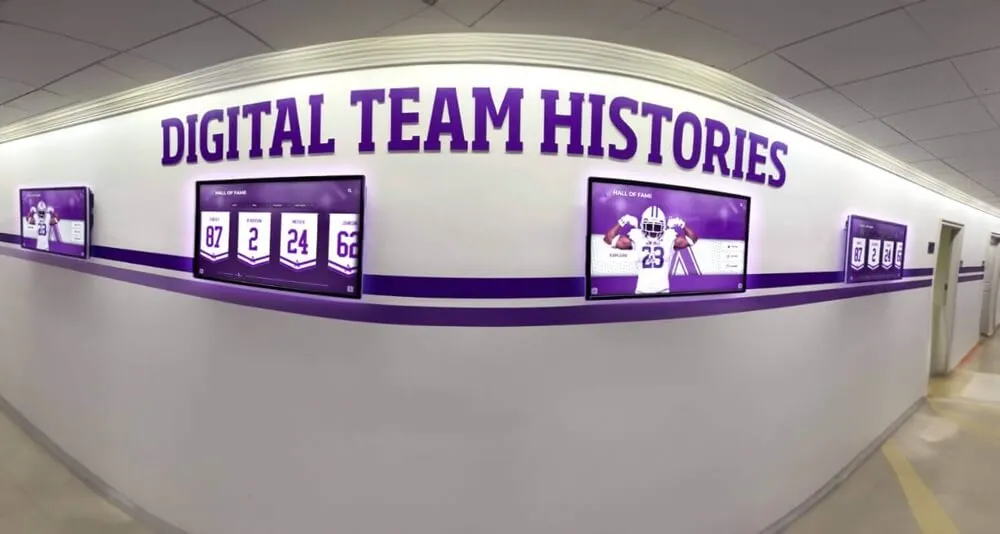
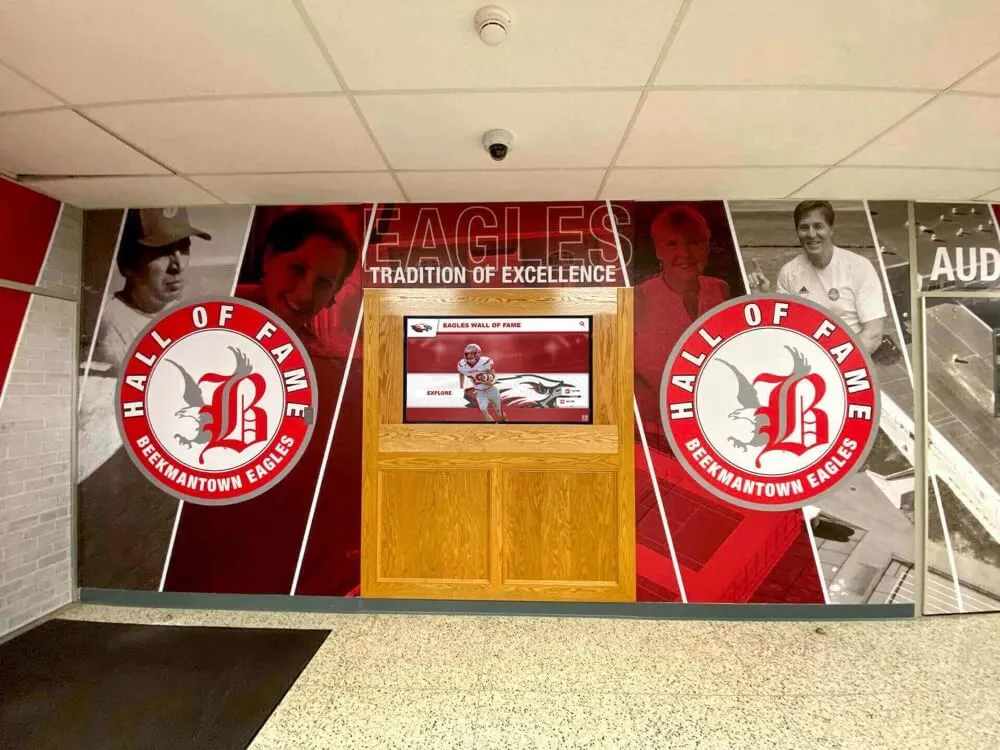
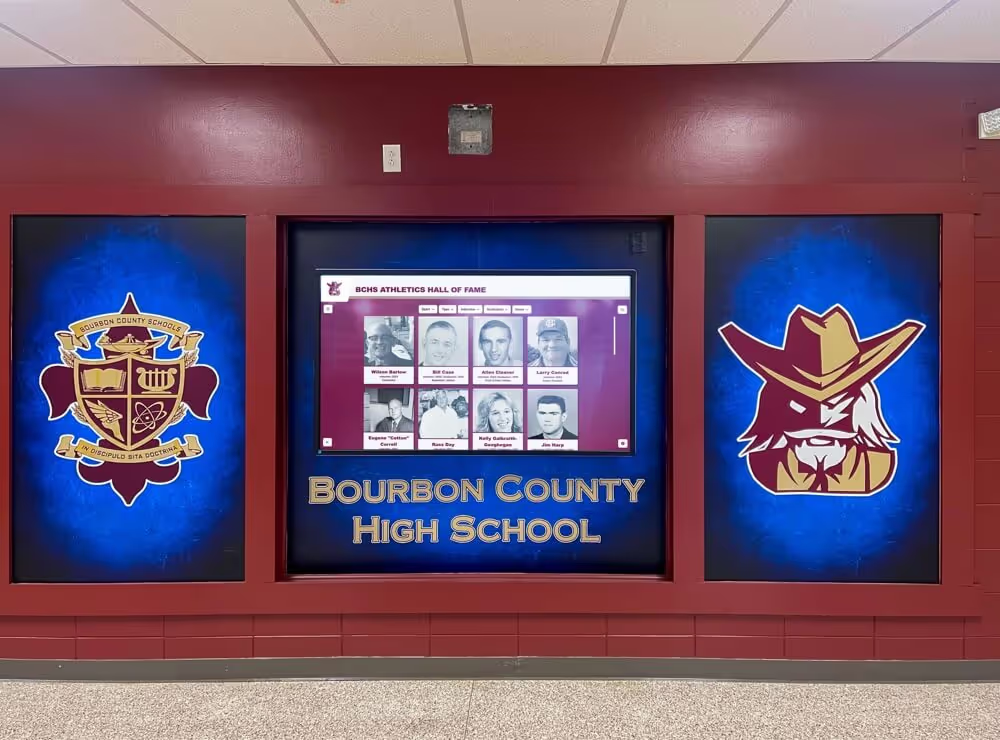
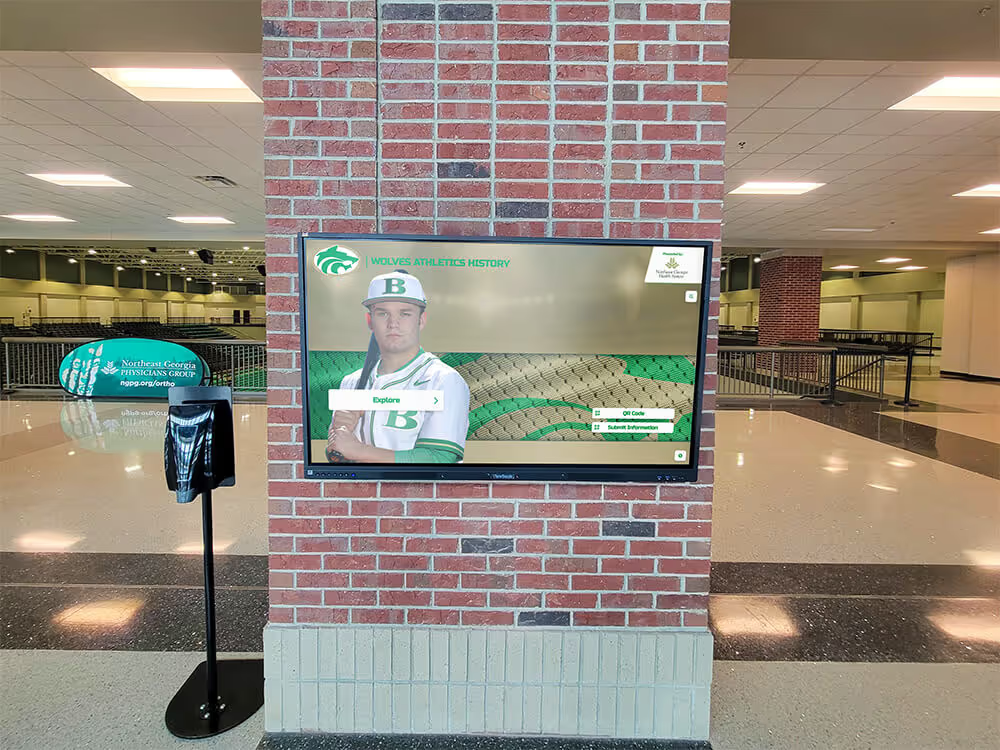
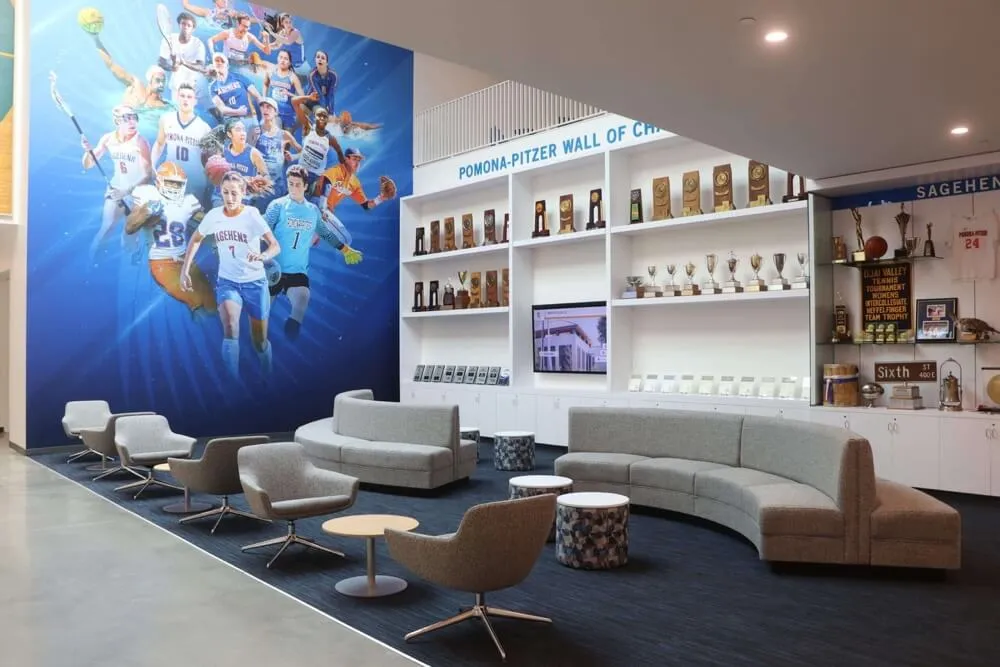
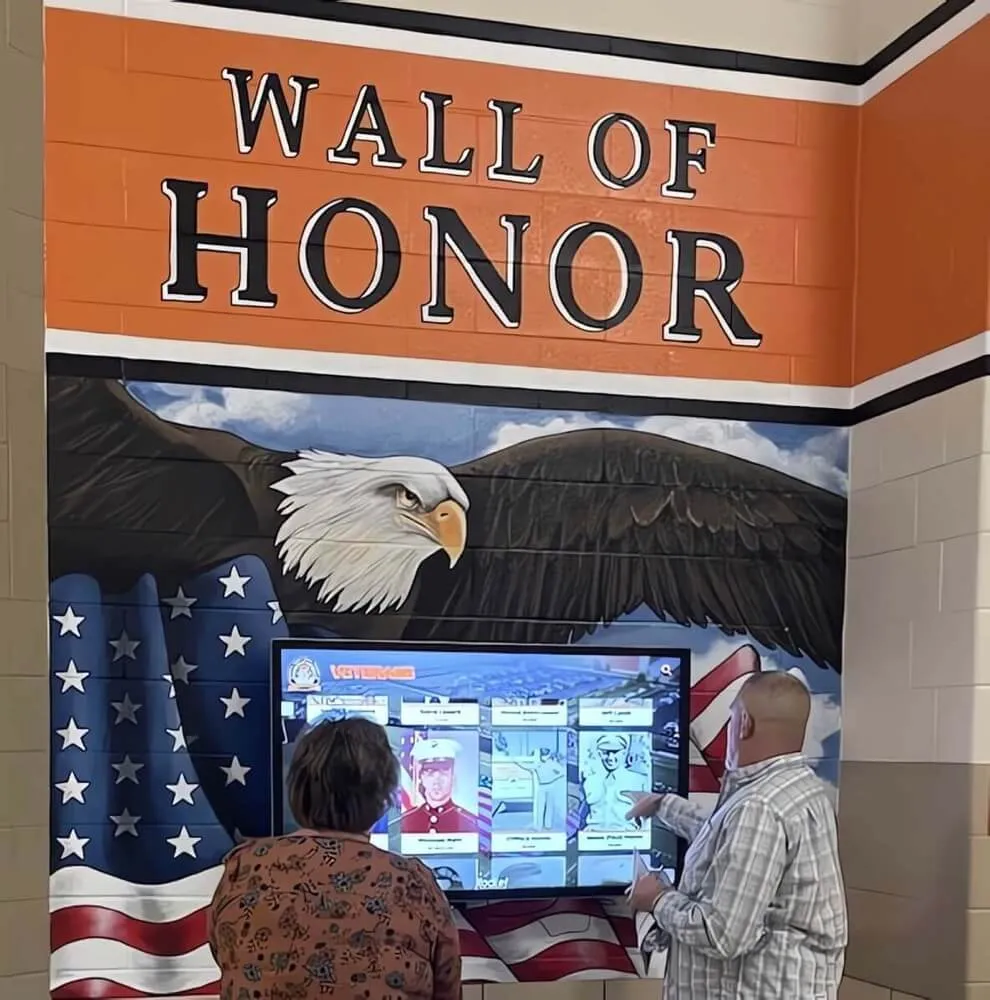
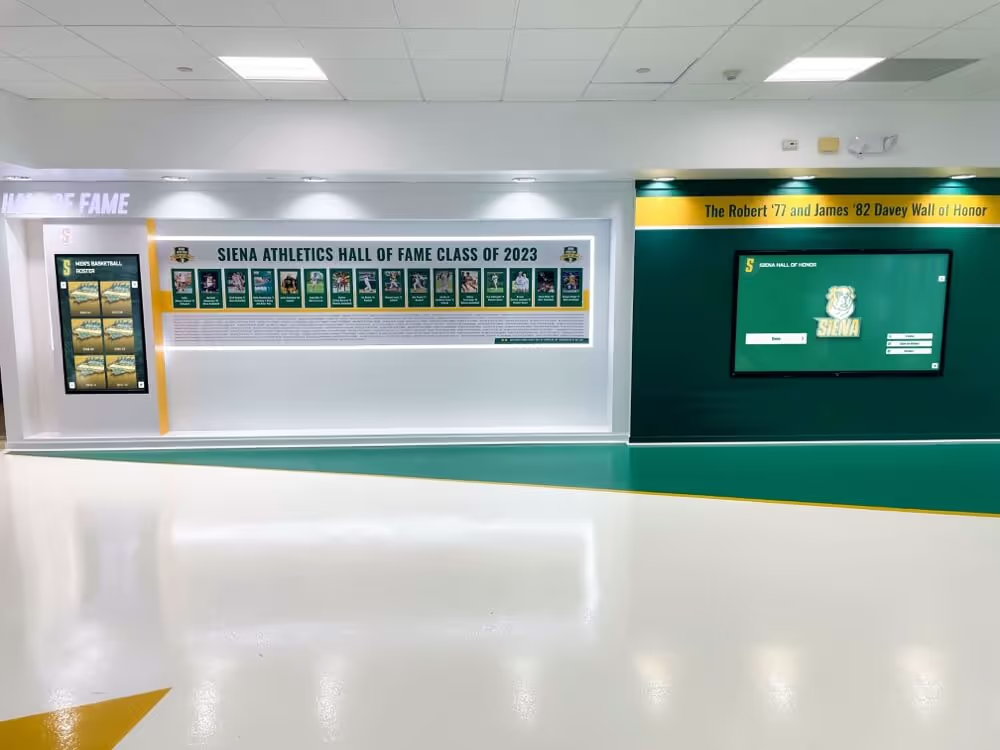
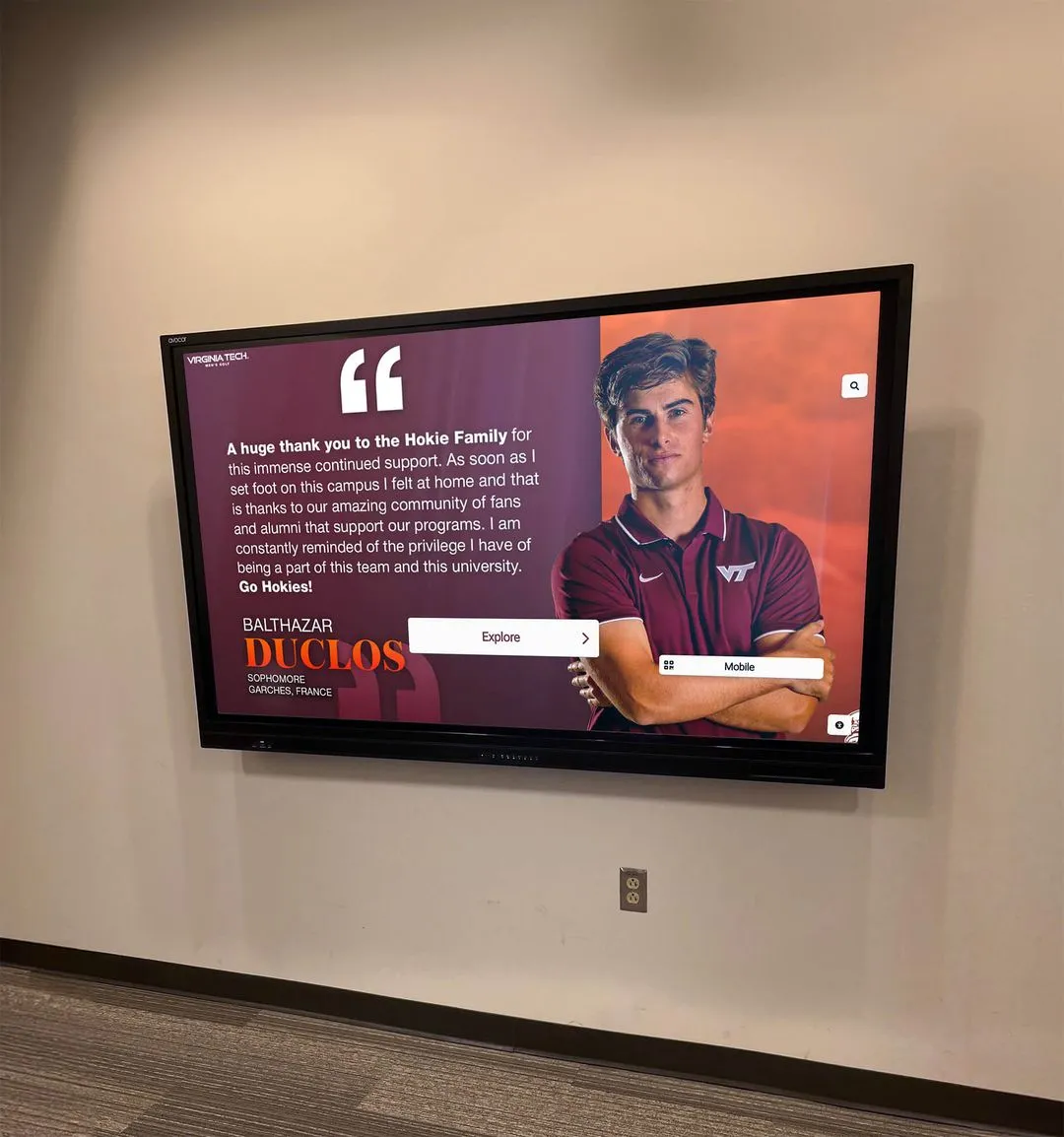
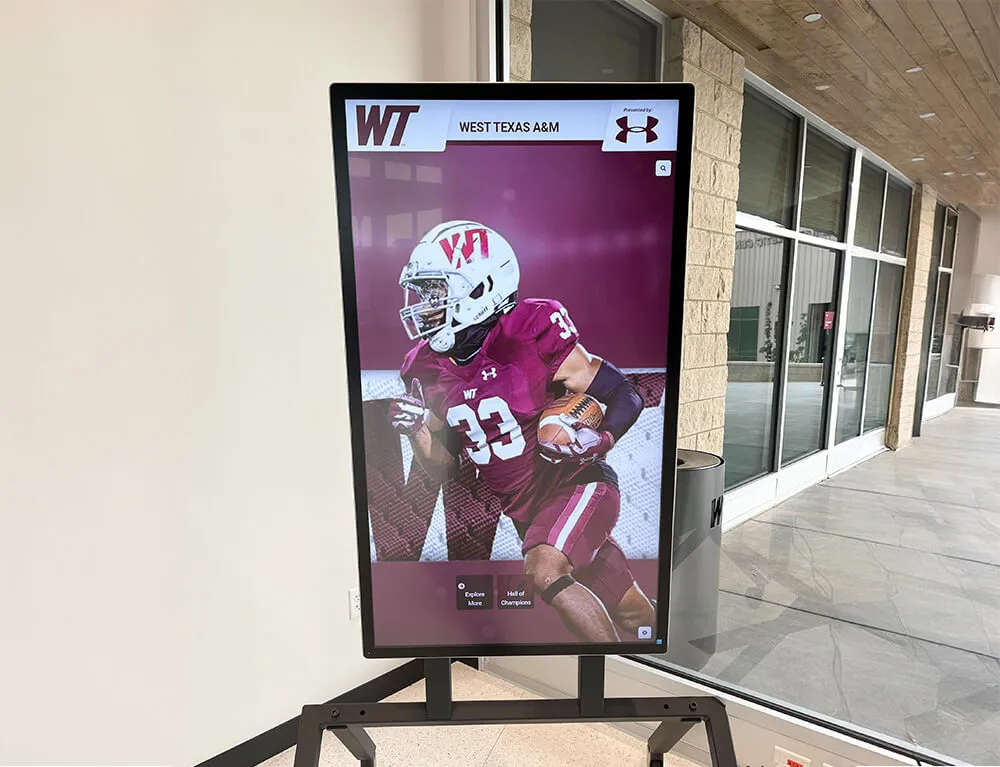
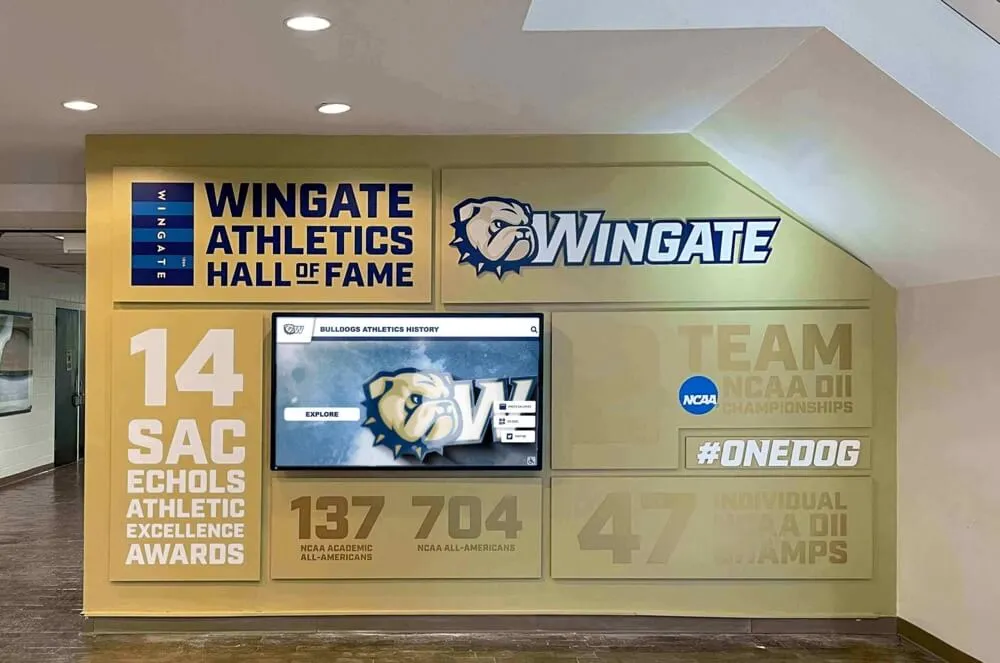
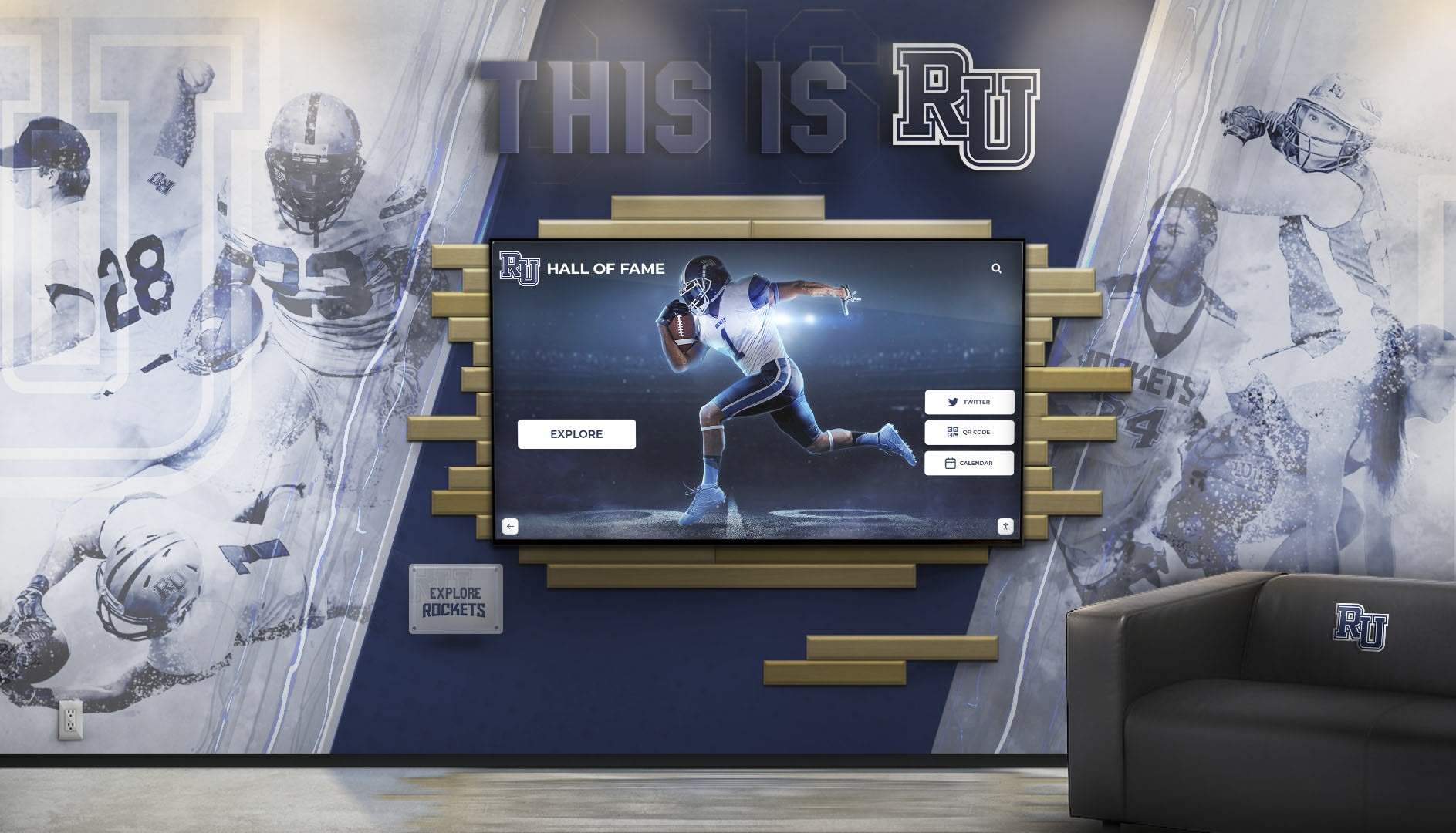
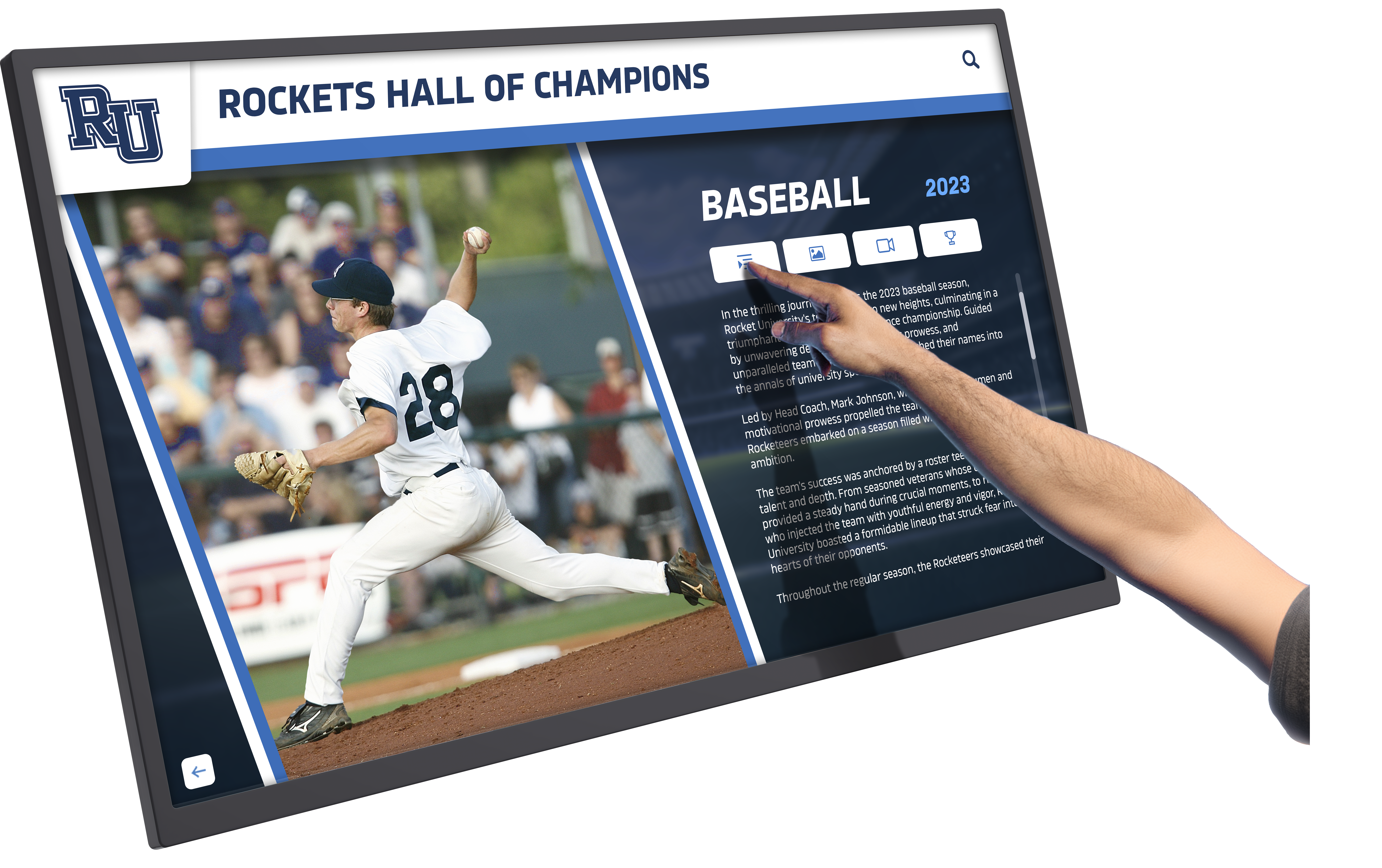
Hybrid designs combine physical installations creating permanent visual presence with digital components enabling detailed information access, regular updates, and multimedia storytelling capabilities that static displays cannot match.
Integration Strategies
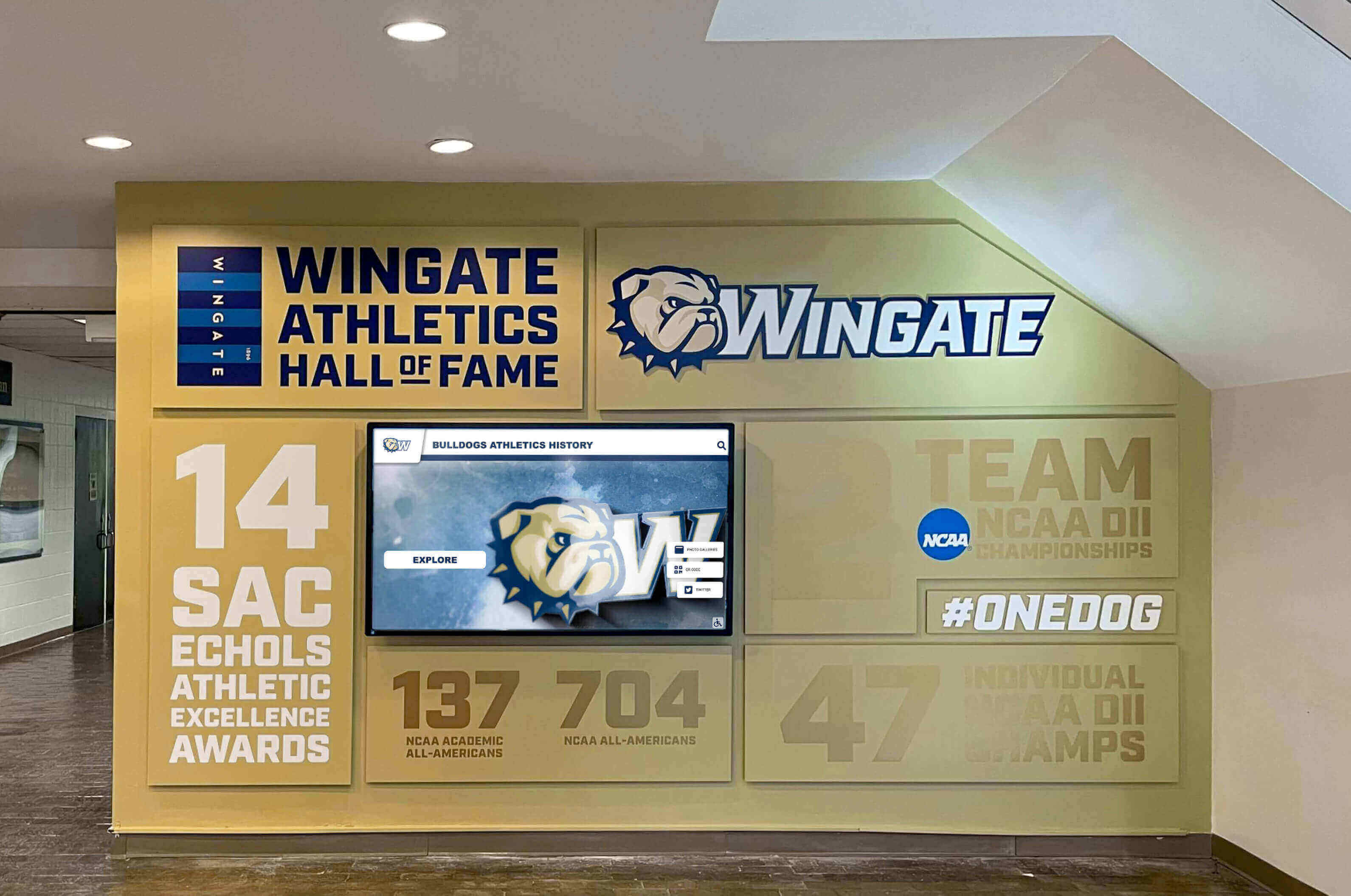
Physical murals, graphics, or architectural elements establish visual identity and create immediate recognition of dedicated athletic hall of fame spaces. Integrated digital screens positioned within or adjacent to physical elements provide access to extensive databases of achievements, athlete profiles, historical photographs, video highlights, and statistical information far beyond what physical displays can accommodate.
This hybrid approach addresses a fundamental limitation of physical-only displays: the trade-off between comprehensive information and visual clarity. Physical elements can maintain clean, uncluttered designs that create strong visual impact and remain legible from distance, while digital components provide depth for those seeking detailed information without overwhelming casual viewers.
Update Flexibility
Digital components enable recognition displays to remain current without costly physical modifications. As teams win new championships, athletes break records, or programs honor new inductees, digital updates happen immediately through content management systems. This update capability particularly benefits programs with frequent achievements that would require continuous plaque additions using traditional approaches.
Interactive features common in modern displays include searchable athlete databases allowing visitors to find specific individuals or teams, video highlight reels showcasing championship moments and record-breaking performances, timeline visualizations showing program growth and achievement patterns, and comparative statistics enabling viewers to explore different achievement categories and eras. Programs implementing these touchscreen hall of fame technologies report significantly increased engagement compared to traditional static displays.
Multi-Sport Integrated Frameworks
Schools supporting diverse athletic programs face challenges creating recognition systems that honor all sports equitably while acknowledging that some programs have longer histories or more competitive success than others. Integrated frameworks address this challenge through unified design languages accommodating different achievement levels across sports.
Equitable Design Structures
Integrated frameworks allocate comparable visual presence to each athletic program regardless of championship history. A football program with ten state titles and a tennis program with one conference championship both receive similar spatial allocation, though content within those spaces naturally differs. This structural equity prevents displays from becoming de facto hierarchies that celebrate only the most successful programs while marginalizing others.
Within sport-specific zones, achievement displays adapt to actual accomplishments. Sports with extensive championship histories showcase those achievements prominently, while developing programs emphasize athlete development, participation growth, or competitive improvement rather than championship counts they haven’t yet achieved.
Unified Visual Languages
Consistent design treatments across all sports—similar layouts, typography, color applications, photography styles—create visual coherence while sport-specific content provides differentiation. Unified frameworks might use consistent header treatments identifying each sport, standardized plaque or frame formats for individual achievements, and coordinated color schemes incorporating sport-specific accent colors within overall school branding.
This consistency particularly benefits schools with distributed athletic facilities where different sports have dedicated spaces. Recognition displays in football fieldhouses, basketball gymnasiums, and swimming pools maintain cohesive visual identities through shared design languages while celebrating sport-specific achievements appropriately.
Modular and Expandable Systems
Traditional recognition installations often become problematic as programs grow, requiring expensive redesigns when original layouts reach capacity. Modular design systems anticipate growth through inherently expandable structures that maintain visual coherence as new achievements are added over years and decades.
Modular Design Principles
Modular systems use repeating design units—standardized panels, plaques, display frames, or graphic elements—that can be added indefinitely without redesigning entire installations. Initial installations might include 20 inductee plaques with clear visual patterns indicating where future plaques will continue the sequence, or digital displays showing achievement categories with obvious expandability for new entries.
The key to successful modular design lies in establishing clear organizational logic that remains comprehensible as systems scale. If viewers cannot understand how new elements relate to existing displays, modular growth creates visual chaos rather than coherent expansion. Clear hierarchies, consistent spacing, and obvious organizational patterns enable modular systems to grow gracefully.
Planning for Future Growth
Effective modular implementations begin with honest assessments of likely growth rates. A program inducting two athletes annually needs different modular structures than one adding ten inductees each year. Overestimating growth leaves recognition displays feeling empty and sparse, while underestimating creates cramped layouts that quickly reach capacity.
Many athletic directors find value in phased implementation approaches where initial installations establish design frameworks and showcase cornerstone achievements, with subsequent phases systematically adding historical achievements as budgets and research allow. This phased approach spreads costs over time while building comprehensive recognition systems that might be financially prohibitive as single projects.
Planning Your Athletic Wall of Fame Design
Selecting and implementing effective wall of fame designs requires systematic planning that balances aspirational vision with practical constraints around budgets, spaces, and organizational capacity.
Conducting Pre-Design Research and Assessment
Successful design projects begin with thorough research establishing clear understanding of what needs recognition and what constraints must be accommodated.
Achievement Inventory and Prioritization
Comprehensive inventories cataloging all potential recognition content reveal the scope of information displays must accommodate. This inventory should include team championships at all competitive levels, individual athletic achievements and records, coaching tenures and accomplishments, program milestones and historical moments, facility developments and major improvements, and significant contributor and booster recognition.
With comprehensive inventories complete, prioritization decisions become necessary. Few programs can afford immediate recognition of everything worth celebrating. Prioritization criteria might emphasize achievements most meaningful to current institutional culture, recognition gaps where deserving accomplishments currently receive no acknowledgment, foundational historical achievements establishing program tradition, and recent accomplishments generating current community interest and alumni engagement.
Stakeholder Input and Consensus Building
Athletic recognition serves multiple constituencies—current athletes seeking inspiration, alumni wanting acknowledgment, donors supporting programs, administrators managing institutional traditions, and families evaluating programs during recruitment. Gathering input from these diverse stakeholders prevents designs optimized for single audiences while missing others’ needs.
Stakeholder consultation might include surveying alumni about which historical achievements they consider most significant, interviewing current coaches about what recognition content would most motivate current athletes, consulting with development staff about donor recognition needs, and gathering student input about what recognition elements they actually notice and value. These diverse perspectives reveal priorities that might not be obvious to athletic directors planning independently.
Budget Development and Resource Allocation
Wall of fame projects range from modest installations costing several thousand dollars to comprehensive facilities exceeding six figures. Understanding cost drivers helps programs develop realistic budgets aligned with their visions and constraints.
Major Cost Categories
Design and planning costs include professional design services, content research and historical documentation, and project management coordination. Fabrication expenses cover physical elements including printed graphics, dimensional letters, plaques and frames, architectural modifications, and protective coatings or frames. Installation costs include professional mounting, electrical work for lighting or digital components, and wall preparation or repair. Technology investments when including digital elements cover display hardware, content management systems, interactive software, and network infrastructure. Ongoing expenses include content updates and maintenance, electrical costs for digital displays, and eventual replacement as materials age.
Schools researching who installs digital hall of fame displays should request detailed cost breakdowns distinguishing hardware, software, installation, and ongoing service components to enable accurate budget comparisons.
Funding Strategies
Many athletic recognition projects secure funding through combined approaches rather than single funding sources. Athletic department operating budgets might cover baseline projects while booster organizations contribute enhancement funds. Alumni campaigns specifically supporting hall of fame development can generate enthusiasm as former athletes see direct connections between contributions and recognition of achievements. Naming opportunities for major donors can offset significant costs while providing appropriate donor recognition. Memorial gifts honoring deceased coaches, athletes, or supporters create meaningful funding sources. And corporate sponsorships from local businesses supporting athletic programs can provide resources, though schools must carefully consider whether commercial presence aligns with recognition display purposes.
Selecting Design Partners and Implementation Approaches
Athletic directors generally choose between do-it-yourself approaches using internal resources, working with local sign companies or graphic designers, or partnering with specialized recognition design firms. Each approach offers distinct advantages and limitations.
Internal DIY Implementation
Schools with talented art teachers, skilled maintenance staff, or engaged booster volunteers sometimes implement recognition displays using internal resources. This approach minimizes costs while creating opportunities for community involvement—student artists designing murals, photography classes documenting athlete portraits, or industrial arts programs fabricating display elements.
However, DIY approaches demand realistic assessment of internal capabilities. Professional recognition displays require skills in graphic design, large-format printing, architectural installation, and often electrical work for lighting or digital components. Without genuine expertise in these areas, well-intentioned DIY projects may produce amateur results that undermine rather than enhance program prestige.
Local Design and Fabrication Services
Local sign companies, print shops, or graphic designers offer middle-ground options combining professional quality with generally lower costs than specialized firms. These local partners often provide excellent service for straightforward projects with clear specifications—producing vinyl graphics, fabricating dimensional letters, printing and mounting photographs, or installing basic digital displays.
Limitations typically involve design expertise specific to athletic recognition rather than general signage, experience with modular systems accommodating long-term growth, and integration of digital technologies beyond basic screen mounting. Local partners excel at executing well-defined projects but may offer limited strategic guidance about what designs will best serve recognition purposes over decades.
Specialized Athletic Recognition Firms
Companies specializing in athletic recognition and hall of fame installations bring extensive experience with what designs work effectively in school environments, modular systems accommodating program growth, integration of physical and digital elements, and institutional memory preservation through proper content research and documentation. These firms typically handle entire projects from conceptual design through installation and ongoing content management.
Cost premiums for specialized services reflect comprehensive project management, proprietary technologies, proven design templates adapted to specific programs, and long-term support relationships. Schools should evaluate whether these benefits justify price differences compared to less specialized alternatives based on project complexity, desired longevity, and internal capacity for managing design processes.
Emerging Trends in Athletic Recognition Design
Athletic recognition continues evolving as new technologies, changing aesthetic preferences, and shifting institutional priorities influence how schools celebrate athletic achievement.
Multimedia Storytelling and Narrative Design
Contemporary recognition increasingly emphasizes stories and narratives over simple documentation of achievements. Rather than just listing that a team won a state championship, modern displays might include video of the championship game, interviews with players and coaches reflecting on the season, photographs documenting the championship journey, and context about challenges overcome or significance within program history.
This narrative approach creates emotional connections that dry statistics cannot match. Current athletes don’t just see that someone scored 2,000 career points—they watch video of that athlete’s best performances, read about their development from freshman to senior, and understand what made their achievement special within program context. These rich narratives inspire far more powerfully than numbers alone.
Digital technologies enable multimedia storytelling impossible with traditional static displays. Touchscreen interfaces let viewers explore athlete stories through photographs, videos, statistics, and biographical information organized into engaging narrative structures. School digital displays can showcase daily highlights from current seasons alongside historical achievements, creating living recognition systems connecting past and present.
Social Media Integration and Digital Extensions
Recognition displays increasingly connect to broader digital ecosystems extending beyond physical installations. Schools create online hall of fame databases accessible via websites and mobile apps, allowing alumni to explore recognition content from anywhere. QR codes on physical displays link to digital content including video highlights, detailed statistics, or photo galleries too extensive for physical presentation.
Social media integration enables programs to celebrate recognition moments with broader communities. When new inductees are honored, digital displays can showcase congratulatory messages from alumni, feature induction ceremony videos, or stream live induction events to remote audiences. This integration transforms recognition from isolated physical displays into connected experiences engaging entire school communities.
Sustainability and Adaptive Reuse
Environmental consciousness influences recognition design through emphasis on sustainable materials, energy-efficient technologies, and adaptive approaches minimizing waste from updates and modifications. LED lighting reduces energy consumption while providing superior illumination compared to traditional fixtures. Digital displays eliminate waste from replaced plaques as achievements accumulate. Modular systems enable updates through component replacement rather than complete reinstallation.
Some programs implement adaptive reuse strategies repurposing existing trophy cases or outdated recognition displays rather than discarding them entirely. Traditional trophy cases might be retrofitted with digital displays showing searchable databases of all trophies won throughout program history, preserving physical artifacts while adding access to comprehensive information. Team bonding experiences might even involve current athletes helping document and photograph historical trophies, creating intergenerational connections while producing content for digital recognition systems.
Making Your Wall of Fame Design Decision
Selecting the right design template and implementation approach for your specific program requires synthesizing all considerations explored throughout this guide into informed decisions aligned with your unique circumstances.
Matching Templates to Program Needs
Consider how different templates align with your program’s specific characteristics, priorities, and constraints:
Choose timeline chronicle layouts when you want to emphasize program development over time, have continuous wall space suitable for linear organization, possess comprehensive historical documentation enabling chronological storytelling, and want designs naturally accommodating unlimited future growth.
Choose championship grid layouts when you need to organize diverse achievement types across multiple sports, want clear categorical organization making specific information easy to locate, have space configurations suited to structured rectangular layouts, and prefer balanced visual emphasis across different achievement types.
Choose hall of champions gallery layouts when you want to emphasize individual athletes and personal stories, have dedicated spaces where viewers can engage with detailed individual profiles, possess or can obtain quality photography for featured individuals, and want recognition focused on people rather than statistics or team achievements.
Choose statistical record board layouts when your culture emphasizes quantifiable performance and competitive achievement, you possess comprehensive statistical records enabling meaningful comparisons, you want to create clear targets motivating current athletes, and your audience values performance metrics and competitive standings.
Choose digital-physical hybrid layouts when you need flexibility for frequent updates without physical modifications, you want to provide comprehensive information exceeding static display capacity, you have budget for technology investment and ongoing content management, and you value multimedia storytelling capabilities including video, audio, and interactive features.
Ensuring Long-Term Success
Beyond initial installation, successful wall of fame displays require ongoing commitment to maintenance, updates, and integration into broader program culture.
Establish clear update processes defining how new achievements get added to recognition displays, who makes induction or recognition decisions, what information gets collected about new inductees, and how frequently displays receive comprehensive reviews. Without defined processes, recognition systems become dated as programs fail to maintain currency.
Budget for ongoing maintenance including cleaning and physical upkeep, technology updates and content management for digital systems, periodic redesigns as displays reach capacity, and documentation of new achievements as they occur. Recognition systems that appear neglected or outdated undermine rather than enhance program prestige.
Integrate recognition into program culture through new athlete orientations highlighting program tradition and recognition standards, alumni events featuring hall of fame celebrations and induction ceremonies, recruitment visits emphasizing recognition displays when hosting prospects, and athletic department communications regularly featuring recognition content and honoree stories.
Taking the Next Step
Athletic directors ready to move forward with wall of fame design projects should begin with clear documentation of vision, constraints, and requirements—creating project briefs that potential design partners can respond to meaningfully. Comprehensive briefs should outline achievement categories requiring recognition, available spaces and physical constraints, budget parameters and funding status, timeline expectations for design and installation, stakeholder requirements and institutional approval processes, and technology preferences regarding digital integration.
Request proposals from multiple design partners representing different approaches—internal options if capabilities exist, local fabrication services for cost-effective implementation, and specialized recognition firms for comprehensive solutions. Evaluate proposals against multiple criteria beyond just cost, including design quality and alignment with institutional brand, proven experience with comparable athletic recognition projects, modular flexibility enabling future expansion, technology capabilities if digital integration is desired, implementation timeline and project management approach, and ongoing support for updates and maintenance.
Visit existing installations by potential partners, speaking with athletic directors at schools that have implemented similar projects about their satisfaction with design outcomes, installation processes, and ongoing support relationships. These reference conversations often reveal important considerations not obvious in proposals.
Ready to Design Your Athletic Wall of Fame?
Transform your athletic recognition with proven design templates and modern solutions that celebrate champions while inspiring future athletes. Rocket Alumni Solutions specializes in creating comprehensive hall of fame displays that combine timeless design with cutting-edge technology, from traditional displays to interactive digital installations.
Explore Recognition SolutionsEffective wall of fame designs do far more than occupy wall space—they inspire current athletes by showcasing what excellence looks like, strengthen program identity by maintaining visible connections to tradition, engage alumni communities by honoring their achievements, and communicate program quality to prospective student-athletes and their families. By selecting design templates aligned with your program’s unique needs, planning for long-term growth and maintenance, and implementing with attention to both aesthetic quality and functional organization, athletic directors create recognition systems worthy of the champions they celebrate. Whether you choose classic timeline chronicles, structured grid layouts, narrative gallery displays, or innovative digital-physical hybrids, thoughtful design ensures your athletic wall of fame serves your program effectively for decades to come.