



For volleyball programs, senior night marks a bittersweet milestone—celebrating accomplished athletes while acknowledging the approaching end of their high school careers. Done well, these ceremonies create powerful moments that seniors, families, and teammates remember long after the final whistle. They provide closure for graduating players while inspiring younger teammates to follow their example of dedication and excellence.
The most memorable senior nights strike the right balance between honoring individual athletes and celebrating the team culture they helped build. They recognize not just statistics and wins but the less visible contributions—leadership in practice, encouragement of struggling teammates, academic excellence balancing athletic demands, and positive representation of the program in the school community. Whether your volleyball program honors one senior or fifteen, thoughtful planning ensures each athlete feels genuinely valued for their unique contributions.
Understanding the Purpose of Volleyball Senior Night
Before diving into specific ideas and logistics, it’s important to clarify what you want your senior night celebration to accomplish. Understanding these purposes helps guide every planning decision that follows.
Honoring Individual Athletic Journeys
Each senior’s volleyball experience is unique—some played varsity for four years while others joined the team later or contributed primarily from the bench. Effective senior nights recognize these diverse journeys authentically, acknowledging that valuable contributions come in many forms beyond starting positions and statistical achievements.
Senior night provides opportunities to celebrate what made each athlete special to your program. Perhaps one senior served as the team’s vocal leader despite modest statistics. Another might have overcome injury setbacks demonstrating remarkable perseverance. A third could have balanced volleyball with exceptional academic achievement earning collegiate opportunities. Recognizing these individual stories creates more meaningful ceremonies than simply listing positions played and years on the team.
Involving and Thanking Families
Volleyball senior nights traditionally recognize not just athletes but the families who supported their athletic journeys. Parents made countless sacrifices—driving to practices and tournaments, attending games in distant cities, supporting through injuries and disappointments, and providing encouragement during difficult seasons. Siblings adjusted family schedules around volleyball commitments. Grandparents cheered from stands through countless matches.
Thoughtful ceremonies acknowledge these family contributions, creating moments where seniors publicly thank those who made their volleyball careers possible. This family involvement transforms senior night from purely athletic recognition into broader celebration of the support systems enabling student-athletes to pursue their passions.
Building Team Unity and Program Culture
While honoring departing seniors, well-designed ceremonies also strengthen overall program culture. Younger players witness the respect and celebration their program provides to graduating athletes, motivating them to earn similar recognition through their own commitment and excellence. They see concrete examples of what their program values—not just winning but character, growth, leadership, and positive contribution to team culture.
Senior night celebrations communicate program priorities beyond what coaches say in practice. When ceremonies emphasize character and leadership alongside athletic achievement, underclassmen understand that your program values complete student-athletes rather than just talented players. This cultural messaging shapes team expectations and behavior throughout the season and across future years.
Creating Lasting Memories
Perhaps most importantly, senior night creates memories that honored athletes carry throughout their lives. Years after graduation, these players will remember walking through that banner with their parents, hearing teammates describe their impact, receiving personalized gifts recognizing their contributions, and experiencing their school community gathered specifically to celebrate them.
These memories matter beyond sentimentality. They shape how former athletes remember their high school experience and their connection to your program and school. Alumni who felt genuinely valued through meaningful senior night recognition remain engaged with programs long after graduation—attending games, mentoring current players, contributing to fundraising efforts, and speaking positively about their experiences to prospective athletes and families.
Planning Timeline for Volleyball Senior Night
Successful senior nights require substantial advance planning. While spontaneous celebrations can be heartfelt, preparation time enables more polished ceremonies that properly honor seniors while minimizing day-of stress.
Six to Eight Weeks Before: Initial Planning
Begin planning your senior night at least six to eight weeks before your intended date. This timeline provides adequate time for all necessary preparations without creating unnecessary time pressure.
Schedule the Date and Secure Approvals
Select your senior night game date strategically. Most programs choose home games late in the regular season but not the final home contest—this allows one additional home game if weather or other factors force postponement. Confirm the date with athletic administrators, verify gym availability, and get necessary approvals for ceremony modifications to normal game procedures.
Consider scheduling conflicts when selecting dates. Avoid games competing with major school events that might limit family and community attendance. Verify that all senior families can attend your selected date before finalizing plans.
Form a Planning Committee
Assemble a small planning committee including volleyball coaching staff providing program perspective, team parent volunteers contributing organizational support, booster club representatives offering resources and community connections, and senior player representatives ensuring student voices inform planning. This diverse committee brings necessary perspectives while distributing the considerable work involved in ceremony planning.
Determine Budget and Funding Sources
Establish a realistic budget covering all ceremony elements including decorations and setup materials, senior gifts and recognition items, photography and video documentation, printed programs or posters, reception food and beverages if including post-game gathering, and any special elements unique to your plans. Identify funding through booster club allocations, family contribution requests if appropriate, local business sponsorships supporting athletics, or general athletic department budgets.
Four to Six Weeks Before: Content Development
Mid-timeline focus shifts to creating ceremony content and securing necessary materials.
Gather Senior Information and Photos
Collect comprehensive information about each senior including full name and jersey number, years on varsity and overall program participation, positions played throughout career, future plans including college choices and athletic continuation, memorable moments or achievements, and photos from throughout their volleyball careers. Create questionnaires for seniors and parents requesting information about favorite memories, most influential teammates or coaches, advice for younger players, and acknowledgments they want to share.
This information gathering enables personalized recognition far more meaningful than generic acknowledgment. Specific details demonstrate genuine knowledge of each senior rather than superficial awareness.
Design Recognition Materials
Develop all printed and visual materials for the ceremony including senior posters featuring photos and information about each athlete, printed programs providing comprehensive senior profiles for attendees, video tributes if incorporating multimedia presentations, and social media graphics for promotion and celebration. Many programs create poster-sized displays for each senior positioned around the gym during the ceremony—these become keepsakes families treasure long after senior night concludes.
Plan Ceremony Structure and Flow
Design the specific ceremony sequence determining overall experience. Typical volleyball senior night structures include pre-game recognition ceremony before the match begins, senior athlete introductions with family accompaniment, brief speeches or statements from seniors or coaches, presentation of gifts or flowers to seniors and sometimes parents, photo opportunities at center court, and special recognition during the match like special starting lineup. Document your planned ceremony flow in a detailed timeline ensuring all participants understand expectations and logistics.
Two to Three Weeks Before: Logistics and Coordination
As the ceremony approaches, attention shifts to operational details ensuring smooth execution.
Coordinate Volunteers and Assignments
Identify and brief all volunteers supporting the ceremony including photographer/videographer documenting the event, announcer reading senior information and managing ceremony flow, volunteers managing music and audiovisual elements, greeters welcoming families and directing them to special seating, and setup crew arranging decorations and ceremony elements. Provide clear written instructions to all volunteers specifying their responsibilities, timing, and any special considerations.
Secure Gifts and Recognition Items
Finalize and acquire all items presented to seniors during the ceremony. Popular senior night gift ideas for volleyball players include personalized framed jerseys displaying their name and number, commemorative plaques recognizing career achievements, photo collages showing their volleyball journey, team-signed volleyballs or equipment, and flowers or bouquets for senior athletes and their mothers. Whatever gifts you select, ensure you have appropriate items for all seniors and any family members you plan to recognize.
Arrange Decorations and Setup
Plan your gym decoration strategy enhancing the ceremony atmosphere. Effective volleyball senior night decorations often include balloon arches or columns in school colors framing the ceremony area, banners featuring senior photos and names suspended around the gym, table decorations for any post-game reception, floor runners or carpet for senior walkouts creating defined ceremony space, and themed decor incorporating volleyball elements in creative ways. Purchase or create these materials well before the ceremony date, allowing time to address any issues or missing components.

One Week Before: Final Preparations
The final week involves confirming all details and conducting necessary rehearsals.
Confirm Attendance and Final Details
Verify attendance from all senior families confirming number of family members walking with each senior, special needs or considerations requiring accommodation, and accurate information for announcer and printed materials. This final confirmation prevents surprises on ceremony night when it’s too late to adjust plans.
Conduct Ceremony Rehearsal
Walk through the entire ceremony with all participants including seniors understanding where to line up and when to enter, family members knowing where to position themselves and what to expect, announcers practicing pronunciations and ceremony flow, and volunteers understanding their responsibilities and timing. Rehearsal identifies and resolves problems before actual ceremony when mistakes create awkward moments detracting from senior recognition.
Finalize and Proof All Materials
Complete and carefully review all ceremony materials including printed programs checking for name spellings and factual accuracy, audiovisual presentations testing for technical functionality, signage and posters verifying correct information and quality printing, and announcer scripts confirming accurate information and smooth phrasing. Errors in senior names or information cause embarrassment that simple proofreading prevents.
Pre-Ceremony Recognition Ideas
The formal senior night ceremony represents the centerpiece of recognition, but many programs enhance celebration through additional recognition activities before the designated senior night game.
Senior Week Celebrations
Some volleyball programs designate the entire week before senior night as “Senior Week,” implementing daily recognition activities building toward the formal ceremony. Senior week elements might include daily social media features spotlighting each senior, special team activities honoring seniors like favorite practice drills or team meals at restaurants seniors choose, allowing seniors to lead practices or make certain team decisions, and decorating senior lockers or creating senior-themed spaces in the volleyball area.
These extended celebrations make the entire week special rather than focusing recognition entirely on one game day. They provide more opportunities for teammates to express appreciation while building anticipation for the formal ceremony.
Community Recognition Beyond Athletics
Thoughtful programs recognize seniors’ complete identities extending beyond volleyball. Consider recognition acknowledging academic achievements and college plans, community service contributions and volunteer work, participation in other activities and organizations, and future career aspirations unrelated to athletics. This comprehensive recognition values seniors as complete individuals rather than defining them solely through athletic performance—an important message as they transition to life stages where athletics may play smaller roles.
Underclassman Tributes and Messages
Many teams create opportunities for younger players to honor seniors before the formal ceremony. Effective formats include team meetings where underclassmen share what each senior meant to them, video messages from underclassmen compiled into tribute presentations, written letters or notes that seniors receive privately, or small gifts from younger teammates to seniors expressing appreciation. These peer-to-peer recognitions often prove most meaningful to graduating athletes, demonstrating their impact on teammates who will carry forward the culture and standards they helped establish.
Senior Night Ceremony Elements
The ceremony itself includes several traditional components that most volleyball programs incorporate in various forms.
Senior Introductions and Walkouts
The emotional centerpiece of most senior nights involves individual senior introductions where each athlete walks across the court accompanied by family members while the announcer shares information about their volleyball career and achievements.
Effective Introduction Formats
Create compelling senior introductions by including full name, jersey number, and position, years of program participation and team contributions, statistical achievements or memorable performances when relevant, character traits and leadership contributions, future plans including college and continued athletics, and personal acknowledgments of family members walking with them. The best introductions balance athletic achievement recognition with personal qualities and relationships that defined each senior’s experience.
Creative Walkout Ideas
Enhance the traditional walkout with creative touches including balloon releases or confetti cannons (where facilities permit), rose or flower ceremonies where seniors present flowers to parents, running through decorated banners or arches entering the court, special lighting or spotlights following seniors during walkouts, and music selections personally meaningful to each senior playing during their introduction. These special elements create distinctive moments while accommodating individual senior preferences and personalities.
Coach and Teammate Speeches
Brief speeches from coaches and sometimes team captains add personal dimension beyond formal introductions. Effective remarks typically include specific stories illustrating each senior’s character and contribution, appreciation for how seniors shaped team culture, acknowledgment of challenges seniors overcame, and wishes for seniors’ future success beyond volleyball. Keep speeches relatively brief—audiences appreciate heartfelt remarks but extended speeches delay the anticipated match. Two to three minutes per speaker typically provides adequate time for meaningful statements without testing audience patience.
Gift Presentation
The presentation of gifts to seniors creates tangible mementos of their volleyball experience. Gift presentation logistics typically involve calling each senior forward individually or in small groups, presenting gifts while briefly describing their significance, allowing time for photos at center court with families, coaches, and gifts, and sometimes including gift presentation to parents or family members recognizing their support.
Consider recognition awards that provide lasting remembrance of the moment. Popular volleyball senior gifts include framed jerseys, personalized plaques or trophies, photo albums or digital photo frames pre-loaded with team photos, engraved jewelry or watches, and team-signed memorabilia like volleyballs or warmup jerseys.
Photo Opportunities
Structured photo opportunities ensure families capture this important milestone. Designate specific times and locations for team photographer to capture photos of each senior with their family, senior with coaches, all seniors together as a class, entire team including seniors and underclassmen, and any special groupings like seniors with siblings who played previously. Providing these organized photo opportunities alongside allowing families to take their own photos ensures everyone gets desired pictures without creating chaotic delays.
Special Game Elements
Many programs incorporate special elements into the actual match honoring seniors including senior-only starting lineup regardless of typical starters, allowing seniors to play together in specific rotations, ensuring all seniors see playing time during the senior night match, and creating special scoring or milestone moments when possible. Balance these special considerations with maintaining competitive integrity—opponents and fans understand some senior-focused accommodations but excessive disruption of normal competition can feel inappropriate.
Decoration and Setup Ideas
Thoughtful decorations transform regular game venues into special celebration spaces while creating photo-worthy backdrops for this memorable occasion.
Entrance and Arrival Areas
First impressions begin when families arrive at the venue. Create welcoming entrance experiences through balloon arches in school colors framing gym entrances, welcome signs specifically for senior families, photo backdrop areas where families can take pictures upon arrival, and decorated pathways from parking areas to the gymnasium. These arrival elements signal that this game is special from the moment families reach campus.
Court and Ceremony Areas
The court itself becomes the ceremony stage requiring thoughtful decoration. Effective court decoration strategies include floor runners or carpet creating defined walkways for senior processions, balloon columns or arrangements marking ceremony positions, banners suspended from railings or ceilings featuring senior photos, decorated center court area where main ceremony activities occur, and special seating sections for senior families providing optimal viewing locations.
Ensure decorations don’t interfere with actual game play—everything must be removable before the match begins, allowing standard court preparation.
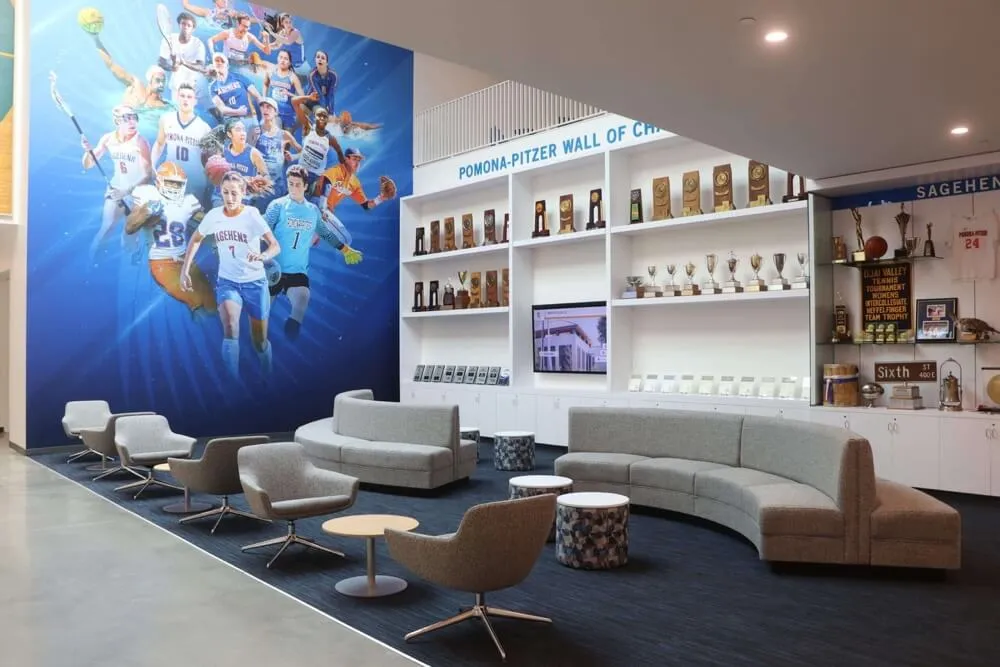
Display Areas and Recognition Walls
Beyond the ceremony area itself, create display spaces where attendees can learn more about honored seniors. Popular display approaches include poster boards for each senior featuring photos and information positioned around the gym, memory tables displaying childhood photos, trophies, and memorabilia, video loops playing continuously showing highlights and photos, and timeline displays showing each senior’s progression through the volleyball program from freshman year through senior season.
These displays give early-arriving fans something engaging to view while creating conversation pieces for families sharing senior stories with friends and community members.
Color Schemes and Themes
Most volleyball senior nights utilize school colors as the primary color scheme, but some programs add creative themes providing additional decoration direction. Popular themes include “Ace Your Future” with graduation and college elements alongside volleyball decor, “Spiking Into Success” incorporating inspirational messages about senior futures, “Setting the Standard” recognizing leadership seniors provided, or “Blocked Shots, Endless Memories” playing on volleyball terminology while emphasizing lasting relationships. Themes should feel genuine to your program rather than forced—simple, elegant decoration in school colors often proves more effective than contrived themes that don’t authentically represent your team culture.
Making Senior Night Personal and Memorable
The most impactful senior nights feel deeply personal rather than generic ceremonies that could apply to any athletes. Several strategies create this personalized experience.
Individualized Recognition
Avoid one-size-fits-all recognition that treats all seniors identically. Instead, craft individual recognition reflecting each athlete’s unique journey and contribution. For each senior, identify their specific strengths and contributions whether statistical achievements, leadership qualities, character demonstrations, team culture contributions, or personal growth throughout their career. Reference specific moments, games, or situations illustrating these qualities rather than making abstract statements about dedication or teamwork that apply generically to any athlete.
This individualized approach requires research and thought but creates recognition where each senior feels genuinely seen and valued for their specific impact rather than receiving formulaic acknowledgment indistinguishable from their teammates’ recognition.
Incorporating Senior Voices
Give seniors opportunities to express their own thoughts and feelings rather than only receiving recognition from others. Approaches for incorporating senior perspectives include allowing brief senior speeches if they’re comfortable speaking publicly, including senior quotes or statements in printed programs, creating video interviews where seniors share reflections, or distributing written letters from seniors to teammates and coaches. Some seniors embrace opportunities to speak publicly while others prefer expressing thoughts through written formats—accommodate different comfort levels while ensuring all senior voices are heard somehow.
Surprise Elements
Carefully planned surprises create memorable moments seniors didn’t anticipate. Effective surprise elements might include video messages from college coaches at schools seniors will attend, appearances from former coaches or graduated players who mentored current seniors, recognition from school administrators making special appearances, presentations of unexpected awards or honors, or involvement from elementary or youth coaches who taught seniors when they began playing volleyball.
Surprises work best when they genuinely connect to specific seniors rather than random attempts at dramatic moments. A brief video message from a college coach personally recruiting one of your seniors creates authentic emotion; contrived surprise elements unconnected to actual relationships feel manipulative rather than meaningful.
Family Recognition
Strong senior night ceremonies honor not just athletes but families who supported their journeys. Beyond simply walking onto the court with seniors, consider additional family recognition including presenting flowers or small gifts to parents, inviting parents to speak briefly if they desire, acknowledging siblings or other family members with special connections to the volleyball program, recognizing family sacrifices like parents who never missed a game or siblings who attended countless matches supporting the team, and creating special photo opportunities ensuring family memories beyond individual senior photos.
This family emphasis acknowledges that volleyball success required family partnership—seniors didn’t achieve independently but succeeded because families invested in their athletic development.

Digital Recognition and Lasting Legacy
While senior night ceremonies create powerful single-evening experiences, thoughtful programs extend recognition beyond that one game through lasting digital recognition.
Social Media Recognition
Strategic social media use amplifies senior night recognition far beyond physical attendees. Effective social media strategies include daily senior spotlights throughout the week before senior night, live posting during the ceremony sharing photos and highlights, photo albums after the event documenting the entire evening, video clips from the ceremony that capture emotional moments, and encouraging community members to share congratulations and memories through dedicated hashtags.
This digital amplification helps seniors feel celebrated by their broader school community beyond just volleyball families attending the game. It also creates shareable content seniors can preserve and revisit in future years.
Video Documentation and Highlights
Professional or high-quality volunteer videography creates lasting records of senior night ceremonies. Beyond filming the event itself, consider producing edited highlight videos that distill the ceremony to its most meaningful moments, individual senior segments that can be shared separately with each family, season highlight reels incorporating senior night coverage, and archive footage preserving the ceremony for program history. These video products become treasured family keepsakes while also serving future program purposes—showing current underclassmen how your program honors its seniors motivates them to earn similar recognition through their own commitment and excellence.
Permanent Digital Recognition Displays
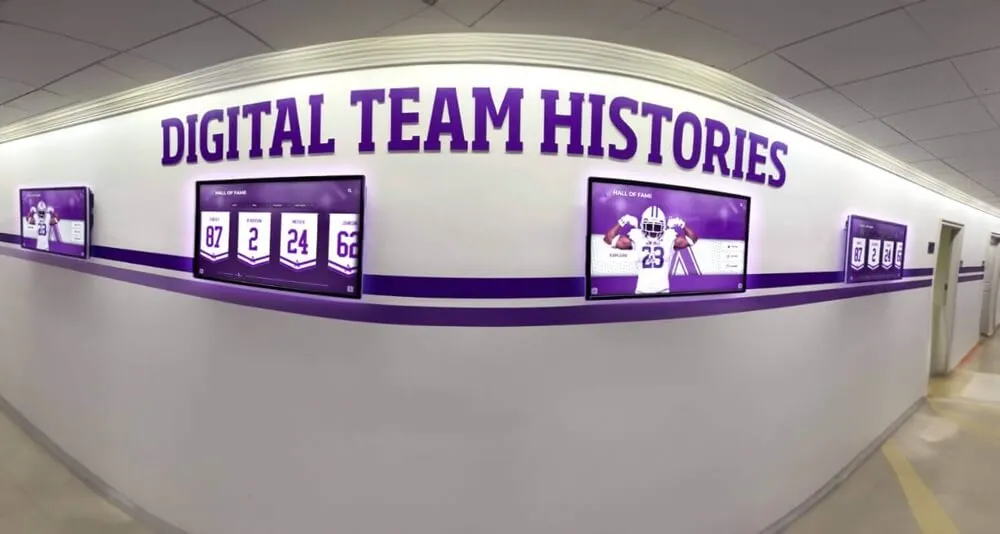
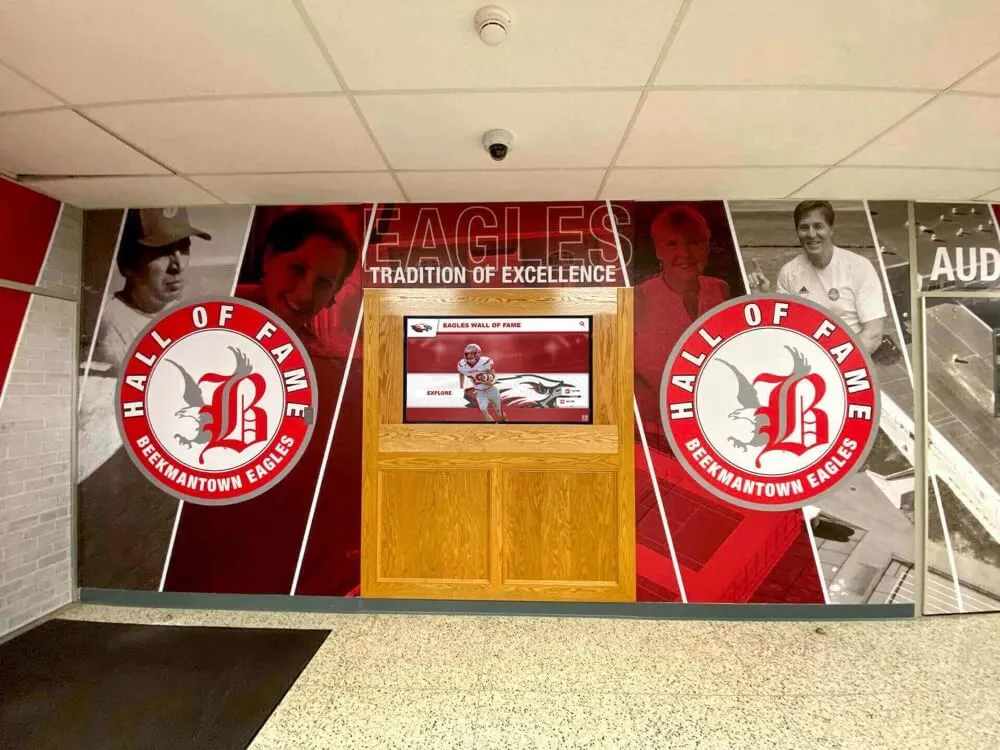
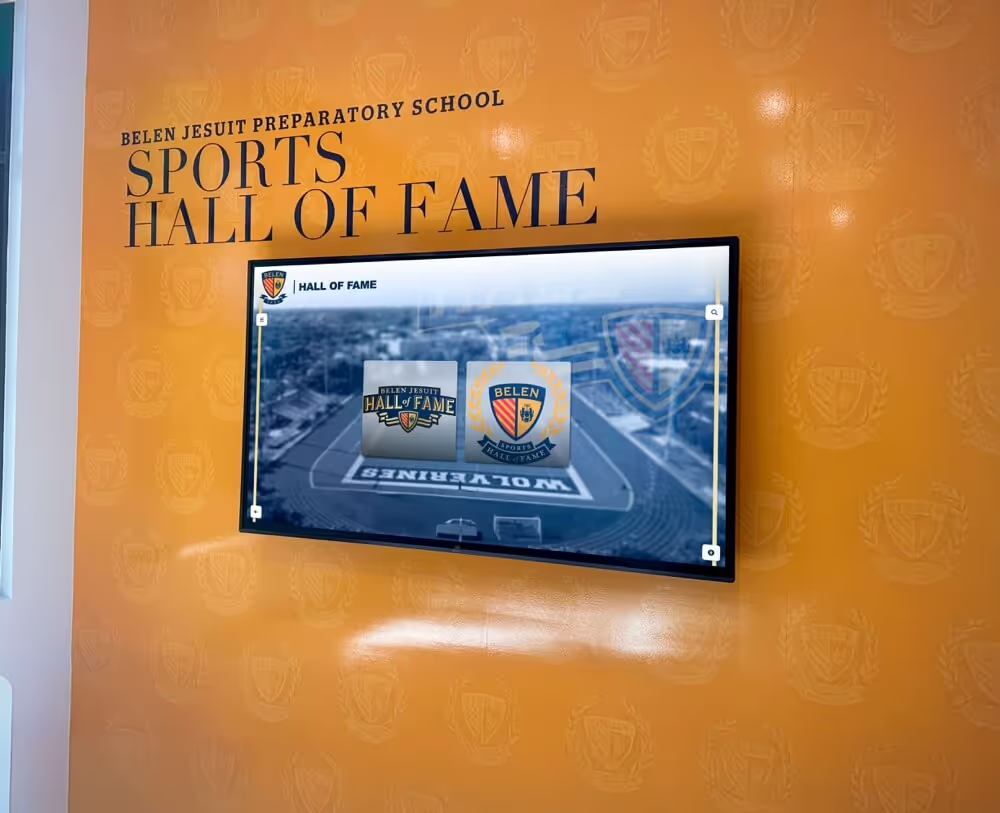
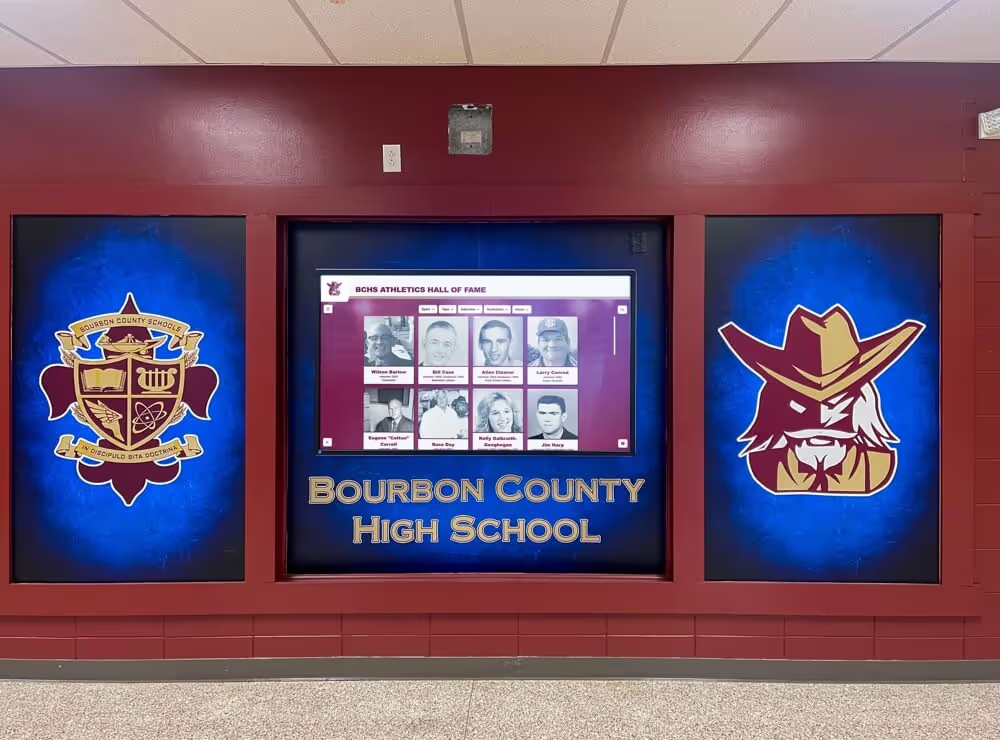
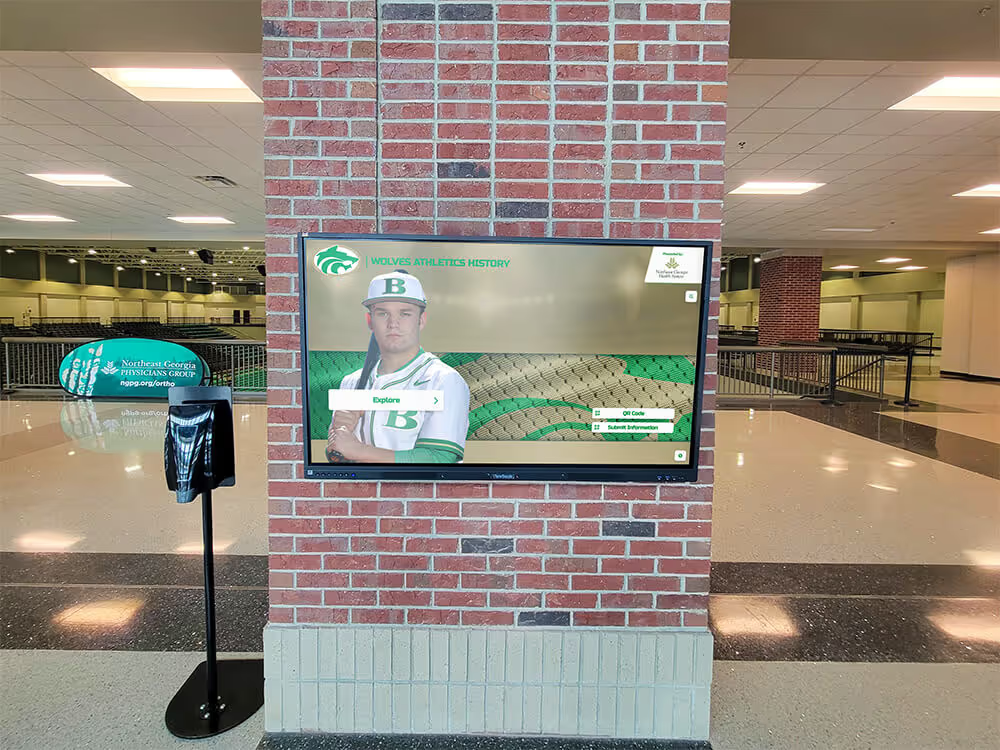
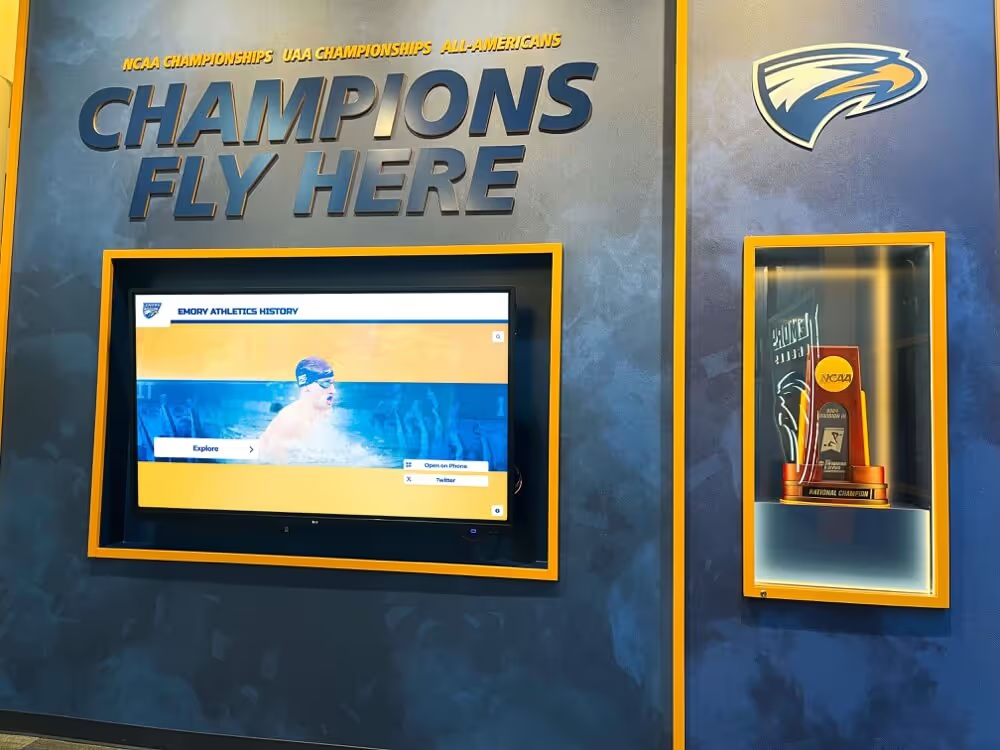
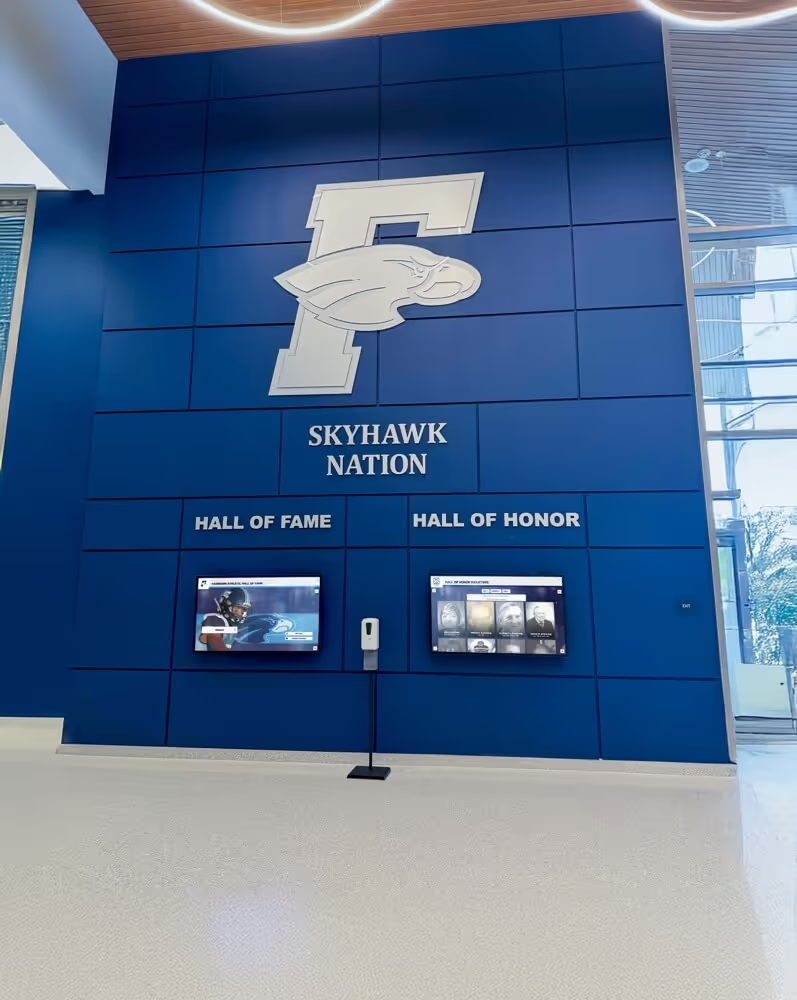
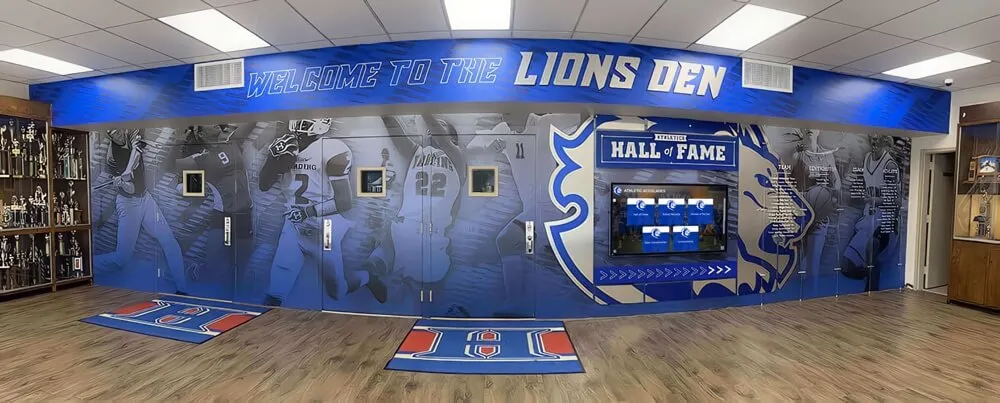
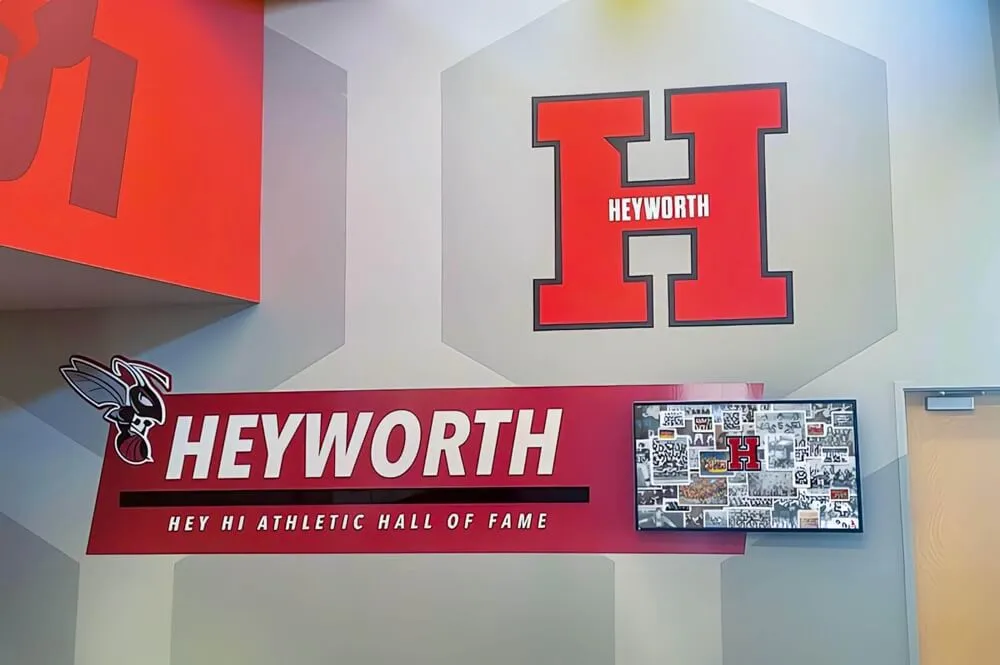
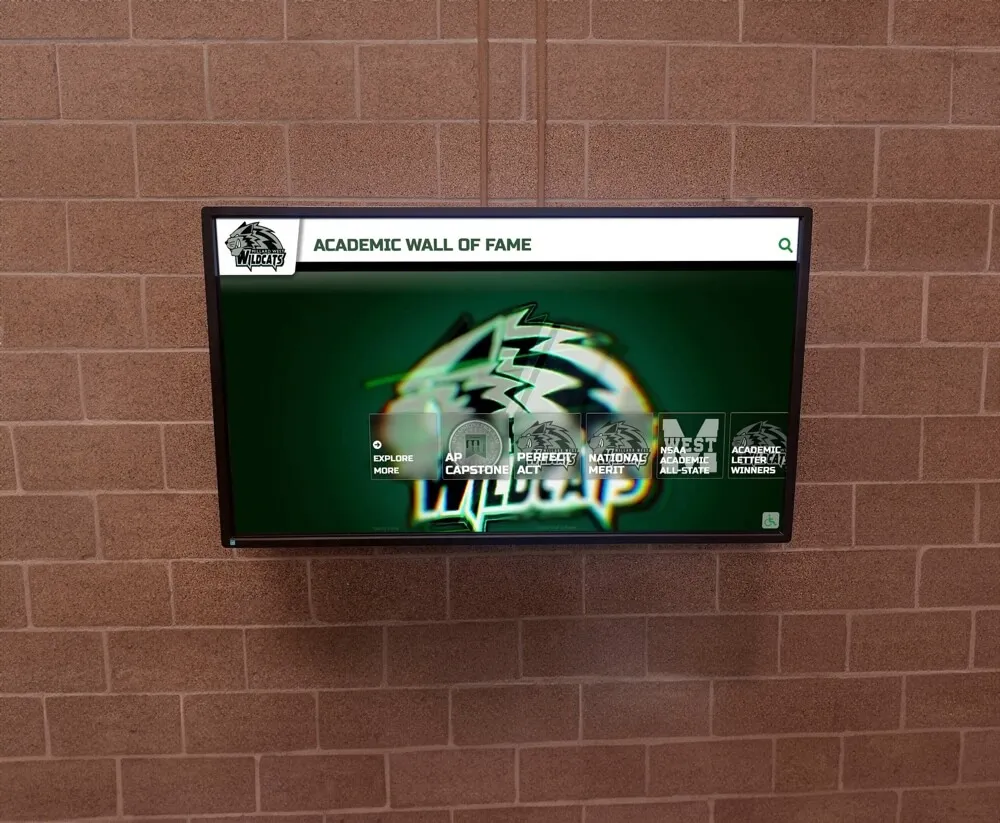
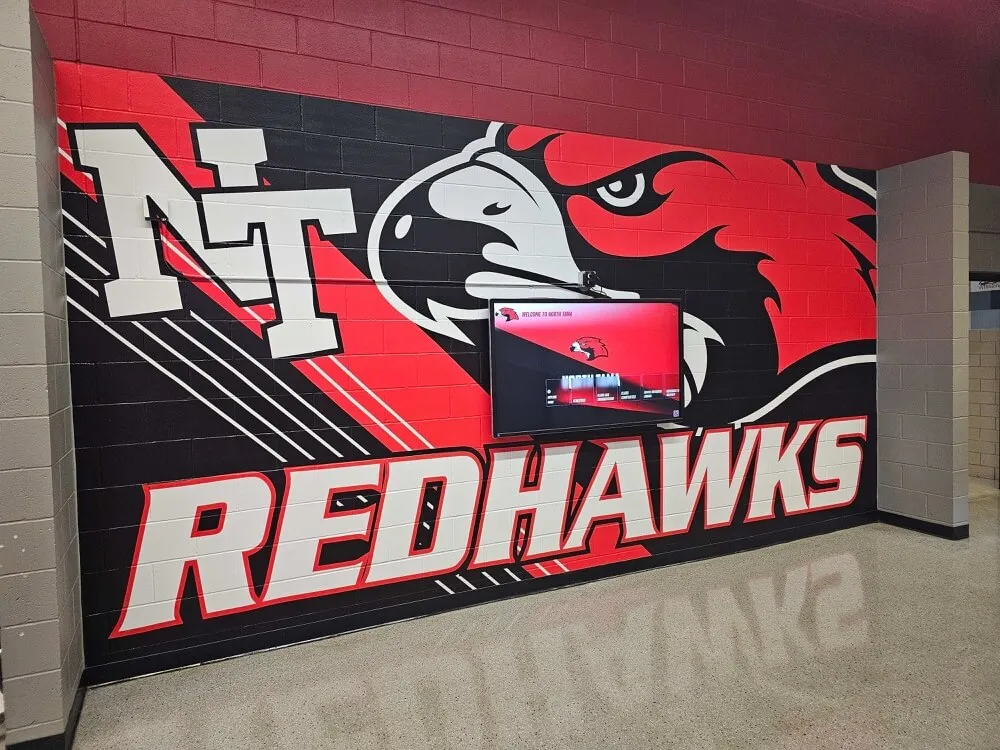
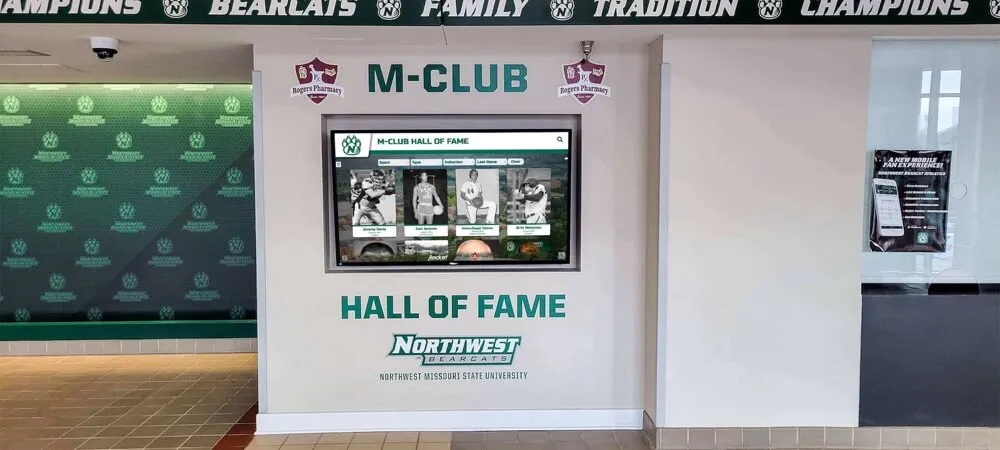
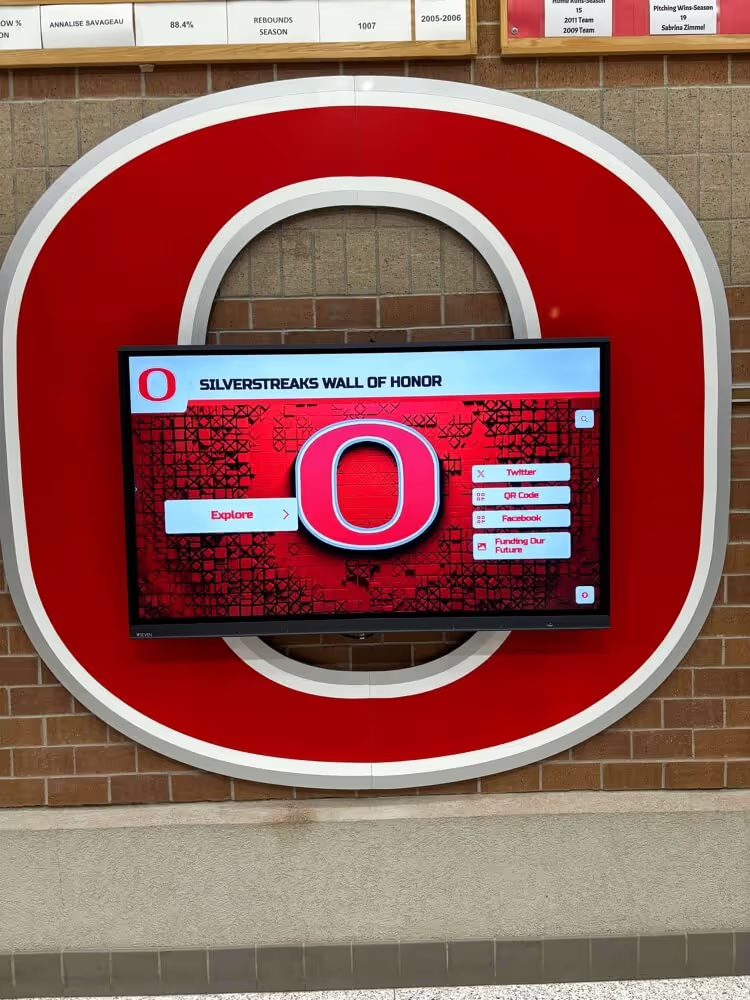
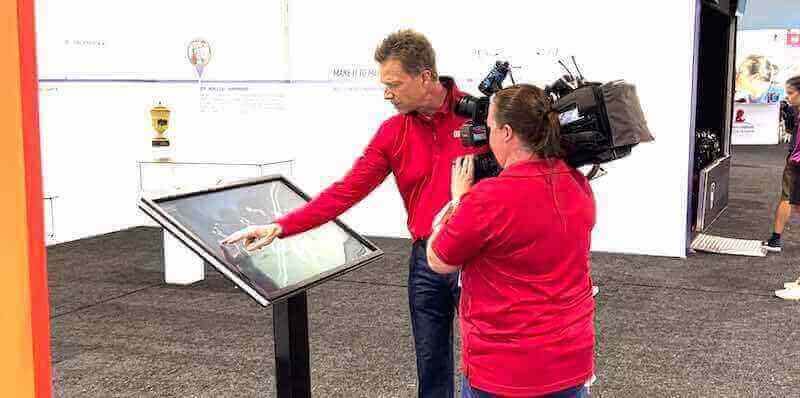
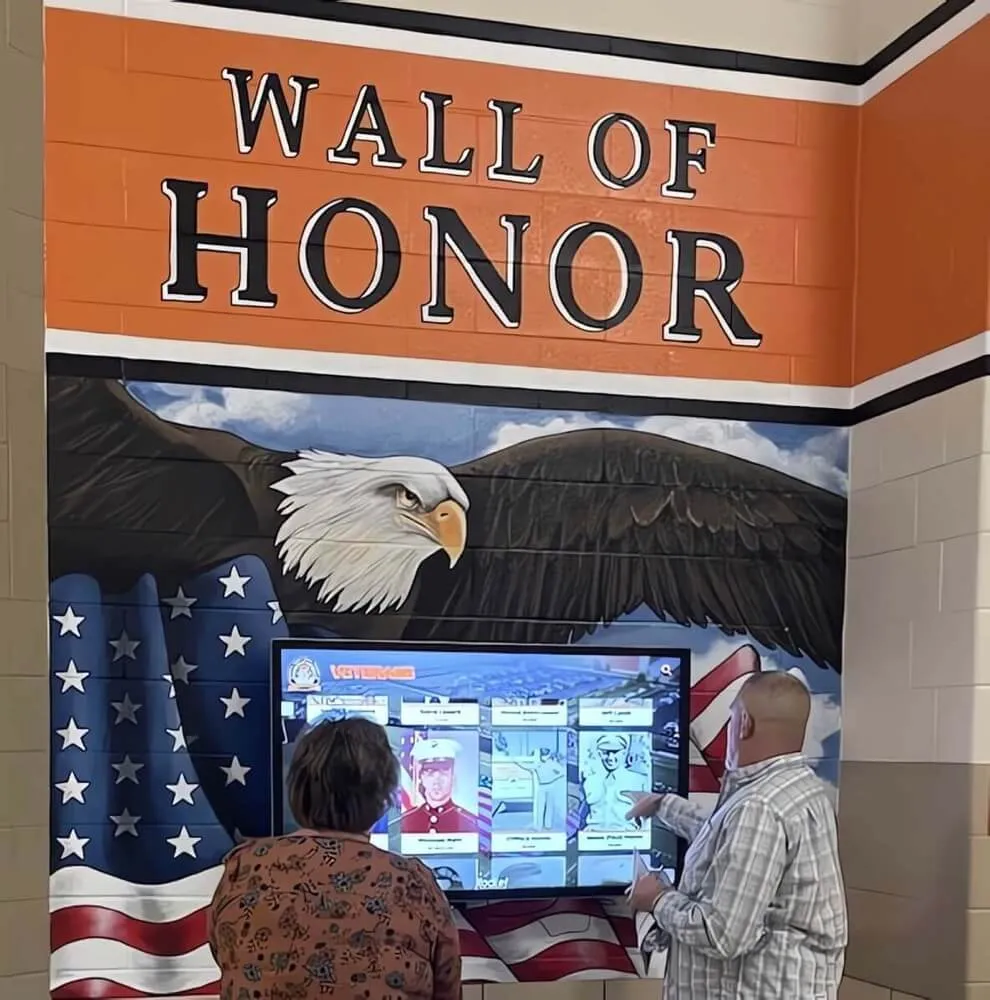
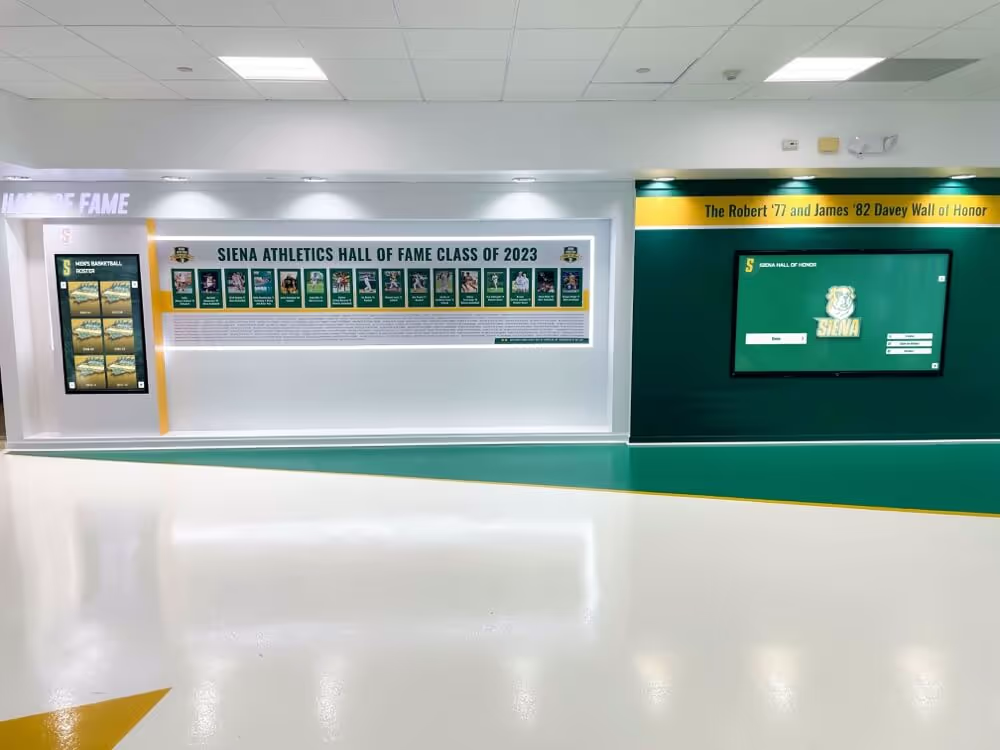
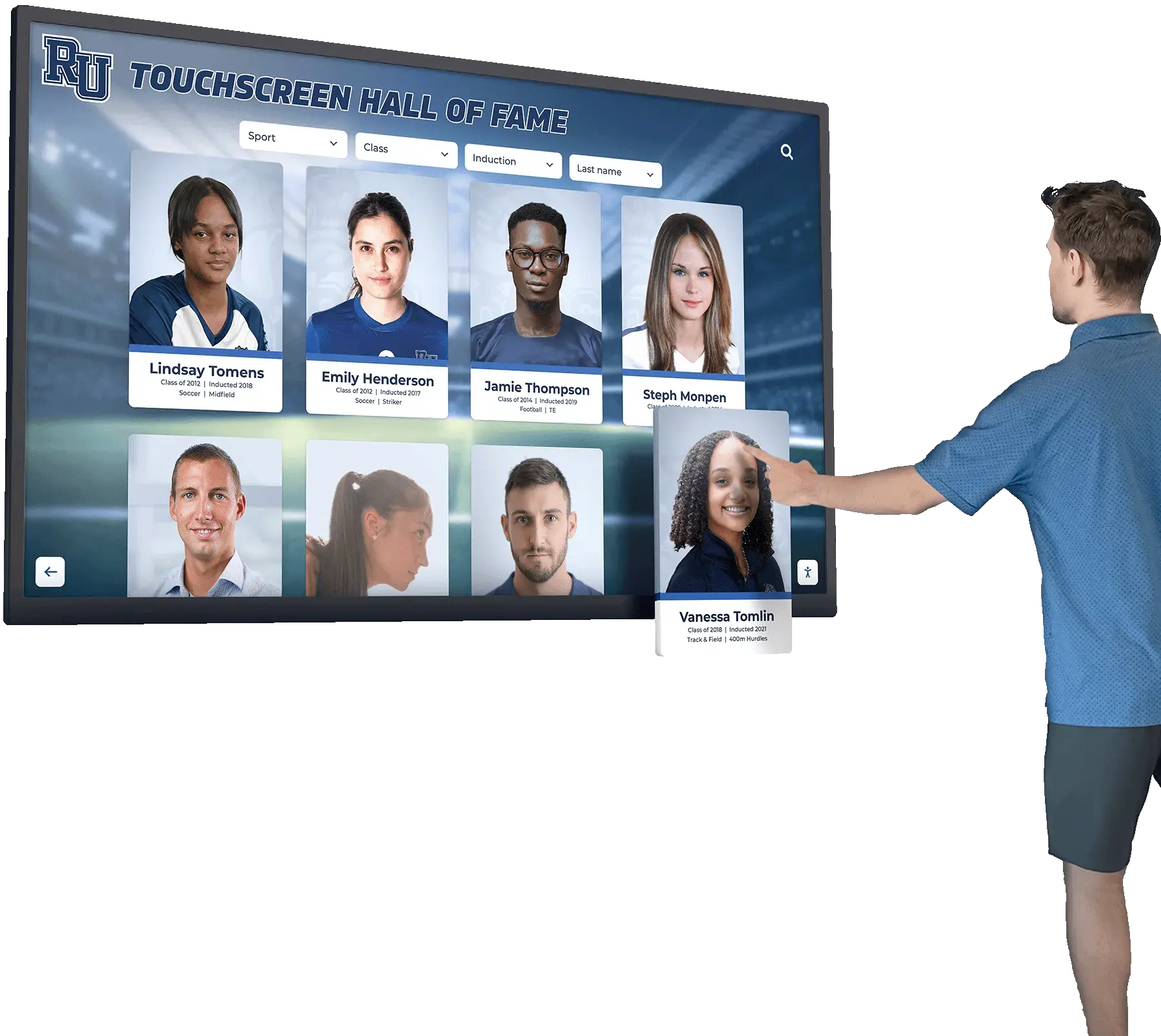
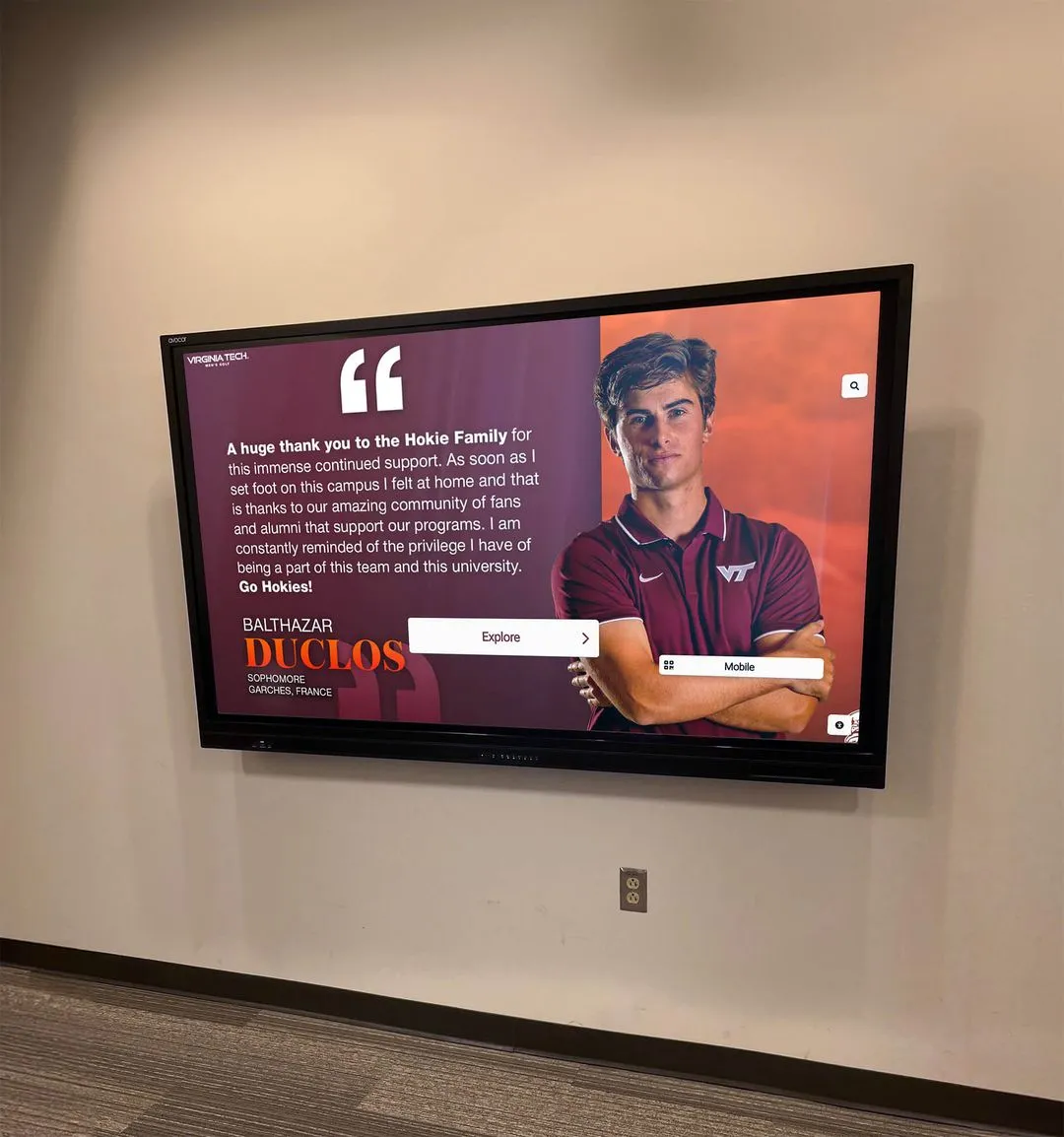
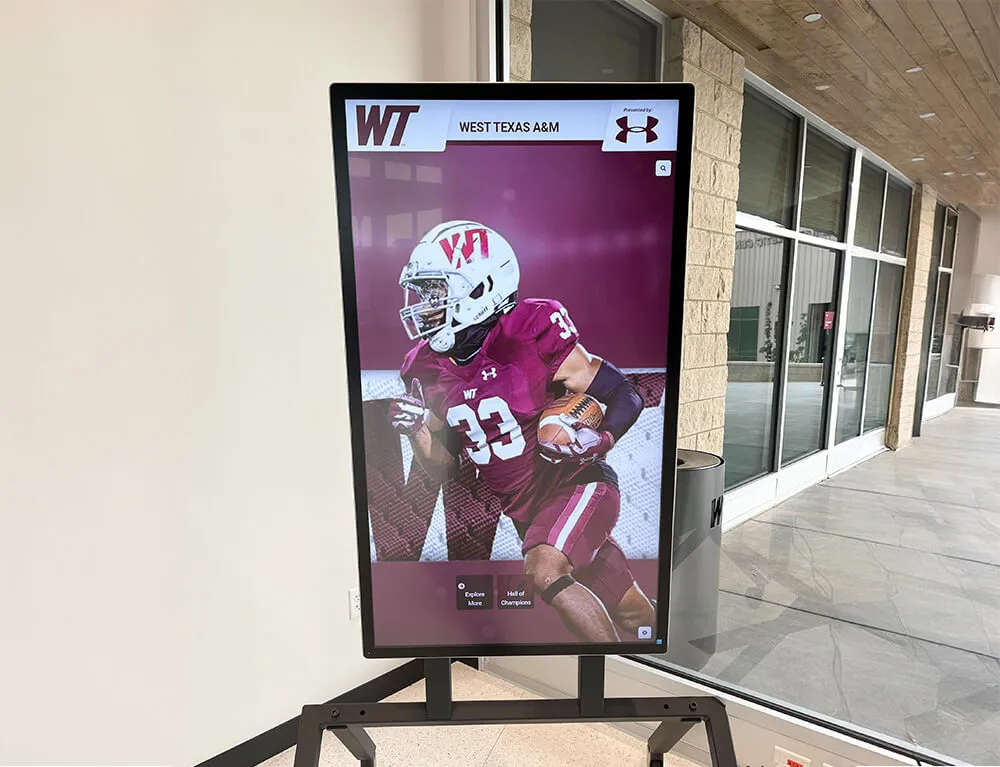
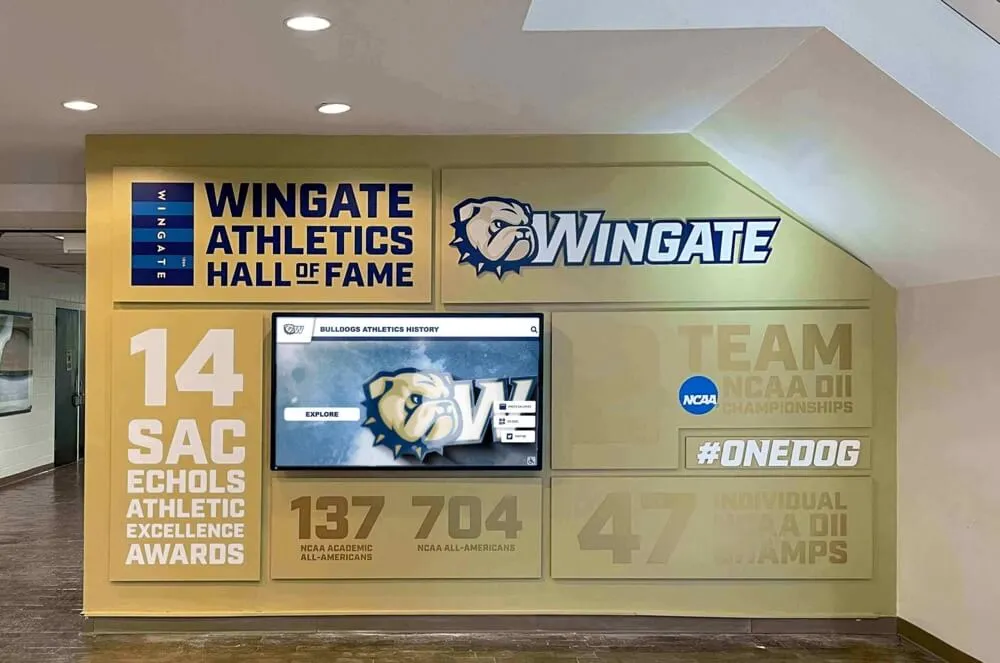
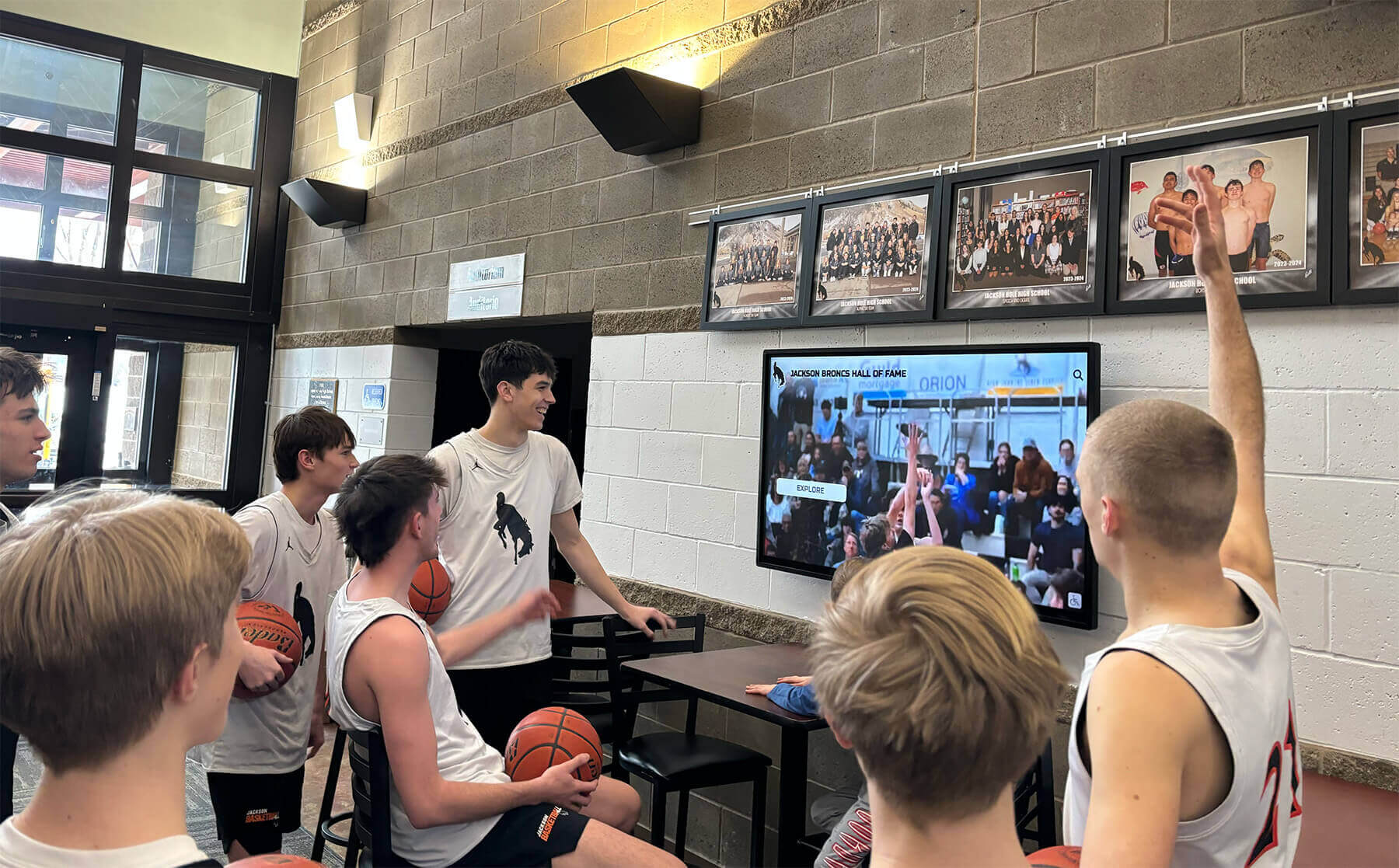
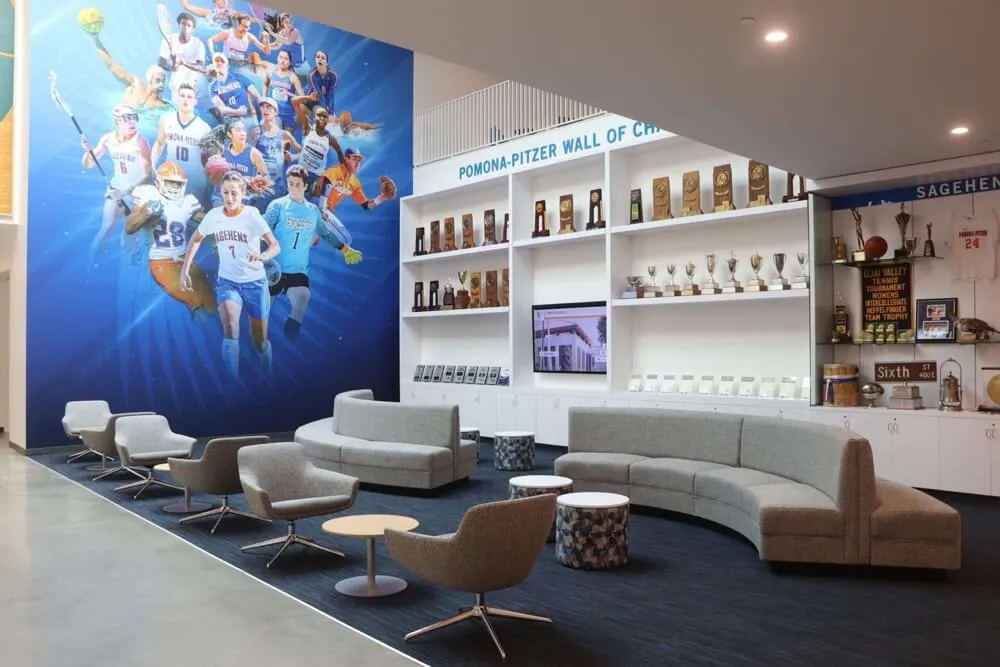
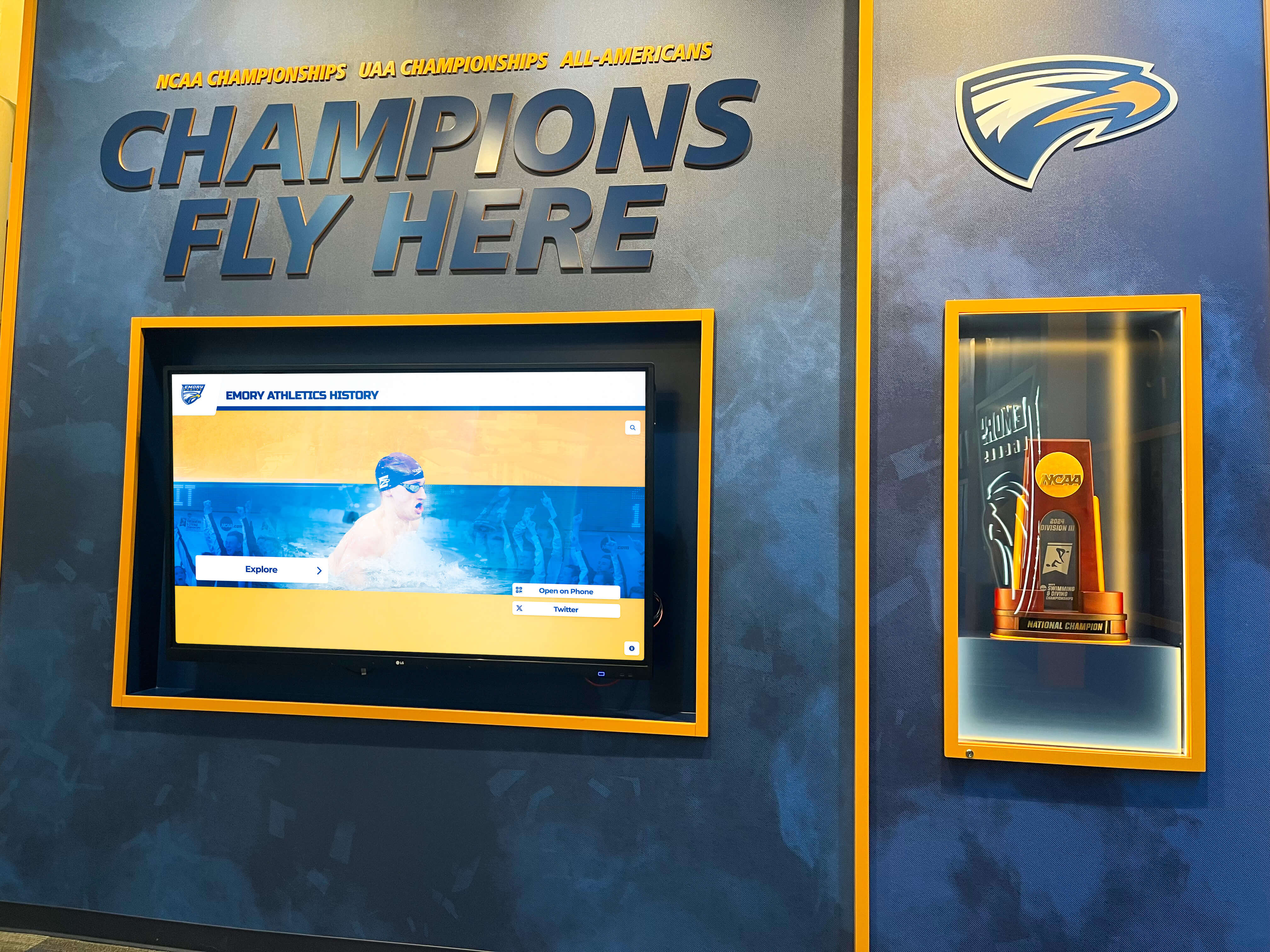
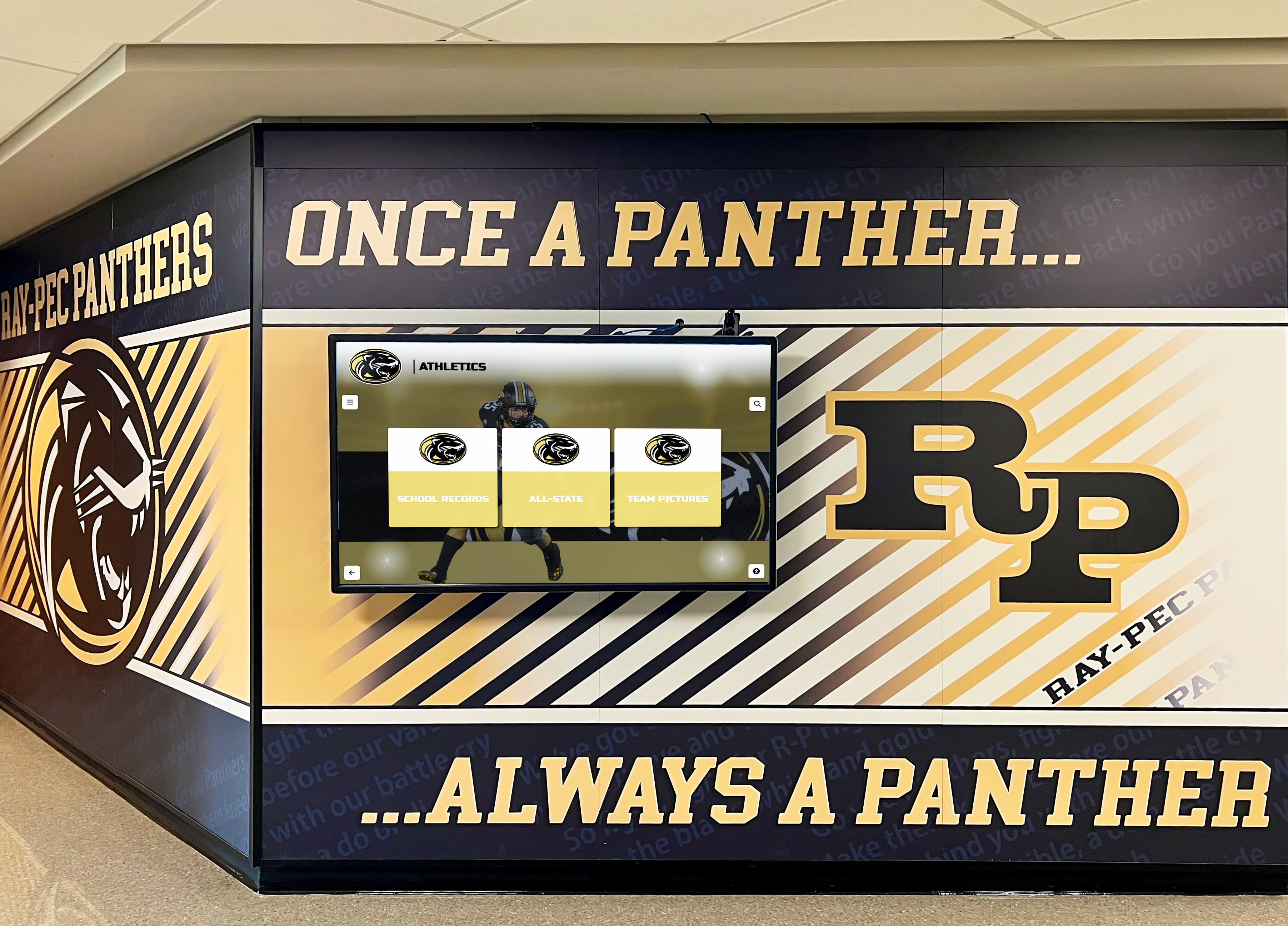
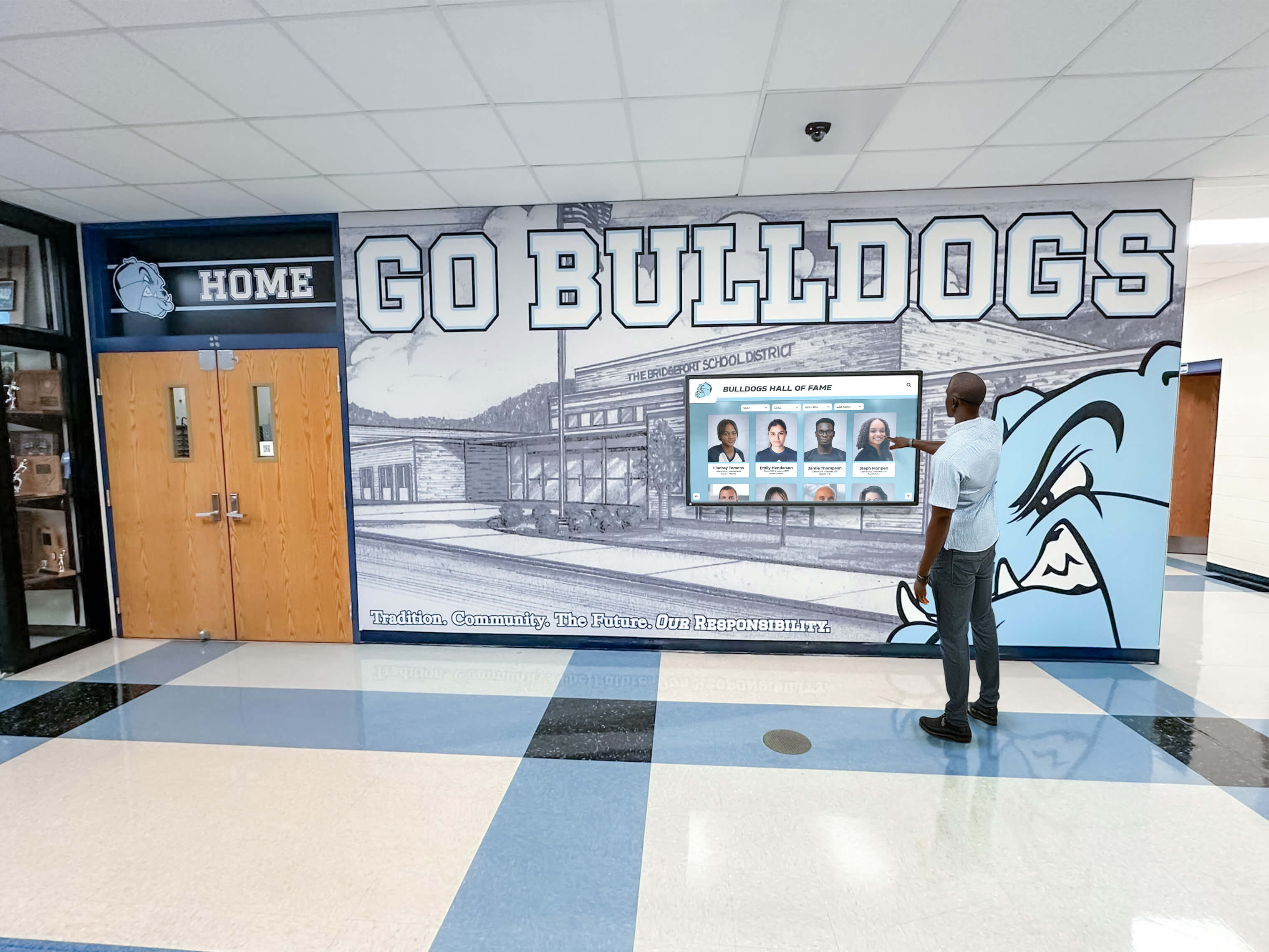
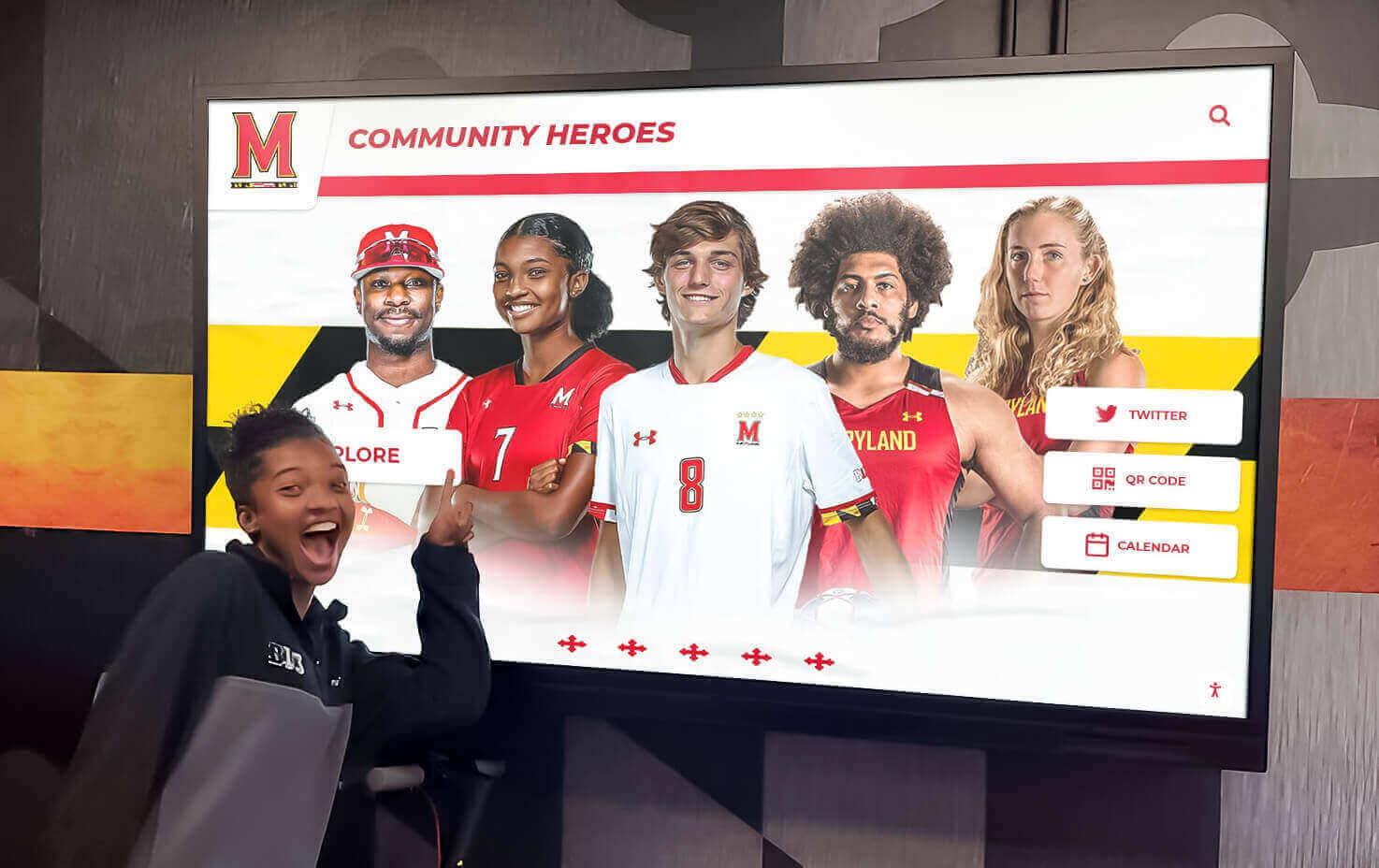
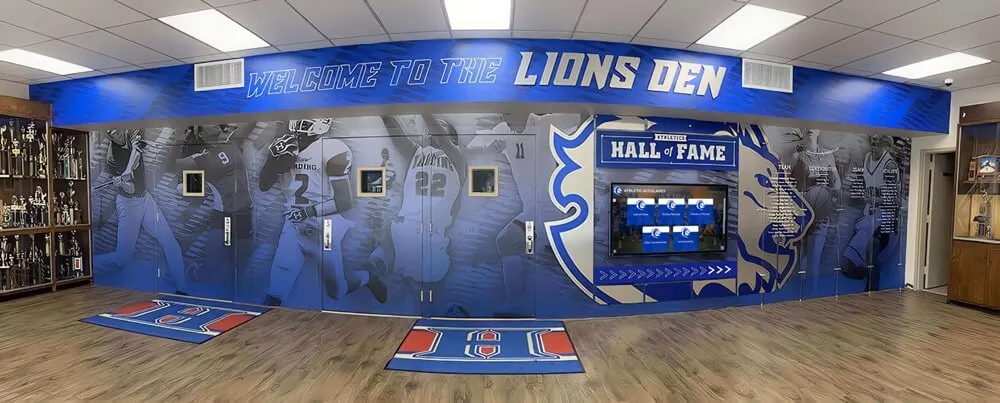
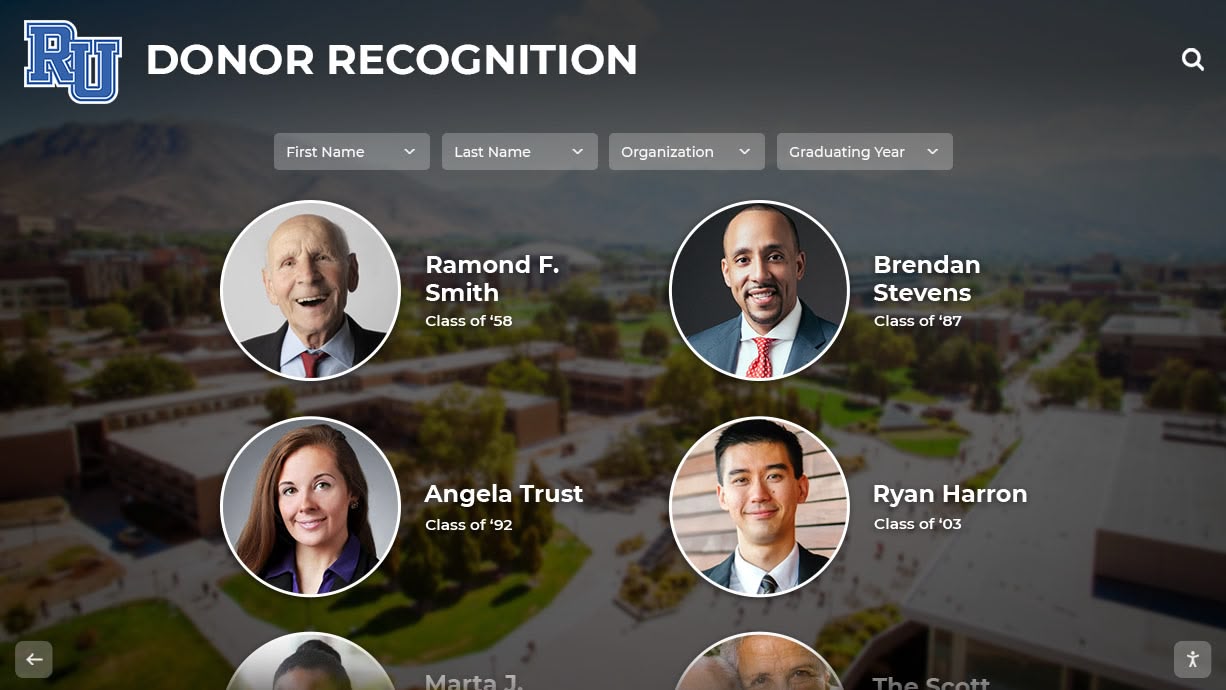
Forward-thinking volleyball programs implement permanent digital recognition systems that honor senior athletes long after their graduation. Modern interactive recognition displays allow programs to showcase comprehensive senior profiles including career statistics and achievements, photo galleries spanning their volleyball careers, video highlights of memorable performances, post-graduation updates about college and careers, and searchable databases allowing future teams and community members to explore program history.
These permanent systems ensure seniors remain visible as valued program alumni rather than being forgotten after graduation. Solutions like Rocket Alumni Solutions provide purpose-built platforms specifically designed for athletic recognition, making it easy for programs to maintain current content while preserving complete historical records. Unlike traditional physical plaques limited by wall space and expensive to update, digital systems accommodate unlimited athletes with instant updates ensuring recognition remains current and comprehensive.
Online Senior Night Programs
Beyond physical printed programs distributed at games, consider creating digital program versions published on team websites or shared via email and social media. Digital programs offer advantages including unlimited length allowing more comprehensive senior profiles, easy sharing enabling broader distribution, permanent accessibility so content doesn’t disappear after one evening, and multimedia integration including videos and photo galleries impossible in printed formats. Many programs create both printed programs for the physical ceremony and enhanced digital versions providing additional content and lasting accessibility.
Post-Senior Night Follow-Up
The senior night ceremony isn’t the end of senior recognition—thoughtful follow-up extends celebration while maintaining senior connections to programs as they transition beyond high school.
Thank You Communications
Prompt gratitude communications strengthen relationships while demonstrating professionalism. Send thank-you notes or messages to senior families expressing appreciation for their participation and years of support, volunteers who contributed to ceremony planning and execution, sponsors or donors who provided financial support for gifts or decorations, and community members who attended showing support for honored seniors.
These acknowledgments matter beyond basic courtesy—they strengthen relationships with families and community members whose continued engagement benefits programs long-term.
Photo and Video Distribution
Ensure all ceremony photos and videos reach appropriate recipients in accessible formats. Distribution strategies include creating shared online albums where families can access and download all photos, providing digital files or prints to each senior family, publishing highlight videos on team websites and social media, and archiving complete documentation for program historical records. This comprehensive distribution ensures memories are preserved and accessible rather than remaining with photographers or buried in coach email accounts.
Maintaining Senior Connections
The strongest programs view graduation not as the end of relationships but as transition to alumni status. Maintain senior connections after graduation by inviting seniors back for future team events and ceremonies, communicating program updates and accomplishments, encouraging seniors to mentor current players, celebrating seniors’ college or career achievements, and incorporating alumni into program legacy displays and recognition systems. These ongoing connections benefit programs through alumni support, mentorship, and positive reputation building while helping graduated athletes maintain meaningful relationships with programs that shaped their development.
Budget-Friendly Senior Night Ideas
Creating meaningful senior night celebrations doesn’t require elaborate budgets. Many impactful elements cost little beyond volunteer time and creativity.
DIY Decoration Approaches
Homemade decorations created by team parents, underclassmen, or even seniors themselves often feel more personal than purchased items. Budget-friendly decoration ideas include poster boards decorated with photos and messages, balloon arrangements in school colors purchased from discount stores, printed banners created using home printers and craft supplies, memory jars where teammates write favorite memories with seniors, and photo displays using existing team photos rather than professional shoots.
The effort and thought invested in creating decorations matters more than their cost—hand-decorated poster boards covered with inside jokes and specific memories mean more to seniors than expensive professional signs with generic messages.
Community Contributions and Sponsorships
Many local businesses willingly support senior night activities through donations or discounted services. Potential community support includes local florists donating or discounting flowers for ceremonies, photography businesses providing free or reduced-rate photo services, restaurants catering post-game receptions at cost, print shops producing programs and posters at reduced rates, and booster club members contributing specific needed items avoiding centralized budget expenses.
Approach potential sponsors with specific requests explaining how their support benefits student-athletes in your community—many businesses appreciate concrete giving opportunities supporting youth programs rather than general sponsorship requests.
Prioritizing Meaningful Over Elaborate
Budget limitations force prioritization—and often this constraint improves rather than harms ceremonies by eliminating excessive elements in favor of fewer meaningful components. When budget is limited, prioritize personalized recognition content over decorations, gifts with personal significance over expensive but generic items, quality photo and video documentation over elaborate staging, and adequate planning time over rushed expensive solutions to preventable problems.
The most meaningful senior nights succeed because they authentically honor specific athletes, not because they featured expensive decorations or elaborate production elements that could apply to any team anywhere.
Common Challenges and Solutions
Even well-planned senior nights encounter predictable obstacles. Preparation for common challenges enables effective responses.
Weather and Scheduling Issues
Outdoor venue concerns don’t apply to volleyball, but scheduling conflicts still arise. If your original senior night date becomes problematic due to playoff qualification changes, school schedule conflicts, or senior family emergencies, maintain flexibility by having contingency dates identified in advance, communicating clearly with all stakeholders about any necessary changes, and being willing to move recognition elements to different games if the originally designated senior night becomes impossible.
The specific game date matters less than ensuring all seniors can participate and feel appropriately honored—don’t sacrifice meaningful recognition by rigidly adhering to a problematic original date.
Balancing Recognition Across Different Senior Situations
Volleyball teams often include seniors with dramatically different program histories—four-year varsity starters alongside seniors who joined the team later or contributed primarily from junior varsity. Create balanced recognition by identifying each senior’s unique contributions regardless of playing time or statistics, ensuring comparable ceremony time and attention for all seniors avoiding hierarchical recognition, framing recognition around character and commitment rather than solely performance metrics, and communicating clearly with seniors and families about ceremony format so everyone knows what to expect.
All seniors deserve recognition commensurate with their commitment and contribution to team culture, even when their athletic achievements differ substantially from teammates.
Managing Emotions and Time Constraints
Senior night ceremonies can become quite emotional, and extended emotional moments can create uncomfortable situations or excessive delays. Manage ceremony emotions and timing through clear advance communication about ceremony length and components, structured format limiting potential for uncontrolled emotional extensions, having tissues readily available while avoiding dwelling on tears, and maintaining forward momentum preventing ceremonies from stalling in emotional moments.
Acknowledge that emotion is natural and appropriate while keeping ceremony moving—seniors appreciate authentic feeling without ceremonies becoming uncomfortably drawn out by uncontrolled displays.
Conclusion: Creating Senior Night Moments That Matter
Volleyball senior night represents far more than a pre-game ceremony—it’s a chance to honor young athletes who dedicated years to your program, demonstrated commitment through countless practices and matches, built relationships with teammates they’ll carry throughout their lives, and contributed to team culture in ways both visible and behind the scenes. These graduating players deserve recognition matching the investment they made in your program, and thoughtful senior night planning ensures they receive that honor.
The most meaningful senior night celebrations share common characteristics regardless of program resources. They recognize each senior individually for their unique contributions rather than providing generic acknowledgment. They involve and thank families who supported athletic journeys. They balance appropriate ceremony with entertaining volleyball competition. They create lasting memories through thoughtful details and personal touches. And they demonstrate that your program genuinely values not just winning but developing complete student-athletes who will carry the lessons learned through volleyball throughout their lives.
Contemporary recognition technology enables programs to extend senior night honor far beyond single ceremonies. Interactive digital recognition displays allow volleyball programs to showcase comprehensive senior profiles year-round in gymnasiums and school common areas, preserve complete program histories honoring all graduates across decades, share achievements with broader school communities beyond volleyball families, and maintain alumni connections as graduated players transition to college and careers. These permanent systems ensure senior night recognition extends beyond one emotional evening into lasting celebration of every athlete who contributed to program success.
Whether your volleyball program honors one senior or fifteen, whether you operate with substantial booster club support or minimal budget, whether you’re planning your first senior night or your twentieth, success lies in authentic recognition that makes each graduating player feel genuinely valued. The specific ceremony format, decoration choices, and celebration details matter far less than the sincerity and thoughtfulness with which you honor athletes who gave their best to your program.
Ready to create lasting recognition extending beyond your volleyball senior night ceremony? Discover how Rocket Alumni Solutions helps high school athletic programs honor graduating athletes through modern digital recognition systems that preserve program history, engage current teams, and maintain connections with alumni long after their senior night celebrations conclude. Create recognition worthy of the athletes who built your program’s tradition of excellence.