Senior night in volleyball marks a bittersweet milestone—the final home game where graduating players step onto the court they've defended for years, surrounded by teammates, coaches, families, and fans who've supported their journey. This single evening compresses years of dedication, early morning practices, championship pursuits, and team bonds into one meaningful celebration that athletes and families remember for decades.
Yet many coaches and athletic directors struggle to create senior night experiences that truly honor these athletes appropriately. Between managing game-day logistics, coordinating families, designing meaningful ceremonies, and ensuring every senior feels genuinely celebrated, the planning challenges can feel overwhelming. This comprehensive guide provides volleyball-specific senior night ideas covering ceremony planning, creative recognition approaches, decoration strategies, and lasting tributes that transform senior night from a standard pre-game ritual into an unforgettable celebration of athletic achievement and personal growth.
Volleyball senior nights carry unique emotional weight within volleyball programs. Unlike sports with dozens of roster spots, volleyball teams typically include 12-18 players, creating tight-knit bonds where each senior represents a significant portion of team leadership and personality. Senior classes often include 3-6 graduating players who’ve anchored positions, mentored younger teammates, and embodied program culture through their high school careers.
These athletes have invested thousands of hours developing skills—perfecting serves, refining sets, mastering defensive reads, and building the court chemistry that makes successful teams function. They’ve sacrificed social events for tournament weekends, managed academic demands alongside athletic commitments, and represented school values through competition. Senior night provides the single most important opportunity to publicly acknowledge these contributions while creating memories that honor their dedication.
Yet senior night planning presents genuine challenges. Coaches must balance celebrating individuals while maintaining team unity before important games. Athletic directors coordinate multiple stakeholder groups—seniors, parents, coaches, teammates, administrators, and community members—each with different expectations about appropriate recognition. Budget constraints, facility limitations, and time restrictions force difficult decisions about which celebration elements to prioritize.
This guide addresses these challenges by presenting comprehensive volleyball senior night ideas organized into practical categories. Whether you’re planning your first senior night or looking to enhance established traditions, you’ll find specific strategies, creative approaches, and proven frameworks that help you design celebrations authentically honoring graduating volleyball players while strengthening program culture for current and future teams.
Planning the Senior Night Ceremony: Timing, Format, and Flow
The ceremony itself provides the centerpiece of senior night recognition, requiring careful planning to balance emotional significance with practical game-day management.
Selecting Optimal Ceremony Timing
When you conduct senior night ceremonies significantly impacts both emotional tone and logistical smoothness.
Pre-Game vs. Mid-Match Timing: Most volleyball programs conduct senior recognition before the match begins, typically 20-30 minutes before scheduled start time. Pre-game timing ensures complete senior and family participation without interrupting competition flow, allows community members who aren’t staying for the full match to attend ceremony components, provides flexibility if ceremonies run longer than planned without affecting match schedules, and creates clear separation between celebration and competition mindsets.
However, some programs conduct recognition between JV and varsity matches or during extended breaks between sets. Mid-match timing can provide larger audiences as fans arrive for varsity competition, creates energy during the event itself rather than before competition begins, and ensures seniors receive recognition while adrenaline and emotion run high. The tradeoff involves potential scheduling complications if earlier matches run long or ceremonies extend beyond planned durations.
Most coaches find pre-game timing reduces stress and allows seniors to fully experience recognition before shifting focus to competition.
Regular Season vs. Playoff Considerations: Ideally, schedule senior night during the final regular season home game, providing appropriate closure before playoff uncertainty. This timing ensures you can plan confidently around a known date and avoid potential conflicts if your team doesn’t host playoff matches. However, if your program regularly hosts early playoff rounds, consider whether playoff senior night provides additional excitement and attendance, though it risks being impossible to plan if you don’t secure home court advantage.
Coordinate carefully with athletic conference schedules—some leagues mandate senior night timing to prevent teams from arbitrarily selecting opponents for senior night matchups. Understanding these requirements early prevents schedule conflicts requiring last-minute adjustments.
Building Adequate Buffer Time: Whatever timing you select, build substantial buffer periods around ceremonies. Families running late, emotional moments extending longer than planned, technical difficulties with audio-visual equipment, and unexpected circumstances regularly disrupt tight schedules. Plan ceremonies assuming they’ll require 15-20% more time than your outline suggests, and communicate realistic timelines to all participants preventing rushed, perfunctory recognition that diminishes the experience’s emotional significance.
Designing Meaningful Ceremony Formats
The specific recognition format determines how personal and memorable the experience feels for seniors and families.
Traditional Senior Walks: The classic approach involves seniors walking across the court accompanied by parents or family members while an announcer reads their achievements. Effective implementation includes preparing detailed biographical information for each senior covering years of participation, positions played, key accomplishments, memorable moments, post-graduation plans, and personal characteristics teammates appreciate. Announcer scripts should reflect each senior’s unique personality rather than using identical templates for all athletes.
Consider whether seniors walk individually with full introductions, or groups enter together with individual recognition happening in formation on the court. Individual walks provide more personal attention but extend ceremony duration, while group introductions maintain ceremony flow while potentially making some seniors feel less individually celebrated.
Family Recognition Components: Many volleyball programs specifically honor families who’ve supported athletes throughout their careers. This recognition might include parents, siblings, grandparents, or other significant family members joining seniors on court. Consider presenting parents with flowers, commemorative gifts, or thank-you cards signed by coaching staff acknowledging their support. Public recognition of family sacrifices—driving to tournaments, attending matches, supporting through injuries and disappointments—creates emotional moments that families deeply appreciate.
Some programs ask family members to write brief letters to their seniors that coaches read during introductions, or pre-record video messages from family members who cannot attend. These personal touches transform standard introductions into genuine celebrations of the relationships supporting athletic achievement.
Teammate Participation and Tributes: Including underclassmen in senior recognition strengthens team bonds while allowing younger players to publicly express gratitude to seniors who’ve mentored them. Consider having juniors present gifts to seniors, having captains or team representatives share brief remarks about each senior’s impact on program culture, creating video montages featuring teammate interviews and favorite memories, or organizing team-wide formations spelling out meaningful words or creating photo opportunities.
These elements communicate that recognition extends beyond adult acknowledgment—teammates genuinely appreciate the leadership and friendship graduating seniors provided.
Coach Remarks and Personal Reflections: Head coaches should prepare individualized remarks about each senior rather than generic statements applicable to any athlete. Effective coach recognition includes specific examples of dedication, improvement, leadership, or character; memorable moments that capture each senior’s personality or impact; acknowledgment of challenges overcome and growth demonstrated; articulation of what makes each senior irreplaceable; and genuine emotion showing personal investment in each athlete’s development.
Brief, sincere, personalized remarks create far more impact than lengthy generic speeches. Focus on what makes each senior unique rather than attempting comprehensive career summaries that become repetitive across multiple players.
Senior Speeches and Reflections: Some programs invite seniors to address the team, fans, and community during ceremonies. Optional senior speeches provide opportunities for athletes to thank coaches, parents, teammates, and supporters; share favorite memories from their volleyball careers; offer advice to younger teammates; express what the program has meant to them; and acknowledge the personal growth athletics facilitated.
If including senior speeches, clearly communicate time expectations—brief, heartfelt comments create emotional moments, while excessively long speeches lose audience engagement and extend ceremonies beyond comfortable durations. Not all athletes feel comfortable public speaking, so make speeches entirely optional rather than creating pressure for reluctant speakers.
Managing Ceremony Logistics and Technical Elements
Behind meaningful recognition lies substantial logistical coordination ensuring smooth execution.
Audio-Visual Requirements: Effective ceremonies require reliable sound systems ensuring everyone hears introductions, microphone management allowing smooth transitions between speakers, photo or video presentations displayed on scoreboards or screens, appropriate music selections creating emotional atmosphere, and technical support personnel managing equipment during ceremonies.
Test all audio-visual equipment well before ceremony start, identify backup plans for technical failures, and ensure presenters understand microphone operation and hand-off procedures. Nothing disrupts emotional moments faster than feedback, dead microphones, or fumbled technology.
Photographer and Videographer Coordination: Professional or volunteer photographers should capture individual senior portraits with families, full-team photos with graduating seniors, candid emotional moments during recognition, and complete video documentation for program archives. Coordinate photographer positioning ensuring they capture key moments without blocking audience views, and establish whether photo opportunities happen during ceremonies or in scheduled pre-ceremony sessions allowing smoother ceremony flow.
Many families independently hire photographers or videographers. Coordinate these private services with official photographers preventing conflicts and ensuring everyone captures needed shots.
Program Materials and Keepsakes: Consider providing printed programs to attendees including senior biographies and photos, season statistics and team achievements, thank-you messages to supporters and volunteers, and future match schedules. Quality programs become keepsakes families preserve for years while providing context helping community members appreciate each senior’s contributions. Digital versions shared via social media extend reach to those unable to attend in person.
Creative Decoration and Atmosphere Ideas
Thoughtful decorations transform standard gymnasiums into special venues worthy of senior night significance while creating visual backdrops making photos and memories more meaningful.
Creating Photo-Worthy Backdrops
Dedicated photo opportunities provide lasting memories while ensuring quality images capturing the evening.
Balloon Arches and Installations: Balloon decorations in school and team colors create impressive visual impact at relatively modest cost. Consider entrance archways seniors and families walk through upon arriving, backdrops for formal family photos before or after ceremonies, photo booths with volleyball-themed props and team branding, and court-side installations framing the ceremony space. Quality balloon installations require either professional services or dedicated volunteers with balloon arch experience—amateur attempts often produce disappointing results despite substantial effort.
Custom Banners and Signage: Personalized banners celebrating each senior provide both decoration and meaningful keepsakes families often request taking home after ceremonies. Banner designs might include action photos of seniors during competition, career statistics and achievements, inspirational quotes or personal mottos, team colors and school branding, and signatures or messages from teammates and coaches.
Position these banners prominently during ceremonies, then present them to seniors as gifts they can display in bedrooms, dorm rooms, or future homes. Digital displays can showcase dynamic slideshows of senior photos and achievements throughout the evening, complementing physical decorations with multimedia presentations.
Poster Boards and Timeline Displays: Create visual timelines documenting each senior’s volleyball journey from freshman year through present. Include photos from various seasons, statistics showing improvement over time, memorable moments and achievements, and candid photos showing personality and friendships. Position these display boards in lobby areas where families and fans gather before ceremonies, creating opportunities for reminiscing and conversation.
Alternatively, provide large poster boards where teammates, coaches, and supporters write messages, share memories, and express appreciation. These collaborative posters become cherished keepsakes capturing community sentiment in ways formal recognition programs cannot.
Special Court Decorations: Transform the court itself through creative decorations including name decals or floor graphics at seniors’ primary positions, special court lighting or colored lighting effects, ribbon or fabric decorations hanging from basketball hoops or ceiling fixtures, rose petals or confetti (if facility rules permit) creating elegant atmosphere, and designated senior seating areas decorated distinctively.
Ensure any court decorations maintain player safety—avoid anything that could create slipping hazards or interfere with ball visibility during subsequent competition.
Managing Team Colors and Branding
Consistent visual identity creates polished, professional atmosphere demonstrating program pride.
Coordinated Color Schemes: Establish whether decorations, senior gifts, and ceremony elements will emphasize school colors, volleyball-specific team colors, or special senior night colors. Consistency across all visual elements creates more sophisticated appearance than mixed, random color combinations. Communicate color expectations to families if they’re providing decorations or gift items, ensuring visual coherence throughout the venue.
School and Program Branding: Incorporate school logos, volleyball program branding, and mascot imagery throughout decorations creating clear association with institutional identity. This branding helps ceremony photos clearly identify your program while reinforcing the connection between individual senior achievements and broader school and team success.
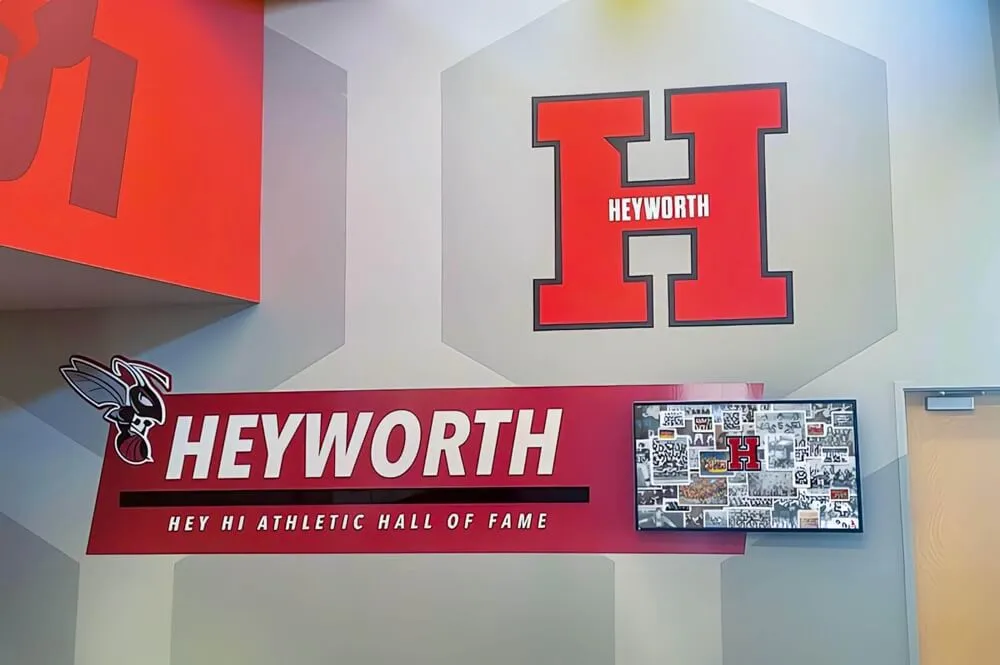
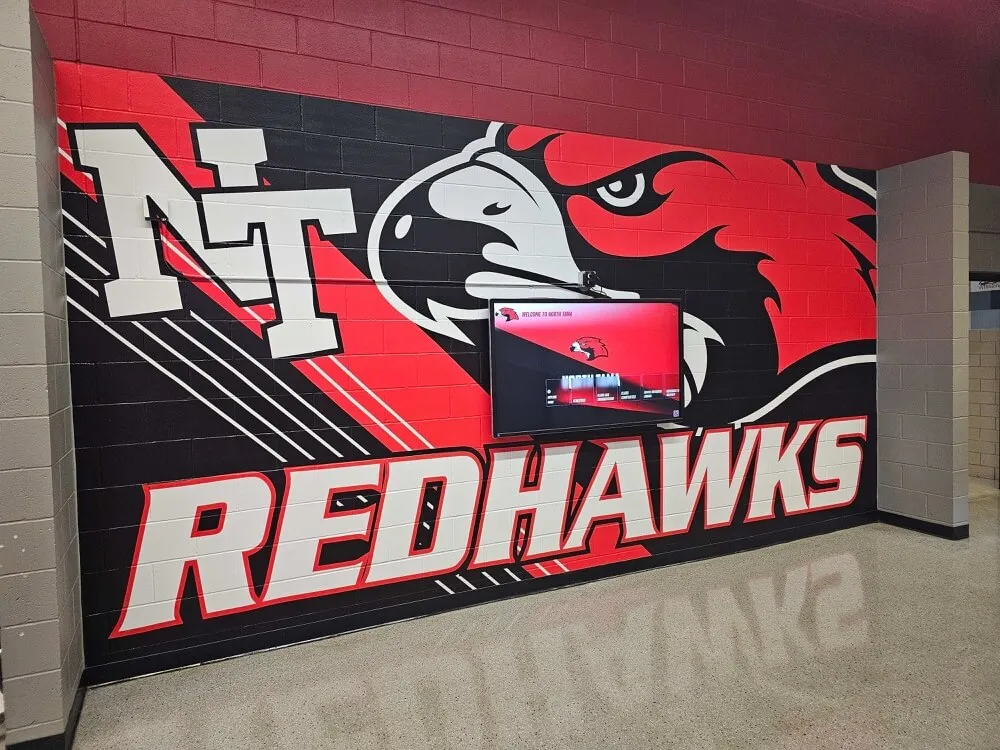
Custom athletic recognition displays featuring school branding provide lasting visibility for senior achievements long after senior night concludes, ensuring recognition extends beyond a single evening ceremony.
Creating Emotional Atmosphere Through Music and Multimedia
Carefully selected music and video presentations significantly impact ceremony emotional resonance.
Music Selection Strategies: Background music during senior walks should reflect appropriate emotional tone—celebratory yet respectful, energetic without being distracting. Consider whether each senior selects personal walk-out music reflecting individual personality, or program-wide music selection maintains consistent ceremony tone. If seniors choose individual music, establish clear guidelines about appropriate content and length, and require advance approval preventing last-minute inappropriate selections.
Pre-ceremony music while attendees gather sets atmosphere—upbeat school fight songs or popular music seniors have associated with team experiences builds energy without overwhelming conversation. Post-ceremony transition music should shift mood from celebration to competition focus.
Video Tributes and Highlight Reels: Professional or volunteer-produced videos showcasing senior careers create powerful emotional moments while providing lasting keepsakes. Effective tribute videos include action footage from matches across multiple seasons, candid photos showing team bonding and off-court moments, interviews with seniors reflecting on their experiences, teammate testimonials and shared memories, family photos from younger ages showing athletic journeys, and music selections meaningful to seniors or team culture.
Video production requires substantial advance planning—gathering footage, conducting interviews, editing, and finalizing content takes weeks even with experienced editors. Start video projects at least 4-6 weeks before senior night, and establish clear deadlines ensuring completion despite inevitable delays.
Display videos on gymnasium scoreboards, projector screens, or large monitors positioned for maximum visibility. Consider whether one comprehensive team video recognizes all seniors together, or individual tribute videos personalize recognition for each athlete.
Meaningful Gifts and Keepsakes for Graduating Seniors
Physical gifts provide tangible remembrances of volleyball careers and senior night recognition, though the most meaningful options often prove more personal than expensive.
Traditional Team Gifts
Standard volleyball senior gifts have become program staples because athletes genuinely value them.
Framed Jerseys and Memorabilia: Professionally framed jerseys create display-worthy keepsakes commemorating athletic careers. Consider framing game-worn jerseys with senior’s name and number, incorporating team photos or action shots within frame layouts, adding engraved plaques with career statistics and achievements, or including signatures from coaches and teammates. Quality framing represents significant per-senior investment ($100-$300) but produces impressive results families proudly display in homes for decades.
Alternatively, present unframed jerseys in gift boxes or garment bags—families can choose their own framing to match home décor while you reduce costs. Ensure jerseys are cleaned and pressed before presentation, demonstrating care and respect for the keepsake.
Personalized Apparel and Accessories: Custom apparel commemorating senior status provides wearable recognition athletes use regularly. Options include letter jackets or varsity jackets (premium investment generating long-term value), senior-specific warm-up gear or practice apparel, custom hoodies or t-shirts with senior names and numbers, personalized athletic bags or backpacks, or embroidered blankets or towels.
For group apparel gifts, survey seniors about sizes well in advance and order through reputable vendors allowing adequate production time. Last-minute orders risk poor quality or missed deadlines causing embarrassing delays.
Engraved Awards and Plaques: Formal engraved recognition provides traditional tributes acknowledging achievements. Consider crystal or glass awards with volleyball-specific shapes, wooden plaques with mounted metal nameplates, engraved photo frames featuring senior portraits, or custom trophies with personalized messaging. Include specific language referencing individual achievements rather than generic “Senior Award” templates—personalization dramatically increases perceived value and meaning.
Work with quality engraving services providing professional results. Cheap, poorly executed engraving diminishes perceived value regardless of item quality. Allow several weeks for production since custom engraving requires substantial lead time.
Creative and Personal Gift Ideas
Non-traditional gifts often create more meaningful impact by acknowledging individual personalities and experiences.
Memory Books and Scrapbooks: Compiled photo books documenting each senior’s volleyball journey create personalized keepsakes families treasure. Include freshman year photos through senior season, candid team bonding moments and travel photos, statistics and achievement milestones, quotes and inside jokes from teammates, and notes or letters from coaches, teammates, and supporters.
Creating individual memory books requires substantial volunteer effort or professional services, but the emotional impact far exceeds cost. Alternatively, provide high-quality albums or scrapbooks with some pre-populated content and space for families to add personal materials.
Video Compilation Gifts: Beyond ceremony presentations, provide seniors with personal copies of video tributes on flash drives or via download links they can share with family and preserve permanently. Include not just ceremony videos but also game footage highlights, interviews and testimonials, behind-the-scenes team moments, and special messages from coaches or teammates. Digital video files cost nothing to duplicate but provide tremendous lasting value.
Personalized Jewelry and Accessories: Custom jewelry commemorating volleyball careers appeals particularly to many senior athletes. Options include engraved bracelets or necklaces with team mottos or personal messages, charm bracelets with volleyball-specific charms and personalized elements, custom rings with school emblems or volleyball imagery, or engraved keychains or accessories with meaningful dates or phrases.
Jewelry provides daily wearability allowing seniors to carry athletic memories forward into college and careers in ways larger items cannot.
Team-Signed Memorabilia: Items bearing signatures and messages from entire teams create collaborative keepsakes impossible to replicate later. Consider volleyballs signed by all teammates and coaches with personal messages, team photos matted with space for signatures around borders, decorative paddles or oars (common in team sports) covered in signatures, or poster boards with photos, statistics, and signed messages from team members.
Schedule signing sessions well before senior night ensuring everyone contributes thoughtfully rather than rushed, generic signatures. Provide permanent markers appropriate to the item being signed—metallic markers on dark surfaces, standard fine-point markers on light materials.
Practical Gifts for the Next Chapter
Consider gifts that acknowledge seniors’ transitions to college, careers, or next life stages.
College or Career Preparation Items: Practical gifts supporting future endeavors demonstrate program investment in seniors beyond athletic contributions. Options include gift cards to college bookstores or local businesses, quality luggage or travel accessories for college-bound students, professional portfolios or accessories for workforce-bound seniors, or school supply packages customized to known college or career plans.
While less sentimentally meaningful than volleyball-specific memorabilia, practical gifts provide real value during major life transitions, and thoughtful selection shows coaching staff attention to individual circumstances and plans.
Program Connections and Network Access: Particularly valuable yet often overlooked is facilitating lasting connection to program networks. Provide contact information directories for senior class and broader program alumni, invitations to future alumni events or program reunions, access to program social media groups or communication channels, and mentorship connections with former players in similar colleges or career fields.
These network connections cost nothing yet provide long-term value as seniors navigate college, career decisions, and adult life. Volleyball programs become lifelong communities when schools facilitate ongoing connection beyond athletic participation.
Engaging Families and Managing Parental Involvement
Parents and families represent critical stakeholders in senior night success, requiring clear communication and thoughtful involvement opportunities.
Coordinating with Senior Families
Early, consistent communication with families prevents misunderstandings and ensures smooth senior night execution.
Information and Expectation Setting: Communicate senior night plans to families at least 6-8 weeks in advance, including ceremony date, time, and format details; who will be recognized alongside seniors (parents, siblings, specific family members); what families should prepare (photos, information, materials); dress codes or attire expectations; and opportunities for family involvement or contribution.
Create detailed information packets or emails addressing common questions, and designate a point person families can contact with concerns or questions. Proactive communication dramatically reduces last-minute confusion and disappointed expectations.
Collecting Senior Information and Materials: Gather information needed for introductions and programs well in advance through standardized forms requesting biographical information and career statistics, favorite memories and meaningful moments, post-graduation plans and future goals, personal quotes or messages, and photos from various seasons and team events.
Establish firm deadlines for information submission—typically 3-4 weeks before senior night—allowing adequate time for program creation, video production, and other ceremony elements requiring submitted materials. Follow up persistently with families missing deadlines, as information gaps create incomplete recognition that disappoints seniors.
Managing Family Financial Expectations: Be transparent about any costs families may incur for professional photos, senior gifts families wish to purchase beyond team-provided items, participation in group gift orders or fundraising, optional elements like senior banners or special decorations, and video or multimedia services if not program-provided.
Clear, early communication about costs prevents surprises and allows families to budget appropriately. Consider establishing team fundraising covering senior night expenses to avoid financial burden on families with limited resources, ensuring equitable participation regardless of economic circumstances.
Involving Parents in Recognition and Ceremonies
Meaningful parental participation creates emotional impact while acknowledging family sacrifices supporting athletic careers.
Parent Processionals and Recognition: Invite parents to walk with seniors during ceremony processionals, creating visual and emotional connections between athletic achievement and family support. Consider providing flowers, small gifts, or thank-you cards to parents during ceremonies, publicly acknowledging the years of driving to practices, tournament travel, encouragement through challenges, and financial investment enabling athletic participation.
Brief remarks from athletic directors or coaches thanking parents collectively for their support and sacrifice resonate deeply with families who’ve dedicated substantial time and resources to supporting volleyball programs.
Optional Parent Remarks or Letters: Some programs invite parents to share brief remarks about their senior athletes during ceremonies. Optional parent speeches provide opportunities to express pride and love publicly, share perspectives on athletic journey and growth, thank coaches and teammates for impact on their children, and create emotionally powerful ceremony moments.
However, public speaking creates anxiety for many parents, and speeches extending beyond 1-2 minutes per family make ceremonies excessively long. Consider alternatives like pre-recorded video messages families submit in advance, written letters read by coaches during introductions, or displayed messages in programs or posters rather than live remarks.
Coordinating with Parent Organizations and Boosters: Athletic booster clubs and parent organizations often lead senior night planning and fundraising. Establish clear roles defining whether program staff or parent organizations handle decoration coordination, gift selection and purchasing, ceremony logistics and technical support, reception planning if post-ceremony events are included, and financial management for senior night budgets.
Successful coordination requires regular communication between coaches, athletic administrators, and parent leadership ensuring aligned expectations and preventing duplicated efforts or missed responsibilities. Written agreements clarifying responsibilities prevent misunderstandings that create conflict or gaps in planning.
Creating Lasting Recognition Beyond Senior Night
While senior night provides important immediate recognition, comprehensive programs extend celebration beyond single ceremonies, creating ongoing visibility for senior achievements.
Physical Recognition and Display Options
Traditional recognition methods provide lasting presence in athletic facilities.
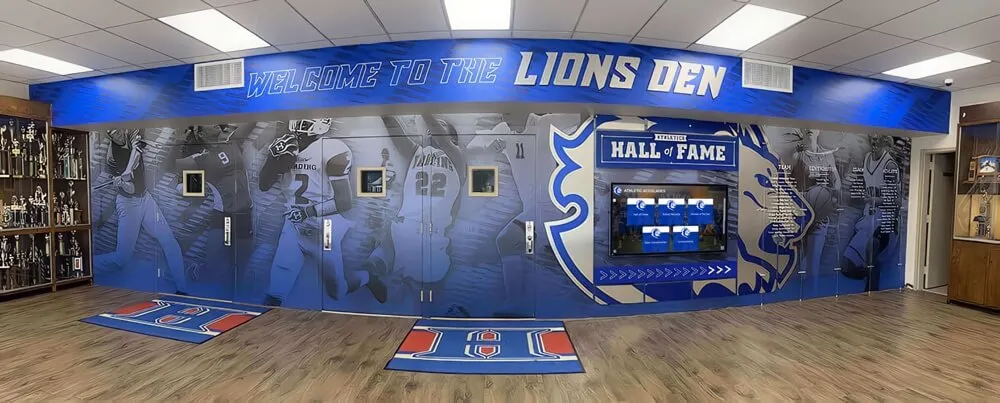
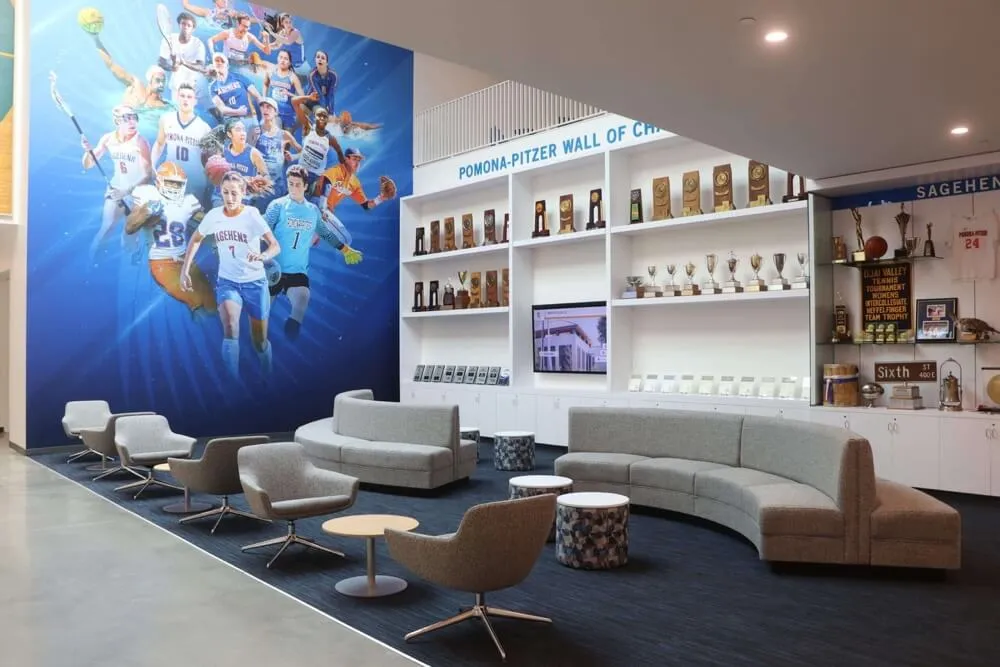
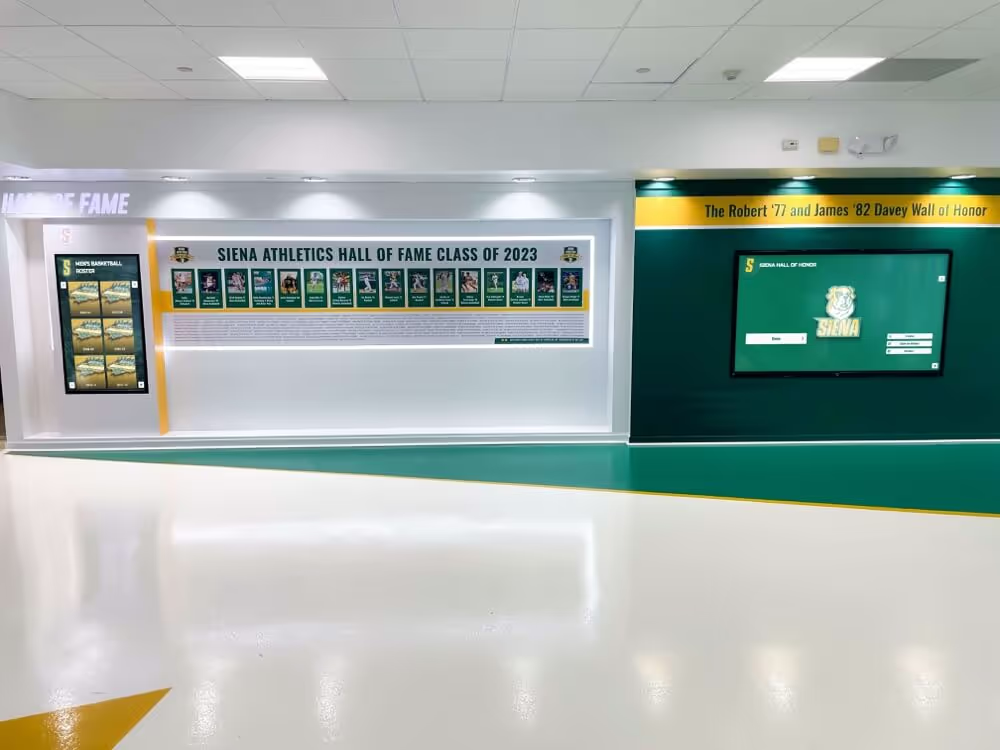
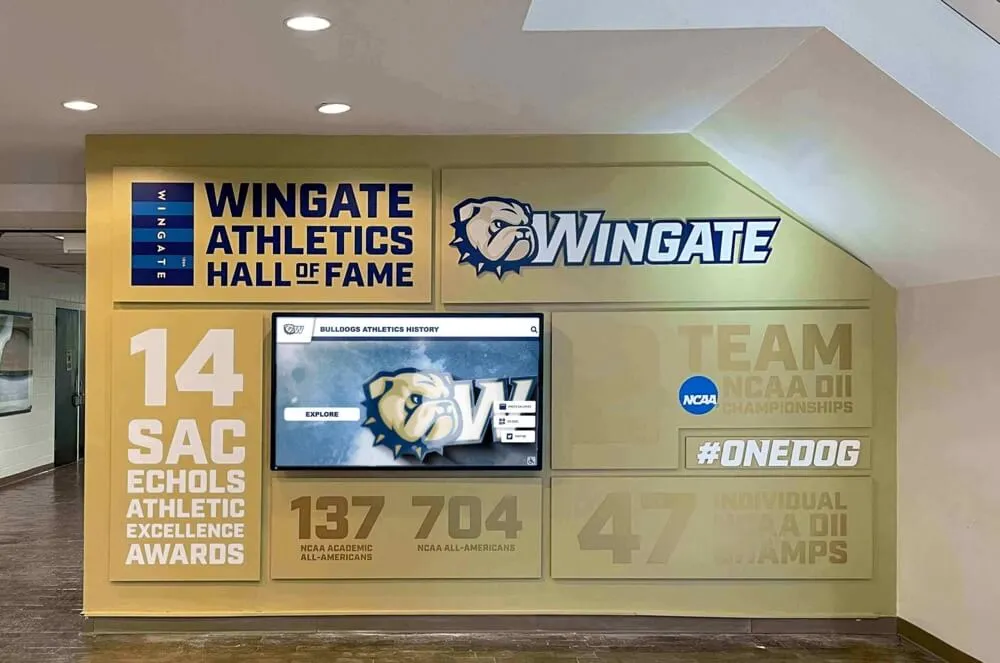
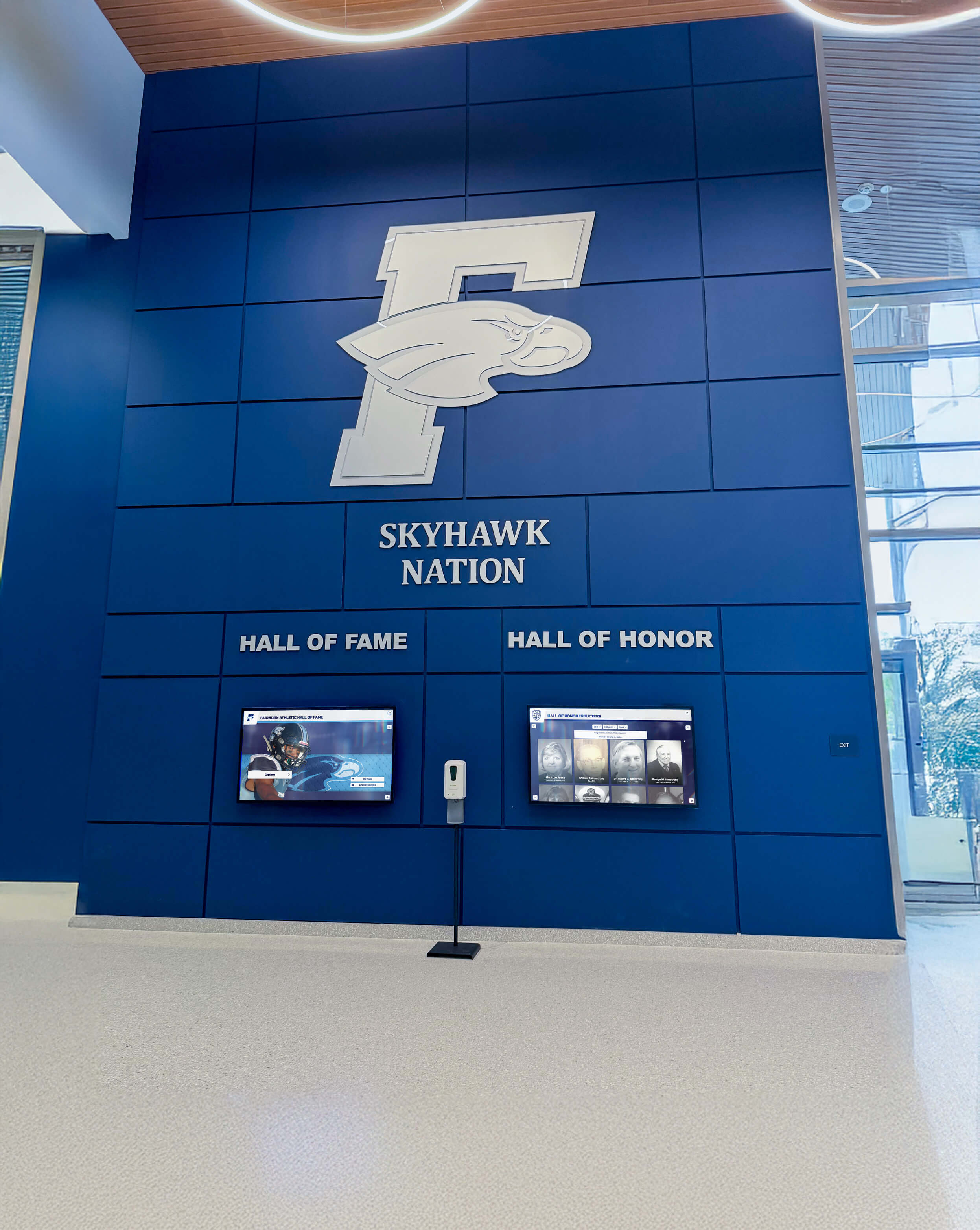
Senior Recognition Boards and Plaques: Permanent displays in gymnasiums or athletic facilities create ongoing recognition. Options include dedicated senior class composite photos updated annually, individual plaques or nameplates added to halls of fame walls, recognition boards listing all senior classes by year, and trophy cases displaying senior gifts, jerseys, or memorabilia.
Physical displays work best when positioned in high-traffic areas where current athletes see them regularly—gymnasium entrances, locker room areas, or main athletic hallways. This daily visibility communicates program values while inspiring current athletes to work toward similar future recognition.
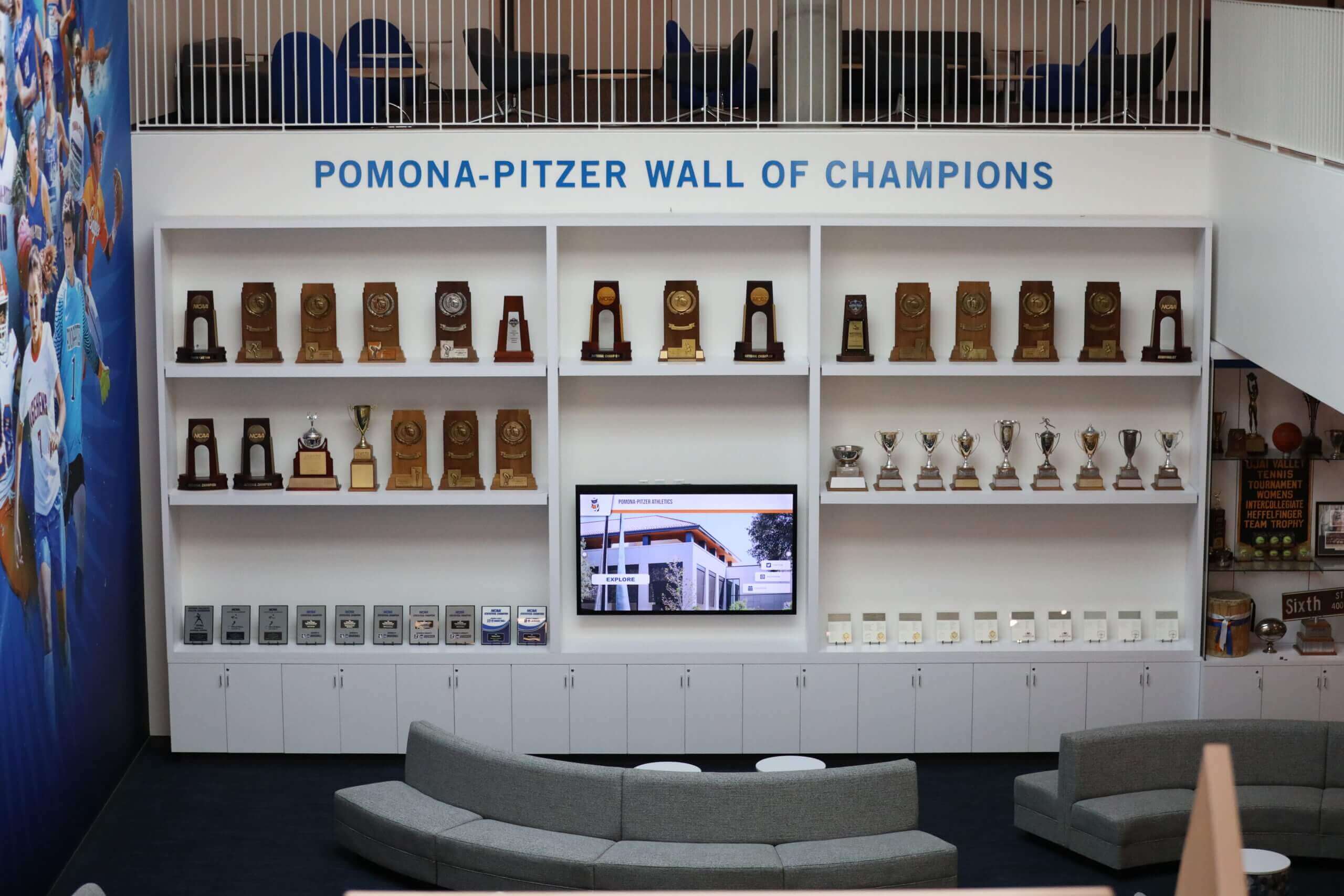
Updated Trophy Cases and Display Areas: Many schools maintain trophy cases displaying team achievements and individual recognition. Dedicate sections specifically to recent senior classes, including team photos with senior names highlighted, statistical achievements and career milestones, championship participation or individual awards, and commemorative items from senior night ceremonies.
Regular updates keep trophy cases current and relevant rather than becoming stagnant displays of decades-old achievements younger athletes don’t recognize or value.
Digital Recognition Solutions
Modern technology enables recognition extending far beyond physical facility constraints.
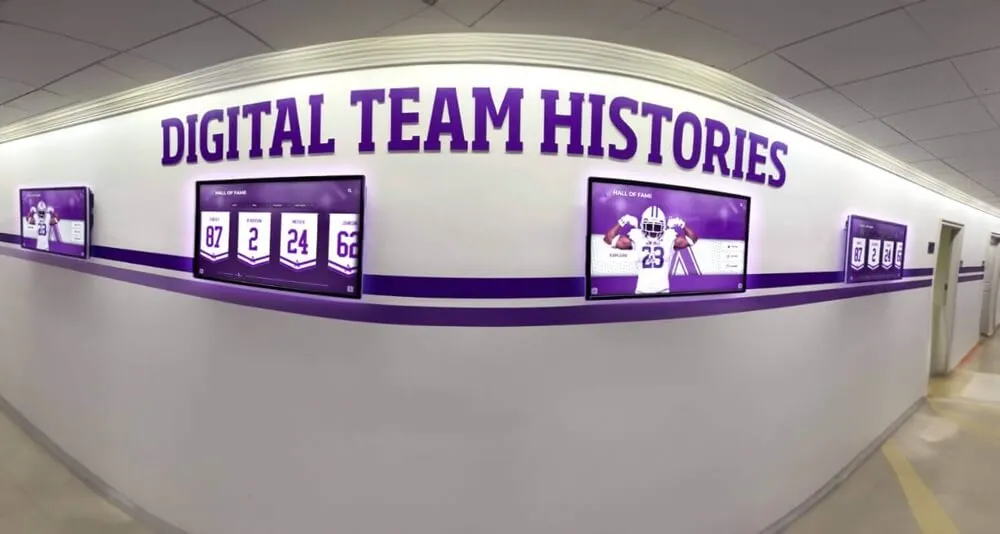
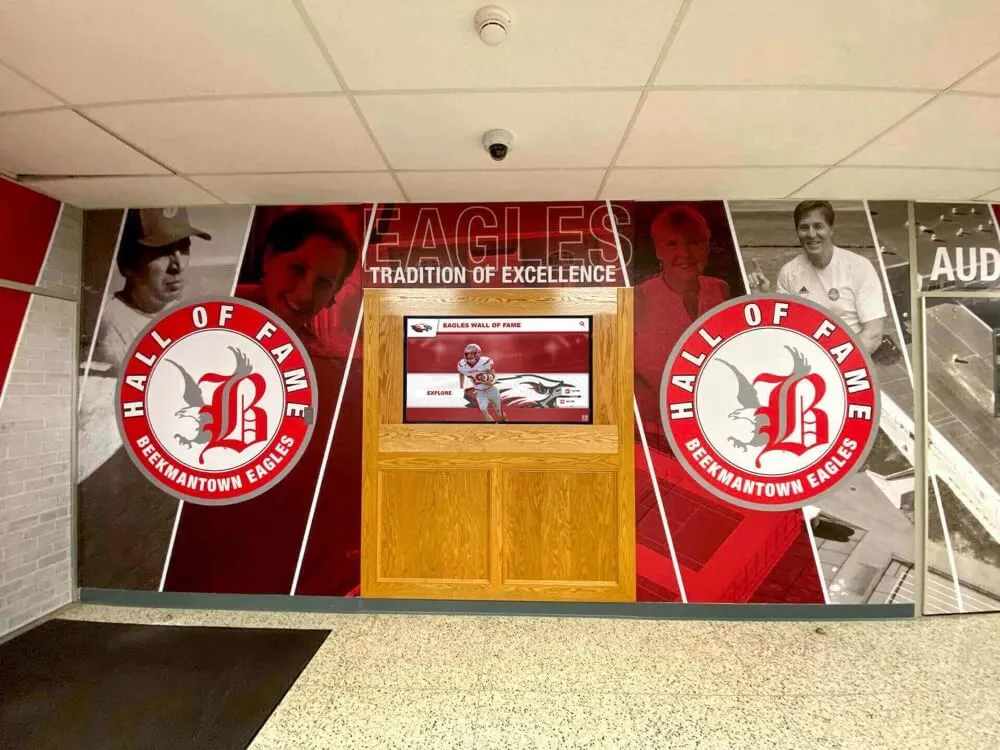
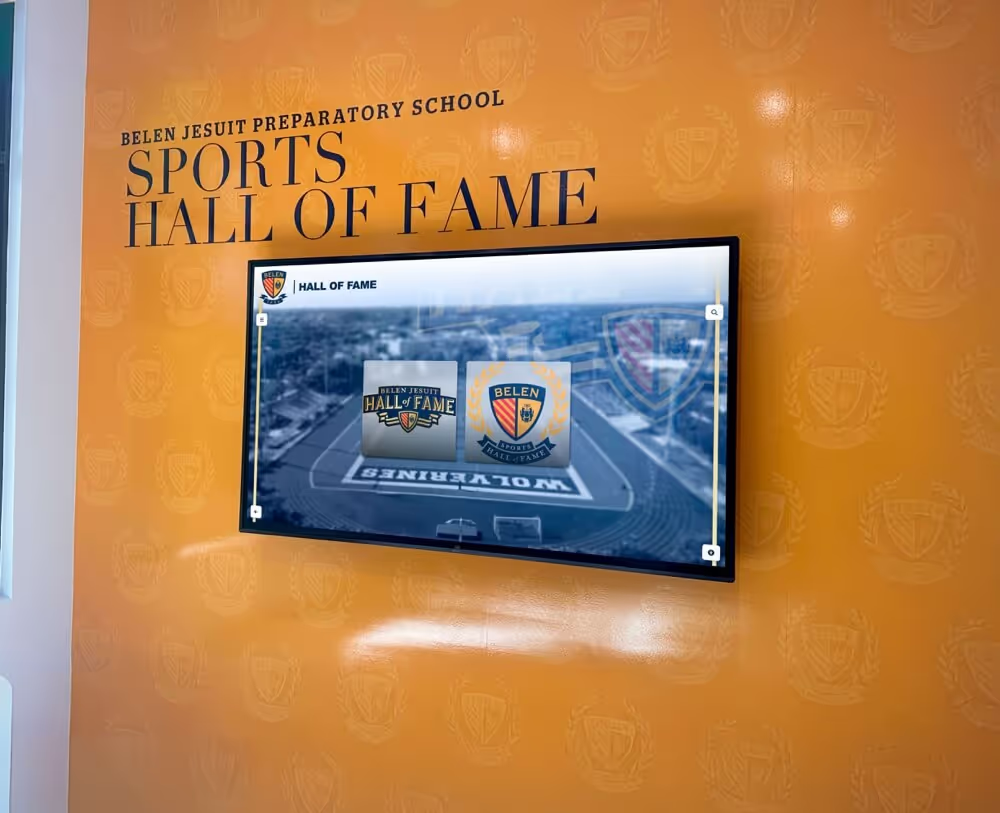
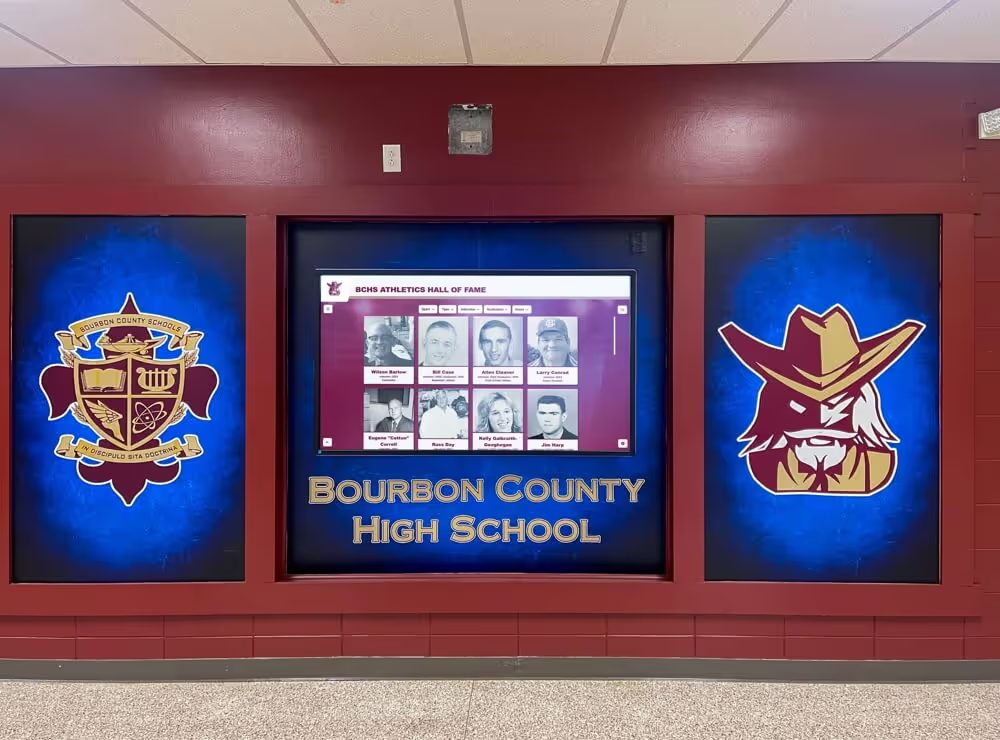
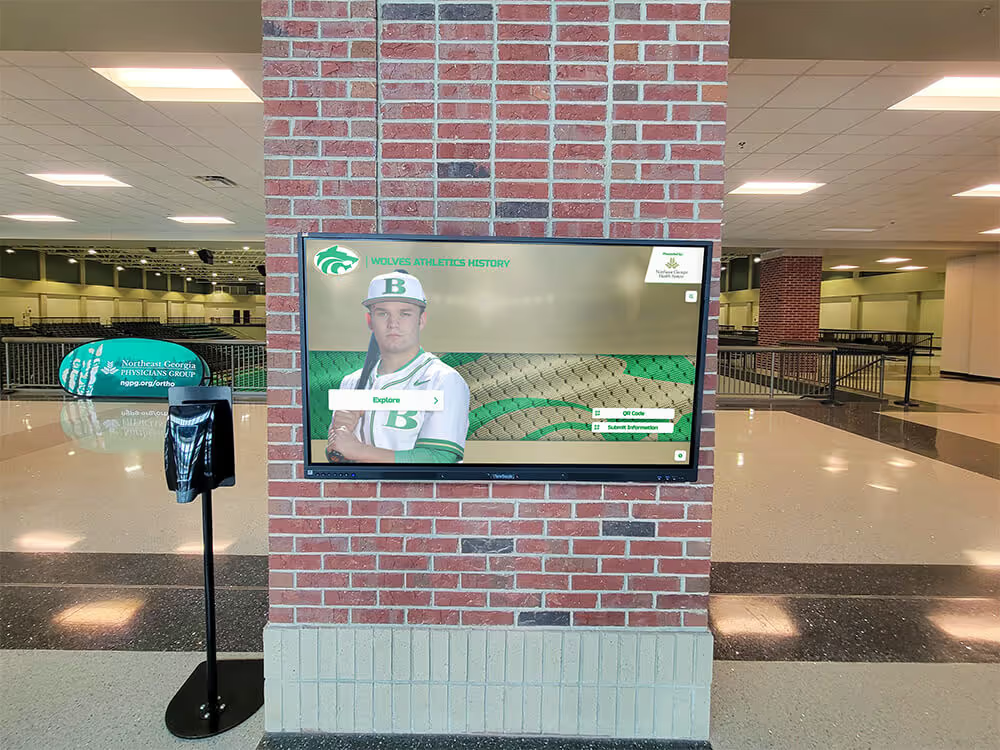
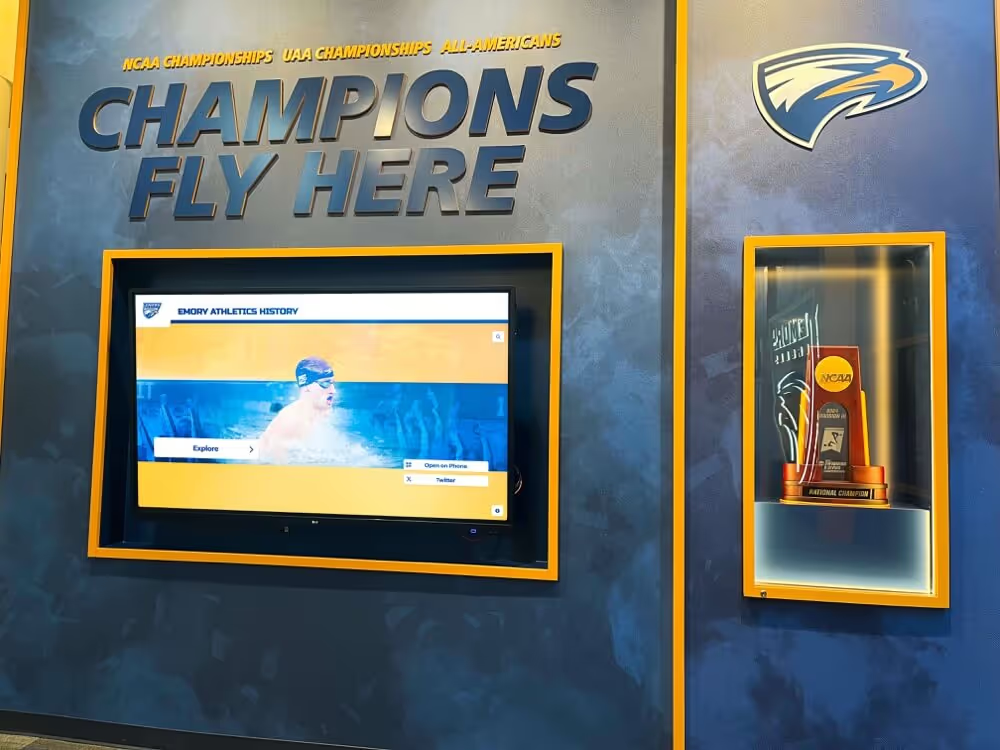
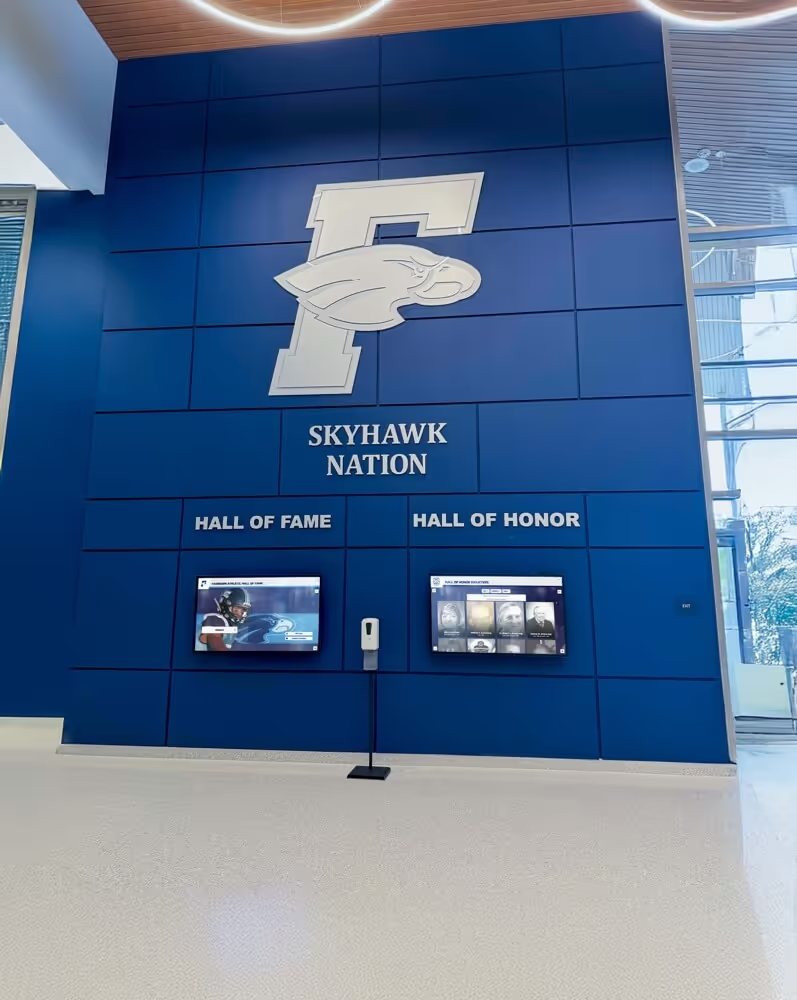
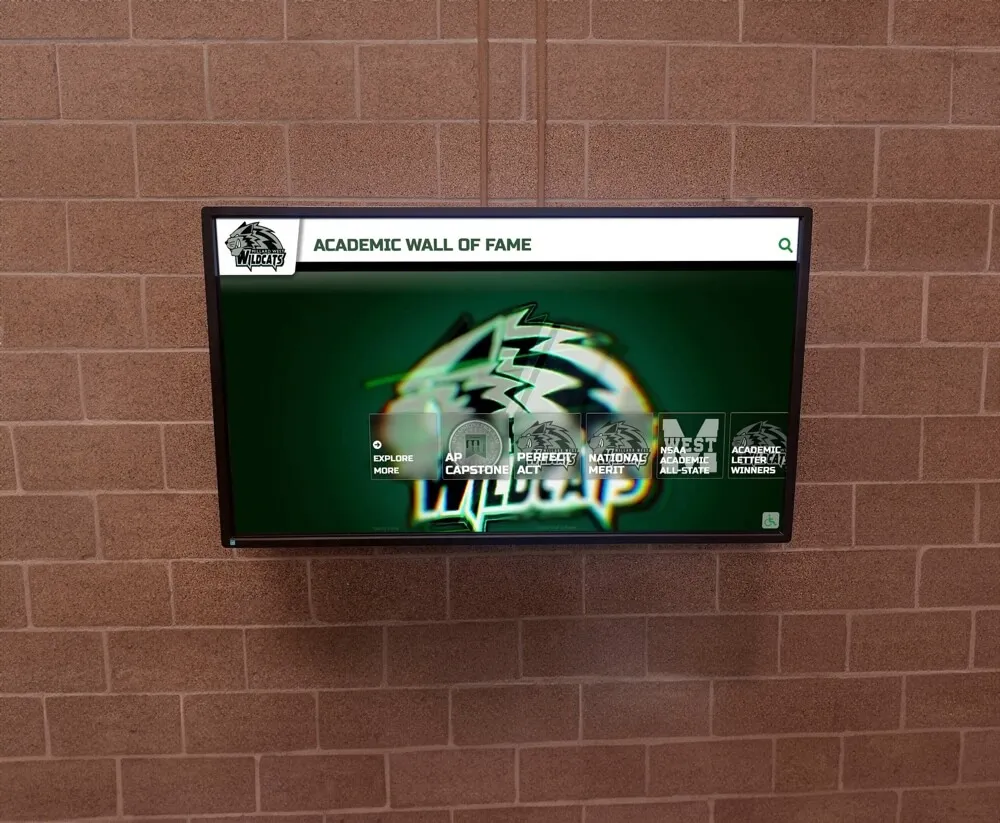
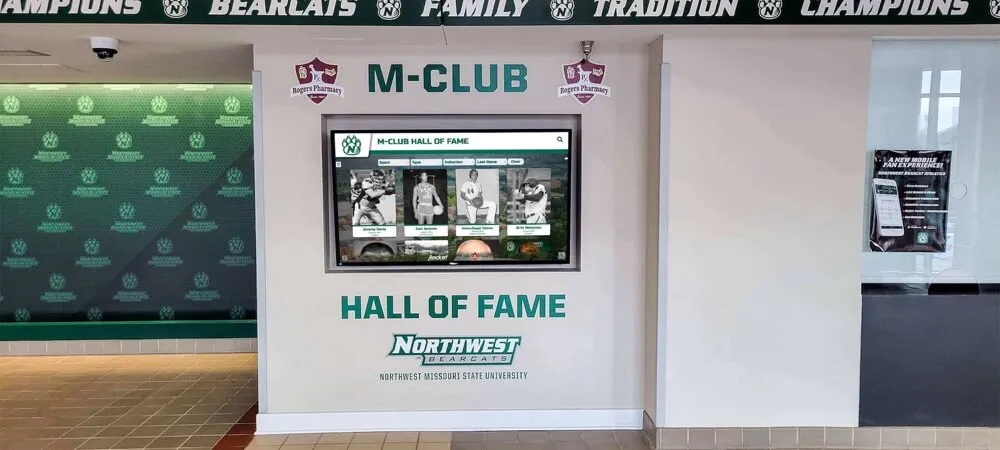
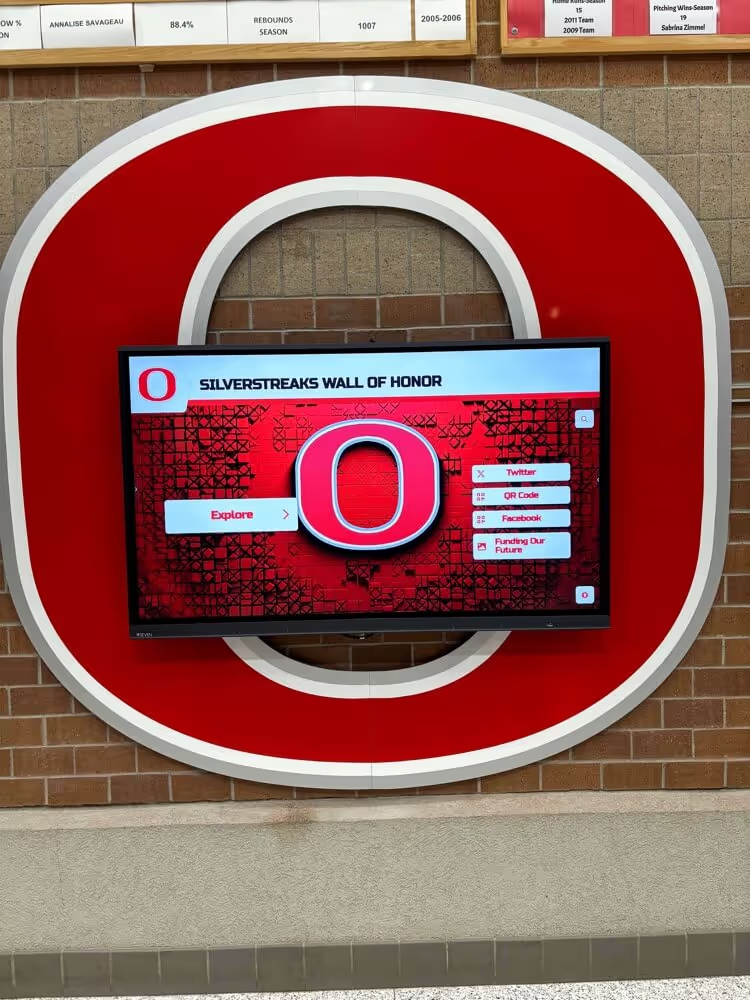
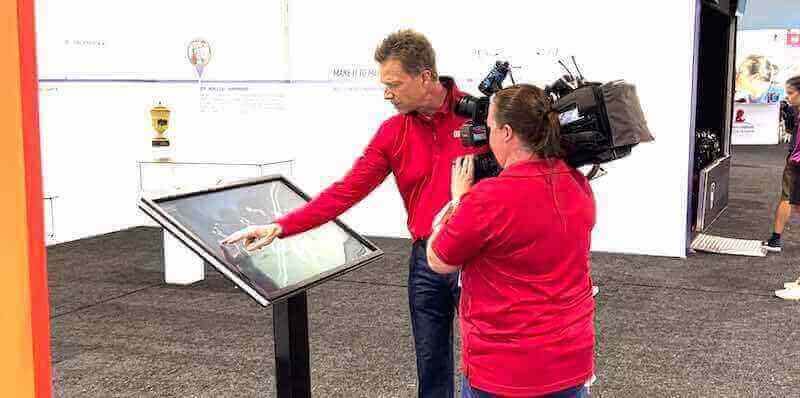
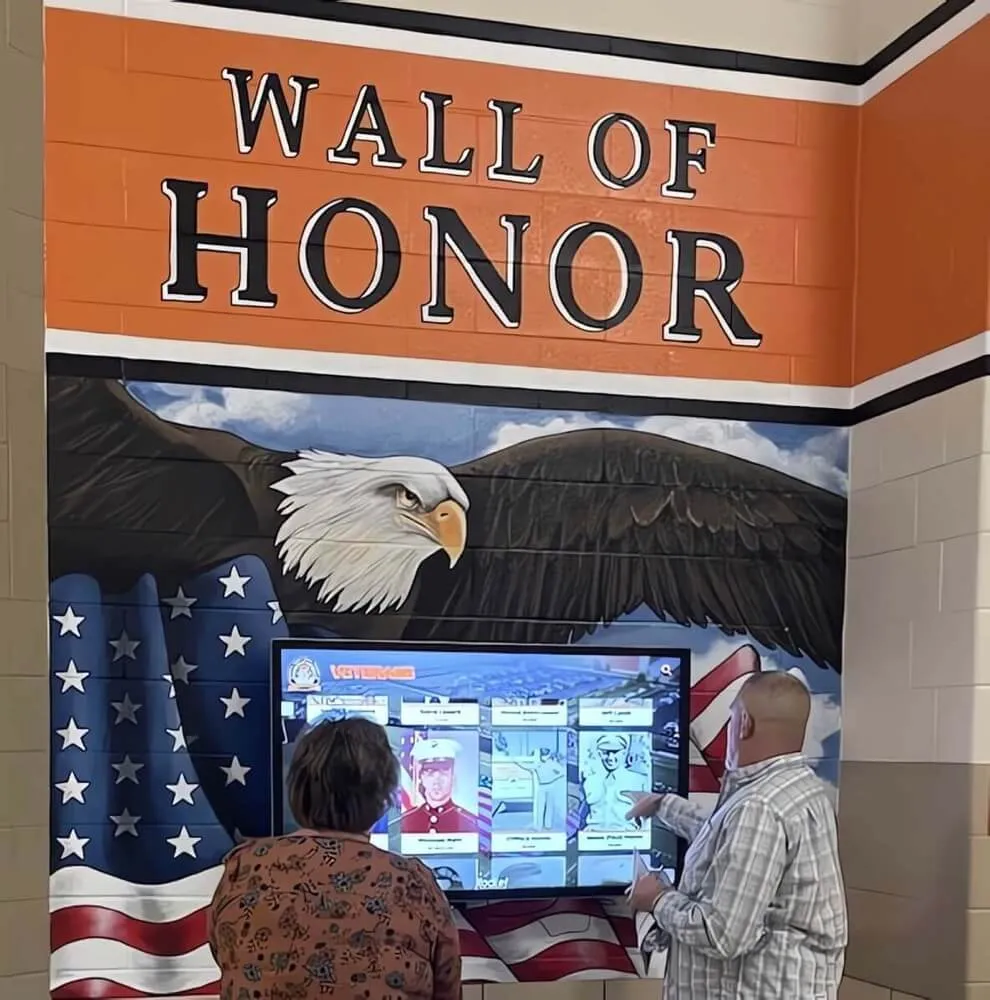
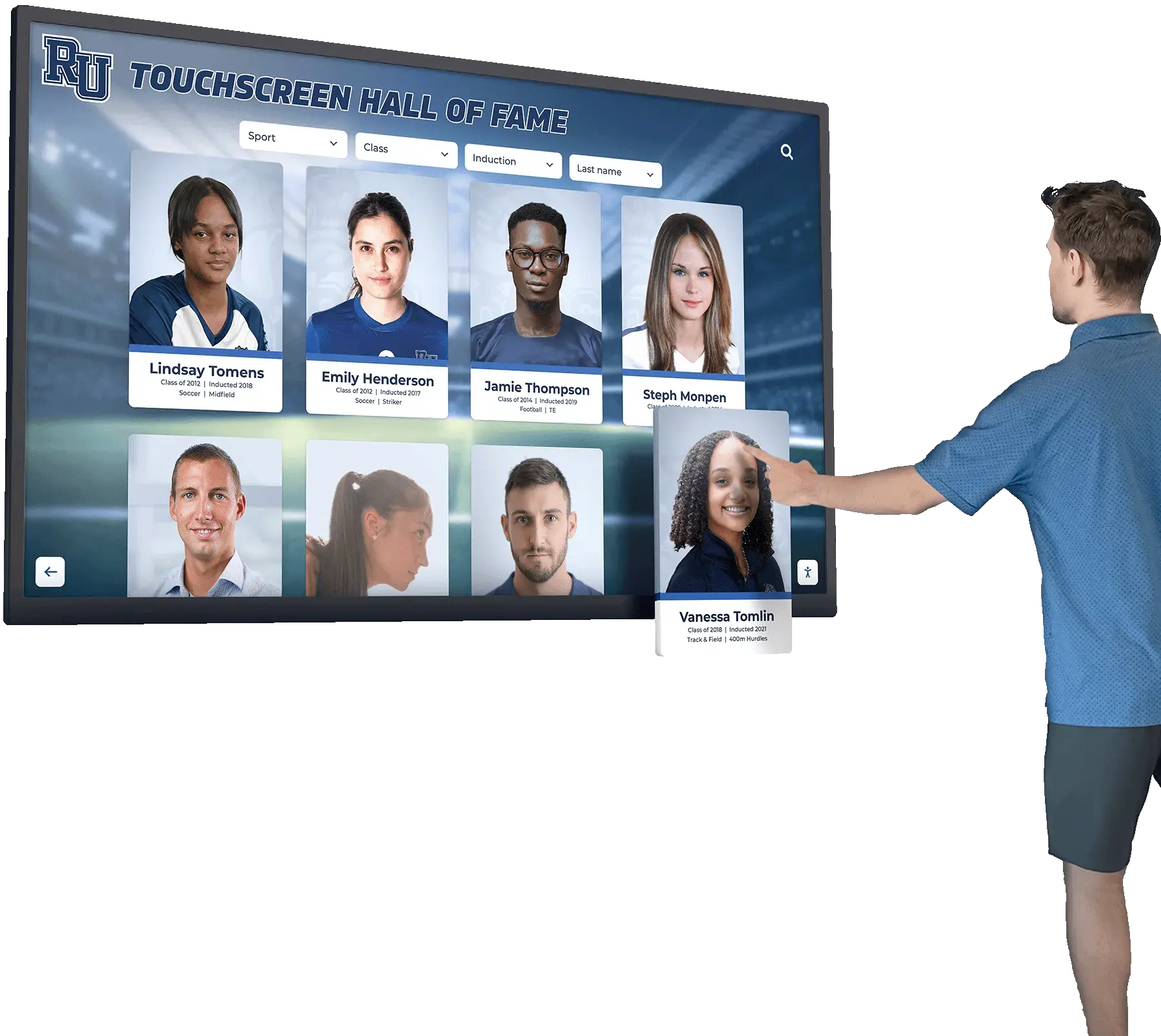
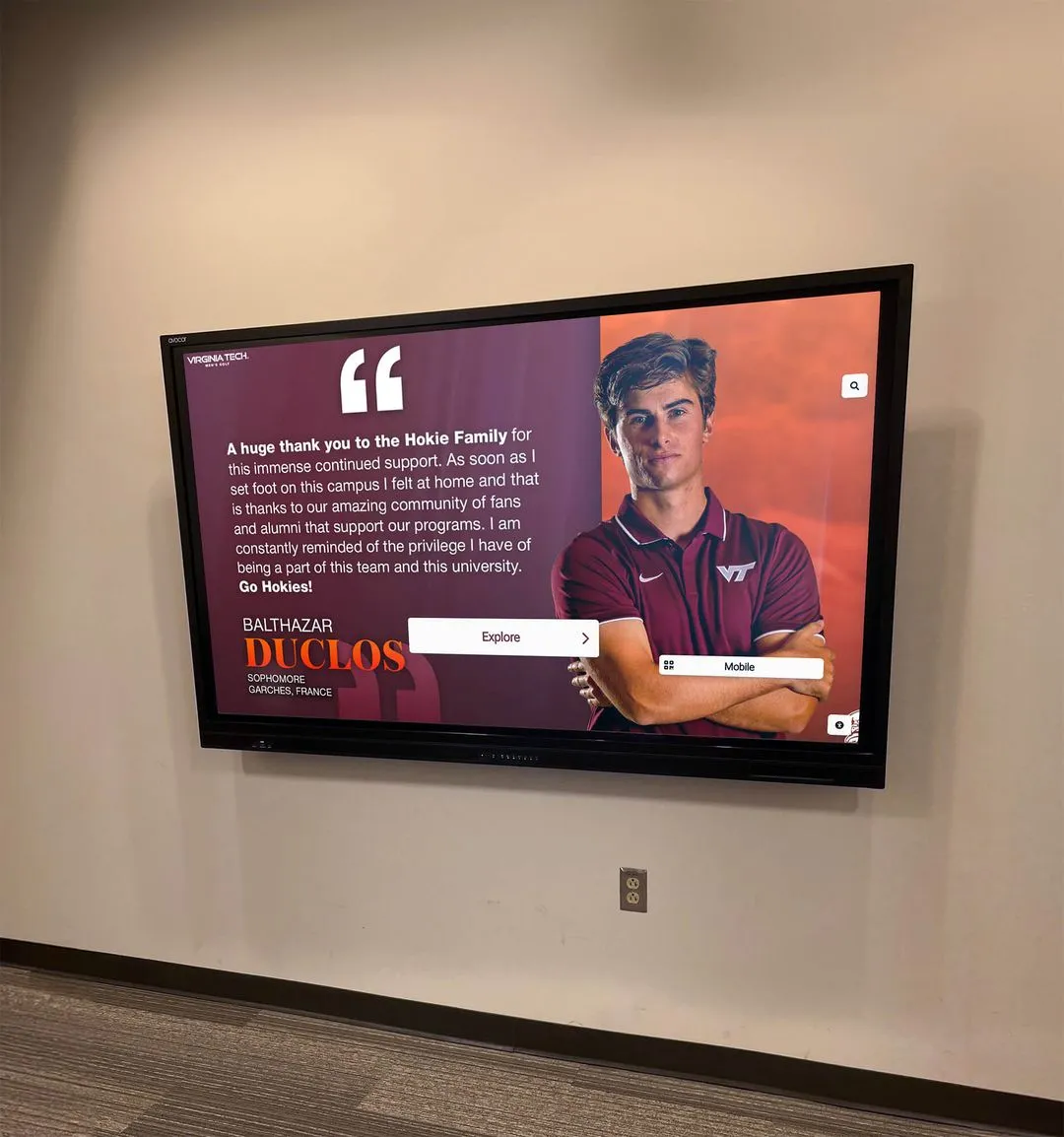
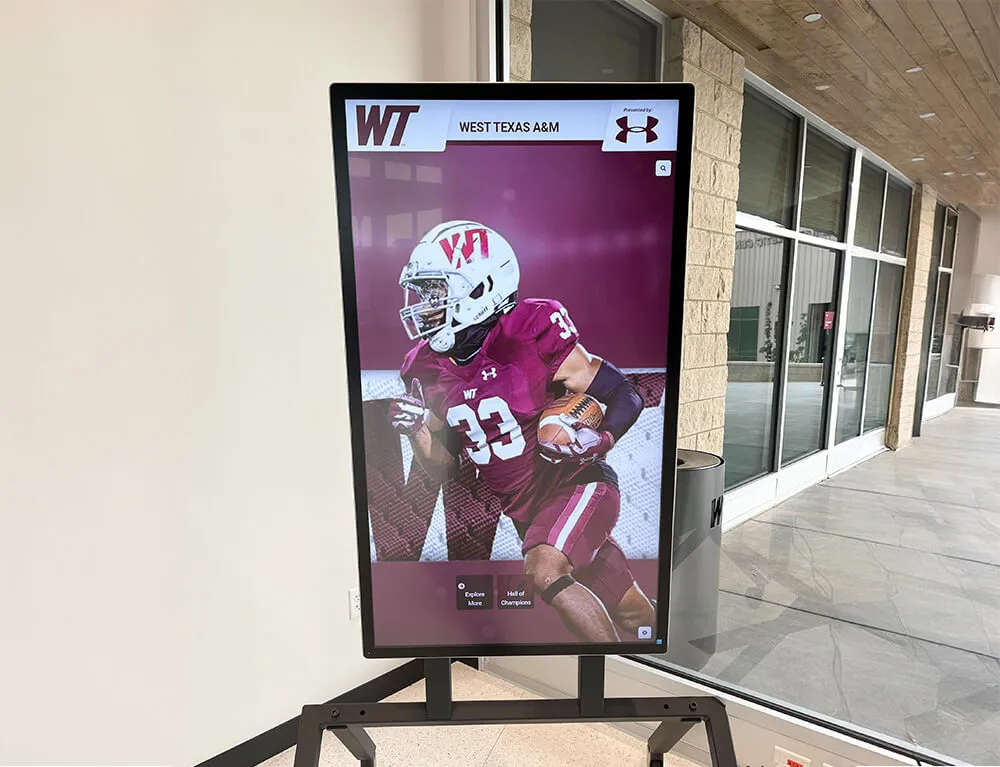
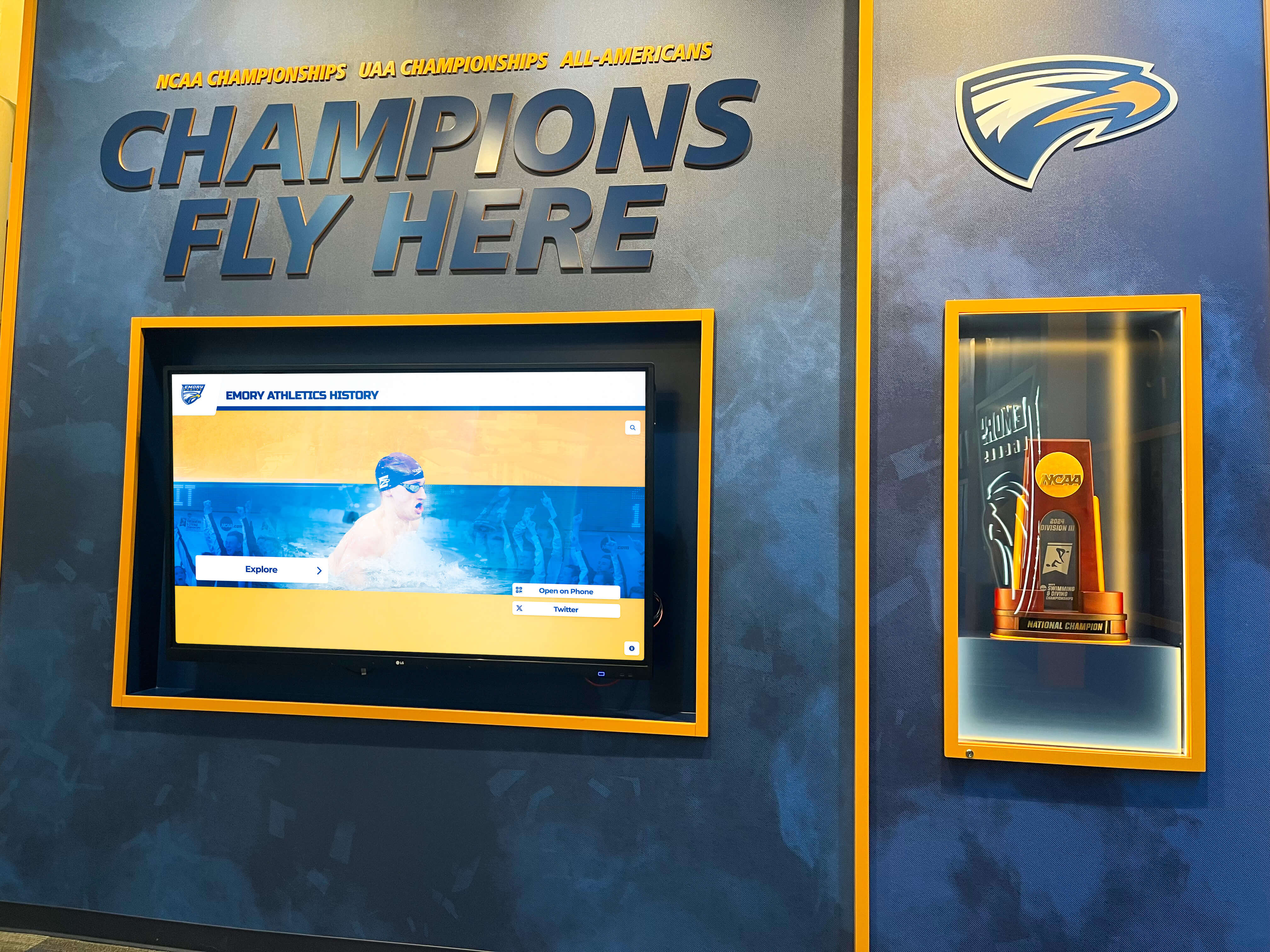
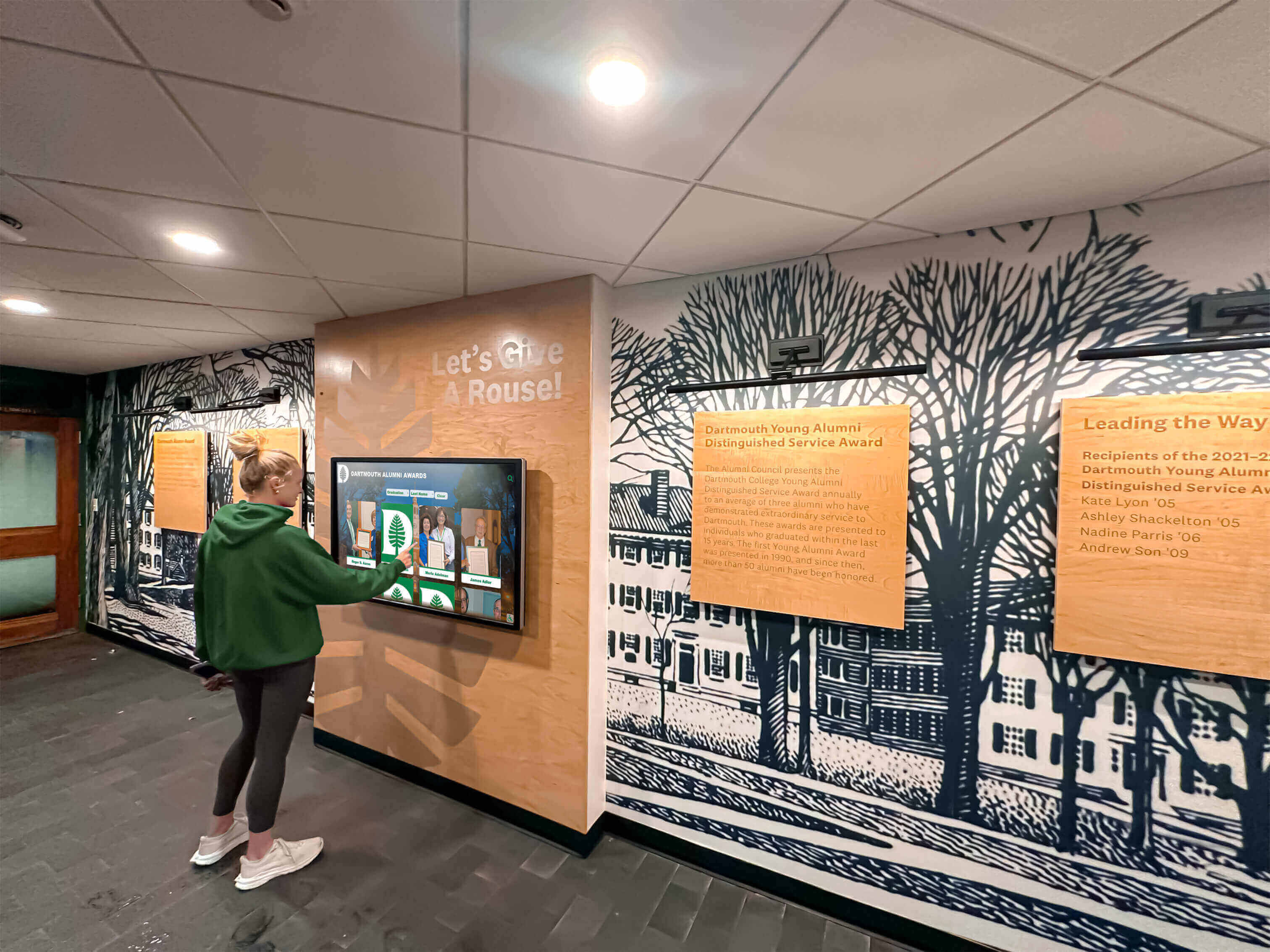
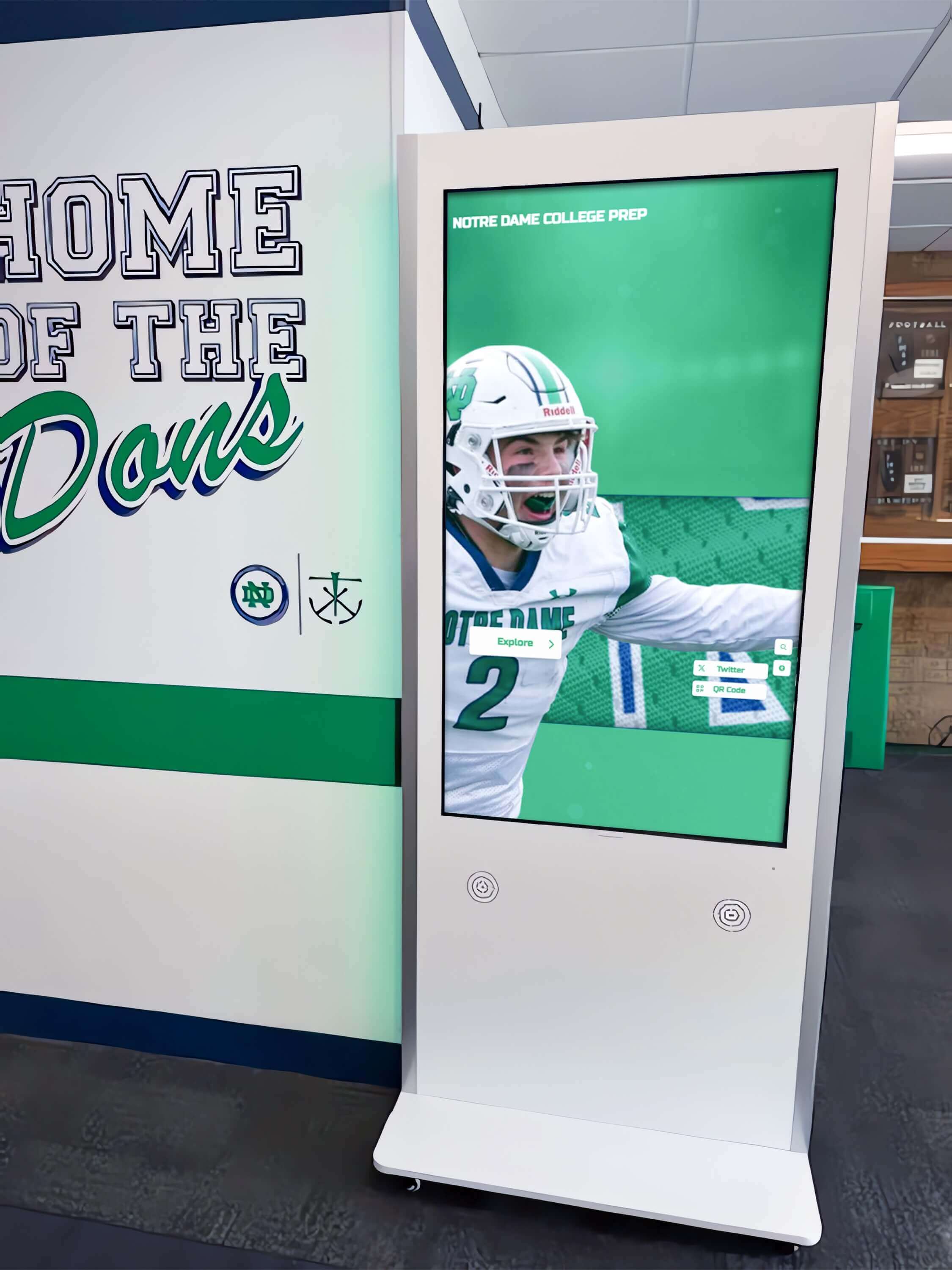
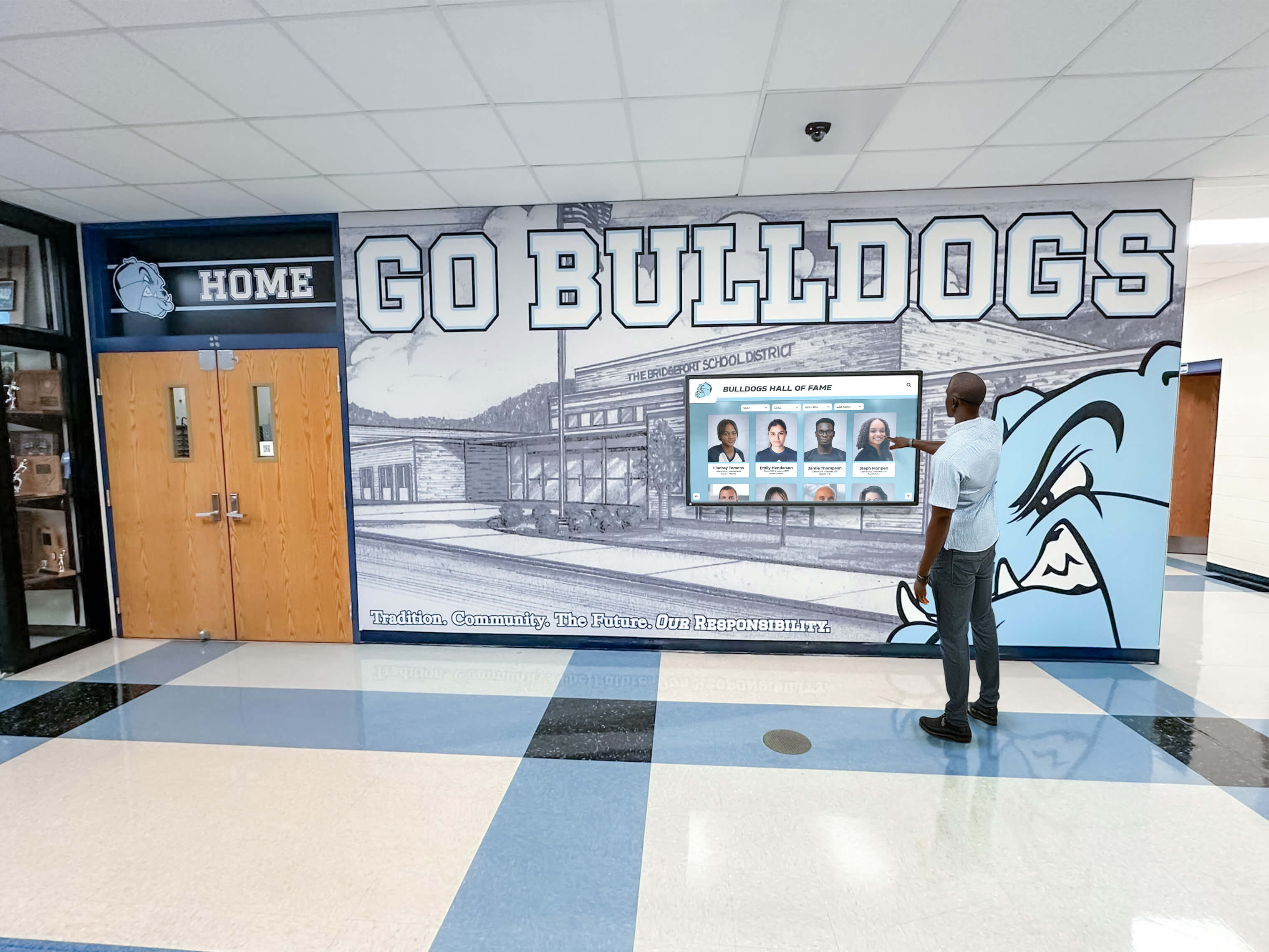
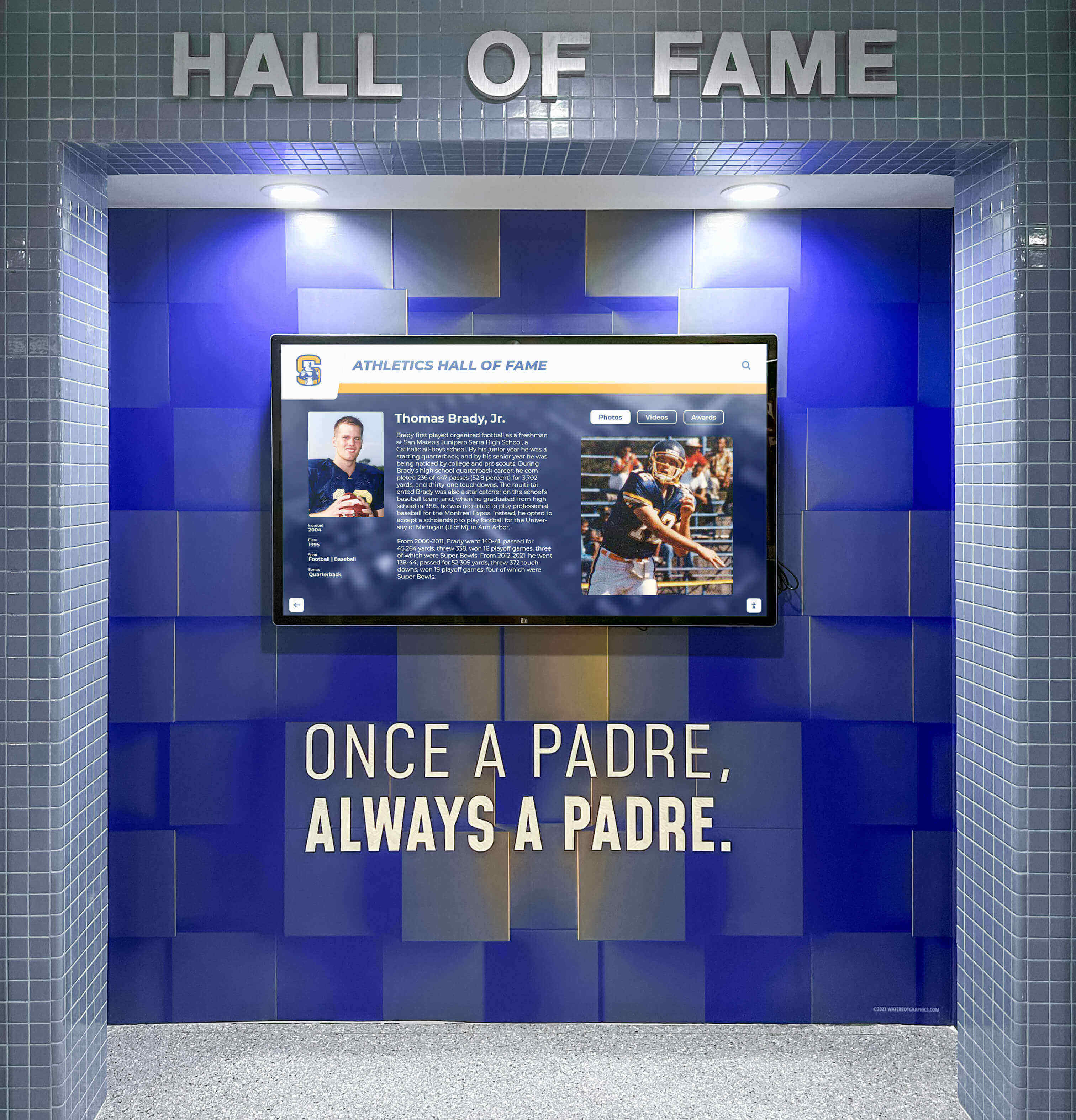
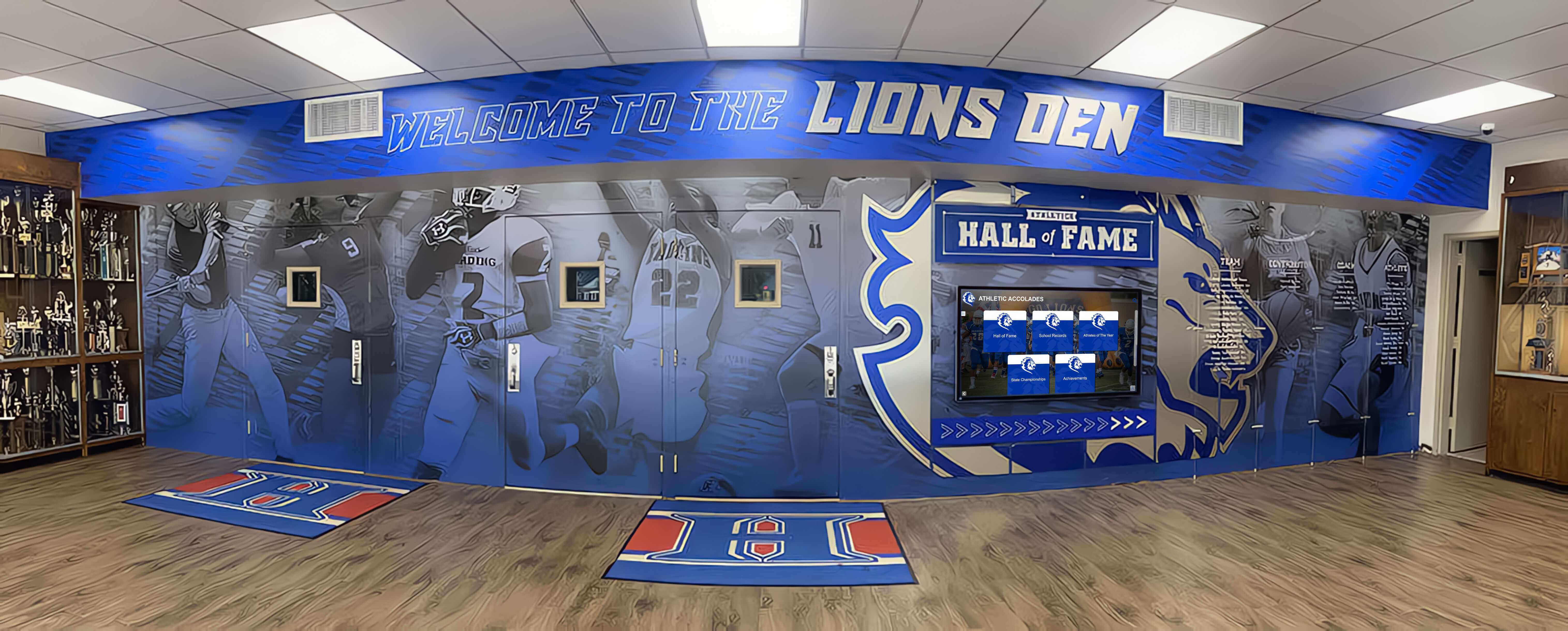
Interactive Digital Displays: Purpose-built interactive touchscreen systems installed in athletic facilities provide dynamic senior recognition with unlimited capacity. Digital platforms enable comprehensive senior profiles including photos, statistics, and achievements; video tributes and ceremony recordings; searchable databases by year, name, or achievement; and regular content updates adding new seniors annually.
Unlike physical displays limited by space constraints, digital recognition systems accommodate hundreds or thousands of profiles, ensuring every senior receives lasting acknowledgment regardless of space availability. Schools implementing digital solutions position displays in gymnasium lobbies, athletic center entrances, or main school hallways where students, families, and visitors naturally encounter them.
Social Media and Online Presence: Extend recognition reach through digital platforms including dedicated senior spotlight posts on program social media, individual senior features highlighting unique stories, photo galleries from senior night ceremonies, and permanent program website pages honoring senior classes.
Digital content reaches family members unable to attend in person, allows easy sharing extending recognition to broader networks, and creates permanent archives accessible years later. Tag seniors in posts enabling them to easily share recognition with their own networks while increasing program visibility.
Video Archives and Streaming: Record senior night ceremonies and create permanent video archives accessible through program websites or YouTube channels. Live-streaming ceremonies enables extended family, friends, and supporters unable to attend in person to participate remotely. Archived videos become treasured resources families revisit for years, maintaining emotional connections to athletic experiences long after graduation.
Solutions like Rocket Alumni Solutions provide comprehensive platforms specifically designed for athletic recognition, offering intuitive content management, engaging displays, and systems that transform how schools honor graduating athletes through integrated digital and physical recognition.
Ongoing Senior Engagement and Alumni Connection
Recognition shouldn’t end after senior night—sustaining connections benefits both graduates and programs.
Alumni Networks and Communication: Maintain contact with graduated seniors through alumni email lists or newsletters, social media groups connecting former players, invitations to return for future senior nights or special events, and mentorship programs connecting graduates with current players.
These ongoing relationships benefit programs by creating volunteer coaches or supporters, providing college and career guidance for current athletes, and strengthening fundraising and community support. They benefit graduates by maintaining meaningful connections and communities that supported their development.
Recognition of Post-Graduation Achievements: Continue recognizing seniors after graduation through acknowledgment of college athletic commitments or achievements, career milestones or accomplishments, and significant life events worthy of program celebration. This ongoing attention demonstrates that programs value athletes as people beyond their high school contributions, strengthening lifelong connections and program culture.
Balancing Competition and Celebration: Game Management Considerations
Senior night occurs before, during, or around actual competition, requiring careful management preventing recognition from undermining competitive focus.
Maintaining Competitive Focus
Emotional ceremonies can disrupt mental preparation for competition immediately following recognition.
Pre-Game Preparation and Warm-Up: Schedule adequate time between ceremony conclusion and match start allowing seniors to transition emotionally from celebration to competition. Consider extended warm-up periods after ceremonies, opportunities for team huddles refocusing on game plans, and clear coach messaging that maintains appropriate competitive intensity despite emotional environment.
Some coaches find conducting abbreviated ceremonies before full team warm-ups allows athletes to experience recognition then shift focus to competition through standard preparation routines. Others prefer complete ceremonies immediately before match start, trusting adrenaline and emotion to fuel competitive performance.
Managing Opponent Considerations: Communicate with opposing teams about senior night plans, ensuring they understand extended timelines and modified schedules. Arrange appropriate warm-up space and timing for visiting teams, and maintain appropriate competitive respect avoiding excessive ceremony length that seems disrespectful to opponents who’ve traveled to compete.
Some programs invite opposing senior athletes to participate in recognition when both teams have graduating players, creating collaborative celebration transcending competition. However, coordinate these joint recognitions carefully to avoid appearance of home team advantage or reduced competitive intensity.
Supporting Non-Senior Athletes: Underclassmen experience mixed emotions during senior night—happiness celebrating teammates alongside anxiety about upcoming losses and pressure about filling leadership voids. Acknowledge these feelings through brief team discussions validating mixed emotions, assurance about program continuity and underclassmen’s readiness, and reminders that honoring seniors doesn’t diminish other players’ value.
Consider small gestures helping non-seniors feel valued—perhaps matching warm-up gear, special roles in senior recognition ceremonies, or promises of their own future senior night celebration.
Post-Game Traditions and Continued Celebration
Extend senior night beyond pre-game ceremonies through post-match traditions.
Senior Final Court Moments: Allow graduating seniors to stay on court after matches for final moments as high school volleyball players. Consider special team photos with seniors centered, opportunities for seniors to address teams in locker rooms, presentation of any gifts not distributed pre-game, and allowing seniors to privately absorb their final moments in the venue.
These quiet post-match moments often prove even more emotionally significant than public ceremonies, providing genuine closure and allowing private reflection impossible during pre-game celebrations.
Optional Receptions or Social Gatherings: Some programs organize post-match receptions allowing extended team, family, and community interaction. Consider refreshments provided by parent organizations or boosters, informal social time encouraging conversation and connection, photo opportunities with backdrops or props, and chances for seniors to thank supporters personally.
Receptions require additional planning and expense but create relaxed environments facilitating meaningful interactions impossible during structured ceremonies. Make attendance optional to avoid burdening families who may have other commitments or limited interest in extended events.
Budgeting and Fundraising for Memorable Senior Nights
Senior night expenses vary dramatically based on program resources, community expectations, and celebration ambitions, but meaningful recognition remains possible across all budget levels.
Understanding Typical Cost Components
Senior night budgets typically include several categories of expenses.
Ceremony and Decoration Costs: Basic ceremony expenses include flowers or corsages for seniors and parents ($5-$15 per person), printed programs or keepsake materials ($50-$200 depending on quantity and quality), backdrop materials, banners, or signage ($100-$500), balloon decorations or professional installations ($200-$600), and audio-visual equipment rental if not provided by facilities.
Modest ceremony decoration budgets might run $300-$800 total, while elaborate celebrations with professional decorators, extensive flowers, and premium materials can reach $2,000-$4,000.
Senior Gift Expenses: Gift costs vary based on selection from modest team gifts ($20-$50 per senior) to premium framed jerseys or letter jackets ($150-$400 per senior). For senior classes of 4-6 athletes, total gift costs typically range from $200-$2,400 depending on item quality and program resources.
Some programs provide multiple small gifts rather than single expensive items—team apparel, small memorabilia, and personalized accessories might total $75-$100 per senior across multiple items families appreciate equally to premium single gifts.
Photography and Videography: Professional services produce quality results but represent significant expenses. Costs include photography packages ($300-$800 for ceremony and match coverage), videography and video editing ($500-$1,500 for professional tribute videos), photo prints or digital files provided to families ($200-$500), and on-site photo booth rentals with instant prints ($400-$800).
Volunteer parent photographers dramatically reduce costs while often producing quality results if you have talented photographers in your program community.
Fundraising Strategies and Budget Management
Creative fundraising and budget management make ambitious senior nights possible within limited resources.
Program and Booster Fundraising: Athletic booster clubs often sponsor senior night expenses through annual fundraising campaigns targeting senior night specifically, general booster funds allocated to volleyball program, individual family contributions pooled for collective senior gifts, and business or community sponsorships offsetting costs.
Start fundraising conversations early—ideally at the beginning of senior year—allowing adequate time for donation solicitation and budget planning. Be transparent about fund allocation ensuring donors understand exactly how contributions will be used.
Senior Class Fundraising: Some programs establish senior class-specific fundraising beginning in junior year through car washes, concession stand staffing, or special event hosting; custom apparel or product sales with proceeds supporting senior night; restaurant fundraiser nights or percentage-back programs; and crowd-funding campaigns through platforms like GoFundMe.
Self-funded senior nights create ownership among seniors and families while reducing burden on program budgets, though they require substantial planning and volunteer coordination.
Cost-Saving Strategies: Reduce expenses without sacrificing meaning through volunteer photographers and videographers from parent communities, DIY decorations using talented volunteers rather than professional services, digital recognition supplementing or replacing expensive physical displays, simplified gift selections emphasizing meaning over monetary value, and coordinated bulk ordering reducing per-unit costs for apparel or materials.
Focus resources on elements seniors and families value most while minimizing spending on aspects that add cost without proportional emotional impact. Simple, thoughtful recognition delivered well creates more lasting value than expensive productions executed poorly.
Addressing Special Circumstances and Challenges
Not all senior nights follow standard patterns—various circumstances require adaptation and thoughtful handling.
Managing Senior Athletes With Limited Playing Time
Bench players deserve equal recognition despite limited court time, though ceremonies sometimes inadvertently emphasize statistical achievements that highlight playing time disparities.
Emphasizing Comprehensive Contributions: Focus recognition on diverse contributions including years of dedication and practice commitment, positive attitude and team support, specific strengths or improvement areas, leadership or mentorship of younger players, and personal character and values embodied.
Avoid ceremony scripts that overemphasize statistics, starting positions, or playing time, which can unintentionally diminish recognition for role players who’ve contributed differently but meaningfully to team success.
Individual Recognition Approaches: Ensure every senior receives equivalent ceremony time, personalized coach remarks, and genuine appreciation regardless of playing time. Generic remarks about “contributions” feel perfunctory compared to specific examples of how each athlete made teams better even without extensive court time.
Handling Injured or Absent Seniors
Injuries or circumstances sometimes prevent seniors from participating in final home games or senior night ceremonies.
Modified Recognition Options: For injured seniors unable to play but present at ceremonies, provide equivalent recognition through standard ceremony participation with family, special acknowledgment of their contributions before injury, and assurance about ongoing team membership and value despite inability to compete.
For seniors unable to attend due to illness, family emergencies, or other unavoidable circumstances, consider rescheduling recognition to another home match if possible, conducting private recognition ceremonies when athletes can attend, or coordinating remote participation through video calls or recorded messages when in-person attendance proves impossible.
Never skip recognition because a senior is absent from the originally planned ceremony—find alternatives ensuring every graduating athlete receives appropriate honor.
Addressing Transfer Students or Unusual Situations
Athletes joining programs late in high school careers or with complicated tenure create questions about senior night eligibility.
Establishing Clear Eligibility Criteria: Programs should determine in advance whether senior night recognition requires minimum years of program participation, completion of full senior season, or other program-specific requirements. Balance maintaining standards with acknowledging that athletes with shorter program tenure may have made significant contributions deserving recognition.
Consider intermediate recognition approaches—perhaps including transfer seniors in ceremonies with acknowledgment of their specific contributions without identical positioning to four-year program members, or creating separate recognition categories for different participation levels.
Whatever standards you establish, apply them consistently and communicate them clearly to avoid perception of favoritism or arbitrary decision-making.
Building Sustainable Senior Night Traditions
The most successful senior nights become established program traditions that evolve gradually while maintaining core elements athletes anticipate throughout their careers.
Establishing Program Standards and Expectations
Consistency in senior night approach helps athletes know what to expect while allowing flexibility for individual senior class personalities.
Documenting Standard Practices: Create written senior night guidelines documenting standard ceremony format and timing, typical gifts and recognition elements, family involvement expectations, budget parameters and fundraising approaches, and timeline for planning and information collection.
Documented standards prevent reinventing processes annually while allowing intentional evolution as programs grow and improve. New coaches, athletic directors, or parent leaders can reference established practices rather than starting planning from scratch.
Communicating Traditions to Younger Athletes: Help underclassmen understand senior night traditions early in their careers through attendance at senior nights before their graduation year, discussions about what makes senior night meaningful, involvement in creating senior gifts or ceremony elements for graduating teammates, and clear articulation of what they can anticipate when their own senior night arrives.
This forward-looking communication creates positive anticipation while demonstrating program investment in every athlete’s future celebration.
Learning and Improving Year Over Year
Evaluate each senior night honestly, identifying strengths to preserve and improvements to implement.
Gathering Feedback: Survey seniors and families about ceremony experiences, what they valued most, suggestions for improvement, and whether recognition met their expectations. Collect input from coaching staff about logistical challenges or timeline issues, underclassmen about their experience supporting seniors, and community members about overall ceremony quality.
Systematic feedback collection provides specific improvement opportunities rather than relying on general impressions that may not capture important details.
Implementing Incremental Improvements: Avoid dramatic annual overhauls that eliminate traditions athletes anticipate. Instead, implement focused improvements addressing specific issues identified through feedback while maintaining core elements that work well. This evolutionary approach respects established traditions while continuously improving senior night quality.
Maintaining Senior Night Archives: Document each year’s senior night through photographs, videos, programs, and planning documents that create institutional memory. Archives help new coaches or administrators understand program history and traditions while providing inspiring examples showing program commitment to athlete recognition across multiple generations.
Conclusion: Creating Senior Night Experiences That Honor Athletic Dedication
Volleyball senior night represents far more than pre-game pageantry—it provides critical opportunity to authentically celebrate athletes who’ve invested years developing skills, building team culture, and representing program values through competition. Graduating seniors leave programs having contributed thousands of hours to athletic excellence; senior night ensures those contributions receive recognition matching their significance.
Successful senior night planning balances multiple objectives simultaneously—honoring individual achievement while maintaining team unity, creating emotional celebration while preserving competitive focus, accommodating family involvement while managing logistics efficiently, and delivering meaningful recognition within budget constraints.
The most impactful senior nights share common characteristics regardless of program size or resources. They provide personalized recognition acknowledging what makes each senior unique, involve families meaningfully in celebration, create lasting keepsakes beyond temporary ceremonies, maintain appropriate balance between celebration and competition, and reflect genuine appreciation rather than perfunctory obligation.
Contemporary recognition extends beyond single ceremonies through digital platforms ensuring ongoing visibility, physical displays maintaining permanent presence in athletic facilities, alumni networks sustaining lifelong connections, and traditions that shape program culture for future generations.
Whether you’re planning your first volleyball senior night or seeking to enhance established traditions, the frameworks, strategies, and specific ideas presented in this guide provide practical starting points adaptable to your unique program needs. Focus on authenticity over elaborate production, personalization over generic templates, and genuine emotion over expensive presentations.
Your graduating seniors have given tremendous dedication to your volleyball program—thoughtful senior night planning ensures they receive recognition worthy of their investment, creating memories they’ll treasure throughout their lives while strengthening program culture inspiring current and future athletes.
Ready to create recognition systems that extend senior night honor beyond single ceremonies? Rocket Alumni Solutions provides comprehensive platforms specifically designed for athletic recognition, offering intuitive management, engaging interactive displays, and solutions that help volleyball programs build the lasting recognition culture their graduating athletes deserve.