Every November, schools, universities, and organizations across America pause to honor the extraordinary sacrifices made by military service members and their families during Veteran Appreciation Month. Yet too often, these tributes consist of brief assemblies or single-day events that fade quickly from memory. The most meaningful veteran recognition goes deeper—creating permanent installations, sustained programs, and interactive experiences that educate communities while ensuring military service receives the ongoing acknowledgment it deserves.
Military families face unique challenges that civilian communities rarely witness firsthand: extended deployments that separate parents from children for months or years, frequent relocations disrupting educational continuity and social connections, heightened stress affecting family wellbeing, and the invisible burdens of reintegration after service. Schools and organizations that truly honor veterans recognize not only individual service members but also the families who serve alongside them, creating comprehensive programs that provide meaningful recognition, practical support, and lasting community connection.
This comprehensive guide explores how schools and organizations create meaningful Veteran Appreciation Month observances and year-round military family recognition, from interactive memorial walls and digital tribute displays through structured mentorship programs, educational initiatives, and community-building events that honor service while fostering understanding.
Understanding Veteran Appreciation Month and Military Service Recognition
Veteran Appreciation Month, observed throughout November and culminating on Veterans Day (November 11), provides dedicated time for communities to honor military service across all branches—Army, Navy, Air Force, Marines, Coast Guard, and Space Force. Unlike Memorial Day, which specifically commemorates fallen service members, Veterans Day and Veteran Appreciation Month celebrate all who have served in the U.S. military, living and deceased.
The Distinction Between Veterans Day and Military Family Recognition
While Veterans Day focuses primarily on individual service members, comprehensive Veteran Appreciation Month programs expand recognition to include military families whose sacrifices enable service. Military spouses who maintain households during deployments, children who relocate multiple times during formative years, and extended families providing support networks all contribute to military readiness through their resilience and sacrifice.
Educational institutions serving military-connected students—those with parents or guardians currently serving or who have served—benefit particularly from recognition approaches acknowledging entire family contributions rather than only the uniformed service member.
Why Permanent Recognition Matters More Than Annual Events
Single-day assemblies or brief November programs create fleeting acknowledgment that communicates veterans matter for one moment annually. Permanent recognition installations demonstrate enduring gratitude while serving ongoing educational functions—helping younger generations understand military service, preserving community military history, and creating spaces where military families feel genuinely valued year-round.
Physical memorial spaces, digital tribute displays, and structured ongoing programs signal that veteran appreciation represents core institutional values rather than calendar-driven obligation.

Creating Permanent Veteran Recognition Installations
The most impactful school and organization veteran recognition combines physical presence with rich storytelling, transforming brief acknowledgment into educational experiences that preserve military history while honoring individual service.
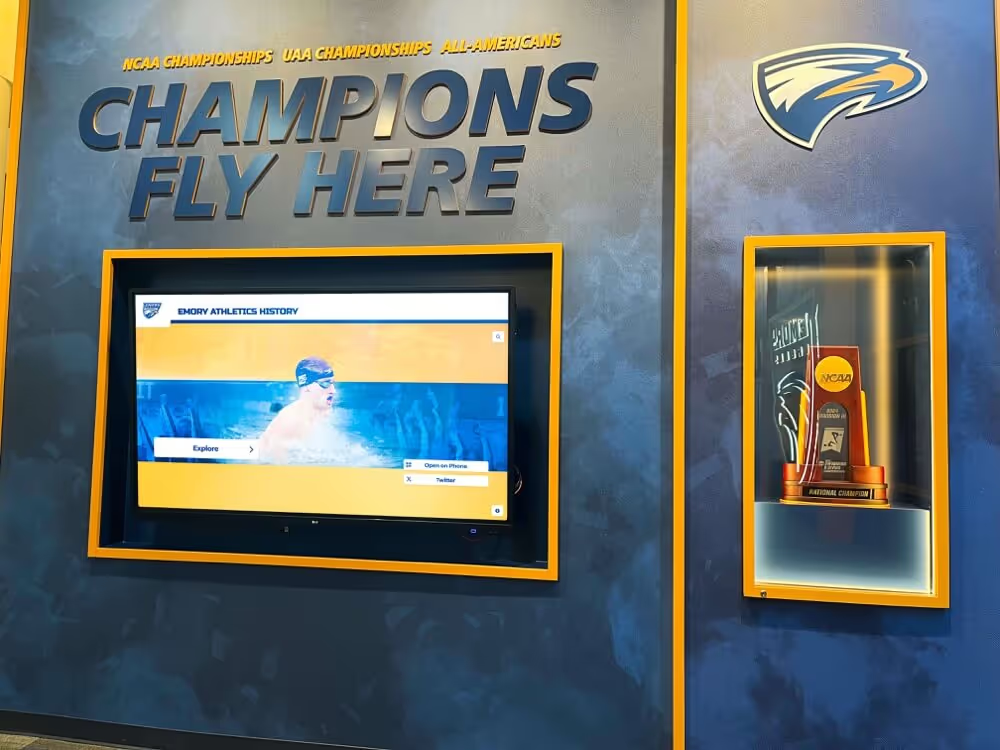
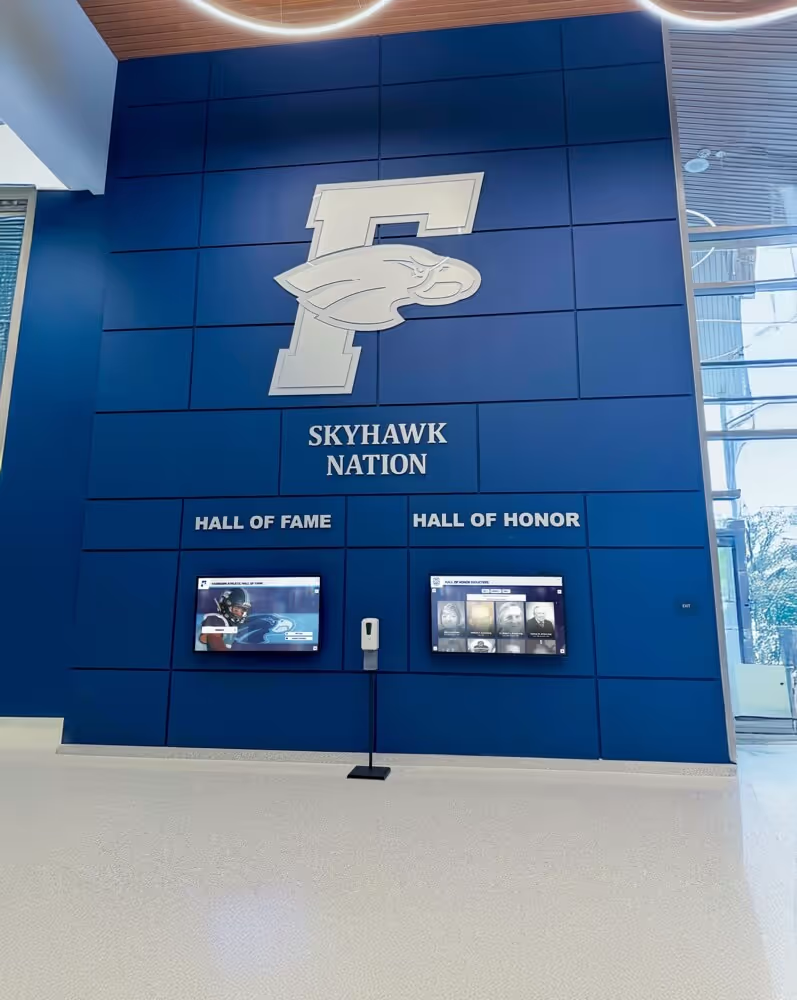
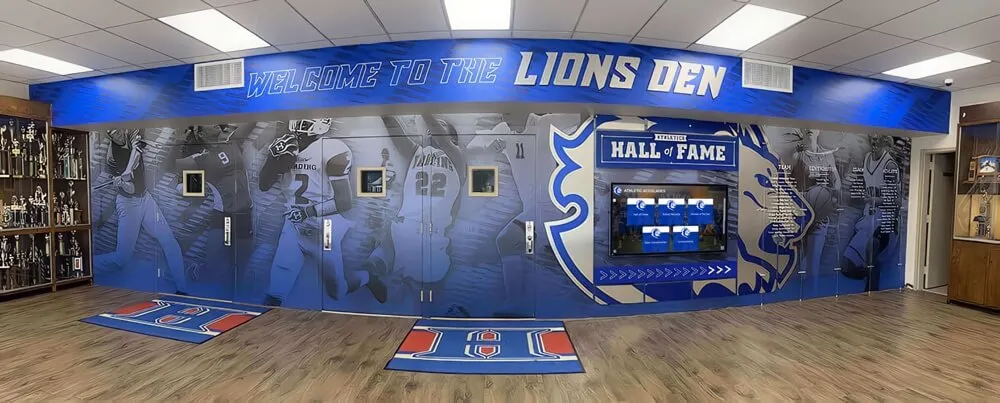
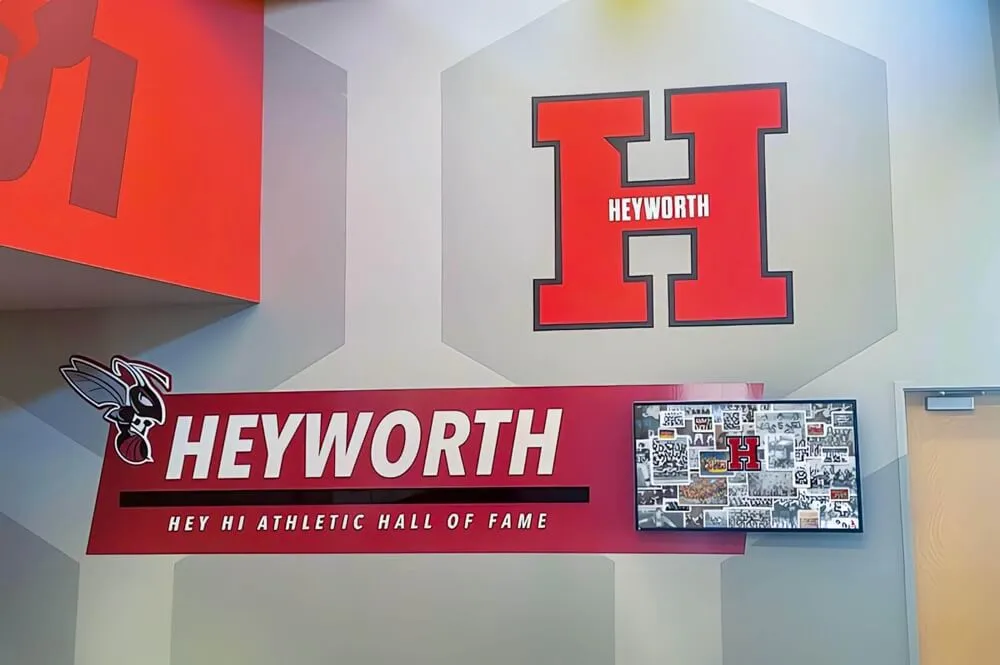
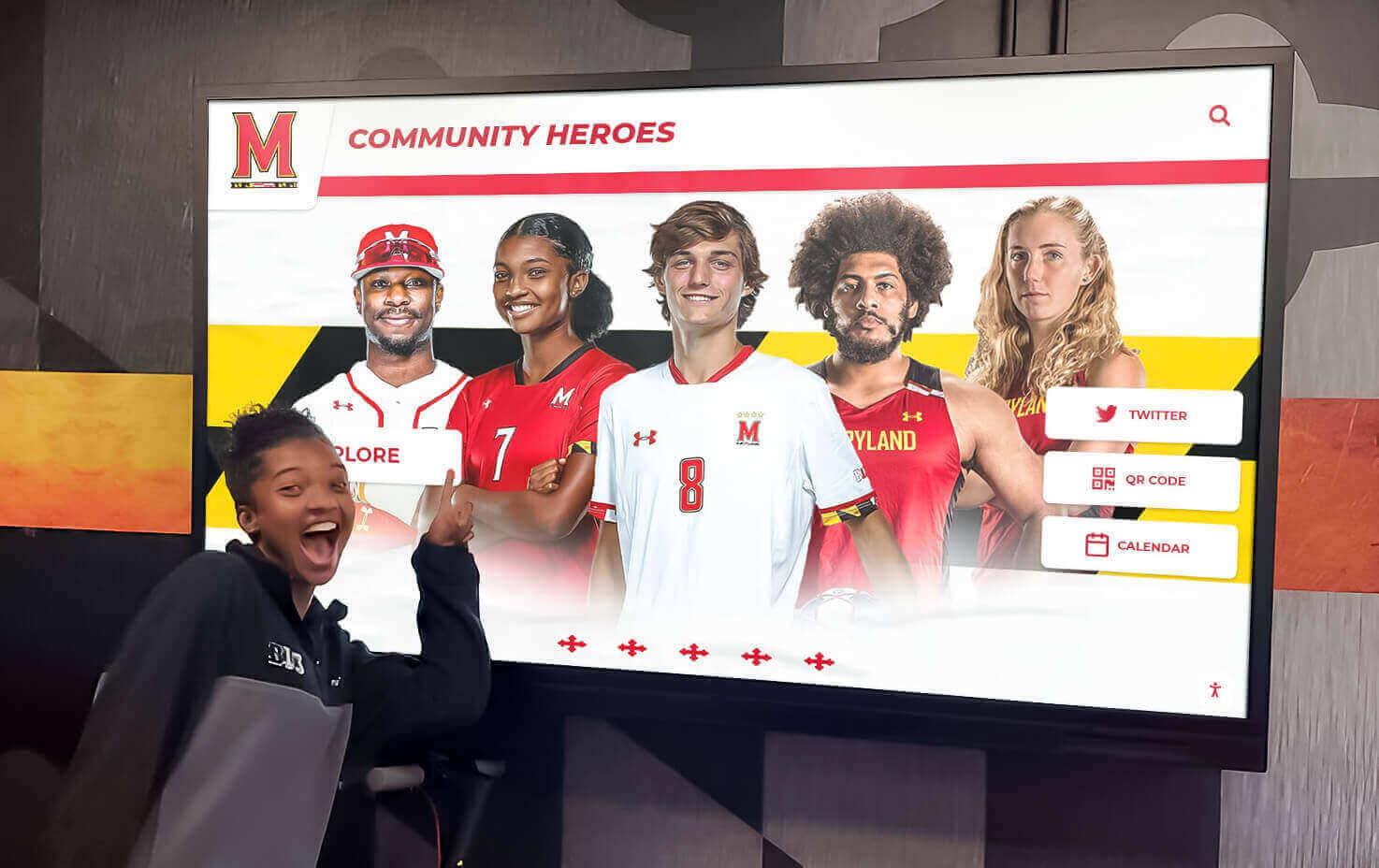
Interactive Digital Memorial Walls
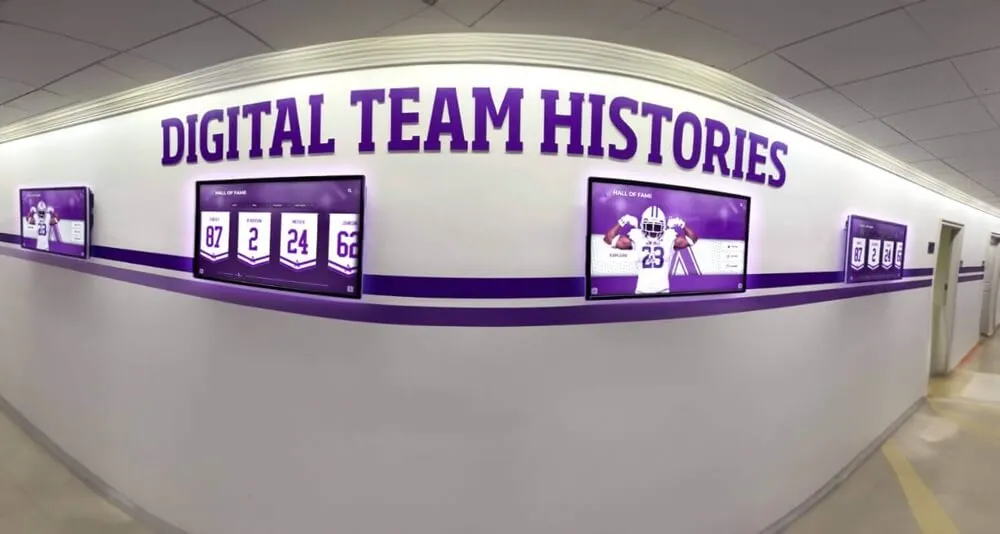
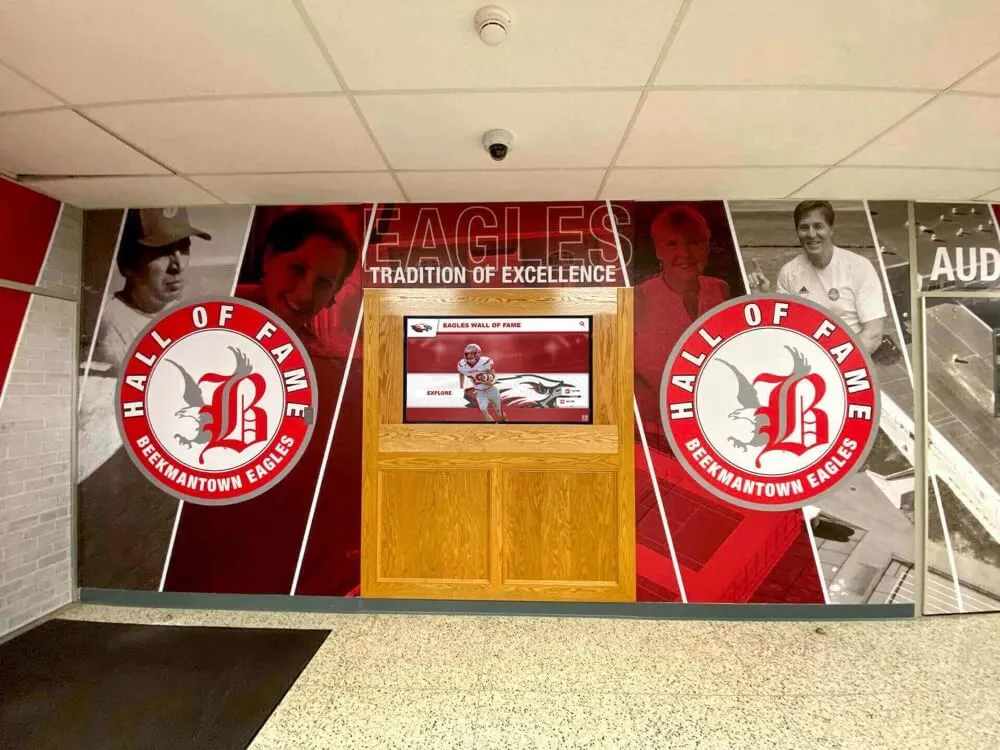
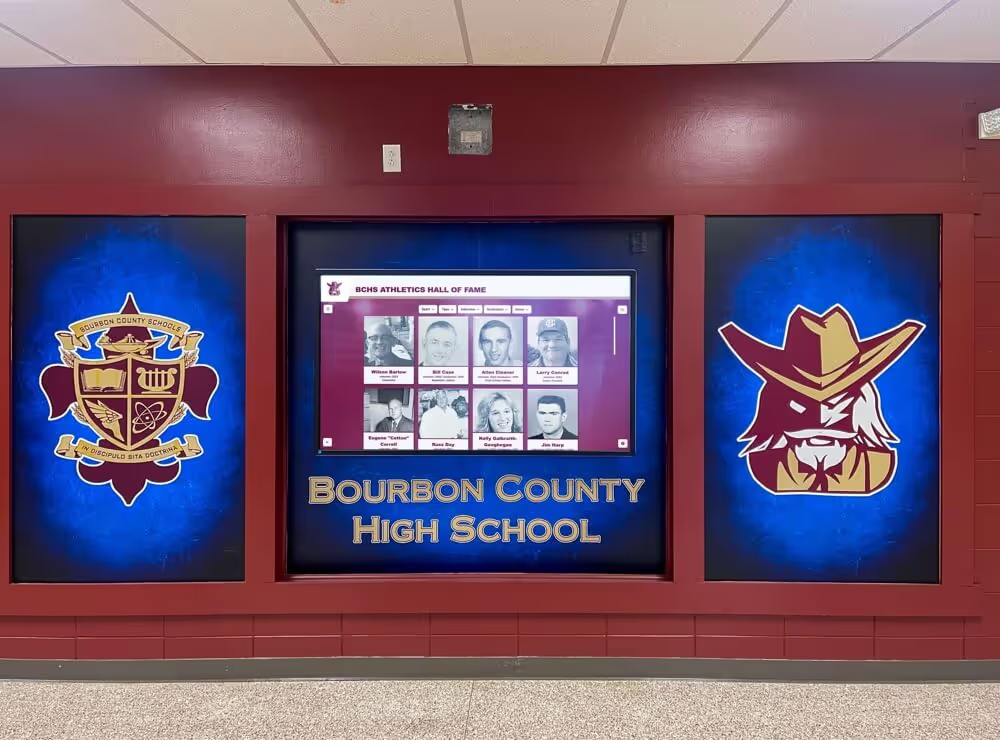
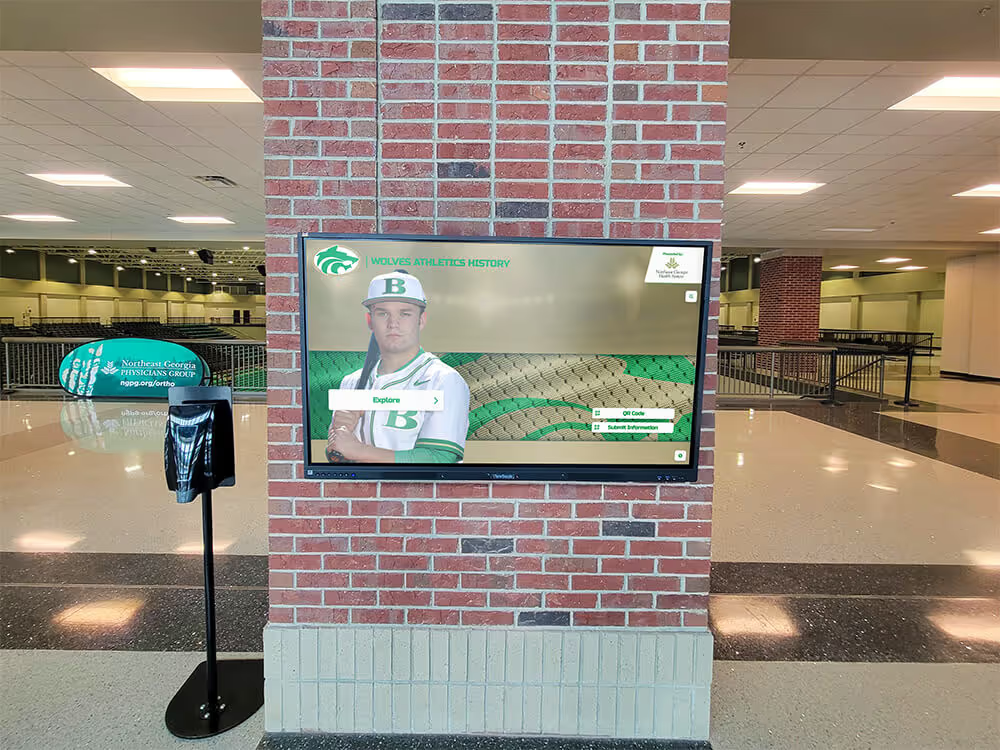
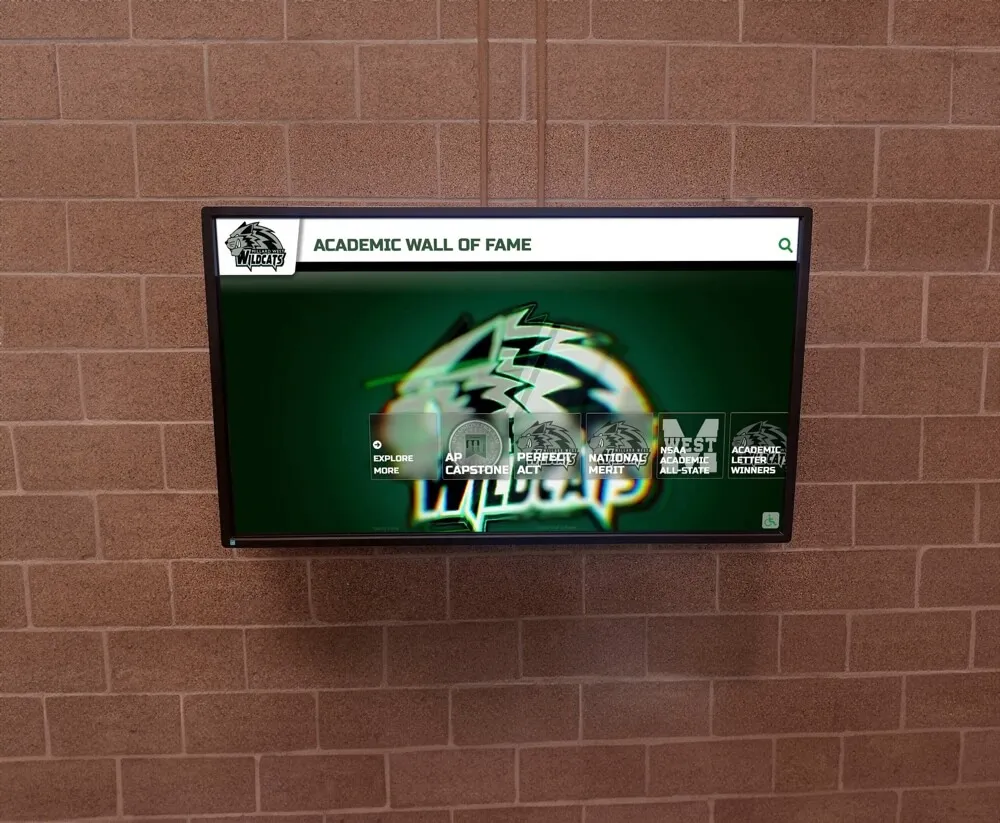
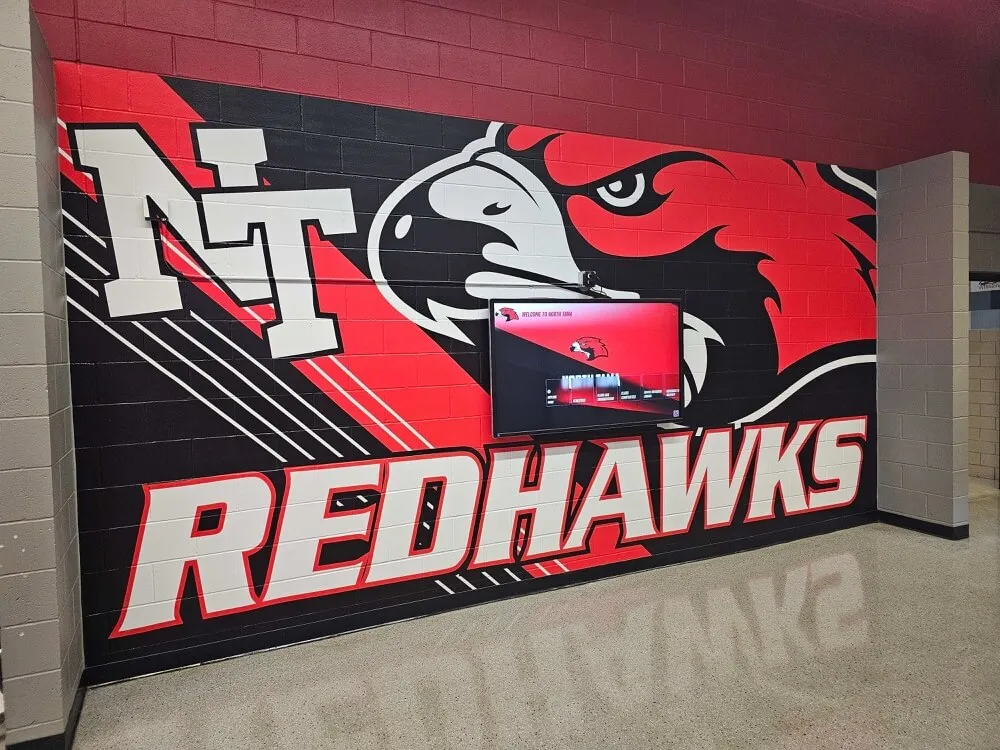
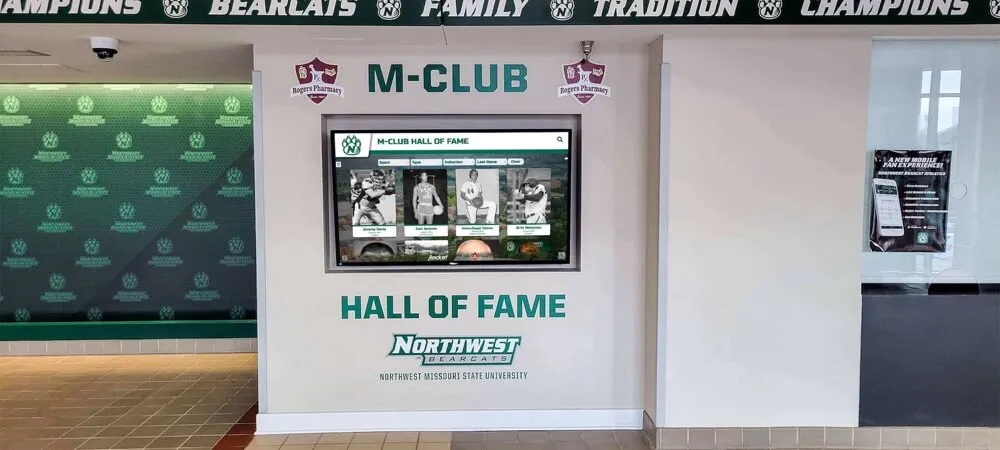
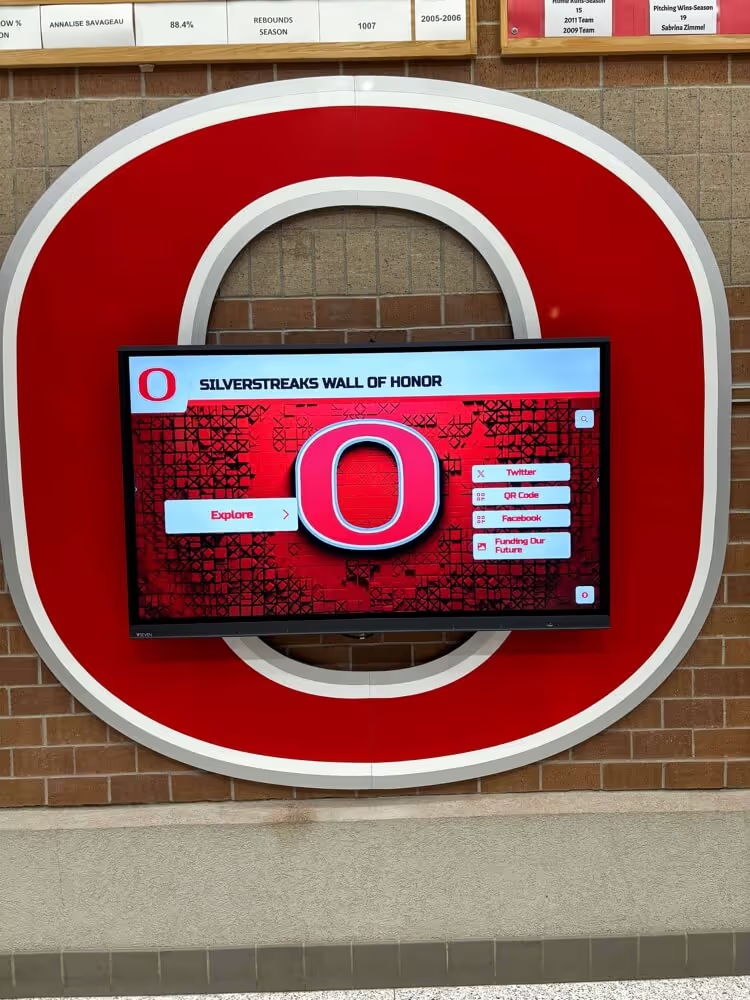
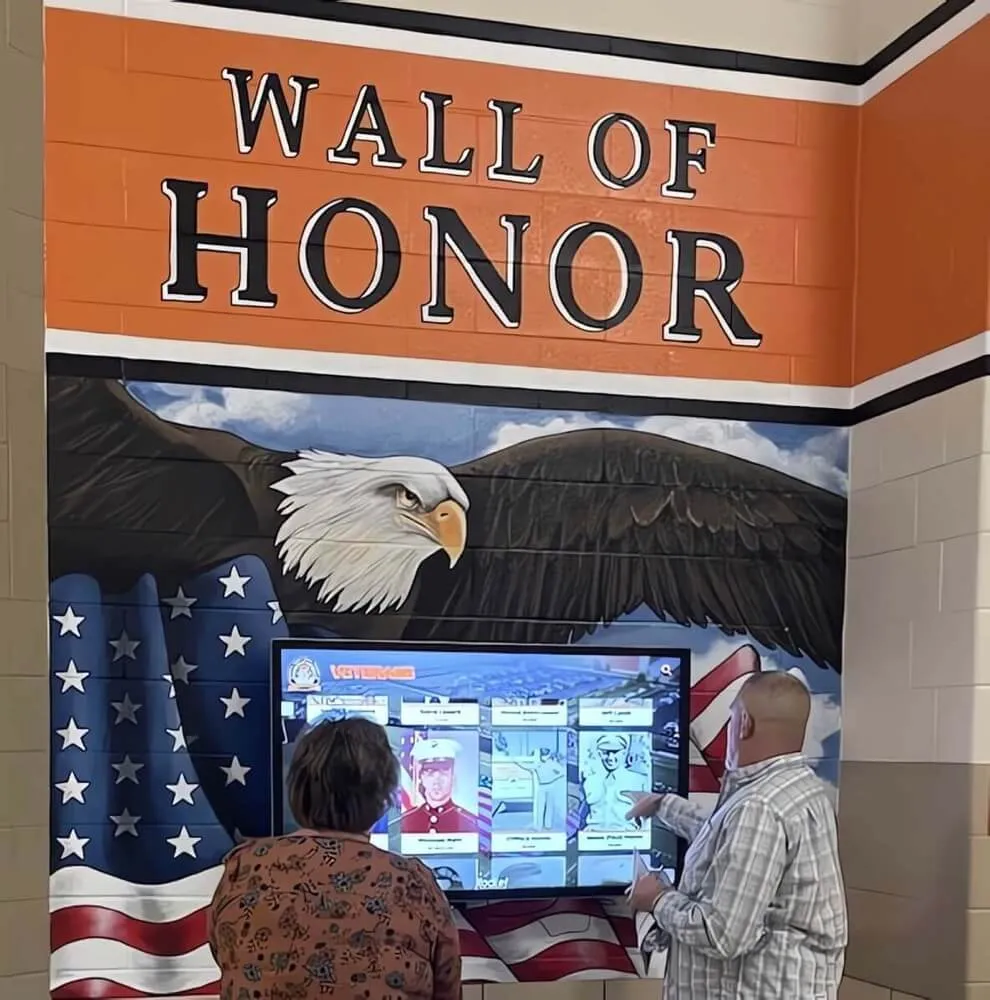
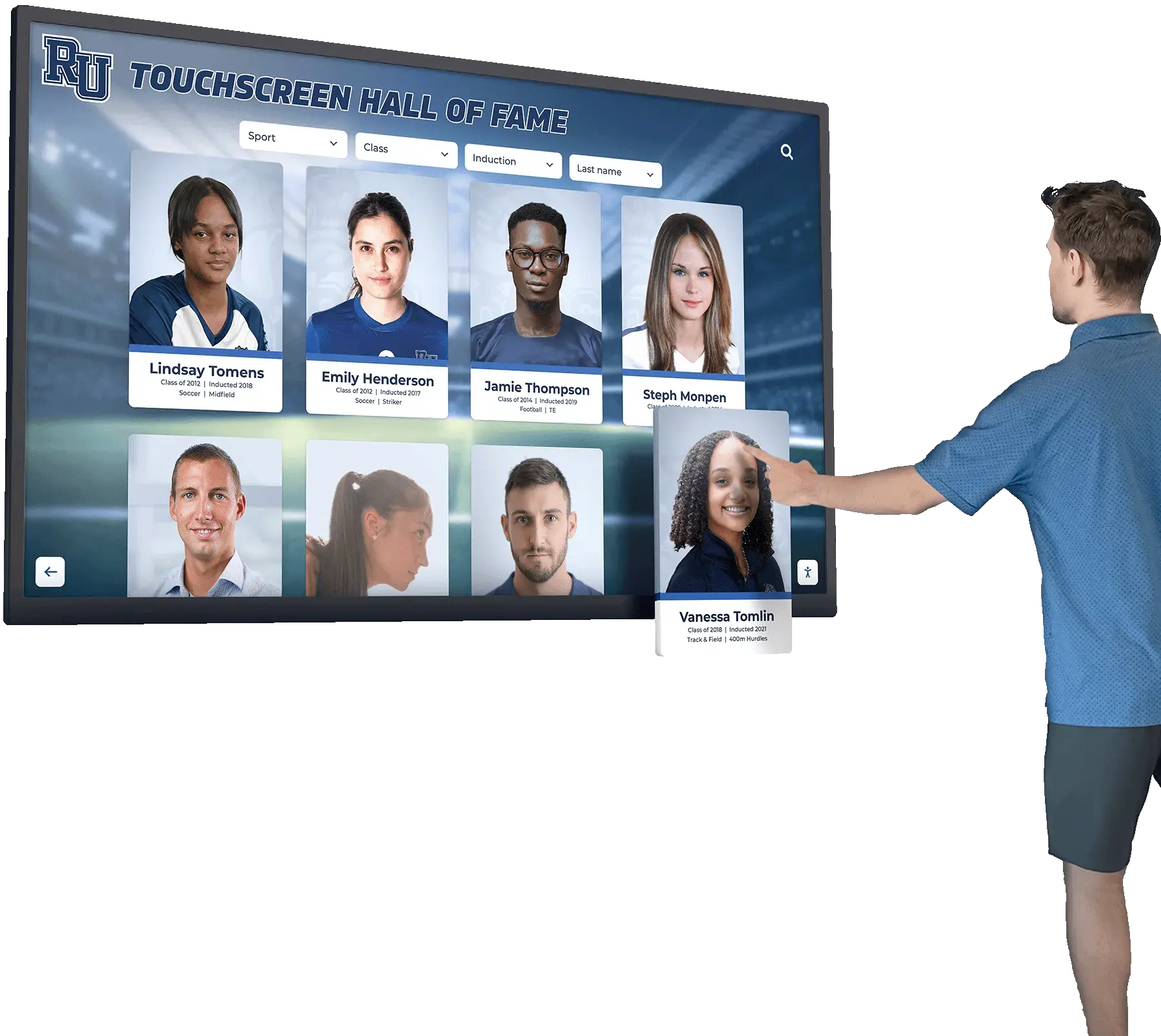
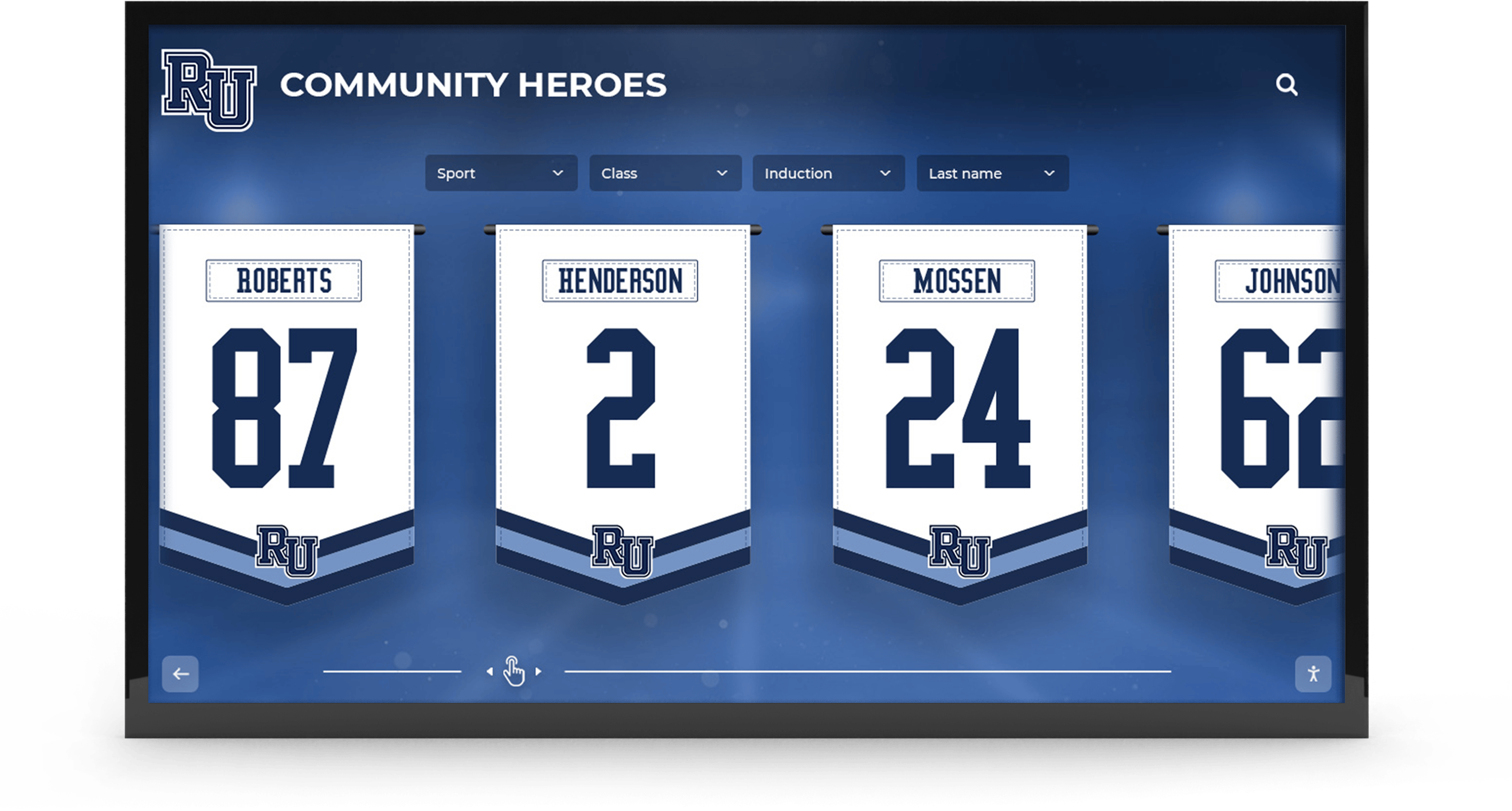
Traditional memorial plaques face inherent limitations—finite space forcing selective recognition, static content providing minimal service context, and inability to update as veterans’ post-service accomplishments accumulate. Interactive touchscreen displays transform veteran recognition into comprehensive, engaging tributes.
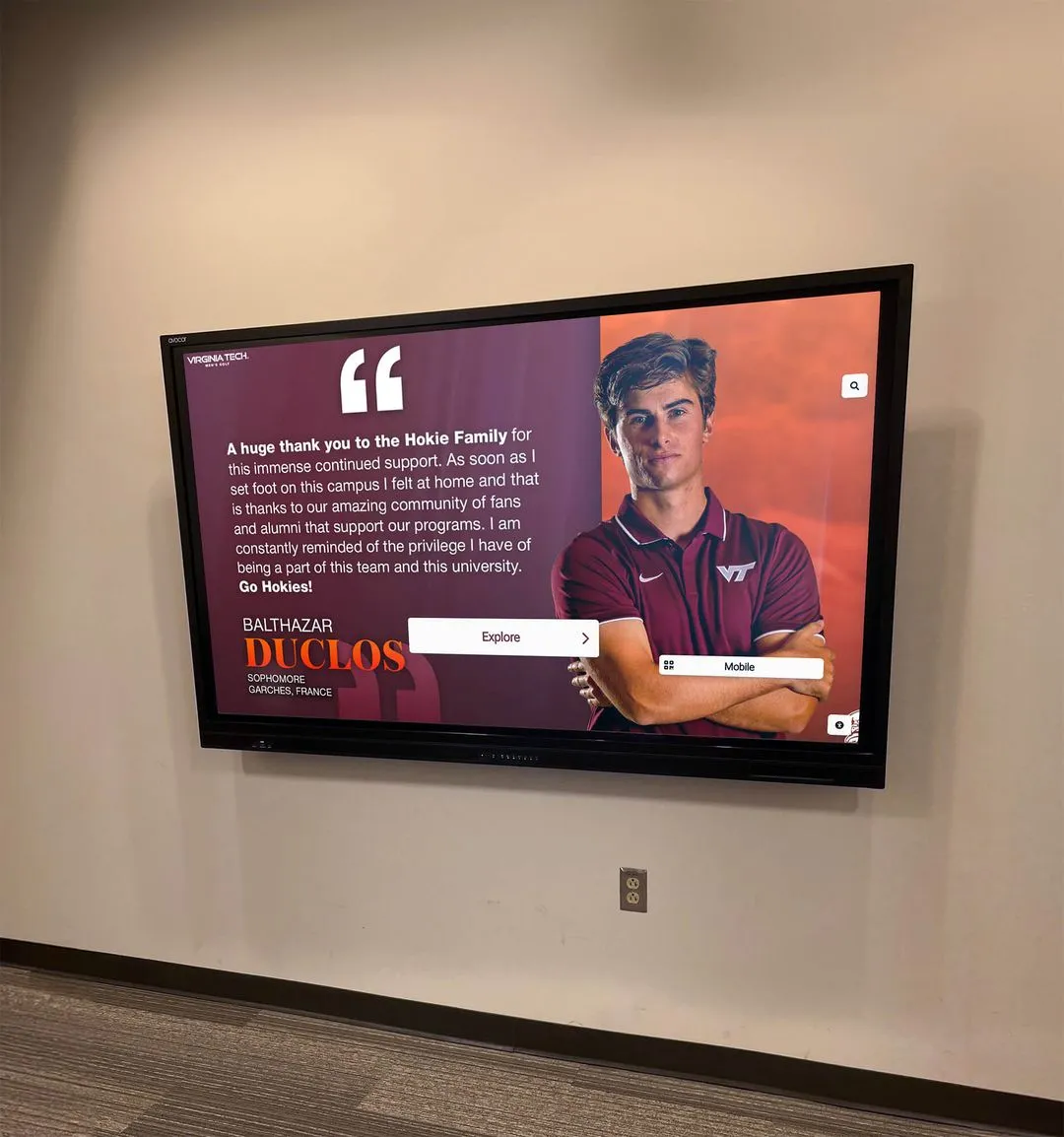
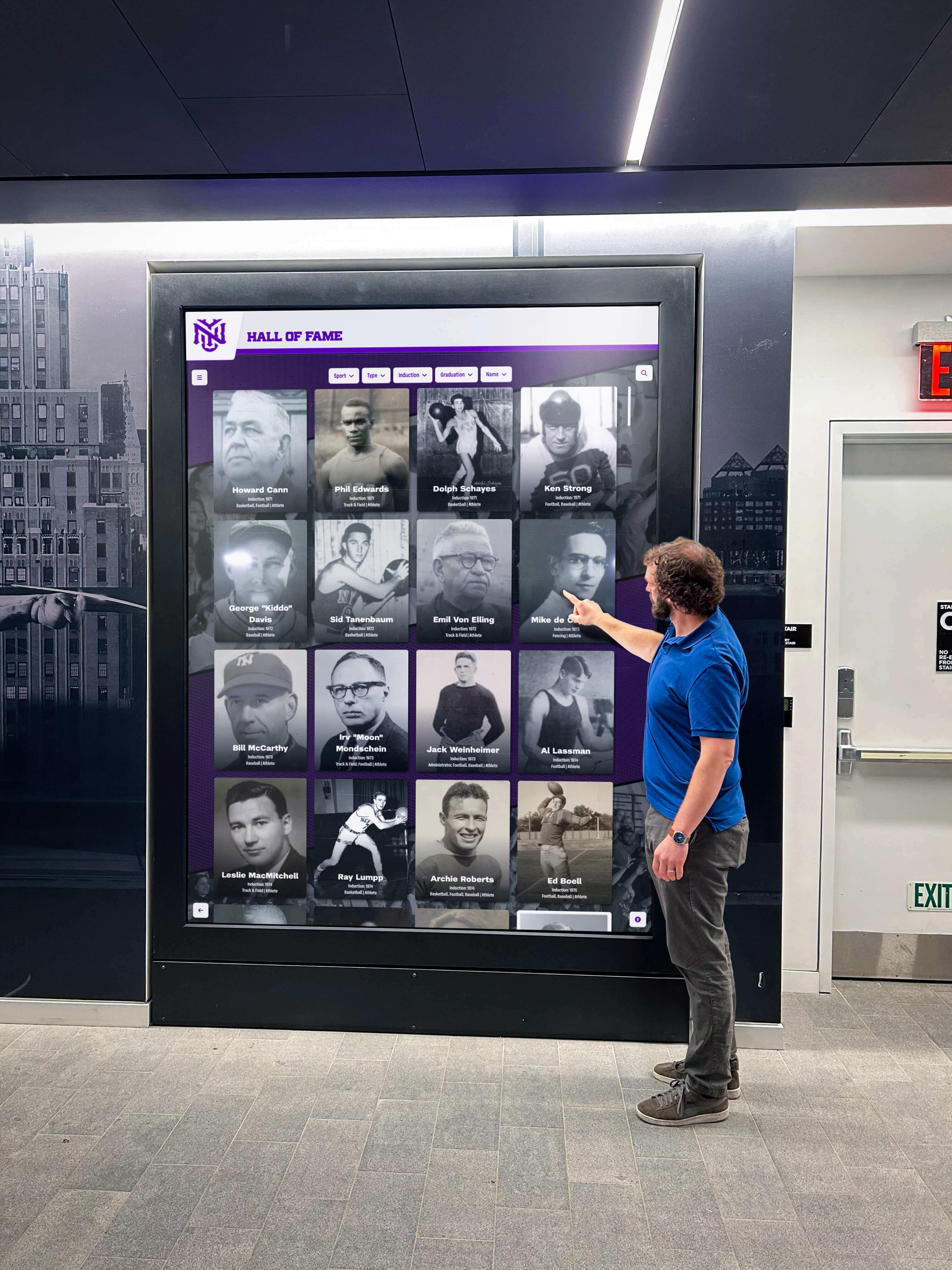
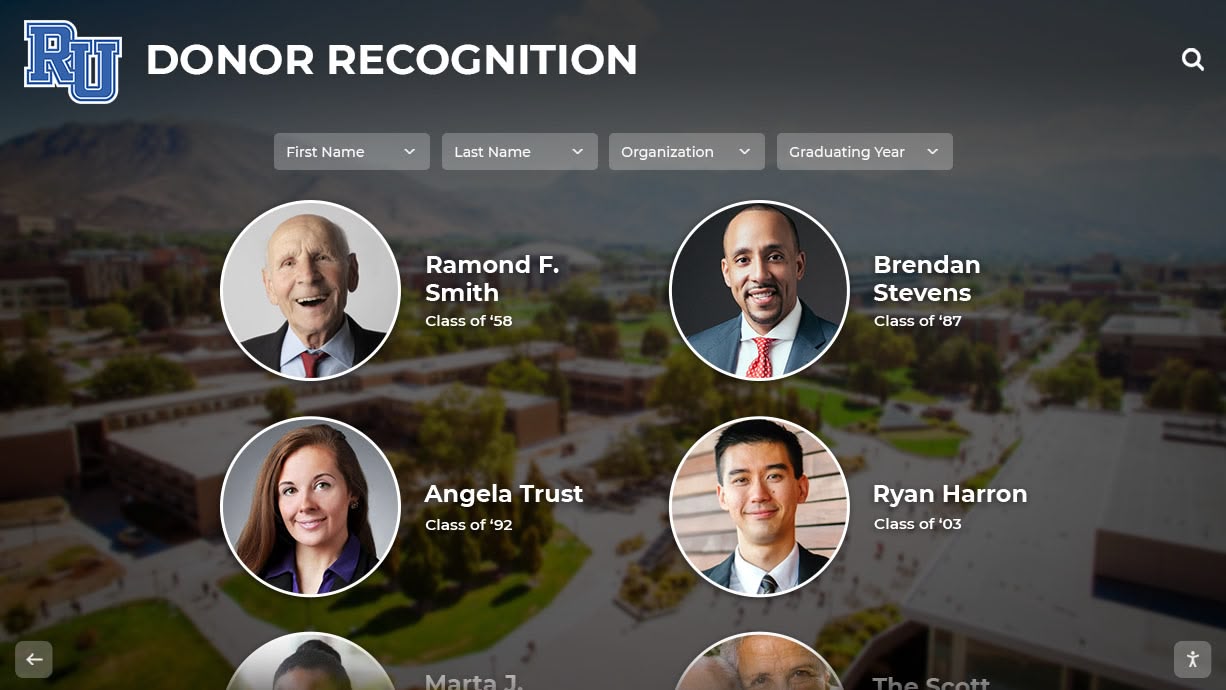

Modern digital memorial systems enable unlimited veteran profiles with detailed service histories including branch, rank, years of service, deployments, and awards received; biographical content covering both military service and post-service contributions to community; multimedia integration featuring interview videos, historical photos, and archival content; powerful search functionality allowing visitors to find specific individuals, explore service eras, or filter by branch and conflict.
Solutions like Rocket Alumni Solutions provide platforms specifically designed for permanent recognition that sync across physical displays and companion websites, extending memorial access globally to distant family members while maintaining consistent presentation across all touchpoints.
These systems serve dual purposes—honoring individual veterans through rich, personalized tributes while educating broader communities about military service, sacrifice, and the diversity of veteran experiences across different eras and conflicts.
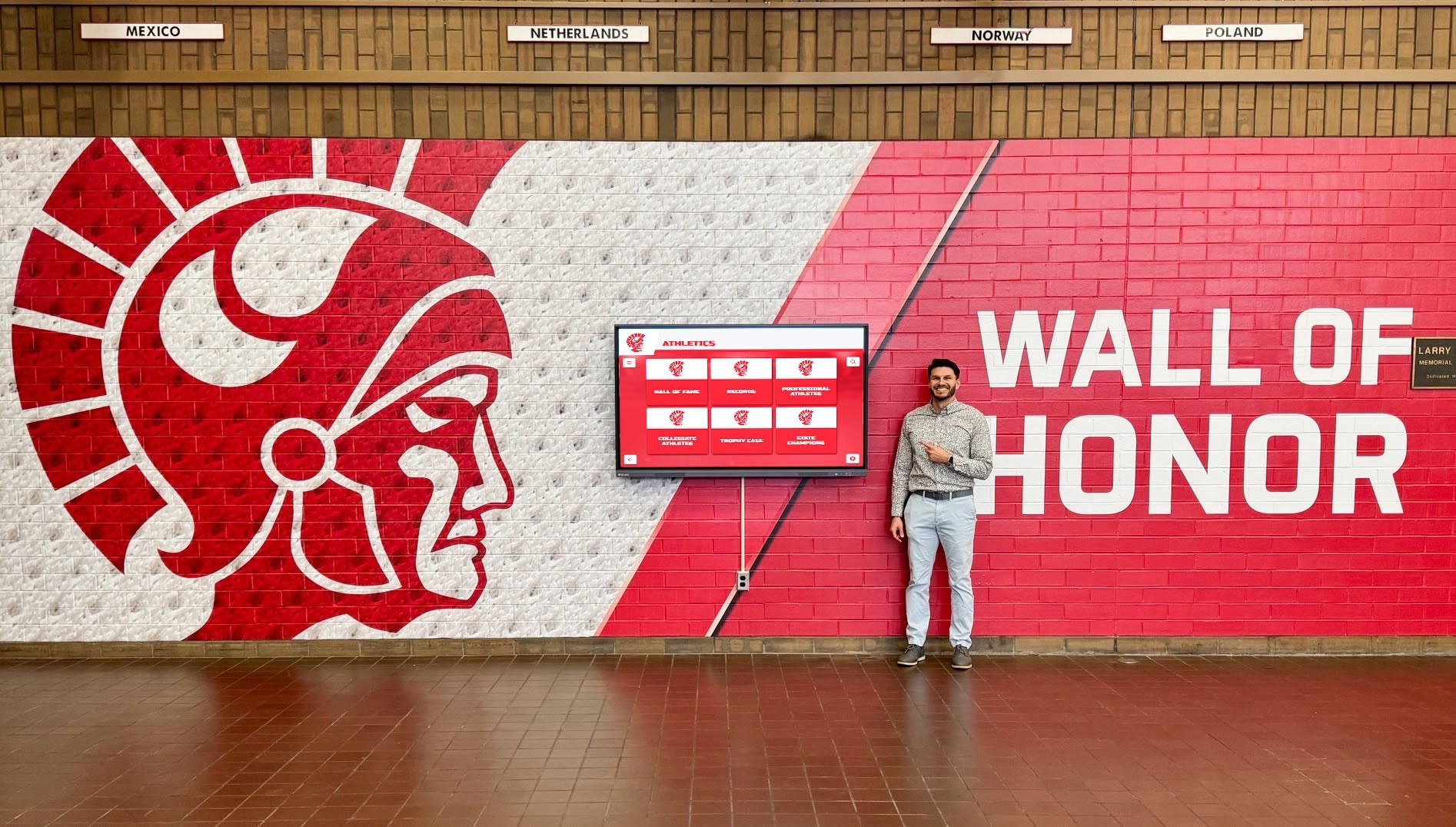
Dedicated Veterans Wall of Honor Spaces
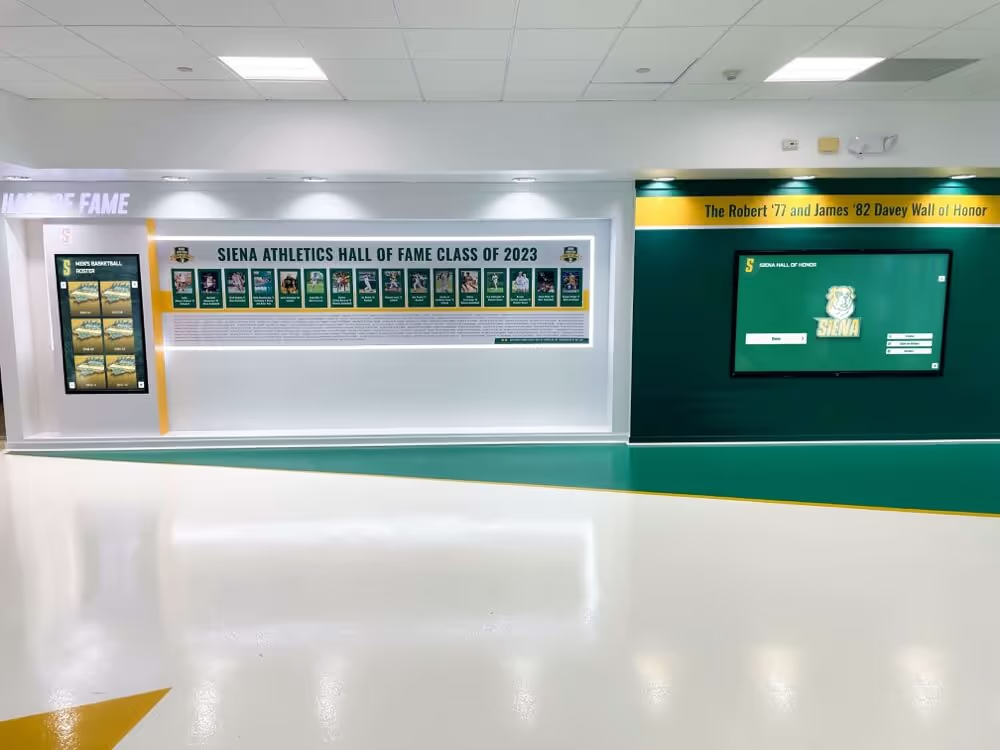
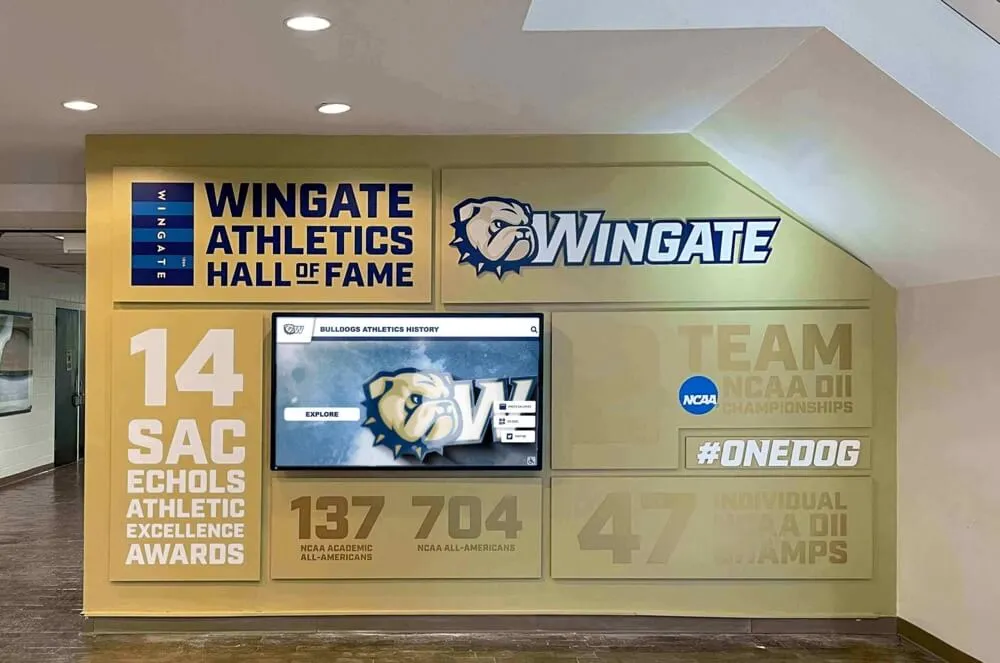
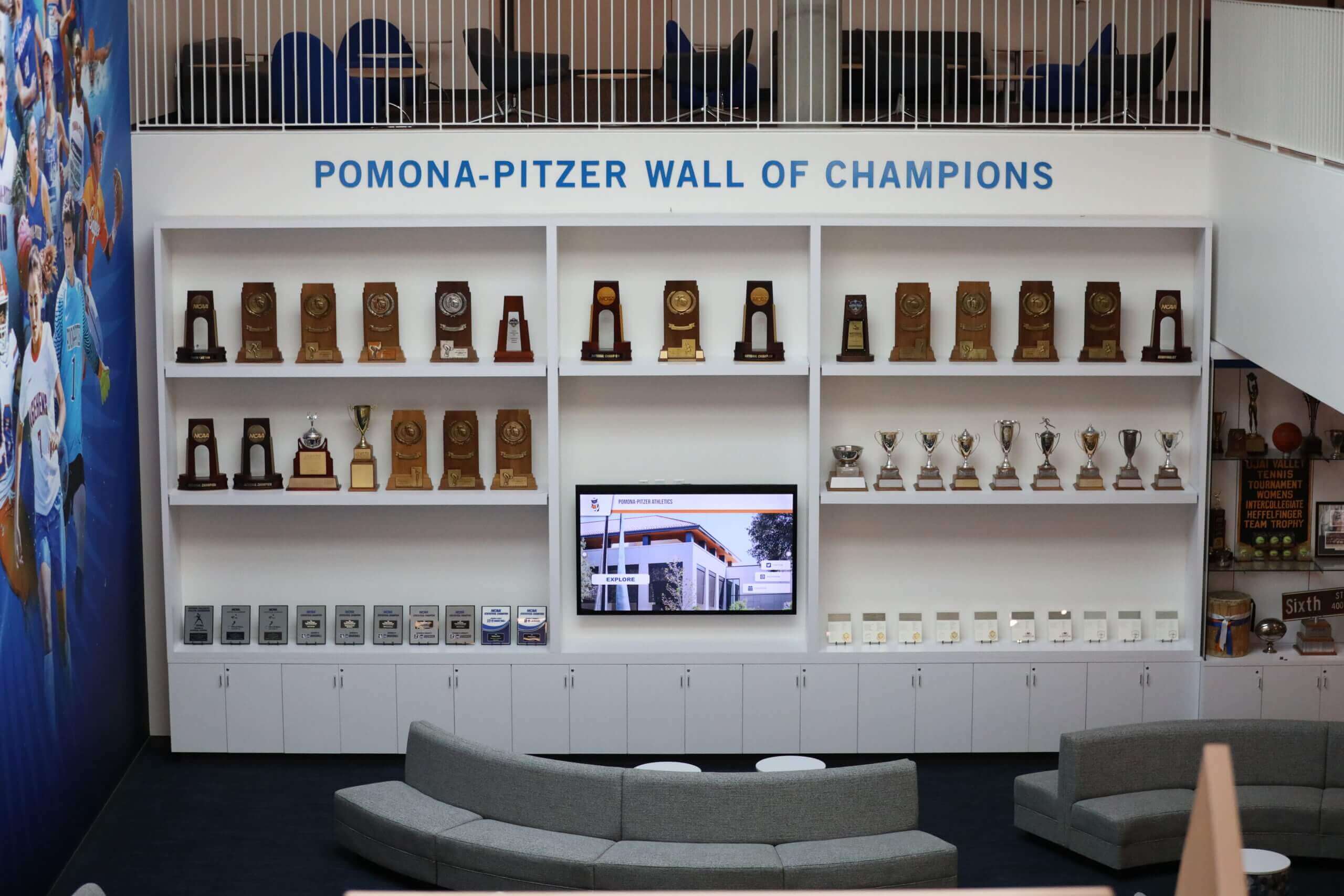
Creating physical spaces dedicated exclusively to veteran recognition demonstrates institutional commitment while providing dignified environments for reflection and remembrance. Effective veterans walls incorporate several key elements:
Comprehensive Veteran Rosters: Display all community members who have served, organized by conflict era (World War II, Korea, Vietnam, Gulf War, Iraq/Afghanistan, peacetime service) or branch of service. Inclusive approaches recognizing all service members—not just those with combat deployments or high ranks—validate that all military service merits appreciation.
Service Branch Symbols and Colors: Visual elements representing each military branch through official seals, colors, and insignias create recognizable identity while honoring branch-specific traditions and cultures.
Historical Context Displays: Timeline presentations providing historical background about major conflicts, technological evolution of military service, and demographic changes across eras help visitors understand how military service has transformed while core values of duty, honor, and sacrifice remain constant.
Family Recognition Components: Dedicated sections acknowledging Gold Star Families who lost loved ones in service, spouses and children of deployed service members, and veterans’ family members currently serving create comprehensive recognition extending beyond individual uniformed personnel.
Institutions implementing employee recognition wall designs can adapt similar approaches for veteran recognition, using professional design principles that create dignified, impactful displays appropriate for memorial purposes.
Living Memorial Gardens and Outdoor Recognition Spaces
Outdoor memorial gardens provide contemplative spaces for reflection while accommodating larger-scale recognition elements impossible in interior hallways. Successful military memorial gardens typically include:
Memorial Plaques and Honor Walls: Weather-resistant engraved plaques listing veterans’ names, service branches, and years of service create permanent records while landscaping elements like memorial trees, flagpoles, and patriotic plantings enhance visual impact.
Commemorative Benches and Seating: Dedicated seating areas with plaques honoring specific veterans or military families create functional memorial elements where visitors can pause for reflection.
Educational Signage: Interpretive panels explaining military service history, describing specific conflicts, or sharing individual veteran stories transform gardens from simple memorials into educational outdoor classrooms.
Accessibility and Inclusivity: Universal design principles ensure spaces accommodate visitors with disabilities while inclusive recognition acknowledges the full diversity of military service including women veterans, LGBTQ+ service members, and veterans from all racial and ethnic backgrounds.
Gardens require ongoing maintenance commitments but provide unique benefits—spaces for commemoration ceremonies, outdoor educational settings, and community gathering locations that extend recognition beyond building interiors.
Veteran Appreciation Month Programming and Events
While permanent installations provide year-round recognition, dedicated November programming creates focused opportunities for education, celebration, and community building around military appreciation.
Veterans Day Assemblies and Ceremonies
Traditional Veterans Day assemblies remain valuable when designed thoughtfully to educate rather than simply perform patriotic ritual. Effective ceremonies incorporate:
Veteran Speakers Sharing Personal Experiences: Invite local veterans representing diverse service eras, branches, and experiences to speak about their military service in accessible, age-appropriate formats. Personal narratives create emotional connections and humanize military service beyond abstract concepts.
Student-Veteran Interview Projects: Pair students with veteran community members for structured interview projects where students document service stories, creating video recordings, written profiles, or multimedia presentations shared during assemblies. These projects generate educational value while honoring veterans through active listening and story preservation.
Military Family Recognition Moments: Acknowledge military-connected students and staff members through appropriate recognition respecting privacy preferences—some families prefer public acknowledgment while others value discretion.
Educational Context: Provide historical background about Veterans Day origins, explain the distinction between Veterans Day and Memorial Day, and discuss contemporary veteran issues helping students understand military service in broader societal context.
Respectful Ceremony Elements: Include appropriate traditional elements like flag presentation, national anthem, moment of silence, and military branch songs performed by school music programs, ensuring all aspects demonstrate genuine respect rather than performative patriotism.
Well-designed assemblies balance celebration of military service with age-appropriate education about the complexities, challenges, and sacrifices inherent in military life, avoiding glorification while honoring genuine service and sacrifice.
Veteran Mentorship and Career Education Programs
November provides natural timing for launching veteran mentorship initiatives connecting student populations with military veterans for career exploration, life skills development, and cross-generational dialogue.
Military Career Pathways Presentations: Veterans representing various military occupational specialties present to students about career training, educational benefits, leadership development, and post-service career transitions, providing practical information about military service as potential career pathway while discussing realistic challenges and opportunities.
Leadership Skills Workshops: Veterans facilitate workshops teaching leadership principles, teamwork, resilience, and problem-solving drawn from military training and experience, translating military skills development to civilian educational and career contexts.
One-on-One Mentoring Relationships: Formal mentorship programs pair interested students with veteran mentors for sustained relationships extending beyond November, creating meaningful intergenerational connections while providing students with adult role models who’ve overcome challenges and demonstrated commitment to service.
These programs honor veterans by recognizing their expertise and unique perspectives while providing genuine value to student participants, creating reciprocal relationships rather than one-sided acknowledgment.
Community Service Projects Honoring Veterans
Service learning projects centered on veteran support create active engagement opportunities while addressing practical needs in veteran communities.
Care Package Campaigns: Student-organized efforts collecting and assembling care packages for deployed service members teach about current military service while providing tangible support for troops and their families.
Veterans Facility Visits: Partnerships with VA hospitals, veterans homes, or assisted living facilities with veteran residents enable student visits, performances, or assistance projects connecting younger generations with elderly veterans while combating isolation many older veterans experience.
Veterans Memorial Restoration Projects: Students participate in cleaning, maintaining, or restoring community veterans memorials, war monuments, or military cemeteries, learning local military history while contributing to memorial preservation.
Fundraising for Veteran Service Organizations: Student-led fundraising supporting organizations like Wounded Warrior Project, Fisher House Foundation, or local veteran service groups educates about veteran needs while generating resources for programs serving military populations.
Service projects transform abstract appreciation into concrete action, demonstrating that honoring veterans means supporting their genuine needs and wellbeing rather than only symbolic gestures.
Supporting Military Families Year-Round
The most meaningful veteran appreciation extends well beyond November through sustained programs addressing military family needs while creating inclusive school environments where military-connected students thrive.
Understanding Military-Connected Student Challenges
Military-connected students face unique circumstances affecting academic achievement, social development, and emotional wellbeing:
Frequent Relocations: Military families relocate every 2-3 years on average, forcing students to repeatedly establish new friendships, adjust to different curricula, and rebuild support networks. These transitions particularly impact social-emotional development and academic continuity.
Deployment Cycles: When parents deploy, children experience extended separations, heightened anxiety about parent safety, and disrupted family routines. Young children struggle to understand deployment timelines while adolescents may assume additional household responsibilities affecting school performance.
Reintegration Challenges: Post-deployment reintegration can be difficult as family dynamics shift and returning service members readjust to civilian family life after months in combat zones or operational environments.
Invisible Burden: Military-connected students may hesitate to discuss challenges or seek support, fearing that expressing difficulty appears disloyal to serving parents or that civilian peers cannot relate to military family experiences.
Schools recognizing these realities implement specific support structures rather than assuming military students need no special assistance beyond periodic recognition.
Military Student Liaison Programs
Designate staff members as points of contact for military families, providing consistent support through transitions, deployment cycles, and educational challenges. Effective liaisons:
Facilitate Enrollment Transitions: Streamline new student enrollment, course placement, and credit transfers when military families relocate mid-year, reducing administrative burden during already stressful transitions.
Connect Families to Resources: Provide information about installation support services, community veteran organizations, and school-based programs relevant to military families.
Monitor Academic Progress: Proactively check in with military-connected students, identifying academic difficulties early and coordinating appropriate interventions before problems escalate.
Support During Deployments: Increase communication with families experiencing deployments, offer flexible policies acknowledging deployment-related stress, and facilitate school-based counseling when appropriate.
Build Peer Communities: Connect military-connected students with each other, creating peer support networks among students who share similar experiences and understand military life challenges.
Liaison roles validate that military family needs merit dedicated institutional attention while providing practical coordination improving military student outcomes.
Flexible Policies Accommodating Military Family Realities
Policy adjustments demonstrate understanding of military life while removing unnecessary barriers military families face:
Attendance Flexibility: Excuse absences related to parent deployments, homecomings, military family events, or relocations without penalty, recognizing legitimate military-related reasons for missing school.
Extended Assignment Deadlines: Provide accommodations during particularly stressful periods like deployment departures or returns when students may struggle to maintain typical academic performance.
Virtual Participation Options: Enable military-connected students to participate virtually when family circumstances require temporary relocation or when attending to family needs during deployment cycles.
Military Family Events: Schedule family events considering military parent availability, offer virtual participation for deployed parents, and create welcoming environments for non-traditional family structures common in military populations.
These policies cost nothing to implement while demonstrating institutional flexibility recognizing that rigid adherence to standard policies may disadvantage military families managing circumstances beyond their control.
Educational Programming About Military Service and History
Veteran appreciation gains depth when accompanied by education helping students understand military service context, diversity, and historical significance.
Integrated Curriculum Connections
Rather than treating military history as isolated November content, effective schools integrate military service and veteran experiences across multiple subject areas:
Social Studies and History: Age-appropriate study of major American conflicts, causes and consequences of military involvement, technological and tactical evolution, and how military service has shaped American society and culture across eras.
Literature and Language Arts: Reading military-themed literature, veteran memoirs, and war correspondence; analyzing how authors depict military experience; and studying how language surrounding military service has evolved reflecting changing social attitudes.
Mathematics and Science: Exploring military technology, analyzing statistical data about veteran demographics and service patterns, or examining scientific innovations with military origins later adapted for civilian applications.
Arts and Music: Studying military-themed art, memorial architecture, patriotic music, and cultural expressions of military experience across different eras and communities, exploring how societies process war and service through creative expression.
Integrated approaches teach that military service represents significant strand woven throughout American history and culture rather than isolated topic relevant only during Veterans Day observances.
Guest Speaker Series and Veteran Classroom Visits
Veteran classroom visits create powerful learning opportunities when structured to maximize educational value while respecting veterans’ time and experiences:
Provide Clear Educational Objectives: Communicate specific learning goals for veteran visits so speakers can prepare relevant content aligned with curriculum rather than giving generic presentations without clear educational purpose.
Prepare Students Appropriately: Pre-teach historical context, explain military terminology and structures, and establish respectful behavioral expectations before veteran visits, ensuring students can engage meaningfully with presented content.
Facilitate Student Questions: Structure time for student questions while providing guidance about appropriate topics—focus on daily life experiences, training, career paths, and service lessons rather than potentially traumatic combat details veterans may prefer not discussing publicly.
Follow Up Educationally: Connect veteran presentations to subsequent learning activities—reflective writing, research projects, or comparative analysis—transforming single visits into launching points for deeper engagement.
Express Genuine Appreciation: Student-created thank you notes, recognition in school communications, or inclusion in digital recognition displays honor veterans’ time while modeling gratitude.
Veteran speakers provide firsthand perspectives impossible to replicate through textbooks alone, creating memorable learning experiences that humanize military service while educating about diverse experiences across different service eras and branches.
Primary Source and Oral History Projects
Student-led oral history initiatives document veteran experiences while teaching historical research methods and preserving community military history at risk of being lost as veteran populations age:
Interview Training: Teach students oral history interview techniques including question development, recording technology use, active listening, and ethical considerations around sensitive topics.
Veteran Matching: Connect students with veteran interview subjects from family, community, or veteran organization partnerships, ensuring appropriate matches and veteran willingness to participate.
Documentation and Archiving: Guide students in creating professional interview transcripts, video editing, and archival organization, producing lasting historical records beyond classroom exercises.
Public Sharing: Present oral history projects through school exhibitions, community events, online archives, or contributions to digital history collections, giving student work authentic audiences while honoring veterans through story preservation.
These projects create reciprocal value—students gain authentic learning experiences while veterans receive meaningful recognition through careful documentation ensuring their service stories endure for future generations.
Partnering with Veteran Organizations and Military Installations
Schools and organizations amplify Veteran Appreciation Month impact through strategic partnerships with veteran service organizations, military installations, and community military support groups.
Veteran Service Organization Collaborations
National and local veteran organizations provide expertise, resources, and veteran connections that enhance school recognition and programming:
Veterans of Foreign Wars (VFW) Posts: Local VFW posts offer speaker assistance, flag ceremony support, educational resources, and potential funding for veteran recognition projects through community grants.
American Legion Posts: American Legion partnerships provide similar support while offering specific programs like Boys State/Girls State citizenship programs, oratorical contests, and youth programs with military appreciation components.
Vietnam Veterans of America: Chapters focusing specifically on Vietnam-era service connect students with veterans whose experiences are often underrepresented in World War II-focused recognition, providing diverse historical perspectives.
Service-Specific Organizations: Branch-specific groups like Marine Corps League, Navy League, or Air Force Association offer specialized expertise and potential connections to veterans from particular service branches.
Veteran Support Service Organizations: Groups like Wounded Warrior Project, Team Rubicon, or local veteran service nonprofits provide perspectives on contemporary veteran needs and opportunities for service learning partnerships.
These organizations typically welcome school partnerships seeing youth education as important mission components, but effective collaboration requires clear communication about goals, expectations, and logistics rather than assuming veterans are always available for any requested support.
Military Installation Partnerships
Schools located near military installations can develop formal partnerships leveraging installation resources while better serving military-connected student populations:
School Liaison Officer Connections: Military installations employ school liaison officers who facilitate partnerships between installations and local schools, coordinate support for military families, and assist with educational transitions.
Installation Access for Events: Some installations permit school groups to visit for historical tours, military working dog demonstrations, equipment displays, or career exploration appropriate for student audiences (subject to security clearance and installation policies).
Joint Recognition Events: Coordinate Veterans Day or military appreciation ceremonies with installation personnel offices, inviting installation participation in school events or participating in installation ceremonies.
Resource Sharing: Access installation libraries, educational materials, or subject matter experts for classroom presentations, curriculum development, or teacher professional development about military topics.
Family Support Coordination: Align school policies, event calendars, and communication strategies with installation family support services ensuring consistent messaging and reducing confusion for military families navigating both systems.
Installation partnerships require patience navigating military bureaucracy, security requirements, and changing personnel as military assignments rotate, but successful relationships provide extraordinary resources and authentic military connections.
Implementing Accessible and Inclusive Veteran Recognition
Truly honoring all veterans requires intentional inclusivity ensuring diverse military experiences receive appropriate recognition while accessibility enables all community members to engage with veteran tributes regardless of disability.
Recognizing Diverse Veteran Populations
Military service encompasses extraordinary diversity across numerous dimensions, and comprehensive recognition acknowledges this breadth rather than defaulting to narrow stereotypes about who serves:
Women Veterans: Women comprise growing percentages of military service across all branches, and recognition should feature women veterans prominently rather than treating military service as exclusively or primarily male experience.
Veterans of Color: African American, Hispanic/Latino, Asian American, Pacific Islander, Native American, and veterans from all racial and ethnic backgrounds have served throughout American history, often despite discrimination and segregation. Inclusive recognition highlights this diversity while acknowledging both service contributions and unique challenges faced.
LGBTQ+ Veterans: Despite historical discrimination including “Don’t Ask, Don’t Tell” policies forcing service members to hide sexual orientation and gender identity, LGBTQ+ individuals have always served in American military. Modern recognition creates welcoming environments where LGBTQ+ veterans feel safe being authentically acknowledged.
Disabled Veterans: Service-connected disabilities affect millions of veterans, and recognition should normalize disability while ensuring all memorial spaces, events, and programs meet full accessibility requirements rather than treating disability as exceptional circumstance requiring special accommodation.
Veterans Across All Eras: Recognition balanced across World War II, Korea, Vietnam, Cold War, Gulf War, Iraq/Afghanistan, and peacetime service prevents over-focusing on “popular” wars while marginalizing veterans from less publicly celebrated conflicts or non-combat service periods.
Institutions implementing volunteer recognition programs can apply similar diversity and inclusion principles to veteran appreciation, ensuring all forms of service receive equitable honor regardless of demographic identity.
Accessibility in Recognition Displays and Events
Physical and digital veteran recognition must meet comprehensive accessibility standards enabling full community participation regardless of disability:
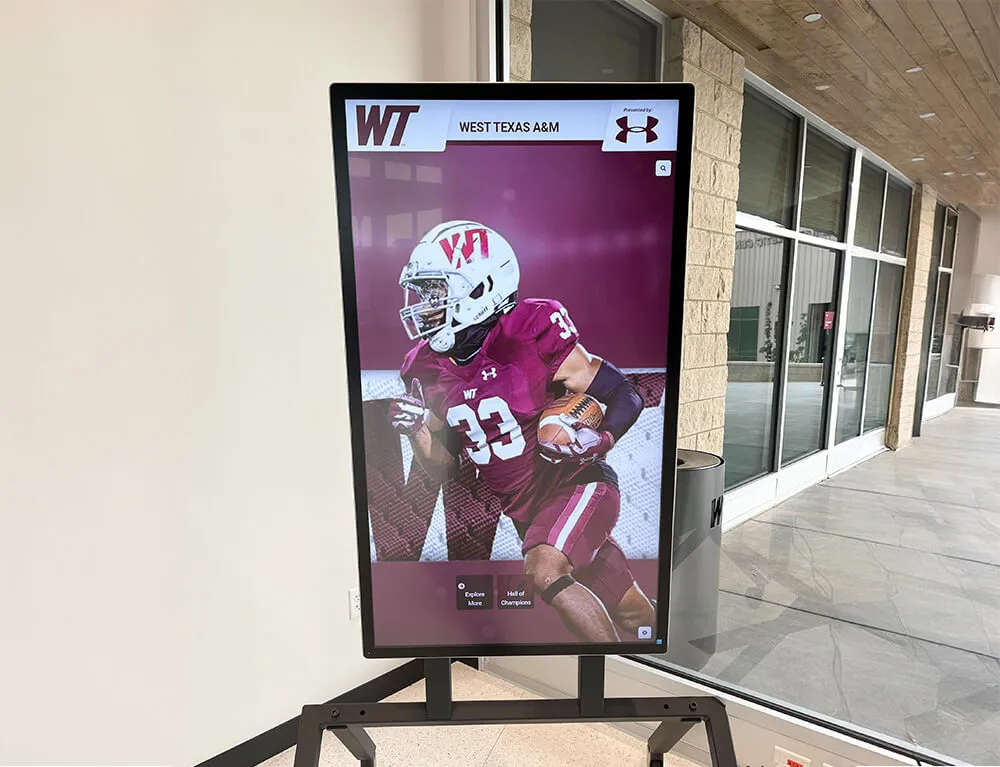
Digital Display Accessibility: Interactive touchscreen systems should include screen reader compatibility for blind and low-vision users, adjustable text sizing, high-contrast display options, audio descriptions for images and videos, and wheelchair-accessible mounting heights. Platforms like Rocket Alumni Solutions provide WCAG 2.2 AA compliant displays ensuring all visitors can engage with veteran recognition content regardless of disability.
Physical Space Accessibility: Memorial walls, gardens, and recognition spaces require wheelchair-accessible pathways, appropriate lighting for low-vision visitors, tactile elements for blind visitors, and seating accommodations for individuals who cannot stand for extended periods.
Event Accessibility: Veterans Day ceremonies and Veteran Appreciation Month events should provide ASL interpretation for Deaf community members, assistive listening systems for hard-of-hearing attendees, wheelchair-accessible seating and pathways, and sensory-friendly options for individuals with autism or sensory processing challenges.
Communications Accessibility: Ensure all promotional materials, programs, and informational content meet accessibility standards including alt text for images, captions for videos, accessible PDF formats, and plain language explanations avoiding unnecessarily complex jargon.
Accessibility benefits everyone, not just people with disabilities—captions help in noisy environments, ramps assist people using strollers or carrying equipment, and clear signage improves navigation for all visitors regardless of ability status.
Technology-Enhanced Veteran Recognition Systems
Modern recognition technology transforms traditional memorials into dynamic, engaging platforms that preserve military history while educating current and future generations about service and sacrifice.
Benefits of Digital Memorial Platforms
Interactive digital systems provide capabilities impossible through traditional static memorials:
Unlimited Recognition Capacity: Physical plaques face strict space limitations forcing difficult selections about which veterans to honor. Digital platforms recognize unlimited veterans from all service eras without capacity constraints.
Rich Multimedia Storytelling: Video interviews, photo galleries, historical documents, and audio recordings bring veteran stories to life far more powerfully than engraved names alone, creating emotional connections and educational depth.
Instant Updates and Corrections: Traditional memorials require expensive physical modification to add veterans, correct errors, or update information. Digital systems enable immediate updates keeping recognition current and accurate.
Powerful Search and Discovery: Visitors locate specific veterans instantly rather than scanning alphabetical lists, explore service eras or branches, and discover connections they might never notice on traditional walls.
Analytics and Engagement Tracking: System analytics reveal which content engages visitors, how long people interact, and what search patterns emerge, informing continuous improvement based on actual use rather than assumptions.
Extended Digital Reach: Recognition extends beyond physical locations through companion websites enabling global access for distant family members, researchers, or anyone interested in community military history.
For organizations exploring comprehensive recognition approaches, digital trophy case solutions demonstrate how technology transforms static displays into dynamic engagement platforms applicable to veteran memorial contexts.
Implementing Veteran Memorial Display Systems
Successful digital veteran memorial implementation requires careful planning ensuring technology serves recognition goals rather than becoming focus itself:
Content Development Planning: Determine what information to collect about each veteran (service branch, dates, rank, deployments, awards, biographical details, post-service accomplishments), establish standards for consistency, and develop processes for gathering content from veterans, families, and historical records.
Privacy and Sensitivity Considerations: Establish clear policies about what information to display publicly versus maintaining privately, obtain appropriate permissions from living veterans or family members of deceased veterans, and respect preferences about how service is described or depicted.
Historical Research Commitments: Older veteran recognition often requires archival research, family outreach, and careful historical verification, particularly for veterans from World War II and Korea eras where contemporaneous documentation may be limited.
Design and User Experience: Develop intuitive interfaces enabling easy navigation regardless of technical proficiency, create visually respectful designs appropriate for memorial contexts, and ensure content organization makes sense to various user types from family members to student researchers.
Maintenance and Growth: Plan for ongoing content additions as new veterans are identified or as community members become aware of the memorial, establish update workflows ensuring accuracy and quality control, and allocate resources for long-term system maintenance and technology updates.
Integration with Events: Coordinate digital recognition with annual Veterans Day ceremonies, Veteran Appreciation Month programming, and ongoing educational activities, using technology to enhance rather than replace traditional commemorative practices.
Measuring Impact and Sustaining Veteran Recognition Programs
Effective veteran recognition requires sustained commitment rather than episodic November-only attention, and measuring impact helps justify ongoing investment while identifying improvement opportunities.
Tracking Program Outcomes
Comprehensive assessment examines both quantitative metrics and qualitative indicators revealing whether veteran recognition achieves intended goals:
Participation and Engagement Metrics: Track Veterans Day event attendance over time, digital memorial platform usage statistics, veteran volunteer participation in educational programs, and military family engagement with support services.
Student Learning Outcomes: Assess whether veteran recognition and education programming increases student knowledge about military service, changes attitudes toward veterans and military families, or influences future service consideration.
Military Family Satisfaction: Survey military-connected families about whether they feel welcome and supported by the school or organization, whether recognition feels meaningful, and whether specific programs address their needs.
Community Impact: Monitor broader community engagement with veteran recognition, partnerships with veteran organizations, media coverage, and whether programs inspire other local organizations to enhance their own veteran appreciation.
Recognition Completeness: Track progress toward comprehensive inclusion goals—are veterans from all eras represented? Have historical gaps been addressed? Does recognition reflect community demographic diversity?
Sustainability Indicators: Assess volunteer leadership development, funding diversity beyond single sources, institutional commitment through policy and resource allocation, and succession planning ensuring programs outlast individual champions.
Regular assessment enables data-driven refinement while demonstrating program value to stakeholders who control resource allocation and policy decisions.
Building Long-Term Sustainability
Veteran recognition programs that endure share common characteristics enabling them to survive leadership changes, budget pressures, and competing priorities:
Broad Stakeholder Ownership: Programs led by diverse coalitions including school administrators, veteran organization representatives, military family advocates, community leaders, and student voices prove more resilient than initiatives dependent on single individuals whose departure threatens continuation.
Formal Institutional Integration: Policies codifying veteran recognition as ongoing commitment rather than discretionary program, dedicated budget allocations, and staff responsibilities create structural permanence beyond good intentions.
Diverse Funding Streams: Financial sustainability requires multiple revenue sources—operating budgets, grants from veteran service organizations, community fundraising, memorial tribute donations—preventing single funding disruptions from eliminating entire programs.
Succession Planning: Deliberate leadership development ensures program knowledge and passion transfer across generations of administrators, teachers, and student participants rather than dissolving when key individuals retire or relocate.
Documentation and Knowledge Management: Detailed program documentation, content libraries, partnership agreements, and procedural guides enable smooth transitions while preserving institutional knowledge that might otherwise disappear.
Regular Communication: Consistent visibility through newsletters, social media, annual reports, and community presentations maintains awareness and support even during years when programming may not include major new initiatives.
Sustainable programs outlast initial enthusiasm, surviving the inevitable challenges that test commitment during difficult budget years, leadership transitions, or competing priorities vying for limited attention and resources.
Conclusion: Honoring Service Through Meaningful Recognition
Veteran Appreciation Month provides valuable focal point for military recognition, but truly honoring veterans and military families requires sustained commitment extending far beyond November observances. The schools and organizations making genuine impact combine permanent recognition installations with educational programming, practical family support, and inclusive policies demonstrating that veteran appreciation represents core institutional values rather than calendar-driven obligation.
Keys to Meaningful Veteran Recognition
- Create permanent memorial installations providing year-round visibility
- Extend appreciation beyond service members to recognize entire military families
- Integrate military education across curriculum rather than isolated November content
- Implement practical support addressing genuine military family needs
- Ensure recognition reflects full diversity of veteran experiences and identities
- Use technology to preserve stories and enable rich multimedia tributes
- Build sustainable programs through broad ownership and diverse funding
- Measure impact systematically and refine based on feedback and outcomes
Common Recognition Program Pitfalls to Avoid
- Limiting appreciation to brief November events without ongoing visibility
- Focusing exclusively on combat veterans while ignoring peacetime service
- Overlooking diverse veteran populations and reinforcing narrow stereotypes
- Creating inaccessible recognition excluding disabled community members
- Treating veteran recognition as isolated from practical family support
- Relying on symbolic gestures without addressing genuine veteran needs
- Failing to involve veterans and military families in program design
- Allowing programs to become stale without regular refreshment and growth
Whether your institution implements interactive digital memorials, structured educational programming, veteran mentorship initiatives, or comprehensive family support services, every genuine effort to honor military service creates value. Meaningful veteran appreciation doesn’t emerge accidentally—it results from deliberate planning, sustained resource commitment, inclusive design ensuring all veterans feel valued, and willingness to move beyond performative patriotism toward substantive recognition that actually impacts military families.
Ready to create lasting veteran recognition through modern memorial technology? Explore how solutions like Rocket Alumni Solutions help schools, universities, and organizations honor military service through interactive touchscreen displays, comprehensive digital memorial systems, and recognition platforms preserving veteran stories for future generations. True appreciation begins with creating spaces where service receives the enduring acknowledgment it deserves.