



Earning a varsity letter represents one of the most significant milestones in a high school athlete’s career. That distinctive chenille letter jacket patch—traditionally awarded to student-athletes who demonstrate exceptional commitment, skill, and contribution to their school’s athletic programs—serves as visible proof of dedication and achievement that athletes wear with pride throughout high school and often treasure for decades afterward.
For student-athletes and their families navigating the complex landscape of high school sports, understanding varsity letter requirements proves essential. When do you qualify? What criteria must you meet? How do different sports and schools determine who earns this prestigious recognition? And perhaps most importantly, what does earning a varsity letter really mean for your athletic career and future opportunities?
This comprehensive guide explores everything high school athletes need to know about varsity letter requirements, from understanding the historical tradition to meeting sport-specific criteria to discovering how schools celebrate lettermen through modern recognition programs.

Understanding the Varsity Letter Tradition
Before diving into specific requirements, understanding the tradition’s history and significance provides important context for why varsity letters hold such meaning in athletic communities.
The History of Varsity Letters
The varsity letter tradition dates back to 1865 when Harvard University first awarded large “H” letters to baseball players who competed in the sport’s inaugural intercollegiate game against Yale. The practice spread quickly throughout collegiate athletics and eventually became standard at high schools nationwide by the early 20th century.
The term “varsity” itself derives from an abbreviation of “university,” historically distinguishing the primary team representing the institution from junior varsity, freshman, or intramural teams. Varsity athletes were those skilled enough to compete at the highest level their school offered—a distinction that warranted special recognition.
The iconic chenille letter patch emerged as the standard recognition format in the early 1900s. Made from soft, raised yarn creating a fuzzy three-dimensional texture, these patches were designed to be sewn onto wool letter jackets or sweaters. The distinctive appearance made varsity letters instantly recognizable, creating visible symbols of athletic achievement that athletes could display with pride.
What Earning a Varsity Letter Signifies
Beyond the physical patch itself, earning a varsity letter communicates several important messages to various audiences:
To the Athlete: Varsity letter recognition validates that you’ve met established performance and commitment standards. It confirms that coaches and athletic departments recognize your contribution to the team and school’s athletic tradition. For many athletes, earning that first letter represents a defining moment when they transition from participant to accomplished competitor.
To Peers and School Community: Varsity letters identify athletes who have achieved specific standards of excellence. When student-athletes wear letter jackets displaying their achievements, they become visible representatives of school athletic programs and inspire younger students to pursue similar accomplishments.
To College Recruiters: While varsity letters alone don’t guarantee recruitment, they demonstrate sustained athletic participation at your school’s highest competitive level. Multi-year lettermen show consistency and progression that college coaches value when evaluating potential recruits.
To Future Employers: Long after athletic careers end, varsity letters on resumes signal dedication, teamwork, discipline, and the ability to meet challenging standards—qualities that translate well beyond sports into professional environments.

Standard Varsity Letter Requirements
While specific criteria vary by school, sport, and state athletic association, certain common requirements apply across most high school athletic programs.
Core Eligibility Criteria
Academic Standards: Nearly all schools require minimum grade point averages for athletic participation generally and varsity letter eligibility specifically. Common academic standards include:
- Minimum 2.0 cumulative GPA (C average) to remain eligible for competition
- Passing all classes with no failing grades during the season
- Meeting state athletic association academic requirements
- Maintaining good academic standing without academic probation status
Some competitive programs set higher academic bars—requiring 2.5 or even 3.0 GPAs to earn varsity letters—recognizing that student-athletes represent their schools both athletically and academically.
Attendance and Participation Requirements: Consistent attendance at practices and competitions forms another universal requirement. Typical standards include:
- Attending at least 75-90% of scheduled practices (excused absences for illness, family emergencies, or school conflicts typically don’t count against this requirement)
- Participating in at least 50-75% of varsity competitions
- Remaining with the team through the entire season including playoffs or tournaments
- Attending required team meetings, film sessions, and other program commitments
These participation thresholds ensure varsity letters recognize athletes genuinely committed to their teams rather than those with sporadic involvement.
Character and Sportsmanship Standards: Beyond performance metrics, most programs require athletes to demonstrate good character, sportsmanship, and citizenship. Disqualifying behaviors might include:
- Suspensions or ejections for unsportsmanlike conduct during competition
- Violations of team rules or athletic code of conduct
- Disciplinary issues at school level affecting athletic eligibility
- Failure to represent the school appropriately in public or on social media
Some schools formalize these expectations through athletic code of conduct agreements that students and families sign, acknowledging that varsity letter recognition depends on meeting both performance and behavioral standards.
Sport-Specific Performance Criteria
Beyond universal requirements, most schools establish sport-specific criteria reflecting the unique nature of different athletic activities.
Team Sports (Football, Basketball, Soccer, Volleyball, etc.):
Team sport varsity letter criteria typically focus on playing time and contribution to team success:
Playing Time Minimums: Common standards require athletes to participate in at least 50% of quarters/halves in team sports, or appear in at least half of scheduled varsity competitions. Some programs calculate playing time based on total minutes across the season rather than percentage of individual games.
Roster Position: Being listed on the official varsity roster throughout the season often forms a baseline requirement, though many programs require more than simple roster presence to earn letters.
Team Role Contributions: Some coaches award letters based on overall team contribution including practice performance, leadership, and scout team roles—not just varsity game participation. This approach ensures athletes making vital contributions during preparation receive recognition even if competitive playing time is limited.
Individual/Performance Sports (Track & Field, Swimming, Cross Country, Wrestling, Tennis, Golf):
Individual sports often use performance benchmarks and competition participation standards:
Qualifying Times/Scores: Many programs require athletes to achieve specific performance standards—breaking designated times in running events, achieving minimum point totals in meets, or placing within top percentages at competitions.
Competition Participation: Competing in at least a certain number of varsity meets, matches, or tournaments (often 50-75% of scheduled competitions) typically forms a baseline requirement.
District/Regional/State Qualification: Some programs award automatic letters to athletes who qualify for district championships or higher levels of competition, recognizing that reaching these thresholds demonstrates varsity-level performance.
Team Scoring Contribution: In sports where individual results contribute to team scores, requirements might include scoring points in at least half of competitions or ranking among the top 7 competitors on the team.
Sport-by-Sport Varsity Letter Requirements
Understanding requirements for specific sports helps athletes know exactly what they need to accomplish to earn recognition.
Football Varsity Letter Requirements
Football programs typically use quarter-based or play-based systems to determine letter eligibility:
Common Football Standards:
- Participate in at least 50% of quarters across the season
- Be active on varsity roster for minimum number of games (often 6-8 games in 10-game seasons)
- Practice attendance rate of at least 85%
- Meet academic eligibility requirements throughout season
- Special teams participants may qualify through snaps played across all games
- Senior athletes who practice with varsity but see limited game action sometimes receive letters at coaches’ discretion recognizing long-term commitment
Some programs distinguish between “game letters” based purely on playing time and “practice letters” awarded to senior athletes who contribute significantly in practice despite limited competition opportunities.
Basketball Varsity Letter Requirements
Basketball letter criteria typically focus on quarters or minutes played:
Common Basketball Standards:
- Play in at least 50% of quarters across the season
- Appear in at least half of varsity games (typically 10-12 games in 20-game schedules)
- Practice attendance exceeding 80%
- Meet all academic and behavioral standards
- Contribute in practice or scout team roles at coach’s discretion
- Managers and statisticians may qualify after specified years of service
The compact nature of basketball rosters (often 12-15 players) means fewer athletes earn letters compared to larger-roster sports like football, making the recognition particularly meaningful.
Baseball/Softball Varsity Letter Requirements
Baseball and softball programs often use innings-based criteria:
Common Baseball/Softball Standards:
- Play in at least one-third to one-half of total innings across the season
- Appear in at least 50% of varsity games
- Pitchers may have separate criteria based on innings pitched or appearances
- Senior athletes who remain with varsity all season may receive letters at coach’s discretion
- Practice attendance and academic standards must be maintained
- Contribution to playoff games often carries additional weight in letter decisions
Soccer Varsity Letter Requirements
Soccer programs typically evaluate playing time across matches:
Common Soccer Standards:
- Play in at least 50% of halves across the season
- Appear in at least half of scheduled varsity matches
- Maintain required practice attendance (usually 80-85%)
- Meet academic standards throughout season
- Demonstrate good sportsmanship and adherence to athletic code
- Special consideration for goalkeepers who may have limited playing opportunities due to position
Track & Field and Cross Country Varsity Letter Requirements
Running sports often use performance-based criteria combined with participation standards:
Common Track & Field Standards:
- Compete in at least 75% of scheduled varsity meets
- Score points for the team in at least half of meets entered
- Achieve qualifying standards in at least one event
- Place among top finishers at district or conference championships
- Practice attendance exceeding 85%
- Progression toward performance goals throughout season
Common Cross Country Standards:
- Compete in at least 75% of scheduled varsity meets
- Finish among team’s top 7 runners in at least half of meets
- Achieve season time improvement goals
- Compete at district or regional championships
- Maintain practice attendance and academic standards
Swimming and Diving Varsity Letter Requirements
Aquatic sports combine time standards with competition participation:
Common Swimming/Diving Standards:
- Compete in at least 75% of scheduled varsity meets
- Achieve qualifying times in at least one event
- Score points in at least 50% of meets entered
- Progress toward district/state qualifying standards
- Practice attendance meeting team requirements (often 85%+)
- Diving performance standards based on scores and competition placement
Wrestling Varsity Letter Requirements
Wrestling programs often use match-based criteria:
Common Wrestling Standards:
- Compete in at least 50% of varsity matches
- Wrestle as varsity starter for minimum number of matches
- Achieve specified win percentage or number of victories
- Qualify for district or regional tournaments
- Demonstrate technical progression throughout season
- Maintain weight management compliance with state regulations
- Meet practice attendance and academic standards
Tennis and Golf Varsity Letter Requirements
Individual sports with both team and individual components use hybrid criteria:
Common Tennis Standards:
- Compete in at least 50% of varsity matches
- Play in singles or doubles positions for specified number of matches
- Achieve minimum win percentage or number of victories
- Practice attendance meeting team standards
- Qualify for conference or district tournaments
- Demonstrate skill progression throughout season
Common Golf Standards:
- Compete in at least 75% of scheduled varsity tournaments
- Post scores qualifying for top 5-6 team positions regularly
- Achieve season scoring average goals
- Qualify for district or conference championships
- Maintain practice attendance and skill development progression
Special Circumstances and Alternative Paths to Earning Letters
Beyond standard competition-based requirements, many programs recognize special circumstances where athletes deserve letter recognition despite not meeting typical playing time or performance thresholds.
Medical Injury Exemptions
Athletes who suffer season-ending injuries after meeting minimum participation requirements often receive letters recognizing their contribution prior to injury. Common approaches include:
- Athletes injured after participating in at least 50% of season receive letters
- Seniors injured during final season who previously lettered receive recognition
- Documentation from athletic trainers or physicians verifying injury severity required
- Continued team participation in non-playing roles (attending games, supporting teammates) expected
- Coach discretion in determining whether pre-injury contribution warrants letter recognition
These exemptions acknowledge that injuries represent unfortunate circumstances beyond athletes’ control rather than lack of commitment or ability.
Senior Recognition and Career Achievement
Many programs award varsity letters to senior athletes who dedicated multiple years to programs even if they never met standard playing time requirements:
- Career Commitment Recognition: Seniors who practiced with varsity for multiple years without earning letters through playing time may receive recognition for sustained dedication
- Program Builder Awards: Athletes who contributed significantly to program culture, mentoring younger players, or maintaining team morale might earn letters based on intangible contributions
- Coach’s Discretionary Letters: Head coaches typically have authority to award letters to athletes they believe deserve recognition despite not meeting standard criteria
These recognition paths acknowledge that athletic programs benefit from dedicated contributors regardless of individual playing time or statistics.
Manager, Trainer, and Support Staff Letters
Many schools extend letter eligibility to non-competing support roles essential to program success:
- Student Managers: After specified years of service (typically 2-3 seasons), managers who handle equipment, statistics, game preparation, and team logistics may earn letters
- Student Athletic Trainers: Those completing required training hours and supporting teams throughout seasons often qualify for recognition
- Other Support Roles: Film crews, statisticians, and team assistants who dedicate significant time may earn letters at coach and athletic director discretion
These letters often feature distinct designs (like crossed bats for managers, medical symbols for trainers) differentiating them from player letters while still recognizing valuable contributions.
Multi-Sport Athletes and Multiple Letters
Athletes participating in multiple varsity sports can earn letters in each sport they meet requirements for:
- Each sport’s letter uses the same school letter (e.g., “M” for Madison High) but distinct sport pins or patches identify specific sports
- Athletes display multiple sport pins on a single letter jacket
- Some schools award “gold” or special distinction letters to athletes lettering in three or more sports annually
- Multi-sport lettermen often receive special recognition at athletic awards ceremonies
Earning multiple varsity letters demonstrates exceptional versatility and commitment, marking athletes as among the most dedicated in their school communities.
The Letter Jacket Tradition
Once athletes earn varsity letters, many purchase letter jackets to display their achievements—a tradition connecting modern high school athletes to generations of predecessors.
Traditional Letter Jacket Components
Classic letter jackets feature specific design elements:
The Jacket Base: Traditional wool body with leather sleeves, though modern variations include all-wool or alternative materials. School colors typically determine body and sleeve colors.
The Chenille Letter: Large chenille patch featuring school letter (typically 6-8 inches tall) sewn on left chest. Letter matches primary school color or contrasting color for visibility.
Sport Pins: Small metal or embroidered pins identifying specific sports attached to the letter itself. Athletes add pins for each sport they letter in.
Achievement Patches: Additional patches on sleeves or back noting championships, captain status, all-conference recognition, or other achievements.
Name Embroidery: Athlete’s name or initials, often on right chest or jacket sleeve.
Graduation Year: Class year, typically on sleeve or below school letter.
Cost Considerations and Fundraising
Letter jackets represent significant investments, typically costing $200-400 depending on customization and quality. Many athletes and families pursue funding strategies:
- Family Purchase: Most common approach with parents viewing jackets as meaningful achievement investments
- Athletic Booster Support: Some booster clubs subsidize jacket costs for all lettermen or provide assistance for families with financial need
- Payment Plans: Many jacket vendors offer payment plans spreading costs across several months
- Fundraising: Athletes sometimes conduct individual fundraising to offset jacket expenses
- Used Jacket Programs: Some schools or booster clubs maintain used jacket exchanges where graduating seniors donate jackets to underclassmen
Despite costs, most families prioritize jacket purchases recognizing their lasting value and the pride athletes take in displaying achievements.
Modern Alternatives and Recognition Options
While traditional letter jackets remain popular, modern alternatives exist:
- Letter Hoodies and Pullovers: More affordable casual options displaying chenille letters
- Letter Blankets or Throws: Decorative items featuring school letters and achievement patches
- Shadow Boxes and Display Frames: Framing letters, pins, and photos for permanent display at home
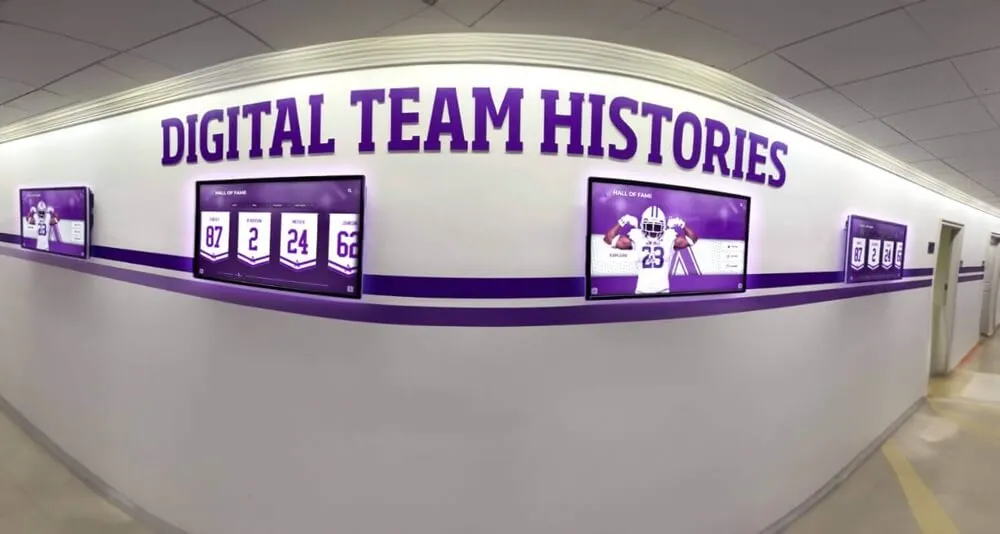
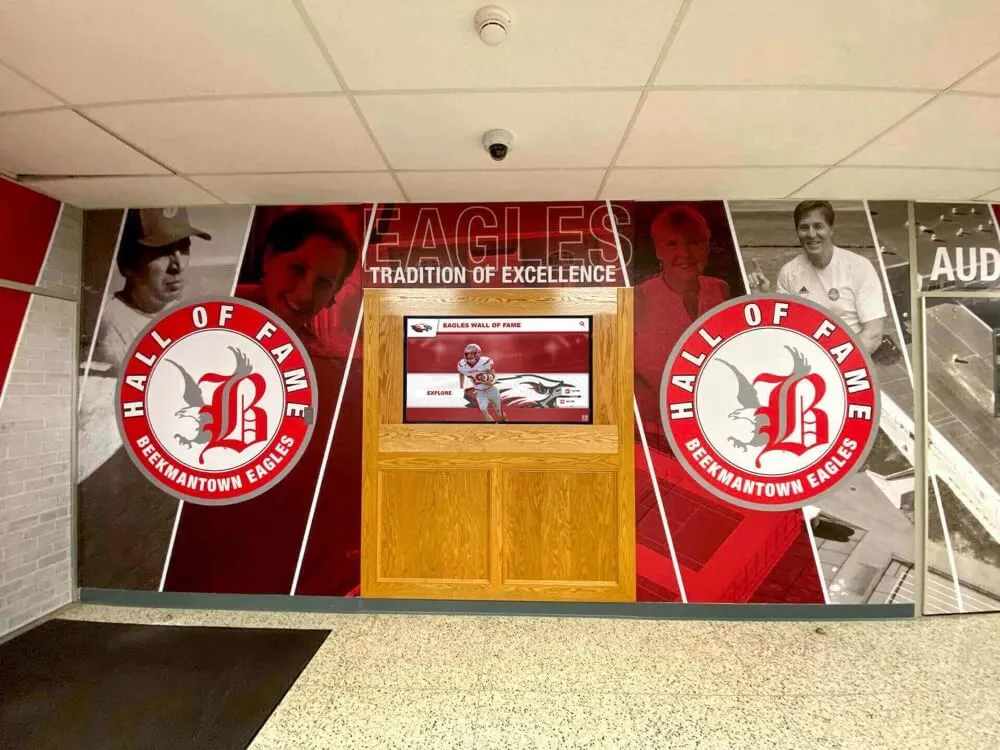
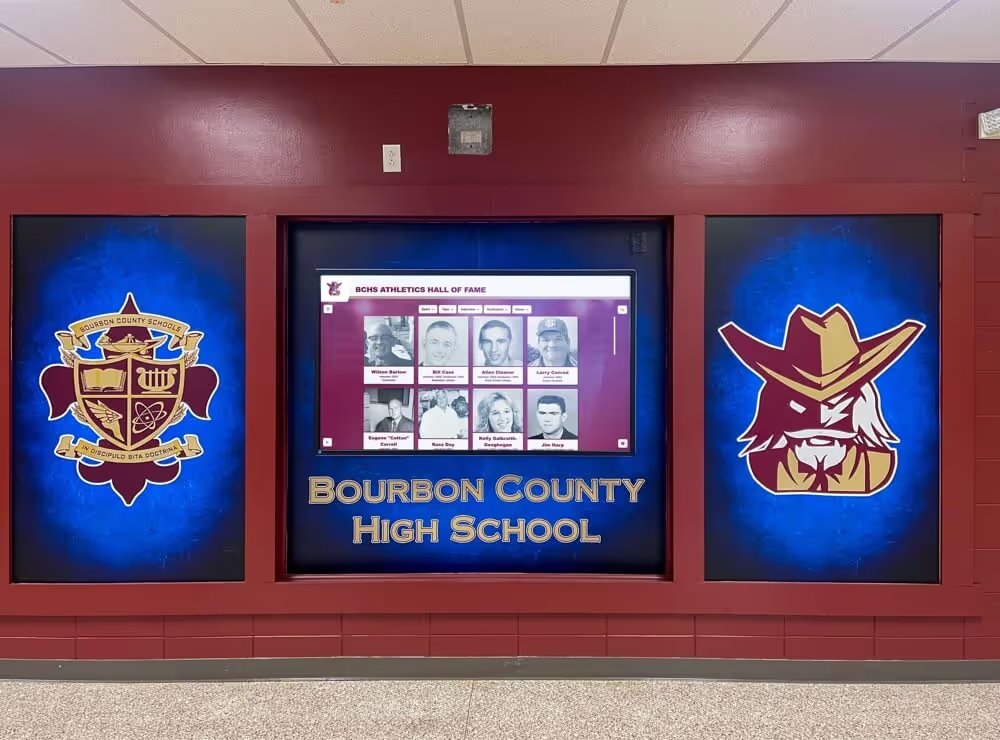
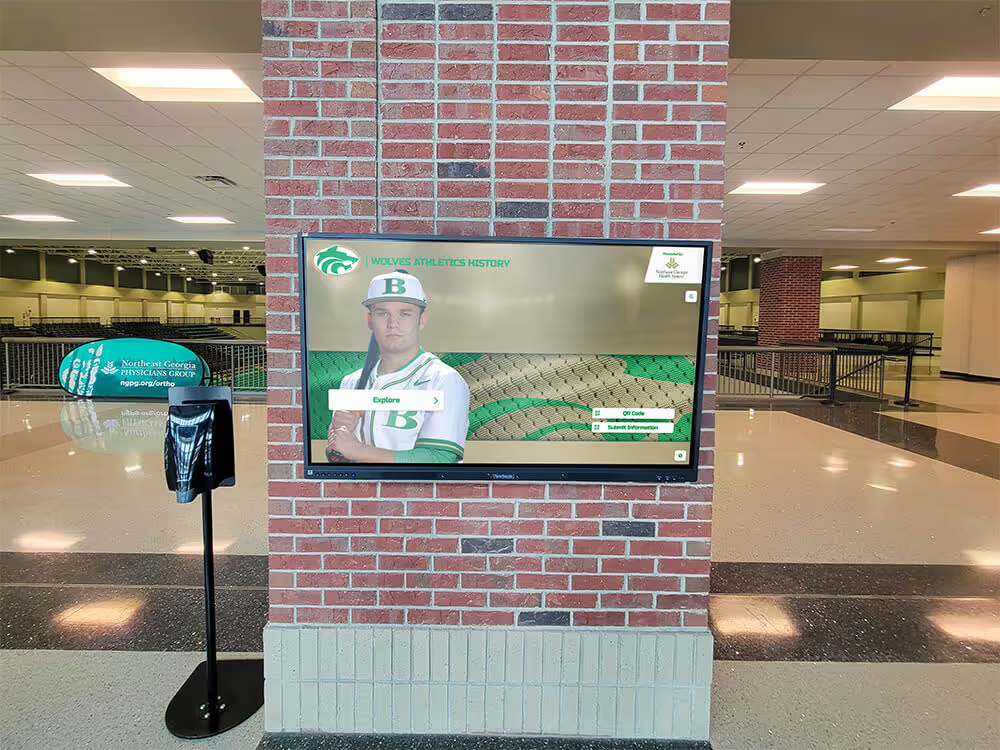
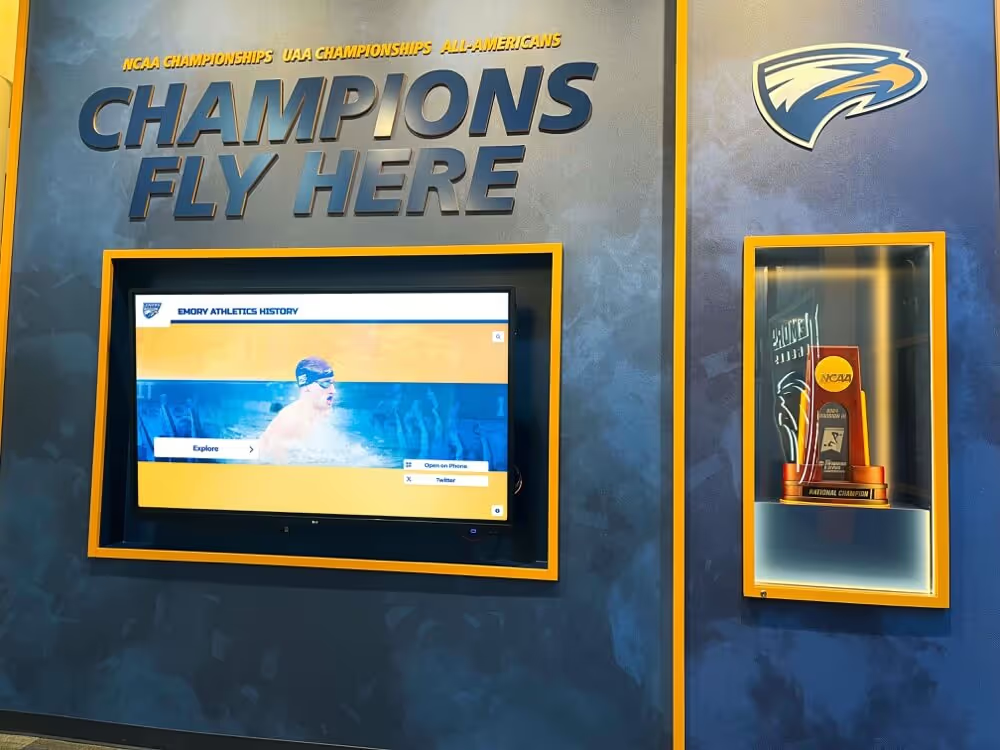
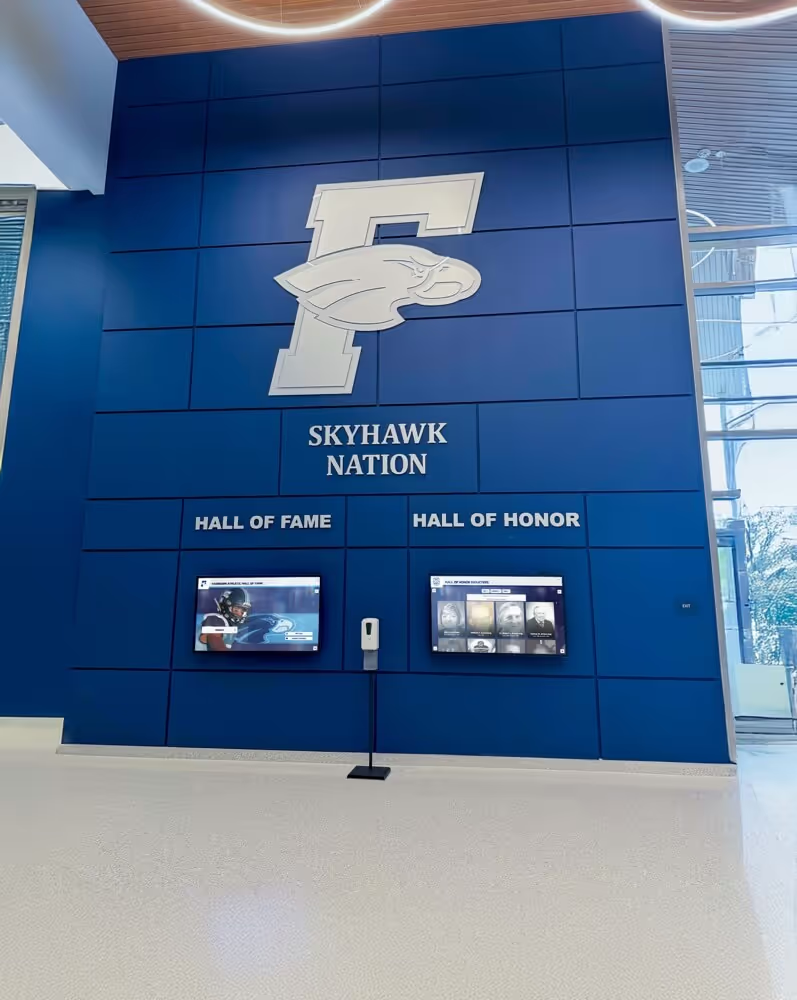
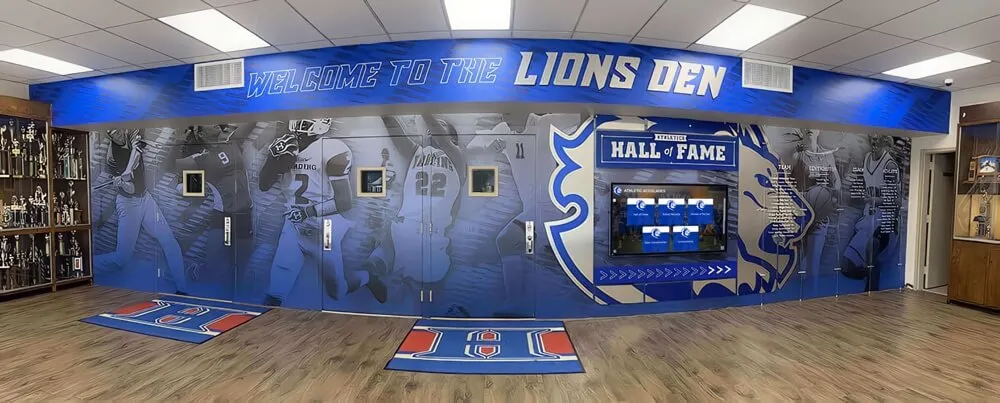
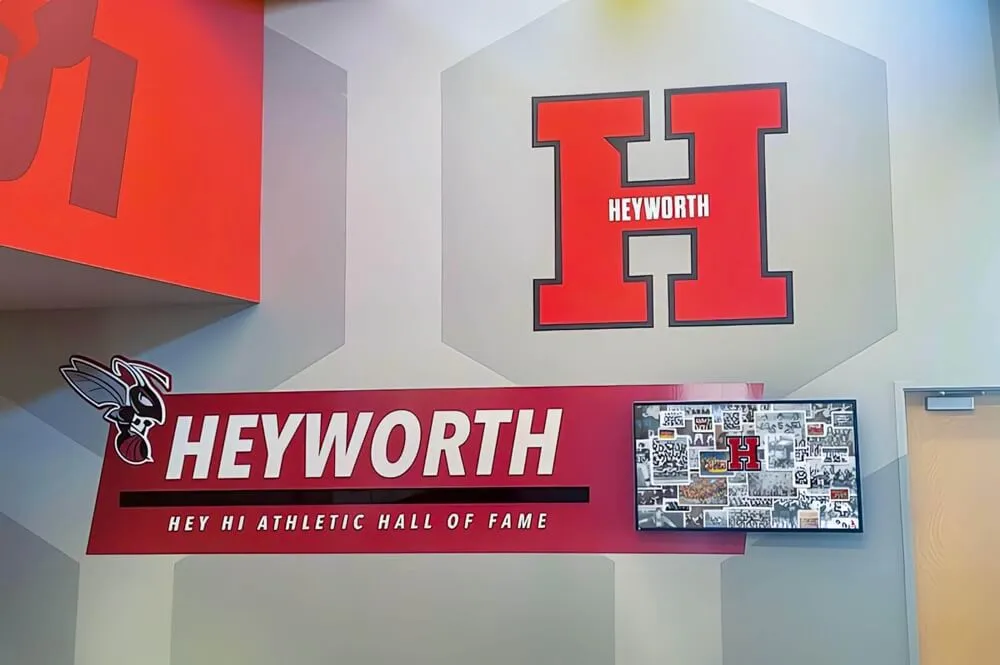
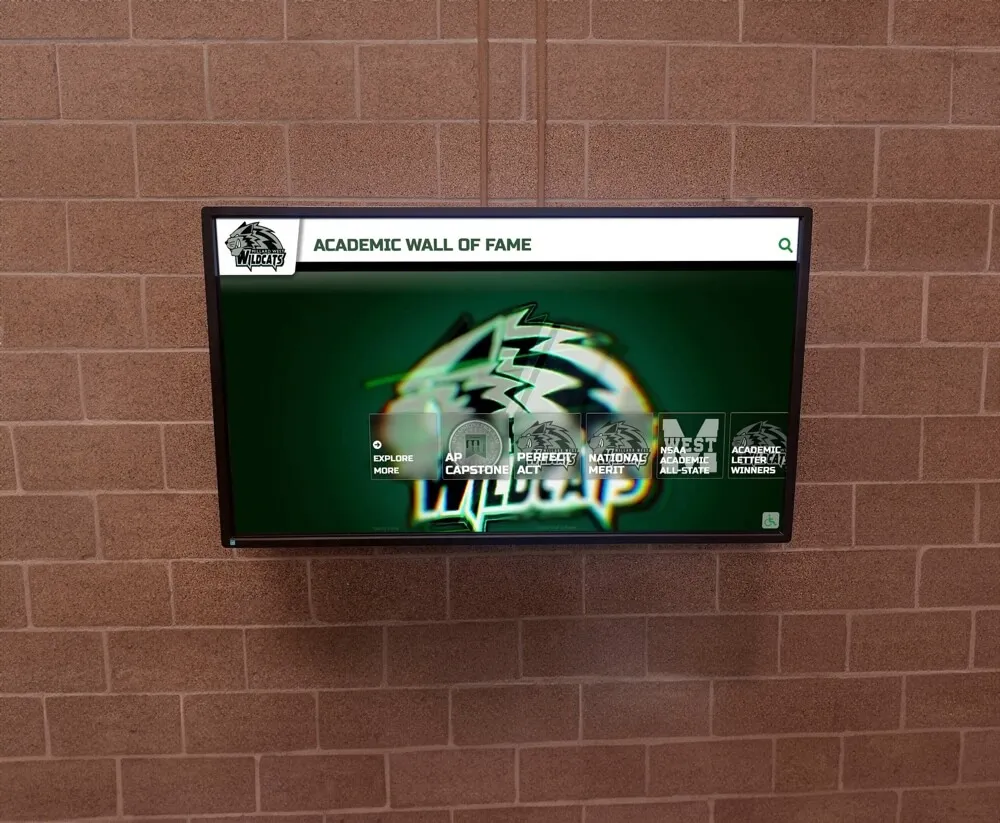
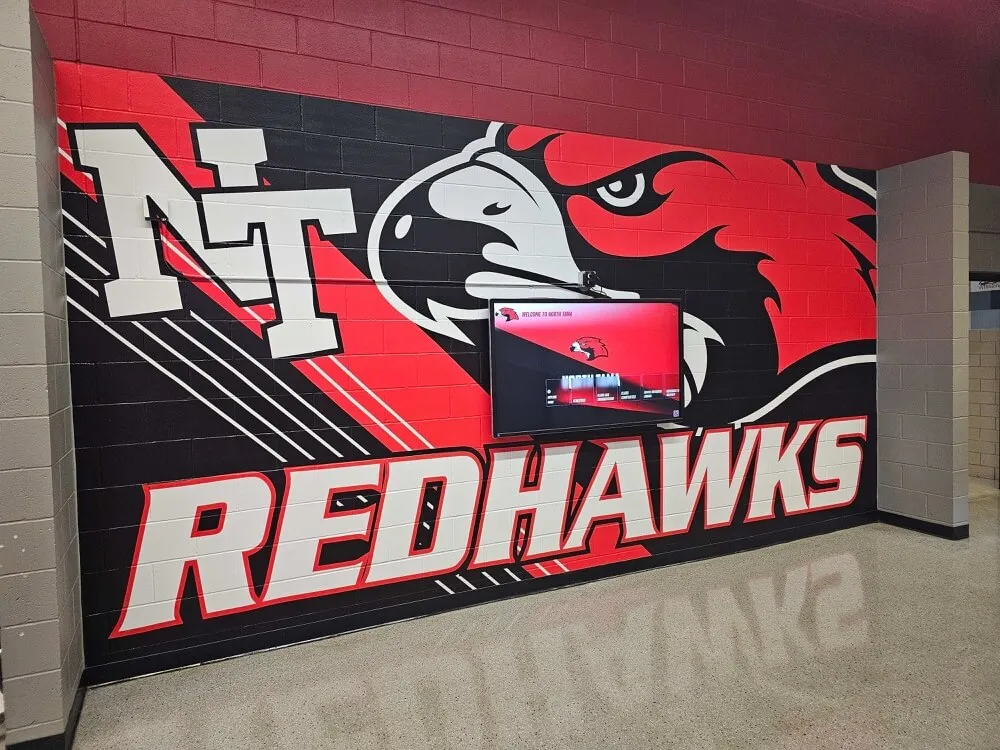
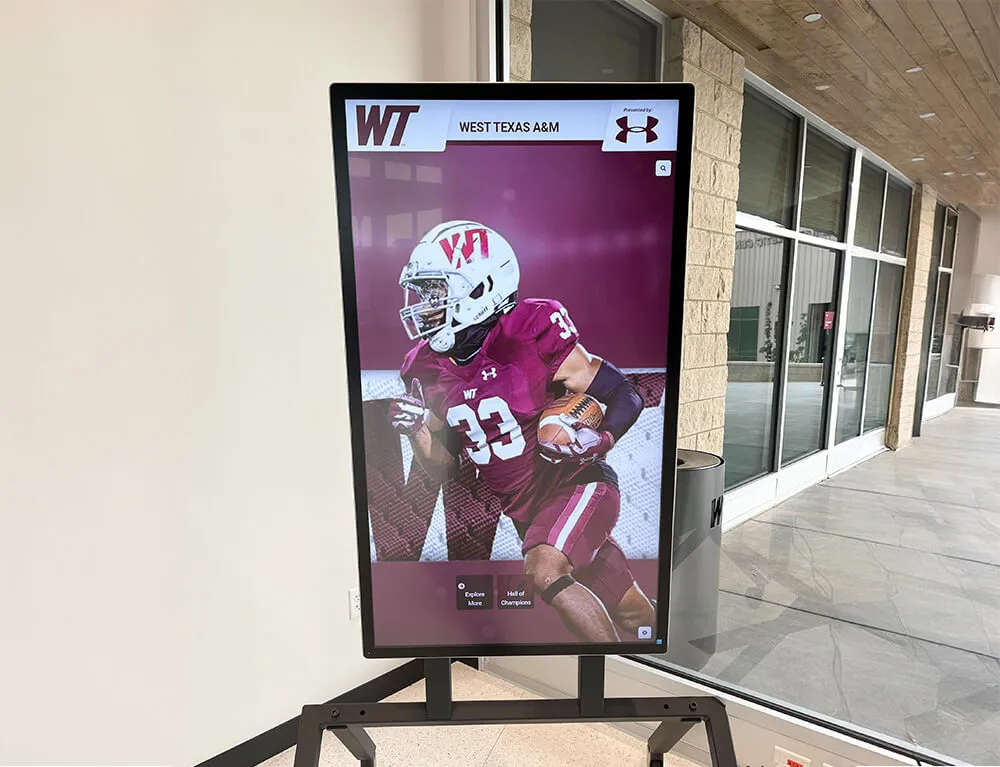
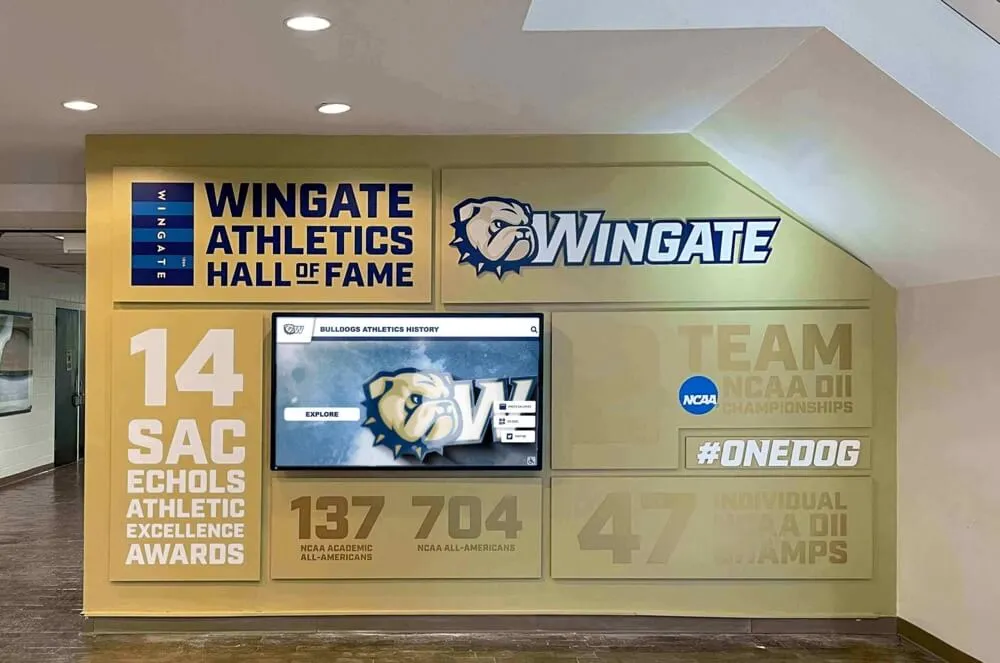
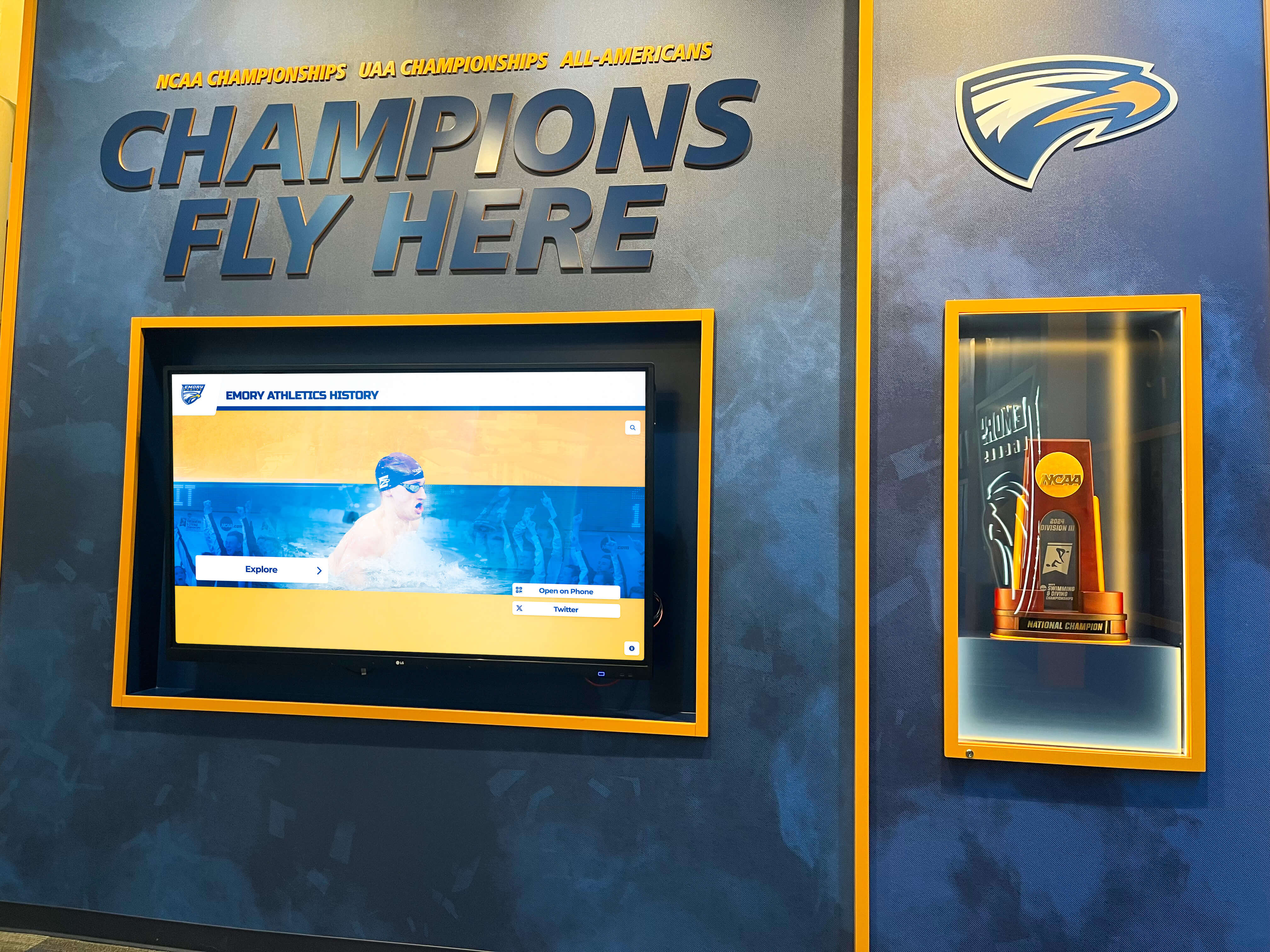
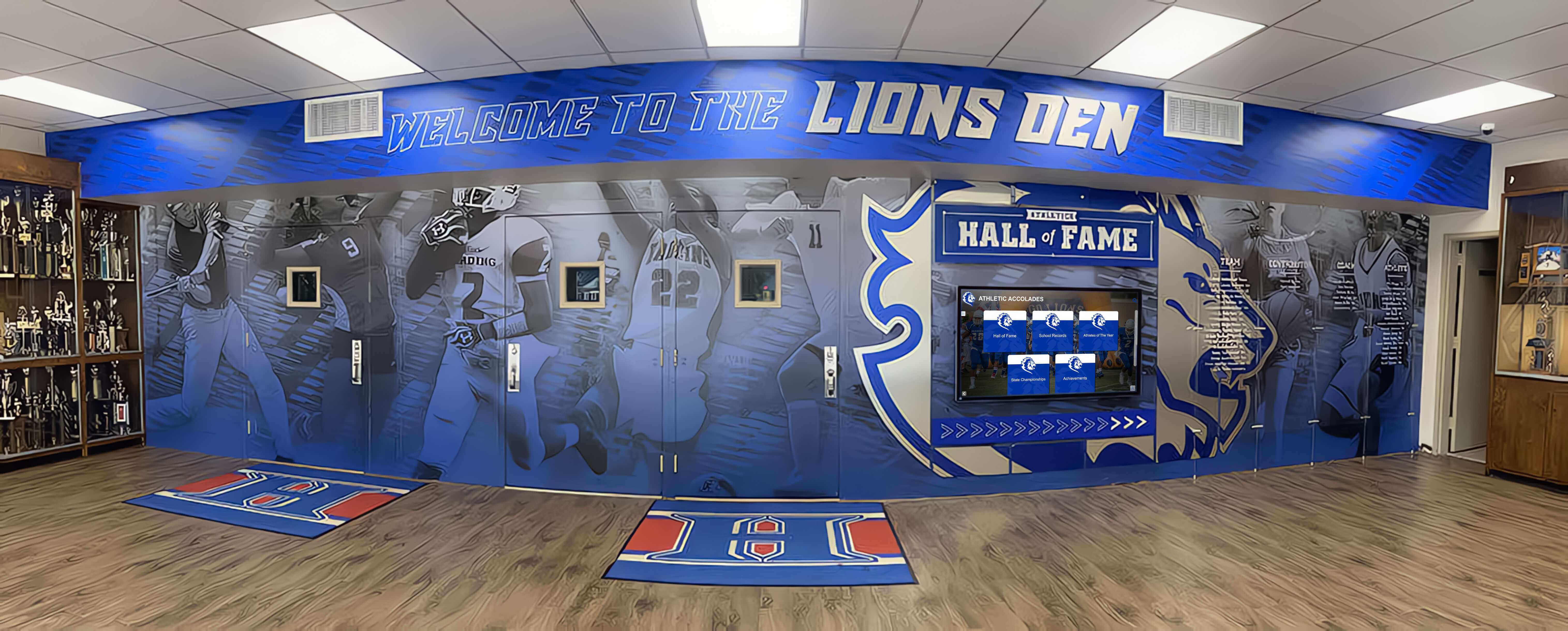
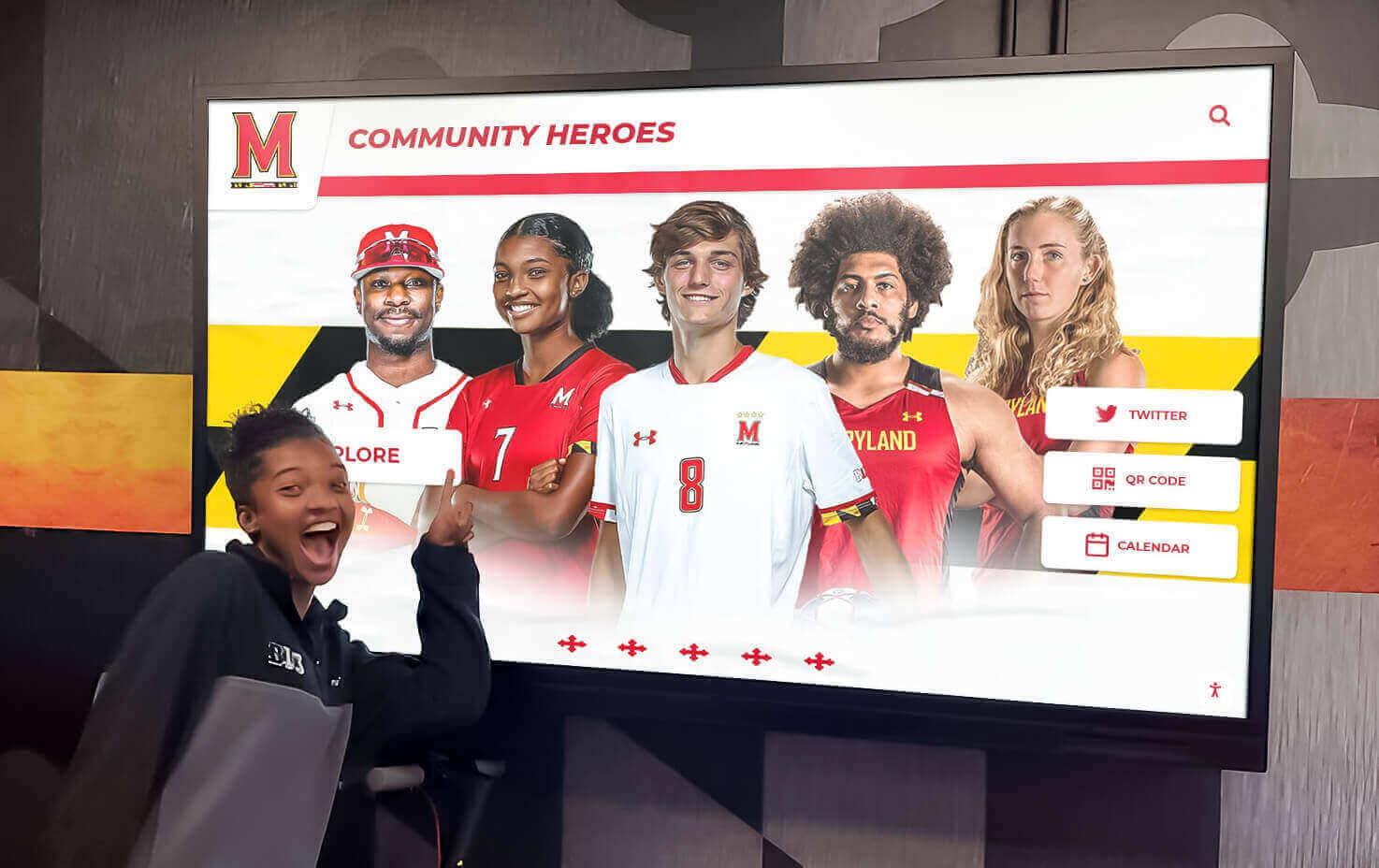
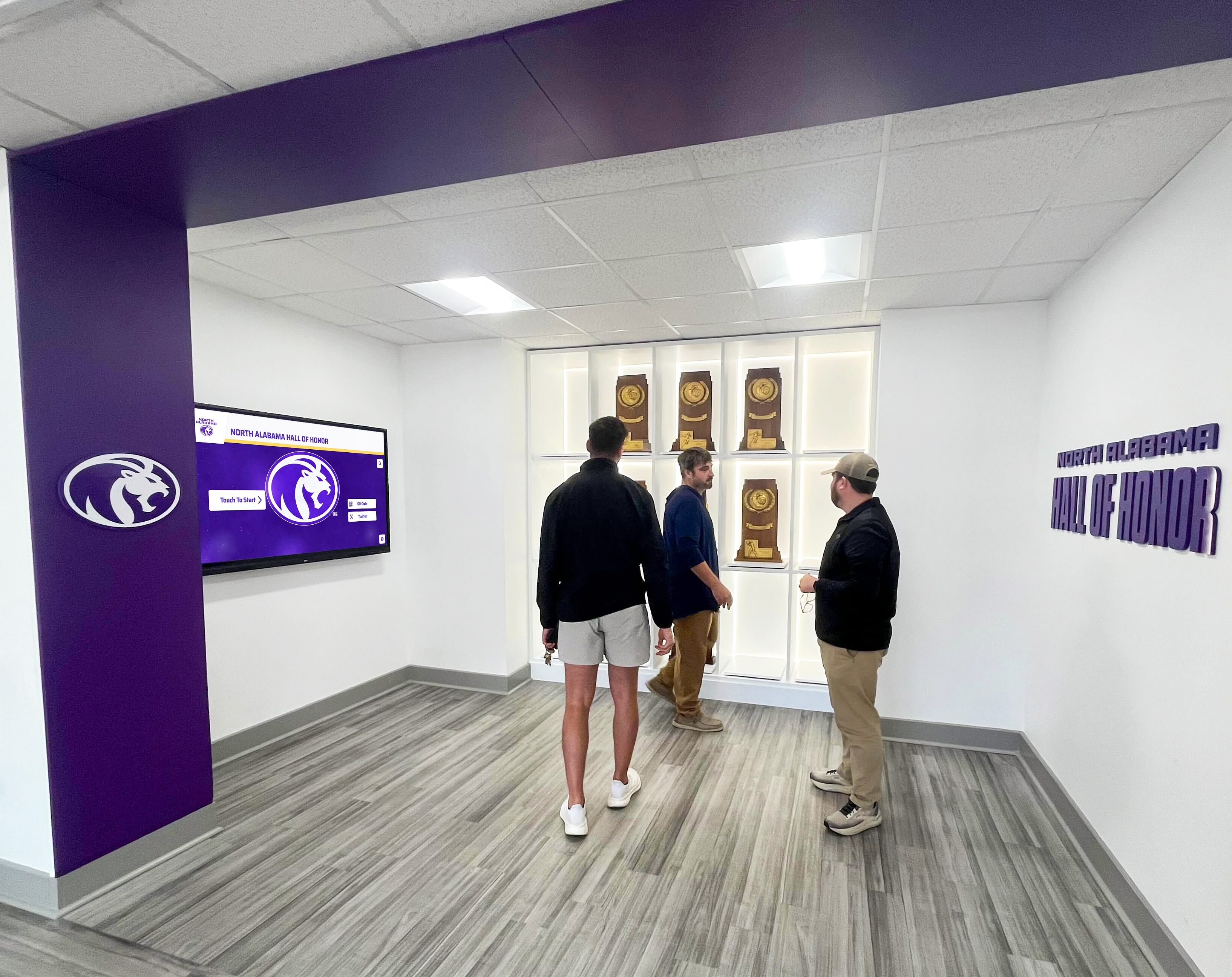
- Digital Recognition Displays: Schools increasingly complement physical jackets with digital recognition systems showcasing lettermen achievements
These alternatives ensure all athletes can celebrate achievements in formats fitting their preferences and budgets.
How Schools Recognize and Celebrate Varsity Lettermen
Beyond individual jacket purchases, schools implement various recognition programs honoring varsity lettermen and celebrating their contributions to athletic traditions.
Traditional Recognition Methods
Letter Awards Ceremonies: Most athletic departments host annual or seasonal awards banquets where coaches formally present varsity letters to qualifying athletes. These ceremonies often include:
- Calling each letterman individually to receive their letter
- Brief remarks from coaches highlighting athlete contributions
- Recognition of special achievements (multi-sport letters, championship participation)
- Presentation of letter certificates with athlete names and sport
- Photos of lettermen with coaches and athletic directors
Trophy Case Displays: Many schools maintain trophy cases featuring letterman recognition through:
- Plaques listing annual varsity lettermen by sport
- Photographs of letter recipients from each season
- Sample letter jackets and achievement patches
- Historical displays showing letterman tradition across decades
Yearbook Recognition: School yearbooks traditionally dedicate pages to varsity lettermen:
- Team photos indicating which athletes earned letters
- Dedicated letterman pages listing all recipients by sport and grade
- Senior athlete features highlighting multi-year letter recipients
Modern Digital Recognition Displays
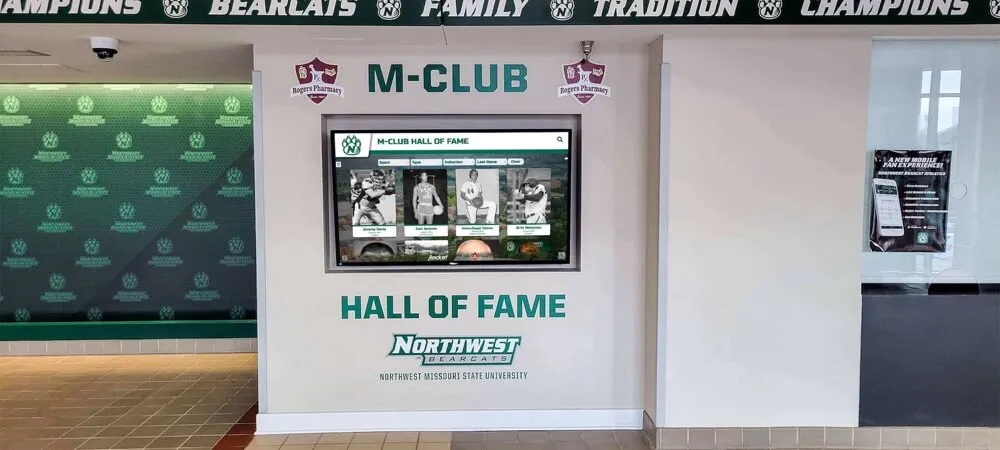
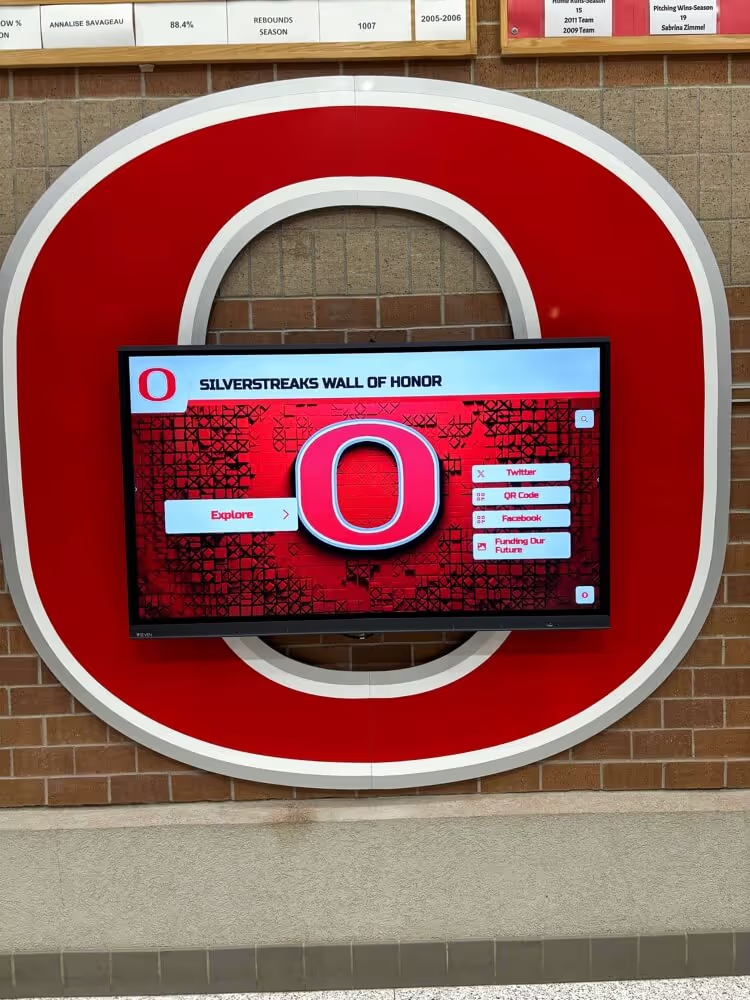
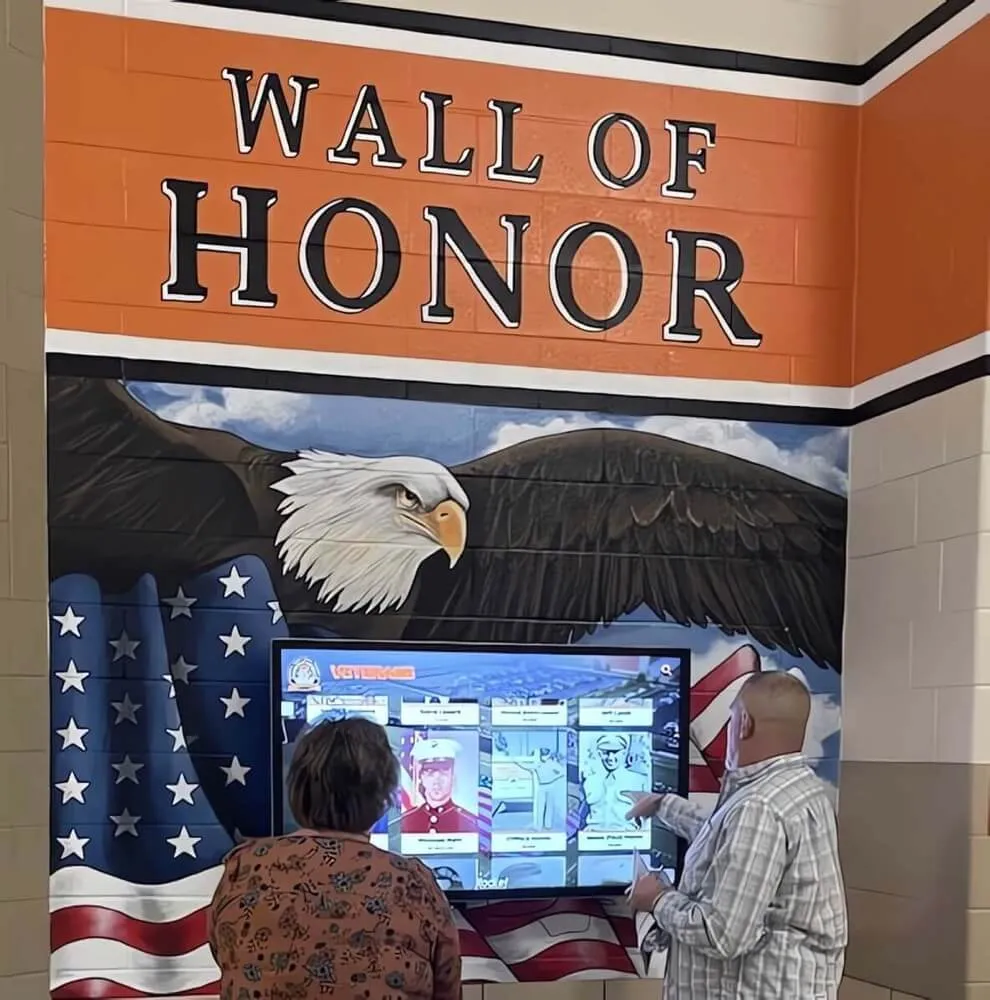
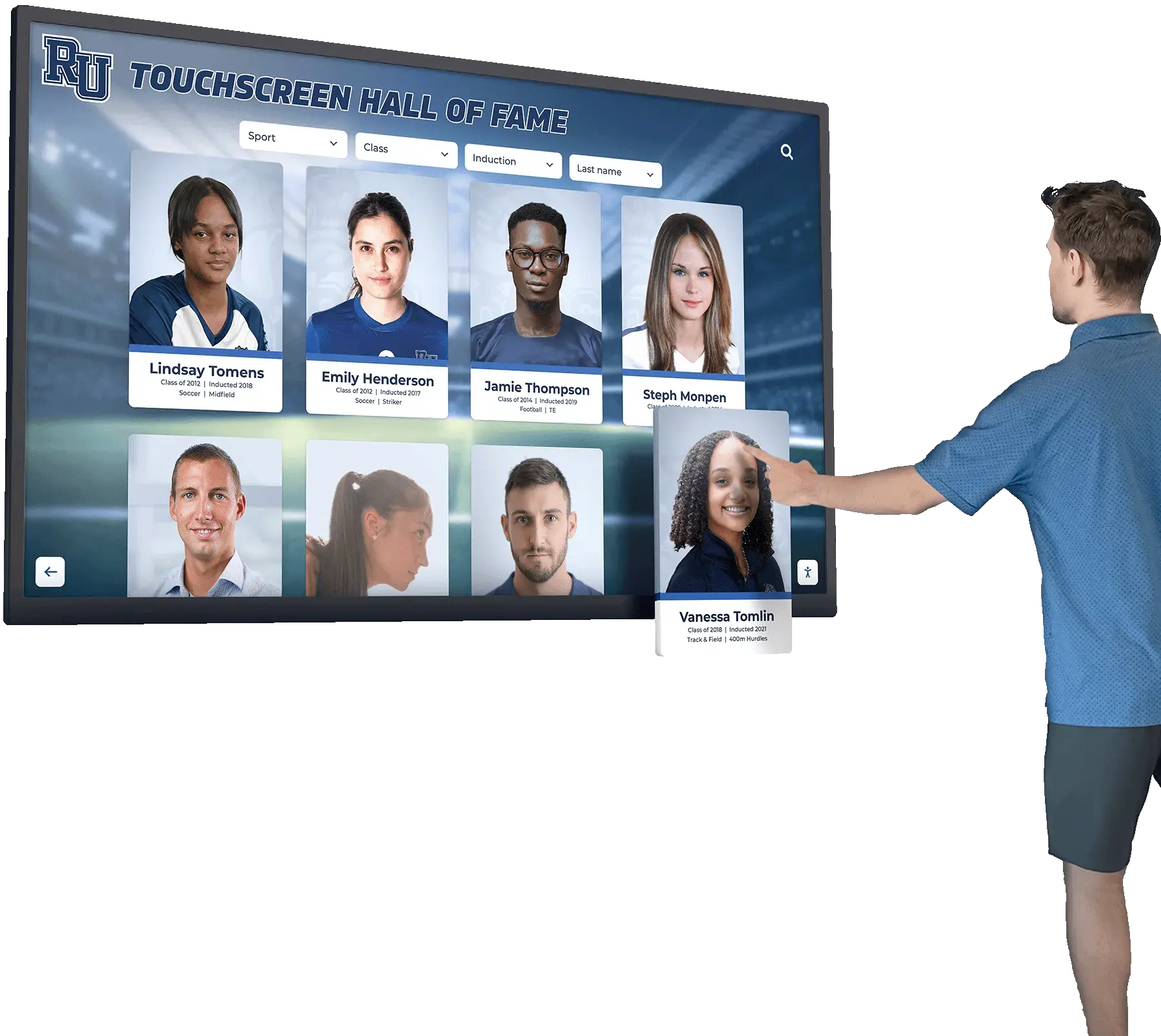
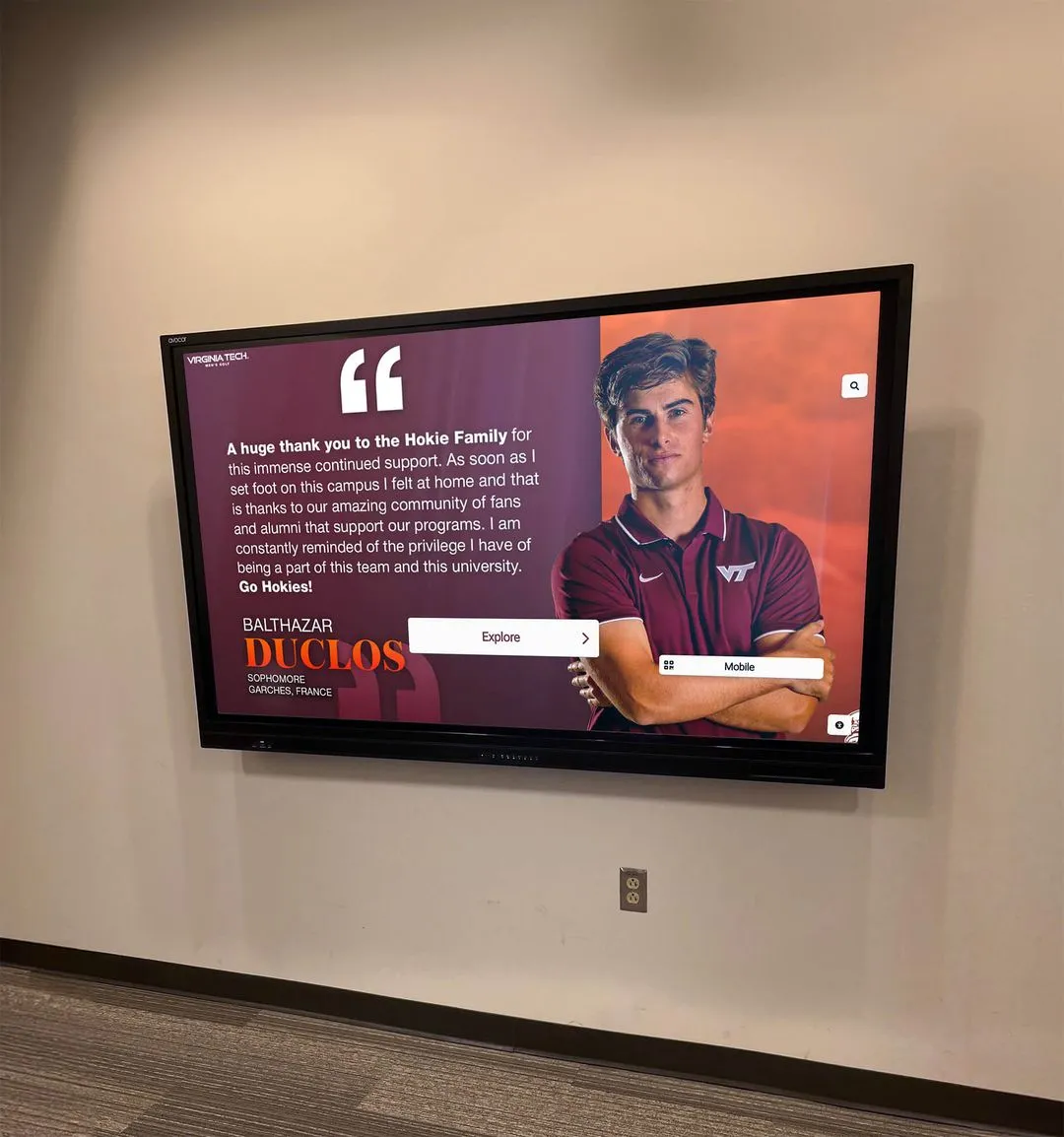

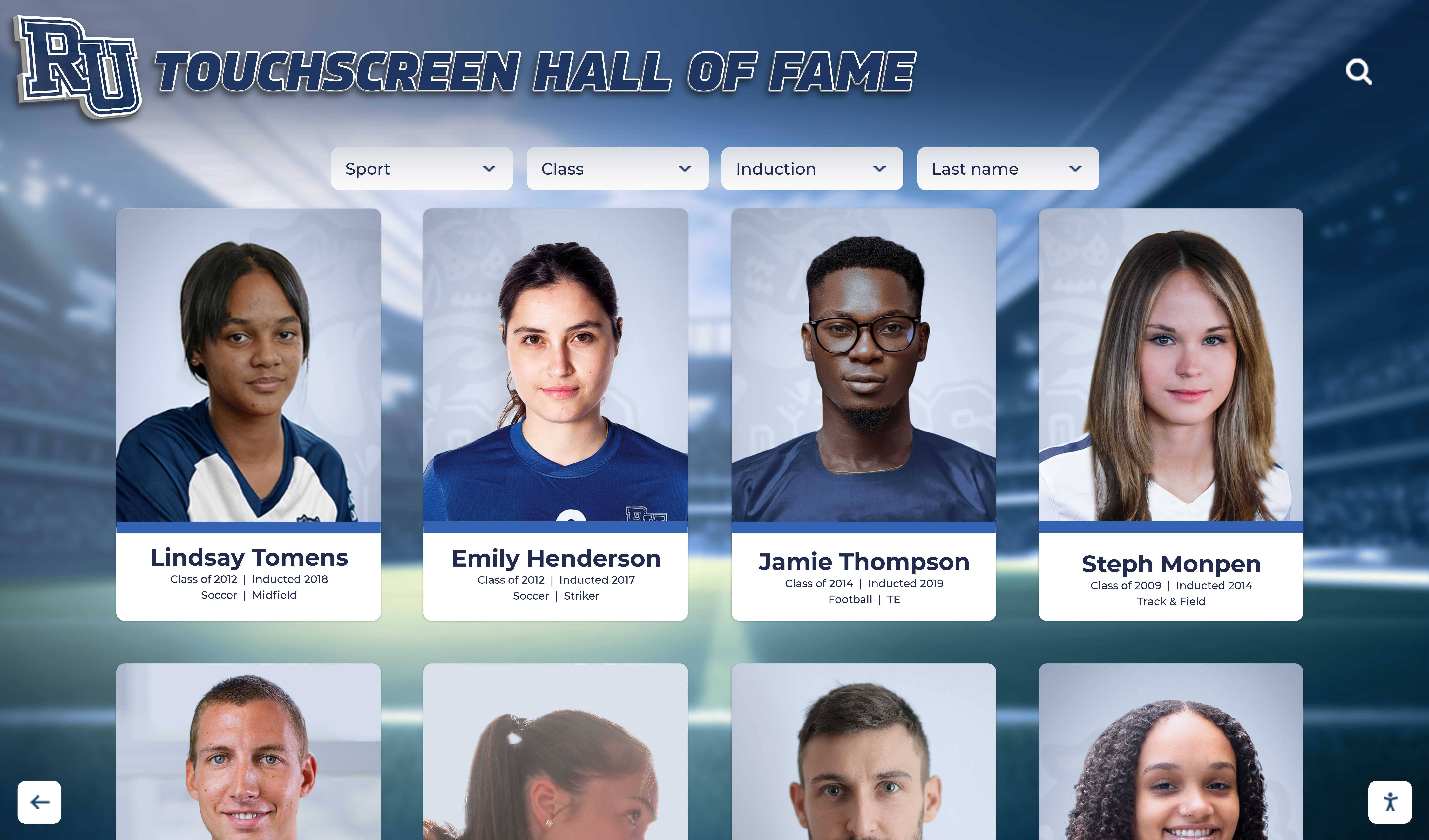
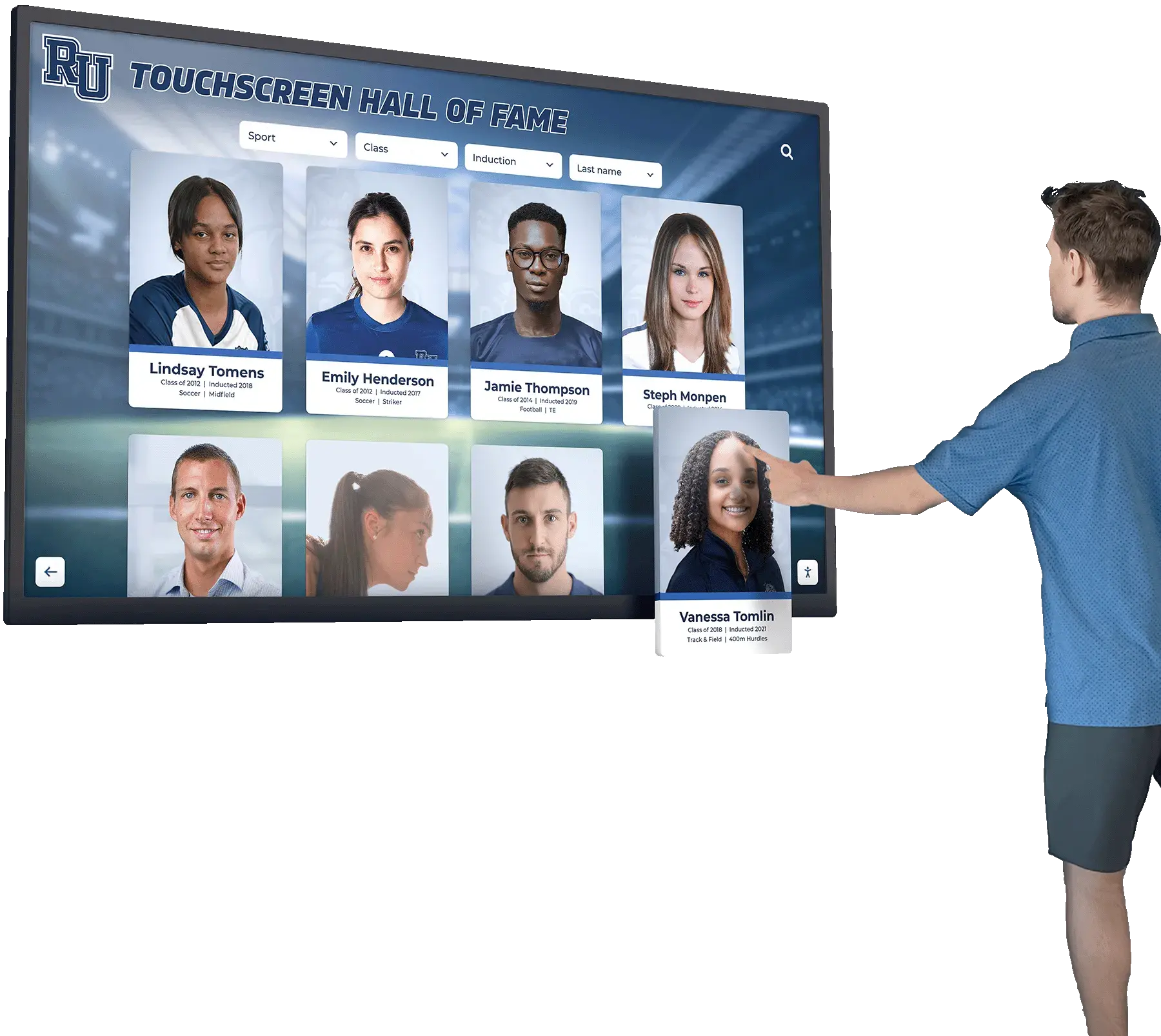
Forward-thinking schools increasingly implement digital recognition systems that transform how they celebrate varsity lettermen and other athletic achievements. These interactive touchscreen displays offer capabilities traditional approaches cannot match:
Comprehensive Letterman Databases: Digital platforms can showcase every varsity letter recipient in school history without physical space constraints that limit traditional trophy cases. Students can search for lettermen by:
- Name or graduation year
- Sport or season
- Achievement level (multi-sport athletes, team captains, etc.)
- Time period or decade
Rich Achievement Profiles: Rather than simple name lists, digital recognition enables detailed profiles featuring:
- Professional photographs of athletes in competition
- Complete letter-earning history across multiple sports and seasons
- Team achievements and championship participation
- Statistics and performance highlights
- Post-graduation updates showing college athletic careers or career success
- Video highlights or interviews with notable lettermen
Real-Time Updates: When athletes earn varsity letters, athletic directors can immediately update digital displays—no waiting weeks for plaques to be engraved or printed materials to be produced. This timeliness ensures recognition happens while achievement excitement remains fresh.
Extended Reach Through Web Access: Digital recognition platforms extend beyond physical displays through web-based access that:
- Allows families to explore and share athlete recognition from anywhere
- Enables alumni to rediscover their letter-earning achievements years after graduation
- Helps prospective families understand school athletic culture and traditions
- Provides college recruiters convenient access to athlete achievement information
Integration With Comprehensive Athletic Recognition: The most effective digital systems showcase varsity lettermen alongside related achievements including state championship displays, all-conference recognition, team records, and hall of fame inductees, creating unified recognition experiences celebrating diverse excellence.
Modern solutions like Rocket Alumni Solutions provide purpose-built platforms specifically designed for athletic recognition, offering intuitive content management, engaging displays, and proven approaches that help schools build recognition cultures their student-athletes deserve.
Tips for Athletes Pursuing Varsity Letters
Student-athletes aspiring to earn varsity letters benefit from understanding strategies that increase their chances of meeting requirements and contributing meaningfully to teams.
Understand Your School’s Specific Requirements
Research Early: Don’t wait until late in the season to discover letter requirements. During tryouts or early practices, ask coaches:
- What specific criteria determine letter eligibility in your sport?
- Are there performance benchmarks beyond just playing time?
- How does the coach determine playing time distribution?
- What happens if you’re injured or face other circumstances preventing full participation?
- Are there alternative paths to earning letters for athletes in specific situations?
Get It In Writing: Request written documentation of letter requirements if available. Many athletic departments publish letter criteria in athletic handbooks or team materials distributed at season starts.
Track Your Progress: Throughout the season, monitor your progress toward letter requirements:
- Keep personal records of games/matches/meets you participated in
- Calculate your playing time or competition participation percentage
- Note any special achievements (scoring, performance benchmarks, etc.)
- Document practice attendance to ensure you meet thresholds
- Check academic eligibility regularly to address any issues before they affect letter eligibility
Maximize Your Practice Commitment
Playing time in games stems largely from performance and reliability demonstrated in practices:
Consistent Attendance: Arrive at every practice unless legitimately unable to attend. Coaches notice athletes who consistently show up prepared and ready to work.
Maximum Effort: Give full effort during every drill, scrimmage, and conditioning session. Coaches reward athletes who practice hard with playing opportunities.
Coachability: Respond positively to coaching feedback and make visible efforts to implement suggestions. Athletes demonstrating coachability earn trust that translates to competition opportunities.
Team-First Mentality: Support teammates, contribute to positive team culture, and avoid drama or conflicts. Coaches favor athletes who make teams better beyond individual performance.
Versatility: Learn multiple positions or roles on your team. Athletes who can contribute in various situations increase their value and playing time potential.
Maintain Academic Eligibility
Athletic achievement means nothing if academic ineligibility prevents participation:
Stay Ahead of Academic Requirements: Don’t just meet minimum standards—maintain comfortable margins above GPA requirements so temporary grade fluctuations don’t threaten eligibility.
Communicate With Teachers: If struggling in classes, proactively seek help from teachers, utilize tutoring resources, and inform coaches of academic challenges before they become crises.
Time Management: Balance practice, competition, homework, and other commitments through careful scheduling. Many successful student-athletes block specific times for study and homework.
Take Advantage of Academic Support: Most schools offer academic support specifically for athletes—study halls, tutoring programs, or academic coordinators. Use these resources proactively rather than waiting for problems.
Handle Adversity and Setbacks Professionally
Not every athlete earns immediate playing time or letters during first varsity seasons:
Patience and Persistence: Understand that younger athletes often need time developing skills and earning coaches’ trust. Continue working hard even if immediate results don’t match hopes.
Learn From Senior Leaders: Observe how established letter winners approach practice, handle pressure, and contribute to teams. Model behaviors that earned them recognition.
Control What You Can Control: Focus on effort, attitude, and preparation rather than lamenting situations beyond your control like coach decisions or team depth charts.
Consider Long-Term Development: Remember that most athletes compete across multiple seasons. Freshman year experience and development creates foundation for sophomore, junior, and senior success.
Explore Multiple Sports: If struggling to earn playing time in one sport, consider trying others where your skills might translate better or competition for roster spots may be less intense.
Common Varsity Letter Questions and Misconceptions
Athletes and families frequently have questions about letter requirements and recognition traditions.
Do Freshman Athletes Typically Earn Varsity Letters?
It varies significantly by sport, program competitiveness, and individual athlete skill:
Sports Where Freshmen Commonly Letter:
- Individual/performance sports (cross country, track, swimming, golf, tennis) where athletes compete against objective standards rather than for limited roster spots
- Sports with less depth in specific positions where talented freshmen fill immediate needs
- Programs rebuilding after losing large senior classes
Sports Where Freshman Letters Are Rare:
- Football, where physical development and system knowledge favor older athletes
- Basketball, where roster limitations and upperclassmen depth restrict opportunities
- Sports with established upperclassmen at all positions
Even in sports where freshman letters are uncommon, exceptional athletes occasionally break through. More typically, freshmen gain experience that positions them for letter opportunities in subsequent years.
Can You Lose a Varsity Letter After Earning It?
Generally, no—once officially awarded, varsity letters represent permanent recognition. However, circumstances may prevent athletes from receiving letters initially expected:
Academic Ineligibility: Athletes who become academically ineligible during seasons typically forfeit letter eligibility even if they met playing time requirements before ineligibility.
Disciplinary Removal: Athletes removed from teams for rule violations or behavioral issues usually lose letter eligibility regardless of prior participation.
Season Completion Requirements: Some schools require athletes to remain with teams through complete seasons including playoffs. Athletes who quit mid-season typically don’t receive letters even if they met playing time thresholds before departing.
These situations represent failure to meet initial eligibility requirements rather than “losing” already-awarded letters. Once coaches present letters at awards ceremonies, they remain part of athletes’ permanent achievement records.
Do Varsity Letters Impact College Recruiting?
Varsity letters themselves don’t directly influence college recruiting, but they serve as indicators of accomplishments that do matter:
Letters Signal Competitive Level: Earning varsity letters, especially across multiple years, demonstrates that athletes competed at their schools’ highest levels and met established standards.
Multi-Sport Letters Show Versatility: Athletes lettering in multiple sports demonstrate versatility and athletic ability that appeals to some college coaches.
Letter Requirements Achievement Indicates Consistency: Meeting playing time or performance thresholds necessary for letters shows reliability and contribution to team success.
However, college recruiters focus primarily on:
- Game film and performance footage
- Statistics and measurable athletic achievements
- Performance at camps, showcases, and tournaments where coaches observe directly
- Academic achievement and test scores
- Character references from high school coaches
View varsity letters as one piece of your athletic resume rather than recruiting game-changers themselves. The achievements that earn letters—consistent performance, significant playing time, team contribution—matter more than the physical letter patches.
What If I Transfer Schools—Do My Letters Transfer?
Varsity letters represent achievements at specific schools and don’t “transfer” when athletes change schools:
- Letters earned at previous schools remain part of your athletic history
- You can display previous letters on jackets or in collections alongside new school letters
- New schools determine your eligibility for their letters based on their criteria and your participation after transferring
Some athletes maintain letter jackets from previous schools while also earning jackets from new schools. Others wear jackets from new schools but keep previous letters as mementos of earlier achievements.
The Lasting Value of Varsity Letters
While earning varsity letters represents significant achievements during high school years, many athletes discover their value extends far beyond graduation.
Building Character and Life Skills
The dedication required to earn varsity letters develops attributes valuable throughout life:
Time Management: Balancing academics, athletics, and other commitments teaches organizational skills and prioritization that benefit college students and professionals.
Goal Setting and Achievement: Working toward letter requirements teaches athletes to identify goals, create plans, persist through challenges, and ultimately achieve objectives—skills transferring to any endeavor.
Team Collaboration: Athletic participation develops teamwork, communication, and leadership abilities that employers consistently rank among most desired workforce skills.
Resilience and Mental Toughness: Handling competition pressure, overcoming setbacks, and maintaining motivation through long seasons builds psychological resilience benefiting athletes throughout life.
Discipline and Work Ethic: The commitment athletics demands instills discipline and work ethic that separate high achievers from those with unfulfilled potential in any field.
Memories and Connections
Beyond tangible skills, varsity athletics creates lasting memories and relationships:
- Friendships formed through shared experiences of practice, competition, and team travel often endure for decades
- Bonds with coaches who invested in athlete development frequently evolve into lifelong mentorship
- Pride in representing schools and communities creates connection to institutions lasting beyond graduation
- Experiences shared with teammates become stories athletes retell throughout life
When alumni return for school visits or reunions decades after graduation, they often seek out teammates and coaches, discussing seasons, championships, and memorable moments that remain vivid despite years passing.
Tangible Recognition Through Modern Displays
Schools implementing comprehensive recognition systems ensure varsity letter achievements remain visible to future generations. Modern digital recognition displays enable alumni to return years later and show their children and grandchildren their letterman recognition, statistics, and photos preserved in permanent digital archives that traditional trophy cases cannot maintain long-term.
These systems transform letter recognition from temporary acknowledgment into permanent institutional memory honoring all athletes who contributed to athletic traditions. When schools maintain comprehensive letterman databases spanning decades, they demonstrate genuine appreciation for every athlete’s contribution regardless of how much time has passed since graduation.
Conclusion: Making Your Varsity Letter Dreams Reality
Earning a varsity letter represents one of high school athletics’ most meaningful achievements—tangible recognition that you met established standards and contributed meaningfully to your school’s athletic tradition. Whether you’re a freshman athlete just beginning your high school sports journey or a junior hoping to finally earn that letter you’ve pursued since tryouts, understanding requirements and strategies for meeting them positions you for success.
The path to varsity letters varies across sports and schools, but certain principles apply universally:
- Understand specific requirements for your sport and school rather than assuming generic standards apply
- Maximize your preparation through consistent practice attendance, full effort, and coachable attitude
- Maintain academic eligibility by staying well above minimum GPA requirements and managing time effectively
- Control controllable factors like attitude, effort, and reliability rather than fixating on circumstances beyond your influence
- Persist through adversity remembering that most successful athletes face setbacks before achieving goals
- Appreciate the journey recognizing that dedication required to earn letters develops character valuable throughout life
For schools and athletic departments seeking to honor varsity lettermen and other athletic achievements, modern recognition solutions provide unprecedented capabilities to celebrate athletes comprehensively. Interactive digital displays allow schools to showcase every letter recipient in program history, create engaging multimedia profiles telling complete achievement stories, update recognition in real-time as athletes earn new honors, and extend celebration beyond trophy cases through web-based access reaching alumni and prospective families worldwide.
Your varsity letter journey starts with understanding requirements, committing to the standards they represent, and dedicating yourself fully to your team and athletic development. Whether you earn one letter or become a multi-sport letterman, the pride you’ll feel wearing that chenille patch and the character you’ll develop pursuing it will last far beyond your final high school competition.
Ready to see how modern recognition can celebrate your school’s varsity lettermen and other athletic achievements? Explore digital recognition solutions that transform how schools honor the dedication and achievement that varsity letters represent.