The sight remains instantly recognizable across American schools: students walking hallways wearing distinctive wool jackets with leather sleeves, school letters prominently displayed on their chests, surrounded by patches commemorating championships, positions, and years of participation. Varsity letter jackets serve as wearable portfolios of achievement, visible declarations that their owners met demanding standards and earned recognition within their school communities.
These jackets carry weight that transcends their physical presence. They represent hundreds of hours of practice, discipline through adversity, commitment that required sacrificing other opportunities, and achievement validated by coaches, teachers, and peers. For many students, earning their letter jacket ranks among their proudest high school accomplishments—a tangible symbol they can point to decades later as evidence of dedication and excellence during formative years.
Yet varsity letter jackets also embody traditions increasingly questioned in contemporary educational environments. The exclusivity that makes earning letters meaningful can also create divisions between recognized and unrecognized students. The costs associated with purchasing jackets create equity concerns when recognition requires significant financial investment from families. And the athletic focus of traditional letter programs raises questions about whether schools adequately recognize diverse achievement types beyond competitive sports.
Understanding the history, evolution, and modern context of varsity letter jackets helps schools navigate these tensions—preserving meaningful recognition traditions while ensuring programs remain inclusive, equitable, and aligned with contemporary educational values.
The Origins and Evolution of Varsity Letter Jackets
The tradition of varsity letters emerged from nineteenth-century intercollegiate athletics, creating visible distinctions between students who represented their institutions in competitive sports and those who participated only recreationally or not at all.
The First Letters: Harvard Baseball, 1865
The earliest documented varsity letter system began at Harvard University in 1865, when the baseball team awarded large “H” letters to players who competed in the first intercollegiate game against Yale. These early letters were chenille fabric patches sewn onto heavy sweaters rather than the leather-sleeved jackets that would emerge decades later.
The concept addressed a specific need: as intercollegiate competition expanded, universities sought methods to formally recognize students who represented institutions in these prestigious contests. The letter system provided immediate visual identification while creating motivation for athletes to meet the demanding standards required to earn recognition.
Other universities quickly adopted similar systems, each using their own institutional letter and establishing unique criteria for when students qualified. The competitive nature of these programs—where earning your letter distinguished you from teammates who practiced but didn’t compete in games—created the exclusivity that made recognition meaningful.
The Evolution to Jackets: 1930s Innovation
While varsity letters themselves date to the 1860s, the iconic jacket format emerged much later. Through the 1920s, students typically sewed their earned letters onto heavy sweaters or cardigans. The distinctive wool-body-with-leather-sleeves design that defines modern letter jackets developed during the 1930s as commercial manufacturers recognized the market opportunity.
These early jackets served practical purposes beyond recognition. The durable wool bodies provided warmth during outdoor athletic events and cold-weather practices, while leather sleeves offered weather resistance and durability. The substantial construction made these garments genuine investments that students wore regularly rather than storing as ceremonial items.
The jacket format also provided expanded canvas for displaying achievement. Beyond the central chest letter, students could add sleeve stripes indicating years of participation, patches commemorating championships or special achievements, and position or role identifiers. This evolution transformed letters from simple recognition into comprehensive visual narratives of athletic careers.
Expansion Beyond Athletics: Academic and Activity Letters
While letter jackets originated in athletics, the recognition model proved adaptable to other achievement domains. By the mid-twentieth century, many schools implemented letter programs for academic excellence, performing arts, debate teams, service organizations, and other extracurricular activities.
These expanded programs maintained the core principle that letters must be earned through sustained excellence rather than simple participation. Academic recognition programs typically required maintaining specific grade point averages across multiple semesters, while performing arts letters demanded participation in major productions or competitions alongside demonstrated skill development.
The multi-domain approach addressed equity concerns about purely athletic letter programs while reinforcing that schools valued diverse achievement types. Students who excelled in debate, band, theater, or academics could earn recognition equivalent in prestige to athletic letters, wearing identical jacket styles with their activity-specific letters and patches.

Traditional Requirements and Standards for Earning Letters
The meaningfulness of varsity letters depends entirely on maintaining standards that make earning recognition genuinely difficult. Schools implement various criteria that balance accessibility with achievement, ensuring letters remain prestigious while remaining attainable for committed students.
Athletic Letter Requirements
Athletic letter standards vary significantly across schools, sports, and competitive levels, but most programs incorporate multiple criteria ensuring students demonstrate both commitment and contribution.
Playing Time Minimums: Many programs require athletes to compete in a minimum percentage of contests or accumulate specific playing time thresholds. Common standards include participating in 50-75% of varsity competitions, playing at least half of available quarters or innings across the season, or accumulating specific minute totals in timed sports. These requirements distinguish students who genuinely contributed to team success from those whose primary involvement remained practice-based.
Participation Through Season Completion: Most letter programs require students to remain in good standing throughout entire seasons rather than allowing partial-season participation to qualify. This standard reinforces commitment and perseverance—athletes must navigate injuries, competition for playing time, and personal challenges while maintaining eligibility and team membership from first practice through final competition.
Sportsmanship and Conduct Standards: Beyond performance metrics, letter qualification typically requires maintaining behavioral standards including practice attendance, academic eligibility, coach-assessed attitude and effort ratings, and absence of serious disciplinary issues. These character-based criteria communicate that representing schools requires more than athletic ability.
Team Achievement Thresholds: Some programs incorporate team success into letter qualifications, requiring squads to achieve specific competitive standards like qualifying for playoffs, achieving winning records, or earning conference recognition. This approach reinforces collective goals while ensuring letter earners participated in genuinely competitive programs.
Academic Letter Standards
Academic letters typically use grade point average thresholds combined with duration requirements that distinguish sustained excellence from single-semester achievement.
Common standards include maintaining 3.5+ GPA across multiple semesters, achieving honor roll status for specified consecutive terms, ranking within top percentages of graduating classes, or accumulating specific weighted GPA calculations that account for advanced coursework difficulty. The multi-semester requirements prevent students from qualifying through brief academic surges while rewarding consistent scholarly achievement.
Some schools enhance academic letter prestige by implementing tiered recognition systems where initial letters require 3.5 GPA maintenance across two semesters, while additional bars, stars, or distinction markers require sustaining higher thresholds like 3.75 or 4.0 across additional terms. This graduated approach maintains motivation throughout high school careers while creating clear visual distinctions between achievement levels.
Activity and Fine Arts Letter Criteria
Letters for non-athletic extracurriculars typically combine participation duration with achievement quality and leadership contribution. National Honor Society recognition, debate team excellence, and performing arts letters require sustained commitment rather than brief involvement.
Common structures require participating in activities for multiple years, achieving competitive success at district or state levels, earning principal or supporting roles in major productions, serving in leadership positions, or accumulating specific hour thresholds across seasons or years. These varied criteria allow different activity types to implement standards appropriate to their unique contexts while maintaining equivalency with athletic letter prestige.
Letter Jacket Traditions and Symbolism
Beyond their basic function as recognition markers, varsity letter jackets carry deep symbolic meaning enhanced through traditions that vary across regions, schools, and eras but share common purposes of celebrating achievement and building community identity.
The Jacket Presentation Ceremony
Many schools transform letter distribution into significant ceremonies rather than simply handing out awards during regular team meetings. These presentations might occur at athletic awards banquets, academic recognition assemblies, or dedicated letterman jacket ceremonies bringing together athletes, scholars, and activity participants from across programs.
Formal presentations enhance the meaningfulness of earning letters by creating memorable moments students associate with their achievement. When coaches or teachers publicly recognize effort and accomplishment before families and peers, the recognition carries greater emotional weight than private award distribution. These ceremonies also reinforce program values as speakers explain what earning letters represents and what responsibilities come with wearing school symbols.
Patches, Bars, and Personalization
The visual language of letter jacket decoration allows wearers to tell comprehensive achievement stories through strategically placed patches and symbols. Common additions include sleeve stripes indicating years of participation, championship patches commemorating specific competitive successes, position patches identifying roles like team captain or section leader, and academic achievement bars acknowledging scholar-athlete status.
Schools typically establish guidelines governing what patches students may add, ensuring jackets maintain dignity while preventing inappropriate or excessive decoration. These standards balance individual expression with program identity, allowing personalization within frameworks that preserve the jackets’ primary function as school recognition symbols.
Lending and Dating Traditions
In many schools, letting romantic partners wear your letter jacket represents a significant relationship milestone, temporarily transferring the achievement symbol while making the relationship publicly visible. This tradition transforms personal recognition into relationship currency while making jackets even more socially significant within student cultures.
The practice creates interesting dynamics where jackets become more than individual achievement markers—they become symbols of trust, commitment, and social connection. While these traditions have evolved as social norms change, the fundamental concept that sharing your letter jacket holds meaning beyond simple garment lending persists in many school communities.
Alumni Connection and Generational Legacy
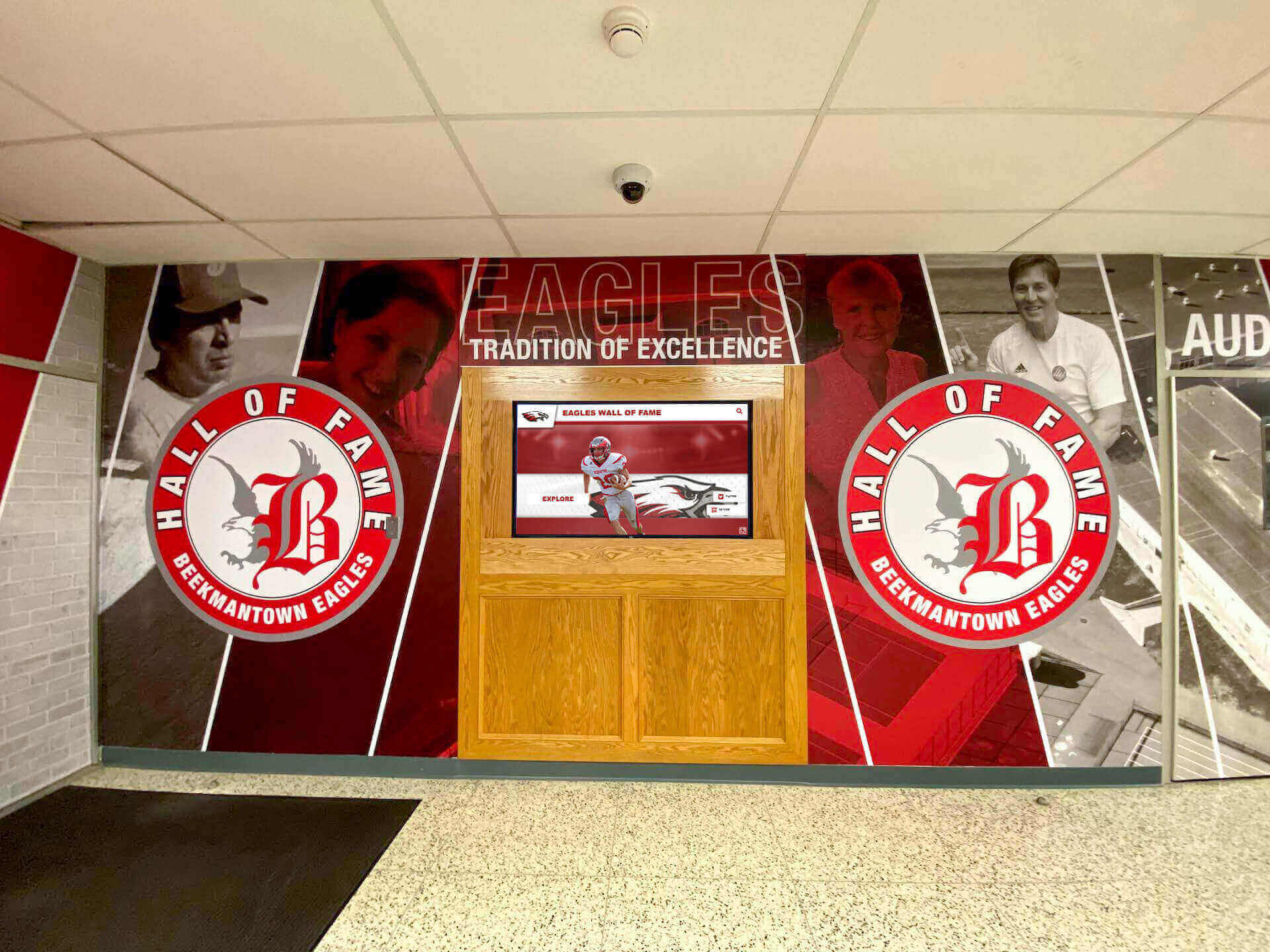
Letter jackets frequently become treasured possessions that alumni maintain throughout their lives, occasionally passing them to children or displaying them in home offices as tangible reminders of formative achievement. Schools sometimes incorporate vintage jackets into hall of fame displays or historical exhibitions, connecting current students with program legacy.
This long-term significance distinguishes letter jackets from many recognition forms. While trophies gather dust and certificates end up in storage, jackets remain wearable and visible decades after high school, serving as conversation starters and memory triggers that keep school connections alive throughout alumni lifetimes.
What Varsity Letter Jackets Represent in Modern Schools
As educational environments evolve and student participation patterns shift, the meaning and implementation of letter jacket programs continue adapting while maintaining their core recognition purposes.
Visible Achievement Markers in Competitive Environments
In schools where athletic and academic competition remain central to culture, letter jackets serve as visible hierarchy markers distinguishing students who achieved elite status in valued domains. Wearing a jacket signals membership in selective groups whose entry requires meeting demanding standards, creating aspirational goals for younger students while validating effort for those who earned recognition.
This competitive function drives motivation throughout programs as students work toward the visible goal of earning their letters. Coaches and teachers leverage jacket traditions as concrete incentives, helping students visualize long-term achievement goals that sustain effort through challenging practices, demanding coursework, and discouraging setbacks.
Identity and Belonging Symbols
Beyond individual achievement, letter jackets create group identity and belonging. Students wearing jackets identify as varsity athletes, scholars, or activity participants—labels that shape social connections and self-perception throughout high school experiences and often beyond.
This identity formation proves particularly powerful during adolescence when students actively construct senses of self and seek communities providing belonging and purpose. Letter programs offer structured pathways toward positive identities grounded in achievement, effort, and contribution to communities larger than individual interests.
Equity and Inclusion Considerations
Modern letter programs increasingly grapple with equity concerns about which students receive recognition and what barriers might prevent deserving individuals from earning letters or affording jackets.
Progressive schools address these tensions through expanded letter programs recognizing diverse achievement types beyond traditional athletics, financial assistance programs helping families afford letter jacket purchases, alternative recognition formats allowing students to earn letters without purchasing expensive jackets, and re-examined standards ensuring criteria measure genuine achievement rather than socioeconomic advantage or access to resources.
These adaptations preserve the motivational and recognition benefits of letter traditions while reducing exclusivity that might make programs feel elitist or inaccessible to students from varied backgrounds and circumstances.
Digital Integration and Contemporary Recognition
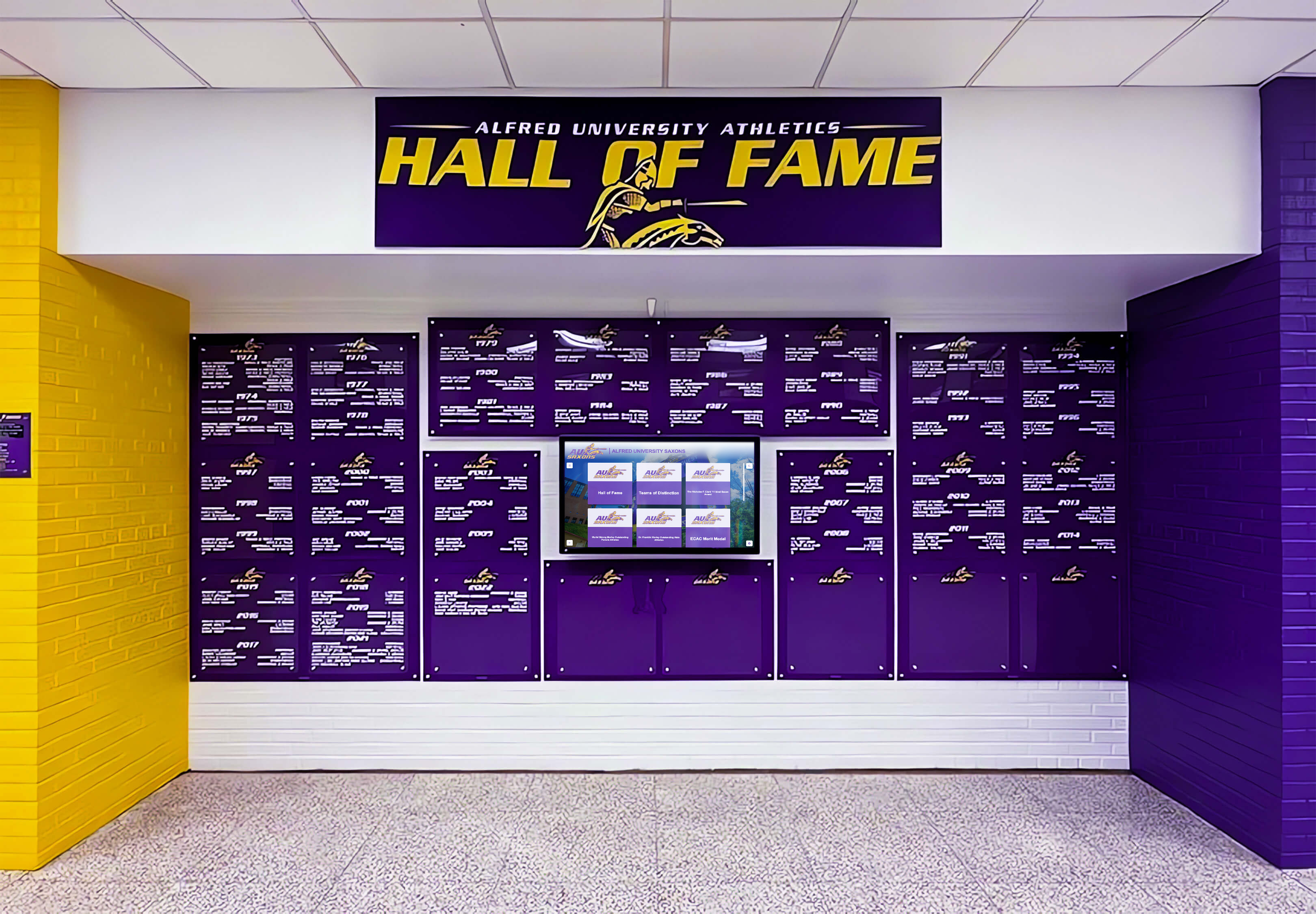
While physical letter jackets remain popular, many schools now complement traditional programs with digital recognition displays that expand visibility and accessibility of achievement celebration.
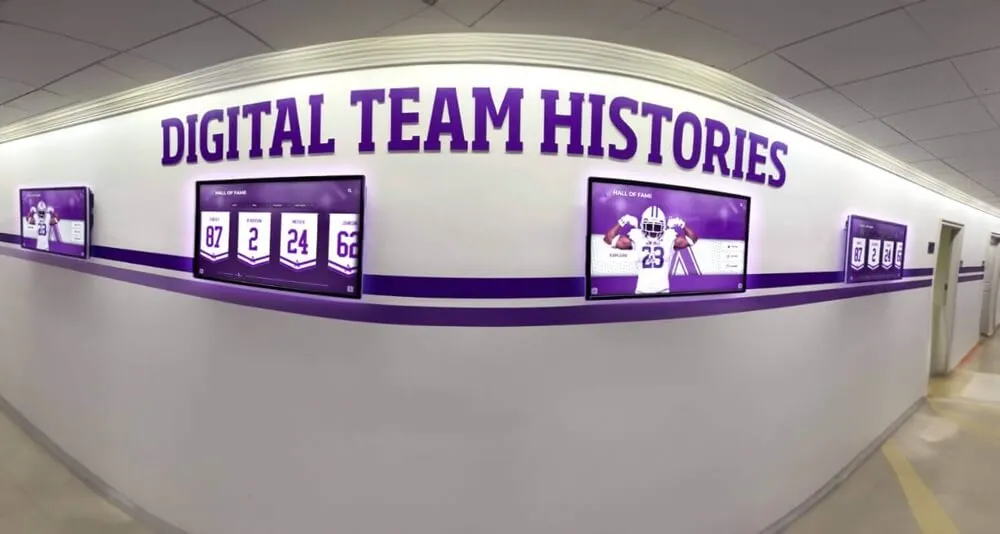
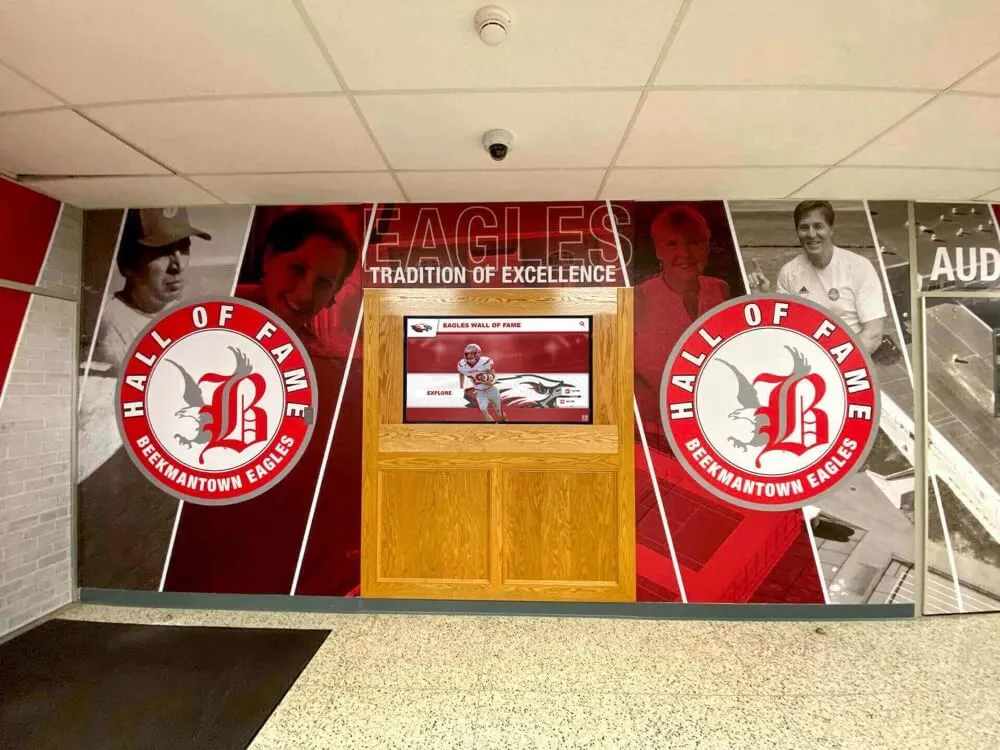
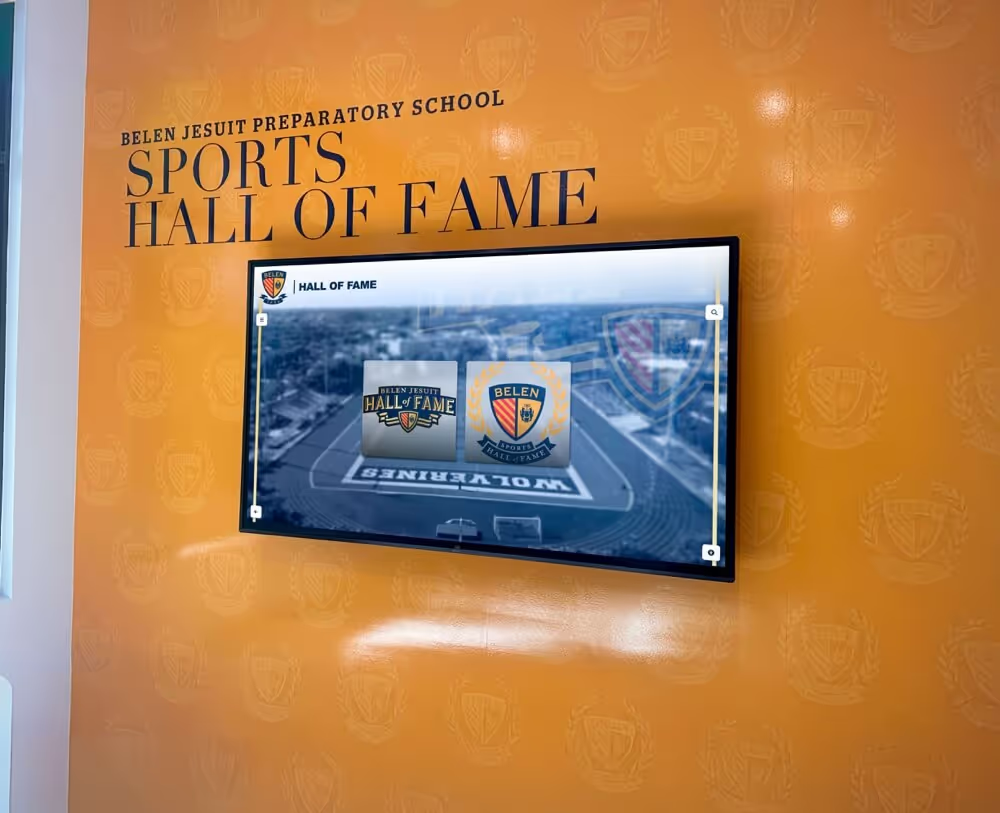
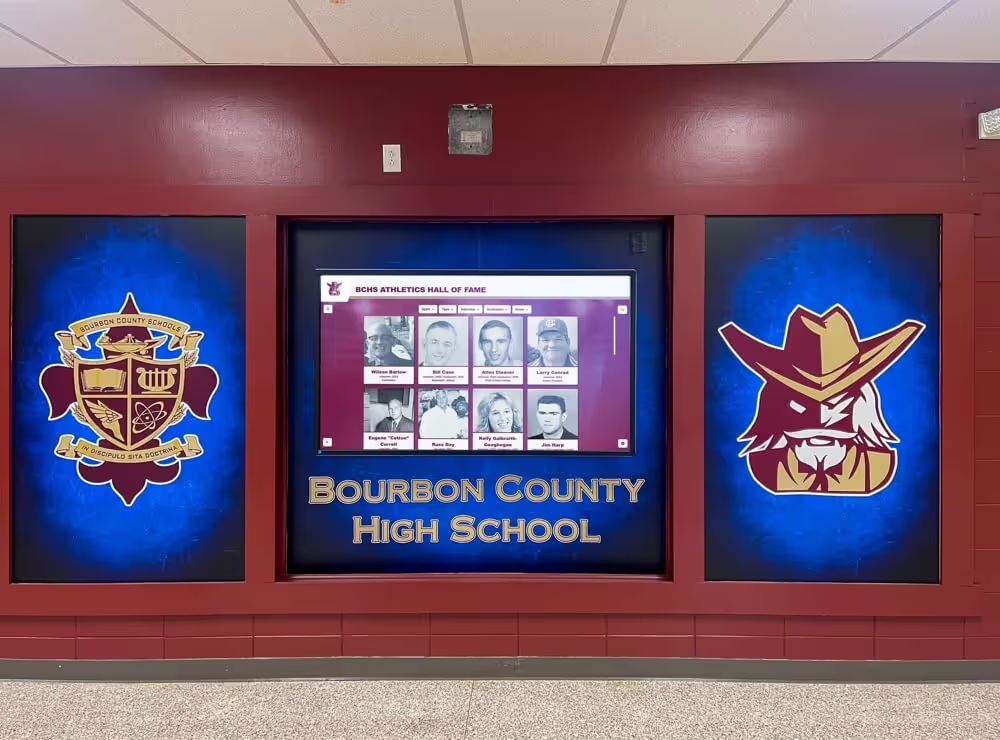
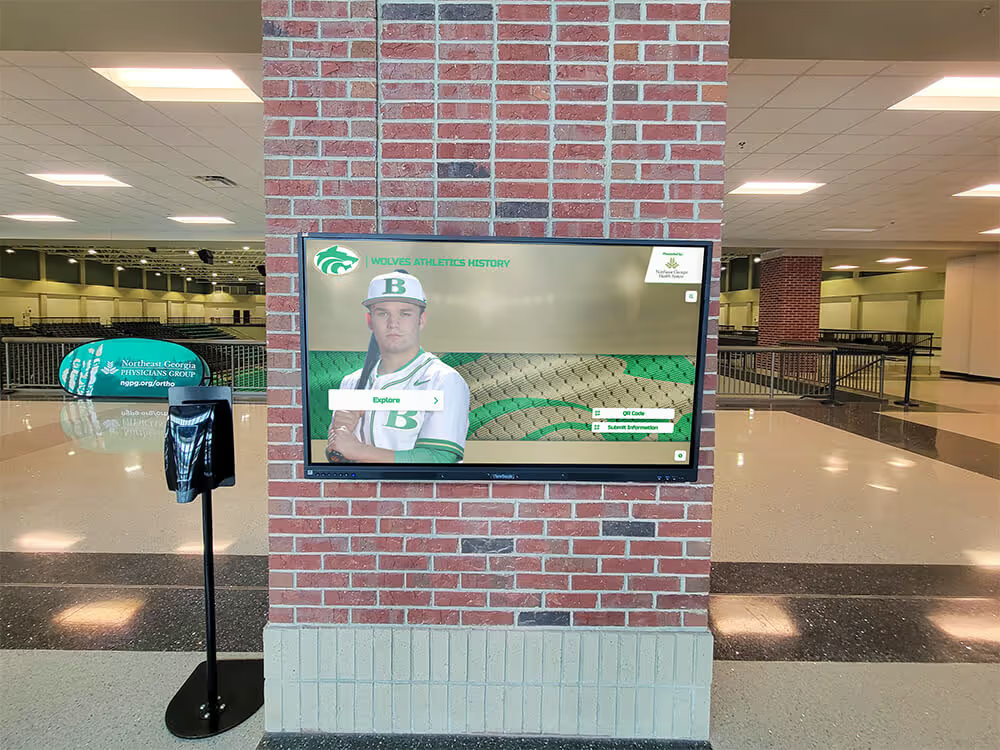
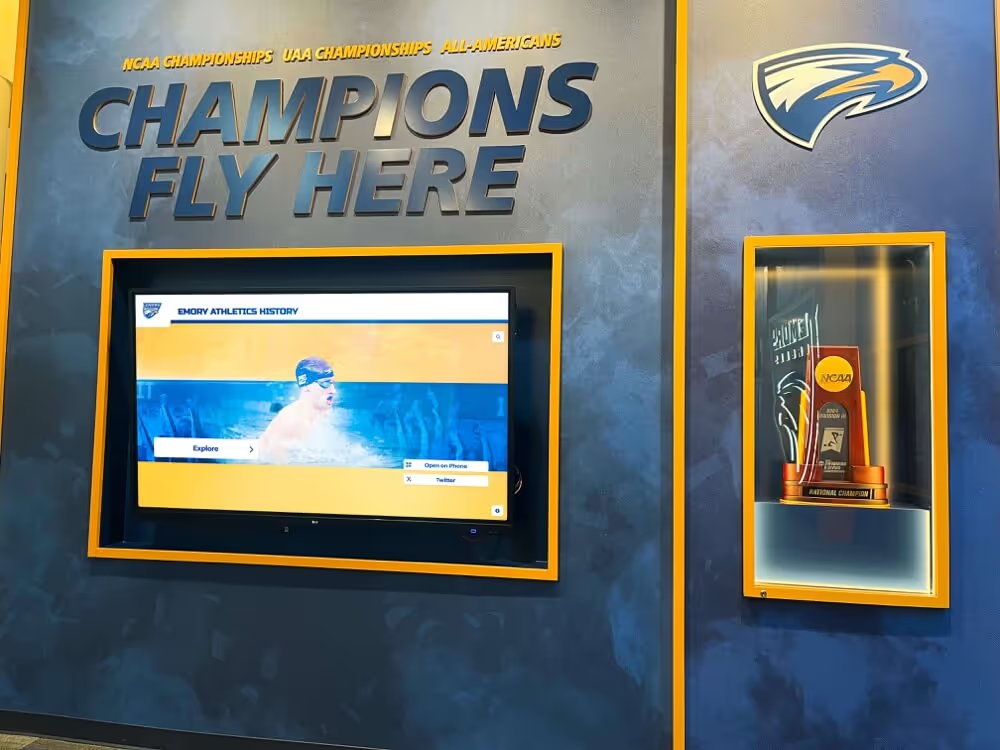
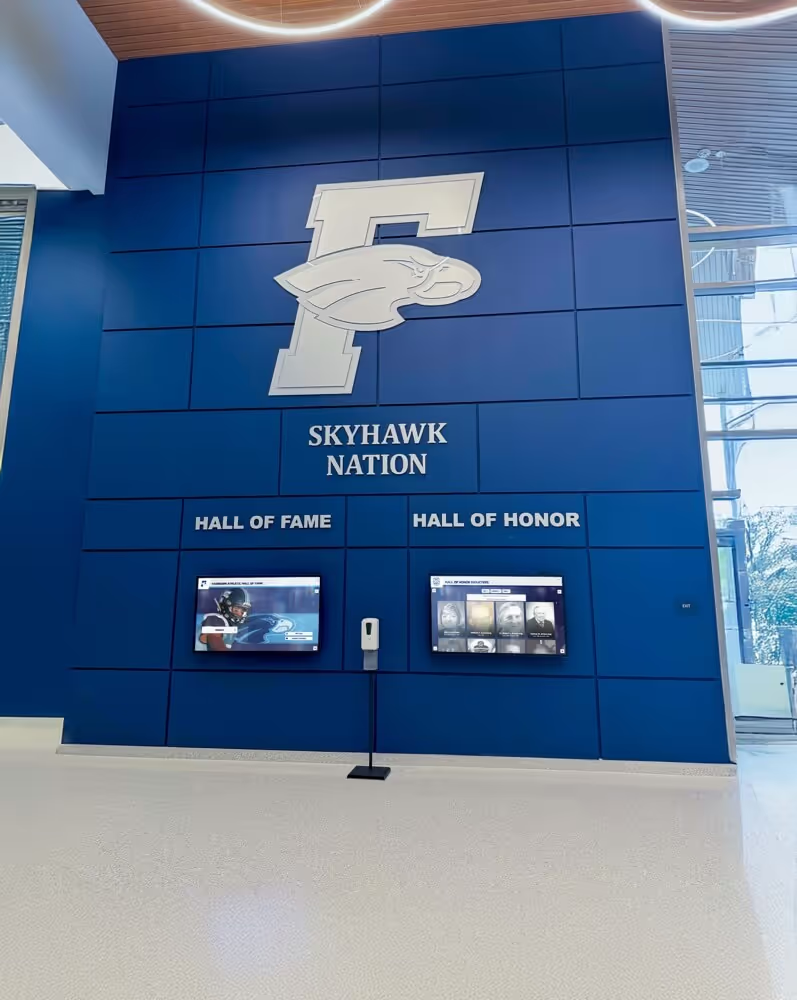
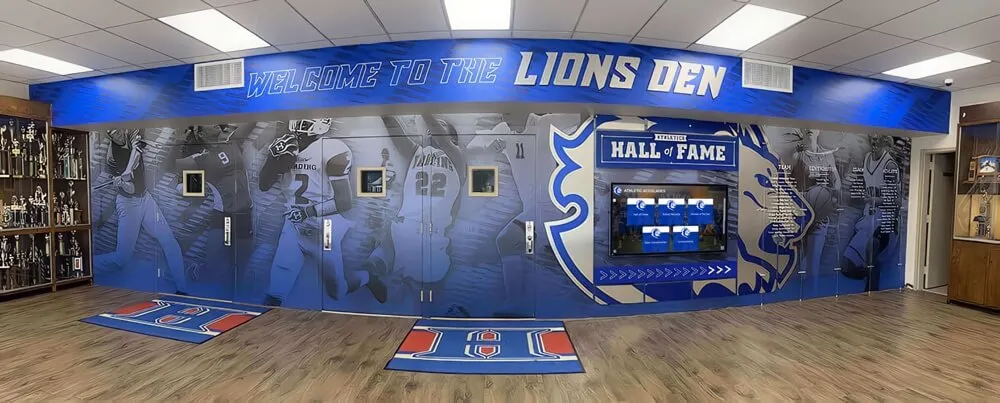
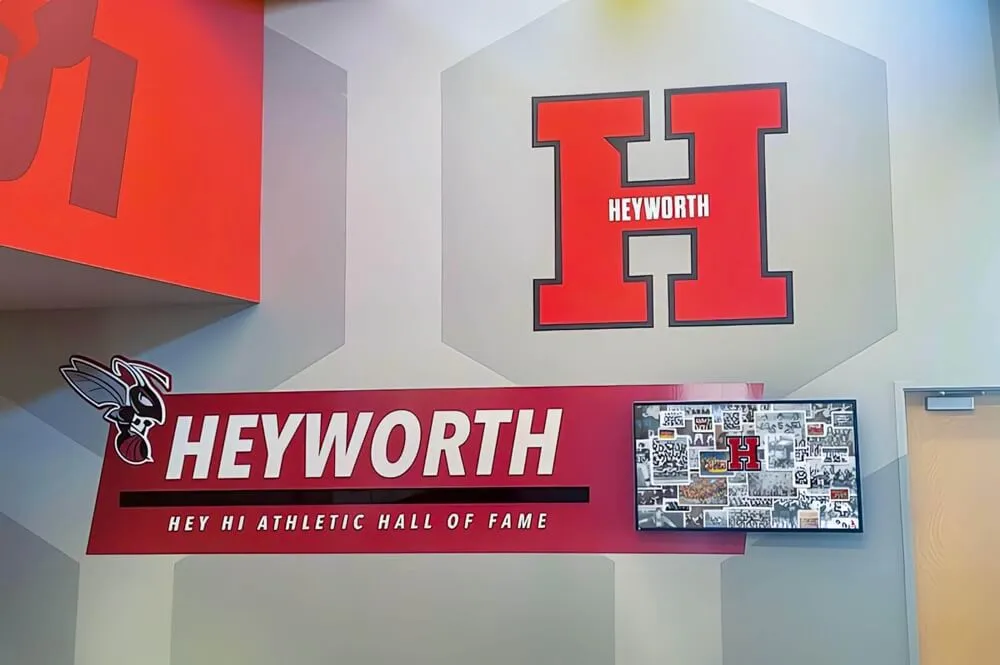
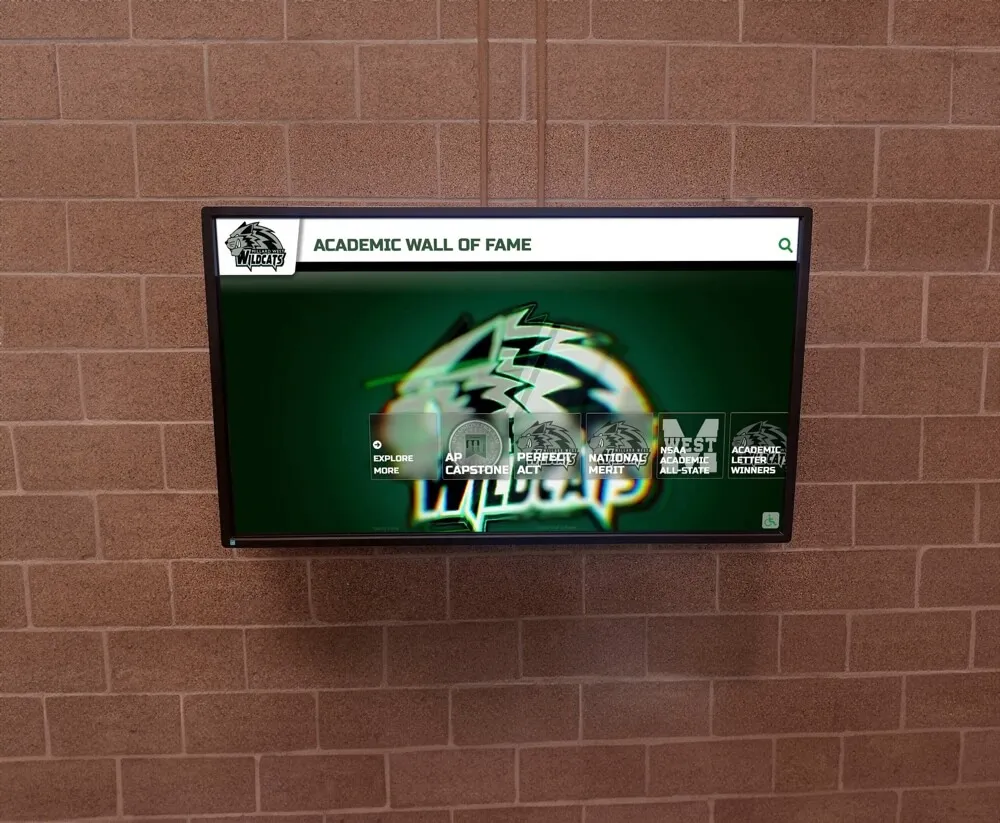
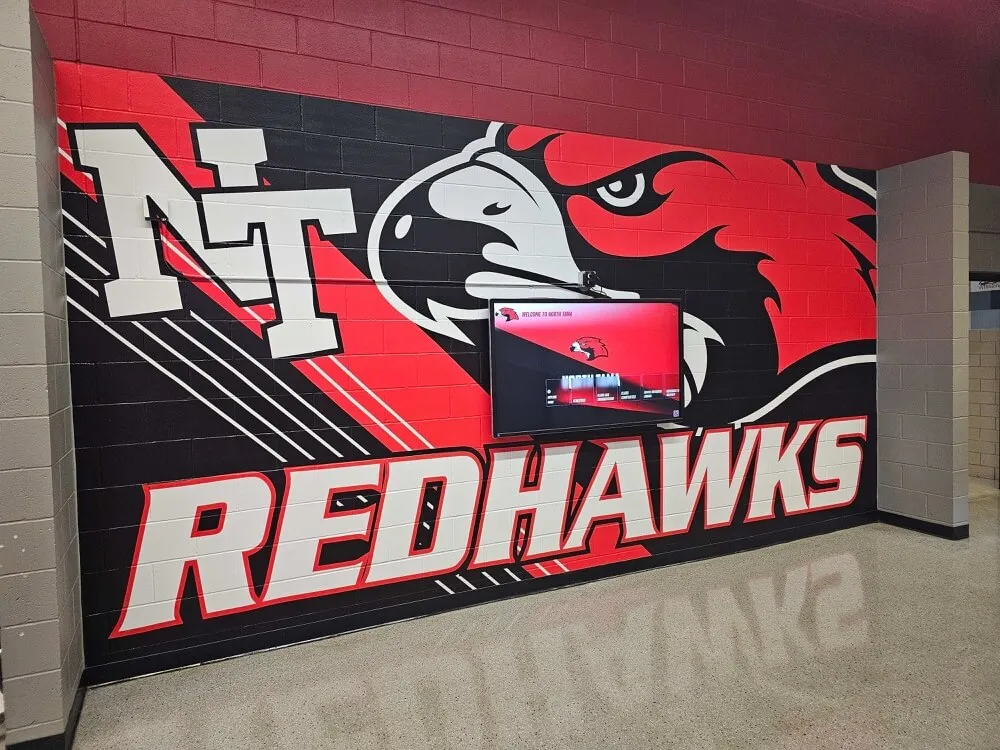
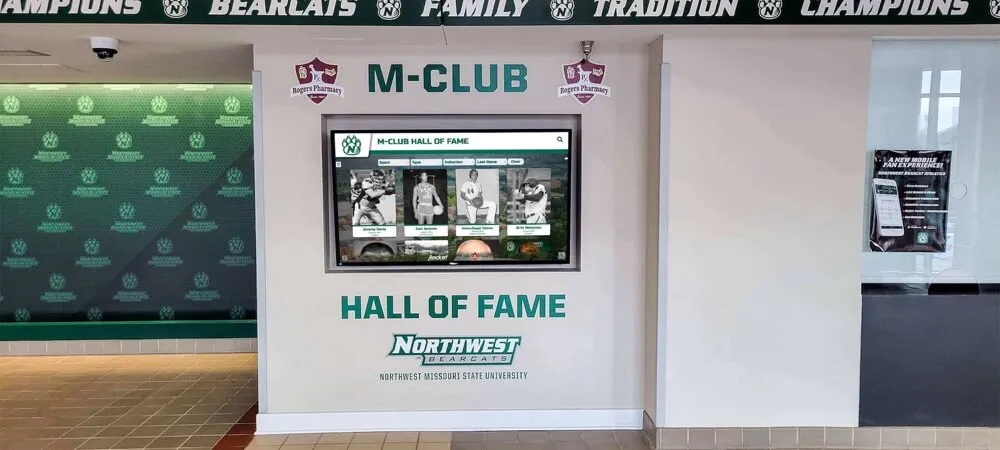
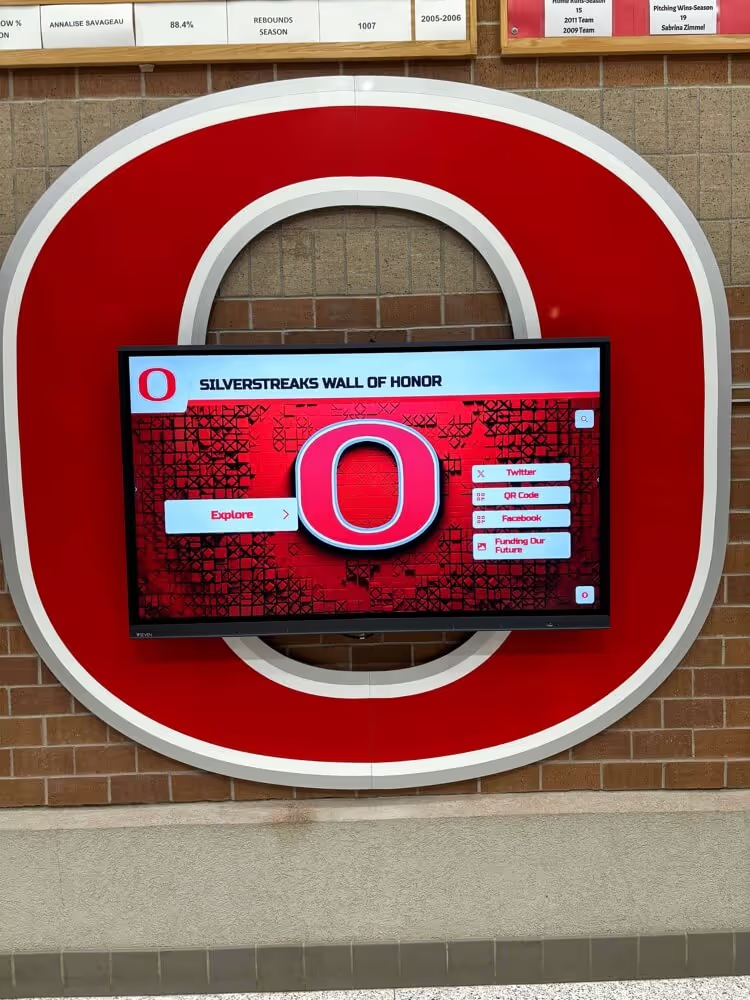
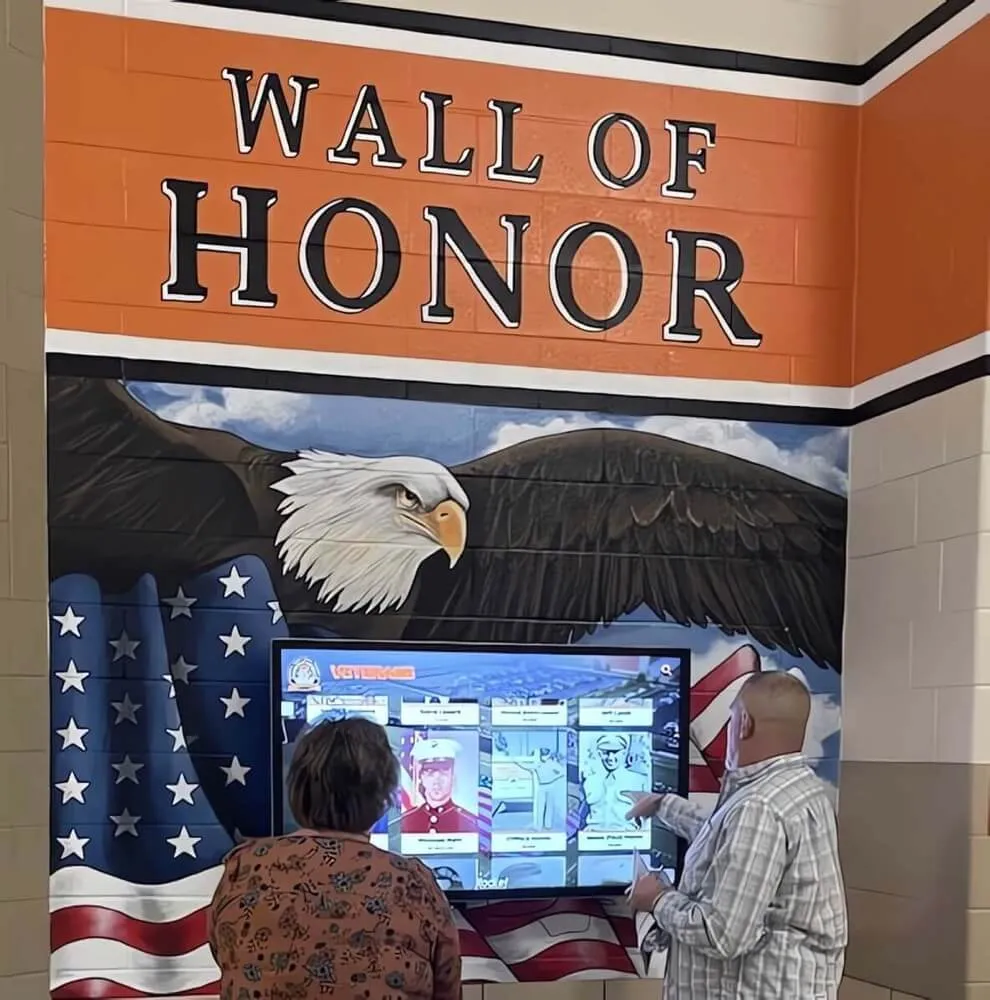
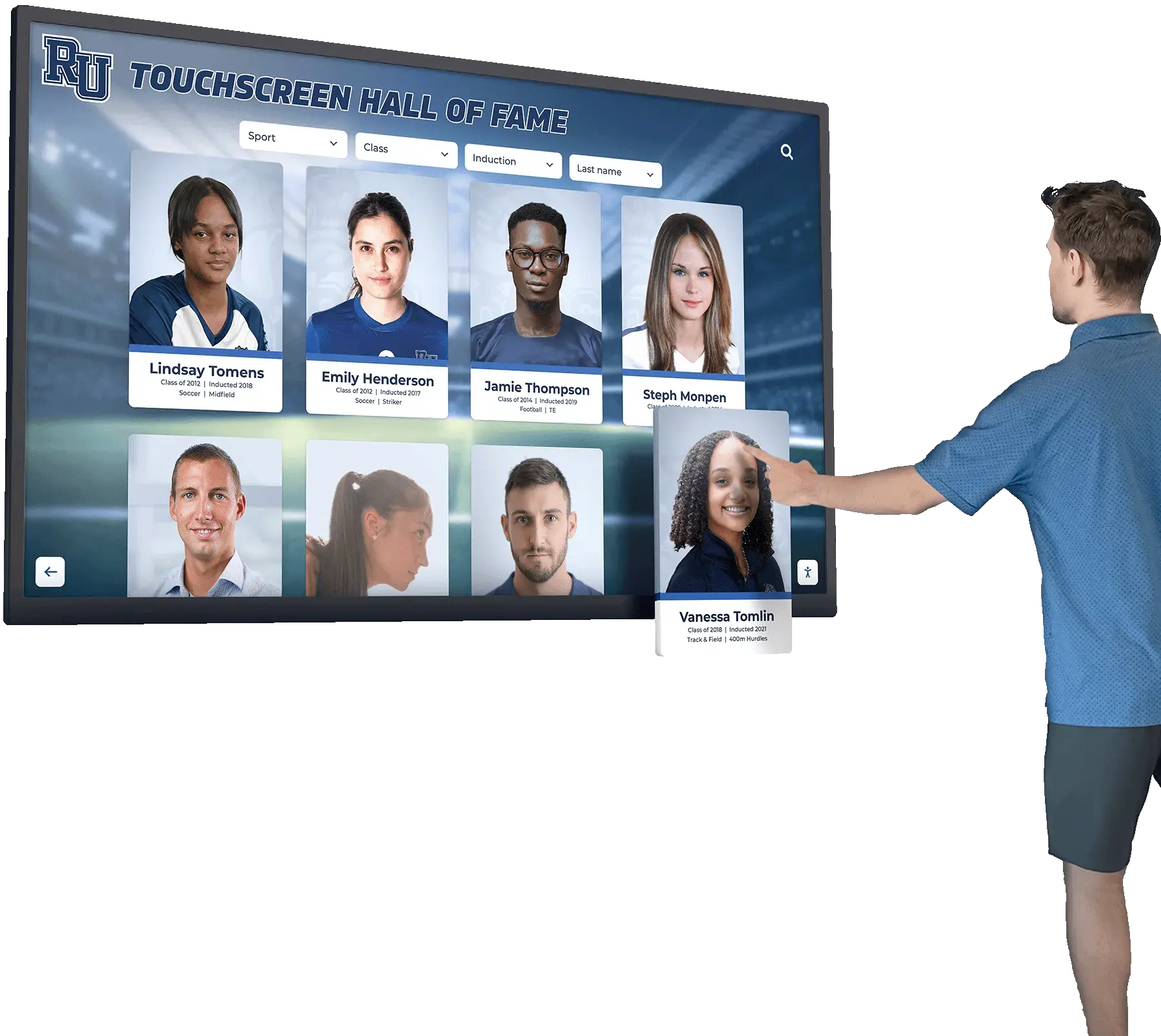
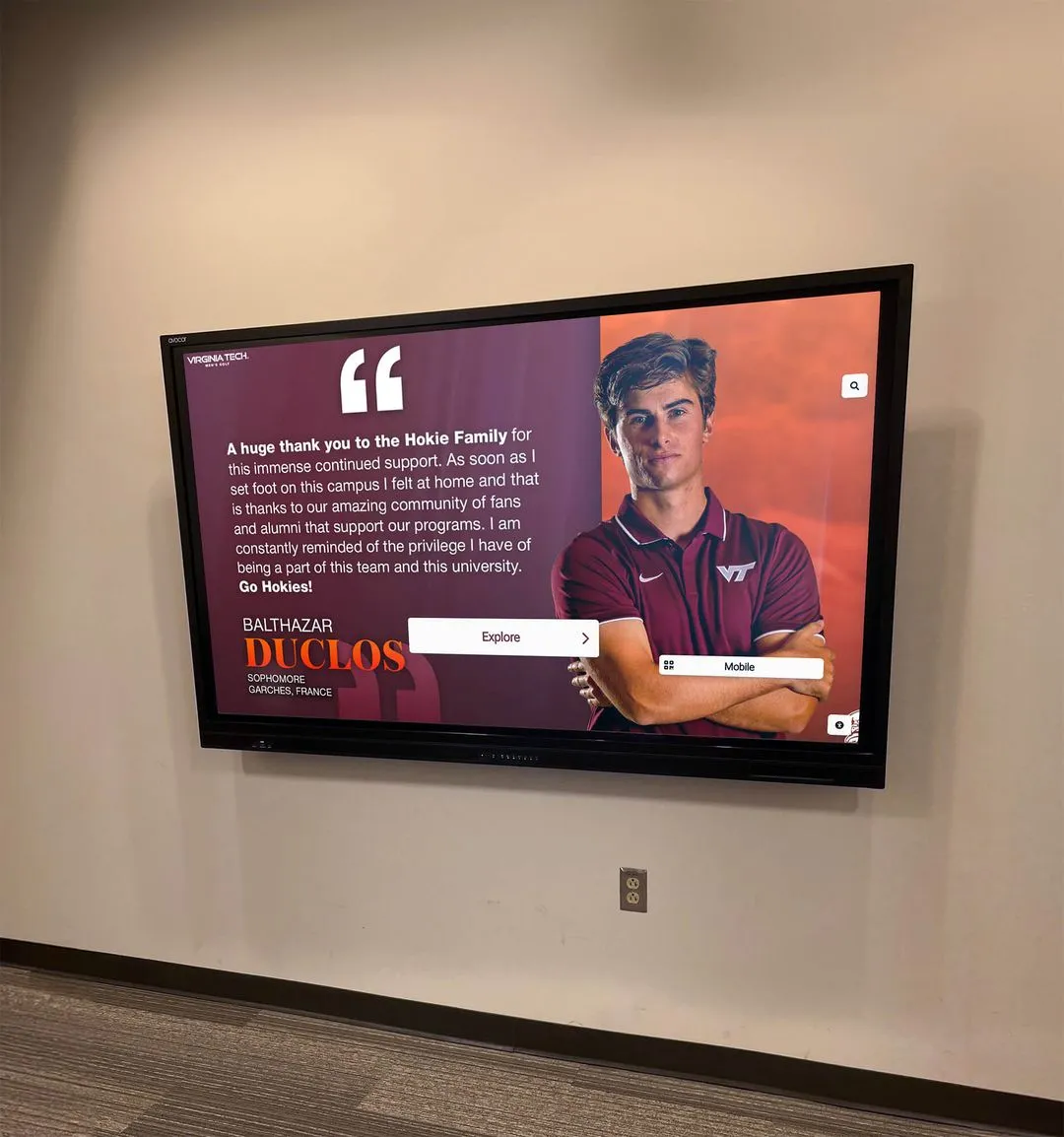
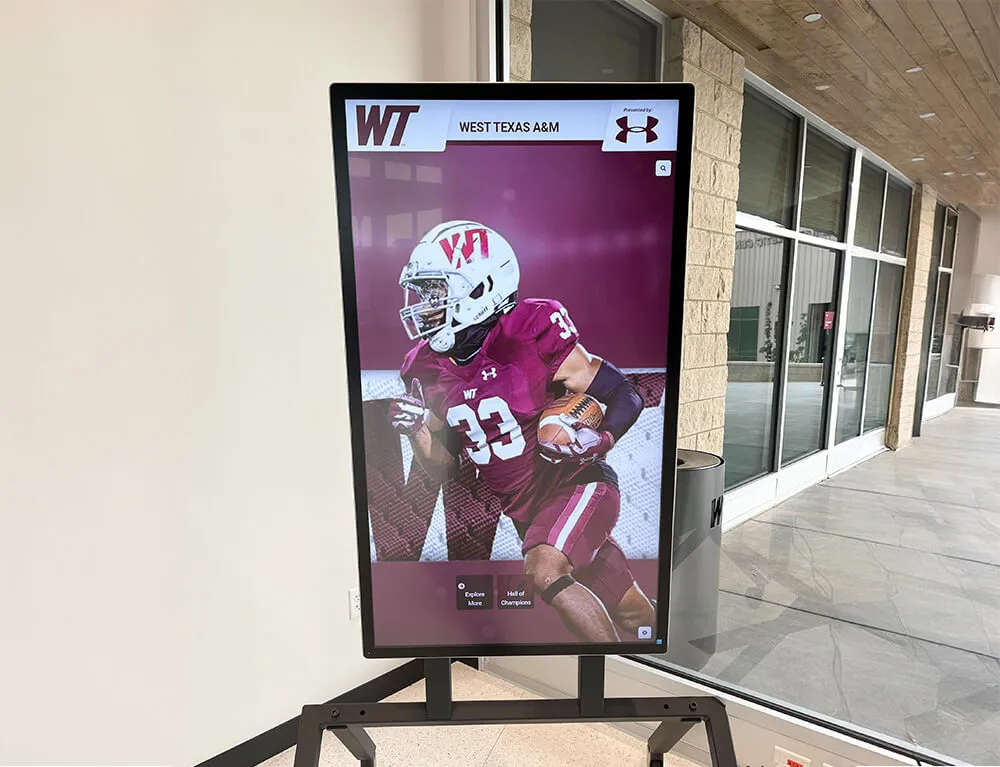
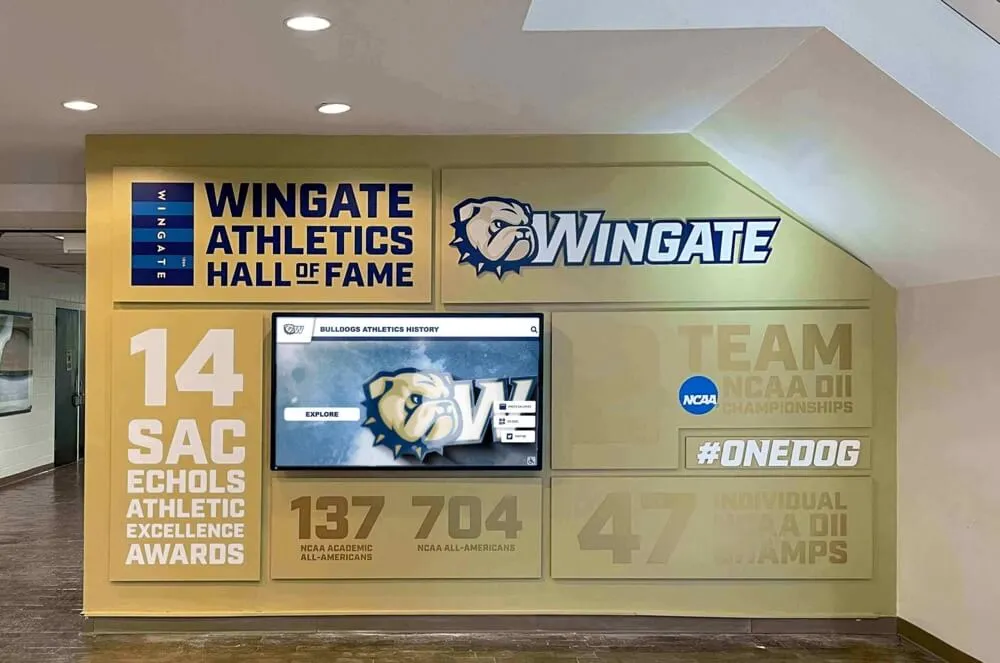
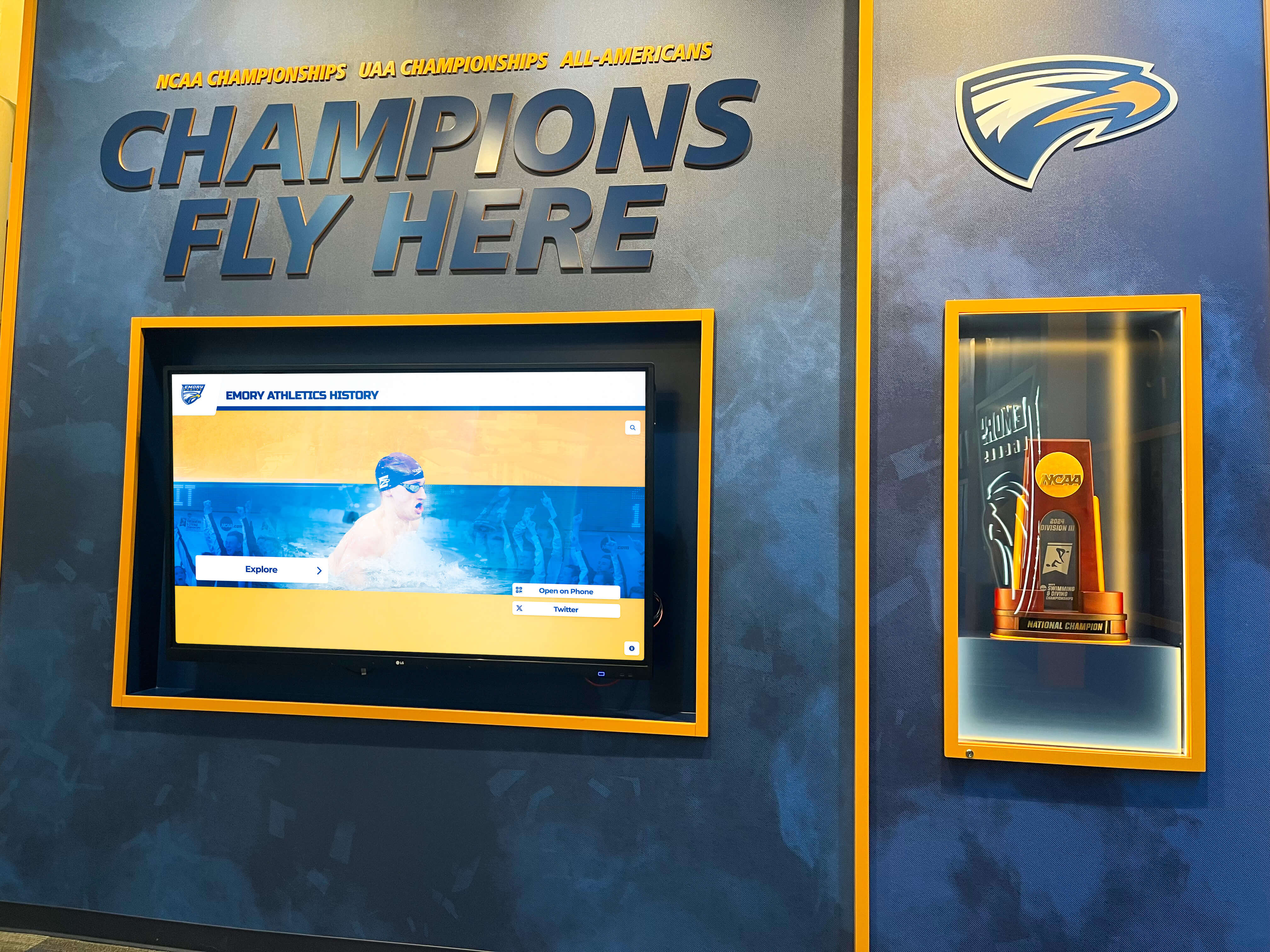
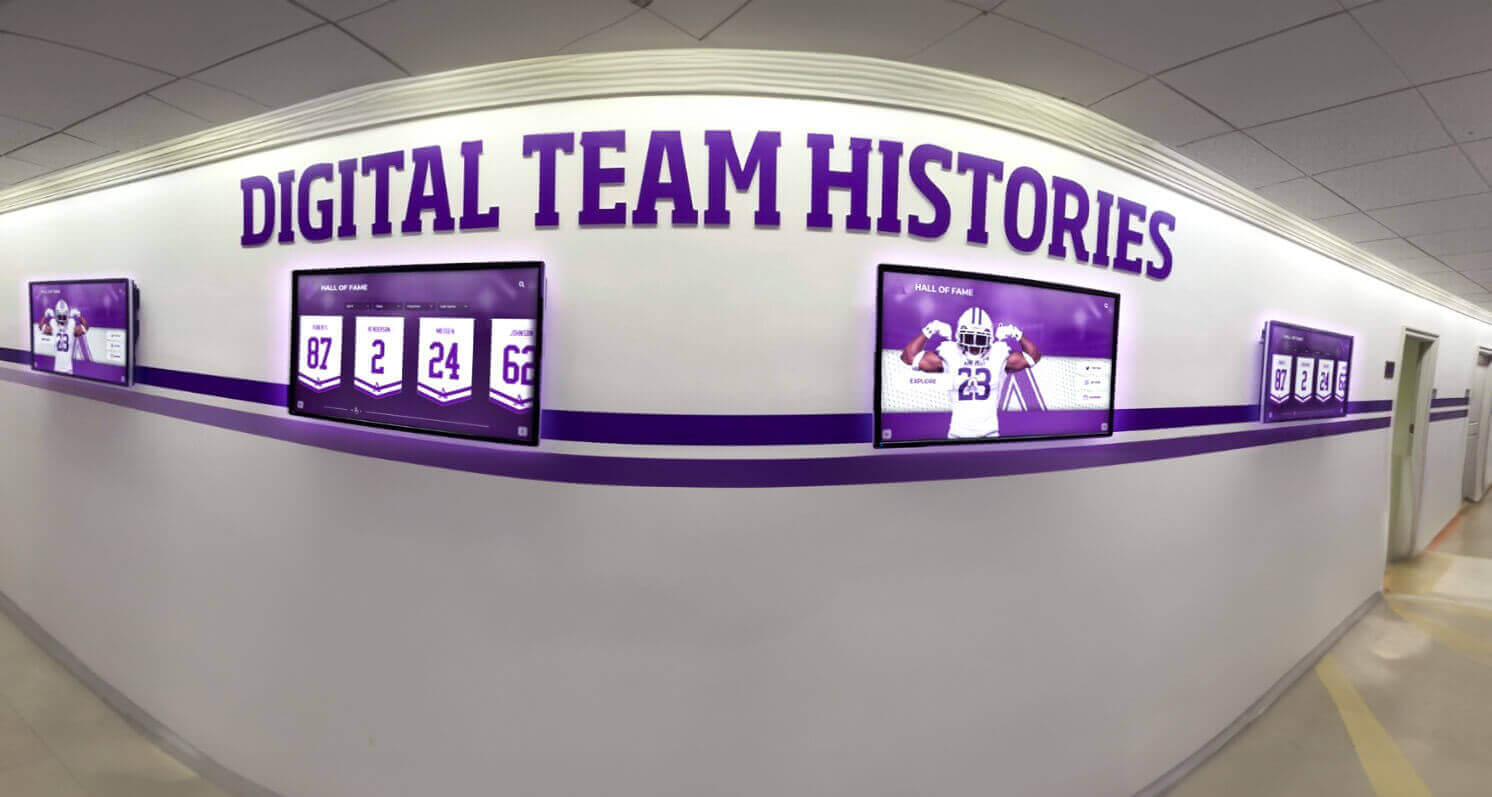
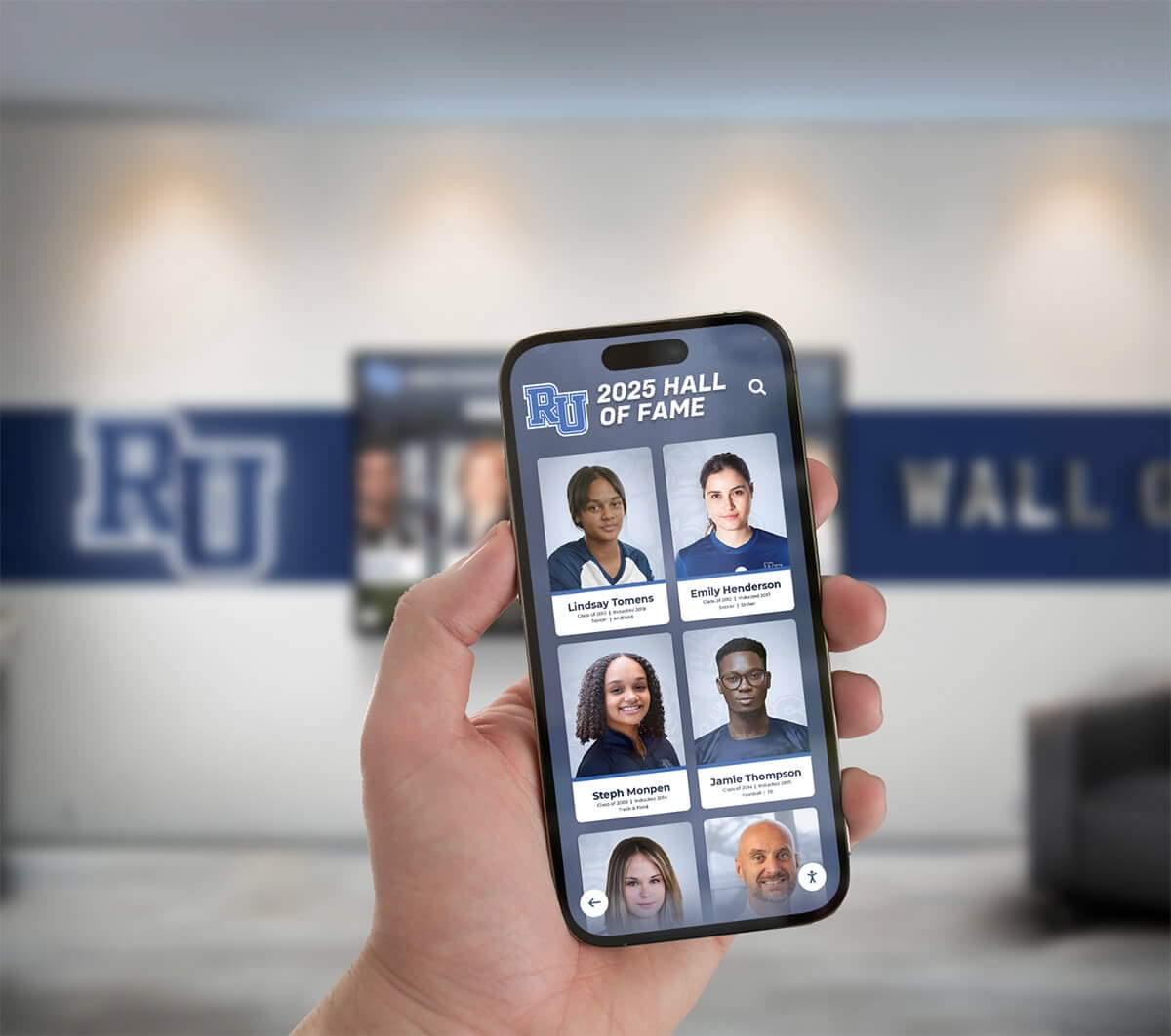
Interactive touchscreen systems allow schools to showcase all letter earners with photographs, statistics, and achievement narratives that physical jackets cannot convey. These digital platforms democratize recognition by giving every letter earner equivalent visibility regardless of whether they purchase expensive jackets, while creating permanent historical records documenting achievement across years and programs.
The integration of traditional and digital recognition represents evolution rather than replacement—schools maintain meaningful physical traditions while leveraging technology to enhance reach, accessibility, and historical preservation.
Maintaining Letter Programs That Balance Tradition and Contemporary Values
Schools seeking to preserve meaningful letter jacket traditions while addressing modern equity and inclusion expectations can implement several strategic approaches that honor history while ensuring programs serve diverse student populations.
Establish Clear, Published Standards
Transparency about letter requirements prevents perceptions of favoritism or subjective judgments while helping students and families understand exactly what earning recognition requires. Published criteria should specify playing time minimums, GPA thresholds, participation duration requirements, conduct standards, and any additional qualification factors.
These documented standards also ensure consistency across coaching changes and administrative transitions, preserving program integrity regardless of personnel shifts that might otherwise alter traditions or introduce inconsistencies.
Create Multiple Pathways to Recognition
Rather than maintaining exclusively athletic letter programs, schools that recognize diverse achievement types communicate that excellence takes many forms. Academic honor roll programs, performing arts letters, service recognition, and activity-based awards ensure students with varied talents and interests can pursue meaningful recognition.
This multi-pathway approach maintains the selectivity that gives letters meaning while preventing athletic dominance that might alienate significant student populations or communicate that schools value only certain achievement types.
Address Financial Barriers
Letter jacket costs—often ranging from several hundred to over a thousand dollars when fully personalized—create real barriers for families with limited resources. Schools can address these equity concerns through booster club jacket funds, payment plan options spreading costs across months, used jacket programs allowing students to purchase gently worn jackets from alumni, and recognition ceremonies honoring all letter earners regardless of jacket purchase.
These accommodations ensure financial circumstances don’t prevent deserving students from experiencing recognition or participating in traditions that their wealthier peers enjoy without financial stress.
Integrate Traditional and Modern Recognition
Rather than choosing between physical letter jackets and digital recognition systems, forward-thinking schools implement both—preserving beloved traditions while expanding recognition reach and accessibility through technology. Digital awards displays in trophy cases, athletic lobbies, and academic hallways showcase letter earners to entire school communities rather than only those who encounter jacket wearers.
This integrated approach respects tradition while acknowledging that contemporary students engage with recognition in varied formats—some treasuring physical jackets while others appreciate digital visibility through school communication channels and permanent historical displays.
Emphasize Achievement Over Exclusivity
The most successful letter programs maintain rigorous standards while emphasizing achievement celebration over social stratification. When programs communicate that letters represent personal excellence and commitment rather than superiority over non-letter-earning peers, they preserve motivation while reducing divisiveness.
This framing shift—from “letter earners are better than other students” to “letter earners met demanding standards through exceptional effort”—maintains recognition meaningfulness while creating cultures where diverse students support rather than resent each other’s achievements.
Preserving Recognition Traditions That Matter
Varsity letter jackets have endured for over 150 years because they serve fundamental human needs for achievement recognition, community belonging, and visible symbols marking significant personal accomplishments. As schools continue evolving to serve diverse student populations with varied interests and needs, the challenge lies not in abandoning these traditions but in adapting them to remain meaningful, equitable, and aligned with contemporary values.
The schools that succeed in this balancing act preserve the core elements that make letter traditions powerful—rigorous standards, meaningful recognition, visible symbols, and community celebration—while removing barriers that prevent deserving students from participation and expanding recognition to honor diverse excellence types beyond traditional athletics.
When implemented thoughtfully, letter programs continue providing powerful motivation for student achievement while creating visible connections between current students and the institutional legacies they inherit and extend. These traditions remind students that their schools value dedication, celebrate excellence, and maintain standards worth pursuing—messages that remain as relevant in modern educational environments as they were when Harvard baseball players first stitched “H” letters onto their sweaters over a century and a half ago.
Honoring Achievement Through Modern Recognition Solutions
Schools seeking to enhance recognition programs while preserving meaningful traditions like varsity letter jackets can explore how digital recognition platforms complement physical awards by creating permanent, accessible celebration of student achievement. Rocket Alumni Solutions provides interactive touchscreen displays that showcase letter earners, athletic achievements, academic honors, and school traditions through engaging digital experiences that entire school communities can access. These systems integrate seamlessly with traditional recognition programs, ensuring that whether students earn letters for athletics, academics, or activities, their accomplishments receive the visibility and celebration they deserve while creating historical records that connect current students with institutional legacies that inspire continued excellence.