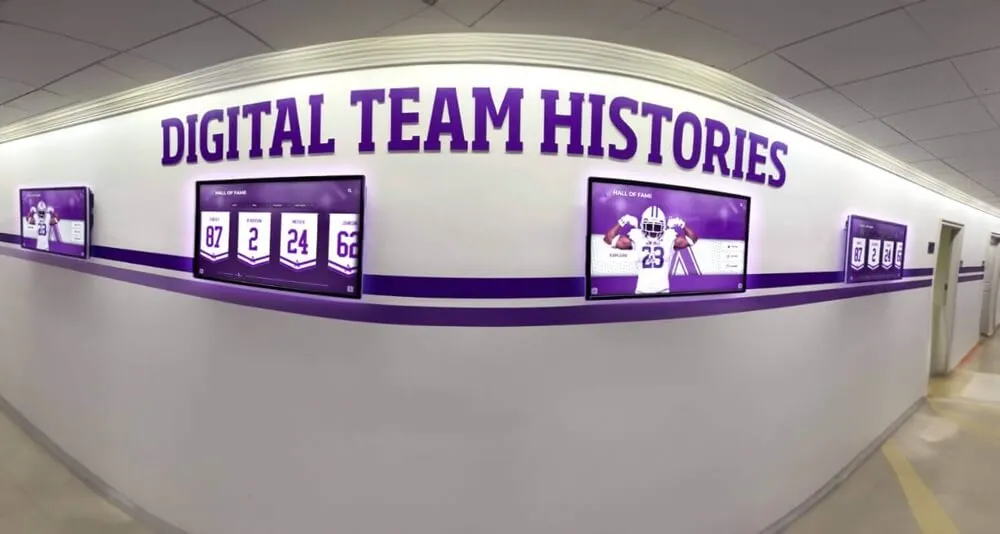
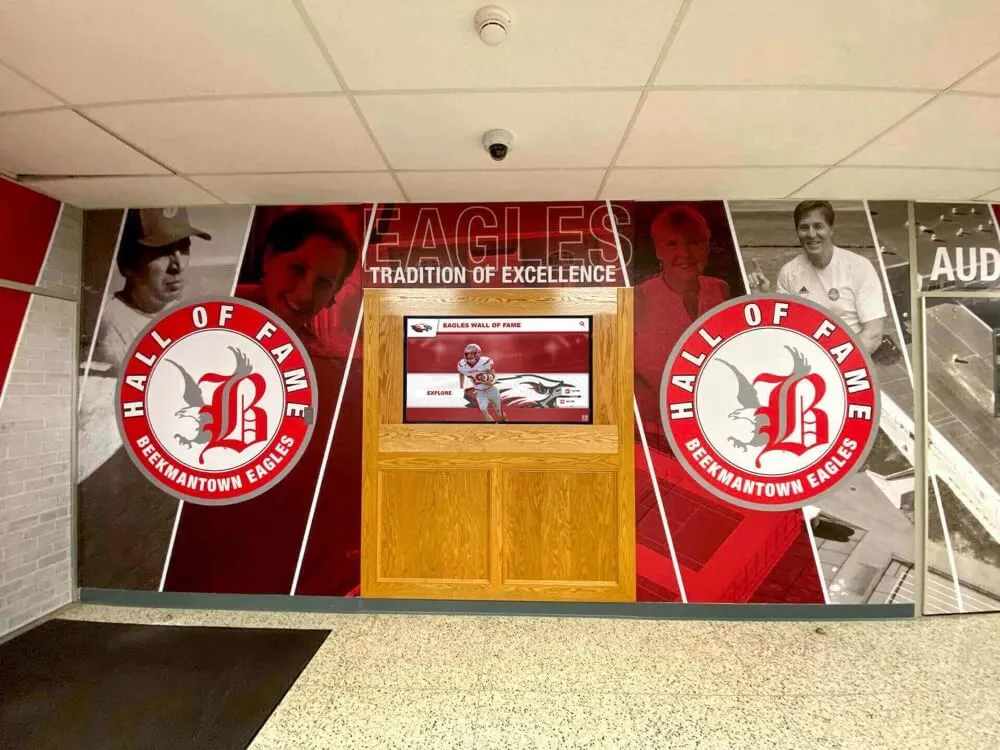
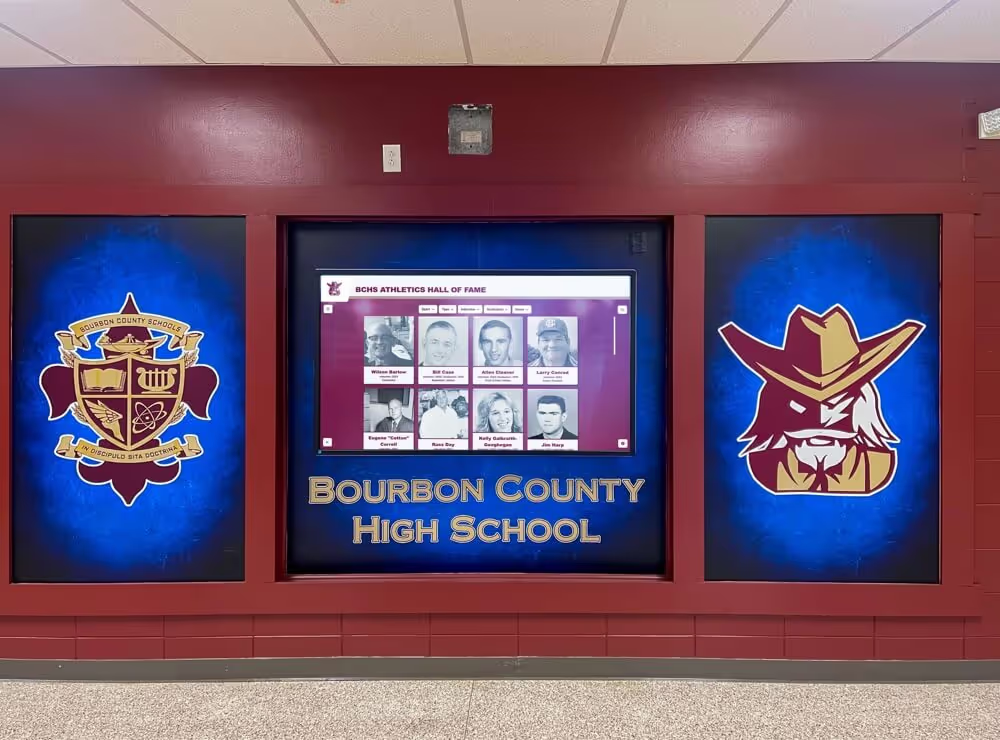
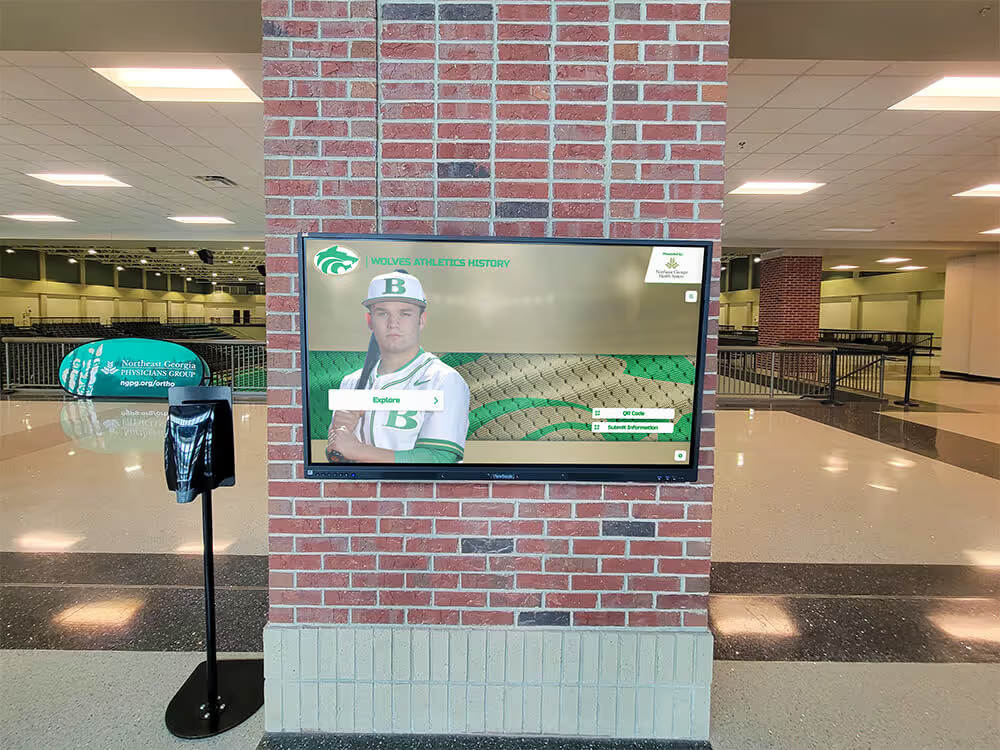
Schools researching digital hall of fame displays quickly discover a frustrating reality: finding transparent, complete pricing information proves nearly impossible. Vendors hide behind “request a quote” buttons, and published prices often exclude content setup, training, installation, and ongoing support—leaving administrators unable to budget accurately or compare options fairly.
This opacity creates real problems for athletic directors, principals, and technology coordinators responsible for recognition programs. Without understanding total costs upfront, schools waste time pursuing solutions outside their budgets, delay recognition projects while gathering pricing information, or worse—commit to systems that later reveal hidden expenses consuming funds intended for content development or training.
This comprehensive guide provides transparent pricing information for turnkey digital hall of fame solutions, including all components schools need: hardware, software, professional installation, content migration and setup, staff training, and ongoing support. By examining real costs from established providers and breaking down what “turnkey” actually includes, this analysis helps schools budget realistically and select solutions matching both recognition needs and financial resources.
What “Turnkey” Actually Means for Digital Hall of Fame Projects
True turnkey solutions deliver complete, operational recognition systems without requiring schools to source components separately, hire contractors independently, or develop technical expertise internally. Comprehensive turnkey providers handle:
- Hardware procurement and delivery (touchscreens, media players, mounting equipment)
- Professional installation (electrical work, mounting, cable management, testing)
- Software platform setup (configuration, branding customization, user account creation)
- Content migration and digitization (transferring existing recognition data, scanning photos, organizing information)
- Staff training (administrator onboarding, content management instruction, troubleshooting guidance)
- Ongoing technical support (software updates, help desk access, maintenance assistance)
Schools receive functioning recognition displays ready for daily use, with staff trained to manage content independently and vendor support available when issues arise.
Complete Turnkey Pricing Breakdown: What Schools Actually Pay
Understanding total investment requires examining every cost component contributing to fully operational digital hall of fame systems. Hidden expenses often double initial estimates when schools fail to account for complete project requirements.
Hardware Costs: Commercial Displays and Equipment
Professional digital hall of fame installations require commercial-grade equipment designed for continuous operation rather than consumer displays built for intermittent home use.
Commercial Touchscreen Displays
Quality and size directly impact pricing:
- 43-inch commercial touchscreen: $2,000-$3,500
- 50-55 inch commercial touchscreen: $3,500-$5,500
- 65-inch commercial touchscreen: $5,500-$8,000
- 75-inch commercial touchscreen: $8,000-$12,000
Commercial displays include features consumer models lack: 50,000+ hour operational lifespans versus 20,000-30,000 for consumer TVs, vandal-resistant touchscreen technology withstanding public use, temperature tolerance for unconditioned spaces, and warranty coverage appropriate for institutional deployments.
Budget displays marketed as “commercial” but priced near consumer levels typically lack these durability features and fail within 2-3 years rather than lasting the expected 8-10 years schools require for capital investments.
Media Players and Computing Components
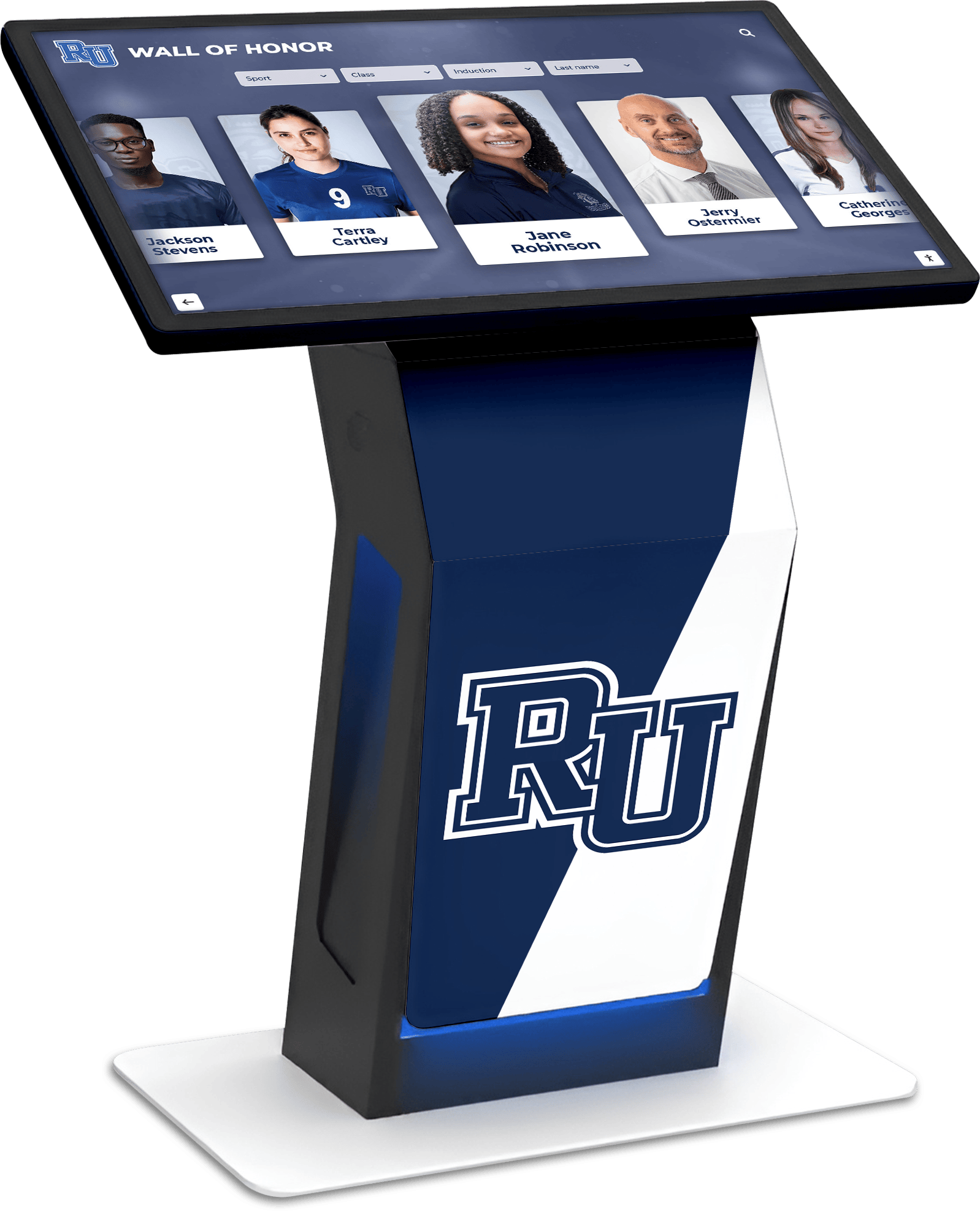
Touchscreen displays require computing devices running recognition software:
- Entry-level media stick (Chromecast, Fire Stick): $50-$150
- Mid-range media player (Roku, Apple TV): $150-$250
- Commercial media player/computer: $400-$800
- Integrated touchscreen PC: $1,000-$2,000
Inexpensive consumer devices work for basic slideshow presentations but lack processing power for interactive touchscreen applications requiring database queries, smooth animations, and responsive touch interactions. Professional installations typically use commercial-grade computing integrated with displays or separate media players specifically designed for digital signage applications.
Mounting and Installation Hardware
Professional mounting ensures safety and aesthetic quality:
- Basic wall mount: $200-$400
- Articulating/tilting wall mount: $400-$700
- Floor-standing kiosk enclosure: $1,500-$3,500
- Custom architectural surround: $3,000-$8,000
Installation costs vary based on wall construction (drywall versus concrete/brick), electrical requirements (existing outlets versus running new circuits), cable management complexity, and aesthetic customization. Basic installations in favorable conditions cost $500-$1,000, while complex installations requiring electrical work, structural reinforcement, or architectural integration range from $2,000-$5,000.
Software Platform Costs: Recognition-Specific Systems
Software costs represent ongoing operational expenses rather than one-time capital investments. Most modern platforms operate on subscription models providing continuous updates, cloud hosting, and technical support.
Purpose-Built Recognition Platforms
Platforms designed specifically for schools typically charge based on institution size and feature requirements:
- Small schools (under 300 students): $2,000-$4,000 annually
- Medium schools (300-1,000 students): $3,500-$6,000 annually
- Large schools (1,000-2,500 students): $5,000-$10,000 annually
- Very large schools/universities (2,500+ students): $8,000-$15,000+ annually
Leading purpose-built platforms like Rocket Alumni Solutions price within these ranges, with costs reflecting comprehensive feature sets including unlimited content capacity, multiple recognition categories, interactive search and filtering, multimedia integration, web and mobile accessibility, detailed analytics, and ongoing platform improvements.
Schools implementing comprehensive recognition across athletics, academics, arts, alumni, and donors find purpose-built platforms more cost-effective than attempting to adapt generic tools lacking recognition-specific functionality.
Generic Digital Signage Software
General digital signage platforms adapted for recognition purposes typically cost less but require more manual work:
- Basic plans: $15-$40 monthly ($180-$480 annually)
- Professional plans: $50-$100 monthly ($600-$1,200 annually)
- Enterprise plans: $150-$300+ monthly ($1,800-$3,600+ annually)
While subscription costs appear lower, generic platforms lack templates for inductee profiles, sports records, donor recognition, and other school-specific needs. Schools must manually create all layouts, navigation structures, and content organization—labor representing significant hidden costs in staff time.
Additionally, generic platforms often charge per display, meaning schools wanting multiple recognition screens throughout facilities face multiplied subscription costs. Purpose-built school platforms typically allow unlimited displays under single subscriptions.
One-Time Purchase Options
A few providers offer permanent software licenses with single upfront payments rather than subscriptions:
- Complete system (hardware, software, installation): $12,000-$19,500
- Software license only: $3,000-$8,000
This model appeals to schools with capital budgets but limited operational funds for annual subscriptions. However, one-time purchases typically exclude ongoing software updates, feature additions, and comprehensive support beyond initial warranty periods. Schools must evaluate whether total ownership costs over 5-10 years favor subscriptions with continuous improvements versus static one-time purchases.
Content Setup and Migration Services: The Often-Overlooked Expense
Many schools underestimate content development complexity when budgeting for digital recognition. Migrating decades of trophies, plaques, and paper records into structured digital formats requires substantial effort that vendors may or may not include in base pricing.
Professional Content Migration Services
Comprehensive content setup typically includes:
- Historical record digitization: $2,000-$6,000
- Photo scanning and processing: $500-$2,000
- Data entry and organization: $1,500-$4,000
- Quality review and correction: $500-$1,500
Full-service providers like Rocket Alumni Solutions often include substantial content migration in turnkey packages, recognizing that displays without comprehensive content deliver limited value. These services save schools hundreds of staff hours that would otherwise be required for manual data entry, photo scanning, and content organization.
Schools with limited historical documentation or good existing digital records may need minimal content services ($500-$1,500), while institutions wanting to digitize 50+ years of achievements across multiple programs benefit from comprehensive migration services justifying higher investment.
Do-It-Yourself Content Development
Schools handling content creation internally avoid direct costs but should account for staff time:
- Photo scanning: 15-30 minutes per decade of materials
- Data entry: 10-20 minutes per inductee/achievement record
- Content formatting: 5-15 minutes per recognition entry
- Quality review: 2-5 minutes per entry
A hall of fame recognizing 500 individuals across sports, academics, and distinguished alumni requires approximately 150-250 staff hours for complete content development—equivalent to $3,000-$6,000 in labor costs at typical administrative hourly rates. Professional content services often prove more cost-effective than internal development when accounting for opportunity costs of staff time.
Training and Support: Ensuring Long-Term Success
Effective training determines whether schools successfully maintain recognition displays independently or struggle with platforms they don’t fully understand. Training depth varies significantly across providers.
Initial Training Programs
Comprehensive training includes:
- Administrator onboarding (2-4 hours): $500-$1,200 value
- Content management training (2-4 hours): $500-$1,200 value
- Video tutorials and documentation: $300-$800 value
- Follow-up consultation (1-2 sessions): $200-$500 value
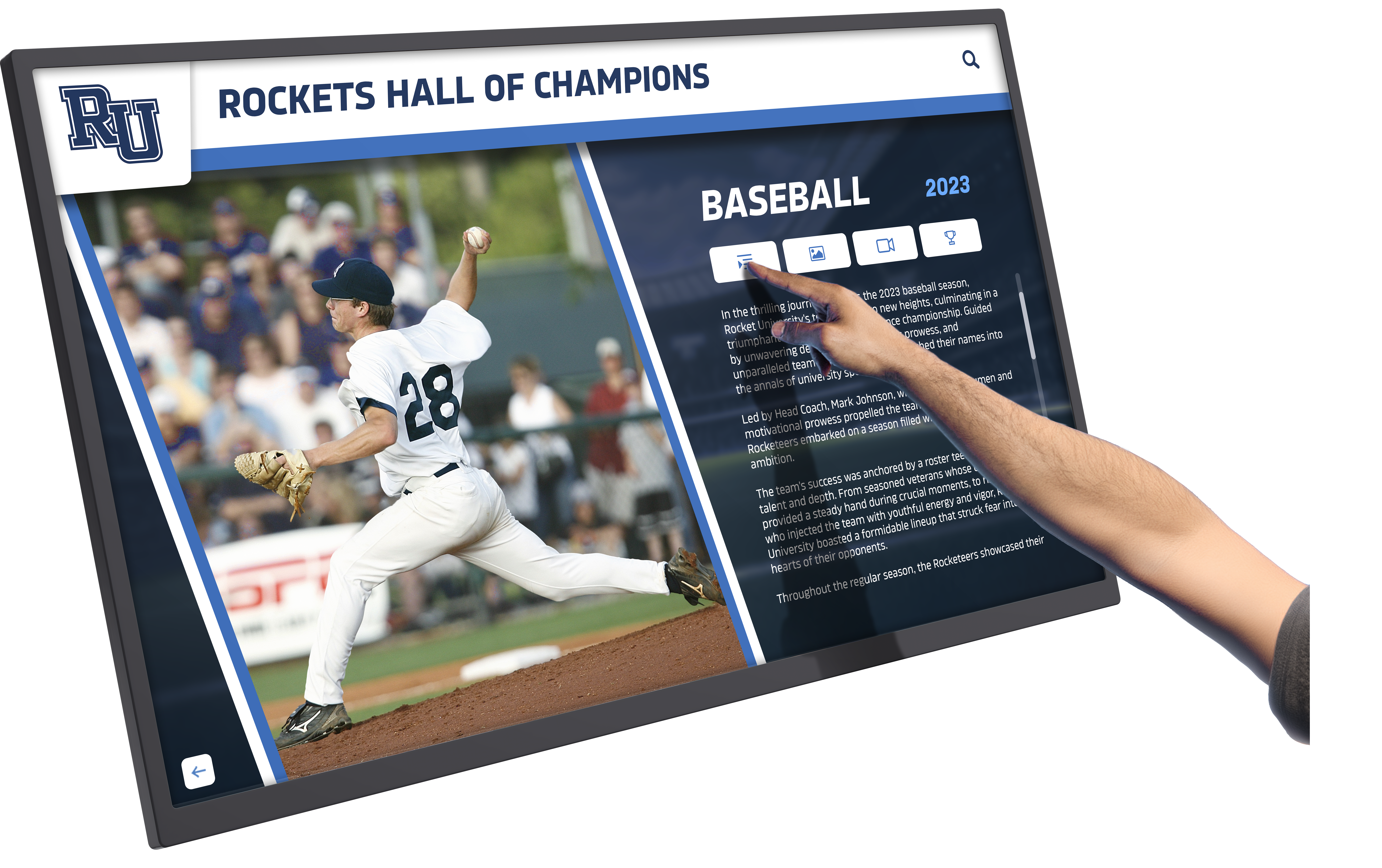
Leading providers include extensive training in turnkey packages, understanding that confident administrators maintain active, current recognition displays while those lacking training often let systems stagnate with outdated content. Budget providers may offer minimal “here’s how to log in” orientations insufficient for sustainable program management.
Schools should specifically ask providers:
- How many hours of training are included?
- Is training conducted live or pre-recorded?
- Can multiple staff members participate?
- Is follow-up training available after launch?
- What documentation and reference materials are provided?
Ongoing Technical Support
Support quality and availability significantly impact long-term satisfaction:
- Email support only: Typically included in all platforms
- Phone support (business hours): $500-$1,500 annual value
- Priority support (extended hours, faster response): $1,000-$2,500 annual value
- Dedicated account management: $2,000-$5,000+ annual value
Cloud-based platforms generally include ongoing support in annual subscriptions, while one-time purchase models may limit free support to initial warranty periods (1-2 years) with optional support contracts afterward. Schools should clarify support terms before committing to ensure alignment with internal technical capabilities.
Provider-by-Provider Pricing Comparison: Real Numbers
With component costs understood, examining specific provider pricing reveals what schools actually pay for complete turnkey solutions. Pricing reflects publicly available information as of February 2026 and represents typical mid-range configurations unless noted otherwise.
Rocket Alumni Solutions: Comprehensive Turnkey Packages
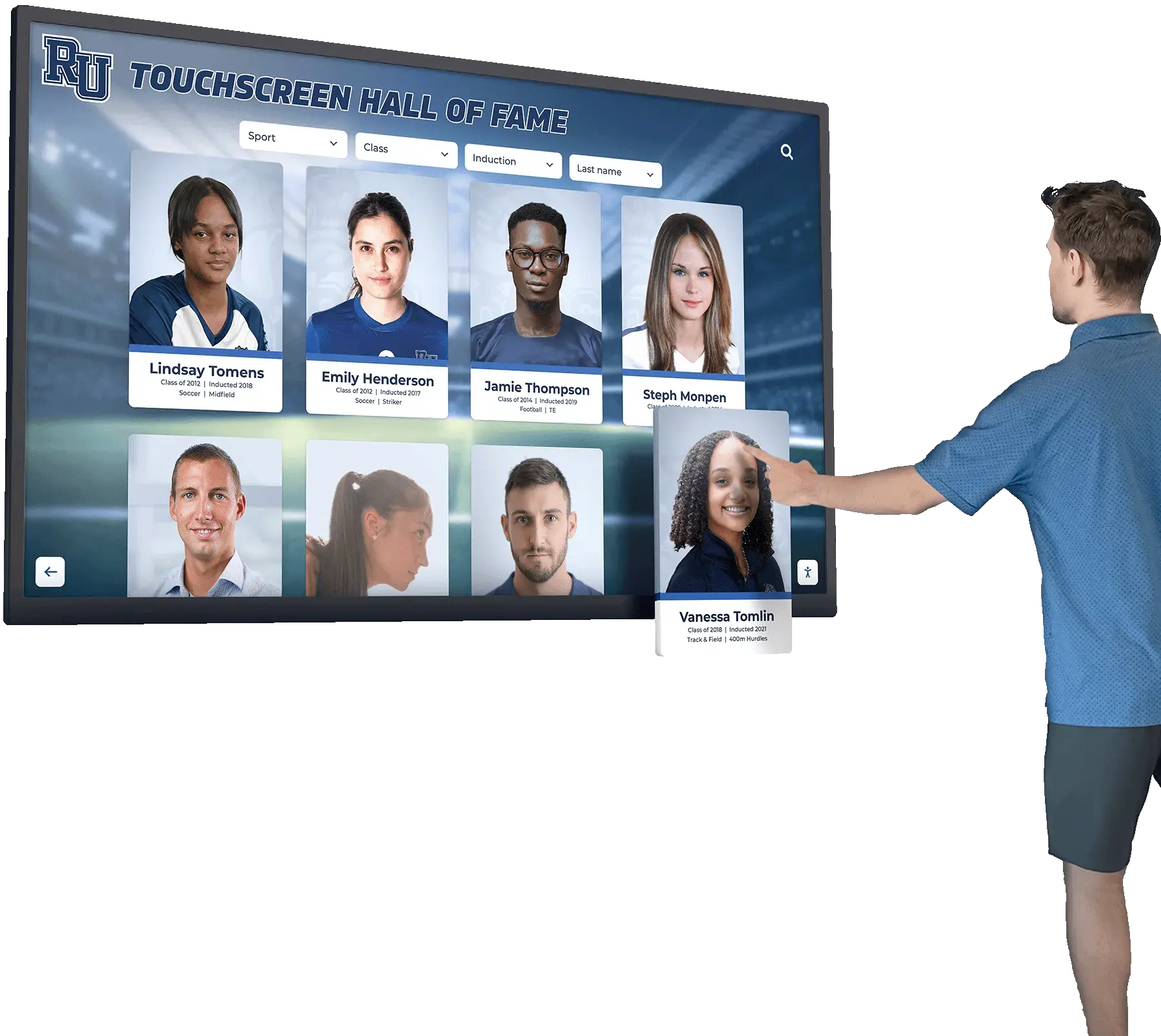
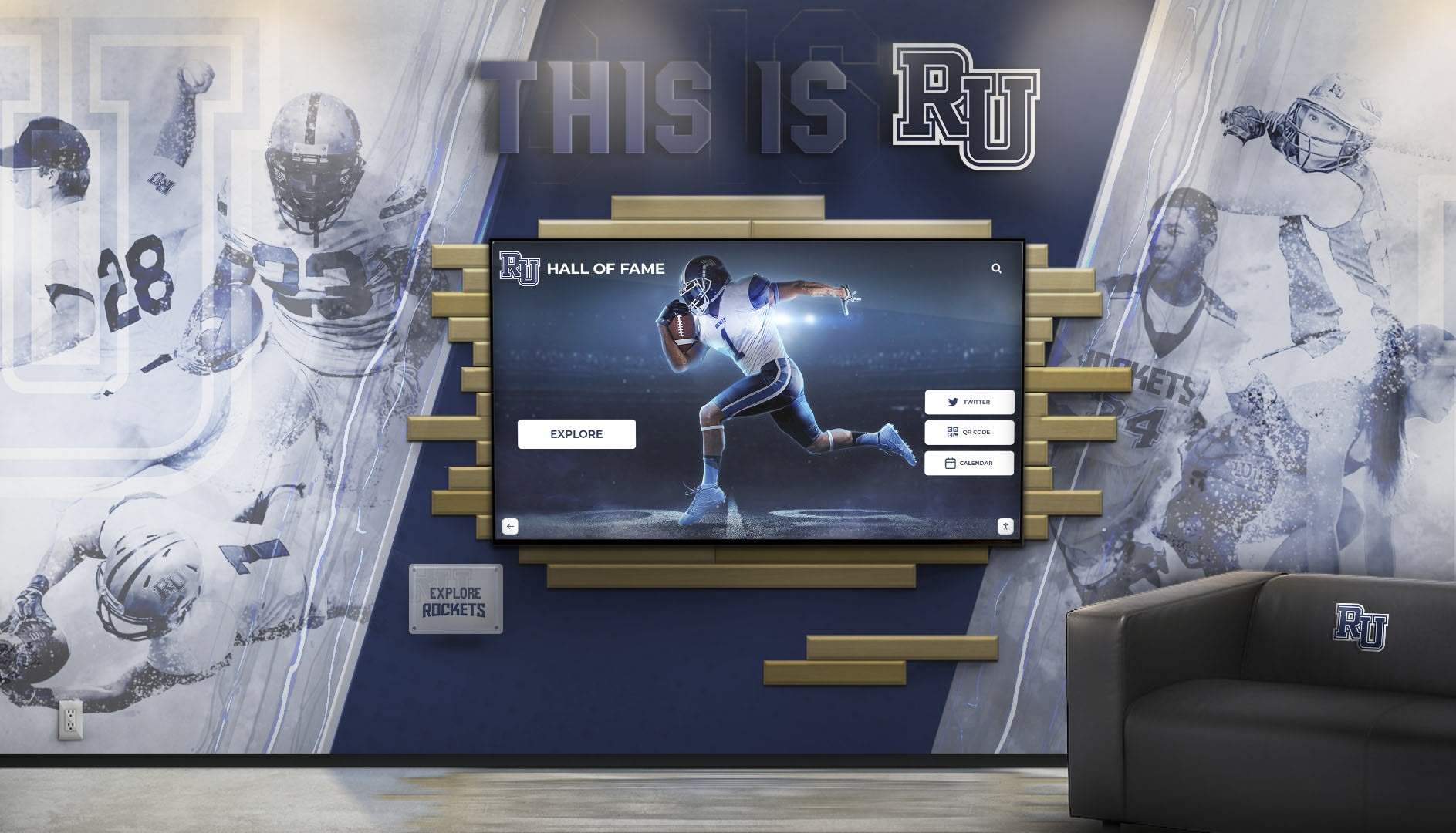

Rocket Alumni Solutions offers the most full-featured purpose-built recognition platform specifically designed for educational institutions, with turnkey packages including hardware, software, installation, content migration, training, and ongoing support.
Typical Turnkey Package Pricing:
- Small school installation (43-50" touchscreen): $15,000-$22,000 complete
- Medium school installation (55-65" touchscreen): $20,000-$32,000 complete
- Large school installation (65-75" touchscreen): $28,000-$45,000 complete
What’s Included:
Hardware procurement and delivery, professional installation with electrical work and mounting, comprehensive software platform (annual subscription included for first year), custom design matching school branding, content migration for up to 500 records, photo scanning and digitization, staff training (4-6 hours including follow-up), ongoing technical support, and software updates and improvements.
Ongoing Annual Costs:
- Software subscription: $3,500-$12,000 annually depending on school size
- Optional extended support: Included in subscription
- Hardware warranty extension: $300-$600 annually (optional)
Value Assessment:
Rocket’s comprehensive approach ensures schools receive functioning systems with substantial content from day one. The platform’s unlimited content capacity, extensive customization, and continuous improvements justify premium positioning for schools prioritizing professional recognition programs. Schools report that included content migration services alone save $5,000-$10,000 in equivalent labor costs versus DIY approaches.
The platform serves schools implementing comprehensive athletic recognition programs, donor recognition initiatives, and multi-category recognition spanning academics, arts, alumni, and institutional history.
TouchWall and Alternative Hardware-Focused Providers
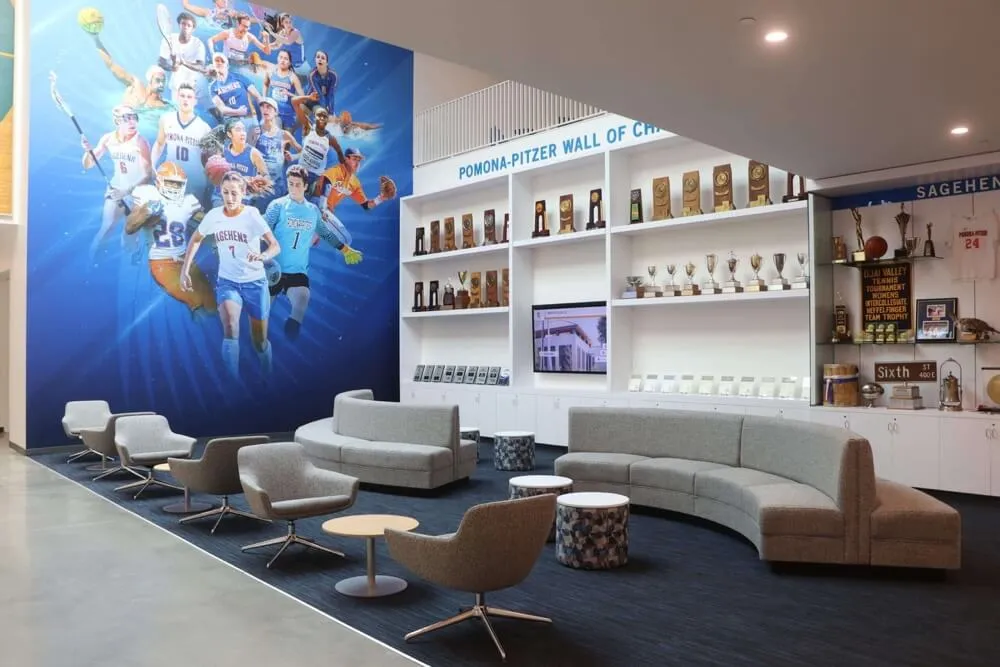
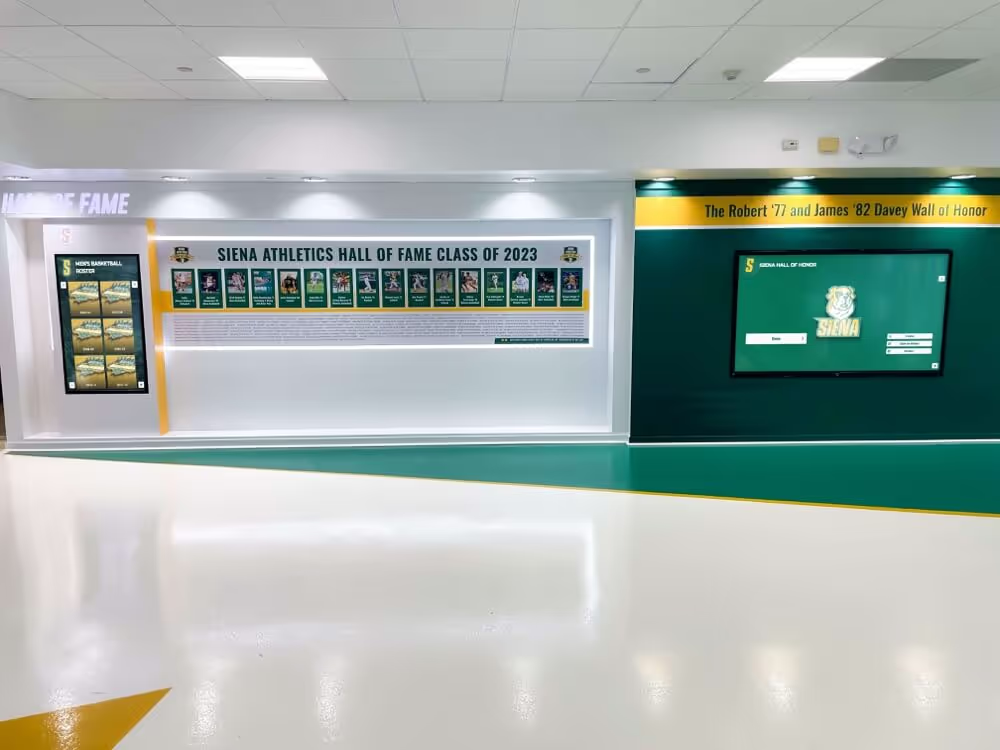
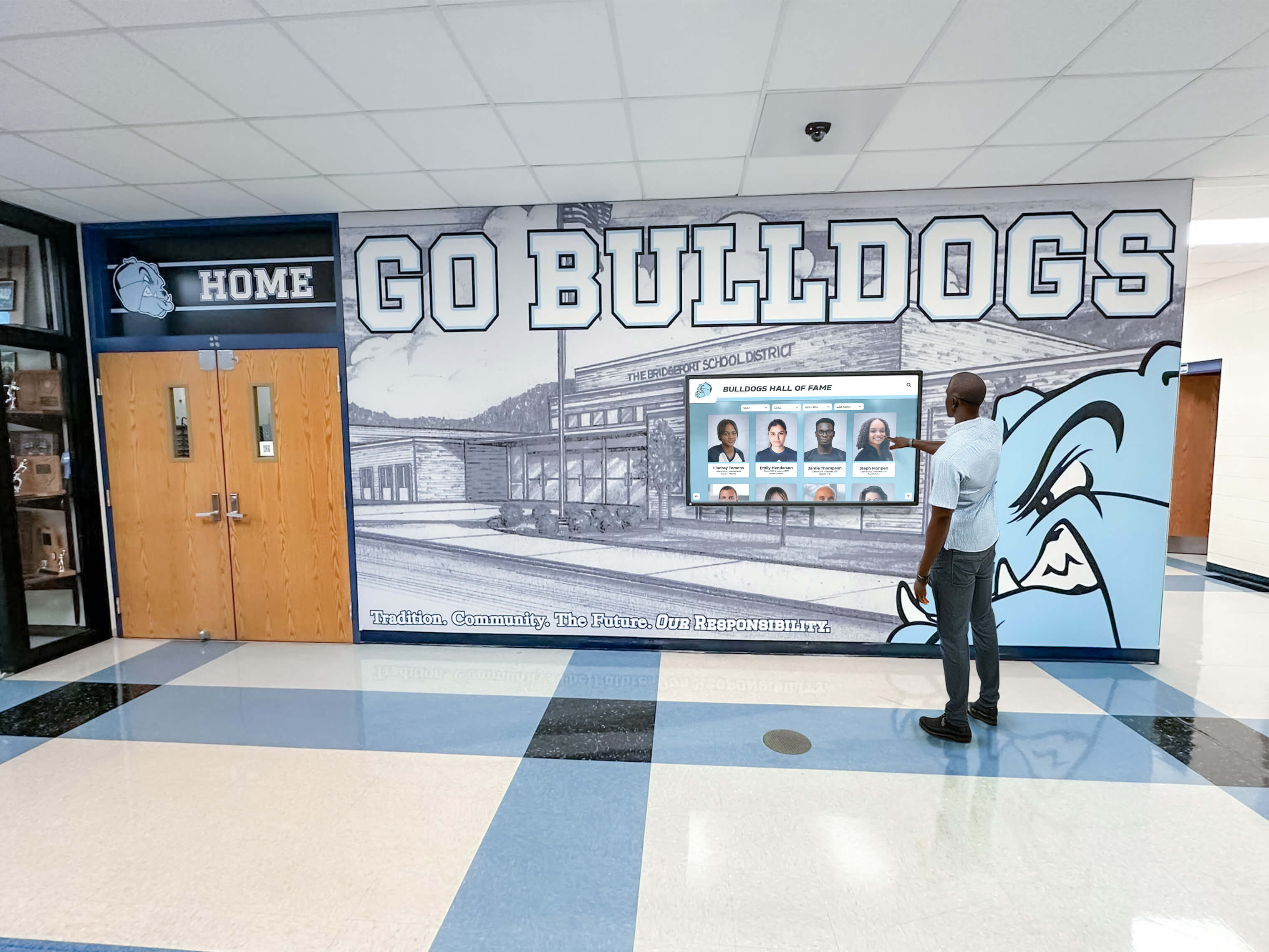
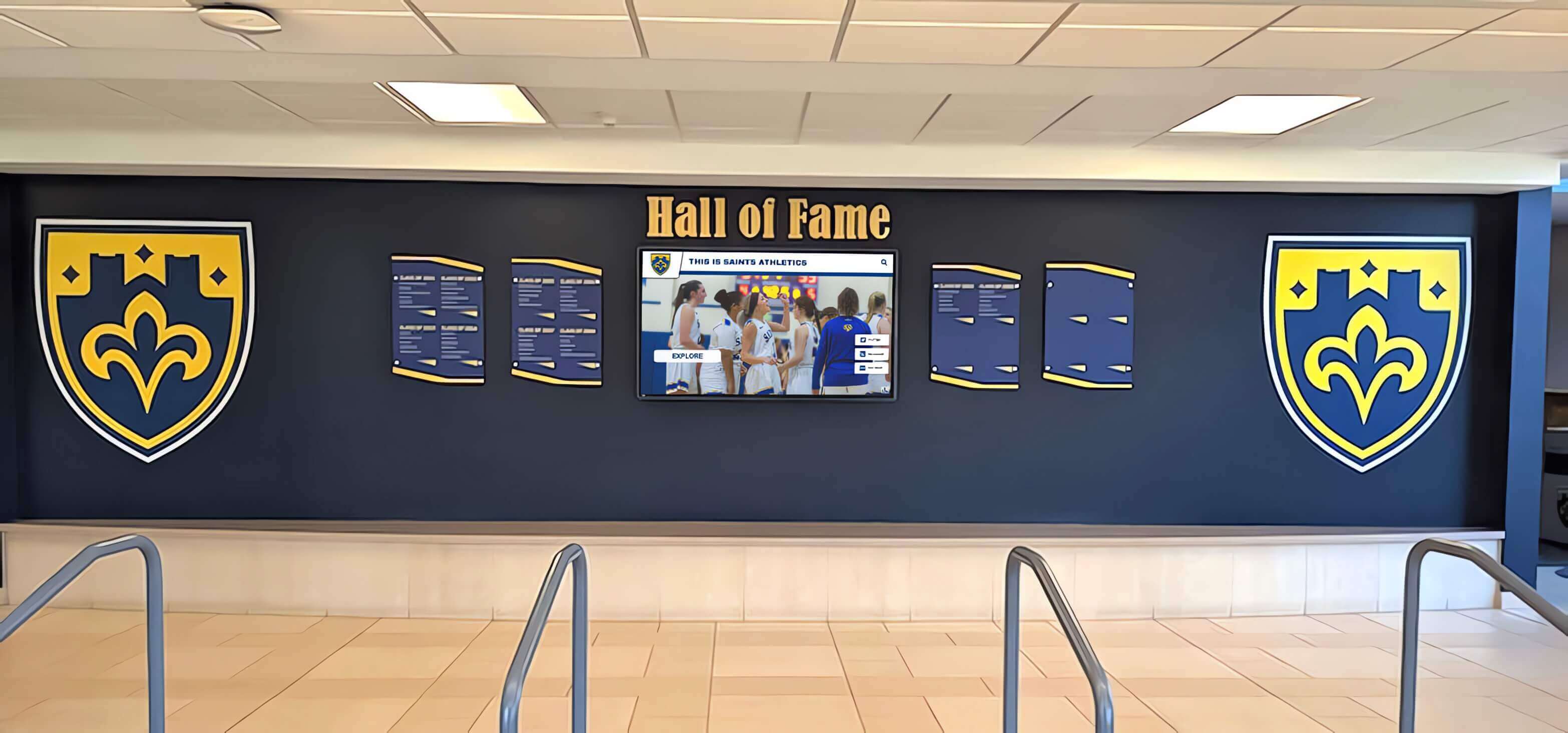
Several providers emphasize impressive physical installations combining displays with architectural frameworks creating immersive recognition environments.
Typical Pricing:
- Single TouchWall installation: $20,000-$35,000 complete
- Multi-display installation: $35,000-$60,000+ complete
- Custom architectural integration: $50,000-$100,000+ for premium installations
What’s Typically Included:
Commercial touchscreen displays, custom architectural surround or framework, professional installation including electrical and structural work, proprietary content management software (varying capability), basic content setup assistance, and initial training.
What May Cost Extra:
- Additional content directories beyond base package: $500-$2,000 each
- Extensive content migration: $2,000-$5,000
- Advanced software features: $1,000-$3,000 annually
- Ongoing support beyond warranty: $1,500-$3,000 annually
Value Assessment:
Hardware-focused providers deliver visually impressive installations that become architectural features. Schools prioritizing physical impact and turnkey hardware-software integration find value in complete packages despite higher costs. However, software capabilities often lag purpose-built platforms, and content management complexity may frustrate administrators accustomed to intuitive modern interfaces.
Budget Turnkey Options: Balancing Cost and Capability
Schools with limited budgets can implement functional digital recognition through strategic approaches balancing cost constraints against desired features.
Entry-Level Turnkey Packages:
- Basic display with simple software: $5,000-$10,000 complete
- Mid-range interactive system: $10,000-$18,000 complete
These packages typically include smaller touchscreens (43-50 inches), basic commercial displays or prosumer equipment, simple mounting and installation, generic digital signage software or basic recognition platforms, minimal content setup assistance, and limited training and support.
What Schools Sacrifice at Budget Levels:
Advanced interactive features, sophisticated content organization and search, extensive customization options, comprehensive content migration services, ongoing platform improvements and updates, and dedicated technical support.
When Budget Options Make Sense:
Small schools with modest recognition volume, organizations experimenting with digital recognition before major investments, temporary solutions while building support for comprehensive systems, and schools with technical staff capable of handling more implementation independently.
For budget-conscious schools, platforms that provide affordable recognition solutions without sacrificing essential functionality offer the best value.
Subscription-Only Software Solutions
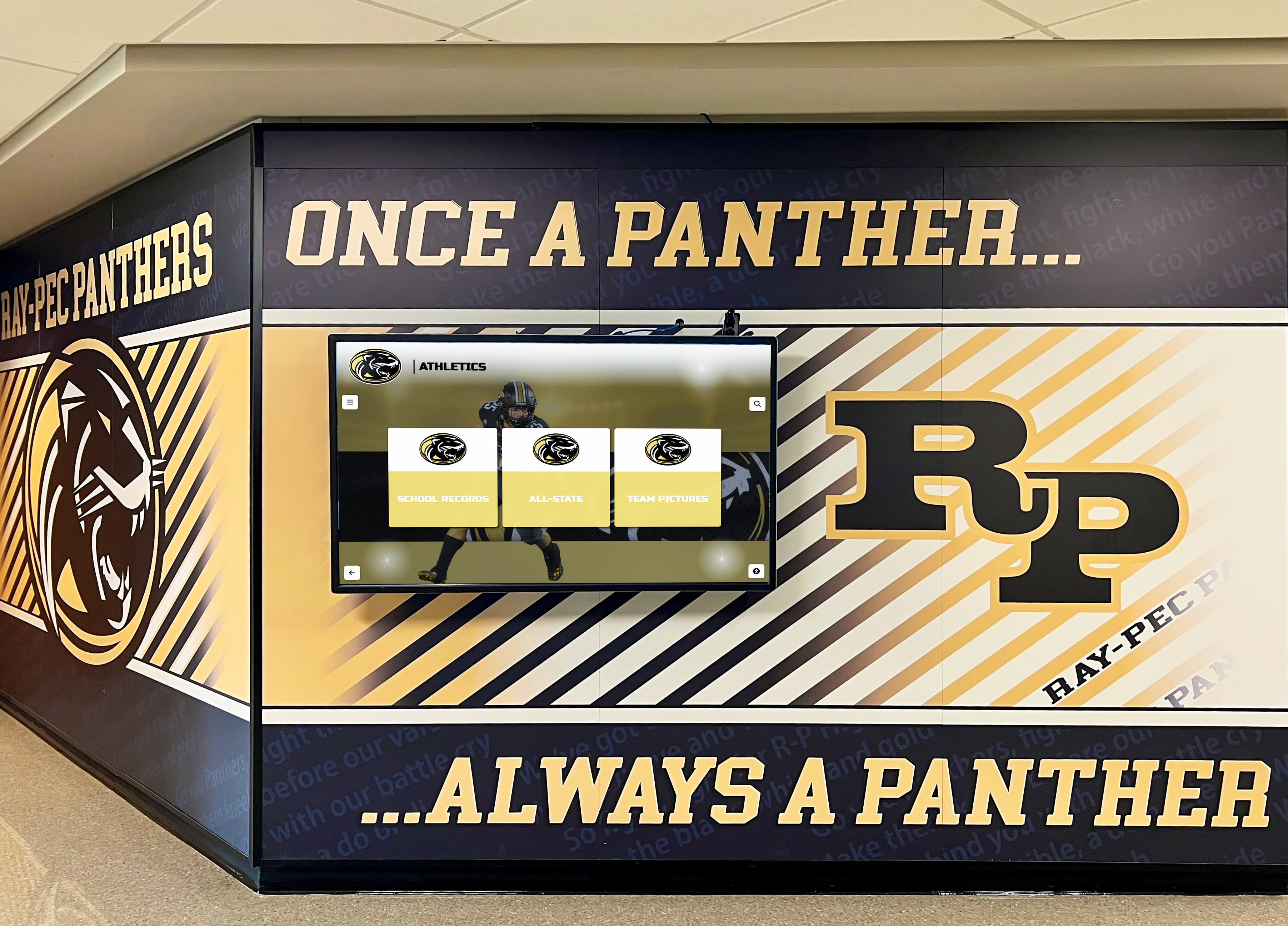
Some providers offer software platforms without hardware or installation services, requiring schools to source equipment and handle installation independently.
Software-Only Pricing:
- Small school plans: $1,500-$3,000 annually
- Medium school plans: $2,500-$5,000 annually
- Large school plans: $4,000-$8,000 annually
- Enterprise plans: $7,000-$15,000+ annually
Additional Costs Schools Must Cover:
- Hardware procurement: $3,000-$10,000
- Installation contractors: $1,000-$3,000
- Content development: DIY or $2,000-$6,000 professional services
- Technical setup: DIY or $500-$2,000 professional assistance
Total First-Year Investment:
Schools choosing software-only approaches typically spend $8,000-$26,000 for complete operational systems when accounting for all required components. This compares to $15,000-$45,000 for complete turnkey packages from comprehensive providers.
Value Assessment:
Software-only approaches work for schools with technical staff capable of hardware procurement and installation, those wanting flexibility to select specific equipment, and institutions already having displays that can be repurposed. However, most schools find turnkey packages more convenient and often more cost-effective when accounting for coordination time, possible compatibility issues, and risk of suboptimal equipment selection.
Hidden Costs and Unexpected Expenses: What Vendors Don’t Advertise
Beyond obvious hardware, software, and installation costs, schools encounter various hidden expenses that inflate total investment beyond initial budgets.
Facilities and Infrastructure Requirements
Electrical Work:
Most installations require dedicated electrical circuits rather than standard wall outlets. Electrician costs range from $500-$2,000 depending on circuit distance and facility complexity. Older buildings may require panel upgrades adding $1,000-$3,000 to electrical expenses.
Network Connectivity:
Cloud-based recognition platforms require reliable internet access. Displays located in areas without existing network infrastructure need either ethernet cable runs ($300-$1,500) or professional-grade WiFi equipment ($400-$1,200 for access points and installation).
Structural Reinforcement:
Large displays or heavy kiosk enclosures may require wall reinforcement, especially in older buildings with plaster or drywall over masonry. Structural work ranges from $500-$3,000 depending on requirements.
Schools should conduct site assessments before vendor selection to identify infrastructure needs and budget accordingly. Vendors offering “complete turnkey” solutions should clarify whether electrical and network costs are included or additional.
Content Development Ongoing Costs
Initial content migration gets displays operational, but recognition programs require continuous updates:
Annual Content Management Time:
- Adding new inductees: 20-40 hours annually
- Updating records and achievements: 10-20 hours annually
- Photo collection and processing: 10-30 hours annually
- Content review and quality control: 10-20 hours annually
Total annual maintenance: 50-110 staff hours, equivalent to $1,500-$3,500 in labor costs
Schools implementing effective content management strategies distribute responsibility across departments rather than burdening single administrators. Athletic directors manage sports recognition, counselors handle academic awards, advancement staff maintain donor acknowledgment, and activities directors oversee arts and clubs—spreading workload manageably.
Software and Platform Limitations
Budget platforms often impose restrictions that require expensive upgrades as programs grow:
Common Limitations:
- Content capacity caps requiring paid upgrades
- Per-display fees multiplying costs for multi-screen installations
- Feature restrictions with premium tier requirements
- Storage limits necessitating paid expansions
- User account limits affecting administrator access
Schools should carefully review subscription terms and limitation structures, calculating costs at anticipated program scale rather than current size. Platforms offering unlimited content, displays, and users within base subscriptions (like Rocket Alumni Solutions) protect against surprise costs as recognition programs expand.
Hardware Replacement and Upgrades
Commercial displays last 8-10 years under normal conditions but may require earlier replacement if subjected to excessive heat, humidity, or physical abuse. Schools should budget for replacement cycles:
Typical Hardware Lifespans:
- Commercial touchscreens: 8-10 years (50,000+ hours)
- Media players/computers: 5-7 years
- Mounting hardware: 15+ years (unless damaged)
Replacement Costs:
Schools implementing systems in 2026 should budget $3,000-$8,000 for hardware replacement around 2034-2036. Annual equipment reserves of $300-$800 spread costs across budgets rather than requiring large single-year allocations.
Financing and Funding Strategies for Turnkey Installations
Comprehensive turnkey solutions represent significant investments that may exceed annual operating budgets. Schools successfully implement recognition displays through various funding approaches.
Capital Budget Allocations
Many schools fund digital recognition through capital improvement budgets rather than operational funds:
Facility Improvement Projects:
New construction or renovation projects often allocate $25,000-$100,000+ for recognition displays as facility components. Schools planning athletic facility construction, commons renovations, or administrative area improvements should include digital recognition in architectural plans and budgets.
Technology Infrastructure Investments:
District technology budgets sometimes include digital signage and interactive display allocations. Recognition systems may qualify for technology funding when framed as instructional technology (celebrating academic achievement), student engagement tools, or visitor information systems.
Grant and Donor Funding
External funding sources help schools implement recognition without consuming operational budgets:
Athletic Booster Fundraising:
Booster organizations frequently fund recognition displays benefiting athletic programs. Successful campaigns frame recognition as honoring athletes, promoting programs, and creating recruitment advantages. Typical booster-funded projects range from $15,000-$50,000.
Alumni Association Gifts:
Alumni associations recognize that digital recognition strengthens alumni engagement by making institutional history accessible. Alumni-funded projects often include provisions for highlighting distinguished graduates and class accomplishments, naturally integrating alumni interests with broader recognition needs.
Corporate Sponsorships:
Local businesses sponsor recognition displays receiving acknowledgment through on-screen branding. Sponsorship-funded implementations typically range from $10,000-$30,000, with sponsor recognition rotating alongside student and alumni achievements.
Foundation Grants:
Educational foundations, community foundations, and corporate charitable programs fund school improvement projects. Recognition systems supporting school climate, student engagement, and community connection align well with typical grant priorities.
Schools seeking donor funding for recognition programs should emphasize how displays acknowledge donor generosity while celebrating student achievement, creating mutual benefit justifying investment.
Phased Implementation Approaches
Schools unable to fund complete systems immediately can phase implementation across multiple budget years:
Year 1 ($5,000-$8,000): Install basic display with slideshow software demonstrating concept and building community support
Year 2 ($3,000-$5,000): Upgrade to interactive touchscreen platform with professional recognition software
Year 3 ($2,000-$4,000): Add comprehensive content migration and professional content development
Year 4 ($3,000-$6,000): Expand with additional displays in other facility locations
Total investment ($13,000-$23,000): Spread across four years rather than single large allocation
This approach makes even comprehensive recognition systems achievable through sustained but manageable annual investments. Early phases demonstrate value building support for continued funding, while progressive improvements maintain community interest and engagement.
Evaluating Total Cost of Ownership: 5-Year Financial Analysis
Initial purchase prices represent only part of total investment. Five-year cost analysis reveals true financial commitment:
Comprehensive Turnkey Provider (e.g., Rocket Alumni Solutions)
Initial investment: $25,000 (mid-range complete installation) Annual software subscription: $5,000 × 4 years = $20,000 Content maintenance (internal): $2,000 annually × 4 years = $8,000 Hardware replacement: $0 (within 8-10 year lifespan)
5-year total: $53,000 ($10,600 annually)
Value delivered: Comprehensive feature set, continuous improvements, extensive content, professional presentation, strong support, unlimited capacity and categories.
Hardware-Focused Provider
Initial investment: $30,000 (complete TouchWall installation) Annual software fees: $2,000 × 4 years = $8,000 Additional content directories: $3,000 (one-time) Content development (external): $5,000 initial + $2,500 annually × 4 years = $15,000 Extended support contract: $2,000 × 4 years = $8,000
5-year total: $64,000 ($12,800 annually)
Value delivered: Impressive physical installation, adequate software functionality, requires more external content support, moderate feature evolution.
Budget Software-Only Approach
Hardware procurement: $6,000 (DIY sourcing and installation) Initial setup assistance: $2,000 Annual software subscription: $3,000 × 5 years = $15,000 Content development (internal): $4,000 initial + $3,000 annually × 4 years = $16,000
5-year total: $39,000 ($7,800 annually)
Value delivered: Basic functionality, requires significant internal effort, limited support, functional but not impressive.
Analysis Insights
While comprehensive providers appear most expensive initially, included content services, training, and support often create comparable or better total value than budget approaches requiring extensive internal effort. Schools should evaluate total ownership costs rather than initial prices, accounting for staff time value when comparing DIY versus turnkey approaches.
Making the Decision: Selecting the Right Turnkey Provider
With pricing transparency established, schools can now evaluate providers systematically using criteria beyond cost alone:
Essential Evaluation Questions
About Pricing:
- What exactly is included in the quoted price?
- What costs are additional or optional?
- How do annual fees change over time?
- Are there content or display quantity limits?
About Implementation:
- How long does complete installation take?
- What preparation does our school need to provide?
- Who handles electrical work and networking?
- What happens if installation reveals unexpected issues?
About Content:
- How much content migration is included?
- Do you handle photo scanning and digitization?
- What format should we provide historical information?
- Can we add content ourselves after launch?
About Training:
- How many hours of training are included?
- Can multiple staff members participate?
- Is training in-person, virtual, or recorded?
- What ongoing training resources are available?
About Support:
- What support channels are available (email, phone, chat)?
- What are support response time commitments?
- Is support included indefinitely or time-limited?
- Who handles hardware issues versus software problems?
About Long-Term Viability:
- How long has your company operated?
- How many school clients do you have?
- Can you provide references from similar schools?
- How frequently do you update software?
Red Flags Suggesting Problems
Certain vendor behaviors should raise concerns:
- Unwillingness to provide detailed written quotes
- Pressure to sign contracts immediately with limited-time offers
- Inability to provide client references or site visits
- Vague answers about what’s included versus additional costs
- No clear support terms or training commitments
- Lack of pricing transparency requiring extensive negotiation
- Hardware or software from unknown or discontinued manufacturers
Green Flags Indicating Quality Providers
Conversely, positive indicators include:
- Transparent pricing with detailed line-item quotes
- Extensive client references and portfolio sites
- Clear implementation process and timeline documentation
- Comprehensive contract language protecting school interests
- Responsive communication throughout evaluation
- Willingness to address concerns and answer detailed questions
- Established company history and stable client base
Conclusion: Investing in Recognition That Lasts
Turnkey digital hall of fame pricing initially appears expensive compared to DIY approaches, but comprehensive analysis reveals that professional implementation often delivers better value when accounting for content development time, training requirements, ongoing support needs, and opportunity costs of internal effort.
Schools paying $20,000-$35,000 for complete turnkey systems receive functioning recognition displays from day one, with substantial content professionally migrated, staff trained confidently, and vendor support ensuring long-term success. These investments create lasting digital recognition infrastructure celebrating student achievement for decades.
Budget approaches saving $10,000-$15,000 initially often consume that savings through extensive internal effort, limited functionality requiring workarounds, inadequate training causing management difficulties, and lack of support when problems arise. False economies create systems that look cheaper on paper but cost more in frustration, staff time, and missed recognition opportunities.
The right turnkey provider delivers three essential elements: Professional implementation ensuring displays launch successfully without school technical expertise, comprehensive content making recognition meaningful from opening day rather than requiring years of gradual building, and sustainable management through intuitive software and strong support enabling long-term program success.
Schools serious about recognition choose providers offering genuine turnkey solutions including content setup and training, not just hardware delivery. Whether implementing athletic hall of fame displays, donor recognition walls, comprehensive multi-category recognition, or focused single-purpose displays, transparent pricing allows proper budgeting and informed decisions supporting recognition programs celebrating community achievement appropriately.
Ready to move forward with confidence? Request detailed quotes from multiple providers, compare what’s genuinely included versus additional, speak with current clients about real experiences, and select the partner offering complete solutions at fair prices. Your students, athletes, alumni, and donors deserve recognition honoring their contributions—and turnkey solutions ensure those recognition programs launch successfully and thrive long-term.
For additional guidance on implementing effective recognition programs, explore resources about creating successful hall of fame programs, managing digital recognition content, and maximizing recognition program impact.
Book a demo with Rocket Alumni Solutions to explore comprehensive turnkey recognition solutions designed specifically for schools, including transparent pricing, extensive content migration, professional training, and ongoing support ensuring recognition program success.