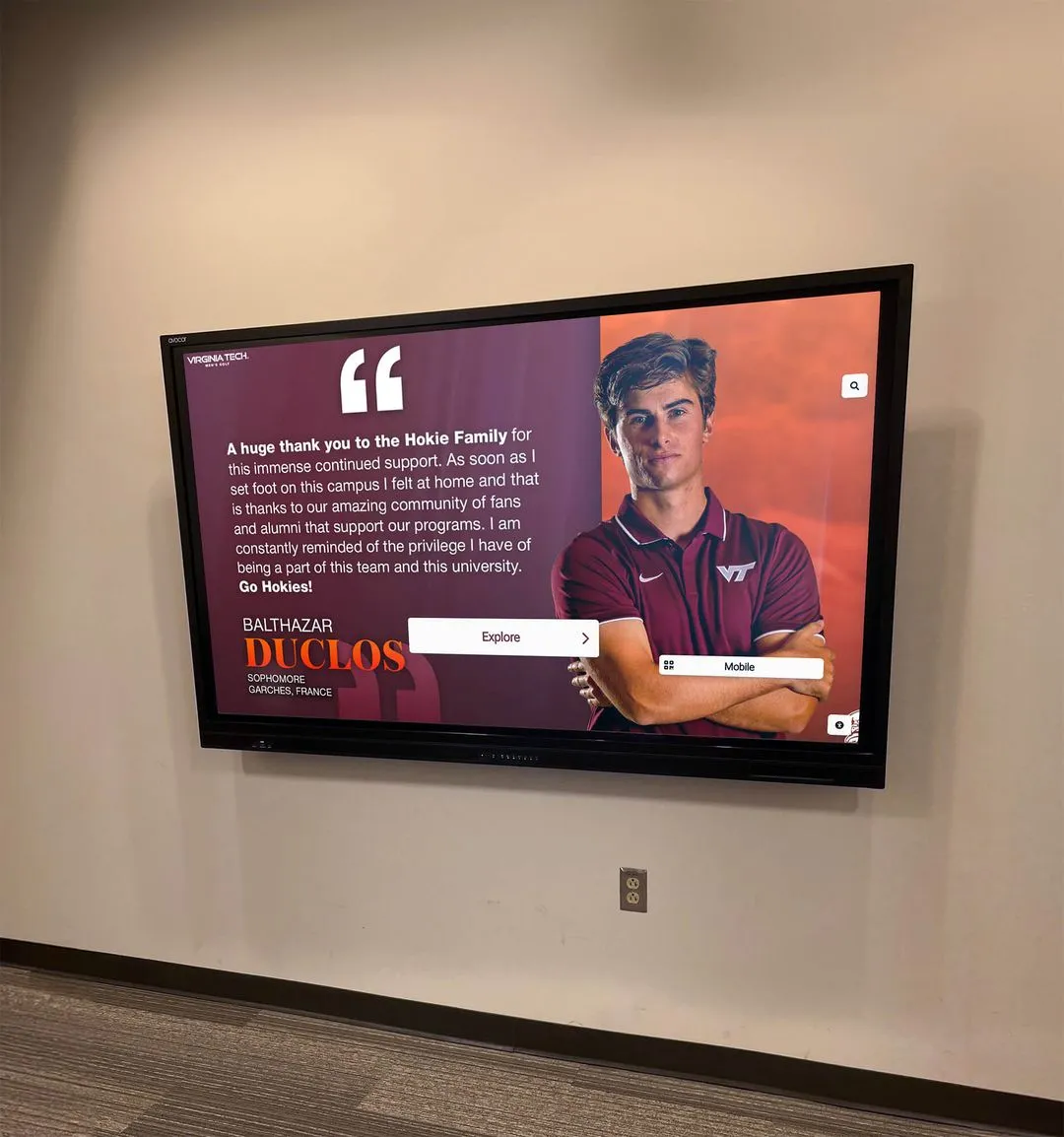
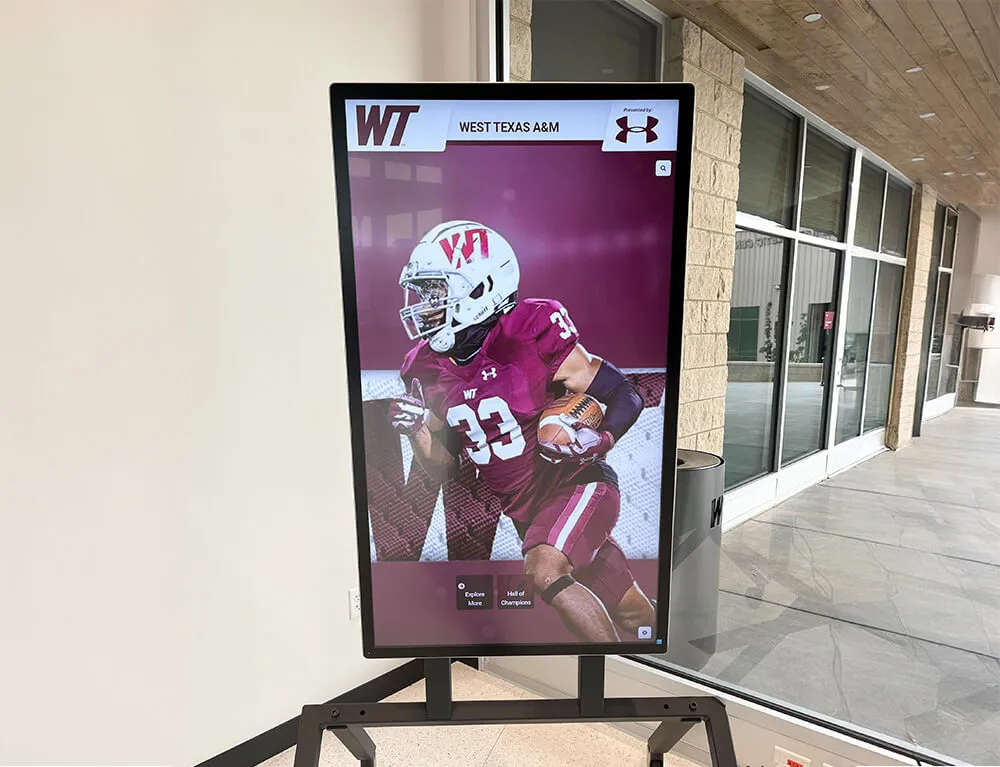
Trophy cases represent far more than simple storage solutions for awards and memorabilia. Strategically placed and thoughtfully designed display cases communicate institutional values, strengthen school culture, inspire current students through visible examples of past excellence, and create tangible connections between present students and institutional legacy. Walking past trophy cases filled with championship hardware, academic honors, and achievement documentation provides daily reinforcement that excellence matters and that the school community celebrates those who pursue it.
The investment schools make in quality trophy display cases extends across decades. Well-constructed cases installed today will showcase achievements earned by students not yet born, creating recognition opportunities spanning entire careers of educators and administrators. This long-term perspective demands thoughtful selection considering not just immediate needs but also future expansion capacity, evolving aesthetic preferences, and emerging technologies that may enhance or replace traditional display approaches.
Understanding Trophy Display Case Types
Trophy display cases come in numerous configurations, each offering distinct advantages for specific installation contexts, available space, and display objectives. Understanding the full range of case types helps schools select options aligned with their unique circumstances.
Wall-Mounted Trophy Cases
Wall-mounted trophy cases attach directly to walls, providing prominent display visibility without consuming floor space—a critical advantage in high-traffic hallways and corridors where maximizing circulation space matters.
Standard Wall-Mount Dimensions
Common wall-mounted case sizes include:
- Small wall cases: 36-48 inches wide, 24-36 inches tall, 12-16 inches deep
- Medium wall cases: 48-72 inches wide, 36-48 inches tall, 16-20 inches deep
- Large wall cases: 72-96 inches wide, 48-60 inches tall, 20-24 inches deep
- Extra-large wall cases: 96+ inches wide, up to 72 inches tall, 24+ inches deep
Wall-mounted cases work particularly well in hallways where floor space must remain completely open for student traffic flow, but they require substantial wall support since cases filled with heavy trophies and plaques can weigh several hundred pounds.
Installation Considerations
Wall-mounted case installation requires locating wall studs or using substantial anchoring systems that distribute weight safely across wall surfaces. Schools should engage experienced installers familiar with institutional wall construction, as improper installation creates safety hazards and potential liability. Additionally, consider ceiling height—cases mounted too high become difficult to view and impossible to access for maintenance and updates.
Floor-Standing Trophy Cases
Floor-standing cases rest on floors rather than walls, offering maximum flexibility for placement and reconfiguration. These freestanding units can be relocated when schools reorganize spaces, providing adaptability that permanent wall-mounted installations cannot match.
Common Floor Case Configurations
Floor-standing trophy cases typically range from:
- Single-sided cases: 36-72 inches wide, 72-84 inches tall, 16-24 inches deep, viewable from one direction
- Double-sided cases: 48-96 inches wide, 72-84 inches tall, 24-36 inches deep, viewable from both sides
- Tower cases: 24-36 inches wide, 72-90+ inches tall, creating vertical showcase columns
- Peninsula cases: Project from walls to create room dividers while displaying from multiple angles
Double-sided floor cases work exceptionally well in lobby centers and open spaces where viewing from multiple directions enhances accessibility and visibility.
Stability and Safety Requirements
Floor-standing cases must include anchoring systems preventing tipping—especially critical in school environments where students may lean against or bump into cases. Most quality floor cases include top anchors that secure units to walls or ceiling structures, ensuring stability even with uneven weight distribution across shelves.
Corner Trophy Cases
Corner cases maximize space utilization by occupying areas that might otherwise remain empty. These specialized units fit into corners, creating striking displays in locations that standard cases cannot effectively use.
Corner Case Advantages
Corner installations offer several benefits:
- Utilize otherwise wasted corner space
- Create natural focal points at hallway intersections
- Provide excellent sightlines from multiple approach angles
- Often accommodate more display volume than linear footage suggests
- Can anchor larger display compositions extending along adjacent walls
Corner cases typically feature angled or curved fronts providing better viewing angles than simple rectangular units shoved into corners would allow.
Tabletop Display Cases
Smaller tabletop cases serve specialized display purposes, showcasing individual significant trophies, game balls from historic victories, or rotating special exhibits. These compact cases typically measure 24-48 inches wide and 18-30 inches tall.
Effective Tabletop Applications
Schools use tabletop cases effectively for:
- Reception desk displays greeting visitors with featured achievements
- Library showcase areas highlighting academic competition successes
- Coach office displays of team championships
- Temporary or rotating exhibit spaces updated periodically
- Highlighting single significant trophies deserving individual prominence
While tabletop cases cannot accommodate comprehensive trophy collections, their flexibility and lower cost create opportunities for distributed display throughout campuses rather than concentrating all recognition in single locations.
Trophy Display Case Size Selection Guide
Choosing appropriate case sizes requires balancing current collection volume, anticipated future growth, aesthetic proportions, and available installation space. Under-sizing cases creates cramped displays where individual achievements disappear into cluttered masses, while over-sizing produces sparse displays appearing underwhelming.
Assessing Current Collection Volume
Begin size selection by inventorying existing trophies, plaques, and memorabilia requiring display. Measure or estimate total linear shelf space needed for current items, then add substantial expansion capacity:
Growth Planning Multipliers
- High schools anticipating 10+ years case use: multiply current needs by 1.5-2.0x
- Middle schools with newer programs: multiply by 2.0-2.5x
- Elementary schools starting recognition programs: multiply by 2.5-3.0x
- Schools consolidating previously distributed displays: assess total inventory including currently stored items
Running out of display space within a few years of installation forces difficult decisions about removing older recognition or purchasing additional cases—both problematic outcomes that proper initial sizing prevents.
Standard Shelf Capacity Guidelines
Trophy case manufacturers typically configure cases with adjustable shelving on approximately 12-inch vertical spacing, though this varies based on case height and design. A standard 72-inch tall wall case might include:
- 4-5 adjustable shelves providing 5-6 total display levels
- Each shelf accommodating trophies 10-14 inches tall
- Shelf depths of 12-20 inches supporting various trophy base sizes
- Weight capacity per shelf ranging from 50-100 pounds depending on construction
When calculating capacity, remember that effective displays include breathing room between items rather than maximizing density. Well-designed trophy arrangements use approximately 60-75% of available shelf space, leaving adequate spacing for visual clarity.
Proportional Scaling to Space
Trophy cases should maintain appropriate scale relative to installation spaces. A massive 10-foot case overwhelms a small lobby, while a modest 4-foot case appears insignificant in a large gymnasium entrance. General proportion guidelines suggest:
- Hallway installations: Case width should not exceed 60-70% of hallway width
- Wall installations: Case width matching 40-60% of wall length creates balanced compositions
- Lobby installations: Size cases to occupy 15-25% of primary wall space
- Height considerations: Top of case should fall between 6.5-7.5 feet for optimal viewing of top-shelf items
These proportional guidelines create visually balanced installations that feel intentional and professionally designed rather than awkwardly sized.
Trophy Display Case Materials and Construction
Construction materials fundamentally determine trophy case longevity, maintenance requirements, aesthetic appeal, and security. Understanding material options helps schools select cases meeting their specific priorities for durability, appearance, and budget.
Frame Construction Materials
Aluminum Frames
Aluminum framing provides excellent strength-to-weight ratios, naturally resists corrosion, and accommodates powder-coat finishes in virtually any color. Quality aluminum cases withstand decades of use without warping, rusting, or deteriorating. Aluminum frames work particularly well in humid environments or coastal locations where moisture accelerates corrosion of steel alternatives.
Wood Frames
Traditional wood-framed cases offer warm aesthetics that complement historic buildings and traditional architectural styles. Common wood options include oak, maple, cherry, and walnut finishes. However, wood requires more maintenance than aluminum, proves more susceptible to moisture damage, and generally costs more than aluminum equivalents. Schools choosing wood frames should ensure solid hardwood construction rather than veneer-covered particleboard, which deteriorates rapidly in institutional settings.
Steel Frames
Steel provides maximum security and structural strength but weighs considerably more than aluminum while requiring powder-coat or paint finishes protecting against rust. Steel construction makes sense primarily when security against forced entry represents a primary concern or when case design includes heavy glass requiring substantial frame strength.
Glass and Glazing Options
Tempered Glass
Tempered safety glass represents the standard for quality trophy cases, offering strength approximately 4-5 times greater than standard annealed glass while breaking into small granular chunks rather than dangerous shards if shattered. Schools should specify tempered glass for all trophy case applications, as the safety advantages far outweigh minimal cost differences.
Acrylic and Polycarbonate Alternatives
Acrylic and polycarbonate glazing materials provide shatter resistance while weighing significantly less than glass—advantages for certain applications. However, plastic glazing scratches much more easily than glass, creating hazy, worn appearances after several years of cleaning and contact. Schools choosing plastic glazing should budget for eventual panel replacement or accept progressive optical degradation.
Low-Iron Glass
Standard glass contains iron that imparts subtle green tints, particularly visible when viewing glass edges. Low-iron or ultra-clear glass eliminates this color cast, providing perfect transparency that showcases contents without any color distortion. While more expensive than standard glass, ultra-clear glazing creates noticeably superior visual quality for prominent display installations.
Locking Systems and Security
Trophy cases require reliable locking systems balancing security against accessibility for authorized users making regular updates. Common locking approaches include:
Keyed Locks
Traditional keyed cylinder locks provide adequate security for most school applications. Specify commercial-grade lock cylinders keyed alike across all cases, allowing a single key to access multiple units while maintaining security. Schools should maintain several spare keys in secure locations, as lost keys requiring lock replacement becomes expensive across multiple cases.
Digital and Electronic Locks
Electronic locking systems offer advantages including keyless access via codes or credentials, activity logging tracking access events, and simplified credential management when personnel changes occur. However, electronic locks require power sources or battery maintenance, cost more than mechanical alternatives, and introduce potential failure points requiring technical support.
Sliding Door Locking
Cases with sliding glass doors require specialized locking mechanisms that secure sliding panels. Quality sliding locks include features preventing door removal when locked and accommodating multiple locking points for large spans.
Creative Trophy Display Options for Schools
Beyond traditional glass-front trophy cases, schools increasingly explore creative display approaches that showcase achievements in memorable, engaging ways that resonate with current students while honoring past excellence.
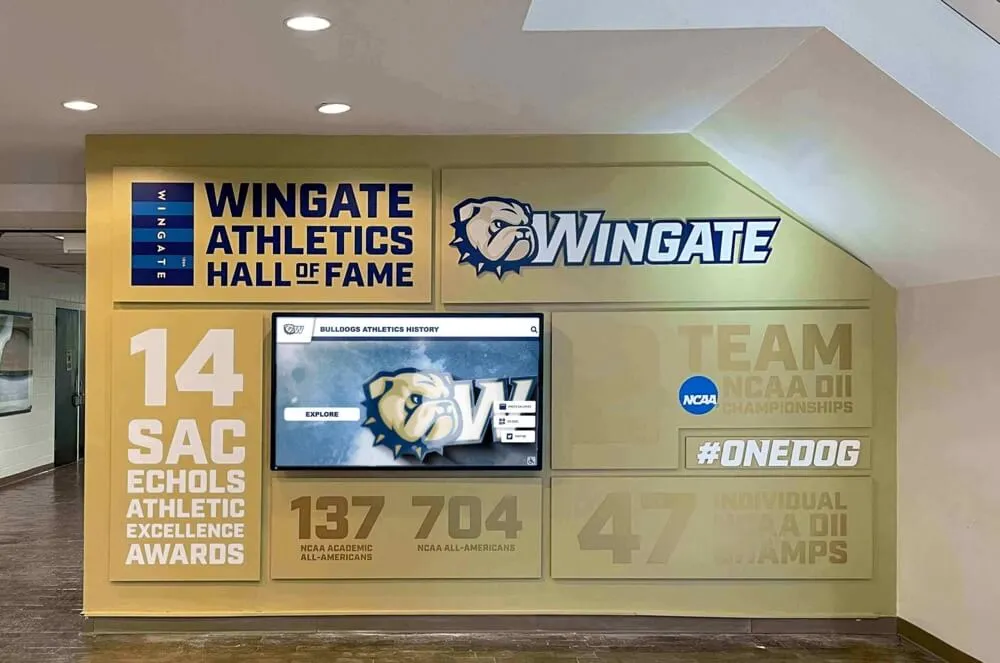
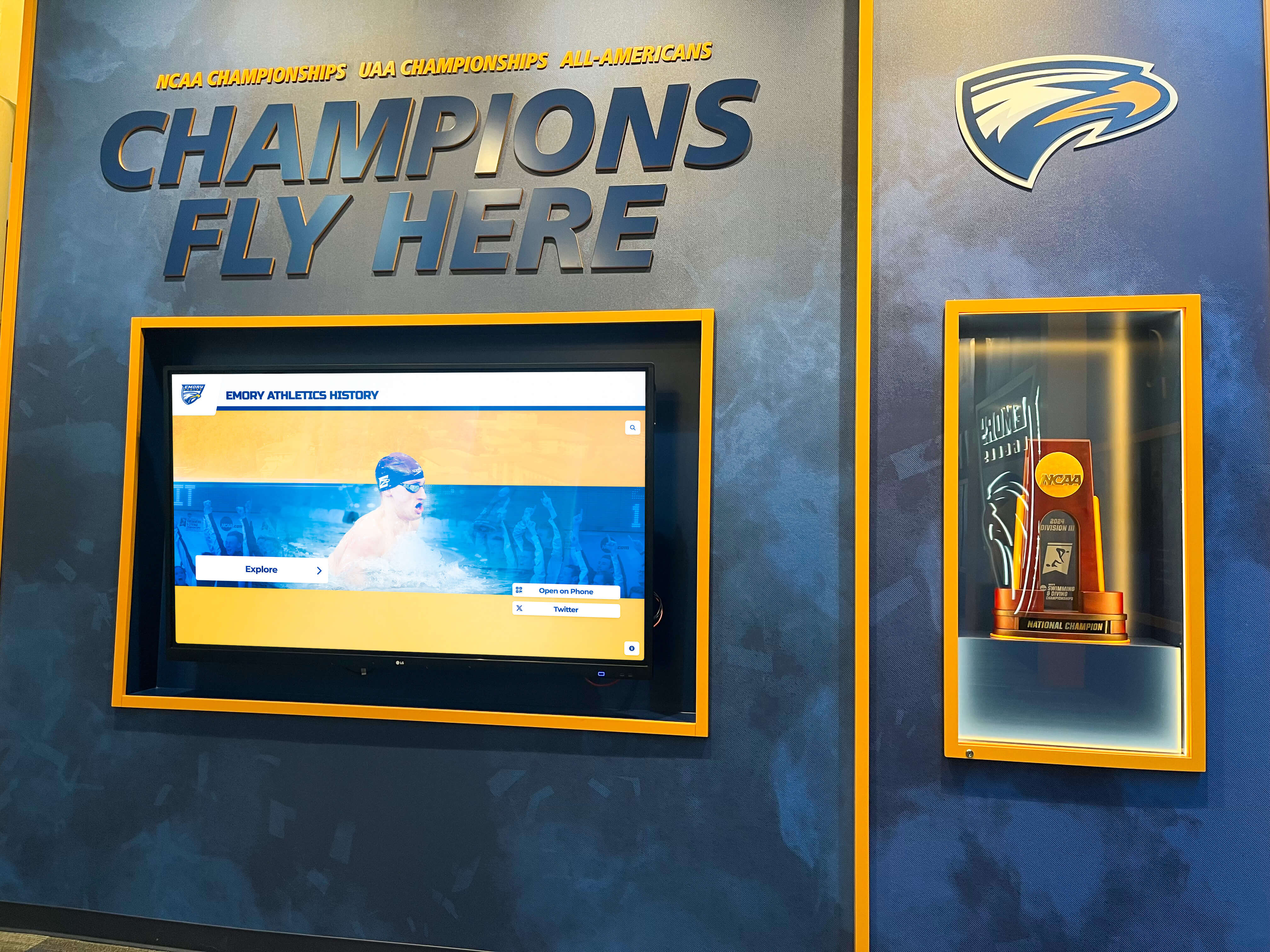
Hybrid Display Walls Combining Traditional and Digital
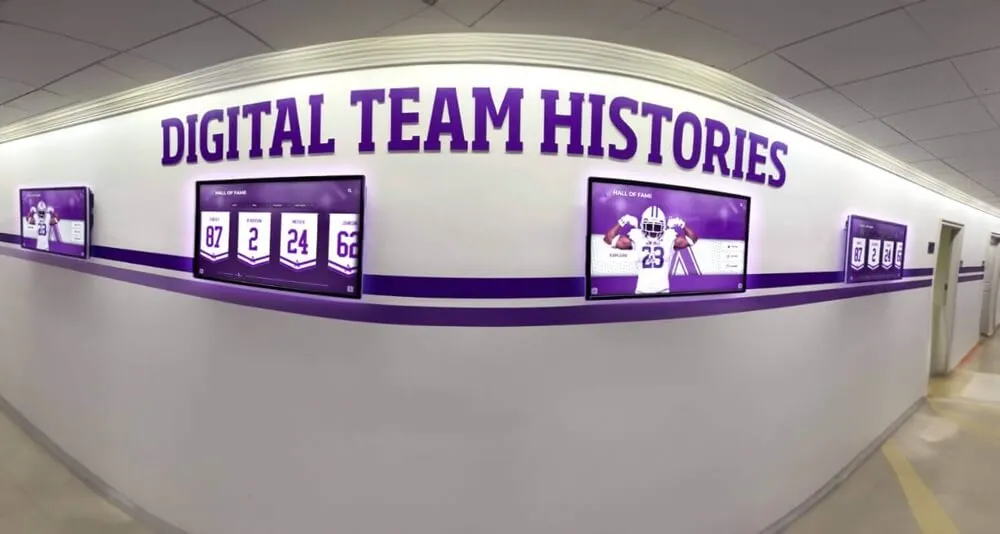
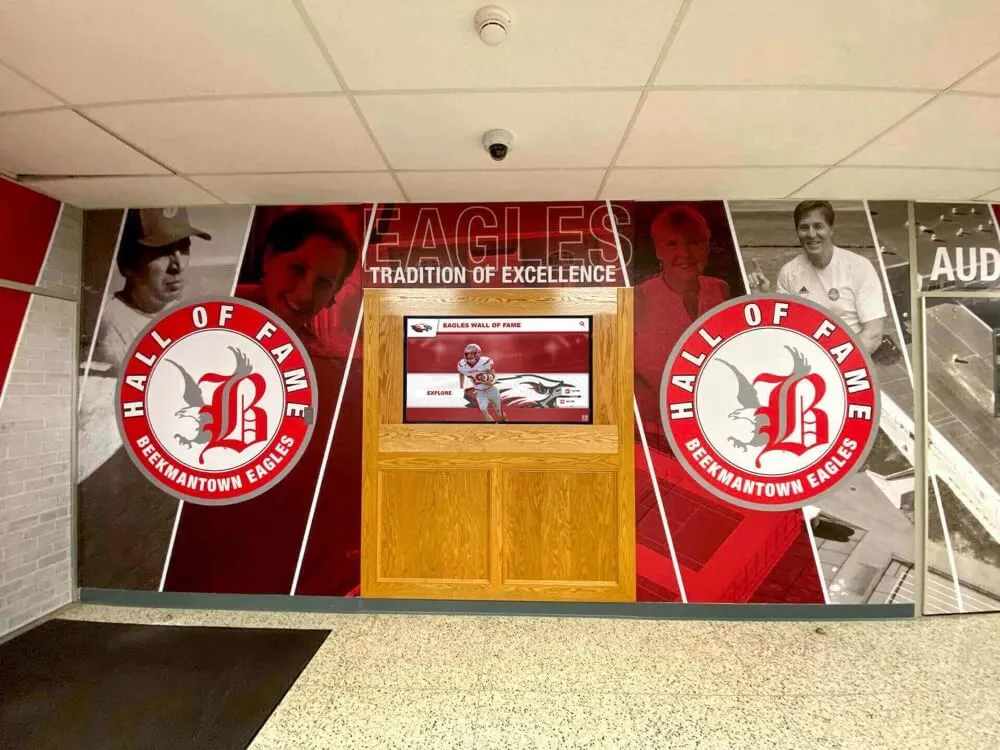
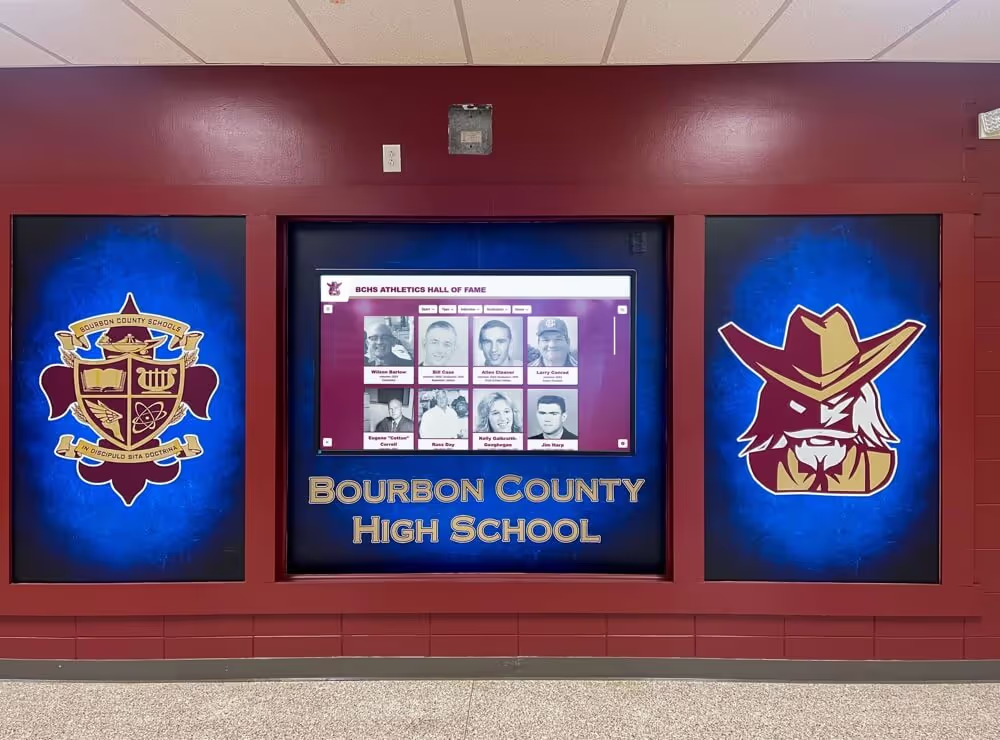
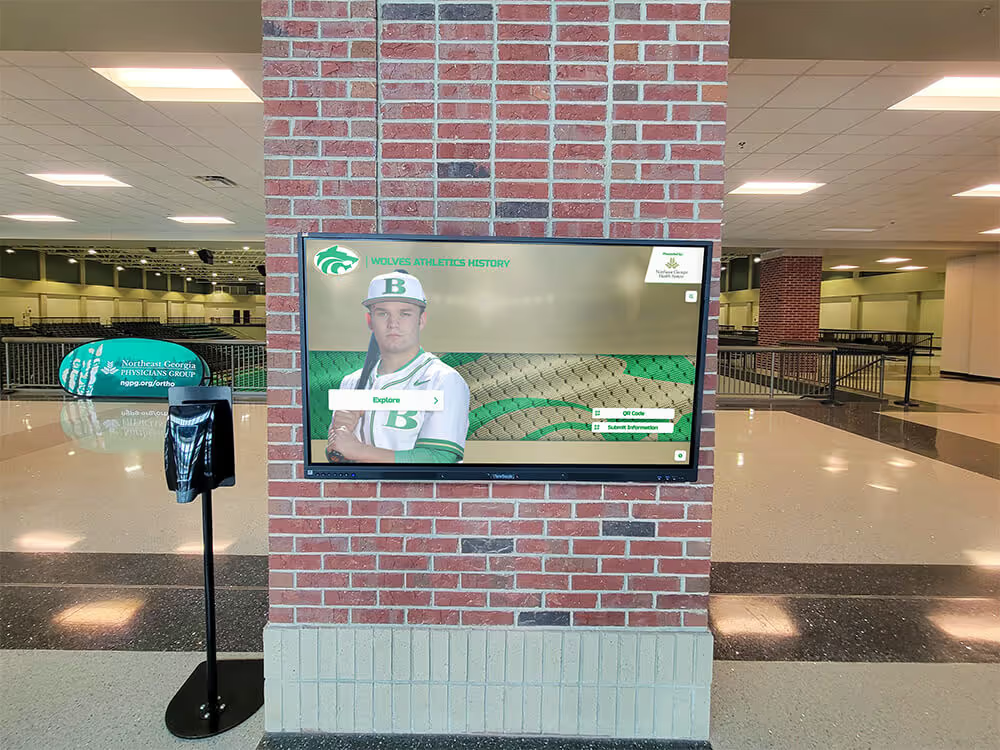
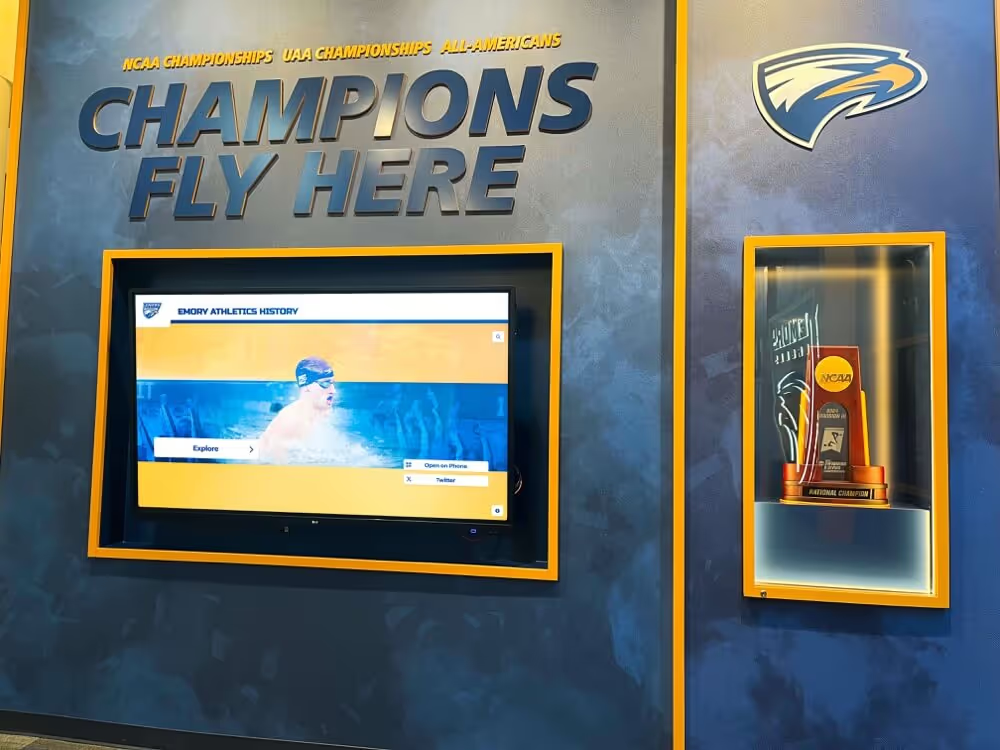
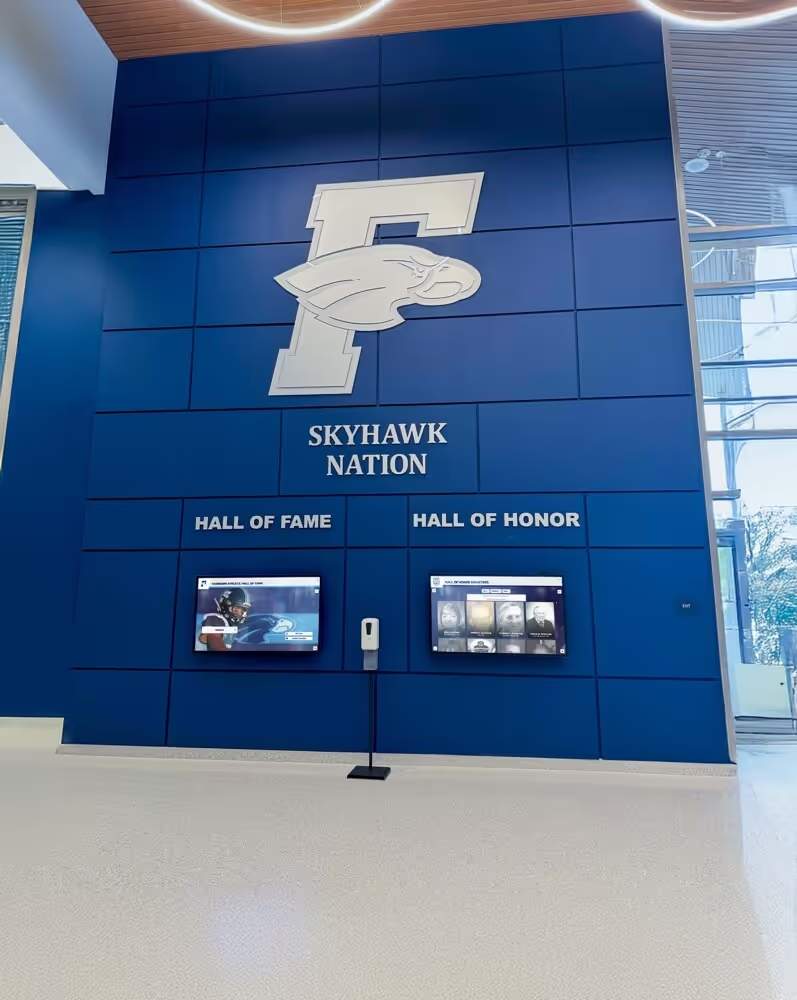
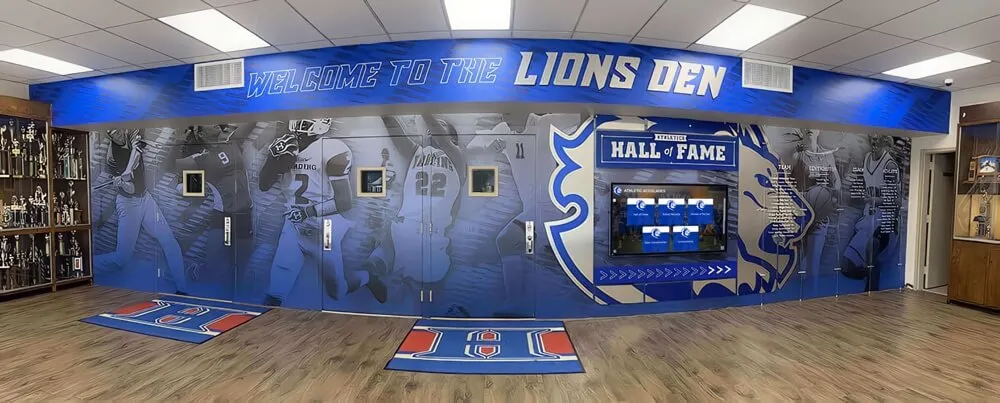
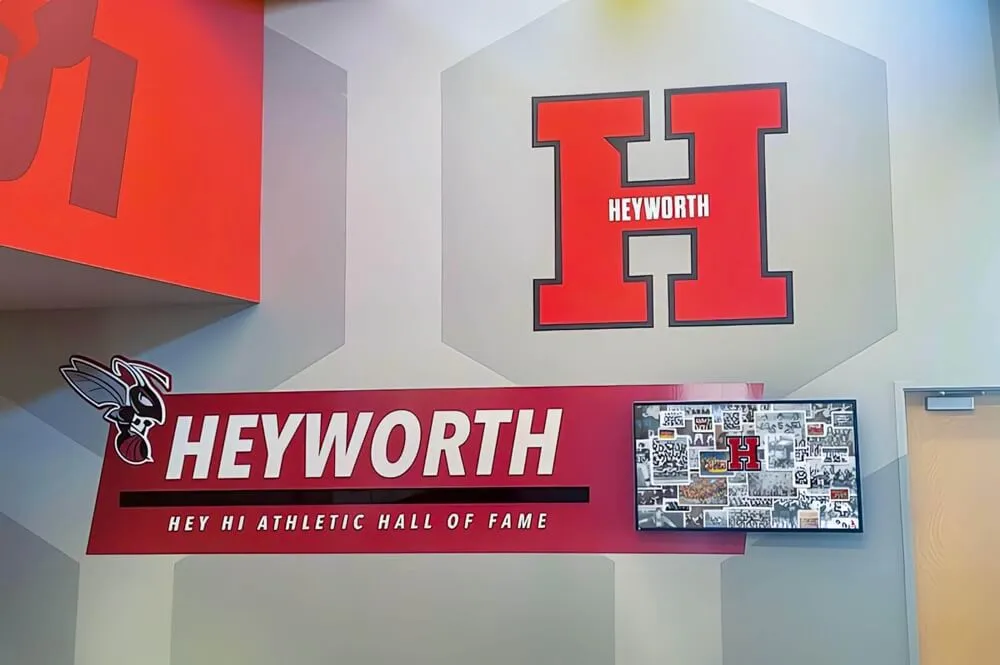
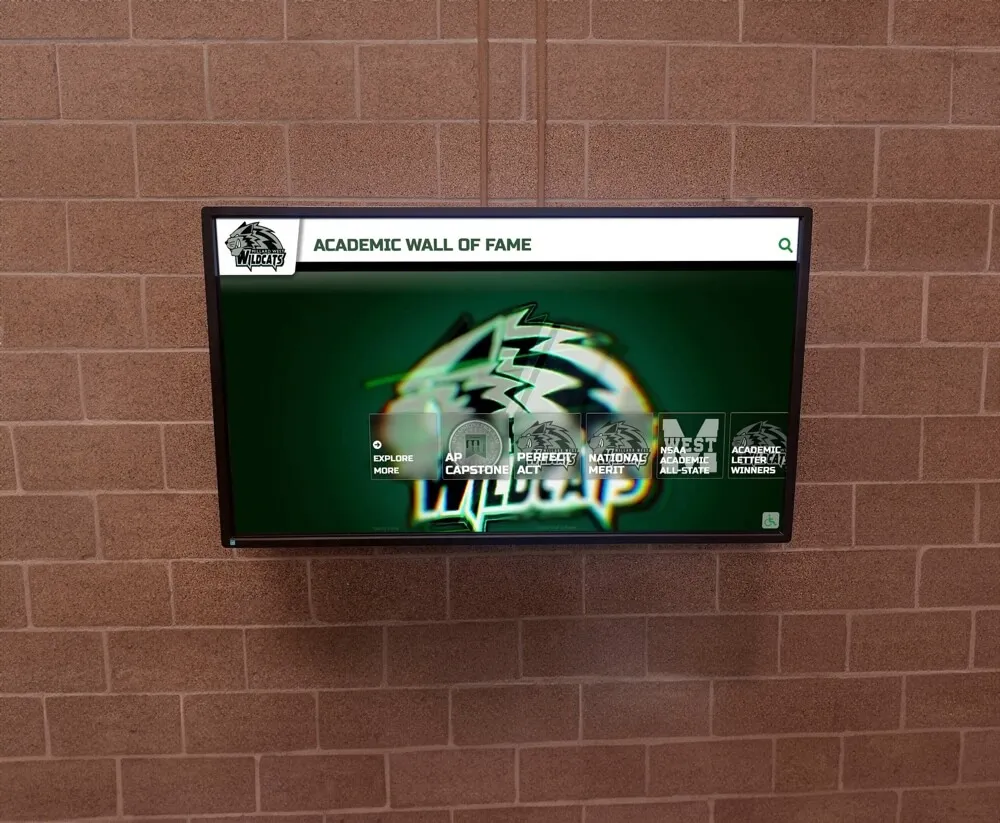
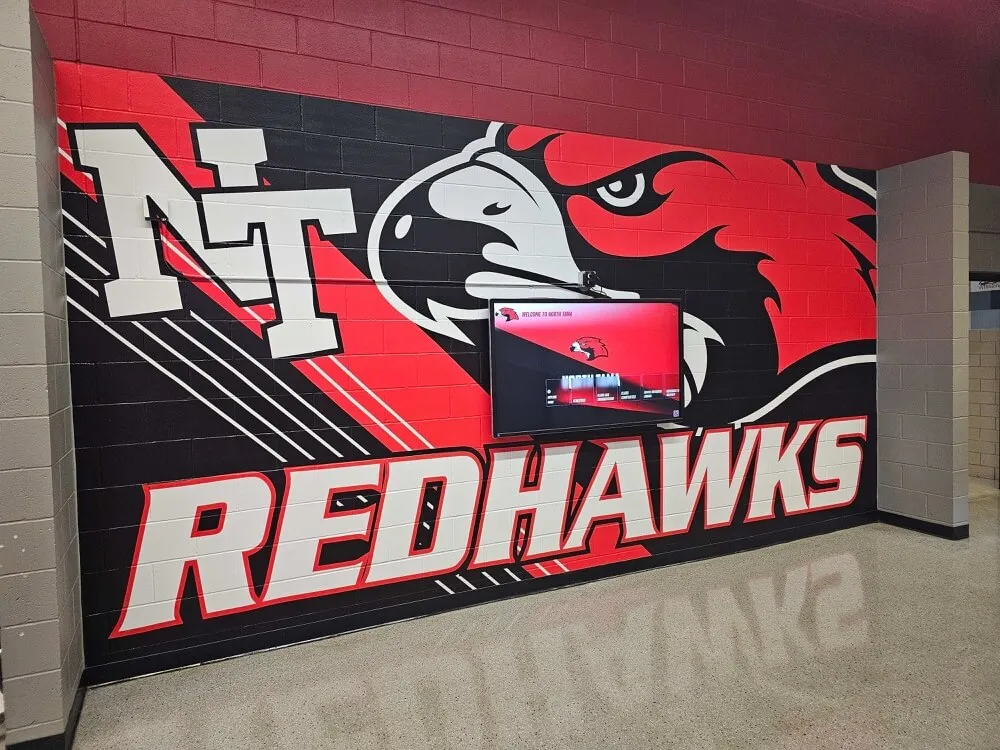
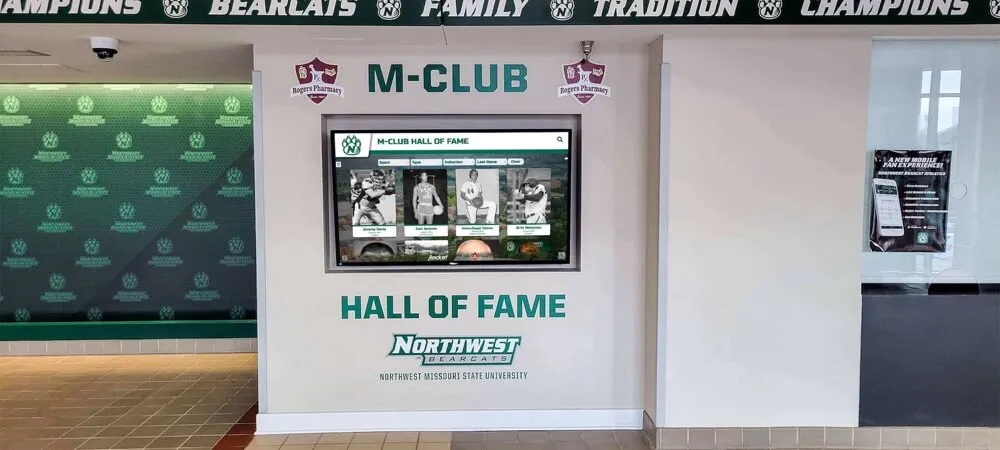
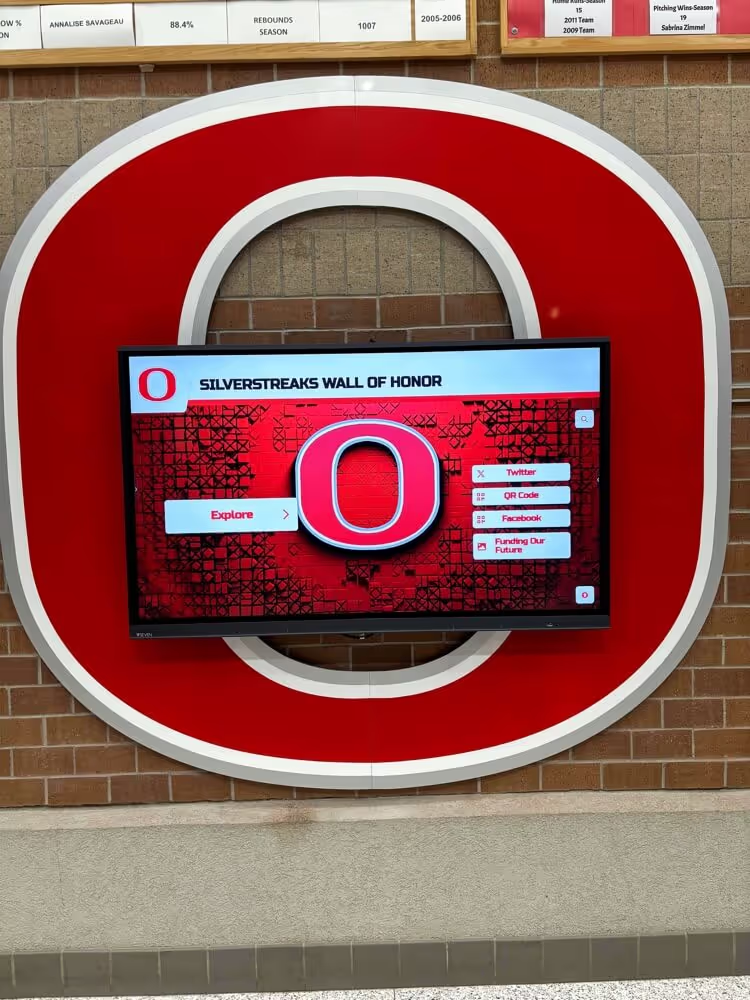
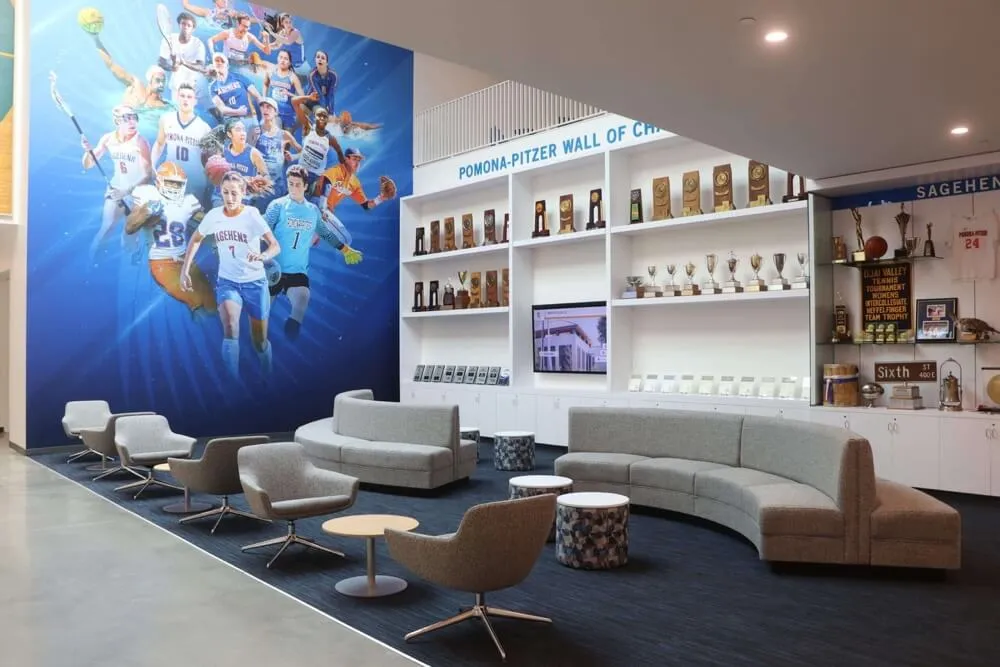
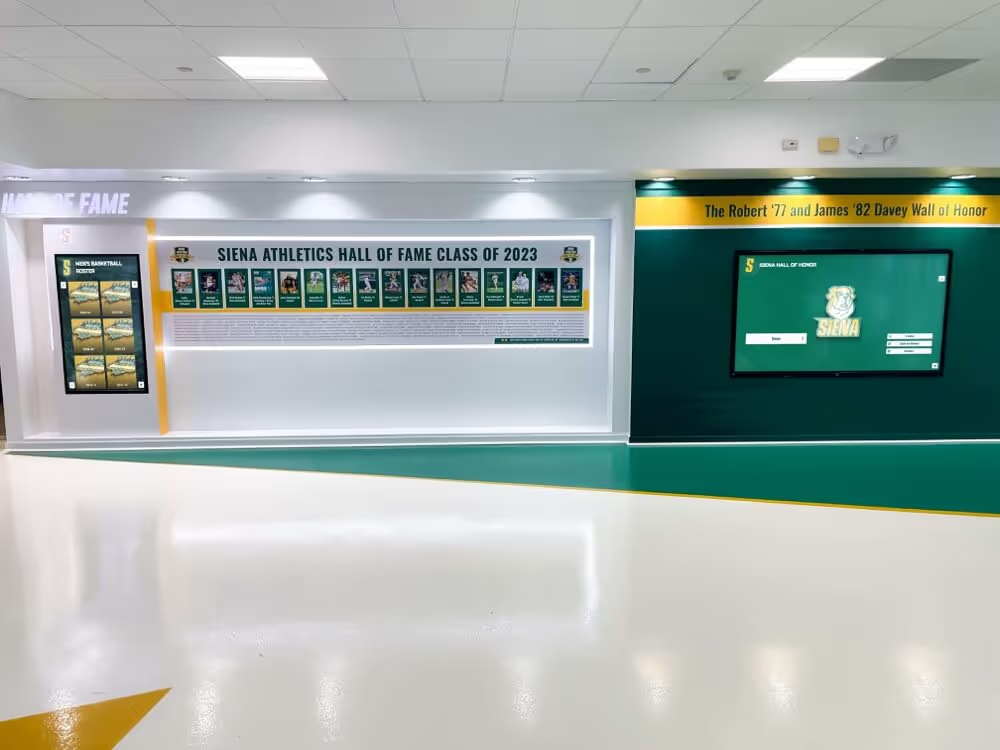
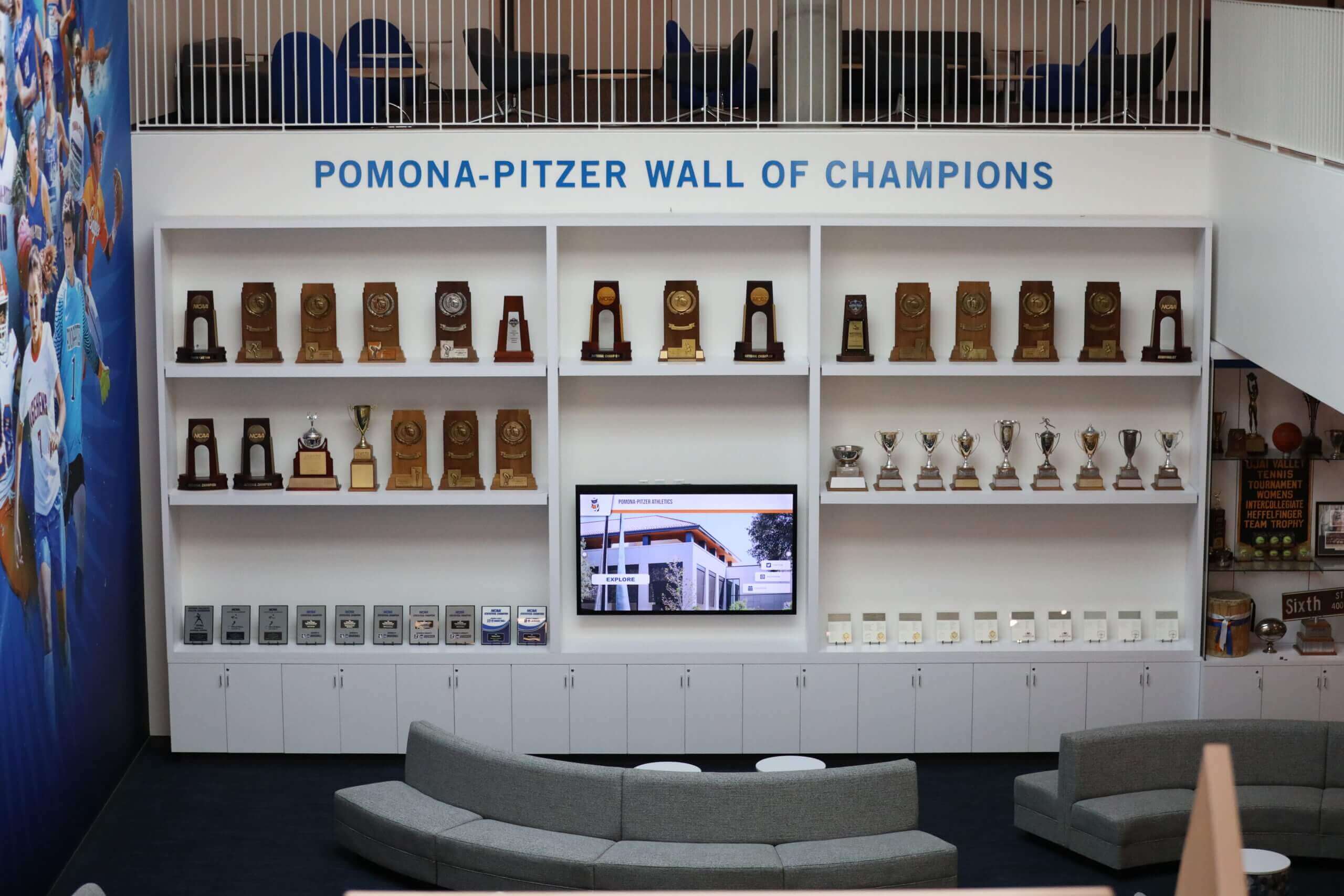
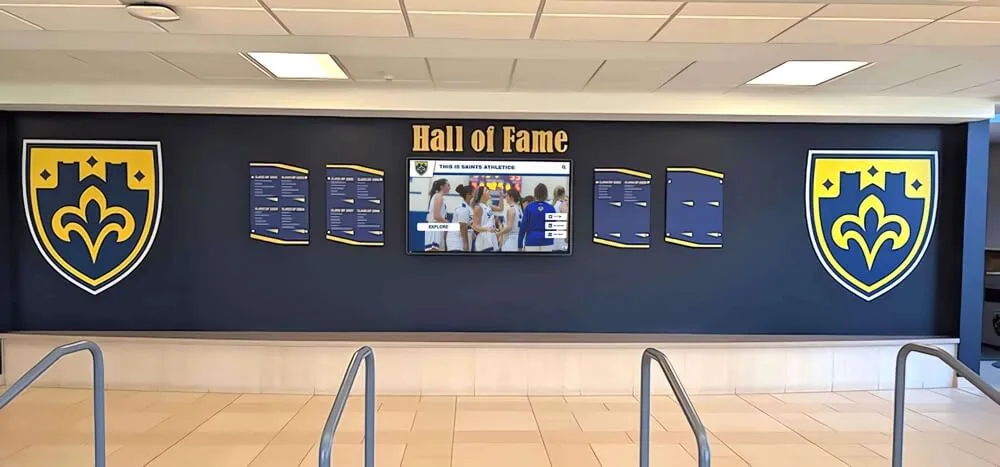
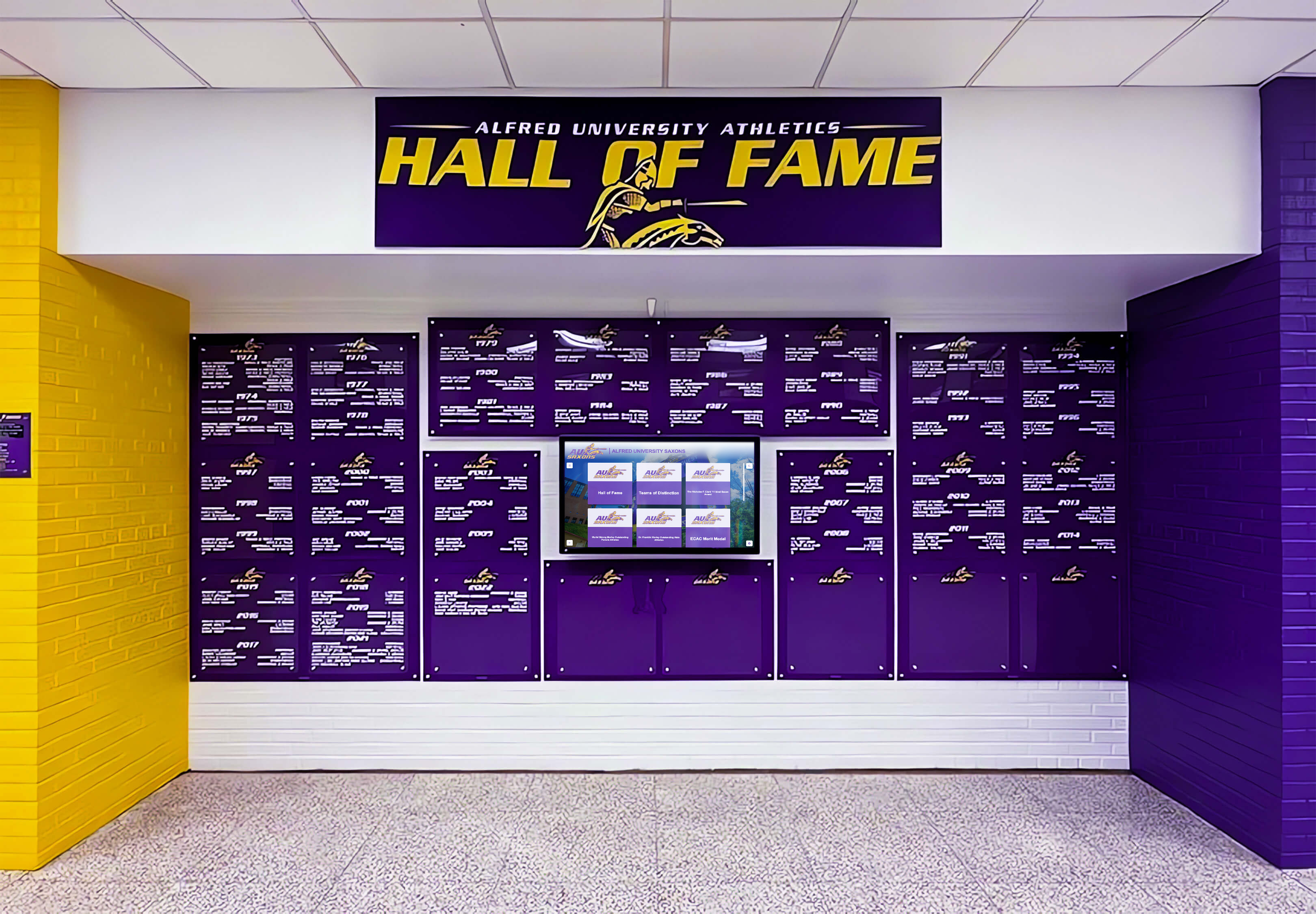
Modern recognition installations increasingly combine traditional trophy cases with digital displays showcasing multimedia content—game highlights, photo galleries, and athlete profiles—that static displays cannot provide. These hybrid walls create compelling recognition experiences where physical trophies establish traditional credibility while digital components engage tech-native students through dynamic content.
Integration Strategies
Effective hybrid displays strategically position digital screens adjacent to or integrated within trophy case arrangements, creating cohesive compositions rather than disjointed elements. For example, a large wall might feature flanking trophy cases on either side of a central digital display, or alternate trophy case sections with digital panels creating rhythm across the wall length.
Open Shelving and Shadow Box Displays
Not all trophy display requires fully enclosed cases. Open shelving systems and individual shadow boxes create alternative display approaches, particularly effective for highlighting specific achievements deserving individual prominence.
Open Display Advantages
Open displays eliminate glass barriers between viewers and achievements, creating more immediate connections with recognition. Additionally, open shelving costs significantly less than enclosed cases and simplifies adding or rearranging items. However, open displays expose contents to dust accumulation, potential damage from contact, and increased theft risk—factors schools must weigh against accessibility and cost advantages.
Themed Recognition Zones
Rather than consolidating all recognition into single trophy case areas, schools increasingly create themed recognition zones throughout facilities—athletic achievement concentrated near gymnasiums, academic honors near libraries, performing arts recognition in auditorium lobbies, and community service acknowledgment in student services areas.
Distributed Display Benefits
Themed zones ensure recognition reaches audiences most interested in specific achievement types while preventing any single display location from becoming overwhelming or cluttered. Students interested in athletics naturally spend time near athletic facilities where they encounter athletic recognition, while academically focused students frequent library areas where academic honors receive prominence. This targeted distribution maximizes recognition impact and engagement.
Rotating and Temporary Exhibit Spaces
Designating certain display areas for rotating exhibits keeps recognition fresh and creates opportunities highlighting seasonal achievements, recent victories, or historic anniversaries. Student athlete showcases can rotate quarterly, ensuring all programs receive periodic prominent placement.
Rotation Strategies
Effective rotation programs establish schedules determining which achievements or programs receive featured placement during specific periods. For example, fall sports recognition might take prominence in October and November, winter sports from December through February, and spring sports from March through May. Academic recognition could rotate by department or grade level on monthly cycles.
Placement and Location Strategy
Trophy case effectiveness depends heavily on placement strategy. Optimally located cases receive thousands of daily impressions from students, staff, and visitors, while poor placement results in recognition that few people encounter or notice.
High-Traffic Location Prioritization
The most valuable display real estate exists where the greatest number of people naturally pass and pause. Prime trophy case locations include:
Main entrance lobbies: Every visitor entering buildings encounters lobby displays, creating maximum exposure and communicating institutional priorities immediately upon arrival. Lobby displays particularly influence prospective families touring facilities and community members attending events.
Gymnasium and athletic facility entrances: Students, athletes, families, and visitors attending athletic events pass these locations, creating ideal placement for athletic achievement recognition. Display cases near gymnasiums remain visible during games and competitions when facilities host opponents and visiting crowds.
Main hallway corridors: High-traffic hallways connecting major building areas ensure displays reach broad student populations moving between classes. However, hallway cases must not obstruct traffic flow or create congestion during passing periods.
Cafeteria and common areas: Locations where students gather and spend discretionary time provide extended viewing opportunities rather than brief passing glances. Students eating lunch or socializing in common areas have time to actually examine display contents rather than simply noting their existence while rushing to class.
Sight Line and Viewing Angle Optimization
Beyond selecting high-traffic locations, consider specific viewing angles and sight lines that maximize display visibility and engagement:
- Position cases perpendicular to primary traffic flow so approaching viewers see directly into displays rather than along edges
- Install cases at heights allowing comfortable viewing without excessive bending or neck craning—generally placing primary display content between 3.5-6.5 feet from floors
- Avoid locations where bright windows or skylights create glare on glass surfaces obscuring contents
- Ensure adequate ambient lighting, supplementing with display case interior lighting when necessary
- Consider multiple viewing distances—some viewers will study displays closely while others see them from across rooms
Complementary Environmental Design
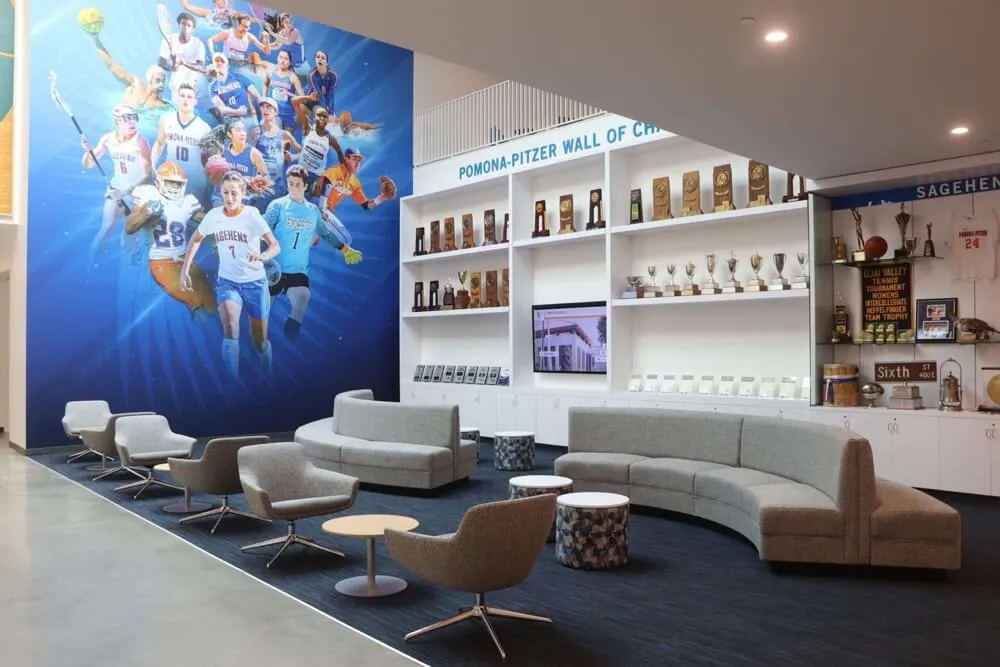
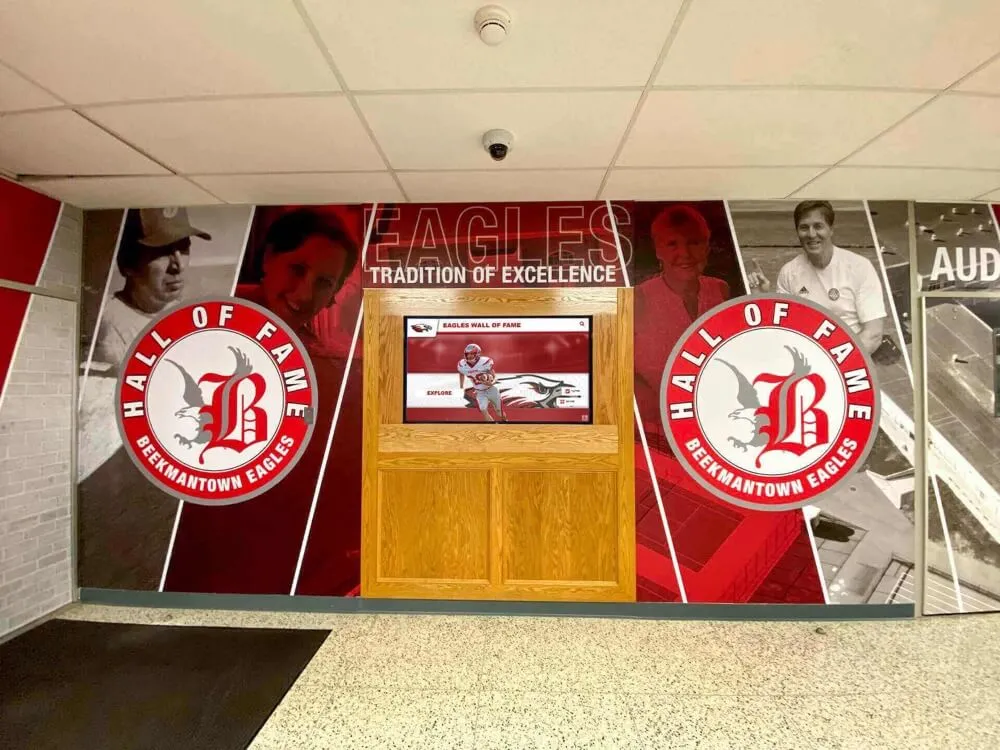
Trophy cases achieve maximum impact when integrated into broader environmental design rather than appearing as afterthoughts in otherwise undistinguished spaces. Complementary design elements might include:
- Wall murals or graphics creating visual context for trophy displays
- Coordinated paint colors framing display areas
- Spotlighting or accent lighting drawing attention to recognition zones
- Flooring transitions or carpeting changes defining recognition areas
- Seating areas near displays encouraging people to pause and engage
- Complementary signage explaining achievement significance or providing historical context
Schools investing in quality trophy cases should budget for environmental improvements that enhance overall display impact rather than isolating cases in generic hallway spaces.
Trophy Display Case Maintenance and Care
Maintaining trophy displays in excellent condition requires ongoing attention to cleaning, organization, lighting maintenance, and periodic updates. Well-maintained cases preserve recognition value while neglected displays communicate that achievement recognition lacks institutional priority.
Regular Cleaning Schedules
Glass surfaces accumulate fingerprints, dust, and smudges requiring regular cleaning to maintain clarity and professional appearance. Establish cleaning protocols including:
Exterior glass cleaning: Weekly or bi-weekly cleaning of exterior glass surfaces using quality glass cleaners and microfiber cloths. Avoid ammonia-based cleaners on cases with aluminum frames, as ammonia can damage certain finishes.
Interior cleaning: Quarterly or semi-annual interior cleaning removing dust accumulation on shelves and trophies. Interior cleaning requires case access, making it more time-intensive than simple exterior glass cleaning.
Frame maintenance: Periodic inspection and cleaning of frame components, checking for finish damage, loose hardware, or signs of deterioration requiring attention.
Assign specific staff responsibility for trophy case maintenance rather than assuming it will happen organically, as undefined responsibilities typically result in neglected displays.
Content Organization and Updates
Trophy displays require regular curation ensuring contents remain well-organized and current. Maintenance tasks include:
- Removing outdated temporary exhibits when rotation periods end
- Reorganizing crowded sections as new achievements accumulate
- Relocating older achievements to archival displays as premier space fills
- Updating identification labels and context information
- Repairing or replacing damaged trophies and plaques
- Adjusting shelf heights optimizing display composition as contents change
Lighting System Maintenance
Interior case lighting requires periodic attention including:
- Replacing burned-out bulbs promptly to maintain even illumination
- Cleaning light fixtures and diffusers annually
- Verifying that LED systems function properly and haven’t dimmed significantly
- Ensuring electrical connections remain secure and safe
Poor or uneven lighting dramatically diminishes display impact, making lighting maintenance a critical ongoing responsibility.
Modern Digital Alternatives to Traditional Trophy Cases
While traditional trophy cases remain popular, schools increasingly explore or supplement conventional displays with modern digital recognition alternatives offering advantages traditional cases cannot match. Digital recognition solutions address several limitations inherent to physical trophy displays while creating new engagement possibilities.
Advantages of Digital Recognition Displays
Unlimited Content Capacity
Digital systems never run out of physical space. Schools can recognize unlimited achievements without worrying about case capacity or removing older recognition to accommodate new awards. Every achievement from school history can remain perpetually accessible rather than being archived or discarded as display space fills.
Multimedia Content Integration
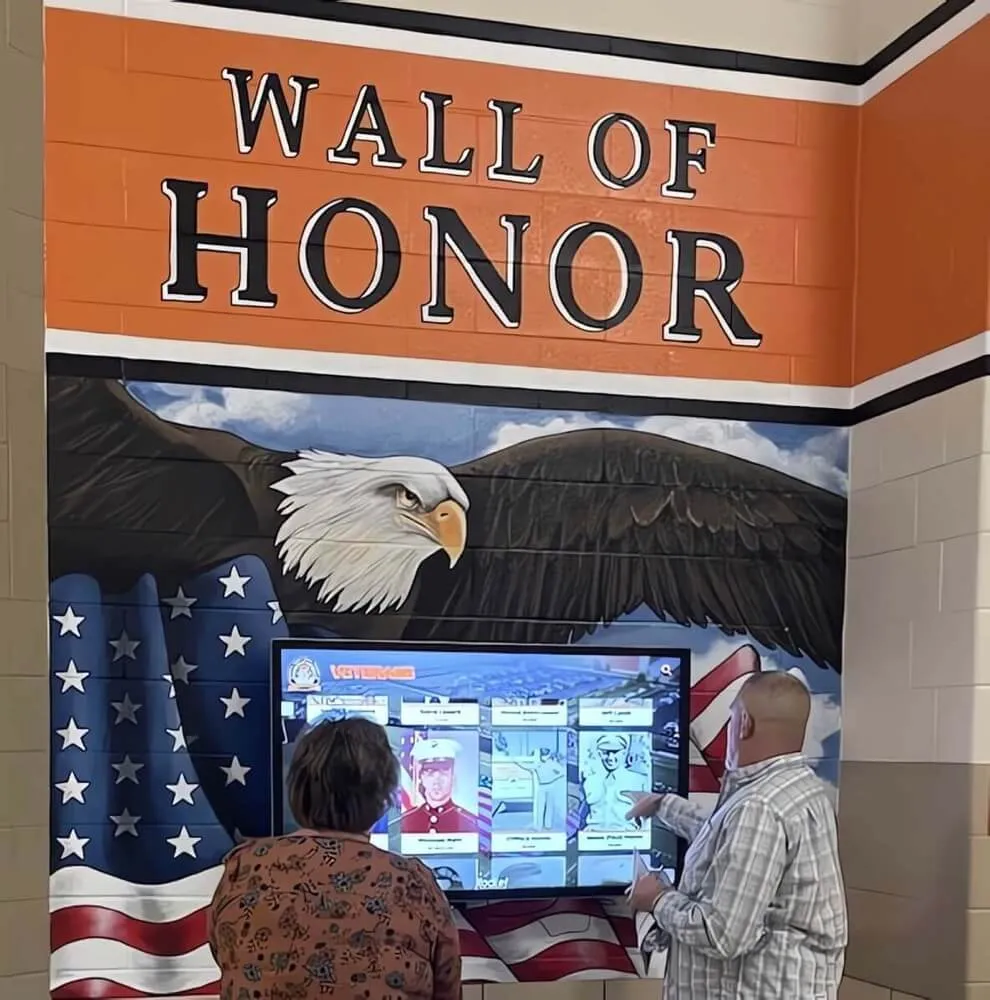
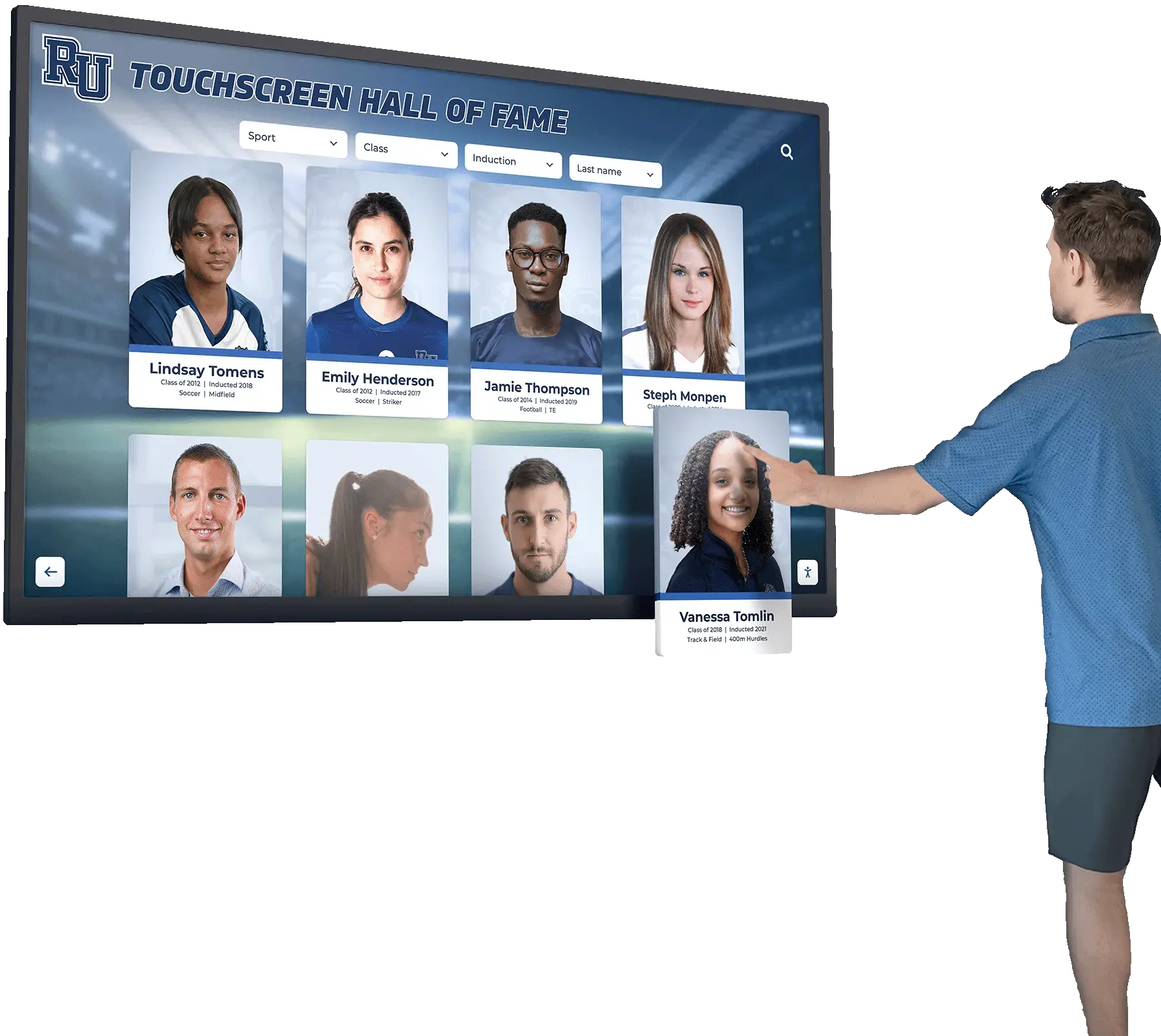
Digital recognition incorporates photos, videos, statistics, biographical information, and other rich content impossible in traditional trophy displays. Students can explore athlete profiles, watch championship game highlights, view photo galleries, and engage with recognition content in ways that static displays cannot support.
Easy Content Updates
Updating digital recognition requires simple software updates rather than physical case access, trophy arrangement, and label creation. Athletic directors and administrators can add new recognition immediately upon achievement rather than waiting for periodic case update sessions.
Search and Filter Capabilities
Interactive digital displays allow users to search for specific individuals, teams, years, or achievement types—functionality particularly valuable in schools with extensive recognition histories. Rather than scanning dozens of trophies seeking specific items, users simply search and immediately access desired information.
Space Efficiency
A single wall-mounted digital display can showcase recognition content that would require dozens of traditional trophy cases, making digital solutions especially attractive for schools with limited display space.
Hybrid Approaches Combining Physical and Digital
Many schools implement hybrid recognition strategies maintaining traditional trophy cases for major championships and historic artifacts while supplementing with digital displays providing comprehensive recognition for broader achievement. This balanced approach honors traditional expectations while embracing modern capabilities.
Complementary Roles
In hybrid systems, physical trophies provide tangible connection to achievement and maintain traditional recognition significance, while digital components offer searchability, multimedia richness, and unlimited capacity. Together, they create recognition experiences more powerful than either approach alone could provide.
Budget Considerations for Digital Systems
Digital recognition systems typically involve higher initial investment than traditional trophy cases but eliminate ongoing costs of case expansion, trophy engraving, and physical maintenance. Schools should evaluate total cost of ownership over 10-15 year periods rather than focusing solely on initial purchase prices.
Planning Your Trophy Display Case Investment
Successfully implementing trophy display cases requires careful planning addressing budget, timeline, stakeholder input, and long-term vision. Schools approaching display case projects systematically achieve better outcomes than those making rushed decisions based on limited information.
Establishing Budget Parameters
Trophy case costs vary enormously based on size, materials, features, and quantity. Budget ranges include:
- Basic tabletop cases: $500-$1,500 per unit
- Standard wall-mounted cases (4-6 feet): $2,000-$5,000 per unit
- Large wall-mounted cases (8-10 feet): $5,000-$12,000 per unit
- Floor-standing cases: $4,000-$15,000 per unit depending on size and features
- Custom or architectural cases: $10,000-$50,000+ for specialized installations
Beyond case purchase costs, budget for installation (typically $500-$2,000 per case depending on complexity), potential electrical work for lighting ($500-$2,000), environmental improvements like painting or flooring ($1,000-$10,000+), and initial content organization and labeling ($500-$2,000).
Schools should also establish ongoing maintenance budgets covering cleaning supplies, lighting replacement, and periodic updates.
Gathering Stakeholder Input
Trophy display decisions benefit from input representing multiple perspectives:
- Athletic directors and coaches: Regarding athletic achievement recognition needs and priorities
- Academic administrators: About academic honor and achievement display
- Facilities managers: Concerning installation feasibility, maintenance requirements, and space constraints
- Alumni representatives: About historical achievement preservation and alumni engagement
- Student representatives: Providing current student perspectives on recognition preferences
- Parent organizations: Who may contribute financially or volunteer for maintenance
Broad stakeholder engagement builds buy-in, generates diverse ideas, and helps ensure final solutions meet community needs and expectations.
Vendor Selection and Evaluation
Research multiple trophy case suppliers, requesting quotes from at least three vendors for comparison. Evaluation criteria should include:
- Product quality: Frame materials, glass quality, hardware durability, and finish quality
- Customization capabilities: Ability to accommodate specific size, color, or feature requirements
- Installation services: Whether vendor provides professional installation or schools must arrange separately
- Warranty coverage: Length and comprehensiveness of product warranties
- Lead times: Manufacturing and delivery timelines fitting project schedules
- References: Customer references from similar institutional installations
- Local service: Availability of service and support for repairs or issues
Don’t select based solely on lowest price, as quality differences significantly impact long-term satisfaction and total cost of ownership.
Conclusion: Creating Recognition Displays That Honor Achievement
Trophy display cases represent substantial investments creating lasting recognition infrastructure that will serve schools for decades. Thoughtful selection considering space requirements, construction quality, placement strategy, and maintenance needs ensures these investments deliver maximum value—honoring achievements appropriately, inspiring current students through visible examples of excellence, and strengthening connections between present and past that create cohesive school communities.
Whether implementing traditional trophy cases, exploring modern digital alternatives, or creating hybrid solutions combining both approaches, the fundamental objective remains constant: celebrating achievement in ways that validate accomplishment, inspire excellence, and strengthen institutional culture. Well-designed recognition displays transform ordinary hallways and lobbies into celebration spaces where every passerby encounters tangible reminders that excellence matters and that the school community honors those who pursue it.
Schools should approach trophy display planning as strategic investments in culture and recognition rather than simple furniture purchases. The recognition infrastructure established today will showcase achievements earned by future students throughout their entire educational careers, creating opportunities to inspire excellence spanning generations of learners.
Ready to explore modern recognition solutions for your school? Discover how interactive digital displays can complement or enhance your traditional trophy cases with unlimited recognition capacity, multimedia content, and engaging interactive experiences that resonate with today’s students. Learn more about creating comprehensive recognition solutions that celebrate every achievement while inspiring continued excellence throughout your school community.