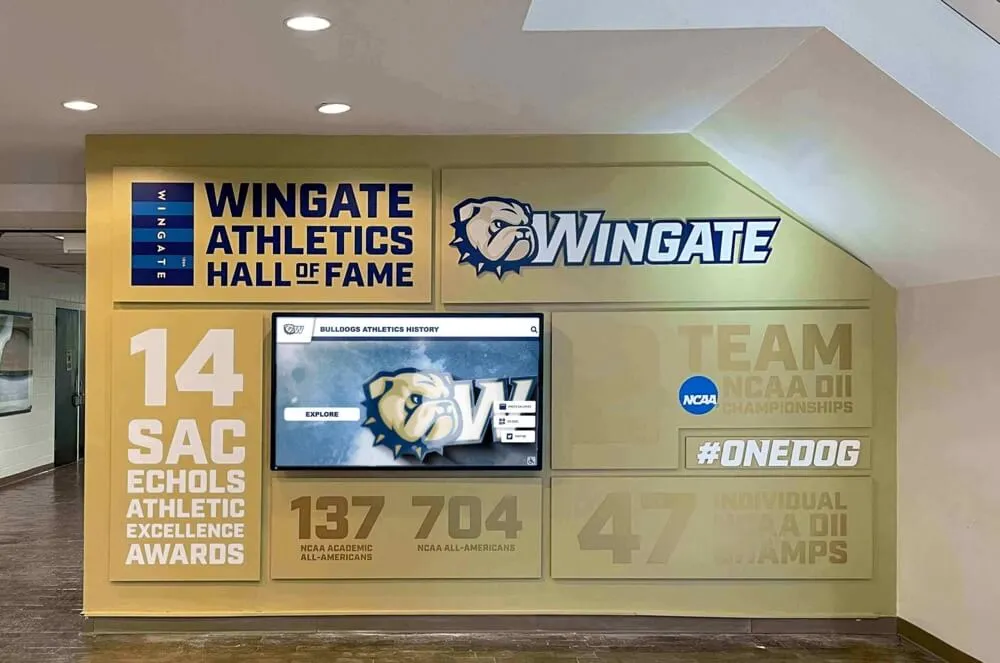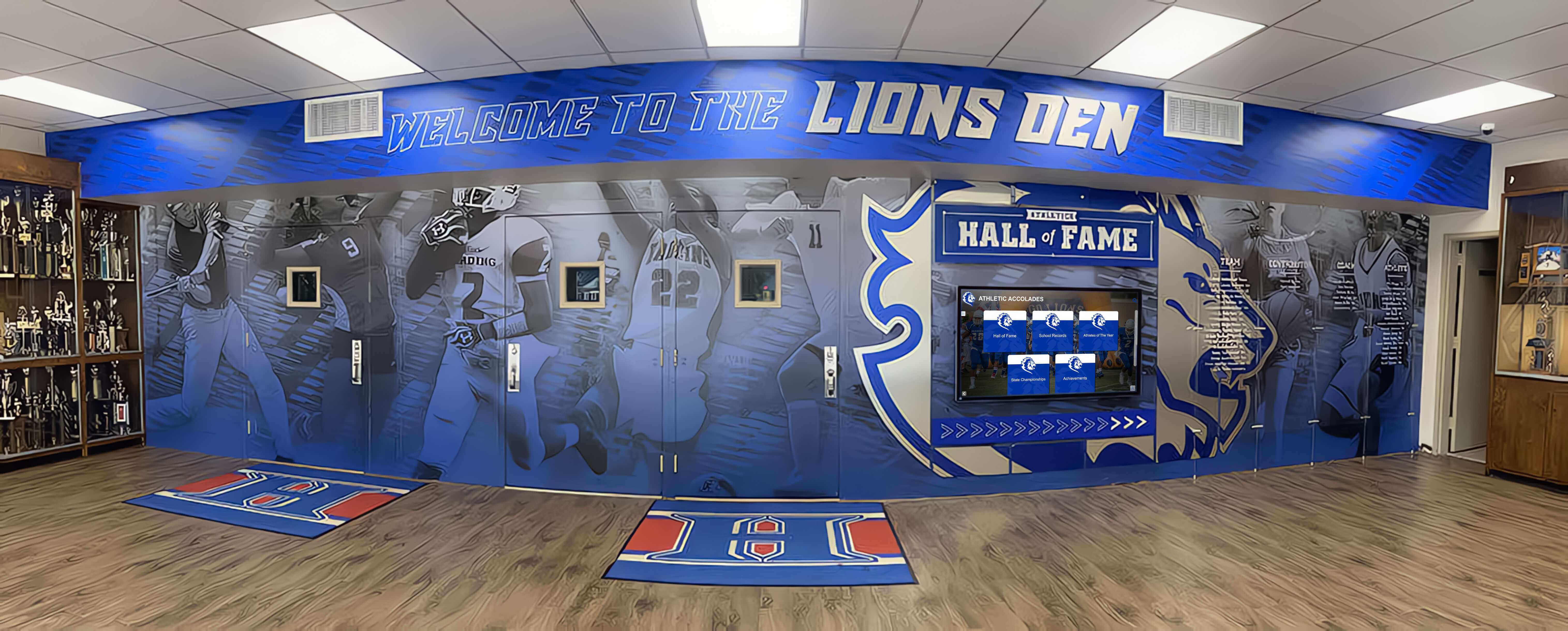




Trophy cases serve purposes far beyond simple storage of awards and memorabilia. They communicate institutional values, celebrate collective achievement, inspire current students and athletes to pursue similar excellence, and create tangible connections between past accomplishments and present aspirations. Well-designed trophy cases become landmarks within facilities—gathering points where teams celebrate victories, spaces where alumni reconnect with their achievements, and showcases that tell compelling stories about program history and culture.
However, the traditional trophy case model faces mounting pressures in 2026. Successful programs accumulate awards faster than available display space expands. Limited case capacity forces difficult decisions about which achievements merit recognition and which must be removed or relegated to storage. Static displays provide minimal context about the stories behind trophies—the challenges overcome, the dedication required, or the significance of particular championships within broader program histories.

These challenges have sparked innovation in trophy display strategies. Forward-thinking institutions now implement hybrid approaches combining selective physical trophy cases for the most prestigious awards with comprehensive digital recognition systems that provide unlimited capacity and rich multimedia context. Others reimagine trophy case design entirely, creating dramatic architectural installations that transform recognition displays into destination features rather than afterthoughts. Still others embrace fully digital solutions that eliminate physical case constraints while offering unprecedented accessibility and engagement.
Traditional Trophy Case Design Ideas
Traditional trophy cases remain popular choices for schools and organizations seeking proven recognition solutions with timeless aesthetic appeal. Understanding design variations helps match trophy case approaches to specific spaces, budgets, and program needs.
Wall-Mounted Trophy Cases
Wall-mounted cases attach directly to walls, creating secure displays that maximize floor space while providing prominent recognition visibility. These installations range from modest single-case units to extensive multi-case systems spanning entire hallways or gymnasium lobbies.
Size and Configuration Options: Standard wall-mounted cases typically measure 4-6 feet wide and 4-7 feet tall, though custom dimensions accommodate specific space constraints or design visions. Multi-case installations create dramatic impact through repetition and scale—ten matching cases lining an athletic hallway communicate program depth and tradition far more powerfully than isolated single units.
Depth Considerations: Case depth determines what items fit comfortably. Shallow cases (8-12 inches deep) accommodate most trophies, plaques, and medals but struggle with oversized championship trophies or three-dimensional memorabilia. Deeper cases (16-24 inches) handle larger items but require more wall space and careful interior organization preventing items from disappearing into backgrounds.
Material Selections: Traditional wood frames in institutional colors create classic appearances that age gracefully across decades. Aluminum frames offer contemporary aesthetics and lower maintenance requirements. Glass and steel combinations provide modern minimalist designs that complement renovated facilities. Material choices should align with surrounding architecture rather than creating jarring contrasts that make cases feel like afterthoughts.

Freestanding Trophy Cases
Freestanding cases offer installation flexibility and dramatic presence in open spaces where wall mounting proves impractical or less effective. These floor-supported units serve as architectural elements defining spaces while providing 360-degree or prominent single-sided displays.
Peninsula and Island Configurations: Peninsula cases attach to walls on one end while extending into rooms, creating prominent features that divide spaces or direct traffic flow. Island cases stand independently, offering viewing from multiple angles—particularly effective in gymnasium lobbies or main entrances where visitors approach from various directions. Many successful programs incorporate these designs into school lobby design ideas that create welcoming first impressions.
Lighting Integration: Freestanding cases accommodate integrated lighting more easily than wall-mounted alternatives. Internal LED systems eliminate shadows while drawing attention to displayed items. Proper lighting transforms trophy cases from passive displays into dramatic focal points that command attention even in busy spaces.
Security Features: Freestanding cases require robust security since they’re more accessible than wall-mounted units. Tempered glass, secure locking mechanisms, and alarm integration protect valuable trophies from theft or vandalism. Some institutions install motion-activated lighting or security cameras near freestanding cases providing both engagement features and security monitoring.
Built-In Architectural Trophy Cases
Custom built-in cases integrate directly into building architecture during construction or major renovations, creating seamless recognition spaces that feel intentional rather than added as afterthoughts. These permanent installations often represent significant investments but deliver unmatched aesthetic impact and space optimization.
Lobby and Entrance Integration: Architectural trophy cases transform entrance experiences by making recognition central to facility design. Visitors immediately encounter institutional pride and tradition upon entering, setting tones that carry throughout facilities. These installations communicate that achievement matters enough to warrant prime architectural real estate rather than leftover wall space.
Hallway Gallery Approaches: Converting entire hallways into recognition galleries creates immersive experiences celebrating program history comprehensively. Built-in cases line both walls, creating museum-quality installations showcasing decades of achievement. Combined with school mural ideas and visual elements, these spaces become destinations where current students absorb program culture and alumni reconnect with their contributions.
Climate Control and Preservation: Built-in architectural cases can incorporate climate control systems protecting valuable historical trophies from temperature fluctuations and humidity that cause deterioration. This preservation focus proves particularly valuable for programs displaying awards spanning many decades, ensuring recognition remains pristine for future generations.
Creative Trophy Display Solutions
Beyond traditional cases, creative approaches transform trophy recognition through innovative design, unexpected materials, and architectural drama that makes displays memorable landmarks within facilities.
Trophy Walls and Open Shelving
Moving beyond enclosed cases, open trophy walls create accessible, dynamic displays that invite closer interaction while reducing visual barriers between achievements and viewers.
Floating Shelf Systems: Modern floating shelves mounted at varying heights create dimensional displays that prevent the static grid appearance of traditional cases. Staggered arrangements add visual interest while accommodating different trophy sizes naturally. Glass shelves with integrated LED strip lighting create floating illusions that make trophies appear suspended in space.
Niche and Alcove Installations: Purpose-built wall niches frame individual trophies or trophy groupings within architectural features. These installations work particularly well for championship trophies or historically significant awards deserving special emphasis. Recessed lighting in niches draws attention while protecting items from accidental contact damage.
Accessibility Trade-offs: Open displays facilitate adding or rearranging items without unlocking cases, simplifying maintenance and updates. However, this accessibility increases theft and damage risks while exposing trophies to dust and handling. Many programs implement open displays in secured areas with controlled access—inside locker rooms, athletic department offices, or areas requiring building entry credentials.
Rotating and Seasonal Displays
Rather than attempting to display all achievements simultaneously, rotating display strategies showcase different items periodically, keeping presentations fresh while working within space constraints.
Seasonal Sport Rotations: Coordinate trophy displays with current athletic seasons, featuring relevant sport achievements when those teams compete. Display fall sport championships during football and volleyball seasons, then rotate to winter sports showcasing basketball and wrestling recognition. This approach maintains display relevance while creating regular refresh cycles that draw repeated attention from audiences who’ve seen previous configurations.
Anniversary and Milestone Features: Rotate displays emphasizing significant anniversaries—25th or 50th anniversaries of historic championships, reunions of championship teams, or retirements of legendary coaches. These themed rotations create opportunities for alumni engagement, storytelling, and renewed attention to historical achievements that might otherwise remain permanently stored.
Digital Rotation Tracking: Implement digital systems tracking what items appear in cases and rotation schedules ensuring all achievements eventually display rather than favorites remaining visible while others never emerge from storage. This democratic approach prevents perception that certain sports or eras receive preferential treatment.
Integrated Multimedia Displays
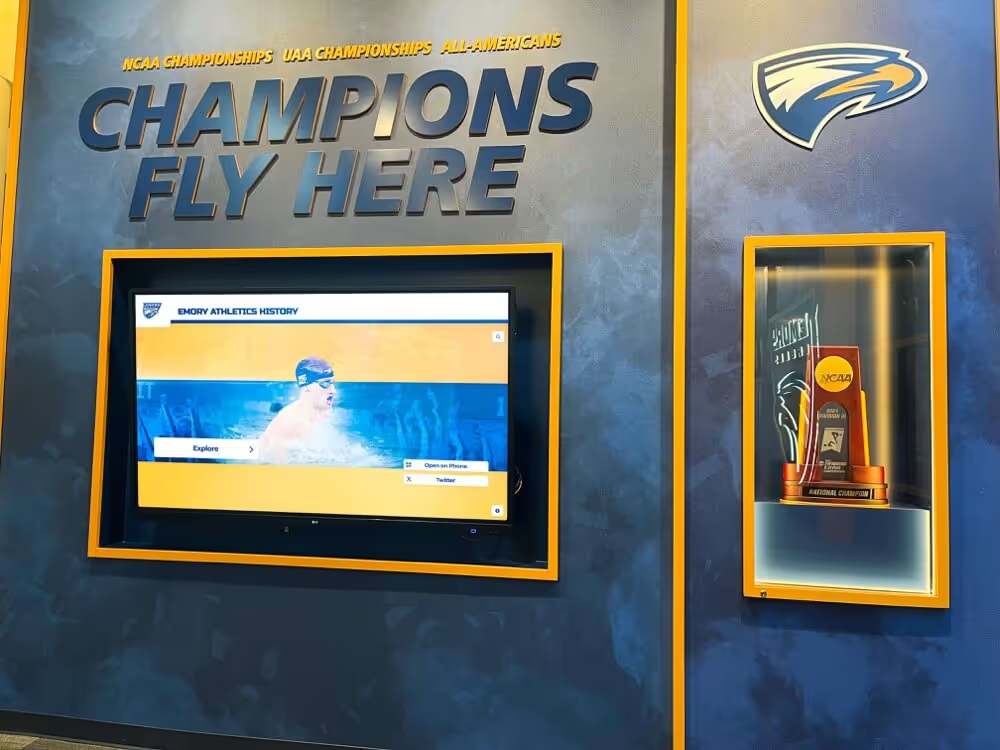
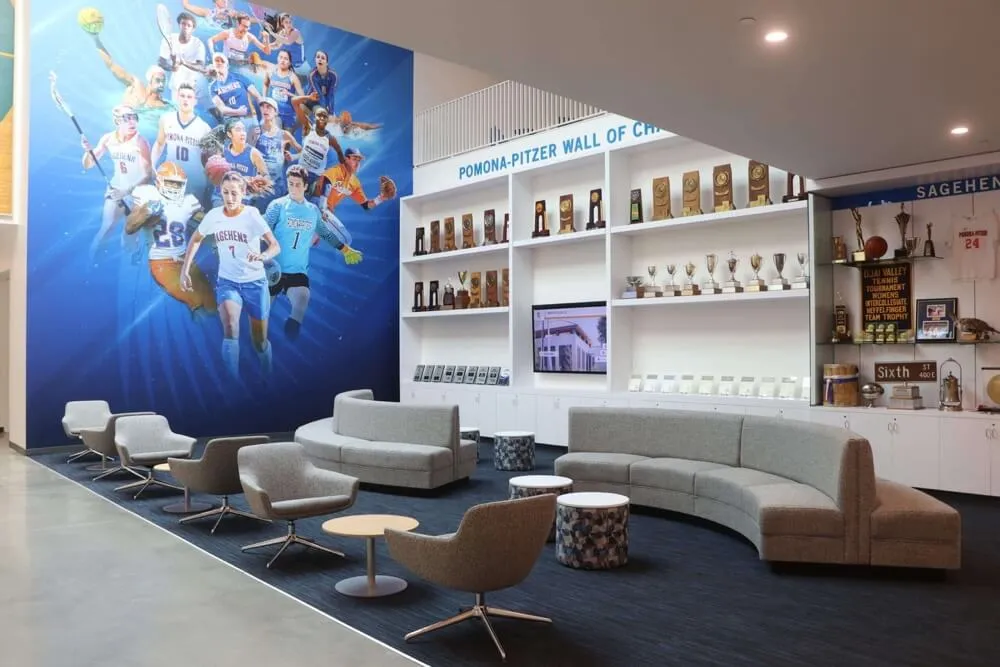
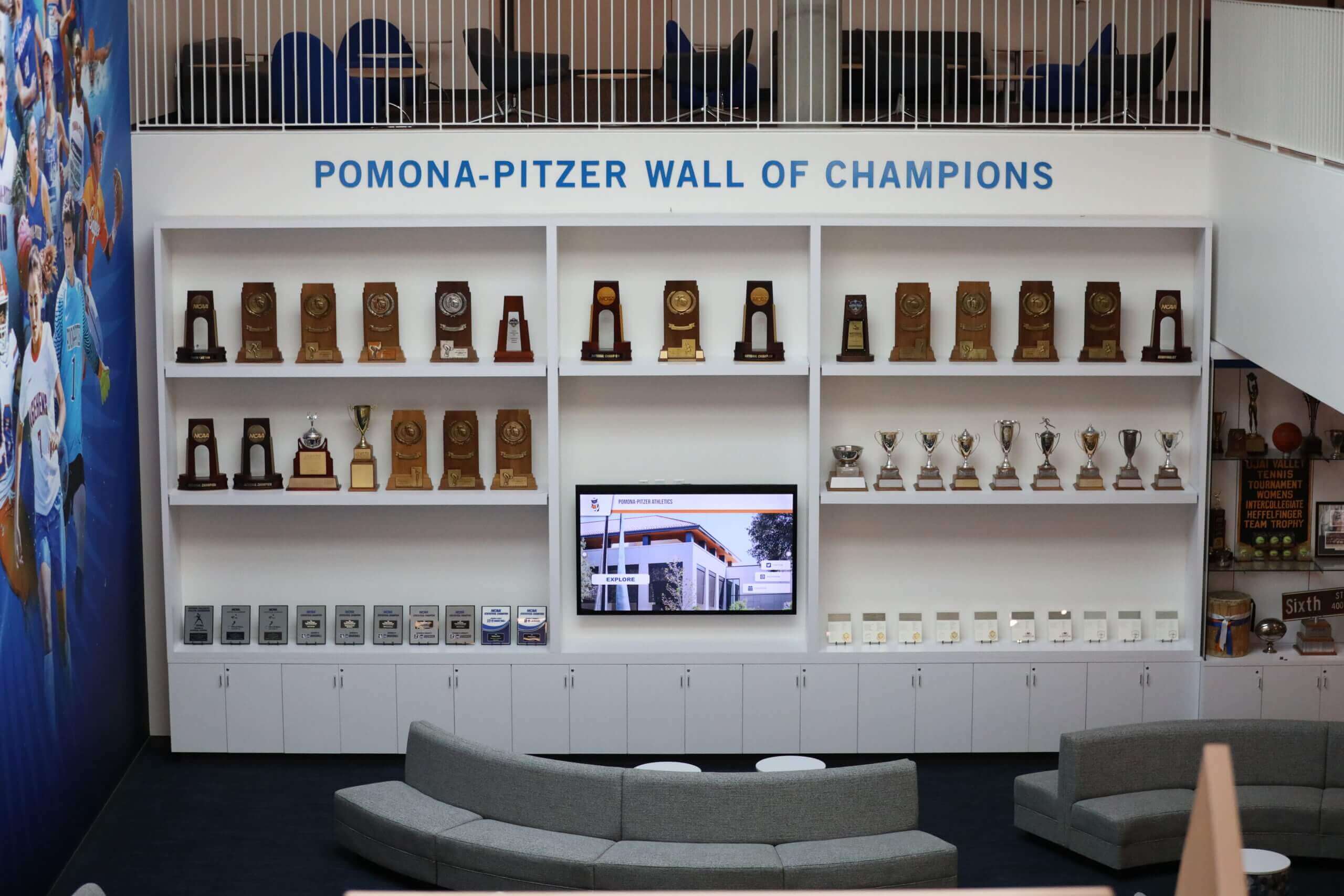
Combining traditional trophy cases with digital screens creates hybrid installations providing both tangible award displays and rich multimedia context explaining significance and telling stories.
Video Highlight Integration: Install screens adjacent to trophy cases displaying championship game highlights, season recaps, or interviews with athletes and coaches from trophy-winning teams. Visitors appreciate seeing trophies while simultaneously experiencing the moments those awards commemorate. QR codes on trophy labels can link to specific video content, allowing smartphone users to access highlights directly.
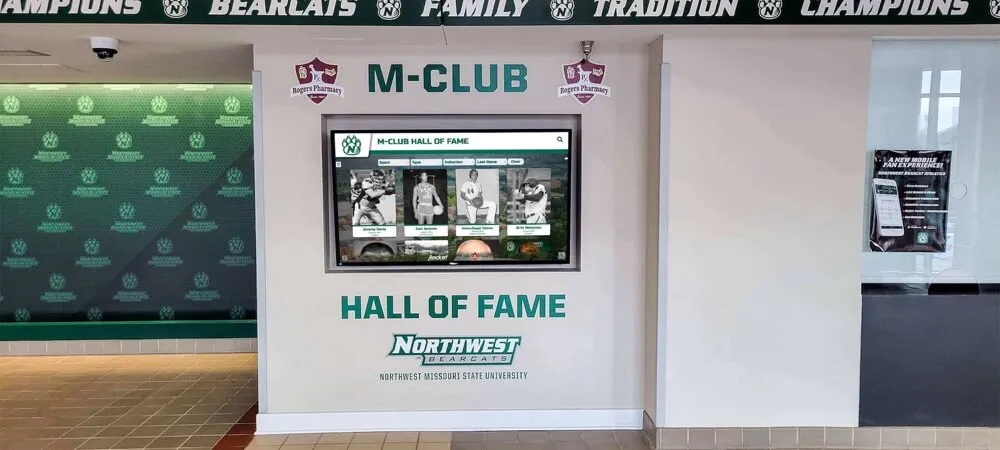
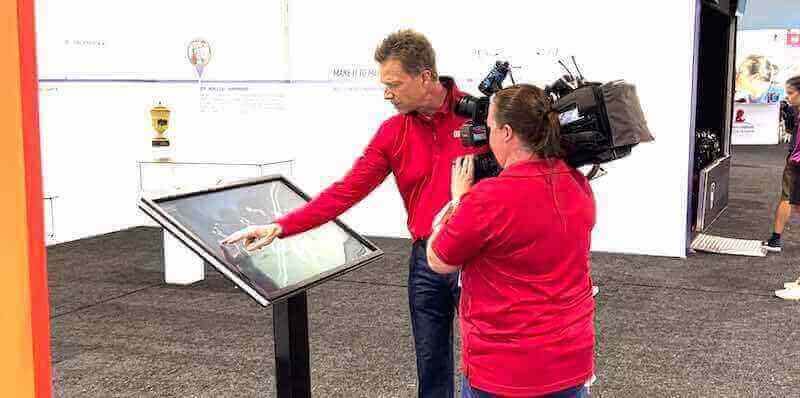
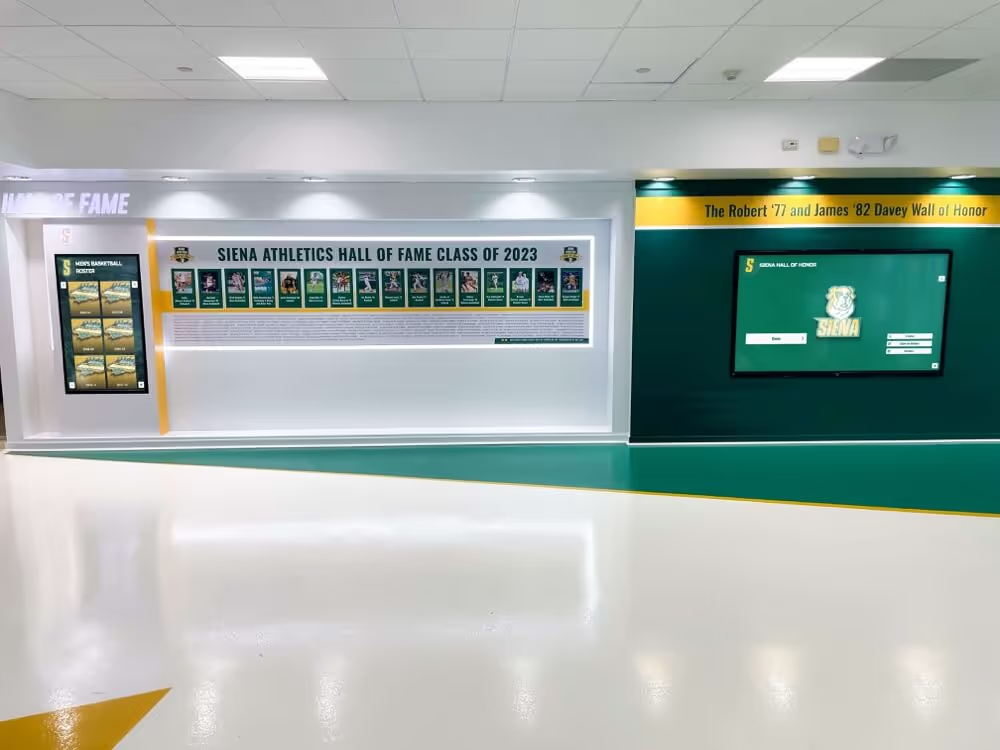
Digital Context Panels: Touchscreens or monitors beside cases provide searchable databases with detailed information about displayed items—complete team rosters, season records, tournament results, and historical context explaining each trophy’s significance. This digital layer transforms static displays into educational experiences that help viewers understand what they’re seeing beyond merely impressive trophy collections.
Interactive Timelines: Digital timelines running alongside physical trophy cases create visual program histories showing championship frequency, competitive eras, and achievement patterns across decades. These visualizations help viewers understand program trajectory—periods of dominance, rebuilding years, and sustained excellence—in ways trophy arrangements alone don’t communicate clearly.
Modern Digital Alternatives to Traditional Trophy Cases
While physical trophy cases serve important purposes, digital recognition systems address fundamental limitations of physical displays while offering capabilities traditional cases cannot match.
Space Constraints and Capacity Limitations
The primary challenge facing traditional trophy cases is finite capacity that conflicts with successful programs’ continuous achievement accumulation.
The Space Ceiling Problem: Even generously sized trophy cases eventually fill. Schools with decades of athletic excellence face impossible choices about which championships, records, or achievements merit limited display space and which must be removed to storage. These decisions often create controversy—removing older achievements alienates alumni who earned them, yet displaying only historical awards ignores current student accomplishments.
Inequitable Recognition: Limited case space frequently results in unequal recognition distribution. High-profile sports with larger trophies dominate displays while smaller sports with equally impressive championships receive minimal visibility. Team championships often displace individual achievement recognition despite personal accomplishments meriting celebration. Trophy case capacity planning becomes increasingly complex as programs expand.
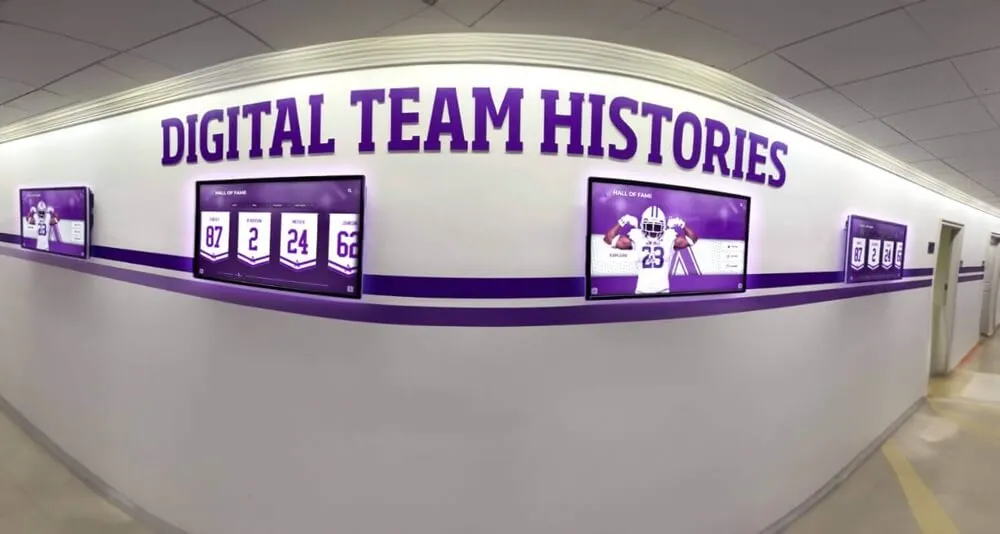
Digital Unlimited Capacity: Digital recognition systems eliminate capacity constraints entirely. Every championship, every record, every achievement receives permanent recognition regardless of physical display space limitations. This democratic approach ensures comprehensive recognition rather than selective displays inevitably excluding worthy accomplishments.
Enhanced Storytelling and Context
Physical trophies sitting on shelves communicate achievement existence but provide minimal context about significance, stories, or the journeys those awards represent.
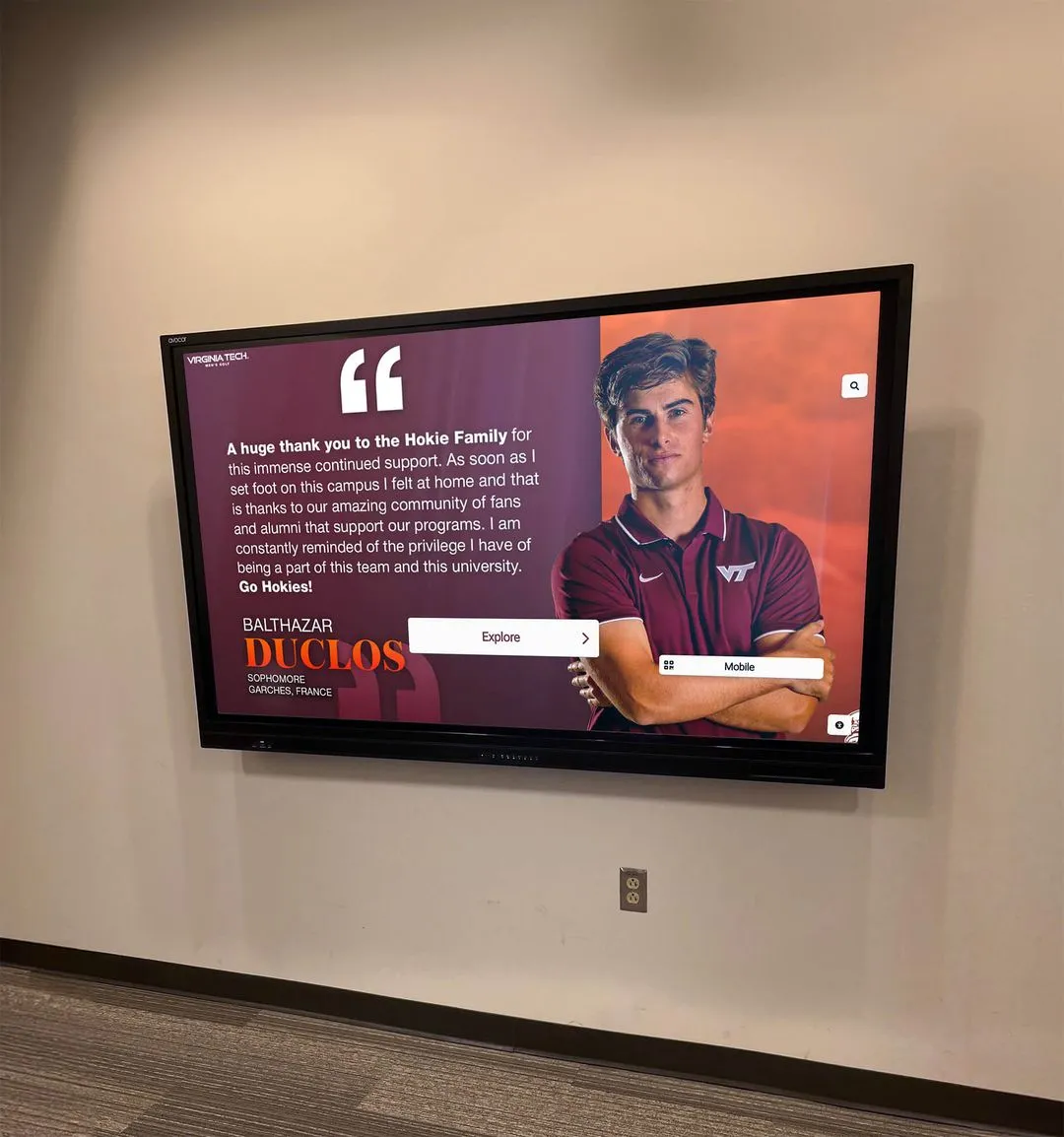
Multimedia Integration: Digital displays incorporate photos, videos, statistics, news coverage, and narrative content creating comprehensive achievement documentation. Viewers don’t just see that a team won a state championship—they watch championship game highlights, read season recaps, view complete rosters with individual athlete profiles, and understand the historical significance within broader program context.
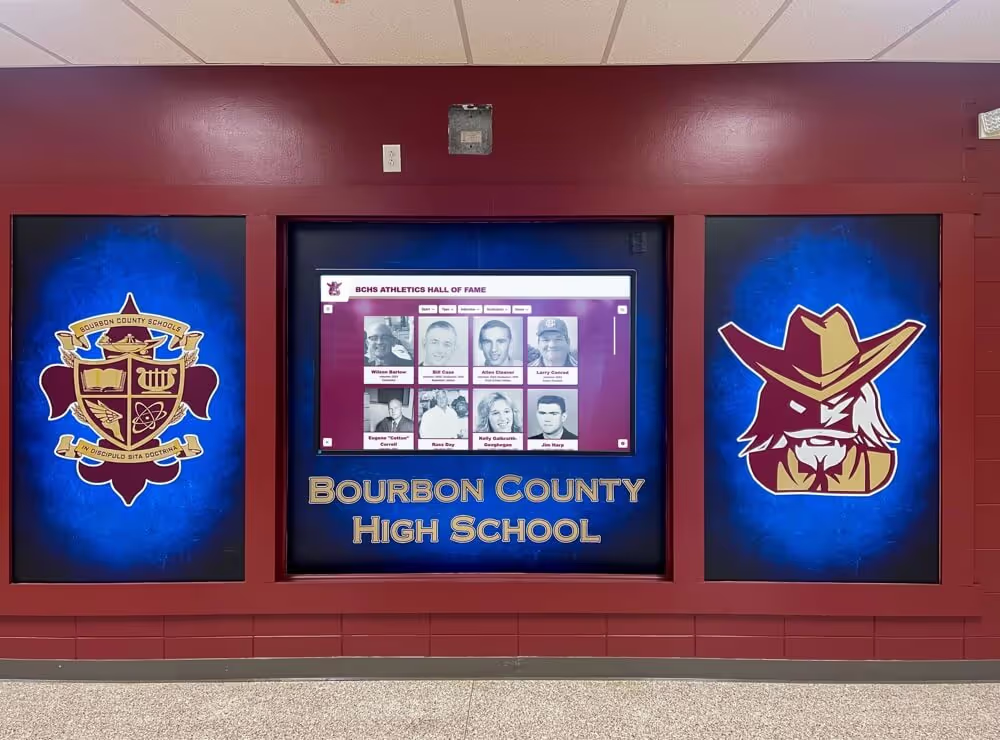
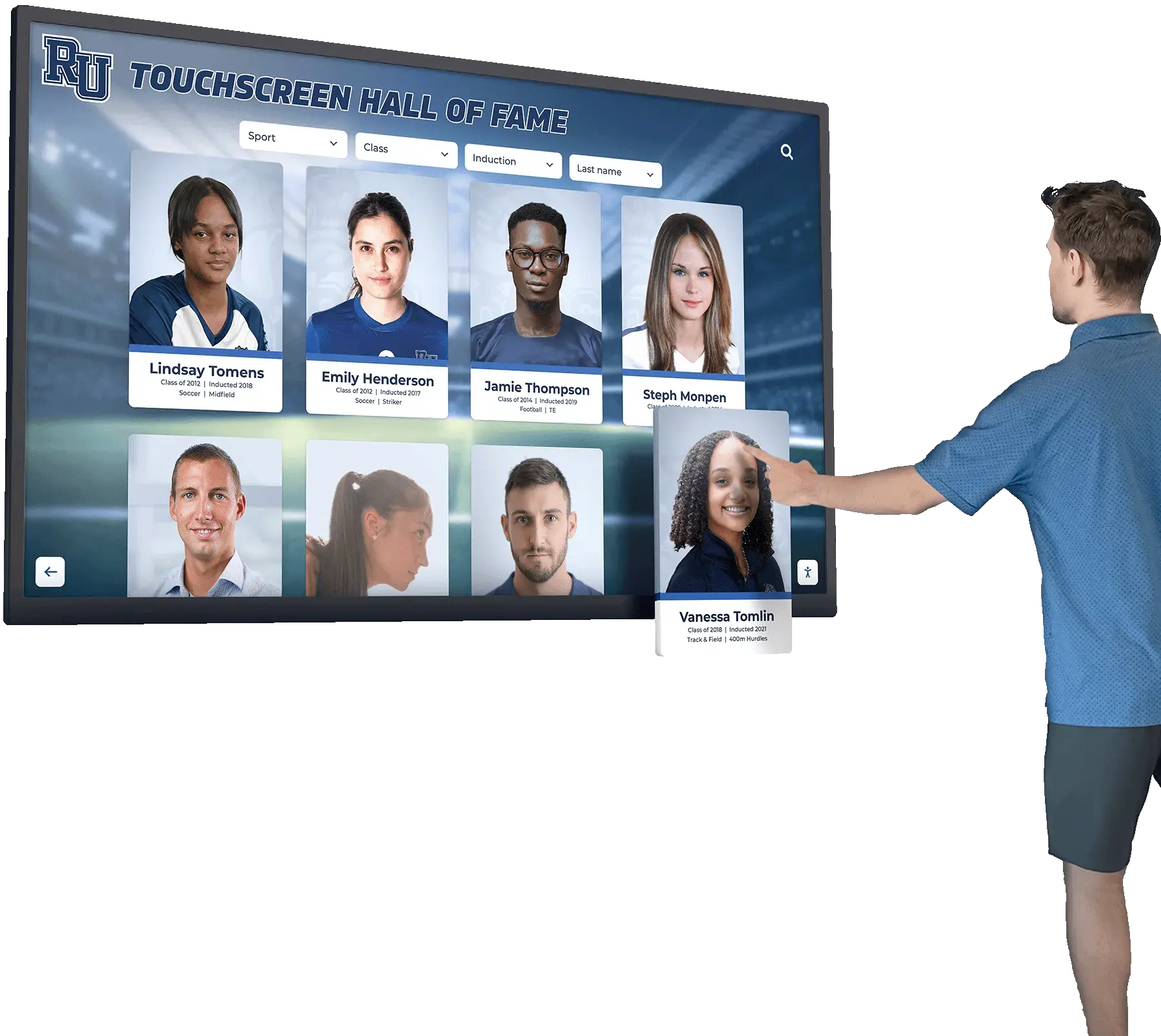
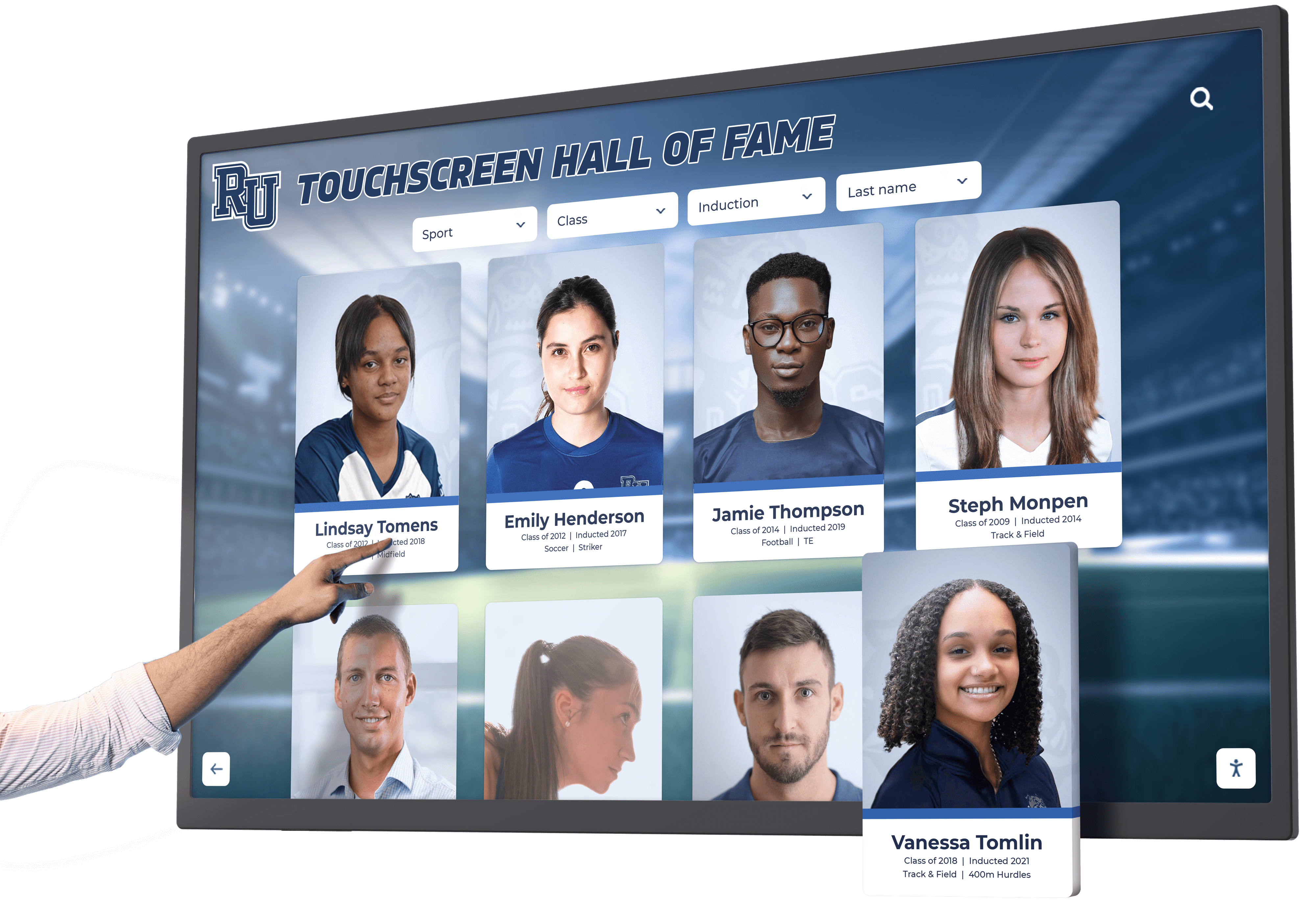
Searchable and Filterable Content: Interactive digital displays allow visitors to search specific sports, years, athletes, or achievement types instantly. Alumni returning to campuses can immediately locate their championships and teammates. Parents can find children’s accomplishments within decades of program history. This functionality transforms passive viewing into active exploration that increases engagement duration and depth.
Dynamic Updates: Adding new achievements to digital systems requires simple content management rather than physical case reorganization. This ease of updating ensures displays remain perpetually current with latest accomplishments appearing immediately after competitions rather than waiting months for case updates.
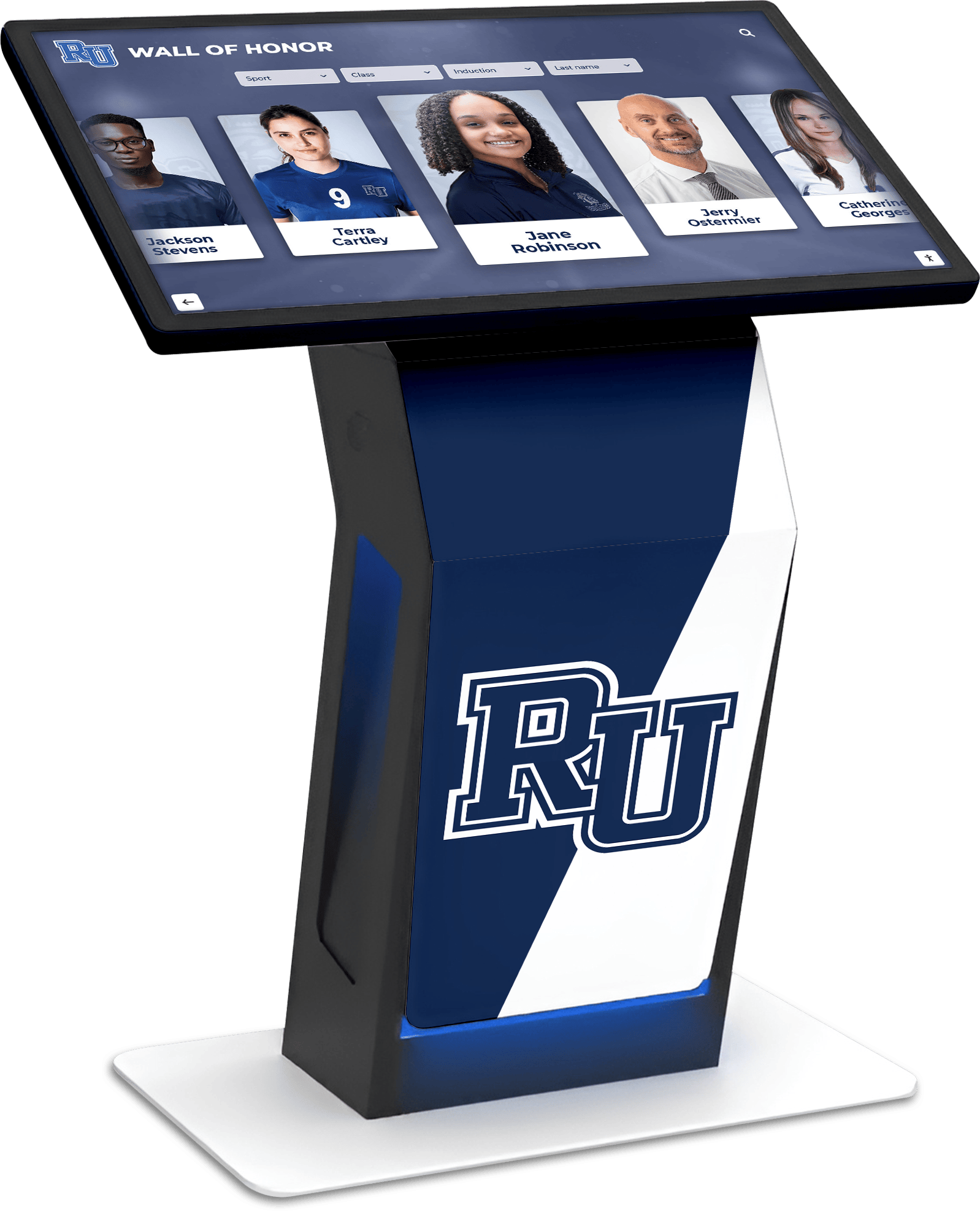
Interactive Touchscreen Recognition Systems
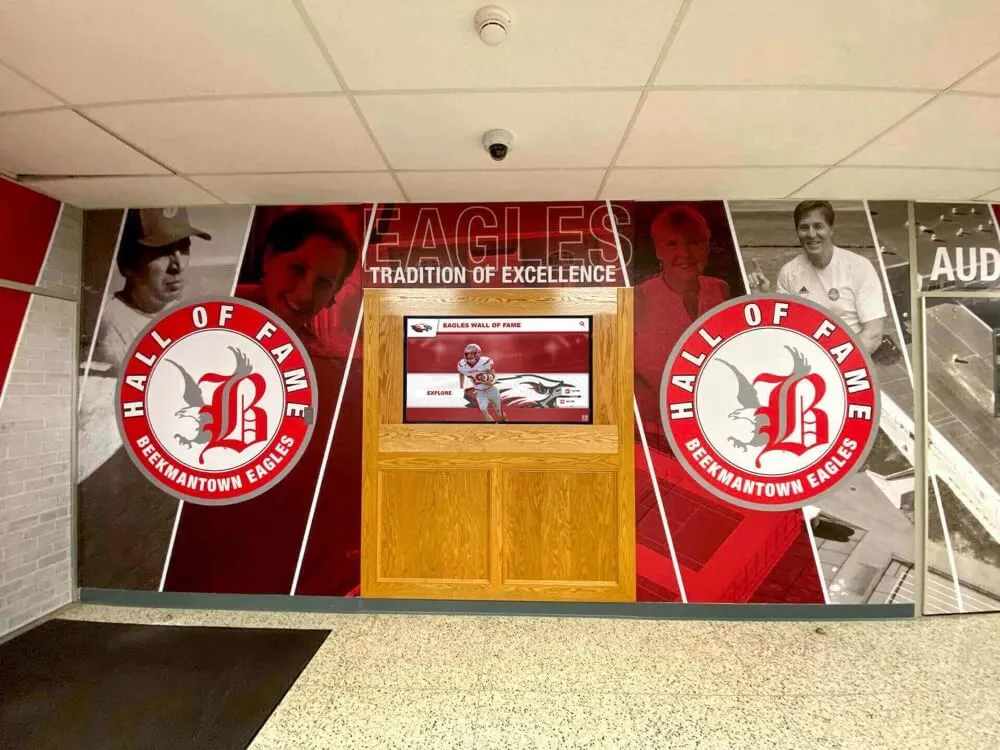
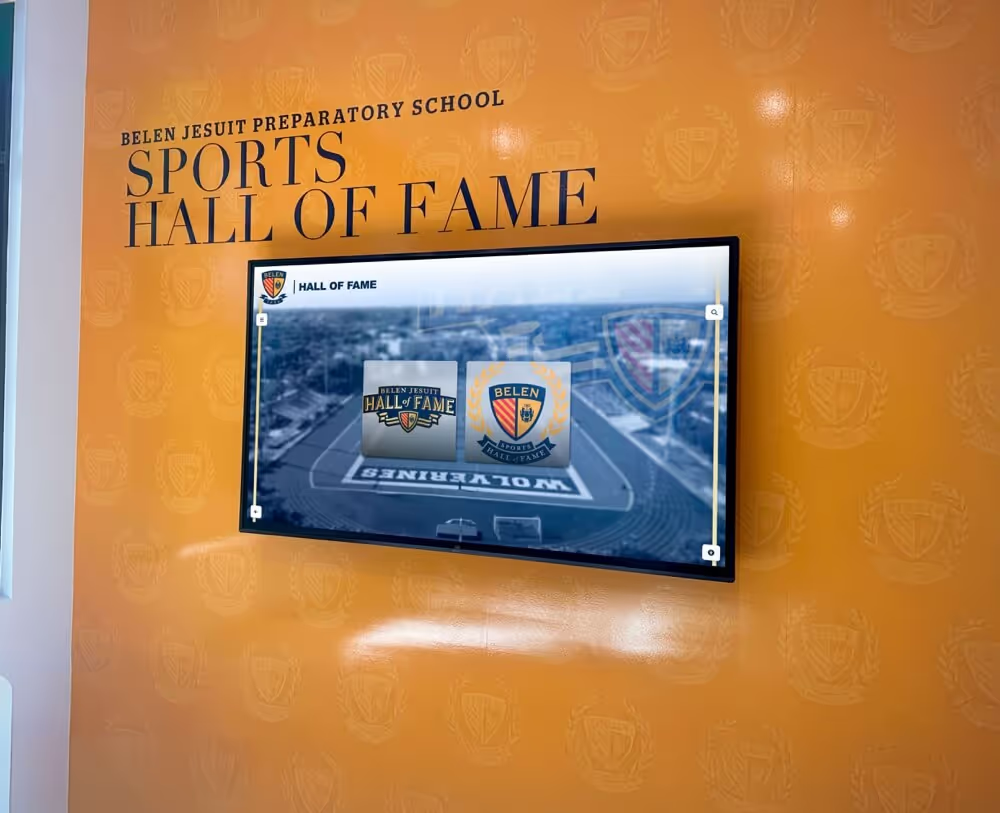
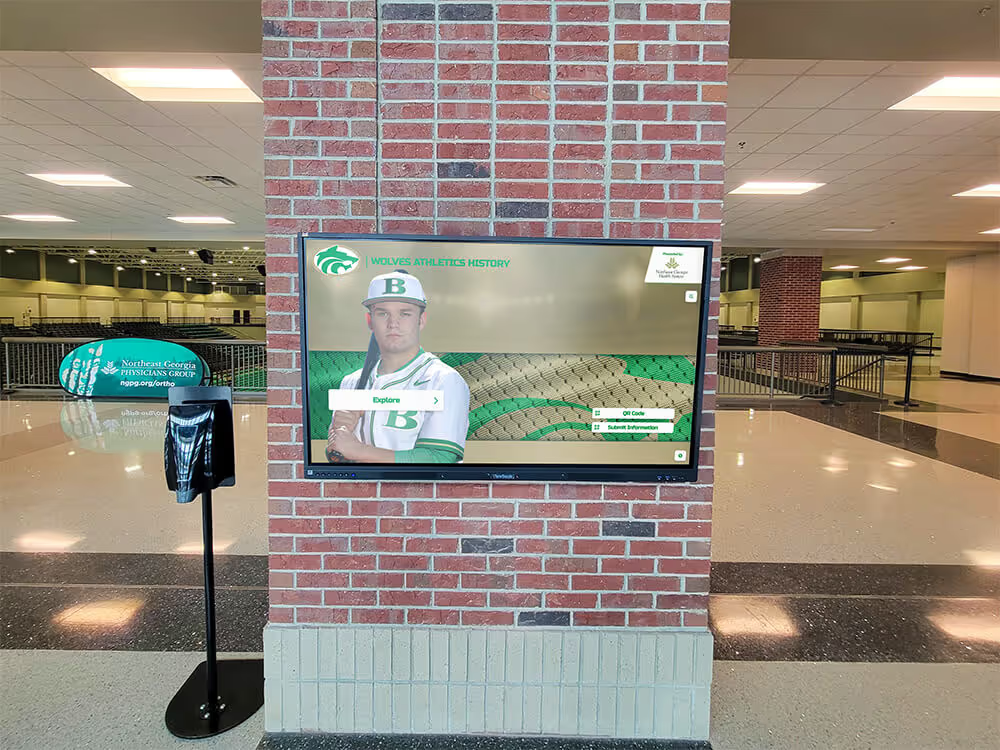
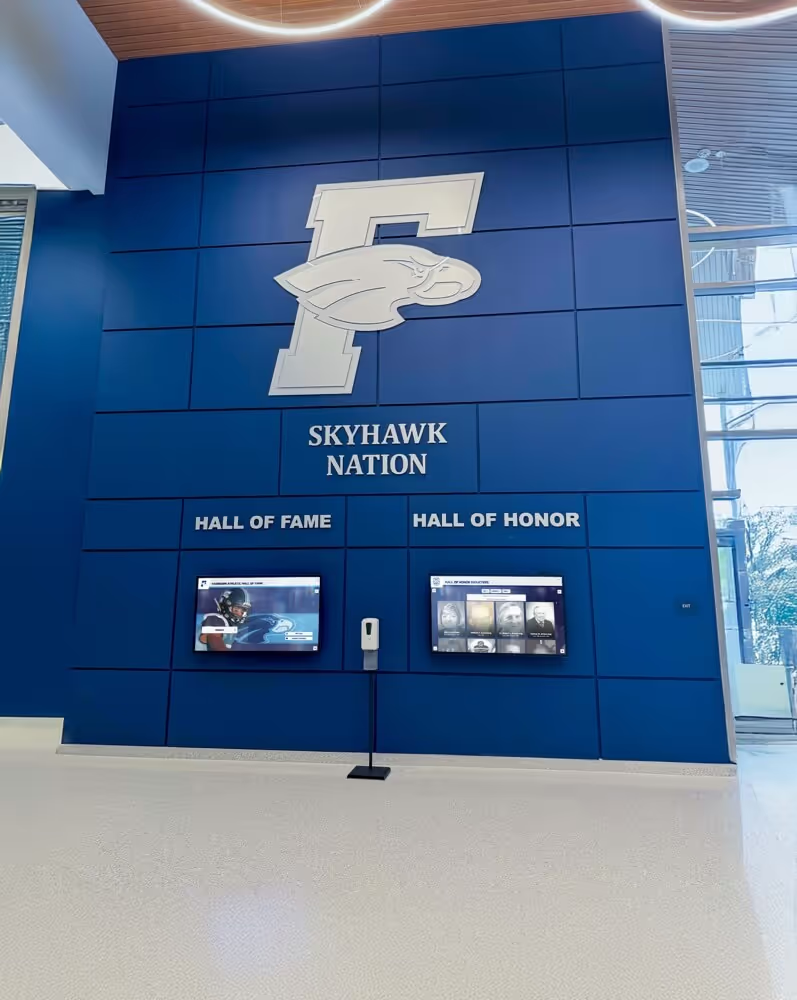
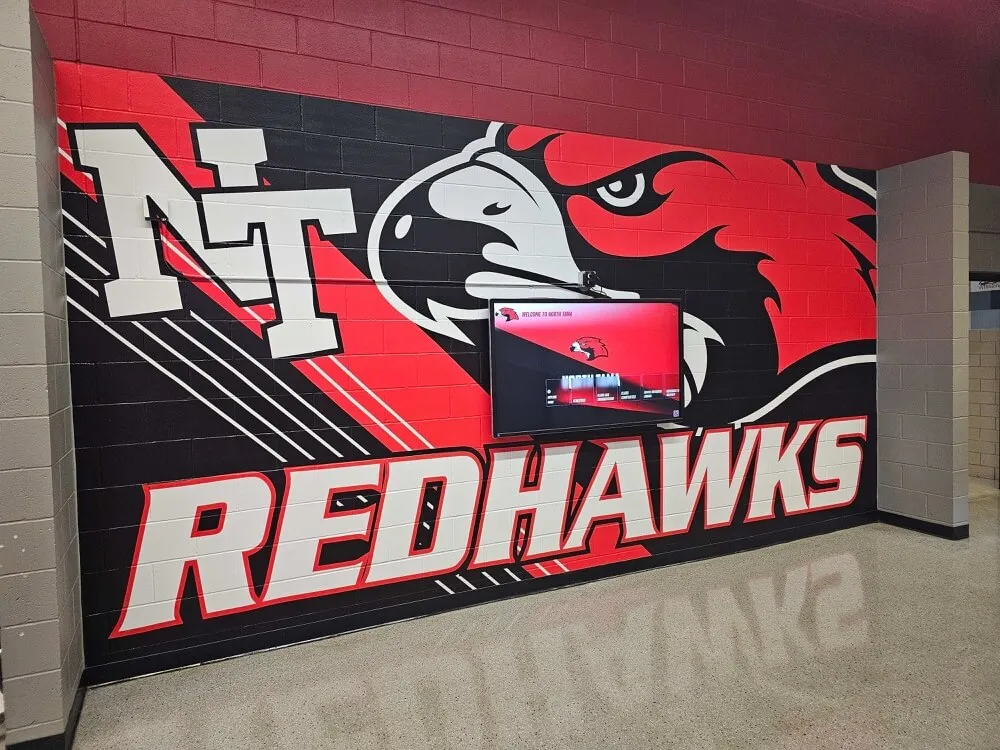
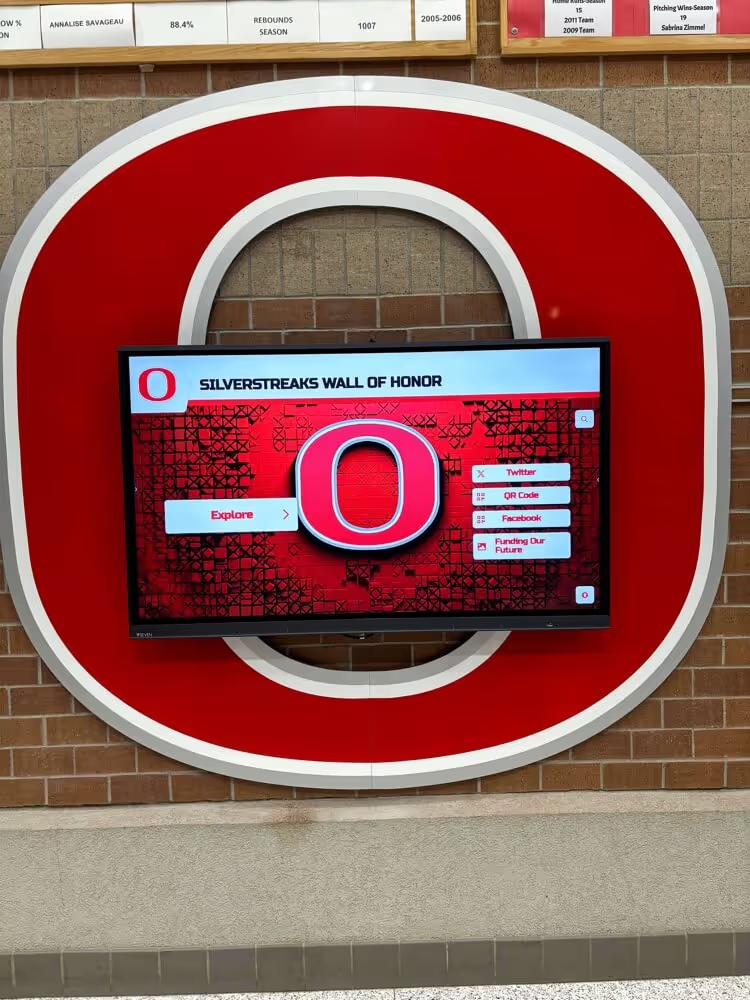
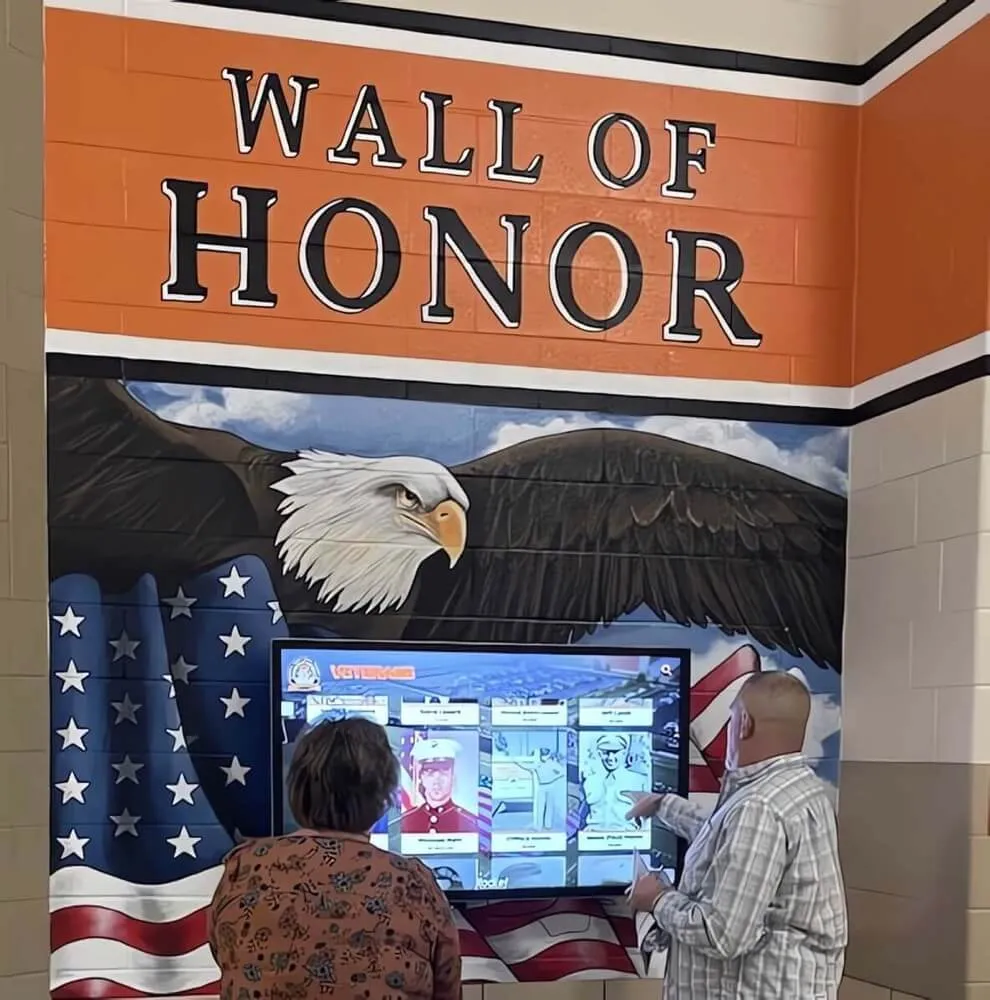
Modern athletic facilities and school entrances increasingly feature large interactive touchscreens creating engaging recognition experiences that draw visitors into exploration and discovery.
Engagement Through Interactivity: Touchscreens invite participation in ways static trophy cases never achieve. Students waiting for practices, families attending events, and alumni touring facilities naturally explore interactive content, spending significantly more time engaging with recognition than they would glancing at traditional cases. This extended engagement creates stronger connections to program history and culture.
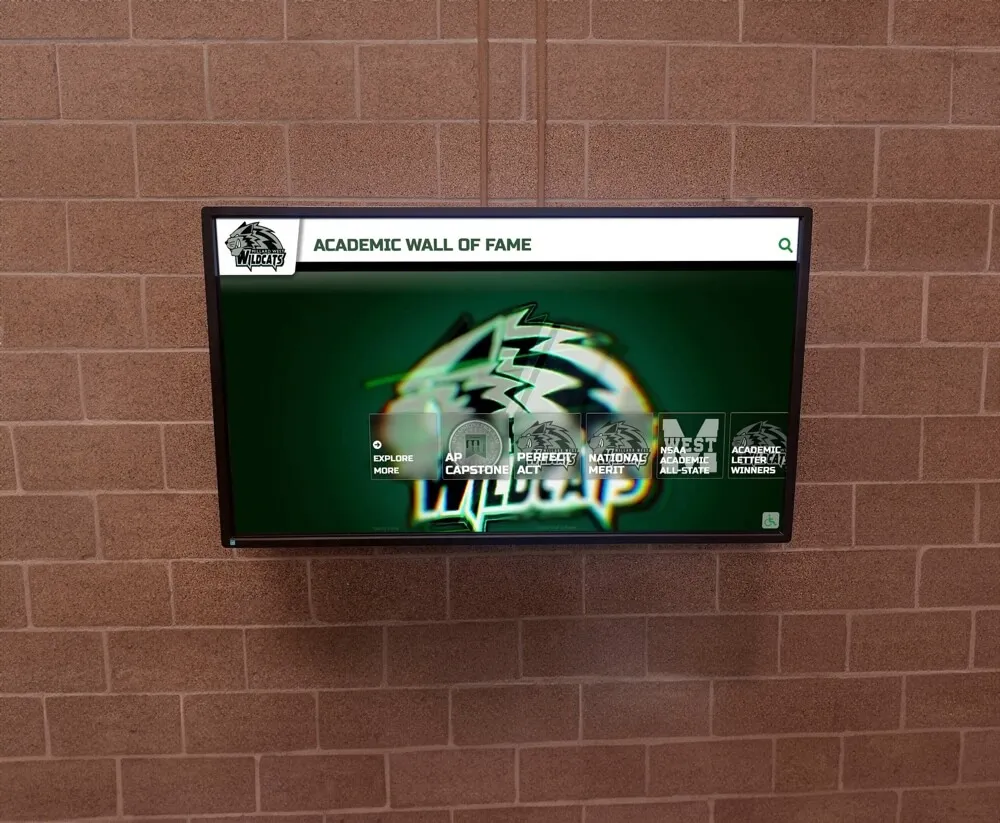
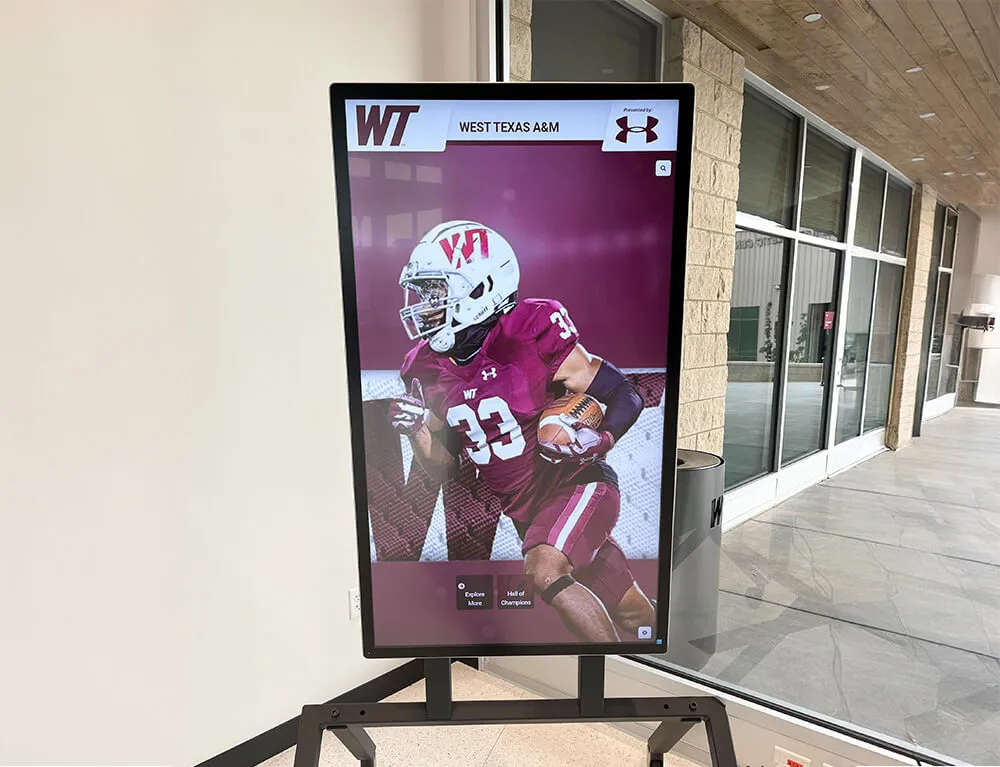
Comprehensive Recognition Beyond Trophies: Digital systems showcase far more than championship trophies—individual athlete profiles, season statistics, coaching histories, facility evolution, and program traditions. Recognition becomes holistic program celebration rather than isolated trophy display. Many institutions leverage these platforms for both athletic achievement displays and academic recognition.
Solutions Like Rocket Alumni Solutions: Platforms such as Rocket Alumni Solutions provide purpose-built digital recognition systems specifically designed for schools and athletic programs. These solutions combine commercial-grade touchscreen hardware, intuitive cloud-based content management, comprehensive multimedia integration, and mobile accessibility—creating modern recognition infrastructures that celebrate achievements more comprehensively than traditional trophy cases while eliminating space constraints and accessibility limitations.
Web-Based and Mobile Recognition Platforms
Beyond physical installations, web-based recognition systems extend trophy case visibility globally, allowing anyone with internet access to explore institutional achievement regardless of physical location.
Always-Accessible Recognition: Alumni living anywhere can explore their championships and reconnect with program history without visiting campuses. Prospective students and families research athletic programs before recruitment visits. Community members celebrate local achievements from home. This accessibility multiplies recognition impact far beyond what physical trophy cases confined to specific building locations can achieve.
Social Sharing and Amplification: Digital recognition integrates sharing features allowing athletes and families to share achievements through social media platforms. This organic amplification extends recognition reach to athletes’ personal networks, creating broader awareness and program visibility that physical displays never generate.
Recruitment and Marketing Value: Comprehensive digital achievement archives become powerful recruitment tools. Prospective student-athletes researching programs explore championship histories, view previous athletes’ careers, and assess program quality through achievement documentation. This research capability provides competitive advantages in recruiting conversations while showcasing program excellence to broader audiences.
Hybrid Approaches: Combining Physical and Digital Recognition
The most effective modern recognition strategies often integrate traditional physical trophy cases with digital systems, leveraging strengths of both approaches rather than treating them as competing alternatives.
Selective Physical Trophy Display
Maintain traditional trophy cases for the most prestigious or historically significant achievements while implementing comprehensive digital systems that recognize all accomplishments.
Championship and Milestone Focus: Physical cases might display only conference championships, state titles, national qualifications, and record-breaking achievements—truly exceptional accomplishments worthy of prominent physical recognition. Complement these selective displays with digital systems documenting all team achievements, individual records, and program milestones that physical space constraints prevent from being displayed.
Historical Trophy Preservation: Use physical cases for irreplaceable historical trophies from program founding eras or legendary teams deserving special reverence. These artifacts carry significance beyond merely commemorating championships—they represent tangible connections to institutional heritage worth preserving and displaying physically. Digital systems then document complete histories including items not displayed physically.
Visual Impact and Digital Depth: Physical trophies create immediate visual impact communicating excellence through tangible presence and quantity. Digital systems add depth, context, and accessibility that physical displays lack. Together, they create comprehensive recognition ecosystems serving different purposes effectively.
QR Code Integration Connecting Physical and Digital
Bridge physical trophy cases and digital content through QR codes linking tangible awards to multimedia documentation and expanded information.
Trophy Label QR Codes: Attach QR codes to trophy labels or case placards. Visitors scanning codes with smartphones immediately access championship game videos, season statistics, complete team rosters with individual athlete profiles, historical context, and related achievements. This connection transforms brief trophy case observations into extended engagement with rich content.
Wayfinding Between Physical and Digital: Use physical trophy cases to drive awareness of comprehensive digital systems. Signage near cases directs visitors to touchscreen displays, mobile apps, or websites where they can explore complete achievement databases that physical space prevents from being fully displayed. This wayfinding ensures audiences discover digital resources complementing physical installations.
Architectural Integration of Multiple Recognition Modes
Design spaces that seamlessly combine traditional trophy cases, digital touchscreens, donor walls, and other recognition formats into cohesive environments rather than treating each as independent elements.
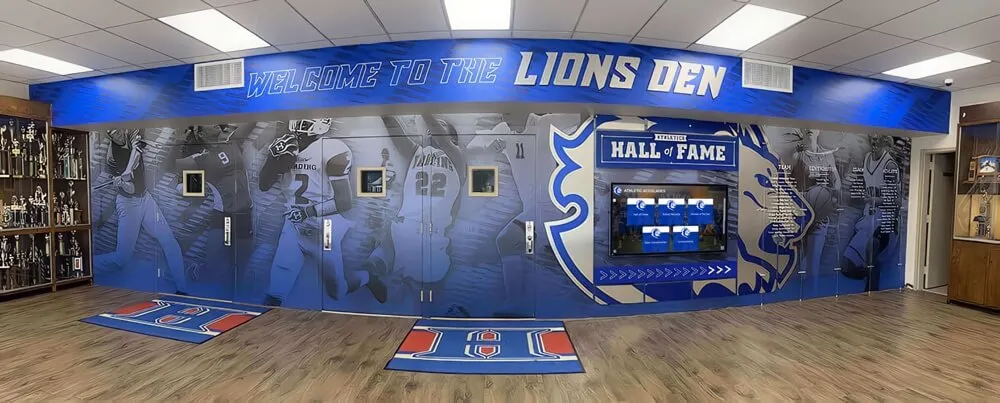
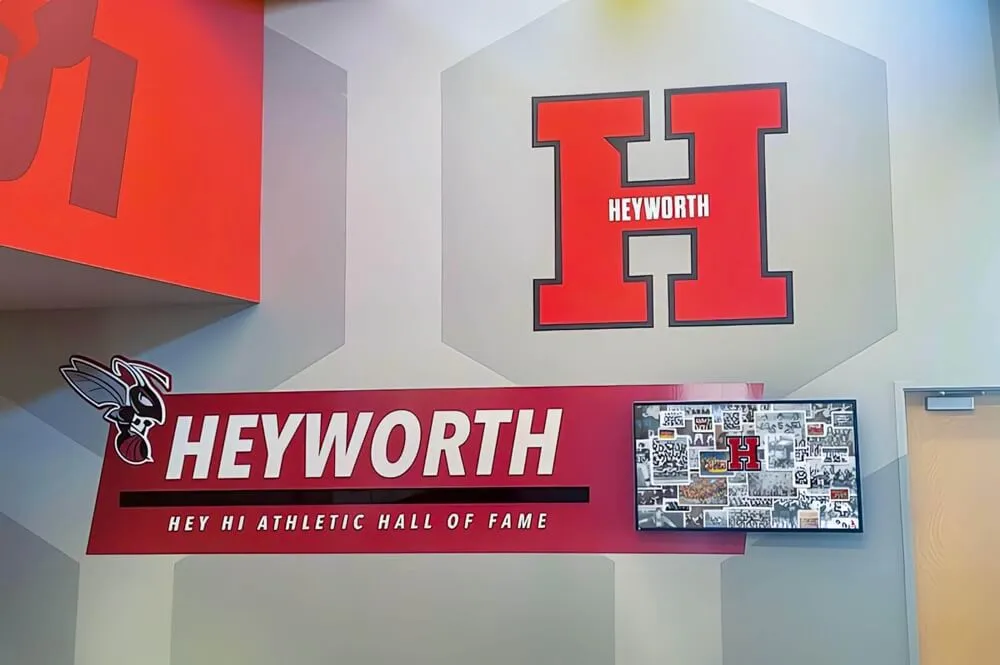
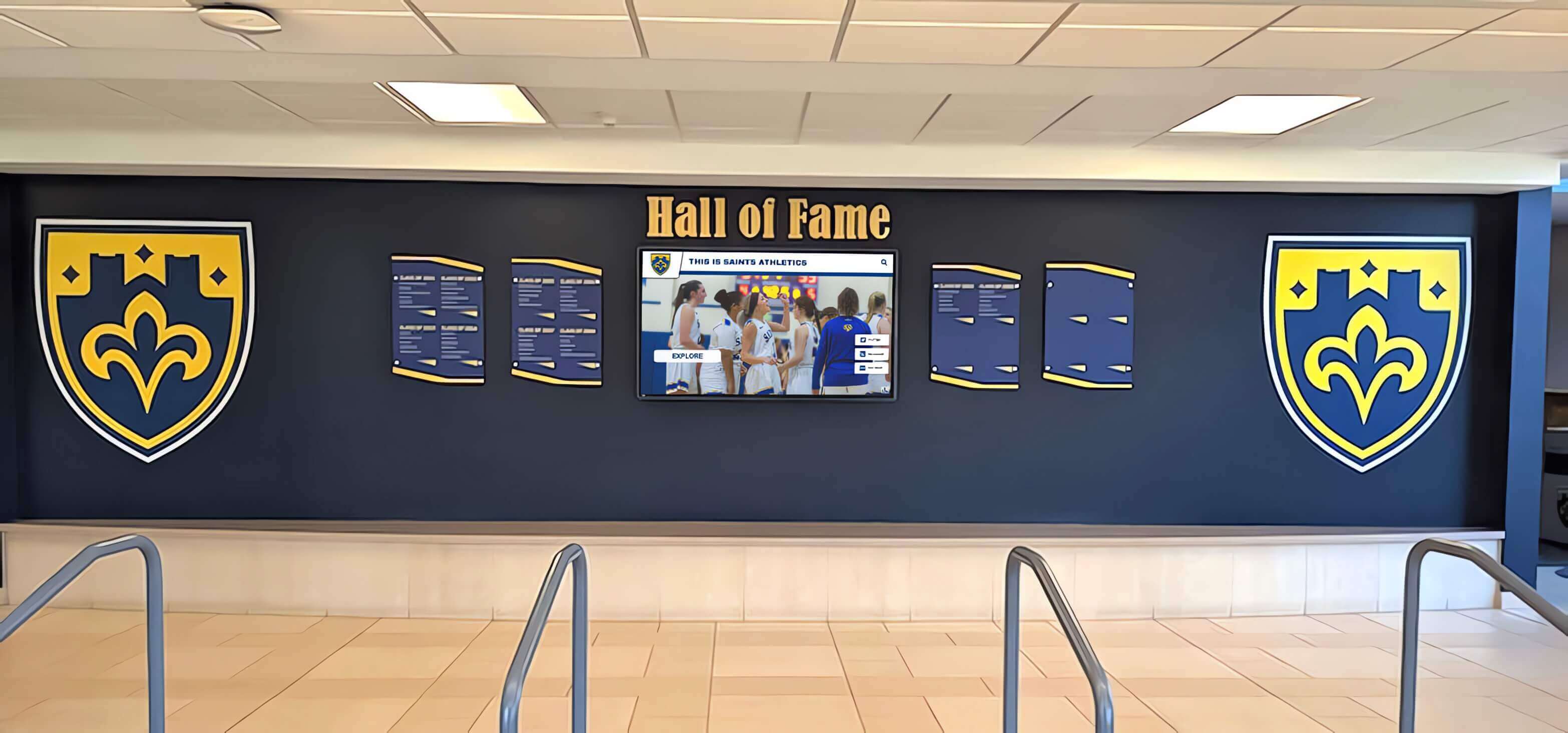
Recognition Gallery Environments: Transform entire spaces into multi-modal recognition galleries. Traditional trophy cases display championship hardware, interactive touchscreens provide searchable achievement databases, wall murals celebrate program identity, and donor recognition displays acknowledge supporters who make programs possible. These comprehensive environments create destination spaces where stakeholders gather, celebrate, and connect with program culture.
Coordinated Design Aesthetics: Ensure physical cases and digital displays share cohesive design languages—matching color schemes, consistent branding, complementary materials, and unified visual identity. Cohesion makes spaces feel intentionally designed rather than cobbled together from disconnected elements added across different projects and eras.
Planning and Implementing Trophy Case Projects
Whether installing traditional cases, upgrading existing displays, or implementing digital alternatives, thoughtful planning ensures projects achieve objectives while avoiding common pitfalls.
Assessing Space and Placement Considerations
Trophy case effectiveness depends significantly on location, visibility, and integration within broader facility contexts.
High-Traffic vs. Destination Locations: Lobby and entrance placements maximize exposure as all facility visitors naturally pass displays. These high-traffic locations ensure broad awareness but may receive only brief attention as people transit through spaces. Dedicated recognition rooms or halls create destinations inviting extended engagement but require intentional visits rather than benefiting from natural traffic patterns. Most successful approaches combine both—prominent entrance displays providing immediate visibility with more extensive installations in adjacent dedicated spaces for those wanting deeper engagement.
Lighting and Environmental Factors: Natural light through windows creates appealing illumination but can cause glare on glass cases or fade awards through UV exposure. Artificial lighting provides control but requires electrical infrastructure and ongoing energy costs. Climate considerations matter—is the space climate-controlled year-round protecting awards from temperature and humidity fluctuations, or do environmental variations risk deterioration over time?
Accessibility and ADA Compliance: Ensure trophy cases meet accessibility standards. Display heights should allow viewing from wheelchairs. Interactive touchscreens require positioning and interface design accommodating users with various abilities. Adequate pathway width around freestanding cases prevents accessibility barriers. Many schools coordinate these installations with broader athletic facility design planning to ensure cohesive, accessible environments.
Budget Planning Across Recognition Approaches
Understanding cost implications helps align recognition ambitions with financial realities while identifying creative funding strategies.
Traditional Trophy Case Costs: Standard wall-mounted cases range from $2,000-8,000 per unit depending on size, materials, and customization. Custom architectural installations can exceed $50,000 for extensive multi-case systems with integrated lighting and specialized features. Freestanding cases typically cost $3,000-15,000 based on size and sophistication.
Digital System Investments: Interactive touchscreen systems typically require $15,000-40,000 initial investments including commercial-grade touchscreen hardware (typically 55-75 inch displays), specialized recognition software platforms, professional content development for initial launch, installation and integration, and staff training on content management systems.
Ongoing Operating Costs: Traditional cases require periodic cleaning, maintenance, and updating—costs often underestimated but accumulating over years. Digital systems involve software subscription fees (typically $3,000-8,000 annually), technical support, content management time, and occasional hardware maintenance or replacement. However, digital updates cost far less than producing new plaques or reorganizing physical cases, often making digital systems more cost-effective long-term despite higher initial investments.
Creative Funding Approaches: Many institutions fund recognition projects through athletic boosters, alumni association support, corporate sponsorships, capital campaigns, naming rights for recognition spaces, or memorial giving programs allowing families to fund displays honoring deceased athletes or coaches. Framing recognition as giving opportunities often generates funding that general operating budgets cannot accommodate.
Content Strategy and Organization
Effective displays require thoughtful content organization helping audiences understand achievements while creating visually appealing presentations.
Sport-Based Organization: Group trophies by sport creating clear sections for basketball championships, football achievements, volleyball recognition, and other programs. This organization helps visitors locate specific sports quickly while ensuring balanced representation across programs. However, sport-based approaches sometimes create perceived hierarchies when high-profile sports receive larger sections or more prominent placements.
Chronological Organization: Arrange trophies by year or era creating visual timelines documenting program evolution. This approach clearly shows competitive patterns—dominant periods, rebuilding phases, and sustained excellence across decades. Chronological organization works particularly well for programs with rich histories spanning many generations.
Achievement-Type Organization: Group by recognition level—conference championships in one section, state titles in another, national qualifications separately. This approach emphasizes achievement significance while creating aspiration ladders showing progression from conference success through state and national recognition.
Maintenance and Long-Term Sustainability
Recognition displays require ongoing attention remaining effective rather than deteriorating into cluttered, outdated installations that detract rather than enhance facilities.
Regular Cleaning Protocols: Establish scheduled cleaning preventing dust accumulation, fingerprint smudges on glass, and general deterioration. Assign specific staff responsibility rather than assuming maintenance happens naturally—unassigned tasks rarely get completed consistently.
Update and Refresh Cycles: Plan how frequently to add new achievements, rotate displayed items, or refresh presentations. Annual updates aligned with award banquets or end-of-year athletic assemblies create natural rhythms ensuring displays remain current. Document update procedures so transitions in athletic director or facilities management don’t disrupt continuity.
Historical Documentation: Photograph trophy case contents periodically creating historical records. As displays evolve and older items are removed or relocated, this documentation preserves institutional memory about what was displayed when, helping future historians understand program history and recognition evolution.
Conclusion: Creating Recognition That Inspires Excellence
Trophy cases serve purposes far beyond storing awards—they communicate institutional values, inspire current students and athletes, connect generations through shared achievement celebration, and create tangible program legacy that builds tradition and culture. Whether implementing traditional trophy cases, exploring creative physical display innovations, or embracing modern digital recognition systems, thoughtful approaches ensure achievements receive visibility and celebration they deserve.
The specific solutions you choose matter less than the underlying commitment they represent—ensuring excellence receives meaningful recognition that motivates continued achievement while honoring those who preceded current students. Traditional trophy cases still serve valuable purposes in many contexts, particularly when showcasing historically significant awards or creating architectural focal points in renovated facilities.
However, expanding programs with continuous achievement accumulation increasingly find traditional cases insufficient for comprehensive recognition needs. Digital systems address these limitations through unlimited capacity, rich multimedia storytelling, global accessibility, and ease of updates that physical cases cannot match. Hybrid approaches combining selective physical trophy displays with comprehensive digital recognition often provide optimal solutions—preserving traditional aesthetics and tangible award presence while ensuring every achievement receives appropriate documentation and celebration.
Transform Your Trophy Case and Recognition Strategy
Ready to elevate how your institution celebrates athletic and academic achievement? Whether you’re planning traditional trophy case installations, exploring creative physical display solutions, or investigating modern digital alternatives that eliminate space constraints while enhancing engagement, Rocket Alumni Solutions provides comprehensive recognition platforms designed specifically for schools, universities, and athletic programs. Our solutions combine interactive touchscreen displays, unlimited digital recognition capacity, multimedia integration, cloud-based accessibility, and intuitive content management—creating recognition systems that inspire current students while maintaining lasting connections with alumni and institutional traditions. Every achievement deserves celebration—discover how modern recognition technology makes comprehensive, engaging achievement display possible.