



When a beloved coach retires after 30 years, when a team achieves something unprecedented, or when a community member passes leaving an extraordinary legacy—these moments demand more than generic recognition. They require tributes that truly capture impact, preserve memory, and inspire future generations.
Creating meaningful tributes challenges even experienced administrators because the stakes feel impossibly high. How do you adequately honor decades of service in a single display? What tribute format will remain relevant and accessible for years to come? Which elements transform a simple recognition into something genuinely memorable?
This comprehensive guide provides proven tribute examples across schools, athletic programs, and organizations while exploring frameworks that help you create tributes worthy of the people and achievements they celebrate.
Understanding Different Types of Tributes
Before exploring specific examples, understanding the distinct types of tributes helps match the right approach to your recognition needs.
Memorial Tributes
Memorial tributes honor individuals who have passed away, preserving their legacy while providing spaces for community grieving and celebration of life.
Key characteristics:
- Permanent and enduring presence
- Biographical storytelling emphasizing impact
- Often include community contribution opportunities
- Balance celebration with reverence
- Create gathering spaces for remembrance
Memorial tributes serve dual purposes—honoring the deceased while supporting the living through tangible connection points to lost community members. Custom memorial plaque ideas range from traditional engraved plaques to comprehensive digital memorial displays featuring photos, videos, and community memories.
Achievement Tributes
Achievement tributes celebrate specific accomplishments—championship seasons, record-breaking performances, groundbreaking innovations, or milestone achievements that deserve permanent recognition.
Key characteristics:
- Focus on specific moments or accomplishments
- Document context and significance
- Often include statistics or performance data
- Capture the journey to achievement
- Connect individual excellence to team or institutional success
Athletic programs frequently create achievement tributes for state championship teams, record holders, or unprecedented competitive success. Academic institutions recognize research breakthroughs, innovative programs, or institutional firsts that advanced their mission significantly.

Service Tributes
Service tributes acknowledge sustained contribution over time—retiring staff members, long-serving volunteers, dedicated coaches, or community leaders whose consistent effort strengthened organizations and touched countless lives.
Key characteristics:
- Emphasize sustained commitment over time
- Document breadth of impact across years
- Include testimonials from those served
- Highlight character and values demonstrated
- Often mark transitions (retirement, role changes)
Service tributes present unique storytelling challenges because impact accumulates gradually across years rather than occurring in single dramatic moments. The most effective service tributes capture both quantitative scope (30 years, 500 students coached, 1,000 volunteer hours) and qualitative impact through specific stories illustrating the honoree’s influence.
Legacy Tributes
Legacy tributes celebrate ongoing influence that extends beyond individual achievements—program founders, transformational leaders, or pioneers whose vision shaped institutional direction for generations.
Key characteristics:
- Connect past contributions to present reality
- Document long-term organizational impact
- Show evolution and growth from foundations established
- Often include “then and now” comparisons
- Inspire current members through historical perspective
These tributes work particularly well when anniversaries, facility dedications, or program milestones create natural recognition opportunities connecting historical foundations to contemporary success.
Tribute Examples for Schools and Educational Institutions
Educational institutions regularly face tribute needs across diverse contexts—from honoring distinguished educators to commemorating historical milestones.
Teacher and Faculty Tributes
Example 1: Retiring Teacher Career Retrospective
When Mrs. Henderson retired after 35 years teaching English, her school created a comprehensive tribute featuring:
- Timeline of her career with photos from each decade
- Video compilation of former students sharing how she influenced their lives
- Display of her creative teaching methods and innovative curriculum
- Collection of thank-you letters from students across 35 years
- Her favorite quotes about education and learning
- Interactive component allowing community members to add memories
This approach transformed a simple retirement recognition into a teaching tool demonstrating educational impact’s ripple effects across generations.
Example 2: Memorial Tribute for Beloved Principal
Following the unexpected passing of a principal who served for 18 years, the school community created a living memorial including:
- Scholarship fund in his name for students demonstrating leadership
- Dedicated reflection garden with engraved stone featuring his educational philosophy
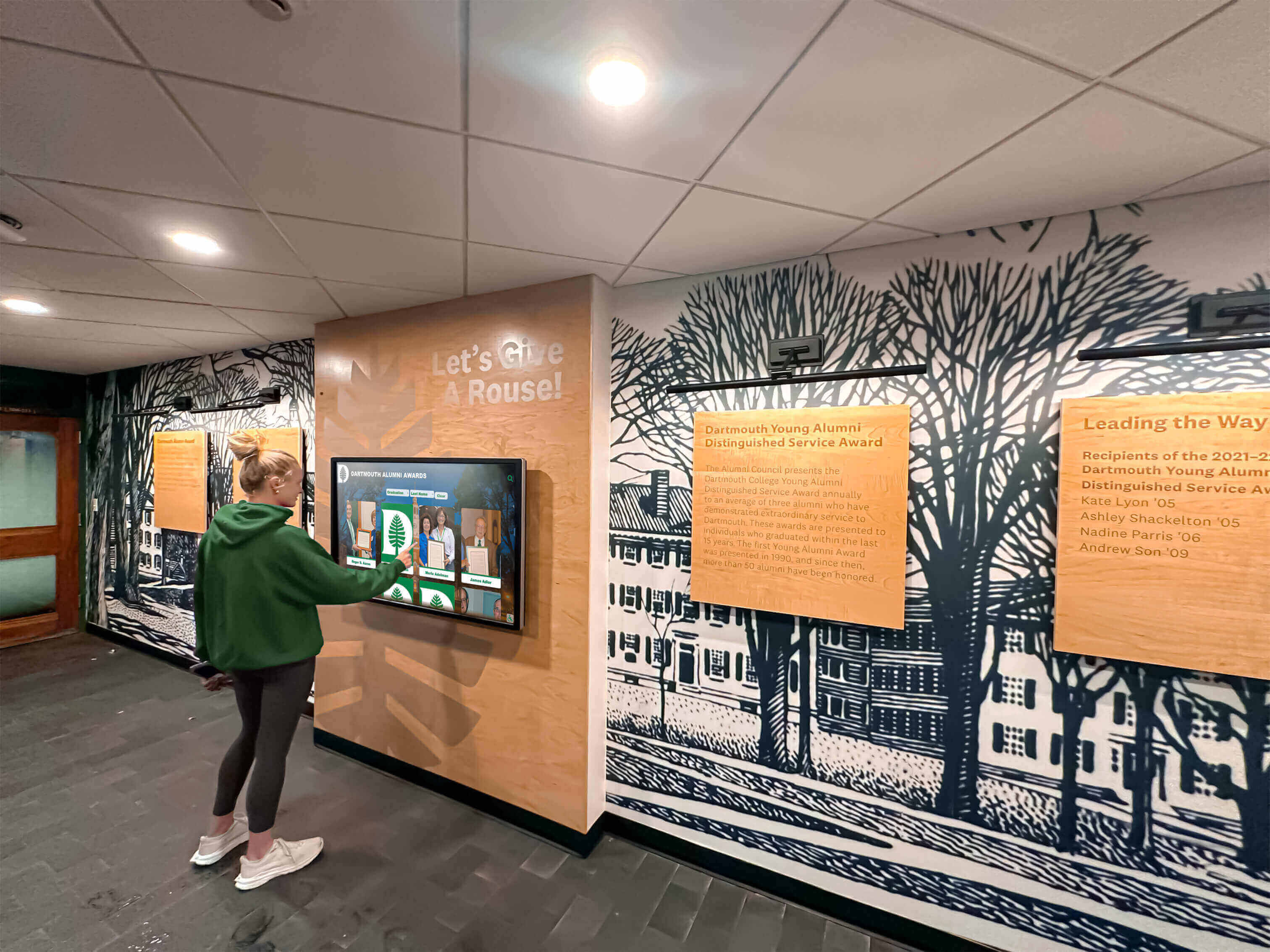
- Digital memorial display in the main entrance featuring photos, videos, and community memories
- Annual leadership award presented during graduation
- Archived recordings of his inspirational speeches to staff and students
The multi-faceted approach provided various ways for community members to process grief while celebrating his transformative leadership.
Student Achievement Tributes
Example 3: Valedictorian Recognition Wall
Many schools create permanent recognition for top academic achievers through:
- Annual addition of valedictorians and salutatorians
- Photos with graduation year
- University attendance information
- Current career or graduate school status
- Brief statement about educational philosophy or advice for current students
- Academic excellence displays showcasing the progression of academic achievement
This ongoing tribute creates aspirational targets for current students while documenting the school’s history of academic excellence.
Example 4: Scholar-Athlete Recognition
Comprehensive tributes honoring students who excelled both academically and athletically:
- Multi-sport participation documentation
- Academic honors and GPA achievements
- Leadership roles in student organizations
- College scholarship information
- Post-graduation success in careers combining intellectual and athletic discipline
- Personal reflections on balancing academic and athletic excellence
These tributes demonstrate institutional values celebrating well-rounded achievement rather than single-dimensional success.
School History and Milestone Tributes
Example 5: Centennial Anniversary Tribute
Schools celebrating major anniversaries often create comprehensive historical tributes featuring:
- Decade-by-decade timeline of institutional evolution
- Architectural changes with then-and-now photo comparisons
- Notable alumni from each era
- Changing educational approaches and curriculum
- Community context showing broader social changes
- Digital history archives preserving historical documents and photos
- Interactive elements allowing community members to share memories
Anniversary tributes serve educational purposes beyond recognition, teaching current students about institutional legacy and community history.
Tribute Examples for Athletic Teams and Programs
Sports create natural tribute opportunities through championships, records, and individual athletic excellence that inspire team pride and competitive drive.
Championship Team Tributes
Example 6: State Championship Team Recognition
After winning their first state championship in school history, the basketball program created a comprehensive tribute including:
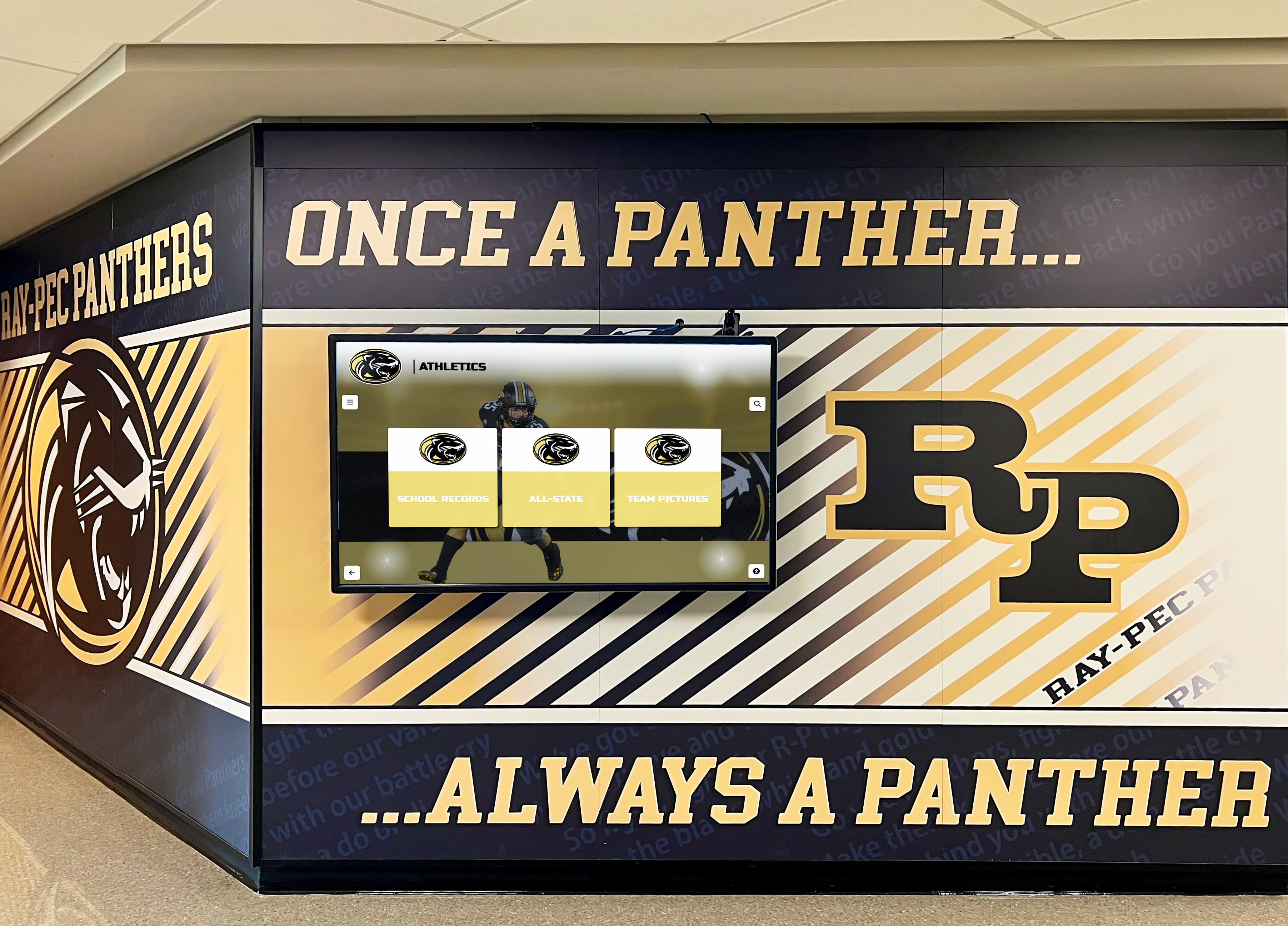
- Life-size team photo mural in the gymnasium
- Individual player profiles with statistics and college destinations
- Season timeline documenting the championship journey
- Game-by-game results with highlights from critical victories
- Coach biography and career achievements
- Video highlights from championship game accessible via QR code
- Display of championship trophy, medals, and newspaper coverage
This multi-element approach transformed a single achievement into an enduring inspiration for future teams.
Example 7: Dynasty Program Recognition
Programs achieving sustained excellence often create tributes celebrating multiple championships:
- Championship banners hanging chronologically
- Combined record and achievement statistics across championship years
- Common elements connecting championship teams (coaches, training approaches, program values)
- Notable individual players who contributed to championship success
- Team celebration displays documenting the program’s culture of excellence
Individual Athlete Tributes
Example 8: Record-Breaking Athlete Recognition
When athletes set school records that stand for years, comprehensive tributes might include:
- Comparison to previous record with context about improvement
- Career statistics and progression showing development
- Photos from record-breaking performance
- Coach and teammate testimonials
- Post-high school athletic career information
- Personal reflection on what the achievement meant
- Connection to training approach or program philosophy
Individual athlete tributes work best when they balance celebrating exceptional talent with demonstrating the work ethic and character that enabled achievement.
Example 9: Multi-Sport Athlete Excellence
Tributes honoring athletic versatility across multiple sports:
- Sport-by-sport achievement breakdown
- Unique challenges of excelling in multiple athletic disciplines
- Time management and dedication required
- How skills transferred between sports
- College athletic participation decision
- Advice for current multi-sport athletes
These tributes serve strategic purposes for athletic departments encouraging broad sports participation rather than early specialization.
Coaching Tributes
Example 10: Retiring Coach Career Recognition
After 25 years as head football coach, comprehensive tribute elements included:
- Career win-loss record and championship appearances
- Notable players coached and their post-high school success
- Coaching philosophy and program values
- Evolution of the program under his leadership
- Video testimonials from former players
- Impact beyond athletics (graduation rates, college attendance, character development)
- Coaching recognition displays celebrating both competitive success and mentorship
Effective coaching tributes acknowledge that impact extends far beyond wins and losses to encompass character development and life preparation.
Tribute Examples for Organizations and Businesses
Corporate, nonprofit, and community organizations create tributes honoring founders, major donors, transformational leaders, and milestone achievements.
Founder and Pioneer Tributes
Example 11: Nonprofit Organization Founder Recognition
When celebrating a nonprofit’s 50th anniversary, the founder tribute included:
- Biography highlighting the community need that inspired founding
- Timeline of organizational growth from inception to present
- Statistical impact (people served, programs created, community change)
- Photos documenting evolution of services and facilities
- Founder’s vision statement with reflection on how vision manifested
- Current leadership perspective on founder’s lasting influence
- Testimonials from early beneficiaries and volunteers
This tribute connected historical origins to contemporary mission, reinforcing organizational identity and inspiring continued commitment.
Donor Recognition Tributes
Example 12: Major Donor Wall of Honor
Organizations frequently create permanent donor recognition featuring:
- Tiered recognition levels (Platinum, Gold, Silver, Bronze)
- Cumulative giving amounts or giving duration
- Photos and brief biographies of major donors
- Statements about why donors support the organization
- Impact stories showing how donations created change
- Interactive elements allowing donors to share motivations
- Digital donor recognition that updates as giving levels change
Effective donor tributes balance appreciation with demonstrating impact, showing donors how their generosity translated into meaningful outcomes.
Employee Service Tributes
Example 13: Long-Service Employee Recognition
When a 40-year employee retired, the company created a tribute including:
- Career timeline showing role evolution and increasing responsibility
- Major company milestones they participated in or led
- Innovations or improvements they implemented
- Mentorship relationships and employees they developed
- Personal interests and community involvement
- Video interviews with colleagues and those they mentored
- Retiring staff tribute displays celebrating their comprehensive contributions
Service tributes work best when they show both professional achievements and personal qualities that made the individual valued beyond their job description.
Community Impact Tributes
Example 14: Volunteer Leader Recognition
Tributes honoring exceptional volunteer contributions:
- Scope of volunteer service (hours, years, roles)
- Specific programs or initiatives led
- Community testimonials about impact
- Before-and-after comparisons showing change created
- Values and motivations driving service
- How volunteer involvement influenced personal life
- Encouragement for others to pursue similar service
These tributes inspire continued volunteerism by demonstrating that individual commitment creates meaningful community change.
Creating Effective Tribute Content: A Framework
Regardless of tribute type or context, effective tributes share common structural elements that transform simple recognition into meaningful, memorable experiences.
The Complete Story Arc
Beginning: Context and Origins Effective tributes establish context before celebrating achievement:
- Who was this person before the achievement being honored?
- What circumstances, challenges, or opportunities existed?
- What formative experiences shaped their approach?
- How did their journey begin?
Middle: The Journey and Challenges The path to achievement provides compelling narrative:
- What obstacles did they overcome?
- What choices or pivotal moments shaped outcomes?
- Who supported, mentored, or influenced them?
- How did they develop necessary skills or characteristics?
- What setbacks did they face and overcome?
End: Achievement and Impact The tribute culminates in celebrating accomplishment and lasting influence:
- What specific achievements merit recognition?
- Why do these achievements matter?
- Who benefited from their contributions?
- What legacy continues beyond their direct involvement?
- How does their example inspire others?
Essential Tribute Components
Biographical Information Foundational facts providing context:
- Full name and relevant dates
- Roles, positions, or affiliations
- Educational background when relevant
- Family or personal context as appropriate
- Current status or location
Achievement Documentation Specific accomplishments being honored:
- Detailed description of achievements
- Context showing significance
- Quantifiable outcomes when relevant
- Comparison to previous standards or norms
- Recognition or awards received
Personal Qualities and Character Humanizing elements creating connection:
- Values and principles demonstrated
- Personality traits others remember
- Relationships and mentorships
- Interests beyond primary achievements
- Motivations and driving purposes
Impact and Legacy Demonstrating lasting influence:
- Immediate effects of contributions
- Long-term organizational or community changes
- Individuals influenced or inspired
- Continuing relevance today
- How others can follow similar paths
Multimedia Elements Content enriching text-based tributes:
- High-quality photos from different life stages
- Video interviews or recorded reflections
- Audio recordings of speeches or presentations
- Scanned historical documents or articles
- Contemporary updates showing current status
Choosing the Right Tribute Format
The most effective tribute format depends on your specific context, resources, and objectives.
Traditional Physical Tributes
Plaques and Engraved Displays
Advantages:
- Timeless, formal appearance
- Permanent and durable
- No technical maintenance required
- Traditional gravitas and respectability
Limitations:
- Space constraints limit content
- Updates require new plaques
- No multimedia capabilities
- Limited storytelling depth
- Eventual capacity constraints
Physical plaques work well for formal institutional settings where tradition and permanence outweigh flexibility and comprehensive storytelling.
Memorial Spaces and Dedicated Areas
Advantages:
- Create gathering places for reflection
- Can incorporate multiple tribute elements
- Physical environment enhances emotional impact
- Accommodate various tribute formats
Limitations:
- Require significant space and location
- Higher initial costs for space development
- Ongoing maintenance needs
- Less accessible to remote community members
Memorial gardens, reflection rooms, or dedicated hallways serve communities seeking physical spaces for connection and remembrance.
Modern Digital Tributes
Interactive Touchscreen Displays
Advantages:
- Unlimited content capacity
- Rich multimedia storytelling
- Instant updates and additions
- Searchable databases
- Engagement analytics
- Accessible to diverse abilities
- Cost-effective for large-scale recognition
Limitations:
- Require technical infrastructure
- Ongoing software costs
- Need content management commitment
- Depend on technology reliability
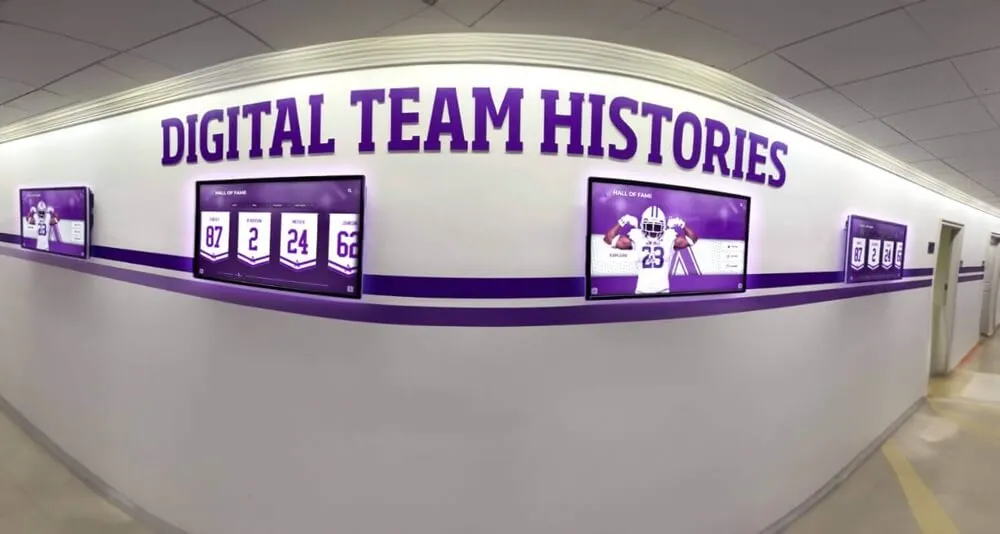
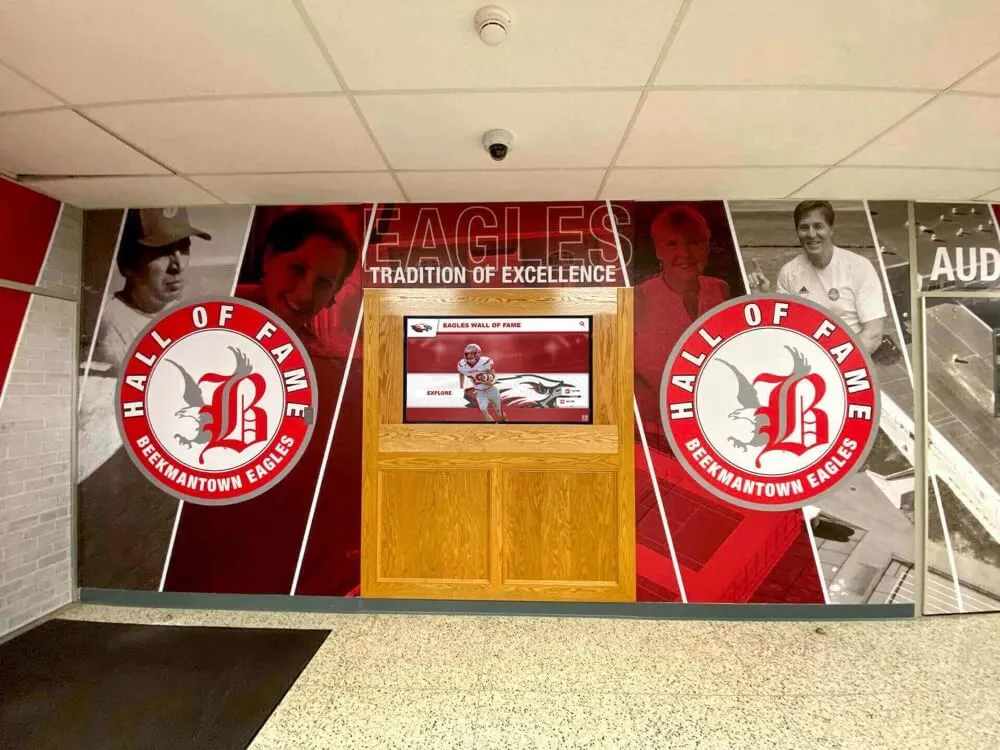
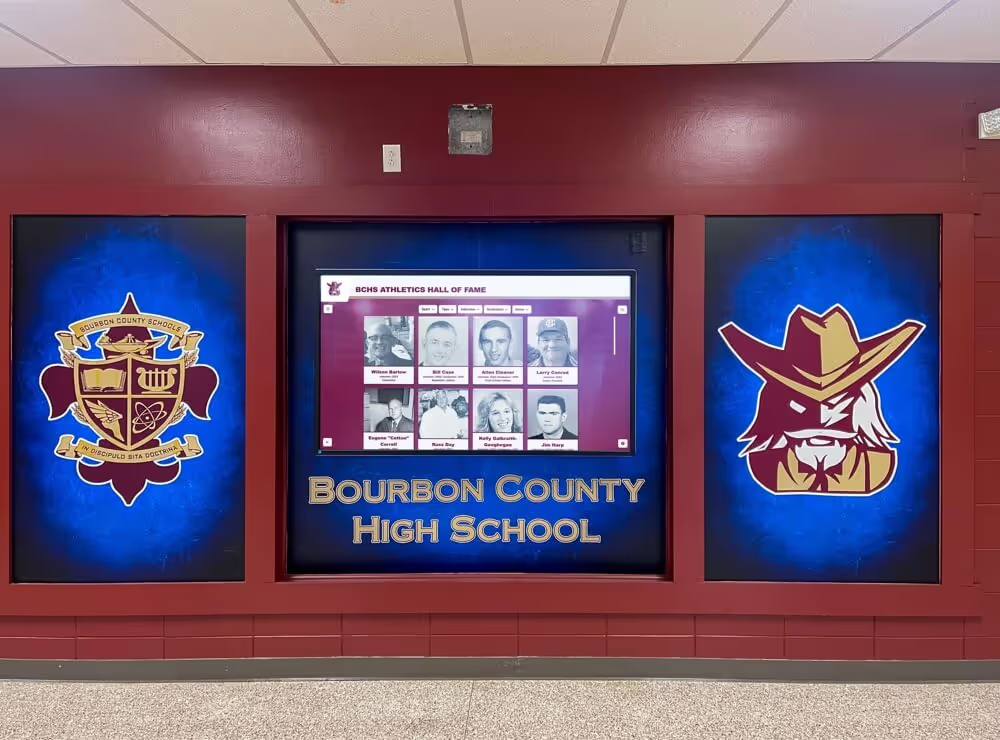
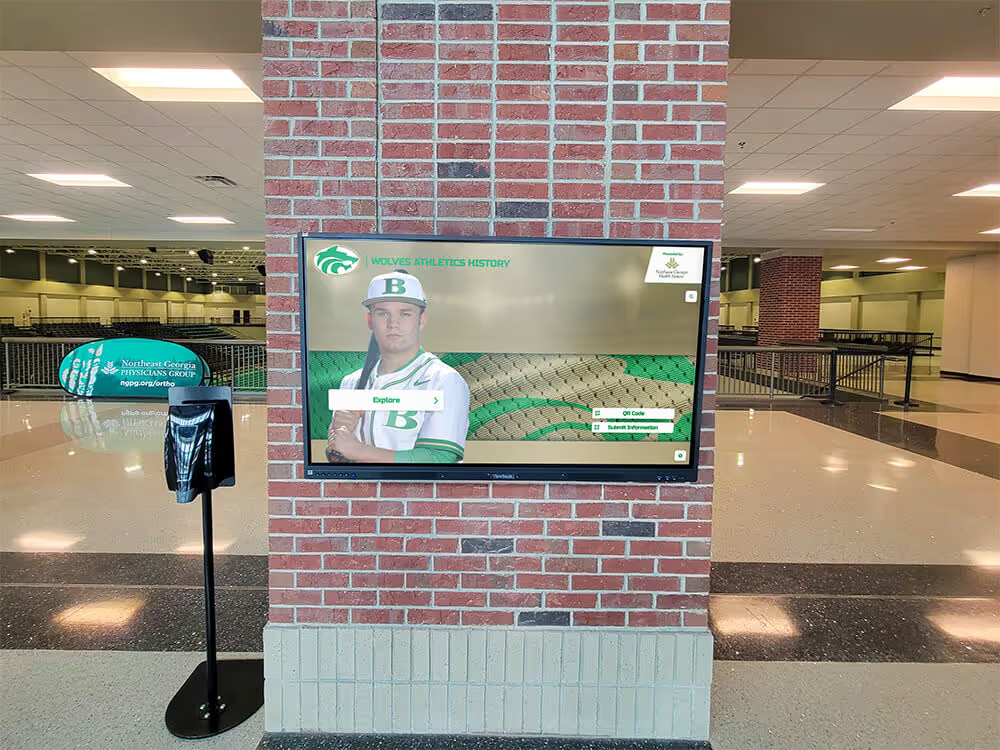
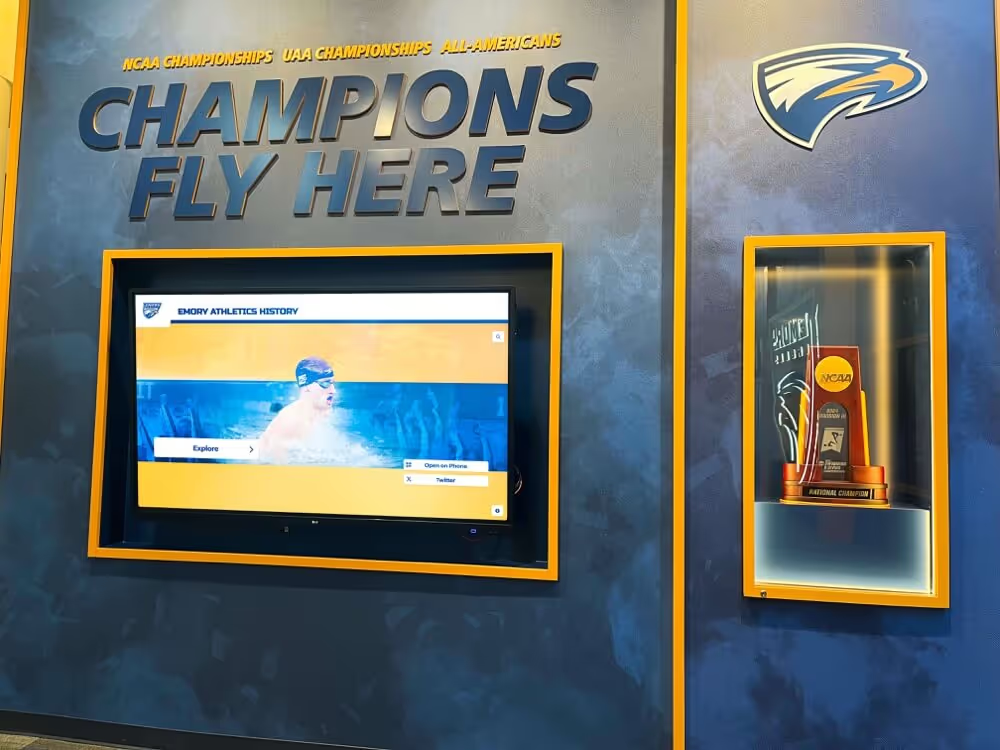
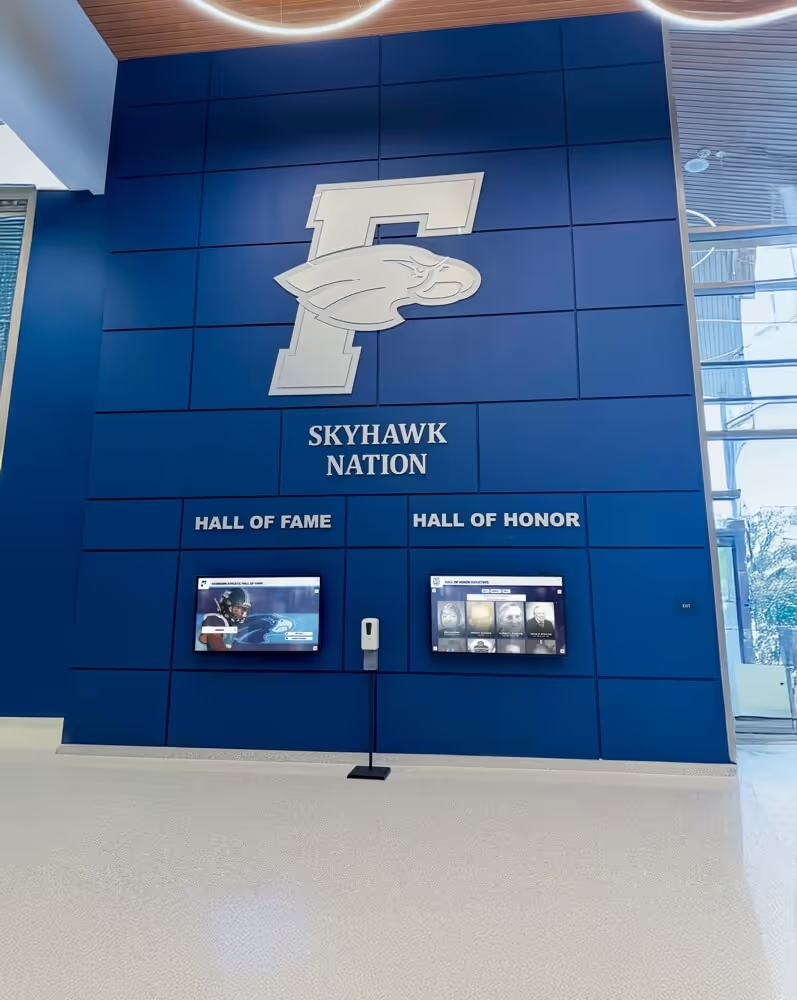
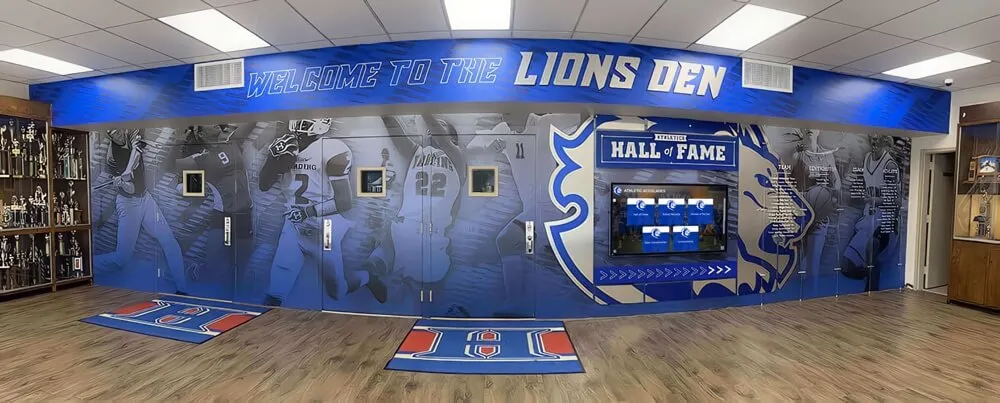
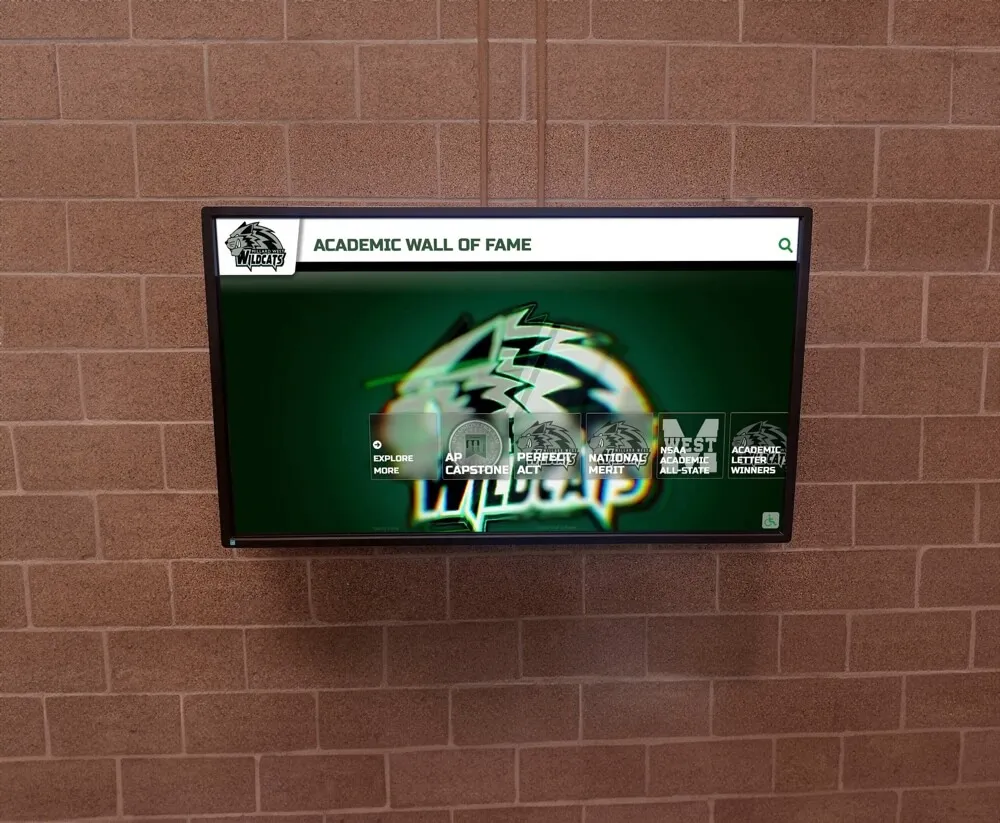
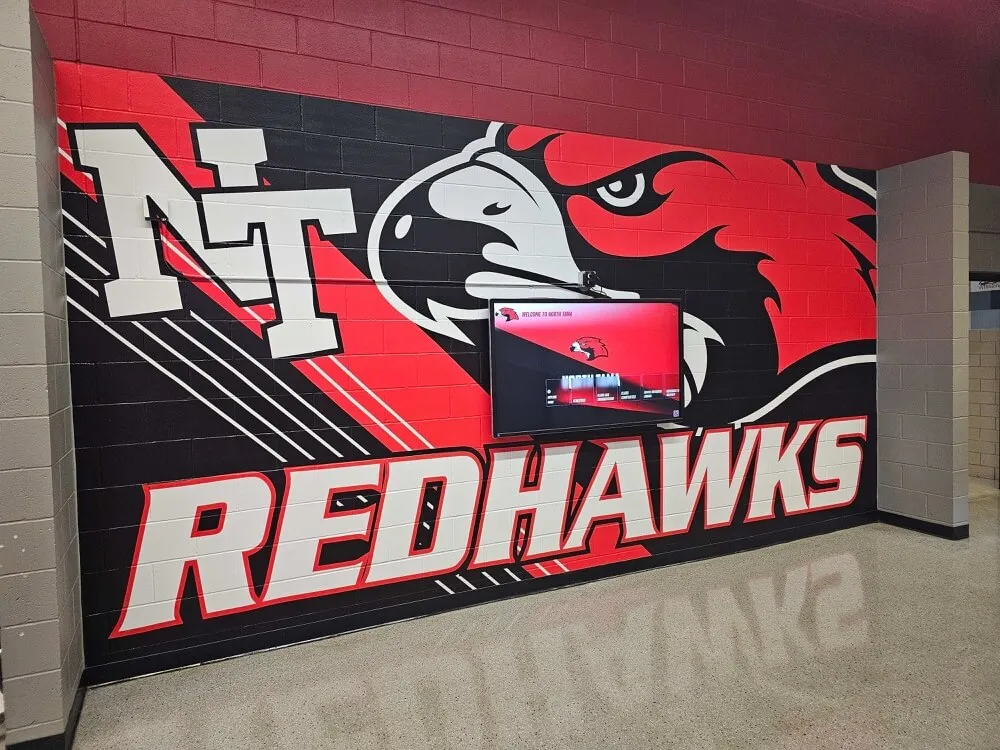
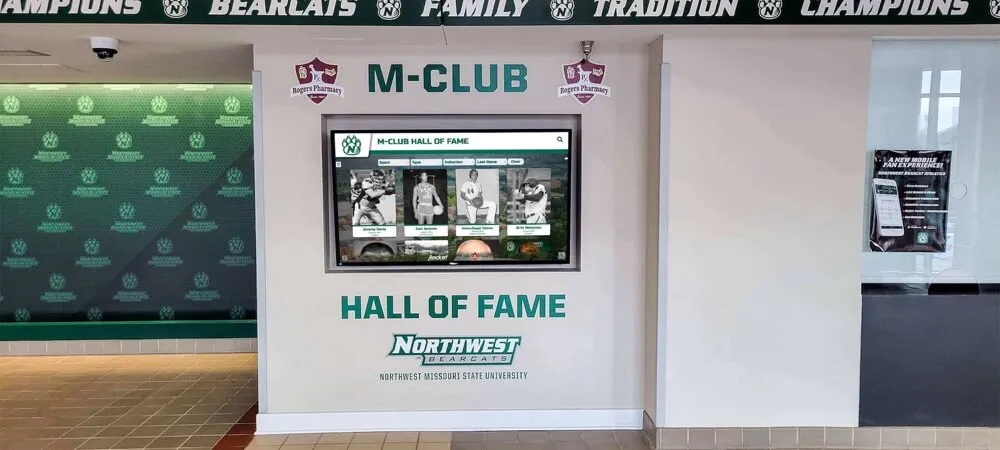
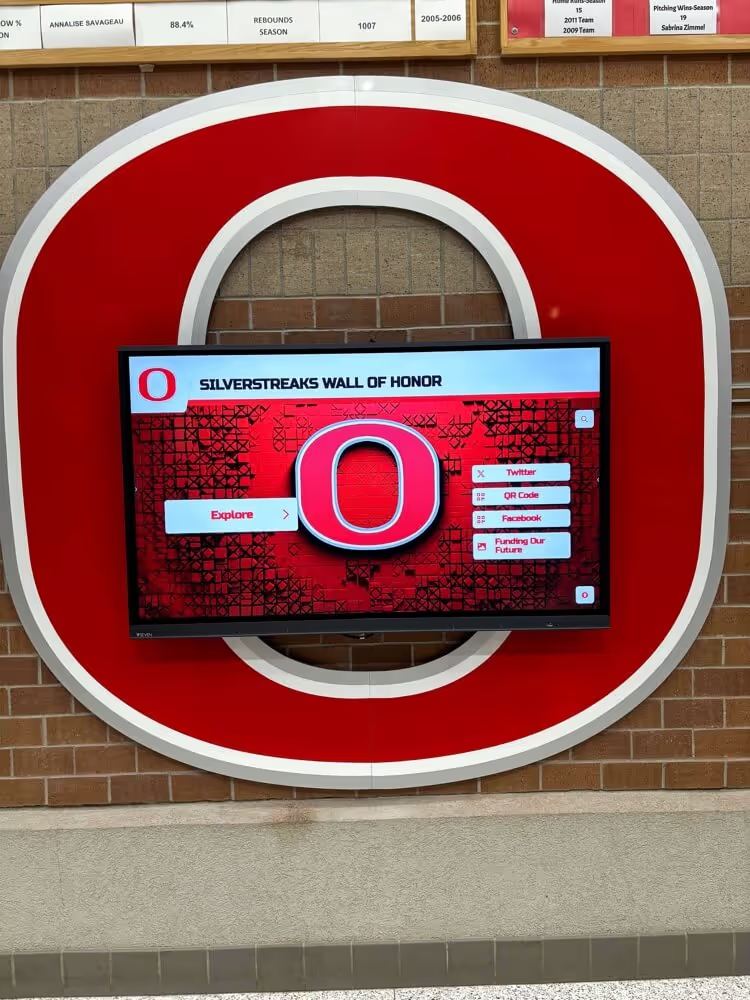
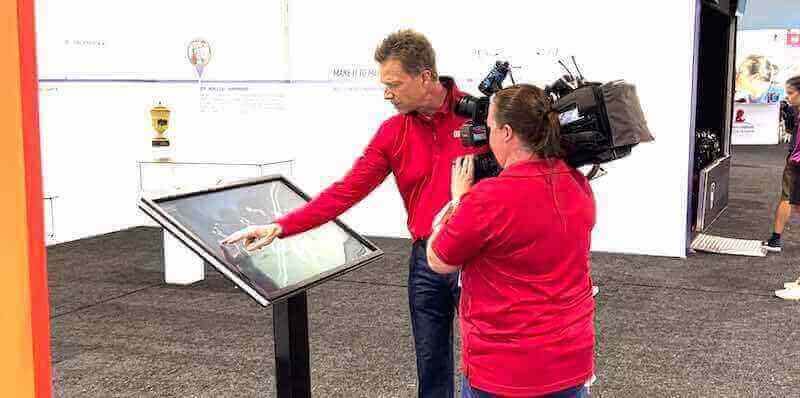
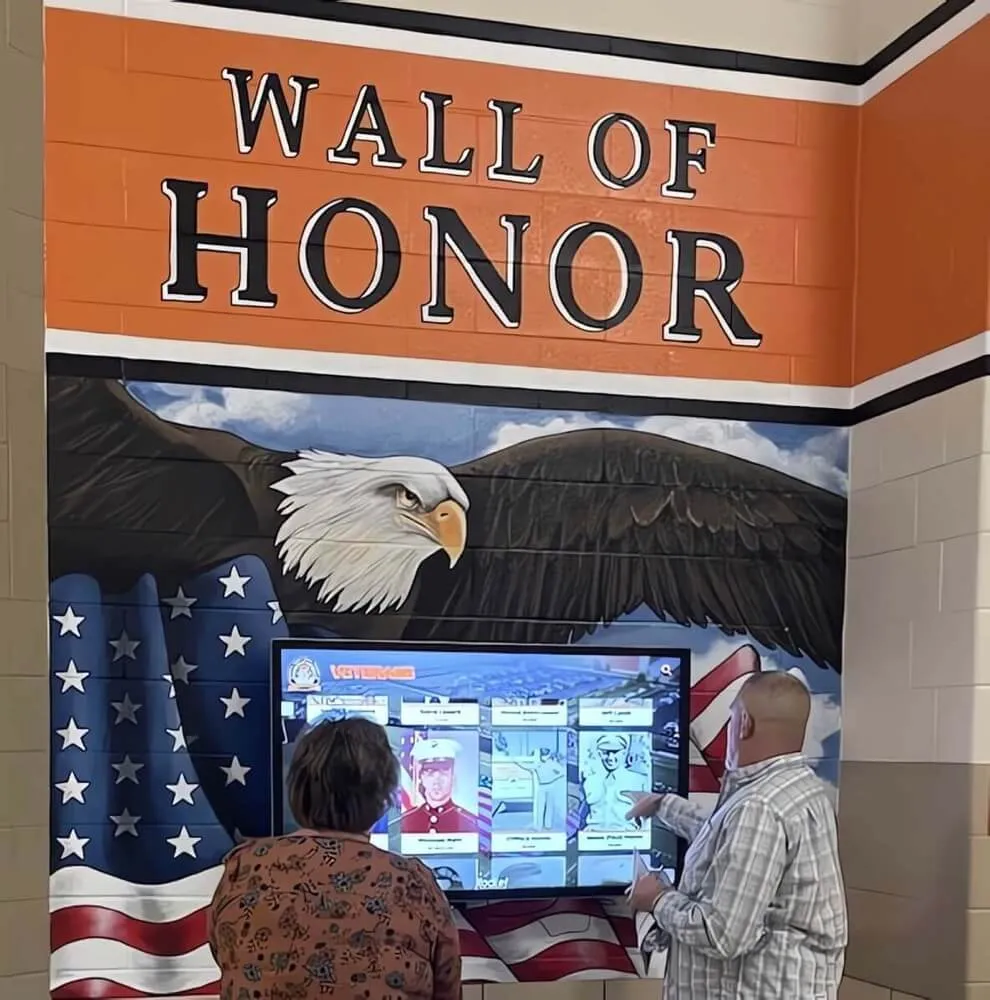
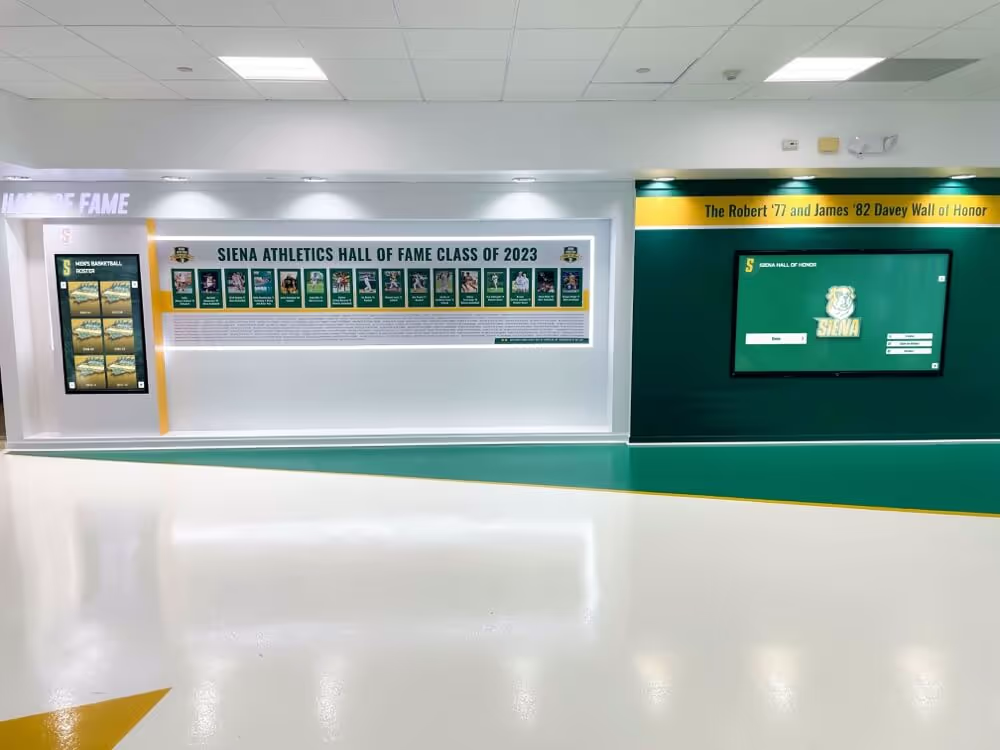
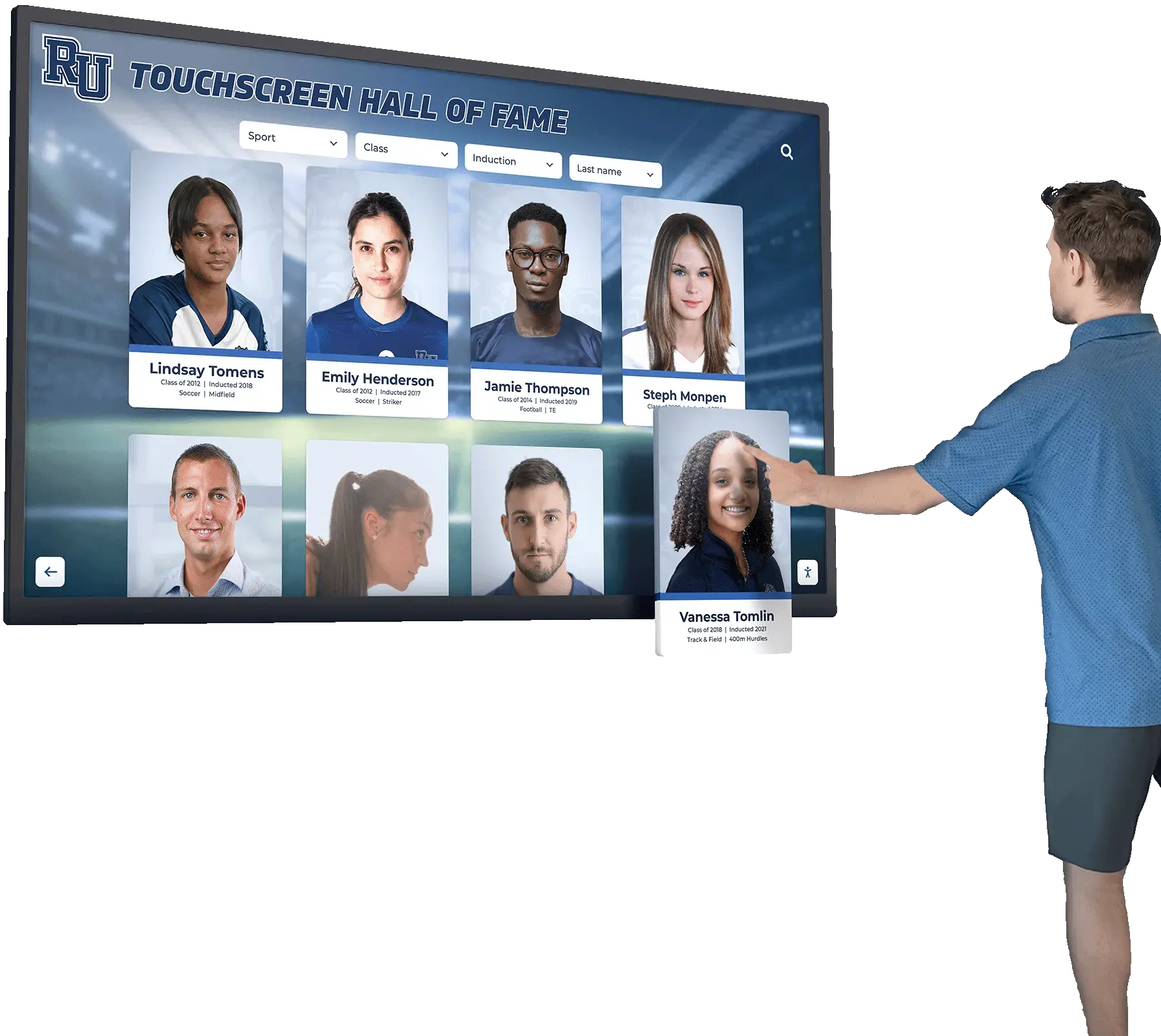
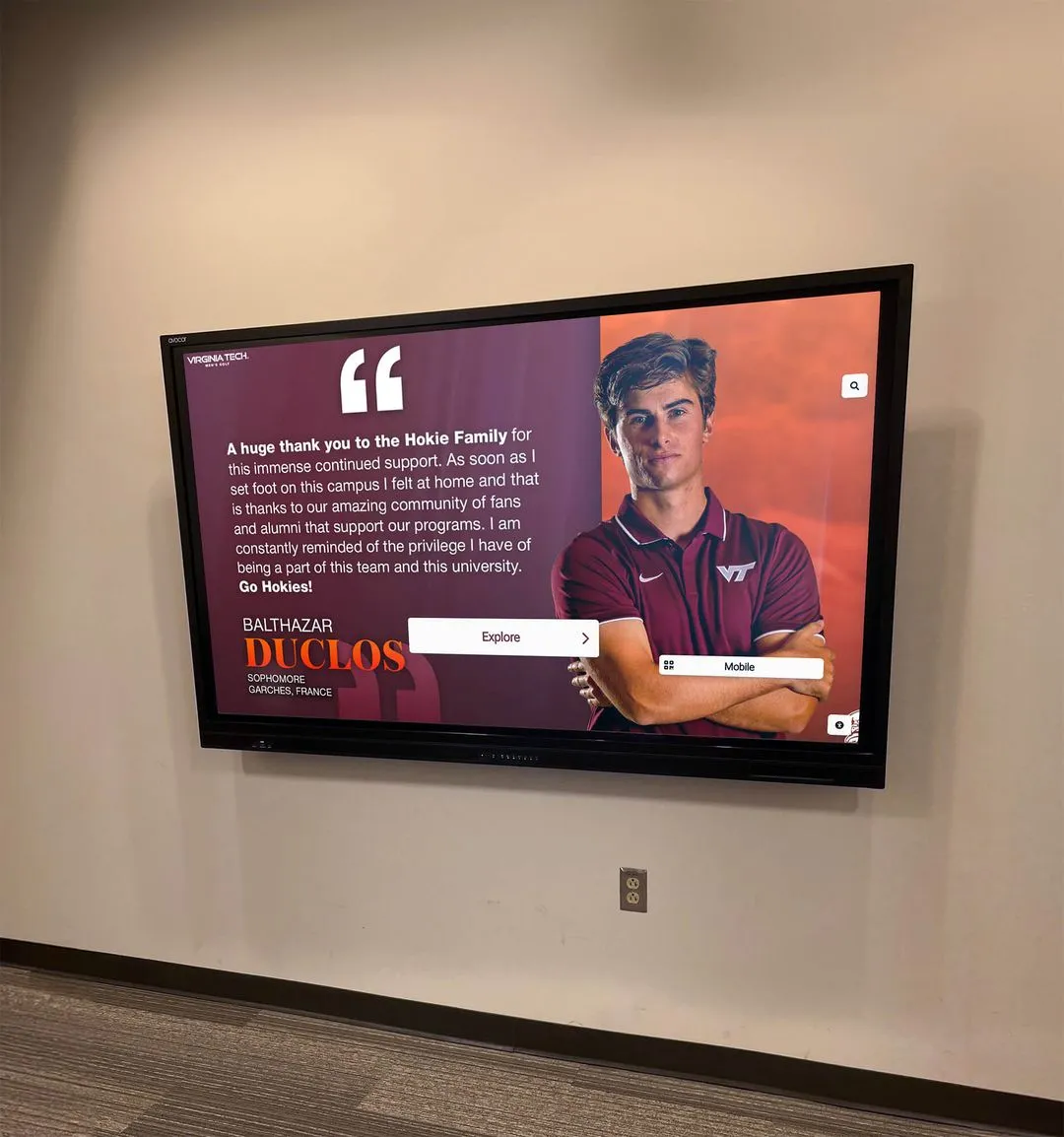
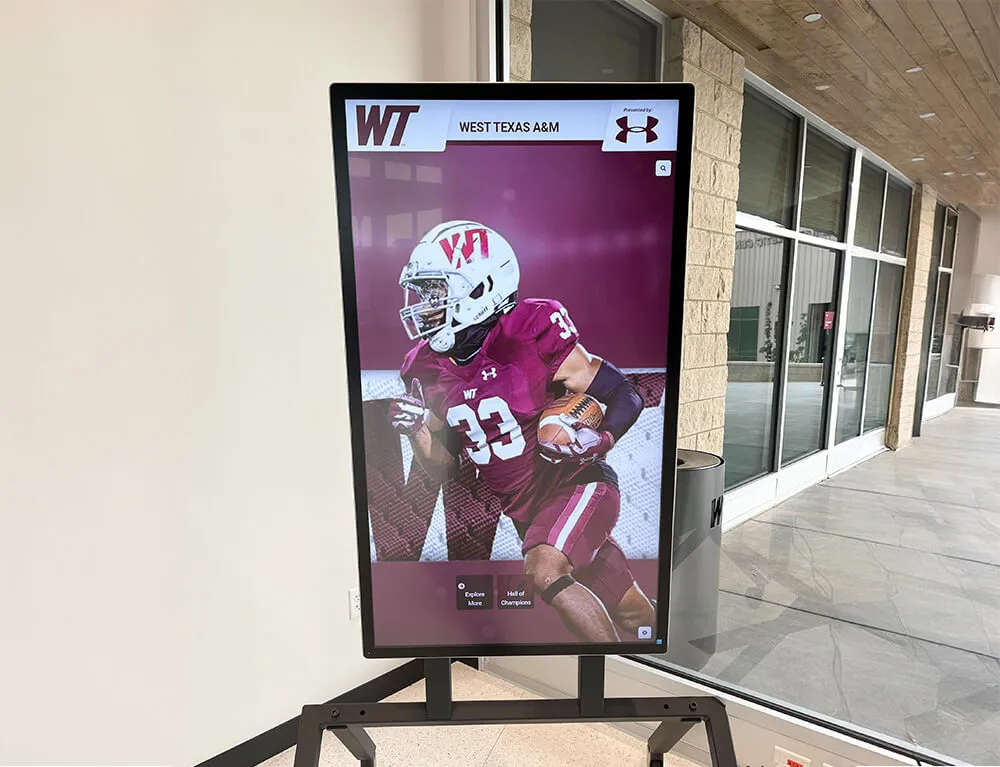
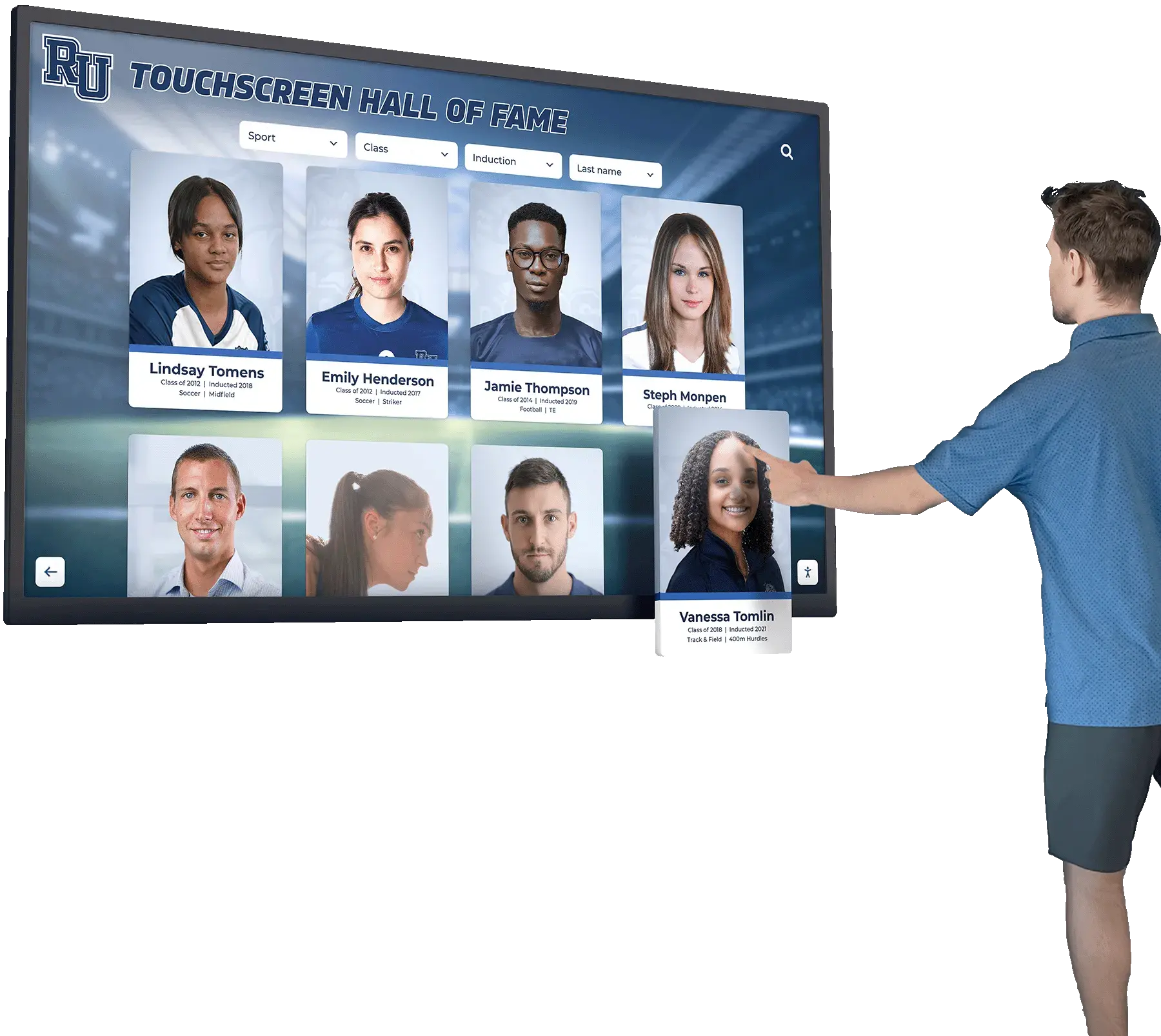
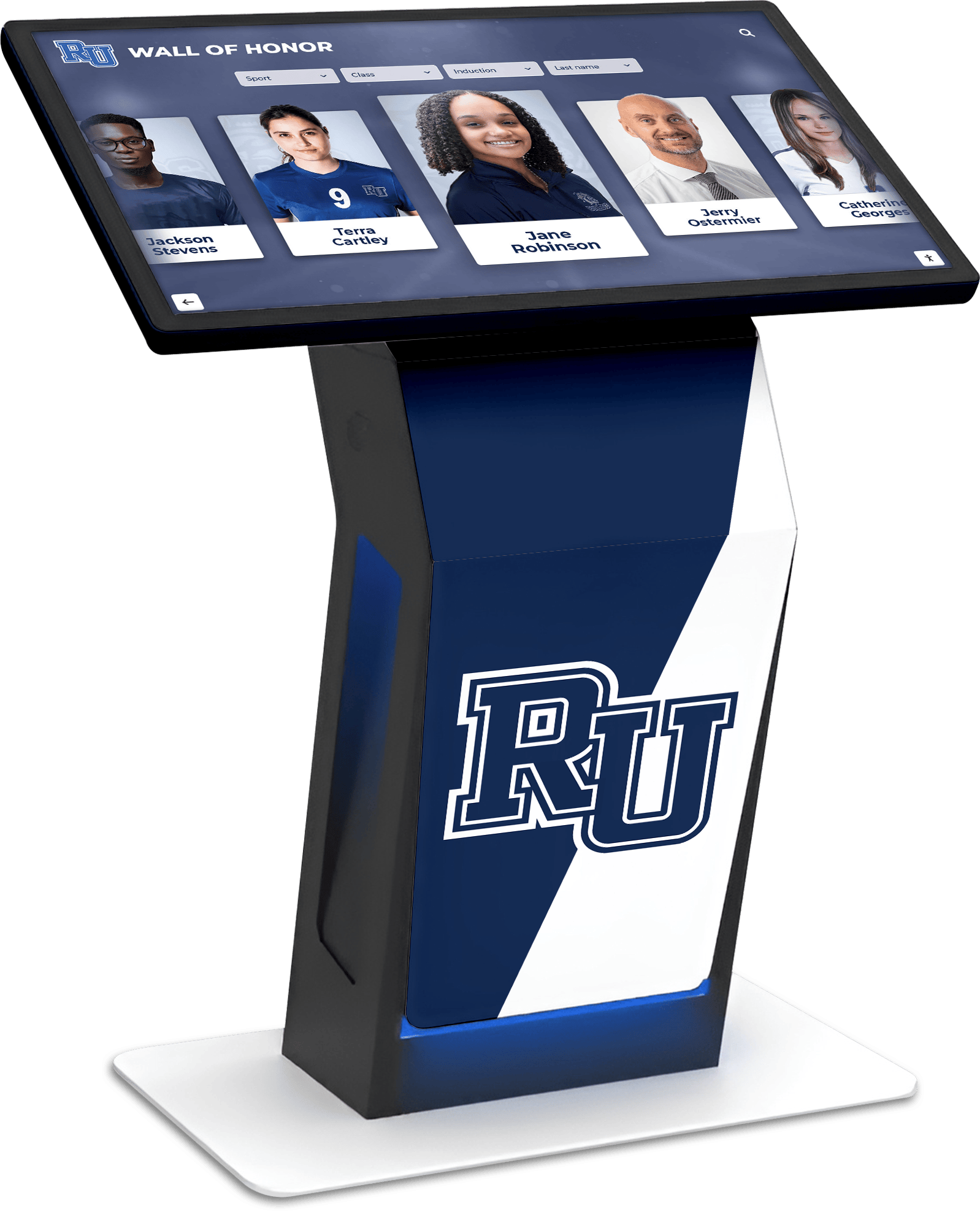
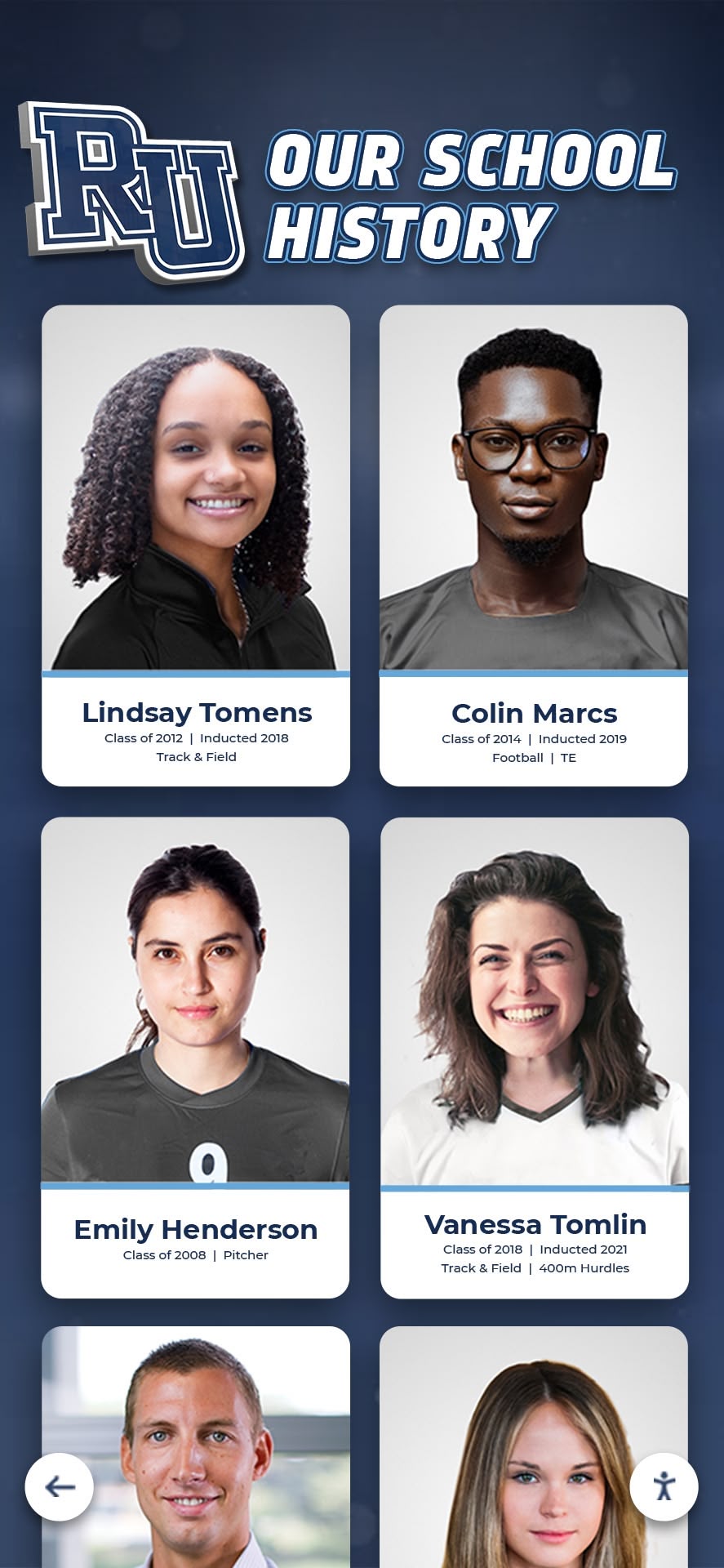
Digital recognition displays from solutions like Rocket Alumni Solutions solve traditional tribute limitations while providing engagement impossible with static displays. These systems accommodate unlimited honorees, support video and audio content, enable community contribution of memories, and remain current through cloud-based updates.
Online Memorial and Recognition Websites
Advantages:
- Global accessibility
- Social sharing capabilities
- No physical space requirements
- Easy content updates
- Searchable archives
- Community contribution features
Limitations:
- Less physical presence and gravitas
- Depend on visitor initiative to access
- May lack institutional visibility
- Require ongoing web hosting
Online tributes work particularly well as companions to physical displays, extending recognition reach while maintaining on-site presence.
Hybrid Approaches
Many institutions find that combining physical and digital elements creates the most comprehensive tribute experience:
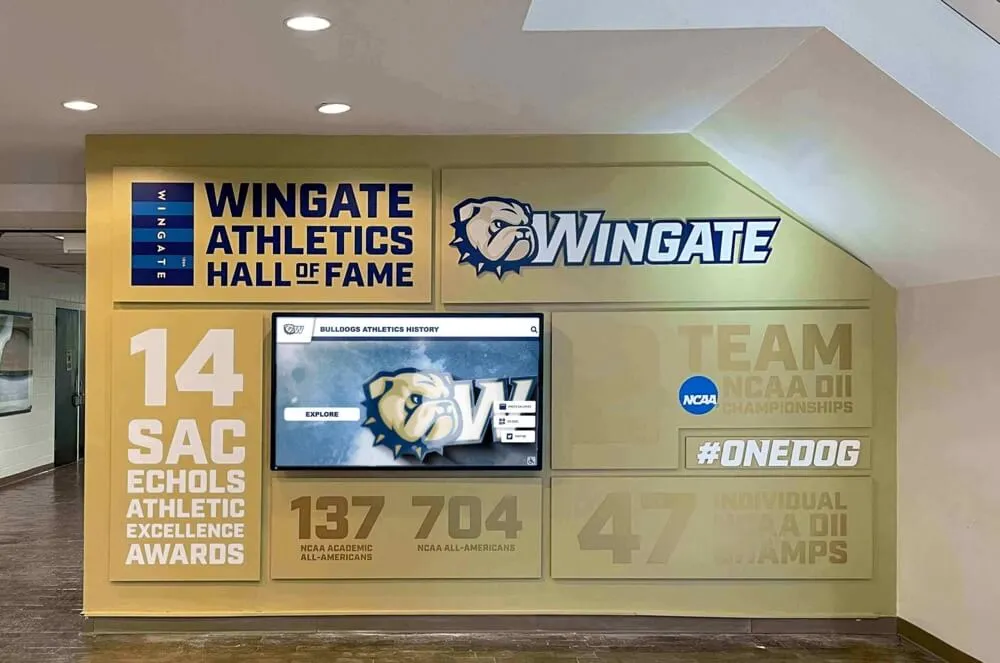
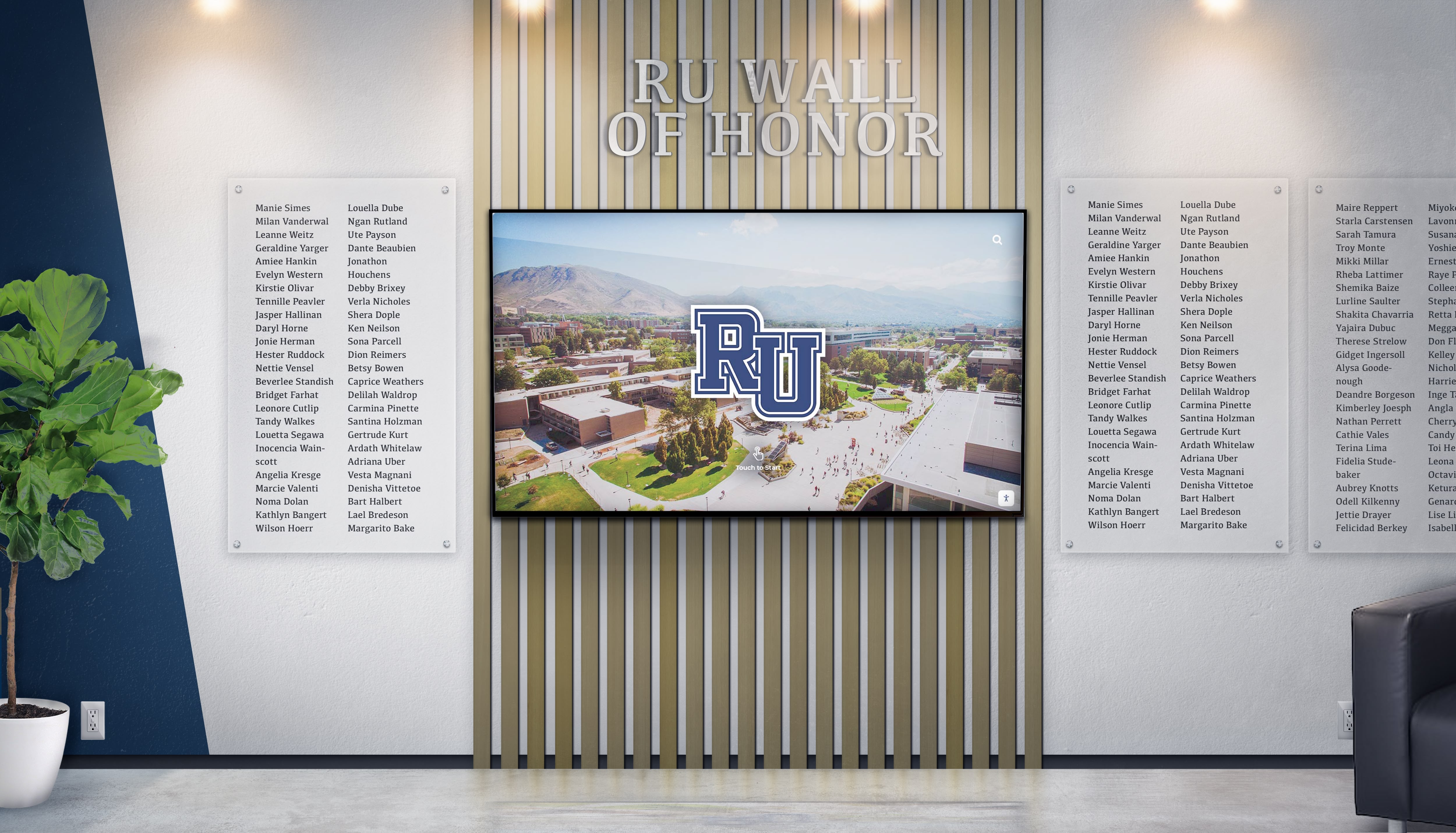
- Traditional engraved wall listing all honorees with nearby interactive touchscreen providing detailed profiles
- Physical memorial space with QR codes linking to online content libraries
- Printed materials at dedication ceremonies with web links to ongoing digital tributes
- Physical displays in prominent locations with mobile-accessible online companions
This hybrid strategy preserves traditional formality while adding digital capabilities for comprehensive storytelling.
Implementation Planning: Creating Your Tribute
Moving from inspiration to implementation requires systematic planning addressing content development, design decisions, and launch strategies.
Phase 1: Planning and Research (4-8 weeks)
Define Tribute Objectives
- Who or what is being honored?
- What specific achievements or contributions merit recognition?
- Who is the primary audience?
- What institutional values should the tribute reinforce?
- What emotional tone is appropriate (celebratory, reverent, inspirational)?
Establish Scope and Budget
- How comprehensive should the tribute be?
- What budget is available for implementation?
- Will this be one-time recognition or the beginning of ongoing program?
- Who will manage tribute development and maintenance?
- What timeline exists for completion?
Research and Information Gathering
- Collect biographical information and achievement documentation
- Interview family members, colleagues, or those impacted
- Gather photos, videos, and historical materials
- Review institutional archives and records
- Identify quotes, testimonials, and personal reflections
- Document factual accuracy through verification
Phase 2: Content Development (6-12 weeks)
Write Compelling Narratives Following the frameworks outlined above:
- Draft biographical narratives with strong hooks
- Document achievement context and significance
- Include specific stories and anecdotes
- Incorporate quotes from multiple perspectives
- Balance comprehensive information with engaging storytelling
Develop Multimedia Content
- Edit photos for optimal quality and presentation
- Create or edit video content for appropriate length
- Record audio interviews if appropriate
- Scan historical documents and materials
- Design graphics, timelines, or data visualizations
Review and Refine
- Fact-check all information for accuracy
- Edit for grammar, style, and tone consistency
- Verify permissions for photos and quoted material
- Gather feedback from family or close associates
- Make revisions based on input
Phase 3: Design and Production (4-8 weeks)
Select Tribute Format Based on objectives, budget, and context:
- Physical displays (plaques, murals, dedicated spaces)
- Digital interactive displays with comprehensive content
- Online memorial or recognition websites
- Hybrid approaches combining multiple formats
Design Visual Presentation
- Create design concepts aligned with institutional identity
- Select fonts, colors, and layouts supporting content
- Organize information hierarchically for easy navigation
- Design for accessibility across diverse abilities
- Test designs with representative users
Production and Installation
- Manufacture physical elements (plaques, murals, signage)
- Configure digital platforms and upload content
- Install displays in appropriate locations
- Test all functionality thoroughly
- Train staff on content management if applicable
Phase 4: Launch and Promotion (2-4 weeks)
Dedication Ceremony
- Plan formal unveiling event
- Invite honoree’s family, colleagues, and community
- Prepare remarks explaining tribute significance
- Document ceremony through photos and video
- Provide ceremony recordings for those unable to attend
Communications Campaign
- Announce tribute through organizational channels
- Create social media content highlighting tribute
- Distribute press releases to relevant media
- Feature tribute in organizational publications
- Develop signage directing visitors to tribute location
Community Engagement
- Enable community members to share memories
- Create opportunities for ongoing contribution
- Establish anniversary recognition plans
- Integrate tribute into tours or orientations
- Connect tribute to relevant programming or events
Maintaining Tributes Over Time
Tributes should evolve rather than becoming static installations forgotten shortly after dedication.
Annual Maintenance Tasks
- Update biographical information with current status
- Add new photos or materials as they become available
- Verify all technical functionality for digital tributes
- Clean and maintain physical displays
- Review content for accuracy and appropriateness
- Assess engagement and make improvements
Anniversary Recognition
Major anniversaries create opportunities for tribute refreshment:
- 5-year: Minor content updates and rededication
- 10-year: Comprehensive review and enhancement
- 25-year: Major refresh with contemporary technology
- 50-year: Complete reimagining while preserving core content
Community Contribution Programs
Encourage ongoing engagement through:
- Memory submission portals for additional stories
- Photo contribution campaigns
- Oral history recording projects
- Student research assignments using tribute content
- Alumni networking through tribute connections
Common Tribute Mistakes to Avoid
Learning from others’ experiences prevents common pitfalls undermining tribute effectiveness.
Generic, Impersonal Content
The mistake: Tributes using vague language applicable to anyone rather than specific details revealing unique individuals.
The solution: Include specific anecdotes, quotes, and details only applicable to the particular honoree. Generic praise like “dedicated teacher” becomes meaningful through specific stories showing how dedication manifested in real situations.
Incomplete Stories
The mistake: Tributes listing achievements without explaining journeys, challenges overcome, or impact created.
The solution: Follow the complete story arc framework—provide context, document the journey including obstacles, celebrate achievements, and demonstrate lasting impact.
Inaccessible Language and Assumptions
The mistake: Tributes using insider terminology, unexplained acronyms, or assuming knowledge younger or future community members won’t possess.
The solution: Write for audiences encountering content decades from now without institutional memory of current context. Provide brief explanations ensuring tributes remain comprehensible across generations.
Ignoring Multimedia Opportunities
The mistake: Creating text-only tributes when photos, videos, or audio would create stronger connections and richer storytelling.
The solution: Invest in multimedia content development, particularly video interviews with honorees or those they impacted, which capture voice, personality, and emotion text cannot convey.
Neglecting Long-Term Maintenance
The mistake: Creating tributes as one-time projects without plans for updates, maintenance, or enhancement.
The solution: Establish ownership, assign responsibilities, and create schedules for regular review and updates ensuring tributes remain current and functional.
Frequently Asked Questions
How long should a tribute profile be?
What's the difference between a tribute and a memorial?
How much does creating a professional tribute display cost?
Should tributes focus on achievements or personal qualities?
How do we gather information for tributes when limited documentation exists?
Can digital tributes be accessed remotely by family members who can't visit in person?
Creating Tributes That Truly Honor and Inspire
Effective tributes accomplish something profound—they transform individual achievement or service into collective inspiration while preserving institutional memory across generations. When thoughtfully created, tributes become more than recognition; they become teaching tools demonstrating what excellence, character, and meaningful contribution look like in concrete, accessible terms.
The tribute examples and frameworks in this guide provide starting points, but your community’s unique culture, values, and relationships will ultimately shape how you honor those who deserve recognition. The common thread across all meaningful tributes remains storytelling that reveals complete human narratives rather than listing achievements, connection to broader institutional values and mission, accessibility ensuring future generations can engage with content, and inspiration encouraging others toward similar excellence or service.
Whether honoring retiring educators, championship teams, departed community leaders, or organizational founders, modern tribute solutions like those from Rocket Alumni Solutions enable comprehensive recognition impossible with traditional plaques. Digital interactive displays preserve all the gravitas and permanence of formal recognition while adding unlimited capacity, rich multimedia storytelling, global accessibility, and the flexibility to enhance tributes over time as new information emerges or anniversaries create opportunities for refreshed recognition.
The people and achievements you honor deserve tributes worthy of their contributions—recognition that tells their complete stories, creates meaningful connections with those they influenced, and inspires future generations toward similar paths of excellence and service. Investing in thoughtful tribute development ensures that extraordinary contributions receive the extraordinary recognition they merit.
Ready to create tributes that genuinely honor your community’s most meaningful achievements and contributions? Explore how modern recognition solutions can help you preserve legacy, inspire excellence, and create lasting tributes that remain relevant and accessible for decades to come.