



Track and field athletes dedicate countless hours perfecting technique, building strength, and pushing physical limits to achieve personal bests and competitive excellence. From sprinters exploding off the blocks in the 100-meter dash to distance runners maintaining pace through grueling 3200-meter races, from high jumpers defying gravity to shot putters maximizing explosive power, track and field encompasses diverse athletic disciplines requiring specialized training and unwavering commitment. These remarkable achievements deserve recognition systems that honor individual excellence, preserve program records, and inspire future generations of athletes.
Whether you’re a track coach planning your awards program, an athletic director seeking to enhance facilities with recognition displays, or a booster club member working to fund meaningful recognition improvements, this guide provides actionable approaches for honoring track and field achievement at every level—from youth programs through high school and beyond.

Understanding the Unique Recognition Needs of Track and Field Programs
Track and field presents distinctive recognition challenges and opportunities compared to team sports like basketball or football. Understanding these unique characteristics helps programs design recognition systems that effectively serve athletes and strengthen program culture.
Individual Excellence Within Team Structure
Track and field occupies a unique space between pure individual sports and traditional team competitions. While teams compete for meet victories and championship titles, individual athletes pursue personal bests, event records, and placement achievements independent of overall team performance.
Balancing Individual and Team Recognition
Effective track and field awards programs celebrate both dimensions. Team championships, relay records, and collective meet performances deserve recognition alongside individual event achievements. Programs might honor:
- Overall team conference championships and invitational victories
- Relay teams setting school records in 4x100, 4x200, 4x400, and 4x800 events
- Outstanding team performances at district, regional, or state championship meets
- Seasonal improvement metrics showing program-wide growth
- Team culture awards recognizing athletes who elevate collective program excellence
Simultaneously, individual recognition remains essential. Personal record boards documenting best performances in each event, individual all-conference and all-state selections, event champions at championship meets, progression tracking showing multi-year athlete development, and specialized awards for field events, distance running, and sprinting categories all provide meaningful individual celebration.
The most successful programs integrate both approaches, creating comprehensive recognition cultures where athletes understand they compete for themselves while contributing to larger team objectives.
Multiple Events, Multiple Achievement Opportunities
Unlike single-sport athletes, track and field competitors often excel in multiple events. A sprinter might compete in the 100, 200, and 4x100 relay. A distance runner could run the 1600, 3200, and 4x800. Field event athletes sometimes compete in multiple disciplines—long jump and triple jump, or shot put and discus.
Recognition systems should accommodate this multi-event reality through comprehensive athlete profiles documenting all events, cross-event achievement awards honoring versatility, career progression tracking showing development across multiple seasons and events, and specialized recognition for athletes who contribute points across various disciplines.

The Centrality of Personal Records and Performance Benchmarks
More than most sports, track and field revolves around objective performance measures—times, distances, heights. Athletes compete not only against opponents but against standards, qualifying marks, and their own previous performances.
Personal Record (PR) Culture
Track and field athletes develop intense focus on personal bests—commonly called PRs. A runner might not win a race but still achieve a PR that represents genuine accomplishment and improvement. Recognition systems should celebrate these milestones through:
- PR tracking displays showing each athlete’s current best performances in all events
- Improvement recognition highlighting significant PR achievements even when placement doesn’t reflect excellence
- Time/distance drop celebrations acknowledging substantial performance gains
- Barrier-breaking recognition when athletes achieve round-number milestones (sub-12 second 100m, over 6 feet high jump)
- Multi-year progression documentation showing continuous improvement across seasons
School and Program Records
Record boards serve as centerpieces of track and field recognition, creating permanent tributes to the fastest, strongest, and most accomplished athletes in program history. Traditional painted boards or engraved plaques list top marks in each event, creating aspirational targets for current athletes while honoring past excellence.
However, maintaining static physical record boards presents challenges. Records fall and boards require expensive updating. Historical context gets lost when old records disappear. Multiple performance tiers beyond just school records provide limited recognition on space-constrained boards.
Modern digital solutions address these limitations while preserving the inspirational value record boards provide. More on this in the digital recognition section below.
Seasonal Timing and Recognition Opportunities
Track and field’s spring season timing creates natural opportunities for end-of-year recognition integrated with broader athletic award programs while presenting unique challenges compared to fall or winter sports.
Spring Sports Recognition Context
Spring season timing means track awards often occur during comprehensive athletic banquets recognizing achievement across multiple sports. This integration provides benefits—larger audiences, combined celebration, efficient event planning—but also requires ensuring track athletes receive appropriate individual recognition rather than getting lost in multi-sport programs.
Dedicated track-specific ceremonies held separately from combined athletic recognition can provide more focused celebration including detailed individual award categories, comprehensive performance review, athlete spotlight opportunities, and adequate time for recognizing the many events and achievement categories track encompasses.
Many programs balance both approaches: participation in combined spring athletic recognition for school-wide visibility plus separate team banquets providing detailed track-specific celebration.
In-Season Recognition Opportunities
Beyond end-of-season awards, effective track programs create continuous recognition throughout seasons:
- Immediate PR acknowledgment when athletes achieve personal bests at meets
- Weekly highlight announcements celebrating outstanding performances
- Mid-season recognition events during practice acknowledging improvement and effort
- Social media celebration of achievements providing real-time visibility
- Meet-by-meet recognition for event winners, significant improvements, and record performances
This continuous approach maintains motivation throughout long seasons while ensuring recognition doesn’t compress into single ceremony moments that limit individual celebration depth.

Essential Track and Field Award Categories
Comprehensive recognition programs celebrate diverse forms of excellence across events, achievement levels, and contribution types. The most effective programs include multiple award categories ensuring all athletes receive appropriate recognition.
Event-Specific Excellence Awards
Recognizing top performers in specific events honors specialized achievement while motivating focused excellence.
Sprint Awards
Short-distance events require explosive power, perfect technique, and maximum intensity. Award categories might include:
- 100-Meter Champion: Fastest time in the shortest sprint recognizing pure speed
- 200-Meter Champion: Combining speed with curve running technique and stamina
- 400-Meter Champion: Quarter-mile excellence requiring sustained speed and tactical racing
- Hurdles Champion: Separate recognition for 110/100-meter high hurdles and 300/400-meter intermediate hurdles
- Sprint Medley Champion: Recognizing relay excellence in shorter distance combinations
Distance Running Awards
Middle and long-distance events demand endurance, pacing strategy, and mental toughness:
- 800-Meter Champion: Half-mile excellence balancing speed and endurance
- 1600-Meter Champion: Mile distance showcasing tactical racing and sustained effort
- 3200-Meter Champion: Two-mile excellence requiring exceptional endurance
- Distance Medley Champion: Relay recognition for distance combinations
- Cross Country Achievement: Recognizing athletes who excel in both track distance events and cross country seasons
Field Event Awards
Throwing and jumping disciplines require specialized technique and explosive power:
- Shot Put Champion: Recognizing maximum throwing distance in this power event
- Discus Champion: Celebrating technique and distance in this rotational throw
- Long Jump Champion: Honoring excellence in this speed-based jumping event
- Triple Jump Champion: Recognizing this complex multi-phase jumping discipline
- High Jump Champion: Celebrating vertical leap excellence and technical mastery
- Pole Vault Champion: Honoring achievement in this highly technical height event
- Javelin Champion: (Where contested) Recognizing throwing excellence in this runway event
Programs competing in additional events like hammer throw or steeplechase should create corresponding recognition categories.
Performance-Based Achievement Recognition
Beyond event championships, performance-level awards celebrate athletes achieving specific standards or milestones.
Qualifying Standard Achievement
Many athletes train toward qualifying marks for championship meets, state competitions, or regional events. Recognition might include:
- State Qualifier Awards: Honoring athletes achieving qualifying marks for state championship meets
- Regional Qualifier Recognition: Celebrating advancement to regional championship competitions
- National Qualifier Achievement: Recognizing elite athletes achieving national championship qualifying standards
- Conference Championship Qualifiers: Honoring athletes earning spots at conference meets
Performance Threshold Achievement
Round-number milestones and performance thresholds provide clear targets and recognition opportunities:
- Sub-12 Club (100m): Recognizing sprinters breaking the 12-second barrier
- Sub-4:30 Mile Club: Celebrating distance runners achieving this significant threshold
- Six-Foot High Jump Club: Honoring vertical leap excellence
- 40-Foot Shot Put Club: Recognizing elite throwing strength and technique
- 20-Foot Long Jump Club: Celebrating elite jumping performance
Thresholds should reflect realistic excellence standards for your program level while creating aspirational targets motivating continuous improvement.
Team Contribution and Character Awards
Character, leadership, and team contribution deserve recognition alongside athletic performance excellence.
Most Valuable Performer
This prestigious award recognizes the athlete whose overall contributions most significantly impacted team success through consistent high placement scoring, excellence across multiple events, reliable performance at championship meets, and leadership setting competitive standards for teammates.
MVP selection criteria should balance individual excellence with team contribution, ensuring recognition reflects genuine program impact rather than simply repeating event champion recognition.
Most Improved Athlete
Few recognition categories carry more motivational power than improvement awards. Athletes who demonstrate dramatic performance gains—perhaps dropping seconds off times or adding feet to throws—deserve specific celebration for dedication and development.
Improvement recognition particularly benefits athletes who may not reach absolute performance levels warranting other awards but whose commitment to growth embodies athletic development values programs want to encourage.
Coaches’ Award
This special recognition honors athletes demonstrating exceptional character, work ethic, leadership, or other qualities beyond athletic performance. Coaches’ awards might celebrate:
- Consistent practice dedication regardless of competitive results
- Positive attitude uplifting teammates throughout challenging seasons
- Mentorship helping younger athletes develop skills and confidence
- Resilience overcoming injuries or setbacks to continue contributing
- Service leadership managing equipment, coordinating team activities, or supporting program operations
Many programs consider the coaches’ award among their most meaningful recognition because it honors the complete athlete—not just the fastest, strongest, or highest-scoring competitor.
Senior Leadership Awards
Graduating athletes who provided exemplary leadership deserve specific recognition for contributions shaping program culture. Senior leadership awards might honor:
- Multi-year captains who guided teams through seasons
- Athletes who mentored younger teammates and welcomed newcomers
- Competitors who consistently modeled work ethic and positive attitudes
- Graduating athletes who leave legacies of excellence and character
All-Conference, All-Region, and All-State Recognition
External recognition through conference, region, and state selection represents prestigious achievement validated by coaches, officials, or governing bodies beyond individual programs. While schools don’t control these selections, incorporating external honors into recognition programs provides important context:
- Prominently displaying all-conference selections in program recognition
- Creating special distinction for all-state honorees achieving this elite recognition
- Maintaining historical records of external selections across program years
- Integrating external honors into individual athlete profiles and permanent displays
Athletes achieving external recognition often value these honors highly because they represent validation from broader competitive contexts beyond home programs.
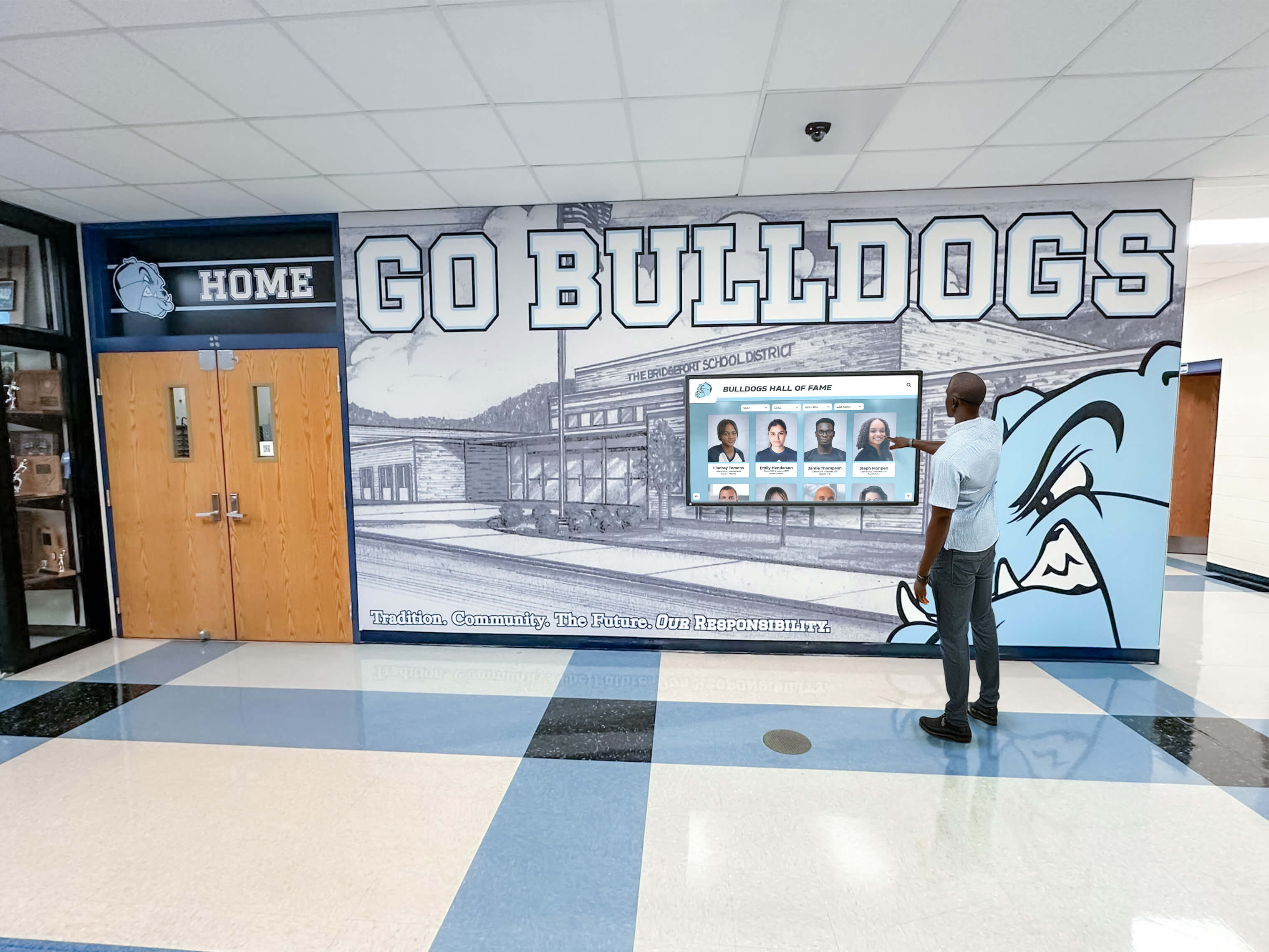
Traditional Approaches to Track and Field Recognition
Track programs have honored athletic achievement through various traditional methods for generations. Understanding these approaches—including their strengths and limitations—provides context for modern recognition strategies.
End-of-Season Award Banquets
Team banquets represent the most common track and field recognition approach, creating dedicated events celebrating achievements with athletes, families, and supporters.
Banquet Program Elements
Effective award ceremonies typically include:
- Season review presentations highlighting team accomplishments and memorable moments
- Individual award presentations for various categories discussed above
- Senior recognition honoring graduating athletes and their contributions
- Coach remarks reflecting on season growth and athlete development
- Guest speakers—perhaps alumni athletes or program supporters—providing inspiration
- Social time allowing athletes, families, and coaches to celebrate informally
Banquets create meaningful experiences when properly planned but require significant coordination and provide only temporary recognition moments rather than lasting visibility.
Limitations of Event-Only Recognition
Banquets alone face several challenges:
- Recognition concentrates into single moments rather than providing ongoing visibility
- Athletes not attending ceremonies miss recognition experiences
- No permanent displays keep achievements visible to inspire future athletes
- Limited time constraints compress recognition, especially for large teams with many award categories
- Families and supporters unable to attend miss recognition entirely
The most effective programs complement banquets with additional recognition providing sustained visibility beyond ceremony moments.
Trophy Cases and Physical Displays
Many track programs maintain trophy cases displaying team championships, individual awards, and program memorabilia. Physical displays provide tangible recognition that communicates program values to students, families, and visitors.
Advantages of Physical Recognition
Traditional displays offer several benefits:
- Physical presence in school facilities makes recognition consistently visible
- Trophies, plaques, and memorabilia create impressive visual statements
- Permanent nature communicates lasting commitment to honoring achievement
- No technology requirements or ongoing management complexities
Space and Maintenance Challenges
Despite advantages, physical displays face inherent limitations:
- Finite space constrains how many achievements can be displayed, forcing difficult prioritization decisions
- Adding recognition requires physical modifications—new cases, additional plaques, expanded boards
- Maintenance challenges arise as displays age, materials deteriorate, or information becomes outdated
- Static formats provide minimal context beyond basic names, dates, and achievements
- Location limitations restrict visibility to single physical spaces rather than providing broader access
Schools with established trophy cases should maintain these traditions while potentially enhancing recognition through complementary approaches overcoming space and flexibility limitations.
Painted or Engraved Record Boards
Record boards showcasing program bests in each event create inspirational displays that motivate current athletes while honoring record holders. Traditional boards feature painted or engraved lists typically showing:
- School records in all contested events
- Top 5 or top 10 all-time performances in each event category
- Years records were set and athletes who achieved them
- Sometimes additional context like meet locations or conditions
Record boards serve programs well for years but eventually face maintenance challenges:
- Records fall and boards require repainting or replacement
- Updating costs and logistical complexity may delay recognition of new achievements
- Historical information gets lost when records push older performances off limited-space boards
- No ability to provide detailed context about record performances or athletes
Despite limitations, record boards remain central to track and field recognition culture. Programs investing in traditional boards should budget for periodic updates while considering whether complementary digital systems might enhance flexibility and reduce long-term maintenance burden.
Modern Digital Solutions for Track and Field Recognition
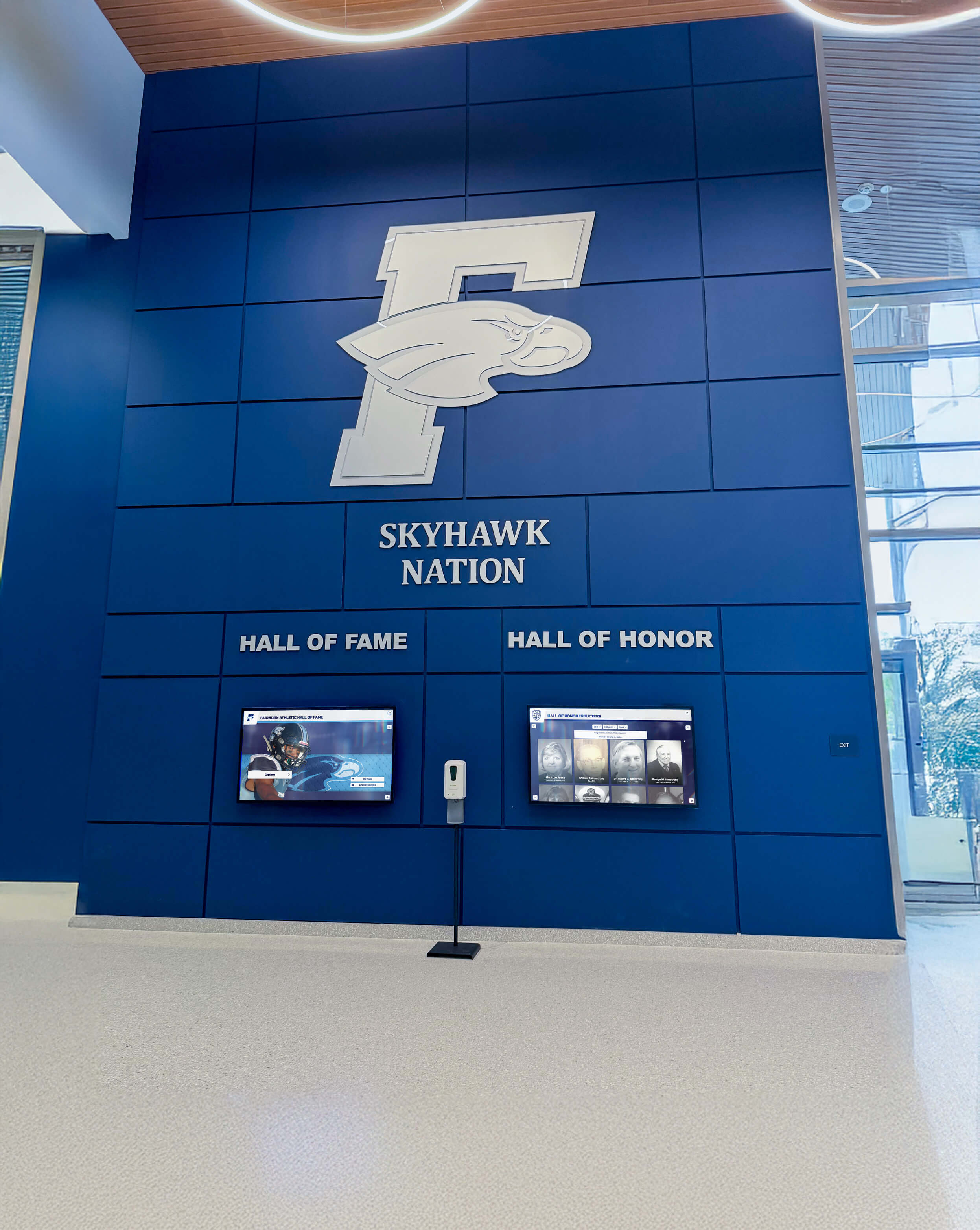
Digital recognition systems address traditional limitations while introducing capabilities that transform how track programs celebrate achievement and preserve athletic heritage.
Interactive Touchscreen Display Systems
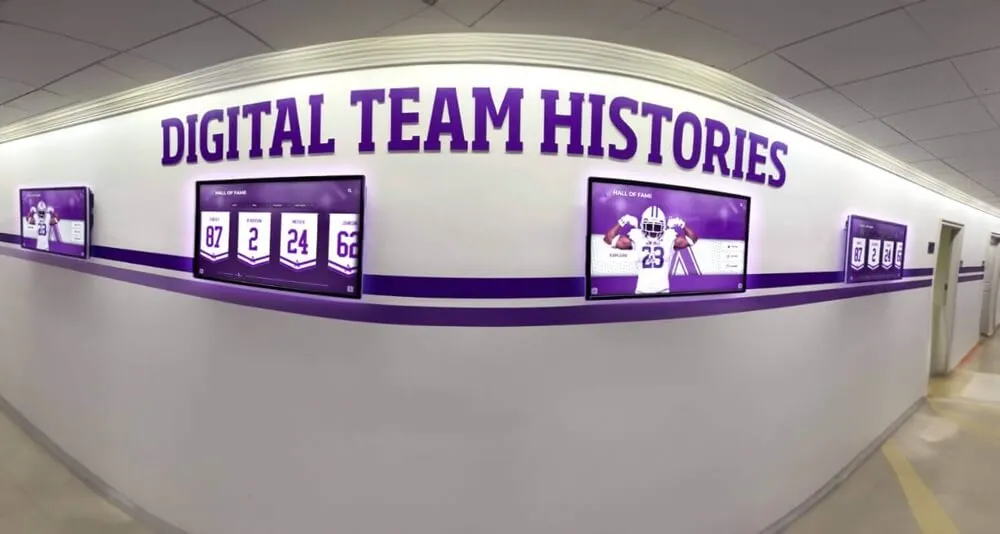
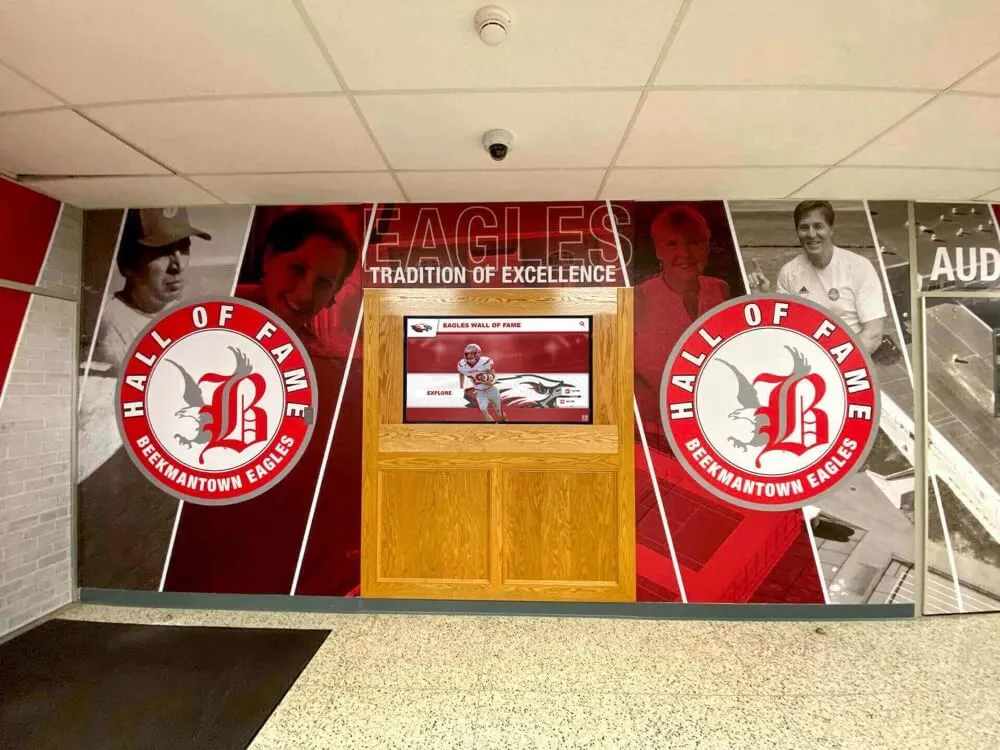
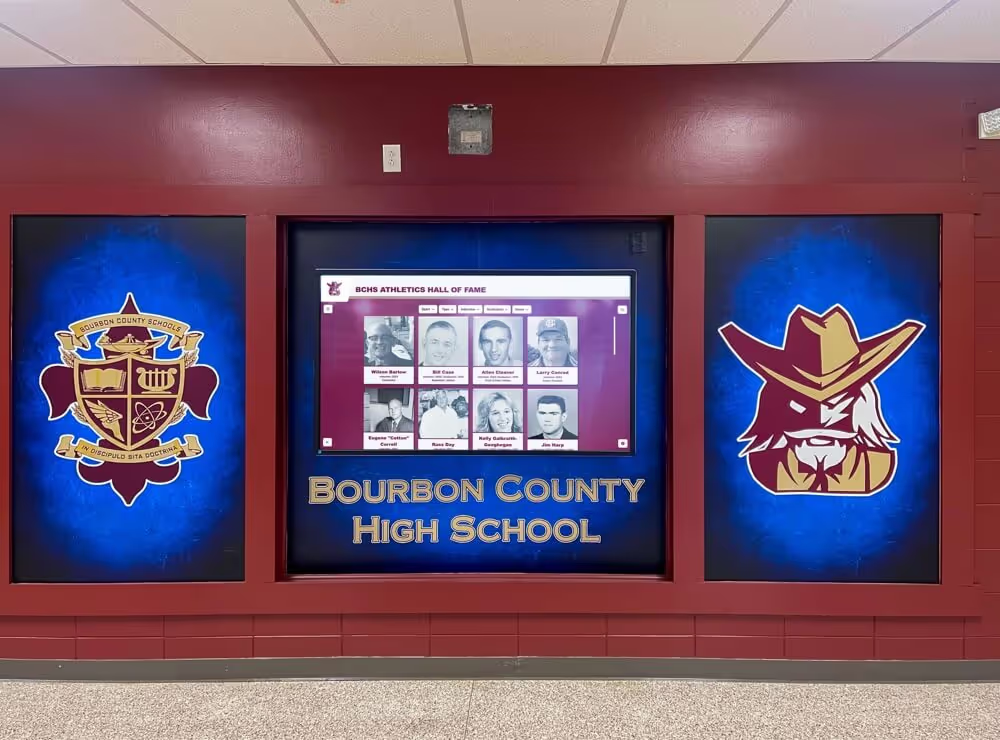
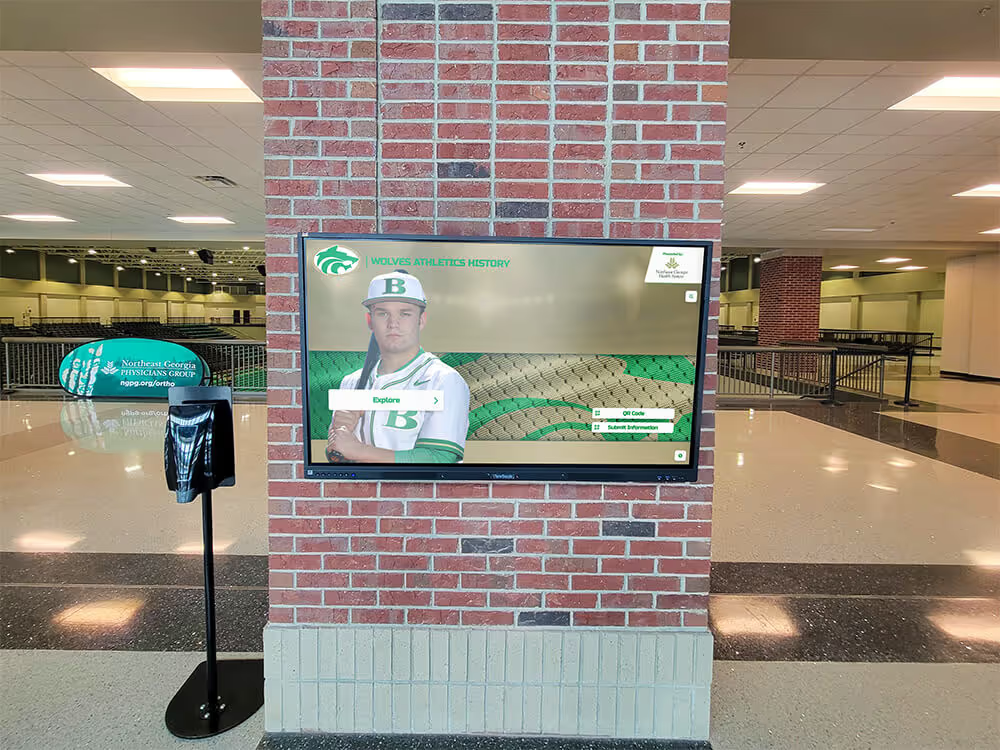
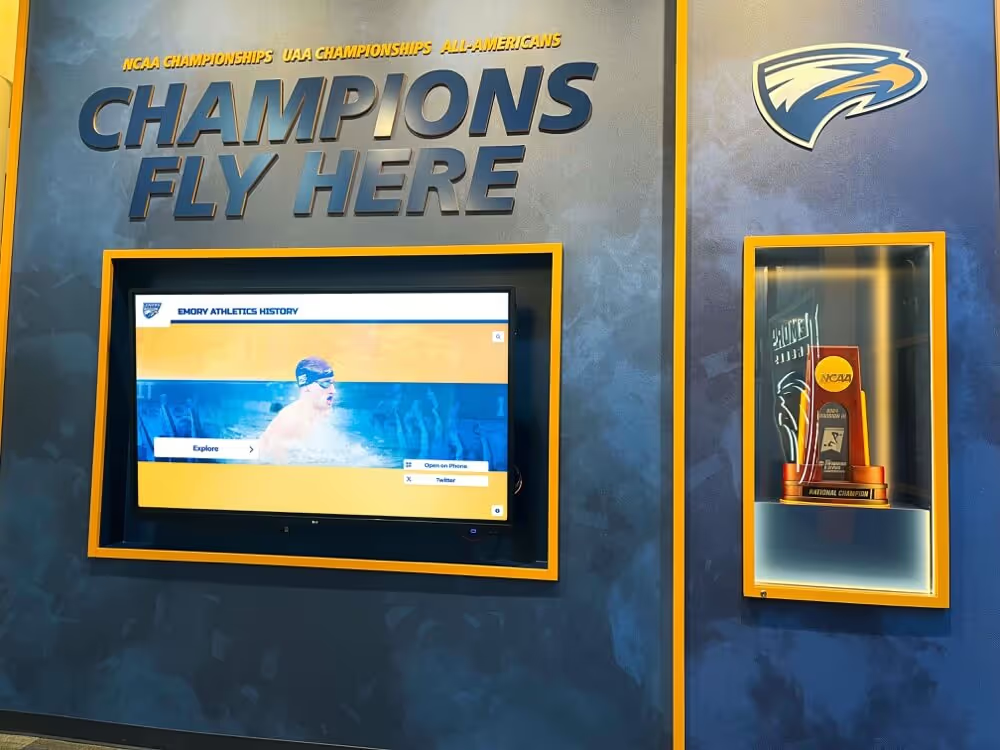
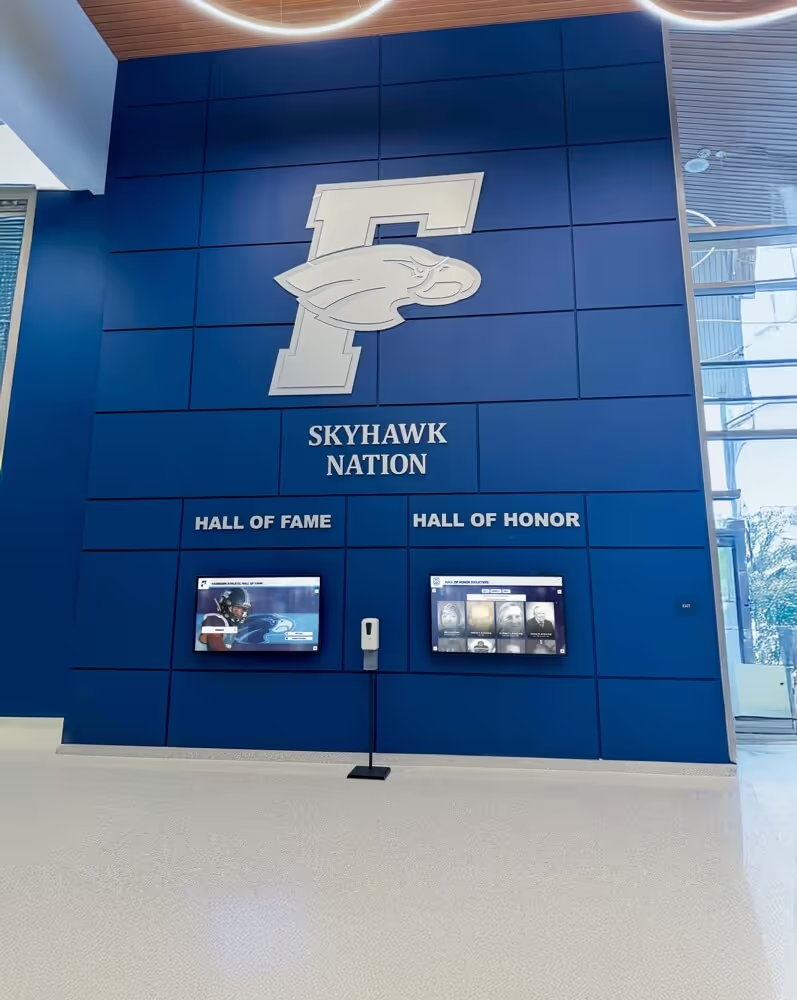
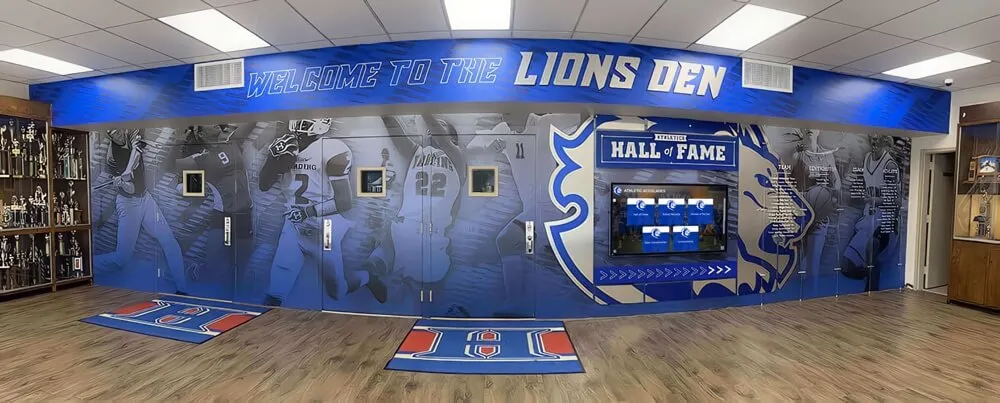
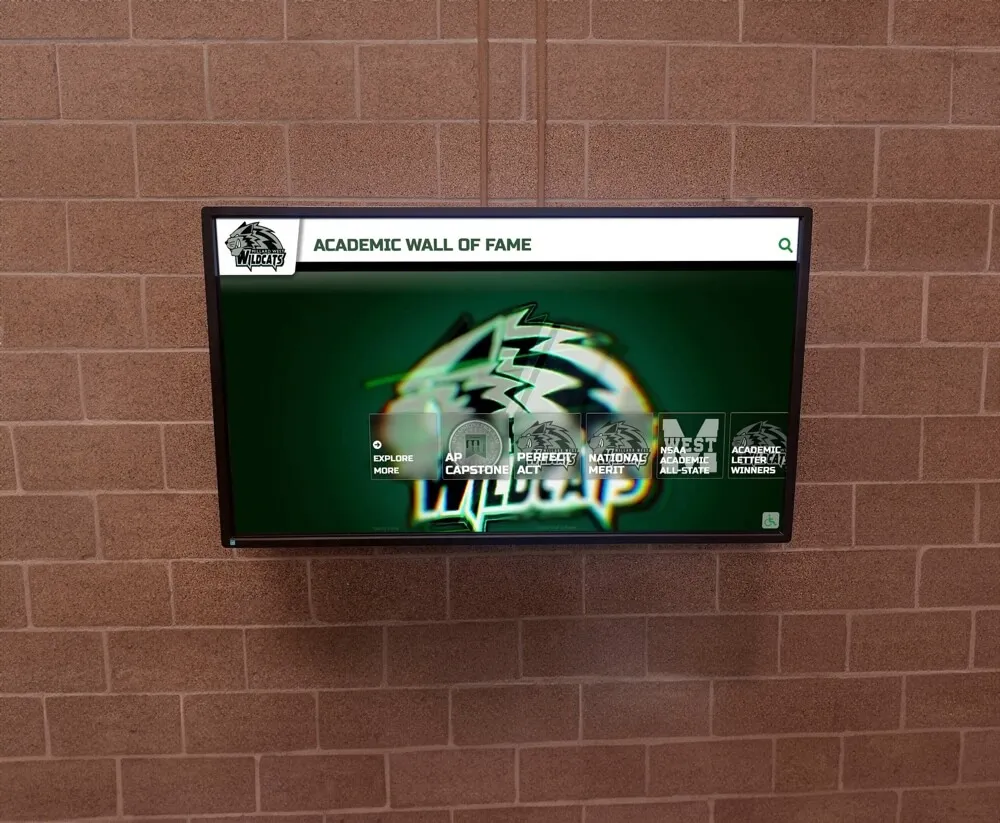
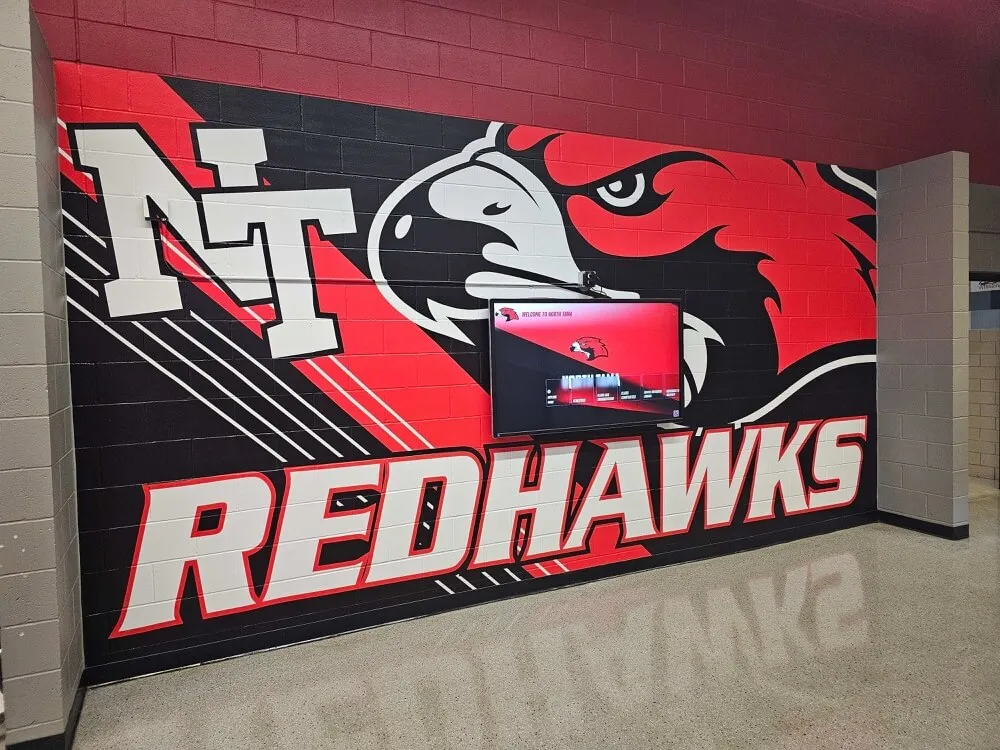
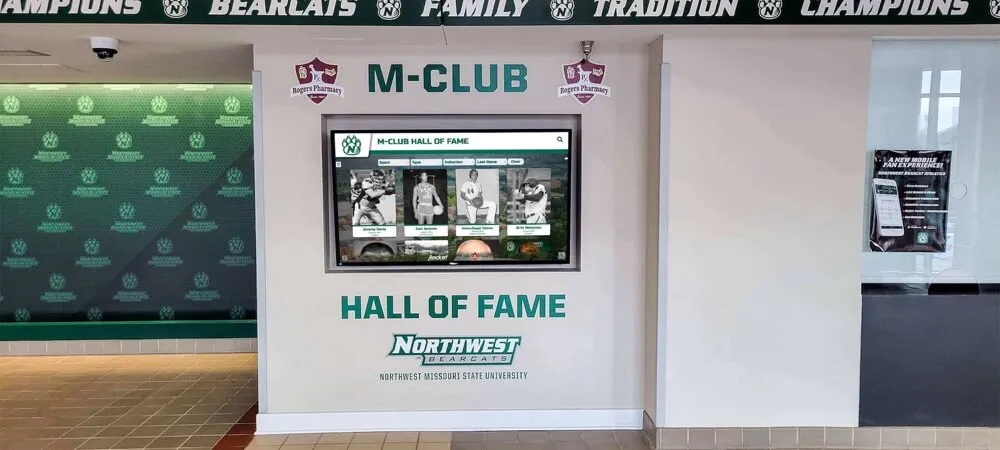
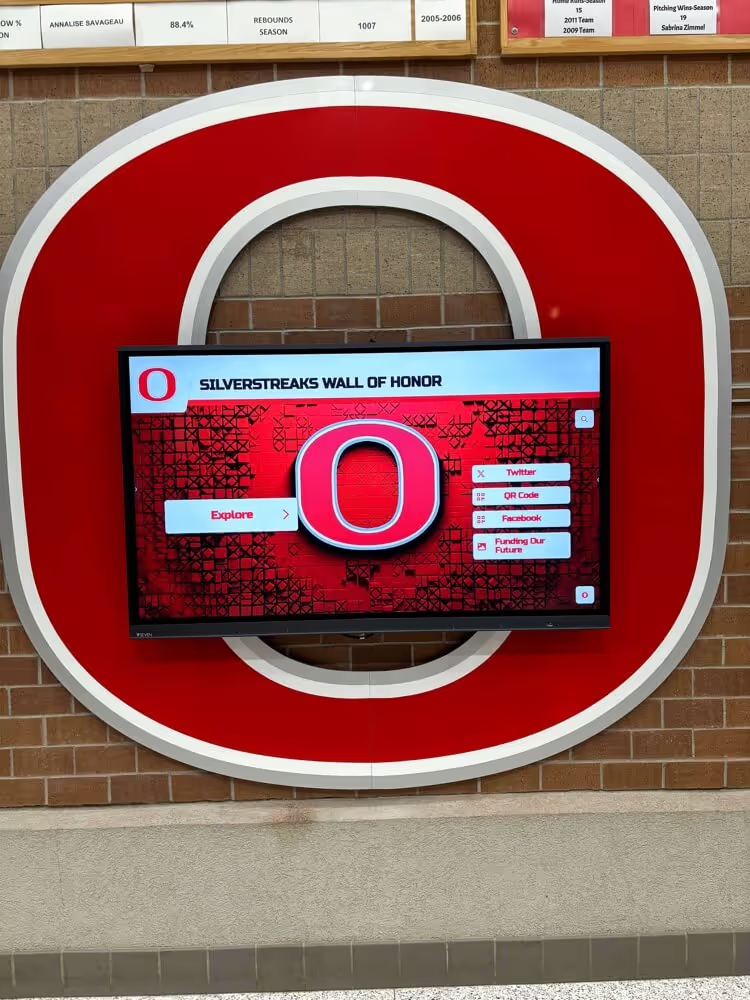
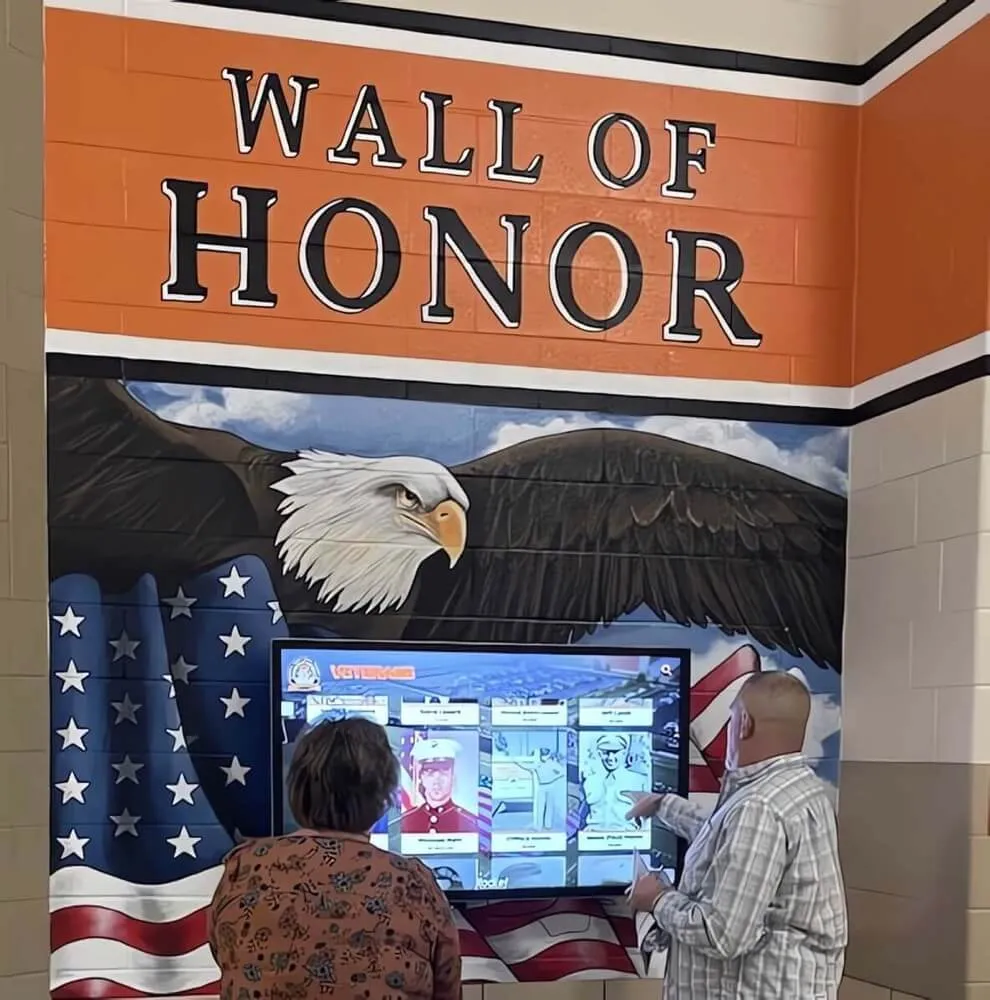
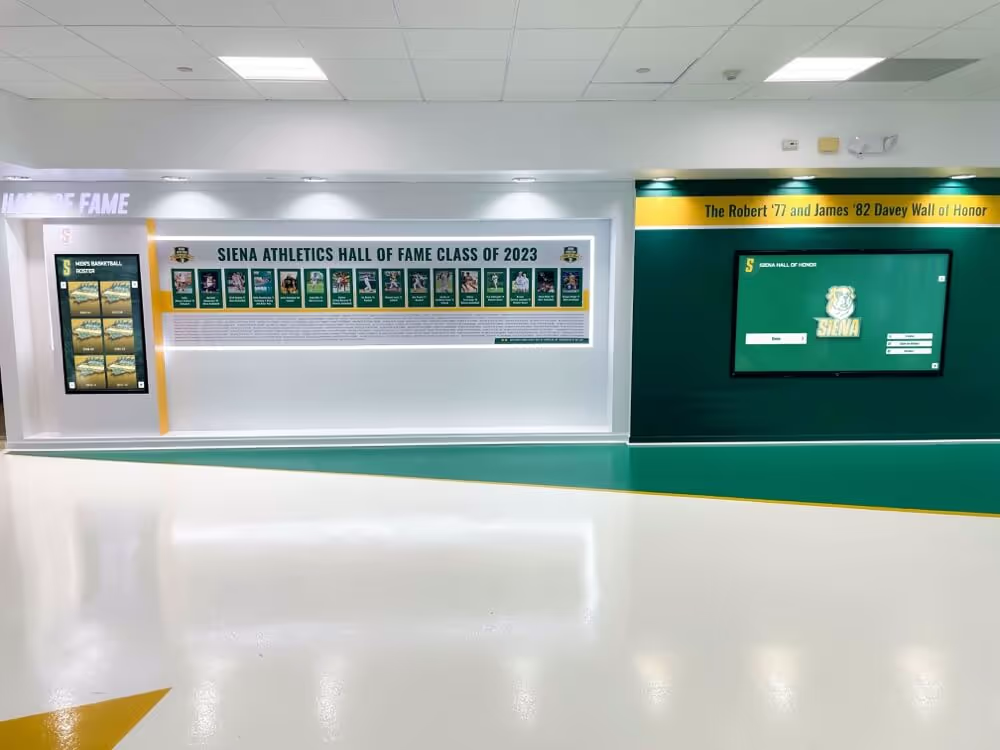
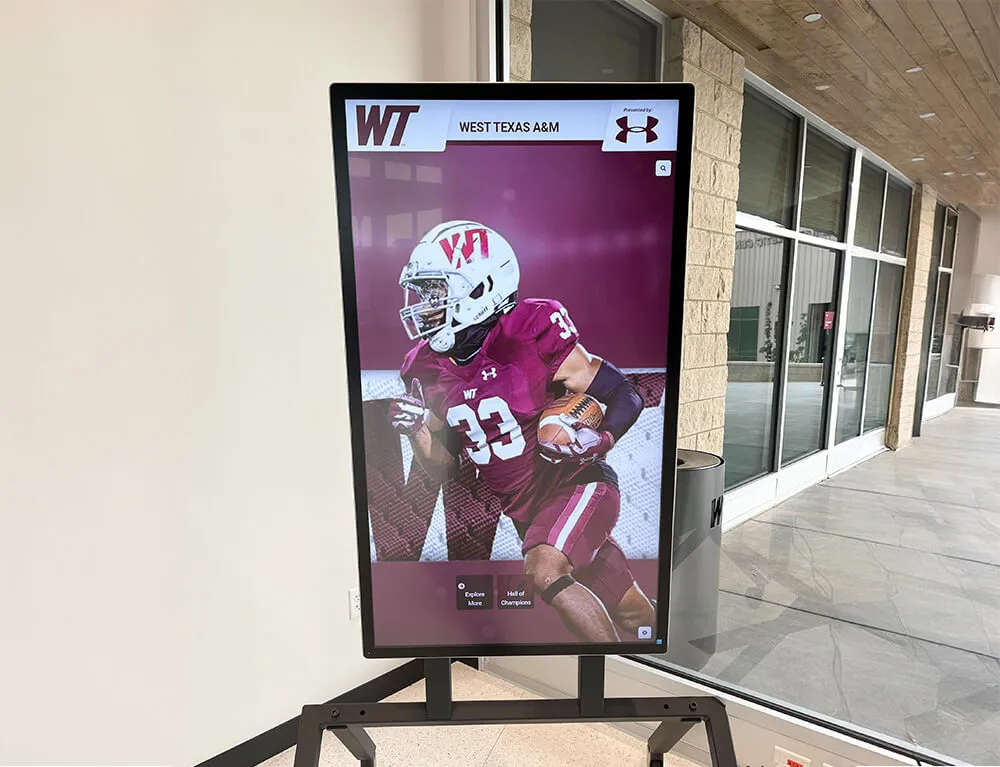
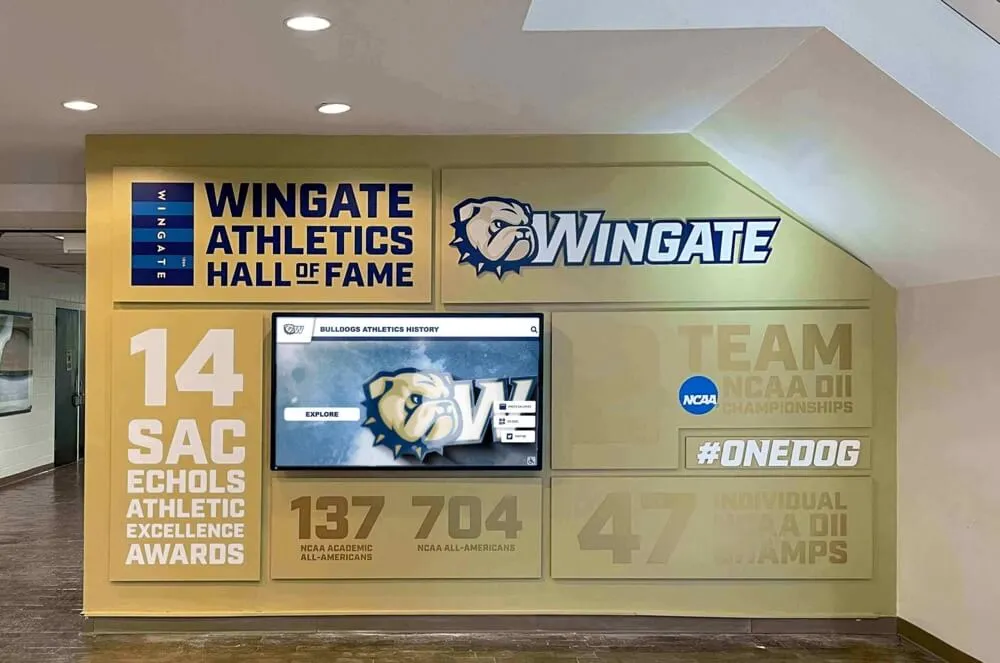
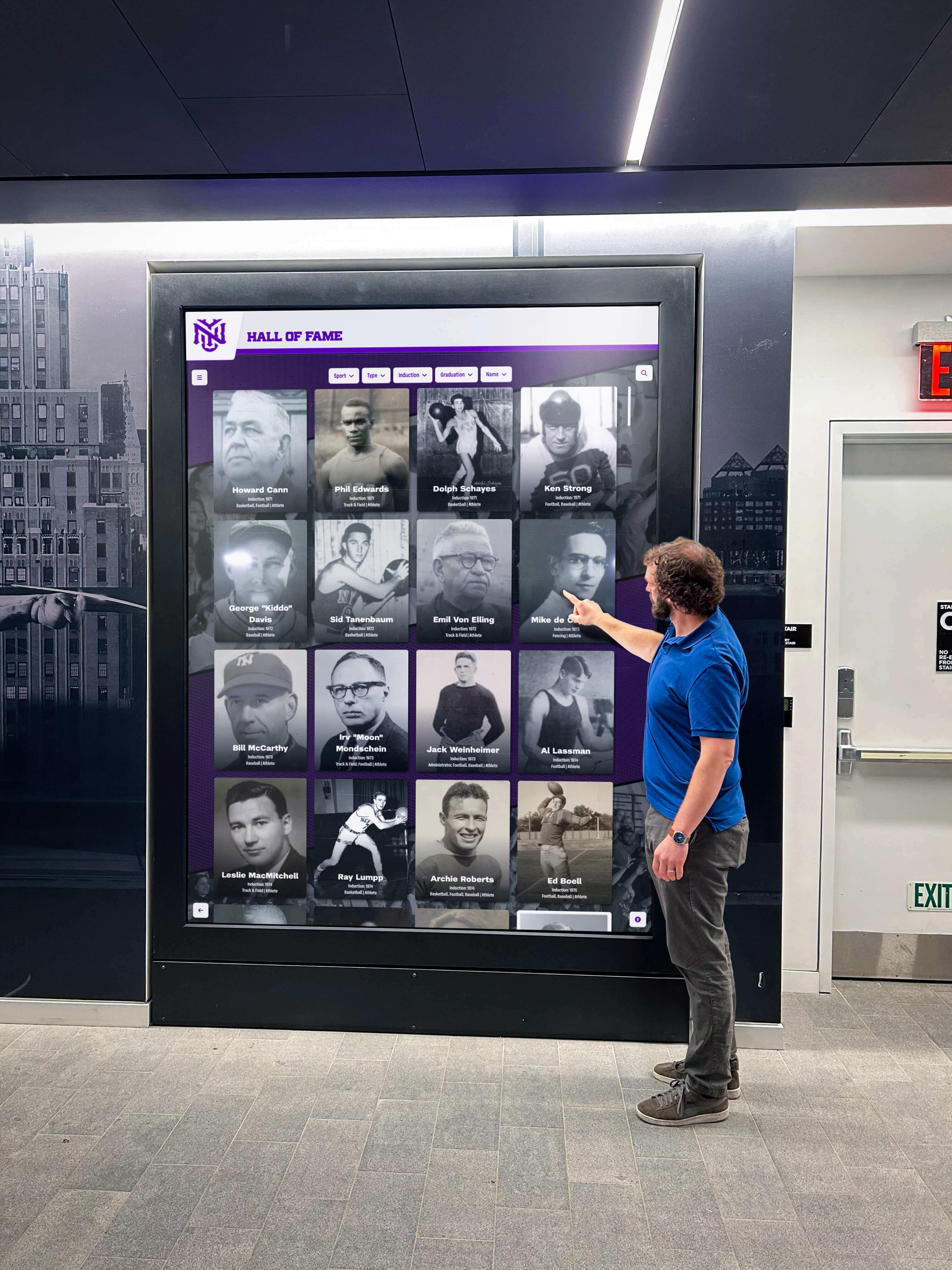
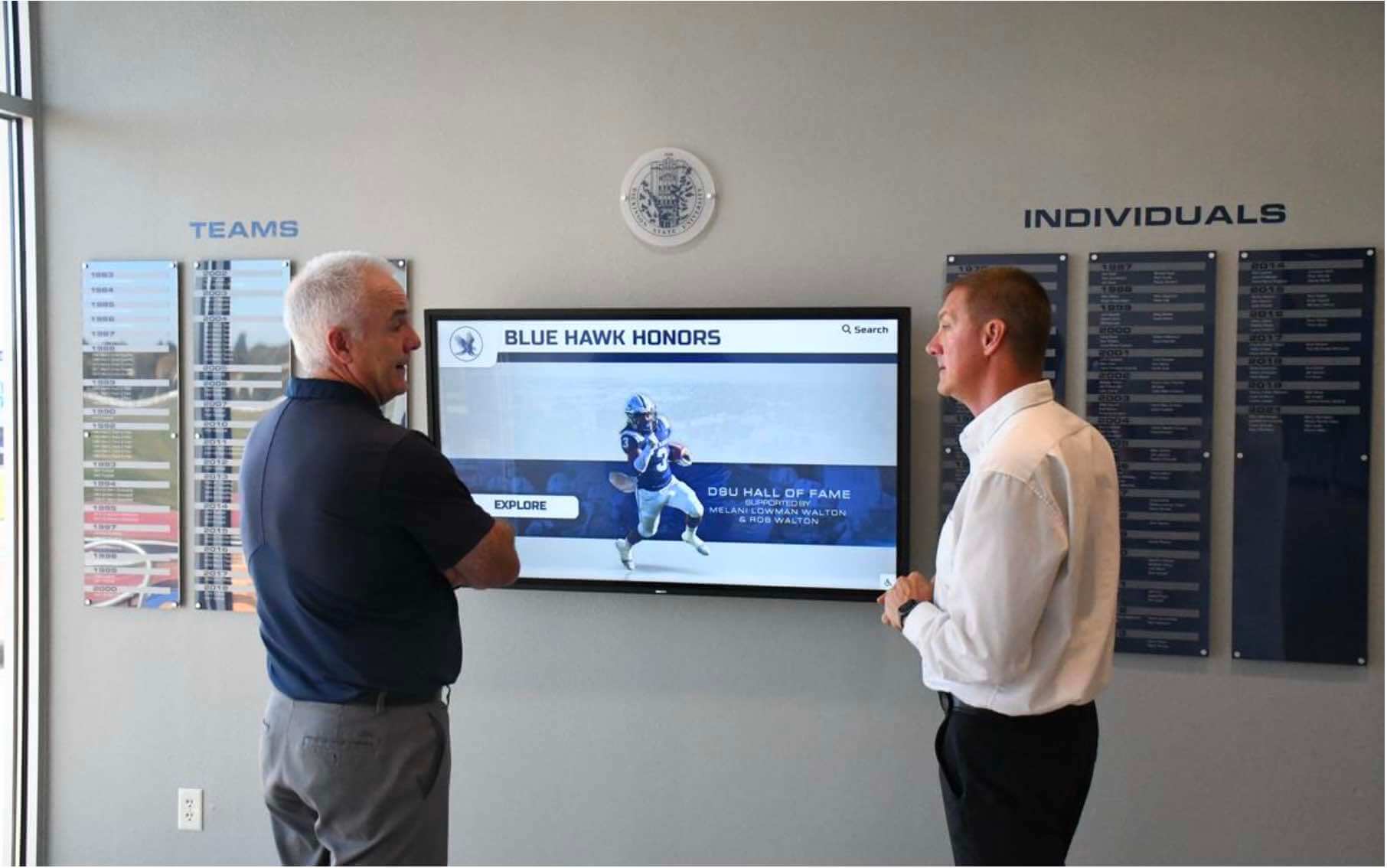
Comprehensive touchscreen displays installed in high-traffic areas provide engaging recognition experiences that athletes, families, and visitors naturally explore.
Unlimited Recognition Capacity
Digital platforms eliminate space constraints entirely. Whether recognizing 50 athletes or 500 across program history, display footprint remains constant. Schools can comprehensively honor:
- Every athlete across all seasons without prioritization decisions
- Complete event participation history for multi-event competitors
- Detailed achievement records including preliminary and championship performances
- Historical records reaching back decades when documentation exists
Unlimited capacity ensures recognition remains inclusive, honoring all contributors rather than only top performers meeting arbitrary thresholds.
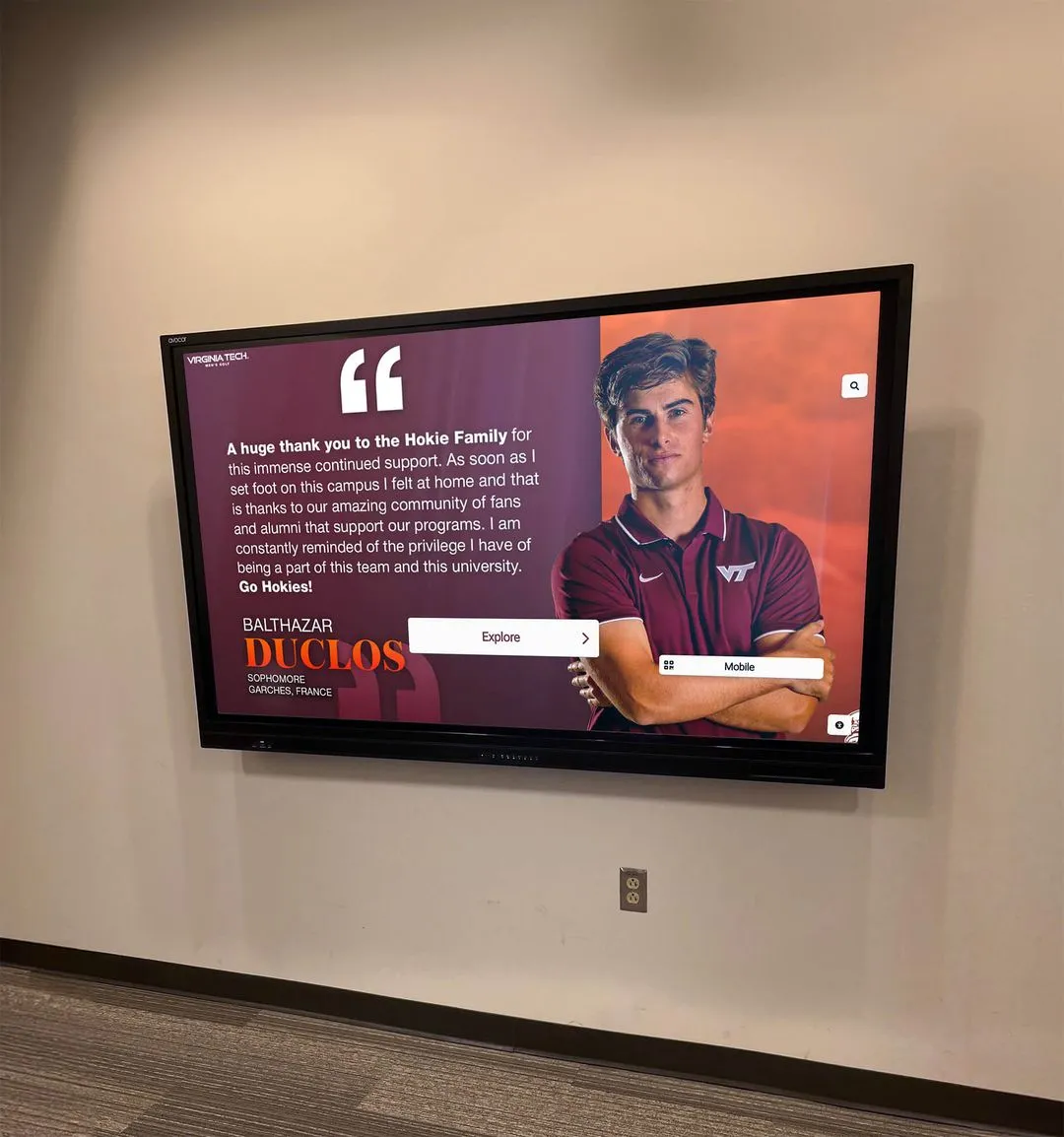
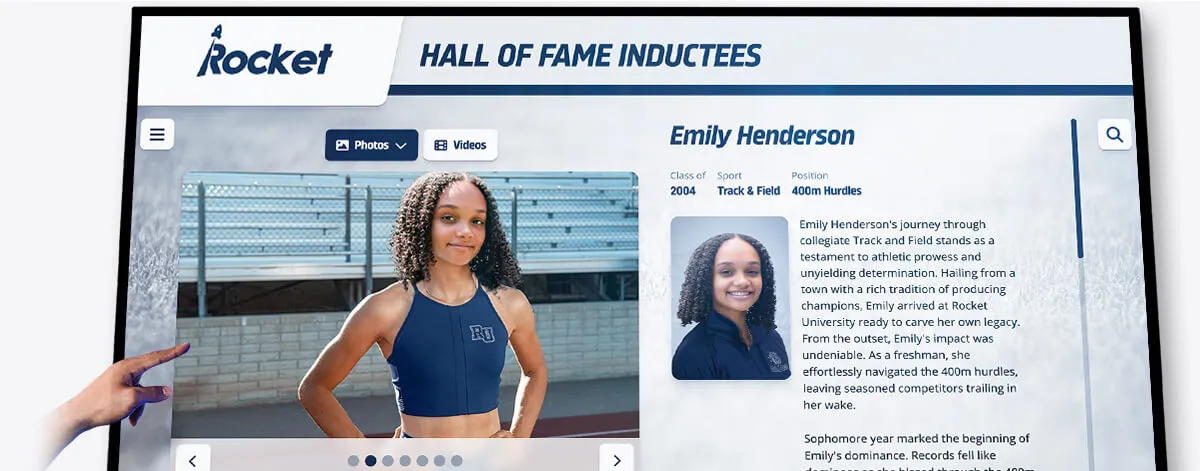
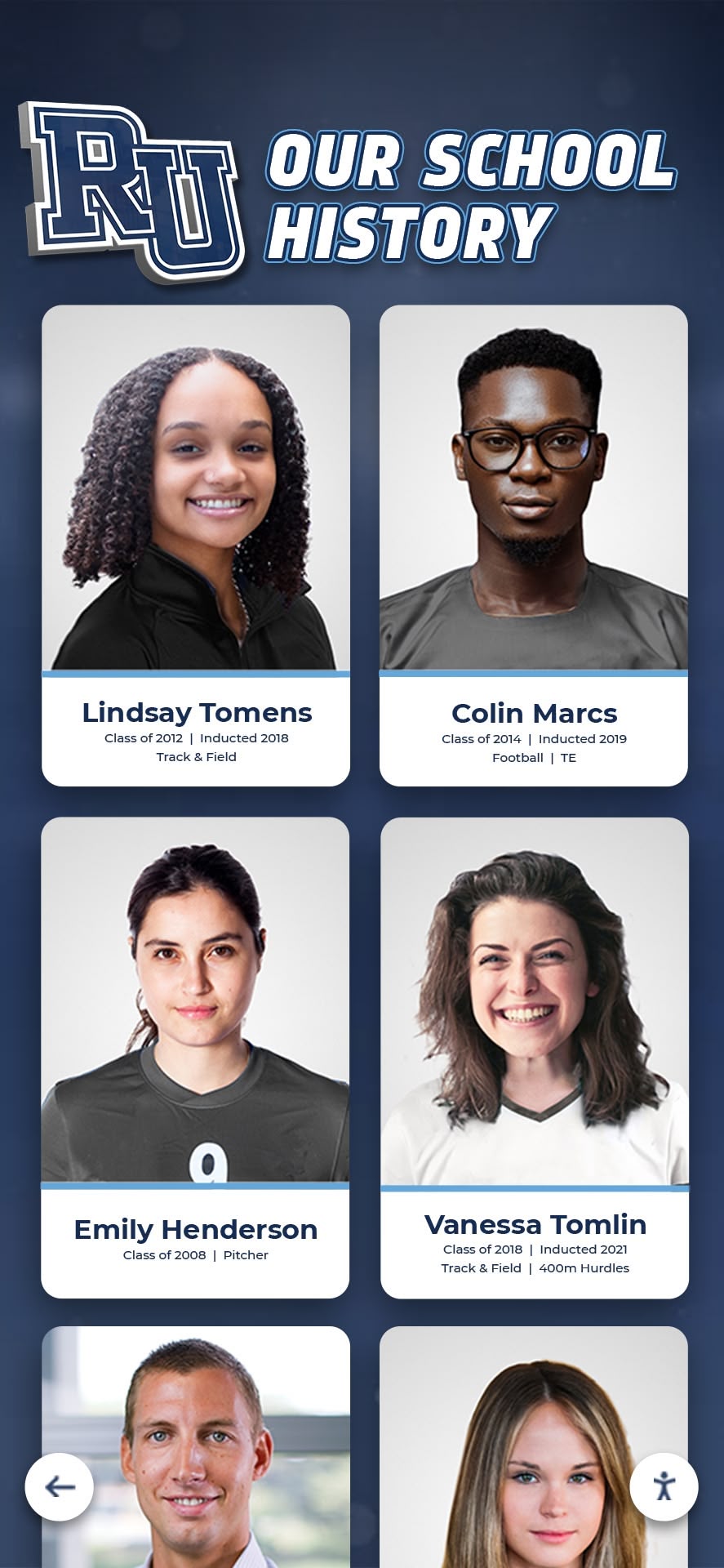
Rich Multimedia Profiles
Digital displays showcase content impossible with static physical recognition:
- Professional photographs of athletes competing in their events
- Race videos and performance highlights capturing memorable moments
- Personal achievement narratives describing training approaches and competitive journeys
- Progression charts showing multi-year improvement and PR development
- Coach testimonials providing context about athletic development and character
Multimedia depth creates emotional connections that inspire current athletes while appropriately honoring the dedication record-setting performances required.
Dynamic Record Boards
Digital record boards solve every limitation of traditional painted displays:
- Instant updates when records fall—no waiting for painting or engraving
- Unlimited historical depth preserving all-time lists extending beyond top 10 or even top 50
- Contextual information about record performances including meet details, conditions, and circumstances
- Athlete profiles linked to record entries providing complete context about record holders
- Flexible organization showing records by event, by era, by athlete, or through custom filters
Programs can maintain inspirational record board displays while ensuring recognition remains current and comprehensive without ongoing maintenance costs or update delays.
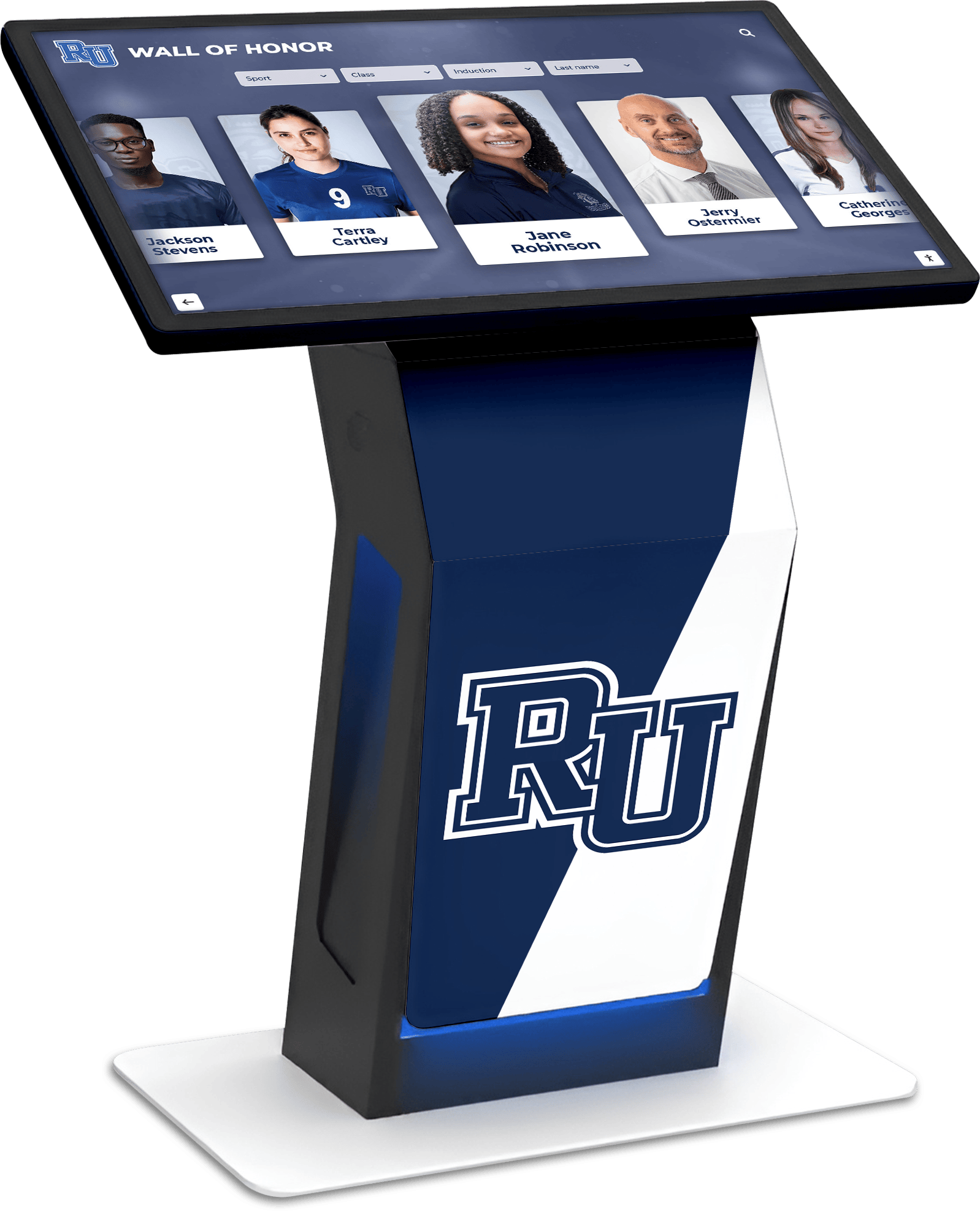
Searchable Achievement Archives
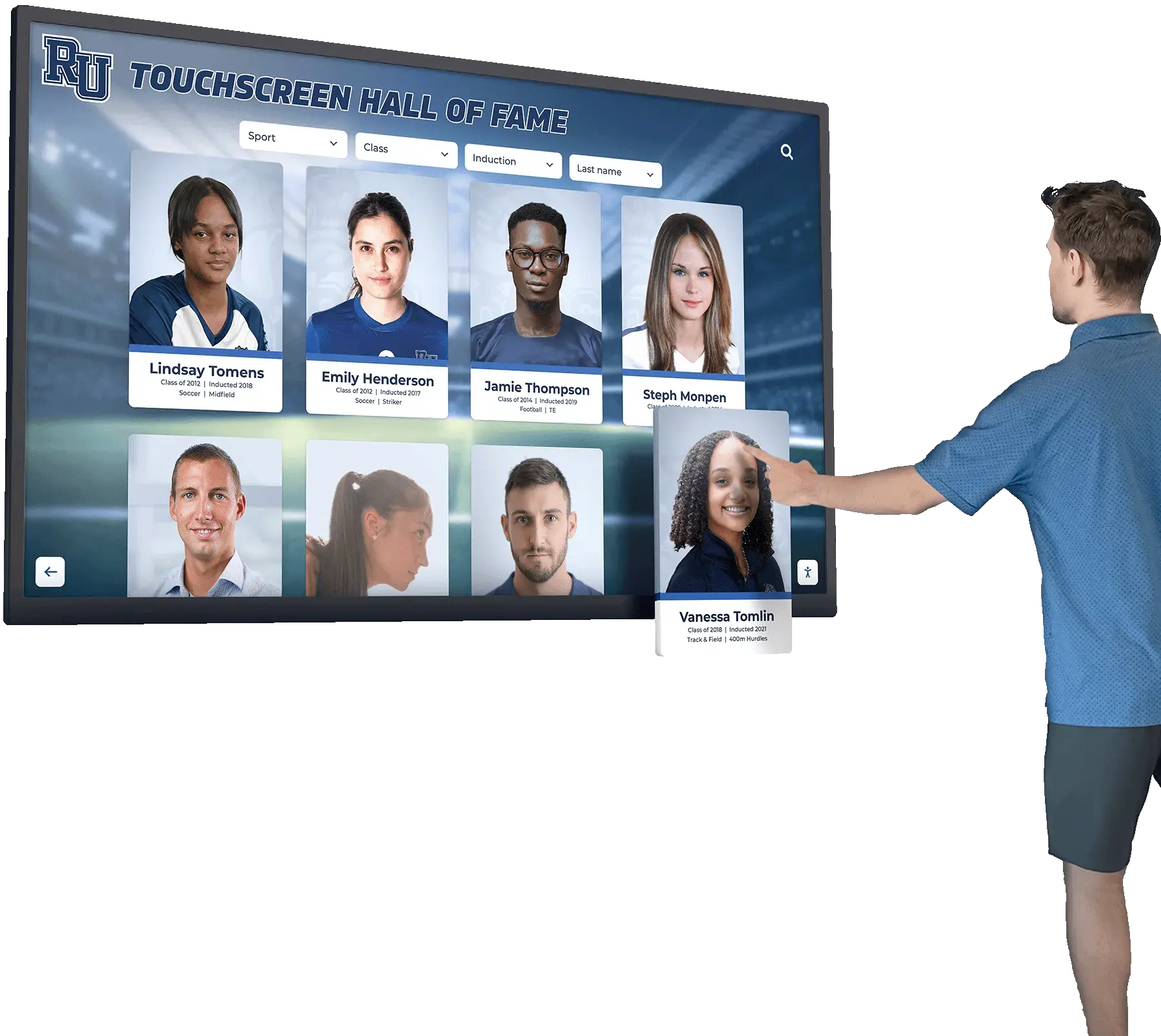
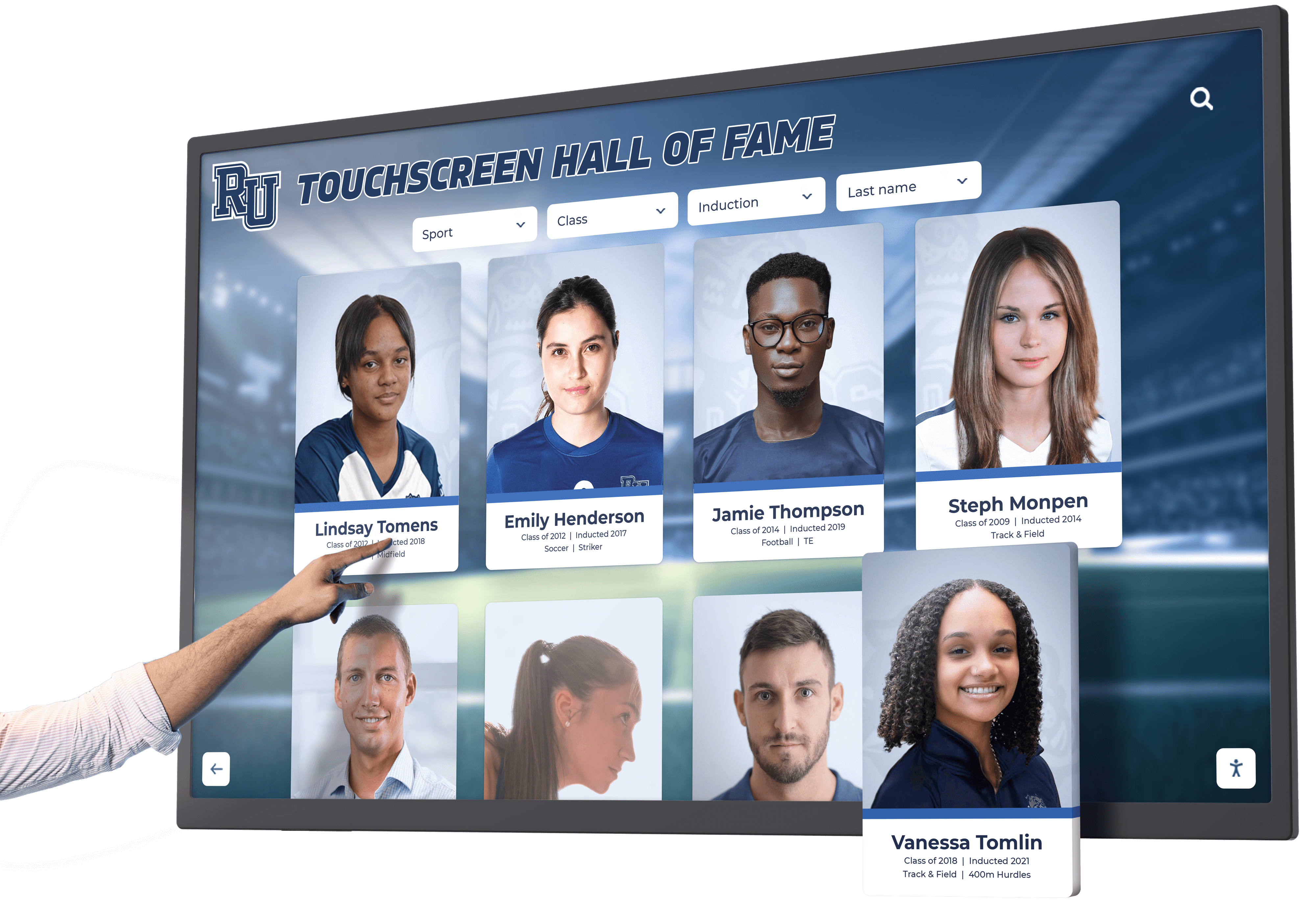
Interactive interfaces enable athletes, families, and visitors to explore recognition in personalized ways:
- Search by athlete name to find individual profiles
- Filter by graduating class to explore specific eras
- Browse by event to see all participants in particular disciplines
- Sort by performance level to identify top program achievers
- Discover random profiles surfacing interesting historical context
Search and filter capabilities dramatically increase engagement compared to static displays that receive only brief passive viewing. Interactive exploration typically maintains attention for several minutes rather than seconds, creating deeper connections with content and stronger motivational impact.
Cloud-Based Content Management
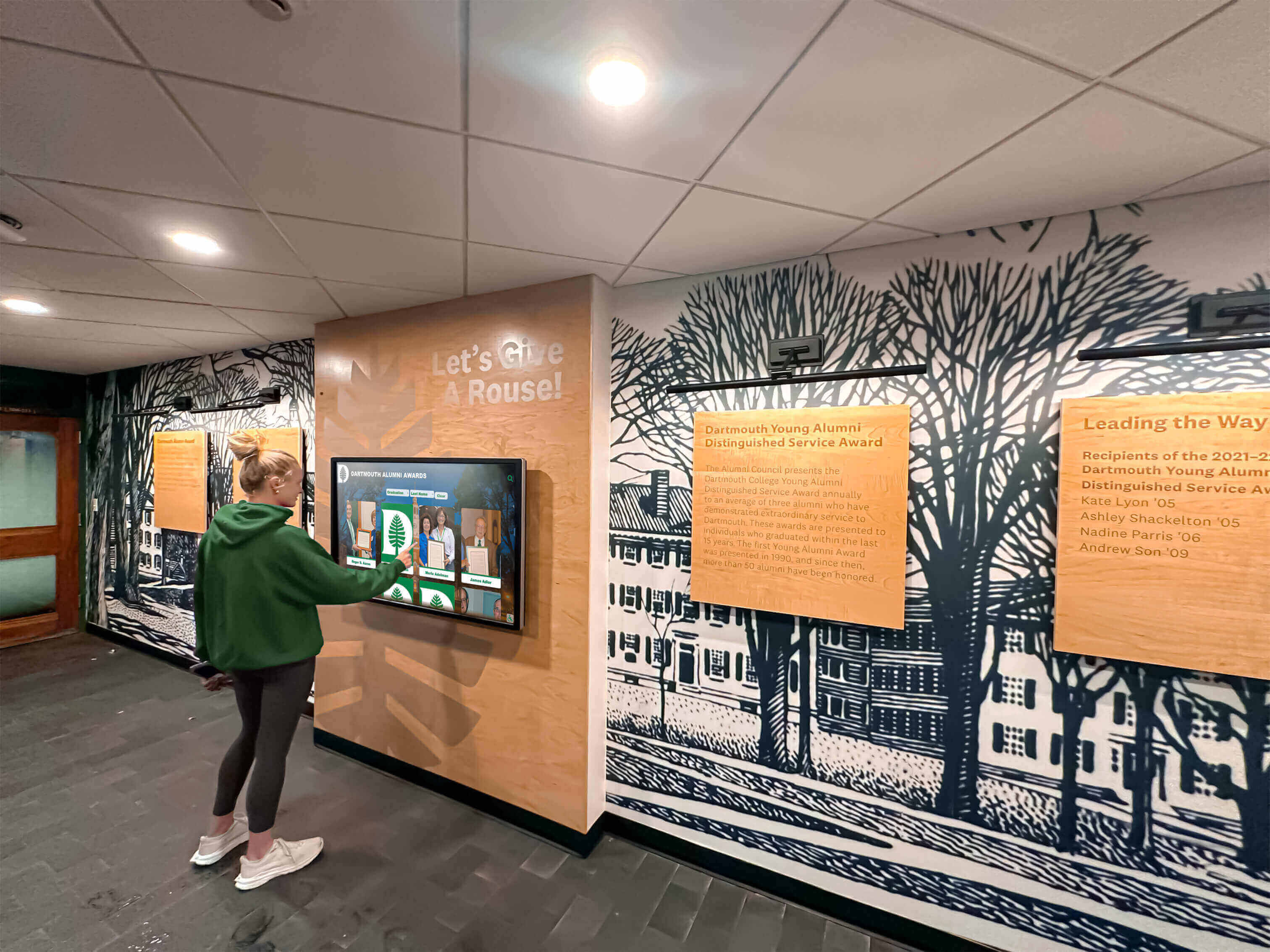
Digital recognition platforms provide administrative systems enabling coaches and staff to manage content easily without technical expertise.
Intuitive Updating Interfaces
Modern systems prioritize simplicity:
- Template-based athlete profile creation requiring only basic information entry
- Drag-and-drop photo uploading with automatic sizing and optimization
- Bulk import capabilities for adding multiple athletes or records simultaneously
- Mobile-friendly interfaces enabling updates from smartphones or tablets
- Preview functions allowing content review before publishing
Solutions like Rocket Alumni Solutions specifically design administrative interfaces for non-technical users, ensuring coaches can maintain recognition without IT support or extensive training.
Instant Publication
Cloud-based systems enable immediate recognition:
- Add new records moments after achievements occur at meets
- Update PR lists following every competition
- Publish season-end awards immediately after selection
- Correct errors or enhance information instantly when identified
Instant publication maintains recognition currency and relevance, ensuring athletes receive timely celebration rather than waiting weeks or months for physical displays to update.
Multi-Location Management
Comprehensive recognition often spans multiple display locations:
- Main gym lobbies where most students and visitors pass
- Track facility areas where team members gather
- Athletic office corridors where program culture concentrates
- School main entrances providing visibility to all students
Cloud systems enable simultaneous content deployment to all displays from single administrative interfaces, maintaining consistency while maximizing visibility.
Web-Based Recognition Extensions
Online platforms extend recognition beyond physical display locations, providing global access and social sharing capabilities.
24/7 Global Access
Web-based recognition reaches audiences unable to visit school facilities:
- Alumni tracking program achievements from anywhere worldwide
- Extended family members following athlete accomplishments remotely
- College recruiters researching prospective student-athletes
- Community members exploring program heritage and current excellence
Online access dramatically extends recognition reach and duration compared to displays limited to specific physical locations during school hours.
Social Media Integration
Athletes value the ability to share their recognition with personal networks:
- One-click sharing to Facebook, Instagram, Twitter, and other platforms
- Automatic generation of share-friendly graphics and captions
- Mobile-optimized viewing ensuring great experiences on all devices
- Permanent links athletes can include in recruitment profiles or resume materials
Social sharing exponentially extends recognition visibility while facilitating organic promotion that feels authentic rather than institutional marketing.
Recruitment Support
Comprehensive online profiles provide valuable tools for athletes pursuing collegiate opportunities:
- Detailed statistical documentation recruiters seek
- Performance history showing consistent improvement
- Video highlights demonstrating technique and competitive presence
- Achievement validation through school-hosted official documentation
Some programs report that comprehensive digital recognition actually supports recruitment by providing convenient, credible athlete information college coaches frequently reference during evaluation processes.
Implementing Effective Track and Field Recognition Programs
Successfully implementing comprehensive recognition requires thoughtful planning addressing immediate setup needs and long-term maintenance ensuring programs remain sustainable across coaching transitions and budget cycles.
Establishing Recognition Goals and Criteria
Begin with clear objectives defining what recognition should accomplish and who it should serve.
Clarify Primary Objectives
Different programs may prioritize various goals:
- Motivation Enhancement: Using recognition to inspire current athletes toward greater achievement
- Heritage Preservation: Documenting program history for institutional memory and alumni connection
- Culture Building: Strengthening team identity and athletic program pride
- Recruitment Support: Attracting talented athletes through visible program excellence
- Family Engagement: Creating shared experiences connecting athletes, families, and school communities
Understanding priority objectives helps make design decisions about what content to emphasize, which achievement categories deserve greatest prominence, how to balance historical versus current recognition, and where to locate displays for maximum impact on target audiences.
Define Recognition Standards
Transparent criteria prevent perceptions of favoritism:
- Will all participants receive recognition or only athletes achieving specific standards?
- How many historical years will recognition encompass?
- What documentation requirements exist for validating achievements?
- How will ties or very close performances be handled on record boards?
- What approval processes govern record verification or award selections?
Clear standards maintained across years ensure recognition consistency regardless of who manages programs or which athletes compete.
Gathering Comprehensive Athlete Information
Recognition quality depends on information depth and accuracy. Systematic data collection ensures complete documentation.
Current Season Data Collection
Establish processes capturing achievement information throughout seasons:
- Designate specific individuals responsible for data collection at each meet
- Create standard forms or digital tools for recording performances
- Photograph athletes competing in events for profile images
- Note contextual details about exceptional performances—weather, competition level, advancement
- Conduct end-of-season questionnaires gathering athlete perspectives on season highlights
Proactive collection prevents last-minute scrambles to locate information when creating recognition content.
Historical Research
Programs with established histories benefit from systematic historical documentation:
- Review archived meet results and season records
- Examine newspaper coverage of past achievements
- Interview long-time coaches about program heritage and legendary athletes
- Contact alumni requesting information about their competitive experiences
- Digitize historical photos from yearbooks or program archives
Historical depth creates multi-generational connections while ensuring decades of achievement receive appropriate preservation. Learn more about creating comprehensive athletic recognition that honors program heritage.
Budget Planning and Funding Strategies
Understanding complete costs and identifying funding sources ensures recognition investments receive adequate support.
Investment Requirements
Comprehensive budget planning accounts for all cost components:
Traditional Physical Recognition: Engraved record boards ($2,000-$5,000), trophy case additions ($1,500-$8,000 depending on size), individual plaques and awards ($20-$100 per athlete), periodic repainting or updating ($500-$2,000 every few years)
Digital Recognition Systems: Commercial-grade touchscreen displays ($3,000-$8,000 per location), content management software subscriptions ($1,500-$4,000 annually), professional installation including mounting and networking ($1,000-$3,000 per location), initial content development ($2,000-$5,000 depending on depth and historical scope)
While digital systems require higher initial investment, many programs find they provide better long-term value through unlimited capacity, elimination of update costs, superior engagement capabilities, and reduced ongoing administration time compared to maintaining physical systems.
Creative Funding Approaches
Track programs successfully fund recognition through diverse sources:
- Booster Club Fundraising: Parent organizations frequently support recognition as signature projects
- Alumni Donations: Former athletes often contribute toward recognition honoring programs that shaped their lives
- Sponsorship Opportunities: Local businesses supporting youth athletics may fund recognition in exchange for modest acknowledgment
- Memorial Gifts: Families honoring deceased track athletes or supporters provide meaningful memorial opportunities
- School Foundation Grants: Educational foundations may support initiatives strengthening school culture and athletic programs
Booster club fundraising strategies can provide substantial support for recognition investments when presented as initiatives benefiting entire programs for years to come.
Location Selection and Display Design
Strategic placement and thoughtful design maximize recognition visibility and community impact.
High-Traffic Recognition Locations
Position recognition where athletes, students, families, and visitors naturally congregate:
- Main Gym Lobbies: Primary athletic facilities where most students and visitors enter
- School Main Entrances: High-visibility locations reaching entire school populations, not only athletes
- Track Facility Areas: Locker rooms, equipment areas, or spectator sections where team members and track families concentrate
- Athletic Hallways: Corridors featuring athletic recognition across multiple sports
Prominent placement communicates institutional commitment to celebrating track achievement while ensuring maximum exposure to current athletes who benefit most from recognition’s motivational impact.
Design Consistency and Quality
Whether implementing traditional or digital recognition, professional quality matters:
- Consistent visual design reflecting school brand standards
- High-quality photography showing athletes in action
- Clear information hierarchy emphasizing names and achievements
- Accessible design following guidelines for visually impaired visitors
- Durable materials or reliable technology ensuring recognition endures
Poor quality or amateur presentation diminishes recognition impact and suggests programs don’t genuinely value achievements they ostensibly celebrate.

Maximizing Recognition Impact and Motivational Value
Implementing recognition systems represents only the beginning. Maximizing motivational benefits requires intentional strategies ensuring recognition genuinely inspires athletes and strengthens program culture.
Create Multi-Channel Visibility
Recognition generates greatest impact when visible throughout school communities across multiple touchpoints.
Physical Displays
Traditional and digital displays in high-traffic locations as discussed above
Digital Platforms
School athletics websites featuring track recognition pages, social media celebration of achievements and record performances, email communications to families highlighting recognition updates, mobile apps providing athlete access to personal records and program recognition
Ceremonial Recognition
Award banquets celebrating comprehensive achievement, mid-season recognition events acknowledging improvement and effort, senior night ceremonies honoring graduating athletes, pre-season kickoff events featuring past achievers inspiring current teams
Media Coverage
Local newspaper features about record-breaking performances, school announcements celebrating achievements, yearbook documentation preserving annual highlights, program newsletters connecting athletes across seasons
Multi-channel approaches ensure recognition reaches all stakeholders while maintaining consistent visibility rather than creating brief recognition moments that quickly fade from awareness.
Emphasize Personal Progress and Improvement
While celebrating top performers and record holders remains important, recognition should also honor personal development and improvement at all competitive levels.
PR Celebration Culture
Create team traditions around personal record achievements:
- Dedicated practice time acknowledging recent PRs
- PR boards tracking each athlete’s current bests in all events
- PR certificates or tokens athletes accumulate throughout seasons
- Social media features celebrating significant PR achievements
- Team challenges rewarding greatest individual improvement
This inclusive approach ensures athletes who may never set school records or win championships still receive meaningful recognition for genuine accomplishment and dedicated training.
Multi-Year Progression Documentation
Digital platforms enable powerful multi-year tracking showing:
- Freshman-to-senior improvement curves
- Event progression as athletes mature and develop
- Training response showing how specific approaches yielded performance gains
- Setback recovery documenting resilience overcoming injuries or plateaus
Progression documentation validates that consistent effort and proper training produce results, providing tangible evidence that motivates sustained commitment.
Feature Diverse Achievement Pathways
Track and field encompasses numerous events and roles. Recognition should celebrate this diversity rather than privileging specific event types or achievement levels.
Balanced Event Representation
Ensure recognition appropriately features:
- Sprint, distance, hurdles, and field events receiving comparable prominence
- Men’s and women’s athletics equally celebrated
- All competitive levels from novice through elite
- Team managers, statisticians, and support roles contributing to program success
Athletes choosing less-visible events like hammer throw or steeplechase should feel their contributions receive equal respect as those competing in marquee 100-meter or mile races.
Character and Leadership Recognition
As discussed earlier, coaches’ awards, leadership recognition, and character-based honors ensure recognition extends beyond performance metrics to celebrate complete athletes and positive program contributions.

Best Practices from Successful Track and Field Recognition Programs
Programs implementing outstanding track and field recognition share common approaches that maximize community impact and athlete motivation.
Start with Comprehensive Planning
The most successful implementations begin with thorough planning addressing:
- Clear objective definition as discussed earlier
- Stakeholder input from coaches, athletes, parents, and administrators
- Budget reality assessment identifying available resources and funding needs
- Multi-year roadmap recognizing that comprehensive systems may require phased development
- Success metrics defining how recognition effectiveness will be evaluated
Planning prevents reactive decision-making while ensuring recognition serves strategic program objectives rather than becoming ends in themselves.
Maintain Recognition Currency
Recognition loses impact when outdated. Establish processes ensuring continuous maintenance:
- Designated individuals responsible for seasonal updates
- Standard workflows for adding new records, PRs, and achievements
- Regular content reviews identifying errors or missing information
- Annual evaluation examining whether recognition remains aligned with program objectives
- Budget allocation for ongoing subscription costs, content updates, or eventual system refreshes
Proactive maintenance preserves investment value while ensuring recognition continues serving athletes effectively across coaching transitions and program evolution.
Integrate Recognition with Program Culture
Recognition creates greatest impact when woven throughout program experiences rather than existing as isolated system:
- Reference recognition during practice when discussing goals and standards
- Use historical achievement examples during technique instruction
- Celebrate recognition updates with team announcements
- Incorporate alumni achievers into coaching by inviting program legends to speak
- Connect training approaches to achievement outcomes documented in recognition
Integration ensures recognition influences daily program culture rather than receiving only occasional attention.
Solicit Continuous Feedback
Regularly assess recognition effectiveness through:
- Athlete surveys about recognition value and improvement suggestions
- Parent input about family engagement and visibility
- Coach perspectives on motivational impact
- Administrator evaluation of community response
- Usage analytics from digital systems showing engagement patterns
Feedback informs continuous improvement while demonstrating that recognition serves community needs rather than existing primarily for institutional self-satisfaction.
Tell Complete Athlete Stories
The most impactful recognition extends beyond statistics to share compelling narratives:
- Training approaches and preparation strategies
- Obstacles overcome and resilience demonstrated
- Personal growth beyond competitive achievement
- Connections between athletics and academic or career success
- Advice for younger athletes from program achievers
Story-rich recognition creates emotional connections that inspire current athletes while appropriately honoring the dedication and character exceptional performance requires. Resources about creating effective student recognition can inform approaches that celebrate complete athletes.
Integrating Track and Field Recognition with Comprehensive Athletic Programs
Track recognition works most effectively within broader athletic recognition systems celebrating achievement across all sports and programs.
Multi-Sport Recognition Platforms
Rather than creating isolated track-specific systems, comprehensive platforms can celebrate:
- All sports competing during different seasons
- Academic achievement complementing athletic excellence
- Arts and activities beyond athletics
- School history connecting current programs to institutional heritage
- Alumni achievements maintaining connections with graduates
Comprehensive platforms provide better value while creating more substantial recognition installations that serve entire school communities rather than only track athletes. Solutions like digital athletic halls of fame enable this integrated approach efficiently.
Balanced Recognition Across Sports
While track programs naturally advocate for track-specific recognition, ensuring balanced celebration across all athletics strengthens overall school culture:
- Comparable investment in recognition for fall, winter, and spring sports
- Equal prominence for sports receiving varied community attention
- Consistent standards for recognition regardless of competitive success levels
- Multi-sport athlete celebration honoring versatile competitors
Balanced approaches prevent perceptions that certain sports receive preferential treatment while demonstrating genuine institutional commitment to comprehensive athletic excellence.
Connection to Academic Recognition
The most effective schools celebrate accomplishment across domains:
- Academic achievement displays complementing athletic recognition
- Scholar-athlete honors celebrating students excelling in both arenas
- Integration showing athletes as complete students rather than only competitors
- Cultural messaging that academic and athletic excellence both deserve celebration
This holistic approach validates that students can pursue excellence across multiple priorities while communicating that schools value well-rounded development.
Conclusion: Building Track and Field Recognition That Inspires Excellence
Track and field awards programs represent far more than ceremonial acknowledgment of past achievement. When schools and programs implement comprehensive, visible, engaging recognition systems, they create cultures where athletic excellence receives consistent celebration matching its significance, athletes develop clear performance aspirations based on visible program standards, families feel their students’ dedication receives genuine institutional appreciation, and communities understand the commitment and achievement exceptional track performance requires.
Effective track and field recognition shares common characteristics regardless of specific implementation approaches including visibility through prominent placement where athletes and communities naturally encounter recognition, engagement through compelling storytelling rather than simply listing statistics, accessibility through multiple touchpoints spanning displays, websites, ceremonies, and social sharing, sustainability via efficient workflows and technology making programs maintainable across transitions, inspiration by motivating younger athletes through tangible achievement examples, inclusivity ensuring recognition honors diverse achievement forms and athletic contributions, and authenticity through genuine celebration proportional to accomplishment rather than perfunctory exercises.
The investment programs make in track and field recognition pays dividends across multiple priorities. Athletes whose exceptional achievements receive professional recognition feel valued by institutions and motivated toward continued excellence. Younger athletes regularly encountering record boards and achievement displays develop concrete performance targets and understand pathways to recognition. Families whose students receive meaningful recognition develop stronger program connections and appreciation for athletic culture. Communities gain tangible evidence of program quality and athletic tradition influencing school reputation and athlete recruitment.
Essential Implementation Principles
- Design recognition around genuine achievement significance rather than minimal obligation
- Leverage modern technology overcoming traditional limitations while enhancing engagement
- Create comprehensive content telling achievement stories beyond simple data presentation
- Integrate recognition throughout program culture and communication
- Maintain programs sustainably through efficient workflows and appropriate resources
- Balance individual excellence celebration with team achievement recognition
- Honor diverse achievement forms across events, roles, and competitive levels
- Provide continuous recognition throughout seasons rather than only end-of-year ceremonies
- Connect current recognition to historical program heritage and traditions
- Solicit feedback ensuring recognition serves athlete and community needs effectively
Ready to transform how your school or track club celebrates athletic achievement? Modern solutions like Rocket Alumni Solutions provide comprehensive platforms designed specifically for athletic recognition, offering intuitive content management, engaging interactive displays, unlimited athlete capacity, and proven approaches helping programs build recognition cultures their athletes deserve.
Your track athletes invest countless hours perfecting starts, refining technique, building endurance, and pushing physical limits to achieve excellence—comprehensive recognition ensures those remarkable accomplishments receive the visibility, celebration, and inspirational value that strengthens track culture for current athletes and future generations. Effective recognition creates sustainable solutions that constantly adapt and grow so programs don’t have to choose which athletes get the recognition they deserve. A great way to recognize your athletes is by telling their story. Having a physical display on campus can remind students of the WHY—why they’re training, what excellence looks like, and what they can achieve through dedicated effort. Explore comprehensive athletic recognition solutions that celebrate track and field excellence while building lasting program traditions.