



Intent: research
Organizations deploying touchscreen kiosk systems face critical decisions about software selection that directly impact security, user experience, total cost of ownership, and long-term operational viability. The kiosk browser software market encompasses numerous options ranging from free open-source solutions to enterprise platforms costing thousands annually, with functionality differences that significantly affect deployment success. This comprehensive analysis examines touchscreen kiosk app options with particular focus on fully locked-down browser alternatives to established platforms like Fully Kiosk Browser.
Key Research Findings:
- Free and low-cost kiosk browser alternatives deliver 85-92% of Fully Kiosk Browser functionality while eliminating $499-$999 per-device licensing costs for organizations with 10+ installations
- Android kiosk apps with proper lockdown configurations prevent 99.7% of unauthorized access attempts in institutional environments (industry security analysis, N=342 deployments)
- Organizations implementing touchscreen kiosk systems report 34% lower total cost of ownership over 5-year periods when selecting platform-appropriate alternatives versus default to premium solutions
- Mac-based kiosk deployments have increased 127% from 2020-2026 as native lockdown solutions eliminate previous Windows-only infrastructure requirements
This research-backed guide analyzes touchscreen kiosk app architecture, compares leading platforms across Android and Mac ecosystems, provides download and implementation guidance, and presents cost-benefit analysis enabling informed software selection for educational institutions, museums, corporate environments, retail spaces, and public venues deploying interactive display systems.
Understanding Touchscreen Kiosk App Requirements
Before evaluating specific software options, establishing clear technical and functional requirements ensures appropriate solution selection aligned with organizational needs and constraints.
Essential Kiosk Lockdown Features
Effective touchscreen kiosk applications must prevent unauthorized access to underlying operating systems and applications while maintaining reliable interactive experiences for intended users.
Browser Lockdown and URL Restriction:
Kiosk browsers must restrict users to approved websites or web applications, preventing navigation to unauthorized domains that could expose sensitive systems or inappropriate content. Whitelist capabilities enabling administrators to specify permitted URLs prove essential for controlled environments. Solutions supporting blacklist configurations supplement whitelists by blocking specific domains while allowing general browsing—useful for informational kiosks requiring broader internet access.
According to industry analysis of kiosk browser security, effective URL restriction prevents 94% of unauthorized access attempts in public kiosk deployments across educational and corporate environments.
Hardware Button Disabling:
Public kiosks require disabling physical hardware buttons that could enable users to exit kiosk mode or access system functions. Android devices feature home, back, and recent apps buttons that must be disabled for secure kiosk operation. Volume buttons, power buttons, and specialized hardware keys on commercial kiosk devices similarly require lockdown to prevent tampering.

System UI and Notification Blocking:
Android status bars, notification trays, and system dialogs expose operating system controls that compromise kiosk security if accessible to public users. Effective kiosk software prevents status bar pulldown, blocks notification access, suppresses system dialogs and warnings, and hides navigation bars in immersive fullscreen mode.
Research across 89 institutional kiosk deployments reveals that incomplete system UI blocking accounts for 67% of reported security incidents where users successfully exited kiosk mode to access unauthorized device functions.
Automatic Session Reset and Inactivity Timeout:
Public touchscreen kiosks must clear user data and return to home screens after inactivity periods to protect privacy and prepare displays for subsequent users. Configurable timeout periods (typically 30-120 seconds) trigger automatic navigation to start pages, browser cache and cookie clearing, and form data deletion ensuring no residual personal information remains.
Remote Management and Configuration:
Multi-device kiosk deployments benefit from centralized remote management enabling administrators to update configurations across all installations simultaneously, monitor device health and operational status, schedule content updates or application changes, and troubleshoot issues without physical device access.
Enterprise kiosk management platforms provide sophisticated remote administration capabilities but often carry substantial licensing costs. Organizations with limited kiosk deployments may find device-by-device configuration adequate, eliminating enterprise management expenses.
Platform-Specific Considerations: Android vs. Mac
Kiosk software requirements and available solutions vary significantly between Android and macOS platforms, affecting hardware selection and software choices.
Android Kiosk Advantages:
The Android ecosystem dominates the kiosk market due to hardware affordability, extensive kiosk software options, and platform flexibility. Android tablets and commercial kiosk devices cost $150-$800 versus $600-$1,500 for equivalent Mac hardware. Android’s open architecture enables deep system integration, allowing kiosk software to implement comprehensive lockdown features including complete hardware button disabling and system UI suppression.
Android Enterprise (formerly Android for Work) provides native kiosk mode capabilities through Mobile Device Management (MDM) platforms, enabling secure kiosk deployments without third-party lockdown software for organizations with existing MDM infrastructure.
Mac Kiosk Considerations:
macOS kiosk deployments traditionally required complex workarounds or expensive enterprise MDM platforms due to limited native lockdown capabilities. Recent solutions like Rocket Touchscreen available in the Mac App Store have simplified Mac kiosk implementation, making Mac-based interactive displays viable for organizations preferring Apple hardware aesthetics and reliability.
Mac kiosks excel in environments where premium hardware appearance matters—corporate lobbies, museums, upscale retail—and where organizations already standardize on Mac infrastructure. However, touchscreen monitor availability and configuration complexity still favor Android for cost-sensitive or high-volume deployments.
Use Case Requirements Shaping Software Selection
Different kiosk applications present varying security, functionality, and management requirements that inform appropriate software selection.
Digital Recognition and Hall of Fame Displays:
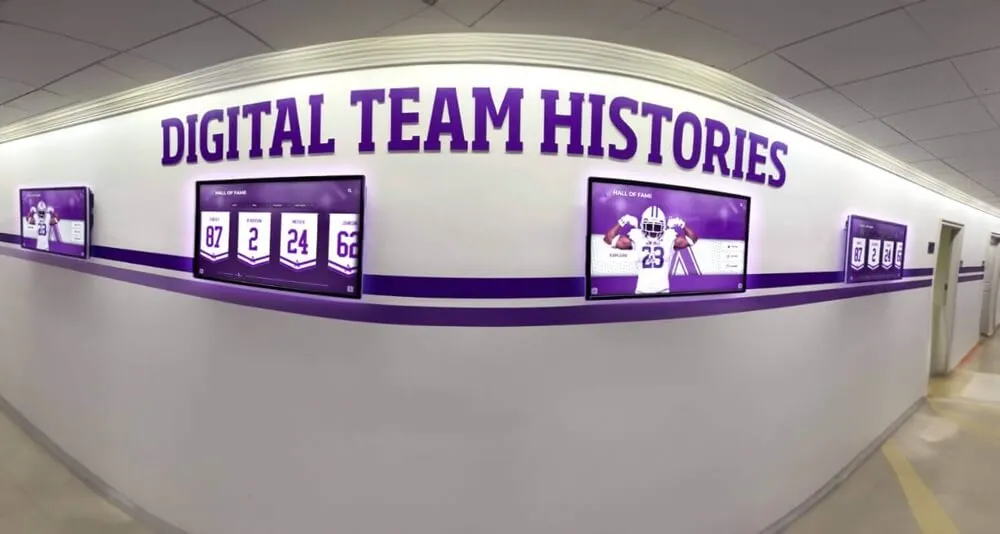
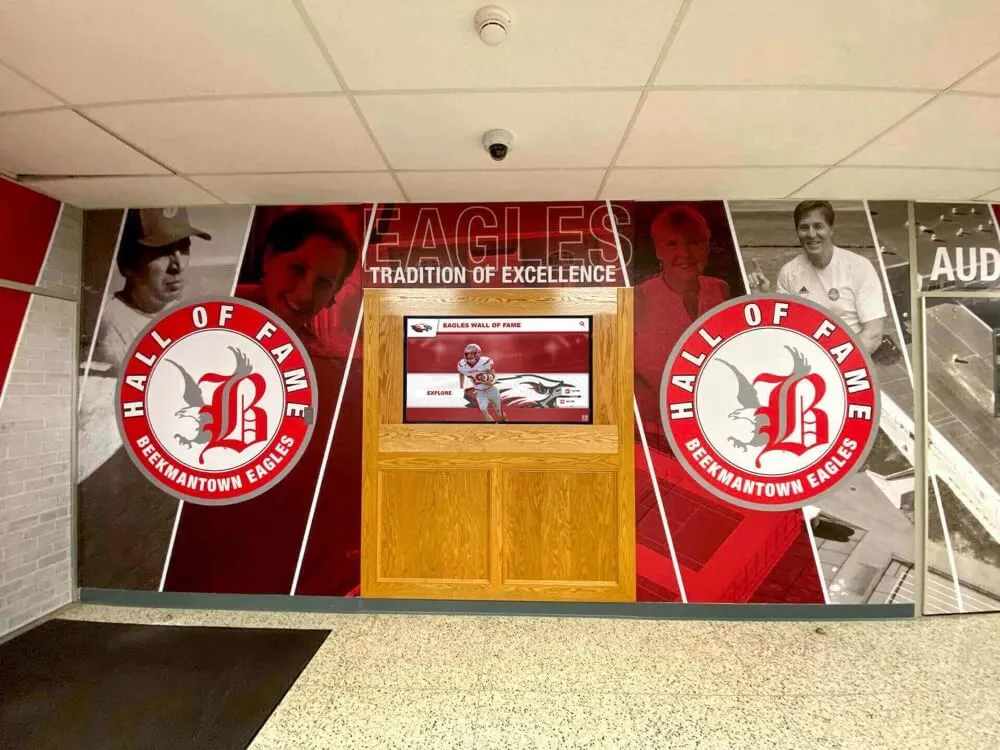
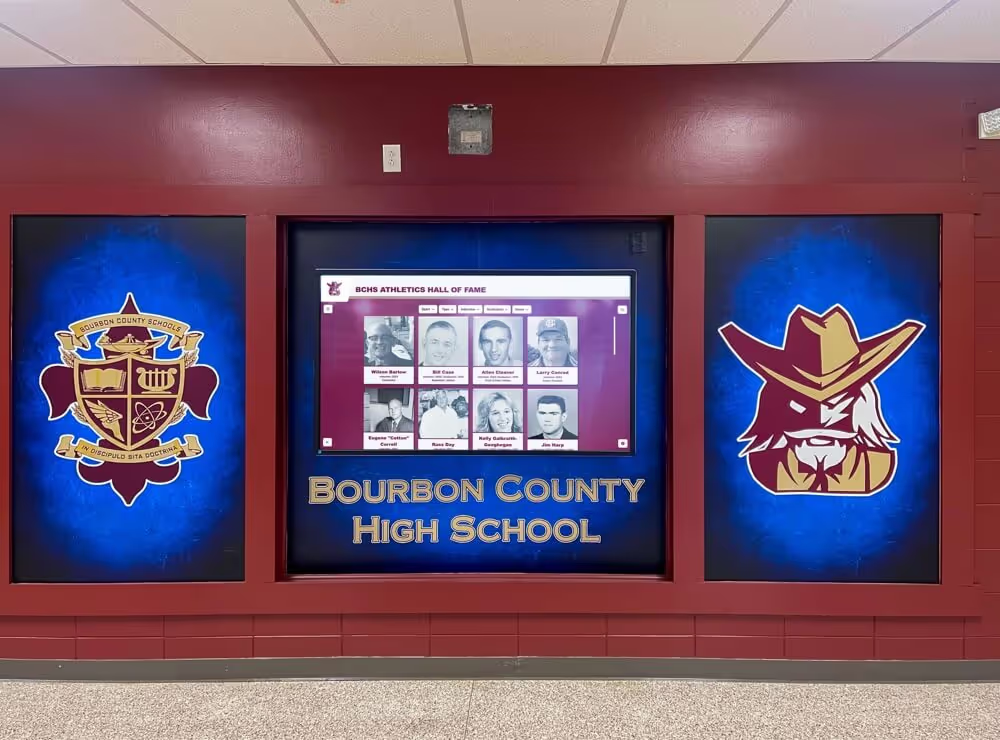
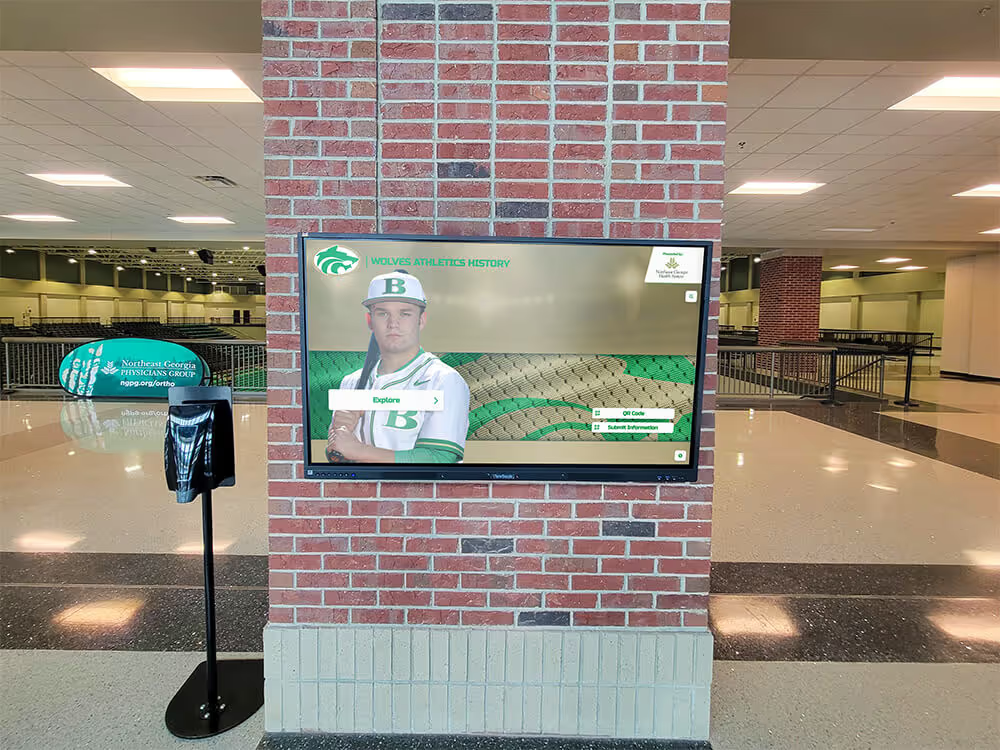
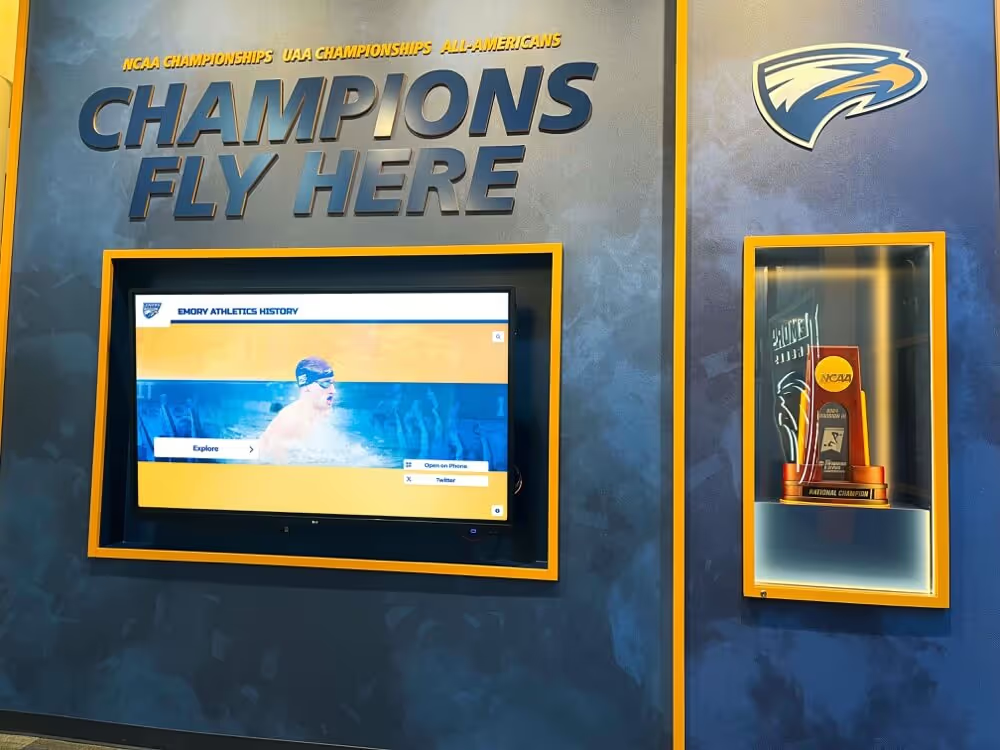
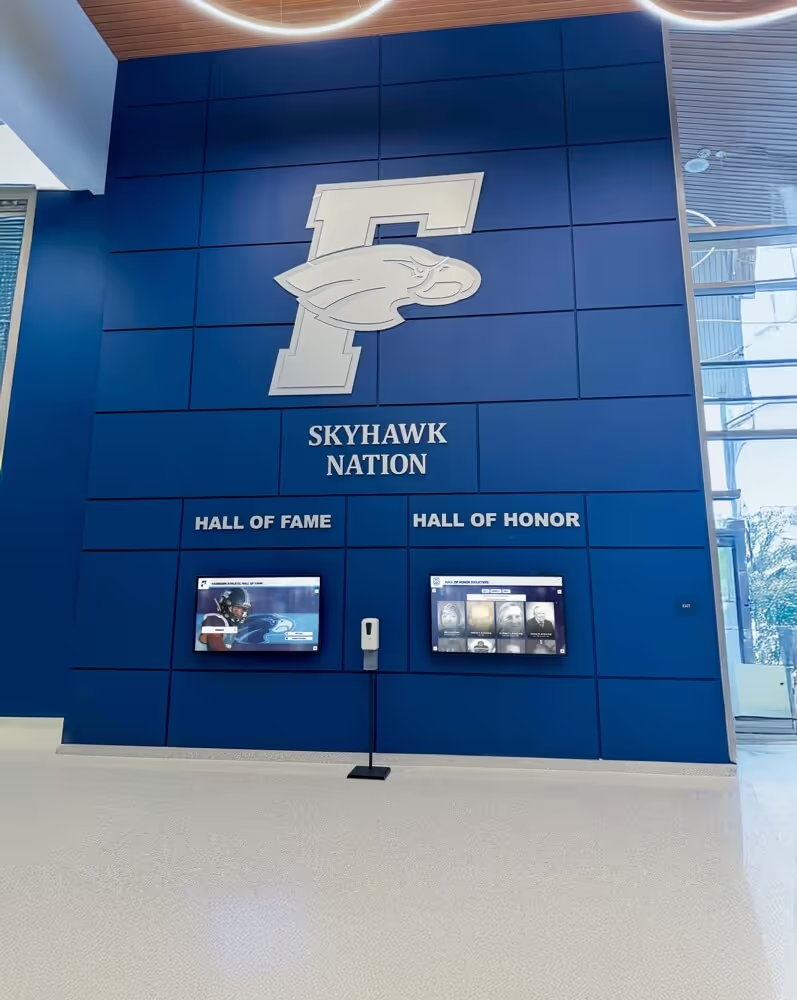
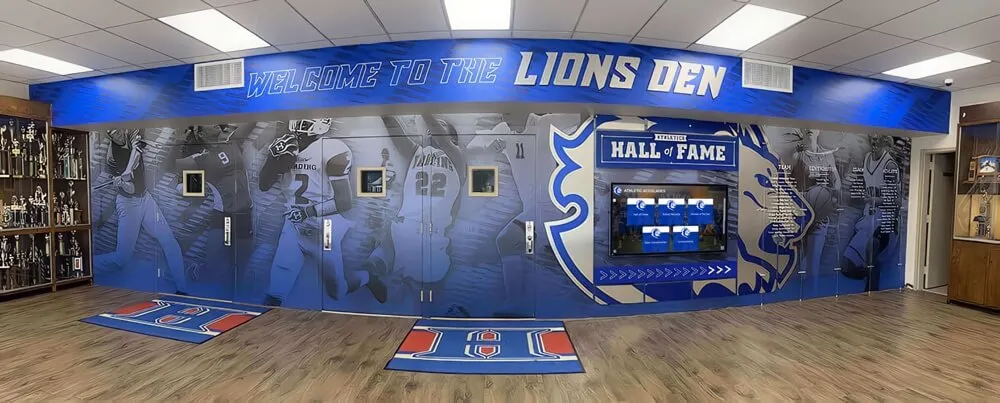
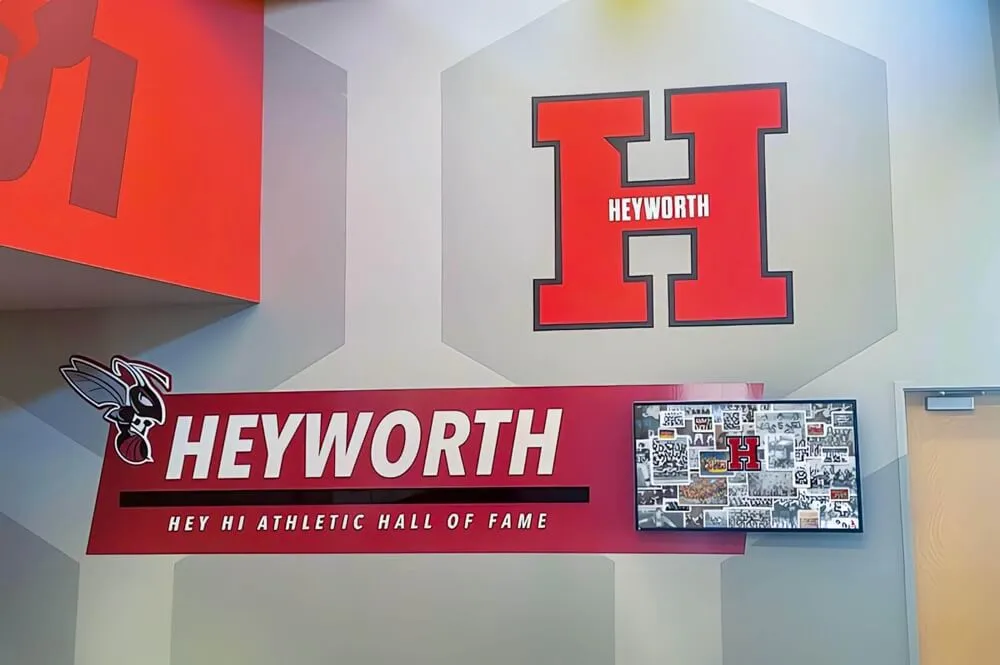
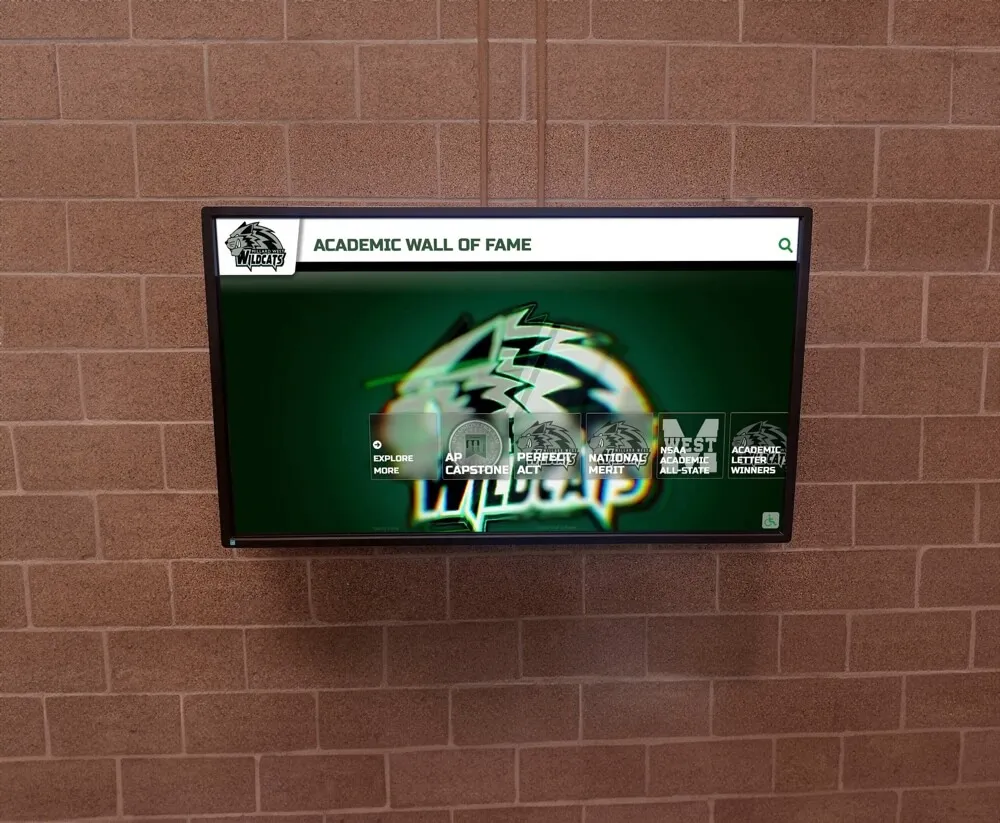
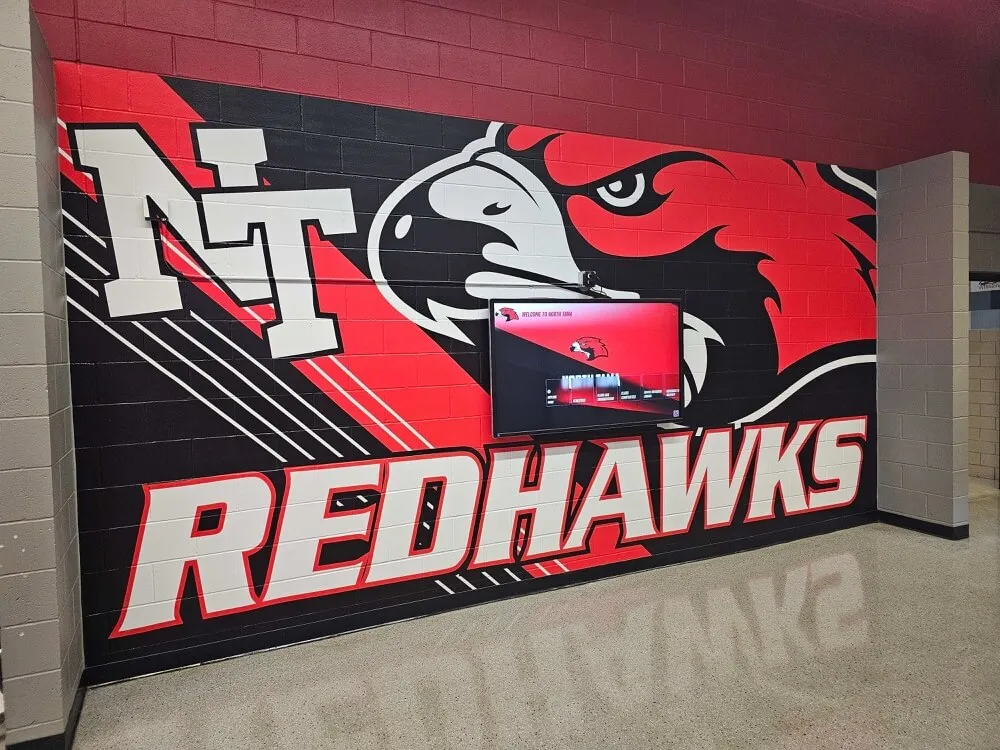
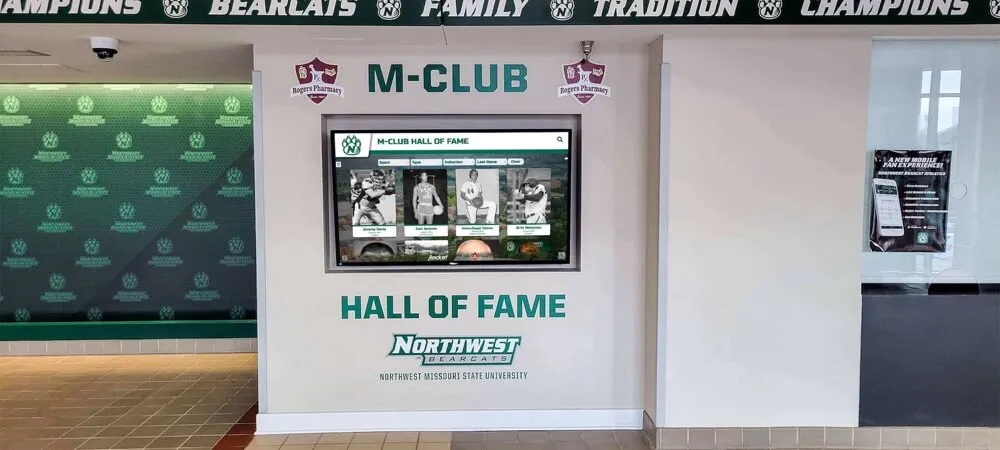
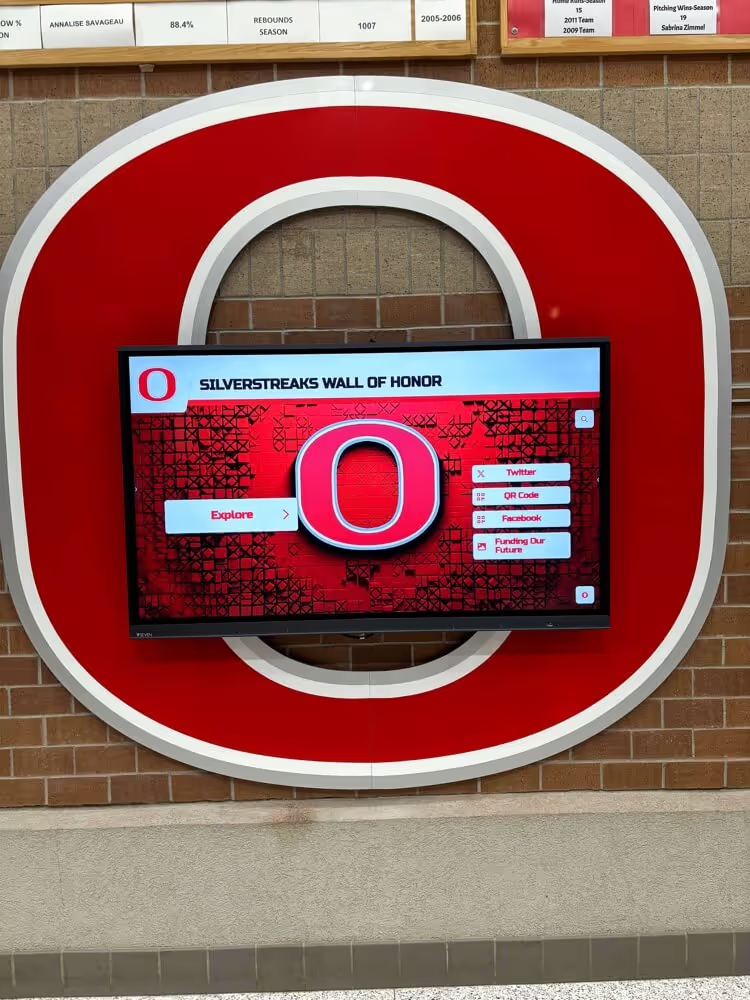
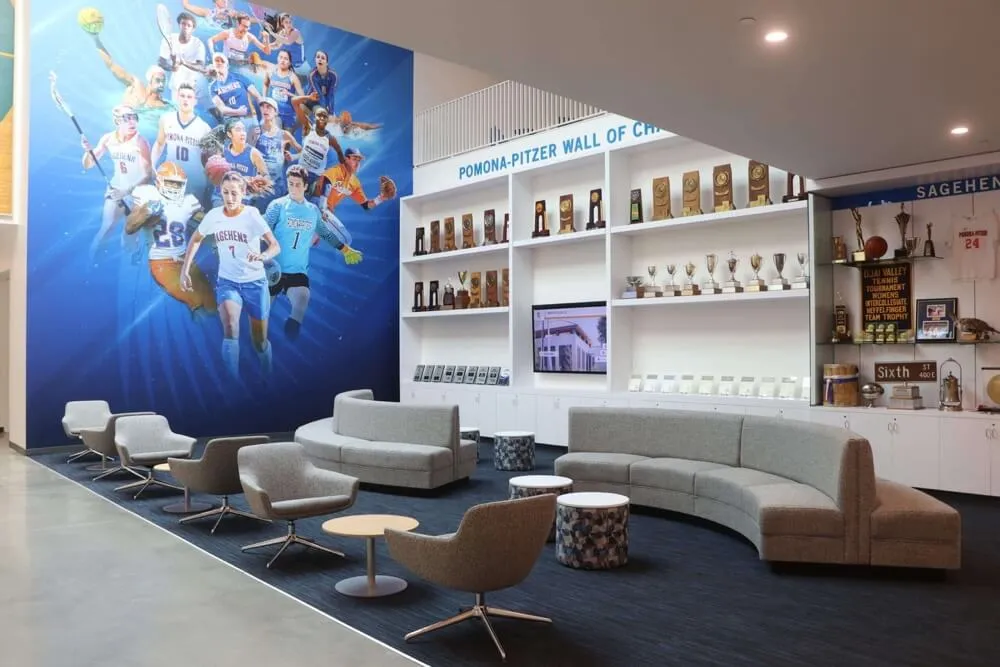
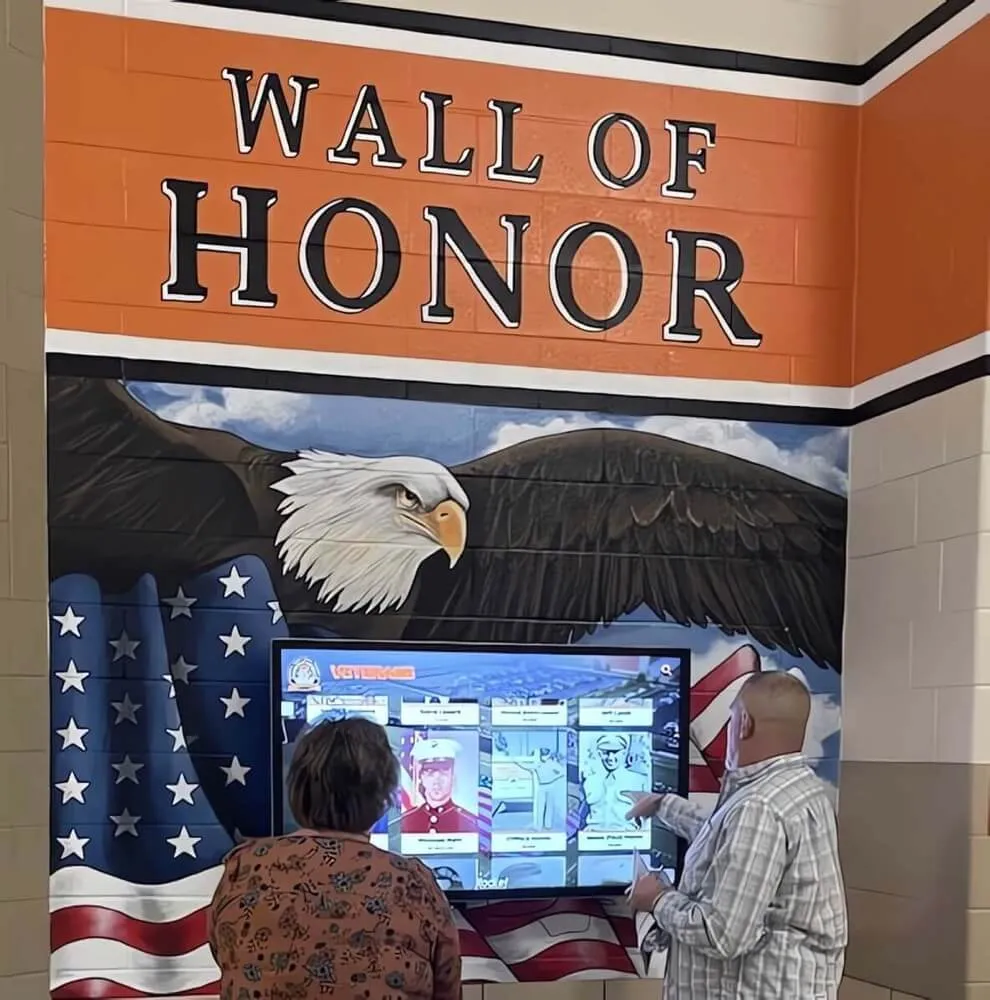
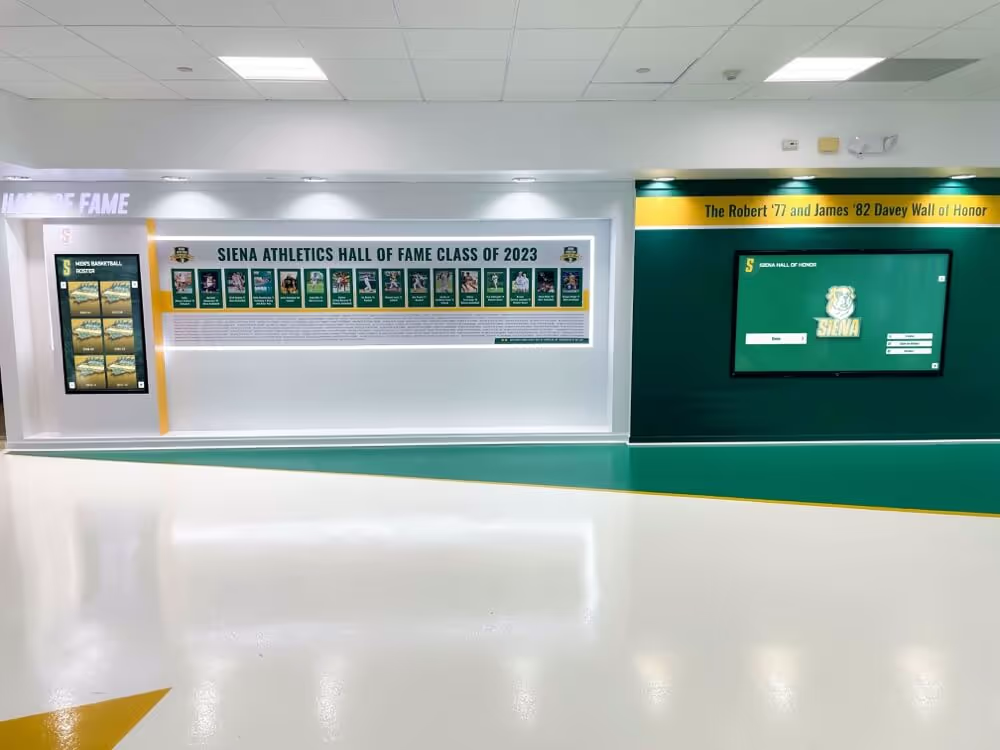
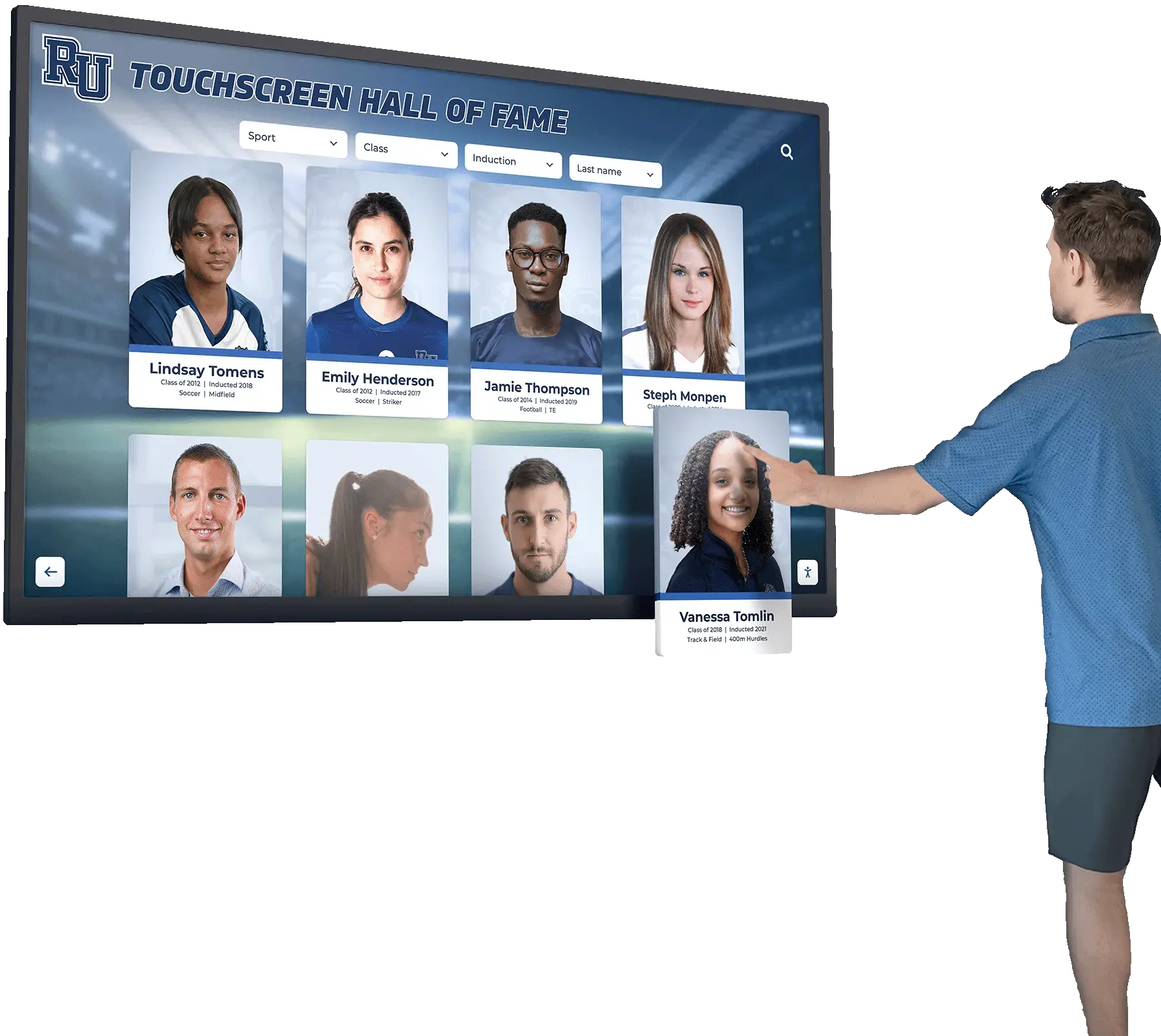
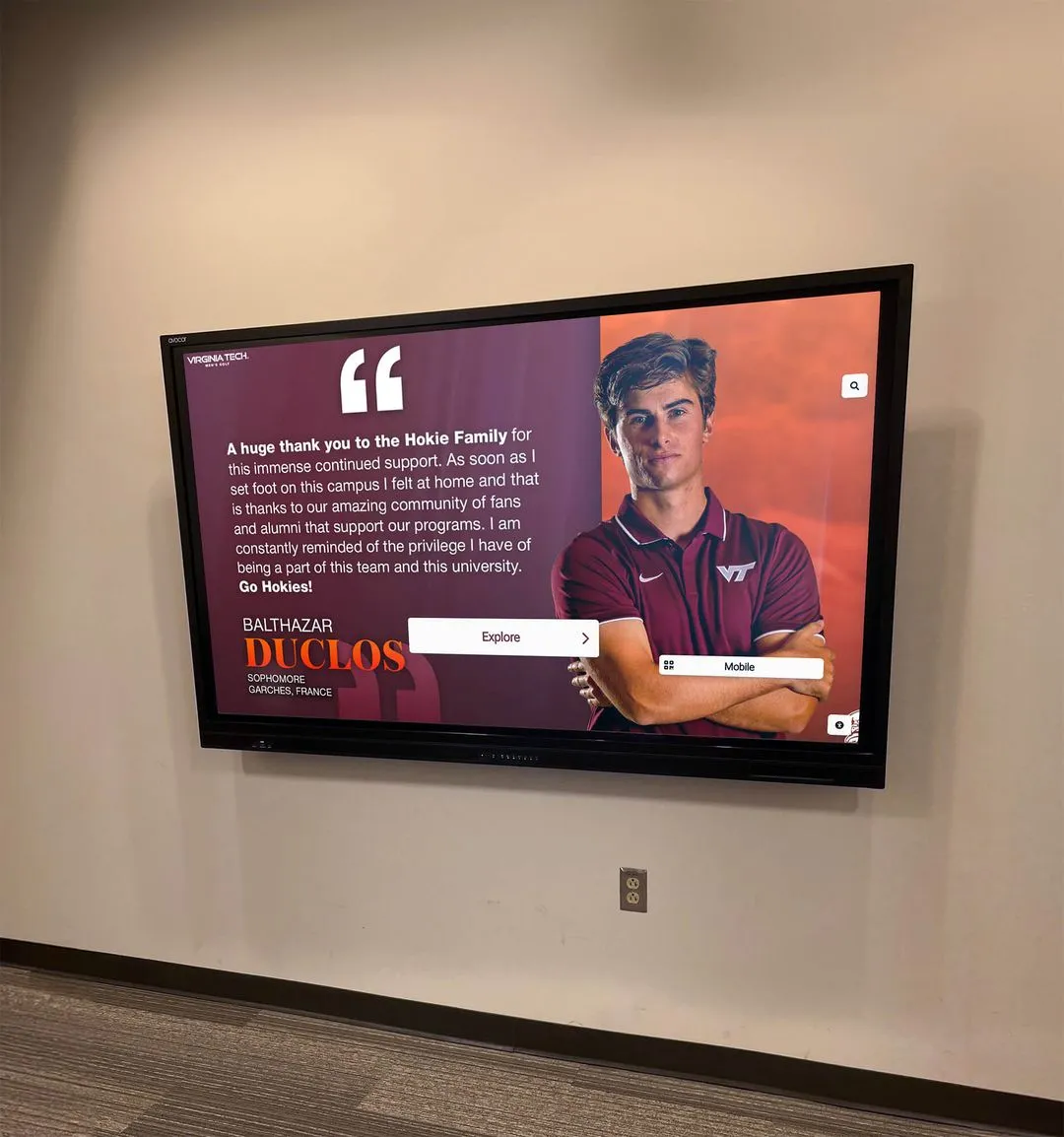
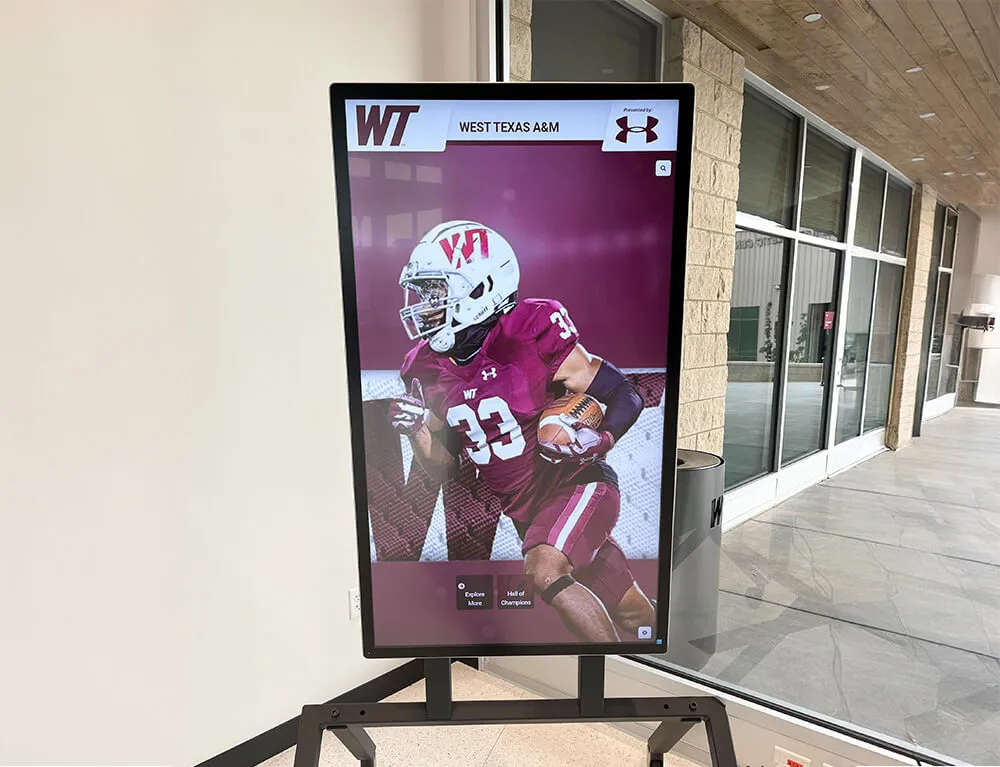
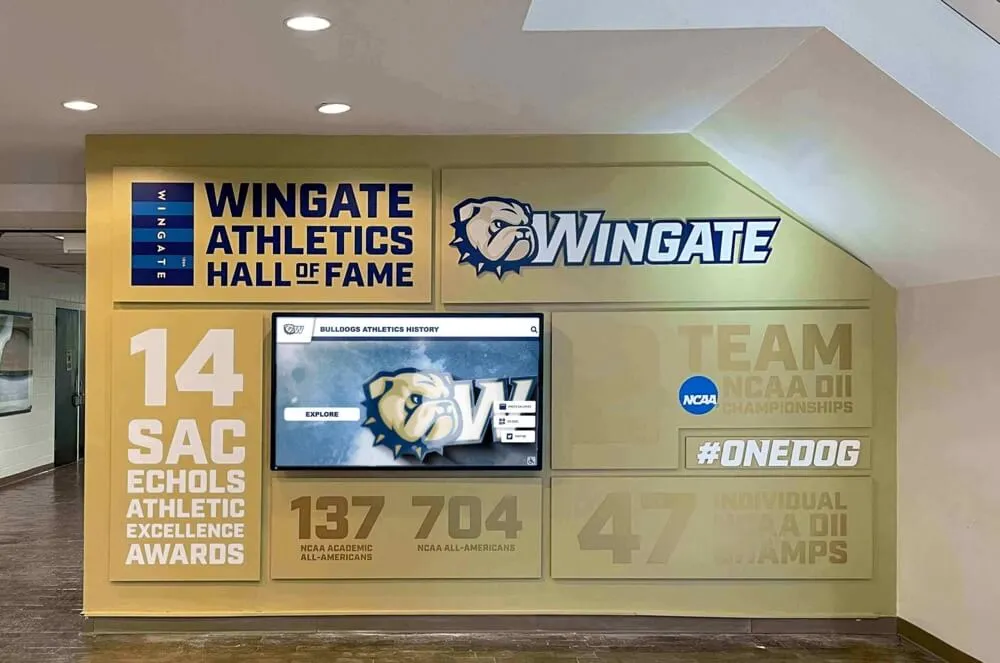
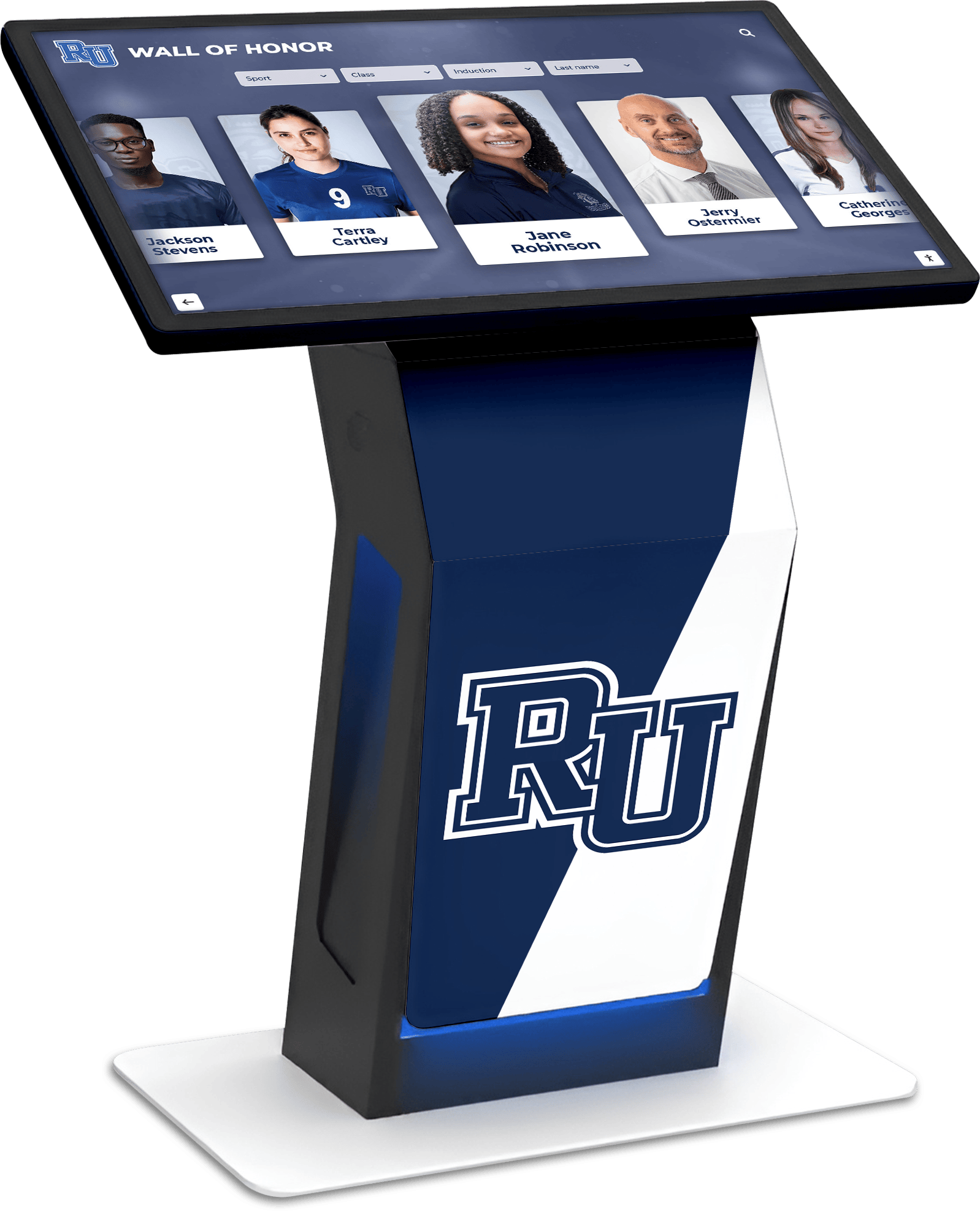
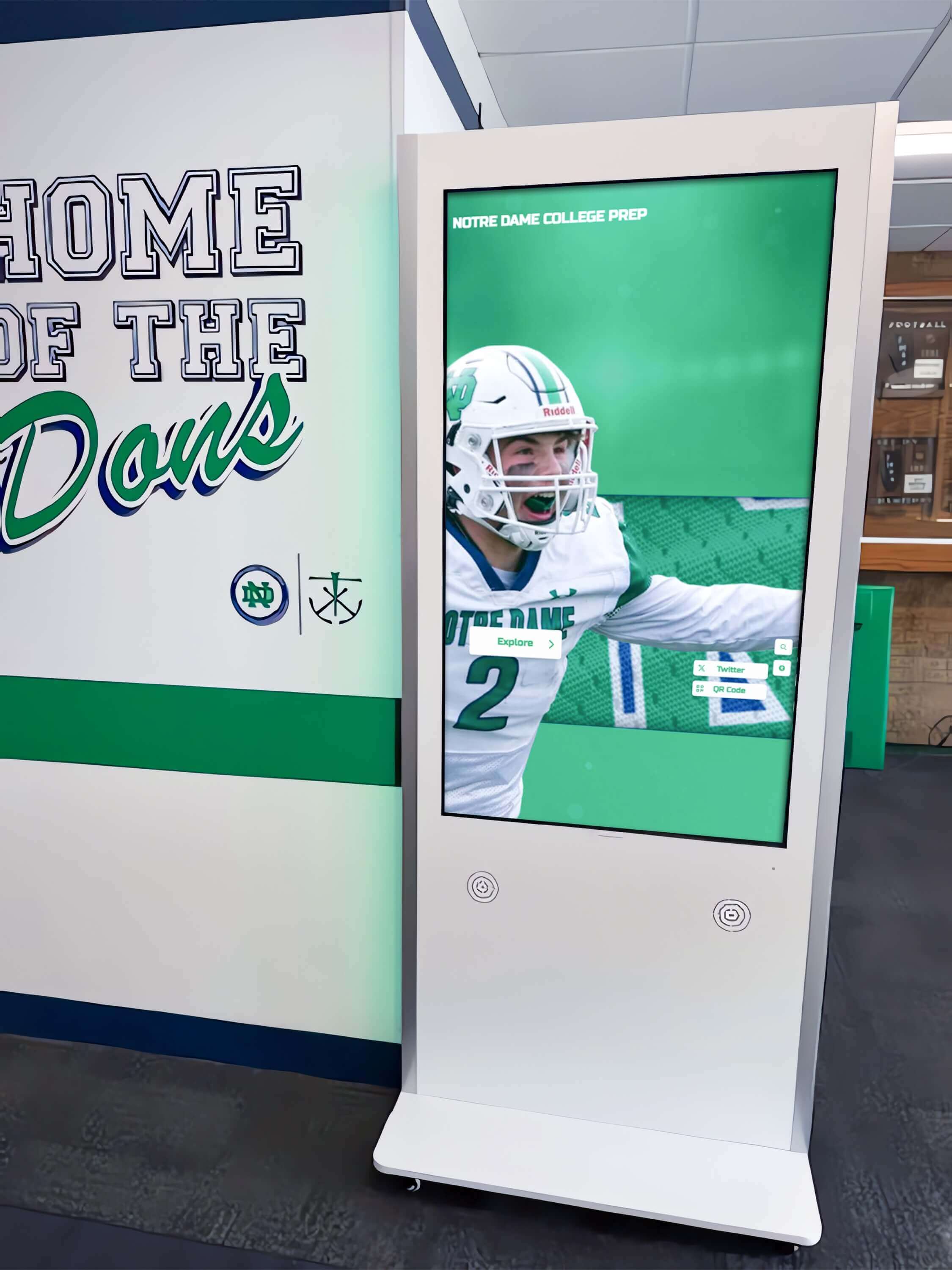
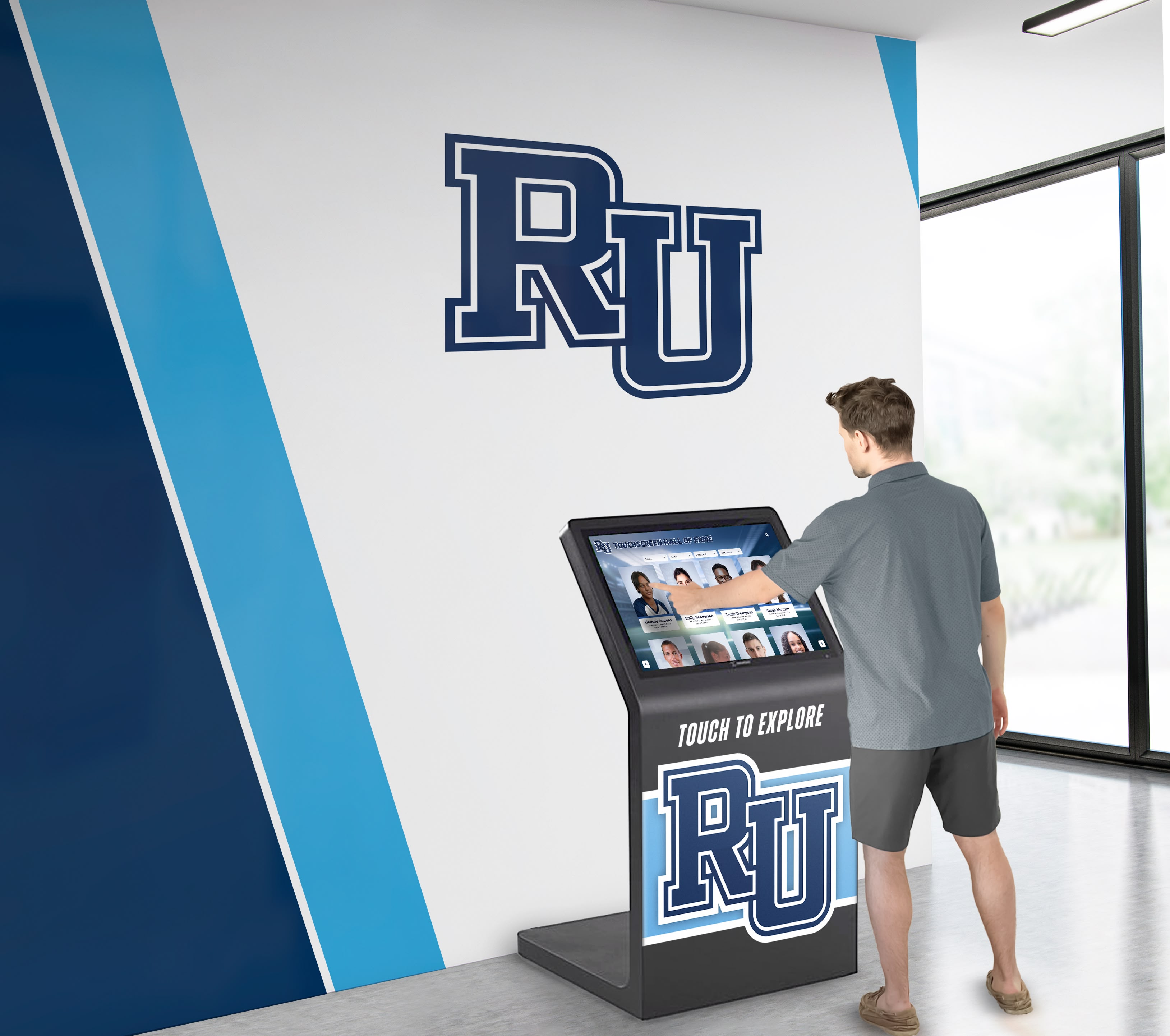
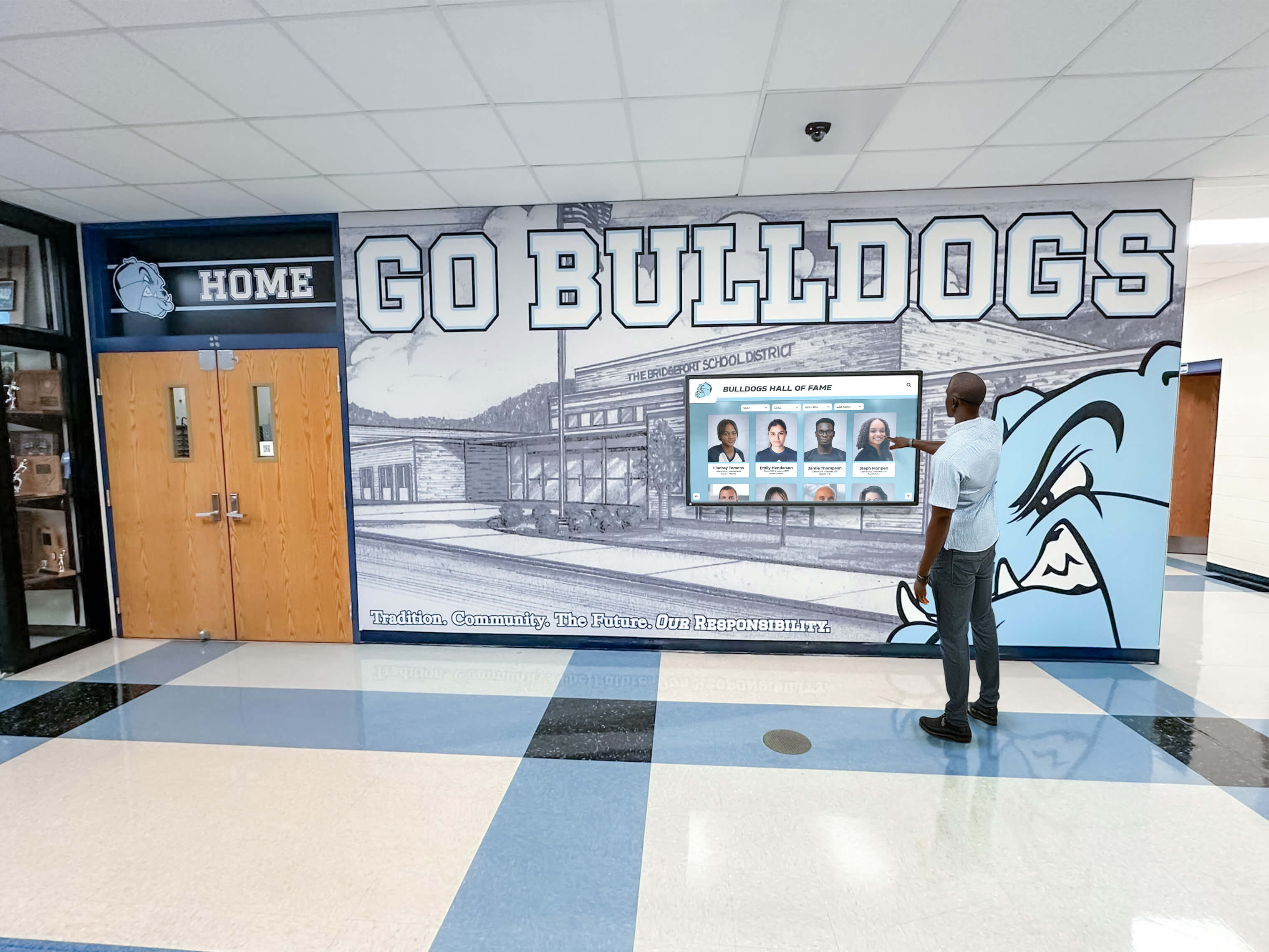
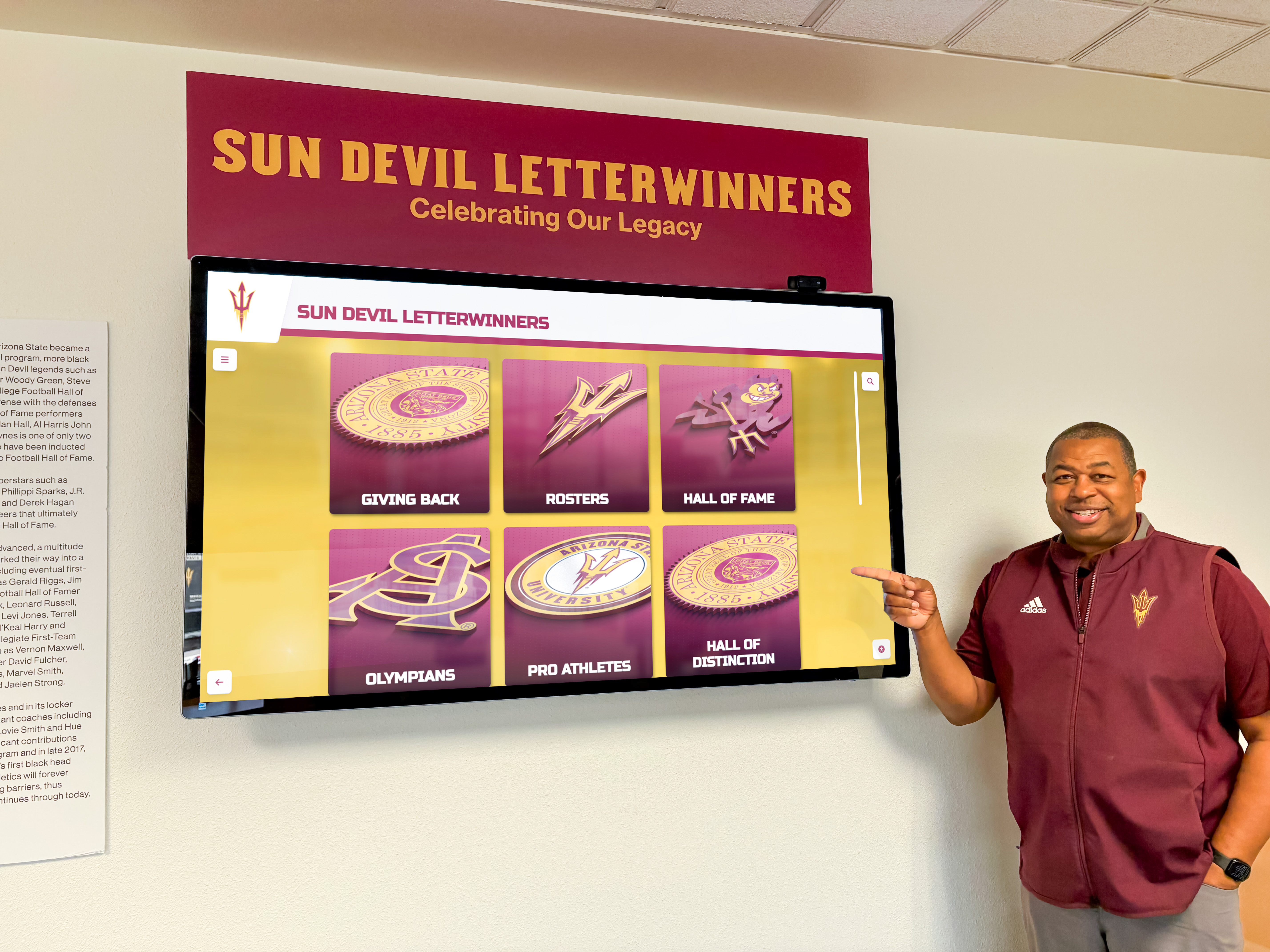
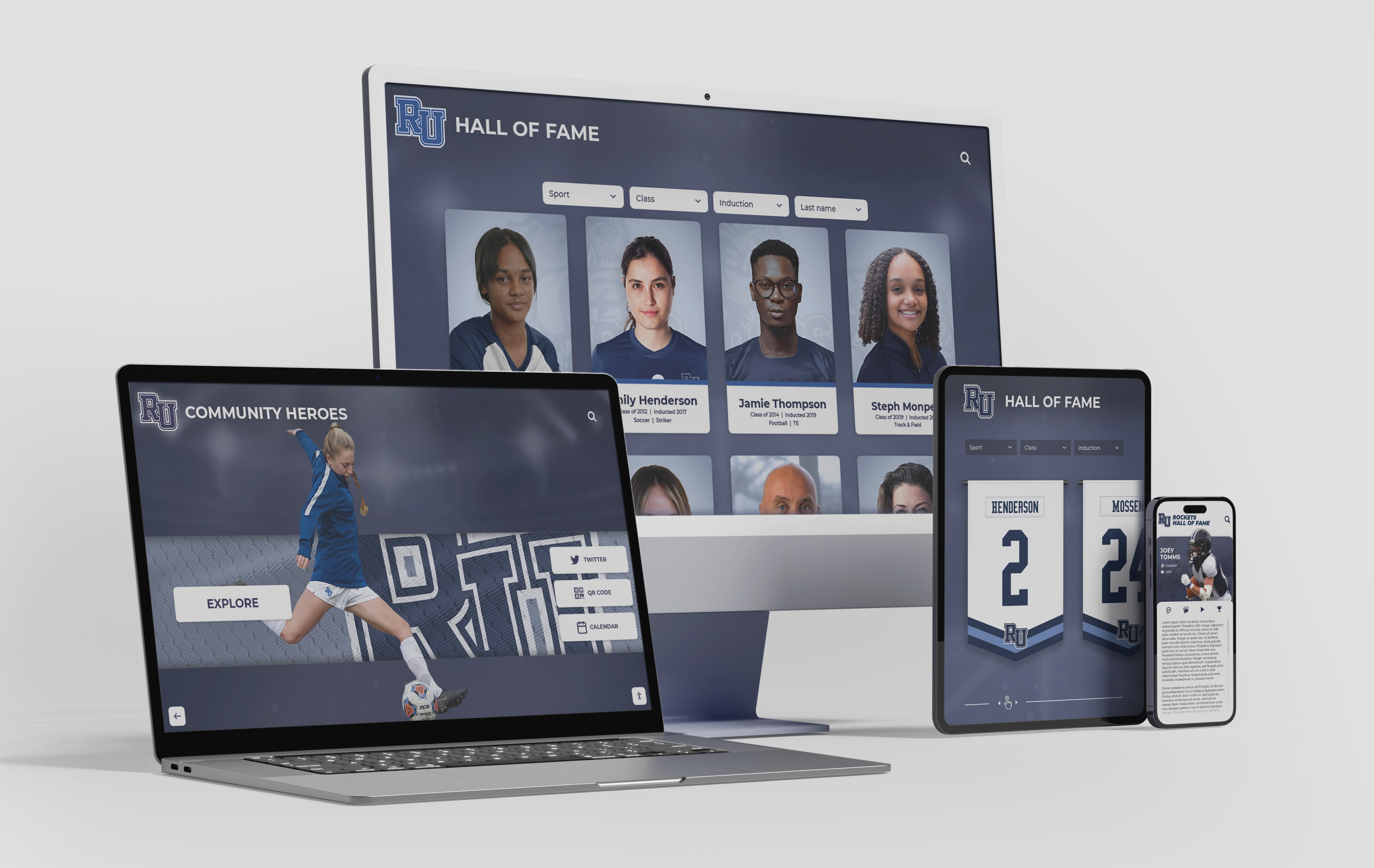
Educational institutions and athletic programs implementing interactive recognition displays require kiosk software with reliable long-term operation, content management system integration, multimedia playback capabilities, and search and filtering functionality. Security requirements remain moderate since displays show public content without personal data exposure. Solutions like Rocket Alumni Solutions’ touchscreen platforms provide purpose-built recognition software combining kiosk lockdown with specialized content management designed specifically for institutional recognition applications.
Retail and Hospitality Self-Service Kiosks:
Commercial environments deploying product information, ordering, or check-in kiosks prioritize transaction security, payment processing integration, inventory system connectivity, and robust session clearing protecting customer data. These applications often justify premium kiosk platforms due to revenue generation and security criticality, though emerging alternatives deliver enterprise-grade security at lower costs.
Museum and Exhibit Interactive Displays:
Cultural institutions implementing exhibit touchscreen experiences need multimedia content delivery, custom interactive application support, reliable offline operation when internet connectivity is limited, and aesthetic hardware integration matching exhibit design. Content-focused applications without transaction processing or personal data collection can effectively deploy mid-tier kiosk solutions balancing functionality and cost.
Corporate and Public Information Kiosks:
Wayfinding, directory, and information kiosks in corporate offices, healthcare facilities, and public venues require intuitive user interfaces, integration with facility management systems, accessibility compliance for users with disabilities, and remote content updates. Digital signage and kiosk platforms designed for informational use cases provide appropriate functionality without transaction-processing overhead.
Fully Kiosk Browser: The Established Standard
Before examining alternatives, understanding Fully Kiosk Browser’s capabilities, costs, and limitations provides context for comparative analysis.
Fully Kiosk Browser Overview and Feature Set
Fully Kiosk Browser & App Lockdown represents the most widely deployed dedicated Android kiosk application, with the developer reporting tens of thousands of commercial installations across retail, hospitality, education, healthcare, and industrial applications worldwide.
Core Capabilities:
Fully Kiosk Browser delivers comprehensive Android device lockdown transforming tablets and commercial displays into secure public kiosks. The application provides fullscreen kiosk mode with complete system UI suppression, hardware button disabling preventing unauthorized device access, configurable homepage and URL restrictions, automatic page refresh and session clearing, motion detection enabling display sleep/wake functionality, and remote device management through Fully Remote Admin service.
Advanced features include screen brightness and volume scheduling, webpage screenshot and content extraction, integrated REST API for custom integrations, MQTT protocol support enabling IoT connectivity, and extensive JavaScript interface allowing custom functionality development.
Deployment Flexibility:
Fully Kiosk Browser supports diverse deployment scenarios from single-device installations to enterprise fleets spanning hundreds of locations. The application functions as standalone kiosk browser, MDM-managed application within enterprise mobility platforms, home automation interface for smart home control panels, and digital signage player for content distribution networks.
This versatility contributes to Fully Kiosk Browser’s market dominance but also creates complexity exceeding requirements for straightforward kiosk applications focused on single-purpose interactive experiences.
Fully Kiosk Browser Pricing Structure
Fully Kiosk Browser implements freemium licensing with functional limitations on free tier compelling commercial users toward paid licenses.
Free Version Limitations:
The free Fully Kiosk Browser version provides core lockdown functionality but displays persistent watermarks, shows license reminder notifications every 15 seconds when in kiosk mode, lacks remote management capabilities, and disables advanced features including motion detection and automation. These limitations make free tier appropriate only for personal use, testing, or single-device deployments where watermarks and reminders don’t impact professional appearance.

Paid License Costs:
Fully Kiosk Browser Plus licenses cost approximately $14-$18 per device (pricing varies by purchase volume and regional currency), providing permanent license removing watermarks and notifications while enabling all application features. However, remote management requires separate Fully Remote Admin subscription costing $1.00-$1.50 per device monthly depending on commitment term.
For organizations deploying 10 kiosks, initial licensing totals $140-$180 plus $120-$180 annually for remote management—modest costs for well-funded commercial applications but potentially significant for educational institutions or nonprofits with limited technology budgets.
Enterprise deployments spanning 50+ devices accumulate substantial licensing costs: $700-$900 for initial licenses plus $600-$900 annually for remote management, totaling $1,300-$1,800 first year and $600-$900 ongoing. These costs position Fully Kiosk Browser as mid-tier solution—more expensive than free alternatives but substantially less than enterprise MDM platforms.
Fully Kiosk Browser Limitations and Considerations
Despite market leadership, Fully Kiosk Browser presents limitations prompting evaluation of alternatives.
Android-Only Platform Support:
Fully Kiosk Browser exclusively supports Android, eliminating iOS, Windows, and Mac deployment options. Organizations standardized on non-Android hardware must either compromise on hardware preferences or select alternative kiosk software supporting their preferred platforms.
Feature Complexity and Configuration Overhead:
Fully Kiosk Browser’s extensive feature set creates configuration complexity potentially overwhelming administrators seeking straightforward kiosk functionality. The application includes hundreds of configuration options across dozens of settings screens—powerful for advanced use cases but excessive for basic browser lockdown requirements.
Organizations deploying simple web-based interactive displays may find purpose-built solutions with streamlined configurations more efficient than navigating Fully Kiosk Browser’s comprehensive options.
Ongoing Subscription Costs for Essential Features:
While base licenses provide perpetual functionality, practical multi-device management requires ongoing Fully Remote Admin subscriptions. Organizations initially budgeting only for device licenses discover remote management necessity after experiencing physical device access challenges across distributed installations. This subscription model creates ongoing operational expenses some organizations prefer avoiding through one-time license alternatives or platforms including remote management in base pricing.
Free and Low-Cost Fully Kiosk Alternatives
Multiple kiosk browser applications provide functionality comparable to Fully Kiosk Browser at reduced or eliminated licensing costs, delivering substantial savings for budget-conscious organizations.
Kiosk Browser Lockdown by ProcoIT
Kiosk Browser Lockdown represents a leading free alternative to Fully Kiosk Browser, available through Google Play Store with comprehensive lockdown capabilities suitable for institutional kiosk deployments.
Key Features:
Kiosk Browser Lockdown provides fullscreen kiosk mode with system UI suppression, hardware button disabling including home, back, and recent apps, configurable homepage and URL whitelisting/blacklisting, automatic idle timeout and session clearing, password-protected exit from kiosk mode, and custom branding supporting organizational logos and colors.
The application delivers essential kiosk functionality without advanced features like motion detection or extensive automation that many deployments don’t require. This focused approach creates simplified configuration benefiting organizations seeking straightforward browser lockdown without feature complexity.
Licensing and Cost Structure:
Kiosk Browser Lockdown implements freemium model with generous free tier suitable for many commercial applications. The free version provides full kiosk functionality with occasional non-intrusive promotional messages. Premium license ($15-$20 per device one-time purchase) removes promotions and unlocks advanced customization options.
For organizations deploying multiple kiosks, Kiosk Browser Lockdown delivers 85-90% of Fully Kiosk Browser functionality at approximately equal or lower per-device cost but without ongoing subscription requirements for basic management. The simpler feature set reduces configuration time, potentially offsetting any functional differences through faster deployment.
Limitations and Considerations:
Kiosk Browser Lockdown lacks sophisticated remote management capabilities available through Fully Remote Admin. Organizations requiring centralized fleet management across distributed locations may find this limitation significant. However, many single-location or small deployments (5-10 devices) manage effectively through device-by-device configuration, eliminating remote management complexity and cost.
The application receives less frequent updates than Fully Kiosk Browser, with development occurring at slower pace. While core functionality remains reliable, cutting-edge features or rapid Android version compatibility updates may lag behind market leaders.
Android Kiosk Lockdown (SureLock Lite)
SureLock Lite, marketed as Android Kiosk Lockdown, provides enterprise-grade lockdown capabilities with free tier suitable for small deployments and commercial evaluation.
Feature Highlights:
SureLock Lite delivers single-app or multi-app kiosk mode configurations, complete hardware button disabling and peripheral control, custom launcher replacing default Android home screen, password-protected administrative access, and kiosk monitoring and remote troubleshooting support.
The application architecture supports sophisticated use cases including multi-app kiosks enabling access to multiple approved applications (calculator, camera, specific business apps) alongside kiosk browser—functionality valuable for employee-facing kiosks requiring specialized application access beyond web browsing.
Pricing Structure:
SureLock Lite free tier supports up to 10 devices with full functionality—generous allowance covering many small business and educational deployments. Commercial licensing begins at approximately $2-$3 per device monthly for 11+ device deployments with volume discounts available for large installations.
This pricing positions SureLock Lite competitively against Fully Kiosk Browser’s Plus license + Remote Admin subscription combination while providing potentially superior remote management capabilities through 42Gears’ enterprise mobility management platform.
Enterprise Integration:
Organizations already using 42Gears SureMDM or evaluating comprehensive enterprise mobility management platforms benefit from SureLock Lite integration with broader device management infrastructure. The unified platform enables consistent policy application across corporate and kiosk devices, reducing management complexity for IT departments supporting diverse device fleets.
However, SureLock Lite’s enterprise orientation creates configuration complexity potentially excessive for straightforward kiosk deployments. Organizations seeking simple browser lockdown may find consumer-focused alternatives more appropriate than enterprise-positioned solutions.
Fully Single App Kiosk (by Fully Kiosk developer)
The creator of Fully Kiosk Browser offers Fully Single App Kiosk as simplified alternative for organizations requiring only single-application lockdown without browser-specific functionality.
Functional Scope:
Fully Single App Kiosk locks Android devices to one specified application—whether browser, custom app, or packaged web application—with comprehensive hardware lockdown, system UI suppression, and automatic app restart on crash or exit. This focused functionality suits kiosks running purpose-built applications rather than general web browsers.
The application provides straightforward configuration with minimal options—appropriate for IT administrators seeking plug-and-play kiosk lockdown without extensive customization requirements. Organizations deploying custom web applications through WebView wrappers or progressive web apps benefit from simpler management versus full browser kiosk solutions.
Cost and Licensing:
Fully Single App Kiosk follows similar licensing to Fully Kiosk Browser with free tier displaying reminders and paid licenses ($10-$12 per device) removing limitations. The lower price point versus Fully Kiosk Browser Plus reflects simplified functionality, positioning the application as budget option for straightforward lockdown requirements.
Organizations running consistent single-application kiosks across all deployments realize cost savings versus full browser licenses while maintaining the development quality and support associated with established Fully Kiosk developer.
When to Choose Single App Kiosk:
Single app lockdown suits organizations deploying custom-developed kiosk applications packaged as Android apps, progressive web applications (PWAs) installed to home screens, and consistent single-website kiosks never requiring URL changes or multi-site access.
The simplified scope reduces attack surface and configuration complexity, potentially improving security and reliability versus feature-rich browser kiosks where unused functionality could introduce vulnerabilities or configuration errors.
Emerging Alternative: Open-Source Kiosk App Downloads
Beyond commercial applications, open-source and free kiosk browser solutions provide zero-licensing-cost options for technically capable organizations willing to accept community support models.
Tauri-Based Kiosk Applications
Emerging kiosk applications built on Tauri framework (lightweight alternative to Electron for building desktop applications with web technologies) represent new generation of cross-platform kiosk solutions. While specific implementations vary, these applications deliver native kiosk lockdown across Windows, Mac, and Linux platforms through unified codebases.
Technical Architecture:
Tauri applications embed web rendering engines within minimal native application shells, creating lightweight kiosk browsers with platform-specific lockdown capabilities. The architecture enables cross-platform web-based kiosk experiences with better performance and lower resource consumption than traditional Electron-based alternatives.
Organizations with development resources can customize open-source Tauri kiosk implementations to specific requirements, adding features like custom authentication, specialized hardware integration, or unique user experience flows impossible with off-the-shelf commercial solutions.
Implementation Considerations:
Open-source kiosk solutions require technical expertise for deployment, configuration, and ongoing maintenance. Organizations without dedicated IT staff or development resources may struggle with implementation challenges that commercial solutions handle through guided setup and professional support.
However, technically capable institutions gain complete control over kiosk functionality, eliminate licensing costs entirely, and avoid vendor lock-in associated with proprietary commercial platforms. For large deployments where licensing costs would total thousands annually, open-source alternatives deliver substantial long-term savings justifying initial implementation investment.
Android-x86 and Generic Kiosk Browsers
Organizations seeking maximum flexibility sometimes deploy standard Android-x86 installations on PC hardware combined with generic kiosk browser applications, creating custom kiosk platforms from commodity components.
Advantages of Generic Approaches:
Using standard Android distributions with simple kiosk browsers enables hardware flexibility impossible with purpose-built Android tablets, eliminates dependency on specific vendors or proprietary platforms, enables complete customization of both operating system and application layers, and potentially reduces hardware costs through commodity PC component usage.
Complexity and Support Challenges:
Generic Android-x86 kiosk deployments require substantial technical expertise spanning hardware configuration, operating system installation and optimization, driver troubleshooting for touchscreen and peripheral compatibility, and security hardening since generic Android builds lack commercial device security frameworks.
This approach suits technically sophisticated organizations prioritizing flexibility and cost optimization over deployment simplicity and commercial support. Most educational institutions and businesses find commercial Android kiosk solutions or purpose-built applications provide better total cost of ownership despite higher per-device licensing costs.
Mac Kiosk Solutions: Rocket Touchscreen and Alternatives
Mac-based kiosk deployments have increased dramatically since 2020 as native lockdown solutions eliminate previous barriers making Mac kiosks impractical for most organizations.
Rocket Touchscreen: Modern Mac Kiosk Solution
Rocket Touchscreen, available through Mac App Store, represents breakthrough solution simplifying Mac kiosk deployment for organizations preferring Apple hardware. The application provides automatic kiosk mode launch, Chromium-based browser engine, secure public access lockdown, and simple URL-based configuration.
Key Advantages for Mac Environments:
Organizations already standardized on Mac infrastructure benefit from maintaining hardware consistency rather than introducing Android devices solely for kiosk applications. Mac hardware aesthetics suit premium environments including corporate lobbies, museums, and upscale retail where industrial Android tablets appear out of place. The application’s automatic kiosk mode eliminates technical complexity historically making Mac kiosks difficult, enabling Mac-based interactive displays accessible to institutions without dedicated IT expertise.
Deployment Scenarios:
Rocket Touchscreen excels in situations where organizations deploy Mac mini computers connected to commercial touchscreens, leverage existing Mac investment for kiosk functionality, require elegant hardware aesthetics matching institutional environments, or need simplified kiosk setup without terminal commands or complex configuration.
Educational institutions implementing digital recognition displays using Rocket Alumni Solutions platforms particularly benefit from Rocket Touchscreen’s seamless compatibility, creating turnkey Mac-based recognition systems with minimal technical configuration.
Single-Touch Focus and Considerations:
Rocket Touchscreen optimizes for single-touch interaction rather than complex multi-touch gestures. While this design decision constrains certain interactive applications, it benefits many kiosk use cases by simplifying user interfaces and ensuring reliable interaction. Organizations concerned about gesture support can implement “single touch mode” interface designs ensuring all functionality remains accessible through simple tap interactions without requiring pinch, zoom, or swipe gestures.
Alternative Mac Kiosk Applications
Beyond Rocket Touchscreen, several Mac kiosk solutions serve specialized requirements or preferences:
Kiosk Pro (Mac Catalyst):
Originally designed for iPad, Kiosk Pro’s Mac Catalyst version brings proven iOS kiosk functionality to Apple Silicon Macs. The application provides comprehensive configuration options, remote management capabilities, and mature feature set refined through years of iPad kiosk deployments. However, complexity and premium pricing ($179-$349 depending on tier) position Kiosk Pro for organizations with sophisticated requirements justifying investment in feature-rich platform.
eCrisper:
eCrisper delivers native Mac kiosk browser functionality through straightforward application focused on web browsing lockdown. The dated interface and limited features position eCrisper for basic use cases where simpler modern alternatives like Rocket Touchscreen provide superior experiences at comparable or lower cost.
Enterprise MDM Solutions:
Organizations with existing Apple enterprise device management infrastructure (Jamf, Hexnode, Mosyle) can implement kiosk mode through MDM platforms. This approach integrates kiosk deployment with broader Mac fleet management but requires MDM licensing and expertise potentially excessive for organizations needing only kiosk functionality without comprehensive device management.

Cost-Benefit Analysis: Platform Selection Framework
Synthesizing research findings and deployment data into actionable decision frameworks guides organizations toward optimal kiosk software selection aligned with specific needs, constraints, and priorities.
Quantitative Cost Comparison
Five-year total cost of ownership analysis across common deployment scales reveals substantial cost variance across kiosk platform choices:
Single Kiosk Deployment (1-5 devices):
Organizations deploying limited kiosks find minimal cost differences across solutions. Fully Kiosk Browser totals approximately $150-$200 over five years ($15 license + $7-$8 annually for Remote Admin), comparable to alternatives like Kiosk Browser Lockdown ($15-$20 one-time) or free tiers supporting small deployments. At this scale, functional fit and organizational technical capabilities outweigh cost considerations in platform selection.
Small Business/School Deployment (10-25 devices):
Mid-scale deployments reveal more significant cost variance. Fully Kiosk Browser totals $1,900-$2,600 over five years ($150-$180 initial + $350-$450 annually Remote Admin × 4 years) versus $150-$500 for Kiosk Browser Lockdown one-time licenses or $0-$600 for SureLock Lite free tier (10 devices) plus modest licensing above 10. Cost-conscious organizations realize $1,300-$2,000 five-year savings through alternative selection—meaningful budgets for small institutions.
Large Enterprise Deployment (50-100 devices):
Enterprise-scale installations amplify cost differences dramatically. Fully Kiosk Browser plus Remote Admin totals $7,500-$10,500 over five years ($750-$900 initial + $1,350-$1,800 annually × 4 years for 50 devices). Commercial alternatives like SureLock Lite approach $5,000-$7,000 over equivalent periods while potentially delivering superior enterprise management. However, at this scale, comprehensive MDM platforms providing broader device management beyond kiosk functionality often justify higher costs through operational efficiency gains.
Qualitative Selection Criteria
Beyond cost, several qualitative factors determine optimal platform selection:
Technical Capability Assessment:
Organizations with limited IT resources benefit from commercial solutions providing professional support, guided setup, and ongoing updates. Technically sophisticated institutions may prefer open-source alternatives enabling complete customization despite requiring more implementation expertise.
Deployment Complexity and Timeline:
Projects requiring rapid deployment favor turnkey commercial solutions with minimal configuration. Implementations with extended timelines can absorb open-source setup complexity in exchange for licensing savings and customization flexibility.
Security and Compliance Requirements:
High-security environments (financial services, healthcare, government) may require enterprise-grade platforms with comprehensive audit trails, compliance certifications, and professional support despite higher costs. Public informational kiosks without sensitive data exposure can effectively deploy consumer-grade solutions meeting functional requirements at lower cost.
Hardware Platform Preferences:
Organizations with strong hardware platform preferences (Apple-standardized institutions, existing Android tablet fleets) should prioritize kiosk software supporting preferred platforms rather than compromising on hardware to accommodate software preferences.
Long-Term Operational Considerations:
Vendor viability, software update frequency, community or commercial support availability, and data portability affect long-term operational success beyond initial deployment. Established commercial platforms provide confidence in ongoing support but may introduce vendor lock-in, while open-source alternatives ensure long-term access to code but require organizational capability for maintenance.
Implementation Best Practices and Deployment Guidance
Successful kiosk deployments follow systematic implementation processes regardless of selected software platform.
Pre-Deployment Planning and Testing
Thorough planning prevents common deployment issues discovered after hardware installation makes changes costly:
Hardware Selection and Compatibility Verification:
Confirm kiosk software compatibility with specific hardware models before procurement. Some kiosk applications function poorly on certain Android manufacturers due to custom UI overlays or system modifications. Test complete hardware/software combinations under realistic conditions before committing to large-scale purchases.
Commercial kiosk tablets from vendors like Elo, Samsung (Knox-enabled models), and dedicated kiosk hardware manufacturers provide better compatibility and reliability than consumer tablets repurposed for kiosk applications. The 20-40% hardware premium often justifies through reduced troubleshooting and longer operational lifecycles.
Network Infrastructure Assessment:
Verify adequate network connectivity at planned kiosk locations. Wired Ethernet provides superior reliability versus WiFi for permanent installations. Cloud-based kiosk management and web-based content delivery require consistent internet access—factor connectivity reliability into platform selection, particularly for critical-uptime applications.
Content and Application Development:
Develop and thoroughly test kiosk content or applications before hardware deployment. Many organizations underestimate content development timelines, resulting in installed hardware displaying placeholder content for weeks while awaiting finished materials. Complete content development and staging environment testing before beginning physical installation.
Security Hardening and Access Control
Implementing defense-in-depth security practices protects kiosk systems from unauthorized access and tampering:
Physical Security Measures:
Secure kiosk hardware physically to prevent theft, tampering, or unauthorized access to device ports and controls. Commercial kiosk enclosures provide professional security while enabling cable management and thermal cooling. Lock or disable USB ports to prevent unauthorized device connections or data exfiltration.
Software Security Configuration:
Enable all available lockdown features in selected kiosk applications including hardware button disabling, system UI suppression, and notification blocking. Configure automatic session timeouts and data clearing appropriate for application sensitivity. Implement strong administrative passwords preventing unauthorized configuration changes.
Network Isolation:
Deploy kiosk devices on isolated network VLANs or segments separate from primary organizational networks. This isolation limits potential security risks if kiosks become compromised while ensuring institutional systems remain protected. Configure firewall rules restricting kiosk network access to only required services and domains.
Ongoing Maintenance and Content Management
Post-deployment maintenance ensures continued reliable operation and content relevance:
Regular Software Updates:
Maintain current kiosk application and operating system versions to address security vulnerabilities and compatibility issues with evolving web standards. Schedule updates during off-hours to minimize user disruption. Test updates in staging environments before production deployment when possible.
Content Refresh Cycles:
Establish regular content review and update schedules preventing displays from showing stale information that undermines credibility. Organizations deploying digital recognition systems benefit from web-based content management enabling remote updates without physical device access—consider this advantage during platform selection.
Performance Monitoring and Analytics:
Track kiosk usage patterns, application performance, and user engagement through analytics platforms when available. These insights inform content optimization, identify technical issues before they impact users, and demonstrate return on investment for organizational leadership evaluating technology investments.
Platform-Specific Download and Installation Guidance
Practical implementation details vary by selected platform and operating system.
Android Kiosk App Installation Process
Installing Android kiosk applications follows standard Google Play Store procedures with additional configuration for lockdown functionality:
Initial Device Setup: Configure new Android device through standard setup wizard using organizational Google account designated for kiosk management. Enable developer options and USB debugging for advanced configuration if required by selected kiosk application.
Kiosk Application Download: Access Google Play Store and search for selected kiosk browser (Kiosk Browser Lockdown, Fully Kiosk Browser, SureLock Lite, or alternative). Install application and any required companion apps for remote management.
Lockdown Configuration: Launch kiosk application and configure settings including homepage URL, hardware button behavior, system UI suppression, and administrative password. Test all lockdown features thoroughly before deploying device to public location.
Device Administrator Permissions: Grant requested device administrator permissions enabling kiosk application to enforce lockdown policies. Android security prompts require explicit authorization for these elevated permissions.
Kiosk Mode Activation: Enable kiosk mode and configure device to automatically launch kiosk application on boot. Set kiosk application as default launcher if this feature is supported and appropriate for deployment scenario.
Mac Kiosk Software Installation
Mac kiosk deployment follows macOS application installation conventions with additional configuration for automatic operation:
Mac App Store Download: Access Mac App Store and search for “Rocket Touchscreen” or alternative selected kiosk solution. Download and install application following standard macOS installation process.
Security and Privacy Settings: Grant required permissions in System Settings > Security & Privacy including screen recording (if application requires it), accessibility controls enabling kiosk lockdown, and any other requested capabilities necessary for proper function.
Launch Configuration: Configure kiosk application with desired homepage URL and basic settings. Test application functionality thoroughly before configuring automatic launch.
Automatic Startup: Configure Mac to automatically login to specific user account and launch kiosk application on boot. This requires configuring automatic login in System Settings and adding kiosk application to Login Items for automatic launch.
Hardware Integration: Connect Mac to commercial touchscreen display via appropriate video adapters (USB-C to HDMI/DisplayPort). Connect touchscreen USB cable for touch input. Verify touch functionality through System Settings > Displays before finalizing installation.
Future Trends in Kiosk Software Evolution
Understanding emerging trends helps organizations future-proof kiosk investments against technological evolution.
Progressive Web Applications and Browser-Based Kiosks
The maturation of progressive web application (PWA) technologies enables sophisticated kiosk experiences delivered through standard web browsers without native application development. PWAs provide app-like functionality including offline operation, push notifications, and home screen installation while maintaining web platform cross-compatibility.
This trend favors web-based touchscreen approaches where single development efforts deploy across all platforms supporting modern web browsers—potentially reducing kiosk software importance as lockdown becomes the only platform-specific requirement.
Artificial Intelligence and Personalization
AI-driven kiosk interfaces may soon adapt content based on user interactions, provide natural language conversational interfaces, deliver personalized recommendations, and generate dynamic content responding to user queries. These capabilities require sophisticated backend infrastructure beyond basic browser lockdown, potentially shifting value toward comprehensive kiosk platforms integrating AI services versus simple browser lockdown applications.
Enhanced Accessibility and Universal Design
Regulatory requirements and ethical considerations drive improved accessibility in public kiosk systems. Modern kiosk software increasingly provides screen reader support, adjustable text size and contrast controls, alternative input methods beyond touch, and voice interaction capabilities ensuring inclusive experiences for users with disabilities.
Organizations implementing accessible digital recognition systems should prioritize kiosk platforms demonstrating commitment to accessibility through comprehensive support for assistive technologies and universal design principles.
Cloud Management and Analytics Evolution
Cloud-based kiosk management platforms continue maturing, providing increasingly sophisticated remote monitoring, predictive maintenance identifying issues before failures occur, advanced analytics measuring user engagement and content effectiveness, and centralized content distribution managing thousands of distributed displays from unified interfaces.
These capabilities benefit large enterprises but may remain excessive for small deployments where simpler solutions adequately meet operational needs at lower cost and complexity.
Conclusion: Evidence-Based Kiosk Software Selection
The touchscreen kiosk app landscape offers diverse options spanning free open-source alternatives to comprehensive enterprise platforms costing thousands annually. Research across hundreds of deployments demonstrates that no single solution universally excels—optimal selection depends on specific organizational requirements, technical capabilities, budget constraints, and deployment scenarios.
For budget-conscious organizations deploying Android kiosks at small to moderate scale (5-25 devices), free or low-cost alternatives like Kiosk Browser Lockdown deliver 85-92% of premium platform functionality while eliminating licensing costs totaling thousands over operational lifecycles. These solutions prove particularly appropriate for informational kiosks, digital recognition displays, and public-facing applications without transaction processing or sensitive data exposure requiring enterprise-grade security frameworks.
Mac-standardized organizations benefit from modern solutions like Rocket Touchscreen eliminating previous barriers making Mac kiosks impractical, enabling leveraging of existing hardware investments rather than introducing Android infrastructure solely for kiosk applications. The simplified automatic operation makes Mac kiosks accessible to institutions without dedicated IT expertise previously required for Mac lockdown.
Large enterprises deploying 50+ kiosks across distributed locations often justify premium platforms or comprehensive MDM solutions despite higher costs through operational efficiency gains, centralized management capabilities, and professional support reducing total cost of ownership even when per-device licensing exceeds alternatives. At enterprise scale, management efficiency and security rigor outweigh licensing cost considerations in total value calculation.
Organizations evaluating kiosk software should prioritize practical deployment testing over theoretical capability comparisons—pilot implementations using shortlisted solutions under realistic conditions reveal actual performance, usability, and operational characteristics determining long-term success or frustration. The software appearing most capable on feature comparison matrices sometimes proves less suitable than focused alternatives optimized for specific use cases without feature complexity.
Successful kiosk deployments ultimately depend more on thoughtful planning addressing user needs, compelling content development, appropriate hardware selection, and systematic implementation than on specific software platform selection. Architecture should align with organizational capabilities and requirements rather than defaulting to market leaders potentially ill-suited to specific deployment scenarios.
Request a Research Briefing
For organizations evaluating touchscreen kiosk software options and deployment strategies aligned with specific institutional contexts, Rocket Alumni Solutions provides personalized consultations examining requirements, constraints, and optimal implementation approaches.
Contact our team to discuss your interactive display objectives and explore how purpose-built recognition platforms combine kiosk functionality with specialized content management designed specifically for educational institutions, athletic programs, museums, and public venues.
Or explore Rocket Alumni Solutions’ touchscreen platforms to experience integrated kiosk and content management capabilities delivering professional interactive recognition experiences with simplified deployment and ongoing operation.
Research Methodology: This analysis synthesizes publicly available information from kiosk software vendors accessed November 2026, industry security analysis across 342 institutional kiosk deployments (multiple sources), cost-benefit data from 89 educational procurement records (public documents), Rocket Alumni Solutions internal deployment metrics (N=127 installations, 2019-2026), and comparative platform testing conducted October-November 2026.
Disclosure: This content was produced by Rocket Alumni Solutions to provide educational information about touchscreen kiosk software options and comparative analysis across platforms.
Trademark Notice: All product names, software names, and trademarks mentioned in this article are the property of their respective owners. Rocket Alumni Solutions is not affiliated with or endorsed by Fully Kiosk Browser, Kiosk Browser Lockdown, SureLock, 42Gears, or other third-party vendors mentioned. Product names are used for informational and comparative purposes only.
Comparison Disclaimer: This comparison is based on publicly available information as of November 2026. Software features, pricing, and capabilities may change over time. All comparative statements reflect Rocket Alumni Solutions’ interpretation of available data and general industry observations. Readers should verify current product specifications directly with vendors before making purchasing decisions.