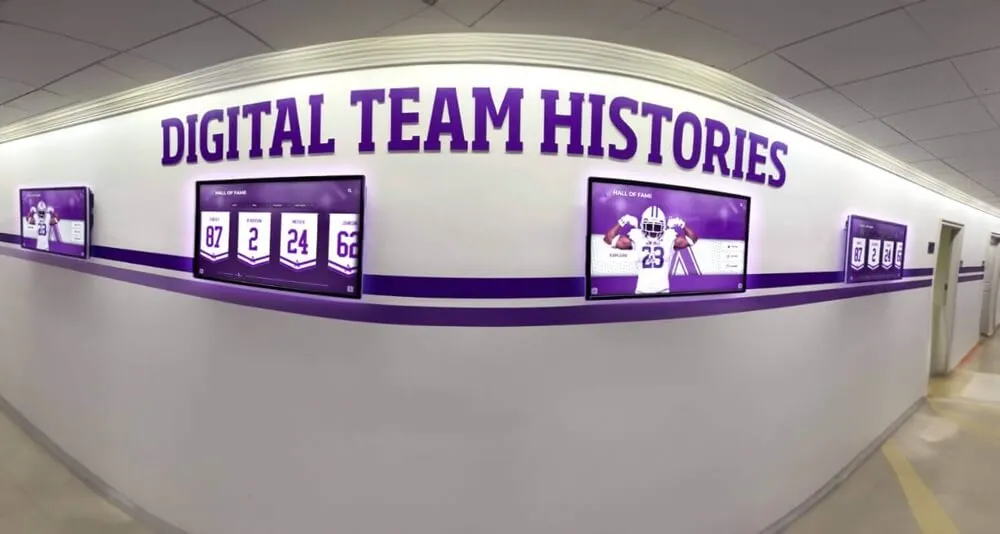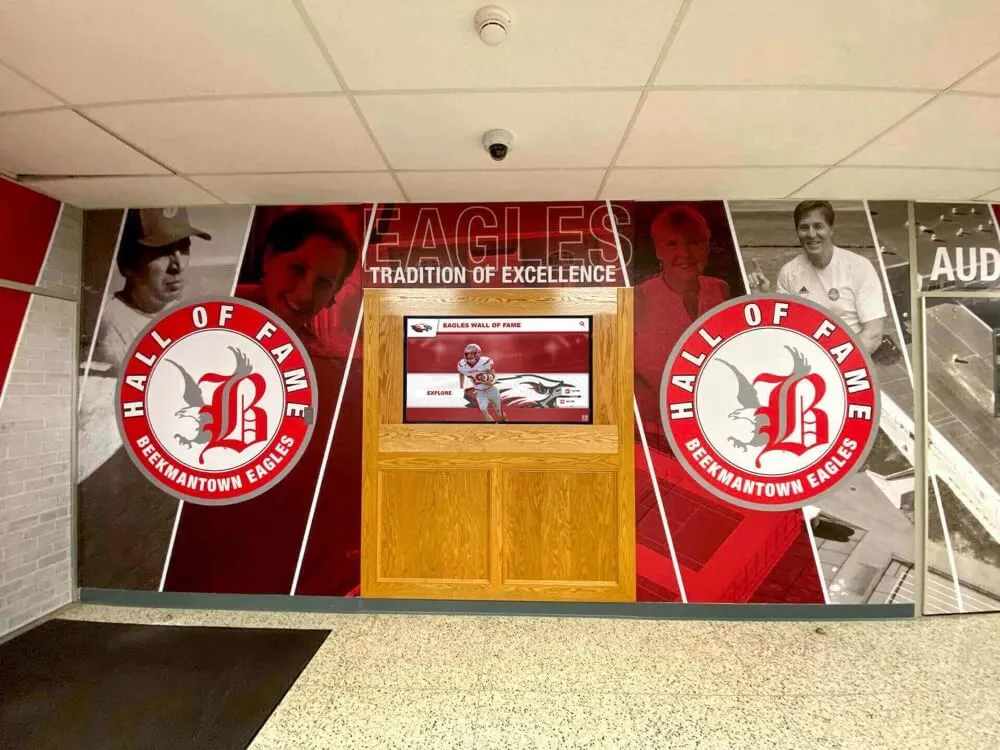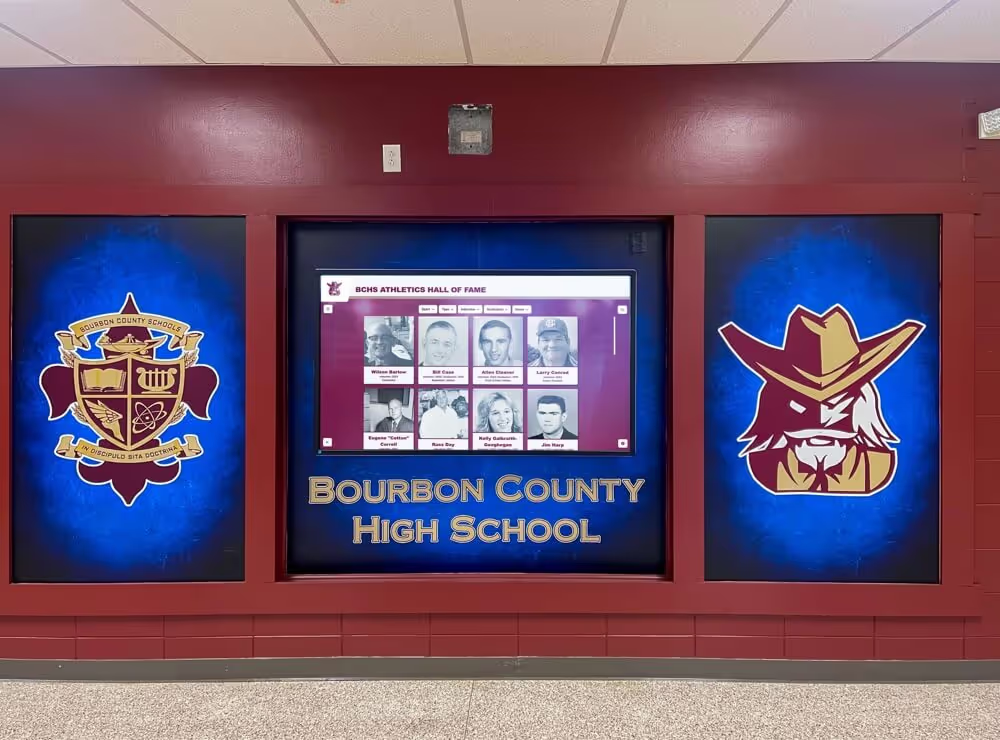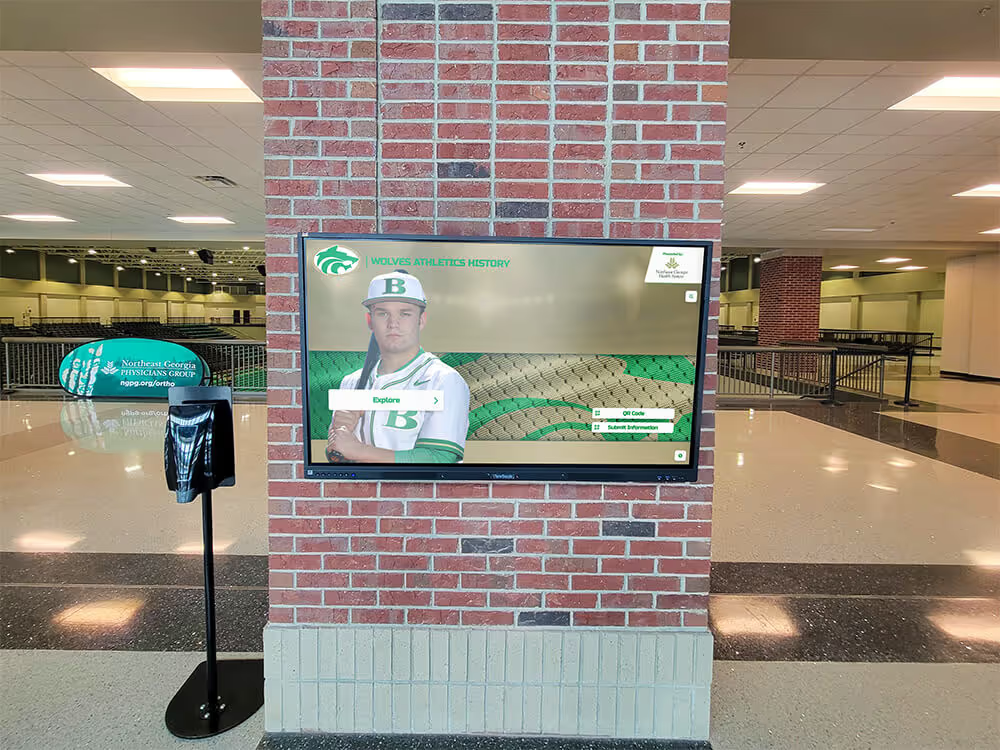




Teachers dedicate their careers to developing young minds, providing emotional support, inspiring curiosity, and preparing students for meaningful futures. They arrive early, stay late, invest personal funds in classroom materials, and carry student concerns in their hearts long after dismissal bells ring. Yet meaningful recognition of this extraordinary contribution often falls short—limited to Teacher Appreciation Week events, brief announcements, or faded bulletin board displays that fail to match the significance of educators’ daily impact.
The gap between teachers’ contributions and the recognition they receive creates consequences extending far beyond hurt feelings. According to research on teacher retention, educators who feel undervalued and unappreciated demonstrate significantly higher turnover rates than colleagues working in appreciation-rich environments. The National Center for Education Statistics reports that approximately 8% of teachers leave the profession annually, with lack of recognition and administrative support consistently cited among primary factors influencing departure decisions.
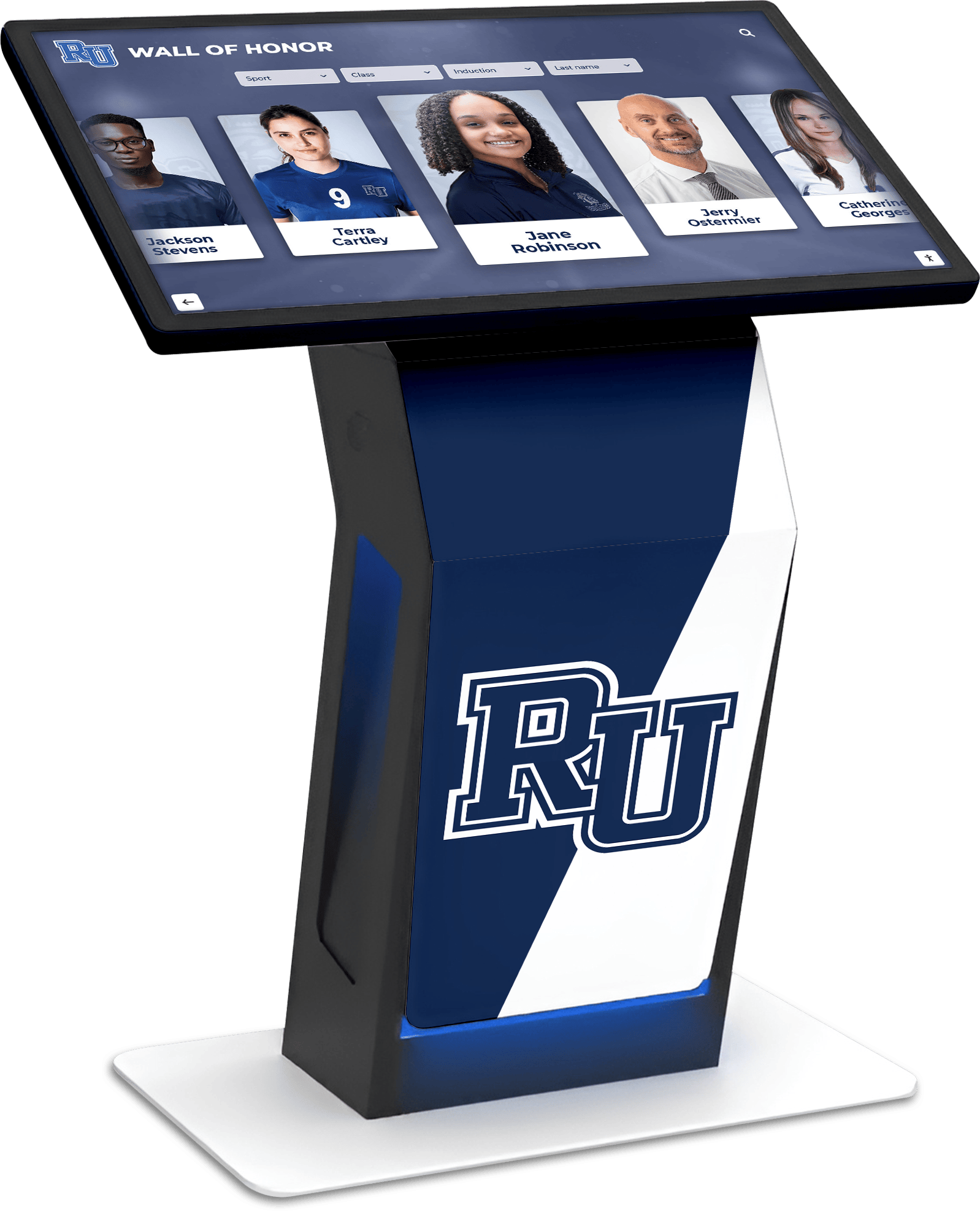
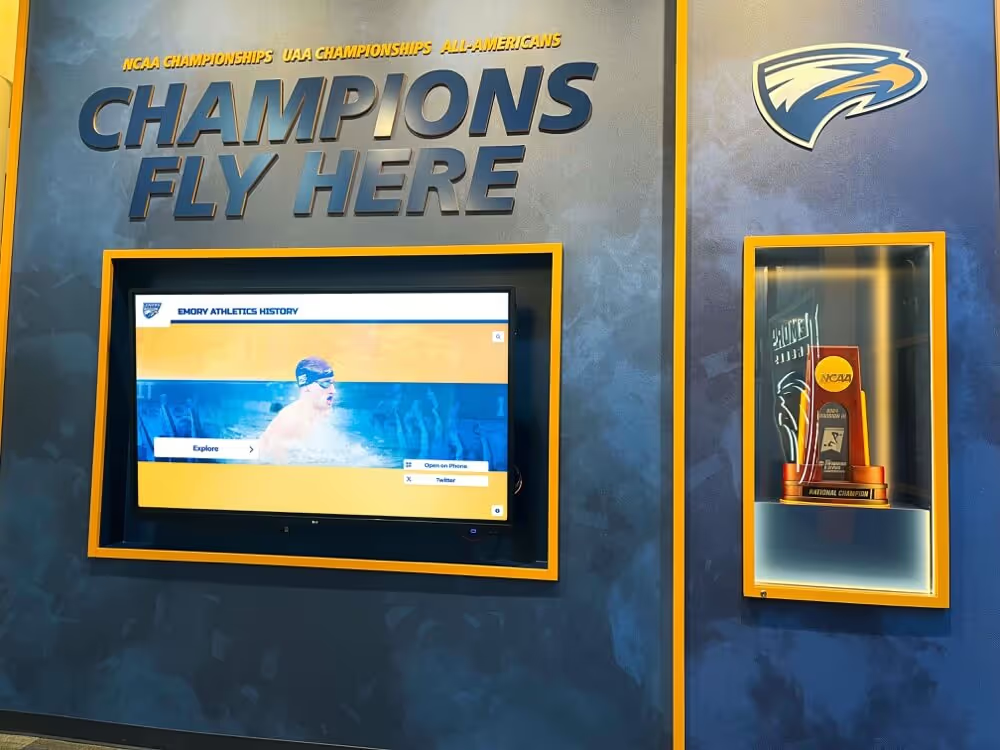
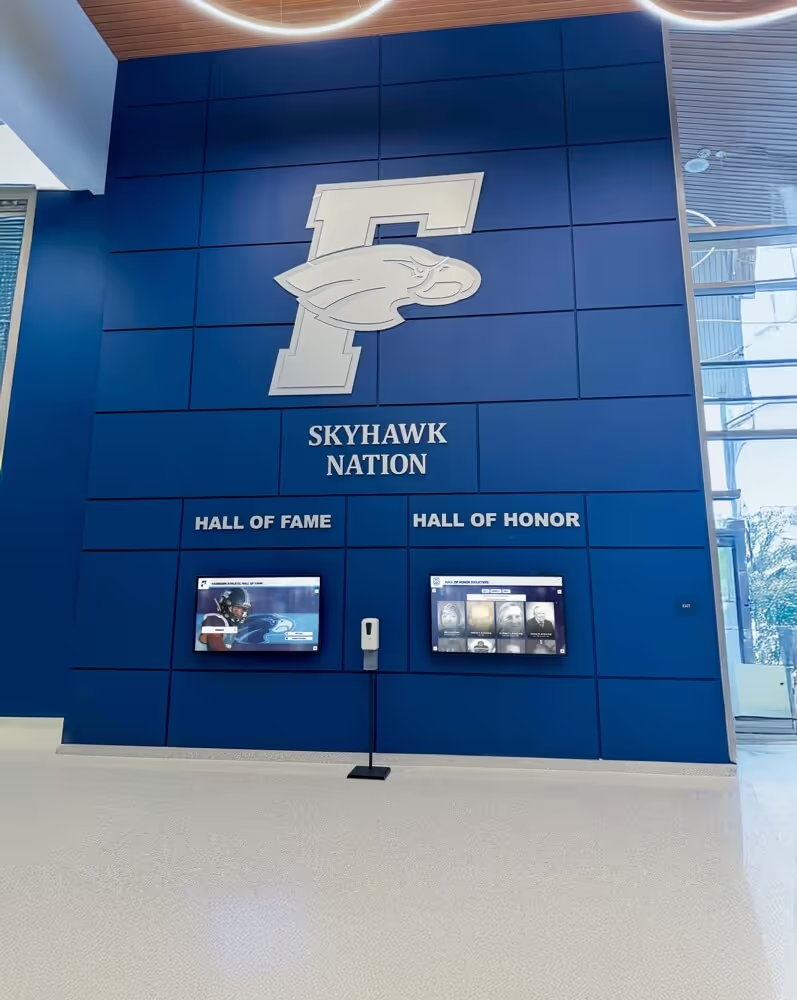
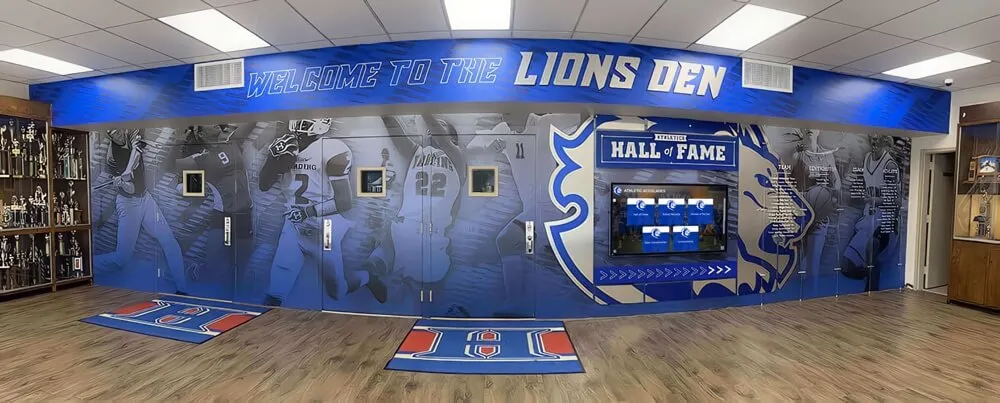
Touch boards offer schools practical solutions for transforming teacher appreciation from sporadic, temporary acknowledgment into comprehensive, permanent recognition systems that honor educators appropriately while strengthening institutional culture. These interactive digital displays combine large-format touchscreen hardware with specialized recognition software, creating engaging platforms where students, families, colleagues, and community members can explore rich multimedia content celebrating teaching excellence, discover educator stories that inspire respect for the profession, and express appreciation that validates years of dedicated service.
This comprehensive guide examines how schools can implement touch boards for teacher appreciation, exploring technology selection, content development strategies, implementation planning, budget considerations, and sustainable management approaches that create lasting recognition infrastructure celebrating educators year-round rather than confining appreciation to single weeks or one-time events.
Understanding Touch Boards for Teacher Recognition
Before implementing touch board systems, understanding what distinguishes these platforms from alternatives and why they deliver superior recognition value helps schools make informed decisions supporting both educator appreciation and broader institutional goals.
What Are Touch Boards?
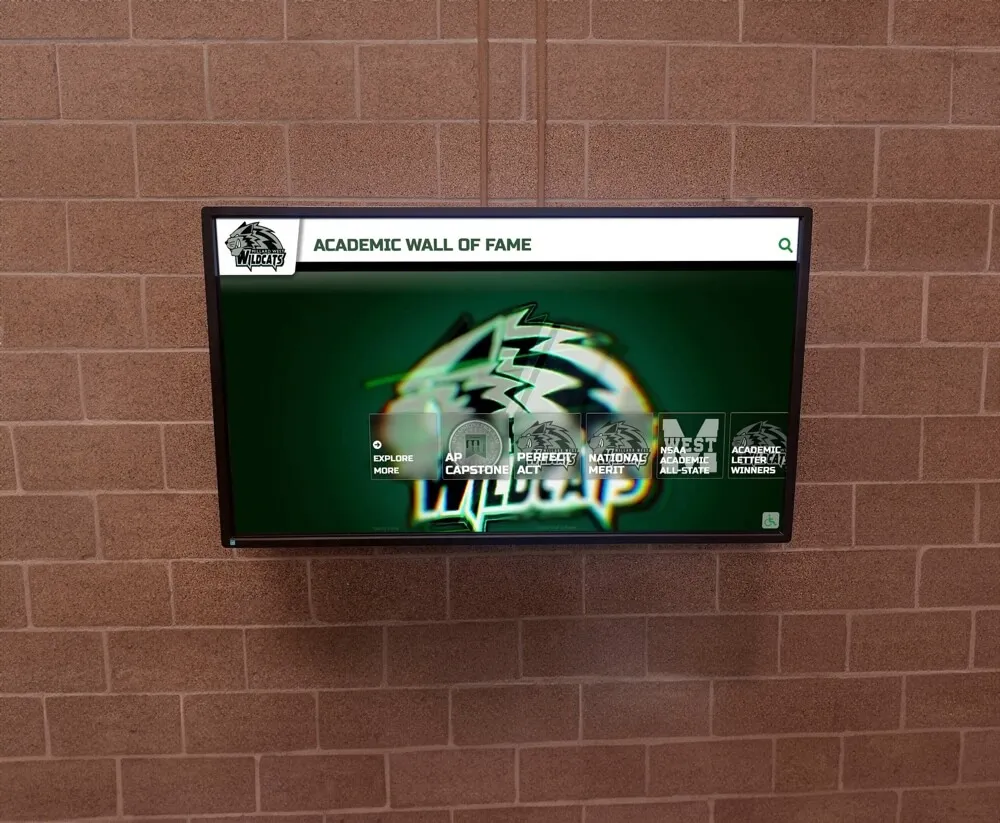
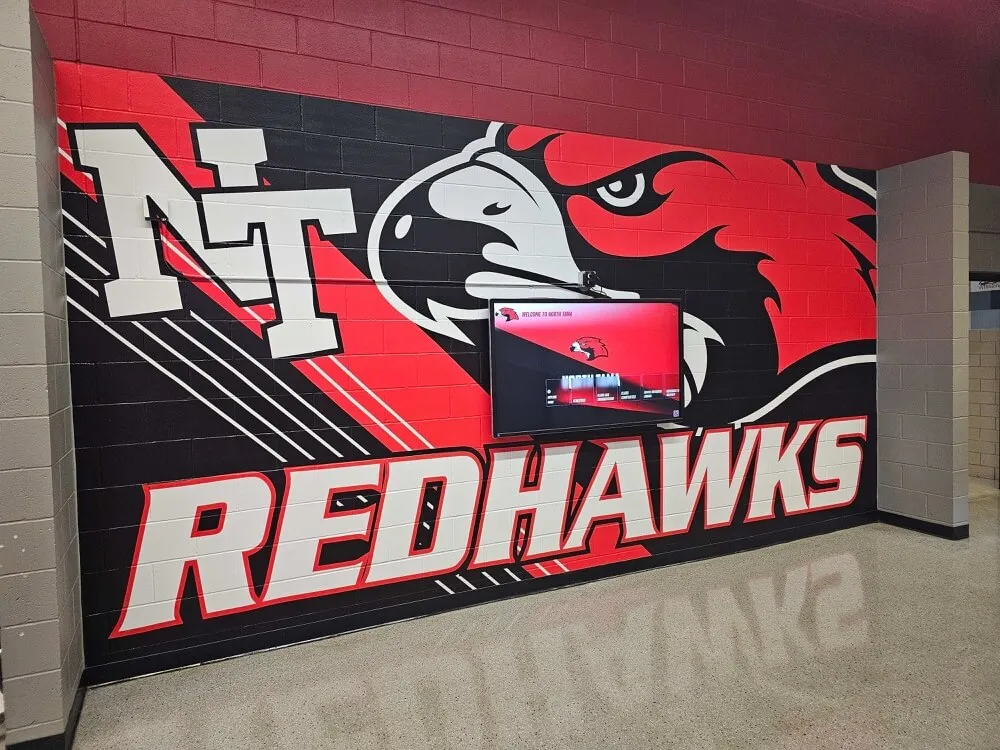
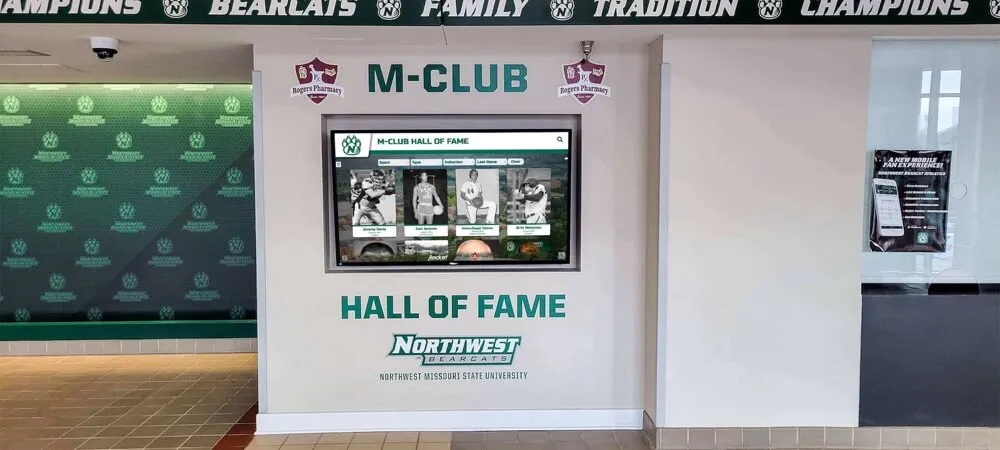
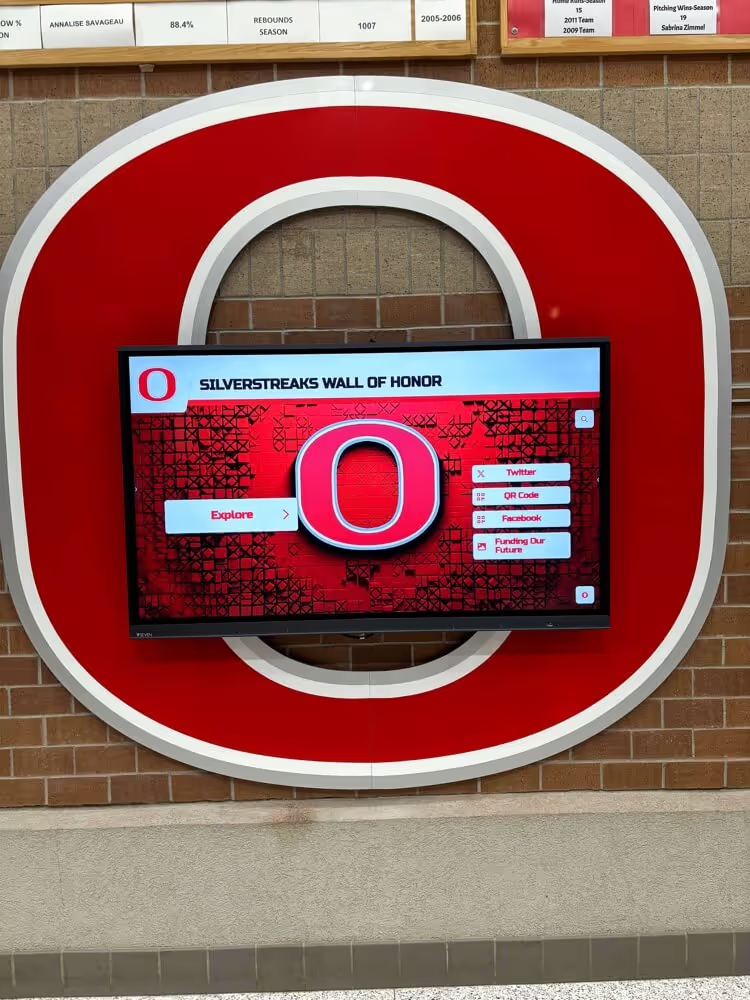
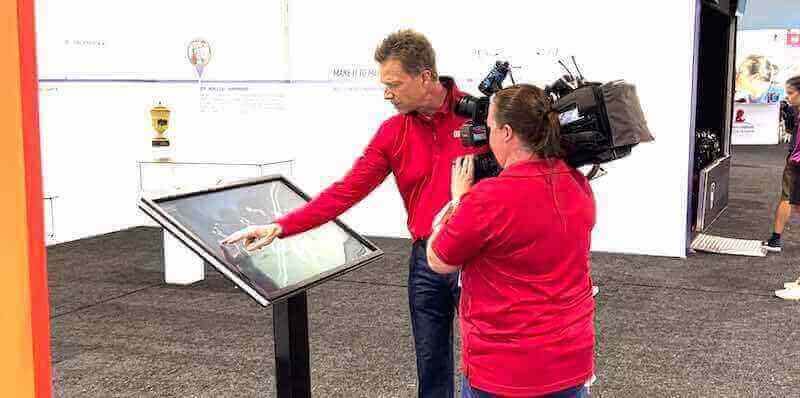
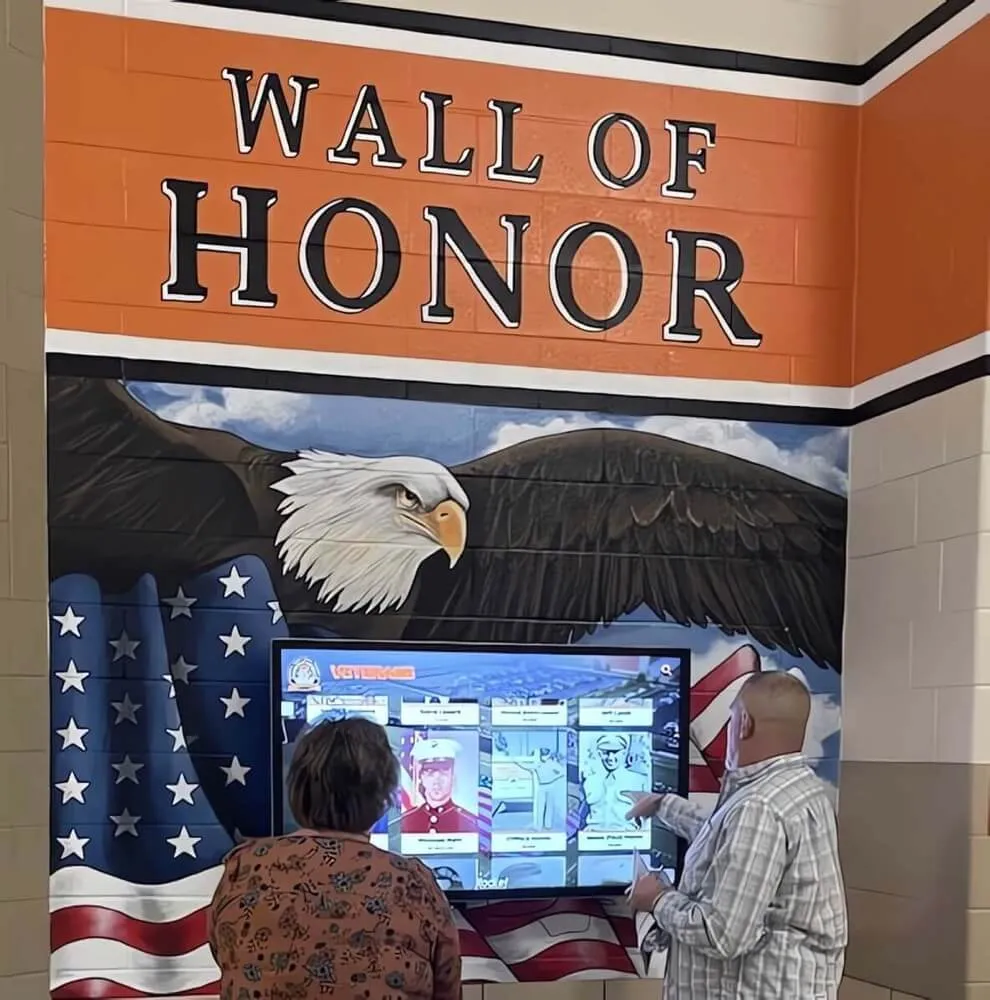
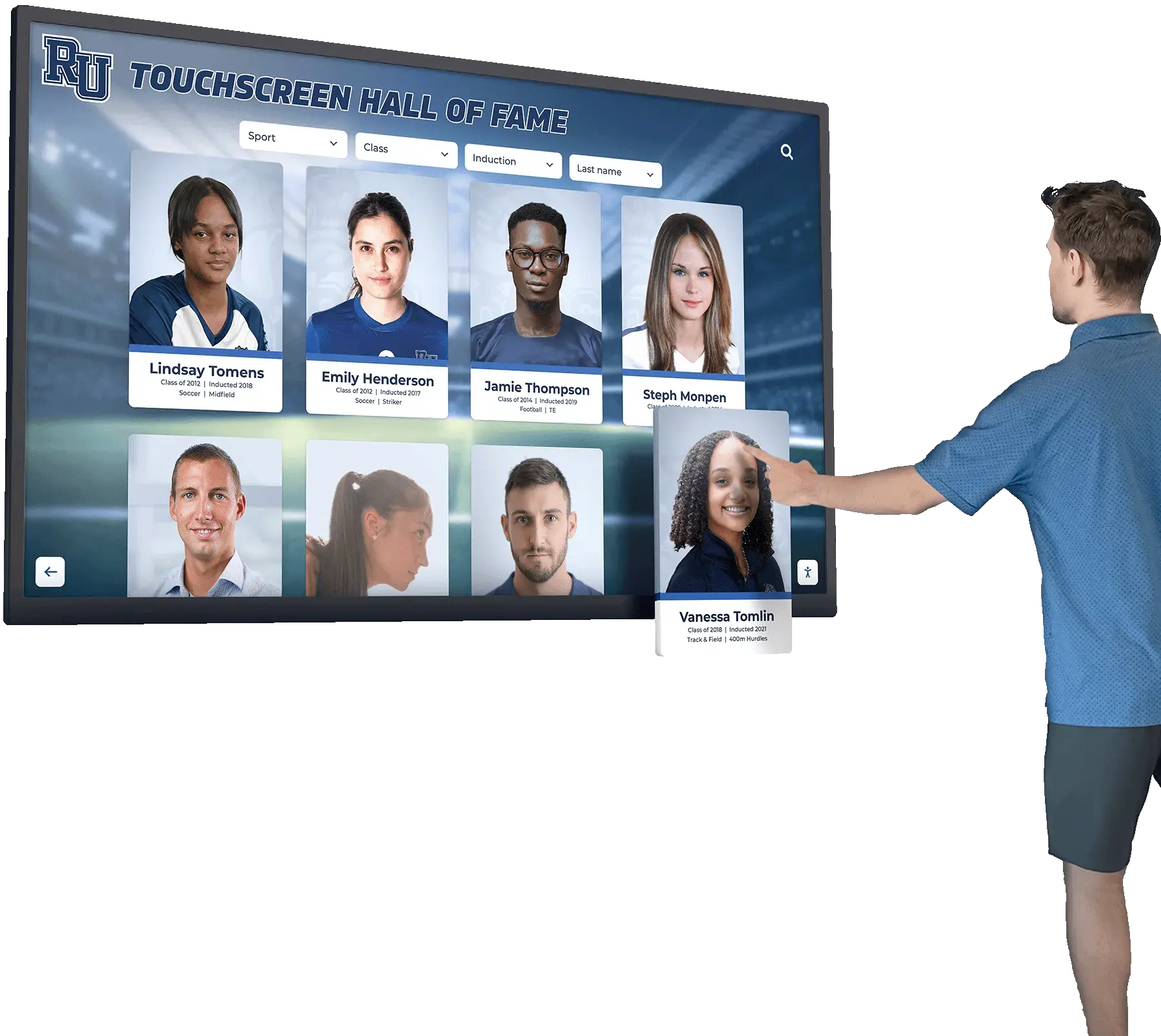
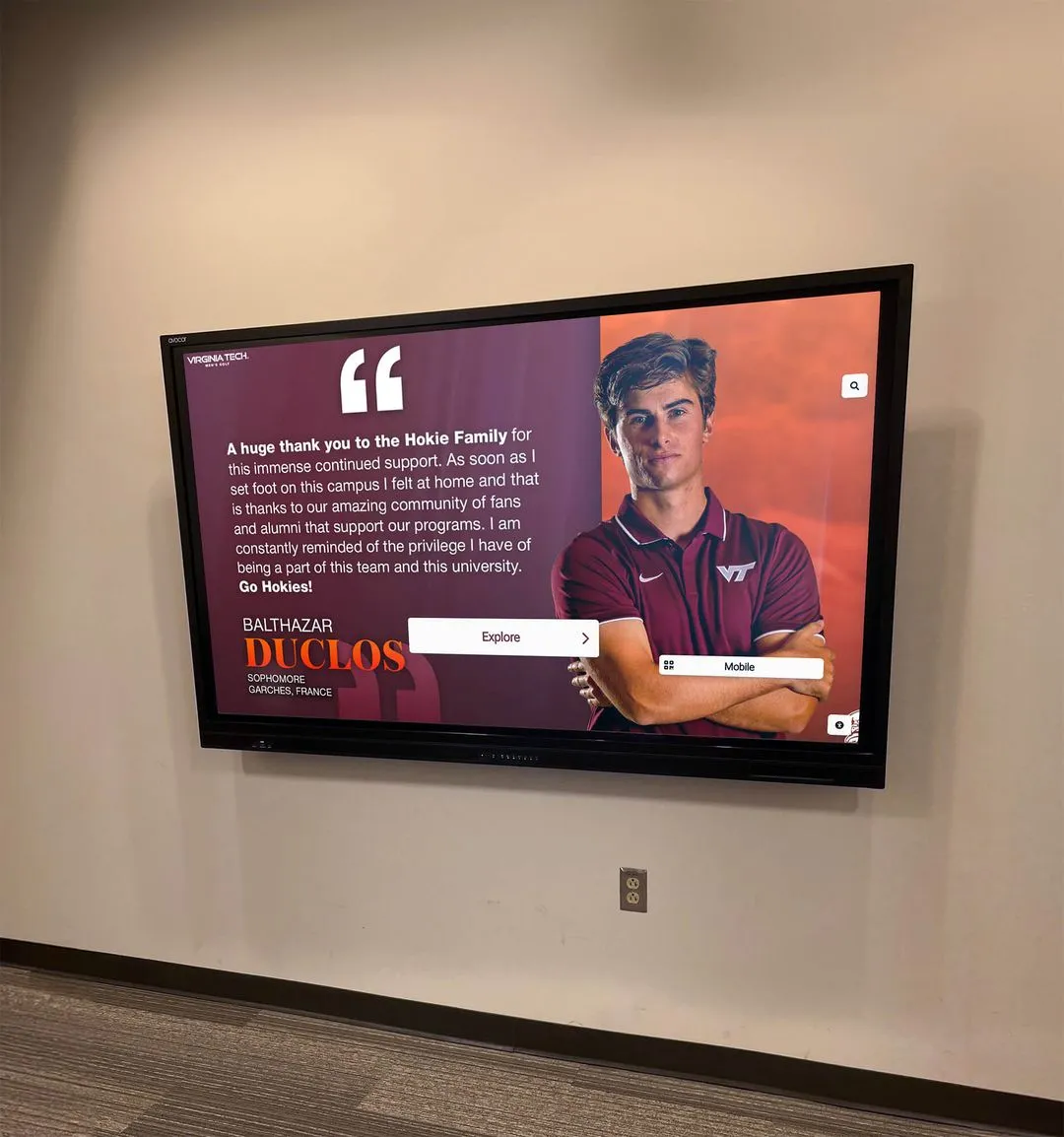
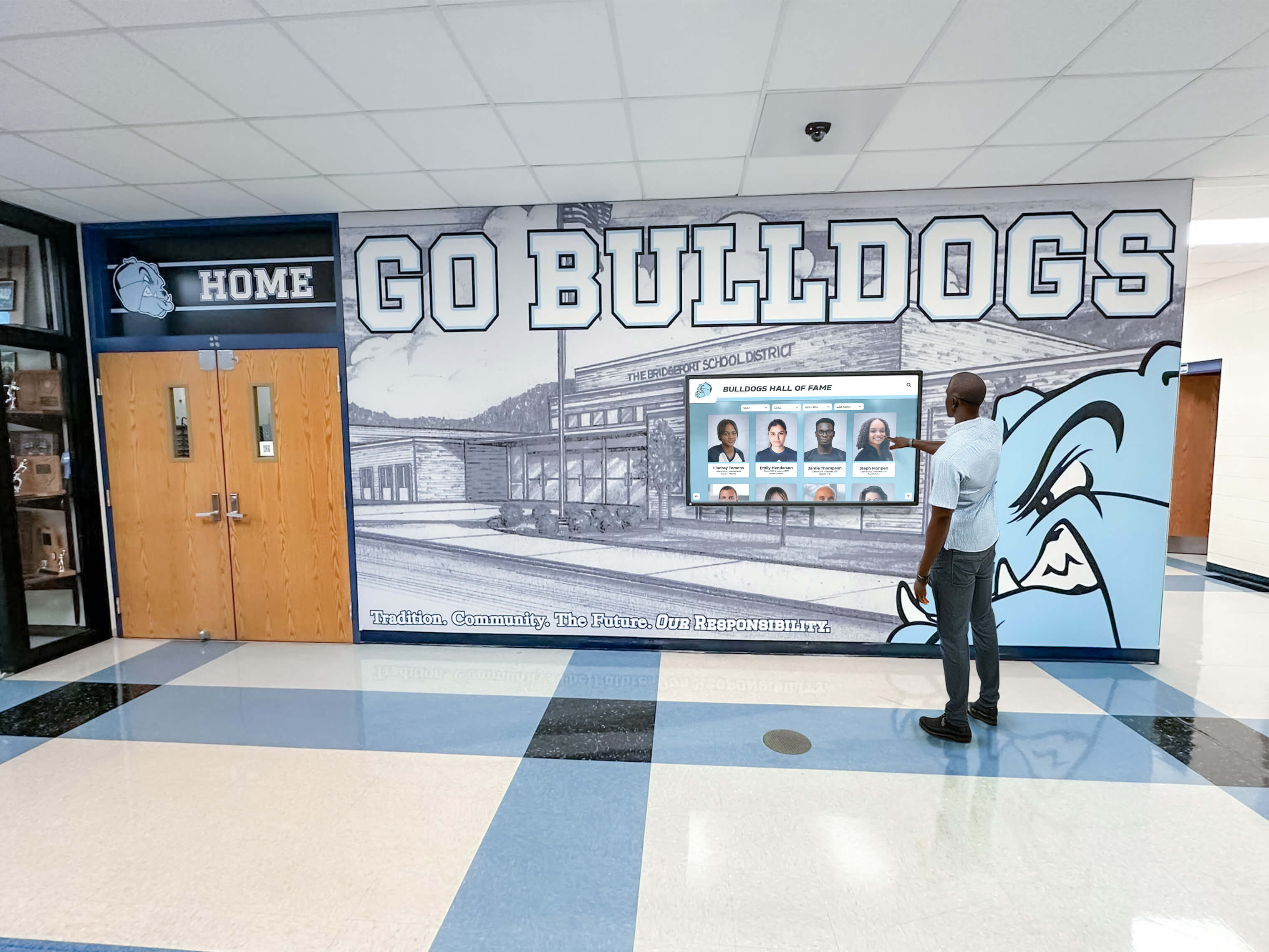
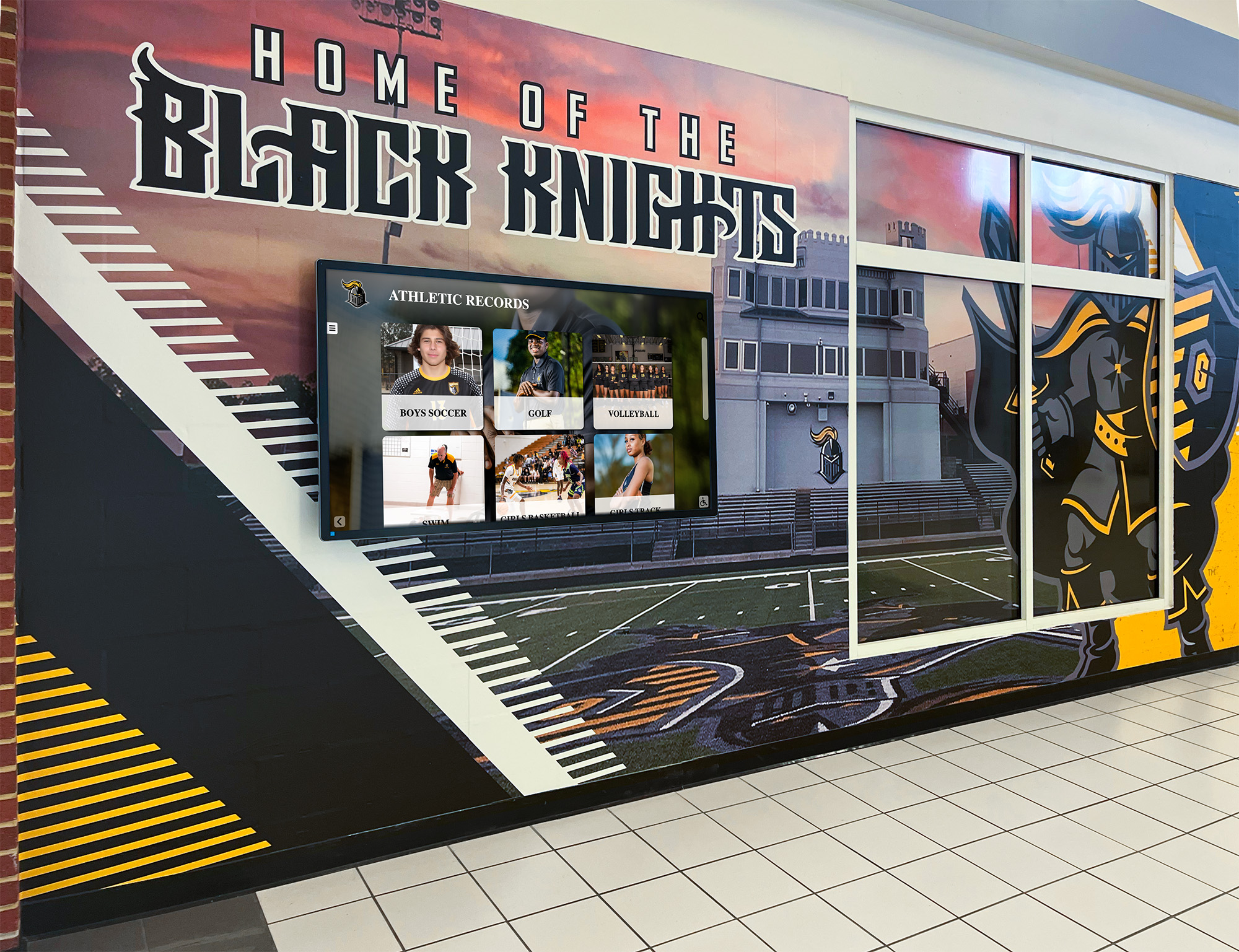
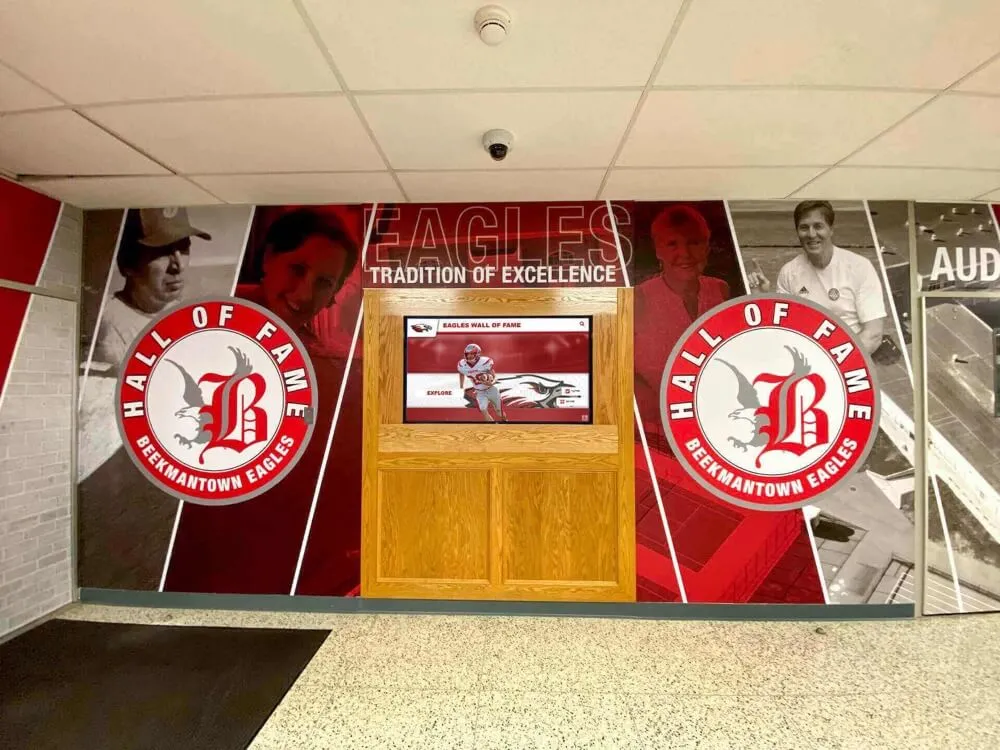
Touch boards combine commercial-grade display technology with interactive touchscreen capabilities and specialized software designed for recognition and information presentation. Unlike generic digital signage systems displaying rotating content passively or basic bulletin boards offering static recognition, touch boards enable active user engagement—visitors physically interact with displays to explore content, search for specific teachers, view detailed profiles, watch video testimonials, and discover comprehensive information impossible to present through traditional methods.
The touchscreen interface provides intuitive interaction requiring no technical knowledge beyond tapping, swiping, and selecting—interaction patterns already familiar from smartphones and tablets but scaled to larger formats optimized for public spaces where multiple people gather simultaneously. Modern capacitive and infrared touch technology delivers responsive, reliable performance supporting extensive daily use without degradation.
Core Components of Teacher Appreciation Touch Boards
Display Hardware:
Commercial-grade displays designed for continuous operation in public environments form the physical foundation. Quality systems utilize:
- Large-format screens (typically 43-75 inches) ensuring visibility and accommodating multiple simultaneous viewers
- Commercial specifications supporting 16-24 hour daily operation rather than consumer displays rated for occasional home use
- High-resolution panels (minimum 1080p, preferably 4K) delivering crisp text and images at viewing distances
- Touchscreen overlays using capacitive or infrared technology providing responsive interaction
- Anti-glare treatments reducing reflection in varied lighting conditions
- Durable construction withstanding public environment demands including temperature variation and physical contact
Recognition Software Platforms:
Specialized software determines user experience and content management capabilities:
- Intuitive interfaces allowing non-technical staff to browse, search, and explore content easily
- Flexible content management systems enabling simple updates without programming knowledge
- Multimedia support for photographs, video, audio, documents, and interactive elements
- Search and filtering capabilities helping users find specific teachers or browse by criteria
- Attractive templates maintaining professional appearance without custom design work
- Analytics tracking engagement metrics demonstrating system value
- Cloud-based access allowing updates from any internet-connected device
- Mobile responsiveness extending recognition beyond physical displays to web access
Mounting and Physical Infrastructure:
Professional installation ensures accessibility, security, and optimal positioning:
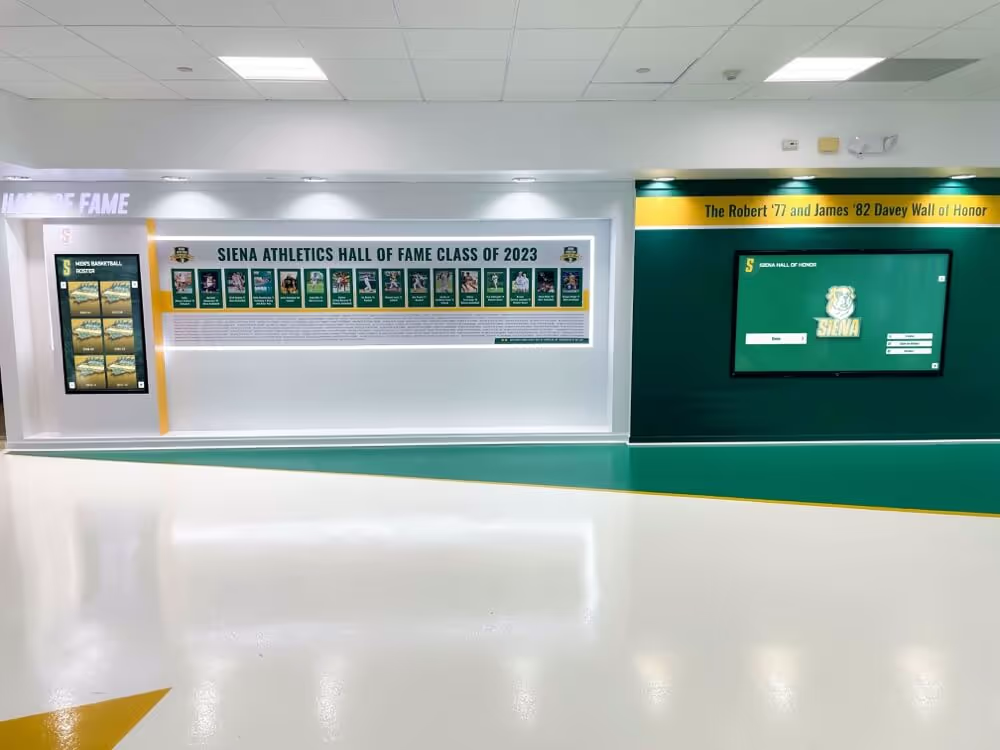
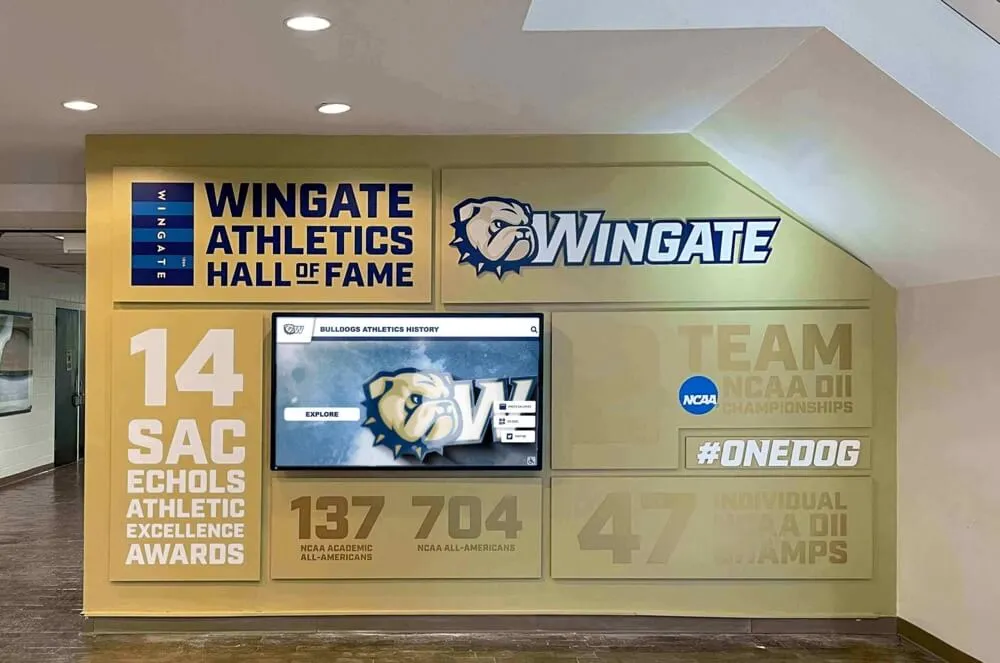
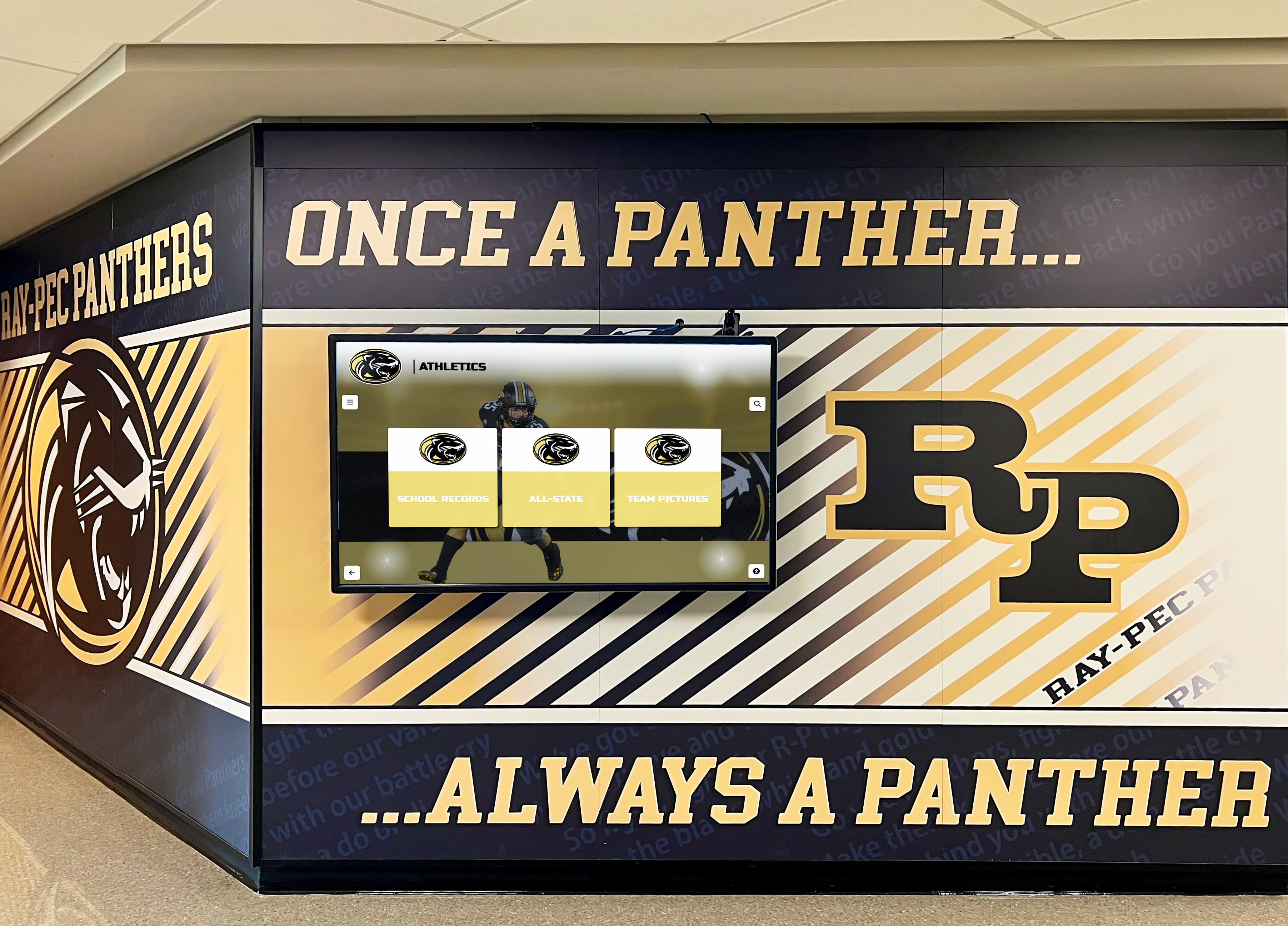
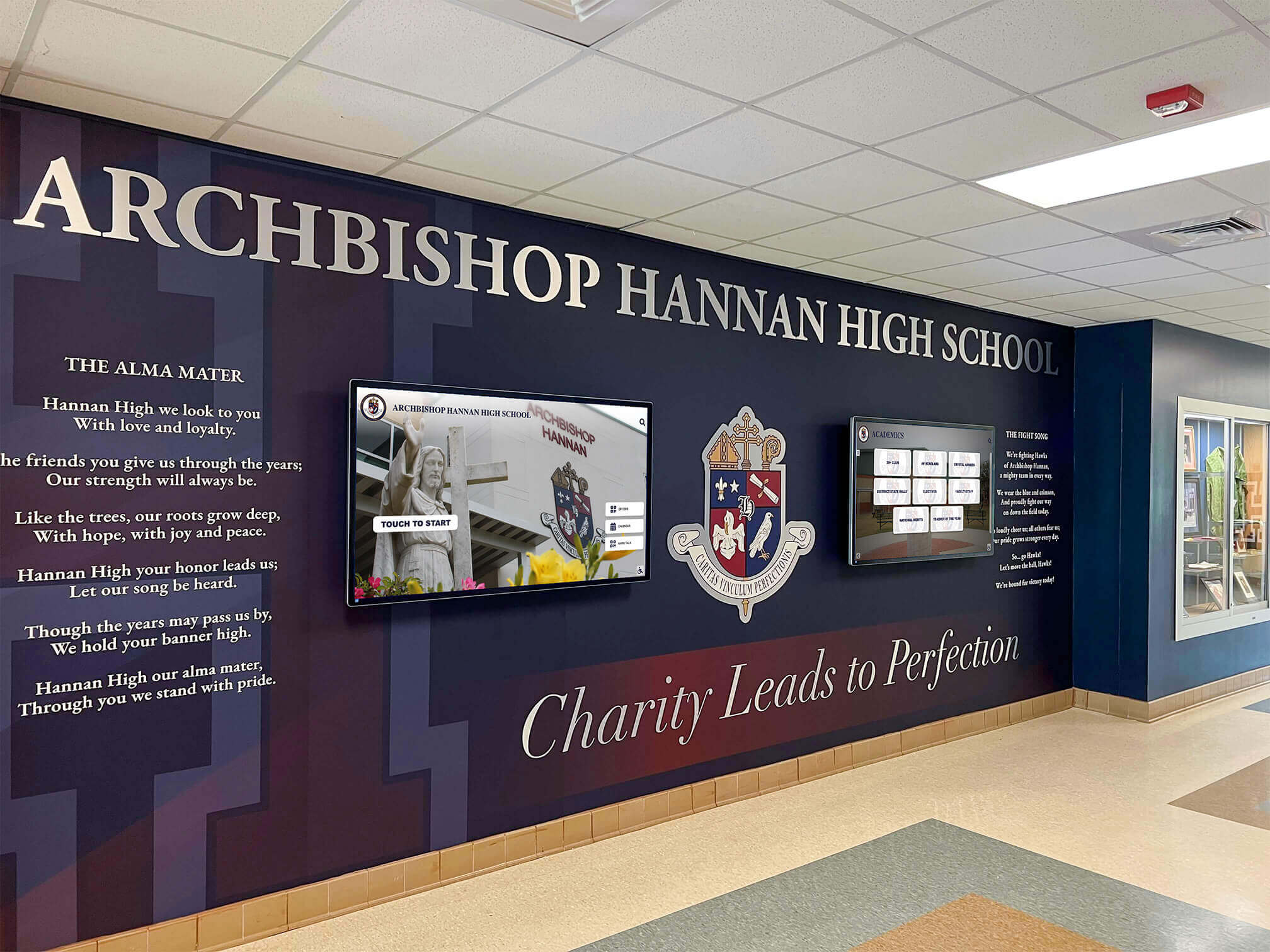
- Wall-mounted installations for space-efficient permanent placement
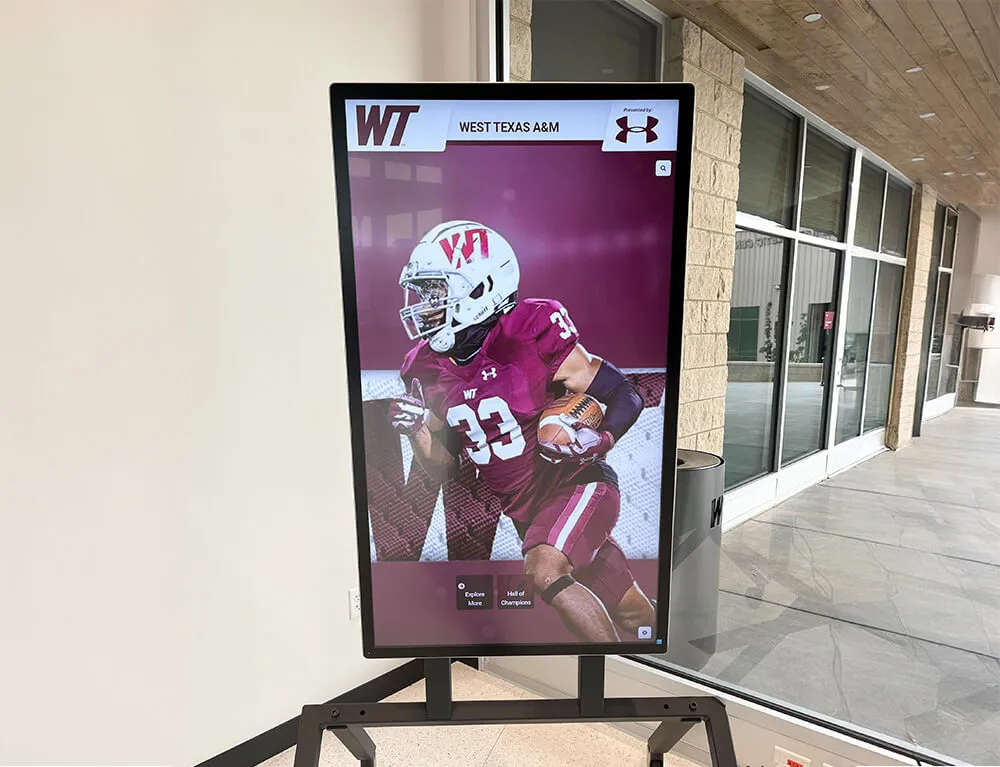
- Floor stand kiosks enabling flexible positioning and relocation capability
- ADA-compliant height and tilt specifications ensuring accessibility
- Secure enclosures protecting hardware in high-traffic environments
- Cable management maintaining clean, professional appearance
- Power and network connectivity supporting reliable operation
How Touch Boards Transform Teacher Appreciation
Unlimited Recognition Capacity:
Physical trophy cases and wall plaques face severe space constraints—adding more recognition requires additional physical space or removing existing displays. Touch boards eliminate capacity limitations entirely. Schools can feature every educator comprehensively regardless of staff size, honor retired teachers maintaining institutional legacy, add new faculty immediately upon hiring, and expand content continuously without hardware changes or space concerns.
This unlimited capacity proves particularly valuable for larger schools where traditional methods force difficult decisions about which teachers receive prominent recognition and which get relegated to less visible locations. Touch boards ensure equitable visibility for every educator regardless of seniority, subject area, or administrative favor.
Rich Multimedia Storytelling:
Traditional plaques communicate basic facts—names, subjects, years of service—but cannot tell complete stories revealing what makes educators exceptional, how they approach teaching, or why students and families appreciate their contributions. Touch boards support:
- Professional photography showing teachers in classroom environments engaged with students
- Video interviews where educators discuss teaching philosophy, memorable moments, and why they chose education
- Student video testimonials expressing appreciation and describing teacher impact
- Classroom footage demonstrating teaching methods and learning environment
- Career timeline narratives documenting professional journeys and growth
- Teaching philosophy statements in educators’ own words
- Achievement recognition highlighting awards, certifications, and milestones
- Personal interest information humanizing teachers beyond professional roles
This multimedia depth creates emotional connections impossible through text and static images alone while providing aspiring educators concrete examples of what teaching excellence entails. Schools implementing comprehensive teacher appreciation programs find that interactive displays significantly enhance engagement compared to traditional recognition methods.
Continuous Updates and Additions:
Traditional recognition requires weeks or months for material procurement, production, and physical installation. Touch boards enable instant updates—when teachers earn recognition, achieve milestones, or reach career anniversaries, schools can add or update content within minutes using simple web-based interfaces accessible from any device.
Immediate recognition delivers maximum impact by honoring achievement while excitement and attention remain high rather than delayed acknowledgment diminishing significance through extended wait times between achievement and public recognition.
Interactive Exploration Driving Engagement:
Passive displays receive brief glances as people pass. Interactive touch boards invite active exploration—users typically spend 3-5 minutes browsing content, watching videos, and discovering information about multiple teachers. This extended engagement creates significantly greater appreciation impact while demonstrating genuine interest in educator recognition that strengthens school culture.
Search and browse capabilities allow students finding favorite teachers quickly, families discovering their children’s educators’ backgrounds before conferences, prospective teachers researching staff during recruitment visits, and alumni reconnecting with teachers who influenced their development years earlier.
Content Strategies That Honor Teachers Effectively
Technology provides capability, but compelling content determines whether touch boards deliver meaningful recognition or become impressive displays with shallow substance failing to honor educators appropriately.
Essential Teacher Profile Components
Professional Background and Credentials:
Comprehensive profiles establish educators’ qualifications and experience:
- Full name (and preferred name or nickname if applicable)
- Current position, grade levels, and subject areas taught
- Total years in education and years at current school
- Educational background including degrees, institutions, and graduation years
- Teaching certifications and specialized credentials
- Previous teaching positions and career progression
- Leadership roles including department chair, committee service, coaching, or club sponsorship
- Professional organization memberships demonstrating ongoing engagement
Professional information validates educators’ expertise while helping families understand the qualified individuals entrusted with their children’s education and development.
Teaching Philosophy and Approach:
Insight into teaching beliefs and methods creates appreciation for thoughtful practice:
- Personal teaching philosophy statements explaining educational beliefs
- Instructional approaches and classroom management strategies
- Technology integration methods enhancing learning
- Differentiation practices meeting diverse student needs
- Assessment and feedback approaches supporting growth
- Relationship-building practices creating positive classroom culture
- Culturally responsive teaching demonstrating equity commitment
- Special interests or focus areas within their subject expertise
Philosophy content helps students and families understand that effective teaching involves intentional approaches developed through experience, reflection, and continuous learning rather than random activities filling instructional time.

Career Highlights and Achievements:
Recognition of professional accomplishments validates excellence:
- Teaching awards and honors received at building, district, state, or national levels
- National Board Certification or other advanced credentials
- Grants awarded supporting classroom innovation or professional development
- Curriculum development work creating new learning opportunities
- Conference presentations sharing expertise with colleagues
- Published works including articles, lesson plans, or educational resources
- Mentorship of student teachers or early-career colleagues
- Innovation pilot programs or instructional experiments improving practice
Achievement recognition demonstrates that exceptional teaching receives acknowledgment while inspiring colleagues to pursue similar professional growth and excellence. Many schools integrate teacher recognition with Teacher of the Year award programs that celebrate educators at building, district, and state levels.
Personal Touches That Humanize:
Information beyond professional credentials creates connection:
- Why they chose teaching as a career
- Most memorable teaching moments or student successes
- Personal interests, hobbies, or talents outside teaching
- Favorite books, films, or cultural interests
- Family information if comfortable sharing (spouse, children, pets)
- Community involvement through volunteering or service
- Fun facts that reveal personality (hidden talents, unusual experiences, quirky preferences)
Personal details transform teachers from authority figures into relatable individuals, strengthening student-teacher relationships while helping families see educators as whole people who bring diverse interests and experiences enriching their teaching.
Multimedia Content That Brings Recognition to Life
Video Content Integration:
Video creates emotional impact and authenticity impossible through text alone:
- Teaching Philosophy Interviews: 60-90 second videos where teachers explain their educational approach, beliefs about learning, and what teaching means to them personally
- Classroom Action Footage: Brief clips showing actual teaching—leading discussions, working with individuals, facilitating activities—demonstrating their methods and classroom environment
- Student Testimonial Compilations: Collections of brief student statements expressing what they appreciate about specific teachers, favorite moments, or how teachers helped them succeed
- Career Reflection Videos: Teachers discussing their journey into education, challenges overcome, professional growth, and advice for students or aspiring educators
- Award Ceremony Highlights: Recognition event footage capturing emotional moments when teachers receive honors, creating permanent documentation of achievement celebration
Professional video production isn’t necessary—authentic footage captured with decent smartphones often delivers greater emotional impact than overly polished corporate-style videos lacking genuine feeling.
High-Quality Photography:
Professional images create visual appeal and capture authentic teaching moments:
- Portraits in teaching environments rather than formal headshots disconnected from practice
- Action shots showing teachers engaged with students during instruction
- Candid images capturing genuine interactions, laughter, and learning moments
- Classroom environment photos revealing learning space organization and design
- Award ceremony photos documenting recognition events
- Collegial images showing collaborative planning or professional learning
- Historical photos spanning careers demonstrating longevity and evolution
Quality photography demonstrates that teacher recognition matters enough to document professionally while creating visually engaging displays attracting attention in school environments competing for community focus. Effective digital recognition displays combine professional imagery with multimedia content that tells complete stories about educator excellence.
Student and Family Testimonials:
Authentic voices provide the most powerful validation:
- Written testimonials collected through surveys, forms, or classroom assignments
- Video testimonials recorded during advisory periods or special recognition events
- Audio recordings allowing students nervous about video to contribute voices
- Graduate reflections submitted by alumni years after teachers influenced their development
- Parent testimonials expressing appreciation for teacher communication, support, or impact on children
- Anonymous submission options encouraging candid appreciation
Testimonials should address specific impact rather than generic praise—“Ms. Rodriguez helped me understand algebra when I was ready to give up, and now I’m pursuing engineering” carries infinitely more meaning than “Mr. Smith is a great teacher.”
Celebrating Milestones and Special Recognition
Years of Service Acknowledgment:
Milestone anniversaries deserve comprehensive recognition:
- 5, 10, 15, 20, 25, 30+ year celebrations highlighting career longevity
- Career retrospectives featuring historical photos and timeline narratives
- Reflections on changes witnessed across decades in education
- Student testimonials collected throughout careers demonstrating sustained impact
- Colleague commentary acknowledging contributions to school community
Service recognition demonstrates institutional appreciation for committed educators who chose to remain in schools rather than pursuing alternative career paths offering potentially higher compensation or lower stress.
Award and Achievement Recognition:
External validation deserves prominent celebration:
- Teacher of the Year selections at building, district, state, or national levels
- National Board Certification achievement demonstrating excellence commitment
- Presidential Awards for Excellence in Mathematics and Science Teaching
- Professional association awards from organizations like NEA, state affiliates, or content-area groups
- Grant awards funding classroom innovation or professional development
- Academic publications or curriculum materials benefiting broader educational community
Award recognition validates excellence while demonstrating that your school employs educators whose work receives recognition beyond local communities, building institutional pride and reputation.
Retirement Tributes:
Career conclusion deserves comprehensive celebration:
- Complete career retrospectives spanning decades of service
- Historical photo collections showing evolution across teaching eras
- Student testimonials collected from recent students and decades of alumni
- Colleague reflections on influence, mentorship, and friendship
- Video compilations featuring messages from community members impacted
- Teaching philosophy discussions reflecting on career-long beliefs and evolution
- Legacy recognition highlighting programs created, students influenced, and institutional contributions
Retirement tributes honor complete careers while preserving institutional history and demonstrating to current teachers that lifelong dedication receives appropriate celebration and remembrance.
New Teacher Welcomes:
Immediate inclusion builds belonging:
- Welcome profiles introducing new faculty to school community
- Background information helping students and families become acquainted
- Teaching philosophy statements explaining approaches and beliefs
- Personal interests revealing personality beyond professional roles
- Photos in classroom environments showing learning spaces
- Video introductions where new teachers express excitement about joining school
Immediate recognition demonstrates that teachers are valued from day one rather than requiring years of service before receiving appreciation, strengthening retention while communicating institutional culture that genuinely values educators.
Implementation Planning for Touch Board Systems
Successful touch board implementation requires strategic planning addressing technology selection, location decisions, content development, budget allocation, and sustainable management structures ensuring programs deliver lasting value rather than becoming neglected installations losing relevance through outdated content.
Hardware and Technology Selection
Display Size and Specifications:
Choose hardware matching your environment and audience:
- Small Schools (under 300 students): 43-55 inch displays provide adequate size for intimate viewing environments without overwhelming spaces
- Medium Schools (300-800 students): 55-65 inch displays balance visibility with proportional scale for typical hallway dimensions
- Large Schools (800+ students): 65-75 inch displays ensure visibility in expansive lobbies or high-traffic corridors where larger formats command attention
- Multiple Displays: Several smaller displays in different locations often provide better coverage than single large displays serving limited areas
Commercial specifications should include:
- Minimum 1080p resolution (preferably 4K for larger displays)
- Commercial-grade panels rated for 16-24 hour daily operation
- Minimum 50,000 hour panel life expectancy
- Capacitive or infrared touchscreen technology for responsive interaction
- Brightness levels of 350-500 nits accommodating varied ambient lighting
- Horizontal or vertical orientation options matching content and space constraints
Software Platform Evaluation:
Recognition software determines content management complexity and user experience quality. Essential capabilities include:
- Intuitive content management systems that non-technical staff navigate comfortably
- Template systems maintaining professional appearance without design expertise
- Multimedia support including video playback, image galleries, and document access
- Search and filtering enabling users to find teachers by name, subject, or other criteria
- Cloud-based administration allowing updates from any internet-connected device
- Analytics demonstrating engagement through interaction counts and popular content
- Mobile-responsive web versions extending recognition beyond physical displays
- Regular updates and technical support from vendors
Solutions like Rocket Alumni Solutions provide purpose-built platforms designed specifically for educational recognition, offering features and workflows optimized for school environments rather than generic digital signage software requiring extensive customization and technical expertise. Schools can compare touchscreen software options to select platforms that best match their specific recognition needs and technical capabilities.
Mounting and Installation Considerations:
Physical installation significantly impacts accessibility and longevity:
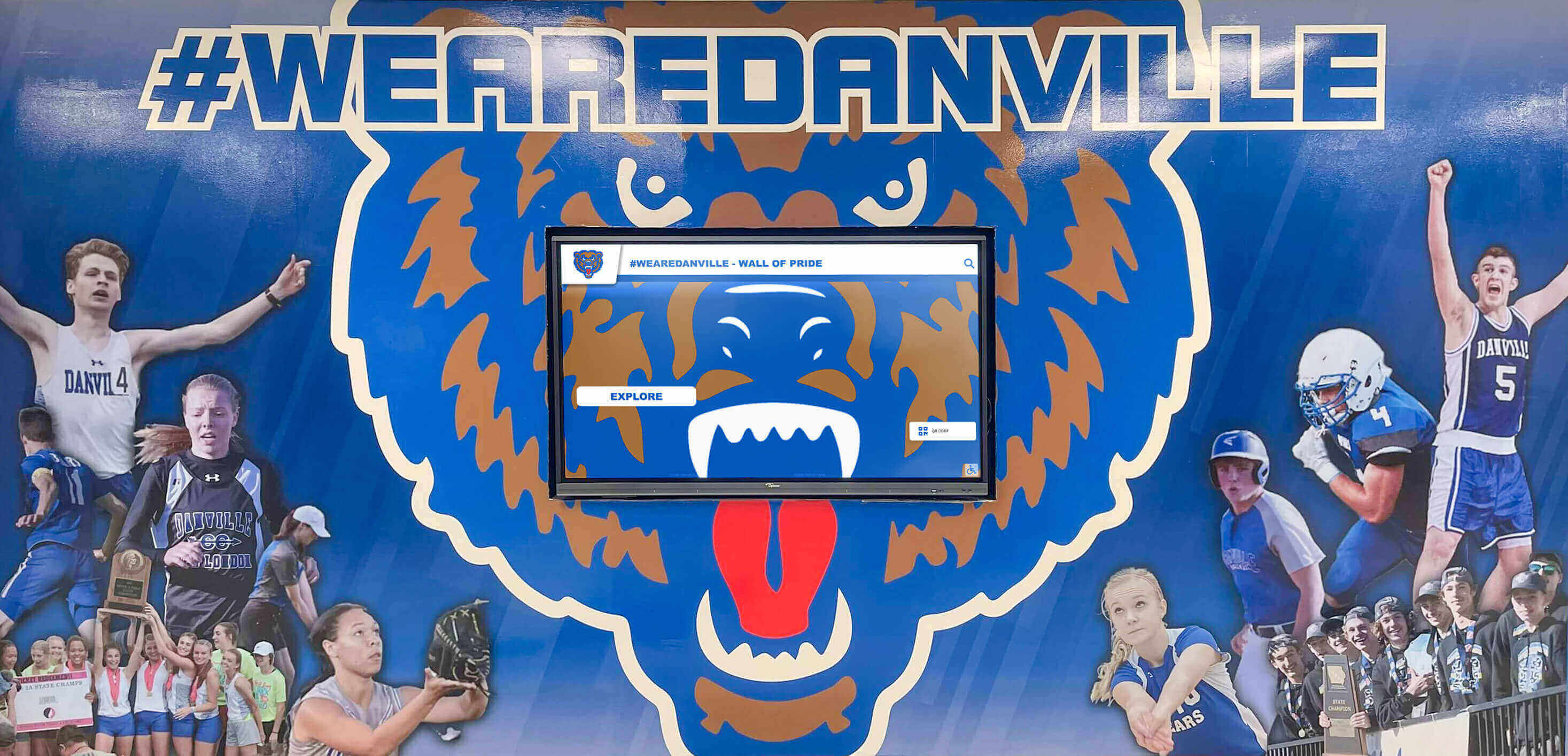
- Wall Mounting: Permanent installations maximizing space efficiency while providing secure attachment preventing theft or vandalism
- Floor Kiosks: Free-standing units enabling flexible positioning, easier installation without wall attachment, and relocation capability
- Height Specifications: Touchscreen centers positioned 42-48 inches above floor level provide comfortable access for diverse user heights while meeting ADA accessibility requirements
- Viewing Angle: Slight backward tilt (5-15 degrees) reduces glare while accommodating typical approach angles for standing viewers
- Security: Tamper-resistant mounting, locked enclosures for computing components, and cable protection preventing vandalism or theft
- Environment: Climate-controlled indoor locations avoiding temperature extremes, direct sunlight, or excessive moisture
Strategic Location Selection
Display placement dramatically influences visibility and engagement:
High-Traffic Primary Locations:
- Main Entrance Lobbies: First impression areas where all visitors, students, and staff enter daily, ensuring maximum exposure and establishing appreciation culture prominently
- Main Office Areas: Locations where parents visit for check-in, conferences, and meetings, providing extended viewing opportunities during wait times
- Cafeteria or Commons: Gathering spaces where students spend social time, creating organic opportunities for exploration during breaks
- Library Media Centers: Information hubs where students research and study, aligning recognition with learning environments
Secondary Locations Adding Value:
- Faculty Lounges: Staff-only areas where teachers can explore colleague profiles privately, fostering professional community
- Conference Room Hallways: Locations where parent-teacher conferences occur, providing conversation starters and context
- Auditorium Lobbies: Pre-event gathering areas ensuring visibility during performances, programs, and community events
- Athletic or Arts Wings: Specialized areas recognizing coaches, activity sponsors, and specialized educators
Placement Considerations:
- Adequate stopping space allowing 3-5 people to gather comfortably without blocking traffic flow
- Clear sight lines from major pathways attracting attention and invitation to engage
- Appropriate ambient lighting minimizing glare while ensuring comfortable viewing
- Network infrastructure proximity simplifying installation and reducing costs
- Power access within reasonable distance avoiding extensive electrical work
- Physical security preventing vandalism in unsupervised areas
Multiple displays often deliver greater value than single installations—coverage across diverse locations ensures more people encounter recognition regularly rather than requiring visits to specific areas potentially infrequently traveled.
Content Development Process and Timeline
Comprehensive Launch Content Creation:
Quality implementation requires substantial upfront content development:
Phase 1: Planning and Organization (2-3 weeks)
- Identify all teachers to feature ensuring complete, equitable coverage
- Develop profile templates and content standards establishing consistency
- Create information collection forms and submission processes
- Communicate expectations and timelines to faculty
- Schedule photography sessions accommodating teaching schedules
- Identify student testimonial collection methods and timelines
Phase 2: Information Gathering (4-6 weeks)
- Distribute teacher information forms collecting biographical data, credentials, and reflections
- Conduct interviews capturing teaching philosophy and career narratives
- Complete professional photography in classrooms and school environments
- Collect student testimonials through surveys, videos, or written assignments
- Gather historical photos, awards, and documentation for veteran teachers
- Obtain necessary permissions for content use and publication
Phase 3: Content Creation and Production (4-6 weeks)
- Write biographical content for each teacher profile maintaining consistent voice
- Edit and process photographs ensuring quality and consistency
- Produce and edit video content including interviews and testimonials
- Organize materials into logical categories and structures
- Create supplementary content including department overviews and program information
- Review content for accuracy, appropriateness, and policy compliance
Phase 4: Technical Implementation and Testing (2-3 weeks)
- Load content into recognition platform software
- Create navigation structures and search capabilities
- Test all interactive features ensuring functionality
- Obtain teacher approval of their individual profiles
- Conduct administrative review ensuring policy compliance
- Train staff responsible for ongoing content management
- Perform comprehensive system testing before public launch
Realistic Implementation Timeline: Plan minimum 12-16 weeks from project initiation to public launch for comprehensive content development ensuring every teacher receives high-quality recognition. Rushed implementations with incomplete content diminish recognition impact while creating cleanup work requiring months of post-launch effort addressing gaps and quality issues better resolved before public introduction.
Budget Planning and Funding Sources
Cost Components:
Comprehensive touch board systems involve multiple investment areas:
Initial Investment:
- Display hardware (commercial-grade touchscreen): $2,500-$6,000 per unit
- Media player or computer running recognition software: $500-$1,500
- Mounting system (wall mount or floor kiosk): $300-$1,200
- Professional installation including electrical and network: $500-$1,500
- Recognition software platform (first year licensing): $1,200-$3,500
- Professional photography for entire faculty: $1,500-$4,000
- Video production services if utilizing professional vendors: $2,000-$5,000 optional
- Content development labor (staff time or contracted services): $2,000-$6,000
- Total Initial Investment: $10,500-$28,700 per installation
Ongoing Annual Costs:
- Software licensing and platform fees: $1,000-$3,000
- Content management and updates: $800-$2,500
- Hardware maintenance and technical support: $300-$800
- Network connectivity and utilities: $100-$300
- Photography updates for new teachers: $300-$800
- Total Annual Operating: $2,500-$7,400
Funding Strategies:
Multiple sources can support touch board implementation:
- School operating budgets: Technology or facilities funds supporting infrastructure improvements
- Parent-Teacher Organizations: PTA/PTO fundraising for teacher appreciation initiatives
- Education foundations: Grant applications for programs strengthening teacher retention and appreciation culture
- Local business sponsorships: Community business contributions supporting education with recognition opportunities
- Memorial or tribute donations: Families honoring beloved teachers through permanent recognition contributions
- Title II funds: Professional development allocations if recognition demonstrably supports teacher effectiveness and retention
- Bond funds: Capital improvement projects including technology infrastructure upgrades
- Alumni associations: Graduate contributions supporting teacher recognition honoring their former educators
Many schools combine multiple funding sources—operating budgets for ongoing costs, education foundation grants for initial hardware, and PTO support for content development—distributing investment across stakeholder groups sharing commitment to teacher appreciation.
Sustainable Management and Long-Term Success
Initial implementation represents just the beginning—sustainable management ensures touch boards remain current, engaging, and valued recognition infrastructure rather than becoming neglected technology with outdated content diminishing institutional credibility.
Content Management Responsibilities
Designated Coordinator Role:
Assign specific staff responsibility for recognition management:
- Principal or assistant principal with overall accountability and vision
- Communications director or marketing coordinator managing content creation
- Technology coordinator handling technical maintenance and troubleshooting
- Administrative assistant with scheduling flexibility for photography and updates
- Volunteer recognition committee providing content ideas and community input
Without clear ownership, recognition systems languish through diffuse responsibility where everyone assumes someone else handles updates, resulting in nobody taking action until content becomes embarrassingly outdated.
Department or Grade-Level Liaisons:
Distribute workload through representative structure:
- Department chairs collecting information from subject-area teachers
- Grade-level leaders gathering updates from elementary teams
- Building representatives in multi-school districts reporting changes
- Activity coordinators tracking coach and sponsor achievements
- Retiree contact maintaining connections with former faculty
Liaison structures reduce coordinator burden while increasing buy-in across faculty who see colleagues directly involved in recognition program management.
Regular Update Schedules
Monthly Updates (1-2 hours monthly):
- Add new hire profiles introducing teachers joining mid-year or after breaks
- Feature rotating “Teacher Spotlight” highlighting different educators monthly
- Update achievement recognition for awards or certifications earned recently
- Add new student testimonials collected through ongoing submission systems
- Refresh homepage or featured content preventing stale appearance
Quarterly Reviews (3-4 hours quarterly):
- Verify contact information, positions, and biographical accuracy
- Update photographs capturing seasonal classroom variations
- Add new video testimonials or interviews recorded during quarter
- Review analytics identifying popular content and underutilized features
- Solicit teacher feedback about their profiles and desired changes
Annual Comprehensive Refreshes (10-15 hours annually):
- Complete photography updates for entire faculty with new images
- Major content additions including new interviews or expanded profiles
- Recognition of major milestones like retirements or significant anniversaries
- System updates and software upgrades provided by vendors
- Staff training refreshers ensuring current personnel understand management processes
Event-Driven Immediate Updates:
- New teacher additions immediately upon hiring decisions
- Retirement tributes published when announcements occur
- Award recognition added promptly following selection or achievement
- Milestone celebrations published on or before anniversary dates
Regular schedules prevent recognition from becoming stale while distributing workload manageably rather than requiring massive updates when neglect creates extensive backlogs demanding weeks of remedial work.
Ensuring Equitable Recognition Quality
Complete Coverage:
Feature every educator appropriately:
- All classroom teachers regardless of subject, grade, or popularity
- Specialists including art, music, physical education, library, counseling, and special education
- Support staff contributing educationally including paraprofessionals, instructional coaches, and intervention specialists
- Part-time teachers and job-share positions receiving equitable recognition
- Long-term substitutes covering extended leaves when appropriate
- Retired teachers maintaining legacy connections through alumni educator sections
Incomplete recognition creates hurt and resentment—teachers excluded feel undervalued while wondering whether oversight reflects intentional disrespect or thoughtless neglect, neither conclusion strengthening appreciation culture.
Consistent Content Quality:
Ensure uniform profile depth:
- Similar photo quality for all teachers not just administrators or favorites
- Comparable biographical comprehensiveness across faculty
- Video content distributed throughout staff not concentrated on select individuals
- Testimonial collection efforts targeting all teachers equitably
- Equal update priority regardless of seniority or visibility
Visible quality differences communicate that some teachers matter more than others, undermining appreciation programs meant to demonstrate that every educator receives genuine institutional value.
Diverse Representation:
Recognition content should reflect community diversity:
- Teachers representing varied backgrounds, experiences, and perspectives
- Multiple teaching philosophies demonstrating that excellence takes many forms
- Career stages from beginning teachers through veterans celebrating diverse achievements
- Subject areas and grade levels receiving balanced representation
- Extracurricular roles including coaches, club sponsors, and activity leaders
Diverse representation ensures all students see themselves reflected in celebrated educators while validating that teaching excellence manifests through many approaches rather than single templates or narrow definitions.
Integrating Touch Boards With Comprehensive Recognition Culture
Touch boards deliver maximum value when integrated within broader appreciation ecosystems rather than existing as isolated technology installations disconnected from comprehensive cultural approaches valuing educators holistically.
Complementary Recognition Programs
Traditional Appreciation Methods:
Touch boards supplement rather than replace:
- Teacher Appreciation Week celebrations with gifts, meals, and special events
- Monthly staff recognition during faculty meetings highlighting specific contributions
- Handwritten thank-you notes from administrators providing personal acknowledgment
- Student appreciation projects including letters, artwork, and video compilations
- Surprise celebrations recognizing unexpected achievements or difficult circumstances
- Professional development opportunities communicating investment in growth
Digital recognition provides permanent, public celebration while traditional methods offer personal, human touches creating comprehensive appreciation addressing different emotional needs through varied approaches.
Coordinated Communication:
Feature recognition display content across multiple channels:
- School newsletters highlighting featured teacher spotlights monthly
- Social media posts showcasing exceptional educators with links to complete profiles
- Website integration embedding recognition platform in staff directory pages
- Local media coverage celebrating teaching excellence and milestone achievements
- District communications showcasing outstanding educators system-wide
- Alumni publications connecting graduates with former teachers
Multi-channel communication extends recognition reach beyond people physically visiting displays, ensuring broader community awareness while driving traffic to touch board systems through multiple entry points.
Event Integration:
Incorporate displays into school programming:
- Open houses featuring touch boards prominently as parents explore buildings
- Back-to-school nights highlighting teacher profiles before meeting educators
- Parent-teacher conferences with displays nearby providing conversation context
- Faculty appreciation events screening video content from recognition profiles
- Graduation ceremonies acknowledging teachers who shaped senior class development
- Community events showcasing educational excellence to broader audiences
Event integration ensures recognition systems support ongoing school activities rather than existing as standalone installations unconnected to programming and community engagement.
Connecting Teacher Recognition With Broader Programs
Student Achievement Recognition:
Link teacher excellence with student success:
- Honor roll displays acknowledging academic achievement teachers facilitate
- Athletic and activity recognition celebrating coaches and sponsors
- College acceptance celebrations crediting teachers who prepared students
- Student of the Month programs highlighting mentoring teachers
- Academic award ceremonies recognizing teachers who nominated recipients
Connecting teacher and student recognition demonstrates that educational excellence involves collaborative achievement rather than isolated individual accomplishments, strengthening appreciation for the relationships and mentorship enabling student success.
Alumni Engagement:
Involve graduates in teacher appreciation:
- Alumni testimonial collection providing long-term impact validation
- Graduate return visits reconnecting with influential teachers
- Reunion events featuring teacher recognition and appreciation segments
- Alumni educator programs celebrating graduates entering teaching profession
- Legacy giving opportunities supporting teacher recognition in honor of former educators
Alumni perspectives demonstrate lasting teacher impact extending far beyond graduation, validating career-long influence that current students may not yet fully recognize or articulate. Schools can develop alumni welcome areas that feature both graduate achievements and the teachers who influenced their success.
Community Partnership:
Extend recognition into broader community awareness:
- Business partner appreciation gestures supporting teacher recognition
- Service club presentations featuring outstanding educators
- School board recognition during public meetings celebrating excellence
- Chamber of commerce events highlighting education quality
- Media partnerships showcasing teacher stories in local publications
Community integration elevates teaching profession visibility while building public support for education through showcasing exceptional educators working in local schools, strengthening community pride and investment in educational quality. Effective donor recognition strategies can inform teacher appreciation approaches by demonstrating how public acknowledgment strengthens institutional culture and community engagement.
Measuring Touch Board Impact and Success
Comprehensive assessment demonstrates recognition program value while identifying improvement opportunities ensuring systems deliver maximum benefit for educators, institutions, and broader communities.
Quantitative Engagement Metrics
Display Analytics:
Modern recognition platforms track valuable usage data:
- Total daily and monthly interactions measuring overall engagement
- Average session duration indicating depth of content exploration
- Most-viewed teacher profiles identifying popular content
- Search patterns revealing how visitors discover information
- Peak usage times informing content update scheduling
- Geographic data from web access showing recognition reach
- Popular content types guiding future development priorities
Growing engagement validates investment while declining trends signal need for content refreshes or feature enhancements maintaining community interest.
Organizational Metrics:
Connect recognition to institutional outcomes:
- Teacher retention rates comparing periods before and after implementation
- Faculty satisfaction survey results addressing appreciation and recognition
- Recruitment applicant volume and quality changes following program launch
- Exit interview feedback mentioning recognition or lack thereof
- New teacher survey responses about factors attracting them to school
Positive trends following touch board implementation suggest that comprehensive recognition contributes to cultures where educators choose to remain rather than seeking opportunities elsewhere offering better appreciation, even potentially at higher compensation.
Qualitative Feedback
Teacher Responses:
Gather educator perspectives directly:
- Do teachers feel genuinely appreciated through recognition displays?
- What profile content do they find most meaningful or valuable?
- Are there privacy concerns or discomfort with content presentation?
- What additions would enhance their recognition experience?
- Has visible appreciation influenced professional satisfaction or commitment?
Teacher input ensures recognition serves honoree preferences rather than reflecting administrators’ assumptions about what educators value, increasing program meaningfulness while building buy-in through responsive adjustments addressing expressed preferences.
Student and Family Reactions:
Assess community engagement:
- Do students regularly explore teacher profiles and content?
- What content resonates most strongly with students and families?
- Has recognition influenced student respect for teachers or teaching profession?
- Do families reference displays during conferences or school events?
- Are displays becoming conversation starters strengthening relationships?
Positive community engagement validates that recognition reaches beyond educators themselves to influence broader school culture and perception of teaching profession quality and prestige.
Administrative Observations:
Document leadership perspectives:
- Has school culture shifted toward greater appreciation and positivity?
- Do recruitment candidates reference recognition systems during interviews?
- Has community perception of school quality improved measurably?
- What unexpected benefits or challenges emerged through implementation?
- Would investment be repeated knowing current outcomes and learnings?
Administrative assessment determines whether recognition systems justify continued investment while informing other schools considering implementation about realistic expectations, challenges, and benefits beyond marketing materials or idealized descriptions.
Continuous Improvement Cycles
Use assessment data to refine programs:
Content Optimization:
- Expand popular content types receiving high engagement
- Refresh underutilized content failing to attract interest
- Add requested information categories from user feedback
- Improve multimedia quality based on technical performance
- Balance content distribution ensuring equitable coverage
Technical Enhancements:
- Address navigation challenges users report or analytics reveal
- Improve search functionality based on usage patterns
- Add requested features stakeholders identify through feedback
- Improve display performance addressing speed or reliability issues
- Expand hardware capacity as content grows
Program Evolution:
- Integrate recognition with emerging school initiatives
- Expand successful models to additional locations
- Share learnings with other schools implementing similar programs
- Celebrate program milestones and sustained impact
- Adjust management structures improving sustainability
Regular evaluation prevents programs from becoming static installations unchanged across years despite evolving needs, ensuring touch boards remain responsive to current contexts rather than frozen representations of initial implementation decisions increasingly disconnected from present circumstances.
Conclusion: Technology Enabling Appreciation That Honors Teaching Excellence
Teachers shape futures through daily dedication, expertise, and genuine care for student development. They deserve recognition matching the significance of their contributions—comprehensive appreciation demonstrating that schools genuinely value the educators who make educational missions possible. Touch boards provide practical solutions transforming teacher appreciation from temporary gestures into permanent, engaging recognition infrastructure that celebrates educators appropriately while strengthening cultures where teaching excellence flourishes.
The evolution from faded bulletin boards and static plaques to interactive digital recognition represents more than technological advancement—it reflects deepened understanding of how effective appreciation honors achievement while inspiring continued excellence. Every teacher featured in touch board displays becomes part of ongoing narratives about dedication, innovation, and student impact that motivate current educators, attract talented individuals to teaching careers, and preserve institutional history demonstrating rich traditions of educational excellence spanning decades.
Key Success Factors for Touch Board Implementation:
- Select commercial-grade hardware supporting reliable continuous operation in school environments
- Choose recognition software designed specifically for educational contexts with educator-focused features
- Develop comprehensive content providing rich multimedia profiles for every teacher equitably
- Establish sustainable management structures ensuring ongoing updates maintaining currency
- Integrate displays into broader appreciation cultures addressing diverse recognition needs through varied approaches
- Measure impact through quantitative engagement metrics and qualitative stakeholder feedback
- Commit to continuous improvement refining programs based on experience and assessment
- Connect teacher recognition with student success, alumni engagement, and community partnership
Schools ready to transform teacher appreciation should begin by documenting current recognition approaches identifying gaps and opportunities, researching technology options evaluating features and vendors carefully, securing funding through multiple sources distributing investment appropriately, planning content development ensuring comprehensive quality coverage, and implementing management structures sustaining programs long-term beyond initial enthusiasm through defined responsibility and regular schedules.
Solutions like Rocket Alumni Solutions provide comprehensive platforms specifically designed for educational recognition, offering intuitive content management, professional templates, interactive features, and ongoing support that makes honoring teachers both meaningful and sustainable. Your educators dedicate careers to students—they deserve recognition technology that matches their commitment through comprehensive celebration worthy of teaching excellence.
Ready to honor your teachers with recognition they truly deserve? Interactive touch boards provide proven solutions celebrating educators while building school cultures where excellence flourishes. Begin planning today to create appreciation infrastructure that honors teaching excellence permanently while inspiring the next generation of educators to pursue the profession with similar dedication, skill, and positive impact on students whose learning and futures depend on exceptional teaching.