



Tennis presents unique recognition challenges that distinguish it from traditional team sports. While basketball and football clearly separate team success from individual performance, tennis occupies a fascinating middle ground—players compete individually yet contribute to team scores, excel in singles while partnering in doubles, and must balance personal achievement with collective goals. This dual nature creates both complexity and opportunity when designing tennis awards programs that honor the sport’s distinctive characteristics.
Many tennis coaches struggle with award structures borrowed from traditional team sports that don’t quite fit tennis’s individual-team dynamic. Programs that focus solely on win-loss records overlook crucial development in players who compete valiantly despite losses. Recognition emphasizing only singles champions ignores the strategic importance and teamwork required for doubles success. Award systems that treat tennis like purely individual sports miss opportunities to celebrate team culture and collective achievement that define successful programs.
This guide addresses these challenges by presenting tennis awards ideas organized into strategic categories: individual performance recognition, doubles and partnership awards, team contribution honors, character and development recognition, and creative special categories unique to tennis culture. Whether planning your first tennis awards ceremony or refining an established program, you’ll find practical ideas that honor tennis excellence authentically while building positive program culture.
Individual Performance Awards: Honoring Singles Excellence
Singles competition represents tennis’s most visible individual achievement dimension, where players succeed or fail based entirely on their own skill, strategy, and mental toughness. Performance-based awards in this category recognize measurable competitive success and statistical excellence.
Championship and Competition Awards
Singles Champion The most straightforward recognition honors the player achieving the best singles record during the season. For high school programs with defined team structures, this typically recognizes the #1 singles player or the athlete with the highest winning percentage in singles competition. Clear, objective, and universally understood across tennis programs.
Singles Runner-Up Acknowledges the second-best singles performer. In programs with defined ladder positions, this recognizes exceptional achievement while celebrating depth of competitive talent beyond just the top player.
Most Improved Singles Player One of the most meaningful awards for developing programs, this celebrates players making the greatest competitive improvement in singles from season start to finish. Particularly valuable for recognizing dedication and growth in players who may not achieve top records but demonstrate exceptional development through effort and coaching responsiveness.
Breakthrough Singles Performance Honors a player who significantly exceeded expectations in singles competition—perhaps a player projected for lower ladder positions who earned varsity spots through competitive excellence, or an athlete who defeated higher-seeded opponents consistently.
Clutch Performer Award Recognizes players who consistently delivered in the most pressure-packed situations: tiebreakers, third-set battles, matches determining team outcomes, or competitions against top-ranked opponents. Values mental toughness and competitive excellence under pressure.
Positional and Competitive Recognition
Top Seed Award For programs using ladder systems or defined positions, this honors the athlete earning and maintaining the #1 singles position throughout the season. Recognizes sustained excellence and consistency at the program’s highest competitive level.
Ladder Climber Celebrates players making the greatest advancement through team ladder positions during the season. Values competitive determination and improvement that manifests through earning higher positions through challenge matches and competitive merit.
Tournament MVP Recognizes the player delivering the most valuable performance during conference, district, or state tournament competition. Values ability to elevate performance during championship moments when stakes are highest.
Best Conference Record Honors the player achieving the best win-loss record specifically in conference competition. Recognizes consistency against the most familiar and strategically important opponents.
Most Wins Overall Straightforward statistical recognition for the player accumulating the most match victories across all competition formats during the season. Objective, measurable, and clearly understood.

Technical Excellence and Skill Recognition
Most Powerful Serve Recognizes exceptional serving ability—the fundamental tennis weapon. Can be determined through formal serve speed measurement during practice sessions or through coach and peer observation of consistent ace production and service dominance.
Best Groundstrokes Honors players demonstrating exceptional baseline consistency and shot quality. Recognizes the foundational skill set that determines success in modern tennis at all competitive levels.
Strongest Net Game Celebrates players excelling in volleys, overheads, and net positioning. Particularly valuable for recognizing tactical versatility beyond baseline play and encouraging complete game development.
Best Footwork and Movement Acknowledges players demonstrating exceptional court coverage, defensive retrieval, and positional awareness. Recognizes the often-overlooked physical foundation enabling all other technical skills.
Most Strategic Player Honors players demonstrating exceptional match strategy, tactical awareness, and ability to construct points intelligently. Values the cognitive dimension of tennis excellence complementing physical and technical abilities.
Mental Toughness Award Recognizes players exhibiting exceptional competitive resilience—the ability to maintain performance despite adversity, recover from bad breaks, and execute under pressure. Celebrates the psychological strength that often separates comparable athletes.
Doubles Recognition: Celebrating Partnership and Teamwork
Doubles tennis requires distinct skills beyond singles excellence—communication, partnership dynamics, positioning, and complementary play styles. Yet many tennis programs inadequately recognize doubles achievement despite its crucial role in team scoring.
Doubles Team Awards
Doubles Champions Recognizes the doubles partnership achieving the best record during the season. Both partners receive equal recognition, celebrating their collaborative success and partnership effectiveness.
Best Doubles Team Similar to doubles champions but potentially considering factors beyond pure record—quality of competition faced, improvement trajectory, or dominance in victory margins. Allows recognition of exceptional doubles performance even when win-loss records may be comparable across multiple teams.
Most Improved Doubles Team Celebrates partnerships making the greatest competitive improvement from season start to finish. Values growth and development in the specialized doubles format that requires distinct skills from singles play.
Mixed Doubles Champions (if applicable) For programs incorporating mixed doubles competition, this recognizes the top mixed partnership. Celebrates versatility and the ability to excel in this distinct competitive format.
Clutch Doubles Performance Honors the doubles team consistently delivering in pressure situations—matches determining team outcomes, tiebreakers, or competitions against top-ranked opponents. Values competitive excellence when stakes are highest.
Partnership and Communication Recognition
Best Doubles Communication Recognizes the partnership demonstrating exceptional on-court communication, strategy discussion, and partner encouragement. Values the collaborative dimension that distinguishes outstanding doubles teams from simply good players paired together.
Most Complementary Partnership Celebrates doubles teams whose playing styles mesh exceptionally well—contrasting strengths that create tactical advantages, compatible temperaments, or strategic approaches that maximize partnership effectiveness beyond individual abilities.
Best Net Player Position-specific doubles recognition for the player excelling in the critical net position. Acknowledges exceptional volleying, poaching, and aggressive net play that creates doubles advantages.
Best Baseline Player Recognizes the doubles player providing exceptional baseline consistency, return quality, and defensive coverage. Values the foundational role that enables partners to play aggressively at net.
Versatility and Adaptability
Most Versatile Player Honors players excelling in both singles and doubles competition. Recognizes the adaptability required to succeed in both formats while managing the strategic and tactical differences between them.
Ultimate Team Player Recognizes players willing to compete wherever needed—different ladder positions, doubles partnerships with various teammates, or formats outside their primary strength—to maximize team success. Values selfless flexibility prioritizing collective outcomes.
Best Partner Award Peer-selected recognition where players vote for the teammate they most valued as a doubles partner. Captures authentic team perspective about partnership quality, supportiveness, and collaborative effectiveness.
Team Contribution Awards: Recognizing Collective Success
While tennis centers on individual matches, team formats create collective scoring where individual contributions combine into team outcomes. These awards recognize players whose efforts specifically strengthened team success.
Team Performance Recognition
Team MVP Honors the player whose overall contributions most significantly impacted team success—not simply the best individual player but the athlete whose presence, performance, and leadership most elevated collective results. Considers both competitive contributions and intangible team-building impact.
Most Team Points Recognizes the player contributing the most points toward team scoring throughout the season. For programs using formats where individual match results earn team points, this provides objective recognition of direct team contribution.
Unsung Hero Award Celebrates players making crucial contributions to team success despite potentially competing at lower ladder positions with less visibility. Honors athletes who accepted supporting roles gracefully while delivering when team outcomes depended on their matches.
Clutch Team Contributor Recognizes players consistently delivering victories in matches that determined team outcomes—the fourth or fifth singles position where their win completed team scoring requirements, or doubles matches breaking team ties.
Iron Player Award Honors players competing most frequently across different positions and formats. Values durability, versatility, and willingness to compete wherever needed to field complete lineups.
Leadership and Culture Building
Team Captain Award Formal recognition for designated team captains or the players demonstrating the strongest leadership qualities throughout the season. Leadership in tennis manifests through encouragement during teammates’ matches, maintaining positive energy, and representing team values consistently.
Vocal Leader Celebrates players providing consistent verbal encouragement, tactical advice, and emotional support to teammates during matches. Recognizes that tennis’s individual nature makes sideline support especially valuable for maintaining motivation and confidence.
Lead by Example Honors players whose actions consistently model dedication, sportsmanship, work ethic, and competitive intensity without requiring verbal leadership. Particularly appropriate for quieter players who influence through consistent positive behavior.
Practice Champion Recognizes the player bringing the most consistent intensity, focus, and productivity to practice sessions. Values athletes who train harder than they compete and elevate practice quality for all teammates through their work ethic.
Consistency and Reliability
Perfect Attendance Simple, objective recognition for players missing zero practices or competitions. Rewards reliability and commitment through consistent presence—particularly meaningful in tennis where practice partners depend on attendance.
Most Consistent Performer Honors players maintaining steady competitive performance throughout the season regardless of opponent quality or situation. Values reliability over occasional brilliance, recognizing that consistent contributors often determine team success.
Steadying Presence Award Recognizes players who remain calm and positive regardless of circumstances, helping maintain team composure during challenging competitions or difficult seasons. Values emotional stability that benefits entire programs.
Character and Sportsmanship Awards: Honoring Tennis Values
Tennis’s individual nature places unique emphasis on self-regulation, integrity, and respect for opponents. The sport’s traditions around sportsmanship create natural recognition opportunities for character qualities that define tennis culture.
Sportsmanship Recognition
Sportsmanship Award The cornerstone character recognition celebrating respect for opponents, graciousness in both victory and defeat, fair line calling, and embodiment of tennis’s integrity traditions. Particularly meaningful given tennis’s self-officiated nature at most competitive levels below professional play.
Fair Play Award Recognizes players consistently demonstrating ethical conduct in self-officiating situations, giving opponents close calls, and maintaining integrity even when officials aren’t present. Celebrates the honor system that distinguishes tennis culture.
Respect Award Honors players showing consistent respect toward opponents, coaches, teammates, officials, and facilities. Models fundamental values underlying positive program culture and competitive excellence.
Grace Under Pressure Recognizes players maintaining composure, positive attitude, and respectful behavior despite frustrating situations—bad calls, unfortunate breaks, or challenging losses. Celebrates emotional maturity and competitive grace.
Personal Excellence Recognition
Academic Excellence Award Honors student-athletes balancing tennis commitment with exceptional academic performance. Values whole-person development and recognition that tennis exists within broader educational contexts.
Most Improved Overall Broader than technical improvement, this celebrates players making the greatest overall development across all dimensions—skills, fitness, strategy, mental toughness, and character. Recognizes comprehensive growth through dedicated effort.
Dedication Award Acknowledges unwavering commitment to team success demonstrated through attendance, effort, preparation, and investment in team goals above personal priorities. Celebrates the foundation enabling all competitive achievement.
Best Attitude Recognizes the player consistently maintaining optimistic outlook, encouraging teammates during challenges, and approaching difficulties with resilience rather than negativity. Values emotional contributions that strengthen team culture.
Coachability Award Honors players most receptive to coaching feedback, eager to implement instruction, and demonstrating humility about learning opportunities. Recognizes that talent without coachability rarely reaches potential.
Service and Community Impact
Community Service Award Recognizes players contributing most significantly to community service, volunteer activities, or positive community engagement beyond tennis. Values citizenship and social responsibility complementing athletic achievement.
Program Ambassador Honors players representing the program with distinction in school, community, and competitive settings. Celebrates positive representation extending beyond court performance to how athletes carry themselves in all contexts.
Mentor Award Recognizes players providing exceptional support and guidance to younger or less experienced teammates. Values leadership manifested through teaching, encouragement, and investment in others’ development.
Tennis Advocate Celebrates players actively promoting tennis participation, recruiting friends to the sport, or engaging in activities that grow tennis culture at their schools or in their communities. Recognizes advocacy extending beyond personal participation.
Tennis-Specific Creative Awards: Celebrating the Complete Experience
Beyond traditional athletic recognition, tennis culture creates opportunities for creative awards acknowledging personality, memorable moments, and the unique characteristics that make tennis programs distinctive.
Performance and Style Recognition
Best Serve Technique Technical recognition celebrating the most mechanically sound or aesthetically pleasing serve motion. Can be determined through coach evaluation or even peer voting, adding fun technical dimension to recognition.
Strongest Forehand / Backhand Shot-specific recognition celebrating exceptional quality in fundamental groundstrokes. Creates competitive motivation around technical development while acknowledging diverse playing strengths.
Best Touch and Feel Honors players demonstrating exceptional finesse—drop shots, touch volleys, angle creation, and soft hands. Recognizes technical subtlety complementing power-based recognition.
Most Improved Backhand Shot-specific improvement recognition particularly appropriate for tennis where backhand development often determines competitive advancement. Celebrates targeted skill refinement through dedicated practice.
Fastest First Serve Measurable recognition using radar guns or smartphone speed apps during practice sessions. Creates fun competitive element while acknowledging raw power that advantages players throughout matches.
Most Aces in a Match Single-match recognition celebrating exceptional serving dominance in a specific competition. Creates memorable moment recognition beyond season-long statistical compilation.
Strategy and Competitiveness
Best Competitor Award Recognizes players who simply refuse to lose without maximum effort—those who fight for every point regardless of score, wear opponents down through relentless competitiveness, and make matches difficult through sheer will. Celebrates competitive spirit transcending pure skill level.
Most Creative Shot-Making Honors players attempting and successfully executing unexpected shots—between-the-legs winners, around-the-net-post angles, or inventive responses to difficult situations. Celebrates creativity and confidence in shot selection.
Best Comeback Performance Recognizes a player who delivered an exceptional comeback from significant deficit—perhaps down 1-5 in a final set or recovering from double-match-point down. Celebrates resilience and the competitive belief required for dramatic recoveries.
Longest Match Warrior Acknowledges the player who participated in the season’s longest match by game count or duration. Celebrates the mental and physical endurance required for extended battles.
Tiebreaker Expert Recognizes exceptional performance specifically in tiebreaker situations—the compressed format where mental toughness and point-by-point excellence determine outcomes. Values specific situational excellence.
Three-Set Specialist Honors players with the best record specifically in three-set matches. Recognizes the additional physical conditioning and mental stamina required for extended competition.
Team Culture and Personality
Best Team Spirit Recognizes the player bringing the most energy, enthusiasm, and positive vibes to team activities. Celebrates infectious enthusiasm that benefits entire program culture regardless of competitive contribution.
Best Pre-Match Ritual Lighthearted recognition celebrating unique preparation routines, warm-up habits, or superstitions players perform before matches. Creates fun recognition opportunity acknowledging personality beyond performance.
Most Likely to Turn Pro Forward-looking recognition celebrating exceptional talent and dedication to continued development. While often aspirational rather than realistic prediction, this acknowledges the highest-level competitive abilities within programs.
Best Tennis Fashion Fun recognition celebrating unique style, team uniform enhancement, or memorable tennis attire choices. Adds entertainment element appropriate for end-of-season celebration.
Funniest Teammate Celebrates players keeping teams loose through appropriate humor and positive comedy. Values athletes who build morale through laughter while maintaining appropriate boundaries.
Best Celebration Honors creative or memorable point-winning celebrations, match-winning reactions, or team celebration participation. Adds entertainment while acknowledging that appropriate celebration enhances tennis enjoyment.
Most Tennis Gear Lighthearted recognition for the player with the most extensive racquet collection, largest assortment of tennis equipment, or most comprehensive tennis wardrobe. Creates humorous acknowledgment of tennis enthusiasm beyond just playing.
Age-Appropriate Tennis Award Selection
Tennis programs span from elementary-age beginners through high school varsity competitors, requiring age-appropriate recognition approaches that match developmental stages and competitive contexts.
Youth and Beginning Programs (Ages 6-10)
Primary Focus: Build confidence, create positive tennis associations, celebrate participation, and introduce basic competitive concepts.
Recommended Awards:
- Participation recognition ensuring all players feel valued
- Fun awards based on personality and enthusiasm
- Basic skill awards celebrating specific abilities (best serve, strongest backhand)
- Improvement awards acknowledging any technical growth
- Sportsmanship recognition emphasizing respect and fun
- Team spirit awards valuing encouragement and positive attitudes
Avoid:
- Competitive rankings that create clear winners and losers
- Complex performance statistics young children won’t understand
- Awards that might embarrass developing players
- Recognition distinguishing “best” too explicitly from others
Key Principle: Every child receives at least one award. Emphasize growth, fun, and skill development over competitive outcomes. Create experiences that make children want to continue playing tennis.
Middle School Programs (Ages 11-14)
Primary Focus: Encourage skill development, introduce competitive structures, reinforce positive behaviors, and begin recognizing diverse contributions.
Recommended Awards:
- Balanced mix of performance and character awards
- Singles and doubles recognition appropriate to program structure
- Improvement awards celebrating measurable development
- Leadership opportunities for mature athletes in this range
- Team contribution acknowledgment
- Technical skill recognition for specific shot excellence
- Fun awards complementing serious recognition
Avoid:
- Solely competitive awards ignoring character development
- Complex statistical recognition requiring sophisticated understanding
- Awards that could embarrass developing adolescents
- Recognition seeming juvenile as students mature
Key Principle: Recognition should balance celebrating excellence with ensuring developing players receive meaningful acknowledgment. Character awards should honor genuine behaviors rather than serving as consolation prizes. Begin introducing the competitive realities that not everyone wins MVP while maintaining inclusive recognition structures.
High School Programs (Ages 14-18)
Primary Focus: Motivate competitive excellence, develop leadership, celebrate four-year commitment, and create lasting memories while preparing athletes for potential college tennis.
Recommended Awards:
- Comprehensive performance-based recognition across singles and doubles
- Statistical and competitive achievement honors
- Character and leadership awards with authentic criteria
- Team contribution across diverse roles
- Academic excellence recognition
- All-conference and all-state acknowledgment
- Senior recognition honoring multi-year commitment
- Selective fun awards maintaining ceremony dignity
Key Principle: Athletes this age understand competitive realities and that not everyone can win champion awards. Recognition should reflect genuine achievement while acknowledging diverse pathways to contribution. Senior recognition programs should celebrate commitment and impact beyond single-season performance, particularly for four-year varsity contributors.
Implementing Effective Tennis Award Selection
Award significance depends on fair selection processes that maintain credibility. Tennis-specific considerations shape how programs identify award recipients fairly and objectively.
Establishing Clear Criteria
Use Objective Measures When Possible: Singles and doubles records, most wins, team point contributions, and attendance provide indisputable statistics eliminating perception of favoritism. Document statistics carefully throughout seasons to ensure accuracy.
Create Evaluation Frameworks for Subjective Awards: Character, leadership, and improvement awards benefit from structured assessment considering multiple factors:
- Specific behavioral examples documented throughout seasons
- Peer input through anonymous voting or nominations
- Consensus among coaching staff with diverse perspectives
- Consideration of contributions beyond court performance
Communicate Standards in Advance: Share recognition categories and general criteria at season start, enabling players to understand what programs value and how they can earn specific recognition.
Document Selection Reasoning: Maintain notes justifying award selections. If questioned, specific reasoning demonstrates thoughtfulness rather than arbitrary decision-making.
Addressing Tennis-Specific Challenges
Balancing Singles and Doubles Recognition: Ensure award structures acknowledge both formats appropriately. Programs emphasizing team scoring often find doubles crucial to success yet recognition disproportionately favors singles achievement. Create specific doubles categories rather than assuming singles champions automatically represent complete excellence.
Recognizing Lower Ladder Contributions: Players competing at #4-#6 singles positions often determine team outcomes but receive less attention than top players. Create awards specifically acknowledging contributions throughout lineup depth rather than focusing exclusively on top positions.
Accounting for Strength of Competition: A player with a modest record against elite competition may demonstrate greater skill and improvement than someone with better statistics against weaker opponents. Consider opponent quality when evaluating performance-based awards.
Managing Limited Competition Opportunities: Unlike sports where all athletes play in every contest, tennis lineups mean some players compete infrequently. Create awards accessible to all roster members regardless of match frequency—practice excellence, teammate support, character recognition, and improvement categories remain available to limited-competition players.
Selection Process Best Practices
Involve Multiple Perspectives: Head coaches, assistant coaches, and team captains bring different observations. Collaborative discussion surfaces insights individual decision-makers might miss.
Incorporate Peer Input: Anonymous teammate voting for character awards like best partner, team spirit, or sportsmanship captures authentic team perspective often more accurate than coach assessment alone.
Review Throughout Seasons: Don’t rely on end-of-season impressions. Track specific examples of sportsmanship moments, leadership actions, and character demonstrations enabling evidence-based selections rather than recency bias.
Apply Criteria Consistently: Once establishing standards, maintain them across all candidates regardless of personality, family connections, or external pressure. Consistent application preserves recognition credibility.
Explain Decisions When Appropriate: While not obligated to justify every selection publicly, be prepared to explain reasoning to athletes or families who question decisions. Transparency prevents perception of arbitrary favoritism.
Modern Recognition: Digital Solutions for Tennis Programs
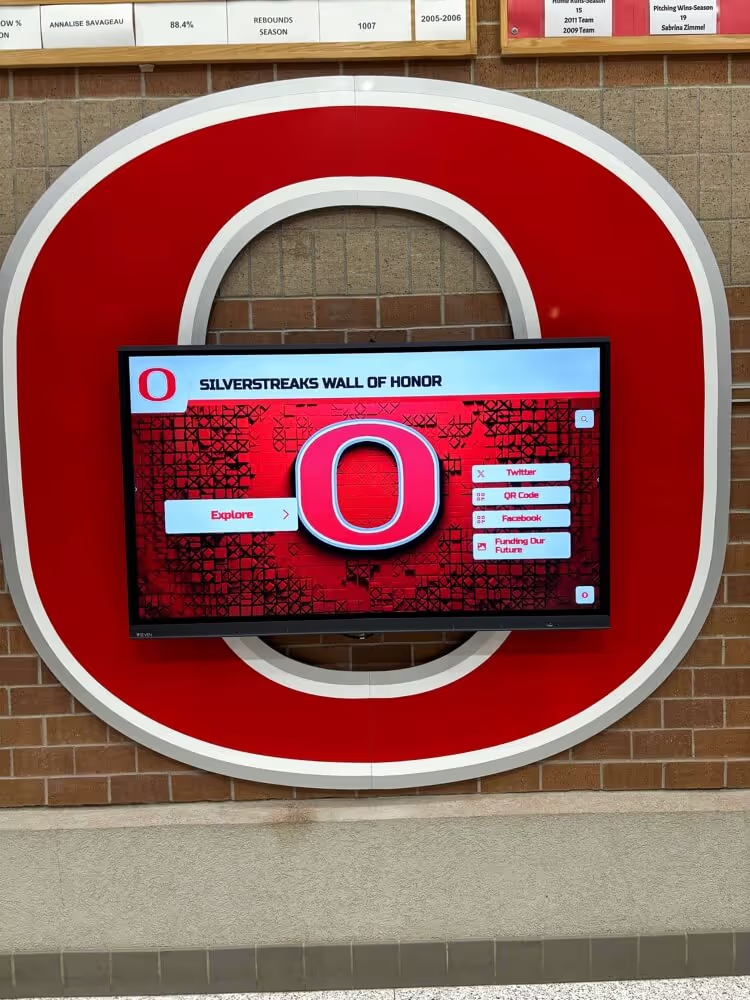
Traditional tennis recognition approaches—tournament brackets on gymnasium walls, trophy cases with aging plaques, or printed programs listing champions—face significant limitations in contemporary programs. Modern digital recognition extends award impact far beyond single ceremony moments while addressing space and maintenance challenges.
Benefits of Digital Tennis Recognition
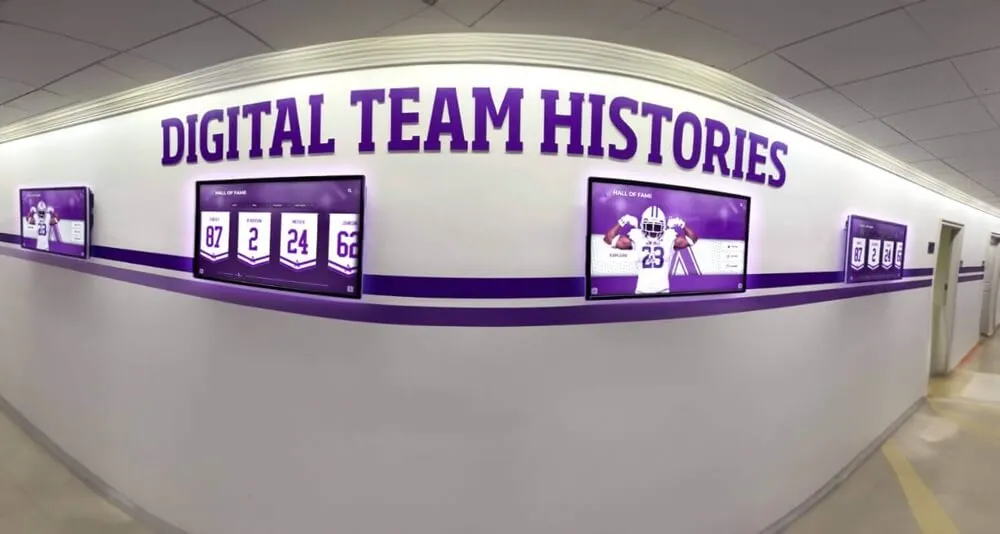
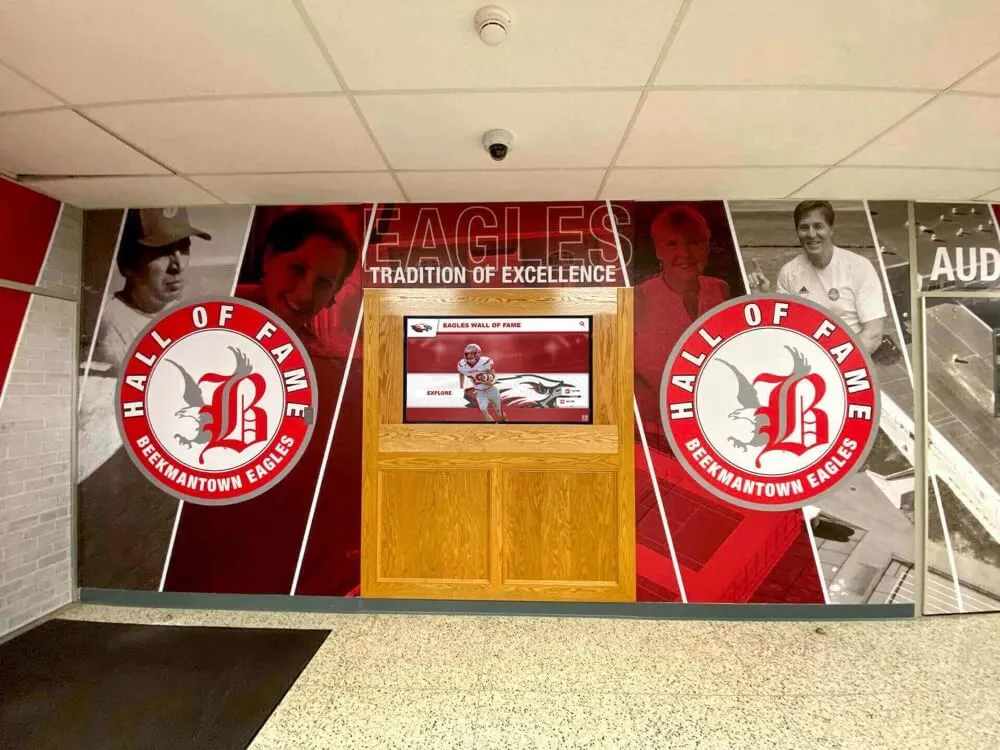
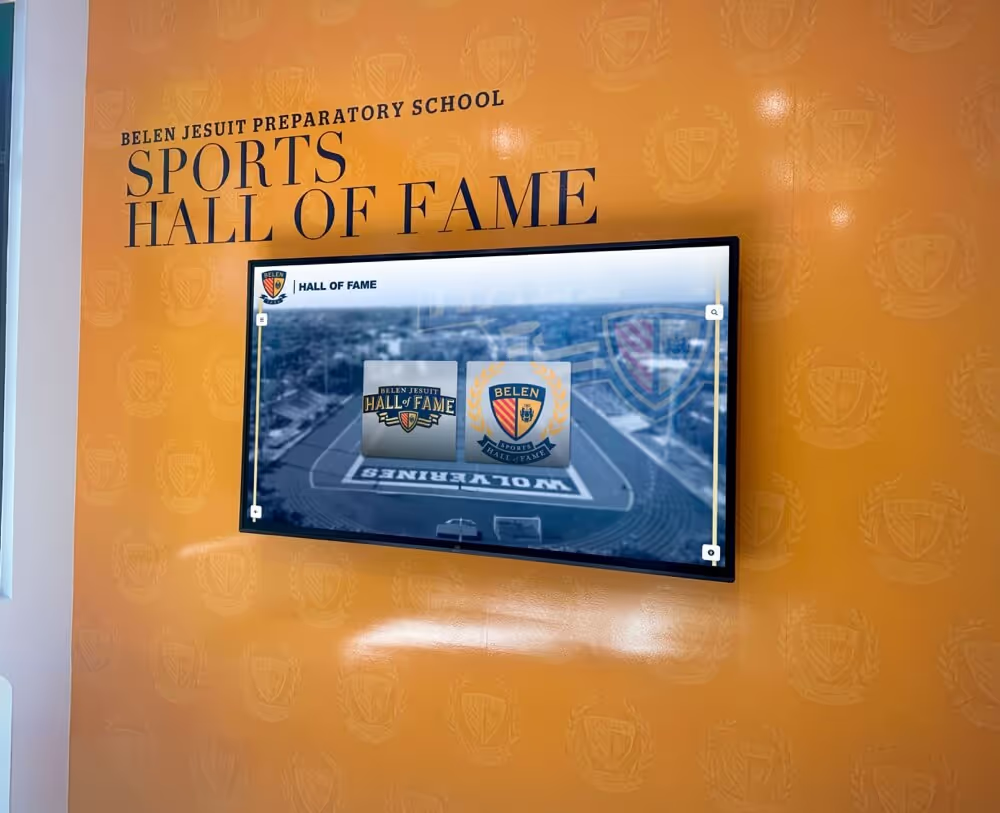
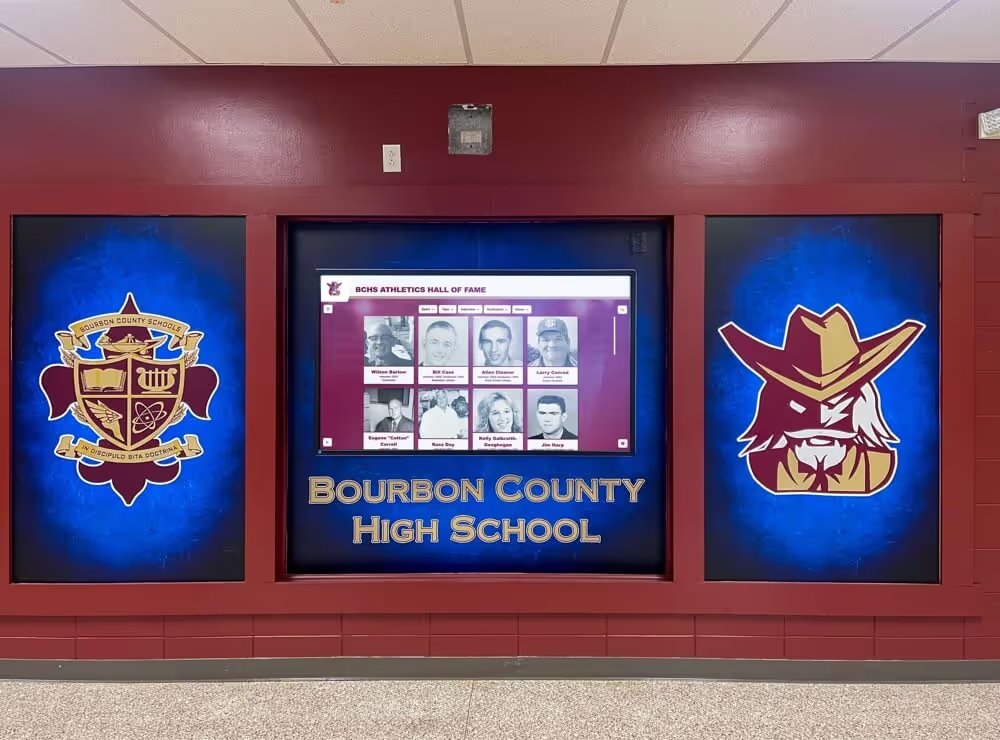
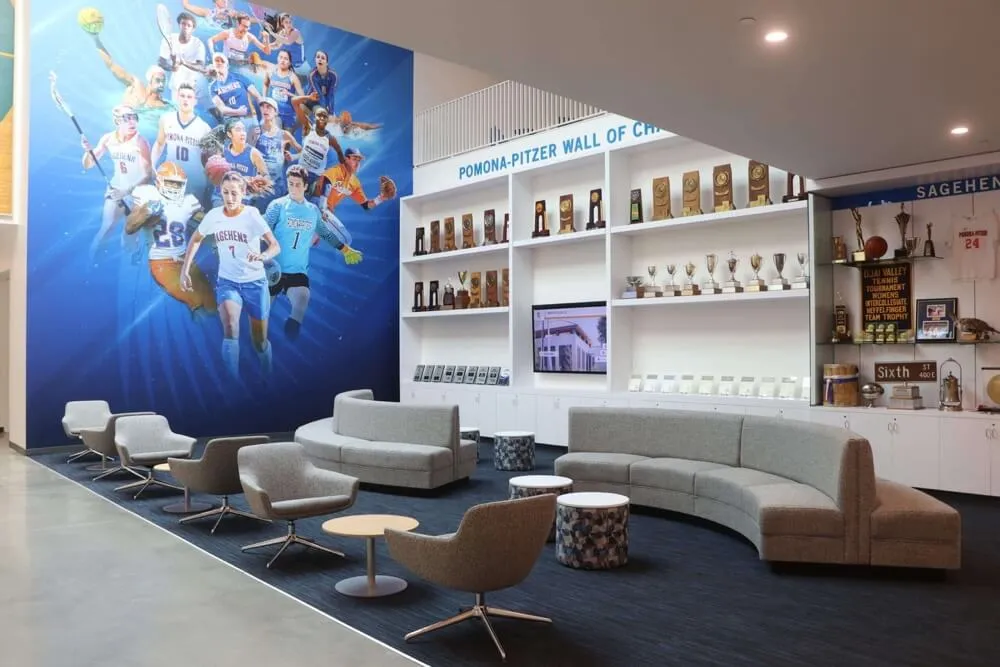
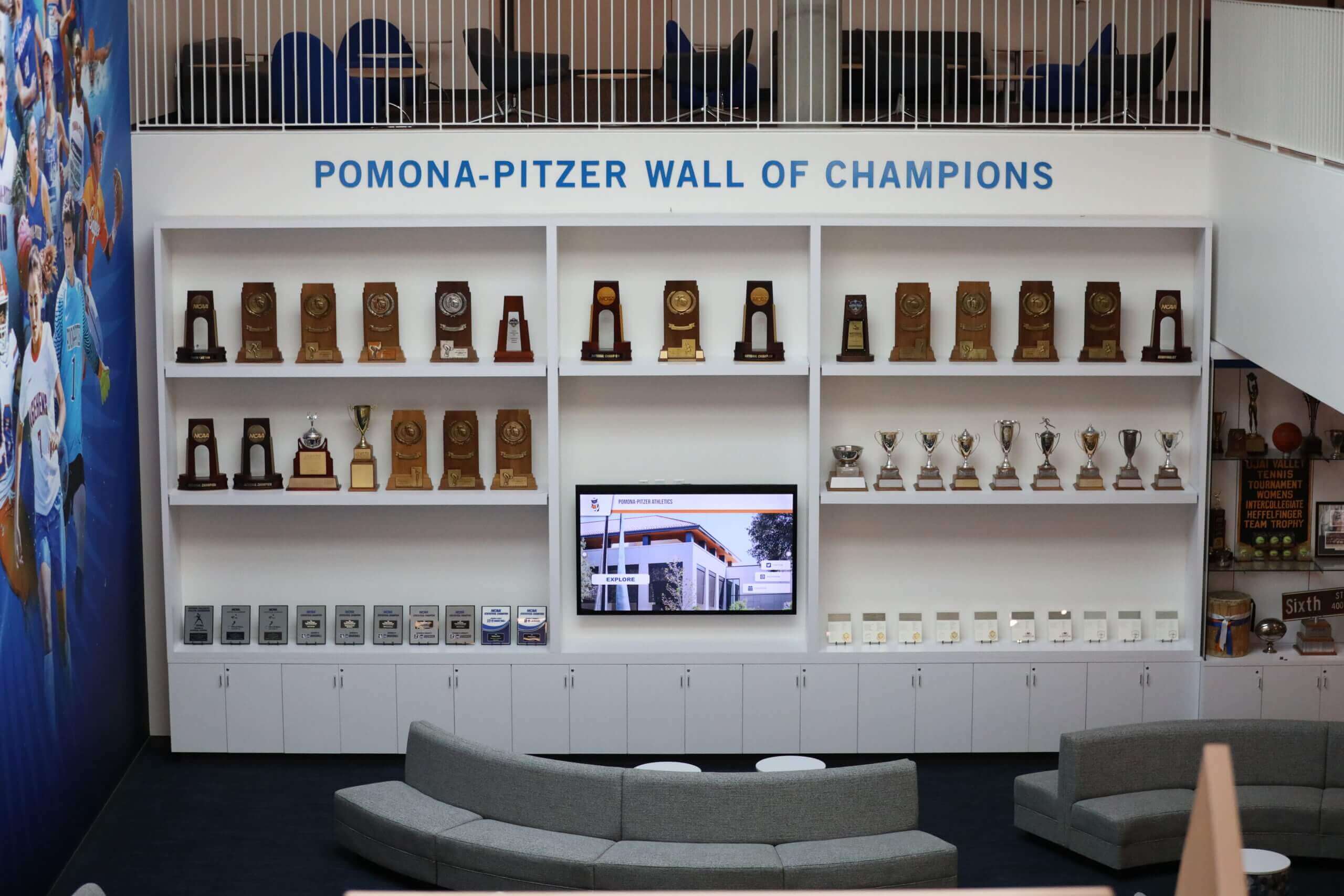
Comprehensive Historical Archives: Physical trophy cases eventually fill, forcing programs to choose which achievements warrant limited space. Digital recognition platforms provide unlimited capacity accommodating decades of champions, award recipients, and team histories without space constraints.
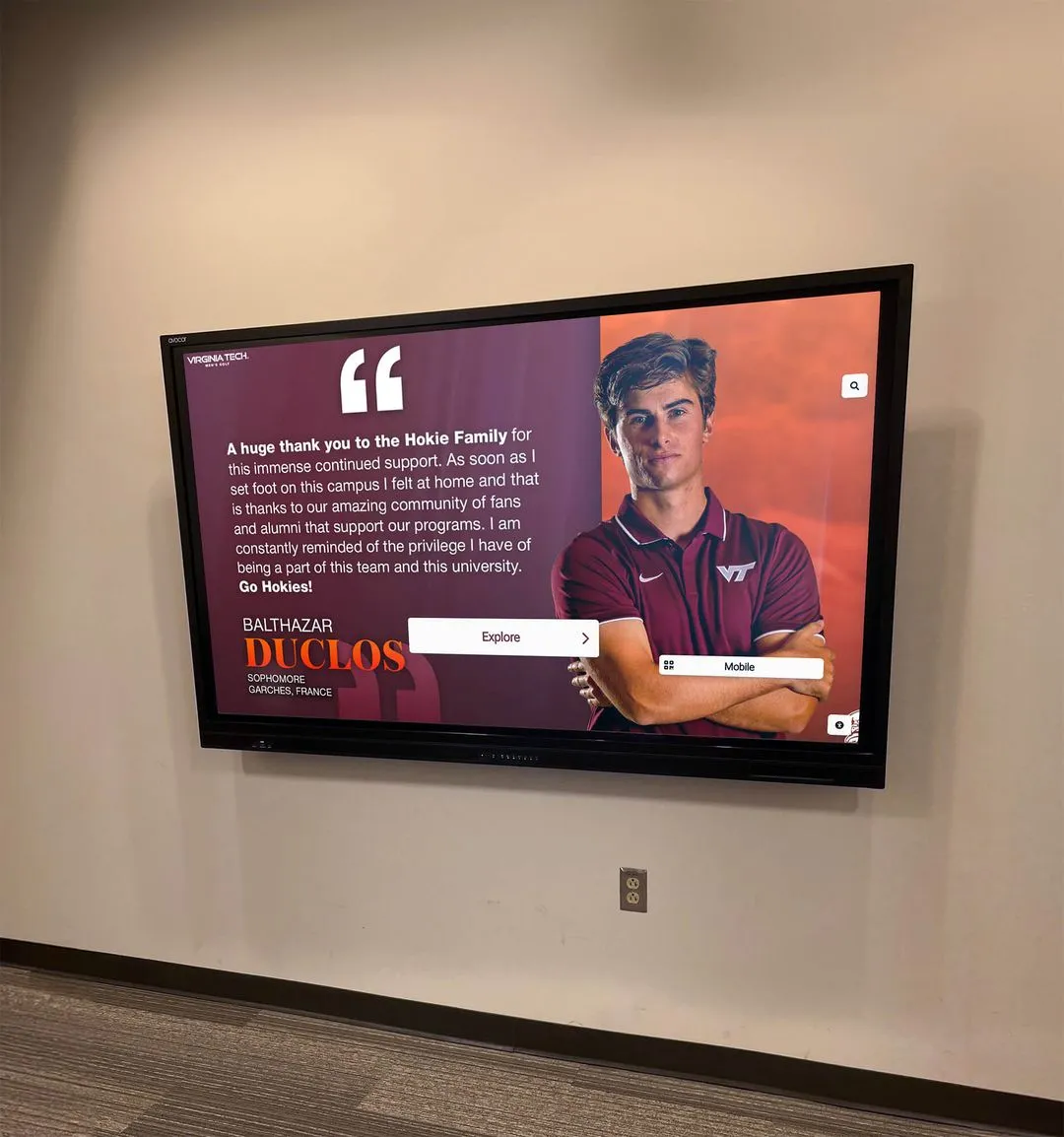
Rich Multimedia Content: Beyond names and statistics, digital systems showcase player photos, match highlights, tournament brackets, team accomplishments, and personal stories creating engaging experiences impossible with static plaques.
Instant Updates: Adding current season award recipients to digital displays requires simple content updates rather than engraving orders and physical installation. Recognition appears immediately following season conclusion.
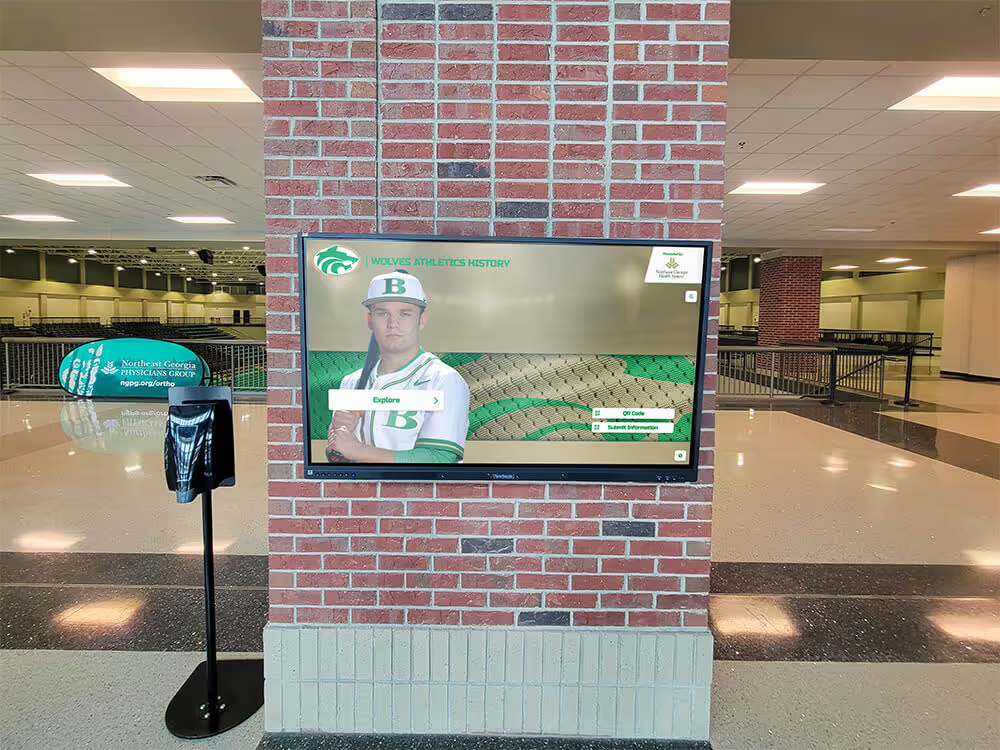
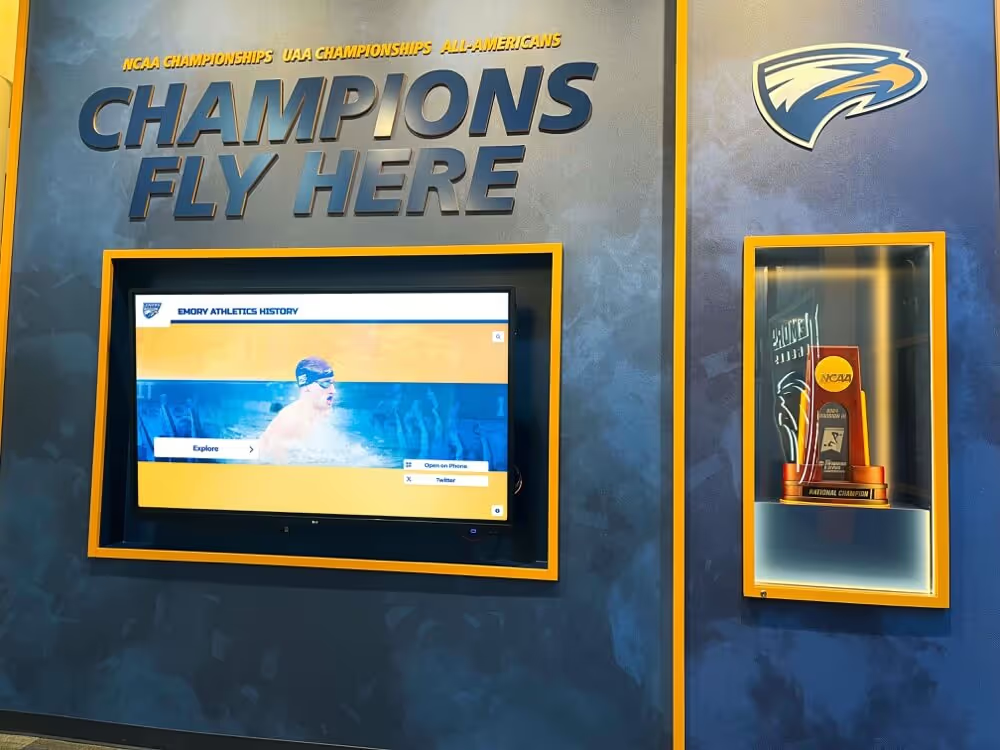
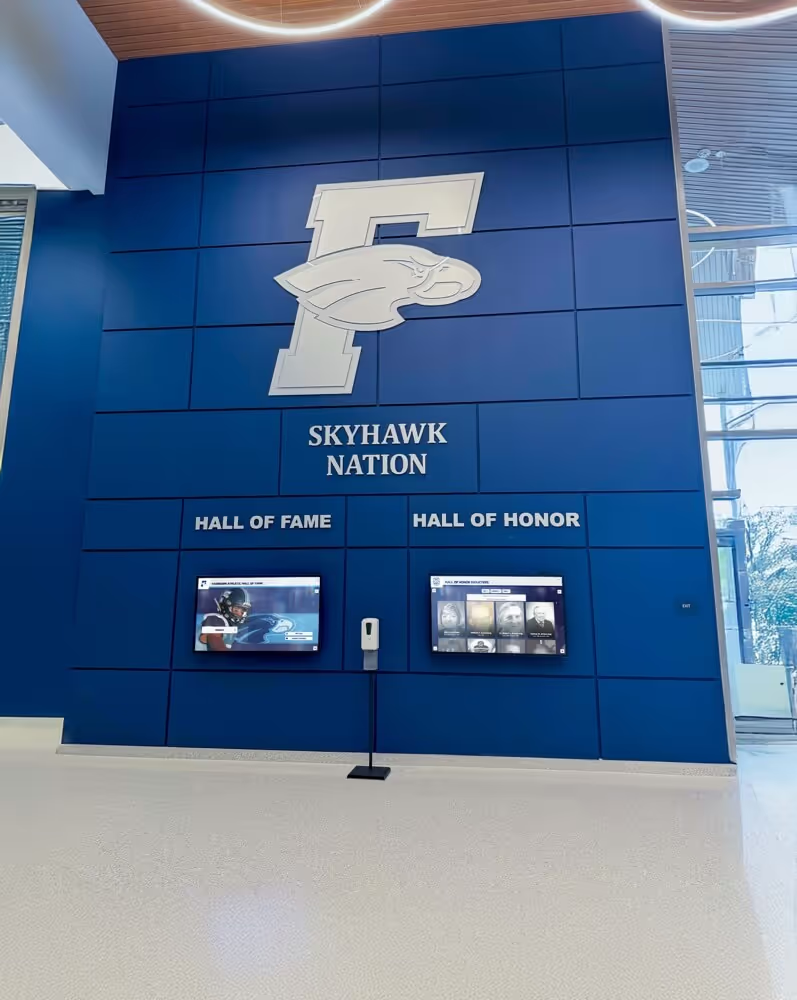
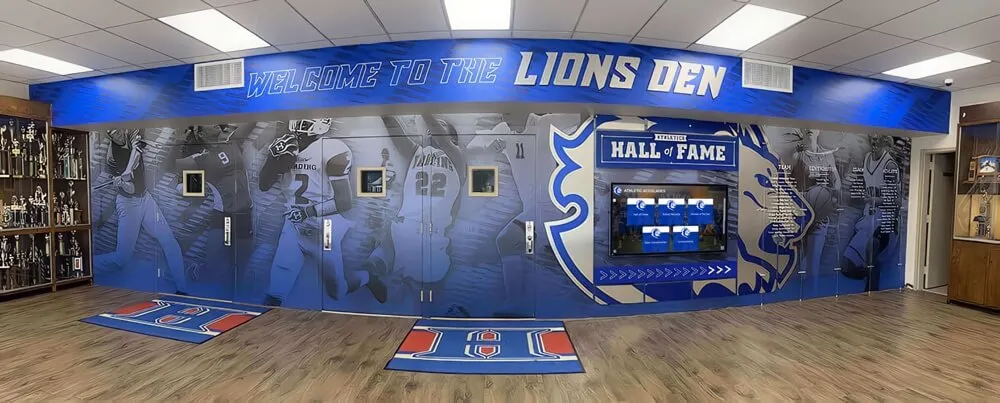
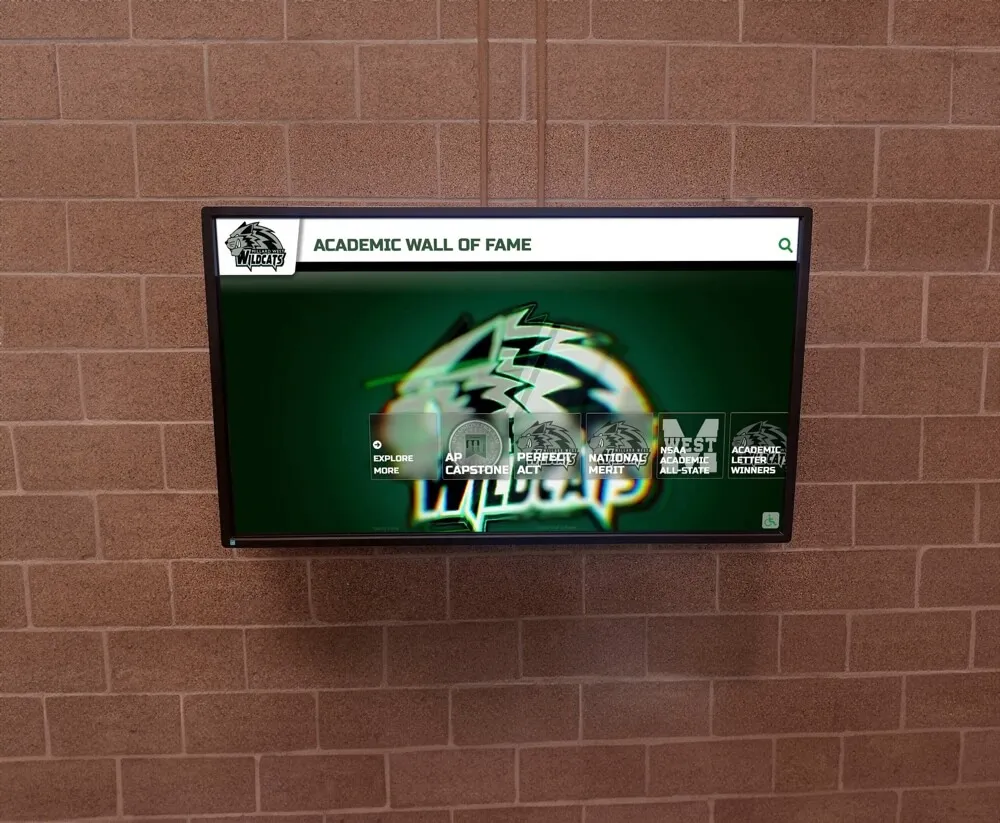
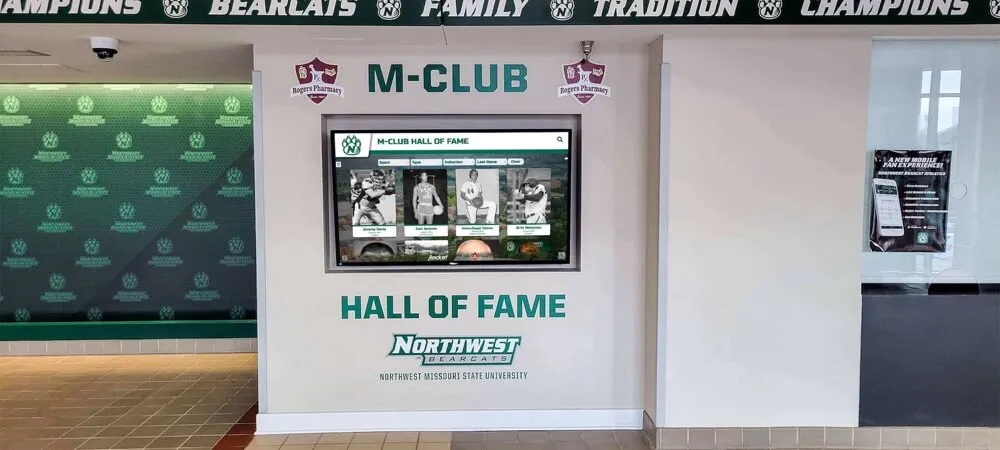
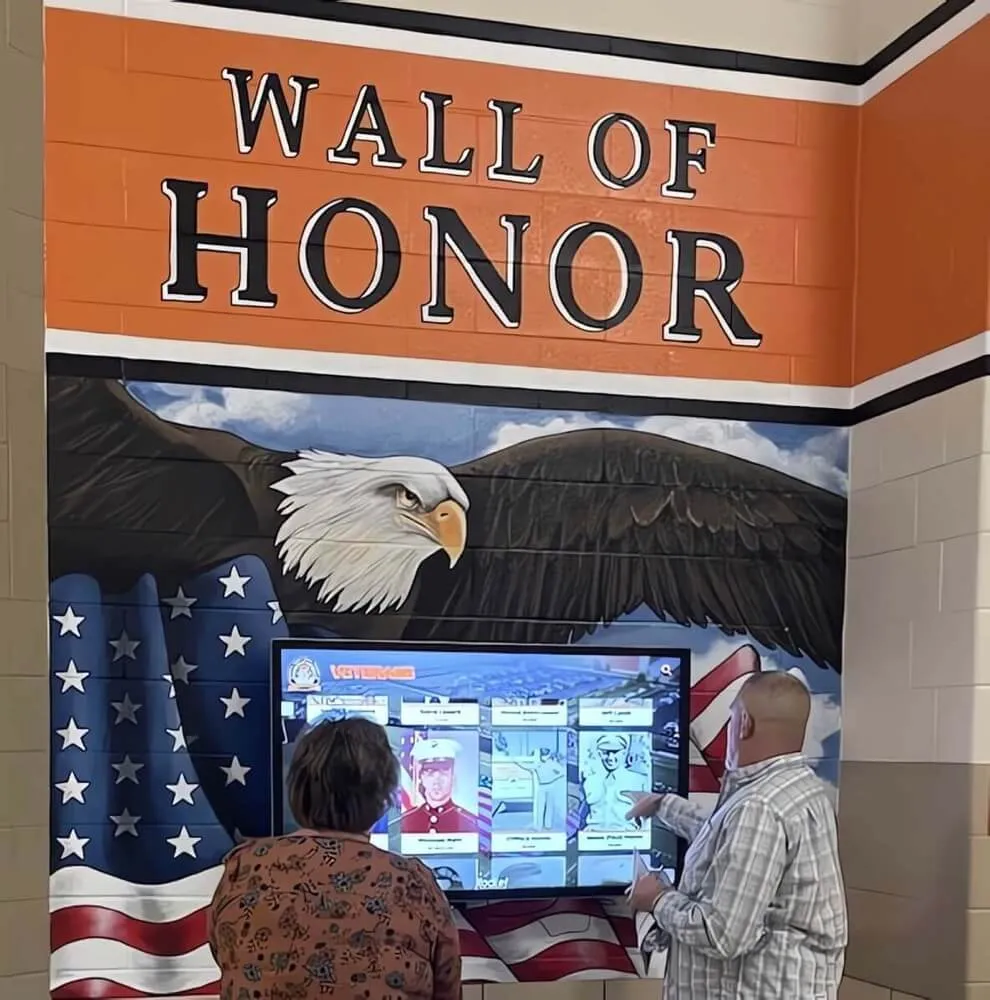
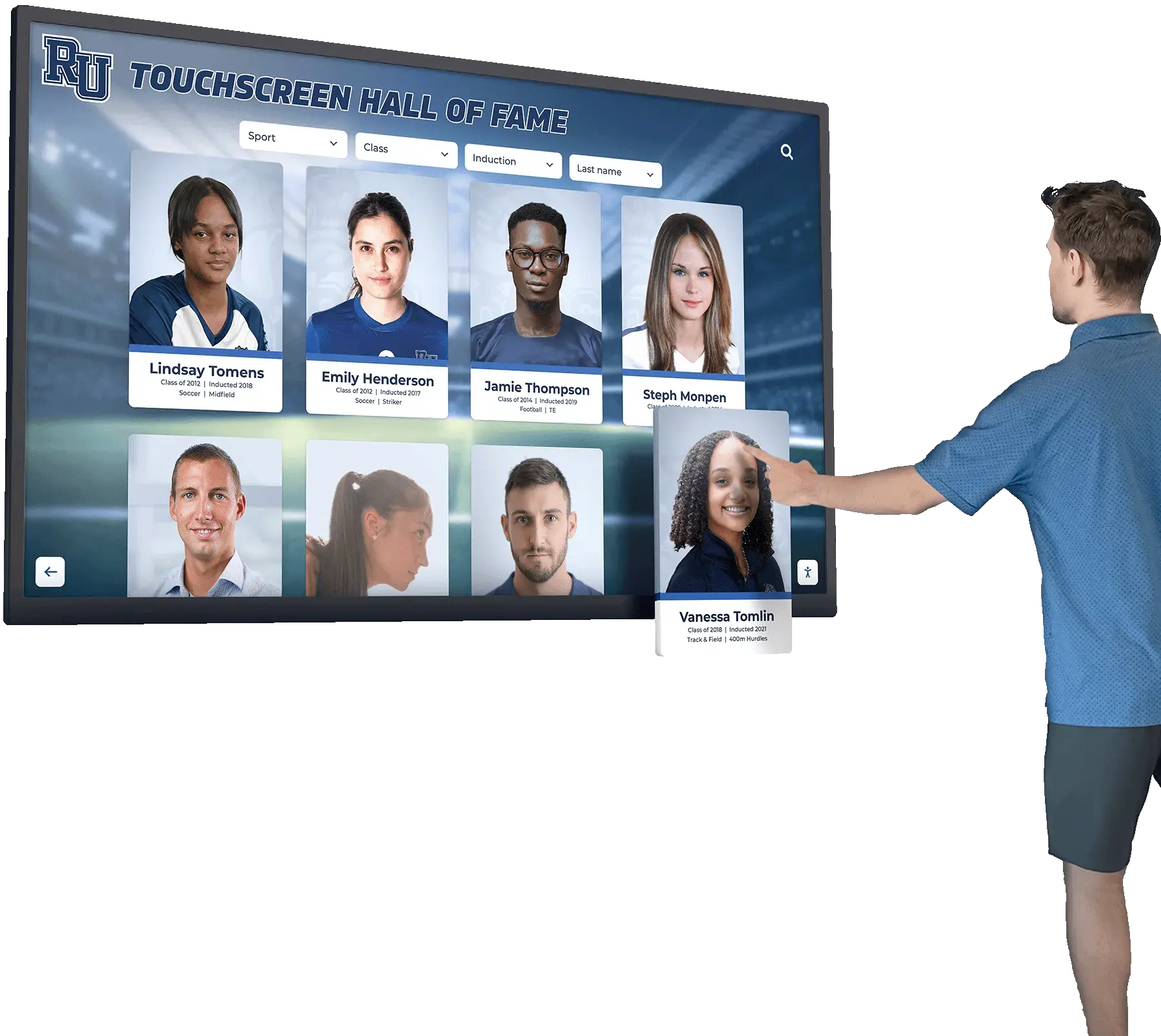
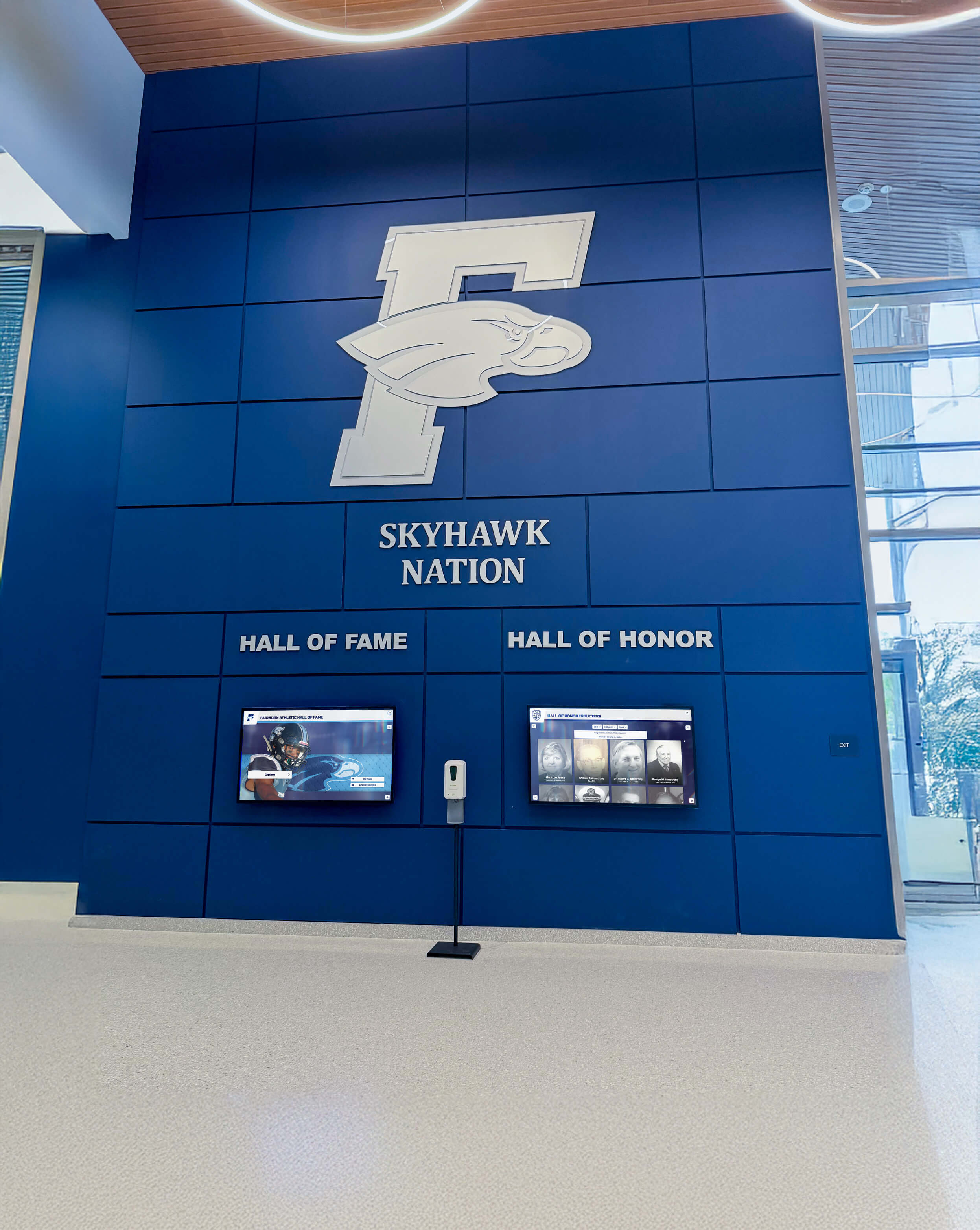
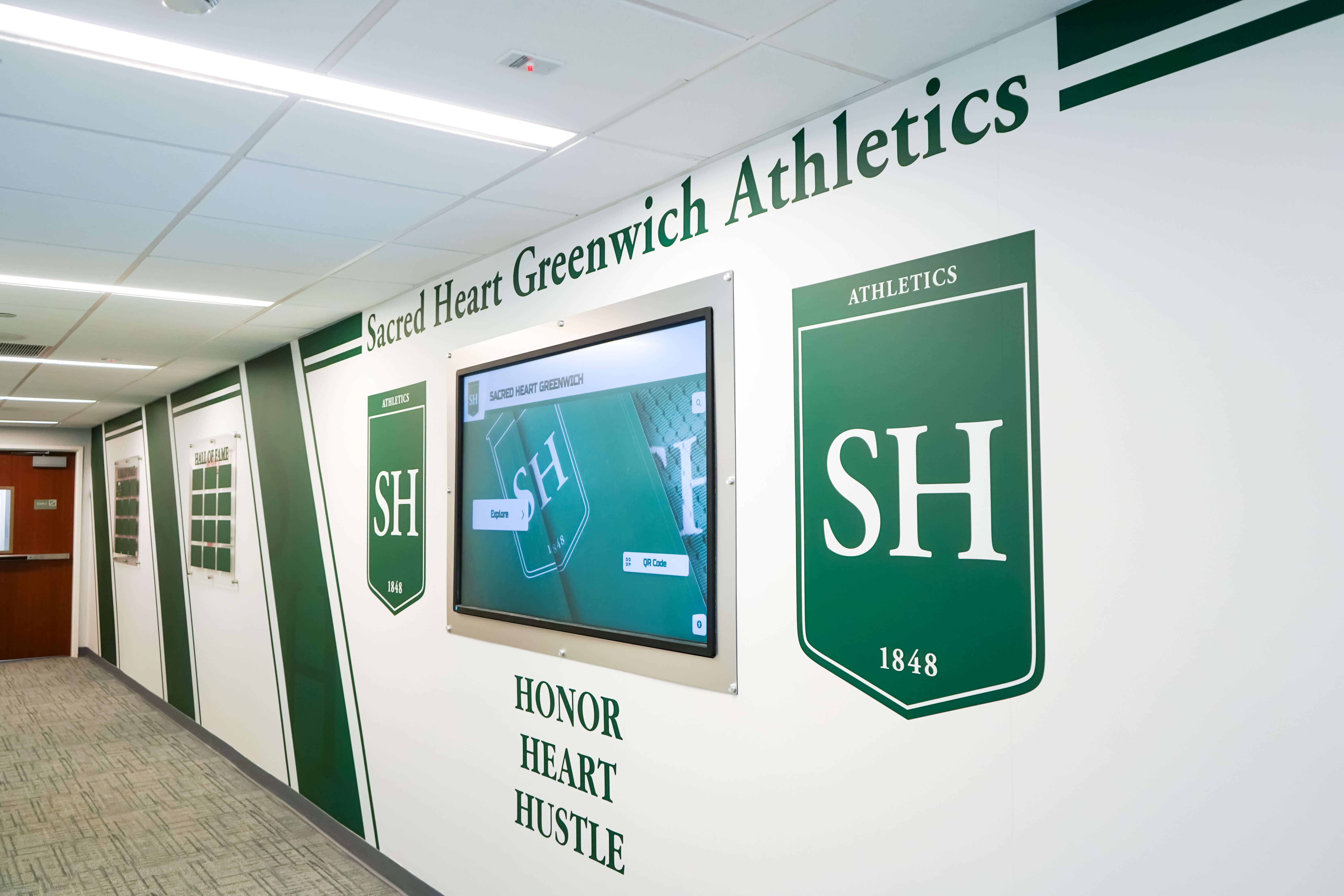
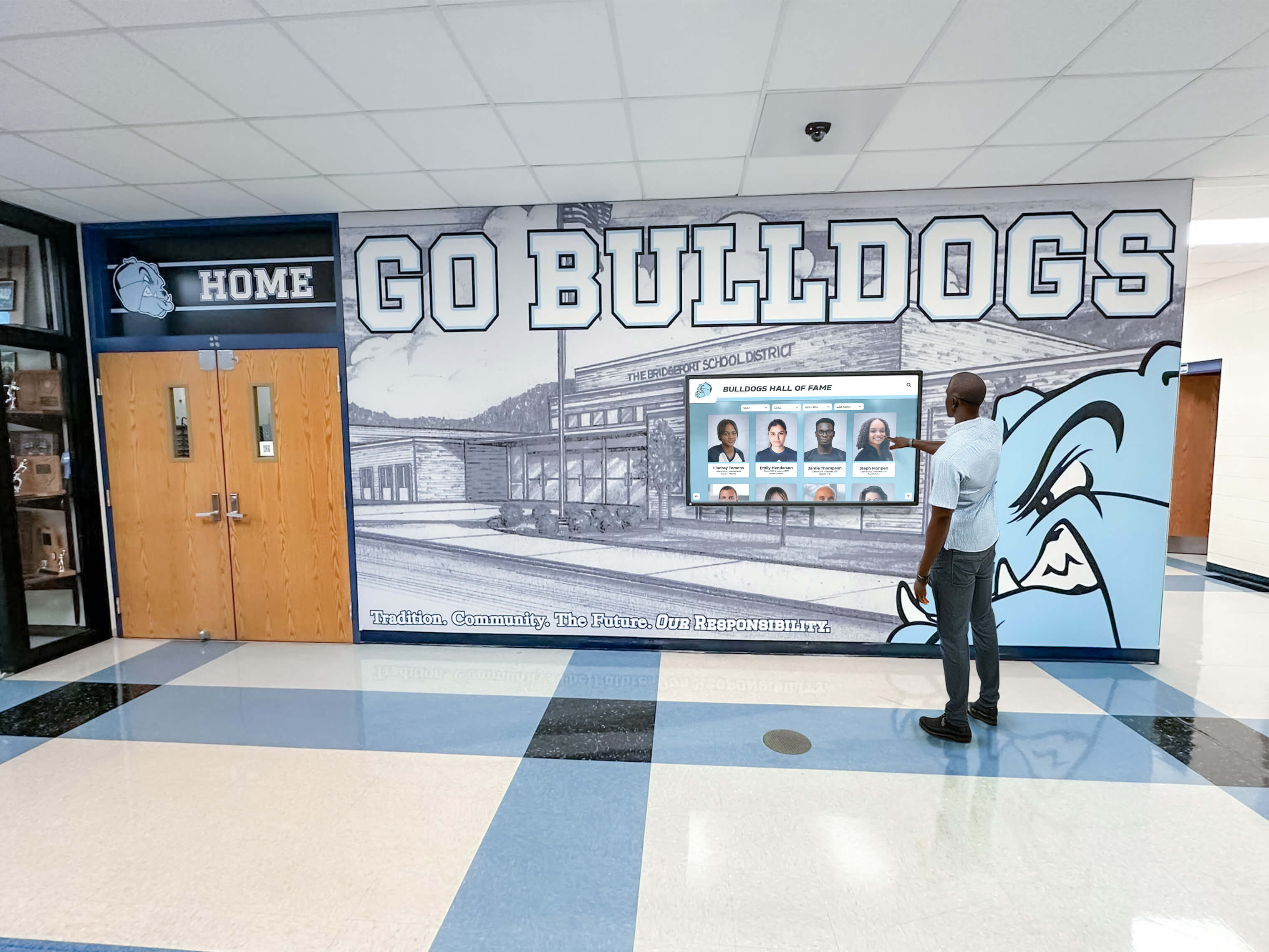
Interactive Exploration: Touchscreen interfaces enable visitors to search specific players, browse by year, filter by award category, and discover team histories through intuitive navigation. This active engagement creates longer interaction sessions and stronger emotional connections than passive viewing of traditional displays.
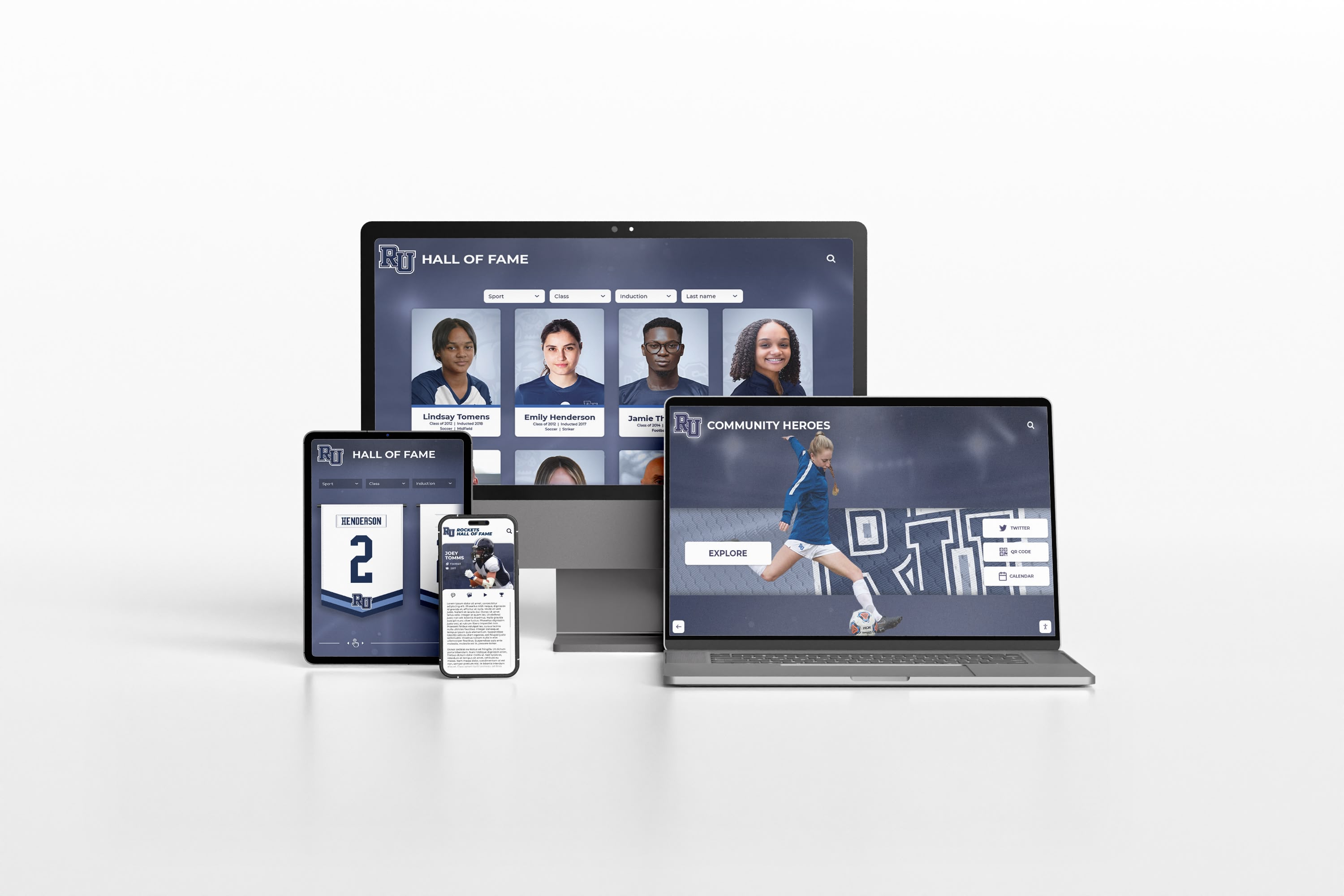
Remote Accessibility: Web-based companion platforms enable athletes, families, and alumni to explore tennis program history from anywhere. Players can share achievements with distant relatives; alumni can revisit their accomplishments years later; prospective athletes can research program traditions during recruiting.
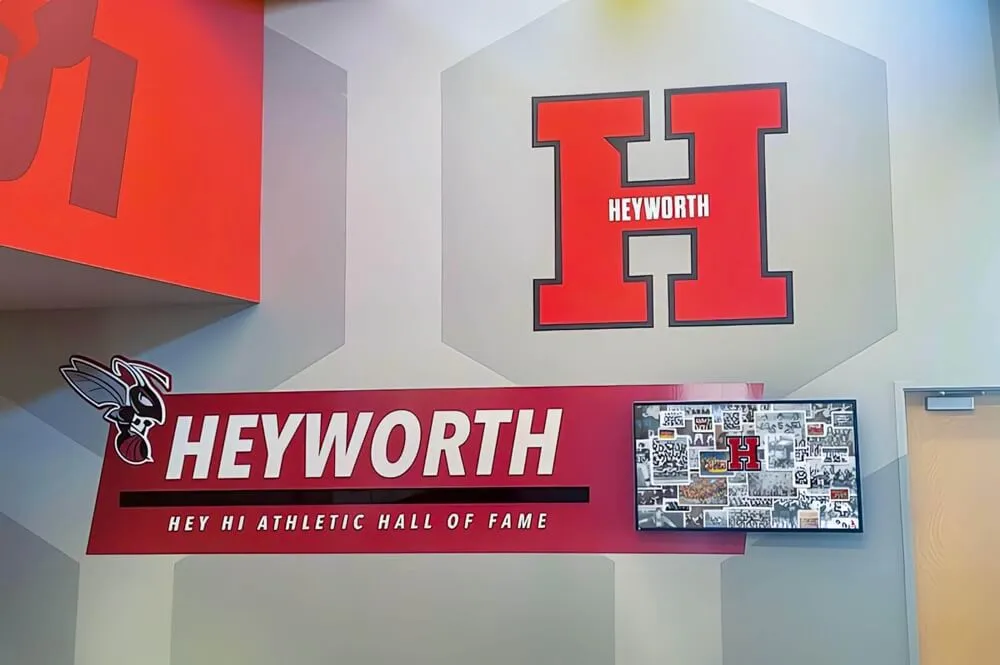
Strategic Recruitment Support: High school programs competing for quality players benefit from professional recognition displays demonstrating program tradition and commitment to honoring achievement. Similar to how college athletic programs leverage recognition in recruiting, high school tennis programs create competitive advantages through comprehensive historical recognition.
Implementing Digital Tennis Recognition
Modern recognition platforms designed specifically for athletic programs address tennis’s unique dual individual-team nature through flexible content structures accommodating both individual achievements and team successes.
Content to Include:
- Individual award recipients with categories and years
- Singles and doubles champions by season
- Team records and championship seasons
- All-conference and all-state selections
- Player profiles with photos and career statistics
- Memorable match results and tournament brackets
- Coach recognition and program milestones
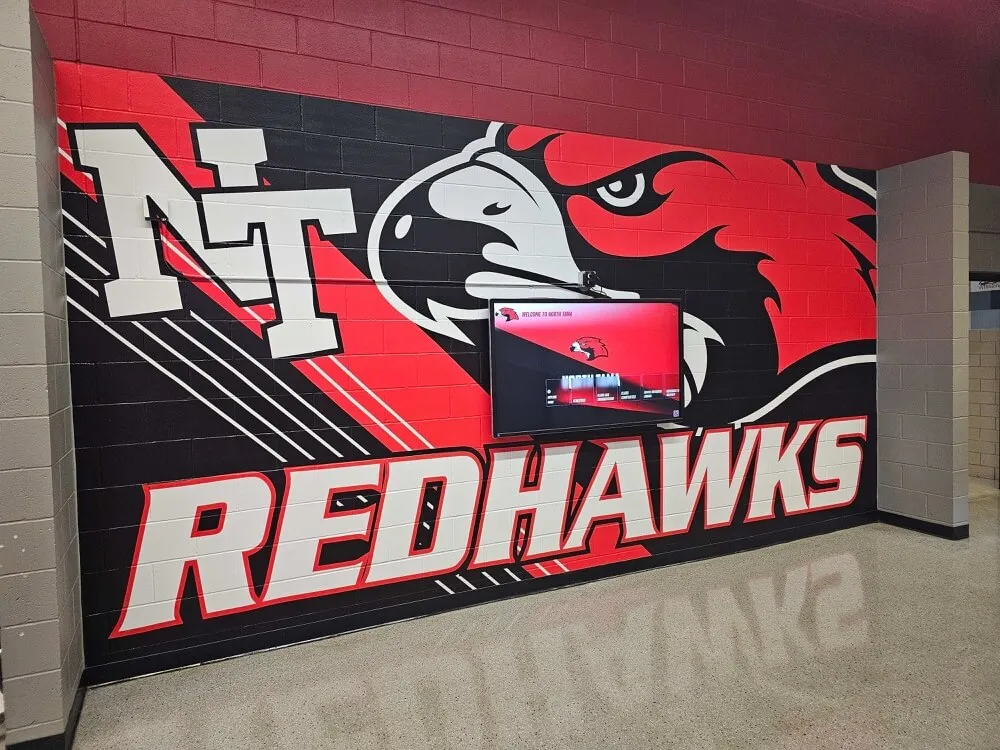
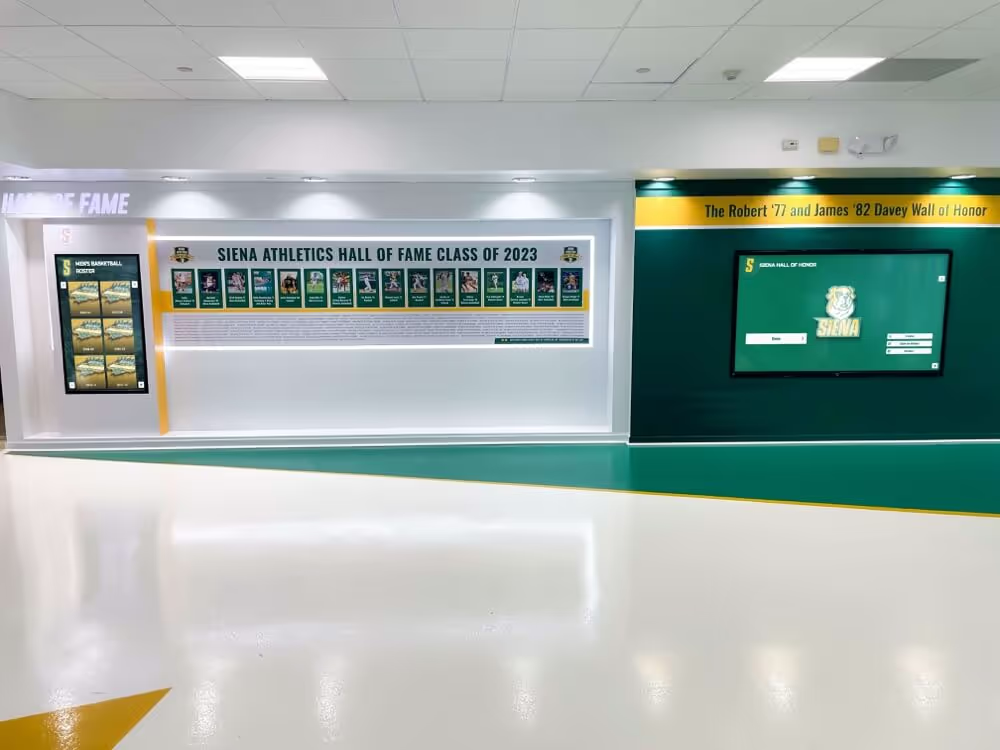
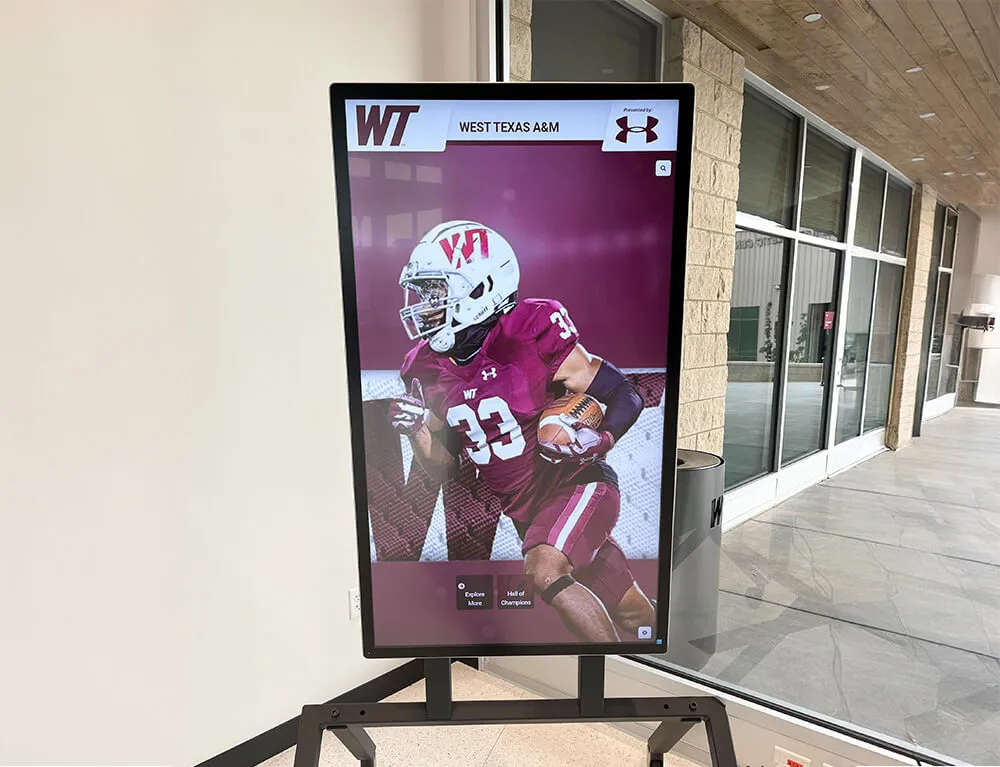
Strategic Placement: Position digital recognition displays where athletes, families, and community members naturally gather—athletic facility entrances, school lobbies, near courts, or athletic department offices. High-visibility placement ensures recognition serves its purpose of honoring achievements publicly.
Integration with Ceremonies: Digital displays complement rather than replace traditional awards ceremonies. Present physical awards during ceremonies while adding recipients to permanent digital recognition providing year-round visibility.
Solutions like Rocket Alumni Solutions provide purpose-built platforms specifically designed for school athletic recognition, offering intuitive content management requiring no technical expertise, responsive displays adapting to various screen sizes and formats, cloud-based architecture enabling updates from any device, and proven implementation approaches developed through extensive experience with tennis and athletic programs nationwide.

Planning Memorable Tennis Awards Ceremonies
Recognition value depends not just on awards themselves but on presentation quality. Well-planned ceremonies create memorable experiences honoring athletes appropriately while celebrating program culture collectively.
Ceremony Structure and Flow
Welcome and Season Overview: Begin by celebrating collective accomplishments—team records, memorable matches, tournament results, and program milestones affecting entire teams before individual recognition.
Coaches’ Remarks: Head coaches should provide brief reflections on the season, acknowledging challenges overcome, growth achieved, and appreciation for athletes’ dedication and commitment.
Team-Wide Recognition: Present general acknowledgments first—participation certificates, varsity letter awards, or team gifts ensuring all athletes receive something before specialized recognition.
Performance Awards: Progress through competitive achievement recognition—singles champions, doubles champions, statistical leaders, and performance-based honors. Provide brief context for each award including specific accomplishments or memorable moments.
Character and Contribution Awards: Follow competitive recognition with character-based honors—sportsmanship, leadership, improvement, and team contribution awards. Share specific examples illustrating why recipients earned recognition.
Senior Tributes: For high school programs, senior recognition deserves special attention celebrating multi-year contributions, leadership impact, and personal growth beyond just final-season performance. Consider individual remarks about each senior’s program journey.
Major Awards: Conclude with the most significant recognition—team MVP, coach’s award, or program-specific highest honors. Build anticipation through ceremony structure culminating in these premier recognitions.
Closing Remarks: End on forward-looking notes expressing confidence in returning players, gratitude for family support, and optimism about continued program growth.
Creating Engaging Presentations
Prepare Personalized Remarks: Generic comments about award recipients feel perfunctory. Coaches should prepare specific observations—memorable points won, characteristic playing styles, or defining moments making recognition feel genuine and personal.
Incorporate Multimedia: Season highlight videos, photo slideshows, or memorable match clips create emotional connections while entertaining attendees. Even simple presentations enhance ceremony experiences significantly.
Include Athlete Voices: Consider brief remarks from senior leaders, team captains, or major award recipients rather than exclusively coach-driven presentations. Player perspectives add authenticity and emotional resonance.
Maintain Appropriate Pace: Balance thorough recognition with sustaining attention and energy. Aim for 60-90 minutes for most high school programs—long enough to honor everyone meaningfully but focused enough to maintain engagement.
Celebrate Beyond Performance: Share stories emphasizing growth, character development, memorable team moments, and experiences defining the season beyond just wins and losses. Recognition celebrating complete experiences resonates more deeply than purely competitive focus.
Practical Considerations
Schedule Thoughtfully: Plan ceremonies within 1-2 weeks following season conclusion while accomplishments remain fresh and team connection persists. Survey families about preferred timing and potential conflicts before finalizing dates.
Choose Appropriate Venues: Select locations accommodating all athletes, families, and community members comfortably. Consider whether team rooms, gyms, restaurants, or other venues best suit program size and ceremony style preferences.
Manage Budget Expectations: Award costs span enormous ranges. Focus on meaningful recognition and ceremony quality rather than expensive trophies. Thoughtful, personalized recognition presented genuinely means more than costly awards handed out perfunctorily.
Document the Celebration: Assign someone to photograph ceremony moments capturing athlete recognition, family reactions, and team celebration. These images become lasting memories for athletes and families while providing content for program promotion and digital recognition displays.
Include Support Recognition: Acknowledge parent volunteers, team supporters, school administrators, and others contributing to program success. Model appreciation while demonstrating that teams succeed through collective community effort.

Tennis-Specific Recognition Best Practices
Learning from established tennis programs helps coaches implement effective recognition systems while avoiding common pitfalls that undermine award program success.
Start with Realistic Scope
The most common mistake involves attempting overly ambitious initial implementation exceeding available resources. Successful programs begin with clear, achievable vision matching program capacity and expanding systematically over time.
Consider starting with core recognition categories—champion awards, major character honors, and senior recognition—establishing quality standards and sustainable processes before adding extensive award categories. Better to properly honor key achievements initially with plans for expansion than inadequately recognize numerous categories through rushed execution.
Balance Individual and Team Recognition
Tennis’s dual nature requires thoughtful balance between celebrating individual excellence and acknowledging team contributions. Programs emphasizing only singles achievement miss opportunities to honor doubles partnerships, team point contributions, and collective culture building. Conversely, programs focused exclusively on team dimensions overlook the individual competitive excellence that defines tennis at its core.
Effective recognition structures honor both dimensions—competitive individual achievement through champion awards and statistical recognition, collaborative excellence through doubles and partnership honors, and team contribution through collective success and culture-building acknowledgments.
Maintain Consistent Standards Across Years
Award credibility depends on consistent criteria application over time. Once establishing achievement standards for champion recognition, maintain them regardless of whether particular seasons produce clear standouts or competitions remain exceptionally close. Resist temptation to lower standards during weaker competitive years or raise them when exceptional athletes emerge.
Document selection criteria in writing and reference them when making annual decisions. This consistency ensures recognition maintains meaning and value across program history while preventing perception that awards reflect arbitrary annual decisions rather than genuine achievement standards.
Create Inclusive Recognition Without Diminishing Excellence
Tennis programs serve diverse populations—highly competitive athletes pursuing college opportunities alongside recreational players simply enjoying the sport. Recognition systems should acknowledge contributions across this spectrum without diluting the significance of excellence-based awards.
Consider tiered structures: championship recognition for top competitive achievement, significant performance awards for notable accomplishments, character and contribution honors recognizing diverse positive impacts, and comprehensive participation acknowledgment ensuring all athletes feel valued. This layered approach celebrates excellence while maintaining inclusive team culture.
Document and Share Recognition Broadly
Athletes invest significant time and effort earning recognition. Programs honor this investment by documenting achievements comprehensively and sharing recognition broadly—within schools through announcements and displays, in communities through local media outreach, on digital platforms through websites and social media, and through permanent recognition in digital hall of fame displays that preserve accomplishments for current and future program generations.
Recognition extending beyond single ceremony moments multiplies impact while demonstrating genuine program commitment to honoring athlete achievements appropriately.
Conclusion: Honoring Tennis Excellence That Inspires Future Champions
Tennis awards programs serve essential purposes beyond distributing trophies at season-end ceremonies. Thoughtfully designed recognition systems communicate what programs value—competitive excellence, sportsmanship, partnership quality, individual development, and team contribution. They motivate continued participation and improvement by celebrating achievements across diverse dimensions. They create lasting memories that athletes carry throughout their lives, shaping how they remember their tennis experiences years later. And they build program culture by establishing traditions and standards that define program identity across generations.
The tennis-specific awards ideas presented throughout this guide address the sport’s unique recognition challenges. From traditional performance honors celebrating singles and doubles champions to creative categories acknowledging memorable moments and distinctive personalities, comprehensive recognition structures honor tennis’s complete experience rather than reducing the sport to simple win-loss records.
Keys to Successful Tennis Recognition:
Honor Both Individual and Team Dimensions: Tennis’s dual nature requires balanced recognition celebrating both competitive individual excellence and collaborative team contributions. Neither dimension should dominate recognition to the exclusion of the other.
Create Diverse Award Categories: Design systems acknowledging athletic performance, character development, partnership quality, technical excellence, strategic sophistication, and improvement. Diverse recognition ensures athletes with different strengths all experience genuine celebration.
Maintain Clear Selection Standards: Establish objective criteria where possible and structured evaluation frameworks for subjective awards. Consistent, fair application preserves recognition credibility and meaning.
Present Awards Thoughtfully: Recognition value depends heavily on presentation quality. Invest energy in creating engaging, personalized ceremonies where each athlete feels genuinely celebrated rather than receiving perfunctory acknowledgment.
Extend Recognition Beyond Ceremonies: Document achievements through photographs, permanent displays, and digital platforms ensuring recognition receives lasting visibility rather than existing only during brief ceremony moments. Modern digital recognition solutions transform how programs honor achievements while addressing space and maintenance limitations of traditional approaches.
Match Recognition to Athlete Development: Design age-appropriate award structures reflecting developmental stages—emphasizing participation and confidence building for young beginners, balancing performance and character recognition for developing players, and celebrating comprehensive achievement for high school competitors.
Tennis programs that invest thought and energy into creating meaningful recognition systems give athletes gifts they’ll carry throughout their lives—memories of being genuinely valued for their unique contributions to something larger than themselves. Whether those contributions manifested through championship victories, exceptional sportsmanship, dedicated practice effort, supportive partnership, or infectious team spirit, comprehensive recognition ensures every athlete who committed to your program knows their participation mattered and their achievements deserve celebration.
Ready to create recognition systems that truly honor your tennis program’s athletes? Modern solutions like Rocket Alumni Solutions provide comprehensive platforms designed specifically for athletic recognition, offering intuitive content management, engaging interactive displays, unlimited recognition capacity, and proven approaches that help tennis programs build the recognition culture their athletes deserve. Your players invest countless hours pursuing excellence—comprehensive recognition ensures those achievements receive the celebration and lasting visibility that strengthens program culture for current and future generations.