Tennis programs thrive when players feel valued for their contributions. Unlike purely team-based sports where collective success dominates individual achievement, or purely individual sports where team dynamics barely exist, tennis occupies unique middle ground. Singles players compete individually yet contribute to team scoring. Doubles partners collaborate intensely while also pursuing individual rankings. Team success depends on depth across multiple positions, from top-seeded singles players to crucial doubles specialists.
This distinctive structure creates both challenges and opportunities for recognition programs. Awards must acknowledge individual excellence without undermining team cohesion, celebrate competitive achievement while recognizing players whose contributions don’t appear in win-loss records, and honor both singles and doubles success appropriately. The most effective tennis recognition programs navigate these complexities by implementing comprehensive award structures that acknowledge diverse pathways to contribution and value.
Understanding Tennis-Specific Recognition Needs
Tennis programs differ significantly from other sports in ways that directly impact how recognition should be structured and presented.
The Individual-Team Dynamic
Tennis challenges conventional sports recognition because it simultaneously operates as both individual and team sport. In dual match formats, individual match results determine team scoring. A player winning their singles match contributes points toward team victory regardless of whether teammates win or lose. This structure means:
Individual Excellence Directly Impacts Team Success: Unlike sports where individual statistics may have limited correlation with team outcomes, every tennis match win directly contributes to team scoring. Recognition systems must honor this direct connection between individual performance and team success.
Not All Positions Are Equal in Impact: The number one singles position typically faces the toughest opponents and often determines close team matches. Yet the number six singles or third doubles position can prove equally crucial in tight competitions. Recognition should acknowledge both the pressure of top positions and the importance of depth throughout lineups.
Doubles Success Requires Different Recognition: Doubles partnerships create unique dynamics where two players function as a unit. Successful doubles teams develop chemistry, communication, and complementary playing styles worthy of recognition distinct from singles achievement.
Position-Specific Challenges and Contributions
Tennis lineups create hierarchical structure based on skill level, with top positions facing more difficult competition:
Top Singles Positions: Number one and two singles players typically face opponents’ best players in every match. They experience the most pressure, play the longest and most physically demanding matches, and often determine team outcomes. Recognition should acknowledge this elevated competitive challenge.
Middle Lineup Positions: Three through five singles positions often prove decisive in close team competitions. These players may not face the absolute toughest competition but frequently determine whether teams win or lose tight matches. Their consistency and reliability deserve specific recognition.
Lower Lineup Positions: Six singles and lower doubles positions provide crucial team depth. These players may not face elite competition but they ensure teams field complete lineups, develop skills for future seasons, and contribute atmosphere and support during matches. Programs should create recognition ensuring these contributors feel valued.
Doubles Specialists: Some players excel in doubles despite not holding top singles positions. Their unique skills—volleys, net play, court positioning, partner communication—deserve acknowledgment separate from singles rankings.
Seasonal Structure and Competition Types
Tennis seasons encompass various competition formats, each warranting recognition consideration:
Dual Match Performance: Regular season head-to-head team competitions where individual match wins contribute to team scoring. Recognition should acknowledge both individual match records and contributions to team wins.
Tournament Success: Individual and team tournaments operate differently from dual matches. Tournament awards should recognize advancement, titles, and performance under sustained competitive pressure.
League and Conference Achievement: Season-long performance within leagues or conferences deserves recognition distinct from individual match or tournament success.
Postseason Recognition: State championships, regional tournaments, and national competitions represent peak achievement worthy of distinctive recognition separate from regular season awards.
Individual Performance Awards
Individual tennis awards recognize statistical achievement, competitive success, and personal excellence throughout seasons.
Match Win and Success Recognition
Most Wins - Singles The most straightforward individual recognition, acknowledging the player with the most singles match victories during the season. This award celebrates consistency and success across the entire season rather than isolated performances. Consider tracking wins separately for dual meets versus tournaments to recognize different types of achievement.
Most Wins - Doubles Similar to singles recognition but acknowledging doubles team success. When recognizing doubles achievements, identify whether the award recognizes a specific partnership (honoring both players together) or an individual’s total doubles wins across potentially multiple partners.
Highest Winning Percentage Winning percentage provides more accurate performance measurement than total wins alone, as it accounts for opportunities. A player with a 15-3 record (.833 winning percentage) arguably demonstrated more consistent excellence than one with 18-5 (.783) despite fewer total wins. This award rewards consistency and excellence rather than simply volume.
Undefeated Season Special recognition for players completing seasons without losses in singles or doubles competition. Undefeated seasons represent sustained excellence and deserve distinctive acknowledgment beyond standard season awards.
Longest Winning Streak Recognizes consecutive match victories during the season, celebrating sustained excellence and momentum. Winning streaks often indicate periods where players elevated their game and dominated competition.
Position-Specific Excellence
Number One Singles Award Playing the top position carries unique pressure and challenges. This award honors the player who held the number one spot and competed against opponents’ best players throughout the season. Consider this award even if the number one player didn’t achieve the highest winning percentage, as the position itself warrants recognition.
Singles Position Excellence Awards Creating awards for excellence at each singles position (1-6) acknowledges that success means different things at different lineup spots. The number six singles player going 12-2 at that position demonstrates excellence appropriate to their level just as the number one player with similar record does against tougher competition.
Doubles Team of the Year Recognizes the most successful doubles partnership. When presenting this award, honor both partners together, acknowledging their combined success and partnership chemistry rather than individual contributions.
Most Valuable Doubles Player For players who compete with multiple partners across the season, this award acknowledges the individual who contributed most to overall doubles success regardless of specific partnerships.
Tournament and Championship Recognition
Conference/League Champion Recognizes players winning conference or league tournament titles in singles or doubles. These championships represent achievement against the strongest competition within your program’s regular competitive sphere.
Most Tournament Wins Acknowledges the player with the most individual tournament victories across all competitions during the season, celebrating sustained tournament success beyond single championship performances.
State Tournament Recognition State championship advancement represents peak achievement in high school tennis. Create specific recognition for state qualifiers, state medalists (top finishes), and state champions, acknowledging the different levels of state tournament success.
Tournament Consistency Award Recognizes players who consistently advance in tournaments even if they don’t win championships. A player who regularly reaches semifinals or finals across multiple tournaments demonstrates excellence worthy of recognition separate from outright championship wins.
Biggest Upset Victory Celebrates a memorable victory over a highly ranked or heavily favored opponent. This award acknowledges breakthrough performances and mental toughness demonstrated in defeating superior competition.
Skill and Technical Excellence
Most Improved Player One of the most meaningful awards in any sports program, recognizing the player demonstrating the greatest improvement from season start to finish. Improvement awards celebrate dedication and development, proving particularly valuable for programs emphasizing player growth alongside competitive success. Base this award on objective measures when possible—match wins improvement, advancement in ladder position, coach skill assessments—rather than subjective feelings.
Best Serve Acknowledges exceptional serving ability—power, placement, consistency, or service game success. The serve represents tennis’s most important individual skill, and exceptional serving warrants specific recognition.
Best Return of Serve Recognizes excellence in the challenging skill of returning serves consistently and effectively. Strong returners neutralize opponents’ serve advantage and create pressure throughout matches.
Best Groundstrokes Celebrates exceptional baseline play—forehand and backhand consistency, power, placement, and effectiveness. Dominant baseline players often control match tempo and outcomes through superior groundstroke quality.
Best Volley and Net Play Honors players excelling at net play—volleys, overheads, and court positioning. Net play represents a distinct skill set from baseline tennis, and players who effectively attack the net demonstrate tactical versatility worth recognizing.
Best All-Court Player Recognizes versatility and effectiveness across all court positions and playing styles. All-court players succeed from the baseline and net, adjust tactics to different opponents, and demonstrate complete game development.
Most Consistent Player Consistency represents crucial but often overlooked quality in tennis. This award acknowledges players who make few unforced errors, maintain steady performance across matches, and rarely experience dramatic performance fluctuations.
Mental Game and Competition Awards
Mental Toughness Award Tennis presents tremendous mental challenges—competing individually, handling pressure situations, overcoming adversity within matches, and maintaining composure during long matches. This award recognizes players demonstrating exceptional mental strength, resilience, and competitive psychology.
Comeback Player Award Celebrates players returning from injury, personal challenges, or extended absences to contribute significantly. Comebacks require determination and perseverance worthy of specific recognition.
Clutch Performer Recognizes players who consistently perform best in the most important matches and decisive moments. Some players elevate their game when matches matter most—team scoring situations, championship matches, or deciding third sets—demonstrating mental toughness and competitive drive.
Best Match of the Year Rather than season-long recognition, this award celebrates a single exceptional performance—a memorable victory, impressive comeback, or exhibition of extraordinary tennis worthy of special acknowledgment.
Team Contribution and Character Awards
While individual statistics and competitive success merit recognition, tennis programs also value contributions that don’t appear in win-loss records but prove equally essential to team success and culture.
Leadership and Team Culture
Team Captain’s Award Honors the player(s) exemplifying leadership throughout the season. Effective team captains bridge players and coaches, motivate teammates, model commitment and positive attitude, and create team cohesion. Ideally, base this award on demonstrated leadership throughout the season rather than simply awarding it to the top-ranked player by default.
Leadership Award Similar to team captain recognition but potentially more inclusive, acknowledging leadership from players who may not hold formal captain designation but nonetheless demonstrate consistent positive influence on team culture and dynamics.
Most Inspirational Player Recognizes the player who most inspired teammates through their attitude, perseverance, example, or personal story. Inspiration manifests differently than formal leadership—sometimes the player who best inspires teammates isn’t the most vocal or highest-ranked.
Best Teammate Award Celebrates the player teammates most value having on the team. This peer-driven recognition, ideally selected through anonymous teammate voting, acknowledges qualities like support, encouragement, positive attitude, and friendship that contribute to positive team culture.
Team Spirit Award Honors the player bringing the most enthusiasm, energy, and positive vibes to the team. Team spirit often proves infectious, and players who consistently elevate team mood and morale contribute substantially even if not recognized through traditional performance metrics.
Effort and Dedication
Coaches Award Perhaps the most meaningful recognition coaches can provide, this award honors the player who best embodies program values, demonstrates unwavering commitment, and exemplifies what coaches hope to develop in all players. Coaches awards often go to players who may not achieve top statistical performance but represent program ideals through attitude, work ethic, and dedication.
Hardest Worker Recognizes exceptional work ethic demonstrated through practice intensity, extra training, skill development commitment, and consistent effort regardless of circumstances. Hard work doesn’t guarantee results but deserves acknowledgment independent of performance outcomes.
Most Dedicated Player Celebrates unwavering commitment to the team and program through consistent attendance, extra practice, summer training, and prioritization of tennis commitment. Dedication manifests through actions demonstrating that tennis and team success represent genuine priorities.
Practice Player of the Year Honors the player bringing the most intensity, focus, and productivity to practice sessions. Practice quality determines team development, and players who consistently maximize practice time contribute substantially to program success.
Hustle Award Recognizes maximum effort and intensity during competitions—running down every ball, fighting for every point, competing with full intensity regardless of score or circumstance. Hustle represents controllable effort rather than skill-dependent performance.
Sportsmanship and Character
Sportsmanship Award The cornerstone character award in tennis, celebrating respect for opponents, officials, and game integrity. Tennis’s tradition of individual responsibility for line calls and match conduct makes sportsmanship particularly important. This award honors players consistently demonstrating grace in victory and defeat, respecting opponents and officials, and upholding tennis’s values.
Most Improved Character While unconventional, this award acknowledges players making significant progress in maturity, attitude, or behavior. Programs sometimes encounter players who struggle initially with competitiveness, frustration, or attitude but demonstrate meaningful growth worthy of recognition.
Scholar-Athlete Award Recognizes excellence in balancing tennis commitment with academic achievement. Scholar-athlete awards typically require specific GPA thresholds (often 3.5+) and acknowledge that athletic success shouldn’t come at the expense of academic performance.
Community Service Award Celebrates players contributing significantly to community service, volunteer activities, or positive community engagement beyond tennis. This recognition connects tennis programs to broader community values and acknowledges whole-person development.

Team Recognition and Collective Achievement
Beyond individual awards, team-level recognition celebrates collective success and shared accomplishments.
Season Achievement Recognition
Conference Champions Recognizes team success in winning conference or league competitions. Conference championships represent sustained season-long excellence against regular competitive rivals and deserve prominent recognition distinguishing them from individual awards.
State Championship/State Qualifier State tournament advancement represents peak team achievement in high school tennis. Create distinctive recognition for state championship teams, state finalist teams, and state qualifying teams, acknowledging the different levels of state success.
Best Team Record Honors seasons where teams achieve the best win-loss records in program history. Record-setting seasons deserve lasting recognition celebrating exceptional collective performance.
Undefeated Season Special recognition for teams completing seasons without team match losses. Undefeated seasons represent sustained excellence and deserve distinctive celebration beyond standard season awards.
Most Team Wins in a Season Different from best winning percentage, this recognizes the season with the most total team match victories, celebrating both success and opportunity to compete extensively.
Lineup Depth and Development
Deepest Lineup Award Recognizes seasons where team depth—success throughout the lineup rather than top-heavy performance—contributed substantially to team success. Balanced lineups where positions 4-6 succeed as consistently as 1-3 demonstrate program depth.
Most Improved Team Celebrates significant year-over-year improvement in team performance, record, or competitive standing. Improvement recognition proves particularly meaningful for rebuilding programs or those developing young players.
Best Team Chemistry Acknowledges seasons where team cohesion, support, and positive dynamics proved exceptional. Chemistry represents intangible quality that nonetheless significantly impacts team success and individual player experience.
Best Doubles Teams Unit Rather than recognizing a single doubles partnership, this award celebrates the collective success of all team doubles combinations, acknowledging that doubles depth often determines team match outcomes.
Special Recognition Categories
Newcomer of the Year Honors the first-year player making the most significant immediate impact. Newcomer awards recognize players who exceed expectations and make immediate contributions despite being new to the program.
Breakthrough Player Recognizes a player who dramatically exceeded expectations or achieved unexpected success during the season. Breakthrough performances often indicate players reaching new competitive levels.
Utility Player Celebrates versatility and willingness to compete at multiple positions as team needs require. Utility players provide crucial lineup flexibility and demonstrate team-first attitudes by filling needs rather than demanding specific positions.
Iron Player Award Recognizes durability and consistency—playing the most matches, competing in both singles and doubles, rarely missing competition due to injury, and maintaining performance despite high match volume.

Coaching and Program Recognition
Recognition shouldn’t focus exclusively on players. Coaches, parents, volunteers, and program supporters all contribute to tennis program success and deserve acknowledgment.
Coaching Excellence
Coach of the Year While typically awarded by external organizations like conferences or state associations, programs can create internal recognition celebrating exceptional coaching seasons. Coaching excellence manifests through team development, competitive success, player growth, and program culture creation.
Assistant Coach Recognition Assistant coaches contribute substantially to program success through practice organization, individual player development, match day coaching, and administrative support. Don’t overlook assistant coach contributions when recognizing program success.
Coaching Milestone Recognition Acknowledge coaching longevity and career achievements—years of service, career wins, championship appearances, and program development. Coaches who build programs over years or decades deserve recognition celebrating their lasting impact.
Support and Volunteer Recognition
Team Parent/Volunteer of the Year Tennis programs depend on parent and volunteer support for logistics, fundraising, match day operations, and countless other contributions. Recognizing exceptional volunteer contributions acknowledges their essential role in program success.
Booster Club Recognition When booster clubs or parent organizations provide financial or logistical support, create specific recognition celebrating their contributions and impact on program capabilities.
Facilities and Maintenance Recognition Programs often rely on facilities staff, groundskeepers, or volunteers who maintain courts and facilities. Their work directly impacts program quality and deserves acknowledgment.
Implementing Effective Tennis Recognition Programs
Understanding possible awards represents just the first step. Effective implementation requires thoughtful planning, fair processes, and presentation approaches that make recognition meaningful rather than perfunctory.
Establishing Selection Criteria and Processes
Recognition programs maintain credibility through transparent, fair selection processes based on clear criteria rather than arbitrary coach preferences.
Use Objective Criteria Where Possible Statistical awards should use clear, verifiable data. Most wins means most wins—count them and present the award to the leader. Winning percentage calculations should be published so players can track their own performance. Objective criteria eliminate disputes and demonstrate fairness.
Develop Rubrics for Subjective Awards Character and leadership awards inevitably involve subjective judgment. Create evaluation frameworks considering multiple factors rather than pure intuition:
- Consistency of demonstrated qualities throughout the season (not just memorable moments)
- Specific examples and incidents illustrating award criteria
- Input from multiple coaches who observe players in different contexts
- Peer feedback from teammates (particularly for awards like Best Teammate)
- Observable behaviors and actions rather than personality preferences
Document reasoning behind selections so if questioned by players or families, you can point to specific evidence supporting decisions.
Involve Multiple Perspectives Single coach selections risk bias and overlooked observations. Gather input from all coaching staff members, solicit anonymous peer feedback for appropriate awards, consider assistant coach observations about players they work with closely, and review objective data supplementing subjective impressions.
Multiple perspectives reduce blind spots and increase confidence that selections represent genuine consensus about deserving recipients.
Communicate Criteria in Advance Share what awards will be presented and their criteria at the season start. When players understand what qualities and achievements will be recognized, they can pursue those standards throughout the season. Transparency about recognition also prevents perceptions that awards were created specifically for favored players.
Address Playing Time Disparities Not all players receive equal match opportunities. Varsity starters compete more frequently than junior varsity or reserve players. Recognition systems should account for this disparity—creating awards accessible to players regardless of position, celebrating contributions like practice quality and team support that don’t require match time, and calculating percentage-based statistics rather than raw totals when appropriate.
Creating Meaningful Recognition Ceremonies
Recognition value depends not just on awards themselves but on how they’re presented. Thoughtful ceremonies create memorable experiences that honor players appropriately.
Plan Appropriate Ceremony Timing and Format
Most tennis programs hold end-of-season recognition events—banquets, receptions, or informal gatherings—celebrating the completed season. Consider these timing factors:
- Schedule ceremonies soon after seasons conclude while accomplishments remain fresh
- Avoid excessive delays that diminish emotional impact
- Choose accessible dates and times maximizing family attendance
- Align ceremonies with school schedules and facility availability
Ceremony formality should match program culture and resources. Formal banquets with catered meals create special occasions, but even informal receptions with refreshments and prepared presentations provide meaningful recognition when executed thoughtfully.
Prepare Personalized Recognition
Generic presentations diminish recognition impact. Even brief personalized comments create meaningful acknowledgment:
- Prepare specific remarks about each award recipient rather than reading names from lists
- Share anecdotes or memorable moments illustrating why players earned recognition
- Acknowledge the effort and characteristics behind achievement, not just results
- Practice pronunciation of names and award descriptions
- Consider brief video highlights of players’ seasons if resources allow
Personal touches demonstrate genuine appreciation rather than obligatory acknowledgment.
Balance Recognition Throughout Team
Avoid ceremony structures where the same few players receive all meaningful recognition. Spread acknowledgment throughout rosters through diverse award categories recognizing different contribution types, alternating between individual and team recognition to maintain variety, beginning with inclusive recognition (team acknowledgment, participation) before progressing to individual honors, and concluding with major awards (MVP, senior tributes) as ceremony climax.
This structure ensures all players experience acknowledgment while preserving special recognition for top achievements.
Include Player and Parent Voices
Coach-driven presentations work well, but incorporating other perspectives adds richness. Consider brief remarks from team captains or senior players reflecting on the season, parent or booster representatives acknowledging collective effort and thanking coaches, and athlete testimonials about memorable moments or teammate appreciation.
Multiple voices create more engaging ceremonies and demonstrate that recognition represents collective celebration rather than just coaching acknowledgment.
Document Recognition Permanently
Ceremony moments pass quickly. Create lasting recognition through photographs of all award recipients, video recording of presentations, certificates or plaques players can keep, and permanent display of recognition in facilities or through digital platforms.
Documentation ensures recognition extends beyond single evening events into lasting visibility and appreciation.
Digital Recognition: Extending Impact Beyond Ceremonies
Traditional awards ceremonies create important moments, but recognition that exists only during brief events limits impact and reach. Modern digital solutions enable recognition extending throughout seasons and years, creating ongoing visibility that strengthens program identity and motivation.
The Limitations of Traditional Recognition
Physical awards face inherent constraints that limit their effectiveness:
Single-Moment Impact: Traditional awards exist primarily during ceremonies. After presentation, trophies and plaques sit on shelves or in display cases, rarely viewed and quickly forgotten. The motivational value concentrates in the ceremony moment rather than providing ongoing inspiration.
Space Limitations: Physical trophy cases have finite capacity. As programs accumulate achievements across years, space constraints force difficult decisions about which accomplishments warrant display and which must be stored away or discarded.
Limited Storytelling: Names engraved on plaques document achievement but provide no context. A trophy communicates that someone won something at some point, but tells no story about the achievement, the recipient, or the meaning behind the recognition.
Restricted Access: Physical recognition in school facilities serves only those who physically visit those locations. Alumni cannot easily revisit their achievements, distant family members cannot share in recognition, and prospective players touring facilities may never encounter displays in less-traveled areas.
Update Challenges: Adding new recipients to physical displays requires ordering engraving, waiting for completion, and physical installation—processes that can delay recognition by weeks or months after seasons conclude.
Digital Recognition Display Solutions
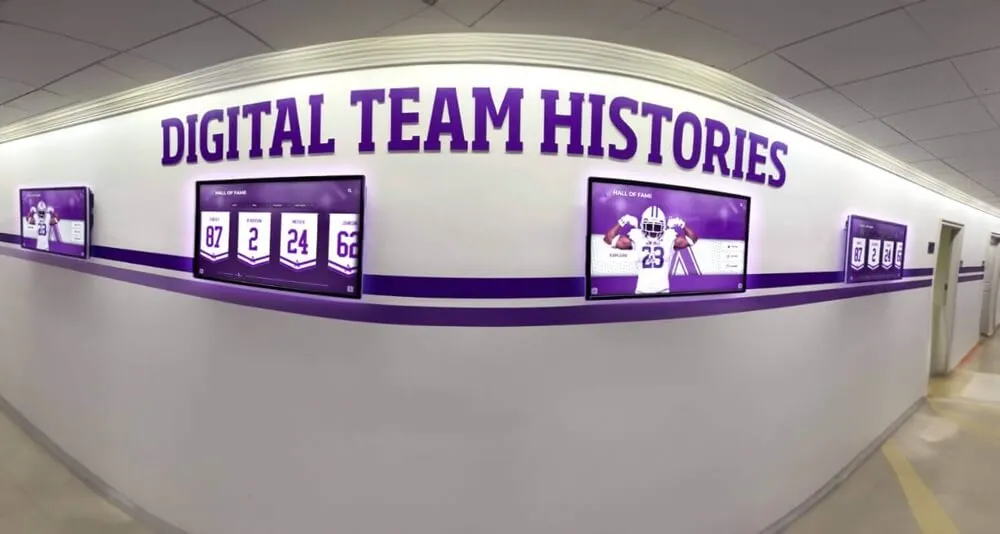
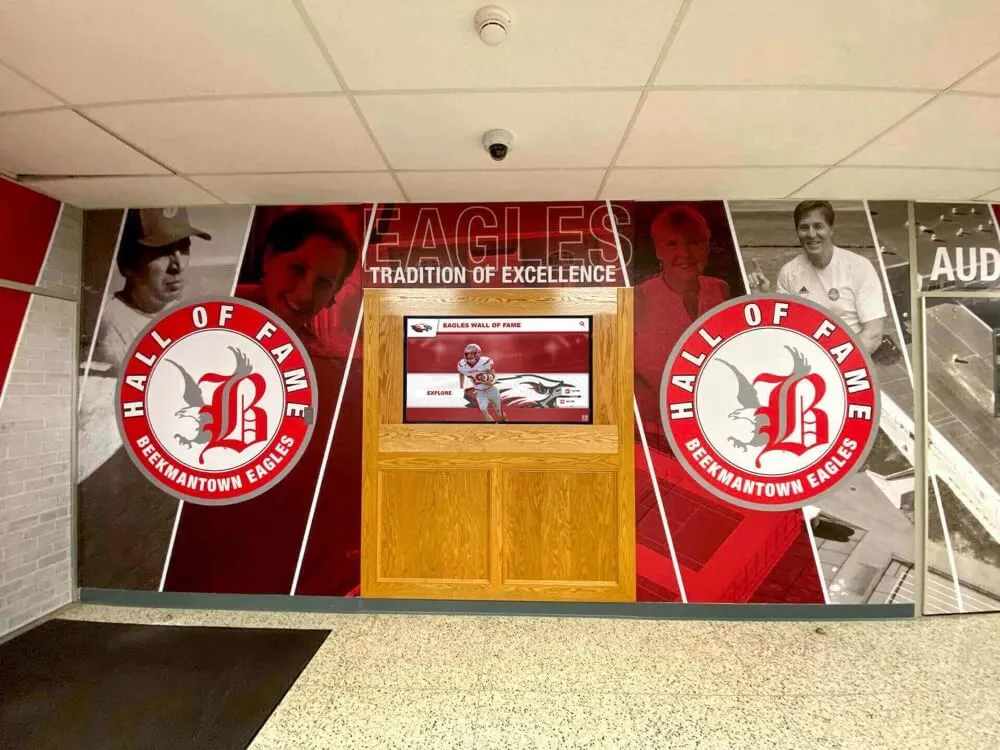
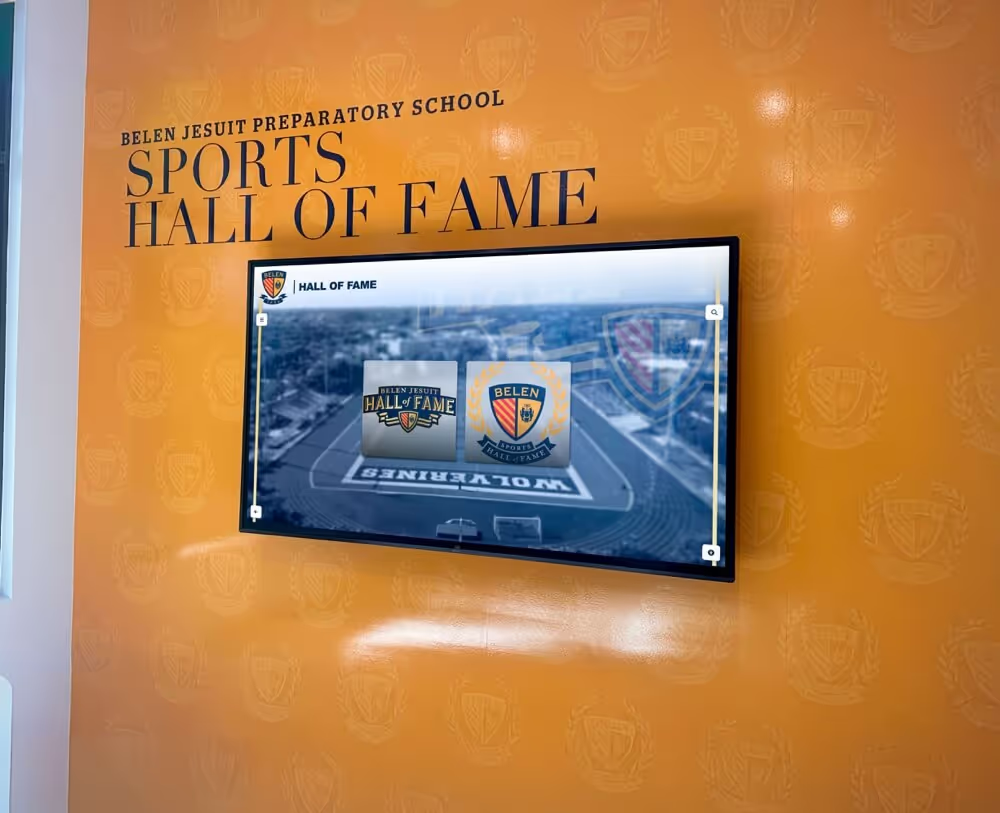
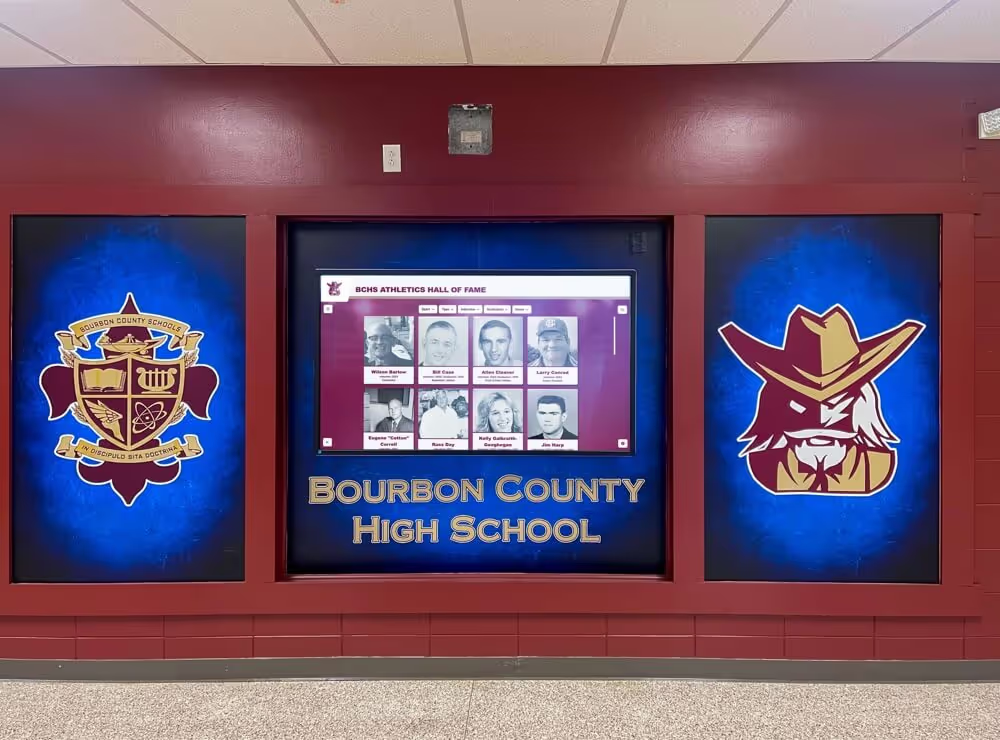
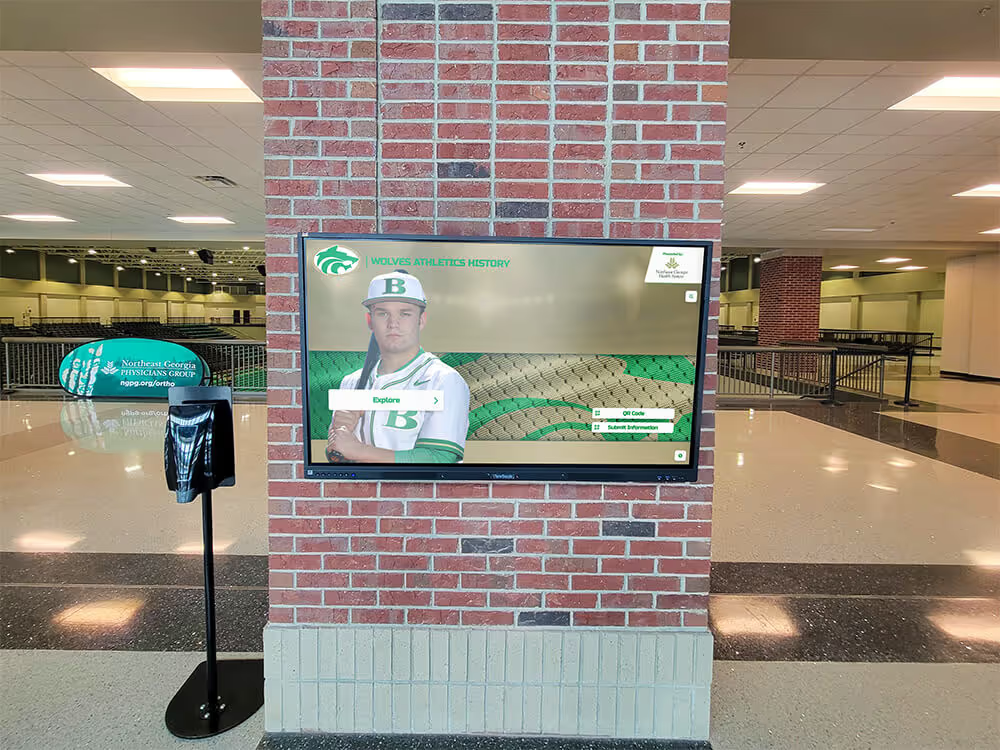
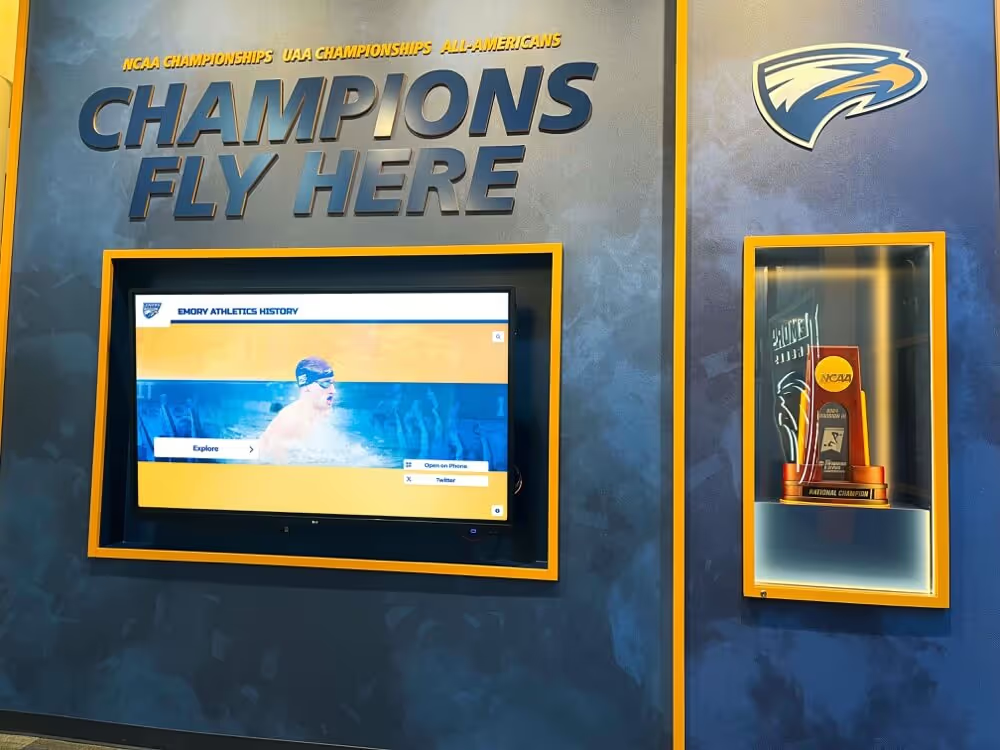
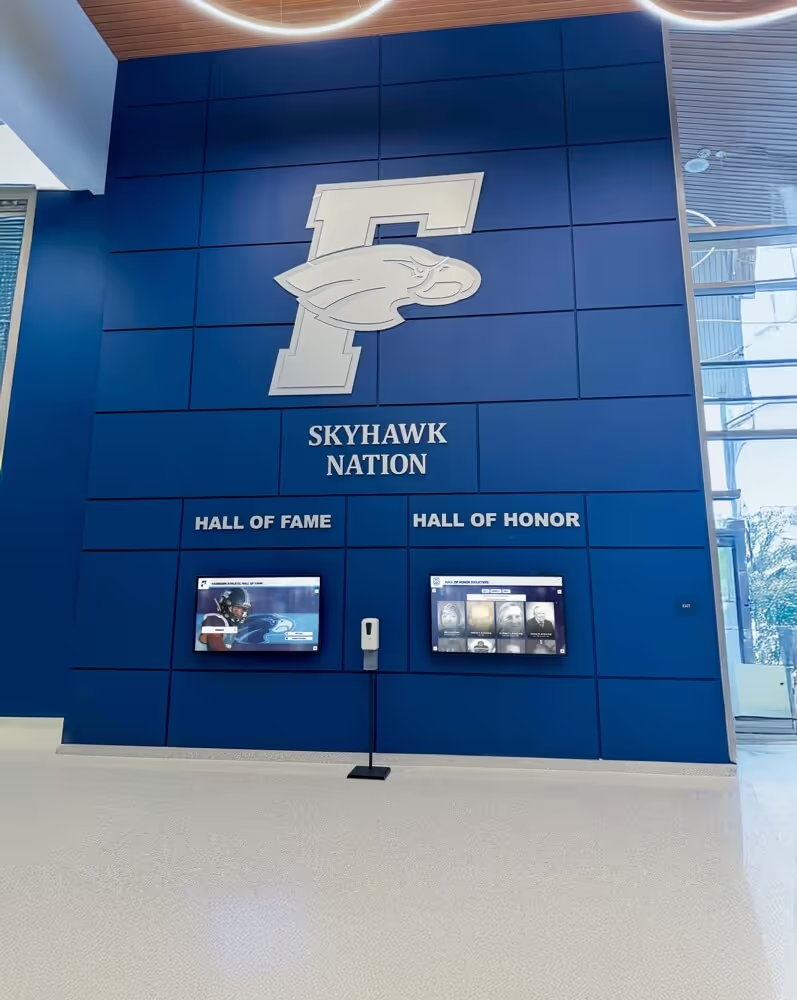
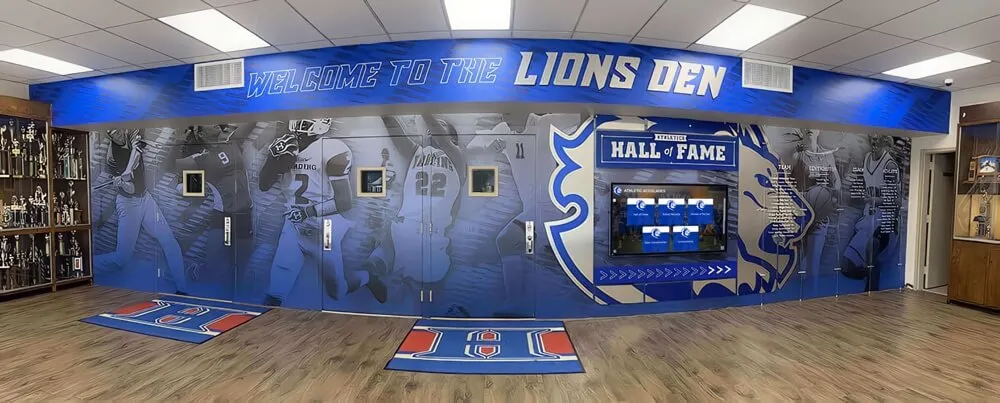
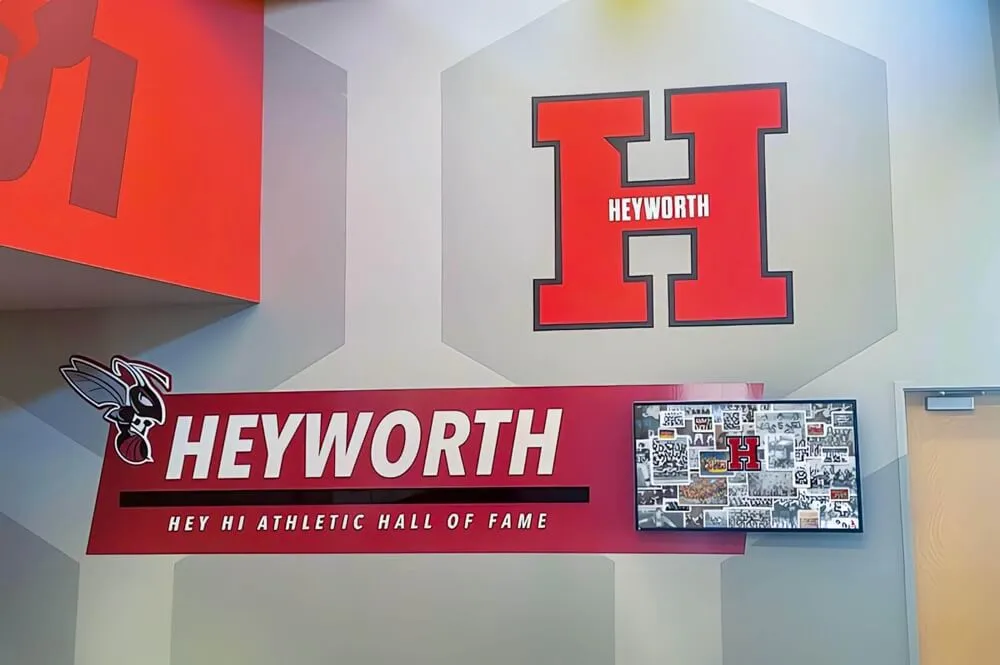
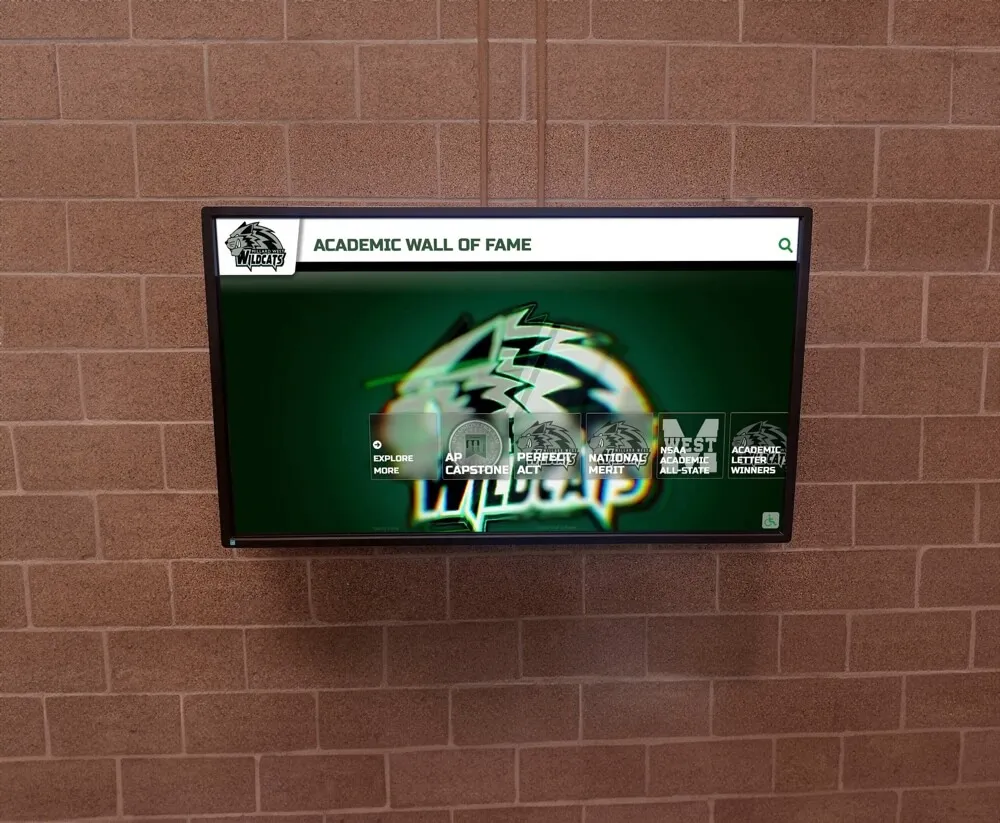
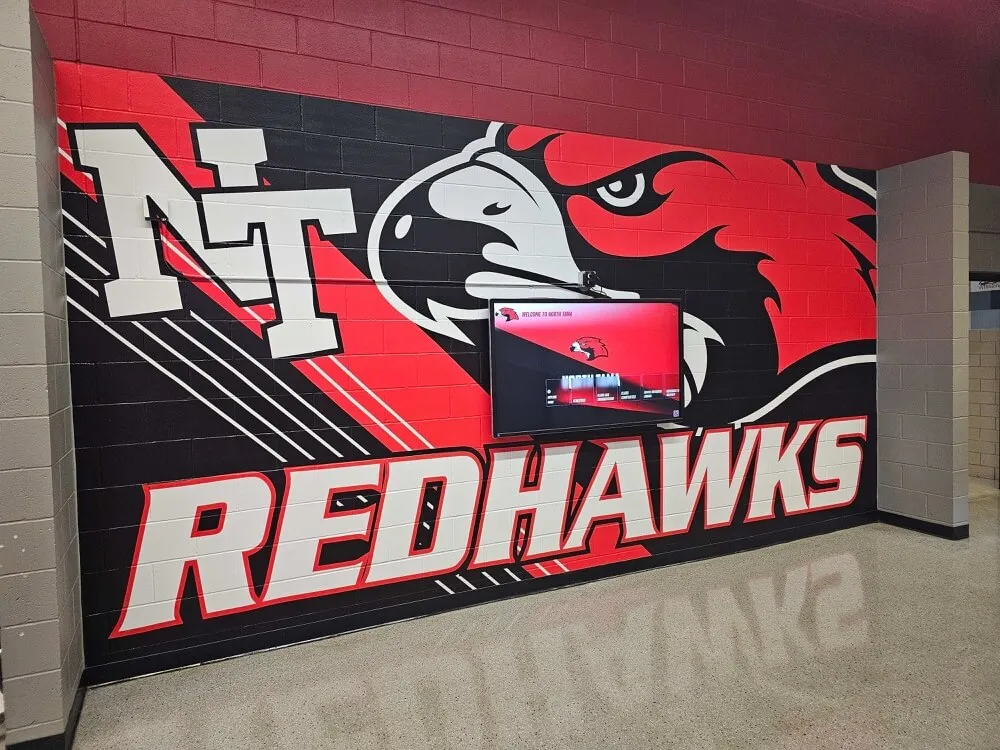
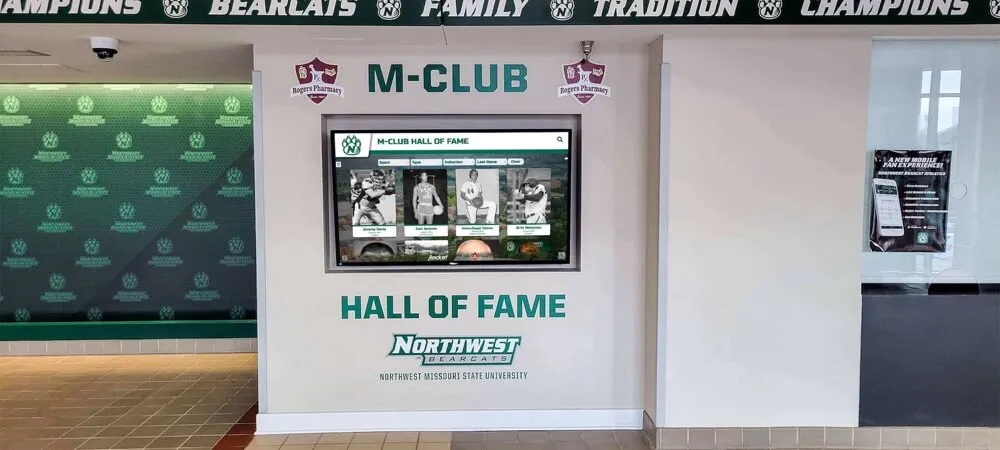
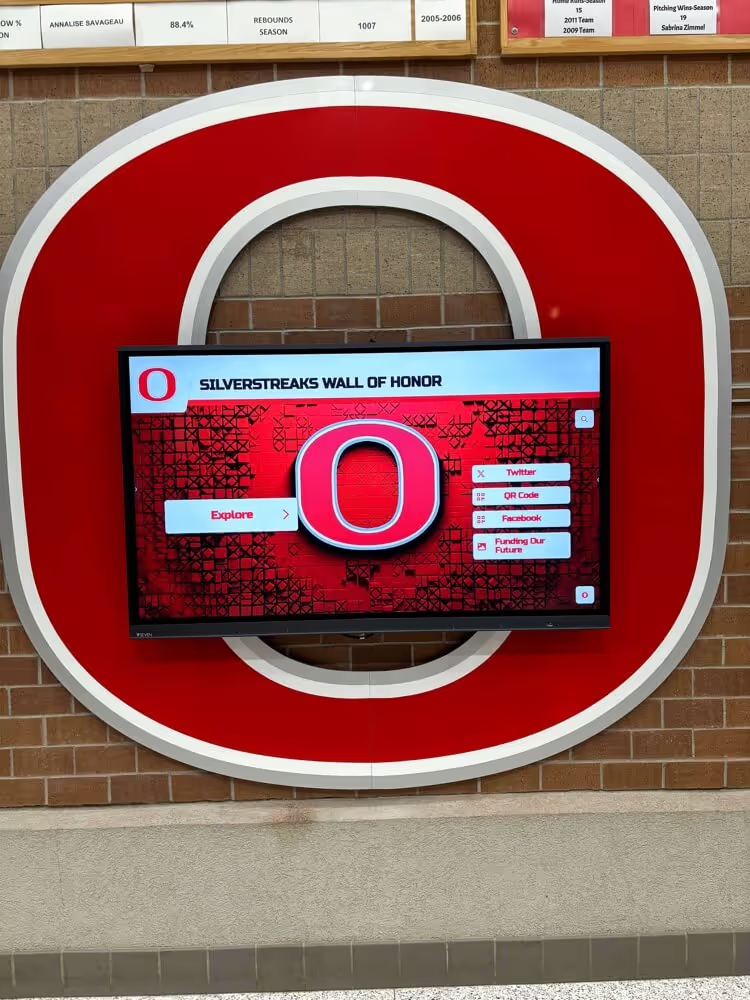
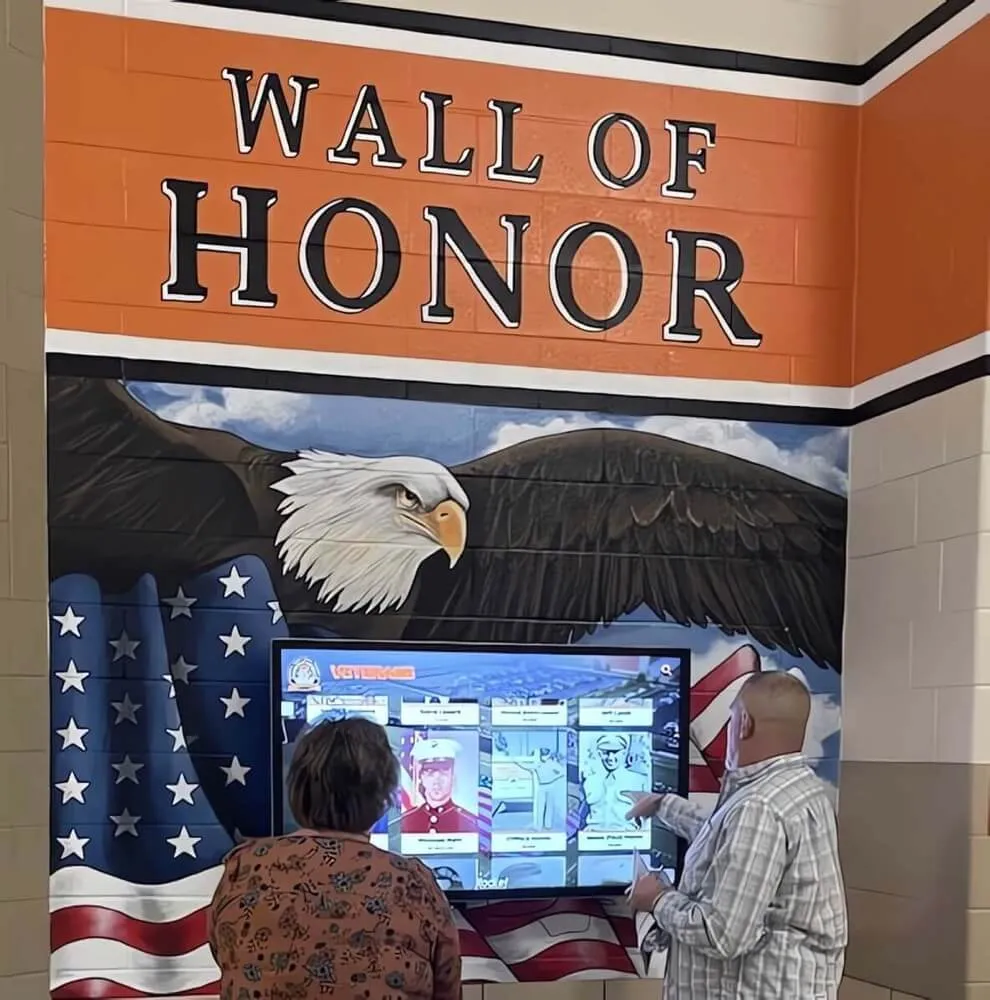
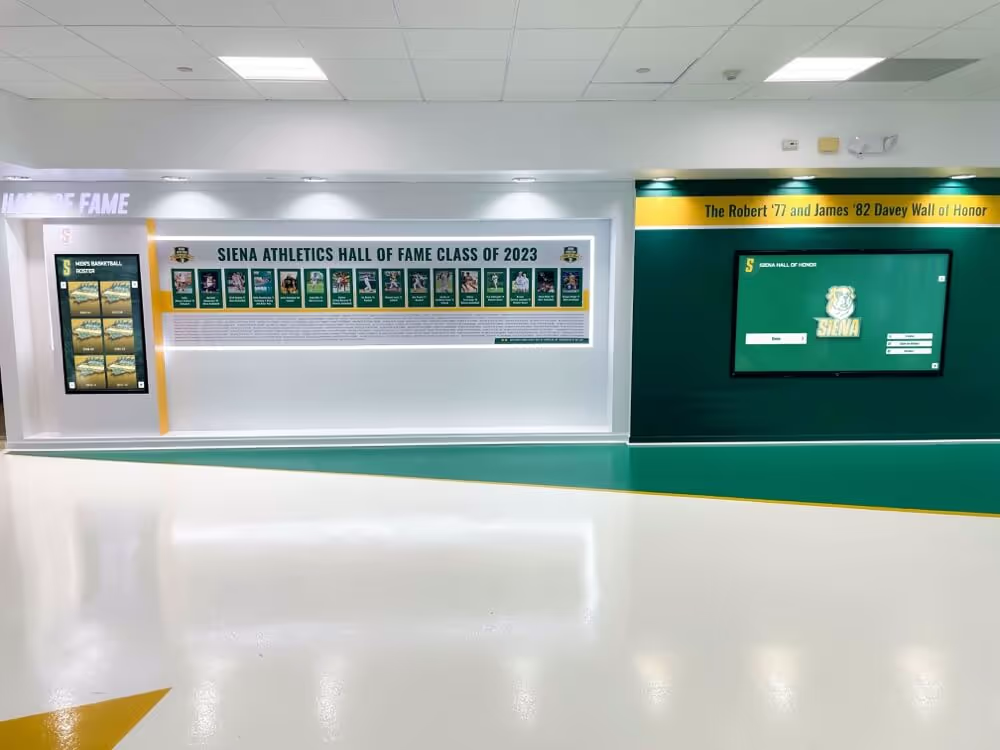
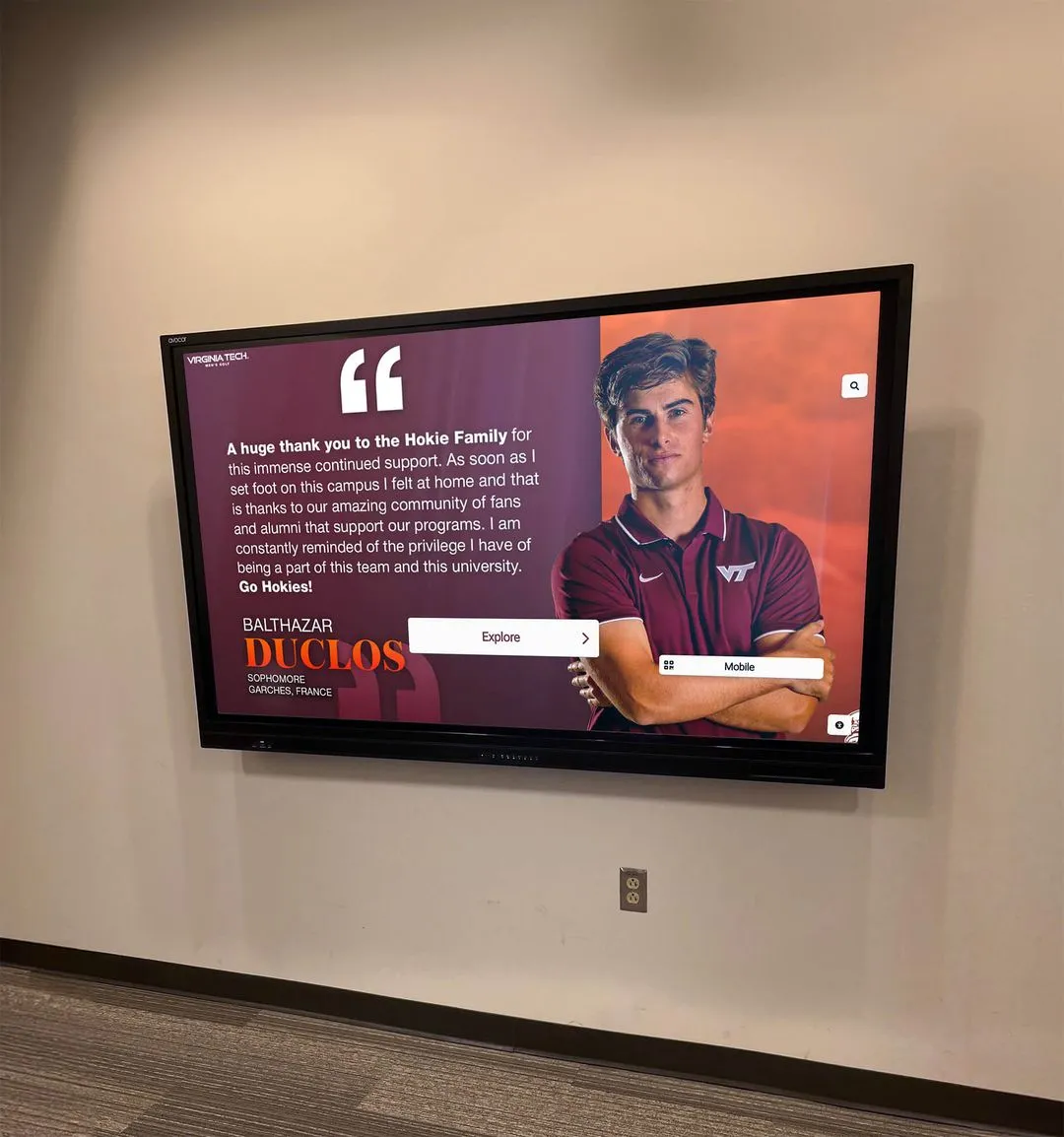
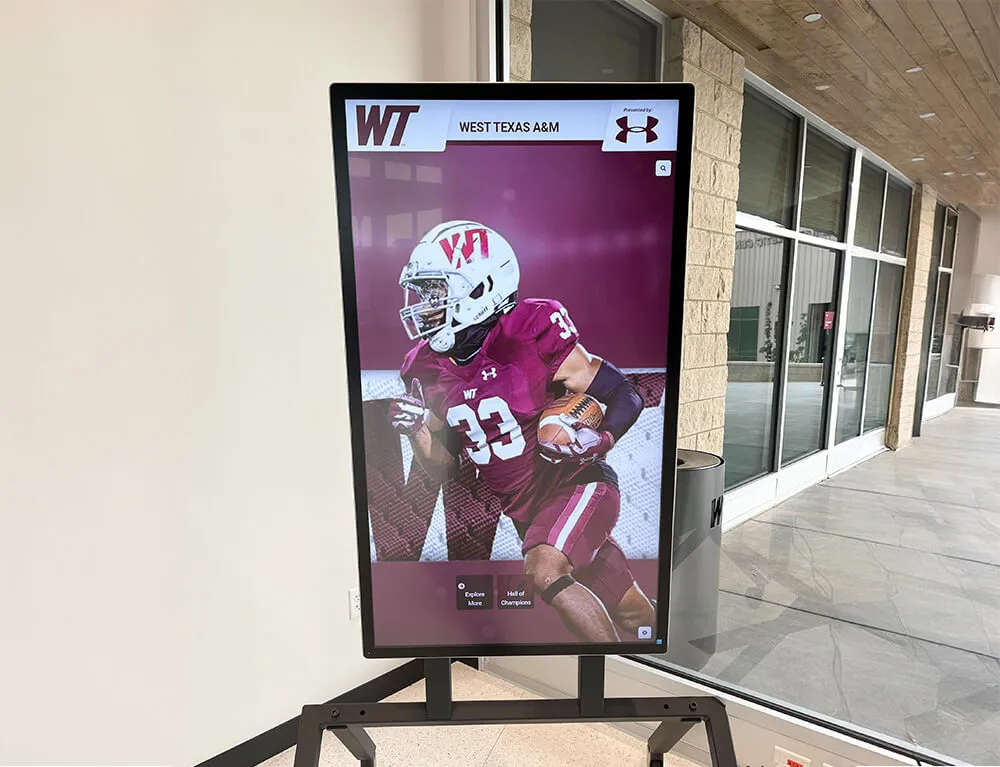
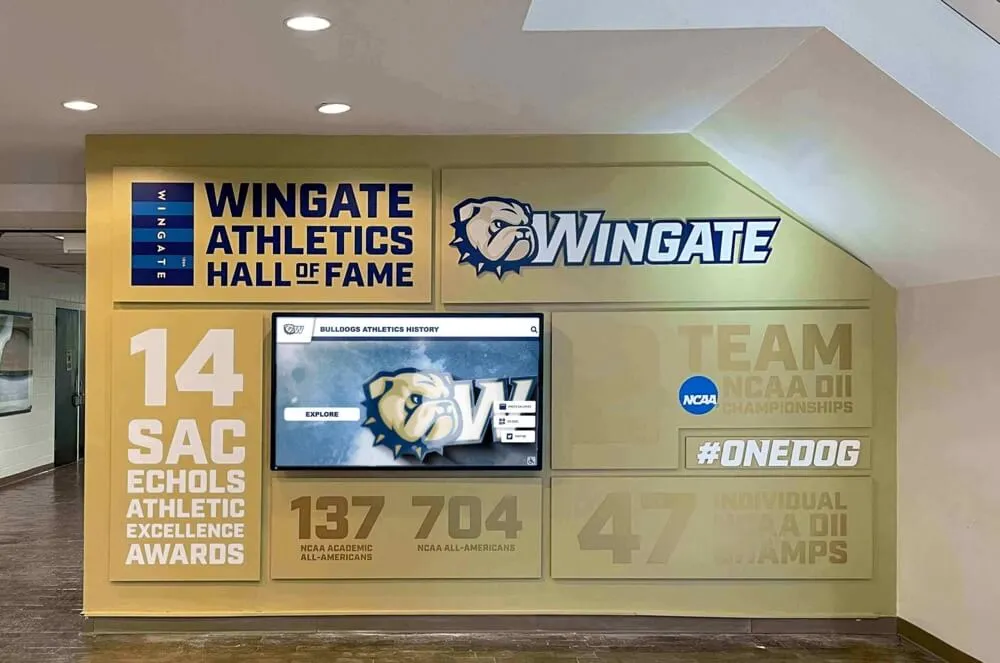
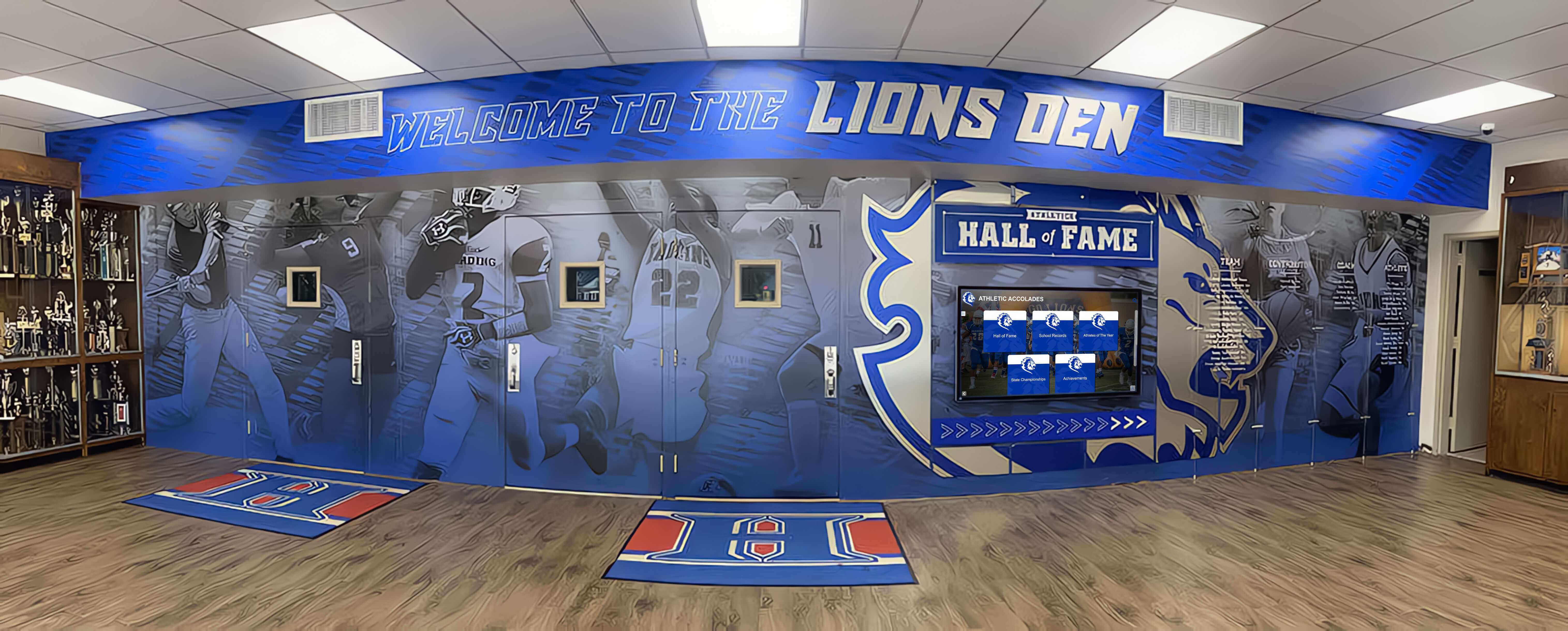
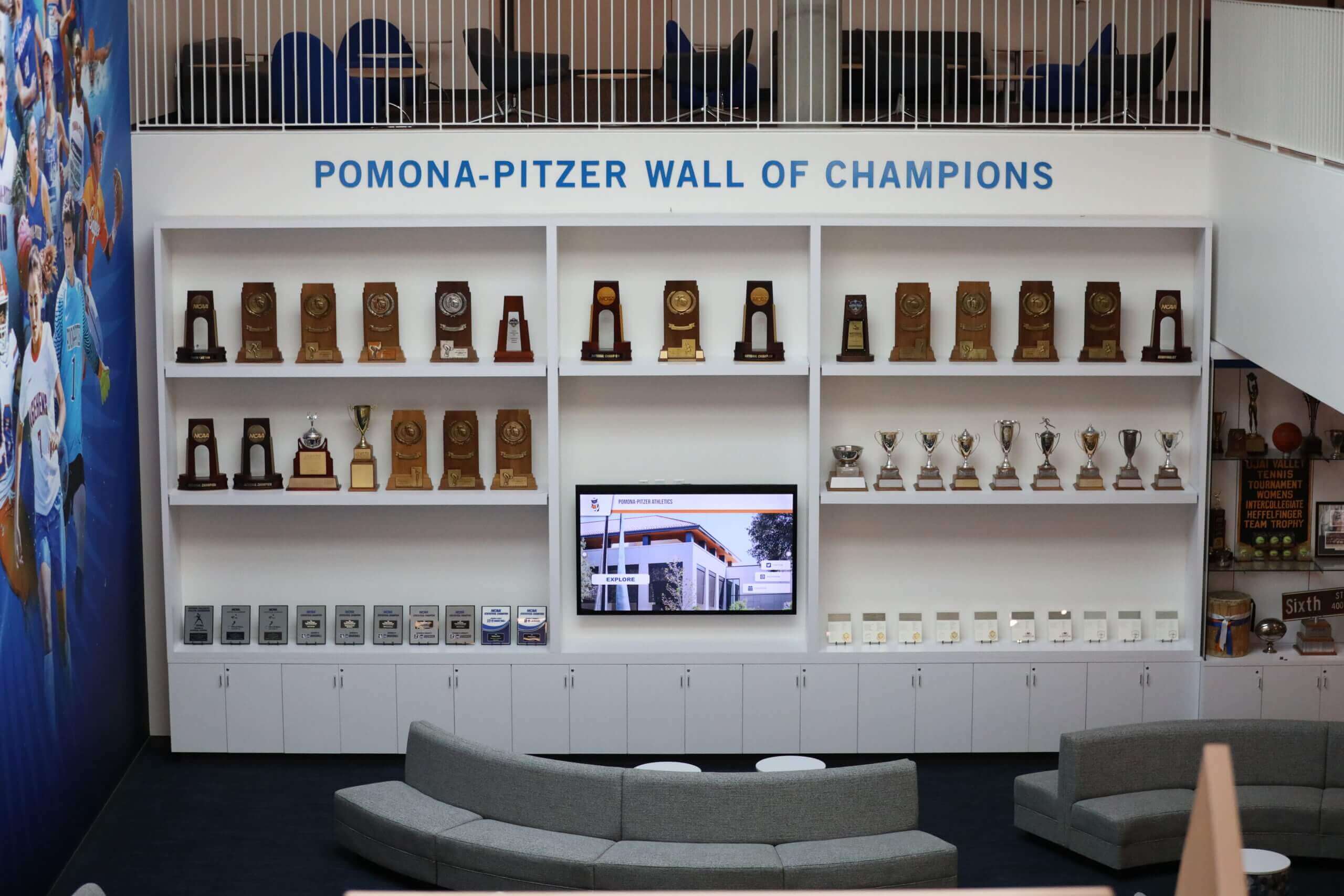
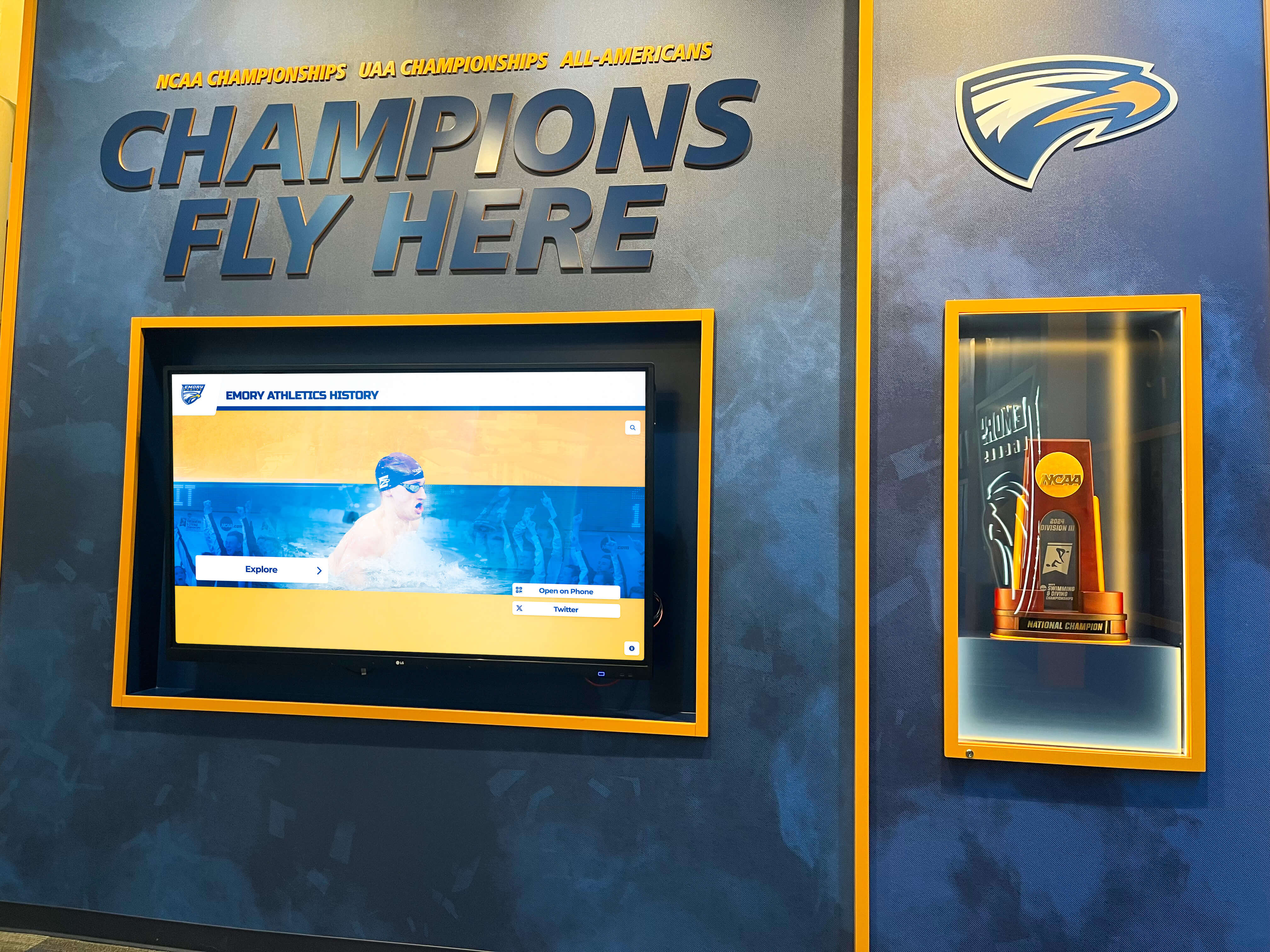
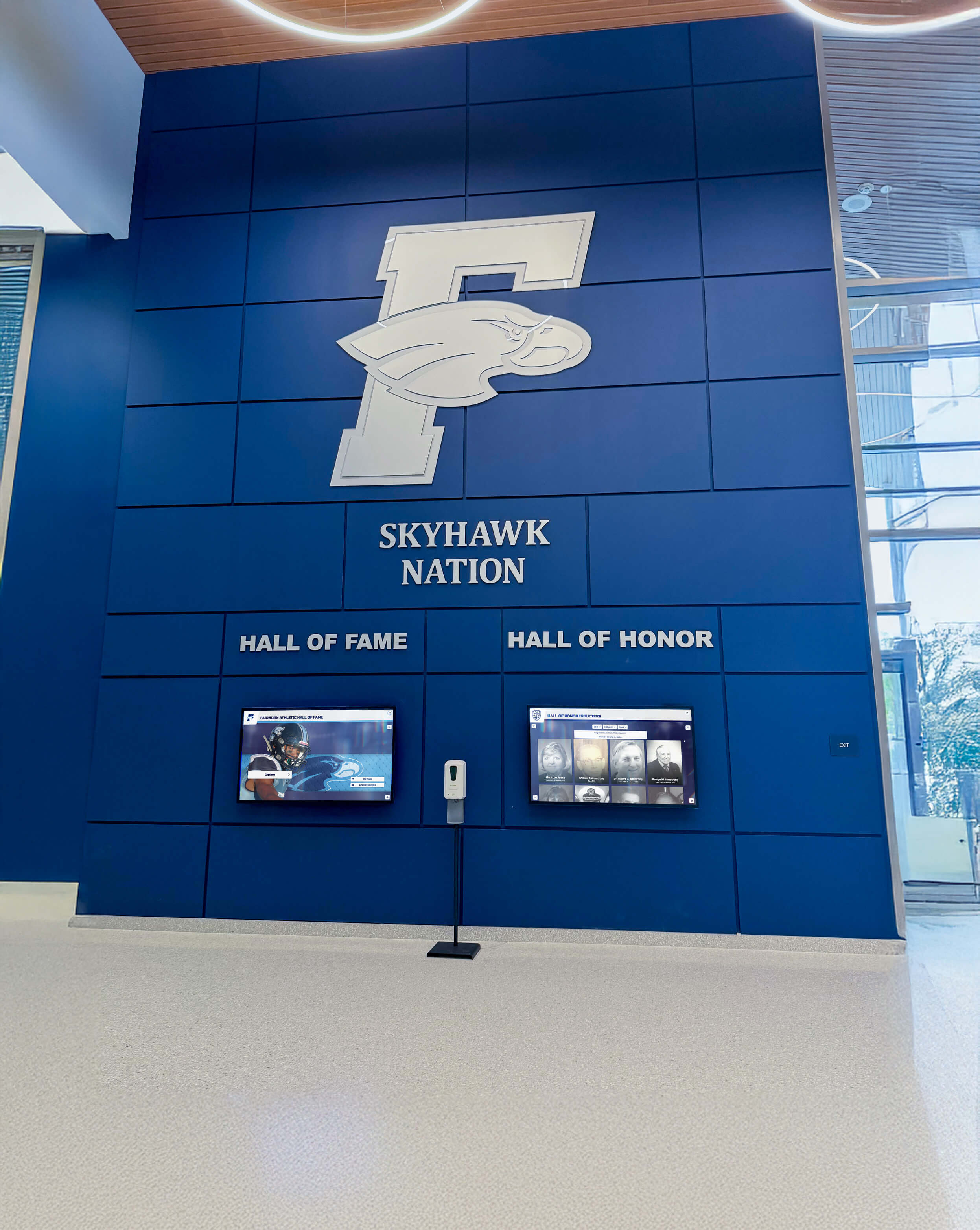
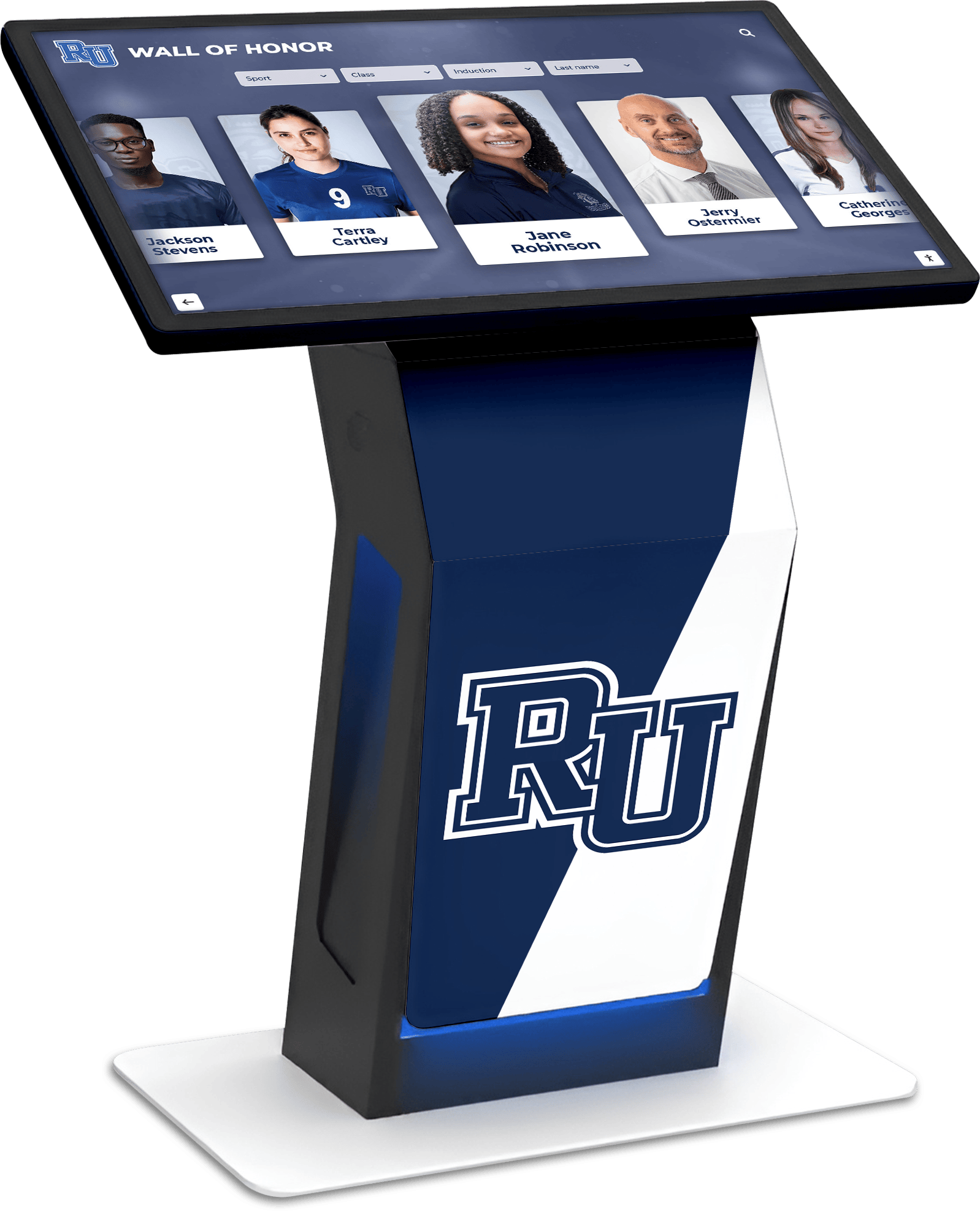
Interactive digital recognition displays address traditional limitations while creating new opportunities for celebration and engagement. Digital athletic recognition systems like those designed for schools and athletic programs transform how tennis programs acknowledge achievement.
Unlimited Recognition Capacity
Digital platforms accommodate unlimited honorees without space constraints. Every award recipient receives recognition. Every season’s achievements can be documented. Historical program information remains accessible indefinitely—without choosing who to exclude based on physical space limitations. This unlimited capacity enables comprehensive recognition programs celebrating diverse achievements throughout entire program histories.
Rich Multimedia Profiles
Digital recognition combines text, photographs, video, and interactive elements creating engaging profiles that tell achievement stories. Rather than simply listing award recipients, digital displays show players in action during matches and tournaments, include match highlights or championship videos, present player profiles with biographical information and interests, document achievement progression across seasons, and connect related content through intelligent linking.
This multimedia integration transforms recognition from simple acknowledgment into compelling narratives that engage viewers and create emotional connections.
Easy Updates and Real-Time Recognition
Cloud-based management systems allow coaches or administrators to update recognition displays in minutes from any device with internet access. Adding end-of-season award recipients requires uploading information and publishing. Recognizing tournament success on Monday means adding weekend results and photos. This immediacy ensures recognition remains current, acknowledging achievement promptly rather than waiting months for physical display updates.
Extended Reach Through Web Access
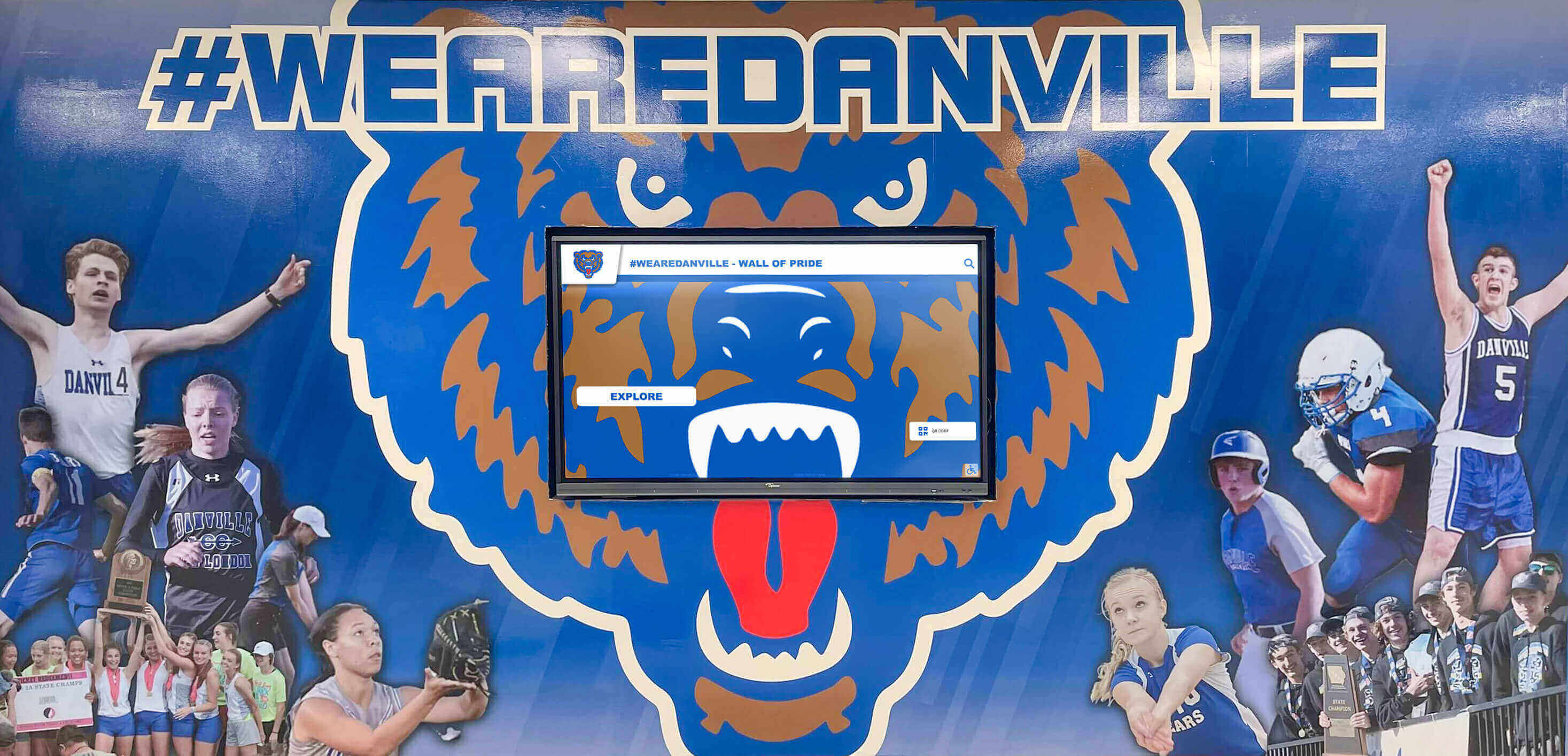
Digital recognition platforms extend beyond physical displays in facilities. Web-based access enables players to share their recognition with family members anywhere, alumni to return years later and explore their achievements, prospective players and families to understand program culture before joining, and social media sharing that organically extends recognition throughout communities. Modern programs like high school sports award displays provide this expanded visibility.
Interactive Exploration
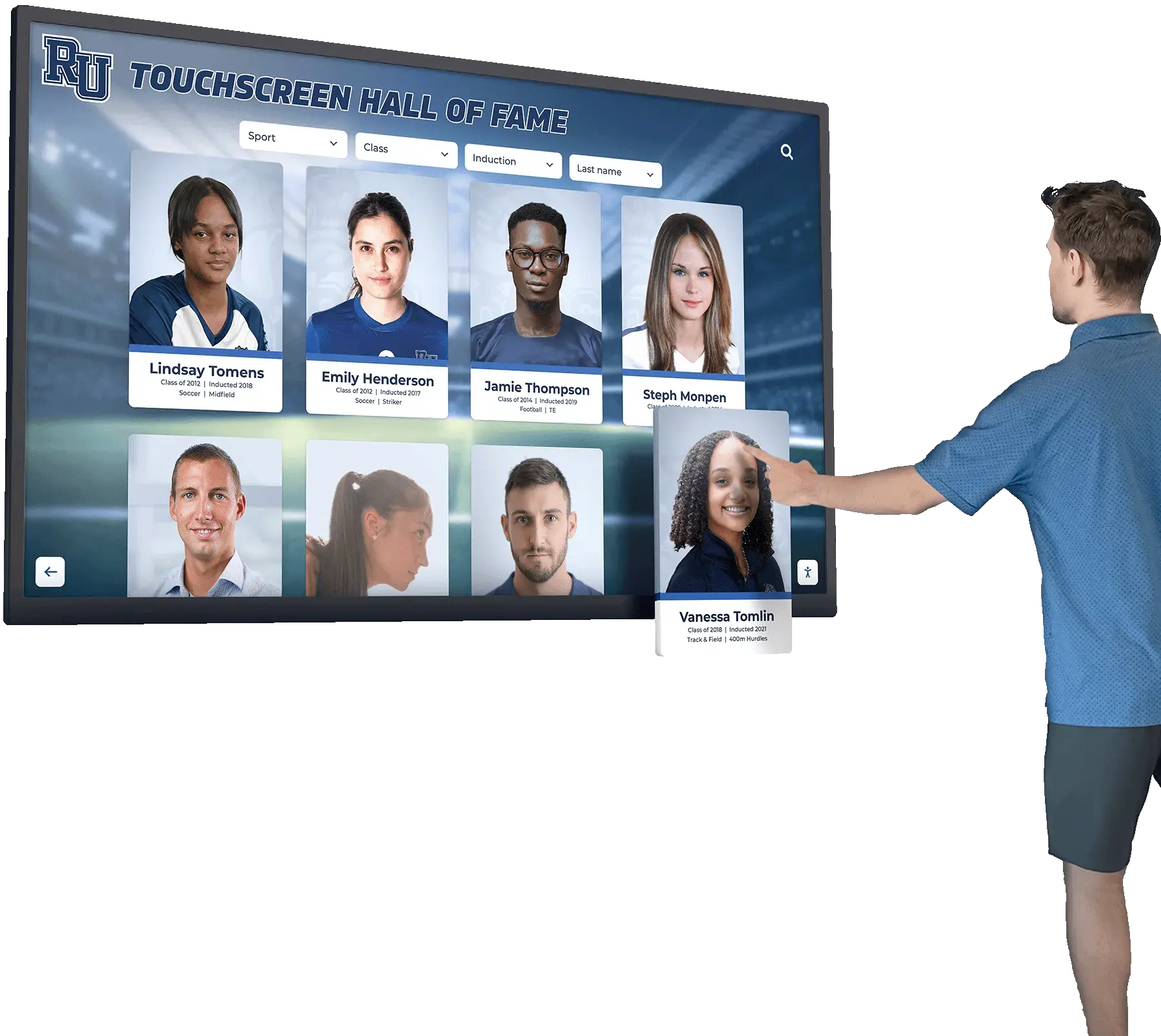
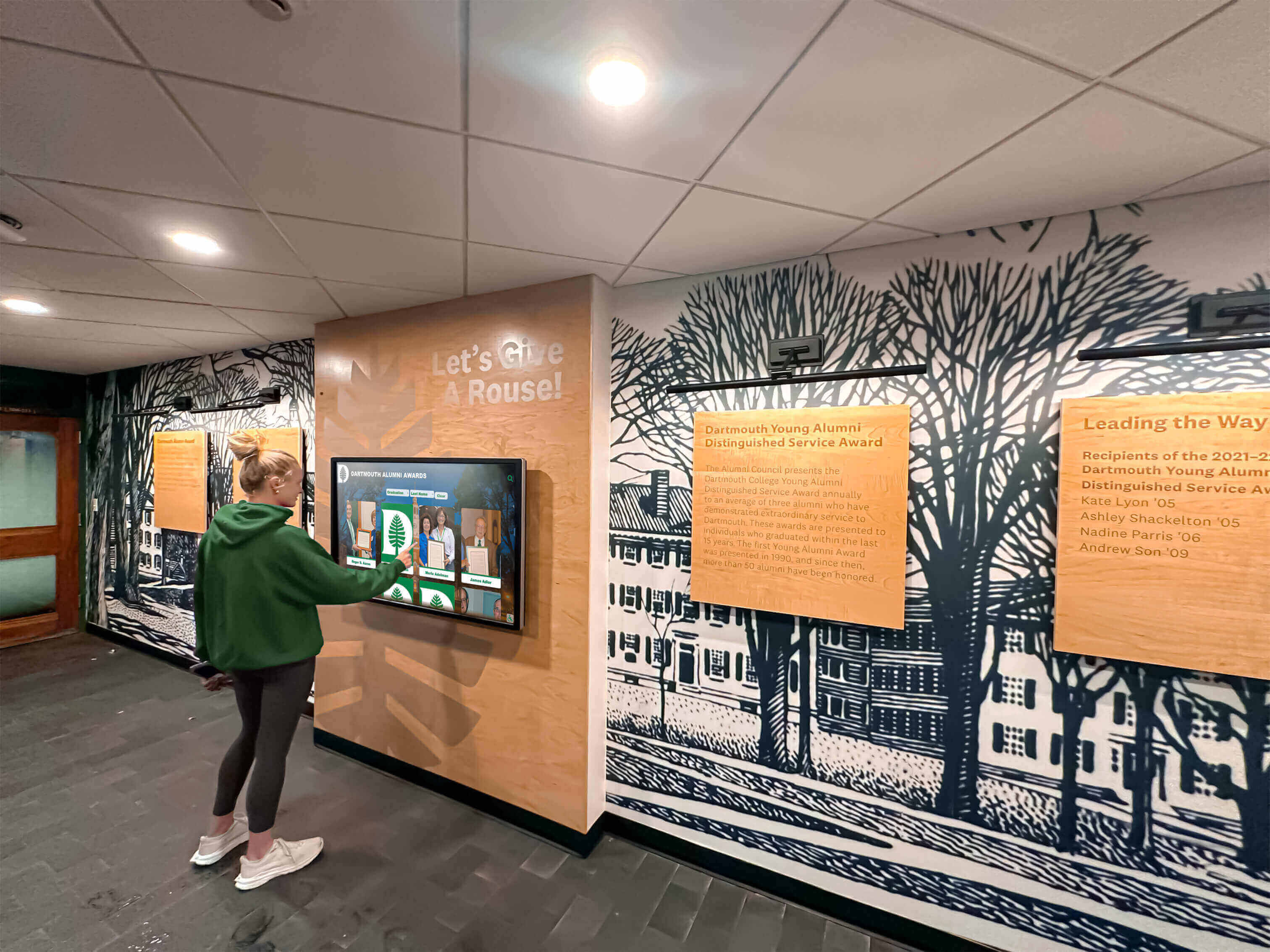
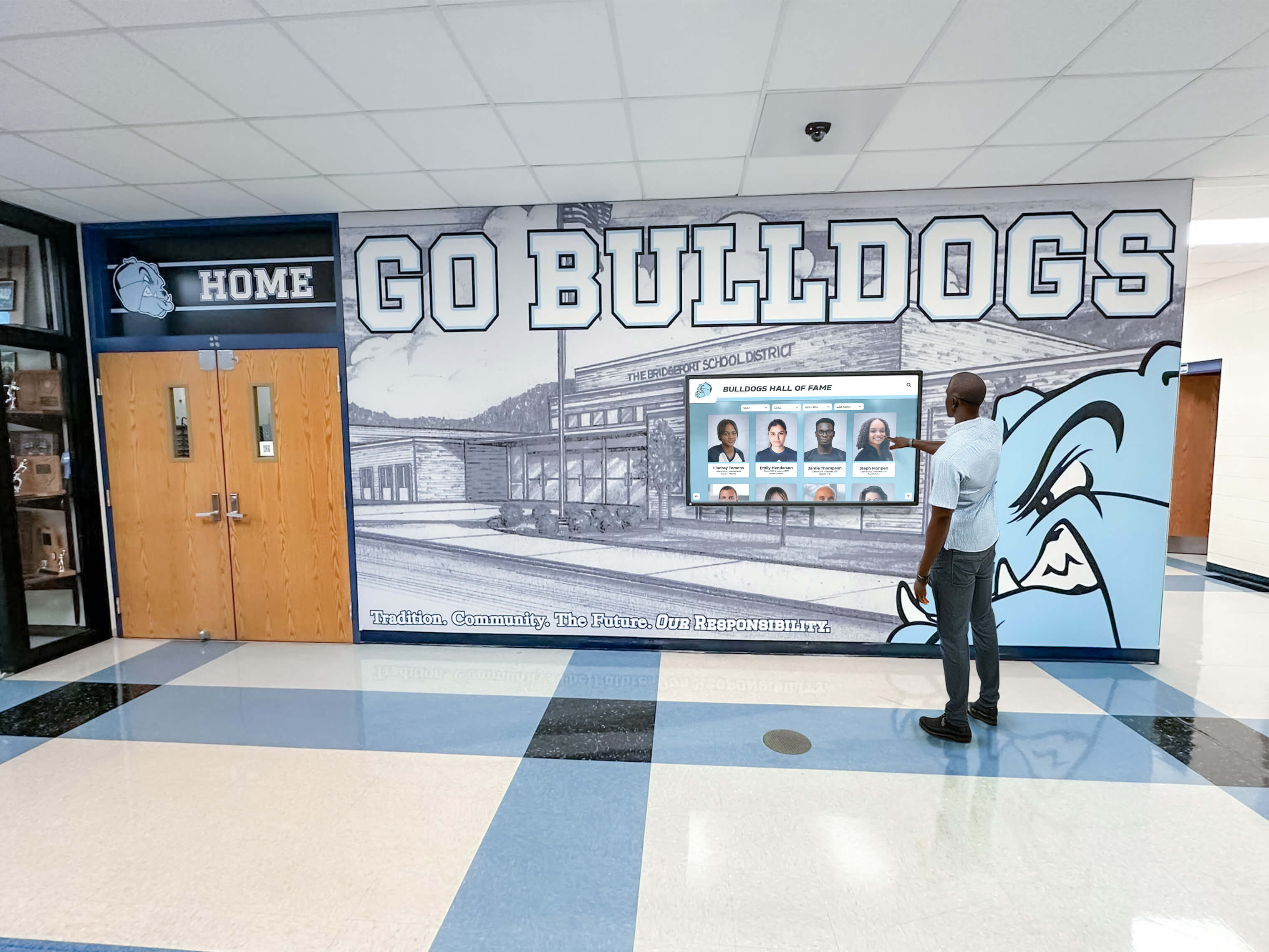
Touchscreen displays transform recognition from passive viewing into active engagement. Users can search for specific players by name, browse award categories (individual, team, character awards), filter by season or year, view related achievements and teammates, and discover connections between players, coaches, and program history. This interactivity particularly appeals to contemporary students who expect digital experiences to be explorable and personalized.
Rocket Alumni Solutions for Tennis Recognition
Purpose-built athletic recognition platforms like Rocket Alumni Solutions provide specialized capabilities designed specifically for celebrating player achievement rather than generic digital signage requiring extensive adaptation.
Comprehensive Achievement Profiles
Rocket enables programs to create detailed profiles for every recognized player including biographical information and tennis background, complete season statistics and match records, all awards and recognition received, tournament results and championship achievements, photos from matches and team events, and video highlights of key performances.
The platform intelligently connects related content—viewing a Conference Champion award shows all players earning that recognition that year, selecting an individual player reveals their complete achievement history, and browsing by graduation year displays all recognition earned by that class.
Strategic Placement in Tennis Facilities
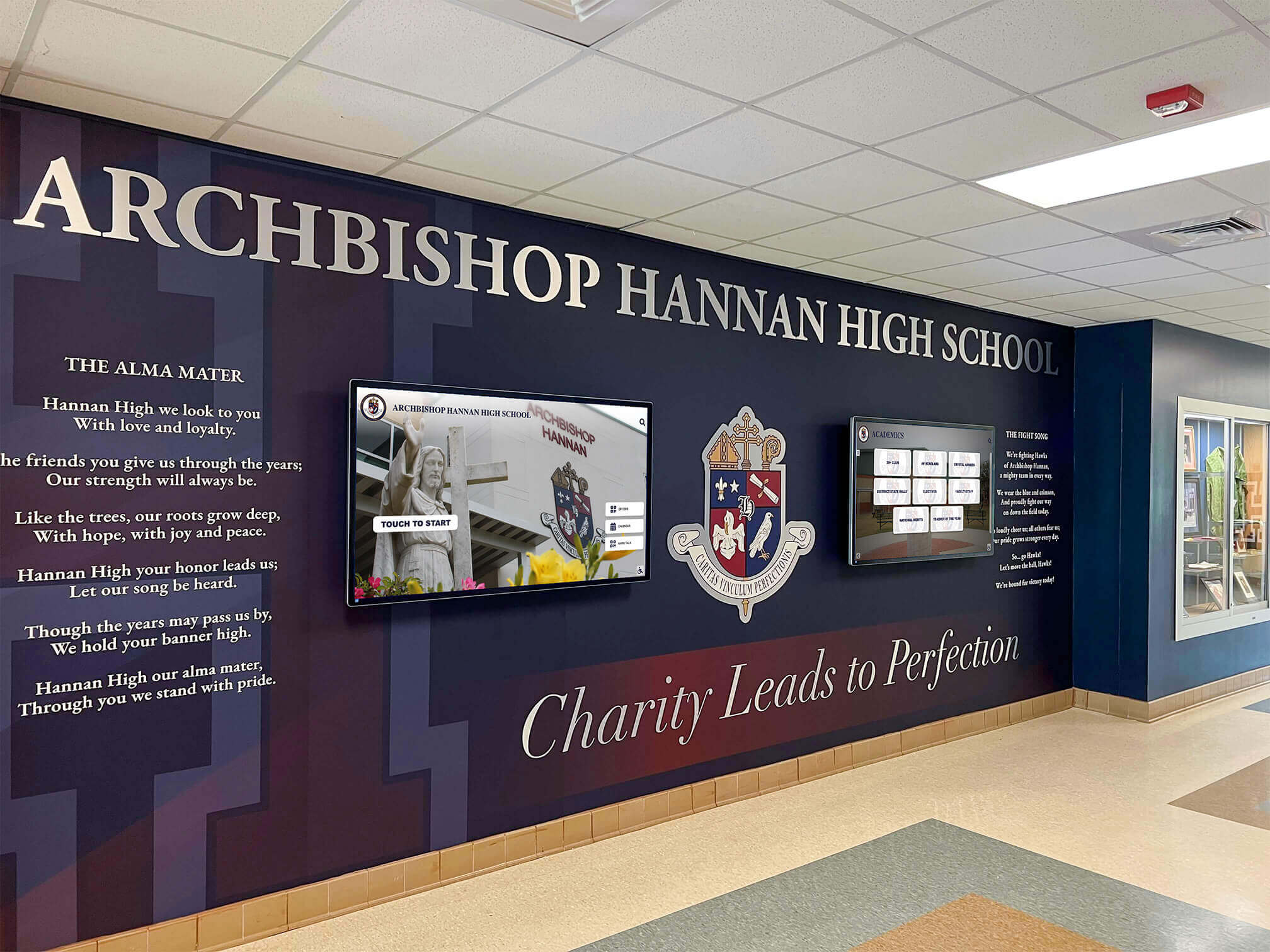
Position Rocket displays in high-traffic locations where players, families, and visitors naturally gather:
- Athletic building lobbies welcoming all visitors
- Tennis facility entrances establishing program identity
- Gymnasium or recreation center hallways connecting various athletic spaces
- Near courts where players and families wait between matches
- School cafeterias and student commons for broader visibility
Strategic placement ensures maximum exposure, building program pride through continuous recognition visibility.
Efficient Content Management for Busy Coaches
Tennis coaches balance numerous responsibilities—practices, matches, travel, administrative work, and often teaching duties. Rocket’s intuitive interface allows quick updates requiring minimal time investment through templates simplifying content creation, bulk upload capabilities for adding multiple players or achievements simultaneously, mobile-friendly management enabling updates from smartphones or tablets, minimal technical knowledge requirements, and automated display rotation and scheduling.
This efficiency makes comprehensive digital recognition sustainable even for programs with limited administrative support.
Analytics Demonstrating Impact
Understanding how players and visitors interact with recognition helps demonstrate value and optimize content. Rocket tracks session duration and engagement depth, most-viewed profiles and achievement categories, search patterns revealing what visitors seek, peak usage times informing content strategy, and social sharing activity extending recognition reach. These insights help programs refine recognition approaches and demonstrate return on investment to administrators and supporters.
Budget Considerations and Options
Recognition programs span enormous cost ranges from essentially free acknowledgment to substantial investments in premium recognition systems. Understanding options at different price points enables programs to celebrate players meaningfully within budget constraints.
Minimal Budget Recognition ($0-$200)
Even programs with virtually no budget can implement meaningful recognition:
Printed Certificates: Design certificates using free templates and office software, print on quality paper or cardstock ($.50-$1 per certificate), and present in document frames for more formal presentation. Personalized certificates acknowledging specific achievements create lasting keepsakes despite minimal cost.
Digital-Only Recognition: Leverage free platforms including social media posts highlighting award recipients and achievements, program website pages documenting recognition, email newsletters to player families, and school announcements and publications. Digital recognition provides potentially wider reach than physical awards while requiring only time investment.
Handwritten Letters: Personalized letters from coaches to players and families describing achievements, expressing appreciation, and acknowledging specific contributions often carry more sentimental value than purchased trophies. The time investment demonstrates genuine appreciation.
Team-Created Awards: Engage players in creating unique awards using craft supplies, photography, and creativity. Custom awards designed by teammates often mean more than generic purchased trophies while building team bonding through the creation process.
Mid-Range Recognition ($200-$1,000)
Moderate budgets enable more substantial recognition while remaining accessible for most programs:
Quality Certificates and Plaques: Professional printing services produce premium certificates with foil seals, embossing, or special paper ($5-$15 each). Simple engraved plaques for major awards ($20-$50) provide more substantial recognition than certificates.
Standardized Trophies and Medals: Basic trophies from awards companies ($15-$40 depending on size and customization) provide traditional recognition. Consider investing more in major awards (MVP, championship recognition) while using certificates for other categories.
Team Gifts: Functional items players value often surpass traditional trophies including team apparel with award acknowledgment, equipment bags, tennis accessories, or customized water bottles. These useful items with recognition included serve players beyond display purposes.
Mixed Recognition System: Combine approaches by providing certificates for all recipients, reserving special trophies or plaques for major awards, using team gifts for group recognition, and implementing digital displays for comprehensive ongoing recognition.
Premium Recognition ($1,000+)
Substantial budgets enable sophisticated recognition with lasting program impact:
Custom Engraved Awards: Personalized crystal, glass, or wood awards with detailed engraving ($75-$200 each) provide premium recognition appropriate for major achievements and senior recognition.
Facility Recognition Displays: Permanent recognition in facilities including engraved wall plaques listing award recipients by year ($500-$2,000), championship banners hung in gyms or facilities ($200-$500 each), and display cases with rotating trophies and awards ($1,000-$5,000).
Digital Recognition Displays: Interactive touchscreen displays in facilities provide unlimited ongoing recognition capacity. While initial investment runs higher ($3,000-$10,000 depending on system and installation), the per-athlete cost decreases dramatically as programs recognize hundreds or thousands of players over system lifespan. Digital trophy case solutions provide ongoing value year after year.
Recognition Events: Formal banquets with venue rental, catering, presentations, and invited guests create memorable experiences families value beyond physical awards ($30-$75 per attendee depending on venue and catering).
Maximizing Recognition Value at Any Budget
Regardless of budget constraints, programs can maximize recognition impact:
Emphasize Meaning Over Cost: Recognition carries value through significance and thoughtful presentation, not price tags alone. A personalized letter presented with genuine emotion often means more than an expensive trophy handed out perfunctorily.
Focus on Personalization: Awards acknowledging specific achievements, memorable moments, or individual qualities feel more meaningful than generic trophies regardless of cost differences.
Invest in Presentation Quality: The ceremony experience matters enormously. Energy invested in creating engaging, respectful presentations where each player feels genuinely celebrated generates more impact than expensive awards presented hastily.
Consider Long-Term Value: Some recognition requires higher initial investment but provides years of value. Digital displays recognizing thousands of players over a decade may actually prove more cost-effective per athlete than annual trophy purchases.
Common Implementation Challenges and Solutions
Even well-designed recognition programs encounter predictable obstacles. Anticipating common challenges helps programs navigate them successfully.
Balancing Individual and Team Recognition
The Challenge: Tennis’s individual-team dynamic creates tension between celebrating individual achievement and maintaining team cohesion. Over-emphasizing individual recognition can undermine team culture, yet failing to acknowledge individual excellence ignores tennis’s individual competitive nature.
Effective Approaches: Structure recognition to honor both dimensions by beginning ceremonies with team achievement recognition before individual awards, creating team-oriented individual awards (like “Most Valuable Team Member”), emphasizing how individual achievements contributed to team success when presenting individual awards, implementing team awards equal in prestige to top individual honors, and celebrating doubles partnerships as collaborative achievements.
This balanced approach acknowledges tennis’s dual nature rather than favoring one dimension over the other.
Managing Subjectivity in Character Awards
The Challenge: Character and leadership awards involve subjective judgment vulnerable to bias, favoritism accusations, and inconsistent standards. Yet these qualities deserve recognition alongside competitive achievement.
Effective Approaches: Establish clear evaluation criteria defining what qualities each character award recognizes, document specific examples and incidents illustrating award criteria throughout seasons, gather input from multiple coaches who observe players in various contexts, incorporate peer feedback through anonymous teammate surveys for appropriate awards, and maintain written justification for selections explaining reasoning based on observable behaviors.
Systematic evaluation processes increase confidence that character awards recognize genuine demonstrated qualities rather than coach favoritism.
Addressing Parent Expectations and Disappointment
The Challenge: Parents naturally want their children recognized and may become disappointed or upset when players don’t receive awards they believe deserved. Perception of unfairness can damage program relationships.
Effective Approaches: Communicate recognition criteria clearly at season start so families understand standards, provide all players with some form of acknowledgment even if not major awards, explain selection processes and reasoning when questioned, maintain objective documentation supporting award decisions, and consider year-end letters to all players describing their contributions and growth regardless of awards received.
Transparency and thoughtful communication prevent most conflicts while providing principled responses when disagreements occur.
Maintaining Recognition Program Sustainability
The Challenge: Comprehensive recognition requires ongoing time investment from coaches and staff. Without efficient systems, recognition programs can become burdensome and get scaled back or abandoned.
Effective Approaches: Create templates and systems reducing manual work each season, automate data collection from match results and statistics, establish predictable schedules and routines minimizing planning burden, delegate specific responsibilities to assistant coaches or parent volunteers, and invest in tools like digital platforms requiring minimal maintenance once implemented.
Sustainable programs survive coaching transitions and busy seasons because efficient systems make recognition manageable rather than overwhelming.
Building Year-Round Recognition Culture
The most effective recognition programs extend beyond end-of-season ceremonies into ongoing celebration that shapes program culture throughout and between seasons.
In-Season Recognition Strategies
Don’t wait until season conclusion to acknowledge achievement. Ongoing recognition maintains motivation and builds positive culture:
Weekly Achievement Highlights: Recognize exceptional performances, milestone achievements, or notable improvements in regular team communications. Email updates to families, social media posts, and team meetings all provide platforms for weekly recognition.
Match Day Acknowledgment: Announce individual match milestones during competitions—career wins, winning streaks, or breakthrough victories. Public acknowledgment during matches when families and teammates are present creates immediate positive reinforcement.
Interim Awards: Consider mid-season recognition for sustained excellence or improvement. “Player of the Week/Month” designations provide multiple recognition opportunities throughout seasons rather than concentrating all awards at season end.
Practice Recognition: Acknowledge exceptional practice effort and improvement. Practice quality determines player and team development, and recognizing practice excellence reinforces its importance independent of match results.
Off-Season Recognition Opportunities
Recognition culture shouldn’t completely disappear during off-seasons:
Summer Training Recognition: Acknowledge players demonstrating exceptional commitment to off-season training, summer tournaments, or skill development. Off-season work largely determines season success and deserves validation.
Academic Achievement: Recognize players’ academic successes during school year. Scholar-athlete awards demonstrate that programs value whole-person development beyond tennis court performance.
Community Engagement: Highlight players’ community service, volunteer activities, or other positive contributions. Recognition extending beyond tennis builds comprehensive culture valuing character alongside athletic achievement.
Alumni Recognition: Maintain connection with former players through social media highlights, program newsletters, or digital displays including historical achievements. Alumni recognition reinforces that program value extends beyond current seasons and maintains lifelong connections.
Facilities and Visual Recognition
Physical environment shapes program culture and identity:
Entrance Displays: Make recognition visible at facility entrances establishing program identity immediately. Athletic achievement walls near courts welcome players and visitors while communicating program values.
Current Season Recognition: Display current team members, season schedule, and ongoing achievements in prominent locations. Current recognition demonstrates that today’s players will join the legacy they see around them.
Historical Context: Include historical program achievements creating connection between current players and program legacy. Understanding they’re contributing to ongoing tradition builds pride and motivation.
Tournament and Championship Recognition: Prominently display conference championships, state qualifications, and tournament successes. Championship recognition establishes program standards and aspirations.
The Future of Tennis Program Recognition
Recognition continues evolving as technology advances and cultural expectations shift. Forward-thinking programs are exploring approaches that will likely become mainstream in coming years.
Personalized Digital Recognition Portfolios
Emerging systems create comprehensive digital portfolios for each player documenting their complete tennis achievement history including match statistics and records, award and recognition history, tournament results, skill assessments and development, photos and videos from matches and seasons, and coach evaluations and feedback.
These portable portfolios follow players throughout their tennis careers, providing comprehensive documentation useful for college recruiting, personal reflection, and lifelong connection to the sport.
Social Media Integration and Sharing
Recognition increasingly integrates with social media enabling organic extension throughout communities. Programs create shareable content highlighting achievements, players share recognition through their personal networks, hashtags connect program recognition to broader tennis communities, and viral content occasionally extends recognition far beyond traditional program boundaries.
Social integration particularly resonates with contemporary players who naturally share significant life events through social platforms.
Real-Time Recognition and Gamification
Some programs explore real-time recognition systems where achievements automatically trigger acknowledgment. Imagine systems that automatically recognize match milestones during competitions, update digital displays immediately following tournament success, generate social media content from match results without manual creation, and track achievement progress toward recognition goals throughout seasons.
While still emerging, these approaches hint at how technology might make recognition more immediate and integrated with competition itself.
Virtual and Augmented Reality Recognition
Extended reality technologies create new recognition possibilities including virtual trophy rooms players can explore from anywhere, augmented reality overlaying recognition information on physical facilities viewed through mobile devices, and virtual reality reconstruction of memorable matches or championship moments. Though still early, these technologies suggest how recognition experiences might evolve in coming decades.
Implementation Guide: Getting Started
For programs ready to establish or enhance recognition, practical steps create clear path forward.
Assess Current Recognition Practices
Begin with honest evaluation of existing approaches:
- What recognition currently exists and what’s missing?
- What do players, families, and coaches value about current recognition?
- What frustrations or gaps exist in current practices?
- How much time does current recognition require?
- What resources (budget, time, expertise) are available?
This assessment creates foundation for improvement plans addressing specific needs and constraints.
Define Recognition Philosophy and Goals
Articulate what your program values and how recognition should reflect those values:
- Will you emphasize competitive achievement, character development, or balanced combination?
- Should recognition focus on top performers or create pathways for broader participation?
- What role should team versus individual achievement play?
- How should recognition integrate with broader program culture and values?
Clear philosophy guides specific implementation decisions ensuring recognition aligns with program identity.
Start With Core Programs and Expand
Rather than implementing comprehensive systems immediately, consider phased approach:
Phase 1: Essential Recognition
- Establish core individual awards (Most Wins, MVP, Most Improved)
- Create basic team recognition (season achievement, championships)
- Implement simple end-of-season ceremony
- Develop clear criteria and selection processes
Phase 2: Expanded Categories
- Add character and leadership awards
- Implement position-specific recognition
- Create coach and volunteer recognition
- Enhance ceremony quality and presentation
Phase 3: Advanced Implementation
- Deploy digital recognition displays in facilities
- Establish year-round recognition culture
- Integrate web-based and social media recognition
- Develop comprehensive historical program recognition
Phased implementation builds sustainable programs rather than ambitious systems that become overwhelming and get abandoned.
Consider Purpose-Built Recognition Solutions
While programs can implement recognition using basic tools, specialized platforms designed for athletic recognition often provide significantly better experiences with less administrative burden. Solutions like Rocket Alumni Solutions offer intuitive management requiring minimal training, comprehensive profile systems telling achievement stories, unlimited recognition capacity without space constraints, web-based access extending recognition beyond facilities, and ongoing support from teams understanding program contexts.
These specialized solutions prove particularly valuable for programs wanting sophisticated digital recognition without dedicating coaches to extensive technical administration.
Conclusion: Recognition as Culture Builder
Tennis recognition programs represent far more than lists of names and end-of-season ceremonies. When thoughtfully designed and authentically implemented, recognition becomes powerful tool for shaping program culture, motivating player development, celebrating achievement, and building the sense of tradition and excellence that defines great tennis programs.
The most effective recognition approaches share common characteristics across various implementation details. They acknowledge diverse contributions ensuring players have multiple pathways to recognition beyond winning matches. They communicate recognition prominently through physical displays, digital platforms, ceremonies, and ongoing acknowledgment. They connect achievement to effort and development rather than solely innate talent. They leverage efficient systems making comprehensive recognition sustainable rather than burdensome. They evolve based on feedback and outcomes rather than remaining static traditions.
Tennis programs entering the spring 2026 season have unprecedented opportunities for innovative recognition. Digital technologies enable celebrating achievement more dynamically and visibly than traditional trophy cases and annual banquets allowed. Purpose-built platforms designed specifically for athletic recognition make sophisticated programs accessible even for schools and clubs with limited resources. Social media integration extends recognition organically throughout communities, and web-based systems create permanent accessible records of achievement.
Yet technology represents only enabler, not the essence of effective recognition. At core, recognition succeeds when it authentically communicates what coaches and programs already know: that players accomplish remarkable things through dedication, that achievement deserves celebration, and that every contributor to team success merits acknowledgment.
Whether establishing your first formal recognition program or enhancing long-standing traditions, success lies in implementing systems that genuinely celebrate achievement, remain manageable for busy programs, and create cultures where all players experience appreciation for their unique contributions. The players experiencing authentic recognition today become engaged alumni, supportive community members, and passionate tennis advocates tomorrow—making recognition programs investments paying dividends long after seasons conclude.
Ready to create recognition systems that truly honor your tennis program? Modern solutions like Rocket Alumni Solutions provide comprehensive platforms designed specifically for athletic recognition, offering intuitive content management, engaging interactive displays, unlimited recognition capacity, and proven approaches that help programs build the recognition culture their players deserve. Your players invest countless hours pursuing excellence—comprehensive recognition ensures those achievements receive the celebration and lasting visibility that strengthens program culture for current athletes and future generations.