Tennis programs at schools, clubs, and recreational facilities face a unique challenge when season ends: how to recognize individual achievement in a sport that emphasizes personal competition while still celebrating team contributions and diverse skill development. Unlike team sports where roles are clearly defined, tennis recognition must honor competitive excellence, improvement across all skill levels, sportsmanship in a gentleman’s sport, doubles partnerships and team points, and individual growth regardless of win-loss records.
Tennis differs fundamentally from traditional team sports in ways that shape effective recognition. Individual matches determine advancement, yet team formats create collective success. Players compete alone on court, yet doubles requires synchronized partnerships. Rankings provide objective measures, yet improvement matters more than absolute placement for developing players. Understanding these dynamics helps programs design award systems that resonate with tennis culture while celebrating authentic achievement.
Understanding Tennis Program Recognition Needs
Tennis programs serve diverse populations with varying competitive goals, making one-size-fits-all recognition approaches ineffective. High school and college teams balance individual rankings with team point accumulation for conference standings. Club programs prioritize skill development and enjoyment over pure competitive results. Junior development academies focus on long-term player growth and competitive preparation for higher levels. Recreational adult programs emphasize fitness, social connections, and the joy of playing regardless of ability.
Effective tennis awards address these distinct contexts while honoring common values central to tennis culture: respect for opponents and officials embodying sport traditions, persistence through adversity inherent in tennis scoring, continuous improvement across technical and tactical dimensions, competitive excellence at every player’s appropriate level, and gracious conduct in both victory and defeat.
The intimate nature of tennis—where individual effort directly determines outcomes—creates both opportunities and challenges for recognition. Players can’t attribute losses to teammates, making honest self-assessment essential. This accountability makes genuine recognition particularly meaningful while requiring sensitivity about competitive disappointments.
Balancing Individual and Team Recognition
Most school and club tennis programs participate in team competitions where individual match results contribute to collective scores. This structure creates natural tension between individual achievement and team contribution that effective recognition systems must navigate.
Individual Excellence Recognition honors competitive success at specific positions. Singles positions from number one through six or seven carry different competitive standards, with higher positions facing stronger opponents. Recognition systems should acknowledge achievement appropriate to position—exceptional records at lower positions deserve celebration equally with solid performance at number one.
Statistical achievements in tennis provide objective recognition criteria. Winning percentages over .750 demonstrate exceptional performance at any position. Winning streaks of five or more consecutive matches show sustained excellence. Decisive victories winning in straight sets indicate dominance. Comebacks from set deficits demonstrate mental toughness and competitive resilience.
Team Contribution Recognition celebrates players whose efforts produced team points in crucial situations. Earning the clinching point securing team victory carries special significance regardless of individual record. Winning in high-pressure conference matches contributes more than results against weaker opponents. Maintaining perfect attendance and reliable readiness benefits teams beyond match results alone.
This dual framework enables comprehensive recognition—top singles and doubles players receive acknowledgment for competitive excellence, while reliable performers who consistently earn team points gain appreciation for program contributions. Position-appropriate standards ensure fairness recognizing that number six singles faces different competitive challenges than number one.
Recognizing Development Across All Skill Levels
Tennis skill levels span enormous ranges even within single programs. High school teams might include players with decade-long USTA tournament experience alongside athletes picking up a racquet for the first time as freshmen. This diversity makes development-focused recognition essential alongside competitive achievement awards.
Improvement-Based Awards celebrate measurable growth regardless of absolute skill level. Players moving up team ladder positions during seasons demonstrate competitive development through intrasquad play. Achieving first career varsity win represents breakthrough moments for developing players. Winning first set or taking ranked opponents to three sets shows competitive progress even without ultimate victory.
Technical skill advancement provides another recognition dimension. Developing reliable second serves transforms competitive capability. Adding topspin groundstrokes expands tactical options. Improving net play increases doubles effectiveness. Advancing from baseline consistency to aggressive point construction shows tactical maturity.
Dedication and Work Ethic Recognition honors commitment that drives improvement. Players attending optional practice sessions and open court time demonstrate extra dedication. Those seeking additional coaching or taking private lessons show seriousness about development. Athletes participating in summer leagues or tournament play extend commitment beyond school seasons.
This development-focused recognition proves particularly important for programs recruiting novice players or serving recreational populations. When competitive awards flow primarily to experienced players, development recognition ensures newer participants experience acknowledgment motivating continued involvement.
Essential Tennis Awards for Competitive Programs
Team tennis programs at schools and competitive clubs benefit from recognition structures that honor diverse contributions while maintaining standards reflecting genuine achievement.
Core Competitive Awards
Most Valuable Player recognizes overall program contribution combining individual excellence with team impact. MVP consideration should weigh won-loss record at assigned position, percentage of team points earned across the season, performance in crucial conference or tournament matches, leadership influence on teammates, and consistent reliability in singles and doubles play.
Selection criteria should be transparent and position-neutral—a number three player with exceptional winning percentage and crucial team points can merit MVP over a number one player with a modest record against tougher opponents. The award honors who contributed most to overall program success rather than simply rewarding top ladder placement.
Singles Champion Award celebrates the player achieving the best singles record across the season. This straightforward recognition based on objective statistics provides clear acknowledgment of competitive excellence. Consider whether to use overall winning percentage or conference-only records depending on schedule balance.
For programs with significant competitive depth, recognize both Top Singles Player (typically number one position) and Singles Excellence across all positions based purely on winning percentage regardless of ladder placement. This dual approach honors both the player carrying the heaviest competitive burden and those achieving exceptional results at their assigned level.

Doubles Team of the Year recognizes the partnership achieving the best doubles record. Doubles play requires synchronized movement, complementary styles, and communication under pressure. Exceptional doubles teams demonstrate all these qualities while earning crucial team points often determining match outcomes in tight competitions.
Since doubles lineups change based on matchups and availability, consider recognizing the partnership playing the most matches together rather than combining statistics from various pairings. This honors the relationship and chemistry developing through repeated play together.
Conference Performance Award celebrates excellence in league competition when programs compete in conference structures. Performance against conference opponents often carries more weight than results against non-conference competition, making specialized recognition appropriate. This award might honor best conference record, most conference wins, or exceptional performance in the conference tournament.
Achievement Milestone Recognition
Victory Milestone Awards celebrate objective achievement thresholds. Recognition at 25, 50, or 100 career varsity wins (adjusted based on program level and schedule length) provides concrete goals motivating sustained success. These career achievements honor multi-year contribution and consistent performance across seasons.
For programs tracking statistics historically, Record-Setting Performance recognition celebrates players achieving program bests. Highest single-season winning percentage, most wins in a season, longest winning streak, and most consecutive sets won represent objective achievements worthy of special acknowledgment.
Tournament Achievement Awards honor success in championship competitions. Conference tournament championships, state tournament advancement, and strong performance at prestigious invitational events deserve recognition beyond regular season play. Tournament success often requires elevated performance under pressure, warranting specific acknowledgment.
Undefeated Season Recognition represents exceptional achievement when players complete seasons without defeat at their assigned position. Given tennis’s individual nature and match-by-match variability, undefeated seasons require both skill and consistency meriting special celebration.
Position-Specific Recognition
Top Singles Position Award specifically honors players competing at number one singles—typically facing opponents’ strongest players in every match. The competitive burden of this position justifies specific recognition beyond general awards. Even modest winning percentages at top positions often represent strong performance given opponent quality.
Leadership Position Recognition for team captains or senior leaders acknowledges contributions beyond court performance. Effective team leaders model practice intensity, provide peer encouragement, bridge communication between coaches and players, and help younger players develop competitive confidence.
Rookie of the Year celebrates exceptional first-year performance, particularly important when talented newcomers make immediate varsity impact. This recognition motivates early success while acknowledging that contributing as a first-year player often requires overcoming inexperience and competitive nerves.
Sportsmanship and Character Awards
Tennis culture particularly emphasizes sportsmanship—players call their own lines in many settings, acknowledge opponents’ good shots, and maintain composure regardless of circumstances. Recognition reinforcing these values strengthens program culture while honoring players embodying sport traditions.
Sportsmanship Award recognizes players consistently demonstrating respect for opponents, acceptance of line calls without dispute, graciousness in both winning and losing, encouragement toward opponents even during competition, and exemplary conduct representing program values.
Selection should be based on coach observations across practices and matches, opponent and official feedback when available, peer recognition from teammates observing daily conduct, and absence of sportsmanship incidents or concerns throughout the season.
Mental Toughness Award honors players demonstrating exceptional resilience and competitive determination. Tennis’s scoring structure—where momentum can shift dramatically and players must win four points, six games, and two sets while preventing opponents from achieving the same—requires extraordinary mental strength. Players who consistently fight back from deficits, maintain composure during close matches, perform well in high-pressure situations, and overcome frustration maintaining competitive focus deserve specific recognition.
Team Spirit Award celebrates players whose positive energy and encouragement strengthen team culture. In a sport emphasizing individual performance, players who actively support teammates during matches, maintain enthusiasm regardless of personal results, contribute positive energy to practices and team activities, and help newer players feel welcomed demonstrate valuable leadership.
Creative Awards for Development and Inclusive Programs
Programs emphasizing participation, development, and enjoyment alongside competition benefit from recognition categories that celebrate diverse contributions and personal growth.
Improvement and Development Recognition
Most Improved Player ranks among the most meaningful awards for development-focused programs. This recognition celebrates measurable progress regardless of starting point or absolute skill level. Criteria might include movement up team ladder positions, percentage of games or sets won compared to early season, development of new strokes or tactical approaches, and increased competitive confidence evident in match performance.
Documentation supporting improvement awards strengthens credibility and meaning. Maintain early-season and end-of-season video or statistics, track progression through challenge matches or intrasquad competition, and record coach observations about specific skill developments throughout the season.
Breakthrough Performance Award recognizes players who exceeded expectations during the season. Unlike sustained improvement, breakthrough recognition celebrates surprising achievements—a developing player defeating a higher-ranked teammate, achieving unexpected victories against strong opponents, or performing exceptionally in crucial matches despite limited regular-season success.
Skill Development Champion focuses specifically on technical advancement rather than competitive results. This award might celebrate a player who developed a reliable serve and volley game, mastered topspin groundstrokes enabling aggressive baseline play, improved from defensive counterpuncher to all-court player, or added effective drop shots and angles expanding tactical options.

Technical skill recognition proves particularly valuable when competitive results don’t reflect development—a player might lose to more experienced opponents while genuinely advancing their game. Skill-focused awards acknowledge this progress motivating continued technical work.
Commitment and Dedication Awards
Perfect Attendance Recognition provides simple, objective acknowledgment of reliability and commitment. Players missing zero practices or matches demonstrate dedication benefiting both personal development and team readiness. This basic recognition costs nothing while honoring an important contribution.
Practice Champion Award celebrates players bringing consistent intensity and focus to daily practice sessions. Tennis improvement requires countless repetition of stroke patterns, footwork, and tactical situations. Players who approach practice with game-like intensity accelerate development while helping practice partners improve through quality training.
Consider peer voting or coach selection based on observed practice habits including arriving early and staying late for extra work, maintaining focus during drill repetitions without complaining, providing quality practice competition for partners, and demonstrating growth mindset embracing corrections and feedback.
Summer Tennis Award recognizes players extending their commitment beyond school seasons. Tennis development requires year-round play—skills atrophy during long breaks. Players participating in summer leagues, attending camps, competing in USTA tournaments, or simply playing regularly demonstrate serious commitment to improvement.
Hustle and Determination Award honors relentless effort regardless of score or circumstance. Tennis matches can last two or three hours requiring sustained physical and mental effort. Players who chase every ball, fight for every point even when losing badly, refuse to concede any game without maximum effort, and demonstrate competitive fire throughout matches embody the competitive spirit deserving specific recognition.
Doubles Excellence Recognition
Best Doubles Team Chemistry celebrates partnerships demonstrating exceptional coordination and communication. While overall doubles record provides objective measurement, chemistry-focused recognition honors intangible partnership qualities—synchronized court positioning, effective communication during points, complementary playing styles maximizing strengths, and mutual encouragement maintaining positive energy.
This award might be coach-selected based on observation or peer-voted by teammates recognizing the partnership that best exemplifies doubles excellence. Testimonials from opposing coaches observing their coordination and communication can support selection.
Clutch Doubles Performance specifically recognizes partnerships that excel under pressure. Some doubles teams elevate performance in crucial situations—earning clinching team points, winning tiebreaks consistently, or performing best in the biggest matches. This situational excellence warrants recognition beyond overall winning percentage.
Fun and Personality Awards
Best Pre-Match Ritual celebrates unique preparation routines players follow before competing. Tennis players notoriously develop superstitions and rituals—specific warm-up sequences, lucky clothing items, or mental preparation habits. Lighthearted recognition of memorable rituals adds fun to ceremonies while acknowledging that mental preparation matters.
Most Enthusiastic Supporter honors players providing the most vocal and consistent support for teammates during matches. Tennis culture includes active encouragement from benches and teammates, with enthusiastic support often lifting players’ energy and confidence. Recognizing supportive players reinforces that team tennis succeeds through collective encouragement.
Best Tennis Fashion offers lighthearted recognition celebrating personal style within tennis attire guidelines. Tennis combines athletic performance with style traditions, and players expressing personality through their on-court appearance deserve fun acknowledgment. This category ensures all players receive some form of recognition while adding entertainment value to ceremonies.
Rally Champion recognizes the player who consistently engages in the longest rallies—demonstrating patience, consistency, and conditioning. Extended baseline rallies require physical fitness and mental discipline grinding through multiple shots to earn points rather than seeking quick winners.
Ace Leader celebrates the player recording the most aces during the season if programs track this statistic. While aces indicate serving power and placement, they also reflect aggressive serving approach. Tracking this statistic adds an objective fun category based on memorable moments.
Tennis Awards for Club and Recreational Programs
Club programs and recreational leagues serve diverse populations with varying competitive goals. Recognition systems for these contexts emphasize participation, improvement, and social connections while still honoring competitive achievement at appropriate levels.
Beginner and Introductory Player Recognition
Rookie Excellence Award specifically honors players in their first season. Beginning tennis as an adult or later in youth requires courage given the sport’s visible individual accountability. First-year players achieving basic competency—sustaining rallies, serving consistently, understanding scoring—deserve acknowledgment encouraging continued participation.
Courage to Compete celebrates players who overcame anxiety or reluctance to participate in match play. Many beginners practice willingly but fear competitive play. Players who pushed through this discomfort to compete in matches or leagues demonstrate bravery warranting recognition.
Most Consistent Participation acknowledges reliable attendance at clinics, leagues, or club activities. Club programs depend on consistent participation creating adequate numbers for drills, round-robins, and match play. Regular participants who rarely miss sessions provide the foundation enabling program operations.
Adult and Senior Player Recognition
Age Group Champions recognize top performers within age divisions. Adult tennis often organizes by decade groups (35-45, 45-55, etc.) with players at different life stages and physical capabilities. Age-appropriate recognition ensures experienced senior players receive acknowledgment alongside younger adults.
Comeback Player celebrates adults returning to tennis after extended breaks. Many adults played high school or college tennis, stopped during career-building or family-raising years, then returned decades later. Successfully relearning the sport and competing again represents admirable commitment deserving specific recognition.
Mixed Doubles Champions honors the best mixed doubles partnership. Mixed doubles combines social interaction with competition, often becoming the most popular format in adult club tennis. Gender-balanced partnerships require tactical adjustment and complementary play meriting specific celebration.
Fitness Warrior recognizes the player demonstrating exceptional physical conditioning and stamina. Adult tennis increasingly emphasizes fitness and healthy lifestyle benefits. Players who visibly improve their conditioning, play multiple matches in tournament days without fatigue, or serve as fitness inspiration for fellow players deserve acknowledgment reinforcing that tennis supports overall wellness.
Social and Community Recognition
Best Tennis Friend celebrates the player teammates most enjoy having as doubles partners, practice partners, or league teammates. This peer-nominated award acknowledges that tennis provides social connection as much as competition. Players who make the sport more enjoyable for others through their personality and encouragement strengthen program culture.
Ambassador Award honors members who actively promote the program, recruit new players, organize social events, or represent the club positively in the broader tennis community. Grassroots programs depend on member enthusiasm generating energy and growth. Active ambassadors deserve recognition for service benefiting everyone.
Mentor Award recognizes experienced players who help newer members learn the game, adjust to competitive play, or integrate into program culture. Formal or informal mentorship by welcoming veterans reduces intimidation new players often feel joining established programs.
Social Organizer celebrates players who arrange team dinners, organize group attendance at professional matches, plan social events around tennis activities, or create connections beyond on-court play. These social architects strengthen program cohesion and member satisfaction.
Implementing Effective Tennis Award Programs
Well-designed awards matter little without thoughtful implementation processes that ensure fairness, maintain credibility, and create memorable recognition experiences.
Establishing Clear Selection Criteria
Transparent standards prevent perceptions of favoritism while ensuring recognition maintains appropriate meaning. For objective awards based on statistics like winning percentage or specific achievements, establish calculation methods and document throughout seasons. Automated tracking through tennis scoring apps or dedicated spreadsheets maintained by coaches or team managers ensures accuracy.
For subjective awards involving sportsmanship, leadership, or team contribution, develop evaluation frameworks considering multiple factors rather than pure coaching intuition. Sample dimensions might include consistency of behavior throughout season rated on defined scales, specific examples documenting award criteria fulfillment, peer input through anonymous voting or nominations, and observation across different contexts including practices, matches, and team activities.

Communicate criteria to players early in seasons when practical. Knowing that improvement, sportsmanship, and dedication will receive recognition alongside competitive success motivates these behaviors throughout seasons rather than being revealed only during award ceremonies.
Document selection reasoning in writing providing justification if questions arise from players or families. Specific reasoning demonstrates fairness and thoughtfulness rather than arbitrary favoritism accusations that undermine program trust.
Creating Memorable Recognition Ceremonies
Award presentation format significantly affects recognition impact. Tennis programs typically conduct end-of-season banquets, recognition during final matches or senior day celebrations, or integrated recognition within broader athletic department award programs.
Banquet Format Recognition provides focused celebration exclusively for tennis. Advantages include undivided attention on tennis achievements, opportunity for extended comments about each recipient, relaxed social atmosphere enabling team bonding, and family attendance celebrating athletes’ commitments. Successful banquet elements include coach remarks about season highlights and team development, individual award presentations with specific achievement descriptions, recipient speeches thanking supporters and sharing reflections, video highlights showcasing memorable match moments, and social time for teams and families to celebrate together.
Match Day Recognition integrates awards into final home matches or senior day events. Benefits include larger audiences including student bodies and spectators, integration with senior or graduating player recognition, and avoiding separate event scheduling challenges. Considerations include time constraints limiting extensive presentations, audience attention split between recognition and upcoming matches, and weather concerns for outdoor venues.
Regardless of format, effective presentations include personalized remarks about each recipient rather than generic praise, specific examples of achievements or qualities being honored, recognition of family and supporter contributions, and photo opportunities creating lasting memories.
Balancing Inclusive Recognition with Award Significance
Tennis programs must navigate between ensuring all participants feel valued while maintaining that special awards recognize genuine exceptional achievement rather than mere participation.
Tiered Recognition Approaches enable this balance. Universal recognition through team photos, season participation certificates, or inclusion in digital team rosters ensures every player receives acknowledgment. Significant achievement awards recognize solid contributions like earning varsity letters, reaching specific win thresholds, or completing seasons as regular lineup members. Elite honors celebrate exceptional achievement through competitive excellence, leadership, or extraordinary improvement.
This structure maintains award meaning while ensuring no player feels completely overlooked. Differentiated presentation—universal recognition through certificates or group acknowledgment, significant achievement through individual mention with brief remarks, and elite awards through extensive presentation with detailed achievement descriptions—reinforces distinction in award significance.

Team vs. Individual Awards Balance requires attention in tennis given the sport’s dual nature. Ensure team-focused awards like team MVP, most team points earned, and team spirit recognitions receive prominence alongside individual achievement awards. This balance reinforces that even in an individual sport, team tennis success requires collective contribution.
Budget Considerations for Award Programs
Tennis award programs span wide cost ranges depending on approach and resources. Understanding options enables programs to celebrate athletes meaningfully within budget constraints.
Minimal Budget Recognition utilizes computer-designed certificates printed on quality paper ($0.25-$1.00 per certificate), handwritten personalized letters from coaches to recipients documenting achievements, digital-only recognition through team websites or social media, and volunteer-created awards using donated materials. Local sporting goods stores, tennis clubs, or community businesses often sponsor tennis awards in exchange for recognition, enabling quality awards without program budget burden.
Mid-Range Budget Programs ($200-$800) invest in quality printed certificates from professional services, standardized trophies or tennis-specific awards from sports award companies ($15-$35 per award), team gifts like performance apparel, bags, or equipment, photo packages from sports photographers creating lasting mementos, and modest banquet costs for venues and catering creating celebratory atmosphere.
Premium Programs ($1,000-$3,000+) provide custom engraved awards or plaques with detailed personalization, traveling trophies remaining with programs with annual plaques adding recipient names, premium apparel including team warm-up suits or performance gear, professional video highlight packages capturing season memories, and comprehensive banquet experiences with quality venues and catering.
Regardless of budget level, meaningful recognition derives from thoughtfulness and genuine acknowledgment rather than award cost. Personalized recognition presented with authentic appreciation matters more than expensive trophies distributed perfunctorily.
Modern Digital Recognition: Extending Impact Beyond Ceremonies
Traditional award ceremonies create important moments, but modern digital solutions enable recognition to extend far beyond single evening events, providing lasting visibility that strengthens program culture year-round.
Benefits of Digital Tennis Recognition
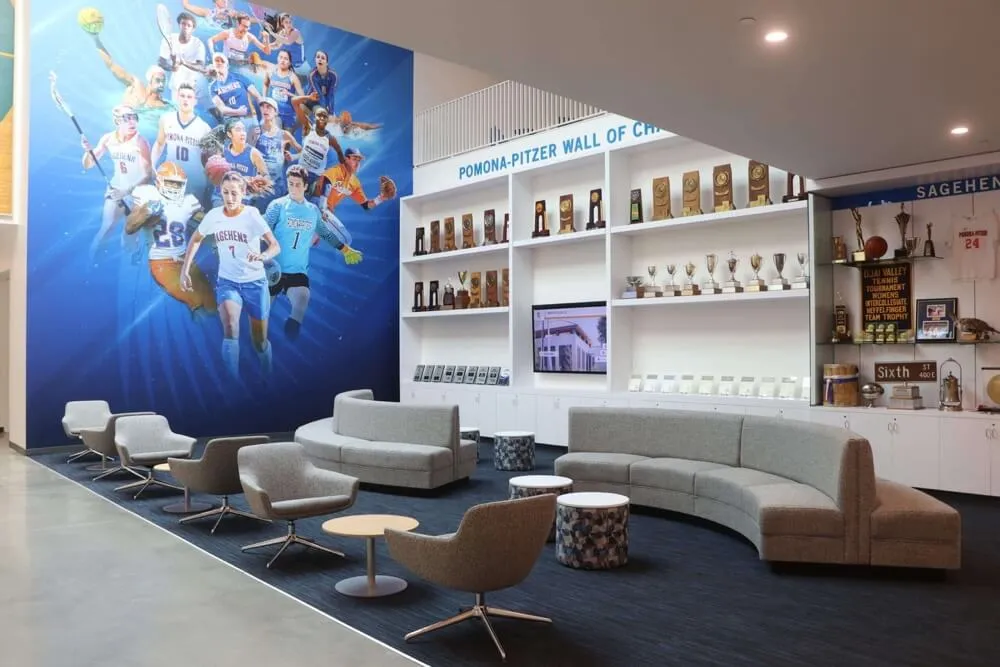
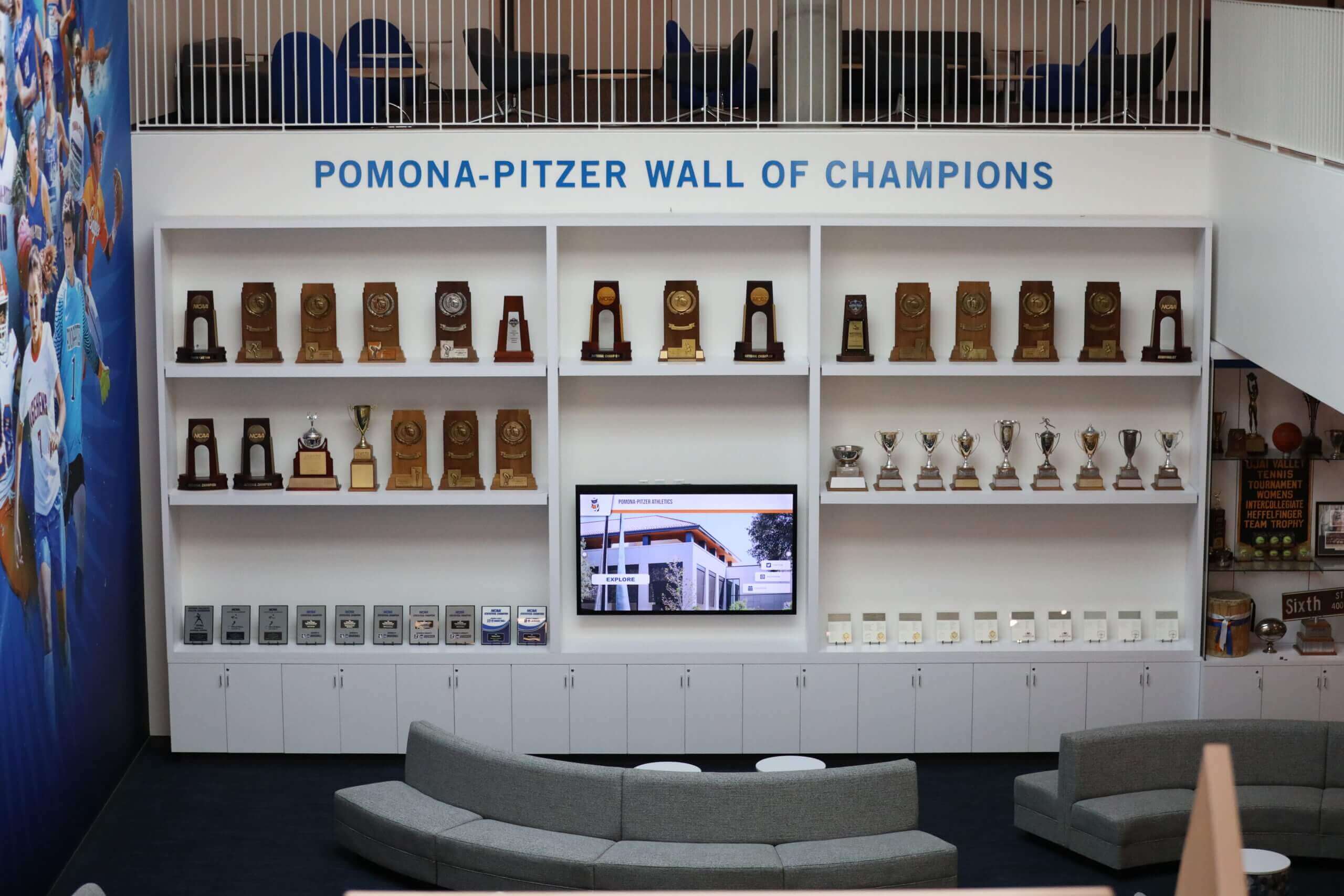
Traditional physical trophy cases face severe space constraints as programs accumulate award recipients across decades. Digital platforms provide unlimited capacity accommodating comprehensive program history without physical limitations. Every conference champion, team captain, and milestone achievement from program founding through present receives proper documentation rather than only recent years fitting available wall space.
Instant updates through cloud-based systems enable timely recognition. As players achieve milestones during seasons—reaching career win thresholds, earning all-conference honors, or setting records—coaches can immediately add recognition rather than waiting for physical plaque fabrication. This immediacy increases recognition impact while keeping displays perpetually current.
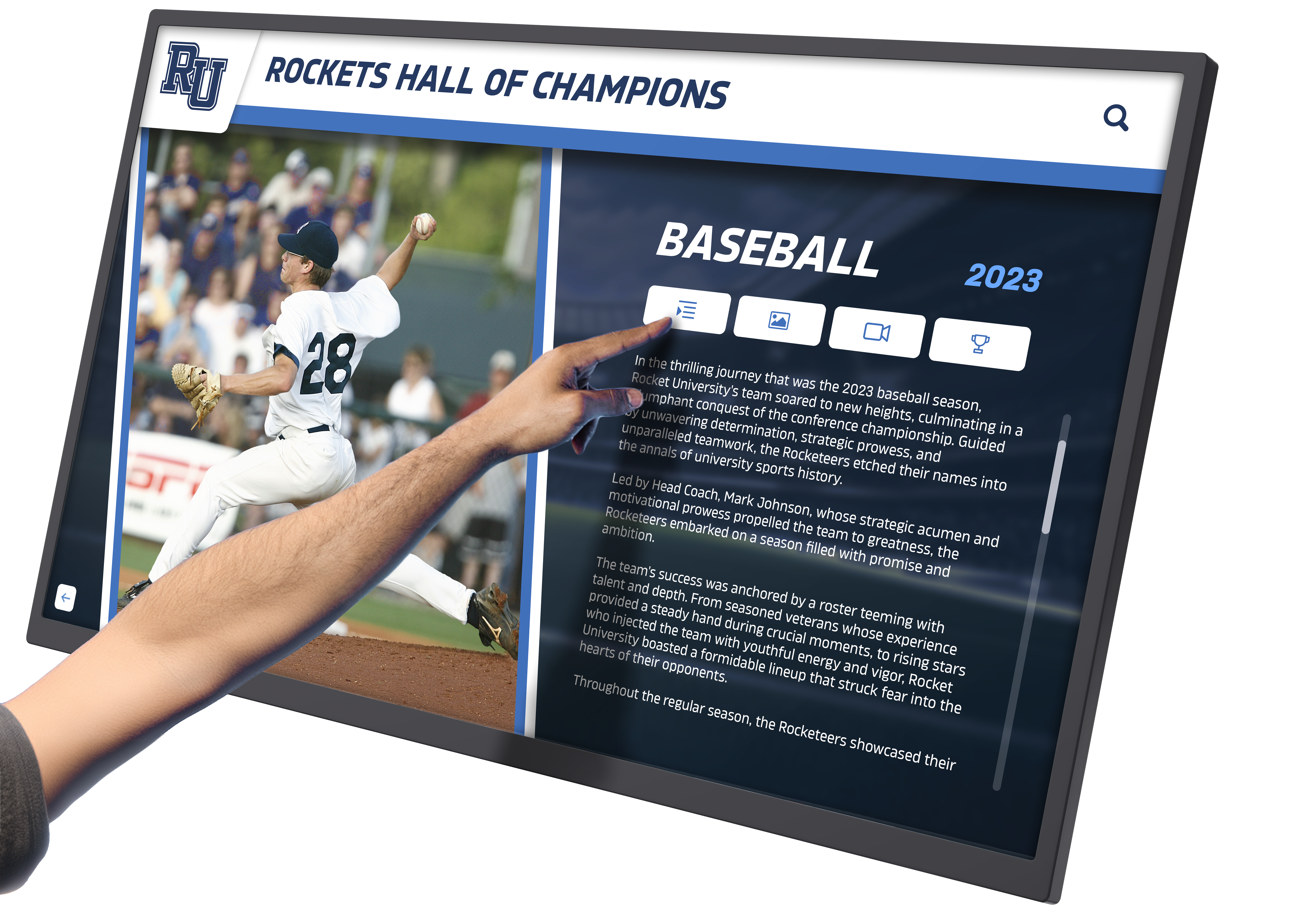
Rich multimedia content transforms static recognition into engaging storytelling. Beyond names and achievements, digital recognition platforms showcase player photos in action, match highlight videos, career statistics and progression, personal reflections about tennis experiences, and post-graduation updates about continued involvement or careers.
Remote accessibility extends recognition beyond physical locations. Web-based platforms enable alumni to explore program history from anywhere, prospective players to research program tradition during recruitment, families to share athlete profiles through social channels, and tennis communities to celebrate player achievements beyond those who can physically visit facilities.
Implementing Digital Recognition for Tennis Programs
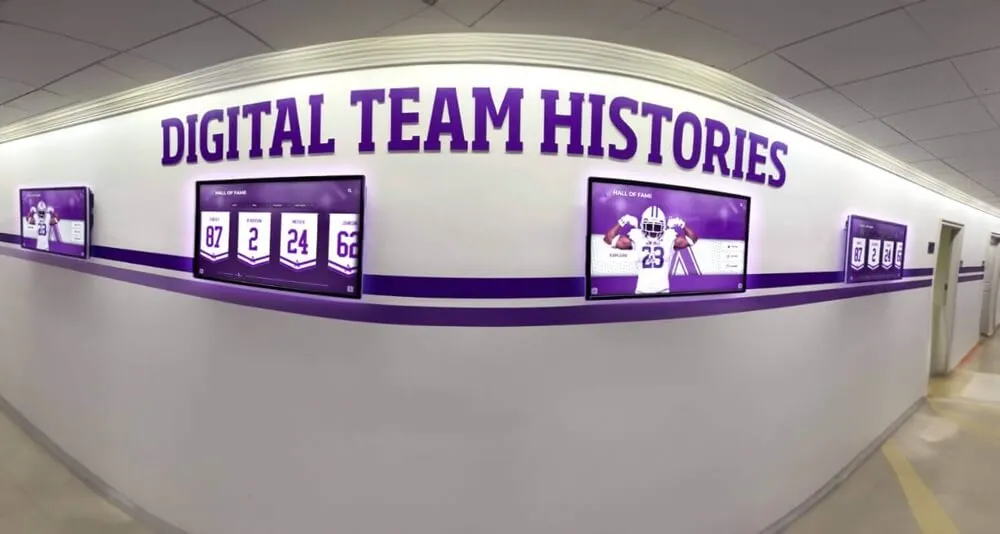
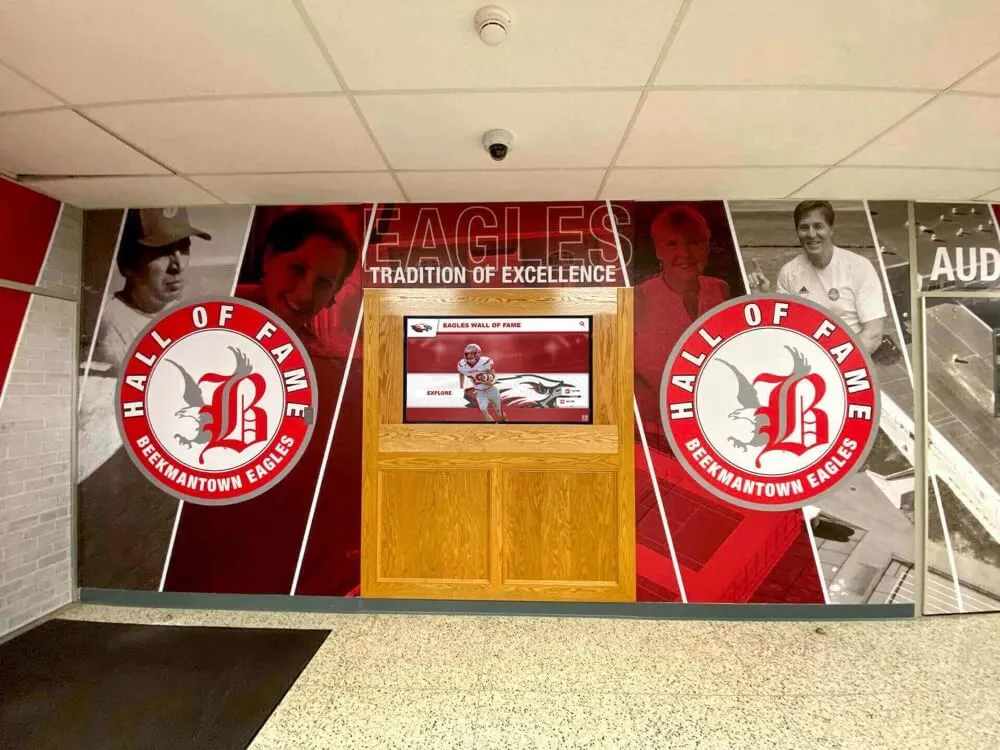
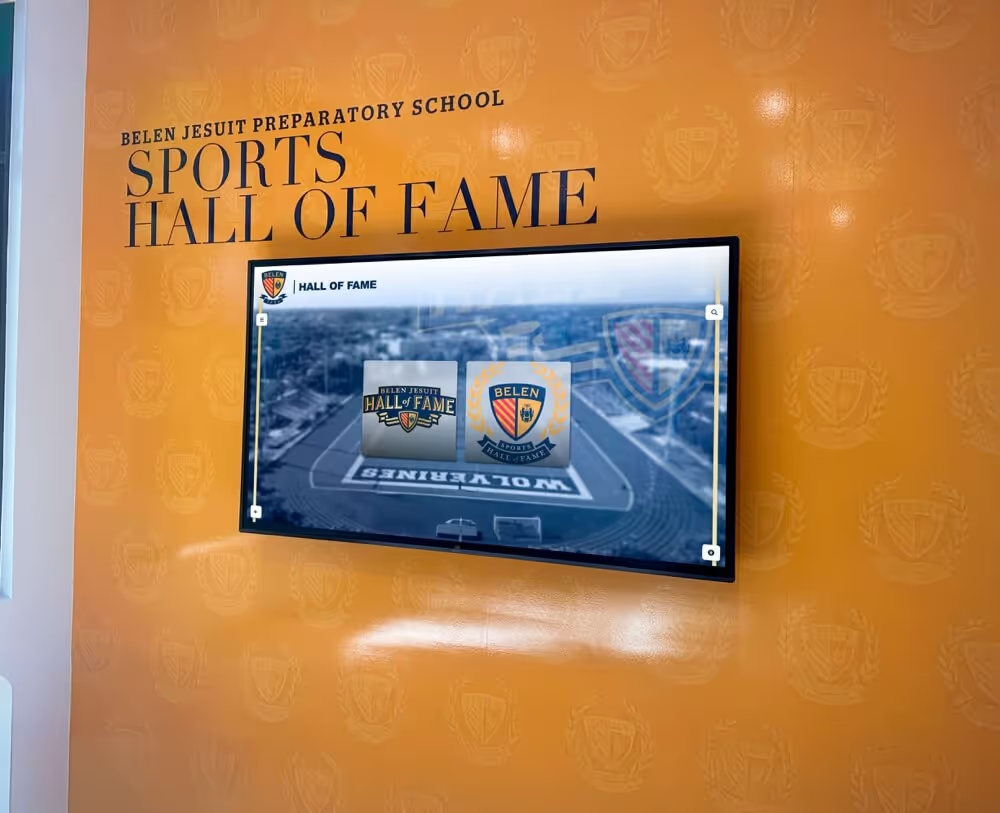
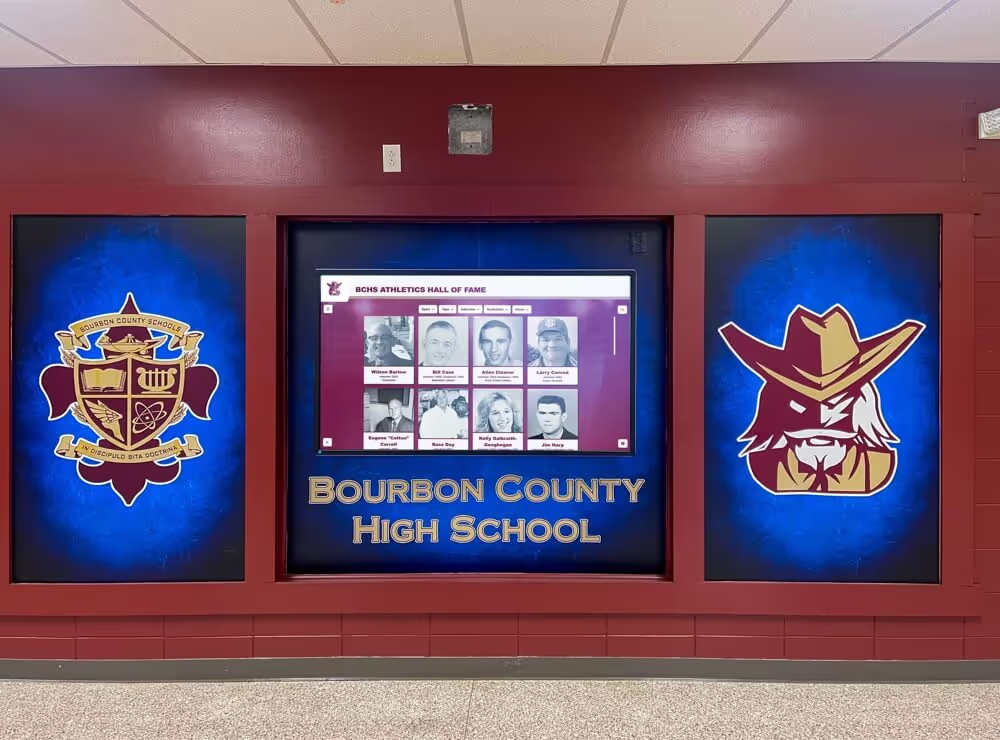
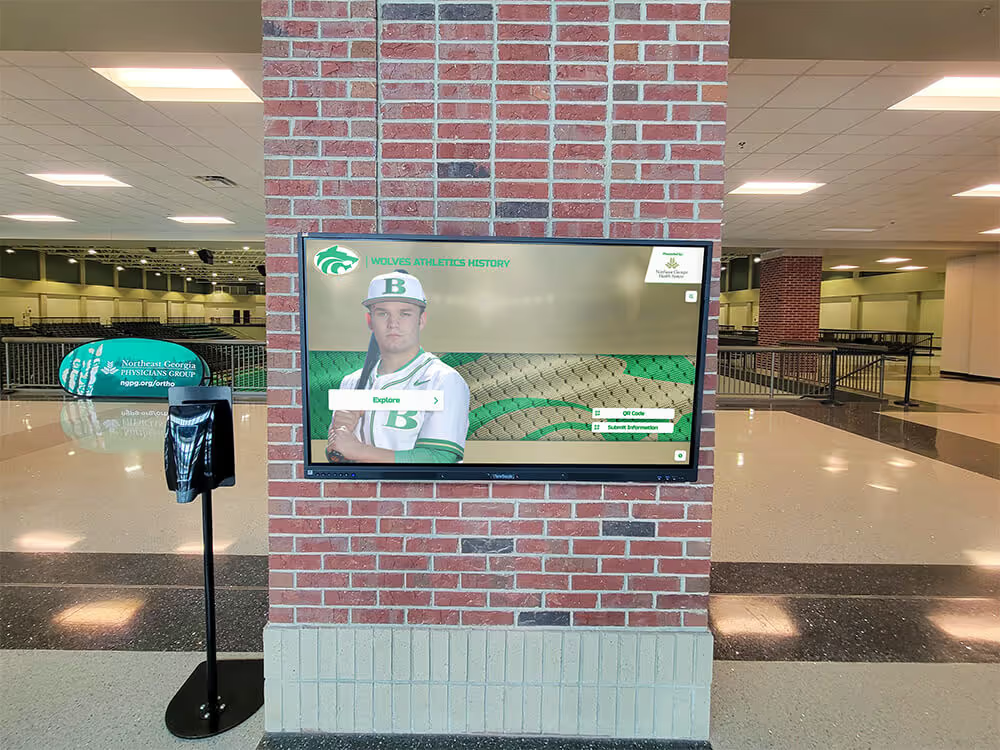
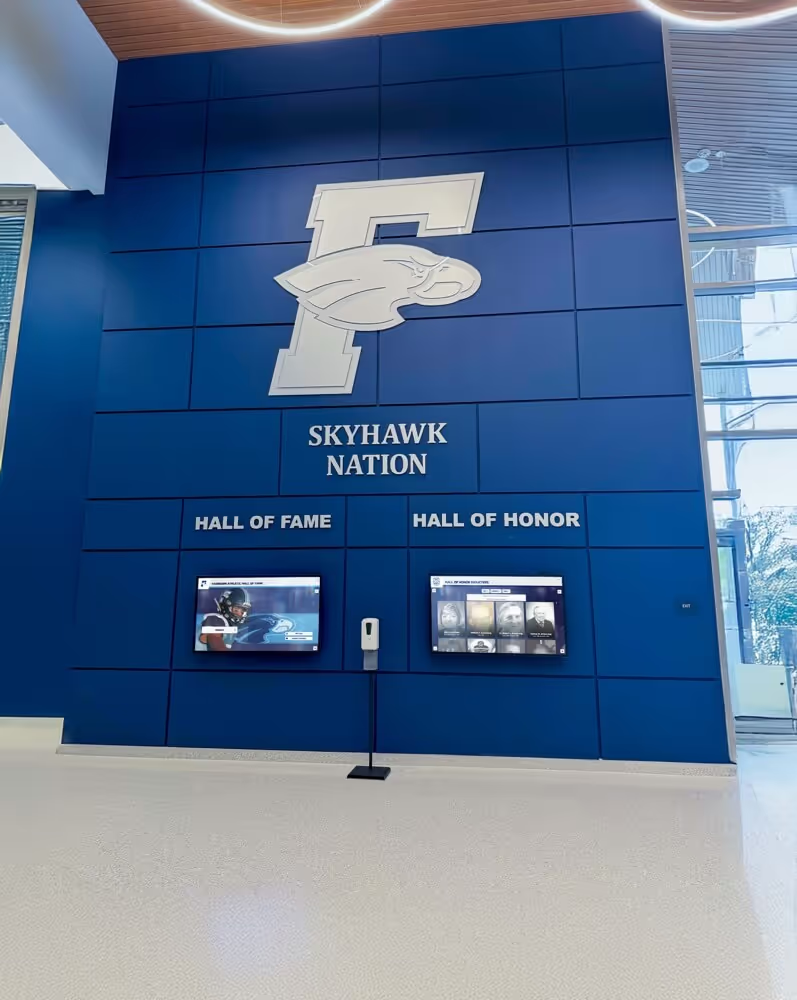
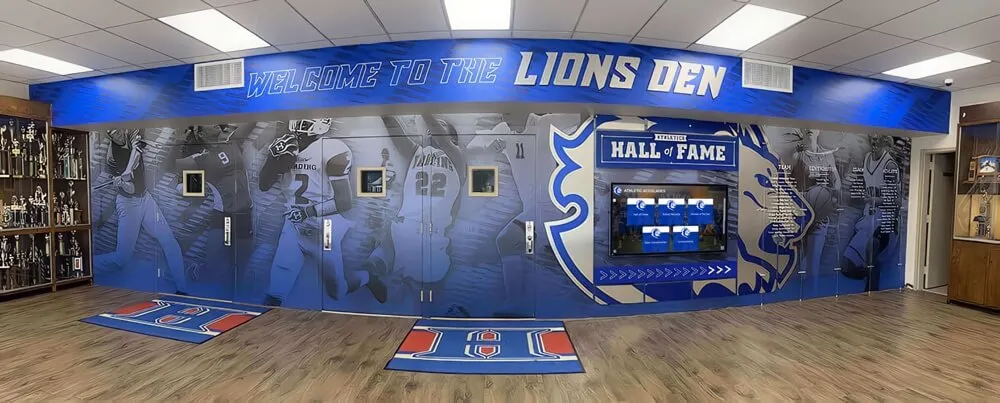
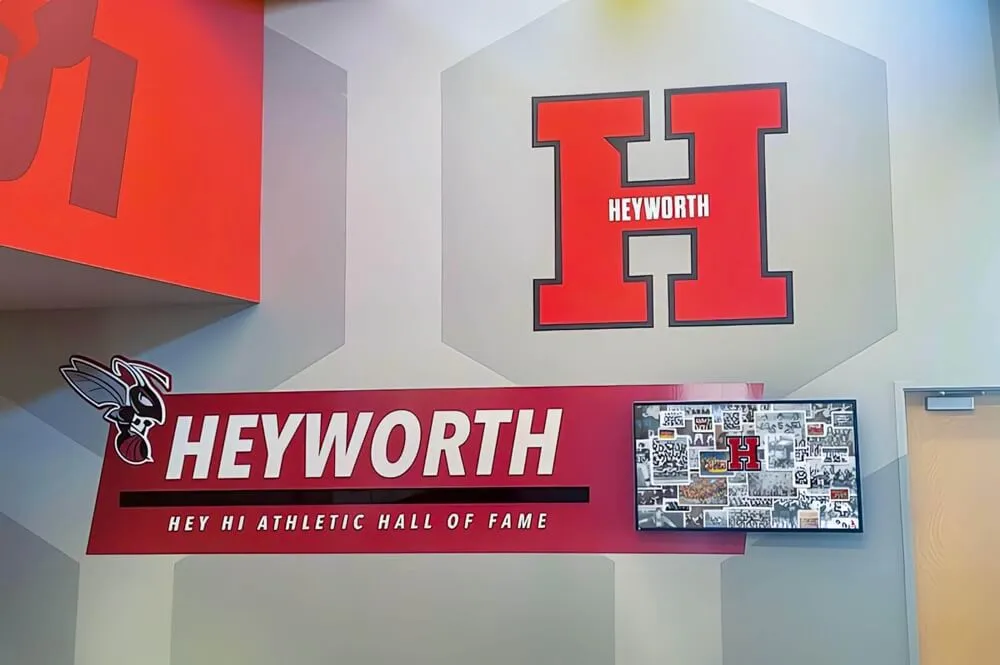
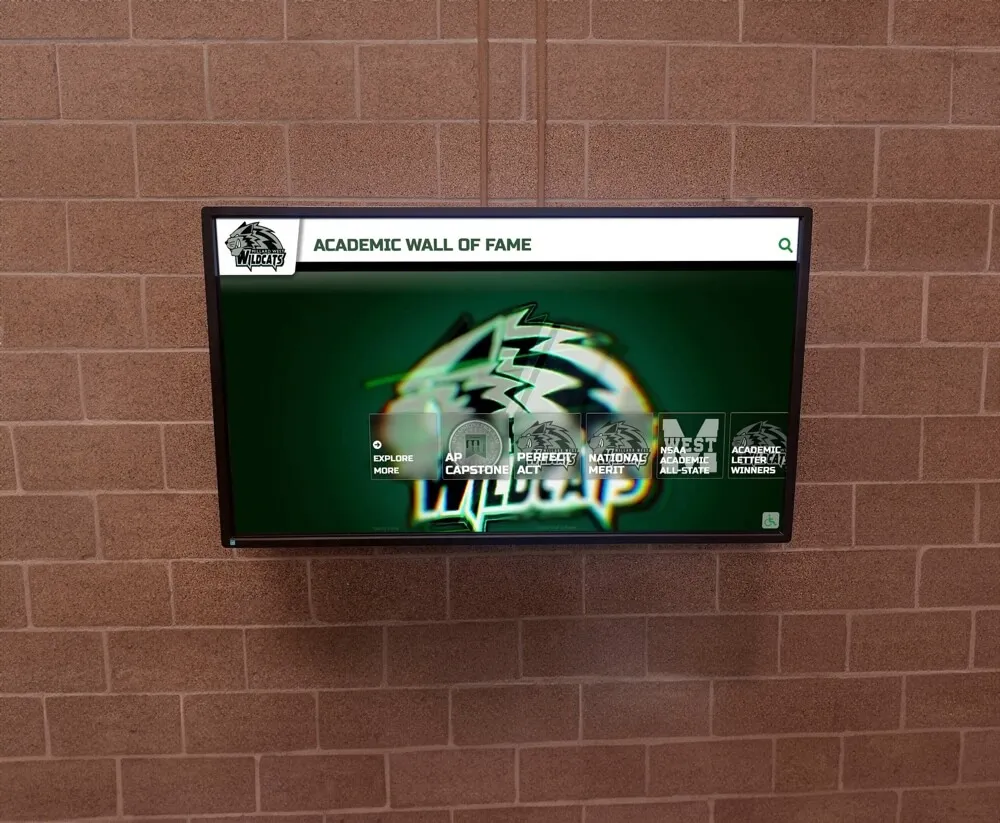
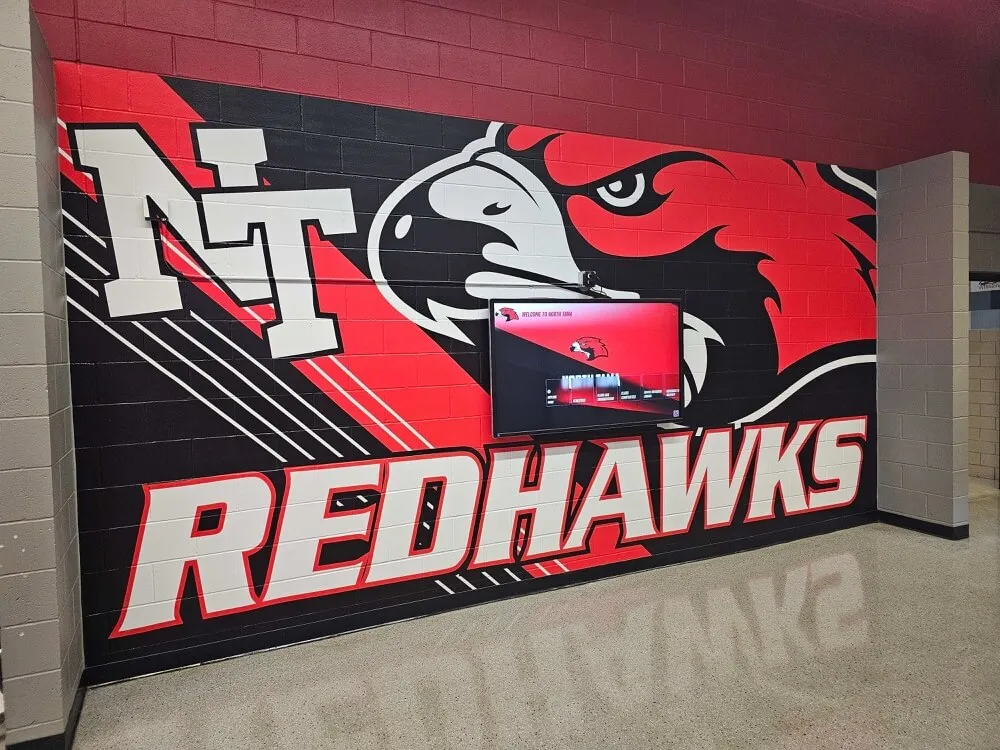
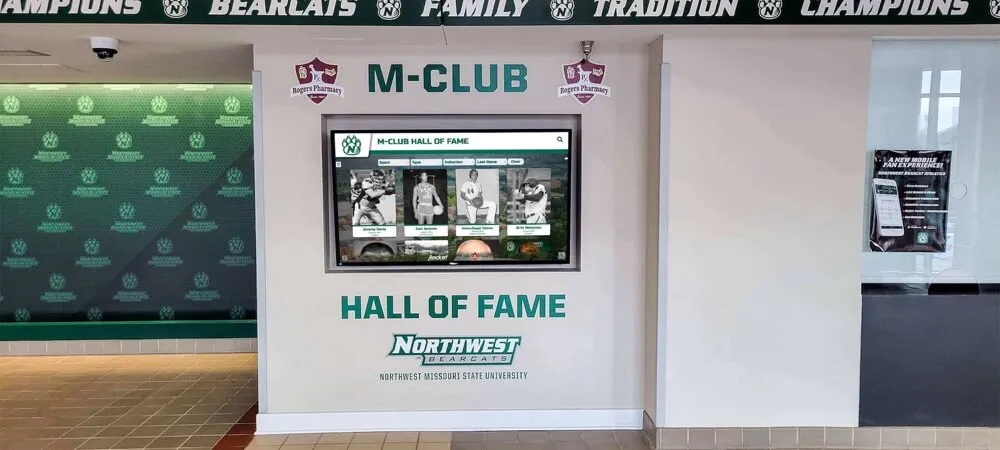
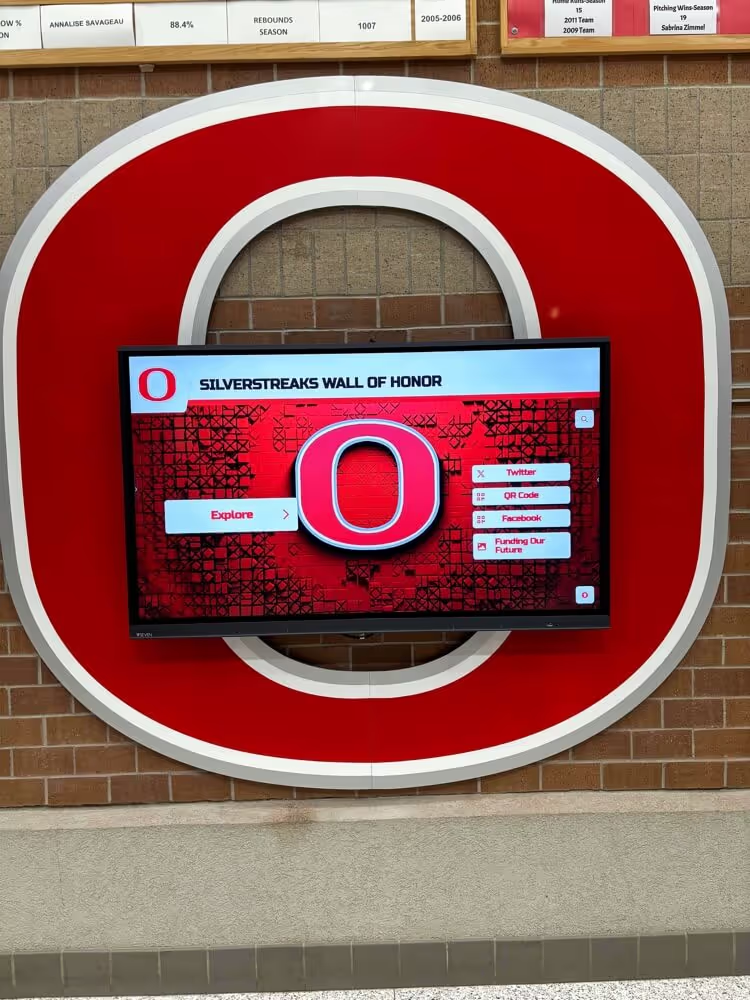
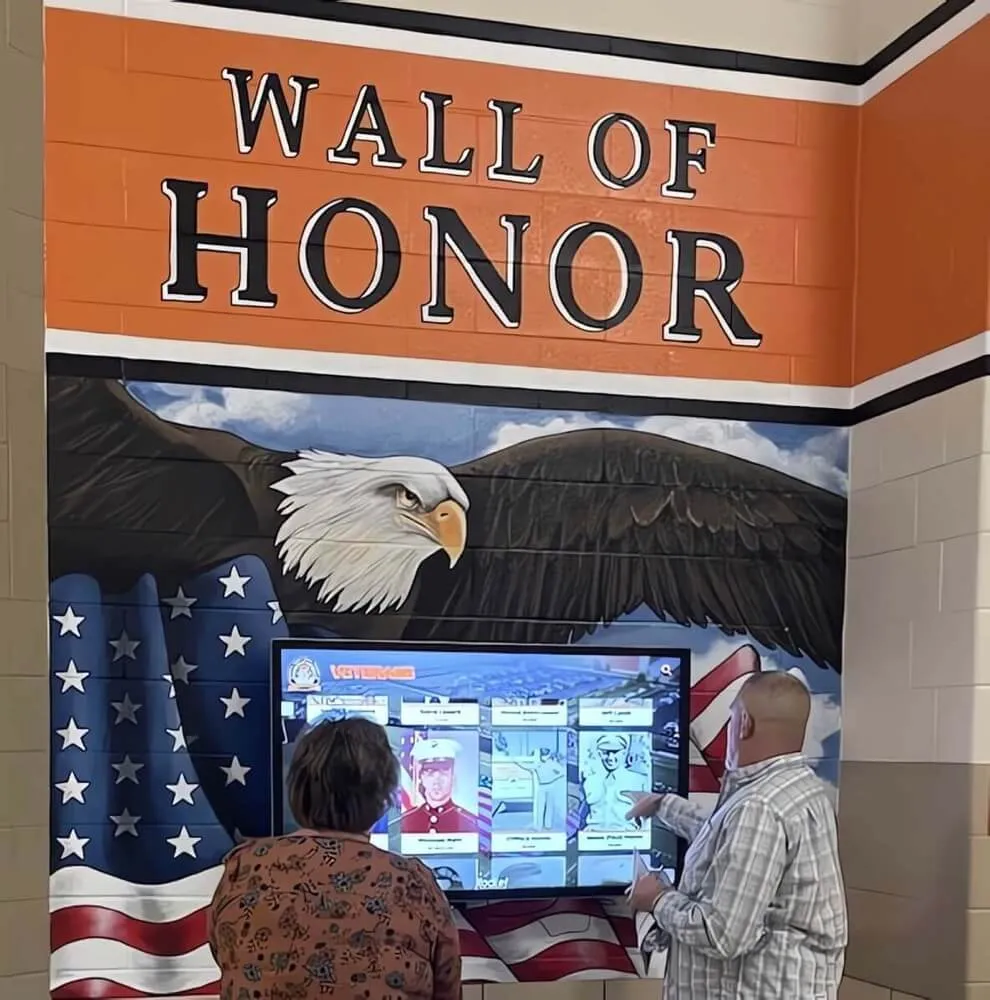
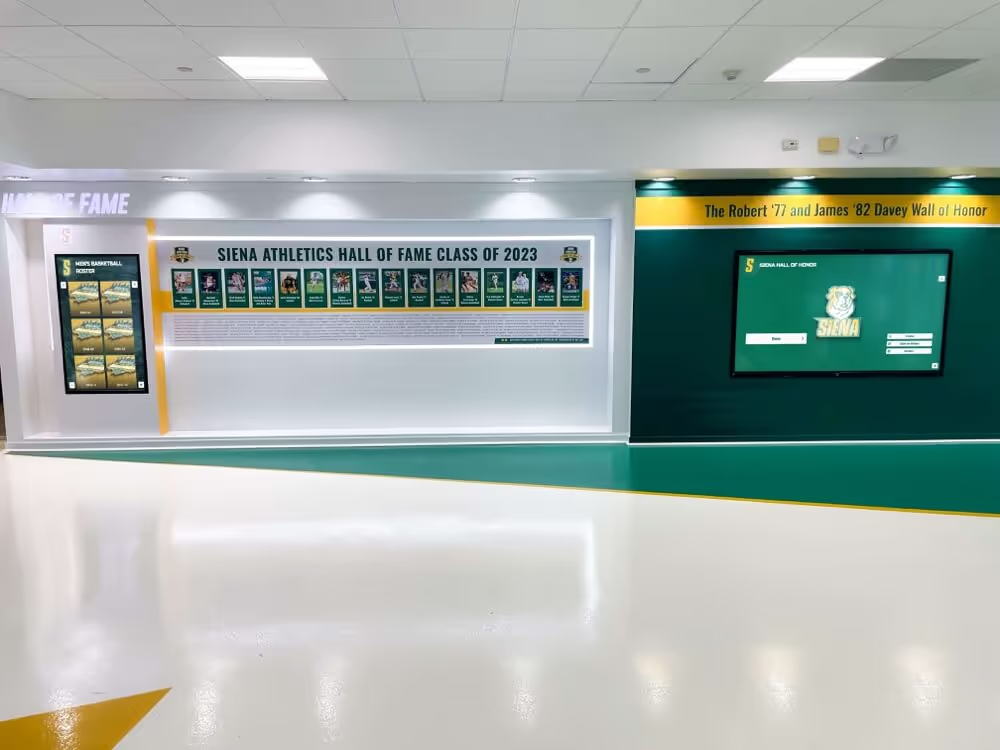
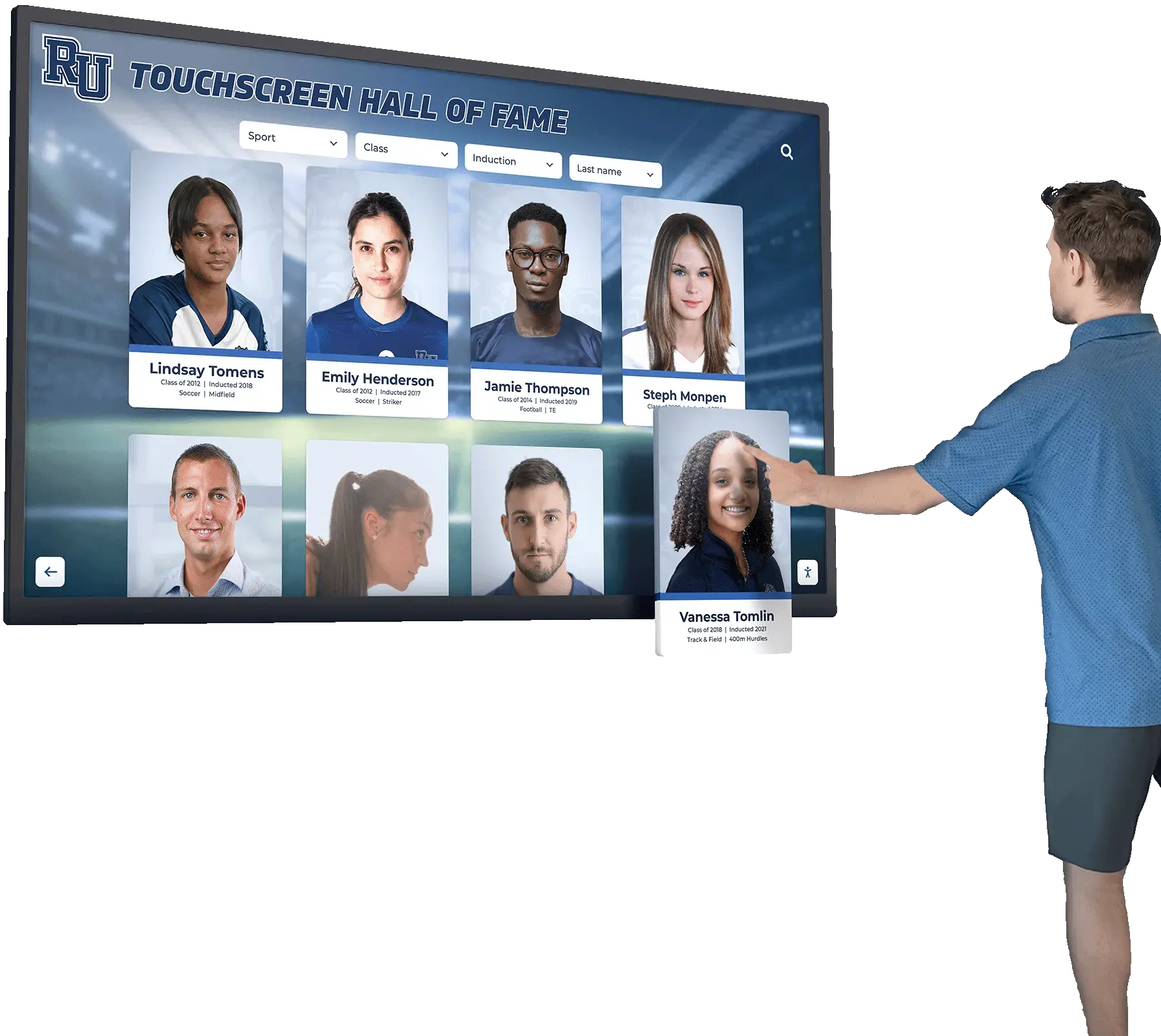
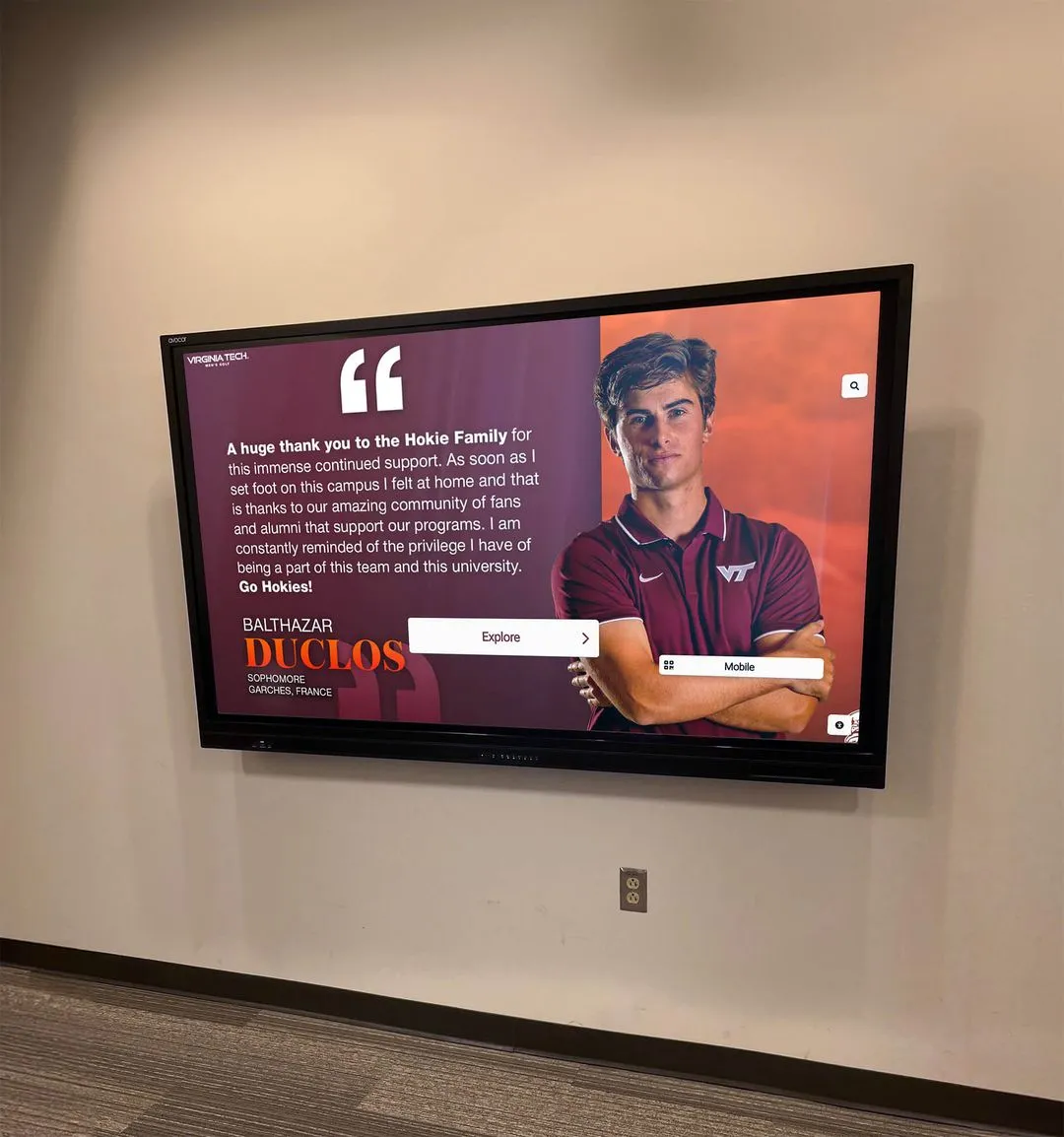
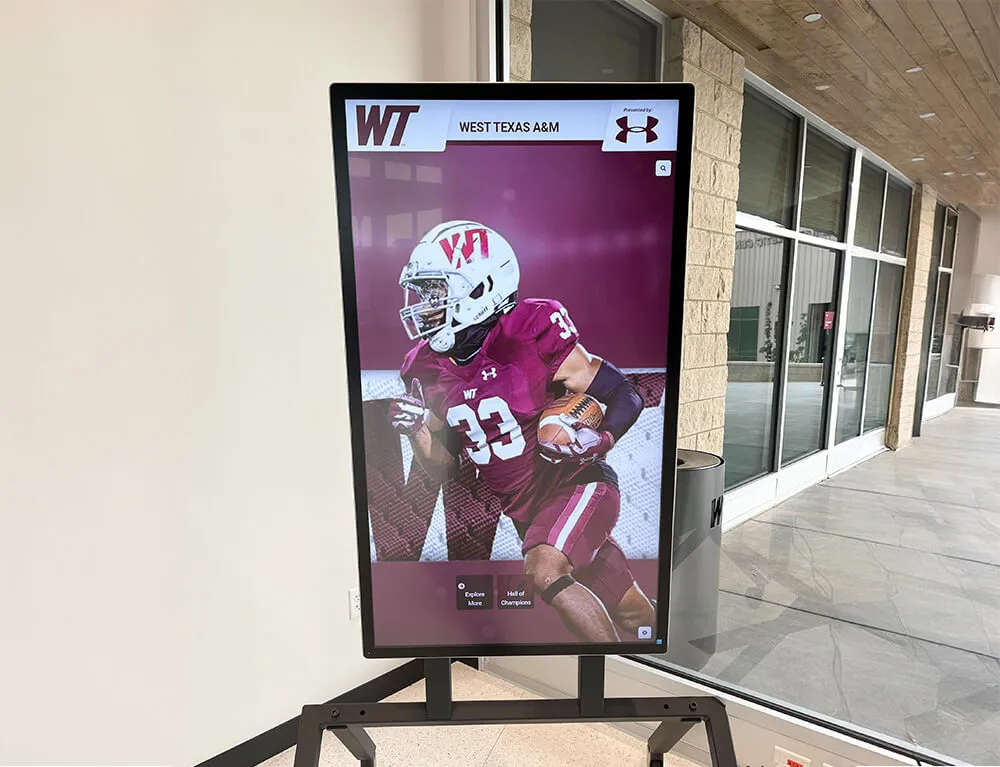
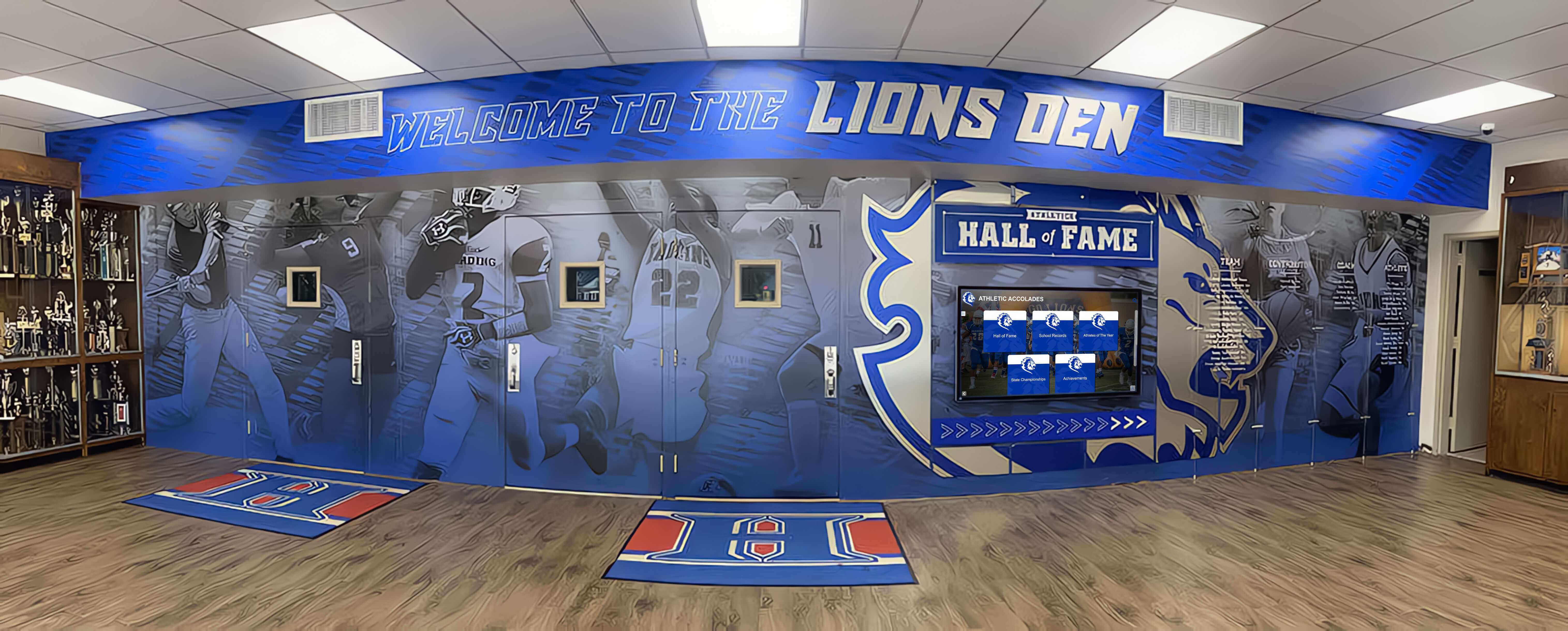
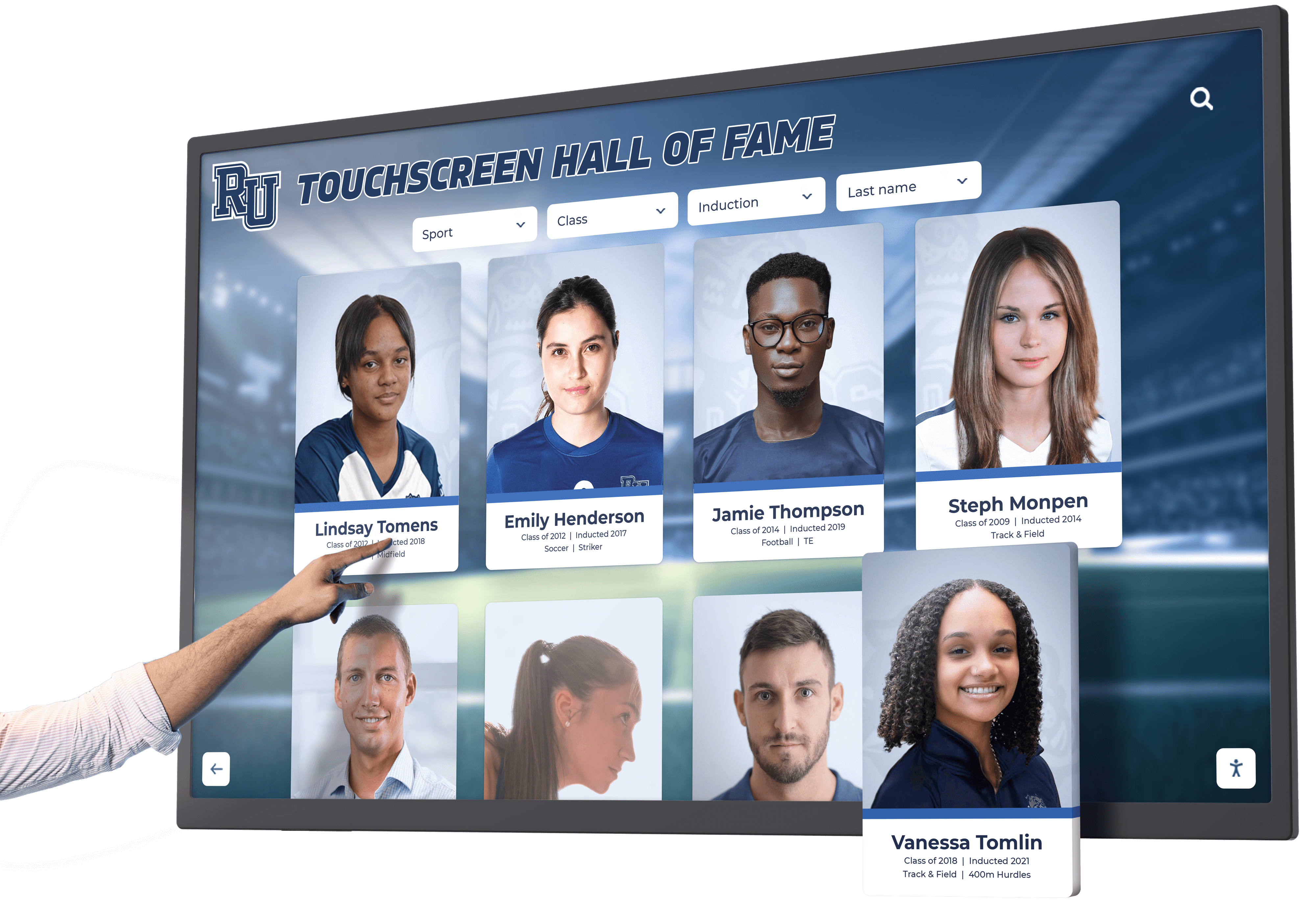
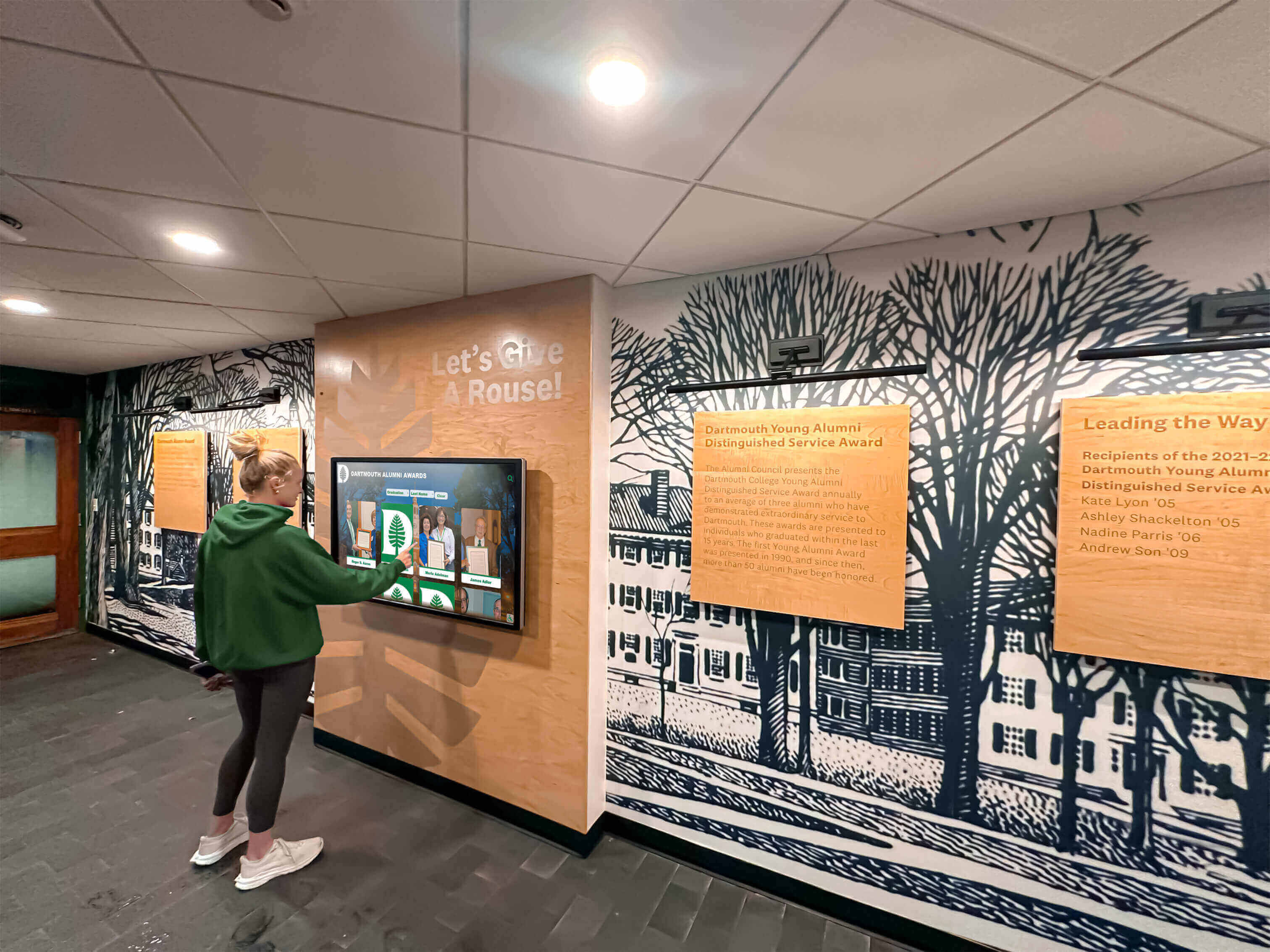
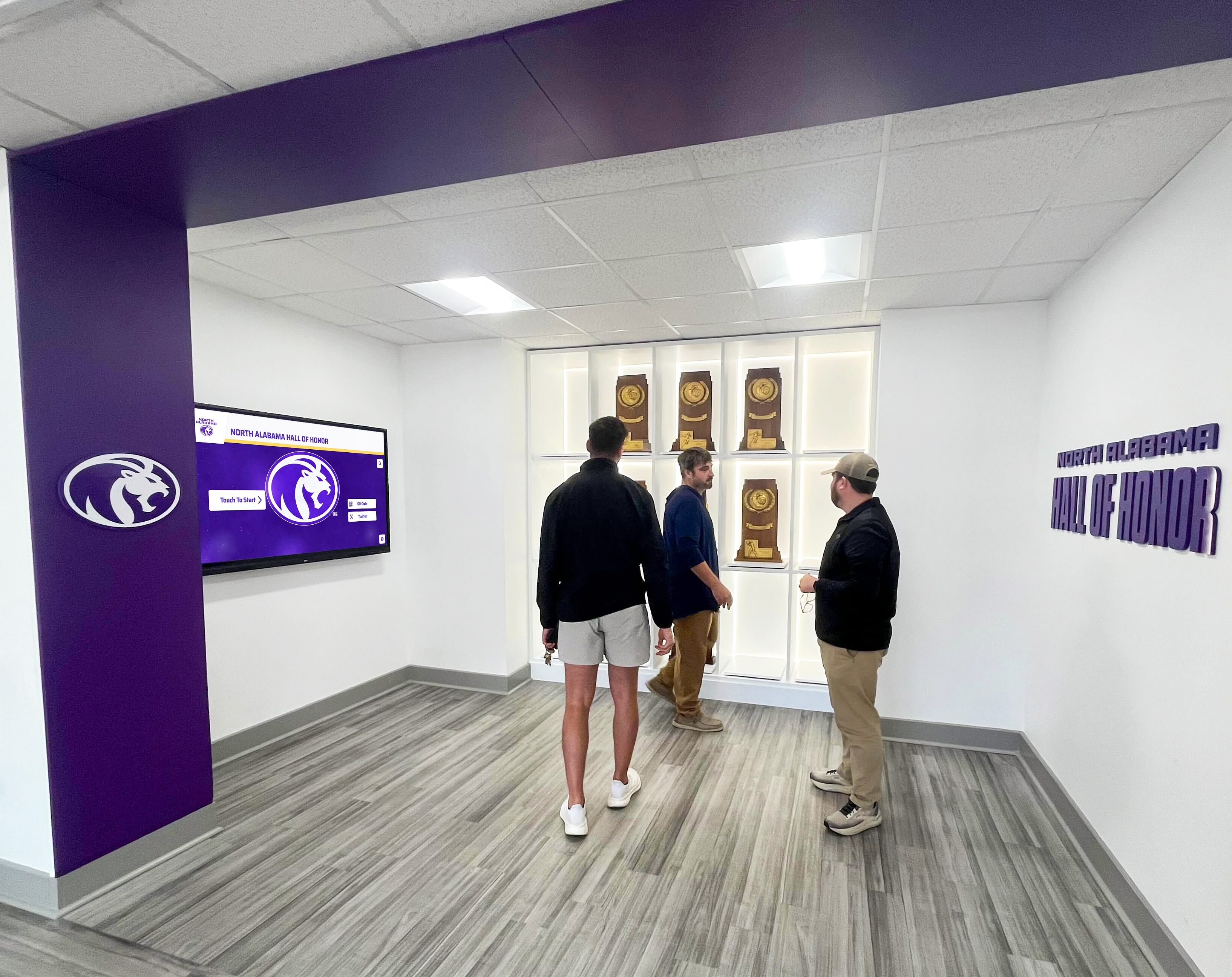
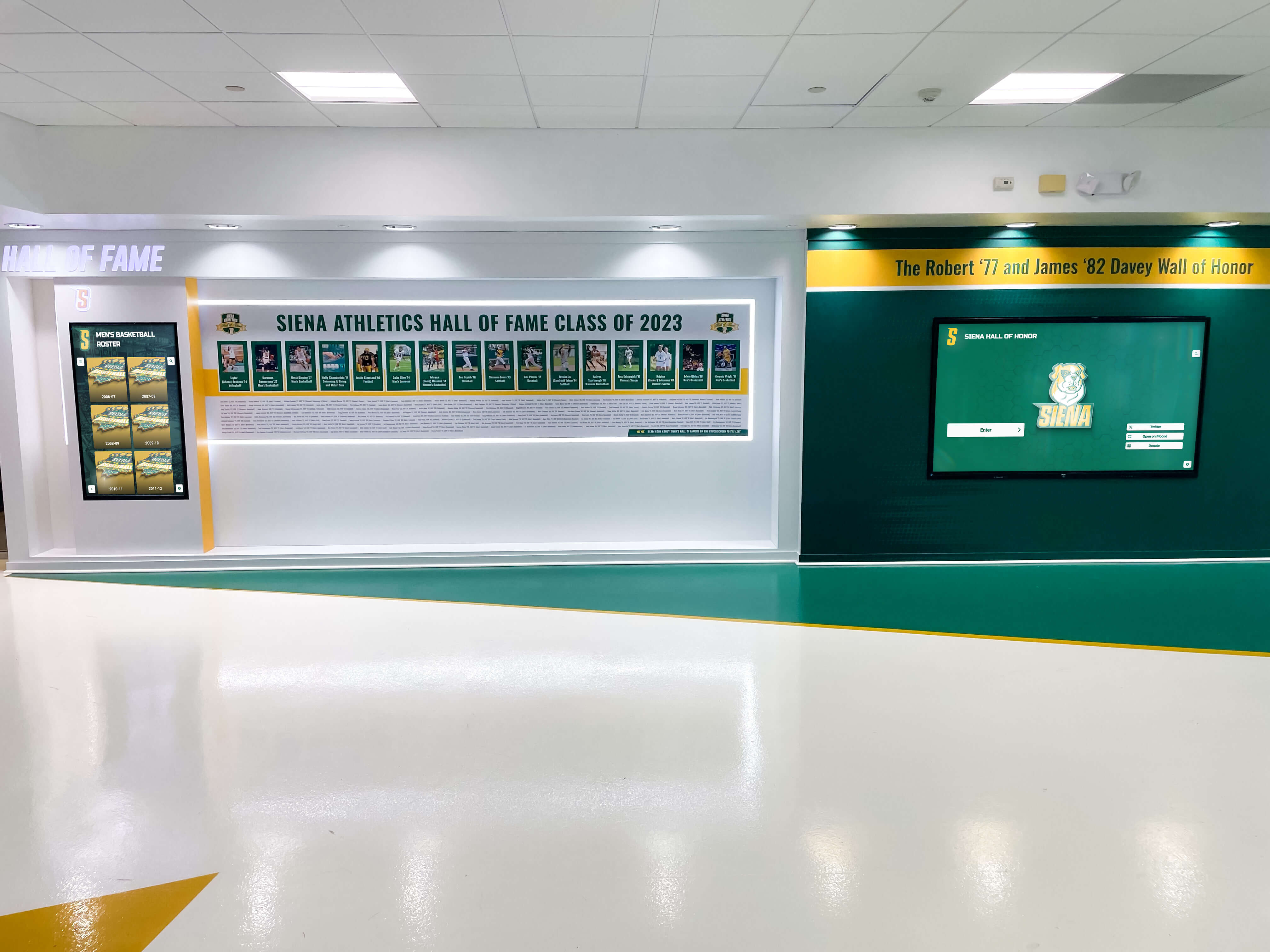
Tennis programs increasingly adopt digital recognition solutions complementing or replacing traditional trophy cases. Interactive touchscreen displays positioned in athletic facilities, school lobbies, or club common areas provide engaging platforms where players, families, and visitors explore tennis achievement history.
Effective tennis recognition content includes award recipients organized by year and category, player profiles with photos and statistics, season records and team accomplishments, doubles partnership recognition and records, historical achievement archives spanning program history, and coaching legacy documenting long-term program builders.
Strategic placement maximizes visibility and engagement. Position displays in locations where tennis players and families naturally gather—athletic facility entrances, near tennis courts, school lobbies, or club common areas. High-traffic locations ensure recognition receives ongoing attention rather than being relegated to rarely-visited spaces.
Integration with ceremonies preserves traditional celebration moments while extending recognition digitally. Present physical awards during ceremonies while simultaneously adding recipients to permanent digital recognition accessible year-round. This dual approach delivers immediate ceremonial impact plus lasting visibility.
Solutions like Rocket Alumni Solutions provide purpose-built platforms specifically designed for athletic recognition including tennis-specific features accommodating both individual achievement and team success, doubles partnership documentation, statistical tracking and historical comparison, and multimedia content integration that traditional trophy cases cannot match.
Digital recognition proves particularly valuable for tennis programs with extensive histories. Every conference champion, 100-win career achiever, and team captain from decades past receives comprehensive documentation rather than only recent years fitting limited trophy case space. This inclusive approach strengthens alumni connections across broader constituencies while preserving complete program heritage.
Award Ceremony Best Practices for Tennis Programs
Recognition value depends not just on awards themselves but how they’re presented. Effective ceremonies create memorable experiences honoring athletes appropriately while celebrating collective program accomplishments.
Planning Successful Tennis Recognition Events
Schedule Strategically by timing events soon after season conclusions while accomplishments remain fresh. Avoid delays diminishing recognition immediacy and emotional impact. Consider timing in relation to academic calendars—avoiding finals periods or holiday breaks when attendance suffers.
Choose Appropriate Venues accommodating all players, families, and supporters who wish to attend. Club programs might use facility meeting rooms or partner restaurants. School teams might use school cafeterias, gymnasiums, or community centers. Ensure accessibility for individuals with physical limitations.
Set Realistic Duration keeping events engaging without excessive length. Aim for 60-90 minutes for most tennis programs—sufficient time honoring everyone meaningfully while maintaining attention. Tennis banquets typically include meal service, season review, individual awards, and coach remarks.
Create Professional Atmosphere through thoughtful details including decorations reflecting team colors, organized seating arrangements, prepared coach remarks about recipients, and respectful presentation tone. Even modest-budget events benefit from intentional planning creating appropriate celebratory atmosphere.
Prepare Personalized Presentations with specific remarks about each award recipient rather than generic comments. Personal recognition feels genuine and meaningful. Share specific match memories, achievement context, or character qualities exemplifying awards. Practice pronunciation of names and achievement details ensuring smooth delivery.
Presentation Order and Flow
Structure ceremonies to maintain energy and distribute recognition throughout rather than clustering all awards at the end. Effective flow might begin with collective season accomplishments—team record, conference standing, tournament results, and achievements affecting everyone. Progress to broad recognition including varsity letter awards, senior recognition, or participation acknowledgment ensuring all players experience their moment early.
Present specific awards from general to exceptional—development awards, commitment recognition, and position-specific honors before advancing to highest achievements like MVP, singles/doubles championships, and conference honors. Build toward major awards creating natural ceremony climax.
Include context making recognition meaningful rather than simply reading names. Share brief stories providing achievement perspective—specific match situations, obstacles overcome, or qualities exemplifying awards. Context helps audiences appreciate significance beyond bare achievement statements.
Maintain appropriate pace balancing thorough recognition with engagement. Avoid either rushing through athletes perfunctorily or dragging presentations excessively. Each award recipient deserves their moment, but extended delays risk losing audience attention.
End with forward-looking messages celebrating the season while expressing optimism about future opportunities. Reinforce that each season ending marks new beginnings for returning players and departing athletes entering next life chapters enriched by tennis experiences.
Involving Players in Recognition
Peer Input for Character Awards adds authenticity to subjective recognition. Teammates observe sportsmanship, work ethic, and character qualities daily through practices and matches. Anonymous peer voting or nominations for awards like team spirit, sportsmanship, or best teammate often surface perspectives coaches might miss while adding credibility through peer selection.
Player Speeches or Reflections from senior leaders, award recipients, or team captains provide voices beyond coaches. Brief player remarks about season memories, lessons learned, or teammate appreciation add personal dimension to ceremonies. Keep speeches optional and brief maintaining ceremony flow.
Team Awards or Superlatives selected entirely by players add fun while including athlete voices. Teams might vote on categories like “most likely to play professionally,” “best tennis tan,” or “most improved backhand.” Peer-selected fun awards ensure all players receive acknowledgment while adding entertainment value.
Common Mistakes to Avoid in Tennis Recognition
Understanding frequent pitfalls helps programs implement recognition systems that genuinely benefit players and strengthen program culture rather than creating problems.
Over-Emphasizing Top Players Only
Tennis naturally celebrates top ladder positions, but recognition systems focusing exclusively on number one or two singles players alienate the majority of team members. Problems emerge when only top three players receive substantive awards, lower ladder positions receive only perfunctory acknowledgment, doubles play receives minimal recognition compared to singles, and development achievements go unacknowledged if competitive results are modest.
Solutions include creating diverse recognition categories acknowledging different contribution types, establishing position-appropriate performance standards rather than absolute measures, recognizing doubles excellence equally with singles achievement, and implementing improvement awards celebrating development at all skill levels.
Inconsistent or Unclear Selection Criteria
Perceived favoritism destroys program trust and player motivation. Common problems include subjective awards consistently going to coaches’ favorite players, criteria shifting year-to-year based on who coaches want to recognize, overlooking contributions from players coaches personally dislike, and failure to communicate what awards recognize or how recipients are selected.
Prevention requires establishing objective criteria before seasons begin, documenting reasoning behind selections, involving multiple perspectives in subjective award decisions, applying criteria consistently regardless of personal relationships, and communicating selection processes transparently to players and families.
Neglecting Developmental Players
Programs sometimes focus recognition predominantly on competitive achievement, leaving recreational players or those primarily focused on improvement feeling invisible. Statistical awards dominating ceremonies with minimal character recognition, novice players receiving no acknowledgment beyond generic participation recognition, and recognition structures where the same few players win everything create disengagement and reduced retention.
Solutions include designing diverse recognition categories acknowledging different contribution types, ensuring awards exist that developing players can genuinely earn, celebrating improvement and dedication alongside competitive success, and using tiered recognition systems acknowledging universal participation, solid contribution, and exceptional achievement.
Poor Ceremony Execution
Even well-designed awards lose impact through poor presentation including disorganized ceremonies with unclear flow, generic impersonal remarks about recipients, rushing through recognition perfunctorily, excessive length causing audience disengagement, and presentation tone feeling obligatory rather than celebratory.
Improvement strategies include planning ceremonies carefully with defined structure, preparing personalized remarks about each recipient, practicing name pronunciation and achievement details, maintaining appropriate pace between thoroughness and efficiency, and creating genuine celebratory atmosphere demonstrating authentic appreciation.
Conclusion: Creating Tennis Recognition That Motivates and Inspires
Tennis awards serve purposes extending beyond distributing trophies and certificates at season’s end. Thoughtfully designed recognition systems communicate what programs value, motivate continued participation across all skill levels, celebrate diverse contributions and achievement types, create lasting memories players carry throughout lives, and strengthen program culture and shared identity.
Effective tennis recognition balances acknowledging competitive excellence at appropriate levels, celebrating individual achievement while honoring team contributions, recognizing improvement and development alongside absolute performance, honoring sportsmanship and character central to tennis culture, and ensuring all participants feel their dedication received genuine appreciation.
Implementation success depends on establishing clear selection criteria applied consistently, creating diverse recognition categories serving varied contributors, presenting awards thoughtfully with personalized recognition, extending recognition beyond ceremonies through documentation and displays, and evaluating programs continuously gathering feedback and making improvements.
Modern technology transforms recognition possibilities through digital athletic displays providing unlimited capacity for comprehensive program history, instant updates keeping recognition perpetually current, rich multimedia content engaging audiences beyond static plaques, and remote accessibility extending recognition beyond physical locations. These capabilities enable comprehensive athletic recognition previously available only to well-funded programs.
Tennis participation provides lifelong benefits extending far beyond competitive results—physical fitness, mental discipline, social connections, and lessons about perseverance and sportsmanship that shape character development. Recognition celebrating players’ dedication communicates that their efforts matter and their contributions deserve celebration regardless of whether they become champions or simply enjoy the game.
Programs investing thought and energy into designing meaningful tennis recognition systems give players gifts they’ll carry throughout lives—memories of being genuinely valued for their unique contributions to something larger than themselves. Whether you lead a competitive high school team, manage a recreational club program, or oversee junior development, your recognition systems significantly impact player experience and program culture.
Ready to elevate your tennis program’s recognition approach? Rocket Alumni Solutions provides specialized platforms designed specifically for athletic recognition including tennis programs, offering intuitive content management requiring no technical expertise, engaging interactive displays creating memorable visitor experiences, unlimited recognition capacity eliminating space constraints, and proven approaches helping programs build recognition culture their athletes deserve. Your tennis players invest countless hours developing skills and competing—comprehensive recognition ensures those achievements receive celebration and lasting visibility that strengthens program culture for current players and future generations.