Every season, athletic directors and coaches face the same challenge: how do you recognize the player who never missed a practice, rallied teammates through a losing streak, and brought energy to every warm-up—but whose name never appeared in the box score? The team spirit award exists precisely for that athlete. It honors qualities that don’t show up in statistics yet determine whether a program wins in the deepest sense.
The team spirit award is one of the most meaningful honors an athletic program can bestow—and one of the most mismanaged. When criteria are vague, it drifts into a popularity contest. When recipients are announced and forgotten, the recognition loses its motivating power. This guide is built for athletic directors, head coaches, and activities coordinators who want to design and display a spirit award with enough structure to be credible and enough visibility to inspire.
What Is a Team Spirit Award?
A team spirit award recognizes a student athlete whose attitude, energy, and commitment to teammates consistently elevate the program beyond what individual statistics can capture. Unlike MVP awards that reward performance, or captain awards that recognize leadership elected by the roster, the spirit award targets a specific cluster of behaviors: enthusiasm during adversity, selfless encouragement of peers, consistent effort in low-visibility moments, and embodiment of the program’s stated values.
How It Differs from a Popularity Award
The distinction matters institutionally. A popularity award goes to whoever is best liked. A spirit award goes to whoever most consistently demonstrated defined behaviors—whether that athlete was the starting center or the last player off the bench. Popularity awards tend to recycle among the same social clusters. Spirit awards, when criteria-driven, surface athletes who might never win another end-of-season honor.
Programs that blur this distinction often find their spirit award devalued within a season or two. Athletes stop seeing it as meaningful recognition and start treating it as the “nice person” ribbon. Establishing clear, observable criteria from the outset is the single most important step in protecting the award’s credibility.
Where the Team Spirit Award Fits in a Broader Recognition Structure
Academic recognition programs tend to have transparent rubrics—GPA thresholds, honor roll tiers, citizenship scores. Athletic programs benefit from applying the same discipline to non-statistical awards. Think of your recognition structure as a grid: performance awards on one axis, character and contribution awards on the other. The team spirit award occupies the high-character, high-contribution cell for a player whose performance may or may not be exceptional.
Placing the spirit award within that broader grid also helps coaches explain to athletes and families why it matters. It is not a consolation prize for players who did not win statistical honors. It is a recognition category with its own criteria and its own prestige.

Why the Team Spirit Award Matters for Athletic Programs
Recognition research consistently finds that athletes who feel seen for contributions beyond points, assists, or wins are more likely to return the following season and more likely to maintain effort through losing stretches. The team spirit award operationalizes that finding at the individual level.
Culture Building
Programs with high retention rates and strong alumni identity tend to celebrate a wider range of contributions. When a program only recognizes statistical leaders, it implicitly communicates that contribution is measured in numbers. Athletes who give significant effort but do not produce elite statistics receive the message that their effort does not count. The spirit award sends the opposite signal: effort, attitude, and team-first behavior are valued here.
This matters especially in sports where starting lineup spots are competitive. A player who accepts a reserve role gracefully, prepares the starters through scout team work, and keeps the bench energy high is doing something genuinely hard. Naming that behavior explicitly through a formal award reinforces the culture coaches say they want.
Recruiting and Retention Signals
When prospective athletes and their families tour a facility and see past spirit award recipients displayed alongside statistical leaders, they receive a message about what the program values. Team recognition examples from programs across school sports consistently show that visible recognition of character-based awards strengthens program identity and aids recruiting conversations. A display that names only scoring leaders and all-conference selections tells one story about what the program is; a display that also names spirit award recipients tells a richer one.
Cross-Season Continuity
One underappreciated function of the team spirit award is its role in connecting generations of athletes within a program. When the current roster can see who won the award five, ten, or fifteen seasons ago, the award becomes part of program lore. Returning athletes see whether their own name might one day appear alongside those of teammates and predecessors they admire. That continuity requires a display strategy, which is covered in detail below.
Building a Defensible Selection Rubric
The most common failure mode for team spirit awards is relying on a vote or a coach’s gut feeling without documentation. Both approaches invite perception of favoritism. A rubric—even a simple one—protects coaches, creates consistent standards across seasons, and gives athletes clarity about what the award actually recognizes.
Core Behavior Categories
Effective rubrics group observable behaviors into three to five categories. The following structure works across most team sports:
Effort and Preparation: Does the athlete arrive early, stay late, and complete optional work without being prompted? Are practice habits consistent regardless of whether games are upcoming or recent results have been disappointing?
Teammate Support: Does the athlete actively encourage peers during competition and in practice? Does the player celebrate teammates’ successes without reservation, including when playing time is unequal?
Response to Adversity: How does the athlete respond after a personal error, a team loss, or a reduced role? Does the reaction model the behavior coaches want others to emulate?
Coachability and Communication: Does the athlete seek and accept feedback constructively? Does the player communicate transparently with coaches and teammates about needs and observations?
Program Representation: Does the athlete’s conduct in school, on travel, and at public events reflect positively on the program’s stated values?
Scoring the Rubric
A simple five-point scale for each category (1 = rarely demonstrates, 3 = sometimes demonstrates, 5 = consistently demonstrates) creates a manageable scoring framework. Coaches assess each candidate independently, then average scores before discussing outliers. This prevents the most vocal voice in the coaching room from dominating the selection.
Some programs add a threshold requirement: a candidate must score at least a 3 in every category to be eligible for consideration, preventing a player who excels in one area while struggling in another from winning. This structure is similar to how student government leadership recognition programs apply consistent criteria rather than relying on election popularity alone.
Who Participates in Selection
Coaches should be primary evaluators, but programs that include team captains in an advisory capacity often produce more durable selections. Captains have visibility into behaviors coaches don’t observe—locker room dynamics, how a player acts on the bus, what happens in the training room. Their input should be advisory rather than determinative, and their participation should be disclosed so the process remains transparent.
Peer nominations submitted before coach deliberation are another useful input. Ask each player to nominate one teammate (excluding themselves) and provide one specific, observable example of that teammate demonstrating spirit. The examples—not the vote count—are what coaches use. The nomination exercise also educates the whole roster about what the award actually values.
Display Ideas for Team Spirit Award Recipients
Recognition that disappears after the end-of-season banquet does almost no work for the program. The goal of display strategy is to keep past recipients visible to current athletes, to families touring the facility, and to community members who care about the program.
Physical Display Options
Dedicated Panel or Board: A wall panel specifically labeled “Team Spirit Award” that adds one nameplate per season creates a simple, cumulative display. The visual effect of seeing thirty or forty names across multiple decades communicates that the award has a meaningful history. Nameplates can include sport, season, and a brief descriptor (e.g., “Women’s Basketball, 2018 — Sarah M.”).
Trophy Case Integration: Many athletic programs already maintain trophy cases in lobbies or hallways. Adding a spirit award section—even a simple framed list updated annually—integrates the recognition into the facility’s existing recognition infrastructure without requiring new construction.
Banner Recognition: For programs that hang championship banners, a smaller companion banner series listing spirit award recipients by sport and year reinforces the award’s prestige. Championship banner design resources can be adapted to create complementary spirit award banners that match your school’s color scheme and visual identity. This approach works especially well in gymnasiums and field houses where wall space is allocated to hanging fabric rather than mounted plaques.
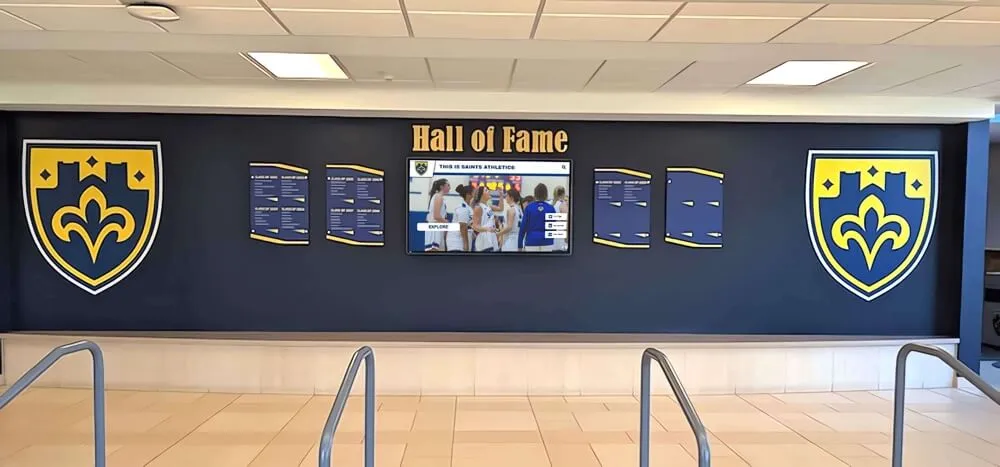
Hallway Shields and Plaques: Many schools use sport-specific shields or plaques along athletic hallways. Adding a spirit award shield to each sport’s hallway section—positioned near statistical leaders and all-conference selections—signals that character-based recognition belongs in the same space as performance honors.
Digital Display Options
Physical displays have space limits. A spirit award program that runs for twenty years across twelve sports generates 240 recipients—more than most physical displays can accommodate legibly. Digital recognition systems solve this problem directly.
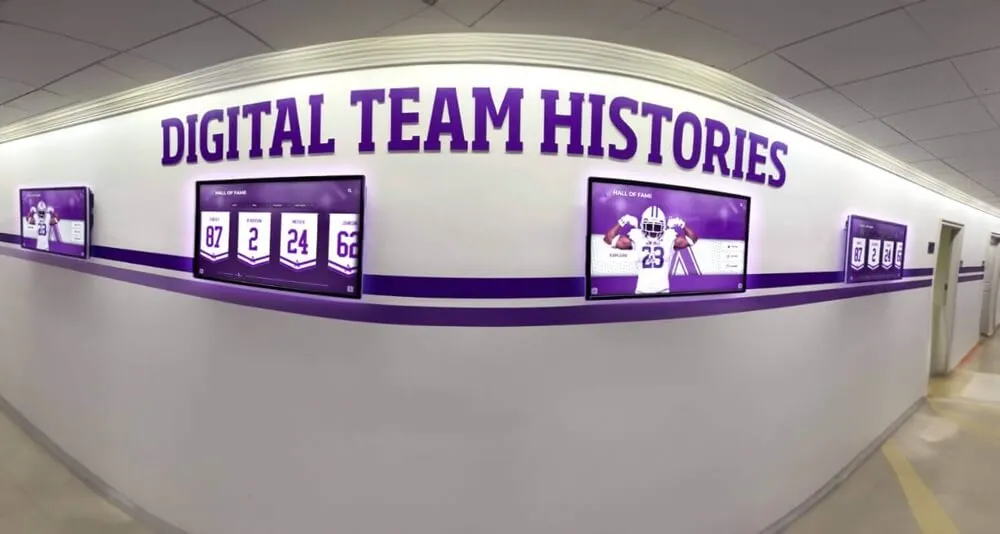
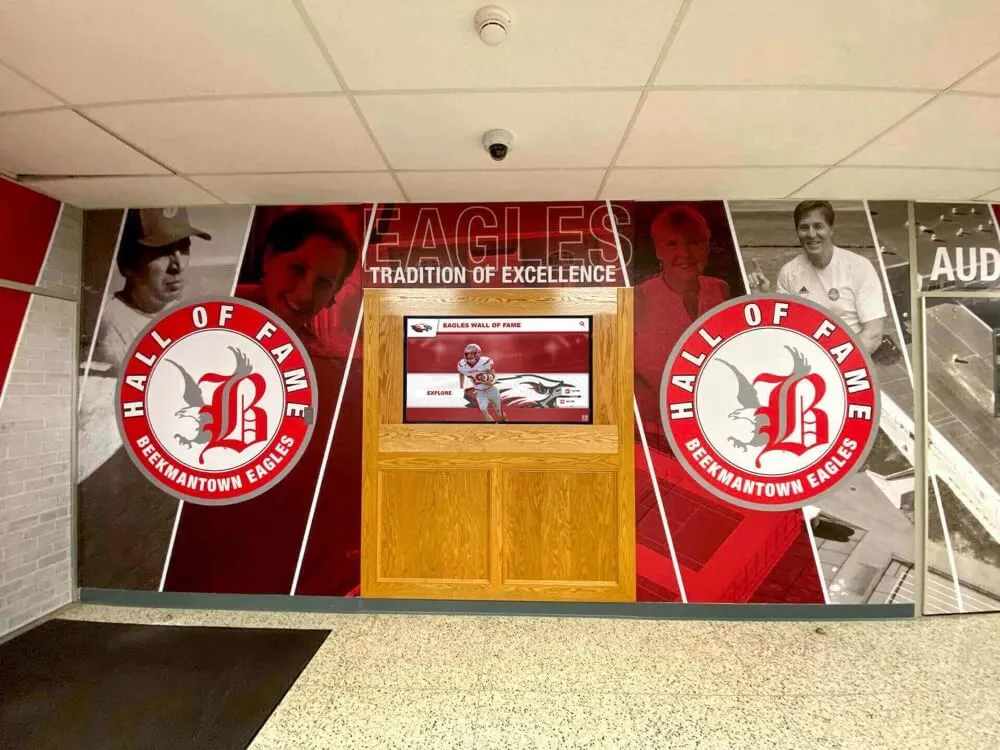
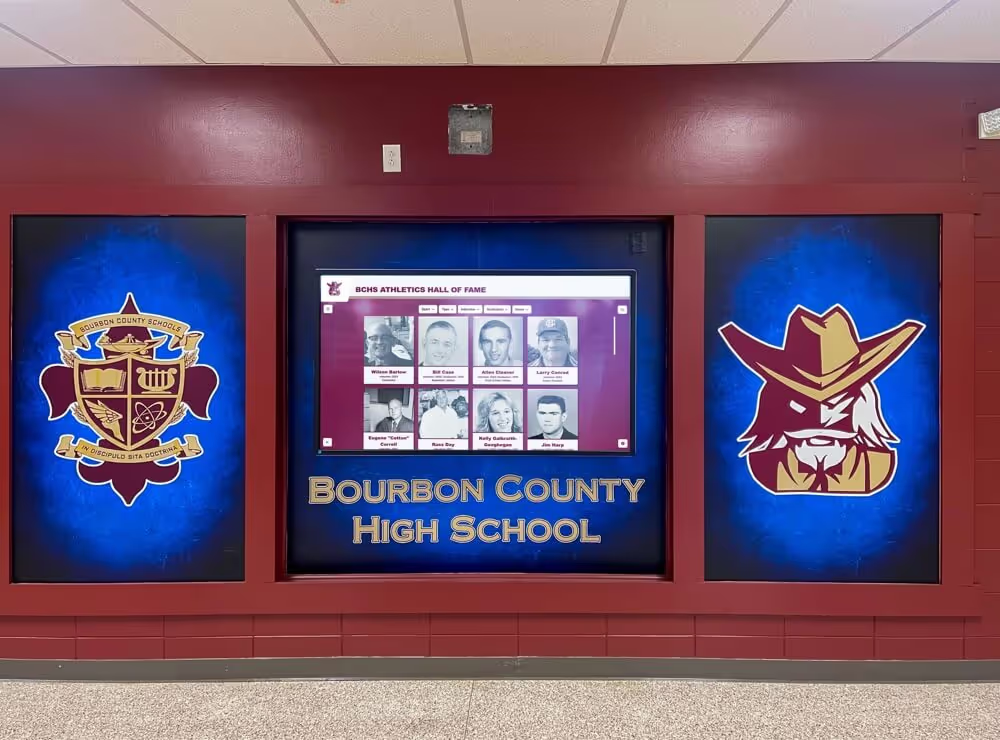
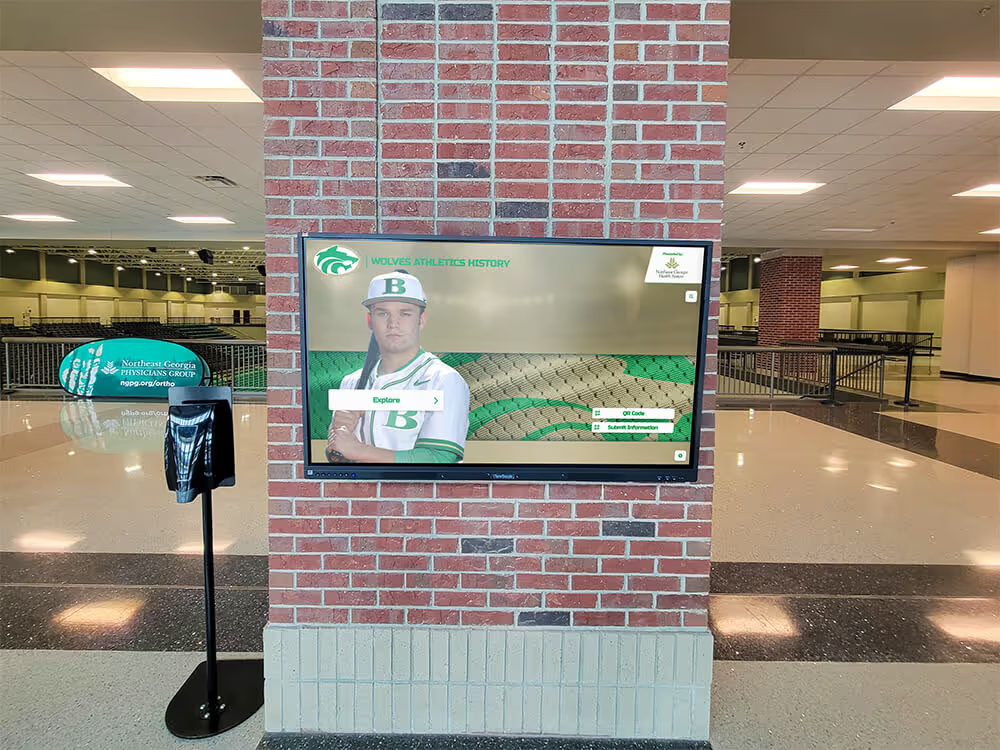
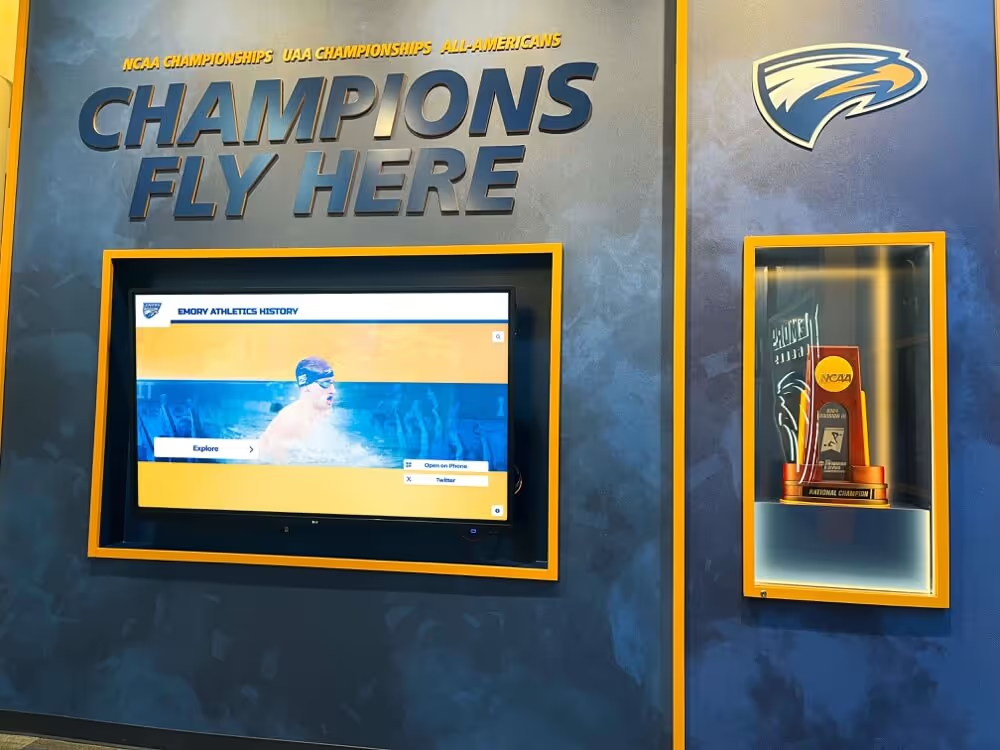
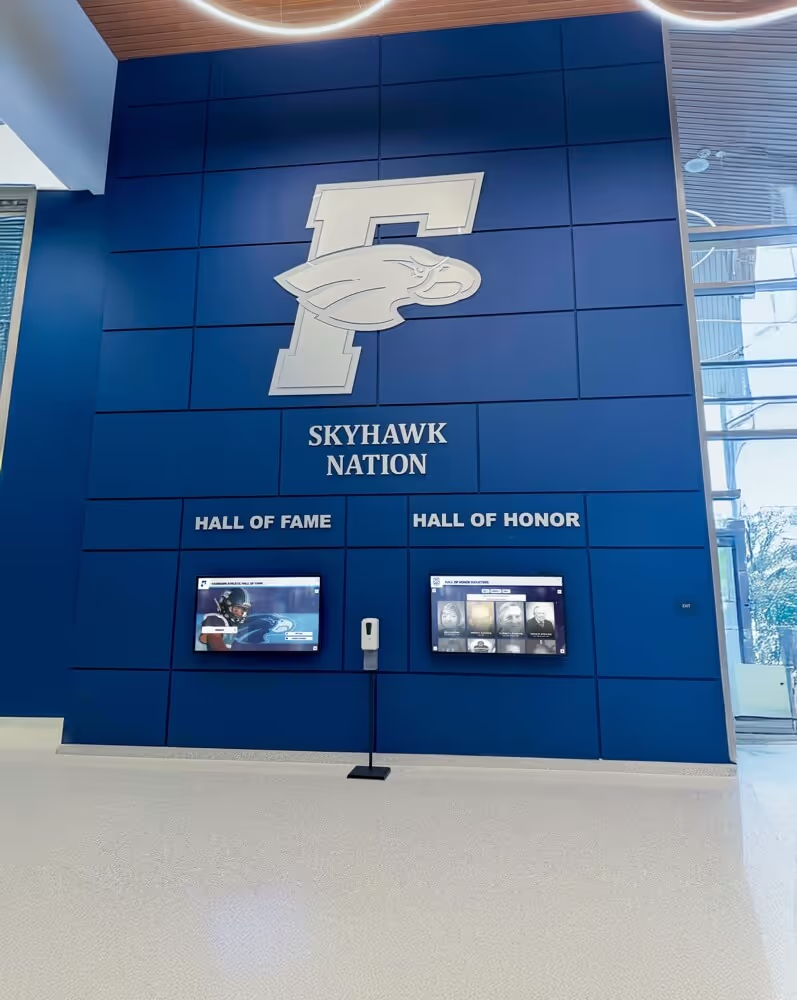
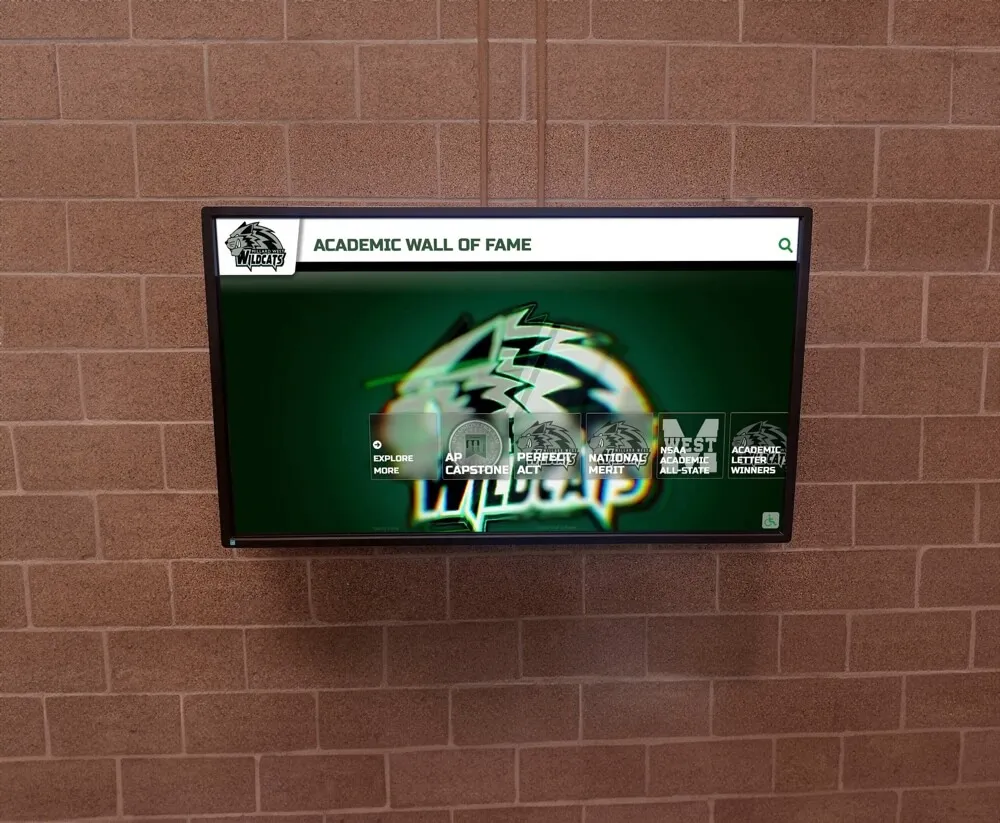
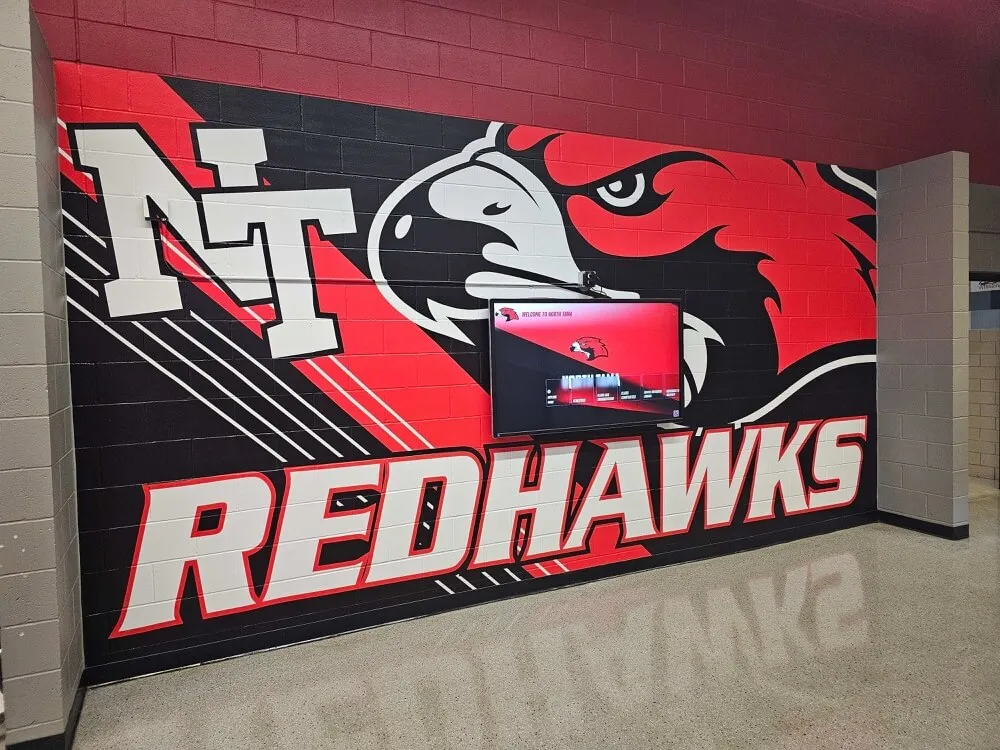
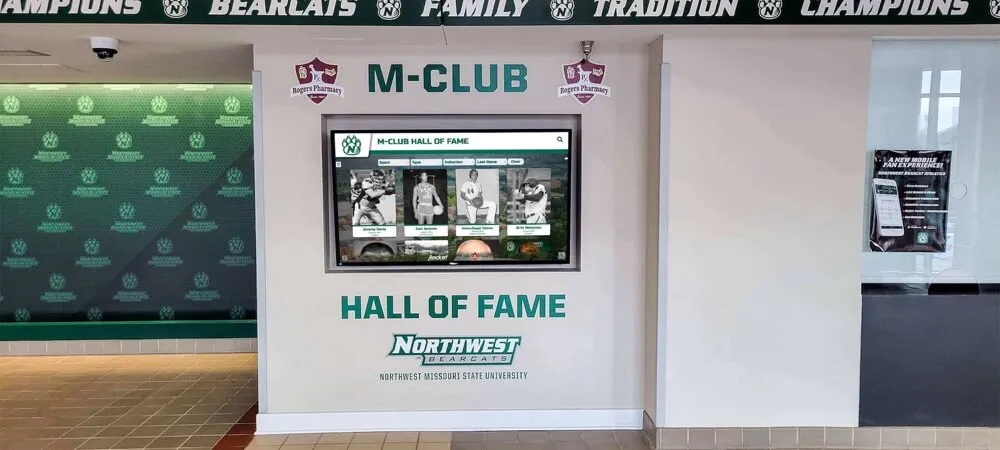
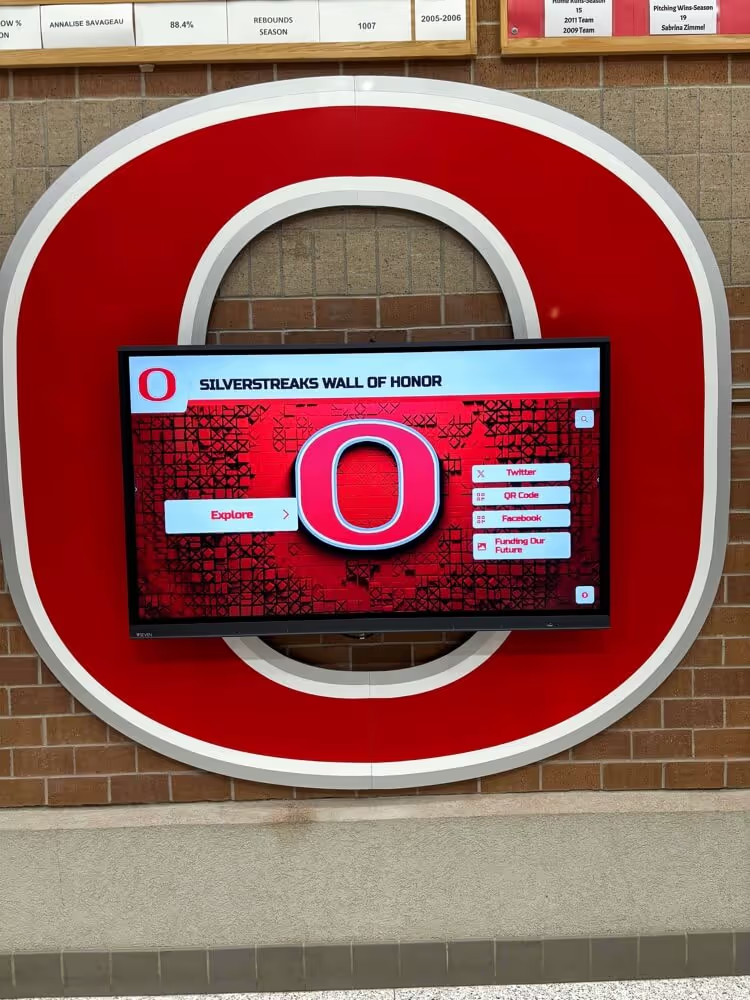
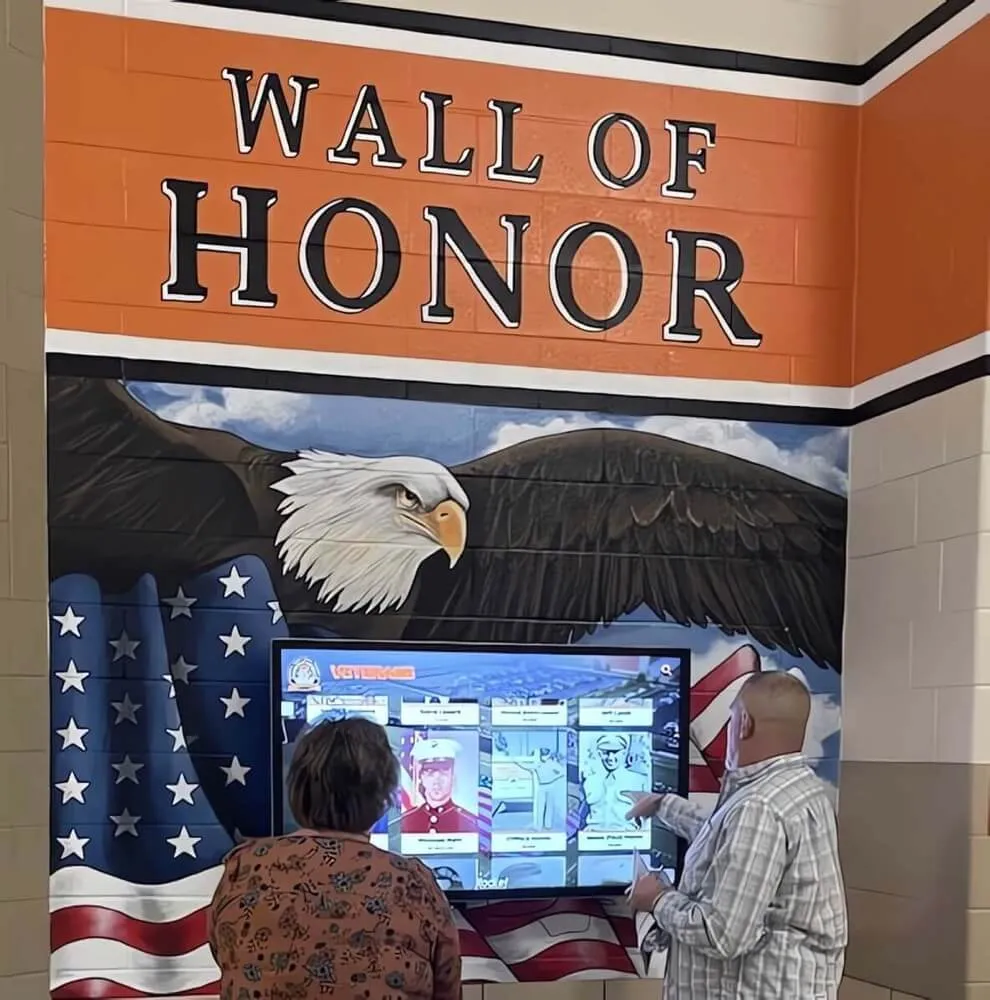
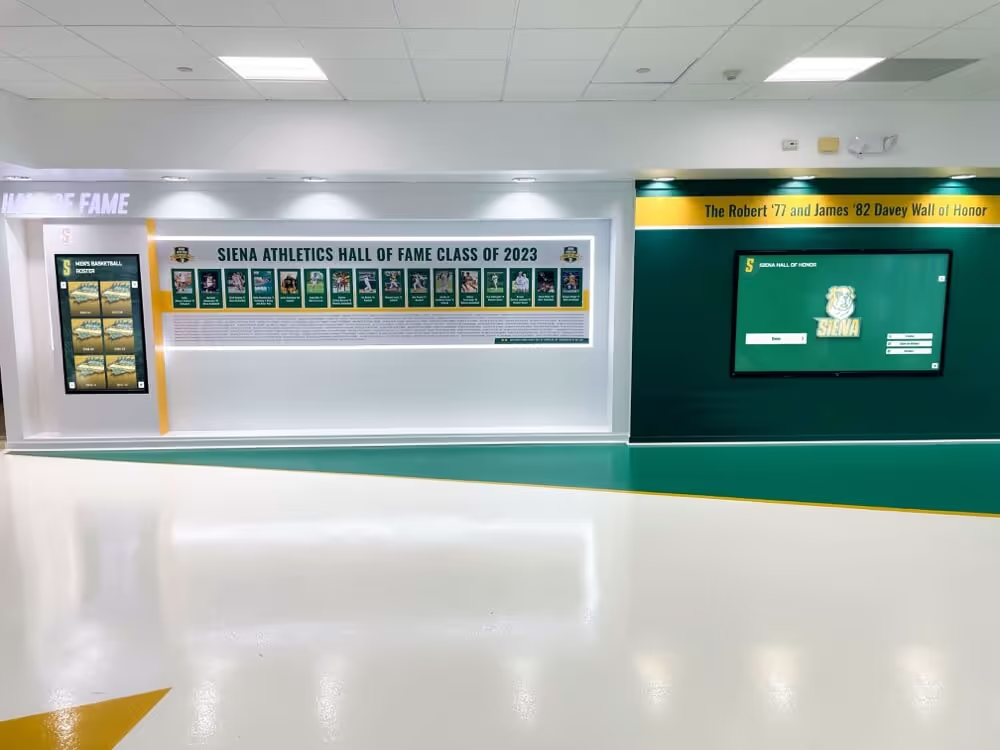
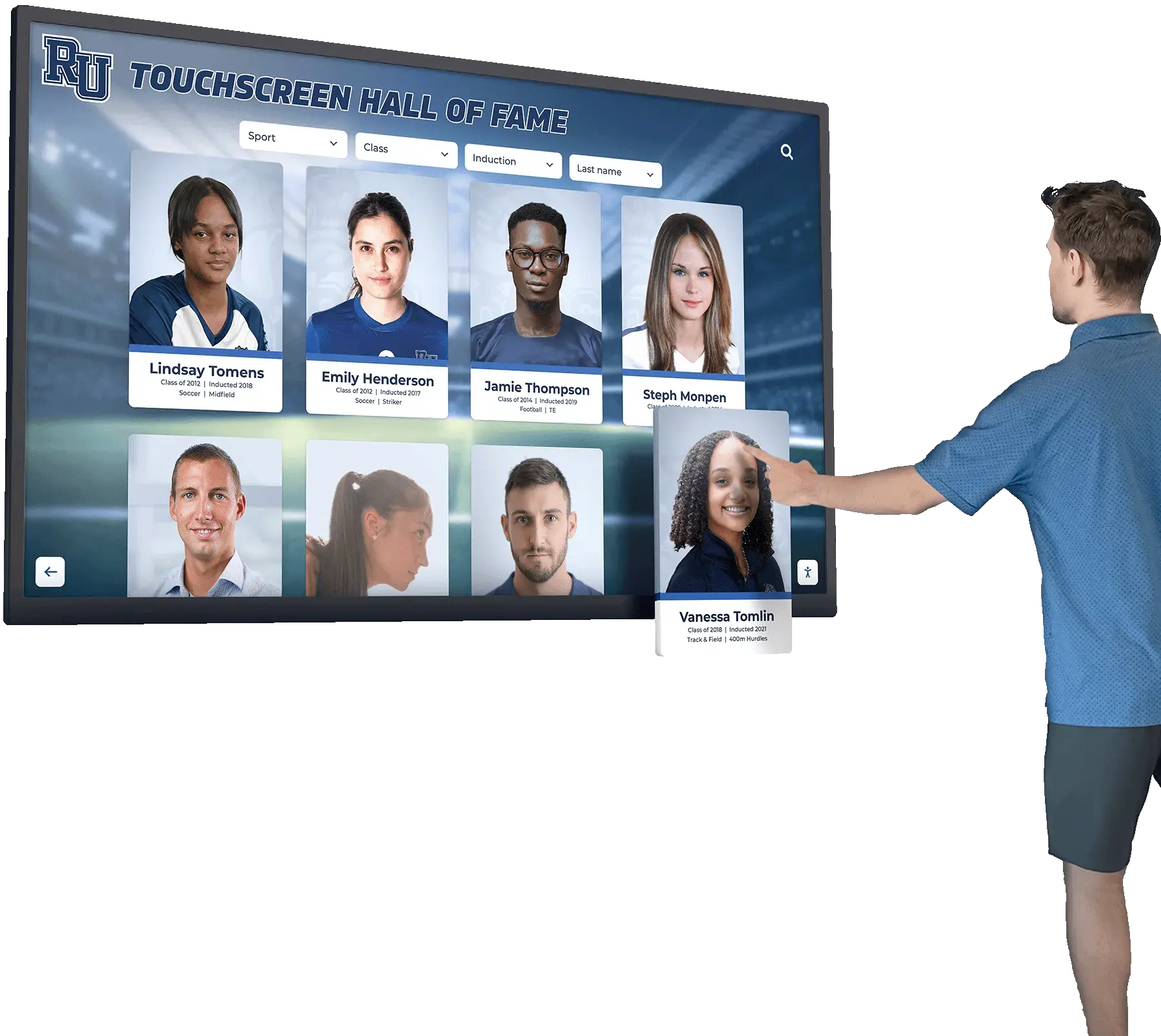
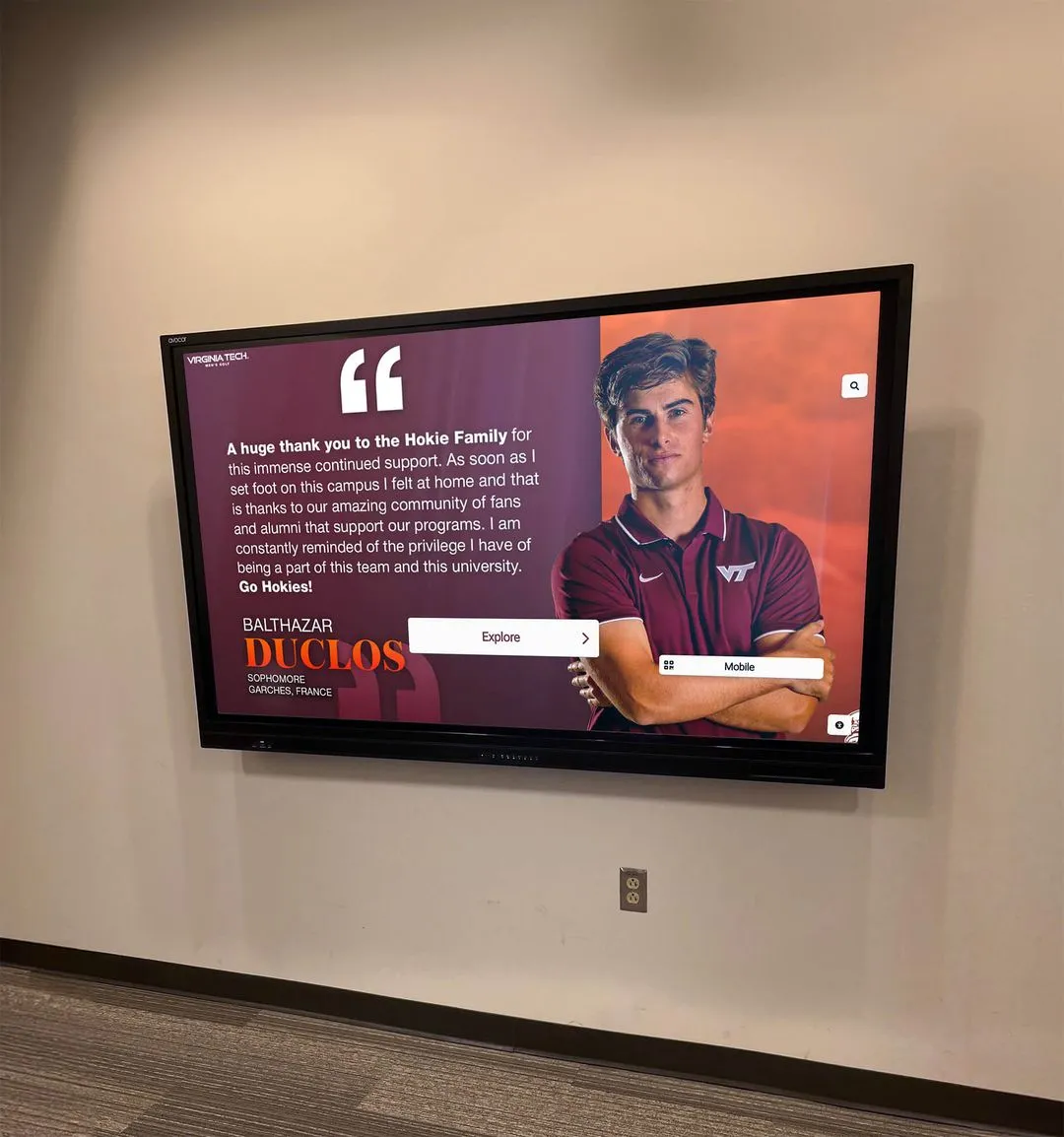
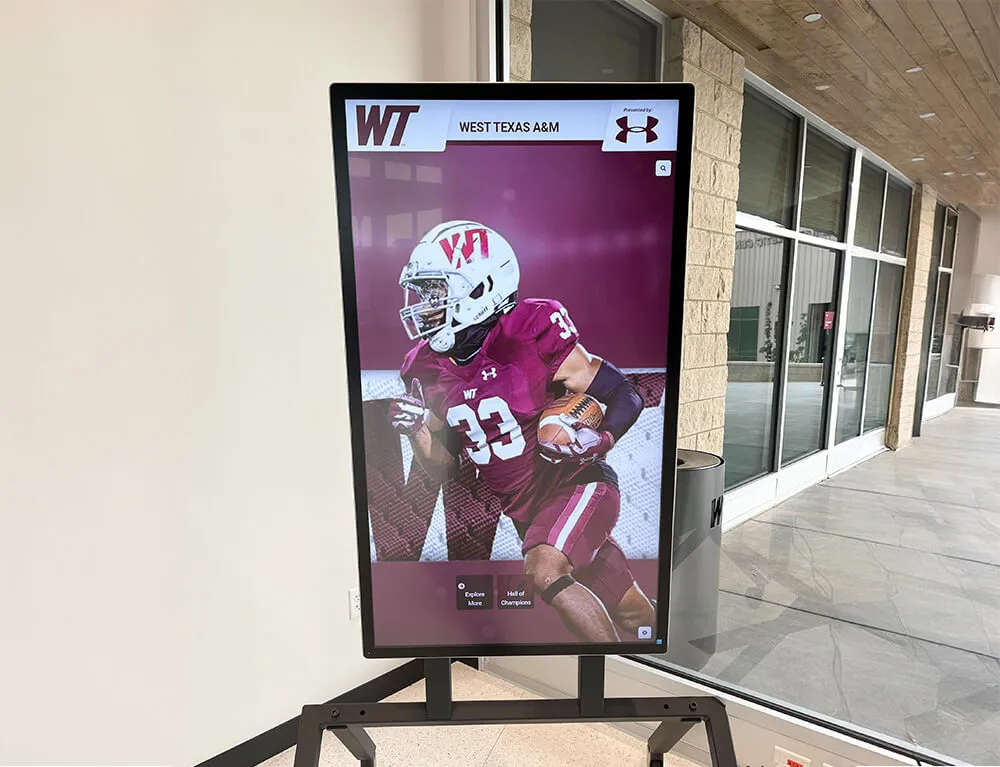
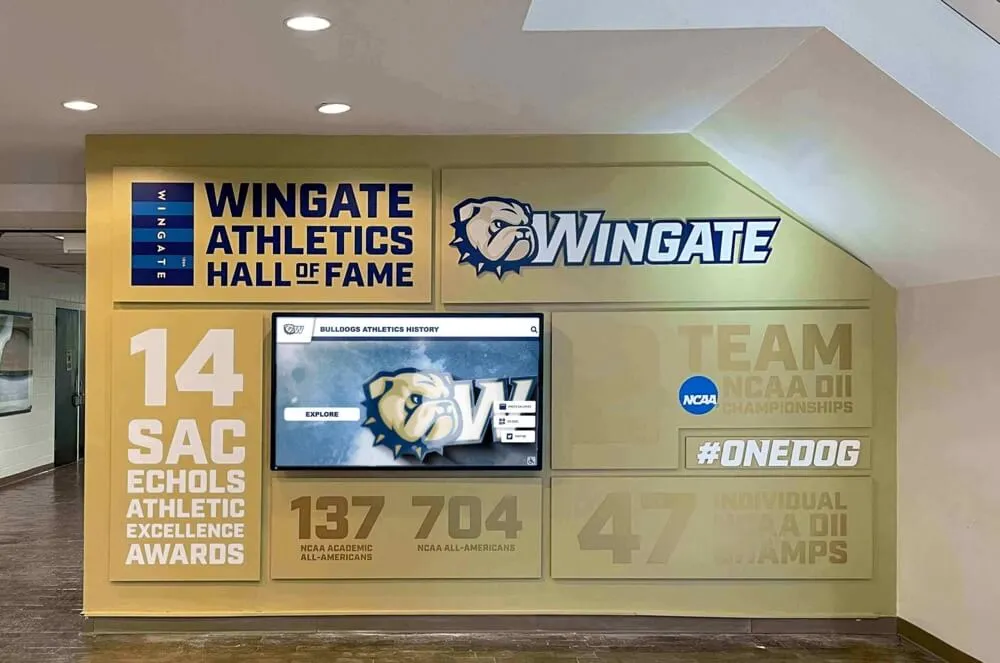
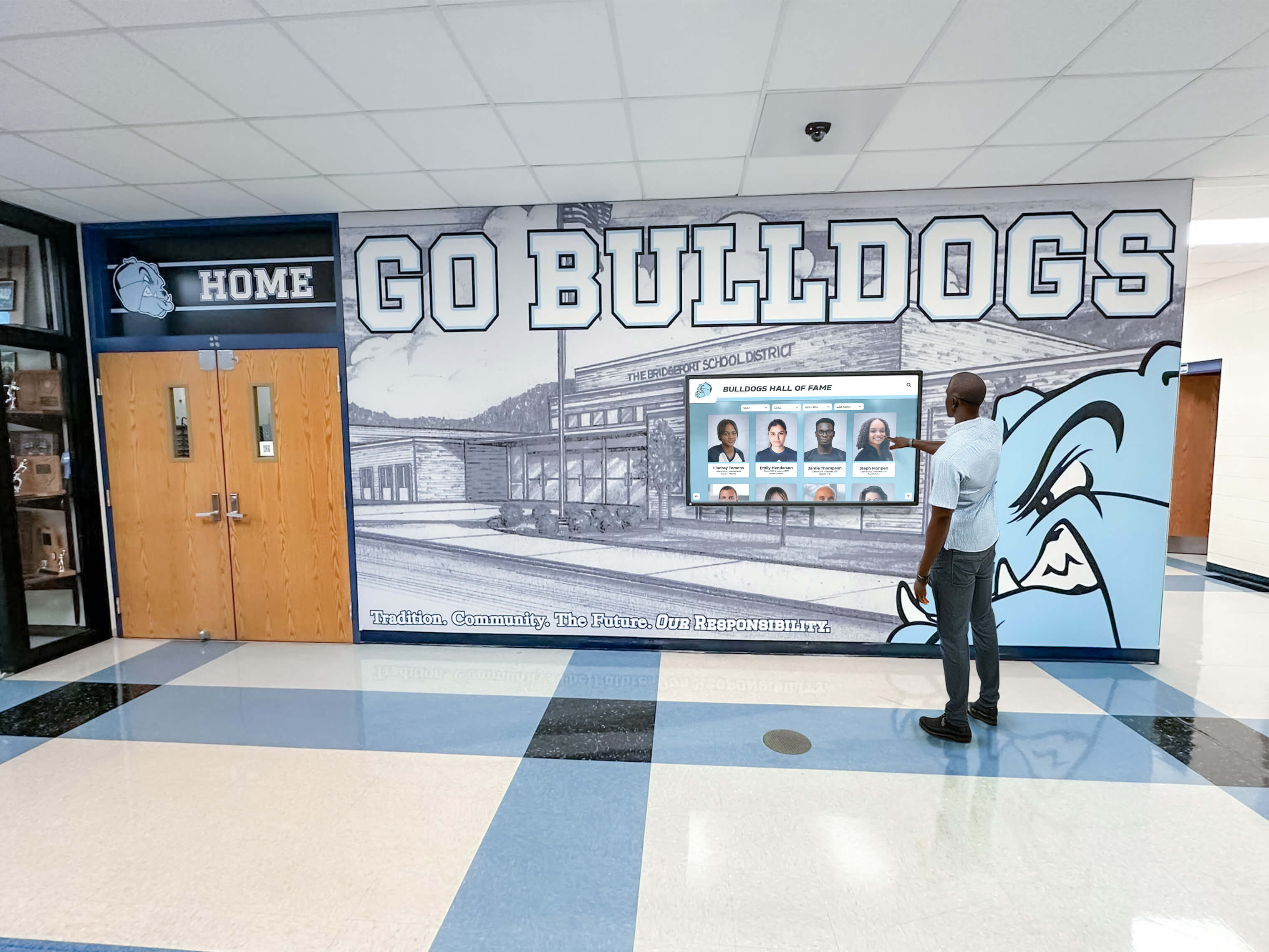

Digital wall of fame systems allow programs to display every spirit award recipient across all seasons without physical space constraints. An interactive touchscreen in a lobby or athletic hallway can organize recipients by sport, year, or name, allowing visitors to search for specific athletes or browse the full history. Each recipient profile can include a photo, the season’s context, and the specific qualities the selection committee cited—transforming a name on a list into a genuine story.
Interactive touchscreen kiosks positioned at facility entrances or in trophy case areas give current athletes an immediate connection to past recipients. A freshman who sees that a spirit award recipient from 2012 went on to become a four-year starter understands something about the program’s values that no coach speech can quite replicate.
Hybrid Approaches
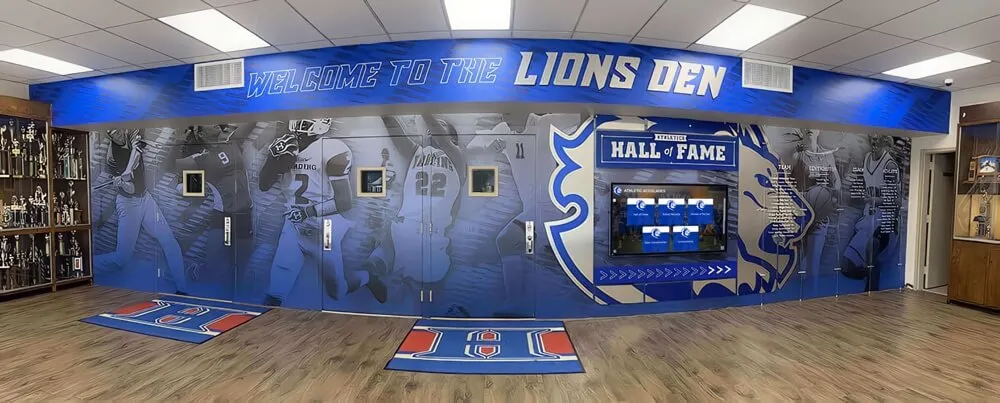
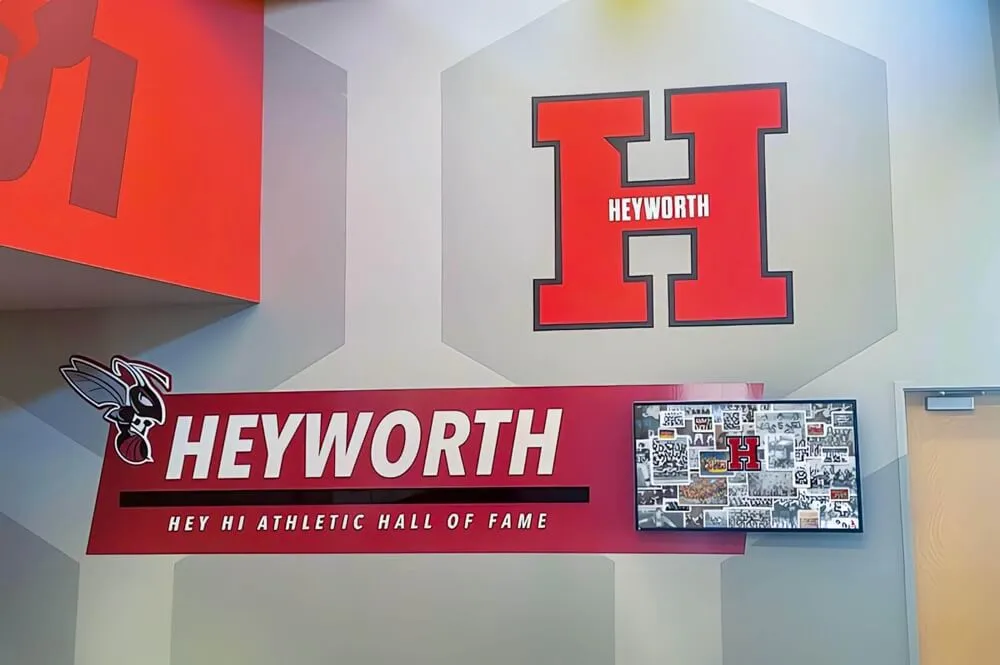
The most effective recognition strategies combine physical and digital elements. Use physical displays for the most recent three to five recipients in each sport—keeping current recognition visible without requiring digital access—and use digital platforms for the complete historical archive. This approach gives visitors a visible, immediate entry point while ensuring comprehensive historical access.
For programs managing multiple sports under the same athletic department, a unified digital system that includes all sport-specific spirit award recipients in one searchable platform creates cohesion. Athletes from the swim team can see who won the spirit award in football; football players can see the spirit award history in cross country. That cross-sport visibility reinforces the message that these values—effort, encouragement, resilience—matter everywhere in the program.
Preserving Recipients Across Seasons
The most common gap in spirit award programs is not the selection process but the institutional memory. Coaches change. Athletic directors turn over. Programs that rely on memory or a spreadsheet saved on one staff member’s laptop lose their history.
Documenting the Record
At minimum, every program should maintain a written record of each spirit award recipient, including the season, sport, athlete name, year in school at the time, and the selection rationale. That last element—a brief written summary of why the athlete was selected—is what transforms a list of names into a living record. It provides future coaches with context about what past programs valued and gives future athletes a richer sense of the award’s meaning.
Archiving sports season recaps offers a useful model: the same discipline applied to documenting team results each season should be applied to documenting individual recognition. If your program publishes a season recap, include the spirit award selection with the rationale. If that recap is archived digitally, the spirit award history is preserved automatically.
Transition Planning
When a head coach or athletic director leaves, recognition records should transfer to the incoming leader as part of the formal handoff. Programs that treat recognition archives as part of the athletic department’s institutional assets—rather than as personal files belonging to individual staff members—maintain continuity through turnover. A digital platform hosted at the school level rather than on a personal account achieves this automatically.
Annual Review and Criteria Consistency
Review your selection rubric annually, not to change it frequently, but to confirm it still reflects the program’s values. If the program has evolved—new coaching philosophy, new emphasis on leadership development, new competitive level—the rubric should evolve with it. Document each version with an effective date so future coaches can understand what criteria applied in which seasons.
Connecting the Spirit Award to Program Identity
A well-designed team spirit award does not stand alone. It works best when connected to the broader story a program tells about itself.
Programs that invest in school identity and mascot traditions understand that visual consistency reinforces values. The same applies to awards. A spirit award displayed in the same visual language as your championship banners, team photos, and statistical record boards communicates that it belongs in that company. If your program uses school colors consistently in its championship display, use them in the spirit award display too. If your record boards carry the school mascot, so should the spirit award panel.
For programs looking at capturing recognition across grade levels, the team spirit award can function as an early entry point into a broader recognition culture. Middle school athletes who earn a spirit award and see it displayed in a dedicated panel learn that their athletic program values character before they ever reach varsity competition. That early signal shapes how they participate for the next several years.
Frequently Asked Questions
What is a team spirit award in school athletics?
How do you prevent a team spirit award from becoming a popularity contest?
What criteria should a team spirit award rubric include?
How should schools display team spirit award recipients?
Can the team spirit award be given to a senior-year athlete only, or any class year?
How do you preserve team spirit award history when coaches or athletic directors change?
Should a team spirit award be given every year even if no candidate clearly meets the criteria?
Give Your Spirit Award Recipients a Display That Lasts
A team spirit award is only as meaningful as its visibility. When recipients are named at a banquet and then forgotten, the honor fades within weeks. When they appear on a wall, a banner, or an interactive display every athlete walks past on the way to practice, the recognition does ongoing work for your program’s culture.
If your athletic program is ready to build a recognition display that includes spirit awards, statistical leaders, and the full range of athletic achievement in a single cohesive system, Rocket Alumni Solutions builds the interactive recognition walls and digital trophy cases that make it possible. Schedule a demo to see how programs display recognition that lasts across generations.