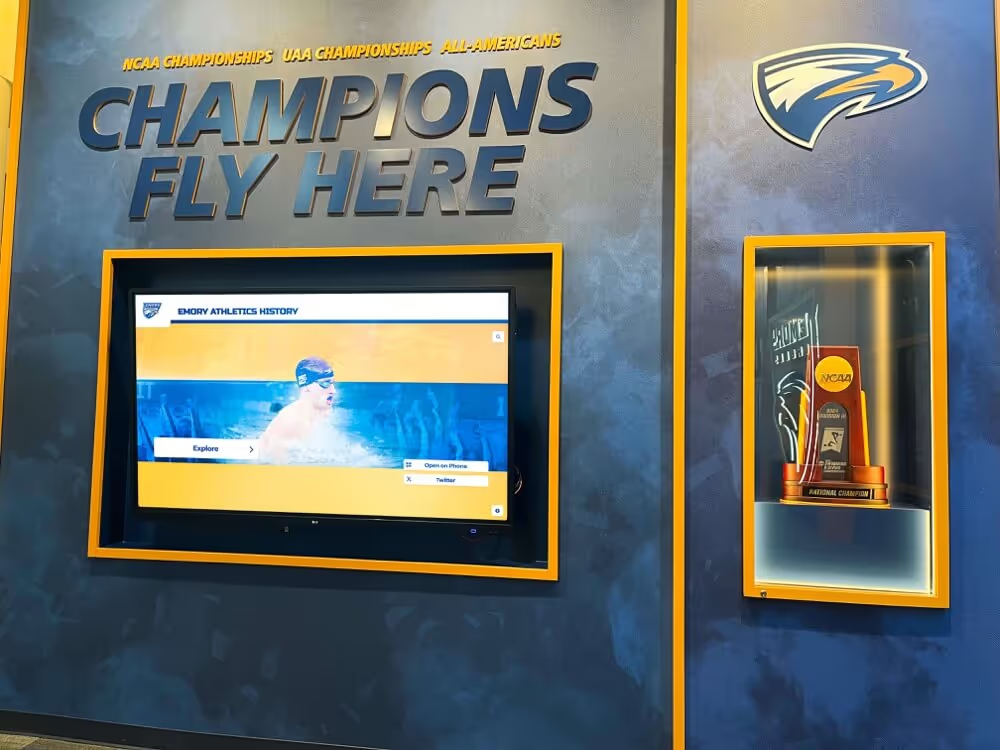
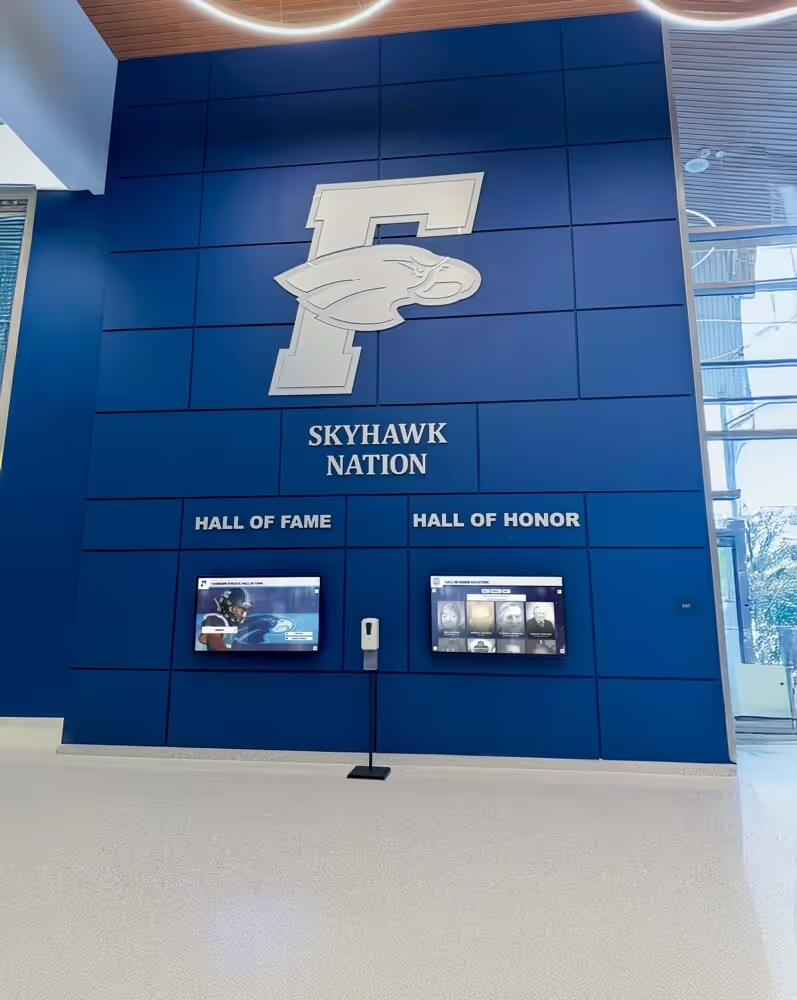
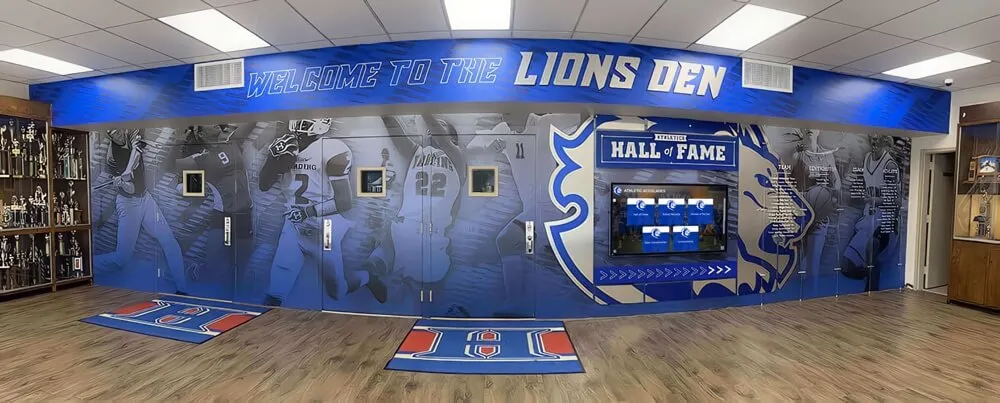
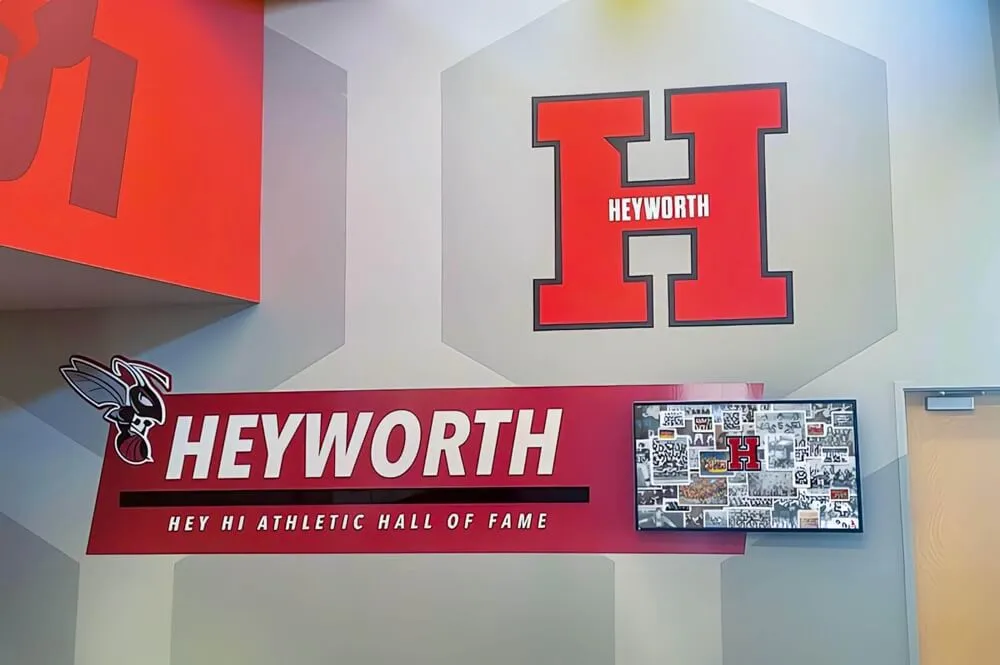
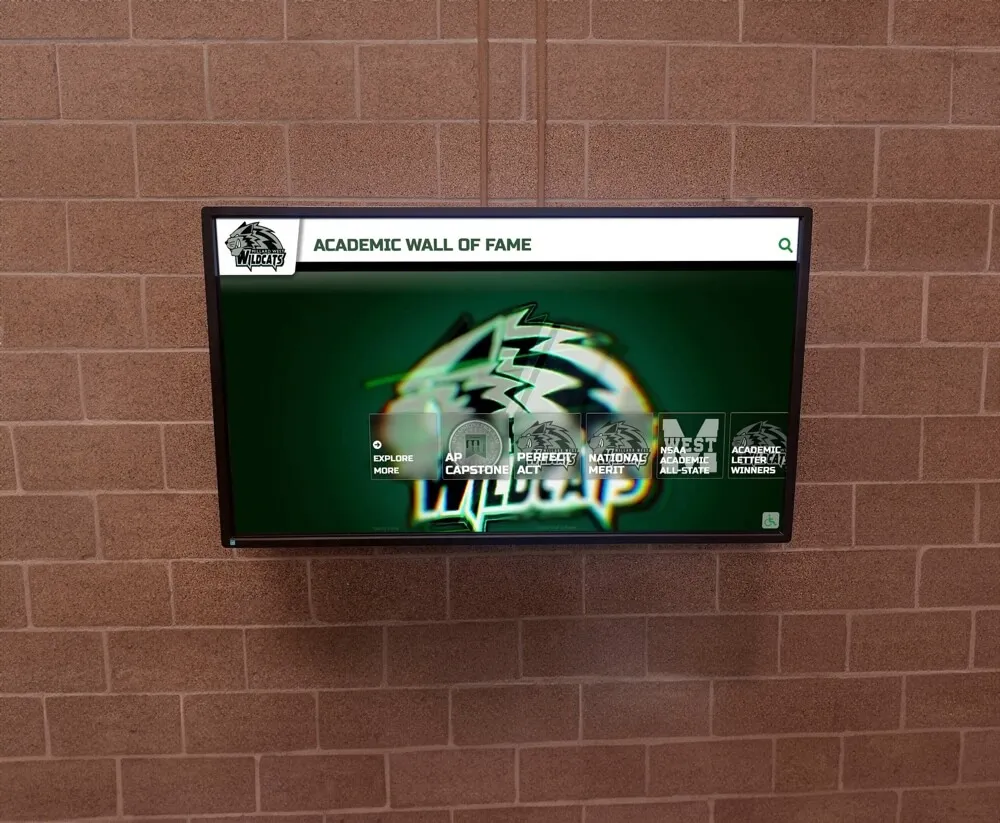
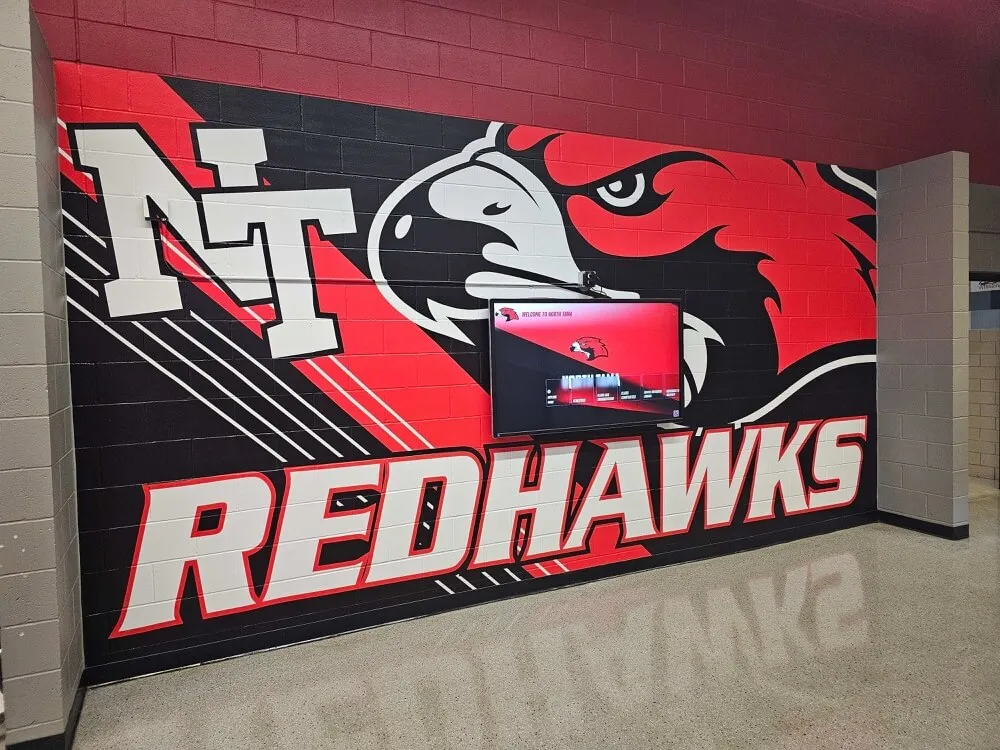
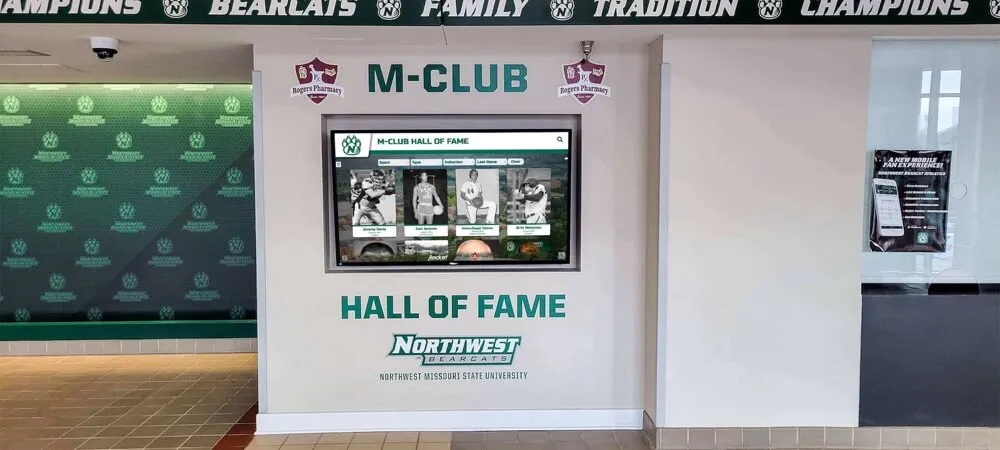
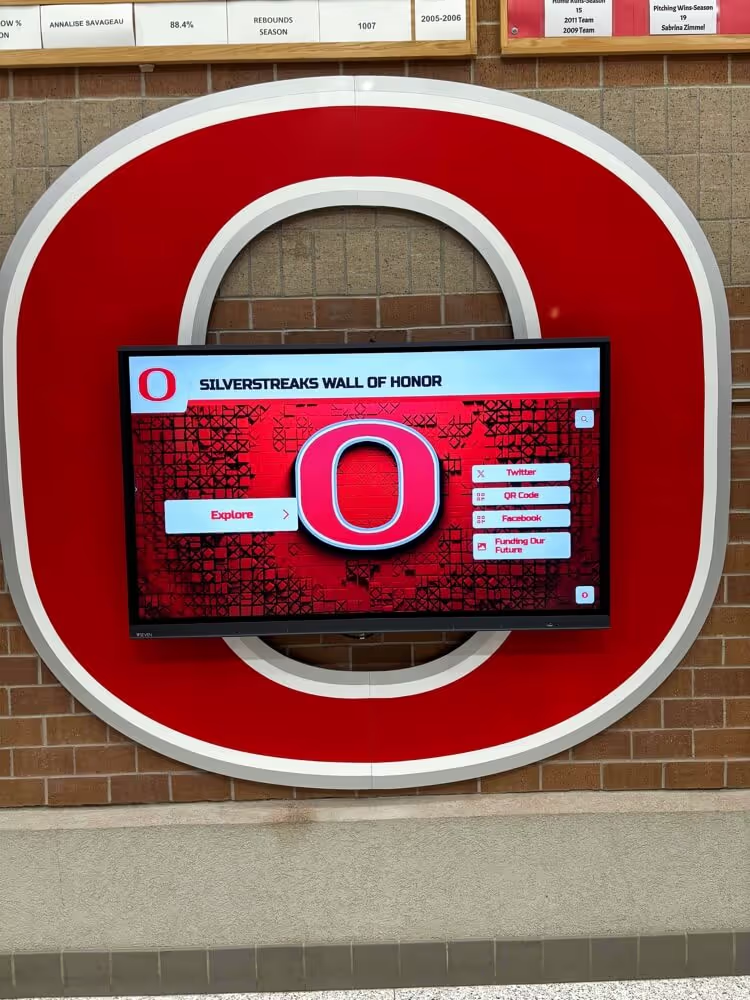
The concept behind team GPA leaderboards extends far beyond simple recognition. When athletic departments publicly celebrate academic achievement alongside athletic performance, they communicate powerful messages about institutional values and expectations. Student-athletes see that academic excellence matters as much as winning records. Parents understand that their children will receive support developing both athletic skills and intellectual capabilities. College recruiters recognize programs that prepare athletes for success beyond sports. Community members witness schools developing well-rounded individuals rather than solely pursuing athletic victories.
According to research from the NCAA, student-athletes who compete for teams emphasizing academic achievement graduate at higher rates and report greater satisfaction with their college experiences. High schools implementing similar academic recognition programs observe improved team GPAs, enhanced college recruitment outcomes, and stronger community support for athletic programs. The visibility and public nature of recognition matters tremendously—teams whose academic achievements receive prominent celebration demonstrate measurably higher GPAs than comparable teams without visible academic recognition programs.
Traditional approaches to celebrating student-athlete academic achievement present significant limitations. Paper certificates distributed privately provide minimal motivational impact and no peer visibility. Bulletin board postings become outdated quickly and consume wall space athletic departments desperately need for other purposes. One-time awards banquets celebrate achievement briefly before recognition fades from memory. These approaches fail to create the ongoing visibility and cultural reinforcement that sustained academic excellence requires.
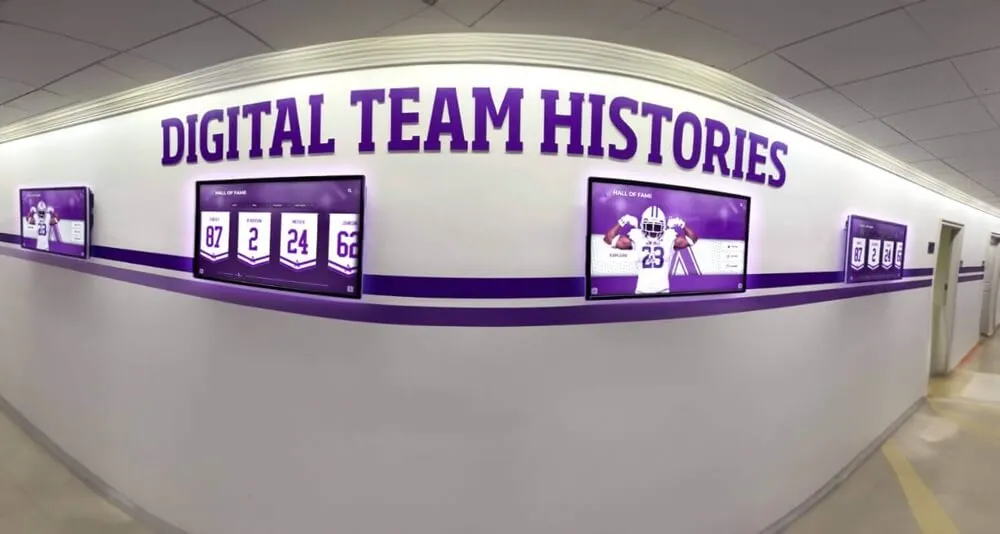
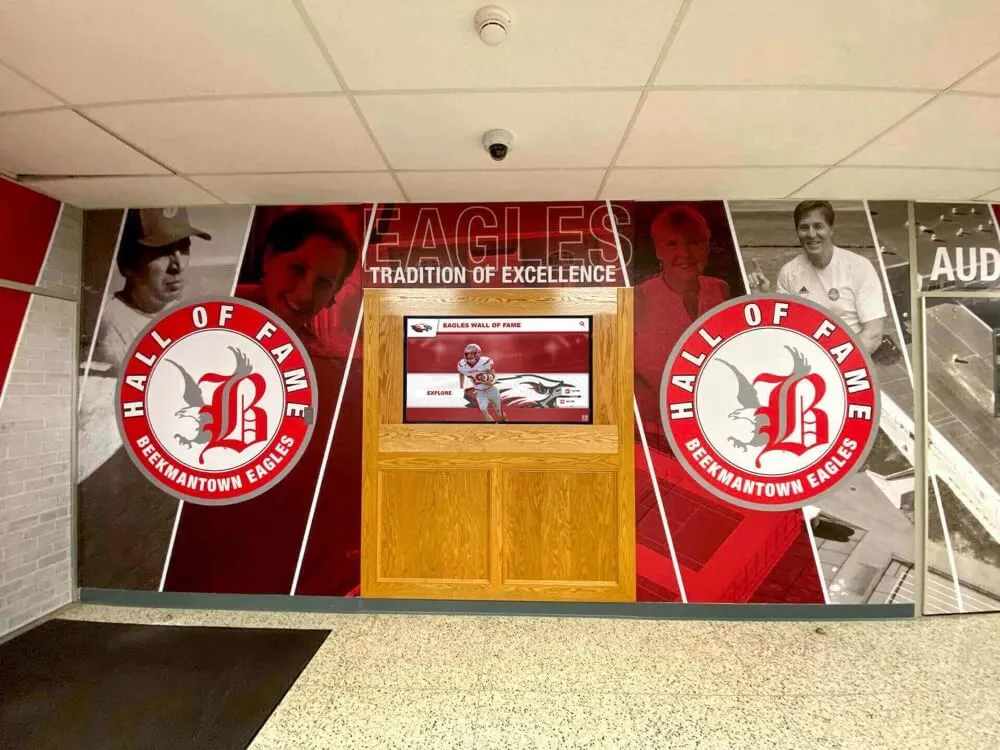
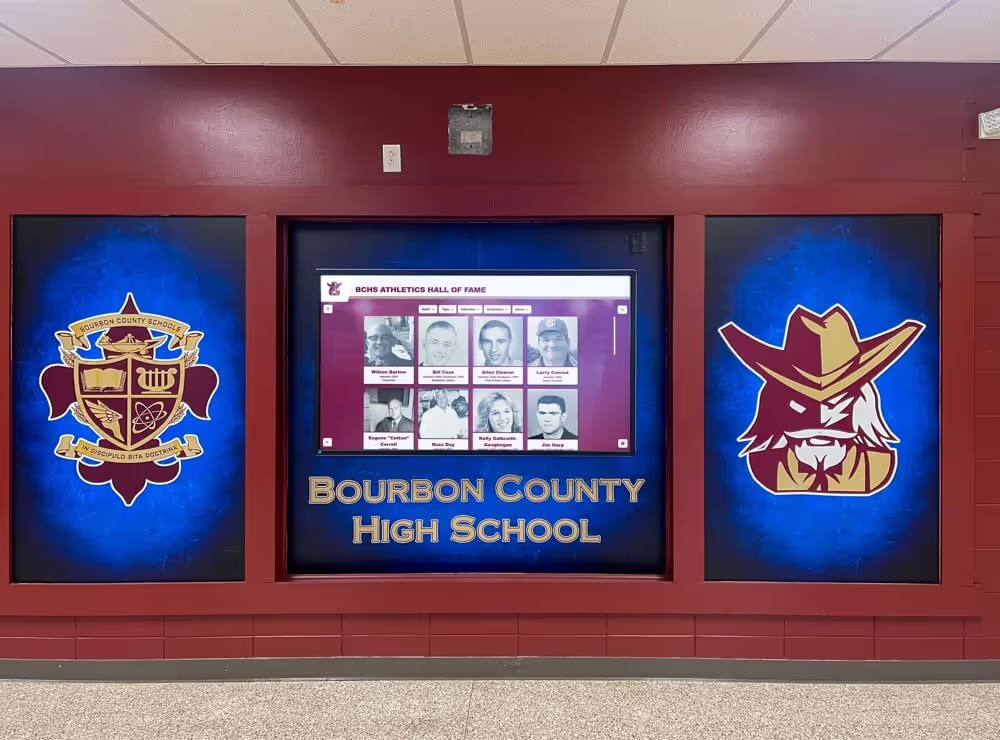
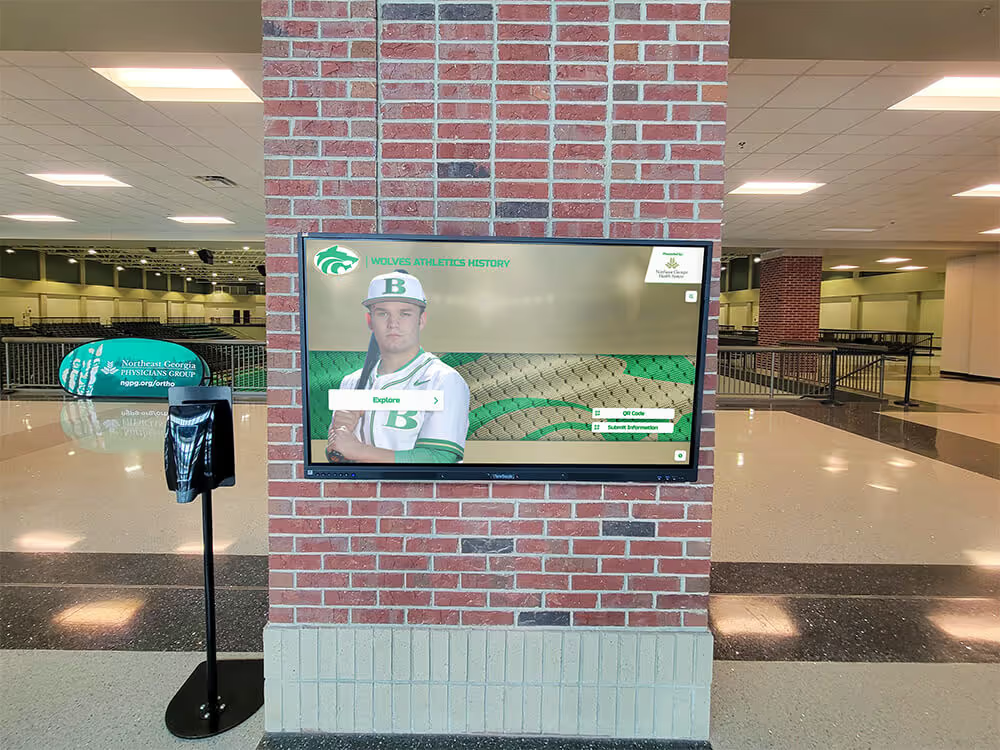
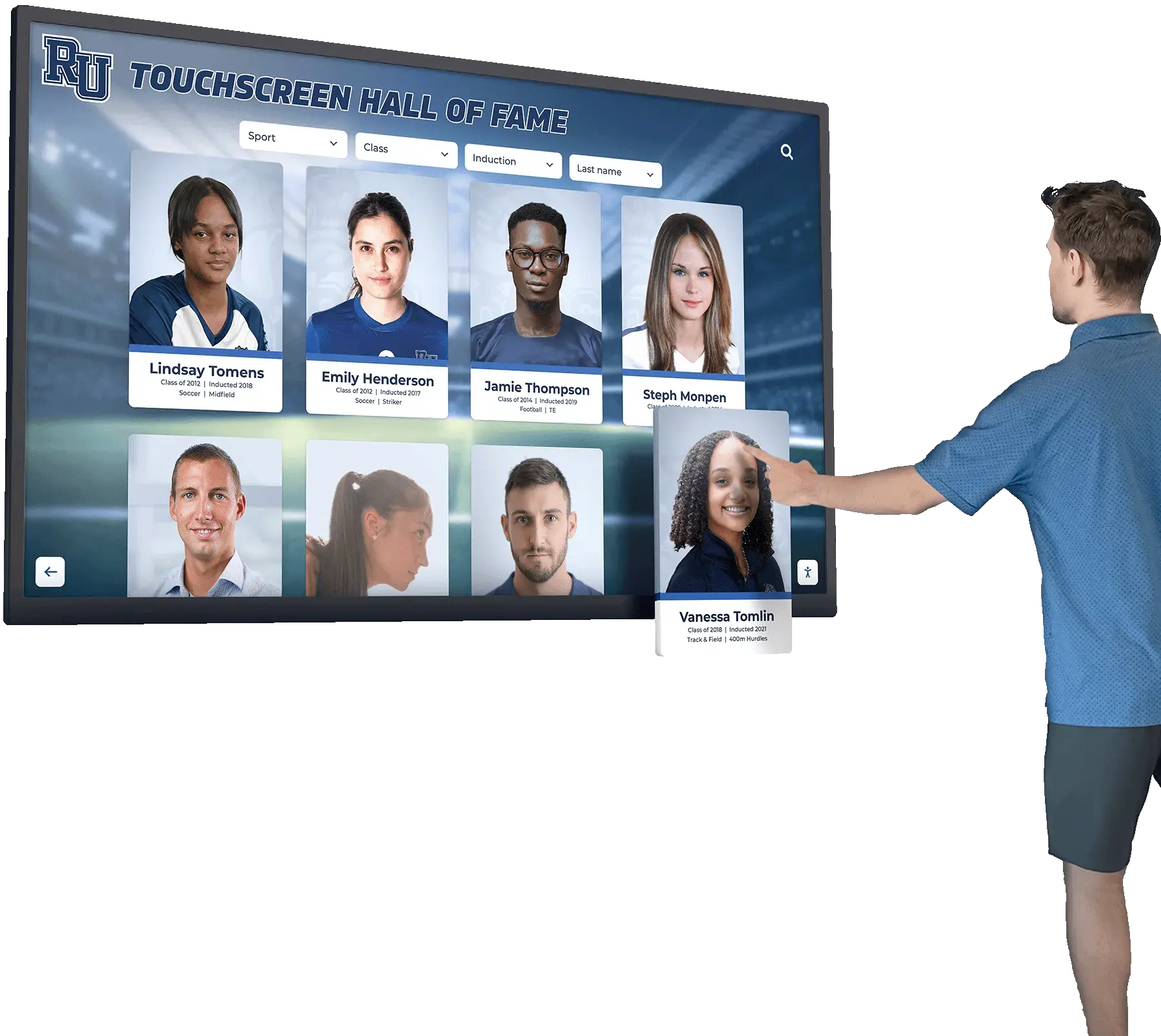
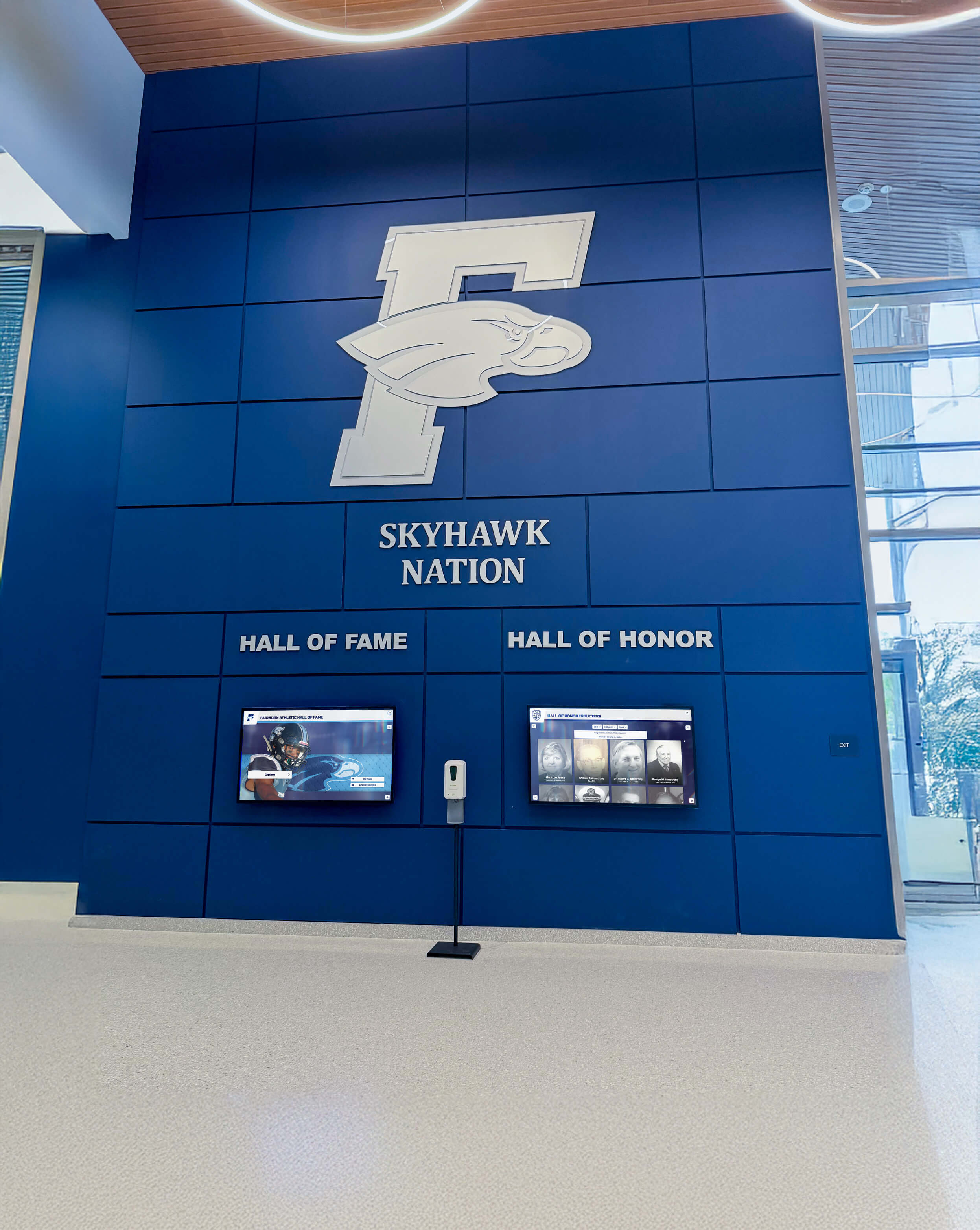
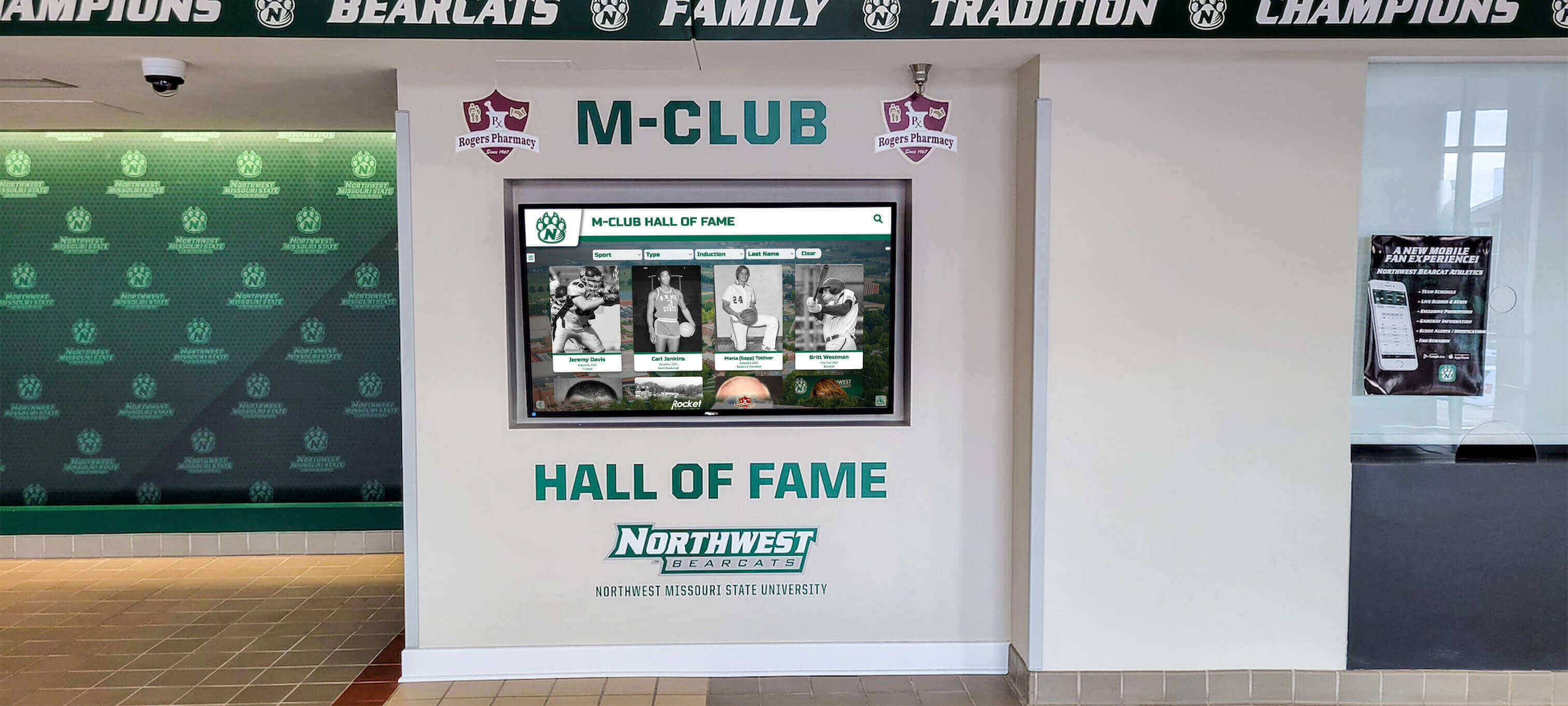
Modern team GPA leaderboard digital displays overcome every limitation of traditional recognition while introducing capabilities that transform athletic department cultures. Interactive touchscreen systems accommodate recognition for all teams across all sports without space constraints, enable real-time updates reflecting current academic standings throughout grading periods, provide rich multimedia capabilities telling comprehensive team achievement stories, and extend recognition through web-based access reaching recruits, alumni, and extended families nationwide.
This comprehensive guide explores everything athletic directors, coaches, and administrators need to know about implementing effective team GPA leaderboard displays—from understanding the benefits and features of modern systems to practical implementation strategies ensuring programs that strengthen academic cultures while celebrating athletic excellence.
Understanding Team GPA Recognition: Purpose and Impact
Before implementing digital leaderboard systems, athletic departments benefit from understanding the fundamental purposes team GPA recognition serves and why comprehensive, visible programs generate significantly stronger benefits than minimal approaches.
What Team GPA Leaderboards Communicate
Team GPA leaderboards provide formal institutional acknowledgment that athletic programs value and celebrate academic achievement as a core component of team excellence. While specific criteria and recognition structures vary across schools, effective programs publicly track and display each team’s collective grade point average, creating friendly competition around academic achievement alongside athletic performance.
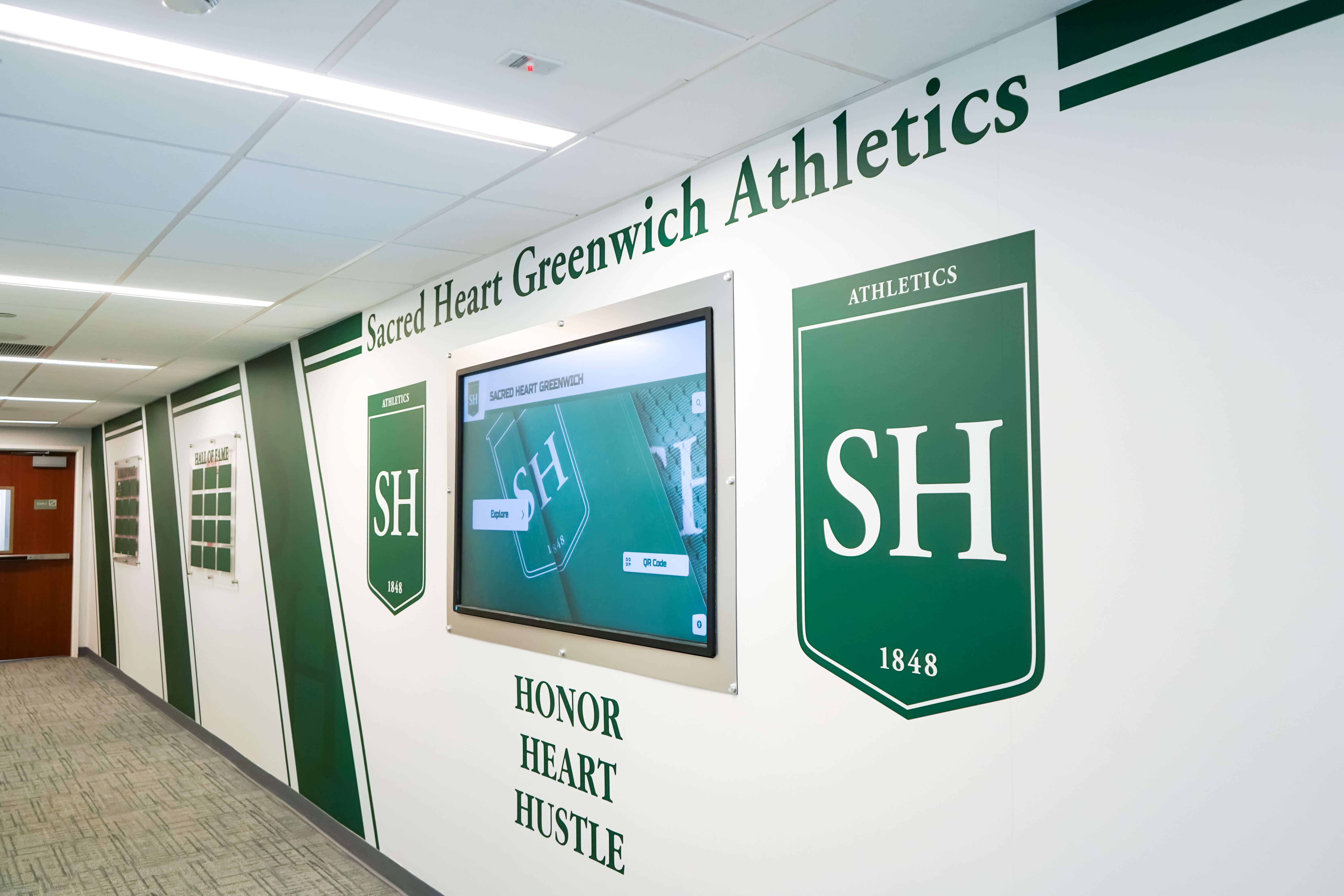
Messages Team GPA Recognition Sends to Student-Athletes
For student-athletes competing within programs emphasizing academic achievement, comprehensive team GPA recognition communicates several powerful messages. The athletic department and coaching staff genuinely value academic success and invest resources celebrating intellectual accomplishment. Team academic performance matters as much as wins, championships, and individual athletic achievements. Academic excellence contributes to team pride and identity comparable to athletic victories. Individual academic effort benefits the entire team, creating accountability to teammates alongside personal achievement. The school community recognizes that championship programs develop scholar-athletes who excel both on the field and in the classroom.
These messages prove particularly meaningful during adolescence and early adulthood when peer influence significantly shapes behavior and identity development. Student-athletes who see their team’s academic achievements receive public recognition comparable to athletic honors develop stronger academic identities and increased commitment to maintaining high performance in both domains.
Messages to Parents, Recruits, and Communities
Beyond current student-athletes, prominent team GPA recognition communicates important messages throughout broader school communities. For families evaluating athletic programs, visible academic recognition demonstrates institutional commitment to developing well-rounded student-athletes rather than prioritizing winning at the expense of education. For prospective student-athletes considering programs, team GPA displays provide concrete evidence of academic culture and expectations. For college recruiters, documented team academic achievement helps identify programs producing recruits who will succeed academically at the collegiate level. For community members and boosters, academic recognition demonstrates responsible stewardship of athletic programs and appropriate institutional values.
For schools competing to attract committed student-athletes from families prioritizing education, team GPA recognition provides powerful recruitment advantages by demonstrating authentic commitment to academic development alongside athletic excellence.
Why Public Recognition Drives Team Academic Performance
The relationship between visible recognition and improved academic outcomes reflects well-established psychological principles about motivation, accountability, and social influence within group contexts.
Creating Positive Peer Accountability
Team GPA leaderboards transform academic achievement from individual concern to collective responsibility. When each student-athlete’s grades contribute to publicly displayed team performance, teammates develop awareness that individual academic effort affects collective recognition. This peer accountability operates bidirectionally—student-athletes maintaining high GPAs feel validated that their academic commitment benefits their team, while those struggling academically experience supportive pressure from teammates who want the collective GPA to improve.
Research in group dynamics demonstrates that public performance tracking significantly enhances team cohesion and collective effort around shared goals. Teams competing for top GPA rankings develop supportive academic cultures where tutoring becomes common, study groups emerge organically, and academic discussions become normalized within team interactions.
Friendly Competition Driving Excellence
Competitive athletes naturally respond to leaderboards and rankings. Team GPA displays harness this competitive drive for academic purposes, creating friendly rivalry between teams around academic achievement. Just as athletes strive to climb athletic leaderboards, teams pursue higher class rankings on academic displays, generating motivation that might not exist without visible comparison.
This competition proves particularly effective when combined with appropriate recognition for improvement and achievement at all levels rather than celebrating only highest performers. Teams improving significantly from previous periods receive acknowledgment comparable to highest-achieving teams, ensuring motivation remains accessible across all academic starting points.
Building Team Pride Around Academic Identity
Teams whose academic achievements receive prominent public recognition develop pride in their scholar-athlete identity comparable to athletic accomplishments. This dual-identity strengthens overall program culture by demonstrating that championship teams excel in all dimensions, not just athletic performance.
Student-athletes report that team GPA recognition creates shared identity and collective accomplishment that strengthens team cohesion. When teams can point to their academic ranking alongside athletic achievements, they develop more comprehensive definitions of team excellence that extend beyond game outcomes.
Key Features of Effective Team GPA Leaderboard Digital Displays
Modern digital leaderboard platforms provide capabilities that traditional bulletin boards and static displays cannot match, transforming team GPA recognition from periodic announcements to engaging programs that continuously motivate academic excellence.
Real-Time Leaderboard Rankings and Updates
One of the most powerful features digital platforms provide is the ability to maintain current leaderboard rankings that reflect the latest academic performance data across all teams.
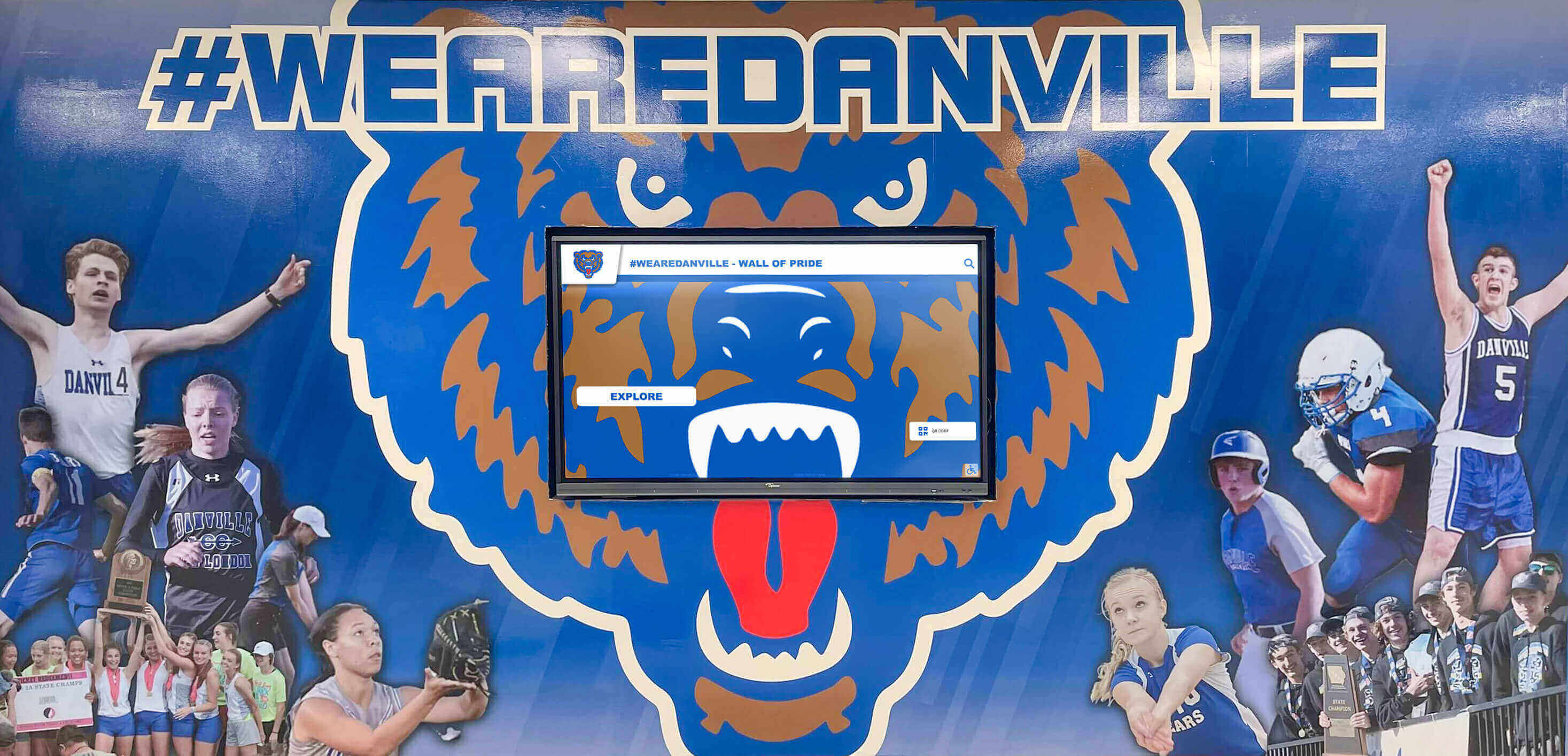
Dynamic Team Rankings
Digital leaderboards display current GPA rankings for all athletic teams, updated following each grading period or even more frequently when interim grade data becomes available. Rankings typically include team name and sport, current team GPA calculated from all roster members, ranking position relative to other teams, change indicators showing movement from previous periods, and historical context showing trends across multiple grading periods.
This dynamic presentation keeps academic achievement visible and top-of-mind throughout school years rather than being acknowledged only during annual awards banquets that fade from memory within days.
Multi-Season and Historical Tracking
Beyond current rankings, effective systems maintain historical team GPA data across multiple years, enabling teams to compare current performance against their own historical standards, view long-term trends showing sustained excellence or improvement patterns, recognize program records for highest team GPA achievements, and celebrate consistency from teams maintaining high academic standards across multiple years.
Historical context transforms single-period recognition into ongoing narratives about team academic cultures, enabling programs to build reputations as scholar-athlete developers that persist across roster changes and coaching transitions.
Tiered Recognition Across Achievement Levels
Rather than celebrating only highest-performing teams, comprehensive leaderboards recognize achievement and improvement at multiple levels including highest team GPA overall, most improved team GPA compared to previous periods, teams achieving designated thresholds like 3.5+ or 3.0+ team GPA, individual teams setting program records for their specific sport, and recognition for teams achieving both athletic and academic excellence simultaneously.
This tiered approach ensures motivation remains accessible to teams at various academic starting points rather than concentrating recognition among programs with inherent academic advantages.
Comprehensive Team Achievement Profiles
Beyond simple leaderboard rankings, digital platforms enable athletic departments to create detailed profiles for each team that tell comprehensive academic achievement stories.
Rich Team Recognition Pages
Individual team profiles within digital systems typically include complete roster information with individual student-athlete photos and academic details, team GPA calculations showing both current and historical performance, academic honors and recognitions earned by team members, coach statements about team academic culture and strategies, multimedia content including photos of team study sessions or academic celebrations, and individual student-athlete spotlights featuring scholar-athlete profiles.
These detailed profiles transform basic GPA numbers into engaging narratives about team commitment to academic excellence, providing context that inspires current student-athletes while demonstrating program values to recruits and families.
Individual Scholar-Athlete Recognition
Comprehensive systems enable recognition of individual academic achievement within team contexts, highlighting honor roll students within each roster, academic all-conference and all-state selections, perfect GPA achievers and consecutive honor roll honorees, graduating seniors’ college commitments and scholarship awards, and academic award recipients like team scholar-athlete of the year.
This individual recognition within team displays demonstrates that collective achievement results from individual commitment, validating personal academic effort while maintaining team-focused culture.
Interactive Exploration and Engagement Features
Static displays require passive viewing—visitors glance at numbers without deeper engagement. Interactive touchscreen systems transform recognition from passive viewing to active exploration that increases engagement duration and strengthens motivational impact.
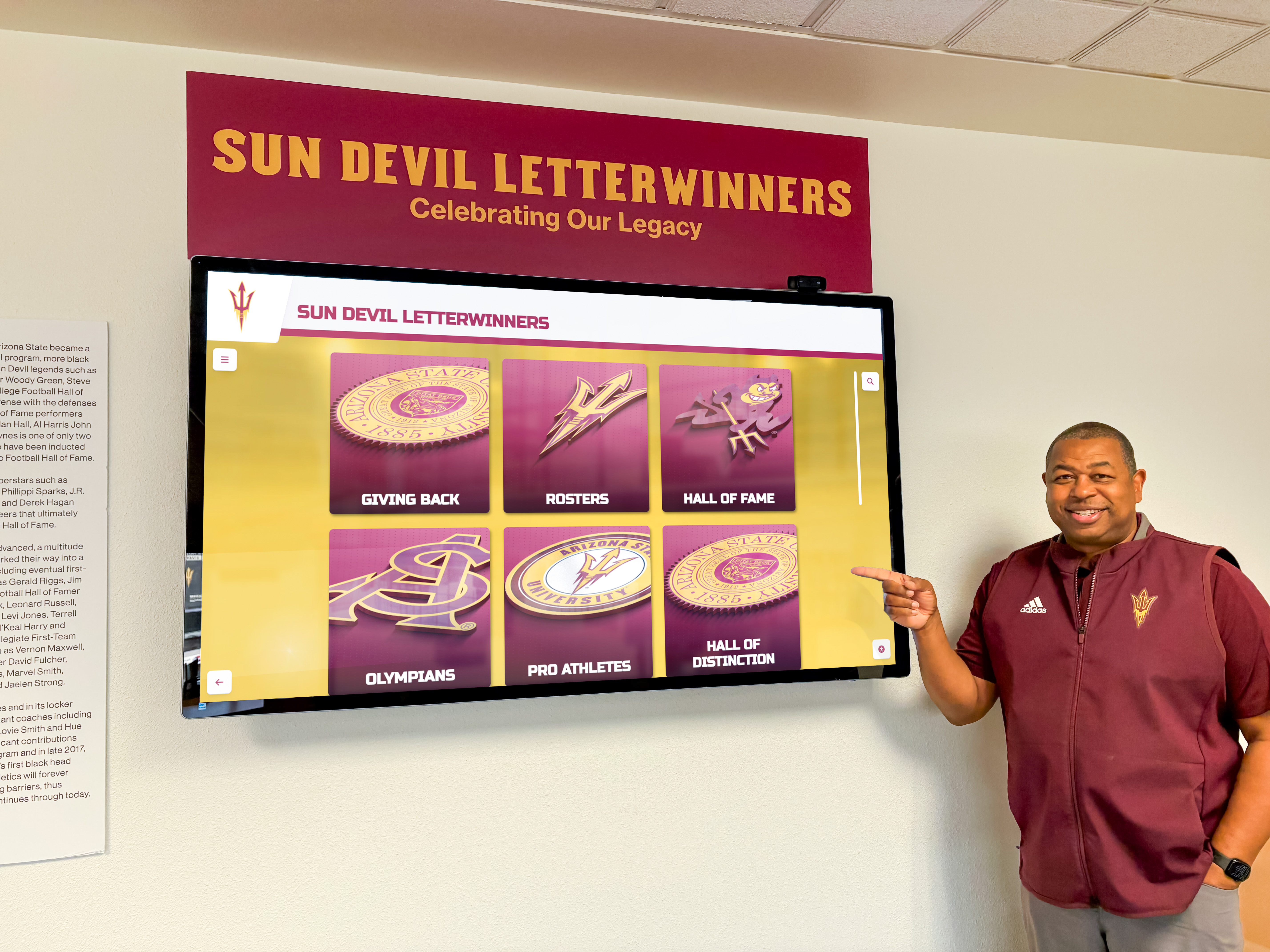
Search and Filter Capabilities
Interactive displays enable students, families, and visitors to actively search for specific teams to view complete profiles and historical performance, filter by sport to compare teams within similar contexts, browse by season to explore how GPAs fluctuate across academic years, view by graduating class to see cohort academic achievements, and discover trends across time periods understanding program evolution.
This interactivity dramatically increases engagement duration. Student-athletes and families typically spend several minutes actively exploring interactive recognition compared to brief glances at static bulletin boards, strengthening recognition impact through extended exposure.
Social Sharing and Extended Reach
Modern platforms integrate with social media and web sharing, enabling one-click sharing that extends recognition far beyond physical athletic facilities. Teams can share their GPA rankings through Instagram, Twitter, and Facebook, reaching teammates’ extended families and community members. Athletic departments can feature top academic teams on program websites and social media channels. College recruiters can access comprehensive team academic profiles demonstrating program commitment to scholar-athlete development.
This extended reach amplifies recognition impact while providing recruitment advantages for programs demonstrating authentic academic cultures that prepare student-athletes for collegiate success.
Comprehensive Analytics and Engagement Tracking
Understanding how student-athletes, families, and visitors interact with team GPA displays helps athletic departments demonstrate program value and optimize recognition strategies.
Interaction Metrics
Modern digital platforms track the number of sessions where users actively interact with displays, average interaction duration indicating engagement depth, specific teams or features accessed most frequently, search terms used revealing what visitors seek, and peak usage times identifying when displays receive greatest attention.
These metrics demonstrate that recognition programs receive genuine attention and create value beyond ceremonial acknowledgment. Athletic directors can use engagement data to justify continued investment while identifying opportunities for program enhancement.
Academic Outcome Correlations
While correlation doesn’t prove causation, athletic programs implementing comprehensive team GPA recognition often observe positive trends including average team GPAs increasing following implementation, percentage of student-athletes achieving honor roll status rising over time, improved college recruitment outcomes with higher academic scholarship awards, reduced academic ineligibility incidents affecting team rosters, and enhanced graduation rates among student-athletes compared to pre-implementation periods.
While many factors influence these outcomes, visible team GPA recognition contributes to academic cultures where excellence receives consistent celebration, supporting student-athlete motivation that manifests in measurable achievement indicators.
Implementing Team GPA Leaderboard Displays: Strategic Guide
Successful implementation requires thoughtful planning addressing both technical considerations and cultural factors that determine whether recognition programs strengthen team academic performance.
Establishing Clear Criteria and Calculation Methods
Effective team GPA programs begin with transparent, consistent criteria that student-athletes understand and calculation methods that ensure fair comparison across diverse team contexts.
Defining Team GPA Calculations
Athletic departments must determine how team GPAs are calculated and which students are included in team calculations. Common approaches include:
Full Roster Inclusion: Calculate team GPA using all students on official team rosters regardless of playing time or roster status. This approach creates maximum accountability and ensures all team members contribute to collective achievement while avoiding perceptions that lower-performing students are excluded from recognition.
Varsity/Playing Member Focus: Calculate team GPA using only varsity roster members or students meeting minimum participation thresholds. This approach may seem fairer for teams with large rosters including junior varsity or practice squad members who might skew averages, but risks creating perceptions that academic achievement matters only for certain students.
Weighted vs. Unweighted GPAs: Determine whether team calculations use weighted GPAs accounting for advanced course difficulty or unweighted GPAs treating all courses equally. Weighted approaches reward student-athletes taking rigorous coursework like Advanced Placement or honors classes, while unweighted approaches ensure students in standard-level courses receive equivalent recognition opportunities.
Schools should also establish policies addressing students transferring between teams mid-year, handling of incomplete grades or courses taken outside traditional settings, and treatment of student-athletes who become academically ineligible for competition but remain enrolled.
Addressing Equity Considerations Across Sports
Team GPA leaderboards inevitably surface questions about fairness when comparing teams with different demographic compositions, season timing, and roster sizes.
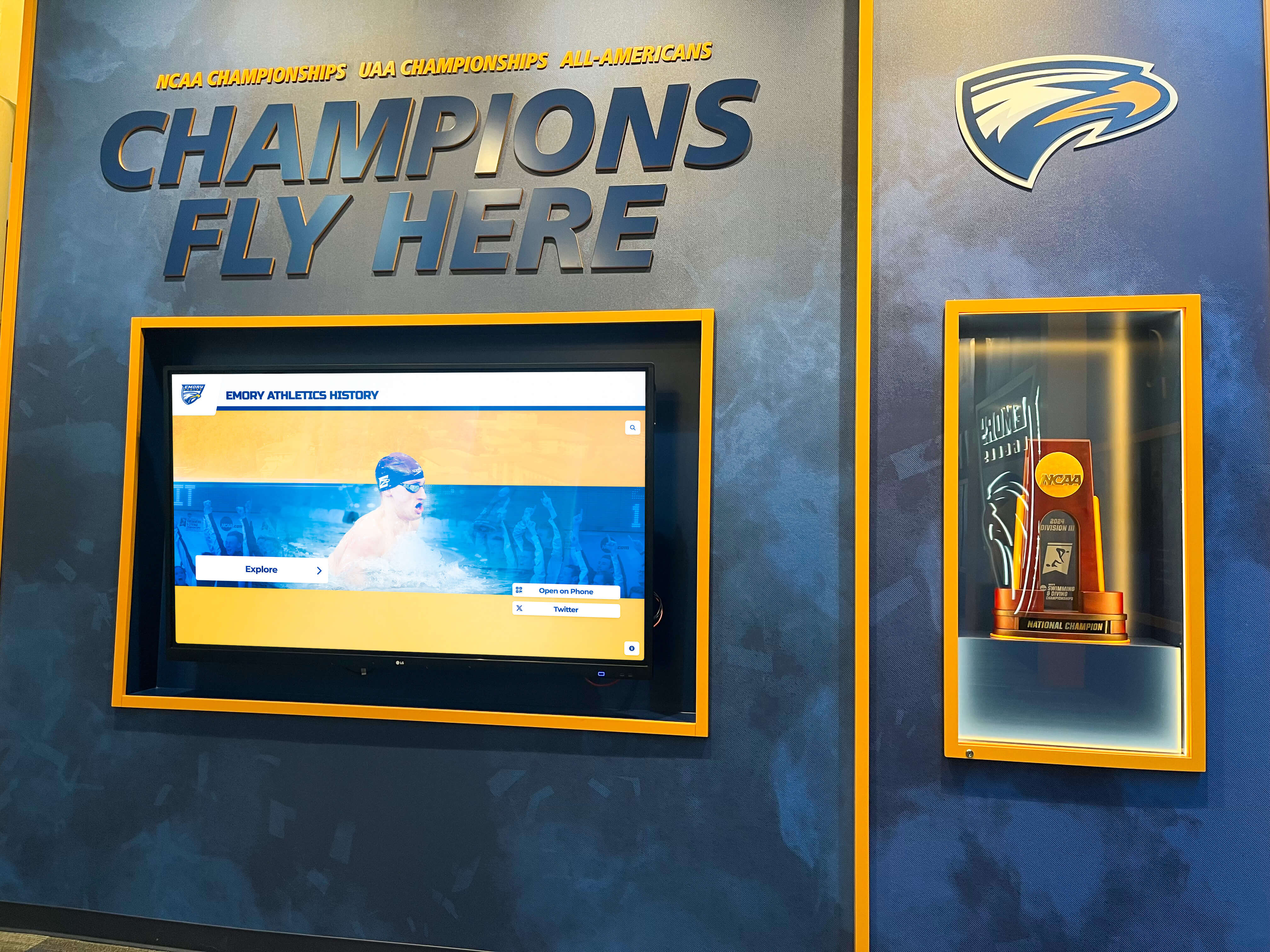
Season Timing and Academic Pressure
Different sports compete during different academic periods, potentially affecting team GPAs. Fall sport student-athletes balance athletic demands during the challenging first-semester adjustment period. Winter sport athletes navigate intensive competition during periods with midterm exams and challenging course material. Spring sport athletes may benefit from established academic routines while managing end-of-year pressures.
Comprehensive recognition systems account for these differences by comparing teams against their own historical performance rather than solely cross-sport comparisons, recognizing improvement and consistency rather than only absolute GPA rankings, celebrating teams achieving high GPAs despite intensive season demands, and maintaining separate recognition for in-season versus off-season academic performance.
Roster Size Variations
Large-roster sports like football may face mathematical challenges achieving high team GPAs compared to smaller-roster sports where a few high-achieving students can significantly elevate averages. Thoughtful recognition programs address this by implementing roster-size-adjusted recognition categories, celebrating improvement and consistency alongside absolute achievement, recognizing both largest and smallest rosters achieving designated GPA thresholds, and featuring individual scholar-athlete recognition from all teams regardless of team GPA ranking.
This balanced approach ensures all teams have realistic recognition opportunities while maintaining the motivational value of collective GPA tracking.
Selecting Digital Display Technology and Platforms
Technology selection significantly impacts program success, user experience, and long-term sustainability. Athletic departments should evaluate multiple factors when choosing team GPA leaderboard platforms.
Commercial-Grade Display Hardware
For athletic facilities implementing physical touchscreen displays, hardware must withstand intensive use in high-traffic environments:
Commercial vs. Consumer Equipment: Always specify commercial-grade displays designed for continuous operation in demanding athletic facility environments. Consumer displays intended for residential use typically fail within 1-2 years under continuous high-traffic operation, while commercial displays provide 5-7+ year lifespans. Though commercial displays cost more initially, longer lifespans make them dramatically more cost-effective over equipment lifecycles.
Screen Size and Installation Locations: Select display sizes appropriate for intended locations and viewing distances. Main lobby areas or hallways where student-athletes and visitors view from distances require larger displays (65-75 inches), while locker room areas or coaching offices may suit smaller displays (43-55 inches) providing adequate visibility at closer ranges.
Purpose-Built Athletic Recognition Software
Recognition software significantly influences ease of use, ongoing maintenance requirements, and feature availability:
Specialized Athletic Recognition Platforms: Platforms designed specifically for athletic recognition provide dramatically better experiences than generic digital signage software. Purpose-built solutions like Rocket Alumni Solutions offer intuitive content management requiring no technical expertise, recognition-specific templates designed for team achievement profiles, robust leaderboard capabilities optimized for academic tracking, integration with athletic department data systems, and analytics tracking engagement patterns demonstrating program value.
Cloud-Based Architecture Advantages: Cloud-based platforms provide automatic software updates requiring no IT maintenance, access from any internet-connected device without VPN requirements, automatic backup preventing data loss from equipment failures, geographic redundancy ensuring continuous availability, and simplified multi-facility management for institutions with multiple athletic venues.
While some athletic departments prefer local server control, cloud platforms typically provide superior reliability, accessibility, and ease of management for most educational environments.
Strategic Display Placement in Athletic Facilities
Location selection dramatically influences recognition visibility and impact. Strategic placement ensures target audiences regularly encounter displays during normal athletic facility activities.
High-Impact Athletic Facility Locations
Position team GPA leaderboards in areas with consistent student-athlete, family, and visitor traffic:
Main Athletic Building Entrances: Primary entrance areas where all visitors form first impressions about athletic program culture create ideal leaderboard locations. Prominent placement communicates that academic achievement represents a core athletic department value while ensuring maximum visibility among prospective student-athletes, families, and community members.
Locker Room Hallways and Common Areas: Locations where student-athletes gather daily provide constant reinforcement of academic expectations and achievement. Team members encountering leaderboard displays multiple times weekly throughout seasons maintain awareness of team academic standing, creating ongoing motivation through repeated exposure.
Weight Rooms and Training Facilities: Areas where student-athletes spend significant time during both in-season and off-season periods provide natural contexts for academic recognition that feels integrated with athletic development. The message that academic strength matters as much as physical strength resonates powerfully when reinforced in training environments.
Cafeteria and Team Meeting Spaces: Locations where teams gather socially ensure recognition reaches student-athletes during informal interactions. Academic conversations become normalized within team cultures when recognition is encountered during casual team bonding moments.
Creating Multiple Recognition Touchpoints
Athletic departments with resources for multiple displays benefit from distributing recognition across several strategic locations rather than concentrating all recognition in single areas. Multiple touchpoints ensure recognition reaches diverse audiences who may access different athletic facility areas based on sport, schedule, or purpose of visit.
Advanced Features That Maximize Impact
Beyond basic leaderboard functionality, advanced digital platforms offer features that significantly enhance program effectiveness and cultural impact.
Goal Setting and Progress Tracking
The most sophisticated team GPA systems enable teams to set academic goals and track progress throughout grading periods rather than only seeing results after final grades are posted.
Team Academic Goal Declarations
Progressive athletic departments incorporate goal-setting processes where each team publicly declares academic achievement targets at season beginning. These goals might include specific team GPA targets based on historical performance, improvement goals showing desired GPA increases from previous periods, percentage targets for team members achieving honor roll, or perfect GPA goals for certain roster members.
Public goal declaration creates accountability and intention around academic achievement, transforming vague aspirations into concrete targets that teams actively pursue throughout competitive seasons.
Mid-Period Progress Updates
When interim grade data becomes available, digital systems can display progress toward team goals, creating ongoing feedback rather than waiting until grading periods end. Teams can see whether they’re on track to meet declared goals, identify whether additional academic support or effort is needed, celebrate teams exceeding goal projections, and adjust strategies before final grades are determined.
This real-time feedback enables proactive academic support rather than reactive responses after grades are finalized, significantly improving outcomes for teams that might otherwise fall short of academic expectations.
Integration with Individual Student-Athlete Recognition
Team GPA leaderboards work most effectively when integrated with comprehensive systems also celebrating individual academic achievement alongside collective performance.
Complementary Individual Recognition
Rather than treating team GPA as isolated recognition, integrate within comprehensive systems also celebrating individual honor roll achievement at multiple GPA tiers, academic all-state athlete recognition for students excelling both athletically and academically, National Merit Scholar recognition and standardized test excellence, scholarship awards based on combined academic and athletic achievement, perfect and exceptional GPA achievement by individual student-athletes, and improvement awards recognizing students making significant academic gains.
Comprehensive recognition demonstrates that athletic departments value both team and individual excellence while creating more substantial displays that command attention and respect from all stakeholders.
Scholar-Athlete of the Year Programs
Many athletic departments complement team GPA leaderboards with scholar-athlete awards recognizing individuals who best exemplify combined academic and athletic excellence. These programs might include team-specific scholar-athlete selections from each sport, overall athletic department scholar-athlete of the year recognition, graduating senior scholar-athlete recognition highlighting college commitments, and coach-nominated academic leadership awards for students who promote team academic culture.
Individual recognition validates personal achievement while reinforcing messages that academic excellence matters as much as athletic performance to athletic department leadership.
College Recruitment and Athletic Department Promotion
Team GPA leaderboards provide powerful marketing and recruitment advantages for athletic programs competing to attract committed student-athletes from families prioritizing educational development.
Recruitment Marketing Integration
Athletic departments should leverage team GPA data throughout recruitment processes by including academic achievement statistics in recruitment presentations, featuring team GPA displays during campus visits from prospective student-athletes, highlighting scholar-athlete profiles in recruitment materials and videos, promoting academic all-conference and all-state selections alongside athletic honors, and providing web access to team GPA displays that recruits can explore with families.
Families evaluating multiple athletic programs often distinguish between programs based on demonstrated commitment to academic development. Comprehensive team GPA recognition provides concrete evidence differentiating programs genuinely supporting student-athlete academic success from those offering only rhetoric.
Athletic Department Branding and Reputation
Beyond individual recruitment, team GPA recognition strengthens athletic department reputations within broader communities. Programs known for developing scholar-athletes attract stronger community support, receive more favorable consideration for budget requests and facility improvements, develop positive relationships with college recruiters who appreciate academically-prepared prospects, and build program legacies extending beyond win-loss records.
This reputation-building proves particularly valuable during challenging athletic periods when win-loss records may not meet expectations. Programs demonstrating consistent academic excellence maintain community support and institutional credibility even when athletic performance fluctuates.
For schools looking to implement comprehensive athletic recognition programs, integrating team GPA leaderboards with athletic achievement recognition creates balanced systems celebrating well-rounded student-athlete development.
Best Practices for Building Academic Cultures in Athletic Programs
Technology and displays represent enablers, but building genuine academic cultures within athletic programs requires intentional leadership from coaches, athletic directors, and institutional administrators.
Coaching Staff Buy-In and Active Promotion
Team GPA recognition succeeds or fails based on coaching staff commitment to promoting academic excellence as a core team value rather than viewing it as competing with athletic priorities.

Making Academic Achievement a Team Priority
Coaches who successfully build strong team academic cultures incorporate academic expectations into team identity and culture from first team meetings, regularly reference team GPA standing and goals during team gatherings, celebrate academic achievements with comparable enthusiasm to athletic victories, implement team academic support structures like mandatory study halls and peer tutoring, hold team members accountable for academic performance through playing time or captaincy considerations, and recognize that strong team academics correlate with discipline and commitment that translate to athletic success.
Student-athletes respond to coaching priorities. When head coaches demonstrate that academic achievement matters as much as practice attendance or workout compliance, team members prioritize academic performance accordingly.
Leveraging Team Captains and Academic Leaders
Successful programs identify and empower team academic leaders who model scholar-athlete behavior by selecting team captains who exemplify both athletic and academic excellence, designating academic captains or study coordinators within each team, pairing struggling students with high-achieving teammates for peer mentoring, celebrating academic leaders during team meetings and social media posts, and ensuring team social cultures normalize academic effort and achievement rather than viewing it as uncool or unnecessary.
Peer influence powerfully shapes adolescent behavior. Teams where academic excellence is promoted by respected team leaders develop supportive cultures where academic effort becomes normalized rather than stigmatized.
Providing Academic Support Resources
Recognition without support creates frustration rather than motivation. Athletic departments must ensure student-athletes have realistic access to resources supporting academic achievement.
Structured Academic Support Programs
Comprehensive athletic academic support includes mandatory study hall hours for student-athletes below GPA thresholds, academic tutoring access in challenging subjects, time management training helping balance athletic and academic demands, academic counseling connecting students with mentors and support, technology resources including computers and quiet study spaces, and communication systems ensuring coaches and academic advisors coordinate support.
These support structures demonstrate institutional commitment to student-athlete academic success beyond expectation setting, ensuring that recognition programs motivate achievement rather than creating stress for students lacking resources needed to succeed.
Coach-Academic Advisor Collaboration
Strong athletic academic programs maintain regular communication between coaching staffs and academic advisors or counselors to monitor student-athlete academic progress proactively, identify struggling students before grade problems become severe, coordinate academic support interventions for at-risk student-athletes, recognize and celebrate academic improvements and achievements, and ensure academic planning supports both athletic participation and graduation goals.
This collaboration prevents situations where athletic and academic expectations conflict, ensuring student-athletes receive consistent messages that both domains represent priorities worthy of their best efforts.
Celebrating Academic Achievement Authentically
Student-athletes distinguish between authentic celebration and perfunctory acknowledgment. Programs that feel formulaic or minimal fail to generate the motivational benefits recognition should provide.
Multi-Channel Recognition and Communication
Digital leaderboard displays create permanent, visible celebration, but combining technology with multiple recognition approaches dramatically enhances perceived meaningfulness. Athletic departments should implement team GPA recognition ceremonies or celebrations during athletic award events, social media posts highlighting team academic achievements with comparable prominence to athletic results, coaching staff mentions of academic achievements during team meetings and parent communications, inclusion of academic honors on team media guides and roster information, and celebration of academic milestones like semester honor roll achievement during practice sessions.
This multi-channel approach ensures academic recognition receives visibility comparable to athletic recognition, communicating that both forms of excellence matter equally to athletic department leadership.
Family Engagement in Academic Recognition
Direct outreach to families celebrating team and individual academic achievement ensures families receive formal acknowledgment even if student-athletes don’t proactively share good news. Athletic departments can implement parent notifications when team GPA rankings are updated or individual honor roll is achieved, family attendance encouragement at academic recognition ceremonies, social media content families can easily share with extended family networks, and recognition materials families can discuss with student-athletes at home.
These family engagement strategies extend recognition impact beyond the athletic facility and create lasting connections between families and athletic programs built on shared commitment to student-athlete development.
Measuring Program Effectiveness and Demonstrating Value
Like any significant athletic department initiative, team GPA recognition programs warrant evaluation ensuring they achieve intended goals and justify resources they consume.
Defining Success Metrics and Tracking Progress
Effective evaluation begins with clear definition of what team GPA recognition programs aim to accomplish and establishing baseline data enabling meaningful assessment.
Academic Performance Indicators
Track quantitative metrics that directly reflect program impact on student-athlete academic achievement, including average team GPAs across all sports compared to pre-implementation periods, percentage of teams achieving designated GPA thresholds like 3.5+ or 3.0+, number of individual student-athletes achieving honor roll recognition, academic ineligibility incidents requiring students to miss competition, graduation rates for student-athletes compared to general student populations, and college academic scholarship awards received by graduating student-athletes.
Establish baseline measurements before implementing team GPA leaderboards, then track these metrics quarterly and annually to assess program impact over time. While many factors influence academic outcomes, programs implementing comprehensive recognition typically observe measurable improvements across multiple indicators within 1-2 years of implementation.
Engagement and Cultural Indicators
Beyond academic outcomes, assess whether recognition programs achieve intended cultural impacts including student-athlete survey responses about academic culture and support, family satisfaction with athletic program academic emphasis, coach perceptions of team academic motivation and effort, display interaction analytics showing engagement frequency and duration, social media engagement metrics for academic recognition content, and prospective student-athlete feedback about academic culture during recruitment.
These cultural indicators help identify whether recognition programs create the supportive academic environments that drive long-term achievement gains, rather than superficial acknowledgment without meaningful cultural impact.
Gathering Stakeholder Feedback for Continuous Improvement
Quantitative metrics tell part of the story, but qualitative feedback from those experiencing recognition programs provides crucial insights that numbers cannot capture.
Student-Athlete Perspectives
Student-athletes can articulate whether recognition feels meaningful and motivating through anonymous surveys exploring whether leaderboard displays influence academic effort and commitment, focus groups discussing what types of recognition team members value most, student advisory input on recognition program design and features, and informal conversations during team meetings or facility interactions.
Questions should explore both whether student-athletes value recognition and whether they have resources needed to achieve displayed standards, ensuring programs remain motivating and accessible rather than creating stress for students lacking adequate support.
Coach and Athletic Staff Input
Coaches and athletic department staff observe recognition programs’ effects on student-athlete motivation and team dynamics through athletics staff survey questions about recognition impact on team academic cultures, sport-specific coach feedback about team GPA program effectiveness, athletic administrator observations about which teams respond most positively to recognition, and coaching suggestions for program enhancements or additional features.
Athletic staff can identify which aspects of recognition programs generate strongest motivational impact and which elements need refinement, helping athletic directors optimize programs to serve diverse sports and team cultures effectively.
Family and Community Feedback
Parents, guardians, and community members provide perspective on recognition programs’ external impact and recruitment value including parent survey questions about whether they discuss team academic achievement at home, family feedback about recognition program influence on athletic program selection decisions, prospective family input during recruitment about academic culture demonstration, and community member observations about athletic program reputation and values.
This external feedback helps athletic departments understand whether recognition programs successfully communicate institutional values to audiences beyond current student-athletes, achieving recruitment and reputation-building objectives.
For comprehensive guidance on creating recognition programs that strengthen school culture, athletic departments can explore resources addressing both implementation and cultural development.
Common Challenges and Solutions
Even well-designed team GPA recognition programs encounter predictable challenges. Being prepared for common obstacles helps athletic departments navigate them successfully while maintaining program momentum.
Balancing Academic Recognition with Athletic Achievement Culture
Athletic programs sometimes worry that emphasizing academic achievement might diminish competitive intensity or suggest that athletic performance matters less than academics.
The Challenge
Traditional athletic cultures often prioritize competitive success above all other considerations. Introducing prominent academic recognition might create concern that athletic department priorities are shifting away from winning or that academic standards will compromise competitive success by limiting practice time or recruitment flexibility.
Effective Approaches
Frame academic recognition as complementary to athletic success rather than competing with it. Successful athletic departments emphasize that characteristics driving academic excellence—discipline, time management, goal-setting, persistence through challenges—directly transfer to athletic performance. Present research demonstrating that teams with higher GPAs often achieve better athletic outcomes due to discipline and commitment translating across domains. Celebrate both academic and athletic achievements with comparable prominence, ensuring neither domain is privileged over the other. Share success stories of individual student-athletes and entire teams excelling both academically and athletically, disproving false choice between academic and competitive success.
Most importantly, athletic directors should ensure coaching evaluation and compensation structures include academic performance metrics alongside athletic success measures, demonstrating institutional commitment that academic achievement represents a genuine priority rather than superficial rhetoric.
Managing Teams with Significantly Different Academic Profiles
Athletic programs include teams with vastly different demographic compositions, academic preparation levels, and roster sizes, creating challenges for fair recognition and equitable motivation.
The Challenge
Some teams naturally achieve higher collective GPAs due to demographic factors, smaller roster sizes allowing a few high achievers to elevate averages significantly, or student populations with greater academic preparation and support resources. Other teams face steeper challenges due to larger rosters where a few struggling students significantly impact averages, demographic factors correlating with academic preparation differences, or student populations with fewer support resources outside school.
Simple leaderboard rankings without consideration of these contextual factors might inadvertently create perceptions that certain teams or student-athlete populations aren’t academically capable, undermining rather than supporting the motivational purposes recognition aims to serve.
Effective Approaches
Implement multi-tiered recognition celebrating diverse achievement types including absolute GPA rankings recognizing highest-performing teams, improvement rankings celebrating teams showing greatest GPA gains, consistency recognition for teams maintaining high standards across multiple periods, threshold-based recognition celebrating all teams achieving designated GPA levels, and program records recognizing teams achieving best-ever GPA for their specific sport.
This multi-dimensional approach ensures all teams have realistic recognition opportunities regardless of starting point or contextual challenges, maintaining motivation across diverse athletic program populations.
Additionally, ensure adequate academic support resources are available to all teams rather than assuming recognition alone will drive improvement without providing tools student-athletes need for success.
Maintaining Program Momentum and Consistent Updates
Initial implementation enthusiasm sometimes wanes as competing priorities demand attention, leading to outdated displays and inconsistent updates that undermine program credibility.
The Challenge
Athletic departments face intense demands on limited staff time and attention. Following initial implementation, team GPA leaderboard updates may become inconsistent, particularly during busy athletic seasons or leadership transitions. Once displays become outdated or recognition patterns become irregular, student-athletes lose confidence in program authenticity, undermining motivational impact.
Effective Approaches
Establish simple, sustainable update processes that require minimal time investment including automated data integration with student information systems when feasible, designated staff responsibility for recognition updates with backup coverage, scheduled update cycles aligned with grading period calendars, pre-established templates and formats requiring only data insertion, and cloud-based management enabling updates from any location without physical display access.
Most importantly, select recognition platforms designed for ease of use by non-technical staff, ensuring that updates remain feasible even during staffing transitions or periods of competing priorities. Solutions like Rocket Alumni Solutions specifically address this challenge through intuitive interfaces requiring 15-30 minutes per update rather than hours of manual work, making consistent program maintenance realistic even for understaffed athletic departments.
Future Trends in Athletic Academic Recognition
Team GPA recognition continues evolving as technology advances and educational priorities shift. Forward-thinking athletic departments are already exploring next-generation approaches likely to become mainstream in coming years.
Predictive Analytics and Early Intervention Systems
Emerging systems will leverage data to identify student-athletes at risk of academic struggles before grade problems become severe, enabling proactive support rather than reactive responses.
Academic Risk Identification
Advanced platforms might analyze interim grade data patterns signaling potential academic difficulties, attendance tracking indicating concerning patterns affecting academic performance, course load balancing identifying students potentially overextended academically, and historical performance trends predicting which students face heightened risk during specific periods.
This predictive capability enables athletic departments and coaching staffs to provide targeted support interventions before grade problems affect team GPAs or athletic eligibility, significantly improving outcomes for at-risk student-athletes.
Integration with College Recruitment Platforms
As college athletic recruitment becomes increasingly data-driven, team GPA recognition systems will likely integrate more seamlessly with recruitment profiles and evaluation platforms.
Scholar-Athlete Recruitment Advantages
Progressive systems might enable automatic inclusion of team GPA performance in athletic recruitment profiles, documentation of individual academic achievement alongside athletic statistics, verification of academic credentials for college recruiters, and connection of high school academic performance to college academic scholarship opportunities.
This integration provides recruiting advantages for student-athletes from programs with documented academic cultures while helping college programs identify prospects likely to succeed academically at collegiate level.
Expanded Recognition for Non-Academic Team Excellence
While GPA remains the primary academic metric, future systems will likely incorporate broader measures of student-athlete development and team excellence.

Holistic Student-Athlete Recognition
Next-generation platforms might track and display team community service hours and volunteer participation, leadership development and team captain selection criteria, sportsmanship and character recognition from officials and opponents, graduation rates and college continuation patterns, and career success of program alumni in both athletic and professional contexts.
This comprehensive approach demonstrates that athletic programs develop complete individuals rather than measuring success solely through wins and GPAs, creating more nuanced recognition systems aligned with holistic student-athlete development philosophies.
For athletic programs exploring comprehensive approaches to recognition, resources about building community and recognition cultures provide valuable implementation guidance.
Taking the First Steps Toward Team GPA Recognition Excellence
For athletic departments ready to implement team GPA leaderboard displays or enhance existing recognition programs, the path forward combines practical planning with vision for the culture you want to create.
Assess Your Current Academic Recognition Landscape
Begin with honest evaluation of existing academic recognition practices within your athletic department to understand what academic achievements currently receive recognition and what’s overlooked, identify which student-athletes and teams benefit from existing recognition programs, evaluate how visible and engaging current recognition is to student-athletes and families, gather input about what students, coaches, and families say about current programs, assess how much staff time current recognition approaches consume, and determine what recognition should support broader athletic department goals and values.
This assessment creates baseline understanding and helps identify specific improvements that team GPA leaderboard displays should provide.
Define Your Athletic Department Academic Philosophy
Effective recognition programs reflect deliberate philosophical choices about what athletic departments value and want to cultivate in student-athlete development. Consider whether you’ll prioritize absolute achievement, improvement, or both equally, how you’ll balance team recognition with individual academic celebration, whether recognition will celebrate only highest performers or create achievement pathways for all teams, what role team academic competition versus individual goal achievement should play, and how recognition will support stated athletic department missions and institutional values.
Articulating clear philosophy helps ensure recognition programs remain aligned with broader goals rather than existing as disconnected reward systems.
Start With Pilot Implementation and Expand Thoughtfully
Rather than attempting comprehensive recognition systems immediately across all sports, consider phased implementation that builds momentum through visible success.
Phase 1: Core Team GPA Leaderboard
- Establish clear team GPA calculation criteria and policies
- Implement basic leaderboard display showing current team rankings
- Create efficient processes for updating displays each grading period
Phase 2: Enhanced Recognition Features
- Add historical team GPA data showing multi-year trends
- Implement individual scholar-athlete recognition within teams
- Develop goal-setting and progress tracking capabilities
Phase 3: Comprehensive Athletic Academic Culture
- Deploy interactive digital displays in multiple athletic facility locations
- Extend recognition through web platforms accessible to recruits and families
- Integrate team GPA recognition with broader athletic recognition programs celebrating diverse achievements
This phased approach allows athletic departments to build sustainable programs incrementally rather than implementing complex systems that become overwhelming and get abandoned.
Partner With Purpose-Built Recognition Solutions
While athletic departments can implement team GPA recognition using basic tools, specialized platforms designed specifically for athletic recognition often provide significantly better experiences with less administrative burden.
Purpose-built solutions like Rocket Alumni Solutions offer intuitive content management requiring minimal training and time investment, platforms designed specifically for athletic recognition rather than adapted from generic digital signage, comprehensive leaderboard and profile systems telling achievement stories beyond simple rankings, web-based access extending recognition beyond athletic facility walls, analytics demonstrating program impact and engagement patterns, and ongoing support from teams understanding athletic department contexts and constraints.
These specialized solutions prove particularly valuable for athletic departments wanting to implement sophisticated recognition without dedicating staff to extensive technical administration or content creation.
Conclusion: Building Championship Cultures Through Academic Excellence Recognition
Team GPA leaderboard digital displays represent far more than technology installations in athletic facilities. When thoughtfully implemented and authentically supported by athletic department leadership, they become powerful tools for shaping program cultures, motivating student-athletes, and celebrating the comprehensive excellence that championship programs embody.
The most effective team GPA recognition programs share common characteristics regardless of specific implementation approaches. They acknowledge both absolute achievement and improvement, ensuring teams at all starting points have realistic recognition opportunities. They communicate recognition prominently through multiple channels, making celebration visible throughout athletic facilities and communities. They provide adequate support resources ensuring student-athletes can realistically achieve displayed standards. They leverage efficient systems making comprehensive recognition sustainable rather than burdensome. They evolve based on feedback and evidence rather than remaining static traditions.
As athletic programs navigate 2026 and beyond, the opportunities for innovative academic recognition have never been richer. Digital technologies like interactive displays, web-based recognition platforms, and social media integration allow athletic departments to celebrate academic achievement more dynamically and visibly than ever before. Purpose-built solutions designed specifically for athletic recognition make sophisticated programs accessible even for departments with limited technical resources or administrative capacity.
Yet technology represents only an enabler, not the essence of effective recognition. At its core, team GPA recognition succeeds when it authentically communicates what athletic directors and coaches know: that student-athletes accomplish remarkable things through dedication in multiple domains, that academic achievement deserves celebration comparable to athletic victories, and that every team has potential for excellence worthy of acknowledgment.
Whether you’re establishing your first team GPA recognition program or enhancing long-standing traditions, the key lies in implementing systems that genuinely celebrate achievement, remain manageable for busy athletic departments, and create the cultures of comprehensive excellence where all student-athletes can thrive. The student-athletes who experience authentic recognition today become the accomplished alumni, engaged supporters, and successful professionals of tomorrow—making recognition programs investments that pay dividends long after athletic careers end.
Your student-athletes achieve remarkable success through dedication both on the field and in the classroom. Team GPA leaderboard digital displays ensure those academic achievements receive the celebration, visibility, and motivational impact that strengthen athletic cultures for current student-athletes and future generations. Championship programs develop championship scholar-athletes—comprehensive recognition demonstrates that your athletic department embraces this dual commitment with resources, visibility, and authentic celebration that student-athletes deserve.
Frequently Asked Questions About Team GPA Leaderboards
How should athletic departments calculate team GPA fairly across different sports?
Most athletic departments calculate team GPA by averaging individual GPAs of all official roster members, ensuring consistent methodology across all sports regardless of roster size or participation levels. Use the same calculation approach (weighted or unweighted GPAs) for all teams to maintain fair comparison. To address concerns about roster size differences affecting averages, implement multi-tiered recognition celebrating absolute achievement, improvement, consistency, and threshold-based accomplishments rather than ranking solely by absolute GPA. Some programs maintain separate leaderboards for large-roster sports (football, track) and smaller-roster sports to address mathematical advantages smaller teams may have. The key is transparency—whatever calculation methodology you choose should be clearly documented and consistently applied across all teams.
What GPA threshold should teams aim for to be recognized?
Common recognition thresholds include 3.5+ GPA for high academic honor recognition, 3.0-3.49 GPA for standard academic honor recognition, and improvement-based recognition for teams showing significant GPA gains regardless of absolute level. Rather than setting single thresholds, implement tiered recognition celebrating multiple achievement levels so teams at various starting points have realistic goals. Consider your institution’s overall student GPA distribution when setting thresholds—standards should represent genuine achievement while being attainable for teams demonstrating commitment and effort. Many successful programs recognize the top 3-5 teams by absolute GPA while also celebrating greatest improvement and consistent achievement at designated thresholds, ensuring diverse recognition opportunities.
How often should team GPA leaderboards be updated?
Most athletic departments update team GPA leaderboards following each official grading period (quarterly or semester schedules), providing 2-4 updates annually aligned with transcript reporting periods. This frequency balances several considerations: updates frequent enough that recognition remains current and motivating, infrequent enough that achievement represents sustained performance rather than brief effort, and aligned with official academic records ensuring accuracy. Some programs supplement periodic official updates with mid-grading-period progress displays when interim grades become available, creating more frequent feedback that enables proactive academic support. The most important factor is consistency—establish an update schedule and maintain it reliably so student-athletes know when new rankings will appear and trust that displays remain current.
Should team GPA recognition include historical data or only current performance?
Including historical team GPA data provides significant advantages worth the implementation effort. Teams can compare current performance against their own historical standards rather than only competing against other sports, view long-term trends showing sustained excellence or improvement patterns, pursue program records for highest team GPA in sport-specific history, and maintain institutional archives demonstrating athletic department academic culture over time. Historical context transforms single-period recognition into ongoing narratives about program academic expectations, helping teams maintain standards during roster transitions. Digital platforms make historical recognition practical through unlimited capacity without physical space constraints. Athletic departments implementing historical recognition often begin with recent 3-5 years before gradually expanding coverage, prioritizing complete current coverage before investing extensively in historical research.
How can athletic departments ensure team GPA displays motivate rather than discourage struggling teams?
The key to ensuring motivation across all performance levels lies in implementing multi-dimensional recognition beyond simple GPA rankings. Celebrate greatest improvement showing teams making significant progress regardless of absolute GPA, recognize all teams achieving designated thresholds rather than only highest performers, feature team-specific historical comparisons showing whether current performance represents improvement for that particular program, highlight individual scholar-athletes from all teams providing recognition opportunities even for teams with lower collective GPAs, and provide adequate academic support resources ensuring teams have tools needed to improve performance. Most importantly, frame recognition positively around what teams are achieving rather than shaming teams with lower GPAs. Athletic directors should ensure coaching and academic support staff proactively assist struggling teams rather than leaving them unsupported while publicly displaying academic challenges.
What’s the typical cost for implementing team GPA leaderboard digital displays?
Initial implementation costs for team GPA leaderboard displays typically range from $5,000-12,000 per location including commercial-grade touchscreen display (55-75 inches) costing $2,500-6,000, professional mounting and installation costing $500-2,000, media player or computer powering content costing $500-1,500, and network infrastructure if needed costing $200-1,500. Annual software licensing and cloud platform subscriptions typically range from $1,500-5,000 depending on features, number of displays, and included support services. Athletic departments implementing multiple displays or district-wide programs benefit from volume pricing reducing per-unit costs significantly. While requiring meaningful investment, team GPA displays often prove cost-effective compared to ongoing expenses for traditional recognition approaches requiring recurring material costs, engraving services, and extensive staff time for manual updates. Additionally, platforms serving multiple recognition purposes beyond team GPA improve cost-effectiveness through consolidation. Many athletic departments fund recognition through athletic booster contributions, parent organization support, or facility improvement budgets given the recruitment and reputation benefits comprehensive academic recognition provides.
How do team GPA leaderboards affect athletic department recruitment?
Team GPA recognition provides significant recruitment advantages in competitive markets where multiple programs recruit the same prospective student-athletes. Families prioritizing academic development distinguish between programs based on demonstrated commitment versus rhetoric alone—visible team GPA recognition provides concrete evidence that academic achievement represents genuine priority. During campus visits, athletic departments showcase leaderboard displays demonstrating academic culture while highlighting individual scholar-athlete success stories. Recruitment materials include team academic achievement statistics alongside athletic accomplishments, appealing to academically-motivated prospects and their families. College recruiters increasingly note programs producing academically-prepared student-athletes, creating advantages for high schools with documented academic cultures. Athletic departments implementing comprehensive academic recognition typically observe improved recruitment outcomes including attracting higher-caliber student-athletes academically, receiving fewer attrition issues from students academically unprepared, achieving higher academic scholarship awards for graduating seniors, and building program reputations that compound recruitment advantages over time.