Every school community includes teachers whose impact transcends the classroom — educators who mentored nervous freshmen through personal crises, sparked lifelong passions for learning in students who thought they hated school, and whose hallway conversations quietly changed the direction of young lives. Yet walk through most schools and you’ll find athletic halls of fame, donor recognition walls, and alumni displays but precious few installations specifically honoring the teachers who made it all possible.
Whether your school is planning a first-ever educator recognition installation or looking to modernize a decades-old display, the frameworks in this guide will help you create something worthy of the teachers you’re honoring.
Why Teacher Tribute Walls Matter
Schools commemorate athletes, alumni, and donors with impressive installations — championship banners in gymnasiums, donor walls in lobbies, and athletic halls of fame lining prominent hallways. Teachers, who arguably shape school culture more profoundly than any other group, are often recognized only through a brief appreciation week, a retiring colleague’s cake-in-the-faculty-room, or a paper certificate that fades in a desk drawer.
This recognition gap has real consequences. Research on educator motivation consistently identifies recognition and appreciation as significant factors in teacher retention and morale. When schools invest in permanent recognition infrastructure for some contributors while offering only temporary gestures for teachers, the message sent — however unintentionally — is that educators’ contributions matter less than athletic victories or financial gifts.
A teacher tribute wall corrects this imbalance by creating permanent, visible recognition that:
- Demonstrates institutional commitment to honoring educational excellence beyond a single week each spring
- Inspires current students to consider teaching as a meaningful and respected career path
- Creates emotional connections for alumni who remember honored educators from their own school years
- Acknowledges the personal investment teachers make in students’ intellectual and personal development
- Builds school culture around a broader definition of achievement that includes mentorship and intellectual cultivation

Schools investing in academic recognition programs increasingly recognize that honoring educators alongside students creates more complete institutional memory — documenting not just who achieved excellence but who made that excellence possible in the first place.
Types of Teacher Tribute Wall Displays
Traditional Plaque and Portrait Walls
The most straightforward teacher tribute wall format features individual plaques or framed portraits of honored educators, typically arranged chronologically or alphabetically along a dedicated hallway or lobby section. Each entry might include the teacher’s photograph, name, years of service, subjects taught, and a brief recognition statement.
Traditional plaque walls carry genuine dignity and permanence. Visitors encountering a wall of framed portraits understand immediately that something meaningful happened in this building — that this school takes its educational history seriously. Physical plaques and engraved nameplates signal institutional investment in a way that temporary recognition cannot match.
The limitations emerge over time. Physical walls require physical space, and schools that honor teachers every few years will eventually run out of room. Updating information — adding a retirement date, correcting a career detail — requires manufacturing a new plaque. And physical installations communicate static information only: there’s no way for a student to tap on a portrait and read about the chemistry teacher’s twenty-year impact, or hear the story of how an English teacher turned reluctant readers into lifelong book lovers.
Digital Educator Recognition Displays
Digital screens dedicated to teacher tribute content offer flexibility that physical installations cannot. A single screen can rotate profiles of dozens of educators, with each profile including multiple photographs, extended career narratives, student testimonials, and video clips from retirement ceremonies or teaching tributes.
These displays excel at telling complete stories. Where a plaque might note “30 years of service in the mathematics department,” a digital profile can show the progression from young first-year teacher to department chair, include quotes from former students now working as engineers, and connect this educator’s influence to the school’s broader academic tradition.
Academic achievement displays for schools have evolved significantly in recent years, with modern installations making it straightforward to combine educator recognition with student achievement content — showing teachers and their students’ accomplishments side by side in ways that reinforce the connection between great teaching and outstanding results.
Interactive Touchscreen Tribute Systems
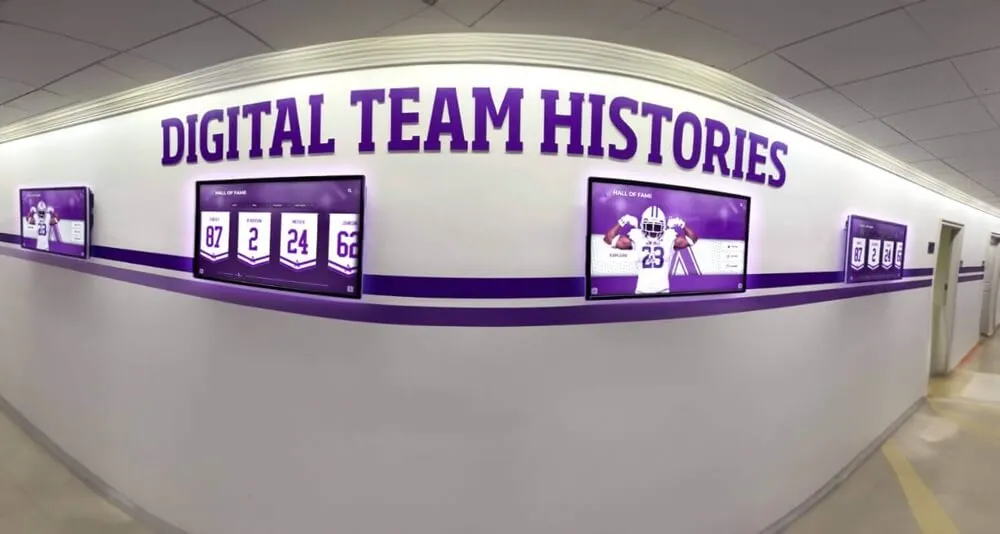
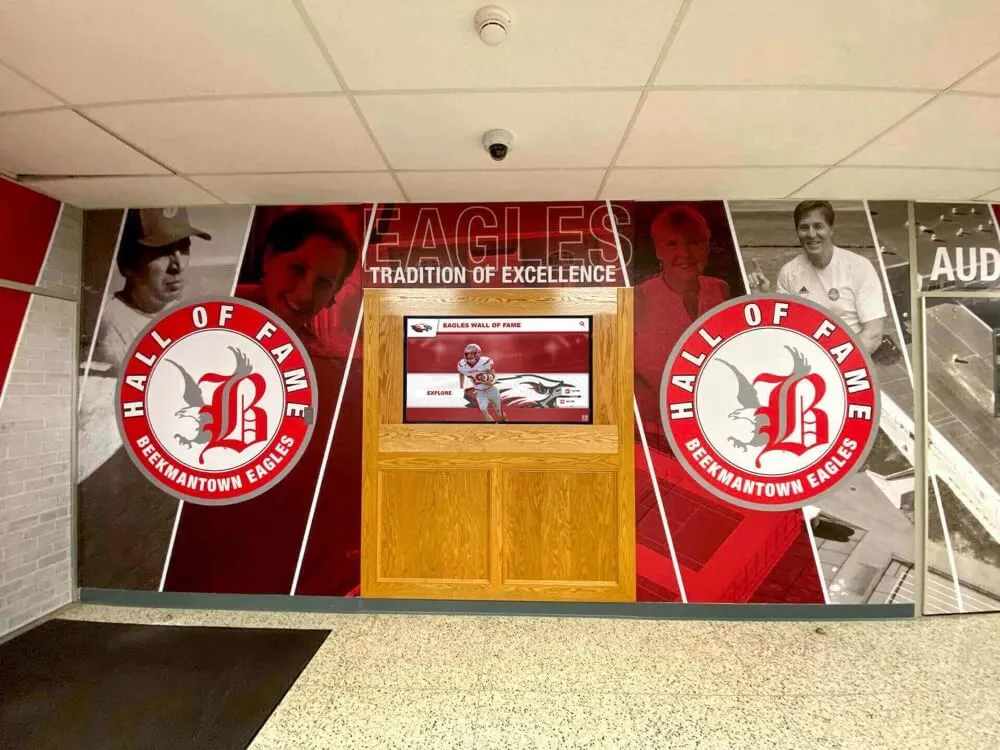
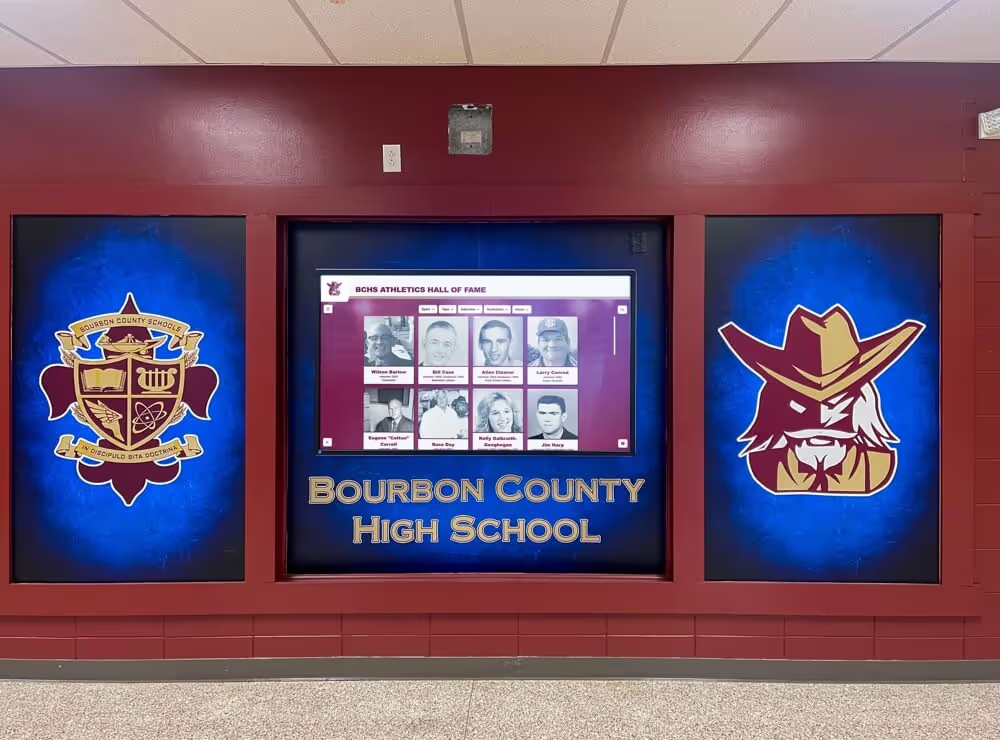
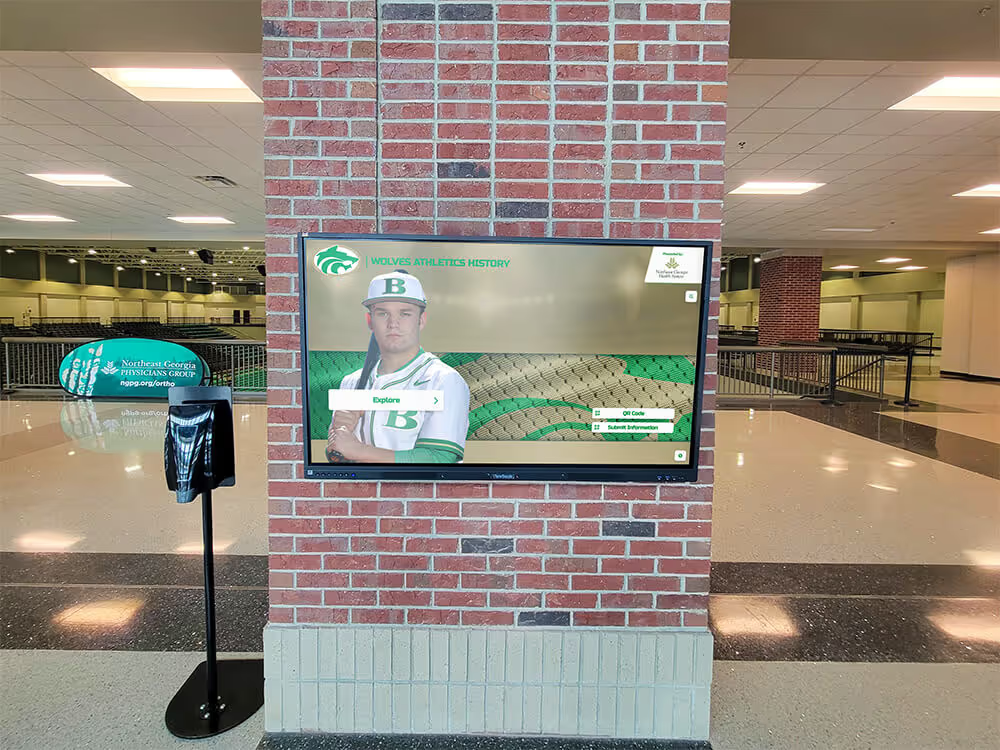
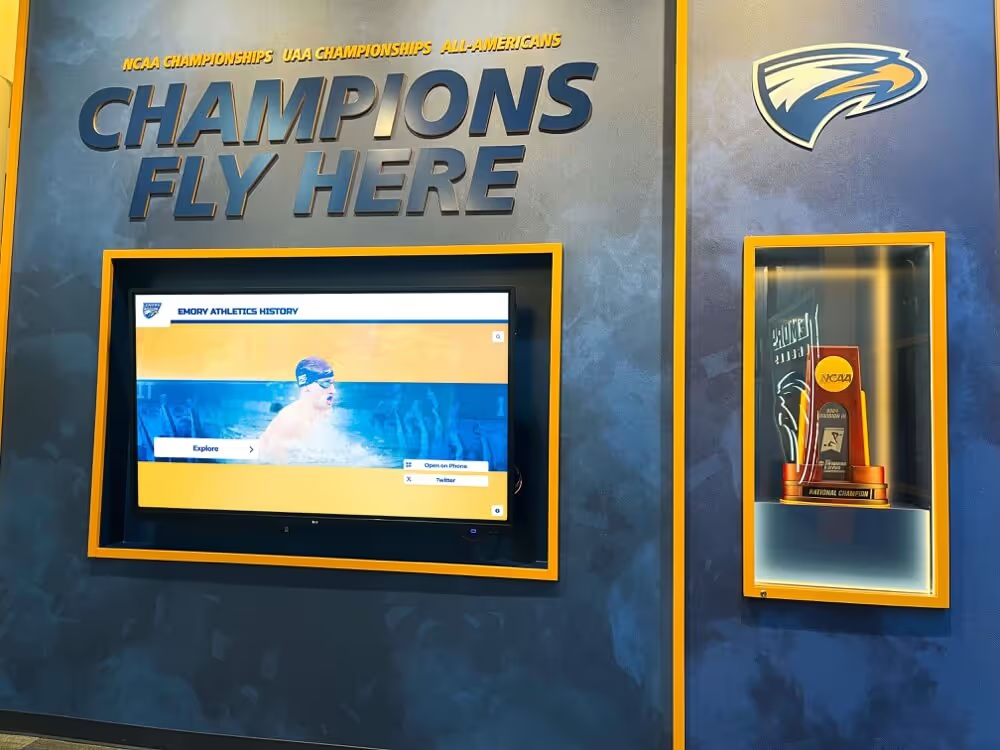
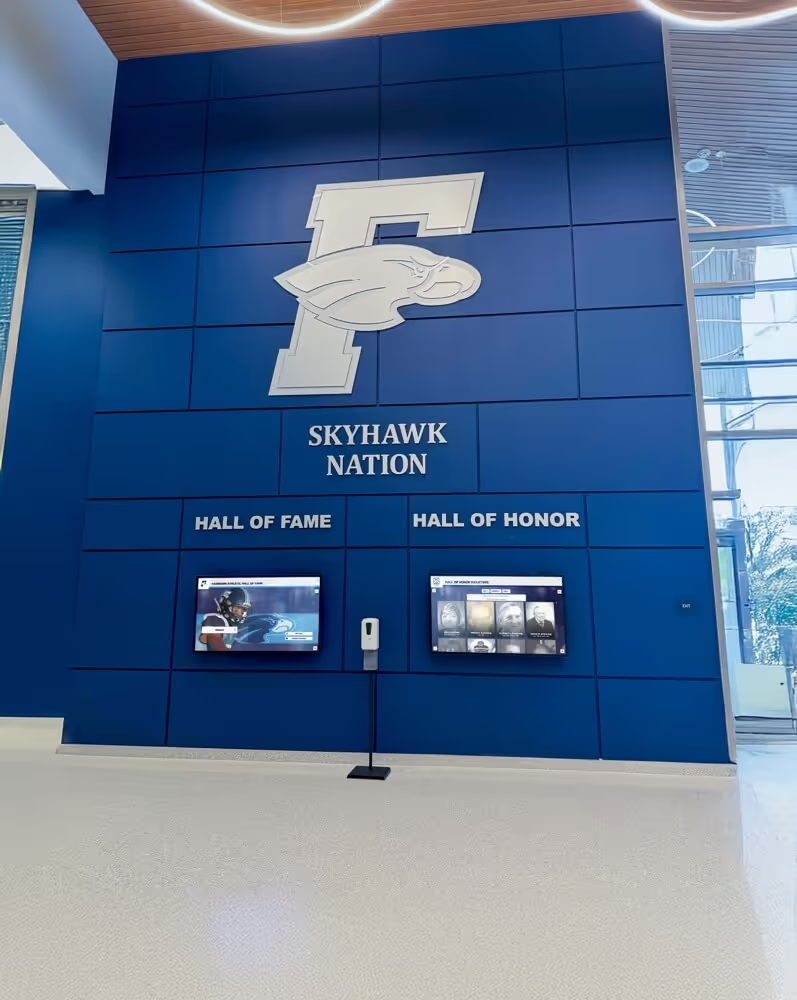
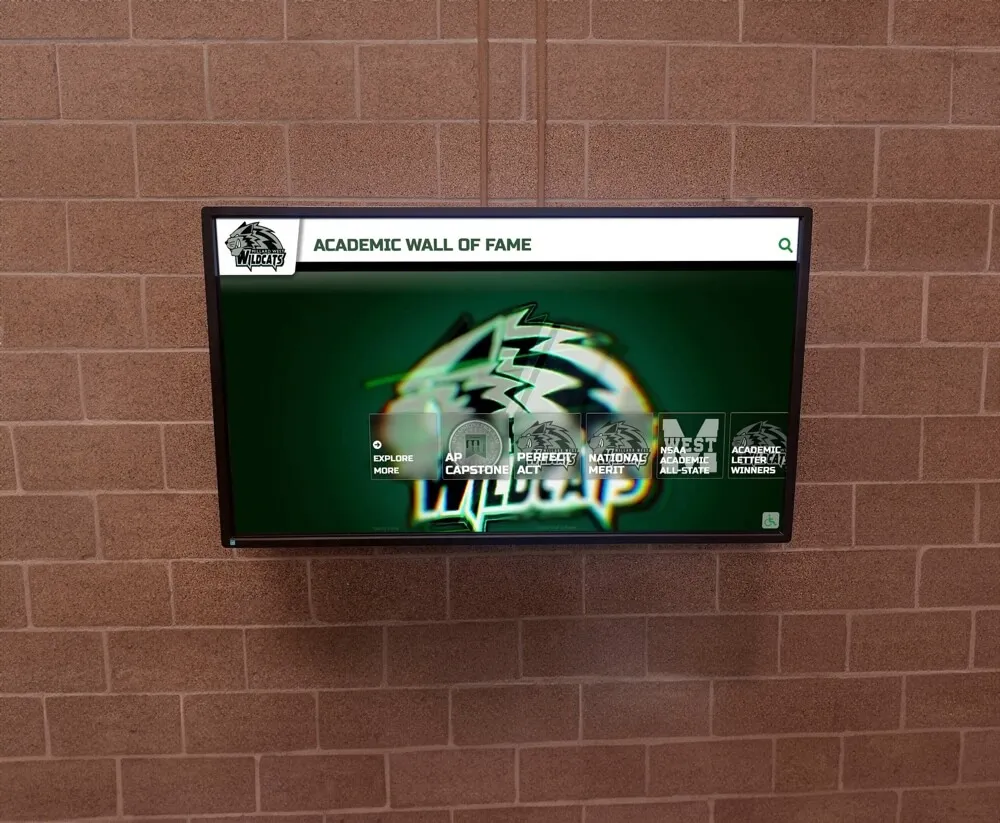
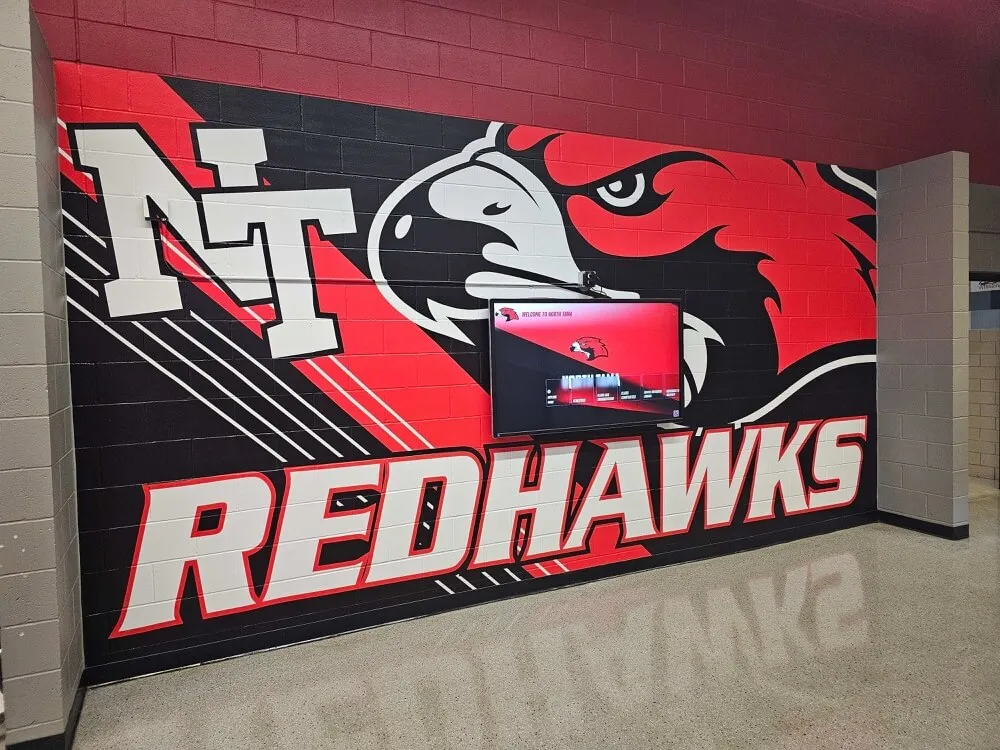
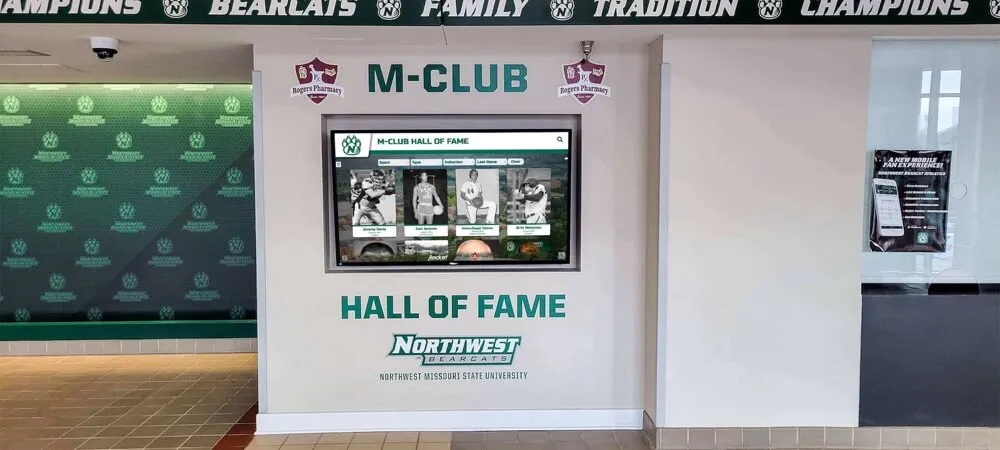
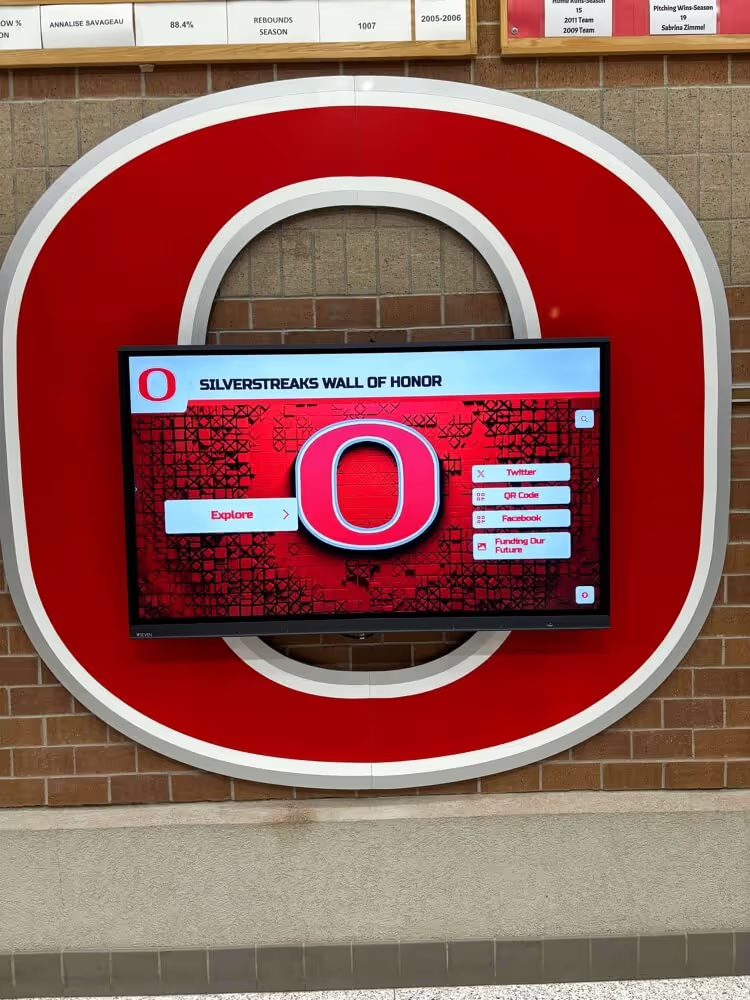
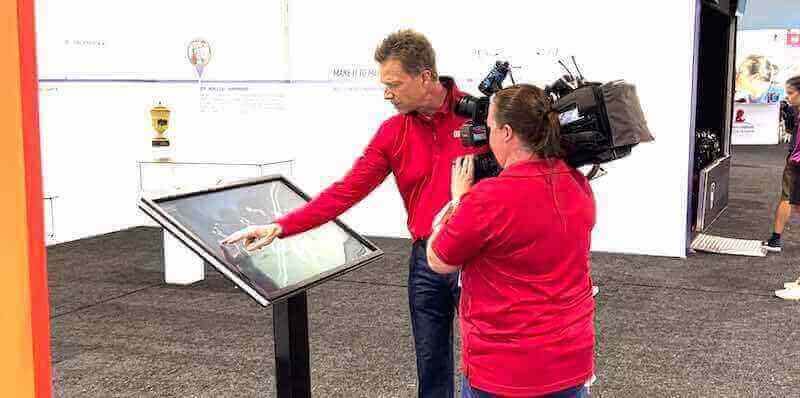
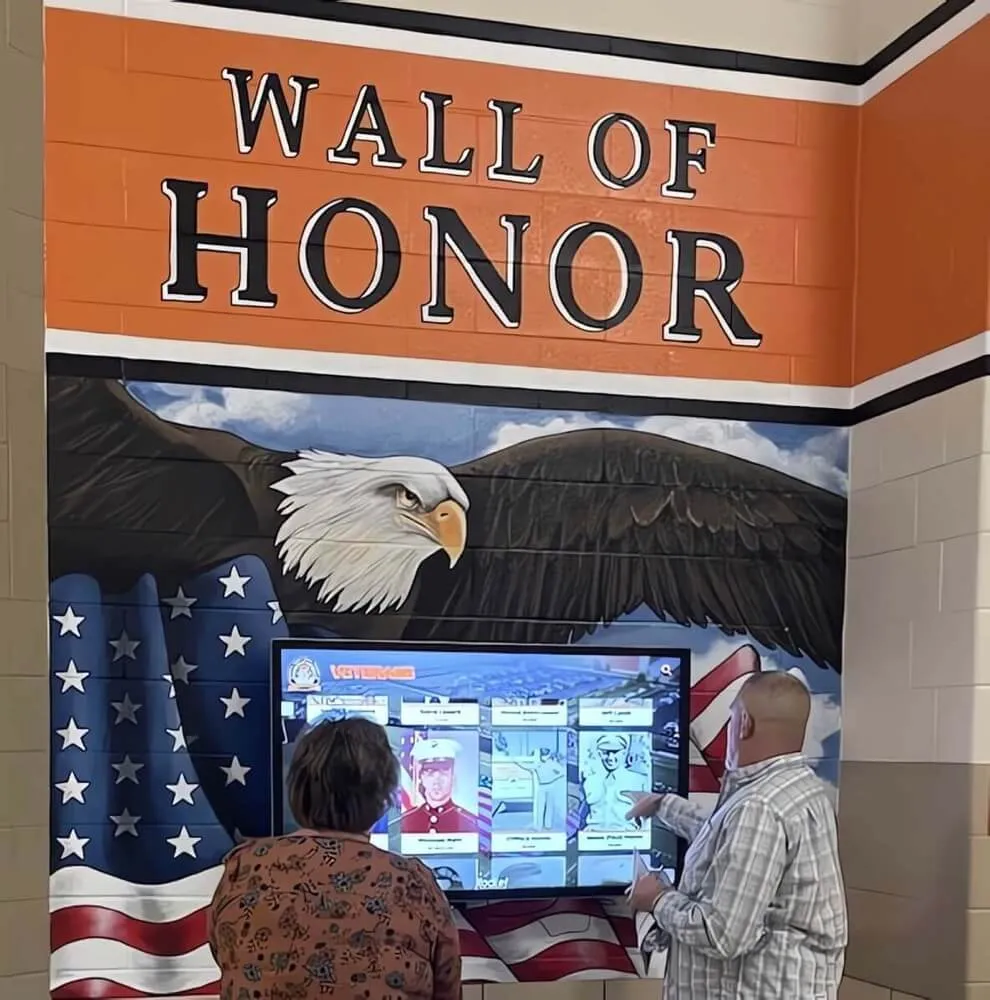
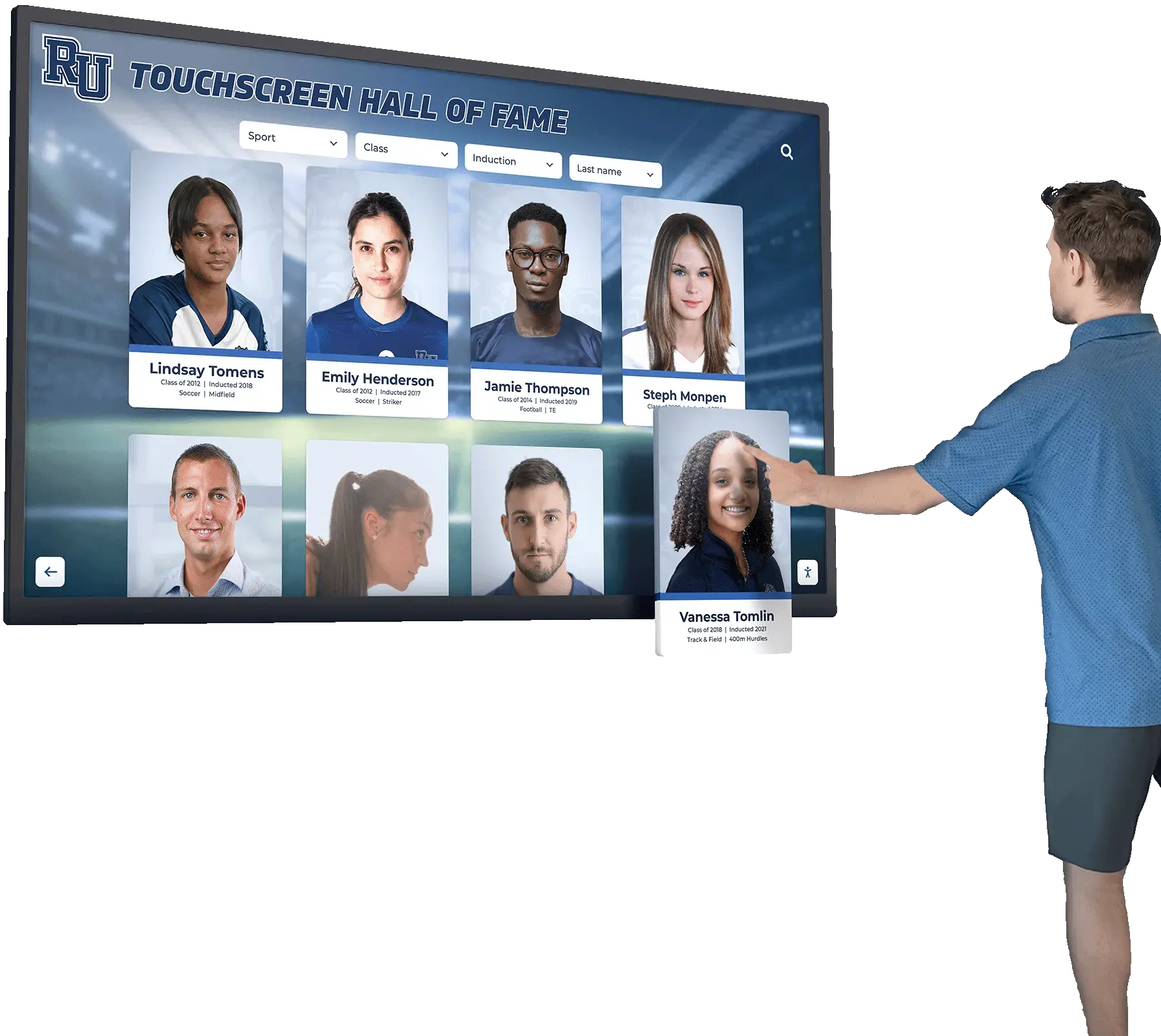
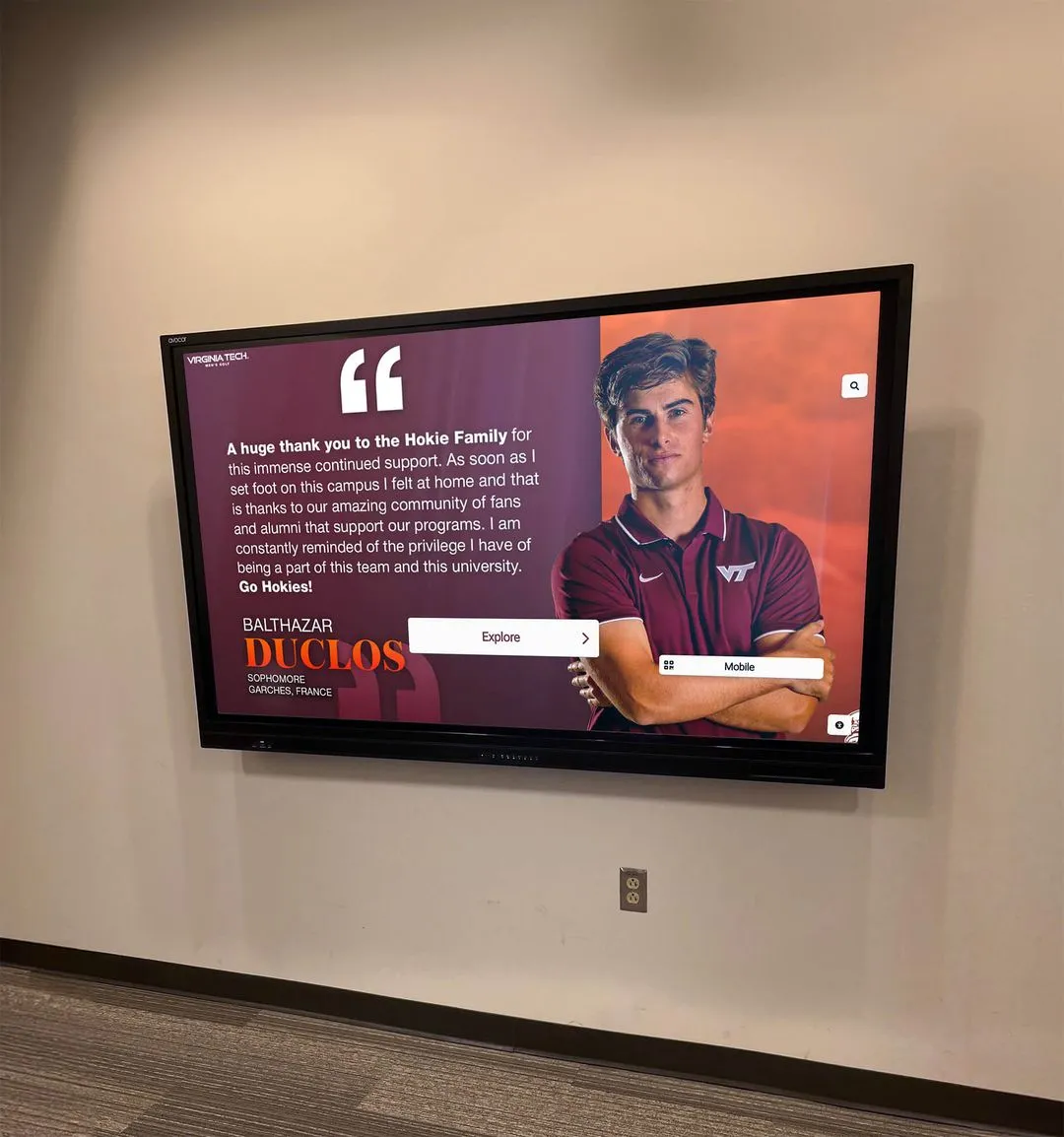
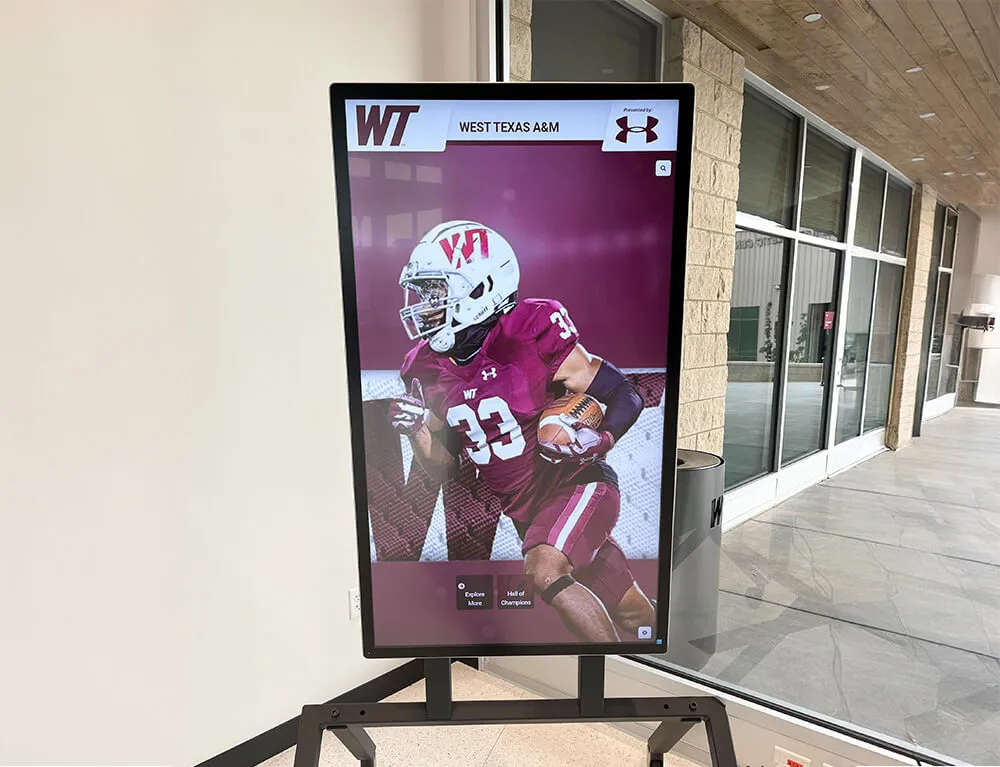
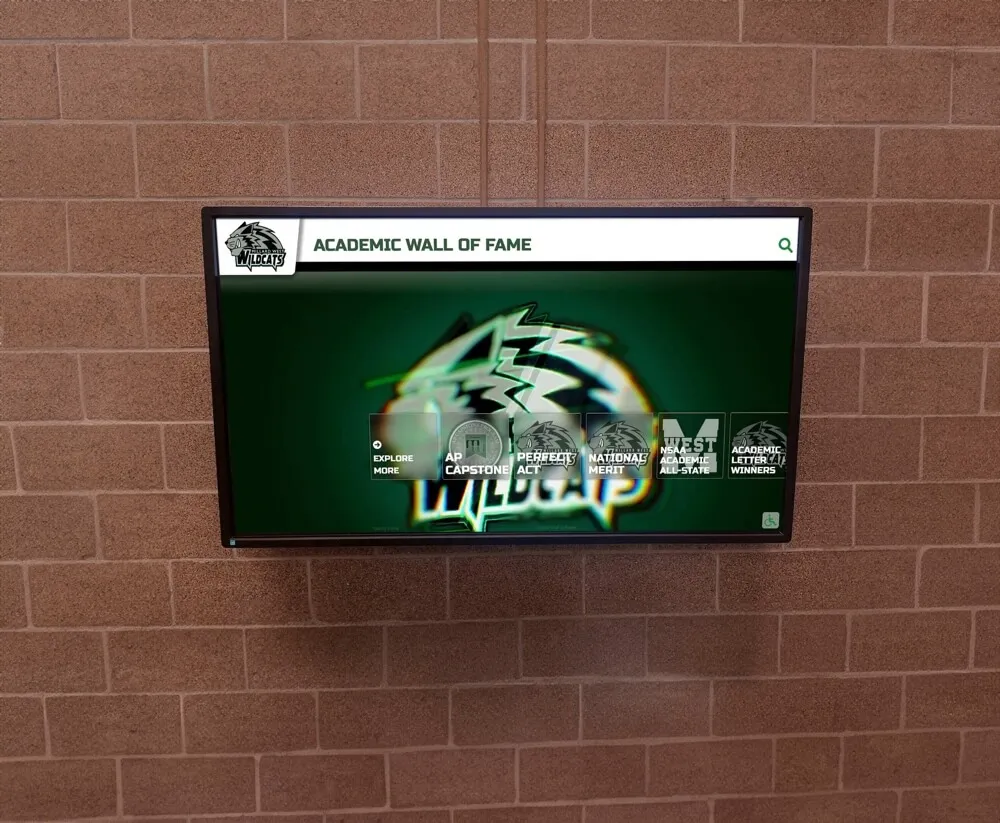
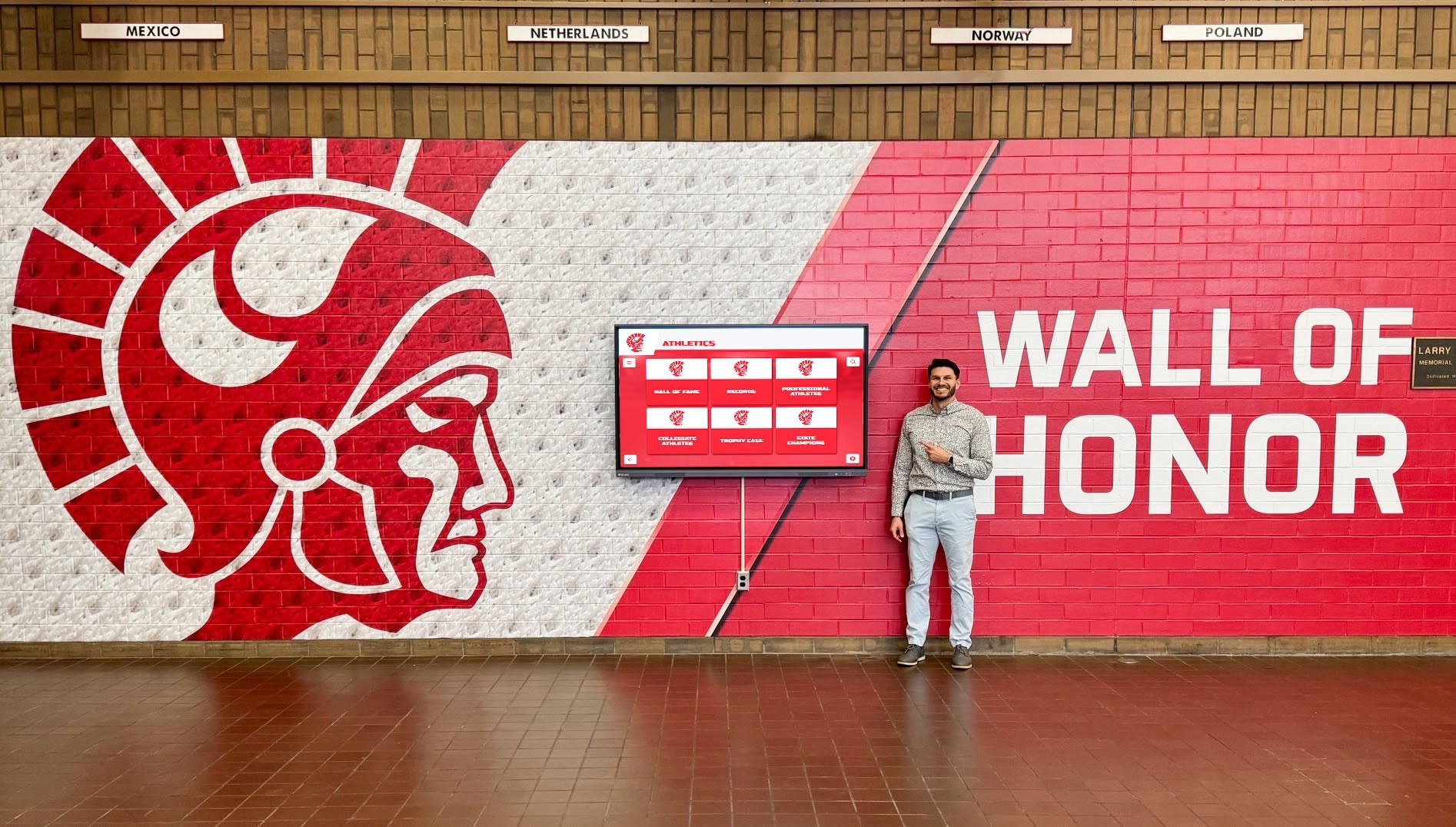
Interactive touchscreen installations represent the most comprehensive approach to teacher tribute walls. These systems allow visitors to explore educator profiles in depth — tapping on a teacher’s name to read their full biography, view photographs from their career, access student testimonials, and learn about their impact on specific programs or initiatives.
Touchscreen tribute systems work particularly well in school lobbies, main hallways, and library entrances where visitors have time to explore. Alumni returning for reunions often spend significant time at these installations, searching for teachers they remember and discovering stories about educators from other eras. For current students, interactive systems create discovery experiences that physical walls cannot — a sophomore might search by subject area and find a legendary English teacher who graduated before their parents attended the school.
Top academic walls of fame demonstrate how interactive recognition platforms can organize decades of achievement data in ways that remain engaging and accessible rather than overwhelming — exactly the approach teacher tribute walls need as honoree rosters grow over the years.
Legacy Quote Walls
A focused tribute format that works especially well in academic spaces — classrooms, libraries, department hallways — the legacy quote wall features notable quotes from honored educators alongside brief attribution and context. These installations create ambient recognition that reinforces educational values without requiring formal ceremonies or complex content management.
A science department hallway lined with framed quotes from distinguished science teachers across decades communicates departmental culture and history every time a student passes by. An English classroom wall featuring quotes about reading and writing from beloved former teachers creates intellectual heritage while honoring specific individuals. The approach is inexpensive, scalable, and highly adaptable to available wall space.
Hall of Honor Installations
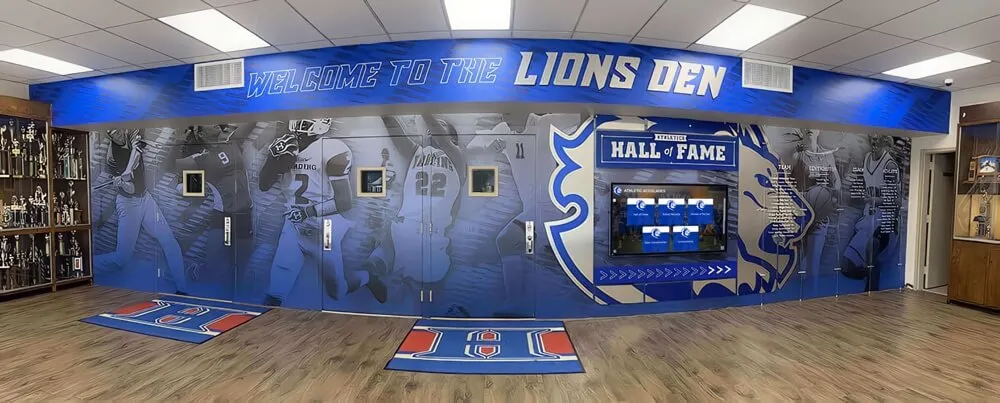
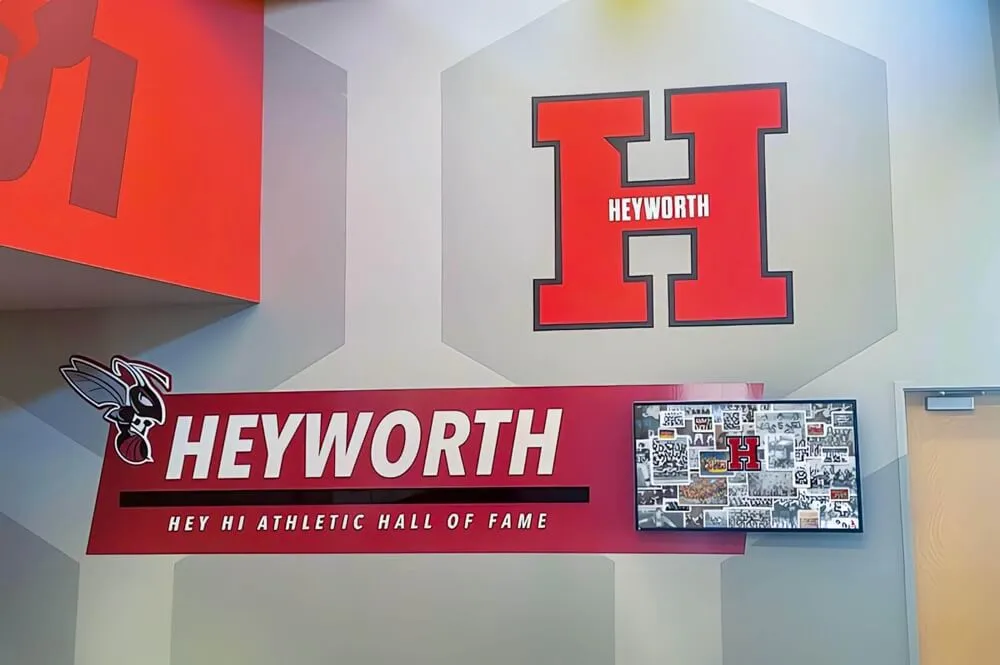
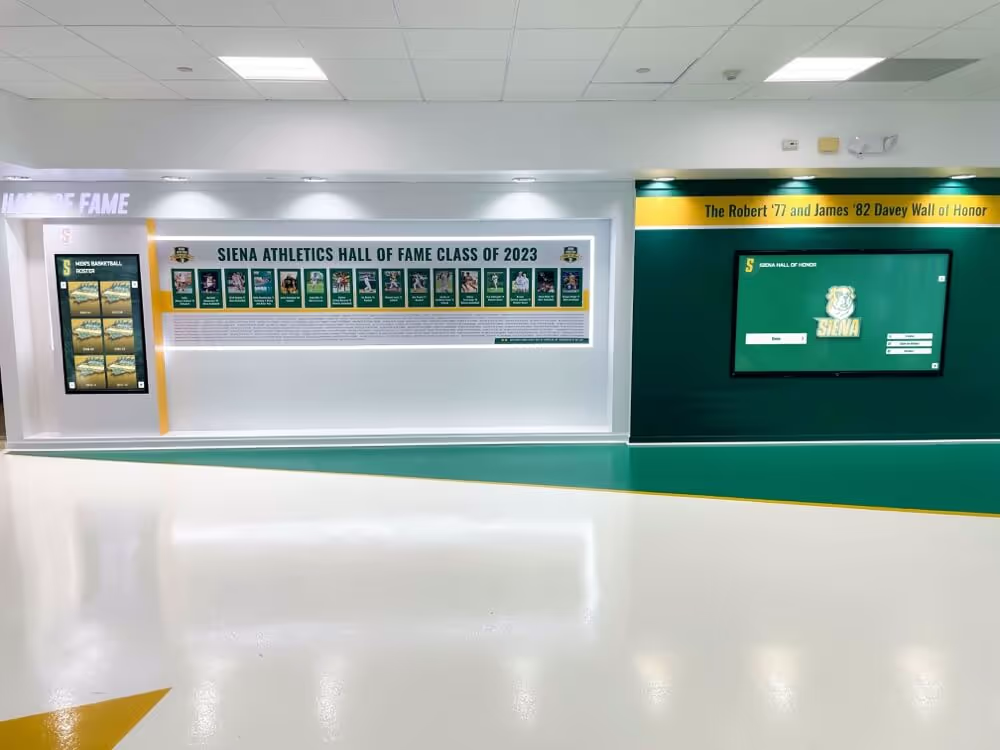
Modeled on athletic halls of fame but dedicated specifically to educators, hall of honor installations typically feature more comprehensive recognition for a smaller group of particularly distinguished teachers. Selection criteria might include years of service, teaching awards received, impact on specific programs, student outcomes, leadership contributions, and community involvement.
These installations signal that educator recognition is being treated with the same seriousness as athletic recognition — a powerful statement about institutional values. Schools that maintain both an athletic hall of fame and an educator hall of honor demonstrate that they celebrate achievement across all domains, not exclusively competitive sports.
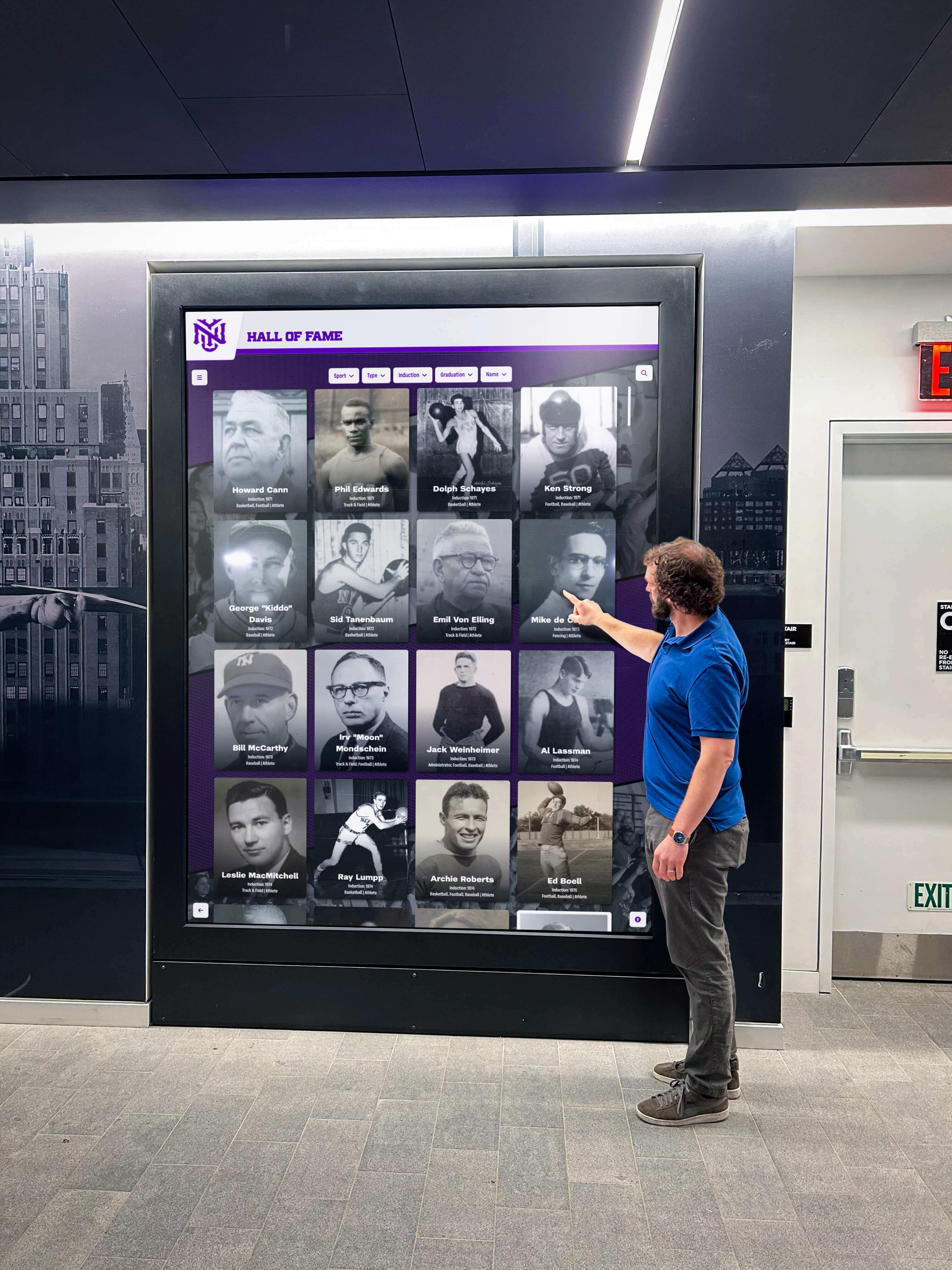
Designing a hall of honor follows familiar principles from community honors displays — identifying the criteria that define outstanding contribution, creating thoughtful selection processes, and investing in presentation quality that conveys the significance of the recognition being conferred.
What to Include on a Teacher Tribute Wall
The content you include for each recognized educator shapes whether the tribute feels genuinely meaningful or merely procedural. The best teacher tribute wall entries combine factual documentation with personal narrative, creating profiles that capture not just what teachers accomplished but who they were as educators and why their presence in this building mattered.
Essential Recognition Elements
Professional Portrait and Career Photos A current or near-retirement portrait combined with one or two action photographs from the classroom or school events. Career photographs showing the teacher at different stages — early career versus near retirement — add dimension and demonstrate the longevity of their contribution to the school.
Years of Service and Subjects The foundational information: when they started, when they retired or left, what subjects they taught, what grades or levels they served. This context helps visitors understand the scope and duration of contribution.
Impact Statement A two to three sentence description of what made this educator distinctive — not generic praise but specific characterization of their approach, impact, or legacy. “Transformed the school’s robotics program from a small after-school club into a statewide competition team” says something meaningful. “Dedicated teacher with many years of service” does not.
Student Testimonials Brief quotes from former students capture the human dimension of teaching impact in ways that institutional language cannot. Collecting these testimonials during retirement ceremonies, reunion events, or targeted outreach to alumni adds authenticity and emotional resonance to tribute displays that no other content type can replicate.
Career Highlights and Recognition Teaching awards received, departments led, programs created, milestones achieved. These details help visitors understand the scope and significance of the educator’s contribution within and beyond the school community.
Optional Enrichment Content for Digital Installations
For digital and interactive installations, additional content significantly enhances engagement and time spent with each profile:
- Video clips from retirement events, teaching tributes, or surprise recognition ceremonies
- Photographs from classroom activities, field trips, or memorable school events
- Connections to student accomplishments influenced by this educator’s mentorship
- Information about teaching philosophy or distinctive classroom approaches
- Relationships to other honored educators — mentors they learned from, colleagues they mentored in turn
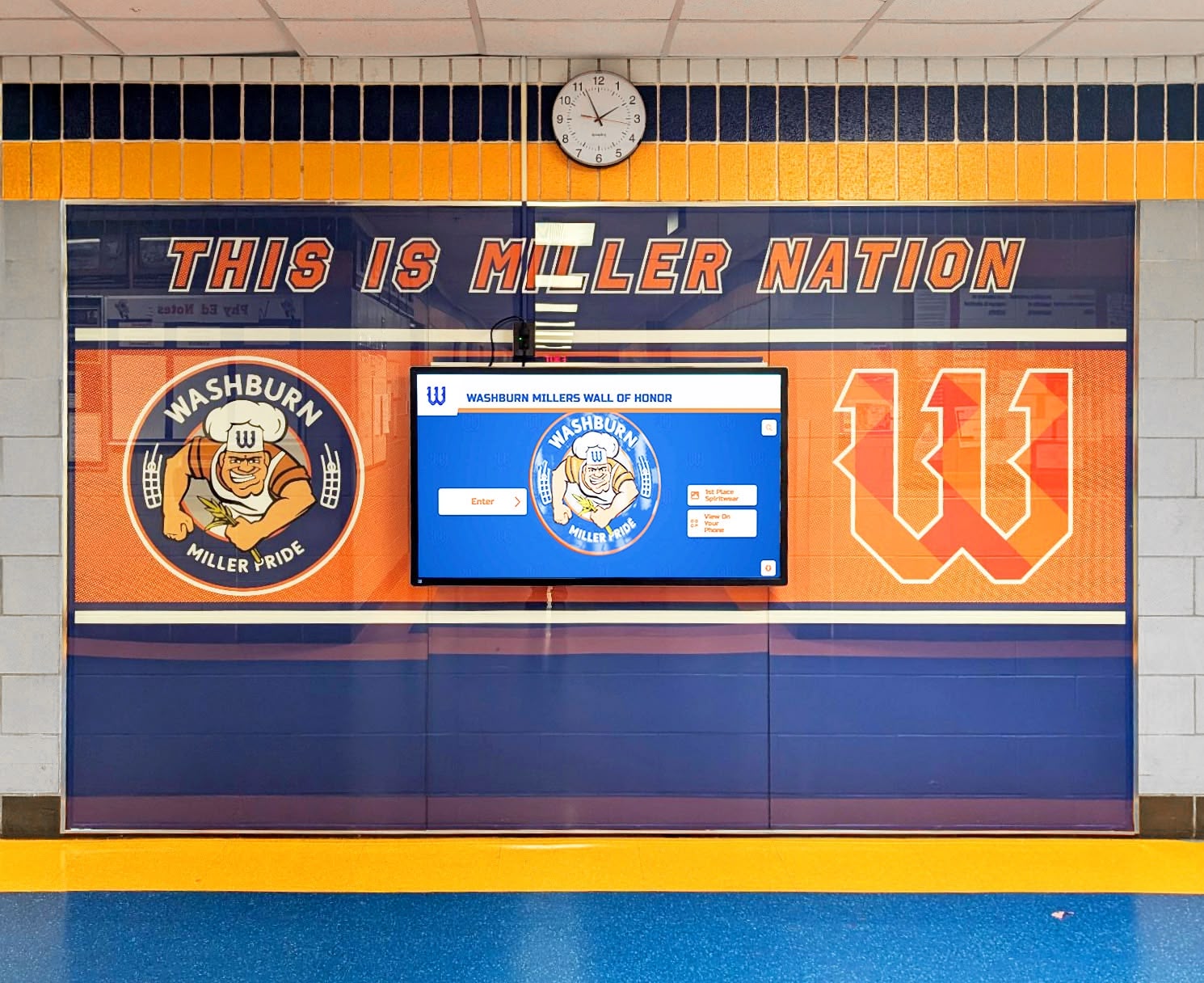
Thinking about teacher retirement recognition and meaningful honor approaches reveals that permanent installations create more lasting meaning than most traditional recognition gestures — and that collecting tribute content during retirement events, while memories are fresh and colleagues are gathered, provides the richest material for wall profiles.
Planning Your Teacher Tribute Wall: A Step-by-Step Approach
Step 1: Define Your Recognition Criteria
Before launching any nomination or selection process, establish clear criteria for which educators your tribute wall will honor. Criteria might include:
- Years of service minimum (10 or more years at this specific school)
- Formal recognition through teaching awards or administrative distinction
- Documented program impact — founding a program, leading it through significant growth
- Peer and student nominations meeting threshold requirements
- Demonstrated influence on student outcomes or school culture
- Leadership contributions beyond the classroom — department head, mentor teacher, curriculum designer
Clear criteria prevent the recognition from feeling arbitrary while ensuring the wall honors genuine excellence rather than popularity. A selection committee including administrators, veteran teachers, and ideally alumni representatives can evaluate nominations against these criteria consistently and with institutional credibility.
Step 2: Develop a Nomination Process
A community-wide nomination process accomplishes two things simultaneously: it identifies qualified candidates for recognition and it signals to the broader school community that this recognition is participatory and serious. Common approaches include:
- Open nominations from any community member (students, alumni, parents, colleagues)
- Structured nomination forms requiring specific examples of impact rather than general praise
- Faculty or department committee nominations with supporting documentation
- Administrative nominations for educators meeting objective thresholds like years of service
For recognition of currently active teachers, many schools require that honorees have completed a minimum service period — typically 15 to 20 years — to ensure recognition reflects a substantial track record. For retired teachers, a retrospective approach — identifying all educators who served long careers and selecting inductees from that pool — creates a systematic foundation for the first cohort.
Step 3: Collect and Organize Content
Content collection is often the most time-intensive step and the one most commonly underestimated in project planning. For each honored educator, you’ll need:
- High-quality photographs — coordinate with the teacher or their family, or dig through school archives and yearbooks
- Complete biographical and career information: years at the school, subjects and grades, positions held
- Impact narratives: interview the educator if possible, their former colleagues, and former students
- Student testimonials: targeted outreach to alumni who studied with this teacher, through alumni networks, social media, and reunion events
Developing a standardized content collection template — a set of questions and information requests distributed to each honoree or their family — ensures consistency across profiles while reducing the effort required to assemble complete entries. Assign a dedicated content coordinator for the project rather than distributing collection work across multiple people without clear ownership.
Step 4: Design and Placement
Physical teacher tribute walls work best in high-traffic, high-dwell-time locations: main lobbies, library entrances, hallways near the main office. These positions maximize exposure to the widest range of community members, including visitors who may not venture into classroom wings or gymnasium areas during typical school visits.
Digital and interactive installations benefit from placement near seating or gathering spaces where visitors naturally pause. A touchscreen installation adjacent to a lobby seating area invites extended engagement in ways that a display placed in a hurried corridor does not.
School lobby interactive displays that transform entrance experiences demonstrate how recognition installations can anchor an entire entrance experience — making the first thing visitors see a statement about who your school honors and why.
Design considerations for physical installations include:
- Consistent visual treatment across all featured educators — matching frame sizes, portrait dimensions
- Typography legible from normal hallway distances
- Visual hierarchy that helps visitors understand the wall’s organization at a glance
- Lighting that highlights rather than washes out portraits
- Space planning that accommodates future additions without requiring complete redesign
Step 5: Launch and Celebrate
A dedicated installation event gives your tribute wall the ceremonial weight it deserves and generates community engagement that cannot be replicated by simply hanging a display without announcement. Consider:
- Inviting honored educators — or their families, for those who have retired or passed away — to an unveiling ceremony
- Including current students in the celebration through tribute readings or presentations
- Inviting community members and local media to signal the significance of the recognition
- Creating social media content that shares the stories behind the installation and invites alumni to submit their own memories
Custom memorial tribute and personalized recognition approaches often inform effective launch ceremonies, where the event itself becomes part of how the community processes and expresses appreciation for people who shaped their lives.
Traditional vs. Digital Teacher Tribute Walls
Schools choosing between traditional physical installations and digital or interactive systems face a genuine trade-off between permanence and flexibility, initial cost and long-term cost, and symbolic weight and content richness.
Traditional Physical Installations
Strengths: Permanent, prestigious feel; no technology dependencies; lower ongoing maintenance; visible around the clock without powering on; often more emotionally resonant for older alumni accustomed to physical recognition formats.
Limitations: Space constrained as honoree numbers grow; expensive to update or correct; information cannot be expanded beyond what fits on a plaque; no multimedia support.
Digital Display Systems
Strengths: Unlimited information capacity per profile; easy updates and corrections; full multimedia support; can rotate multiple profiles on limited screen real estate; accessible to remote viewers through companion web pages.
Limitations: Requires technology infrastructure and ongoing maintenance; power dependent; may feel less permanent to some visitors; requires ongoing content management by staff.
Interactive Touchscreen Systems
Strengths: Maximum content depth; engaging visitor experience; search and browse functionality; simplest ongoing updates; strongest appeal to younger visitors; integrates teacher recognition with student and alumni recognition within a single platform.
Limitations: Highest initial investment; most technology-dependent; requires staff comfort with content management platforms.
Many schools find a hybrid approach most effective: a physical installation anchoring the design with portrait plaques or framed photographs, paired with a digital or interactive component that delivers the depth of story those physical elements cannot contain. The physical installation provides prestigious permanence. The digital component provides the human story in full.
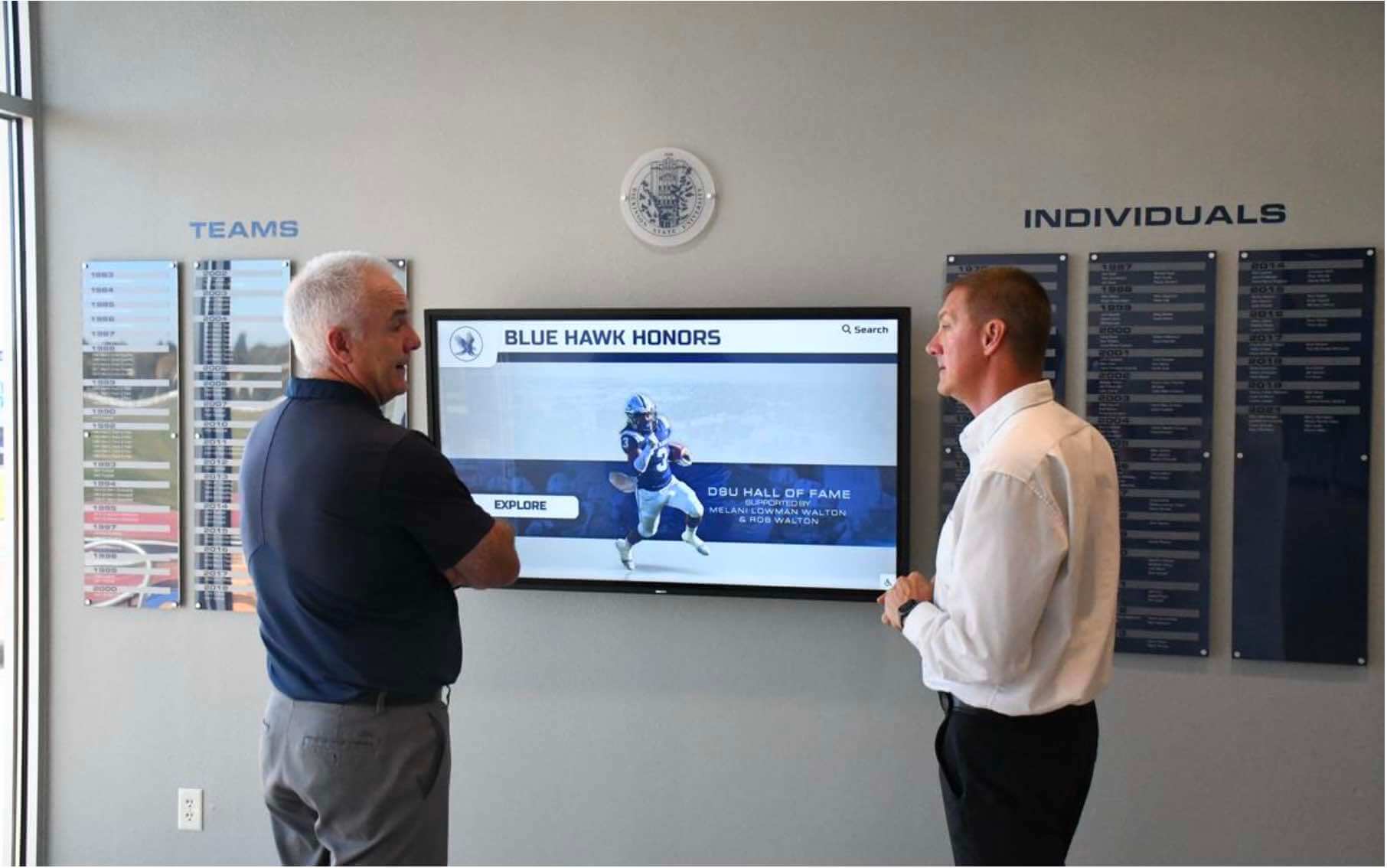
Principal recognition frameworks for schools provide useful parallel thinking for educator tribute walls — many of the design and process considerations for honoring school leaders apply equally to recognizing the teaching staff who shape culture alongside administrative leadership.
Connecting Teacher Recognition to Broader School Culture
The most effective teacher tribute walls don’t function as isolated installations but as anchors for a broader educator recognition culture. Schools that maintain tribute walls typically also develop surrounding practices that make the wall meaningful year after year:
Annual Induction Ceremonies: Formal induction events that introduce new honorees create recurring opportunities to celebrate educational excellence and invite community members — especially alumni — back to campus. These ceremonies become traditions that current students anticipate and alumni plan around.
Student-Educator Connection Programs: Using the tribute wall as a teaching resource — having current students research honored educators, interview alumni about their experiences, or write reflections about specific teachers — connects institutional memory to active learning in ways that deepen the installation’s value.
Retirement Recognition Protocols: Developing consistent protocols for honoring retiring teachers, including systematic content collection for future tribute wall entries, ensures that recognition happens reliably rather than depending on whoever organizes the farewell party in any given year.
Alumni Engagement Integration: Former students who remember honored educators become natural advocates for alumni engagement, reunion attendance, and school giving. High school recognition programs and end-of-year award frameworks often create the foundation for ongoing recognition culture that a tribute wall then extends into permanent institutional memory.
How Rocket Alumni Solutions Supports Educator Recognition
Schools implementing interactive teacher tribute walls need platforms designed specifically for rich recognition content — systems that handle large numbers of educator profiles, support multimedia content, allow staff to update entries without technical expertise, and deliver engaging visitor experiences on modern touchscreen hardware.
Rocket Alumni Solutions provides touchscreen recognition platforms used by schools across the country to build comprehensive recognition installations honoring athletes, alumni, donors, and educators. The platform’s content management system allows staff to create and update educator profiles, add photographs and video, organize recognition by category and date range, and maintain consistent visual presentation across any number of honorees — all without requiring technical expertise or external vendor support for routine updates.
For schools implementing standalone educator tribute installations or integrating teacher recognition into broader hall of fame displays, interactive platforms provide the flexibility to tell complete educator stories in ways no physical installation alone can achieve.
Frequently Asked Questions
How do we decide which teachers to include on a tribute wall?
What's the best location for a teacher tribute wall?
How do we handle tribute walls for teachers who have passed away?
Can teacher tribute walls be part of a broader school recognition installation?
How often should we add new educators to the tribute wall?
Conclusion: Permanent Recognition for Permanent Impact
Teachers who dedicated decades to your school community deserve more than a cake, a card, and a farewell assembly. Their names, faces, and stories deserve a place in your school’s permanent record — visible to the students who walk those halls decades after they’ve retired, accessible to alumni who remember being changed by a specific educator’s influence, and meaningful to current teachers who see the institution taking their colleagues’ contributions seriously.
A teacher tribute wall represents a statement of values: that your school recognizes educational excellence as worth celebrating with the same permanence and intentionality brought to athletic recognition, donor acknowledgment, and alumni honors. It closes a recognition gap that most schools have left open far too long.
Whether you start with a simple framed portrait installation or invest in a fully interactive touchscreen system, creating dedicated, permanent recognition space for educators sends a clear message to every member of your school community about what this institution truly values.
Build a Teacher Tribute Wall That Lasts Generations
Rocket Alumni Solutions designs and deploys interactive recognition systems that bring educator tribute walls to life — with rich profiles, multimedia content, and touchscreen engagement that grows with your school year after year. Our platforms make it easy to honor the teachers who shaped your community, from first-year deployment through decades of ongoing updates, with no technical expertise required for staff managing content.
Explore Recognition Wall Solutions