



Teachers shape futures every single day, yet many feel undervalued and unseen in their demanding roles. Teacher Appreciation Week provides a dedicated opportunity to recognize the profound impact educators have on students, families, and entire communities. However, generic coffee mugs and brief "thank you" notes often fall short of conveying genuine appreciation for the dedication, creativity, and heart teachers bring to their work.
This comprehensive guide presents meaningful teacher appreciation week ideas that move beyond surface-level gestures to create recognition experiences educators will genuinely value. Whether you're a school administrator, PTA leader, student, or community member, you'll find practical strategies, creative approaches, and lasting solutions for celebrating teachers in ways that truly matter.
Every educator remembers moments when recognition made a difference—when someone noticed their extra effort, celebrated their innovation, or simply acknowledged how hard they work. These moments sustain teachers through challenging days and remind them why they entered this demanding profession.
Yet appreciation often remains inconsistent or superficial. A hastily organized breakfast, generic gifts that don’t reflect individual teachers, or celebrations that create more work than they recognize—these well-intentioned efforts sometimes miss the mark. Effective teacher appreciation requires thoughtfulness, authenticity, and understanding of what educators actually value.
This guide explores teacher appreciation across multiple dimensions: personal gifts that show individual recognition, school-wide celebrations that build culture, student-led initiatives that touch hearts, community engagement that extends appreciation beyond school walls, and lasting recognition systems that honor teaching excellence permanently. Whether planning appreciation for a single week or building year-round recognition culture, these ideas provide frameworks for meaningful educator celebration.

Understanding What Teachers Actually Value
Before exploring specific appreciation ideas, understanding what educators genuinely value helps ensure recognition efforts resonate authentically rather than adding to already-full plates.
Time: The Most Precious Resource
Teachers consistently rank time as their most valuable commodity. The educator who arrives before sunrise to prepare lessons, grades papers late into evenings, responds to emails over weekends, and invests personal time in professional development treasures any gift that gives time back.
Time-Based Appreciation Ideas:
- Covering a class period allowing teachers uninterrupted planning time
- Volunteer assistance with non-instructional tasks like bulletin boards, organization, or copying
- Professional development days with substitute coverage provided
- Extended lunch periods during appreciation week
- Early dismissal for teachers while students attend special programming
- Takeover of recess, lunch, or hallway duty for the week
These gestures acknowledge the relentless demands on teacher time while providing tangible relief that feels like genuine support rather than symbolic recognition.
Genuine Recognition of Specific Impact
Generic praise (“you’re a great teacher!”) feels less meaningful than specific acknowledgment of particular impacts, innovations, or dedication. Teachers want to know they’re seen—that someone notices the differentiated instruction they developed, the struggling student they helped breakthrough, the creative lesson that engaged reluctant learners, or the extra hours they invested in a student facing challenges.
Specific Recognition Approaches:
- Personalized notes describing exact moments when someone noticed their impact
- Student letters detailing specific ways a teacher made a difference
- Parent testimonials sharing particular breakthroughs or growth their children experienced
- Administrator observations highlighting specific teaching innovations or exceptional practices
- Colleague recognition of collaboration, support, or professional contributions
- Former student messages years later sharing how that teacher changed their lives
This specificity transforms appreciation from perfunctory acknowledgment to genuine validation of the meaningful work teachers do daily.
Professional Respect and Autonomy
Teachers appreciate recognition that respects their professionalism and autonomy. Gifts enabling them to choose what they value—whether classroom supplies, professional development opportunities, or personal treats—honor their expertise in knowing what they need.
Similarly, appreciation that reduces micromanagement, provides input opportunities on school decisions, or acknowledges their professional judgment demonstrates respect extending beyond appreciation week into genuine ongoing regard for their contributions.
Support From Leadership and Community
Teachers feel most appreciated when support comes from multiple directions: administrators who defend their decisions and provide resources, families who partner in student education rather than undermining teacher authority, colleagues who collaborate and encourage, and communities who value education through funding support and public respect.
Appreciation week provides opportunities to mobilize this multi-directional support, creating waves of recognition rather than isolated gestures.

Personal Gift Ideas That Show Individual Appreciation
While systemic recognition matters most, thoughtful personal gifts convey individual appreciation when selected with genuine consideration for each educator’s interests, needs, and preferences.
Classroom Supply Support
Teachers spend significant personal money on classroom supplies—estimates suggest $500-$1,000 annually. Gifts directly supporting their classrooms provide practical value while acknowledging this financial burden.
Supply-Based Gift Ideas:
- Gift cards to teacher supply stores, bookstores, or general retailers allowing classroom purchases
- Classroom wish lists fulfilled by parents, community members, or PTA fundraising
- Bulk supply donations: tissues, hand sanitizer, markers, pencils, paper, and other consumables
- Quality items teachers wouldn’t purchase themselves: laminator, binding machine, special art supplies
- Book donations from student wish lists or reading interests
- Technology accessories: charging cables, dongles, styluses, or organizational tools
Make these gifts truly useful by surveying teachers about actual needs rather than assuming preferences. A Spanish teacher may need different supplies than a science teacher; kindergarten requirements differ dramatically from high school needs.
Personalized Comfort Items
Teachers appreciate items making their long days more comfortable, provided these reflect genuine knowledge of individual preferences.
Comfort-Focused Gifts:
- Quality water bottles or coffee tumblers (if you know beverage preferences)
- Comfortable classroom seating: desk chairs with support, standing desk accessories, or footrests
- Personal mini-fridges for lunch storage
- Plants or desk decorations reflecting personal style
- Stress-relief items: fidget tools, massage gift certificates, meditation app subscriptions
- Comfortable shoes or shoe insoles (with sizing information)
- Weather gear: quality umbrellas, ice scrapers, warm gloves for outdoor duty
The key is personalization. Generic spa baskets collect dust, but a gift certificate to that teacher’s favorite coffee shop demonstrates someone pays attention to their preferences.
Professional Development Opportunities
Many teachers value opportunities for professional growth but lack funding for conferences, courses, or workshops that interest them.
Professional Development Gifts:
- Conference registration fees plus travel coverage
- Online course enrollments in areas of teacher interest
- Professional association memberships
- Book selections from professional development reading lists
- Subscriptions to educational journals or resources
- Mentorship or coaching programs
- Summer workshop or training opportunities
These gifts honor teachers as professionals committed to continuous improvement while providing resources that enhance their practice and career advancement.
Stress Relief and Self-Care
Teaching’s emotional demands make stress relief and self-care particularly valuable, though these gifts require sensitivity to ensure they don’t feel like criticism (“you look stressed”).
Wellness-Oriented Gifts:
- Massage, spa, or salon gift certificates
- Streaming service subscriptions for entertainment and relaxation
- Restaurant gift cards enabling nice meals without cooking
- Exercise class passes, gym memberships, or fitness app subscriptions
- Hobby supplies supporting personal interests beyond teaching
- Weekend getaway contributions or experience gifts
- Mental health app subscriptions or counseling support resources
Frame these as celebrating teachers’ whole selves beyond their professional roles, acknowledging they deserve care, relaxation, and joy.
Meaningful Keepsakes
Some teachers treasure recognition they can keep permanently—items serving as tangible reminders that their work matters.
Lasting Keepsake Ideas:
- Professionally framed class photos with student messages
- Custom artwork from students depicting meaningful classroom moments
- Hardbound books of student letters and drawings
- Engraved items reflecting years of service or specific impacts
- Photo collages documenting the school year
- Student-created videos compiling appreciation messages
- Handprint or fingerprint art from younger students
These items become treasured mementos teachers display in homes or classrooms, providing ongoing reminders of appreciation long after appreciation week concludes.
School-Wide Celebration Ideas
Beyond individual gifts, school-wide celebrations create festive atmospheres demonstrating that the entire community values educators.
Daily Themes Throughout the Week
Many schools organize appreciation week with daily themes creating variety and sustained recognition rather than single-day events.
Sample Theme Week Structure:
Monday: “Welcome Back with Breakfast”
- Catered breakfast before school
- Personalized welcome signs on classroom doors
- Morning announcements highlighting teacher impacts
- Students greet teachers with appreciation signs or flowers
Tuesday: “Treat Tuesday”
- Surprise treat deliveries to classrooms: snacks, beverages, or desserts
- Lunch catered by local restaurants or parent volunteers
- Afternoon snack cart passing through hallways
- Special parking reserved closest to building entrances
Wednesday: “Ways You’ve Made a Difference”
- Students share stories of specific teacher impacts during assemblies
- Wall displays featuring “How [Teacher Name] Changed My Life” testimonials
- Video montages of parent and student appreciation messages
- Recognition of veteran teachers and milestone anniversaries
Thursday: “Thrifty Thoughtfulness”
- Handmade cards from every student to every teacher
- Student performances: concerts, plays, or talent show presentations
- Classroom coverage allowing teachers lounge time together
- Massage chairs or other relaxation stations in teacher areas
Friday: “Finale Celebration”
- School-wide assembly celebrating teachers
- Student surprises: flash mob performances, coordinated appreciation displays
- Administrator serves teachers lunch
- Yearbook page dedicated to teacher appreciation
- Early dismissal for teachers with student programming
Daily themes maintain energy throughout the week while ensuring varied recognition approaches reaching different teacher preferences.
Student-Led Appreciation Activities
Teacher appreciation feels especially meaningful when coming directly from students, whose lives teachers directly impact.
Student-Organized Recognition:
- Classroom decorating: students arrive early to transform teacher spaces with decorations, balloons, and appreciation messages
- Hallway celebration: student-created posters lining hallways with teacher appreciation messages
- Appreciation parade: students create thank-you signs and line routes teachers walk during arrival or planning periods
- Singing telegrams: students deliver appreciation songs to teachers throughout the day
- Takeover duties: older students cover playground supervision, cafeteria monitoring, or other teacher duties
- Classroom service: students volunteer to organize, clean, or complete classroom tasks teachers typically handle
- Video creation: students produce appreciation videos highlighting favorite teacher moments, quotes, or teaching styles
- Flash mob surprises: coordinated student performances in cafeteria, hallways, or assemblies
- Sticky note campaign: every student writes appreciation notes plastered throughout teacher spaces
Student-led initiatives create authentic recognition while teaching students the importance of expressing gratitude and acknowledging those who serve them.

Parent and Community Involvement
Extending appreciation beyond students and staff demonstrates broader community recognition of teacher value.
Family and Community Participation:
- Parent testimony videos sharing specific ways teachers impacted their children
- Community business sponsorships providing gift cards, services, or donations
- Local restaurant meals delivered throughout the week
- Parent volunteer coverage of non-instructional tasks
- Community members sharing career connections with teachers’ instructional areas
- Local media features highlighting individual teachers’ stories and impacts
- Service organization recognitions: Rotary, Lions Club, or Chamber of Commerce acknowledgments
- Parent breakfast or lunch hosting where families prepare and serve teachers
- Community thank-you wall at local businesses where community members post teacher appreciation
This community engagement demonstrates that teacher value extends beyond school walls, creating public recognition that reinforces teachers’ societal importance.
Creative School-Wide Celebrations
Beyond structured themes, creative approaches make appreciation week memorable and fun.
Innovative Celebration Ideas:
- Teacher lookalike day: students dress as their favorite teachers (with permission and respect)
- Time capsule creation: students contribute letters to teachers to be opened in future years
- Teacher superlatives: fun, positive awards celebrating unique qualities (most infectious laugh, best dance moves, coolest shoes)
- Photo booth with props: create fun teacher photo opportunities with amusing props and backdrops
- Teacher playlist: compile and play teachers’ favorite songs throughout the day
- Celebrity treatment: red carpet entrance, “paparazzi” photos, autograph sessions
- Roast and toast: affectionate, respectful humor combined with genuine praise (appropriate for high school)
- School beautification: students complete campus improvements as gift to teachers’ workplace
- Administrator role reversal: principals teach classes while teachers shadow administration
These creative approaches generate energy, laughter, and memorable moments making appreciation week distinctive rather than routine.
Digital and Lasting Recognition Solutions
While appreciation week celebrations create important moments, lasting recognition systems ensure teacher excellence receives ongoing visibility extending far beyond a single week.
Professional Digital Recognition Displays
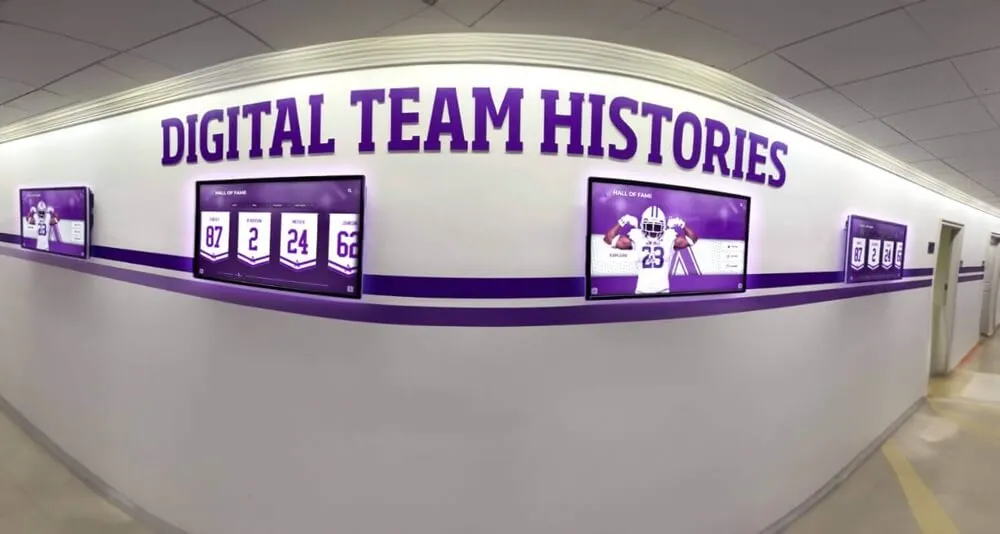
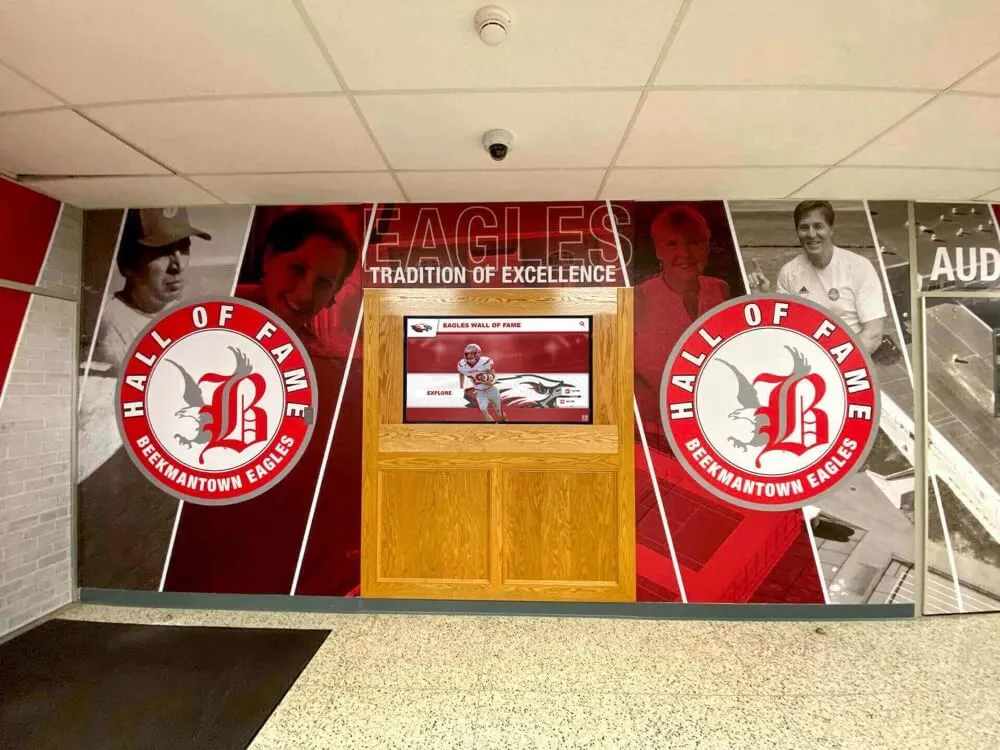
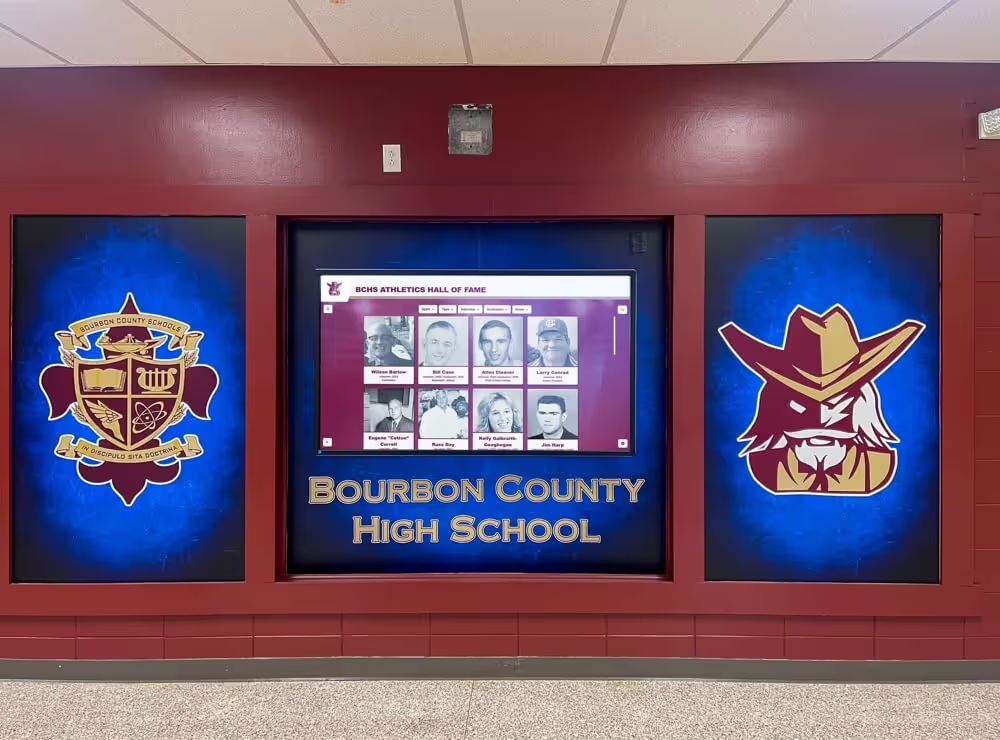
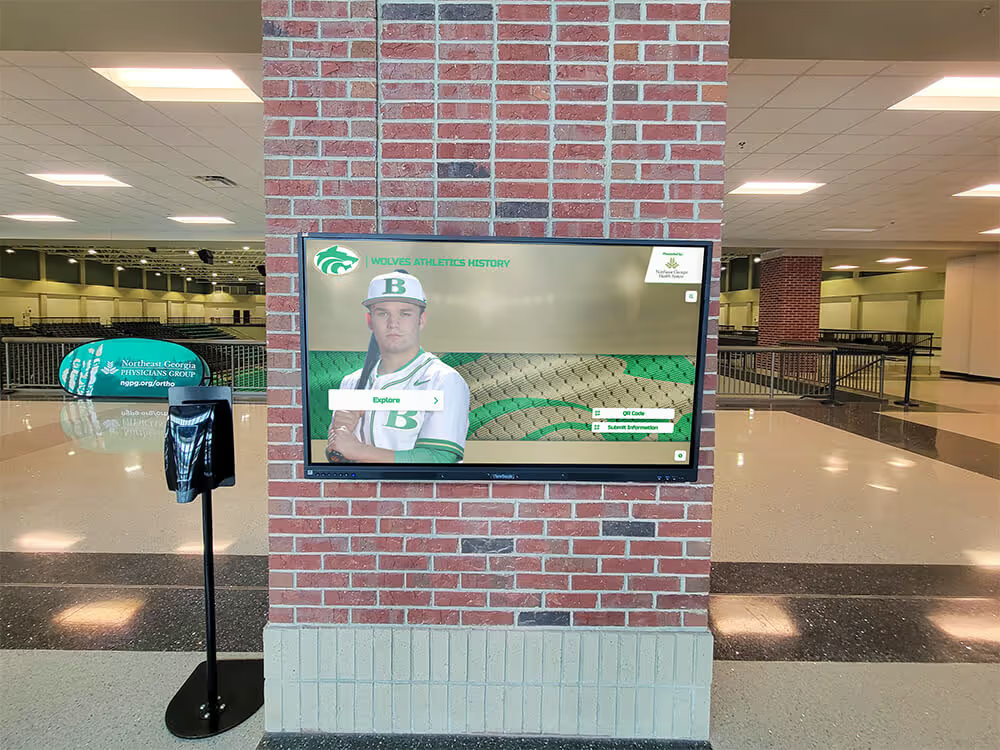
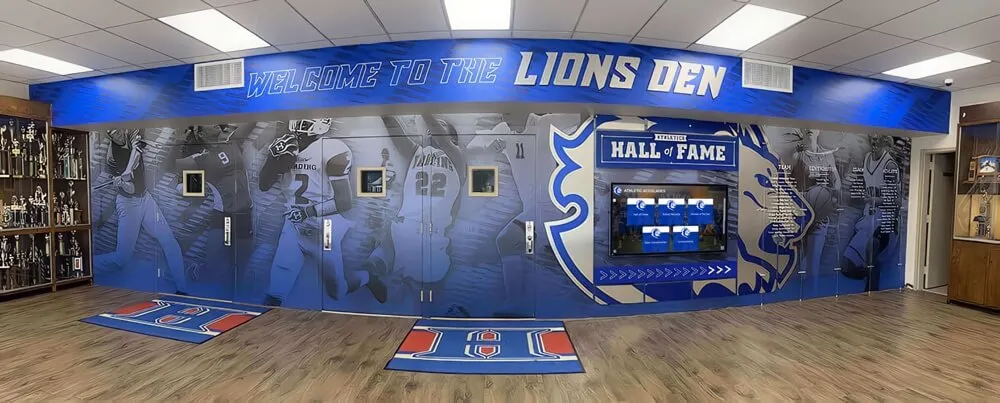
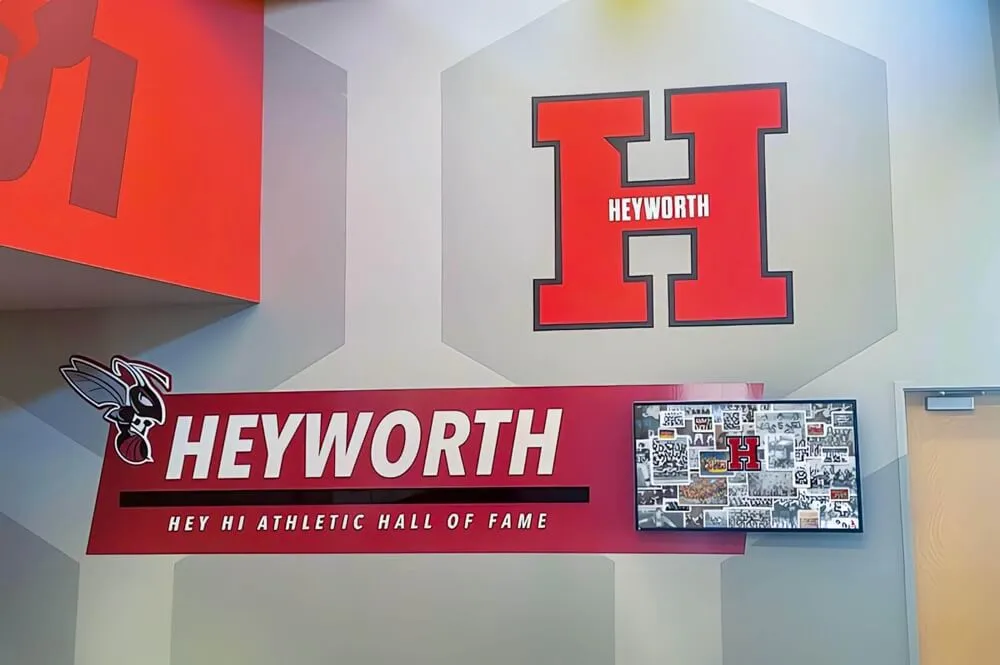
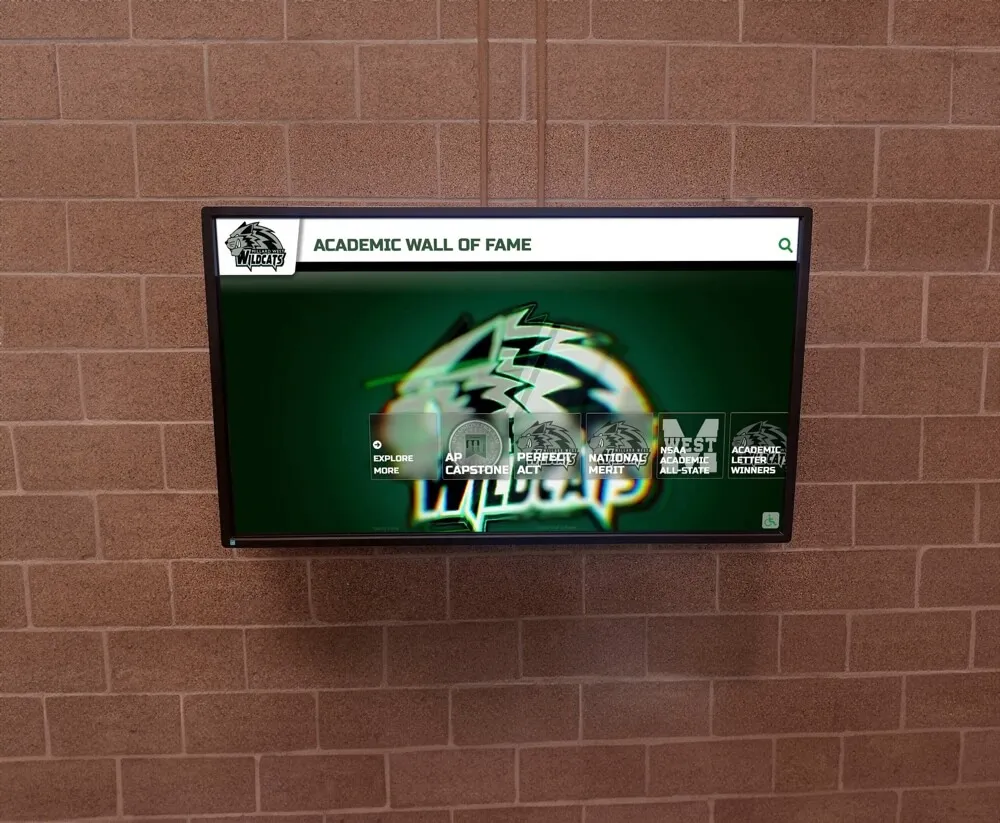
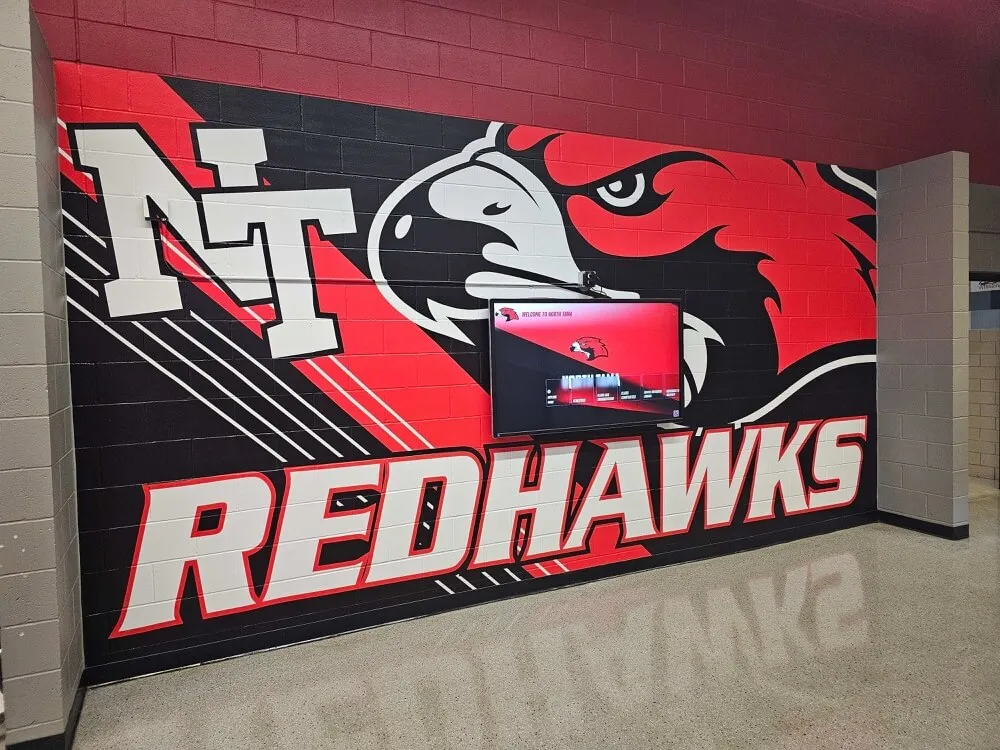
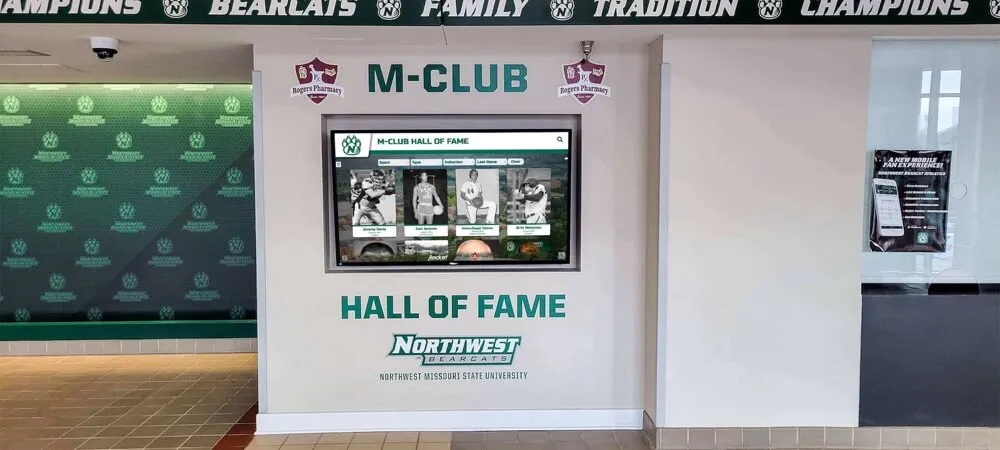
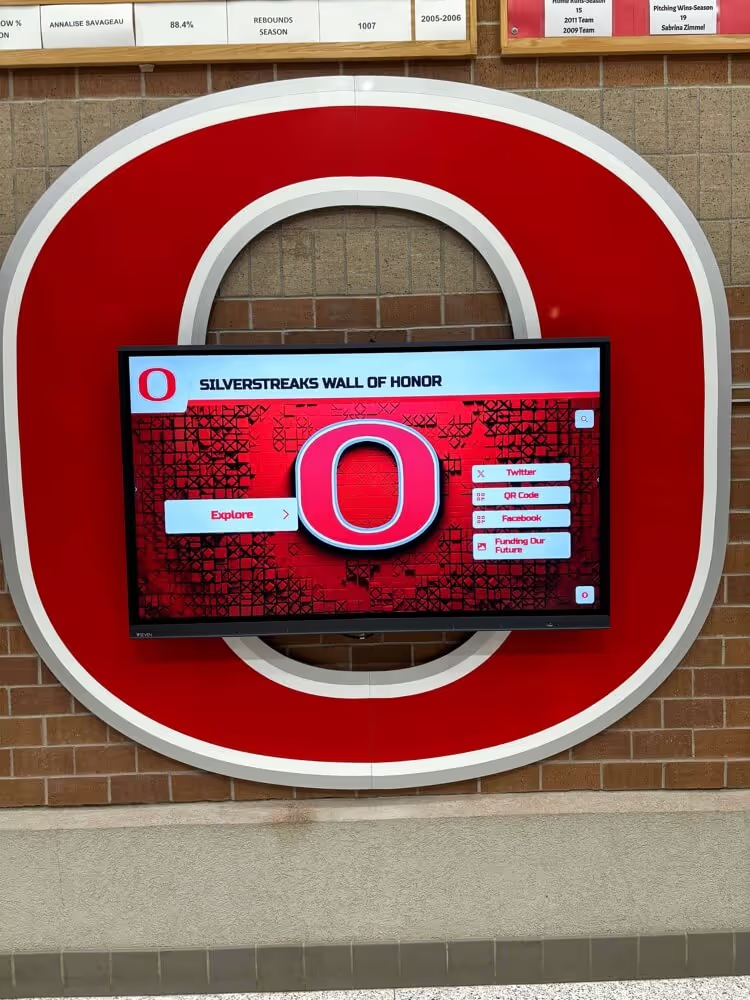
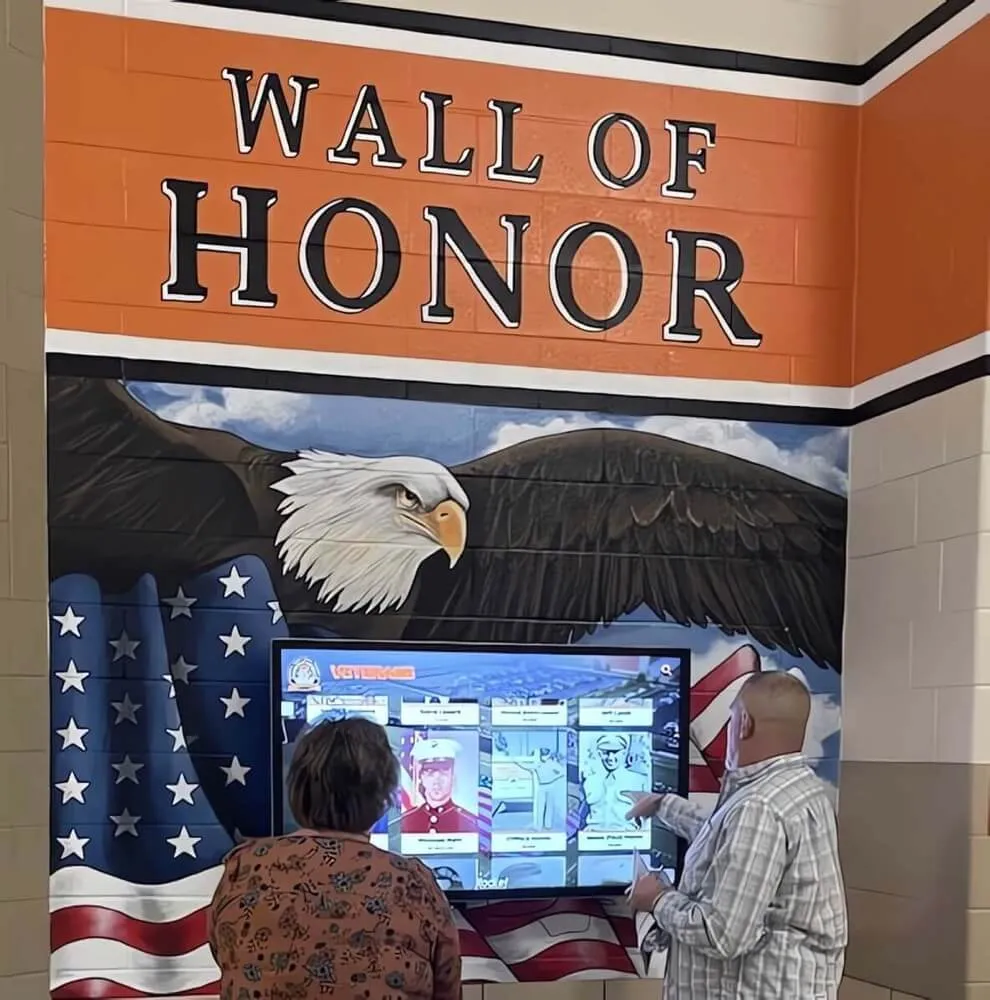
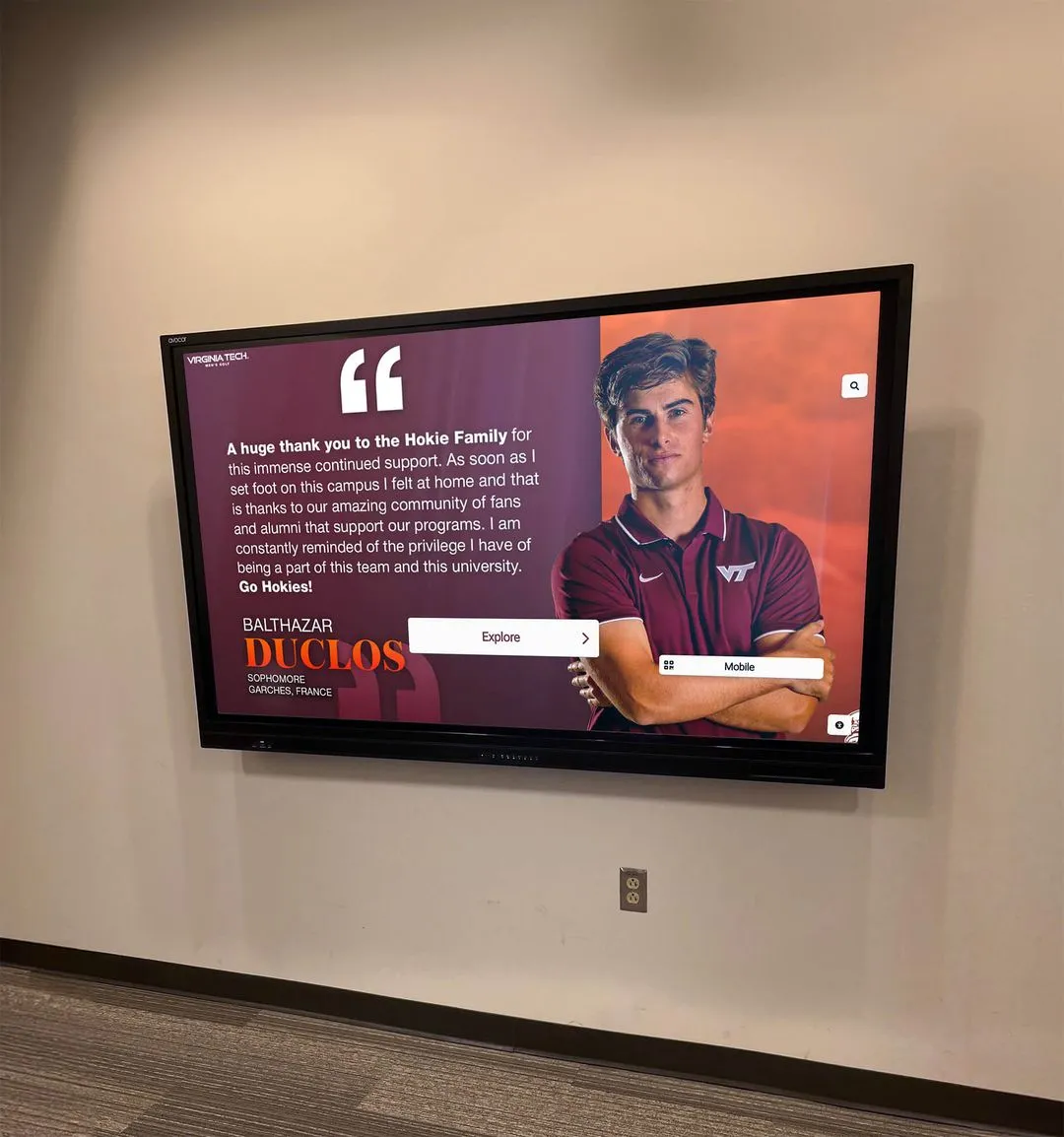
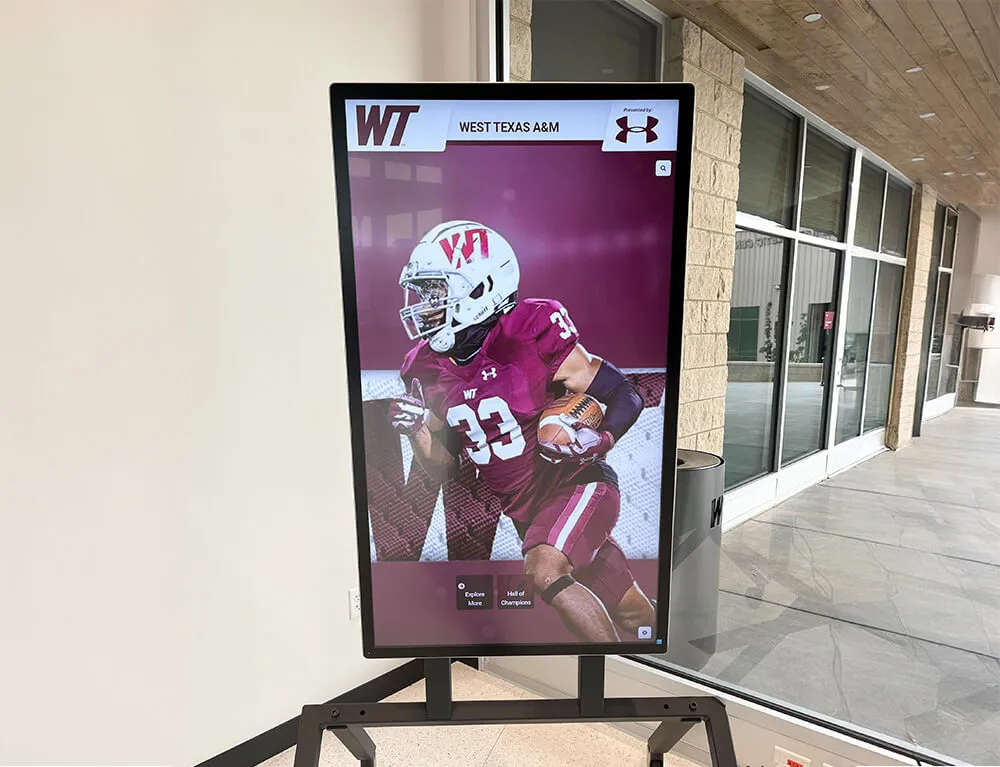
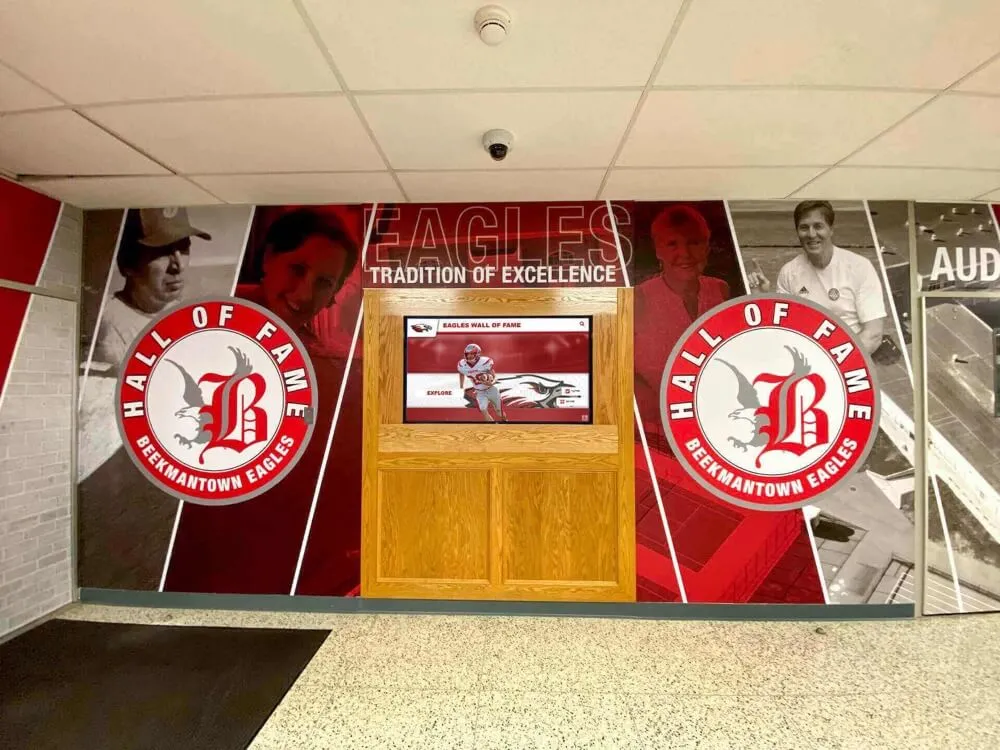
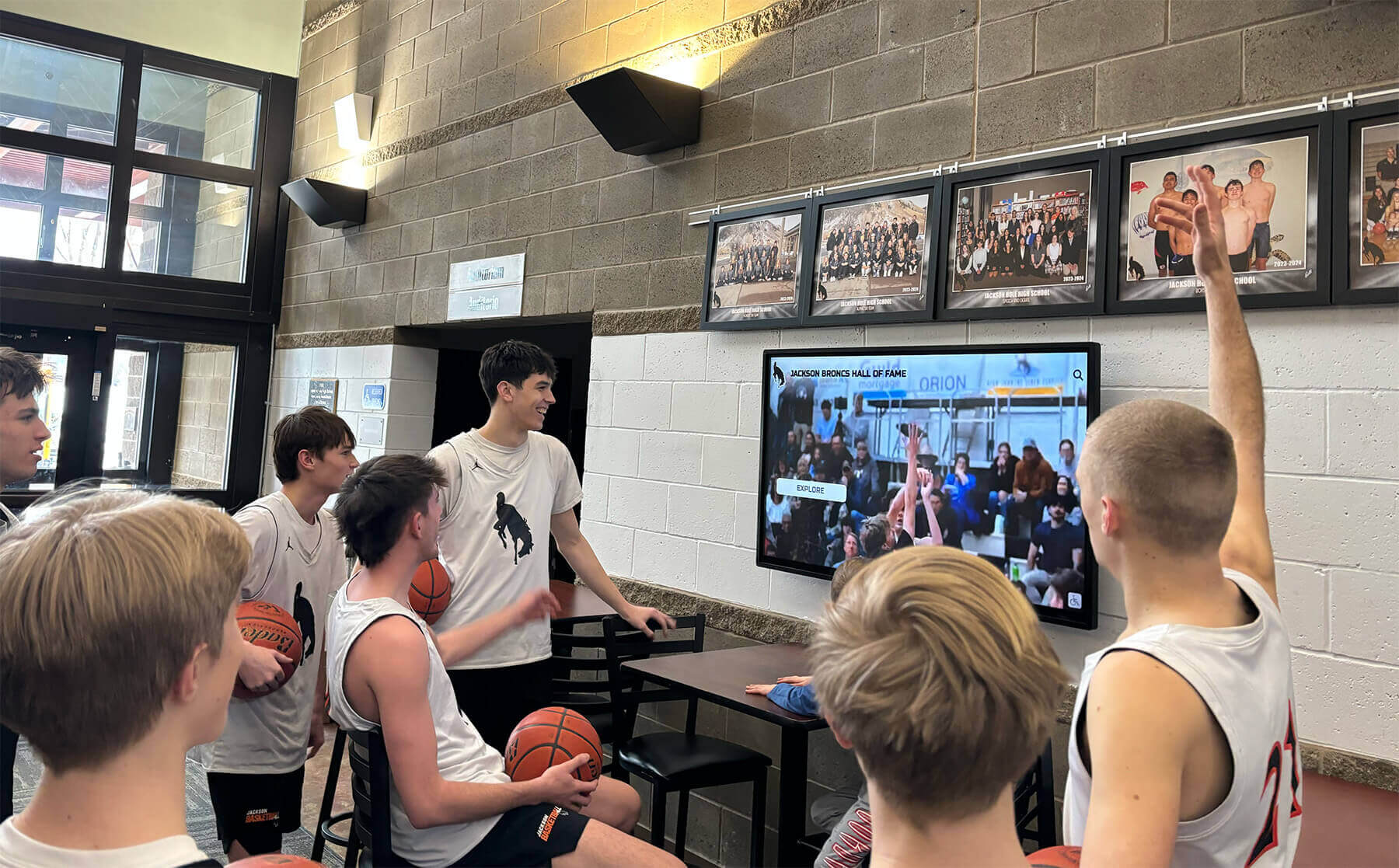
Modern schools increasingly implement digital recognition systems celebrating teacher achievement, innovation, and dedication permanently rather than temporarily. Interactive touchscreen displays installed in school lobbies, faculty areas, or main hallways provide platforms where the school community can explore teacher profiles, accomplishments, and impacts.
Digital Recognition Benefits:
Permanent Visibility: Unlike appreciation week decorations removed after celebrations conclude, digital displays provide year-round recognition ensuring teacher excellence remains visible to students, families, and visitors throughout the school year and across multiple years.
Comprehensive Teacher Profiles: Beyond basic name recognition, digital systems showcase teacher backgrounds, years of service, degrees earned, special certifications, professional development achievements, innovative teaching practices, student testimonials, awards received, and personal teaching philosophies. This comprehensive approach honors teachers’ full professional journeys.
Easy Updates and Additions: Adding newly hired teachers, updating accomplishments, or recognizing milestone achievements happens through simple content management requiring minutes rather than ordering plaques or creating physical displays requiring substantial time and expense.
Rich Multimedia Content: Digital recognition integrates photos from classroom activities, videos of teachers describing their approach, student testimonial compilations, examples of innovative lessons, and documentation of special projects or initiatives. This multimedia richness creates engaging recognition impossible with traditional static displays.
Interactive Exploration: Students, families, and community members can actively search for specific teachers, browse by department or subject area, explore years of service, or discover connections between current teachers and alumni who taught their parents. This interactivity transforms passive viewing into active engagement that deepens appreciation for educators’ contributions. Learn more about creating comprehensive recognition programs that honor diverse achievements.
Community Building: When alumni return to campus and discover their former teachers still recognized prominently, or prospective families touring schools encounter comprehensive teacher profiles demonstrating faculty excellence, digital recognition strengthens community connections across generations.
Implementation Approaches for Digital Teacher Recognition
Schools implementing digital recognition systems typically feature content that celebrates teaching excellence meaningfully:
Teacher of the Year Archives: Document every teacher of the year recipient throughout school history with profiles explaining what made their teaching exceptional that particular year. This historical documentation demonstrates the school’s consistent commitment to recognizing excellence.
Milestone Celebrations: Recognize teachers reaching 5, 10, 15, 20, 25+ year service milestones with profiles highlighting their career evolution, favorite teaching moments, former students’ success stories, and reflections on how education has changed during their tenure.
Innovation Spotlights: Feature teachers implementing innovative instructional approaches, piloting new programs, earning advanced degrees, receiving grants, publishing research, or contributing to professional knowledge beyond their classrooms.
Student Impact Stories: Compile student and alumni testimonials describing specific ways individual teachers made differences in their lives, educational journeys, or career paths. These authentic voices create powerful recognition demonstrating teachers’ profound impacts.
Department Profiles: Showcase entire departments with team photos, collaborative projects, curriculum innovations, and collective contributions demonstrating how groups of educators work together advancing student learning.
Special Recognition: Honor teachers receiving external awards, speaking at conferences, serving in leadership roles, mentoring new educators, or contributing to the broader education profession beyond their individual classrooms.
Solutions like Rocket Alumni Solutions provide purpose-built platforms designed specifically for educational recognition. Unlike generic digital signage requiring technical expertise and constant maintenance, these specialized systems offer intuitive content management enabling school administrators to create and update professional teacher recognition displays without technical backgrounds, pre-designed templates appropriate for educational environments, scalability from single schools to entire districts, web accessibility extending recognition beyond physical displays, and proven approaches reflecting years of experience in school recognition.

Social Media and Online Recognition
Digital recognition extends beyond physical displays into online spaces where broader communities can celebrate teachers.
Online Recognition Strategies:
- Dedicated social media campaigns: #ThankATeacher initiatives encouraging community appreciation posts
- Teacher spotlight series: regular features highlighting individual educators’ stories, backgrounds, and impacts
- Student testimonial videos posted weekly throughout appreciation month (extending beyond a single week)
- Alumni return messages: former students sharing how teachers influenced their lives and careers
- Parent appreciation letters published with permission on school websites and social media
- Virtual appreciation walls where community members contribute thanks and stories
- Professional networks: sharing teacher innovations, publications, or presentations on LinkedIn and education platforms
- Local media partnerships: newspaper features, radio interviews, or television segments highlighting teachers
Online recognition reaches broader audiences including distant alumni, prospective families, and community members who rarely visit campuses, extending teacher appreciation into public sphere demonstrating education’s vital community role.
Creating Teacher Legacy Displays
Some schools create permanent physical or digital installations specifically honoring teaching excellence and educator legacy.
Legacy Recognition Ideas:
- Hall of fame displays celebrating exceptional career educators who shaped generations of students
- Endowed teacher awards with permanent recognition for annual recipients
- Named spaces: classrooms, buildings, or areas named for beloved retired educators
- Legacy gardens with plaques or stones honoring long-serving teachers
- Photographic history walls documenting faculty across decades
- Oral history projects recording veteran teachers’ stories, philosophies, and memories
- Reunion recognition where alumni return specifically to honor influential teachers
- Teaching excellence scholarships for education majors named for inspiring educators
These permanent installations communicate that teaching excellence earns lasting recognition rather than temporary acknowledgment, honoring education as a profession creating enduring impact across generations.
Budget-Friendly Appreciation Ideas
Meaningful teacher appreciation doesn’t require large budgets. Thoughtfulness, effort, and authenticity matter far more than expenditure.
Zero-Cost Recognition Ideas
Heartfelt Personal Notes: Individual handwritten letters from administrators, students, or parents describing specific impacts and appreciation cost nothing but time—and often mean more than expensive gifts.
Time Donations: Volunteers covering recess, organizing classrooms, creating bulletin boards, or handling other tasks gives teachers precious time without financial cost.
Public Recognition: Morning announcements, social media features, local media outreach, and school board acknowledgments require only effort, not budget.
Student Performances: Student-created concerts, plays, art displays, or presentations celebrating teachers showcase student talents while honoring educators meaningfully.
Classroom Coverage: Administrators, parent volunteers, or community members teach lessons allowing teachers extended breaks or collaborative planning time.
Job Swaps: Principals and administrators teach classes for a day while teachers experience administrative roles, creating mutual appreciation for different school responsibilities.
Community Service: Students or families complete service projects benefiting teachers: car washes, yard work, home cleaning, or meal preparation.
Recognition Assemblies: School-wide gatherings celebrating teachers through student performances, appreciation speeches, and community acknowledgment require planning but minimal financial resources.
Low-Budget High-Impact Ideas
Even modest budgets enable meaningful appreciation when allocated thoughtfully.
$50-$100 Budget:
- Bulk snack and beverage purchases creating daily treat stations
- Materials for student-created appreciation gifts: card stock, art supplies, frames for student artwork
- Flowers or plants for every teacher’s classroom
- Professional printing of appreciation certificates, cards, or posters
- Catered coffee and pastry breakfast
- Gift card drawing where several teachers receive prizes
$100-$500 Budget:
- Catered lunch one day during appreciation week
- Combination of small gift cards ($10-$25) for every teacher
- Professional photography session documenting appreciation week
- Classroom supply donations pooled and distributed based on teacher requests
- Teacher t-shirts or apparel customized for the occasion
- Professional massage therapist providing chair massages during planning periods
- Substitute teacher funding allowing early dismissal or extended lunch
$500-$1,000 Budget:
- Full week of catered meals: breakfast and lunch daily
- Larger gift cards ($25-$50) for every teacher
- Combination of consumable gifts (gift baskets, food items) plus gift cards
- Professional development workshop or speaker brought to school
- Premium school-wide celebration event with decorations, entertainment, and food
- Technology donations: charging cables, earbuds, or organizational tools for every teacher
- Extended substitute coverage enabling half-day release time for teachers
The key is transparency and equity—ensuring all teachers feel equally valued regardless of budget constraints and avoiding visible disparities that create hurt feelings.

Fundraising for Teacher Appreciation
Many schools supplement limited budgets through targeted fundraising enabling more substantial appreciation.
Fundraising Approaches:
- Family contribution campaigns: modest voluntary contributions ($5-$20) from families pooled for teacher appreciation
- Local business sponsorships: restaurants, retailers, or service providers donate gift cards, products, or services
- PTA or booster club allocations dedicating budget specifically to teacher appreciation
- Community crowdfunding campaigns highlighting specific appreciation goals and needs
- Student fundraisers: car washes, bake sales, or other activities specifically supporting teacher appreciation
- Grant applications: education foundations or community organizations often fund teacher recognition initiatives
- Corporate matching programs: family employer matches for education-related donations
Frame fundraising positively as community investment in recognizing teachers rather than indicating school deficiencies—emphasizing that comprehensive appreciation requires resources beyond limited school budgets.
Year-Round Recognition Culture Beyond Appreciation Week
While Teacher Appreciation Week provides focused celebration, the most meaningful recognition occurs consistently throughout school years rather than condensing appreciation into single weeks.
Monthly Recognition Practices
Establishing regular monthly recognition ensures sustained acknowledgment of teacher contributions.
Monthly Recognition Ideas:
- Teacher of the month programs highlighting different educators each month
- Monthly appreciation breakfasts or treats delivered to staff rooms
- Social media teacher spotlights sharing stories, innovations, or impacts
- Student-created monthly appreciation displays in hallways or lobbies
- Faculty meeting moments dedicated to peer recognition and celebration
- Administrator classroom visits specifically to express appreciation and observe effective teaching
- Birthday and milestone celebrations acknowledging personal occasions
- Monthly professional development highlighting and celebrating teacher innovations
Monthly recognition maintains ongoing appreciation culture rather than relegating gratitude to designated weeks.
Daily Appreciation Practices
Small daily gestures accumulate into cultures where teachers feel consistently valued.
Daily Recognition Strategies:
- Morning greeting routines where administrators welcome teachers personally
- Appreciation notes left in mailboxes recognizing specific observed moments
- Student gratitude practices: daily appreciation announcements or bulletin board thank-yous
- Administrator walkthroughs focused on noticing excellent practices and acknowledging them immediately
- Peer recognition systems enabling teachers to acknowledge colleagues’ support and collaboration
- Student-created “caught being awesome” recognition where students nominate teachers for specific positive moments
- End-of-day check-ins asking about teacher needs and challenges
- Social media micro-moments sharing brief teaching excellences daily
These micro-recognitions create cumulative impact demonstrating appreciation as ongoing value rather than annual obligation.
Systematic Recognition Programs
Some schools implement formal structures ensuring consistent teacher recognition throughout careers.
Structured Recognition Systems:
- Service milestone celebrations at 5, 10, 15, 20, 25+ year intervals with special recognition
- Innovation grants supporting teacher creativity and risk-taking with recognition for participants
- Teaching excellence awards with clear criteria, nomination processes, and formal recognition
- Professional learning community showcases celebrating collaborative teacher achievements
- Student outcome recognitions acknowledging growth demonstrated in teachers’ classrooms
- Parent nomination systems allowing families to formally recognize exceptional educators
- Alumni connection programs linking successful graduates with teachers who influenced them
- Retirement celebrations honoring complete careers with comprehensive recognition of decades of impact
These systematic approaches demonstrate that excellent teaching receives recognition throughout careers, not just during isolated appreciation weeks.
Leadership Practices Supporting Teachers Daily
Administrators create appreciation cultures through daily practices demonstrating respect and support for teachers.
Administrative Appreciation Practices:
- Protecting instructional time from unnecessary interruptions or meetings
- Responding promptly to teacher requests for support, resources, or assistance
- Defending teacher decisions with parents and community members
- Providing resources teachers need without requiring extensive justification
- Trusting teacher professional judgment rather than micromanaging instruction
- Including teachers meaningfully in decision-making affecting their work
- Addressing student discipline consistently supporting teacher authority
- Acknowledging teacher workload when adding new initiatives or requirements
- Celebrating successes publicly and addressing concerns privately
- Advocating for teacher compensation, benefits, and working conditions with district leadership
These leadership practices communicate appreciation more powerfully than any gift or celebration by demonstrating genuine respect for teachers as professionals.
Special Considerations for Different School Contexts
Teacher appreciation approaches should reflect specific school contexts, communities, and teacher populations.
Elementary School Considerations
Elementary teacher appreciation often involves younger students whose recognition capabilities differ from older students.
Elementary-Appropriate Approaches:
- Simple, heartfelt student creations: drawings, handprint art, dictated messages
- Parent-led appreciation efforts given younger students’ limited independent capacity
- Whole-school celebrations with age-appropriate student participation
- Classroom aide and support staff inclusion (paraprofessionals, specialists, counselors)
- Visual recognition displays creating festive atmospheres younger students notice and discuss
- Morning greeting lines where students welcome teachers with appreciation signs or flowers
- Simple gifts students can help select or create: planted flowers, decorative items, baked goods
Elementary appreciation should feel warm, inclusive, and celebratory in ways young children can understand and participate in meaningfully.
Middle School Considerations
Middle school students can take more ownership in appreciation planning while navigating adolescent dynamics around sincerity and participation.
Middle School-Appropriate Approaches:
- Student leadership opportunities planning and executing appreciation activities
- Authentic testimonial sharing where students genuinely reflect on teacher impacts
- Creative expression through art, music, drama, or multimedia projects
- Service projects where students complete tasks benefiting teachers
- Peer pressure for participation: creating expectations that appreciating teachers is culturally valued
- Balancing sincerity with age-appropriate humor and creativity
- Including elective teachers often overlooked: art, music, PE, career and technical education
Middle school appreciation should honor emerging adolescent capabilities for genuine reflection while respecting their developmental stage’s self-consciousness and cynicism.
High School Considerations
High school students can provide sophisticated appreciation reflecting maturity and authentic analysis of teacher impact.
High School-Appropriate Approaches:
- Thoughtful written reflections describing specific ways teachers influenced thinking, growth, or development
- Senior tribute opportunities for graduates to acknowledge teachers who shaped their education
- Student-produced video documentaries featuring teacher profiles and impacts
- Alumni connections where recent graduates return to thank influential teachers
- Student government-led initiatives planning comprehensive appreciation
- Subject-specific recognition honoring different departments or content areas
- College and career connections acknowledging teachers who influenced post-graduation paths
- Sophisticated presentations, performances, or celebrations reflecting student maturity
High school appreciation should leverage students’ capacity for genuine gratitude while respecting their desire for recognition that feels authentic rather than infantilizing.
Private and Independent School Contexts
Private schools may have different resources and community dynamics affecting appreciation approaches.
Private School Considerations:
- Leveraging often-stronger parent engagement and volunteer capacity
- Utilizing potentially larger budgets while ensuring appreciation doesn’t feel transactional
- Alumni networks providing unique recognition and connection opportunities
- Smaller communities enabling more personalized individual recognition
- Faith-based elements in religious schools incorporating spiritual appreciation dimensions
- Board of trustees involvement in formal teacher recognition
- Donor relationships potentially supporting enhanced appreciation funding
Private school appreciation should leverage unique community strengths while avoiding approaches that feel elitist or disconnected from appreciation’s fundamental purpose.
Title I and Under-Resourced School Contexts
Schools serving economically disadvantaged communities face unique challenges and opportunities in teacher appreciation.
Under-Resourced School Considerations:
- Emphasizing creativity and thoughtfulness over financial expenditure
- Community partnerships with local businesses, organizations, and service providers
- Grant opportunities specifically supporting under-resourced school initiatives
- Volunteer labor and donated services supplementing limited budgets
- Student participation as primary appreciation source given limited parent volunteer capacity
- Recognition of teachers’ particular dedication serving challenging contexts
- Advocacy connections highlighting systemic needs alongside individual appreciation
- National organizations offering free or subsidized appreciation program support
Appreciation in under-resourced contexts demonstrates that gratitude transcends financial resources, focusing on what matters most: genuine acknowledgment of teachers’ dedicated service often under particularly challenging circumstances.
Common Teacher Appreciation Mistakes to Avoid
Well-intentioned appreciation efforts sometimes miss the mark or even create additional burden. Understanding common pitfalls helps ensure recognition efforts genuinely serve teachers.
Creating More Work Than Recognition
The Problem: Appreciation activities requiring significant teacher participation, preparation, or cleanup actually burden rather than honor educators. Examples include elaborate themed dress-up days requiring costume preparation, luncheons scheduled during planning periods eliminating teachers’ only breaks, or activities disrupting instructional time and requiring lesson plan adjustments.
The Solution: Design appreciation requiring zero teacher effort beyond receiving recognition. Clear schedules well in advance, protect instructional and planning time, handle all logistics without teacher involvement, and ensure participation is genuinely optional without social pressure.
Generic or Impersonal Recognition
The Problem: Generic gifts (cheap coffee mugs, basic gift baskets, mass-produced items) or generalized praise (“thanks for all you do”) feel perfunctory rather than genuine, suggesting minimal thought or effort invested in recognition.
The Solution: Personalize whenever possible—even small recognitions feel meaningful when they reflect knowledge of individual teachers. Learn preferences, acknowledge specific moments or impacts, and ensure recognition reflects genuine observation and appreciation rather than checkbox obligation.
Inequitable Treatment or Obvious Favoritism
The Problem: Recognition appearing to favor certain teachers while overlooking others—whether through gift value disparities, public praise differences, or obvious preference patterns—creates hurt feelings and resentment undermining appreciation’s purpose.
The Solution: Ensure consistent recognition for all teachers regardless of subject area, grade level, experience level, or personal relationships. Budget constraints requiring limited expensive gifts should be handled through equitable drawings or rotations rather than visible favoritism. Different recognition types (awards, spotlights, special acknowledgments) should systematically rotate through entire faculties over time.

Appreciation Theater Without Substance
The Problem: Elaborate appreciation celebrations paired with systemic disrespect for teachers—excessive workload without support, inadequate resources, dismissal of professional judgment, or failure to address legitimate concerns—creates cynicism where appreciation feels hollow and performative.
The Solution: Ensure appreciation week reflects consistent year-round culture of teacher respect and support. Address legitimate teacher concerns about workload, resources, compensation, and working conditions rather than attempting to substitute recognition for substantive support. Appreciation should complement rather than replace genuine respect for teachers as professionals.
Forgetting Support Staff
The Problem: Focusing appreciation exclusively on classroom teachers while overlooking paraprofessionals, special education aides, counselors, librarians, specialists, custodians, secretaries, cafeteria workers, and other school staff whose work directly supports students and teachers.
The Solution: Expand appreciation to all staff members contributing to school success. While Teacher Appreciation Week specifically honors teachers, consider concurrent or adjacent recognition for support staff ensuring everyone feels valued. Consider comprehensive recognition programs that honor diverse school roles throughout the year.
Inappropriate Gifts or Recognition
The Problem: Gifts or recognition that unintentionally offend, create discomfort, or miss individual circumstances—alcohol for teachers in recovery, diet products implying criticism, religious items in diverse settings, or humor that embarrasses rather than celebrates.
The Solution: When uncertain about appropriateness, choose gift cards or other neutral options allowing teachers to select what they value. Avoid assumptions about preferences, dietary restrictions, personal circumstances, or beliefs. Keep humor genuinely positive and appropriate, never at teachers’ expense even affectionately.
Limiting Appreciation to a Single Week
The Problem: Concentrating all recognition into one week followed by eleven months of minimal acknowledgment creates impression that appreciation is annual obligation rather than ongoing value.
The Solution: Use Teacher Appreciation Week as launch point or highlight within year-round recognition culture. Implement monthly acknowledgments, daily appreciation practices, and systematic recognition programs ensuring teachers feel valued consistently rather than during isolated weeks.
Measuring Appreciation Impact and Gathering Feedback
Like any initiative, teacher appreciation benefits from evaluation ensuring efforts achieve intended goals and resonate with recipients.
Gathering Teacher Feedback
Anonymous Surveys: Following appreciation week, survey teachers about which recognition efforts they valued most, what felt less meaningful, and suggestions for future appreciation. Anonymous formats encourage honest feedback rather than polite praise.
Focus Group Conversations: Informal discussions with diverse teacher groups provide qualitative insights surveys might miss, revealing nuances about what makes recognition feel genuine versus perfunctory.
Informal Check-Ins: Administrators asking individual teachers casually about appreciation experiences often elicit candid feedback in less formal contexts.
Observation: Notice which activities generate genuine enthusiasm versus obligatory participation. Engagement levels reveal what resonates authentically.
Key Evaluation Questions
Did Teachers Feel Genuinely Appreciated? The fundamental question: did recognition efforts make teachers feel valued, seen, and respected? If not, appreciation missed its primary purpose regardless of effort or expenditure.
What Specific Elements Resonated Most? Understanding which recognition types teachers valued most helps refine future efforts, allocating resources and energy toward approaches generating greatest appreciation.
What Created Burden Rather Than Recognition? Identifying aspects that inconvenienced or burdened teachers helps eliminate counterproductive elements from future appreciation.
How Did Different Teacher Groups Experience Appreciation? Ensure recognition reached teachers across subject areas, grade levels, experience levels, and roles rather than concentrating on certain populations.
Did Appreciation Reflect School Values and Culture? Recognition should align with and reinforce the school culture and values administrators want to cultivate, not feel disconnected from normal school operations.
How Did Appreciation Compare to Previous Years? Understanding whether recognition feels increasingly meaningful or increasingly routine helps maintain freshness and authenticity in appreciation approaches.
Implementing Improvements
Use feedback to refine appreciation efforts, making incremental improvements that build on successful elements while eliminating aspects that miss the mark. Document what works well to preserve institutional memory when leadership changes occur. Share successful practices with other schools, creating broader cultures of teacher appreciation beyond individual campuses.
Conclusion: Creating Cultures Where Teachers Truly Feel Valued
Teacher Appreciation Week provides valuable opportunities to concentrate recognition and celebration, yet the most meaningful appreciation emerges from consistent cultures where educators feel genuinely respected, supported, and valued throughout their careers.
The most effective appreciation combines multiple elements: specific personal recognition acknowledging individual impacts and contributions, school-wide celebrations demonstrating collective community gratitude, lasting recognition systems ensuring teaching excellence receives permanent visibility, authentic student appreciation reflecting genuine relationships and growth, community engagement extending recognition beyond school walls, year-round appreciation practices maintaining consistent recognition, and leadership support providing substantive respect through actions matching appreciation words.
Teachers enter education to make differences in young lives, not for recognition or acclaim. Yet sustained acknowledgment that their difficult, demanding, emotionally exhausting work matters—that someone notices their dedication, creativity, and impact—provides fuel sustaining them through inevitable challenges every educator faces.
As you plan teacher appreciation for 2026, remember that authenticity matters more than expense, specificity resonates more than generic praise, and consistency means more than isolated celebrations. Teachers don’t need elaborate gestures; they need genuine recognition that they’re seen, valued, and essential to the students, families, and communities they serve.
Whether implementing a single thoughtful gesture, organizing comprehensive appreciation week celebrations, or establishing permanent recognition displays honoring teaching excellence for generations, your efforts communicate vital messages: that education matters, that teachers’ work creates lasting impact, and that their dedication to shaping young lives deserves the gratitude, respect, and appreciation of everyone who benefits from their service.
Frequently Asked Questions About Teacher Appreciation
What are the best gifts for Teacher Appreciation Week?
The best gifts reflect individual teacher preferences and needs rather than generic items. Highly valued options include gift cards to retailers, restaurants, or classroom supply stores allowing teachers to choose what they value; classroom supplies addressing specific needs; quality consumables like premium coffee, treats, or personal care items; time gifts through task assistance or duty coverage; personalized items reflecting genuine knowledge of individual interests; and experiences like spa services, entertainment subscriptions, or hobby supplies. Avoid overly personal items, cheap generic goods, or anything requiring significant teacher time or effort. When uncertain, gift cards provide flexibility while still showing appreciation.
How can schools celebrate teachers on limited budgets?
Meaningful appreciation doesn’t require large budgets. High-impact low-cost approaches include heartfelt handwritten notes from students, parents, and administrators describing specific impacts; student-created gifts, performances, or service projects; volunteer time donations covering duties, organizing classrooms, or handling tasks; social media recognition and public acknowledgment; free time through administrator coverage or early dismissals; community business donations of gift cards, food, or services; appreciation assemblies featuring student performances and recognition; and creative celebrations emphasizing thoughtfulness over expenditure. Teachers typically value authentic appreciation and practical support more than expensive gifts.
Should students or parents lead teacher appreciation efforts?
Effective appreciation typically involves collaboration between multiple groups. School administrators should establish overall frameworks ensuring equitable recognition for all teachers. Parent organizations can coordinate logistics, fundraising, and activities requiring adult resources. Students should lead recognition elements coming directly from them—cards, performances, testimonials, decorations, and personal expressions of gratitude that mean most when originating from those teachers directly serve. Community members can provide resources, donations, and public recognition. Collaboration ensures comprehensive appreciation leveraging each group’s unique capabilities and perspectives.
How can schools make teacher appreciation feel genuine rather than obligatory?
Authenticity emerges from specificity, personalization, and consistency. Instead of generic thank-yous, acknowledge specific moments when teachers made differences. Rather than one-size-fits-all gifts, demonstrate knowledge of individual preferences. Beyond single-week celebrations, maintain year-round recognition cultures. Ensure appreciation comes from genuine observation and gratitude rather than calendar obligation. Involve students authentically rather than requiring perfunctory participation. Match appreciation words with substantive support through resources, reasonable workload, and professional respect. Teachers distinguish between genuine appreciation and performative recognition—authenticity requires consistent actions demonstrating teachers are truly valued.
What are meaningful ways to permanently recognize exceptional teachers?
Lasting recognition honors teaching excellence beyond single moments. Effective approaches include digital recognition displays in school lobbies showcasing teacher profiles, accomplishments, and impacts; teaching hall of fame programs recognizing career excellence; named spaces honoring beloved retired educators; endowed teaching awards with permanent recipient recognition; alumni testimonial collections documenting long-term impacts; service milestone celebrations at career intervals; professional legacy projects recording veteran teachers’ stories and philosophies; and reunion recognition where graduates return to honor influential teachers. These permanent installations communicate that teaching excellence earns lasting acknowledgment, reinforcing education as a profession creating enduring impact across generations.
How should schools handle appreciation for teachers with different roles?
Ensure equitable recognition across all teaching roles and specializations rather than focusing primarily on core subject classroom teachers. Include special education teachers, specialists (art, music, PE, library, technology), counselors, instructional coaches, paraprofessionals, and other educators in all appreciation efforts. Recognize that different roles contribute uniquely to student success and school culture. Avoid value hierarchies where certain subjects or roles receive greater recognition. When highlighting individual teachers, systematically rotate across departments, grade levels, specializations, and experience levels ensuring everyone receives spotlight opportunities over time. Appreciation equity demonstrates that all educators matter regardless of role specificity.
When should schools plan Teacher Appreciation Week activities?
Teacher Appreciation Week traditionally occurs during the first full week of May annually, designated nationally for educator recognition. Schools should begin planning 6-8 weeks in advance to coordinate volunteers, secure donations, organize activities, and communicate plans effectively. Early planning prevents last-minute stress and ensures thoughtful implementation. However, schools can extend appreciation beyond the designated week through May recognition month or create additional appreciation opportunities at different points throughout school years. Some schools implement fall appreciation events, semester-end recognition, or winter celebrations complementing May appreciation week, creating multiple recognition touchpoints rather than concentrating all appreciation into single weeks.