



Teachers shape futures, inspire learning, and dedicate countless hours beyond classroom instruction to student success. Yet recognition for these contributions often feels perfunctory—generic gift cards presented during rushed faculty meetings, mass-produced certificates, or obligatory emails that blur together with administrative announcements. Effective teacher appreciation events transcend token gestures by creating meaningful experiences that genuinely honor educators’ impact while strengthening school culture and morale.
The difference between forgettable appreciation gestures and truly memorable recognition lies not in extravagant budgets but in thoughtful planning that demonstrates authentic understanding of what teachers value. Administrators who invest time designing personalized, substantive recognition create lasting positive effects on staff retention, job satisfaction, collegial relationships, and overall school climate. Teachers who feel genuinely appreciated—not just acknowledged—become more engaged, more likely to extend discretionary effort, and more committed to institutional success.
This comprehensive guide presents actionable teacher appreciation event ideas spanning various formats, budgets, and school contexts. Whether you’re planning Teacher Appreciation Week activities, end-of-year celebrations, milestone recognition events, or ongoing appreciation initiatives, you’ll find practical strategies for creating meaningful experiences that honor educators authentically while building sustainable recognition culture.
Understanding Effective Teacher Appreciation Principles
Before exploring specific event ideas, understanding core principles helps administrators design recognition that resonates authentically with educators rather than feeling like obligatory gestures.
What Teachers Actually Value in Recognition
Research on teacher job satisfaction and retention consistently identifies recognition as a critical factor, but effective appreciation differs significantly from common practices many schools employ.
Specific Acknowledgment of Individual Contributions: Generic appreciation for “all you do” lacks the impact of specific recognition identifying particular accomplishments, teaching innovations, student breakthroughs, or collegial contributions. Teachers value being seen as individuals with unique strengths rather than interchangeable staff members receiving identical generic praise.
Public vs. Private Recognition Preferences: While some educators appreciate public ceremony recognition, others feel uncomfortable with public attention and prefer private acknowledgment from administrators or colleagues. Effective appreciation programs incorporate both formats, allowing individual preference matching. Building recognition culture requires understanding these varied preferences across your staff.
Peer Recognition vs. Administrative Recognition: Teachers often value colleague recognition as much or more than administrator praise. Peer-to-peer appreciation acknowledges the collegial relationships and collaborative work that administrators may not directly observe. Well-designed programs facilitate both vertical (admin-to-teacher) and horizontal (teacher-to-teacher) recognition.
Professional Growth Opportunities: Many teachers appreciate recognition that advances professional development—conference attendance funding, classroom resource allocations, curriculum innovation grants, or leadership opportunities—more than generic gift cards. These investments demonstrate institutional commitment to educators’ ongoing growth and career aspirations.
Time as the Ultimate Gift: In teaching, time represents the most precious and scarce resource. Recognition providing genuine time benefits—additional planning periods, classroom coverage for professional pursuits, reduced committee obligations, or extended lunch breaks—often resonates more powerfully than material gifts.
Authenticity Over Production Value: Teachers quickly detect whether appreciation events genuinely honor their contributions or primarily serve administrative optics. Simple, authentic recognition consistently outperforms elaborate productions that feel performative rather than heartfelt.
Building Sustainable Recognition Culture Beyond Single Events
While special appreciation events create important celebration moments, sustainable recognition culture requires ongoing practices embedded in daily school operations.
Integration with Existing School Rhythms: Rather than treating appreciation as separate from normal operations, effective schools weave recognition into existing meetings, communications, and routines. Faculty meeting shout-outs, newsletter spotlights, hallway appreciation boards, and digital recognition displays create continuous appreciation rather than isolated annual events.
Leadership Modeling Recognition Behavior: School culture reflects leadership priorities. When principals, department heads, and instructional leaders consistently model appreciation practices—writing personal thank-you notes, publicly acknowledging contributions, celebrating successes—staff members adopt similar behaviors, creating reciprocal recognition culture.
Student and Parent Involvement in Staff Appreciation: Some of the most meaningful teacher recognition comes from students and families directly impacted by educators’ work. Programs facilitating student thank-you letters, parent appreciation notes, or family testimonial videos create powerful emotional connections that professional recognition cannot replicate.
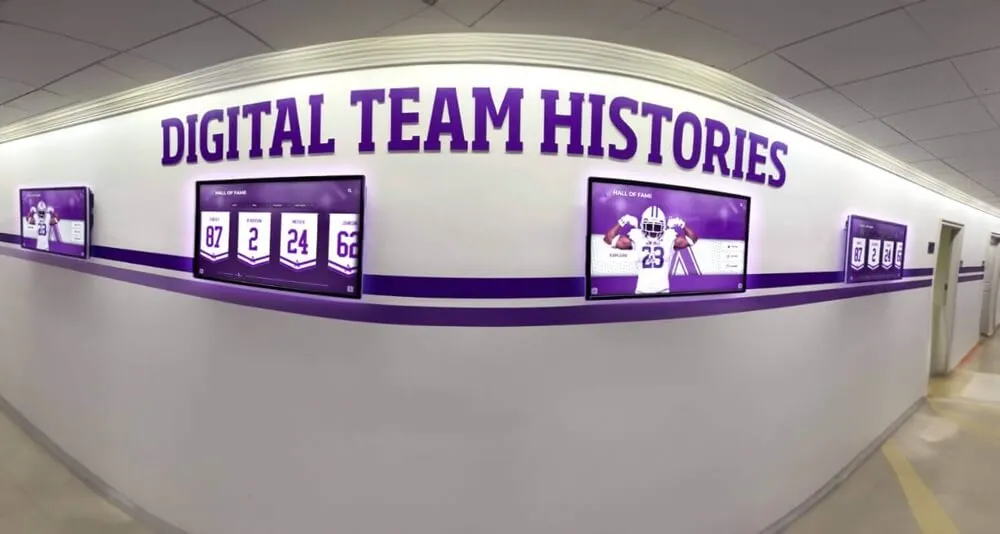
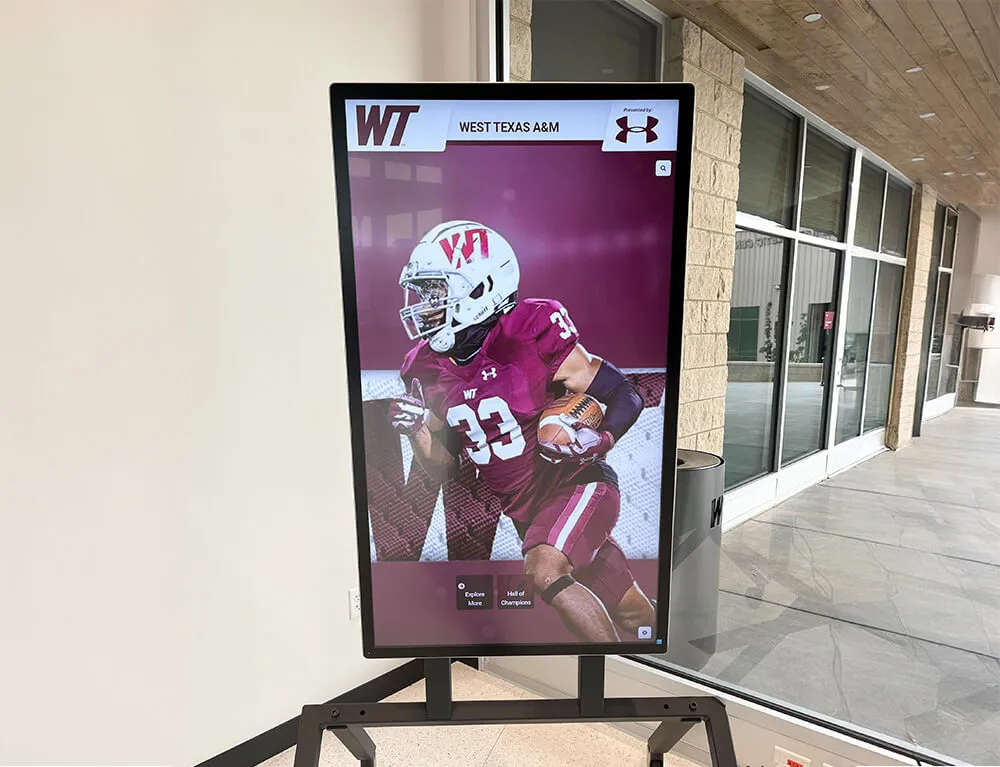
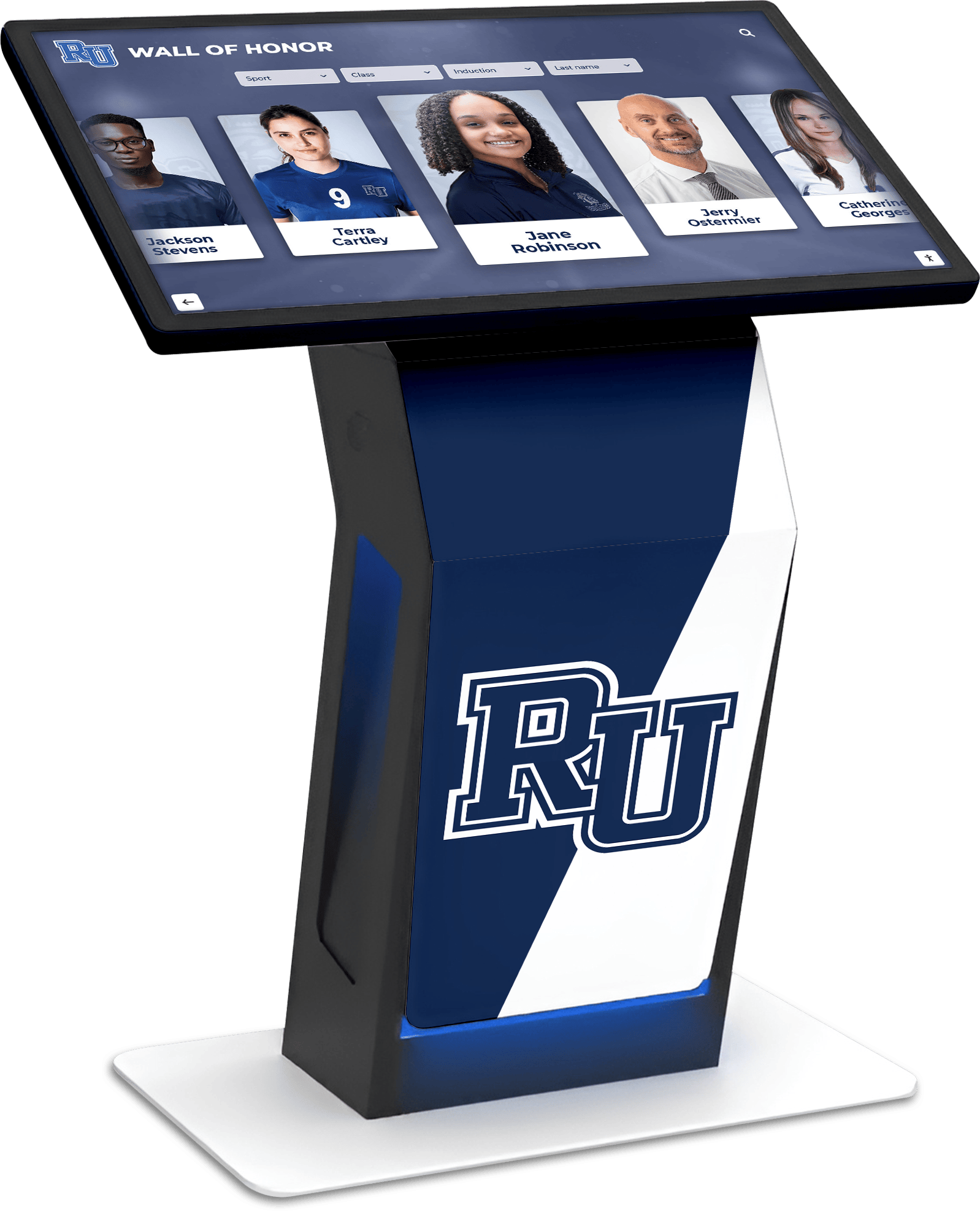
Documentation and Permanence: While ephemeral appreciation has value, lasting recognition creates enduring impact. Digital recognition displays and permanent recognition walls document appreciation in ways teachers can revisit and share with families, while creating visible culture markers for entire school communities.
Teacher Appreciation Week Event Ideas
Teacher Appreciation Week (the first full week of May in the United States) provides a natural focus point for concentrated recognition programming. These ideas range from simple daily activities to comprehensive week-long celebrations.
Daily Themed Recognition Activities
Organizing appreciation week around daily themes creates variety while simplifying planning by providing clear focus for each day’s activities.
Monday: Welcome Back Breakfast or Coffee Bar Begin the week with morning hospitality demonstrating immediate appreciation. Set up continental breakfast spreads, premium coffee bars with specialty drinks, or breakfast food trucks in staff parking areas. Include handwritten welcome notes from administrators and student thank-you messages decorating serving areas. Early morning recognition sets positive tone for the entire week.
Tuesday: Classroom Supply Shower Address practical needs by organizing supply showers where teachers receive classroom materials, organizational supplies, or instructional resources. Survey staff about most-needed items beforehand, then deliver surprise supply packages or set up “shopping” events where teachers select preferred items. This appreciation directly supports teaching while acknowledging resource constraints teachers often navigate.
Wednesday: Wellness Day Focus midweek recognition on educator wellness and self-care. Offer chair massages during planning periods, meditation or yoga sessions, healthy snack distributions, or wellness activity stations. Partner with local wellness businesses for donated services. Some schools arrange coverage allowing teachers extended lunch breaks or early releases.
Thursday: Lunch on Leadership Provide catered lunches from quality local restaurants, food trucks, or popular delivery services. Elevate typical cafeteria dining with tablecloths, flowers, and dedicated serving staff. Principals and administrative staff can serve teachers or handle cafeteria supervision duties, symbolically reversing typical service relationships.
Friday: Celebration Assembly or Social Hour Conclude the week with collective celebration bringing the community together. Options include morning assemblies where students perform appreciation songs or readings, afternoon social hours with refreshments and entertainment, or after-school celebrations with families invited. Planning meaningful school ceremonies requires balancing formality with authentic emotion and keeping programming concise to respect educators’ time.

Creative All-Week Recognition Programs
Beyond daily themes, these comprehensive approaches create sustained appreciation experiences throughout the week.
Staff Spotlight Video Series Create daily video spotlights featuring different teachers sharing their teaching philosophies, memorable student moments, or personal interests. Display videos during announcements, share on social media, and archive on school websites. Student-produced videos add authenticity while providing meaningful student service opportunities.
Appreciation Scavenger Hunt Design school-wide scavenger hunts where teachers collect appreciation tokens, gift cards, or privilege coupons from various locations. Include clues referencing school history, inside jokes, or shared experiences that demonstrate personalized knowledge of staff culture. Collaborative hunts encourage collegial interaction.
Random Acts of Appreciation Organize surprise appreciation moments throughout the week—unexpected classroom coverage providing planning time, surprise parking spot upgrades, midday treat deliveries, or mystery appreciation notes. Unpredictability creates anticipation and demonstrates ongoing thoughtfulness beyond scheduled events.
Wall of Affirmation Install large display walls where students, parents, colleagues, and administrators post appreciation notes, drawn pictures, or affirmations for specific teachers. Digital displays can rotate messages while preserving all submissions. Physical walls create visible community recognition that teachers can photograph and preserve.
Professional Portfolio Recognition Dedicate hallway display cases or digital screens to rotating teacher professional accomplishments, innovative curriculum projects, student achievement highlights, or extracurricular contributions. This recognition extends beyond appreciation week, creating lasting documentation of educator excellence.
Formal Teacher Recognition Events and Ceremonies
Structured recognition events and ceremonies provide opportunities for significant appreciation moments honoring career milestones, outstanding achievements, or sustained excellence.
End-of-Year Recognition Banquets
Annual recognition banquets create ceremonial spaces for celebrating teachers’ yearly contributions while building collegial community.
Planning Considerations for Successful Banquets
Venue selection significantly impacts event atmosphere. On-campus events in decorated cafeterias or gymnasiums create familiar settings and reduce costs, while off-campus venues at restaurants, hotels, or event spaces signal special occasion importance. Consider accessibility, parking, capacity, and ambiance when selecting locations.
Timing affects attendance. Weekend evening events accommodate teachers’ personal schedules better than school nights requiring next-day preparation. Late spring or early summer scheduling after academic year completion allows fuller celebration without academic pressure. Some schools hold end-of-year events during final faculty meeting times, ensuring attendance while acknowledging teachers’ limited free time.
Family inclusion decisions shape event character. Some schools host teacher-only events fostering collegial bonding, while others invite spouses and families, honoring the reality that teaching commitment affects entire households. Budget and venue capacity often dictate these decisions, but clearly communicate expectations so attendees can plan appropriately.
Program Elements for Meaningful Ceremonies
Effective recognition banquets balance formal acknowledgment with social interaction and entertainment. Begin with reception periods allowing informal conversation before transitioning to program segments.
Recognition categories should extend beyond traditional “Teacher of the Year” awards to honor diverse contributions. Consider awards for teaching innovation, collegial collaboration, extracurricular dedication, student advocacy, professional growth, community engagement, and department-specific excellence. Multiple categories ensure broader recognition while celebrating varied contributions. Recognition programs should also thoughtfully honor retired and deceased educators who shaped institutional history.
Include student voices in recognition programming. Student testimonials about specific teachers’ impact create powerful emotional moments more authentic than administrative speeches. Video compilations of student thank-you messages, live student performances, or student-presented awards demonstrate appreciation from those most directly affected by teachers’ work.
Incorporate humor and entertainment alongside formal recognition. Teacher trivia games, funny photo montages, or lighthearted awards for quirks and personalities balance gravitas with levity. Many schools invite professional entertainers or showcase talented staff members performing music or comedy.
Milestone Recognition Events
Career milestones provide natural recognition opportunities celebrating sustained commitment and service longevity.
Years-of-Service Recognition Programs
Establish systematic recognition for service milestones—5, 10, 15, 20, 25, 30 years and beyond. Recognition might include certificates, engraved gifts, extra vacation days, professional development stipends, or permanent recognition on school walls or digital displays.
Host dedicated milestone celebration receptions separate from general appreciation events, allowing focused attention on honored educators. Invite district leadership, board members, and retired colleagues who worked with honorees. Include historical school photos from honorees’ early years, creating nostalgia and demonstrating institutional memory.
Retirement Celebrations
Retiring teachers deserve special recognition honoring entire career contributions. Individual retirement receptions allow personalized celebration featuring career retrospectives, colleague testimonials, student reunions, and legacy acknowledgment.
Create permanent recognition for retiring educators through named classroom dedications, scholarship establishment, library book donations with dedication plates, or digital recognition displays documenting career highlights. These lasting tributes demonstrate that educators’ impacts endure beyond their service.
National Board Certification and Advanced Degree Recognition
Teachers achieving National Board Certification or completing advanced degrees demonstrate exceptional professional commitment deserving special recognition. Host certification celebration receptions, provide salary bonuses or stipends, and create permanent documentation of these accomplishments on school recognition walls.
Budget-Friendly Teacher Appreciation Ideas
Meaningful appreciation doesn’t require large budgets. These creative, cost-effective ideas demonstrate thoughtfulness and genuine care regardless of financial constraints.
No-Cost and Low-Cost Appreciation Strategies
Handwritten Personal Notes Administrators writing specific, personal thank-you notes acknowledging individual contributions costs nothing but creates lasting impact. Reference particular moments, teaching innovations, student breakthroughs, or collegial actions demonstrating genuine observation and appreciation. Many teachers save these notes for years.
Time Gifts and Schedule Accommodations Provide early release days, extended lunch periods, reduced meeting obligations, or flexible arrival times. Cover classes allowing teachers to observe colleague classrooms, attend professional development, or handle personal appointments. Time represents teachers’ most precious resource, making these gifts particularly meaningful.
Parking Spot Privileges Designate premium parking spots for “Teacher of the Month” or rotating recognition, providing daily visible appreciation and practical convenience. Include decorated signs identifying honored teachers.
Administrative Coverage and Service Principals and administrators covering lunch duties, hallway supervision, or recess monitoring while teachers take extended breaks demonstrates servant leadership and practical support. Some schools organize days where administrators handle all non-instructional duties.
Student-Created Appreciation Projects Facilitate student-made cards, artwork, poetry, video messages, or performance dedications. Student appreciation often means more to teachers than any gift, while costing nothing beyond coordination time. Virtual event formats allow remote students and alumni to participate in appreciation programming regardless of geographic location.
Social Media Spotlights Feature teacher spotlights on school social media channels, sharing their accomplishments, teaching philosophies, or interesting personal facts. Public recognition costs nothing while extending appreciation beyond school walls to broader communities.
Modest-Budget High-Impact Ideas
Coffee and Treat Deliveries Coordinate morning coffee deliveries from local shops or set up quality coffee bars with premium beans and specialty drinks. Afternoon treat carts delivering cookies, fruit, or healthy snacks to classrooms create appreciated interruptions. These modest investments demonstrate ongoing thoughtfulness.
Classroom Décor and Supply Upgrades Small budget allocations for classroom decoration materials, organizational supplies, or instructional resources address practical needs while showing investment in teaching environments. Allow teachers to select preferred items rather than providing identical generic gifts.
Professional Book Selections Curate collections of professional development books, educational bestsellers, or teaching resources, allowing teachers to select titles matching their interests. Include personal development, fiction, or hobby books beyond strictly professional topics, acknowledging teachers’ lives extend beyond classroom walls.
Local Business Partnership Discounts Negotiate appreciation discounts with local restaurants, coffee shops, salons, fitness centers, or retail businesses. Create discount cards or digital coupon collections providing ongoing benefits beyond single events. These partnerships cost schools nothing while providing sustained value to teachers.
Potluck Appreciation Lunches with Upgrades Transform typical potluck events into special occasions by adding catered main courses, professional desserts, quality beverages, decorations, or entertainment. Modest investments elevate familiar formats into memorable celebrations.
Innovative Digital Recognition Solutions
Modern technology enables recognition approaches extending beyond traditional plaques and certificates to create dynamic, accessible, and evolving appreciation platforms.
Interactive Digital Recognition Displays
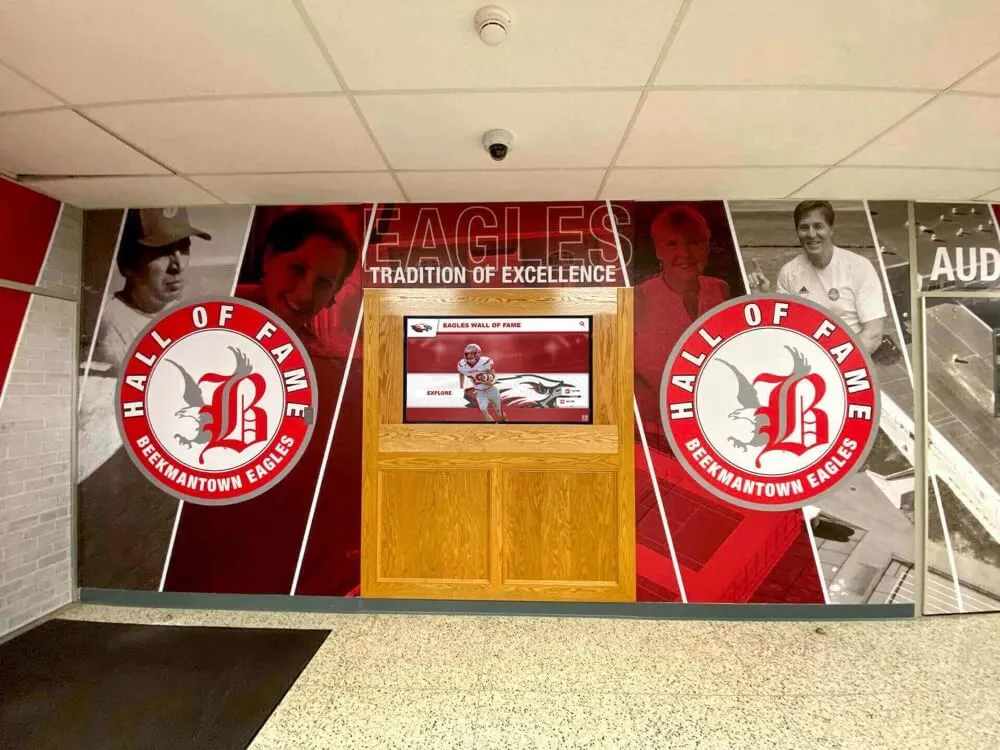
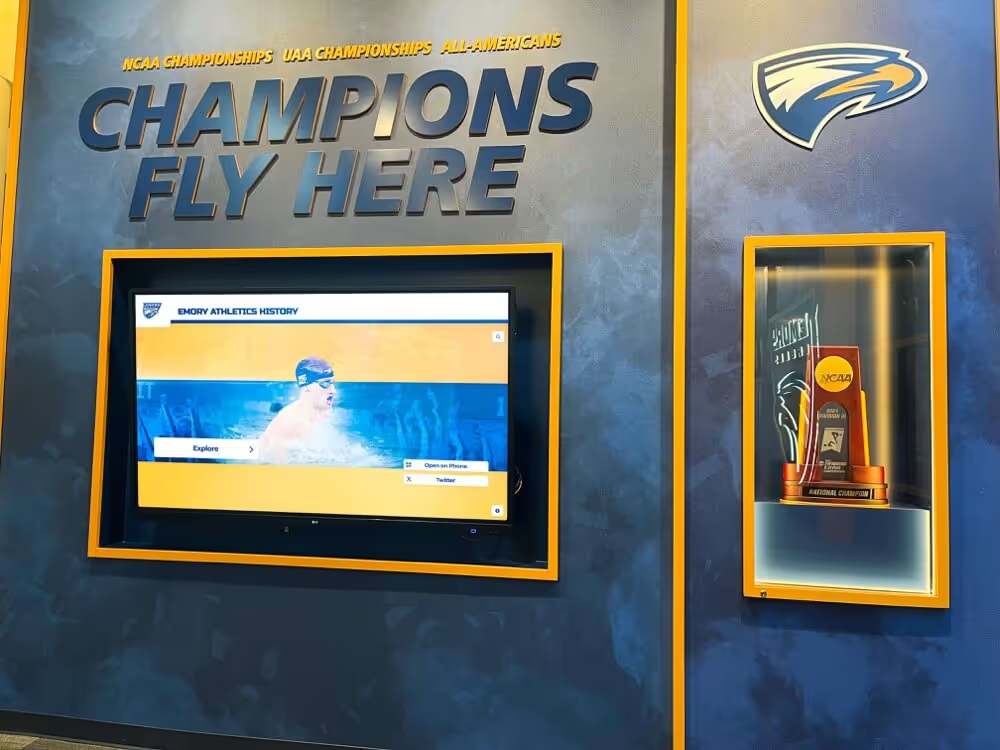
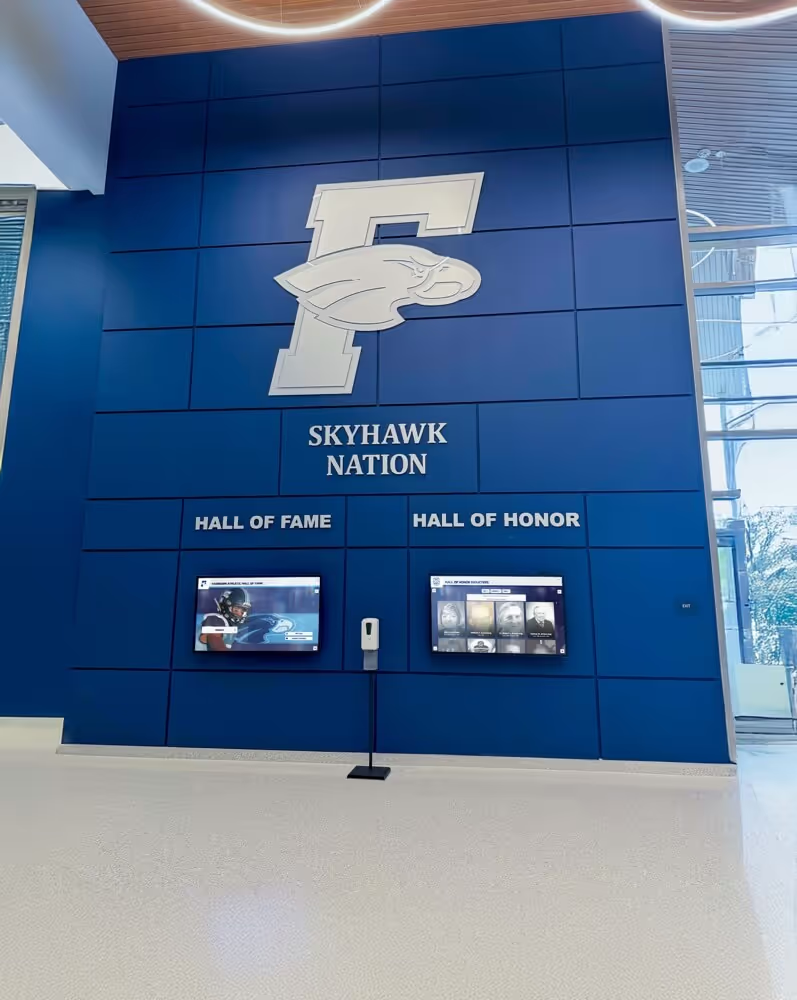
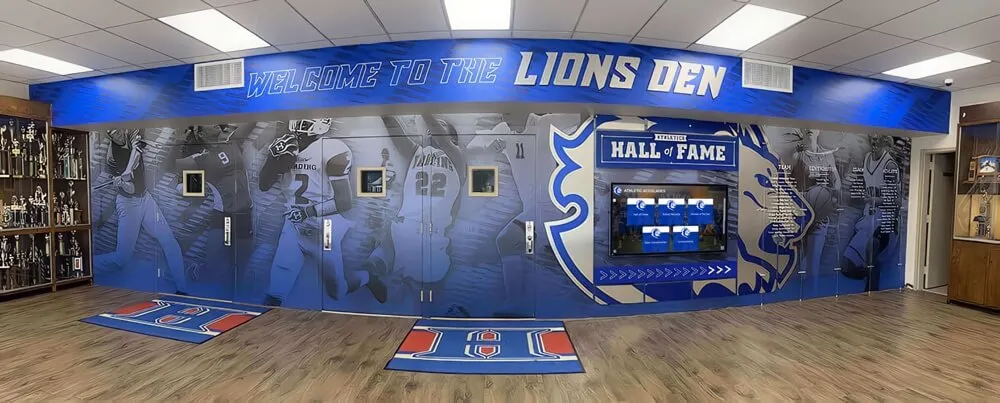
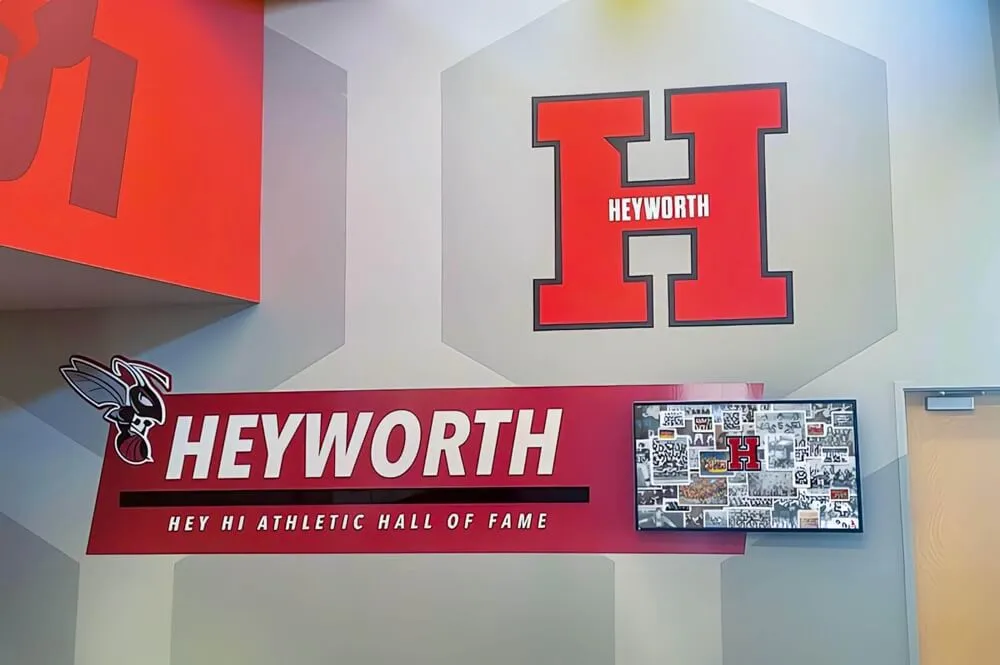
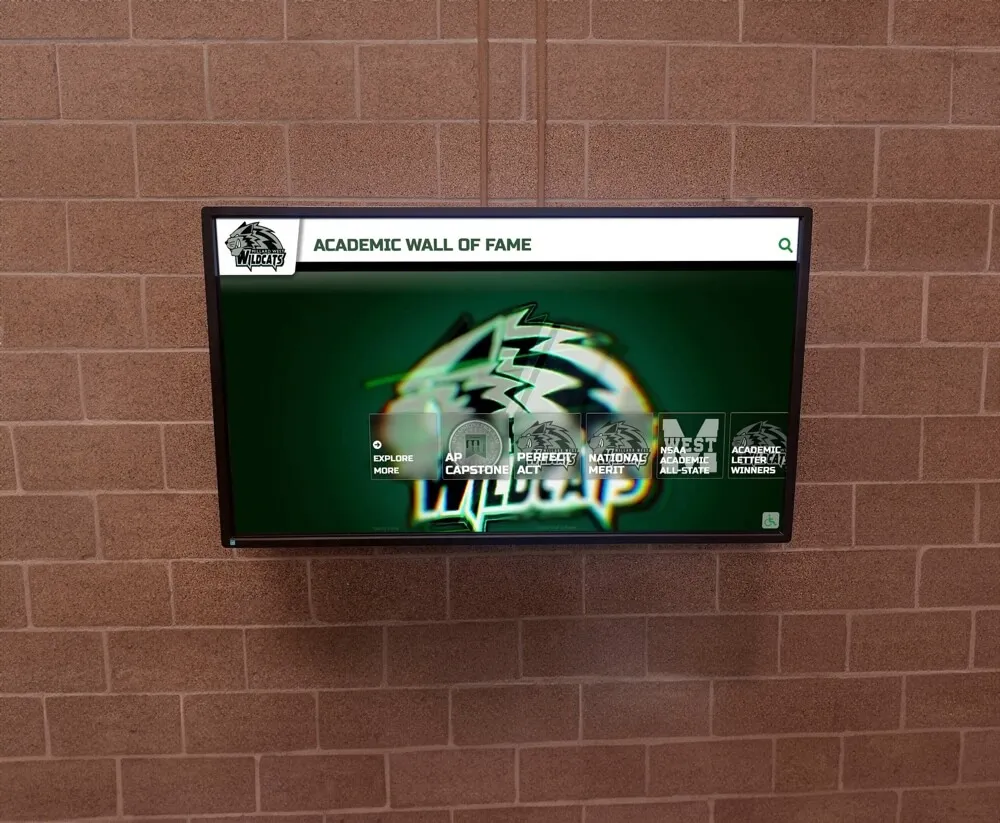
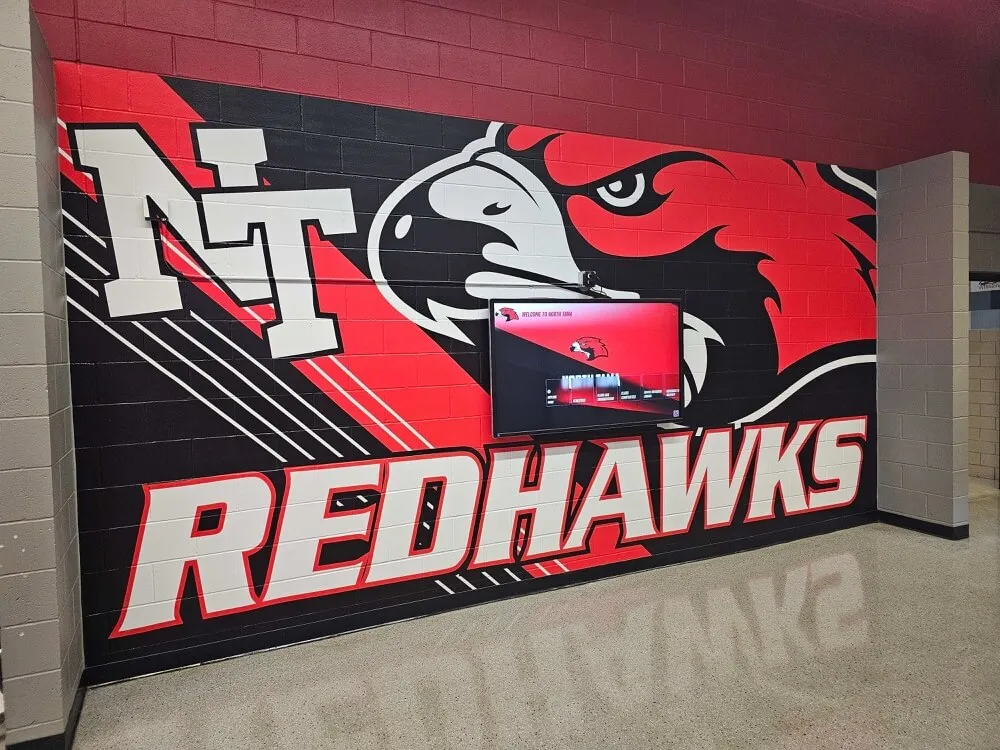
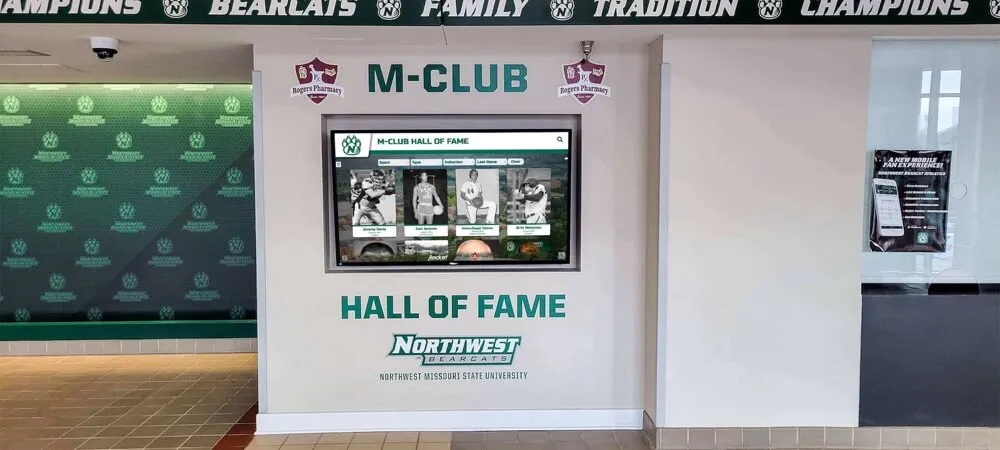
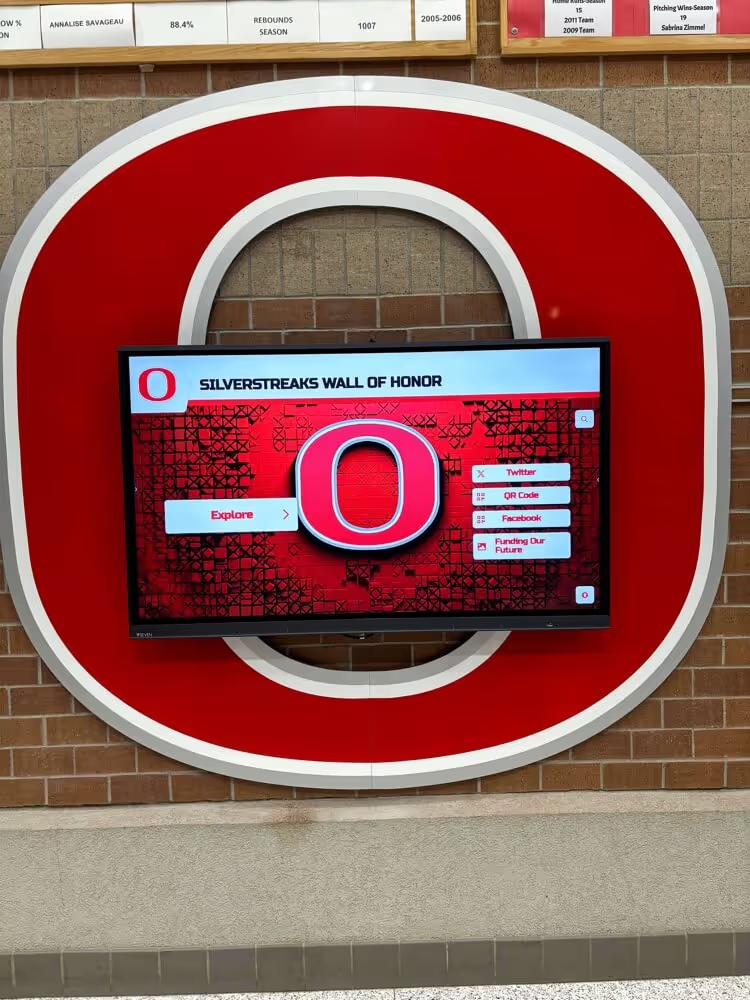
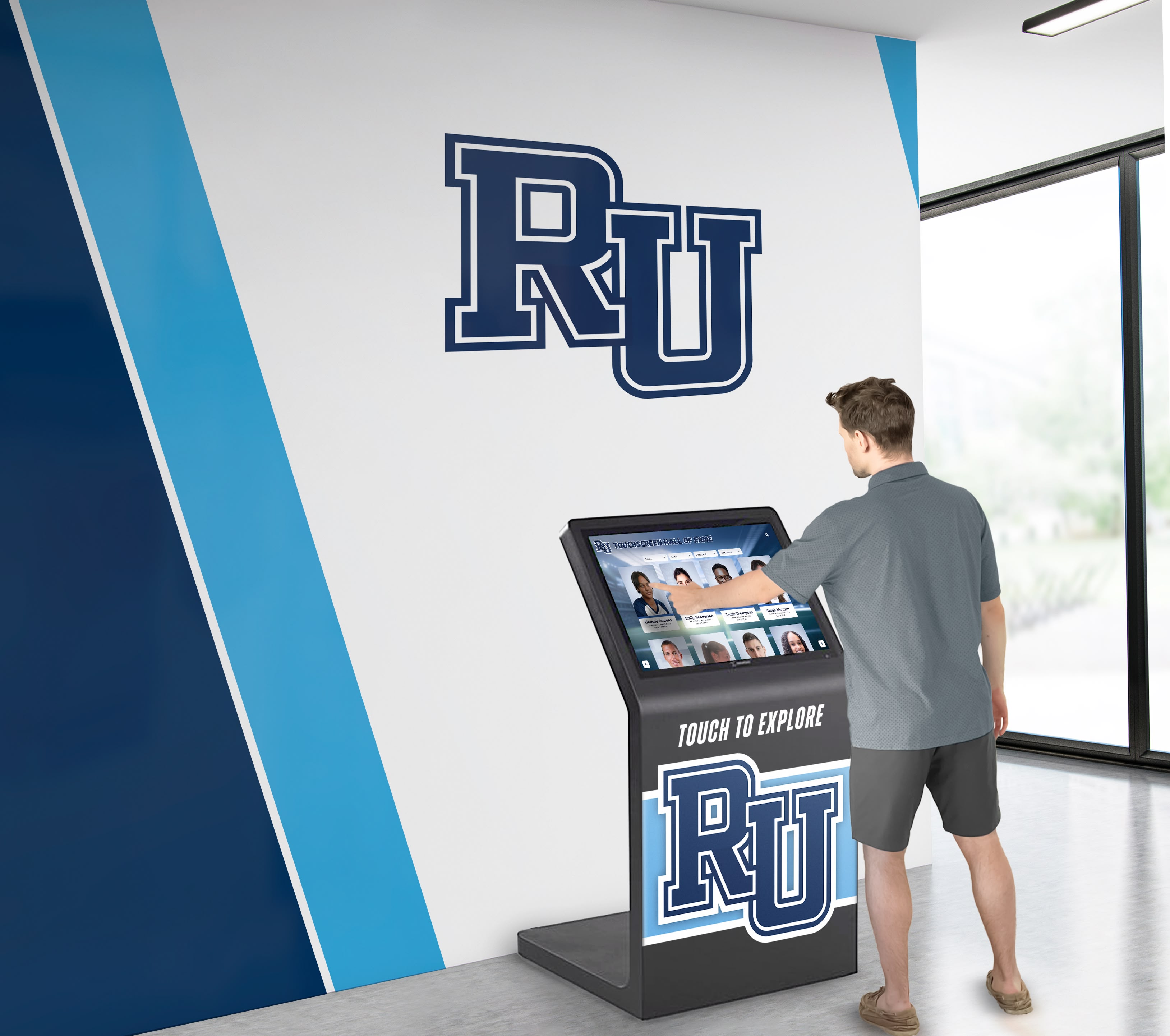
Permanent digital recognition walls combine the visibility of traditional plaques with multimedia capabilities, updating flexibility, and interactive engagement that static displays cannot provide.
Benefits of Digital Recognition Systems
Traditional recognition plaques face inherent limitations—fixed layouts constraining future additions, static content lacking depth, physical space constraints limiting scale, and costly updates requiring new engraving. Digital systems eliminate these restrictions while adding capabilities impossible with static displays.
Digital platforms accommodate unlimited recognition entries without physical space constraints. Schools can honor entire teaching staffs with individual profiles rather than limiting recognition to small elite groups. This inclusive approach recognizes broader contributions while avoiding the politics of selective traditional plaques.
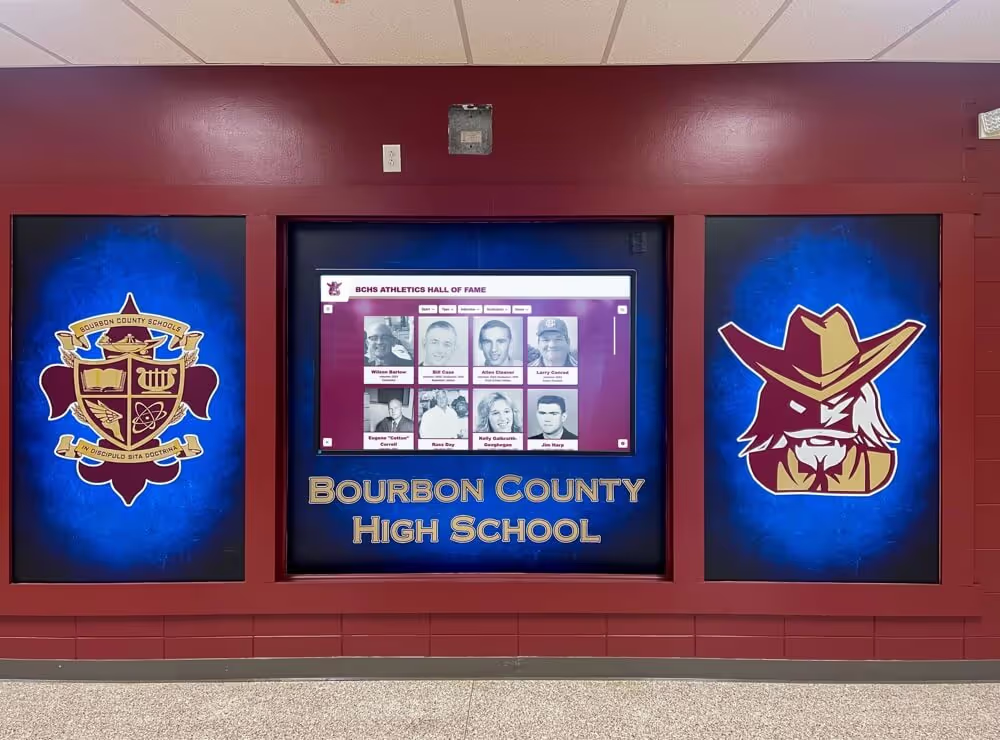
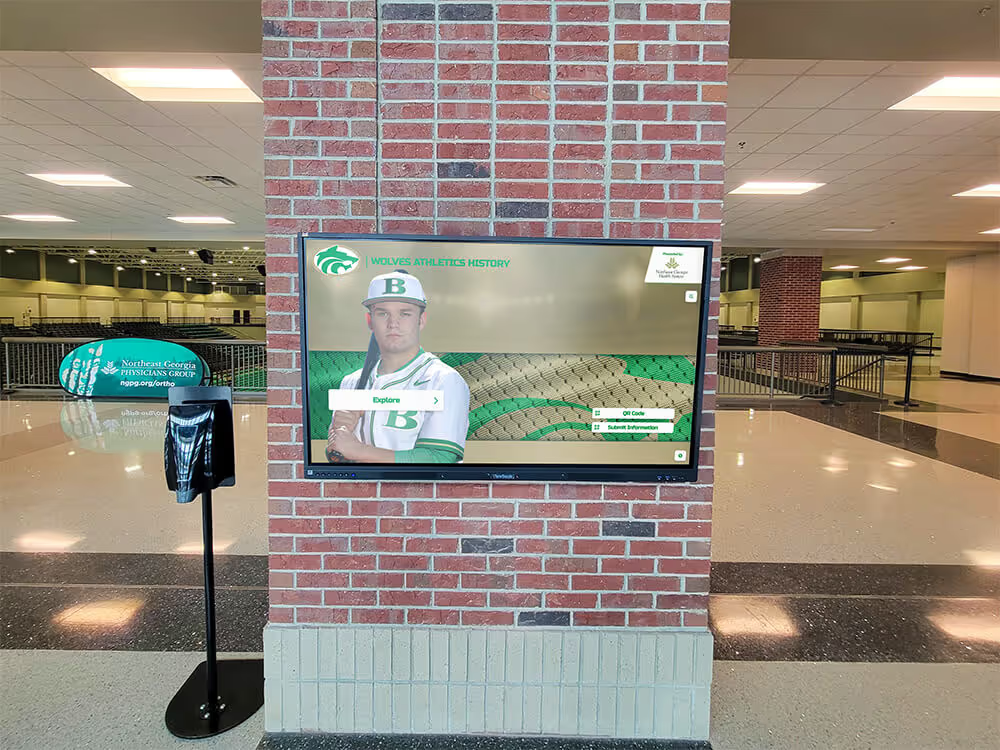
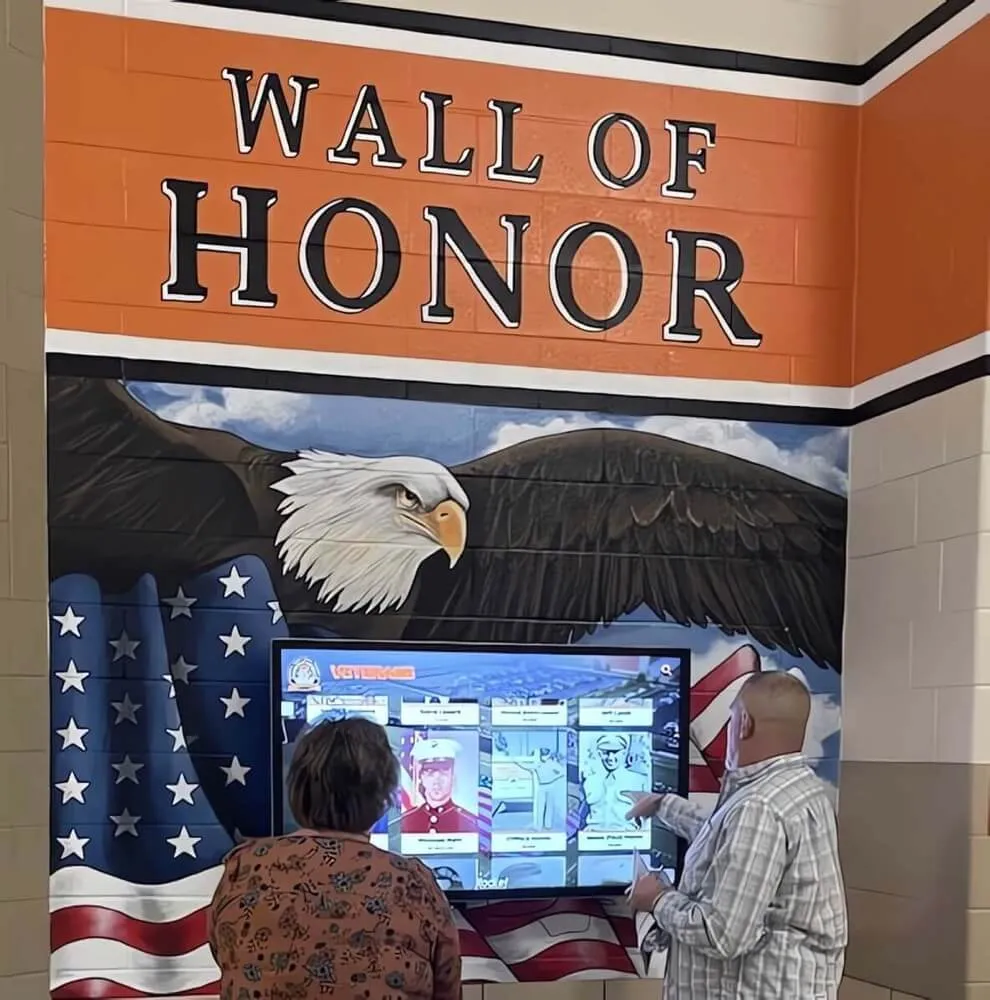
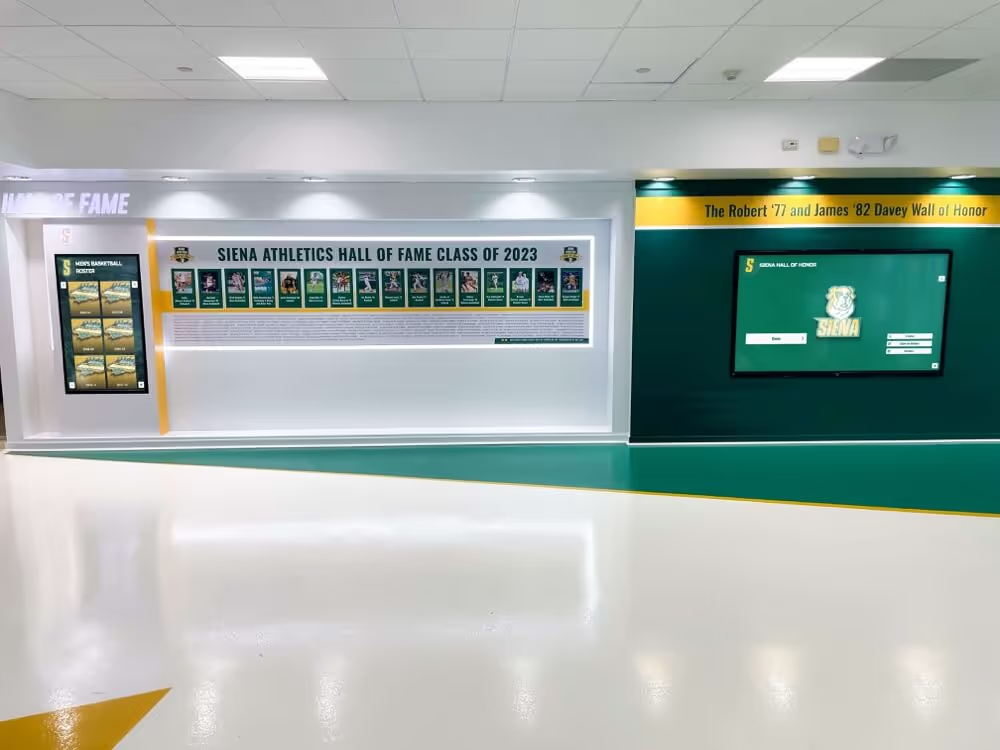
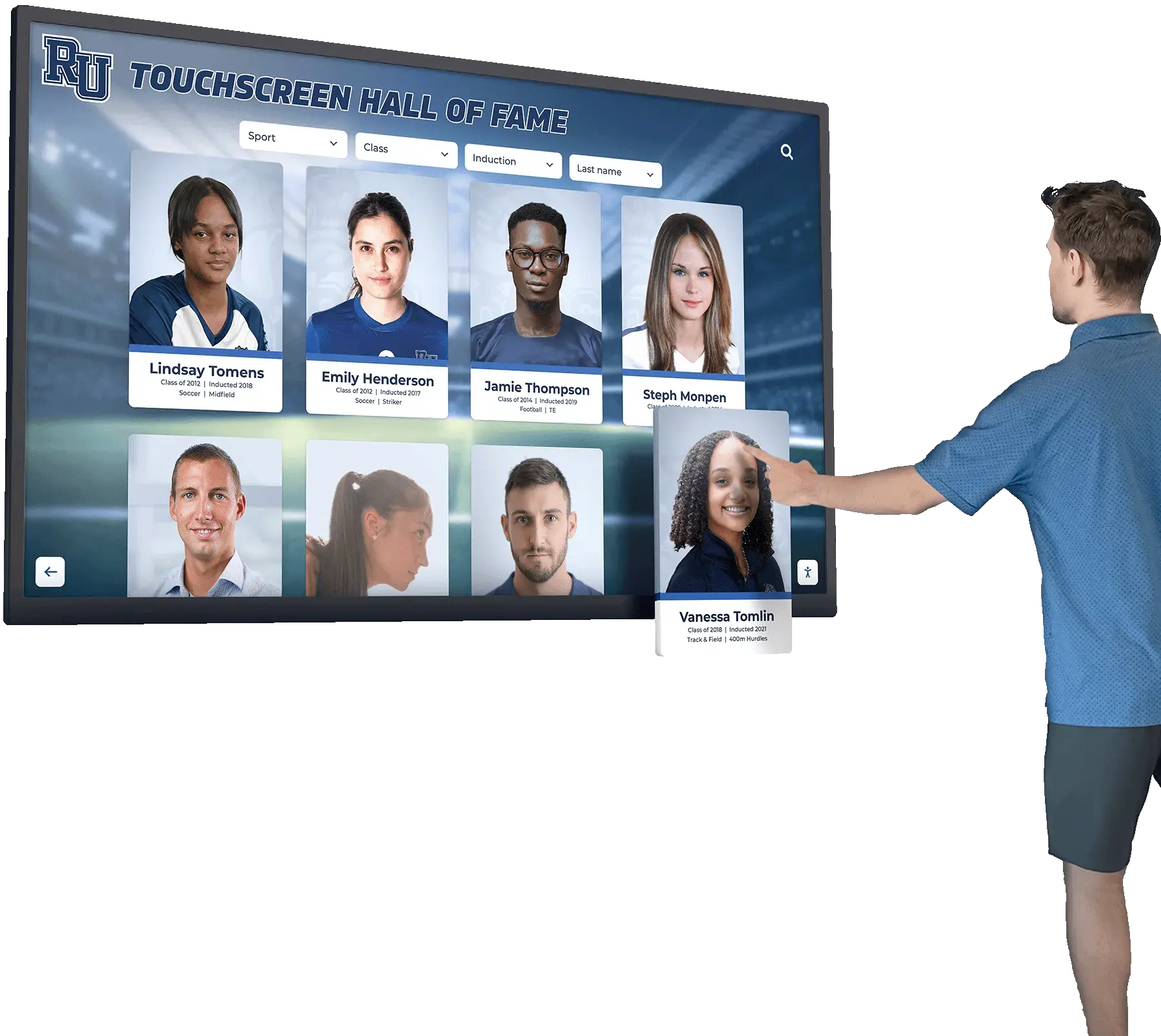
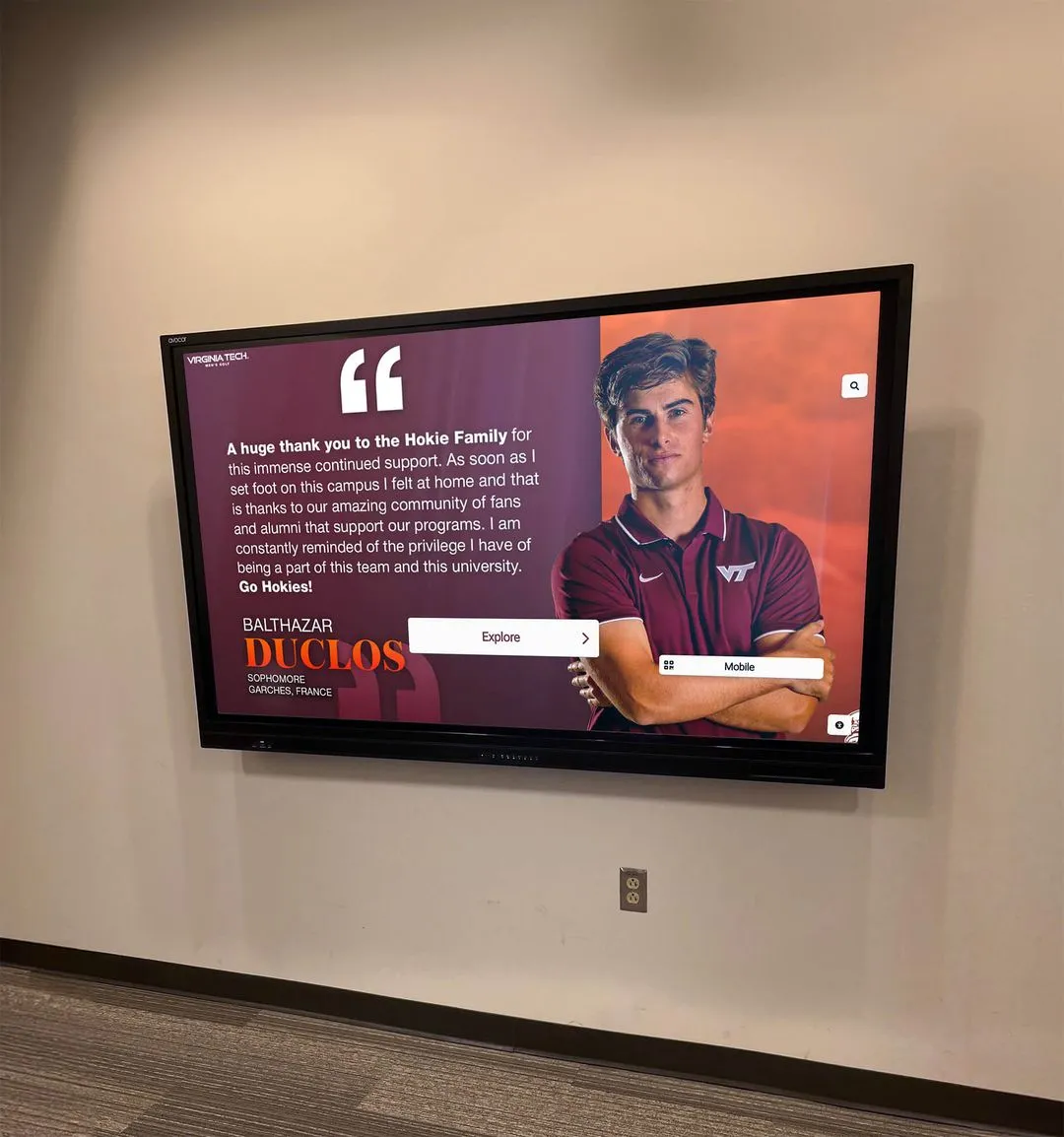
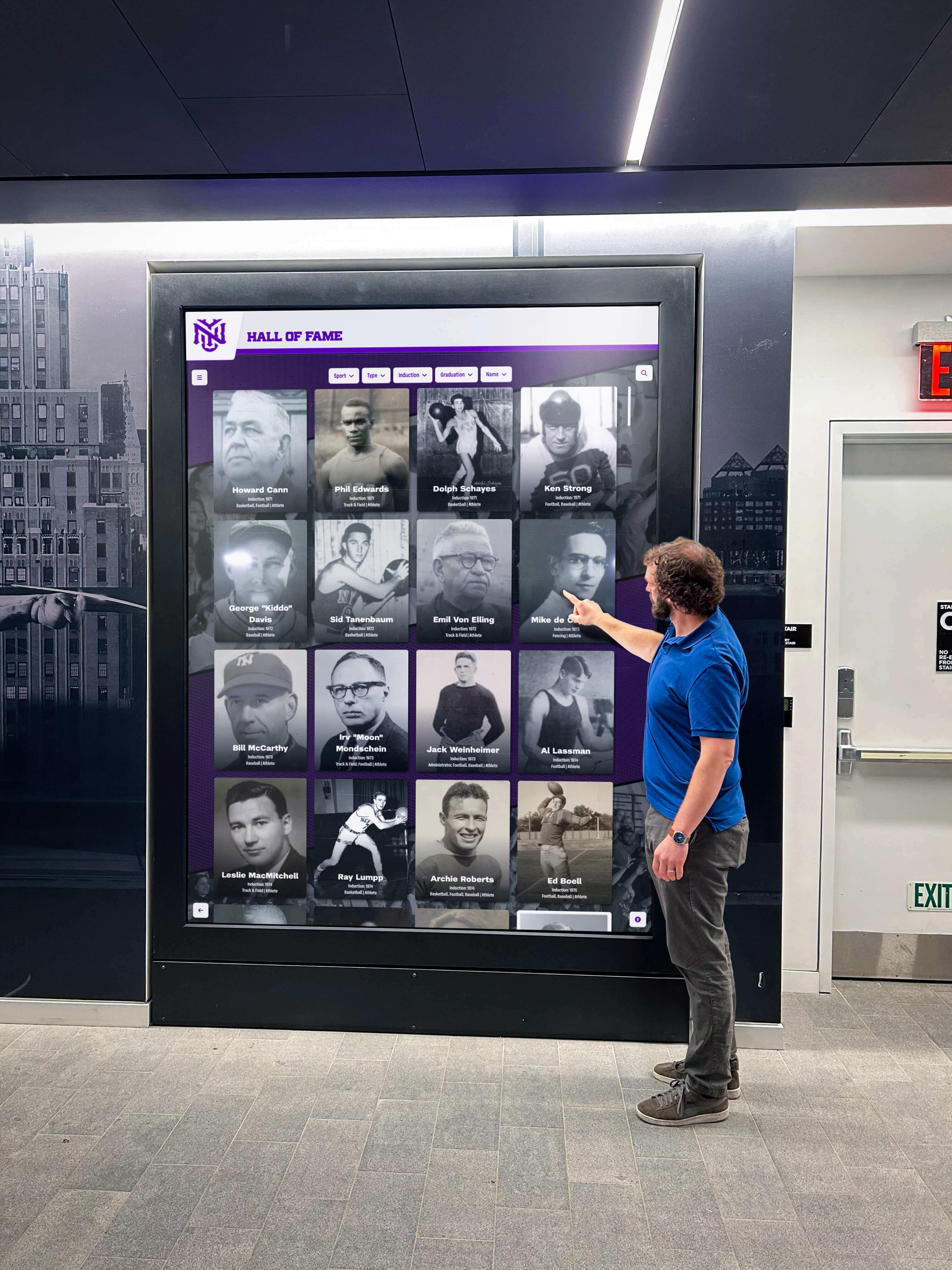
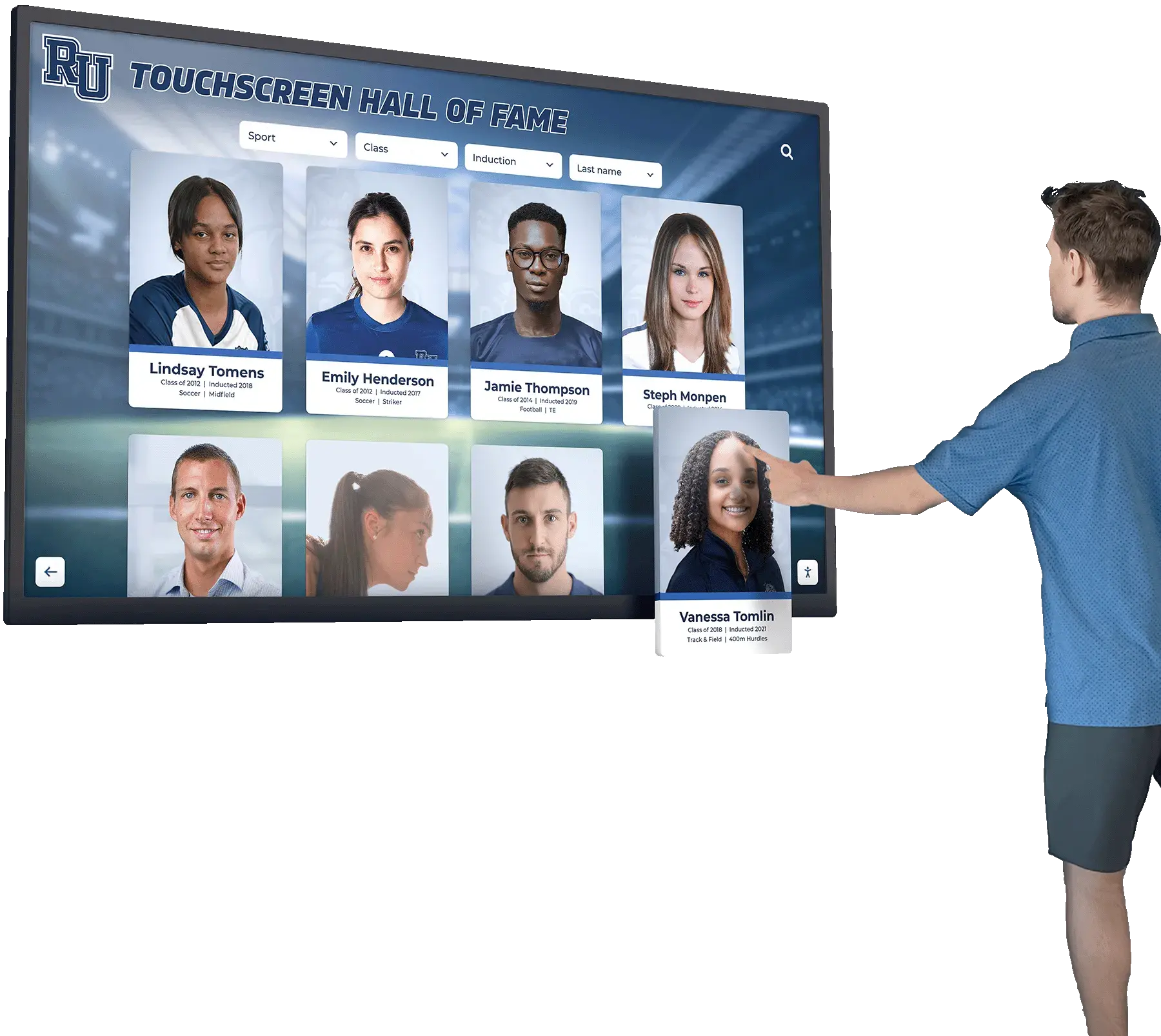
Multimedia profiles provide depth impossible with plaques. Teacher recognition entries can include professional photos, career timelines, teaching philosophies, student testimonials, achievement highlights, awards documentation, and even video messages. This rich content creates meaningful documentation of educators’ impacts. Interactive touchscreen walls installed in prominent school locations create engagement opportunities where students, families, and visitors explore staff achievements.
Real-time updating ensures recognition remains current. Schools can immediately add new hires, update accomplishments, document ongoing achievements, and honor milestone anniversaries without physical fabrication delays or costs. This agility keeps recognition relevant rather than becoming dated historical artifacts.
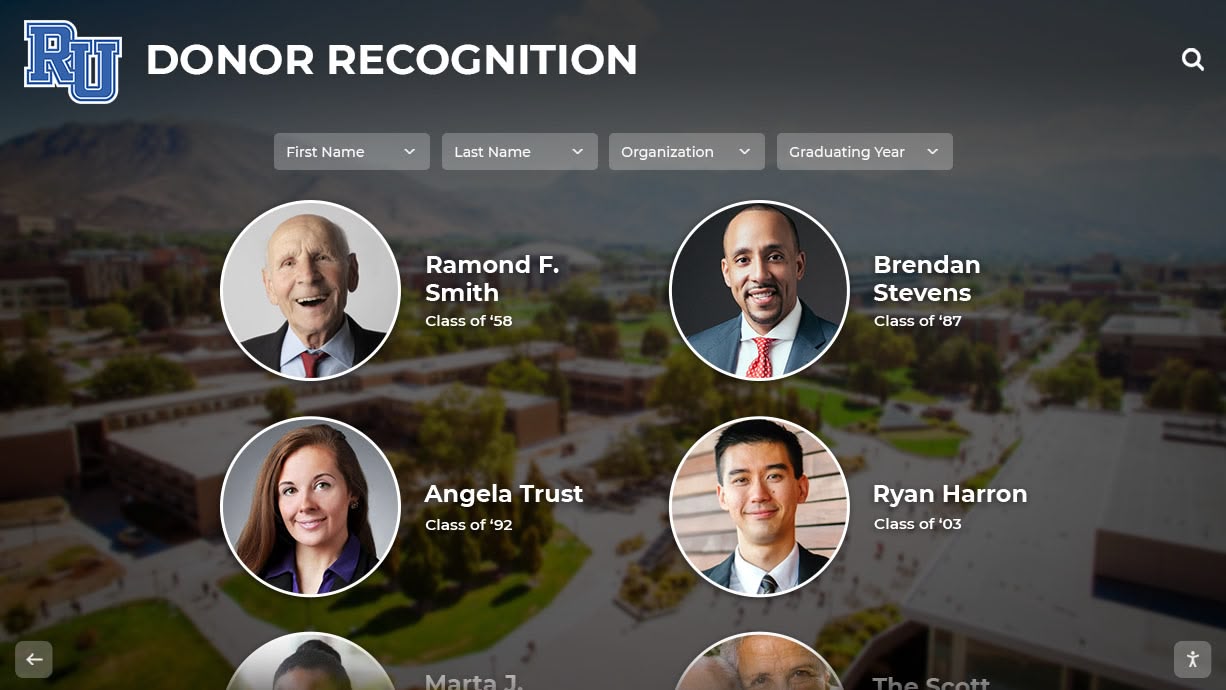
Search and filter capabilities enable personalized discovery. Users can explore recognition by department, subject area, years of service, specific achievements, or decades of graduation, making large recognition databases accessible and engaging.
Implementation Considerations
Location significantly impacts recognition effectiveness. High-traffic areas like main entrances, lobbies, cafeterias, or administrative office approaches maximize visibility. Some schools install multiple displays throughout buildings, with master recognition in central locations and department-specific displays in academic wings.
Content development requires systematic planning. Effective implementations include standardized templates ensuring consistency while allowing personality, collaborative processes involving teachers in profile creation, and ongoing update protocols maintaining currency.
Integration with existing systems streamlines management. Platforms connecting with student information systems, HR databases, or content management systems reduce manual data entry while ensuring accuracy.
Virtual Recognition Platforms and Social Features
Beyond physical displays, virtual recognition platforms create online appreciation spaces accessible to distributed communities.
Staff Recognition Websites and Portals
Dedicated recognition websites document teacher accomplishments, share appreciation messages, and create permanent digital archives of educator excellence. These platforms extend beyond school walls, allowing families, alumni, and broader communities to engage with staff recognition.
Features might include searchable staff directories with profiles, rotating appreciation message feeds, achievement newsfeeds highlighting recent accomplishments, photo galleries from appreciation events, video testimonial libraries, and social sharing capabilities allowing recognition amplification.
Social Media Recognition Campaigns
Systematic social media appreciation campaigns extend recognition to platforms where teachers, students, and families already spend time. Daily teacher spotlights during appreciation weeks, hashtag campaigns encouraging community participation, appreciation video series, and crowd-sourced tribute collections create participatory recognition exceeding what schools can generate independently.
Digital Appreciation Boards and Message Systems
Virtual message boards where students, colleagues, and parents post appreciation messages create inclusive recognition spaces. Digital formats preserve all contributions without physical space limitations while enabling filtering by recipient, sender, or date. Some schools display rotating messages on digital signage throughout buildings while maintaining complete archives online.
Personalization Strategies for Meaningful Appreciation
Generic recognition feels obligatory while personalized appreciation demonstrates genuine knowledge and care for individual educators.
Individual Interest and Preference Alignment
Conducting Informal Appreciation Surveys
Simple surveys asking teachers about appreciation preferences eliminate guesswork while ensuring recognition matches actual desires. Questions might explore public vs. private recognition preferences, preferred gift types, favorite restaurants or treats, professional development interests, hobby and personal interests, and ideal appreciation timing.
Survey insights prevent well-intentioned but misaligned recognition. A teacher who values quiet acknowledgment feels uncomfortable with surprise public ceremonies, while extroverted colleagues appreciate public spotlight moments. Understanding these preferences demonstrates respect and attentiveness.
Creating Personalized Gift Selections
Rather than providing identical gifts to all teachers, personalization significantly enhances appreciation impact. Strategies include gift choice lists where teachers select preferred options, customized gifts reflecting known interests or hobbies, classroom-specific supplies addressing individual teaching needs, professional development selections matching career interests, and restaurant or activity gift cards aligned with personal preferences.
The effort invested in personalization—even modest efforts like learning favorite coffee orders or hobbies—signals genuine attention and care that generic gestures cannot convey.
Department and Role-Specific Recognition
Different roles within schools face distinct challenges and provide varied contributions deserving specific acknowledgment.
Classroom Teacher Appreciation
Core academic teachers face relentless instructional demands, assessment pressures, curriculum responsibilities, and daily student interaction intensity. Appreciation addressing these specific realities—reduced grading loads through volunteer graders, classroom supply replenishment, professional development focused on their subjects, or teaching assistant support—demonstrates understanding of their particular contexts.
Specialist and Elective Teacher Recognition
Art, music, physical education, library, and other specialist teachers often feel marginalized despite providing essential educational experiences. Intentional recognition highlighting their unique contributions, specialized skill sets, and student impact prevents them from feeling like afterthoughts in appreciation programming designed primarily around core academics.
Support Staff and Para-Educator Inclusion
Comprehensive appreciation includes educational assistants, para-educators, instructional aides, and other support staff whose contributions enable teacher success. These team members deserve equal recognition despite sometimes being overlooked in traditional teacher-focused programs. Event planning strategies that create inclusive celebrations ensure all contributors feel valued.
Administrative and Leadership Recognition
Department chairs, instructional coaches, curriculum coordinators, and other teacher-leaders balancing teaching with administrative responsibilities face unique pressures. Recognition acknowledging their dual roles and leadership contributions demonstrates awareness of their expanded commitments.
Community Involvement in Teacher Appreciation
Expanding appreciation beyond school staff to include students, families, and broader community creates powerful recognition amplification while building support for educators.
Student-Led Appreciation Initiatives
Student Appreciation Committees
Form student committees responsible for planning and implementing teacher appreciation activities. Student leadership provides authentic perspective on which teachers most impact students while teaching civic engagement and event planning skills. Committees might organize surprise appreciation events, coordinate appreciation message collections, design recognition displays, or produce video tributes.
Grade-Level or Class Appreciation Projects
Coordinate grade-level or individual class appreciation projects where students collectively create gifts, performances, or experiences for teachers. Projects might include class quilts with student-contributed squares, video compilations of student thank-you messages, performance dedications, or service projects honoring teachers’ values.
Senior Legacy Appreciation Traditions
Establish traditions where graduating seniors organize appreciation events, create recognition gifts, or fund permanent recognition honoring teachers who shaped their development. These legacy projects allow students to demonstrate gratitude while establishing traditions subsequent classes continue.
Parent and Family Participation
Parent Organization Appreciation Funding
PTA, PTO, and parent organizations can fund or organize teacher appreciation events, gifts, or recognition programs. Parent-funded appreciation demonstrates community investment in educators while supplementing school budgets.
Family Appreciation Letter Campaigns
Coordinate campaigns inviting families to write appreciation letters to teachers who impacted their children. Collect and compile letters in bound books presented to individual teachers or displayed in common areas. Digital versions might include video messages or recorded thank-you notes.
Community Business Partnerships
Local businesses often willingly support teacher appreciation through donated services, discounted offerings, or sponsored events. Restaurants might provide free meals, coffee shops might offer drink coupons, salons might donate services, or retailers might contribute gift cards. These partnerships cost schools nothing while demonstrating broader community appreciation for educators.
Alumni Involvement in Current Teacher Recognition
Alumni Teacher Appreciation Letters
Reach out to alumni inviting them to write appreciation letters to teachers who influenced their lives. Former students’ long-term perspective on teachers’ lasting impact creates powerful emotional recognition. Some schools organize annual “letters to teachers” campaigns collecting hundreds of alumni messages. Recognition programs that bridge past and present school communities create meaningful continuity.
Alumni-Funded Recognition Endowments
Alumni groups can establish endowments funding ongoing teacher recognition programs, annual awards, professional development grants, or classroom innovation funding. These permanent funding sources ensure sustained appreciation beyond single-year initiatives.
Sustaining Appreciation Culture Year-Round
While special events create important recognition moments, sustainable appreciation requires embedded cultural practices extending throughout the academic year.
Ongoing Recognition Programs
Monthly Recognition Spotlights
Establish rotating monthly recognition highlighting different teachers through newsletter features, social media spotlights, hallway displays, faculty meeting acknowledgments, or dedicated recognition displays. Monthly rhythms create predictable appreciation touchpoints while ensuring broader staff inclusion over academic years.
Peer-to-Peer Appreciation Systems
Facilitate colleague-to-colleague recognition through appreciation card stations in staff lounges, digital platforms where teachers nominate colleagues for recognition, recognition shout-outs during staff meetings, or rotating appreciation boards where teachers publicly acknowledge peers.
Principal’s Appreciation Notes Program
Systematic programs where administrators write regular personalized thank-you notes to individual teachers create sustained appreciation. Some principals commit to writing several notes weekly, ensuring every staff member receives multiple personal acknowledgments annually.
Building Recognition into School Communication
Newsletter and Announcement Integration
Regularly feature teacher spotlights, appreciation messages, or achievement highlights in school newsletters, email communications, website updates, and daily announcements. Systematic integration ensures ongoing recognition visibility.
Meeting Recognition Protocols
Begin faculty meetings with appreciation shout-outs, recognition acknowledgments, or colleague appreciation moments. This consistent practice signals that recognition represents a core value rather than occasional obligation.
Professional Development as Appreciation
Funding Conference Attendance
Provide funding for teachers to attend desired professional conferences, workshops, or training programs demonstrates investment in their professional growth while acknowledging that development opportunities represent meaningful appreciation.
Granting Innovation and Curriculum Development Opportunities
Offering teachers paid time to develop curriculum innovations, design new courses, create instructional resources, or pursue creative teaching projects shows respect for their professional expertise while providing engagement opportunities many educators value deeply.
Supporting Advanced Certification and Degree Pursuit
Financial support, schedule accommodations, or recognition for teachers pursuing National Board Certification, advanced degrees, or specialized credentials demonstrates long-term investment in their careers.
Measuring Appreciation Impact and Gathering Feedback
Effective appreciation programs require feedback mechanisms ensuring recognition actually resonates with teachers rather than satisfying administrator assumptions.
Post-Event Surveys and Feedback Collection
Anonymous surveys following appreciation events help administrators understand what worked well, what felt inauthentic, and what teachers would prefer. Questions might explore which elements teachers most valued, suggestions for improvement, preferences for future recognition, and feelings about whether appreciation felt genuine.
Monitoring Culture Indicators
Track indicators suggesting appreciation culture health including staff retention rates, satisfaction survey results, participation in optional school events, collegial interaction quality, and exit interview feedback from departing teachers about recognition experiences.
Adapting Programs Based on Teacher Input
Appreciation programs should evolve based on feedback rather than repeating identical activities annually. When surveys reveal preferences, adjust subsequent recognition accordingly. This responsiveness demonstrates that appreciation genuinely prioritizes teachers’ preferences rather than administrative convenience.
Creating Lasting Impact Through Thoughtful Recognition
Meaningful teacher appreciation requires moving beyond obligatory gestures toward authentic recognition culture where educators feel genuinely valued for their individual contributions, professional expertise, and sustained commitment to student success. The most effective appreciation programs share common characteristics: personalization demonstrating knowledge of individual teachers, specificity acknowledging particular contributions rather than generic praise, consistency creating year-round recognition rather than isolated events, community involvement expanding appreciation beyond school leadership, and professional respect honoring teachers as skilled professionals deserving investment in their growth and working conditions.
Schools investing in thoughtful, sustained appreciation reap significant returns through improved teacher retention, enhanced job satisfaction, stronger school culture, increased discretionary effort, and deeper institutional commitment. When educators feel genuinely appreciated—not just during designated appreciation weeks but throughout their careers—they bring greater passion, creativity, and dedication to their work with students.
As you plan your teacher appreciation initiatives, remember that the most meaningful recognition often costs little financially but requires substantial investment in attention, personalization, and authentic demonstration that individual teachers’ contributions matter deeply to their schools and communities. Whether implementing comprehensive appreciation weeks, formal recognition ceremonies, or simple ongoing acknowledgment practices, focus on creating experiences that honor the profound impact educators have on students’ lives and futures.
Modern recognition technology provides powerful tools for creating lasting appreciation that extends beyond ephemeral events. Interactive digital displays allow schools to permanently document educator excellence, share rich multimedia profiles showcasing teaching achievements, and create engaging recognition experiences accessible to entire school communities. These platforms transform recognition from temporary gestures into enduring institutional memory honoring those who shape student futures.
The educators in your school deserve recognition reflecting the profound importance of their work. By implementing thoughtful appreciation programs combining special events, ongoing cultural practices, and lasting recognition, you create environments where teachers feel genuinely valued—fostering the satisfaction, commitment, and excellence that ultimately benefits every student they teach.