Swimming programs at high schools, universities, and club facilities have long relied on record boards to celebrate exceptional achievements in the pool. These displays serve as powerful motivators, inspiring current athletes to push their limits while honoring the legacy of those who came before. Whether you’re managing a competitive high school swim team or overseeing a prestigious university aquatic program, choosing the right record board solution can significantly impact athlete motivation and program prestige.
Why Swimming Record Boards Matter
Swimming record boards do more than display times—they create a culture of excellence. When athletes see their names alongside program legends, it reinforces the value of dedication and hard work. These boards become gathering points where teams celebrate victories, analyze split times, and set ambitious goals for future seasons.
Understanding Swimming Record Board Options
Modern swimming programs have more choices than ever when selecting record board solutions. The decision between traditional and digital systems depends on budget, maintenance capabilities, long-term goals, and the level of interactivity desired.
Traditional Swimming Record Boards
Traditional record boards have served aquatic programs well for decades. These physical displays typically feature:
- Permanent Mounting: Boards installed on pool deck walls or natatorium entrances
- Manual Updates: Records updated through slide-in panels, vinyl lettering, or engraved plates
- Durable Materials: Weather-resistant construction for humid pool environments
- Classic Aesthetics: Professional appearance that complements facility design
- Category Organization: Sections for different events, genders, and record types
Traditional boards work well for programs with stable records that don’t change frequently. The initial investment can be modest, and they require no electricity or software subscriptions. However, updating these boards demands physical labor, and space limitations restrict how many records can be displayed.
Digital Swimming Record Boards
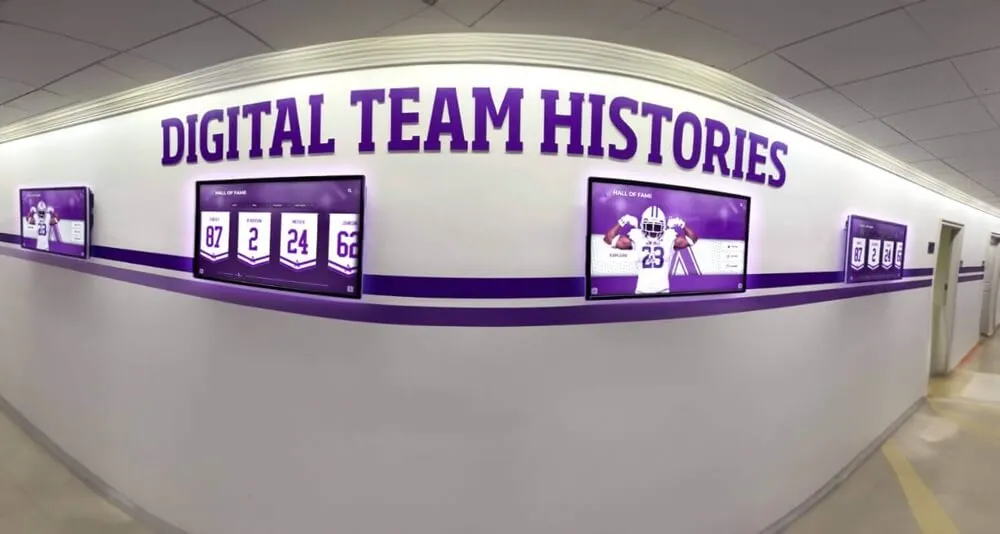
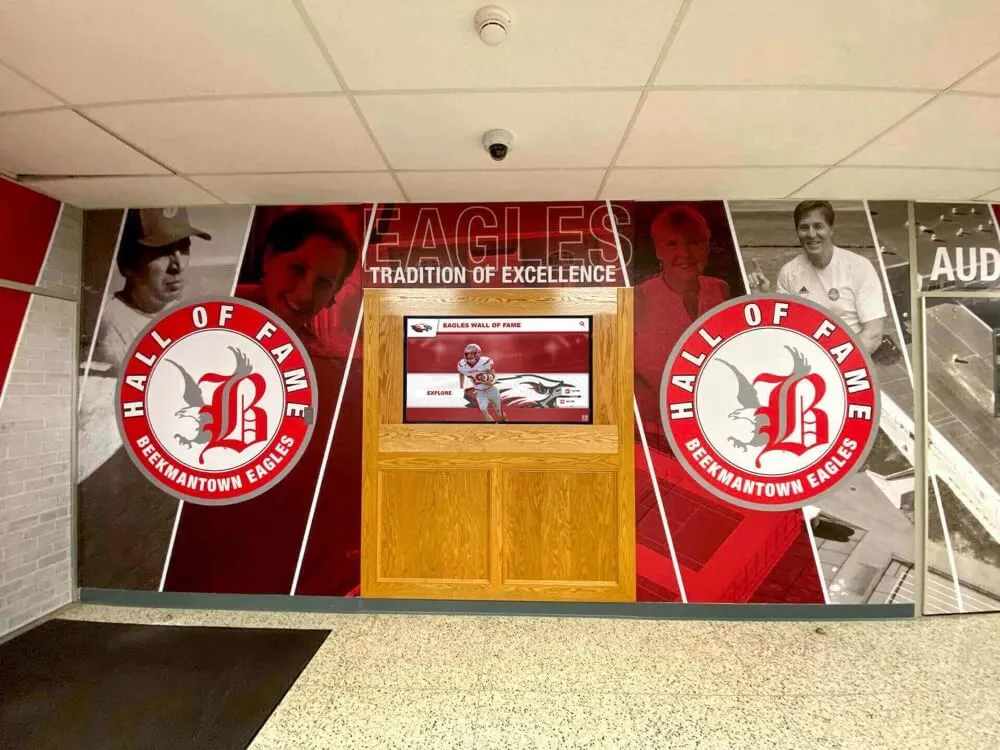
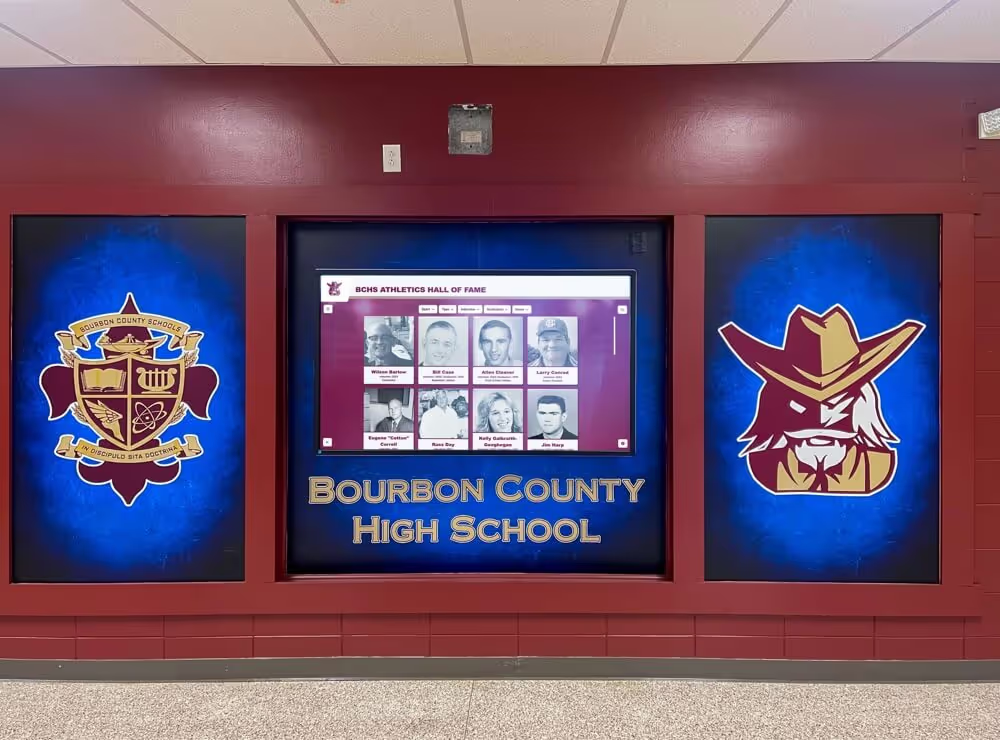
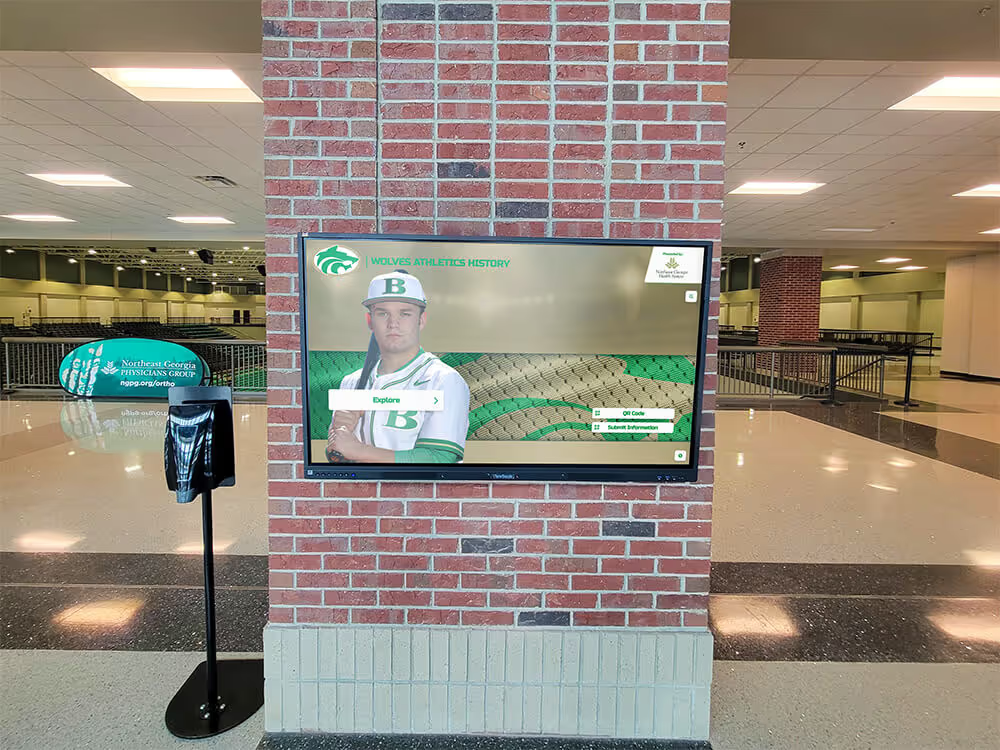
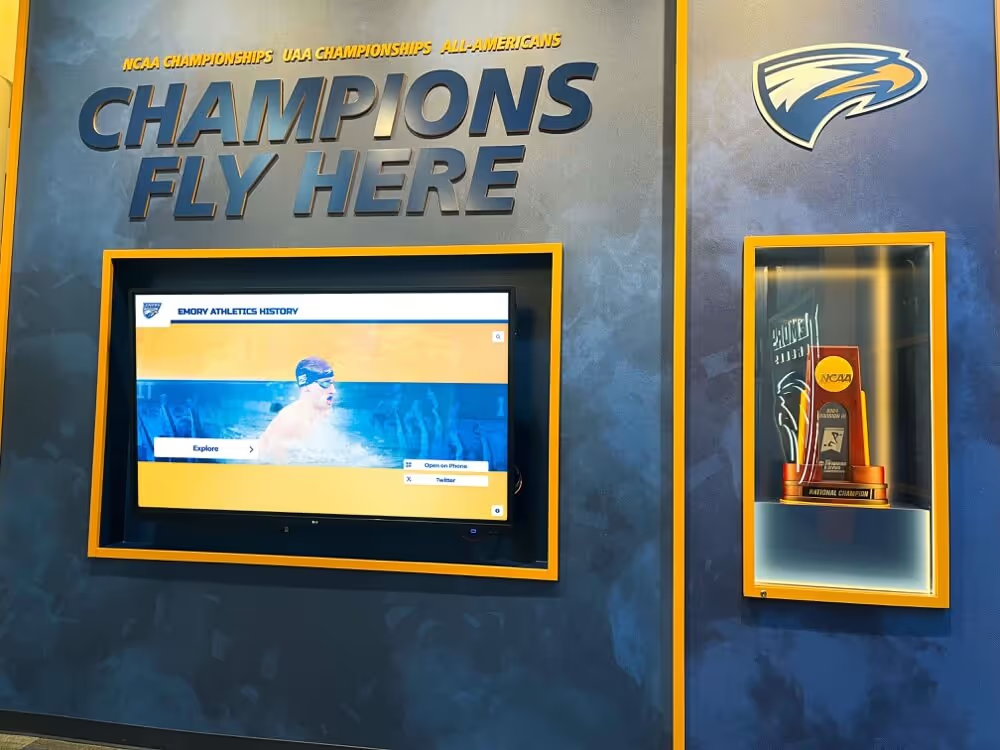
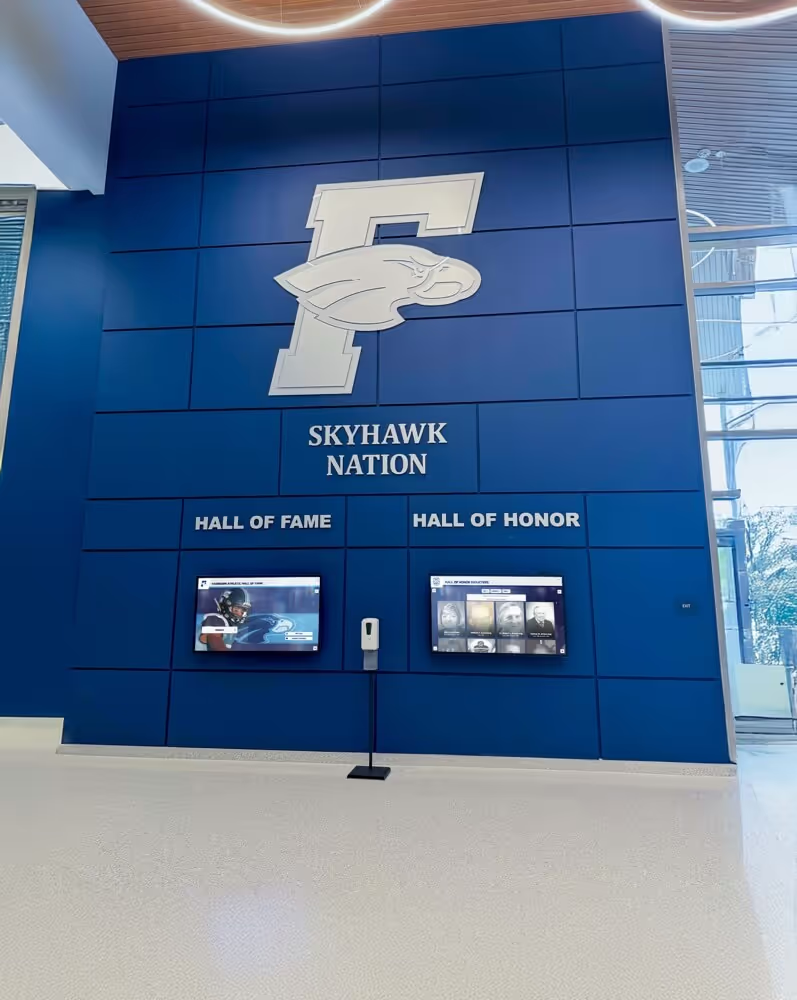
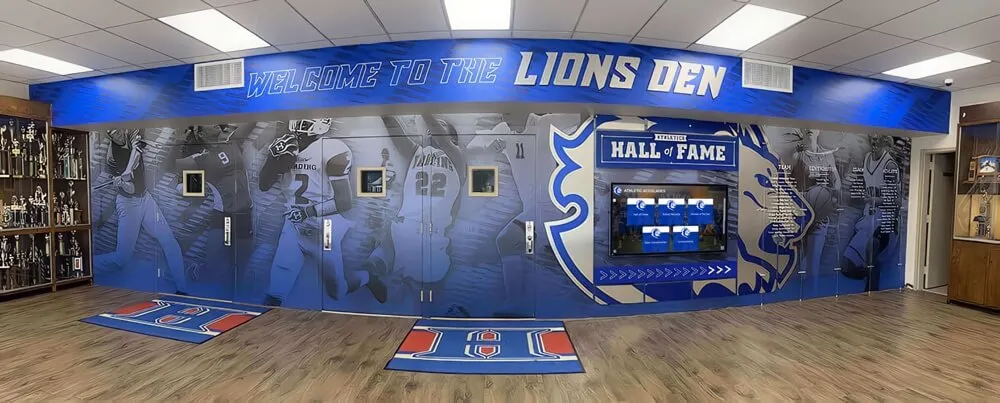
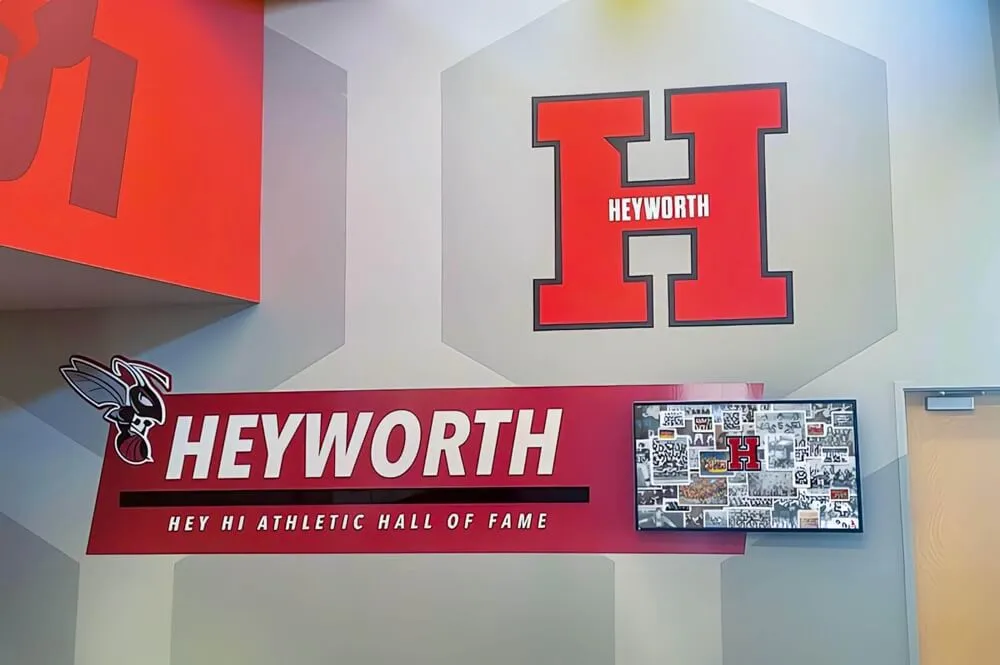
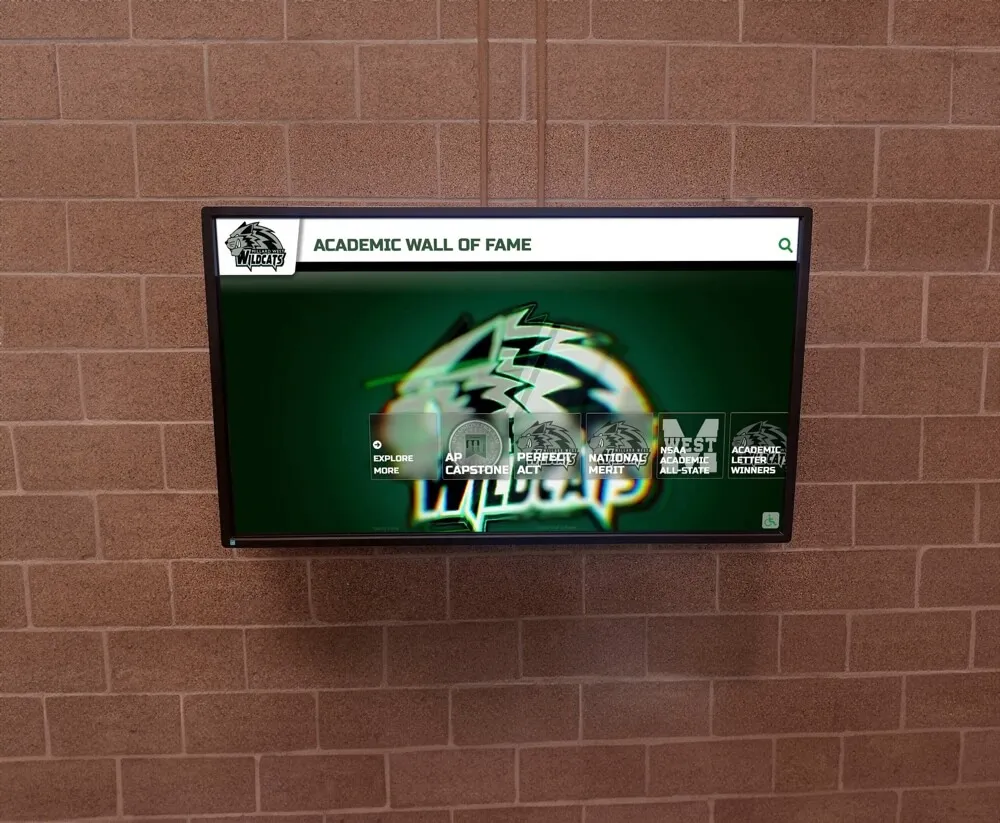
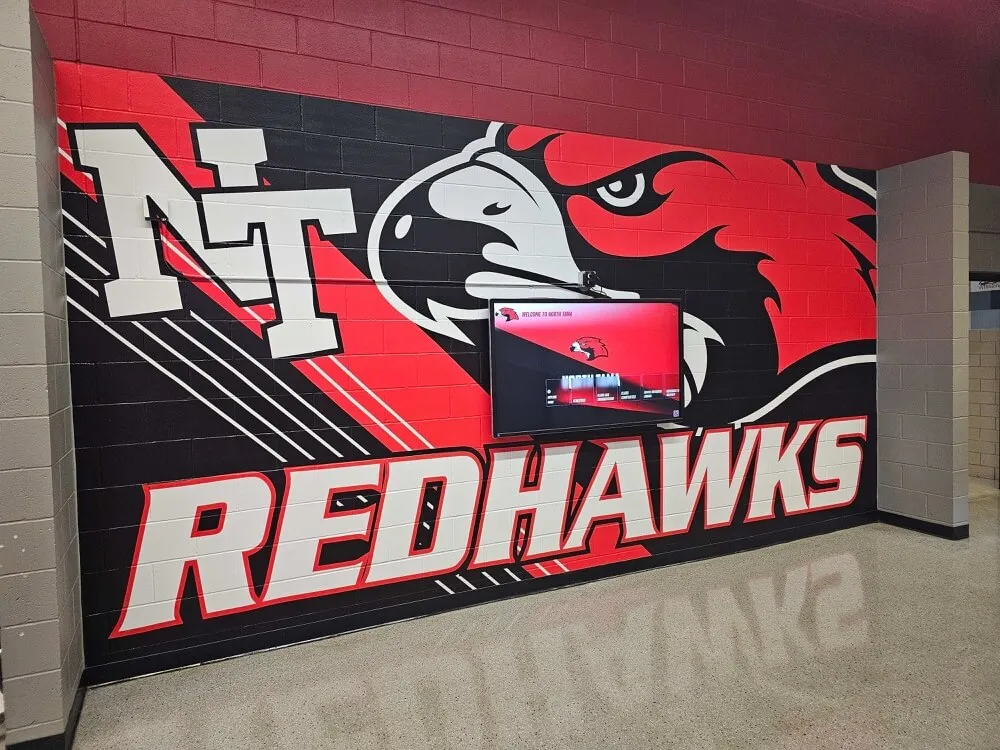
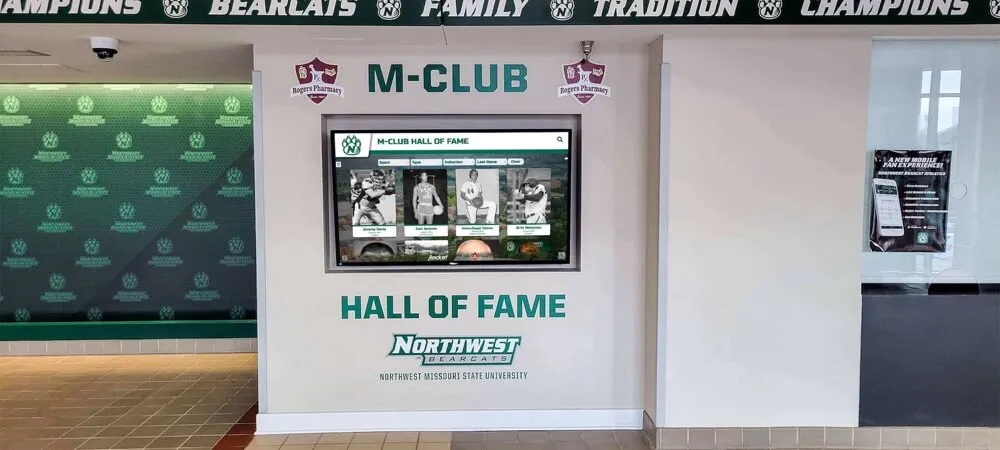
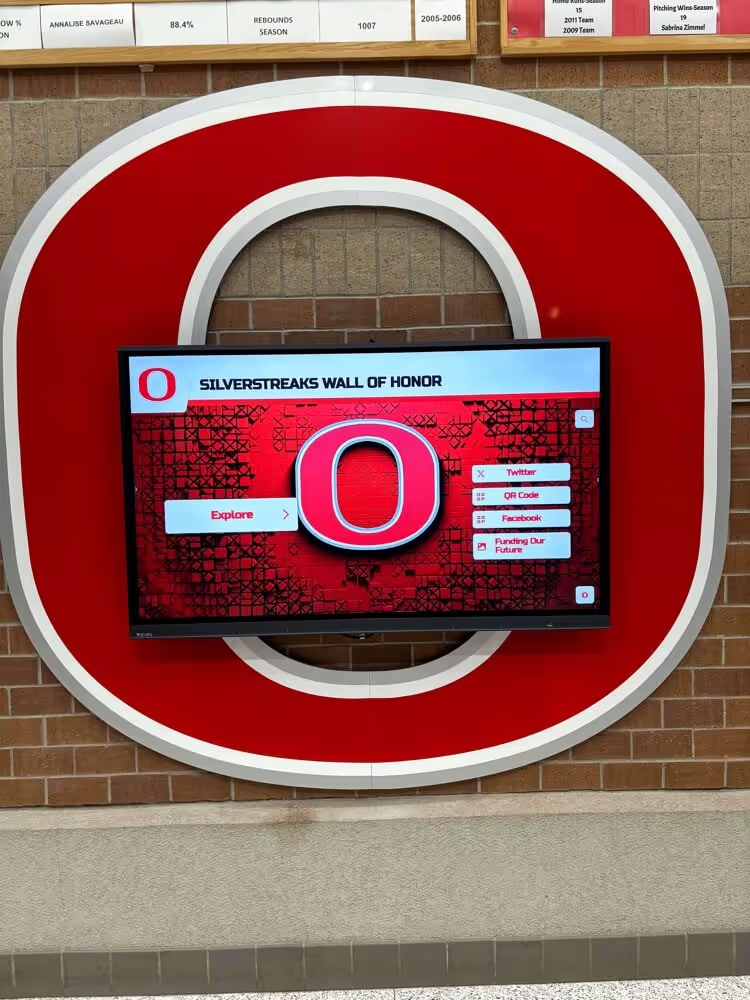
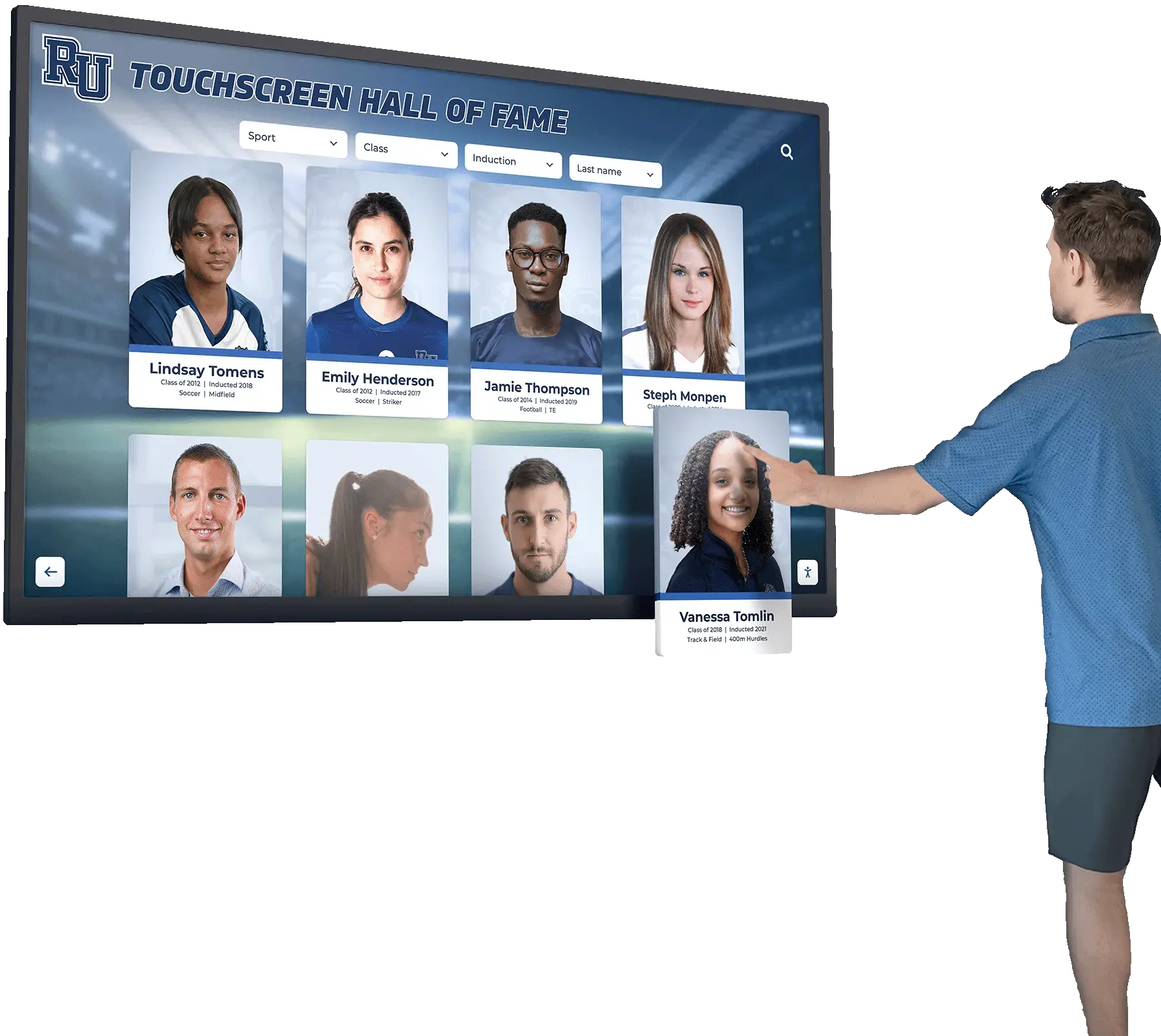
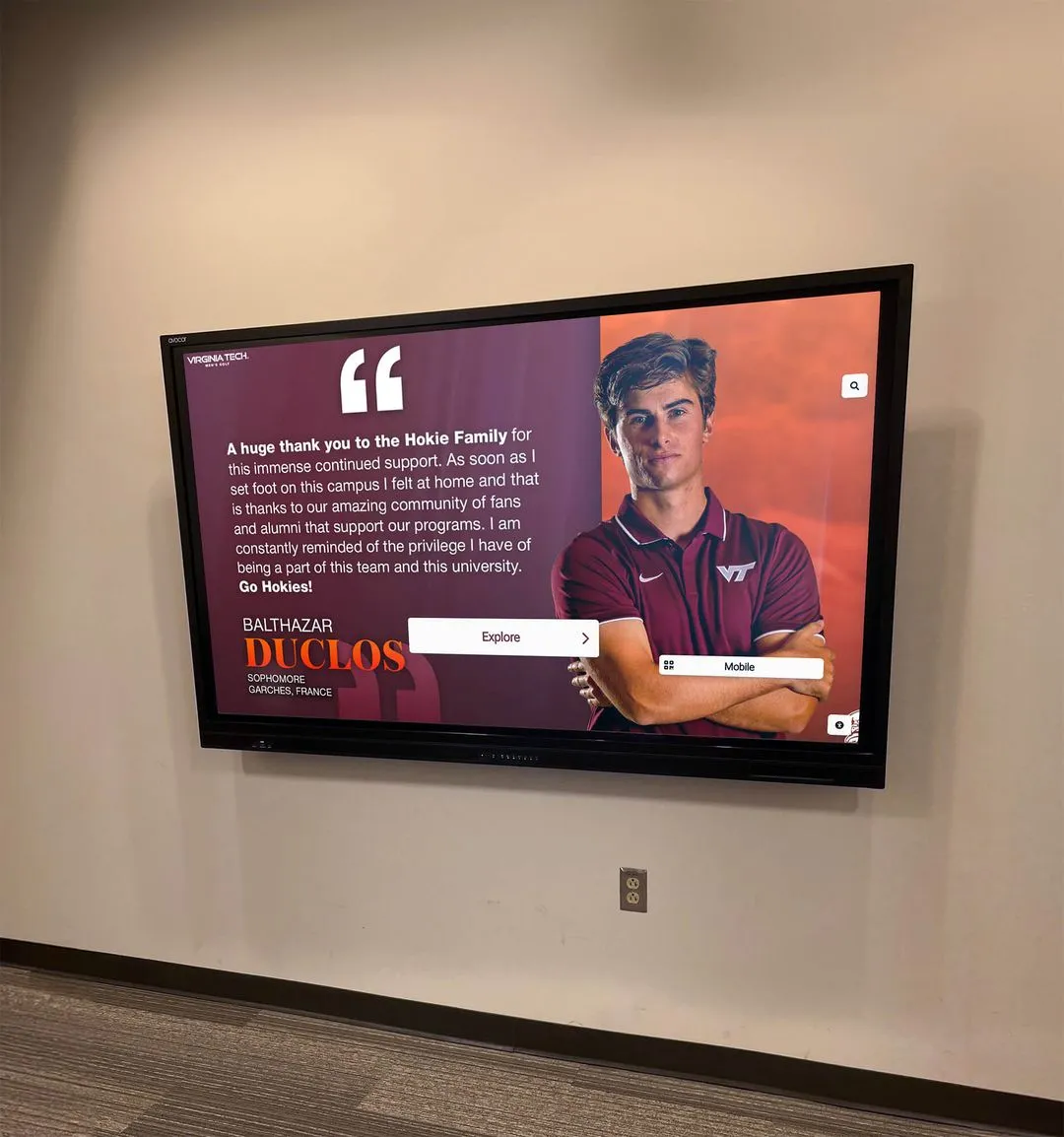
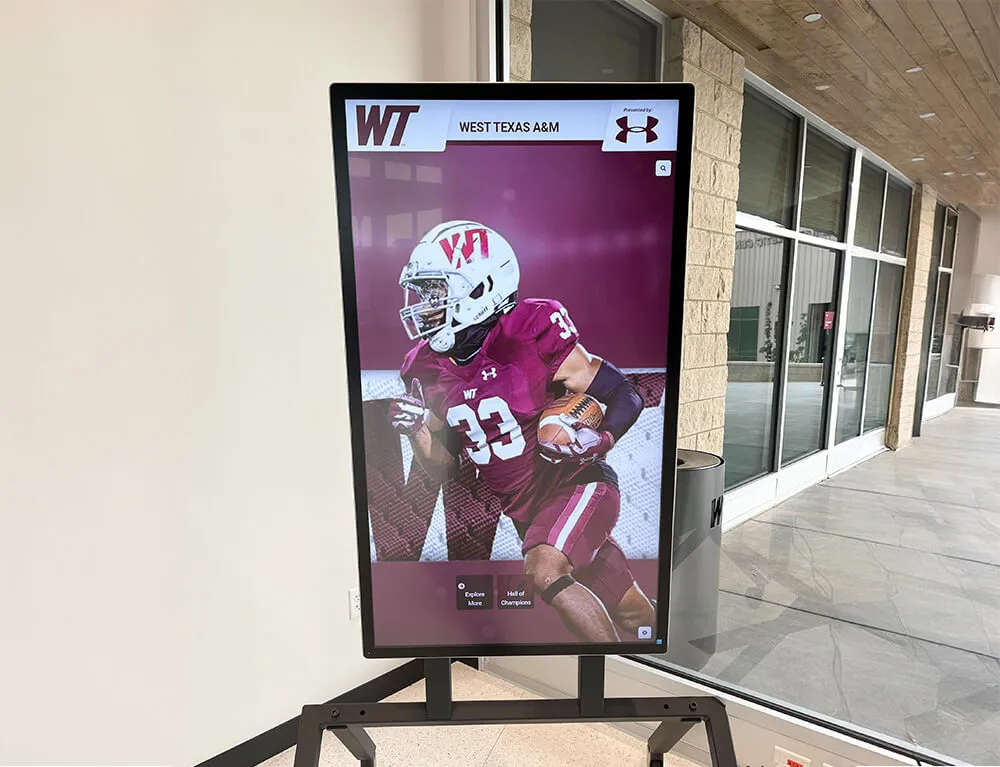
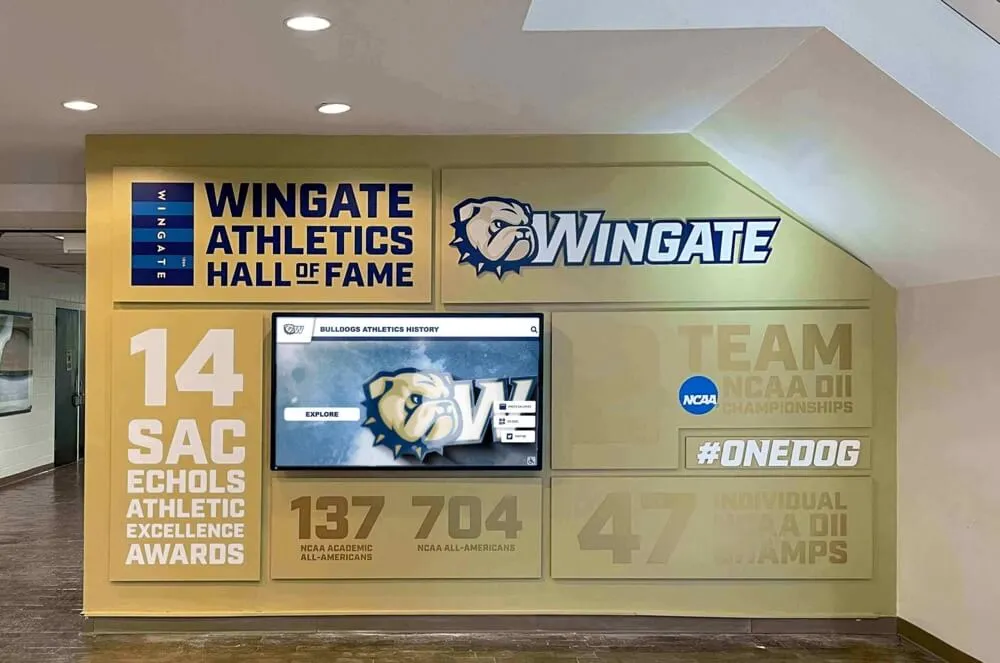
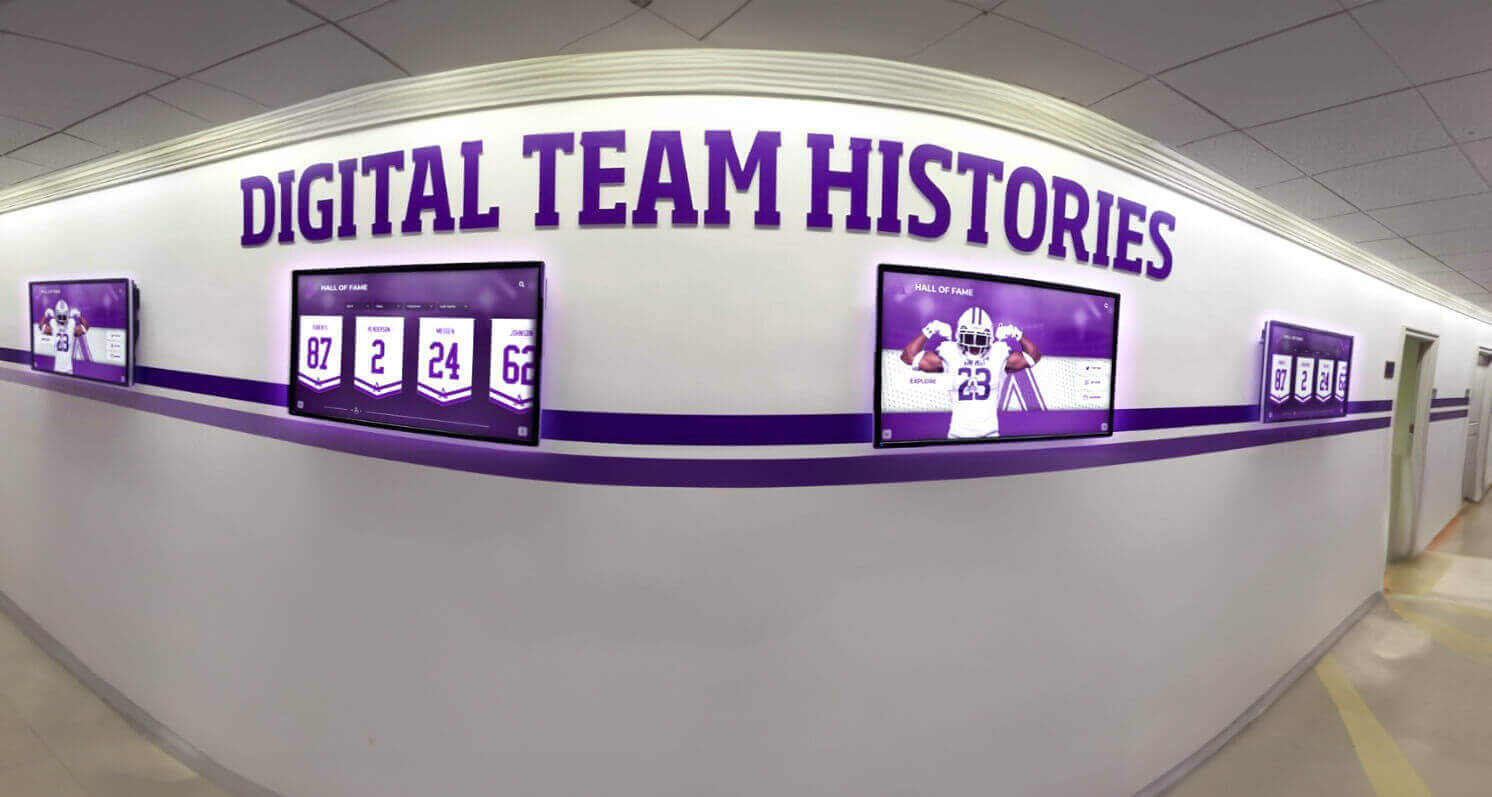
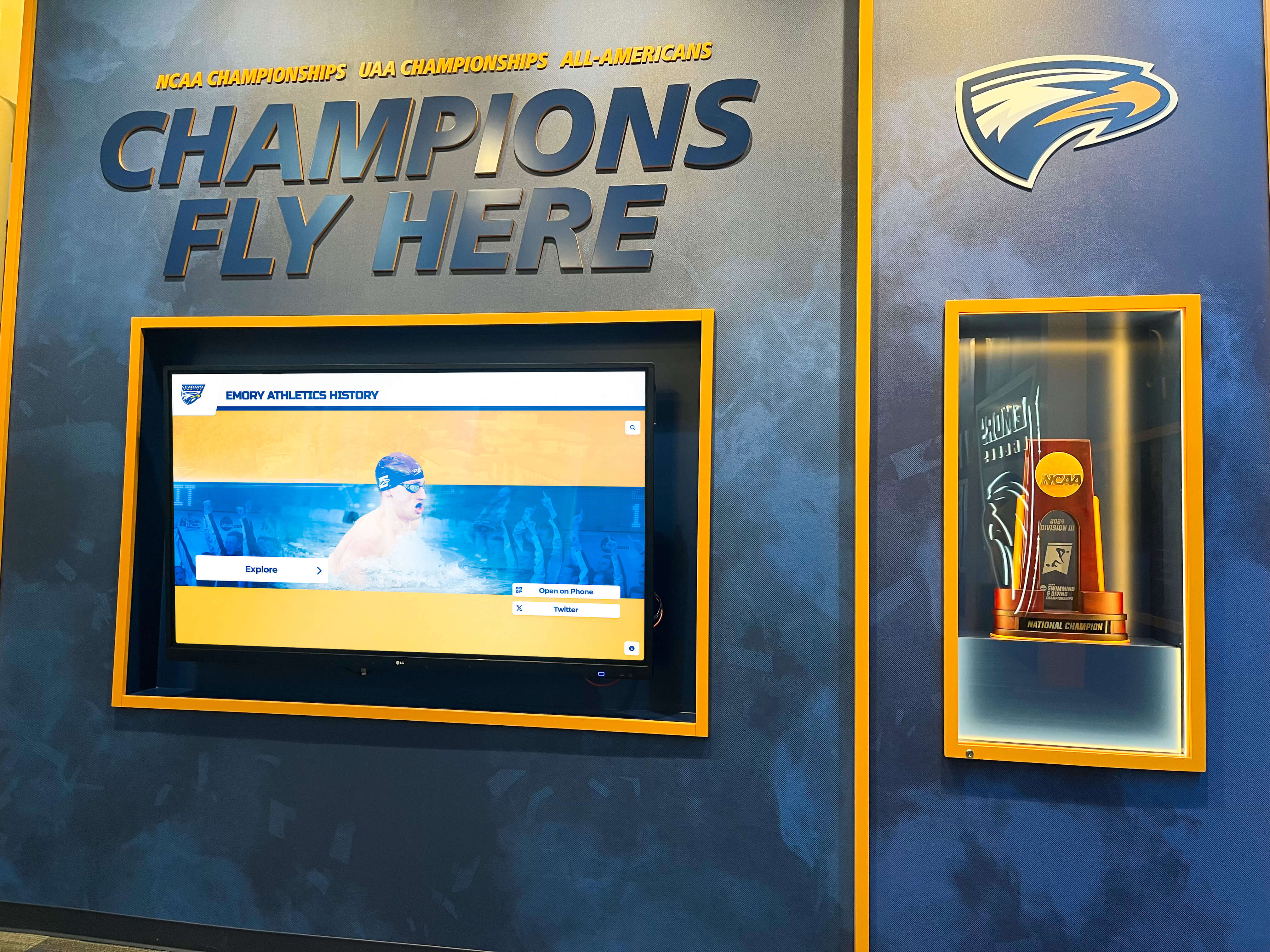
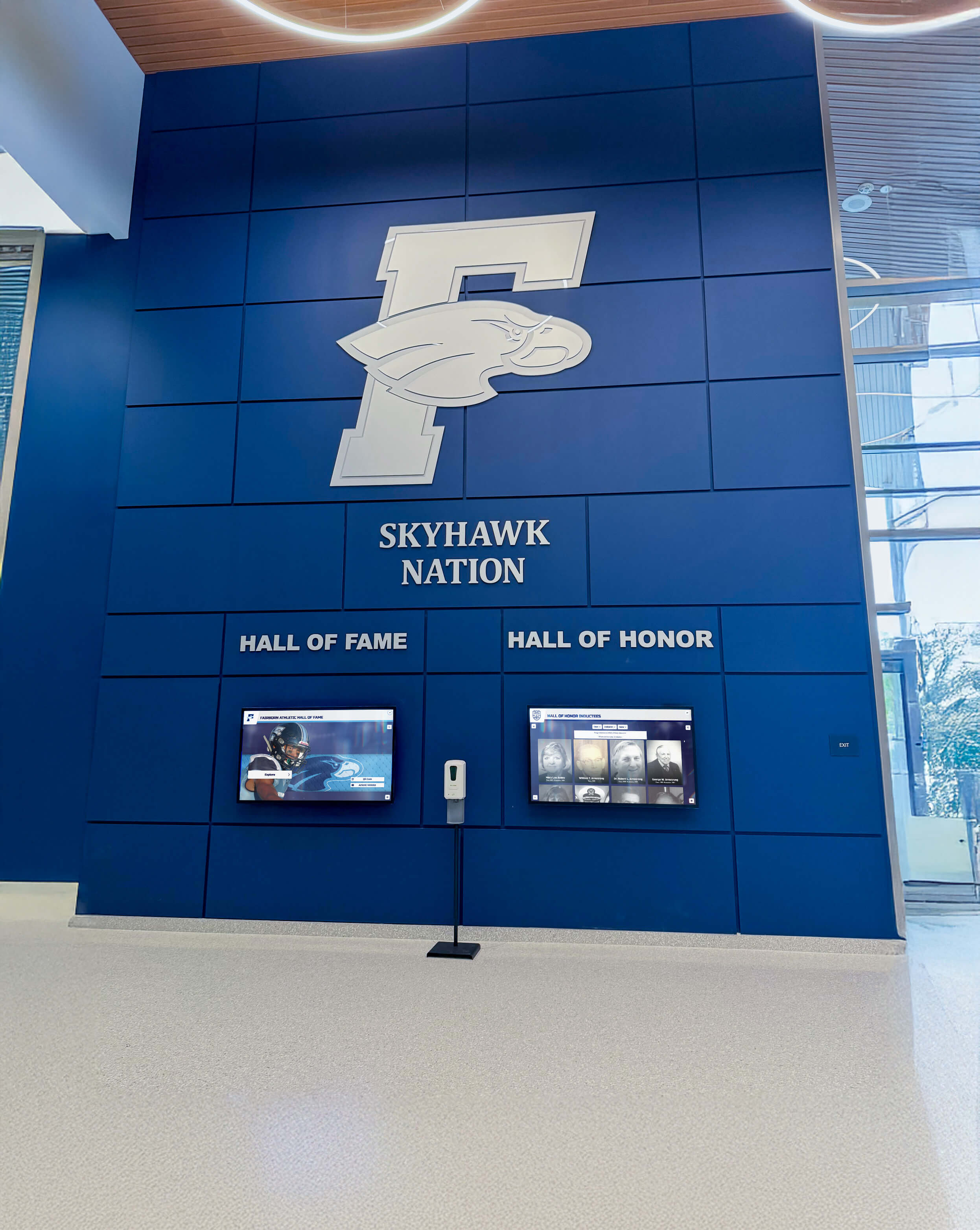
Digital record boards represent the evolution of athletic recognition in aquatic facilities. These interactive systems offer capabilities that traditional boards simply cannot match:
- Instant Updates: Records updated remotely through cloud-based software
- Unlimited Capacity: Display thousands of records without space constraints
- Multimedia Integration: Include photos, videos, and detailed athlete profiles
- Interactive Search: Users can browse by event, year, or swimmer name
- Real-Time Leaderboards: Automatically update rankings when new records are set
- Multiple Display Modes: Rotate through different record categories and achievements
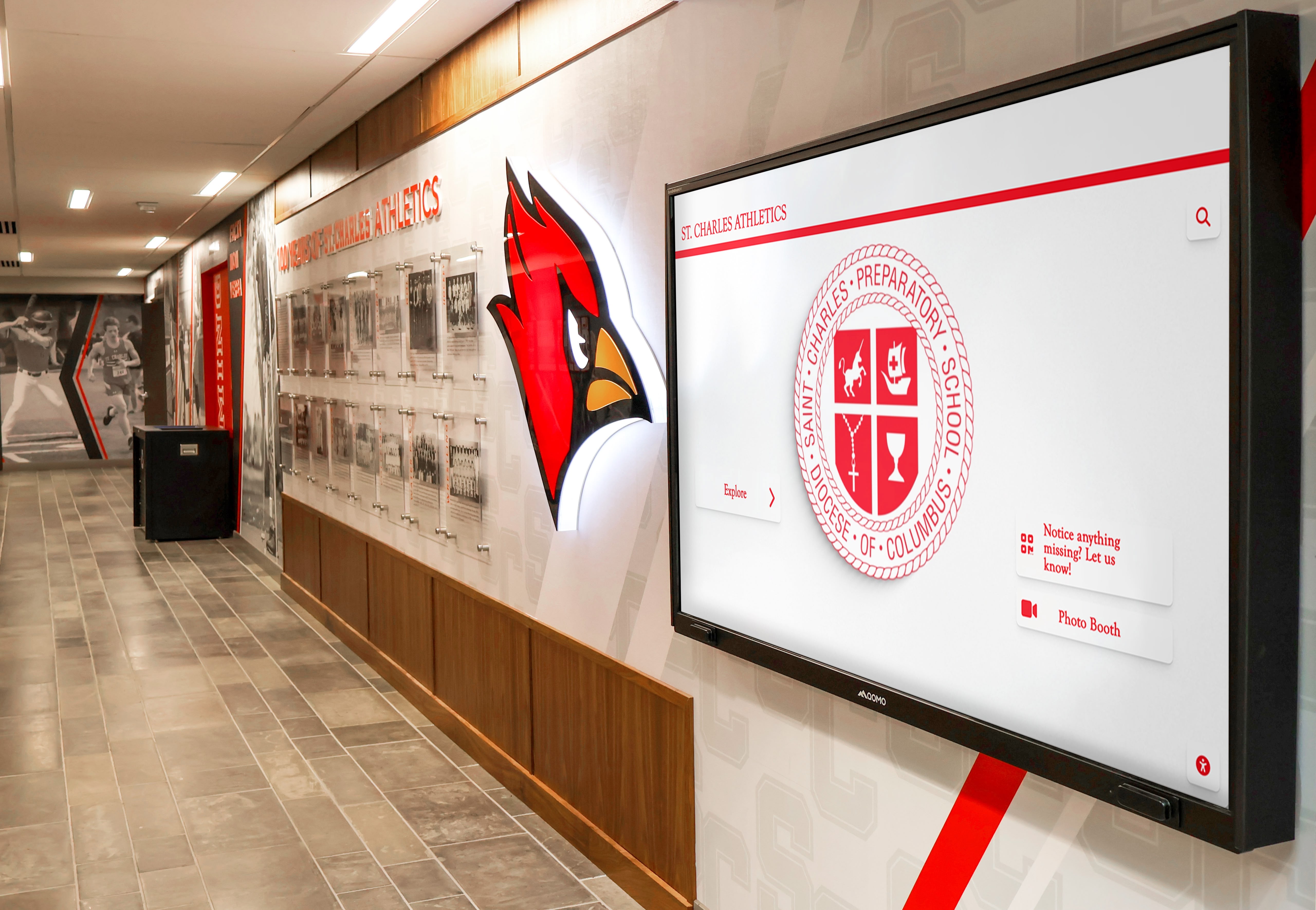
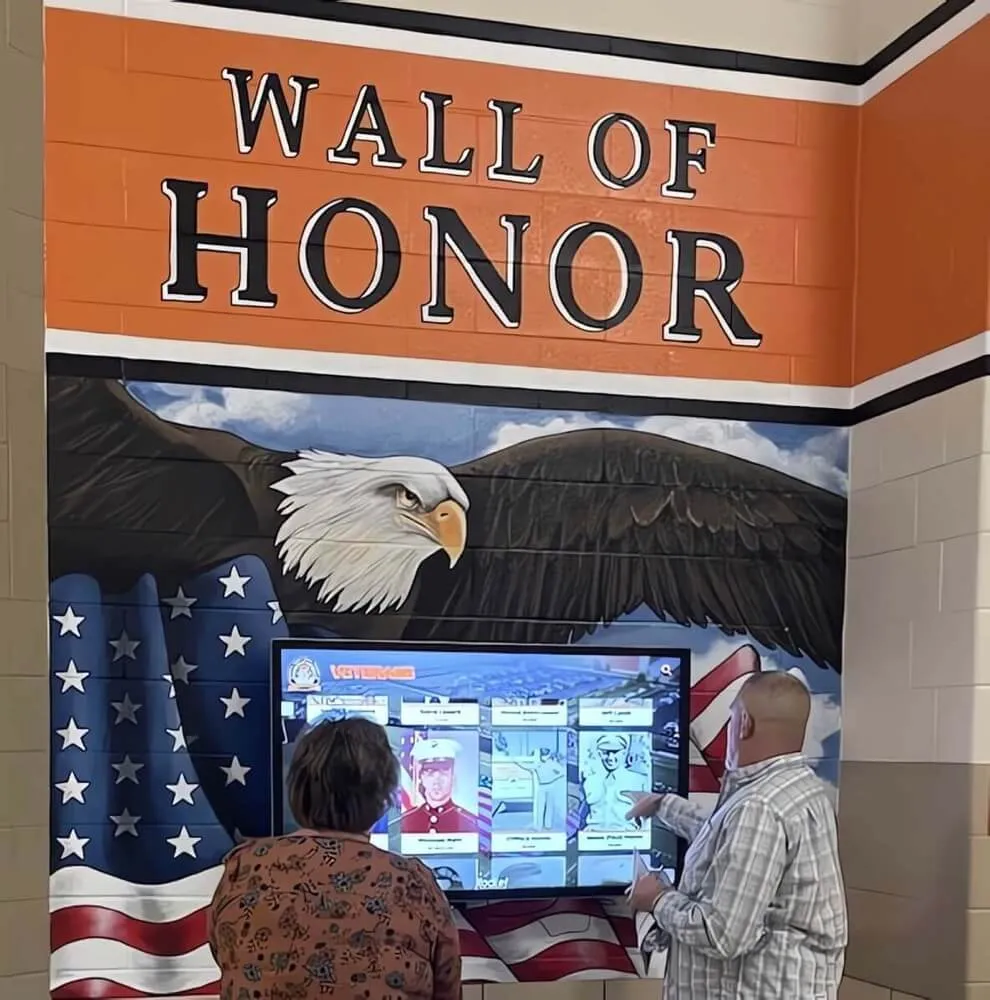
Digital displays excel in high-traffic facilities where engagement matters. They transform passive viewing into active exploration, allowing visitors to dive deep into program history. While the initial investment exceeds traditional boards, the long-term value and flexibility often justify the cost.
Digital record board solutions like those offered by Rocket Alumni Solutions provide specialized software designed specifically for athletic recognition, making them ideal for competitive swimming programs.
Key Records to Display on Swimming Boards
Comprehensive swimming record boards capture the full scope of program excellence. Consider including these categories:
Individual Event Records
Sprint Events:
- 50 Yard/Meter Freestyle
- 100 Yard/Meter Freestyle
- 50 Yard/Meter Backstroke
- 50 Yard/Meter Breaststroke
- 50 Yard/Meter Butterfly
Distance Events:
- 200 Yard/Meter Freestyle
- 500 Yard/Meter Freestyle
- 1000 Yard/Meter Freestyle (where applicable)
- 1650 Yard/Meter Freestyle
- 400 Yard/Meter IM
- 200 Yard/Meter IM
Stroke-Specific Events:
- 100/200 Yard/Meter Backstroke
- 100/200 Yard/Meter Breaststroke
- 100/200 Yard/Meter Butterfly
Relay Team Records
Relay records represent collective excellence and team chemistry:
- 200 Yard/Meter Freestyle Relay
- 400 Yard/Meter Freestyle Relay
- 800 Yard/Meter Freestyle Relay
- 200 Yard/Meter Medley Relay
- 400 Yard/Meter Medley Relay
For each relay, display the combined time along with individual team members’ names and their split times when possible.

Diving Records
Diving achievements deserve equal recognition:
- 1-Meter Diving
- 3-Meter Diving
- Platform Diving (if applicable)
- Total Points Records
- Best Individual Dive Scores
Championship Recognition
Beyond individual times, recognize major achievements:
- Conference Championships by Year
- State/Regional Championships
- National Championship Qualifiers
- All-American Selections
- Record Progression Over Time
Traditional vs. Digital: Making the Right Choice
Selecting between traditional and digital swimming record boards requires careful evaluation of your program’s specific needs.
When Traditional Boards Make Sense
Traditional boards remain excellent choices for:
- Smaller Programs: Schools with limited budgets and infrequent record changes
- Historical Facilities: Classic natatoriums where traditional aesthetics match the architecture
- Minimal Maintenance Capacity: Programs without dedicated staff for digital content management
- Remote Locations: Facilities with unreliable internet connectivity
- Permanent Recognition: Programs wanting unchanging displays of historical records
When Digital Boards Excel
Digital solutions provide the most value for:
- High-Volume Programs: Large teams with frequently changing records
- Multi-Use Facilities: Pools serving multiple teams or hosting frequent competitions
- Engagement-Focused Programs: Teams prioritizing athlete and community engagement
- Marketing-Savvy Departments: Programs leveraging digital content for recruitment and promotion
- Future-Ready Facilities: Organizations committed to ongoing technological advancement
Programs transitioning from traditional to digital displays can explore guidance on converting traditional record boards to digital displays for a smooth implementation process.
Essential Features for Digital Swimming Record Boards
When evaluating digital record board solutions, prioritize these capabilities:
User-Friendly Content Management
Effective digital systems require intuitive management interfaces:
- Simple Upload Process: Drag-and-drop functionality for adding new records
- Bulk Import Capabilities: Import historical records from spreadsheets
- Template System: Pre-designed layouts for consistent presentation
- Permission Controls: Different access levels for administrators and coaches
- Backup and Recovery: Automatic data backups to prevent loss
Pool-Specific Customization
Swimming programs have unique requirements:
- Course Designation: Clearly distinguish between short course yards (SCY), short course meters (SCM), and long course meters (LCM)
- Age Group Categories: Separate records for different age divisions in club programs
- Season Records: Track both seasonal bests and all-time records
- Qualifying Standards: Display state, regional, and national qualifying times alongside records
- Historical Context: Show record progression over decades
Interactive Features for Maximum Engagement
Modern displays should facilitate exploration:
- Touchscreen Navigation: Intuitive interface for browsing records
- Search Functionality: Find specific swimmers or events quickly
- Athlete Profiles: Detailed information about record holders
- Video Integration: Showcase race footage and technique analysis
- Social Sharing: Allow visitors to share records on social media
- QR Code Access: Mobile-friendly version accessible via smartphone
Programs implementing these features can learn from comprehensive guides to sports record keeping that outline best practices.
Implementation Considerations for Pool Environments
Swimming facilities present unique challenges for record board installation:
Environmental Factors
Pool decks create harsh conditions for equipment:
- Humidity Control: Digital displays require proper sealing and ventilation
- Temperature Fluctuations: Equipment must withstand temperature variations
- Chemical Exposure: Chlorine and other pool chemicals can damage unprotected materials
- Water Resistance: Mounting locations must protect against splash and spray
- Lighting Conditions: Screen brightness must overcome bright natatorium lighting
Placement Strategy
Strategic location maximizes visibility and engagement:
- Main Entrance: Welcome visitors with prominent display of achievements
- Spectator Areas: Position boards where fans can view during competitions
- Team Areas: Place near team benches or locker room entrances
- Multiple Displays: Large facilities benefit from records displayed in several locations
- Viewing Distance: Ensure text remains readable from typical viewing distances
Technical Infrastructure
Digital systems require proper support:
- Power Access: Reliable electrical connections with surge protection
- Internet Connectivity: Wired or wireless network access for content updates
- Mounting Hardware: Commercial-grade mounts rated for display weight
- Cable Management: Professional routing to hide wires and connections
- Maintenance Access: Easy access for cleaning and occasional service
Maximizing the Impact of Your Swimming Record Board
A record board’s value extends beyond simply displaying information. Strategic implementation can amplify its impact on program culture:
Integration with Team Culture
Make record boards central to your program:
- Season Kickoff: Begin each season by reviewing records and setting team goals
- Record Attempts: Create ceremonies when swimmers approach records
- Historical Education: Use the board to teach team history and tradition
- Motivation Tool: Reference records during difficult training periods
- Recruitment Asset: Showcase program excellence to prospective athletes
Social Media and Marketing
Leverage records for promotion:
- Record Announcements: Share new records across social platforms immediately
- Throwback Features: Highlight historical records and where-are-they-now stories
- Comparison Graphics: Create visual comparisons of current versus historic times
- Video Content: Film swimmers talking about breaking records
- Alumni Engagement: Tag former record holders when their records fall

Data Analysis and Performance Tracking
Use record data to improve performance:
- Trend Analysis: Track how records have improved over time
- Event Strengths: Identify which events your program excels in
- Training Insights: Understand which training methods produce record-breakers
- Recruiting Priorities: Focus recruitment on events where records haven’t improved
- Goal Setting: Use record progressions to set realistic yet ambitious targets
Schools and clubs can explore how athletic record boards impact student athlete performance to better understand the psychological benefits.
Maintenance and Updates
Proper maintenance ensures your record board remains an effective tool:
Traditional Board Maintenance
Physical boards require regular attention:
- Cleaning Schedule: Wipe down surfaces monthly to prevent buildup
- Hardware Inspection: Check mounting brackets and fasteners quarterly
- Material Replacement: Keep spare vinyl lettering or plates on hand
- Damage Repair: Fix scratches, chips, or fading promptly
- Update Protocol: Establish clear procedures for changing records
Digital Display Maintenance
Digital systems need different care:
- Screen Cleaning: Use appropriate cleaners for touchscreens
- Software Updates: Apply system updates during off-seasons
- Content Audits: Review displayed information quarterly for accuracy
- Backup Verification: Ensure automatic backups function properly
- User Training: Provide ongoing training for staff managing content
Organizations can reference maintenance and troubleshooting guides for digital displays for detailed procedures.
Cost Considerations and Budget Planning
Understanding the full cost picture helps programs make informed decisions:
Traditional Board Costs
Initial and ongoing expenses for physical boards:
- Initial Purchase: $1,500-$8,000 depending on size and materials
- Installation: $500-$2,000 for professional mounting
- Update Materials: $200-$500 annually for lettering and plates
- Labor Costs: Staff time for manual updates (typically 2-4 hours per update)
- Replacement Parts: $100-$300 annually for damaged components
Digital Display Investment
Digital systems require different budget allocations:
- Hardware Purchase: $5,000-$25,000 depending on screen size and features
- Software Subscription: $500-$2,000 annually for content management platform
- Installation: $1,000-$3,000 for professional setup and configuration
- Training: $500-$1,000 for initial staff training
- Ongoing Support: Often included in software subscription or available for additional fee
While digital solutions require higher upfront investment, they typically offer better long-term value through reduced labor costs and unlimited capacity for displaying records.
Return on Investment
Calculate ROI by considering:
- Time Savings: Hours saved on manual updates (valued at staff hourly rate)
- Engagement Metrics: Increased interaction and viewing time
- Recruitment Impact: Enhanced ability to showcase program excellence
- Marketing Value: Content generation for promotional materials
- Future Flexibility: Ability to adapt as program needs change
Advanced Features and Future Capabilities
Leading-edge swimming record boards now offer sophisticated capabilities:
Real-Time Competition Integration
Modern systems can integrate with meet management software:
- Live Results: Display current meet results as they happen
- Automatic Record Verification: System flags potential new records during competitions
- Split Time Analysis: Show detailed split comparisons for relay events
- Heat Seeding Information: Display lane assignments and seed times
- Championship Brackets: Visualize tournament progression
Mobile and Remote Access
Extend your record board beyond physical location:
- Web Portal: Online version accessible from anywhere
- Mobile Apps: Dedicated smartphone applications
- Push Notifications: Alert subscribers when records fall
- Virtual Tours: 360-degree views of physical displays
- Alumni Access: Former swimmers can view records from their years
Analytics and Insights
Advanced systems track user engagement:
- Viewing Patterns: Understand which records get most attention
- Popular Searches: Learn what information users seek
- Demographic Data: Understand your audience better
- Engagement Duration: Track how long people interact with displays
- Content Performance: Identify which media types generate most interest
Programs interested in these capabilities can explore advanced analytics for digital recognition to understand implementation options.
Swimming-Specific Considerations
Aquatic programs have unique needs that influence record board decisions:
Multi-Course Record Tracking
Many programs compete in different pool configurations:
- Short Course Yards (SCY): 25-yard pools, standard for U.S. high school and NCAA competition
- Short Course Meters (SCM): 25-meter pools, used internationally
- Long Course Meters (LCM): 50-meter Olympic-size pools
Effective record boards clearly distinguish between courses, as times are not directly comparable. Consider separate sections or clear labeling for each configuration.
Gender-Specific Records
Present men’s and women’s records appropriately:
- Separate Sections: Traditional approach with distinct male and female record areas
- Side-by-Side Comparison: Parallel displays showing both genders equally
- Integrated Display: Digital systems can offer filtered views
- Coed Records: Some programs maintain overall records regardless of gender
Age Group Programs
Club programs serving multiple age groups need additional organization:
- USA Swimming Age Groups: 8-under, 9-10, 11-12, 13-14, 15-16, 17-18
- Long-Term Development: Track how records progress through age groups
- Motivational Targets: Younger swimmers see what’s possible as they advance
- Historical Perspective: Understand which swimmers dominated multiple age groups
Diving Integration
Diving records require different presentation:
- Scoring Systems: Explain degree of difficulty and judging criteria
- Meet Types: Distinguish between dual meet and championship scores
- Dive Lists: Show which dives record holders performed
- Video Value: Diving benefits especially from video documentation
- Coach Recognition: Acknowledge diving coaches alongside athlete achievements
Building a Culture of Excellence Through Recognition
Swimming record boards contribute to program culture when implemented thoughtfully:
Celebrating All Achievement Levels
Recognition shouldn’t be limited to school records:
- Junior Varsity Records: Recognize developing swimmers
- Freshman Records: Highlight promising newcomers
- Most Improved: Celebrate growth regardless of absolute times
- Team Records: Honor collective achievements in relays
- Participation Milestones: Acknowledge longevity and dedication
Historical Context and Tradition
Connect current athletes to program legacy:
- Era Comparisons: Show how records have evolved over decades
- Coaching Legacies: Recognize coaches who developed record-breakers
- Facility Evolution: Document how pool improvements affected times
- Training Methods: Illustrate how approaches have changed
- Where Are They Now: Follow up with former record holders
Inclusive Recognition Philosophy
Ensure all program members feel valued:
- Multiple Categories: Create various ways to be recognized
- Personal Bests: Celebrate individual improvement
- Team Contributions: Honor those who sacrifice for team success
- Leadership Recognition: Acknowledge captains and mentors
- Academic Achievement: Include scholar-athlete honors
Resources on inclusive digital recognition programs can guide programs in creating welcoming, motivational displays.
Frequently Asked Questions
How much space do I need for a swimming record board?
Can digital record boards withstand pool deck humidity and chemicals?
Should we display both short course and long course records?
How often should swimming records be updated?
What's the typical lifespan of a swimming record board?
Selecting the Right Vendor and Solution
When choosing a record board system, evaluate vendors carefully:
Key Selection Criteria
Look for providers offering:
- Athletic-Specific Experience: Vendors who understand swimming program needs
- Proven Installations: Reference installations at similar facilities
- Comprehensive Support: Training, implementation assistance, and ongoing help
- Customization Options: Ability to tailor displays to your program’s needs
- Scalability: Solutions that can grow as your program expands
- Integration Capabilities: Compatibility with existing systems and software
Questions to Ask Vendors
Before committing, inquire about:
- Installation timeline and process
- Training provided for staff
- Warranty coverage and duration
- Software update policies
- Content migration assistance
- Cost of future expansions
- Response time for technical support
- References from similar programs
Implementation Timeline
Typical installation follows this schedule:
- Planning Phase: 2-4 weeks for needs assessment and design
- Approval Process: 1-3 weeks for stakeholder buy-in and budget approval
- Production: 4-8 weeks for manufacturing or system configuration
- Installation: 1-3 days for physical installation and setup
- Training: 1-2 weeks for staff training and content population
- Launch: Coordinate with season start or special recognition event
Real-World Success: Swimming Programs Leading the Way
While we cannot provide specific case studies, swimming programs nationwide have successfully implemented modern record boards:
Many high school programs have transitioned from traditional boards to digital displays and report increased athlete engagement and reduced administrative burden. University aquatic programs at competitive levels frequently leverage advanced digital systems to showcase their rich histories and recruit top talent. Club facilities serving multiple teams find that digital solutions provide the flexibility needed to recognize diverse groups effectively.
Programs exploring best practices can reference guides on how to choose athletic record board systems for detailed evaluation criteria.
Making Your Decision: A Step-by-Step Approach
Follow this process to select the right swimming record board:
Step 1: Assess Your Current Situation
Evaluate existing recognition methods:
- What records are currently displayed and where?
- How frequently do records change?
- Who manages updates and how much time does it take?
- What feedback have you received about current displays?
- What are your long-term program goals?
Step 2: Define Your Requirements
Establish clear criteria:
- Budget range for initial investment and ongoing costs
- Must-have features versus nice-to-have capabilities
- Timeline for implementation
- Staff capacity for management
- Space and environmental constraints
Step 3: Research Options
Investigate available solutions:
- Traditional board manufacturers and customizers
- Digital display providers specializing in athletic recognition
- Software platforms for content management
- Installation contractors with natatorium experience
- References from peer institutions
Step 4: Request Proposals
Obtain detailed information:
- Complete cost breakdowns including all fees
- Sample designs customized for your program
- Implementation timelines
- Support and training offerings
- References and example installations
Step 5: Evaluate and Decide
Compare options systematically:
- Create scoring rubric for objective evaluation
- Visit reference installations when possible
- Involve stakeholders in final decision
- Consider long-term total cost of ownership
- Plan for future needs and scalability
Conclusion: Investing in Program Excellence
Swimming record boards represent more than displays of athletic achievement—they embody program values, inspire future excellence, and connect generations of athletes. Whether you choose traditional boards for their classic reliability or digital systems for their advanced capabilities, the right solution will serve your program for years to come.
As you evaluate options, prioritize what matters most to your program. Consider how current and future athletes will interact with the board, how it will integrate into your facility, and how it can amplify your program’s culture of excellence. The investment in a quality record board pays dividends in athlete motivation, community pride, and program prestige.
Modern solutions like those available through digital record board platforms provide swimming programs with unprecedented flexibility and engagement capabilities. By thoughtfully implementing the right recognition system, you create a lasting asset that celebrates your program’s history while inspiring its future.
Ready to elevate your swimming program’s recognition capabilities? Explore how solutions like Rocket Alumni Solutions can transform your record keeping and athlete recognition. Contact Rocket Alumni Solutions to discover the perfect display solution for your aquatic facility.
This article provides general guidance on swimming record boards. All product names and trademarks belong to their respective owners. Information reflects current practices as of October 2026 and may change over time.