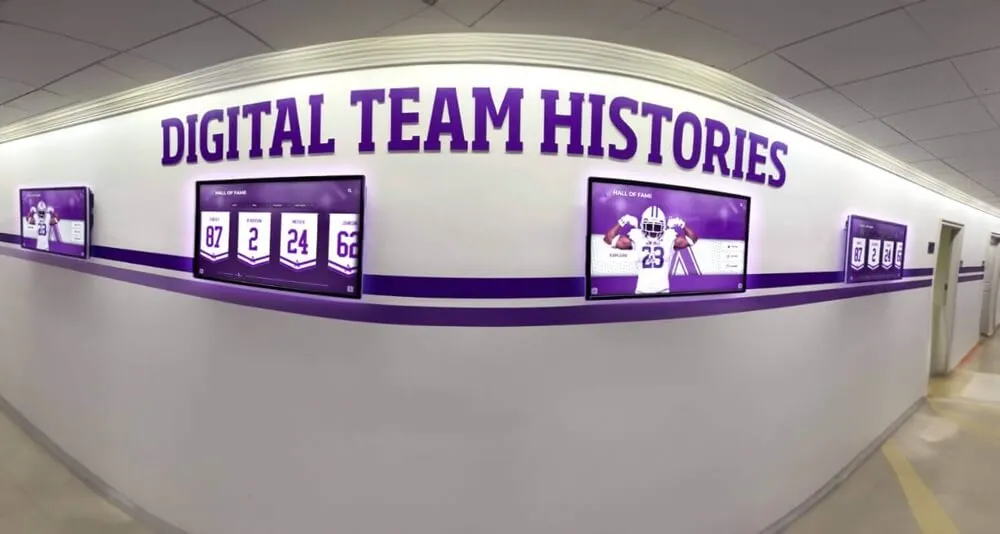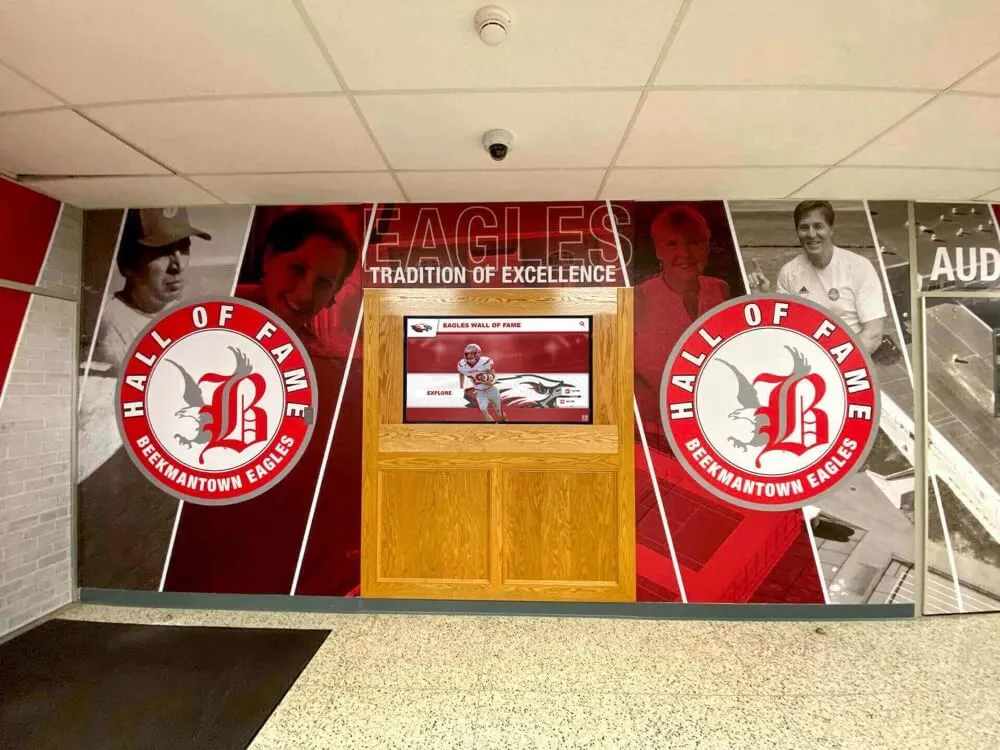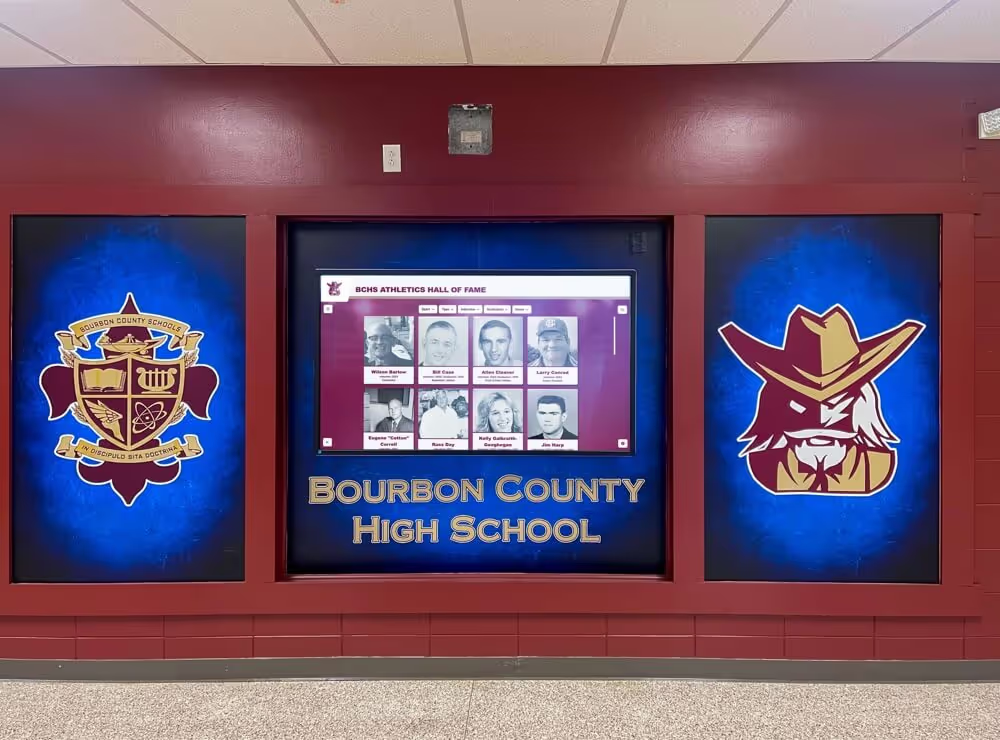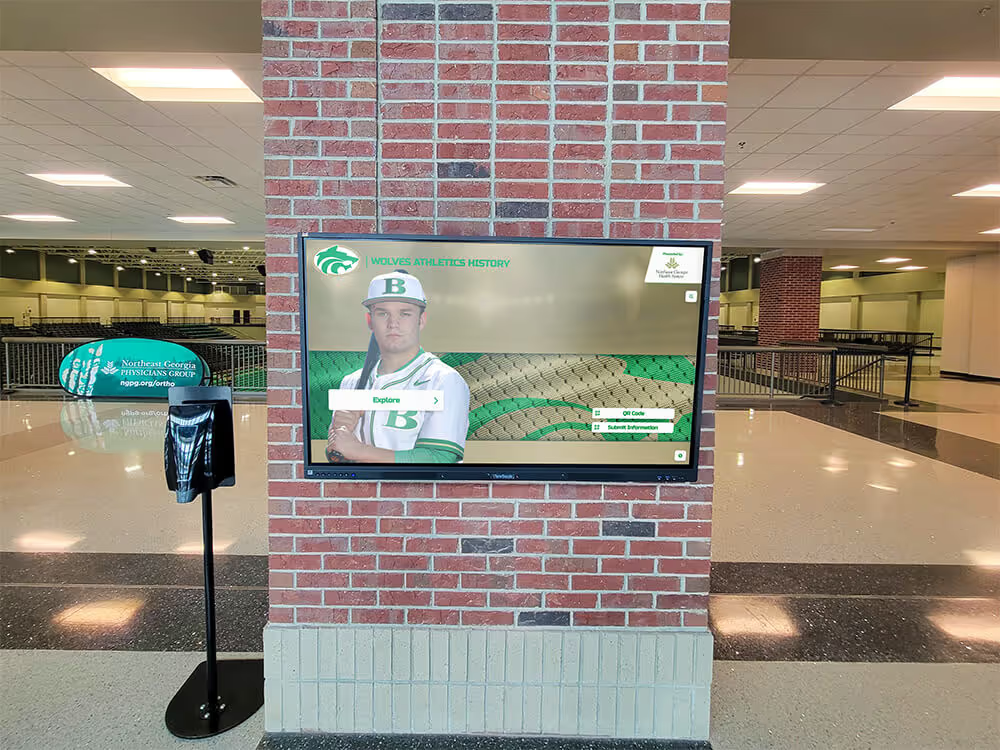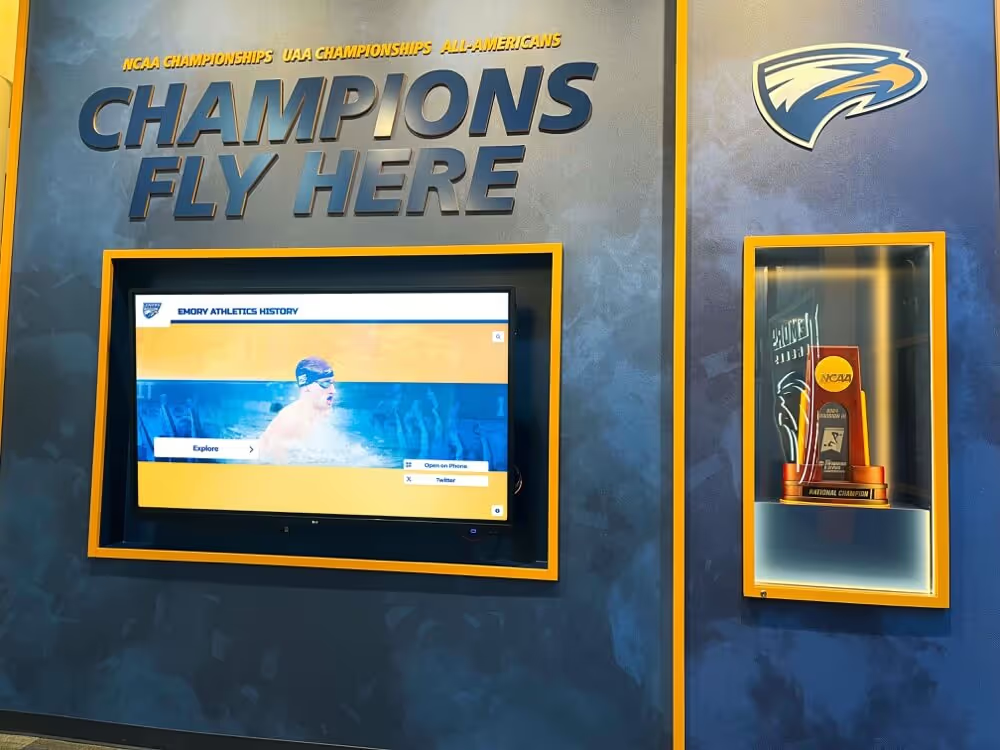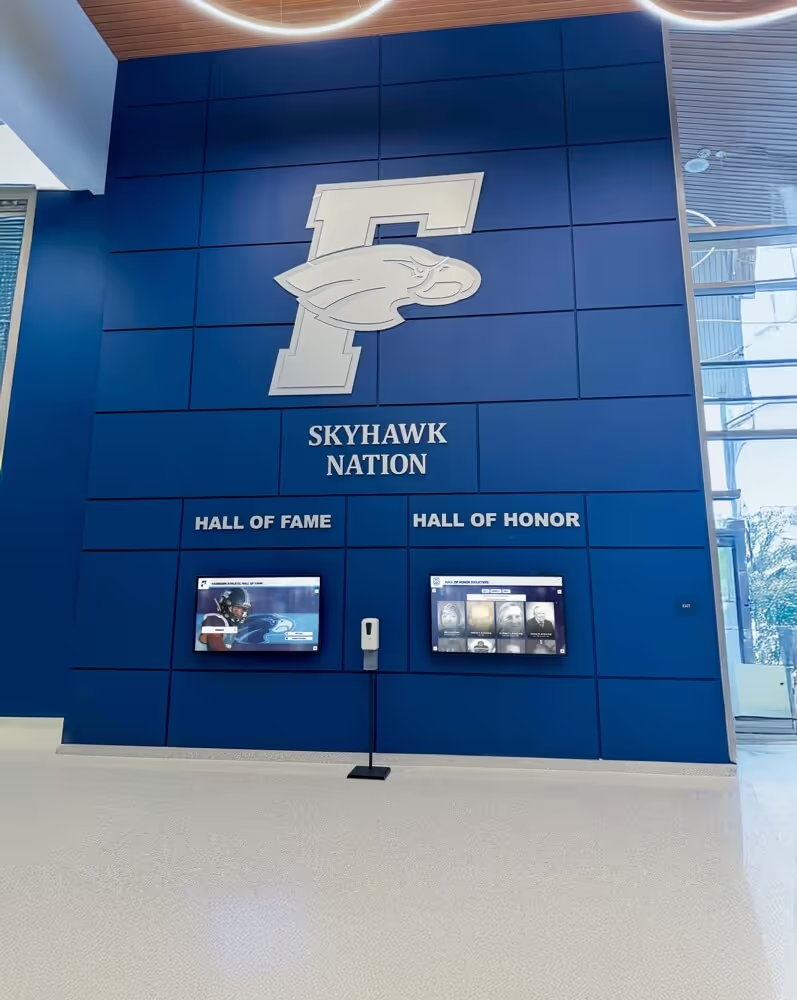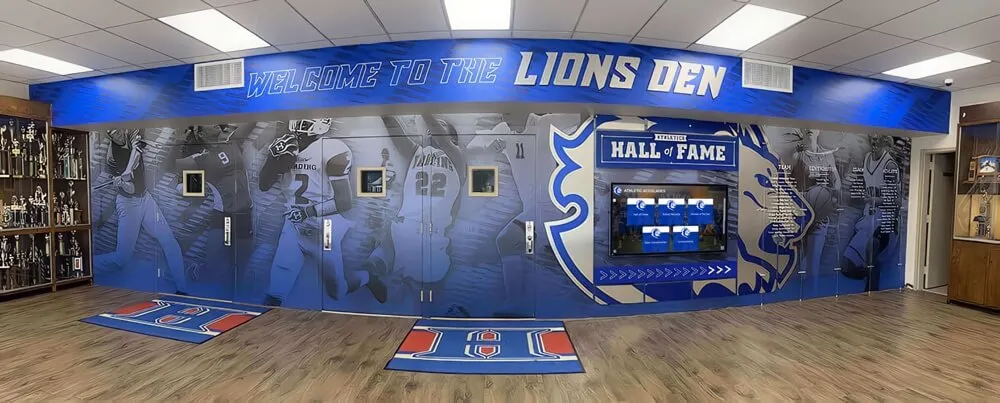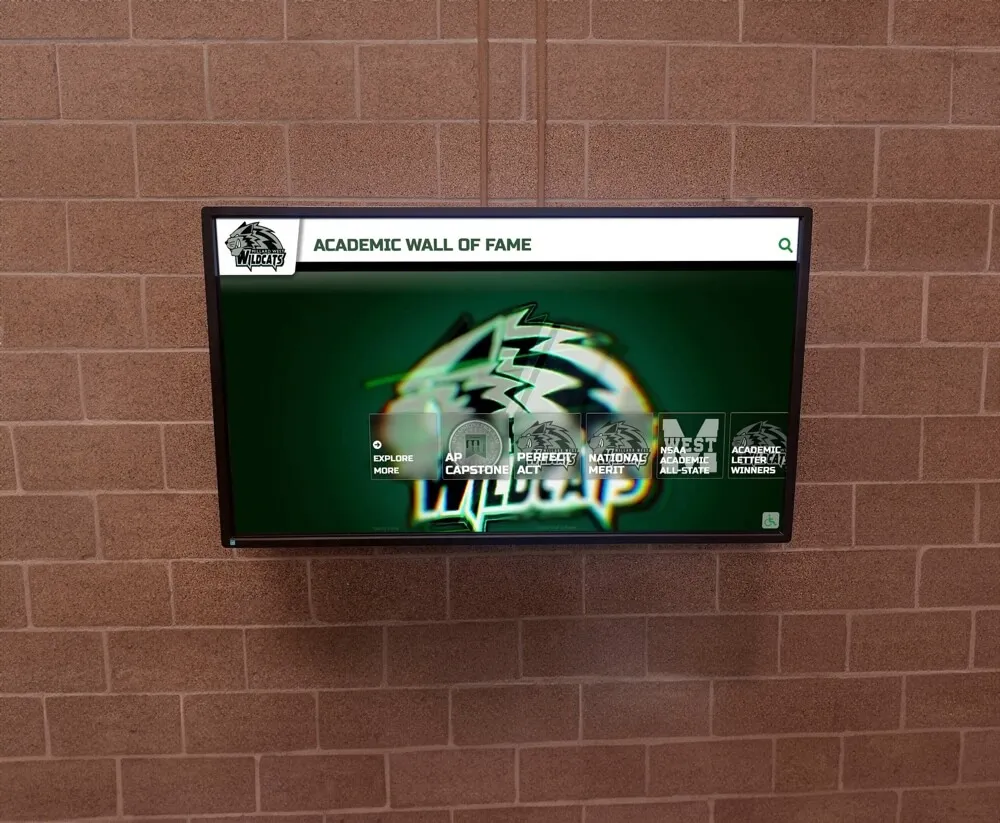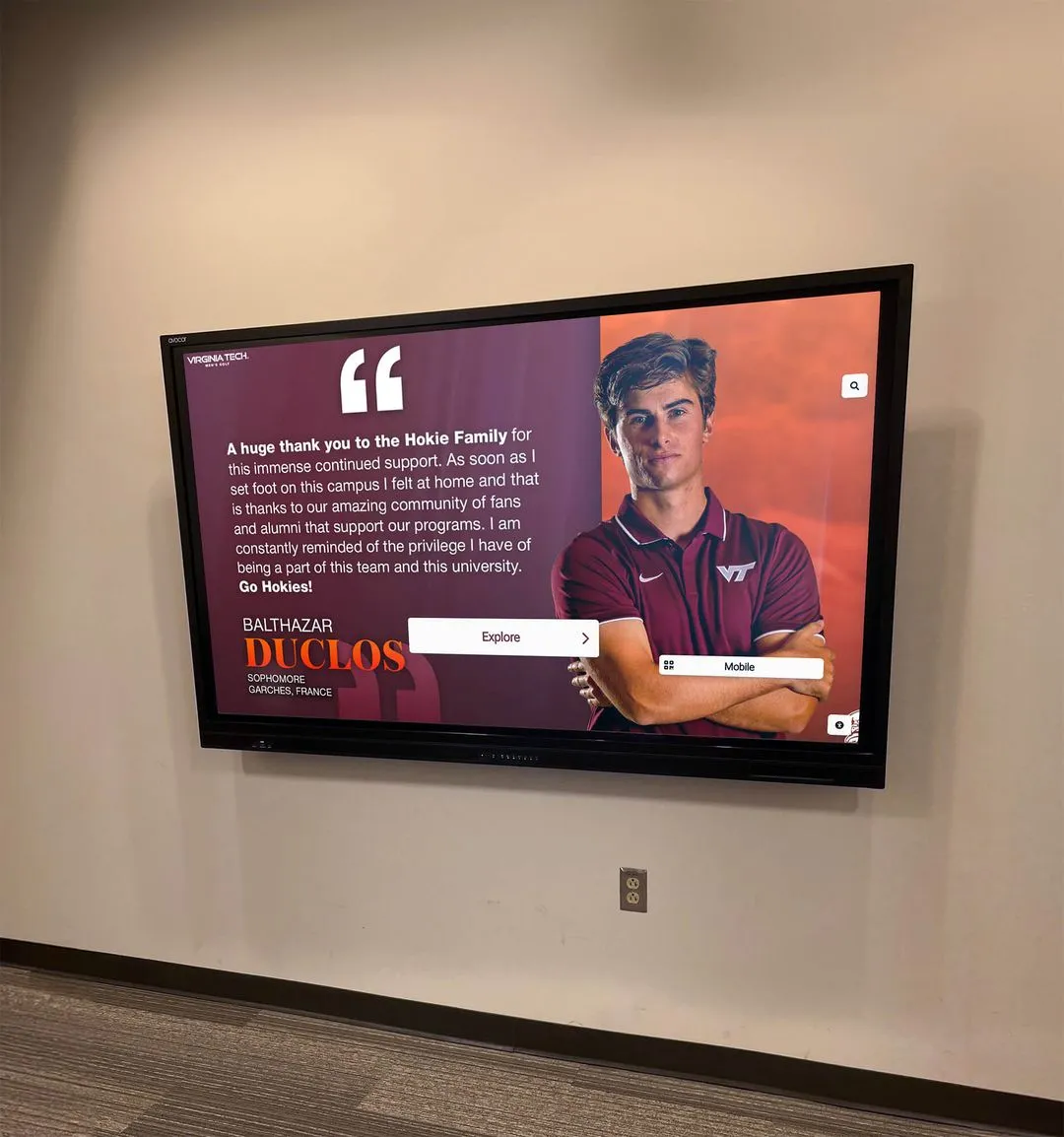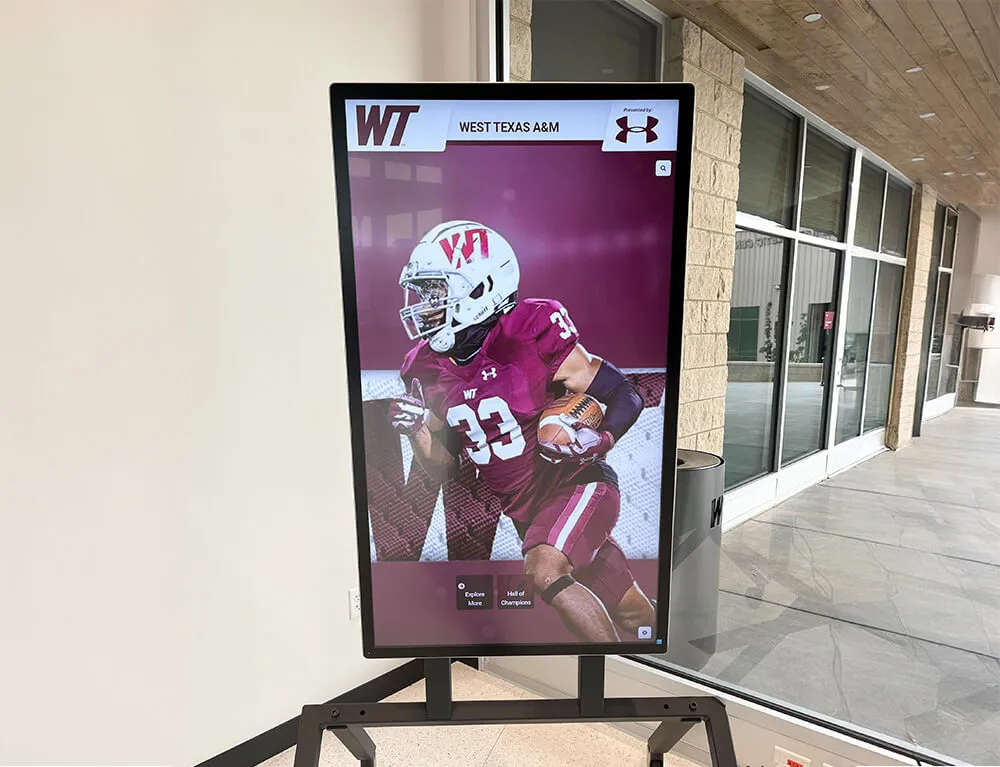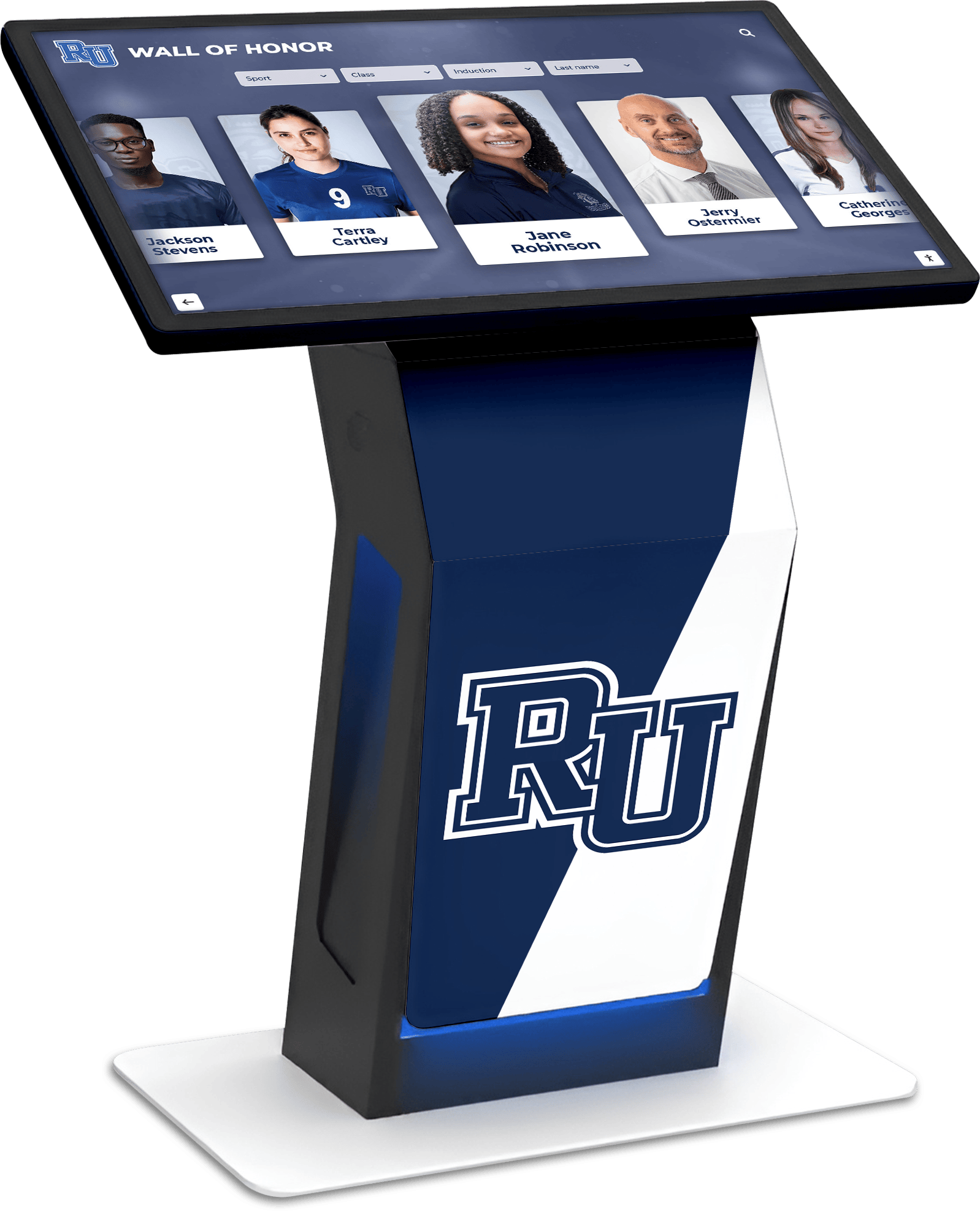
Digital displays have transformed how schools celebrate student achievement, replacing limited trophy cases and bulletin boards with dynamic touchscreen systems showcasing unlimited accomplishments. Yet this technological advancement introduces critical questions about student photo privacy that schools must address thoughtfully to comply with federal regulations while protecting student rights and family preferences.
This comprehensive guide examines everything schools need to know about student photo privacy when implementing digital displays—from understanding FERPA requirements and establishing consent systems to technical privacy controls and handling special privacy situations. Whether deploying new digital recognition systems or auditing existing displays for compliance, these strategies help schools celebrate student achievement while maintaining absolute commitment to privacy protection and legal compliance.
Understanding FERPA: The Foundation of Student Privacy Protection
The Family Educational Rights and Privacy Act of 1974 establishes federal baseline protections governing student education records at schools receiving federal funding. While FERPA’s primary focus addresses academic records and personally identifiable information, its provisions extend to student photos in specific contexts requiring careful interpretation.
What FERPA Covers and What It Doesn’t
FERPA protects “education records”—records directly related to students and maintained by educational institutions. Whether student photos qualify as protected education records depends critically on context and usage.
Photos as Education Records:
Student photos become protected education records when they appear in contexts directly tied to educational status or performance. Examples include photos in yearbooks with educational content, images within student portfolios documenting academic work, photographs in cumulative files maintained by schools, and pictures accompanying academic or disciplinary records.
When photos qualify as education records, FERPA prohibits disclosure without parental consent (for students under 18) or student consent (for students 18 and older) unless specific exceptions apply.
Photos as Directory Information:
FERPA allows schools to designate certain student information as “directory information” that may be disclosed without consent. The law specifically includes photographs, videos, and electronic images among acceptable directory information categories—but critical conditions apply.
Schools may only treat photos as directory information after formally designating them in annual notifications, providing parents reasonable opportunity to opt out of directory information disclosure, and honoring all opt-out requests promptly. Schools cannot simply assume photos qualify as directory information without following proper notification and opt-out procedures.

The “Legitimate Educational Interest” Exception:
FERPA permits disclosure of education records to school officials with “legitimate educational interest” without requiring consent. However, this exception applies narrowly—primarily to educators and administrators needing record access to perform their duties.
Public display of student photos through digital systems serving general audiences typically cannot claim legitimate educational interest exceptions since unlimited public viewing extends beyond specific educational functions performed by identified school officials.
State Laws and Local Policies May Impose Stricter Requirements
FERPA establishes federal minimum protections, but states and school districts frequently adopt more restrictive privacy standards that schools must follow when they exceed federal requirements.
State-Level Privacy Laws:
Some states have enacted student data privacy laws creating obligations beyond FERPA. These statutes may impose additional consent requirements for student photos, restrict commercial use more stringently than federal law, establish data retention and deletion timelines, require specific security measures for student information, and create enhanced parental rights regarding student data.
Schools must identify applicable state laws in their jurisdiction and ensure compliance with whichever standard—federal or state—proves more protective of student privacy.
District Privacy Policies:
Even absent state mandates, many school districts adopt institutional privacy policies exceeding legal minimums. These policies reflect community values, respond to local privacy concerns, and establish organizational standards governing student information including photos.
District policies may require written consent for all public photo displays regardless of FERPA exemptions, prohibit specific types of student image usage, establish photo retention and deletion procedures, or create additional review processes before student images appear publicly. Schools must understand and comply with applicable district policies alongside legal requirements.
Establishing Effective Photo Consent Systems
Regardless of whether FERPA technically permits certain photo displays without individual consent, best practice strongly favors implementing robust consent systems ensuring families explicitly authorize student image usage in digital displays and other public contexts.
Designing Clear Consent Forms and Processes
Effective consent begins with clear communication helping parents understand exactly what they’re authorizing and what alternatives exist.
Essential Consent Form Elements:
Comprehensive photo consent forms should include specific description of where and how student photos will appear, explanation of who can access displays featuring student images, duration student photos will remain displayed, clarification of whether consent covers individual photos only or group images, disclosure of any third-party vendors hosting or managing photo displays, explanation of how families can revoke consent, and clear opt-out mechanisms requiring no justification.
Vague language like “the school may use student photos for promotional purposes” provides inadequate notice failing to meet meaningful consent standards. Specific descriptions of actual usage—“your student’s photo may appear on the digital recognition display in the main entrance lobby celebrating academic honor roll achievement”—enable informed family decisions.
Many schools implementing digital recognition programs find that detailed consent documentation prevents misunderstandings while demonstrating institutional commitment to transparency and family choice.

Annual Renewal vs. Ongoing Consent:
Schools must decide whether photo consent remains valid throughout student enrollment or requires annual renewal. Annual renewal provides regular opportunities for families to reconsider consent as students mature and circumstances change, ensures schools maintain current contact information for privacy communications, demonstrates ongoing commitment to family choice, and allows schools to update consent language reflecting new display types or technologies.
However, annual renewal creates administrative burden requiring systematic tracking. Some schools compromise through biennial renewal or renewal during natural transition points like elementary-to-middle or middle-to-high school advancement.
Separate Consent for Different Display Types:
Sophisticated consent systems distinguish between various photo usage categories allowing families to consent to some uses while declining others. Families might authorize photos in school-controlled digital displays within buildings while declining permission for social media posting, approve group photos in athletic achievement displays but not individual portraits, or permit internal displays while refusing external-facing uses.
Granular consent options respect that families may feel differently about various photo contexts, but increase administrative complexity. Schools should balance comprehensiveness against practical management capacity.
Managing Consent Documentation and Tracking
Once schools collect consent forms, systematic organization becomes essential for ensuring student photos appear only where authorized.
Digital Consent Management Systems:
Paper-based consent tracking quickly becomes unmanageable as schools maintain records for hundreds or thousands of students across multiple years. Digital systems that integrate with student information databases provide searchable consent records, automated consent expiration tracking, bulk consent status checking before displays go live, reporting capabilities for compliance documentation, and integration with content management systems preventing unauthorized photo publication.
Student information systems increasingly incorporate consent management modules, but standalone privacy management platforms provide specialized functionality when district SIS lacks adequate tools.
Linking Consent Records to Photo Databases:
The most robust approach connects consent records directly to photo management systems preventing accidental publication of unauthorized images. Technical integration might involve metadata tags on each photo file indicating consent status, database queries checking consent before photos appear in displays, automated filtering removing non-consented photos from display pools, or approval workflows requiring consent verification before photos go live.
These integrations require coordination between school technology staff and digital display vendors, but dramatically reduce compliance risks compared to manual consent checking.
Technical Privacy Controls for Digital Display Systems
Beyond consent management, digital display platforms themselves should incorporate technical features supporting privacy protection and compliance requirements.
Access Controls and Display Location Considerations
Where displays appear and who can access them significantly impacts privacy implications requiring different protective approaches.
Internal vs. External-Facing Displays:
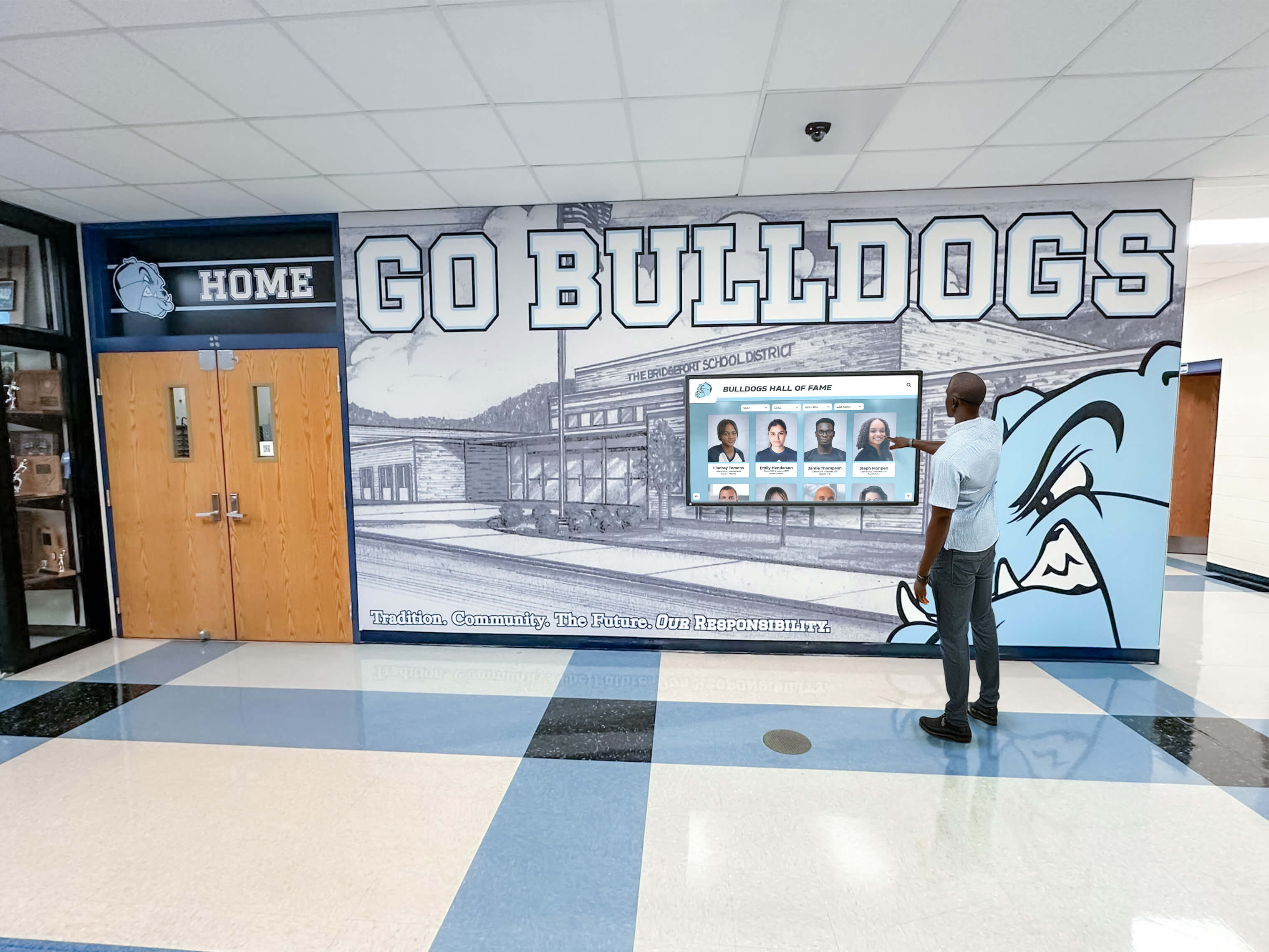
Displays located within school buildings accessible only to students, staff, and authorized visitors present different privacy considerations than public-facing displays in areas like lobbies accessible during community events or external displays visible from outside school property.
Schools should carefully evaluate display locations considering who will realistically view them, whether effective access controls limit viewing to school community members, and whether locations align with family consent expectations. Families consenting to “school displays” may not anticipate images appearing on displays easily visible from public streets or accessible during open community events.
For facilities with multiple recognition displays throughout buildings, categorizing each location by privacy level helps determine appropriate content controls.
Internet-Connected vs. Closed Systems:
Digital displays with internet connectivity enabling remote content updates and management offer operational advantages but introduce additional privacy considerations if they create pathways for unauthorized access or inadvertent online publication.
Schools should understand whether display content remains stored only on local devices or synchronizes to cloud servers, confirm that internet-connected displays maintain adequate security protecting against unauthorized access, verify that display content doesn’t inadvertently become searchable or accessible via internet, and ensure vendor contracts clearly delineate data ownership and privacy responsibilities.
Closed systems operating without internet connectivity eliminate certain privacy risks but reduce content management flexibility. Schools should weigh these tradeoffs considering their specific circumstances and privacy priorities.
Content Approval Workflows and Review Processes
Systematic review before student photos appear in displays provides essential safeguards catching potential privacy violations before they reach public view.
Multi-Level Approval Requirements:
Effective approval workflows involve multiple reviewers checking different compliance dimensions. Technical content creators verify photo quality and display functionality, privacy coordinators confirm consent authorization for all students depicted, administrators review content appropriateness and alignment with school policies, and automated systems flag any photos lacking proper consent documentation.
Multi-level review distributes responsibility while creating redundancy reducing single-point failure risks. However, excessive approval layers create bottlenecks potentially delaying time-sensitive content, so schools should calibrate workflows balancing thoroughness against operational practicality.
Emergency Content Removal Procedures:
Even with careful approval processes, situations arise requiring immediate photo removal—consent revocation, student safety concerns, identification errors, or family emergencies. Digital display systems should include protocols for emergency content removal allowing authorized personnel to immediately delete photos, notification systems alerting relevant staff about removal requests, documentation requirements recording why photos were removed, and review processes determining whether removed photos can return to displays after addressing concerns.
Clear escalation procedures help staff understand when and how to execute emergency removals without creating unnecessary delays when time-sensitive privacy protection becomes necessary.
Special Privacy Situations Requiring Additional Consideration
Certain circumstances create enhanced privacy concerns requiring schools to implement additional protective measures beyond standard consent procedures.
Students in Foster Care or Protective Services
Students involved with child welfare systems may face unique safety risks if their photos appear publicly, potentially revealing whereabouts to adults from whom they’ve been removed for protection.
Enhanced Privacy Protocols:
Schools should establish flagging systems that automatically restrict photo usage for students in protective custody, require additional authorization from caseworkers or guardians ad litem before any public photo display, avoid displaying student last names alongside photos even when generally permitted, and train staff who manage digital displays about special considerations for students in protective situations.
Privacy officers or designated counselors should maintain confidential lists of students requiring enhanced photo restrictions, with access limited strictly to personnel with legitimate need to know. Regular coordination with district foster care liaisons ensures schools receive timely notification about students entering or exiting protective situations requiring photo restriction changes.
Students with Special Education Status or Section 504 Plans
Students receiving special education services or accommodations under Section 504 may have privacy interests extending beyond typical consent frameworks, particularly when photo contexts might reveal disability status.
Avoiding Disability Status Disclosure:
Photos themselves may not reveal disabilities, but contexts in which they appear could inadvertently disclose special education status. Schools should avoid displaying photos in contexts explicitly identifying special education participation unless specific written consent addresses this disclosure, consider whether photo recognition categories might reveal disability information, and provide alternatives allowing special education students to participate in general recognition without category labels potentially revealing their status.
For example, academic recognition displays honoring diverse achievements should be designed so special education students can appear alongside general education peers without labeling revealing which students receive specialized services.

Students Transitioning Gender Identity
Students transitioning gender identity or exploring gender expression may have particular sensitivities about photos depicting them before transition or using previous names not aligned with current identity.
Respecting Student Identity:
Schools should implement procedures allowing students to request removal of photos displaying previous names or appearances predating transition, update display content reflecting students’ affirmed names and pronouns regardless of legal name status, train display content managers about importance of respecting student identity in all recognition contexts, and handle identity-related photo requests confidentially without requiring students to explain personal circumstances.
Digital displays offering particular advantages here since content can be updated instantly to reflect student name or photo changes without requiring physical plaque replacement or other permanent fixture modifications.
Immigrant Students and Families
Students from immigrant families, particularly those with undocumented status concerns, may decline photo consent out of fear that public identification could create legal risks for themselves or family members.
Culturally Responsive Privacy Practices:
Schools should explicitly clarify that photo consent is completely voluntary with no negative academic or participation consequences for declining, translate consent forms into languages families speak providing equal access to privacy decisions, avoid pressuring families to “explain” why they decline consent, and ensure immigrant students can fully participate in recognition programs and activities even without photo consent through alternative acknowledgment approaches.
Recognition displays can honor student achievements through name listings, accomplishment descriptions, and other formats not requiring photos, ensuring that privacy choices don’t exclude students from deserved celebration.
Directory Information Policies and Annual Notifications
Schools choosing to designate student photos as directory information must follow specific procedural requirements ensuring families receive adequate notice and opportunity to opt out.
Crafting Compliant Directory Information Notices
FERPA requires schools to annually notify parents about directory information policies including what information qualifies as directory information, how schools intend to use directory information, parents’ right to opt out of directory information disclosure, and deadlines for submitting opt-out requests.
Clear Directory Information Definitions:
Directory information notices should specifically list “photographs, videos, and electronic images” if schools intend to display student photos publicly without individual consent. Generic references to “directory information as defined by FERPA” provide inadequate notice since parents may not understand what federal law includes in this category.
Effective notices explain specifically where and how student photos designated as directory information will appear—digital recognition displays in school facilities, school websites, social media accounts, printed publications, or media releases. The more specific the notice, the more informed parents’ opt-out decisions become.
Reasonable Opt-Out Timeframes:
FERPA requires schools provide parents “reasonable” time to opt out after receiving directory information notices, though the law doesn’t specify exact durations. Most schools establish opt-out windows of 2-4 weeks from notice distribution, balancing adequate decision time against operational needs for finalizing photo usage.
Schools should clearly communicate opt-out deadlines and procedures through multiple channels—written notices sent home, email communications, district websites, student information portals, and back-to-school events. Multiple touchpoints maximize the likelihood that all families receive and understand directory information policies and their opt-out rights.
Honoring Opt-Out Requests Comprehensively
When families submit directory information opt-outs, schools must honor these requests across all uses of designated directory information categories, not just selected contexts.
Scope of Directory Information Opt-Outs:
If families opt out of directory information disclosure, schools must restrict all uses of all designated directory information—not just student photos. This means families opting out may not appear in school programs and playbills, may not be listed in athletic rosters provided to media, will not appear in yearbook photo captions identifying students in candid shots, and cannot be included in principal’s honor roll press releases.
Some families may not realize the full scope of directory information opt-outs when submitting requests, so schools should clearly explain implications before processing opt-outs. However, schools must honor all opt-outs regardless of whether families fully understood the breadth of restrictions.
Partial Opt-Out Options:
While FERPA doesn’t require schools to offer partial opt-outs allowing families to restrict some directory information uses while permitting others, many schools implement this practice providing families greater choice.
Schools might allow families to opt out of external directory information disclosure while permitting internal school uses, decline photo disclosure while allowing name and grade level information, or restrict commercial directory information uses while permitting educational purposes.
Partial opt-out systems require more sophisticated tracking but significantly improve family satisfaction by aligning privacy controls with actual family concerns rather than forcing all-or-nothing choices.

Media Releases and Publicity Beyond Digital Displays
Digital displays represent one context where student photos appear, but comprehensive privacy protection requires coordinating photo policies across all school communications—social media, websites, media releases, and printed publications.
Coordinating Privacy Policies Across All Platforms
Inconsistent privacy policies across different communication channels confuse families and create compliance risks if different platforms operate under contradictory privacy assumptions.
Unified Consent Frameworks:
The most effective approach implements unified photo consent covering all school communications contexts with granular options allowing families to specify which uses they authorize. Consolidated consent might cover internal digital displays, school websites and online publications, school social media accounts, releases to news media, and printed materials like yearbooks or programs.
Unified consent eliminates the administrative burden of managing separate consent systems for each platform while ensuring consistent privacy protection regardless of where student photos appear.
For schools planning to integrate interactive digital displays with broader communications strategies, establishing unified privacy frameworks from the beginning prevents creating incompatible systems requiring later consolidation.
Social Media Considerations and Risks
Social media amplifies privacy risks since posts can be shared, downloaded, and distributed beyond school control even after deletion. Schools using social media to celebrate student achievement should implement enhanced protective measures.
Best Practices for Student Photos on Social Media:
Schools should minimize identifying information accompanying photos by avoiding full names when possible, omitting specific location information or tagging in photos that could reveal student whereabouts, and never including information like addresses or contact details alongside student photos.
Group photos generally present fewer privacy risks than individual student portraits since they’re less likely to facilitate identification by strangers. Schools should prefer group shots over close-up individual photos when sharing achievement celebrations via social media, though consent remains required regardless of photo type.
Many schools have benefited from examining privacy practices used in various recognition programs to identify privacy-protective approaches applicable to their specific contexts.
Training Staff and Building Privacy Culture
Technical controls and written policies alone don’t ensure privacy protection—schools must cultivate organizational cultures where all staff understand privacy obligations and consistently prioritize student privacy in daily practices.
Privacy Training for All Staff Who Handle Student Photos
Any employee who photographs students, manages digital displays, posts social media content, or otherwise handles student images needs appropriate privacy training regardless of their primary role.
Essential Training Components:
Comprehensive privacy training should cover legal foundations including FERPA requirements and state laws, district privacy policies and procedures, consent verification procedures before posting any student photos, special privacy situations requiring enhanced protections, and practical scenarios helping staff apply privacy principles to real situations they’ll encounter.
Training should occur during initial employee onboarding, annually as refresher for all staff handling student information, and whenever policies or technologies change requiring updated procedures. Documentation demonstrating completed privacy training provides valuable evidence of good-faith compliance efforts should questions arise.
Creating Clear Escalation Procedures
Staff need clear understanding of when to seek guidance about ambiguous privacy situations rather than making ad hoc judgments that could create compliance problems.
When to Escalate Privacy Questions:
Staff should escalate situations involving students in special privacy circumstances, requests to remove photos from displays, questions about whether specific photo uses require consent, concerns that consent forms may not cover intended uses, or any situation where they feel uncertain about proper privacy procedures.
Designated privacy coordinators or compliance officers should be clearly identified with straightforward contact procedures, creating psychologically safe environments where staff feel comfortable asking questions without fear of criticism for “not knowing” answers.
Schools implementing staff recognition programs alongside student displays benefit from extending privacy training to cover adult employee privacy preferences as well, creating comprehensive privacy cultures beyond student-specific requirements.

Auditing Existing Displays for Compliance
Schools with digital displays already in operation should conduct regular privacy audits ensuring ongoing compliance as student populations change, consent statuses update, and regulations evolve.
Conducting Systematic Privacy Reviews
Comprehensive privacy audits examine both technical systems and operational procedures identifying potential compliance gaps.
Audit Components:
Effective privacy audits should verify that current display content includes only students with valid consent, confirm consent documentation remains current and properly stored, review display locations ensuring they align with privacy level appropriate for content, test technical controls verifying unauthorized photos can’t accidentally appear, and examine removal procedures ensuring they function quickly when needed.
Schools should conduct formal privacy audits at least annually, with additional reviews following major display content updates or technology changes. Documented audit findings and remediation actions demonstrate commitment to ongoing compliance.
Remediating Identified Privacy Issues
When audits identify compliance concerns, schools should prioritize remediation based on risk severity while implementing permanent process improvements preventing recurrence.
Immediate vs. Systemic Remediation:
Unauthorized student photos appearing in displays require immediate removal regardless of how the error occurred. However, schools should also investigate root causes determining whether problems resulted from isolated human error, inadequate technical controls, unclear procedures, or systemic process failures.
Systemic issues require procedural corrections and potentially technical system improvements preventing similar future problems, while isolated errors may only need individual retraining. Distinguishing between these scenarios ensures schools address underlying problems rather than simply fixing individual compliance failures.
Building Privacy-Protective Recognition Programs
Schools can celebrate student achievement through compelling digital displays while maintaining absolute commitment to privacy protection and family choice. The key lies in establishing robust consent systems, implementing appropriate technical controls, training all staff handling student photos, and cultivating organizational cultures where privacy considerations integrate naturally into all decisions involving student images.
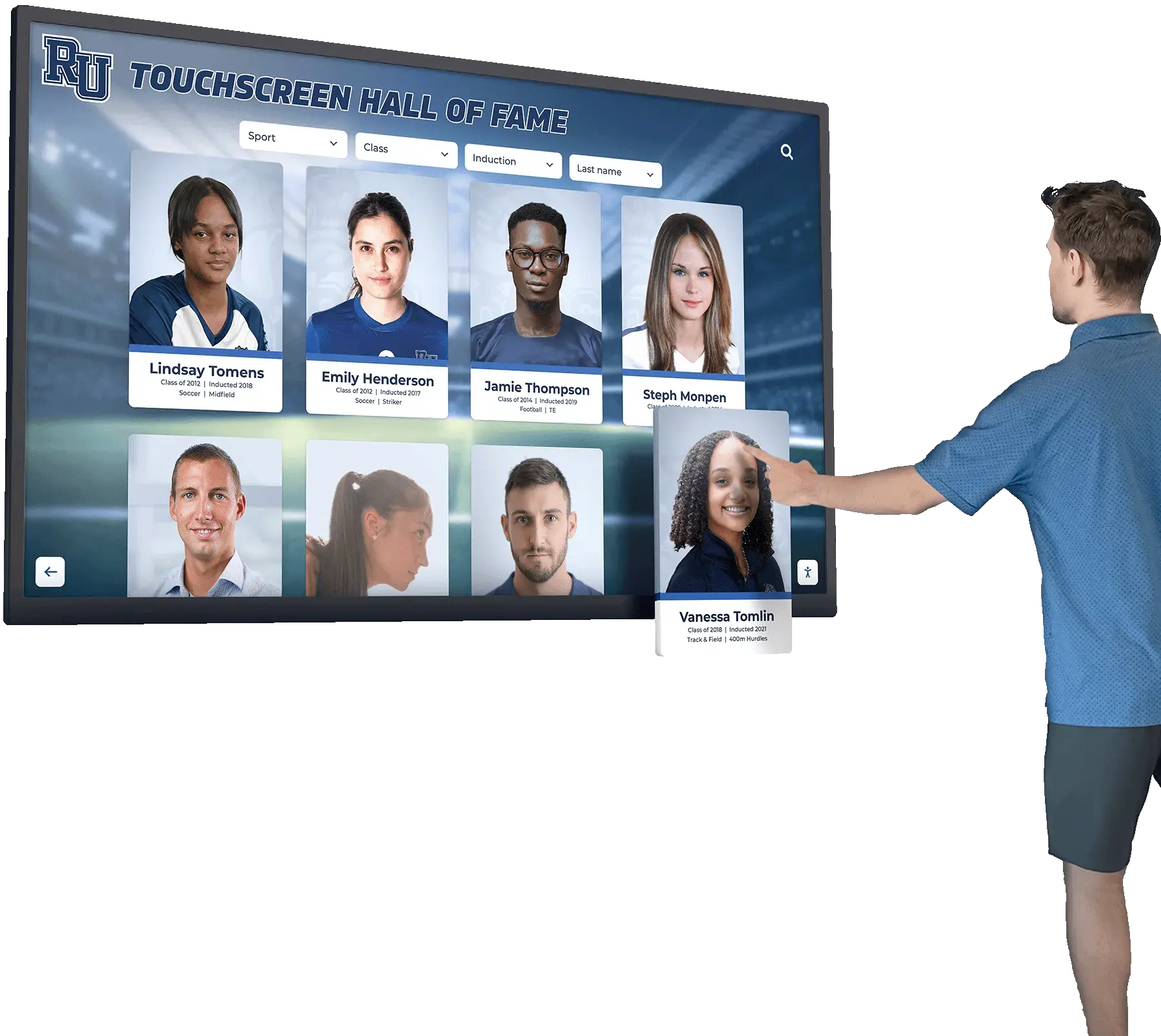
Digital recognition systems like Rocket Alumni Solutions offer schools the ability to celebrate unlimited student achievements through engaging touchscreen displays while incorporating sophisticated privacy controls supporting compliance requirements. These modern platforms combine the inspirational power of visual recognition with technical features ensuring student photos appear only where families have provided explicit authorization, allowing schools to honor student excellence without compromising privacy protection.
By understanding FERPA requirements, establishing clear consent procedures, implementing technical safeguards, and training staff in privacy-protective practices, schools create recognition programs that simultaneously celebrate student achievement and demonstrate institutional commitment to privacy rights and family choice—building trust with families while inspiring students through visible acknowledgment of their accomplishments.