



Student council shirts serve as far more than simple uniforms—they function as powerful identity markers that strengthen leadership teams, increase visibility for student government initiatives, and build school-wide recognition for elected representatives. When designed thoughtfully, these shirts transform scattered individual leaders into cohesive teams unified by shared identity and purpose while making student council members easily identifiable during events, campaigns, and daily school interactions.
Yet many schools approach student council shirts as afterthoughts, ordering generic designs that fail to inspire pride or accomplish their broader organizational purposes. The most effective student council apparel programs balance creative expression with practical functionality, incorporate student input throughout design processes, and connect shirt creation to larger team-building and recognition strategies that strengthen student government effectiveness.
This comprehensive guide explores creative design ideas for student council shirts, practical ordering and budgeting strategies, team-building approaches that maximize shirts’ unifying potential, and modern recognition systems that celebrate student leadership in ways that extend far beyond single-year terms.

Why Student Council Shirts Matter for Leadership Development
Understanding the strategic purposes student council shirts serve helps schools design apparel programs that accomplish organizational goals rather than simply following tradition.
Strengthening Team Cohesion and Identity
Student councils typically comprise students from different grade levels, social groups, and friend circles who might not otherwise interact closely. Creating unified teams from these diverse groups requires intentional strategies that build connections and shared identity.
Matching shirts provide immediate visible markers of shared membership in something important. When council members wear their shirts, they signal to themselves and others: “I belong to this leadership team, and we work together toward common goals.” This visible unity matters psychologically—people wearing matching apparel report feeling more connected to teammates, more willing to collaborate, and more committed to group success.
The shirt design process itself creates team-building opportunities. When councils gather to brainstorm designs, debate color schemes, vote on final choices, and celebrate when orders arrive, they engage in collaborative decision-making that builds relationships while creating tangible products representing their collective identity. These design sessions often become bonding experiences that strengthen working relationships before councils tackle more consequential decisions.
Increasing Visibility and Recognition
Student government effectiveness depends partly on visibility—students can’t engage with representatives they don’t recognize, and initiatives promoted by identifiable leaders gain more traction than anonymous announcements. Council shirts solve the visibility problem by making representatives easily identifiable during critical moments.
When council members wear their shirts during lunch periods, they become approachable resources for classmates with questions or concerns. During school assemblies, matching shirts make the leadership team visible as a unified body rather than scattered individuals. At community events and volunteer projects, council apparel identifies students as school representatives while building positive public perception of youth leadership.
This visibility extends beyond immediate practicality to influence perceptions of student government legitimacy. Councils that look organized and professional—partly through coordinated appearance—are taken more seriously by both student populations and adult administrators. The psychological impact of visible unity shouldn’t be underestimated: people naturally respect and trust organized groups more than ad hoc collections of individuals.
Building School Spirit and Pride
Student council members serve as school spirit ambassadors who model enthusiasm and pride for other students. When councils wear well-designed shirts incorporating school colors, mascots, and identity elements, they reinforce institutional pride while creating aspirational models that make student government participation attractive to future candidates.
Particularly creative or popular council shirt designs often become sought-after items that students without council positions request to purchase, creating organic fundraising opportunities while extending school spirit beyond the leadership team itself. Schools should consider offering council-inspired designs for sale to broader student populations, with proceeds supporting student government programs while multiplying the reach of designs that celebrate institutional identity.
Creative Design Ideas for Student Council Shirts
Effective student council shirts balance creativity with functionality, incorporate recognizable school identity elements, and create designs that council members genuinely want to wear beyond mandatory occasions.
Design Philosophy: Simple, Bold, and Meaningful
The most successful student council shirt designs share common characteristics:
Visual Clarity: Designs work best when they communicate clearly from a distance. Overly complex graphics with tiny text or intricate details lose impact when viewed across cafeterias or gymnasiums. Bold text, strong color contrasts, and simple graphic elements create immediate recognition that serves shirts’ visibility purposes.
Meaningful Symbolism: Generic “Student Council” text fails to inspire pride or connection. Effective designs incorporate elements reflecting the specific council’s identity, theme, goals, or school heritage—creating unique shirts representing particular teams rather than interchangeable generic apparel.
Wearable Style: The most beautiful designs fail if council members refuse to wear shirts beyond required occasions. Consider current youth fashion trends, comfortable fits, and style preferences when selecting shirt types and designs. Councils that actually wear their shirts voluntarily multiply their visibility impact exponentially compared to those storing shirts in lockers except during mandatory events.
Theme-Based Design Concepts
Many councils organize their work around annual themes that provide natural design inspiration:
Service and Leadership Themes: Councils emphasizing community service might incorporate imagery like helping hands, community symbols, or service project references. Leadership-focused councils could use symbolic elements like compasses, mountains, or pathways representing guidance and progress. Match visual elements to actual council priorities rather than selecting random imagery disconnected from the team’s work.
School Heritage and Tradition: Designs celebrating institutional history create connections between current student government and decades of predecessor councils. Incorporate founding dates, anniversary milestones, traditional school symbols, or visual elements referencing school history. These heritage-inspired designs position current councils as parts of larger ongoing legacies rather than isolated single-year teams.
Unity and Diversity Concepts: Many councils celebrate their schools’ diversity while emphasizing unity across differences. Visual designs might incorporate puzzle pieces forming complete pictures, diverse hand colors joined together, or mosaic patterns where varied elements create unified wholes. These metaphorical designs communicate council values while creating visually interesting apparel.
Pop Culture and Trending References: Parodies of popular logos, movie references, or trending design styles create immediate recognition and humor. A council shirt designed like a streaming service interface (“Now Playing: Student Leadership”), popular snack brand parody (“Council-Os: Part of This Complete Education”), or music festival aesthetic can generate enthusiasm while demonstrating creativity. Ensure references will age reasonably well rather than selecting ultra-trendy elements that feel dated within months.
Typography and Text Elements
Text communicates essential information while contributing significantly to overall design aesthetics:
Council Identification: Front or back text should clearly identify wearers as student council members—making shirts serve their visibility purpose. Options include “Student Council,” “Student Government,” “[School Name] Student Leadership,” or position-specific identifiers like “Class of 2026 Representative.”
Individual Names: Adding member names (typically on backs or sleeves) personalizes shirts while making representatives even more identifiable to classmates. Named shirts also become keepsakes council members preserve long after graduation—tangible reminders of leadership experiences. Budget constraints sometimes make personalization prohibitive, but when financially feasible, named shirts significantly increase perceived value and long-term retention.
Mottos and Slogans: Inspirational phrases or council mottos add meaning beyond basic identification. Consider slogans reflecting actual council goals: “Leading with Purpose,” “Your Voice, Our Mission,” “Building Community Together,” or campaign-specific themes. The most effective slogans are brief, memorable, and authentically represent the council’s work rather than generic leadership clichés.
Year or Term Identification: Including the academic year creates historical documentation while distinguishing different council classes. This also enables multi-year comparison and recognition when councils from different years wear their distinct shirts during alumni events or special celebrations.
Color Strategies
Color choices significantly impact both visual effectiveness and psychological response:
School Colors: Using official school colors creates immediate institutional identification while reinforcing school spirit. Traditional combinations work particularly well when councils serve as school ambassadors at community events where institutional representation matters.
Bold Contrasts: High-contrast color combinations—dark text on light backgrounds or vice versa—maximize readability and visibility. Avoid low-contrast combinations like navy text on black shirts or yellow text on white backgrounds that disappear from distance.
Unexpected Variations: While school colors provide safe choices, creative variations can make shirts more distinctive. Consider using school colors as accent elements while featuring unexpected base colors, or incorporating color gradients and ombré effects that reference school colors without literally reproducing them exactly.
Inclusive Considerations: Remember that certain color combinations create visibility challenges for colorblind individuals. Avoid red-green combinations that approximately 8% of males struggle to distinguish. Testing designs with colorblindness simulation tools ensures accessibility for all council members and viewers.
Graphic Elements and Imagery
Visual elements beyond text create interest and meaning:
School Mascots: Incorporating official or stylized mascot illustrations reinforces school identity while adding visual interest. Consider commissioning custom mascot artwork specifically for council shirts rather than simply reproducing standard athletics department graphics—creating unique imagery specific to student government.
Symbolic Icons: Abstract symbols representing leadership, unity, service, or school values create sophisticated designs without literal imagery. Geometric patterns, nature elements, architectural silhouettes, or stylized emblems can communicate concepts while enabling creative artistic expression.
Custom Illustrations: Budget permitting, commissioning original artwork from student artists, local designers, or professional illustrators creates unique shirts impossible to replicate. Original art also provides opportunities to showcase student talent while creating truly distinctive apparel. Many talented art students welcome opportunities to design high-visibility projects that build their portfolios while contributing to school community.
Photo Integration: Some councils incorporate actual photos into designs—candid action shots from events, formal council photos, or school campus imagery. Photo-based designs require higher-quality printing processes but create powerful visual storytelling that text-only designs cannot achieve.
Practical Ordering and Production Strategies
Even excellent designs fail when production quality disappoints or logistical challenges undermine timely delivery. Understanding practical production considerations ensures shirts successfully materialize as envisioned.
Selecting Printing Methods
Different production techniques offer varying quality levels, durability, and cost structures:
Screen Printing: Traditional method ideal for designs with limited colors (typically 1-4) and larger order quantities (usually 24+ shirts minimum). Screen printing produces durable, vibrant designs that withstand repeated washing. Costs decrease per shirt as quantities increase, making this economical for full councils. However, setup costs for screens make this expensive for very small orders or designs requiring many colors.
Direct-to-Garment (DTG) Printing: Digital printing technology similar to inkjet printers that works directly on fabric. DTG handles complex designs with unlimited colors, photographs, and detailed artwork without setup costs, making it ideal for small orders or highly detailed designs. Quality varies by printer and shirt fabric—works best on 100% cotton. DTG prints may fade faster than screen printing with heavy washing, though modern DTG technology has improved durability significantly.
Heat Transfer Vinyl (HTV): Cut vinyl material heat-pressed onto shirts, ideal for text-heavy designs, individual names, or simple graphics. HTV creates raised texture and works well for personalizing otherwise identical shirts. Highly durable when properly applied. Not ideal for complex multi-color graphics or photographic imagery.
Embroidery: Thread-based decoration creating raised, textured designs. Premium appearance and exceptional durability make embroidery ideal for items like polo shirts or jackets where quality matters more than cost. Significantly more expensive per shirt than printing methods, and works best for relatively simple designs without tiny details that thread cannot reproduce.
Budgeting and Funding Options
Student council shirts typically cost $8-25 per shirt depending on quantity, design complexity, shirt quality, and printing method. Full councils of 20-40 members represent $160-1,000 investments that require strategic funding planning.
School Budget Allocations: Many schools include student government apparel in annual operating budgets, recognizing that council visibility serves institutional purposes beyond individual members’ benefit. When requesting budget allocations, emphasize shirts’ roles in building school spirit, increasing student government effectiveness, and creating professional representation during community events.
Fundraising Revenue: Councils with active fundraising programs often allocate portions of proceeds to team needs including apparel. This approach gives councils autonomy over design choices while avoiding budget request processes. However, ensure fundraising efforts don’t disproportionately burden council members who already contribute significant time to service.
Sponsorships and Donations: Local businesses, parent organizations, or booster clubs sometimes sponsor student leadership apparel in exchange for small recognition on shirts or event acknowledgments. This works particularly well for councils organizing community service projects where sponsor visibility benefits local businesses.
Member Contributions: Some councils ask members to pay partially or fully for their shirts, similar to how athletic team members often purchase warm-ups or spirit wear. This approach works better when shirts are truly desirable items members value beyond mandatory wear occasions. Consider offering payment plans or scholarship funds ensuring financial barriers don’t prevent any elected representative from receiving council apparel.
Bulk Orders for Resale: Ordering extra shirts beyond council needs for sale to broader student populations creates fundraising opportunities while extending design reach. Popular designs sometimes generate significant profits when non-council students purchase shirts celebrating school spirit. Price shirts at $15-20 retail when production costs run $8-12, creating reasonable margins while keeping prices accessible.
Timing and Logistics
Strategic ordering timelines prevent last-minute rushes that force design compromises or miss important early-year events:
Begin Design Process in Spring: Councils should initiate shirt design discussions toward the end of their terms, allowing incoming councils to inherit designs ready for immediate production. This ensures shirts arrive early in the academic year rather than mid-semester after many key events have passed.
Allow Production Time: Most print shops require 2-3 weeks production time from final order approval to delivery, though rush orders can sometimes reduce this to 7-10 days at premium cost. Complex designs, custom embroidery, or unusual shirt specifications may require longer timelines. Contact printers before finalizing designs to confirm realistic production schedules.
Plan Multiple Order Opportunities: Rather than single annual orders, consider ordering shirts twice yearly—once in fall for the full council and again in spring for any mid-year elections, new members, or replacements for items that were lost or damaged. This also allows updating designs or creating seasonal variations that maintain interest.
Consider Long-Sleeve and Alternative Options: Councils in seasonal climates might order both short-sleeve shirts for warmer months and long-sleeve options, hoodies, or quarter-zips for winter. Multiple apparel types extend wearability across entire academic years while creating varied options matching different contexts—casual hoodies for weekend service projects versus polo shirts for formal school functions.
Building Team Unity Through Shirt Programs
Student council shirts accomplish little if they merely sit in lockers. Integrating apparel into deliberate team-building strategies maximizes their unifying potential.
Design Process as Team-Building Activity
The act of creating shirt designs offers valuable collaboration practice while strengthening relationships among council members who may not know each other well early in terms:
Collaborative Design Sessions: Schedule dedicated meetings where council members brainstorm design concepts, sketch possibilities, debate options, and vote on final choices. These creative sessions allow members to contribute regardless of artistic ability while revealing individual preferences and values. The collaborative problem-solving involved in reconciling different visions mirrors the compromise and consensus-building councils practice when addressing substantive issues.
Subcommittee Approaches: Designate small design committees responsible for researching options, creating proposals, and presenting recommendations to full councils. This distributes responsibility while giving interested members leadership opportunities. Committees might research printing companies, propose budgets, or create digital mockups for council review.
Student Body Input: Some councils solicit broader student input through design contests, online polls, or focus groups—democratizing the process while generating enthusiasm beyond the council itself. This approach reinforces that student government serves entire student populations rather than existing solely for council members.
Strategic Wearing Occasions
Maximizing shirts’ visibility and unity-building potential requires intentional decisions about when councils wear their apparel:
Mandatory Wearing Days: Designating specific events or days when all council members must wear shirts creates visible unified presence. Consider requiring shirts during student government meetings, school assemblies, election campaigns, community service projects, student council campaign events, major school events like homecoming or spirit weeks, and any occasion where council represents the school to external audiences.
Spirit Day Coordination: On regular school spirit days encouraging school colors or themed dress, council members wearing their shirts model enthusiasm while standing out as visible spirit leaders. This positions councils as school pride ambassadors rather than separate groups disconnected from broader student culture.
Photo Opportunities: Wearing shirts for official council photos, yearbook pictures, social media posts, and school website imagery creates professional unified appearance in documented materials that persist long after individual school years end. These visual records contribute to institutional memory while making current councils appear well-organized and cohesive.
Community Representation: When councils participate in community service projects, local government meetings, school board presentations, or civic events, matching shirts create professional appearance demonstrating organizational maturity. External audiences judge youth leadership partly on visible indicators of organization and commitment—matching apparel sends messages about seriousness and coordination.
Creating Traditions Around Council Apparel
Establishing traditions connected to council shirts strengthens their symbolic meaning while creating memorable experiences:
Shirt Signing Ceremonies: At year’s end, councils might host signing parties where members autograph each other’s shirts with personal messages, inside jokes, or expressions of appreciation. These personalized shirts become treasured keepsakes documenting relationships and shared experiences beyond generic apparel items.
Legacy Passing Rituals: Outgoing councils might ceremonially present shirts to newly elected members during transition ceremonies, symbolically passing leadership responsibility to successors. This ritual emphasizes continuity between councils while making shirt receipt feel significant rather than routine.
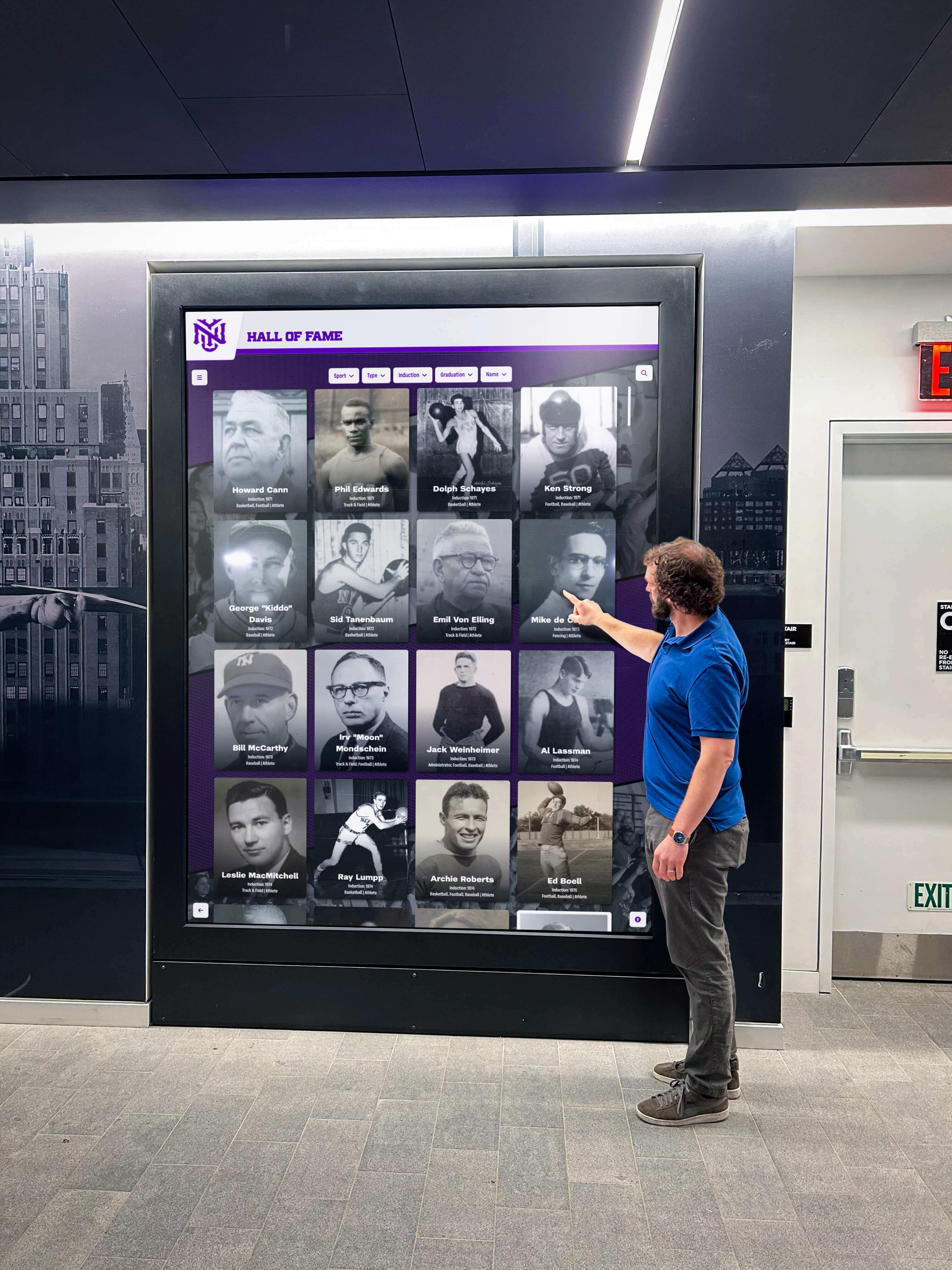
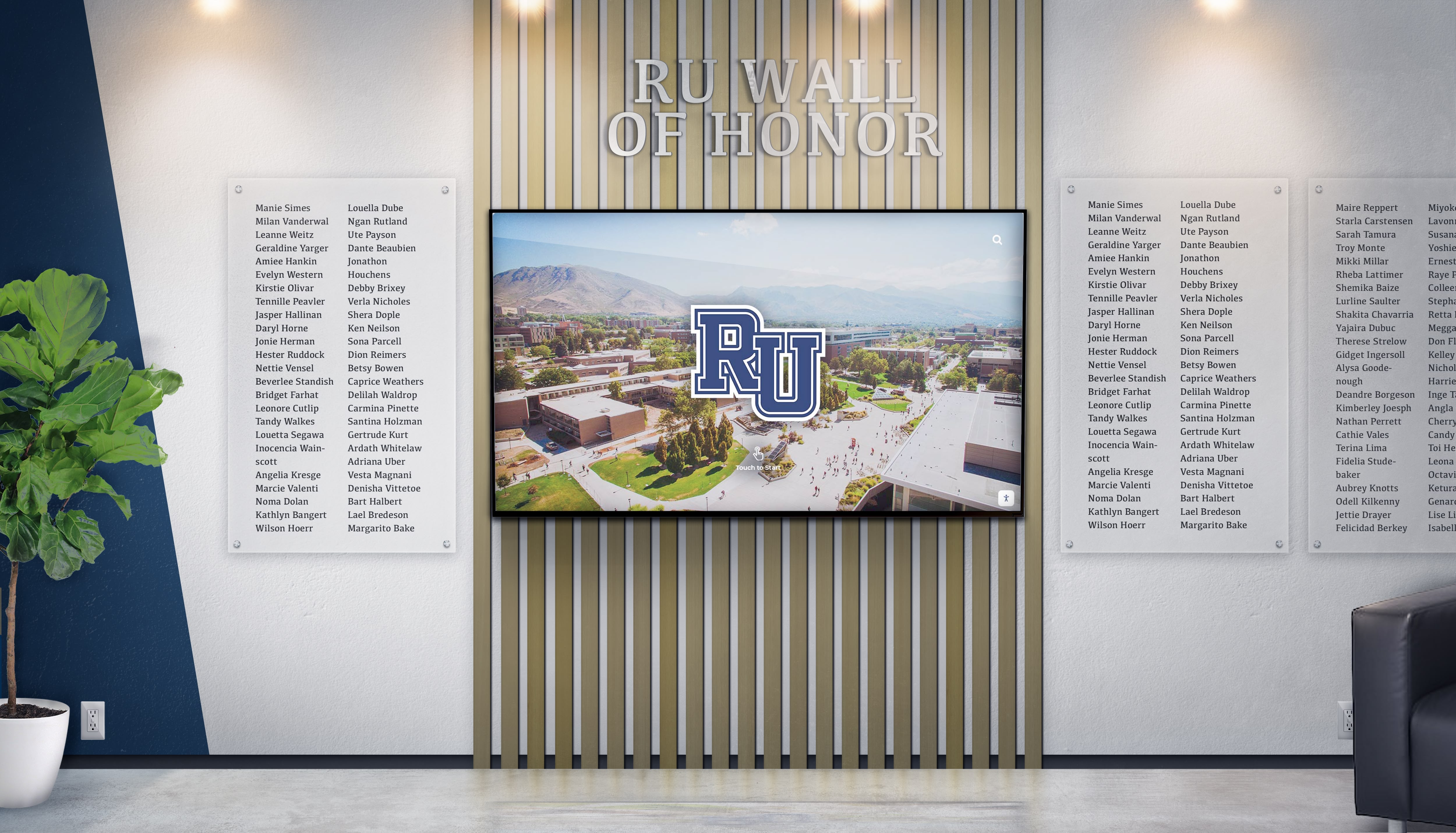
Display of Historical Shirts: Creating displays showcasing student council shirts from previous years—either framed in trophy cases or featured in school recognition systems—honors past student government while building visual history of evolving designs and traditions. This recognition approach demonstrates that student leadership contributions merit lasting acknowledgment.
Connecting Apparel to Comprehensive Recognition Systems
Student council shirts represent one component of broader recognition strategies celebrating student leadership and building institutional memory around student government contributions.
Documenting Student Leadership Digitally
While shirts provide temporary visible recognition during single school years, modern recognition technology enables permanent celebration of student government contributions that persists long after terms end and apparel wears out.
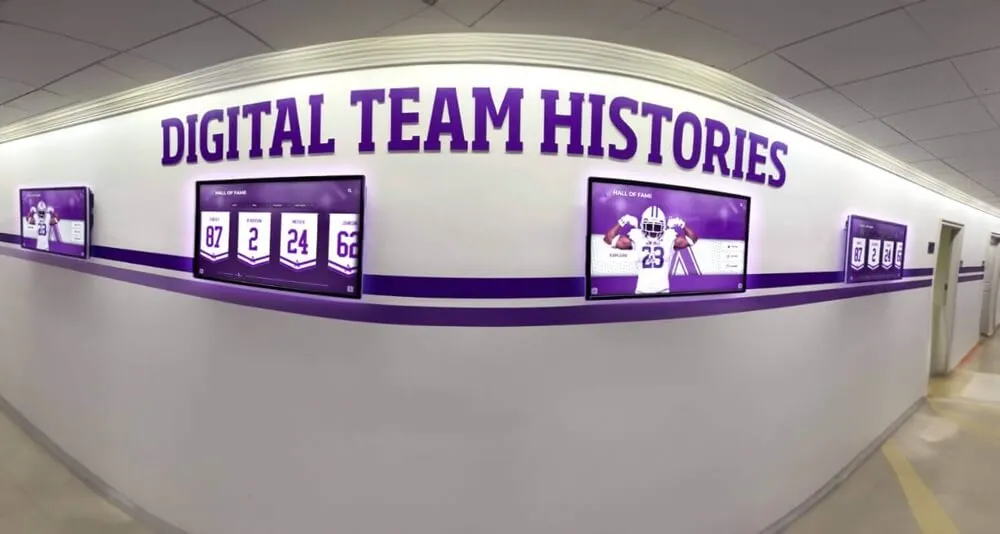
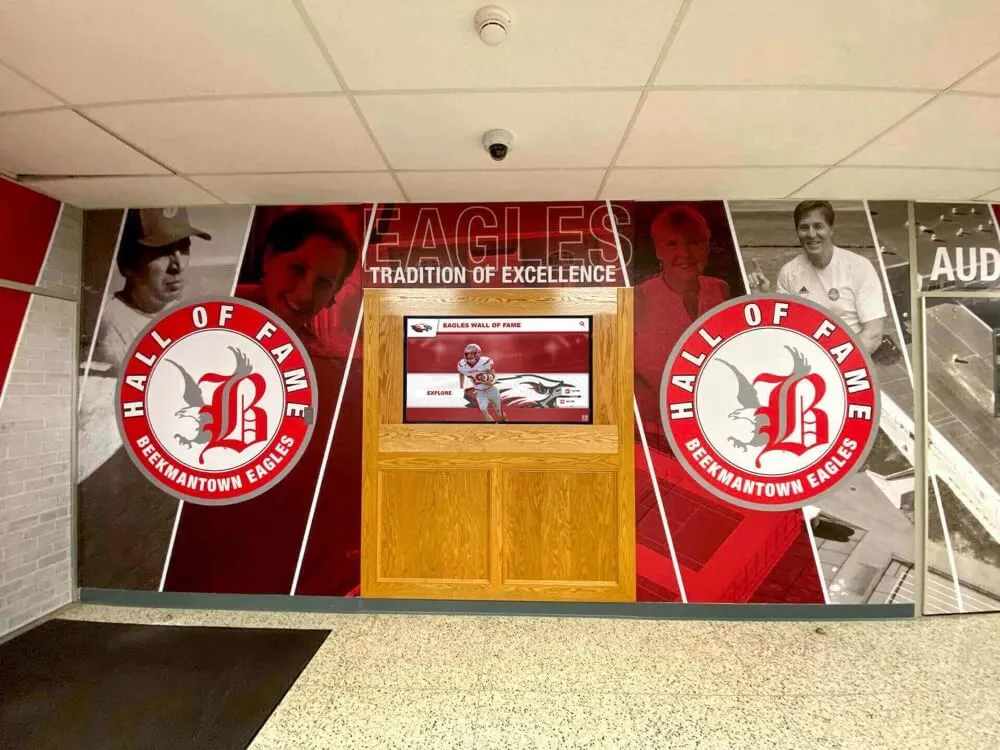
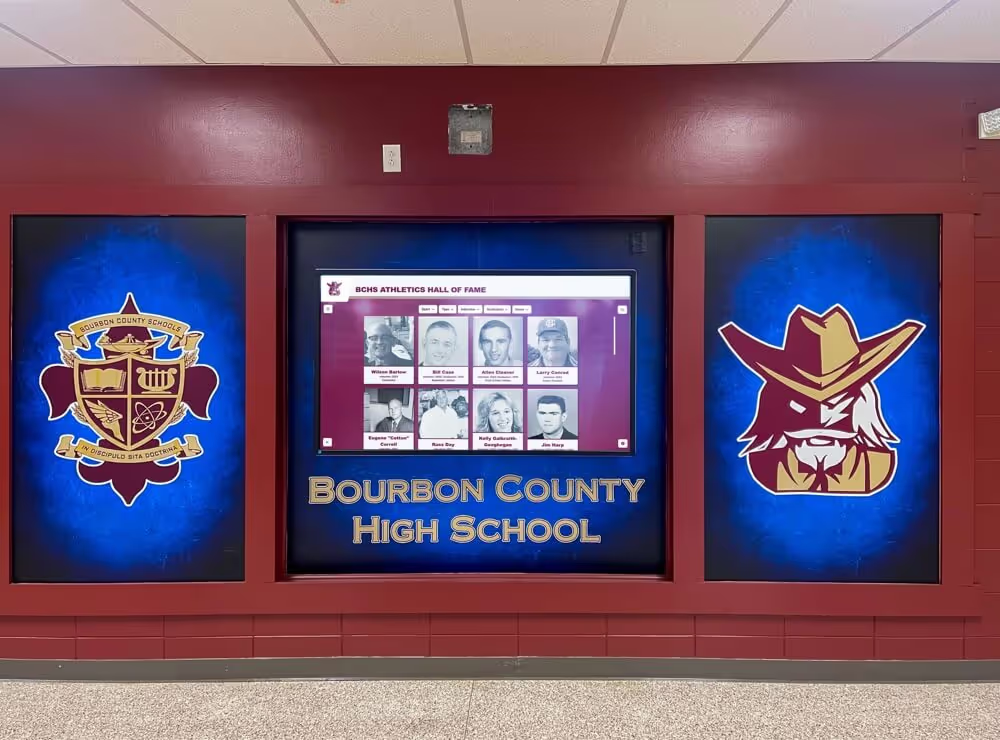
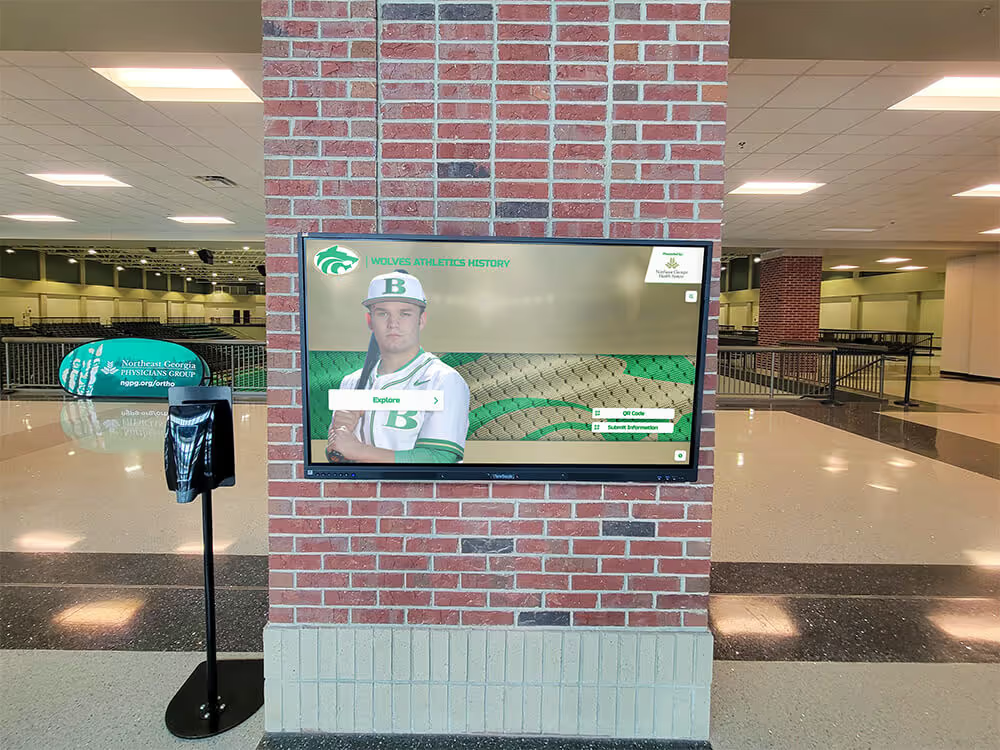
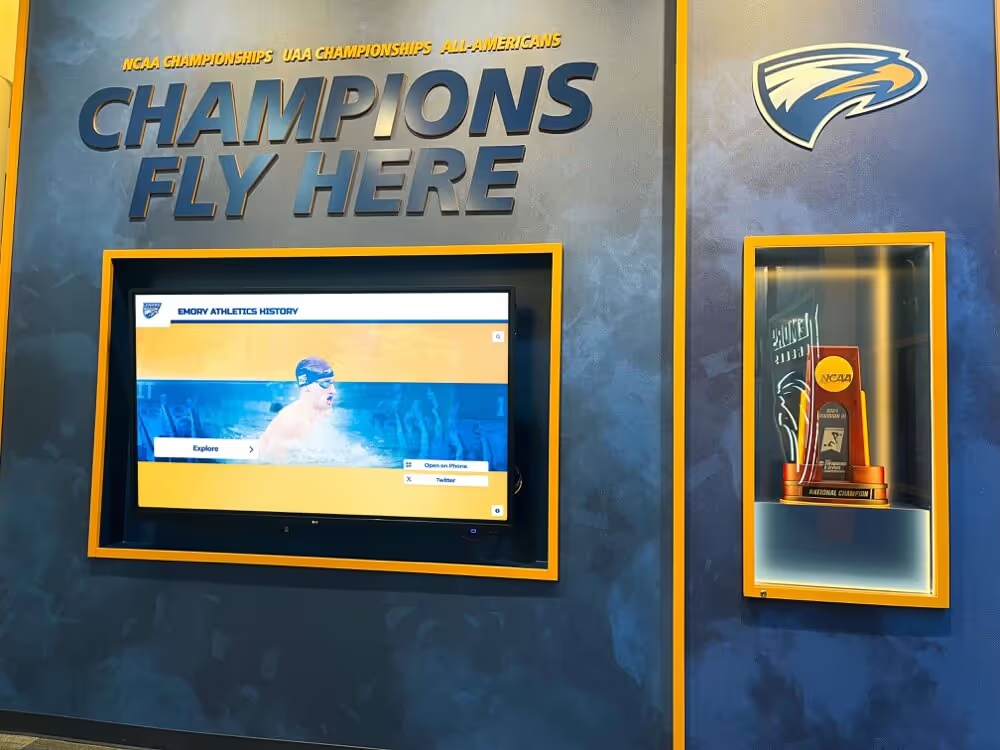
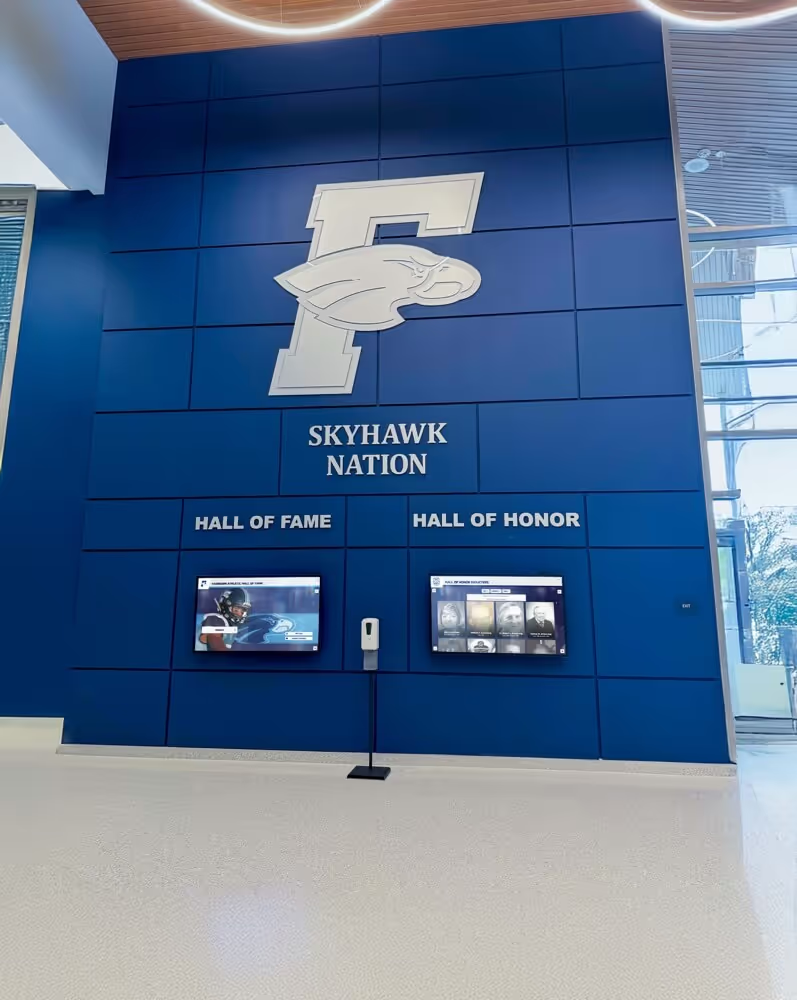
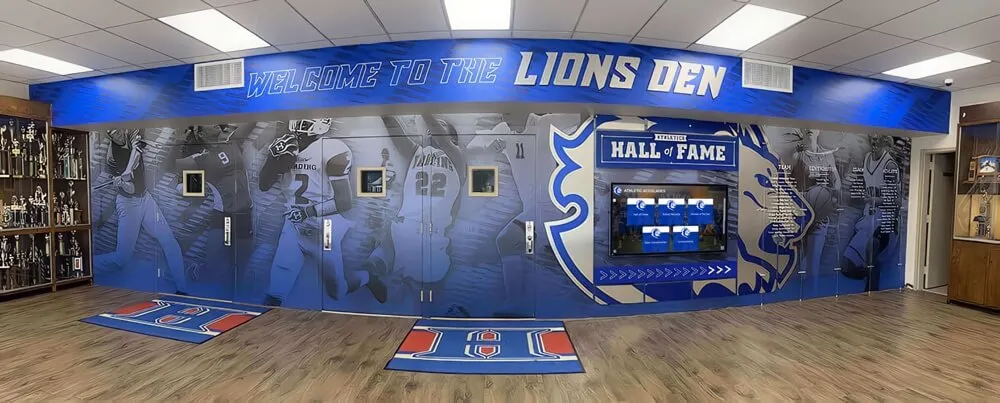
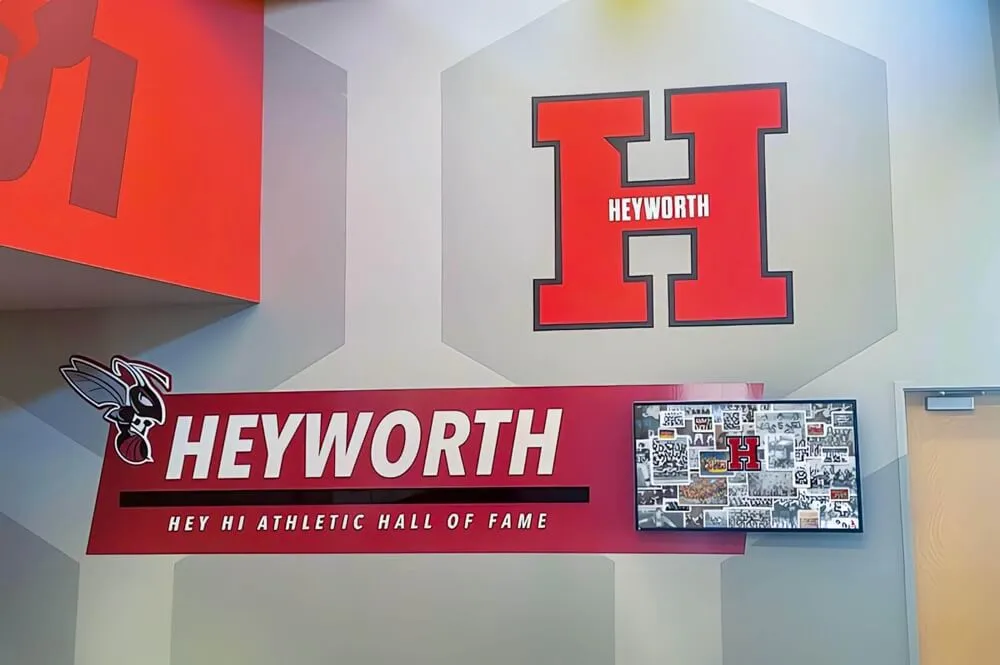
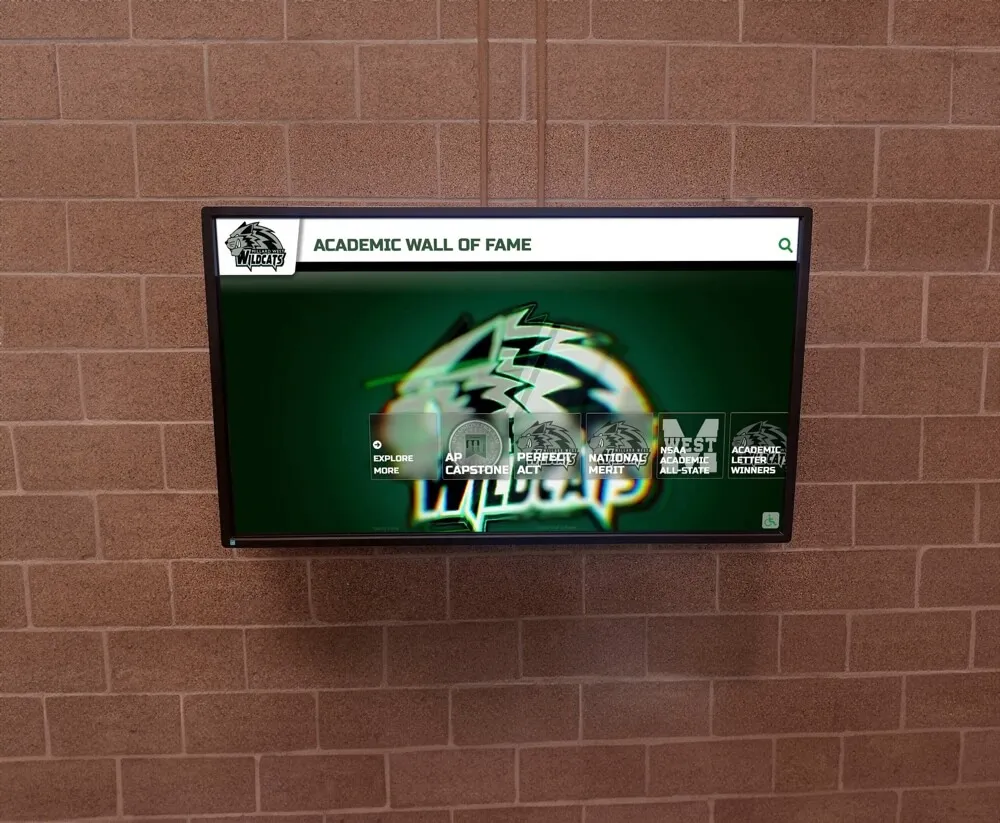
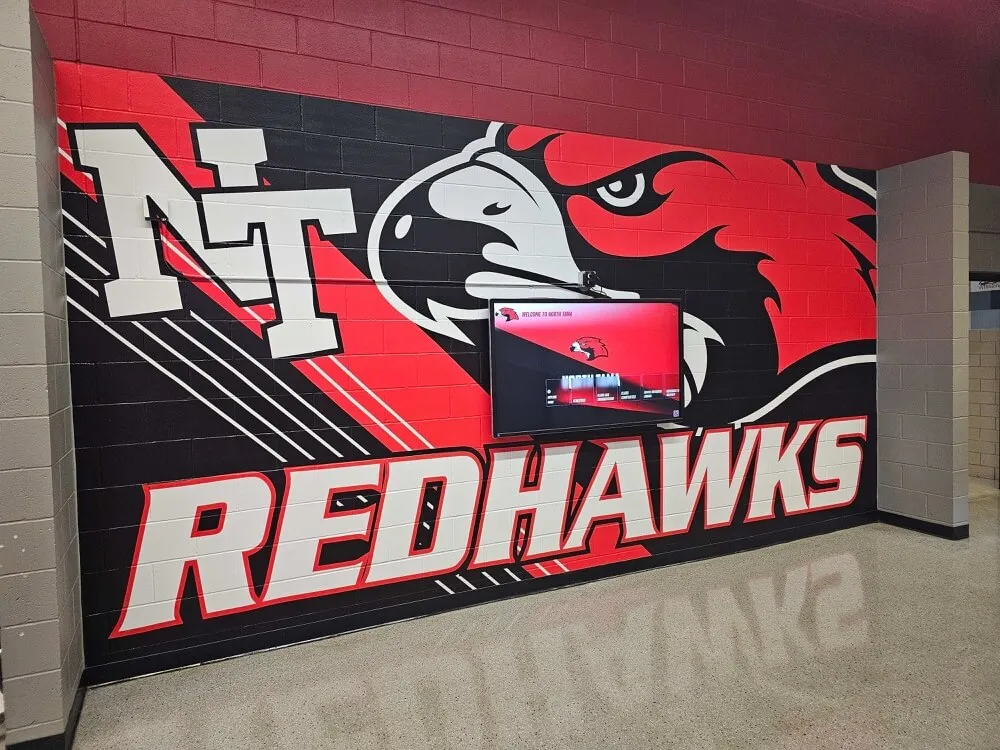
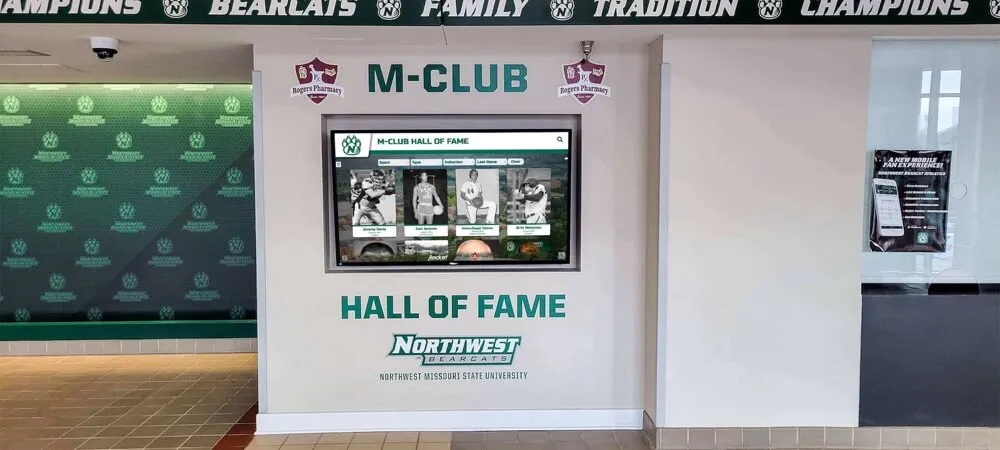
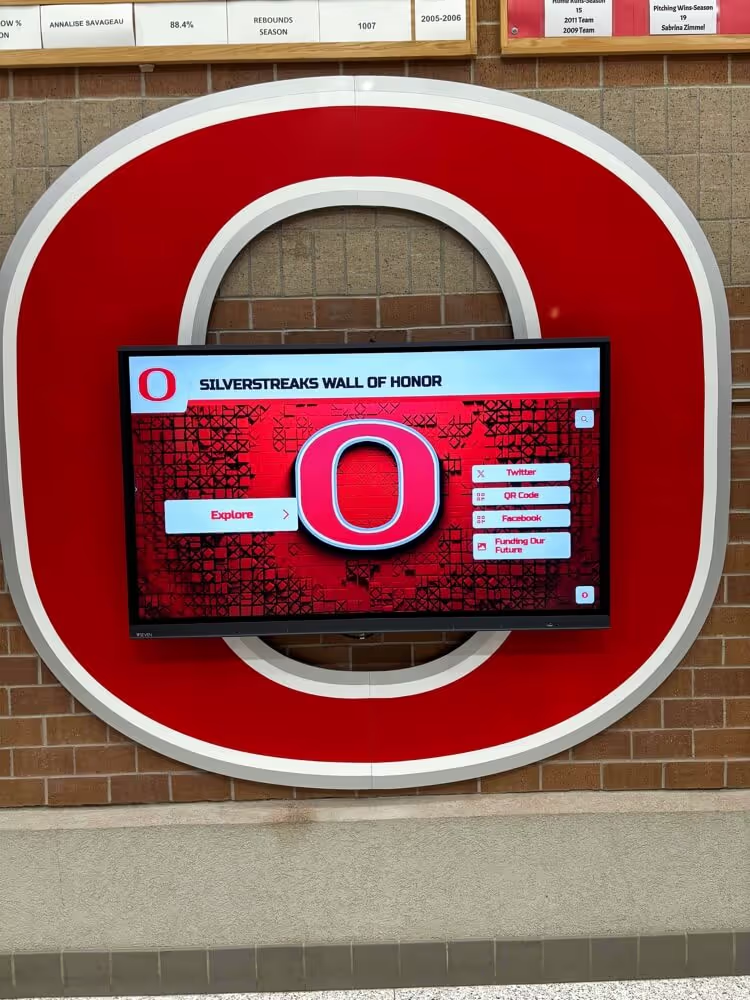
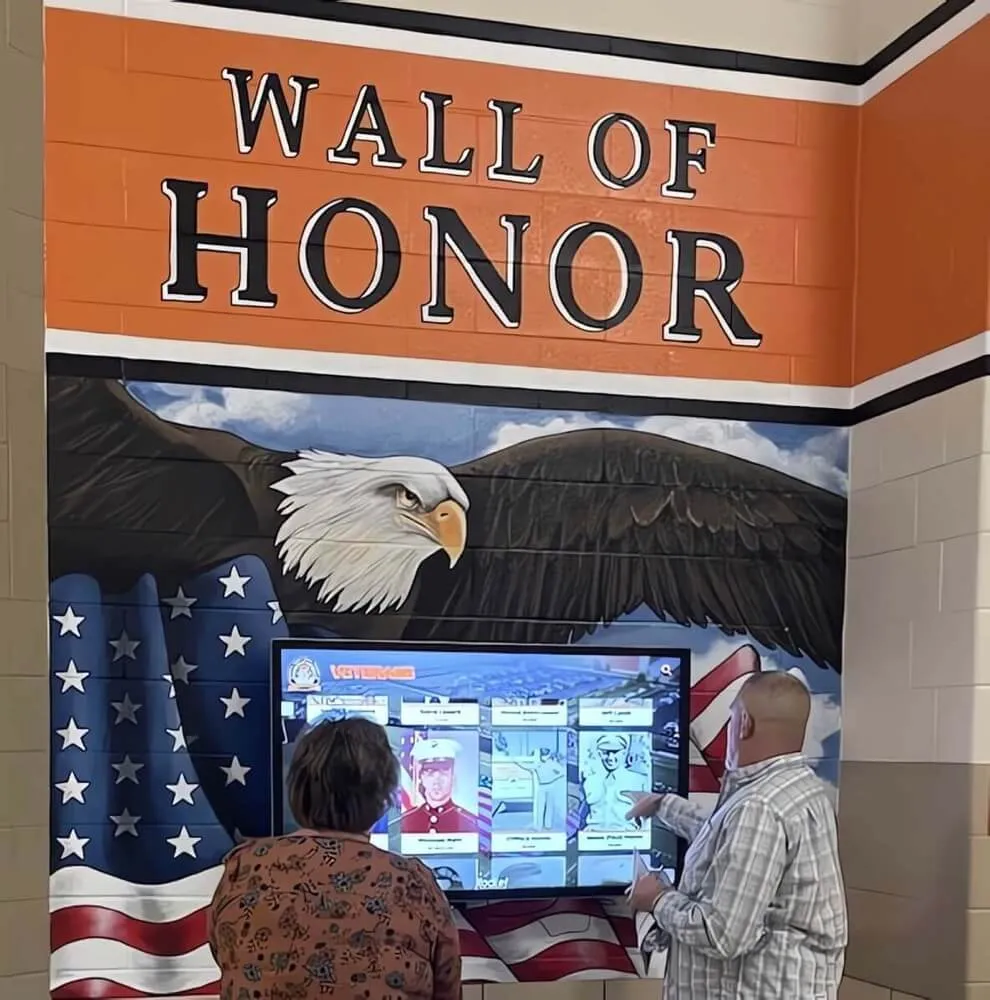
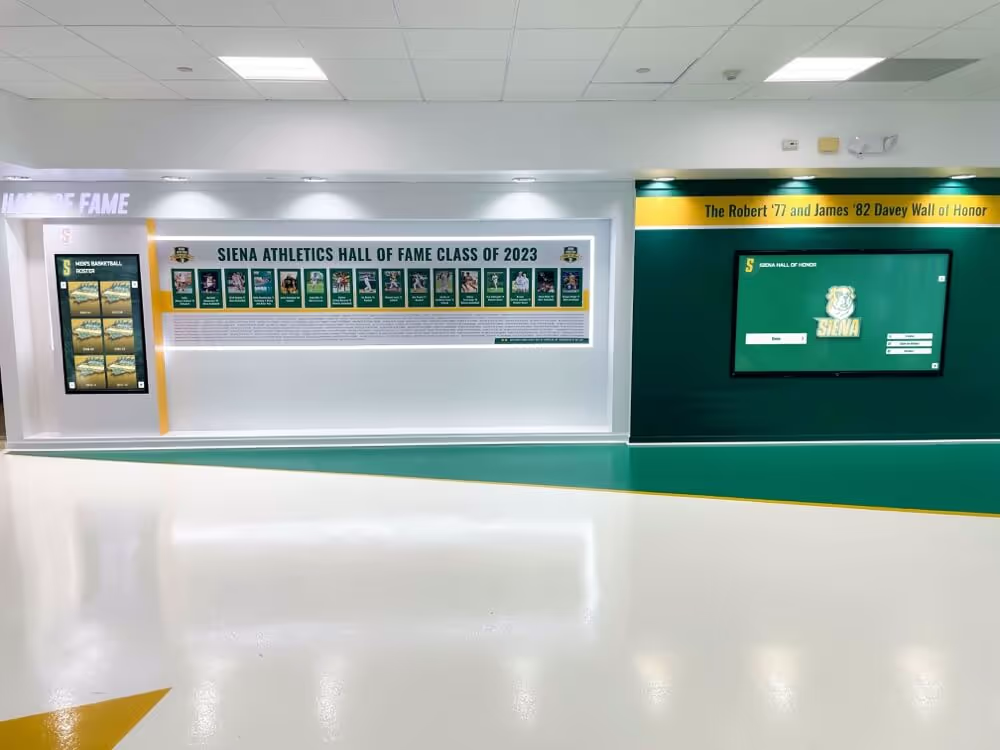
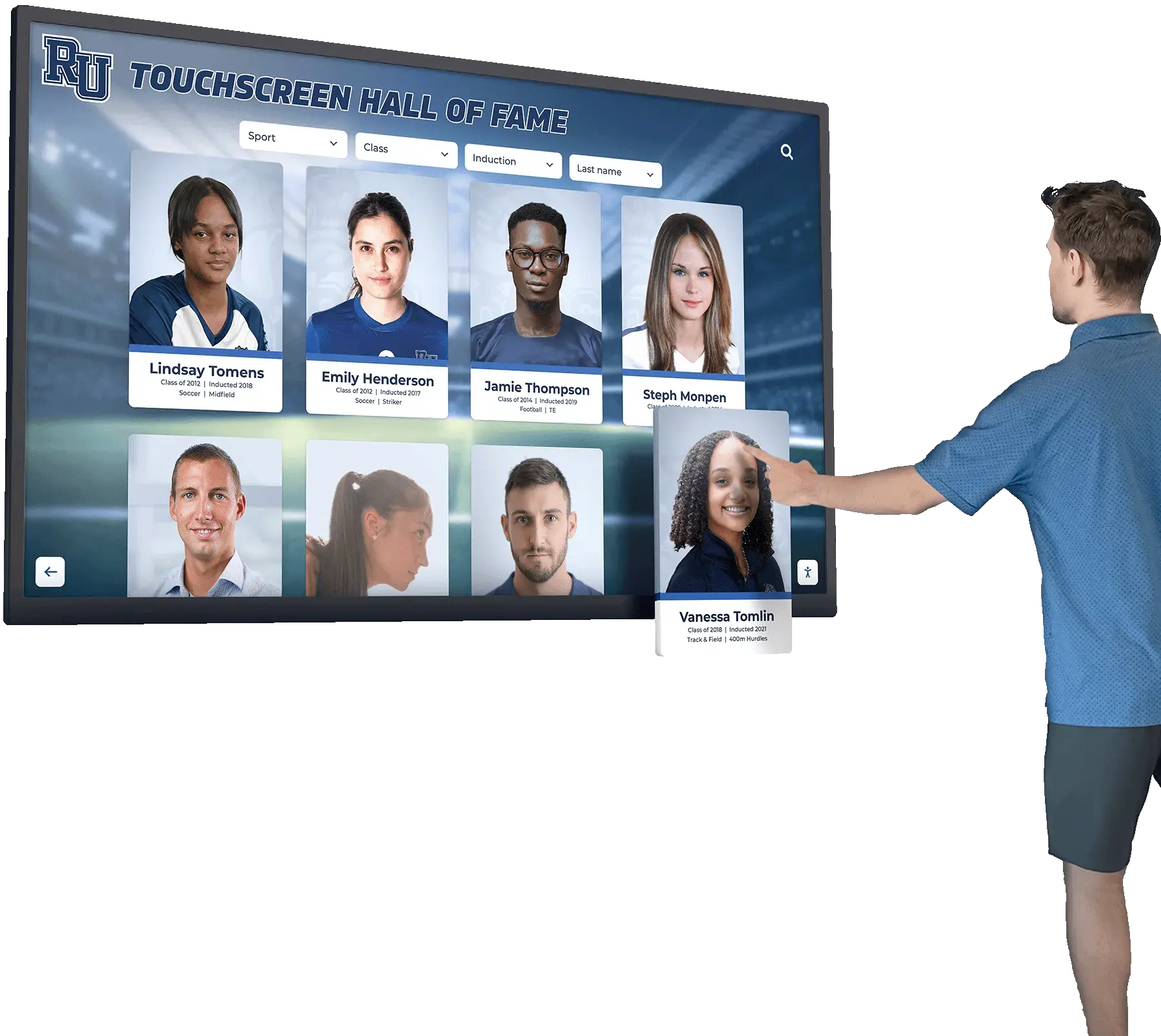
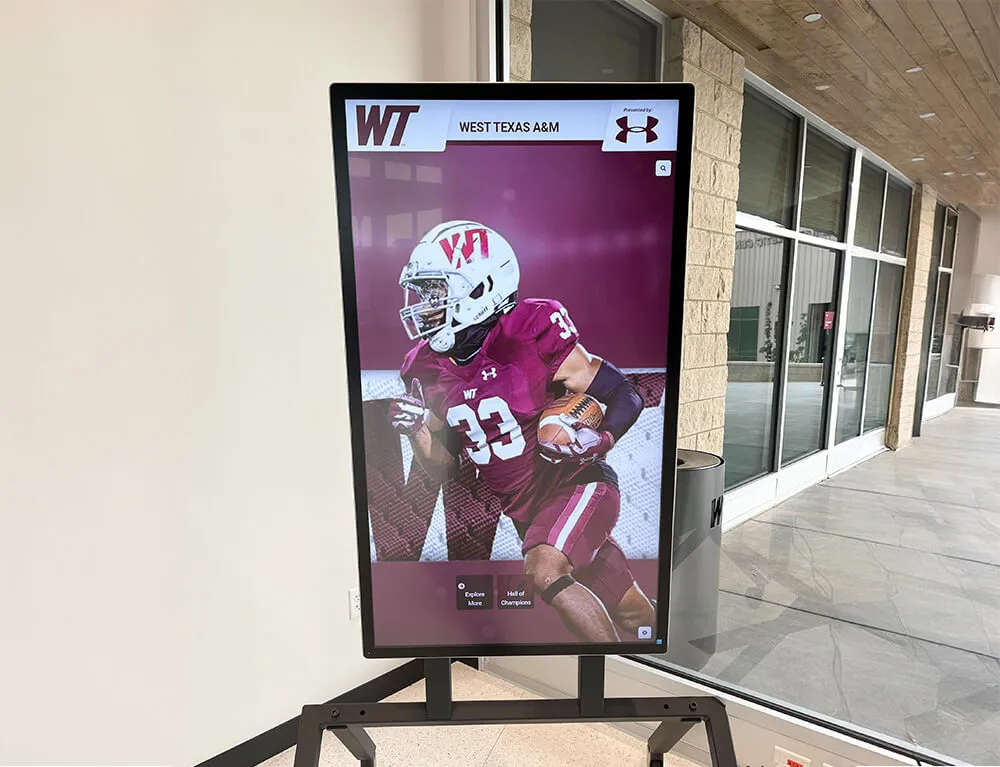
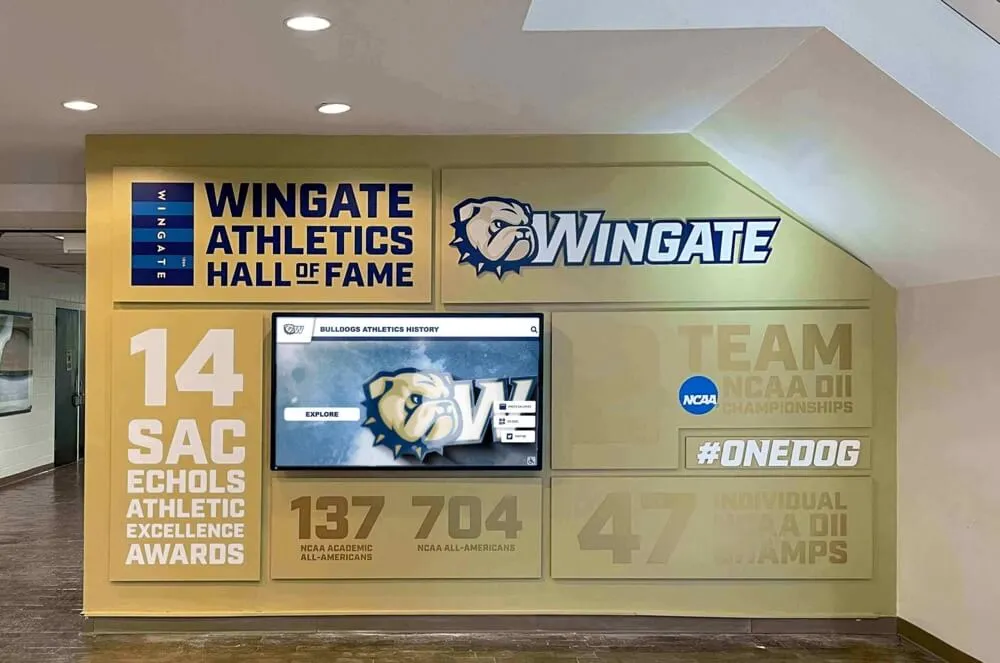
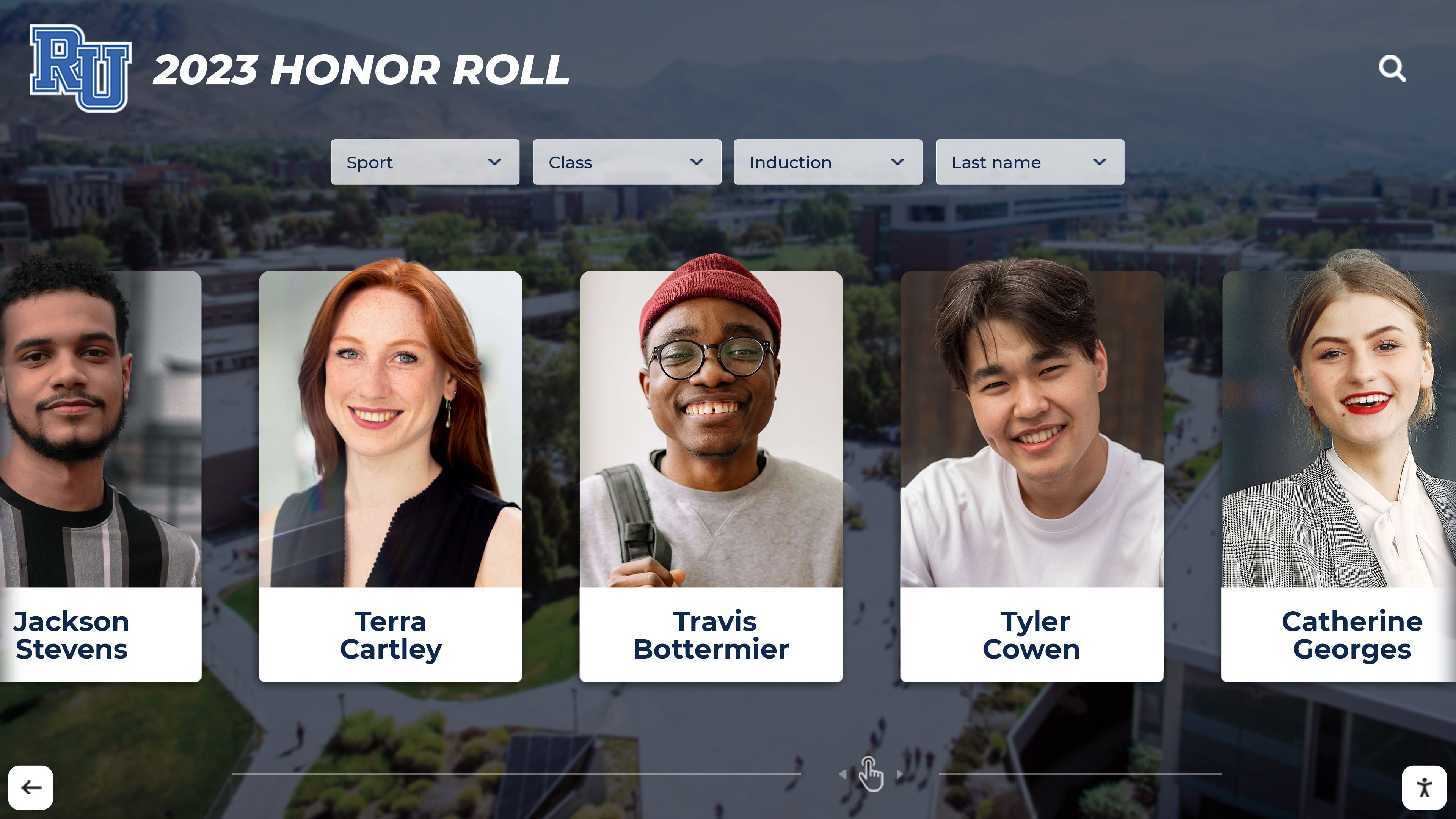
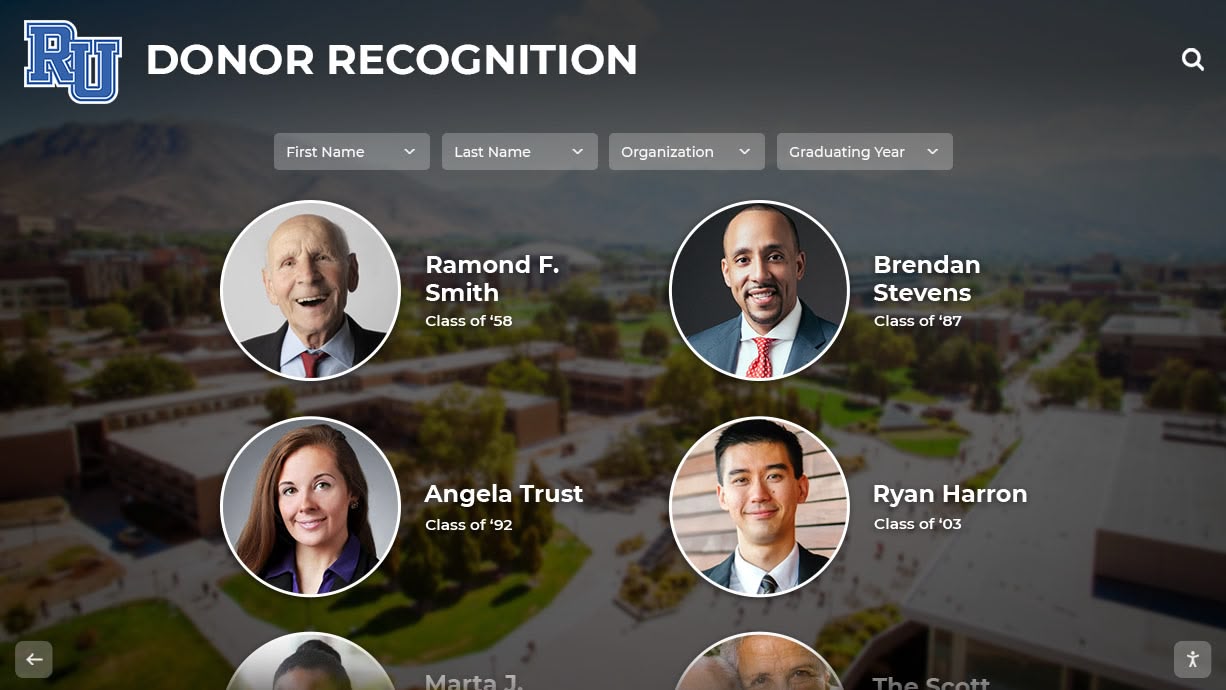

Interactive digital recognition displays allow schools to showcase comprehensive student council history including individual member profiles with photos, biographies, positions held, and accomplishments; documentation of major initiatives, policy changes, and projects each council accomplished; historical timelines showing student government evolution across decades; and multimedia content like video interviews, event photos, and archived campaign materials.
These platforms function as living archives ensuring current students understand student government history and heritage, helping alumni reconnect with leadership experiences years or decades later, and demonstrating to prospective council candidates that their contributions will be permanently celebrated rather than forgotten after graduation.
Solutions like Rocket Alumni Solutions enable schools to create searchable databases where visitors explore student leadership history by year, position, accomplishment type, or individual name—transforming static trophy case plaques into dynamic, comprehensive storytelling platforms.
Integrating Multiple Recognition Approaches
The most effective schools layer different recognition strategies that reinforce each other:
Physical Displays: Traditional trophy cases, hallway photo galleries, or dedicated student government display spaces create visible daily reminders of leadership importance. These physical installations work best when regularly updated to feature current councils alongside historical recognition.
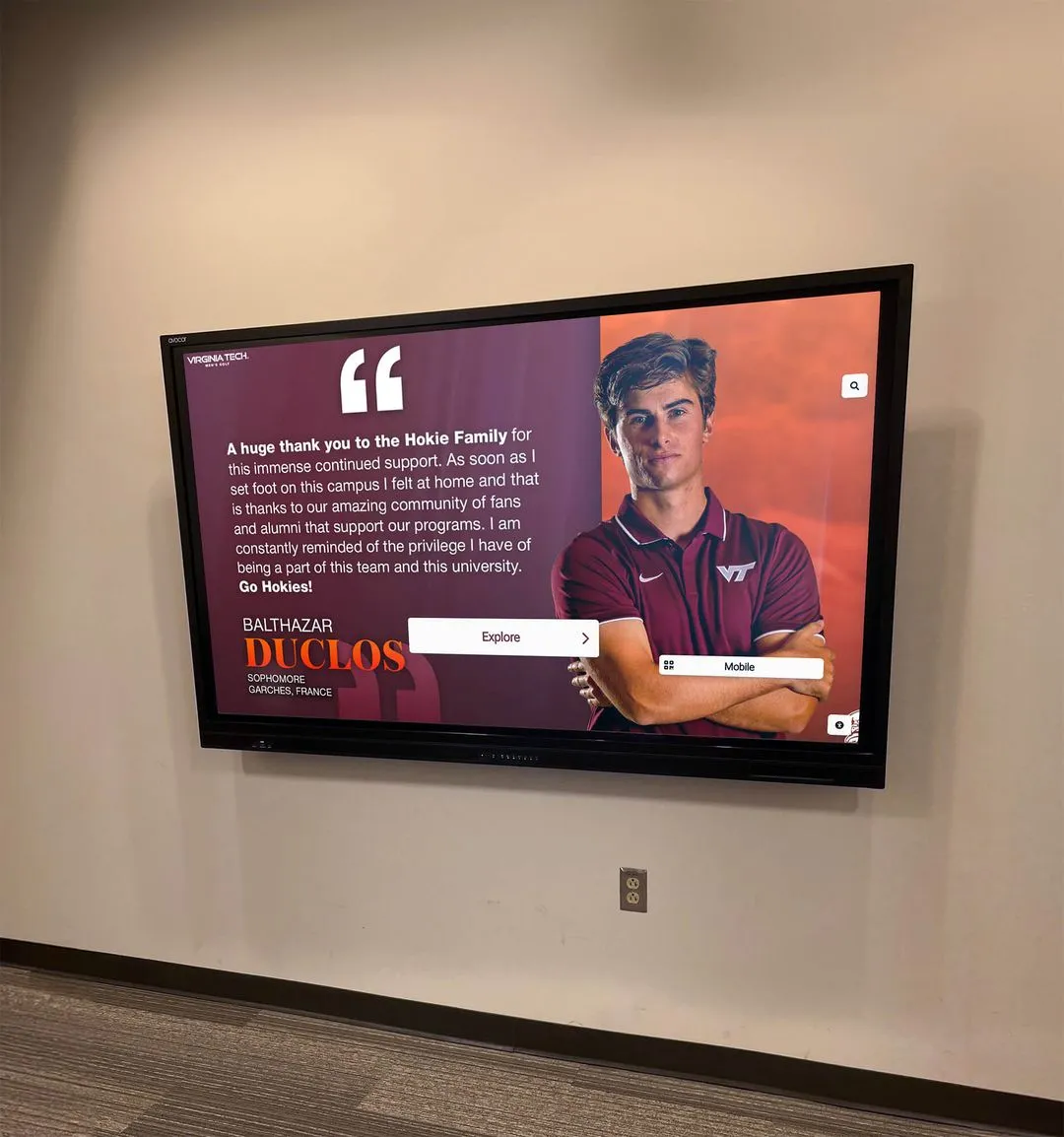
Digital Platforms: Interactive touchscreen displays and companion websites extend recognition beyond physical locations, enabling exploration from anywhere while accommodating unlimited content impossible in space-constrained physical displays.
Social Media Celebration: Regular social media posts highlighting individual council members, showcasing projects, and celebrating achievements create ongoing recognition while building public awareness of student government work. Consider featuring “Council Member Spotlight” series introducing representatives to student populations.
Awards and Honors: End-of-year recognition ceremonies acknowledging specific contributions, special awards for exceptional service, and formal certificates documenting leadership roles create milestone celebrations marking significant experiences. Many schools present leadership awards during honors assemblies or graduation ceremonies, ensuring broader audiences witness student government recognition.
Permanent Records: Including student government positions in official school records, scholarship recommendations, and transcript notations ensures leadership contributions are documented in materials following students to college applications and career opportunities.
Building Recognition into School Culture
Recognition programs succeed best when embedded into broader school cultures that genuinely value student leadership:
Administrative Support: When principals and administrators regularly reference student council contributions during assemblies, acknowledge councils in school communications, and publicly credit student government for policy improvements or event successes, they model appreciation that influences broader school culture.
Faculty Engagement: Teachers who understand current council initiatives, reference student government in classroom discussions, and encourage student participation in democratic processes reinforce that student leadership matters beyond isolated student affairs offices.
Student Voice Integration: Schools that genuinely empower student councils with meaningful decision-making authority over budgets, policies, and institutional direction demonstrate through actions—not merely words—that student leadership contributes substantively to school improvement. This authentic empowerment represents the most meaningful recognition possible—treating student perspectives as valuable rather than merely performative.
Measuring Impact and Continuous Improvement
Effective student council programs including apparel initiatives regularly evaluate impact and adjust based on results:
Assessment Questions
Schools should periodically consider:
- Do council members wear shirts voluntarily beyond mandatory occasions, suggesting genuine pride in designs?
- Has student body awareness of council members and initiatives increased since implementing coordinated apparel?
- Do student government elections attract more candidate interest, potentially influenced by visible recognition of leadership roles?
- Have council members reported stronger team cohesion or unity, with apparel programs contributing to relationship building?
- Does the broader school community perceive student government as more organized and effective?
Gathering Feedback
Structured feedback collection improves future programs:
- Survey council members about shirt satisfaction, design preferences, and perceived unity impacts
- Solicit student body input about council visibility and whether shirts help classmates identify representatives
- Request administrator observations about changes in student government effectiveness or professionalism
- Track shirt wearing frequency by members as indirect satisfaction measure
- Monitor whether non-council students request to purchase designs, indicating appeal beyond mandate
Beyond Shirts: Comprehensive Student Government Support
While shirts provide valuable team-building and visibility benefits, truly supporting student leadership requires broader institutional commitments:
Professional Development Opportunities
Effective schools provide leadership training, workshop opportunities, mentorship from alumni who previously served in student government, connections to civic leadership and government representatives, and skill development in areas like public speaking, meeting facilitation, budget management, and project planning that serve students throughout their lives.
Meaningful Authority and Responsibility
Student councils accomplish little when relegated to planning dances and spirit weeks while excluded from substantive institutional decisions. Schools committed to genuine student voice grant councils real authority over meaningful budgets, include student representatives in policy discussions affecting student life, create formal channels where student government input influences administrative decisions, and publicly credit councils for improvements they advocate successfully.
Resource Allocation
Supporting student government requires dedicating advisor time, budget resources, meeting spaces, communication channels, and technological tools enabling effective coordination. Schools treating student government as valuable institutional priorities allocate resources accordingly rather than expecting volunteers to accomplish ambitious goals without appropriate support.
Integration with Other Programs
Student leadership development connects naturally with related initiatives including class officer structures, honor society leadership, peer mentoring programs, community service coordination, and relationships with local government enabling authentic civic engagement.
Conclusion: From Apparel to Lasting Leadership Culture
Student council shirts represent entry points into larger questions about how schools develop, support, and recognize student leadership. The most successful programs treat apparel not as isolated uniform requirements but as strategic tools within comprehensive approaches valuing student voice, building team cohesion, and celebrating leadership contributions as important institutional achievements worth permanent recognition.
Keys to Effective Student Council Shirts
- Involve council members meaningfully in design processes
- Balance creativity with clear visibility and school identity
- Select quality materials and printing methods within budgets
- Integrate shirts into deliberate team-building strategies
- Establish mandatory wearing occasions maximizing visibility
- Create traditions around apparel increasing symbolic meaning
- Budget realistically through appropriate funding channels
- Order early allowing timely delivery for key events
Common Apparel Program Mistakes
- Generic designs lacking meaning or connection to specific councils
- Low-quality production that disappoints and discourages wearing
- Ordering too late causing missed opportunities during key events
- Failing to replace damaged shirts or accommodate new members
- No strategy beyond possession—shirts stay in lockers unworn
- Excluding council input treating shirts as administrative decisions
- Inadequate budgeting forcing compromises undermining quality
- Ignoring opportunities to connect apparel to broader recognition
Schools implementing thoughtful student council apparel programs create visible symbols of leadership that strengthen teams internally while increasing effectiveness externally. When combined with modern recognition systems celebrating student government contributions permanently, these initiatives demonstrate institutional commitment to student voice while building cultures where leadership development is valued, supported, and appropriately honored.
Whether your school is launching its first student council shirt program or refining existing traditions, the principles remain consistent: involve students meaningfully, balance creativity with functionality, integrate apparel into broader team-building strategies, and connect temporary shirts to permanent recognition ensuring leadership contributions are celebrated long after individual terms conclude.
Ready to transform how your school celebrates student leadership? Explore how Rocket Alumni Solutions helps schools build comprehensive recognition systems showcasing student government history, individual leader profiles, and institutional commitments to student voice through interactive displays and digital platforms designed specifically for educational institutions. Strong student leadership programs begin with valuing contributions enough to celebrate them permanently—not just during single school years but across generations of student representatives building your school’s democratic traditions.