



Student councils serve as the heartbeat of school culture, bridging students and administration while fostering leadership skills that extend far beyond graduation. Yet many councils struggle with the same recurring challenges: generating fresh activity ideas, planning successful fundraisers, developing authentic leadership abilities, and maintaining consistent engagement throughout the school year.
The most effective student councils share key characteristics—they implement diverse programming addressing different student interests, they balance fun activities with meaningful service, they develop systematic approaches to fundraising rather than relying on sporadic efforts, and they intentionally cultivate leadership skills in members who will carry these abilities into future careers and communities.
This comprehensive guide provides 50+ proven student council ideas across activities, fundraisers, and leadership development strategies. Whether you’re an advisor launching a new council, officers planning the year ahead, or members seeking to reinvigorate existing programs, these practical approaches will help you build the thriving student government your school deserves.
Foundation: Building an Effective Student Council Structure
Before diving into specific activities and programs, establishing strong organizational foundations ensures sustainable success.
Creating a Clear Mission and Vision
Effective councils articulate why they exist and what they hope to accomplish beyond vague goals of “improving school spirit.” Develop mission statements capturing your council’s purpose—representing student voice, building community, recognizing achievement, planning activities, or supporting school improvement. Involve council members in mission development creating ownership rather than imposing adult-created statements.
Vision statements complement missions by describing your aspirational future: the school culture you want to create, the traditions you want to establish, or the legacy you want to leave. Review mission and vision quarterly, ensuring activities align with stated purposes rather than defaulting to random initiatives because they seem fun or easy.
Establishing Effective Organizational Structure
Student councils need clear roles, responsibilities, and decision-making processes preventing confusion and ensuring work gets distributed appropriately.
Core Officer Positions:
President: Provides overall leadership, runs meetings, represents council to administration, coordinates major initiatives, and ensures follow-through on council decisions. Strong presidents balance delegation with accountability, empowering others while maintaining cohesion.
Vice President: Supports the president, leads specific initiatives, runs meetings when presidents are absent, and often focuses on particular areas like activities or recognition programs.
Secretary: Maintains meeting minutes, manages communications, tracks action items and deadlines, handles correspondence, and ensures institutional memory persists across changing membership.
Treasurer: Manages budgets, tracks fundraising revenue and expenses, processes activity funds, reports financial status regularly, and ensures responsible fiscal stewardship.
Additional Roles: Consider specialized positions like activities coordinators, spirit directors, service chairs, communications managers, or grade-level representatives depending on council size and scope.
Building Inclusive Membership
Student councils should represent diverse school populations rather than concentrating participation among narrow demographics. Consider application or interview processes screening for genuine interest and commitment while intentionally recruiting from varied backgrounds, academic interests, and social groups.
Balance elections providing democratic legitimacy with appointed positions allowing qualified students who might not win popularity contests to contribute meaningfully. Create entry pathways for underclassmen and new students rather than limiting participation to established students already integrated into school communities.
School Spirit Activities and Events
Spirit-building activities create memorable experiences, foster community bonds, and maintain consistent energy throughout the school year.
1. Themed Spirit Weeks
Organize spirit weeks with daily dress-up themes building toward major events like homecoming, rivalry games, or end-of-year celebrations. Effective themes balance creativity with accessibility—everyone should be able to participate regardless of wardrobe resources.
Proven Spirit Week Themes:
- Decades Day (50s, 60s, 70s, 80s, 90s by grade or choice)
- Character Day (favorite book, movie, or TV characters)
- Career Day (dress as future professions)
- Color Wars (grade-level colors)
- Twin Day (coordinate with friends)
- Pajama Day
- Sports Jersey Day
- School Colors Friday
- Throwback Thursday (childhood photos or elementary school gear)
- Decades of Music Day
Award participation points by grade level, homeroom, or individual basis with recognition for winning groups at culminating pep rallies or assemblies. Photograph participation and share on social media maintaining visibility beyond single days.
2. Pep Rallies and School Assemblies
Well-executed pep rallies energize student bodies while recognizing achievement and building tradition. Plan rallies around athletic events, academic milestones, or seasonal celebrations.
Effective Pep Rally Components:
- Student performances (dance teams, bands, choirs)
- Athletic team introductions
- Academic achievement recognition
- Interactive class competitions
- School tradition reinforcement (chants, cheers, songs)
- Special announcements or reveals
- Guest speakers or alumni appearances
- Video montages celebrating recent successes
Include diverse recognition beyond just athletics—honor academic teams, arts accomplishments, service contributions, or character awards ensuring all students see themselves represented. Keep energy high through pacing, variety, and audience interaction rather than long speeches or passive watching.
3. Social Dances and Formal Events
Dances remain popular traditions offering social connection opportunities. Plan diverse events appealing to different preferences:
Homecoming Dance: Traditional formal or semi-formal event coinciding with homecoming week festivities. Include crowning ceremonies, photo opportunities, DJ or live music, refreshments, and themed decorations.
Winter Formal: Mid-year formal dance providing special occasion during typically low-energy winter months. Consider themes beyond generic “winter wonderland”—masquerade ball, Hollywood glamour, enchanted forest, or decades-themed events.
Spring Fling or Prom: End-of-year celebration recognizing completion of school year or honoring graduating seniors. Vary formality levels ensuring accessibility for students uncomfortable with highly formal environments.
Casual Dances: Not all dances need formal attire. Host casual events like glow-in-the-dark dances, decades parties, or themed casual gatherings attracting students who avoid formal events.
Ensure inclusive environments where all students feel welcome and comfortable. Establish clear behavioral expectations and supervision plans while maintaining fun atmospheres. Provide affordable ticket options preventing financial barriers from excluding students.
4. Movie Nights and Entertainment Events
Film screenings create low-stress social opportunities requiring modest planning and resources.
Host outdoor movie nights on athletic fields or parking lots when weather permits, indoor screenings in auditoriums or cafeterias during colder months, or themed double-features pairing complementary films. Provide concessions as fundraising opportunities while creating authentic movie theater experiences. Select recently released films popular with student demographics or classic films tied to curriculum themes.
Consider video game tournaments, talent shows showcasing student performers, trivia nights with team competition, karaoke events, or open mic nights providing performance opportunities for students outside traditional performing arts programs.
5. Competition-Based Activities
Friendly competition generates excitement while building grade-level or homeroom cohesion.
Competition Ideas:
Penny Wars: Grade levels collect spare change with pennies adding positive points and silver coins/bills adding negative points to opposing grades. Winning grade receives recognition and privileges.
Lip Sync Battles: Students or teams perform elaborate lip-sync performances competing for best choreography, costumes, and entertainment value.
Dodgeball or Volleyball Tournaments: Organize sport tournaments featuring student teams, staff teams, or grade-level championships.
Talent Competitions: Multi-round talent showcases featuring student performances across categories—vocal, instrumental, dance, comedy, or unique talents.
Homeroom Decorating Contests: Homerooms compete decorating spaces around seasonal themes, school pride, or specific challenges with judging determining winners.
Ensure competitions remain inclusive and fun rather than becoming overly serious or exclusive. Award participation recognition alongside winning so everyone feels valued regardless of outcome.
6. Service Learning Projects
Service initiatives teach civic responsibility while building school reputation and community relationships. Effective projects provide genuine community benefit rather than performative service.
Service Project Ideas:
- Community Beautification: Adopt parks, highways, or public spaces for regular cleanup and maintenance
- Food and Clothing Drives: Collect donations for local shelters, food banks, or clothing ministries
- Tutoring Programs: Organize peer tutoring within your school or partner with elementary schools for student mentors
- Senior Citizen Partnerships: Visit nursing homes, assist with technology needs, or organize intergenerational events
- Environmental Initiatives: Launch recycling programs, reduce school waste, or create sustainability campaigns
- Fundraising for Causes: Organize awareness campaigns and fundraisers for causes resonating with students
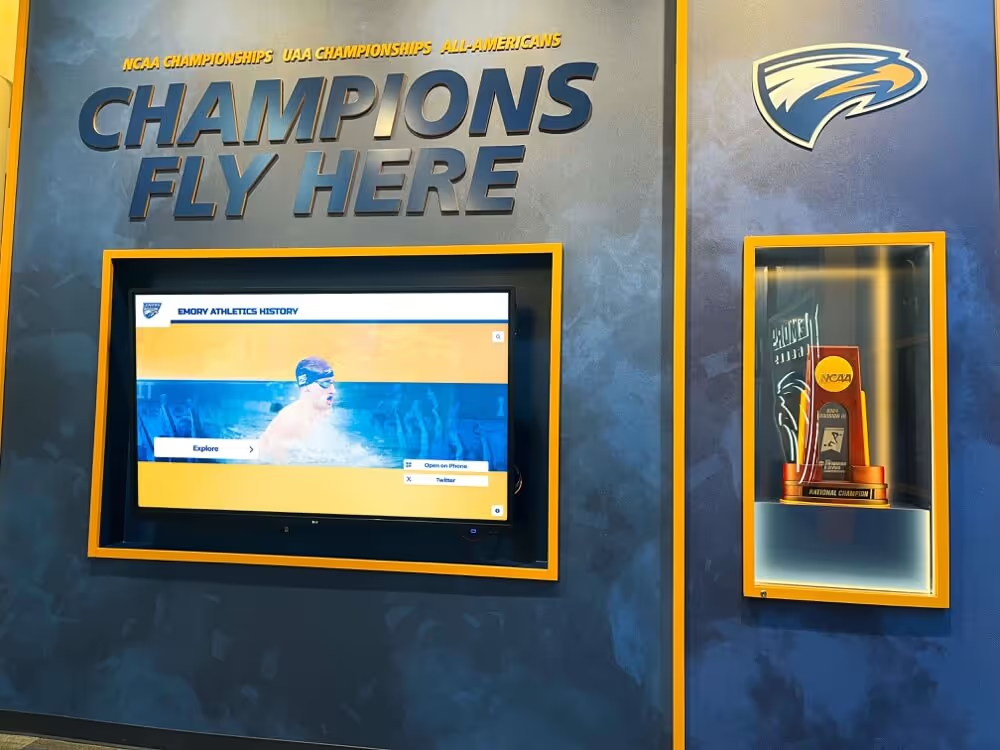
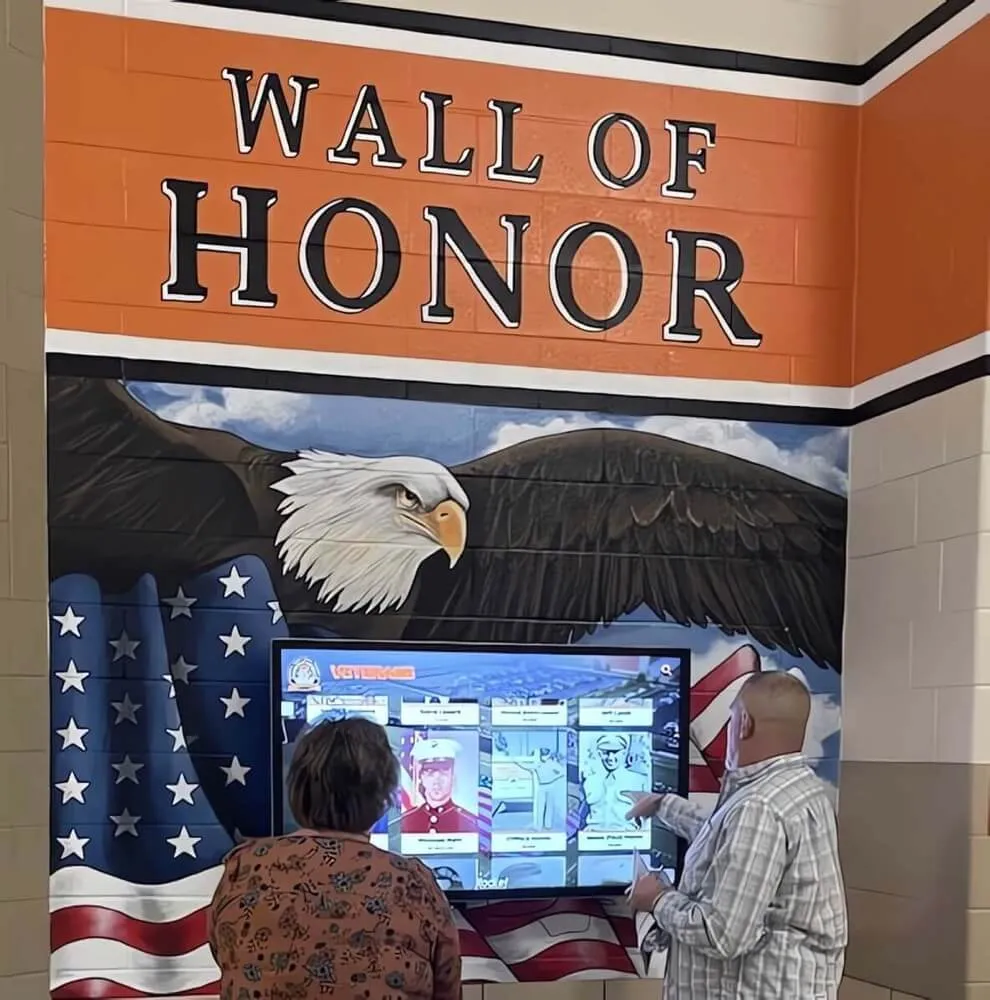
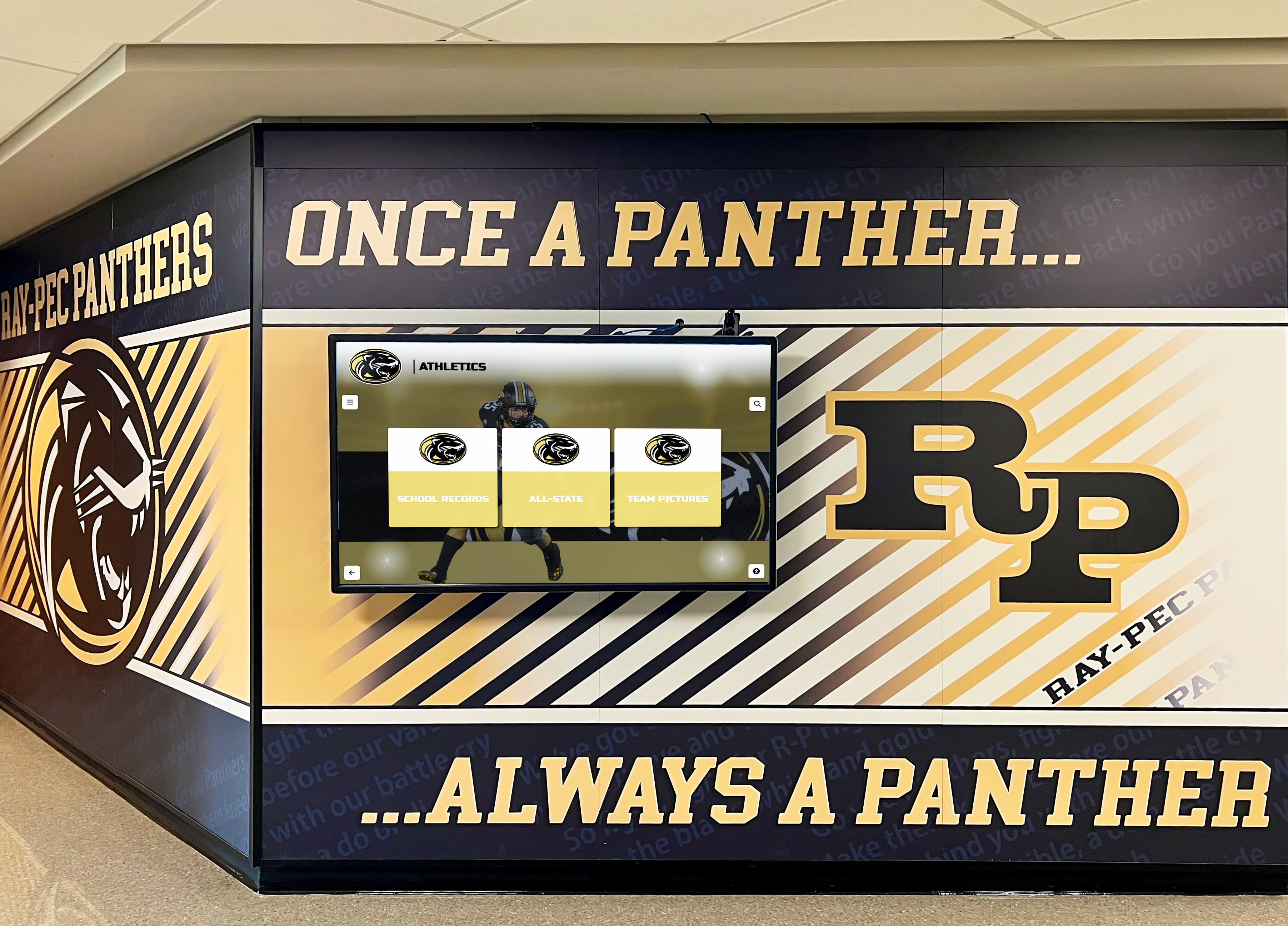
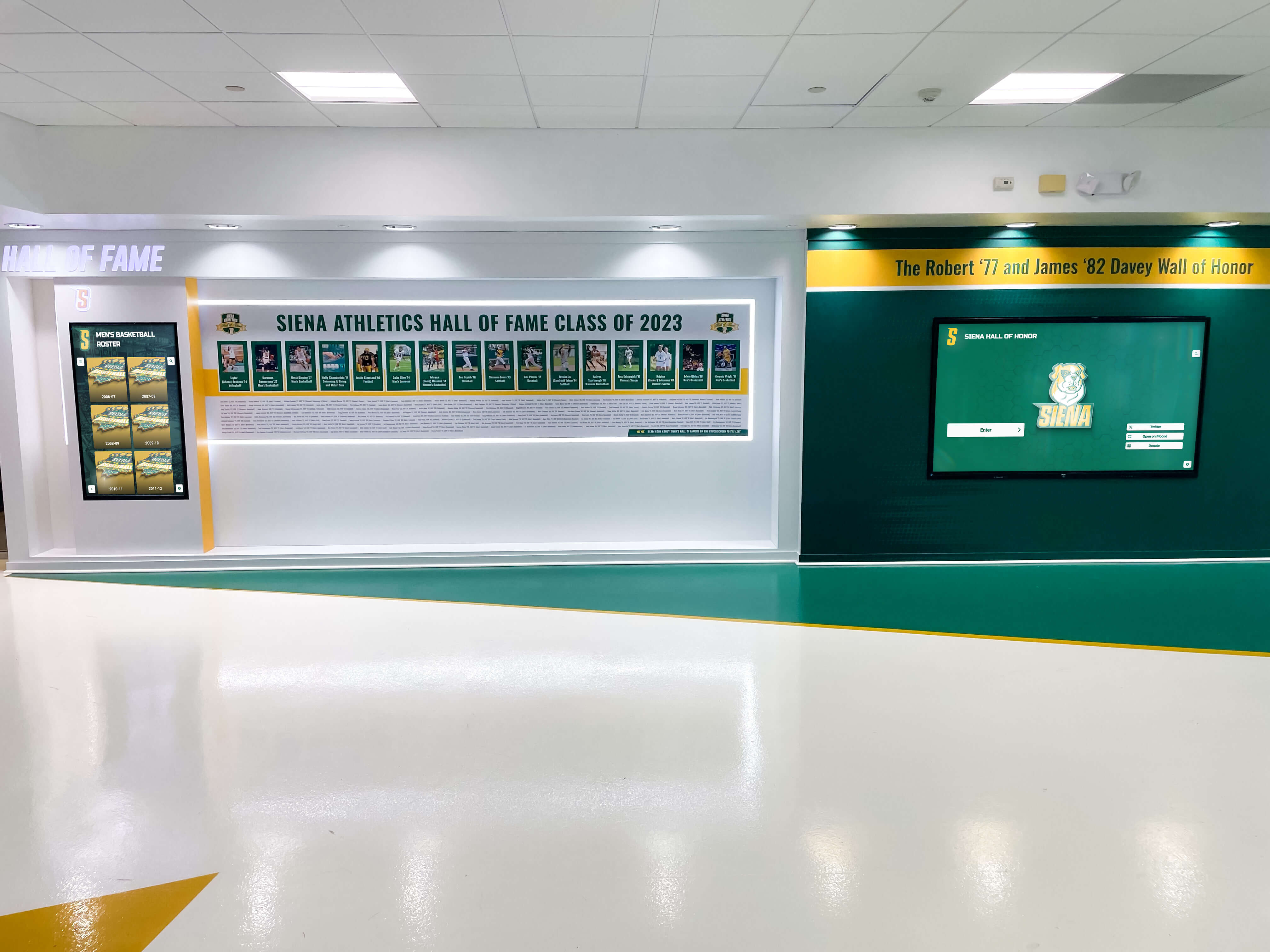
Document service accomplishments through photos, impact statistics, and participant reflections. Recognition programs celebrating service contributions validate that character and contribution matter as much as academic or athletic achievement. Digital displays like those from Rocket Alumni Solutions provide platforms for showcasing ongoing service initiatives and honoring contributing students.
7. Recognition and Awards Programs
Recognition programs demonstrate what schools value while motivating continued excellence. Student councils can coordinate comprehensive recognition beyond what teachers or administrators implement alone.
Recognition Program Ideas:
- Student of the Month: Monthly recognition honoring students for academic improvement, character demonstration, service contribution, or positive peer relationships
- Teacher Appreciation Initiatives: Organize teacher appreciation week activities, coordinate student recognition of favorite teachers, or create appreciation displays
- Peer Recognition Programs: Enable students to nominate classmates for kindness, helpfulness, or positive influence
- Senior Spotlights: Feature graduating seniors celebrating their journeys, achievements, and future plans
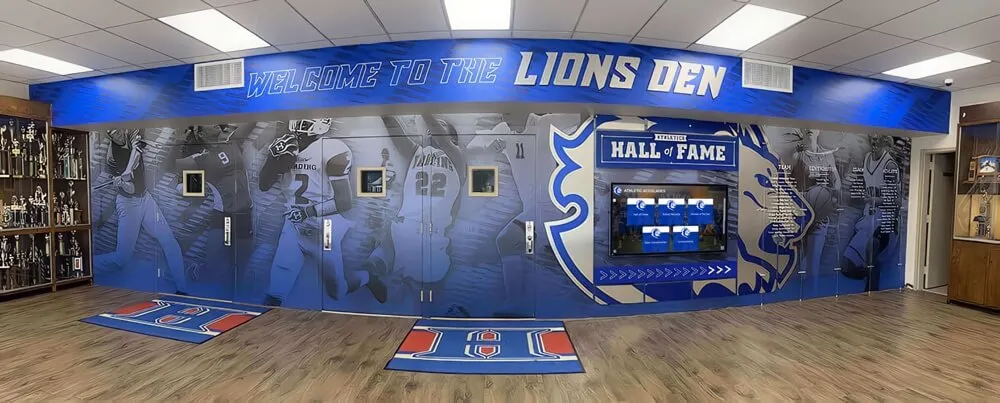
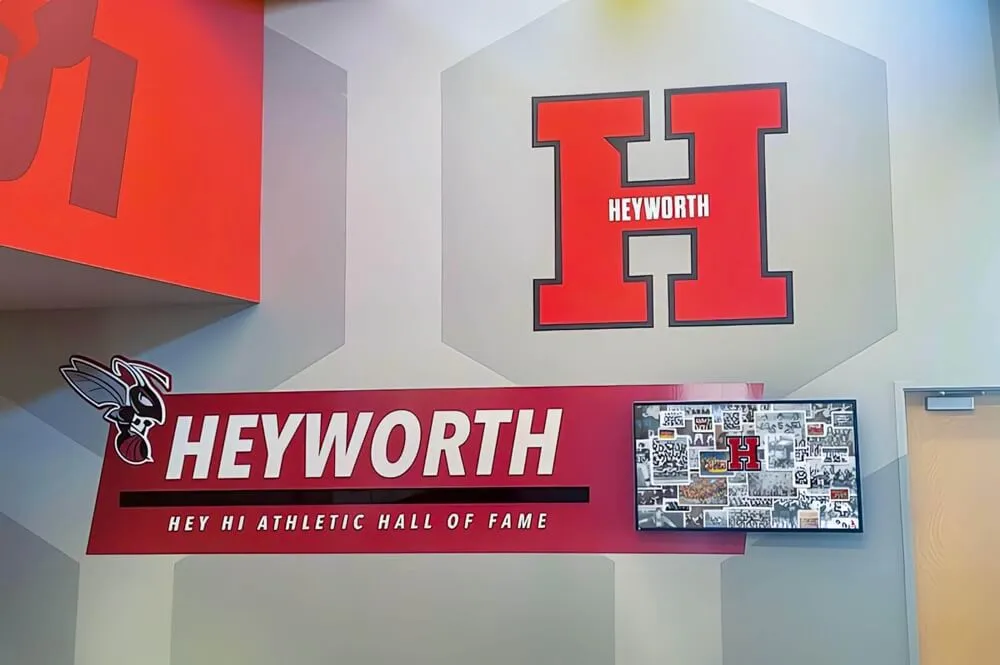
- Hall of Fame Nominations: For schools with athletic or academic halls of fame, student councils can coordinate nomination processes
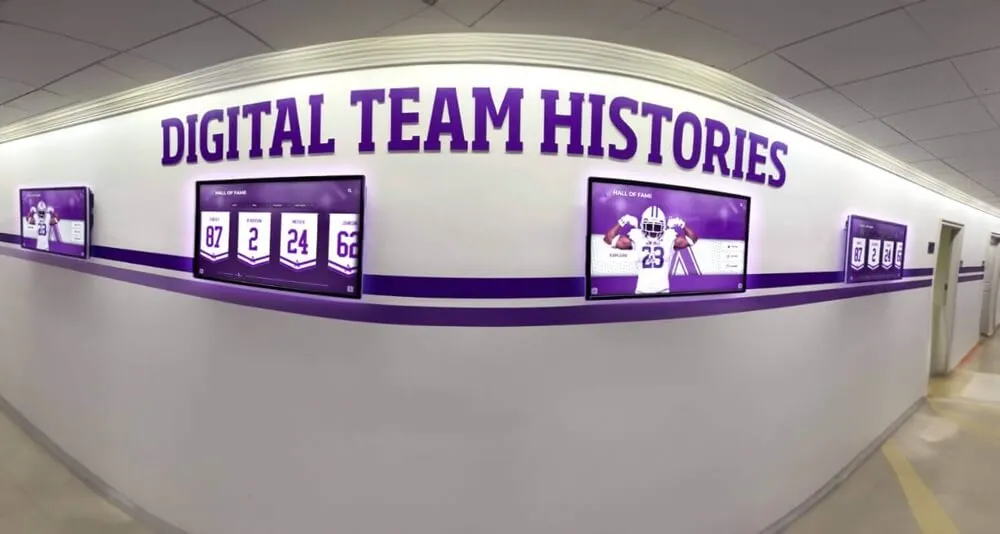
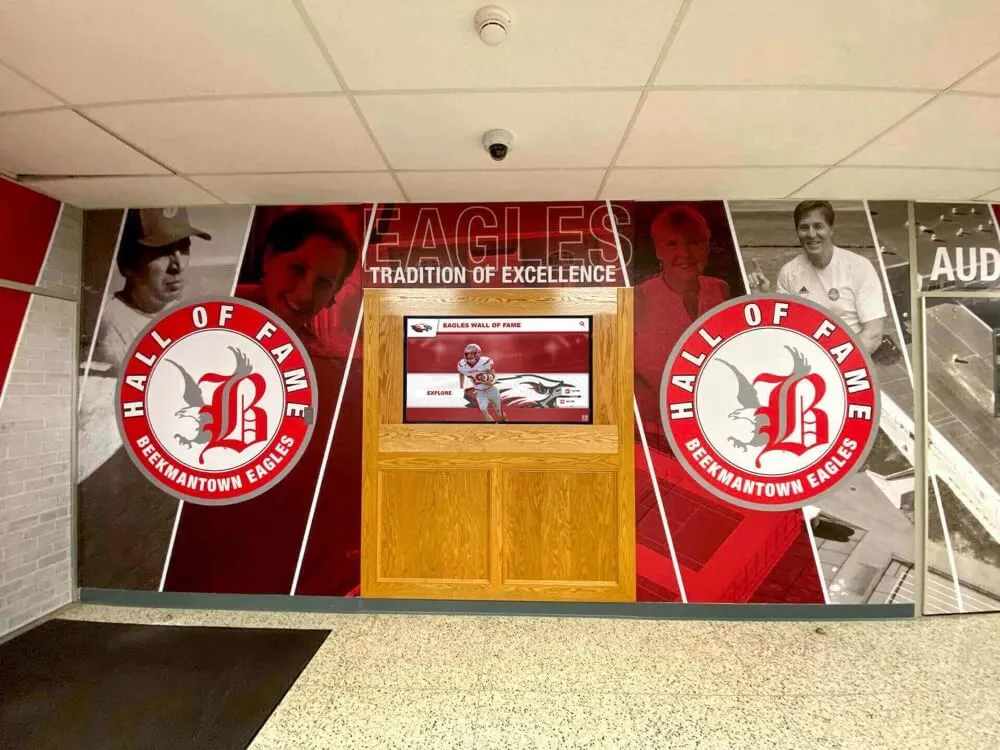
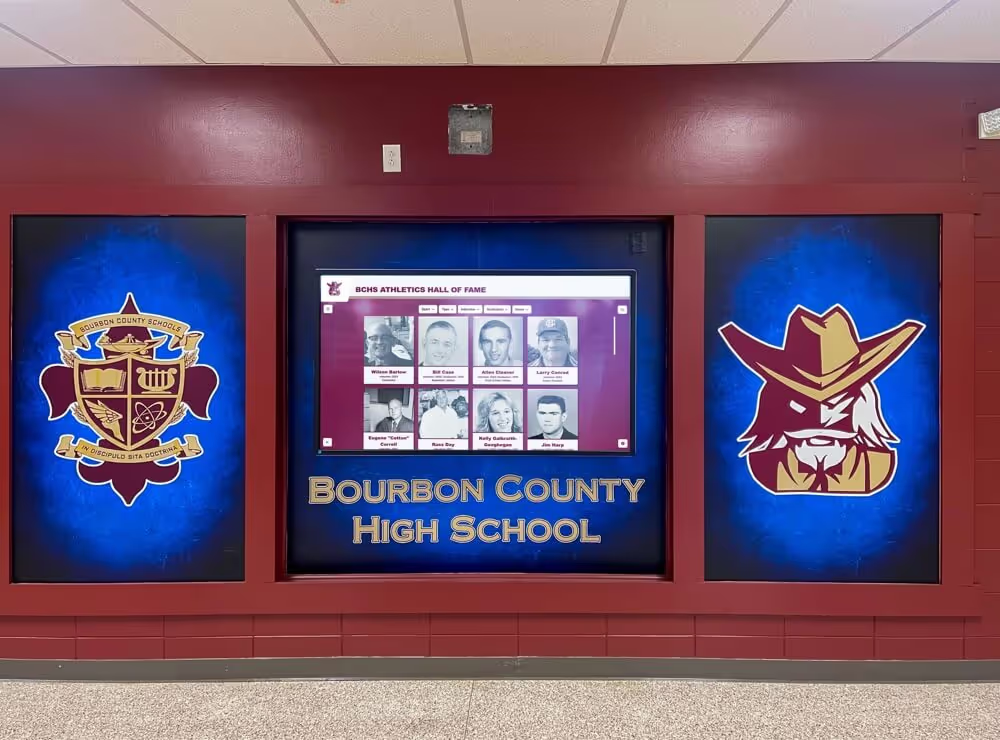
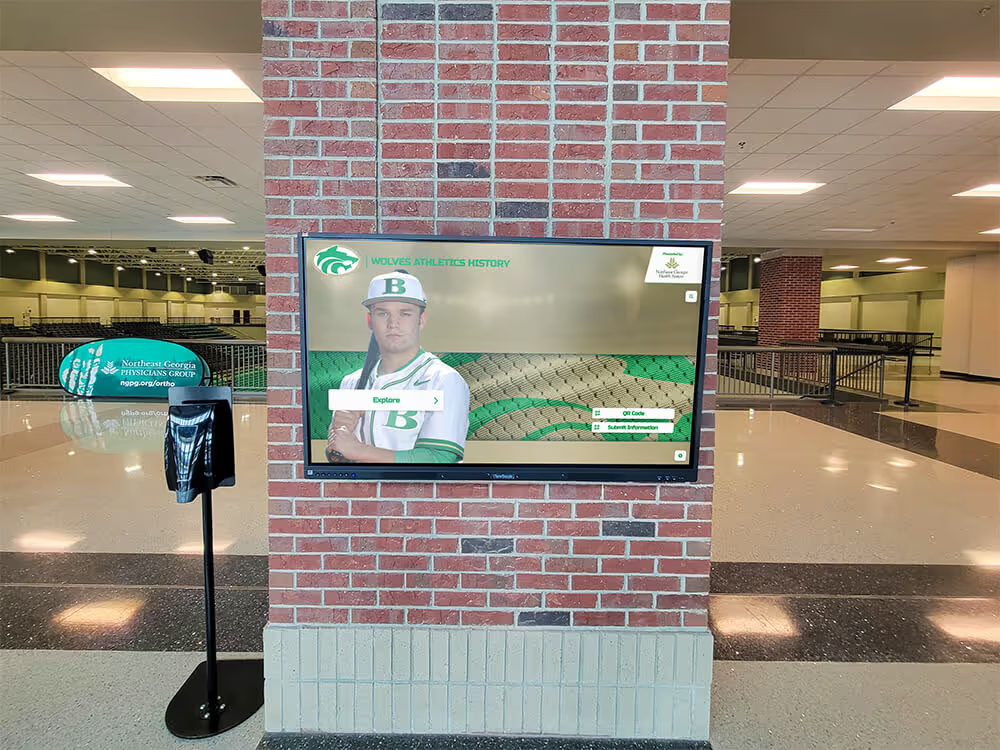
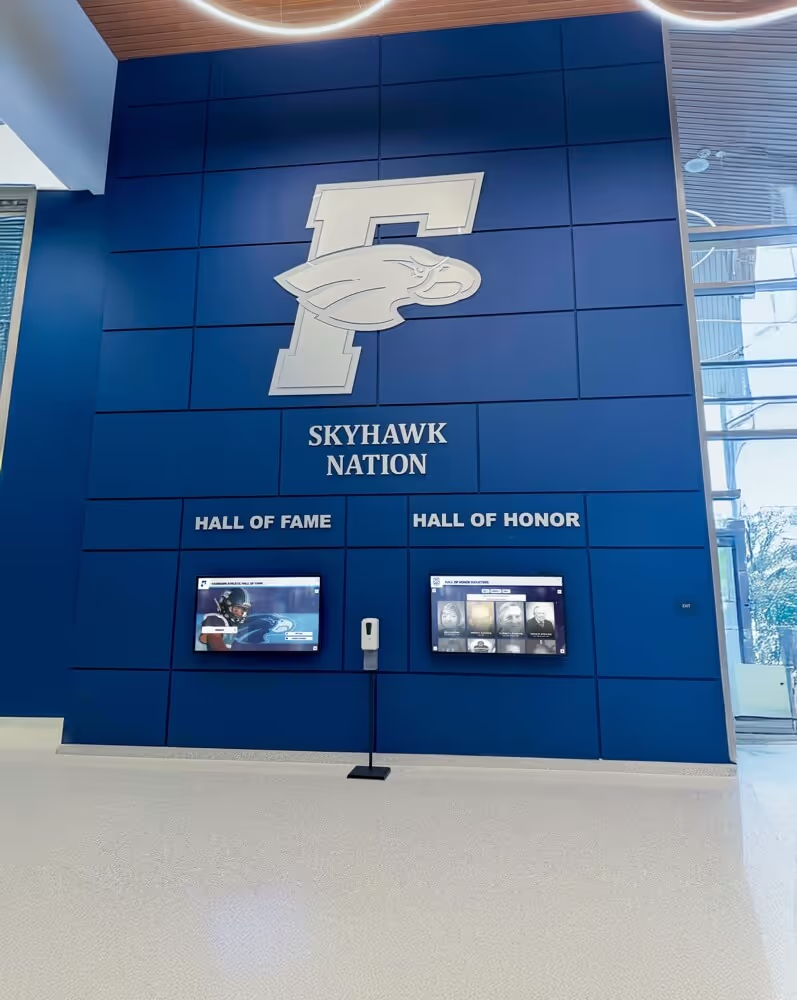
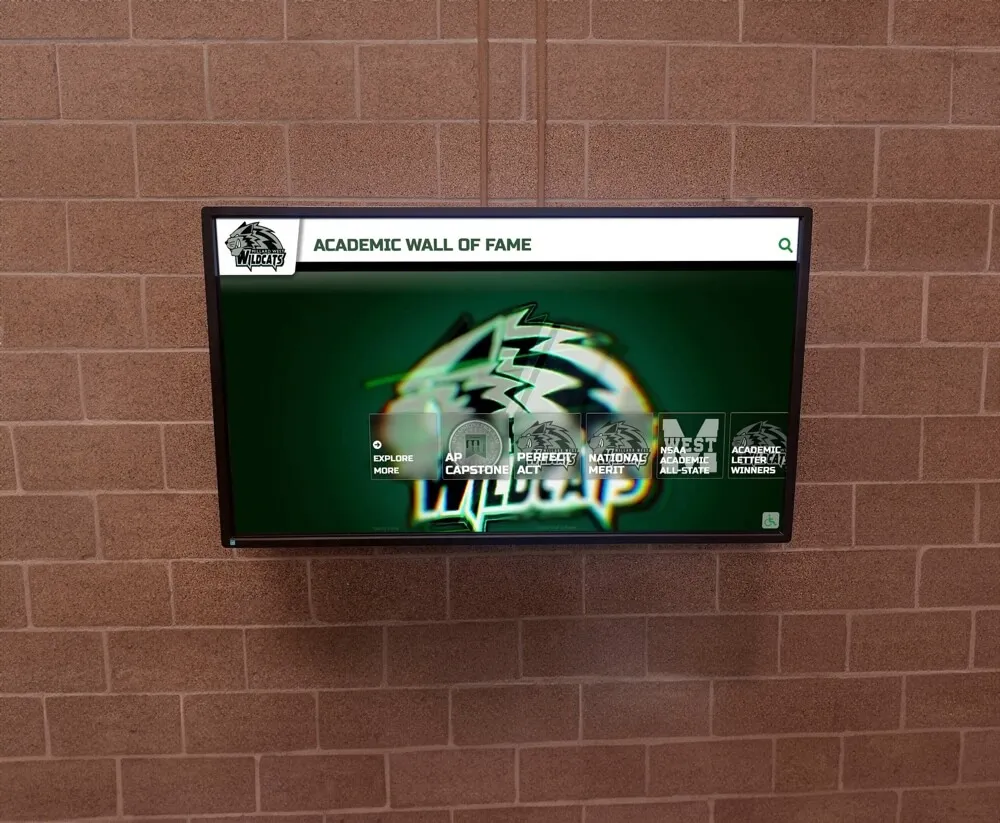
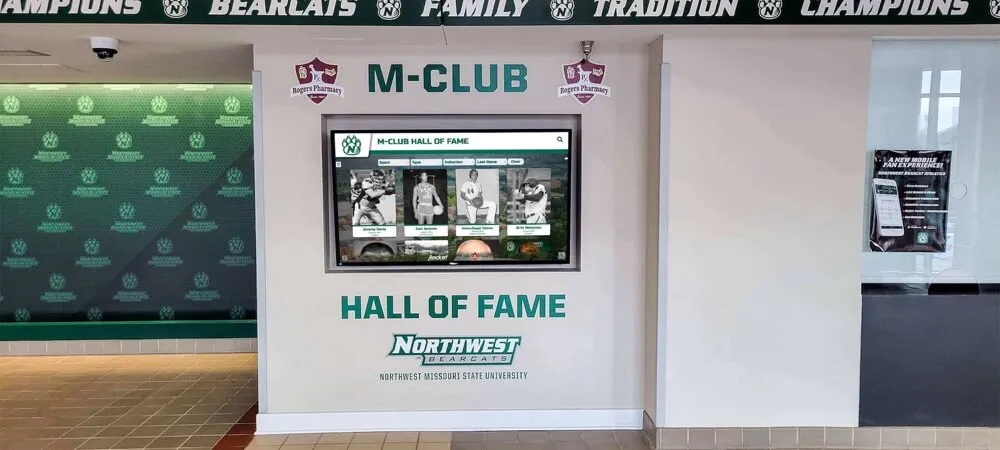
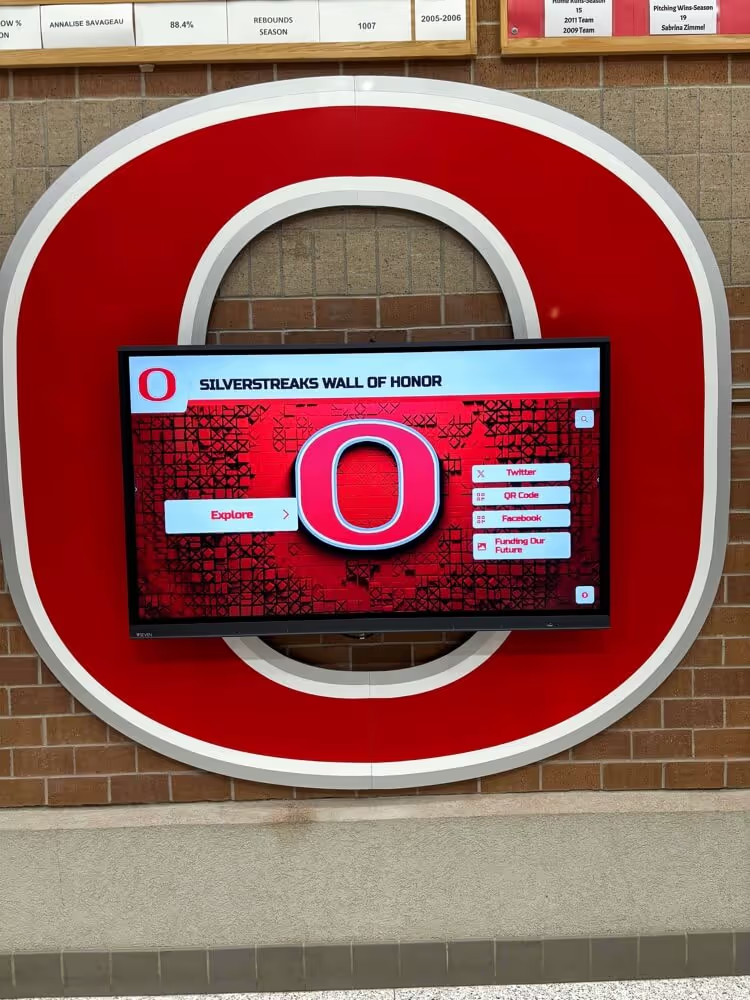
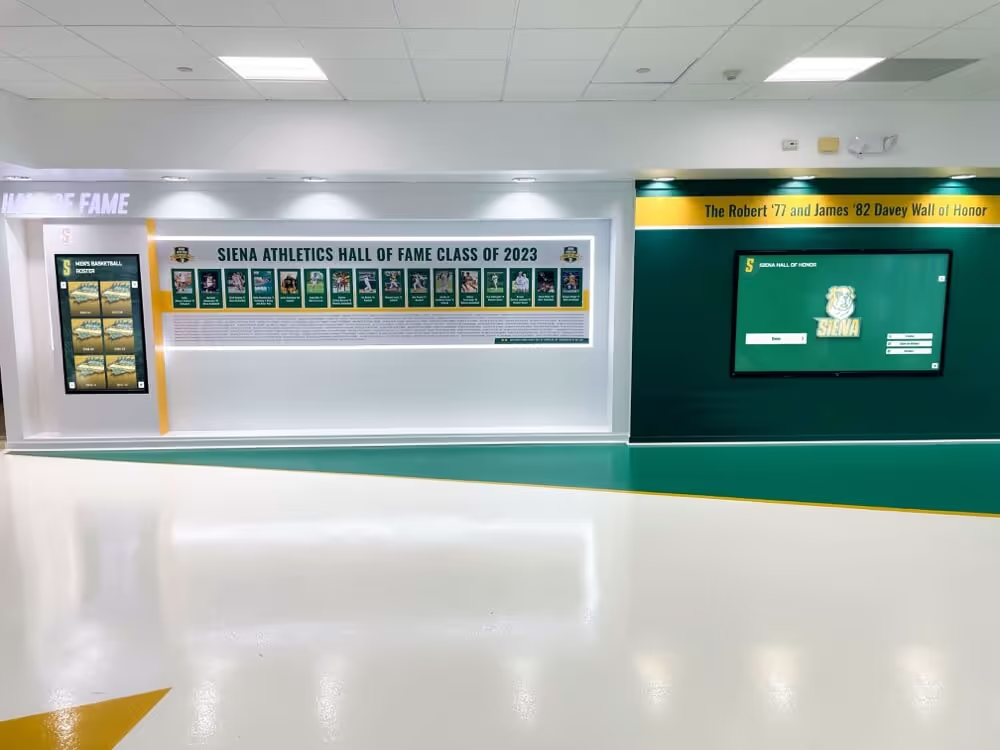
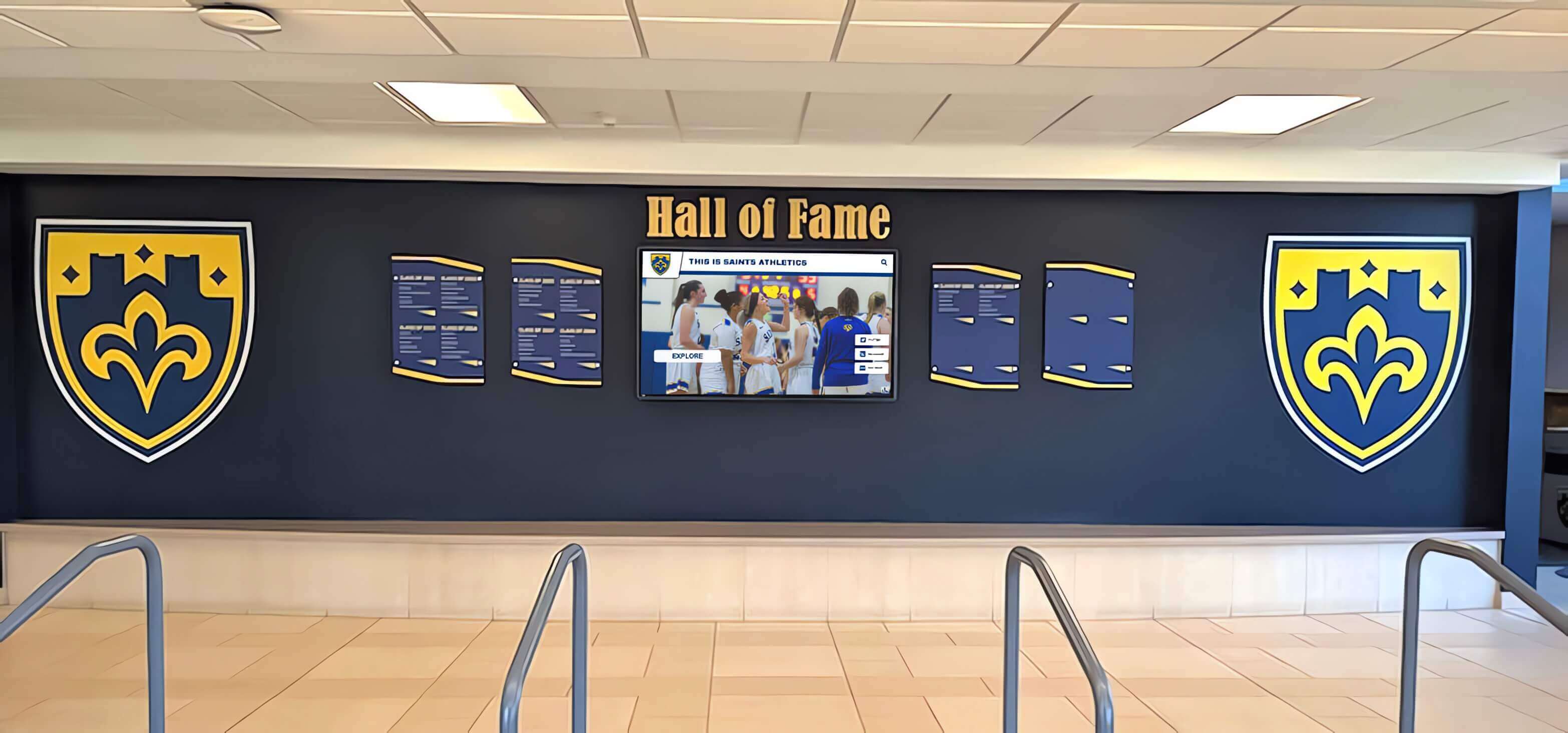
Modern digital recognition displays enable student councils to manage ongoing recognition programs celebrating diverse achievements throughout the year without physical space limitations of traditional trophy cases.
Fundraising Ideas for Student Councils
Sustainable funding enables councils to implement ambitious programming. Diversify fundraising approaches creating multiple revenue streams rather than depending on single events.
8. Product Sales Fundraisers
Traditional product sales remain effective when selecting items students and families actually want.
Popular Product Fundraisers:
- Cookie Dough or Frozen Food Sales: Established companies provide products, order management systems, and delivery logistics
- Spirit Wear: Partner with apparel companies for custom school merchandise including t-shirts, sweatshirts, hats, or accessories
- School Supplies: Back-to-school sales of branded folders, notebooks, planners, or supply kits
- Holiday Gifts: Seasonal items like poinsettias, wrapping paper, or decorative items
- Discount Cards: Local business partnership cards offering discounts at participating restaurants and retailers
Focus on quality products students can sell confidently rather than items gathering dust in homes. Clear communication about timeline, delivery, and payment prevents confusion while systematic tracking ensures accountability.
9. Event-Based Fundraisers
Activities doubling as fundraisers generate revenue while providing entertainment or services.
Event Fundraiser Ideas:
- School Carnivals: Comprehensive events featuring games, contests, food vendors, performances, and activities with admission fees or per-activity charges
- Talent Show Fundraisers: Charge admission for student performances with multiple shows expanding capacity
- Sports Tournaments: Entry fees for basketball, volleyball, dodgeball, or esports tournaments
- Game Night Fundraisers: Board game marathons, video game tournaments, or casino-style game nights (with play money)
- Battle of the Bands: Local band showcases with admission fees
- Fashion Shows: Student-modeled fashion shows featuring local boutiques or student designs
Partner with local businesses for sponsorships, donations, or in-kind support reducing upfront costs while building community relationships. Promote events through social media, morning announcements, posters, and direct communications ensuring strong attendance.
10. Food and Concession Fundraisers
Food sales provide consistent revenue opportunities requiring relatively simple coordination.
Food Fundraiser Options:
- Concession Stand Operations: Manage concessions at athletic events selling snacks, drinks, and light meals
- Bake Sales: Classic fundraisers featuring homemade goods donated by students and families
- Food Trucks: Partner with food trucks for percentage-of-sales arrangements during lunch or after-school events
- School Cafeteria Specials: Coordinate with cafeteria staff for special meal days where portions of sales benefit student council
- Restaurant Partnership Nights: Restaurants donate percentages of sales when customers mention student council on designated evenings
Consider fundraising ideas for schools that align with your community demographics and council capacity. Start with manageable initiatives establishing success patterns before expanding to more complex undertakings.
11. Digital Fundraising and Crowdfunding
Online platforms expand fundraising reach beyond immediate school communities while accommodating busy schedules preventing in-person participation.
Digital Fundraising Approaches:
- Crowdfunding Campaigns: Platforms like GoFundMe, DonorChoose, or specialized school fundraising services enable online donations for specific projects
- Social Media Campaigns: Leverage Instagram, Facebook, or TikTok for awareness campaigns linking to donation pages
- Email Appeals: Targeted email campaigns to parents, alumni, and community supporters
- Text-to-Give: Simple text message donation systems requiring minimal donor effort
- Matching Gift Challenges: Local business or parent matches doubling impact during specific timeframes creating urgency
Digital fundraising works particularly well for alumni outreach or community supporters unable to attend physical events. Ensure campaigns clearly communicate specific uses for funds rather than generic appeals.
12. Service-Based Fundraisers
Selling services rather than products enables direct labor-to-revenue conversion.
Service Fundraiser Ideas:
- Car Washes: Classic fundraisers requiring basic supplies and willing volunteers
- Yard Work Services: Rake leaves, shovel snow, mow lawns, or perform seasonal yard maintenance
- Babysitting or Pet Sitting: Coordinate vetted student providers for community childcare or pet care needs
- Gift Wrapping Services: Holiday gift wrapping stations at malls or community centers
- Technology Assistance: Help seniors or non-technical community members with smartphones, computers, or devices
Service fundraisers build community relationships while teaching work ethic and responsibility. Ensure adequate supervision and safety protocols for all service activities.
13. School Store Operations
Permanent school stores generate consistent revenue throughout the year rather than depending on periodic events.
Stock popular items including snacks and drinks, spirit wear and school merchandise, school supplies students frequently need, birthday/celebration items, and novelty items or small gifts. Establish operating schedules with student volunteers managing sales before school, during lunch, or after school. Track inventory and finances systematically preventing losses while enabling data-driven purchasing decisions.
14. Penny Wars and Coin Competitions
Penny wars combine fundraising with grade-level competition creating engaging campaigns.
Grade levels collect loose change with pennies counting as positive points and silver coins or bills adding negative points to opposing grades. Students strategically donate pennies to help their grades while “attacking” rival grades with larger denominations. Winner receives recognition at assemblies plus prizes or privileges like extended lunch, spirit day exemptions, or other rewards.
Track daily standings creating ongoing drama and engagement throughout week-long or month-long campaigns. All money collected benefits student council regardless of which grade wins, making everyone victorious ultimately.
15. Read-a-Thon or Physical Activity Fundraisers
Combine fundraising with educational or health-promoting activities.
Students seek sponsors pledging specific amounts for books read, pages completed, miles walked/run, or exercise minutes logged. These fundraisers promote positive behaviors while generating revenue through participation rather than product sales.
Partner with local bookstores, gyms, or recreation centers for prizes or incentives motivating participation. Recognize top fundraisers and participants ensuring effort receives validation.
Leadership Development for Student Council Members
Effective councils intentionally develop leadership capabilities rather than assuming skills emerge automatically through participation.
16. Structured Leadership Training
Organize formal training sessions at beginning of terms teaching specific leadership competencies.
Training Topic Areas:
- Meeting Facilitation: Running productive meetings, creating agendas, managing time, encouraging participation, and maintaining focus
- Project Management: Breaking large initiatives into actionable steps, delegating tasks, tracking progress, and adjusting plans
- Communication Skills: Public speaking, active listening, conflict resolution, written communication, and presentation skills
- Financial Management: Budget development, expense tracking, fundraising strategy, and fiscal responsibility
- Team Building: Creating cohesion, leveraging diverse strengths, navigating disagreements, and building trust
Invite guest speakers including former council members, community leaders, business professionals, or alumni sharing their leadership journeys and practical advice. Consider partnering with leadership programs at local universities or professional development organizations for training support.
17. Mentorship and Shadowing Programs
Pair experienced officers with newer members creating knowledge transfer and relationship building.
Senior officers mentor underclassmen providing guidance about council operations, sharing lessons learned from experience, offering encouragement during challenges, and modeling effective leadership behaviors. Formal mentorship structures with regular check-ins ensure relationships develop intentionally rather than hoping informal connections emerge organically.
Organize shadowing opportunities where aspiring leaders observe experienced officers facilitating meetings, managing projects, or handling responsibilities. Shadowing provides practical learning complementing abstract training.
18. Leadership Conferences and External Programs
Send council members to regional or national student leadership conferences exposing them to ideas and networks beyond local contexts.
Organizations like the National Association of Student Councils (NASC) host conferences bringing together student leaders from multiple schools for training, networking, and inspiration. State or regional leadership programs offer similar opportunities at lower costs and closer locations.
External experiences energize council members while introducing fresh perspectives and ideas they bring back to local councils. Budget conference attendance as professional development investment generating returns through enhanced member effectiveness.
19. Reflective Practice and Continuous Improvement
Schedule regular reflection sessions where councils assess what’s working, what needs improvement, and lessons learned from recent initiatives.
After major events or programs, conduct brief post-mortem discussions identifying successes to replicate and challenges to address differently next time. Document insights in shared files ensuring institutional memory persists beyond graduating seniors.
Create systematic feedback loops soliciting input from broader student bodies about council effectiveness, desired programming, and perceived responsiveness. Anonymous surveys or suggestion boxes enable honest feedback students might not share directly.
20. Leadership Through Recognition
Student councils championing comprehensive recognition programs develop important leadership capabilities while building positive school culture.
Managing recognition initiatives teaches project planning, communication, database management, and stakeholder collaboration. Councils coordinating academic achievement recognition or athletic recognition programs gain valuable experience navigating faculty relationships, managing timelines, and executing high-visibility initiatives.
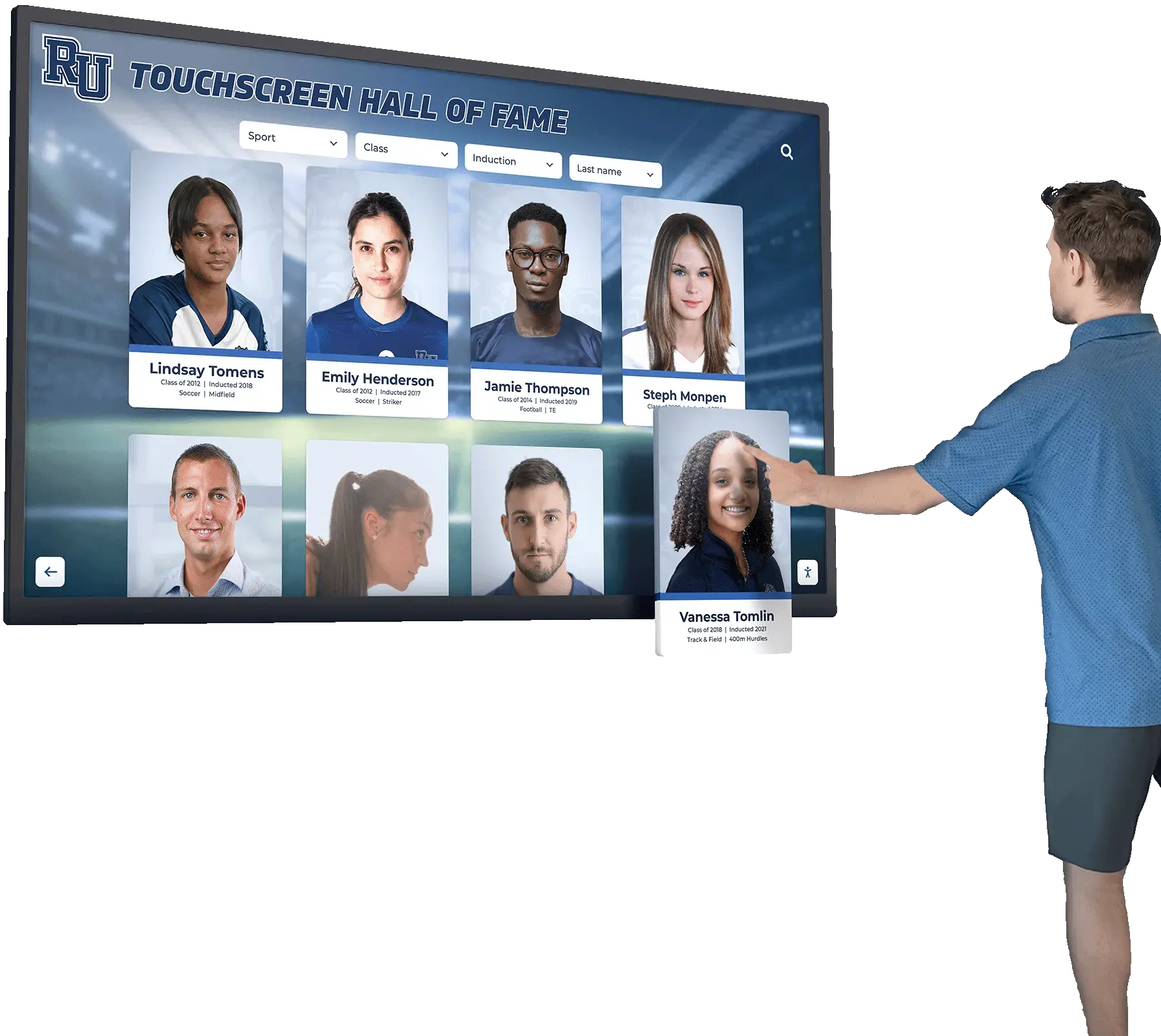
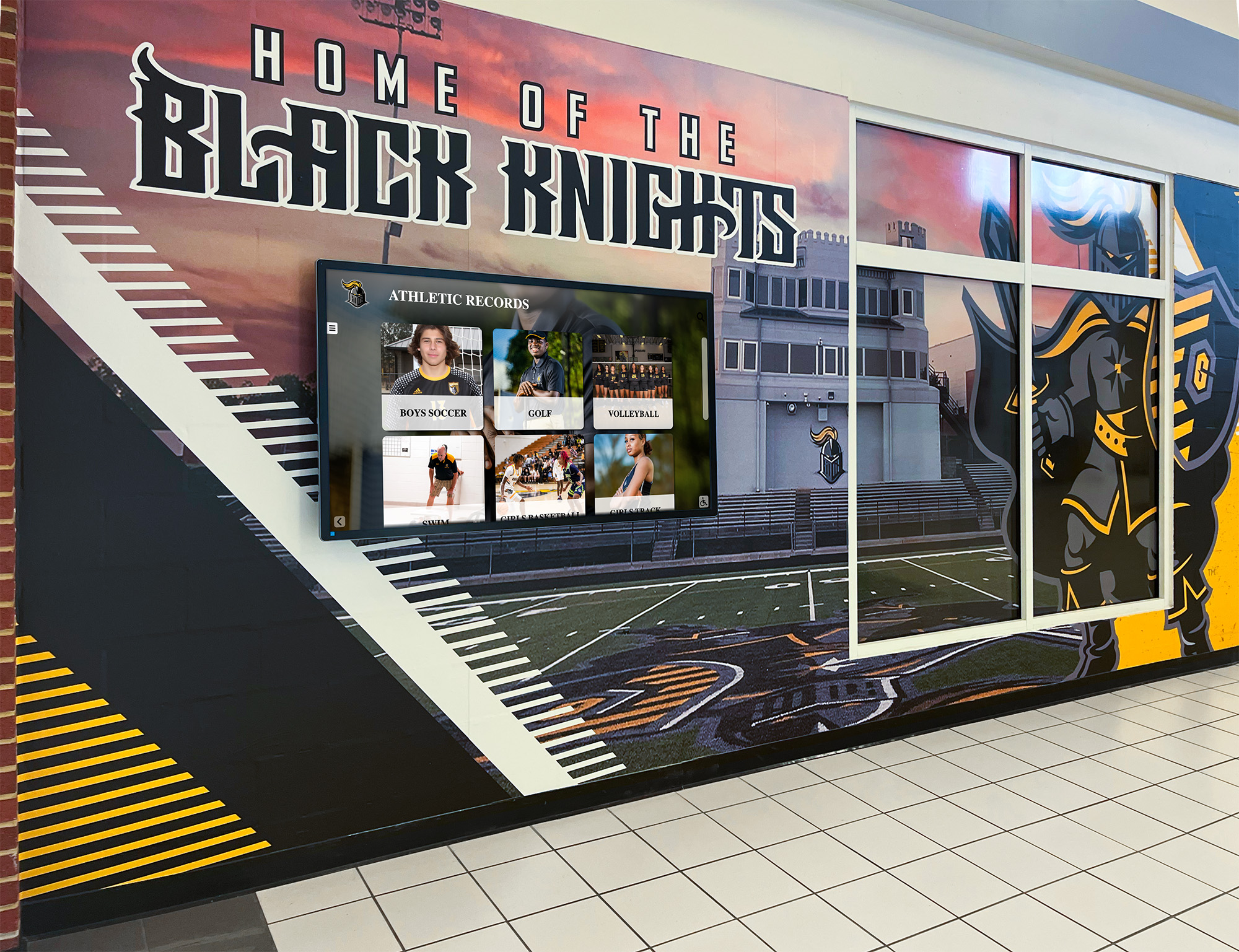
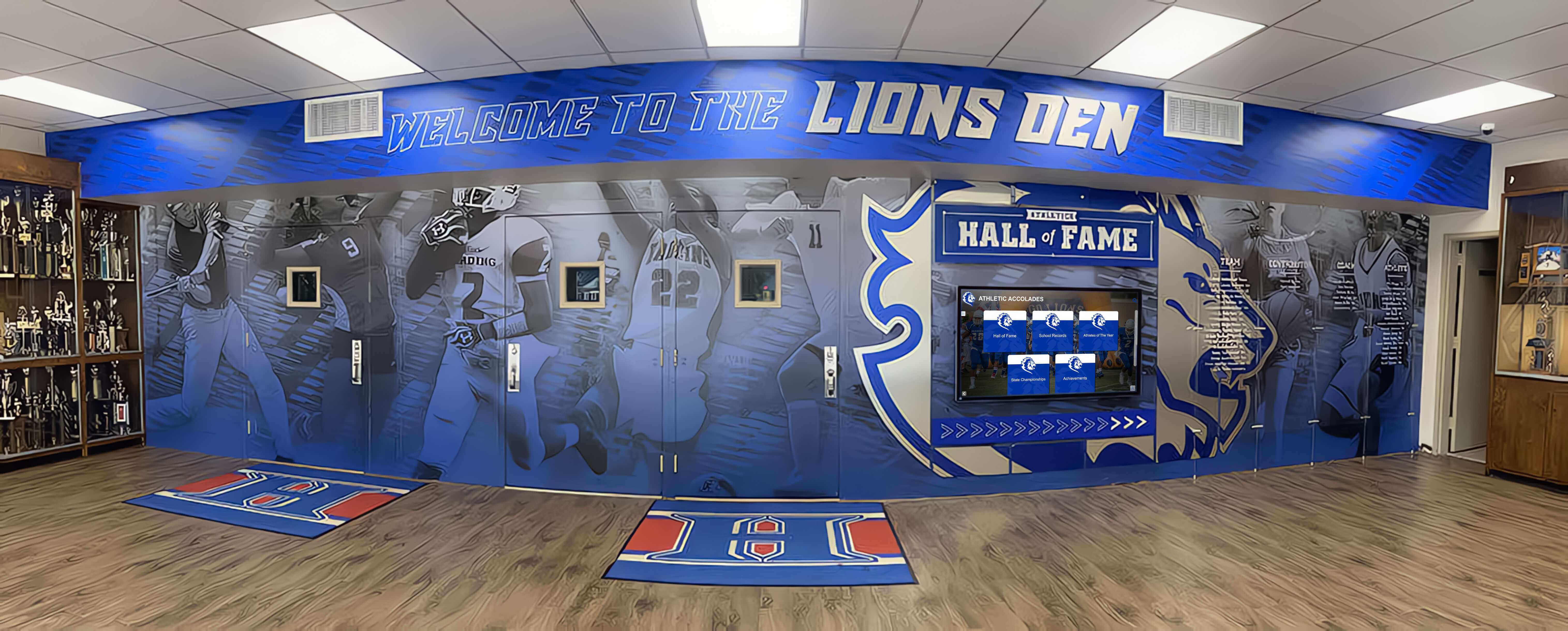
Modern recognition platforms enable student councils to manage ongoing programs celebrating diverse achievements. Interactive displays provide student-friendly interfaces for updating content, adding achievements, and maintaining dynamic recognition throughout school years.
Communication and Engagement Strategies
Effective councils maintain consistent visibility and communication ensuring school communities stay informed and engaged.
21. Social Media Management
Strategic social media presence keeps student councils visible while building community and sharing information.
Establish accounts on platforms students actually use—currently Instagram, TikTok, and Snapchat rather than platforms adults assume students prefer. Post consistently with mix of content types: event announcements and reminders, behind-the-scenes content showing council work, recognition spotlights celebrating students and staff, polls and questions engaging followers, humor and entertainment building community, and recaps after events showcasing participation and success.
Rotate social media management among council members preventing burnout while distributing responsibility. Establish content guidelines ensuring posts remain appropriate and align with school values.
22. Morning Announcements and School Communications
Regular presence in school communications maintains awareness about council activities and initiatives.
Coordinate with administrators for dedicated student council segments during morning announcements sharing upcoming events, recognizing recent achievements, promoting fundraisers, or making special announcements. Create consistent formats making council announcements easily recognizable.
Contribute content to school newsletters, websites, or other official communications channels ensuring broad reach beyond just students active on social media.
23. Visual Communication Through Displays and Posters
Physical displays throughout school buildings provide information while building visual presence.
Design professional posters promoting events rather than hastily hand-written signs communicating lack of preparation. Use consistent branding, color schemes, and design elements making council materials instantly recognizable. Place displays strategically in high-traffic areas ensuring maximum visibility.
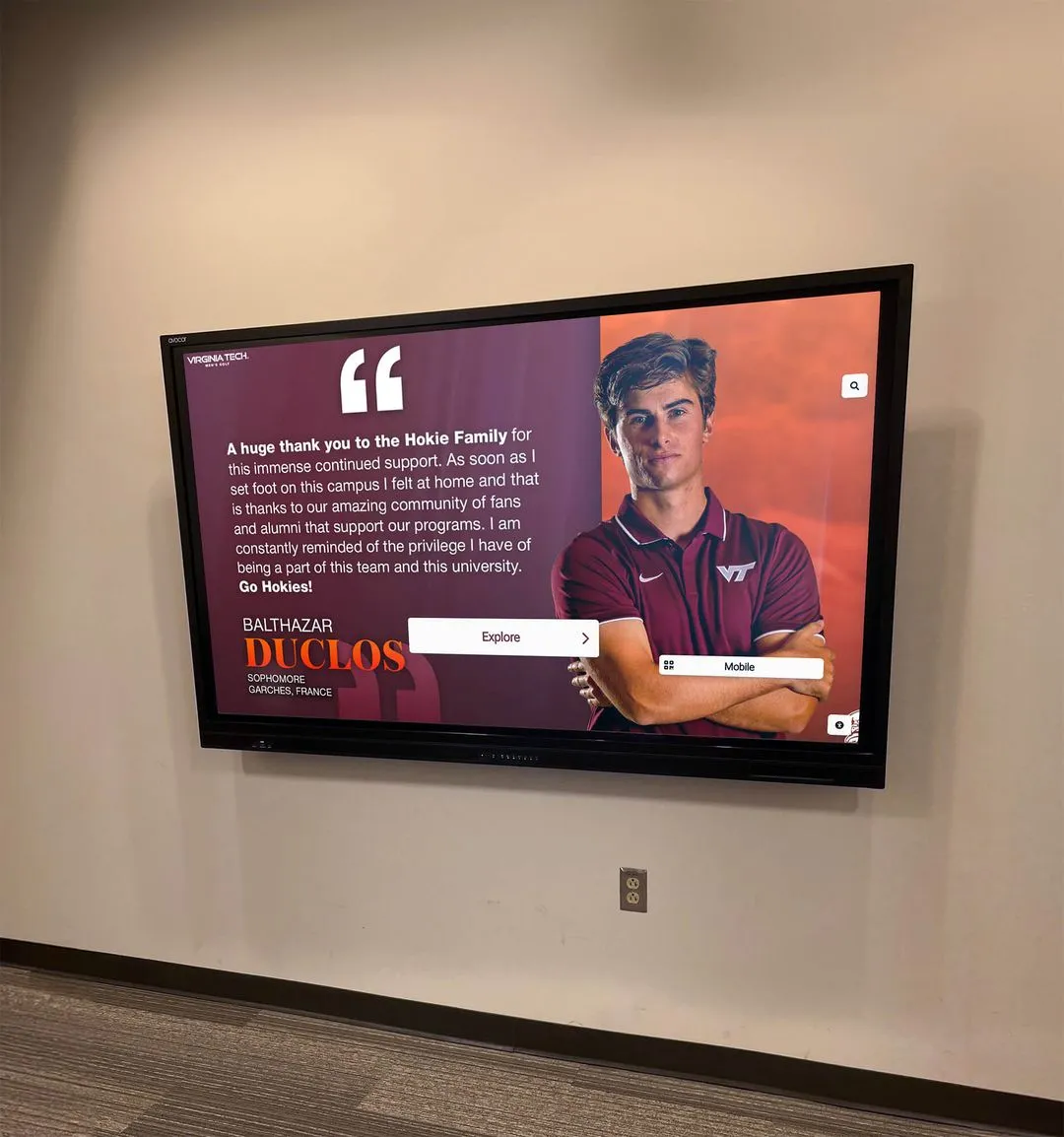
Digital signage systems enable dynamic content updated easily without printing costs. For schools investing in digital display technology, student councils can manage content rotations featuring upcoming events, recognition spotlights, and spirit-building messaging.
24. Student Voice Initiatives
Councils representing student perspectives must systematically gather input rather than assuming they know what students want.
Voice Collection Methods:
- Suggestion Boxes: Physical or digital systems enabling anonymous suggestions about desired events, policy concerns, or improvement ideas
- Student Surveys: Periodic surveys assessing satisfaction with council programs, gathering interest data, or soliciting feedback on proposed initiatives
- Grade-Level Representatives: Council members serving as liaisons to specific grades gathering input from those constituencies
- Open Forums: Town hall style meetings where any student can attend sharing ideas or concerns directly with council
- Advisory Groups: Small focus groups representing diverse student populations providing regular input on council priorities
Demonstrate that student voice leads to action by highlighting instances where student input shaped decisions or programs. When councils genuinely represent student perspectives rather than imposing their own preferences, engagement and support increase substantially.

Tradition Building and School Culture
Strong student councils create lasting traditions and positive culture elements persisting beyond individual members’ tenures.
25. Homecoming and Spirit Week Traditions
Homecoming represents prime opportunity for establishing or enhancing traditions bonding school communities.
Develop signature elements recurring annually creating anticipation and continuity: opening ceremonies launching homecoming week, daily spirit competitions with cumulative points, traditional themes returning each year, pep rally traditions including specific performances or rituals, parade or procession events, alumni engagement connecting graduates to current students, and culminating celebrations after homecoming games.
Document traditions through video, photos, and written descriptions ensuring knowledge transfers to future councils rather than traditions disappearing when key individuals graduate.
26. Welcome Programs for New Students
First impressions significantly impact how new students integrate into school communities. Comprehensive welcome programs help newcomers feel immediately valued.
Organize new student orientations introducing school culture, traditions, opportunities, and practical information. Pair new students with peer mentors guiding them through initial weeks. Create welcome assemblies or events specifically celebrating new additions to school communities.
Student councils can coordinate school mascot traditions and spirit initiatives helping new students understand and embrace institutional identity quickly.
27. Senior Recognition Traditions
Graduating seniors deserve special recognition honoring their journeys and contributions to school communities.
Senior Recognition Ideas:
- Senior Sunrise or Breakfast: Early morning event for graduating class celebrating together before final school day
- Senior Walk: Traditional walk through school with underclassmen lining hallways celebrating departing seniors
- Legacy Projects: Senior classes complete service projects or donate lasting gifts to schools like benches, trees, or artwork
- Senior Spotlights: Feature individual seniors throughout final semester celebrating their unique stories and accomplishments
- Cap and Gown Day: Seniors wear graduation regalia to school creating visible reminder of impending milestone
- Senior Awards Night: Comprehensive recognition ceremony honoring various achievements beyond traditional academic awards
Student councils championing inclusive senior recognition ensure all graduates feel celebrated regardless of whether they fit traditional high-achiever profiles.
28. Building Inclusive School Culture
Councils should proactively work toward environments where all students feel valued and welcomed.
Organize cultural celebration events honoring diverse backgrounds within school populations. Coordinate anti-bullying initiatives and kindness campaigns promoting respect and inclusion. Ensure council programming considers diverse interests, backgrounds, and abilities rather than concentrating on narrow student populations.
Create visible messaging reinforcing that differences strengthen communities. Recognition programs celebrating achievements across academic, athletic, artistic, service, and character domains communicate that excellence takes many forms.
Practical Management and Operations
Beyond visible programming, councils need systematic operations ensuring sustainability and effectiveness.
29. Effective Meeting Management
Productive meetings maximize limited time while maintaining engagement and accomplishing necessary business.
Meeting Best Practices:
- Consistent Scheduling: Regular meeting times allowing members to plan rather than irregular scheduling causing confusion
- Advance Agendas: Distribute agendas 24-48 hours before meetings enabling preparation and focused discussions
- Time Management: Start and end punctually respecting members’ time while moving efficiently through agenda items
- Balanced Participation: Facilitate inclusive discussions where all voices get heard rather than allowing dominant personalities to monopolize conversation
- Action Item Tracking: Document decisions, assign responsibilities, and establish deadlines preventing follow-through failures
- Minutes Distribution: Share meeting minutes quickly ensuring absent members stay informed while creating institutional record
Consider rotating meeting facilitation among officers developing leadership skills while preventing monotony of identical formats.
30. Project Management Systems
Councils managing multiple simultaneous initiatives need organizational systems preventing confusion and ensuring accountability.
Utilize shared digital tools including Google Workspace for document collaboration, Trello or Asana for project tracking, shared calendars for scheduling and deadlines, and communication platforms like Slack or Microsoft Teams for ongoing coordination.
Create project templates standardizing planning processes for recurring events. Templates might include timeline checklists, budget worksheets, communication plans, volunteer coordination documents, and post-event evaluation forms.
31. Budget Management and Financial Responsibility
Responsible financial management builds administrator trust while ensuring resources get allocated effectively.
Develop annual budgets allocating projected revenue across priority categories. Track all income and expenses meticulously with receipts and documentation. Provide regular financial reports to council members and advisors maintaining transparency. Establish approval processes for expenditures preventing unauthorized purchases.
Consider multi-year financial planning building reserves for major initiatives requiring funding beyond single-year budgets. Schools investing in recognition infrastructure may need to accumulate funds across multiple years or coordinate fundraising specifically for these lasting improvements.
32. Advisor-Student Collaboration
Student council advisors balance providing adult guidance with allowing authentic student leadership.
Effective advisors teach rather than direct, letting students make decisions while ensuring they consider consequences and comply with policies. They provide behind-the-scenes logistical support handling administrative requirements, securing necessary approvals, and coordinating with staff. They intervene when student safety, school policy, or ethical concerns arise while otherwise letting students lead.
Students should view advisors as mentors and resources rather than authority figures imposing their preferences. Strong advisor-student partnerships create conditions where councils flourish while maintaining appropriate boundaries and responsibilities.
33. Succession Planning and Knowledge Transfer
Graduating seniors taking institutional knowledge with them creates challenges for incoming officers. Systematic knowledge transfer ensures continuity.
Transfer Strategies:
- Officer Transition Manuals: Document responsibilities, processes, vendor contacts, budget information, and lessons learned in handbooks passed to successors
- Shadowing Periods: Overlap where elected officers work alongside current officers before assuming full responsibility
- Digital Archives: Maintain shared drives with historical documents, photos, financial records, and program templates accessible to future councils
- Exit Interviews: Departing seniors share insights, advice, and recommendations with incoming leadership
- Alumni Mentors: Recent graduates serve as informal advisors to current councils bridging transition periods
Innovative and Creative Council Ideas
Beyond traditional activities, consider innovative approaches differentiating your council while engaging students in fresh ways.
34. Mental Health and Wellness Initiatives
Student councils can champion mental health awareness and peer support programs.
Organize mental health awareness weeks reducing stigma and connecting students with resources. Coordinate stress-relief activities during exam periods like therapy dogs, meditation sessions, or relaxation spaces. Partner with counseling departments promoting available support services.
Create peer support networks training students to recognize concerning behaviors and connect struggling peers with appropriate adults. Wellness initiatives demonstrate that councils care about holistic student wellbeing beyond just planning entertainment.
35. Sustainability and Environmental Programs
Environmental initiatives resonate with students passionate about climate and sustainability while generating meaningful community impact.
Launch recycling programs or waste reduction campaigns. Organize school-wide competitions reducing energy consumption or water usage. Create community gardens or outdoor learning spaces. Partner with environmental organizations for education and action opportunities.
Document sustainability accomplishments and environmental impact through displays celebrating progress. Recognition programs can honor students, classes, or groups demonstrating exceptional environmental stewardship.
36. Career and College Readiness Support
Student councils can complement counseling services with peer-led career exploration and college preparation support.
Organize college application workshops where upperclassmen help underclassmen with applications and essays. Host career panels featuring community professionals discussing various fields. Create resume and interview preparation sessions led by successful recent graduates.
Coordinate college visit trips or facilitate virtual information sessions with admissions representatives. Establish alumni networks connecting current students with graduates for mentorship and career guidance.
37. Arts and Culture Programming
Expand typical council programming by championing arts and cultural expression.
Host art exhibitions showcasing student visual art. Organize poetry slams or creative writing showcases. Create music event series featuring student performers. Coordinate cultural celebration events honoring diverse heritages within school communities.
Partner with arts departments and cultural organizations ensuring programming reaches high quality while supporting artistic students who may not fit traditional athletic or academic recognition categories.
38. Technology and Innovation Competitions
Embrace student interest in technology through tech-focused programming.
Organize coding competitions or hackathons. Host video game tournaments across popular platforms. Create digital media contests for photography, videography, or graphic design. Launch school app development competitions solving campus problems.
Technology competitions engage students who might not participate in traditional activities while developing valuable digital skills increasingly important for college and career success.
Measuring Success and Continuous Improvement
Effective councils assess their impact and continuously improve based on evidence rather than assumptions.
39. Establishing Success Metrics
Define how you’ll measure council effectiveness beyond subjective impressions.
Potential Metrics:
- Participation Rates: Track event attendance, program participation, and engagement trends over time
- Student Satisfaction: Survey students about satisfaction with council programming and perceived representation of student voice
- Financial Performance: Monitor fundraising success, budget utilization, and return on investment for various activities
- Recognition Reach: Track how many students receive recognition through council programs and whether recognition reaches diverse populations
- Tradition Persistence: Document which initiatives continue beyond founding members indicating sustainable tradition establishment
- Leadership Development: Assess skill growth in council members through self-reflection and advisor evaluation
Compare annual data identifying positive trends to celebrate and declining performance requiring attention. Share results with school leadership demonstrating council value and impact.
40. Gathering Systematic Feedback
Don’t guess about student preferences—ask directly through structured feedback mechanisms.
Post-event surveys gather immediate reactions about what worked and what needs improvement. Mid-year and end-of-year evaluations solicit big-picture feedback about overall council performance. Focus groups with non-council students provide perspectives from those councils intend to serve. Teacher and administrator feedback reveals adult perspectives on council effectiveness and professionalism.
Demonstrate responsiveness by highlighting how feedback influenced decisions or changes, encouraging future participation by showing input matters.
41. Conducting Program Evaluations
After major initiatives or annually, evaluate specific programs systematically.
Evaluation Questions:
- Did the program achieve intended objectives?
- What worked well and should be replicated?
- What challenges emerged and how could they be addressed?
- Was resource allocation appropriate or should adjustments be made?
- Did participation meet expectations and how could it be expanded?
- What unexpected outcomes occurred—positive or negative?
- Should the program continue, be modified, or be discontinued?
Document evaluation findings creating institutional knowledge informing future decisions. Share evaluations with successor councils preventing repeated mistakes while replicating success.
Creating Sustainable Student Council Programs
Long-term council success requires building sustainable systems and culture rather than depending on exceptional individuals or one-time efforts.
42. Building Multi-Year Strategic Plans
Rather than planning only single years, develop 2-3 year strategic visions outlining major objectives and initiatives.
Strategic plans might include goals like establishing specific new traditions, implementing comprehensive recognition systems, achieving fundraising targets for major purchases, developing leadership training curricula, or building specific community partnerships. Multi-year thinking enables ambitious initiatives requiring more time than single school years provide.
Create visual representations of strategic plans posting in council spaces reminding members of longer-term direction beyond immediate events.
43. Creating Comprehensive Council Handbooks
Document council operations in handbooks serving as reference resources for current and future members.
Handbook Contents:
- Mission and vision statements
- Organizational structure and role descriptions
- Meeting procedures and decision-making processes
- Financial policies and budget guidelines
- Event planning templates and checklists
- Communication protocols and branding guidelines
- School policies relevant to council activities
- Historical information about traditions and programs
- Contact information for key administrators, vendors, and partners
Update handbooks annually incorporating new information while maintaining core operational knowledge.
44. Developing Alumni Networks
Former council members represent valuable resources for current councils if relationships get maintained.
Create alumni databases tracking graduates who served on councils. Invite recent alumni to meetings or events sharing experiences and advice. Establish formal mentorship programs connecting current officers with alumni who held similar positions. Feature alumni spotlights on social media highlighting how council experience influenced their college and career success.
Alumni networks validate for current members that council participation provides lasting value while creating resource pools for guidance, guest speakers, and potential donors supporting council initiatives.

Working With School Administration
Student councils exist within broader school structures requiring effective collaboration with administrators, teachers, and staff.
45. Building Administrative Relationships
Strong relationships with school leaders enable councils to accomplish ambitious initiatives requiring administrative approval or support.
Request regular meetings with principals or assistant principals discussing council plans and seeking input. Communicate proactively about upcoming events providing sufficient notice for approvals. Invite administrators to council meetings or events demonstrating your work firsthand. Share successes through reports or presentations highlighting council impact on school culture and student development.
Demonstrate reliability through professionalism, meeting deadlines, staying within budgets, and fulfilling commitments. Administrative trust expands council autonomy and resources over time as leaders recognize responsible operation.
46. Faculty and Staff Collaboration
Teachers and staff can enhance council programs while council initiatives can support faculty needs.
Coordinate with department chairs when planning academic recognition ensuring alignment with school policies and existing programs. Partner with activities directors for facility access, equipment needs, or scheduling coordination. Work with technology staff on social media, digital displays, or website content. Collaborate with counselors on wellness initiatives or college readiness programming.
Recognize exceptional teachers through appreciation initiatives or awards programs strengthening faculty-student relationships. Faculty support often proves crucial for event success or program sustainability.
47. Policy Navigation and Advocacy
Student councils represent student voice in institutional decision-making when councils understand how to engage effectively with policy processes.
Learn what decisions require administrative approval versus board approval versus matters within council authority. Prepare proposals for desired policy changes or new initiatives presenting clear rationale, implementation plans, and addressing potential concerns proactively.
Attend board meetings when appropriate advocating for student perspectives on relevant policies. Build advocacy skills enabling effective representation of student interests within established institutional structures.
Conclusion: Leading With Purpose and Impact
Exceptional student councils transcend basic event planning to become powerful forces shaping school culture, developing future leaders, and creating lasting positive impact. The most successful councils share common characteristics: they plan strategically rather than reactively, they balance fun with meaningful purpose, they develop systematic operations ensuring sustainability beyond individual members, they genuinely represent diverse student voices, they build collaborative relationships with administrators and faculty, they celebrate achievement across diverse domains, and they continuously improve based on evaluation and feedback.
Building thriving student councils requires commitment, creativity, and persistence. The 50+ ideas in this guide provide starting points—adapt them to your unique school context, student population, and available resources rather than implementing generic templates. Trust student voice and leadership allowing authentic council governance rather than adult-directed programs merely executing administrator preferences.
Key Principles for Student Council Success:
- Start with clear purpose defining what your council exists to accomplish
- Plan strategically balancing immediate activities with long-term culture building
- Engage diverse voices ensuring programming serves all students, not narrow groups
- Build sustainable systems creating infrastructure lasting beyond graduating seniors
- Develop leadership intentionally through training, mentorship, and reflection
- Communicate consistently maintaining visibility and connection with school communities
- Celebrate achievements recognizing what students accomplish and who they’re becoming
- Collaborate effectively with administrators, faculty, and external partners
- Manage resources responsibly earning trust through professional financial stewardship
- Evaluate honestly measuring impact and improving based on evidence
Student council experience provides foundational leadership development that shapes lives and careers long after high school. The skills learned managing events, handling budgets, navigating relationships, solving problems, and leading peers translate directly to college, career, and civic leadership. Councils that recognize this developmental importance treat participation as educational opportunity deserving quality execution and thoughtful reflection.
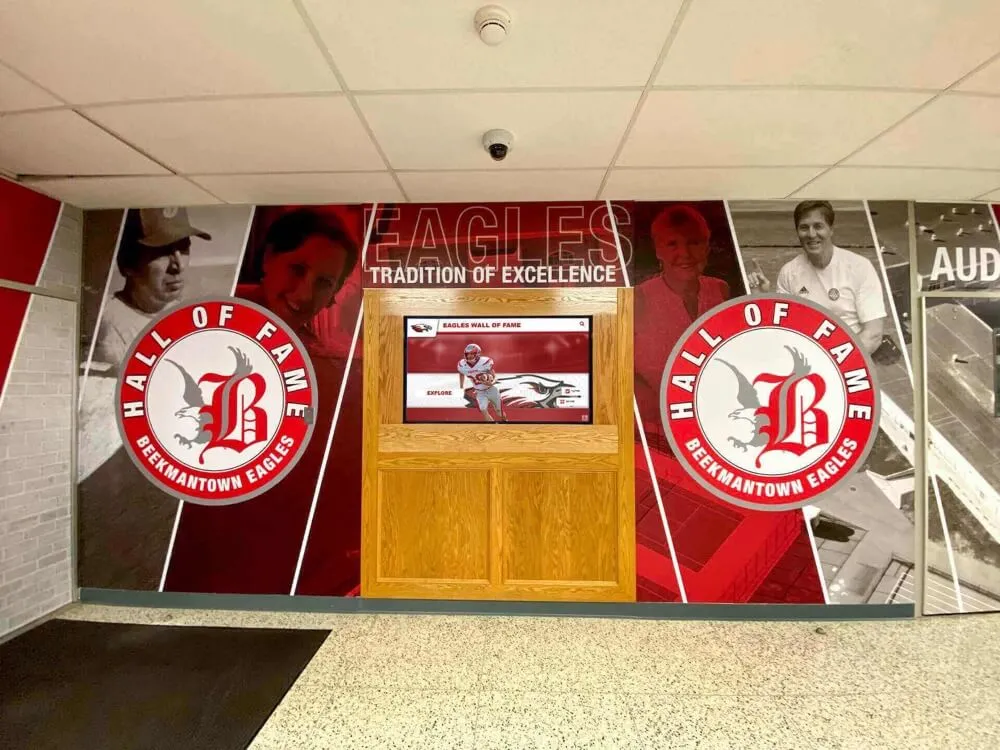
Schools implementing comprehensive recognition programs find that student councils make ideal champions for celebrating achievement across academic, athletic, artistic, service, and character domains. Modern platforms from providers like Rocket Alumni Solutions enable student-friendly management of ongoing recognition while teaching valuable technology and database skills. These systems provide visible symbols of what schools value while giving student councils meaningful infrastructure to manage.
Whether you’re launching a new council, revitalizing an existing program, or taking on leadership within established organizations, remember that every effective council started somewhere. Small successes build momentum. Persistent effort compounds over years. Today’s freshman council member becomes tomorrow’s college leader, nonprofit director, business executive, elected official, or community volunteer carrying forward lessons learned through student government service.
Your council’s impact extends far beyond specific events or activities to touch lives, shape culture, and develop capabilities that will serve council members and their communities for decades. Lead with purpose, serve with integrity, and create the student council experience your school deserves.