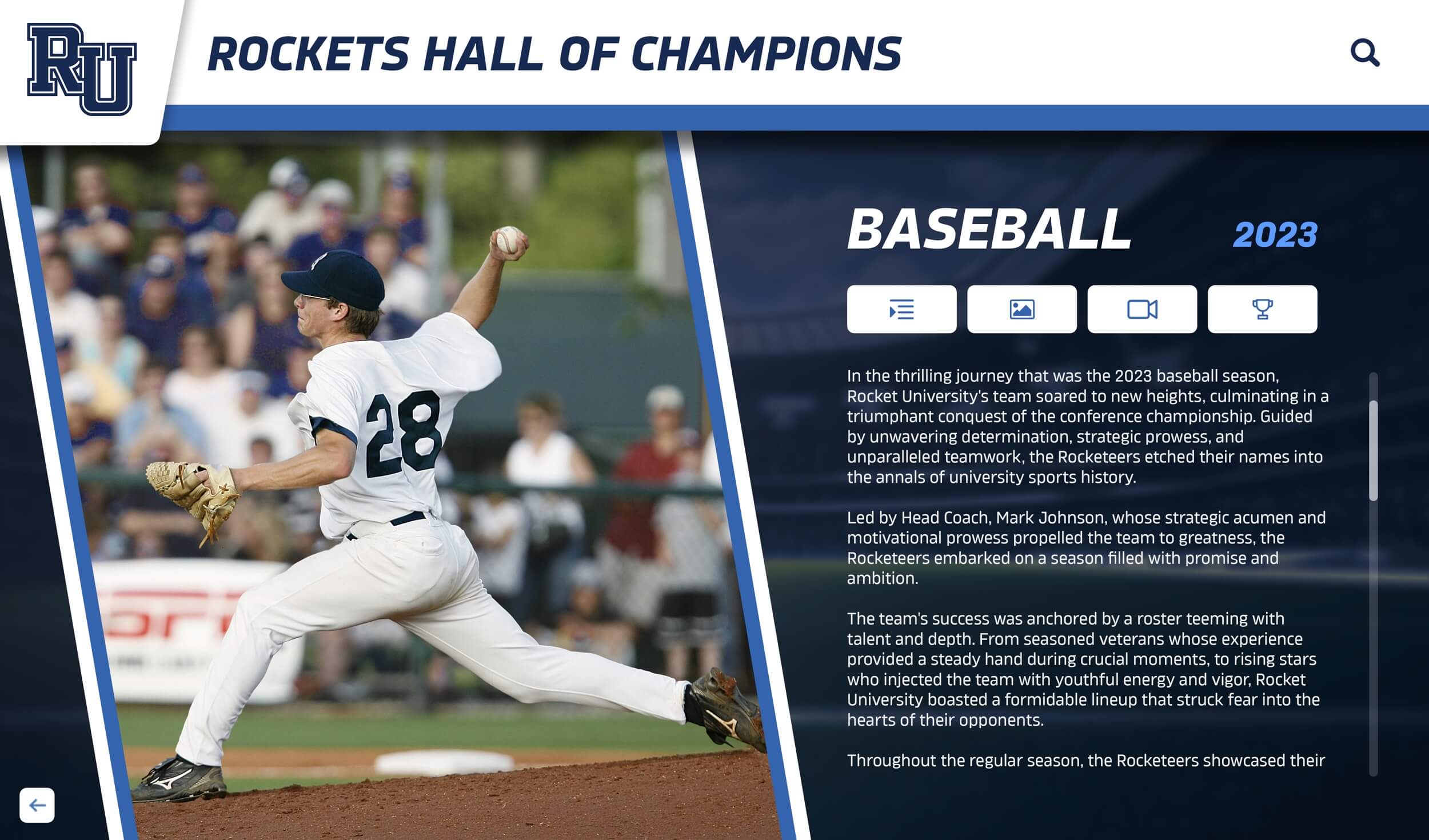




High school spring sports seasons represent unique opportunities for athletic programs, combining competitive excellence with end-of-year celebration across baseball, softball, track and field, lacrosse, tennis, golf, and numerous other spring activities. Spring seasons differ fundamentally from fall and winter counterparts through their culmination of the athletic year, favorable weather conditions enabling outdoor competition, overlap with academic pressures and end-of-year obligations, and critical importance for graduating seniors completing their high school athletic careers.
This comprehensive guide addresses the full spectrum of spring sports planning, management, and recognition. Whether you're an athletic director coordinating multiple spring programs, a head coach managing your specific team, or an administrator supporting spring athletics, this resource provides frameworks for maximizing spring season success while creating meaningful recognition celebrating spring athlete achievements.
Spring marks the final chapter in the high school athletic year. Baseball diamonds come alive after winter dormancy. Softball fields echo with the crack of bats and encouraging chatter. Track athletes push toward personal records and state qualifying times. Lacrosse players showcase skill and athleticism in one of the fastest-growing high school sports. Tennis courts fill with competitive matches. Golf courses host tournaments determining regional and state qualifications.
Yet spring seasons present distinct challenges that fall and winter programs don’t face. Academic pressures intensify as students approach finals and graduation requirements. Prom, senior events, and college decision deadlines compete for attention. Weather disruptions require flexible scheduling and backup plans. Facilities often accommodate multiple spring programs simultaneously, creating logistical complexity. Graduating seniors balance athletic commitment with transition preparation while underclassmen position themselves for future leadership.
Athletic administrators and coaches who understand spring sports’ unique characteristics create environments where athletes thrive despite these challenges. This guide explores every dimension of spring season management—from pre-season planning through end-of-season recognition—providing practical strategies that honor both competitive excellence and the celebratory nature of concluding the athletic year.

Understanding the Spring Sports Landscape
Before addressing specific planning and management strategies, understanding which sports comprise spring seasons and their unique characteristics helps administrators and coaches make informed decisions.
Core Spring Sports Programs
Baseball: The quintessential spring sport at most high schools, baseball programs typically field varsity, junior varsity, and sometimes freshman teams. Season length averages 20-30 games played from March through May or early June, with district, regional, and state tournament play extending seasons for successful programs. Baseball demands significant field maintenance, equipment investment, and coaching expertise while generating strong community following and tradition.
Softball: Parallel to baseball in structure and season timing, softball programs have experienced tremendous growth over recent decades. Fast-pitch softball dominates high school competition, requiring specialized pitching coaching and technical instruction. Like baseball, successful programs advance through playoff systems potentially extending seasons into June. Softball generates enthusiastic community support and increasingly attracts high-level athletes pursuing collegiate opportunities.
Track and Field: One of the largest participation sports, track and field accommodates diverse athletic abilities through numerous event categories spanning sprints, distance running, hurdles, relays, throws, and jumps. Athletes often compete individually while earning team points, creating unique dynamics balancing individual achievement with collective success. Track seasons build toward conference, regional, and state meets where qualification standards determine participation. Training demands vary dramatically across event specialties requiring knowledgeable coaching staffs.
Lacrosse: Among the fastest-growing high school sports nationally, lacrosse combines elements of hockey, soccer, and basketball into dynamic competitions requiring skill, speed, and strategy. Both boys’ and girls’ lacrosse field spring seasons, though rules differ substantially between genders. Lacrosse growth concentrates in specific regions but continues expanding into new areas. Equipment costs and coaching expertise requirements present barriers for programs establishing lacrosse, but strong youth programs increasingly feed high school participation.
Tennis: Spring tennis programs typically field both boys’ and girls’ teams competing in singles and doubles formats. Tennis requires access to quality courts, which can limit program size when facilities constrain practice and match hosting. Individual matches contribute to team scoring, creating dynamics where depth across lineup positions determines competitive success. Tennis attracts diverse student populations and provides lifelong recreational sport foundations.
Golf: Spring golf programs operate differently from most team sports through competitions at various courses, typically requiring transportation and creating scheduling complexity. Golfers compete individually with scores aggregating toward team totals. Golf requires significant course access, often through partnerships with local facilities. Weather sensitivity creates frequent scheduling challenges. Golf attracts students who may not participate in other athletics while providing valuable competitive experiences and potential collegiate opportunities for talented players.
Regional and Emerging Spring Sports
Beyond these core programs, many regions and schools offer additional spring sports based on local tradition, geographic factors, and student interest.
Swimming and Diving: Some states conduct swimming championships in spring rather than winter, particularly in warm-weather regions where outdoor facilities enable spring competition. Spring swimming accommodates areas where pool access differs from traditional winter swimming states.
Rugby: Growing at both boys’ and girls’ levels, rugby increasingly appears as varsity or club spring sport. Rugby’s physical demands and unique rules require specialized coaching but attract athletes seeking dynamic team sport experiences.
Crew/Rowing: Schools with water access sometimes field crew programs combining athletic conditioning with technical rowing skills. Crew demands substantial equipment investment and specialized facilities but creates tight team bonds and competitive opportunities.
Volleyball: While primarily a fall sport for girls in most states, some regions conduct boys’ volleyball in spring. Beach volleyball has also emerged as spring sport in areas with appropriate facilities.
Soccer: A few states designate soccer as spring sport rather than fall, fundamentally shifting athletic calendar dynamics in those regions. Spring soccer faces direct competition with baseball, softball, and other core spring sports for athletes and resources.
Water Polo: Schools with pool facilities sometimes offer spring water polo, particularly in regions where sport has established competitive structures. Water polo combines swimming athleticism with team strategy and competitive intensity.
Understanding your school’s specific spring sport offerings, their relative program strength, and community expectations informs strategic resource allocation and administrative support systems.
Multi-Sport Athletes and Scheduling Coordination
Spring seasons frequently involve multi-sport athletes completing their athletic years across different programs. A track athlete might also play tennis. A baseball player could participate in lacrosse. These overlaps create scheduling challenges requiring coordination between coaches and understanding from athletic administration.
Benefits of Multi-Sport Participation: Research consistently demonstrates that multi-sport athletes develop more comprehensively than single-sport specialists, reduce overuse injury risks, maintain better athletic motivation, and often perform better in their primary sports. Athletic departments benefit from multi-sport athletes through deeper program rosters, better-rounded athletic culture, and student engagement across different seasons.
Coordination Challenges: When athletes participate in multiple spring sports simultaneously, conflicts inevitably arise regarding practice priorities, competition schedules, and coaching expectations. Some schools establish clear policies prioritizing in-season sports over out-of-season training. Others allow athletes and families to negotiate commitments case-by-case. The most effective approaches balance respecting each program’s needs with acknowledging that some exceptional athletes genuinely can contribute to multiple teams.
Communication Protocols: Regular communication between spring sport coaches prevents conflicts from becoming contentious. Shared calendars showing all spring sport schedules enable advance identification of potential conflicts. Coaches who approach multi-sport situations collaboratively rather than territorially create environments where athletes feel supported rather than torn between competing loyalties.
Pre-Season Planning and Organization
Successful spring seasons begin with thorough pre-season planning addressing facilities, equipment, scheduling, staffing, and communication systems.
Facility Preparation and Coordination
Spring sports demand diverse facility types often requiring significant preparation after winter conditions.
Field Preparation: Baseball and softball fields require extensive maintenance following winter weather. Groundskeepers address drainage issues, repair infield surfaces, establish proper baselines and mounds, restore outfield playing surfaces, and install fencing and backstops if removed for winter. Early preparation enables teams to begin outdoor practice as weather permits rather than waiting for facility readiness.
Track Facility Readiness: Track surfaces require inspection for winter damage, lane marking restoration, hurdle positioning systems verification, and jumping pit and throwing area preparation. Schools sharing track facilities with community programs establish usage schedules accommodating all stakeholders. Equipment cage organization ensures throwing implements, hurdles, relay batons, and jumping standards are inventoried and functional.
Court and Course Access: Tennis programs ensure court surfaces are repaired, nets are properly tensioned, and facility scheduling accommodates both boys’ and girls’ programs when sharing facilities. Golf programs finalize course access agreements, confirm transportation arrangements, and verify practice facility availability before season start.
Indoor Facility Contingencies: Spring weather variability requires backup plans. Schools designate indoor spaces for baseball and softball teams when outdoor practice proves impossible. Lacrosse programs identify gymnasium or field house space enabling stick work and conditioning during weather disruptions. Track teams establish indoor training protocols maintaining conditioning while waiting for outdoor access.
Equipment Inventory and Procurement
Spring sports equipment demands vary substantially across programs, requiring careful inventory management and strategic procurement.
Baseline Equipment Assessment: Conduct thorough equipment inventories before seasons begin. Baseball and softball programs assess bat collections, catching gear condition, helmet functionality, uniform availability, and protective equipment status. Track programs inventory starting blocks, hurdles, relay batons, throwing implements, jumping standards, and crossbars. Lacrosse programs evaluate stick conditions, protective gear, goals, and balls. Tennis programs assess racket availability for athletes lacking personal equipment, while golf programs inventory pull carts and practice balls.
Budget Allocation Strategies: Spring sport budgets often compete with fall and winter expenditures already allocated. Athletic directors balance program needs against available resources, prioritizing safety equipment, essential competitive gear, and items directly impacting athlete experience. Some schools establish equipment replacement cycles preventing emergency purchases of aged-out items. Others maintain equipment funds enabling opportunistic purchases when favorable pricing appears.
Fundraising and Booster Support: Many spring programs supplement school budgets through fundraising initiatives and booster club support. Baseball and softball programs sometimes fundraise for field improvements or premium equipment. Track teams might generate funds for training gear or competition entry fees. Clear communication with boosters about program priorities ensures donations align with genuine needs rather than redundant or unnecessary items.
Schedule Development and Conference Coordination
Spring sport scheduling presents unique challenges through facility constraints, weather sensitivity, and academic calendar factors.
Competition Calendar Creation: Effective schedules balance home and away competitions, consider travel distances and time requirements, accommodate facility availability for sports sharing venues, avoid conflicts with standardized testing and academic obligations, and build appropriately challenging competition preparing teams for postseason success. Coaches coordinate with athletic directors to identify scheduling preferences before administrators finalize calendars.
Weather Contingency Planning: Unlike indoor winter sports, spring competitions face regular postponements requiring makeup dates. Schedules built with flexibility accommodate inevitable adjustments without creating impossible condensed periods later. Schools maintain communication systems enabling rapid schedule change notification to athletes, families, and officials.
Tournament and Invitational Selection: Many spring programs participate in tournaments or invitationals beyond regular conference schedules. These events provide competitive opportunities against varied opponents, potential recognition for strong performances, and memorable experiences for athletes. Selection considers competitive level appropriateness, travel requirements, academic impact, and budget constraints.
Playoff and Postseason Preparation: Spring seasons culminate in conference championships, district tournaments, regional qualifiers, and state competitions. Understanding postseason formats and qualification requirements informs regular season preparation. Coaches and athletes know what achievements or placements qualify teams or individuals for advancement, focusing training and competition strategies accordingly.
Managing the Spring Season Successfully
Once seasons begin, effective management focuses on athlete development, competitive success, academic balance, and program culture.
Balancing Athletics and Academics in Spring
Spring sports coincide with the academic year’s most demanding period, requiring intentional strategies supporting student-athlete success.
Academic Monitoring Systems: Successful programs establish regular academic progress monitoring. Athletic directors or academic coordinators track eligibility status, identify struggling students early, and coordinate support before minor issues become eligibility problems. Coaches communicate with teachers about travel schedules affecting classroom attendance and arrange advance work when possible.
Study Hall and Tutoring Access: Some schools provide study hall opportunities before or after practice, enabling athletes to complete homework in supervised environments. Programs might arrange peer tutoring pairing academically strong athletes with teammates needing assistance. Clear messaging that academic success matters as much as athletic performance sets appropriate priorities.
Test and Assignment Accommodation: Spring sports shouldn’t excuse students from academic responsibilities, but thoughtful scheduling acknowledges realities. Coaches aware of major test dates or project deadlines might adjust practice intensity or enable athletes to arrive late or leave early when appropriate. Open communication between coaching staffs and administration creates flexibility supporting both athletic and academic success.
Senior Transition Support: Graduating seniors face unique spring pressures including college decisions, scholarship commitments, graduation requirements, and emotional transitions. Programs that acknowledge these pressures while maintaining competitive standards help seniors navigate this challenging period. Some coaches reduce practice expectations slightly for seniors managing particularly heavy loads while ensuring team culture remains strong.
Weather Management and Schedule Flexibility
Spring sports must navigate weather variability affecting practice, competition, and season flow.
Practice Contingency Plans: Effective programs maintain detailed backup plans for weather-affected practices. Baseball and softball teams establish indoor protocols maintaining skill development despite outdoor impossibility. Track teams identify indoor training alternatives. Lacrosse programs plan gymnasium activities continuing preparation. These contingencies prevent wasted days while ensuring safety during severe weather.
Game Day Decision Making: Coaches and athletic directors face frequent game-day weather decisions. Clear communication protocols ensure timely decisions reach all stakeholders. Some schools establish decision timelines—assessments conducted by specific times with immediate notification systems. Playing through marginal conditions risks athlete safety, while overly cautious cancellation creates scheduling difficulties and disappoints athletes and families.
Makeup Game Logistics: Postponed competitions require rescheduling, often creating compressed calendars later. Athletic directors coordinate with conference commissioners, opponents, and officials identifying viable makeup dates. Communication systems inform athletes and families about schedule changes quickly, accommodating work schedules, other commitments, and transportation needs.
Senior Day and Ceremony Considerations: Spring programs typically celebrate graduating seniors through special recognition events often tied to specific competitions. Weather affecting senior day events requires backup plans ensuring appropriate recognition regardless of conditions. Some programs schedule senior ceremonies on indoor alternative dates if weather threatens outdoor events, ensuring memorable experiences for departing athletes.
Injury Prevention and Management
Spring sports present specific injury patterns requiring proactive prevention and prompt management.
Common Spring Sport Injuries: Baseball and softball pitchers face arm injuries from overuse, requiring pitch count monitoring and rest protocols. Track athletes experience overuse injuries including stress fractures and tendinitis from training volume increases. Lacrosse involves contact injuries and concussion risks requiring proper protective equipment and protocol compliance. Tennis players develop shoulder, elbow, and wrist issues from repetitive motion.
Preventive Strategies: Quality warm-up protocols, proper stretching routines, graduated intensity increases early in seasons, strength and conditioning programs addressing sport-specific demands, and hydration emphasis during warming weather reduce injury incidence. Athletic trainers provide invaluable support when available, while schools without full-time trainers establish relationships with community healthcare providers offering athletic services.
Return-to-Play Protocols: Injured athletes face pressures to return before full recovery, particularly seniors in final seasons. Evidence-based return-to-play protocols protect athletes from reinjury while providing clear progression criteria. Communication between medical professionals, coaches, athletes, and families ensures everyone understands injury status and realistic return timelines.
Mental Health Awareness: Spring season pressures affect athlete mental health through academic stress, social obligations, competitive anxiety, and senior transitions. Coaches attuned to mental health challenges recognize warning signs and connect struggling athletes with appropriate support. Creating team cultures where discussing mental health challenges carries no stigma enables athletes to seek help before crises develop.
Celebrating Spring Athletes: Recognition and Awards
Spring sports conclude the athletic year, creating natural opportunities for comprehensive recognition celebrating athlete achievements across the season.
End-of-Season Recognition Practices
Spring programs should implement thoughtful recognition systems acknowledging diverse contributions and achievement levels.
Team Awards and Banquets: Most spring sports conduct end-of-season recognition events celebrating team accomplishments and individual achievements. These gatherings honor statistical leaders, acknowledge character and leadership contributions, recognize improvement and dedication, celebrate senior contributions, and create memorable conclusion to seasons. Effective ceremonies balance honoring exceptional performers with ensuring all athletes feel valued for their contributions.
Sport-Specific Recognition Categories: Different spring sports emphasize different achievement types. Baseball and softball programs might recognize batting champions, pitching excellence, defensive specialists, and clutch performers. Track programs celebrate record-setters, state qualifiers, point scorers, and most improved athletes. Lacrosse awards acknowledge scoring leaders, defensive standouts, and team players. Tennis recognizes singles and doubles excellence at various lineup positions. Golf celebrates low-scoring performances, most improved golfers, and team contributors.
Character and Leadership Awards: Beyond athletic performance, spring recognition should honor athletes demonstrating exceptional character, leadership, sportsmanship, and commitment to program values. These awards communicate that programs value how athletes conduct themselves equally with performance statistics. End-of-year awards programs provide comprehensive frameworks for meaningful recognition.
Multi-Year Contribution Recognition: Senior recognition should celebrate complete high school careers rather than just final seasons. Four-year varsity athletes deserve special acknowledgment. Athletes who improved dramatically from freshman to senior years tell inspiring stories. Seniors who exemplified program values throughout their tenure warrant recognition honoring their sustained contribution.
Digital Recognition for Spring Athletes
Traditional awards ceremonies create important moments, but modern recognition platforms extend visibility and impact far beyond single evening events.
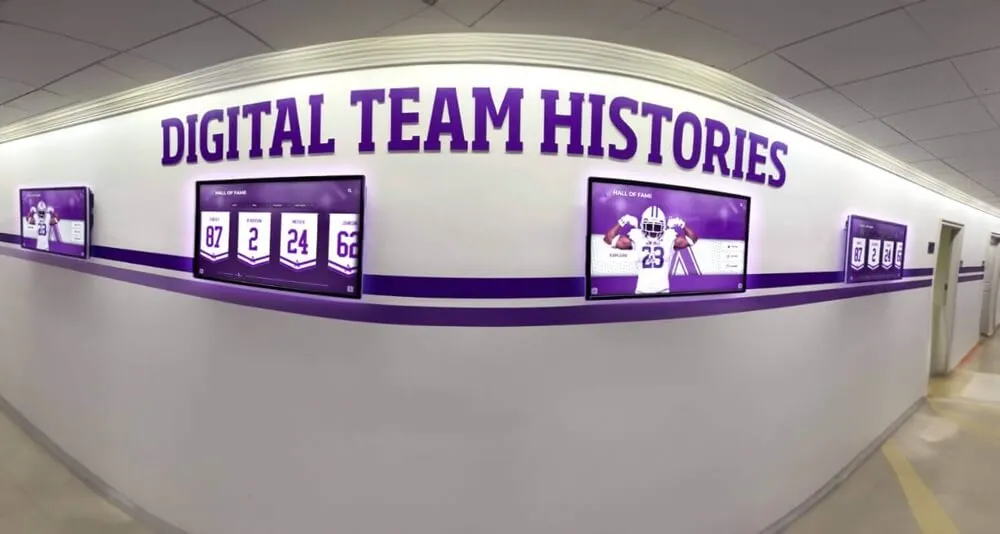
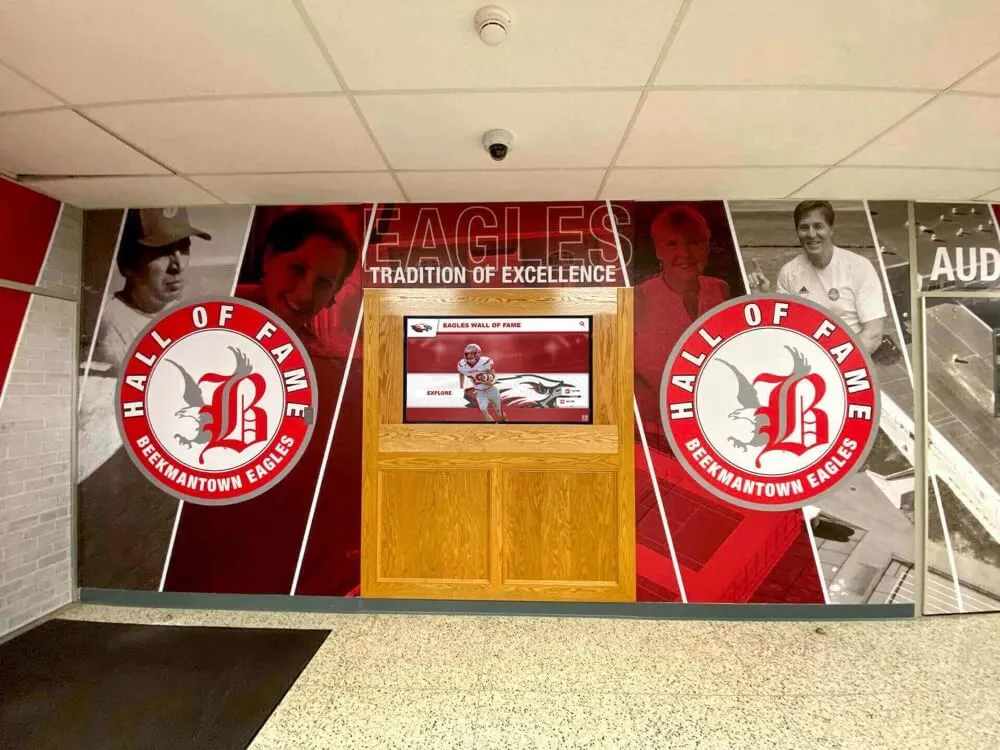
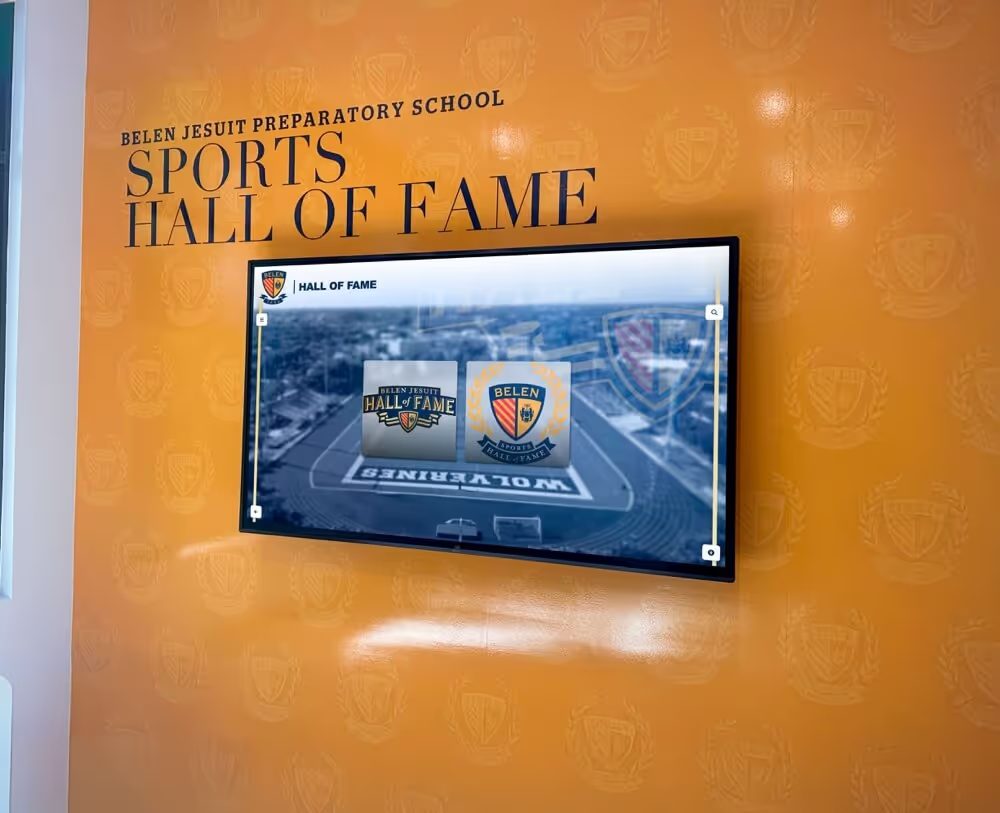
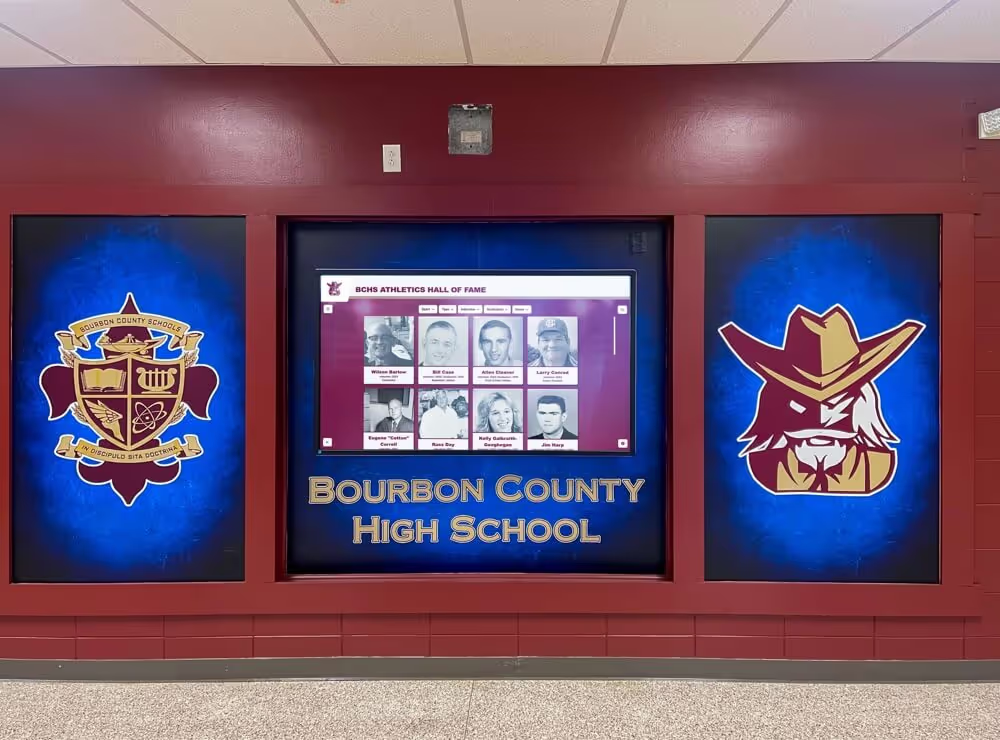
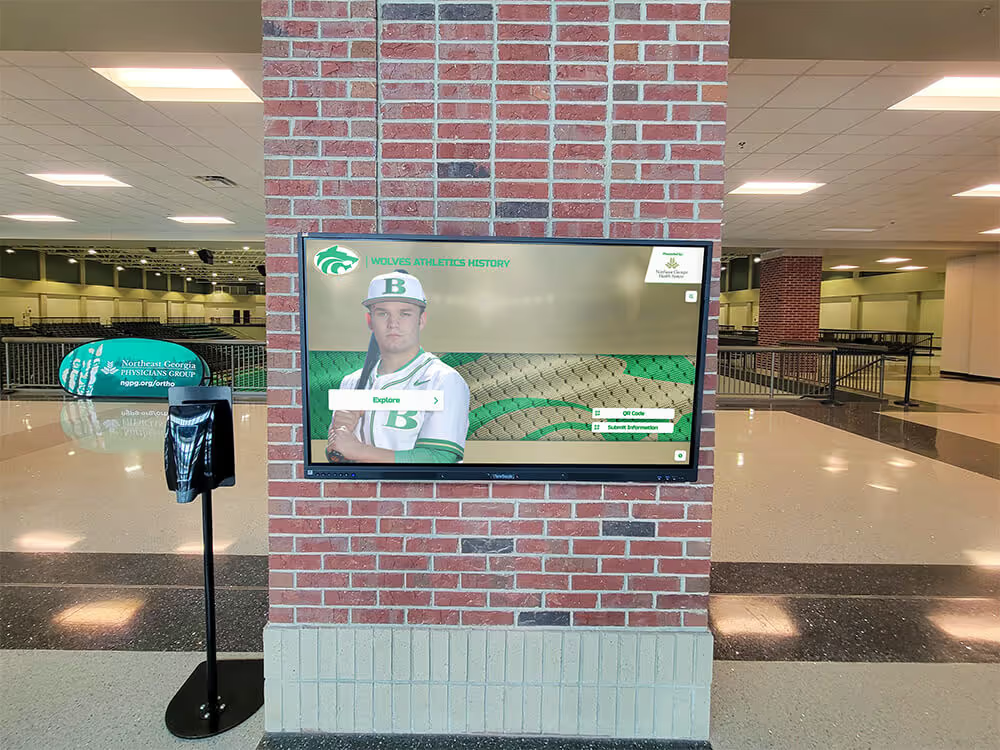
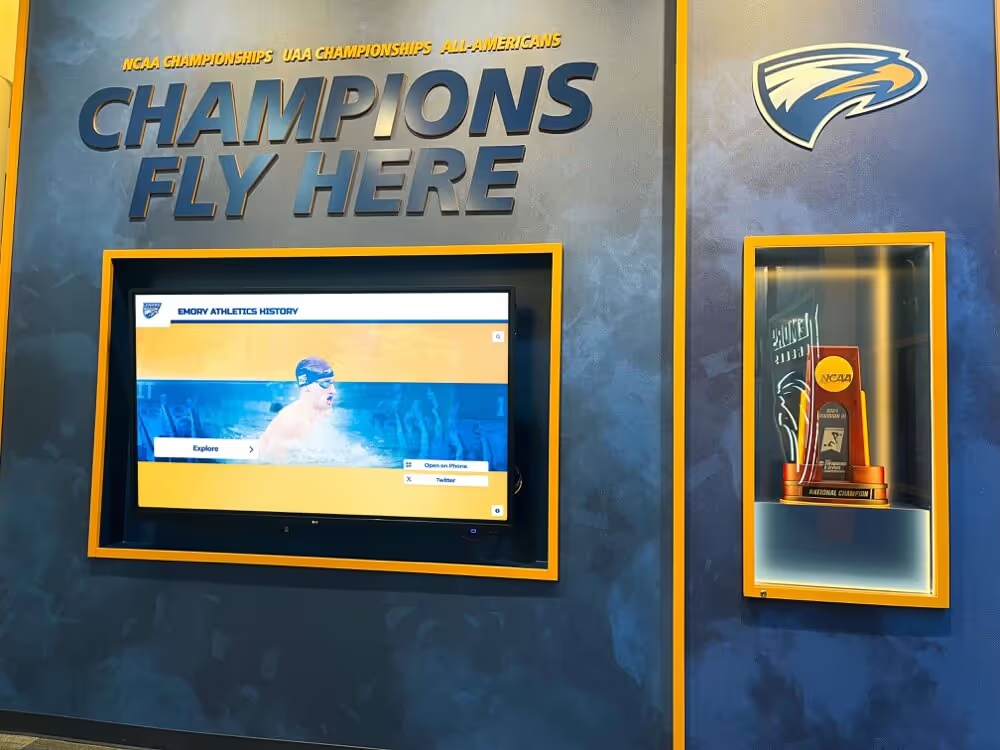
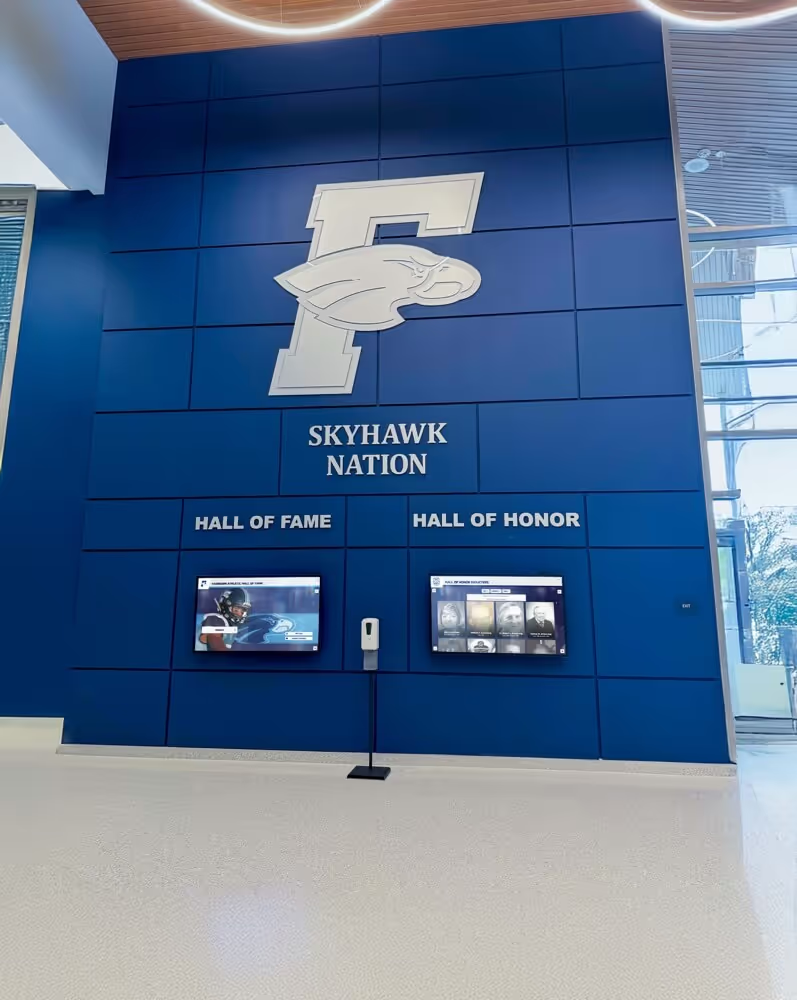
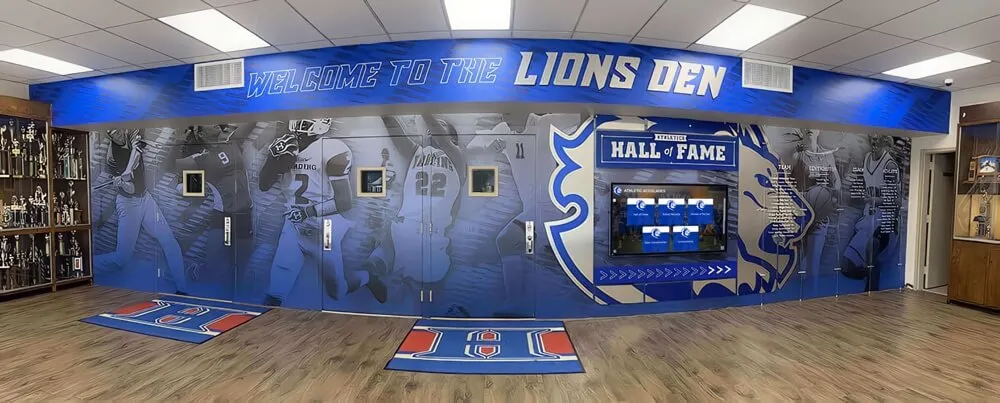
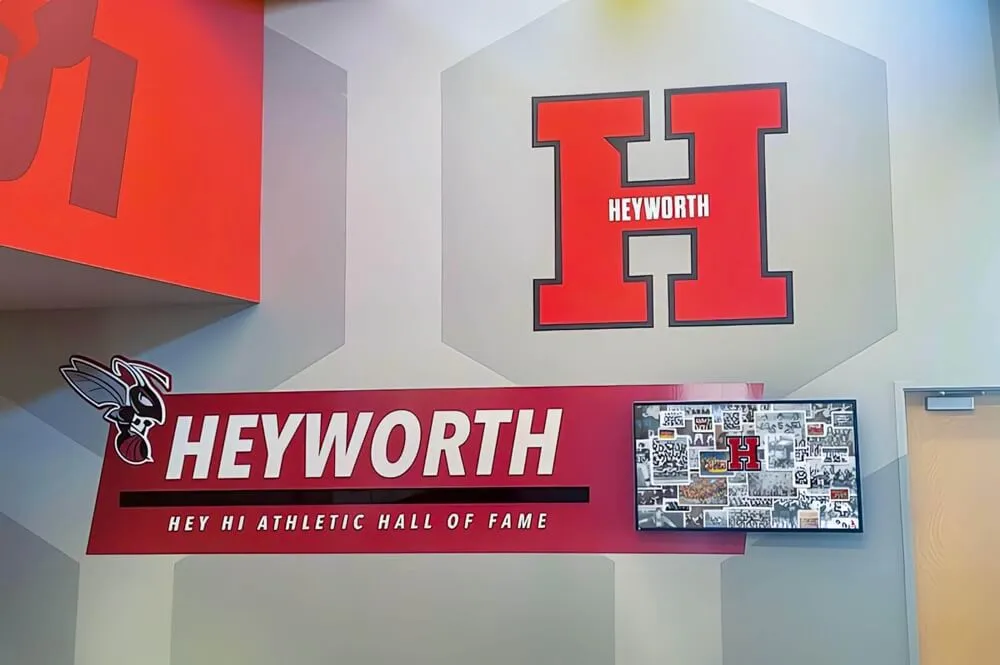
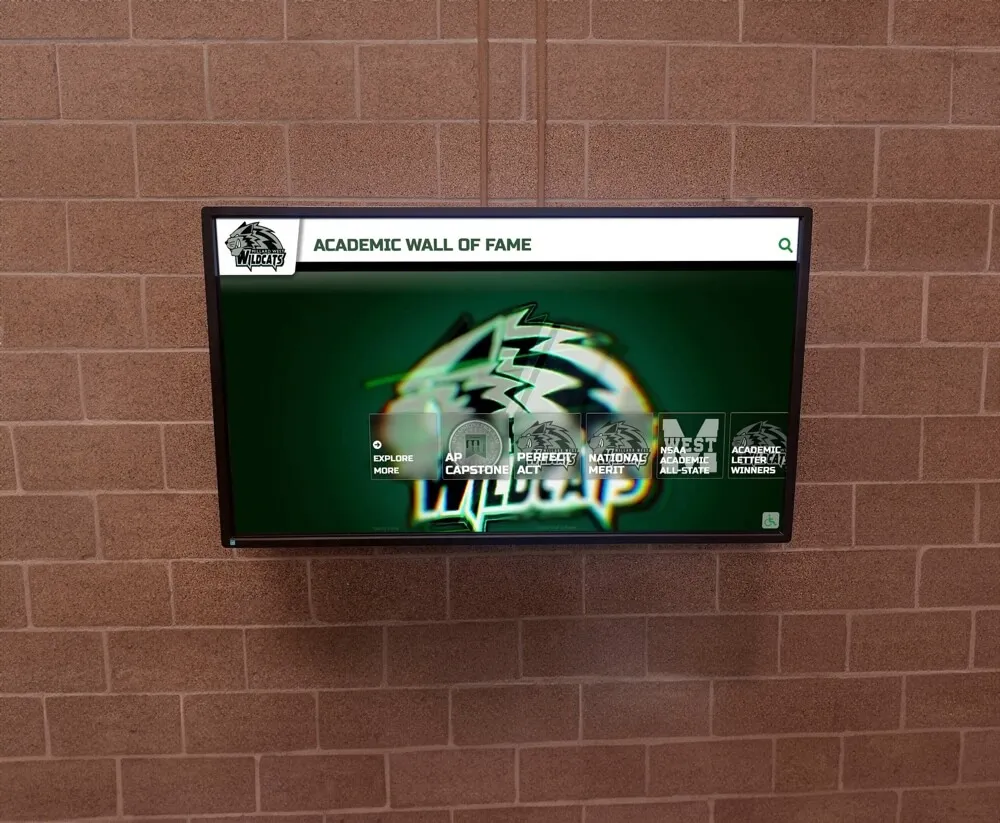
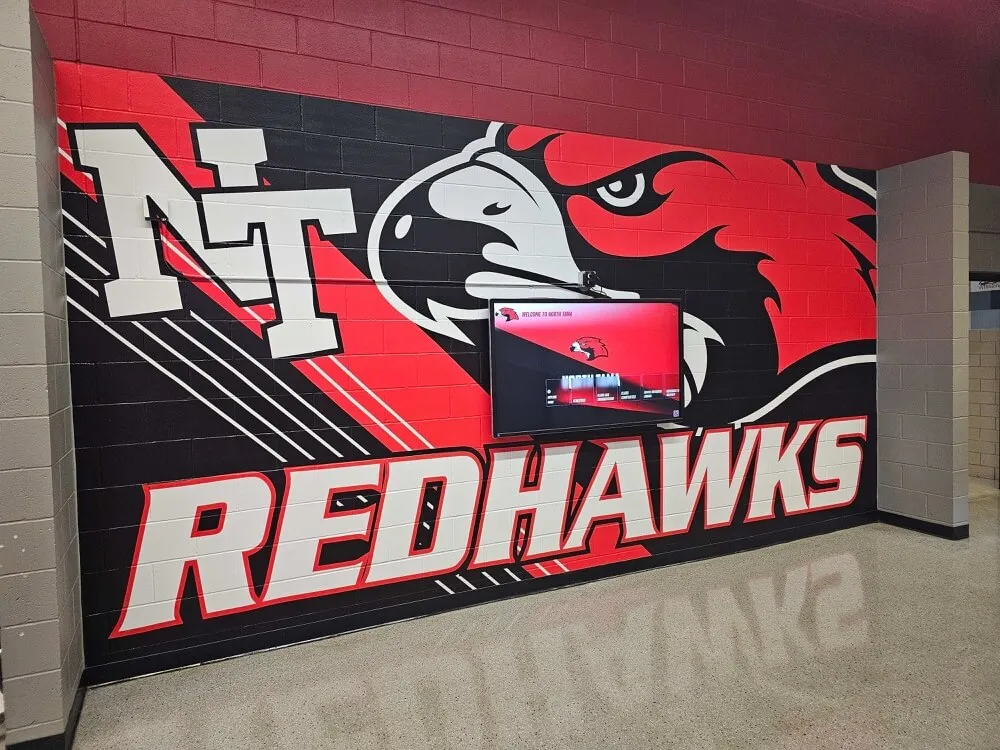
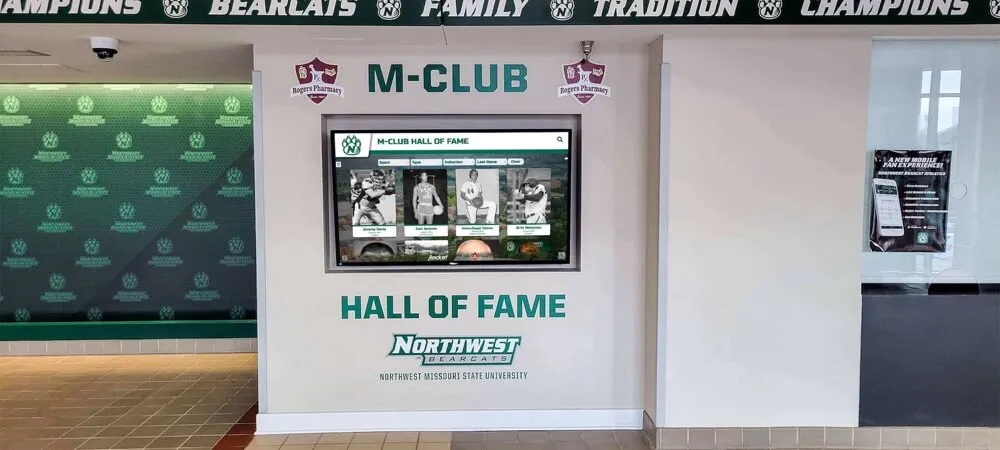
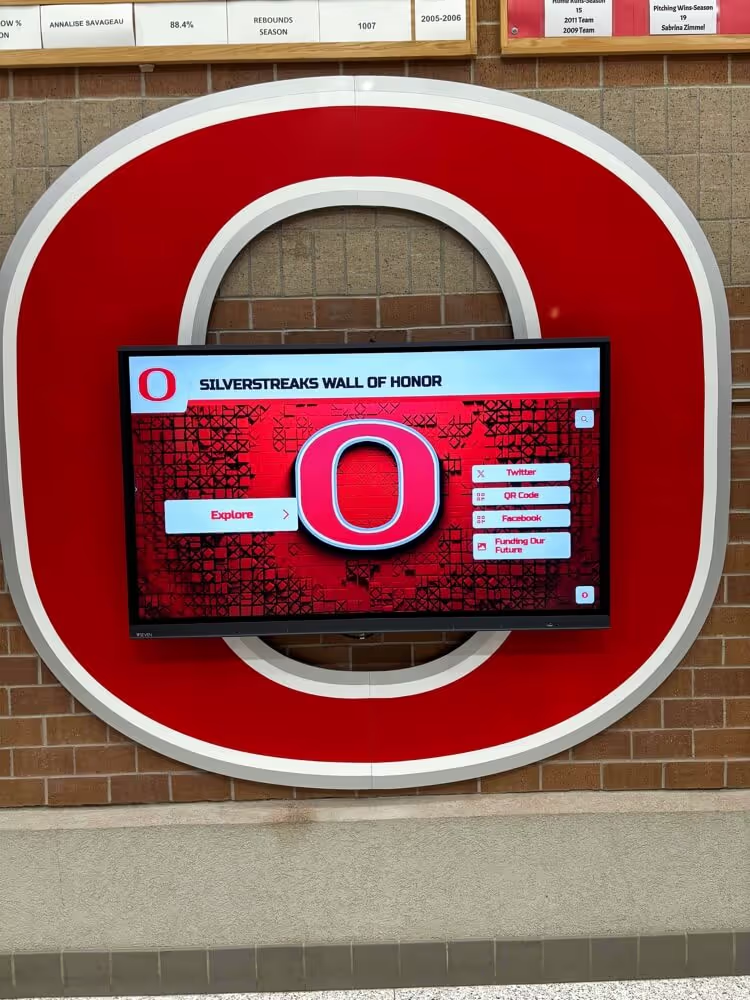
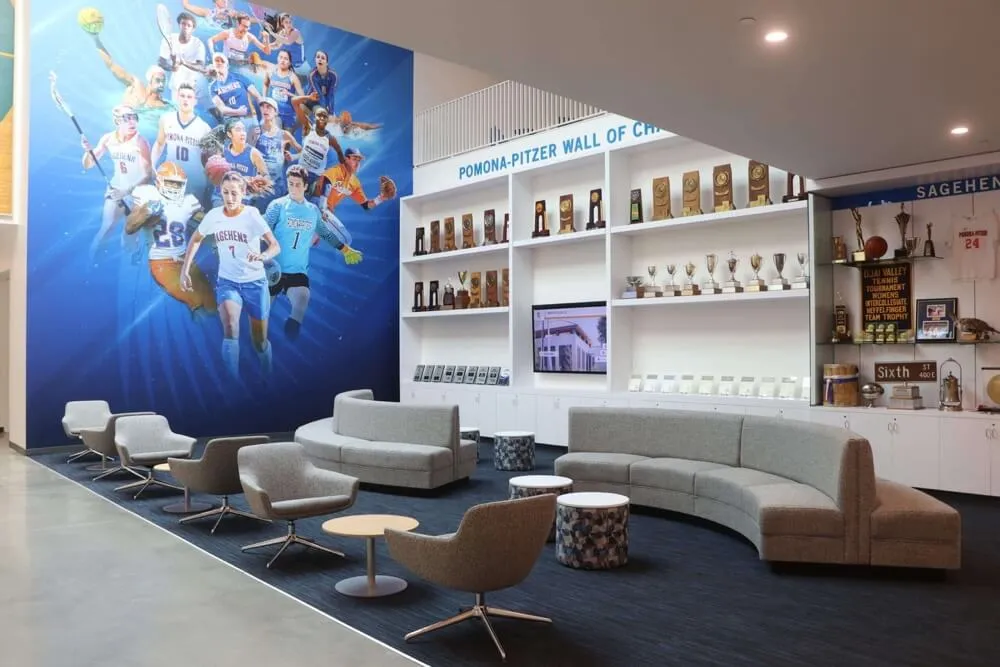
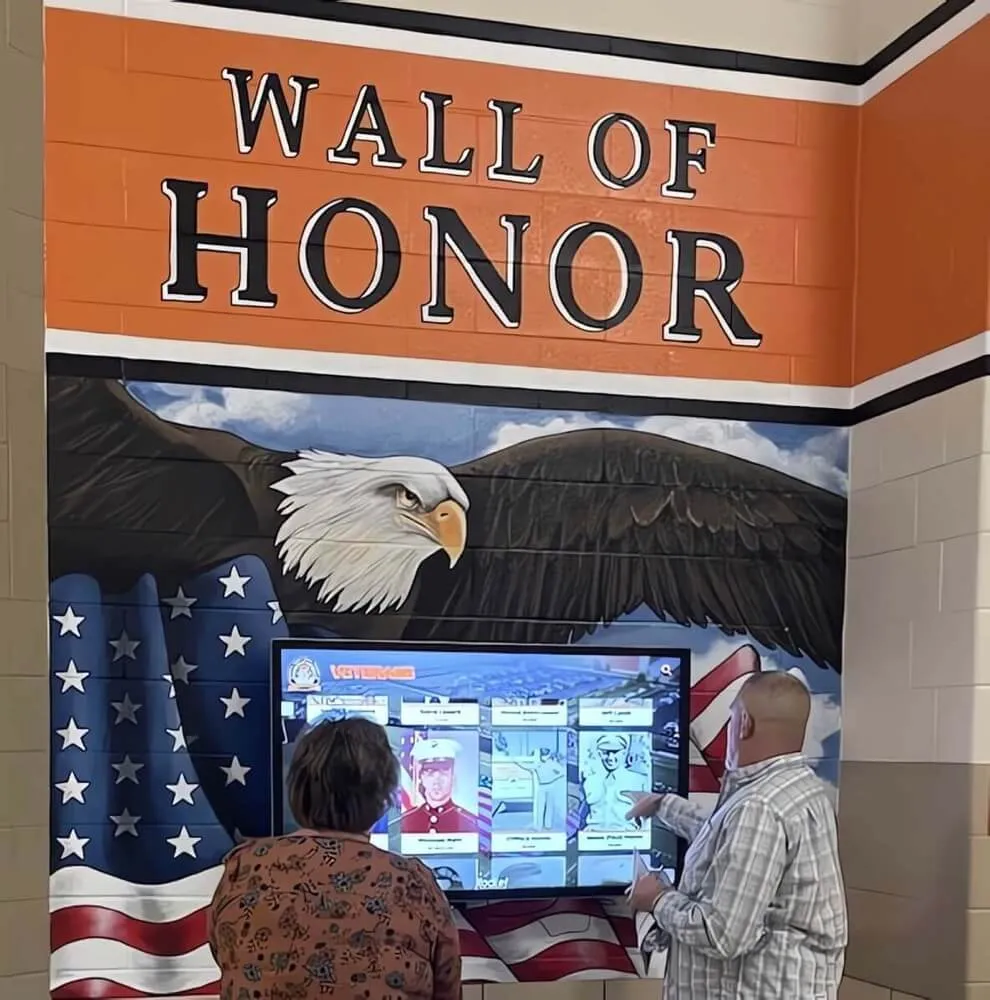
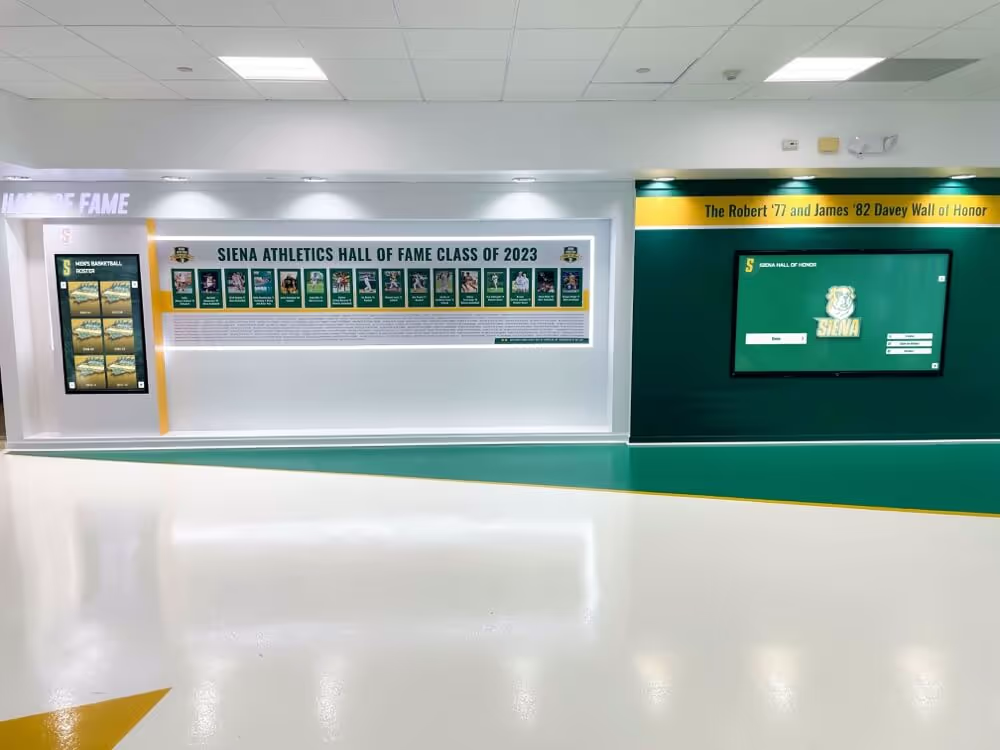
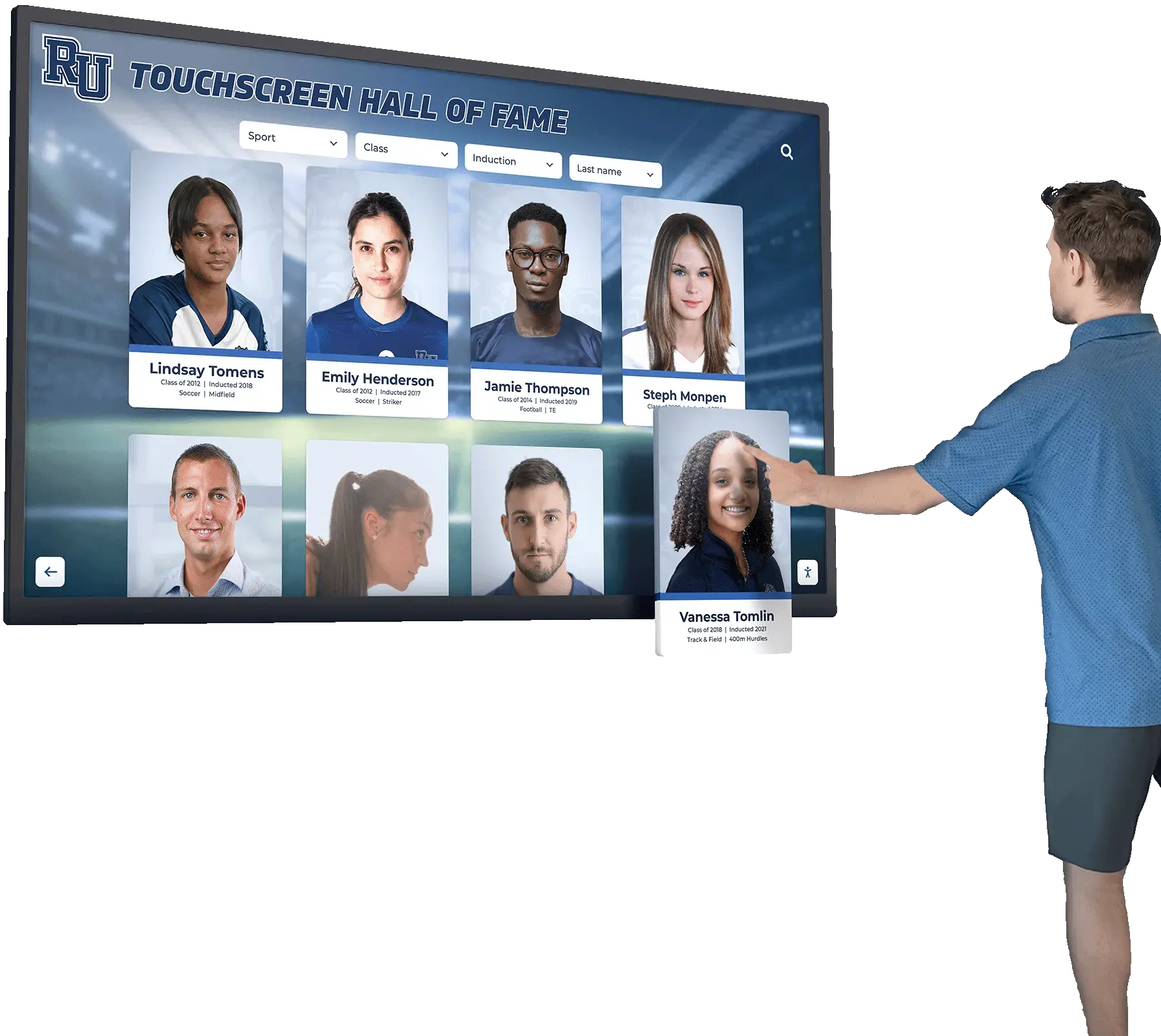
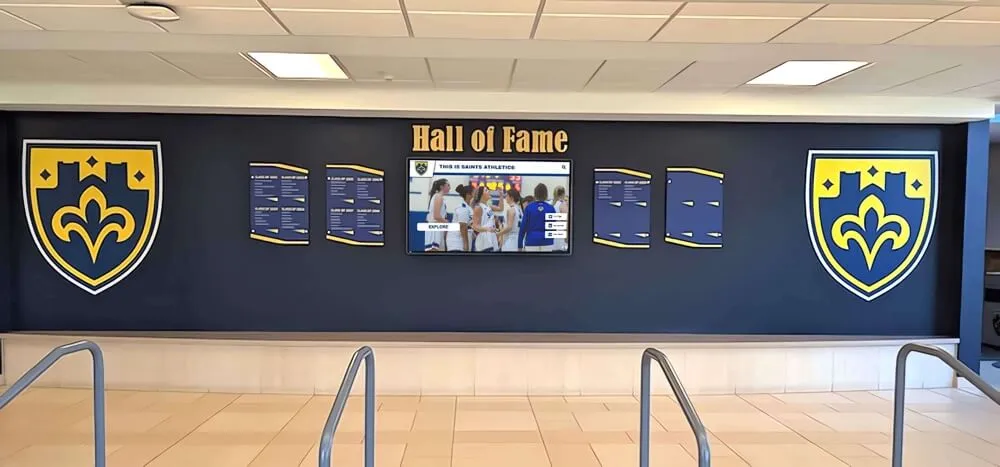
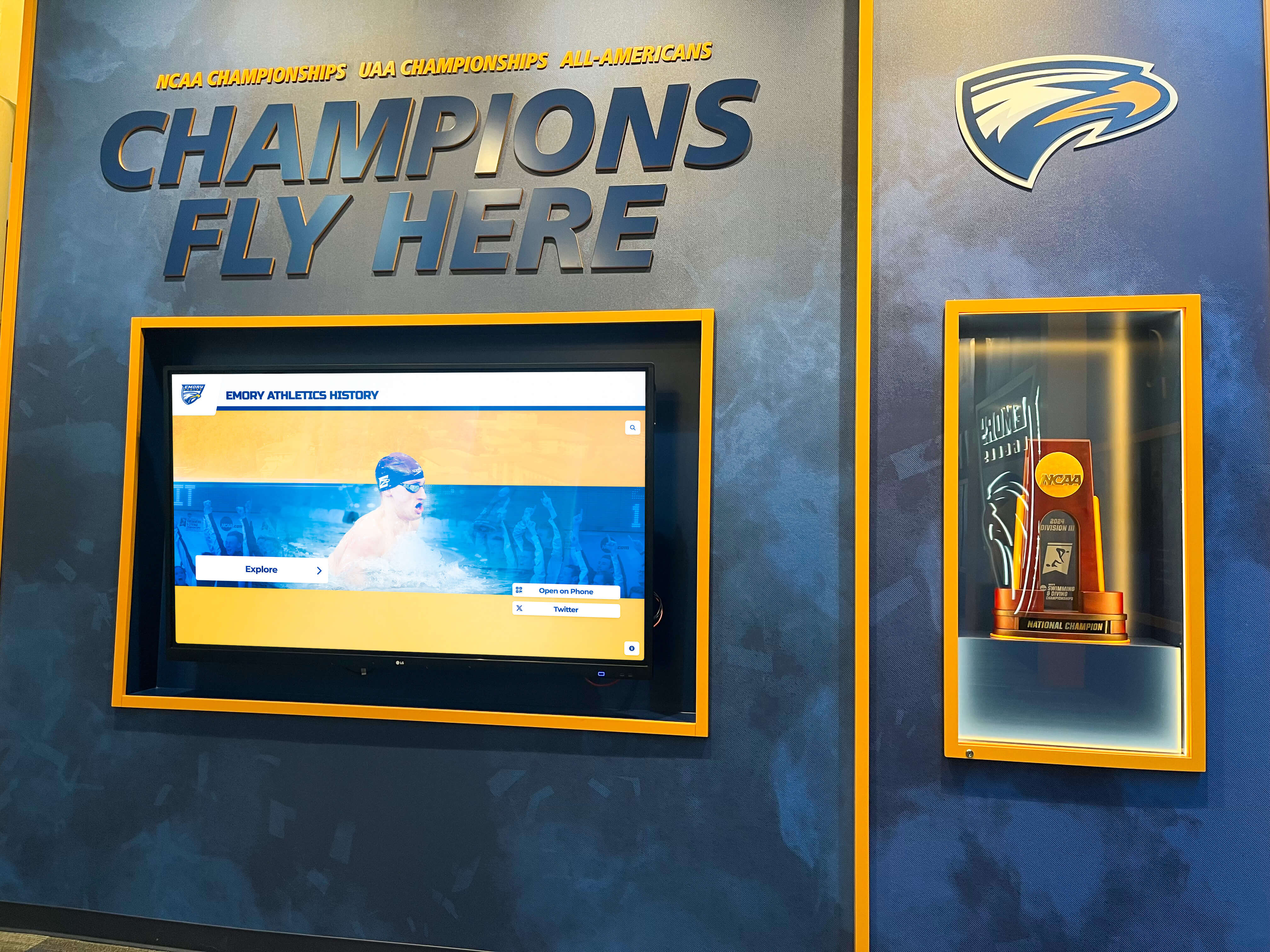
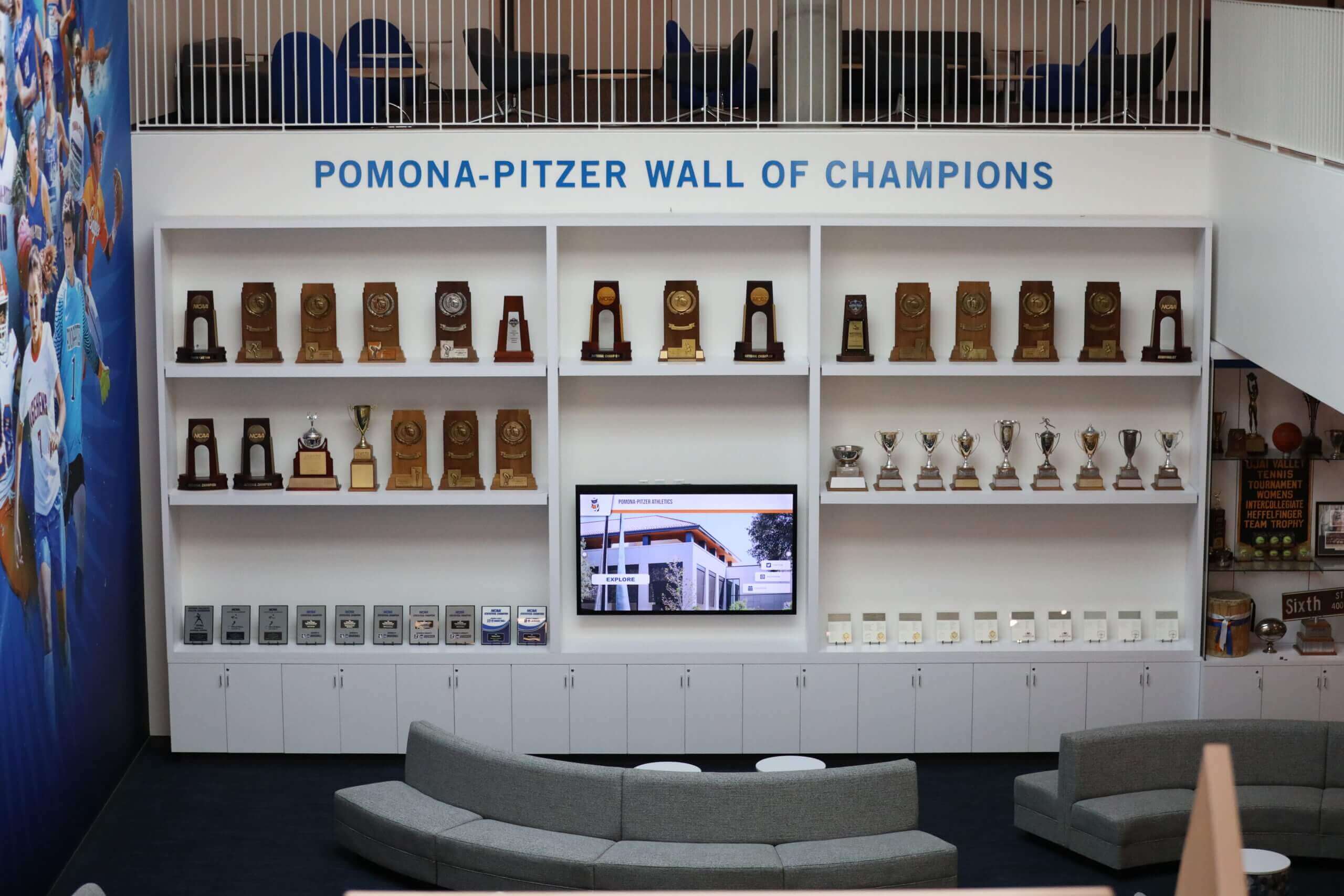
Interactive Recognition Displays: Digital trophy cases and recognition displays in athletic facilities, school lobbies, or high-traffic areas showcase spring athlete achievements throughout summer and the following school year. Unlike physical trophy cases with limited space, digital platforms accommodate unlimited athlete profiles, season highlights, statistical achievements, and photo galleries celebrating spring sports success.
Permanent Achievement Archives: Spring athlete accomplishments deserve lasting documentation beyond single-season recognition. Digital platforms maintain comprehensive historical records showing statistical leaders, all-conference performers, state qualifiers, record-setters, and championship participants across multiple years. Current athletes see tradition and excellence they’re joining, while alumni can revisit their achievements years later.
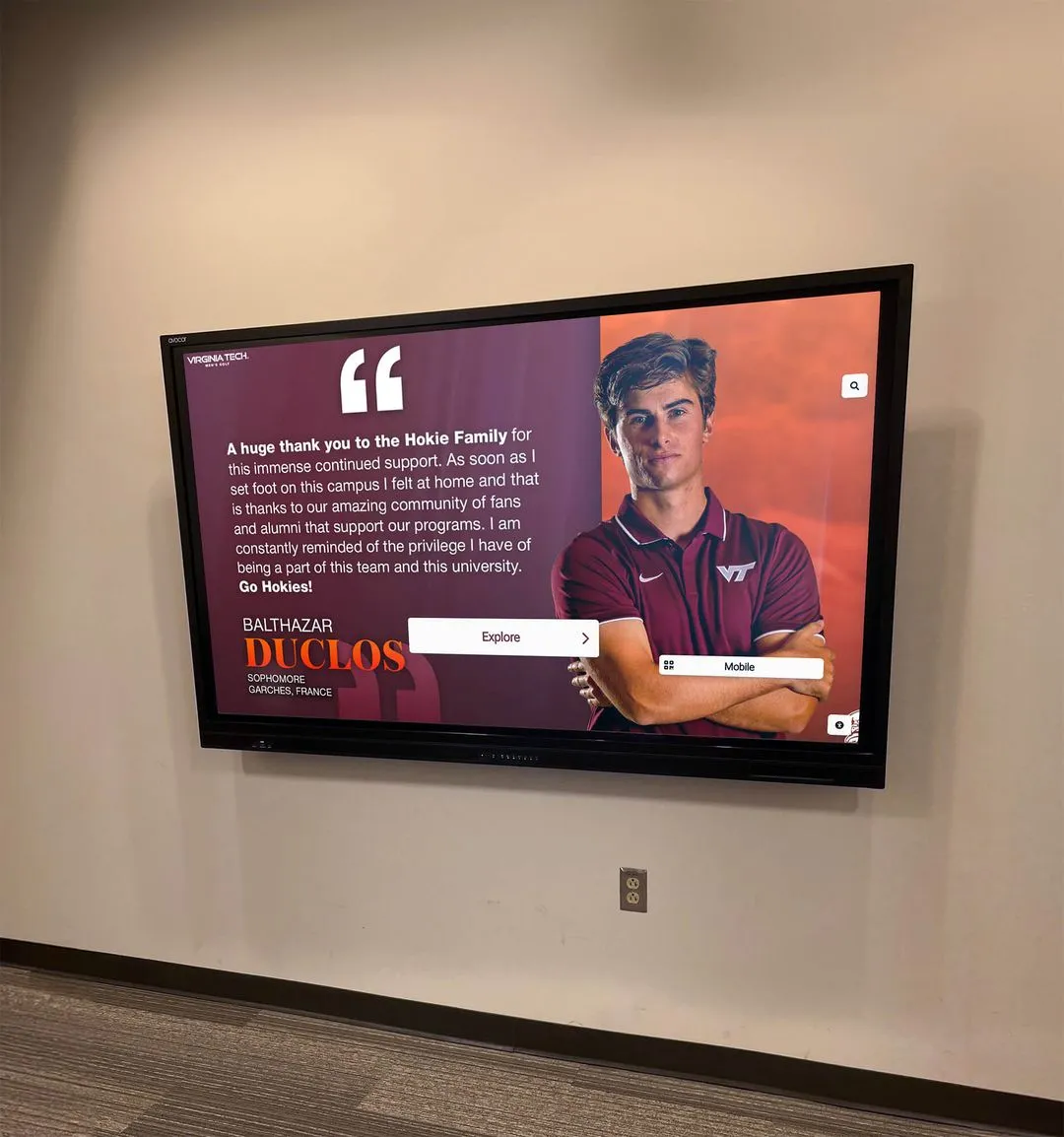
Multimedia Storytelling: Beyond names and statistics, digital recognition incorporates athlete photos, video highlights from key performances, personal statements about athletic experiences, and coach testimonials creating rich profiles celebrating spring athletes comprehensively. This multimedia approach transforms static recognition into engaging content that families share and athletes treasure.
Web Accessibility and Social Sharing: Online recognition platforms extend achievement visibility beyond campus boundaries. Families share digital profiles with distant relatives. College coaches researching recruits access documented achievements. Alumni exploring school history discover past athletic excellence. Social media integration enables easy sharing expanding recognition reach far beyond physical display viewers.
Solutions like Rocket Alumni Solutions provide turnkey platforms specifically designed for school athletic recognition, enabling programs to honor spring athletes professionally without requiring technical expertise or substantial administrative burden.
Spring Sport-Specific Considerations
While general spring season principles apply broadly, individual sports present unique management considerations.
Baseball and Softball Excellence
These parallel spring sports share many characteristics while maintaining distinct identities and traditions.
Pitching Management: Protecting pitcher arm health represents the highest priority for responsible baseball and softball programs. Pitch count limits, mandatory rest periods, and careful monitoring prevent overuse injuries that can permanently affect young athletes. Coaches should follow state athletic association guidelines and national recommendations from organizations like Major League Baseball and USA Softball regarding age-appropriate pitch counts and rest requirements.
Facility Maintenance Impact: Field quality directly affects game quality and safety. Schools investing in proper drainage, infield conditioning, and outfield maintenance enable better practice and competition while reducing injury risks from poor surfaces. Effective programs establish maintenance schedules addressing these needs consistently rather than reactively responding to problems.
Defensive Skill Development: Baseball and softball success depends heavily on defensive proficiency. Programs emphasizing defensive fundamentals, positioning strategies, and situation-specific execution develop complete teams rather than relying solely on offensive production. Quality defensive teams remain competitive even when hitting struggles temporarily.
Tournament Preparation: Baseball and softball postseasons typically involve extended tournaments requiring sustained performance over multiple days. Programs that prepare athletes for tournament intensity through regular season scheduling and practice simulation build mental and physical readiness for championship competition.
Track and Field Program Management
Track’s unique structure accommodating diverse events and individual/team dynamics requires specific management approaches.
Event Group Organization: Large track programs often organize athletes into event groups—sprints, distance, hurdles, relays, throws, jumps—with specialized coaching for each discipline. This structure enables focused technical instruction while maintaining overall team cohesion. Smaller programs might have generalist coaches working across multiple event types while seeking specialized input when possible.
Individual vs. Team Balance: Track athletes compete individually while earning team points, creating dynamics requiring careful management. Coaches balance individual athlete goals with team scoring strategies. Some athletes focus entirely on maximizing personal performance in preferred events, while others contribute to team success through versatility across multiple events or strategic event placement.
Meet Management and Logistics: Track meets involve complex logistics coordinating dozens or hundreds of athletes across simultaneous events. Effective programs maintain detailed meet plans identifying which athletes compete in which events, relay team compositions, and individual event progressions. Communication systems ensure athletes know their event schedules and reporting requirements.
State Qualification Focus: In most states, track athletes must achieve specific performance standards qualifying them for state championship participation. These qualifying standards focus training and competition throughout seasons. Coaches and athletes monitor qualification status, strategize about events offering best qualification opportunities, and peak preparation timing for state meets. Resources like guides to track and field awards and recognition help programs celebrate these achievements appropriately.
Lacrosse Program Development
As one of the fastest-growing high school sports, lacrosse presents both opportunities and challenges for expanding programs.
Technical Skill Emphasis: Lacrosse requires substantial stick skill development that beginning players must acquire. Programs in established lacrosse regions benefit from youth programs teaching fundamental skills before high school. Schools introducing lacrosse in emerging areas must dedicate significant practice time to basic skill instruction while developing tactical understanding.
Equipment Management: Lacrosse equipment costs present barriers for some families and schools. Programs should maintain equipment lending libraries enabling participation regardless of family resources. Proper equipment fitting and maintenance extends gear lifespan while ensuring safety compliance. Some programs establish partnerships with lacrosse specialty retailers obtaining favorable pricing or donation arrangements.
Officials and Competitive Development: Lacrosse expansion sometimes outpaces official development, creating scheduling challenges when insufficient certified referees are available. Schools in emerging lacrosse areas might partner with state athletic associations or referee organizations supporting official recruitment and training. Competition quality depends on official expertise ensuring rules compliance and player safety.
Growth Management: Successful lacrosse programs often experience rapid growth requiring careful management. Coaches balance accommodating enthusiastic new participants with maintaining competitive standards. Some schools field multiple team levels, while others establish junior varsity and varsity distinctions enabling development pathways for athletes at different skill levels.
Tennis Program Considerations
Tennis programs balance individual sport characteristics with team competition structures.
Lineup Development and Strategy: Tennis team success depends on appropriate lineup construction. Coaches evaluate athletes across singles and doubles positions, determine optimal pairing for doubles teams, and strategize lineup arrangements maximizing team match victories. Communicating lineup decisions transparently while maintaining fair evaluation processes prevents conflict and resentment.
Court Access and Facility Limitations: Many schools face court availability limitations constraining practice capacity and home match hosting. Programs with limited courts establish practice schedules rotating athletes through available space or seek partnerships with community tennis facilities expanding access. Some programs conduct off-court conditioning and strategy sessions complementing on-court time.
Individual Skill Development: Tennis success requires substantial individual skill development beyond team practice. Programs encourage athletes to seek additional instruction through private lessons, community programs, or specialized tennis academies while ensuring these outside activities complement rather than conflict with school team participation.
Mental Game Emphasis: Tennis demands exceptional mental toughness through individual competition pressure, momentum management, and self-correction during matches. Quality programs incorporate mental skill training addressing focus maintenance, positive self-talk, emotional control, and competitive mindset development preparing athletes for tennis’s psychological demands.
Golf Program Management
Golf’s unique characteristics require different management approaches than traditional team sports.
Course Access Arrangements: Most high school golf programs lack owned courses, requiring partnerships with community golf facilities. These arrangements typically involve reduced rates, dedicated tee times, and access to practice facilities. Strong relationships with course management ensure reliable access while demonstrating appreciation for facility support.
Transportation and Supervision: Golf competitions and practices at off-campus locations require transportation planning and appropriate supervision. Schools establish protocols ensuring safe transportation, adequate adult supervision ratios, and emergency communication systems. Some programs utilize parent volunteers assisting with transportation and supervision when sufficient school resources aren’t available.
Scoring and Statistics Management: Golf competition scoring requires accuracy and understanding of tournament formats, handicap systems, and various competition structures. Coaches and athletic administrators familiar with golf’s unique aspects ensure proper results recording and conference/district reporting. Digital scoring tools and golf-specific software can streamline these administrative requirements.
Inclusion and Participation Barriers: Golf equipment costs and country club associations can create perception of exclusivity limiting participation from diverse socioeconomic backgrounds. Programs actively recruiting across all student populations, maintaining equipment lending programs, and emphasizing golf as accessible lifetime sport help combat these barriers. Partnerships with public courses or municipal facilities reinforce golf’s accessibility.
Senior Athlete Transition and Celebration
Spring sports mark the conclusion of high school athletic careers for graduating seniors, requiring thoughtful transition support and meaningful celebration.
Senior Recognition Practices
Spring programs should implement comprehensive senior recognition acknowledging complete high school contributions.
Senior Day/Night Ceremonies: Most spring sports designate specific competitions as senior recognition events. These ceremonies typically include introductions highlighting each senior’s accomplishments, family recognition acknowledging parental support, presentation of commemorative gifts or flowers, senior speeches or brief remarks when appropriate, and special pre-game or pre-competition activities honoring departing athletes. Planning these events carefully ensures memorable experiences regardless of competition outcomes.
Senior Legacy Projects: Some programs establish traditions where graduating seniors contribute lasting impacts. Seniors might record advice for younger athletes, create team culture documents articulating program values, lead team-building activities passing leadership to younger classes, or participate in facility improvement projects leaving physical reminders of their contributions.
Post-High School Planning Support: Coaches often assist senior athletes navigating post-graduation transitions, particularly those pursuing collegiate athletic opportunities. This support might include communicating with college coaches, providing performance footage and statistics, completing recommendation forms, advising about recruitment processes, and maintaining relationships with college coaching staffs enabling senior placement.
Final Team Activities: Beyond formal recognition, spring programs create informal opportunities for senior bonding and memory creation. Team meals, optional off-season activities, or post-season gatherings enable seniors to conclude athletic careers with positive emotional closure while strengthening relationships they’ll carry beyond high school.
Transition to Alumni Status
Graduating athletes become program alumni, representing potential ongoing engagement resources when relationships are maintained.
Alumni Communication Systems: Programs establishing alumni communication systems maintain connections beyond graduation. Email lists, social media groups, or periodic newsletters keep former athletes informed about current program success while providing networking among alumni classes. Alumni engagement strategies offer frameworks for building these lasting connections.
Alumni Event Opportunities: Successful programs periodically host alumni events bringing former athletes back to campus. These gatherings might coincide with significant games or competitions, reunite specific graduation classes celebrating milestone anniversaries, or occur during dedicated alumni weekends. Alumni attendance at current team events demonstrates program legacy and tradition while providing current athletes with role models and mentors.
Recognition in School History: Graduating seniors deserve permanent recognition beyond their final seasons. Digital recognition platforms enable comprehensive documentation of spring athlete achievements maintaining their presence in program history. Athletic halls of fame provide formal structures honoring the most distinguished program contributors while broader recognition systems acknowledge all senior contributions.
Building Spring Sports Program Culture
Beyond competition and recognition, successful spring programs intentionally develop positive cultures attracting participation and supporting athlete development.
Establishing Program Values and Identity
Clear program values and distinct identity differentiate excellent programs from merely functional ones.
Defining Core Values: Effective programs articulate specific values they emphasize beyond winning. These might include commitment to excellence, respect for opponents and officials, academic responsibility, team-first mentality, continuous improvement, positive attitude, and community service. Clearly defined values guide coaching decisions, inform athlete recognition, and shape program culture.
Tradition Development: Spring sports programs benefit from establishing traditions connecting current athletes with program history. Traditional pre-game rituals, annual team events, senior recognition customs, or symbolic practices create continuity across graduating classes. Traditions strengthen program identity while building belonging among current participants.
Communication of Expectations: Athletes, families, and communities should clearly understand program expectations regarding attendance and punctuality, academic standards, conduct and sportsmanship, physical conditioning, equipment care, and community representation. Transparent expectation communication prevents conflicts arising from misunderstanding while establishing accountability systems.
Creating Inclusive Team Environments
Spring programs should welcome diverse participants while building cohesive team cultures.
Skill Level Accommodation: Spring sports attract athletes with dramatically different skill levels from elite performers pursuing collegiate opportunities to beginners trying sports for the first time. Quality programs structure practices enabling all athletes to develop at appropriate levels. Differentiated instruction, varied practice groups, and individualized skill progressions ensure everyone improves rather than creating environments where only advanced athletes thrive.
Eliminating Social Hierarchies: Unhealthy team dynamics sometimes emerge where social hierarchies based on popularity, seniority, or athletic ability undermine inclusive culture. Coaches should actively combat cliques through team-building activities mixing different groups, leadership rotation providing opportunities across the roster, and swift intervention when exclusionary behaviors appear.
Celebrating Diverse Contributions: Teams succeed through diverse contributions beyond star athletes’ performances. Recognizing athletes who provide practice intensity, maintain positive attitudes, support struggling teammates, and fulfill role responsibilities communicates that everyone matters. This recognition can occur through formal awards, coaching acknowledgment during practice, or informal appreciation of various contributions.
Communication Systems with Families and Communities
Effective communication strengthens support for spring programs while preventing misunderstandings.
Digital Communication Platforms: Most programs utilize team communication apps, email systems, or dedicated websites sharing schedules, announcements, practice changes, and general information. Consistent platform use with regular updates ensures families stay informed about program activities. Some schools integrate athletics communication with broader school systems, while others maintain sport-specific channels.
Transparency About Decisions: Coaching decisions regarding playing time, lineup selection, and recognition sometimes generate family concerns or disagreements. While coaches shouldn’t justify every decision publicly, establishing general frameworks for evaluation and selection maintains trust. Office hour availability for parent conversations, clear communication pathways for concerns, and responsiveness to reasonable questions prevent minor issues from escalating unnecessarily.
Showcasing Program Success: Schools should celebrate spring sports success through various channels including school websites and social media, local media coverage and press releases, school announcements and newsletters, community event presence, and digital displays featuring spring athletes. School spirit and community building strategies help maximize spring sports visibility supporting program growth and community engagement.
Budget Management for Spring Sports Programs
Spring athletics require strategic budget management balancing program needs with available resources.
Revenue Generation Strategies
Many spring programs supplement school budget allocations through various revenue sources.
Ticket Sales and Gate Revenue: Baseball and softball games often generate admission revenue when schools charge for attendance. Track meets hosting multiple schools sometimes assess entry fees. Revenue potential depends on facility ownership, community interest, and competitive success generating fan attendance. Schools should establish clear policies regarding revenue retention—some programs retain gate revenue for sport-specific use, while others contribute to general athletic department funds.
Concession Operations: Food and beverage sales at spring sporting events create revenue opportunities while enhancing fan experience. Some schools operate concessions directly, while others partner with booster clubs or parent organizations managing sales and retaining profits for program support. Successful concession operations require volunteers, inventory management, and compliance with local health regulations.
Fundraising Events and Activities: Spring programs conduct various fundraising initiatives including car washes and community service work, restaurant fundraising nights partnering with local businesses, direct donation campaigns to program supporters, team merchandise sales including apparel and accessories, and special events like golf outings or auctions. Effective fundraising balances revenue generation with avoiding excessive demands on athletes, families, and community members.
Sponsorship and Advertising: Some schools pursue corporate sponsorships for spring sports programs. Local businesses might sponsor uniforms, equipment purchases, or facility improvements in exchange for recognition. Schools should ensure sponsorship relationships comply with state athletic association regulations and district policies regarding commercial relationships.
Strategic Resource Allocation
Athletic directors must allocate limited resources across multiple spring programs fairly while considering various factors.
Equity Across Programs: Title IX compliance requires equitable treatment of male and female athletic programs. Resource allocation including budget, facilities, equipment, and coaching should provide comparable opportunities regardless of athlete gender. Some spring sports operate with substantially different budget requirements—baseball and softball need field maintenance and specialized equipment that tennis or track don’t require in same measure—but overall resource packages should support equitable participation.
Need-Based Prioritization: Programs face different resource needs based on participation levels, competitive success, equipment conditions, and community expectations. Baseball programs with 60 athletes require different budget levels than tennis programs with 15 participants. Schools balance need-based allocation with ensuring smaller programs receive adequate support preventing resource disparities from undermining participation.
Safety and Core Function Emphasis: Limited budgets require prioritization. Safety equipment and items essential for basic program operation should receive funding priority over optional enhancements. Protective gear, properly maintained facilities, and minimum equipment enabling practice and competition come before premium items that might be desirable but aren’t necessary.
Technology Supporting Spring Sports Management
Modern technology provides tools streamlining spring sports administration and enhancing athlete experiences.
Scheduling and Communication Technology
Digital platforms simplify complex scheduling and communication requirements.
Team Management Platforms: Applications like TeamSnap, MaxPreps, FinalForms, and similar services provide integrated platforms managing rosters, schedules, communication, media galleries, and statistics. These platforms reduce administrative burden while improving information access for athletes and families. Most charge modest fees justified by time savings and organizational benefits they provide.
Weather Monitoring and Alert Systems: Spring sports weather sensitivity makes reliable forecasting essential. Coaches and athletic directors utilize weather apps with detailed short-term forecasts, radar systems showing precipitation patterns, lightning detection services ensuring safety during threatening conditions, and mass notification systems enabling rapid communication about weather-related decisions.
Live Streaming and Broadcasting: Some schools broadcast or stream spring competitions making events accessible to families unable to attend in person. Simple smartphone streaming through social media platforms provides basic coverage requiring minimal technology. More sophisticated setups using dedicated cameras and streaming platforms deliver higher-quality productions. Digital displays showcasing athletic programs extend visibility beyond live events.
Performance Tracking and Analysis
Technology enables more sophisticated athlete development through performance data.
Video Analysis Systems: Affordable video recording and analysis software enables coaches to break down technique, review game situations, and provide visual feedback to athletes. Baseball and softball pitching mechanics, golf swings, lacrosse shooting form, and track technique all benefit from video analysis enabling detailed examination impossible during real-time observation.
Statistical Tracking: Digital stat-keeping applications improve accuracy while reducing administrative burden. Baseball and softball programs track detailed statistics informing strategy and recognition. Track programs maintain performance databases identifying improvement patterns and goal progression. Statistical systems integrated with team websites enable public access showing achievements and season progression.
Training Load Monitoring: Some programs utilize technology monitoring training intensity, recovery status, and injury risk indicators. While most common at college and professional levels, these systems increasingly appear in high school programs emphasizing athlete wellness and injury prevention. Simple implementations might track practice attendance and competition workload, while sophisticated approaches use wearable technology monitoring physiological markers.
Digital Recognition Platforms
Perhaps the most impactful technology application in spring sports involves recognition systems celebrating athlete achievements.
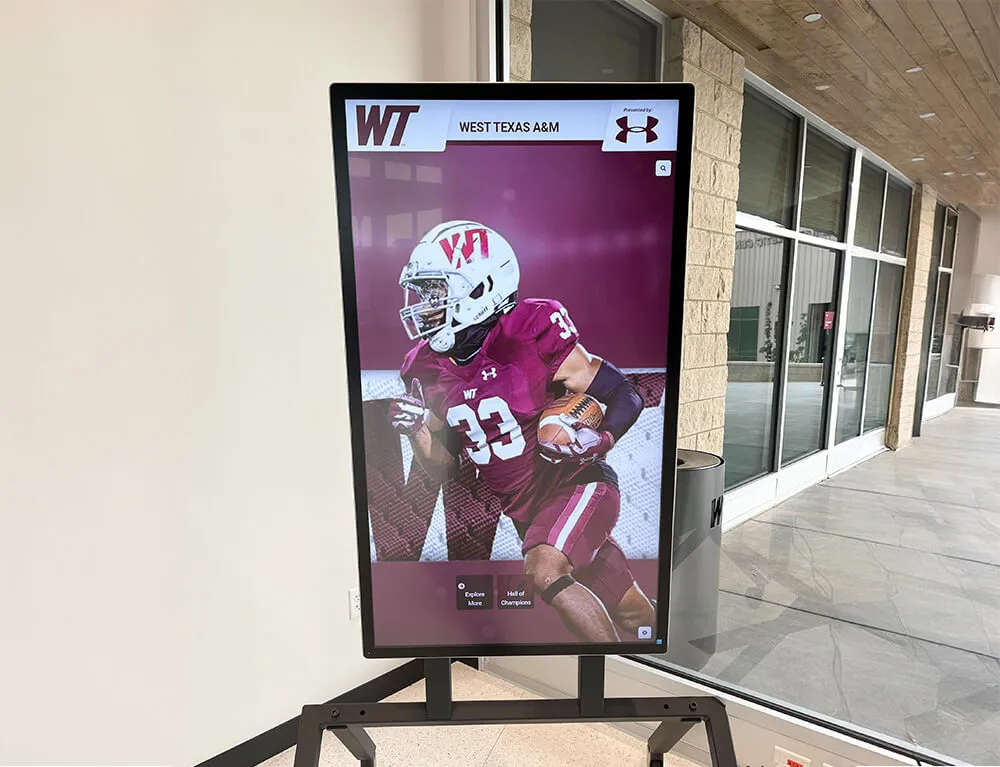
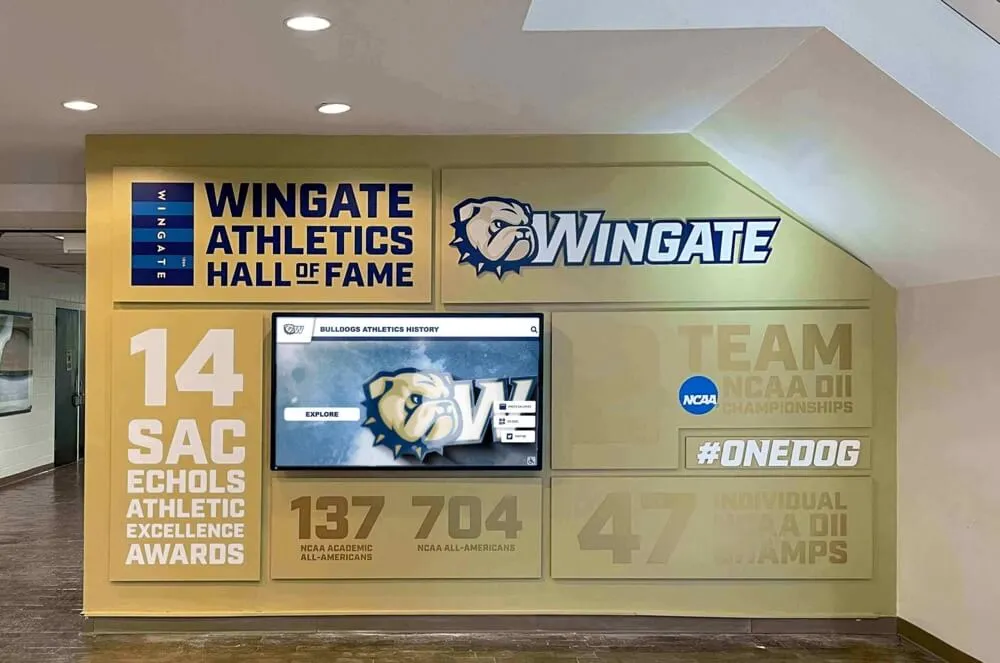
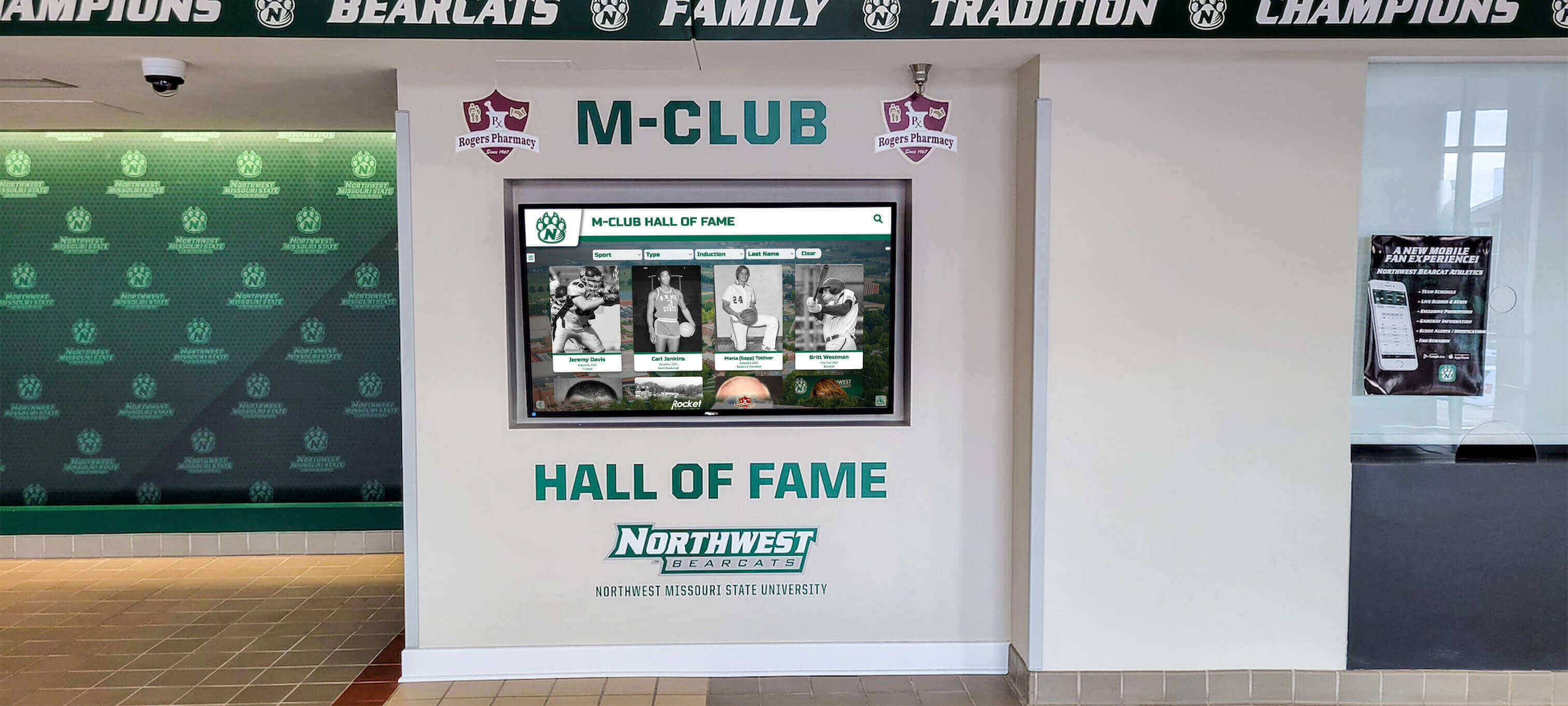
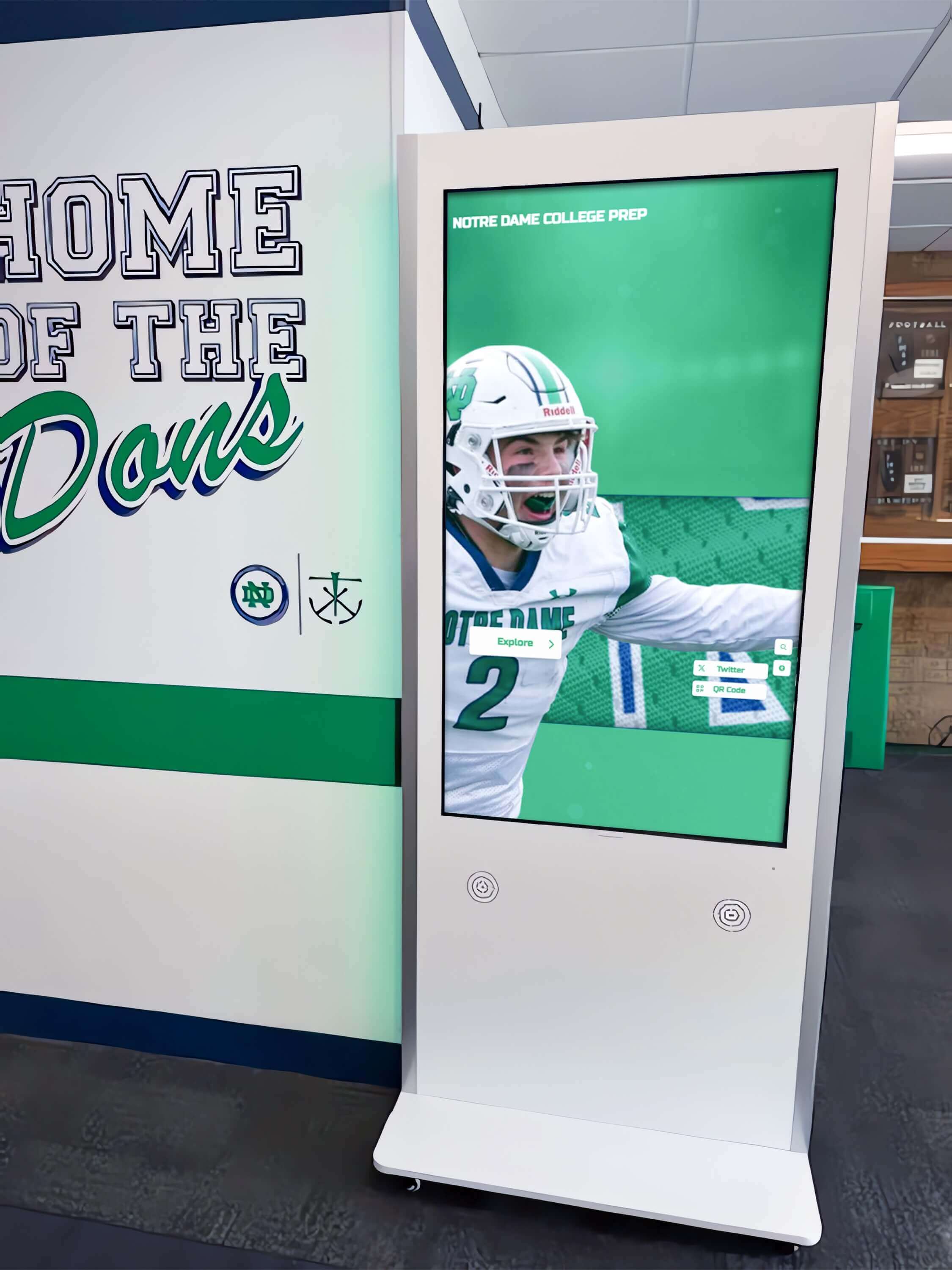
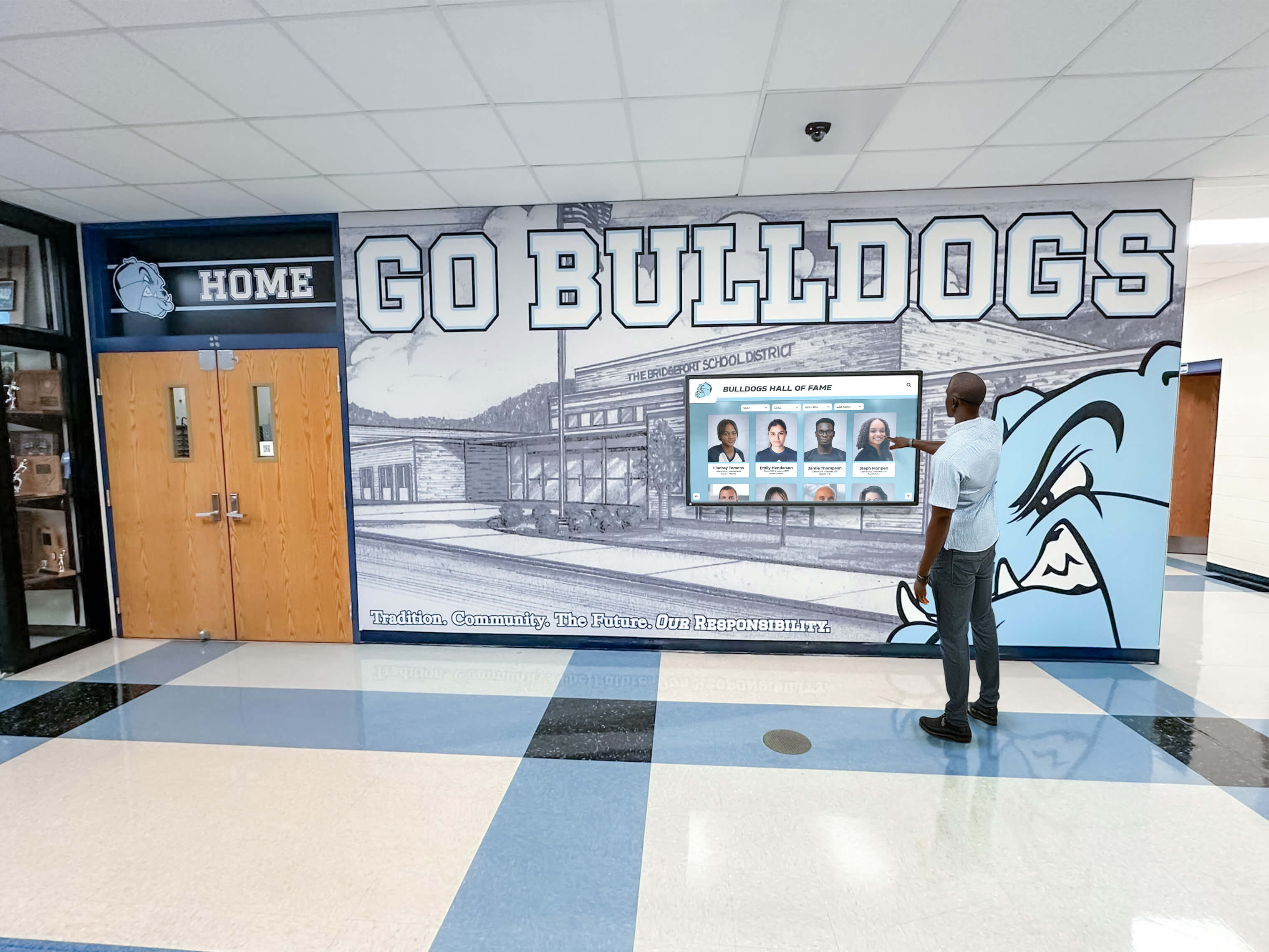
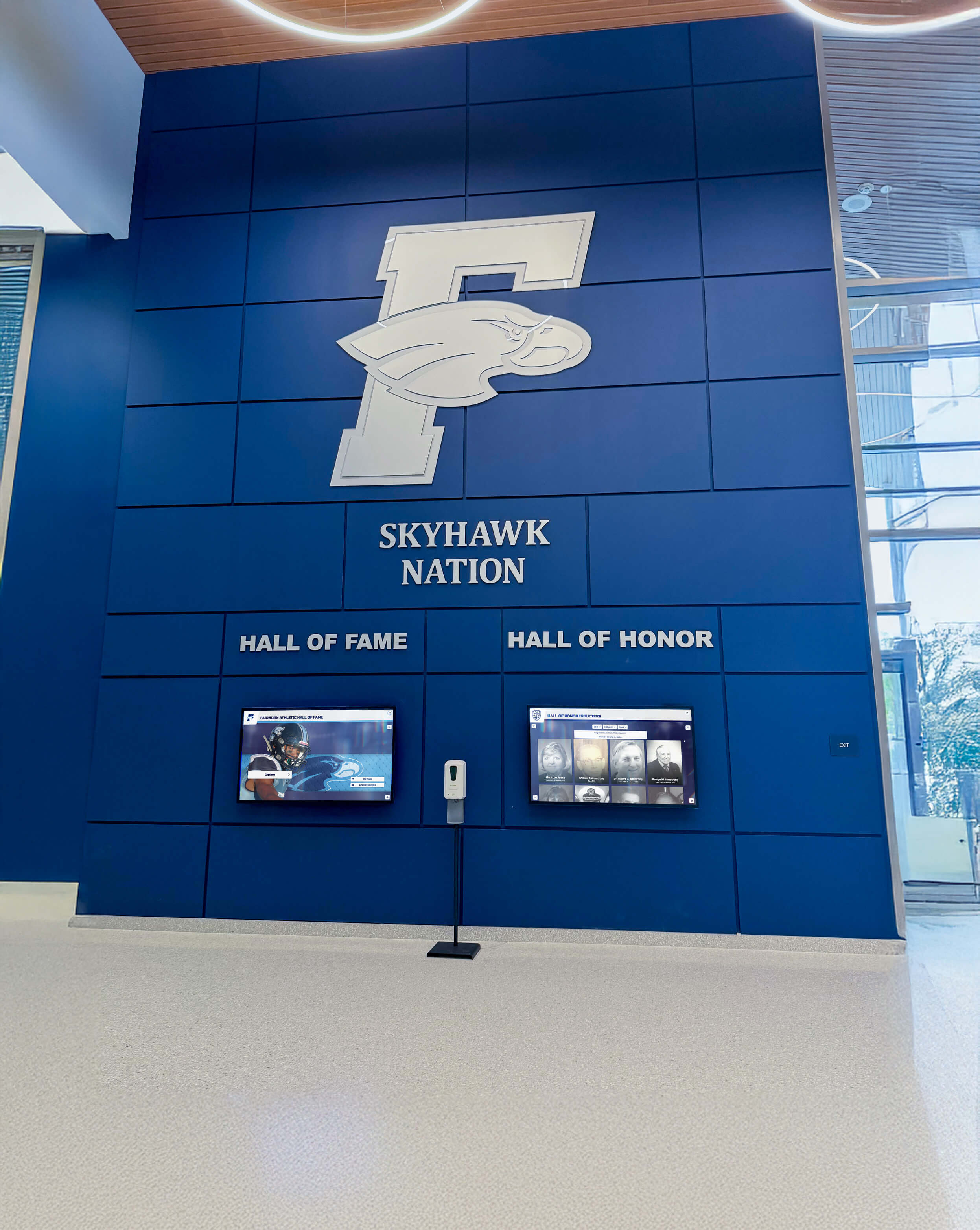
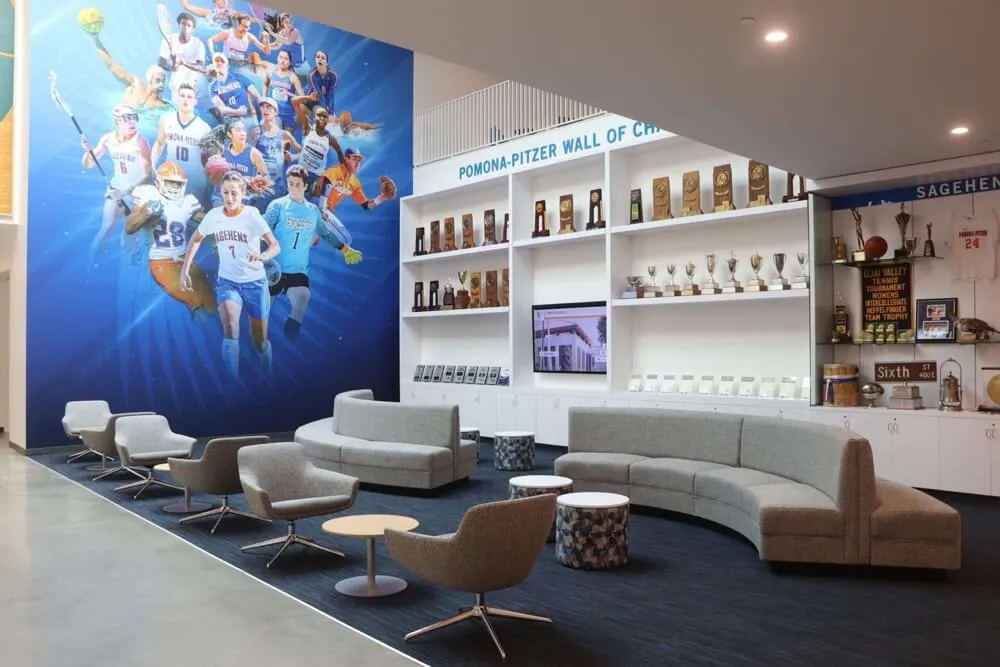
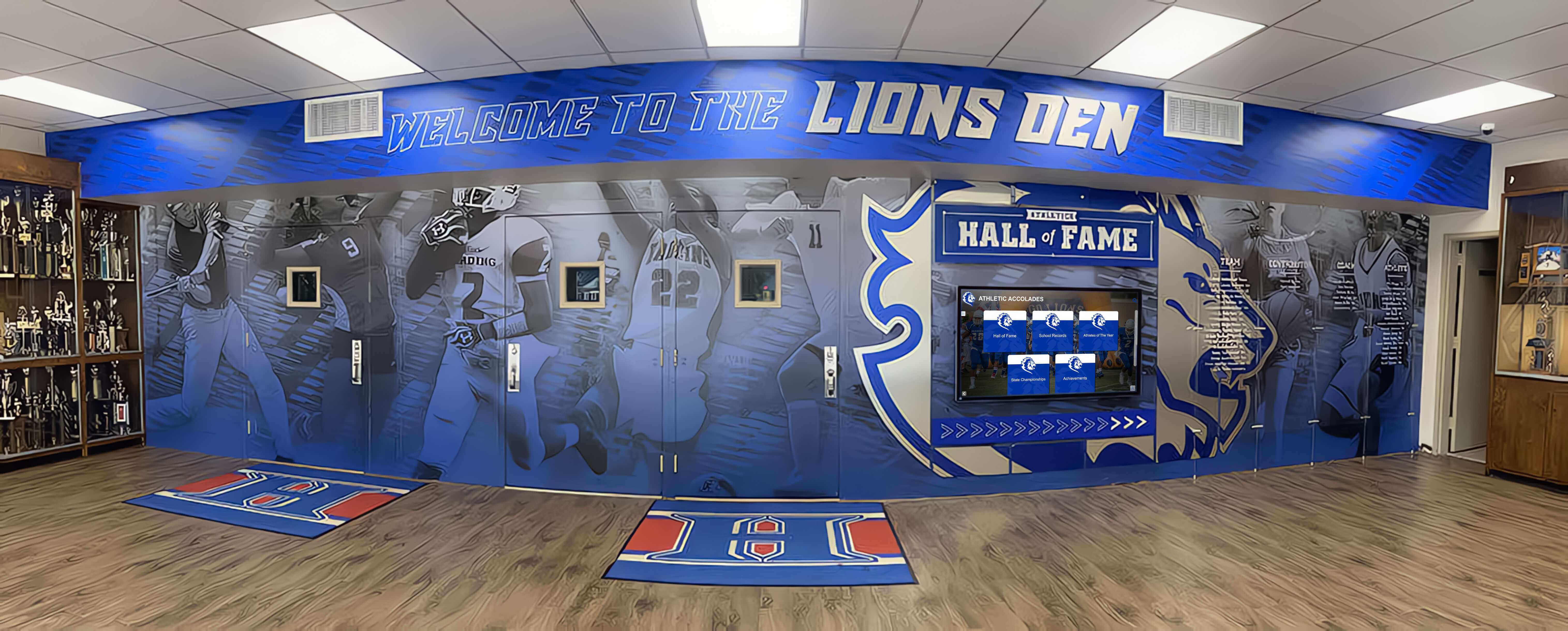
Interactive Display Systems: Modern recognition platforms transform how schools honor spring athletes. Interactive touchscreen displays installed in athletic facilities, school lobbies, or community spaces enable visitors to explore spring sports achievements through engaging touch interfaces. Unlike static trophy cases with limited capacity, digital systems accommodate unlimited athlete profiles, season statistics, photo galleries, and historical records.
Content Management Simplicity: Quality recognition platforms provide intuitive content management enabling coaches or athletic administrators to add new content without technical expertise. Following spring seasons, staff can quickly upload athlete profiles, season highlights, statistical achievements, and team photos ensuring recognition appears immediately. Cloud-based systems enable updates from anywhere, and changes publish instantly across all displays.
Comprehensive Achievement Documentation: Digital recognition doesn’t just acknowledge award winners—platforms can document complete rosters, season schedules and results, photo galleries from throughout seasons, statistical leaders across various categories, all-conference and all-state performers, record-setting achievements, and championship team recognition. This comprehensive documentation preserves spring sports history far more thoroughly than traditional trophy cases permit.
Family and Community Engagement: Web-accessible recognition extends visibility beyond campus. Families share athlete profiles on social media, distant relatives explore achievements remotely, college coaches research prospective recruits, and community members celebrate local athletic success. This extended reach amplifies recognition impact while building program support.
Schools exploring digital recognition for spring athletes should evaluate solutions designed specifically for educational athletics rather than generic digital signage requiring adaptation. Purpose-built platforms understand school recognition needs, provide appropriate content templates, and deliver turnkey implementation enabling professional results without substantial technical expertise or administrative burden.
Planning Effective Spring Sports Banquets
End-of-season recognition events provide formal opportunities celebrating spring athlete achievements, team success, and program culture.
Banquet Planning Essentials
Successful banquets require advance planning addressing logistics, content, and experience quality.
Venue Selection and Logistics: Banquet locations should accommodate expected attendance including athletes, families, coaches, and guests. School cafeterias or gymnasiums provide free options for budget-limited programs. Some schools rent off-campus venues—restaurants, community centers, or event spaces—creating more formal atmospheres when budgets permit. Venue selection should consider accessibility, available amenities, catering options, and audio-visual capabilities.
Date and Timing Considerations: Schedule banquets soon after season conclusions while accomplishments remain fresh and team connection persists. Evening events typically enable better family attendance than afternoon scheduling. Avoid conflicts with end-of-year academic events, other spring sport banquets, graduation activities, and major community events. Survey families about preferred dates before finalizing to maximize attendance.
Budget and Cost Management: Banquet expenses vary tremendously based on venue, catering, awards, decorations, and other elements. Programs with limited budgets host simple school-based events with potluck meals or basic catering, printable awards and certificates, volunteer decorating, and coach-provided audio-visual content. Premium budgets enable restaurant catering, engraved awards and trophies, professional decorating, hired entertainment or speakers, and video production services. Most programs find middle ground providing quality experiences without excessive costs. Sports banquet planning resources offer comprehensive frameworks for creating memorable events at any budget level.
Program Content and Recognition Structure
Effective banquets balance celebration, recognition, and reasonable duration preventing excessive length.
Opening and Welcome: Banquets typically begin with welcome remarks from coaches or athletic directors acknowledging attendance and setting positive tone. Some programs include meal service before or during opening elements, while others complete all program content before dining.
Season Review and Highlights: Video presentations or coach narration reviewing season highlights, memorable moments, significant victories, and team accomplishments provide context celebrating what the team achieved collectively. These reviews should maintain positive emphasis even for challenging seasons, finding growth and memorable experiences to celebrate.
Recognition Categories and Award Presentation: Programs present various awards acknowledging statistical achievements, character and leadership, improvement and dedication, specialized contributions, and senior recognition. Effective presentations include brief context about each award’s significance, specific examples justifying recipient selection, recipient acknowledgment with photo opportunities, and appropriate applause and celebration before proceeding. Balance thoroughness with maintaining engagement—audiences lose attention during excessively long award presentations.
Coach and Staff Recognition: Athletes and families should acknowledge coaching staff contributions through gifts, verbal appreciation, or formal recognition. Some programs present coaches with team-signed items, while others allow senior or captain representatives to offer remarks appreciating coaching efforts.
Senior Tributes: Graduating seniors deserve special recognition beyond standard awards. Many programs show senior slideshows or videos highlighting their careers, invite seniors to share brief reflections, present commemorative gifts or plaques, and enable family members to acknowledge their athletes. These moments create emotional highlights and provide meaningful closure to high school athletic careers.
Closing Remarks and Future Focus: Banquets should conclude with forward-looking messages acknowledging that seasons end while relationships and lessons persist. Coaches might preview off-season expectations, discuss returning athlete opportunities, and express optimism about program future. Appropriate closing leaves athletes and families with positive impressions maintaining engagement beyond season conclusion.
Continuing Spring Sports Development in the Off-Season
Spring season conclusions don’t mean athletic development stops—quality programs provide off-season structure supporting continuous improvement.
Voluntary Training and Skill Development
Most states allow voluntary off-season training with specific limitations regarding coaching involvement and mandatory attendance.
Strength and Conditioning Programs: Summer and fall present opportunities for strength and conditioning emphasis building athletic foundations for subsequent springs. Baseball and softball athletes address arm strengthening and overall conditioning. Track athletes maintain aerobic bases while developing strength. Lacrosse players emphasize overall athleticism and conditioning. Tennis athletes work on general fitness complementing on-court skill development. Golf programs encourage fitness routines supporting endurance and core strength.
Skill-Specific Training: Athletes benefit from off-season skill work at appropriate intensity levels preventing burnout while enabling improvement. This might involve baseball and softball pitchers working with specialized instructors, track athletes attending summer camps or competing with club teams, lacrosse players participating in summer leagues or tournaments, tennis athletes engaging in community programs or tournament competition, and golfers accessing instructional programs and regular course play.
Recovery and Multi-Sport Participation: Off-season should include adequate recovery preventing overuse and burnout. Athletes benefiting from mental and physical breaks return refreshed for subsequent seasons. Multi-sport participation provides variety engaging different muscle groups and skills while maintaining overall athleticism. Programs should encourage rather than discourage multi-sport athletes recognizing their comprehensive development benefits.
Coach Development and Program Planning
Coaches utilize off-season for professional development and strategic planning.
Continuing Education: Quality coaches pursue ongoing learning through clinic attendance, online courses, certification programs, and networking with peer coaches. State coaching associations, national sport organizations, and educational institutions offer development opportunities across coaching experience levels. Investment in coach development directly translates to improved athlete experiences and program quality.
Program Evaluation and Planning: Off-season provides time for honest program assessment. Coaches should analyze season results, gather athlete and family feedback, identify program strengths and improvement areas, evaluate equipment and facility needs, and plan strategic improvements for subsequent seasons. Documentation capturing these assessments creates institutional knowledge preventing repetition of mistakes while building on successes.
Recruitment and Program Building: Programs in schools with multiple team levels or substantial roster turnover should conduct recruiting efforts during off-season. This might involve outreach to incoming freshmen, communication with youth program participants, summer skill sessions or open gyms introducing programs to prospective athletes, and relationship building with middle school coaches feeding high school programs.
Conclusion: Making Spring Sports Season Meaningful
Spring high school sports seasons occupy unique positions in athletic calendars—concluding school years, providing outdoor competition opportunities, accommodating diverse sports across various venues, and marking final chapters for graduating seniors while setting foundations for returning athletes’ future success. Athletic administrators and coaches who understand these dynamics create environments where spring sports thrive despite their inherent challenges.
Successful spring seasons require comprehensive planning addressing facilities, equipment, scheduling, and staffing well before first practices. Thoughtful management balances competitive goals with academic responsibilities, weather realities, and athlete wellness. Meaningful recognition celebrates diverse achievements while creating lasting documentation of spring sports excellence. Intentional culture development attracts participation, supports athlete growth, and builds traditions connecting current participants with program history.
The most effective spring sports programs share common characteristics regardless of specific sport or school size. They honor athletic achievement while valuing character and citizenship, maintain competitive standards while ensuring inclusive participation opportunities, balance winning emphasis with comprehensive athlete development, communicate transparently with athletes, families, and communities, celebrate success visibly while learning from challenges constructively, and recognize that spring seasons create memories, relationships, and lessons persisting long after final competitions conclude.
Modern recognition technology enables spring sports programs to celebrate athlete achievements more comprehensively than previous generations could imagine. Digital platforms eliminate space constraints that forced difficult choices about which accomplishments warranted recognition. Interactive displays engage visitors actively rather than passive observation of static plaques. Web accessibility extends recognition reach to global audiences including distant families and prospective athletes. Yet technology merely enables recognition—the substance lies in the achievements honored and the values spring sports programs express through recognition choices.
Whether coordinating multiple spring programs as athletic director, coaching a specific spring sport, or supporting spring athletics administratively, the principles remain constant: plan thoroughly, manage thoughtfully, communicate clearly, recognize meaningfully, and create environments where spring athletes thrive. Spring sports seasons lasting just weeks create impacts lasting lifetimes through lessons learned, relationships formed, and achievements celebrated. Schools investing thought and energy into spring sports development give students experiences they’ll carry throughout their lives—memories of working toward shared goals, overcoming challenges, celebrating victories, and being genuinely valued for their unique contributions to something larger than themselves.
Frequently Asked Questions
What are the most common high school spring sports?
The most widespread high school spring sports include baseball, softball, track and field, lacrosse, tennis, and golf. Track and field typically generates the largest participation numbers due to diverse event options accommodating various athletic abilities. Baseball and softball remain traditional spring sports with long-established programs at most schools. Lacrosse has experienced tremendous growth particularly in certain regions, though geographic distribution remains uneven. Tennis and golf provide spring sport options attracting athletes who may not participate in traditional team sports. Some states and regions also conduct spring soccer, swimming, volleyball (boys), or other sports depending on local tradition and climate factors.
How do you balance spring sports with end-of-year academic demands?
Balancing spring athletics with academic pressures requires intentional strategies from coaches, athletes, and schools. Effective approaches include establishing academic monitoring systems tracking student-athlete progress, communicating with teachers about travel schedules and major assessments, providing study hall opportunities before or after practice, adjusting practice intensity during particularly demanding academic periods, encouraging time management skills enabling athletes to complete assignments efficiently, maintaining clear messaging that academic success matters equally with athletic performance, and supporting athletes through reduced expectations when managing exceptional circumstances. Senior athletes face particular pressures requiring understanding about college decisions, graduation requirements, and transition preparation while maintaining athletic commitment. Programs that acknowledge these realities while holding appropriate standards help athletes succeed academically and athletically.
How should schools recognize graduating spring sport seniors?
Senior spring athletes deserve comprehensive recognition celebrating complete high school careers rather than just final seasons. Effective recognition includes senior day/night events during designated competitions acknowledging each senior individually with family recognition, permanent documentation in athletic records and halls of fame maintaining senior presence in program history, banquet tributes including video presentations or slideshows highlighting careers, formal awards acknowledging senior contributions and achievements, commemorative gifts providing tangible remembrances, opportunities for seniors to share reflections about their experiences, and communication maintaining alumni relationships beyond graduation. Digital recognition platforms provide permanent visibility for senior achievements ensuring their contributions remain part of program legacy while inspiring current athletes.
What are the biggest challenges facing spring sports programs?
Spring sports programs encounter several distinct challenges including weather unpredictability requiring frequent schedule adjustments and backup planning, academic demands competing for athlete attention during semester conclusions, facility constraints when multiple programs share limited venues, senior transition management balancing athletic focus with post-graduation preparation, condensed seasons creating pressure to compress development that fall and winter programs spread across longer periods, end-of-year activity conflicts with proms, testing, and other obligations, budget limitations after fall and winter expenditures, and recruiting/retention challenges when talented athletes face competing demands. Programs navigating these challenges successfully through proactive planning, clear communication, flexible management, and understanding of spring-specific dynamics create environments where athletes thrive despite inherent difficulties.
How can schools improve spring sports recognition and visibility?
Enhancing spring sports recognition requires multi-faceted approaches. Schools should implement regular communication through social media, websites, and newsletters celebrating spring sports achievements, seek local media coverage providing broader community visibility, install prominent displays in athletic facilities and school common areas showcasing spring athletes, conduct end-of-season recognition events honoring achievements formally, utilize digital recognition platforms providing permanent achievement documentation, integrate spring sports into broader school culture through announcements and celebrations, document season highlights through photo and video capture, and celebrate accomplishments at appropriate administrative levels including school board recognition for significant achievements. Comprehensive recognition demonstrates that spring sports matter equally with fall and winter programs while building community support and athlete appreciation.
How do multi-sport athletes manage overlapping spring seasons?
Multi-sport conflicts occasionally arise when athletes want to participate in multiple spring sports simultaneously. Schools handle this through various approaches including establishing clear policies prioritizing in-season over out-of-season participation, allowing athletes to miss specific practices or competitions with advance communication, encouraging athletes to choose primary sports while participating secondarily in others, recognizing that some exceptional athletes genuinely contribute to multiple teams when coaches coordinate collaboratively, maintaining communication between coaching staffs preventing athletes from being caught between competing expectations, and supporting athlete choices without penalizing them for selecting specific commitments. The most effective approaches balance respecting each program’s needs with acknowledging that forcing single-sport specialization contradicts research showing multi-sport benefits. Programs with cultures emphasizing collaboration rather than territorial protection of athletes serve students better while maintaining competitive quality across multiple sports.
What technology tools best support spring sports programs?
Effective technology supporting spring athletics includes team management platforms consolidating schedules, rosters, communication, and statistics; weather monitoring systems providing reliable forecasting and lightning detection; video recording and analysis tools enabling technical instruction; statistical tracking applications improving accuracy while reducing administrative burden; live streaming services making competitions accessible remotely; digital recognition platforms documenting achievements permanently; fundraising and payment systems streamlining financial management; and social media channels extending program visibility. Schools should evaluate technology based on actual needs, user-friendliness, cost-effectiveness, and integration with existing systems. Technology should solve problems or enhance experiences rather than adding complexity without proportional benefit. Many excellent free or low-cost options exist enabling programs to access valuable functionality without substantial budget impact.
Ready to transform how your school celebrates spring sport excellence? Rocket Alumni Solutions provides comprehensive platforms specifically designed for high school athletic recognition, offering intuitive content management, engaging interactive displays, unlimited recognition capacity, and proven approaches that help programs honor spring athletes with the permanent visibility their dedication deserves. Your spring athletes invest countless hours pursuing excellence across baseball, softball, track, lacrosse, tennis, golf, and other spring sports—comprehensive digital recognition ensures those achievements receive celebration and lasting documentation that strengthens athletic culture for current athletes, graduating seniors, and future generations.