



Athletic competition teaches countless lessons extending far beyond wins and losses. While championship trophies and statistical achievements rightfully earn recognition, some of sports’ most valuable contributions come from lessons about respect, integrity, teamwork, and perseverance—the qualities we collectively call sportsmanship. Yet many athletic programs struggle to recognize these character dimensions as prominently and systematically as they celebrate competitive success.
Sportsmanship awards address this gap by formally acknowledging athletes who demonstrate exemplary character, ethical conduct, and positive values in competitive settings. When thoughtfully designed and authentically implemented, these recognition programs send powerful messages to athletic communities about what truly matters, create role models showcasing values-based excellence, motivate athletes to prioritize character alongside competitive success, and strengthen program culture by celebrating the complete athlete rather than focusing exclusively on statistics and victories.
Whether you’re a coach seeking to strengthen team culture, an athletic director implementing comprehensive recognition programs, or a booster club member wanting to celebrate more than statistics, this guide provides practical strategies for honoring the character dimensions that make athletics genuinely transformative for young people.

Understanding Sportsmanship: Defining Character in Athletic Competition
Before designing effective recognition programs, athletic leaders must clarify what sportsmanship actually means and why it warrants formal acknowledgment alongside competitive accomplishments.
What Sportsmanship Encompasses in Modern Athletics
Sportsmanship extends beyond simply shaking hands after games or avoiding obvious misconduct. Comprehensive sportsmanship includes several interconnected dimensions that together define character in competitive settings.
Respect for Opponents and Competition
Sportsmanship begins with fundamental respect for those we compete against. Athletes demonstrating strong sportsmanship recognize opponents as worthy adversaries rather than enemies, acknowledge opponent achievement genuinely without resentment, compete hard while maintaining dignity and restraint, and help opponents when safety or fundamental fairness demands it.
This respect acknowledges that competition requires worthy opponents and that defeating a respected adversary carries more meaning than winning through intimidation or disrespect.
Integrity and Ethical Conduct
Character-driven athletes compete within both written rules and unwritten ethics of sport. They follow rules when officials aren’t watching as carefully as when they are, resist temptations to gain unfair advantages through cheating or rule-bending, acknowledge their own rule violations even when officials might not notice, and choose ethical approaches even when competitive disadvantages might result.
This integrity reflects understanding that how we win matters as much as whether we win, and that competitive success achieved through ethical compromise proves hollow.
Respect for Officials and Acceptance of Decisions
Officials make mistakes—all athletes know this. Yet sportsmanship requires accepting officiating decisions with grace while understanding that officials do their best in difficult real-time judgment situations. Respectful athletes control emotional responses to unfavorable calls, channel frustration productively rather than into abuse of officials, accept that officiating errors affect all competitors over time, and recognize that official harassment reflects poorly on athletes, teams, and programs.
This acceptance demonstrates maturity recognizing that competitive outcomes ultimately rest on athlete performance rather than officiating decisions, and that officials deserve respect regardless of judgment accuracy.
Positive Team Citizenship and Leadership
Sportsmanship extends beyond individual conduct to how athletes contribute to team environments. Positive team citizens support teammates during struggles rather than criticizing, maintain positive attitudes regardless of playing time or personal statistics, prioritize team success over individual recognition, and demonstrate work ethic and dedication inspiring others.
This team-focused character recognizes that athletics teaches collaboration and collective achievement as much as individual excellence.
Gracious Response to Both Victory and Defeat
How athletes respond to outcomes reveals character perhaps more clearly than competition itself. Sportsmanship requires celebrating victories with enthusiasm but without disrespecting defeated opponents, accepting defeats with disappointment but without excuses or blame, learning from both successes and failures rather than dwelling on outcomes, and maintaining consistent values regardless of whether we’re winning or losing.
This balanced response demonstrates perspective that competitive outcomes, while mattering, don’t define our worth or determine how we treat others.
Positive Representation of Programs and Institutions
Athletes represent more than themselves—they embody their teams, schools, and communities. Sportsmanship includes recognizing this representative role and accepting associated responsibilities, conducting themselves in ways that reflect positively on programs, maintaining appropriate behavior in all settings including non-competition environments, and understanding that their actions affect perceptions of teams and institutions.
This awareness demonstrates maturity extending beyond personal conduct to consideration of broader community impacts.
Why Sportsmanship Recognition Matters More Than Ever
Several contemporary trends make systematic sportsmanship recognition increasingly important for athletic programs committed to holistic athlete development.
Countering Win-At-All-Costs Culture
Modern youth sports often emphasizes winning to degrees that can overshadow character development. Professionalization of youth athletics, parental pressure reflecting heavy time and financial investments, social media amplifying competitive success while ignoring character, and recruiting pressures creating intense focus on statistics and victories all contribute to environments where ethical corners get cut in pursuit of wins.
Prominent sportsmanship recognition provides counterweight to these pressures by visibly celebrating values-based excellence alongside competitive success, demonstrating that programs genuinely prioritize character not just rhetorically but through concrete action requiring substantial institutional resources and attention.
Developing the Complete Athlete and Person
Athletic participation’s value extends far beyond physical skills and competitive outcomes. The most important lessons sports teach often relate to character dimensions including handling adversity and disappointment constructively, respecting authority and accepting decisions, collaborating with diverse teammates toward shared goals, and persevering through challenges requiring sustained effort.
Systematic sportsmanship recognition reinforces these lessons by demonstrating that character development represents a core program objective, not merely rhetoric or secondary consideration subordinate to winning.
Creating Positive Competitive Environments
Team culture significantly impacts both athlete experience and program success. Cultures prioritizing sportsmanship create environments where athletes focus on improvement and excellence rather than exclusively on opponents, teammates support rather than undermine each other, competition remains intense but respectful, and values align with educational mission rather than contradicting it.
These positive cultures benefit all athletes particularly those whose primary competitive value lies more in character contribution than statistical production. Sportsmanship recognition helps build these cultures by creating visible role models and celebrating the values programs want to cultivate.
Meeting Educational and Community Expectations
Schools and community organizations host athletic programs to serve educational and developmental objectives, not merely to win games. Prominent sportsmanship recognition aligns athletic programs with these broader institutional missions by demonstrating that sports develops character and values, emphasizing lessons extending beyond competition, and showcasing that athletics contributes to comprehensive education.
This alignment strengthens community support for athletic programs by demonstrating value transcending win-loss records while meeting expectations that youth sports should prioritize holistic development.
Designing Effective Sportsmanship Award Programs
Understanding sportsmanship’s importance represents just the beginning. Effective recognition requires thoughtful program design ensuring awards genuinely identify and celebrate exemplary character rather than becoming participation trophies or consolation prizes for athletes who don’t win competitive awards.
Establishing Clear Selection Criteria
Credible sportsmanship awards require specific, transparent criteria distinguishing character excellence from average conduct while ensuring fairness and consistency.
Observable Behaviors and Concrete Examples
Effective criteria emphasize specific observable behaviors rather than vague character assessments. Instead of “demonstrates good sportsmanship,” stronger criteria specify conducts themselves with respect toward opponents during and after competition, acknowledges opponent achievement genuinely including congratulating opponents on good plays, accepts officiating decisions without arguing or demonstrating negative body language, and supports teammates consistently including those receiving limited playing time.
These specific criteria enable evaluators to identify clear examples supporting nominations rather than making subjective judgments based on general impressions.
Consistency Across Situations and Circumstances
Single acts of sportsmanship, while positive, don’t necessarily reflect character. Strong criteria emphasize patterns demonstrated consistently across multiple situations including high-pressure competitions when outcomes matter most, both victories and defeats revealing character in different circumstances, interactions with various opponents showing consistency rather than selectivity, and behavior throughout seasons not merely during visible moments.
This consistency requirement ensures recognition identifies athletes whose sportsmanship reflects genuine character rather than strategic behavior deployed when being observed.
Positive Leadership and Influence on Others
The most valuable sportsmanship extends beyond individual conduct to positive influence on team culture and peer behavior. Advanced criteria might recognize athletes who model positive behavior inspiring teammates to demonstrate similar values, intervene positively when teammates display poor sportsmanship, and create team culture prioritizing respect and integrity alongside competitive excellence.
This leadership dimension identifies athletes whose character impact extends beyond their own conduct to elevate entire team environments.
Character Demonstrated Beyond Competition
Comprehensive sportsmanship assessment considers athlete conduct in all settings related to athletic participation. Additional criteria might address academic responsibility and classroom conduct, treatment of coaches, trainers, and program staff, behavior during practices and training sessions, and conduct in school and community settings where athletes represent programs.
This broader assessment prevents situations where athletes demonstrate selective sportsmanship during games while behaving poorly in less visible settings.
Creating Equitable Selection Processes
Credible sportsmanship recognition requires fair processes ensuring awards identify genuine character excellence rather than popularity or favoritism.
Multiple Perspectives and Nominators
Effective selection incorporates diverse viewpoints avoiding single-person subjectivity. Comprehensive nomination processes might include head coach evaluation providing overall program perspective, assistant coach input offering different angle on athlete conduct, teammate nomination allowing peer recognition, opponent coach consideration for particularly memorable sportsmanship, and official evaluation when possible since referees uniquely observe certain character dimensions.
This multi-source approach creates fuller pictures of athlete character while reducing bias inherent in any single perspective.

Documented Evidence and Specific Examples
Strong selection processes require nominators to provide concrete supporting evidence rather than general assertions. Nomination forms should request specific examples of sportsmanship behaviors that warranted recognition, description of situations revealing character under pressure, patterns demonstrated consistently across multiple circumstances, and impact on teammates, opponents, or team culture.
This documentation requirement forces careful consideration while creating records explaining why particular athletes received recognition, enhancing both credibility and educational value when awards are presented.
Transparent Processes and Consistent Application
Athletes, families, and communities trust recognition programs when selection processes are clear and consistently applied. Process transparency includes published criteria available to all athletes at season beginning, explanation of nomination and selection procedures, consistent evaluation timelines across teams and sports, and clear communication about who makes final decisions.
This transparency prevents perceptions that sportsmanship awards represent subjective favoritism while enabling athletes to understand what character dimensions programs value and expect.
Determining Award Frequency and Scope
Programs must decide how many sportsmanship awards to provide and at what frequency, balancing recognition accessibility with maintaining meaningful standards.
Team-Level versus Program-Wide Recognition
Sportsmanship awards can function at different organizational levels each offering advantages. Team-specific awards recognize one or several athletes per team each season, ensuring representation across sports while maintaining team focus. Program-wide awards recognize a single athlete across entire athletic programs, emphasizing highest honor but potentially overlooking worthy athletes in sports receiving less attention.
Many programs implement both tiers—team-level recognition ensuring broad acknowledgment with program-wide recognition reserved for exceptionally exemplary character leadership.
Single Recipients versus Multiple Honorees
Award structure significantly impacts perceived prestige and accessibility. Single-recipient awards establish highest honor and clearest standards but limit recognition to very few athletes potentially discouraging others. Multiple honorees increase recognition accessibility and celebrate diverse character excellence but risk diluting award meaning if too many receive recognition.
The optimal approach depends on program size and culture. Smaller programs with 10-15 teams might recognize 1-2 athletes per sport plus a program-wide recipient. Larger programs with 30+ teams might need broader recognition preventing feelings that sportsmanship awards are unattainable for most athletes.
Seasonal versus Annual Recognition
Timing decisions affect both selection quality and award visibility. Seasonal recognition acknowledges sportsmanship after each sport season, maintaining timeliness and sport-specific focus while creating multiple celebration opportunities throughout years. Annual recognition delays acknowledgment until year-end ceremonies but may provide more prestigious unified celebration.
Some programs combine approaches with seasonal team recognition and annual program-wide awards highlighting exceptional cases warranting broader acknowledgment. Schools implementing comprehensive athletic recognition programs often incorporate sportsmanship as one dimension within broader award structures.
Implementing Sportsmanship Recognition: Practical Strategies
Designing thoughtful criteria represents essential groundwork, but effective implementation determines whether sportsmanship awards achieve their potential for strengthening athletic culture and developing character.
Communicating Expectations and Criteria
Recognition motivates behavior change primarily when athletes understand what conduct earns acknowledgment and believe achievement is within their control.
Season-Opening Communication
Introduce sportsmanship expectations and recognition at season beginnings ensuring all athletes understand values programs prioritize. Effective communication includes explicit discussion of selection criteria and observable behaviors, real examples illustrating what sportsmanship looks like in specific sport contexts, explanation of nomination and selection processes, and emphasis that character matters as much as competitive performance in program culture.
This proactive communication establishes that sportsmanship represents a core program value rather than afterthought or consolation recognition.
Ongoing Reinforcement Through Coaching
Single discussions at season start prove insufficient. Values require constant reinforcement through coaching behaviors and team conversations including recognizing sportsmanship moments during practices and games, addressing poor sportsmanship immediately with clear explanation of expectations, highlighting opponent sportsmanship when observed to model values, and regularly referencing character expectations during team meetings and individual conversations.
This consistency demonstrates genuine commitment rather than merely paying lip service to values stated but not actually emphasized.

Parent and Community Education
Effective sportsmanship requires aligned expectations across all stakeholders influencing athlete behavior. Parent and community communication strategies include preseason meetings explaining program values and sportsmanship emphasis, written codes of conduct for spectators establishing behavioral expectations, positive modeling through booster clubs and parent organizations, and addressing problematic spectator behavior undermining sportsmanship messages.
When parents and spectators demonstrate and reinforce sportsmanship values, athletes receive consistent messages strengthening character development.
Nomination and Selection Procedures
Thoughtful processes ensure sportsmanship awards identify genuine character excellence while maintaining efficiency within busy athletic schedules.
Structured Nomination Windows
Establish clear timeframes for nomination submission preventing rushed end-of-season selection or excessive delay disconnecting recognition from observed behavior. Effective timing might include nomination periods closing 1-2 weeks before season conclusions, allowing time for final competitions while preventing excessive delay, and published deadlines ensuring all coaches and nominators understand submission requirements.
Clear windows create accountability while ensuring adequate time for thoughtful evaluation.
Nomination Forms Requiring Specificity
Structured nomination forms ensure adequate documentation while prompting thorough consideration. Effective forms request nominee’s name and basic information, multiple specific behavioral examples with contextual details, description of consistency and patterns across different situations, explanation of impact on teammates, opponents, or team culture, and nominator’s contact information for potential follow-up clarification.
These detailed requirements force nominators beyond surface-level assessments while creating documentation supporting selection decisions and recognition presentations.
Selection Committee Composition
Final selection benefits from collective judgment rather than single-person decision. Appropriate committee composition might include athletic director or administrator providing program-wide perspective, head coaches of relevant sports contributing direct knowledge, respected teachers or counselors offering character insight from non-athletic contexts, and potentially student representatives from leadership groups like athletic council.
Diverse committees make more informed judgments while enhancing selection credibility through representation of multiple stakeholder perspectives.
Recognition Presentation and Ceremony
How sportsmanship awards are presented significantly impacts their meaning and motivational value to recipients and broader athletic communities.
Prominent Presentation Settings
Recognition visibility communicates importance. Effective presentation contexts include team recognition banquets celebrating seasonal achievements, school-wide award ceremonies providing maximum visibility, halftime or pre-game recognition during high-attendance contests, and special recognition assemblies gathering athletic community.
Prominent settings demonstrate that programs genuinely value sportsmanship rather than relegating character recognition to afterthought status with minimal visibility.
Meaningful Award Description and Context
Generic recognition statements diminish award impact. Powerful presentations include specific examples illustrating why recipients earned recognition, description of character demonstrated under challenging circumstances, explanation of impact on teammates, opponents, or program culture, and articulation of values recipients exemplified.
This specificity makes recognition feel personal and authentic rather than generic, while providing educational value by concretely illustrating what exemplary sportsmanship looks like.
Tangible Recognition Elements
Physical awards create lasting reminders while providing visible symbols of achievement. Appropriate recognition items include certificates suitable for display documenting achievement, trophies or plaques creating tangible awards paralleling competitive recognition, medals or pins athletes can wear representing character achievement, and potentially special recognition on jerseys or equipment when appropriate to sport and program culture.
These tangible elements demonstrate institutional investment in character recognition while creating permanent mementos recipients treasure.
Integration with Broader Recognition Systems
Sportsmanship awards gain maximum impact when integrated into comprehensive recognition rather than isolated from competitive acknowledgment. Effective integration approaches include presenting sportsmanship awards alongside MVP and statistical recognition at team banquets, including sportsmanship honorees in athletic hall of fame displays recognizing program excellence, and featuring sportsmanship recipients equally in program communications and social media.
This integration reinforces that character matters as much as competitive performance rather than positioning sportsmanship as separate second-tier recognition.
Leveraging Digital Recognition Platforms for Sportsmanship Awards
Modern recognition technology enables sportsmanship acknowledgment extending far beyond single ceremony moments or static plaques, creating ongoing visibility for character excellence throughout athletic communities.
Interactive Digital Displays Celebrating Character
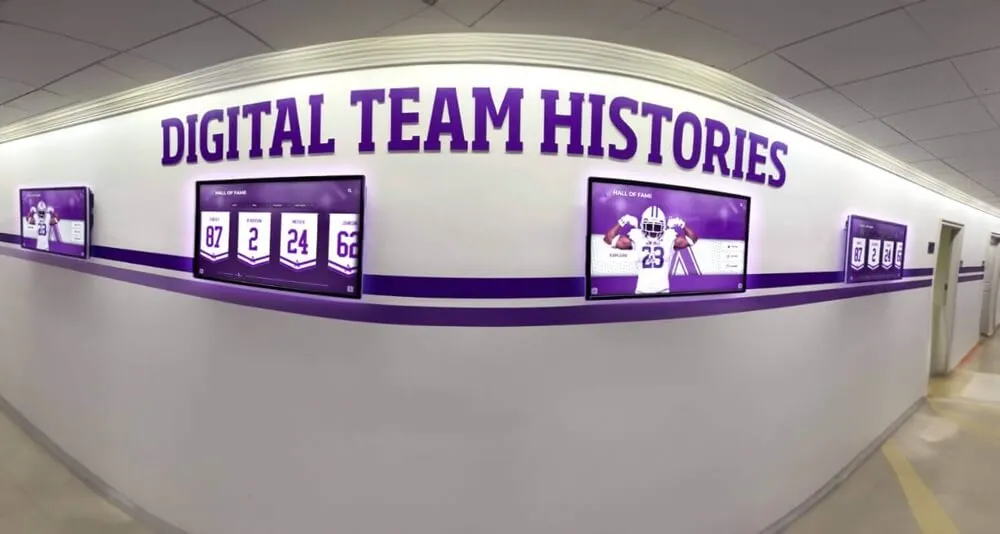
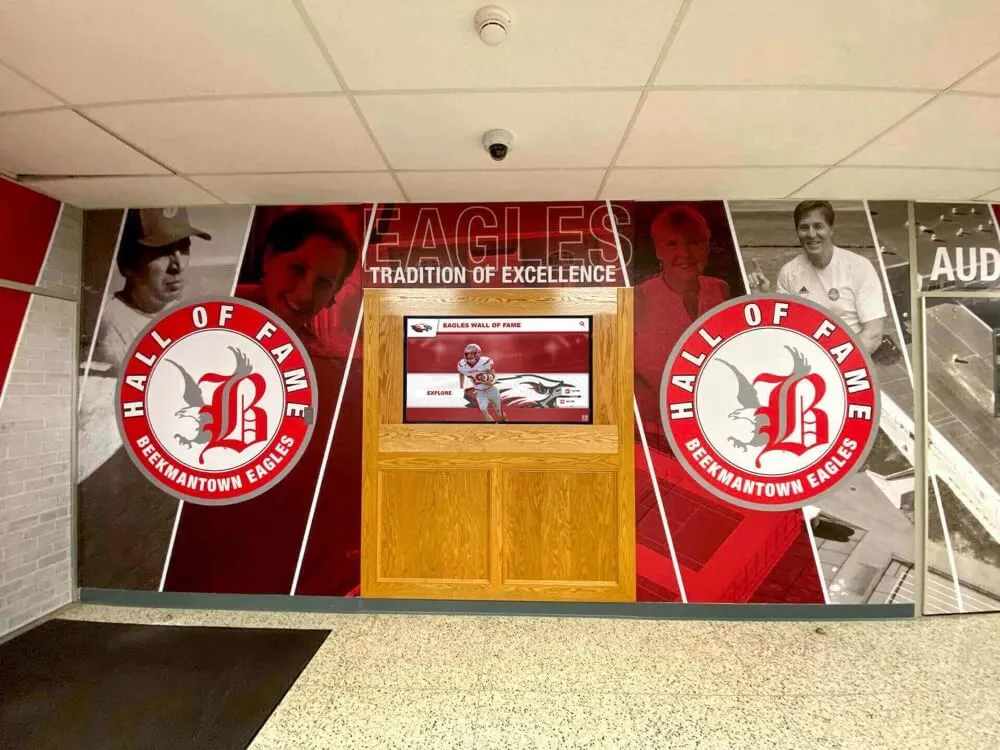
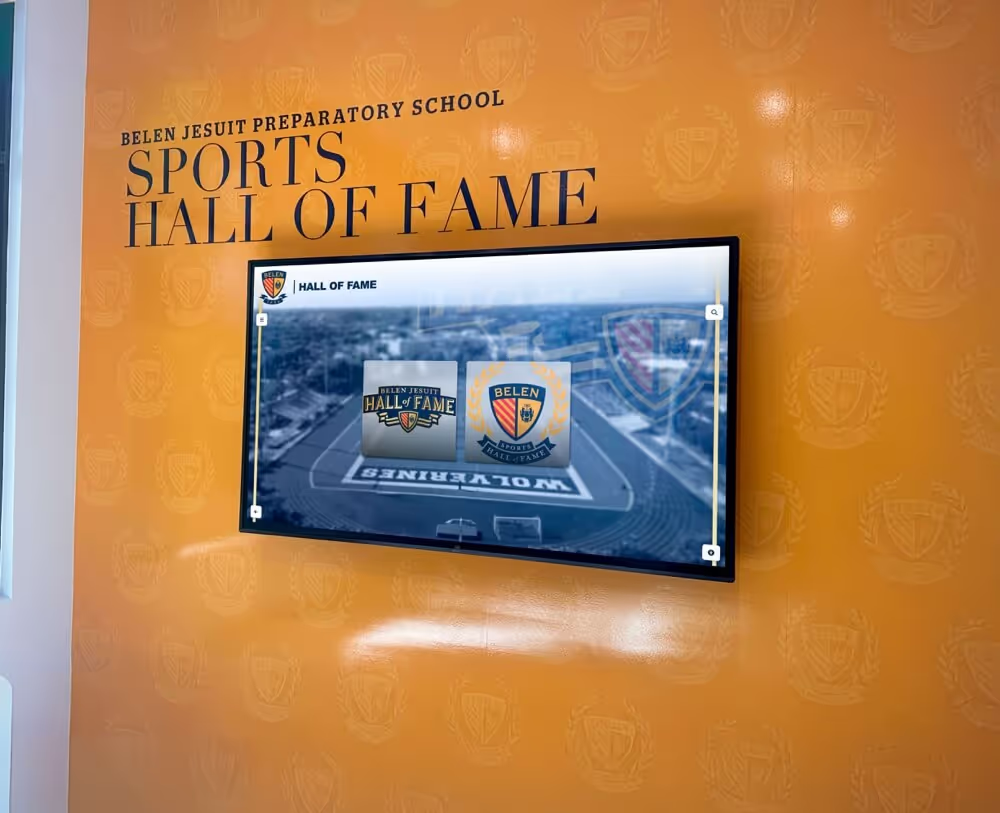
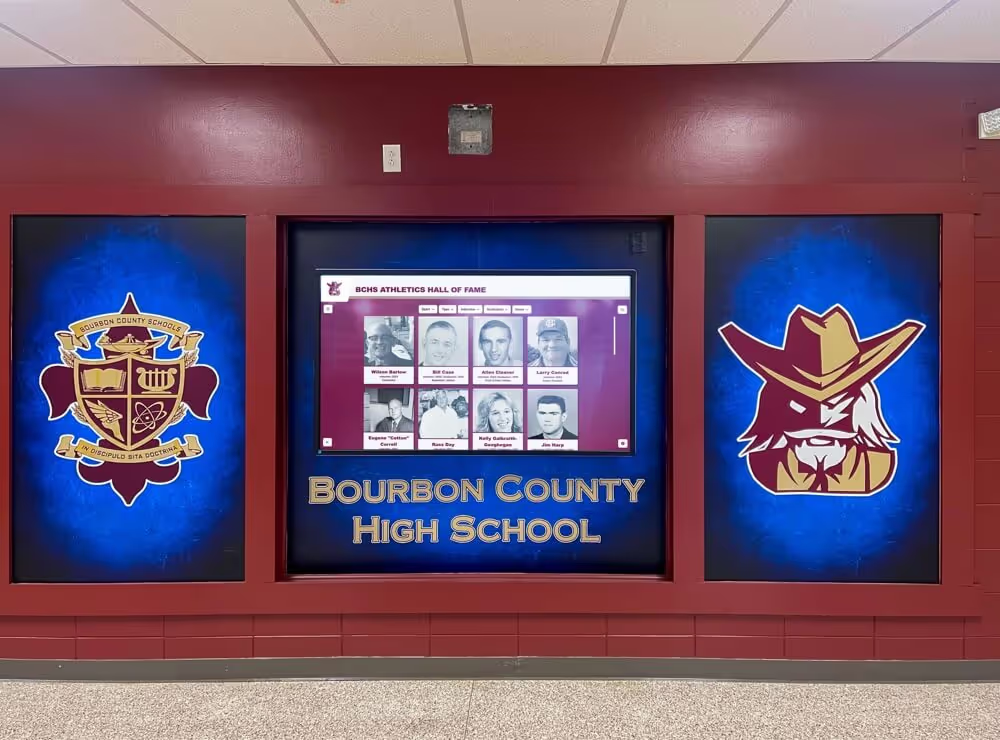
Traditional trophy cases display competitive championships but often lack capacity or mechanisms for prominently showcasing sportsmanship achievement. Digital recognition platforms address this limitation through comprehensive profiles combining statistics and character recognition.
Comprehensive Athlete Profiles
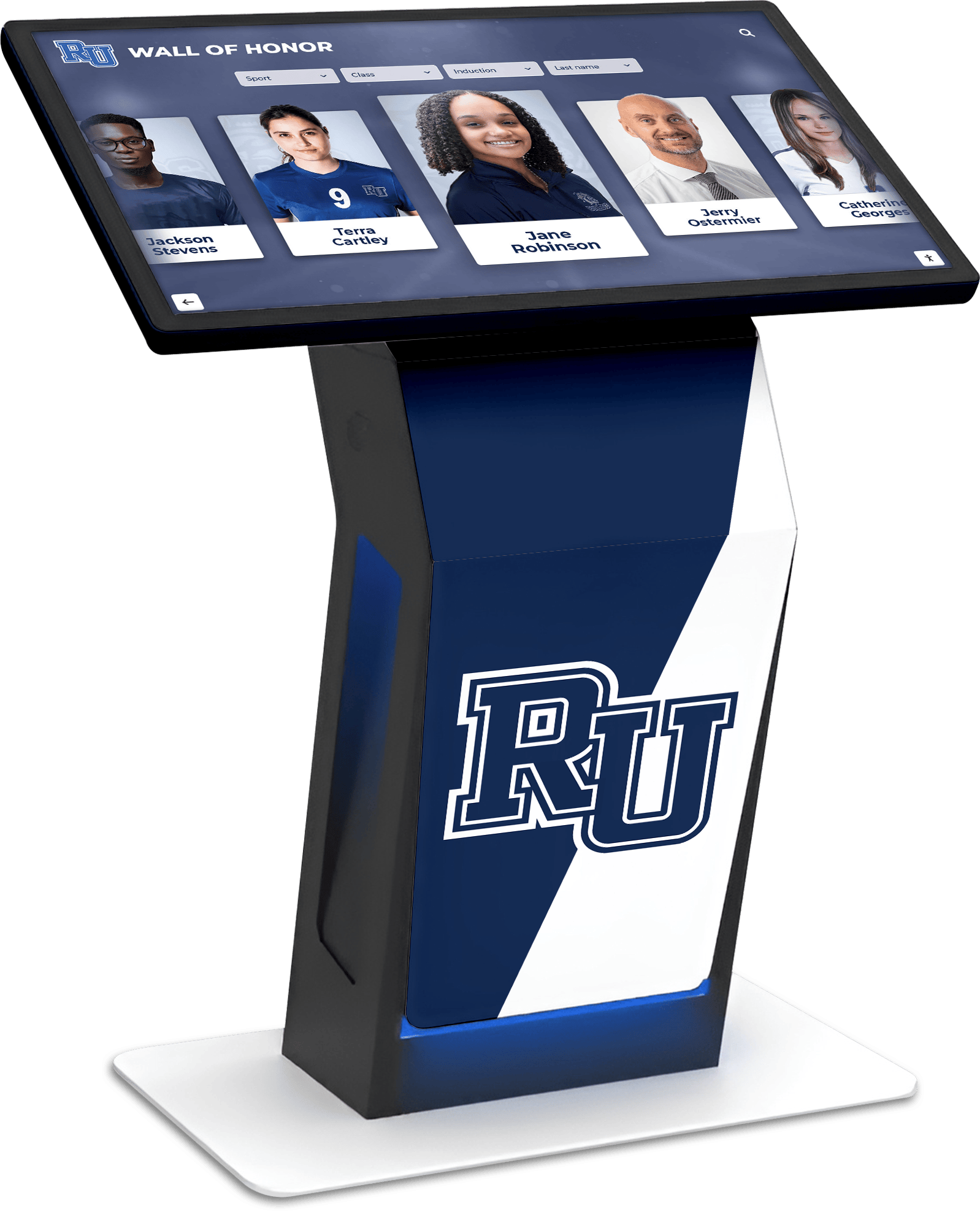
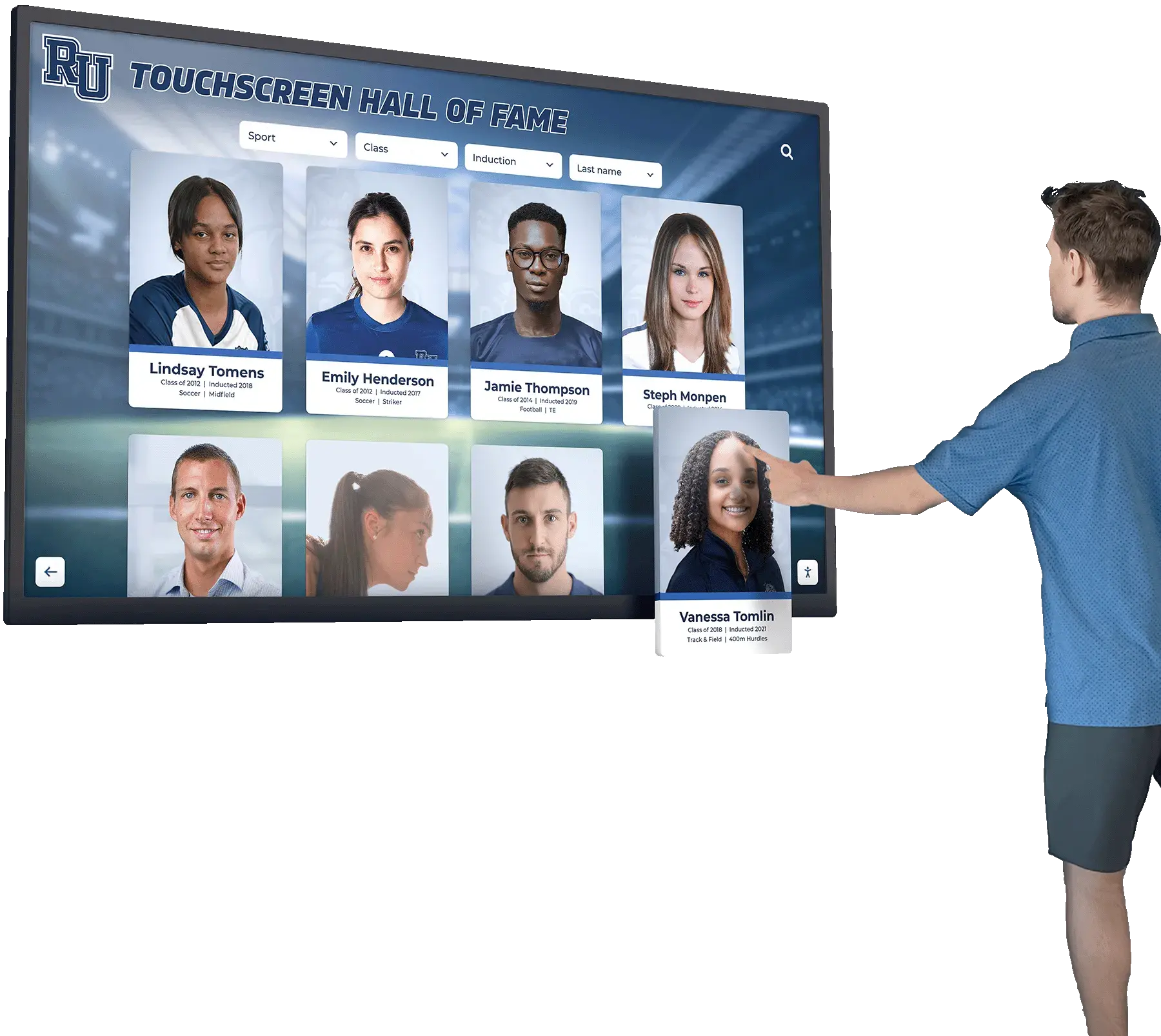
Solutions like Rocket Alumni Solutions enable athletic programs to create rich profiles for every recognized athlete including athletic statistics and competitive achievements, detailed sportsmanship award descriptions with specific examples, photographs from competitions and recognition ceremonies, video clips showcasing character moments when available, and coach testimonials explaining impact on programs and teams.
These comprehensive profiles ensure sportsmanship recognition receives equal prominence and documentation compared to statistical achievements, preventing character awards from feeling like lesser acknowledgment.
Searchable Databases and Category Filtering
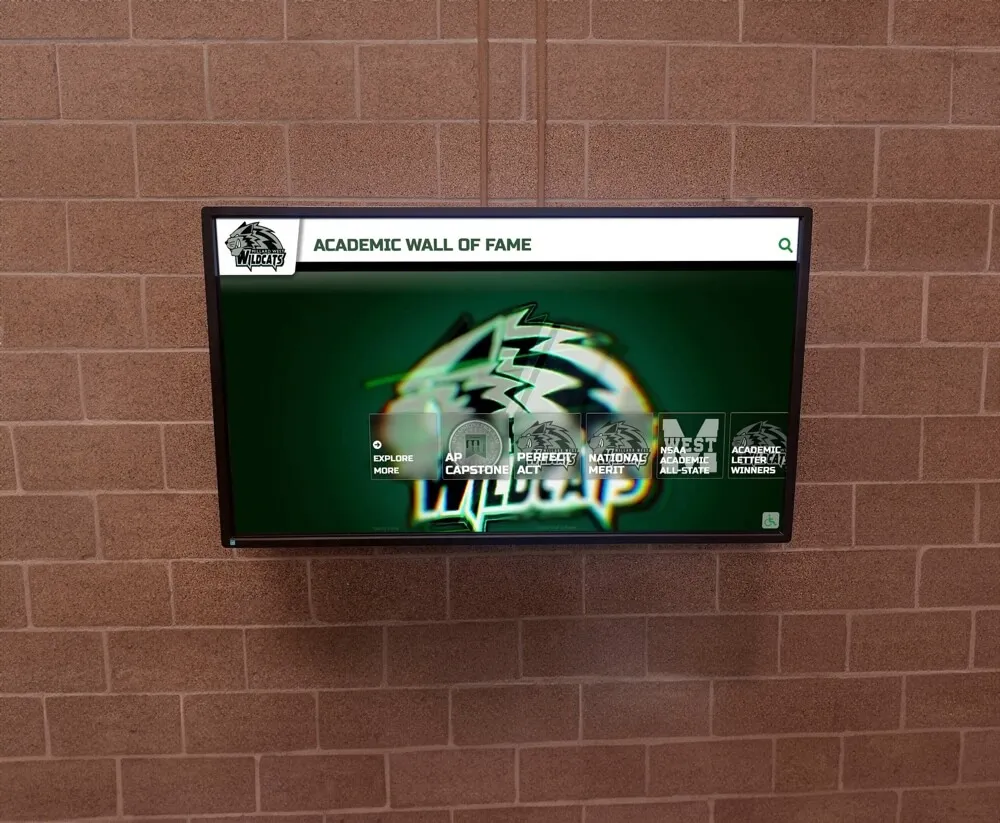
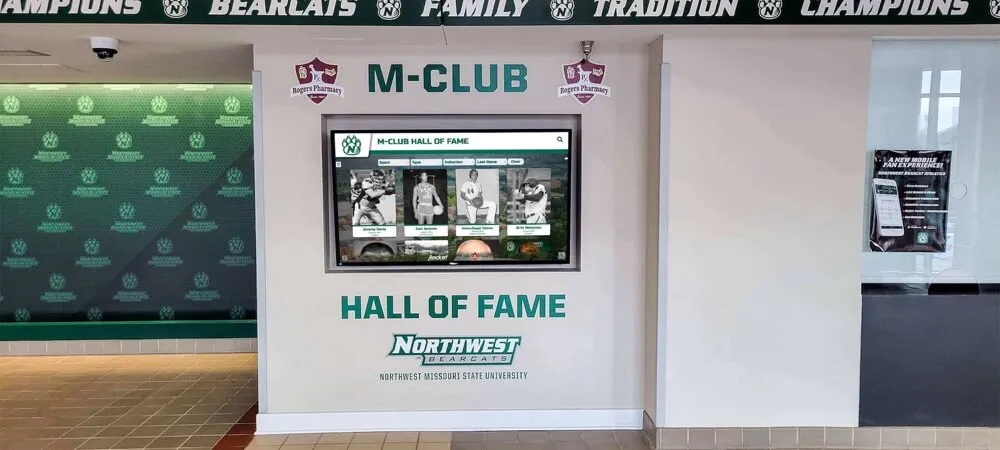
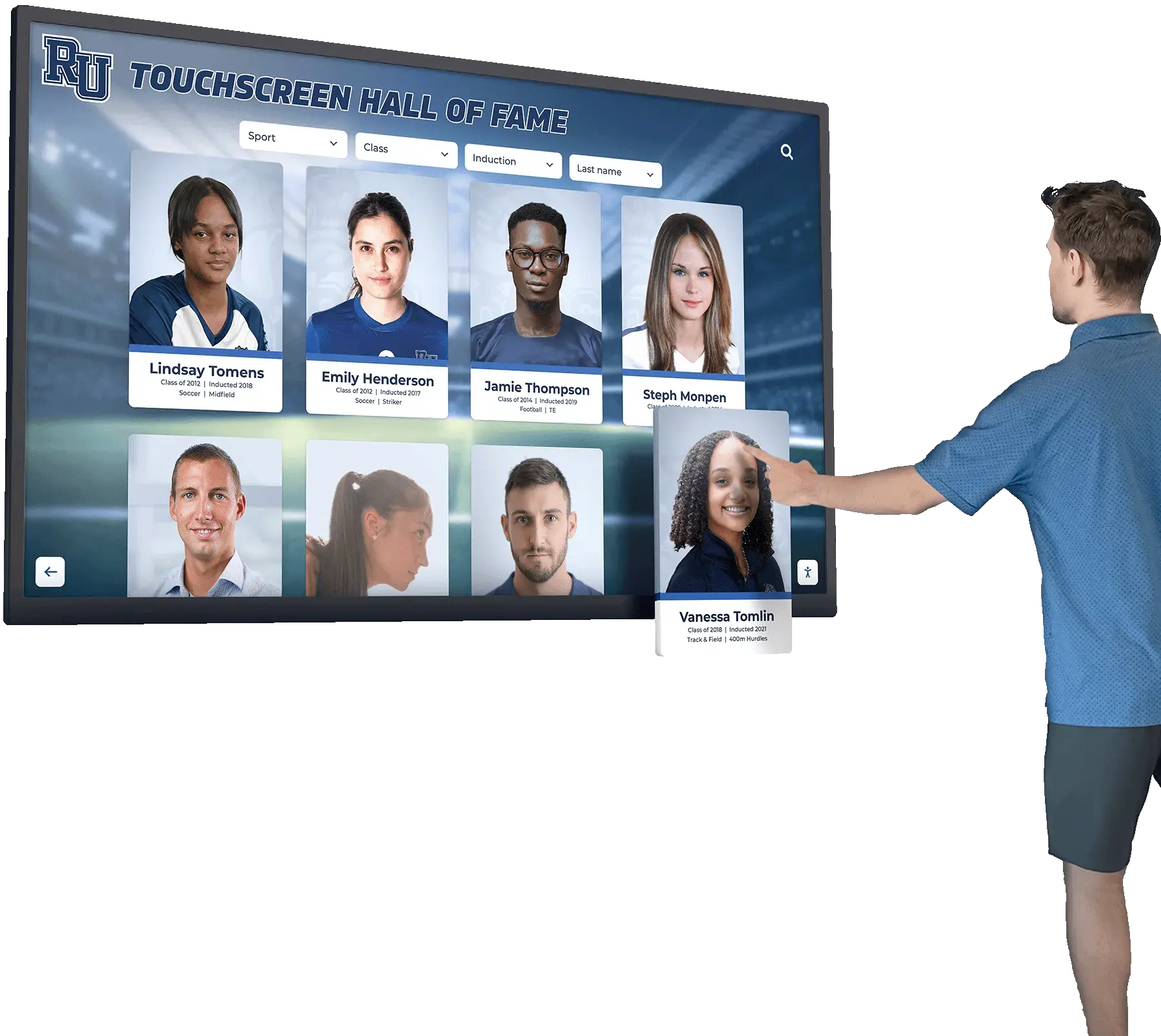
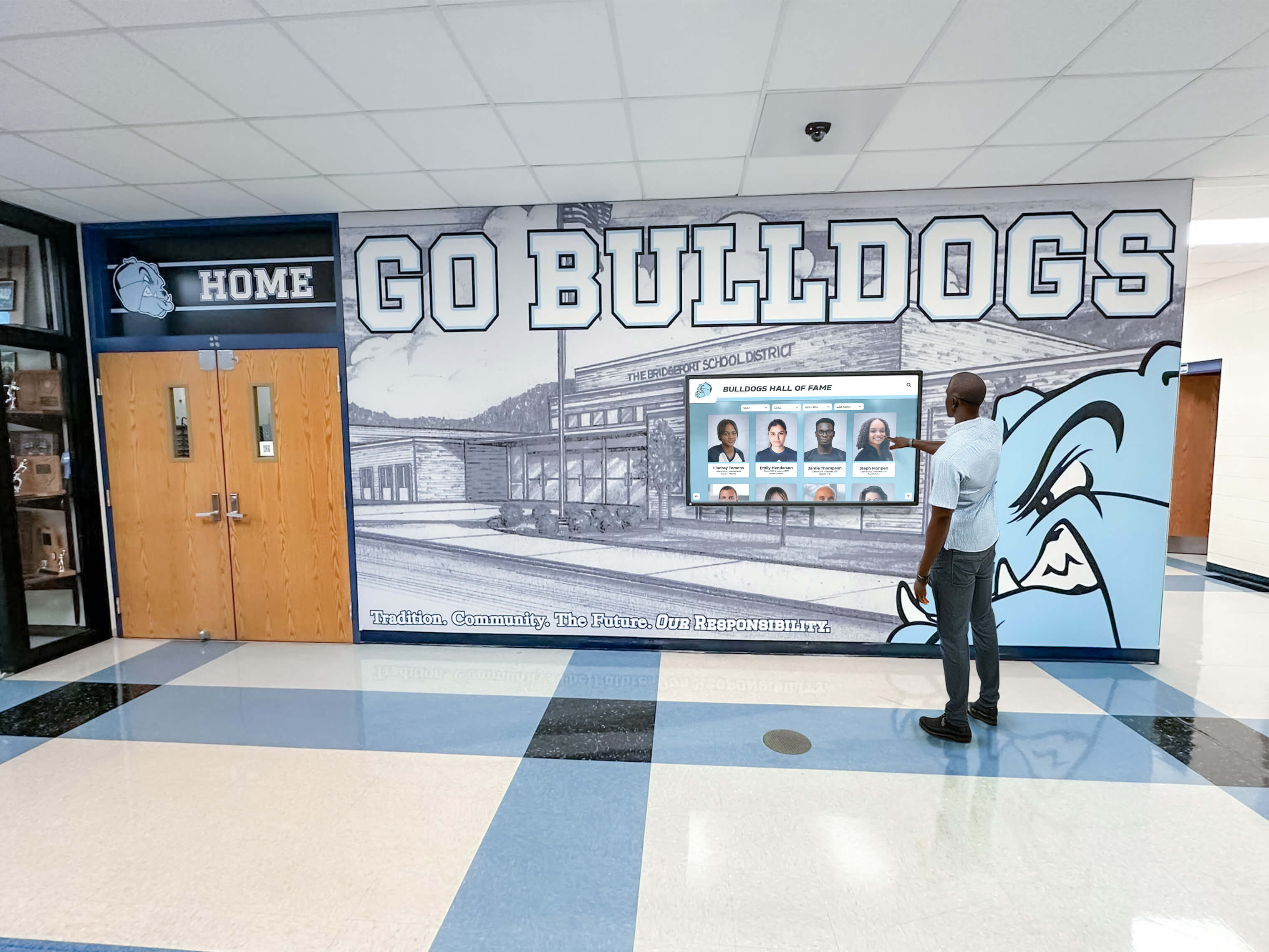
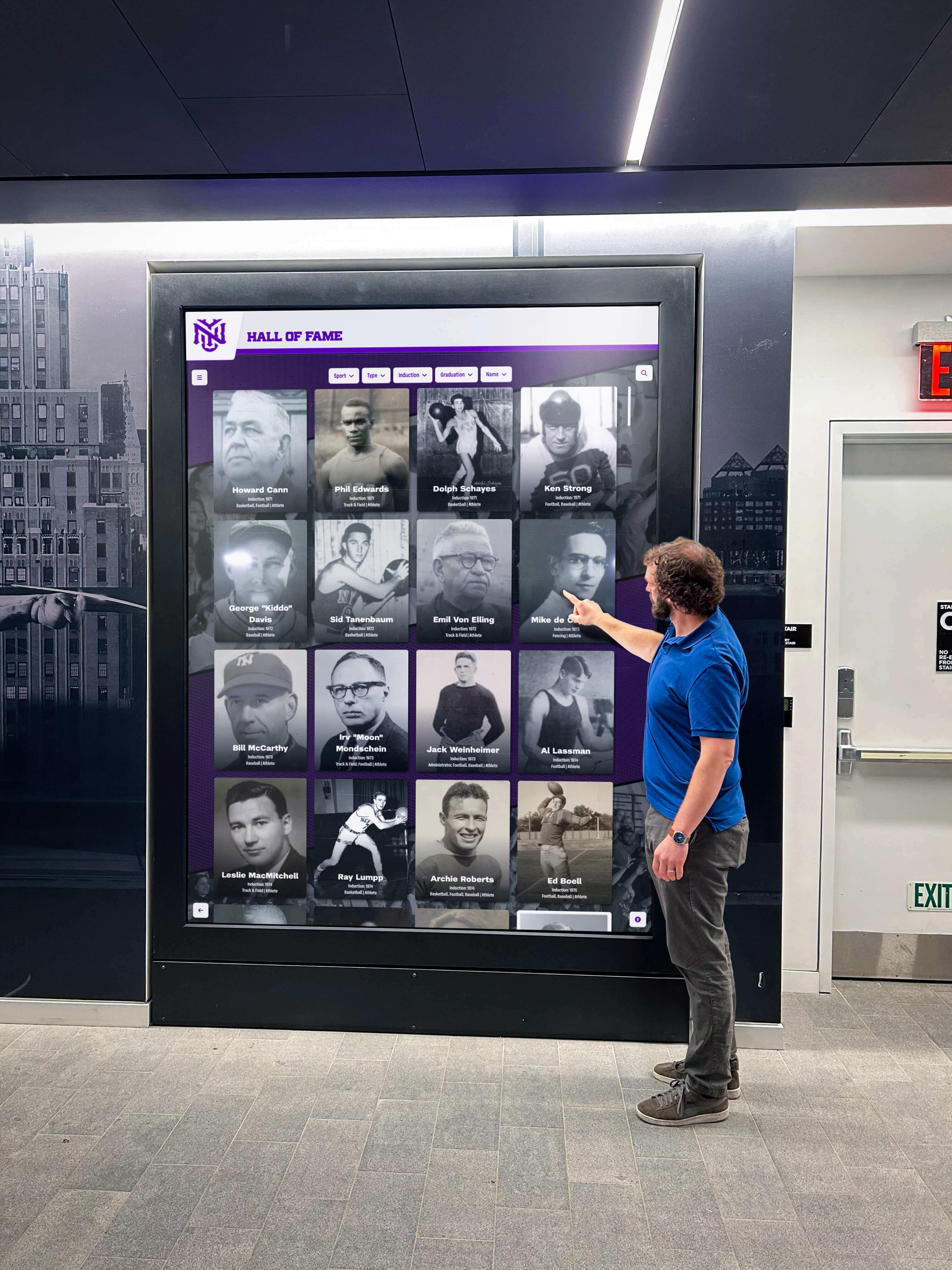
Digital platforms allow visitors to discover sportsmanship honorees through multiple pathways including searching by athlete name finding specific individuals, filtering by sport discovering character leaders in particular athletic programs, browsing by year exploring sportsmanship tradition across time, and viewing featured content highlighting recent or notable recognition.
This discoverability ensures sportsmanship awards maintain visibility rather than being mentioned once at banquets then forgotten, while enabling prospective athletes and families to understand program values through concrete recognition patterns.
Visual Recognition in High-Traffic Locations
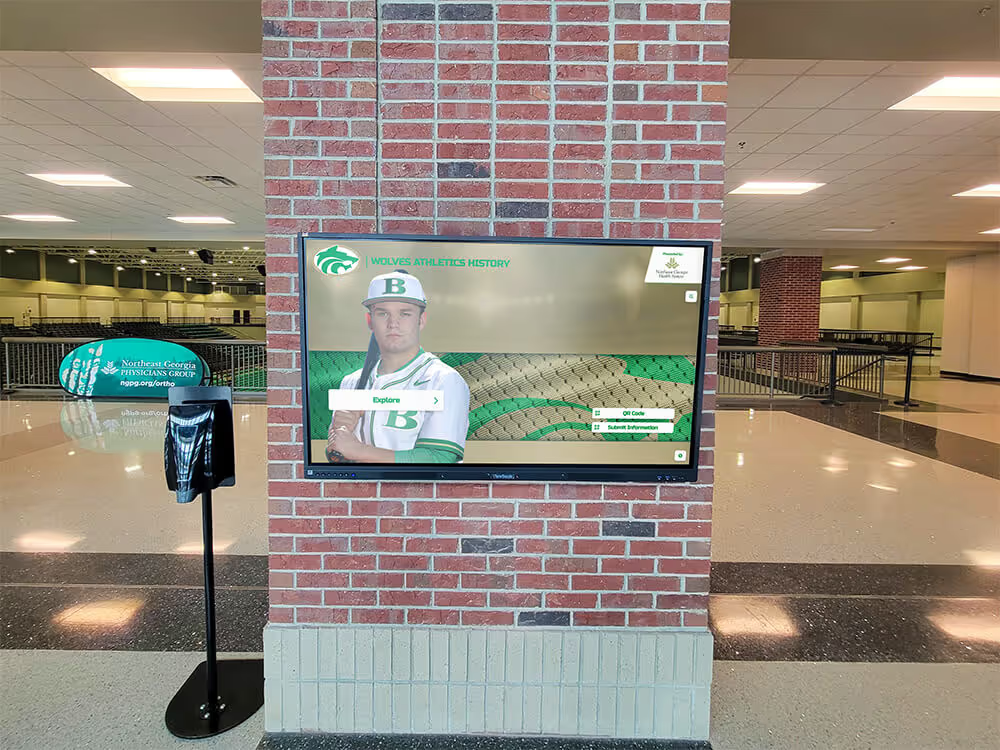
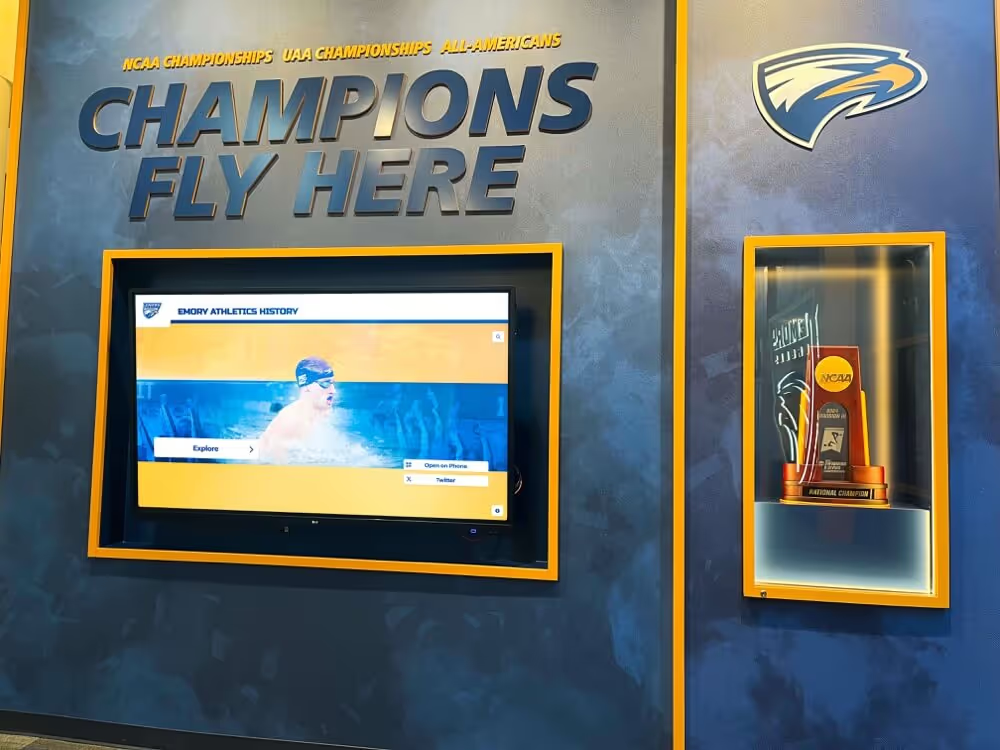
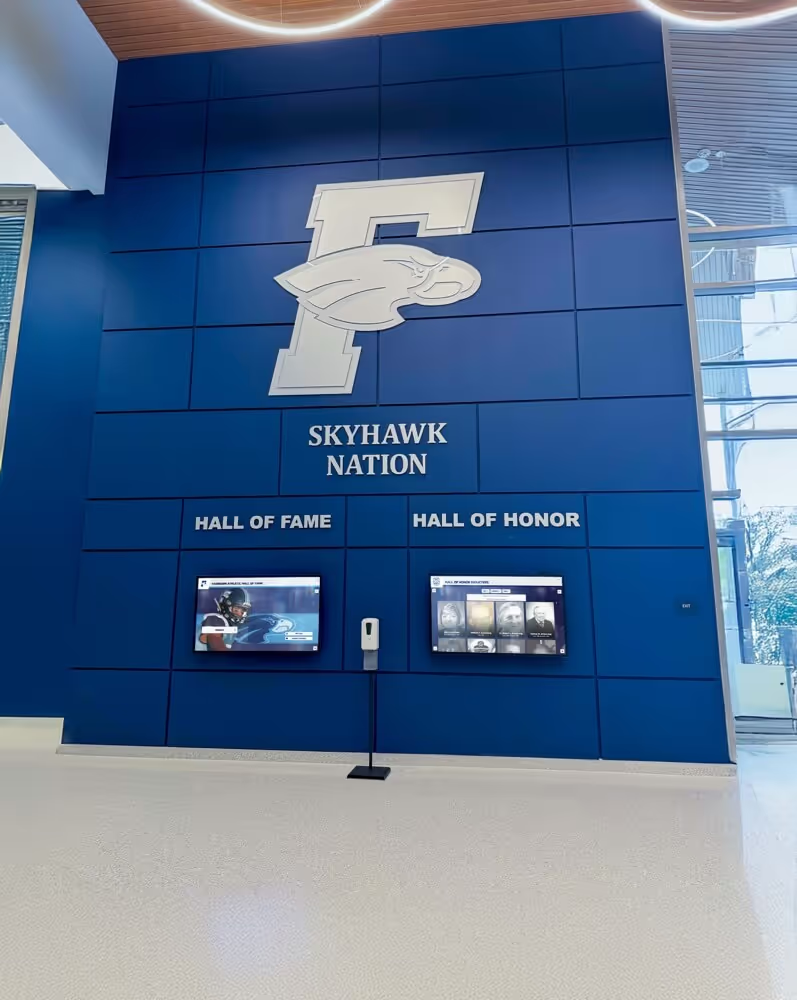
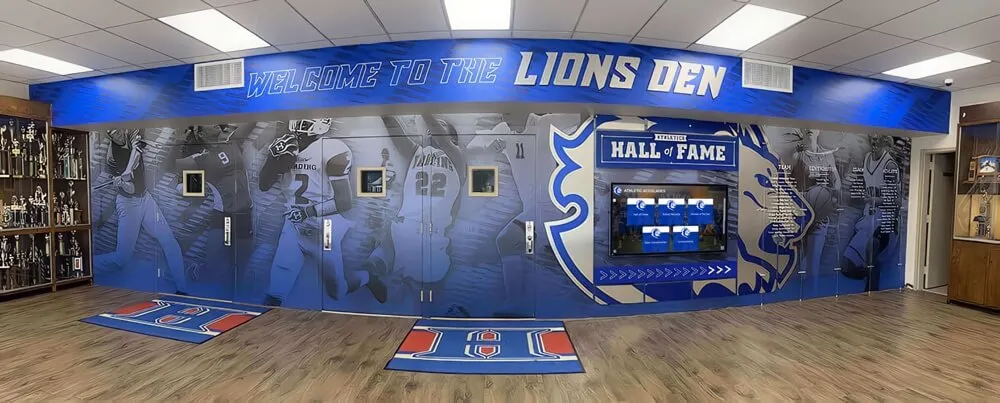
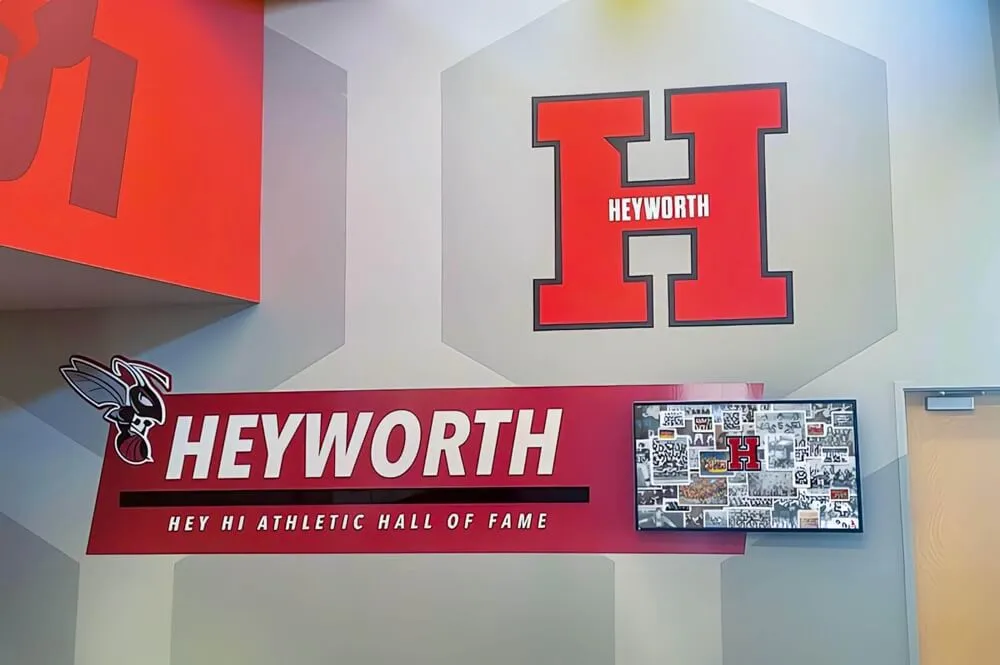
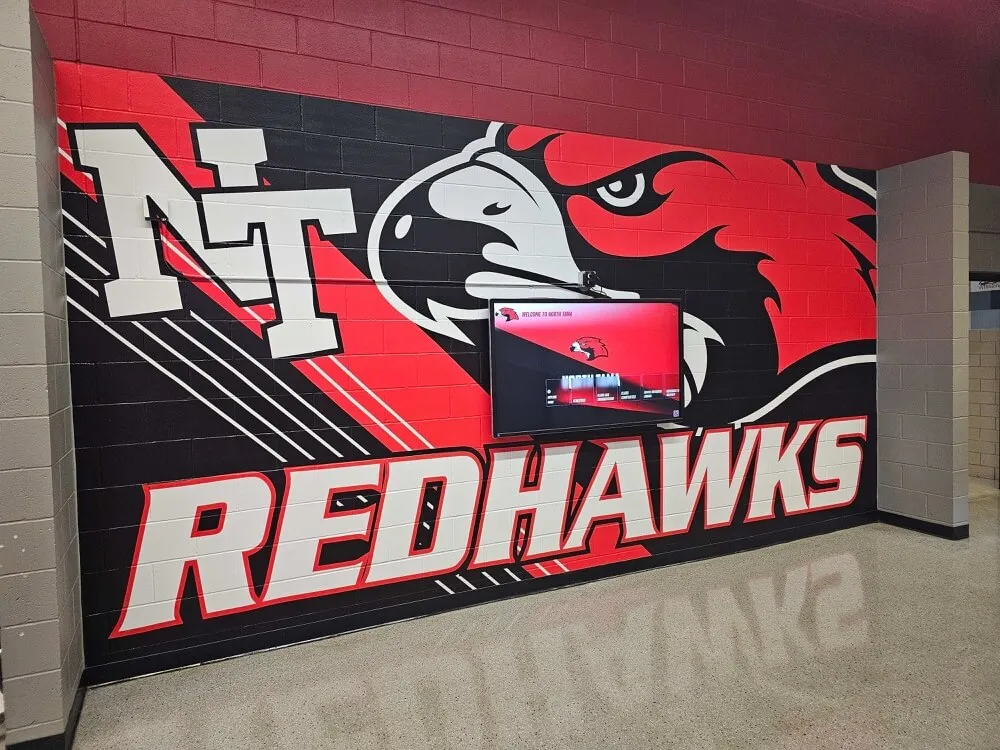
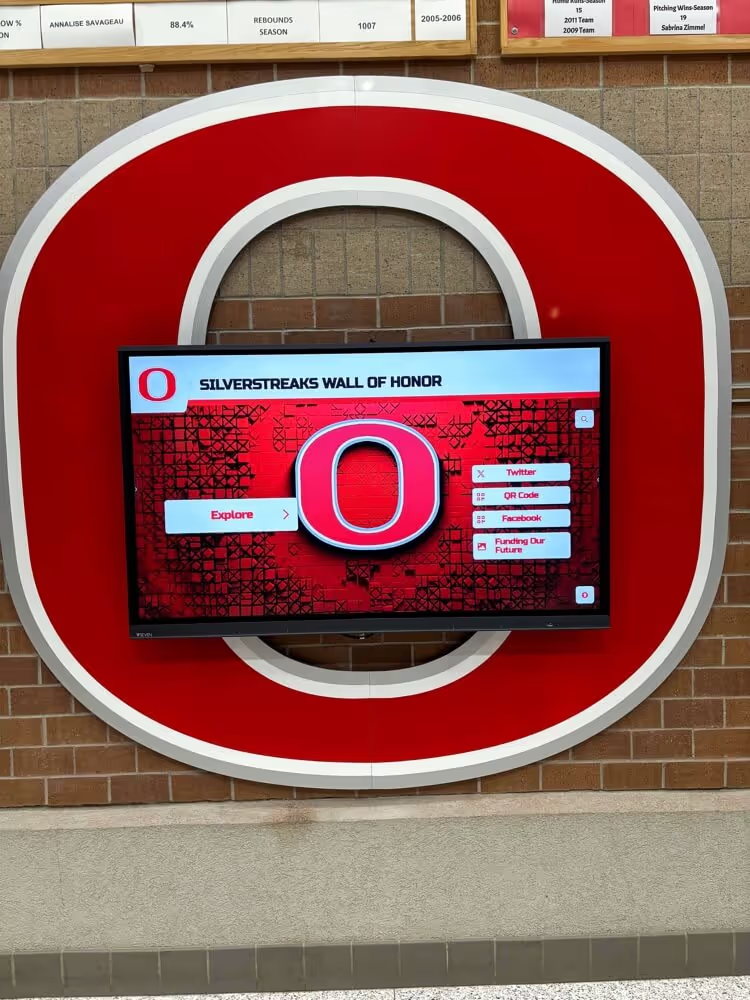
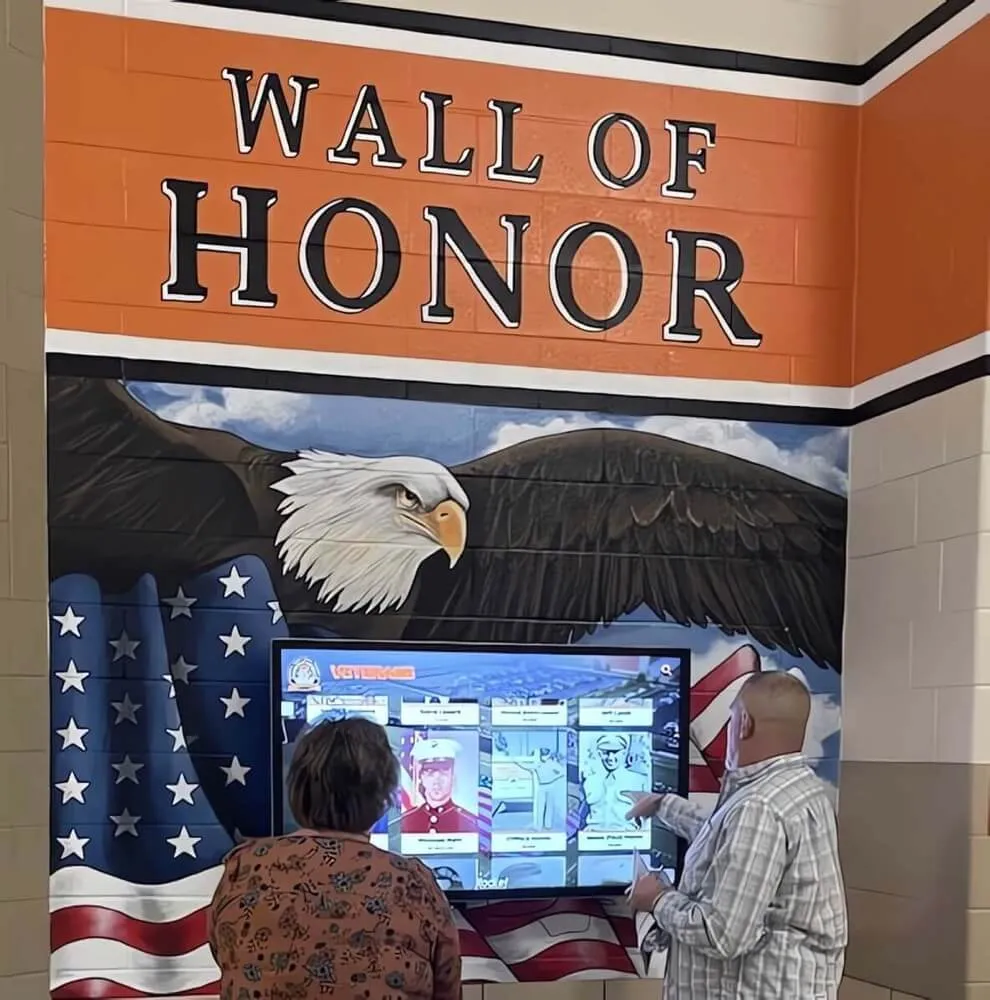
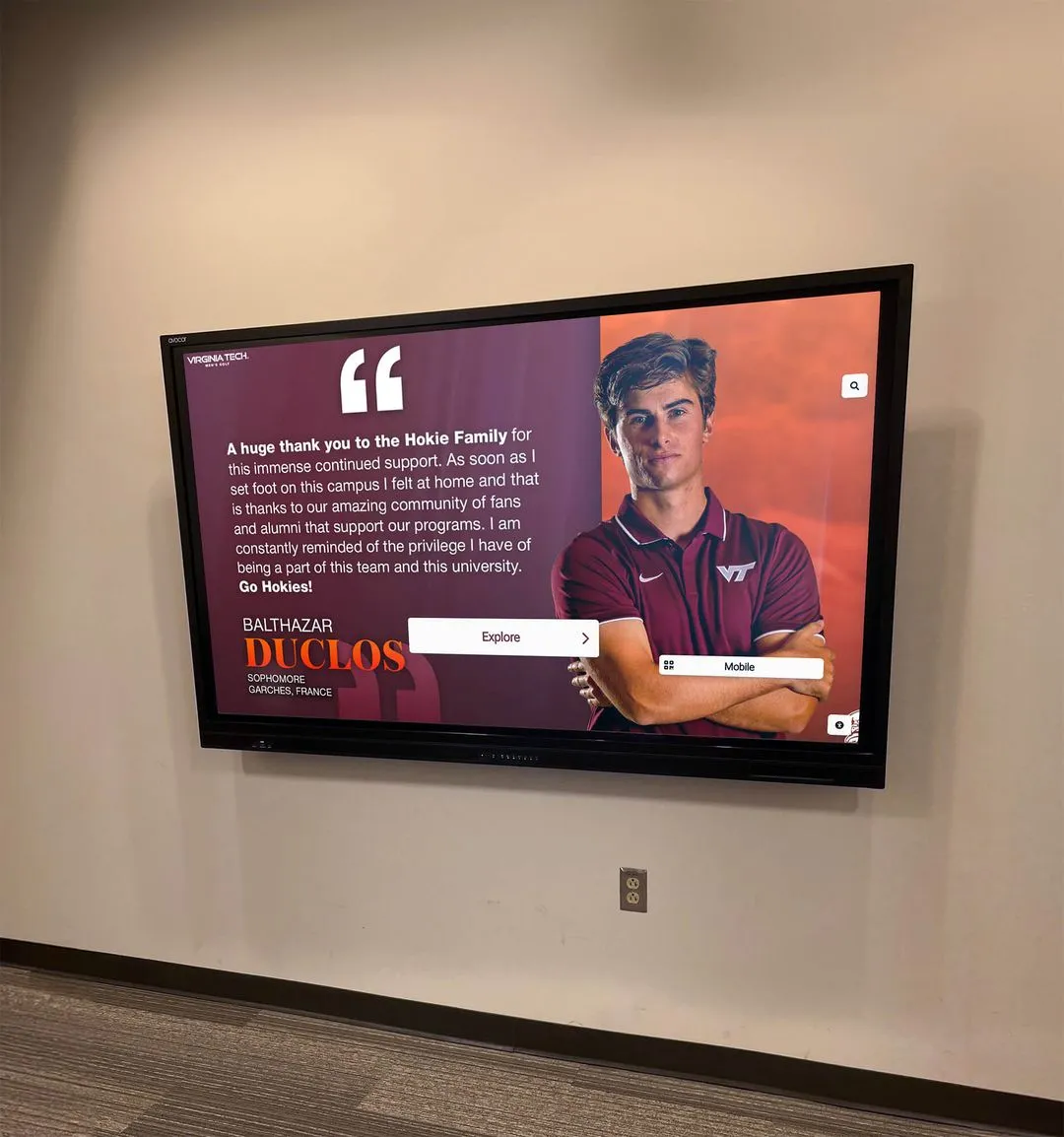
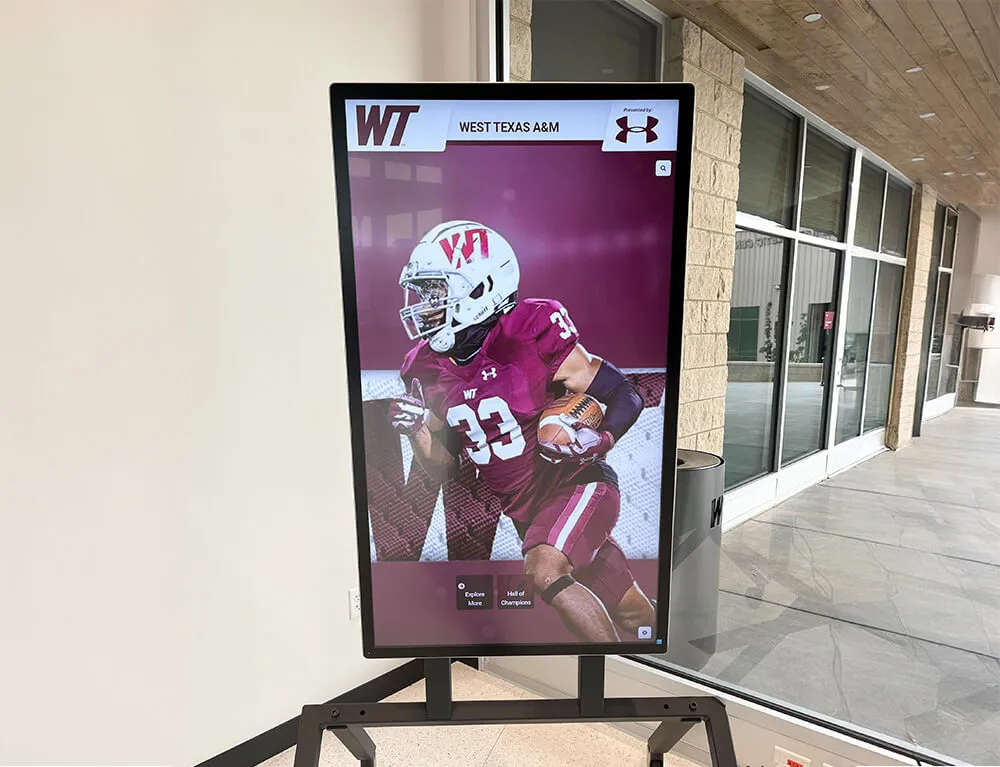
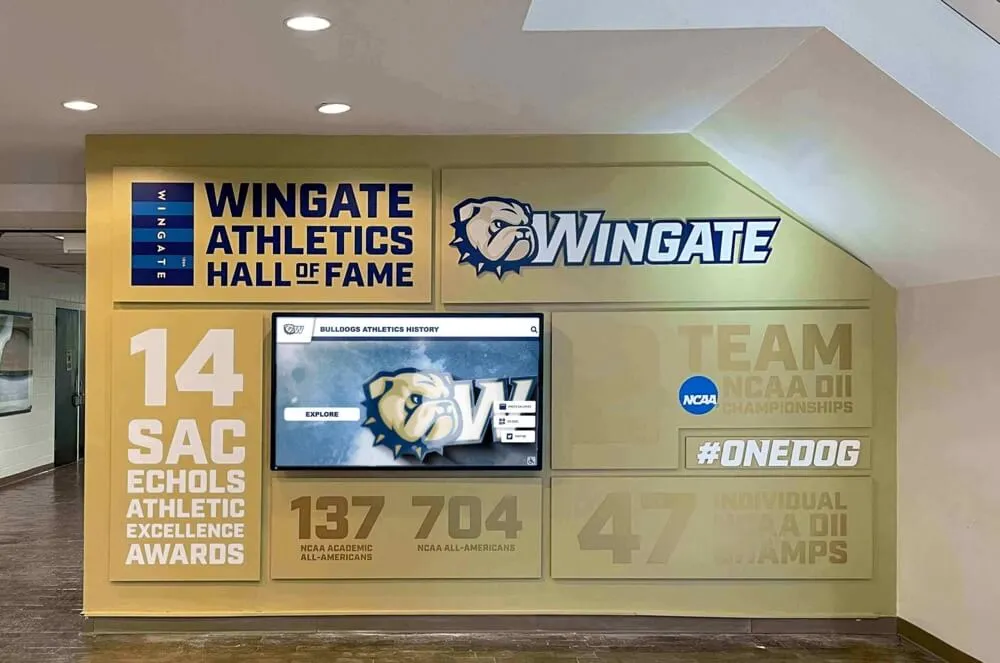
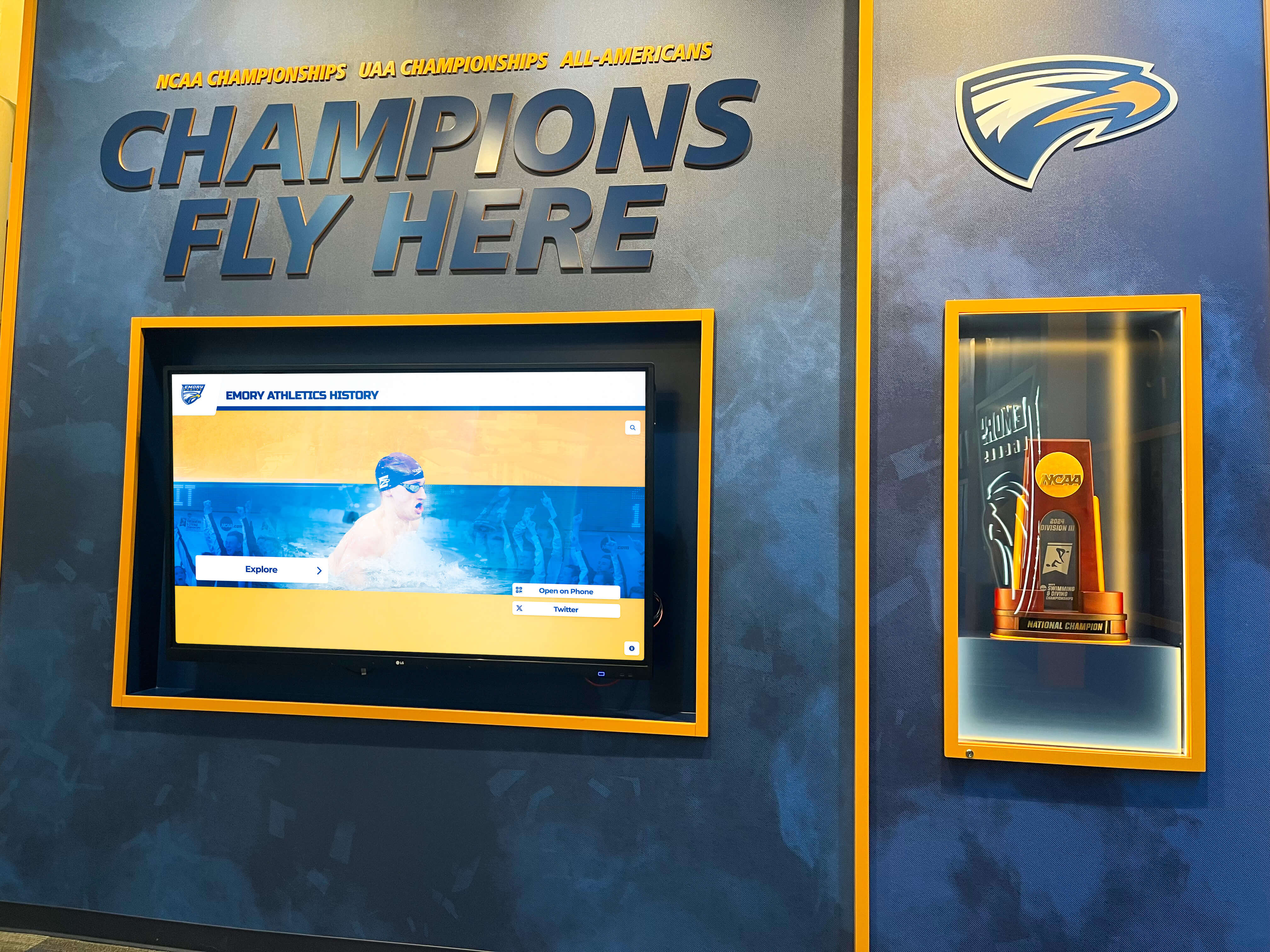
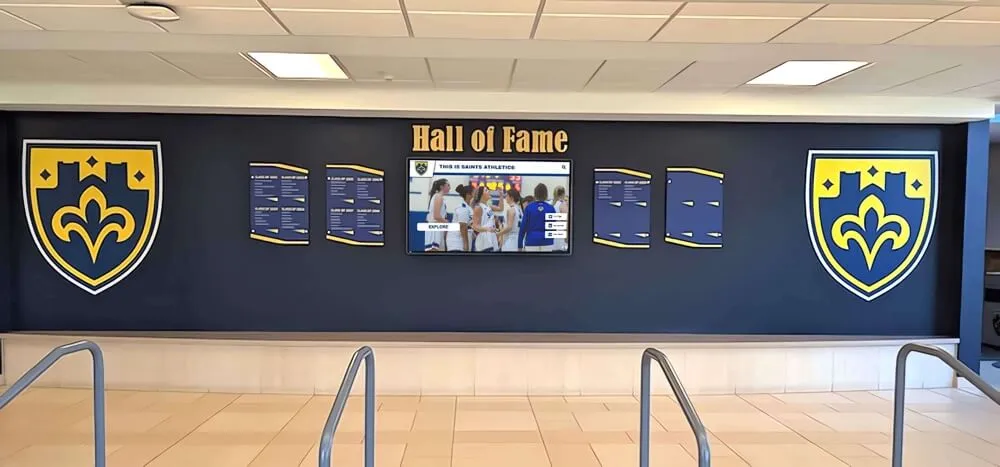
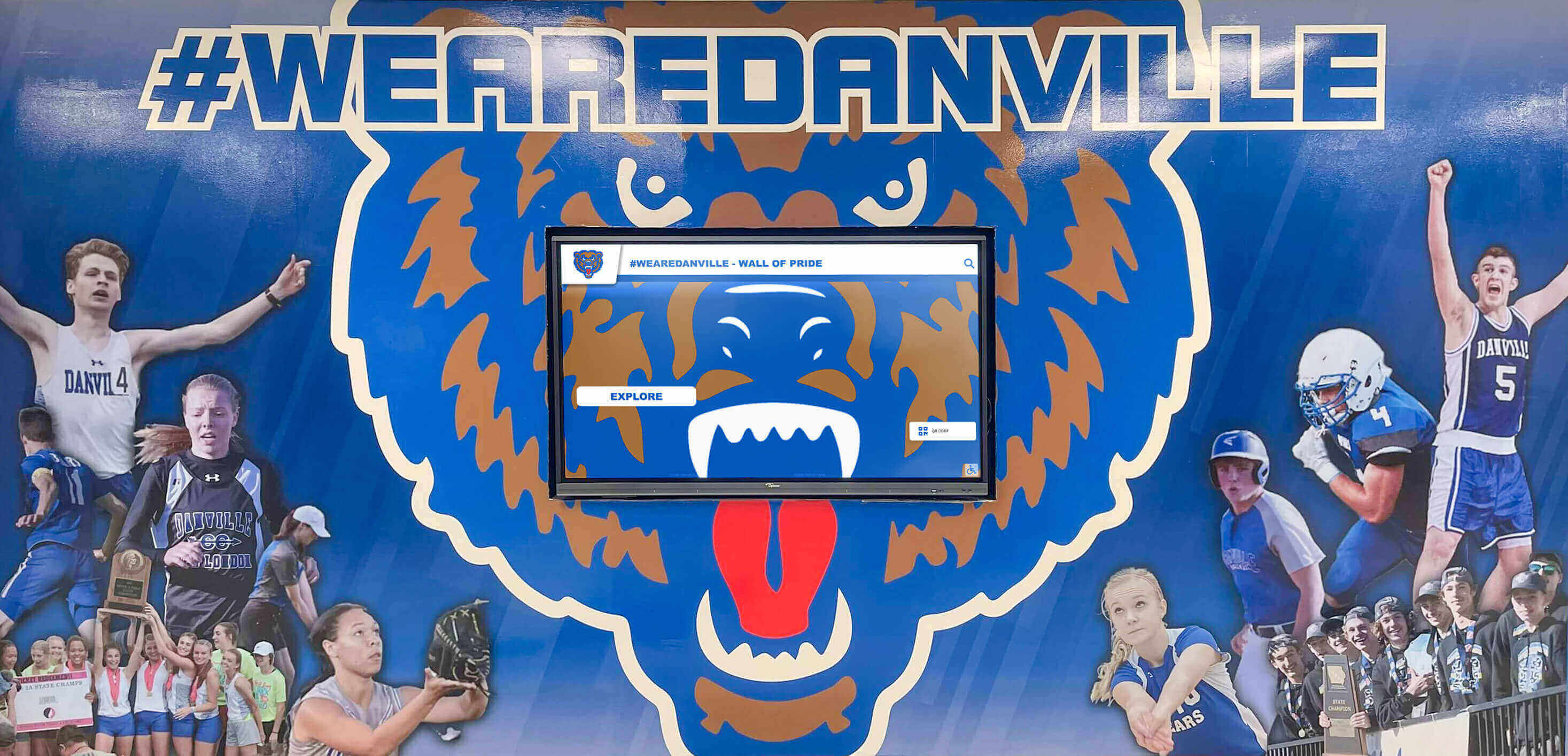
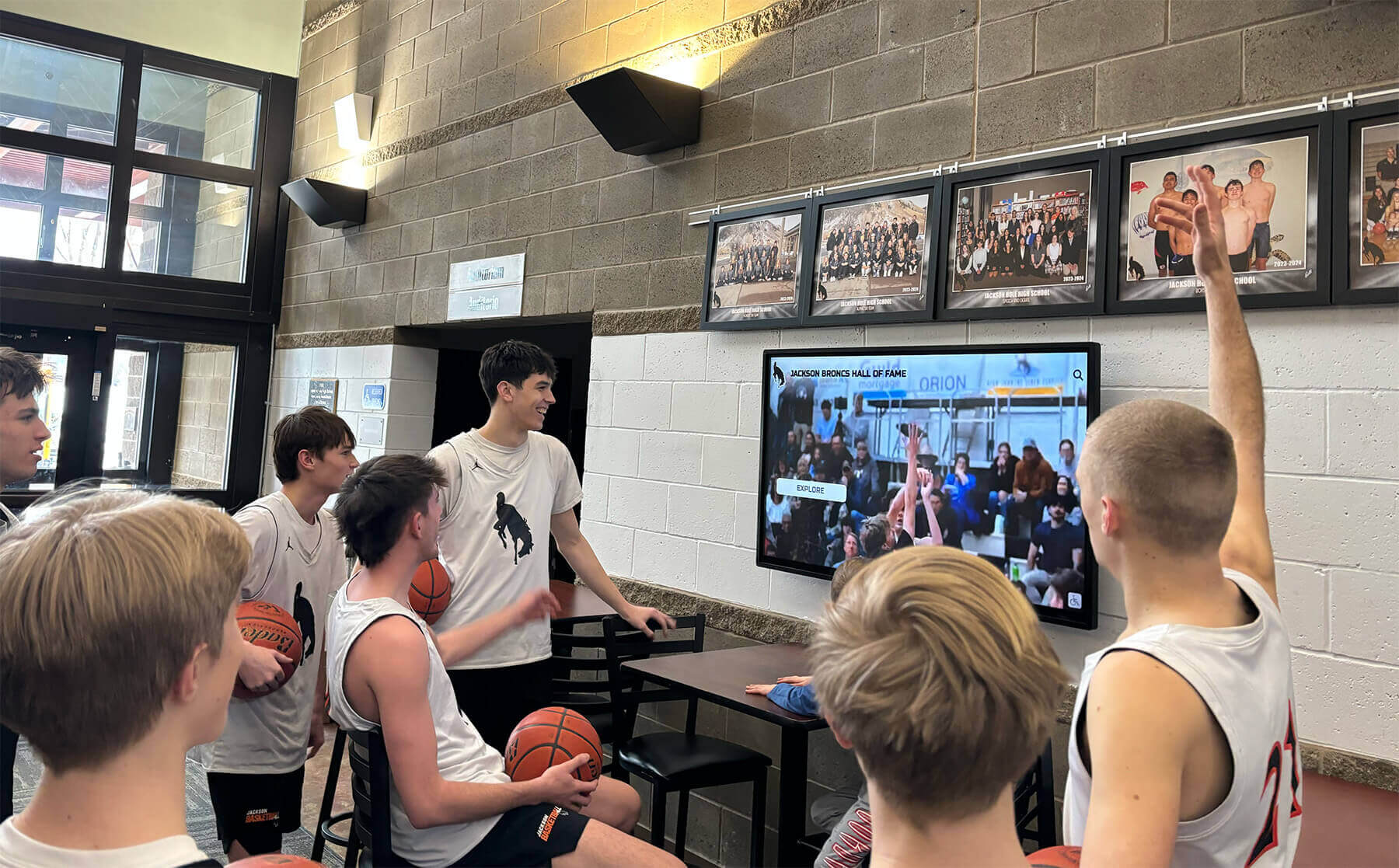
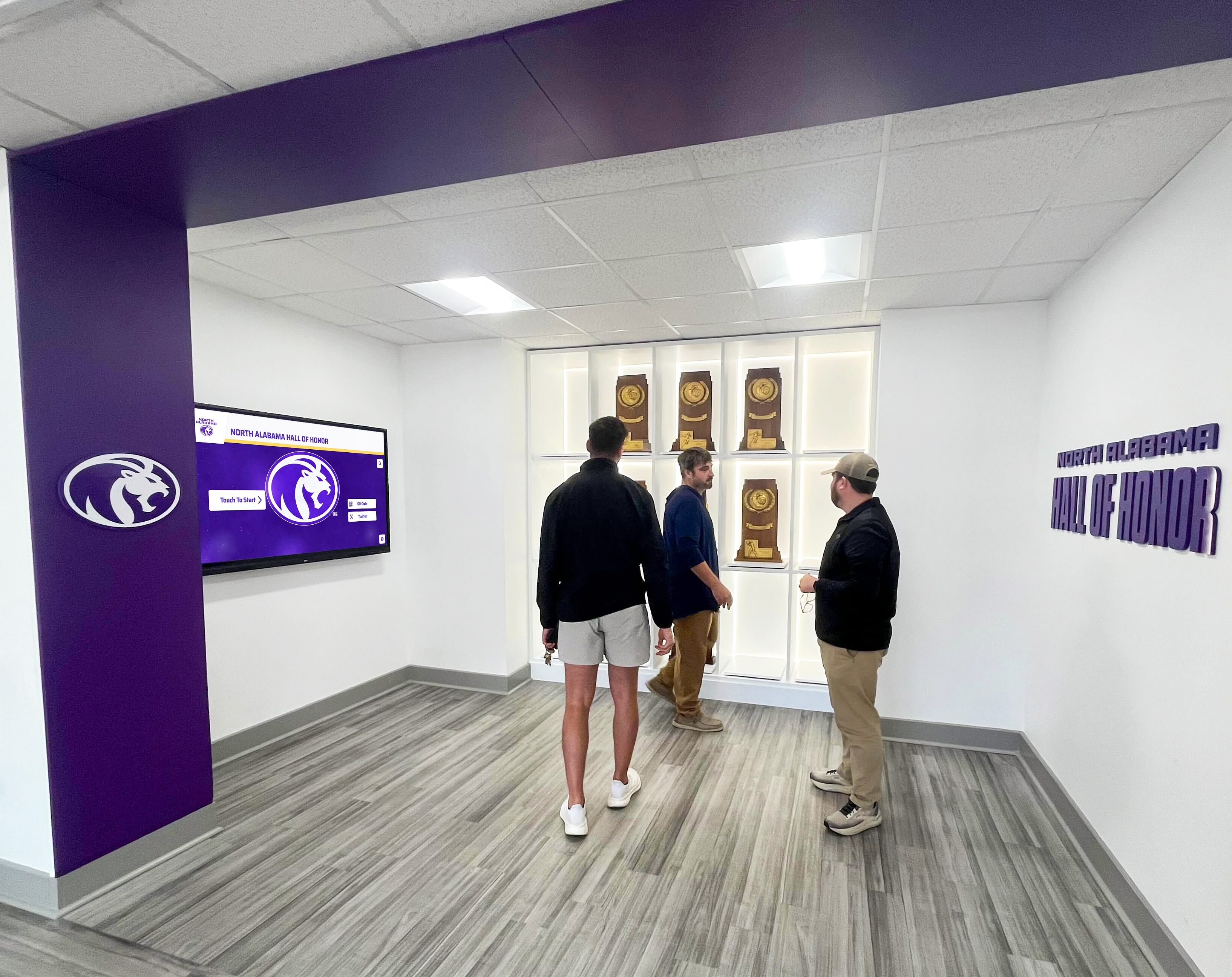
Interactive touchscreen displays positioned in prominent school locations create continuous sportsmanship visibility. Strategic placement options include athletic facility lobbies where athletes, families, and visitors gather, school entrance areas showcasing values to entire school community, and gymnasium hallways connecting to competition venues ensuring regular visibility to athletic populations.
These prominent positions demonstrate institutional commitment to character recognition while creating natural engagement opportunities as students explore displays during unstructured time. Many schools implementing digital recognition systems discover they transform spaces into gathering points where students regularly engage with achievement celebration.
Web-Based Recognition Extending Reach
Physical displays serve on-campus populations, but web-based platforms extend sportsmanship recognition to broader communities impossible to reach through location-dependent displays.
Online Access from Anywhere
Web-based recognition platforms enable distant family members to view athletes’ sportsmanship recognition, alumni to explore current program culture and values emphasis, prospective students and families to understand character development focus, opposing coaches to recognize exemplary opponents, and community members to celebrate local athletic values without visiting campuses.
This extended access multiplies recognition impact while demonstrating program values to external audiences influencing program reputation and recruitment.
Social Media Integration and Sharing
Digital recognition naturally integrates with social media enabling organic amplification. Effective social media strategies include direct links from platforms to individual sportsmanship profiles, shareable graphics highlighting recent award recipients, video content featuring honorees discussing character and values, and hashtag campaigns aggregating sportsmanship recognition.
This social integration allows athletes and families to share recognition within their networks exponentially extending visibility beyond direct program communications.
Permanent Accessible Archive
Traditional recognition often becomes inaccessible as years pass and physical displays age. Web-based platforms create permanent searchable archives preserving sportsmanship recognition indefinitely while enabling alumni who received character awards decades ago to revisit their recognition, historical research about program values evolution, and documentation demonstrating sustained institutional commitment to character development.
These permanent archives serve both sentimental value for individuals and institutional memory documenting program culture across generations.
Analytics Demonstrating Program Impact
Digital recognition platforms generate valuable data revealing engagement patterns and recognition program effectiveness impossible to assess with traditional approaches.
Engagement Tracking and Interaction Metrics
Purpose-built platforms track how visitors engage with sportsmanship content including time spent viewing sportsmanship award descriptions, comparison of sportsmanship profile views versus competitive achievement views, search patterns revealing whether visitors actively seek character recognition, and social sharing frequency indicating organic interest in sportsmanship recognition.
These metrics provide concrete evidence of community engagement with character recognition, demonstrating value to administrators evaluating program priorities and resource allocation.

Informing Recognition Program Refinement
Analytics reveal patterns informing continuous improvement including which sports receive most/least sportsmanship recognition suggesting potential equity issues, whether sportsmanship honorees receive comparable attention to competitive award recipients, timing patterns revealing whether recognition occurs consistently or sporadically, and demographic patterns ensuring equitable recognition across athlete populations.
This data-driven insight enables evidence-based program refinement ensuring sportsmanship recognition achieves intended objectives and serves all athletes equitably.
Building Comprehensive Character-Based Recognition Systems
Sportsmanship awards represent one element of comprehensive approaches to character development and recognition within athletic programs.
Multiple Character Recognition Categories
Single sportsmanship awards can’t acknowledge all valuable character dimensions. Comprehensive systems recognize diverse character expressions relevant to athletic participation.
Effort and Dedication Awards
Some athletes exemplify exceptional commitment through consistent hard work regardless of talent levels or playing time. Effort recognition might honor athletes demonstrating tireless work ethic in practice and training, improvement resulting from sustained dedication, commitment to team success despite limited playing time, and consistency in preparation regardless of circumstances.
These awards acknowledge that character includes persistence and dedication to excellence even when natural ability may be limited, creating recognition pathways for athletes whose primary contribution lies in effort rather than statistics.
Leadership Recognition
Athletic leadership extends beyond team captains to anyone positively influencing team culture and teammate performance. Leadership awards might recognize athletes who mentor younger or less experienced teammates, create inclusive team cultures welcoming all members, inspire teammates through positive example and encouragement, and demonstrate responsibility both on and off competitive fields.
Leadership recognition celebrates influence on others rather than merely individual character, acknowledging that some athletes’ greatest contributions come through elevating teammates.
Academic Excellence in Athletics
Character includes balancing athletic commitment with academic responsibility. Academic-athletic awards might honor athletes maintaining high academic standards while participating in demanding sports, demonstrating time management balancing athletic and academic commitments, representing that student-athletes prioritize both dimensions of their identity, and exemplifying that athletics and academics complement rather than compete.
These awards reinforce that educational institutions host athletics to serve educational missions, celebrating athletes who excel at balancing both responsibilities. Schools implementing comprehensive academic recognition programs often include athletic-academic achievement as recognized category.
Community Service and Citizenship Awards
Many athletes contribute significantly beyond athletic competition through service and community engagement. Service recognition might honor athletes volunteering substantial time to community causes, using athletic platforms to benefit others, demonstrating citizenship values in school and community settings, and representing programs positively through community engagement.
These awards celebrate athletes recognizing that their abilities and visibility create opportunities to serve others and contribute beyond personal achievement.
Overcoming Adversity Recognition
Athletic journeys often include significant obstacles requiring remarkable perseverance and resilience. Adversity recognition might honor athletes overcoming serious injuries returning to compete successfully, navigating personal or family challenges while maintaining athletic participation, demonstrating resilience responding to setbacks or disappointments, and exemplifying courage facing difficult circumstances.
These awards acknowledge that character often reveals itself most clearly through how we respond to adversity rather than how we handle success.
Creating Tiered Recognition Structures
Comprehensive character recognition might include multiple levels ensuring both accessibility and maintenance of highest honor prestige.
Team-Level Character Recognition
Broad team recognition ensures every sport celebrates character excellence within their specific contexts. Team awards might recognize 1-3 athletes per team each season for character dimensions most relevant to that sport, provide certificates and team-level acknowledgment, and include recognition in team banquets and communications.
This accessible tier ensures character receives attention across all sports rather than only program-wide recognition potentially concentrating on high-profile sports.
Program-Wide Character Excellence Awards
Elite recognition reserved for most exemplary character leaders provides highest honor. Program-wide awards might recognize 1-2 athletes across entire athletic programs annually, require exceptional documented evidence of sustained character excellence, include significant ceremony and tangible prestigious awards, and feature permanent recognition in hall of fame displays and program history.
This tier creates aspirational recognition motivating athletes toward highest character standards while ensuring awards maintain meaningful distinction.
Special Recognition for Extraordinary Character Moments
Beyond systematic seasonal awards, programs might acknowledge extraordinary character demonstrations warranting immediate recognition. Special recognition might honor athletes displaying remarkable sportsmanship in high-pressure championship contexts, intervening positively in situations requiring moral courage, or demonstrating character leadership significantly impacting program culture.
This flexibility allows programs to acknowledge extraordinary moments rather than waiting for scheduled award cycles, creating timely recognition with maximum motivational impact.

Sportsmanship Awards for Different Competitive Levels
Character recognition approaches should adapt to athlete age, developmental stage, and competitive context while maintaining core values across all levels.
Youth and Recreational Sports Recognition
Character development represents primary objective in youth athletics where participation matters more than competition outcomes.
Age-Appropriate Criteria and Language
Younger athletes require concrete observable criteria rather than abstract character concepts. Effective youth criteria emphasize specific behaviors like sharing equipment and including all teammates, treating opponents kindly before during and after games, listening to and following coach directions, trying hard even when tired or frustrated, and cheering for teammates rather than criticizing.
Simple language helps young athletes understand expectations while enabling parents and coaches to reinforce values consistently.
Inclusive Recognition Ensuring Wide Participation
Youth programs often recognize all or most participants for character dimensions since development matters more than identification of elite character. Inclusive approaches might honor multiple athletes per team each season, rotate recognition ensuring all receive acknowledgment over time, celebrate specific character behaviors observable in all athletes, and emphasize growth and improvement rather than absolute character assessment.
This accessibility ensures all young athletes experience affirmation for positive values development rather than creating winners and losers in character recognition.
Parent Partnership in Character Development
Youth sportsmanship recognition should actively engage parents as partners in character development. Effective parent involvement includes clear communication about character expectations and recognition criteria, concrete suggestions for reinforcing values at home, recognition of parent modeling since adult behavior significantly influences youth, and celebration of parent-athlete character conversations strengthening home-program alignment.
When parents actively reinforce program values, character development accelerates while creating consistent messages across contexts shaping youth athlete behavior.
High School Athletic Recognition
Secondary school programs balance developmental objectives with increasingly serious competition requiring sophisticated character under greater pressure.
Selective Recognition Maintaining Meaningful Standards
High school recognition should identify genuine character excellence rather than participation acknowledgment. Appropriate standards might recognize top 10-20% of athletes demonstrating exceptional character, require documented specific examples of sportsmanship under pressure, assess consistency across multiple competitions throughout seasons, and consider character demonstrated both on and off competitive fields.
These standards create motivation toward character excellence while maintaining award credibility and avoiding dilution through over-recognition.
Integration with College Recruitment
Character recognition holds potential value for college recruiting when documented and promoted effectively. Recruitment-relevant approaches include highlighting sportsmanship awards in athletic profiles and recruitment materials, securing coach testimonials connecting character to recruiting value, documenting leadership and character in recommendation letters, and featuring character awards alongside competitive achievements in highlight videos.
College coaches increasingly value character alongside physical ability, and documented sportsmanship recognition differentiates recruits demonstrating values college programs seek.
Connection to School-Wide Values and Mission
High school athletics serves broader educational missions, and character recognition should connect athletic values to institutional culture. Effective connections include aligning sportsmanship criteria with school-wide character education programs, featuring athletic character examples in school-wide communications, celebrating how athletics develops values serving students beyond sports, and positioning athletic character recognition alongside academic and citizenship recognition.
This integration reinforces that athletics contributes to comprehensive education rather than existing as separate entity disconnected from school mission. Schools creating comprehensive recognition systems often implement digital displays showcasing diverse achievements including athletic character recognition.
College and Elite Level Recognition
Higher-level athletics faces intense competitive pressures potentially conflicting with character priorities, making systematic sportsmanship recognition particularly important.
Prestige Comparable to Competitive Awards
College sportsmanship awards must carry genuine prestige comparable to athletic honors to effectively counterbalance competitive pressure. Strategies for creating prestigious character recognition include substantial monetary scholarships or awards for character recipients, formal ceremony and recognition comparable to all-conference selections, permanent hall of fame recognition alongside competitive honorees, and institutional marketing featuring character achievement as program point of pride.
When character awards carry comparable prestige to competitive recognition, athletes take values seriously rather than viewing them as secondary considerations.
Conference and National Level Recognition
Beyond institutional awards, conference and national sportsmanship recognition reinforces values across broader competitive contexts. Many athletic conferences sponsor sportsmanship awards recognizing exemplary character at conference level, while national organizations like NCAA provide character recognition creating highest competitive-level honor.
These broader recognitions demonstrate that character matters universally across competitive athletics rather than representing merely individual institutional priorities.
Professional Career Character Assessment
Character and sportsmanship increasingly influence professional opportunities as teams recognize that talent alone doesn’t guarantee success. Professional scouts and recruiters assess character dimensions including coachability and response to authority, teammate relationships and locker room citizenship, consistency between public persona and private behavior, and resilience responding to adversity and pressure.
Documented character recognition provides evidence of these valued dimensions, potentially influencing professional opportunities for athletes aspiring to highest competitive levels.
Common Challenges and Solutions in Sportsmanship Recognition
Even well-designed character recognition programs encounter predictable obstacles requiring thoughtful navigation.
Preventing Sportsmanship Awards from Feeling Like Consolation Prizes
The Challenge
Athletes and communities sometimes perceive sportsmanship awards as consolation recognition for athletes who don’t excel competitively—nice kids who can’t win real awards based on performance.
Effective Solutions
Combat consolation perceptions through multiple strategies:
- Present sportsmanship awards first or prominently rather than relegating them to end of ceremonies after competitive recognition
- Select recipients based on rigorous criteria requiring demonstrated excellence rather than simply “nice” behavior
- Publicize sportsmanship recognition as prominently as competitive achievements through social media, programs, and displays
- Create prestigious awards with tangible value comparable to competitive recognition
- Highlight examples where exceptional athletes also demonstrate outstanding character, reinforcing that excellence includes both dimensions
When sportsmanship receives genuine institutional investment and visible prestige, perceptions shift from consolation to legitimate honor.
Maintaining Objectivity and Avoiding Favoritism
The Challenge
Character assessment involves subjective judgment potentially vulnerable to bias, favoritism, or inconsistent standards across coaches and sports.
Effective Solutions
Enhance objectivity through systematic approaches:
- Establish specific observable criteria reducing subjective judgment scope
- Require documented examples supporting nominations rather than general impressions
- Implement multi-source nomination processes incorporating diverse perspectives
- Create selection committees rather than single-person decisions
- Maintain written records explaining selection rationale
- Review patterns over time identifying potential systematic bias
While perfect objectivity proves impossible in character assessment, systematic processes minimize bias while enhancing both actual fairness and perceived credibility.
Balancing Recognition Access with Meaningful Standards
The Challenge
Programs want sufficient athletes to feel character recognition is achievable while maintaining standards preventing awards from losing meaning through over-recognition.
Effective Solutions
Achieve balance through tiered structures:
- Implement team-level recognition with accessible standards allowing 1-3 honorees per team
- Reserve program-wide recognition for exceptional cases meeting highest standards
- Create multiple character award categories enabling recognition of diverse excellence
- Recognize specific character moments or behaviors beyond formal seasonal awards
- Use digital platforms enabling comprehensive acknowledgment of positive character without diluting highest honors
This multi-tier approach enables both inclusive recognition and maintenance of prestigious elite awards, ensuring programs achieve both accessibility and meaningful distinction.
Engaging Athletes Who Don’t Value Character Recognition
The Challenge
Some athletes focused exclusively on competitive success may not value character recognition, limiting motivational impact and potentially undermining program culture.
Effective Solutions
Strengthen character value through multiple approaches:
- Connect character explicitly to competitive success by highlighting how sportsmanship contributes to team culture and performance
- Feature character examples from highly successful athletes demonstrating that excellence includes both dimensions
- Involve team leaders and respected athletes in promoting character values
- Recognize when poor sportsmanship creates competitive disadvantages through penalties or damaged team cohesion
- Maintain consistent consequences for poor character regardless of athletic ability
When programs demonstrate genuine commitment to character through consistent expectations and consequences, even initially resistant athletes typically adapt to prioritizing values alongside competitive achievement.
Measuring Sportsmanship Recognition Impact
Like any significant program investment, character recognition warrants assessment ensuring it achieves intended objectives and justifies required resources.
Defining Assessment Goals and Metrics
Effective evaluation requires clarity about what sportsmanship recognition should accomplish and how success can be measured.
Behavioral Change and Conduct Improvement
Primary recognition objectives typically include influencing athlete behavior toward stronger character. Relevant metrics might track disciplinary issues and ejections trending downward, sportsmanship-related penalties decreasing over time, opponent coach feedback reporting positive opponent conduct, and referee evaluations noting improved player-official relationships.
These behavioral metrics provide concrete evidence that character recognition influences actual conduct beyond merely identifying athletes already demonstrating strong values.
Cultural Shift and Values Integration
Recognition programs should strengthen overall program culture and values emphasis. Cultural indicators include athlete survey responses regarding character emphasis and peer values, coach observations about team culture and citizenship, parent feedback regarding program values and athlete development, and analysis of whether character receives comparable attention to competitive achievement.
These broader cultural assessments reveal whether recognition creates genuine program shifts or merely adds awards without fundamentally affecting priorities and behaviors.
Long-Term Character Development Outcomes
The ultimate test involves whether athletic participation creates lasting character development extending beyond competitive participation. Long-term outcomes might include alumni self-reported impact of athletic character lessons, college coach feedback on former athlete citizenship and values, community engagement and service by athletic program graduates, and retrospective athlete reflection on most valuable athletic program lessons.
These long-term assessments address fundamental question of whether athletics genuinely develops character or merely provides rhetoric about values while focusing primarily on competition.
Gathering Stakeholder Feedback
Quantitative metrics provide useful data, but qualitative feedback from those experiencing programs reveals impact dimensions numbers can’t capture.
Athlete Perspectives
Athletes can articulate whether recognition feels meaningful and influences behavior through anonymous surveys about character recognition value and impact, focus groups discussing sportsmanship awards and values emphasis, exit interviews with graduating athletes reflecting on program character development, and social media analysis revealing whether athletes share character recognition as meaningful achievement.
These direct athlete perspectives reveal whether recognition resonates with primary target population or feels like adult-imposed requirements disconnected from athlete values and motivation.
Coach and Staff Input
Coaches observe character recognition impact on team dynamics and individual athletes including whether recognition motivates improved sportsmanship behavior, how character expectations affect team culture and citizenship, whether athletes genuinely value character awards or dismiss them, and what refinements might strengthen recognition program effectiveness.
Coaches provide particularly valuable insight since they observe athlete behavior across competitive and practice settings over extended time periods.
Parent and Community Feedback
External stakeholders offer perspective on program reputation and values communication through parent surveys about program character emphasis and athlete development, community feedback regarding athlete conduct at competitions and in public, feeder program coaches’ perspectives on graduating athlete character preparation, and college coach feedback on recruited athlete citizenship and values.
These external perspectives reveal whether character recognition influences program reputation and whether values development extends to contexts beyond direct program control.
Conclusion: Building Athletic Programs That Develop Complete Champions
Athletic participation offers unique opportunities for character development that influence young people throughout their lives. The lessons athletes learn about handling pressure, respecting opponents and authority, collaborating with diverse teammates, and persevering through adversity often prove more valuable than any competitive skill or achievement they attain through sports.
Sportsmanship recognition represents strategic investment in ensuring these character lessons receive appropriate emphasis rather than getting lost amid pressures to win and accumulate statistics. When athletic programs systematically identify, celebrate, and reward exemplary character alongside competitive excellence, they send powerful messages about what truly matters while creating role models inspiring others to demonstrate similar values.
Effective sportsmanship recognition shares common characteristics regardless of competitive level or program size. It establishes clear specific criteria defining exemplary character through observable behaviors rather than vague assessments. It maintains rigorous standards ensuring recognition identifies genuine character excellence rather than participation acknowledgment. It provides visibility and prestige comparable to competitive recognition demonstrating that character matters as much as winning. It integrates with broader recognition systems positioning values alongside achievement. And it continuously evaluates and refines programs based on evidence ensuring recognition achieves intended objectives.
Modern recognition technology enables character celebration extending far beyond single ceremony moments through interactive digital displays showcasing comprehensive athlete profiles including character dimensions, web-based platforms extending recognition reach to broader communities impossible to reach through physical displays, and permanent searchable archives preserving character recognition across program history.
Solutions like Rocket Alumni Solutions provide purpose-built platforms specifically designed for comprehensive athletic recognition ensuring sportsmanship awards receive prominence equal to competitive achievements. These specialized systems make sophisticated character recognition accessible even for programs with limited administrative capacity or technical resources.
The athletes we develop through sports participation become the adults who shape our communities and society. When athletic programs genuinely prioritize character development through systematic recognition celebrating values alongside victories, we honor the educational mission sports should serve while creating experiences that transform participants in ways extending far beyond athletic careers.
Building athletic programs that develop complete champions—athletes who excel both in competition and character—requires intentional commitment and systematic recognition ensuring character receives the attention it deserves. The sportsmanship awards you implement today shape the values athletes carry throughout their lives, creating impact that endures long after final whistles blow and competitive achievements fade from memory.