Athletic competition creates powerful shared experiences, but crowd energy transforms good games into legendary moments that entire communities remember for decades. Think about the most electric sporting events you’ve witnessed—the roar during a championship run, the rhythmic chants that rattle opponents, the coordinated cheers that send athletes back onto the field with renewed determination. That collective energy doesn’t happen accidentally. It requires traditions, leadership, and a repertoire of chants that crowds know and embrace.
Effective sports team chants serve multiple strategic purposes beyond simply making noise. They provide rhythm and structure that help large groups coordinate vocally, creating impressive volume and unity. They offer participation opportunities for fans who may not fully understand sport rules or strategy but want to contribute to team support. They build identity and tradition that distinguish your program from competitors, giving alumni returning for games familiar chants that instantly reconnect them with their school experience. And they create intimidating home environments where opponents face not just eleven, five, or nine athletes but an entire community united in support.
Yet developing effective chant traditions presents genuine challenges. Chants must be simple enough for casual fans and young children to learn quickly while remaining creative enough to avoid repetitive staleness. They should generate impressive volume and energy without crossing into inappropriate territory that embarrasses programs or violates sportsmanship standards. And they need to work across different sports, occasions, and competitive situations—from varsity cheerleading competitions to Friday night football to playoff basketball games.
This guide addresses these challenges by presenting 40+ sports team chants organized into strategic categories with guidance on when and how to deploy each effectively.

Classic Universal Chants That Work for Any Sport
These timeless chants work across different sports, age levels, and competitive situations. Every spirit section should master these foundational chants before expanding into more specialized options.
“Let’s Go [Team Name]” (Clap-Clap-ClapClapClap)
The Chant: “Let’s go Eagles!” (clap-clap-clap-clap-clap)
Why It Works: The rhythm provides clear structure that helps crowds coordinate perfectly. The clapping adds percussion that amplifies the vocal component. This chant scales from small youth games to packed arenas while remaining equally effective.
Best Deployment: Game starts, momentum shifts, timeouts, and any moment needing energy injection. This serves as your foundational chant—the one everyone knows and can join immediately.
Variations: Extend to “Let’s go Eagles, let’s go!” (clap-clap) for longer rhythm pattern, or alternate sections chanting “Let’s go” versus “Eagles” in call-and-response format.
“Defense!” (Stomp-Stomp)
The Chant: “De-fense!” (stomp-stomp) repeated rhythmically
Why It Works: Simple two-syllable word creates powerful rhythm enhanced by foot-stomping that vibrates through bleachers. Particularly effective in basketball gyms where acoustics amplify the sound.
Best Deployment: Critical defensive possessions, opponent free throws, final minutes protecting leads, and championship game defensive stands. The intensity and volume can genuinely impact opponent concentration and execution.
Coaching Note: Many experienced coaches signal student sections when to deploy this chant during crucial defensive sequences, creating coordinated psychological pressure.
“We Are [Team Name]”
The Chant: “We are… Eagles!” (pause between phrases for dramatic effect)
Why It Works: Short call-and-response format allows half the crowd to call while others respond, creating impressive coordination. The affirmative statement builds identity and unity.
Best Deployment: Pre-game pump-up, halftime restarts, and moments when team needs to remember their identity and strength. Also excellent for pep rallies and team bonding activities.
Variations: “We are… proud to be… Eagles!” for extended version, or “We are the Eagles, the mighty mighty Eagles!” borrowing from the traditional “We Are the Lions” format.
“Here We Go [Team Name], Here We Go” (Clap-Clap)
The Chant: “Here we go Eagles, here we go!” (clap-clap) repeated continuously
Why It Works: The driving rhythm and repetition create sustained energy perfect for extended rallies or runs. The optimistic forward-looking message (“here we go”) psychologically frames positive momentum.
Best Deployment: During team scoring runs, comeback attempts, transition to offense, and throughout competitive sequences when sustained energy matters more than short bursts.
“Our House!”
The Chant: “Our house! Our house! Our house!”
Why It Works: Simple two-syllable chant asserts home-court advantage and territorial dominance. Particularly powerful when combined with pointing gestures toward the court or field.
Best Deployment: Opening kickoff, tip-off, or first pitch. Any moment establishing home field authority. Also effective when opponents challenge or momentum shifts against home team.
Cultural Note: This chant gained widespread popularity through college student sections and translates effectively to high school environments when delivered with appropriate intensity.
Offensive Energy Chants
These chants encourage scoring, celebrate offensive execution, and create energy during attacking possessions across different sports.
“Score! Score! Score!”
Simple direct chant deployed during red zone possessions (football), inside-the-20 attacks (soccer/lacrosse), or fast break opportunities (basketball). The repetition and urgency communicate crowd expectation and energy.
“Go Go Go!”
Rapid-fire three-word chant perfect for breakaway situations, fast breaks, transition opportunities, and any moment when speed and immediate action determine success. The urgency naturally accelerates as the play develops.
“Shoot! Shoot! Shoot!” (Basketball-Specific)
Deployed when perimeter players have open looks or hot shooters touch the ball. Creates expectation and confidence while energizing offensive possessions.
Caution: Use selectively—over-encouraging shots can undermine good offensive ball movement. Reserve for genuinely good shooting opportunities or players in rhythm.
“All the Way!”
Chanted during breakaway runs, open-field opportunities, or any situation where a single player has a clear path to scoring. The sustained chant encourages maximum effort and celebrates individual excellence.
“We Want More!” (Clap-Clap-ClapClapClap)
Chanted after scoring to immediately demand continued offensive pressure. Prevents satisfaction and complacency while maintaining aggressive mindset. The rhythm matches “Let’s Go” pattern for consistency.
“Keep It Going, Keep Keep It Going!”
Extended rhythm chant deployed during scoring runs or offensive momentum. The repetition and driving beat reinforce continuing the positive trend rather than relaxing.
“Make ‘Em Pay!”
Deployed during power-play situations (hockey/lacrosse), opponent penalty situations, or any advantage scenario. The chant reminds players to capitalize on opportunities while adding pressure for execution.
Defensive Intensity Chants
Defense-focused chants create hostile environments for opponents while celebrating the gritty, effort-based play that championship teams embody.
“Brick Wall! Brick Wall!”
Perfect for situations demanding defensive stands—goal-line defenses, protecting slim leads, critical fourth downs. The imagery of an impenetrable wall reinforces the defensive identity.
“Stuff ‘Em! Stuff ‘Em!”
Aggressive chant for short-yardage situations, paint defense, or any scenario requiring physical dominance. The terminology clearly communicates the expected outcome.
“Block That Kick!” (Football-Specific)
Deployed during opponent field goal or extra point attempts. Creates noise and distraction while unifying crowd focus on a specific defensive goal.
“Air Ball!” (Basketball-Specific)
Classic taunt following missed shots that fail to hit rim. While often overused, it remains highly effective when deployed selectively during critical opponent possessions.
Sportsmanship Note: Some schools and leagues restrict this chant. Verify policies before implementation, and consider reserving for playoff games rather than regular season youth competitions.
“No Easy Buckets!”
Basketball chant deployed during defensive sets emphasizing contested shots and physical paint defense. Communicates defensive philosophy while energizing effort-based play.
“Pressure! Pressure! Pressure!”
Effective during press situations, trap defenses, or any defensive strategy requiring aggressive ball pressure. The repetition mirrors the relentless defensive intensity being demanded.
“Hold That Line!”
Football-specific chant for critical short-yardage defensive situations. The simplicity and directness clearly communicate the singular focus required.
Call-and-Response Chants
These interactive chants divide crowds into sections, creating impressive coordination and engagement while building energy through the back-and-forth structure.
“When I Say [Team], You Say [Name]”
Format: Leader: “When I say Eagles, you say Pride!” Leader: “Eagles!” Crowd: “Pride!” (repeated)
Why It Works: Simple structure that cheerleaders or spirit leaders can customize for different occasions. Creates clear participation framework while building toward crescendo through repetition.
Variations: “When I say defense, you say hustle!” / “When I say victory, you say tonight!” / “When I say champions, you say Eagles!”
“We’ve Got Spirit”
Format: Leader: “We’ve got spirit, yes we do!” Crowd: “We’ve got spirit, how ‘bout you?” (pointing at opposing section)
Why It Works: Competitive element challenges opponent supporters while creating fun rivalry without crossing into inappropriate territory. The call-and-response rhythm ensures participation.
Youth Application: Particularly effective for younger age groups where good-natured competition builds excitement without genuine hostility.
“Everywhere We Go”
Format: “Everywhere we go, people want to know, who we are, so we tell them: We are the Eagles, the mighty mighty Eagles!”
Why It Works: The extended narrative builds anticipation and provides clear structure for crowd participation. Works excellently during timeouts or breaks when extended chants fit naturally.
“We Can’t Hear You”
Format: One section: “We can’t hear you!” Opposing section attempts louder chant. Back and forth escalation.
Why It Works: Creates good-natured volume competition between sections (student section versus parents, freshmen versus seniors) that builds impressive noise levels.
Management: Adult supervision ensures this remains playful rather than creating genuine conflict between crowd sections.
“Hey [Team Name], Are You Ready?”
Format: Leader: “Hey Eagles, are you ready?” Crowd: “Yes we are!” Leader: “Are you ready?” Crowd: “Yes we are!” Leader: “Then show us!” Crowd: “Let’s go Eagles!” (clap pattern)
Why It Works: Builds anticipation through repeated question before releasing into the energizing conclusion. Creates mounting tension and excitement.
Sport-Specific Specialized Chants
Different sports require specialized chants acknowledging unique aspects of each game, creating authentic engagement from knowledgeable fans.
Football-Specific Chants
“First Down!” (Point gesture matching chain crew) Simple two-word celebration of offensive success. The pointing gesture adds visual unity and helps younger fans understand the positive development.
“Sack! Sack! Sack!” Deployed during obvious passing situations when defensive line has momentum. Creates hostile environment for quarterback and offensive line.
“Block That Punt!” Similar to “Block That Kick” but specific to punting situations. Creates pressure during special teams plays often overlooked in crowd energy.
“Fourth Down Territory!” Chanted when defensive success forces fourth down conversions or field goal attempts. Celebrates defensive achievement while adding pressure to crucial decisions.
Basketball-Specific Chants
“Whose House? Our House!” Call-and-response establishing home court advantage. Particularly effective during introductions and opening tip-off.
“Ball! Ball! Ball!” Chanted when opponent dribbles excessively or holds ball in backcourt. Creates pressure on ball-handlers while energizing defensive intensity.
“One-Two-Three-Four-Five!” (Five-Second Count) Crowd counts during closely-guarded or inbounding situations when five-second violations might occur. Adds pressure while demonstrating rule knowledge.
Baseball/Softball-Specific Chants
“Swing Batter Batter!” Classic chant during opponent at-bats. The singsong rhythm creates distraction while building crowd engagement during the slower baseball pace.
“Hey Pitcher Pitcher!” Similar format creating hostile environment for opposing pitchers. Often combined with additional syllables or clapping rhythms.
“Base Hit! Base Hit!” Encouraging chant during offensive at-bats, particularly with runners on base. The specificity focuses crowd support on immediate objective.
Soccer-Specific Chants
“Ole, Ole Ole Ole!” International soccer chant that translates perfectly to domestic youth and high school environments. The rhythmic simplicity creates impressive coordination.
“Who Are Ya? Who Are Ya?” British-origin chant challenging opponents, particularly effective when home team dominates. The questioning format adds psychological element to vocal pressure.
“We Score Goals!” Simple affirmative chant celebrating offensive identity. Can be customized to “We play defense!” or other team characteristics.
Creative and Fun Student Section Chants
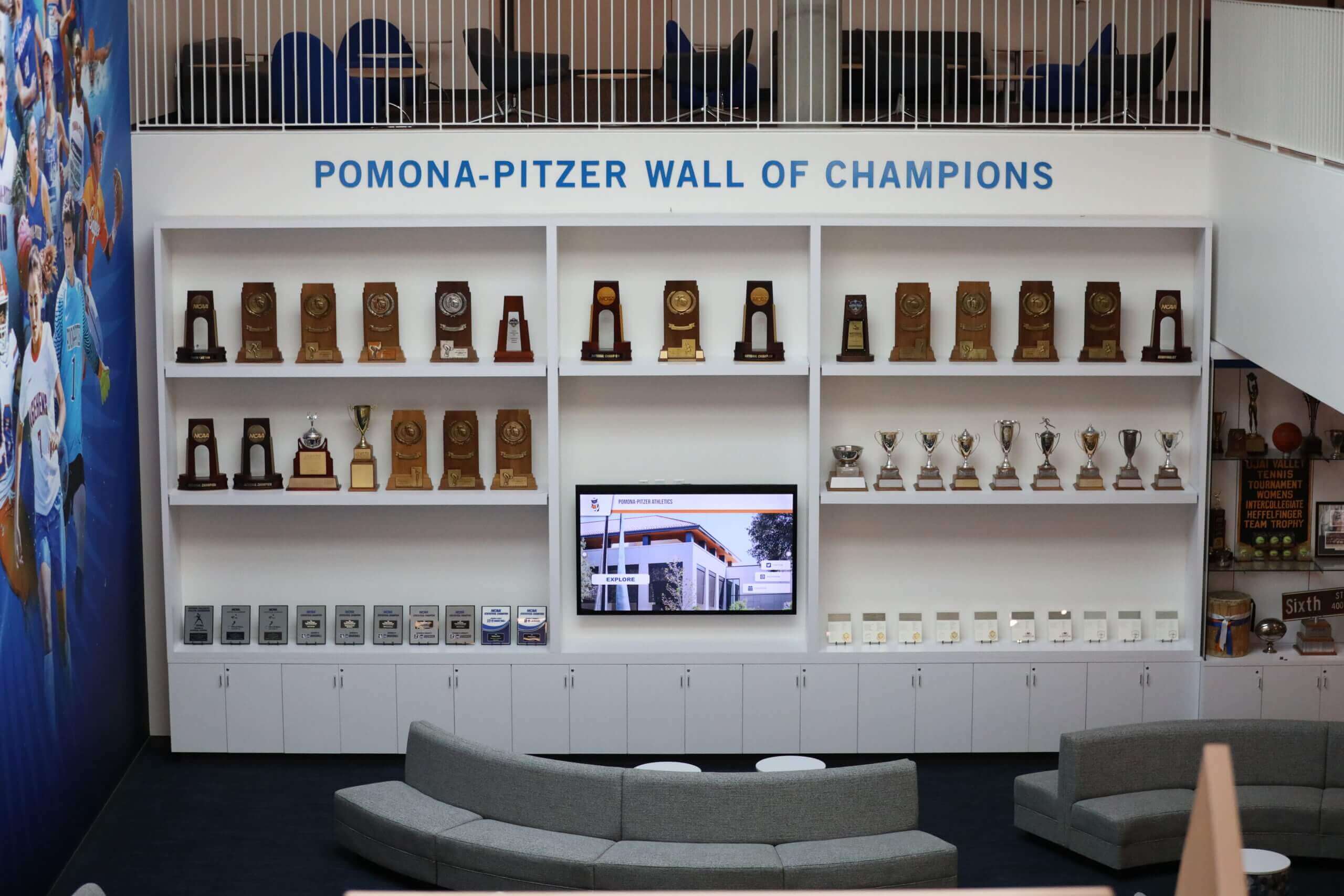
These innovative chants add personality and creativity that distinguish your student section while building unique traditions worth preserving through digital recognition displays that celebrate your school’s spirit legacy.
“You Can’t Do That!” (Clap-Clap-ClapClapClap)
Deployed after opponent fouls, violations, or penalties. The “shame” element adds psychological pressure while celebrating rule enforcement favoring your team. The clapping rhythm provides clear structure.
“Warm Up the Bus!”
Chanted during blowout victories suggesting opponents should prepare to leave early. Creates intimidation factor while celebrating dominant performance.
Sportsmanship Consideration: Reserve for playoff games or significant rivalry contests rather than regular season mismatches with clearly overmatched opponents.
“That’s All Right, That’s OK, You’re Gonna Work for Us Someday!”
Clever chant deployed against opponents, particularly private schools or programs with different socioeconomic profiles. The humor keeps it lighthearted while creating vocal energy.
Cultural Sensitivity: Verify this chant fits your community culture and won’t create genuine resentment or inappropriate class-based rivalry.
“Scoreboard! Scoreboard!”
Simplest possible chant—literally just pointing at scoreboard while chanting “scoreboard!” Devastating in its direct simplicity when your team leads comfortably. Creates visual and vocal emphasis on competitive reality.
“Fundamentals! Fundamentals!”
Ironic chant following opponent basic mistakes—missed layups, dropped passes, simple errors. The mock-teaching tone adds psychological element to the pressure.
“Start the Car!” (Simulated Car Starting Motions)
Similar to “Warm Up the Bus” but with added gesture element. Student sections simulate turning car keys during blowout victories suggesting opponents should leave early.
“Overrated!” (Clap-Clap-ClapClapClap)
Classic chant deployed against highly-ranked opponents, particularly when home team performs well. Challenges opponent reputation while building home team confidence.
Strategic Deployment: Most effective when your team actually competes well. Loses credibility if deployed while trailing significantly.
Championship and Rivalry-Specific Chants
These high-intensity chants work best for playoff games, championship contests, and traditional rivalries where elevated emotion naturally fits the competitive environment. Many programs preserve these moments through digital hall of fame displays that immortalize the biggest wins.
“This Is Our House!”
Extended version of “Our House” deployed during championship home games or clinching opportunities. Asserts complete territorial dominance in critical moments.
“Beat [Rival Name]!” (Continuous)
Simplest possible rivalry chant—literally just “Beat Bulldogs! Beat Bulldogs!” repeated continuously. The directness and repetition create impressive unity and volume.
“We Want [Championship/Trophy Name]!”
Deployed during playoff games or tournament runs: “We want state!” / “We want districts!” / “We want the cup!” The aspiration chant psychologically frames championship mindset.
“No Mercy!”
Intense chant deployed during championship blowouts or crucial rivalry victories. Demands continued maximum effort and complete dominance rather than comfortable coasting.
Coaching Philosophy: Verify this aligns with program values. Some programs prefer sportsmanship-focused chants even during dominant championship performances.
“Cut Down the Nets!” (Basketball Championships)
Specific chant for championship games with net-cutting traditions. Creates expectation and visualization of championship celebration.
“Champions! Champions!”
Victory chant deployed after clinching playoff spots, winning tournaments, or achieving championship success. Celebrates achievement while solidifying the accomplishment in collective memory.
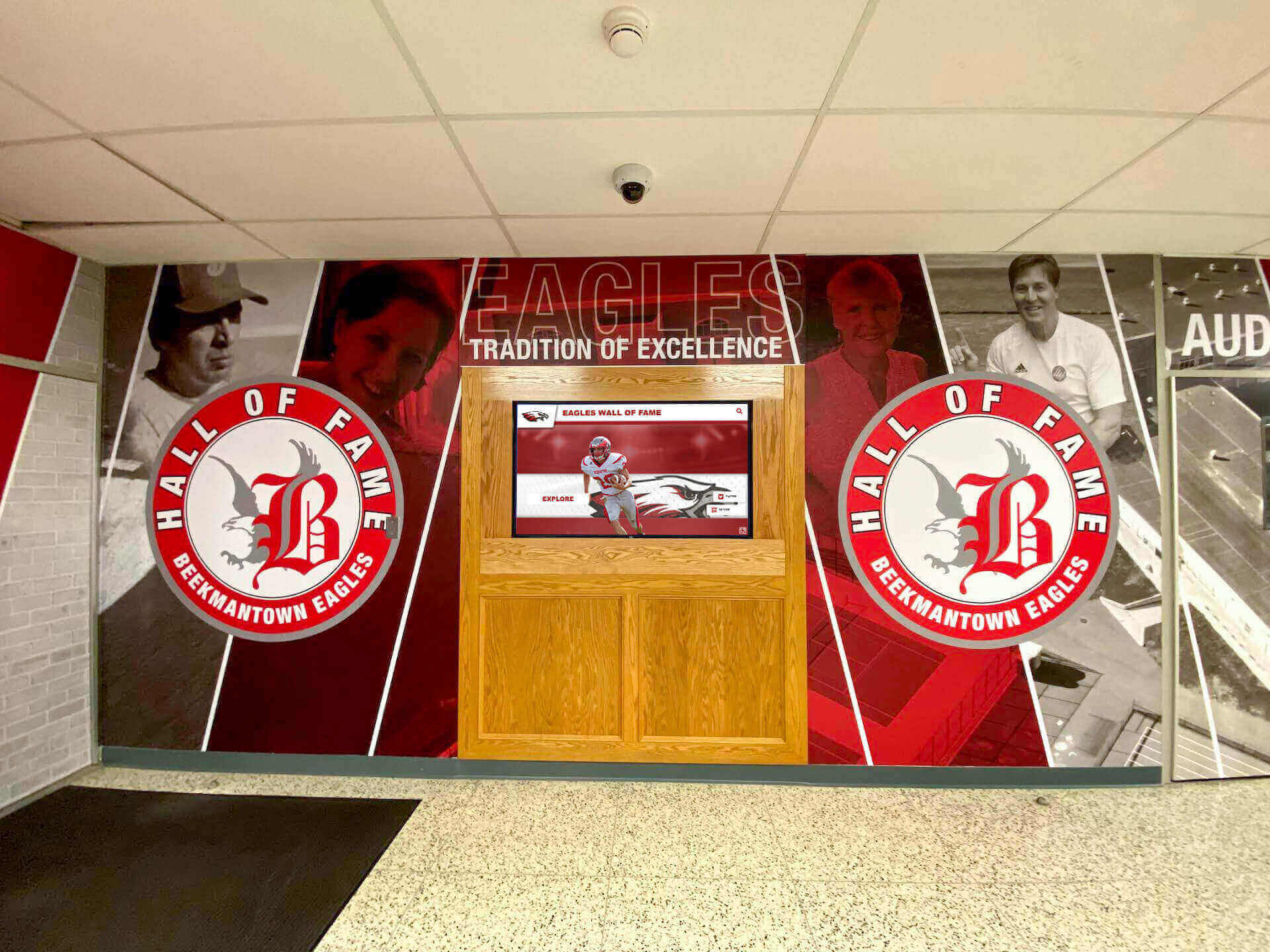
Many schools preserve their championship moments and traditions through modern recognition technology that allows future generations to relive the energy and achievement.
Building Effective Chant Traditions: Best Practices
Creating sustainable chant traditions requires more than simply learning words and rhythms. Effective implementation involves leadership, practice, cultural alignment, and strategic deployment that maximizes impact while maintaining appropriate sportsmanship standards.
Start With Leadership and Organization
Effective student sections and cheer squads require dedicated leadership coordinating chant deployment rather than random spontaneous shouting. Designate spirit leaders, cheer captains, or student section coordinators responsible for initiating chants at strategic moments.
Leadership Selection: Choose students with natural charisma, strong voices that carry, understanding of game flow and strategy, and maturity to maintain appropriate sportsmanship standards. These leaders often become celebrated figures whose contributions deserve recognition through student achievement displays.
Coordination Systems: Use hand signals, designated positions, or communication apps allowing spirit leaders to coordinate chant selection throughout games. Pre-game planning identifies key moments for specific chants based on game flow expectations.
Practice and Preparation Matter
Championship student sections don’t improvise—they prepare. Schedule regular practices teaching new chants, refining execution, and building repertoire familiarity that allows seamless game-time deployment.
Pep Rally Integration: Use pep rallies not just for entertainment but as training opportunities where entire student bodies practice chants together. This preparation pays dividends during actual competitions when hundreds of students execute complex chants in perfect unison.
Chant Cards and Visual Aids: Create reference cards listing popular chants with rhythm notation and deployment suggestions. Distribute to spirit leaders and post in student sections for quick reference.
Customize to Your Community Identity
The most powerful chants connect to specific school identity, traditions, history, and values rather than generic borrowing from other programs. Creative customization transforms standard chants into unique traditions.
Historical References: Incorporate school founding dates, legendary coaches or players, championship years, or famous moments into customized chants. “Since 1952!” / “Thompson’s legacy!” / “2019 again!”
Mascot Integration: Create mascot-specific chants playing on animal characteristics, sounds, or associations. Eagle programs emphasize “soaring” language, bulldog programs emphasize “fierce” terminology, etc.
Local Culture: Reflect community characteristics, regional identity, or demographic makeup in chant selection and customization ensuring authentic connection rather than forced imitation.
Maintain Sportsmanship Standards
The line between intimidating crowd energy and inappropriate hostility requires constant attention and enforcement. Effective programs establish clear guidelines preventing chants that cross into unacceptable territory.
Prohibited Categories: Most leagues ban chants targeting individual opponents by name, referencing academic performance, making personal attacks, using profanity or suggestive language, or mocking physical characteristics.
Faculty Oversight: Designate faculty advisors monitoring student section behavior with authority to shut down inappropriate chants immediately. This adult supervision protects programs from sanctions while teaching students appropriate competitive behavior.
Opponent Respect: Build traditions of respectful applause for opponent introductions, injured players, and exceptional performances. This demonstrated respect makes intimidating chants during competition more acceptable rather than appearing generally hostile.
Scale Appropriately by Age and Competition Level
Youth recreational leagues require very different chant approaches than high school playoffs or varsity rivalry games. Scale intensity, complexity, and competitive edge appropriately to avoid creating inappropriate environments.
Youth Modifications: Elementary and middle school games warrant primarily positive encouragement chants (“Go team go!”) rather than opponent-focused pressure. The educational and developmental focus at these levels prioritizes participation over competitive intimidation.
Playoff Escalation: Regular season games establish baseline chant traditions with moderate intensity. Playoff games and championships naturally accommodate elevated intensity and creative psychological elements appropriate to heightened stakes.
Preserving Your School’s Spirit Traditions
The most powerful chants and cheers become defining elements of school identity that alumni remember decades later. Programs committed to celebrating spirit traditions often recognize their most passionate fans, legendary student sections, and memorable game atmospheres through permanent displays.
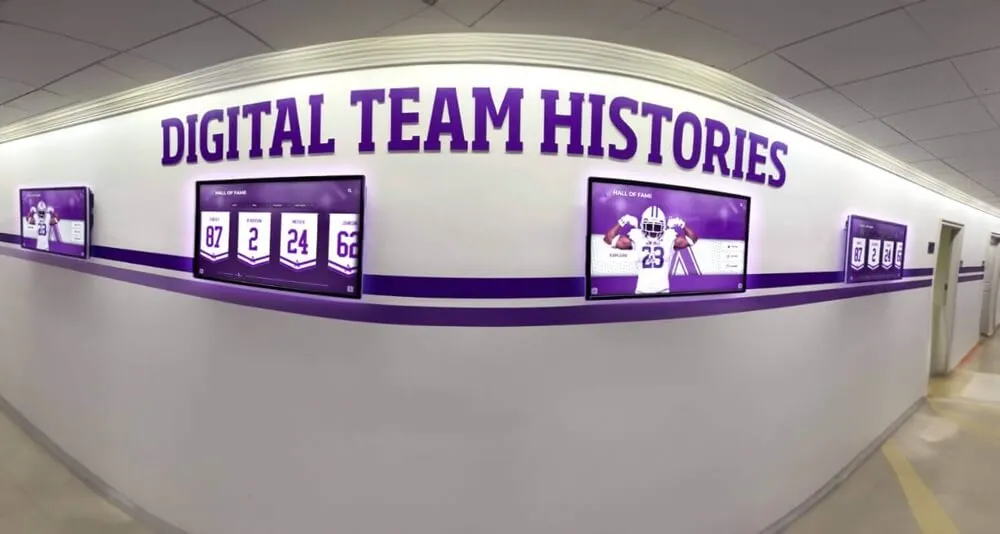
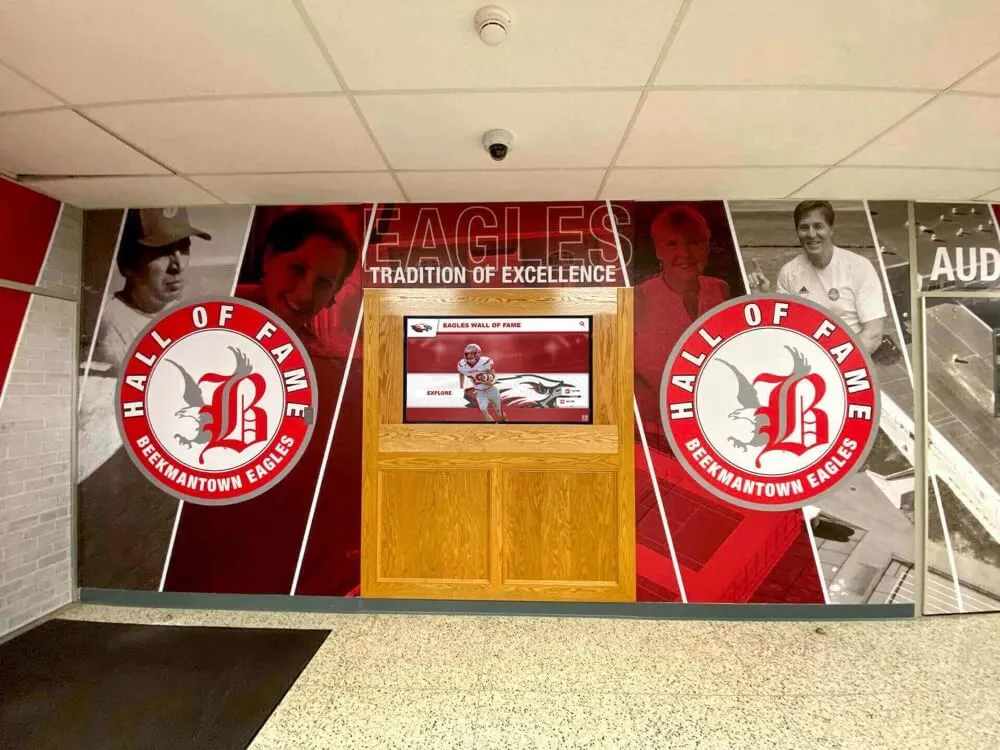
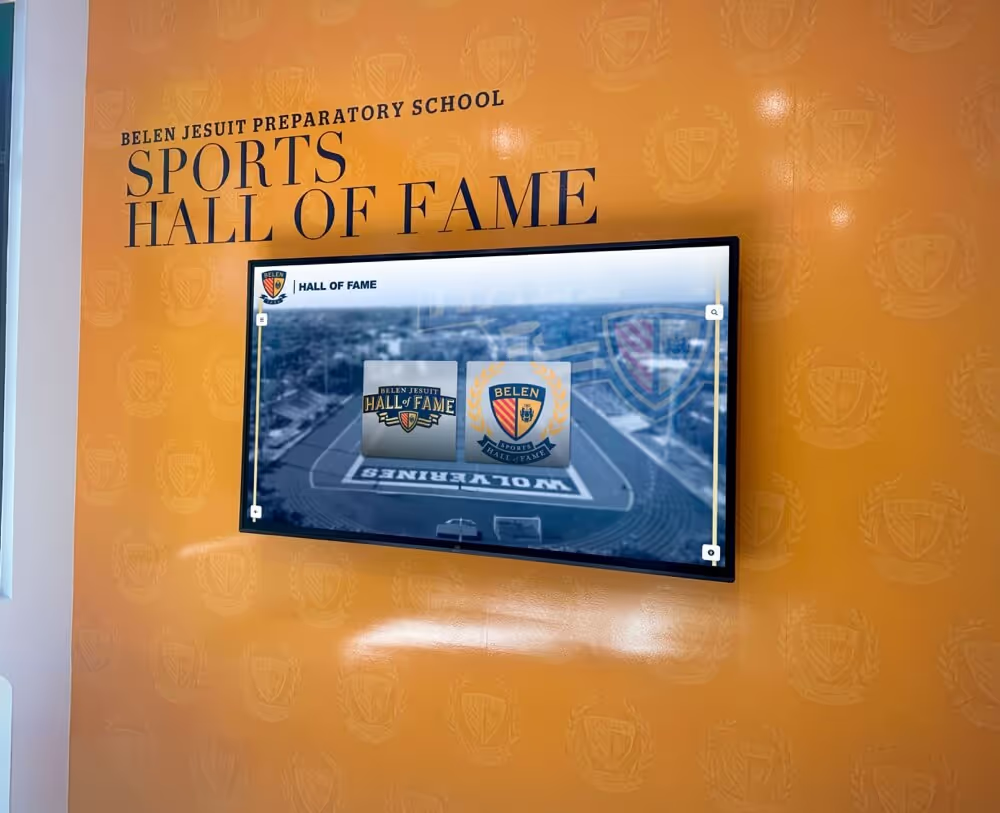
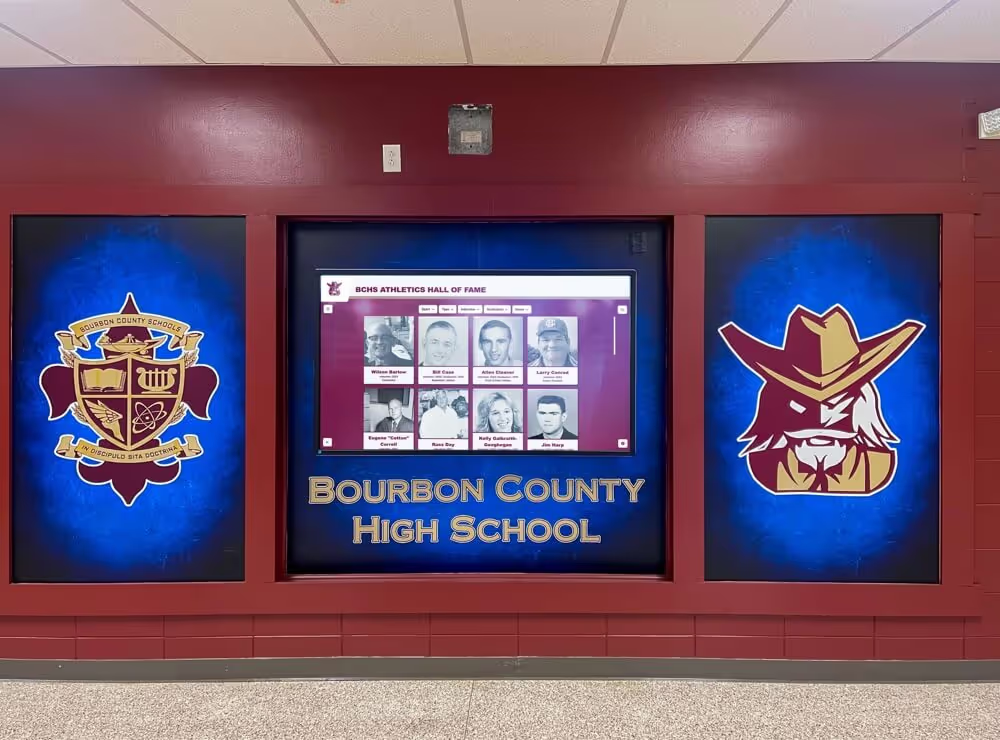
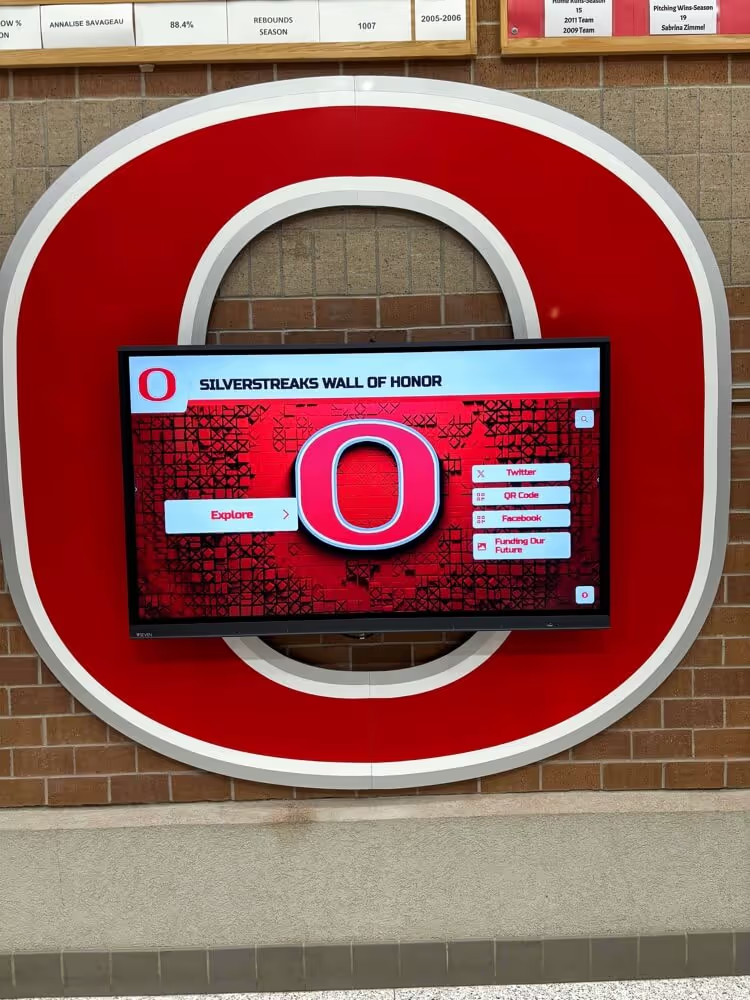
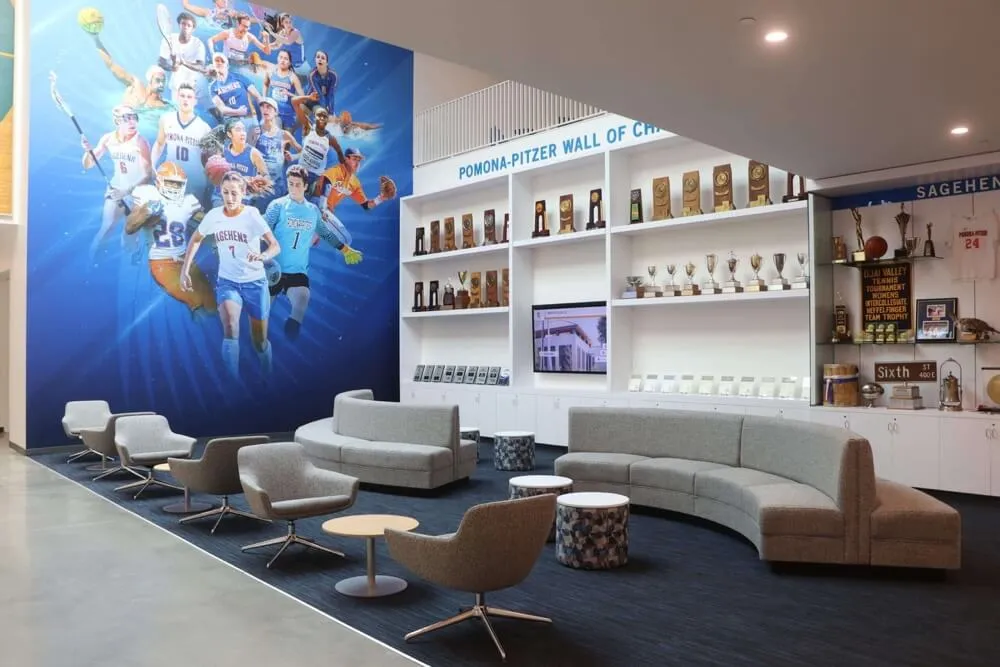
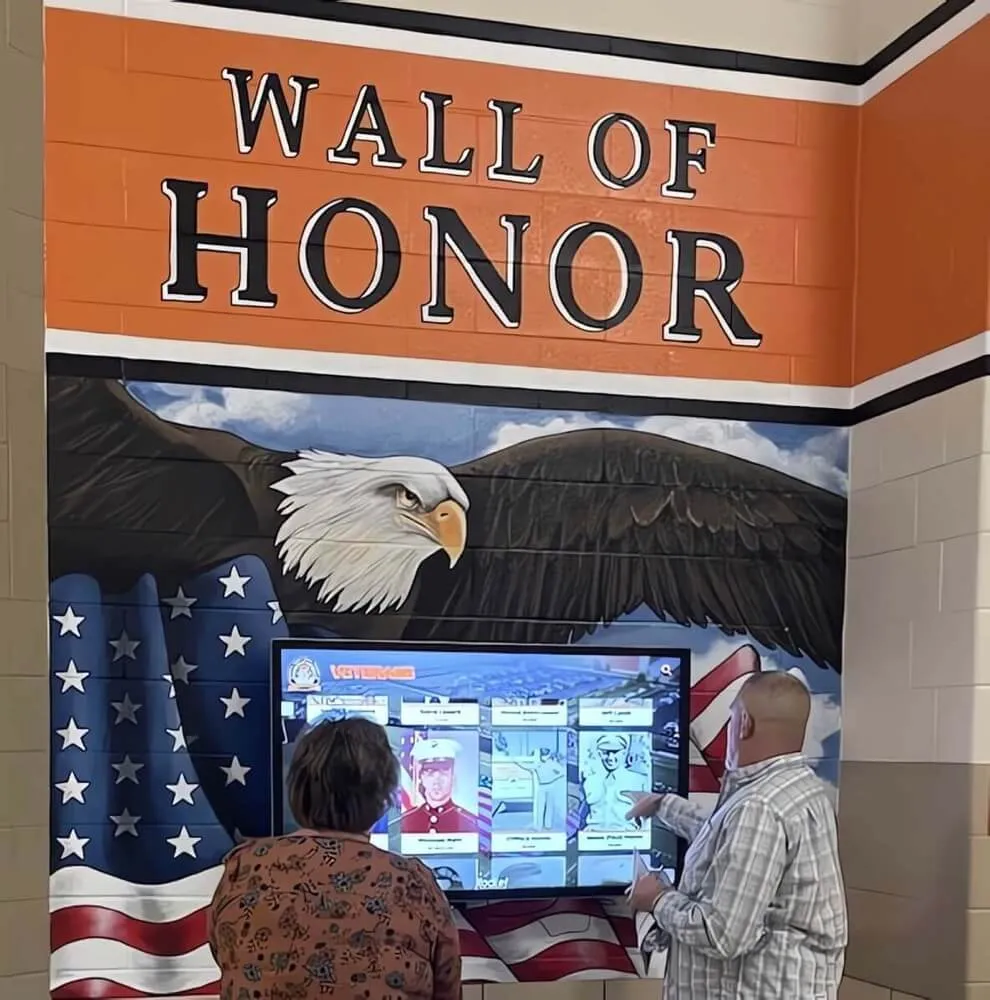
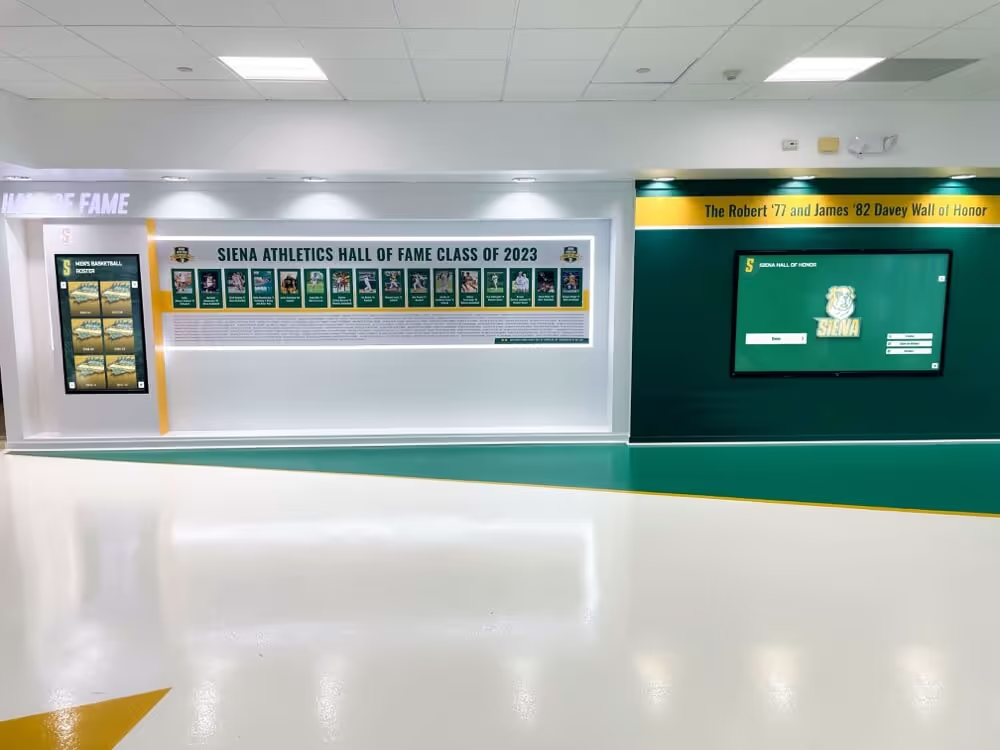
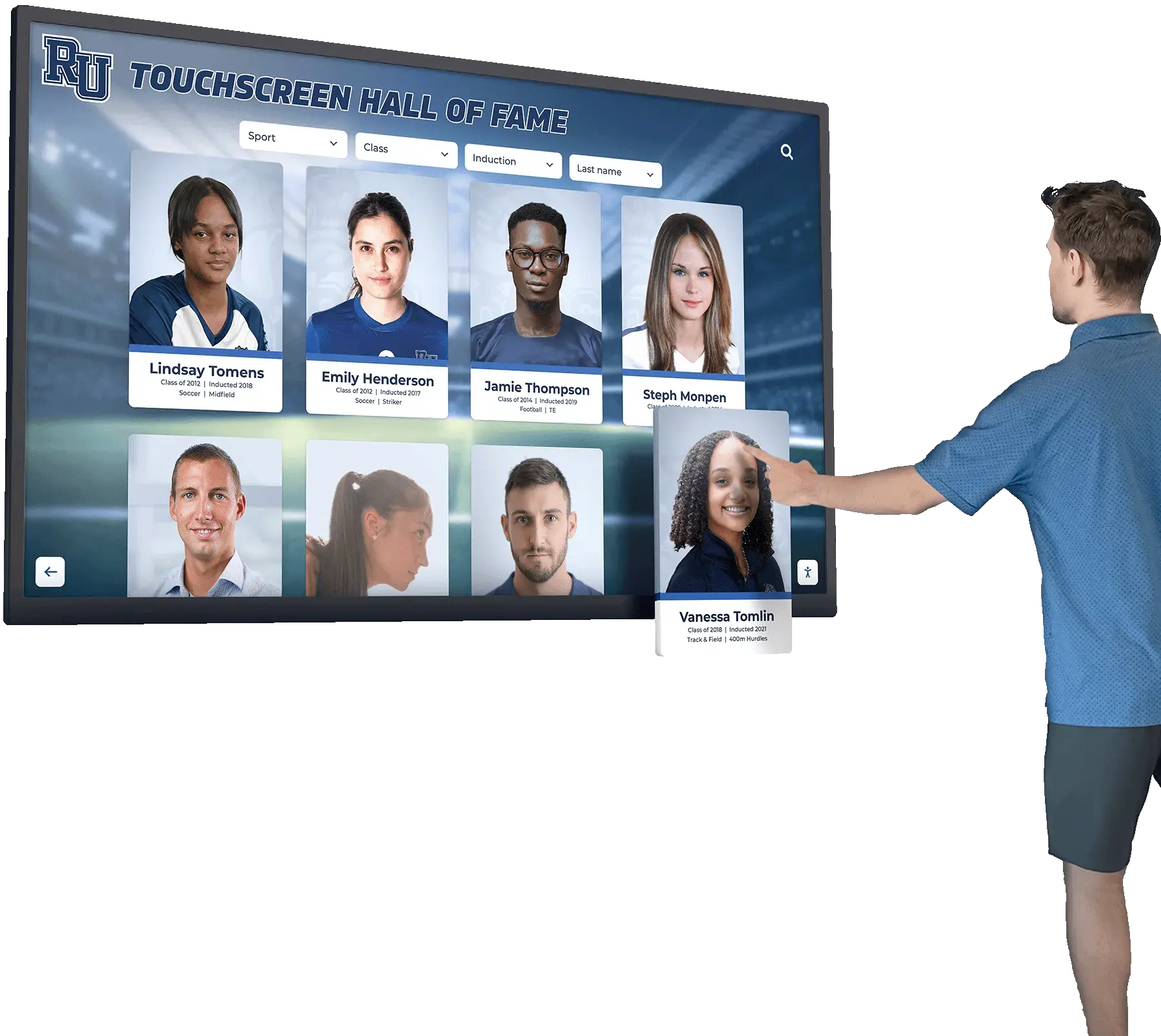
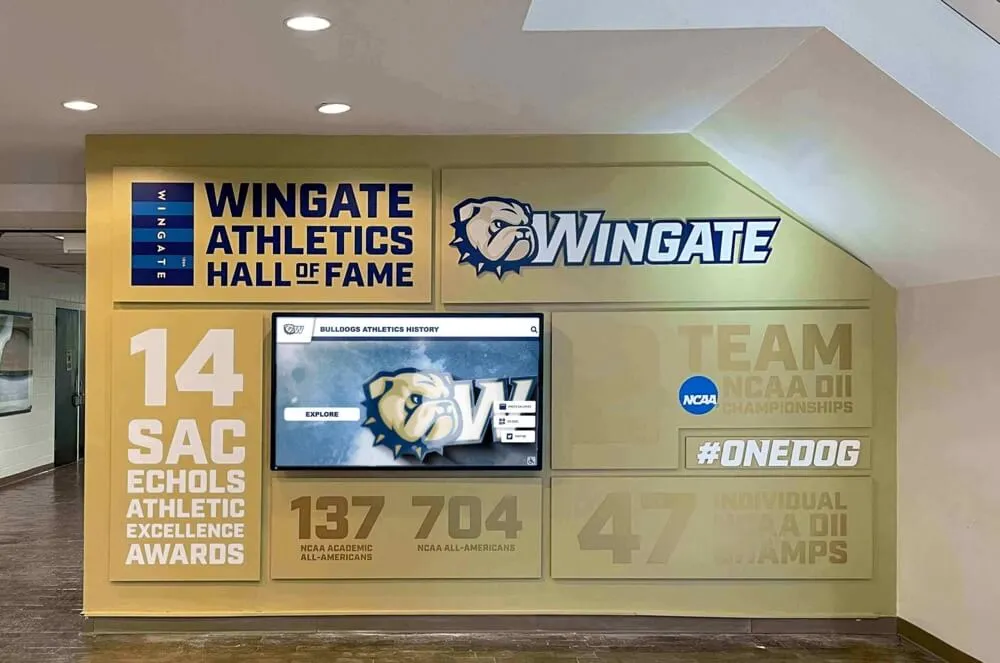
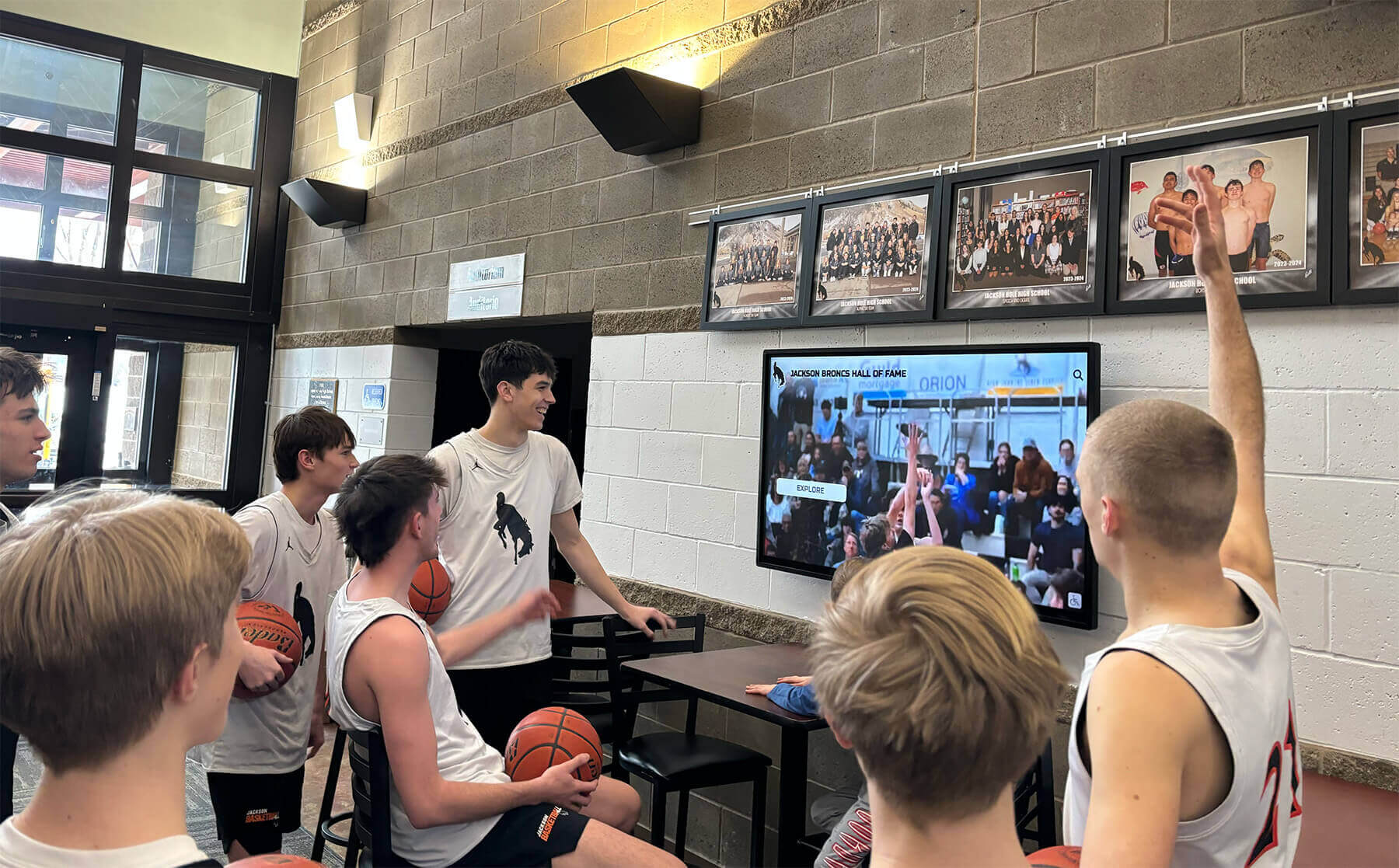
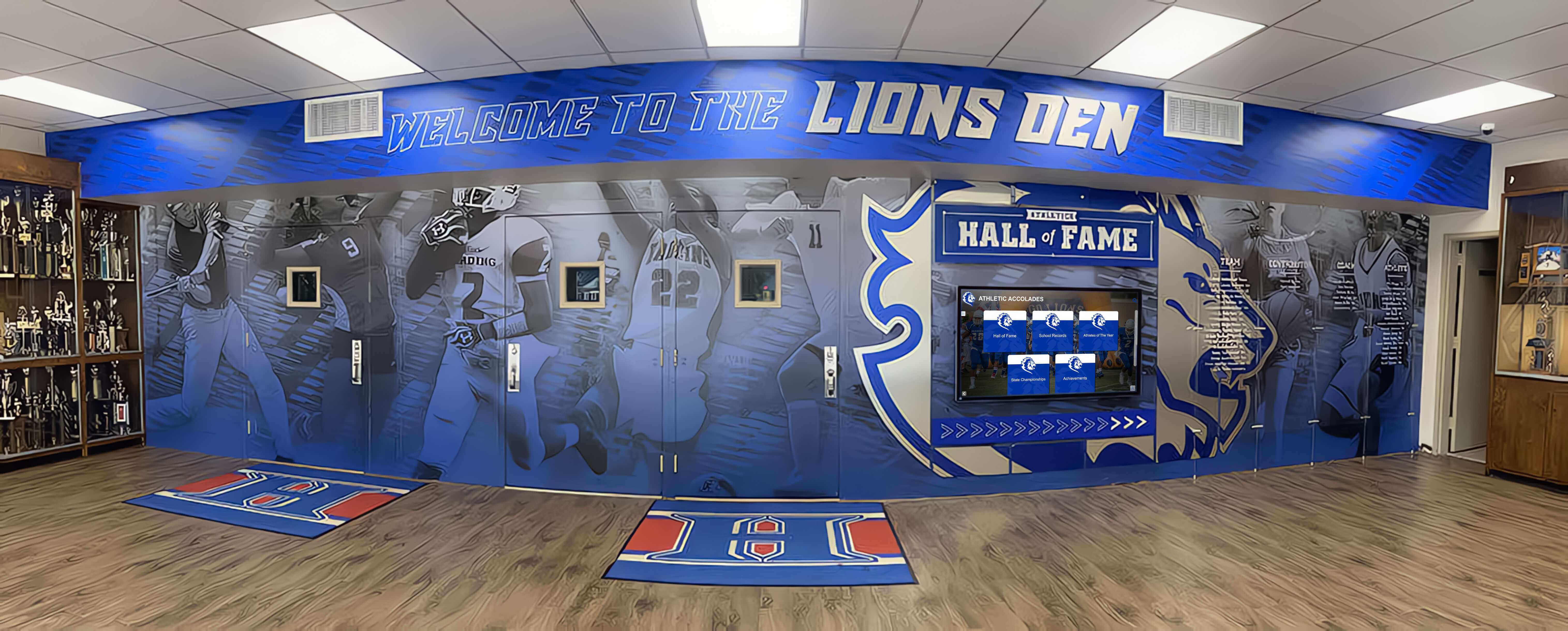
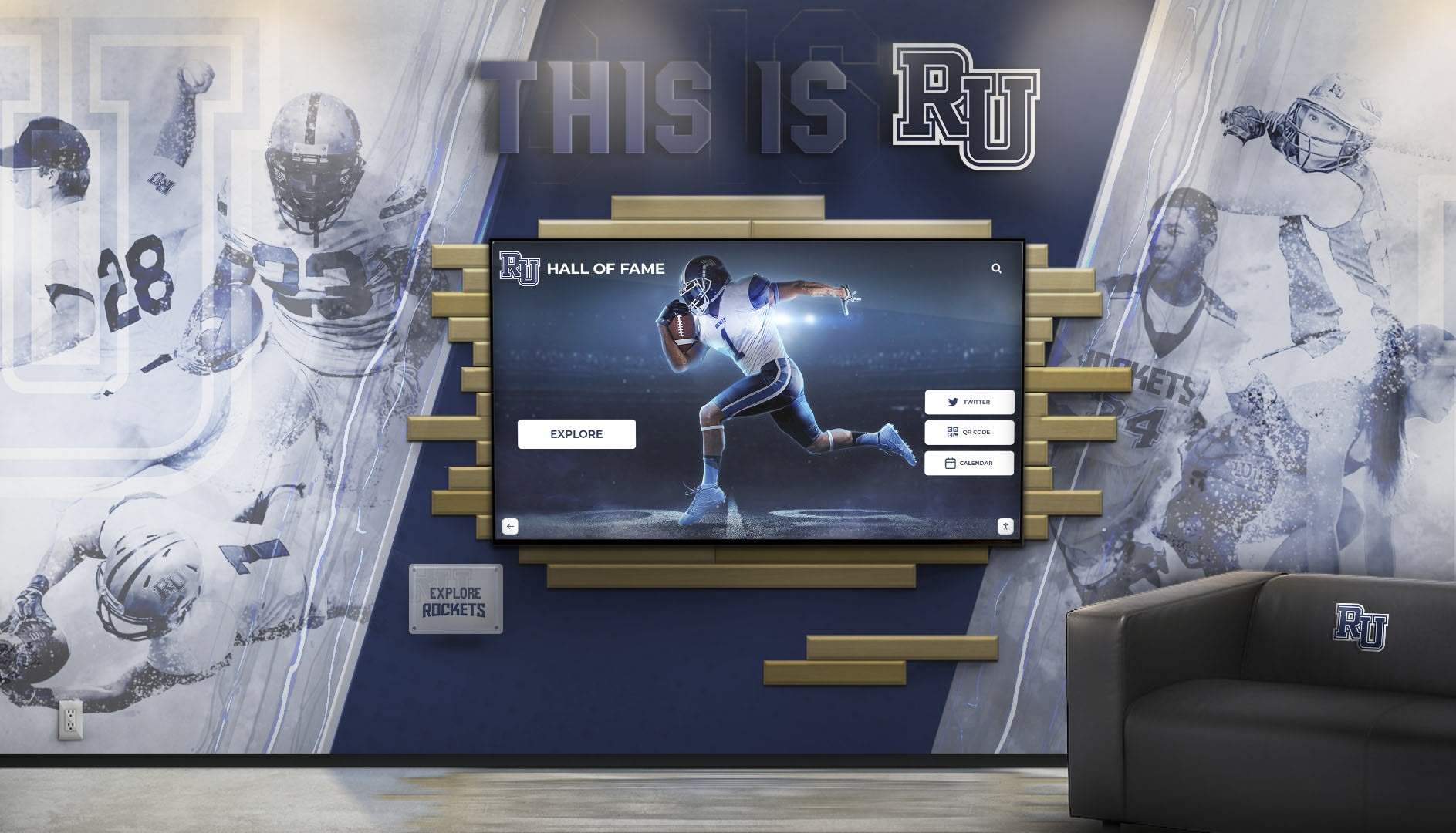
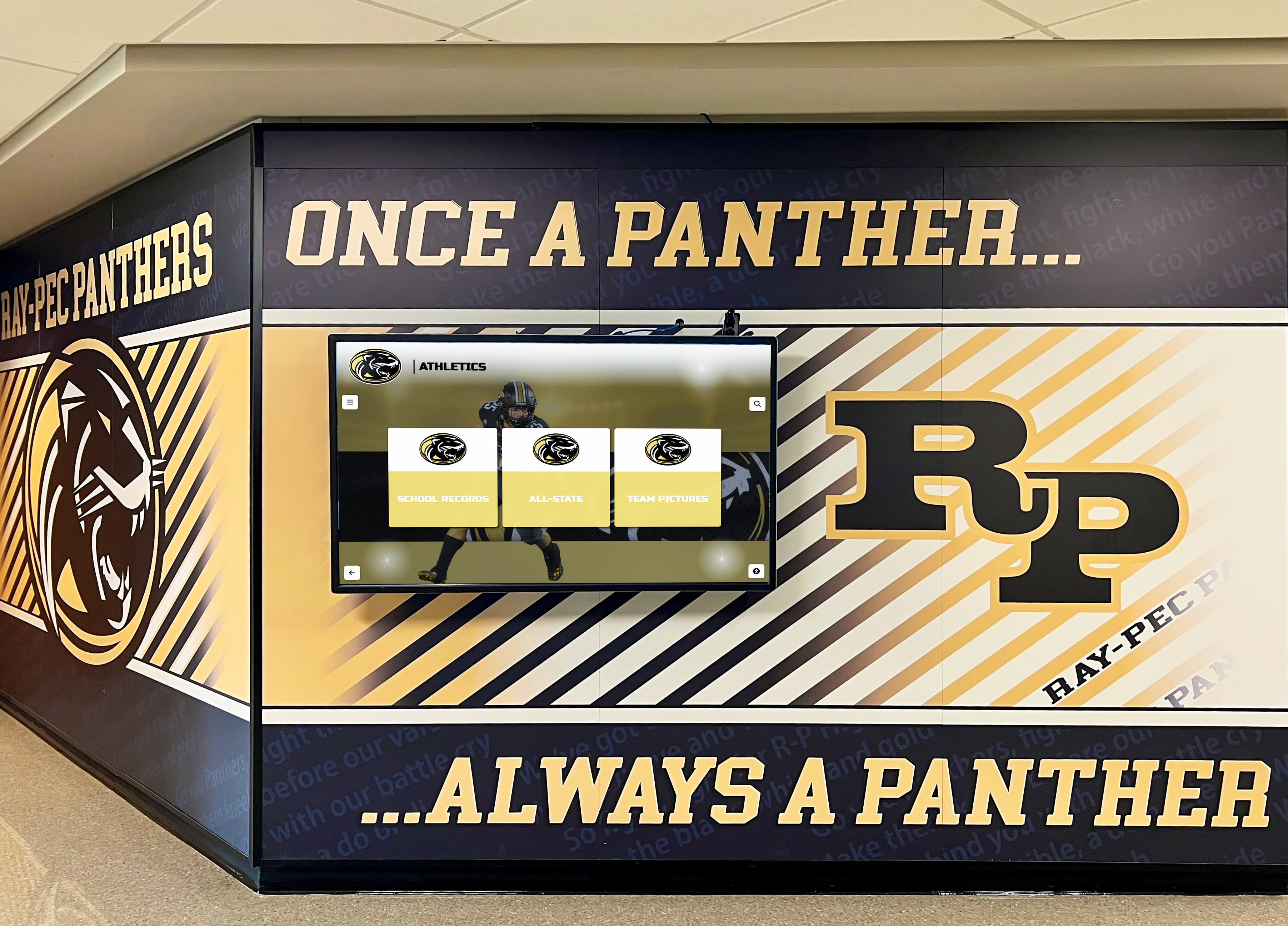
Modern interactive recognition systems allow schools to preserve video footage of championship crowds, document historic chants and their origins, showcase student section leaders who built traditions, and create interactive experiences where visitors can explore the evolution of school spirit culture over decades.
These displays accomplish multiple objectives: they validate the contributions of students who built spirit traditions, they educate new students about established chants ensuring continuity, they engage alumni returning for games by featuring traditions from their eras, and they demonstrate that school culture values not just athletic achievement but also the community support that makes success possible.
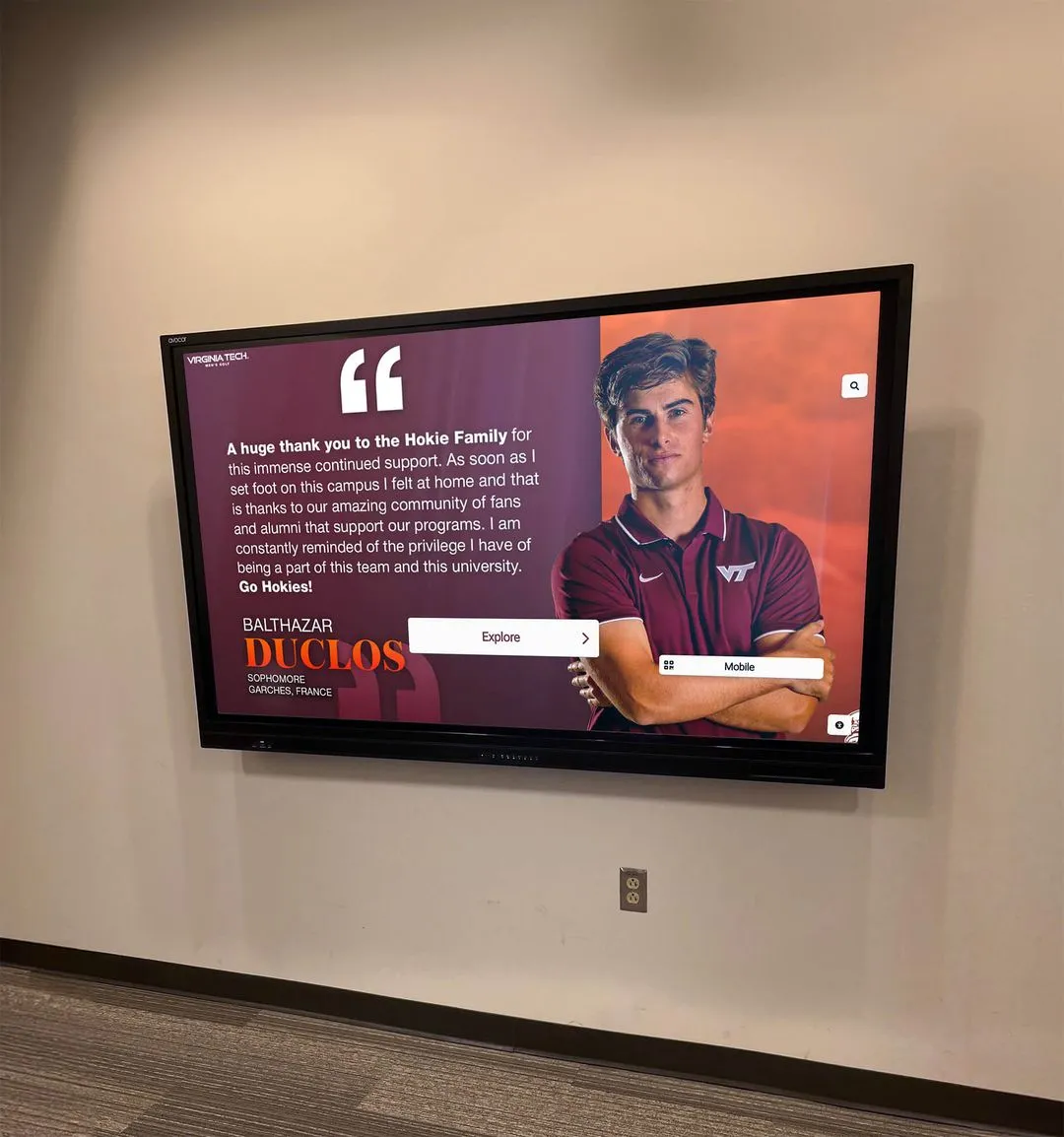
Programs can document signature chants with their history and strategic deployment, preserve audio or video of memorable game atmospheres, recognize student section leaders and spirit coordinators through the years, showcase championship crowds that created unforgettable home environments, and feature testimonials from coaches and athletes describing how crowd energy impacted performance.
Just as programs celebrate athletic milestones and achievements, recognizing the students and community members who created electric atmospheres through unified chants validates their essential contributions to program success. The athletes on the field or court receive well-deserved recognition, but the hundreds of students creating deafening home-court advantage equally deserve acknowledgment for their role in championship runs.
Creating Lasting Impact Beyond Game Day
Sports team chants create powerful shared experiences that define school culture and community identity. These vocal traditions connect students across graduating classes, provide participation opportunities for non-athletes to contribute meaningfully to competitive success, and build memories that alumni carry throughout their lives.
The most successful programs view chant development not as spontaneous accident but as intentional tradition-building requiring leadership, practice, creativity, and strategic deployment. By starting with foundational classics that everyone can learn, gradually expanding into sport-specific and creative options that showcase personality, maintaining appropriate sportsmanship that allows sustained intensity without crossing lines, and celebrating spirit traditions as integral to program identity worthy of permanent recognition, schools create vocal environments that genuinely impact competitive outcomes while building community unity extending far beyond athletic competition.
Whether you’re a cheerleading coach developing new routines, an athletic director building school spirit initiatives, a student section leader coordinating game-day energy, or a booster club parent looking to enhance game atmosphere, these 40+ sports team chants provide a foundation for creating the electric environments where athletic excellence and community support combine to produce unforgettable moments.
The energy you create in the stands matters just as much as the effort on the field. Make it count.
Ready to celebrate your school’s athletic achievements and spirit traditions? Rocket Alumni Solutions provides interactive digital displays that bring your program’s history, achievements, and traditions to life through engaging touchscreen technology. Our systems allow schools to showcase championship moments, recognize student leaders, preserve signature chants and spirit traditions, and create interactive experiences connecting current students with decades of athletic excellence. Contact us to discover how modern recognition technology can honor both the athletes who compete and the communities who support them.