



Athletic directors and coaches across the country face the annual challenge of coordinating dozens of athletes, managing limited time windows, and capturing professional-quality photos and videos that will represent their programs throughout the season. A well-executed sports media day transforms potential chaos into an efficient system that produces the headshots, action shots, and video content schools need for rosters, promotional materials, social media, and permanent recognition displays.
Sports media day represents far more than a photo session—it establishes visual identity for programs, creates marketing assets used year-round, provides content for recognition systems, and sets professional tone for the season ahead. Schools that approach media day strategically reap benefits extending well beyond the single day event, building content libraries that enhance program visibility and athlete recognition for years to come.
What You’ll Learn About Sports Media Day Planning
This comprehensive guide covers:
- Planning fundamentals including timeline development and resource allocation
- Logistics coordination for efficient athlete flow and session management
- Photography best practices for headshots, action shots, and team photos
- Video content strategies that maximize media day investment
- Technology setup including lighting, backdrops, and equipment requirements
- Post-production workflow for organizing and distributing media assets
- Recognition integration connecting media day photos to long-term athlete displays
What Is Sports Media Day?
Sports media day designates a scheduled event—typically occurring before season competition begins—where athletic programs systematically photograph and film all team members for official use throughout the season and beyond. Originally conducted primarily by college and professional sports organizations, media days have become standard practice for high school and youth sports programs seeking professional presentation.
Core Media Day Components
A comprehensive sports media day includes:
- Individual headshots in uniform against consistent backdrops
- Action photography showing athletes in sport-specific poses
- Team photos with complete rosters and coaching staff
- Video interviews featuring athlete introductions or season messages
- Marketing content including promotional clips and social media assets
- Statistical information collection for roster and program materials
Well-organized media days complete all photography and videography for entire athletic programs—sometimes involving hundreds of athletes across multiple sports—within focused time frames of 2-4 hours per sport or single full-day sessions covering all fall, winter, or spring teams.
Why Schools Conduct Media Days
Athletic programs organize dedicated media days for several strategic reasons:
Efficiency and Consistency: Centralized sessions ensure all athletes receive photography using consistent lighting, backdrops, and professional equipment, creating cohesive visual identity across programs. Attempting to photograph athletes individually throughout seasons proves time-consuming and produces inconsistent results.
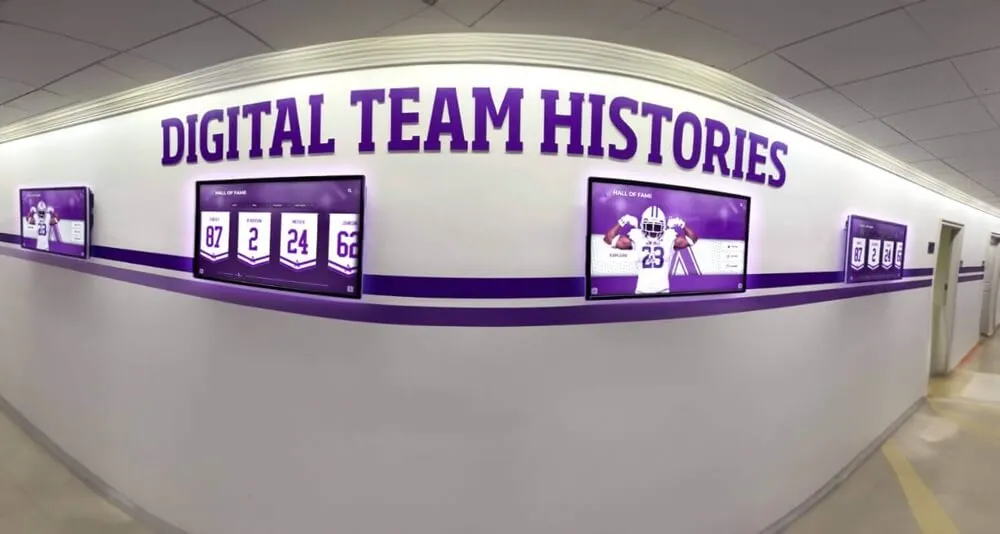
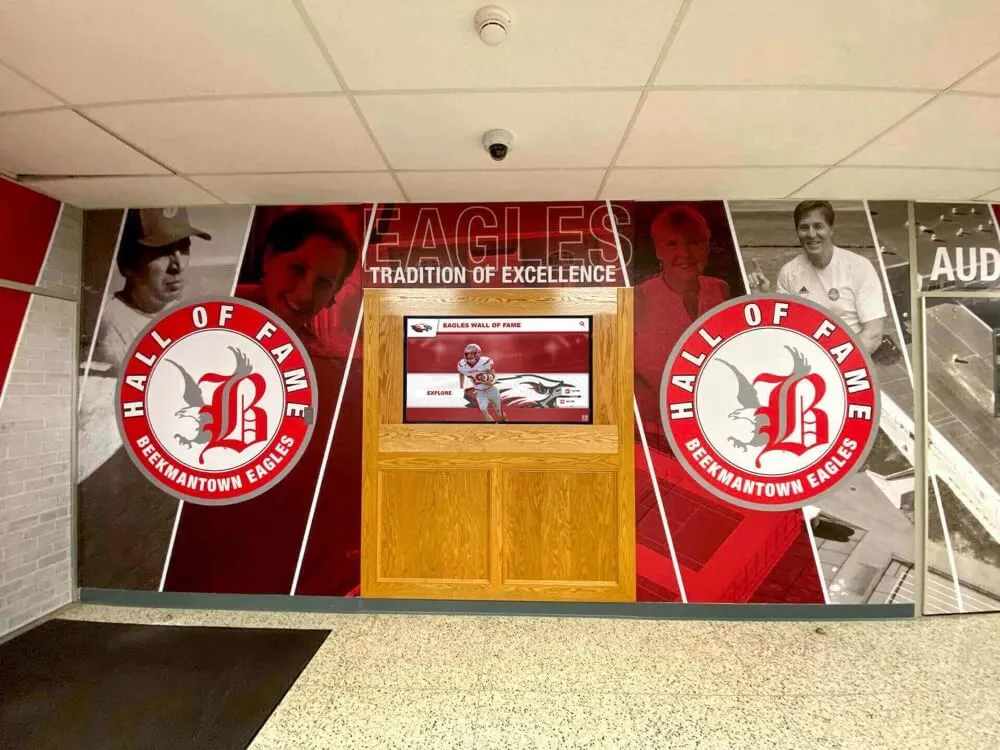
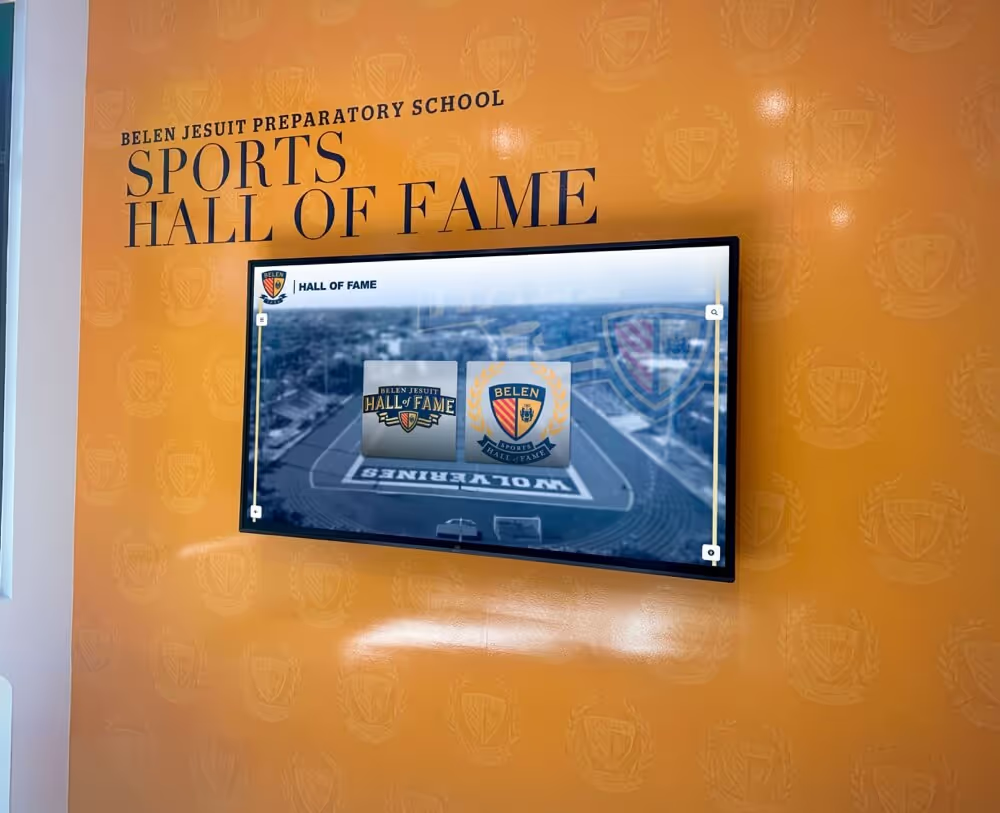
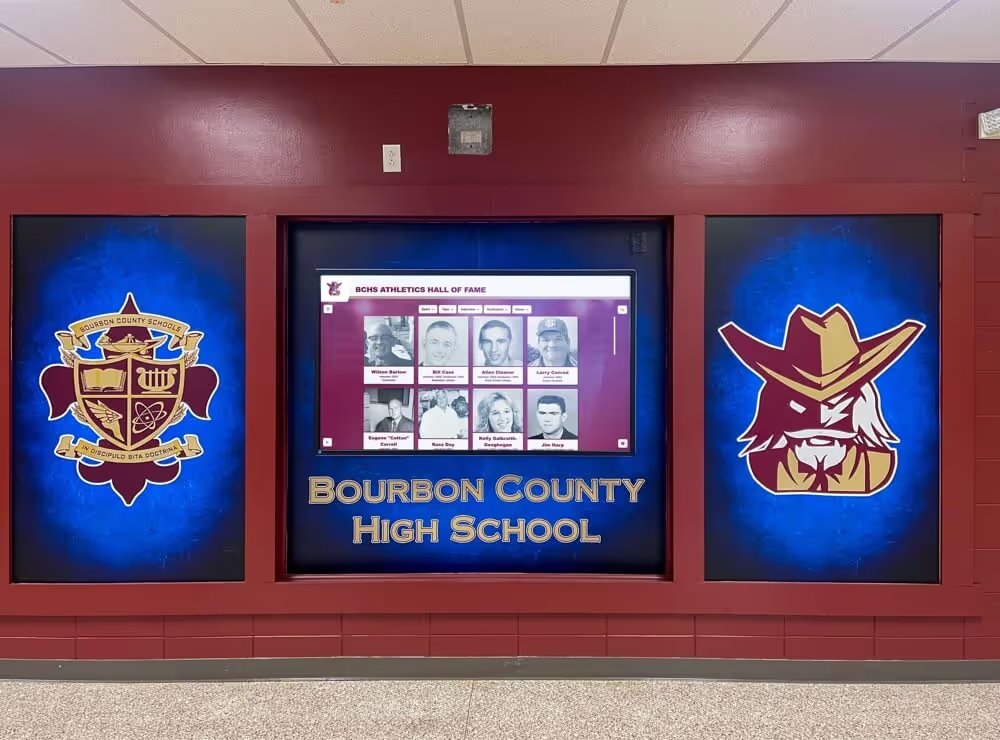
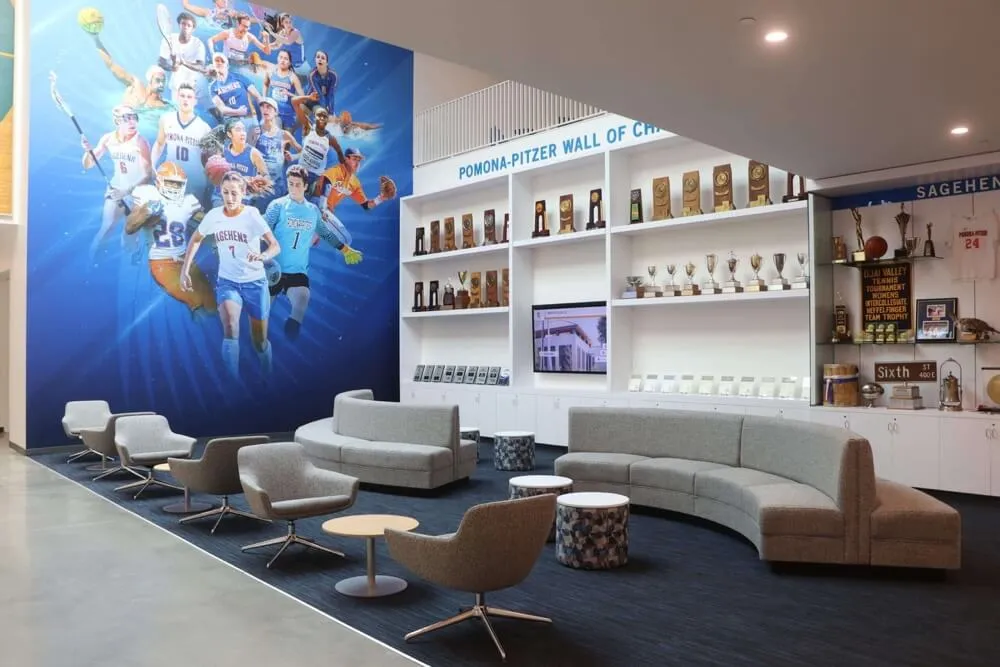
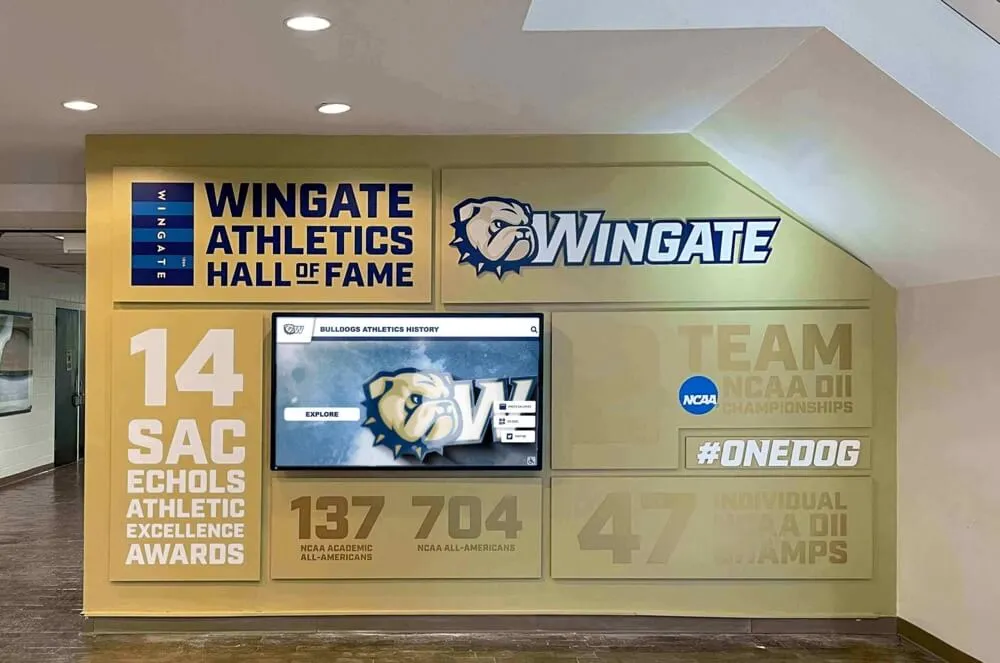
Content for Recognition Systems: Photos captured during media day become the images featured in digital trophy cases, hall of fame displays, and recognition systems throughout facilities. Quality source photography enables programs to honor athletes appropriately both during their careers and in permanent legacy displays.
Marketing and Promotion: Media day content populates websites, social media accounts, game programs, promotional posters, and recruiting materials throughout the year. Schools leveraging media day effectively create content libraries supporting year-round program marketing without ongoing photo session costs.
Professionalism and Program Culture: Organized media days signal program professionalism to athletes, families, and communities. The process demonstrates organizational capacity while establishing expectations for athlete presentation and program standards.
Planning Timeline: When to Schedule Media Day
Successful media day execution requires advance planning aligned with sport seasons and facility availability.
Seasonal Timing Considerations
Fall Sports Media Days (Football, Soccer, Volleyball, Cross Country)
- Schedule late July through early August
- Captures athletes before practice intensity peaks
- Allows content availability for season opening and back-to-school promotion
- Consider summer vacation schedules affecting athlete availability
Winter Sports Media Days (Basketball, Wrestling, Swimming, Hockey)
- Schedule late October through early November
- Coordinate around fall sport championships to avoid facility conflicts
- Provides content for winter season marketing and promotion
- May combine with fall sport wrap-up if using external photographers
Spring Sports Media Days (Baseball, Softball, Lacrosse, Tennis, Track)
- Schedule late February through early March
- Balances between winter sport conclusions and spring practice beginnings
- Weather considerations for outdoor backdrop options
- Academic calendar awareness regarding spring break timing
Planning Lead Time Requirements
Begin media day planning 6-8 weeks before the target date:
Weeks 6-8 Before: Establish date, secure photographer/videographer, reserve facilities, determine budget Weeks 4-5 Before: Communicate with coaches, create athlete schedules, order backdrops or props if needed Weeks 2-3 Before: Finalize logistics, confirm athlete participation, prepare information collection forms Week 1 Before: Final confirmation with vendors, print schedules, communicate final details to participants Day Before: Setup equipment, test lighting and technology, confirm volunteer assignments
This timeline ensures adequate preparation while remaining flexible for typical school calendar complexities.
Essential Planning Components
Athletic directors and coaches coordinating media days must address several fundamental elements determining event success.
Budget Determination and Resource Allocation
Photography and Videography Costs
Schools approach media day photography through various models:
Professional Photographer Hire: $500-$2,000+ depending on session length, number of athletes, and deliverables included. Professional services provide highest quality results with post-production editing but represent significant budget investment.
Photography Company Partnerships: Some sports photography companies conduct media days at no upfront cost, earning revenue through photo package sales to families. This model eliminates immediate school expense while providing professional services, though final per-family costs may exceed alternative approaches.
Parent/Volunteer Photographers: Schools with photography-skilled parents or volunteers can reduce costs dramatically, requiring only equipment rental or backdrop purchase. Results vary significantly based on volunteer capability and equipment quality.
Student Photography Programs: High schools with photography or media production programs sometimes integrate media day into curriculum, providing learning opportunities while serving athletic department needs. This approach requires capable student photographers under teacher supervision.
Budget considerations should include photography services, backdrop materials, lighting equipment rental if needed, props or team-specific elements, video production if separate from photography, and post-production editing time or services.
Facility Selection and Setup
Location Requirements
Effective media day facilities provide:
- Adequate space for backdrop setup, lighting equipment, and photographer working distance
- Controlled lighting with ability to minimize natural light interference if using artificial lighting
- Athlete staging area where teams can organize before photography
- Power access for lighting equipment and charging stations
- Climate control ensuring athlete comfort and consistent photo conditions
- Privacy preventing background distractions in shots
Common locations include gymnasiums with portable backdrops, dedicated photography studios in newer facilities, cafeterias or large common areas with good ceiling height, weight rooms or athletic training facilities, and covered outdoor areas for natural lighting options.
Setup Considerations
Professional media day setups typically include:
Backdrop Systems: Portable backdrop stands with school colors, team branding, or neutral backgrounds. Professional 8’x10’ or 10’x20’ seamless paper or fabric backdrops create clean, consistent results. Some schools invest in custom-printed backdrops featuring school logos, mascots, or sponsor recognition.
Lighting Equipment: Professional results require controlled lighting regardless of location. Three-point lighting systems (key light, fill light, backlight) eliminate shadows and produce broadcast-quality headshots. Schools using volunteer photographers should budget for basic lighting kit rental or purchase ($200-$800).
Camera and Equipment: Professional DSLR or mirrorless cameras with appropriate lenses (85mm or 70-200mm for headshots, wider angles for team photos). Additional equipment includes tripods for consistency, memory cards and backup storage, and laptop or tablet for immediate review.
The setup investment pays dividends through improved photo quality that enhances all downstream uses from social media to permanent recognition displays.
Logistics and Scheduling: Maximizing Efficiency
Well-planned logistics transform media day from chaotic experience to smooth operation respecting athlete and coach time.
Creating Efficient Flow Systems
Athlete Scheduling Approaches
Schools use various scheduling models:
Team Block Scheduling: Assign each team specific time blocks (e.g., varsity football 9:00-10:30, JV football 10:30-11:30). This approach works well for programs with distinct team structures and allows team photos at scheduled block completion. Consider 3-5 minutes per athlete for individual shots plus team photo time.
Sport-Specific Days: Dedicate separate days to different sports rather than attempting all-sports sessions. This reduces congestion and allows sport-specific backdrop or equipment changes. Particularly effective for schools with large athletic programs.
Rolling Individual Appointments: Schedule individual athletes at specific times rather than team blocks. This approach maximizes photographer efficiency by eliminating downtime but requires more complex coordination and clear athlete communication about appointment times.
Station Rotation Systems: For comprehensive media days including multiple elements (headshots, action shots, interviews, information collection), create station rotations where small athlete groups move through different stations. This maximizes volunteer utilization while keeping athletes productively engaged.
Managing Multiple Photography Stations
Programs photographing large numbers of athletes often implement multi-station approaches:
Station 1: Headshots - Primary backdrop with professional lighting for formal portraits Station 2: Action Poses - Sport-specific equipment and poses showing athletes in characteristic positions Station 3: Video Interviews - Separate area with video equipment for athlete introductions or messages Station 4: Information Collection - Tables where athletes complete forms providing biographical information, statistics, and quotes for program materials Station 5: Team Photos - Designated area for full team photographs after individual sessions complete
This approach requires more volunteer support and space but dramatically increases throughput, allowing schools to photograph entire athletic programs efficiently.
Photography Best Practices: Capturing Quality Images
Technical photography knowledge separates amateur snapshots from professional-quality media day results.
Headshot Photography Standards
Technical Settings and Approach
Professional headshots require specific technical considerations:
Camera Settings: Use aperture-priority mode (f/2.8-f/5.6 for individual portraits) creating attractive background blur while keeping faces sharp. Shutter speed should remain 1/125 or faster to eliminate motion blur. ISO adjustments accommodate lighting conditions while minimizing grain (typically 100-400 with proper lighting).
Composition: Frame athletes from mid-chest upward for headshots, ensuring adequate space above heads while avoiding excessive empty space. Eyes should fall along the upper third line following rule-of-thirds composition. Maintain consistency in athlete positioning and backdrop distance across all shots.
Lighting: Three-point lighting produces professional results—key light at 45-degree angle as main illumination, fill light opposite side reducing shadows, and backlight separating subjects from backgrounds. Consistent lighting across all athletes ensures cohesive appearance when photos display together.
Posing Direction: Many athletes feel awkward during photography sessions. Provide specific direction: “Turn your shoulders slightly this way,” “Lift your chin just a bit,” “Look directly at the camera.” Athletic expressions should appear confident and approachable rather than forced smiles. Some programs request both smiling and serious expression options.
Action Photography Techniques
Beyond static headshots, media days often capture action-oriented poses showing athletes in sport-specific positions.
Sport-Specific Action Shots
Football: Quarterback throwing motion, running back carrying stance, lineman ready position, receivers catching poses Basketball: Shooting form, dribbling stance, defensive position Volleyball: Serving motion, setting position, blocking stance Baseball/Softball: Batting stance, pitching windup, fielding position Soccer: Ball control pose, goalkeeper ready position, shooting form
Action shots require athletes to bring necessary equipment (basketballs, footballs, bats) and wear complete uniforms. These images appear in promotional materials and sports banquet displays celebrating season achievements.

Creative Backdrop Options
While traditional neutral backdrops work effectively, schools increasingly experiment with creative options:
- School-branded backdrops featuring mascots, logos, or slogans
- On-field or in-arena shots using actual competition venues as backgrounds
- Action-focused blurred backgrounds emphasizing athlete subjects
- Green screen photography allowing digital background insertion in post-production
- Outdoor natural lighting with campus landmarks visible
Creative approaches differentiate programs while providing varied content for different uses—formal headshots for rosters, dynamic action shots for social media, environmental portraits for recruiting materials.
Video Content: Maximizing Media Day Investment
While photography remains media day’s primary focus, incorporating video components significantly enhances content value.
Video Interview Approaches
Athlete Introduction Videos
Brief 30-60 second athlete introductions create engaging social media content and can feature in digital recognition displays throughout facilities. Standard questions include:
- Name, grade, and position
- Years playing the sport
- Season goals or expectations
- What they love about their sport
- Message to fans or community
Coach Messages: Capture head coach introductions to seasons, program philosophy explanations, or team goal statements for use in promotional videos and parent communications.
Team Hype Videos: Coordinate team chants, call-and-response sequences, or synchronized movements creating energetic promotional content. These clips generate social media engagement while building team chemistry.
Technical Video Considerations
Video quality standards have risen significantly with smartphone capabilities and social media platform requirements. Minimum standards include 1080p resolution (4K preferred for future-proofing), clean audio using lapel microphones or directional mics, consistent backgrounds matching photography aesthetics, and proper lighting ensuring clear facial visibility.
Short-form vertical video (9:16 aspect ratio) for Instagram Stories and TikTok increasingly supplement traditional horizontal video formats. Consider capturing both orientations or framing horizontal shots with vertical cropping in mind.
Information Collection and Data Management
Media day provides valuable opportunity to collect athlete information used throughout seasons.
Essential Information to Gather
Athlete Profile Data
Collect comprehensive information including:
- Full legal name and preferred name/nickname
- Grade level and graduation year
- Jersey number and position(s)
- Height, weight, and other sport-relevant statistics
- Years of program participation
- Previous achievements or honors
- Post-graduation plans or college interests
- Parent/guardian names for program recognition
- Social media handles (if program shares athlete content)
- Quotes about goals, team, or sport passion
This information populates roster materials, website profiles, game programs, and permanent recognition displays that celebrate athlete contributions.
Permission and Release Forms
Legal Documentation Requirements
Schools must obtain proper permissions before using athlete images:
Photo Release Forms: Secure parent/guardian permission for minor athletes allowing use of photographs and videos in school publications, websites, and social media. Standard releases specify acceptable uses while protecting athlete privacy.
FERPA Compliance: Ensure information collection and image use complies with Family Educational Rights and Privacy Act requirements governing student information.
Social Media Permissions: Some families consent to school website use but restrict social media posting. Clear documentation prevents conflicts and respects family preferences.
Third-Party Use: If photography companies retain image rights or if photos might be used in external publications, clearly communicate these arrangements to families during permission process.
Proper documentation collected during media day prevents future complications when schools want to feature athletes in promotional materials or recognition systems.
Post-Production and Asset Organization
Raw media day files require organization and editing before becoming usable program assets.
Photo Editing Workflow
Basic Post-Processing Standards
Professional media day photos receive standard editing including:
Exposure and Color Correction: Adjust brightness, contrast, and color balance ensuring consistent appearance across all athlete photos. Batch processing tools in Lightroom or similar software allow efficient editing of large photo sets with consistent settings.
Cropping and Alignment: Standardize framing across all headshots—athletes should appear at consistent sizes with similar positioning. This consistency proves particularly important when photos display together in roster grids or recognition systems.
Background Cleanup: Remove backdrop wrinkles, lighting stands visible in shots, or other distractions. Professional results require clean, distraction-free backgrounds.
Retouching: Light retouching addresses blemishes or flyaway hairs while avoiding over-editing that creates unrealistic appearances. School photos should enhance rather than fundamentally alter athlete appearances.
File Organization and Storage Systems
Digital Asset Management
Organized file systems prevent future frustration when seeking specific photos:
Naming Conventions: Implement consistent file naming—Sport_LastName_FirstName_Year.jpg (e.g., Football_Smith_John_2026.jpg). Standardized naming enables quick searching and sorting.
Folder Structure: Organize by sport, then by athlete within sport folders. Maintain separate folders for team photos, action shots, and headshots. Consider year-specific top-level folders allowing historical access.
Metadata Tagging: Add searchable metadata including athlete names, sports, years, and image types. This tagging enables powerful search functionality in digital asset management systems and digital recognition platforms.
Backup Systems: Maintain multiple backups—external hard drives, cloud storage, and network drives. Athletic programs accumulate years of media day photography representing irreplaceable historical documentation requiring protection.
Distribution to Stakeholders
Providing Access to Photos
Schools employ various distribution methods:
Online Galleries: Upload photos to password-protected online galleries where coaches, athletes, and families can download images. Services like SmugMug, Zenfolio, or Google Photos provide organized sharing platforms.
Coach-Specific Access: Provide coaches with complete team photo sets for their use in lineup cards, program materials, and social media. Clear usage guidelines prevent inappropriate posting.
Family Photo Packages: Some schools offer professional print packages for purchase while providing digital files free for personal use. Others include digital files in athletic fees with print packages available separately.
Media Outlet Distribution: Provide local newspaper and media outlets with team rosters and coach photos facilitating season coverage. Quality media day photos increase likelihood of publication.
Integrating Media Day Photos into Recognition Systems
Media day photography serves immediate roster and promotional needs while providing foundation for long-term athlete recognition.
From Seasonal Rosters to Permanent Displays
The same professional headshots appearing in season programs become the images featured in permanent recognition systems years later. Schools implementing digital halls of fame benefit tremendously from systematic media day photography creating organized, consistent image libraries.
Building Recognition Content Libraries
Media day establishes processes for ongoing recognition content creation:
Annual Photography: Consistent media days capture all athletes across years, building comprehensive historical records showing program evolution and athlete participation over time.
Content for Multiple Recognition Types: Media day photos support various recognition programs including all-state athlete honors, senior recognition programs, academic achievement displays, and hall of fame inductions.
Professional Quality for Lasting Display: Photos appearing in permanent displays should meet professional quality standards. Media day photography shot with recognition systems in mind ensures appropriate image quality for both immediate use and future display.
Digital Recognition Platform Integration
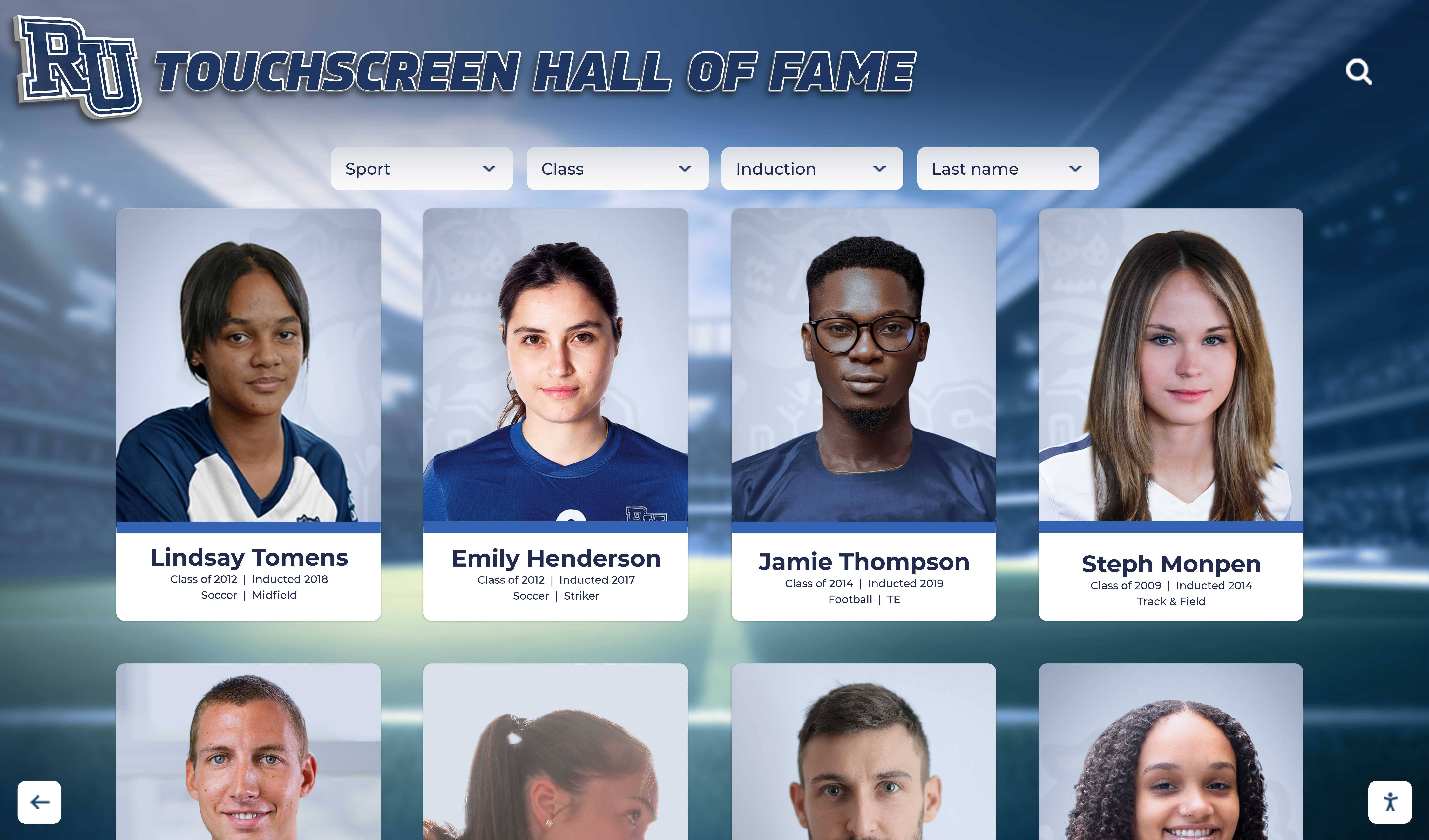
Modern recognition technology transforms how schools utilize media day photography. Rather than selecting small percentages of athletes for limited physical display space, digital systems accommodate every athlete photographed during media day.
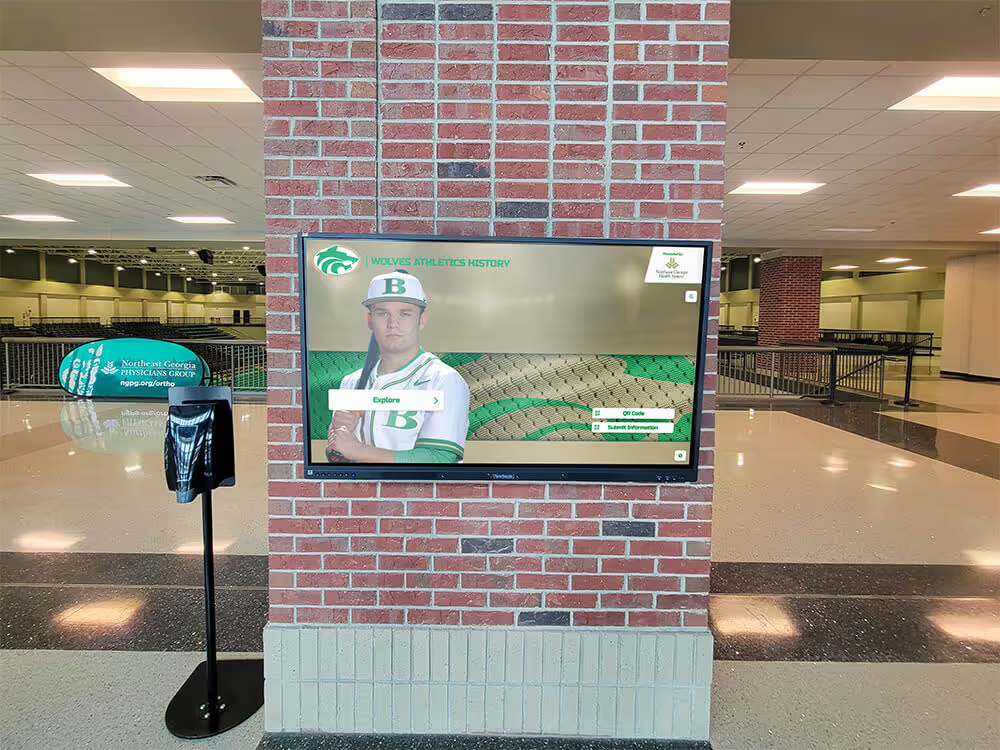
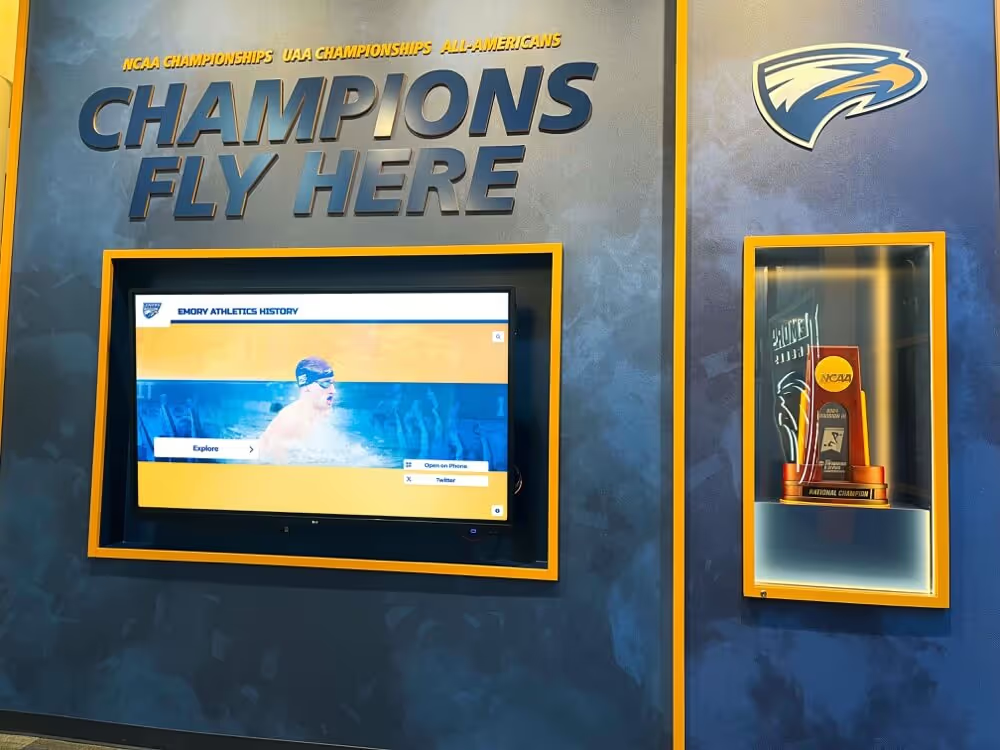
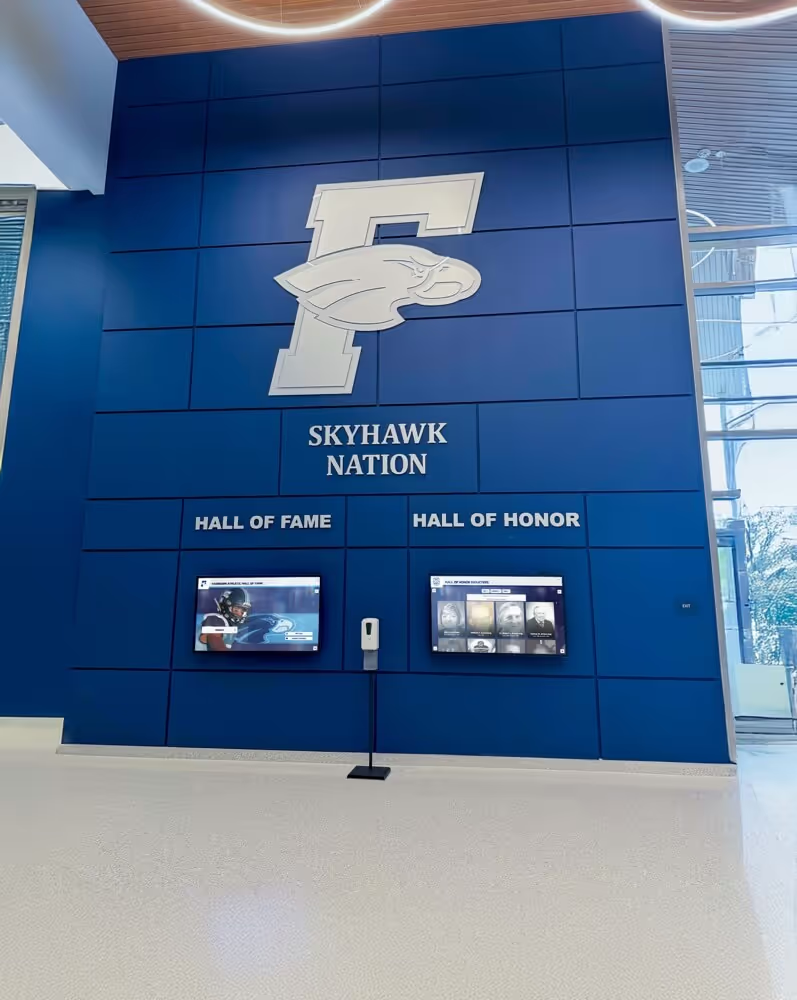
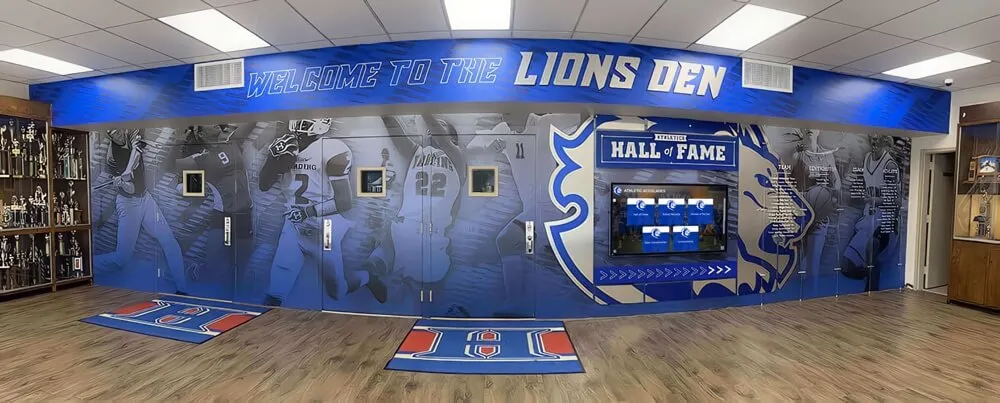
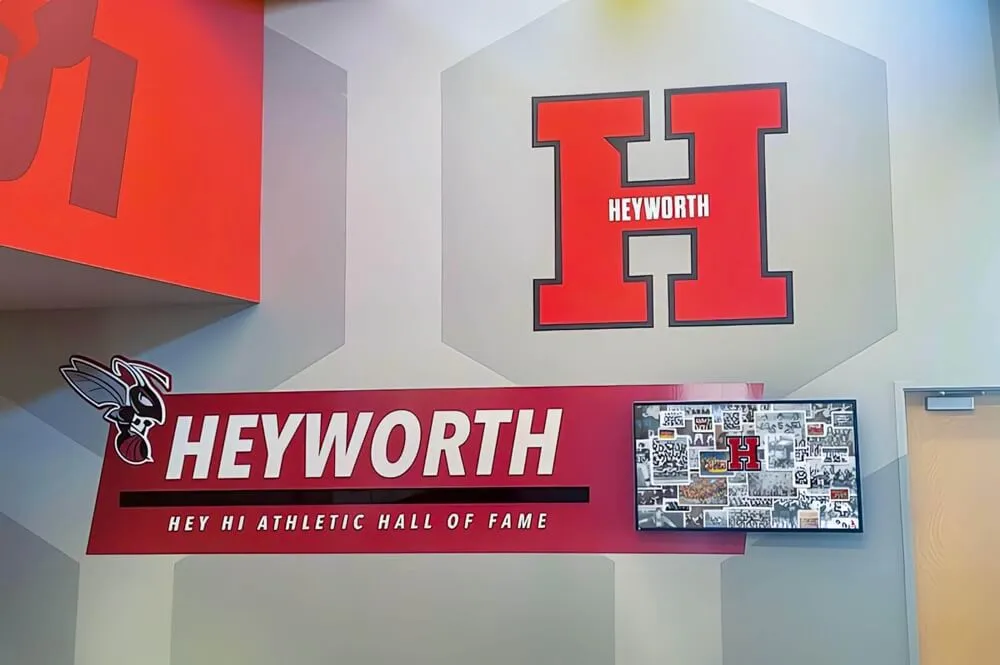
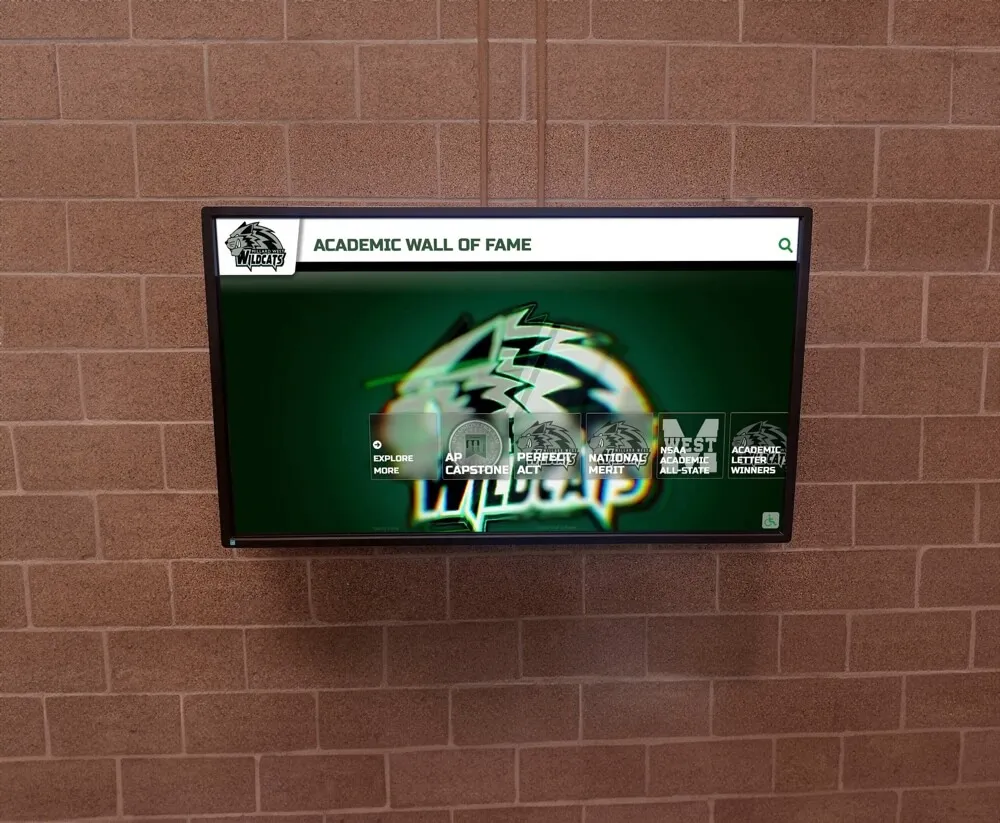
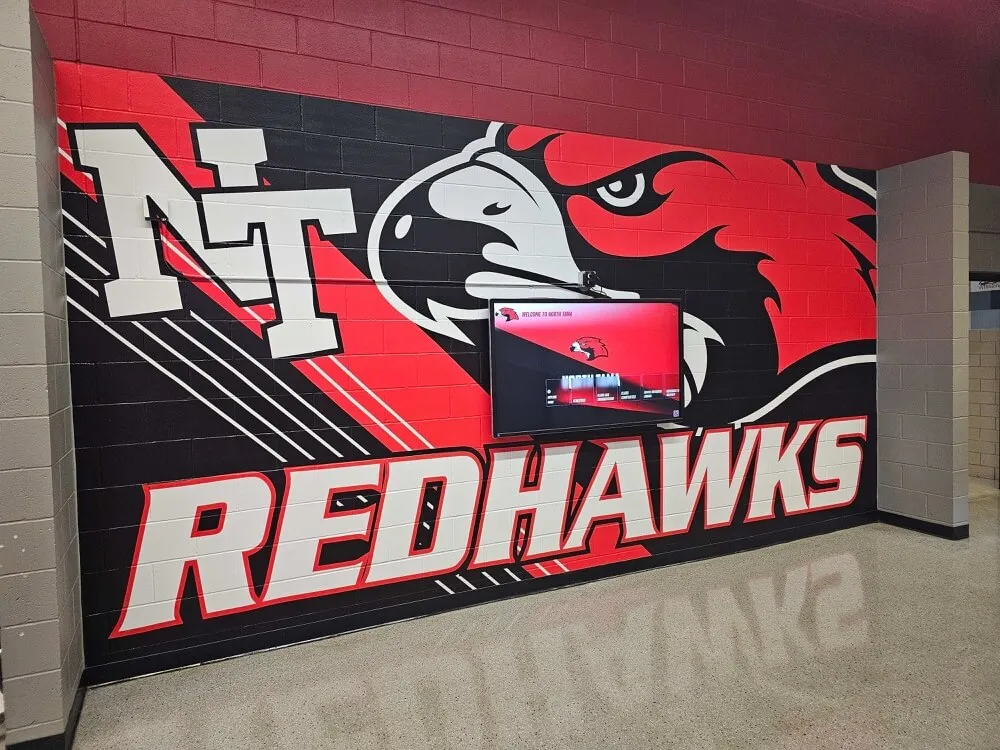
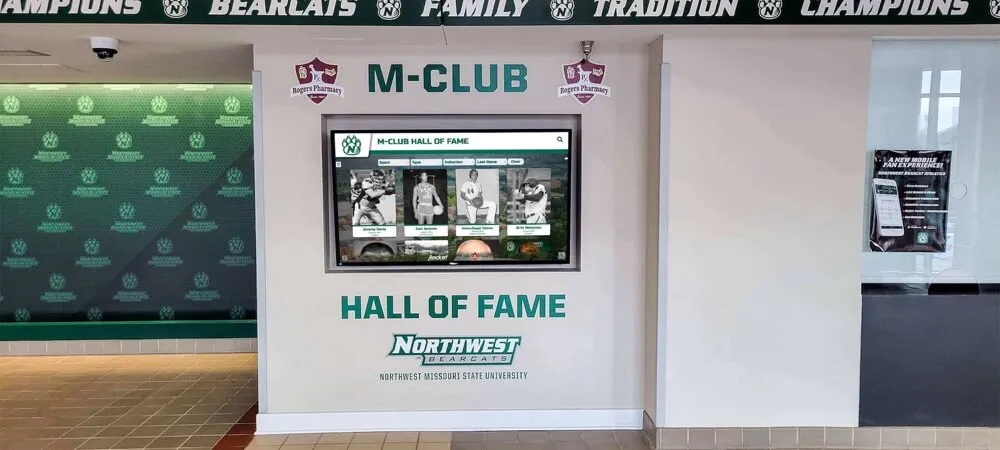
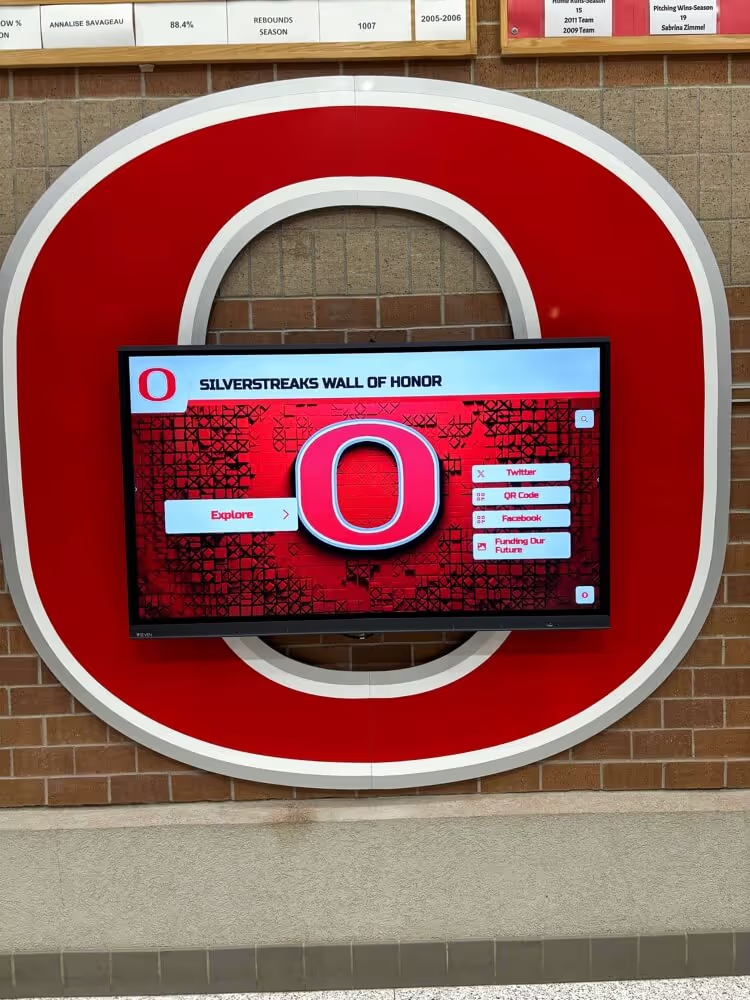
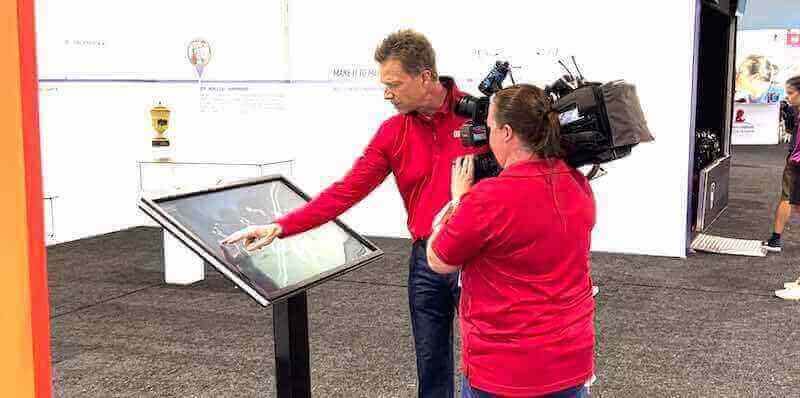
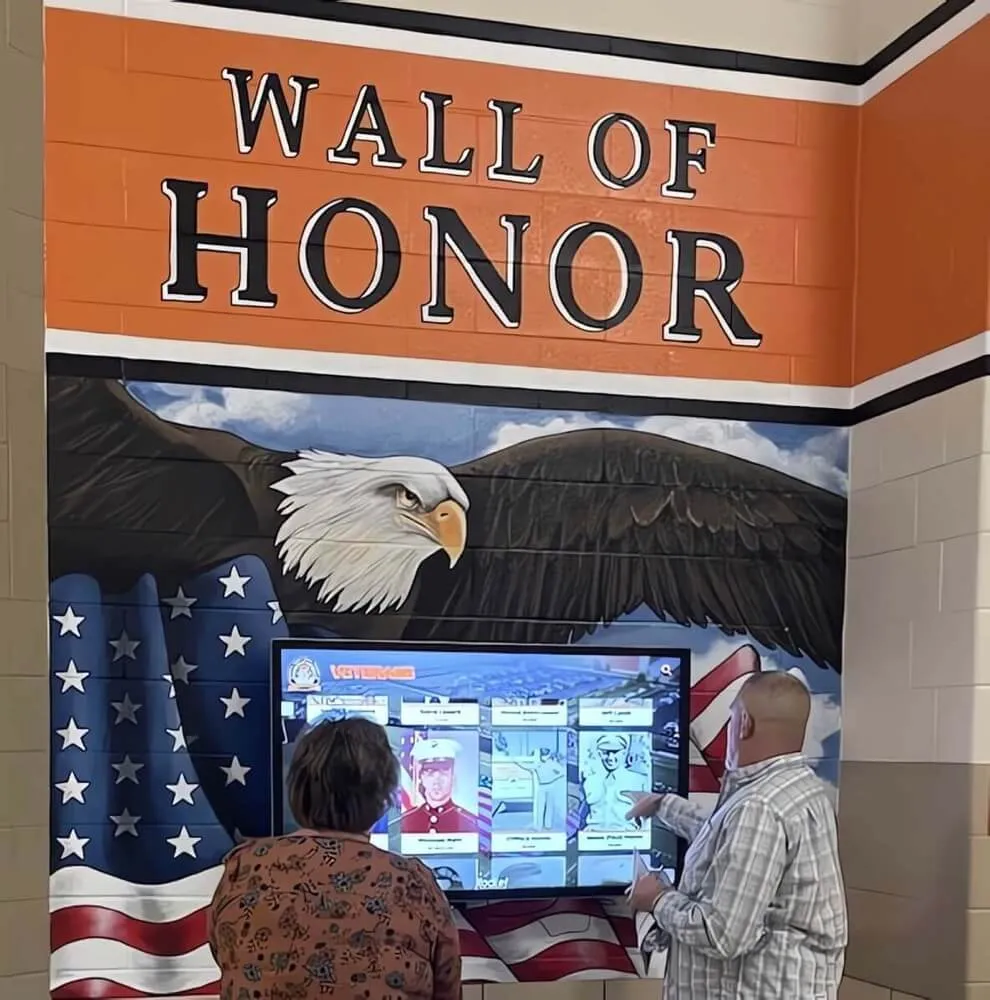
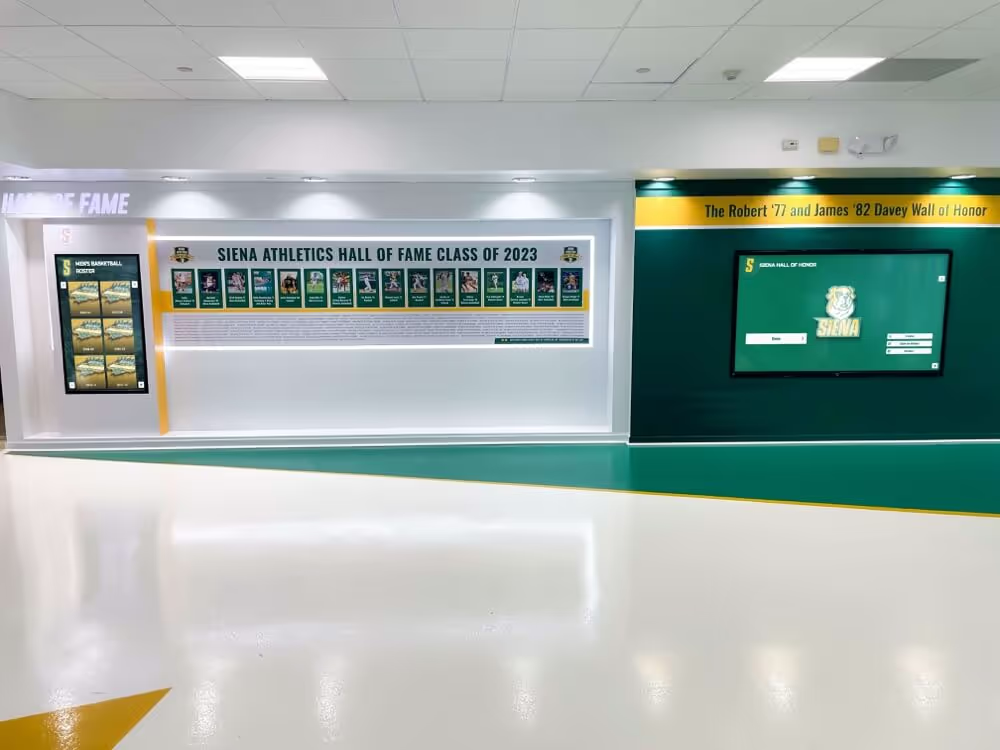
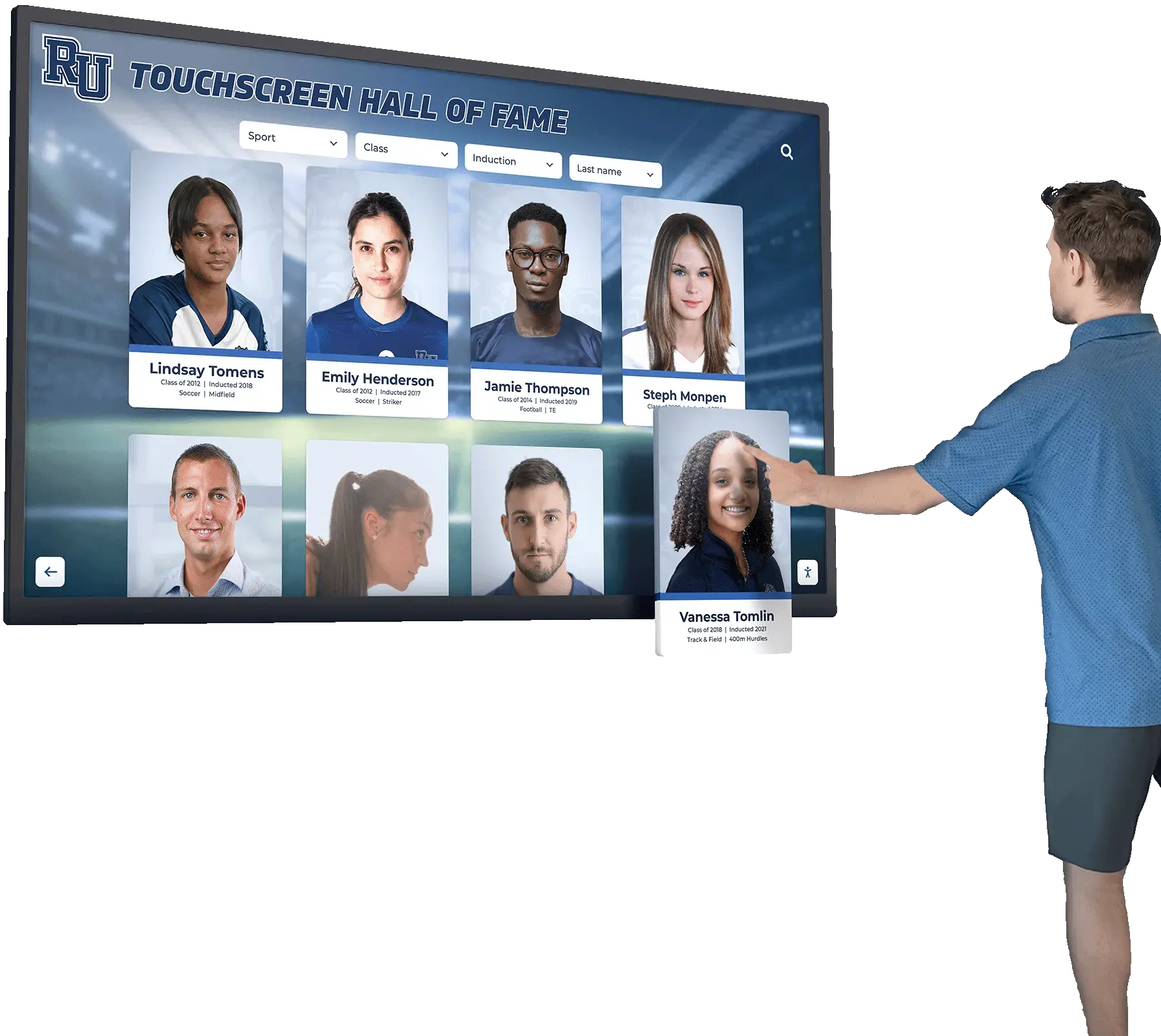
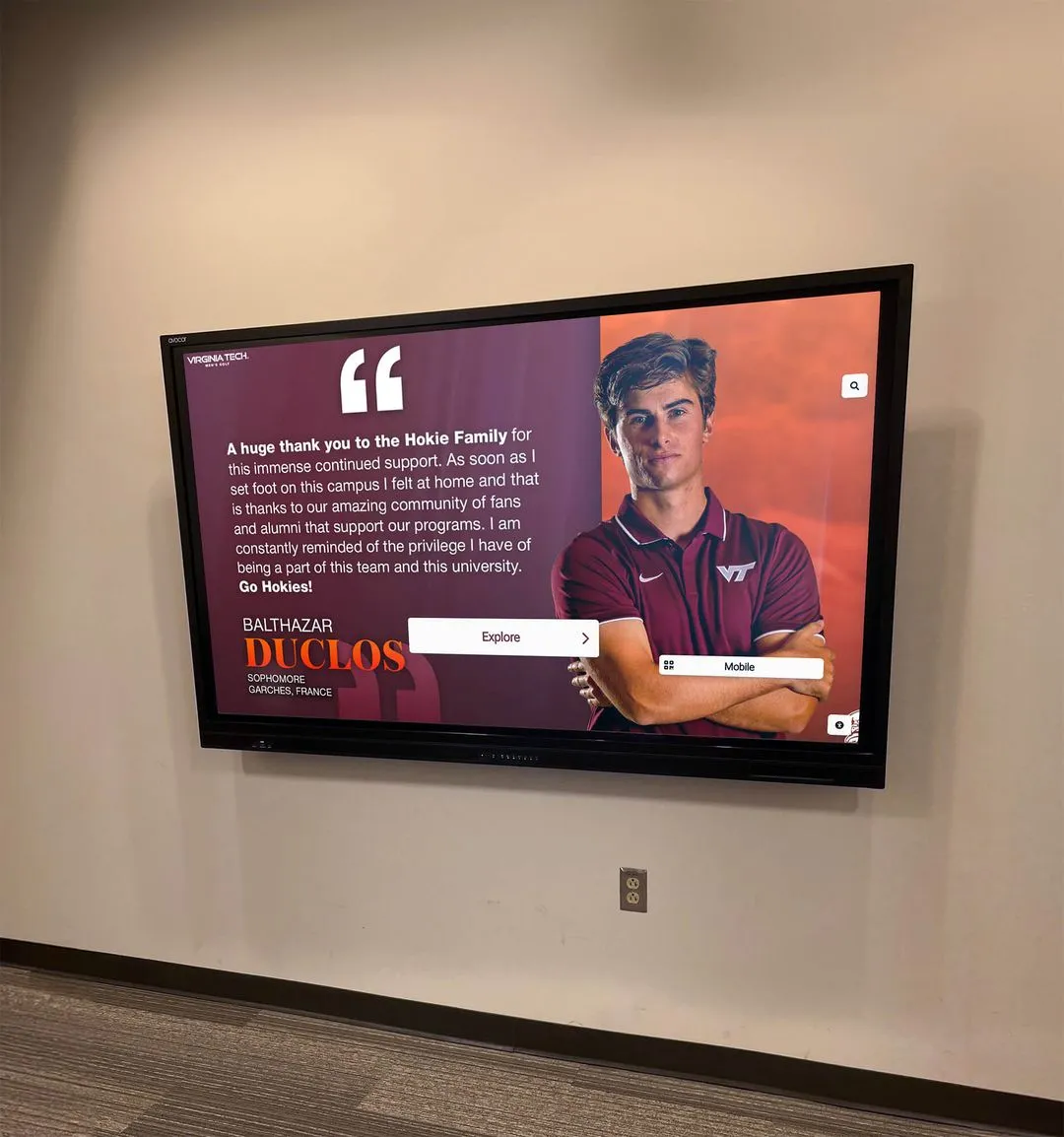
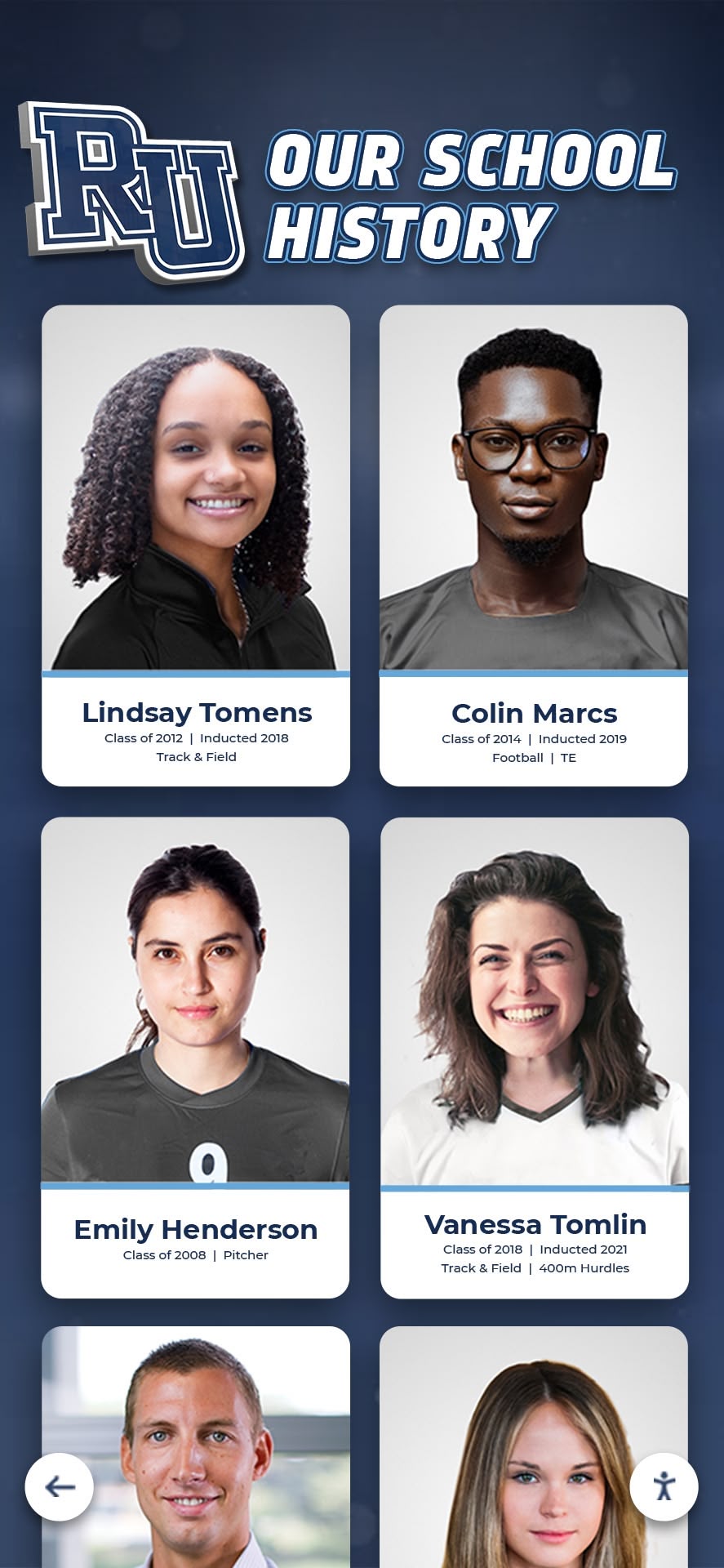
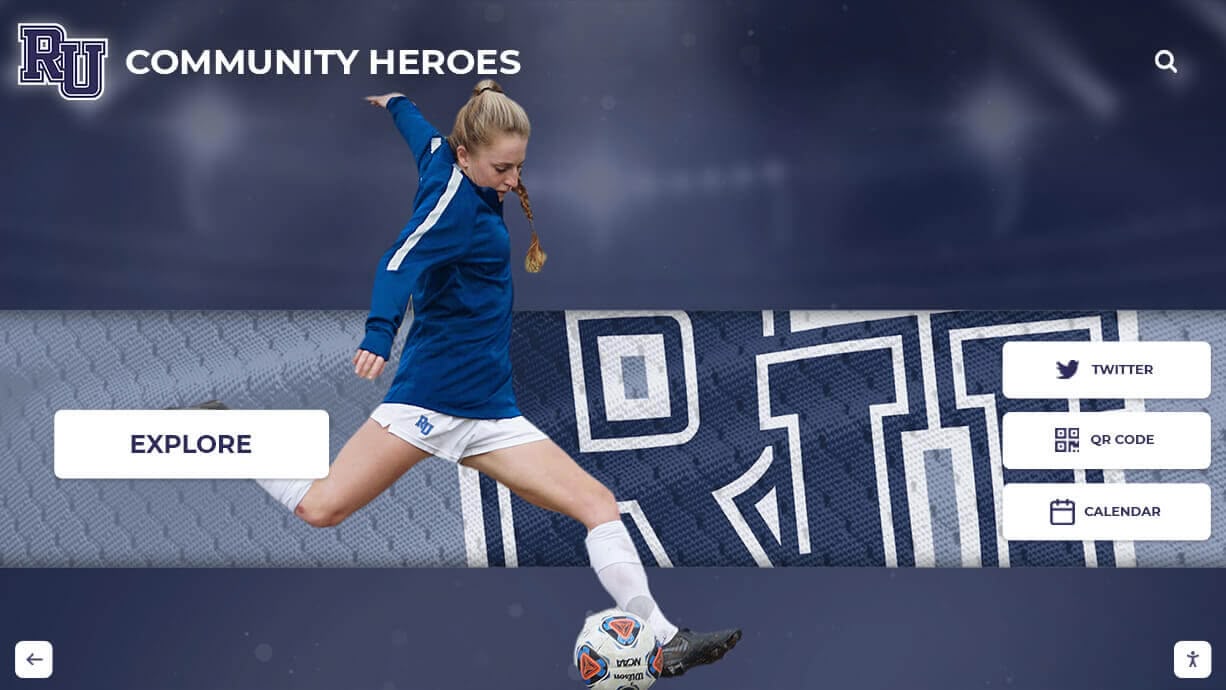
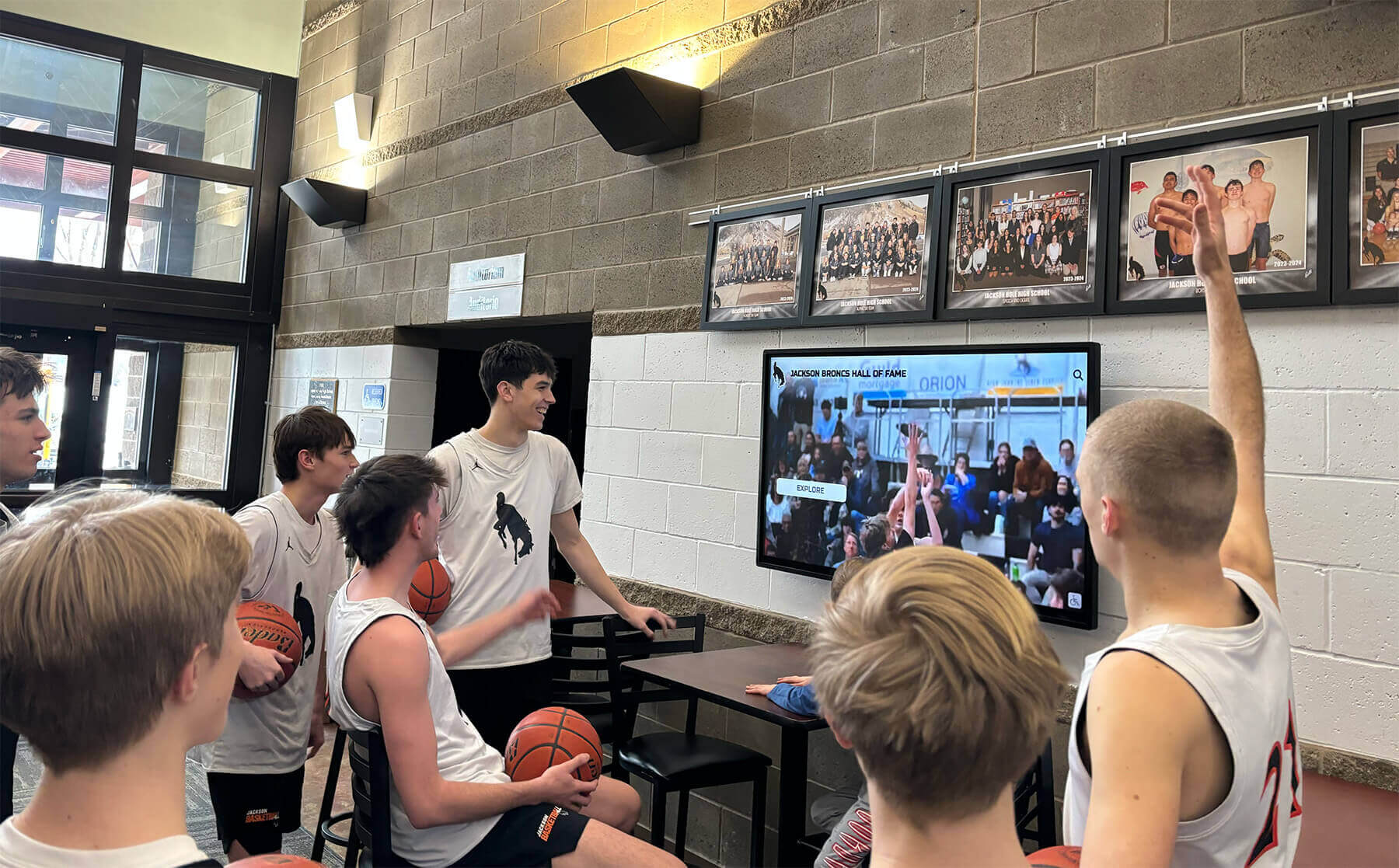
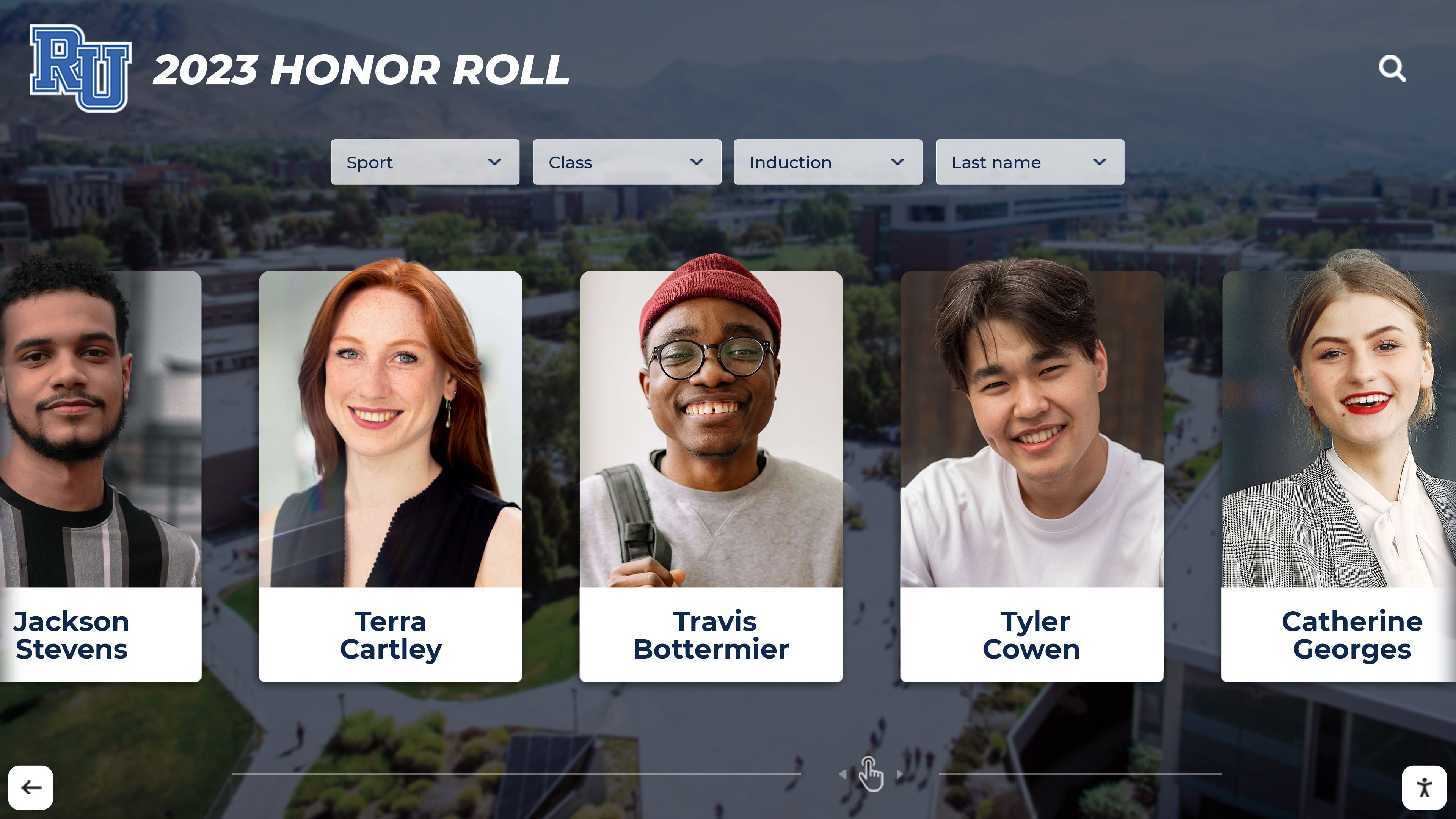
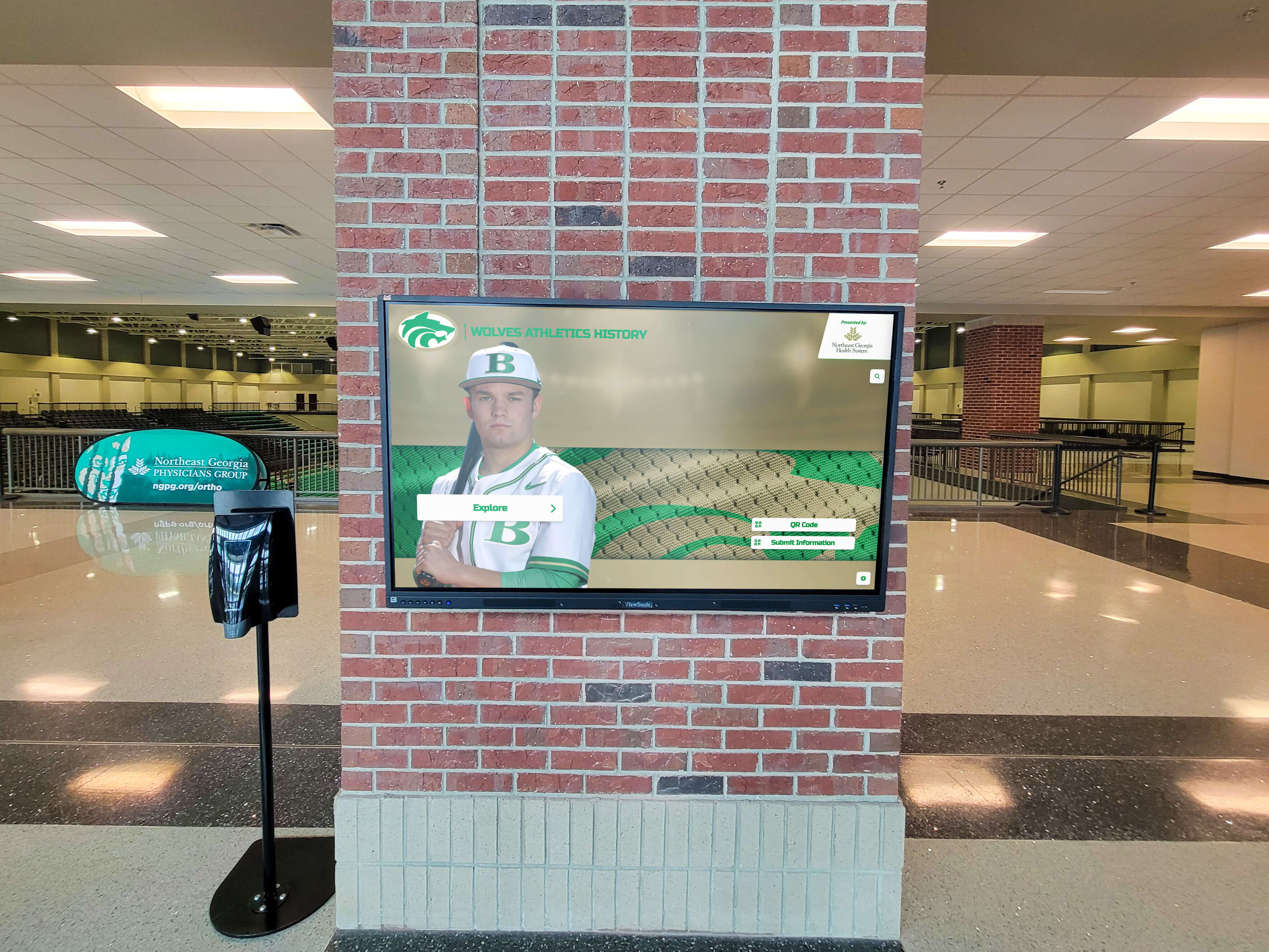
Solutions like Rocket Alumni Solutions allow athletic directors to upload media day photos alongside athlete information collected during sessions, creating comprehensive digital profiles accessible through touchscreen displays in athletic facilities. These systems display professional headshots, biographical information, statistics, and achievements—all sourced from organized media day processes.
Benefits of Digital Recognition Integration
Unlimited Capacity: Every athlete photographed during media day can receive recognition rather than limiting displays to star athletes or hall of fame inductees.
Searchable Archives: Returning alumni can locate their media day photos from years or decades past, maintaining connections to their athletic experiences.
Update Capability: As athletes achieve post-graduation success, their profiles can be updated with college athletic participation, professional careers, or other accomplishments while retaining original media day photography.
Multi-Purpose Use: Single media day photo sessions provide content for seasonal rosters, social media, recruitment materials, and permanent recognition displays—maximizing photography investment return.
Schools establishing systematic media day processes while implementing modern recognition technology create sustainable athlete recognition systems that honor all participants rather than just exceptional few.
Common Media Day Challenges and Solutions
Even carefully planned media days encounter predictable challenges requiring flexible problem-solving.
Challenge: Athlete Attendance and Scheduling Conflicts
The Issue: Athletes miss scheduled media day sessions due to family vacations, summer camps, or other conflicts, creating gaps in team rosters and requiring makeup sessions.
Solutions:
- Communicate media day dates well in advance (6-8 weeks minimum) so families can plan around them
- Schedule media days before or after practice times when athletes already plan to be present
- Build specific makeup session times into media day schedules rather than coordinating individual reshoot appointments
- For unavoidable absences, arrange individual photo sessions early in seasons maintaining consistency by preserving backdrop and lighting setups
- Consider two-day media day windows accommodating scheduling conflicts
- Use digital scheduling tools allowing athletes to select specific appointment times reducing conflicts
Challenge: Equipment and Technical Failures
The Issue: Technology inevitably fails—memory cards malfunction, lighting equipment stops working, or cameras experience problems during critical sessions.
Solutions:
- Maintain backup equipment including extra memory cards, backup camera bodies, and spare lighting equipment
- Test all equipment thoroughly the day before media day
- Have technical support person available who understands equipment troubleshooting
- Keep equipment manuals and manufacturer support contacts readily accessible
- Build extra time into schedules accommodating technical delays without cascading into later sessions
- For critical failures, have contingency plans to reschedule rather than compromising photo quality
Challenge: Inconsistent Photo Quality
The Issue: When using volunteer photographers or multiple photography stations, maintaining consistent quality and appearance across all athlete photos proves difficult.
Solutions:
- Provide specific technical guidelines to all photographers including camera settings, framing instructions, and lighting setup
- Designate experienced photographer as quality control supervisor reviewing photos throughout sessions
- Use single photographer for all headshots even if using multiple people for action shots or other elements
- Create reference photos showing desired composition, lighting, and posing for photographer guidance
- Conduct test shots before athletes arrive allowing lighting and technical adjustments
- Invest in post-production editing creating consistency across photos with varying original quality
Challenge: Budget Limitations
The Issue: Comprehensive media days require resources many athletic programs struggle to fund, particularly at smaller schools with limited budgets.
Solutions:
- Seek booster club funding treating media day photography as investment in program promotion
- Partner with local photography businesses offering services in exchange for program sponsorship recognition
- Leverage parent volunteer photographers with quality equipment and experience
- Phase implementation starting with priority sports and expanding as budget allows
- Consider photography company partnerships conducting media days at no upfront cost through family photo sales
- Apply for grants from local business organizations or education foundations supporting athletic programs
- Coordinate with school marketing or communications departments possibly sharing photography resources
- Include media day costs in athletic participation fees distributed across all families
Creating Sustainable Media Day Programs
Successful schools treat media day not as one-time events but as recurring institutional processes requiring systematic approaches.
Developing Standard Operating Procedures
Document media day processes creating institutional knowledge surviving personnel changes:
- Detailed planning checklists covering all preparation steps
- Equipment inventories and setup instructions
- Photographer guidelines with technical specifications
- Athlete scheduling templates and communication scripts
- Volunteer role descriptions and training materials
- Post-production workflow documentation
- Distribution process guidelines
Year-Over-Year Improvements
After each media day, conduct brief retrospective evaluation:
- What worked particularly well to replicate next year?
- What challenges emerged requiring process adjustments?
- How could scheduling or flow improve?
- Did equipment or technical issues suggest different approaches?
- What feedback did coaches, athletes, and photographers provide?
Continuous improvement thinking transforms good media days into excellent ones while making each year’s execution smoother than the last.
Building Content Archives
Systematic media day photography creates valuable historical archives:
- Year-by-year documentation of program evolution
- Visual records of all athletes participating across decades
- Comparative content showing uniform changes, facility improvements, or program growth
- Historical material for anniversary celebrations or reunion events
- Foundation for comprehensive recognition systems honoring all program contributors
These archives gain value over time, becoming treasured institutional resources connecting past and present program members.
The Long-Term Value of Media Day Investment
Schools initially approaching media day as routine administrative requirement often discover unexpectedly significant benefits extending far beyond immediate photo needs.
Professional Presentation Enhancing Program Reputation
Quality visual presentation influences how communities, prospective athletes, and families perceive athletic programs. Professional media day photography signals organizational competence and commitment to excellence. Programs investing in quality media days communicate that they value athletes enough to present them professionally—powerful messages influencing recruitment, community support, and institutional pride.
Content Supporting Year-Round Engagement
Single media day sessions produce content used throughout years:
- Season-opening roster announcements and social media campaigns
- Individual athlete spotlights throughout seasons
- Senior recognition programs and senior night ceremonies
- End-of-season banquets and awards programs
- Recruiting materials and program promotion
- Website content and media guides
- Historical archives and anniversary celebrations
This multi-purpose content justifies media day investment many times over through sustained utility.
Foundation for Comprehensive Recognition
Perhaps media day’s most significant long-term value lies in establishing foundations for comprehensive athlete recognition. The organized photography and information collection processes create content enabling schools to honor all athletes appropriately rather than limiting recognition to exceptional performers.
Modern recognition platforms can showcase every athlete photographed during media day—freshman through senior, varsity and junior varsity, starters and role players. This inclusive recognition demonstrates that programs value participation and dedication, not just championship performance. Schools implementing systematic media day photography alongside digital recognition technology create sustainable systems ensuring no athlete contribution goes unacknowledged.
Conclusion: Media Day as Program Investment
Sports media day represents far more than administrative task completing roster requirements—it establishes visual identity, creates marketing assets, demonstrates professionalism, and builds recognition foundations honoring athletes throughout and beyond their careers.
Athletic directors and coaches investing effort in well-planned media days discover that systematic approaches transform potentially chaotic sessions into smooth operations producing professional results. The time invested in advanced planning, logistics coordination, and quality control yields dividends throughout seasons and across years as programs leverage high-quality photography for multiple purposes.
Most significantly, media day photography provides content enabling comprehensive athlete recognition. Rather than honoring only hall of fame inductees or championship team members, schools with organized media day programs and modern recognition technology can celebrate every athlete who contributed to program success. This inclusive recognition strengthens program culture, increases athlete investment, and demonstrates institutional values extending beyond competitive outcomes.
As you plan your program’s next media day, consider not just immediate roster needs but how systematic photography and information collection can support recognition extending throughout athletes’ lives. Professional media day processes create content that appears in seasonal materials, populates recognition displays, and preserves historical records connecting past, present, and future program members.
Ready to Transform Your Media Day Photography into Lasting Recognition?
Well-executed media days produce professional photography deserving display beyond seasonal rosters. Modern digital recognition systems allow schools to honor every athlete photographed during media day through interactive displays featuring comprehensive profiles, statistics, and achievements that create permanent program legacies.
Discover how Rocket Alumni Solutions helps schools transform media day photography into sustainable recognition systems that celebrate all athletes while building program culture and community connections extending far beyond competition seasons.