



Athletic medals represent far more than metal and ribbon—they embody dedication, perseverance, overcoming challenges, and the thrill of achievement. Each medal tells a story: the swimmer who dropped two seconds off their personal best, the wrestler who advanced to state championships for the first time, the track athlete who finally cleared a height that seemed impossible months earlier, or the team that worked together to earn a conference title.
When these achievements remain hidden or haphazardly stored, their inspirational value diminishes significantly. Visible displays of past accomplishments serve multiple purposes: they remind athletes of previous successes during difficult training periods, provide tangible evidence that hard work produces results, inspire younger siblings or teammates pursuing similar goals, and create conversation opportunities for athletes to share their sports journey with family and friends.
Effective sports medal displays balance several considerations: showcasing medals prominently without creating cluttered or overwhelming presentations, organizing collections logically so specific achievements are easily identified, protecting medals from damage while keeping them accessible and visible, allowing room for growth as athletes continue earning new recognition, and creating displays that complement rather than dominate surrounding spaces whether at home or in institutional settings.

Traditional Home Display Ideas for Sports Medals
Home displays provide personal spaces where athletes and families celebrate individual achievement while creating inspiring environments that motivate continued excellence.
Shadow Box Displays
Shadow boxes offer versatile, customizable options for displaying medals alongside related memorabilia creating comprehensive achievement showcases. These deep frames accommodate medals, race bibs, photos, certificates, and other mementos within single unified presentations.
Design Approaches: Organize shadow boxes chronologically to show progression across seasons, thematically by sport or achievement type, or by highlighting specific memorable events like championship competitions or personal record performances. Include descriptive labels identifying each medal’s significance—the meet name, date, event, and achievement level—ensuring viewers understand the context even years later.
Customization Options: Background fabrics in team colors create cohesive presentations, while mat board windows draw focus to specific medals or achievements. Some families create annual shadow boxes documenting each competition season, building yearly collections that chronicle entire athletic careers from early participation awards through high school championships.
Medal Display Racks and Hangers
Purpose-built medal racks provide simple, expandable solutions particularly effective for athletes with growing collections spanning multiple sports or years of competition. These displays range from basic hanging bars to elaborate multi-tier systems accommodating dozens or hundreds of medals.
Placement Strategies: Position medal racks in bedrooms where athletes see achievements daily, creating personal motivation spaces. Alternatively, hallway or stairwell placements allow family members and guests to appreciate accomplishments while utilizing otherwise empty wall space effectively.
Organization Systems: Consider organizing medals by sport, chronologically from earliest to most recent, by achievement level (participation, place finishes, championships), or highlighting most prestigious medals in prominent positions with others arranged around them. Clear organization systems help athletes locate specific medals when reminiscing while creating visually appealing balanced arrangements.
Display Boards and Bulletin Boards
Cork boards, fabric-covered boards, or magnetic boards create flexible display surfaces accommodating medals, ribbons, certificates, photos, and other athletic memorabilia in easily rearranged configurations.
Interactive Elements: Unlike permanent shadow boxes, bulletin board displays allow athletes to curate and reconfigure presentations as collections grow or priorities shift. Recent achievements might be featured prominently while older medals move to supporting positions, keeping displays fresh and relevant.
Creative Arrangements: Map out medal placement geographically if competitions spanned multiple locations, create timeline visualizations showing achievement progression, or arrange medals by color creating rainbow effects or school color patterns that add aesthetic appeal beyond merely hanging medals in rows.
Custom Display Cases
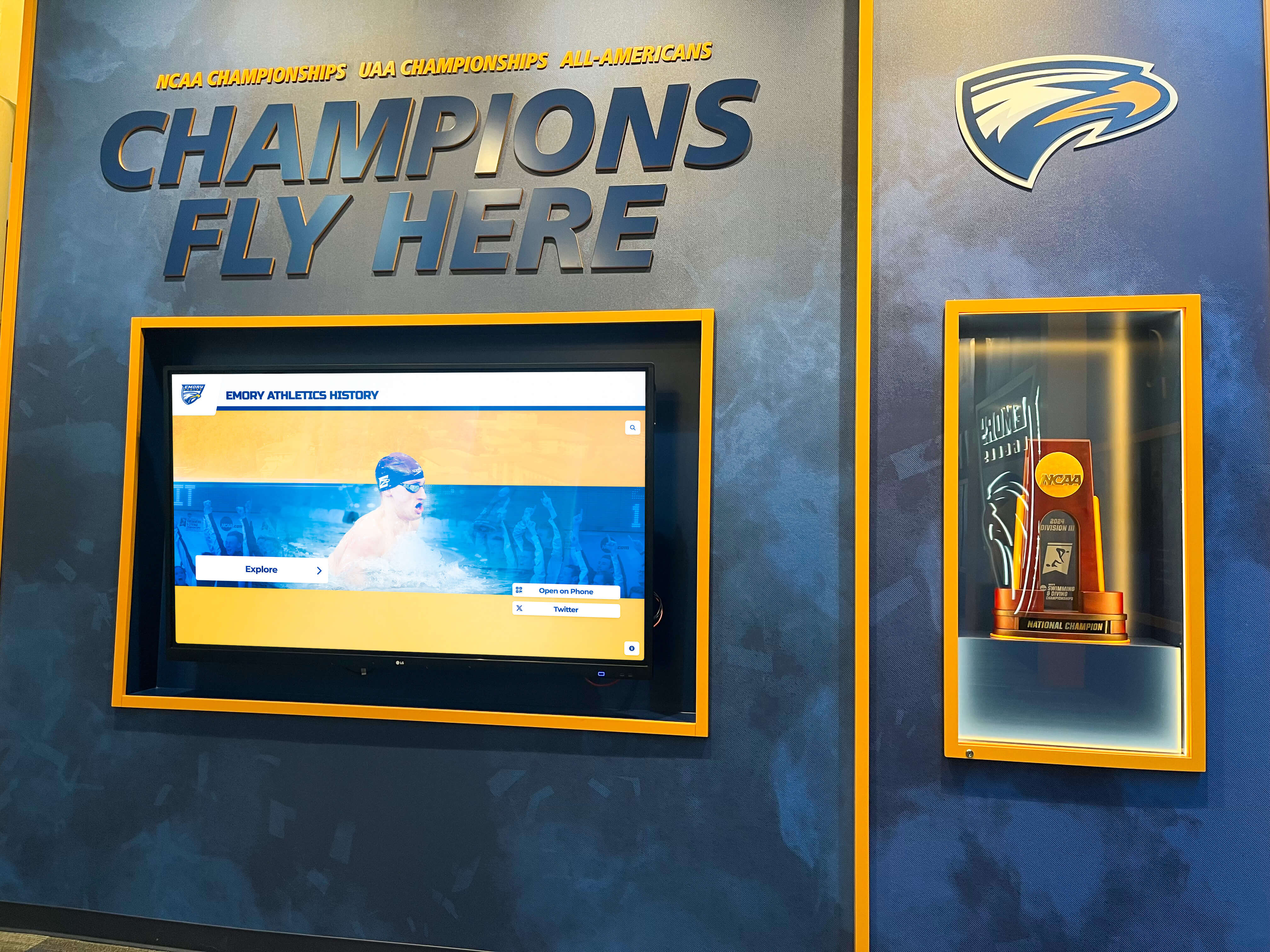
Glass-front display cases protect valuable or particularly meaningful medals while creating museum-quality presentations that emphasize achievement significance. These enclosed displays work especially well for championship medals, rare achievements, or medals with special personal meaning.
Protection Benefits: Enclosed cases protect medals from dust, handling damage, and environmental factors that cause deterioration over time. This protection proves particularly valuable for medals featuring ribbons that fade with light exposure or finishes that tarnish without proper care.
Tiered Display Options: Multi-level cases create depth and visual interest, allowing larger medals or trophies at back levels with smaller medals arranged in front tiers. Integrated lighting draws attention to displays while preventing medals from blending into backgrounds.
Repurposed Display Solutions
Creative families adapt unexpected items into unique medal displays that reflect personality while serving functional display purposes. Vintage windows with medals hung from hardware create rustic shabby-chic displays, tree branches mounted on walls provide natural organic arrangements, and repurposed ladder rungs create vertical display towers.
Personalization Opportunities: These unconventional approaches often mean more to athletes than commercial displays because they reflect individual creativity and family collaboration. Working together to design and build custom displays creates additional bonding opportunities while reinforcing that achievements merit special recognition. These personalized displays become especially meaningful when celebrating achievements across multiple sports seasons and competition types.
School and Institutional Medal Display Ideas
Educational institutions, athletic departments, and youth sports organizations face different display challenges than individual families—creating recognition systems that celebrate numerous athletes across multiple sports and years while remaining manageable, fair, and inspiring.
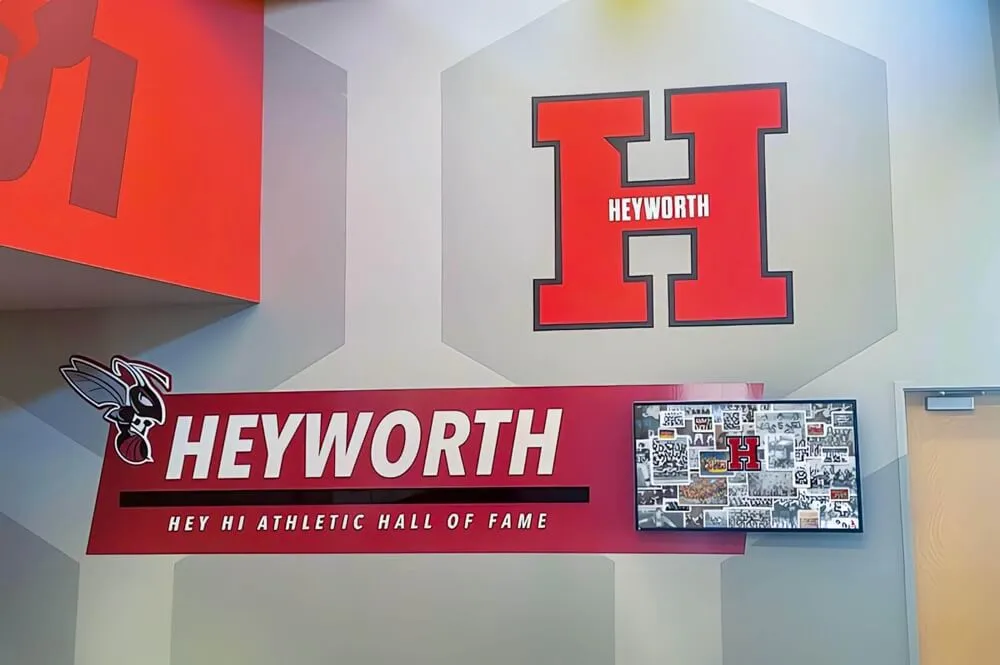
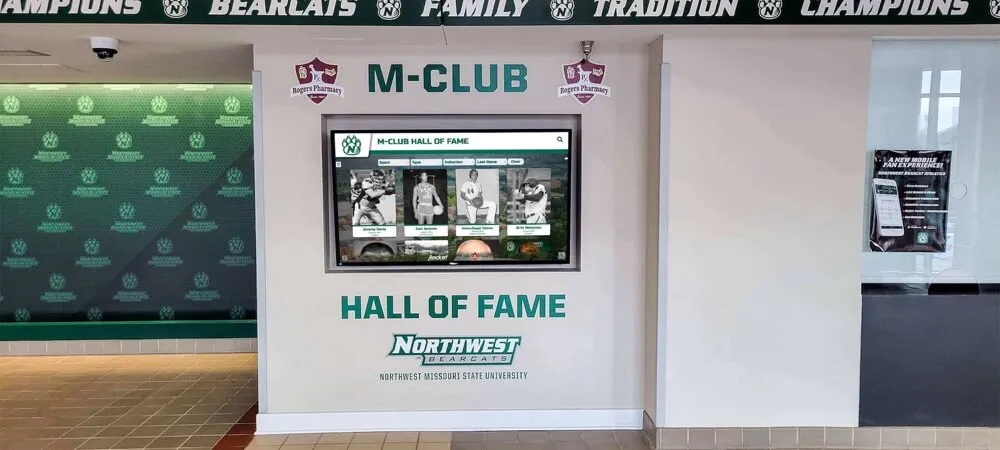
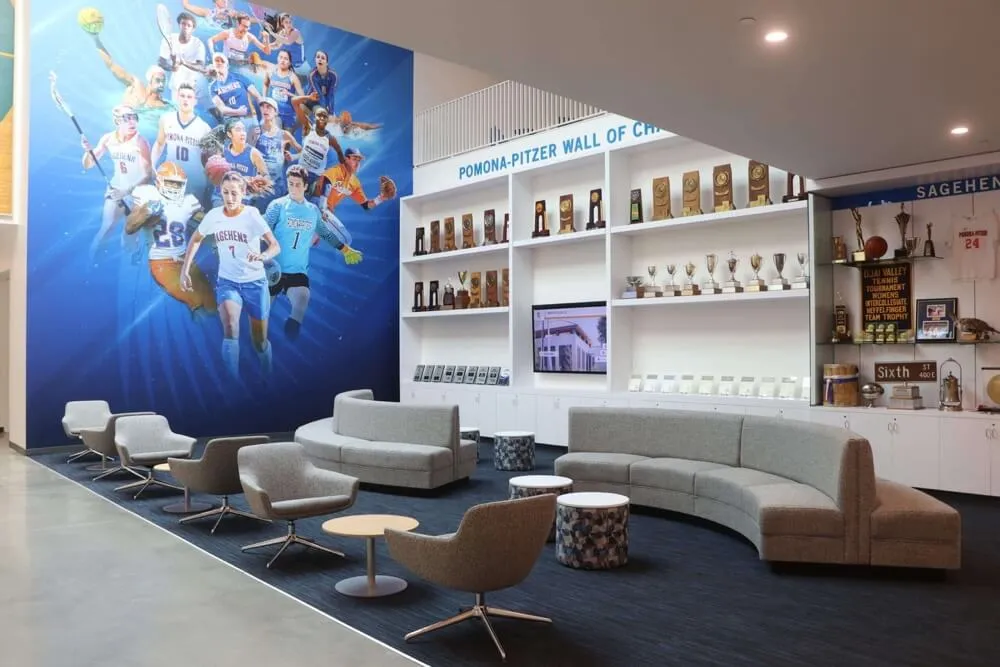
Athletic Hall of Fame Displays
Comprehensive athletic hall of fame installations provide permanent recognition for exceptional athletic achievements, creating inspirational spaces that connect current athletes with program legacy and tradition.
Traditional Physical Displays: Wall-mounted cases organized by sport, year, or achievement type showcase medals alongside plaques identifying recipients, achievement details, and historical context. These permanent installations occupy prominent gymnasium lobbies, athletic hallways, or school entrance areas ensuring high visibility.
Recognition Criteria: Establish clear standards determining which achievements merit permanent display—conference championships, state qualifications, record-breaking performances, or individual state medals. Transparent criteria ensure displays remain selective enough to honor truly exceptional achievement while avoiding perceptions of favoritism or inconsistency.
Trophy Case Presentations
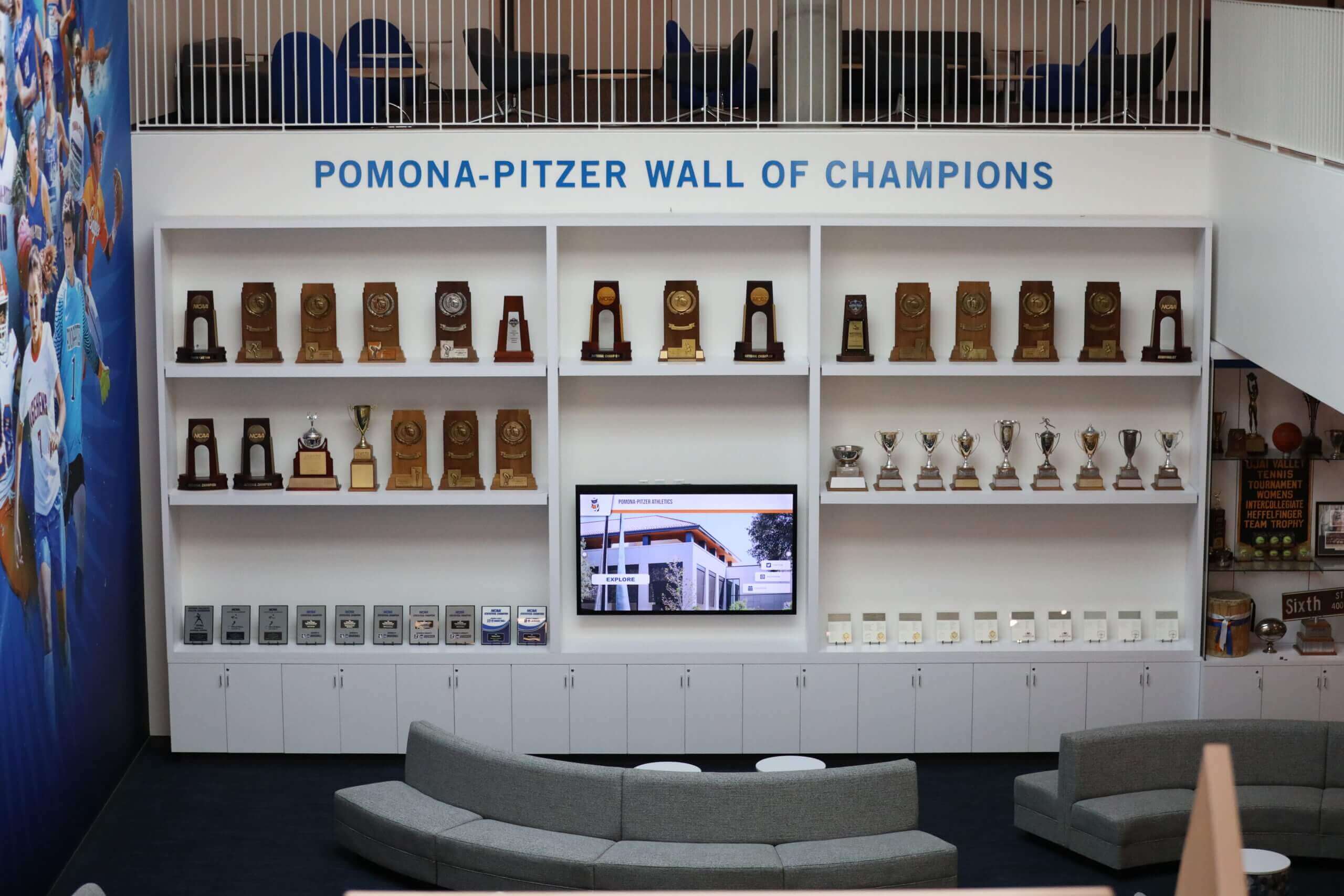
Traditional trophy cases remain staples in schools and athletic facilities, providing secure enclosed spaces displaying medals, trophies, and other athletic memorabilia. Effective trophy case management maximizes limited physical space while keeping presentations current and engaging.
Organization Strategies: Dedicate case sections to specific sports, rotate seasonal displays highlighting current sports programs, or organize chronologically with recent achievements featured prominently. Regular rotation prevents cases from becoming stale while creating opportunities to showcase broader achievement ranges than static displays accommodate.
Space Management: Trophy cases fill quickly in successful athletic programs, necessitating careful curation deciding which items merit limited display space. Consider establishing retention policies where team championships remain displayed permanently while individual medals rotate periodically, or creating digital archives for items removed from physical displays ensuring recognition continues even when physical space limitations require removal.
Record Board Displays
Athletic record boards document program history across seasons and generations, celebrating record-setting performances that represent pinnacle achievements inspiring current athletes to pursue similar excellence.
Traditional Board Formats: Permanent wall plaques list records by event or category—fastest times, longest distances, highest scores—along with athlete names and achievement dates. These displays create immediate goals for competitive athletes who see exactly what performances they need to reach to join elite company.
Medal Integration: Combine record boards with medal displays showcasing actual medals earned during record-setting performances. Seeing tangible awards alongside statistical achievements adds depth and context that numbers alone don’t provide, making records feel more personal and attainable.
Gymnasium Banner Displays
Championship banners hanging from gymnasium rafters create dramatic visual statements celebrating team achievements while maximizing vertical space often underutilized in athletic facilities.
Medal Incorporation: While banners themselves don’t display individual medals, complementary wall displays beneath or adjacent to championship banners can showcase individual medals earned during celebrated team seasons. This combination recognizes both collective team success and individual contributions, honoring athletes who competed on championship teams. Many schools integrate these displays with end-of-year awards assemblies that celebrate athletic achievements alongside academic recognition.
Timeline Visualization: Arrange banners chronologically creating visual program history timelines. Visitors scanning gymnasium ceilings immediately understand program tradition and success levels by banner quantity and density across years.
Athletic Hallway Recognition Walls
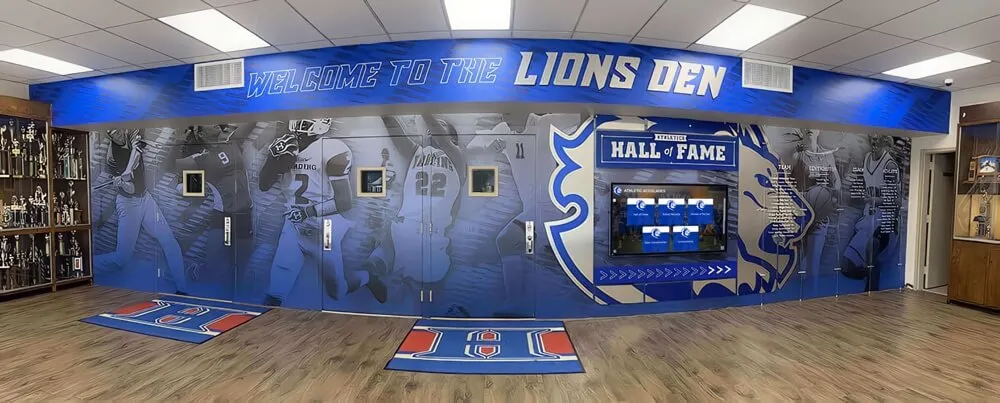
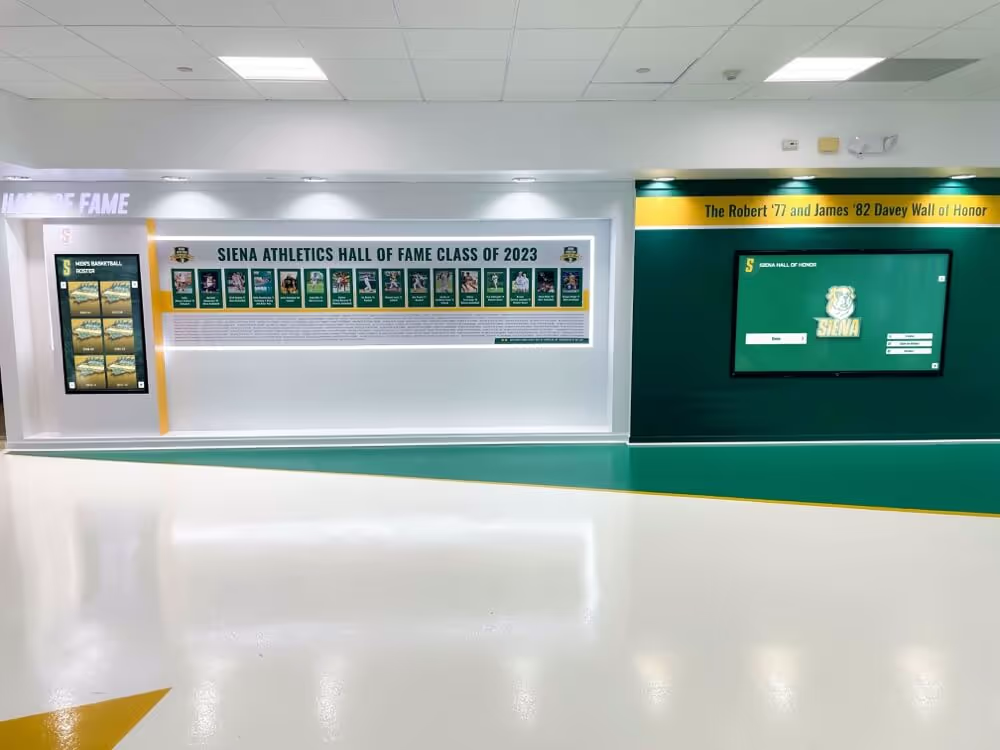
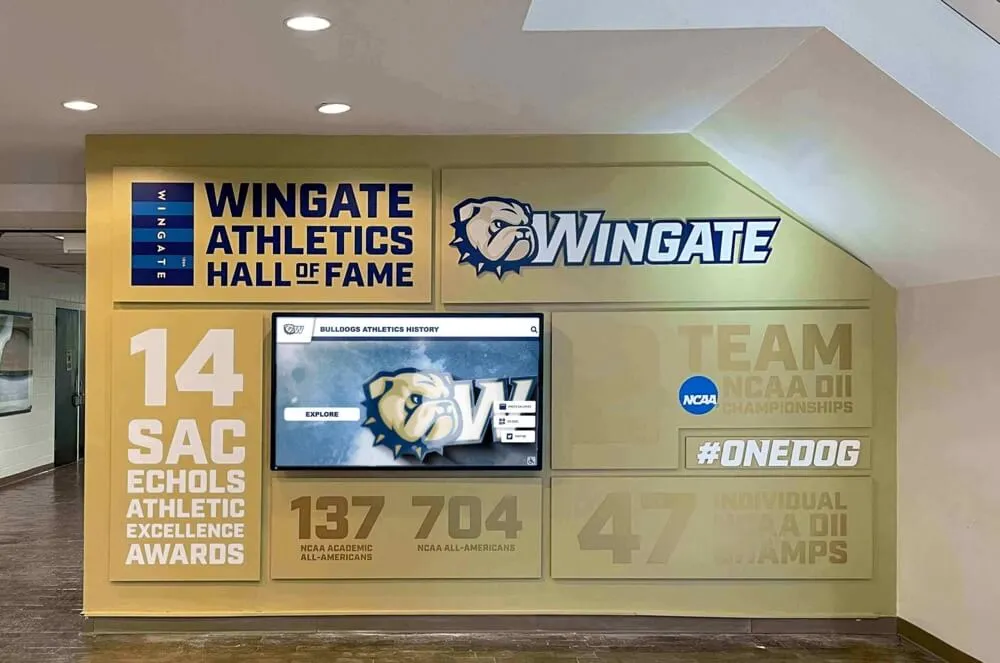
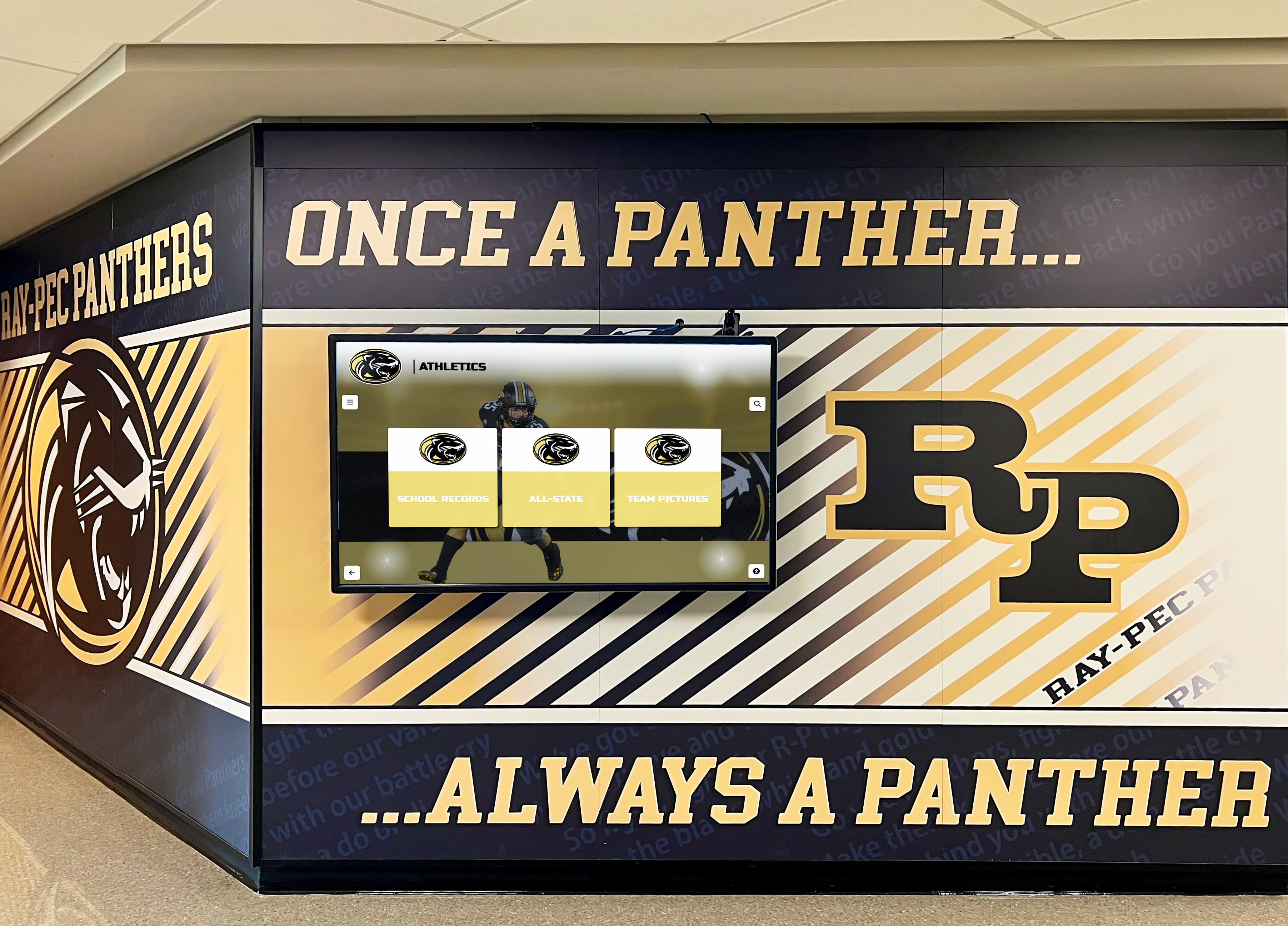
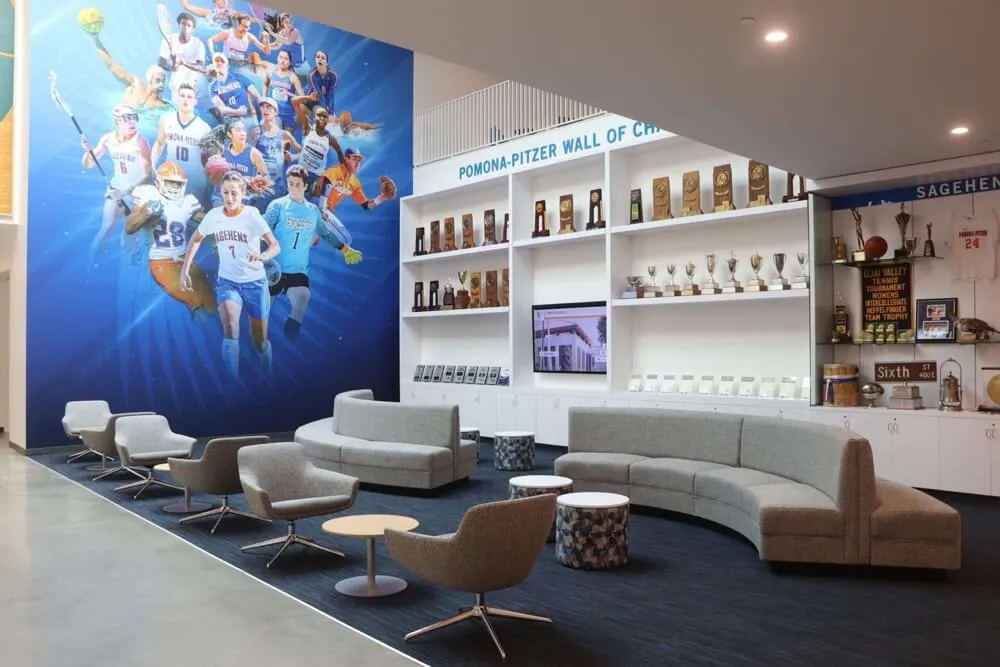
Dedicated athletic hallways transform transitional spaces into comprehensive recognition galleries celebrating athlete achievement across sports and years. These multi-purpose displays combine medals, photos, record boards, championship documentation, and athlete profiles, often incorporating school murals and visual elements that enhance overall aesthetic impact.
Comprehensive Recognition: Unlike trophy cases with limited space, full hallway installations accommodate extensive recognition spanning decades of achievement. Jersey display ideas and medal showcases can work together to create immersive athletic recognition environments.
Community Engagement: Athletic hallways serve dual purposes—daily inspiration for current student-athletes passing through spaces regularly, and community showcases during games, tournaments, and special events when visitors explore facilities. Well-designed hallways communicate program excellence and tradition instantly to recruits, opponents, and community members.
Creative Organization Systems for Medal Collections
Effective displays require thoughtful organization systems helping athletes and viewers understand medal context, significance, and the stories behind achievements.
Chronological Organization
Arranging medals by date earned creates timeline visualizations documenting athletic progression and improvement across seasons and years. This approach proves particularly effective for individual athletes tracking personal development from early participation through advanced competitive achievements.
Growth Visualization: Chronological displays make improvement and dedication visible at a glance. Parents and athletes see progression from first participation medals through competitive placements to championships, creating powerful visual narratives of persistence and development that simple medal counts don’t convey.
Sport-Based Organization
Athletes participating in multiple sports benefit from organization systems separating medals by sport or season. This approach creates distinct collection sections preventing medals from different sports becoming jumbled together while allowing comparisons of achievement across athletic pursuits.
Multi-Sport Athletes: Students competing in cross country, track, swimming, and wrestling might organize displays with dedicated sections for each sport. This segmentation helps identify strengths, passions, and achievement patterns across different athletic contexts.
Achievement Level Organization
Organizing medals by achievement type—participation, top finishes, championships, records—emphasizes progression from foundational participation through elite achievement. This system highlights most significant accomplishments while maintaining complete collection documentation.
Motivation Through Visualization: Seeing championship medal sections grow while participation medal additions slow demonstrates competitive advancement. Athletes recognize they’re graduating from merely participating to regularly competing for top honors, providing tangible evidence of improvement.
Color Coding and Visual Systems
Beyond organizational structure, visual design elements enhance medal display effectiveness through strategic color, lighting, and arrangement choices.
Background Selections: Choose display backgrounds complementing medal colors rather than competing with them. Neutral backgrounds—black, white, gray, natural wood—allow medals to stand out without color clashing. Alternatively, team color backgrounds create cohesive presentations linking individual medals to broader program identity.
Lighting Considerations: Proper lighting transforms medal displays from flat presentations to dynamic showcases. Track lighting, LED strips, or display case lighting prevents medals from disappearing into shadows while adding drama and importance to presentations.
Modern Digital Display Solutions for Athletic Achievement
While traditional physical displays serve important purposes, modern athletic programs increasingly implement digital recognition systems that solve limitations inherent in physical medals and trophy cases.
Limitations of Traditional Physical Displays
Physical medal displays face several constraints that digital solutions address effectively:
Space Limitations: Trophy cases fill quickly in successful programs, forcing difficult decisions about which achievements merit limited display space. Athletes whose medals don’t fit in cases may feel their accomplishments matter less than displayed achievements, creating unintended inequities.
Static Presentations: Physical displays can’t easily provide context, stories, or multimedia content explaining medal significance. A state championship medal hanging in a case doesn’t communicate the journey, obstacles overcome, or performance details that make achievement meaningful.
Accessibility Constraints: Physical displays serve only people physically present in specific locations. Alumni returning to campuses may see their medals if still displayed, but former athletes living elsewhere lose connection to recognition as physical displays evolve and older items are removed to accommodate new achievements.
Maintenance Challenges: Physical displays require regular cleaning, organization, and curation. Medals tarnish, ribbons fade, labels fall off, and cases become dusty or disorganized without consistent attention—creating ongoing maintenance burdens for already-stretched athletic staff.
Digital Recognition Display Advantages
Digital athletic achievement displays provide comprehensive solutions addressing physical display limitations while offering enhanced engagement and accessibility.
Unlimited Capacity: Digital systems accommodate unlimited recognition without space constraints. Every medal, every achievement, every athlete can receive permanent recognition regardless of physical display space limitations. This democratic approach ensures comprehensive recognition rather than selective displays favoring certain sports, years, or achievement types.
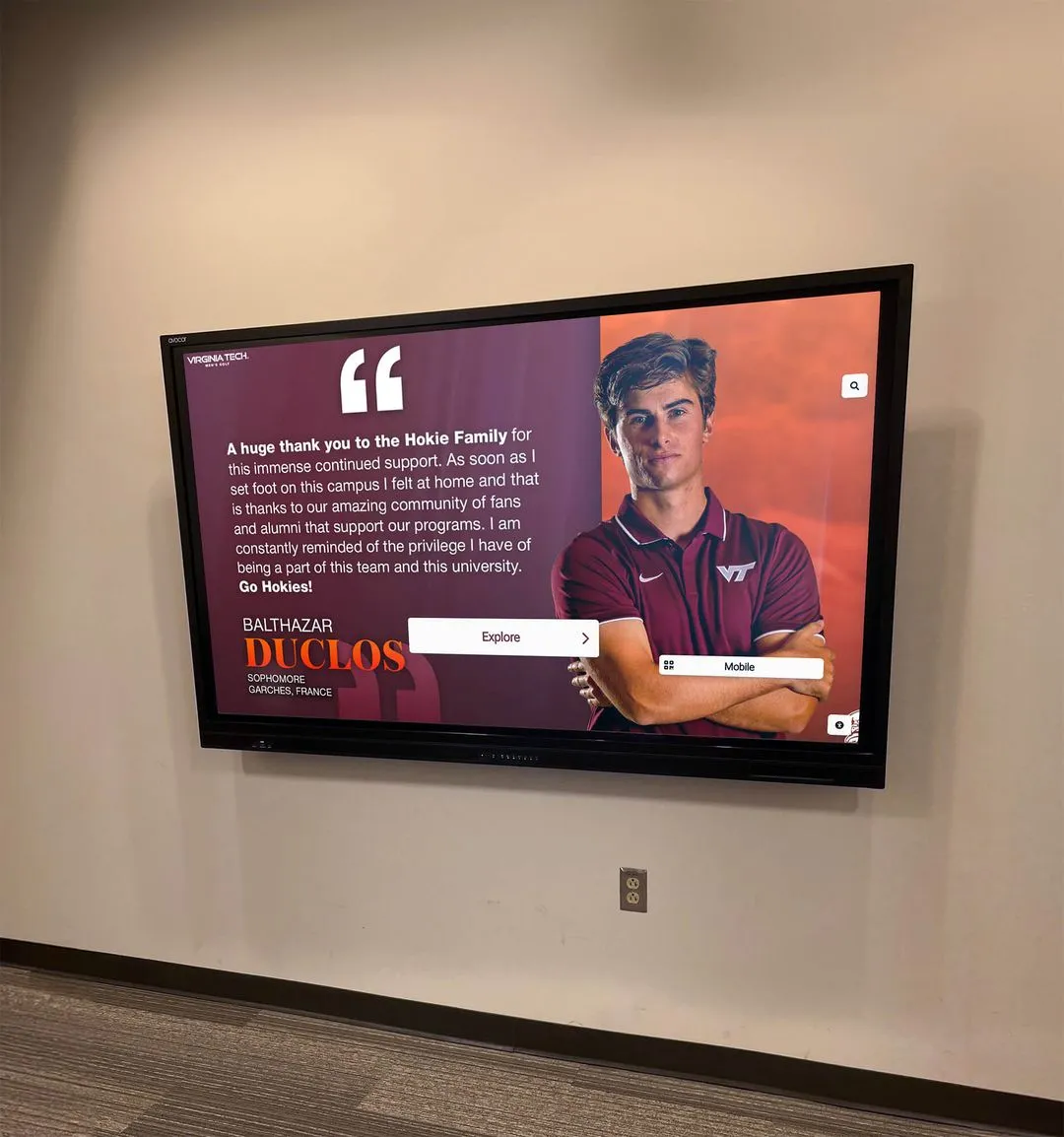
Rich Multimedia Context: Digital displays integrate photos, videos, statistics, and detailed stories alongside medal recognition. Viewers don’t just see that an athlete earned a state medal—they can watch race videos, read about training challenges overcome, view season statistics, and understand full achievement context in ways physical medals alone never communicate.
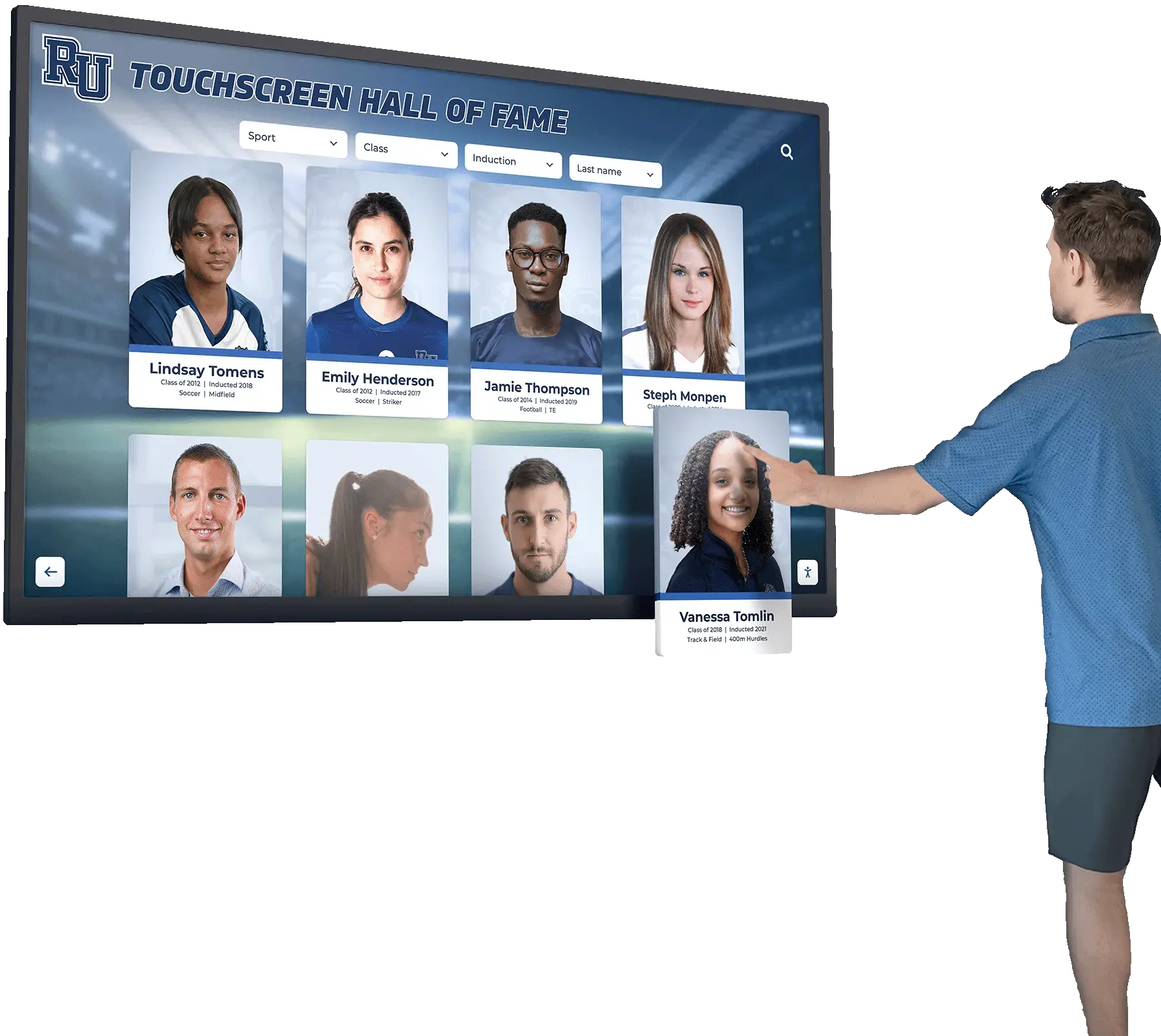

Searchable and Filterable: Interactive digital displays allow viewers to search specific athletes, sports, years, or achievement types instantly. Alumni visiting campuses can immediately locate their own achievements along with teammates from their era. Parents can find their children’s accomplishments even among decades of program history.
Always Current and Updated: Adding new achievements to digital displays requires simple data entry rather than physical case reorganization or construction. This ease of updating ensures displays remain perpetually current, with latest achievements appearing immediately rather than waiting for case reorganization projects.
Remote Accessibility: Cloud-based recognition systems allow athletes, families, and alumni to access achievement recognition from anywhere. Former athletes living across the country maintain connections to programs and can share their recognition with friends and family who never visited campus in person.
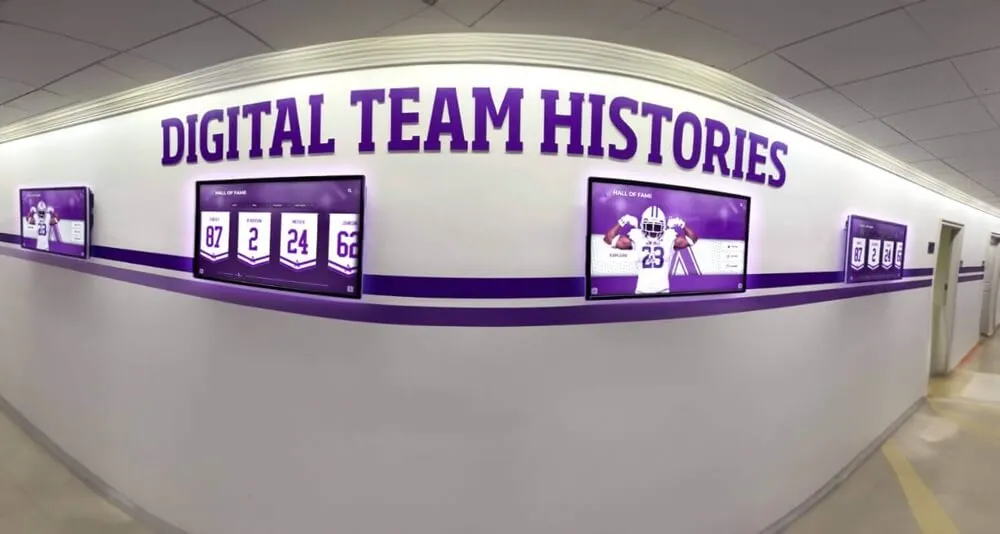
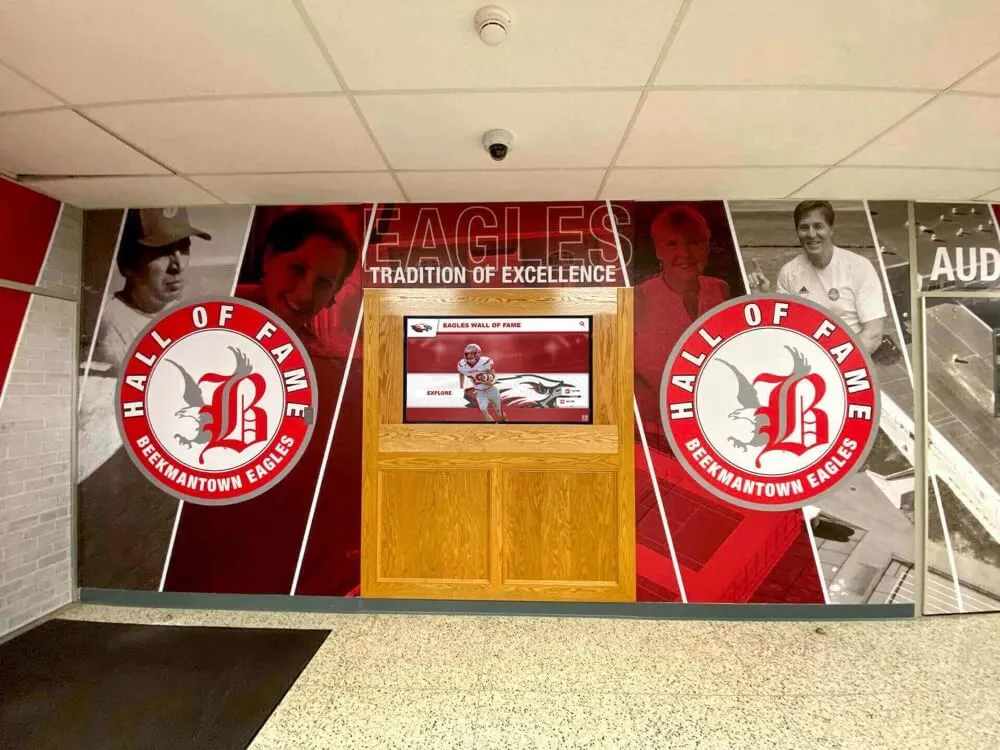
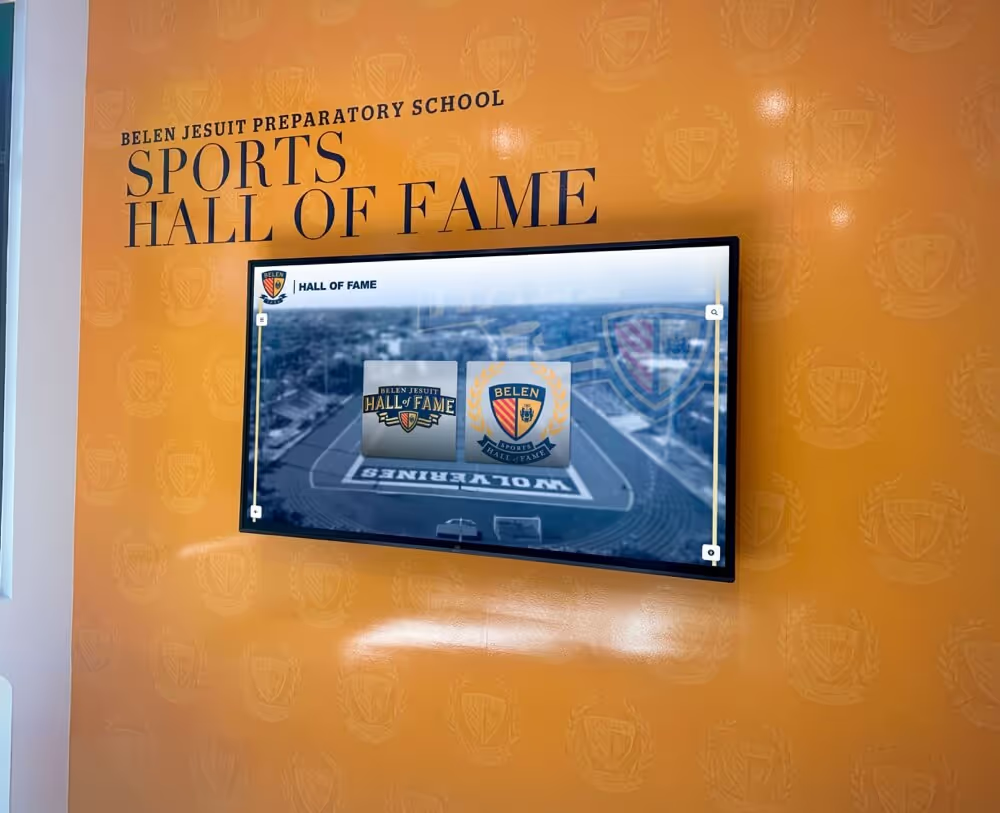
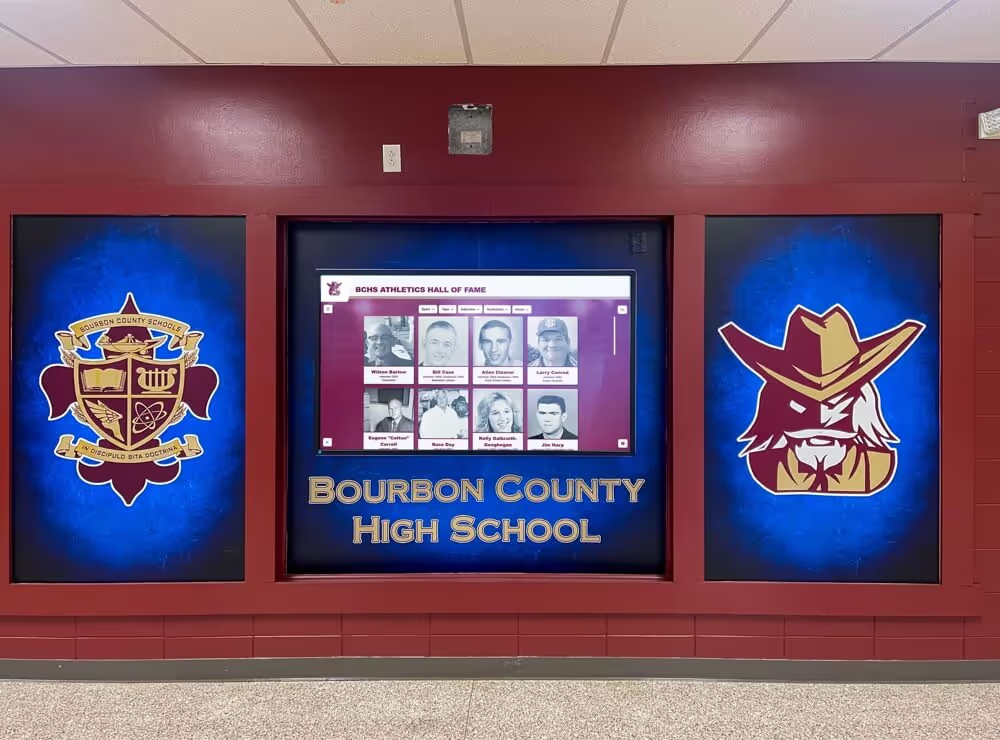
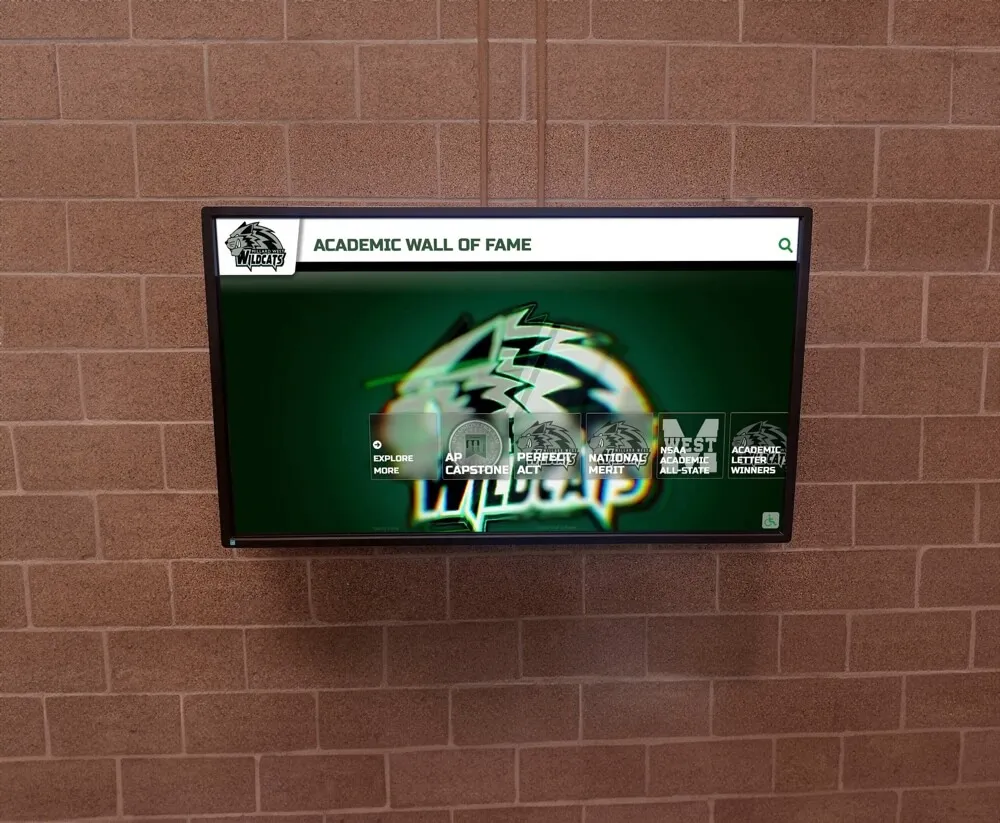
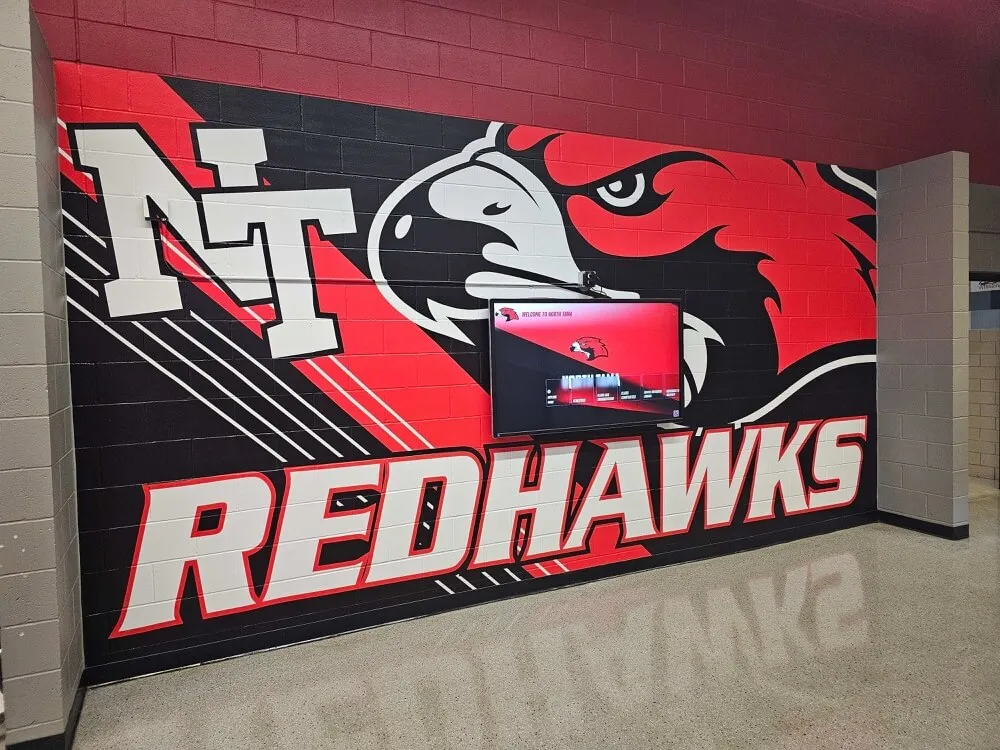
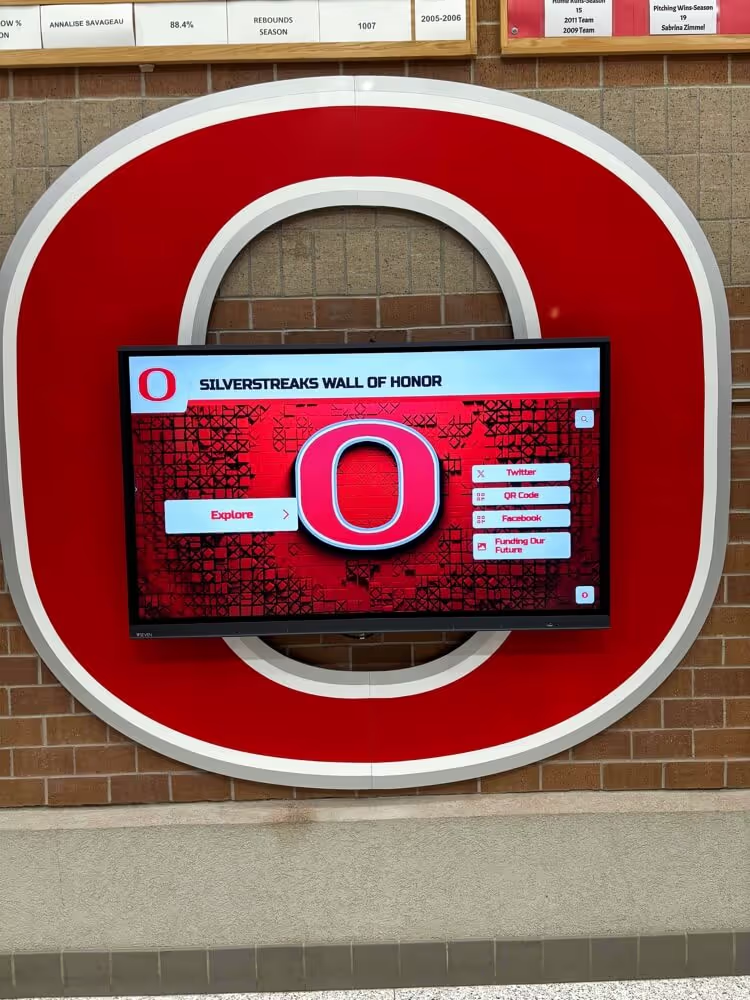
Interactive Touchscreen Displays
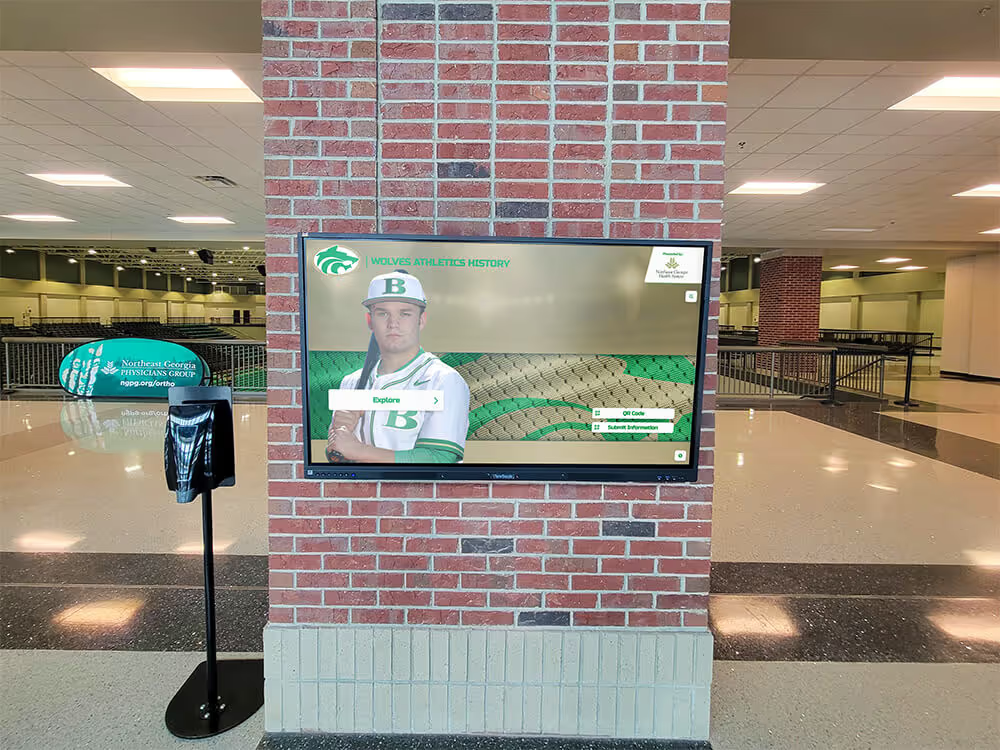
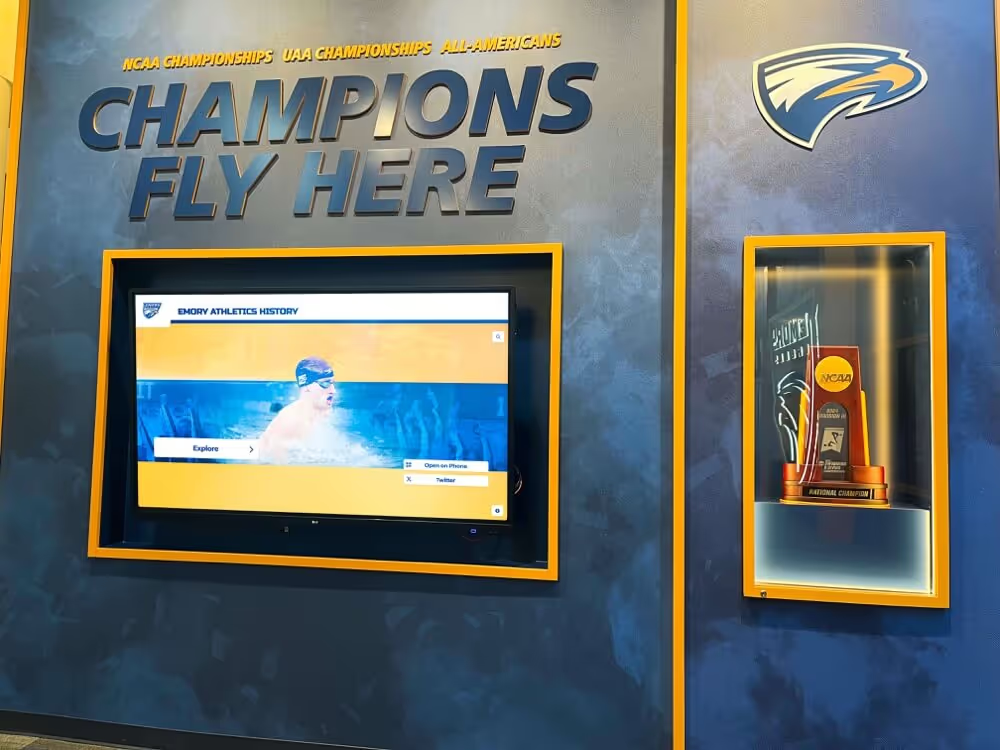
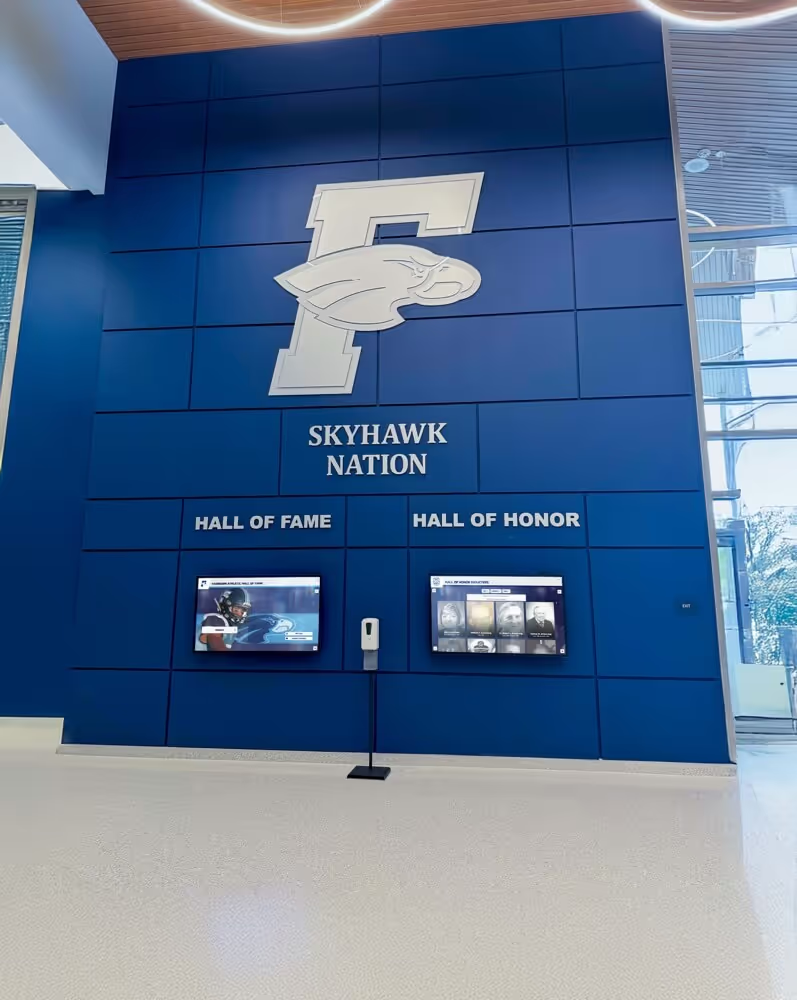
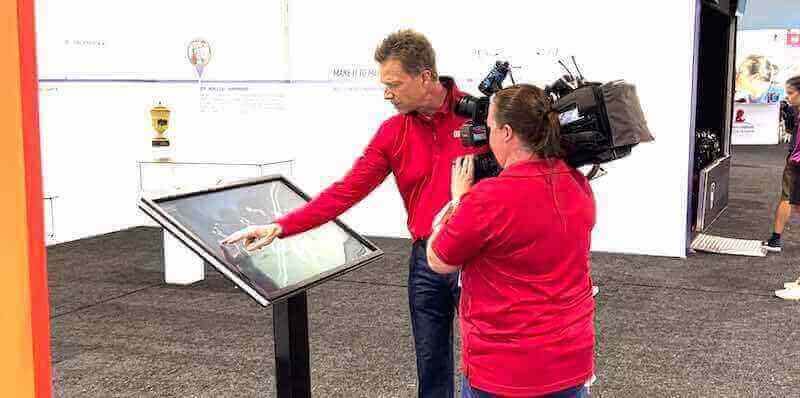
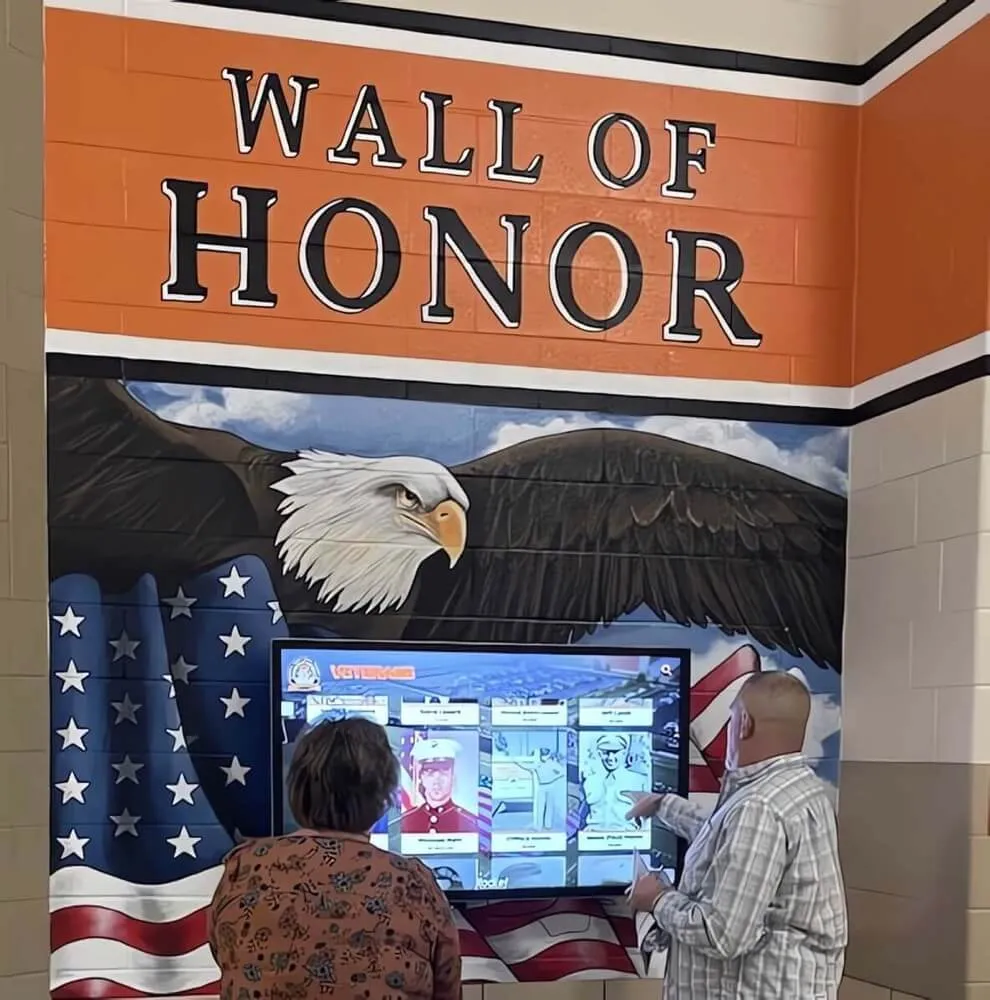
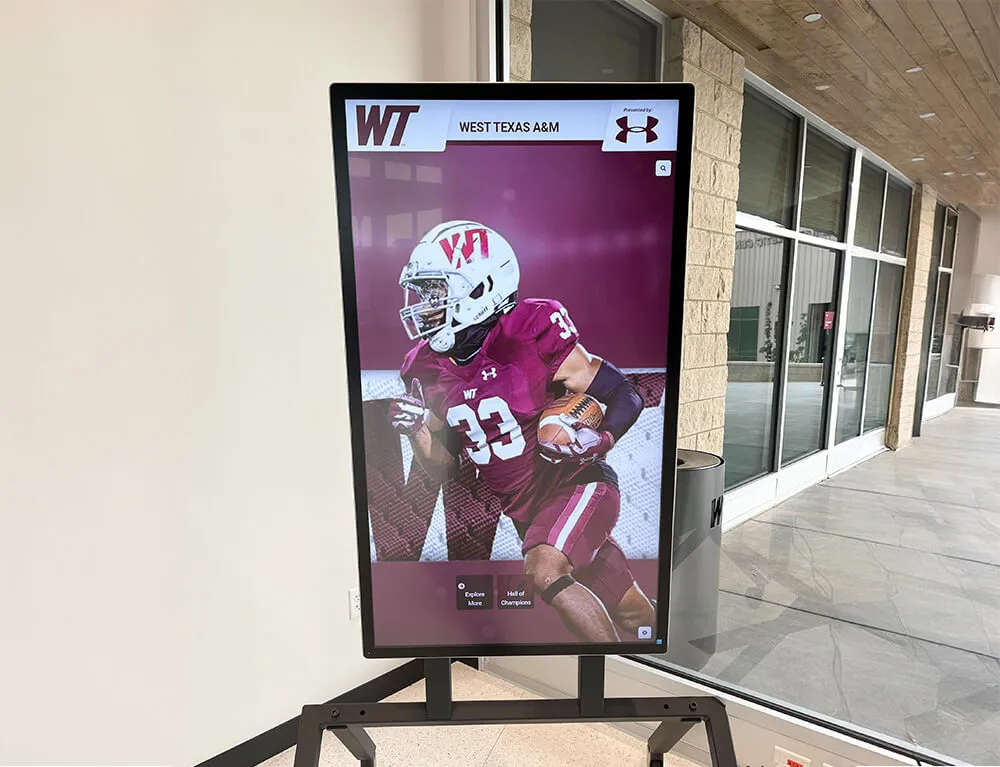
Modern athletic facilities increasingly install large touchscreen displays creating engaging interactive experiences that draw viewers in ways static trophy cases never achieve. These installations typically appear in gymnasium lobbies, athletic hallways, or main school entrances.
Engagement Through Interactivity: Visitors naturally engage with touchscreens, exploring athlete profiles, achievement histories, team records, and program traditions through intuitive navigation. Students waiting for practices to begin, families attending events, and alumni touring facilities spend meaningful time exploring content rather than glancing briefly at static displays.
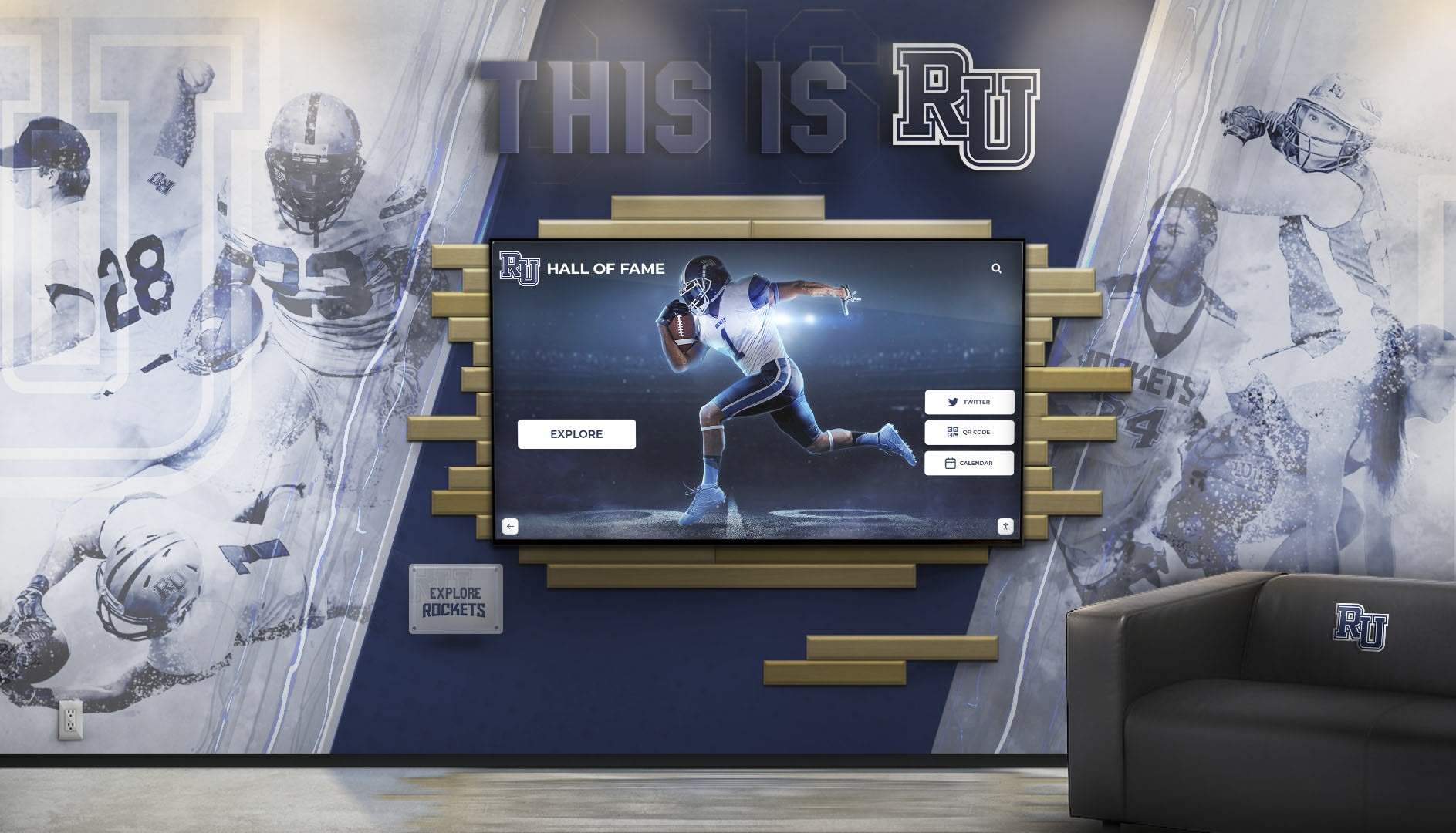
Comprehensive Recognition: Touchscreen systems showcase far more than medals alone—team photos, season highlights, coaching histories, facility evolution, and program traditions create complete athletic department narratives. Medal recognition becomes part of holistic program celebration rather than isolated achievement display.
Solutions like Rocket Alumni Solutions: Platforms such as Rocket Alumni Solutions provide comprehensive digital recognition systems specifically designed for schools and athletic programs. These solutions combine touchscreen displays, cloud-based content management, mobile accessibility, and multimedia integration creating modern recognition infrastructures that celebrate athletic achievements more comprehensively than traditional trophy cases alone.
Hybrid Approaches Combining Physical and Digital
The most effective recognition strategies often combine traditional physical displays with modern digital systems, leveraging strengths of both approaches rather than treating them as competing alternatives.
Selective Physical Display: Maintain physical trophy cases and displays for most prestigious achievements—state championships, record-breaking performances, hall of fame inductees—creating high-impact showcases for truly exceptional accomplishments. Complement these selective physical displays with comprehensive digital systems ensuring every athlete receives recognition even when their achievements don’t meet thresholds for limited physical display space.
QR Code Integration: Add QR codes to physical displays linking to digital content providing deeper information. A championship trophy in a case might include a QR code visitors can scan to watch championship game highlights, read athlete interviews, view season statistics, and explore complete team rosters.
Physical-Digital Connections: Use physical displays to drive awareness of digital systems. Signs near trophy cases can direct visitors to touchscreen displays or mobile apps where they can explore comprehensive achievement databases that physical space constraints prevent from being fully displayed.
Planning and Implementing Medal Display Projects
Whether creating home displays for individual athletes or comprehensive institutional recognition systems, thoughtful planning ensures displays achieve intended purposes while avoiding common pitfalls.
Assessing Display Objectives and Audiences
Begin by clearly defining what you want displays to accomplish and who you intend them to serve. Different objectives and audiences require different display approaches.
Home Display Objectives: Parents might prioritize creating motivation for continued athletic development, preserving childhood memories, celebrating hard work and dedication, or creating conversation pieces sharing athletic journeys with extended family and friends. These different objectives suggest different display strategies—motivation might emphasize recent achievements and progression, while memory preservation might focus on comprehensive documentation spanning entire athletic careers.
Institutional Display Objectives: Schools might emphasize inspiring current athletes by showcasing program excellence, engaging alumni by maintaining visible connections to their achievements, promoting athletic programs to prospective students and families, or celebrating team culture and values through achievement recognition. Each objective influences display content, placement, organization, and presentation approaches.
Budget Considerations Across Display Types
Display investments range from minimal DIY solutions to significant institutional installations. Understanding budget implications helps match display ambitions with financial realities.
Low-Budget Home Solutions: Simple medal hangers cost $20-50, basic shadow boxes run $30-100, and creative DIY displays using repurposed materials might cost virtually nothing beyond basic supplies. These affordable approaches provide meaningful recognition without significant financial investment.
Mid-Range Display Options: Custom shadow boxes, multi-tier medal display systems, and quality display cases typically range from $100-500 depending on size and customization levels. These investments create more polished, permanent presentations than basic solutions while remaining accessible for most families.
Institutional Display Investments: Traditional trophy cases cost $2,000-10,000 depending on size and specifications. Comprehensive athletic hallway installations might require $10,000-50,000 for professional design, construction, and installation. Digital recognition systems like interactive touchscreens typically require $5,000-20,000 initial investments plus ongoing content management, though these costs serve entire athletic programs and student bodies rather than individual athletes.
Maintenance and Long-Term Management
Displays require ongoing attention remaining effective, current, and engaging rather than becoming outdated or deteriorating over time.
Physical Display Maintenance: Regular cleaning prevents dust accumulation and maintains visual appeal. Periodic organization ensures medals don’t become jumbled or disorganized. Updating labels and context information keeps displays accurate as time passes and details fade from memory.
Digital Display Management: Regular content additions ensure displays remain current with new achievements, updated statistics, and recent photos. Periodic audits verify information accuracy and completeness. Software updates and technical maintenance keep systems functioning properly and securely.
Scaling for Growth: Plan displays accommodating future additions rather than requiring complete redesign each season. Leave empty space in shadow boxes for new medals, install expandable medal racks rather than fixed-capacity systems, and implement digital platforms with unlimited capacity eliminating growth constraints entirely.
Celebrating Athletic Journey Through Thoughtful Recognition
Sports medals represent more than competition outcomes—they document dedication, perseverance, improvement, and the challenges overcome in pursuit of excellence. How we display these achievements communicates how much we value athletic development, effort, and accomplishment.
When medals remain hidden in drawers or boxes, we miss opportunities for ongoing inspiration, motivation, and celebration. Visible displays—whether simple bedroom medal racks or comprehensive institutional digital recognition systems—transform these symbols into daily reminders of what athletes can accomplish through hard work and commitment.
For parents, creating meaningful home displays demonstrates that children’s athletic efforts matter and deserve celebration. For schools, establishing comprehensive recognition systems communicates institutional commitment to athletic excellence while creating spaces connecting current athletes with program legacy and tradition.
The specific display approaches you choose matter less than the underlying commitment they represent—ensuring athletic achievements receive visibility, celebration, and respect they deserve. Whether through shadow boxes, trophy cases, medal racks, or modern digital recognition platforms, thoughtful displays honor athletic journeys while inspiring continued excellence.
Transform Your Athletic Recognition
Ready to create medal displays that truly celebrate athletic achievement? Whether you’re looking for home display inspiration or comprehensive school recognition systems, thoughtful planning ensures achievements receive the visibility they deserve. For schools and athletic programs seeking modern digital solutions that complement traditional displays, Rocket Alumni Solutions provides comprehensive platforms combining interactive touchscreens, unlimited digital recognition capacity, multimedia integration, and cloud-based accessibility—creating athletic recognition systems that inspire current athletes while maintaining lasting connections with program alumni and traditions.