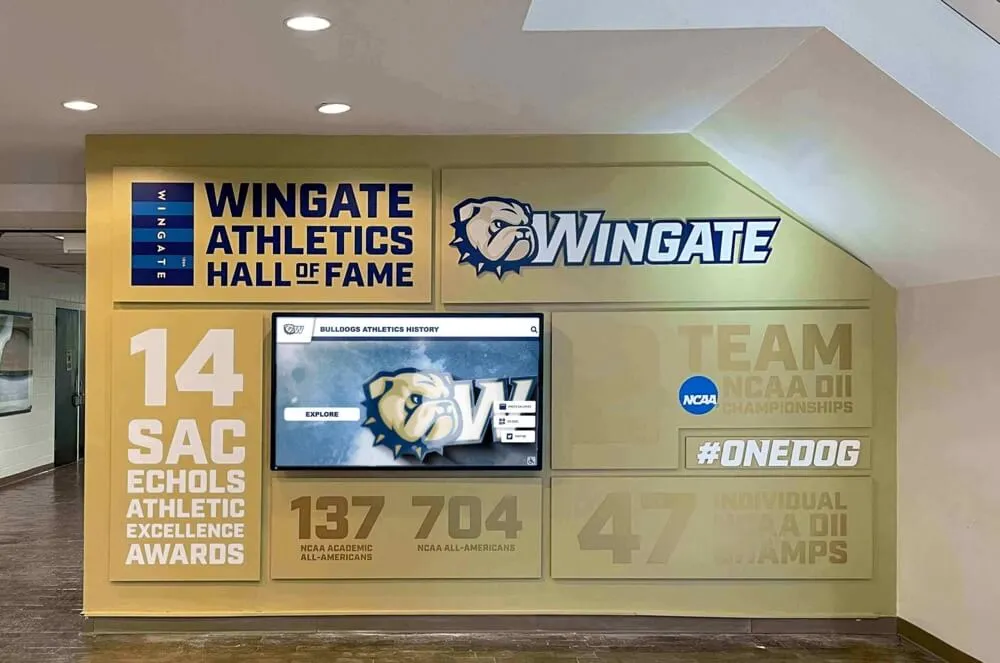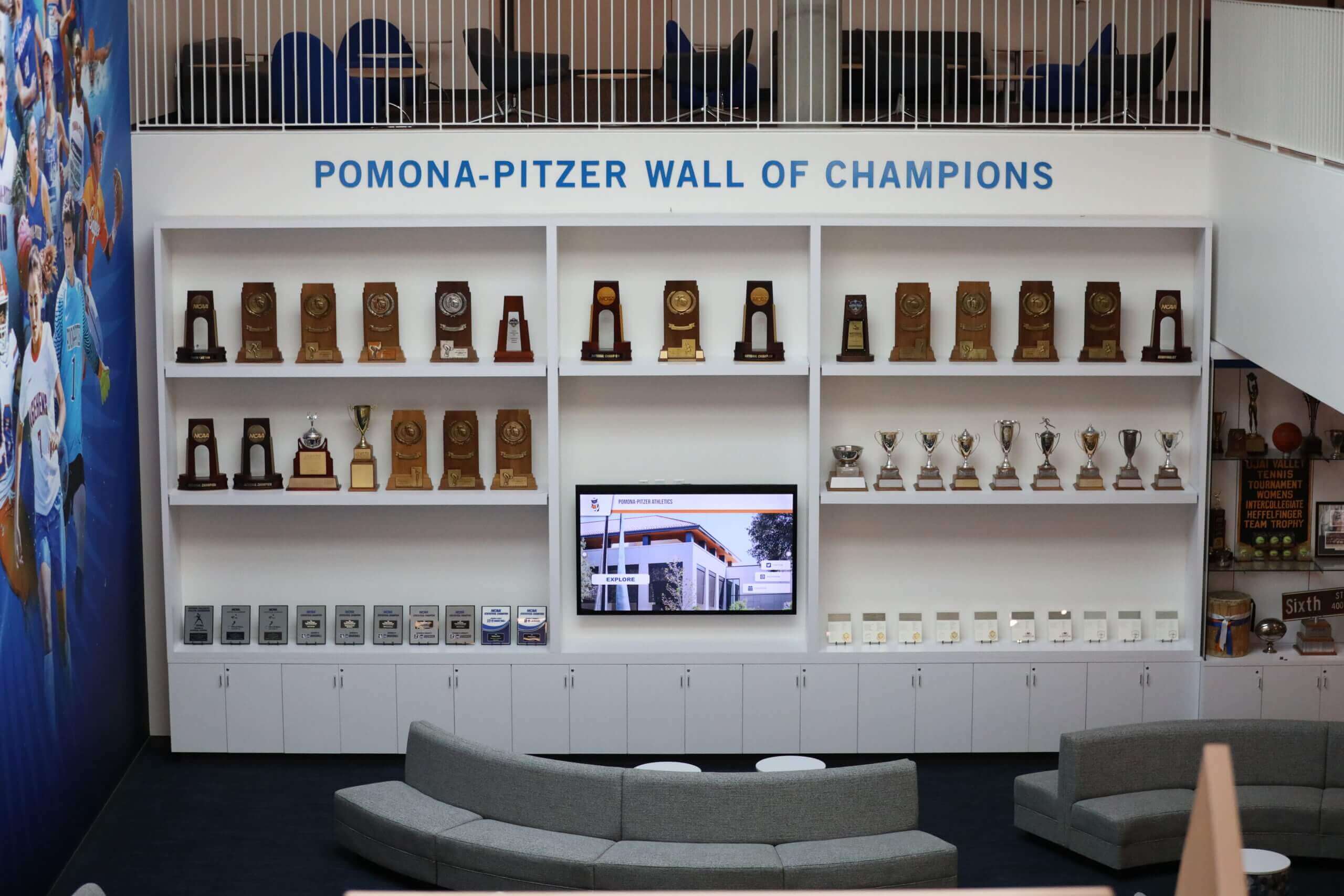
Athletic facility design profoundly impacts every dimension of sports program success—from athlete performance and injury prevention to recruitment effectiveness and community engagement. Yet many schools and organizations struggle to create spaces that truly optimize athletic development while building the program culture and pride that sustain excellence across generations.
This comprehensive guide explores the essential elements of sports facility design that transform athletic programs. From spatial planning fundamentals through specific design features that enhance training and performance, these strategies provide practical frameworks for creating facilities that deliver measurable value while remaining achievable across various budget levels and institutional contexts.
The Foundation of Effective Sports Facility Design
Before addressing specific design elements, understanding the fundamental principles that guide successful sports facility planning ensures investments deliver lasting value aligned with program objectives.
Defining Facility Purpose and User Needs
Every effective facility design begins with clarity about who will use the space and what activities it must support.
Multi-Level User Considerations:
Modern athletic facilities serve diverse user groups with different needs. Varsity athletes require high-performance training environments with specialized equipment and adequate space for sport-specific skill development. Physical education classes need safe, accessible spaces that accommodate students across fitness and ability levels. Community programs increasingly share facilities, requiring flexible spaces that adapt to youth leagues, adult recreational activities, and public events. Spectators and families expect comfortable viewing areas with clear sightlines and appropriate amenities.
Successful facility design acknowledges these varying needs without compromising core athletic program requirements. Multi-purpose spaces with adaptable configurations maximize facility utilization while maintaining specialized areas where high-level training demands dedicated environments.
Sport-Specific vs. Multi-Sport Functionality:
Schools and organizations must balance sport-specific facility needs against budget realities and space constraints. Some sports require dedicated spaces—wrestling rooms with appropriate mat systems, swimming pools with regulation dimensions, indoor track facilities with specialized surfaces. Others adapt well to shared multi-purpose spaces when thoughtfully designed.
The most effective approach typically creates core multi-purpose areas supplemented by strategic sport-specific spaces that address absolute requirements which shared facilities cannot meet. This balanced strategy maximizes both utilization rates and sport-specific functionality.
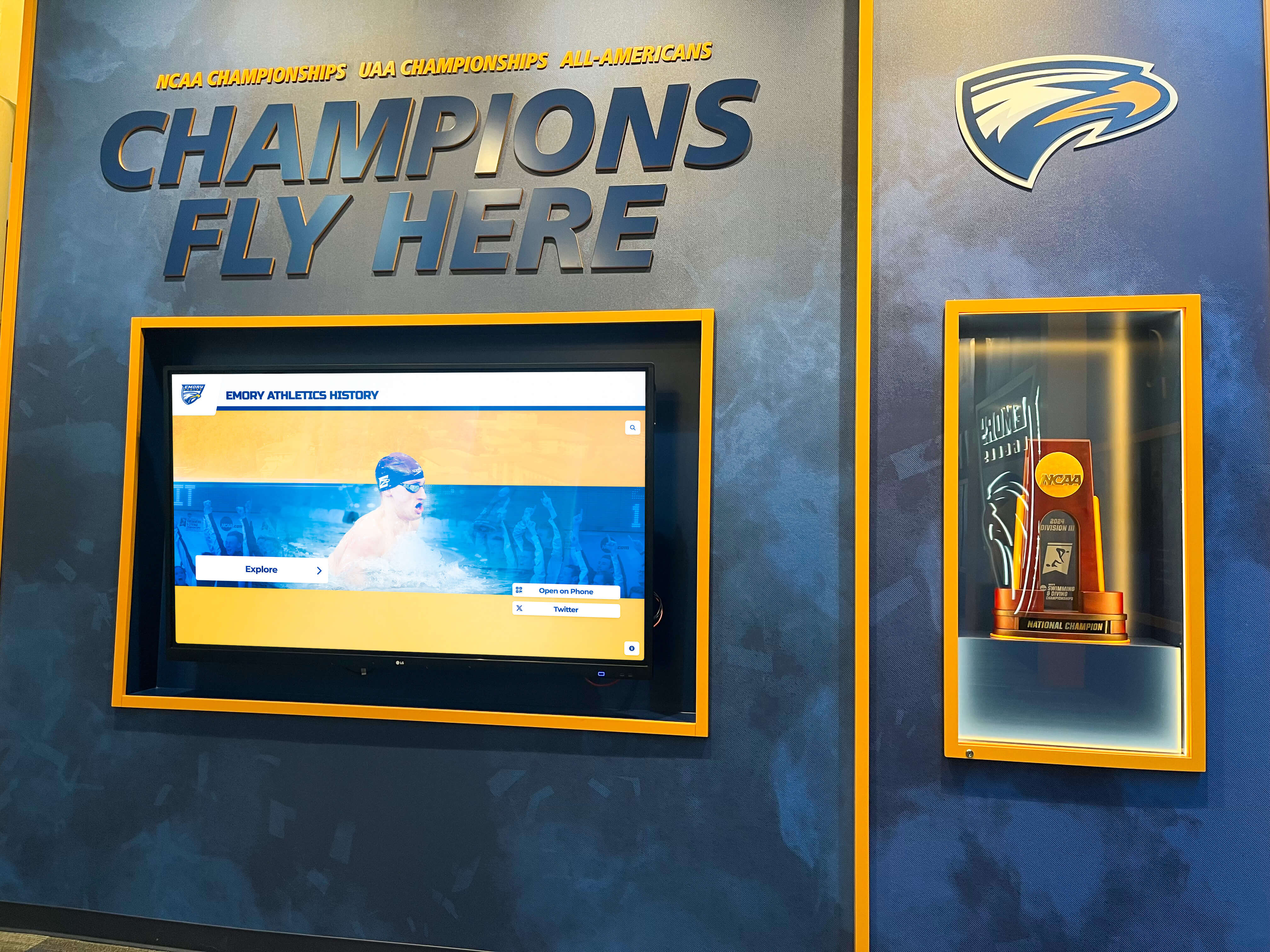
Strategic Space Planning Principles
How facilities organize and connect different functional areas significantly impacts operational efficiency and user experience.
Flow and Circulation:
Thoughtful circulation patterns prevent congestion while supporting smooth transitions between activities. Athlete circulation should minimize travel distances between locker rooms, training areas, and competition venues. Spectator flow must completely separate from athlete areas, with clear wayfinding from parking through ticketing to seating. Equipment and maintenance access requires dedicated pathways that don’t interfere with athlete or public movement.
Poor circulation design creates bottlenecks, safety hazards, and operational frustrations that undermine facility functionality regardless of equipment quality or architectural aesthetics.
Flexibility and Future Adaptability:
Athletic programs evolve—new sports emerge, participation numbers shift, training methodologies advance, and technology integration expands. Facility design incorporating flexibility anticipates change without requiring major reconstruction.
Adaptable spaces feature movable partitions that reconfigure areas as needs change, infrastructure roughed in for future technology upgrades, modular equipment systems that evolve with program needs, and expansion provisions built into initial construction when future growth seems likely. While flexibility adds modest upfront costs, it dramatically reduces expensive future renovations when program requirements inevitably shift.
Essential Design Elements for Performance Optimization
Specific facility features directly impact athletic performance, injury prevention, and training effectiveness.
Training and Competition Surfaces
Athletic surfaces represent perhaps the most critical design element affecting both performance and athlete health.
Surface Selection Criteria:
Different sports and activities require specific surface characteristics balancing performance, safety, and maintenance. Basketball and volleyball demand hardwood or synthetic surfaces providing controlled ball response with appropriate shock absorption protecting joints. Wrestling requires resilient mat systems over proper subfloors preventing injuries during throws and takedowns. Strength training needs durable flooring that withstands dropped weights while reducing noise and vibration.
Multi-purpose spaces face additional complexity requiring surfaces that adequately serve multiple activities without optimizing exclusively for any single sport. Modern synthetic surfaces increasingly provide acceptable compromises, though dedicated spaces still outperform shared environments when budgets permit.
Maintenance and Longevity:
Surface quality degrades rapidly without proper maintenance protocols. Design decisions should account for realistic maintenance capabilities—sophisticated systems requiring specialized care fail when staff lack training or budgets don’t support ongoing upkeep. Durable, maintainable surfaces with clear maintenance requirements often deliver better long-term value than premium options exceeding organizational maintenance capacity.
Climate Control and Environmental Systems
Temperature, humidity, ventilation, and lighting profoundly affect both athletic performance and facility usability.
Temperature and Humidity Management:
Athletic activity generates tremendous heat, requiring robust climate control systems maintaining appropriate temperatures across varying occupancy and activity levels. Inadequate ventilation creates uncomfortable, potentially unsafe conditions while promoting mold growth in humid climates. Conversely, excessive air conditioning in strength training areas causes problems as athletes warm up and cool down.
Zone control systems allowing different temperature settings across facility areas provide optimal solutions, though they increase mechanical system complexity and cost. At minimum, facilities need adequate ventilation capacity for maximum anticipated occupancy during peak athletic activity.
Natural and Artificial Lighting:
Lighting design balances natural daylight benefits against glare and heat gain concerns. Large windows create appealing, naturally lit spaces but require careful orientation avoiding direct sun glare during competition times. When natural light proves insufficient or impractical, LED systems providing appropriate light levels with excellent color rendering support both training activities and video recording increasingly central to modern programs.
Lighting control systems allowing varied settings for different activities—bright for competition, reduced for film sessions, specialized for video production—maximize facility versatility without requiring separate dedicated spaces for each function.
Integrating Recognition and Culture-Building Elements
The most inspiring athletic facilities combine functional training spaces with design elements that honor achievement, communicate program values, and strengthen community connections.
Digital Recognition and Hall of Fame Systems
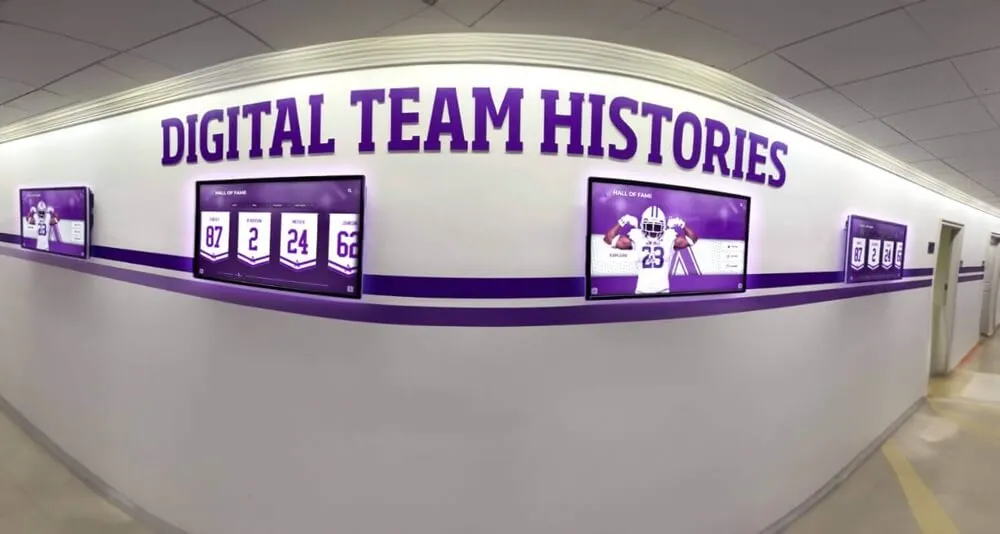
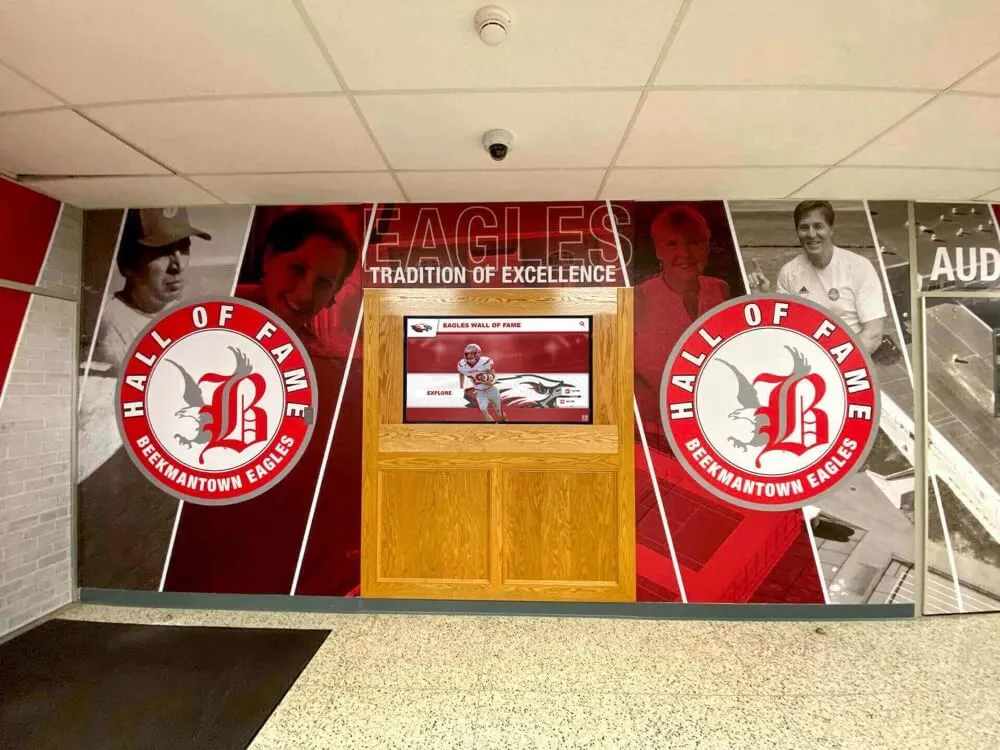
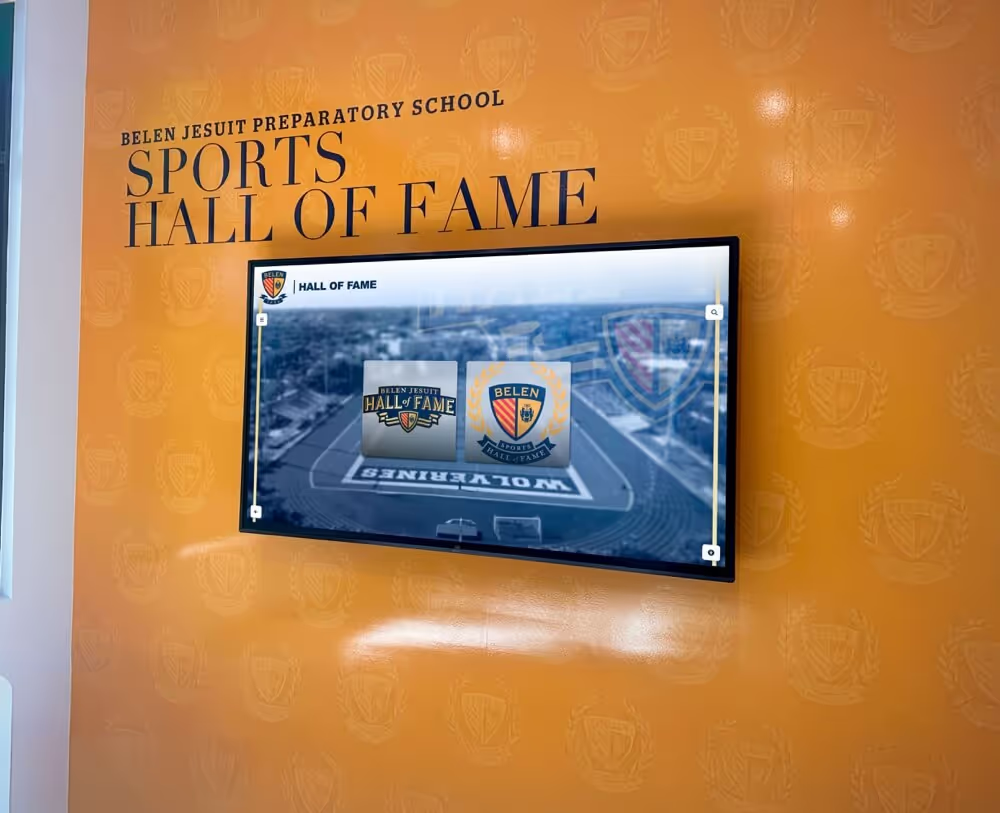
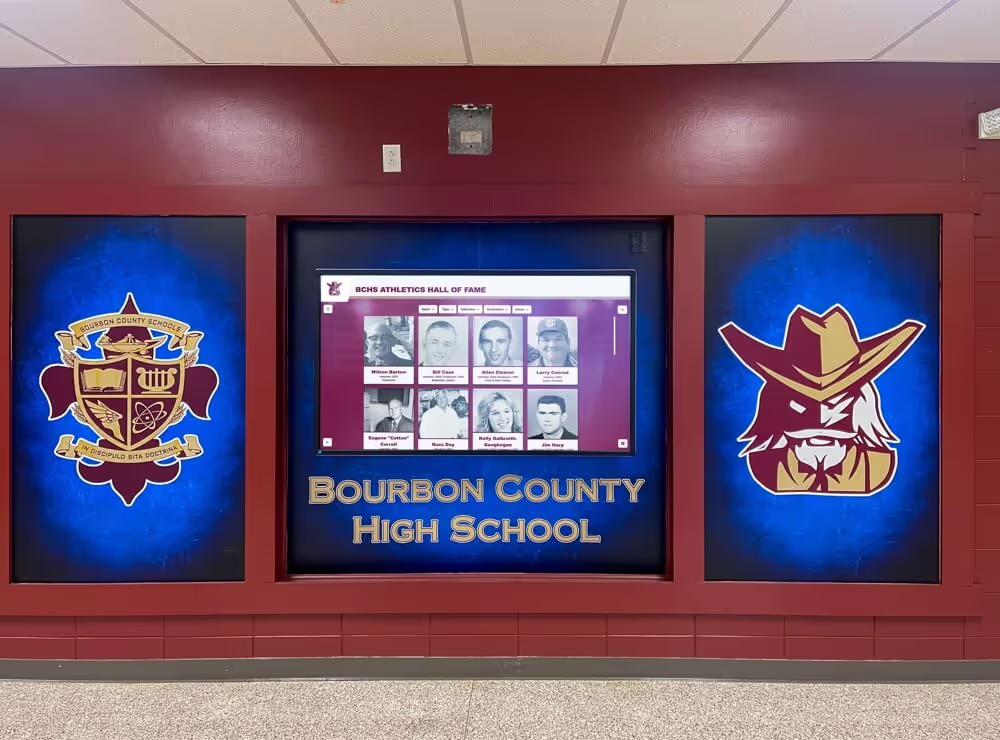
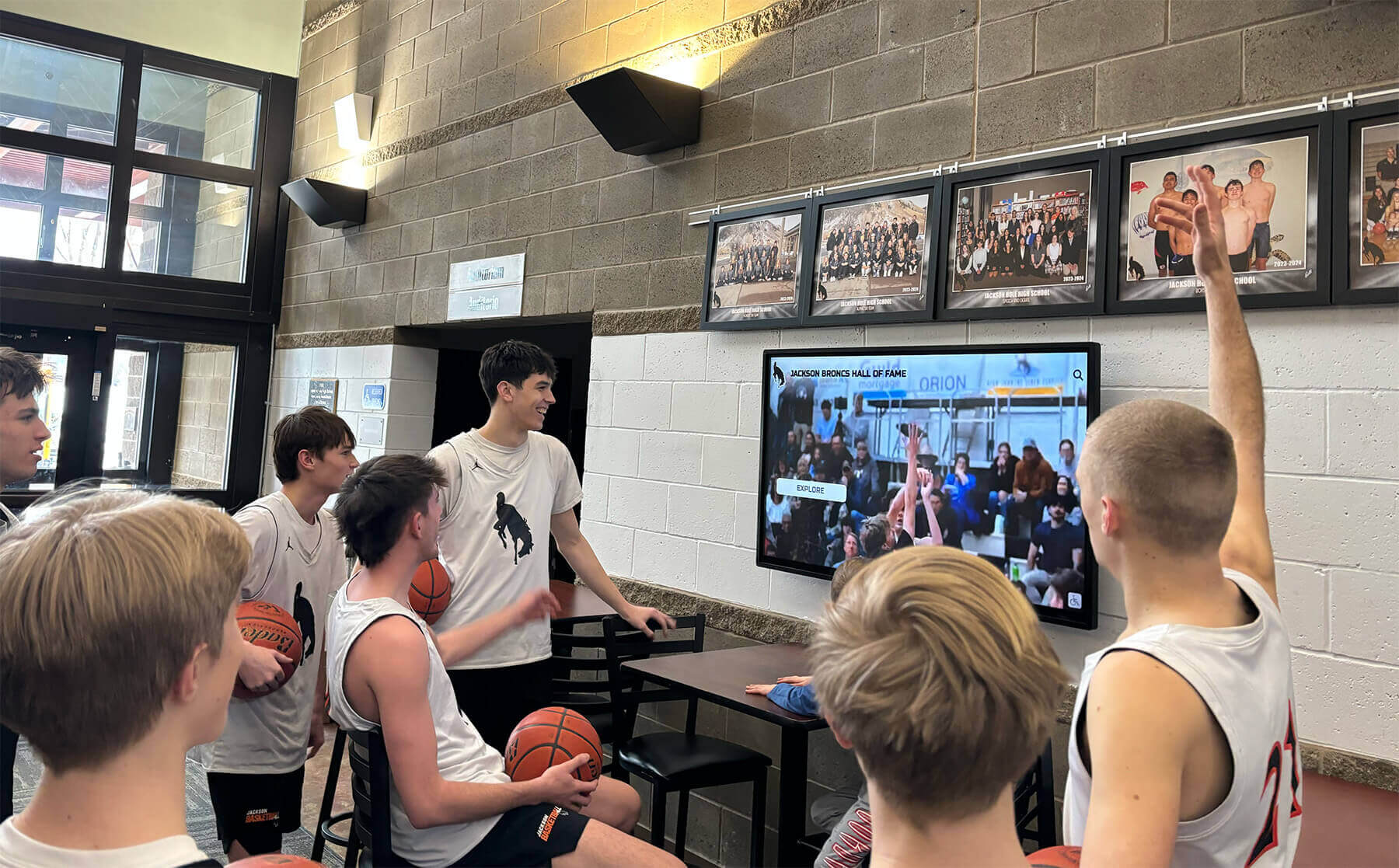
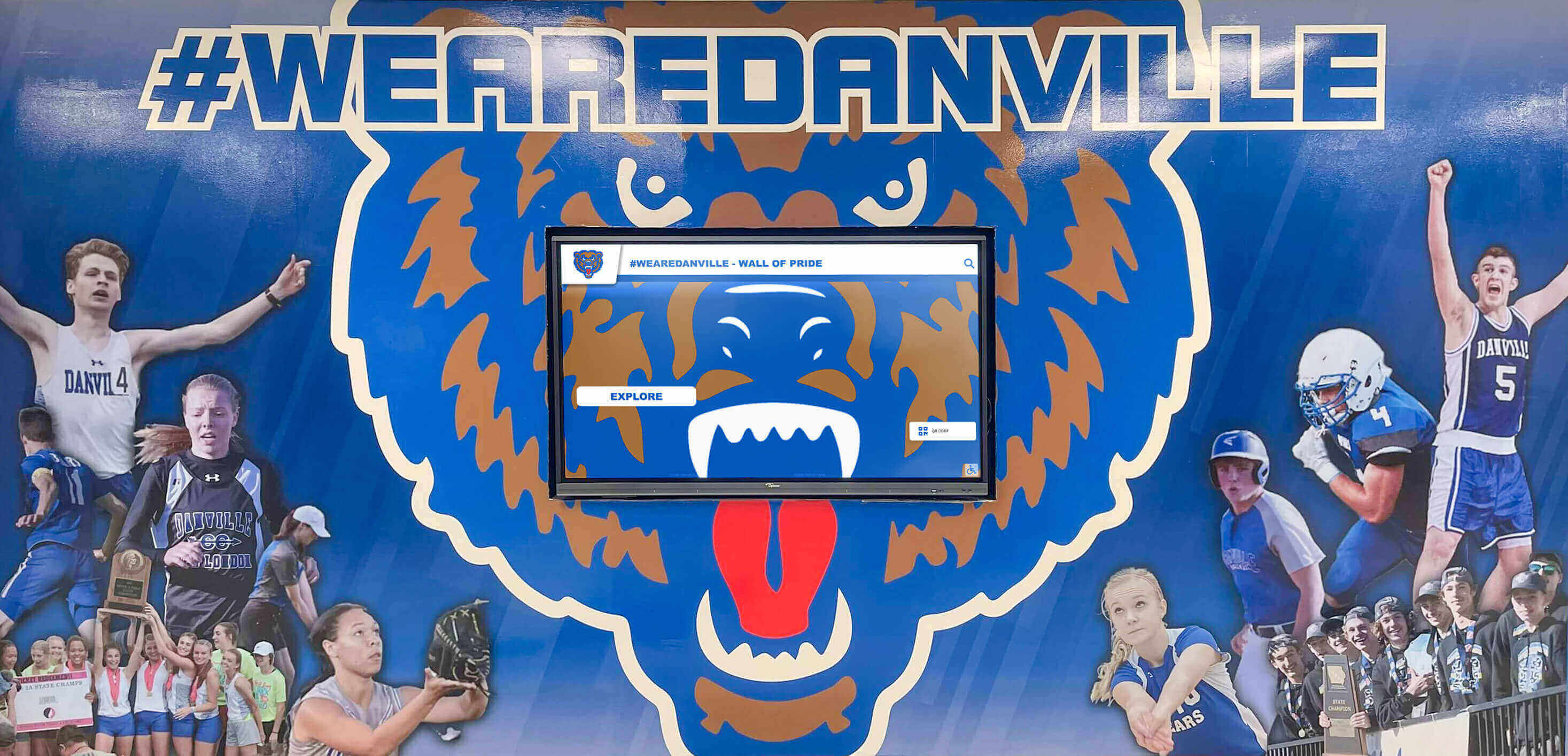
Modern facilities increasingly incorporate interactive recognition displays as central design features that accomplish multiple strategic objectives simultaneously.
Beyond Traditional Trophy Cases:
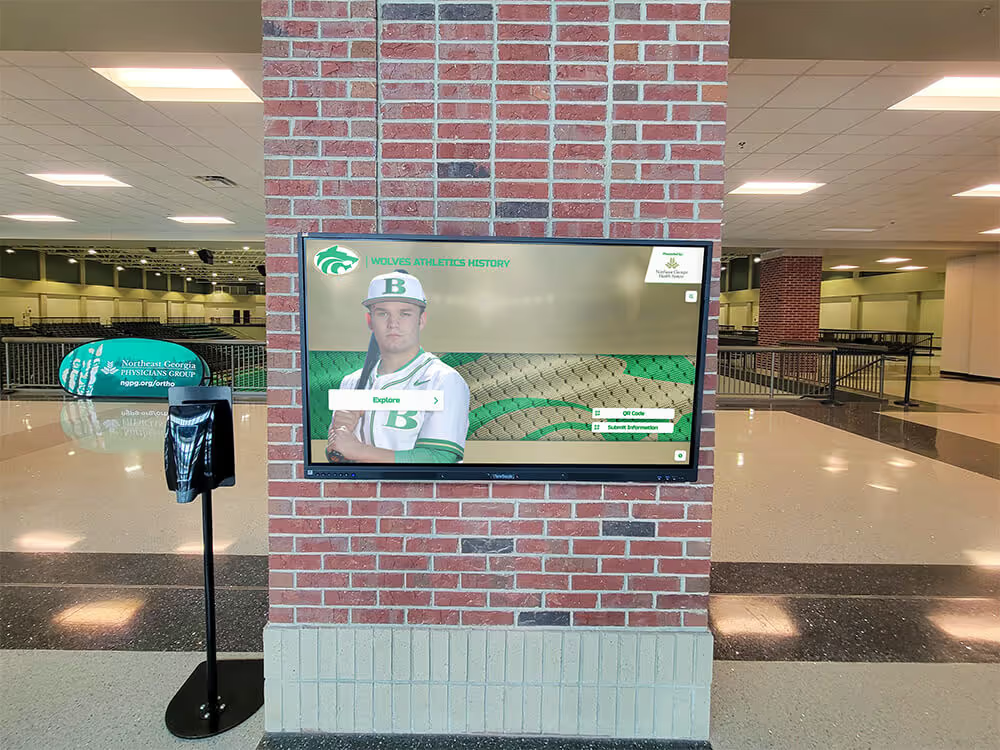
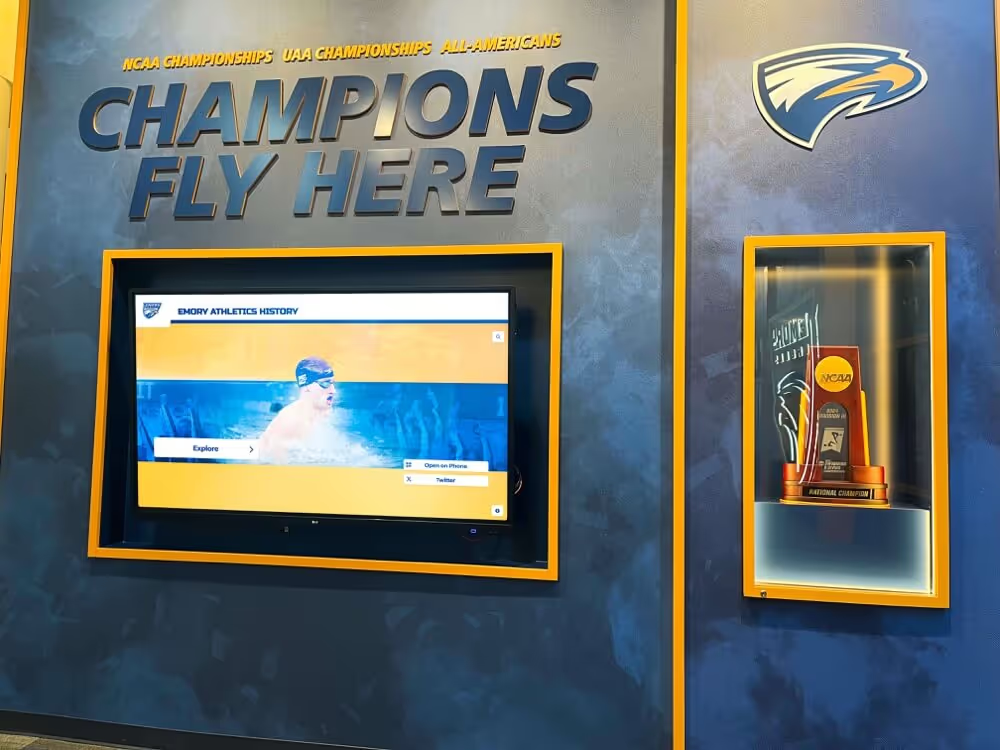
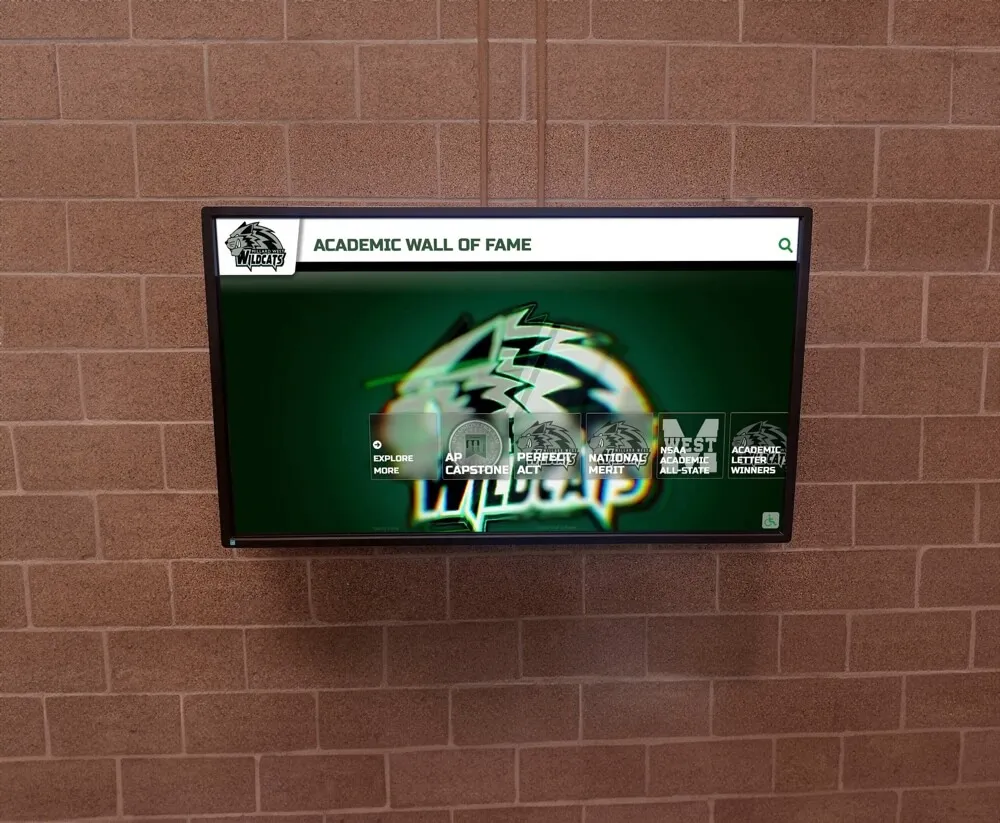
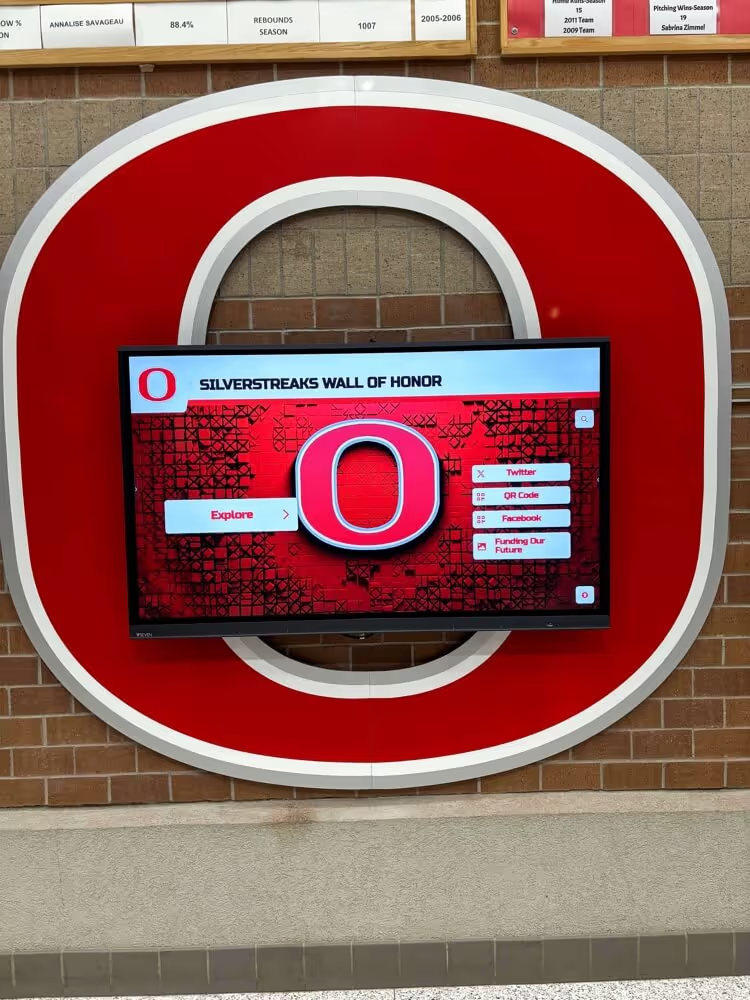
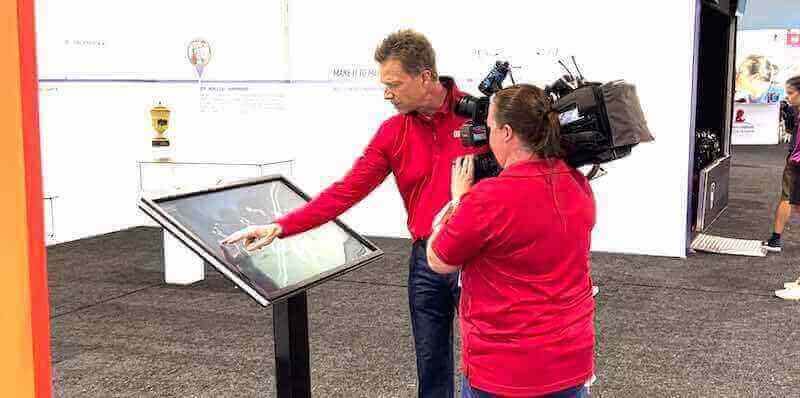
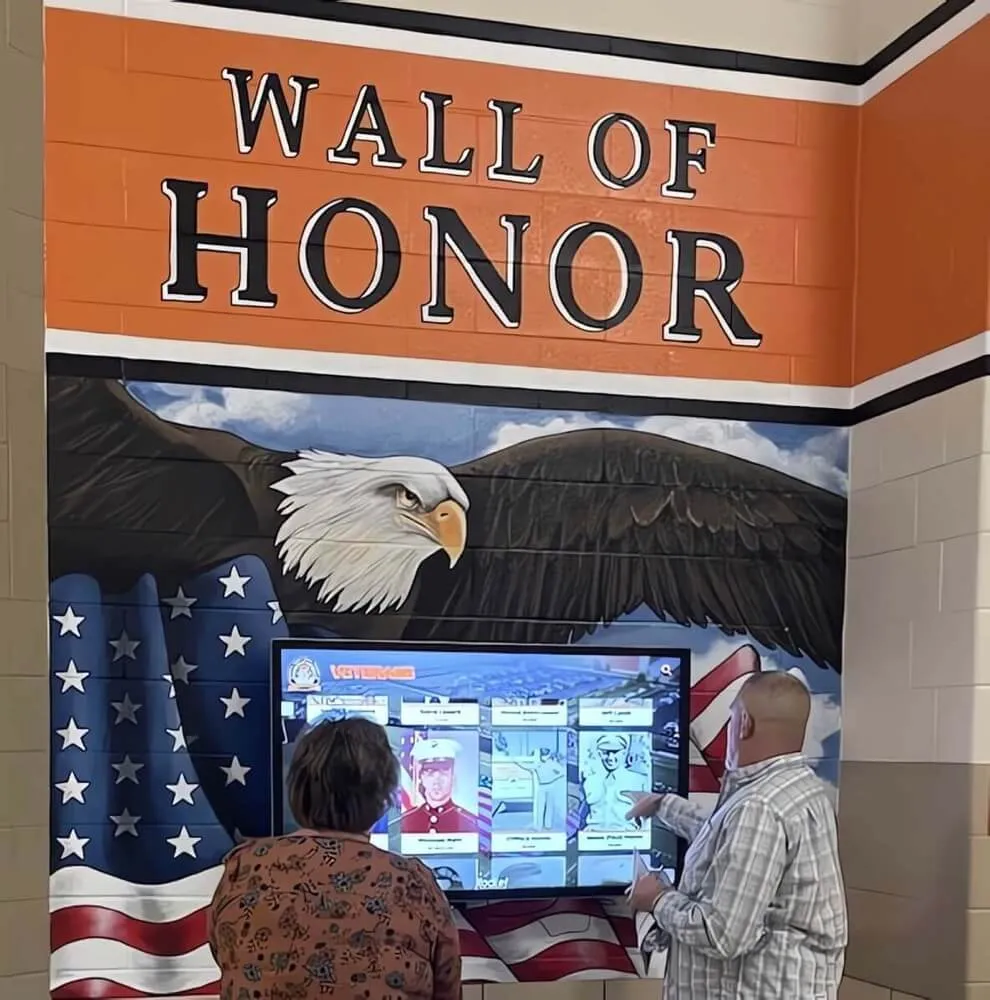
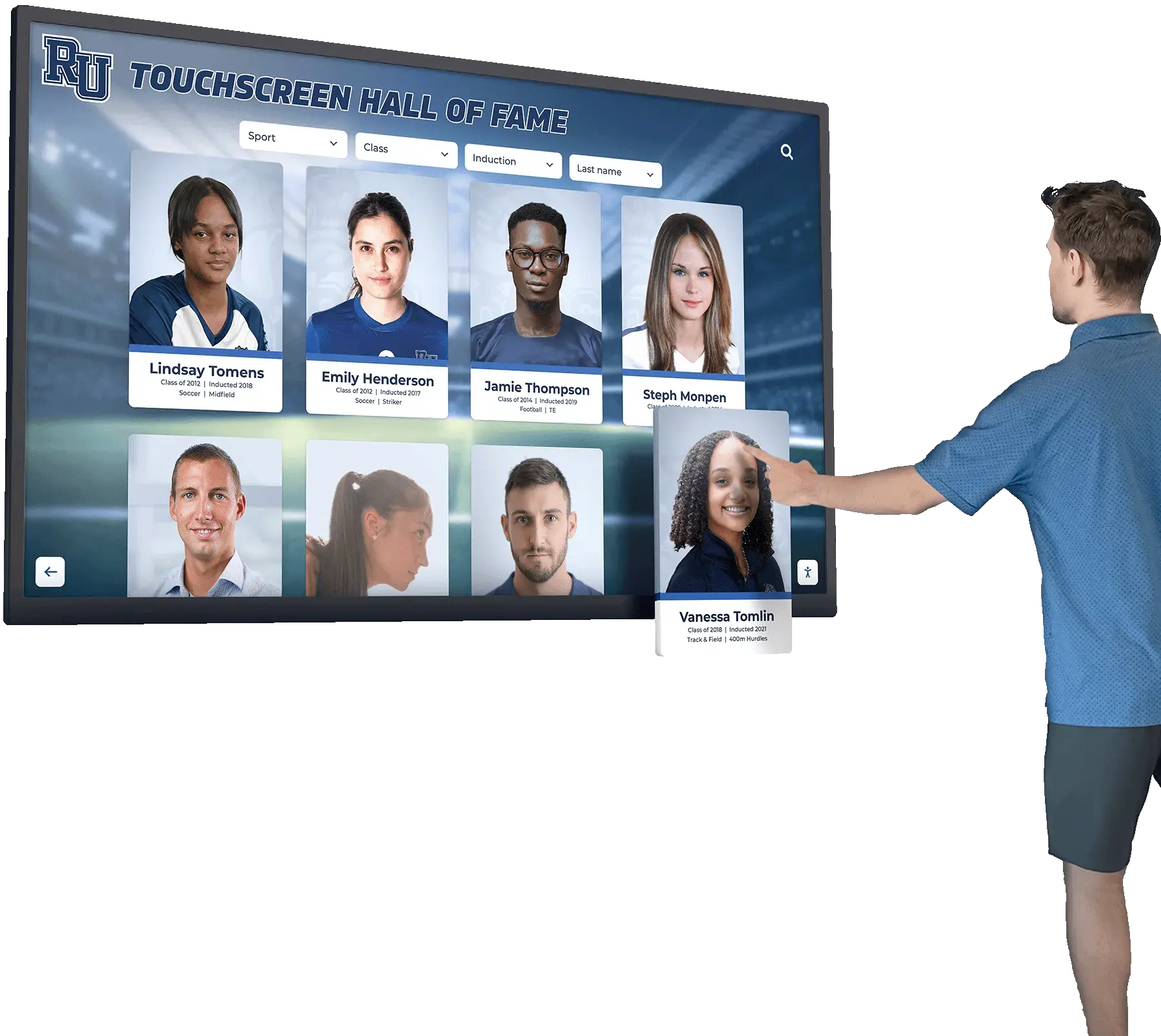
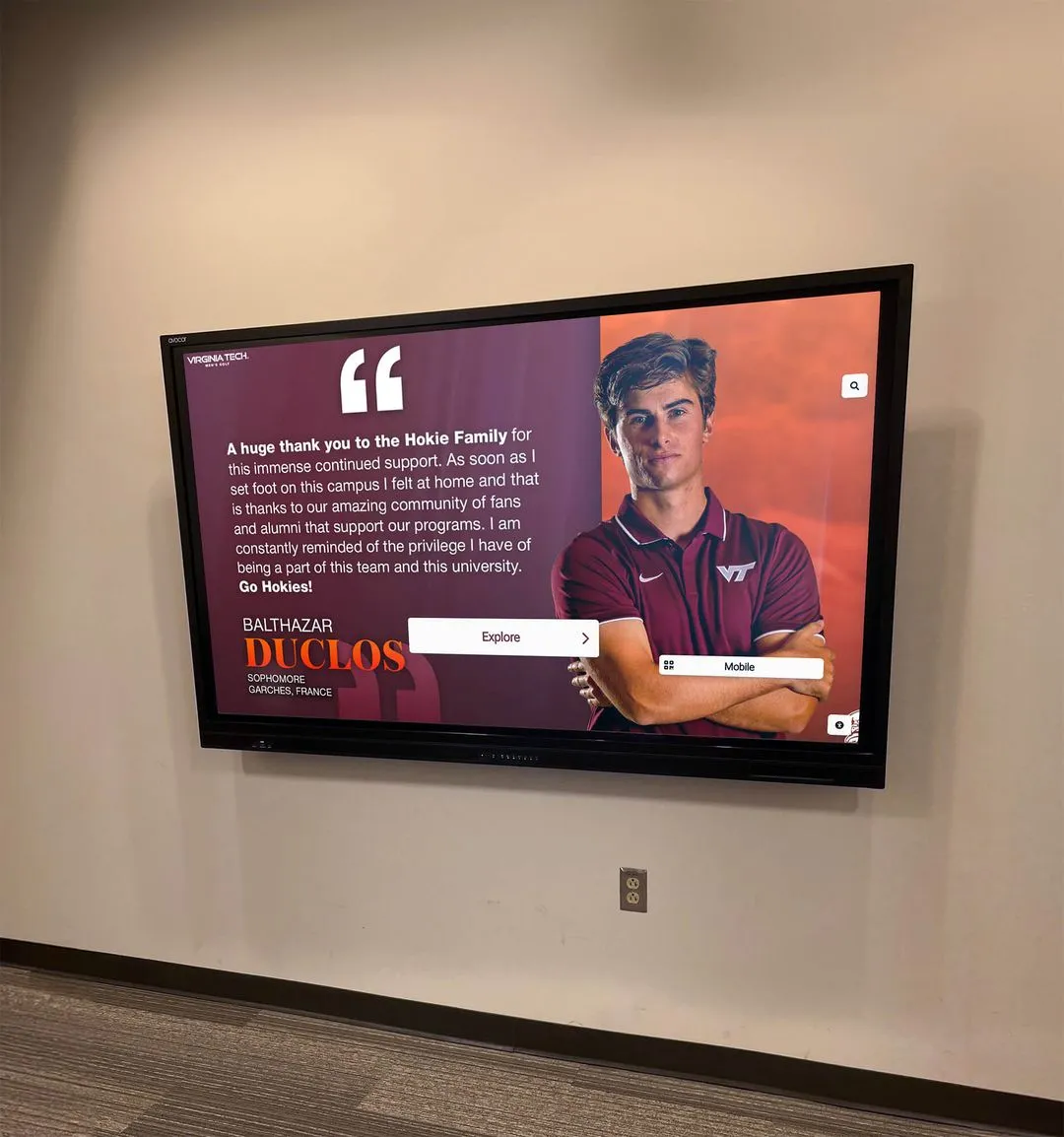
Physical trophy cases impose severe space limitations that force programs to choose which achievements receive recognition. As programs accumulate decades of accomplishments across expanding sport offerings, traditional display approaches fail comprehensively. Digital record boards eliminate these constraints entirely through touchscreen systems showcasing unlimited achievements with rich multimedia content.
Athletes entering facilities and seeing comprehensive program histories gain immediate understanding of the excellence they’re joining. Current records displayed alongside historical progressions create tangible goals while honoring past achievements. Championship teams, individual record holders, and significant program milestones all receive appropriate recognition without space-constrained compromises.
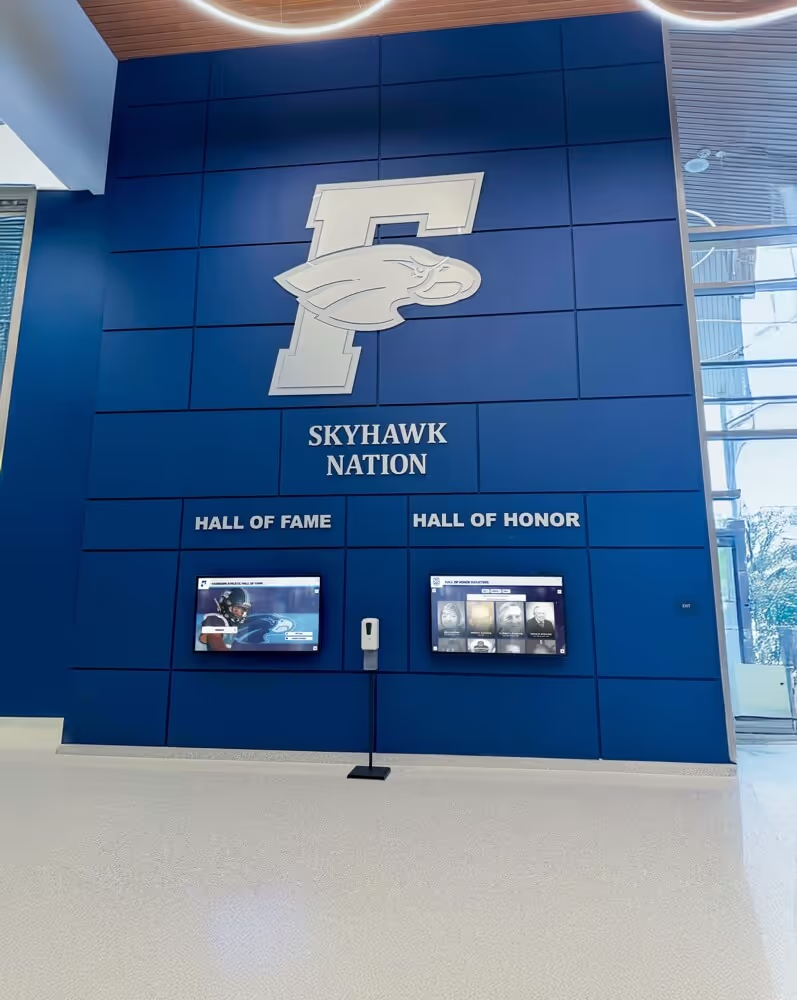
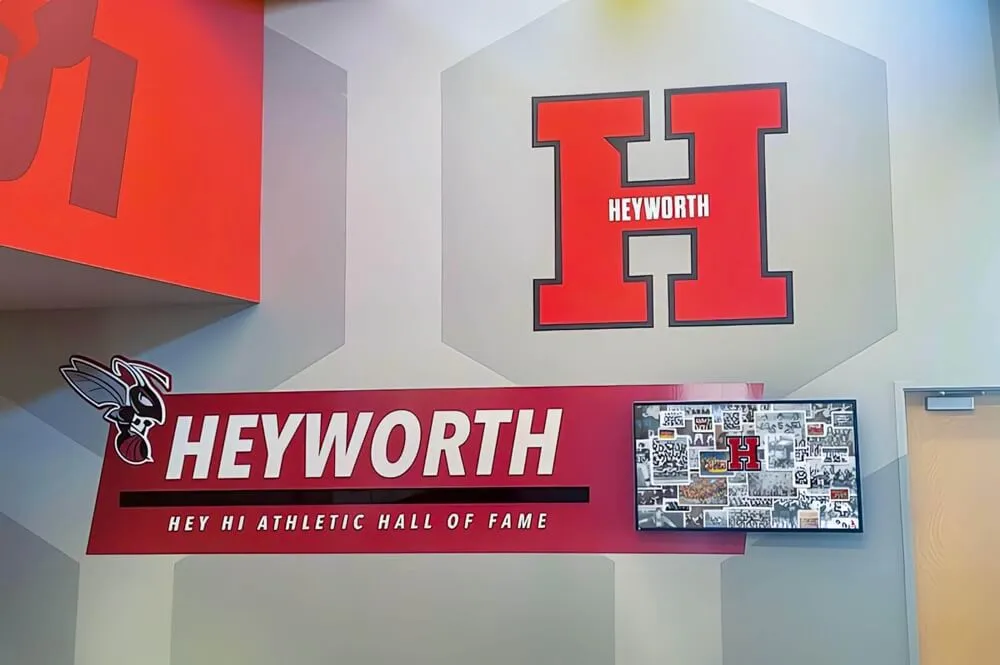
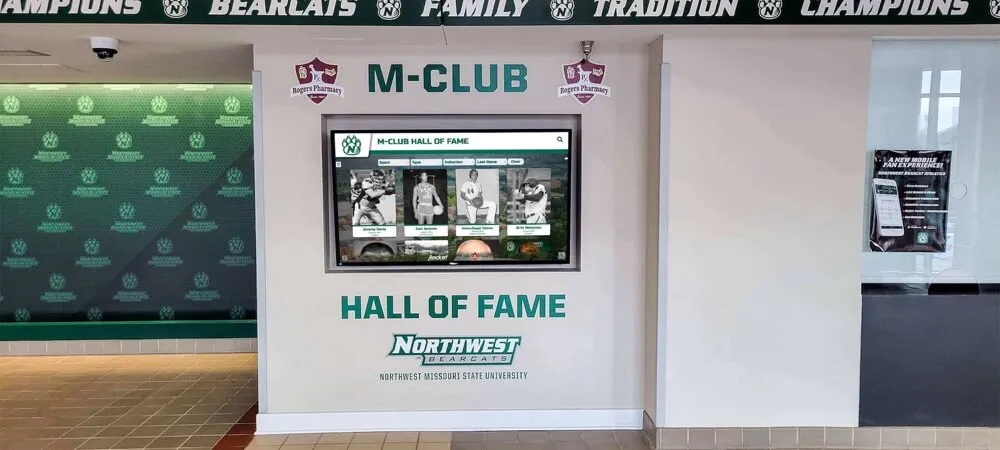
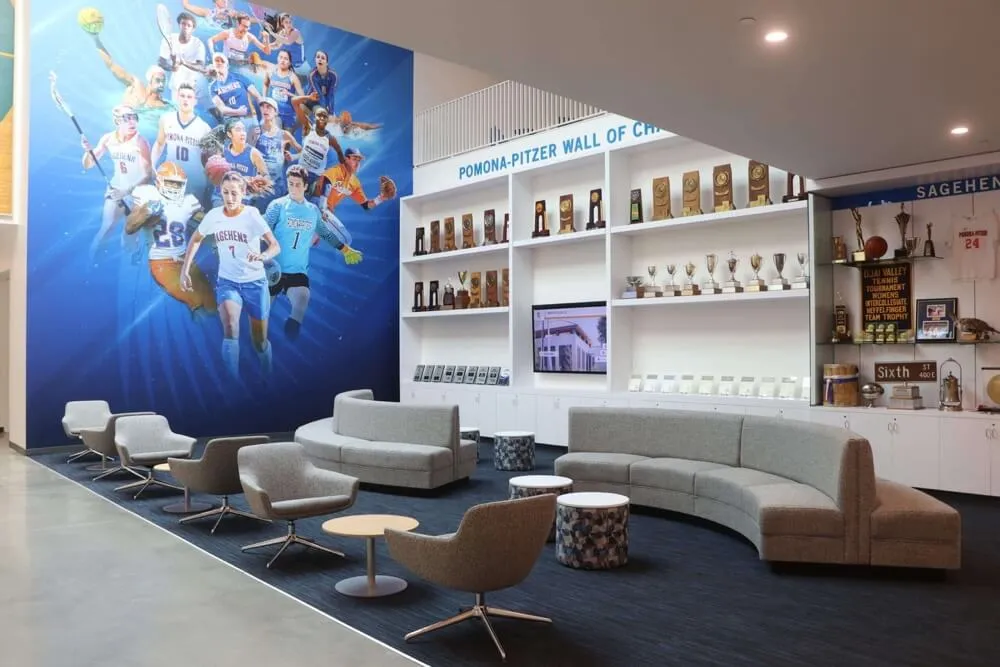
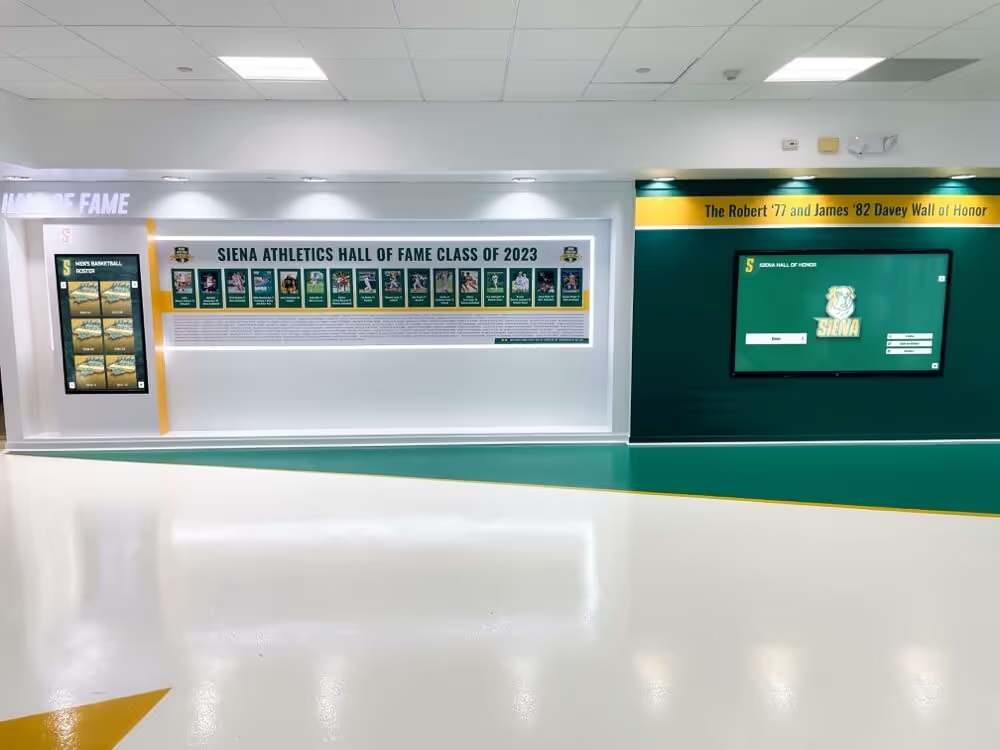
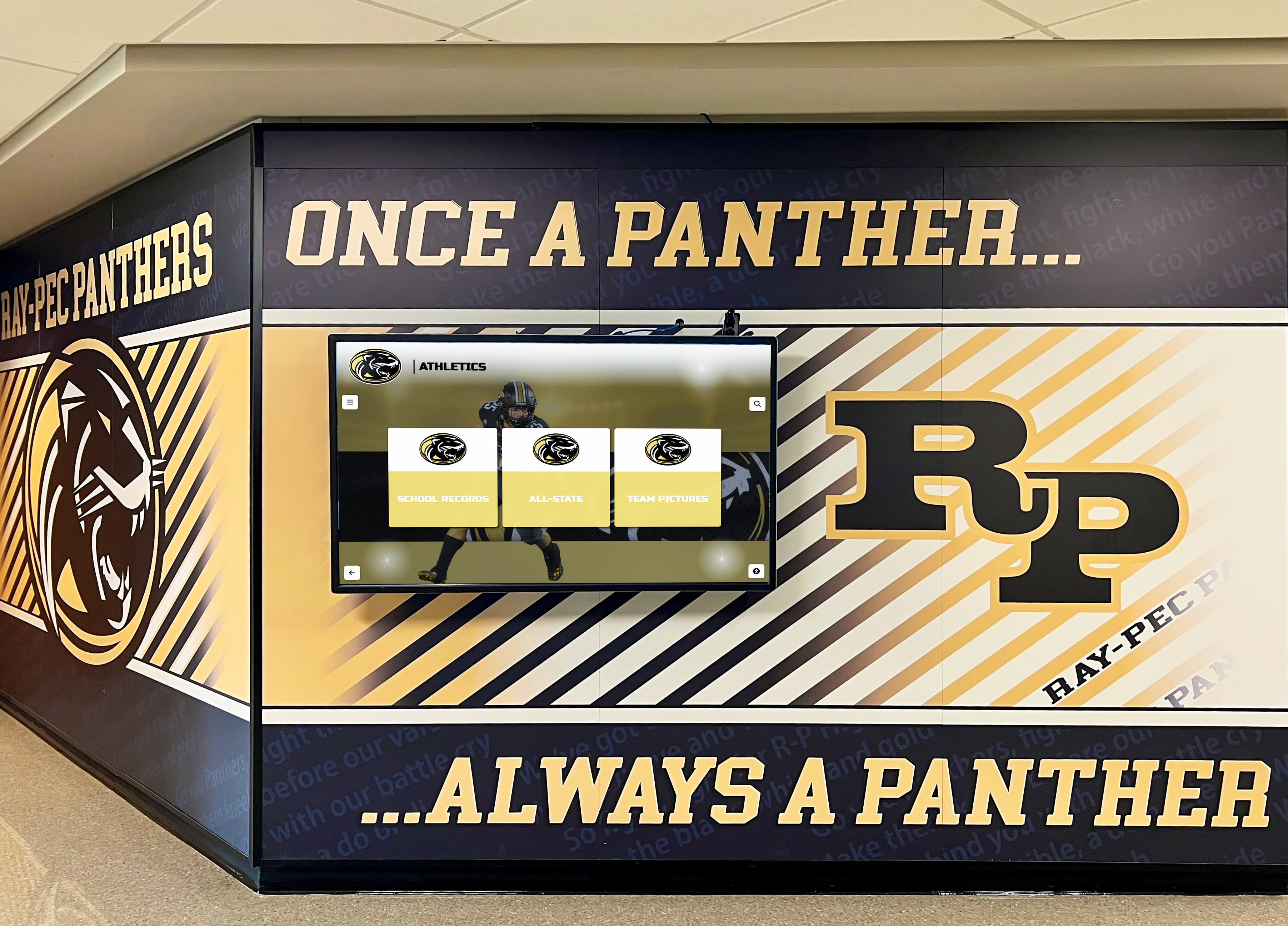
Solutions like Rocket Alumni Solutions transform facility entrances and lobbies into engaging spaces where athletes, families, and alumni naturally gather to explore program histories. Interactive functionality keeps these displays relevant and engaging in ways static plaques never achieve.
Strategic Placement and Visibility:
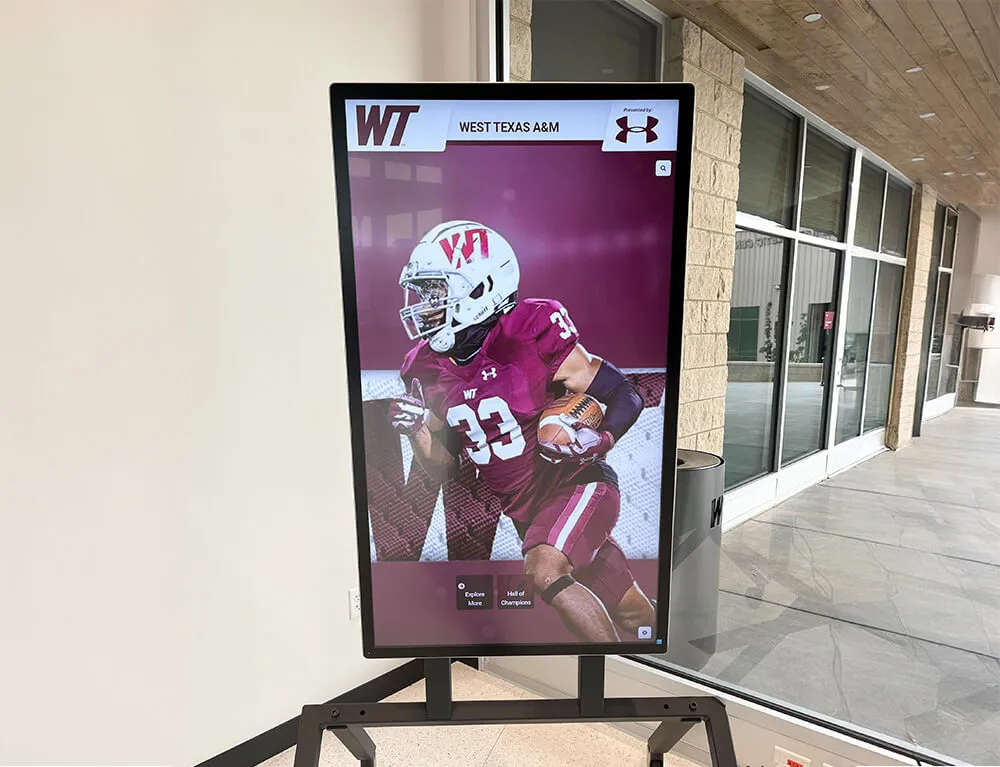
Recognition displays deliver maximum impact when positioned where athletes, recruits, and visitors naturally congregate. Facility entrance lobbies provide prime locations ensuring every person entering experiences program heritage. Locker room corridors create daily touchpoints where current athletes absorb program culture through repeated exposure. Viewing areas allow families and spectators to engage with program history before and after competitions.
Multiple display locations throughout facilities reinforce program identity while serving different audiences—athlete-focused content in team areas, community-oriented material in public spaces, recruit-specific information in meeting rooms where prospective families gather.
Visual Identity and Branding Integration
Consistent, prominent visual identity throughout facilities strengthens program culture and creates memorable impressions for recruits and visitors.
Color Schemes and Material Selection:
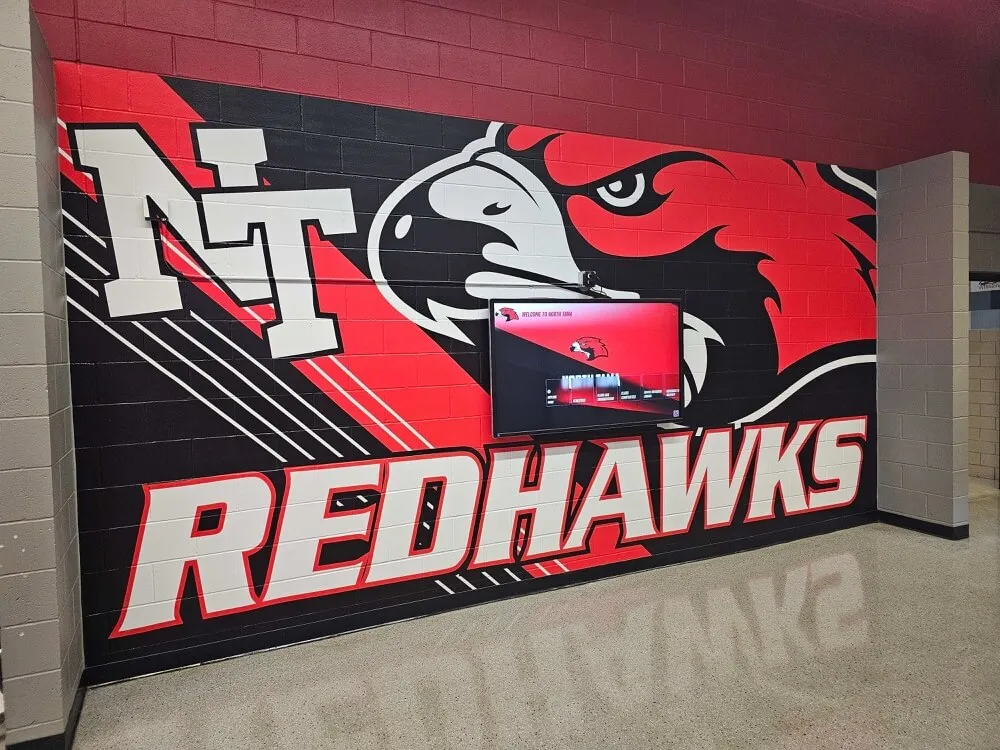
School or organization colors should appear prominently throughout athletic facilities without creating overwhelming or garish environments. Sophisticated approaches incorporate brand colors through accent walls, flooring patterns, equipment selections, and architectural details rather than painting everything school colors.
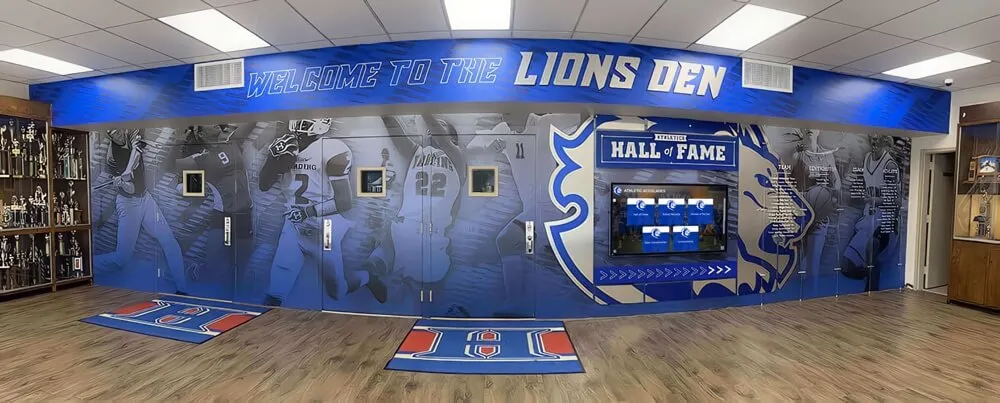
Material selections reinforcing program identity include branded lockers and storage systems, custom equipment featuring team marks, signage systems maintaining consistent visual language, and flooring graphics highlighting team names or facility dedications. These elements create cohesive environments communicating program pride and attention to detail.
Historical Narrative and Tradition:
The most compelling facilities tell coherent stories about program evolution and values. Timeline displays documenting program history from founding through present create narrative arcs helping current athletes understand their place in ongoing legacies. Championship recognition systems celebrate team successes while individual achievement galleries honor standout athletes across eras.
Historic photos, vintage equipment displays, and dedicated spaces acknowledging program founders and significant contributors provide tangible connections between past and present. These elements prove particularly valuable for programs with rich traditions seeking to maintain cultural continuity even as facilities modernize.
Specialized Spaces That Enhance Athletic Development
Beyond primary training and competition areas, specific supplementary spaces significantly elevate program quality and athlete experience.
Strength and Conditioning Centers
Dedicated strength facilities designed specifically for athletic performance training deliver measurable advantages over generic weight rooms shared across multiple constituencies.
Layout and Equipment Selection:
Effective strength centers organize equipment by training modality, creating distinct zones for Olympic lifting with proper platforms and bumper plates, machine-based training offering variable resistance options, functional movement areas with adequate floor space for dynamic activities, and recovery zones featuring foam rolling stations and stretching space.
Equipment selection should reflect actual program training philosophies rather than showcasing every possible machine. Coherent equipment suites supporting consistent training methodologies prove more valuable than scattered machines purchased opportunistically without programmatic integration.
Performance Monitoring and Technology:
Modern strength facilities increasingly incorporate technology supporting data-driven training. Velocity-based training devices provide real-time feedback optimizing loads and recovery. Video analysis systems allow technique review and coaching. Performance tracking software documents progress over time, enabling personalized programming and objective assessment.
However, technology should enhance rather than replace fundamental coaching and program design. Many highly effective strength programs operate with minimal technology, succeeding through excellent coaching, appropriate programming, and consistent athlete effort.

Athletic Training and Sports Medicine Facilities
Comprehensive athletic training facilities staffed by certified professionals represent one of the most impactful additions schools and programs can make.
Essential Components:
Full-service athletic training rooms include treatment tables for evaluation and rehabilitation, modality areas with therapeutic equipment, taping stations designed for efficient pre-practice preparation, ice and hydrotherapy capabilities, storage for medical supplies and athlete records, and private areas for sensitive evaluations and conversations.
Many smaller programs operate effective training rooms in modest spaces through intelligent design maximizing limited square footage. Even basic facilities providing appropriate equipment and professional supervision dramatically improve injury prevention and care compared to programs lacking dedicated sports medicine infrastructure.
Integration with Training Spaces:
Athletic training facilities work best when positioned adjacent to primary training areas, allowing quick response to injuries during practice. However, they also require appropriate privacy separation preventing casual traffic through medical treatment spaces. Transitional design creates controlled access maintaining both convenience and confidentiality.
Film Study and Team Meeting Spaces
Modern athletic programs increasingly rely on video analysis for skill development, game planning, and performance evaluation.
Technical Requirements:
Effective film rooms feature large high-quality displays visible from all seating positions, sound systems supporting clear audio during video playback, lighting controls allowing visibility during note-taking while reducing glare on screens, comfortable seating appropriate for extended sessions, and network infrastructure supporting video file transfer and streaming.
Programs lacking budgets for dedicated film rooms can create effective multi-purpose spaces serving both team meetings and film review when designed with appropriate flexibility. Strategic content planning ensures these spaces support multiple functions without compromising core purposes.
Community and Spectator Experience Design
Athletic facilities serve broader communities beyond just athletes and coaches. Design elements enhancing spectator experience and community engagement extend program impact.
Seating and Viewing Areas
Comfortable, well-designed spectator areas demonstrate respect for families and supporters while creating environments that encourage attendance and engagement.
Sightline and Comfort Considerations:
Seating layouts should provide clear views of competition areas from all positions without obstructions from columns, railings, or other spectators. Bleacher designs balancing capacity with comfort include appropriate aisle spacing for safe circulation, back support options improving extended viewing comfort, and ADA-compliant sections integrated throughout rather than isolated in inferior viewing positions.
Climate-protected spectator areas prove particularly valuable in regions with challenging weather, significantly expanding facility usability and scheduling flexibility compared to purely outdoor or unheated venues.
Concessions and Hospitality Spaces
Well-designed support amenities improve spectator experience while creating revenue opportunities supporting program operations.
Functional Design Elements:
Effective concession areas feature efficient service layouts minimizing wait times, adequate storage for supplies and equipment, appropriate ventilation preventing food odors from overwhelming spaces, and strategic positioning maintaining visibility of competition areas even while purchasing refreshments.
Hospitality spaces for VIP guests, recruits, and major donors create premium experiences that support fundraising and recruitment. These areas need not be elaborate—even modest spaces offering climate control, quality seating, and exclusive access provide meaningful differentiation from general admission areas.
Sustainability and Operational Efficiency
Modern facility design increasingly emphasizes long-term operational costs and environmental impact alongside initial construction expenses.
Energy Efficiency and Environmental Systems
HVAC, lighting, and other building systems represent the largest ongoing operational expenses for athletic facilities.
Cost-Effective Sustainability:
High-efficiency mechanical systems often carry premium upfront costs but deliver substantial operational savings over facility lifespans. LED lighting provides immediate energy and maintenance savings justifying adoption across all new construction and major renovations. Building envelope improvements through appropriate insulation and window selection reduce heating and cooling loads regardless of specific mechanical system choices.
Smart controls allowing systems to operate at reduced capacity during unoccupied periods prevent wasted energy without requiring occupants to manually adjust settings. These relatively modest investments typically achieve payback within several years through reduced utility costs.
Maintenance Design and Access
Facilities designed with maintenance requirements in mind maintain quality far longer than those where ongoing care becomes difficult or expensive.
Durability and Maintainability:
Material selections should emphasize life-cycle costs including maintenance rather than minimizing only initial expenses. Durable finishes resisting damage in high-traffic athletic environments prove more economical long-term than cheaper alternatives requiring frequent replacement. Equipment designed for routine service prevents deferred maintenance that accelerates deterioration.
Adequate space for maintenance activities and storage of cleaning equipment enables proper facility care. Access panels allowing service of mechanical systems without major disassembly reduce repair costs when issues inevitably arise.
Technology Integration and Future-Proofing
Modern athletic facilities increasingly rely on technology supporting training, communication, fan engagement, and administrative functions.
Infrastructure Planning for Technology Evolution
Technology systems evolve rapidly, requiring facility design that accommodates change without major reconstruction.
Flexible Technology Infrastructure:
Robust network cabling throughout facilities supports current needs while providing capacity for future expansion. Electrical service designed with excess capacity prevents limitations when adding equipment or displays. Conduit pathways and wireways facilitate future cabling without requiring walls to be opened.
Particularly in high-visibility areas like entrance lobbies and public corridors, infrastructure supporting digital displays and interactive systems should be included in initial construction even if specific systems aren’t immediately installed. Adding infrastructure later proves far more expensive and disruptive than including it during construction.
Connectivity and Communication Systems
Athletes, coaches, families, and spectators increasingly expect comprehensive connectivity in athletic facilities.
Network and WiFi Design:
Robust wireless coverage throughout facilities supports video streaming for recruiting and fan engagement, mobile device use by athletes and families, point-of-sale systems for concessions and tickets, and security and access control systems. Network design must anticipate high-density usage during events when hundreds of devices simultaneously connect.
Sound systems supporting both public address announcements and music playback require careful acoustic design preventing excessive reverberation in large spaces while achieving adequate volume throughout seating areas. Integration with scoreboard and video display systems creates comprehensive game-day presentation capabilities.
Planning and Implementation Strategies
Successful facility projects require systematic planning processes engaging key stakeholders and managing complex decisions across extended timelines.
Needs Assessment and Priority Setting
Before engaging architects or contractors, comprehensive needs assessment clarifies specific problems facilities should solve and desired outcomes guiding design decisions.
Stakeholder Input Processes:
Effective planning incorporates input from athletes and coaches who use facilities daily, athletic directors and administrators managing programs and budgets, facilities staff responsible for ongoing maintenance, community members and supporters with interest in programs, and future users by anticipating evolving program needs beyond current requirements.
Structured input processes including surveys, focus groups, and design charrettes gather diverse perspectives while preventing individual preferences from dominating decisions affecting entire programs. Professional facilitators help groups identify shared priorities and navigate disagreements productively.
Budget Reality and Phasing:
Comprehensive facility wish lists invariably exceed available budgets. Effective planning prioritizes elements delivering greatest impact while identifying components suitable for future phases when additional resources become available. Multi-phase approaches allow programs to make substantial improvements within current budgets while creating frameworks for continued enhancement.
Initial phases should create fully functional facilities even if not complete in all respects. Partially completed projects often stall when early phases leave facilities unusable, preventing programs from experiencing benefits that sustain fundraising momentum for subsequent work.
Professional Team Selection
Facility quality depends heavily on design and construction team expertise and commitment to project success.
Architect and Design Professional Criteria:
The best athletic facility designers bring demonstrated experience with similar projects, understanding of sport-specific requirements and performance optimization, ability to balance aspirational visions with budget realities, and collaborative approaches incorporating stakeholder input effectively. Reviewing previous projects and speaking with past clients reveals capabilities far better than proposals alone.
Architects specializing in athletic facilities often deliver better value than general practitioners despite sometimes higher fees. Their sport-specific expertise prevents costly mistakes while identifying opportunities generalist designers might miss.
Construction and Project Management:
Experienced construction managers familiar with athletic facility requirements navigate specialized equipment installation, coordinate complex schedules minimizing disruption to ongoing programs, manage budgets preventing cost overruns, and ensure quality meeting performance specifications. Their expertise proves particularly valuable for institutions lacking internal project management capacity.
Making Facility Design Decisions That Last
Athletic facility investments represent decades-long commitments requiring thoughtful decisions balancing immediate needs against long-term value.
Avoiding Common Design Mistakes
Learning from typical facility planning errors helps programs make better decisions.
Undersizing Core Spaces:
The most common facility planning mistake involves undersizing primary spaces to reduce construction costs, permanently limiting program potential. Adequate space for current needs plus modest growth proves far more economical than later additions expanding initially cramped facilities. While equipment can be replaced and finishes updated, inadequate square footage fundamentally limits functionality forever.
Neglecting Support Spaces:
Spectacular competition venues sometimes receive full attention while support spaces get minimized—inadequate storage, cramped locker rooms, missing athletic training facilities, or absent team meeting spaces. These deficiencies constantly frustrate daily operations despite impressive primary facilities. Balanced design ensures support spaces receive adequate attention and resources.
Failing to Plan for Maintenance:
Facilities designed without realistic consideration of ongoing maintenance requirements deteriorate rapidly as deferred care accumulates. Design decisions should honestly assess available maintenance resources and staffing, selecting materials and systems matching organizational capacity rather than aspirations.
Ensuring Long-Term Value
The best facility investments continue delivering value across generations rather than requiring major renovation after brief periods.
Timeless Design vs. Trends:
While facilities should incorporate contemporary best practices, avoiding overly trendy design elements prevents rapid aesthetic obsolescence. Classic materials and proportions age gracefully while fashionable finishes date quickly. Facilities balancing modern functionality with timeless design maintain relevance far longer than those chasing current aesthetics.
Flexibility and Adaptation:
As discussed throughout this guide, facility design incorporating flexibility through adaptable spaces, robust infrastructure, and expansion provisions remains valuable across changing circumstances. While specific futures can’t be predicted, designing for change rather than static assumptions proves consistently wise.
Celebrating Achievement Through Thoughtful Design
Sports facility design ultimately serves to create environments where athletes thrive, communities connect, and excellence flourishes across generations. The most successful facilities achieve this through comprehensive approaches integrating performance optimization with cultural elements that inspire and unite.
Modern athletic spaces go far beyond simply providing places to practice and compete. They tell stories about program values and traditions, honor the achievements of those who came before, and create tangible connections between past excellence and future aspirations. Recognition walls and digital displays transform facility corridors and lobbies into spaces that communicate program identity as effectively as the training equipment and competition venues.
Whether planning comprehensive new construction or strategic facility upgrades, the principles outlined in this guide provide frameworks for making decisions that deliver lasting value. By balancing performance functionality with community-building elements, operational efficiency with inspiring design, and current needs with future flexibility, schools and athletic organizations create facilities that elevate programs while serving communities for decades to come.
Athletic facilities represent visible, lasting commitments to the athletes, coaches, and communities they serve. Digital recognition technologies and thoughtful architectural design ensure these investments inspire performance and build pride worthy of the dedication required to achieve athletic excellence. When spaces authentically honor achievement while providing resources athletes need to reach their potential, facilities become far more than buildings—they become catalysts for sustained program success and community connection that define institutional identities across generations.
Ready to transform your athletic facility with modern recognition technology? Explore how Rocket Alumni Solutions creates digital hall of fame displays that celebrate your program’s achievements while inspiring current and future athletes. Our interactive touchscreen systems integrate seamlessly into facility designs, providing unlimited recognition capacity through engaging, maintainable platforms that evolve with your program for decades to come.