The annual sports banquet represents far more than a ceremonial obligation marking the season’s end. These gatherings create rare opportunities to recognize achievement publicly, reinforce program values and culture, strengthen family engagement with your athletic program, celebrate growth beyond competitive outcomes, and build lasting memories that athletes carry throughout their lives.
Yet delivering effective sports banquet speeches requires balancing multiple audiences with different needs and interests. Parents want to hear their children recognized specifically, not lost in generic team praise. Athletes crave authentic acknowledgment of their contributions and improvements, not hollow participation trophies disguised as words. Administrators and boosters seek affirmation that their support produces meaningful results. Your challenge involves crafting addresses that satisfy all these constituencies while remaining genuine, engaging, and appropriately concise.
The most memorable sports banquet speeches share common characteristics: they tell specific stories rather than reciting statistics, they acknowledge struggle and growth alongside victory, they recognize contributions beyond scoring leaders and all-stars, they connect athletic lessons to life beyond sports, and they balance celebration with inspiration for future achievement. Whether you’re a first-year coach addressing your initial team banquet or a veteran athletic director presiding over your program’s major annual ceremony, these principles and strategies help you deliver speeches worthy of the athletes and families you serve.
Understanding Your Sports Banquet Speech Purpose
Before drafting your remarks, clarify what you’re trying to accomplish through your speech. Different banquet contexts demand different approaches and content emphases.
Season-Ending Team Banquets
Team-specific banquets celebrating individual sport seasons—the basketball banquet, the volleyball awards night, the track and field celebration—focus narrowly on single-program achievements and culture. These intimate gatherings allow deeper dives into season-specific memories, inside jokes, and individual recognition than broader multi-sport ceremonies permit.
Primary Speech Objectives: Your address should recap the season’s journey including both triumphs and challenges, recognize individual achievement and improvement across the roster, reinforce team values and culture you’ve built, acknowledge senior contributions and departures, and inspire returning athletes toward next season’s goals.
Audience Considerations: Team banquets typically draw primarily athlete families deeply invested in your specific program. They understand the season’s context, recognize player names and positions, and appreciate sport-specific references that broader audiences might miss. This familiarity allows more detailed storytelling and insider perspectives than all-sports banquets accommodate.
All-Sports Award Ceremonies
School-wide athletic banquets recognizing achievement across all sports programs require different approaches than team-specific events. With larger, more diverse audiences representing multiple programs, these ceremonies demand broader appeals and more concise individual sport coverage.
Primary Speech Objectives: Celebrate departmental achievements and milestones, recognize major individual and team accomplishments across programs, reinforce school-wide athletic values and identity, acknowledge coaching staff, support personnel, and boosters, and build community pride in the overall athletic program.
Audience Considerations: All-sports banquets include families supporting different programs with varying levels of athletic knowledge and engagement. Your remarks must remain accessible to audiences unfamiliar with specific sports while acknowledging experts who live and breathe their particular programs. This balance favors universal themes—character development, work ethic, team bonding—over sport-specific technical discussion.
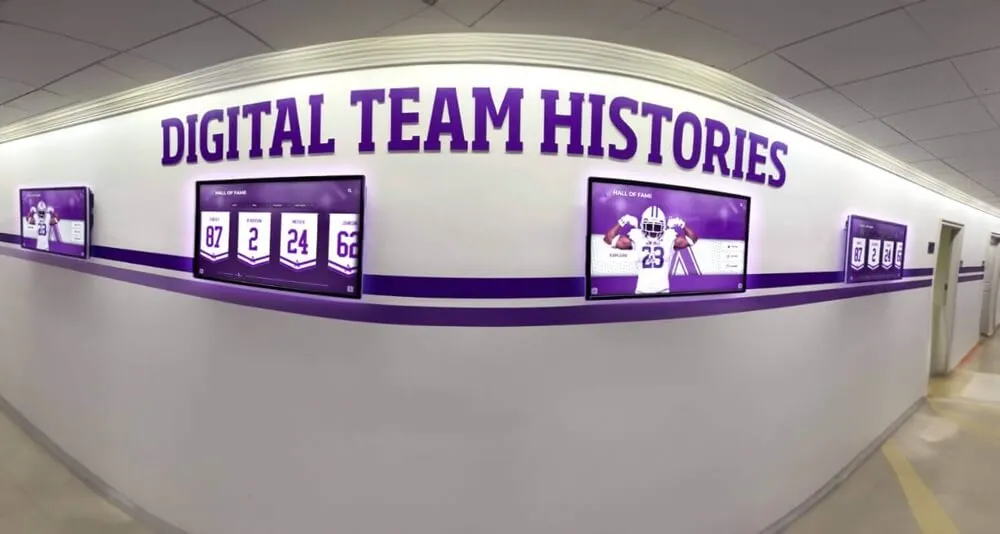
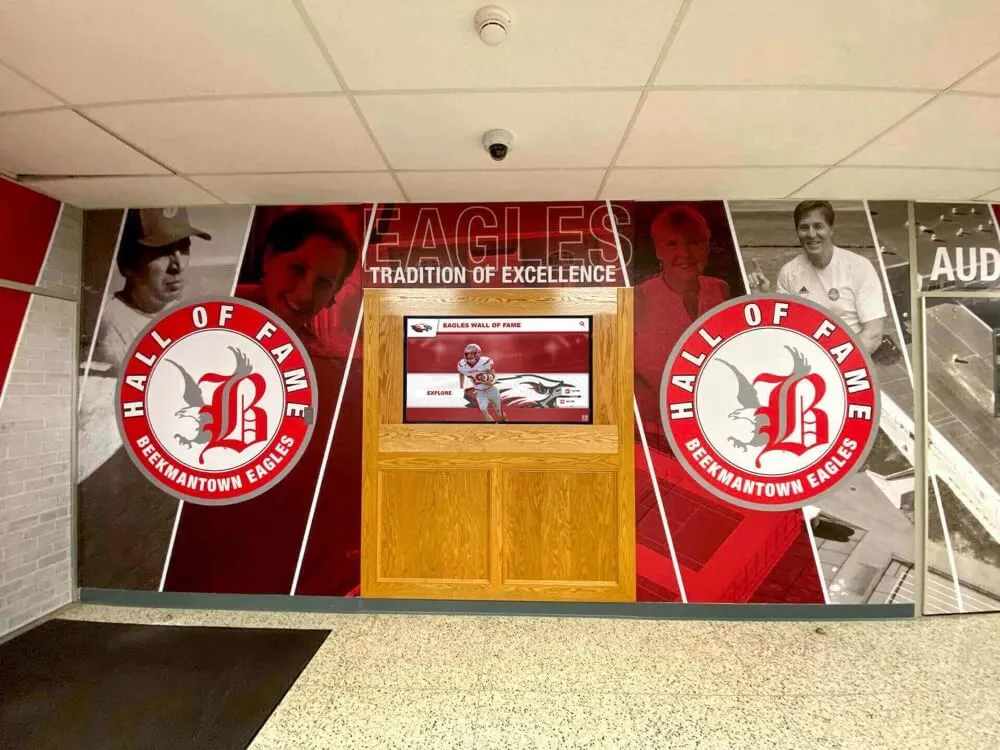
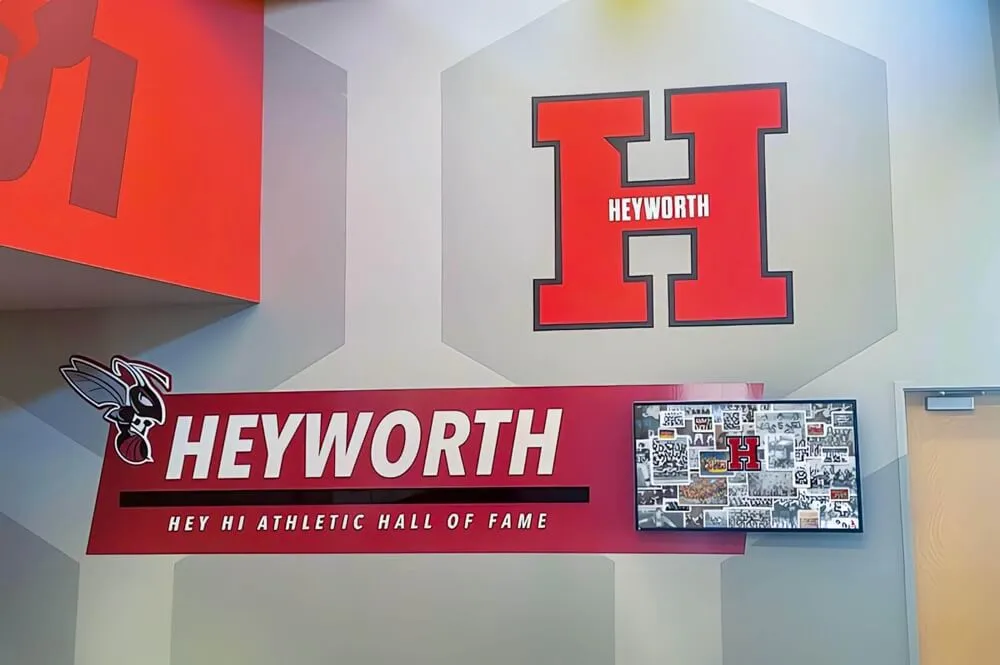
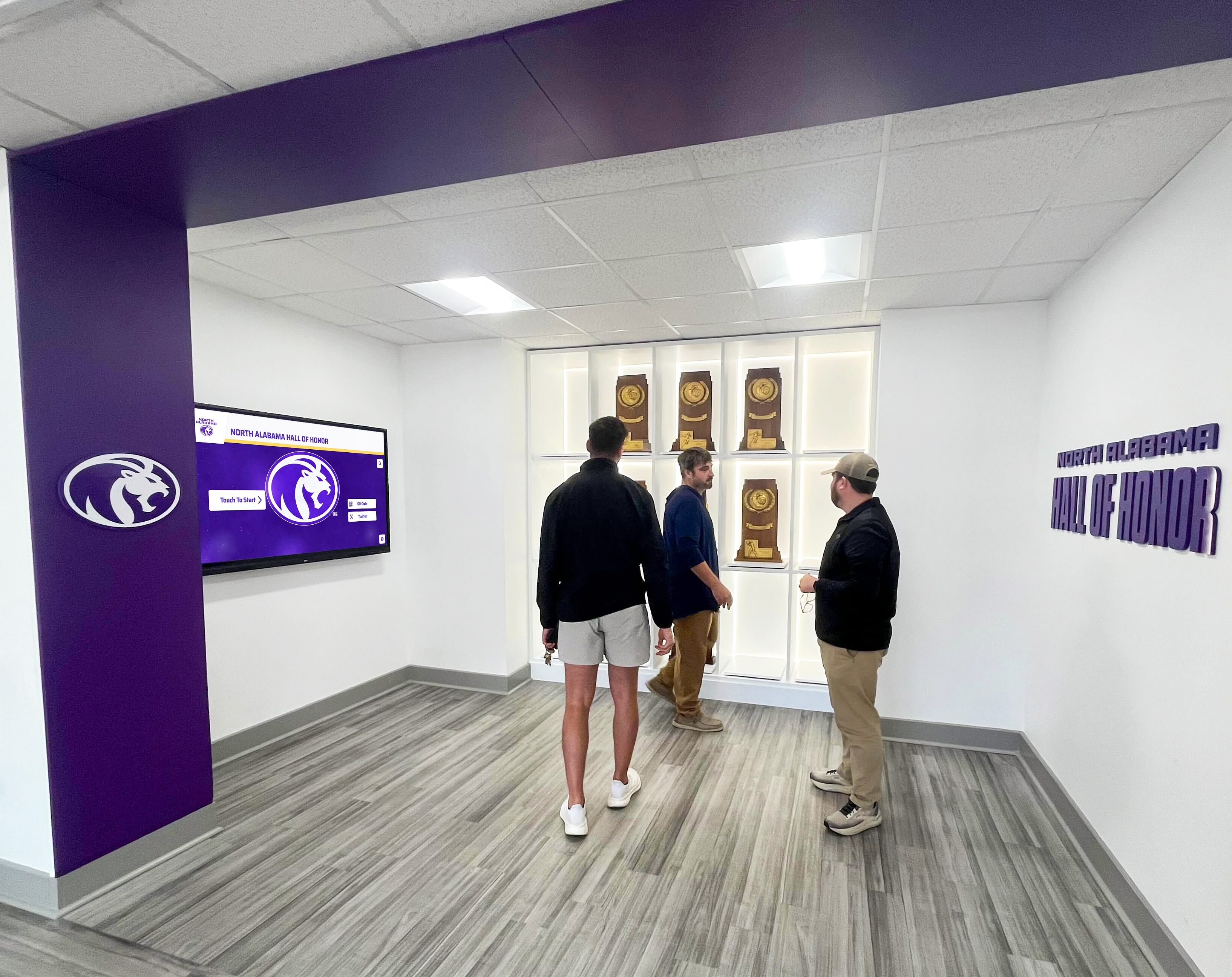
Many athletic departments complement these major ceremonies with modern digital recognition systems that provide ongoing visibility for athlete achievements throughout the year, reducing pressure to cover every accomplishment during banquet speeches.
Special Recognition Events
Some banquets serve specific purposes beyond routine season-ending celebrations: hall of fame induction ceremonies, championship celebration banquets, senior athlete recognition nights, or milestone achievement events. These occasions demand speeches aligned with their unique purposes.
Hall of Fame Inductions: Focus on inductees’ competitive achievements, lasting program impact, character and leadership, and connections between honorees’ eras and current programs. These speeches balance nostalgia with forward-looking inspiration, connecting past excellence to current and future achievement.
Championship Celebrations: Acknowledge the exceptional achievement while keeping perspective about sport’s role in broader development. Championship speeches should celebrate the accomplishment authentically without suggesting that competitive success defines athlete worth or represents the experience’s most important dimension.
Structuring Your Sports Banquet Speech
Effective sports banquet speeches follow clear structural frameworks that guide audiences through your message while maintaining engagement and building toward meaningful conclusions.
The Classic Three-Part Framework
The most reliable speech structure includes a strong opening that captures attention, a substantial middle section delivering your core message, and a memorable conclusion that resonates after the event ends.
Opening (10-15% of speech time): Begin with a hook capturing immediate attention—a brief story, surprising statistic, or thought-provoking question related to your season or program. Avoid generic “I’m honored to be here tonight” openings that waste your critical first moments when audiences are most attentive. Instead, launch directly into engaging content that signals your speech will offer substance worth their attention.
Your opening should establish the speech’s tone and theme while providing context for what follows. For a season-ending team banquet, you might open with a pivotal season moment that encapsulates your team’s character or journey. For an all-sports ceremony, consider a universal athletic principle or value that connects diverse programs.
Middle Section (70-80% of speech time): The body of your speech delivers your core content through 2-4 main points or themes rather than attempting to cover everything. Common organizational approaches include chronological season recaps moving from preseason through postseason, thematic organization around 3-4 key values or lessons from the season, recognition tiers moving from team-wide acknowledgments to individual honors, or comparative frameworks contrasting where you started versus where you finished.
Within this structure, balance statistics and competitive results with stories and personal recognition. Numbers provide concrete validation of achievement, but stories create emotional connections and lasting memories. The wrestler who won the regional championship appreciates that accomplishment being announced, but she’ll remember forever the story you tell about the specific moment in the third period when her conditioning work paid off and she broke her opponent’s will.
Conclusion (10-15% of speech time): Your closing should synthesize your main themes into a clear takeaway message while ending on an inspirational or forward-looking note. Avoid trailing off with “I guess that’s all I have” or making false endings where you appear to conclude but continue talking. Instead, signal clearly that you’re concluding, deliver your final message with conviction, and stop speaking while audiences are still engaged rather than exhausted.
The Story-Driven Approach
Some effective sports banquet speeches organize entirely around storytelling rather than formal structures. This approach works particularly well for coaches with strong narrative skills speaking to smaller, team-specific audiences.
Framework: Select 3-5 stories from your season that illustrate different themes or values, tell each story with specific detail and emotional authenticity, connect each story explicitly to broader lessons or principles, and weave individual recognition throughout the stories rather than listing it separately.
The story-driven approach creates natural engagement since humans are neurologically wired to follow narratives. However, it demands actual storytelling skill—establishing scenes, building tension, delivering satisfying resolutions—that not all speakers possess. If you’re uncertain about your narrative abilities, the classic three-part structure offers safer footing.
Recognition-Focused Formats
Banquets emphasizing individual award presentation often follow structures where recognition drives organization. The speech becomes the connective tissue between awards rather than a standalone address.
Framework: Provide brief opening remarks establishing context and themes, present individual awards with personalized comments for each recipient, offer transition commentary between award categories explaining their significance, and conclude with unified closing remarks after final awards.
This format works well when your ceremony includes numerous formal awards requiring individual presentation. However, ensure your transitional commentary provides substance beyond filler between names. Each award category offers opportunities to discuss what that particular recognition values and why it matters to your program.
Sports Banquet Speech Content Ideas
With structural frameworks established, what specific content creates engaging, meaningful sports banquet addresses? These content categories provide material for speeches across different banquet types and audiences.
Season Journey and Milestone Moments
Chronicling your season’s journey provides natural speech content that resonates with athletes and families who lived that journey alongside you. However, simple chronological recitation of games and scores quickly becomes tedious. Instead, select pivotal moments that shaped your season’s arc.
What to Include: The practice or moment when your team identity crystallized, the game that revealed your team’s character through adversity, the unexpected setback that tested your collective resilience, the breakthrough performance that validated your preparation approach, the senior leadership moment that defined your program culture, and the season-ending reflection that provides perspective on the whole journey.
Frame these moments as stories with specific details rather than general summaries. Don’t say “Our overtime win against Central was exciting.” Instead: “With 4.2 seconds left and Central up by two, Jamal caught the inbounds pass, took three dribbles, and launched from twenty-three feet. I can still see every rotation of that ball. When it dropped through—nothing but net—our bench exploded. But what I’ll remember most is how Jamal sprinted directly to Marcus to celebrate, because Marcus had spent twenty minutes after every practice for two weeks helping Jamal refine that exact shot.”
Individual Recognition and Achievement
Athletes and families attend banquets primarily to hear their specific contributions acknowledged. Generic “everyone worked hard” platitudes fail to create meaningful recognition.
Effective Recognition Approaches: Use specific statistics and accomplishments—“Sarah led our team in assists with 47 while maintaining a 3.2 assist-to-turnover ratio”—rather than vague praise. Acknowledge improvement and growth, not just terminal achievement—“When Jake joined varsity as a sophomore, he could barely bench press the bar; this season he became our strongest player at 275 pounds while reducing his 40-yard dash time by .4 seconds.” Recognize contributions beyond statistics—the practice player who elevated your starters daily, the vocal leader who maintained positivity during losing streaks, the mentor who helped younger players develop.
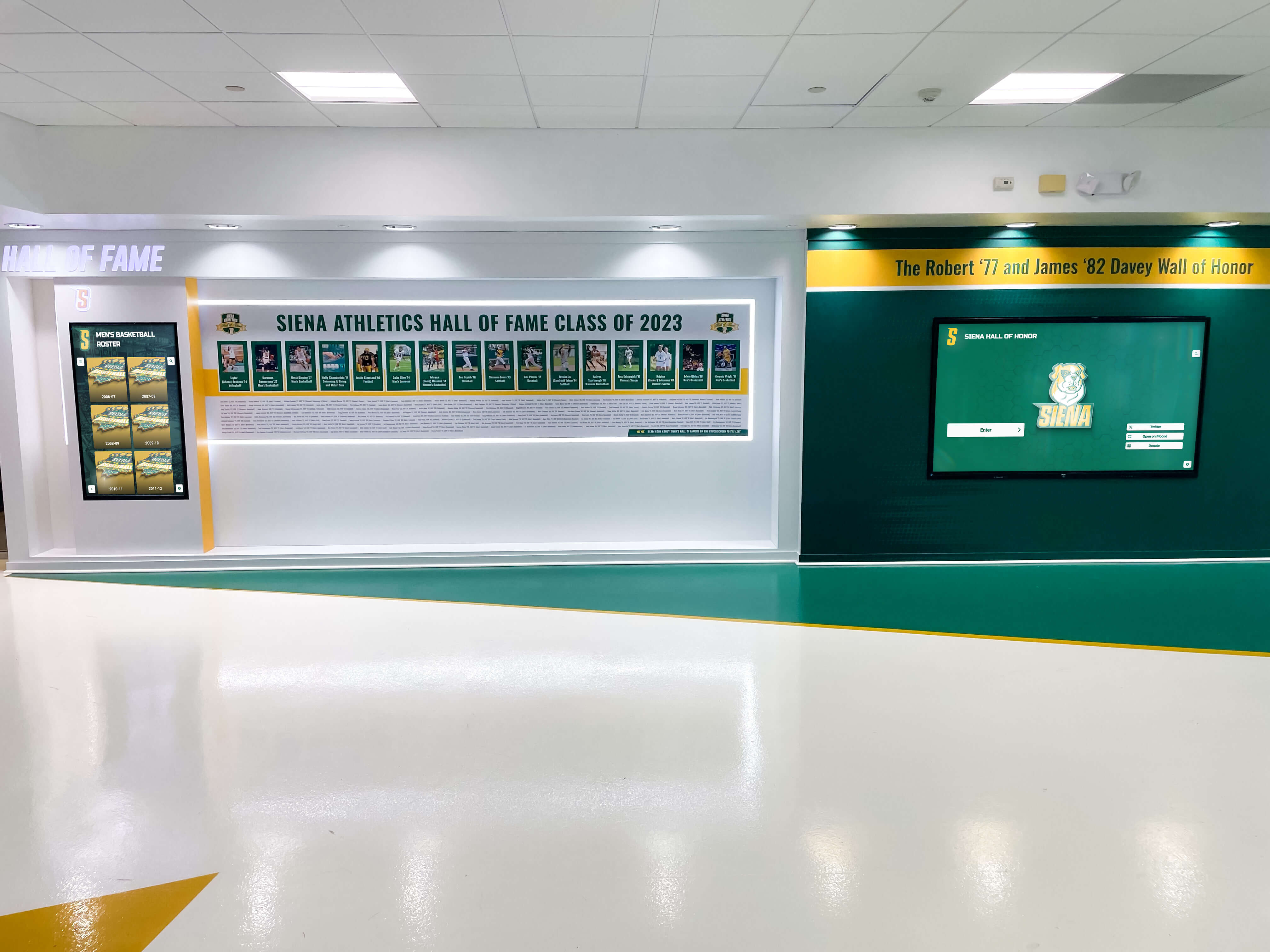
Modern athletic programs increasingly use comprehensive digital recognition systems that showcase individual achievements year-round, allowing banquet speeches to focus on meaning and context rather than simply reciting accomplishments.
Share the “why behind the stats”—what makes this achievement particularly impressive or meaningful in context. A .300 batting average sounds good; explaining that this player hit .300 despite being walked intentionally fourteen times because opponents feared her hitting reveals the respect she commanded.
Life Lessons and Character Development
The most memorable sports banquet speeches connect athletic experiences to broader life principles that athletes will carry beyond their playing careers.
Universal Athletic Lessons: How adversity reveals and builds character, why process matters more than outcomes, the relationship between preparation and performance, how individual excellence requires team support, why setback responses matter more than setbacks themselves, and the difference between talent and work ethic in determining success.
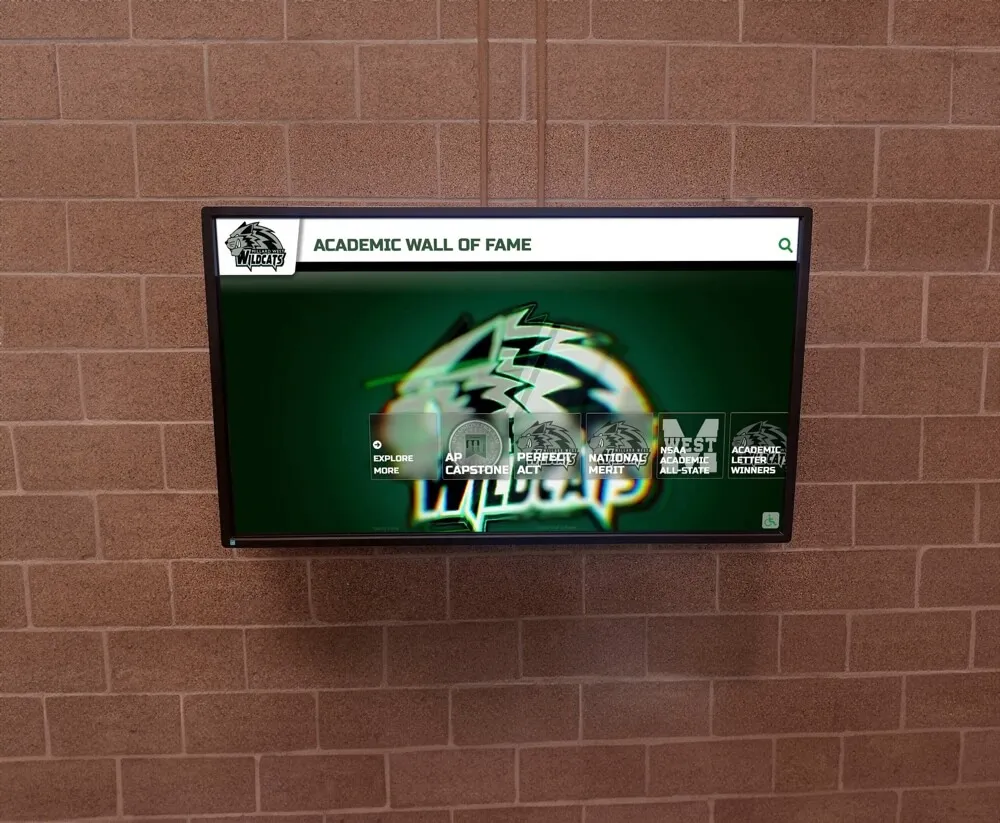
These themes resonate because everyone—athletes, parents, administrators—understands that sports’ ultimate value lies in character development and life skill acquisition rather than won-loss records or championship trophies. Programs emphasizing these developmental dimensions often implement academic recognition programs alongside athletic achievement acknowledgment.
However, avoid heavy-handed moralizing or clichéd sports-builds-character platitudes. Instead, identify specific moments from your season that genuinely illustrated these principles, then let the stories carry the lessons implicitly. Show, don’t tell.
Acknowledgment of Support Systems
Athletes don’t develop in isolation. Effective sports banquet speeches acknowledge the support systems enabling athletic participation and success.
Recognition Categories: Thank families for their sacrifices—financial costs, time commitments, transportation logistics, and emotional support through ups and downs. Acknowledge assistant coaches, trainers, equipment managers, and support staff whose work often goes unrecognized publicly. Recognize booster organizations, donors, and community supporters who fund your program. Thank administrators who support athletics despite budget pressures and competing priorities.
Many athletic directors implement donor stewardship calendars that provide regular recognition touchpoints throughout the year, though banquets offer particularly meaningful public acknowledgment opportunities.
These acknowledgments serve both courtesy and strategic purposes. Thanking people publicly reinforces their value and encourages continued support. Parents who feel appreciated are more likely to volunteer for next season’s booster club. Boosters who receive genuine recognition are more inclined to renew or increase their giving.
Senior Recognition and Transitions
Season-ending banquets typically include special recognition for departing seniors whose contributions shaped your program. These moments demand particular care since they’re often emotional for athletes, families, and coaches.
Senior Recognition Elements: Acknowledge each senior’s specific contributions and achievements across their career, share a personal story or memory highlighting their unique personality or impact, recognize their growth from when they joined your program to now, thank them for their leadership and example to younger athletes, and offer brief advice or wishes for their future beyond your program.
Personalization matters enormously here. Generic “We’ll miss you and good luck” remarks feel perfunctory and forgettable. Instead, demonstrate that you genuinely know each senior as an individual—their quirks, their struggles, their breakthroughs, their relationships with teammates. This specificity communicates that they mattered beyond just their athletic production.
For seniors moving on to college athletics, acknowledge their achievement while maintaining perspective that most athletes will complete their competitive careers. Balance celebration of continued athletic opportunities with affirmation that their worth extends beyond sports success.
Looking Forward to Next Season
After celebrating the completed season and honoring departing seniors, effective speeches often close by looking forward to upcoming seasons, particularly when addressing returning athletes.
Forward-Looking Elements: Establish goals or aspirations for the next season, identify returning talent and leadership, acknowledge the challenge of replacing departing seniors, express confidence in returning athletes’ potential, and issue a call to action for off-season preparation and commitment.
This forward orientation prevents your speech from feeling like a conclusion to something ending, reframing it instead as a transition point within an ongoing program journey. Returning athletes should leave your banquet feeling inspired about next season rather than merely nostalgic about the one just completed.
Delivery Strategies for Maximum Impact
Content matters, but delivery determines whether your well-crafted speech actually connects with audiences. These strategies help you present your remarks effectively.
Preparation and Practice
The “I’ll just speak from the heart” approach rarely produces strong speeches. Even experienced speakers benefit from thorough preparation.
Preparation Steps: Write out your complete speech or detailed talking points, practice delivering it aloud multiple times before the event, time your speech to ensure appropriate length (typically 8-12 minutes for team banquets, 6-8 minutes for all-sports ceremonies where multiple speakers present), anticipate emotional moments where you might struggle and prepare accordingly, and confirm pronunciation of all athlete names and any unfamiliar terms.
Practice doesn’t mean memorizing every word verbatim, which often produces stiff, over-rehearsed delivery. Instead, internalize your speech’s structure and key points so thoroughly that you can deliver them conversationally while maintaining flexibility to adjust based on audience response.
Managing Length and Pacing
Nothing undermines an otherwise strong speech faster than excessive length. Audiences expect concise remarks acknowledging that they’re gathered primarily for recognition and celebration rather than extended oratory.
Length Guidelines: Team-specific banquets: 10-15 minutes maximum for head coach remarks, all-sports ceremonies: 6-8 minutes for athletic director opening/closing addresses, individual award presentations: 30-60 seconds of personalized comments per recipient, and guest speaker keynotes: 15-20 minutes maximum.
These guidelines assume your banquet includes other elements—award presentations, video tributes, multiple speakers. If you’re delivering the only substantial remarks, slightly longer speeches may be appropriate. However, shorter is almost always better than longer. An 8-minute speech that leaves audiences wanting more outperforms a 20-minute address that exhausts their attention.
Monitor your pacing during delivery. Nerves often accelerate speaking rate, causing important points to rush past before audiences fully absorb them. Deliberately pause between major sections and after important statements, giving audiences time to process your words.
Emotional Authenticity and Vulnerability
The most powerful sports banquet speeches include genuine emotion—coaches who allow themselves to become misty acknowledging departing seniors, speakers who pause to compose themselves when recounting difficult moments. This vulnerability creates connection and authenticity.
However, balance emotional authenticity with maintaining composure sufficient to complete your remarks. If you suspect you’ll struggle emotionally during certain sections, prepare strategies to manage those moments: have water available and take a deliberate sip when you need pause time, write out emotional sections more fully so you can rely on notes if speaking extemporaneously becomes difficult, or place emotional content earlier in your speech when you’re more composed, saving less emotionally charged material for later when fatigue might reduce your control.
Don’t apologize for emotion—“Sorry, I’m getting emotional here”—which diminishes rather than enhances the moment. Instead, simply pause, gather yourself, and continue. Audiences understand and appreciate authentic feeling.
Using Humor Appropriately
Well-placed humor can make speeches memorable and enjoyable, but poorly executed jokes can offend audiences or undermine your message.
Humor Guidelines: Use self-deprecating humor rather than jokes at others’ expense, reference shared experiences and inside jokes your specific audience understands, keep humor brief—a quick quip rather than extended comedy routines, ensure jokes are genuinely appropriate for diverse audiences including young children and grandparents, and never use humor that could be perceived as mocking athletes, even playfully.
The safest humor references your own coaching mistakes, universal parenting experiences families relate to, or gentle absurdities of youth sports culture. Avoid anything touching sensitive topics like academics, body image, playing time disputes, or interpersonal conflicts.
Handling Technical Elements
Most banquets involve microphones, PowerPoint presentations, video tributes, or other technical elements requiring coordination.
Technical Considerations: Arrive early to test microphone volume and positioning, prepare backup plans for technology failures—printed notes if your laptop crashes, ability to proceed without slides if projectors fail, coordinate with event organizers about when and how awards will be physically presented, and practice transitions between speech segments and video/audio elements.
If your speech includes slides, ensure they enhance rather than distract from your message. Avoid text-heavy slides that audiences read instead of listening to you. Instead, use images, brief statistics, or simple graphics that complement your words visually.
Common Sports Banquet Speech Mistakes to Avoid
Even experienced speakers can fall into predictable traps that undermine otherwise solid speeches. Awareness of these common mistakes helps you avoid them.
Excessive Length and Rambling
The single most common banquet speech failure involves speaking too long. Coaches passionate about their athletes often struggle to limit remarks, convinced that every moment and every athlete deserves extensive mention. This instinct is admirable but misguided.
Why Length Kills Engagement: Attention spans have limits. Beyond 12-15 minutes, even captive audiences begin mentally checking out. Young athletes grow restless. Parents start checking phones. Your most important points—typically saved for conclusions—get delivered to increasingly inattentive listeners.
Long speeches also delay recognition, which most attendees prioritize over remarks. When your 20-minute speech precedes the individual awards families came to witness, you’ve positioned yourself between audiences and what they actually want.
Solutions: Write your speech, then cut 20-30% of content, ruthlessly eliminating redundancy and tangents. Time yourself during practice and enforce strict limits. Consider whether some content might work better in printed programs rather than spoken remarks.
Generic Recognition and Clichés
“Everyone gave 110% this season. You should all be proud. This team showed great heart and determination.” These empty clichés communicate nothing specific or meaningful.
Why Generic Fails: Athletes and families immediately recognize generic praise as insincere or lazy. If your recognition could apply equally to any team in any sport, it fails to honor what made your specific team and individuals unique.
Generic recognition also wastes opportunities to make athletes feel genuinely seen and valued. The backup linebacker who rarely played craves acknowledgment of his specific contributions—perhaps his practice effort that improved starters, or his positive attitude despite limited playing time. Lumping him into generic “everyone worked hard” praise misses the chance to make him feel individually valued.
Solutions: Prepare notes about specific contributions from every athlete on your roster, not just stars and regular starters. Include at least one specific detail—a statistic, an anecdote, a character trait—when recognizing each athlete by name. Programs using comprehensive digital displays for athletic achievement can reference those systems while sharing the stories behind the statistics.
Inappropriate Humor or Inside References
Jokes that seem hilarious in the locker room often land very differently when delivered before audiences including parents, younger siblings, school administrators, and community members.
Problematic Humor: References to team hazing or initiation rituals, even if innocent in reality, jokes about drinking or partying, humor involving body image, weight, or physical appearance, inside jokes so obscure that 90% of your audience feels excluded, and sarcasm or teasing that could be misinterpreted without your usual context and tone.
Solutions: If you have any doubt about whether something is appropriate, cut it. The risk of offending audiences or creating awkward moments far outweighs the benefit of getting a laugh. Run your speech by a colleague for objective feedback about anything potentially problematic.
Over-Focusing on Won-Loss Records
While competitive results deserve acknowledgment, speeches obsessing over won-loss records or championship outcomes risk suggesting that only winning teams or athletes achieved anything meaningful.
Particularly in end-of-season banquets for teams that struggled competitively, dwelling on disappointing records creates deflation rather than celebration. These teams need speeches emphasizing growth, effort, and non-competitive achievements rather than lamenting what they didn’t accomplish.
Solutions: Lead with values and character development, using competitive results as evidence rather than the core message. Frame competitive disappointments as growth opportunities rather than failures. Emphasize individual improvement and team bonding alongside won-loss records. For struggling teams, consider focusing your speech almost entirely on what was gained—relationships, lessons, skill development—rather than competitive results.
Neglecting Proper Acknowledgments
Failing to thank key contributors—assistant coaches, trainers, boosters, administrators—creates hurt feelings and potentially damages relationships crucial to your program’s success.
Create a written list of everyone who should be acknowledged, checking it against your speech draft to ensure no significant omissions. Consider the political and relationship implications of your recognition. If you thank the booster club president by name but not the athletic director who actually approves your budget, you’ve created an awkward dynamic.
Creating Lasting Impact Beyond the Speech
The most effective coaches and athletic directors understand that banquet speeches represent just one element of comprehensive recognition systems that celebrate achievement throughout the year.
Year-Round Recognition Culture
While annual banquets provide important formal recognition, athletes respond most powerfully to recognition cultures embedded in daily program operations.
Building Recognition Culture: Establish weekly or monthly individual recognition for practice effort, improvement, or character demonstration. Create team traditions around acknowledging specific contributions after competitions. Use digital platforms and social media to celebrate achievements as they happen rather than waiting for year-end ceremonies. Develop end-of-year student recognition programs that extend beyond athletics to acknowledge well-rounded student development.
Programs that recognize athletes consistently throughout seasons reduce pressure on banquet speeches to serve as the sole significant recognition moment. When athletes receive regular acknowledgment, banquet speeches can focus on bigger-picture themes and seasonal synthesis rather than attempting to catalog every achievement.
Digital and Physical Recognition Systems
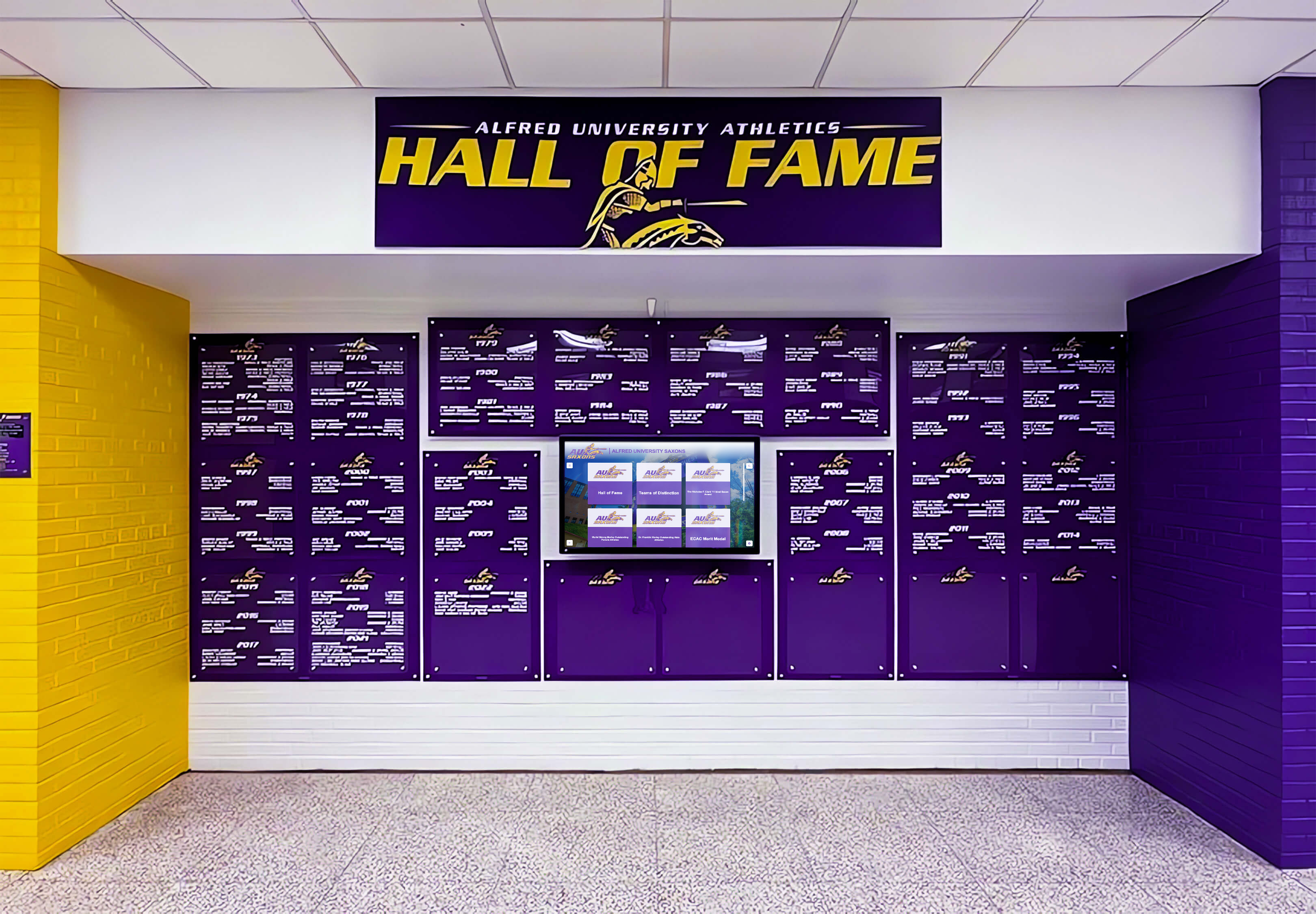
Modern technology enables recognition approaches previous generations couldn’t access. Athletic programs increasingly implement permanent recognition systems that complement annual banquet ceremonies.
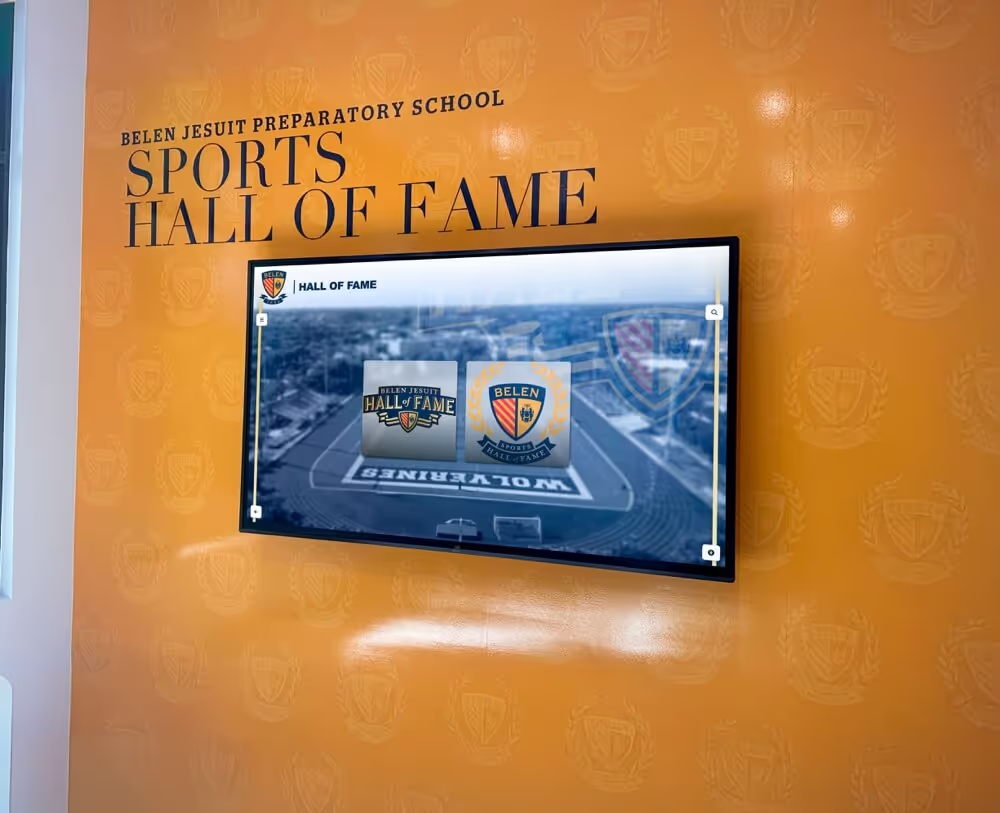
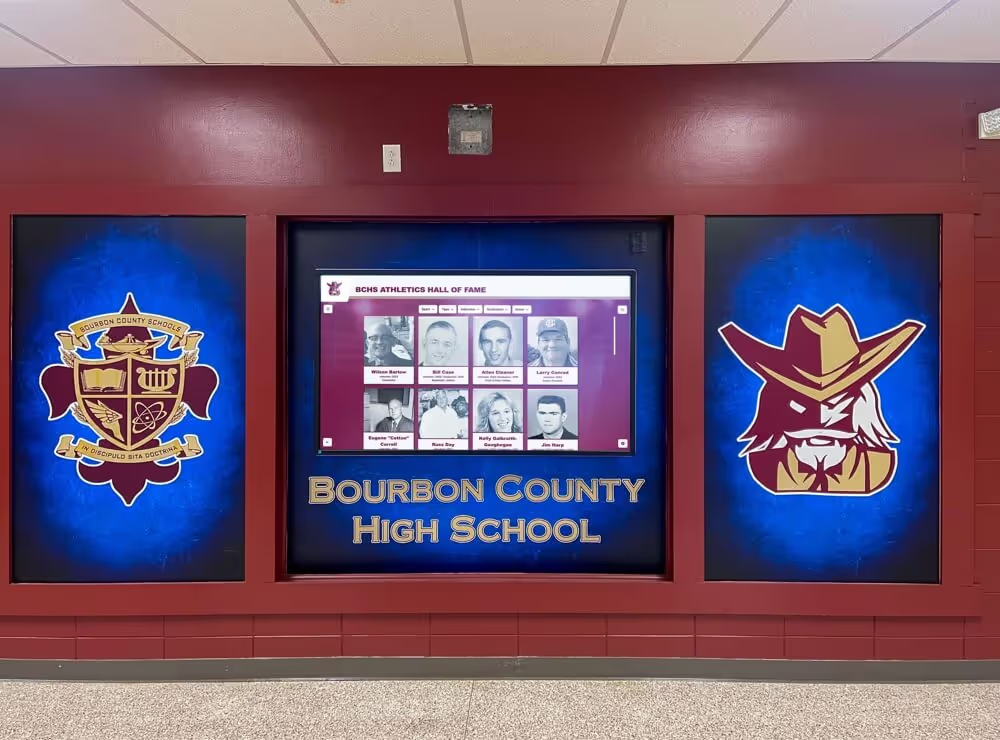
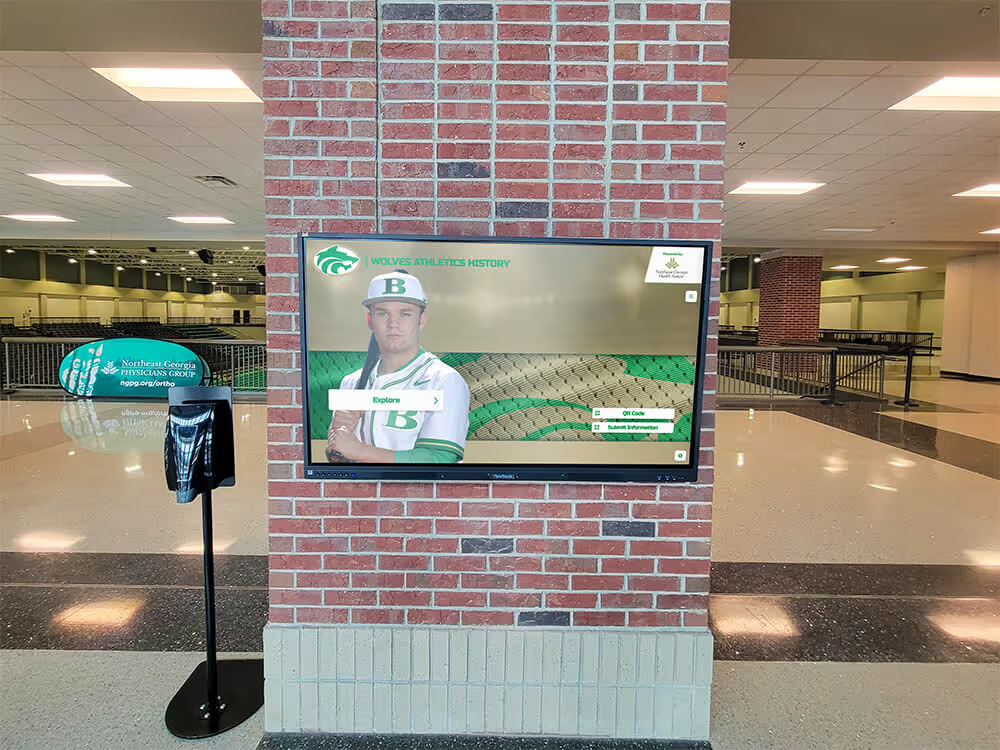
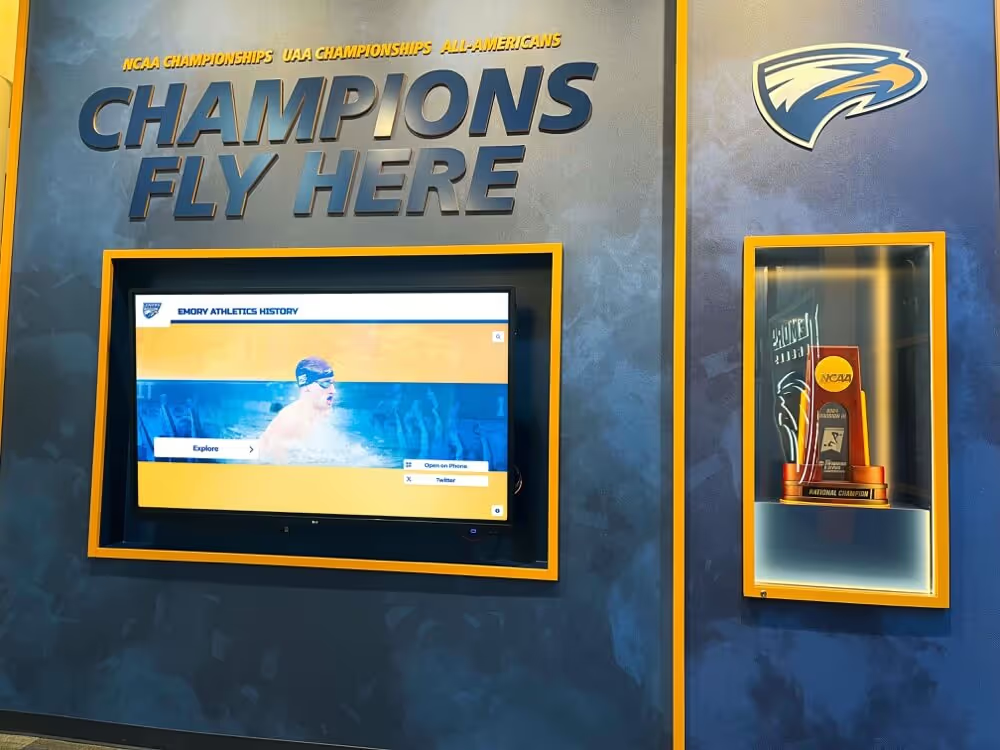
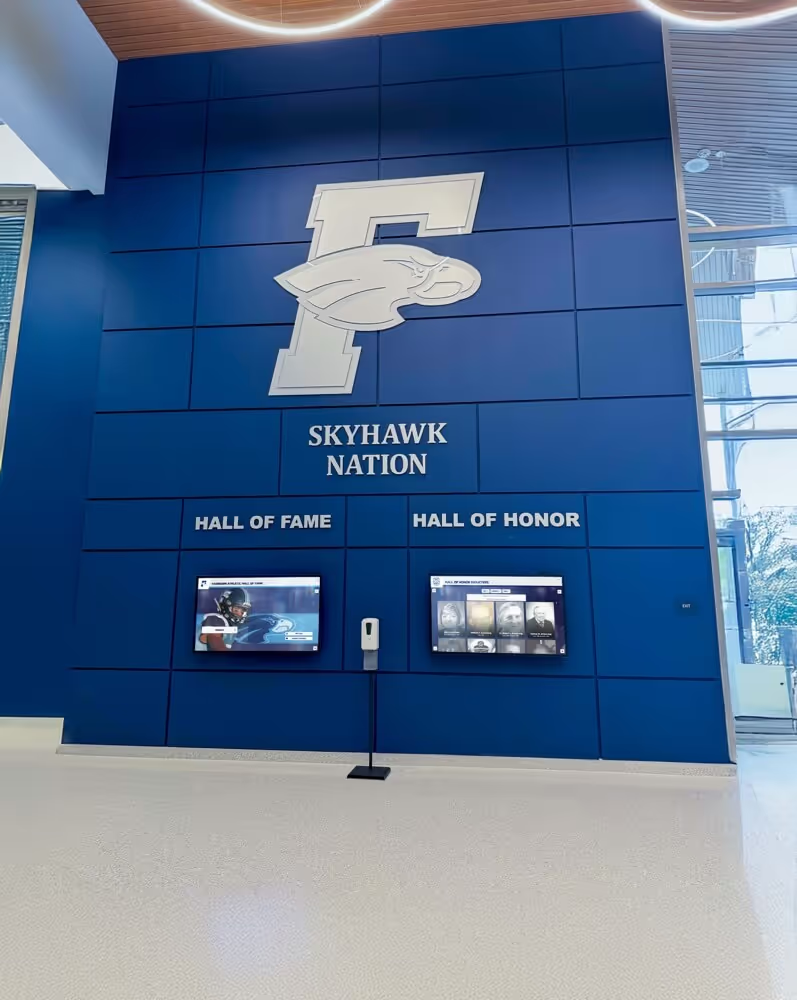
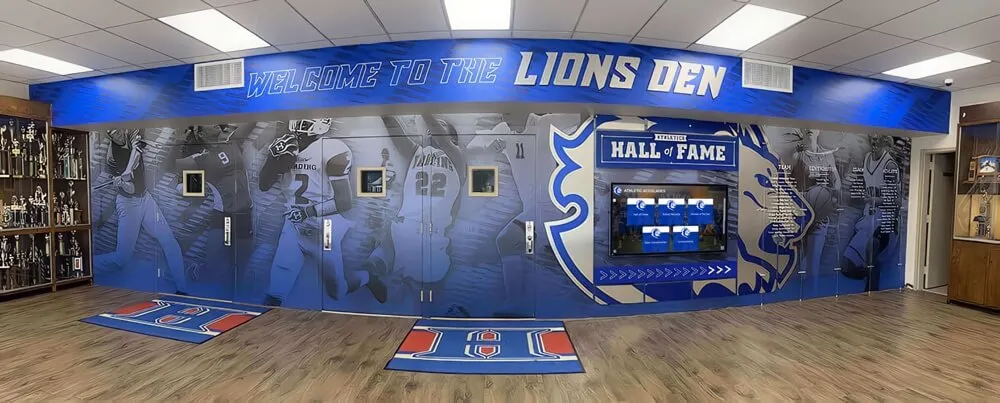
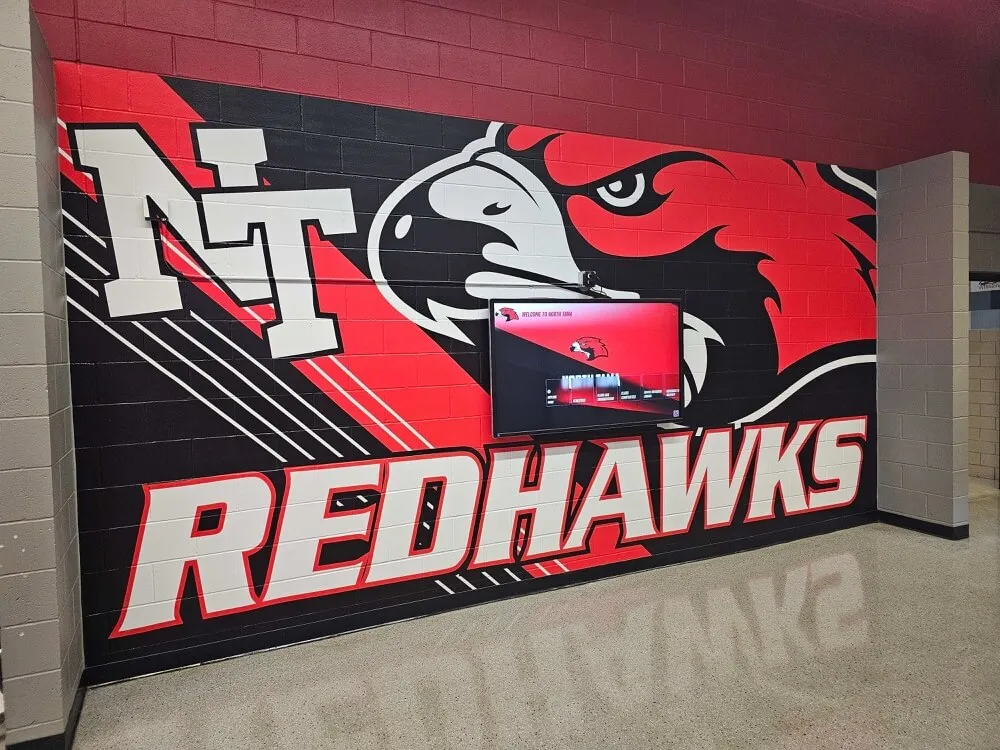
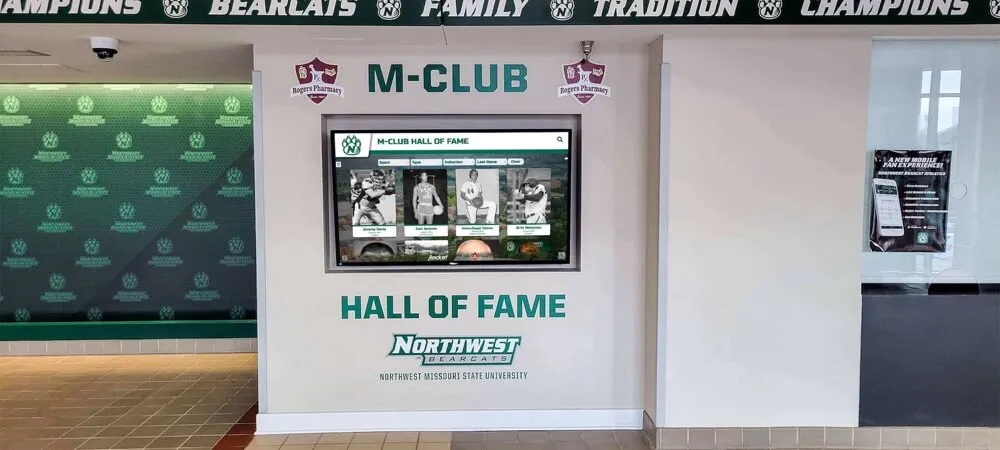
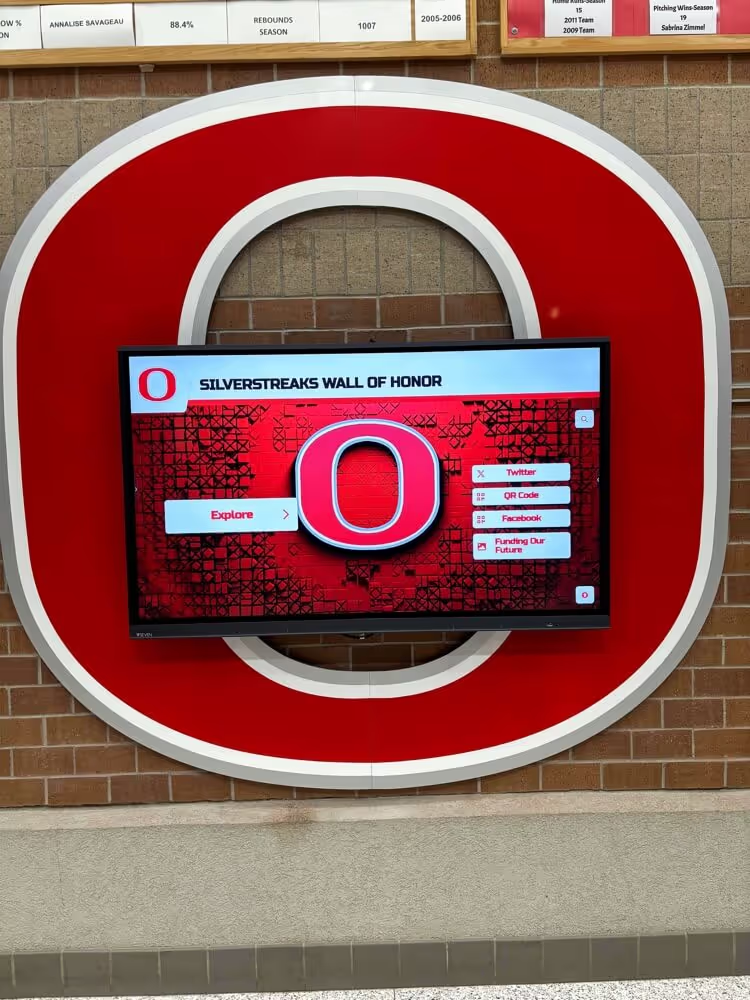
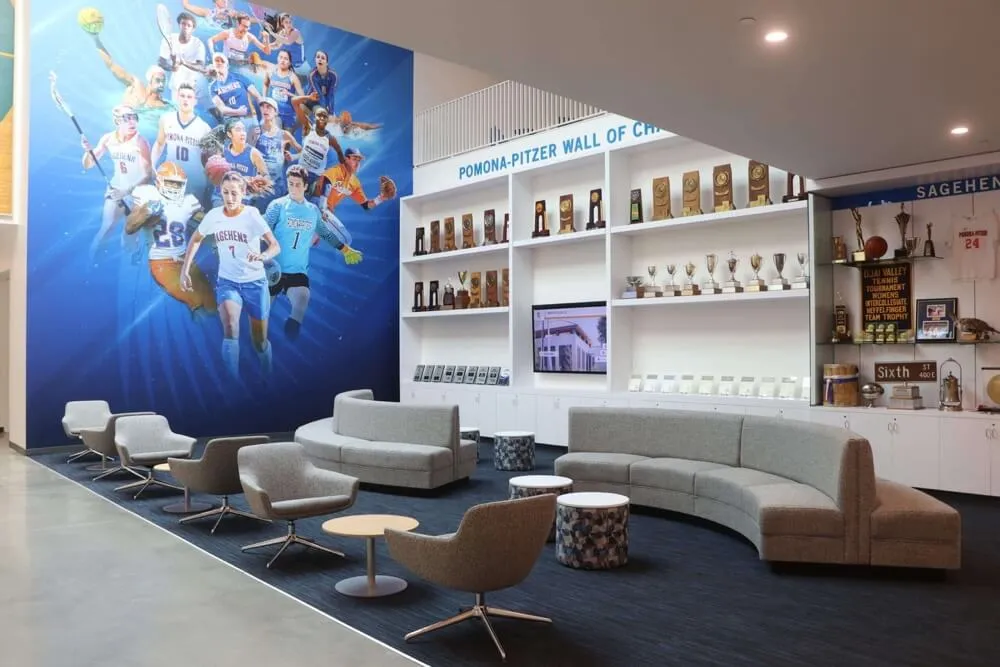
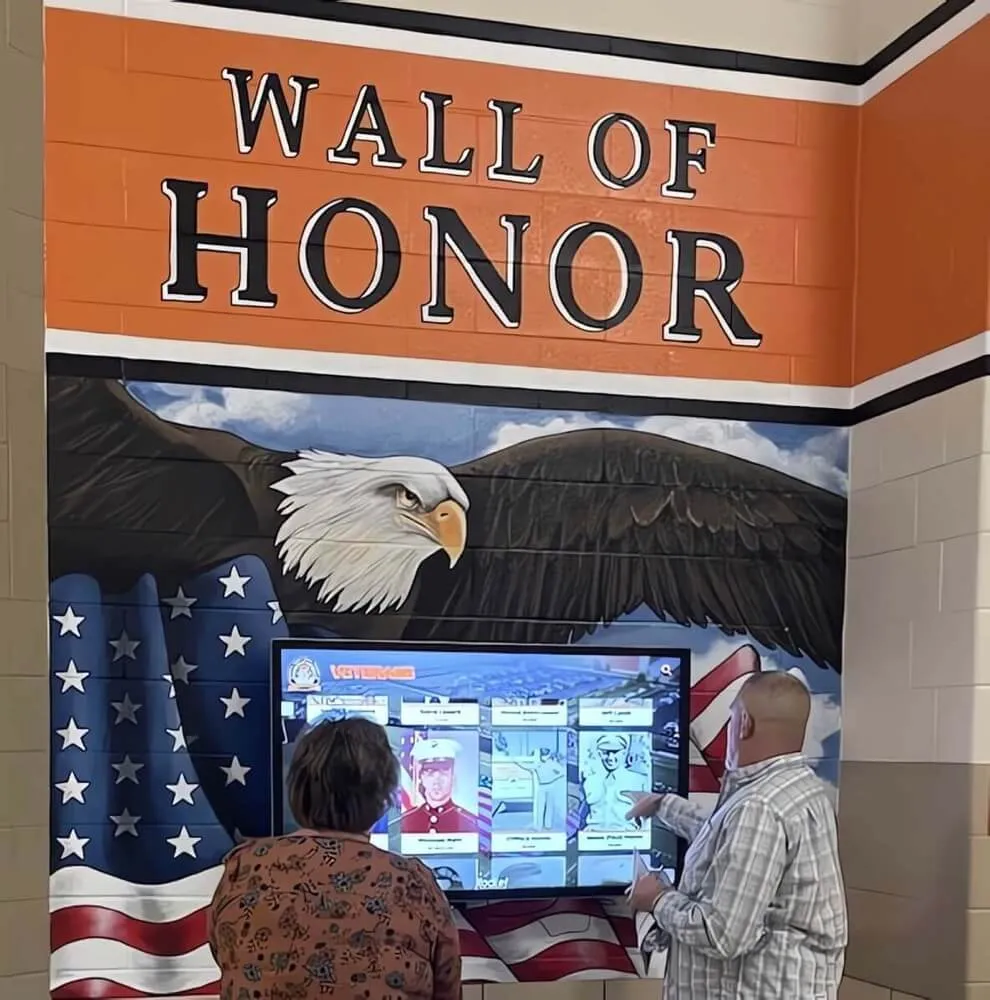
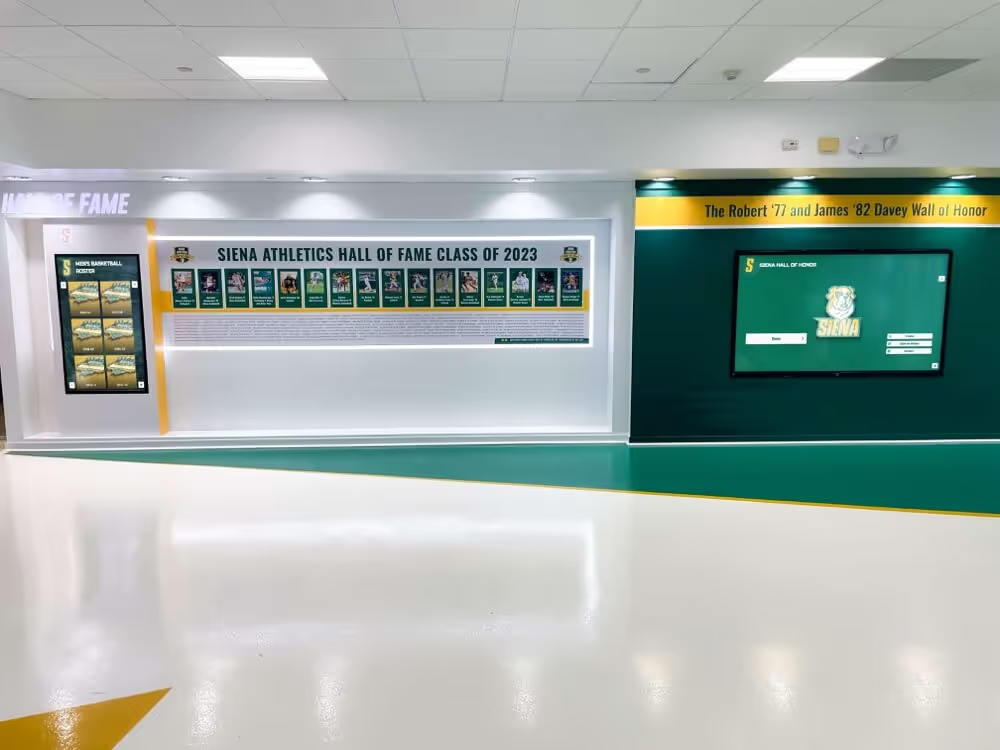
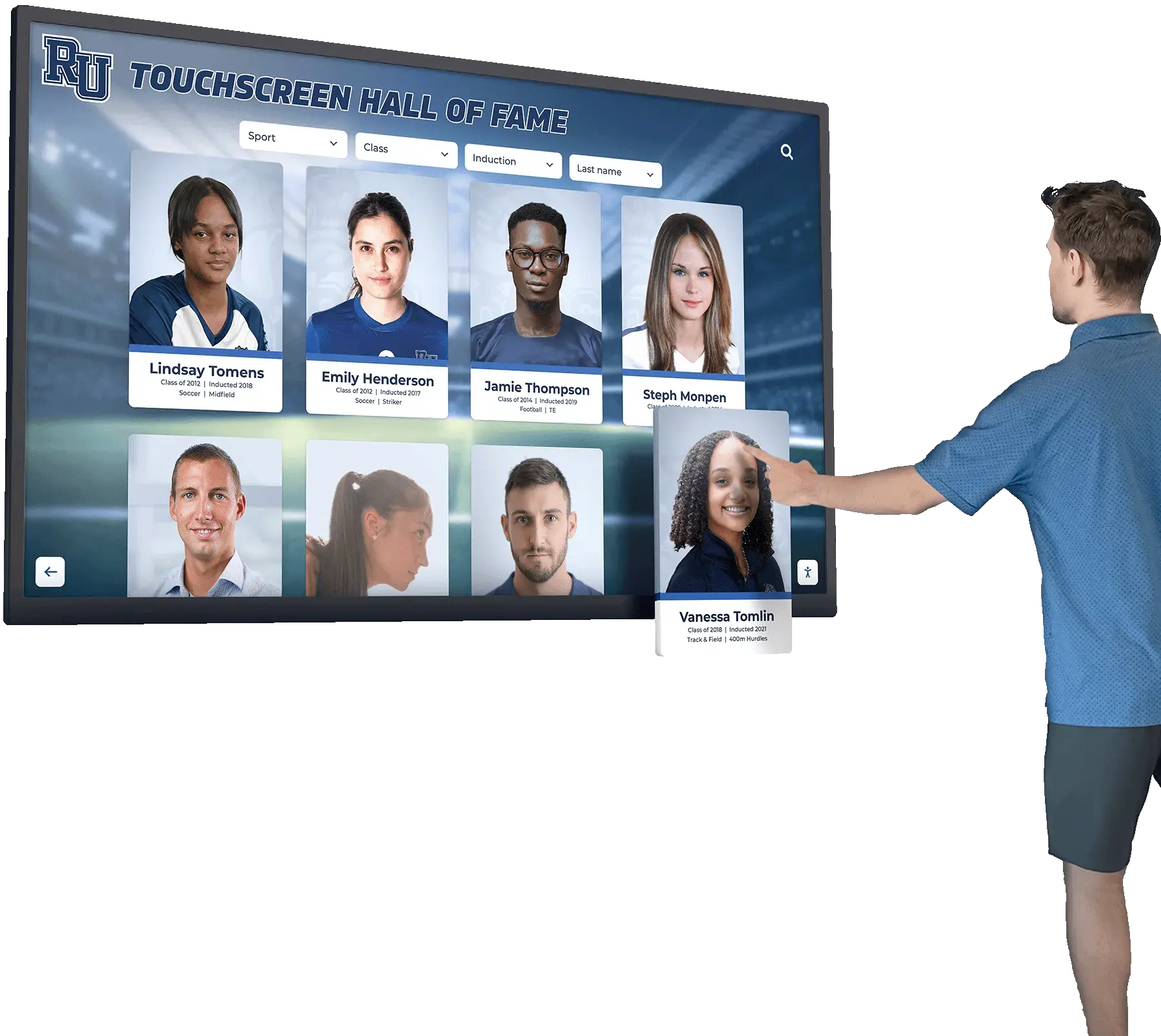
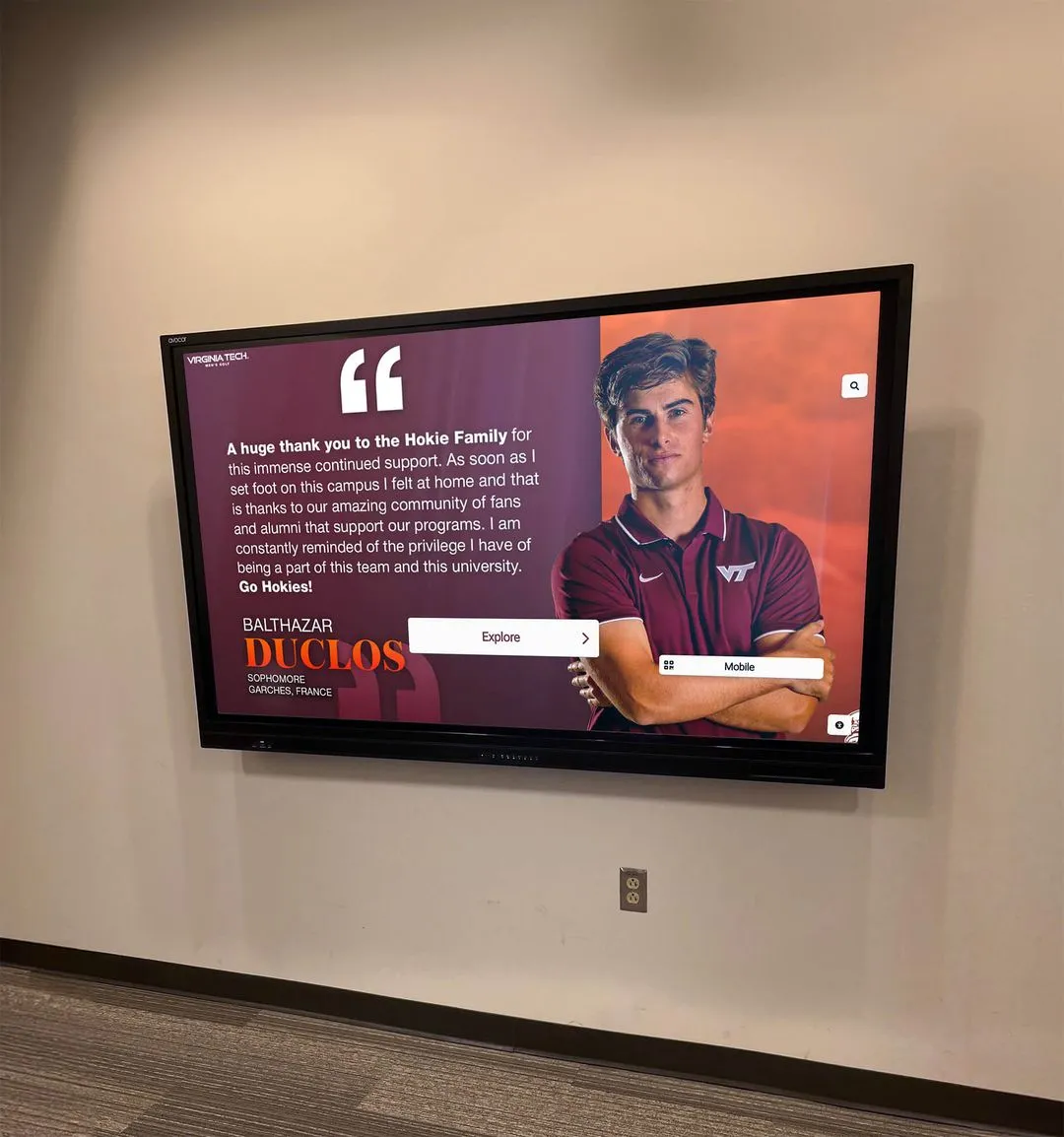
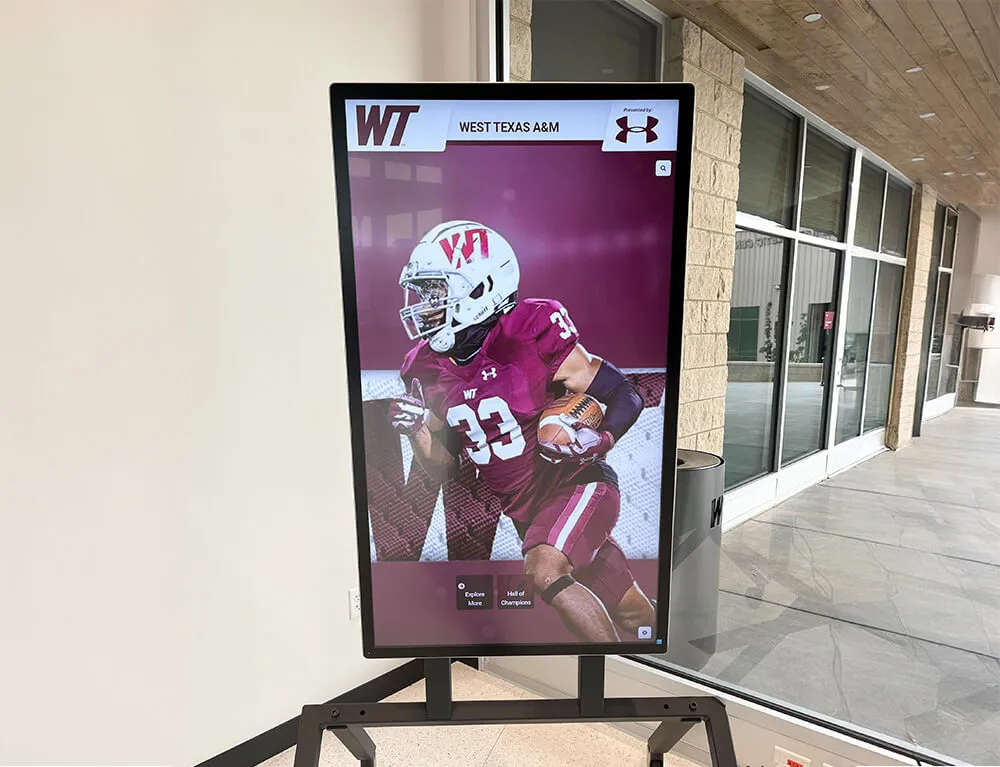
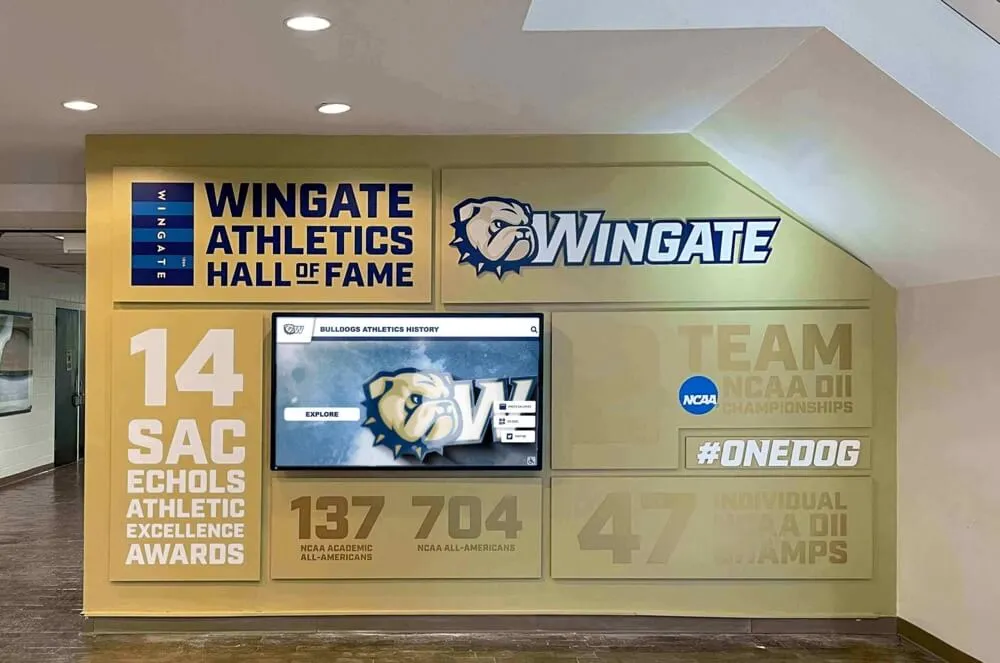
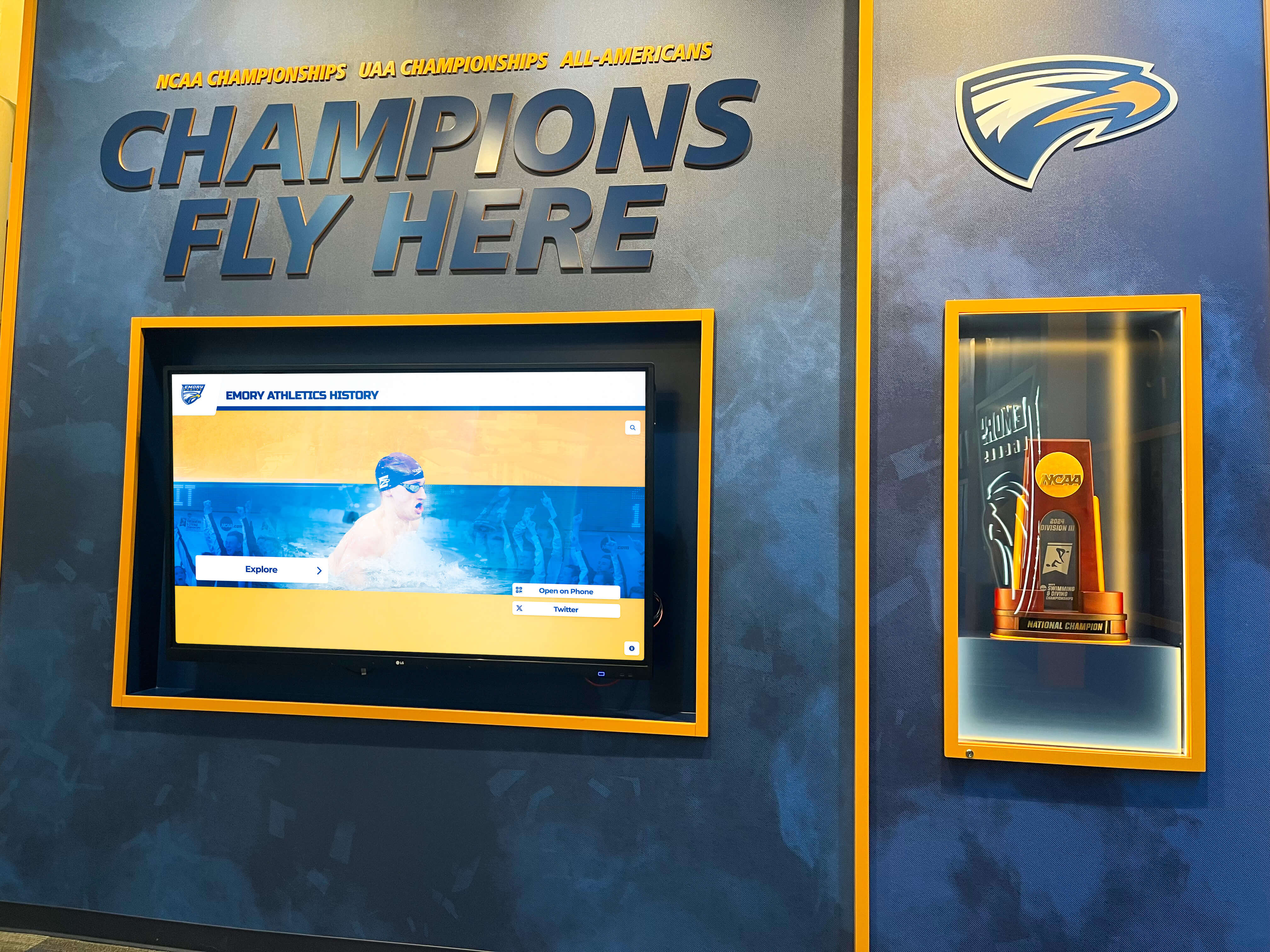
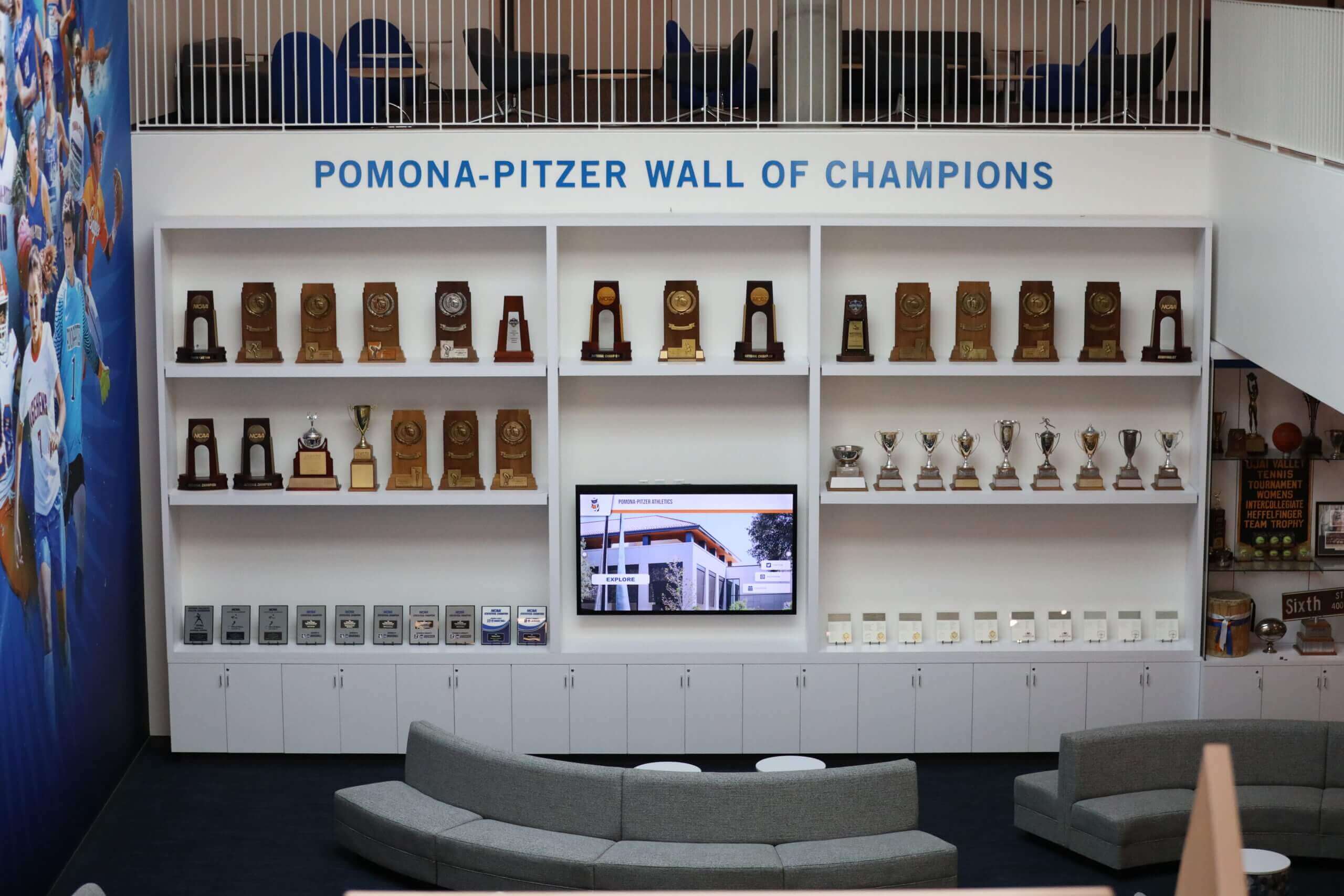
Technology-Enhanced Recognition: Digital displays in athletic facilities showcasing current rosters, statistics, and achievements that update throughout seasons. Interactive touchscreen systems allowing visitors to explore team histories, athlete profiles, and program milestones. Social media platforms sharing regular athlete spotlights and achievement announcements. Video highlight systems preserving key moments and making them accessible long after seasons end.
These systems don’t replace the human connection of personal speeches, but they extend recognition’s reach and longevity. The athlete you recognize in your banquet speech might remember your words for months or years. That same recognition captured in a permanent digital hall of fame display remains visible to future athletes, visiting recruits, and community members indefinitely.
Progressive athletic programs implement college advancement and recognition strategies that create lasting visibility for both athletic and academic achievements, reinforcing the value of well-rounded student development.
Post-Banquet Follow-Through
Your relationship with athletes and families shouldn’t end when your speech concludes. Strategic follow-through after banquets strengthens the impact of your remarks and deepens program connections.
Follow-Through Strategies: Send personalized notes to seniors within a week after the banquet, expanding on your public remarks with additional private encouragement. Share speech excerpts or key points via email to families who couldn’t attend. Post photos and video clips from the banquet on team websites and social media, extending the celebration beyond attendees. Follow up individually with athletes you challenged during your speech to prepare for next season, demonstrating that your remarks represented genuine expectations rather than empty motivation.
These follow-through actions demonstrate that your banquet speech represented authentic feelings and commitments rather than performative ceremony. Athletes notice whether coaches actually meant what they said or merely fulfilled expected speech obligations.
Conclusion: Your Words Shape Athletic Journeys
The sports banquet speech you deliver this spring will shape how athletes remember their seasons, influence whether struggling athletes return next year or quit, affect how families view your program and leadership, and either strengthen or weaken the culture you’ve built through months of daily work. These stakes demand preparation and intentionality that transform potentially routine remarks into powerful moments deserving the athletes you serve.
The most memorable sports banquet speeches balance celebration with inspiration, acknowledge achievement while emphasizing growth, recognize individuals within team contexts, and connect athletic experiences to life lessons extending far beyond playing fields. They’re delivered by coaches and administrators who understand that their words carry weight—that authentically telling a sophomore she demonstrated exceptional leadership during a difficult stretch might shape her self-concept for years, that acknowledging a senior’s perseverance through injury validates struggles he worried went unnoticed, that articulating team values clearly gives athletes language to explain to themselves why their sport participation matters beyond won-loss records.
As you prepare your next sports banquet address, remember that you’re not merely fulfilling a ceremonial obligation or filling time before awards. You’re shaping memories, reinforcing values, and demonstrating through your words whether you genuinely see and value the young athletes who’ve trusted you with a season of their lives. That responsibility deserves your best effort—thoughtful preparation, specific recognition, authentic emotion, and clear articulation of what this season meant and why it mattered.
Your athletes gave you their best on practice fields and in competitions. Your speech represents your opportunity to give them your best in return—words worthy of their effort, recognition honoring their contributions, and inspiration carrying them forward into whatever comes next.
When you invest appropriate time and thought into crafting and delivering a meaningful sports banquet speech, you create an experience athletes and families remember long after trophies tarnish and championship t-shirts fade. That lasting impact represents the true measure of banquet speech success.
Ready to enhance your athletic program’s recognition system beyond annual banquets? Rocket Alumni Solutions provides digital recognition platforms that celebrate athletic achievement year-round through interactive displays, touchscreen systems, and comprehensive halls of fame that preserve your program’s history while inspiring future champions. Discover how modern recognition technology complements your coaching leadership and creates lasting visibility for the athletes, teams, and traditions you work to build.