The program you place in attendees’ hands as they enter your sports banquet sets the tone for the entire evening. A well-designed awards ceremony program transforms a simple event schedule into a meaningful keepsake that families treasure for years, provides essential information that keeps your ceremony running smoothly, and demonstrates the professionalism and care your athletic program brings to recognizing achievement.
Yet many athletic directors and coaches approach program creation as an afterthought—slapping together a basic document hours before the event or skipping printed programs entirely. This missed opportunity leaves attendees confused about ceremony flow, creates logistical challenges when presenting awards, and eliminates a valuable tool for showcasing program accomplishments and building school pride.
This comprehensive guide walks you through creating professional sports banquet programs—from essential content elements and design strategies through printing considerations and modern digital alternatives. Whether you’re developing your first banquet program template or refining established approaches, these proven techniques help you create programs worthy of the athletes and achievements they celebrate.
Essential Sports Banquet Program Components
Effective sports banquet programs balance comprehensive information with readable design. Understanding which elements to include ensures your program serves both functional and commemorative purposes without overwhelming attendees with unnecessary detail.
Front Cover: Making Strong First Impressions
Your program’s cover creates attendees’ first impression and sets expectations for your event’s professionalism. Strong cover designs incorporate clear event identification including banquet name, sport or program, and date; school or organization branding with logos, colors, and visual identity; compelling imagery such as action photos from the season, team pictures, or facility images; and season highlights like championship achievements, records broken, or major milestones.
Avoid cluttered covers attempting to include too much information. The cover’s job is creating visual impact and establishing tone, not conveying detailed content. Reserve comprehensive information for interior pages where readers can absorb it properly.
Design Tip: Use high-quality images with good resolution. Grainy, pixelated photos immediately communicate amateur production quality that undermines your program’s effectiveness regardless of content quality.
Welcome Message and Event Overview
Opening pages typically include welcome messages from key leaders establishing context and tone for the evening. Effective welcome sections feature brief remarks from the athletic director, head coach, or school principal acknowledging attendees and honorees; event purpose and significance explaining why this recognition matters; and schedule overview providing high-level timing for major ceremony elements.
Keep welcome messages concise—two to three paragraphs maximum. Lengthy opening statements that attendees must read before finding practical information frustrate audiences seeking basic details about when dinner is served or when awards begin.
Many successful programs integrate recognition philosophies into welcome messages, connecting the specific banquet to broader institutional values around celebrating achievement and building community.
Detailed Event Schedule
The program schedule serves as your attendees’ roadmap for the evening, preventing confusion about when specific elements occur. Comprehensive schedules include precise timing for all major segments (arrival/reception, dinner service, program start, awards presentations, closing), speaker names and topics so attendees know who will address them, award categories in presentation order helping honorees prepare for their moments, and transition elements like video presentations or musical performances.
Format schedules for easy scanning with clear time stamps, bold headers for major sections, and adequate white space preventing dense text blocks that discourage reading.
Common Timing Mistakes: Programs frequently underestimate how long award presentations take, particularly when multiplying minutes per award by dozens of recipients. Build buffer time into your schedule and communicate ranges (“Awards presentations: 7:00-8:15 PM”) rather than precise times that become inaccurate as the evening progresses.
Season Review and Highlights
Dedicated sections reviewing the season provide context for attendees less familiar with your program while creating permanent records of accomplishments. Effective season reviews include team record and significant victories, tournament results and playoff progression, individual achievements and records set, statistical leaders in relevant categories, and memorable moments beyond competitive outcomes.
Consider organizing season highlights thematically rather than chronologically. Instead of game-by-game recaps, group content around categories like “Championships and Tournaments,” “Record-Breaking Performances,” “Comeback Victories,” and “Community Impact.” This approach creates more engaging narratives while keeping content manageable.
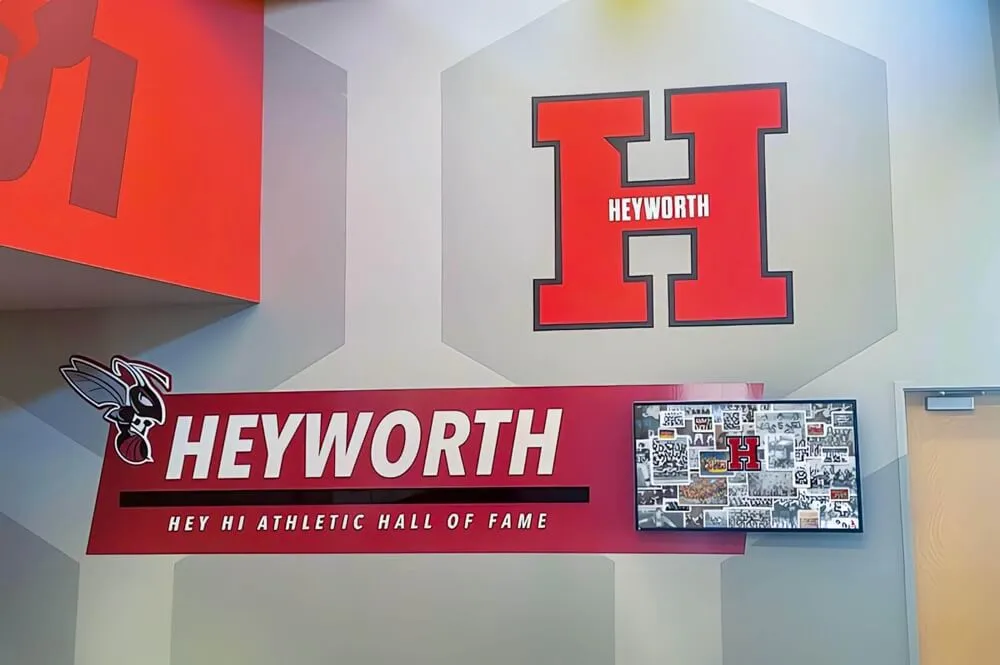
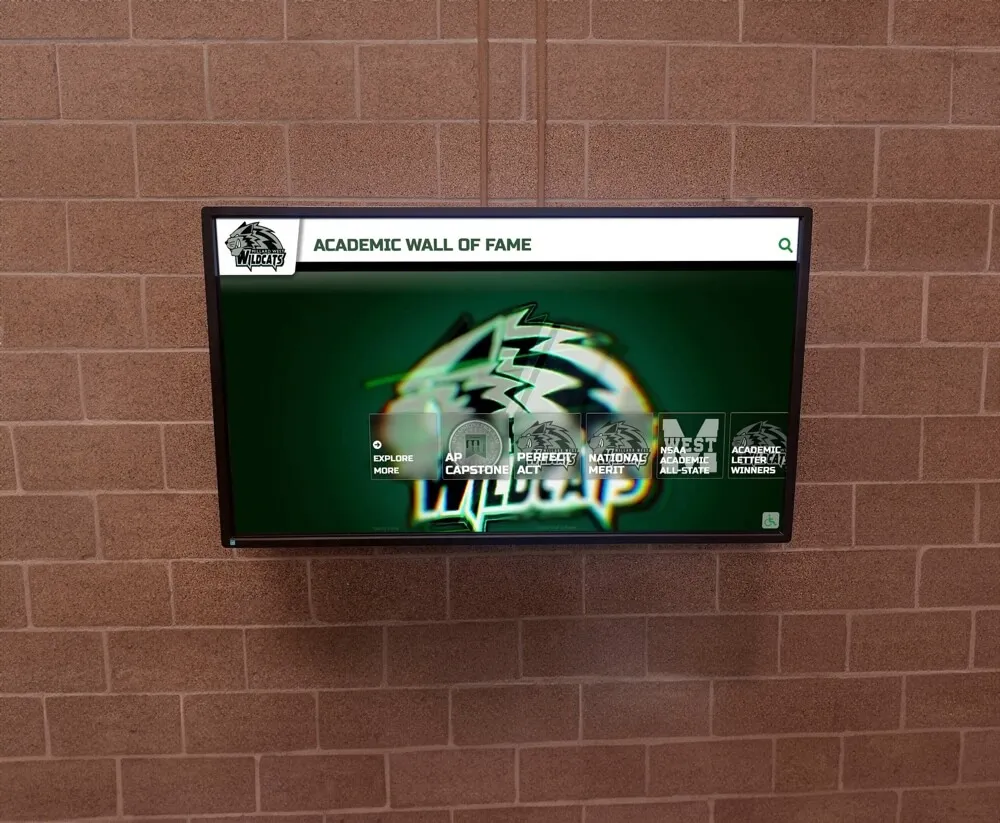
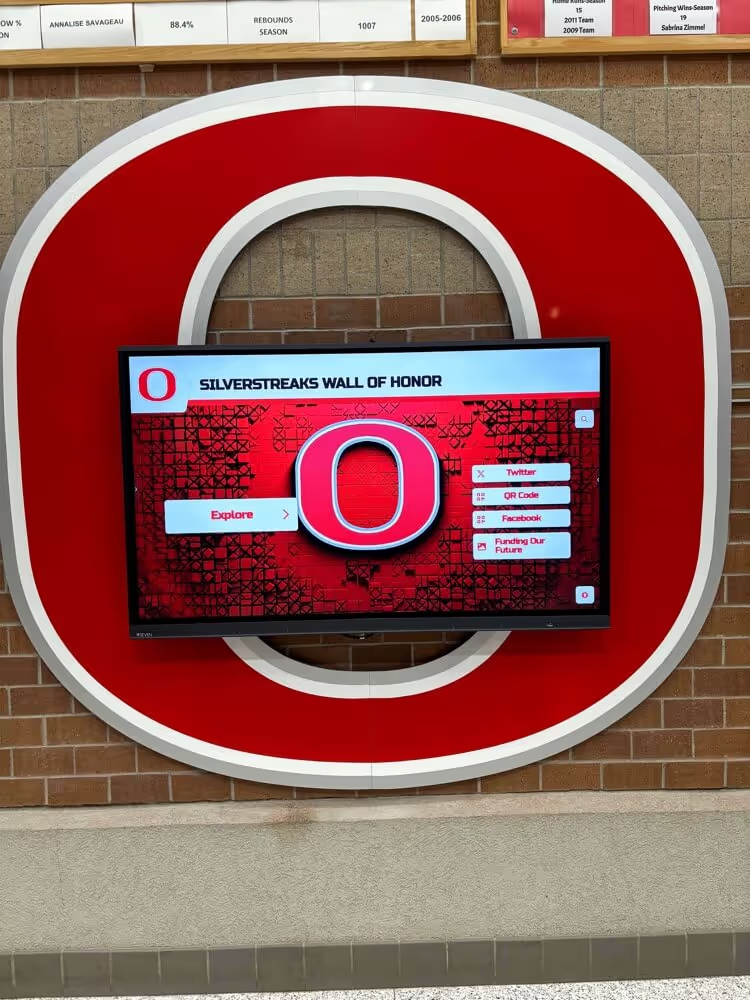
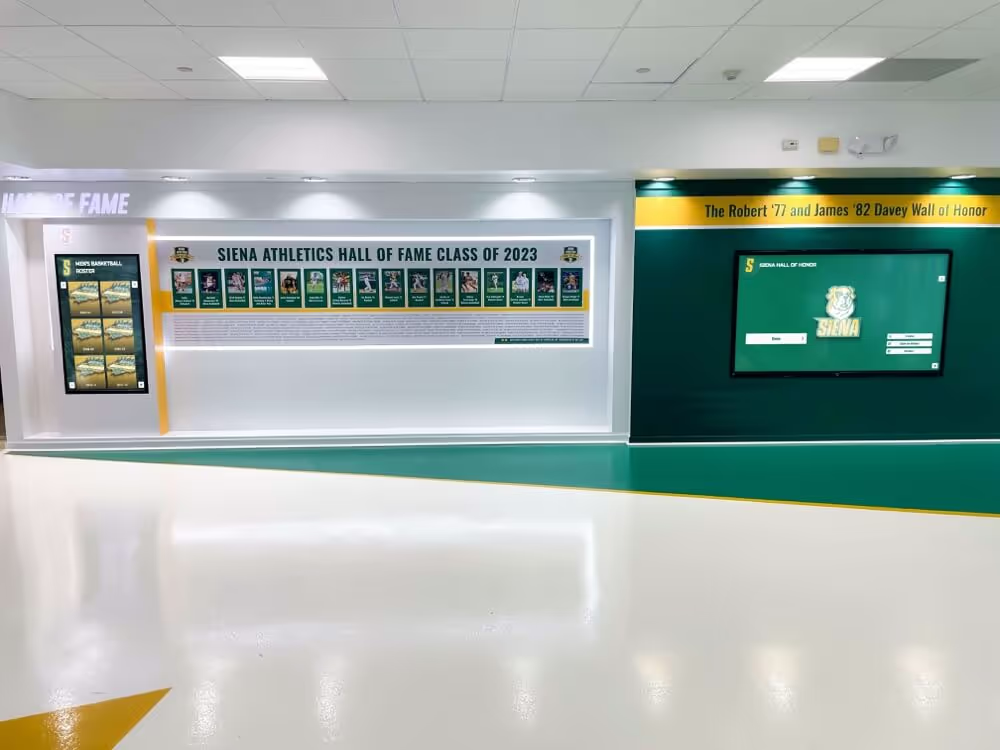
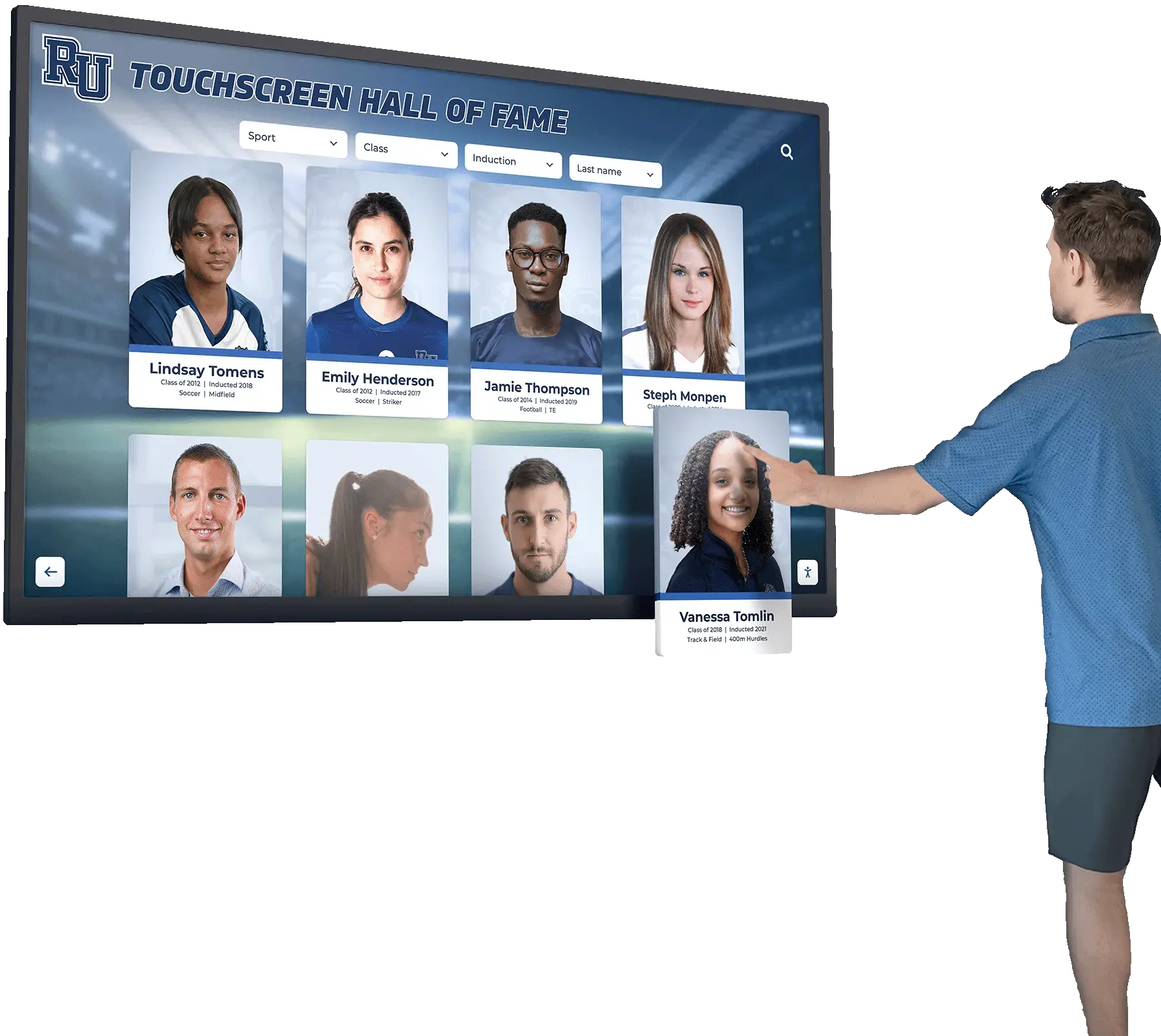
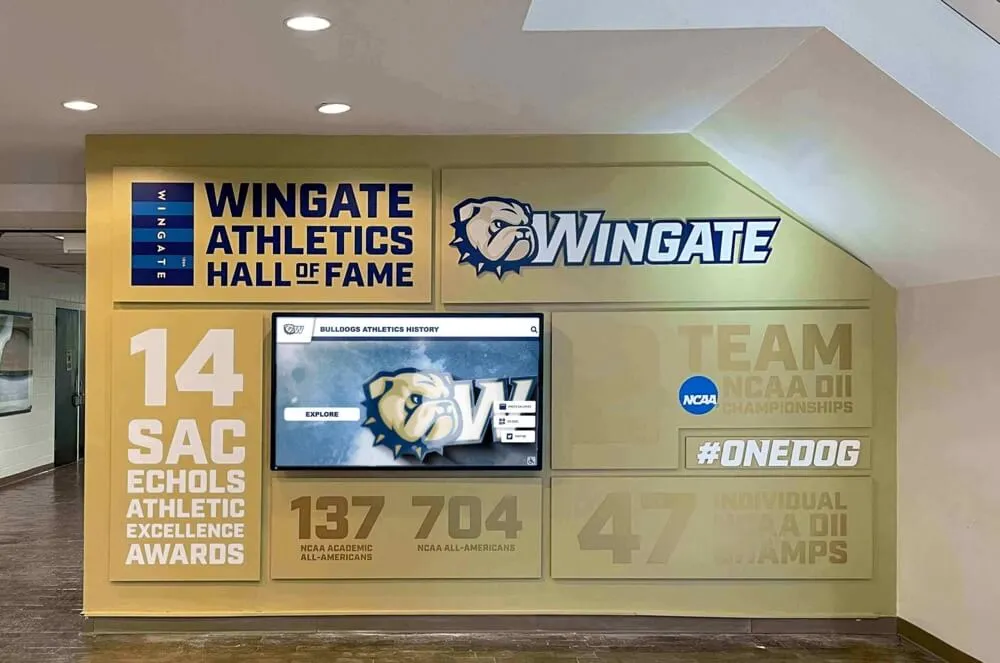
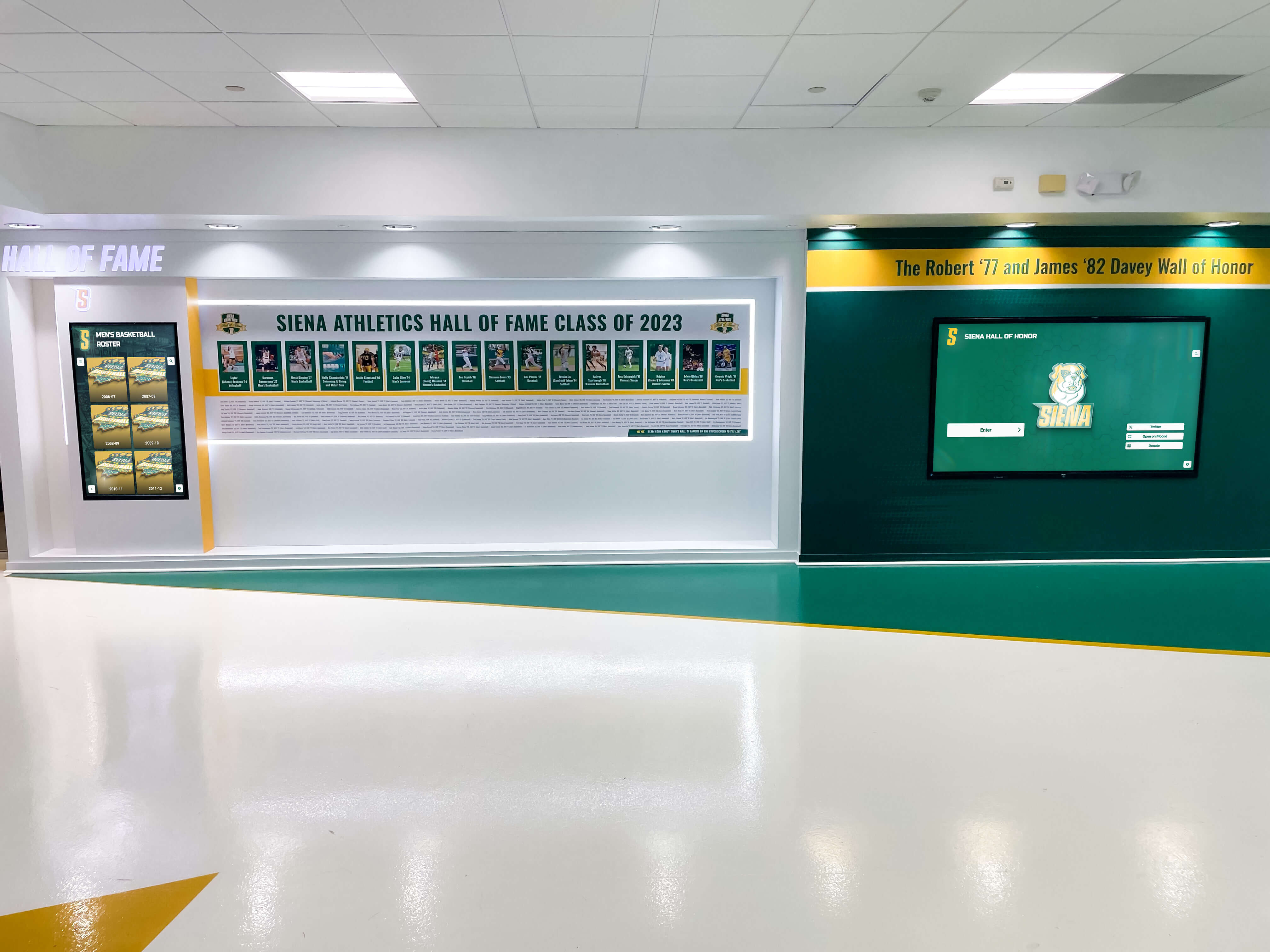
Athletic programs increasingly complement printed season reviews with digital displays that provide year-round visibility for achievements beyond single-evening recognition events.
Award Categories and Recipients
The heart of most sports banquet programs is comprehensive listing of awards and honorees. Well-organized award sections present each recognition category with clear descriptions, list recipients with proper name spelling and relevant details, include brief citations explaining why each honoree earned recognition, and incorporate photographs where space and budget permit.
Organization Strategies: Group awards logically—all academic honors together, all-conference selections grouped by sport, team-specific awards separated from broader recognitions. This organization helps attendees locate specific awards while creating coherent program flow.
For major awards, consider including previous recipients lists showing award history and placing current honorees in tradition alongside past winners. This context emphasizes recognition significance while building program legacy.
Team Roster and Athlete Recognition
Complete team rosters ensure every participant receives acknowledgment regardless of playing time or awards received. Comprehensive rosters include athletes’ full names with proper spelling, grade levels or graduation years, positions or events for individual sport context, and jersey numbers for applicable sports.
Consider adding personal touches like hometowns, years of program participation, or brief highlights (“Sarah Johnson—first sophomore to medal at state in program history”). These details transform generic rosters into personalized recognition while requiring minimal additional space.
Inclusivity Considerations: Ensure rosters recognize all program participants including junior varsity athletes, team managers, student trainers, and statisticians whose contributions enabled team success but often go unacknowledged in competitive award categories.
Coaching Staff and Support Personnel
Dedicated sections recognizing coaches and support staff acknowledge the adults who make athletic programs possible. Recognition sections typically include head coaches with years of service and program achievements, assistant coaches and their specific responsibilities, athletic trainers and medical staff, team managers and student support roles, and administrative staff supporting the program.
Brief biographical paragraphs for head coaches—highlighting coaching philosophy, career achievements, or years of service—add depth while humanizing program leadership for families who may know coaches only from sideline interactions.
Sponsor Recognition and Donor Acknowledgment
For programs relying on external support, sponsor recognition provides value to contributors while demonstrating community backing. Effective sponsor sections organize contributors by support level (gold, silver, bronze sponsorship tiers), display company logos when provided with sponsor permission, include brief acknowledgment of what sponsorship enables, and maintain professional appearance avoiding excessive commercial messaging.
Balance sponsor visibility with program integrity. While recognizing support is appropriate and necessary, programs that feel like extended advertisements undermine banquet dignity and recognition purposes.
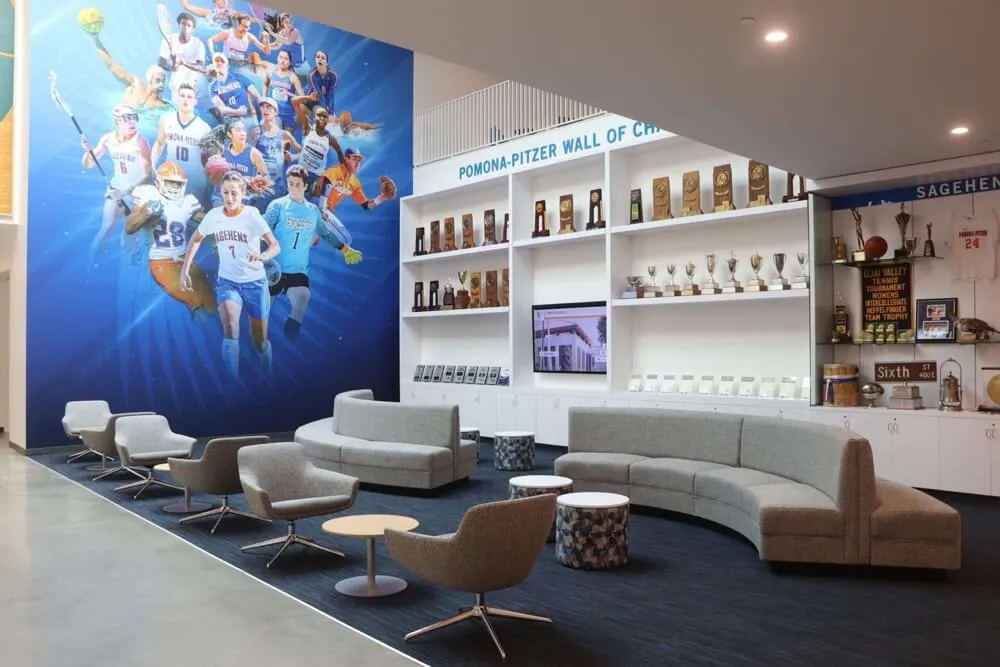
Schools managing complex recognition across athletics, academics, and alumni often implement digital donor walls providing year-round visibility that complements event-specific programs.
Message from Graduating Seniors
Many successful programs include brief messages from departing seniors reflecting on their experiences and expressing gratitude. Senior messages create emotional moments and lasting program content while giving graduating athletes voice in commemorating their careers.
Provide clear guidelines about message length (50-100 words typically), required elements (thanking coaches, teammates, families), and submission deadlines ensuring you can format and include all senior contributions.
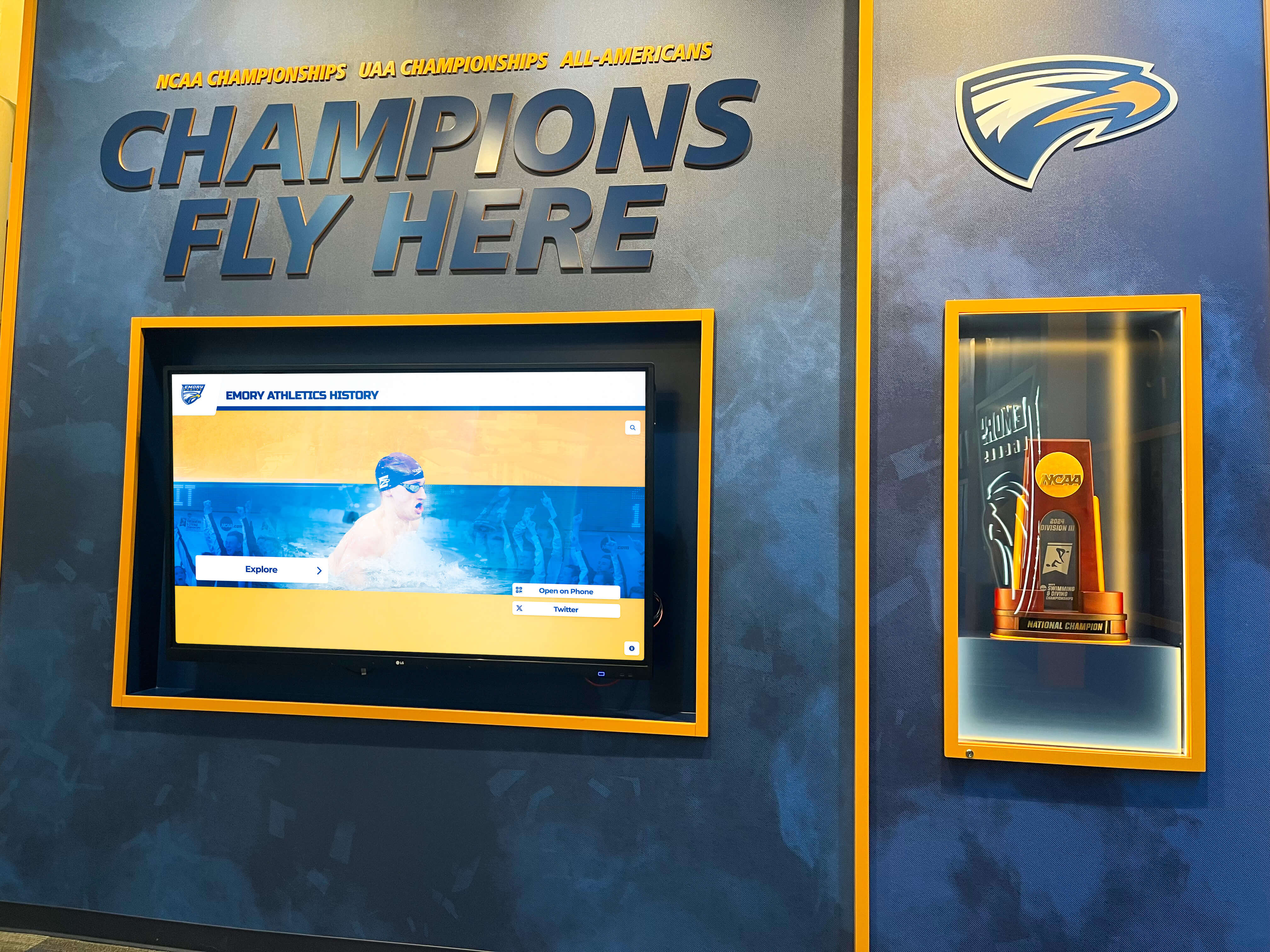
Photo Pages and Memory Sections
Visual content breaks up text-heavy pages while triggering memories of season moments. Photo sections might include action shots from competitions, candid practice and team bonding moments, championship celebrations, and senior spotlight photos.
Photo Selection Strategy: Aim for diverse representation showing multiple athletes and situations rather than featuring the same stars repeatedly. Parents whose children appear in program photos treasure those keepsakes for decades.
Sports Banquet Program Design and Layout Principles
Strong content means little if poor design prevents attendees from accessing and enjoying information. These design principles create programs that are both visually appealing and functionally effective.
Establishing Visual Hierarchy and Organization
Visual hierarchy guides readers through content by making important information prominent while supporting details recede. Create effective hierarchy through font size variation with headers significantly larger than body text, weight contrast using bold for section headers and names, color emphasis for key information (awards, honorees), and white space surrounding important elements drawing eye attention.
Avoid equal visual weight for all content. When everything is bold, large, or highlighted, nothing stands out—readers struggle identifying what matters most.
Typography Selection and Readability
Font choices dramatically impact program readability and tone. Effective typography follows these guidelines: use no more than two font families—one for headers, one for body text; ensure sufficient font size with body text at minimum 10-11 points; provide adequate line spacing preventing cramped appearance; and select professional fonts avoiding novelty typefaces that appear unprofessional or become difficult to read in quantity.
Accessibility Consideration: Consider older attendees who may have vision challenges. Fonts that seem perfectly readable on your computer screen may prove difficult in dimly lit banquet halls for grandparents trying to follow along.
Color Schemes and School Branding
Incorporate school or team colors establishing clear identity while maintaining sufficient contrast for readability. Effective color use includes primary colors for major headers and design elements, neutral backgrounds (white, light gray) for text-heavy pages ensuring readability, accent colors highlighting specific elements without overwhelming layouts, and consistent application throughout the program creating unified appearance.
Avoid dark backgrounds with light text throughout programs. While this can work for single pages or design elements, extended reading on dark backgrounds strains eyes and often prints poorly.
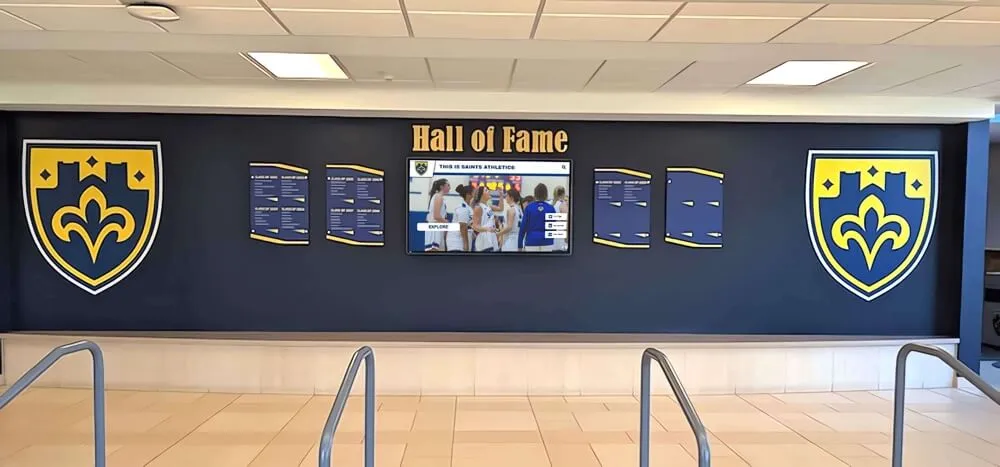
Athletic programs building comprehensive recognition systems often align banquet program design with broader digital displays creating consistent visual identity across all recognition touchpoints.
Layout Grids and Content Organization
Professional programs use consistent grid systems organizing content predictably across pages. Common layout approaches include two-column layouts accommodating substantial text while maintaining readability, three-column grids for roster listings and donor acknowledgments, full-width single columns for welcome messages and major announcements, and mixed layouts varying structure to maintain visual interest.
Whatever grid system you select, maintain consistency within program sections. Constantly changing layouts create disorganized appearance suggesting hasty construction.

Incorporating School Branding Elements
Beyond colors and logos, integrate broader school identity elements throughout your program including mascots and mascot imagery, architectural elements or campus landmarks, established graphic treatments from other school materials, and consistent terminology reflecting school culture and values.
Programs that visibly connect to broader school identity strengthen institutional cohesion while creating clear ownership and pride in athletic accomplishments as school achievements rather than isolated athletic department activities.
Creating Your Sports Banquet Program Template
Rather than starting from scratch each year, developing reusable templates streamlines program creation while ensuring consistent quality and comprehensive content coverage.
Building Effective Program Templates
Strong templates balance structure providing consistent frameworks with flexibility accommodating different sports, seasons, and honoree lists. Effective template development includes establishing standard page order that flows logically, creating placeholder sections for variable content (award lists, photos, rosters), locking design elements that should remain consistent (headers, footers, branding), and documenting template usage with clear instructions for future users.
Consider creating both full-ceremony templates for all-sports banquets and sport-specific versions for individual team celebrations. While sharing core design elements, these variations can accommodate different needs—football programs might emphasize position groups while track programs organize by event categories.
Software Options for Program Creation
Multiple software platforms enable professional program creation, each with distinct advantages. Common options include Microsoft Word or Google Docs for straightforward text-heavy programs with basic design needs, desktop publishing software like Adobe InDesign or Microsoft Publisher for advanced layout control and professional design, Canva for user-friendly template-based design with attractive pre-built elements, and specialized event program templates available through printing services.
Select software matching your design skill level and program complexity needs. Simple text documents often suffice for straightforward programs, while elaborate multi-sport galas justify investment in advanced design tools.
Template Customization Strategies
Generic templates require thoughtful customization creating programs that feel specific to your school, sport, and season rather than generic fill-in-the-blank documents. Customization approaches include incorporating season-specific imagery from actual competitions and activities, adding unique design elements reflecting sport character (basketball court floor patterns, baseball diamond graphics), updating welcome messages addressing current season’s particular achievements, and refreshing color variations within brand guidelines preventing identical appearance year after year.
The goal is recognizable consistency in structure and quality combined with fresh content and details that make each program feel current and specific rather than recycled.
Gathering and Organizing Content Efficiently
Program creation often stalls during content collection when coordinators struggle gathering information from multiple sources. Streamline collection through early communication with coaches, athletes, and families about needed information; standardized submission forms specifying exactly what content is required; clear deadlines allowing adequate time for design and proofing; and designated point people for each program section preventing duplicate efforts or gaps.
Content Checklist: Create master checklists of every content element needed—coach bios, senior messages, sponsor logos, award criteria, etc.—and track acquisition to identify gaps before they become last-minute crises.
Printing Considerations and Production Options
Even well-designed programs fail when poor printing diminishes quality. Understanding printing options ensures final products match your design intent while respecting budget realities.
Print vs. Digital Program Decisions
Athletic programs face increasing questions about whether printed programs remain necessary or whether digital alternatives better serve modern needs. Consider these factors when deciding: attendee preferences with older audiences often preferring printed materials, keepsake value since physical programs become lasting mementos, cost implications as printing represents significant expense, environmental considerations around paper use, and practical functionality during events (scrolling phones in dark banquet halls proves challenging).
Many programs adopt hybrid approaches—providing printed programs for participants and immediate families while offering digital versions to extended attendees and for post-event distribution.
Paper Stock and Binding Options
Paper and binding choices dramatically impact perceived quality and program durability. Common options include standard copy paper for simple programs acceptable for small team events, cardstock covers with standard paper interiors balancing quality and cost, premium paper throughout for programs intended as lasting keepsakes, saddle-stitch binding (stapled along fold) for programs up to about 16 pages, and spiral or comb binding for longer programs exceeding typical booklet capacities.
Budget Strategy: Invest premium resources in elements attendees handle most—covers and cover stock—while using standard quality for interior pages containing primarily text content.
Professional Printing Services vs. In-House Production
Schools must decide between professional printing and in-house production on office copiers or print centers. Professional printing offers superior quality especially for color images and photos, consistent output across large print runs, binding and finishing options beyond typical school capabilities, and time savings since printing happens off-site. In-house production provides cost savings particularly for smaller quantities, flexibility for last-minute changes, and faster turnaround without shipping delays.
For major all-sports banquets honoring large numbers of athletes before substantial audiences, professional printing typically justifies cost through quality improvements. Individual team banquets with smaller scale may work well with quality in-house production.
Quantity Determination and Ordering
Calculating appropriate print quantities prevents wasteful over-ordering while ensuring adequate programs. Consider athlete count including all participants across relevant sports, attendees per athlete estimating family members and guests, coaching staff and administrators, sponsor copies for recognition partners, and archive copies for school records and future reference.
A common formula: (Number of athletes × 3) + Staff + Sponsors + 10% buffer. This typically ensures adequate quantities without excessive waste.
Some athletic departments have transitioned portions of their ongoing recognition to digital platforms that complement single-event programs by providing year-round visibility for achievements and team histories.
Modern Digital Alternatives and Enhancements
Technology creates new opportunities for delivering banquet program content while offering capabilities impossible with traditional printed formats.
Interactive Digital Programs
Web-based or app-based digital programs provide interactive experiences traditional print cannot match. Digital programs enable embedded video highlights from the season, hyperlinked navigation allowing easy jumping between sections, searchable content helping attendees quickly find specific athletes or awards, real-time updates if schedule or content changes occur, and interactive photo galleries showcasing far more images than printed space allows.
Platforms like event apps, dedicated program websites, or PDF programs distributed digitally each offer distinct advantages. The key consideration is whether your audience has reliable device access and willingness to engage digitally rather than with physical programs.
QR Code Integration with Printed Programs
Hybrid approaches integrate digital enhancements into printed programs through QR codes linking to extended content. Strategic QR code placement includes codes beside team rosters linking to full season statistics or athlete profiles, award section codes connecting to video highlights or photo galleries, sponsor acknowledgments linking to business websites or detailed contribution information, and program covers linking to comprehensive digital programs or event websites.
This approach maintains printed program benefits—physical keepsakes, easy viewing without devices—while extending content beyond space limitations and offering enhanced multimedia experiences for those who choose to engage digitally.
Live Presentation Integration
Some programs project digital versions on screens during ceremonies, allowing all attendees to follow along regardless of seating location. Projected programs can display current program position highlighting what’s happening now, feature athlete photos as individuals receive recognition, share sponsor logos providing additional visibility, and incorporate live social media feeds if appropriate for your audience.
This approach requires appropriate audio-visual equipment and skilled operators but can enhance attendee experience particularly in larger venues where sightlines to speaking platforms may be limited.
Ongoing Digital Recognition Systems
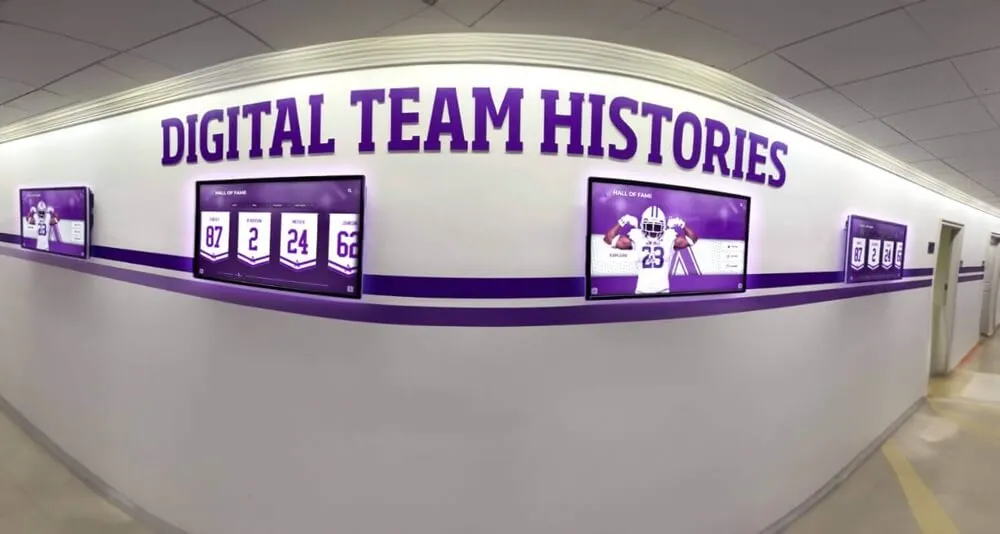
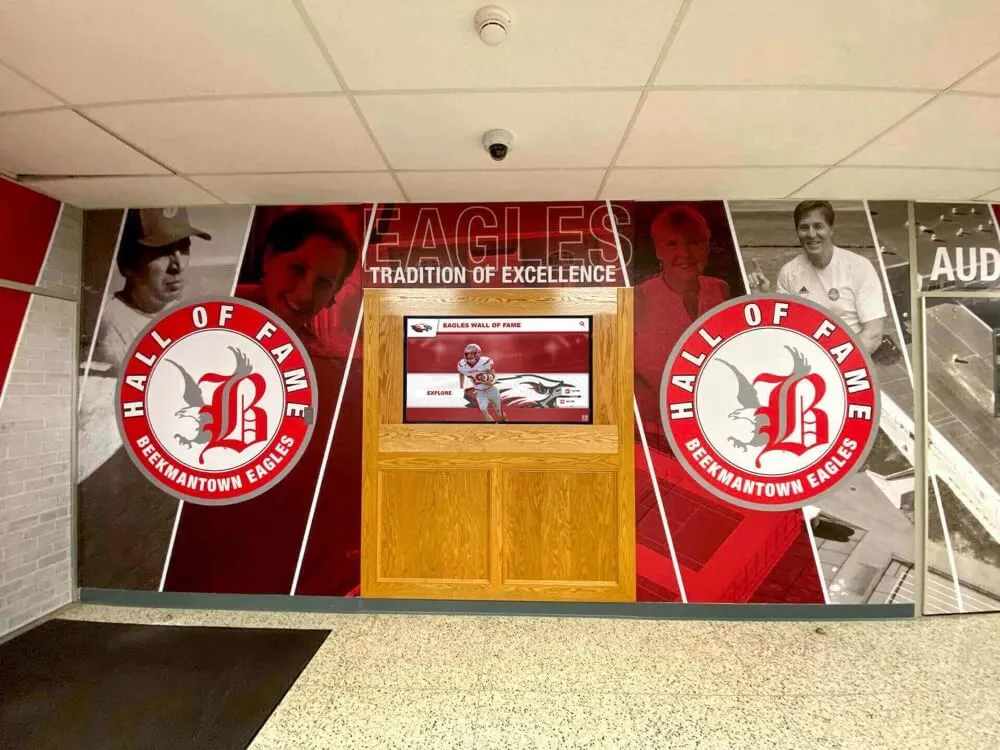
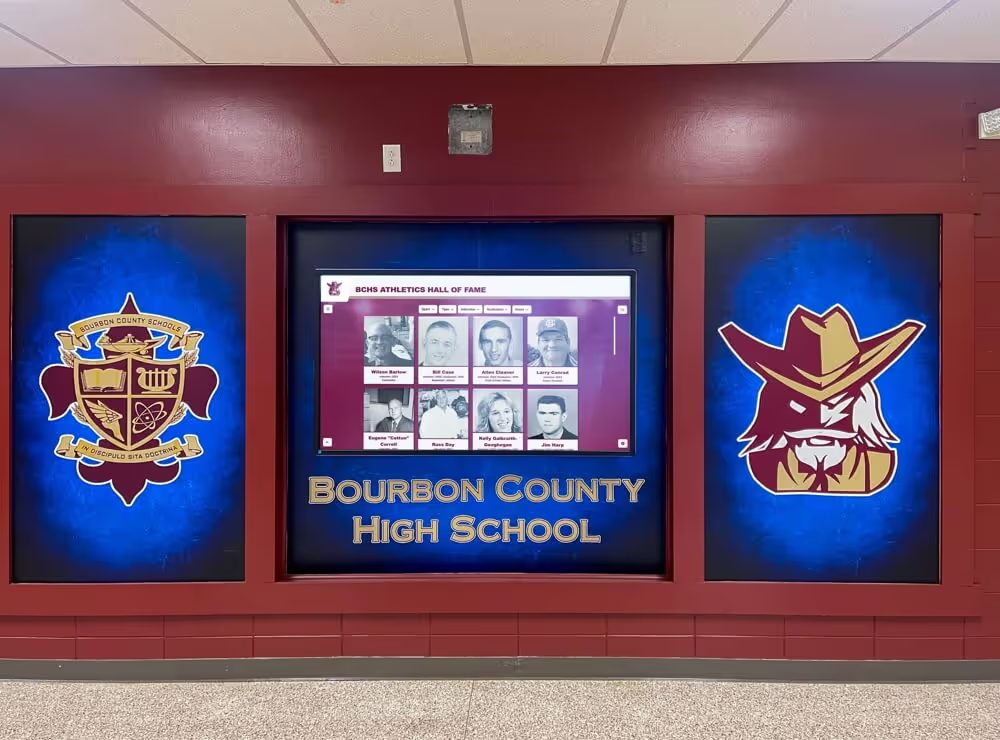
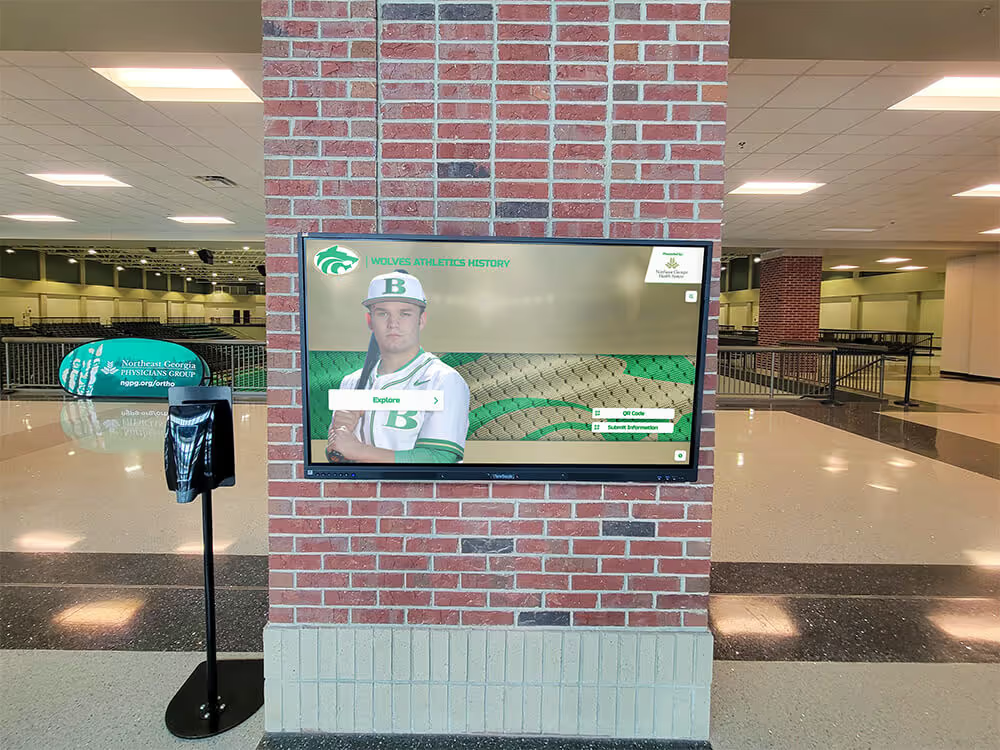
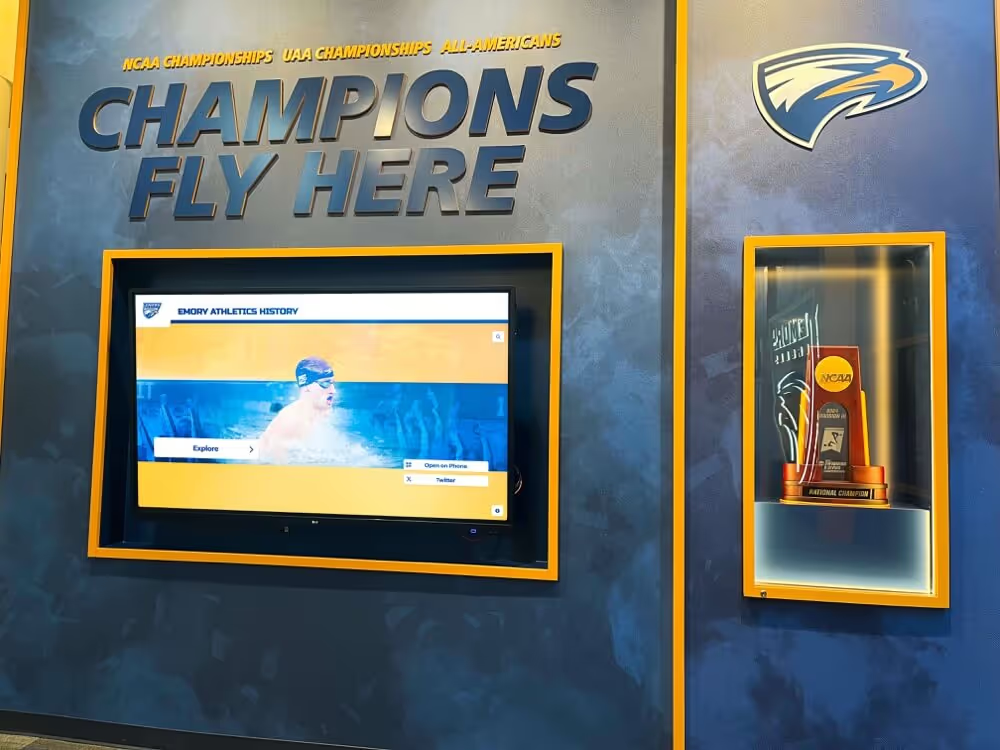
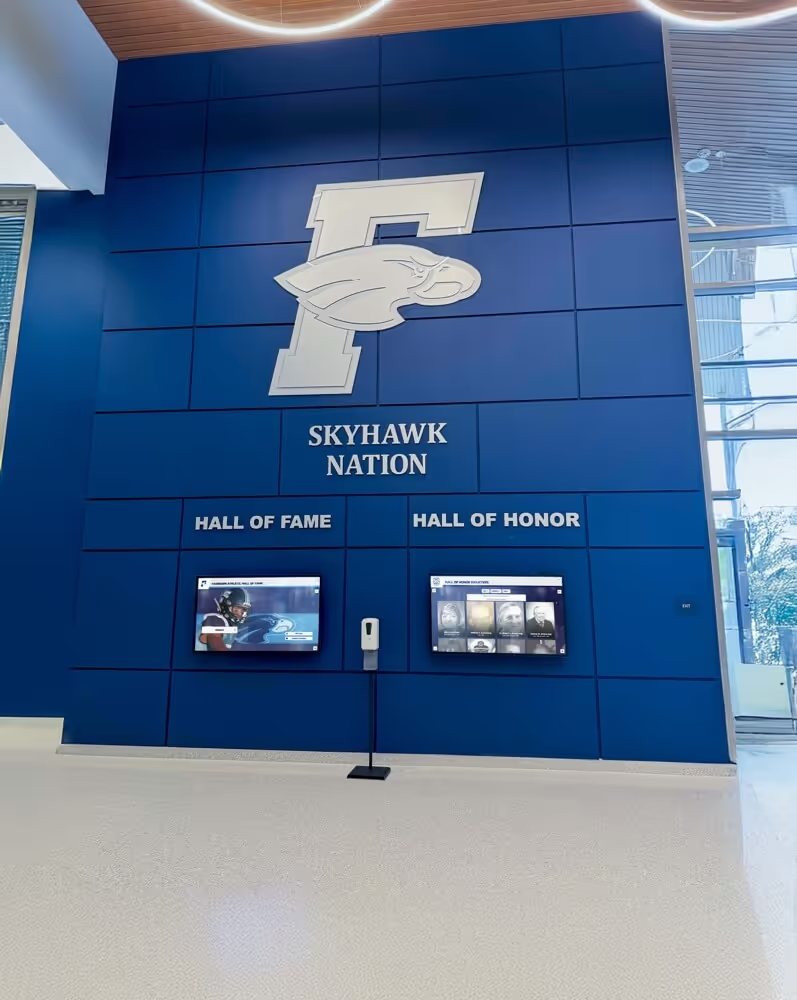
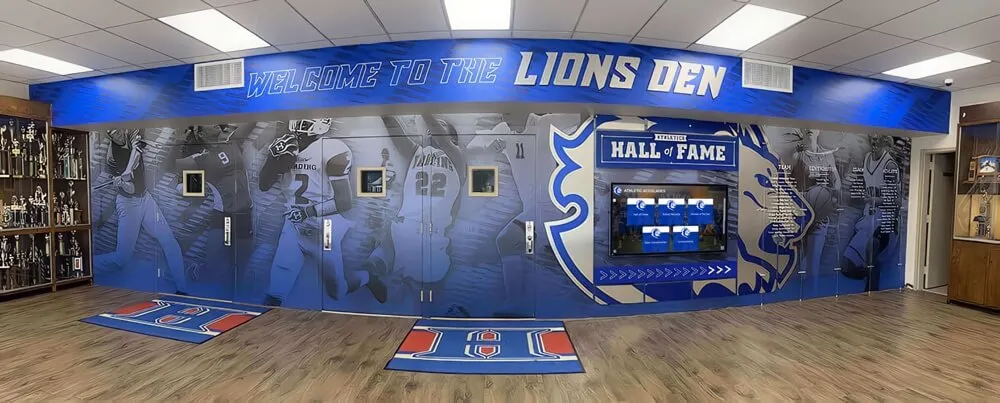
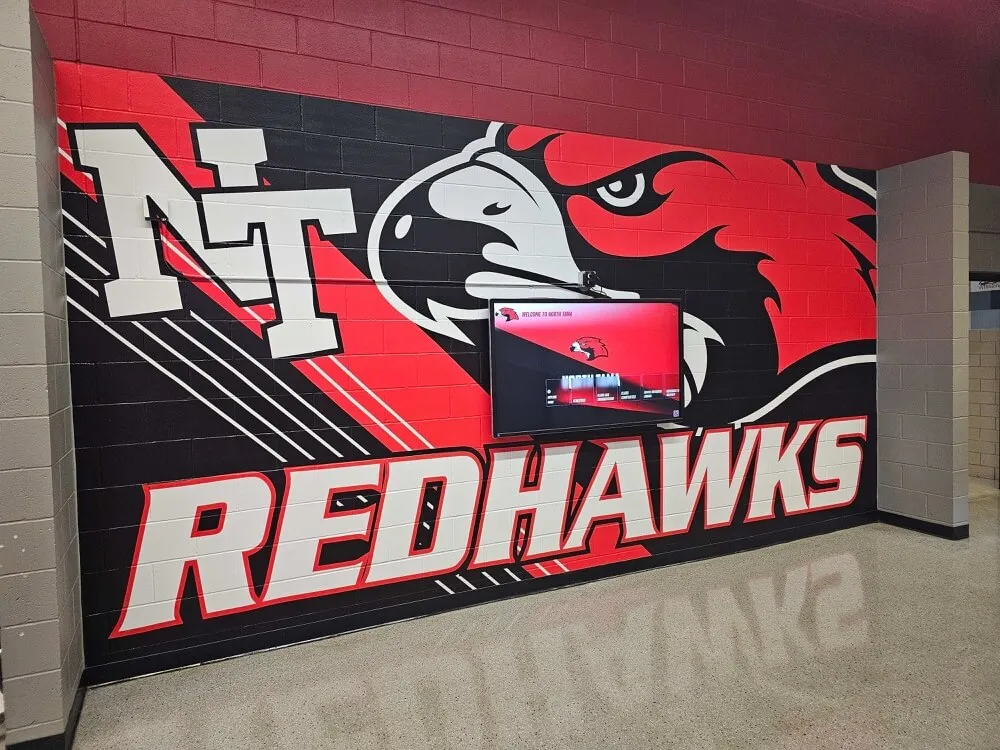
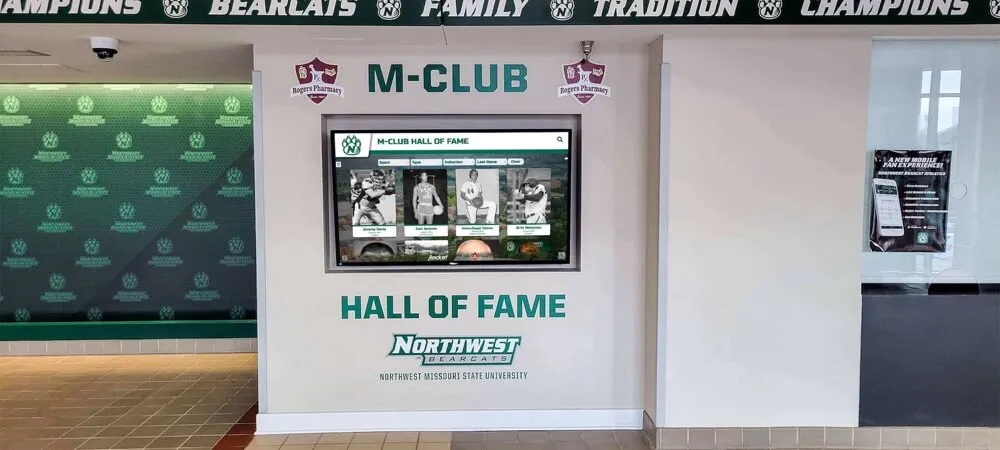
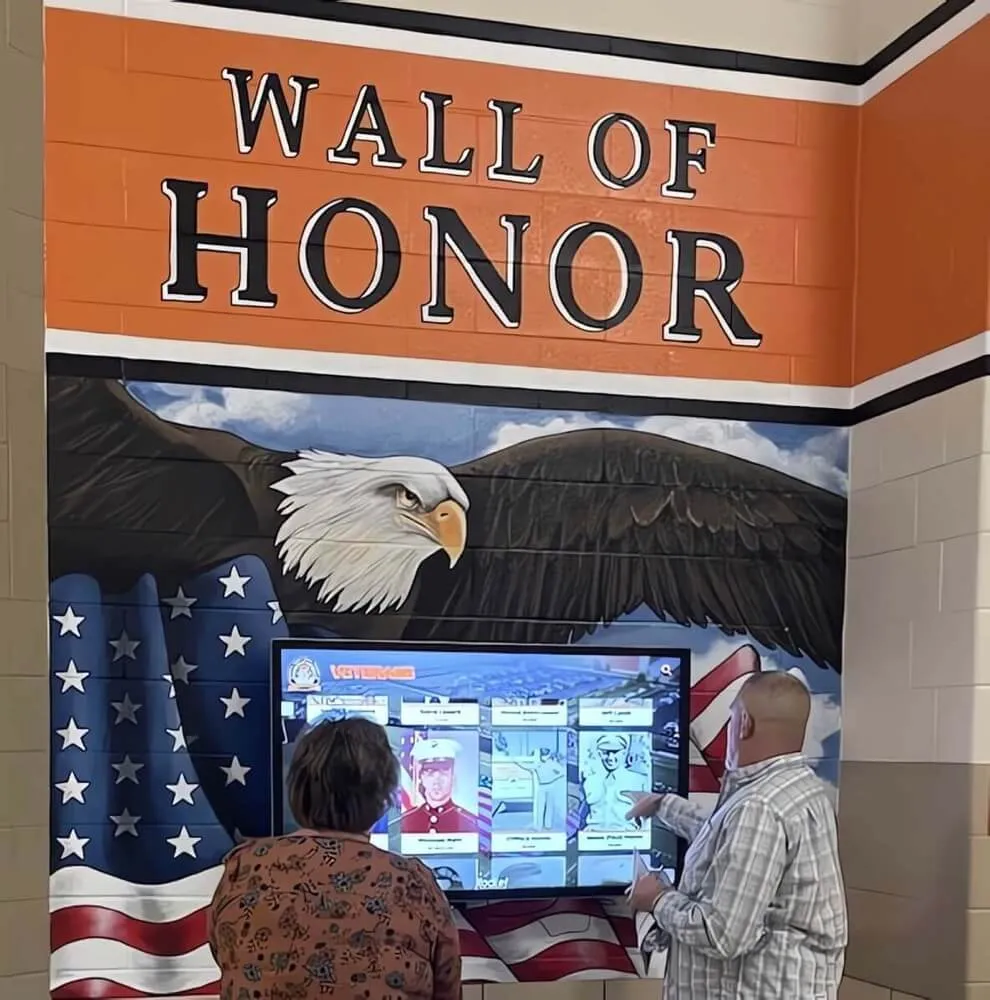
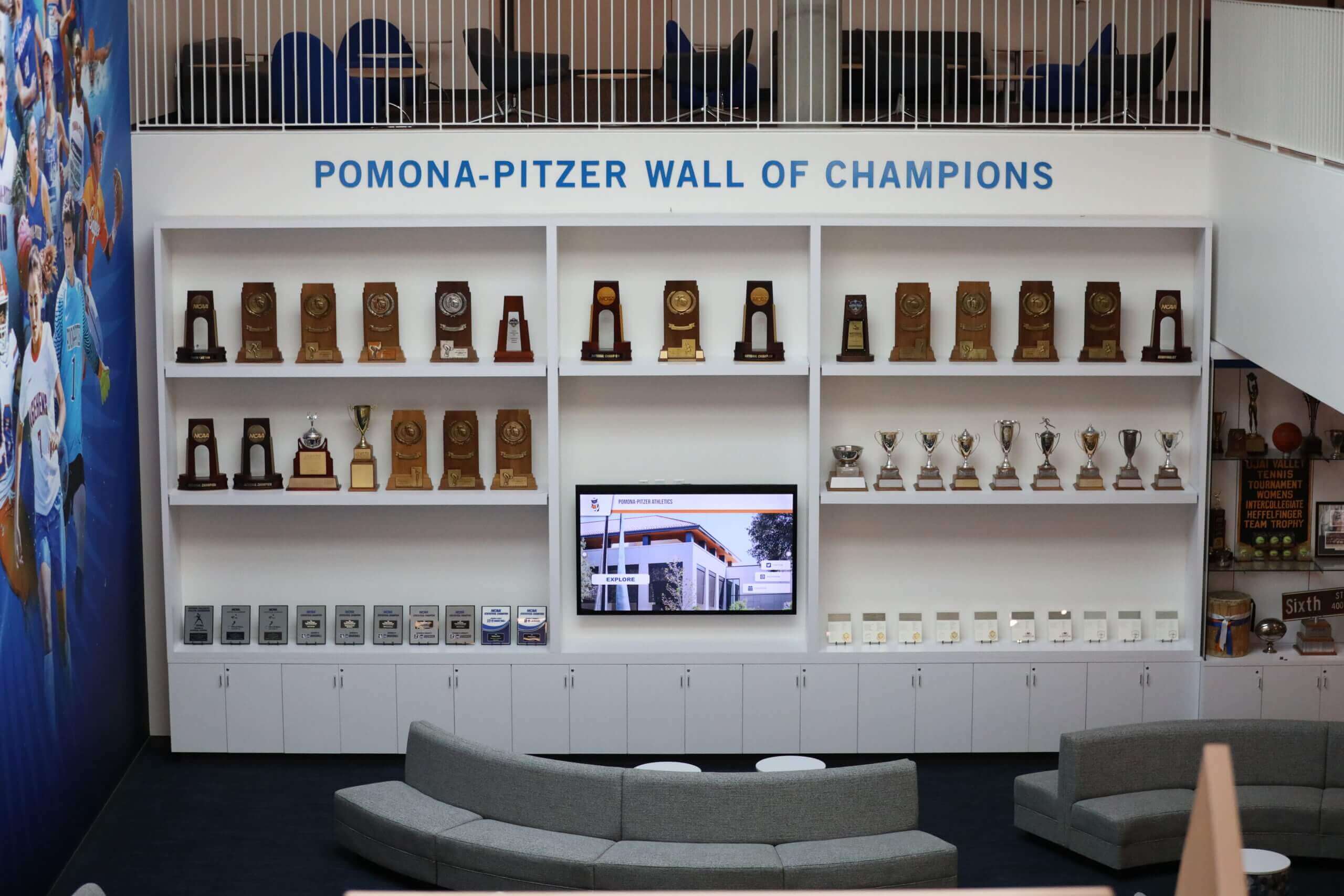
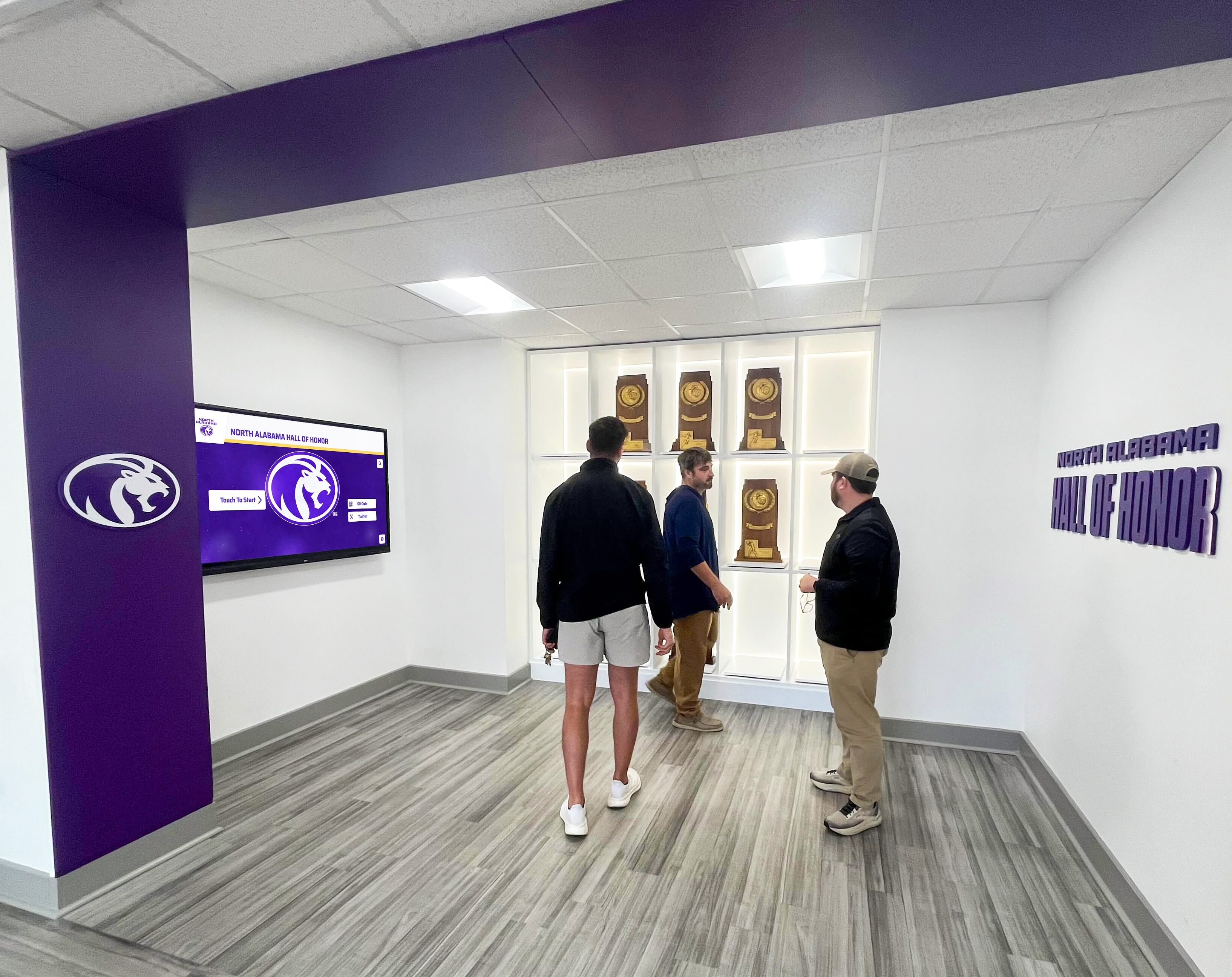
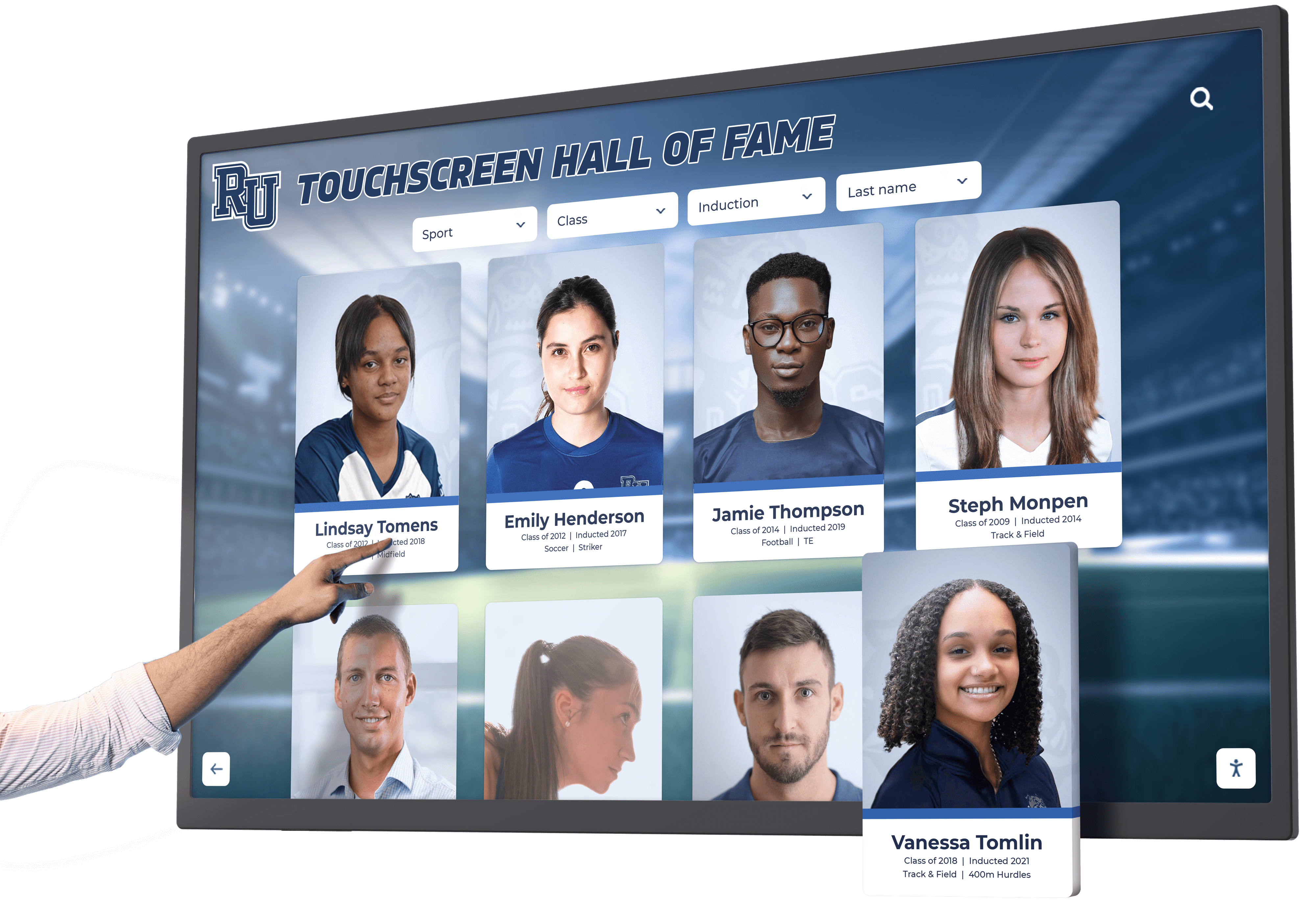
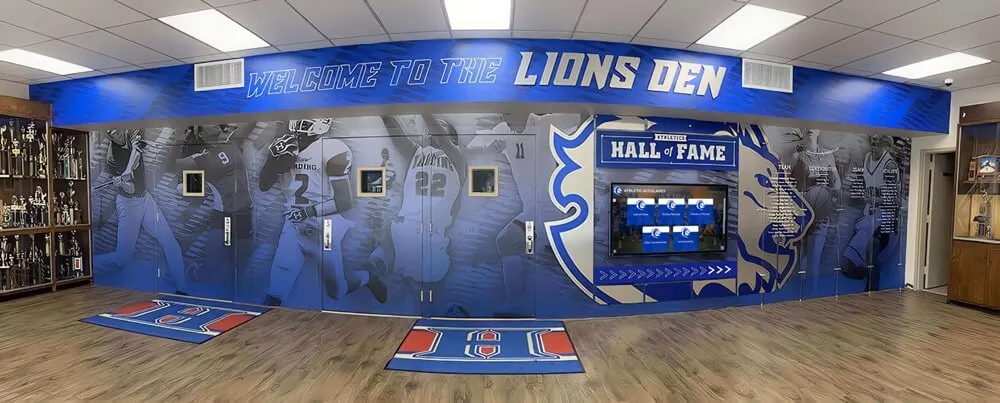
Forward-thinking athletic programs increasingly view banquet programs as single components within comprehensive year-round recognition approaches. Permanent digital displays provide continuous visibility for achievements beyond single-evening events, accessible athlete profiles and team histories, scalable platforms growing with program achievements, and dynamic content updated throughout seasons rather than static annual snapshots.
These digital recognition systems complement traditional banquet programs by maintaining momentum and visibility beyond ceremony nights while creating lasting institutional memory accessible to current athletes, prospective recruits, alumni, and broader school communities.
Schools implementing comprehensive digital recognition report enhanced athlete motivation, stronger alumni engagement, and more effective recruiting as prospects see demonstrated program traditions and achievement celebration extending far beyond single events.
Sports Banquet Program Timeline and Planning Workflow
Successful program creation requires adequate planning time and organized workflows preventing last-minute stress while ensuring quality outcomes.
6-8 Weeks Before Banquet
Initial planning stages establish program foundation and begin content collection. Early timeline activities include confirming program budget and production approach, reviewing previous programs identifying what worked well and what needs improvement, developing or updating program template for current season, and initiating content collection process with clear deadlines for contributors.
Early starts provide buffer time for inevitable delays when coaches miss submission deadlines or information requires follow-up for accuracy.
4-6 Weeks Before Banquet
Mid-timeline focus shifts to active content development and design refinement. Activities during this phase include finalizing award categories and selection criteria, gathering team rosters with accurate spelling and details, collecting coach biographies and staff recognition content, securing sponsor logos and determining recognition tiers, and conducting preliminary program layout with available content.
Even if some content remains outstanding, creating draft layouts with placeholder text allows identifying design issues or space constraints requiring adjustment before time pressure intensifies.
2-3 Weeks Before Banquet
Final content completion and design polish occur during this critical phase. Key activities include finalizing all award recipients and honoree names, completing photo selection and image preparation, writing or finalizing all program text including welcome messages and award descriptions, conducting thorough proofreading for spelling and accuracy errors, and obtaining necessary approvals from athletic directors or administrators.
Proofreading Strategy: Never proofread your own work exclusively. Fresh eyes catch errors you’ve become blind to through repeated viewing. Recruit multiple reviewers checking different aspects—one focusing on name spelling, another on factual accuracy, a third on grammatical correctness.
1-2 Weeks Before Banquet
Final production and distribution occur during the final pre-event window. Complete these activities: submitting final program to printer or initiating in-house production, conducting final proof review if printer provides advance copies, coordinating delivery timing ensuring programs arrive before banquet day, and preparing distribution strategy for program disbursement at event.
If using digital programs, this timeline includes final testing across different devices and platforms, confirming all links and interactive elements function properly, and communicating access information to attendees.
Day-of-Event Considerations
Program logistics continue through event day including designating responsible individuals for program distribution at entrances, creating backup access to digital programs if applicable, keeping several reserve programs for unexpected attendees or replacements for damaged copies, and capturing program photos for archives and future planning reference.
Common Sports Banquet Program Mistakes to Avoid
Learning from common pitfalls helps you create more effective programs while avoiding preventable problems.
Content Errors and Omissions
The most painful program mistakes involve content accuracy issues discovered too late for correction. Common problems include misspelled athlete or coach names, incorrect award recipients listed, missing team members omitted from rosters, inaccurate statistics or achievements, and outdated sponsor information or missing contributor acknowledgments.
Prevent these errors through multiple review rounds, verification against official documents (rosters, award selection records), and designated fact-checkers who didn’t create original content.
Design and Readability Problems
Poor design choices undermine otherwise solid content. Frequent design mistakes include insufficient contrast between text and backgrounds, overly small fonts straining reader vision, cluttered layouts overwhelming readers with too much information per page, inconsistent styling creating disorganized appearance, and low-quality images appearing pixelated or distorted.
Design Review Strategy: Print draft copies at actual size and review in lighting conditions similar to your banquet venue. Programs that look fine on bright computer screens may prove illegible in dimly lit reception halls.
Production and Timing Failures
Even perfect content and design fail when production timelines collapse. Common production problems include underestimating production time causing rushed completion, late content submission preventing adequate design and proofing, inadequate print quantities requiring emergency reprinting or leaving some attendees without programs, poor binding or assembly creating programs that fall apart, and delivery delays causing stress when programs arrive hours before events.
Buffer timing generously, particularly when relying on external vendors whose production schedules you cannot control. The few extra dollars paid for rush printing never justify the stress of wondering whether programs will arrive before your banquet begins.
Missing Key Functional Elements
Programs occasionally omit essential functional content leaving attendees confused. Ensure you include clear event schedule with timing, complete award category listings so attendees know what recognitions will occur, adequate honoree identification enabling attendees to identify who’s being recognized, sponsor acknowledgments fulfilling commitments to supporters, and contact information for athletic department or program for future engagement.
Building Recognition Programs That Last
The most effective sports banquet programs exist as components within comprehensive recognition ecosystems extending far beyond single evening events.
Creating Program Archives
Maintain organized archives of past programs creating valuable historical records and planning resources. Archive approaches include physical program libraries stored in athletic offices providing reference access, digital scans of historical programs preserving content permanently, searchable databases tracking award recipients across years, and public access archives allowing alumni to revisit programs from their athletic careers.
These archives serve multiple purposes—helping current planners learn from past programs, enabling recognition research identifying award winners across years, and providing alumni engagement opportunities as graduates reconnect with their athletic histories.
Schools building comprehensive historical archives often discover that professional digitization approaches preserve program content while making it accessible to broader audiences than physical storage permits.
Integrating Programs into Broader Recognition
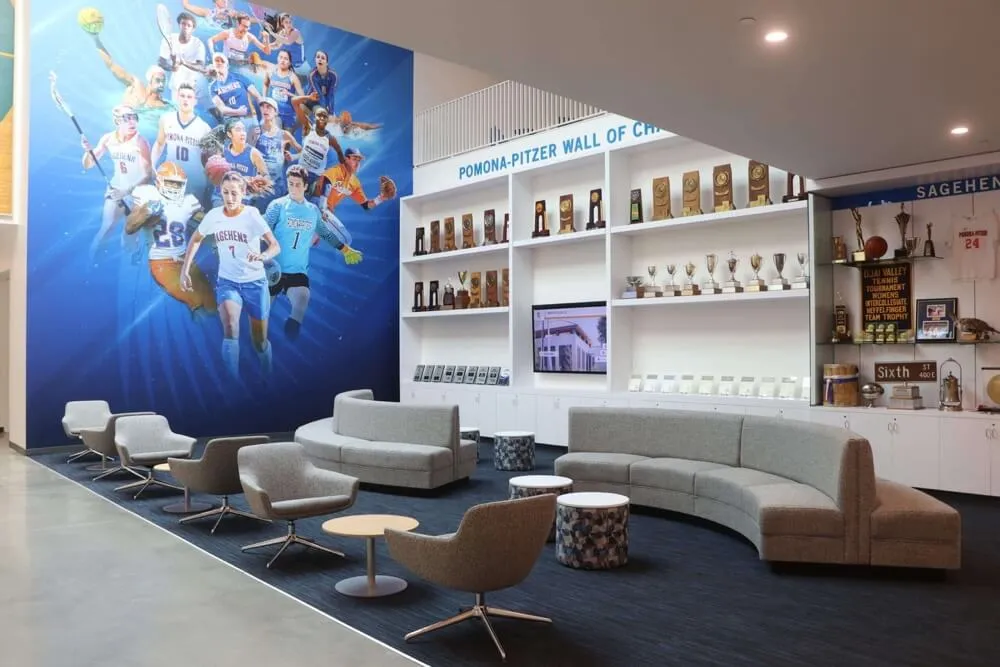
Sports banquet programs work most effectively when aligned with comprehensive recognition strategies including permanent facility displays highlighting achievements year-round, digital platforms providing accessible athlete and team profiles, social media celebration extending recognition beyond physical attendees, and alumni engagement initiatives connecting current programs to graduate communities.
This integrated approach ensures recognition momentum extends beyond single events while creating multiple touchpoints celebrating achievement through various channels reaching different audiences.
Continuous Improvement Process
Treat each program as learning opportunity informing future improvements. Establish improvement processes including post-event surveys gathering attendee feedback, planning team debriefs identifying what worked and what needs change, comparison reviews examining other schools’ programs for ideas, and documentation of lessons learned for future planning teams.
Athletic programs committed to recognition excellence view program development as ongoing refinement rather than isolated annual tasks, building quality and sophistication year over year.
Conclusion: Creating Programs Worthy of Achievement
The sports banquet program you create represents far more than an event schedule or attendee guide. It stands as tangible evidence of the care and professionalism your athletic program brings to celebrating achievement, creates lasting keepsakes that families treasure for decades, and contributes to building the recognition culture that defines excellent athletic programs.
Whether you choose traditional printed programs, modern digital alternatives, or hybrid approaches combining both, the principles remain constant: comprehensive content honoring all contributors, professional design reflecting achievement significance, meticulous accuracy respecting those you recognize, and thoughtful execution demonstrating that recognition matters enough to do extremely well.
As you develop your sports banquet program template and approach, remember that perfect programs don’t emerge from first attempts. Start with solid foundations covering essential elements, gather feedback honestly identifying improvement opportunities, refine approaches year over year building sophistication, and remain focused on your core purpose—creating meaningful recognition that honors athletic achievement while strengthening the program culture sustaining excellence across generations.
The time and care you invest in program creation directly impacts how athletes, families, and communities experience and remember your recognition events. By approaching program development with the same dedication coaches bring to preparing teams for competition, you ensure that celebration matches the commitment athletes demonstrated throughout their seasons—and that’s recognition done right.
For athletic programs seeking to extend recognition beyond single-evening events while creating permanent celebration of achievement accessible year-round, modern digital recognition solutions complement traditional banquet programs by providing dynamic platforms that grow with your program while engaging current athletes, recruits, alumni, and broader communities in ongoing celebration of athletic excellence.